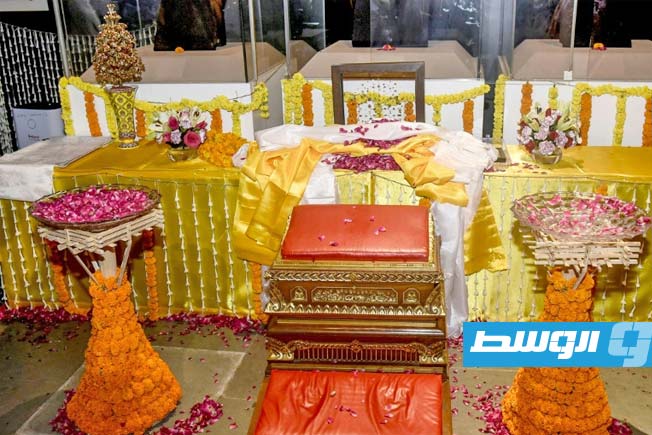
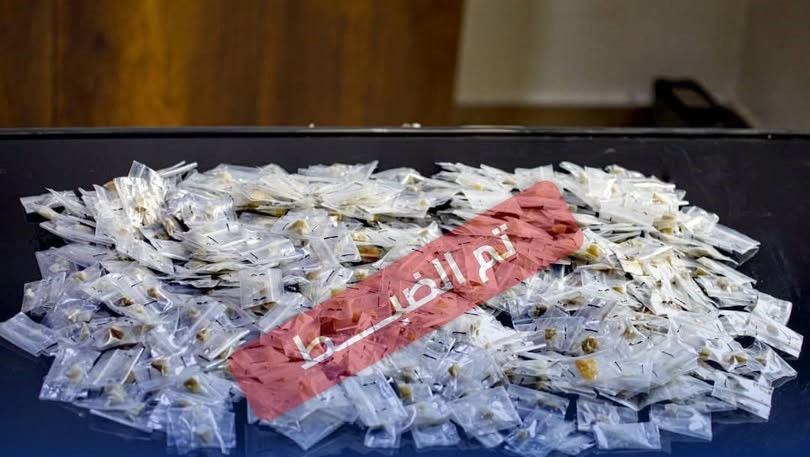
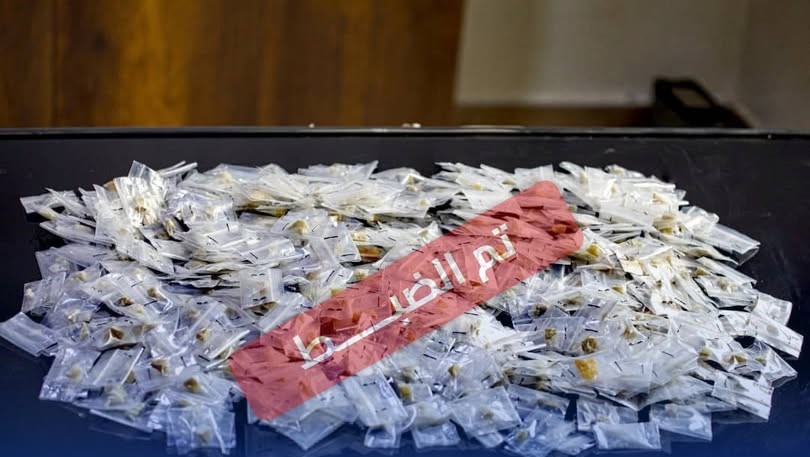
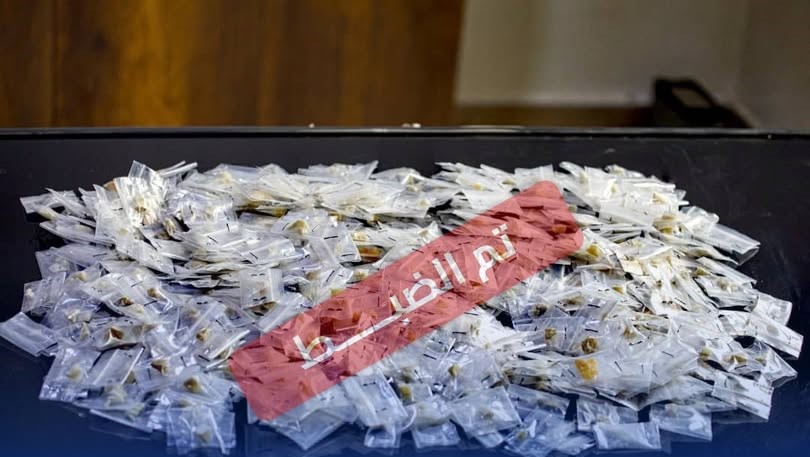
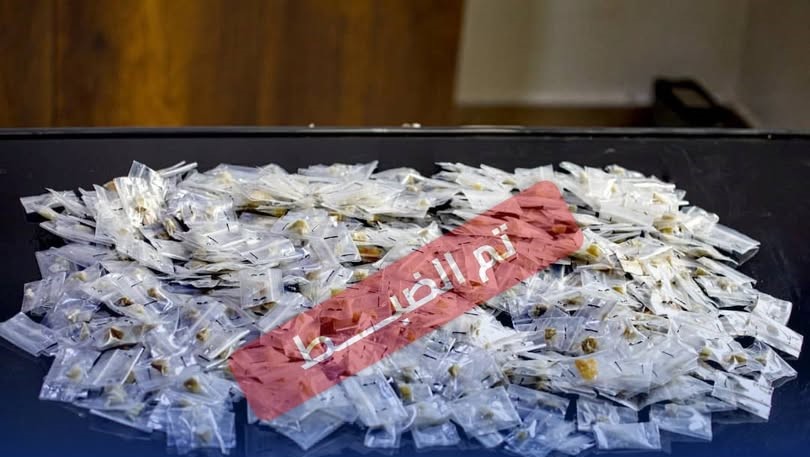
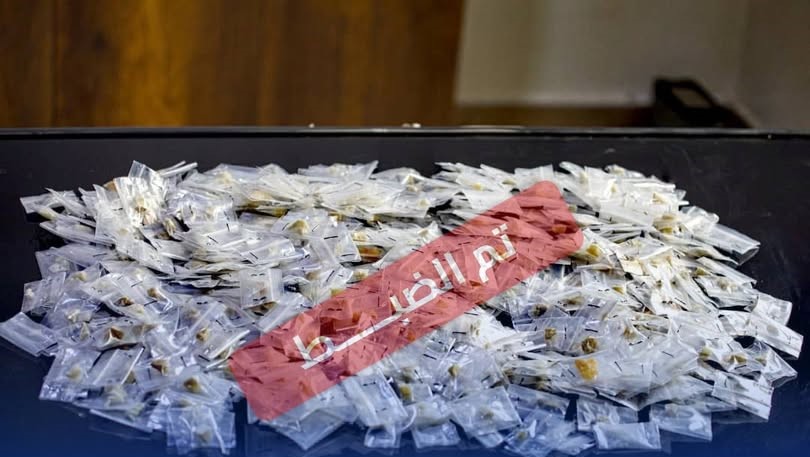
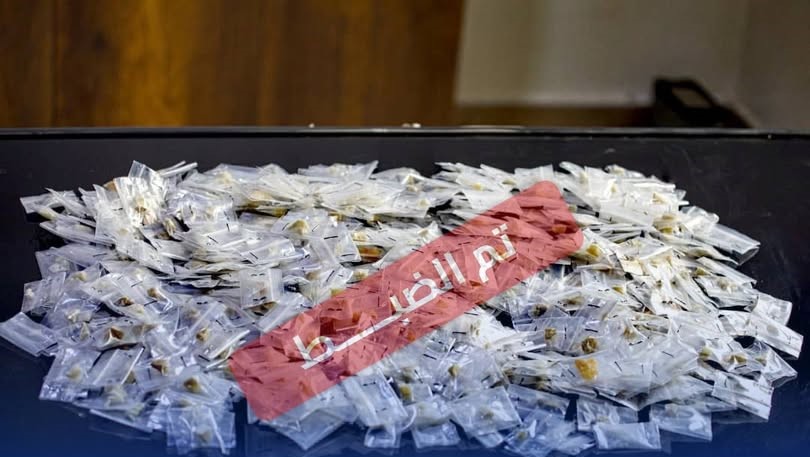
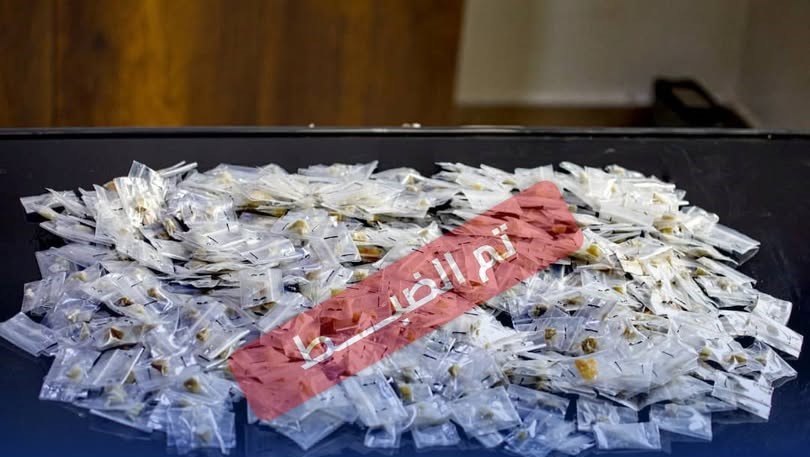
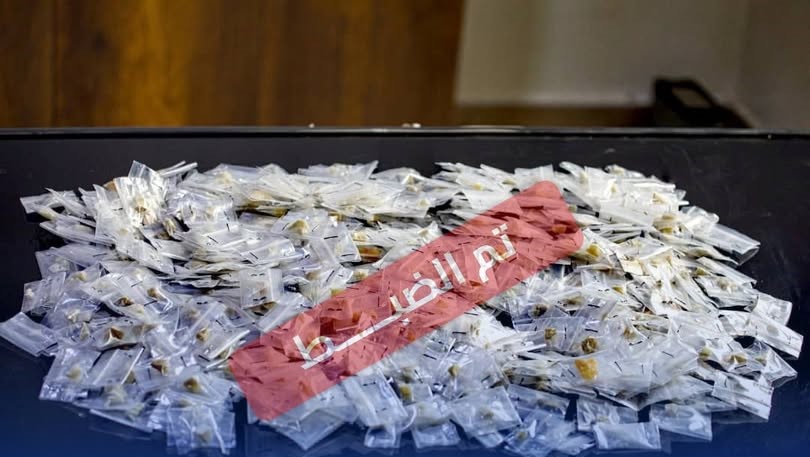
The Piprahwa jewels, sacred ornaments associated with Buddha, were displayed Saturday in New Delhi for the first time since their discovery, as announced by the Indian Ministry of Culture.
The ministry stated in a release that “this historic event marks the reunification of the precious Piprahwa ornaments of Buddha, which have been brought back to the homeland after 127 years.”
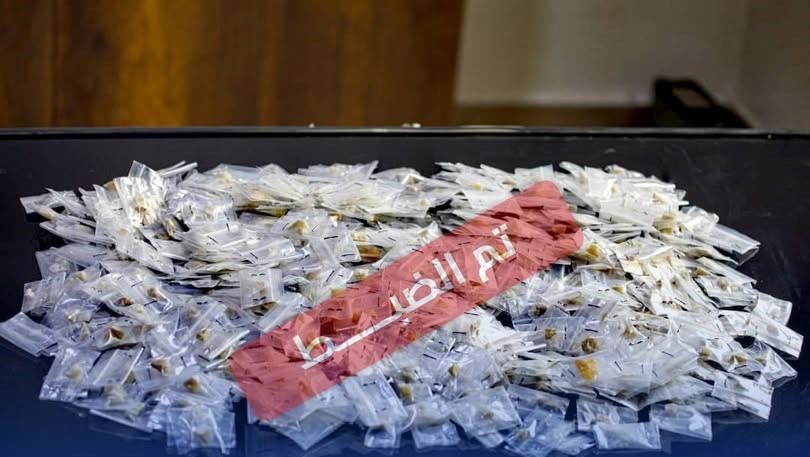
It is believed that these more than 300 gemstones and jewels, dating back to around 200 BC, were buried with the remains of Buddha in a Buddhist stupa in northern India.
The gemstones were displayed alongside other artifacts “for the first time” since their discovery in 1898 in Piprahwa, Uttar Pradesh, northern India.
At the exhibition’s opening in the capital New Delhi, the Prime Minister declared that this day is “very special for anyone who cares about Buddha’s history, culture, and principles.”
India recovered the gemstones in July, after successfully stopping an auction scheduled for May in Hong Kong where they were estimated to be worth over 1.2 million US dollars.
–
–
Experts believed they could have been sold for a price exceeding that estimate by ten times.
Donated to the Indian Government
In an article, one of the heirs stated that their ancestor had donated their collection to the Indian government, keeping only a small portion which later passed to their family.
New Delhi demanded a formal apology and full disclosure of documents related to the origin of these gemstones.
The gemstones were repurchased by an Indian industrial group in partnership with the Indian government; the value of the deal was not disclosed.
Piprahwa jewels
The Piprahwa jewels are a collection of ancient gemstones and relics discovered in a stupa at Piprahwa, India, which is believed to be the burial site of the Buddha’s Sakya clan. Their 19th-century discovery sparked significant archaeological and historical debate, as inscriptions suggested they contained a portion of the Buddha’s own ashes.
Buddha
Buddha, also known as Siddhartha Gautama, was a spiritual teacher and the founder of Buddhism who lived in ancient India around the 5th century BCE. The term “Buddha” refers to his status as an enlightened being who attained nirvana and whose teachings on the Four Noble Truths and the Eightfold Path form the core of the Buddhist faith.
New Delhi
New Delhi is the capital city of India, officially inaugurated in 1931 to replace Calcutta as the seat of the British Raj. It was designed by architects Edwin Lutyens and Herbert Baker, featuring wide boulevards and grand government buildings like the Rashtrapati Bhavan and India Gate. Today, it serves as the political and administrative heart of the Republic of India.
Indian Ministry of Culture
The Indian Ministry of Culture is a government body responsible for preserving and promoting India’s vast cultural heritage. It was established to oversee museums, archaeological sites, intangible cultural traditions, and the arts. Its work includes the management of iconic historical sites like the Taj Mahal and the conservation of diverse cultural expressions across the country.
Piprahwa ornaments
Piprahwa is an archaeological site in northern India believed by many scholars to be the ancient city of Kapilavastu, where Siddhartha Gautama (the Buddha) spent his early life. The site gained prominence in 1898 with the discovery of a relic casket containing ornaments like gold jewelry and star-shaped designs, which were inscribed as being relics of the Buddha himself. These findings have made Piprahwa a significant location for understanding early Buddhist history and material culture.
Buddhist stupa
A Buddhist stupa is a dome-shaped monument that serves as a sacred reliquary and a symbolic representation of the Buddha’s enlightened mind. Originating in ancient India as burial mounds, they evolved into central architectural features for housing relics and became focal points for meditation and pilgrimage across the Buddhist world. Their design, often featuring a spire, harmika, and toranas, embodies core Buddhist cosmology and teachings.
northern India
Northern India is a historically rich region encompassing diverse states and landmarks such as the Taj Mahal and the Golden Temple. It was the heart of ancient civilizations like the Indus Valley and major empires including the Mughal and British Raj, deeply shaping its cultural and architectural heritage. The area is renowned for its spiritual significance, being the origin of Hinduism, Buddhism, and Jainism.
Piprahwa
Piprahwa is an archaeological site in northern India believed by many scholars to be the ancient city of Kapilavastu, where Siddhartha Gautama (the Buddha) spent his early life. Its significance was cemented in 1898 with the discovery of a relic casket inscribed with text suggesting it contained the Buddha’s remains. This has made it a crucial site for understanding early Buddhist history and archaeology.
Uttar Pradesh
Uttar Pradesh is a state in northern India, historically significant as the heartland of ancient and medieval Indian empires, including the Mughal Empire. It is home to major cultural and religious sites such as the Taj Mahal in Agra and the holy cities of Varanasi and Prayagraj.
Hong Kong
Hong Kong is a Special Administrative Region of China, originally a British colony from 1842 until its handover to Chinese sovereignty in 1997. It operates under the “one country, two systems” principle, maintaining a distinct legal and economic framework from mainland China. Its history as a major international port has shaped it into a global financial hub and a vibrant cultural crossroads.
Indian Government
The Indian Government is the national authority of the Republic of India, established by its Constitution which came into effect on January 26, 1950, following independence from British rule in 1947. It is a federal parliamentary democratic republic, with a structure comprising the executive, legislative, and judicial branches headquartered primarily in New Delhi.
Indian industrial group
The Indian industrial group refers broadly to the country’s major family-owned business conglomerates, such as the Tata Group, Reliance Industries, and Aditya Birla Group, which have shaped India’s economy. Many of these groups originated during the British colonial era or in the early post-independence period, expanding from core industries like textiles and commodities into vast, diversified global enterprises. They are historically significant for driving India’s industrialization, economic reforms, and technological advancement.
Indian government
The Indian government operates as a federal parliamentary democratic republic, established by the Constitution of India in 1950 following independence from British rule in 1947. Its structure includes executive, legislative, and judicial branches, with a President as head of state and a Prime Minister as head of government.