Mobile Cinema Festival 2026 “Online”.. A Digital Window Bringing Filmmakers and Audiences Together from Around the World
libyawire.org > News > Culture > Mobile Cinema Festival 2026 “Online”.. A Digital Window Bringing Filmmakers and Audiences Together from Around the World
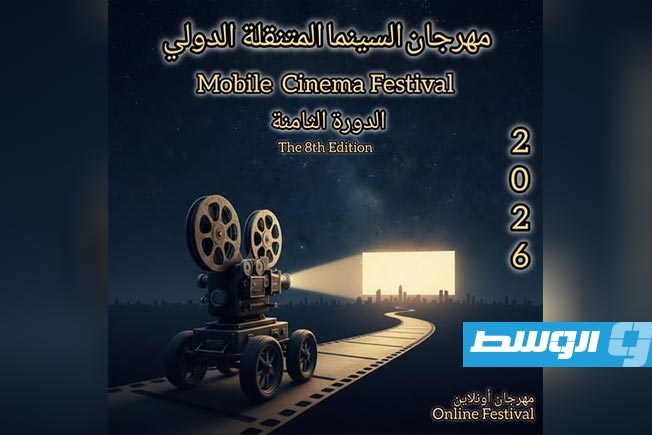
The management of the Mobile Cinema Festival has announced the launch of its eighth edition for 2026, which will be held entirely through its virtual online platform.
This festival serves as a leading cinematic platform that celebrates creativity and transcends geographical boundaries, allowing for film screenings and global participation from anywhere in the world without the need for physical attendance.
The eighth edition of the festival aims to support filmmakers and emerging talents, offering rich cinematic experiences that break the barriers of time and place.
The festival’s mission revolves around promoting cultural communication and providing an innovative space for audiences and filmmakers to interact through modern digital tools, making cinema an artistic medium accessible to all groups and communities.
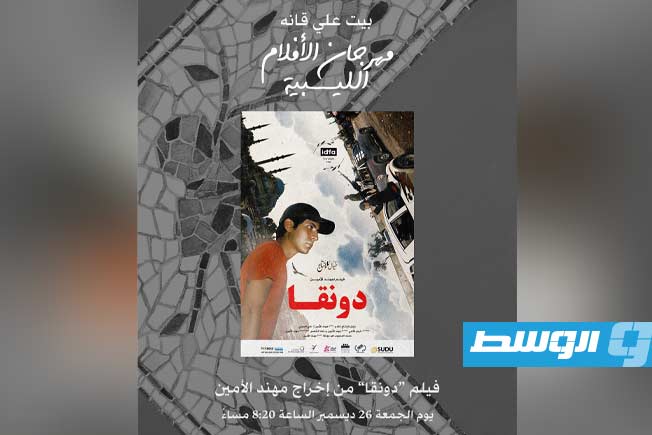
– <a>Libyan Film Festival: Special Screening of ‘Donga’ in Honor of Al-Mahjoub’s Spirit
– <a>’Libyan Film Festival’ Hosts Ibrahim Al-Bashari and Hussein Al-Dhib in Open Dialogue Sessions
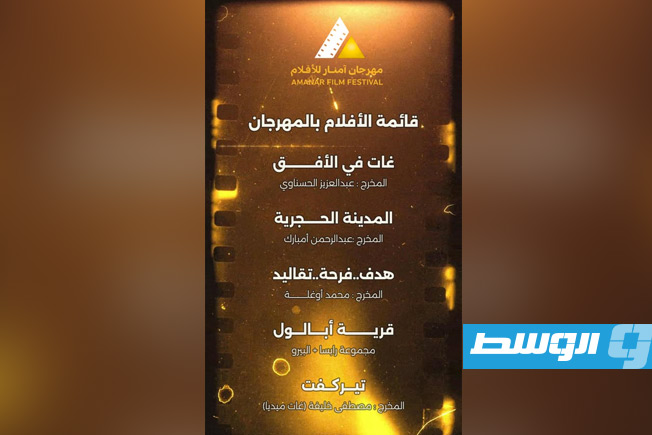
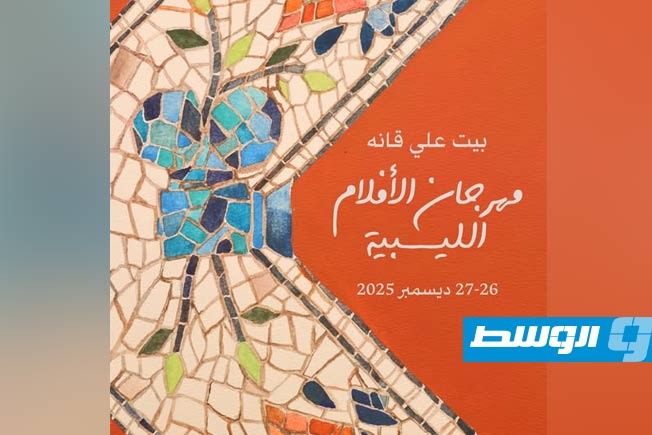
– <a>’Bayt Ali Qana’ Launches the First Edition of the ‘Libyan Film Festival’ and Announces the List of Selected Films
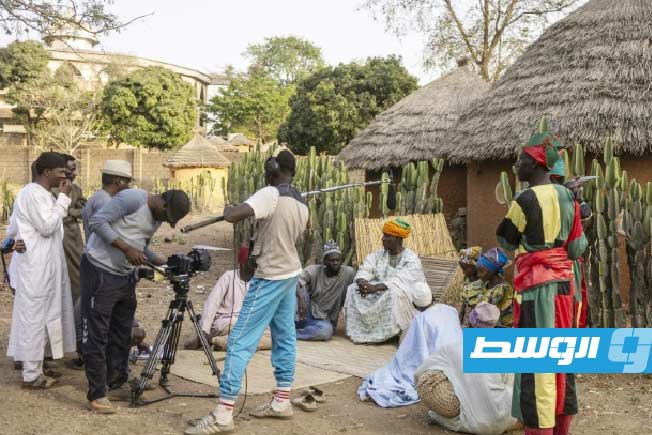
The 2026 edition includes a variety of events catering to cinema enthusiasts, most notably: film screenings encompassing feature-length films, documentaries, and short films; specialized digital training workshops to develop youth skills in directing, screenwriting, and cinematic techniques; in addition to live discussions and meetings that bring the audience together with directors and creators to discuss the behind-the-scenes of artistic works.
Not Just a Screen
In its digital format, the festival offers a range of features that make it a unique experience, including the ability to watch films from anywhere at any time convenient for the viewer, building direct communication bridges between the audience and filmmakers via live streaming platforms, and supporting cinema as a soft power capable of reaching a wide international audience, thereby increasing opportunities for the spread of independent films.
The festival management stated that it is “not just a screen, but a digital community that embraces everyone who believes in the power of the image and its ability to bring about change.”
The festival management opens the door for all filmmakers to submit their works and compete in this exceptional edition. This participation also grants creators a golden opportunity to present their artistic vision to a global audience and interact directly with critics and followers.
The festival management mentioned that the organizing committee “is preparing to launch the official platform, and the link for film submissions will be published soon via the festival’s accounts on social media platforms.”
Mobile Cinema Festival
The Mobile Cinema Festival is an annual international event dedicated to films shot entirely on mobile devices, reflecting the evolution of accessible filmmaking technology. It began in the early 2010s, emerging alongside the rapid advancement of smartphone cameras and their growing use in professional and artistic contexts. The festival showcases how mobile technology has democratized film production and created a new, dynamic platform for global storytellers.
Libyan Film Festival
The Libyan Film Festival is an annual cultural event founded in 2011, emerging in the wake of the Arab Spring to celebrate and promote Libyan cinema and storytelling. It serves as a key platform for Libyan filmmakers to showcase their work, often addressing themes of social change, identity, and the nation’s modern history.
Donga
Donga is a traditional circular or oval-shaped hut constructed from mud, wood, and thatch, commonly used as a dwelling by various ethnic groups in parts of Africa, such as the Zulu in Southern Africa. Its history is rooted in indigenous architectural practices developed over centuries to provide sustainable, weather-resistant shelter suited to local environments and materials. These structures represent a significant aspect of cultural heritage and traditional building knowledge.
Al-Mahjoub
Al-Mahjoub is a historic district located in the city of Sana’a, Yemen, renowned for its distinctive multi-story tower houses built from rammed earth and brick. The area exemplifies traditional Yemeni architecture and urban planning, with many structures dating back several centuries, reflecting Sana’a’s long history as a major cultural and commercial center.
Ibrahim Al-Bashari
Ibrahim Al-Bashari is a prominent mosque and Islamic cultural center located in Khartoum, Sudan. It was established in the 1960s and is named after the renowned Sudanese Islamic scholar and judge, Sheikh Ibrahim Al-Bashari, who was known for his teachings and contributions to Islamic jurisprudence in the country. The site serves as a key place of worship and religious education in the capital.
Hussein Al-Dhib
Hussein Al-Dhib is the name of one of the Bedouin shepherds who, along with his cousin Muhammad edh-Dhib, is famously credited with discovering the Dead Sea Scrolls in 1946-1947 in the caves of Qumran, near the Dead Sea. This accidental discovery led to the recovery of ancient Jewish religious manuscripts, which are among the most important archaeological finds of the 20th century for biblical studies.
Bayt Ali Qana
Bayt Ali Qana is a historic house located in the old city of Jeddah, Saudi Arabia, part of the UNESCO-listed historic district of Al-Balad. It is a traditional coral stone structure that exemplifies the distinctive Hijazi architectural style, built in the late 19th century and once owned by a prominent local merchant family. The house stands as a preserved example of the region’s cultural heritage and urban history.