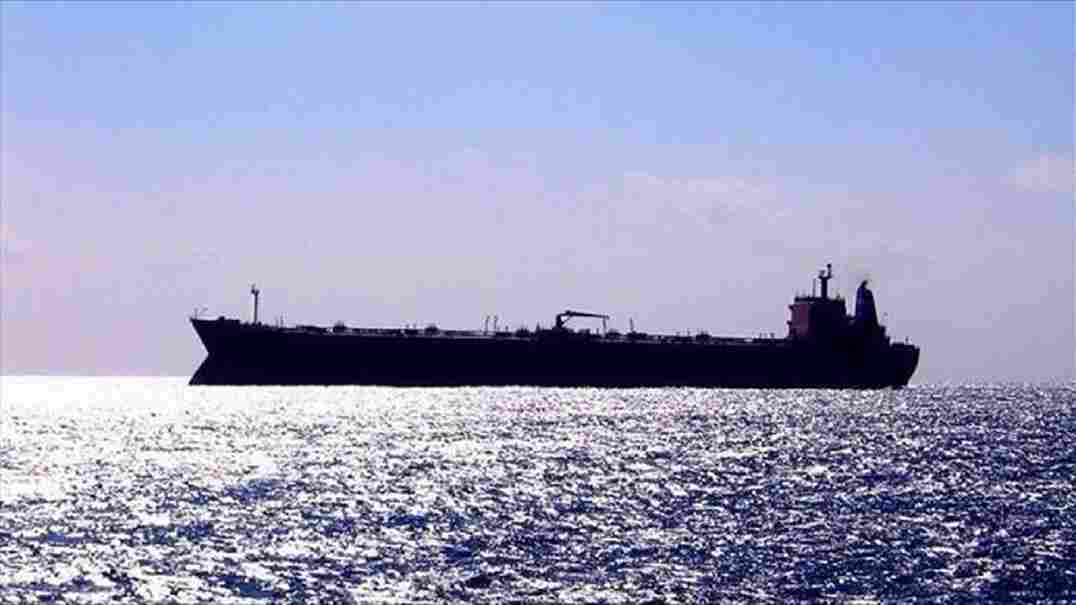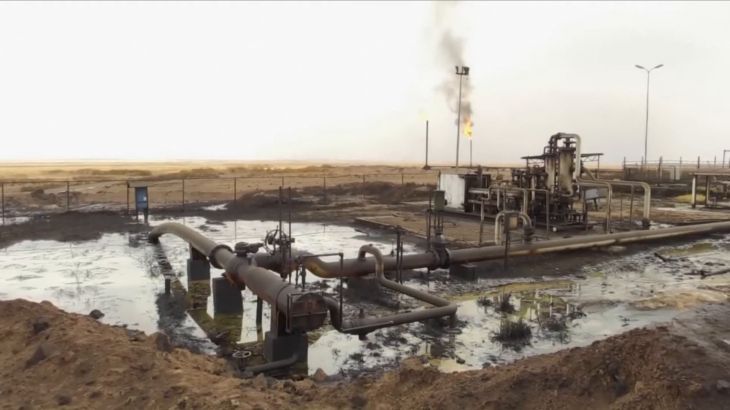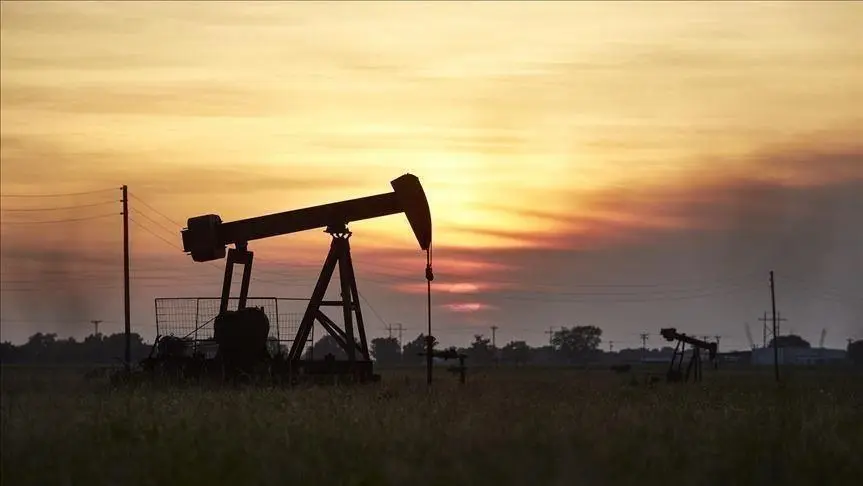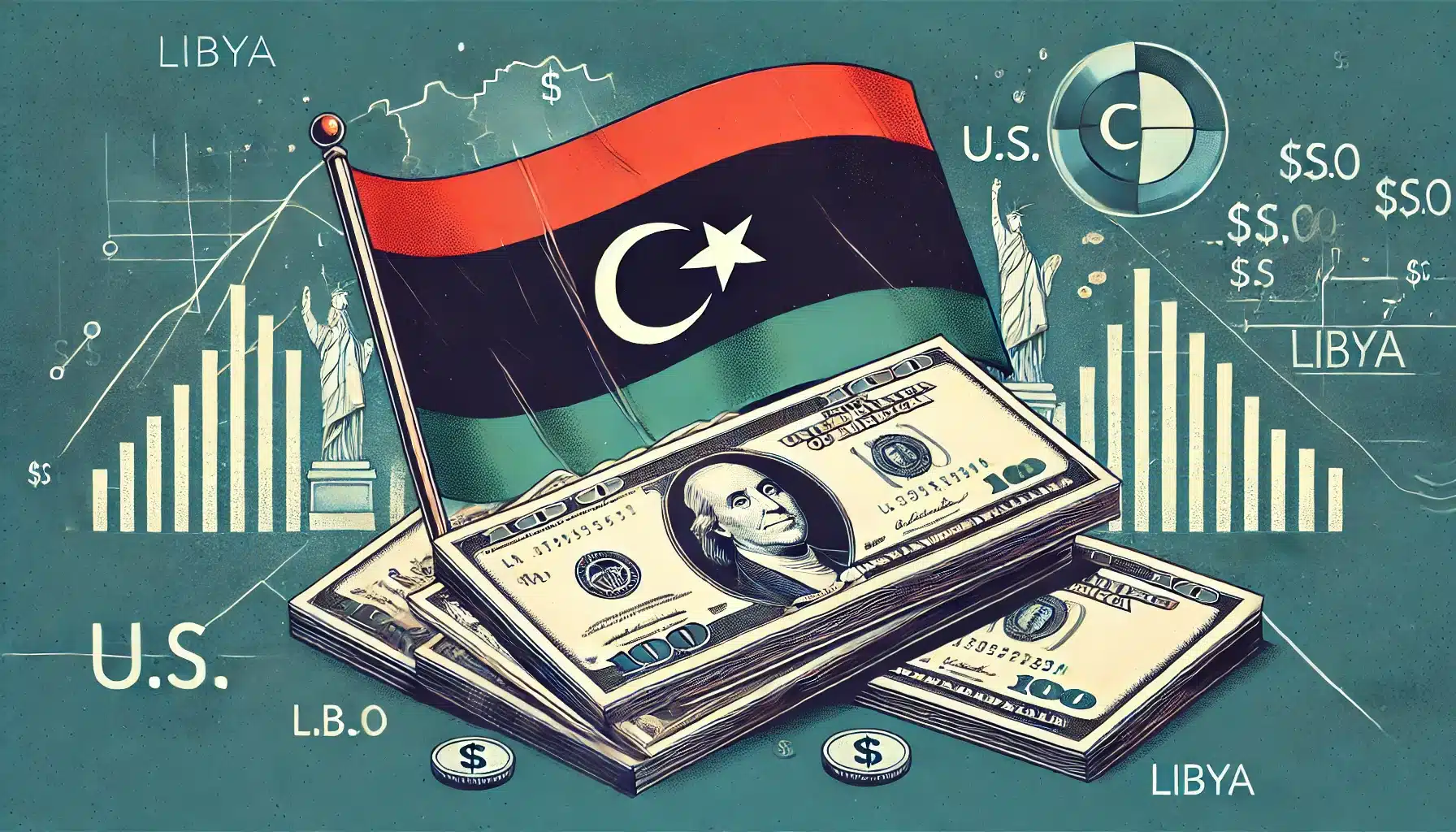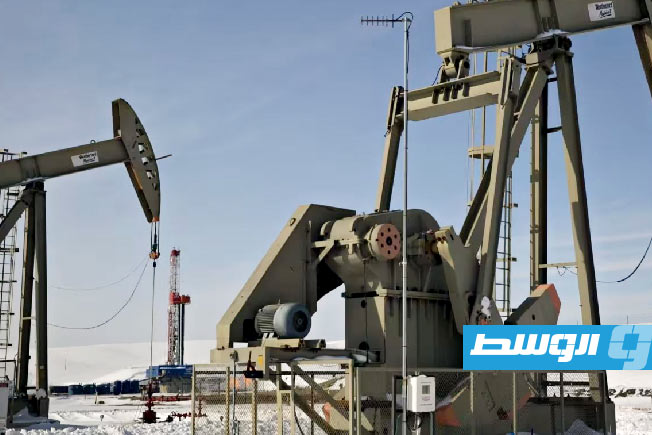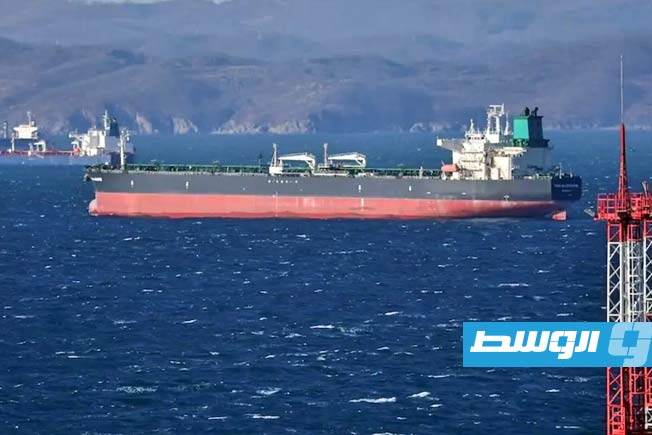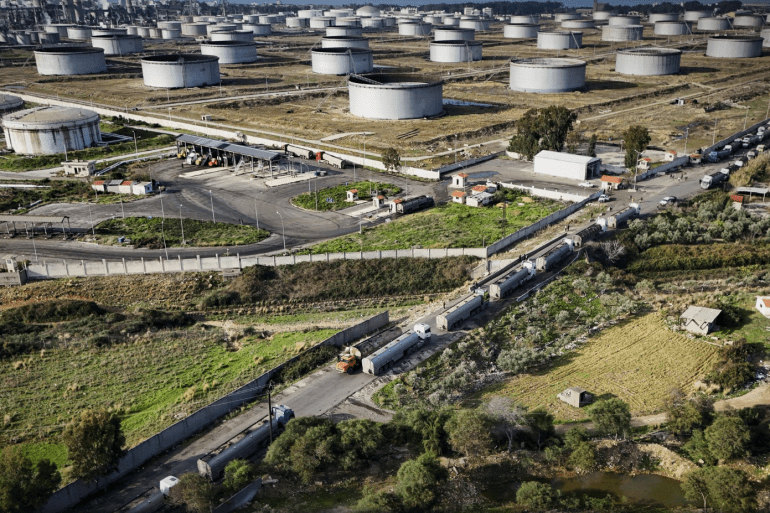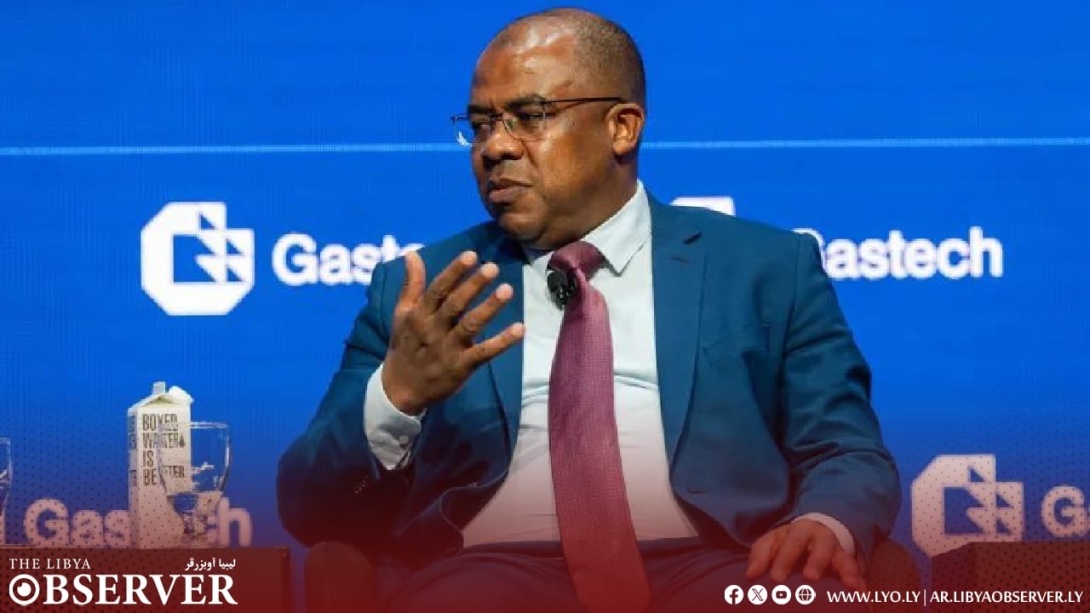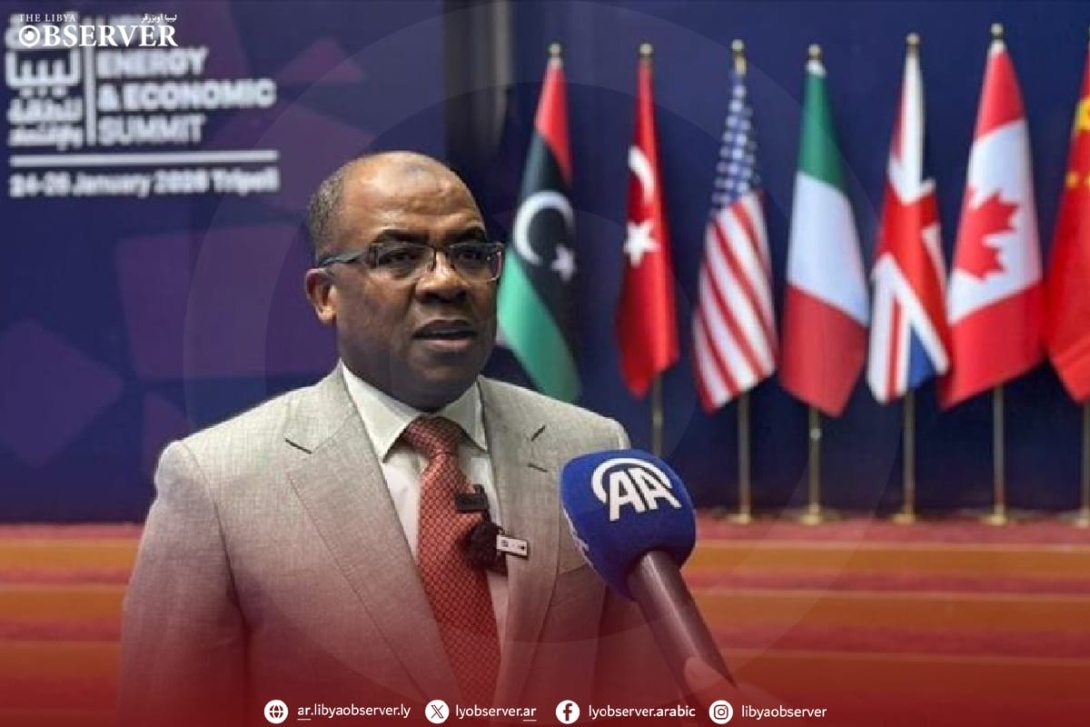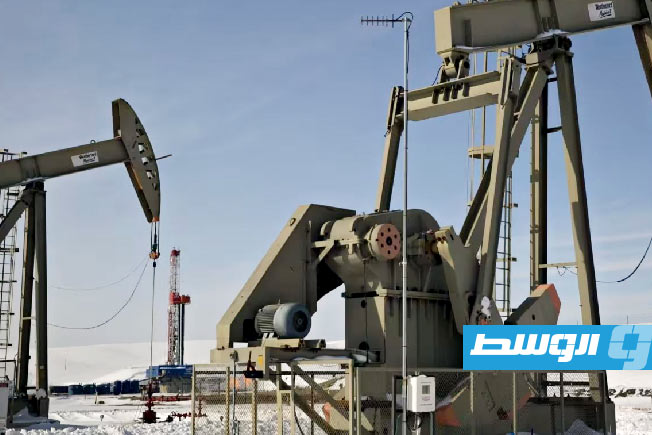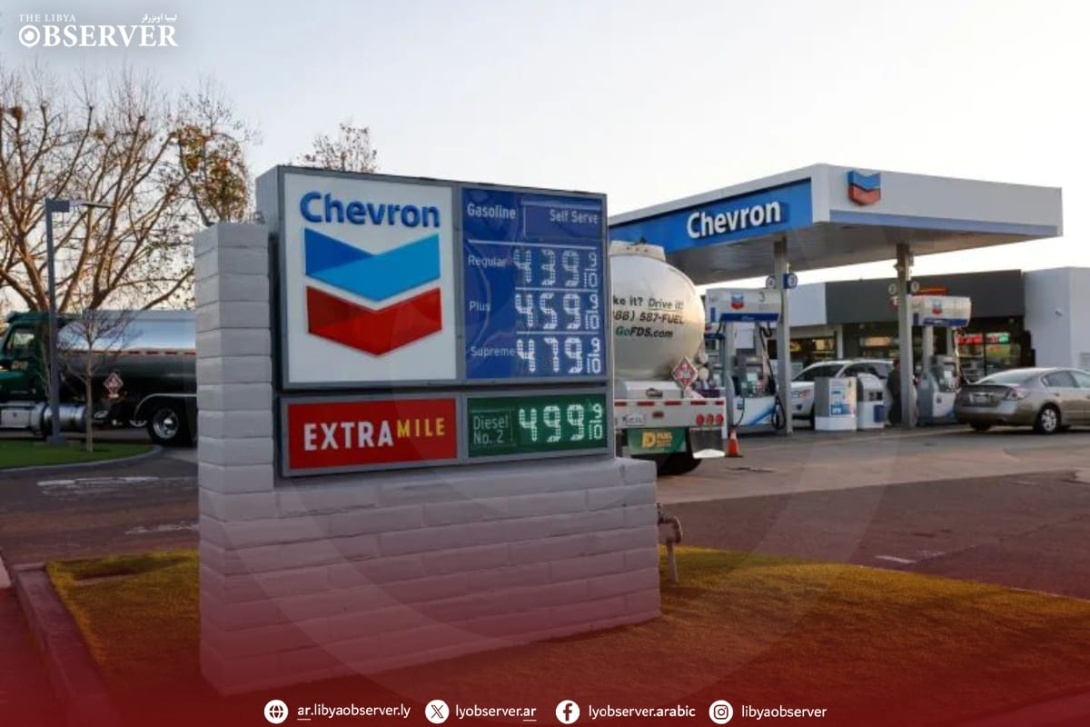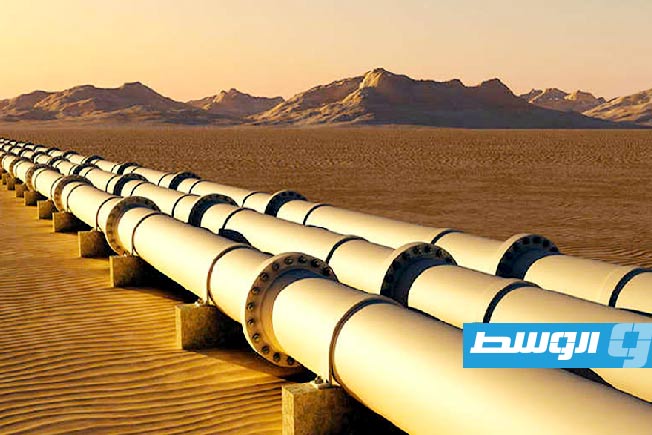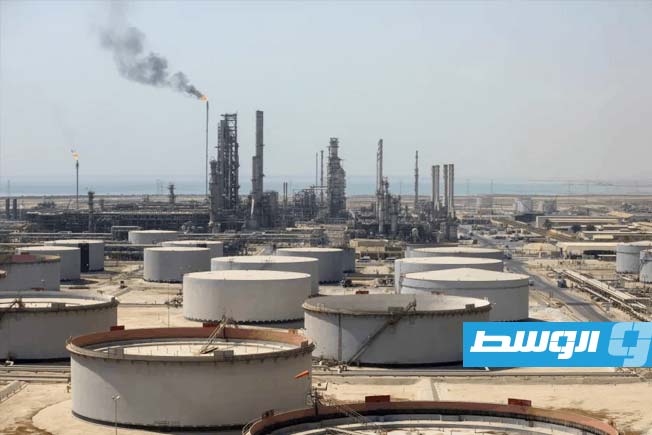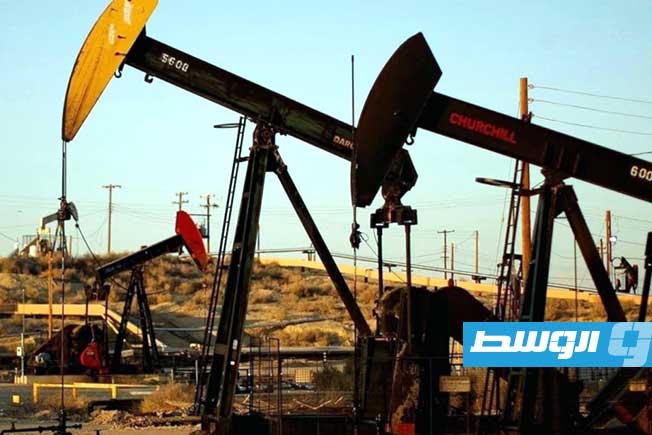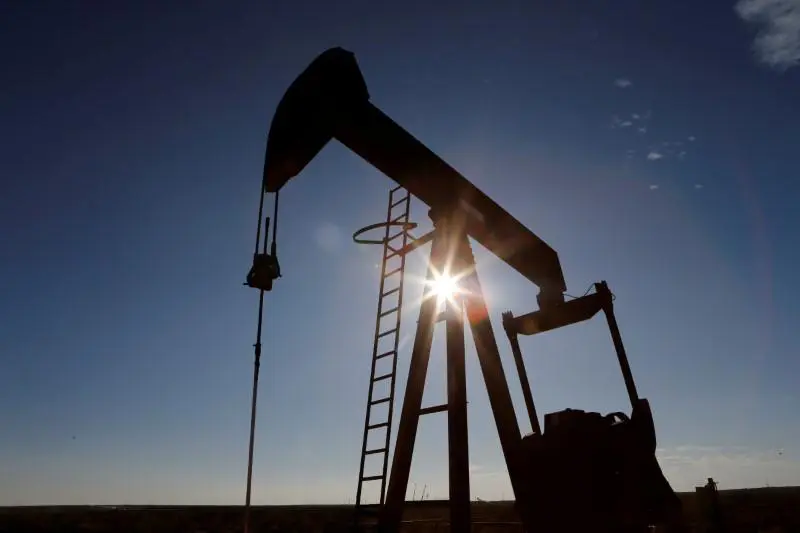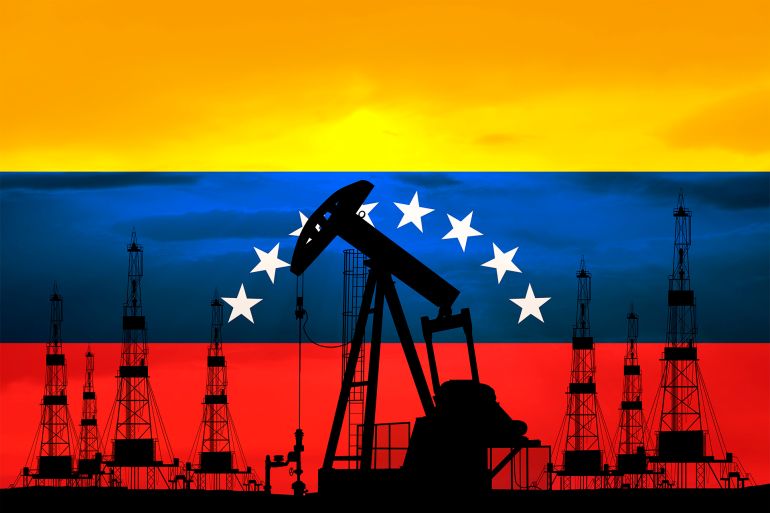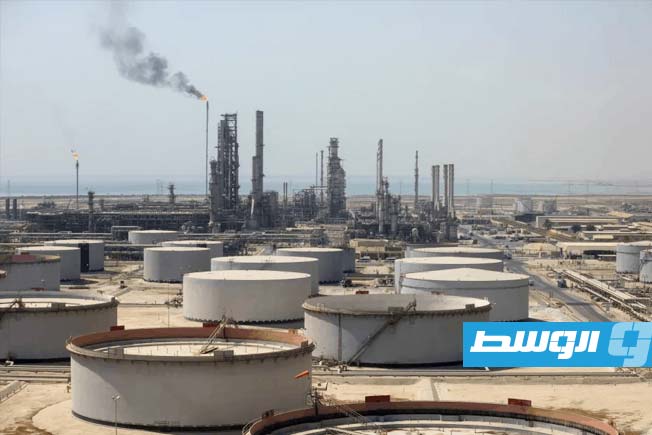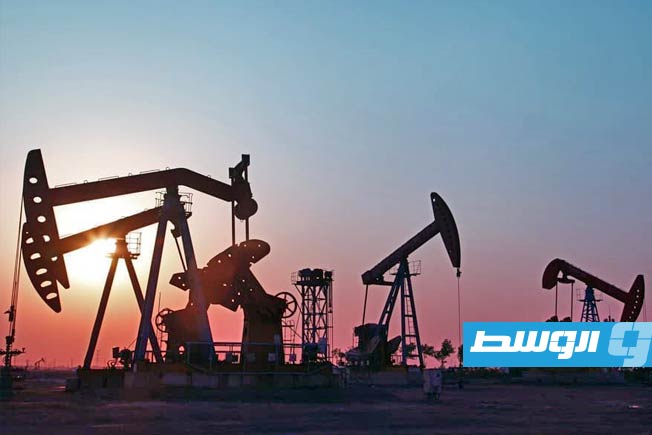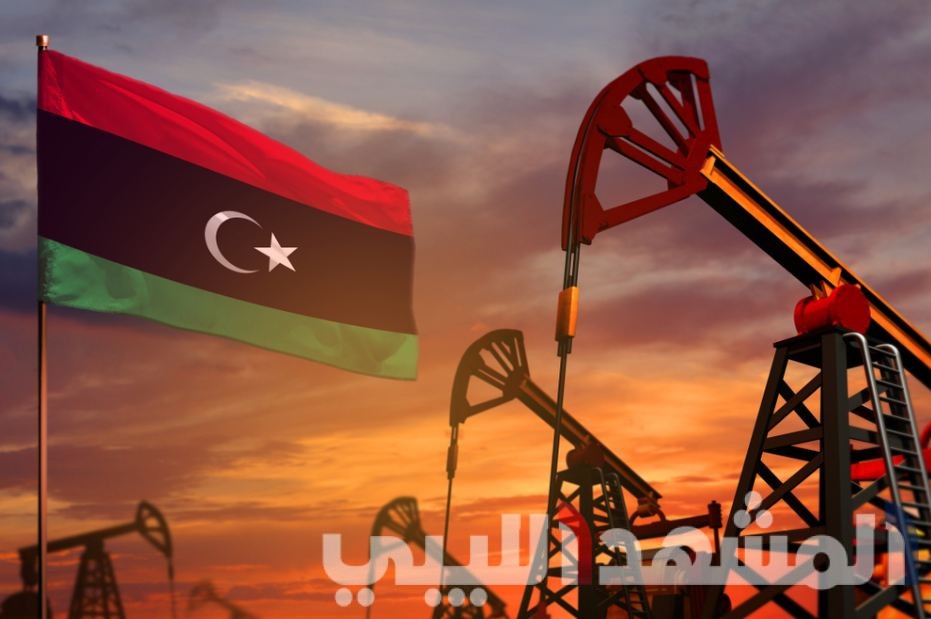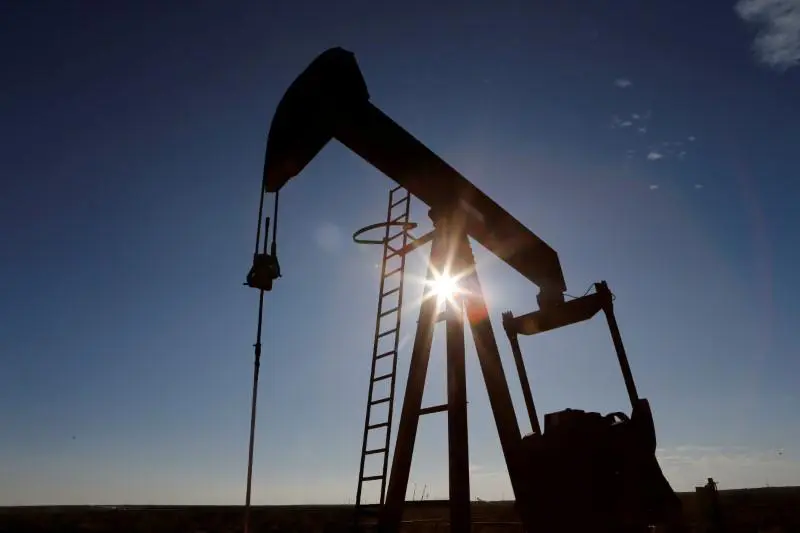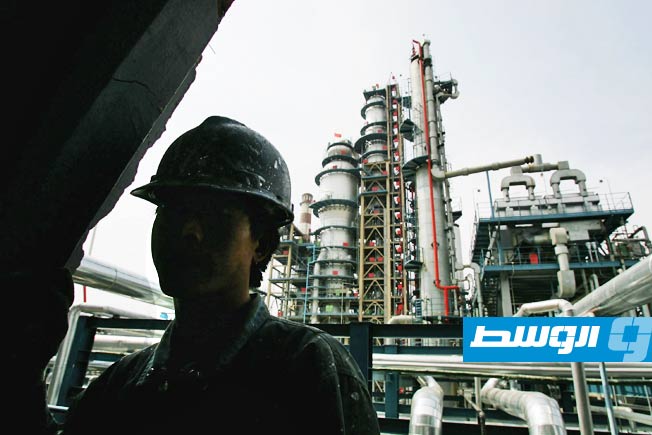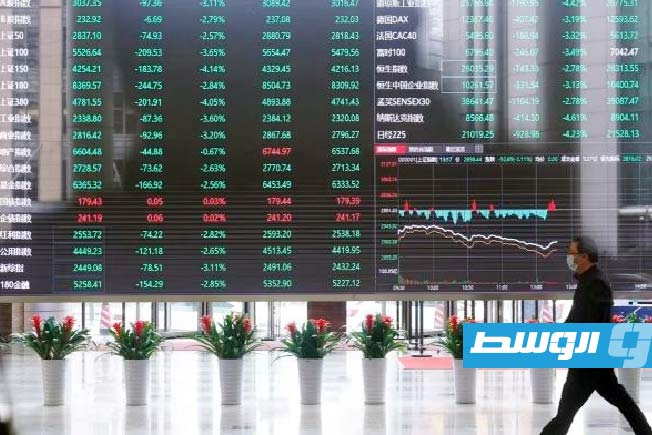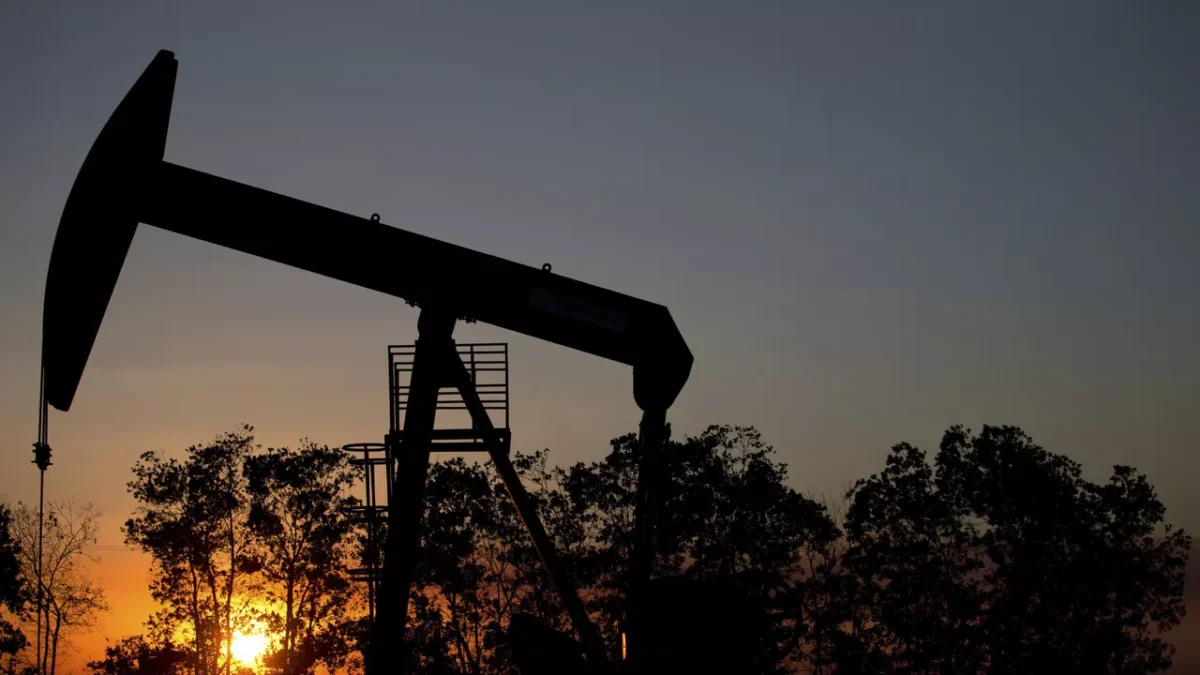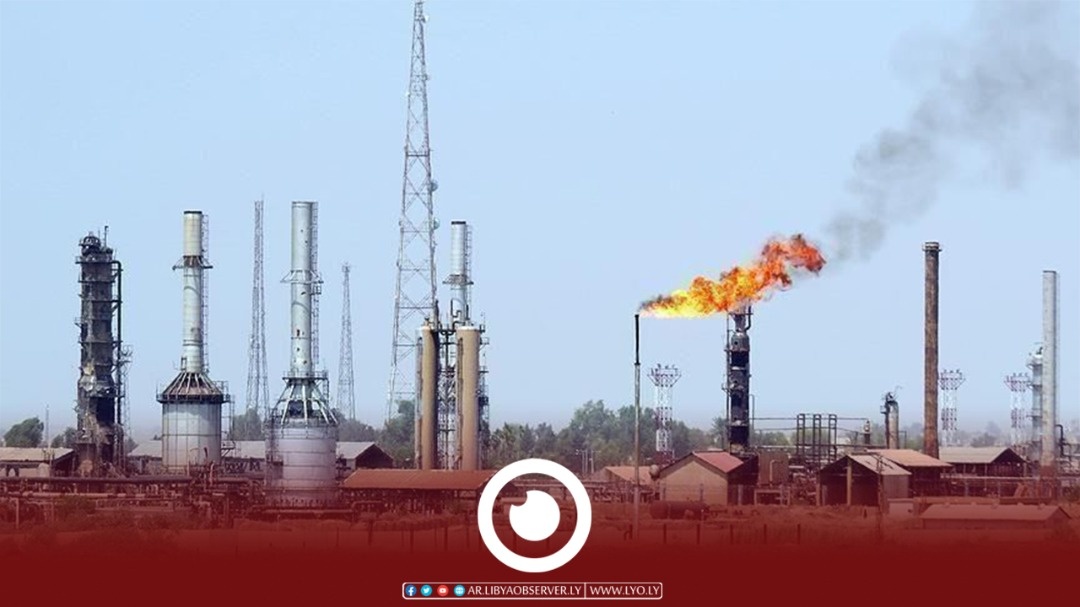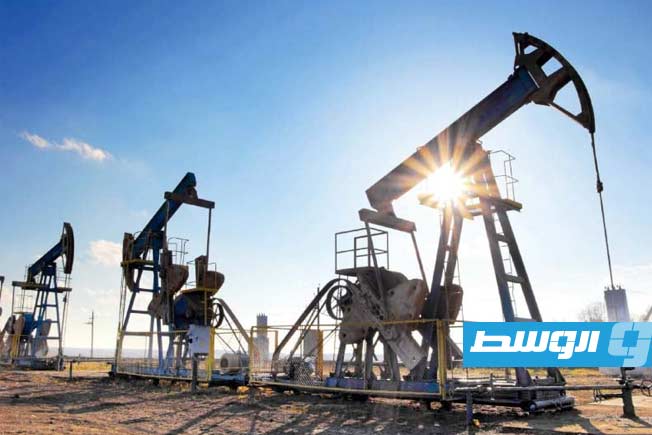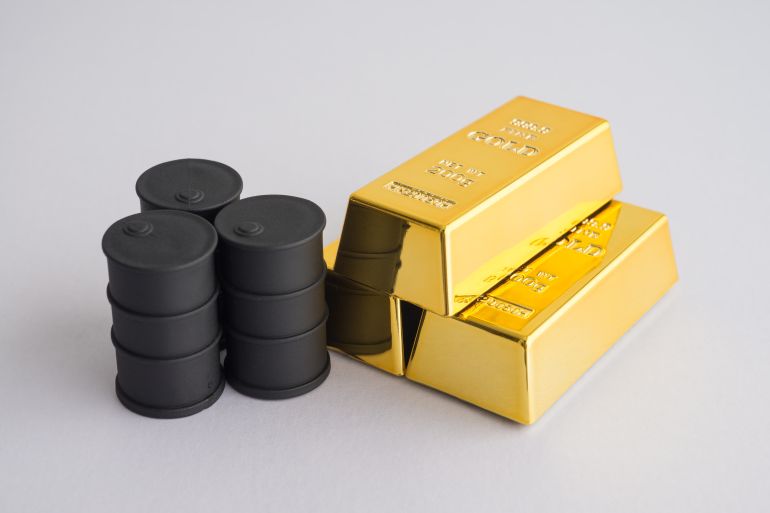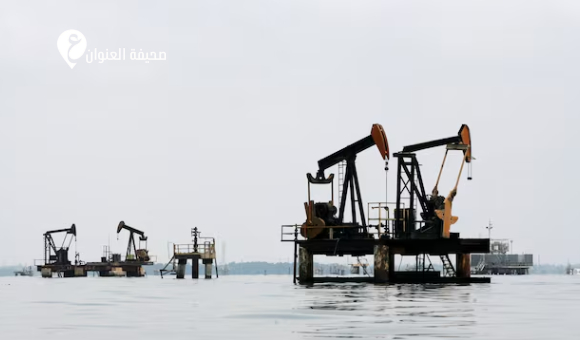
Tripoli – A financial expert reviewed potential scenarios for the repercussions of recent events in Venezuela on global oil markets, warning of serious consequences for oil-exporting countries, particularly Libya, if the price per barrel falls below $50.
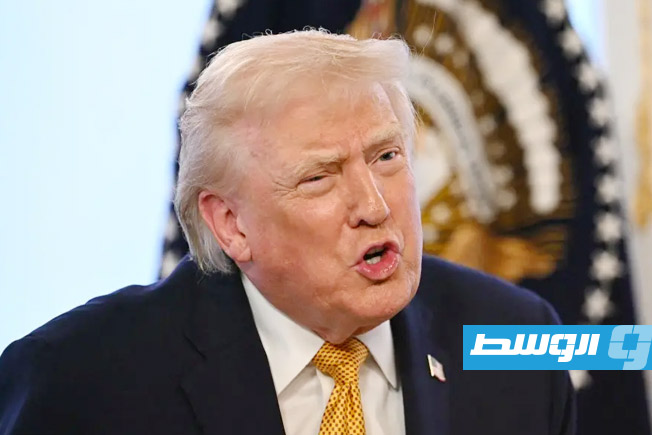
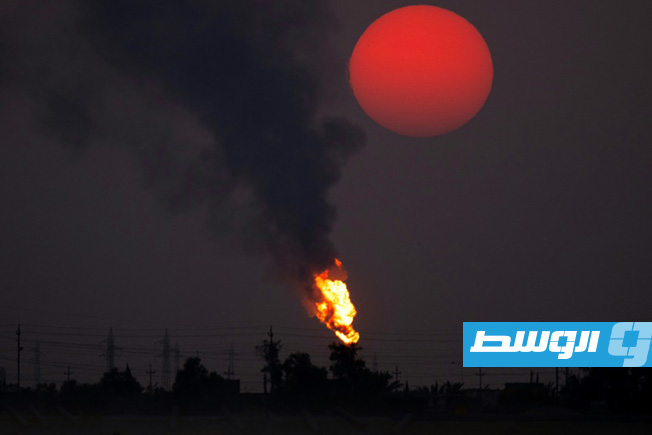
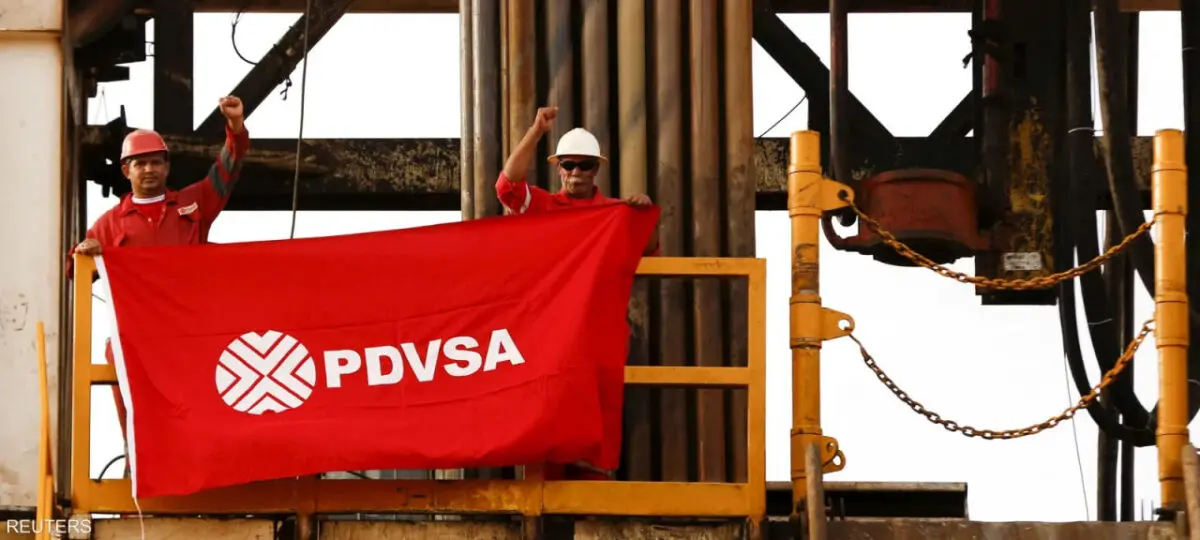
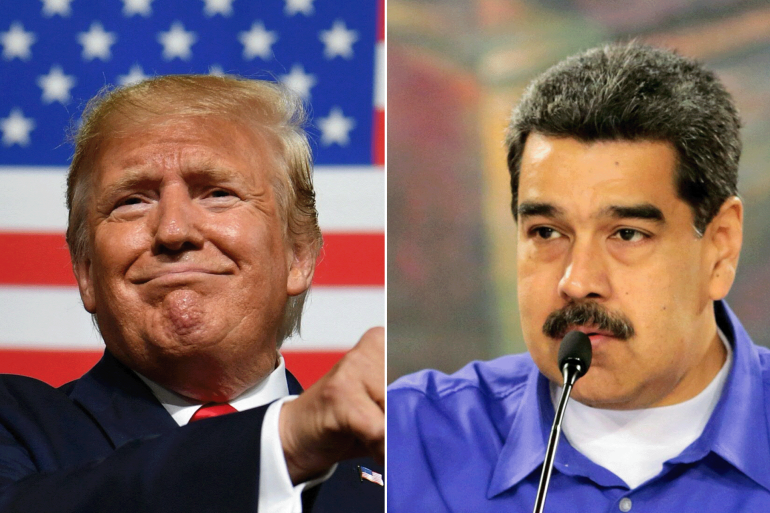
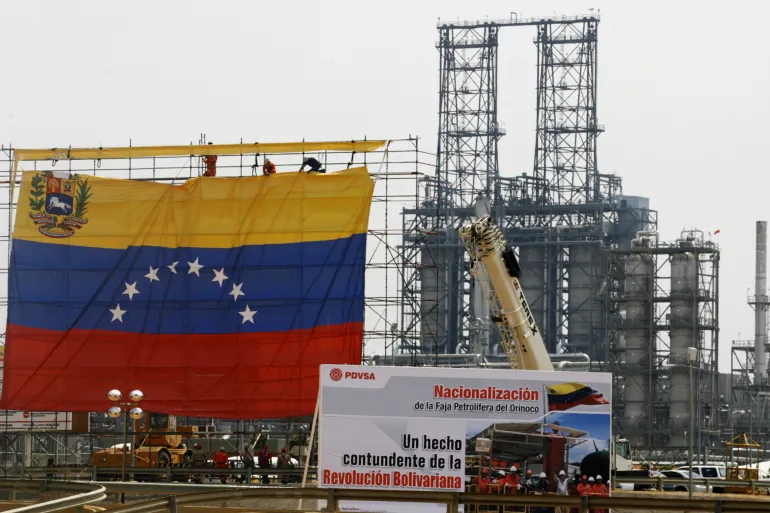
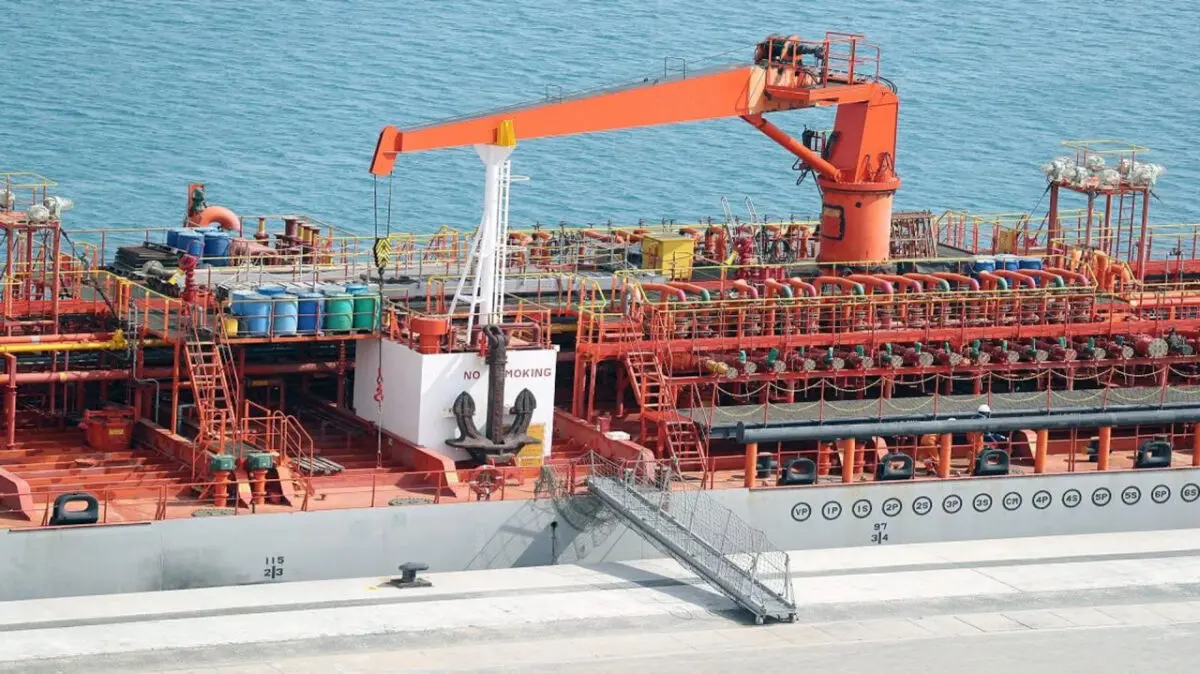
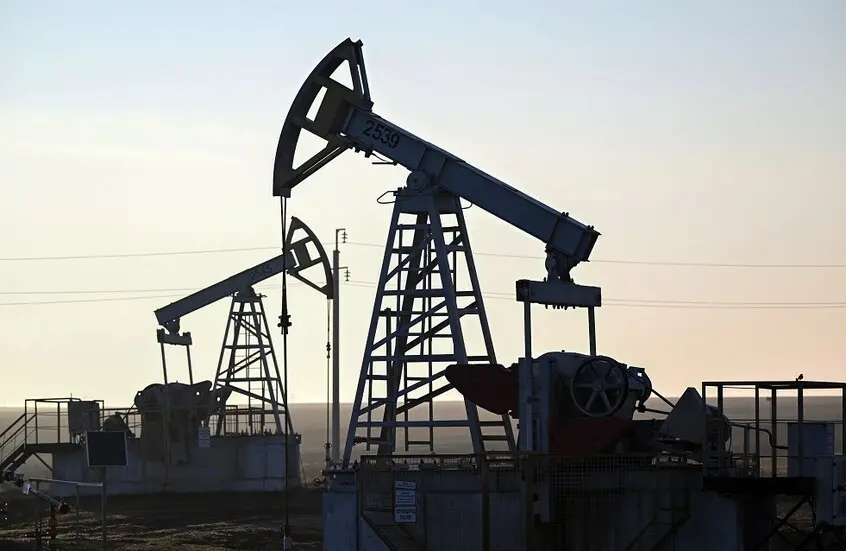
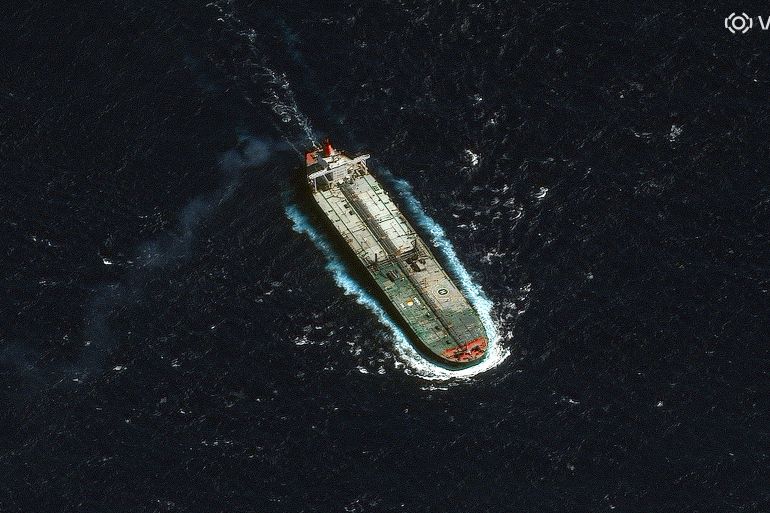
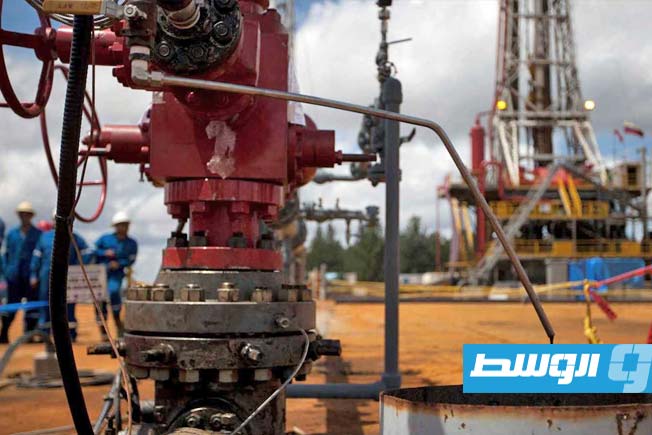
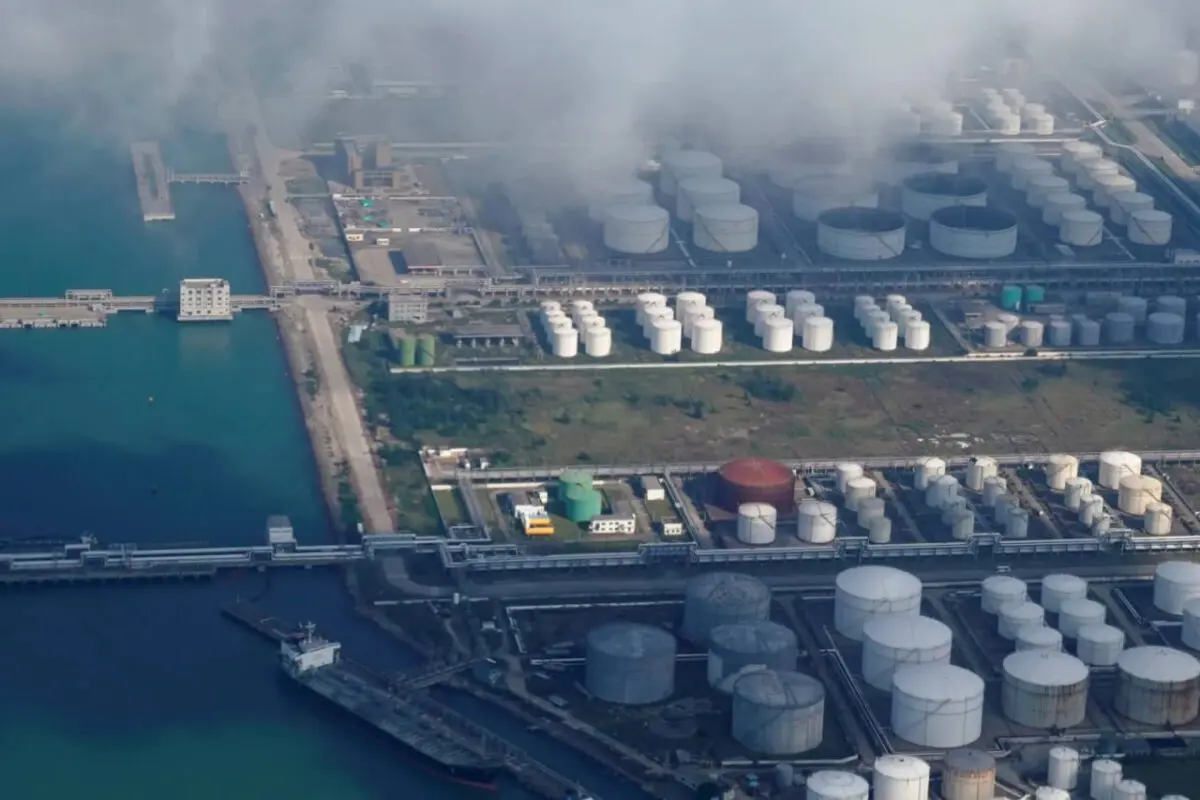
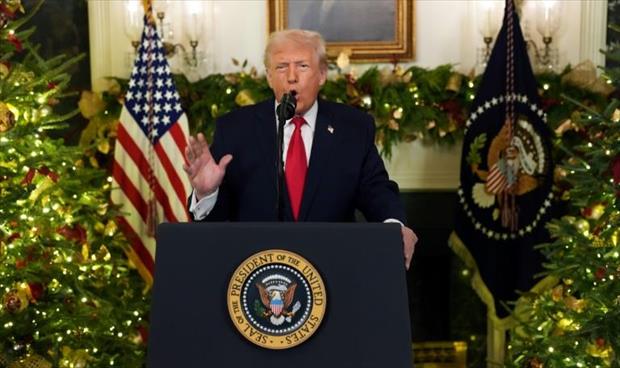
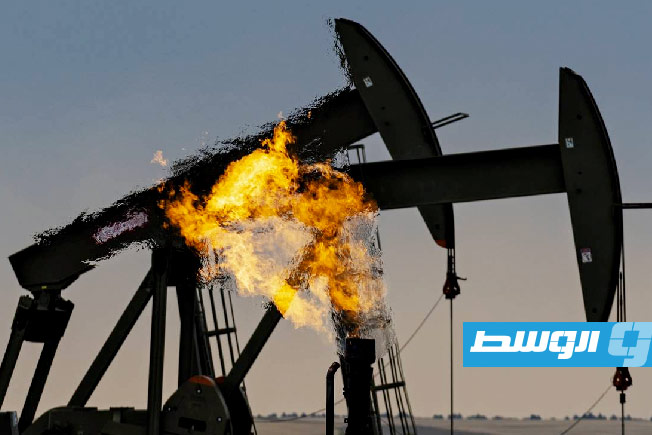
The expert explained that the sudden change in Venezuela coincided with talk of a U.S. role and the potential opening of the oil sector to American companies. They pointed out that an increase in Venezuelan production under political and economic pressure could push prices towards lower levels, which would directly affect producing countries.
They added that the most likely scenario currently is a short-term rise in oil prices due to market shock and confusion, before prices gradually stabilize as Venezuelan oil exports normalize. However, they confirmed that a real shift towards a decline is linked to the speed of production recovery there and the rapid entry of American companies, which requires time and massive investments in infrastructure.
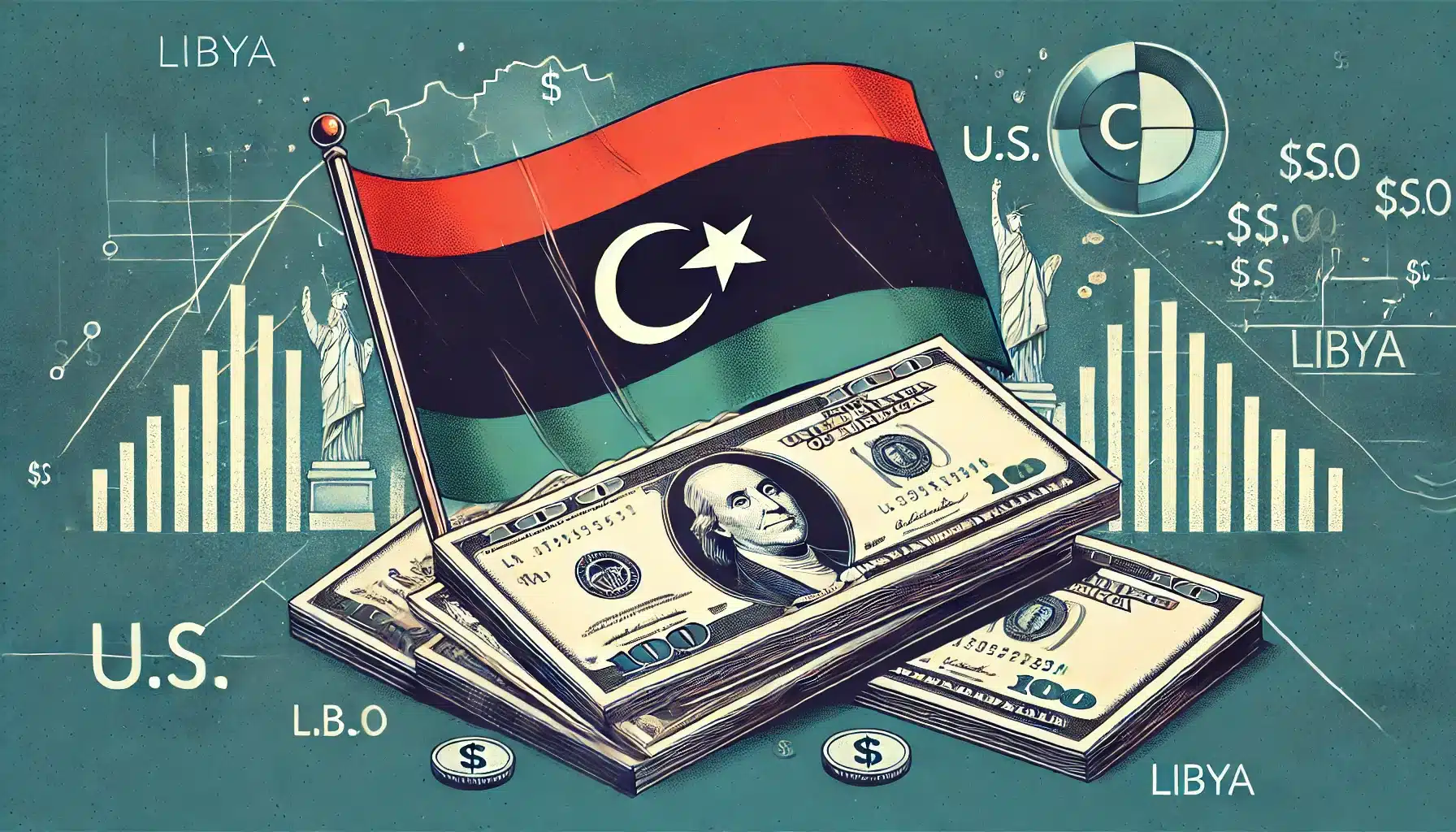
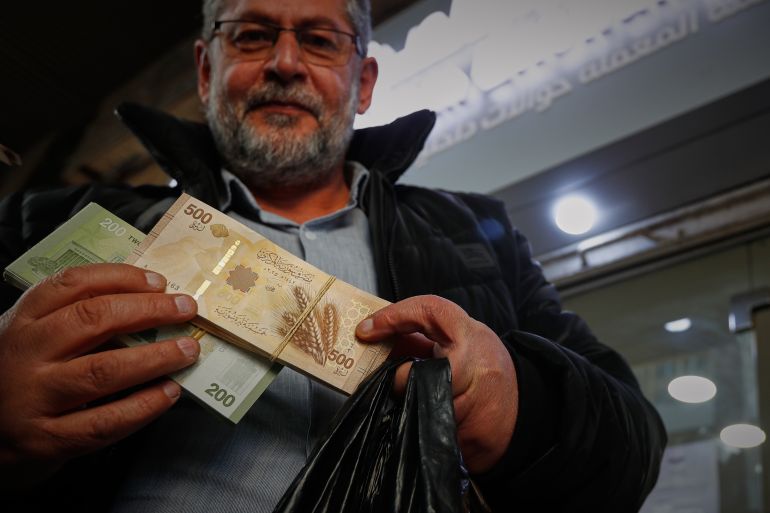
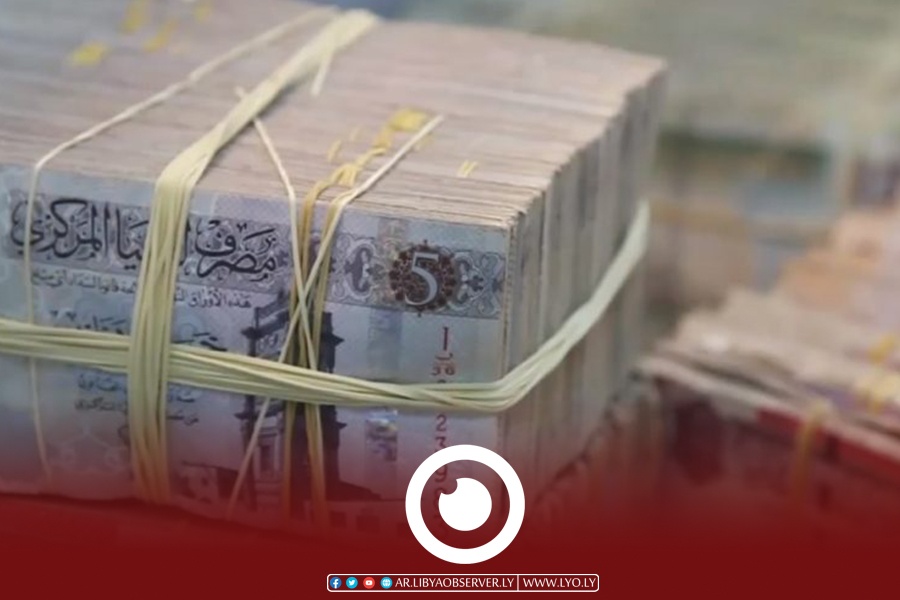
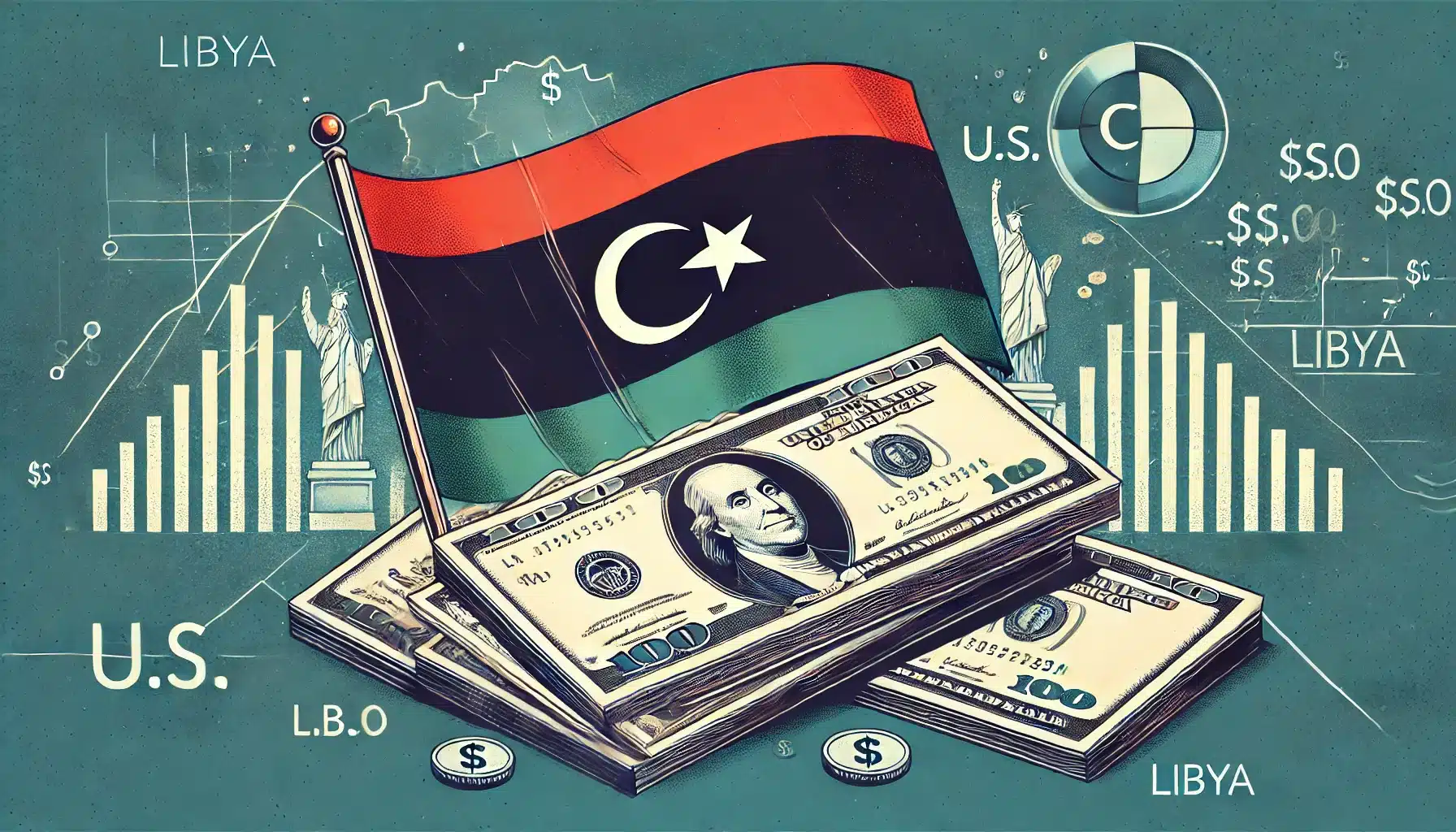
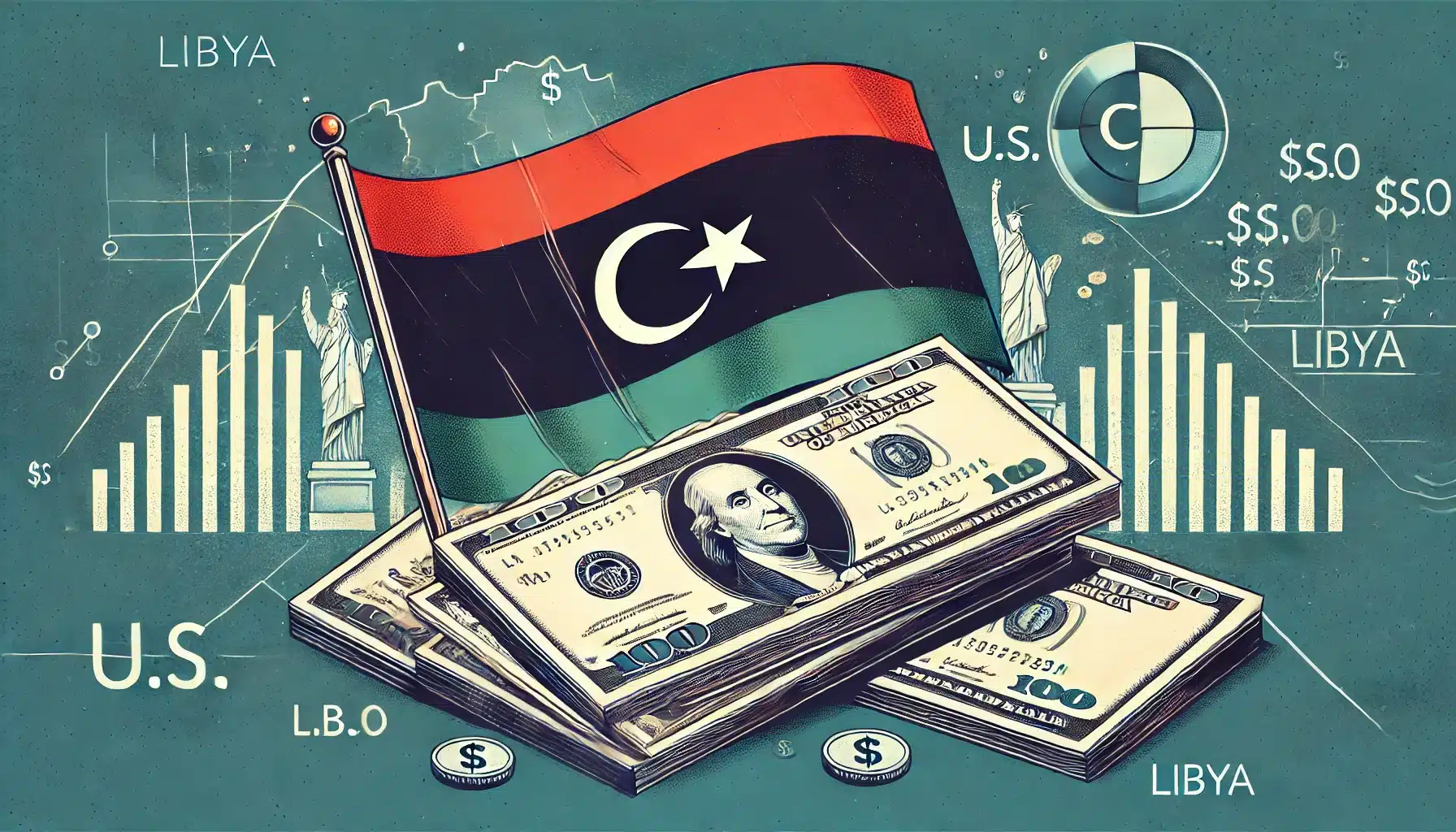
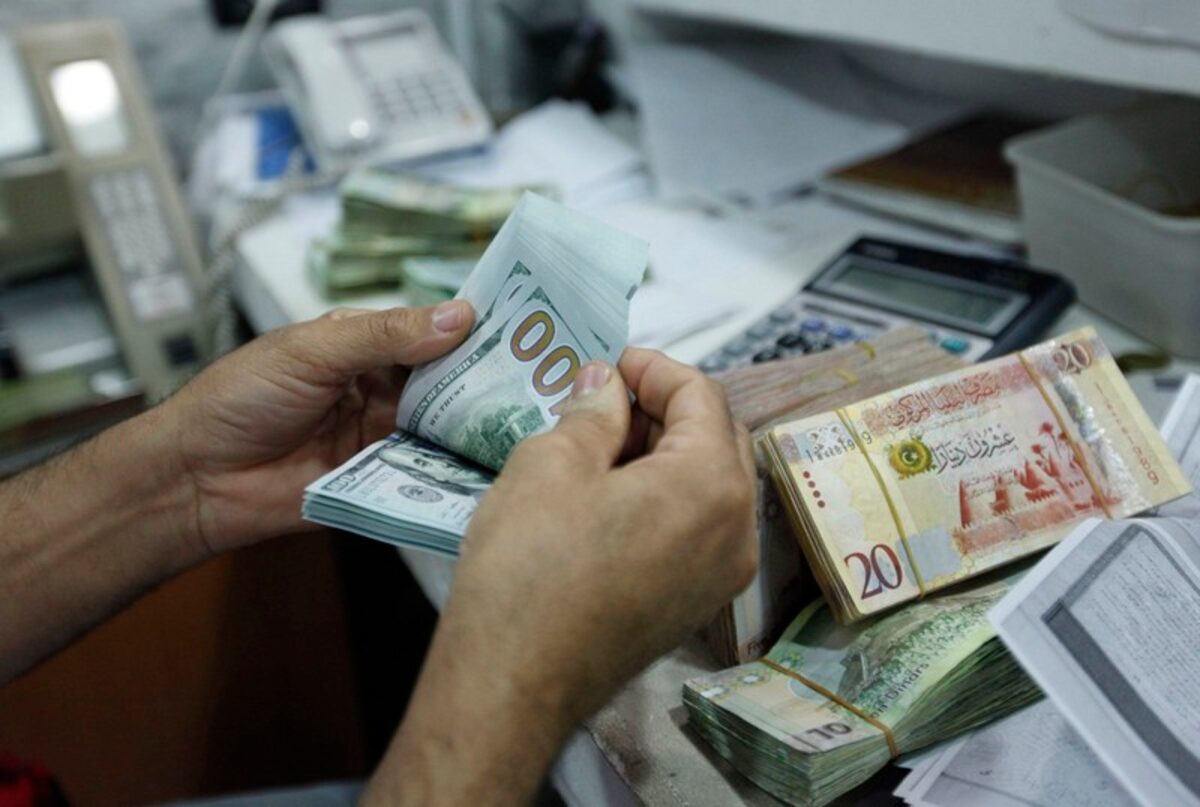
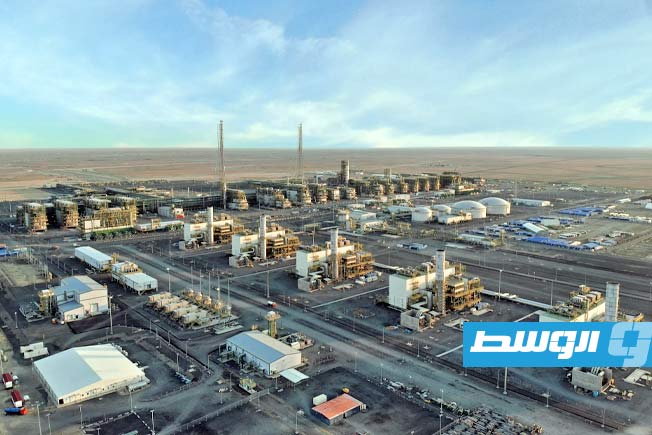
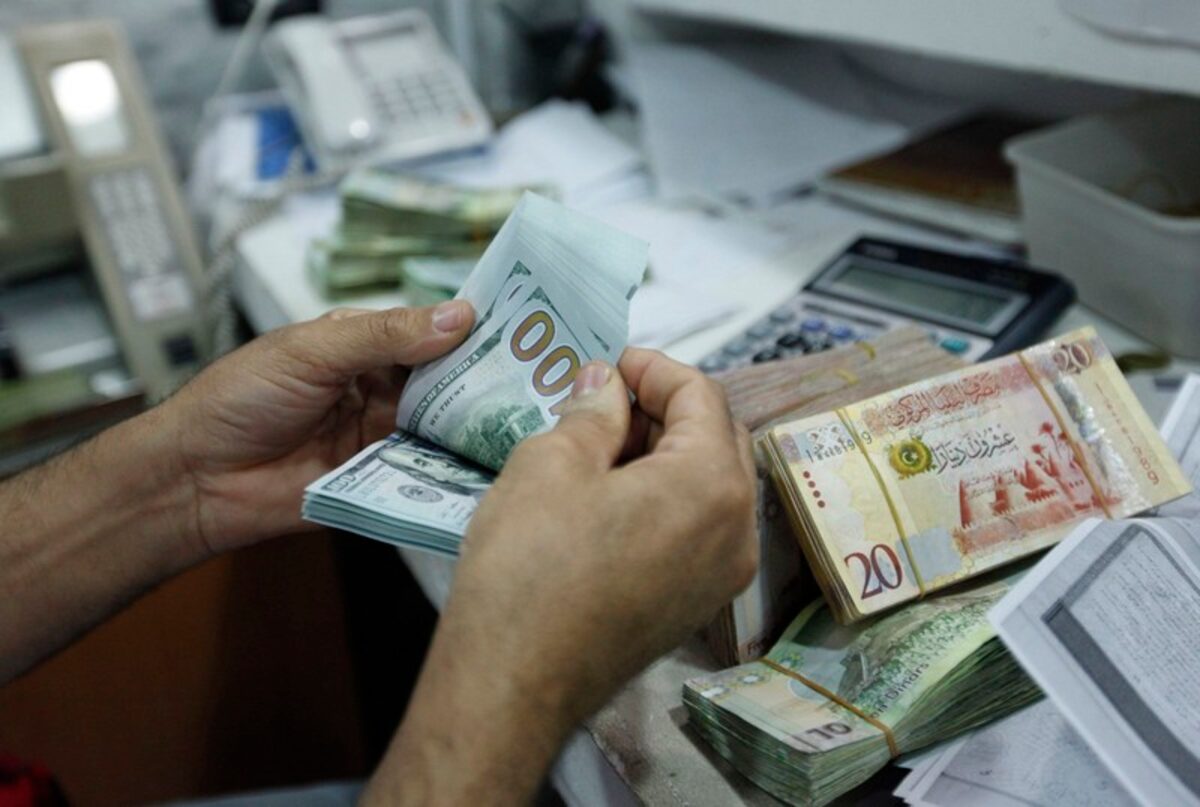
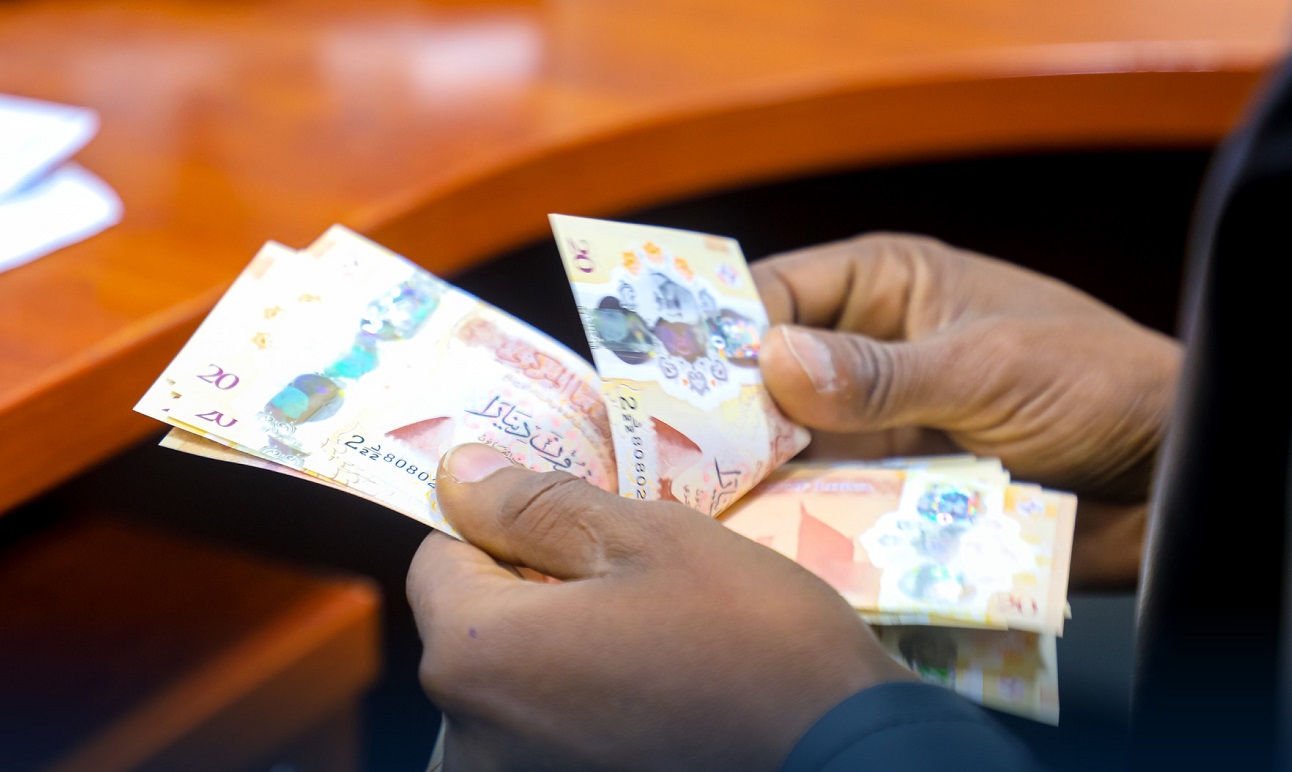
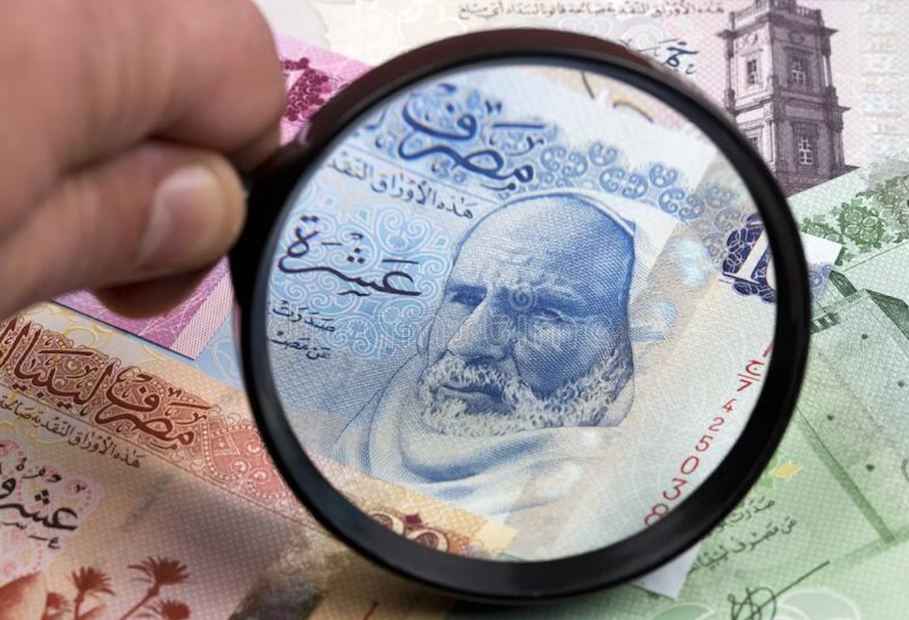
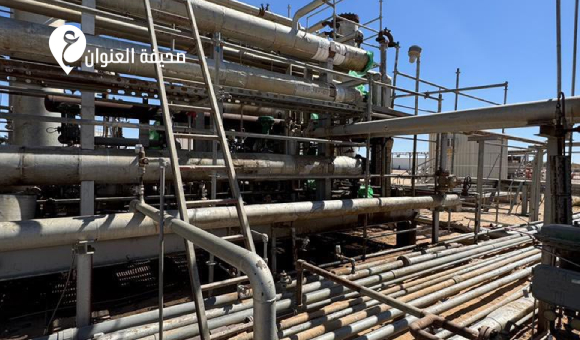
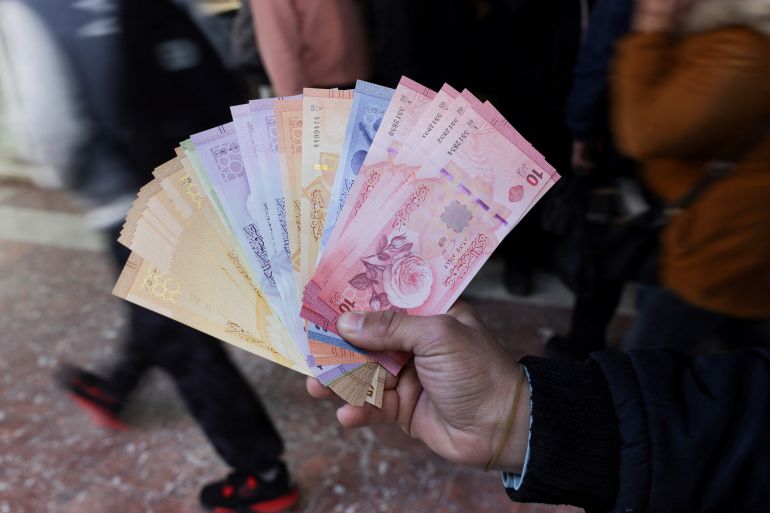
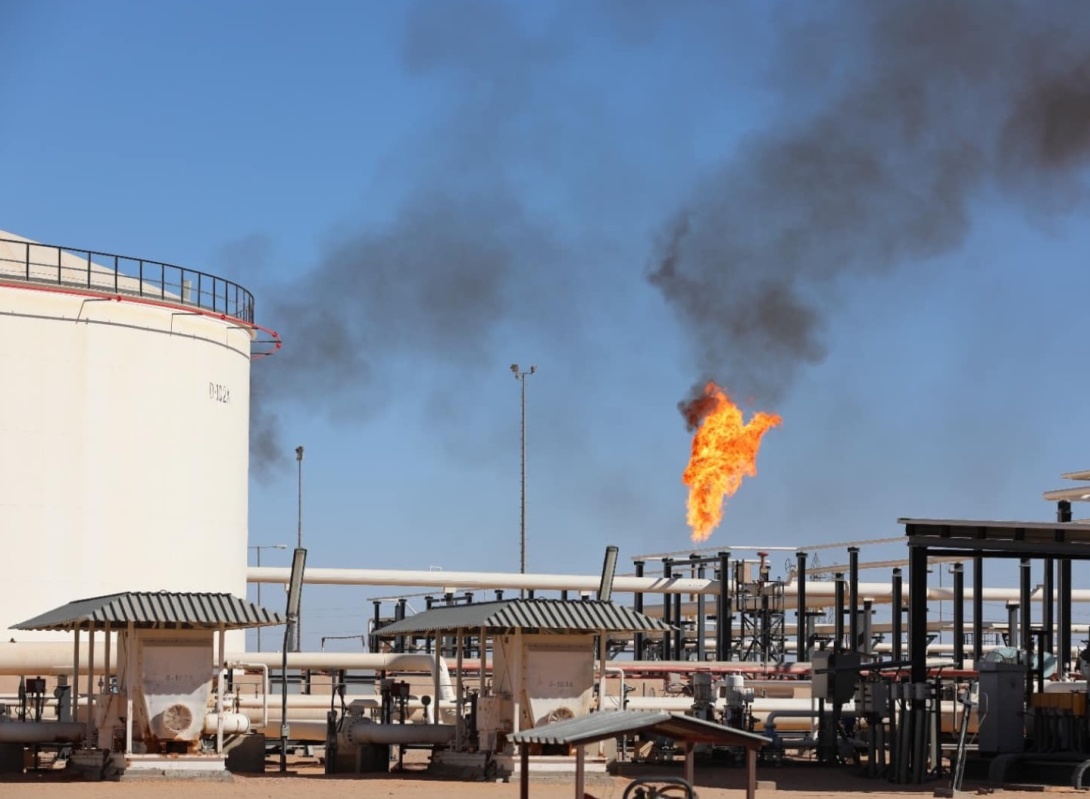
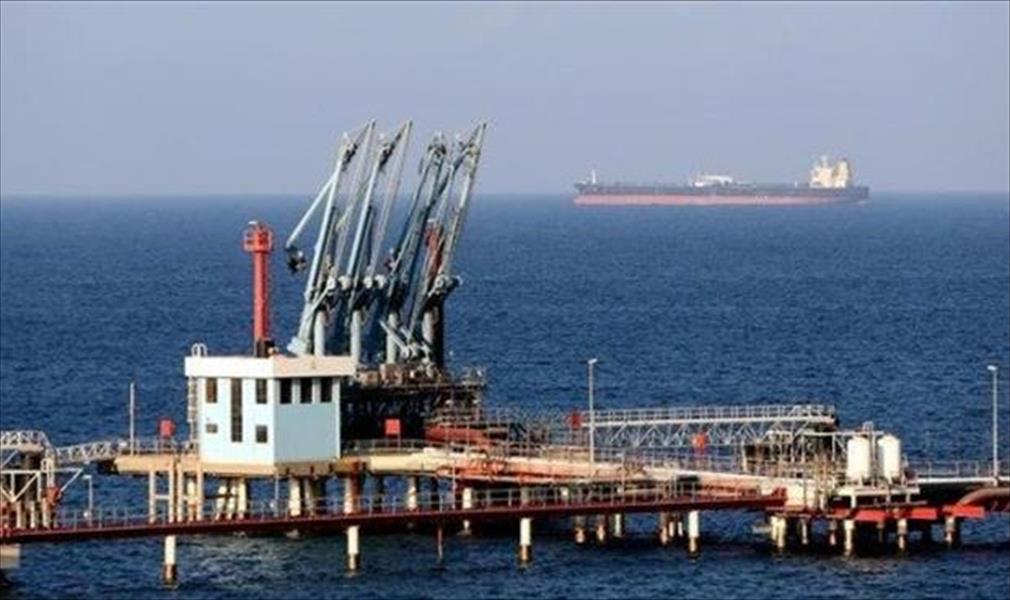
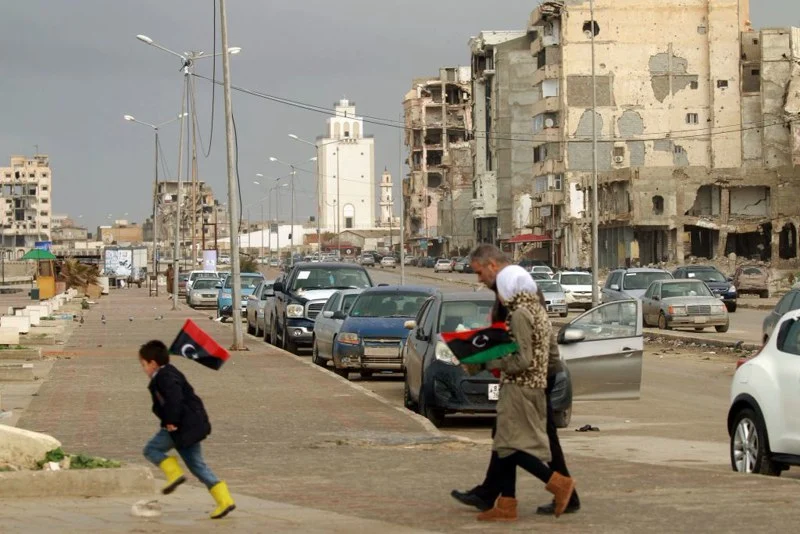
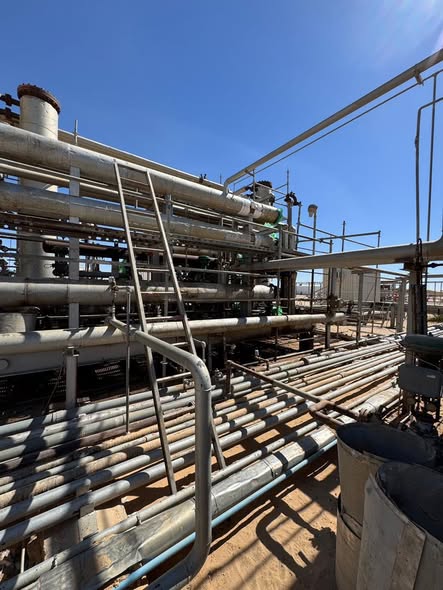
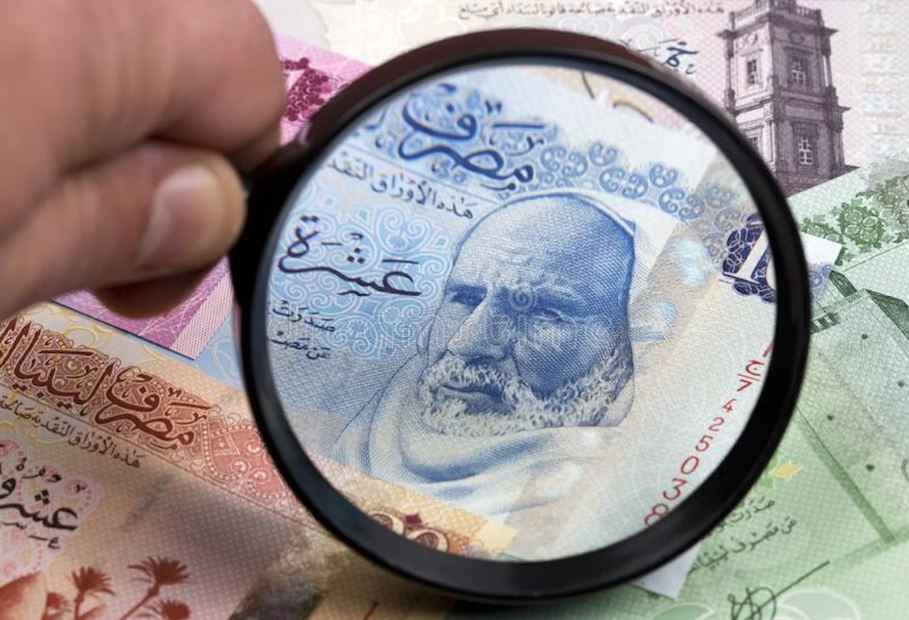
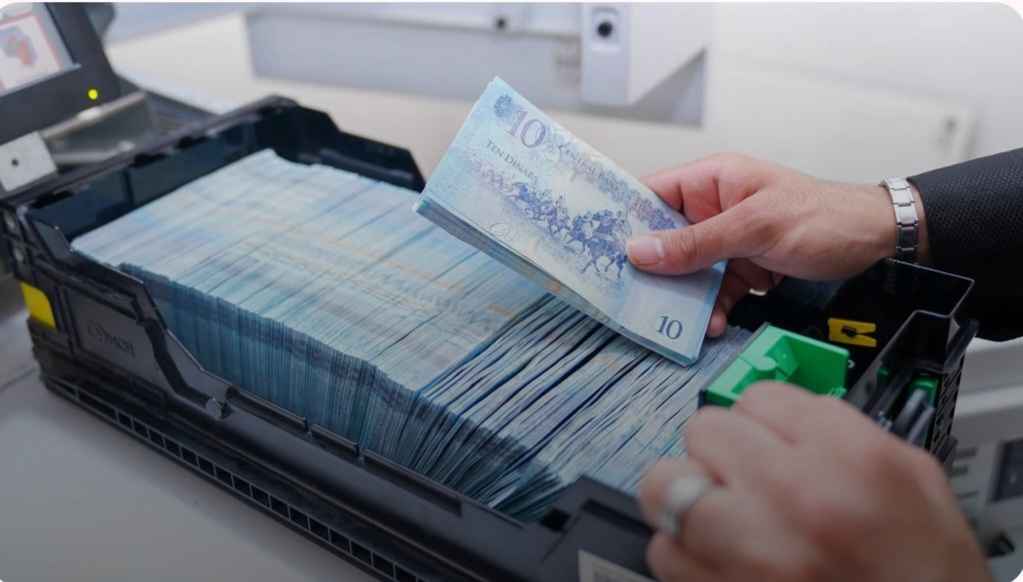
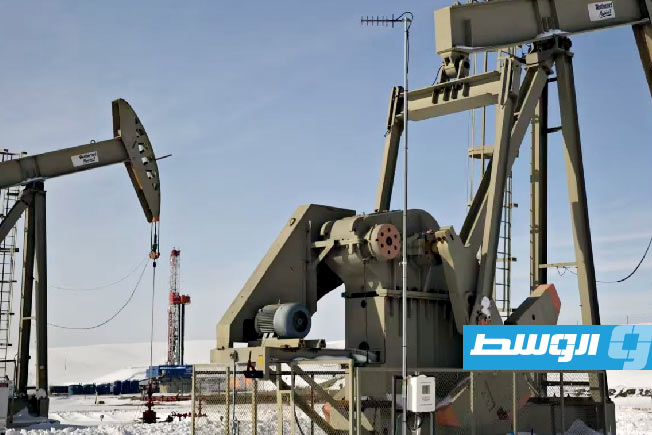
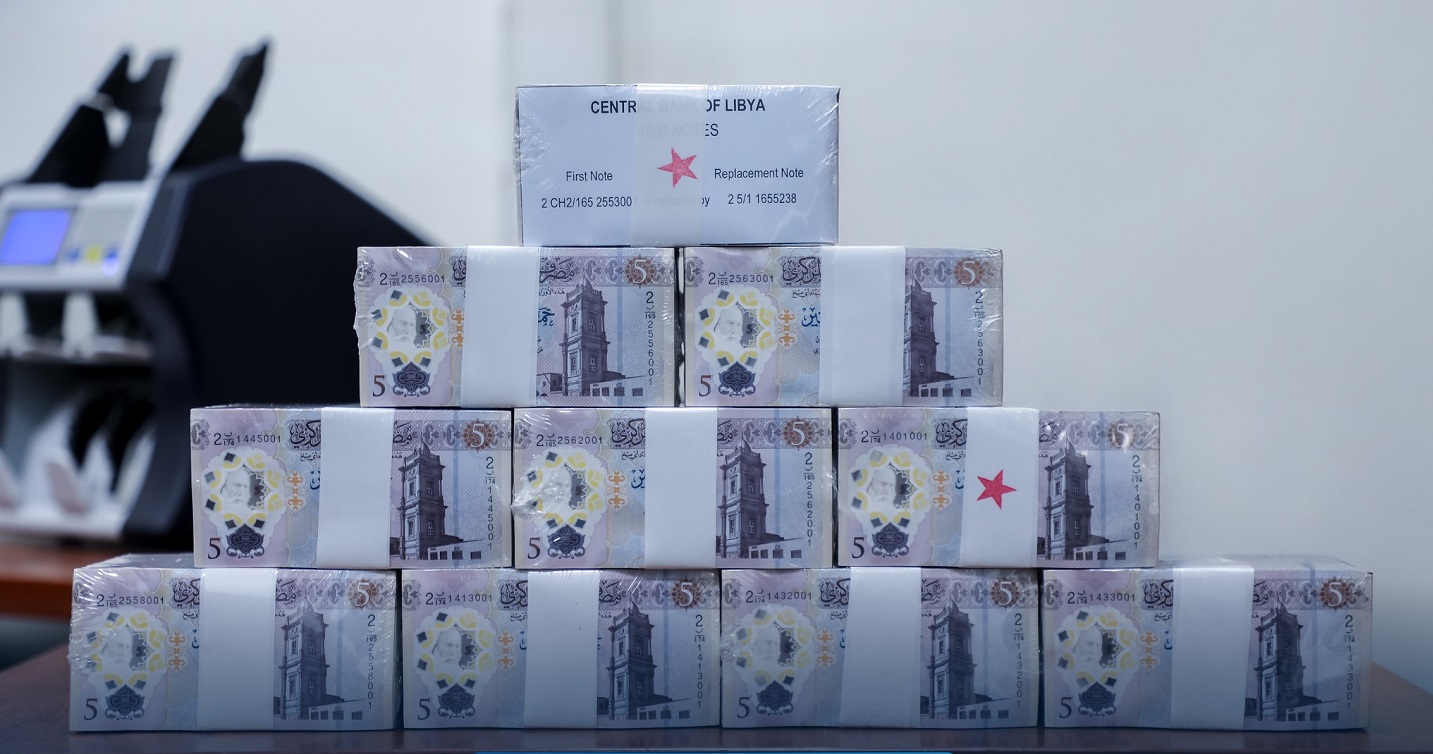
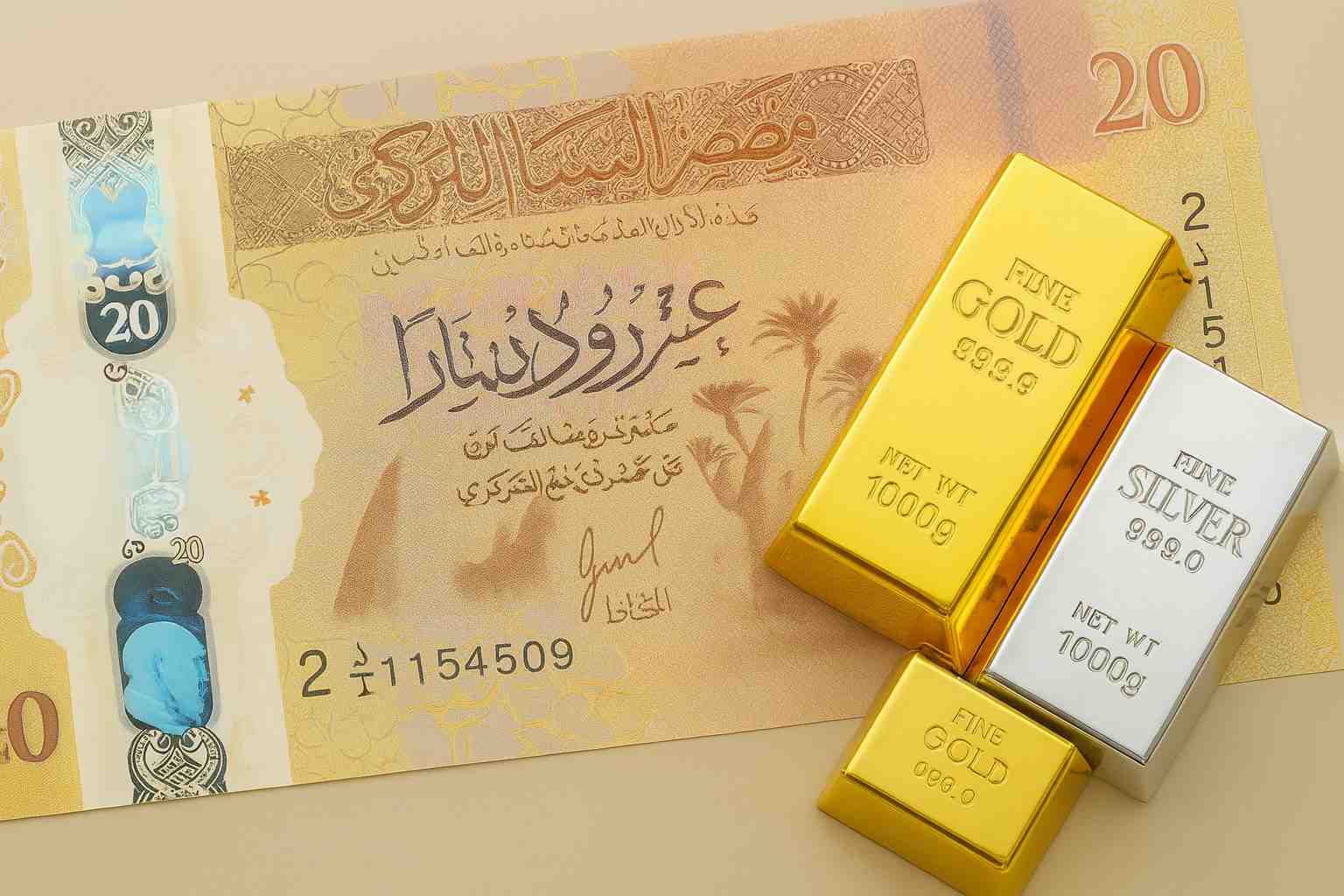
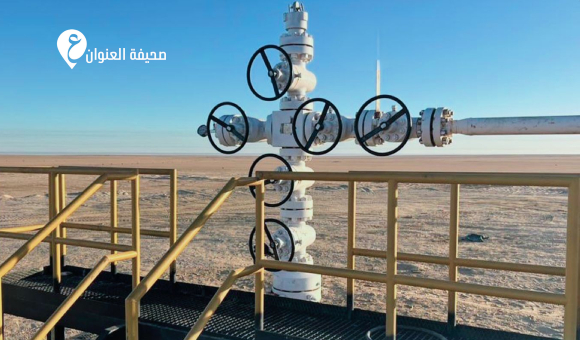
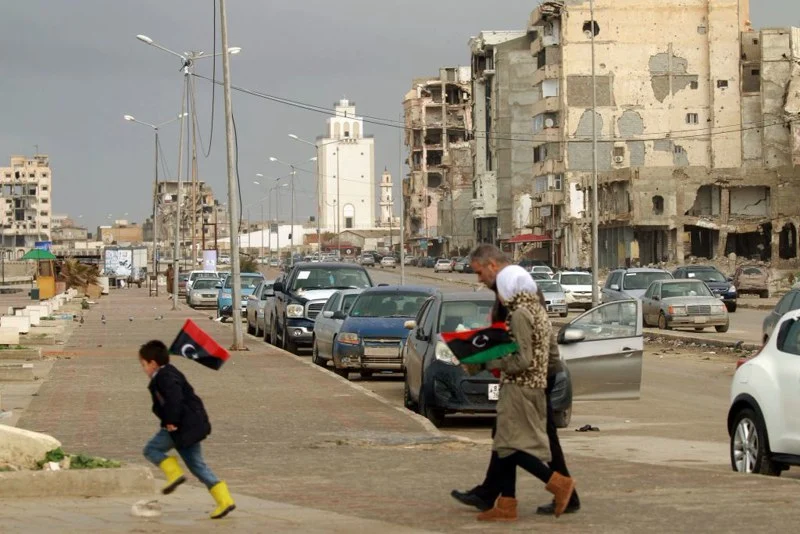
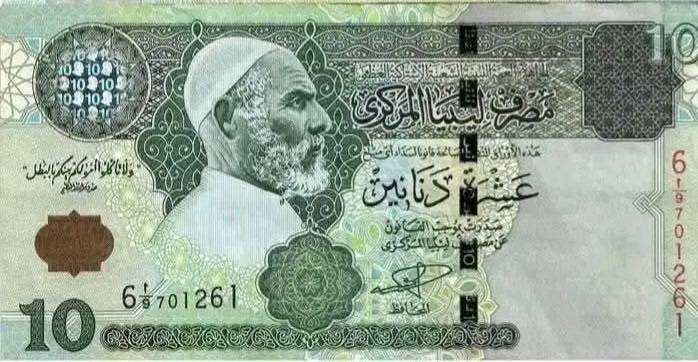
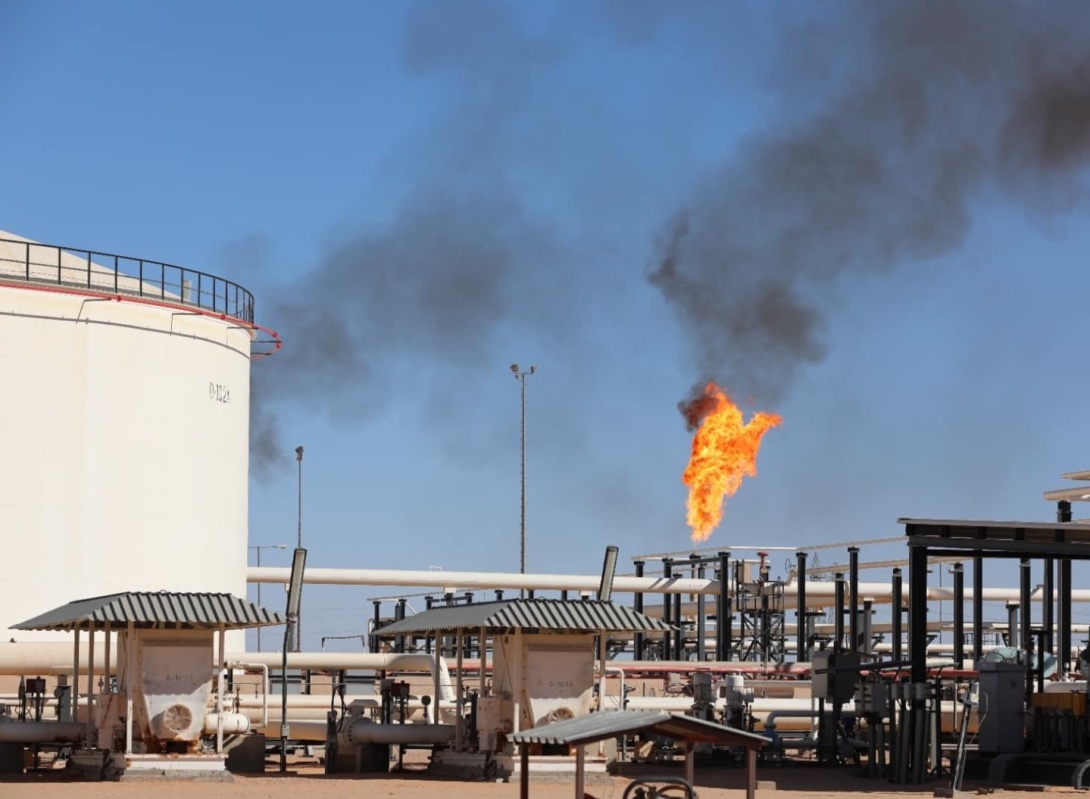
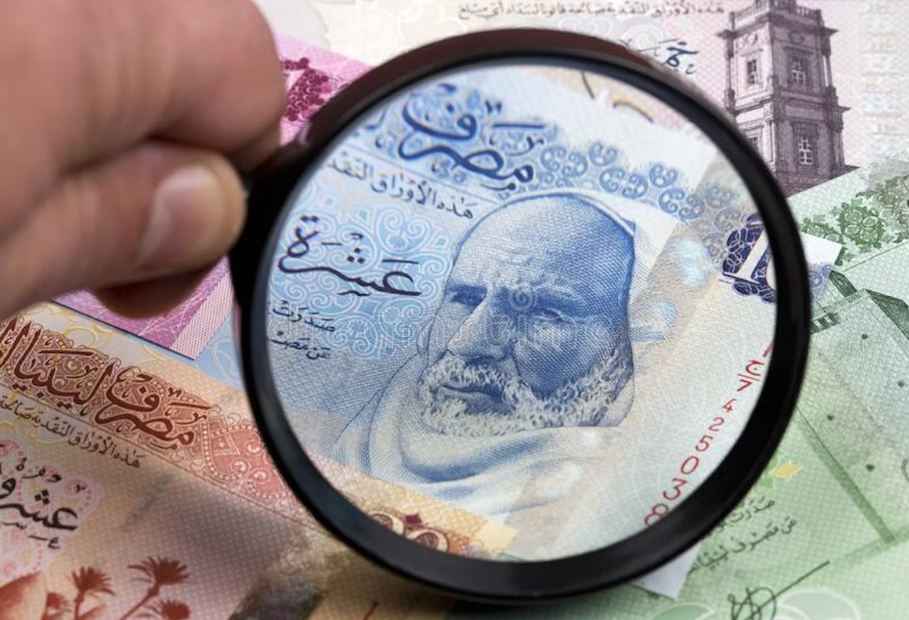
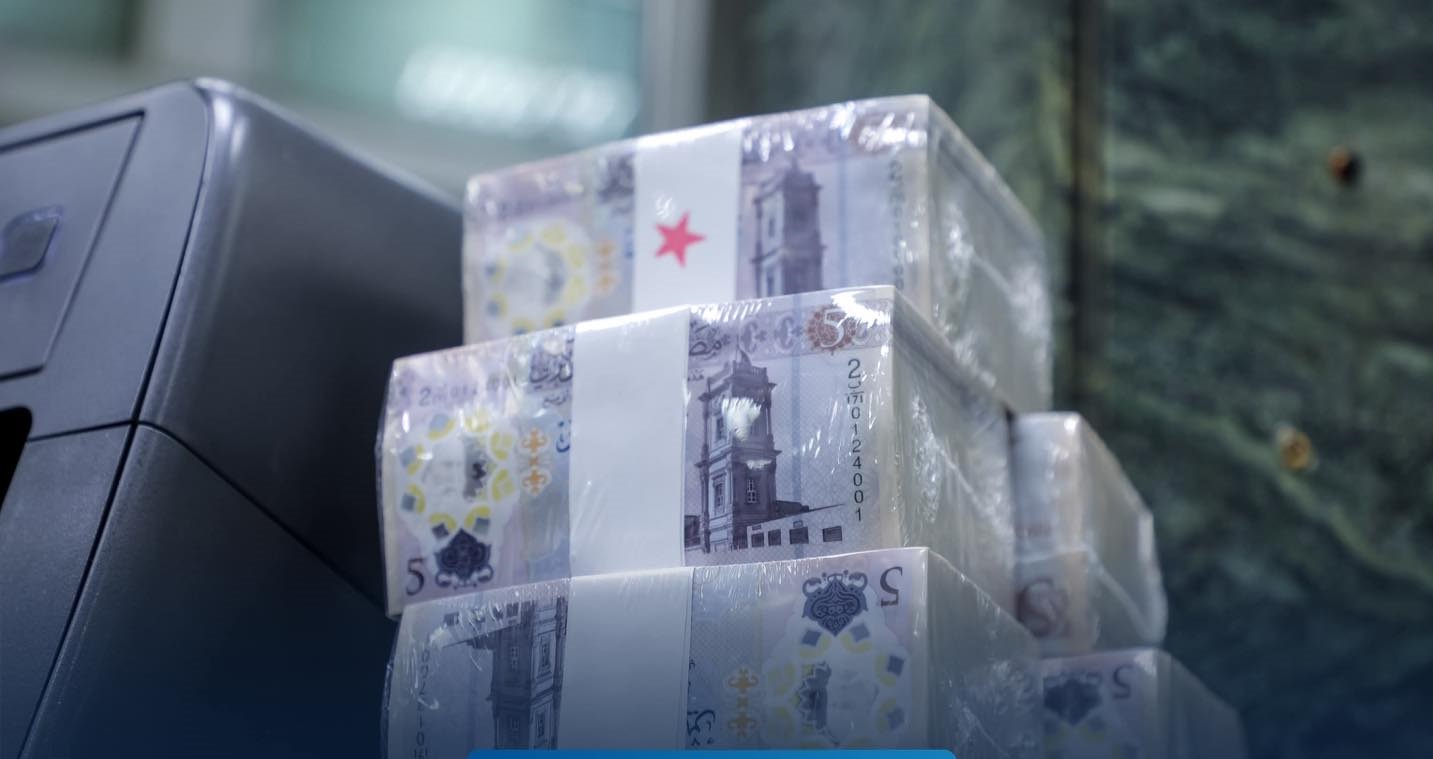
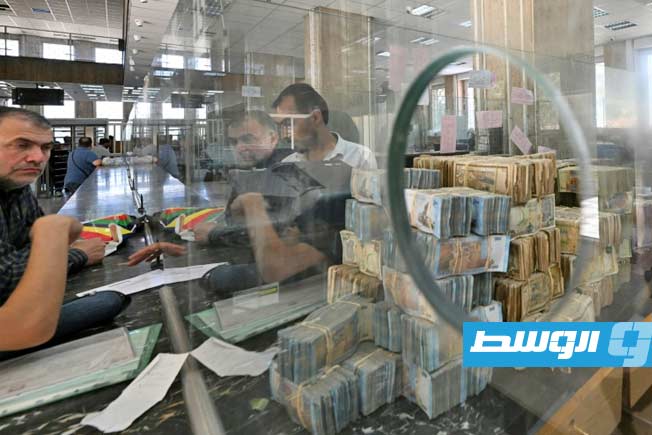
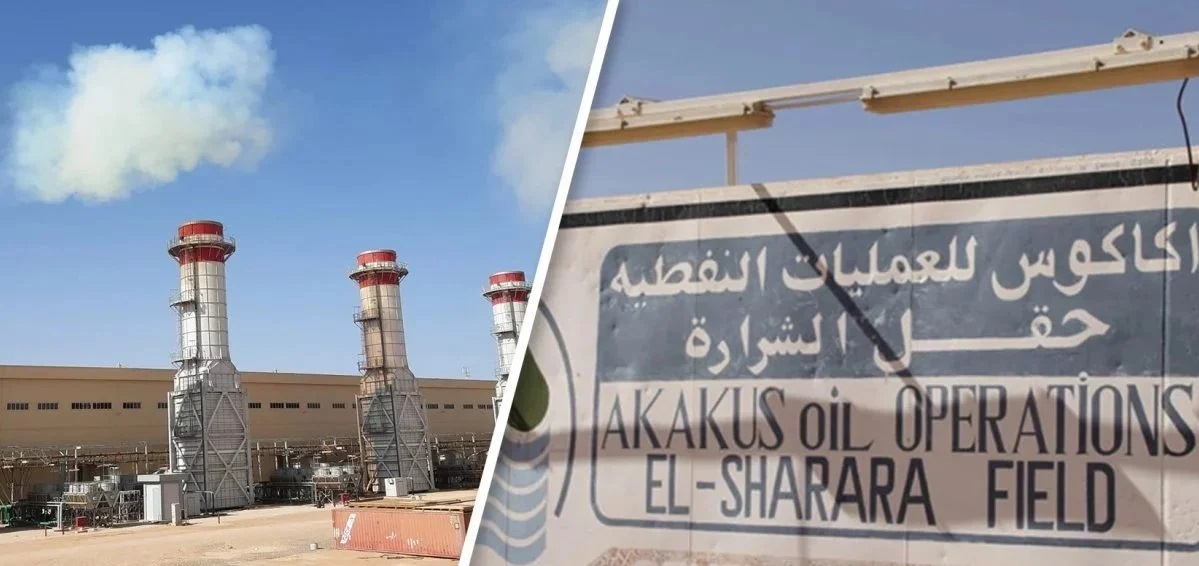
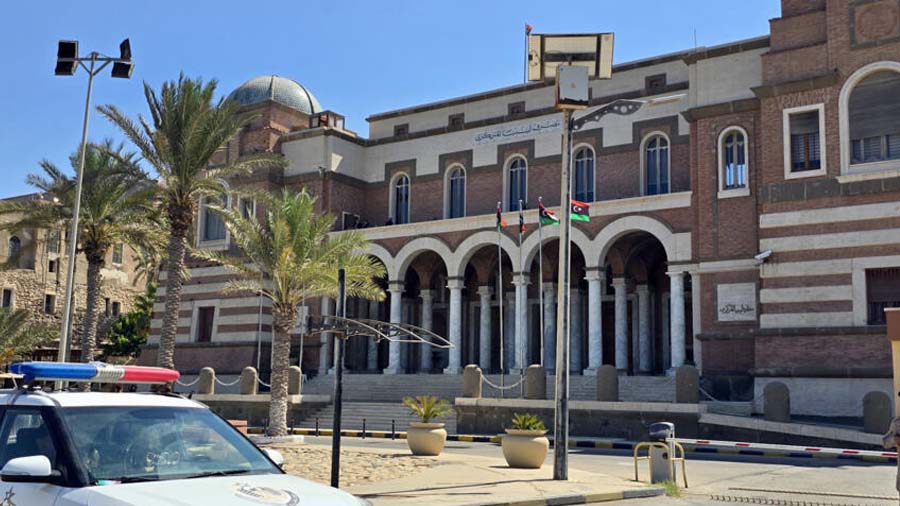
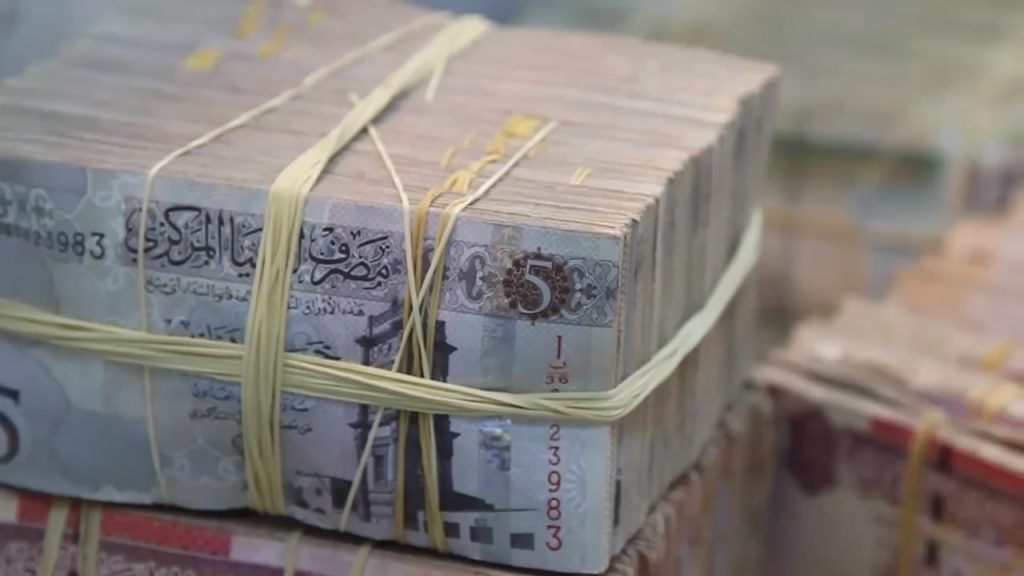
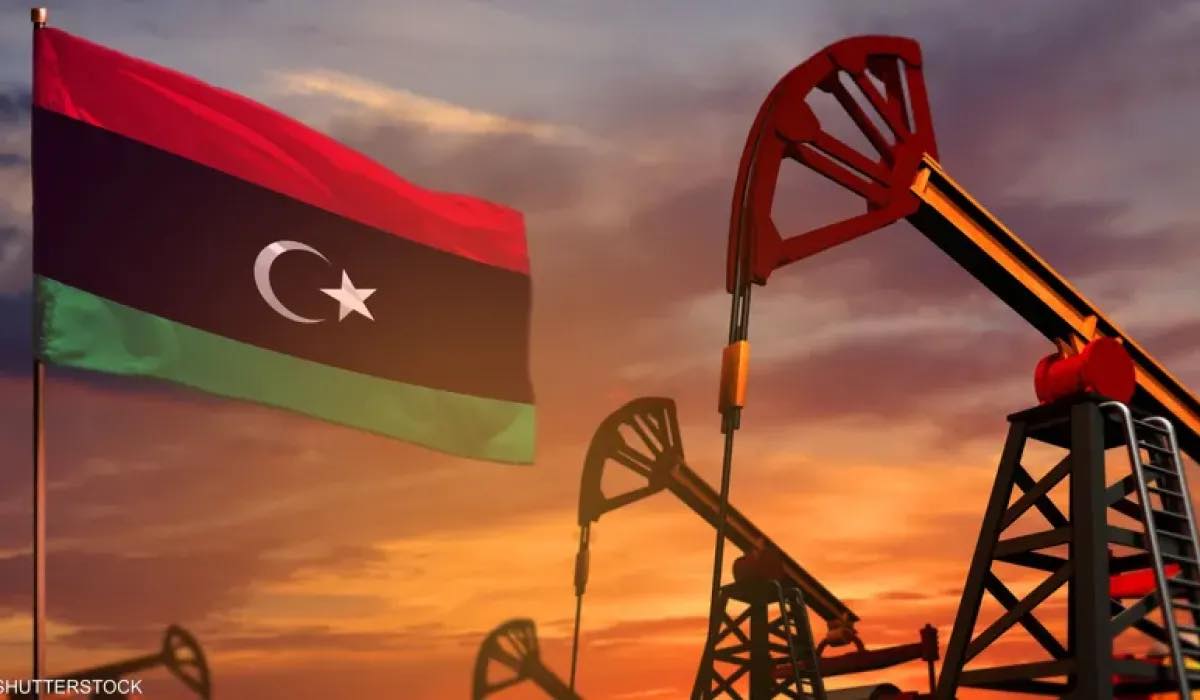
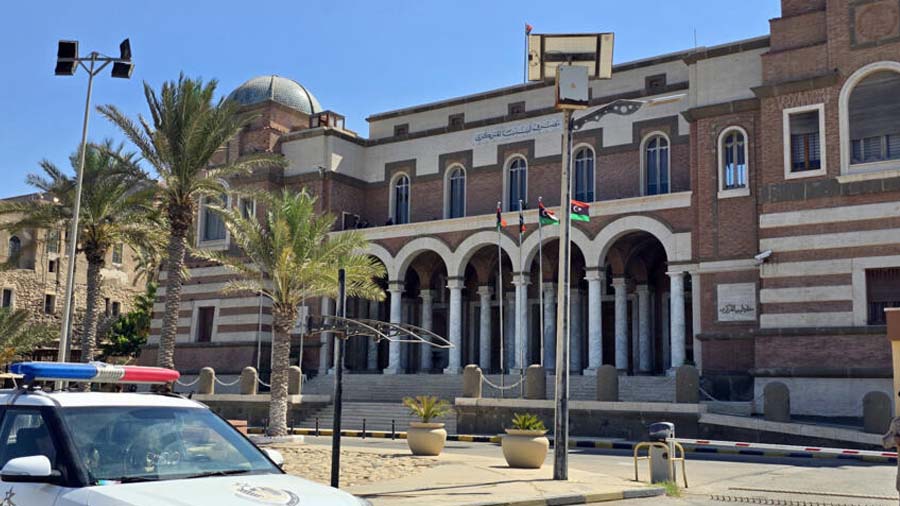
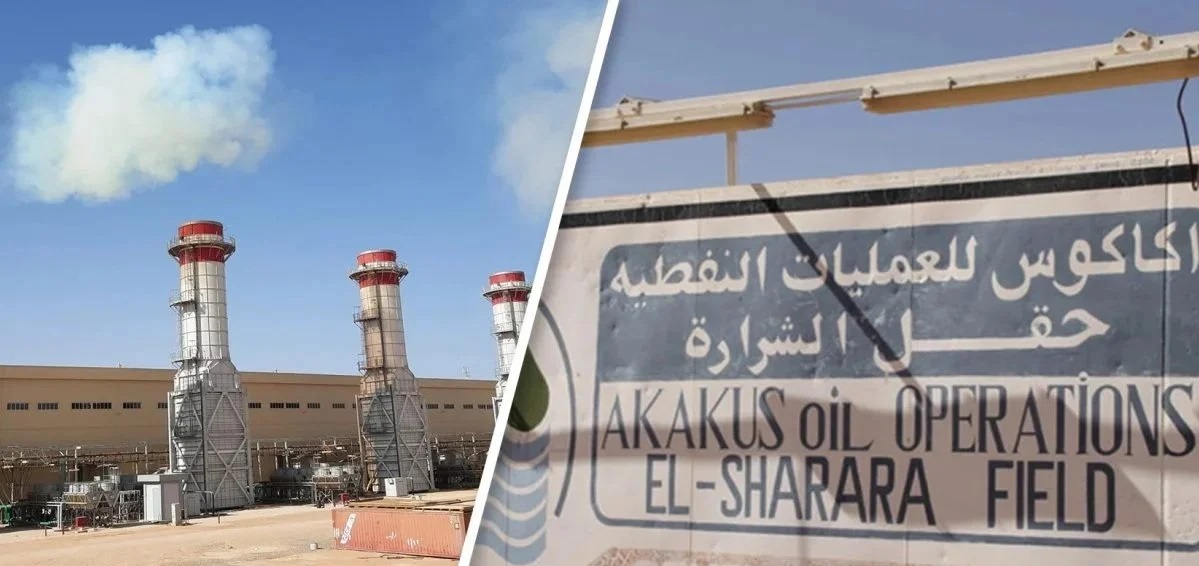
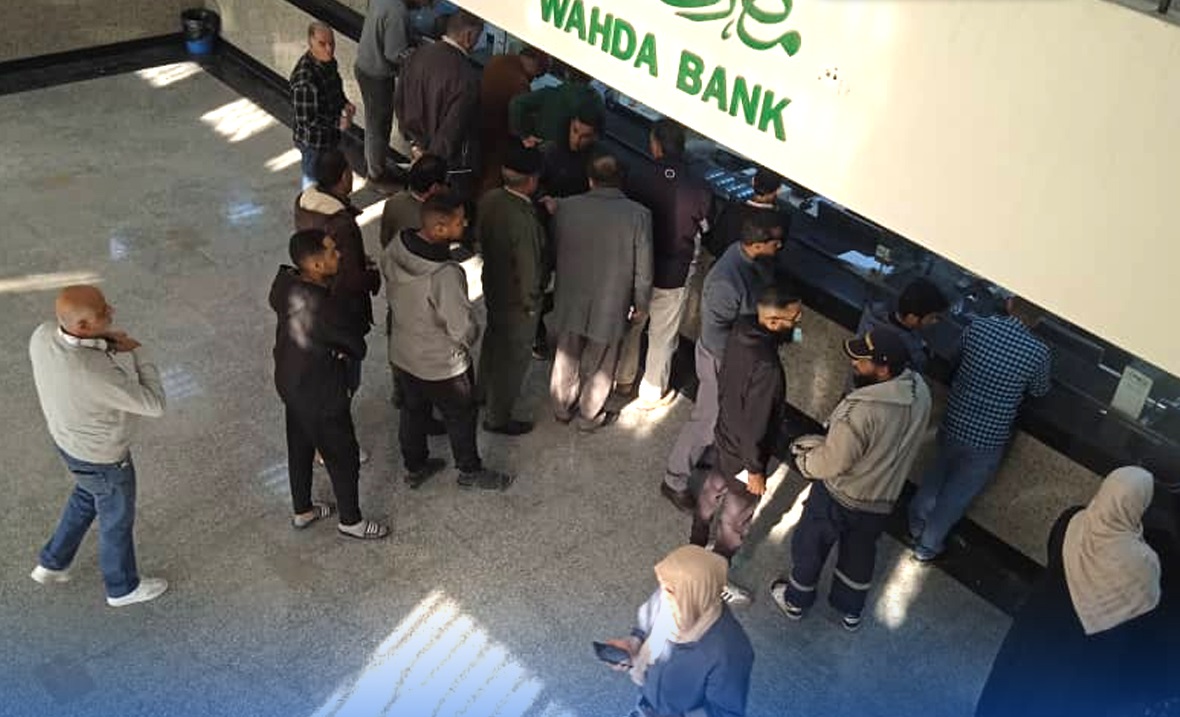
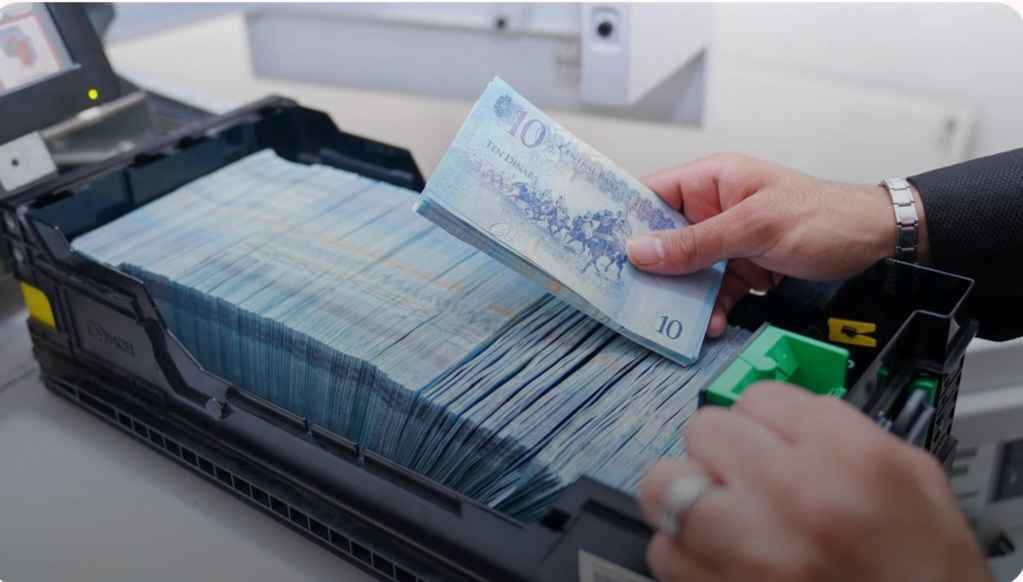
Regarding the local situation, the expert noted that Libya’s current production is 1.3 million barrels per day, and any drop in oil below $50 would lead to a larger budget deficit, deficit financing, withdrawals from reserves, in addition to accumulating debt, delayed salary payments, and a devaluation of the dinar.
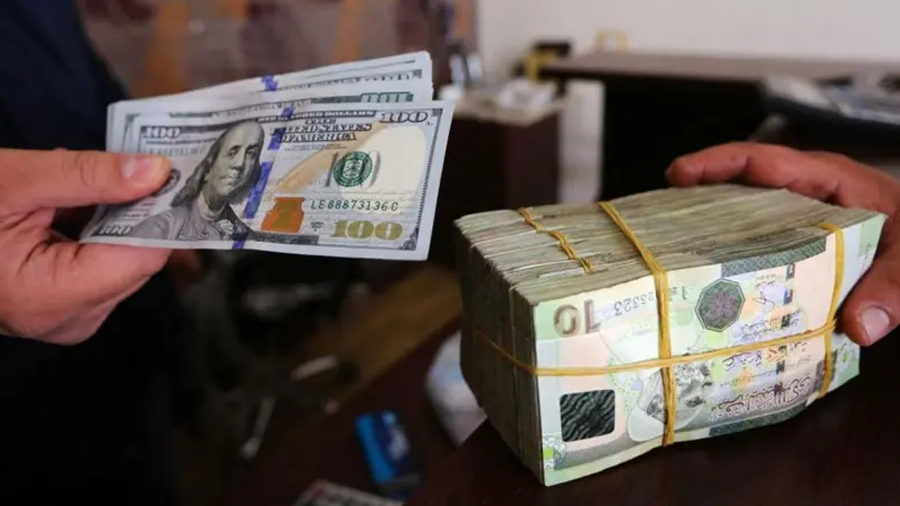
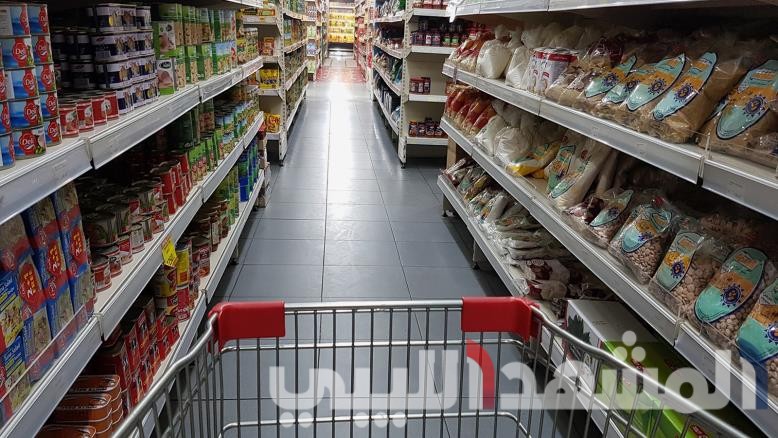
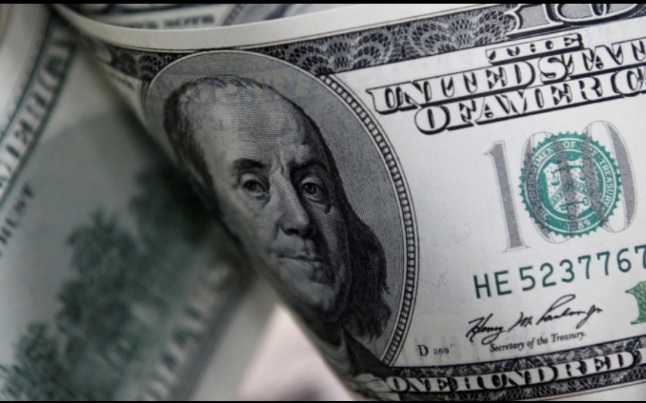
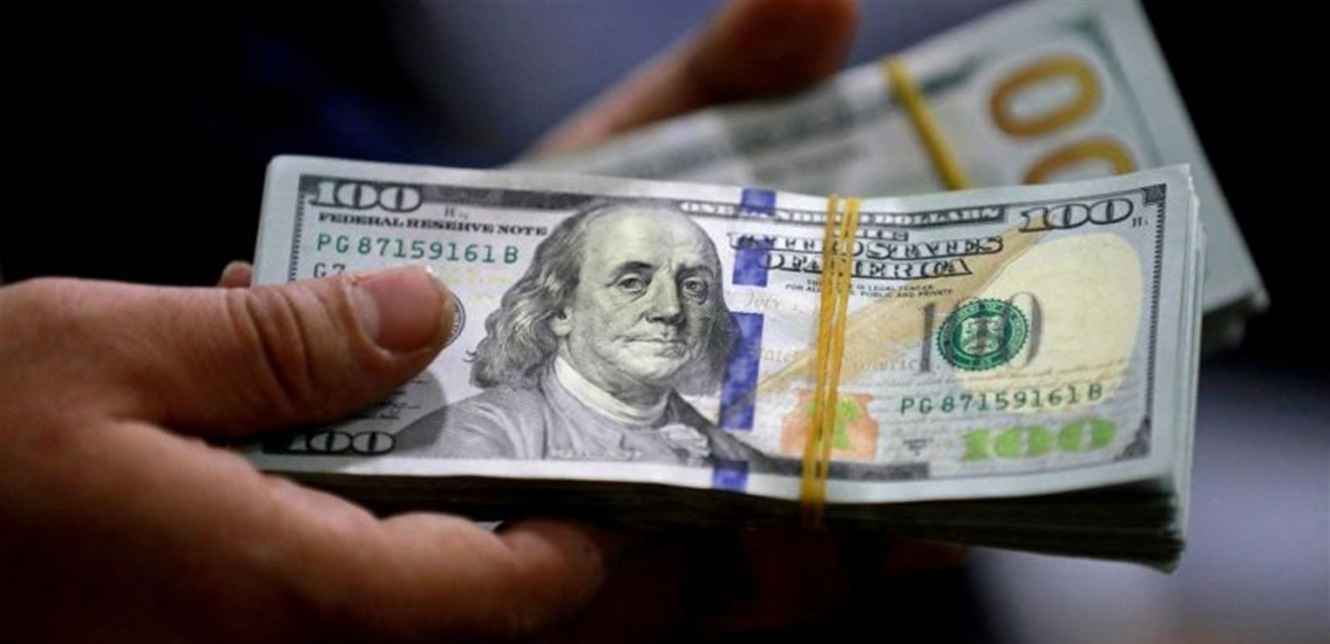
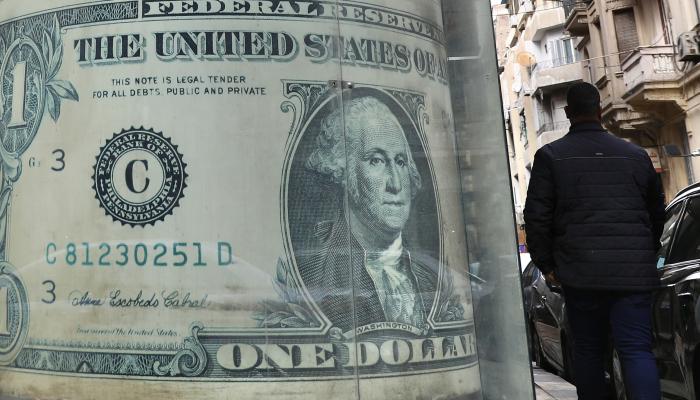
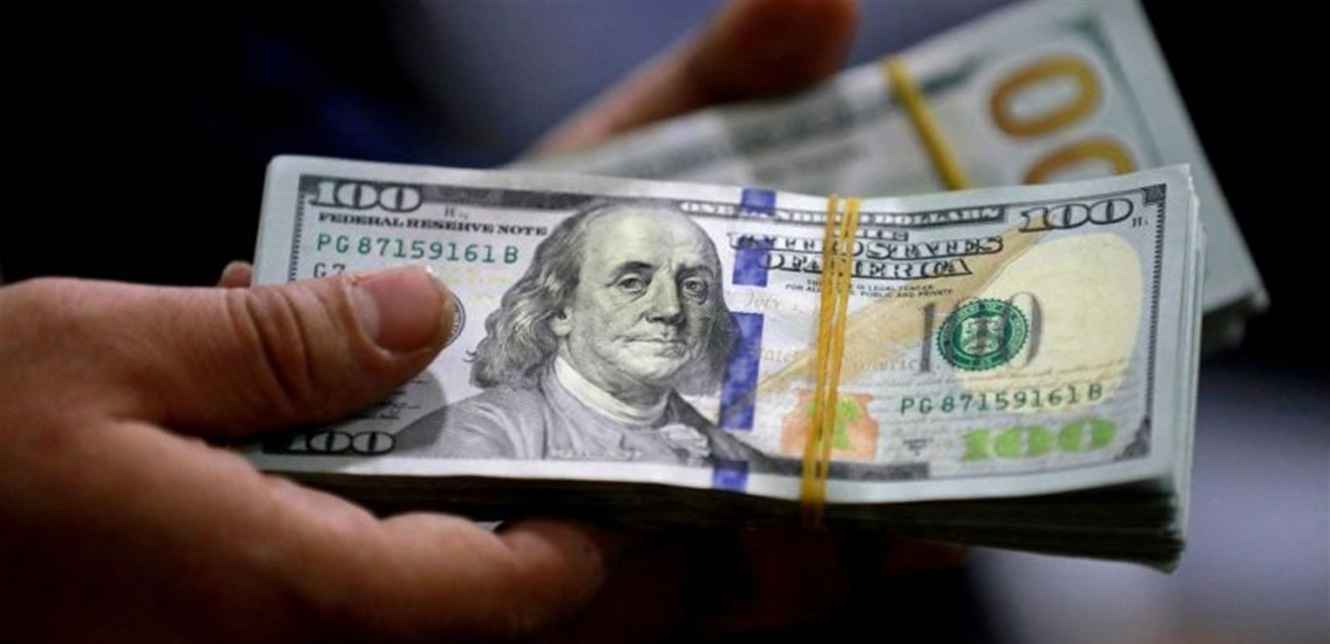
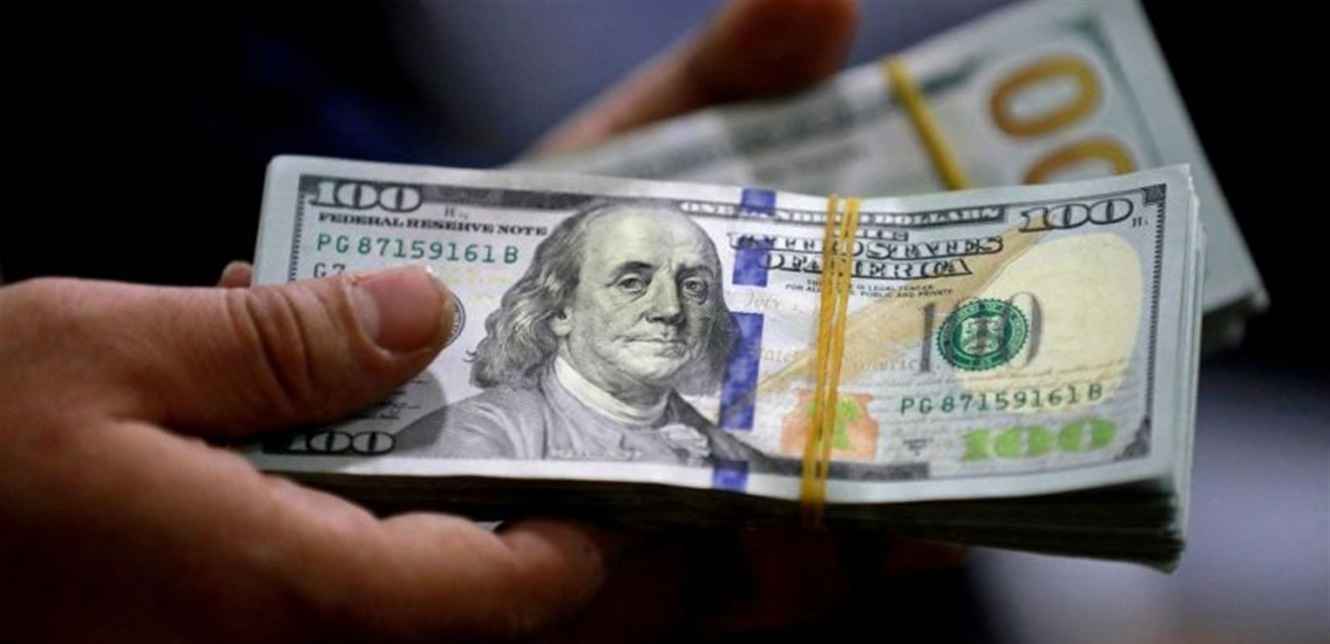
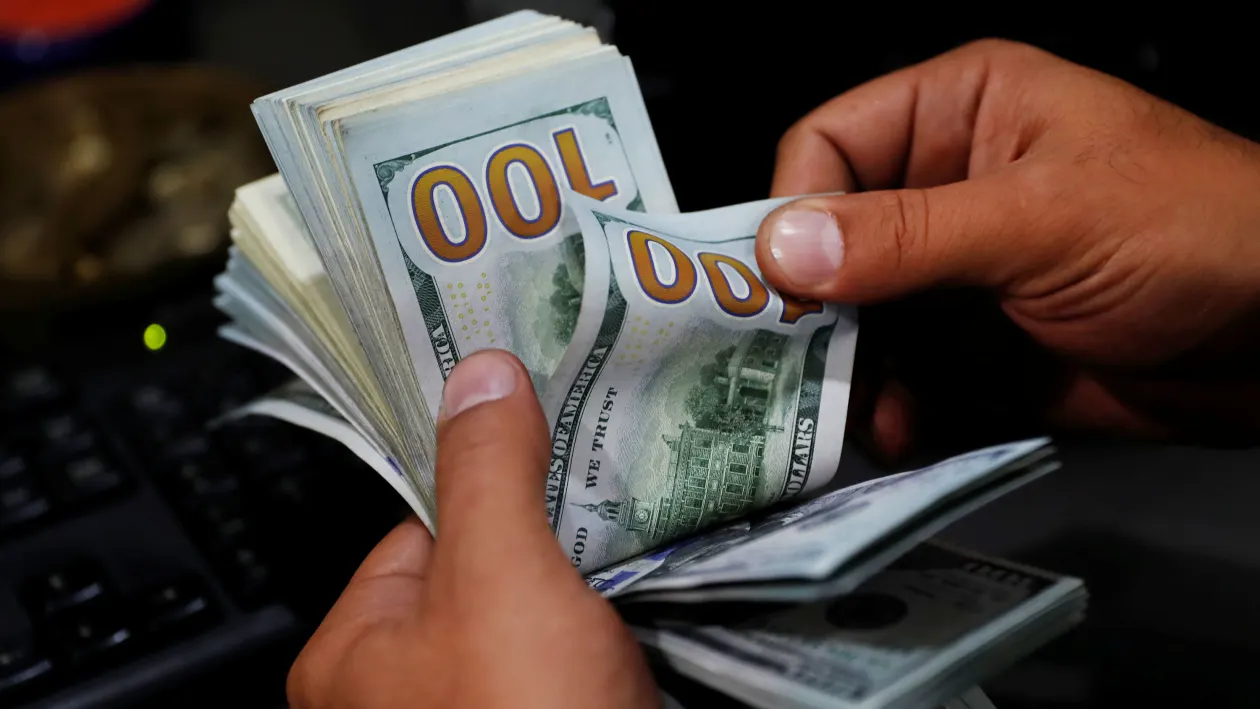
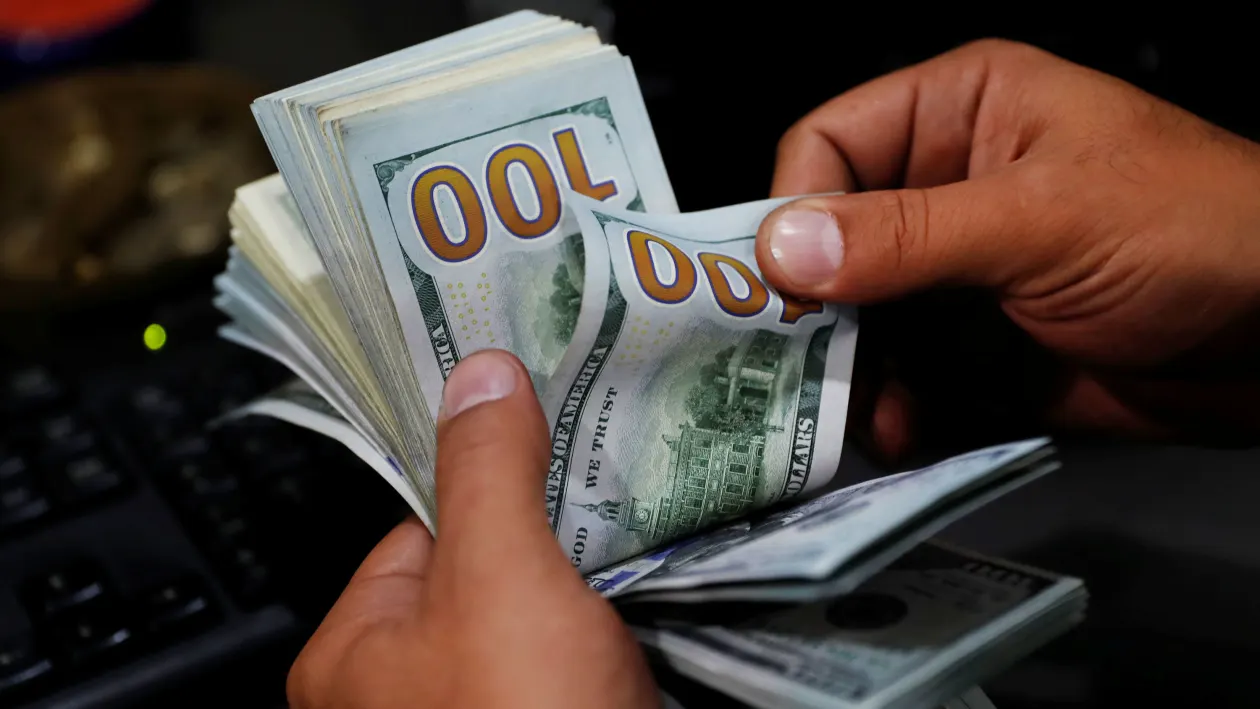
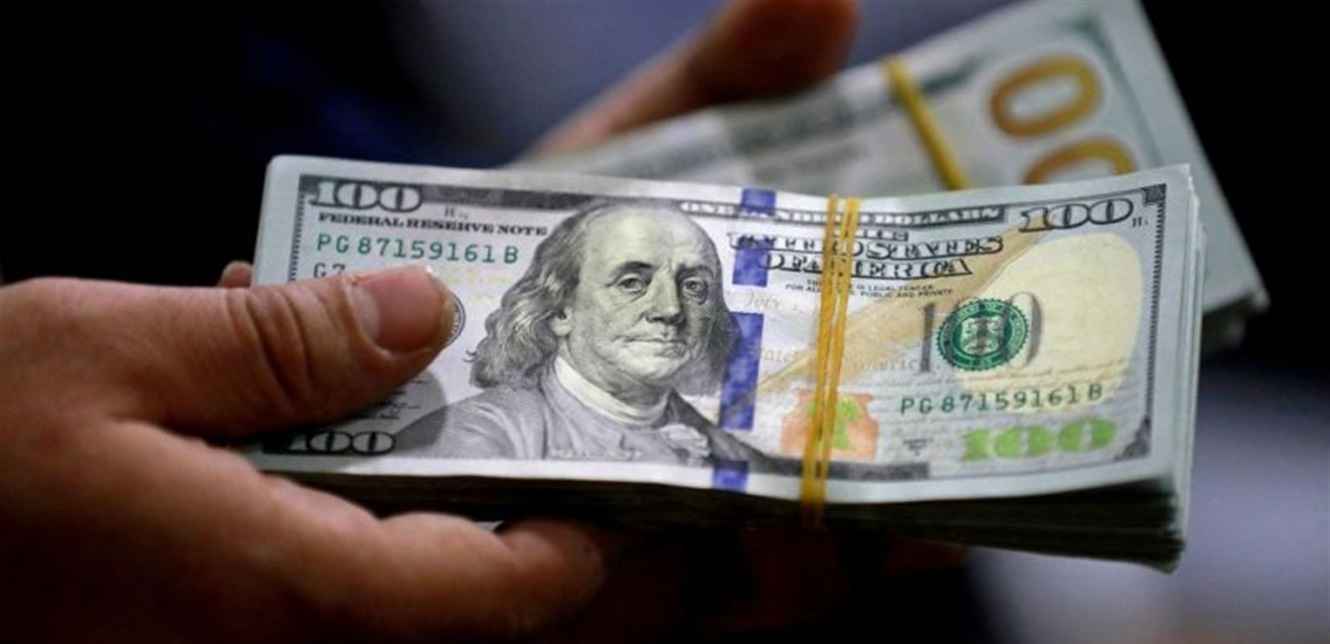
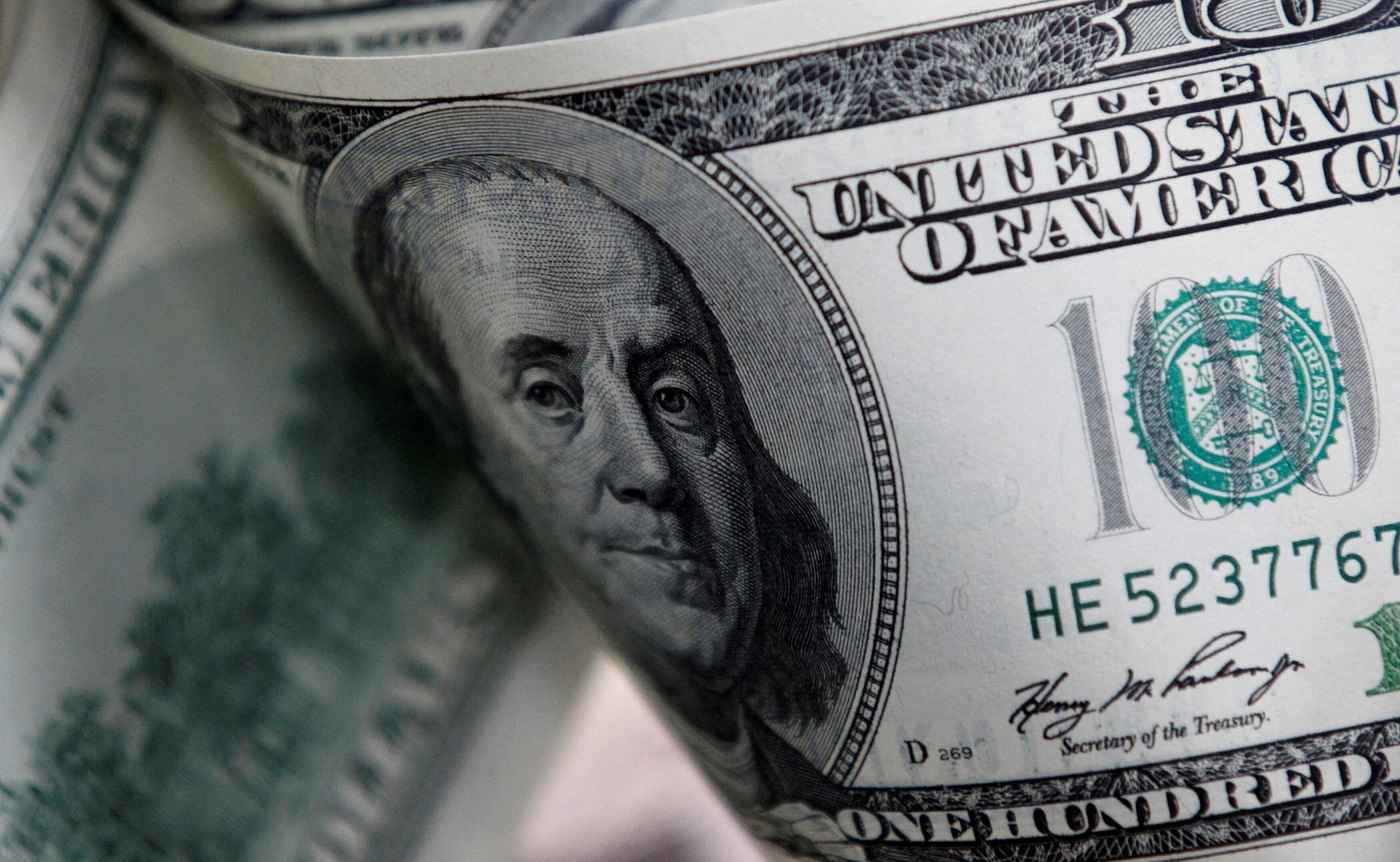
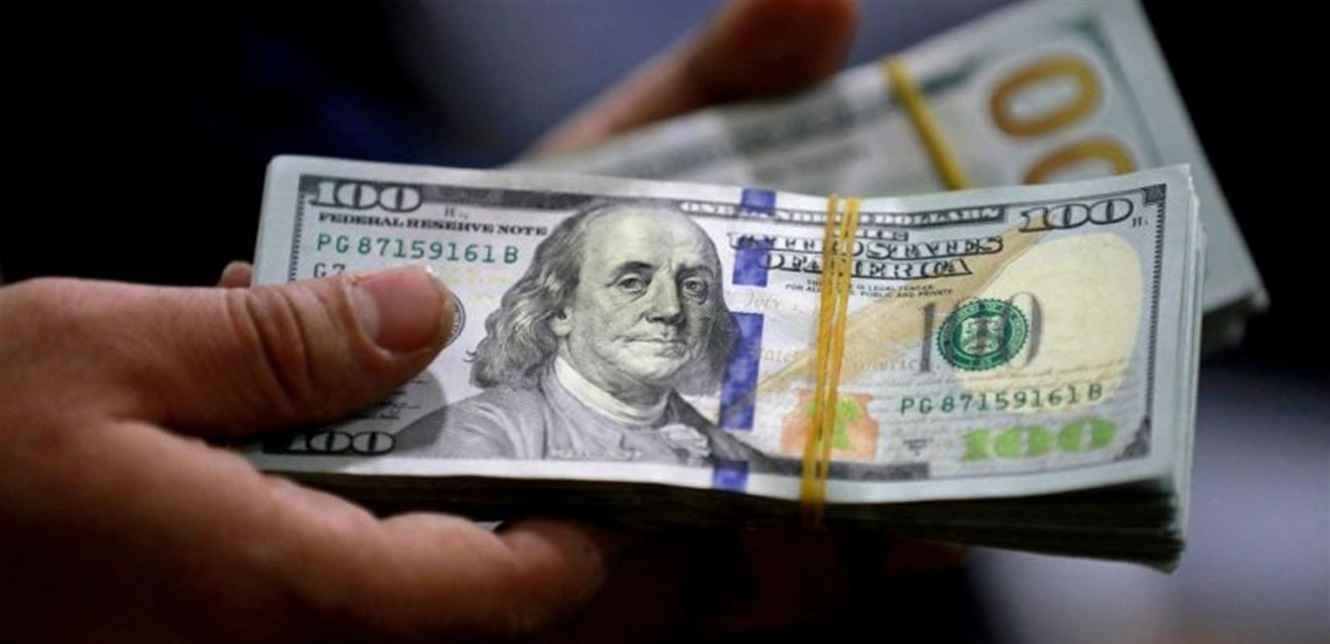
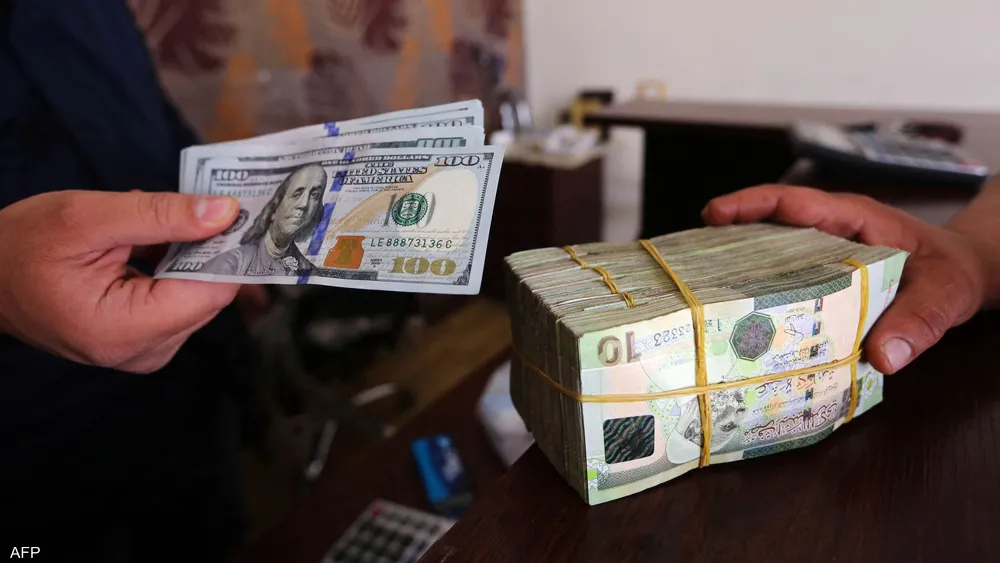
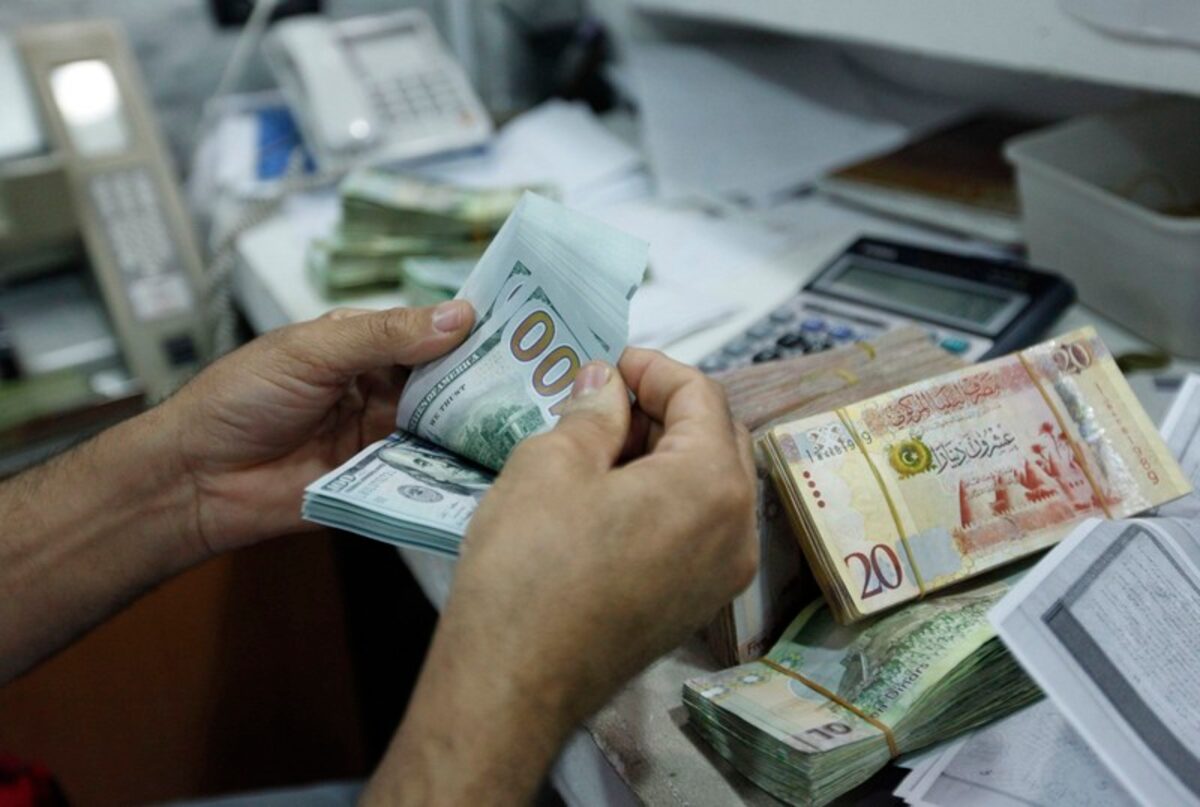
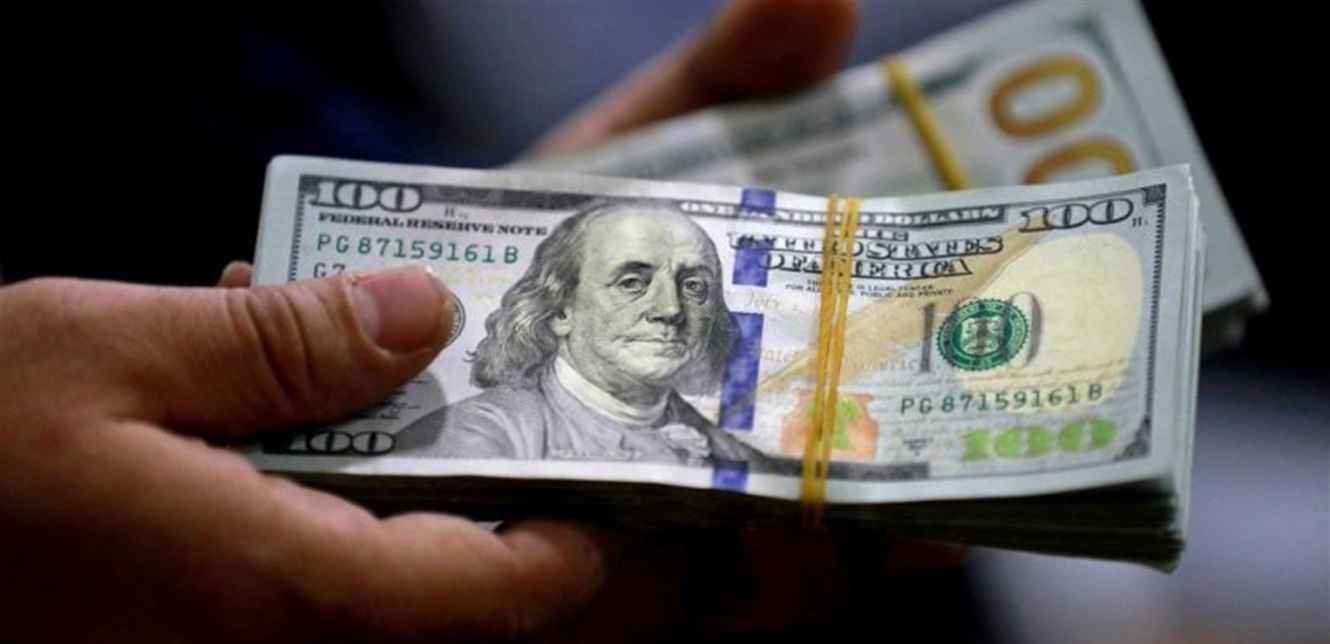
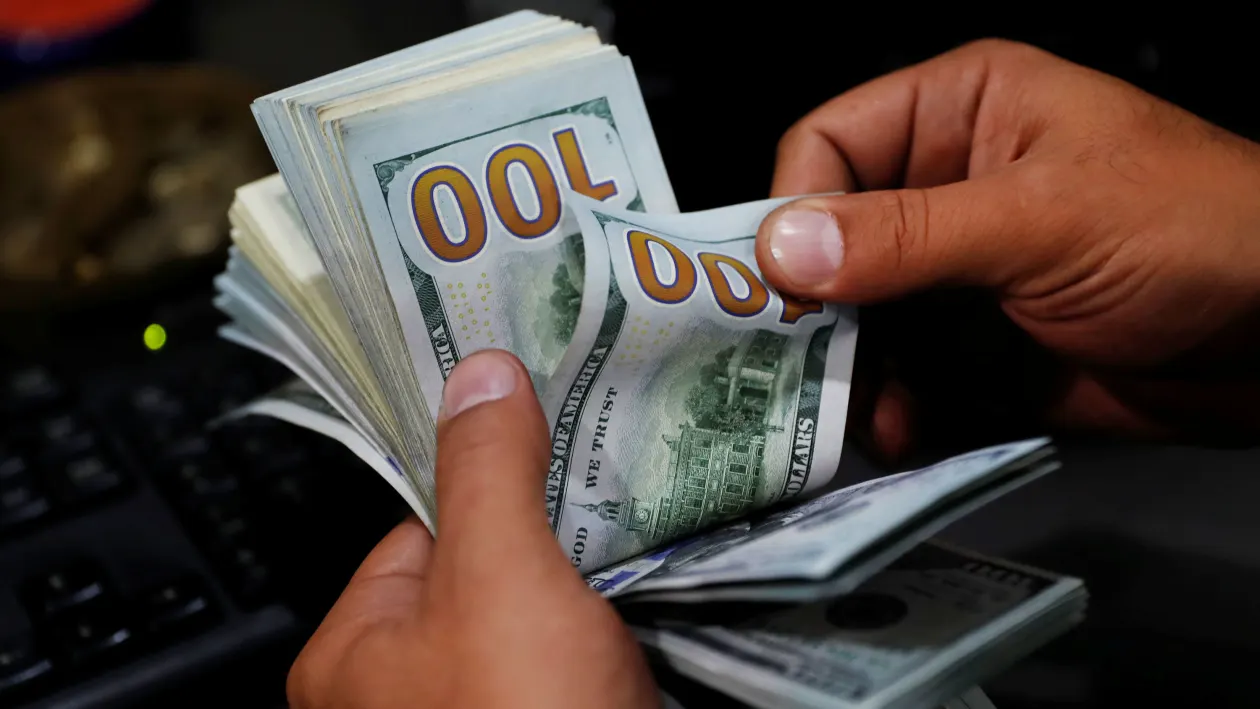
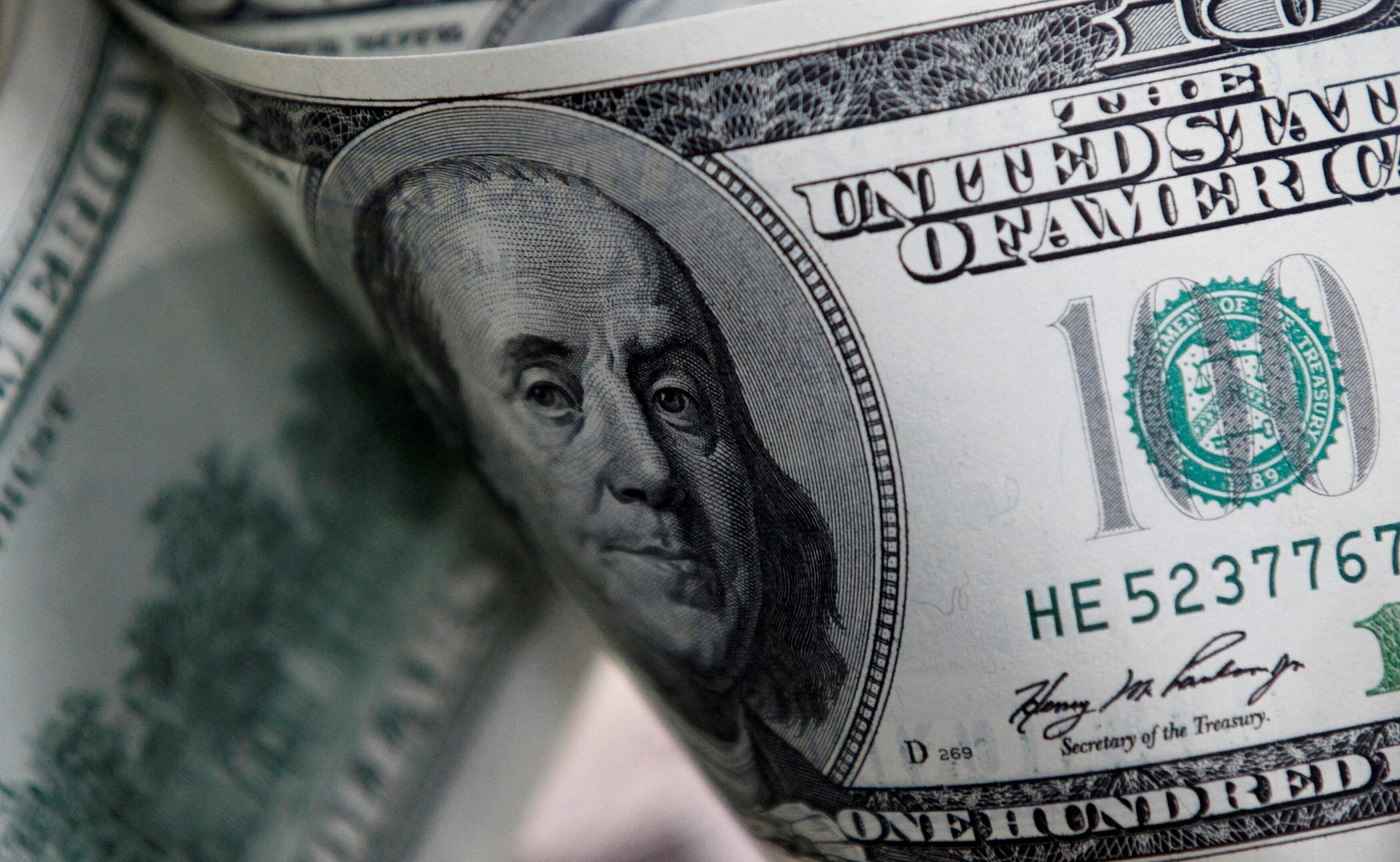
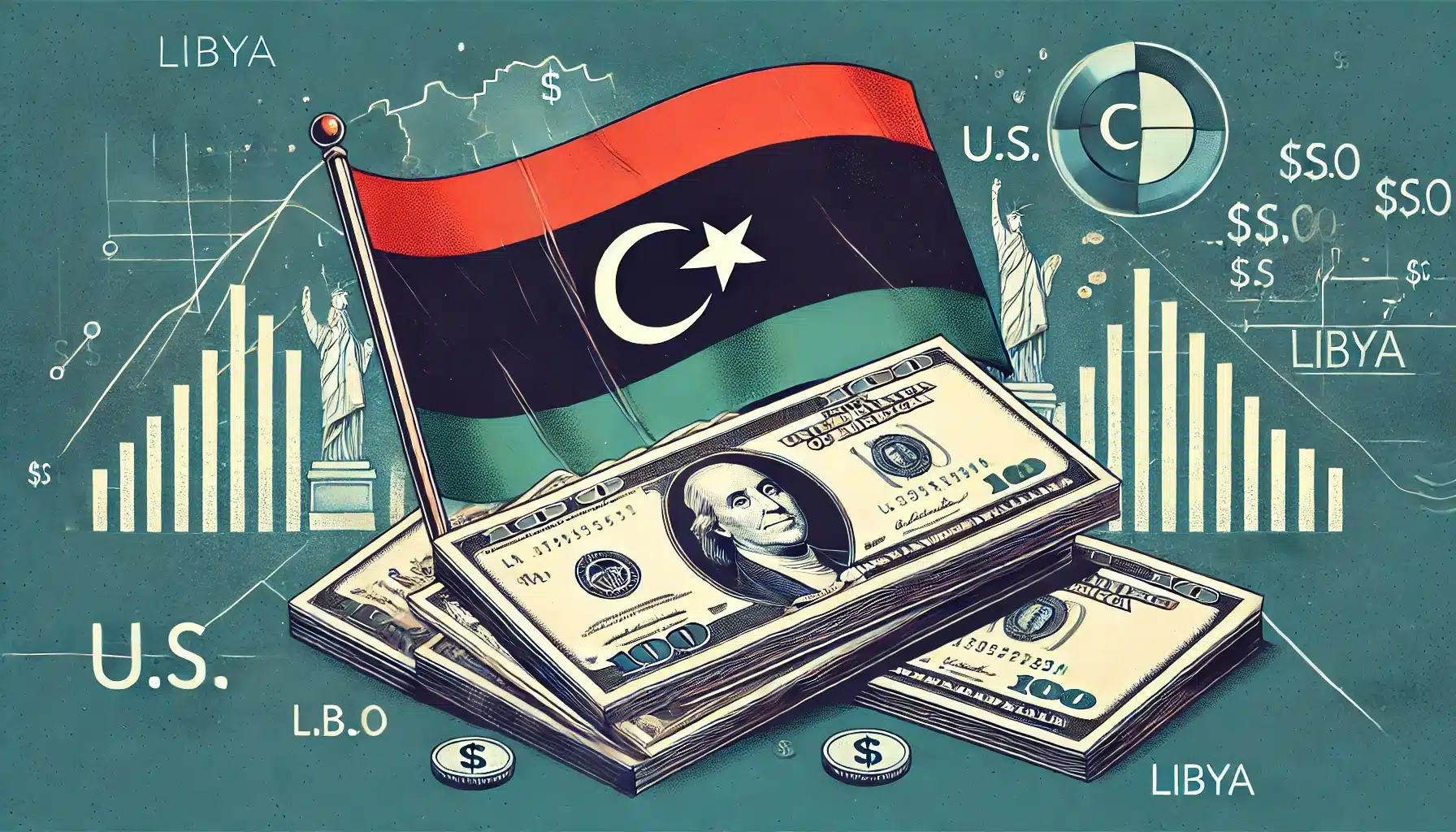
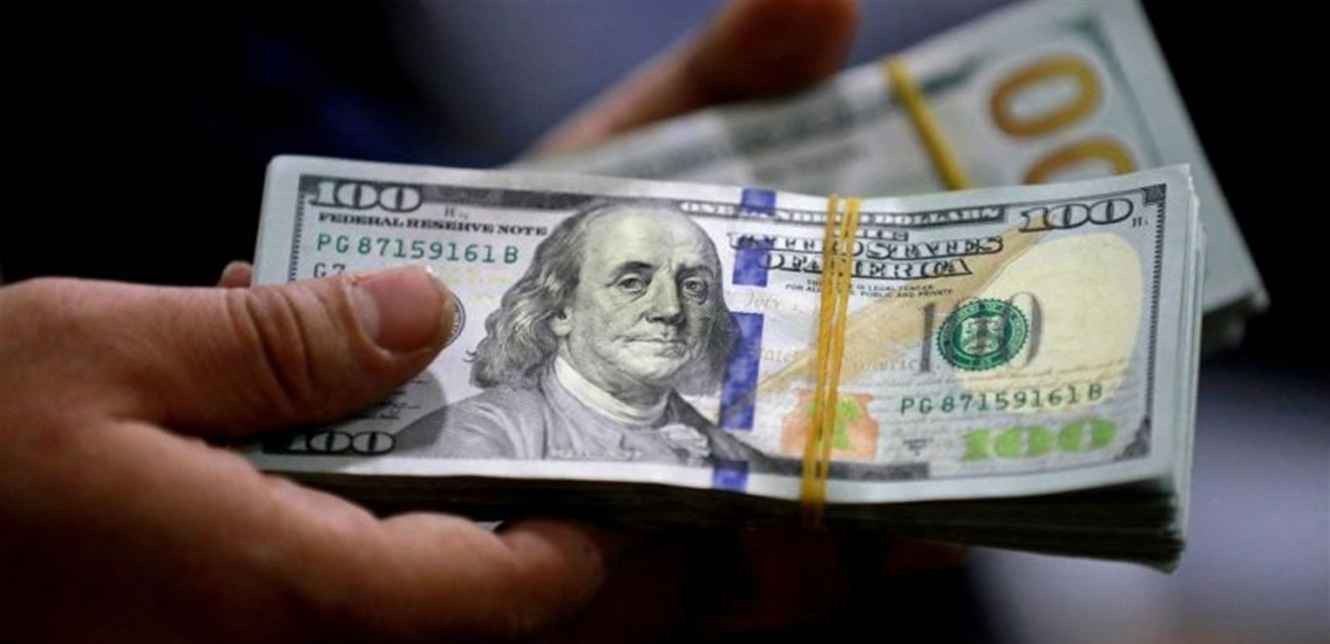
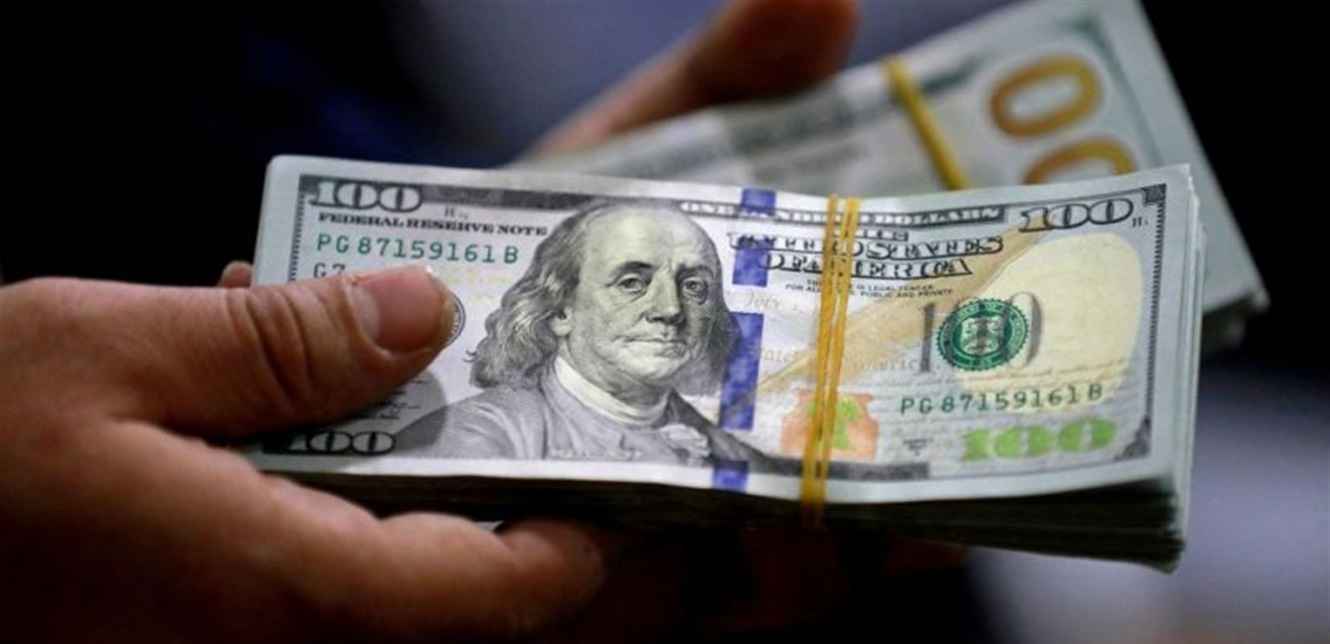
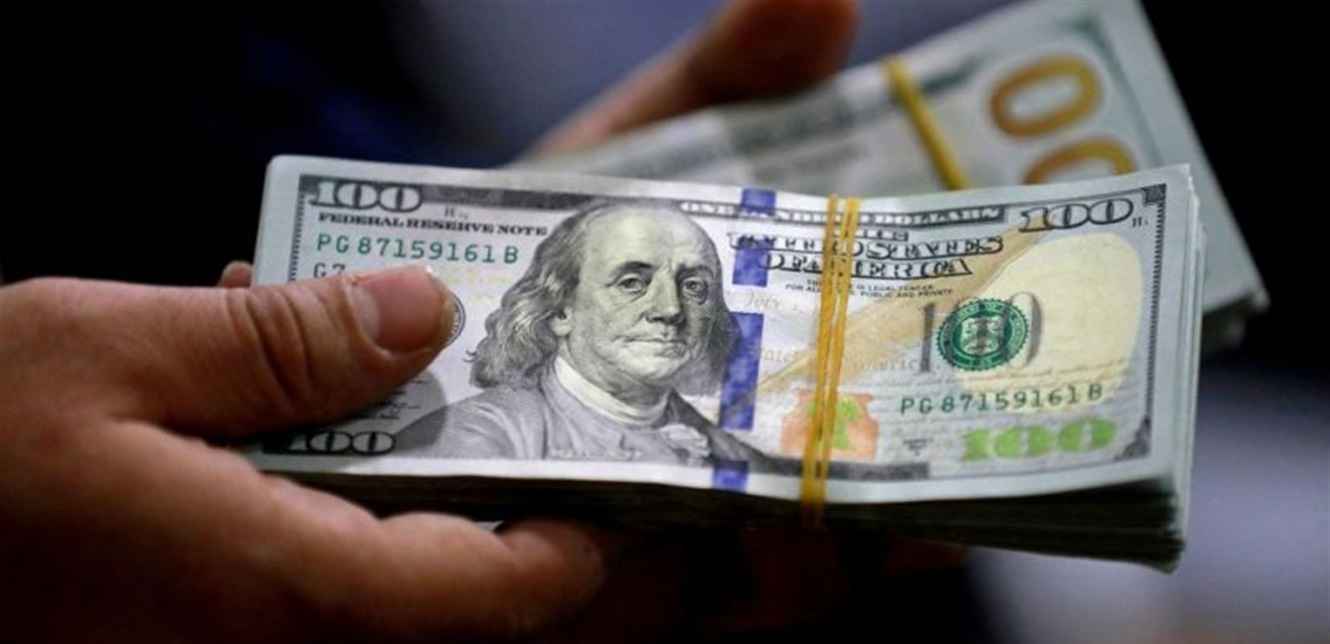
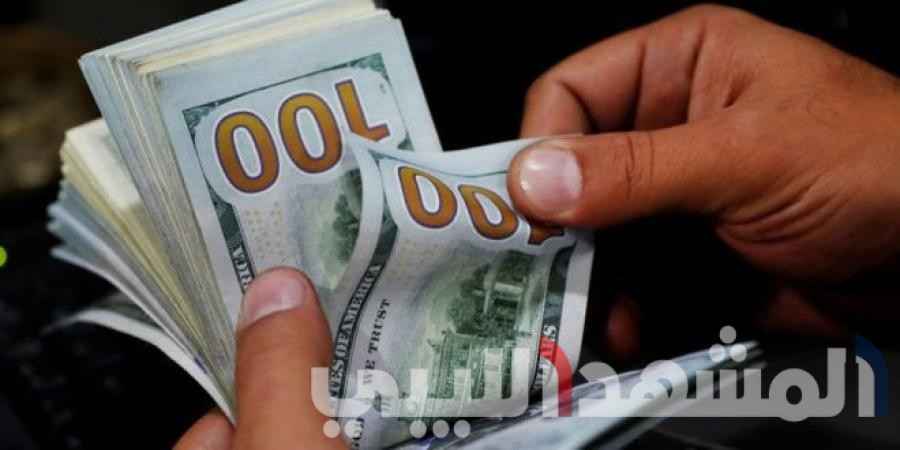
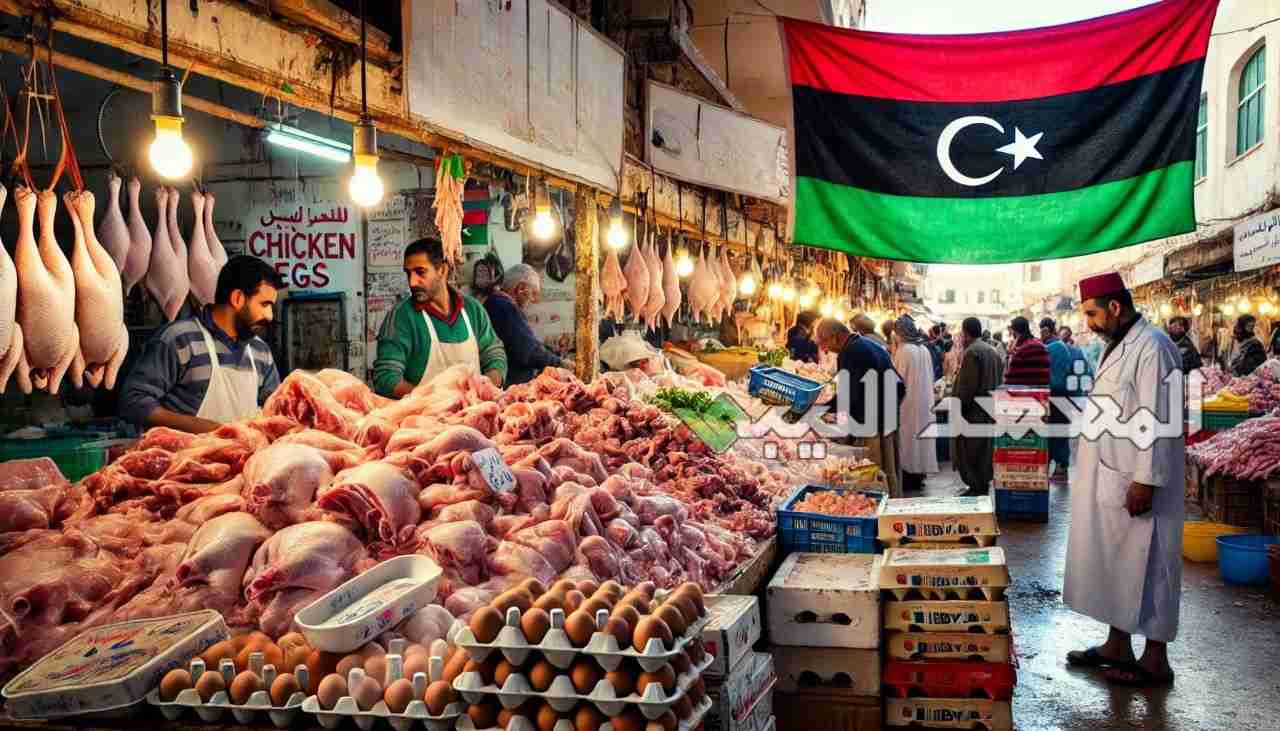
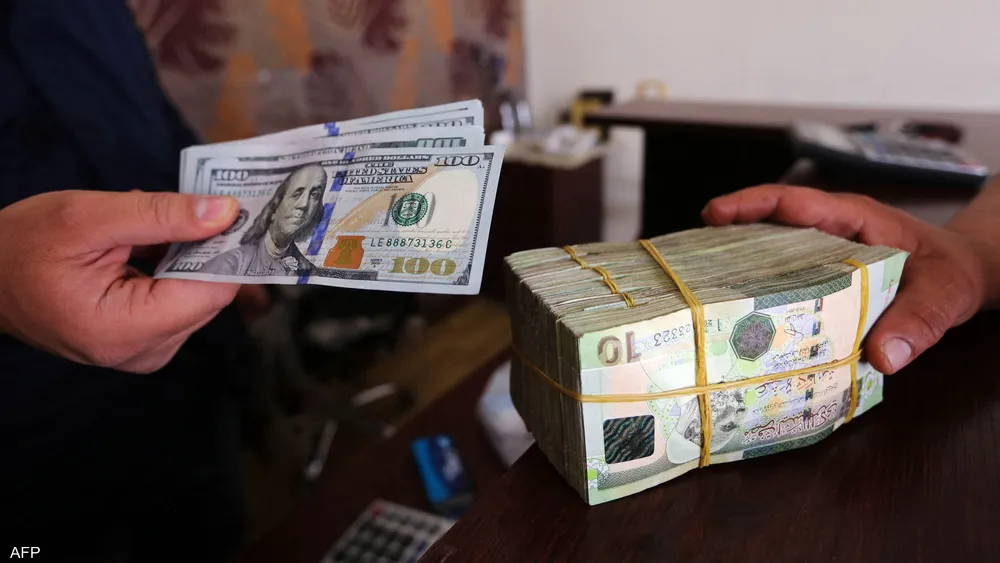
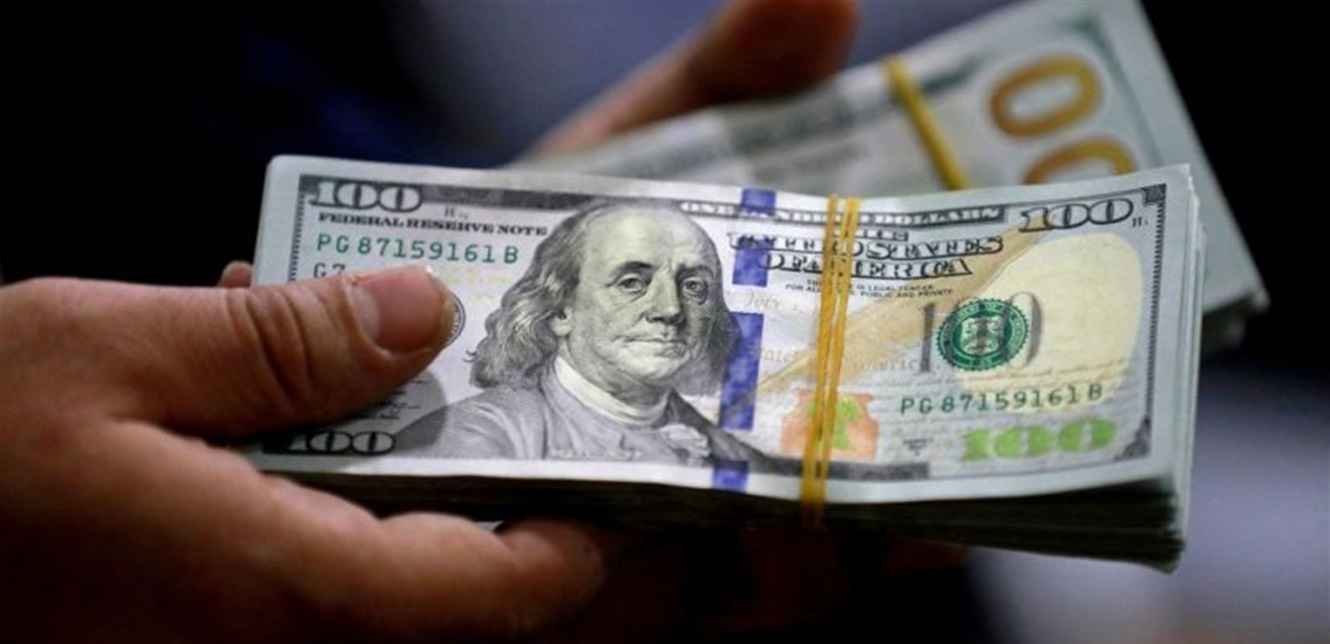
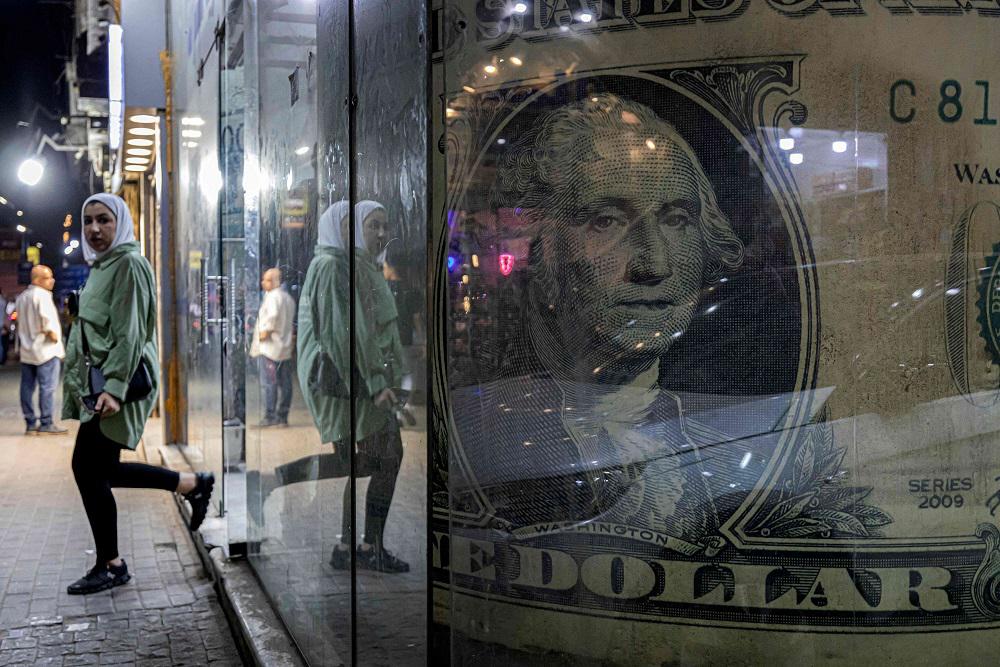
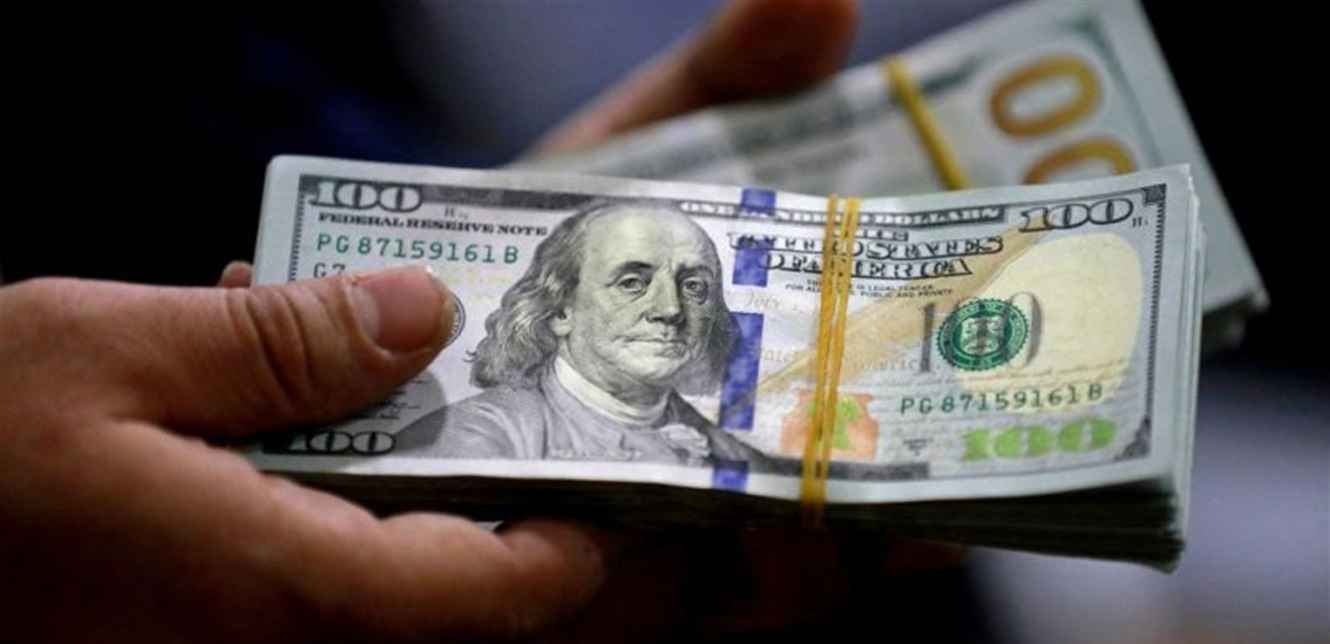
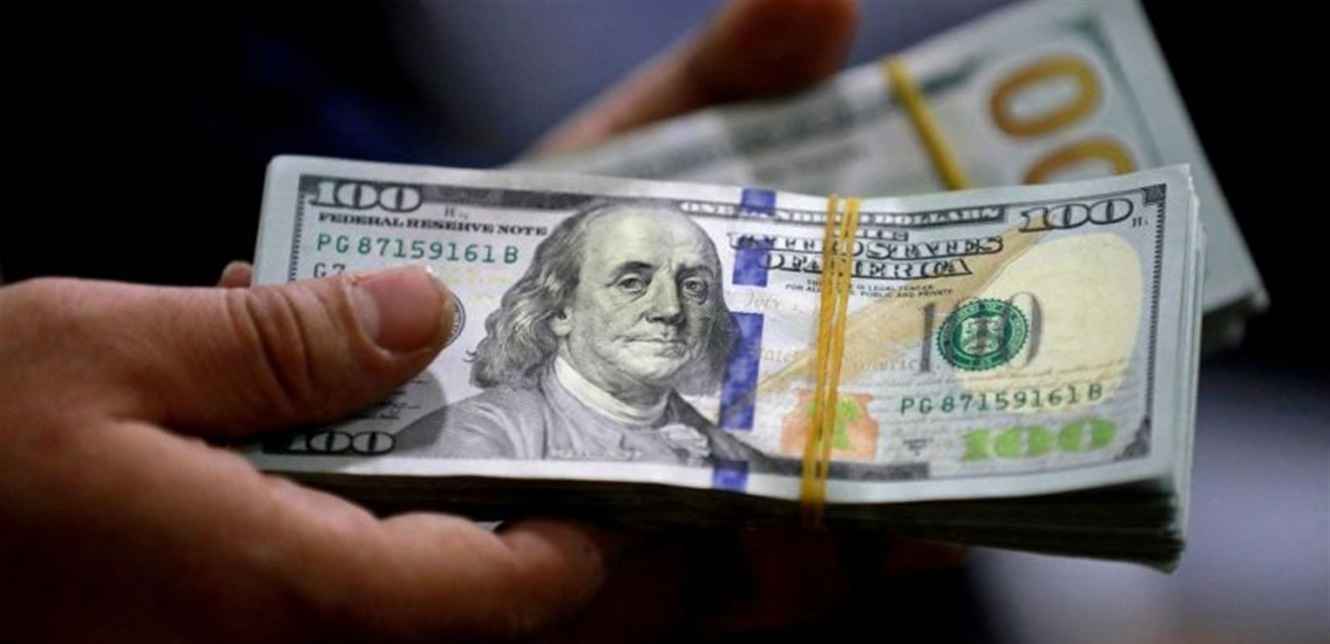
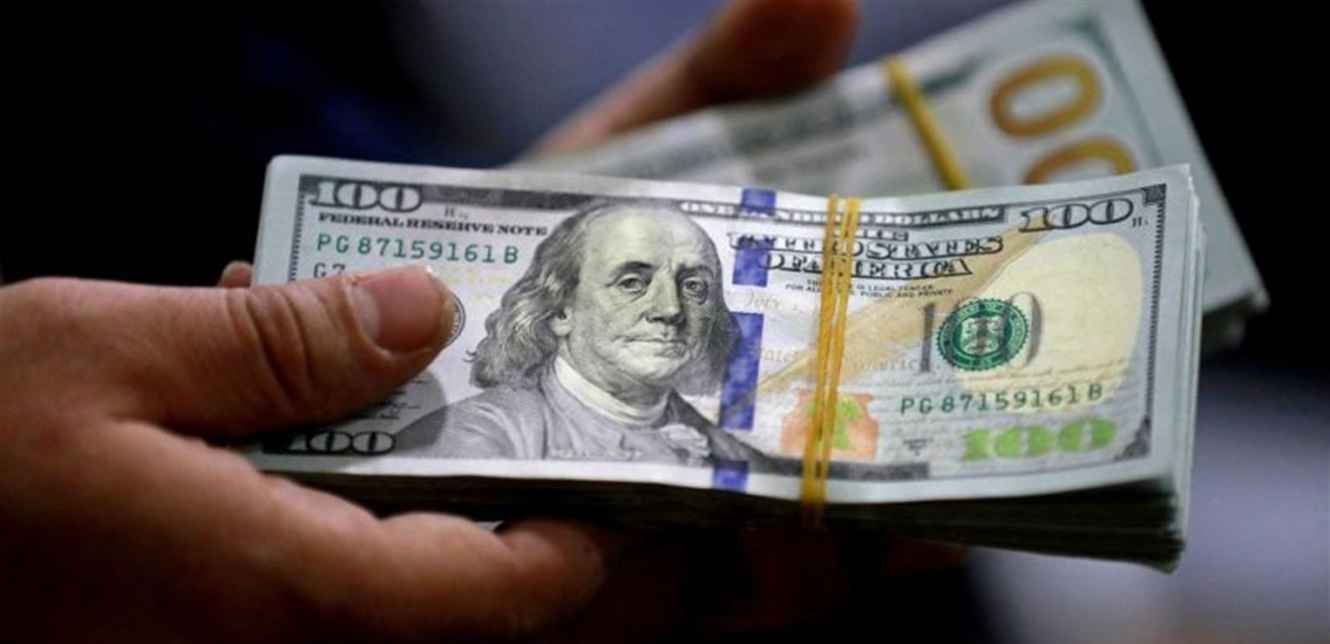
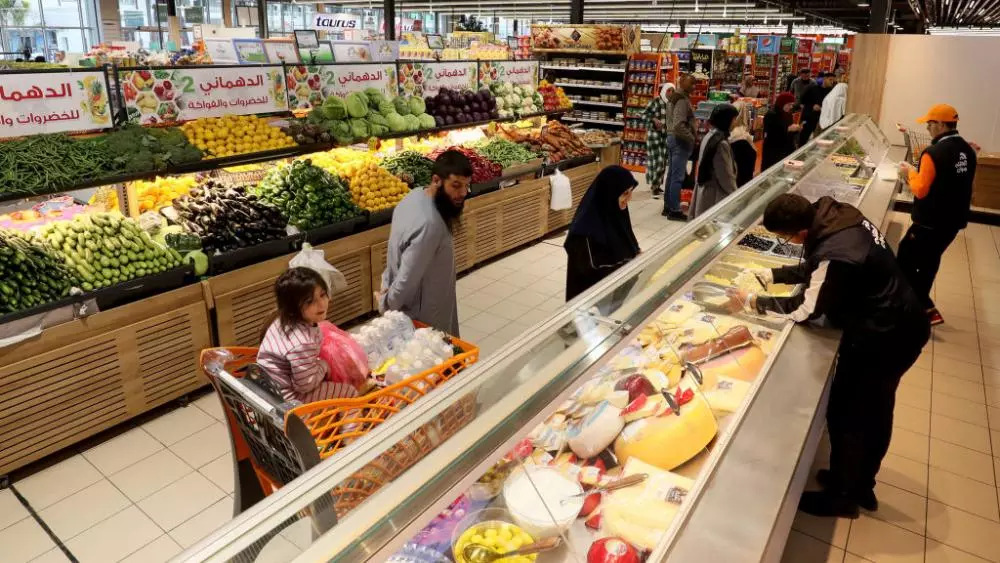
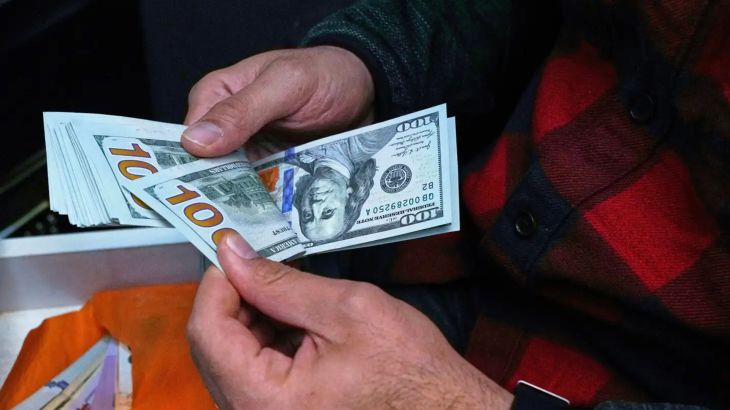
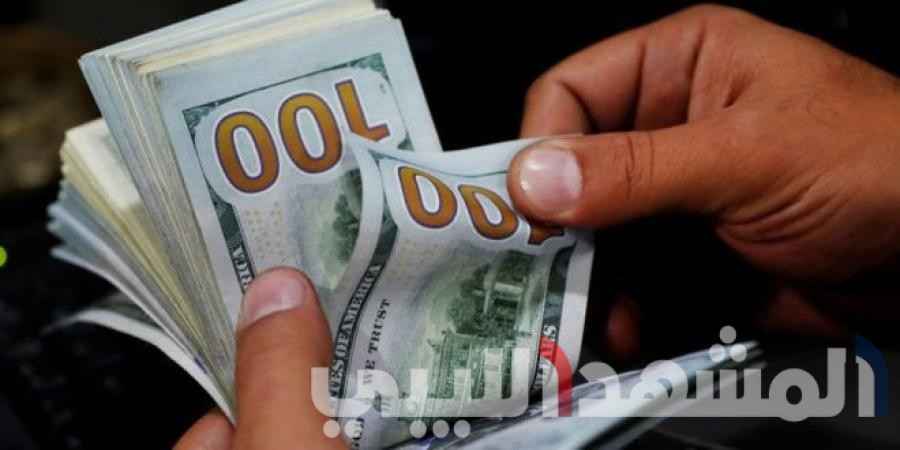
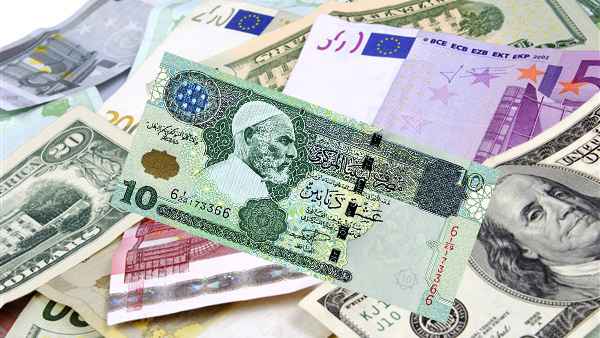
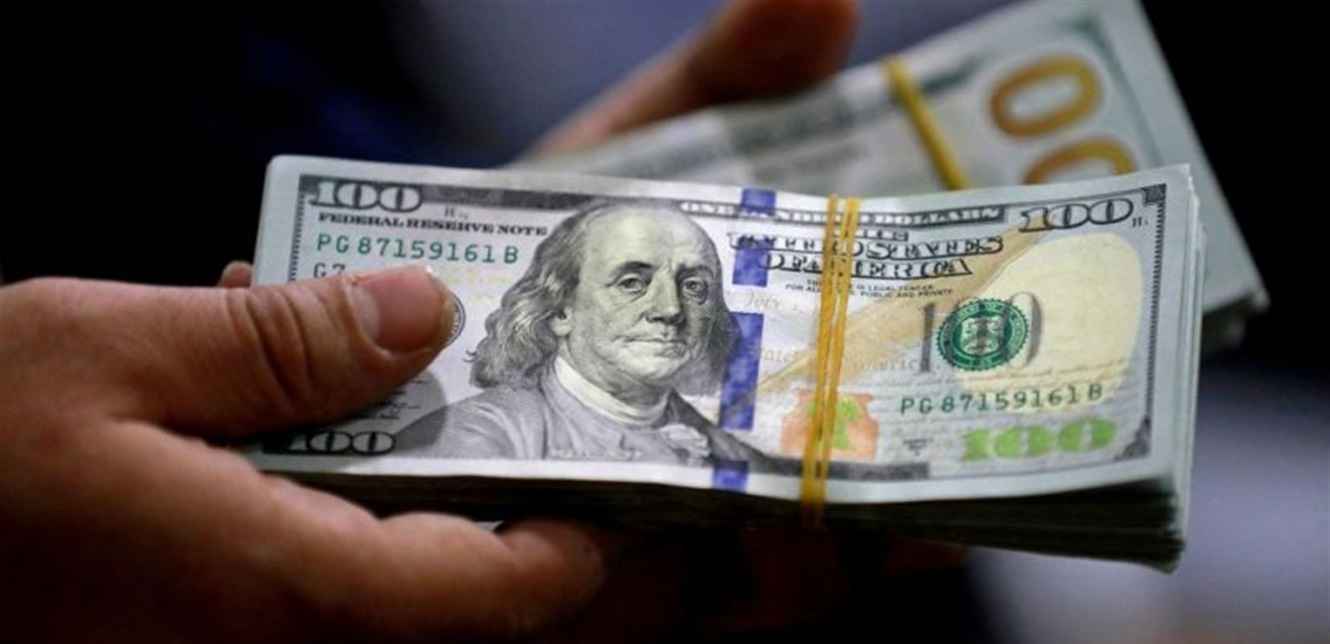
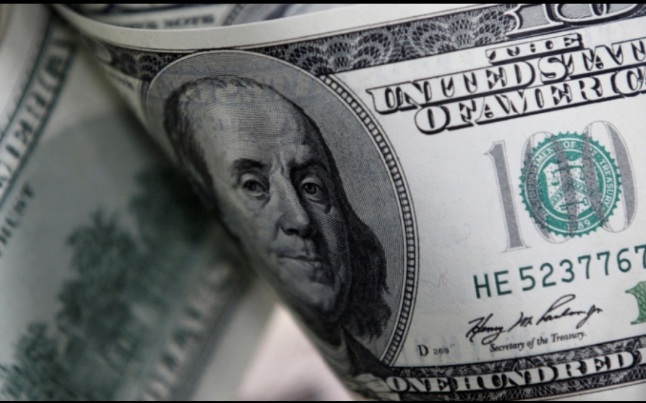
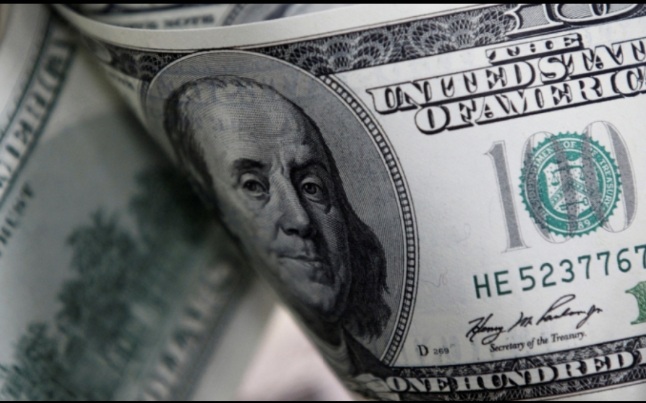
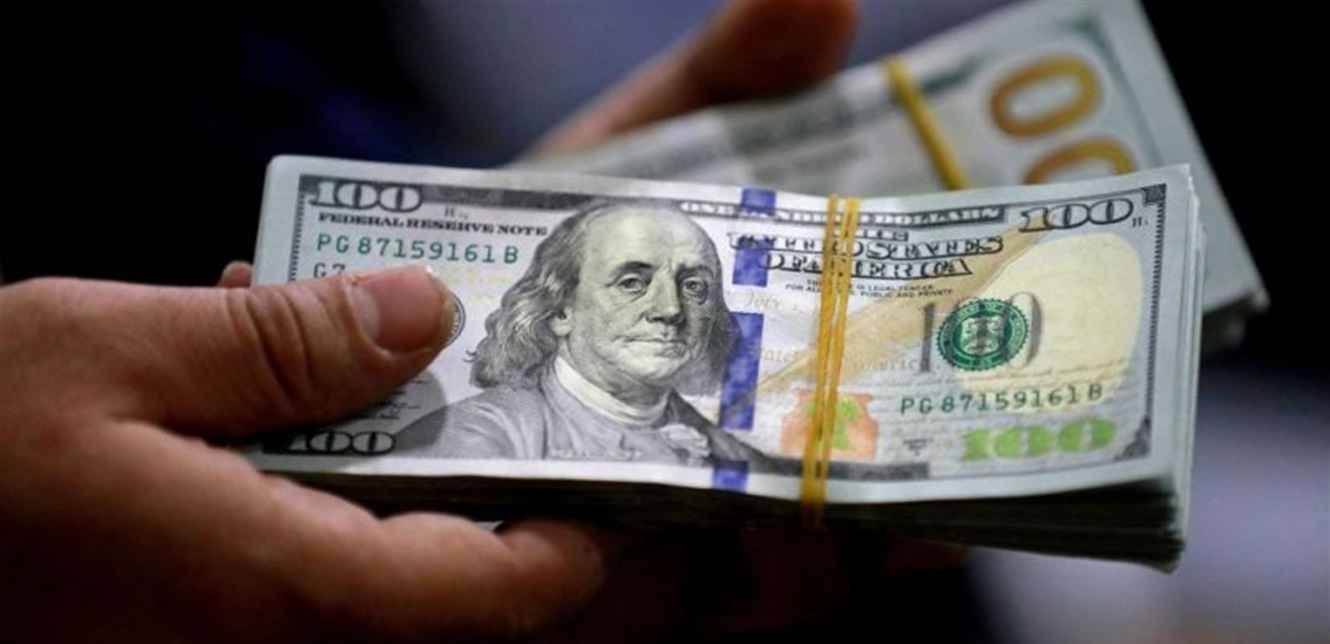
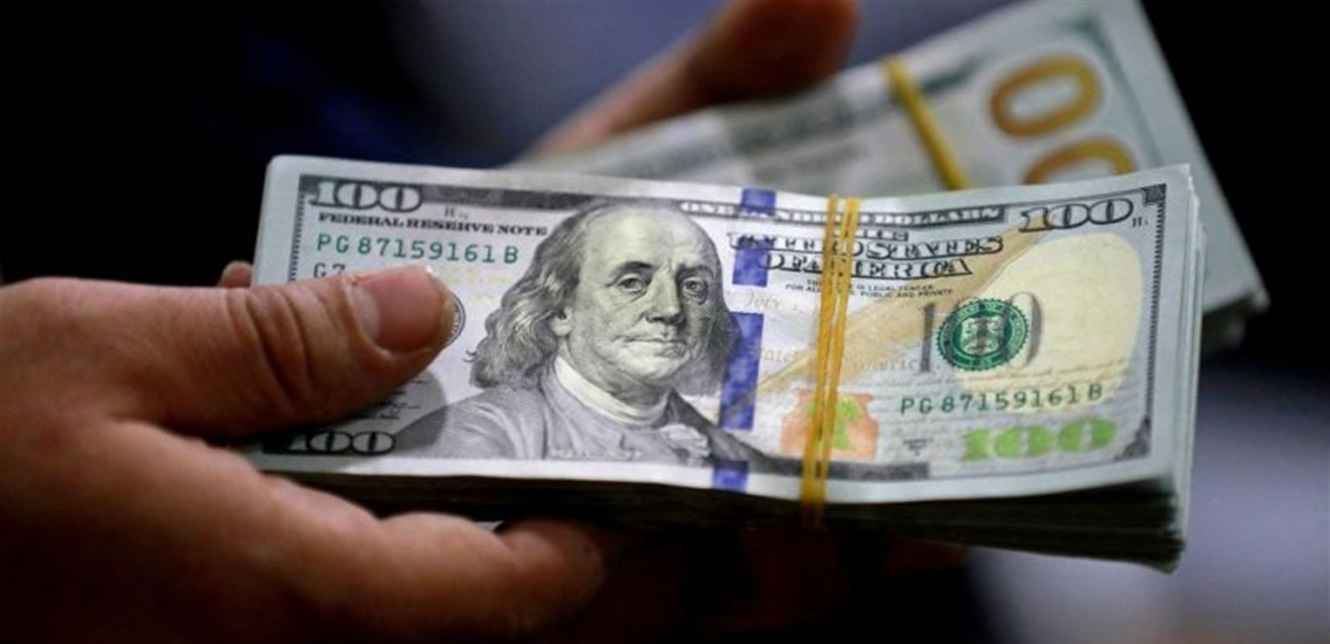
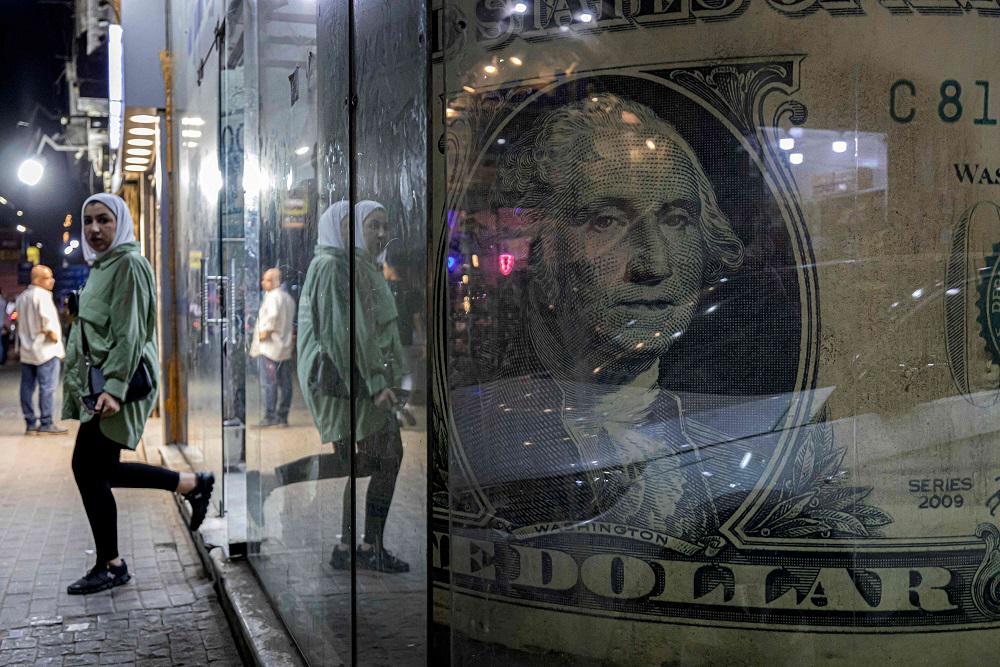
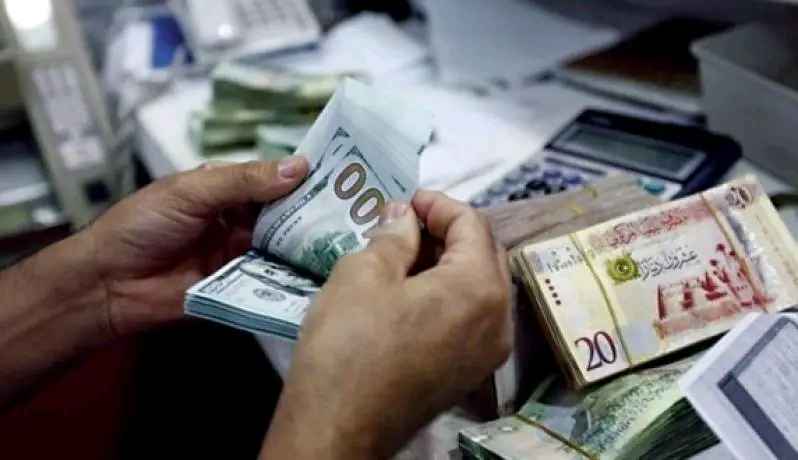
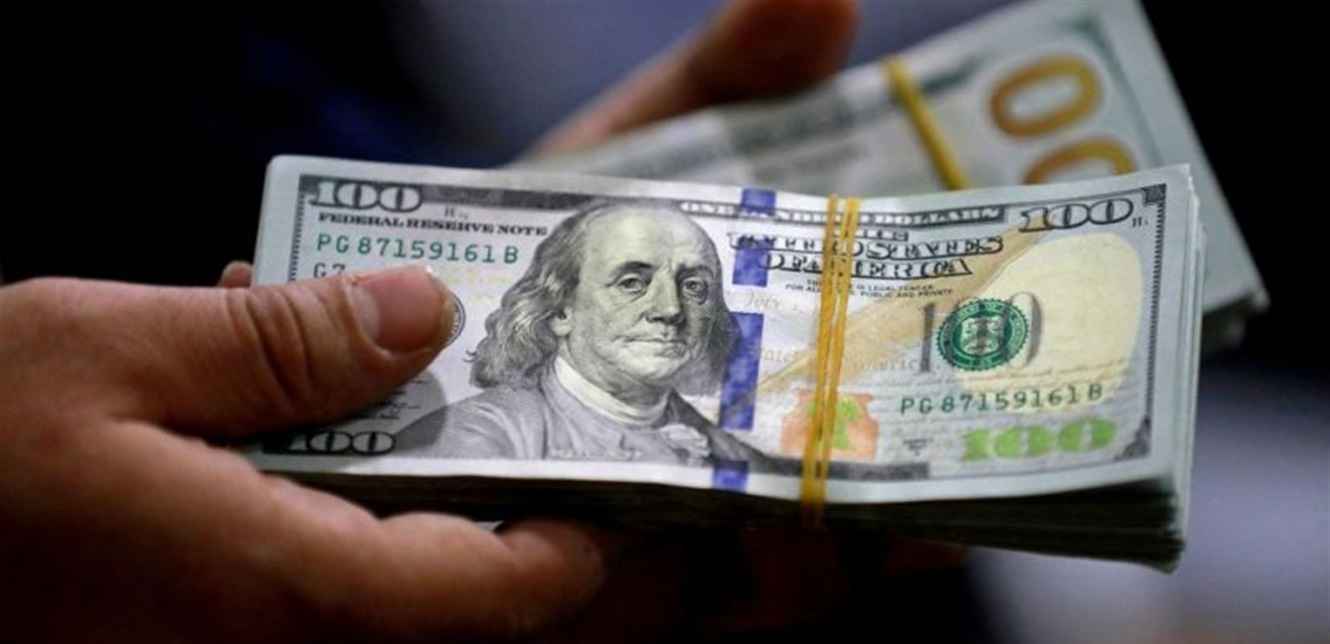
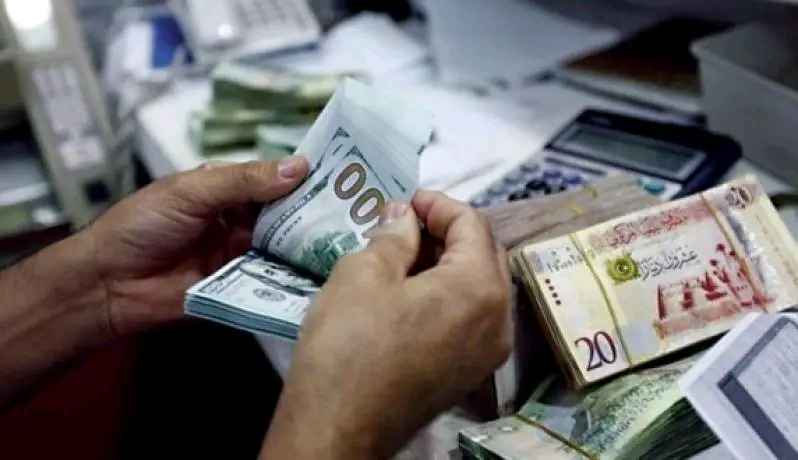
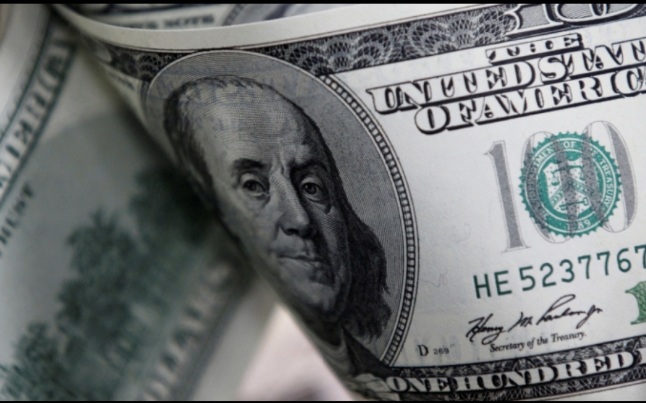
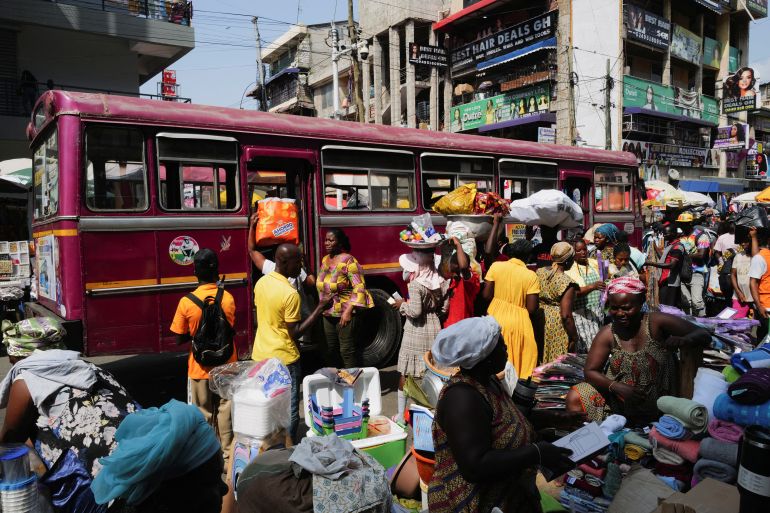
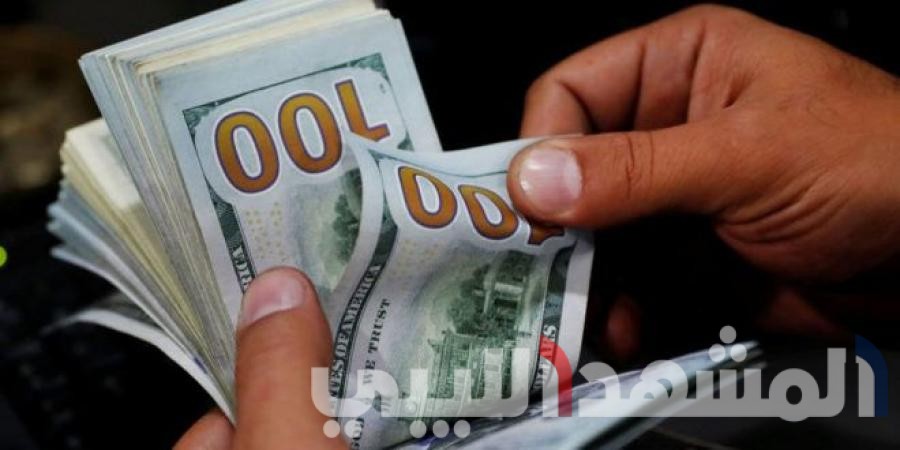
The expert also warned that the price of the dollar would see a growing gap between the official and parallel market rates, with the potential for restrictions on transfers and credits and the imposition of additional fees. They confirmed that any weakness in the exchange rate would immediately be reflected in commodity prices, given Libya’s 94% reliance on imports.
In conclusion, the expert stated that continued pressure on oil prices would place the Libyan economy before unprecedented challenges, necessitating urgent plans to avoid potential repercussions on financial and living stability.