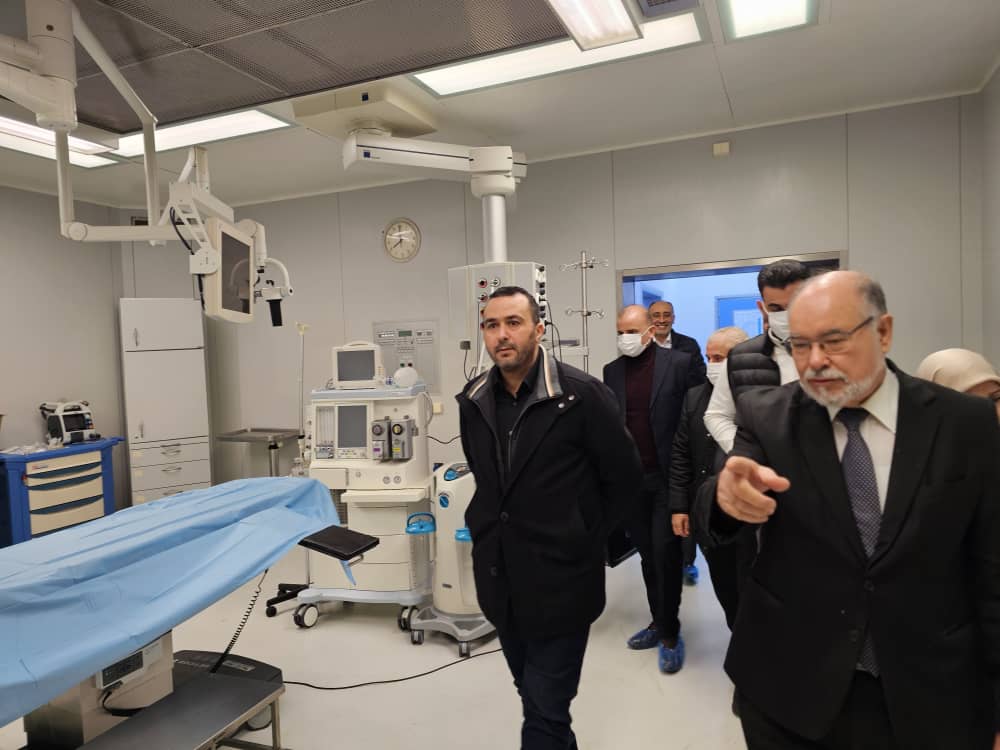
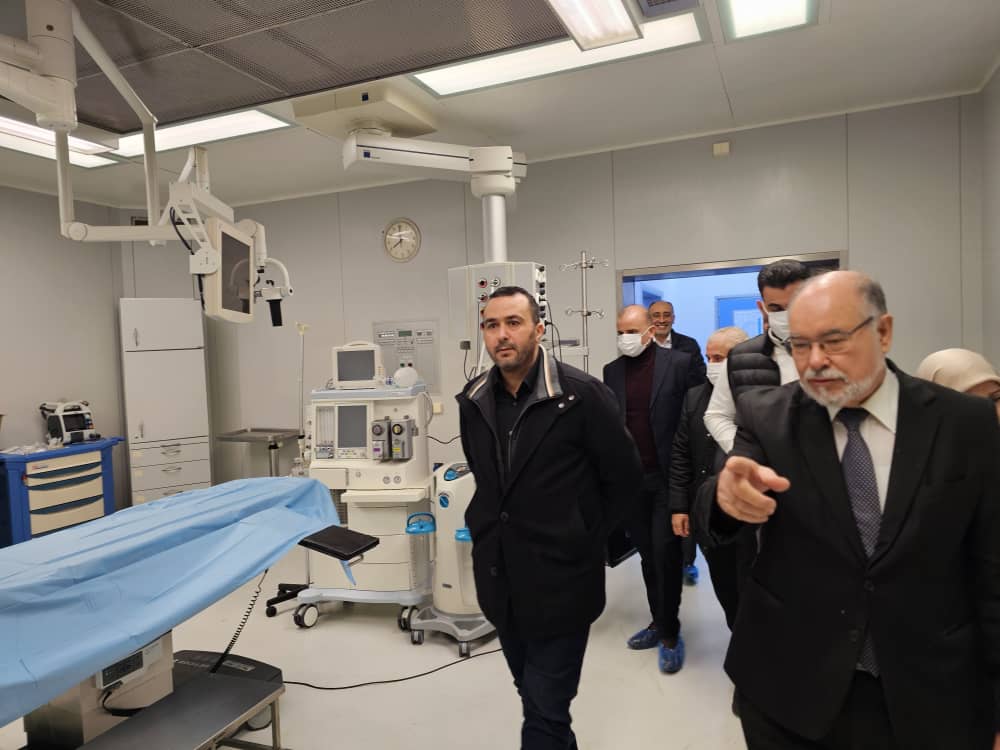
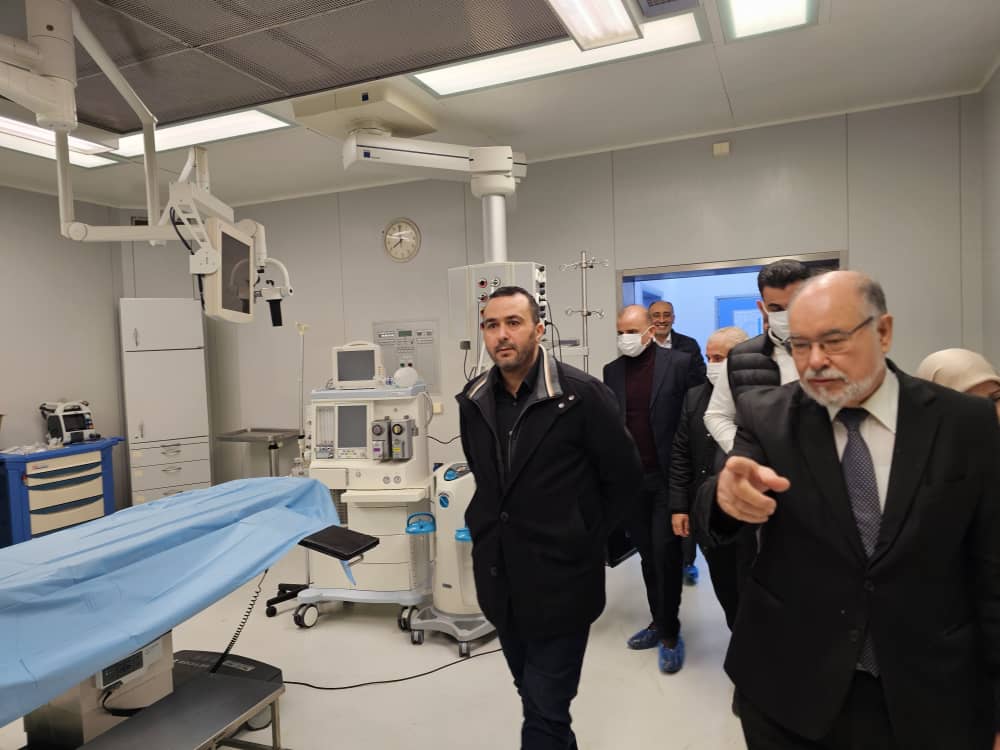
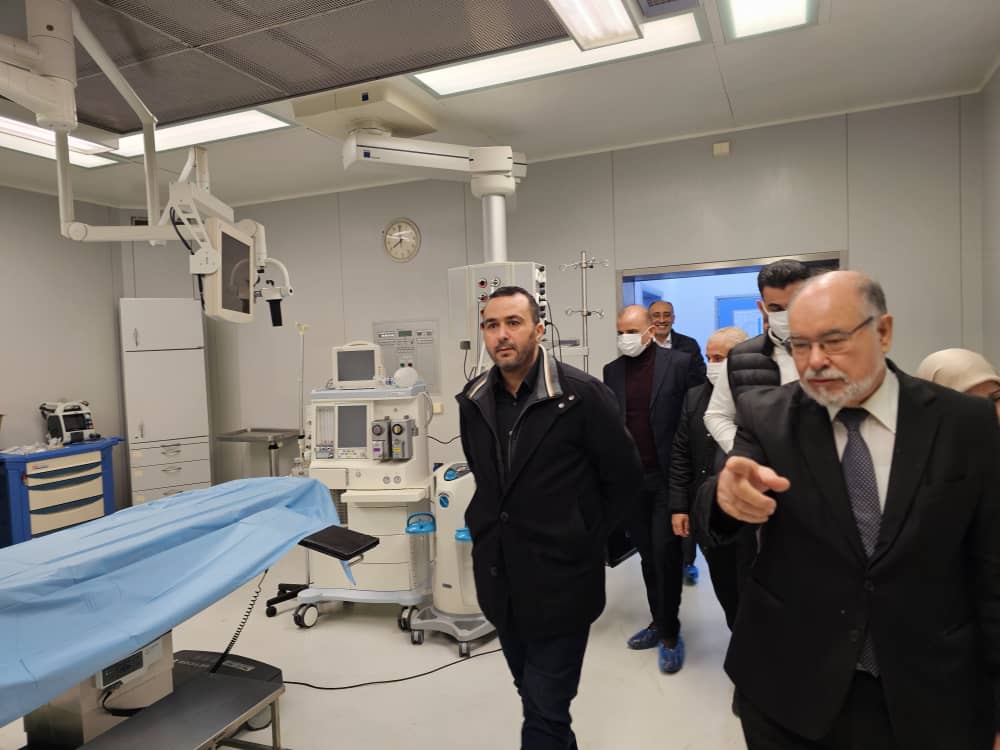
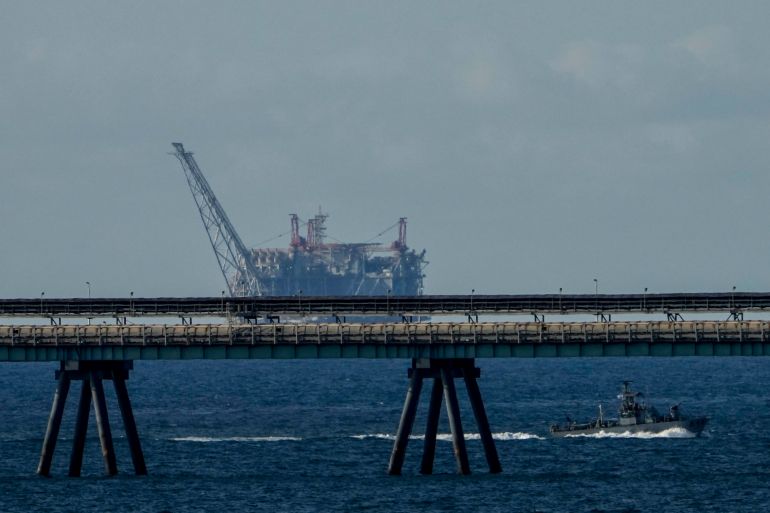
Head of Oil Foundation Praises Workers’ Efforts Achieving Average Daily Production of 1.375 Million Barrels of Oil and 2.5 Billion Cubic Feet of Gas.
libyawire.org > News > Economy > Head of Oil Foundation Praises Workers’ Efforts Achieving Average Daily Production of 1.375 Million Barrels of Oil and 2.5 Billion Cubic Feet of Gas.
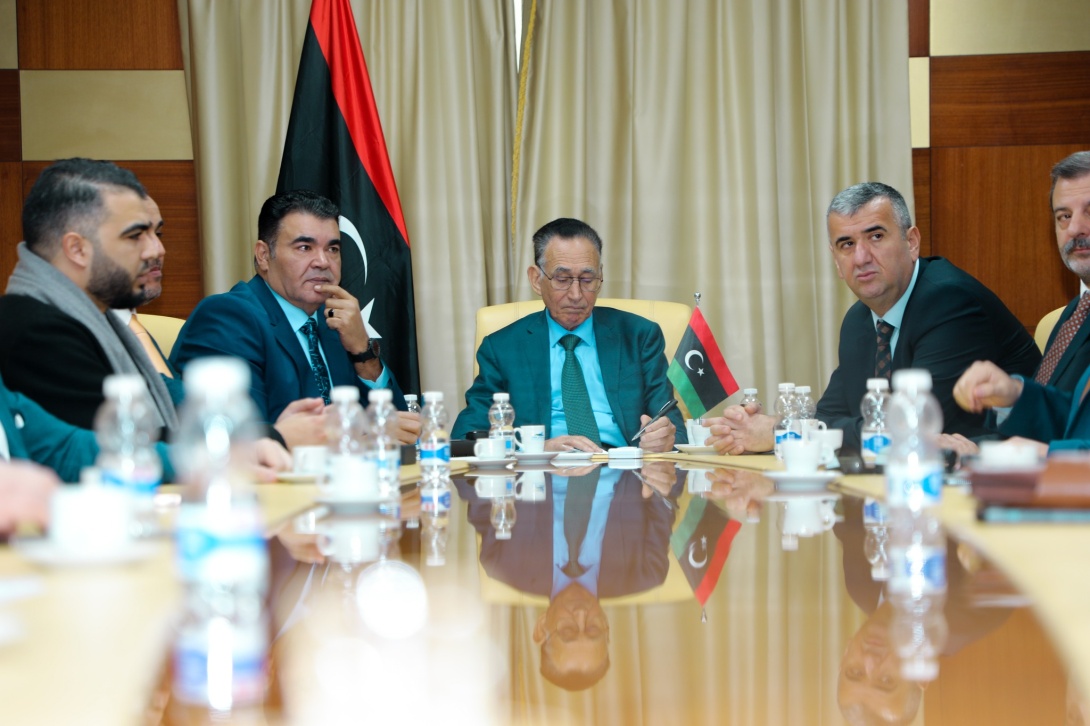
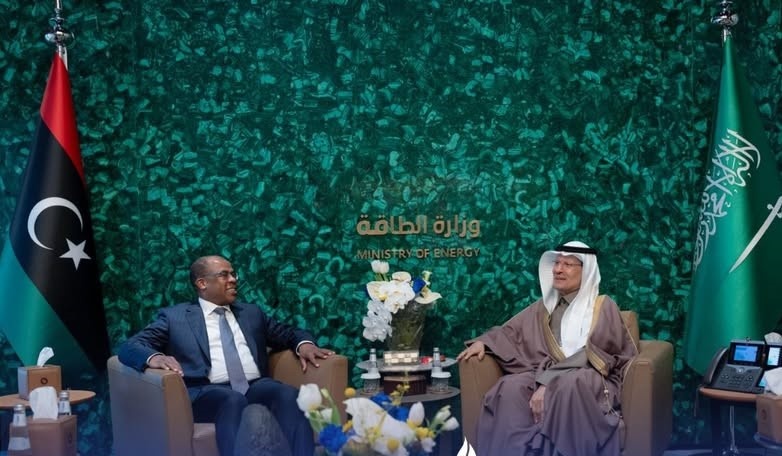
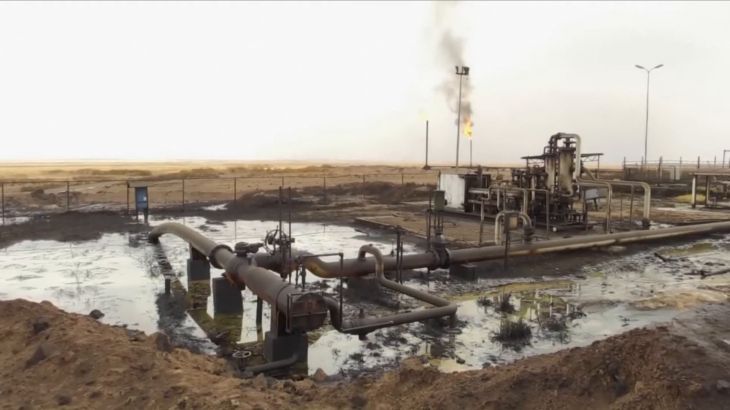
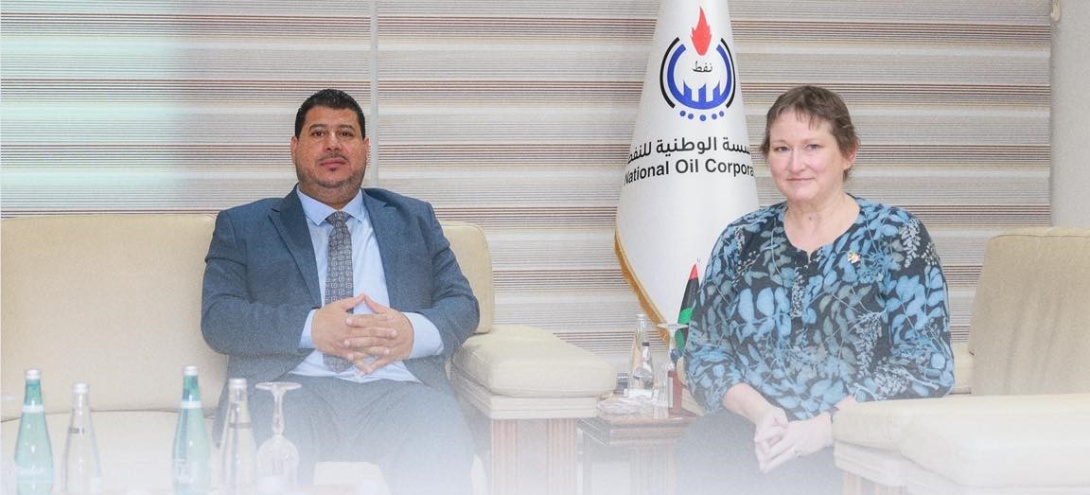
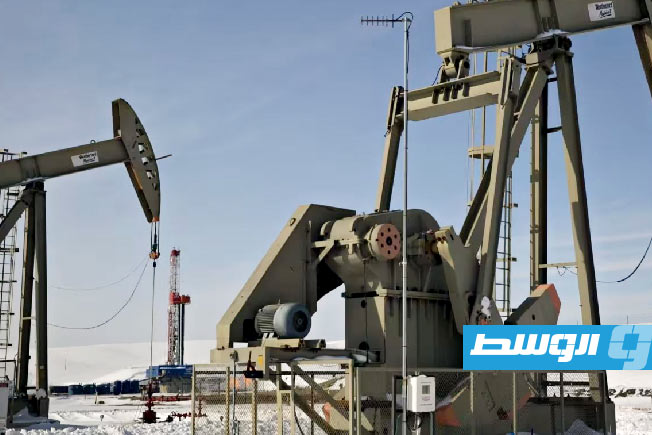
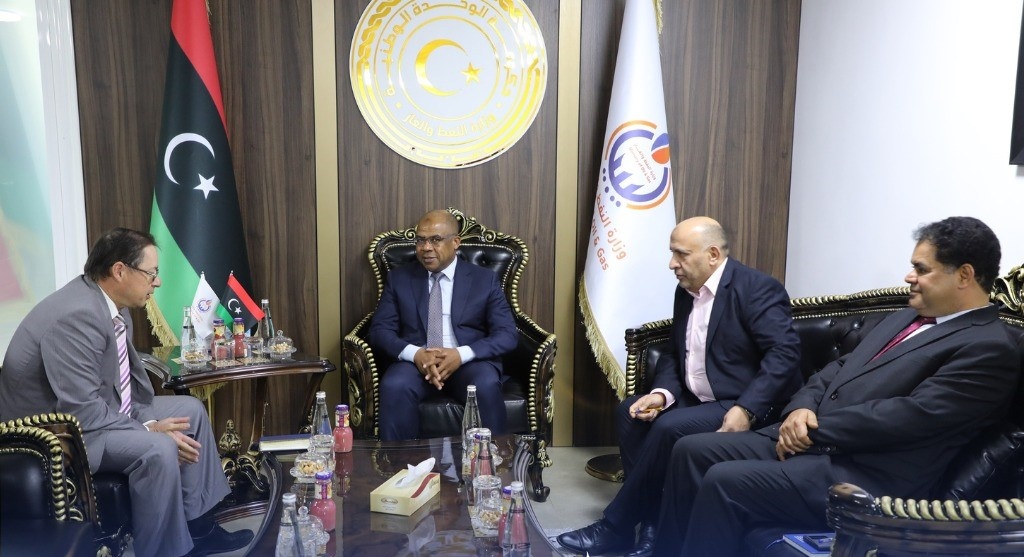
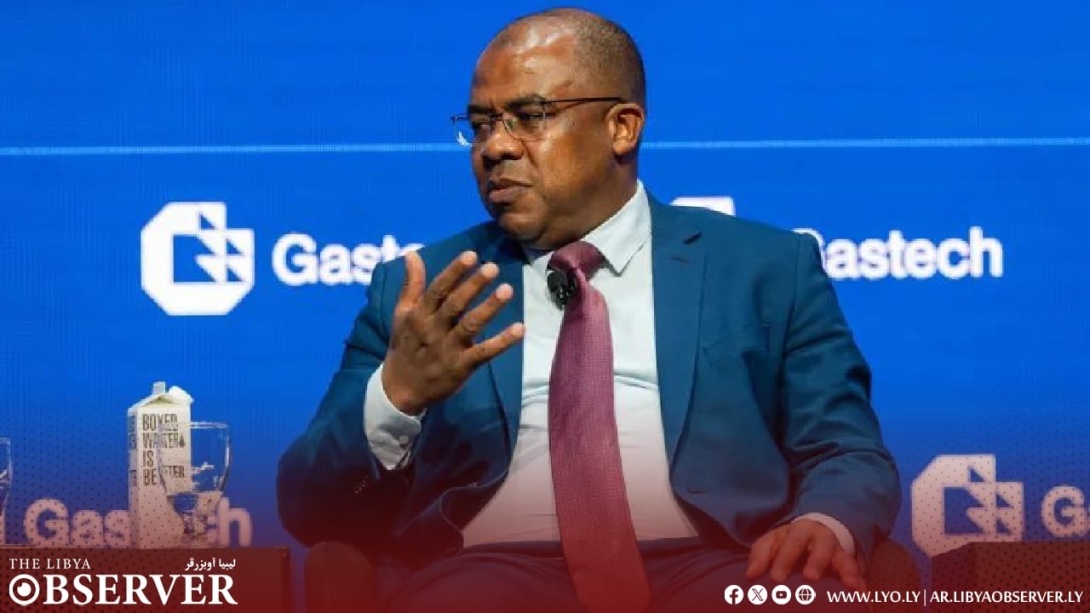
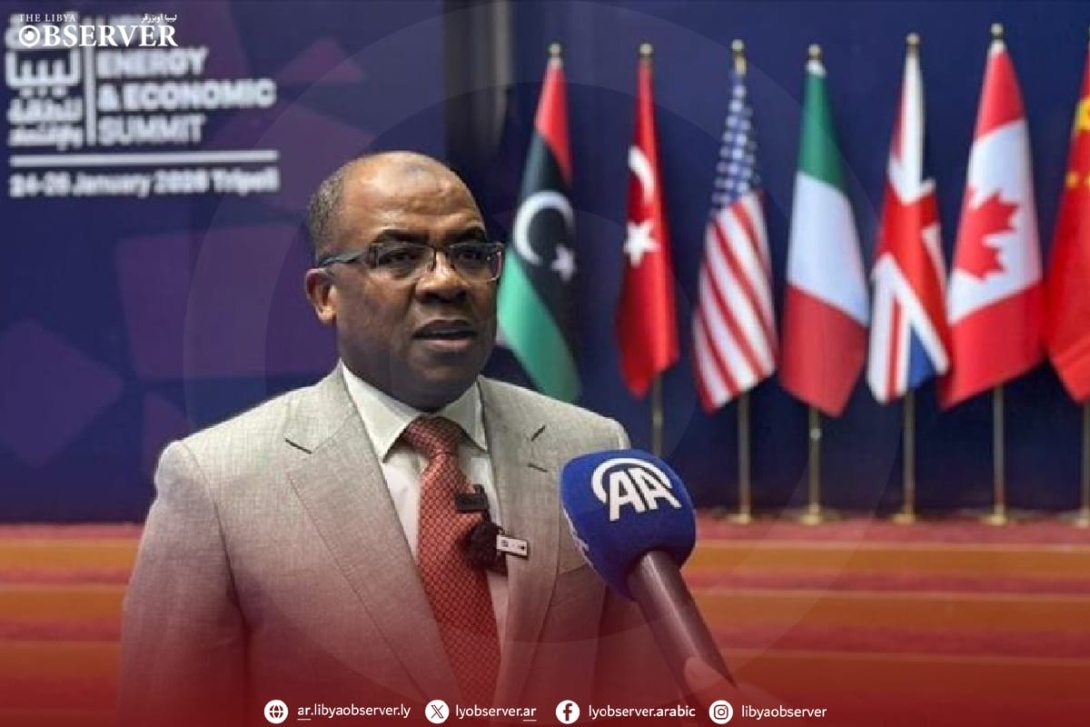
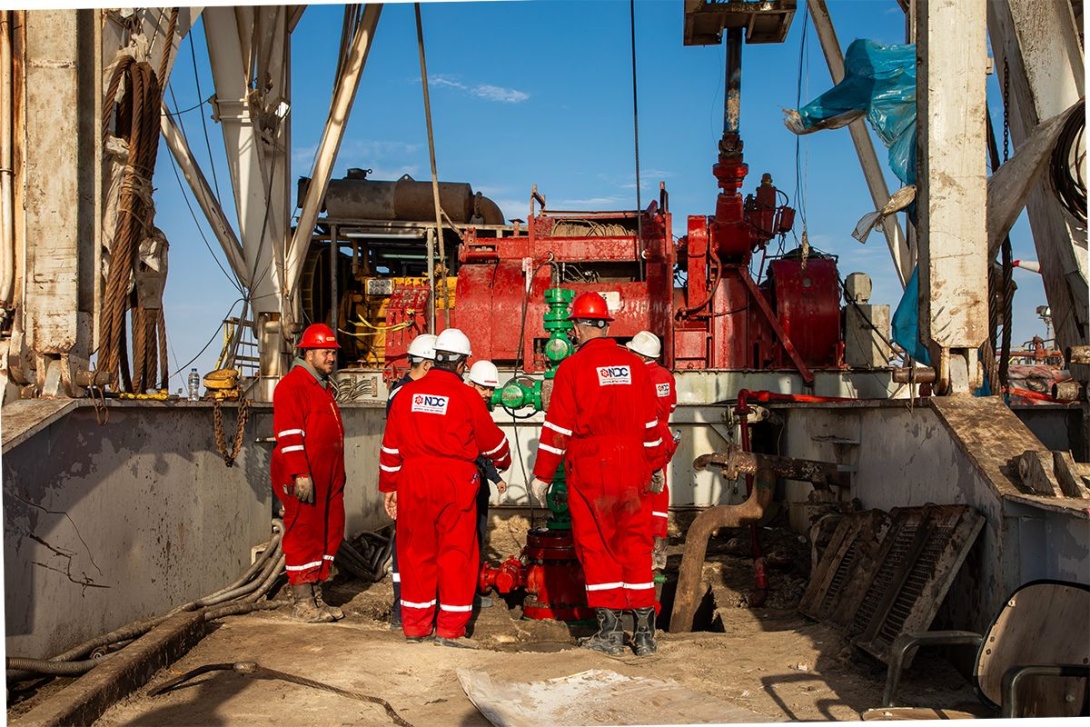
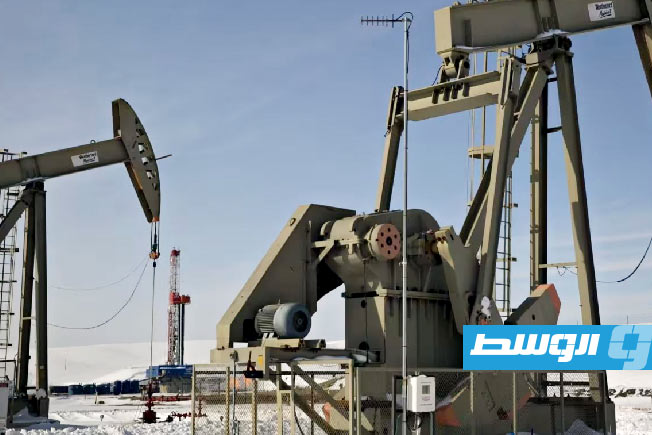
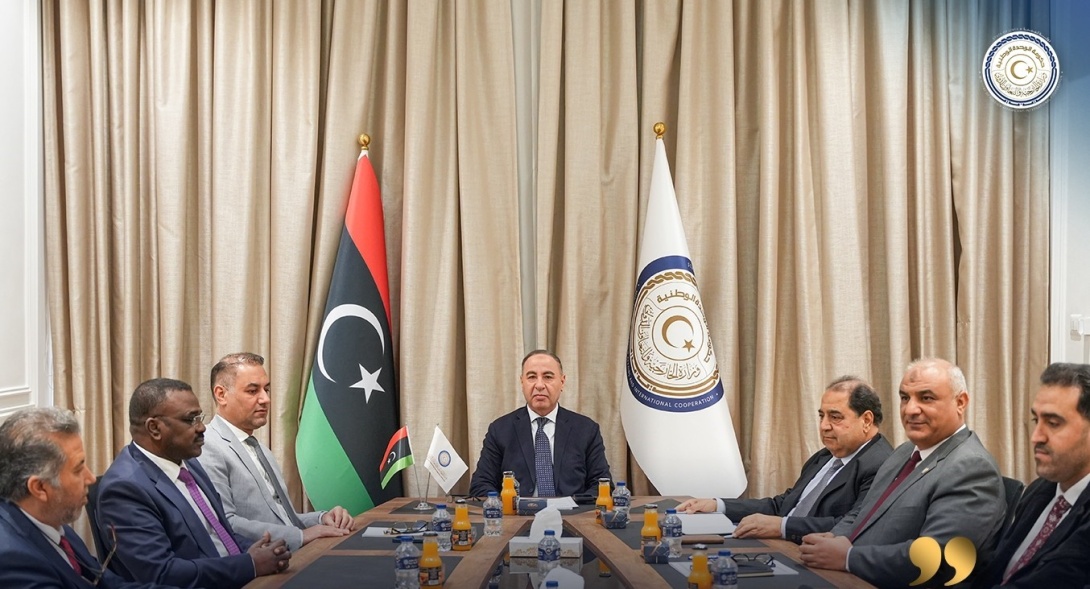
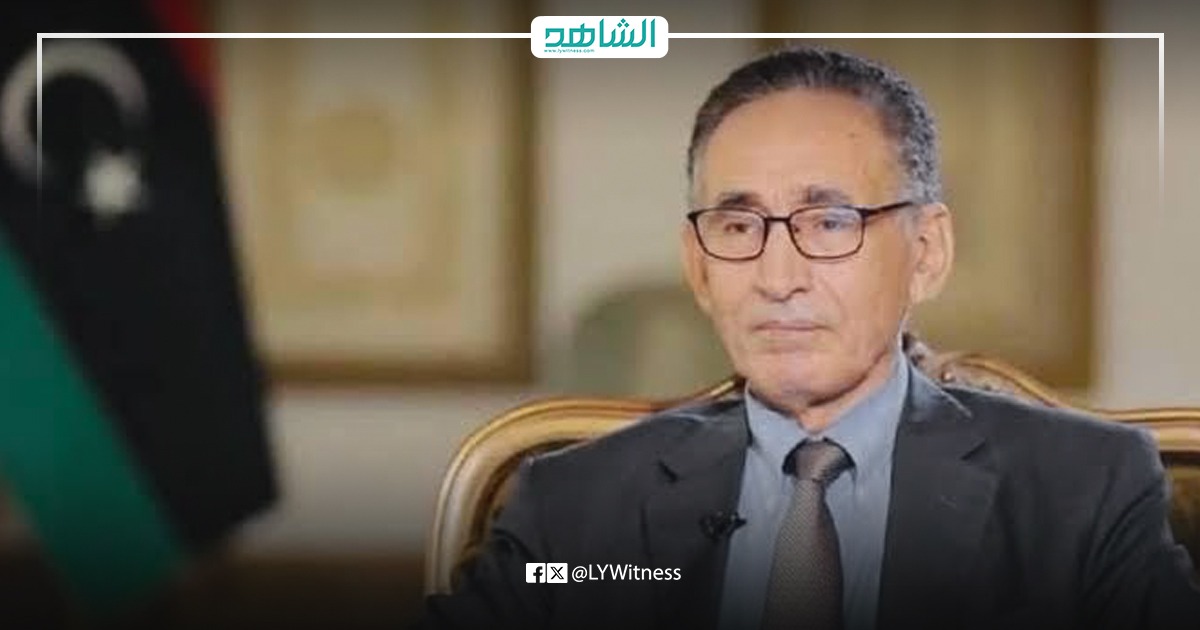
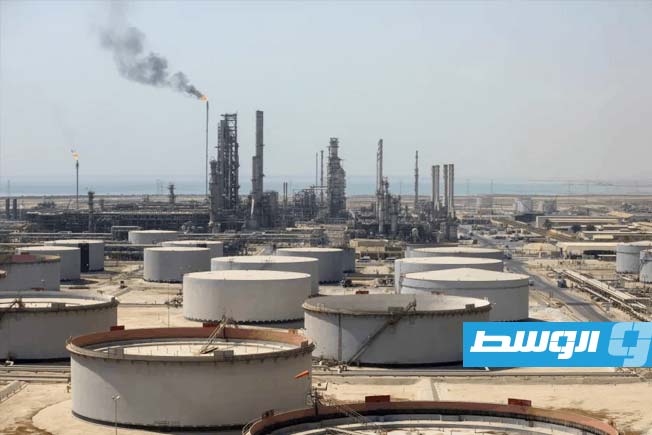
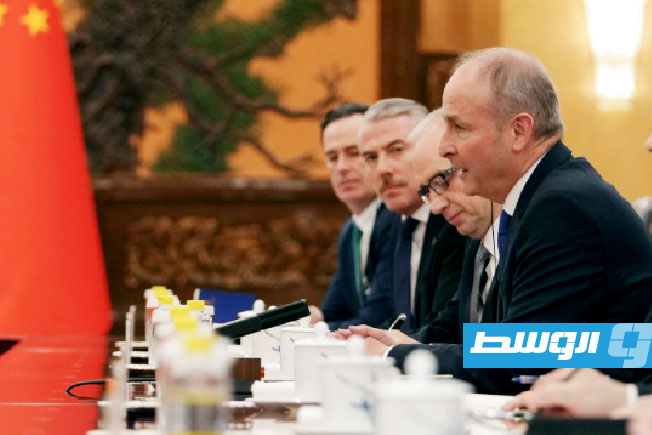
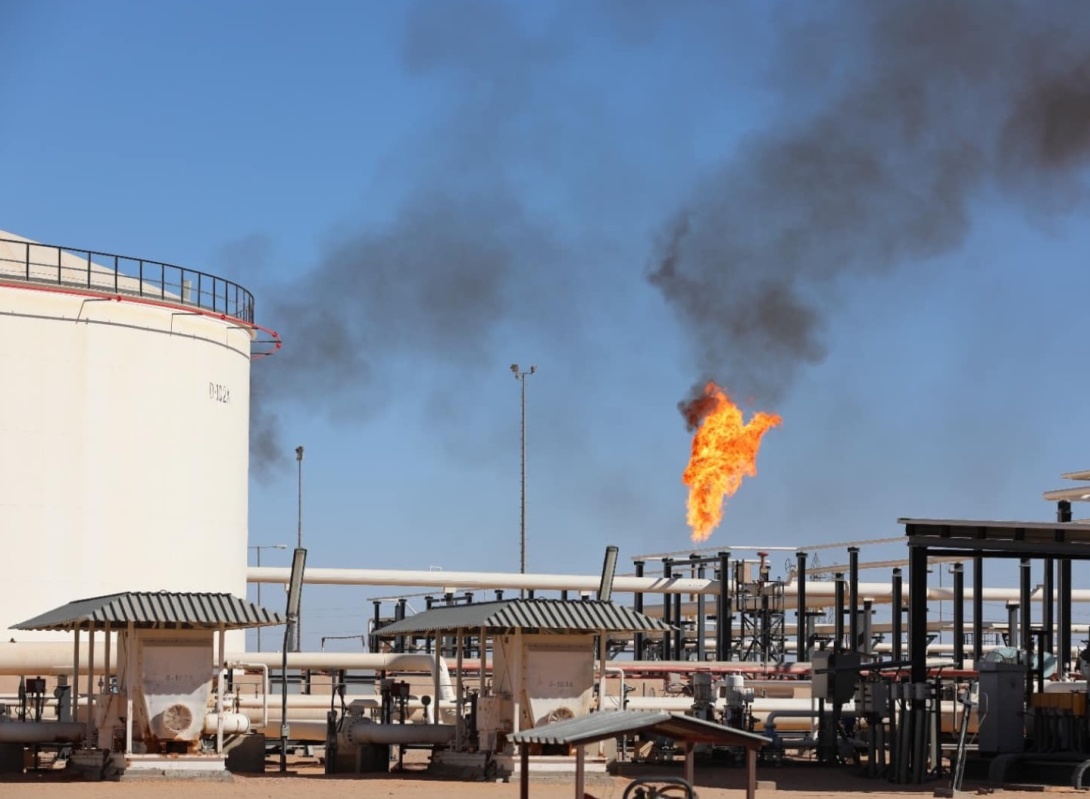
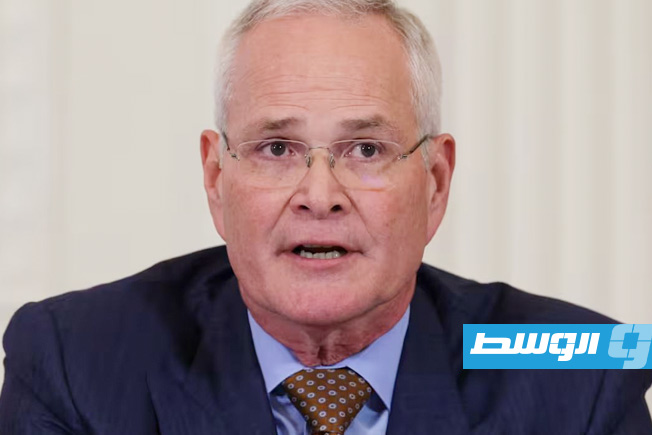
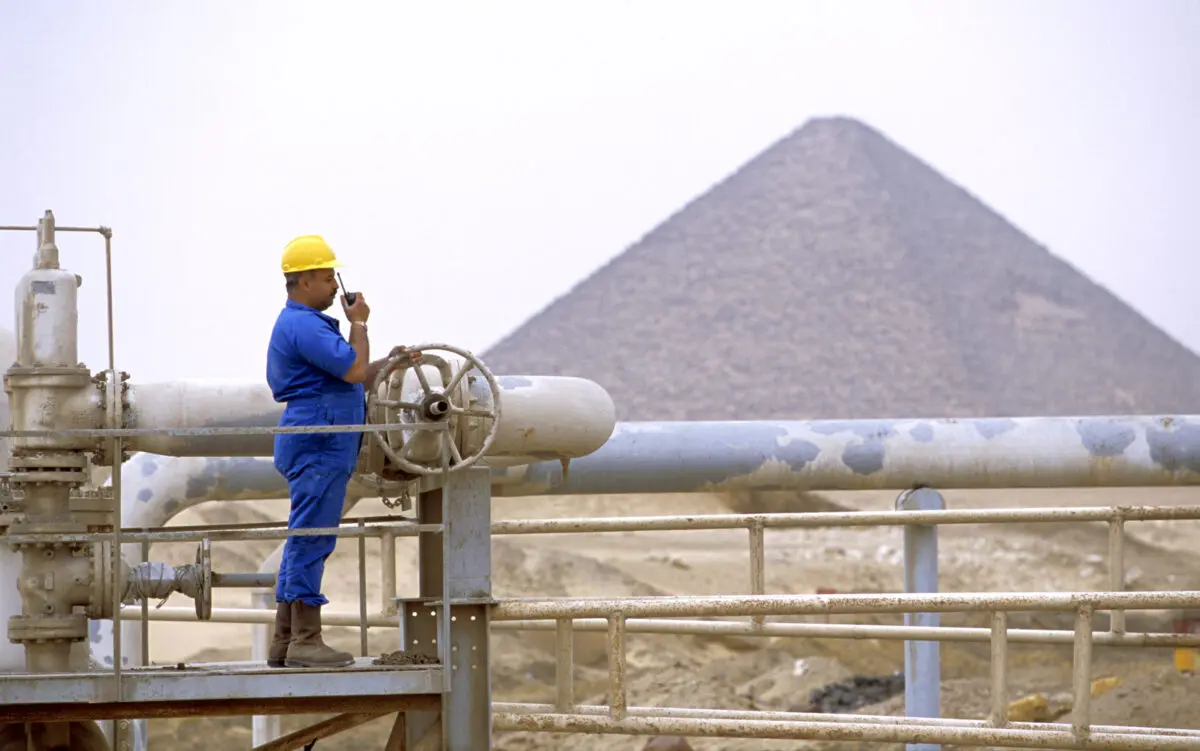
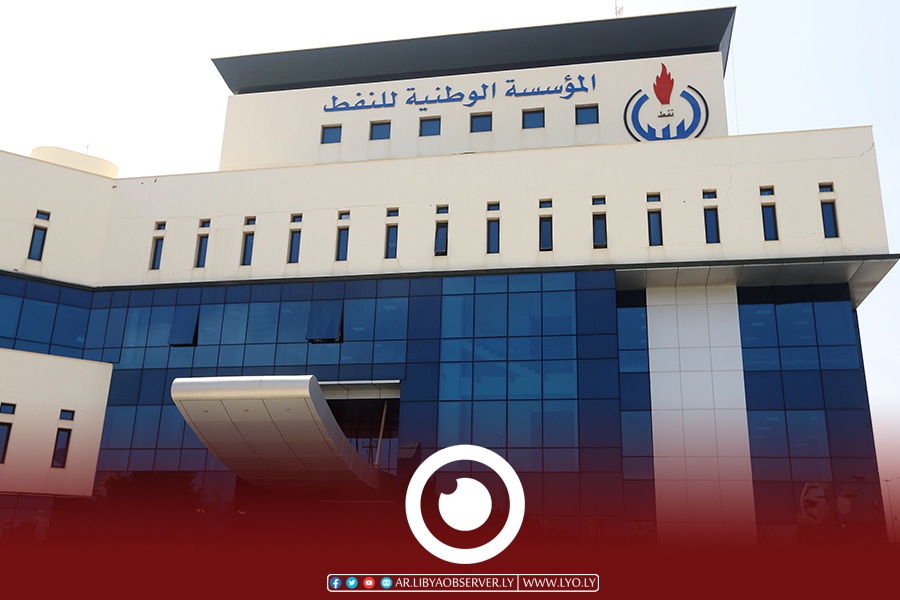
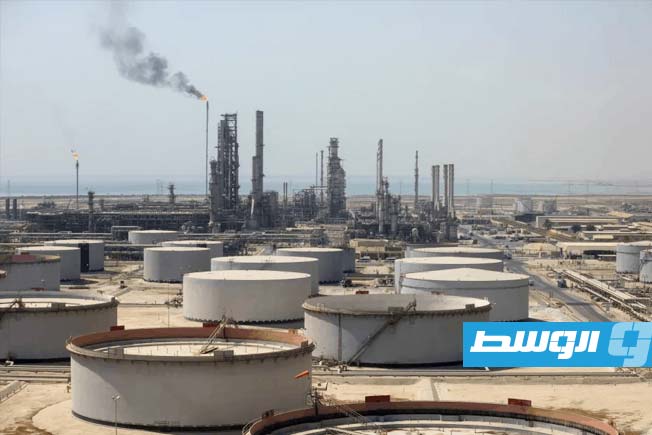
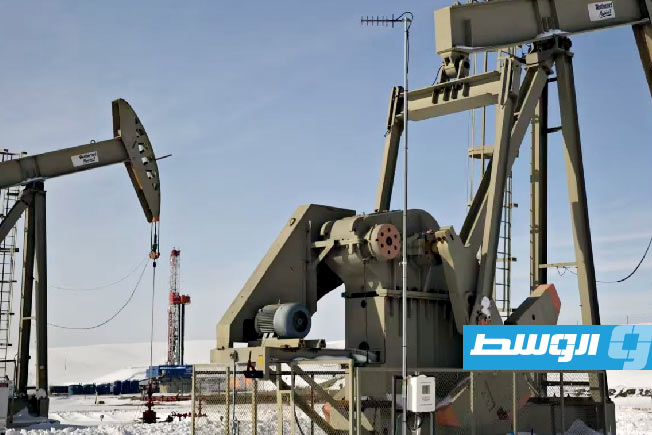
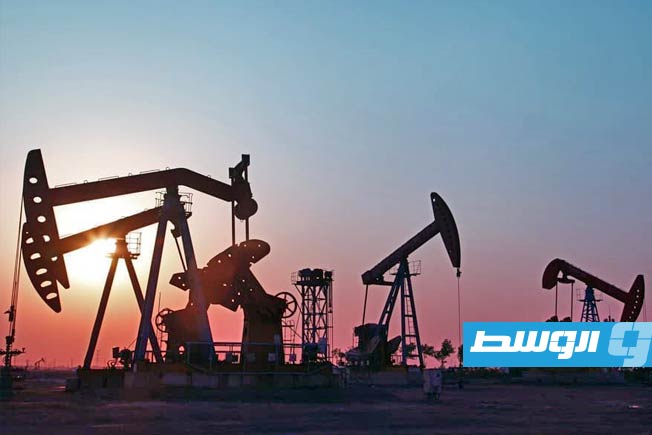
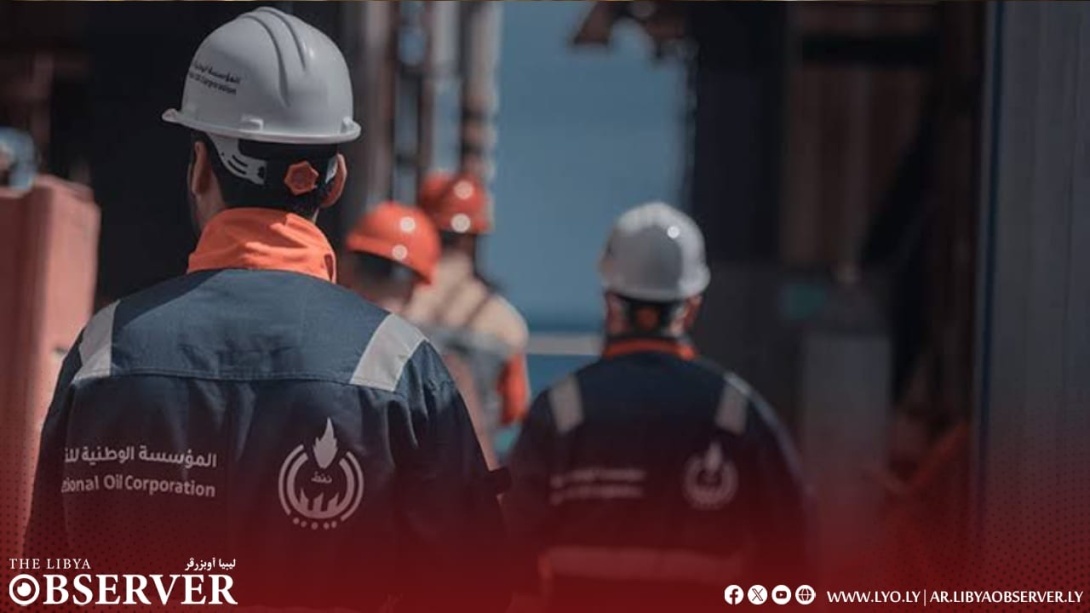
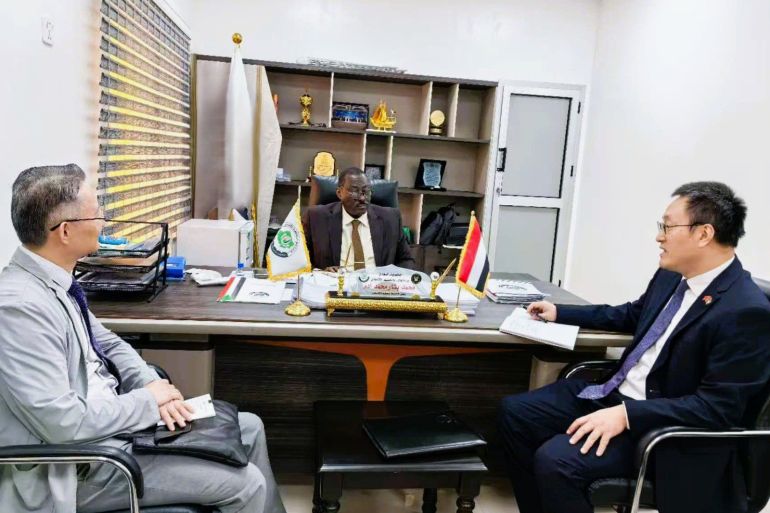
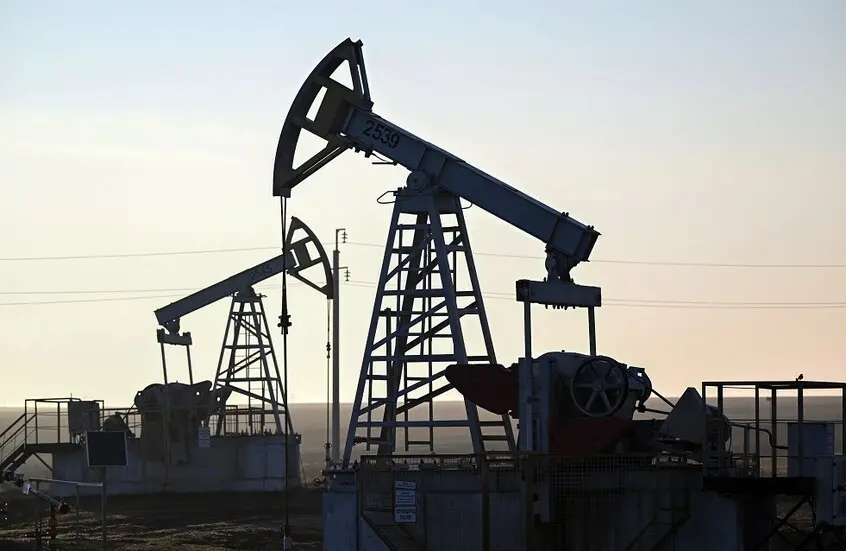
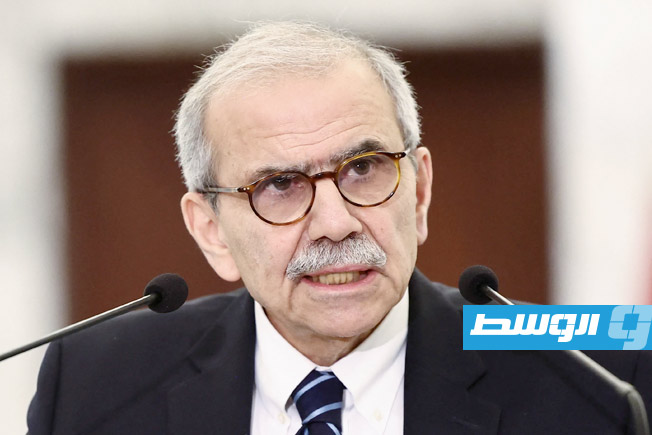
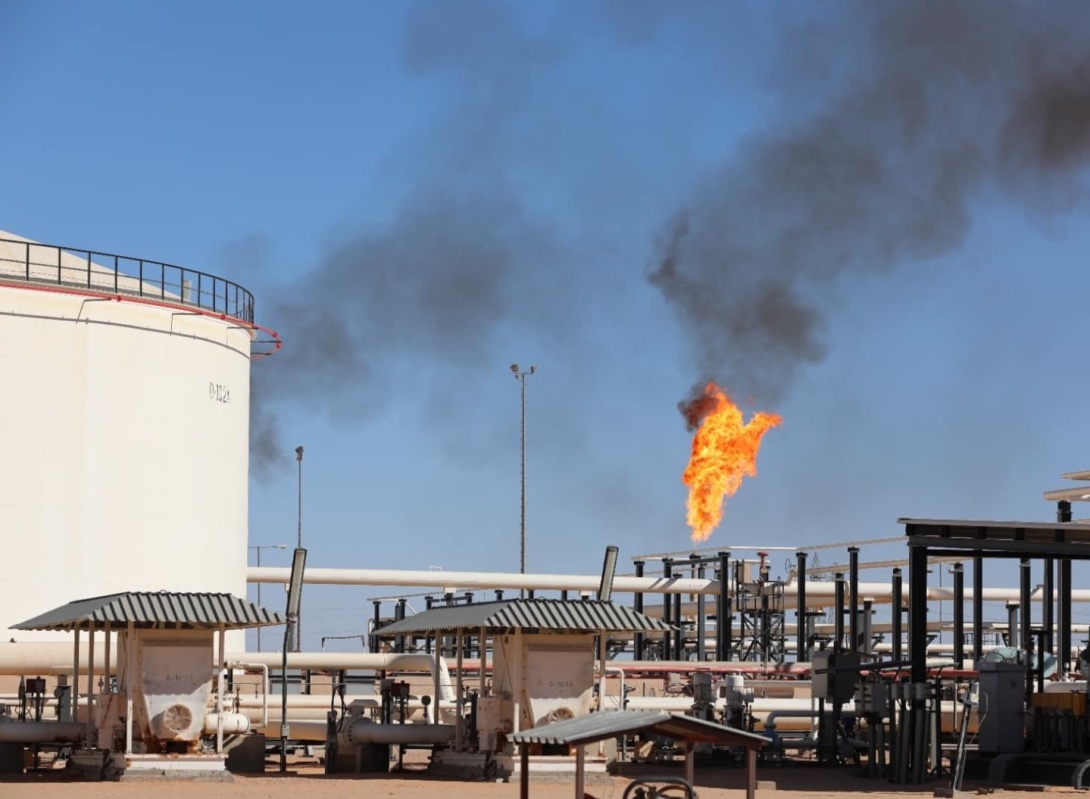
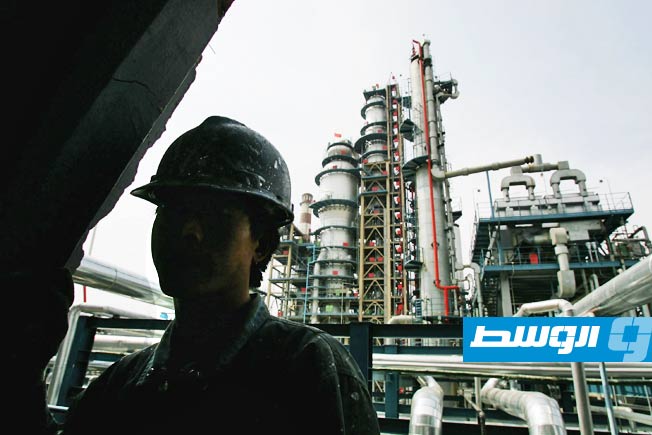
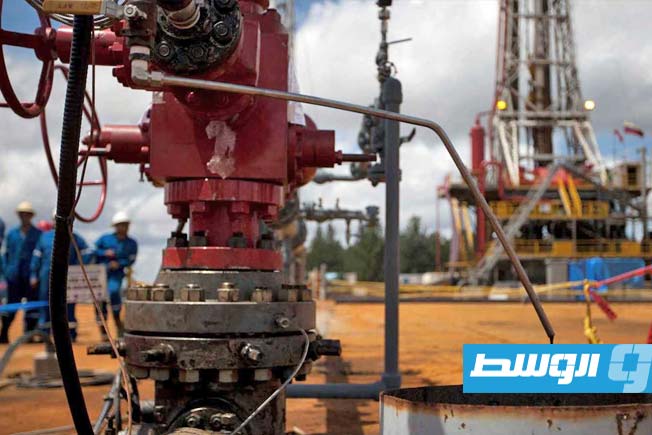
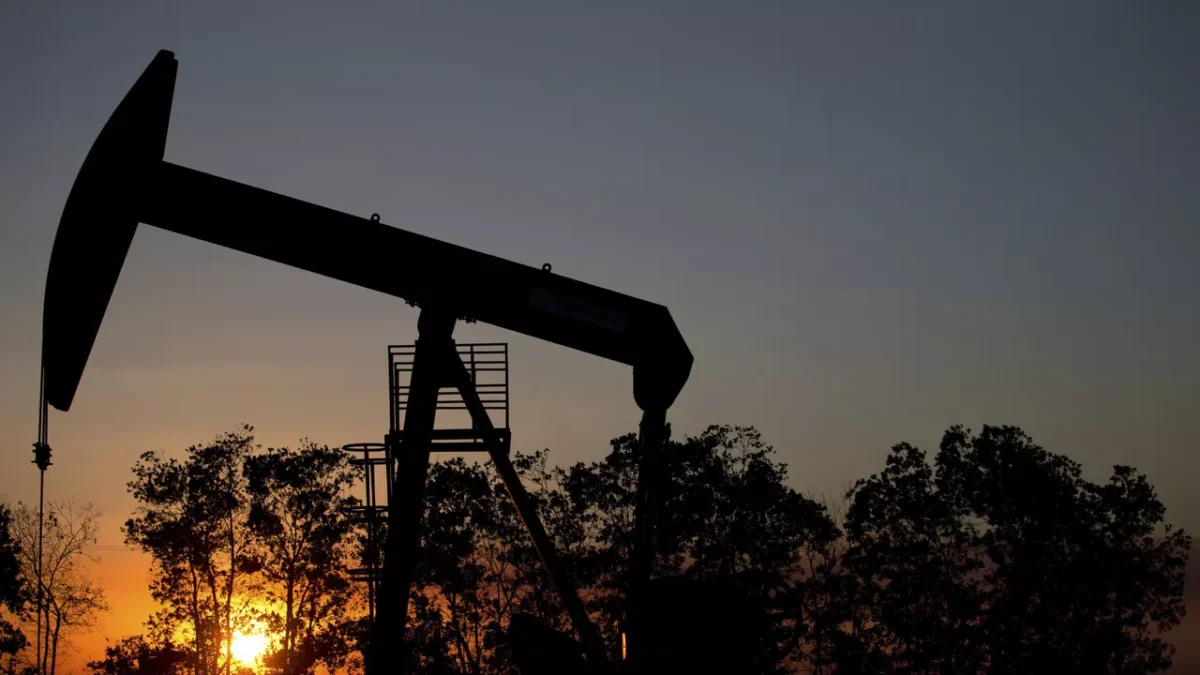
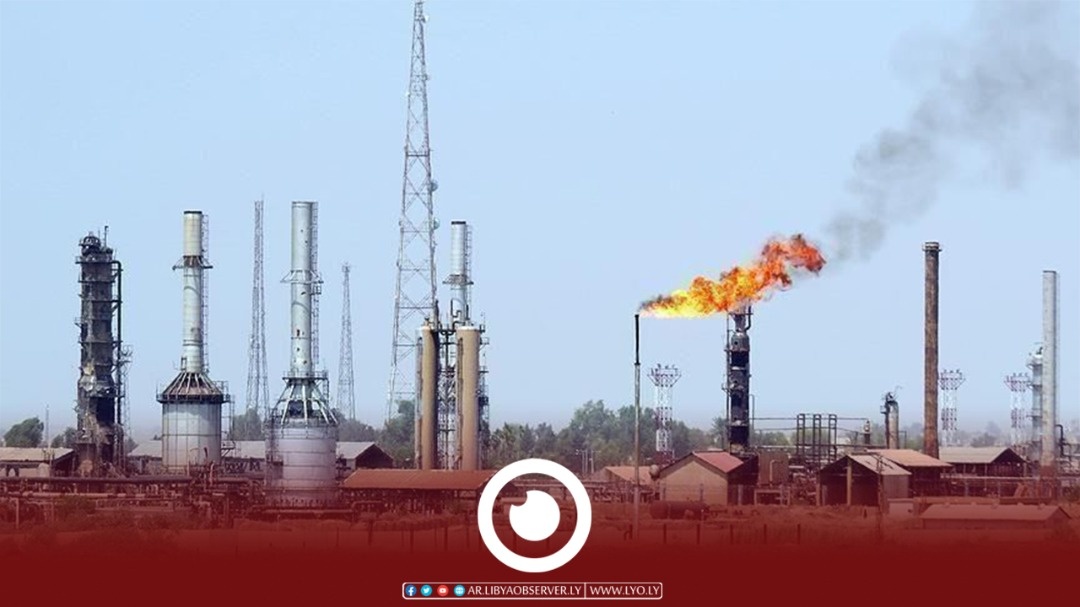
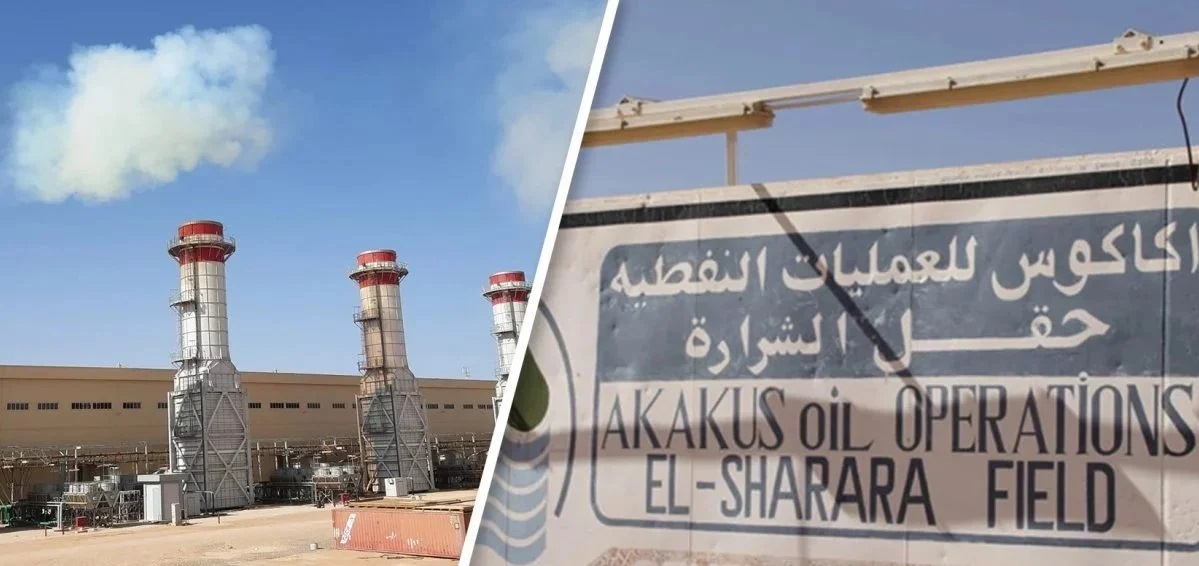
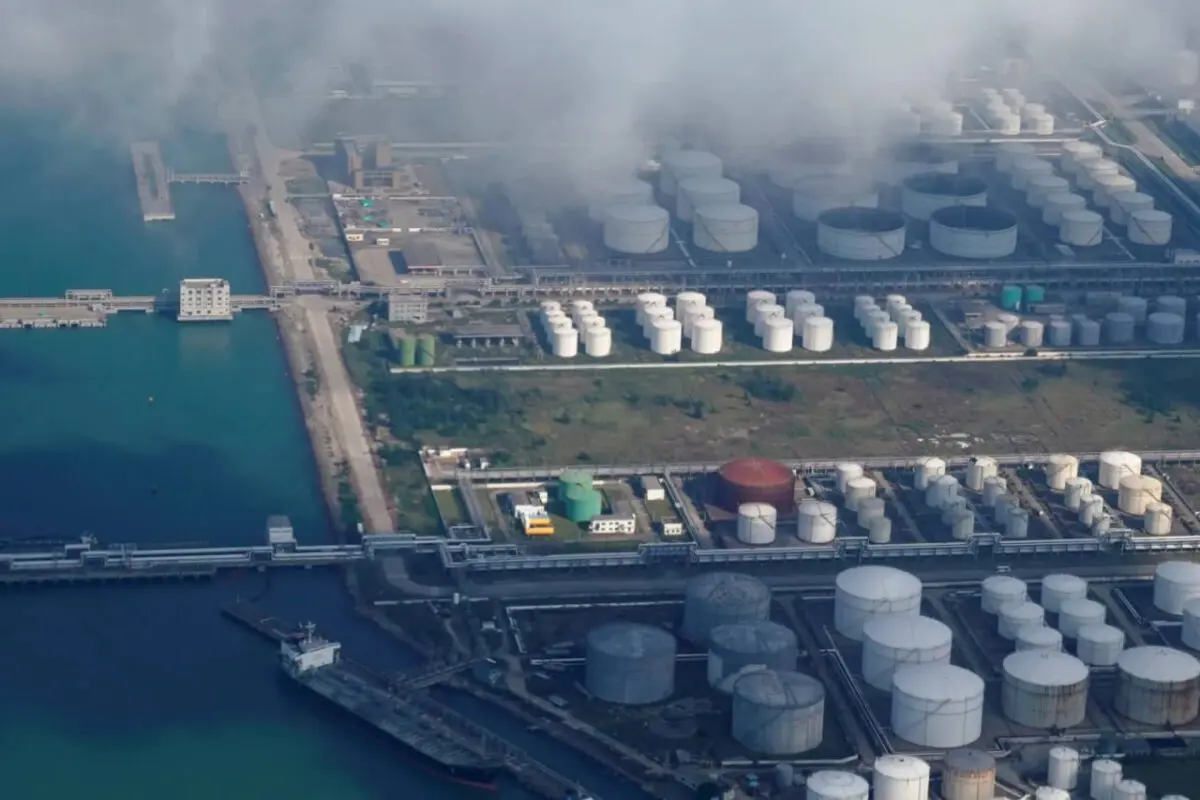
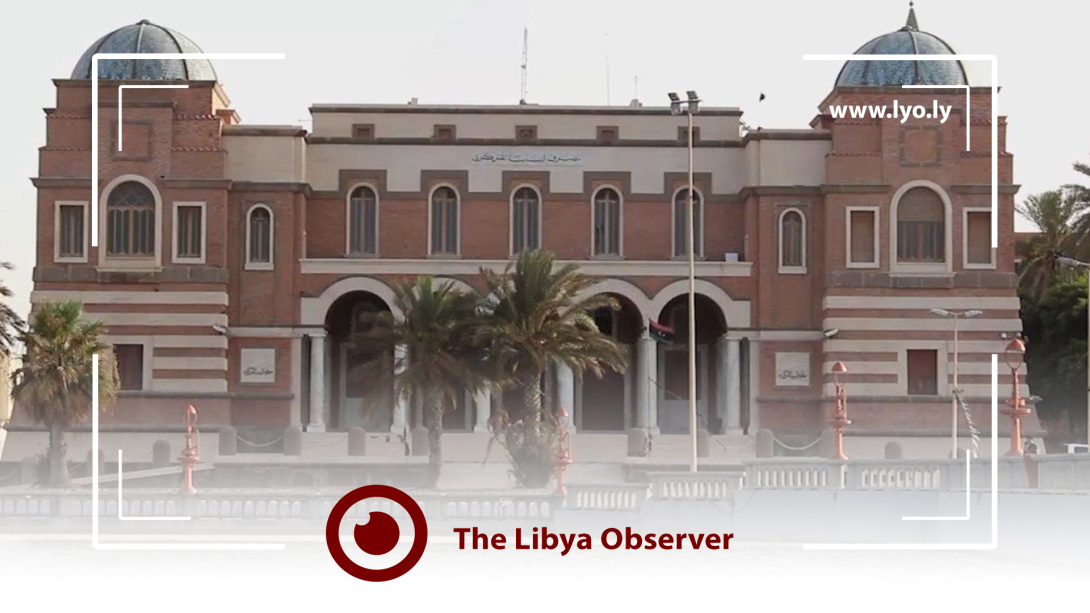
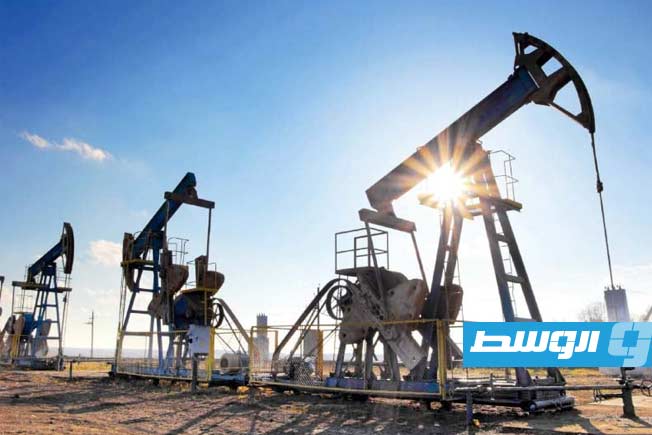
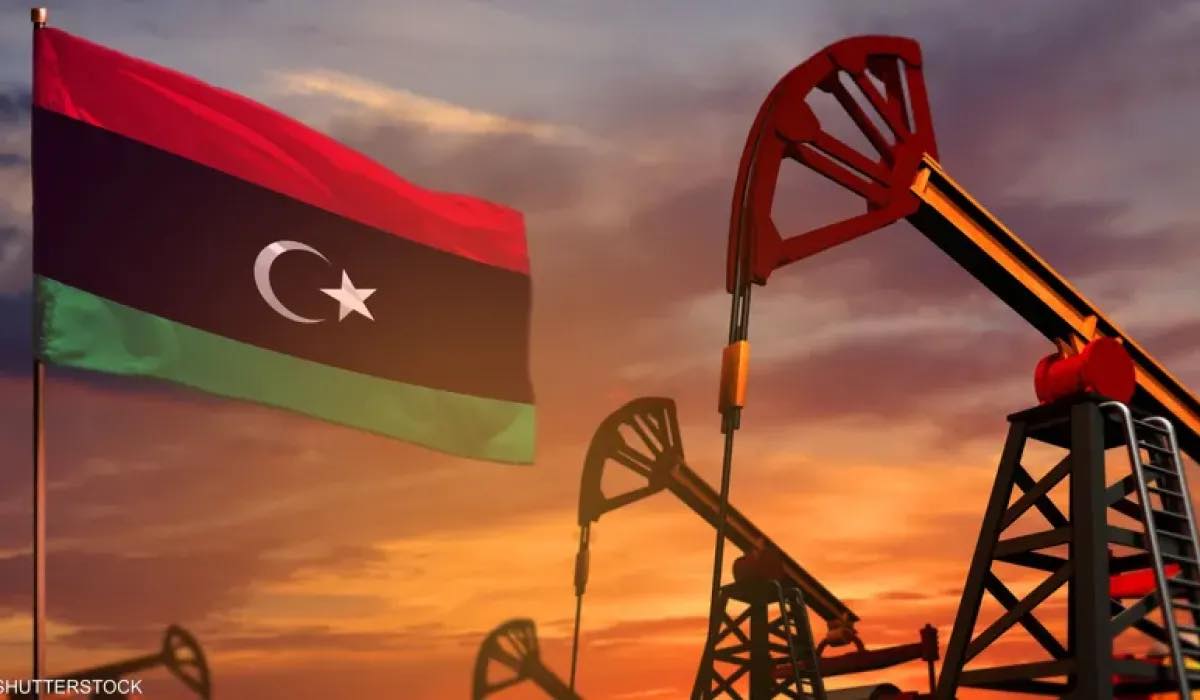
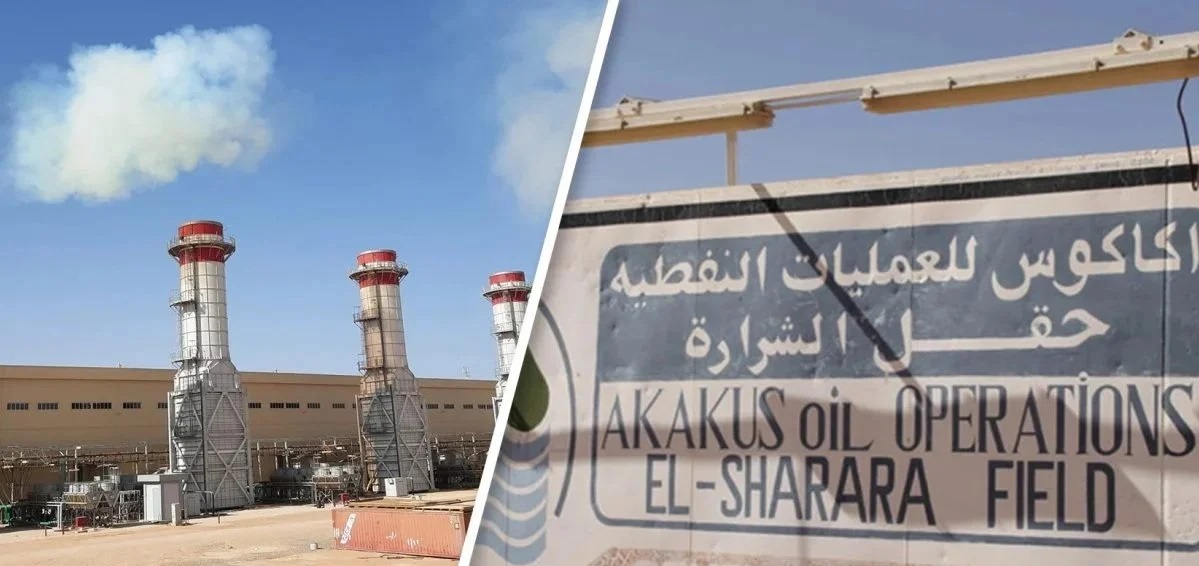
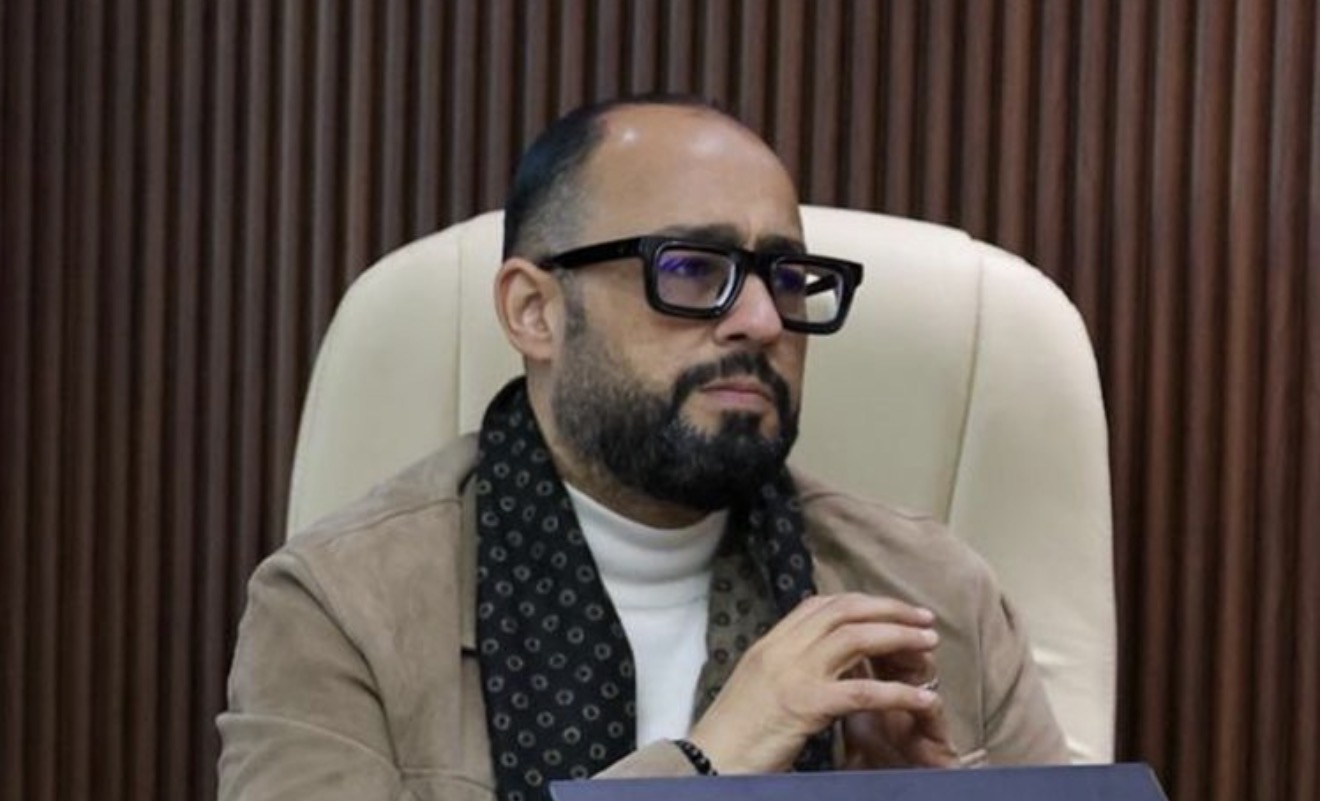
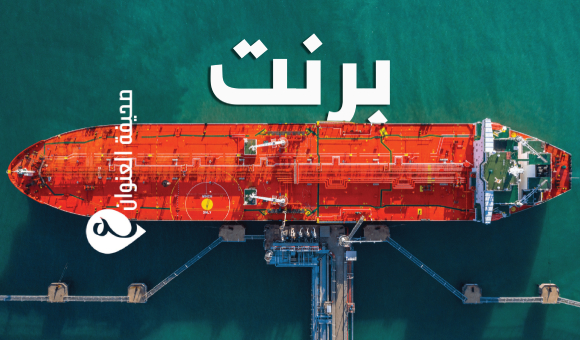
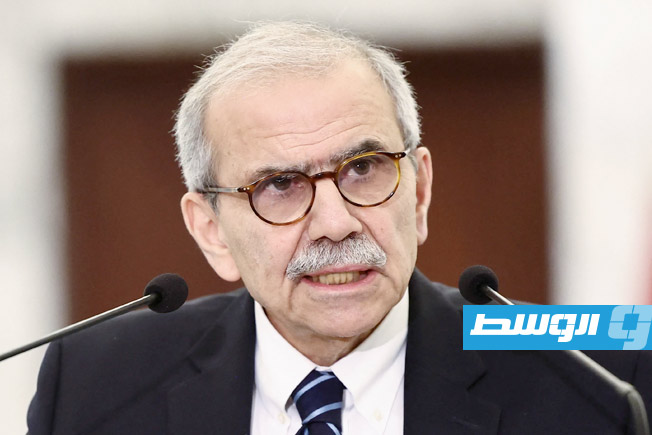
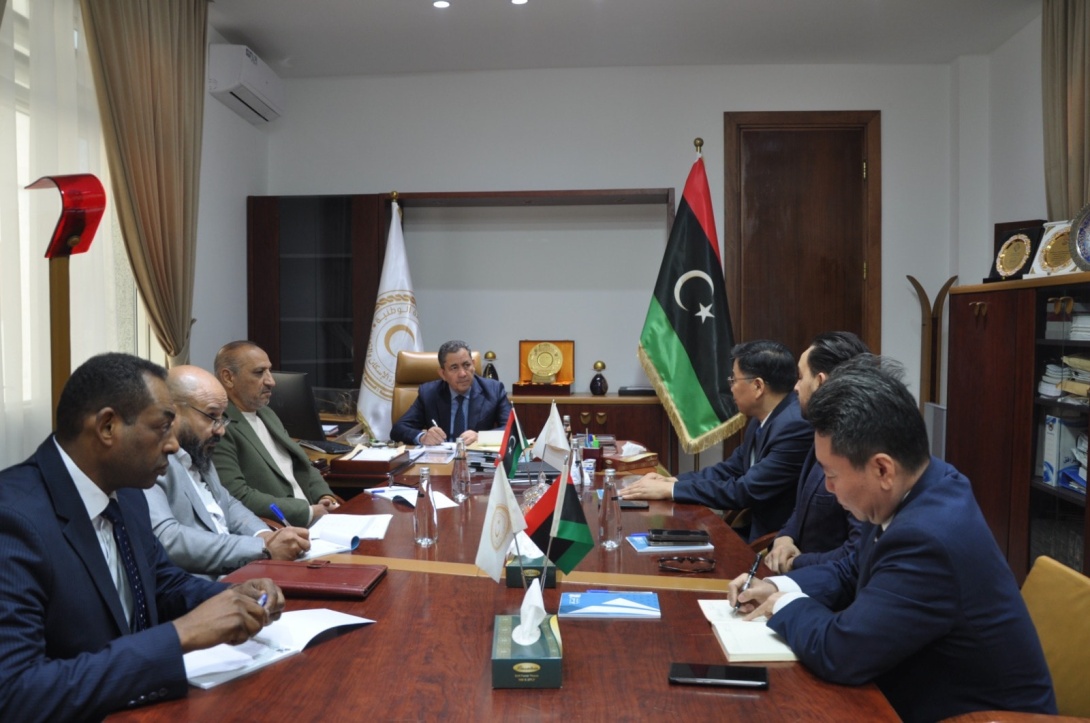
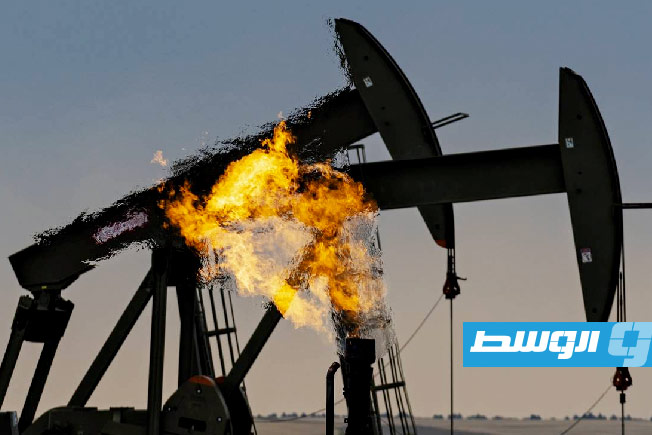
Tripoli, January 2, 2026 – The Chairman of the Board of Directors of the National Oil Corporation confirmed the Corporation’s commitment to neutrality, professionalism, and transparency, praising the efforts of the workforce which achieved an average daily production of 1.375 million barrels of oil and 2.5 billion cubic feet of gas. He emphasized the priority of worker safety and asset protection, and the completion of measurement systems to enhance governance and operational accuracy.
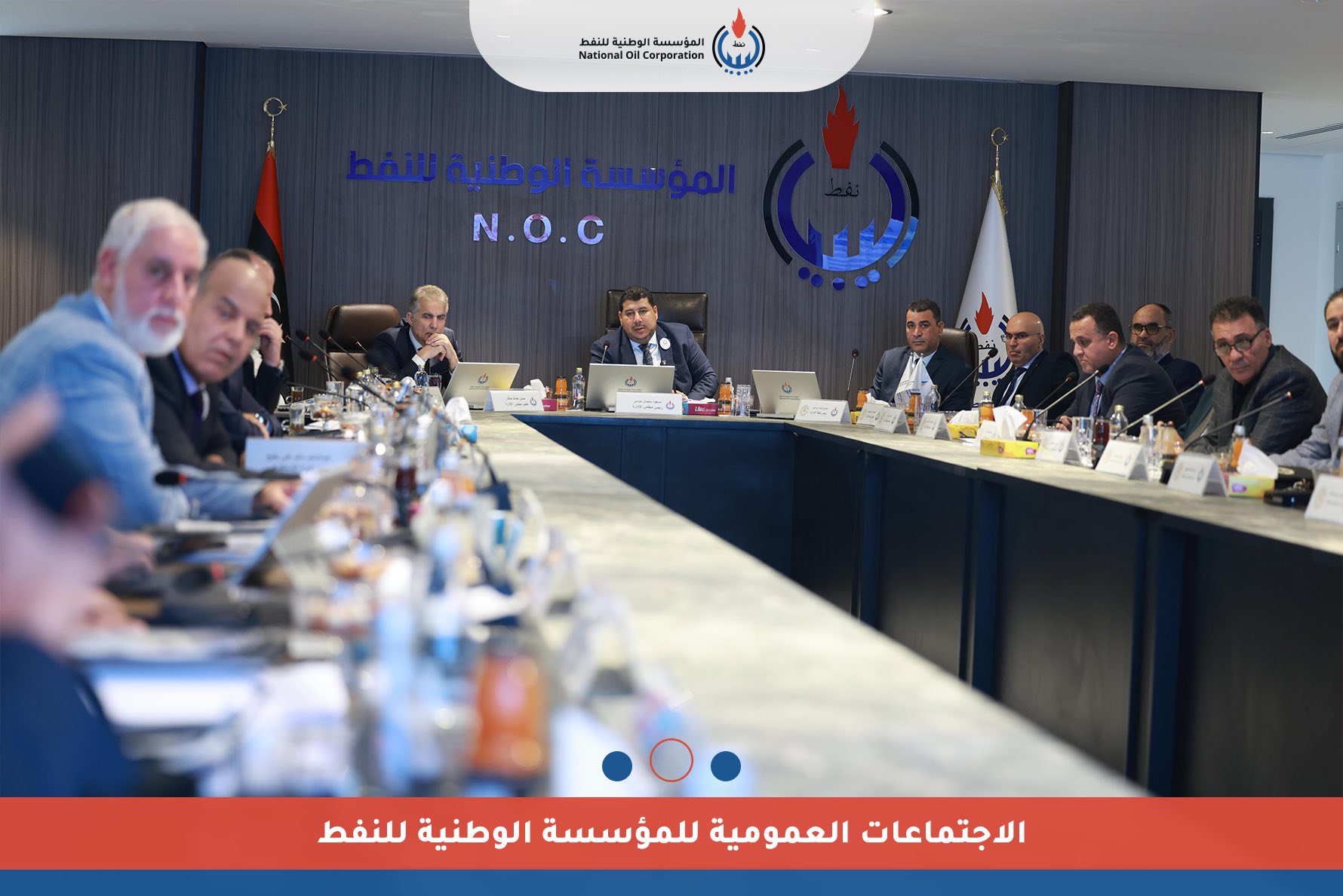
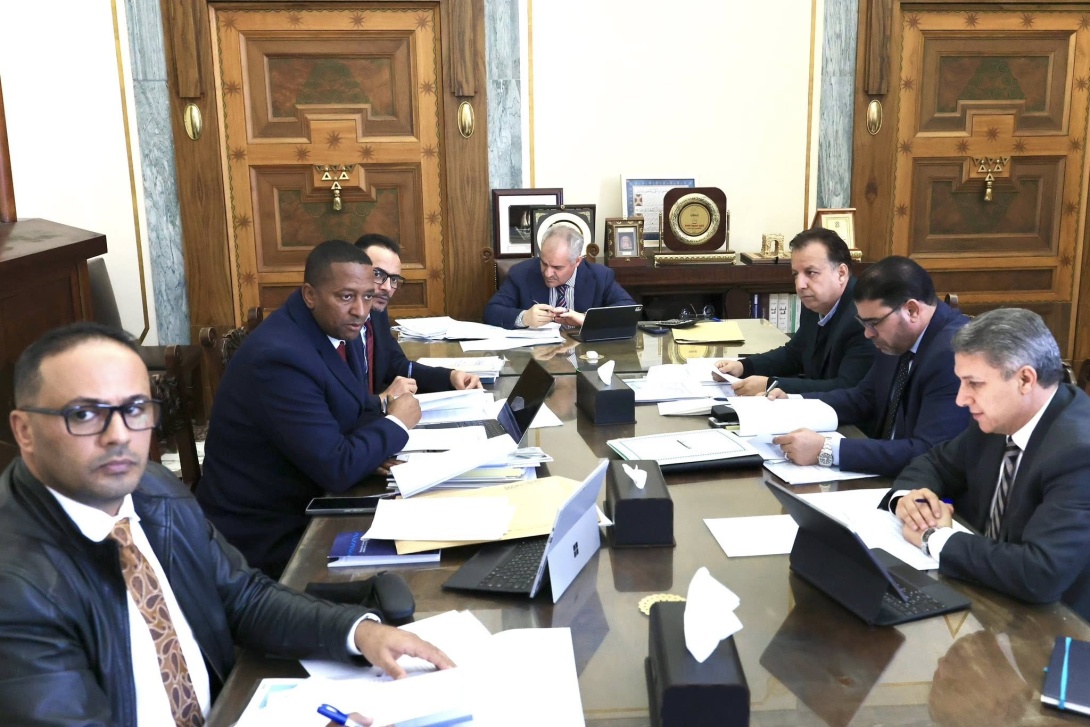
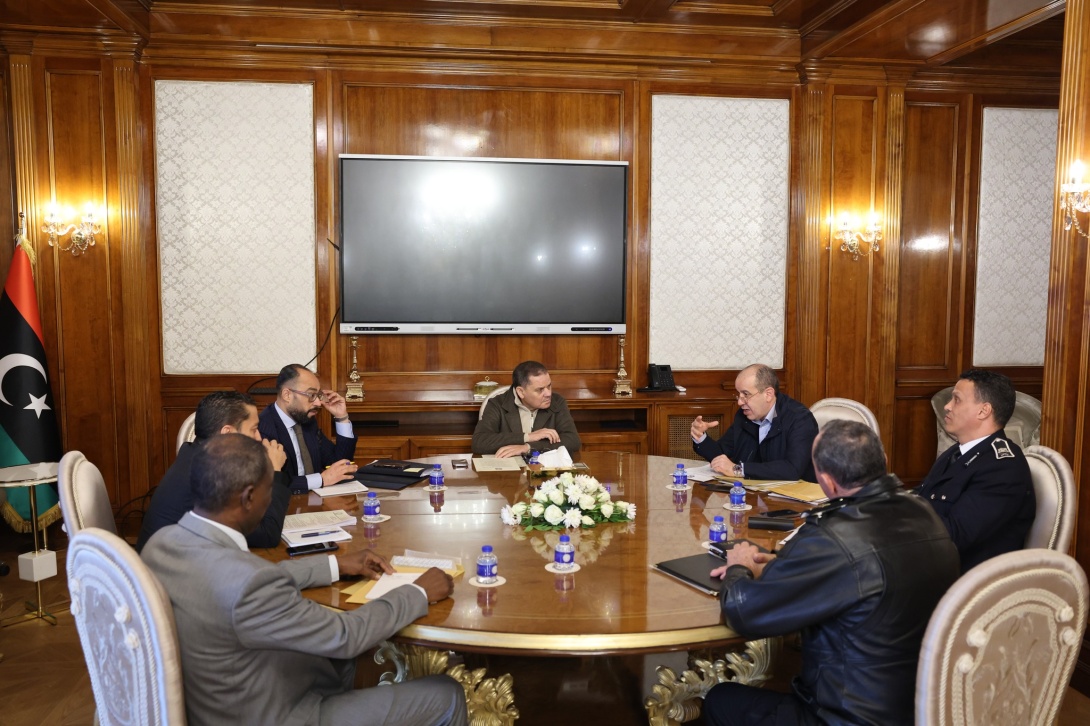
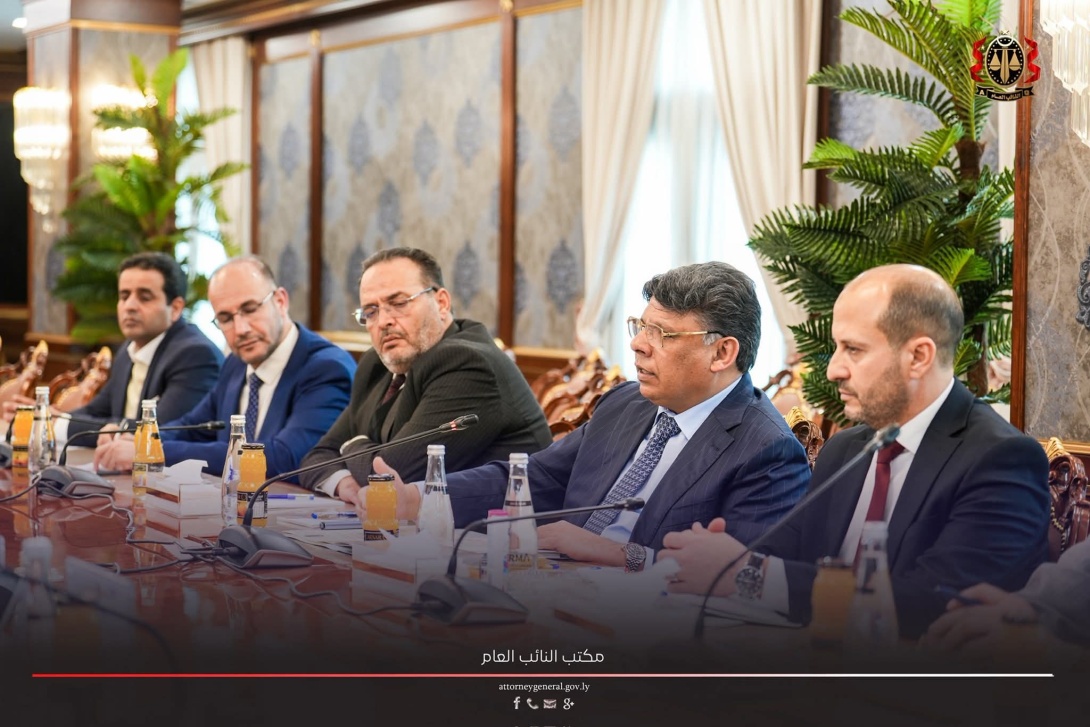
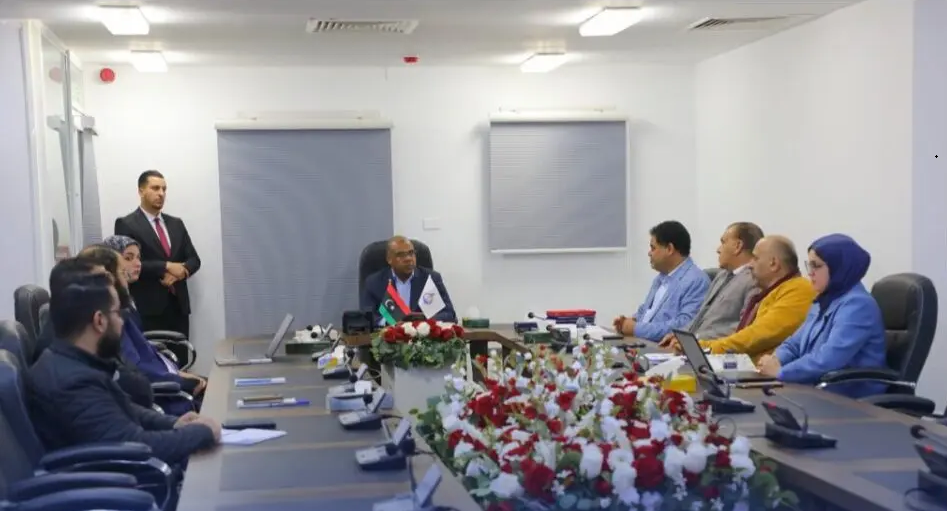
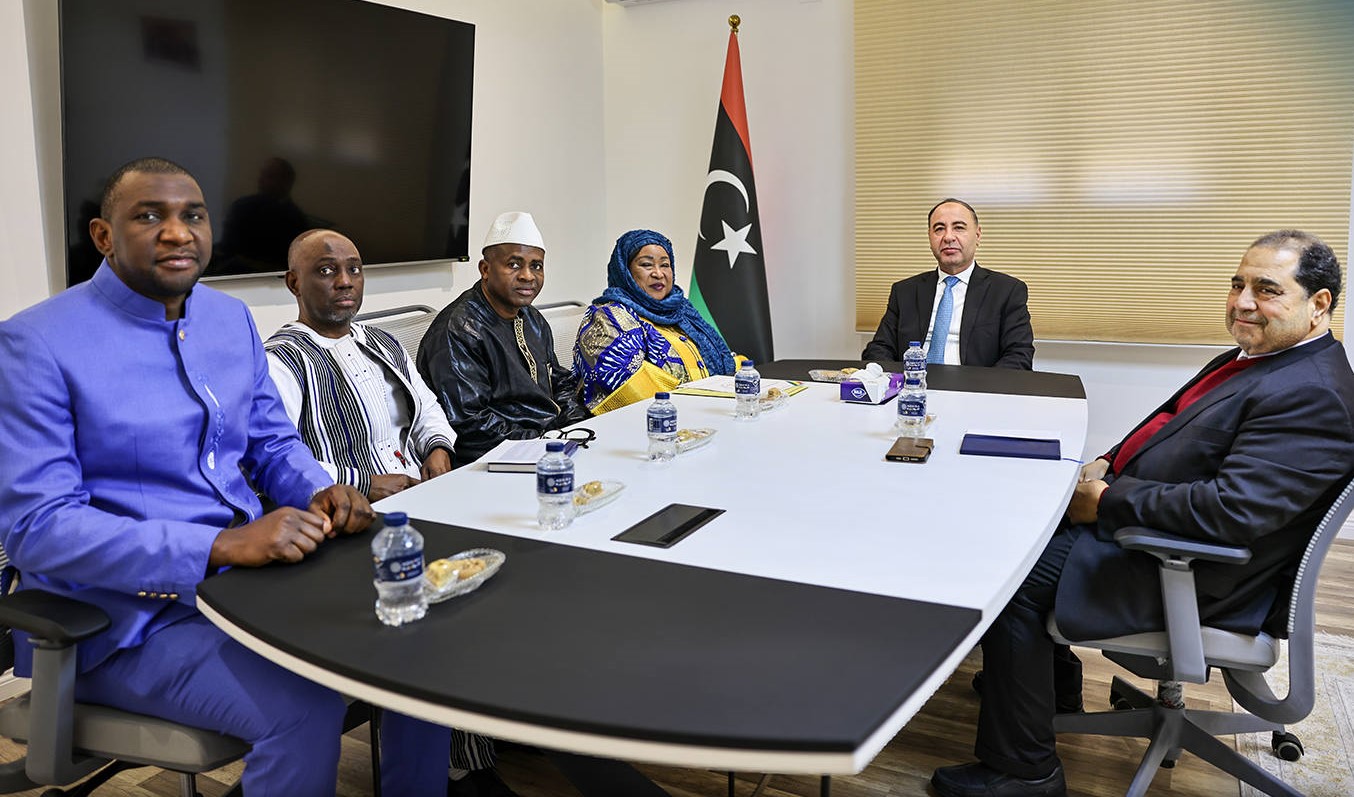
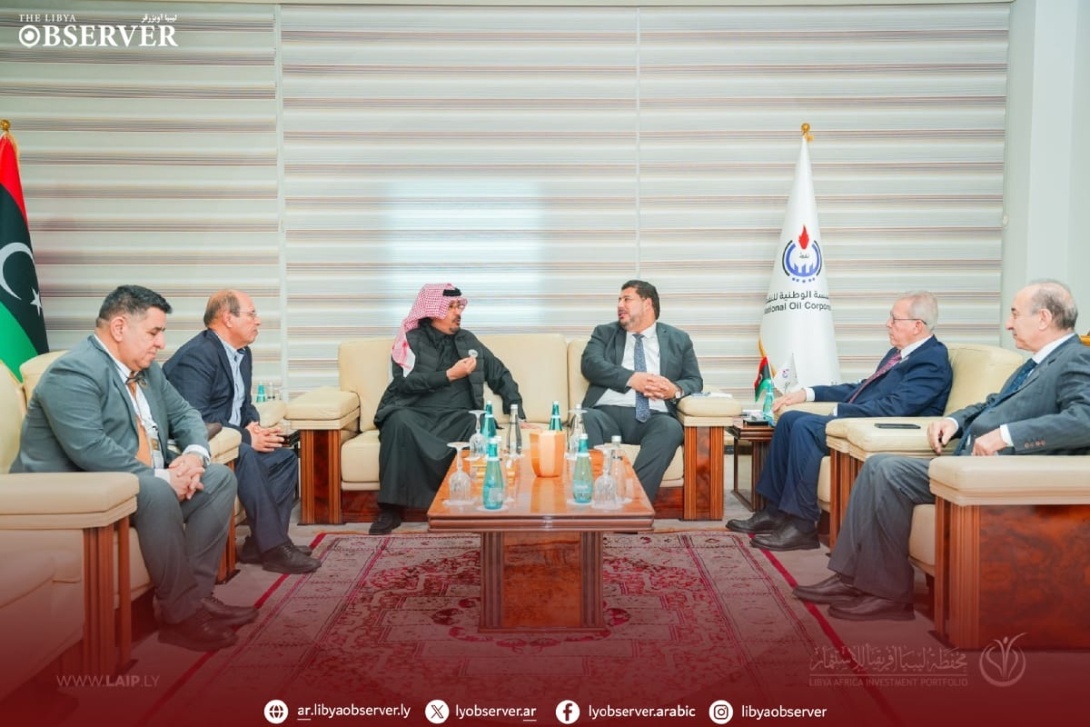
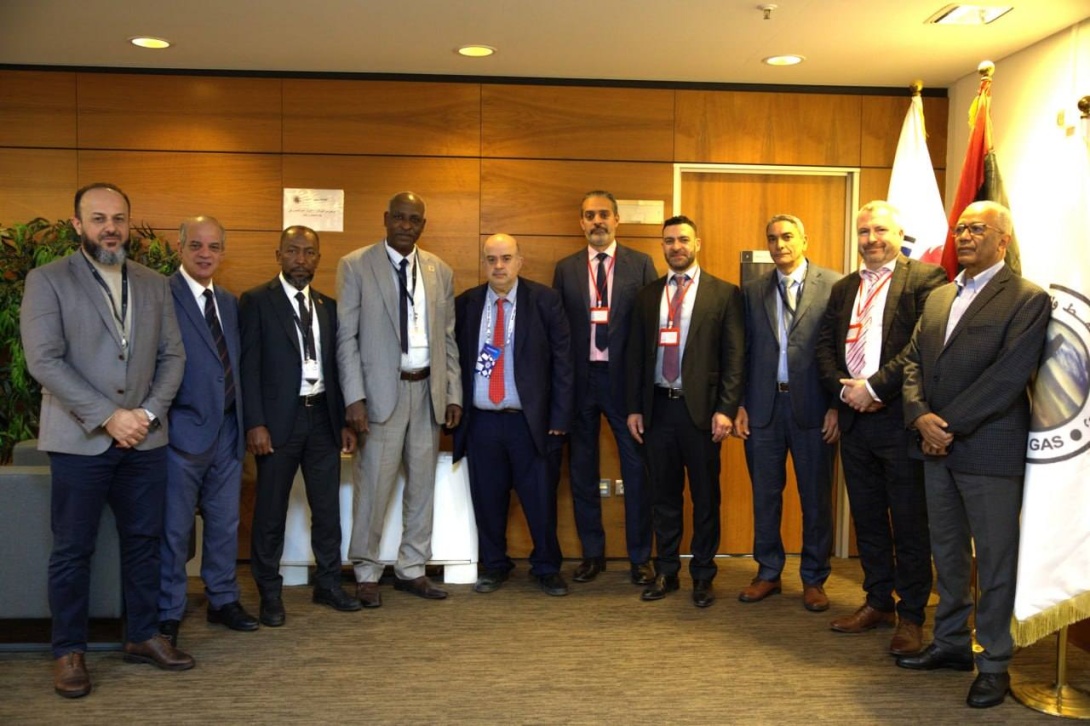
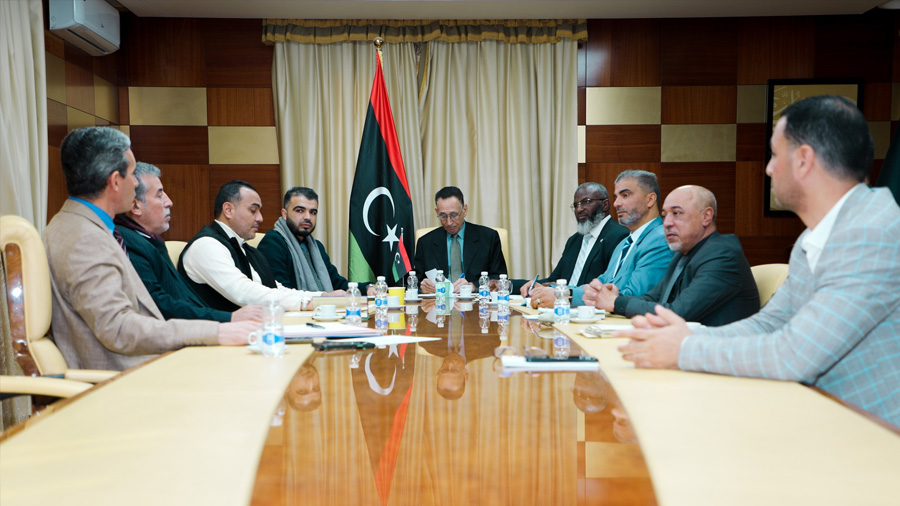
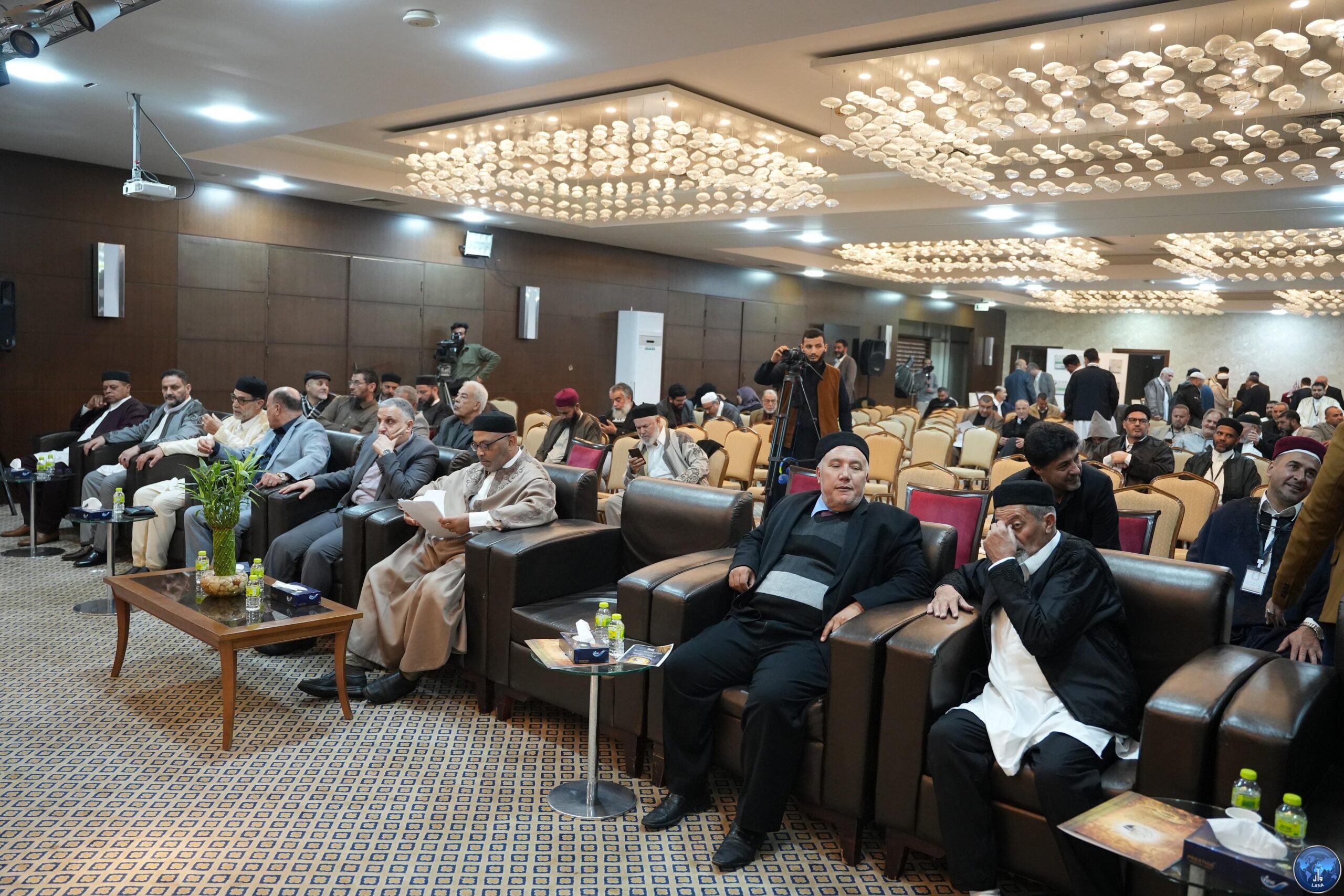
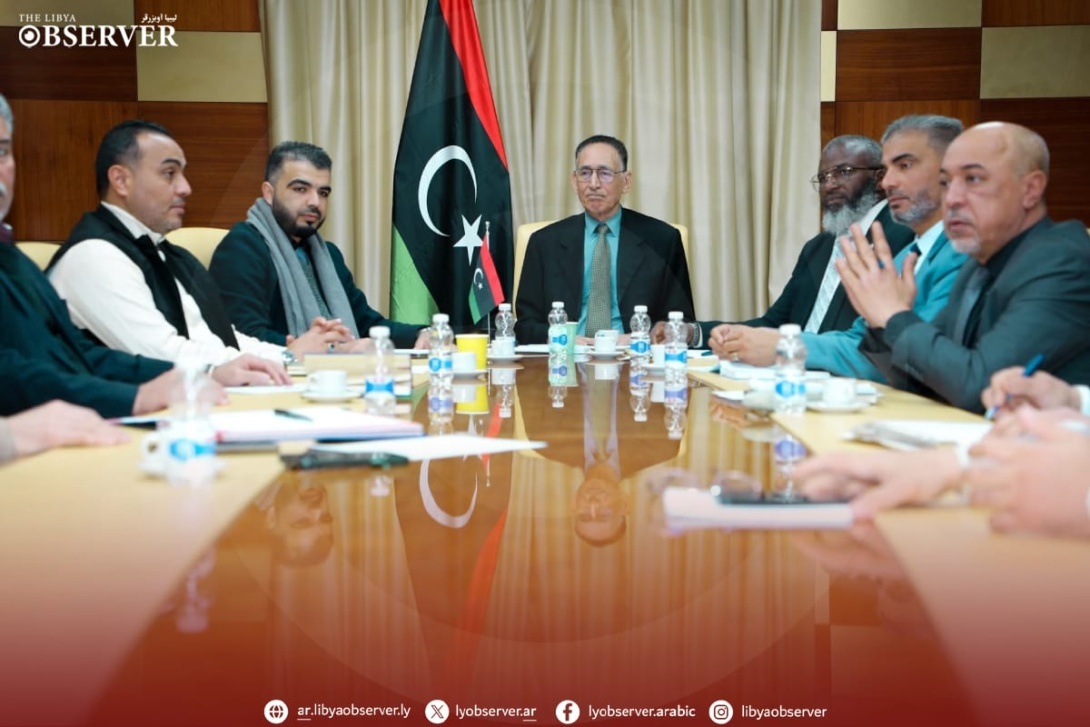
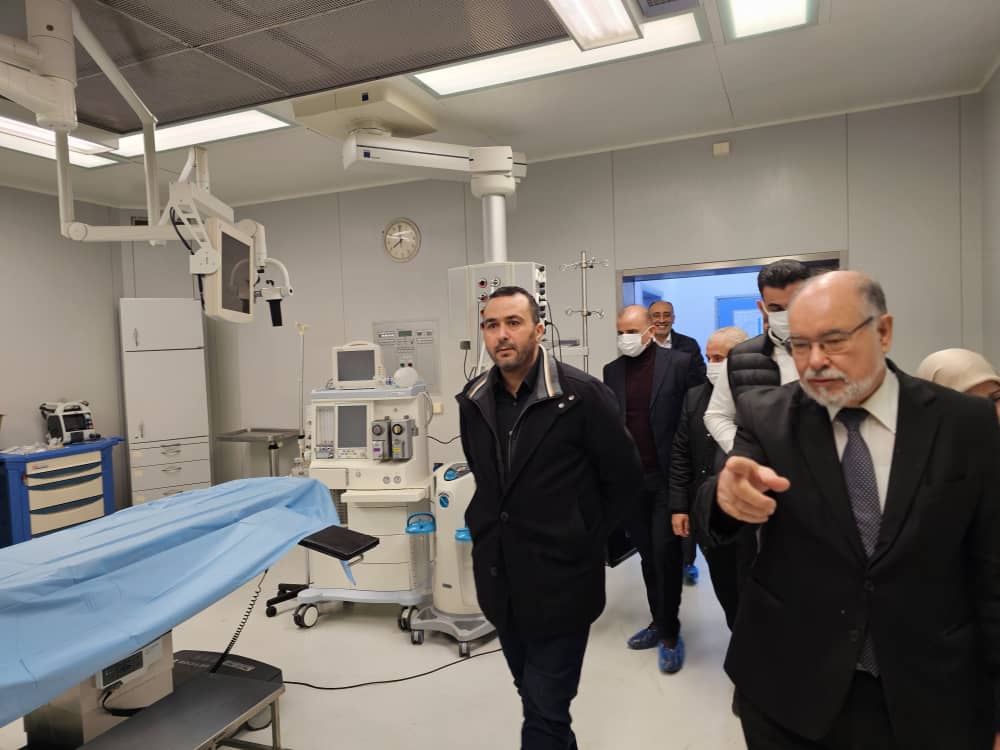
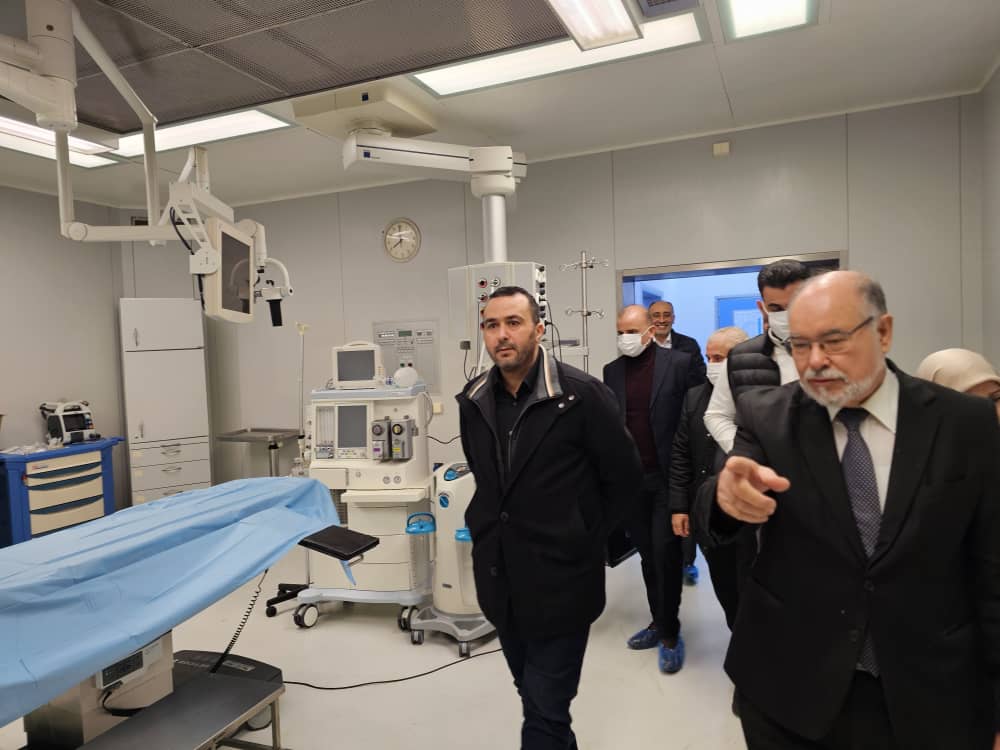
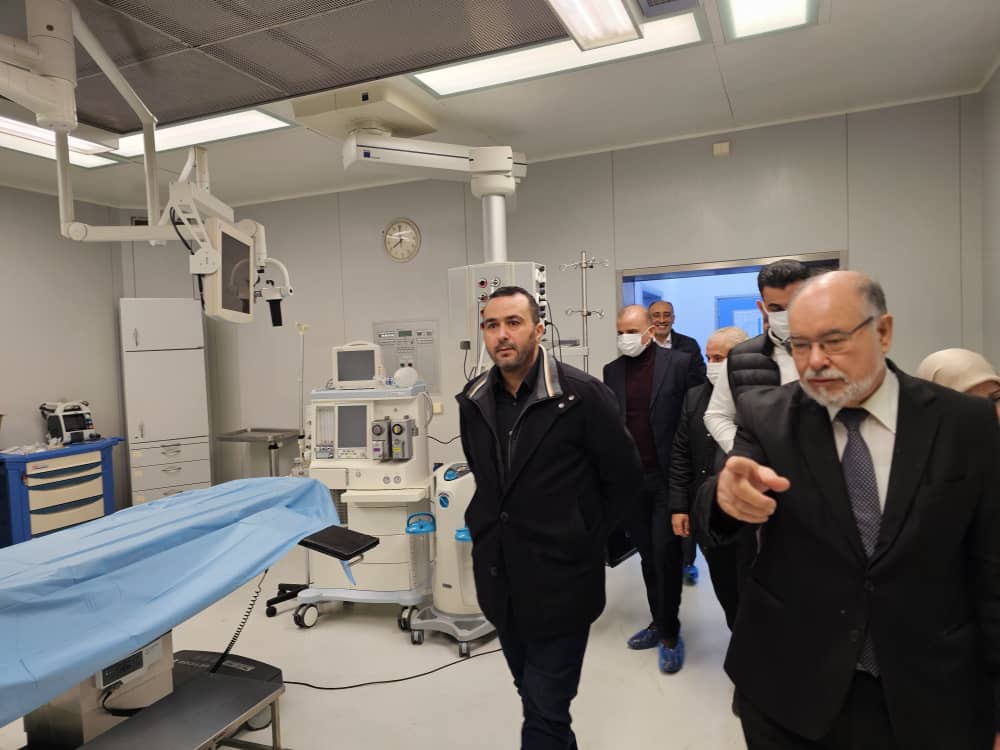
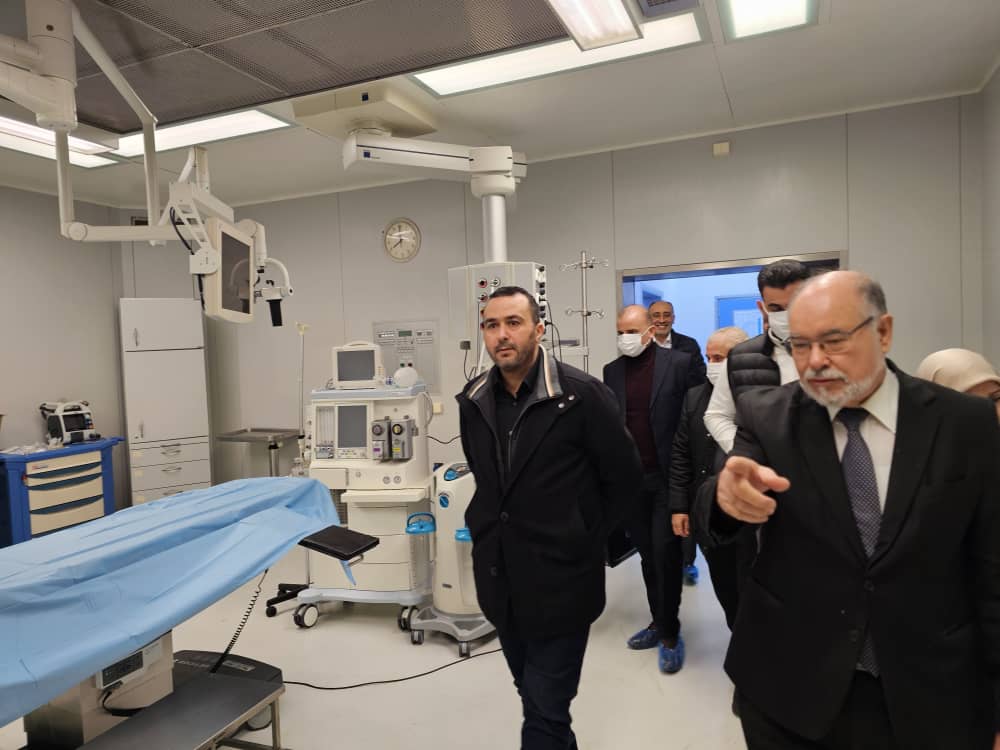
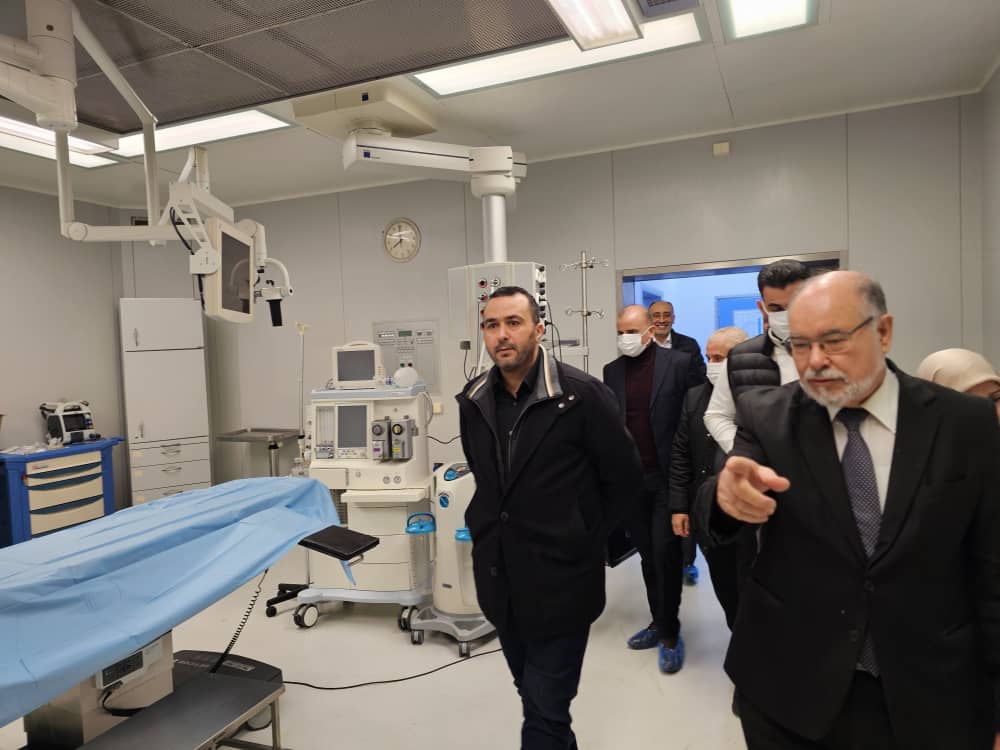
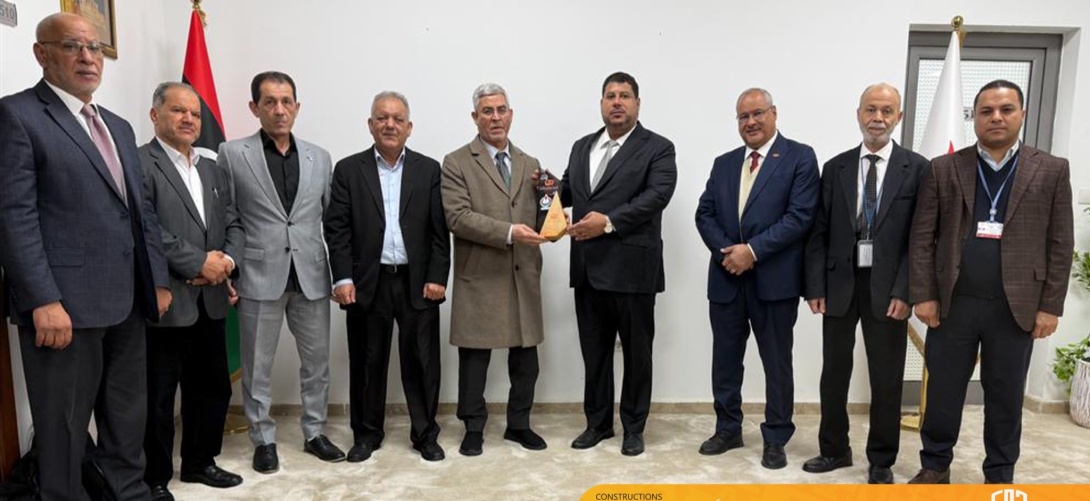
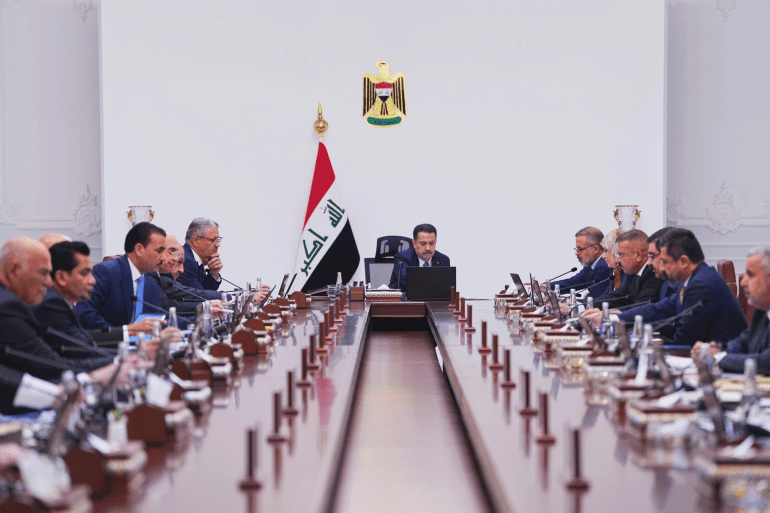
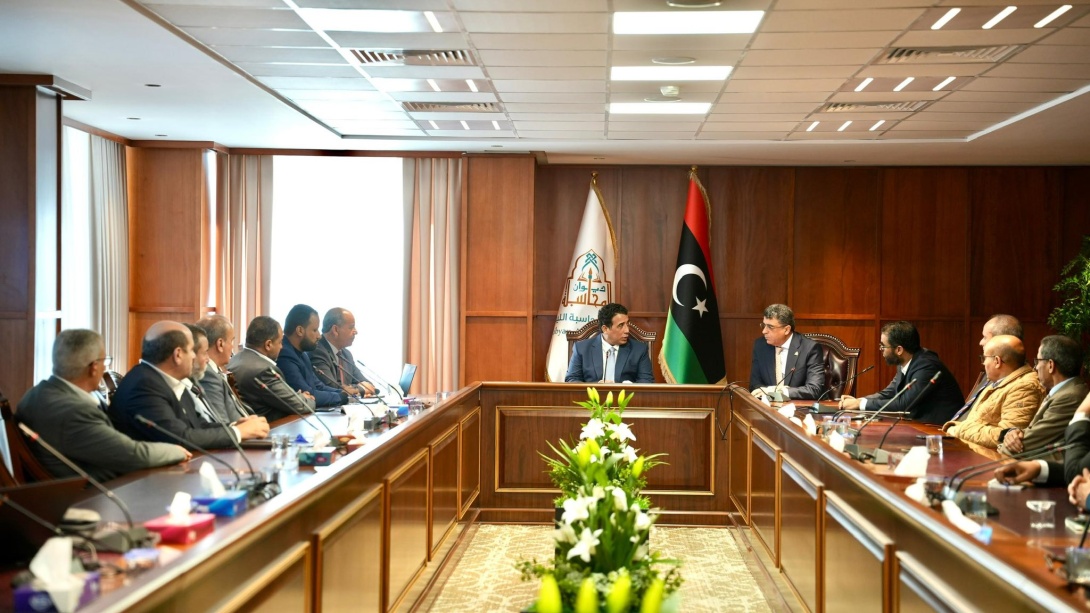
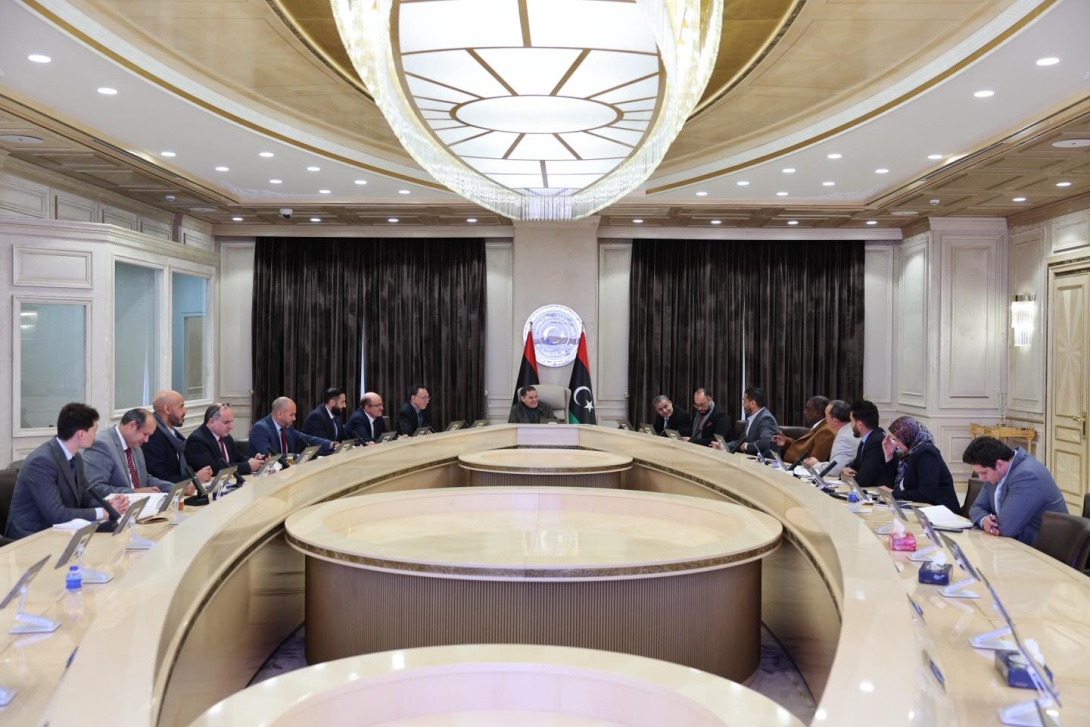
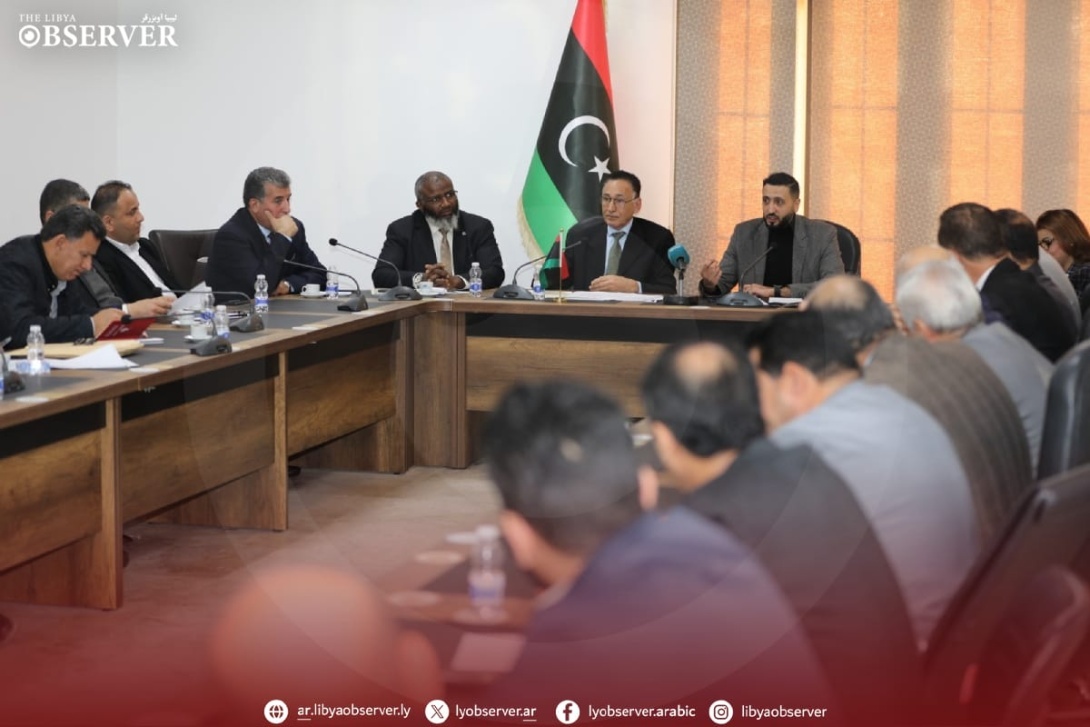
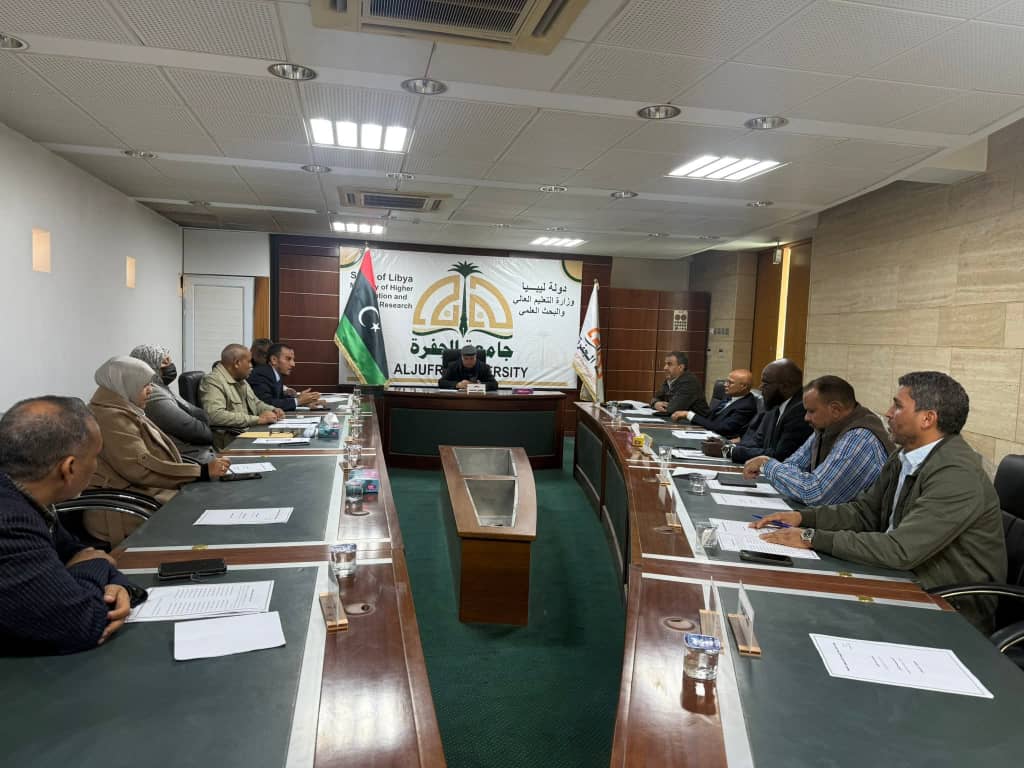
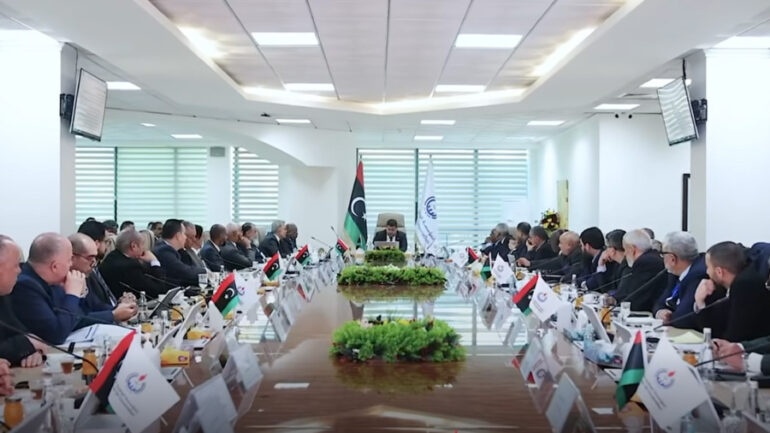
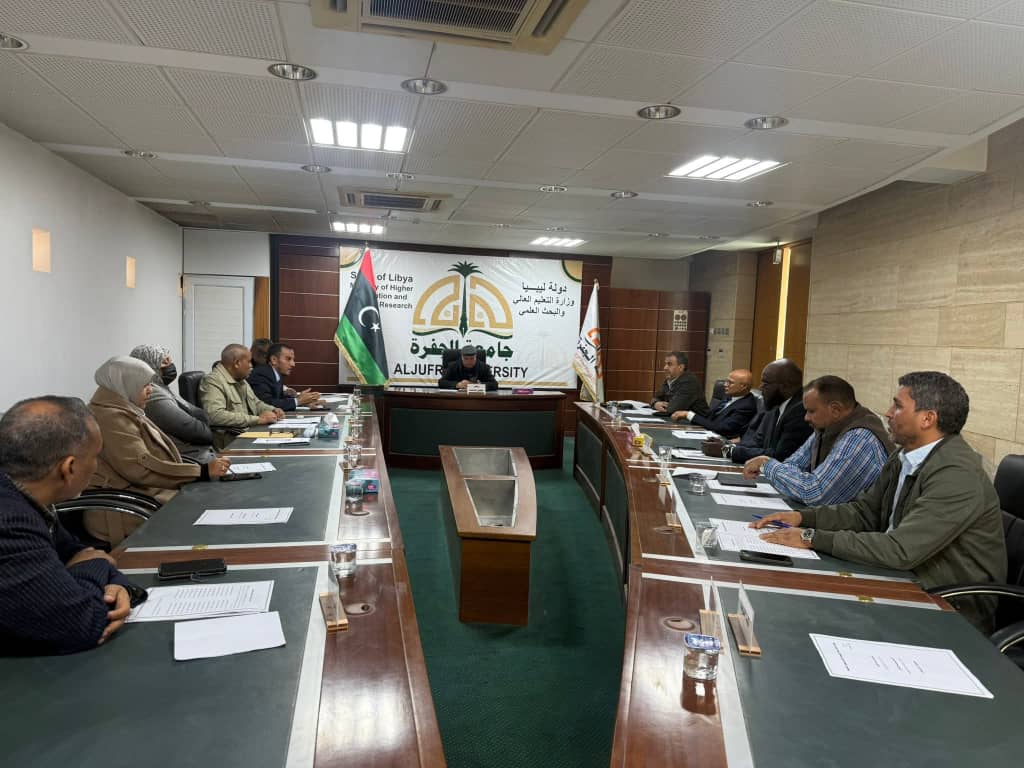
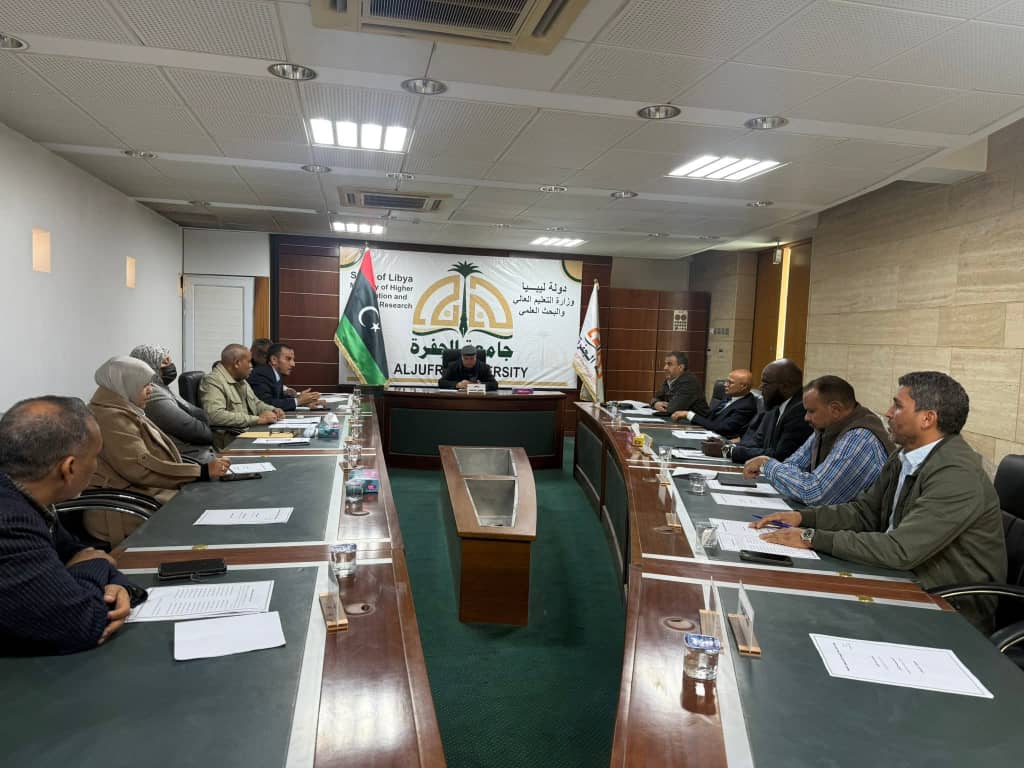
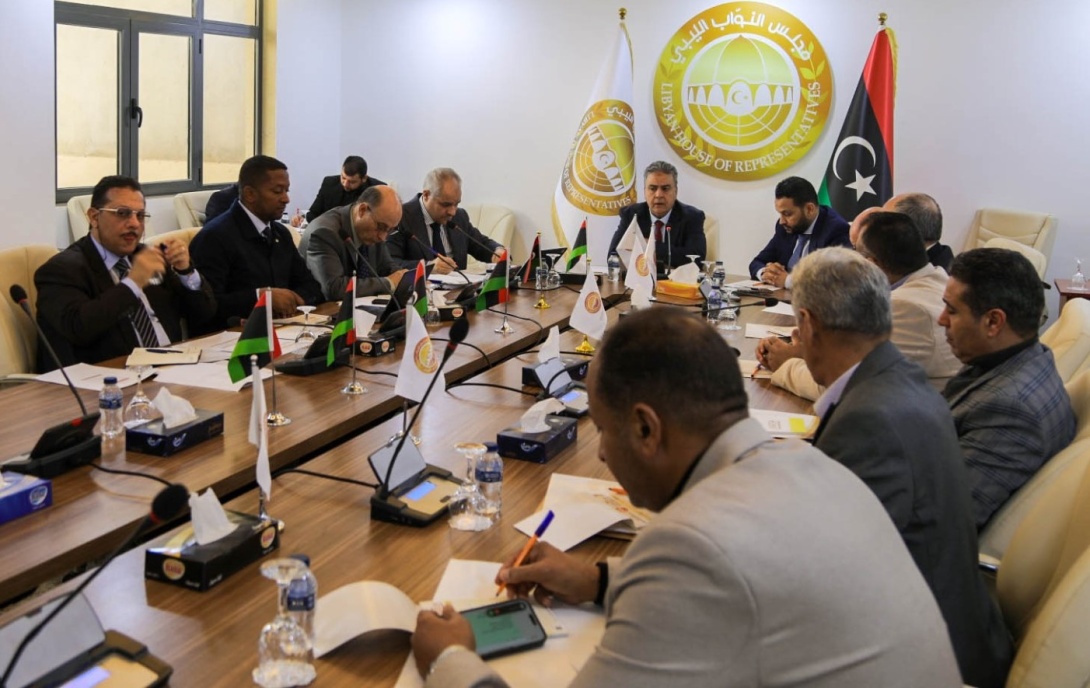
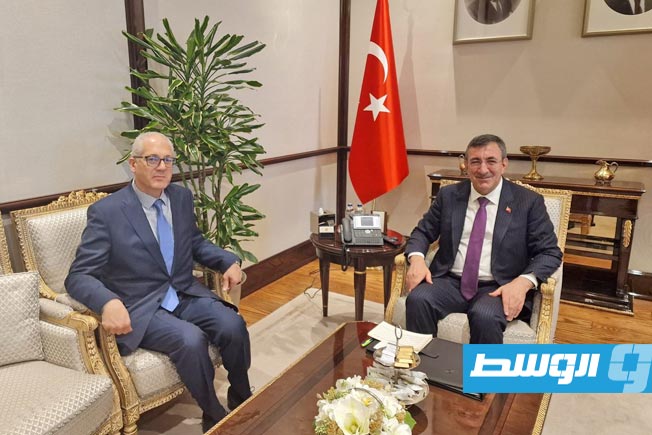
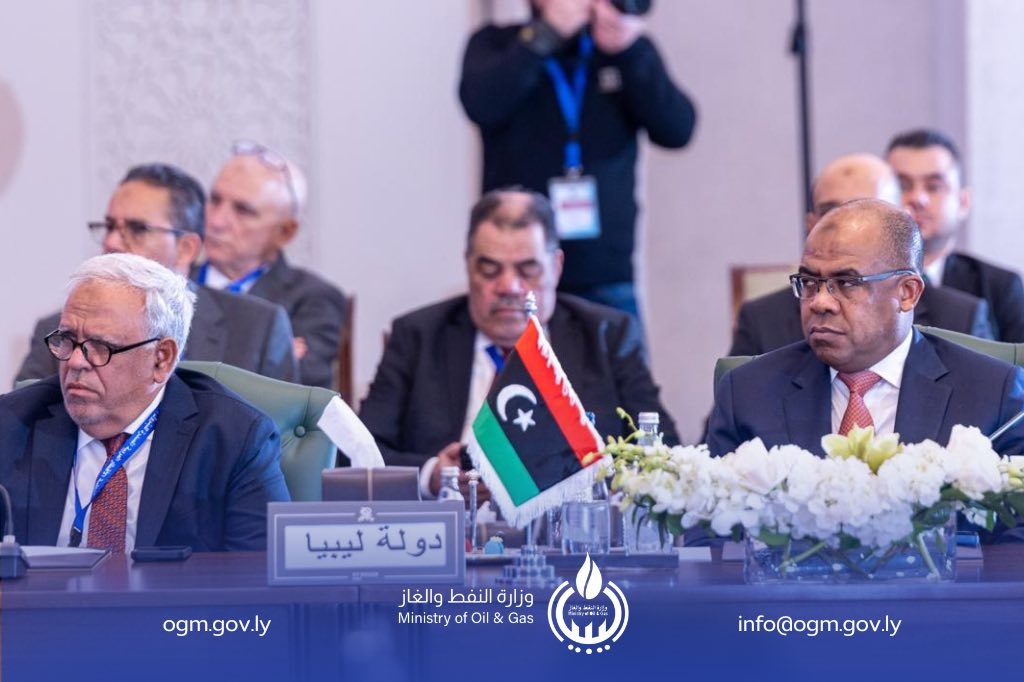
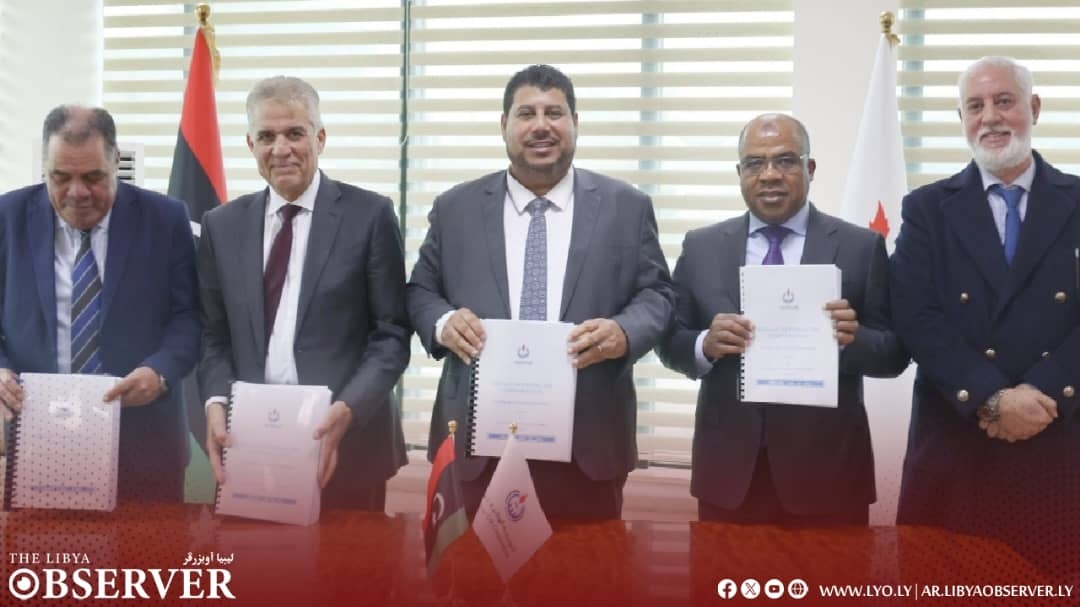
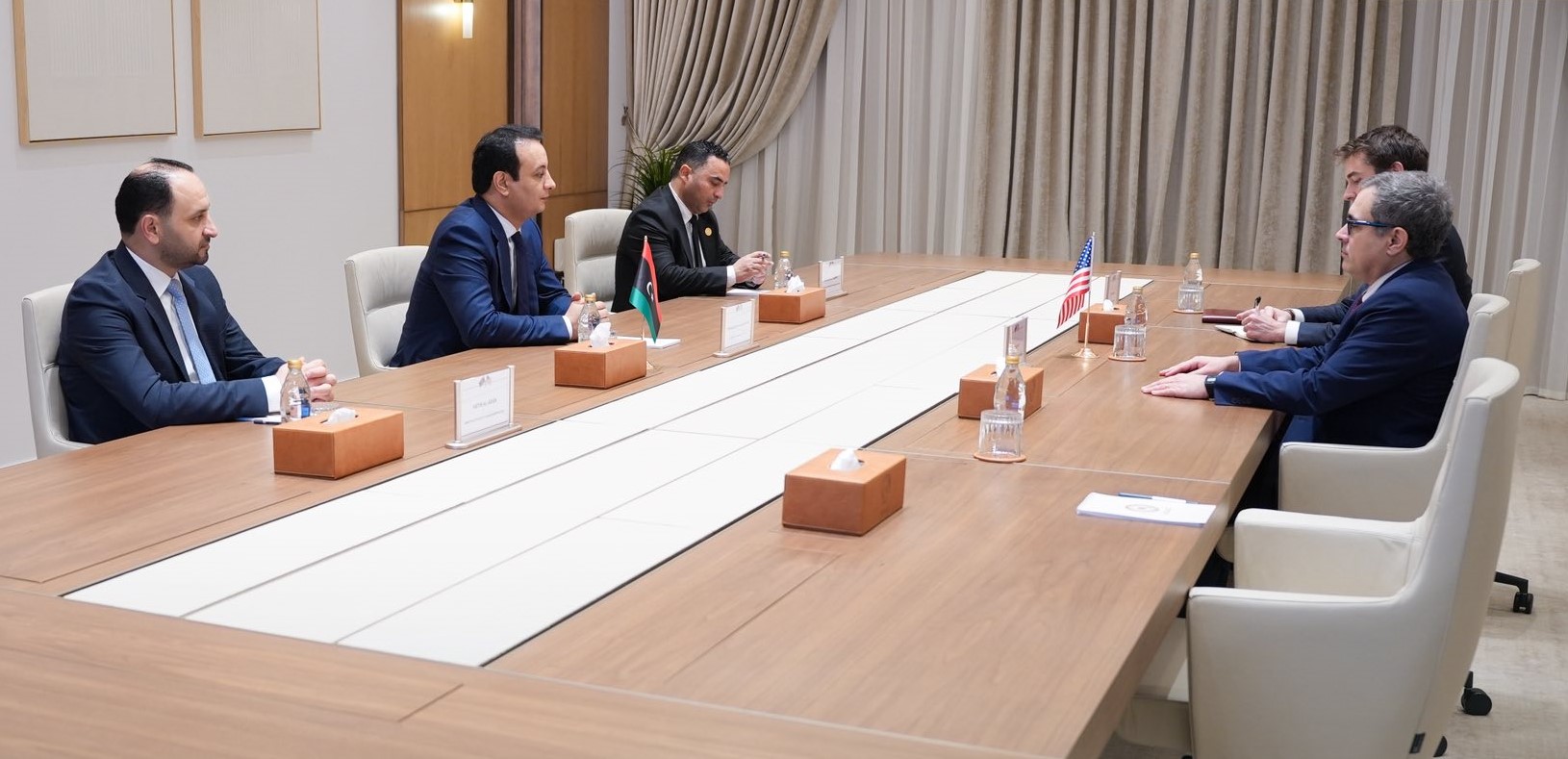
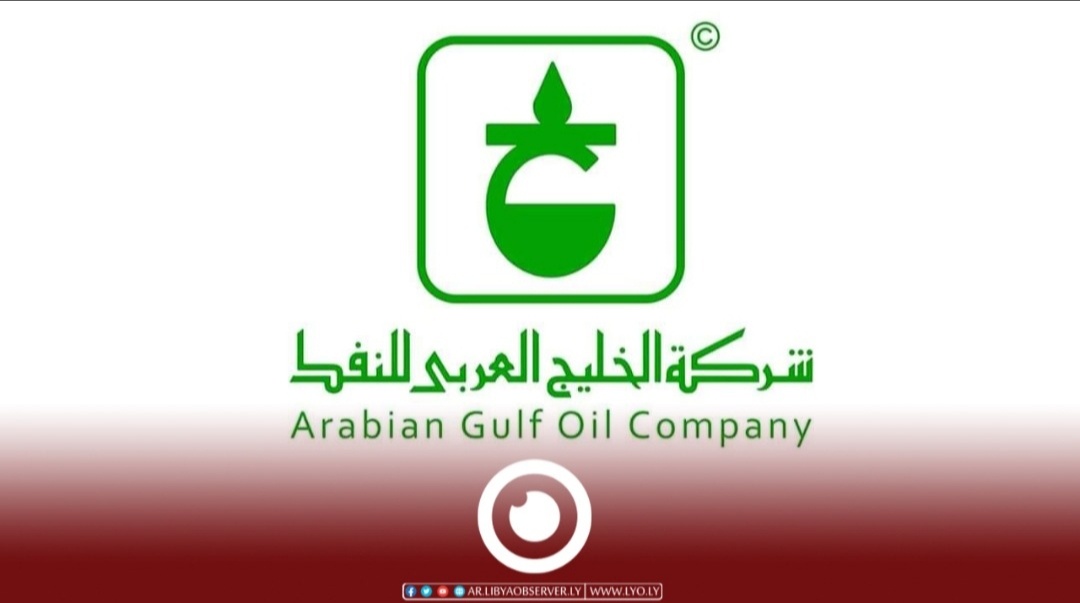
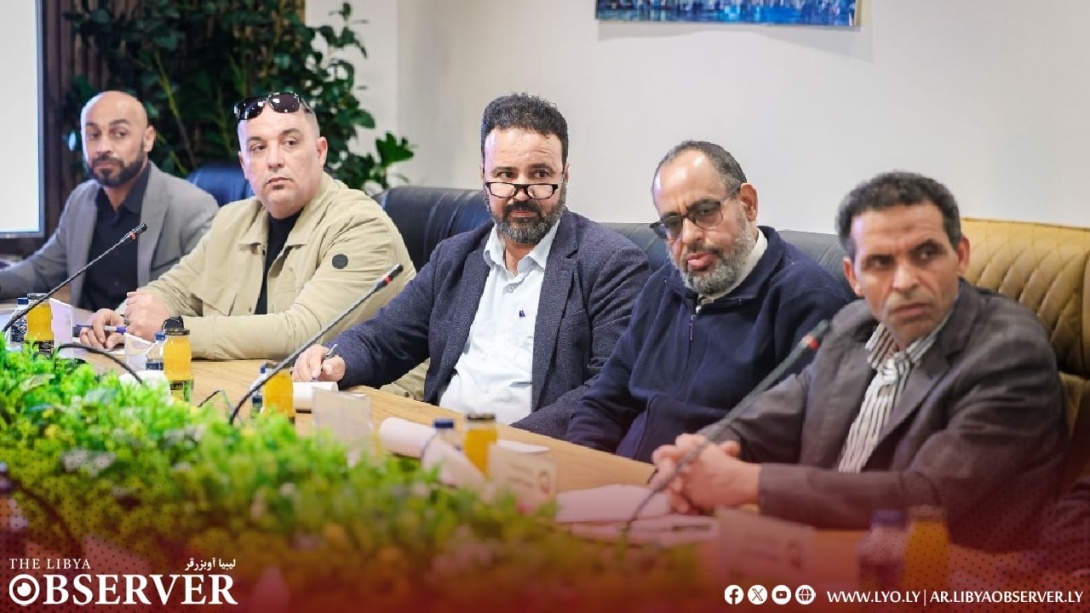
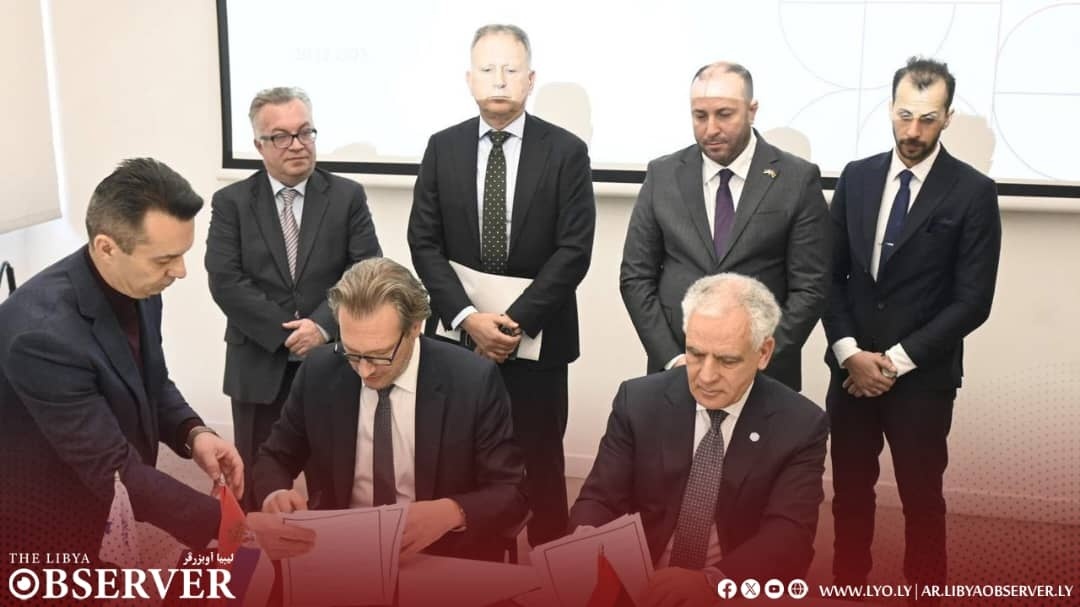
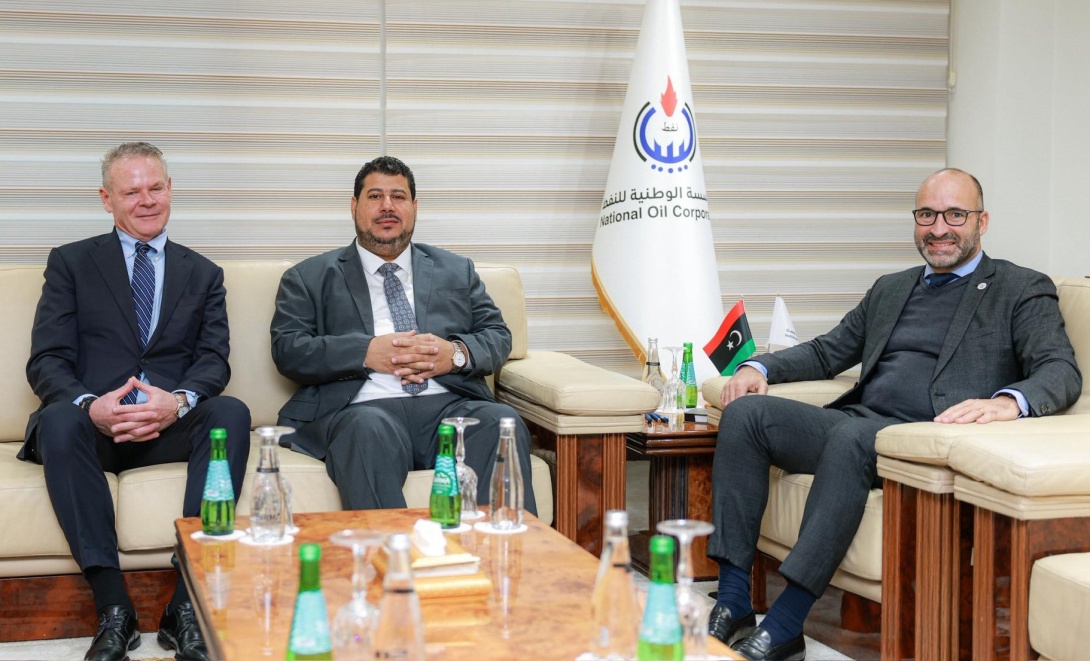
This came during the opening of the general assembly meetings for the Arabian Gulf, Al-Jouf, and National Construction companies, attended by the Corporation’s Board of Directors, management committees, general managers, department heads, and a number of specialists.
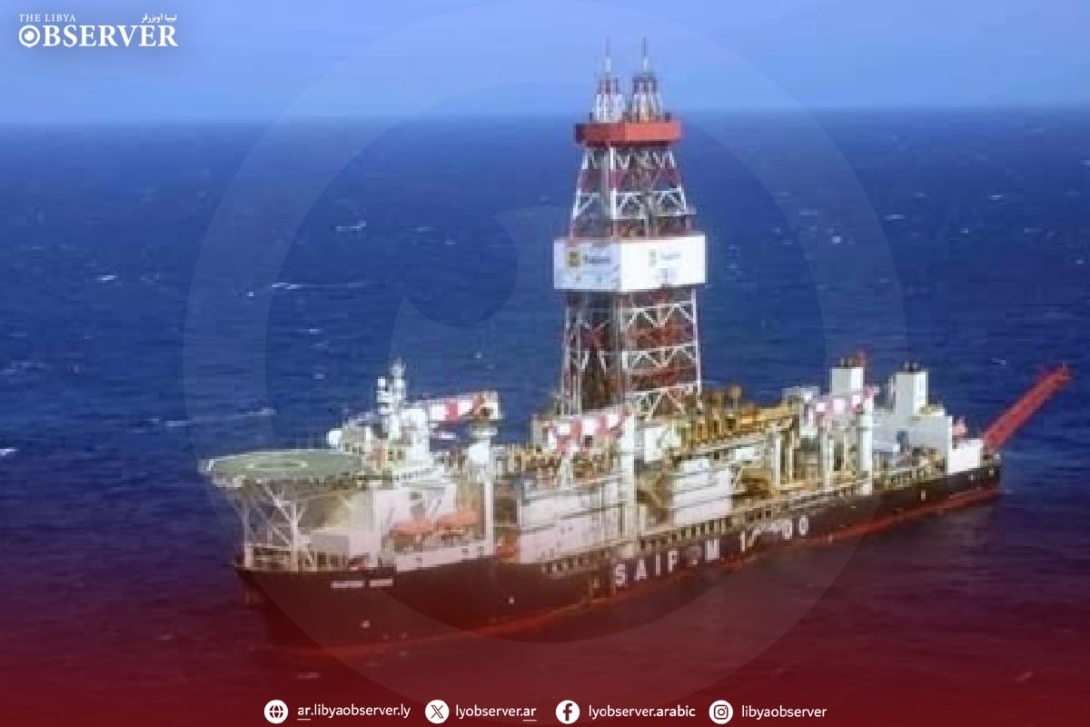
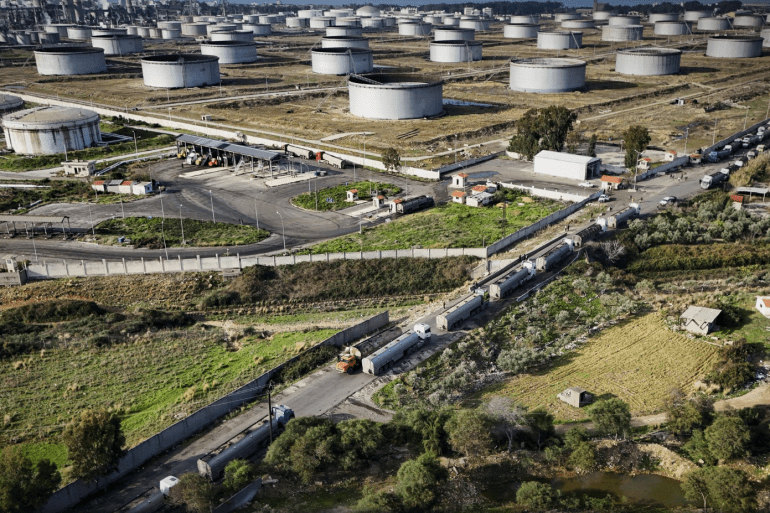
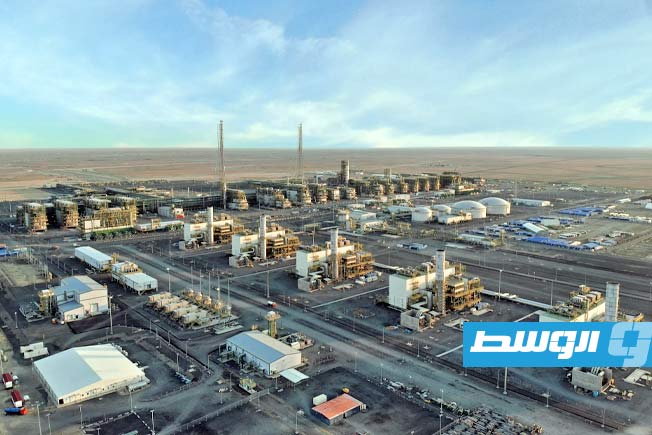
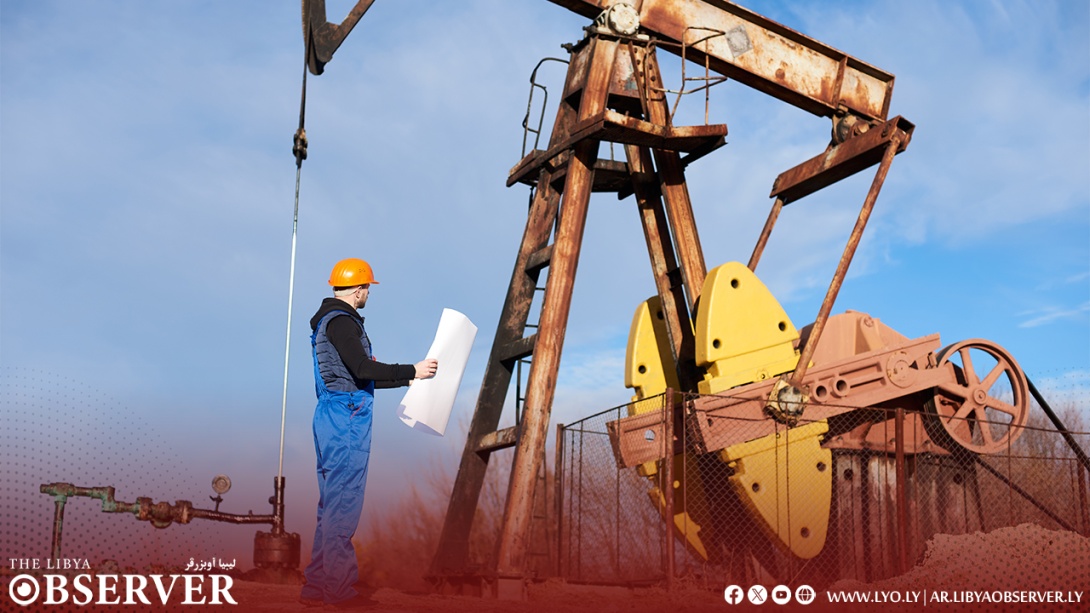
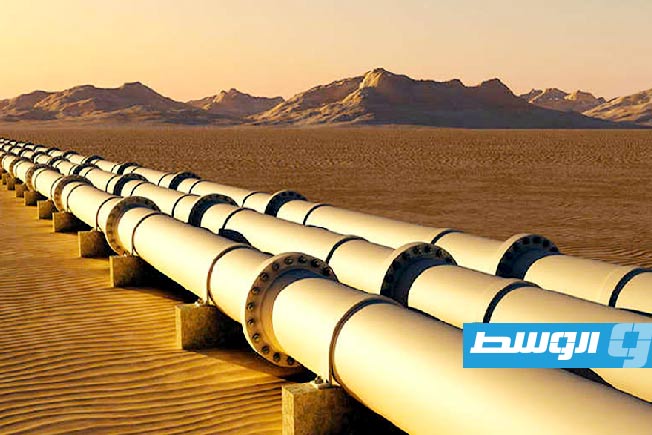
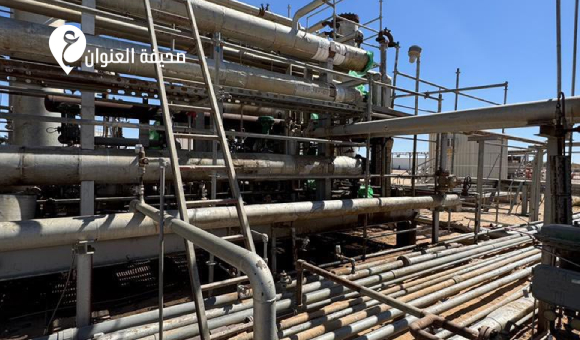
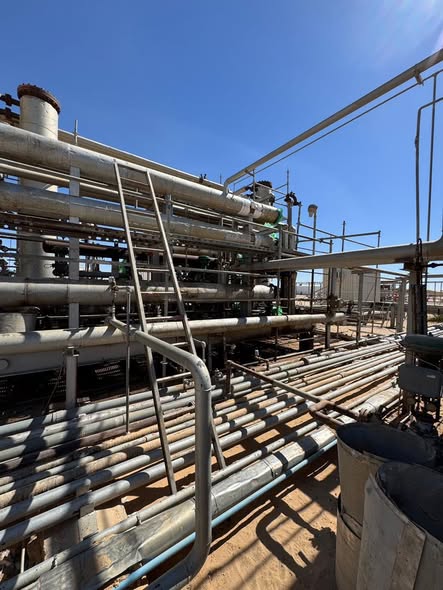
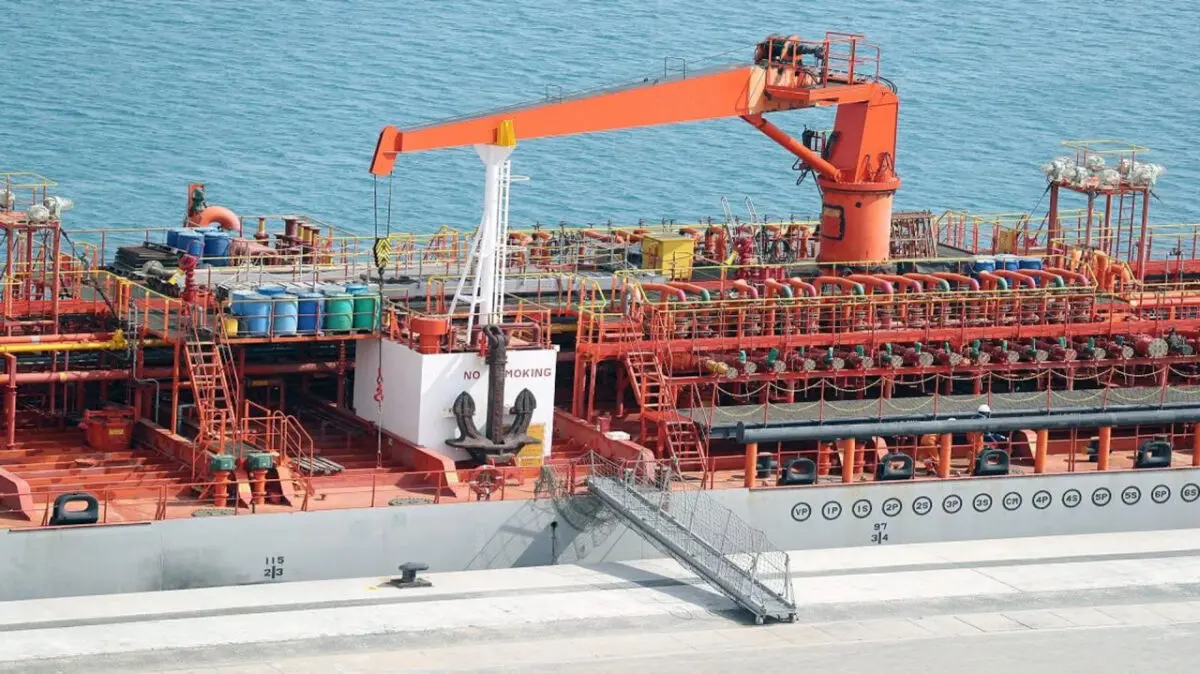
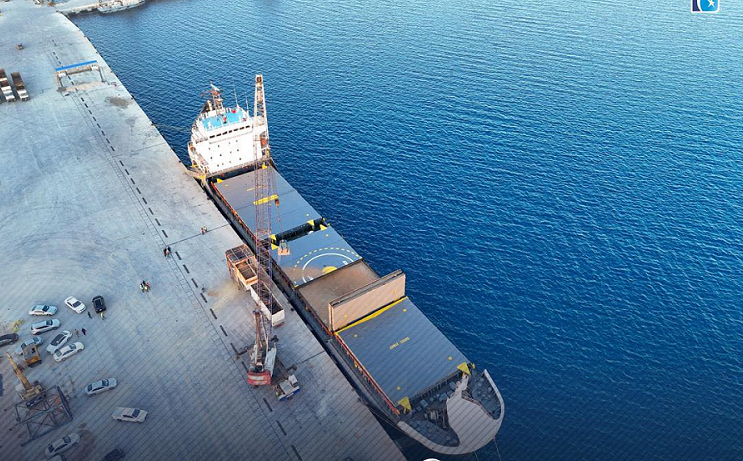
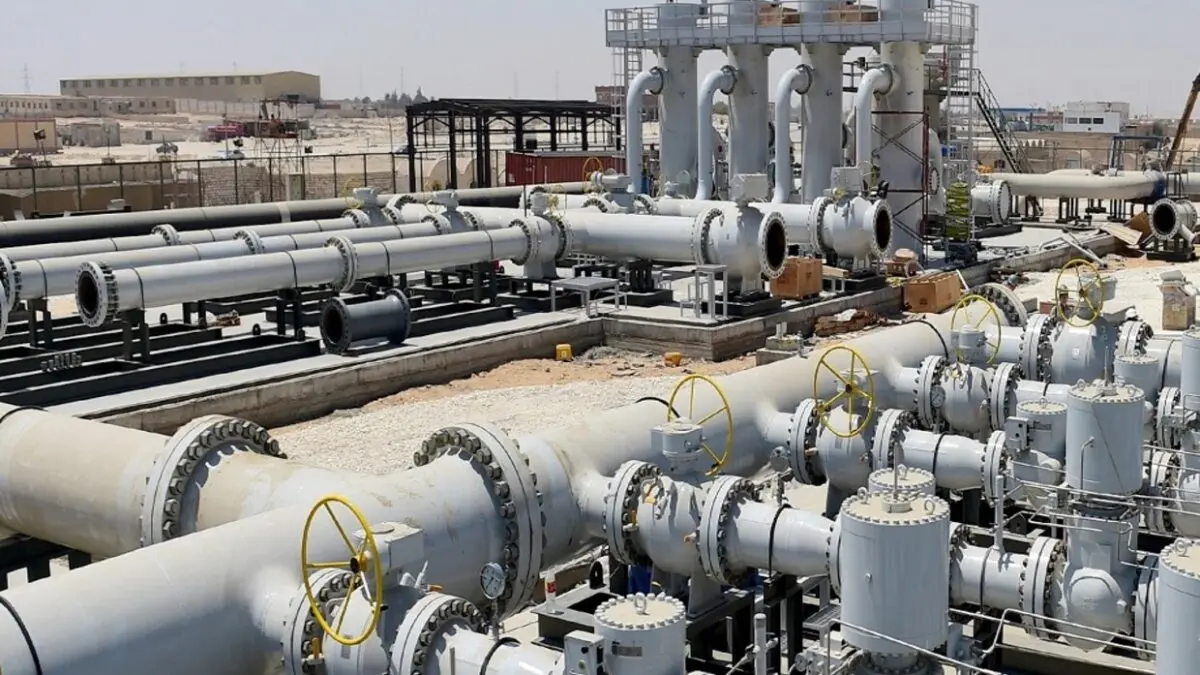
The meetings discussed the companies’ plans for 2026 and their 2025 achievements. The Arabian Gulf Company achieved an average daily production of 286,000 barrels with a peak of 305,000 barrels, in addition to an average daily gas production of 88 million cubic feet. Drilling 3 wells contributed to adding more than 17 million barrels of oil and 24 billion cubic feet of gas. The completion rate for the Sarir-Tobruk pipeline project exceeded 90%, the associated gas utilization project in the Masla and Sarir fields reached 97%, and the Tobruk refinery processed 622,000 barrels, achieving 130% of its target performance rate.
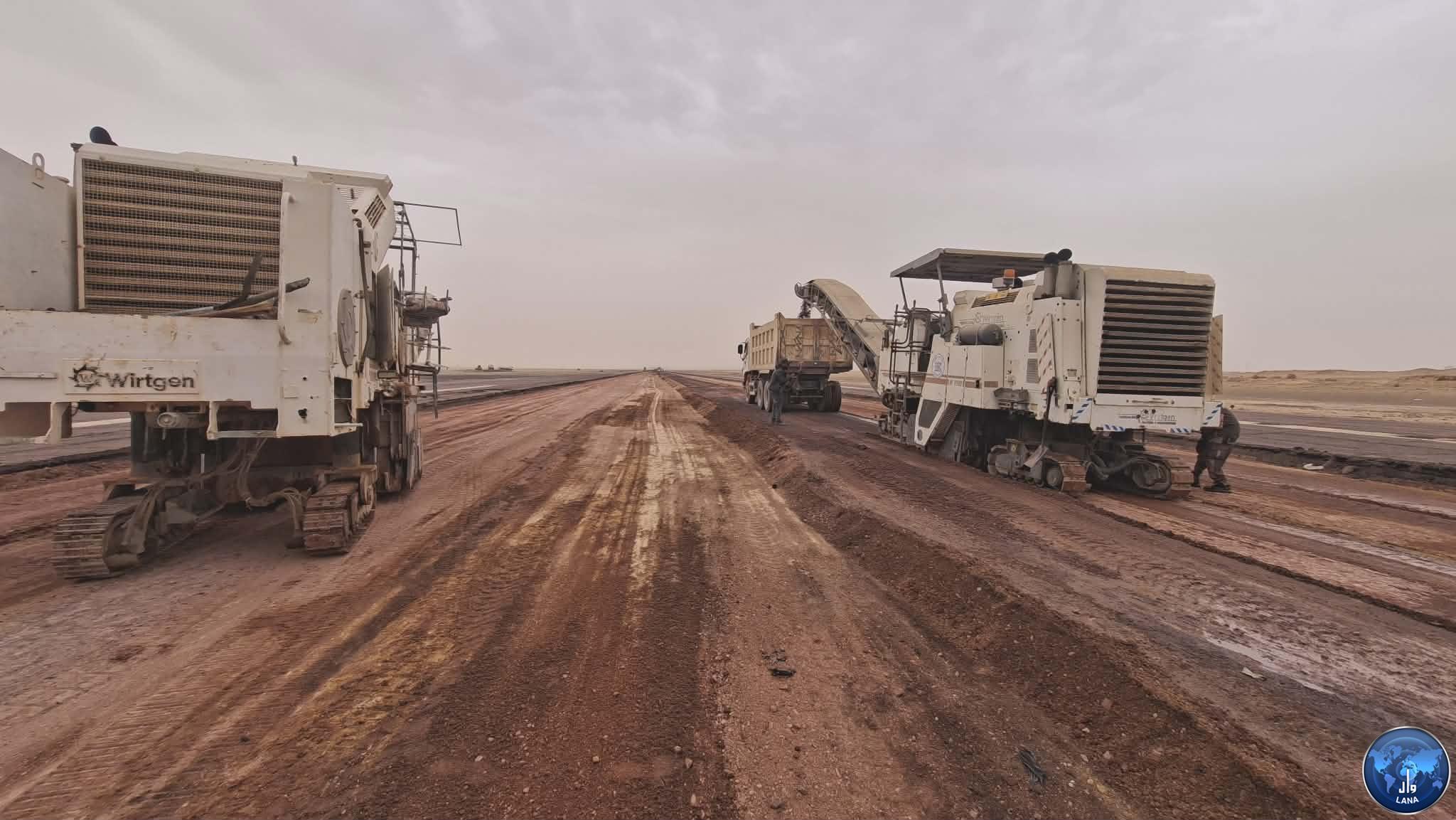
The National Construction Company commenced the implementation of a project to replace 100 kilometers of the 34-inch shipping line (Sarir-Tobruk), expected to be completed next June. Meanwhile, the Al-Jouf Company was able to fulfill its contractual obligations to its customers from sector companies.
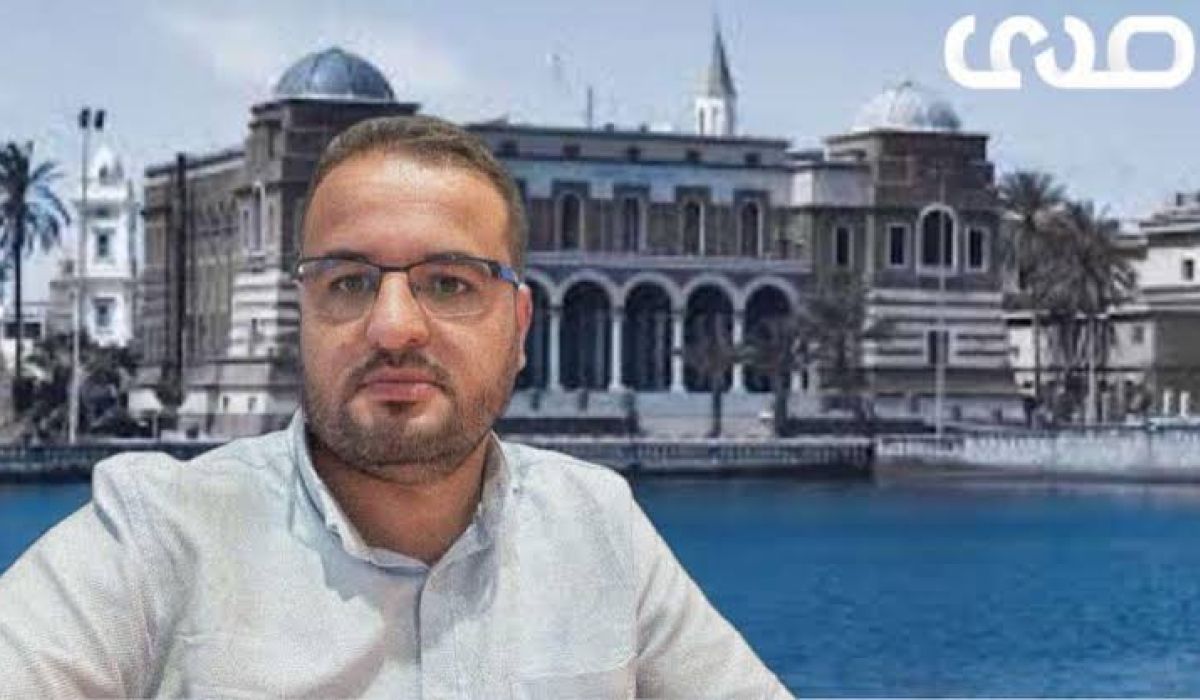
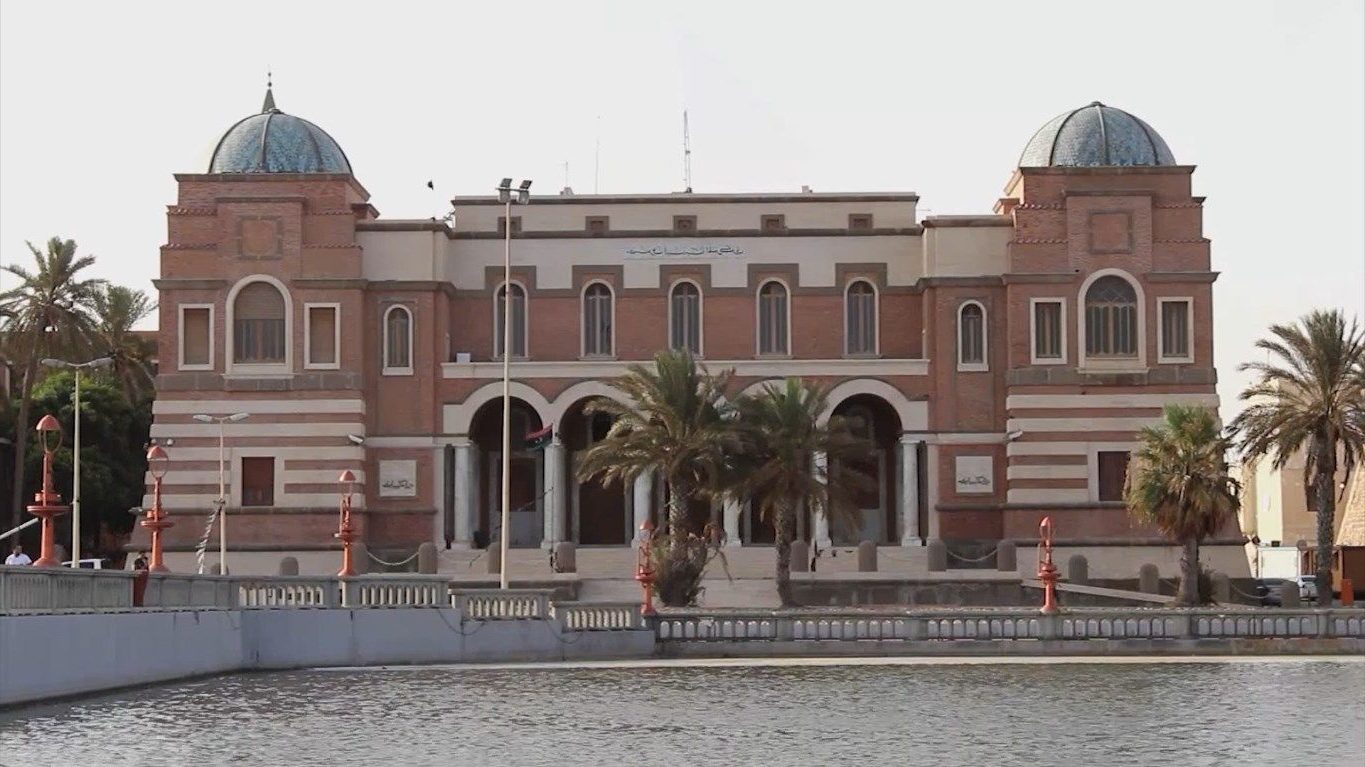
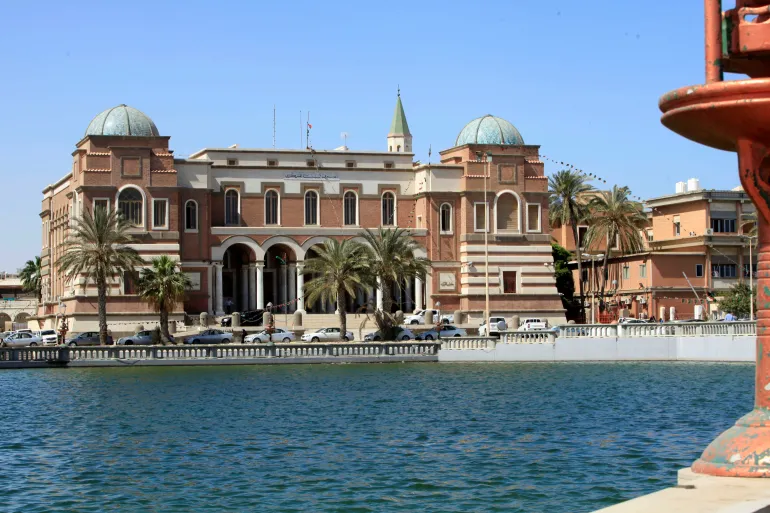
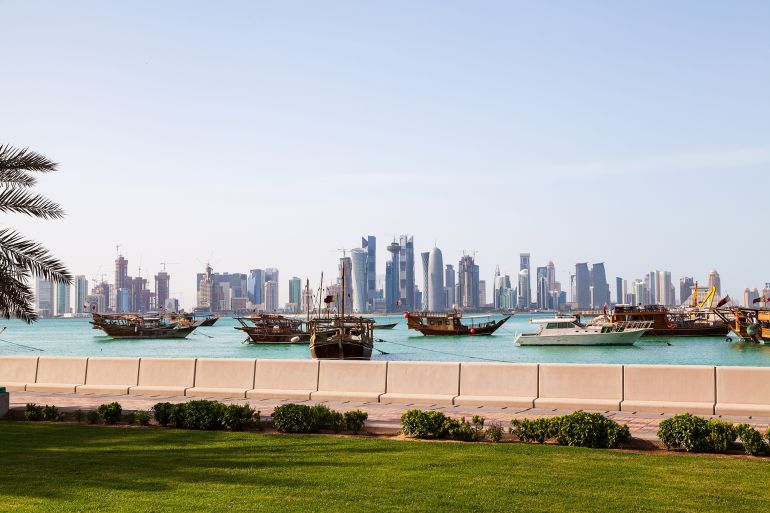
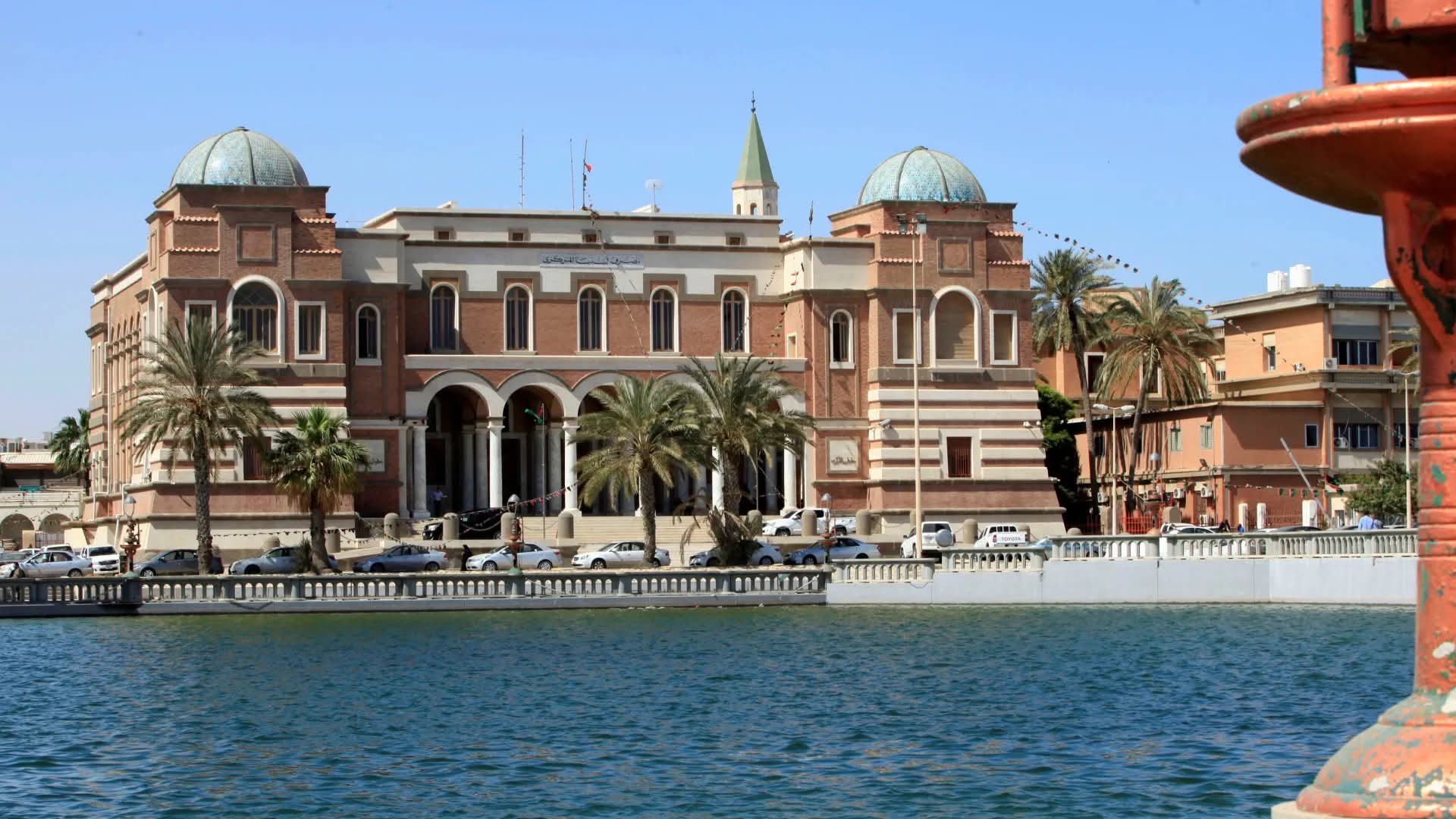
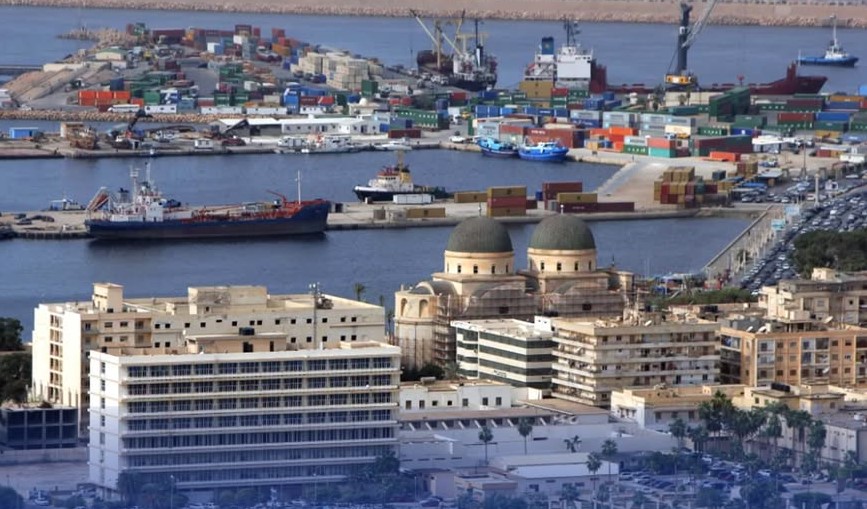
Tripoli
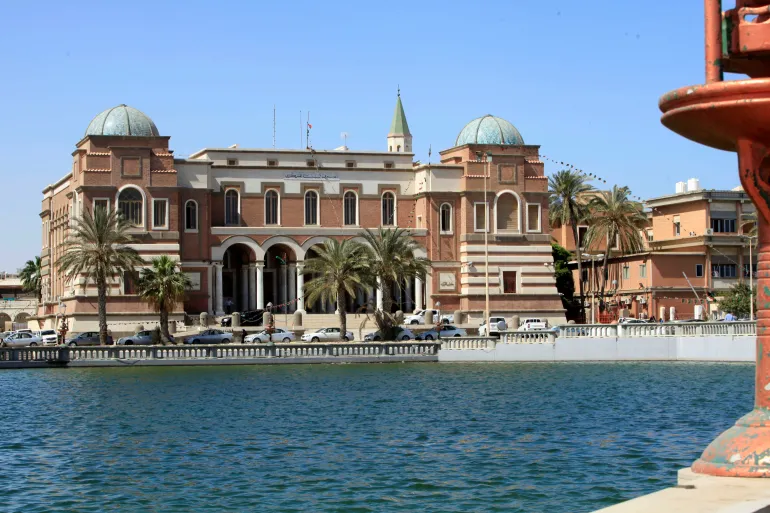
Tripoli is the capital and largest city of Libya, with a history dating back to the 7th century BC when it was founded by the Phoenicians. It later became a significant Roman city and a major center under various empires, including the Ottoman, which left a strong architectural and cultural imprint on its historic medina.
National Oil Corporation
The National Oil Corporation (NOC) is the state-owned oil company of Libya, established in 1970 to oversee the country’s petroleum resources and manage all phases of oil production. It was founded following the nationalization of the Libyan oil industry under Muammar Gaddafi’s government, consolidating control over a sector critical to the nation’s economy.
Arabian Gulf
The Arabian Gulf, also known as the Persian Gulf, is a historically significant body of water in Western Asia that has been a vital trade route and cultural crossroads for millennia. Its shores were home to ancient civilizations like Mesopotamia and Dilmun, and it later became central to the pearl diving industry and the modern global oil trade.
Al-Jouf
Al-Jouf is a historical region in northwestern Saudi Arabia, known for its ancient archaeological sites and significance as a crossroads for ancient trade routes. It is home to landmarks like the Rajajil standing stones, dating back over 6,000 years, and the old city of Dumat al-Jandal, which was a major settlement in pre-Islamic times.
National Construction Company
The National Construction Company is a state-owned enterprise in North Korea responsible for major infrastructure and construction projects, including monuments and public buildings that often reflect government ideology. It has played a significant role in constructing symbolic sites like the Ryugyong Hotel and various monuments in Pyongyang, aligning with the country’s political and architectural narratives.
Sarir
Sarir was a medieval Christian kingdom located in the North Caucasus region, flourishing between the 9th and 12th centuries. It was historically significant as a strategic and political entity that maintained its autonomy while navigating between the influences of the Khazar Khaganate, the Byzantine Empire, and later the Seljuk Turks.
Tobruk
Tobruk is a port city in eastern Libya, historically significant for its natural harbor. It gained prominence during World War II when it was the site of a prolonged siege, with Allied forces holding out against Axis troops from 1941 to 1942. The city remains an important cultural and economic center in the region.
Masla
Masla is a village located in the Andaman and Nicobar Islands of India, historically known as a settlement of the indigenous Karen community. These Karen people were originally brought from the British-controlled Burma (present-day Myanmar) in the 1920s to work in the forestry and timber industry. Today, it remains a distinct cultural enclave preserving Karen traditions within the Indian archipelago.