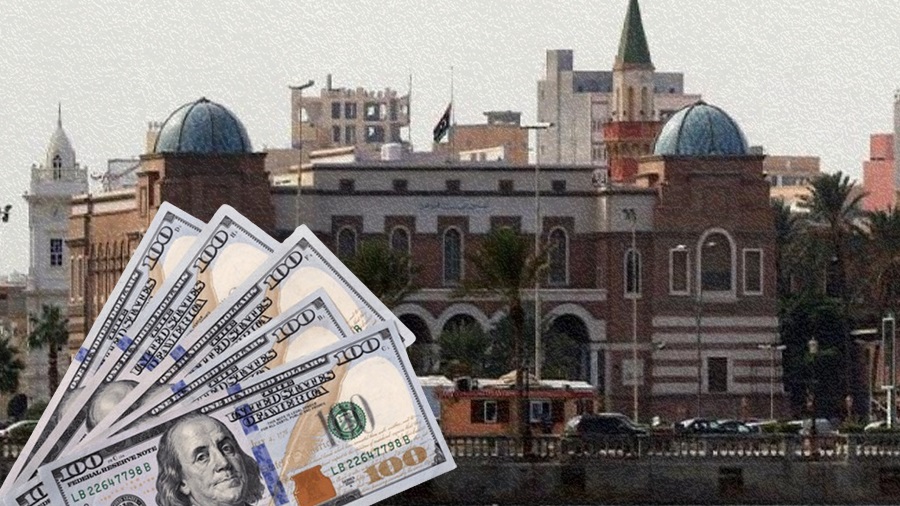
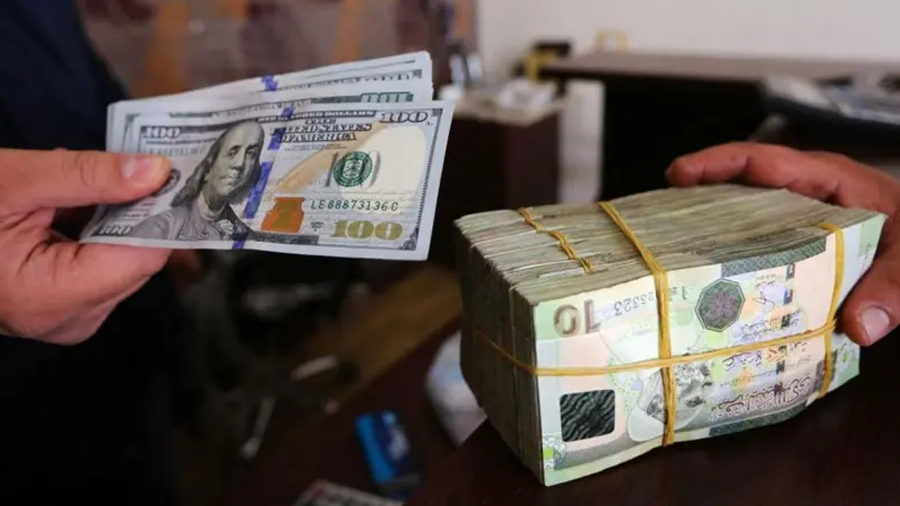
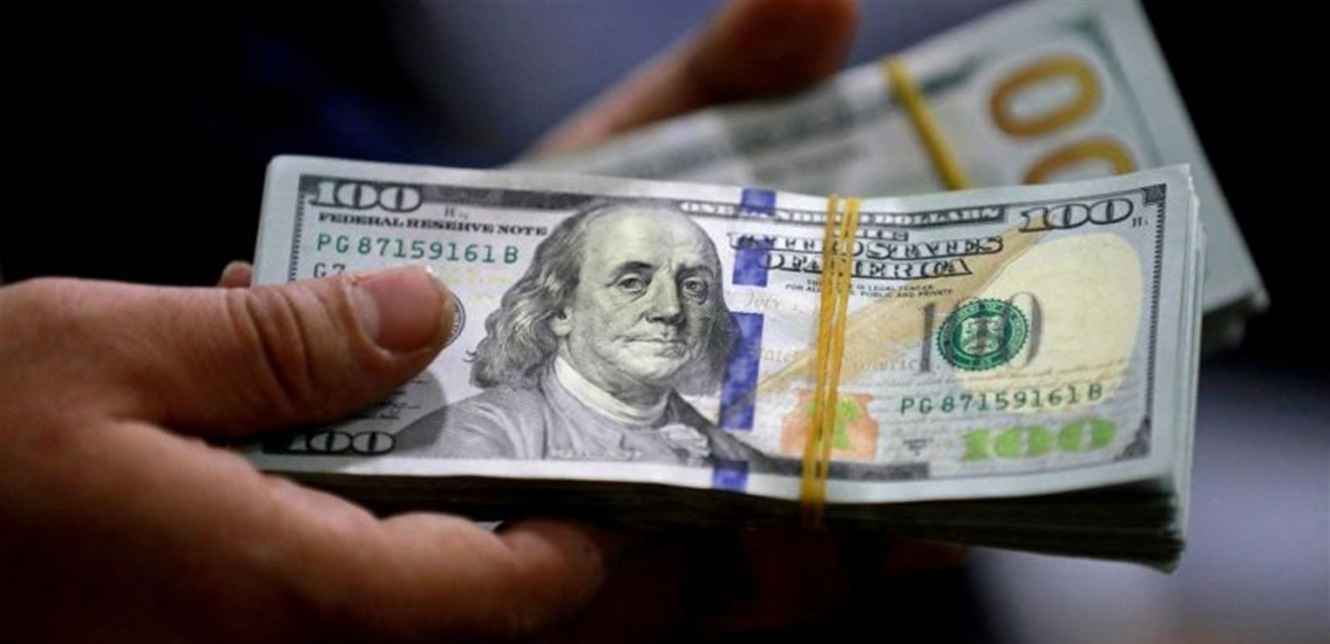
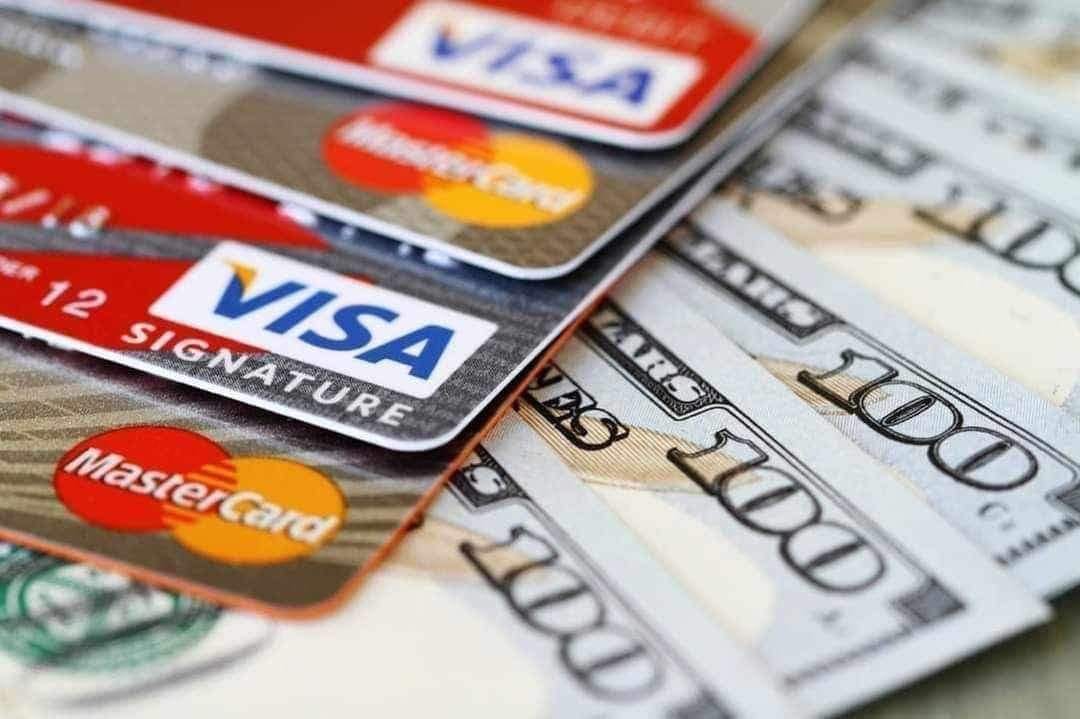
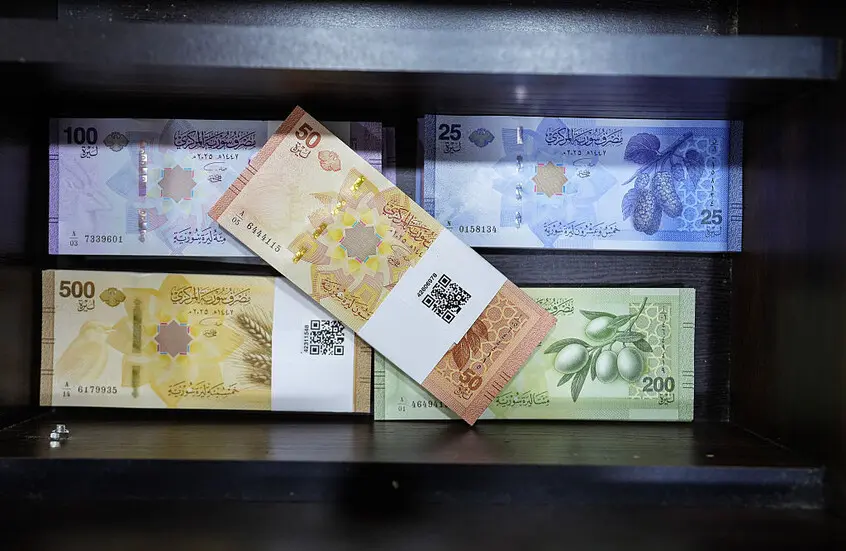
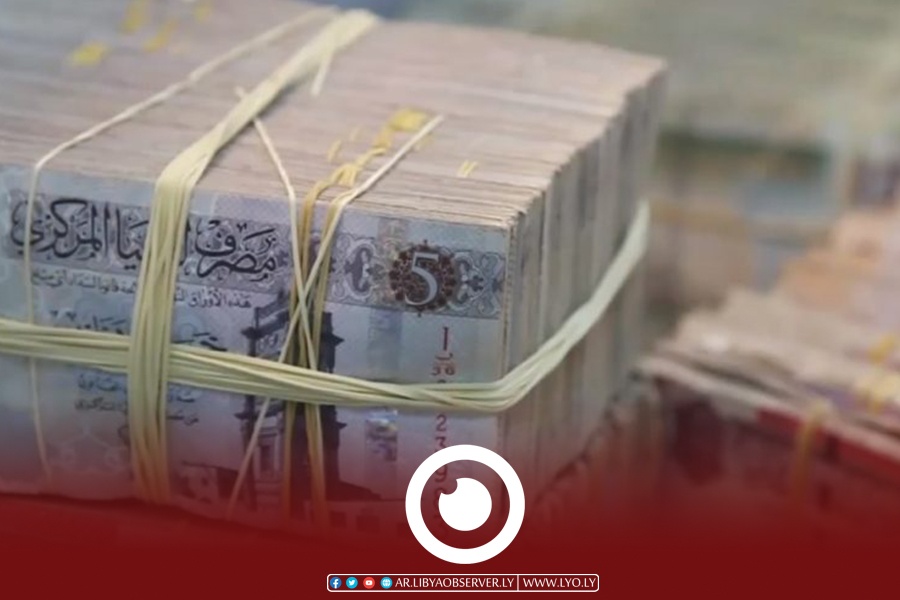
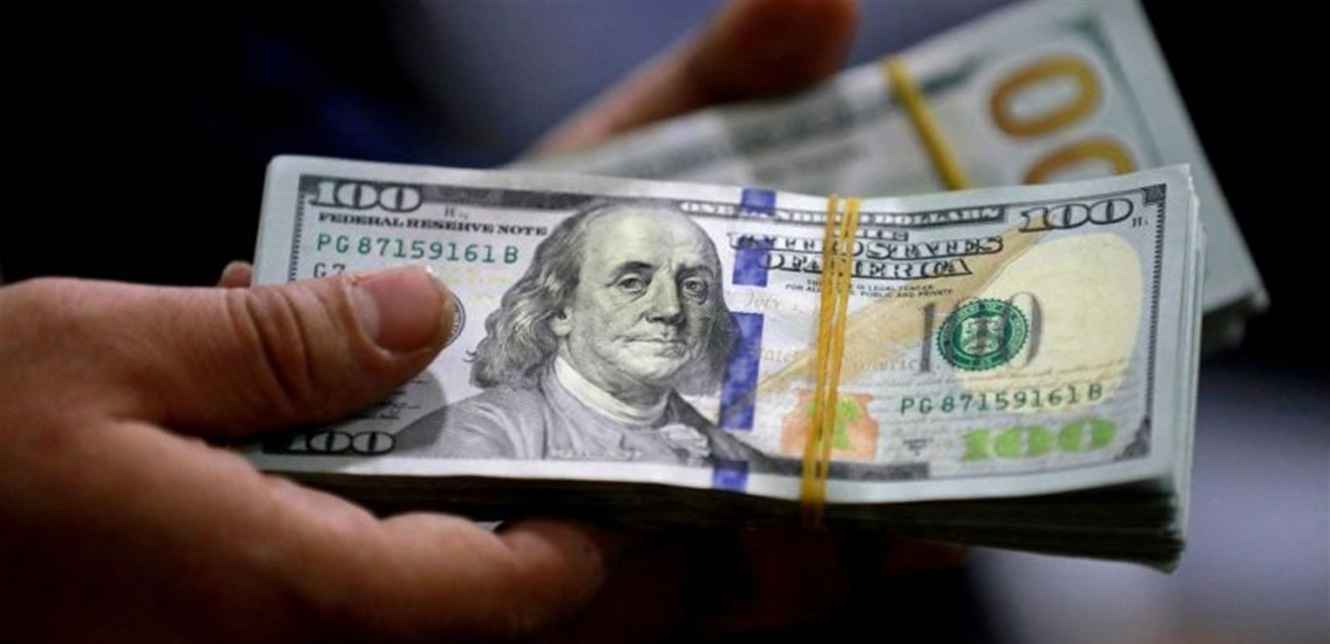
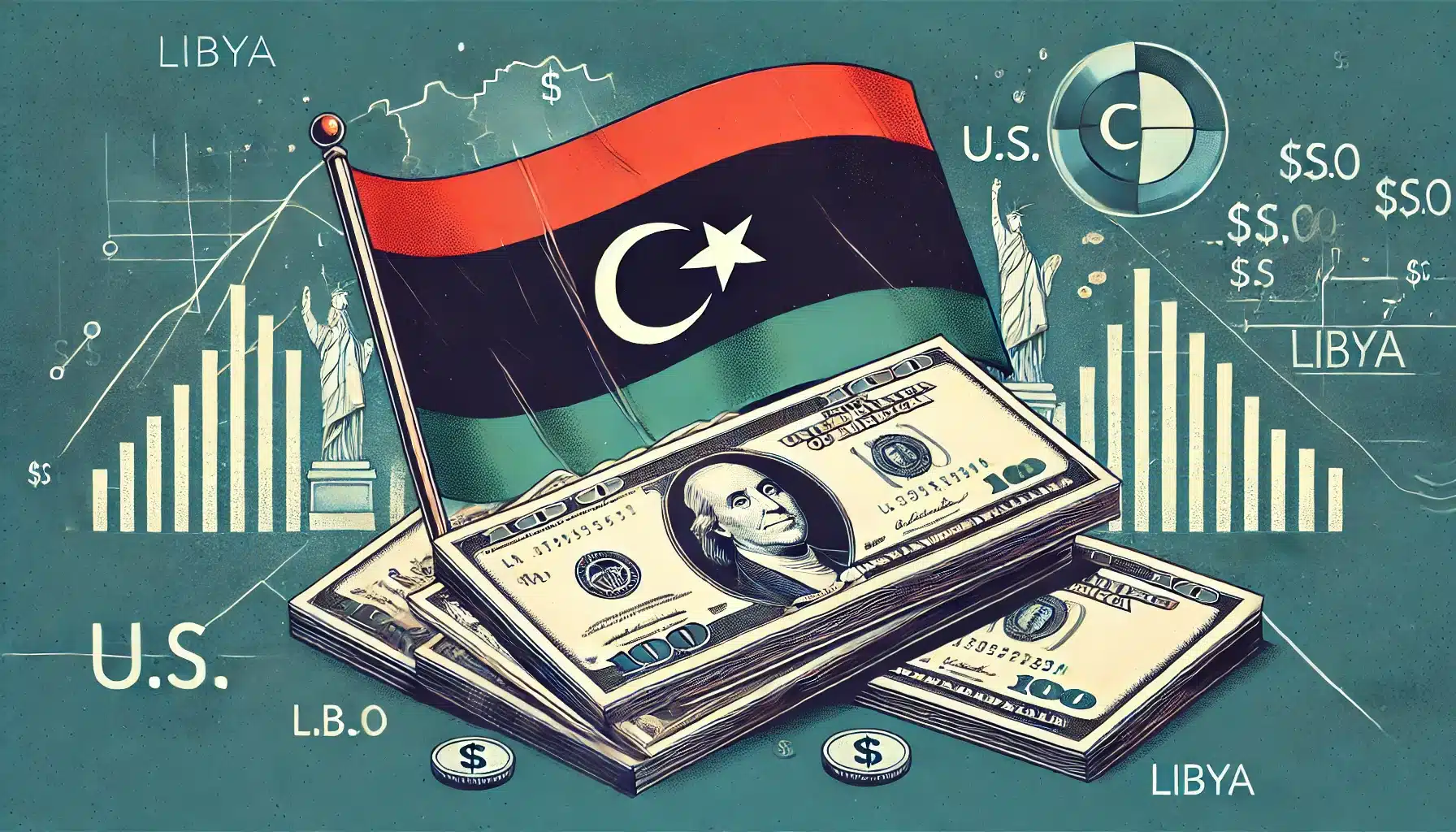
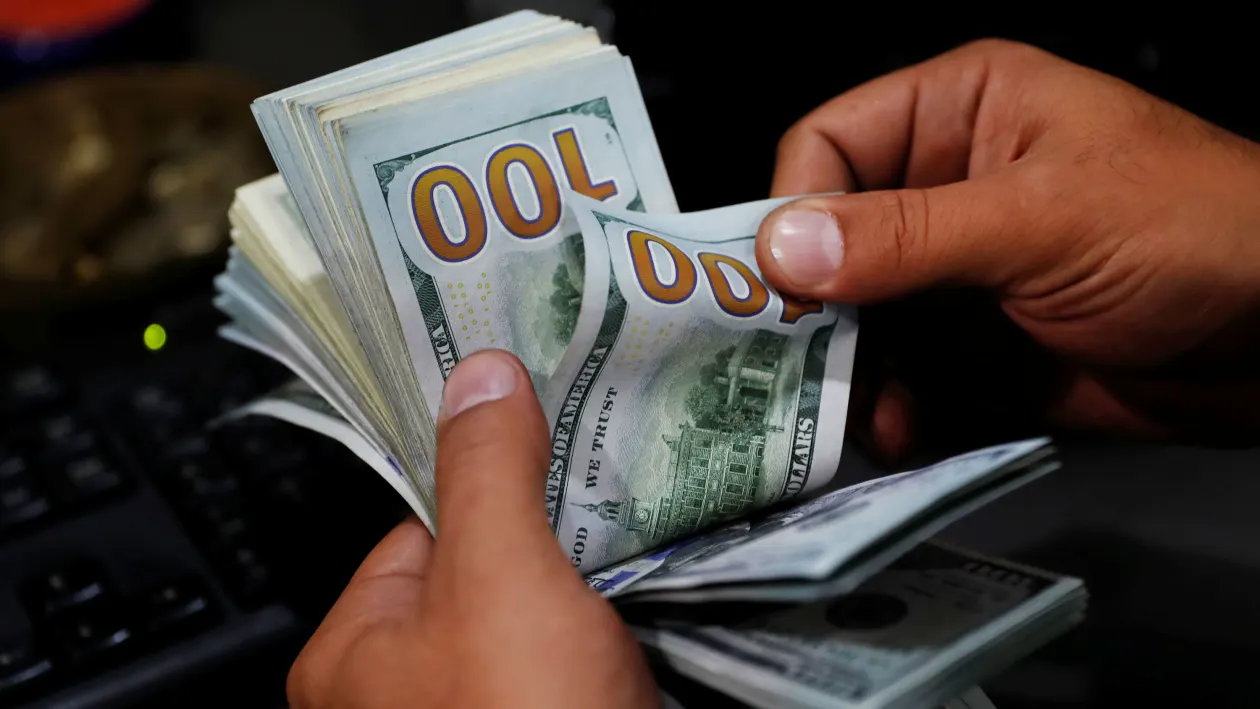
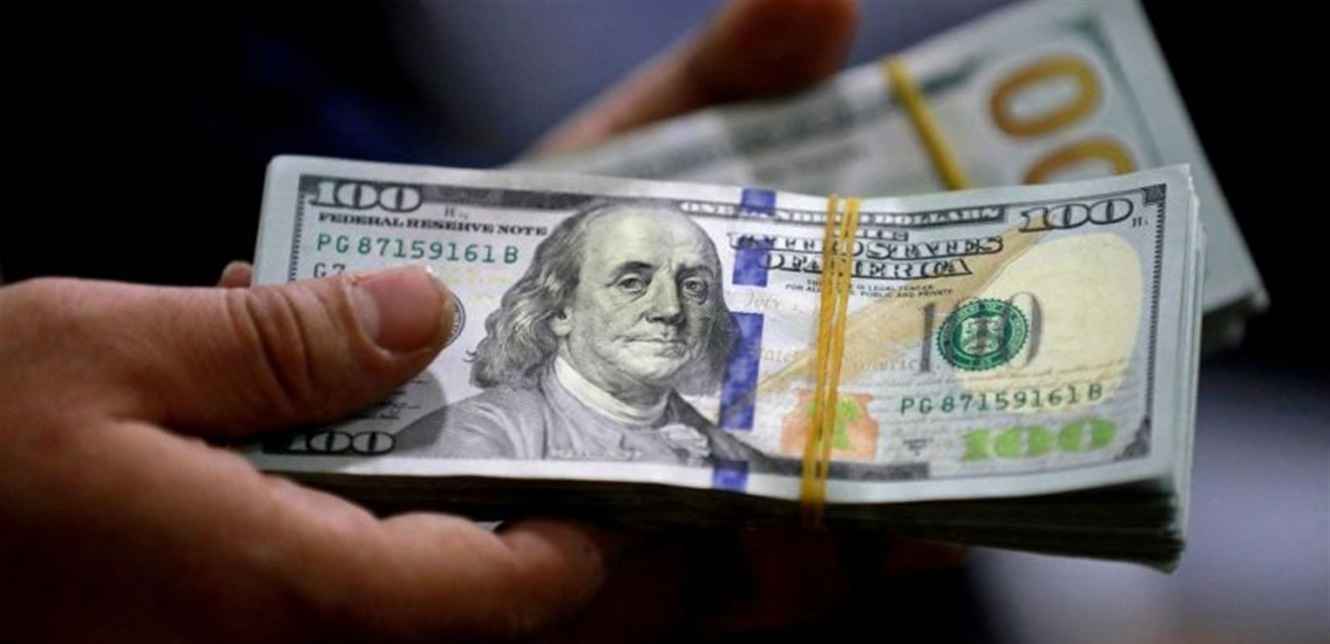
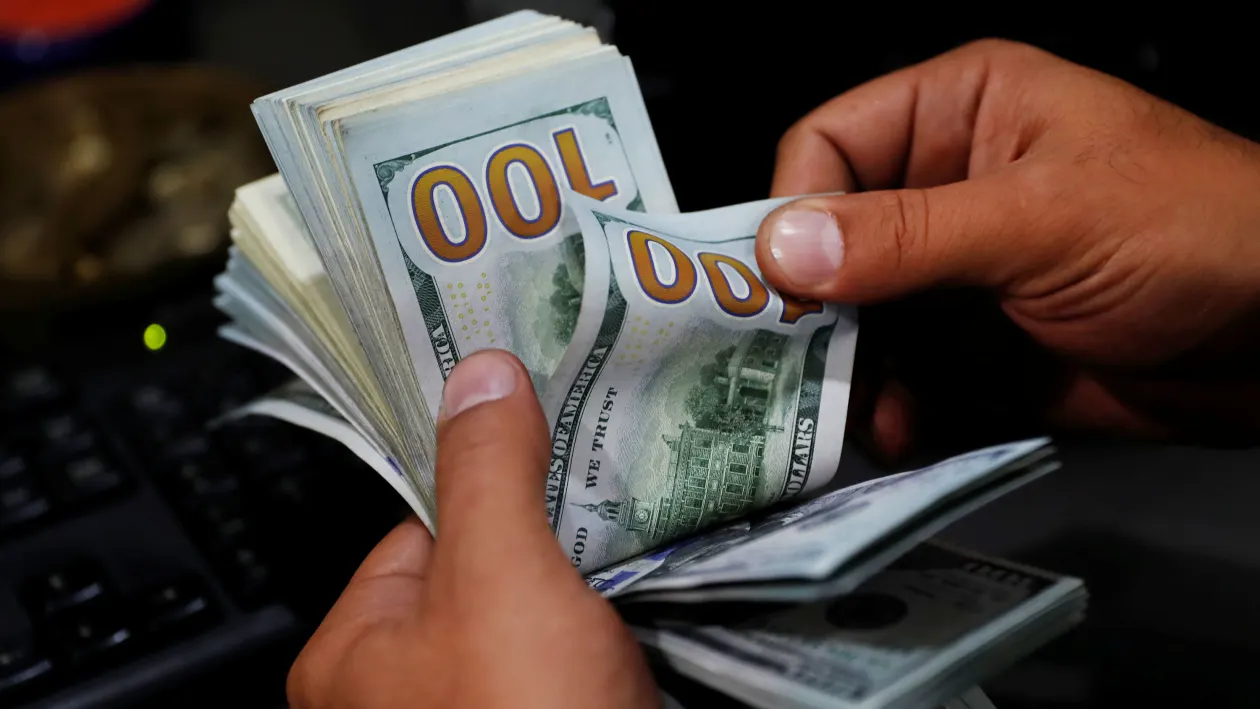
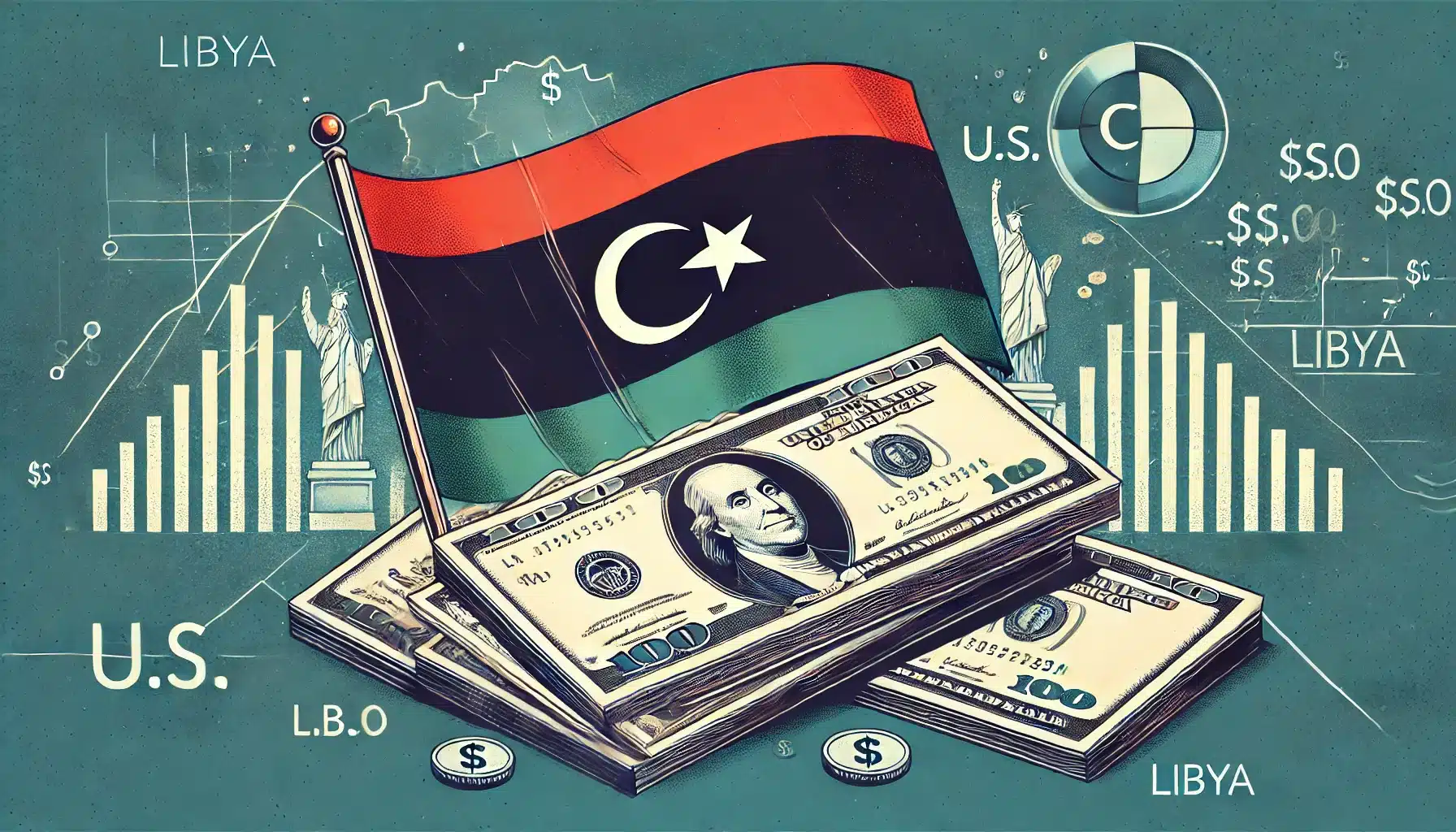
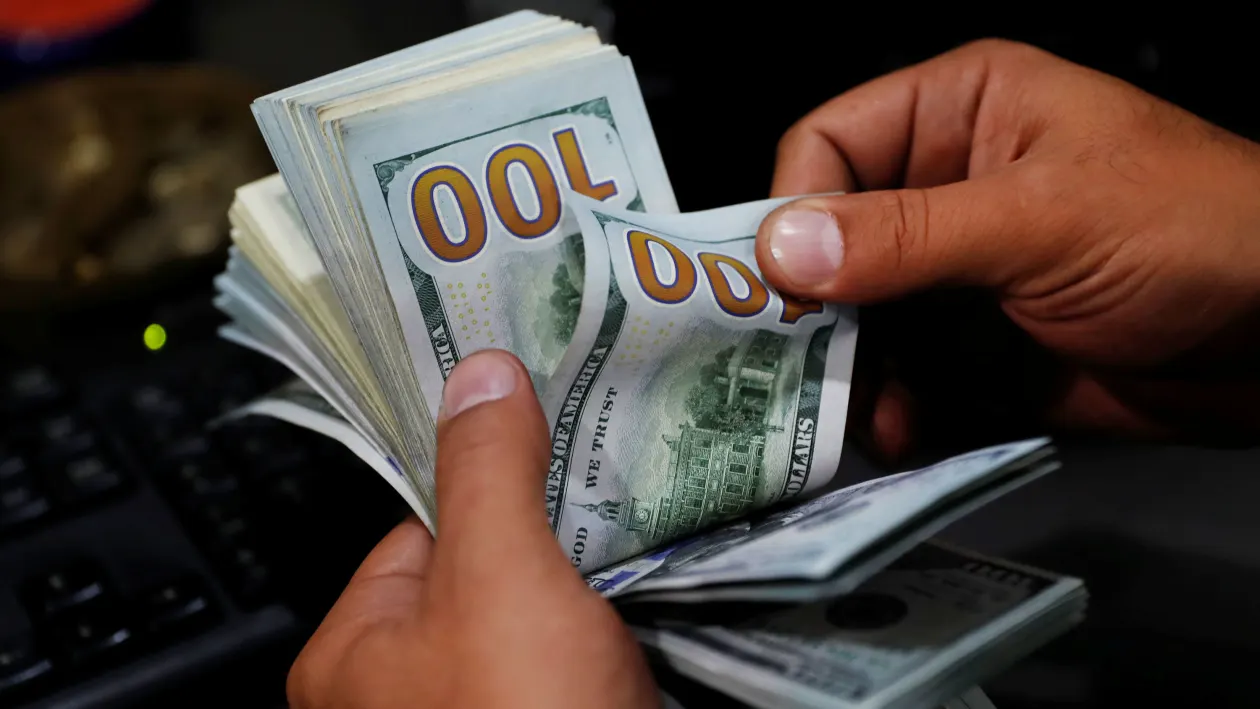
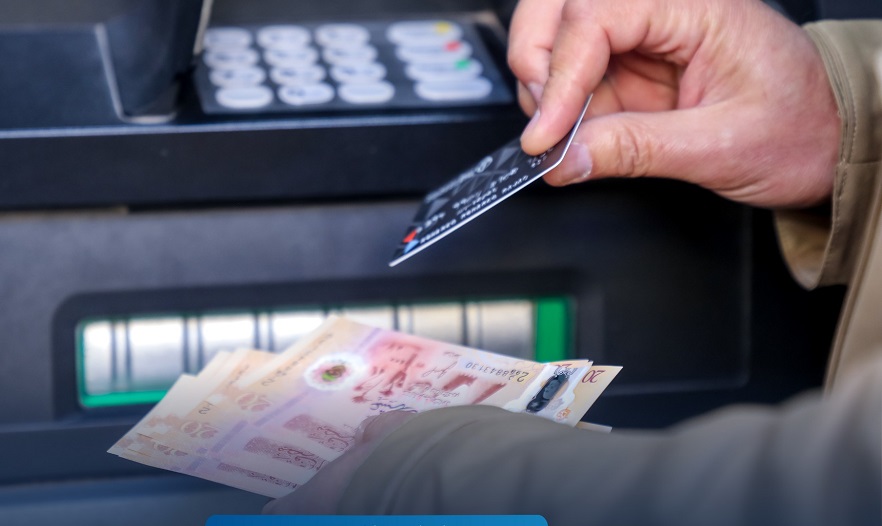
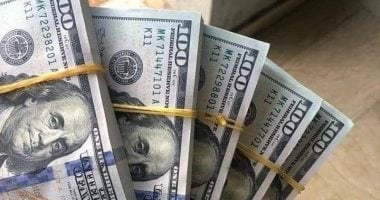
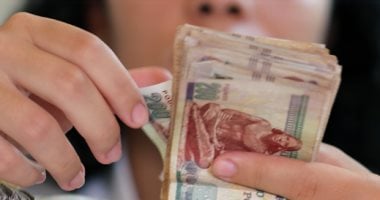
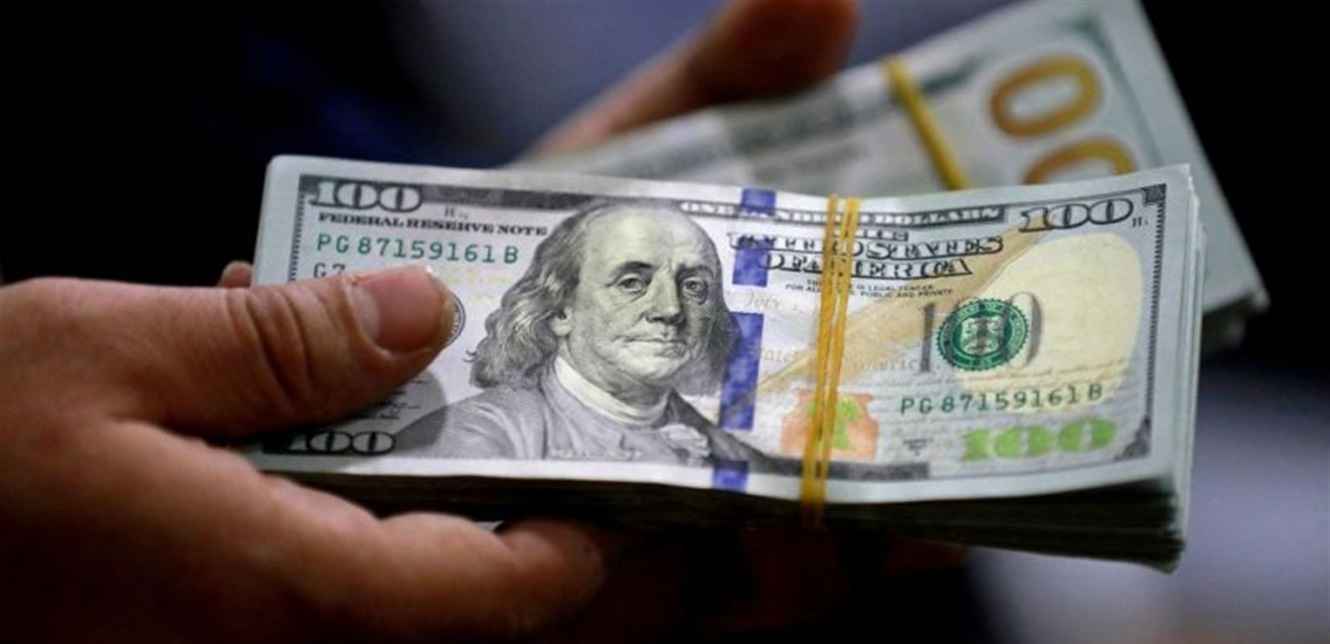
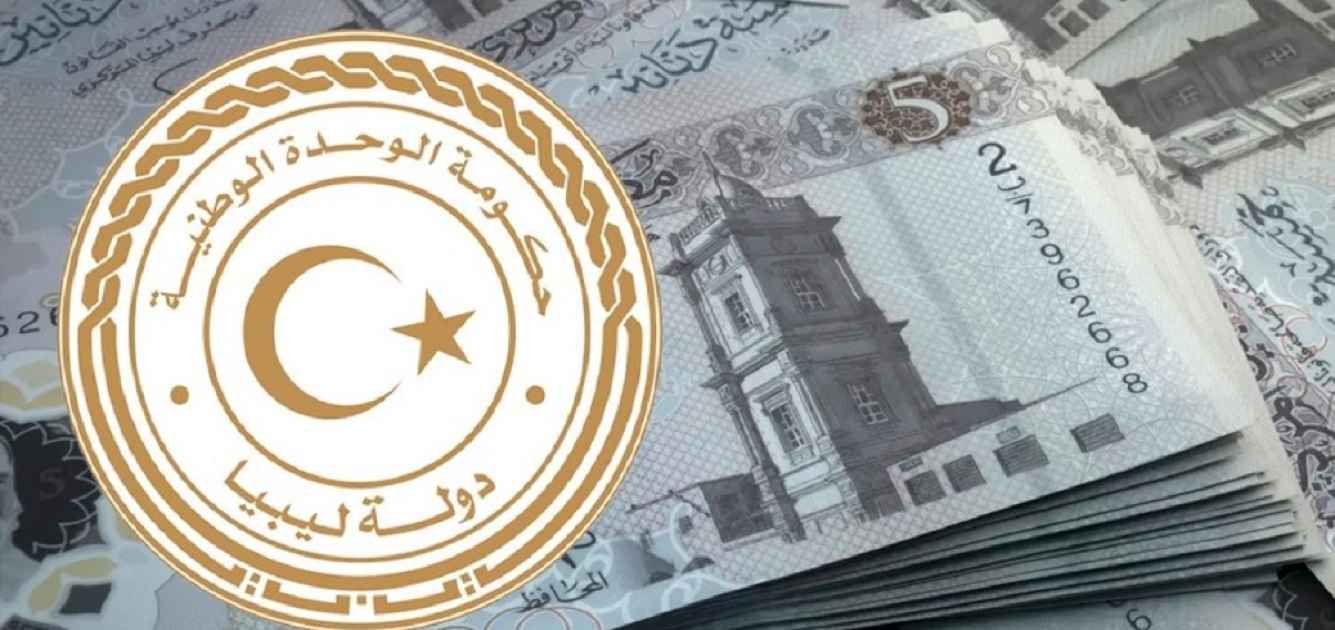
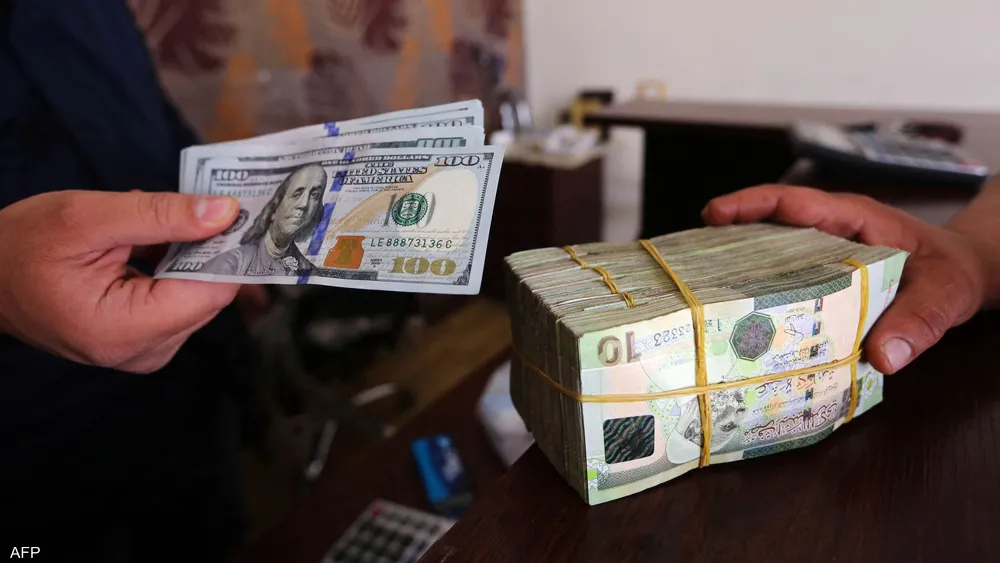
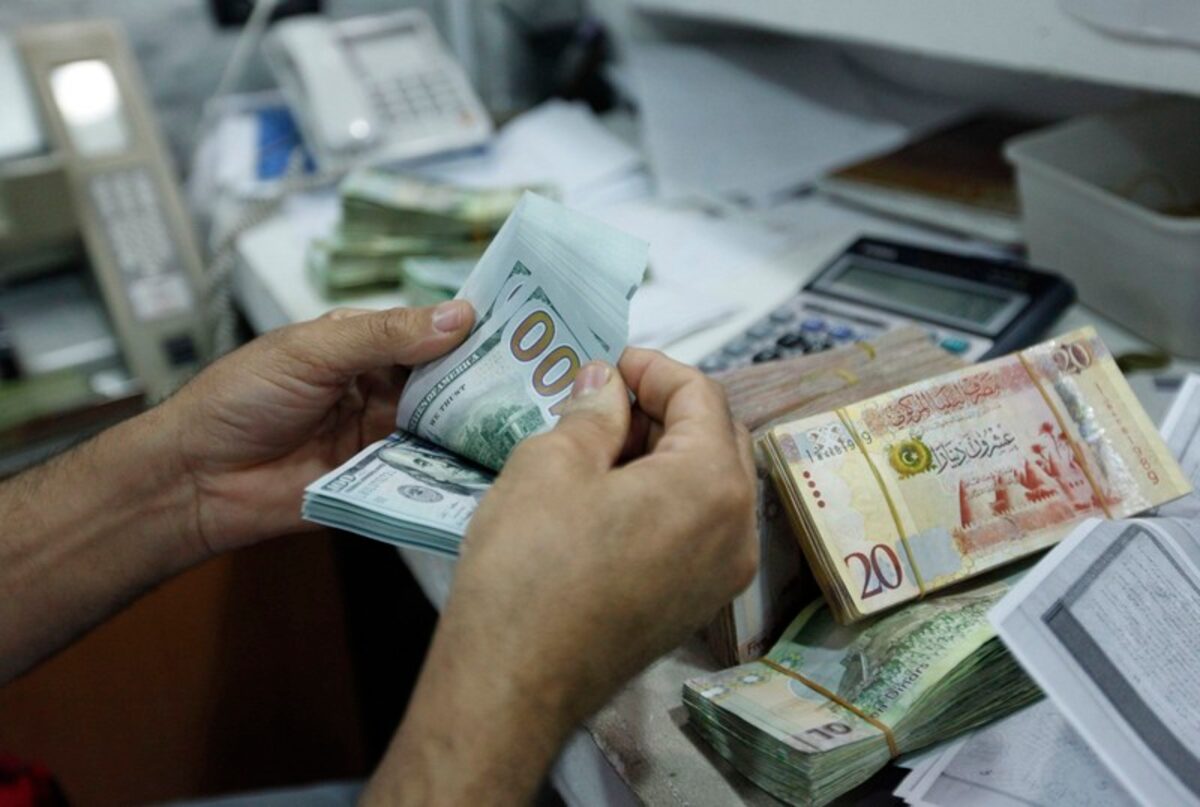
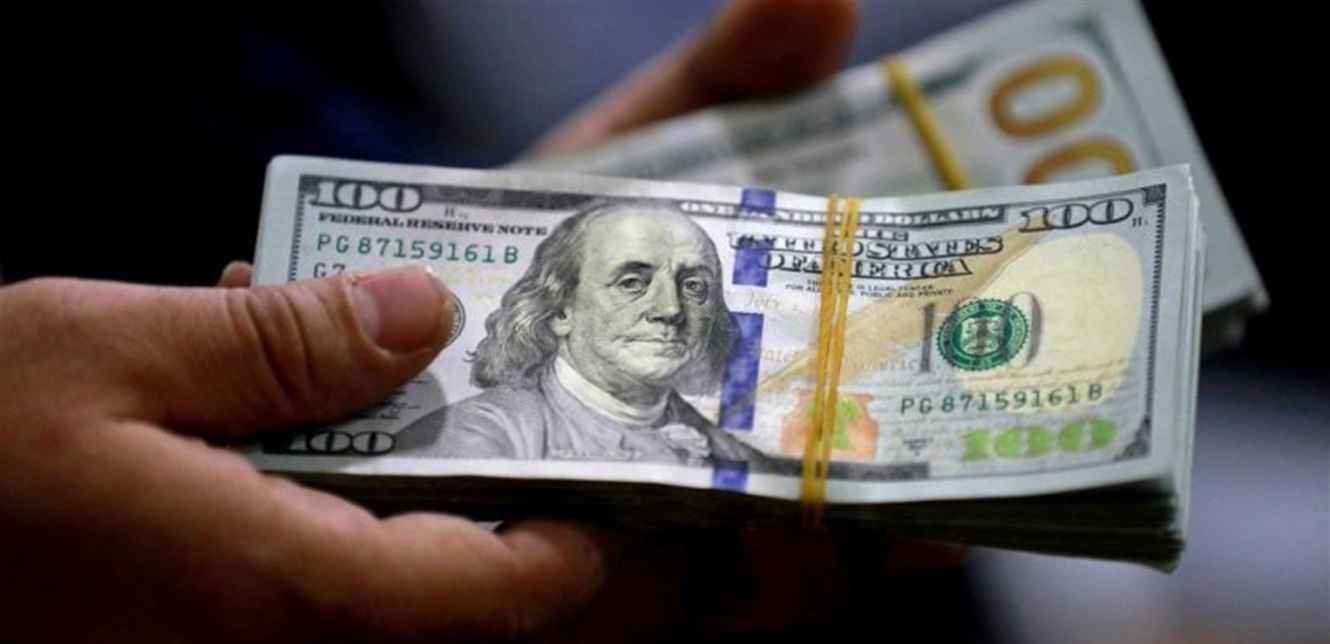
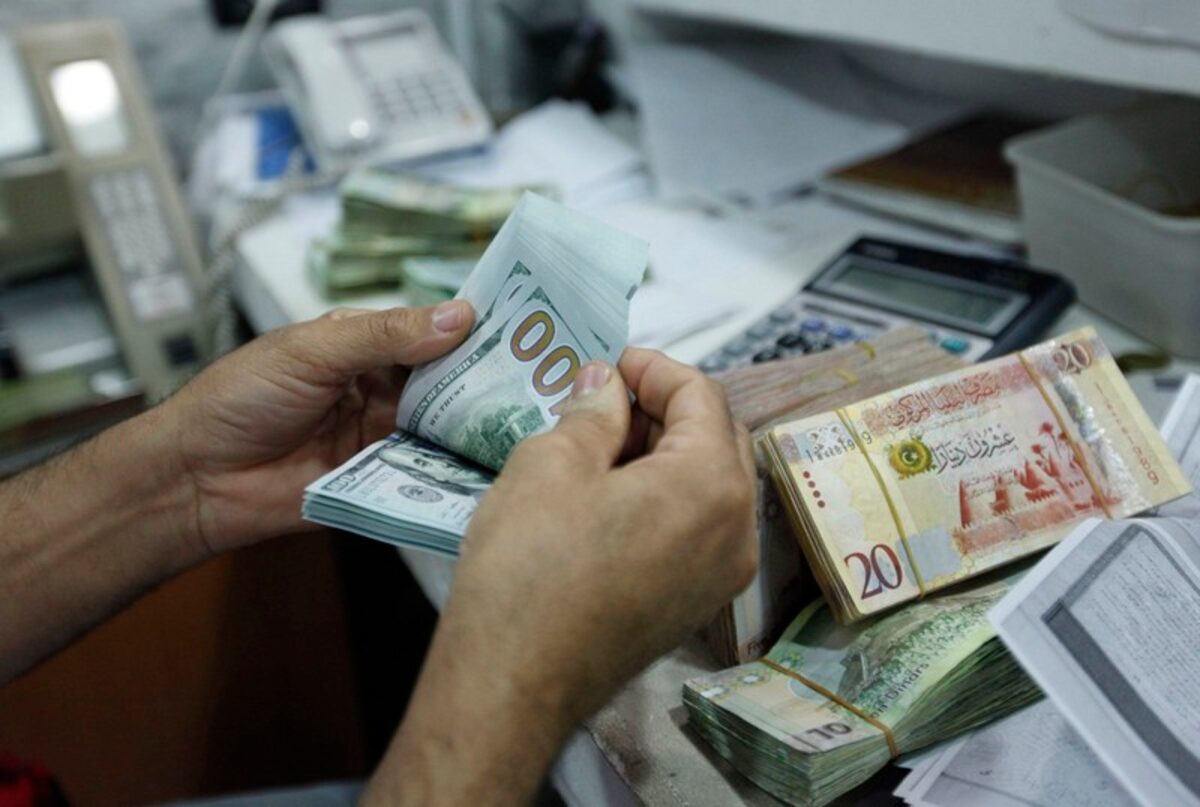
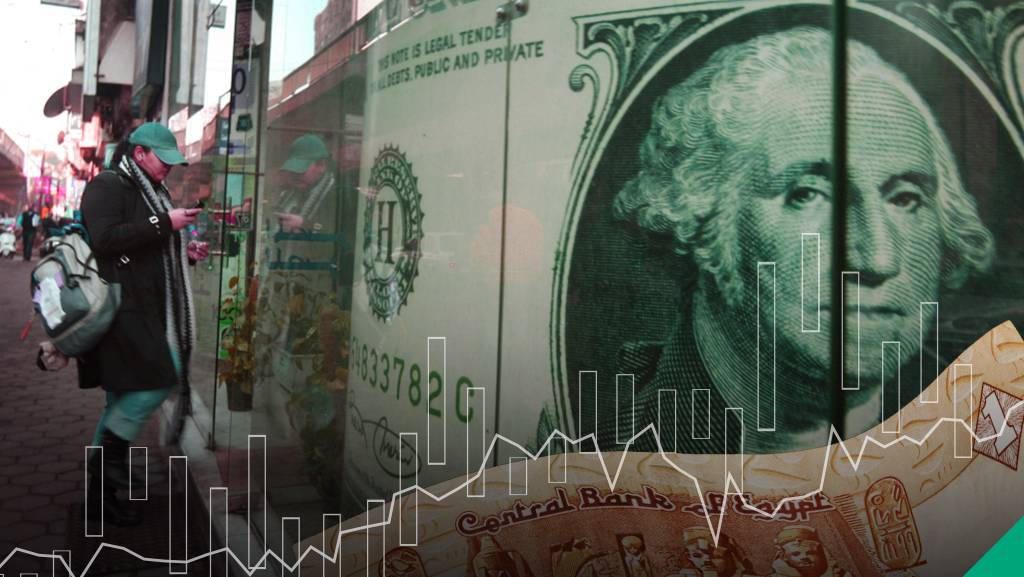
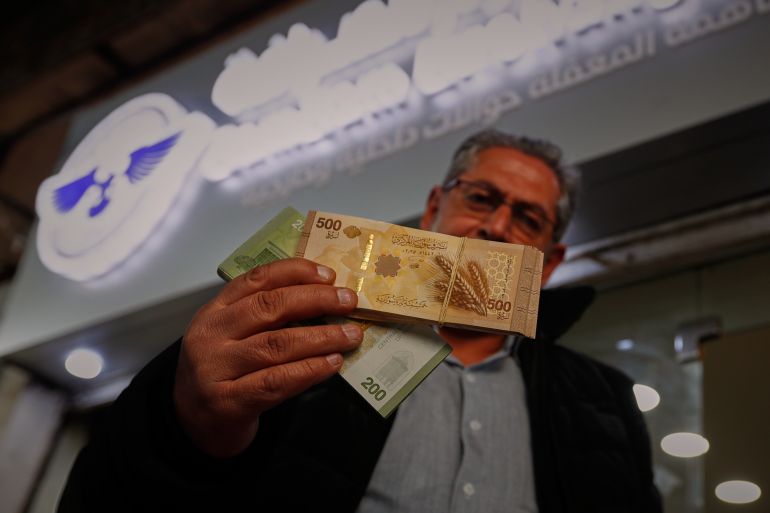
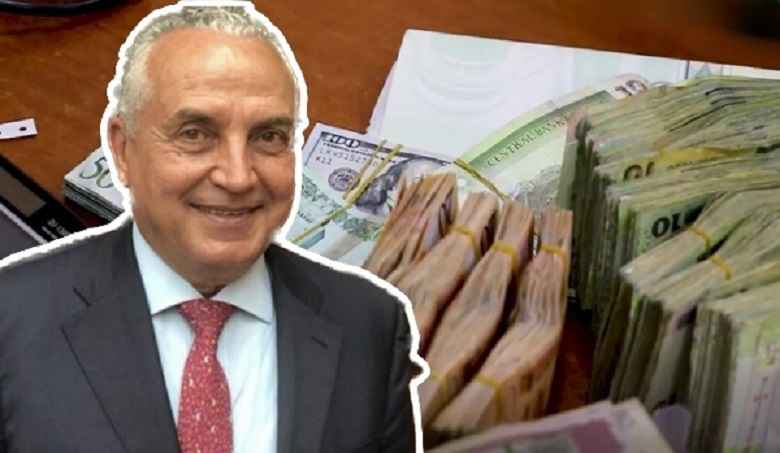
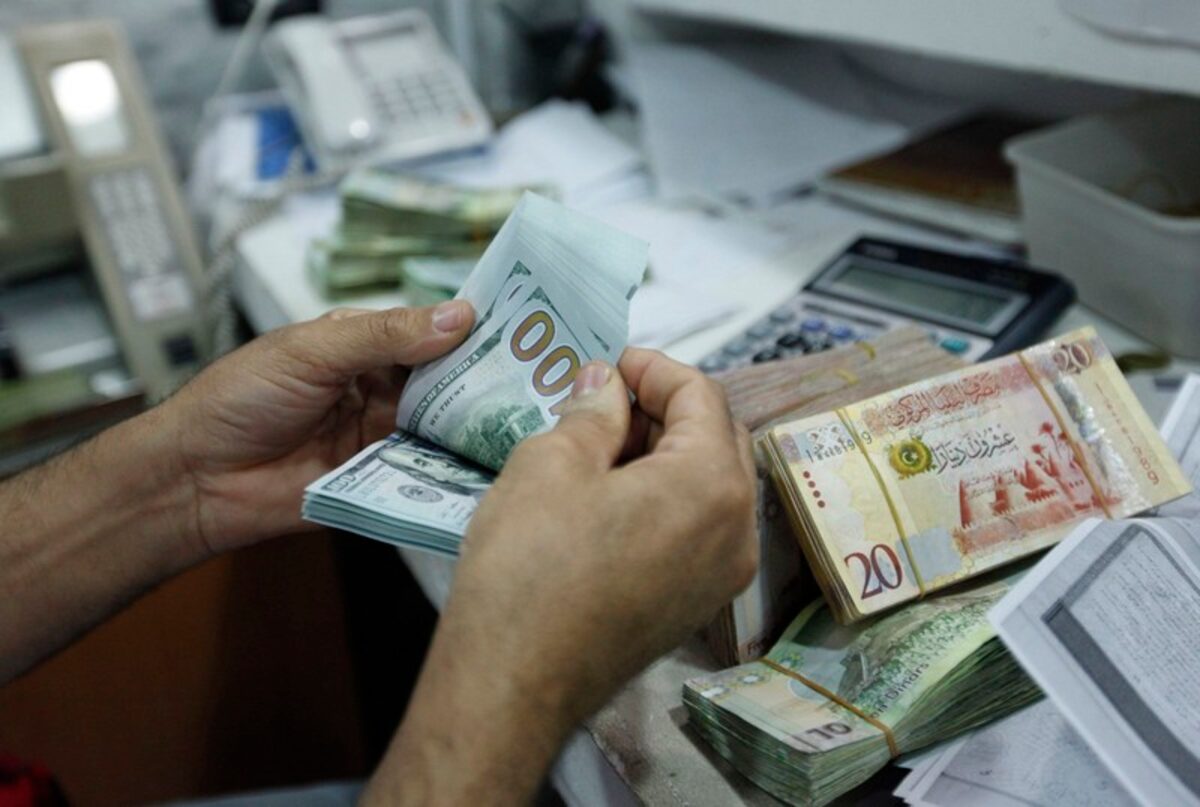
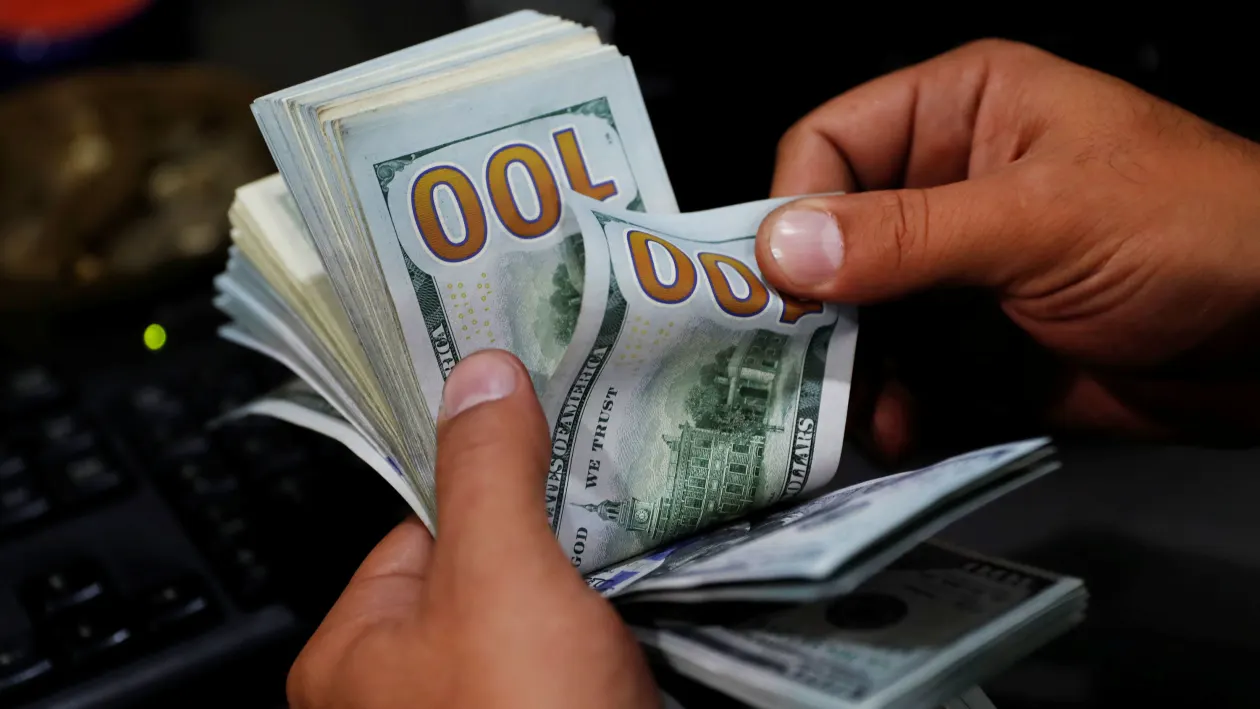
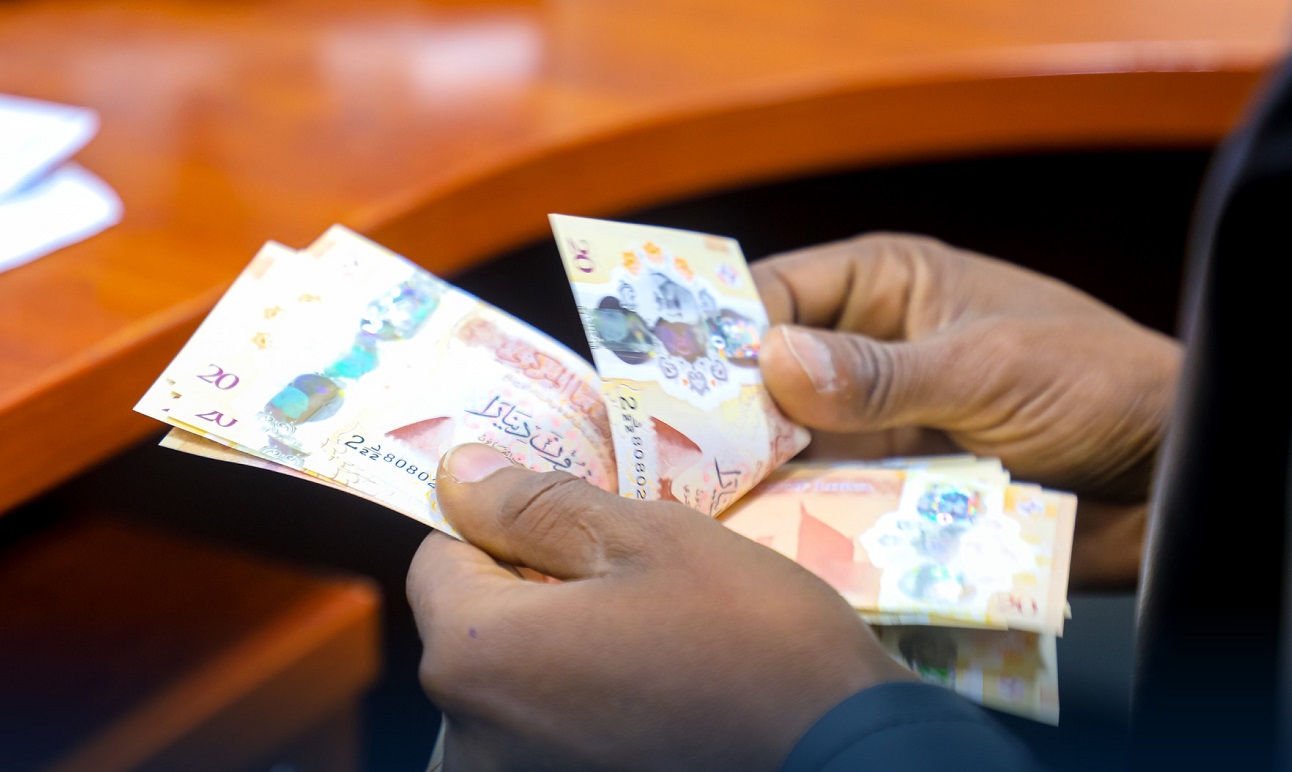
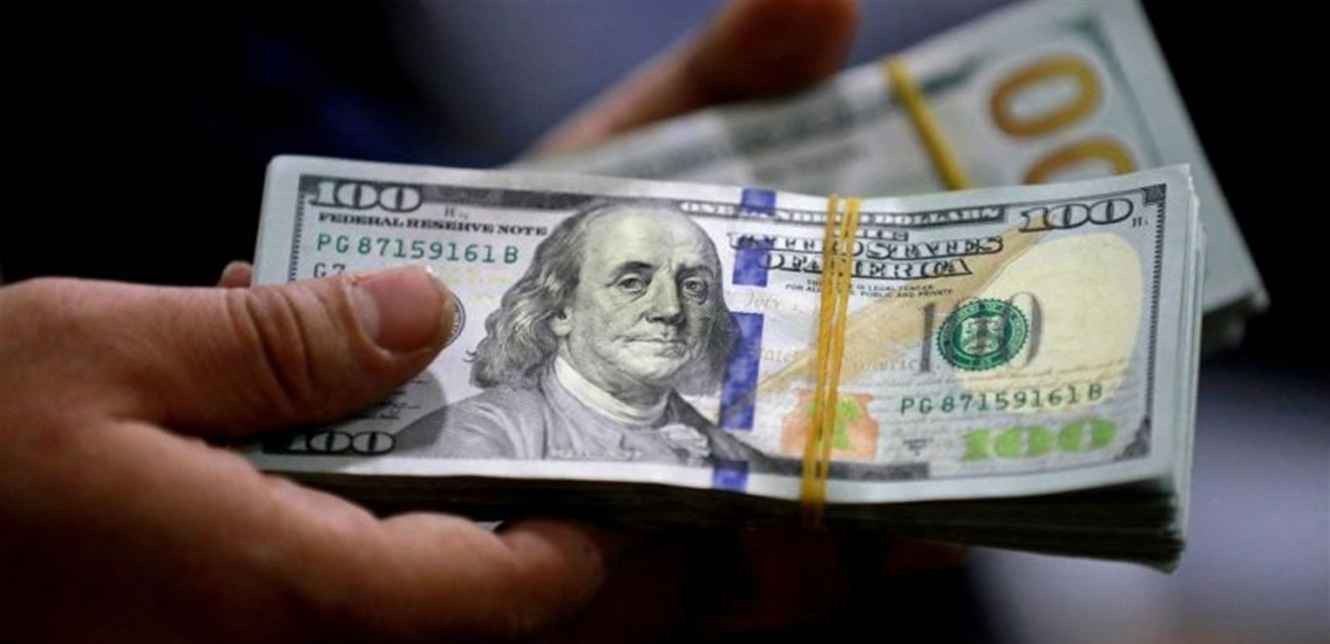
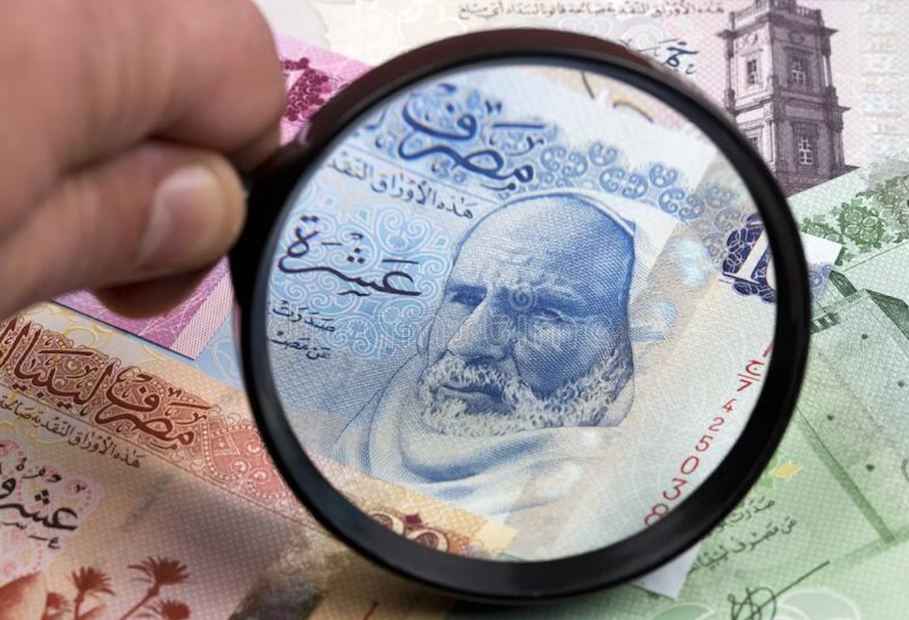
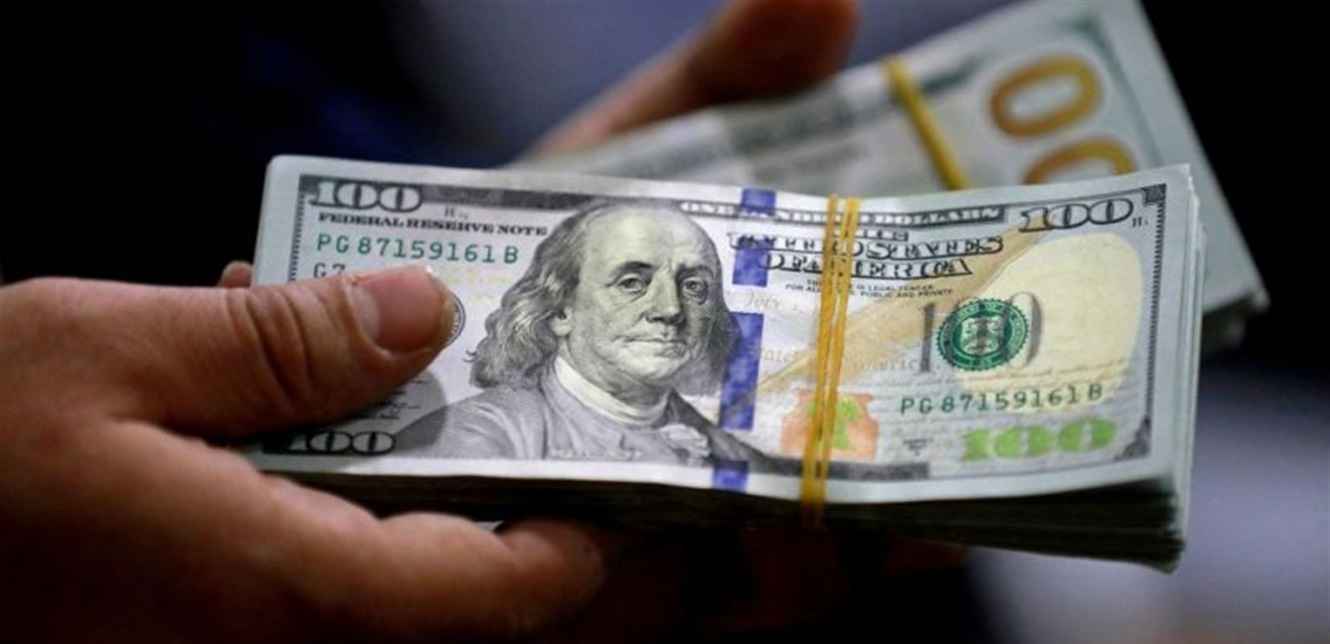
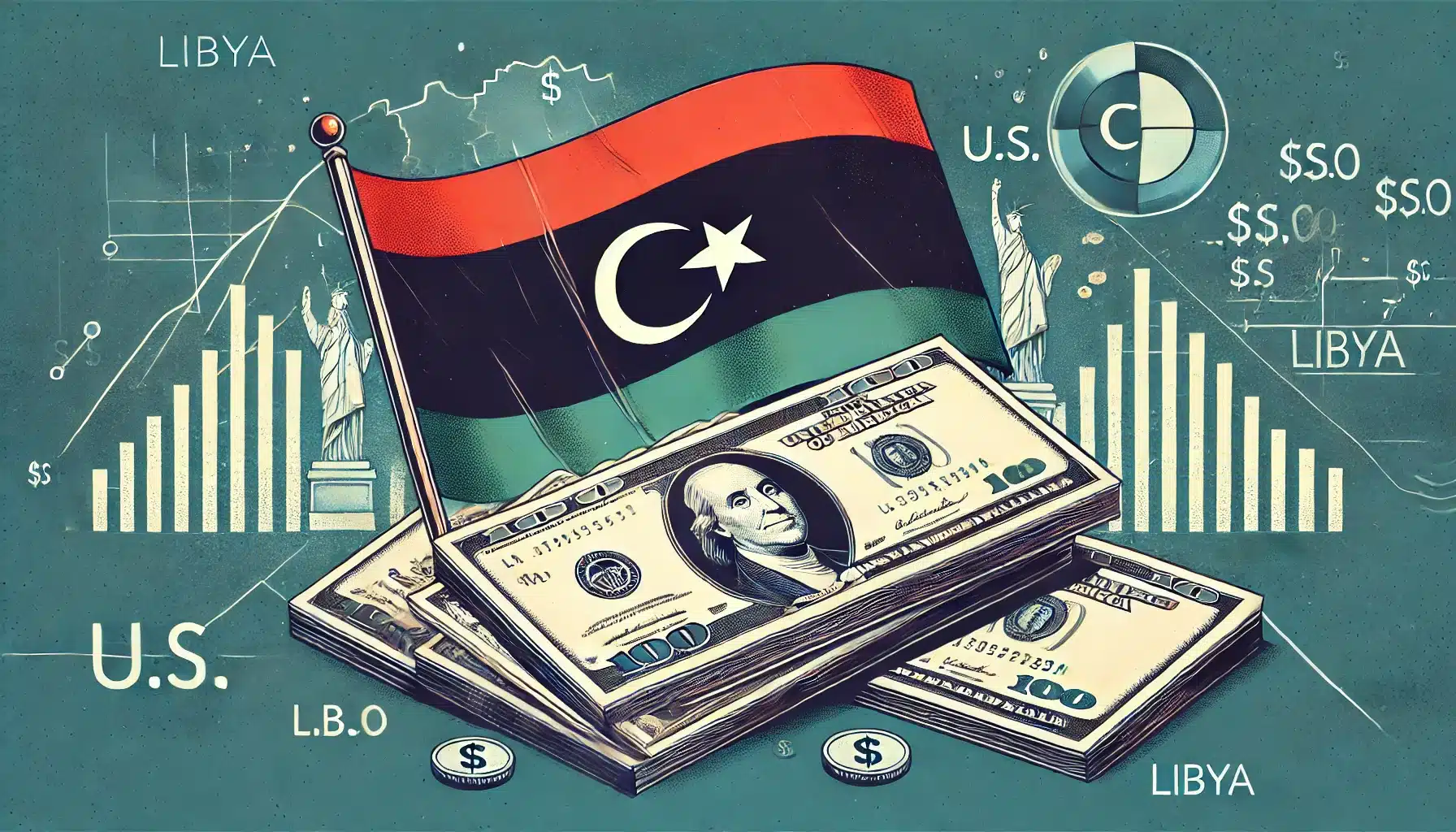
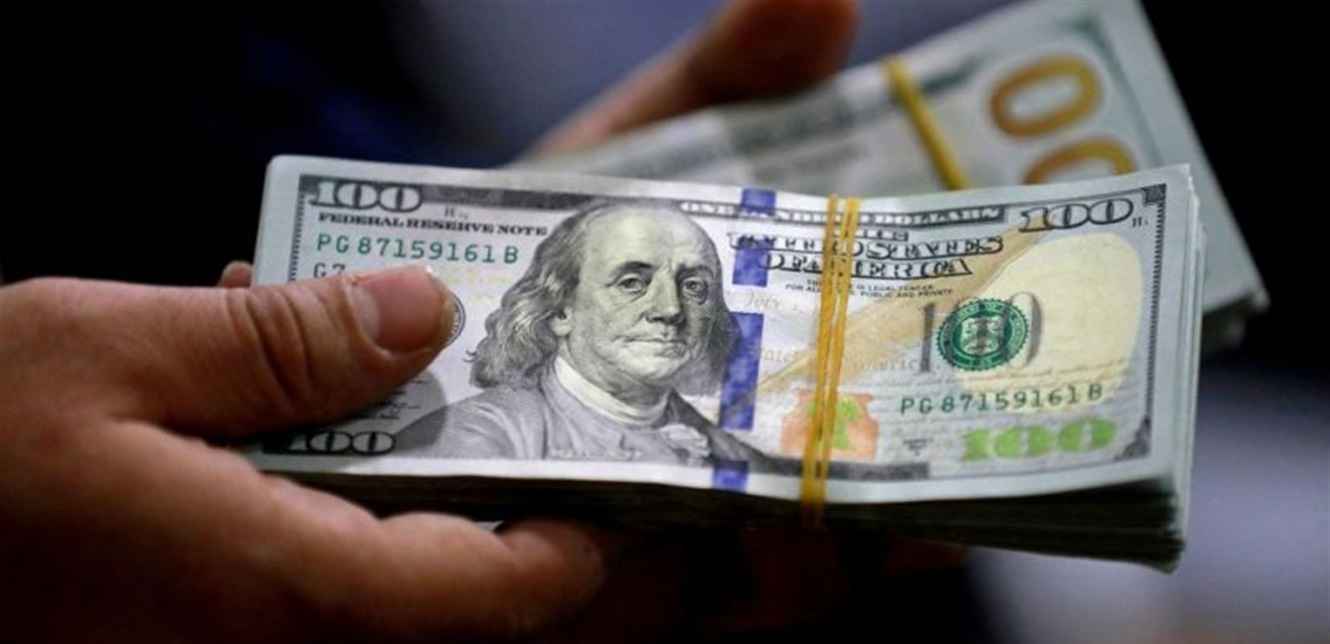
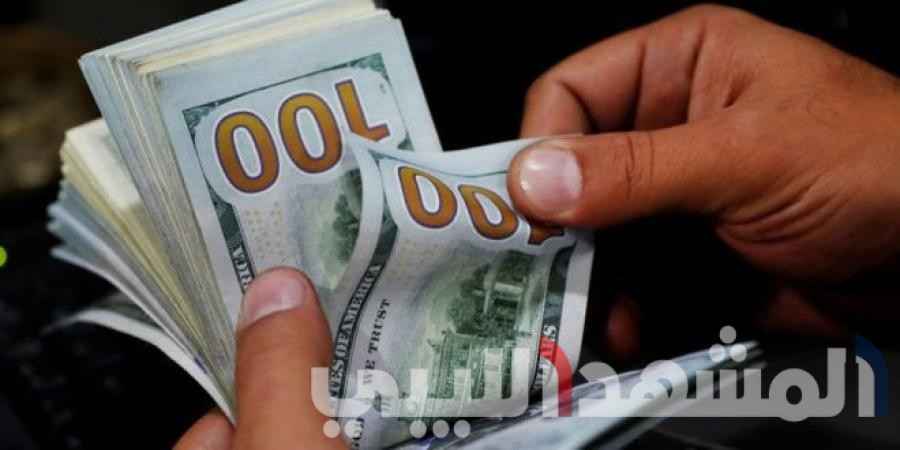
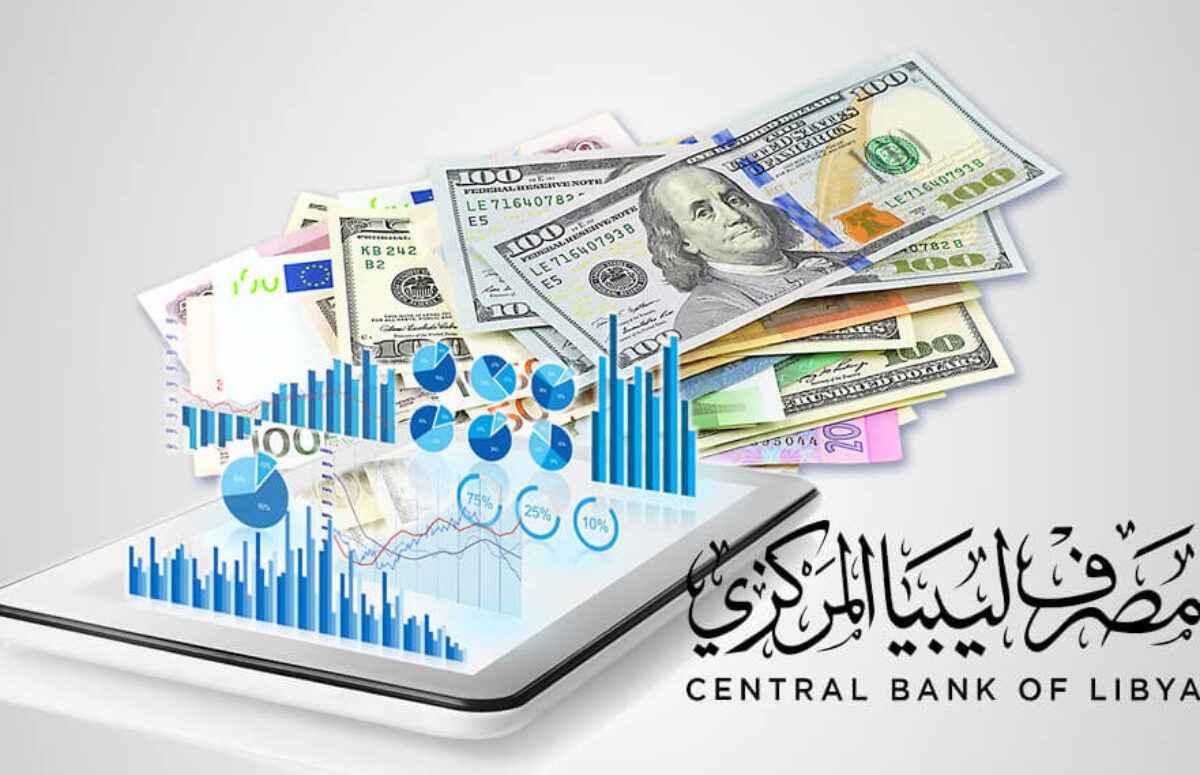
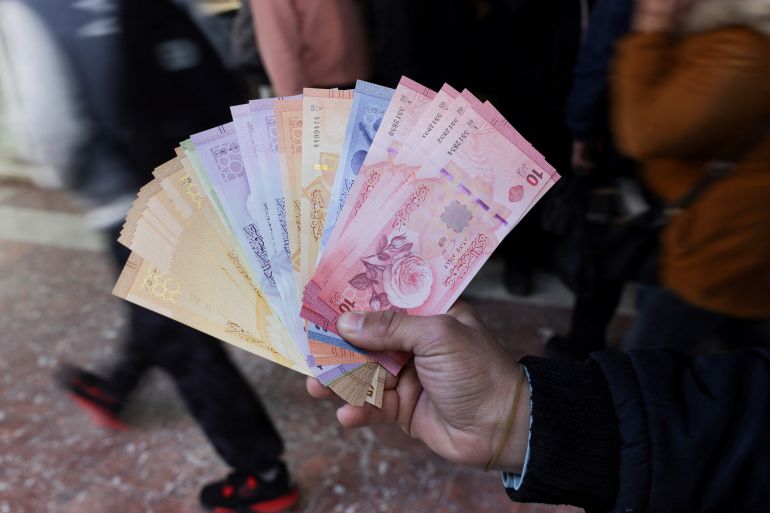
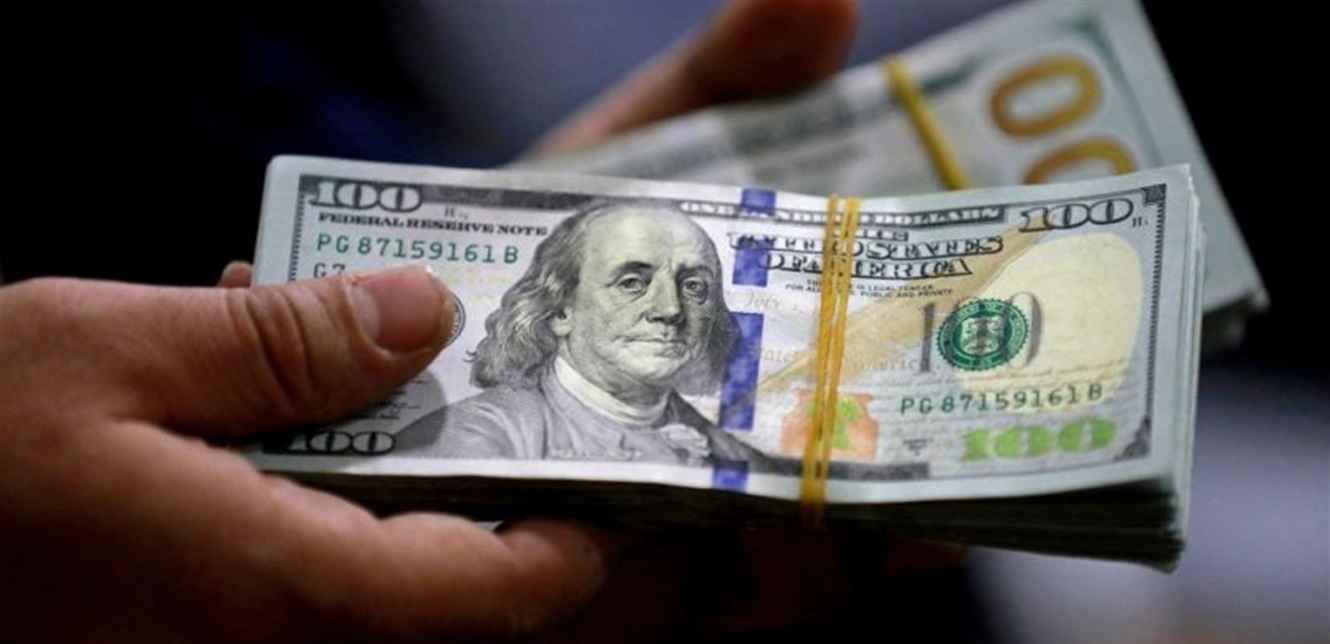
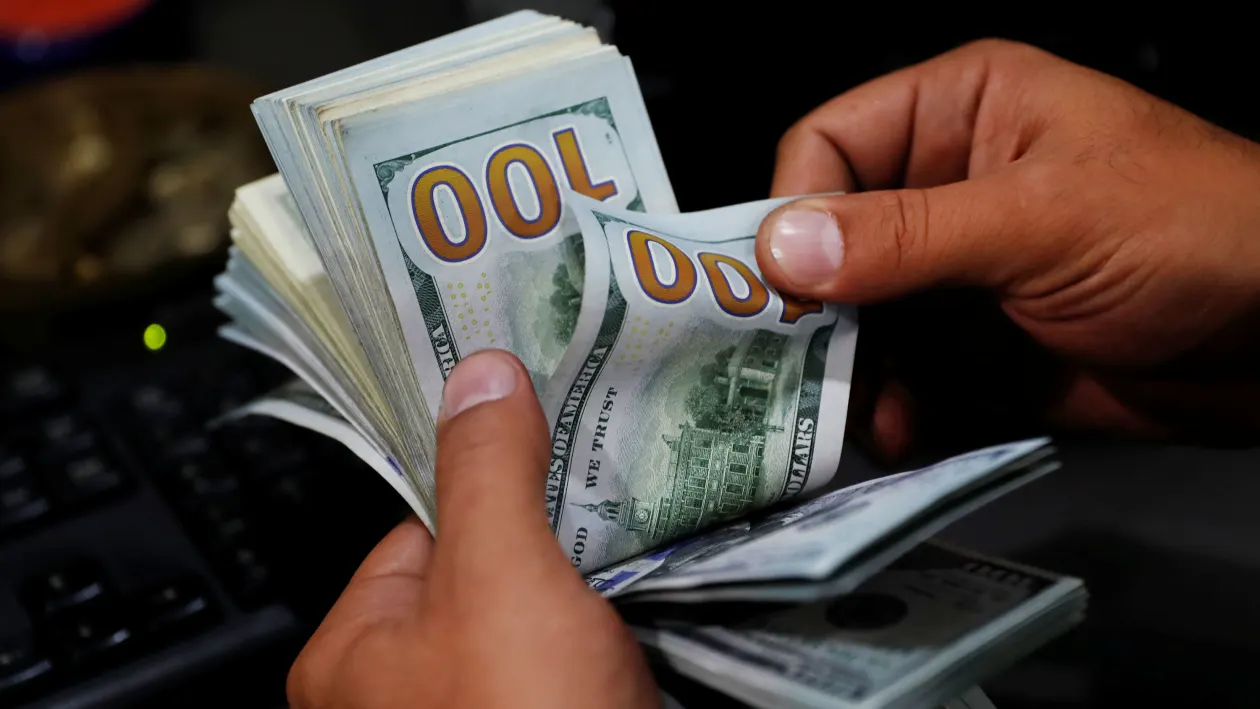
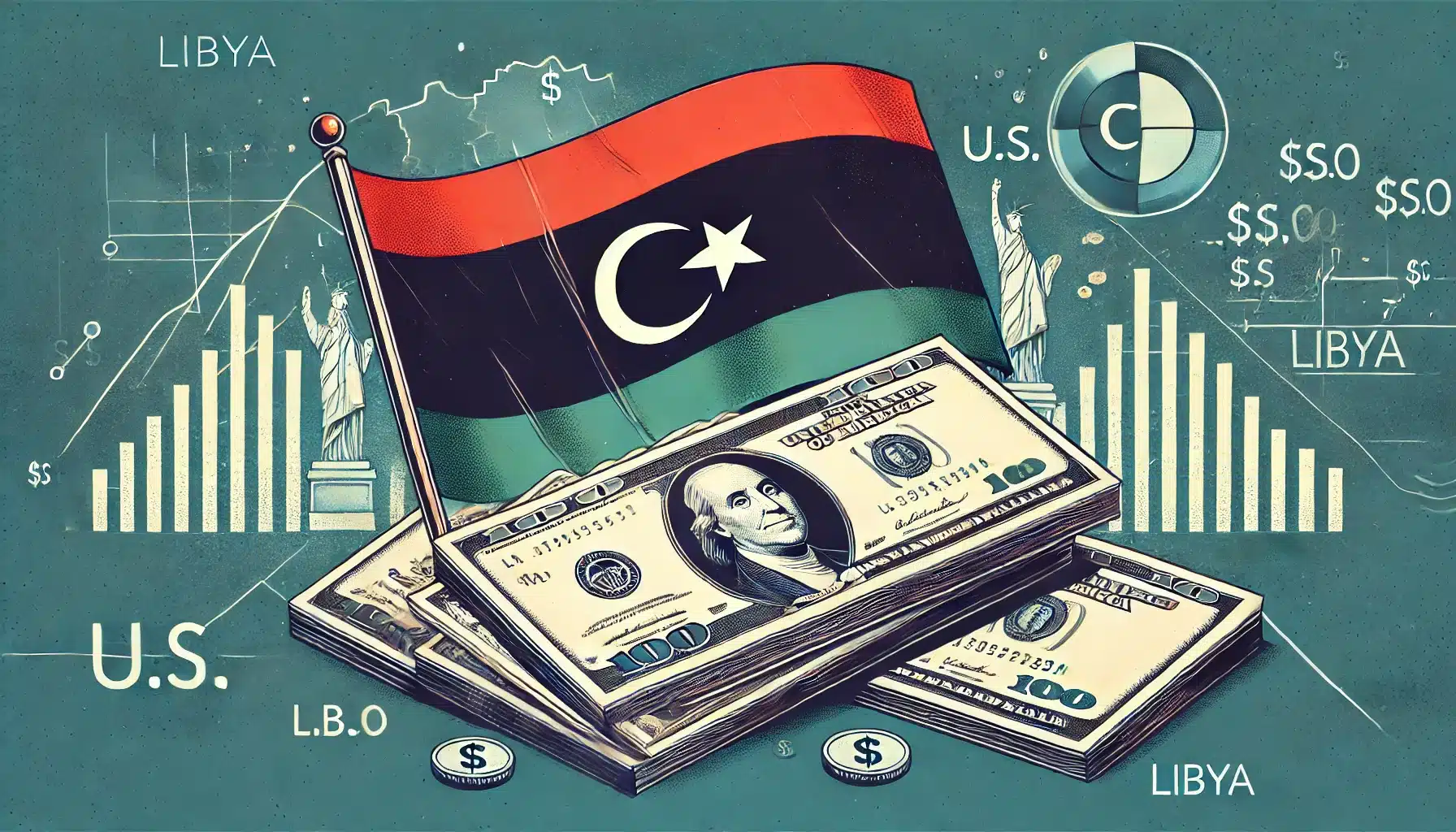
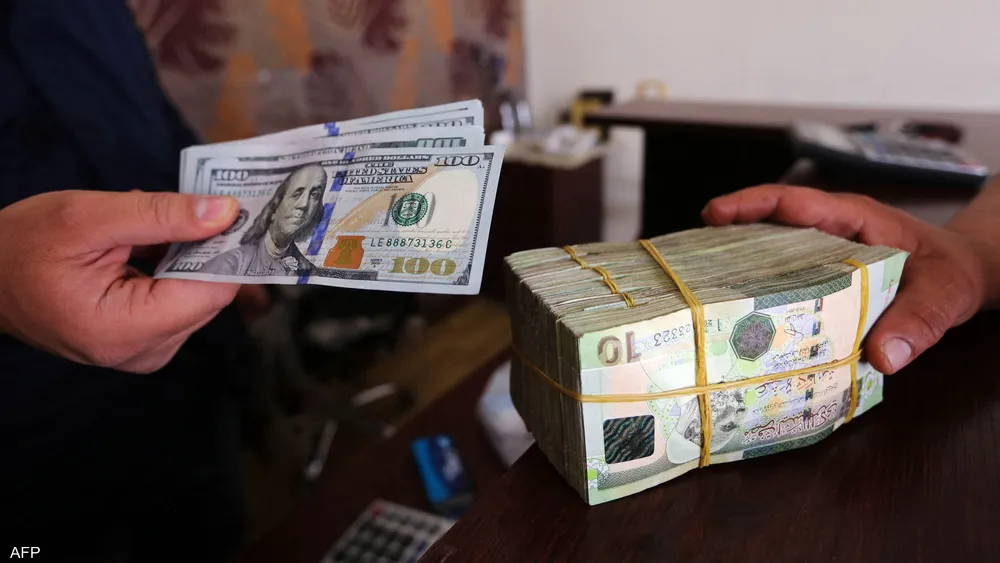
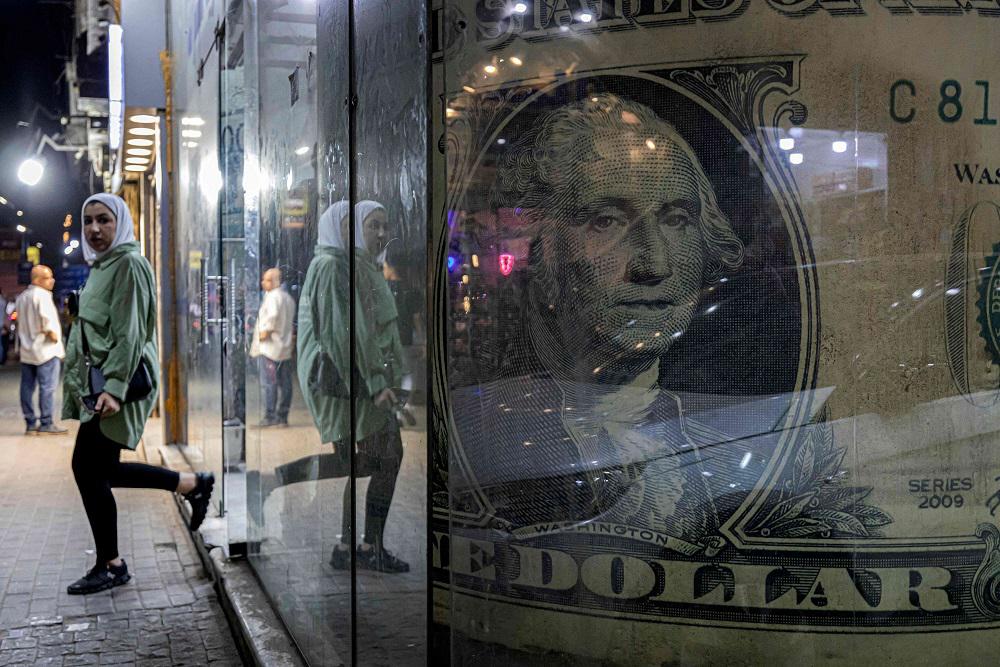
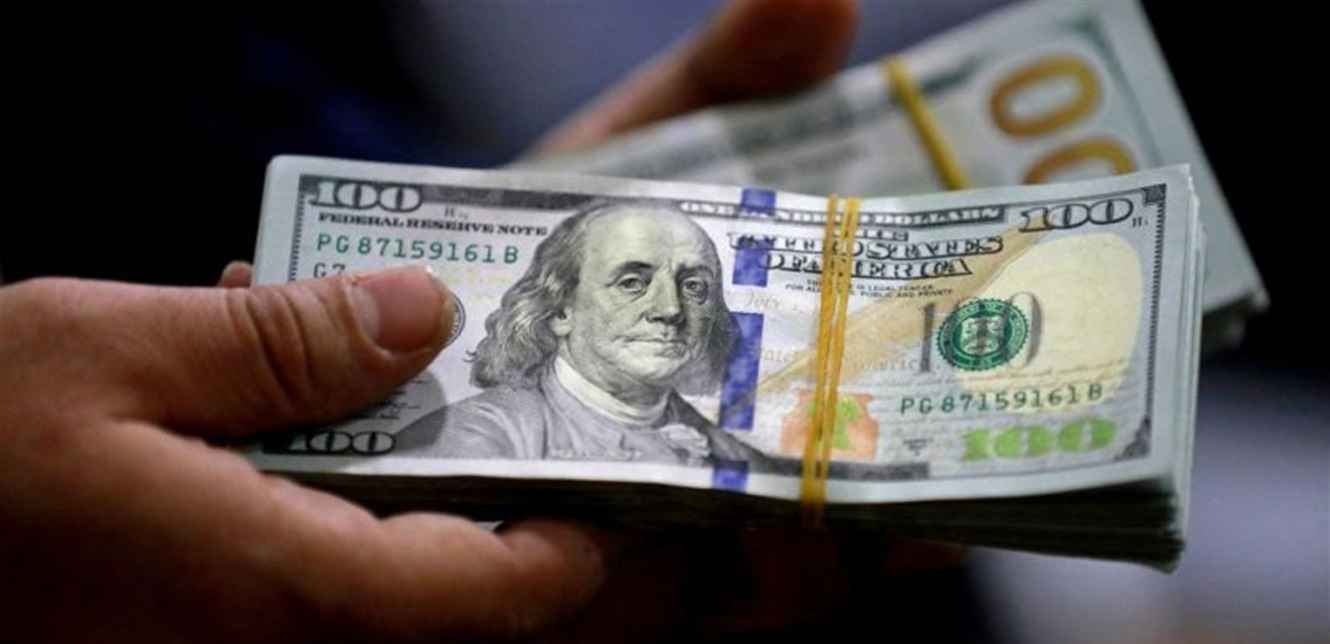
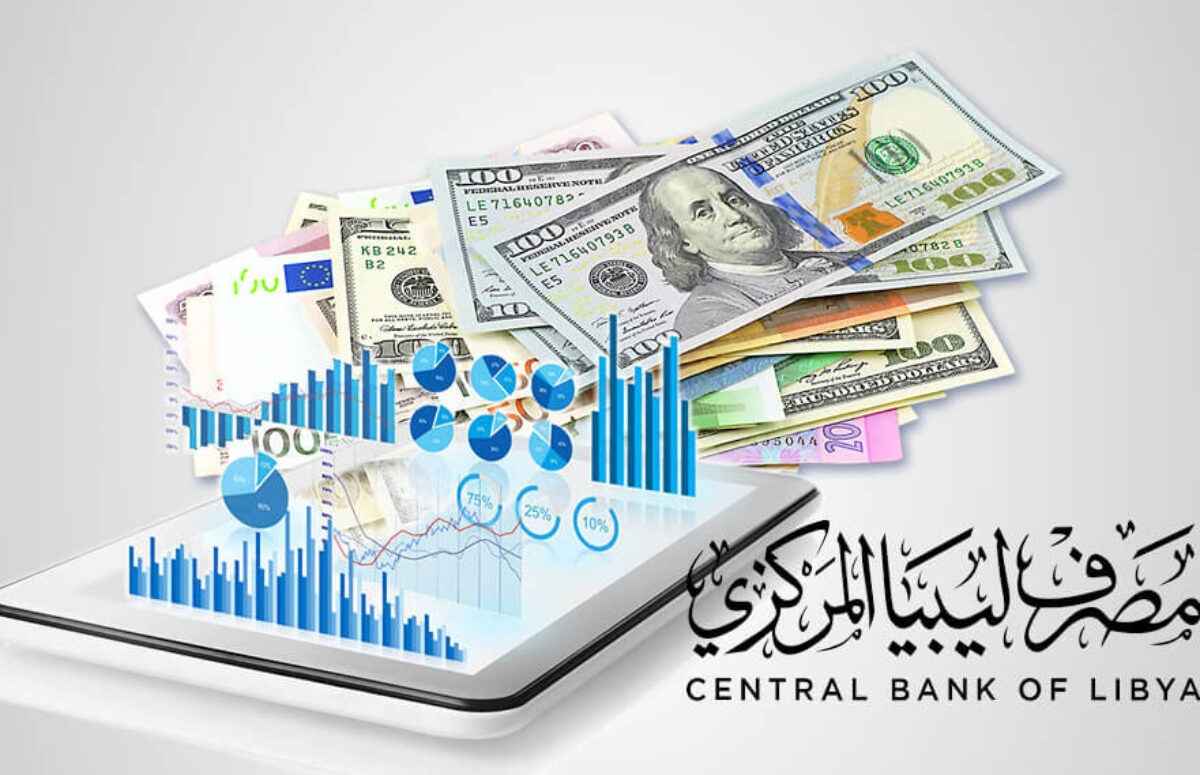
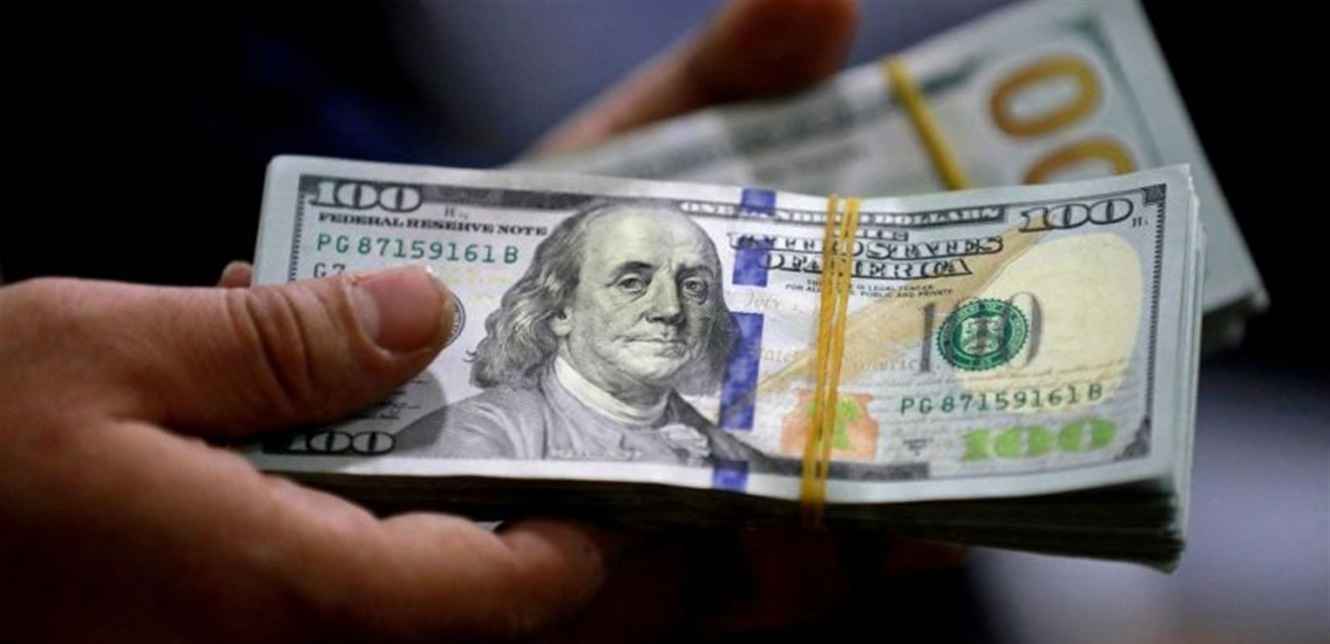
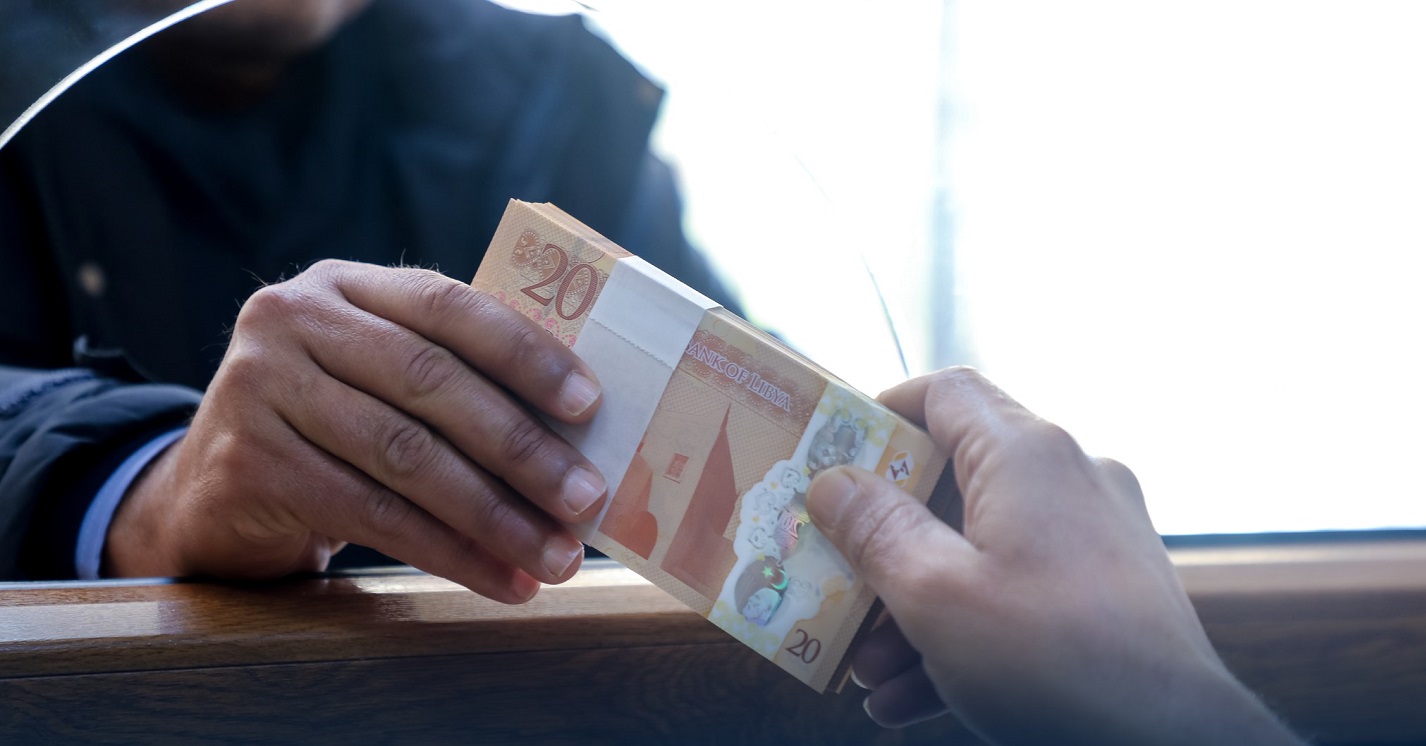
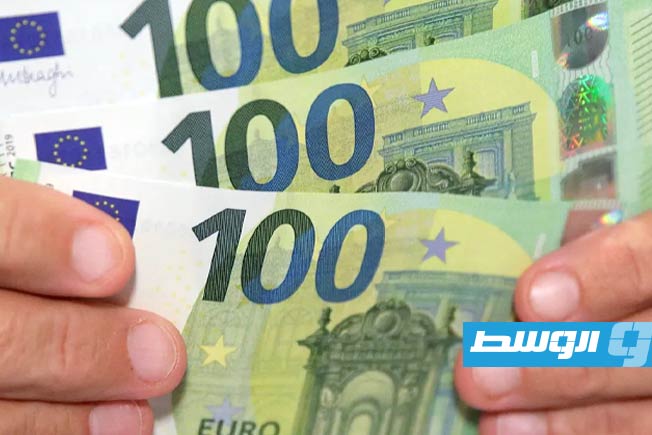
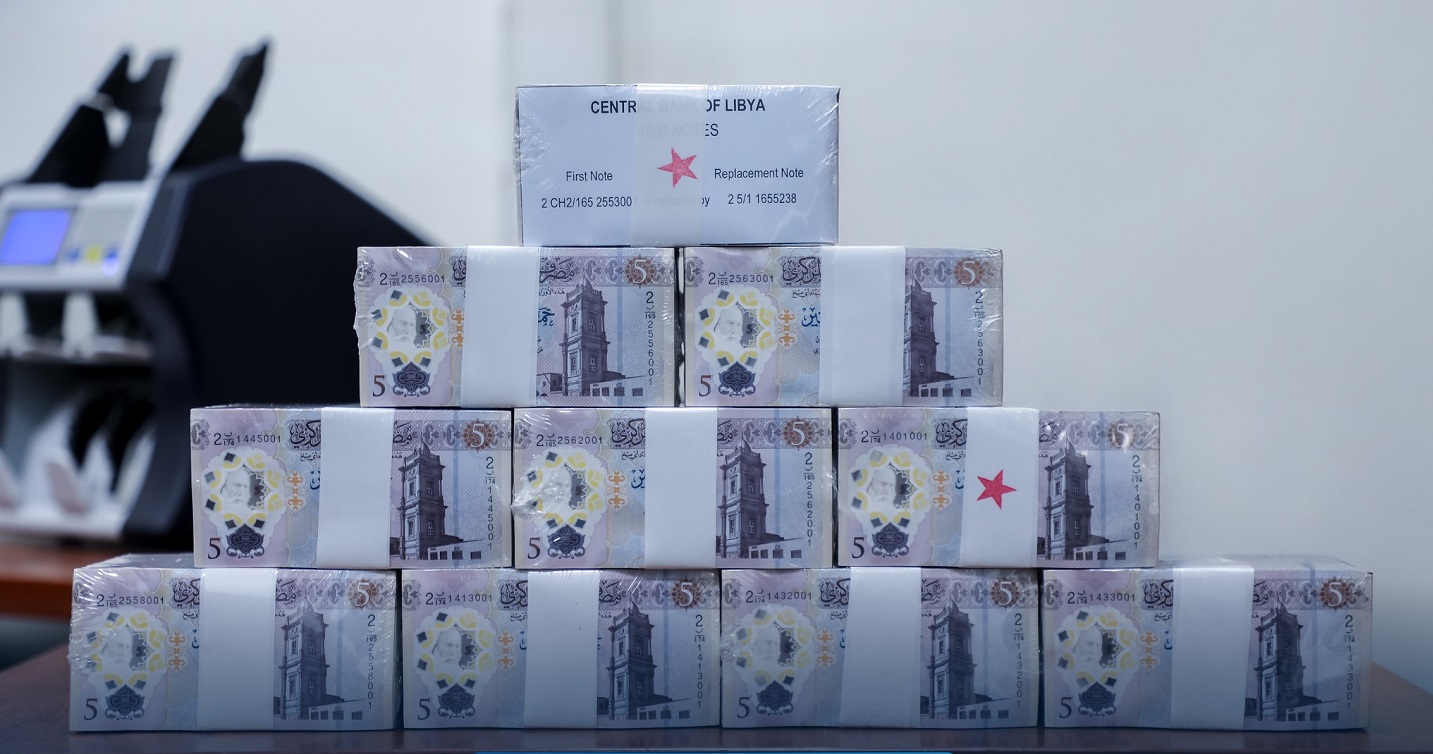
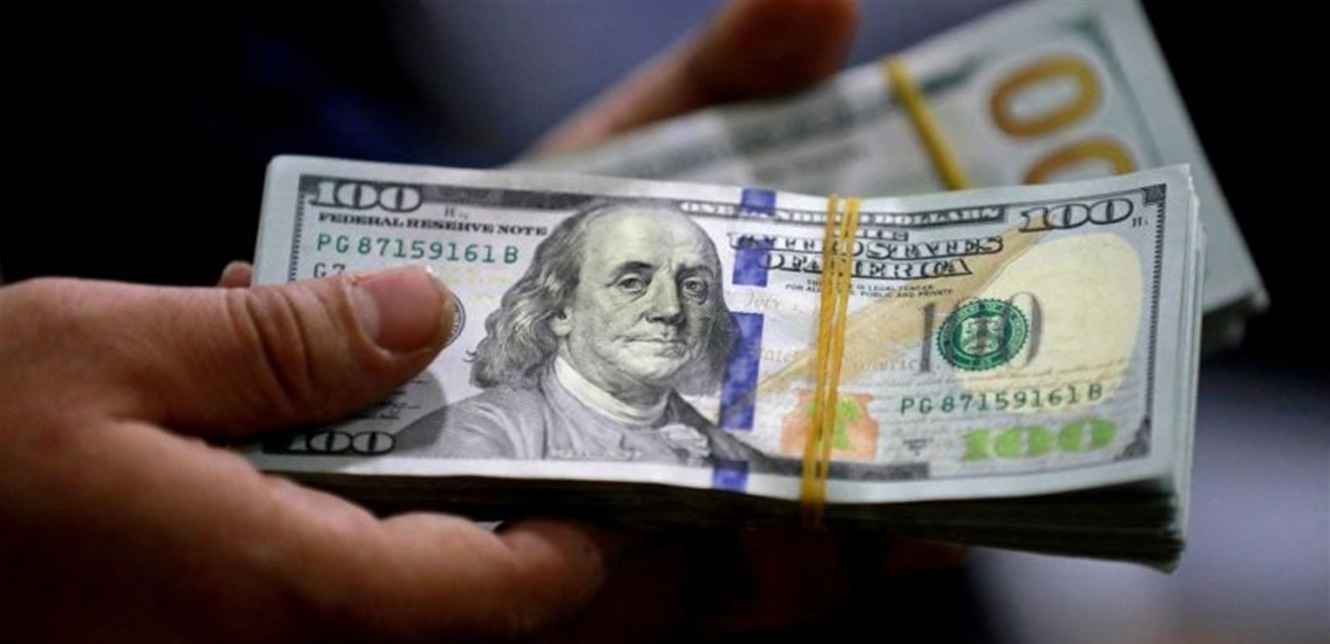
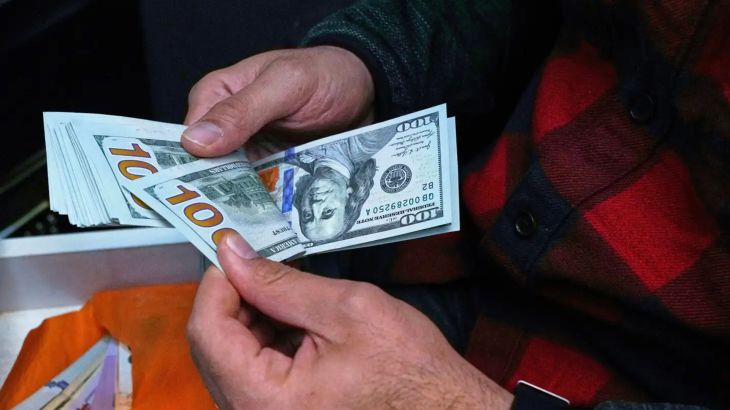
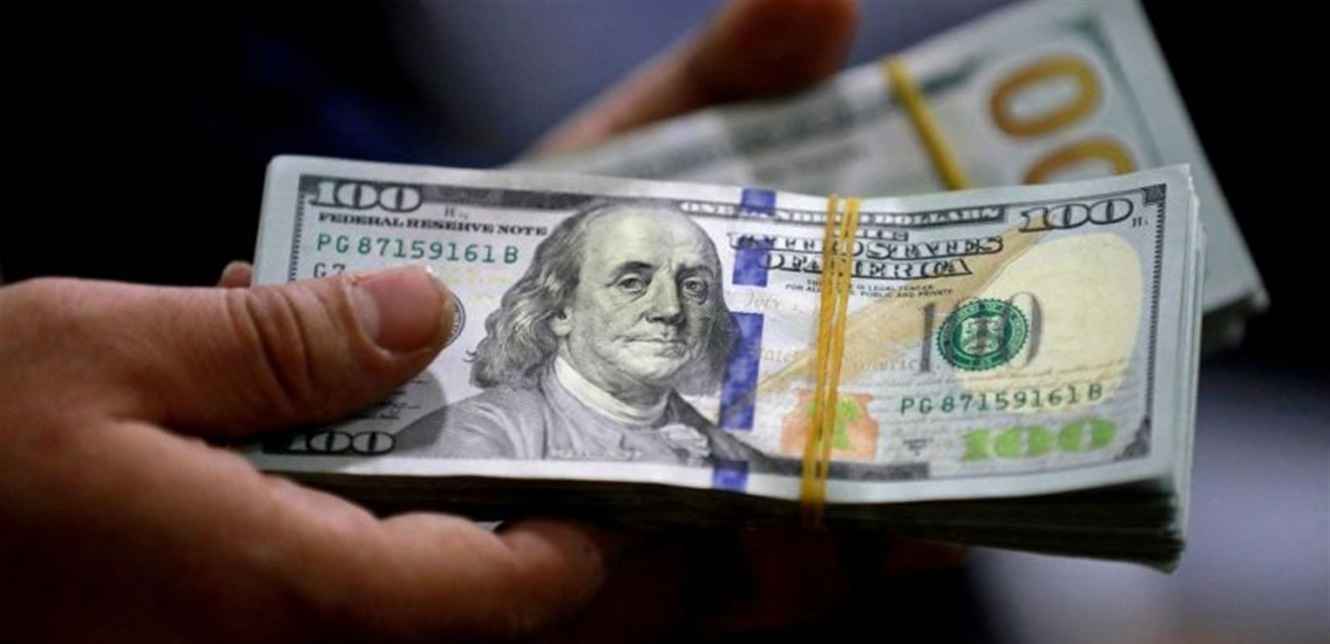
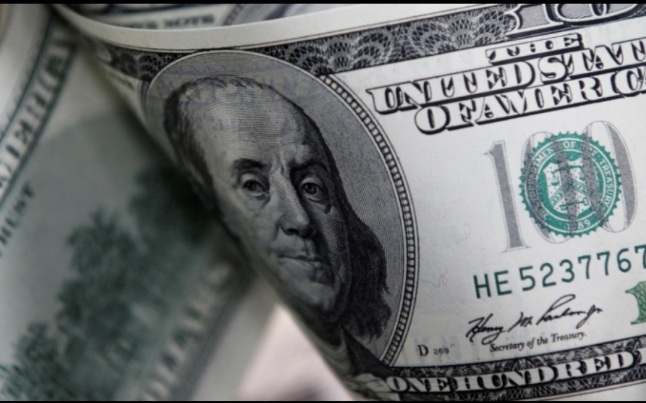
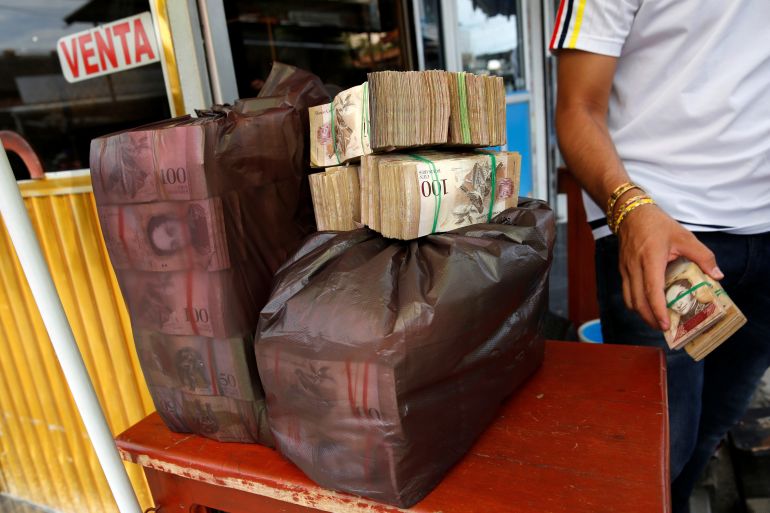
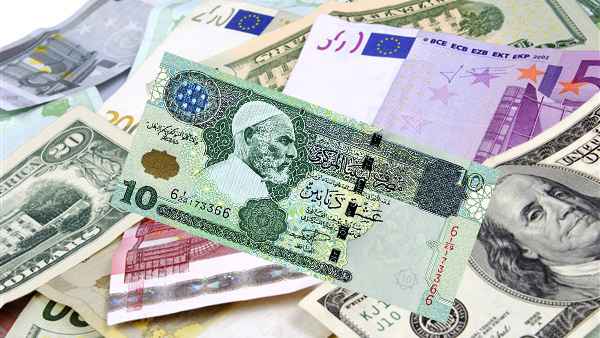
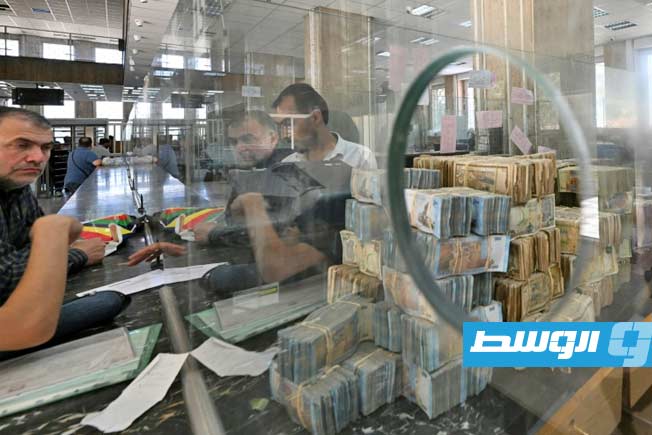
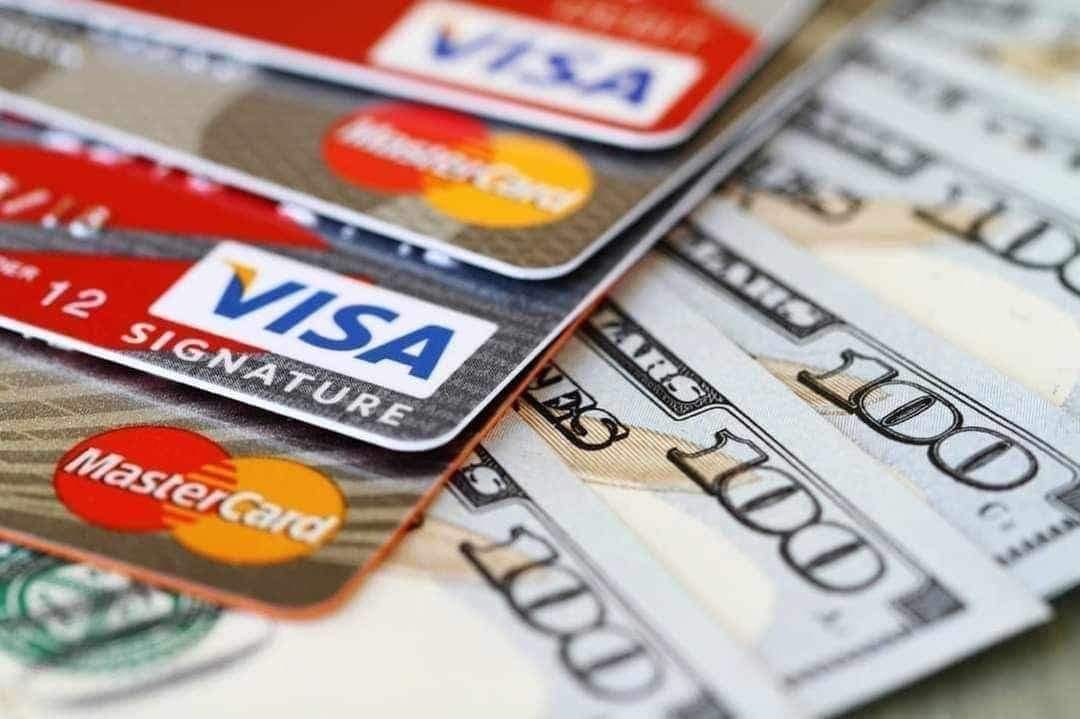
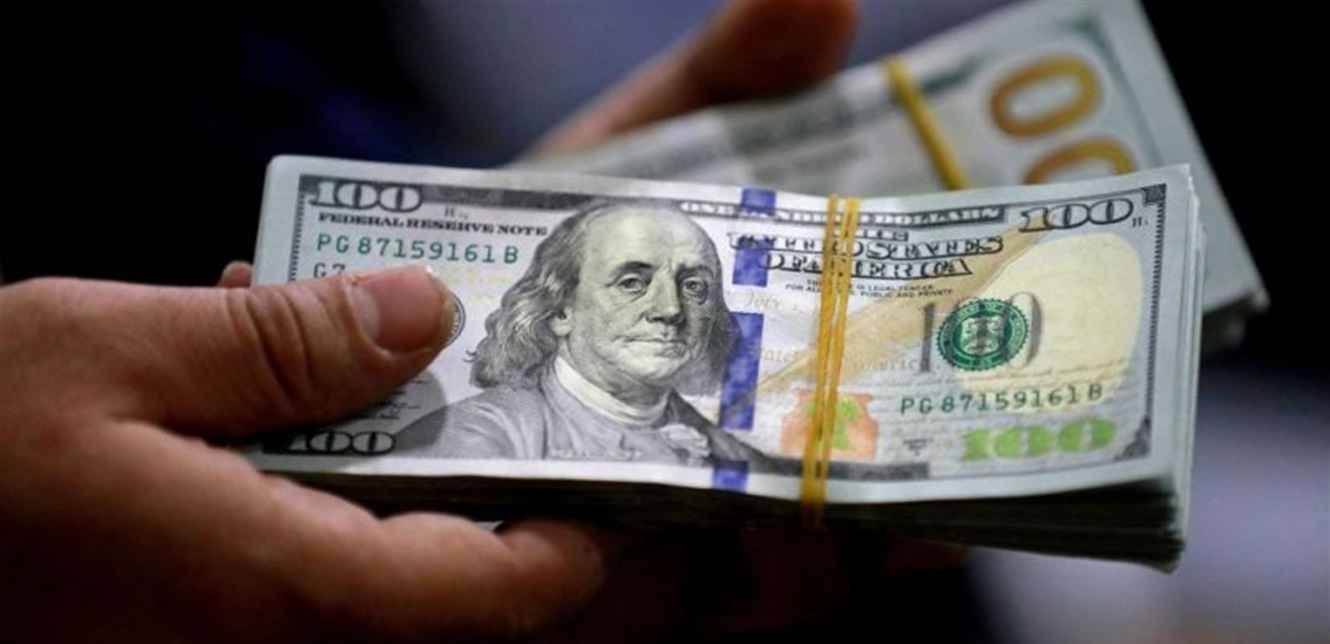
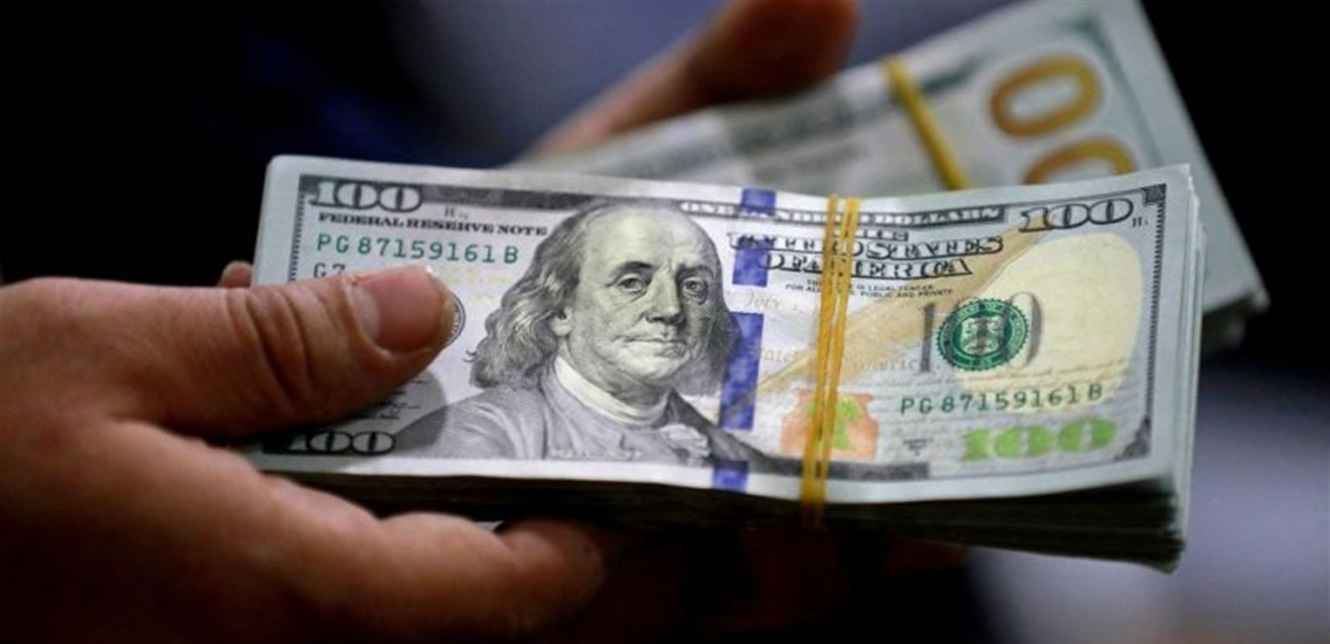
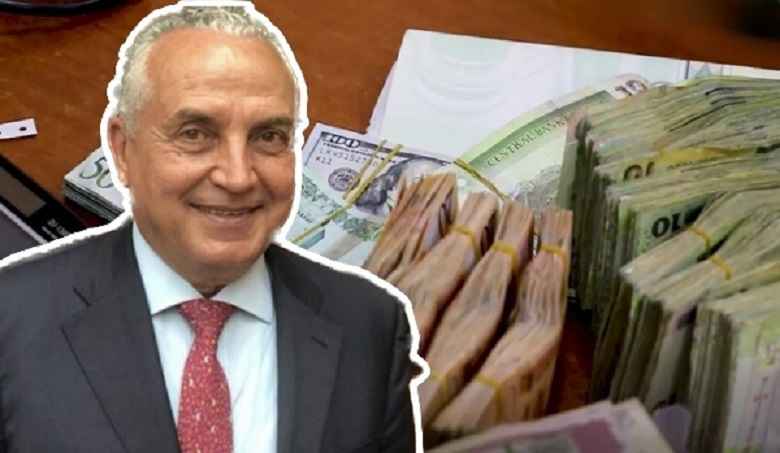
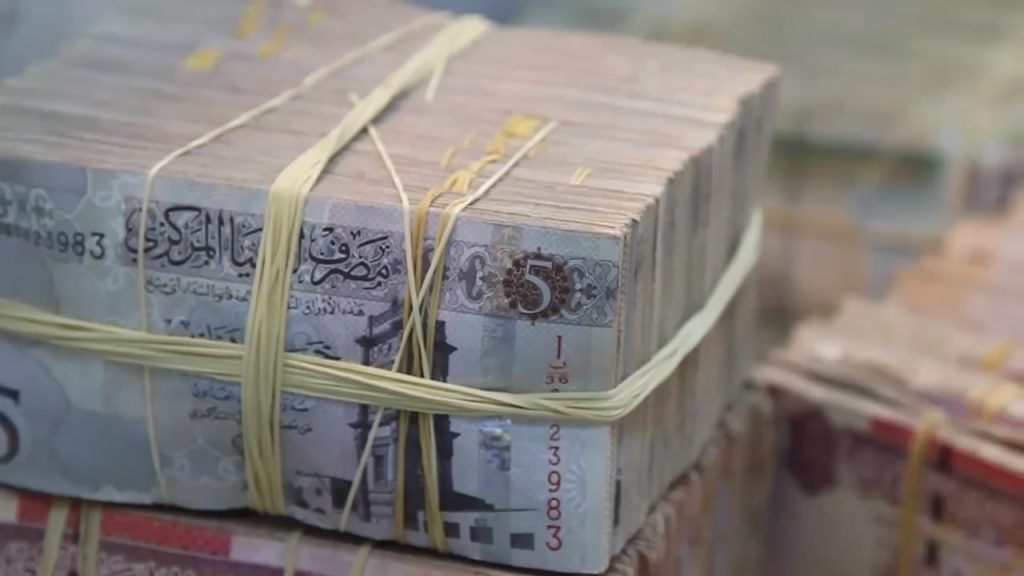
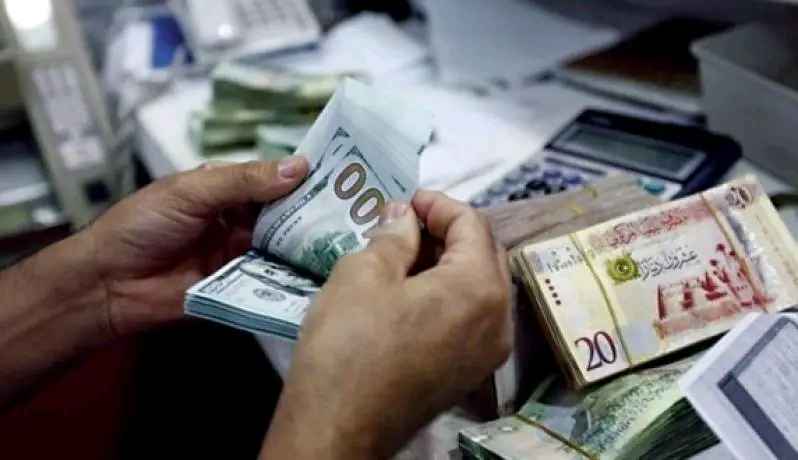
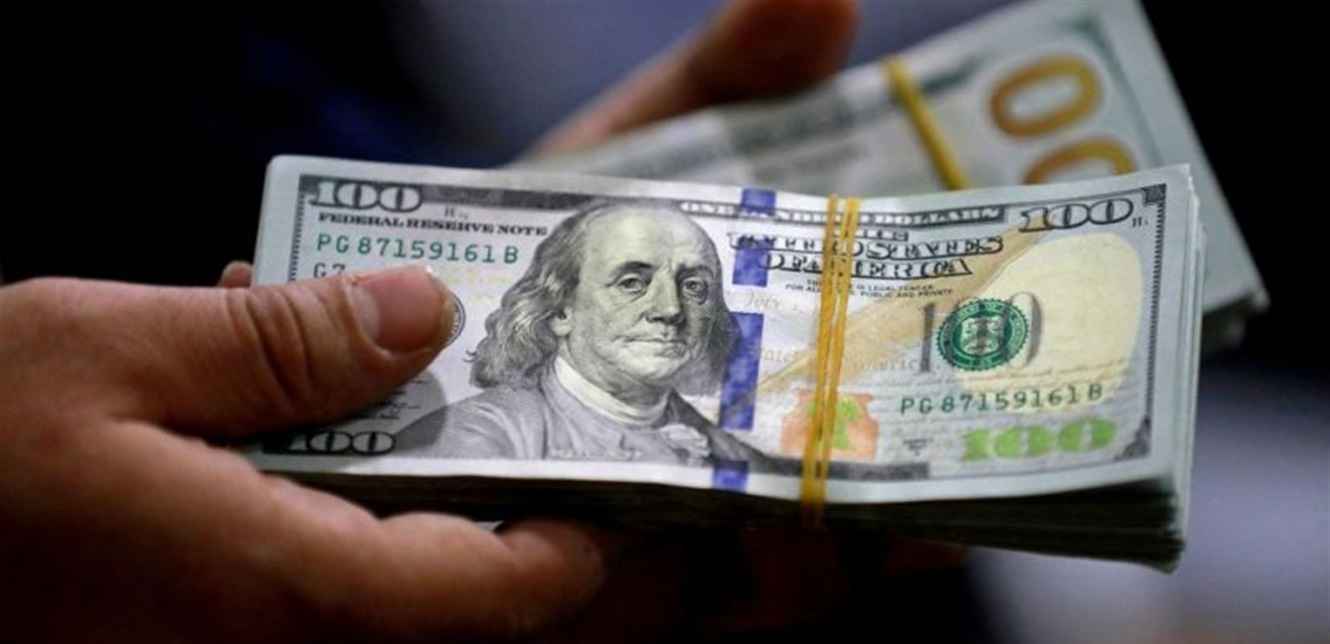
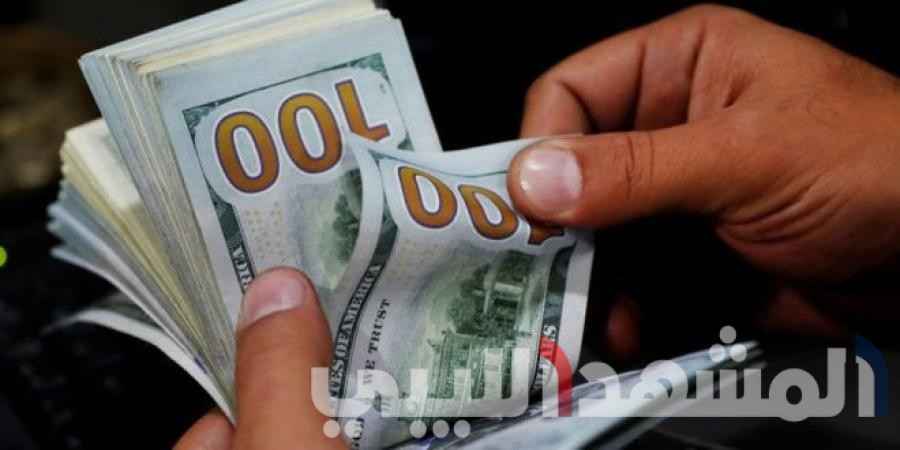
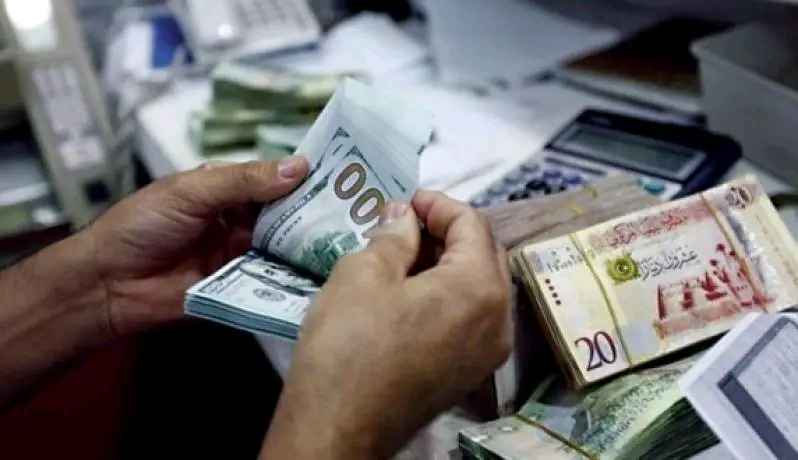
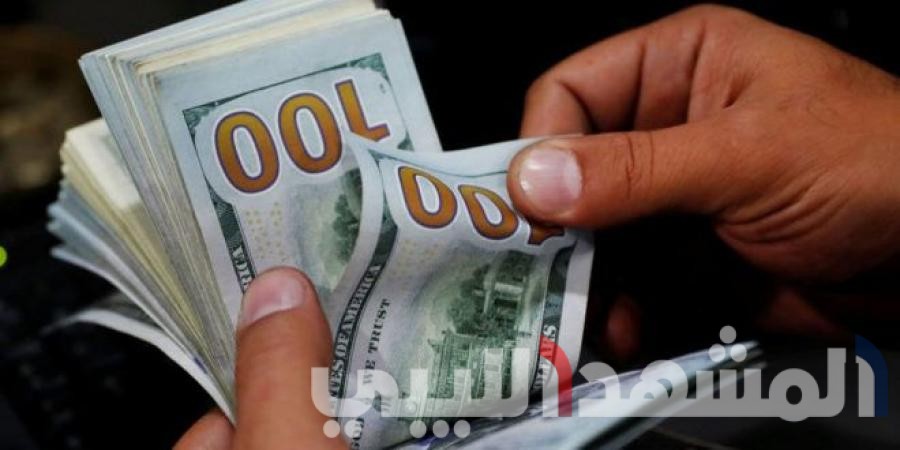
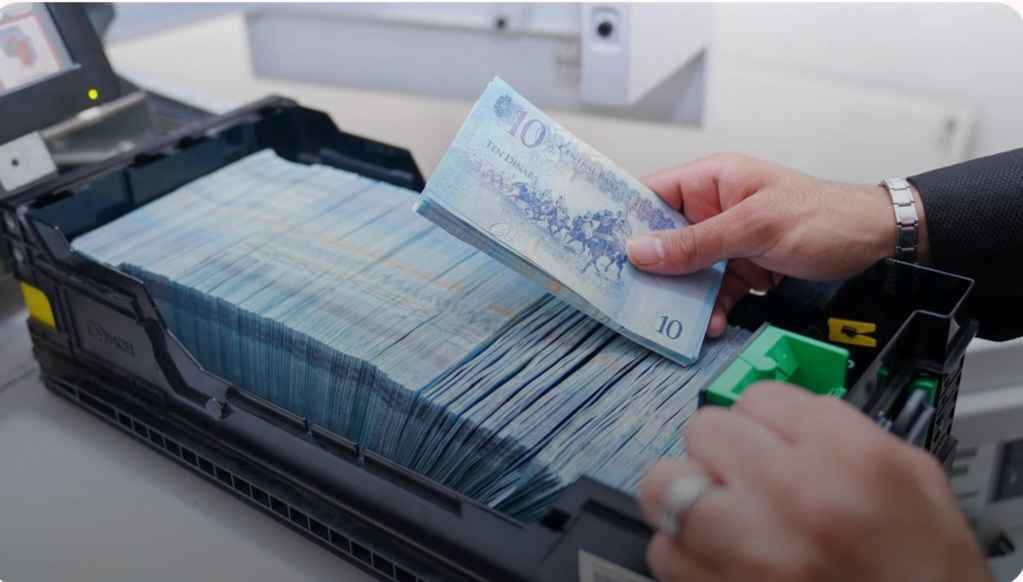
The parallel market witnessed notable fluctuations in the exchange rate of the US dollar against the Libyan dinar during the last week of December and the beginning of January, with slight differences recorded between the main cities of Tripoli, Benghazi, and Zliten.
On Saturday, December 27th, the dollar stabilized at 8.59 dinars in Tripoli, 8.58 dinars in Benghazi, and 8.60 dinars in Zliten. With the market opening on Sunday, December 28th, the price rose slightly to record 8.61 dinars in Tripoli and Zliten, compared to 8.59 dinars in Benghazi.
The week continued its upward trend on Monday, December 29th, with the dollar reaching 8.69 dinars in Tripoli and Zliten, and 8.67 dinars in Benghazi. On Tuesday, December 30th, prices rose to record 8.76 dinars in Tripoli and Zliten, and 8.80 dinars in Benghazi, which was the highest level during the week.
With the start of the new year on Thursday, January 1st, the price retreated slightly to record 8.75 dinars in Tripoli, and 8.76 dinars in Benghazi and Zliten. On Friday, January 2nd, the dollar fell to 8.655 dinars in Tripoli, 8.66 dinars in Benghazi, and 8.665 dinars in Zliten.
As for Saturday, January 3rd, the dollar rose again to record 8.73 dinars in Tripoli, 8.72 dinars in Benghazi, and 8.74 dinars in Zliten, concluding the week at a level close to the start of trading.
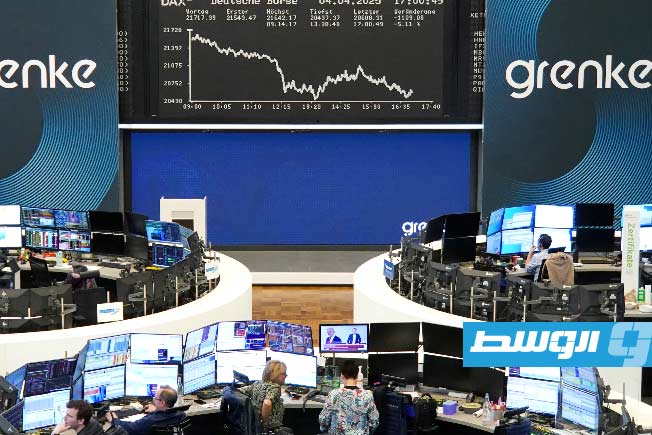
This fluctuation reflects the state of instability in the parallel market, where prices are affected by supply and demand factors and economic conditions, with the gap between the official and parallel markets persisting.
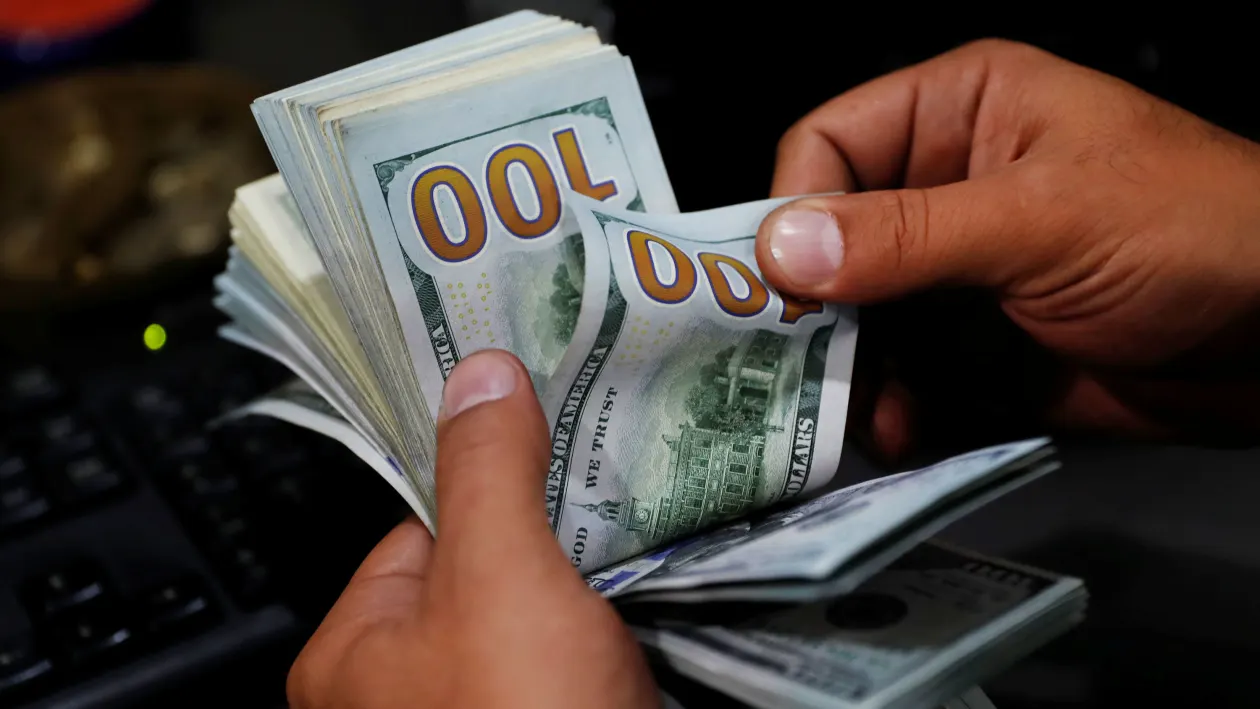
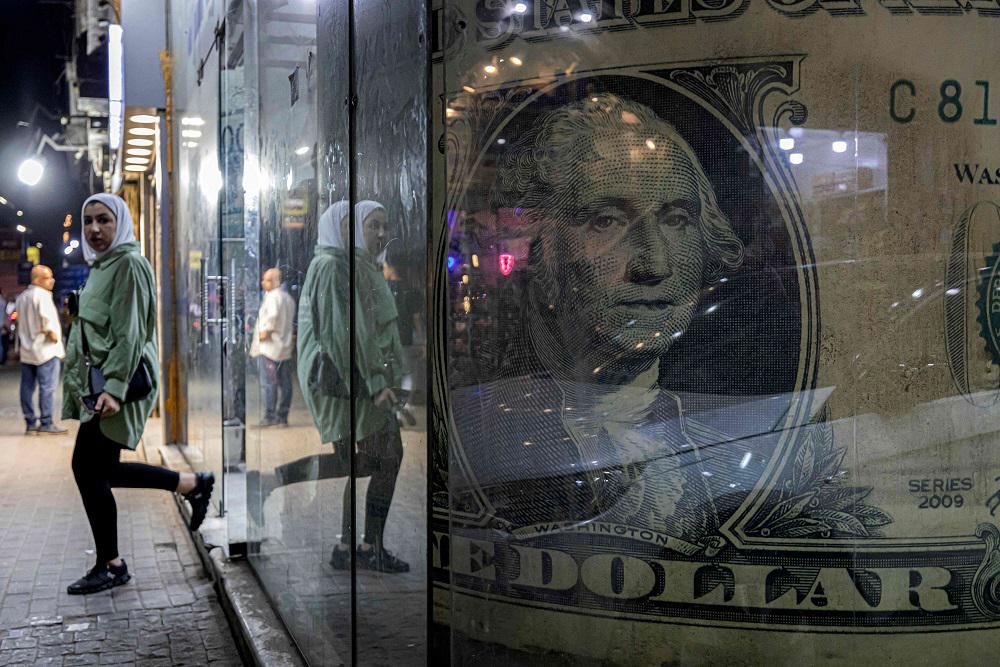
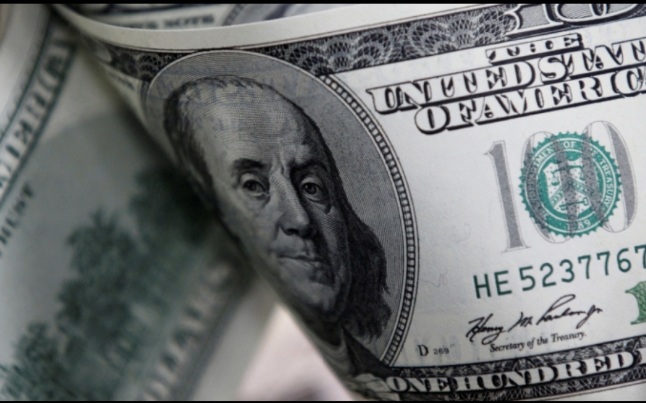
US dollar
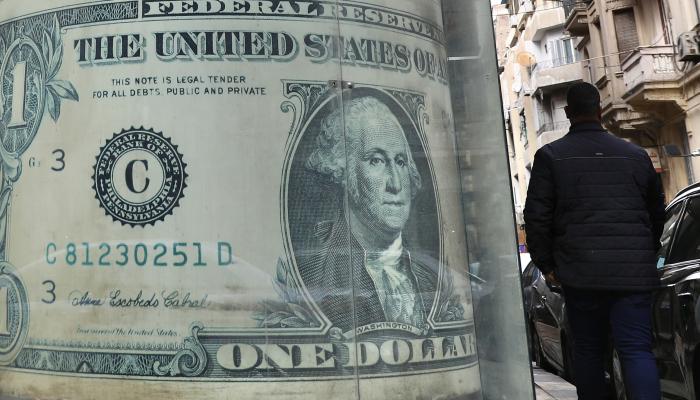
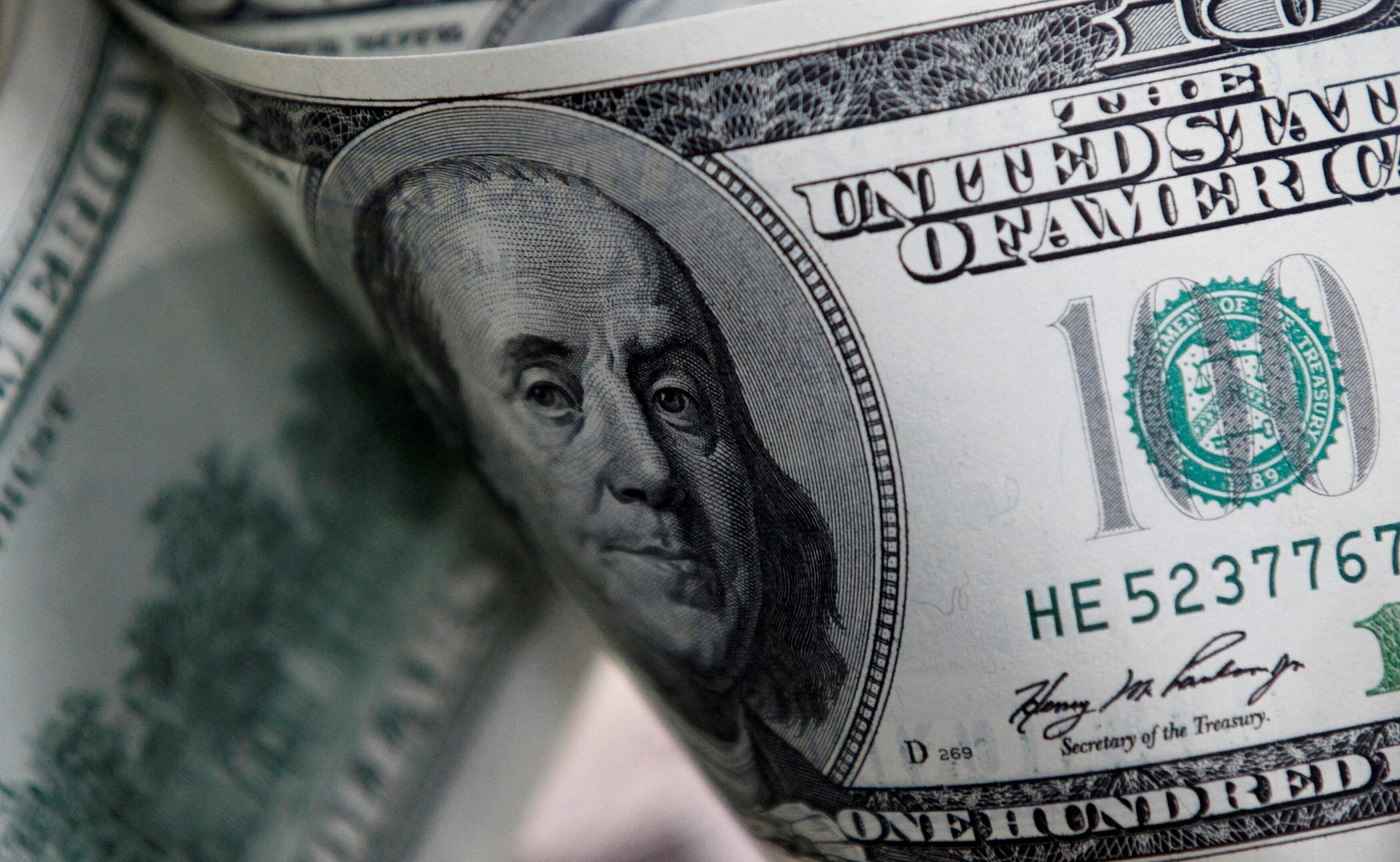
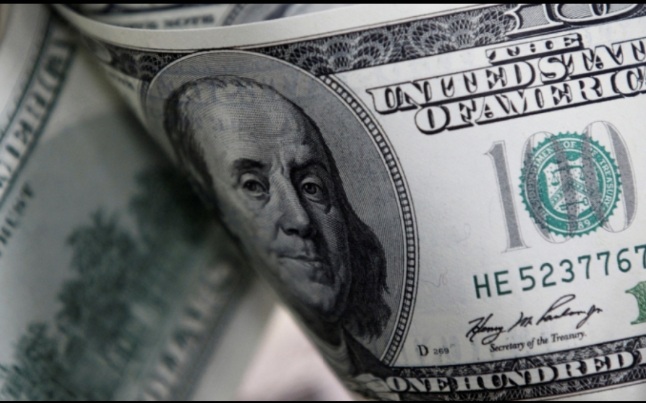
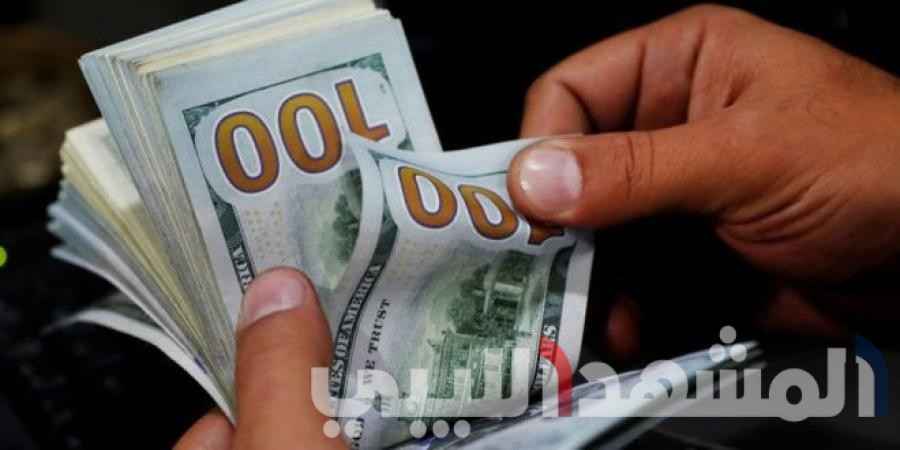
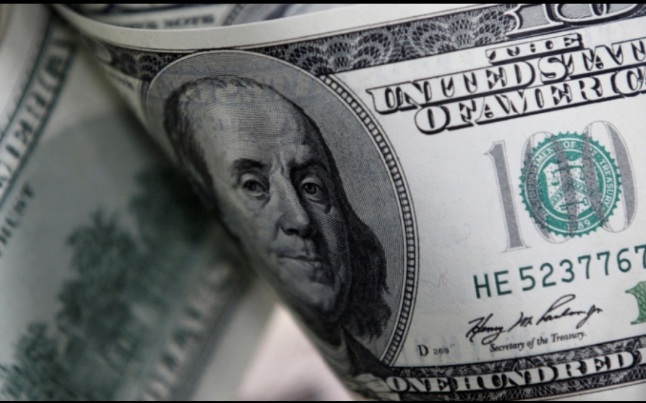
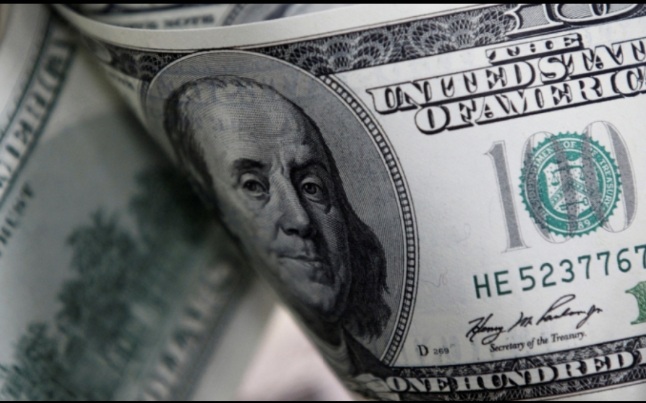
The US dollar is the official currency of the United States, established by the Coinage Act of 1792. It evolved from a system based on Spanish milled dollars and has become the world’s primary reserve currency since the Bretton Woods agreement in the mid-20th century.
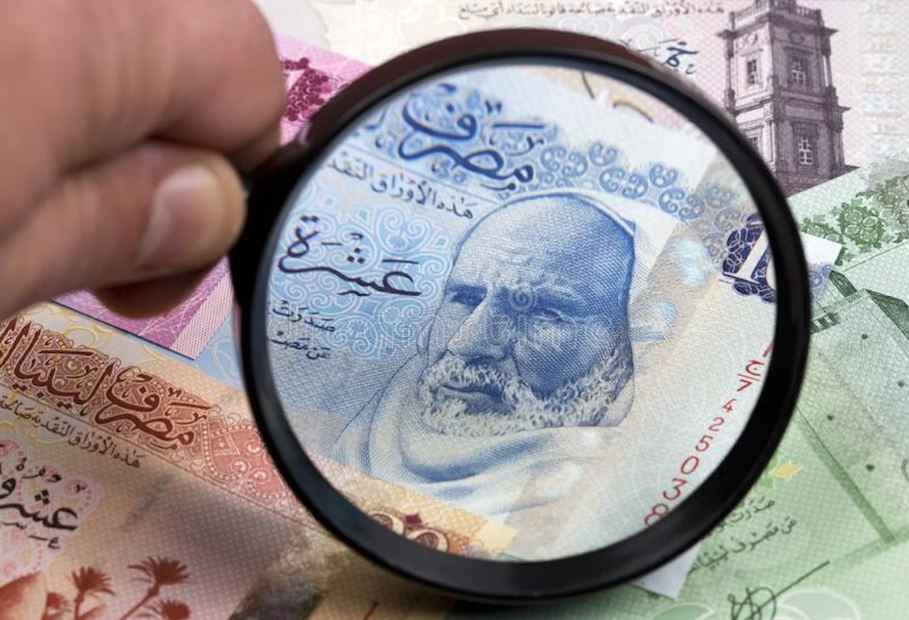
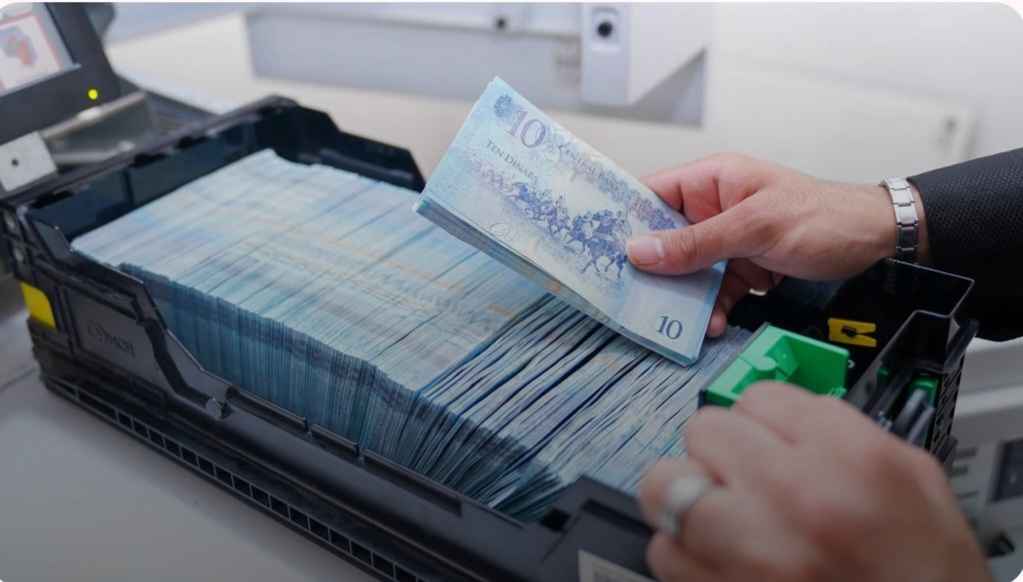
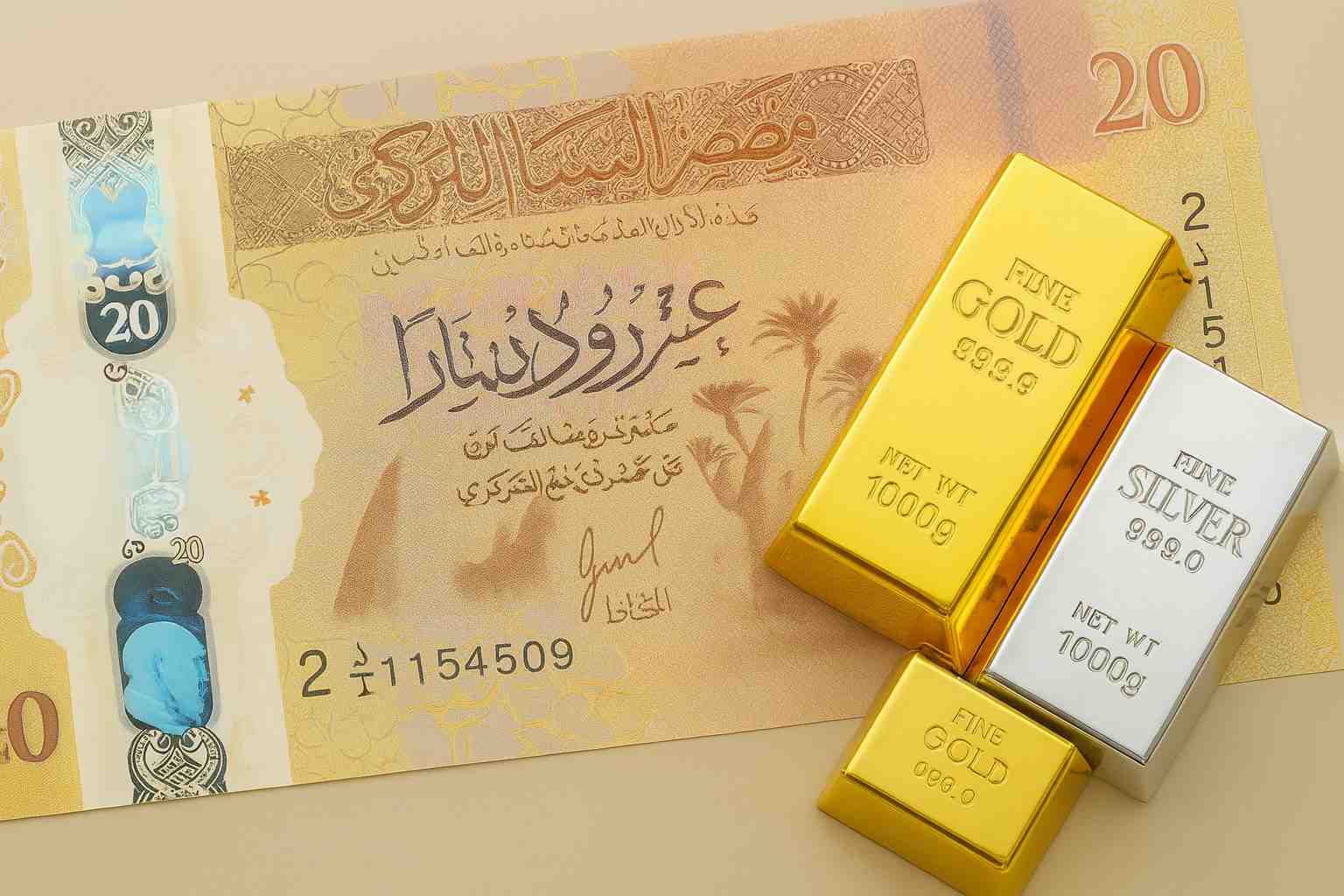
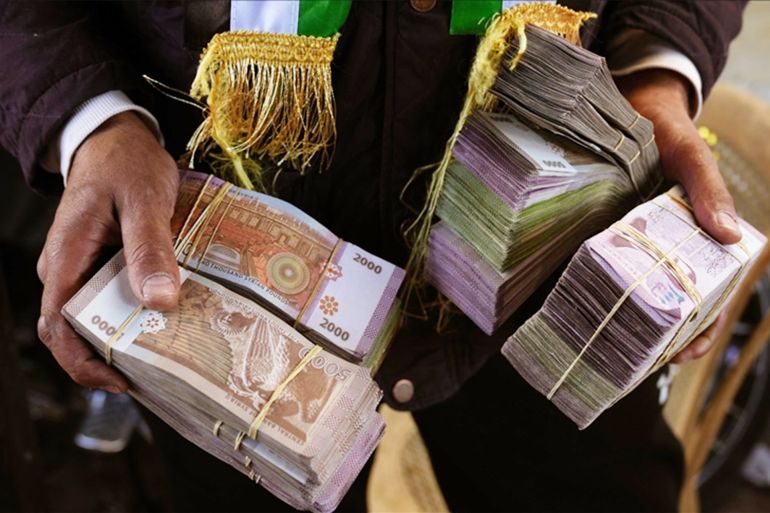
Libyan dinar
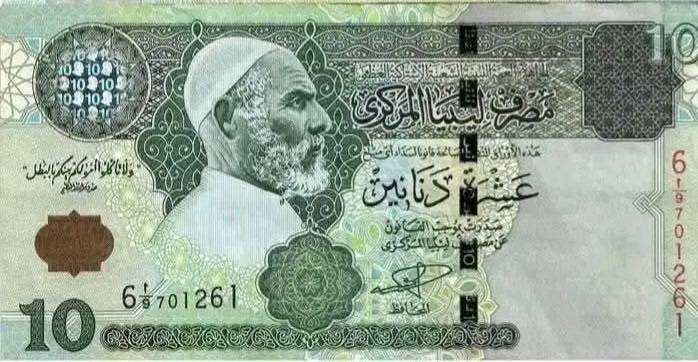
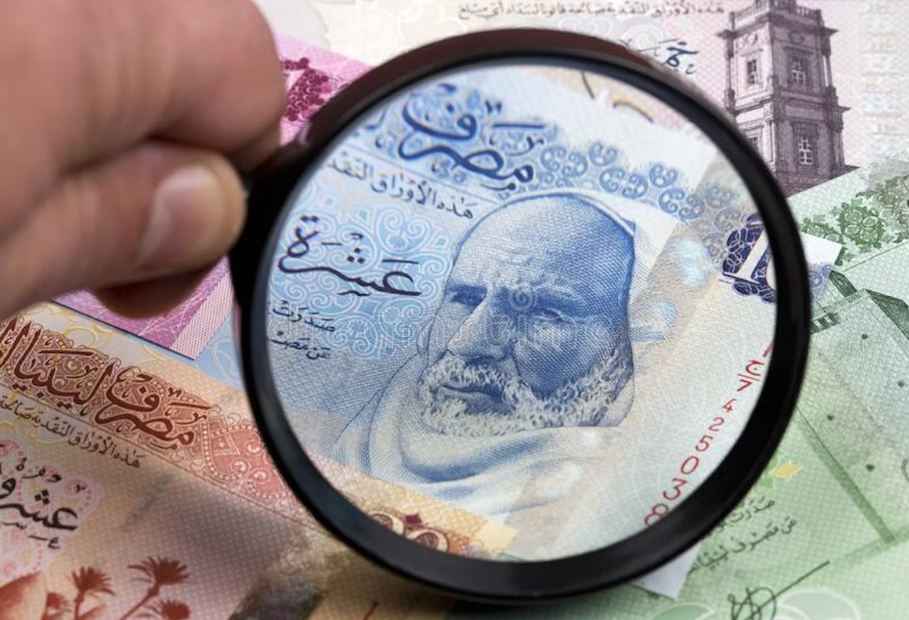
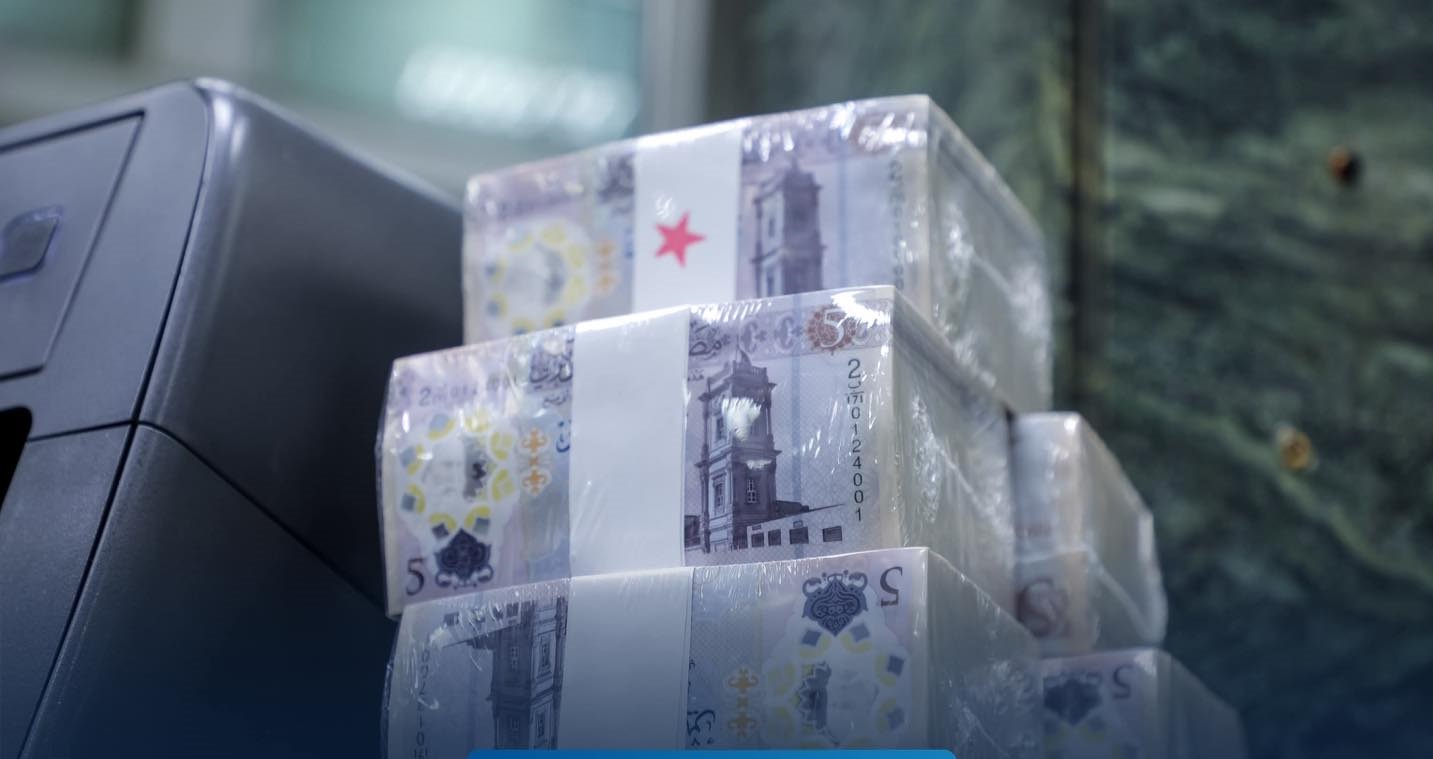
The Libyan dinar is the official currency of Libya, introduced in 1971 to replace the Libyan pound. It was established following the country’s independence and the rise of the Libyan Arab Republic, symbolizing a move toward national economic sovereignty.
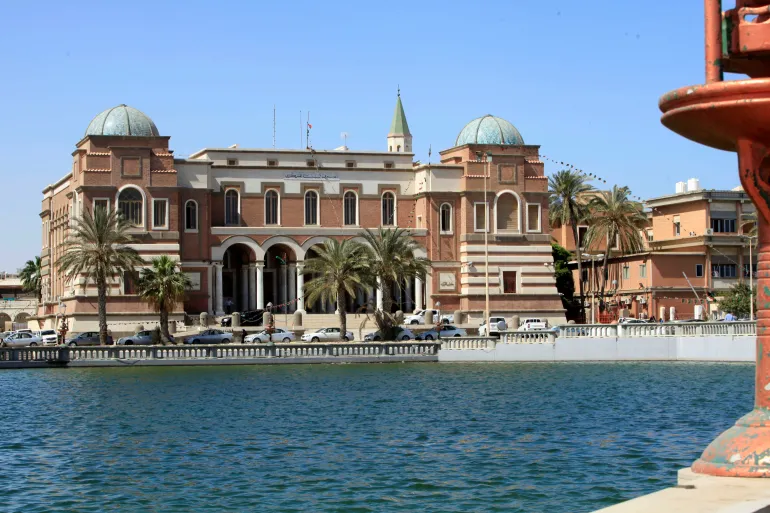
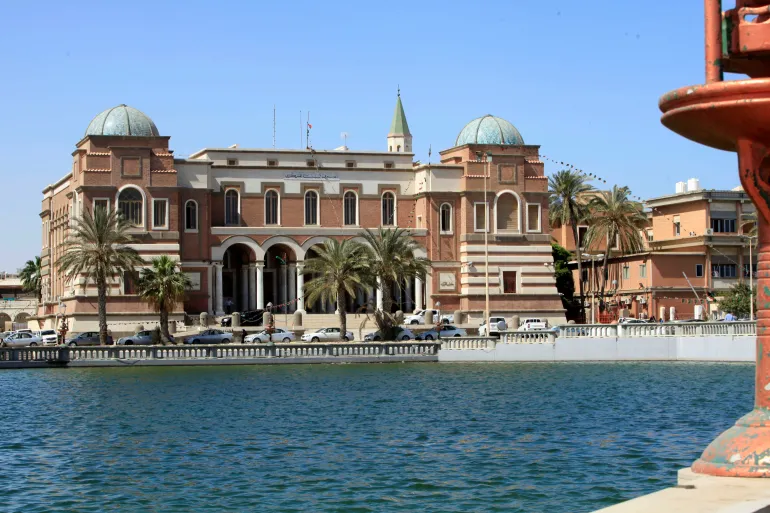
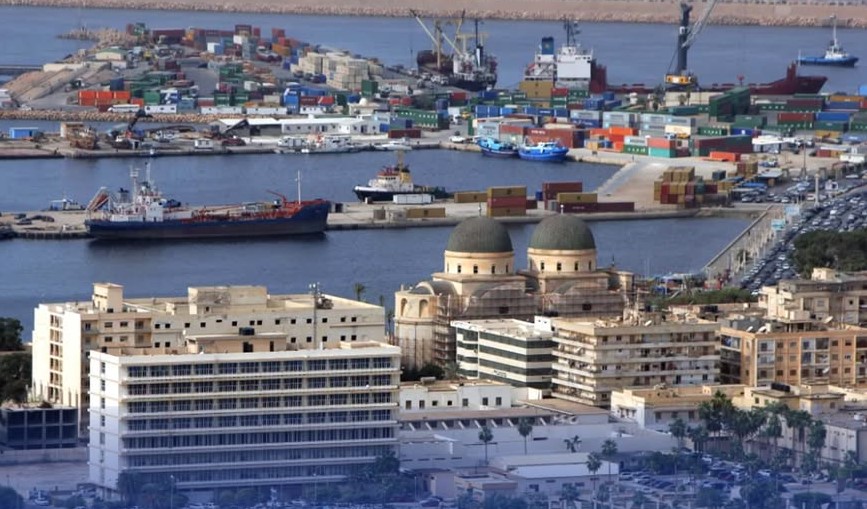
Tripoli
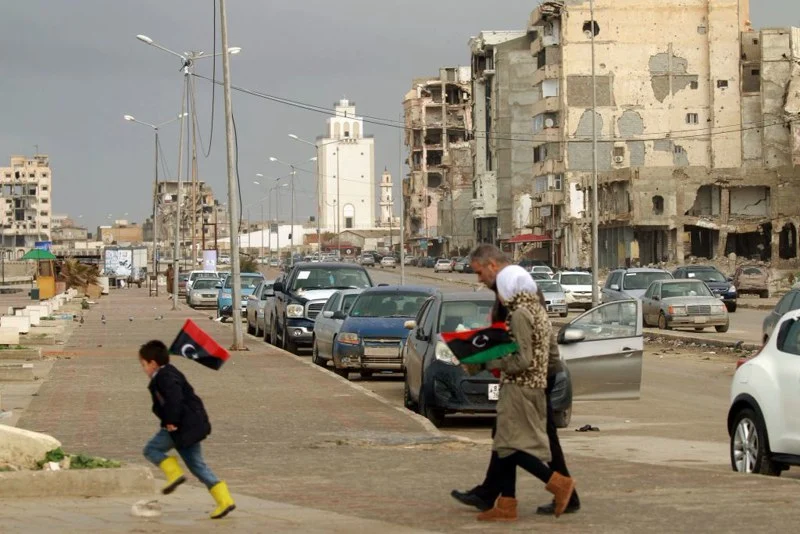
Tripoli is the capital and largest city of Libya, with a history dating back to the 7th century BC when it was founded by the Phoenicians. It later became a significant part of the Roman Empire, the Ottoman Empire, and an Italian colony, which is reflected in its diverse architecture, such as the historic Medina and the Red Castle (Assai al-Hamra).
Benghazi
Benghazi is a major city in eastern Libya, historically significant as a key trade hub and cultural center since its founding as the Greek colony of Eutropia. It later served as the capital of the Kingdom of Libya and was a focal point during the 2011 revolution.
Zliten
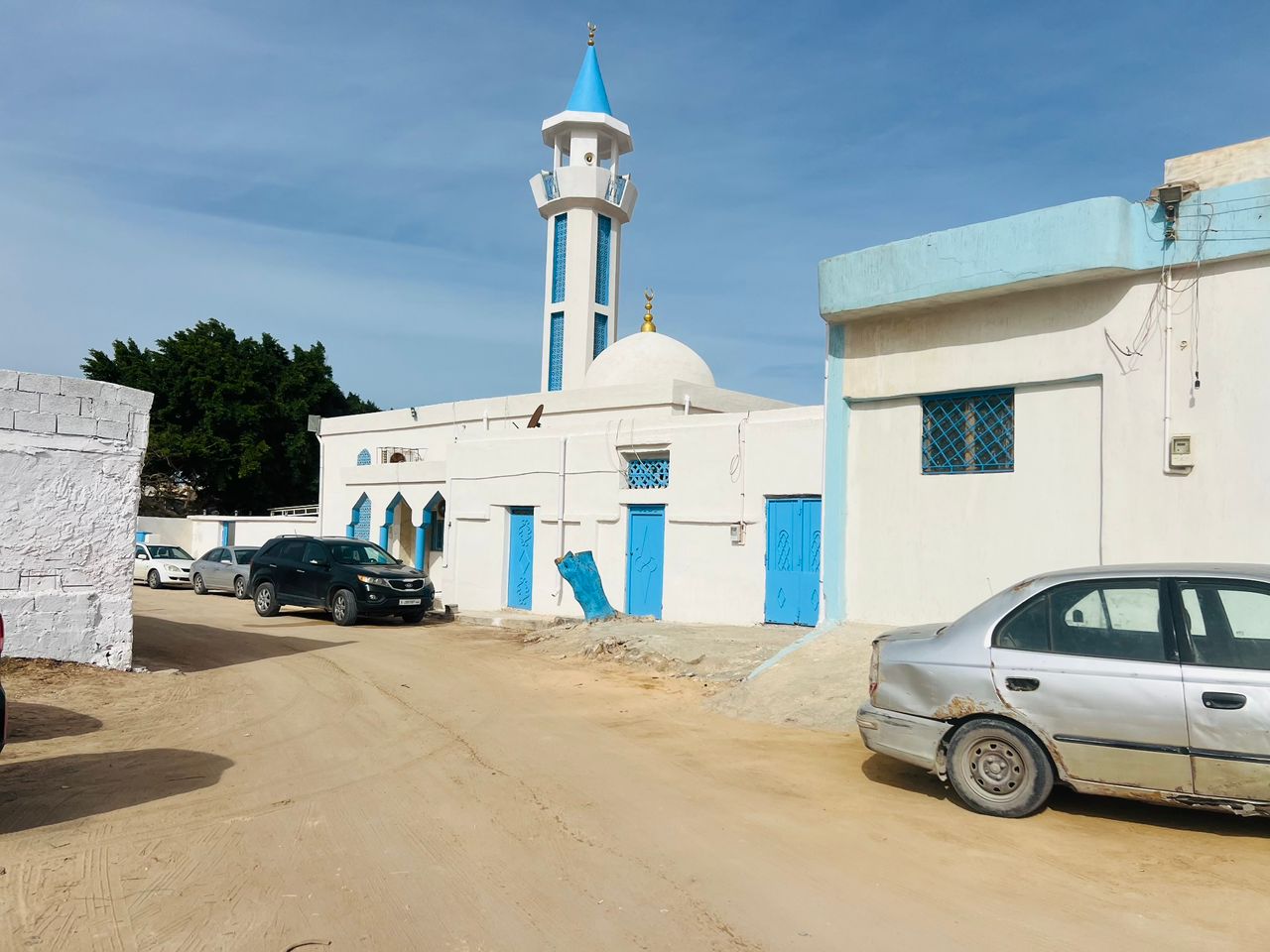
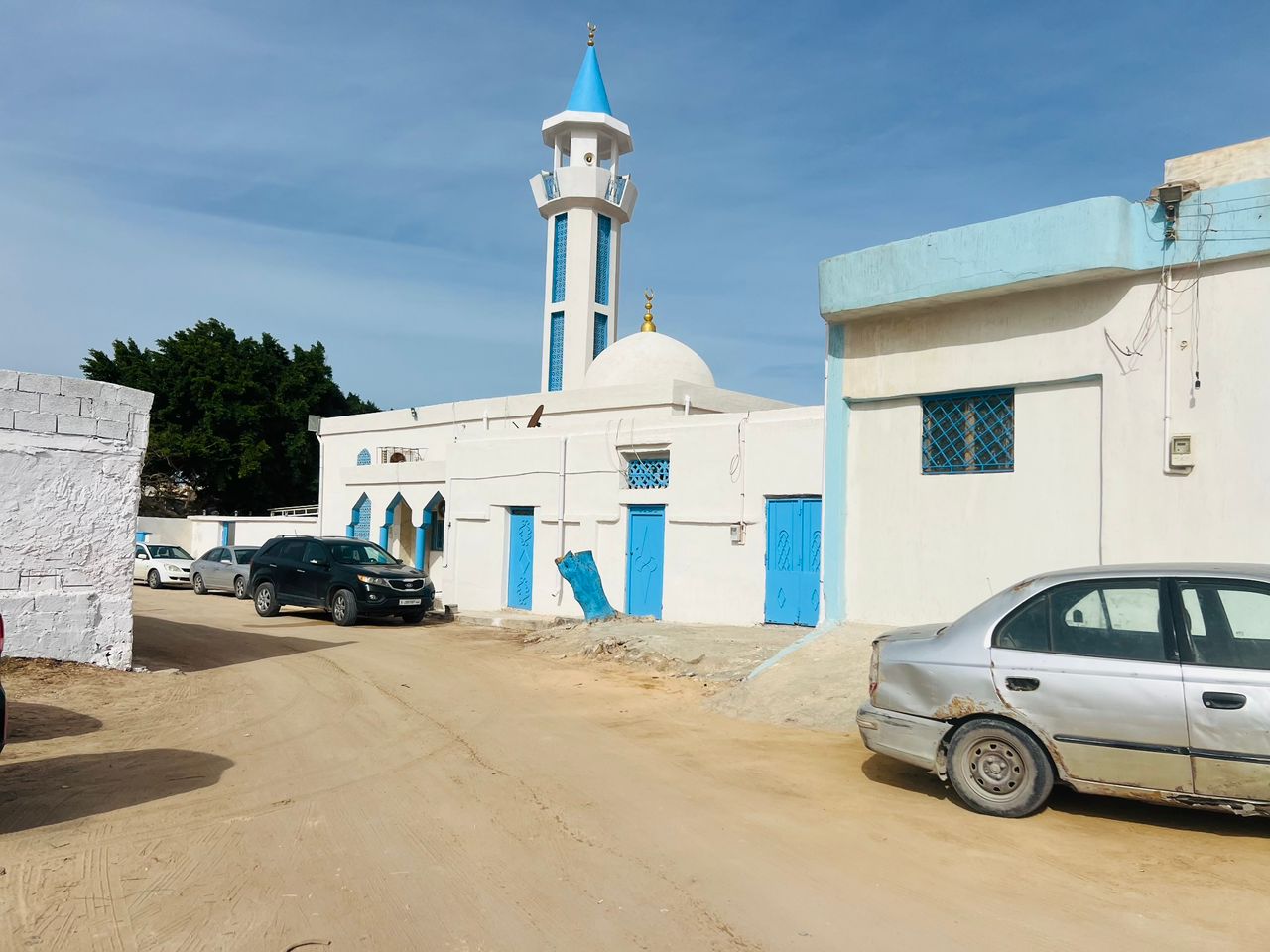
Zliten is a city in northwestern Libya, historically known for its Roman and Ottoman influences and as a center of Islamic scholarship. It is home to the Zliten Mosque, also called the Mosque of Sidi Abd As-Salam Al-Asmar, a significant religious and architectural site dating back to the 16th century. The city’s history is also marked by its role in the trans-Saharan trade and its production of traditional Libyan carpets.