As 2026 approaches, many people begin setting new goals related to fitness and overall health. Building strength is at the top of these goals for a large number of individuals. However, a recent study indicates that many are still unsure of how to begin.
A survey of two thousand adults in the United Kingdom showed that 28% of participants consider strength training their preferred form of exercise, while 26% said they do not feel or would not feel confident using gym equipment. Meanwhile, 34% admitted they feel embarrassed when using it.
For those who want to benefit from strength training in the new year but don’t know where to start, here is a set of practical tips to help you get started with confidence.
Below are the key guidelines to help you make 2026 the year you start strength training, while maintaining consistency and progress:
Start with Bodyweight Exercises
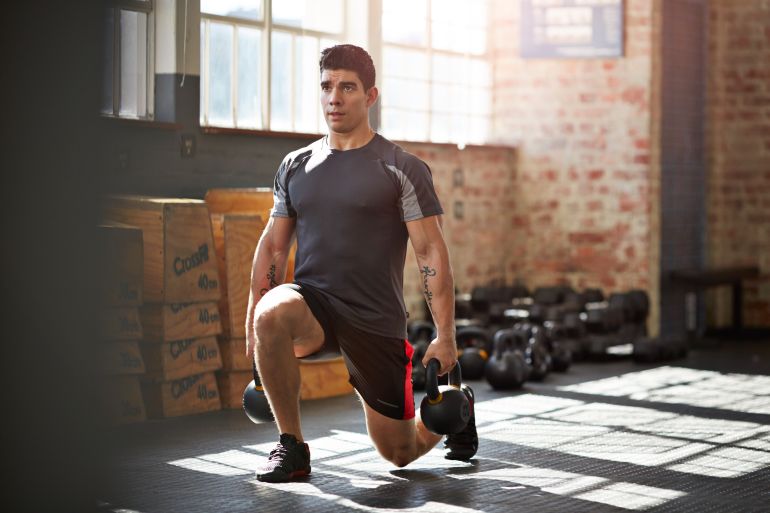
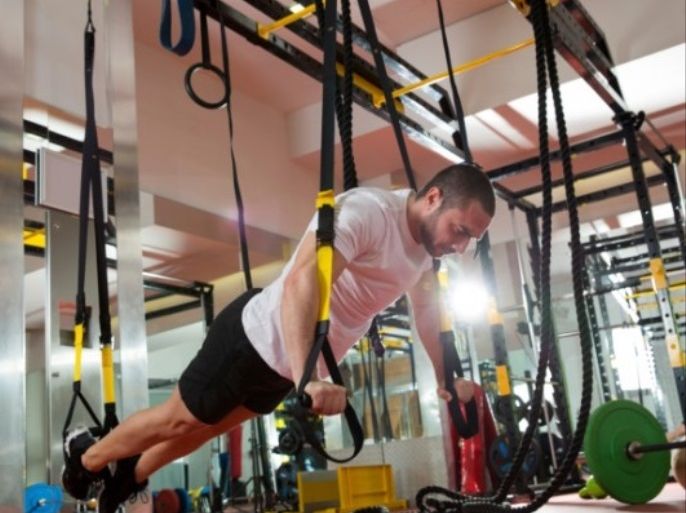
“If you are a complete beginner, you don’t necessarily need a gym membership. Start with bodyweight exercises like squats, core strengthening exercises, single-leg exercises such as lunges, or push-ups. These exercises help build a solid foundation of physical strength.”
Set Short, Medium, and Long-Term Goals
“Having short, medium, and long-term goals helps you stay committed throughout the year. Your long-term goal might be to deadlift 100 kilograms, while your short-term goal could be to go to the gym twice a week. A medium-term goal might be preparing for a trip or holiday in April, followed by a rest period before returning to training.”
Add Resistance Gradually
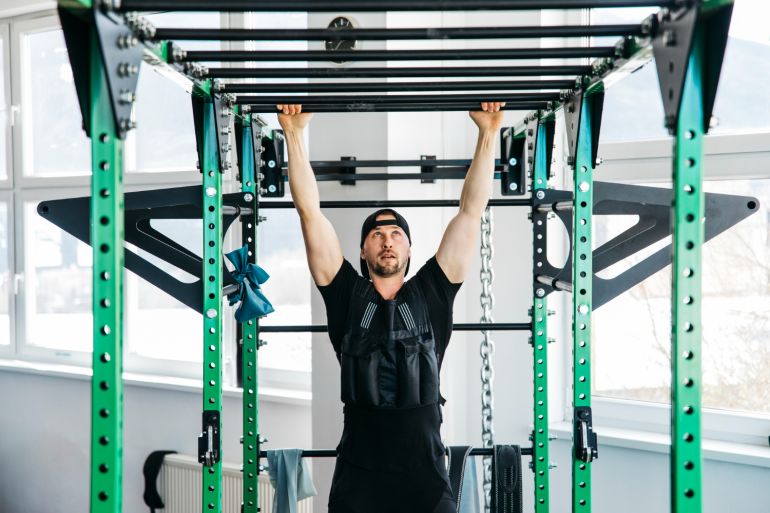
“If you have a gym membership, take advantage of fixed resistance machines, or start using resistance bands. As you progress, you can move on to traditional strength exercises like squats, deadlifts, and bench presses.”
Don’t Overdo It at the Beginning
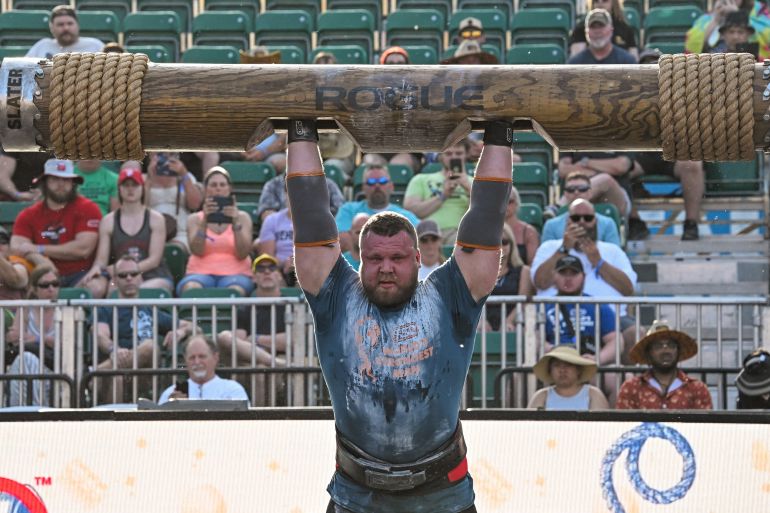
“One of the most common mistakes for beginners is trying to lift heavy weights too early. Lifting a heavy weight with poor technique increases the risk of injury, so it is essential to increase weights gradually while focusing on proper form.”

Prioritize Rest Days
“Without rest and recovery days, you will suffer from physical and mental fatigue, or you may sustain an injury that hinders your goals. It is important to structure your training program to allow your body adequate recovery.”
Make Your Training Fun and Varied
“Variety is a key element in training. Work out with friends, or try different classes, because sticking to the same exercises every day can quickly become boring.”
Evaluate Your Progress Midway
“It’s good to have a long-term goal, but don’t forget to review your program. If you can’t keep it up, ask yourself: Am I enjoying this training? Does it suit me? And how can I adjust it to be better?”
Track Your Progress
“With life’s busyness, you might forget how much progress you’ve made. Therefore, it’s important to track your development. If your goal is to lift 60 kilograms and you started with just the bar, monitoring your improvement gives you a confidence boost to keep going.”
Consider the Psychological Benefits
“Strength training significantly boosts self-confidence. I meet people who are dissatisfied with their fitness or weight, but once they start training, their self-confidence begins to improve. When you feel strong, you feel more confident, and this reflects on your self-perception and the way you carry yourself.”