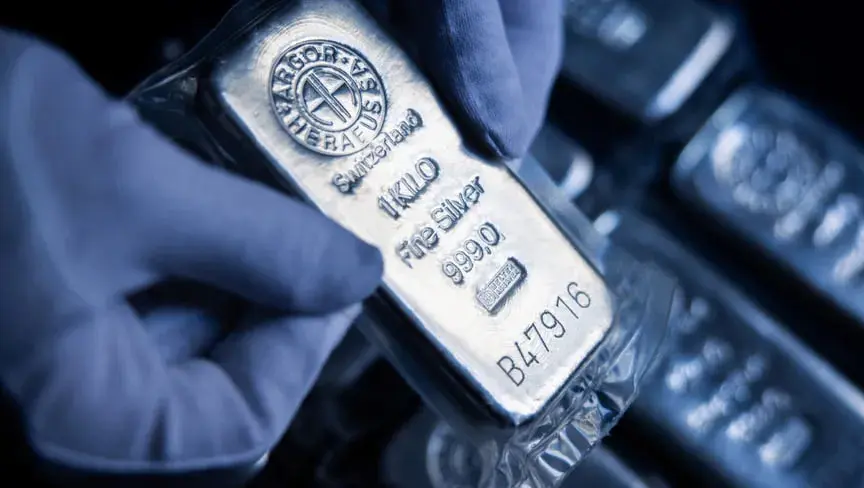
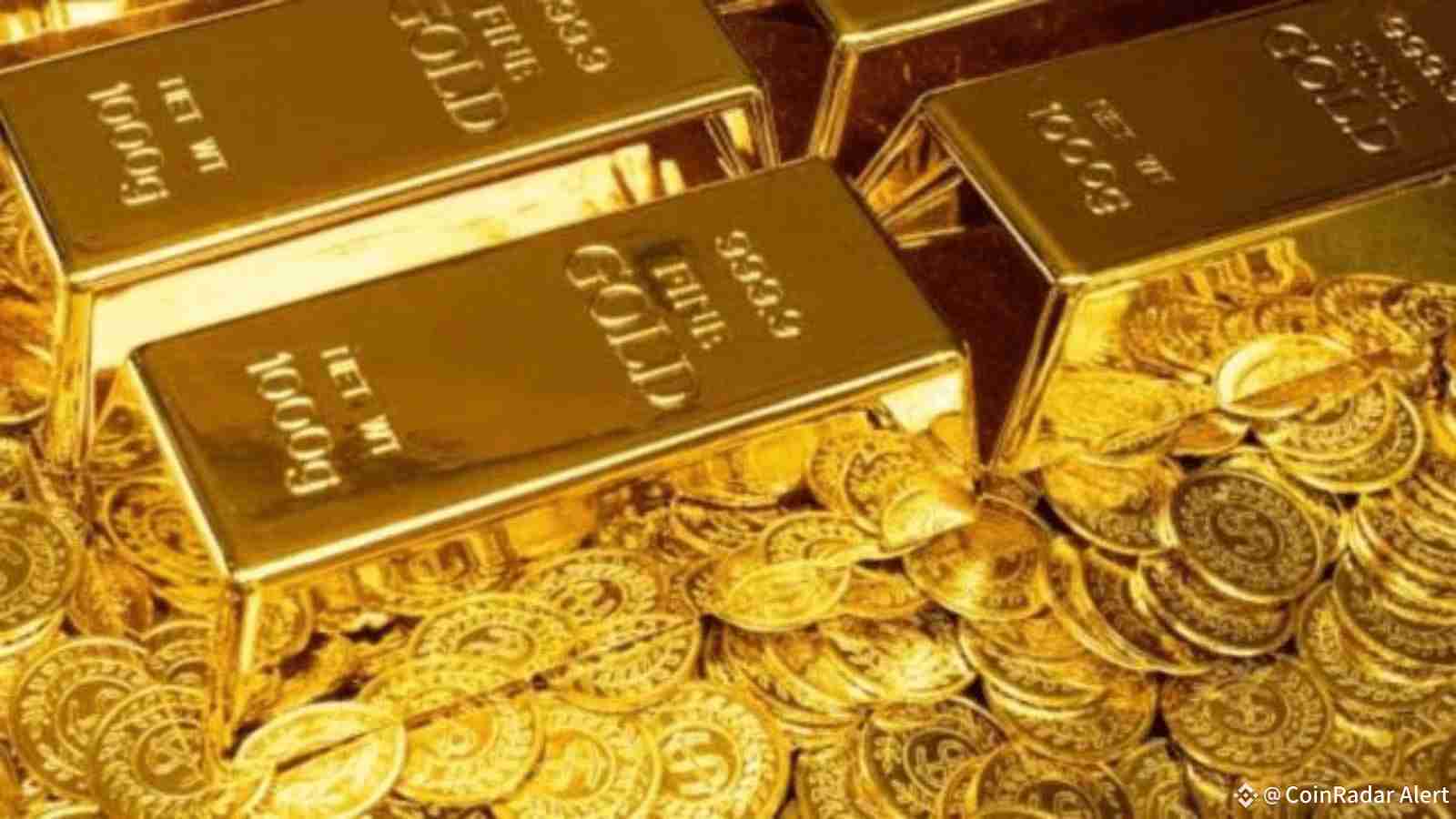
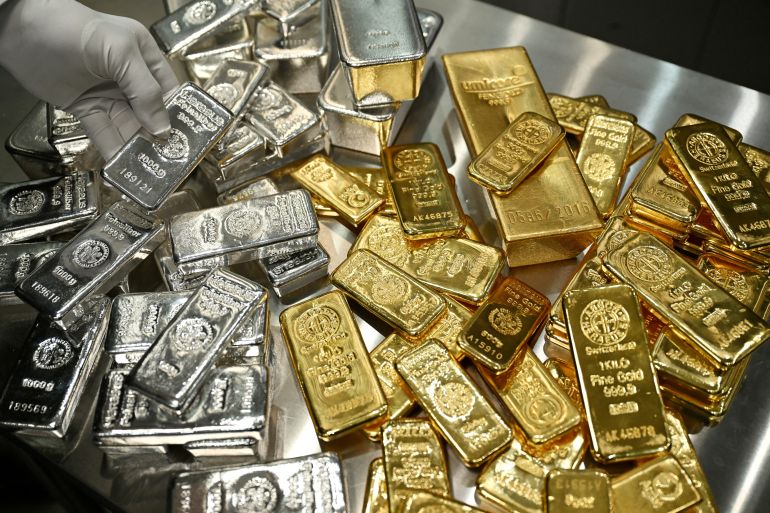
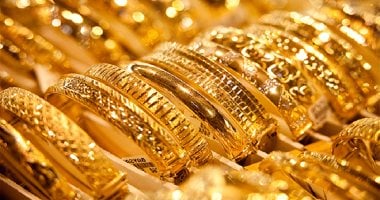
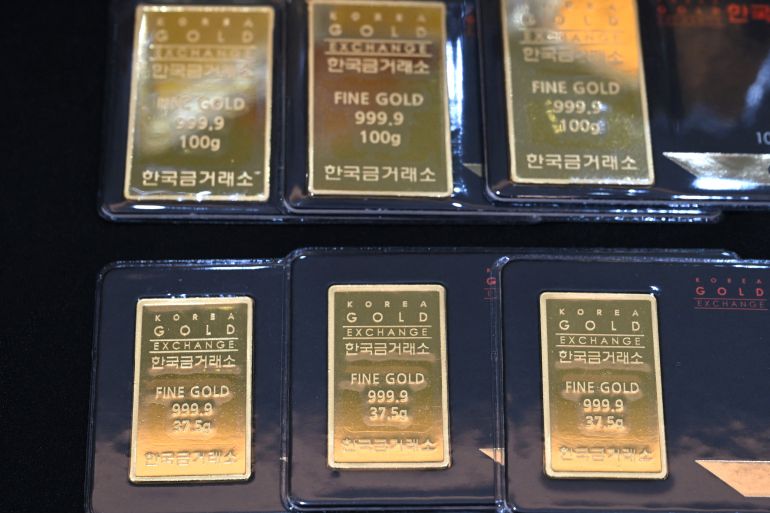
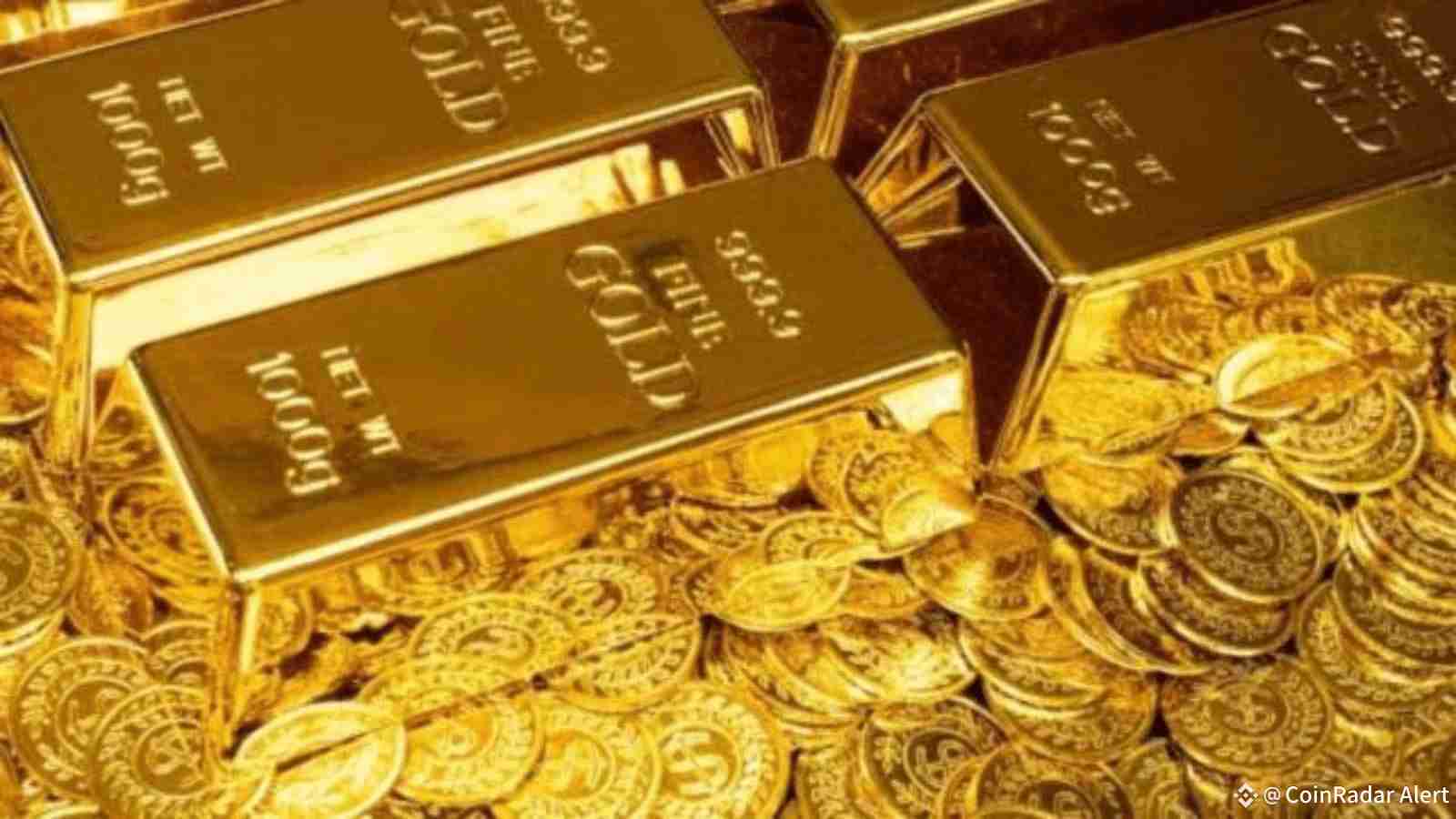
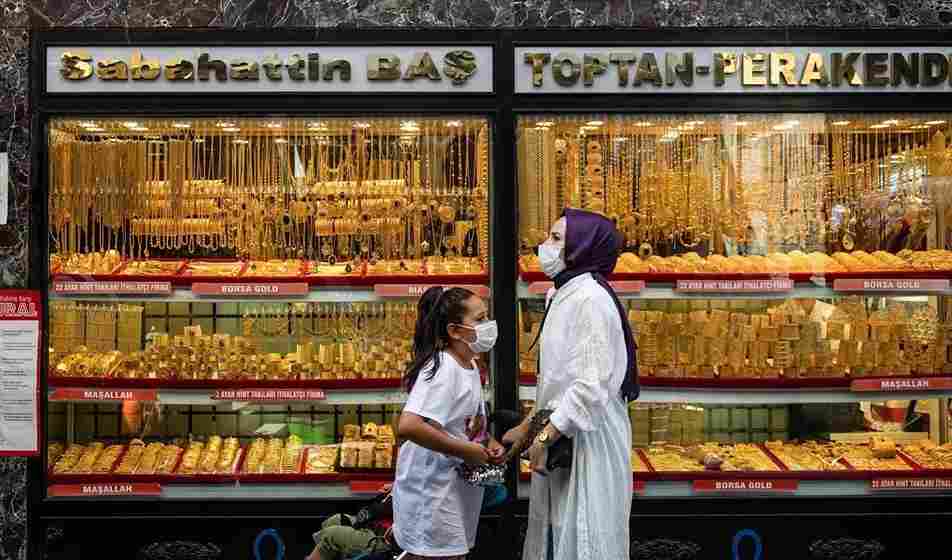
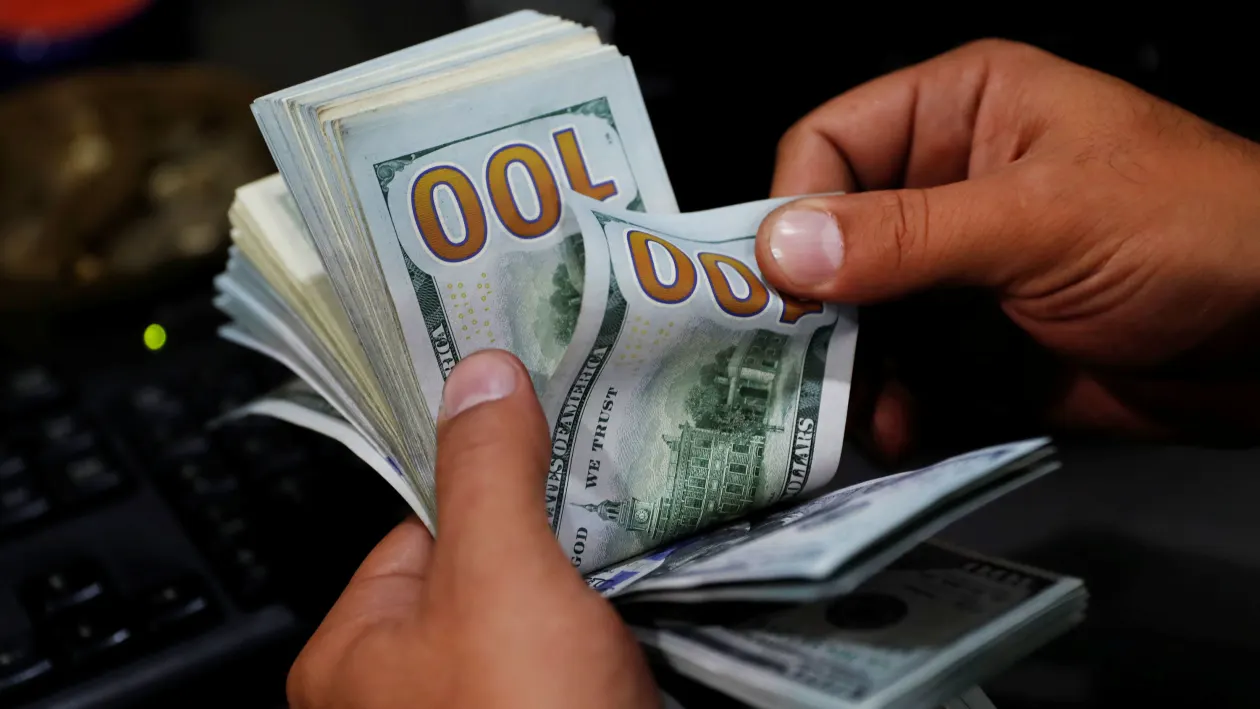
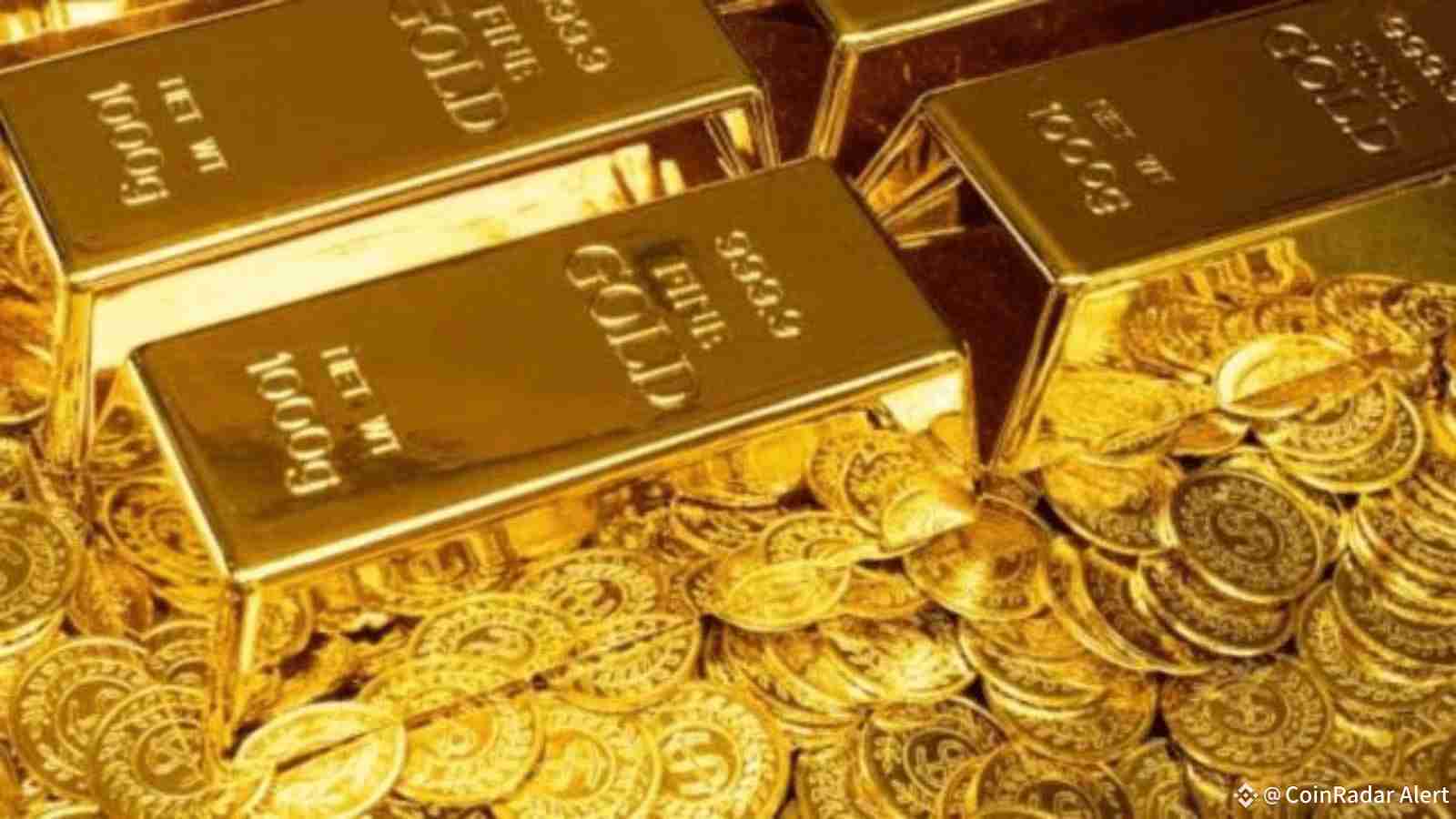
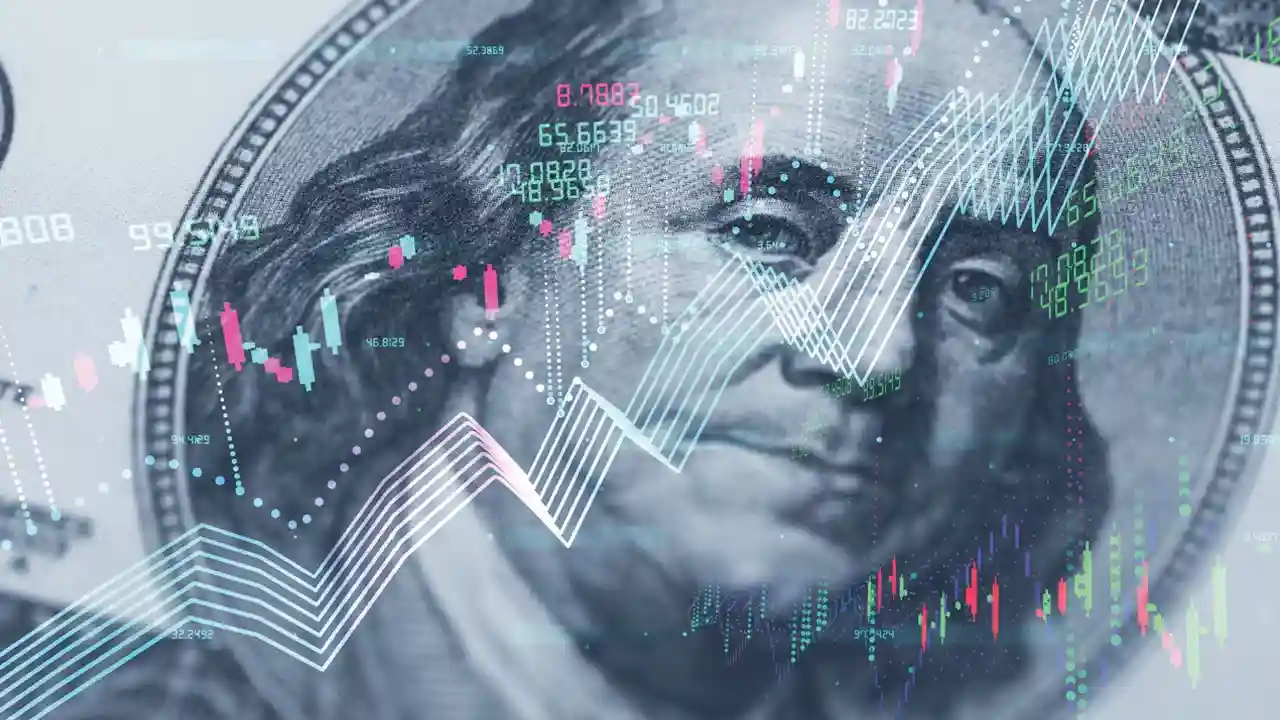
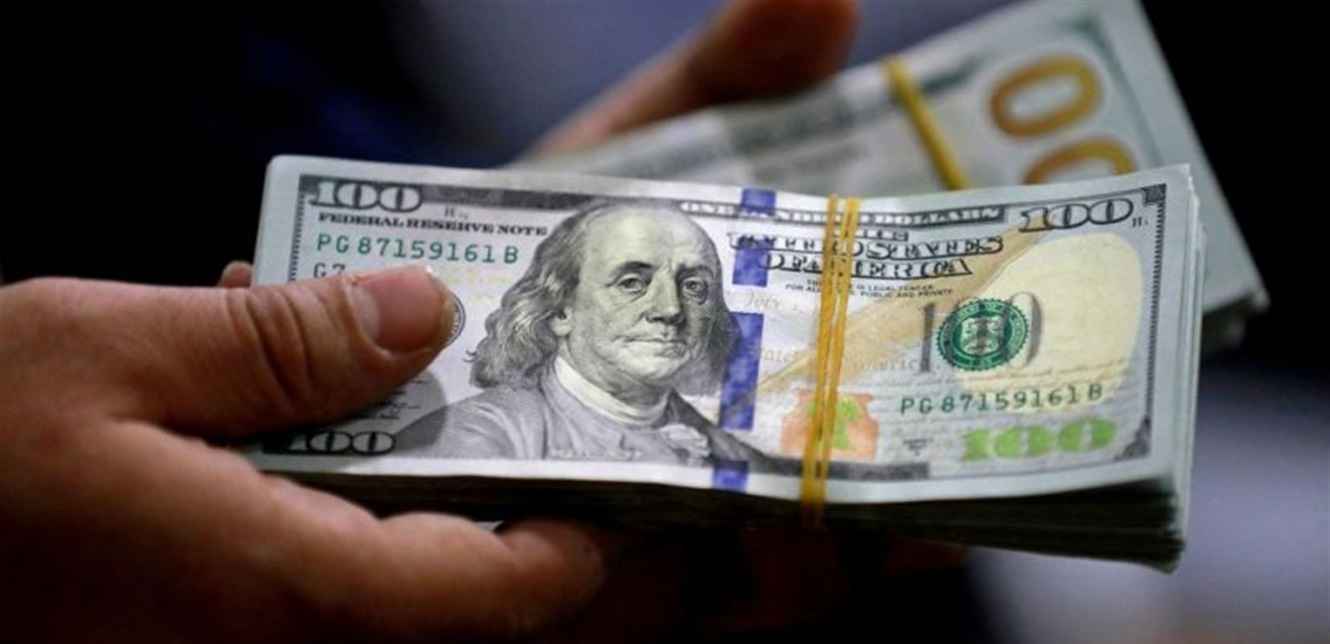
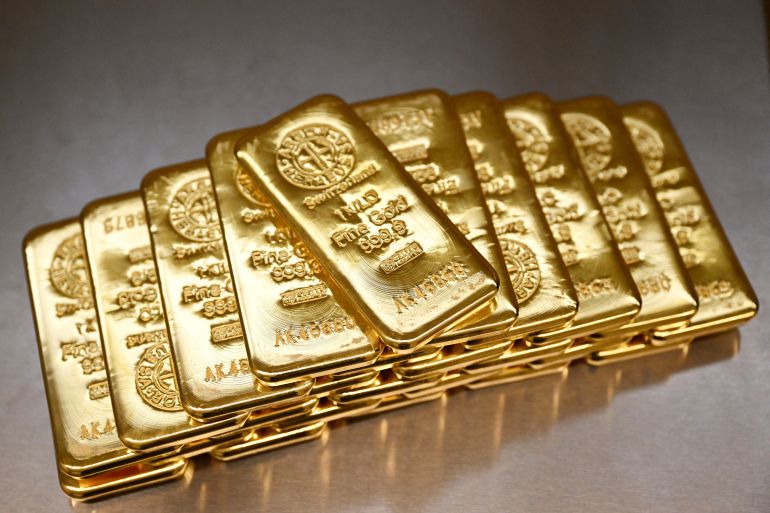
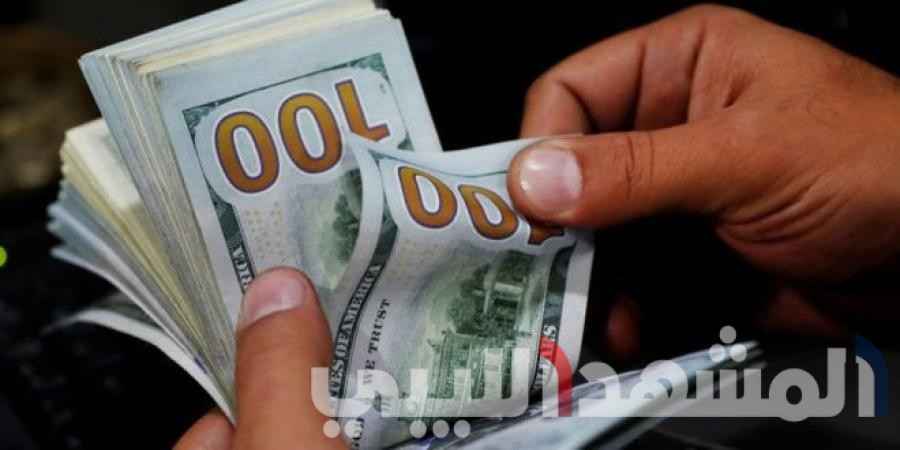
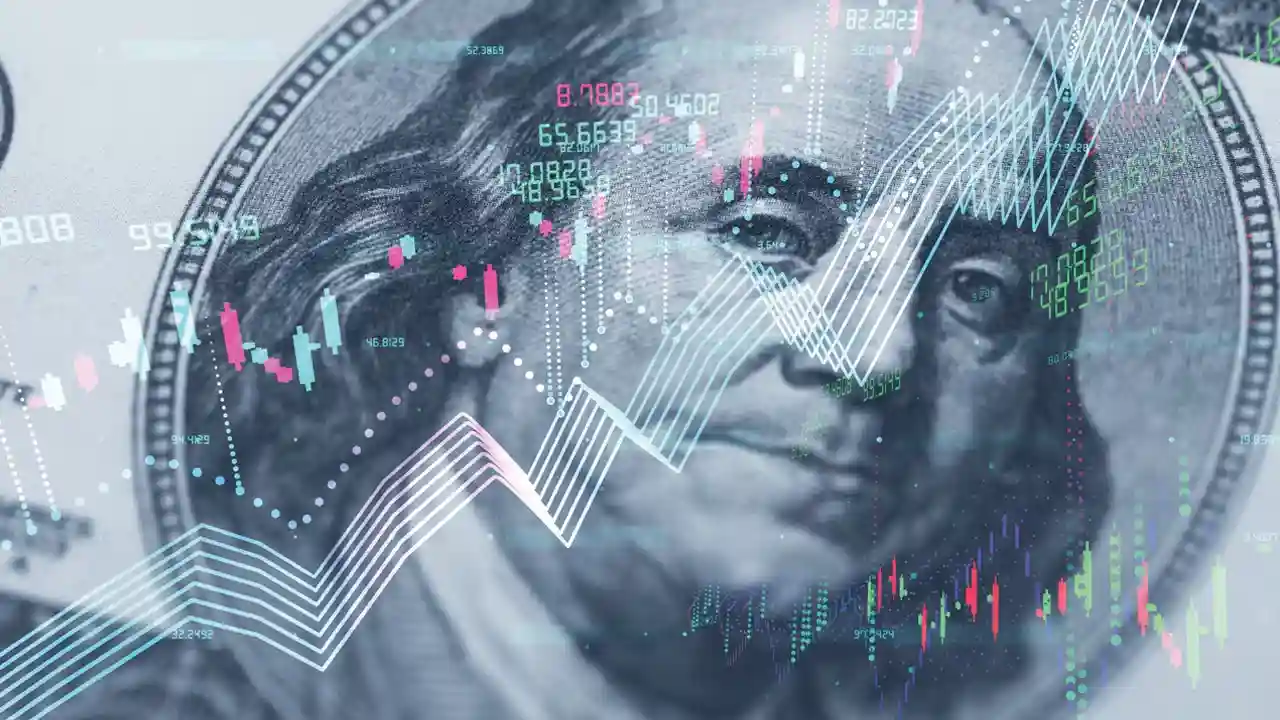
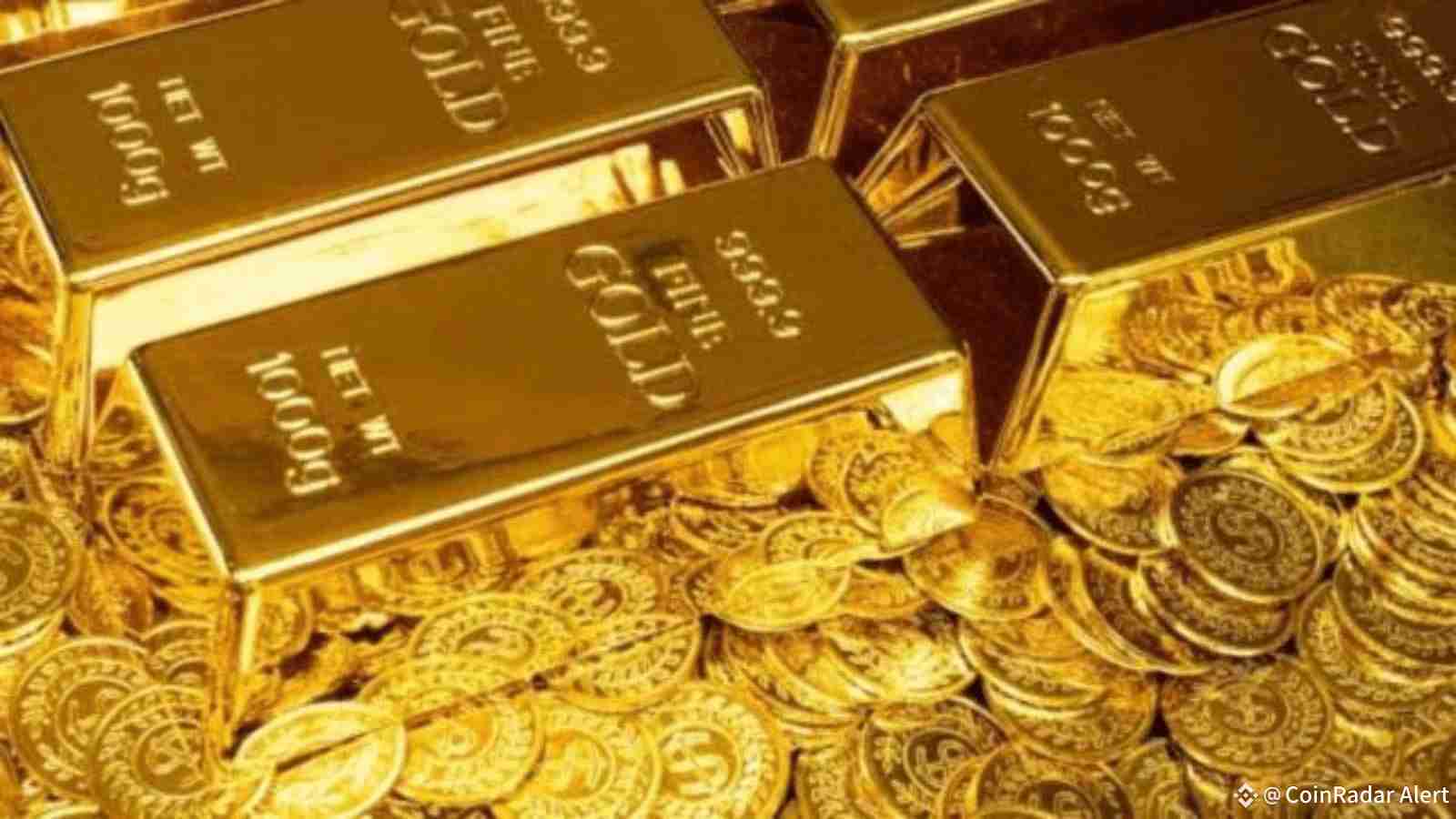
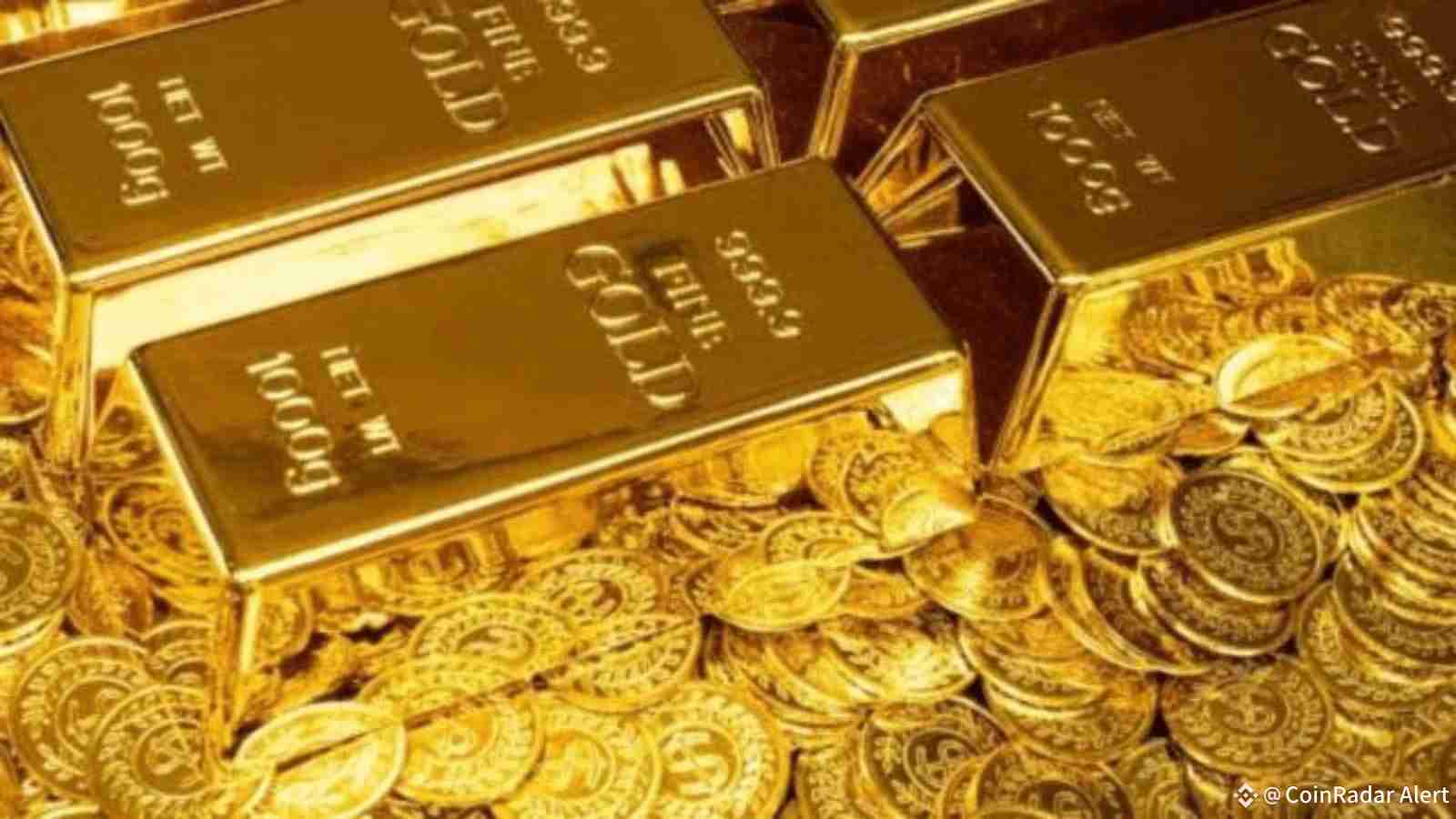
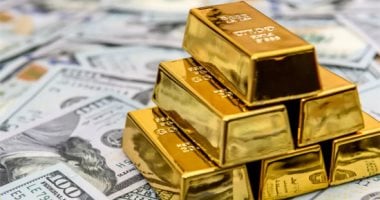
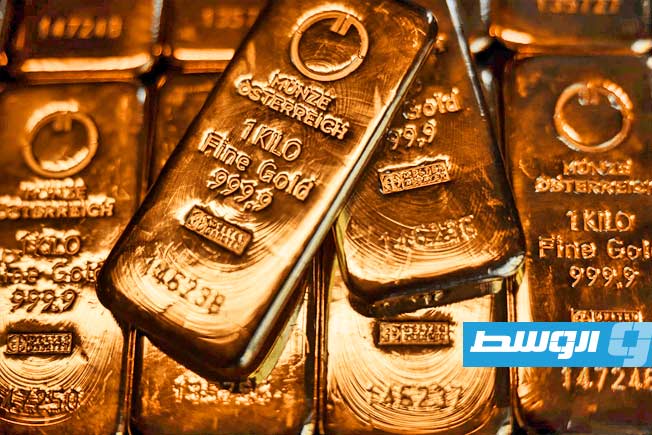
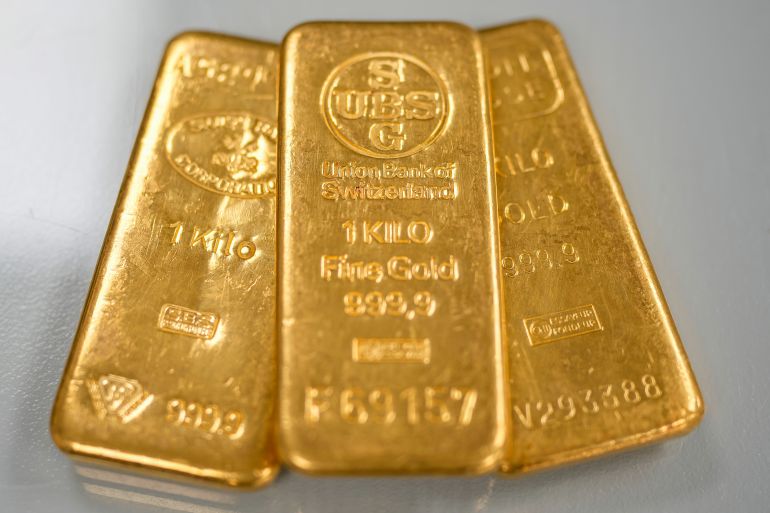
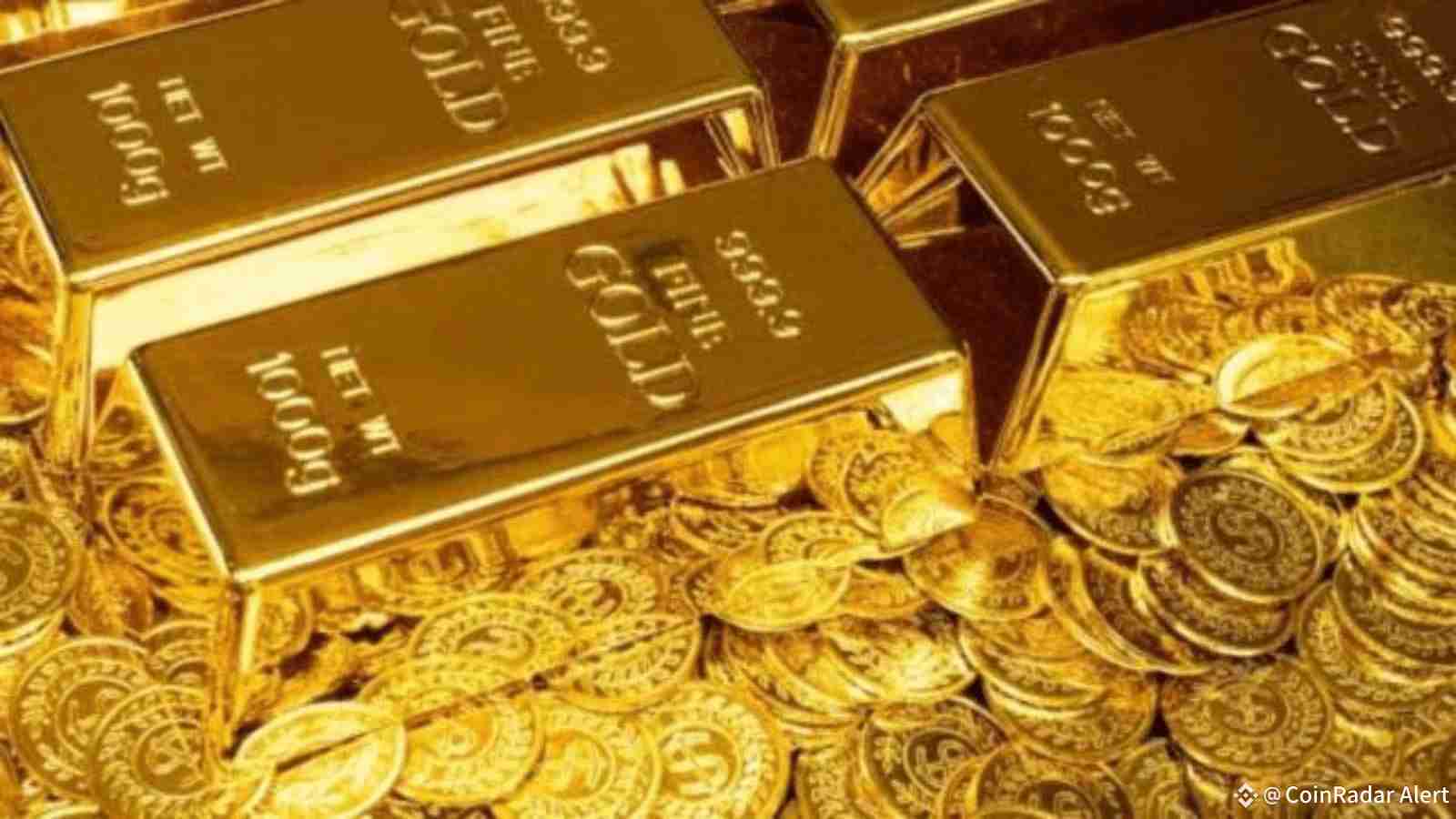
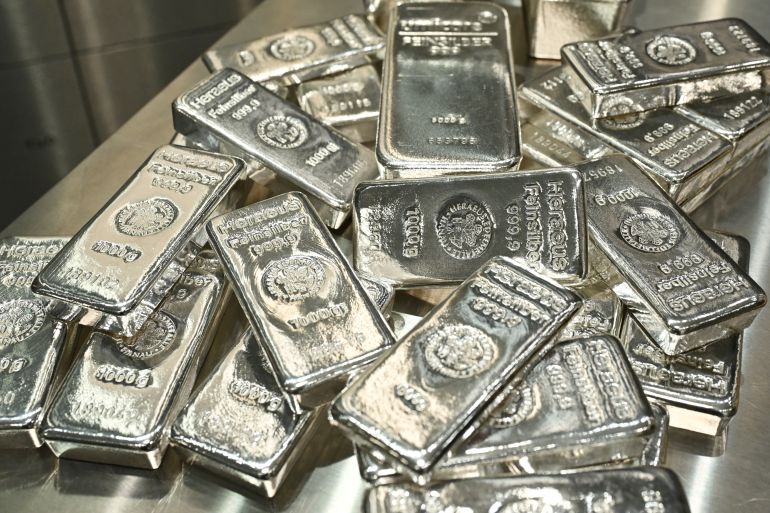
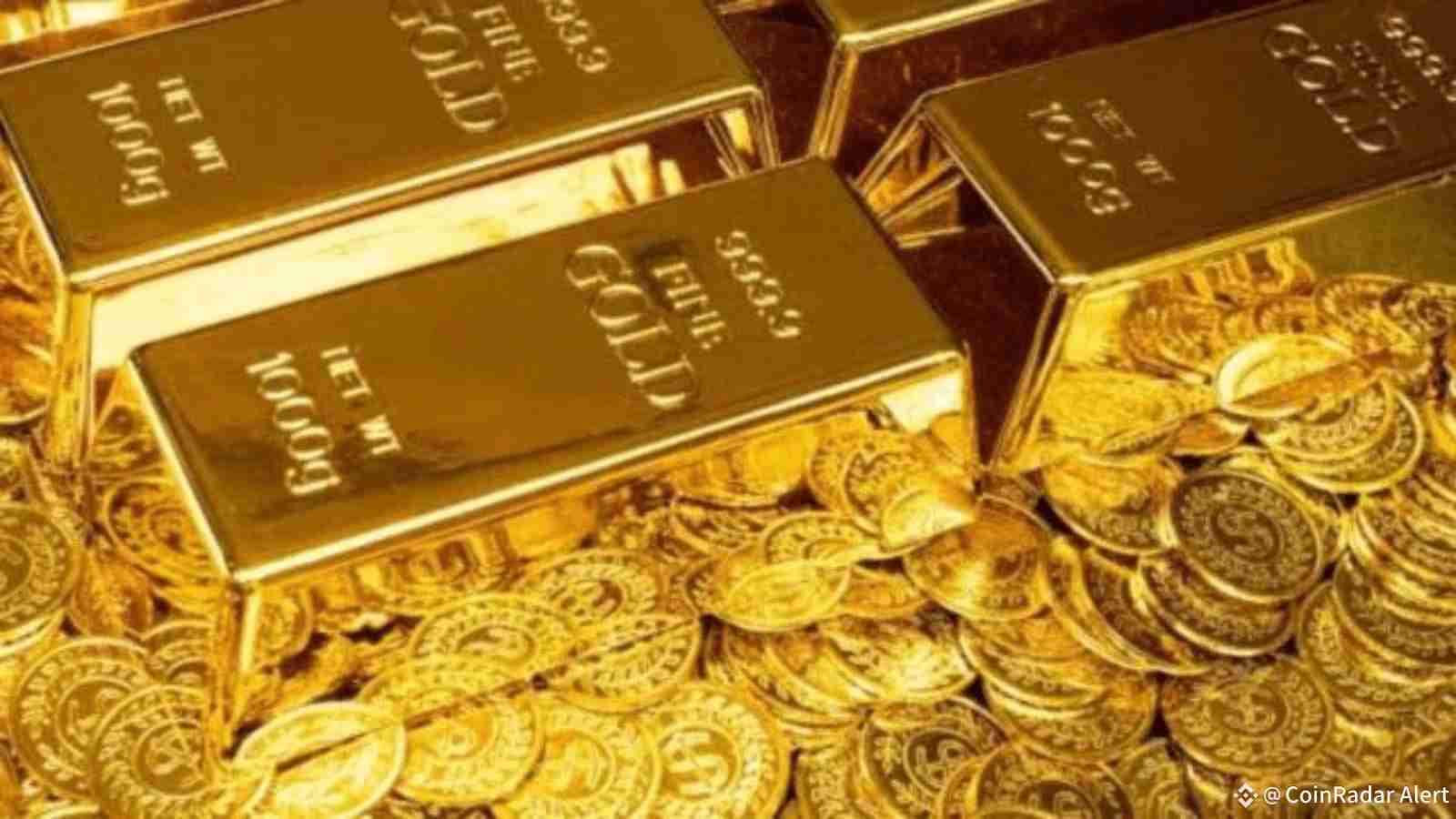
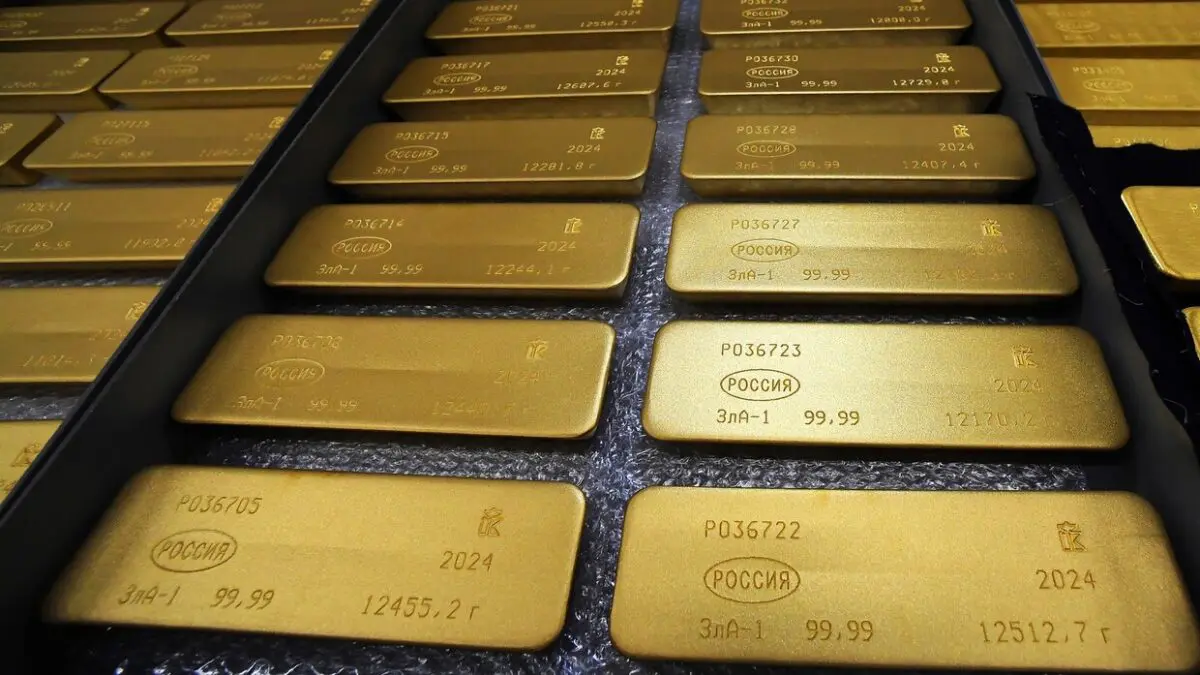
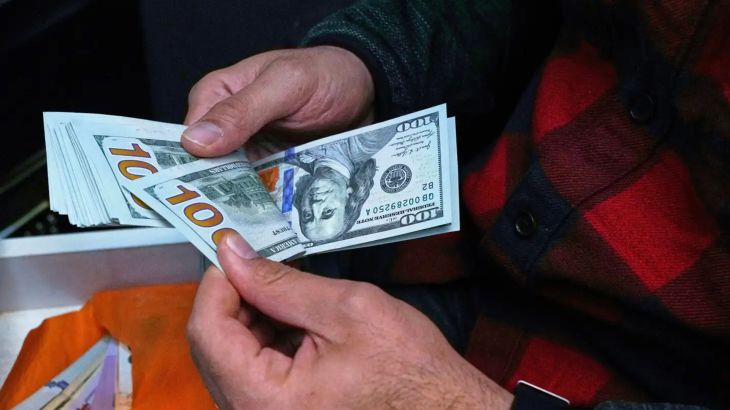
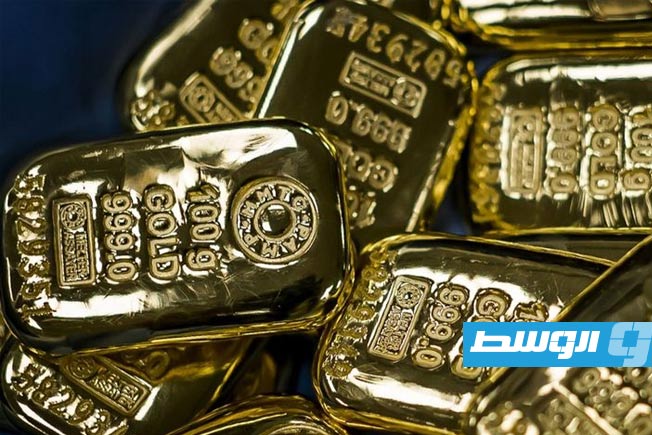
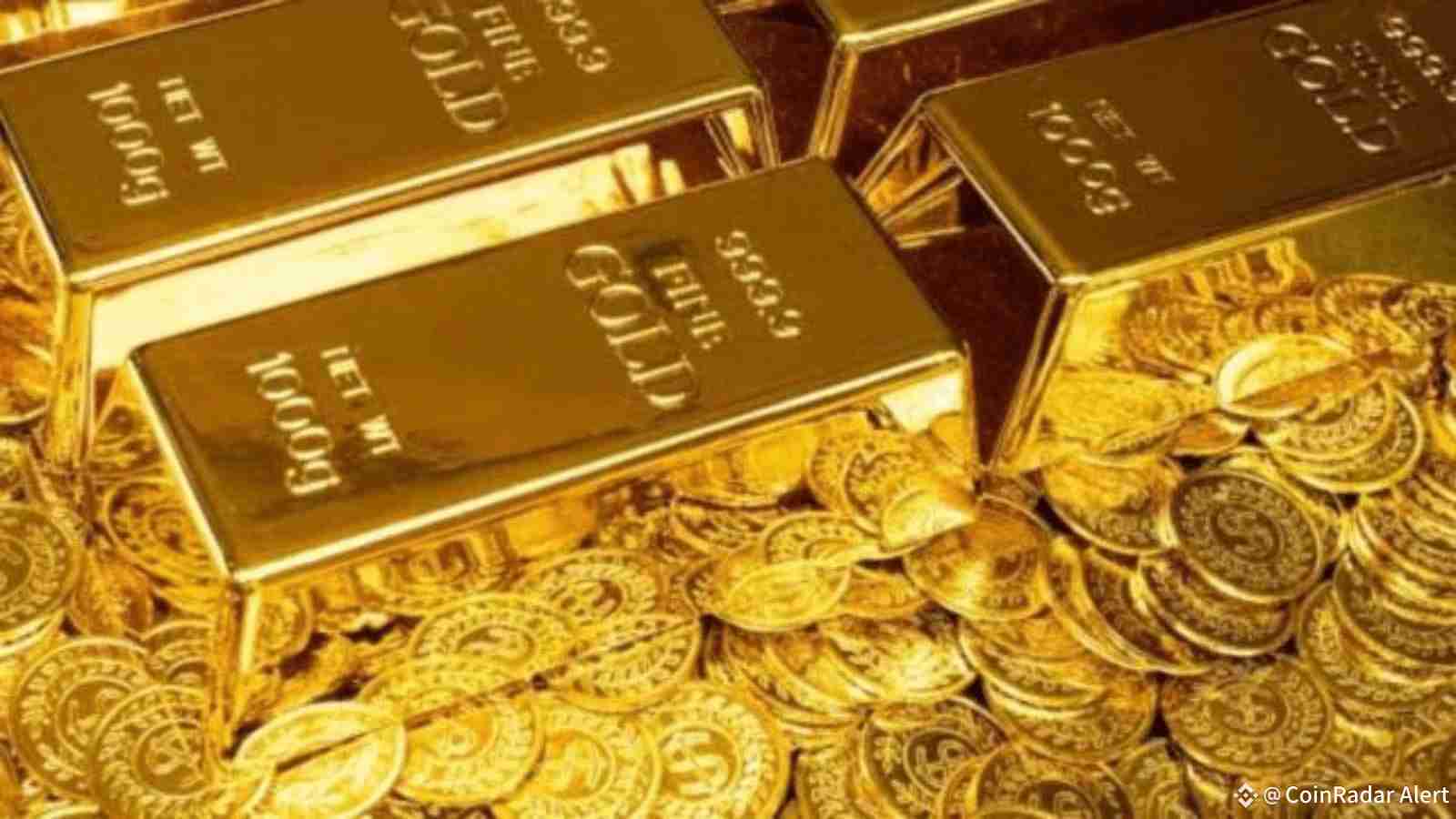
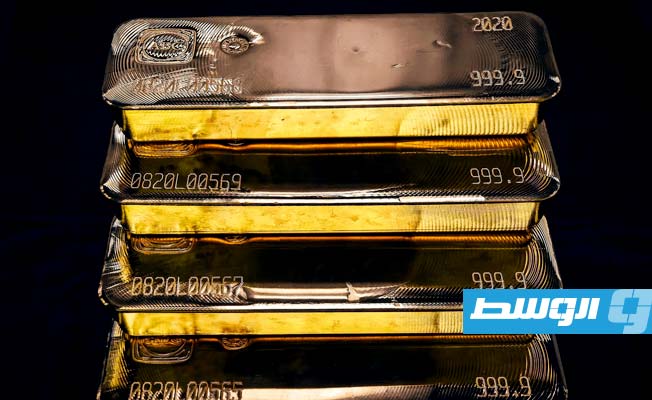
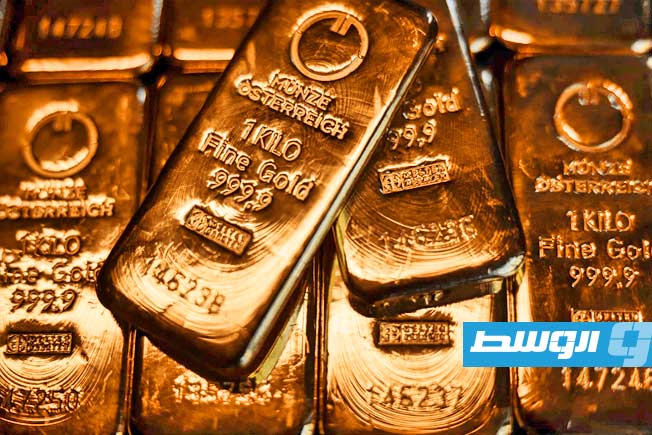
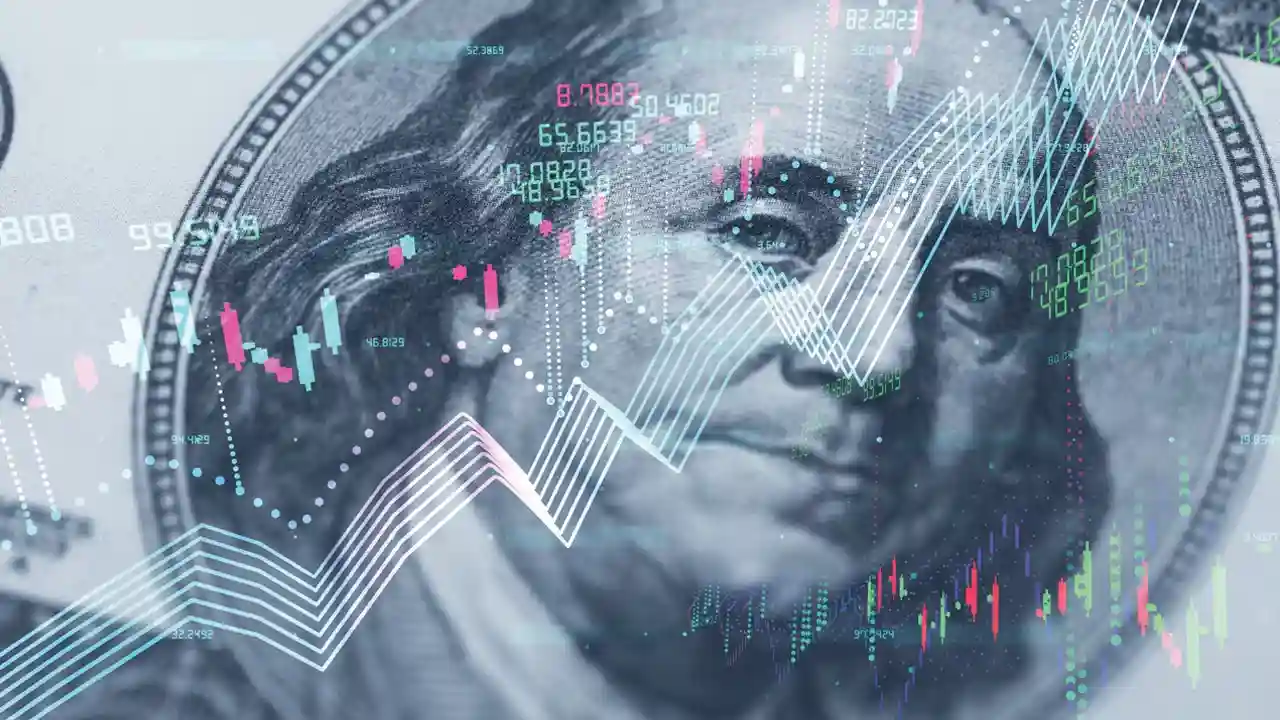
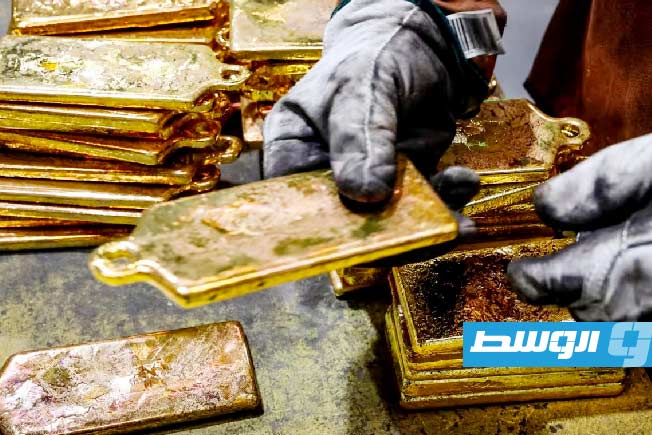
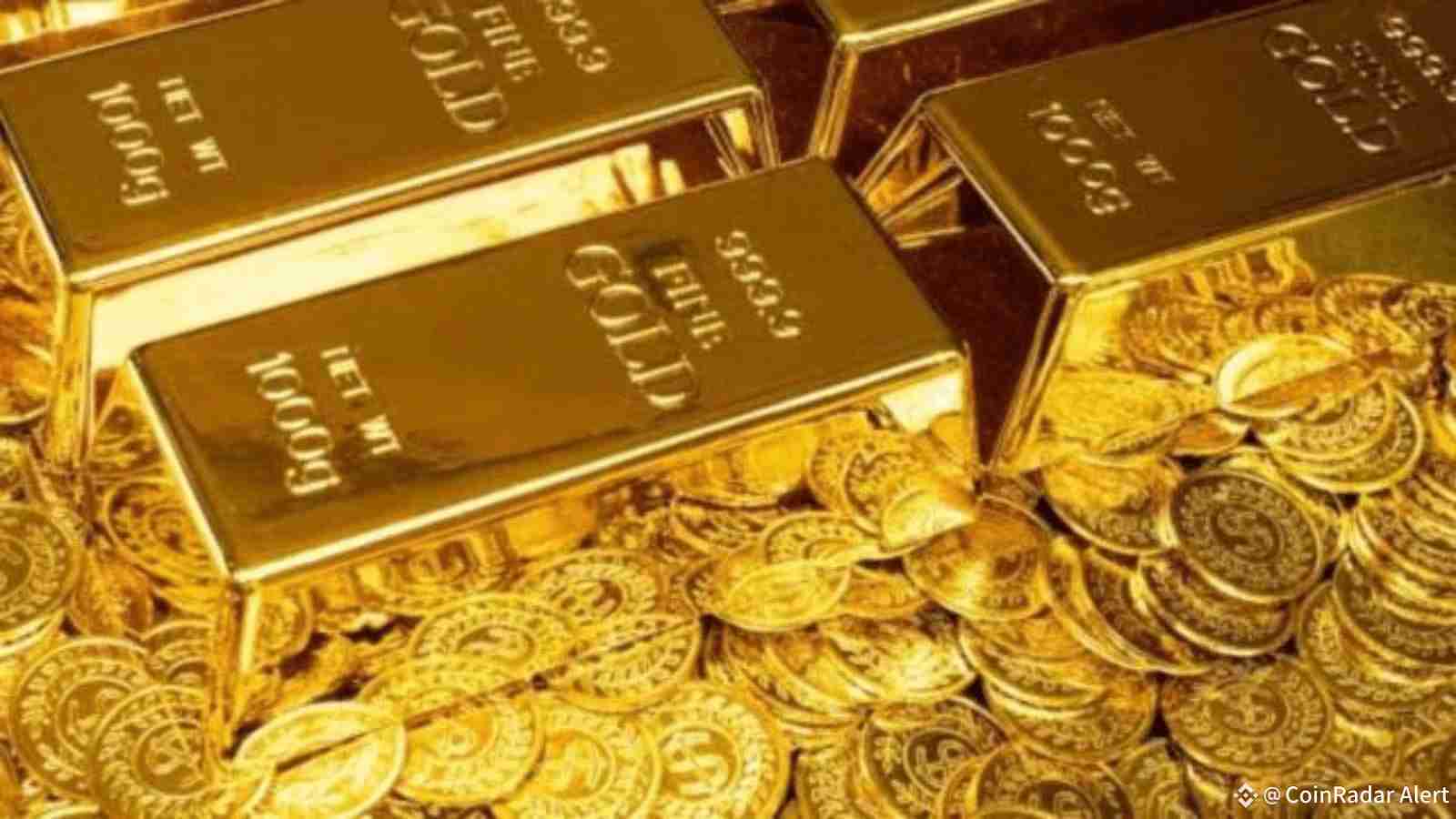
Silver prices rebounded strongly after their largest single-day drop in over five years, supported by a global supply shortage and continued strong demand from Chinese markets, posting monthly gains of nearly 35%.
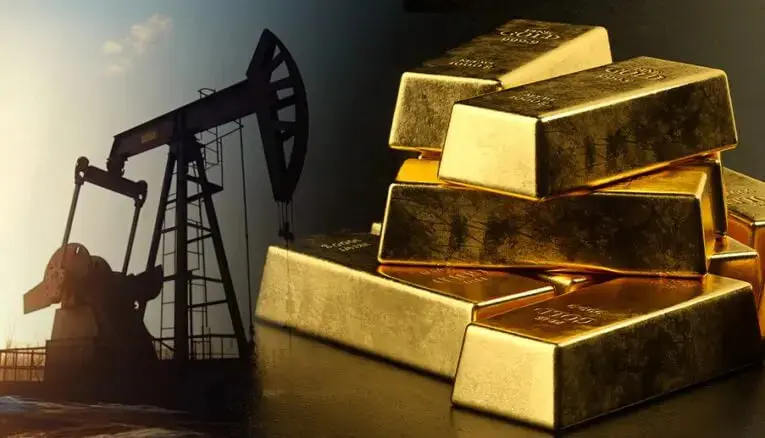
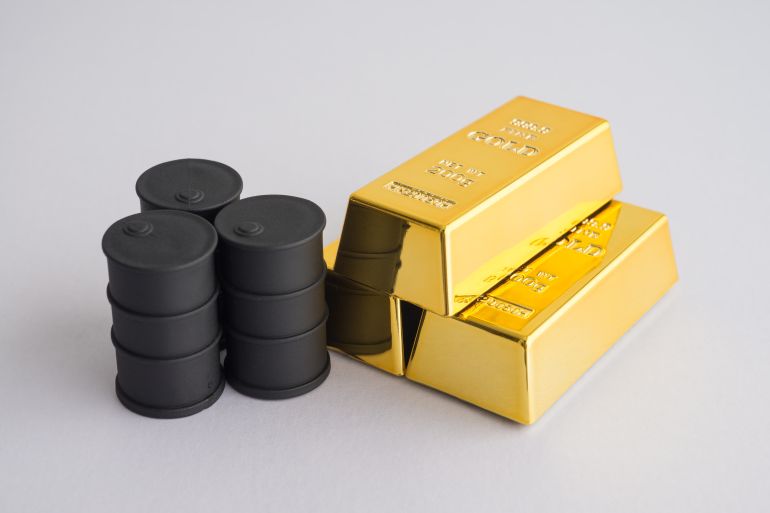
Silver climbed above $78 per ounce on Tuesday, following a 9% decline in the previous session, while gold saw a slight increase after its largest drop in two months. The tightening of margin requirements on metal exchanges, along with weak liquidity, deepened Monday’s losses, but did not affect the fundamentals supporting precious metals in the long term, according to market experts.
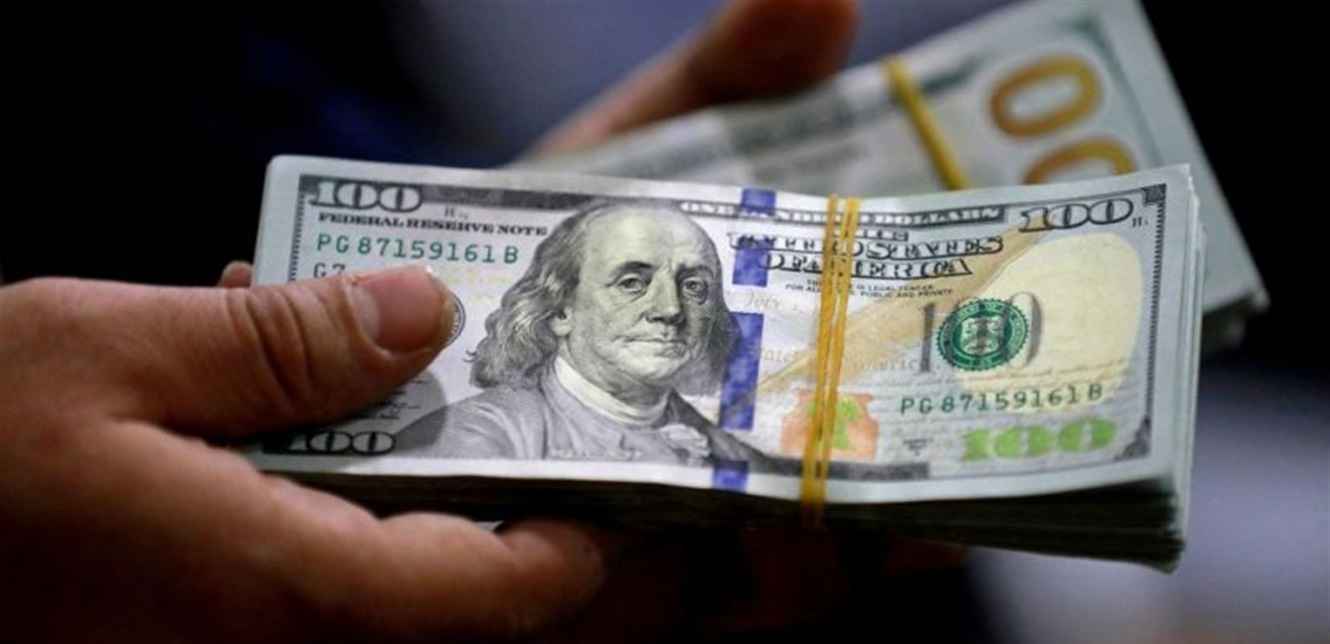
The price support came from central bank purchases, inflows into exchange-traded funds, and three consecutive interest rate cuts by the U.S. Federal Reserve, which reduced borrowing costs and boosted demand for non-yielding assets.
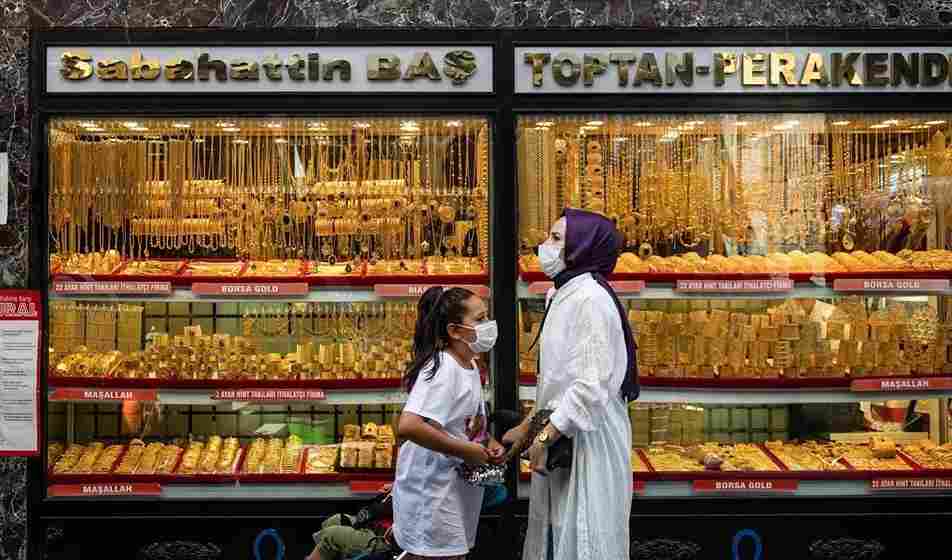
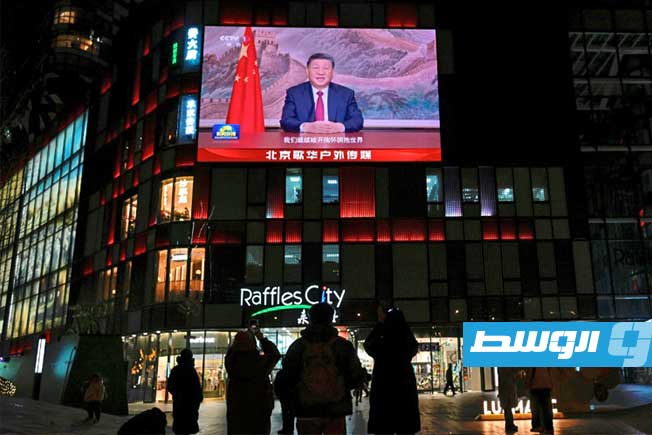
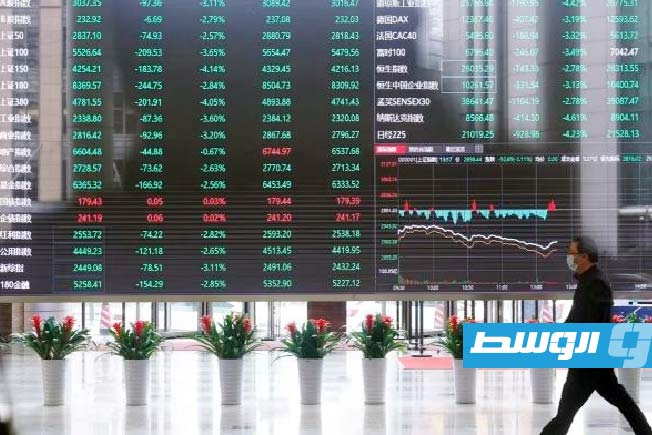
A global supply shortage also contributed to silver’s rise, with increased buying on the Shanghai Gold Exchange in December pushing price premiums to record levels. A specialized silver fund in China faced restrictions on accepting new investors due to the sharp rally.
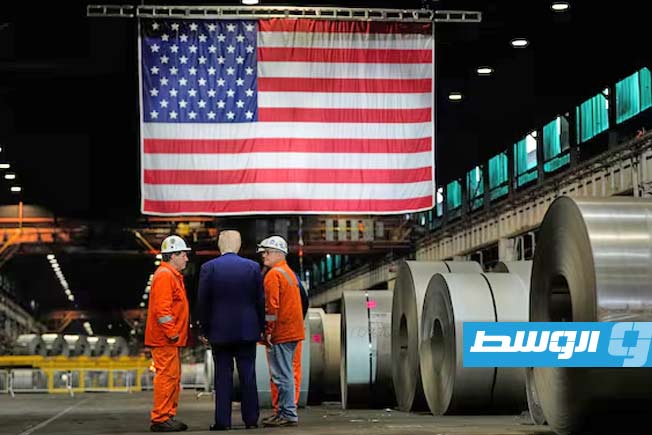
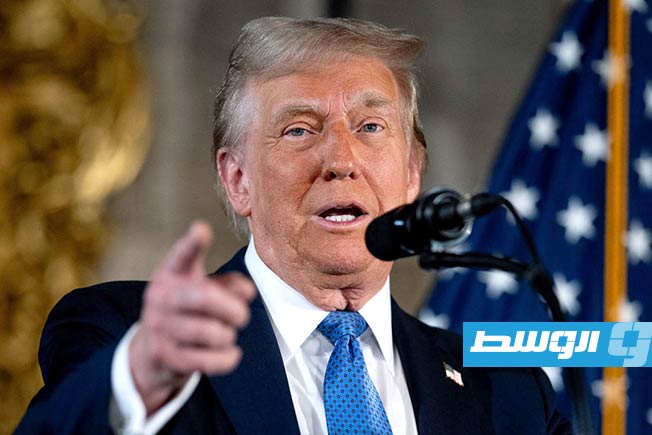
Despite the recovery, a significant portion of the world’s available silver remains concentrated in New York, as traders anticipate potential U.S. measures that could impose trade restrictions or additional tariffs.
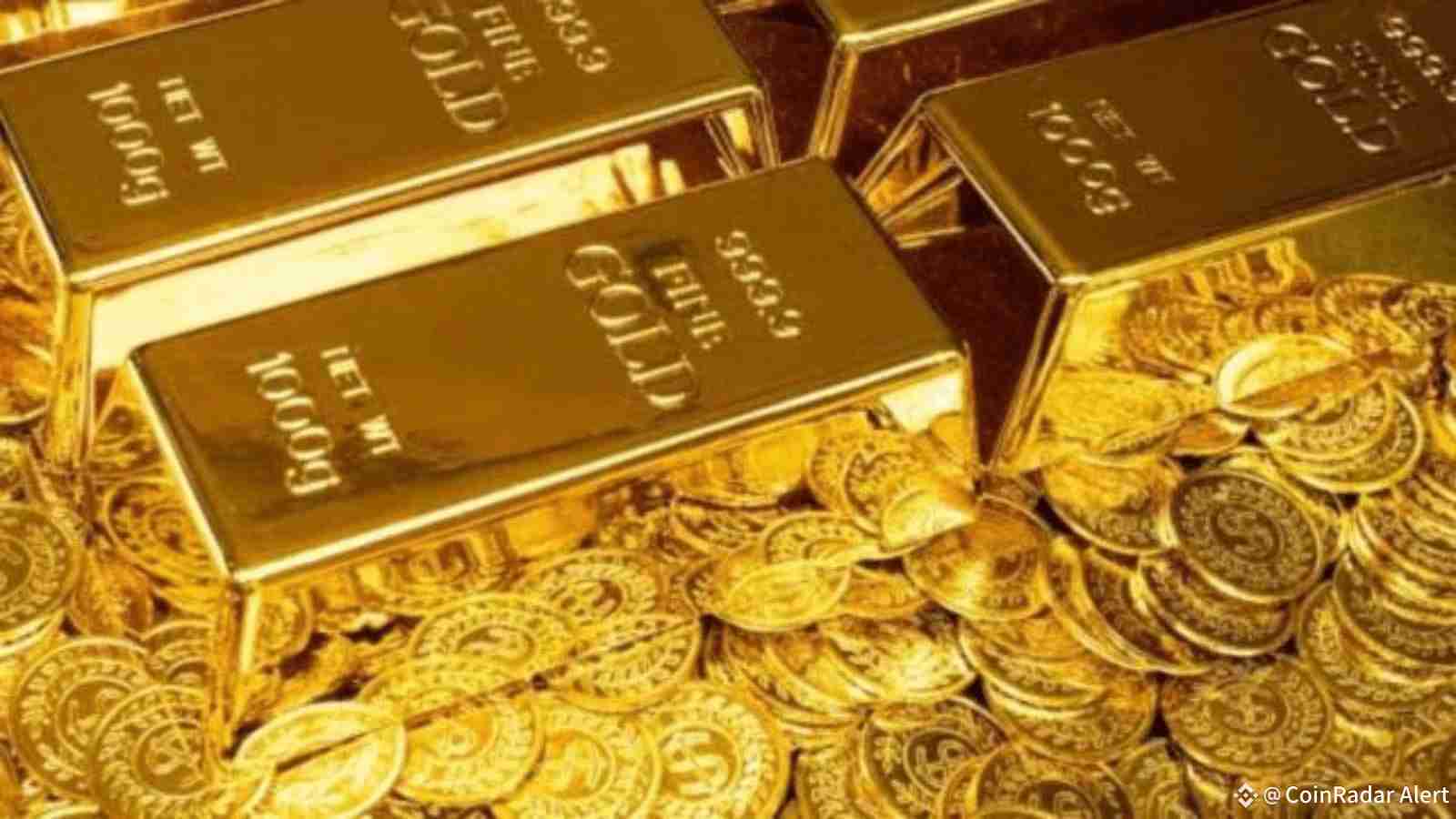
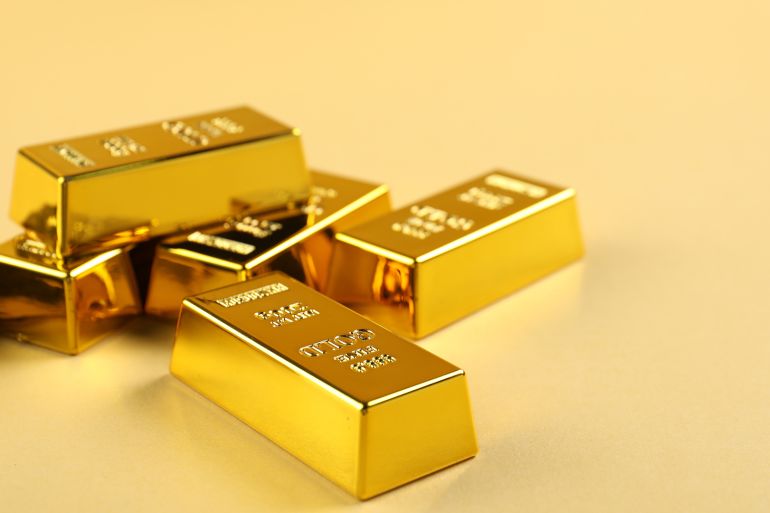
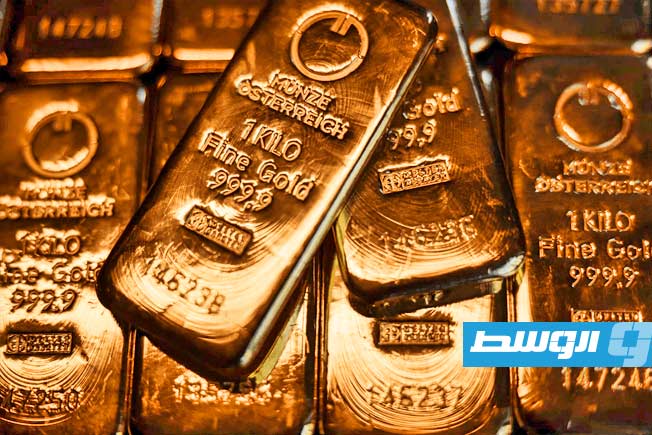
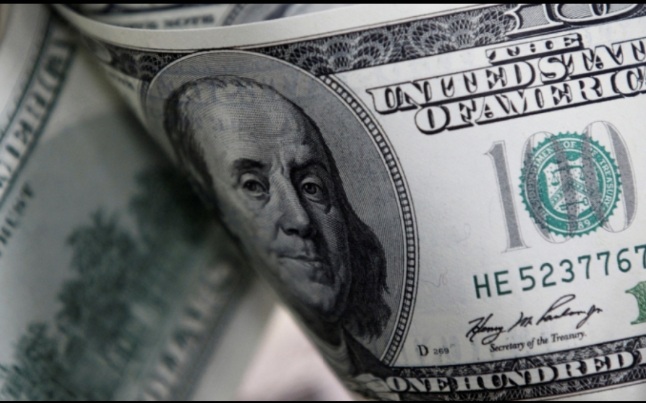
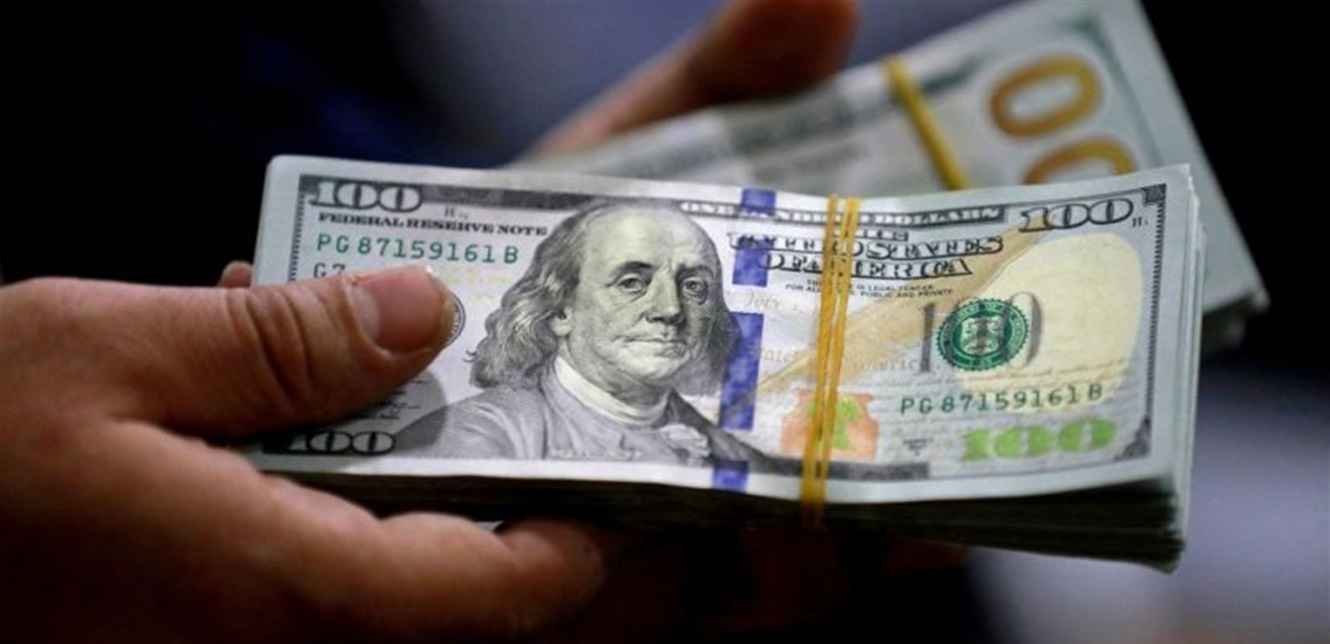
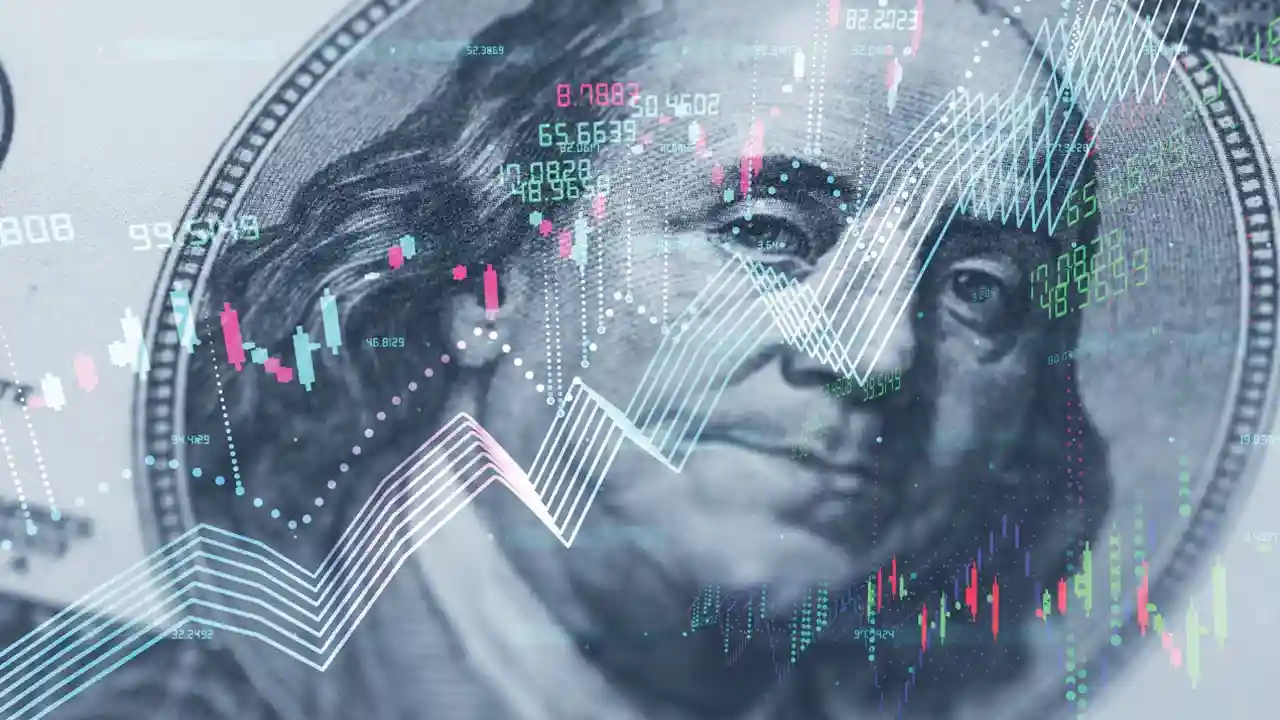
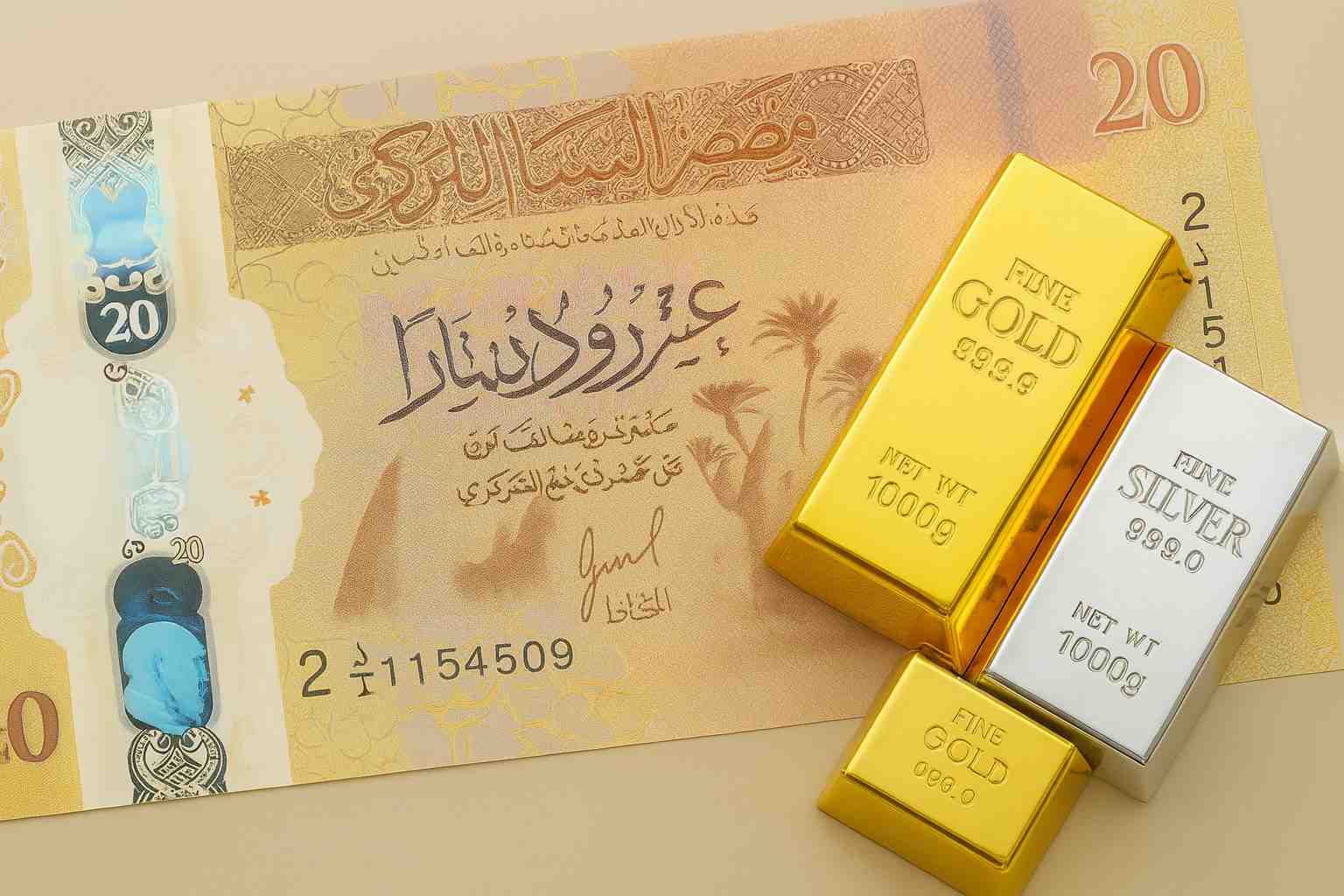
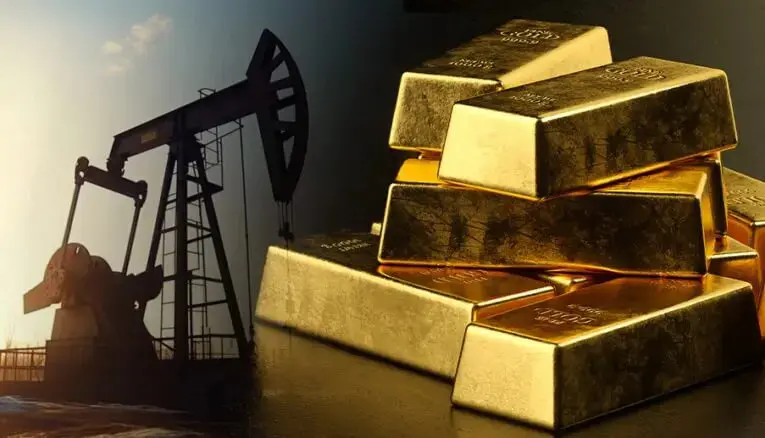
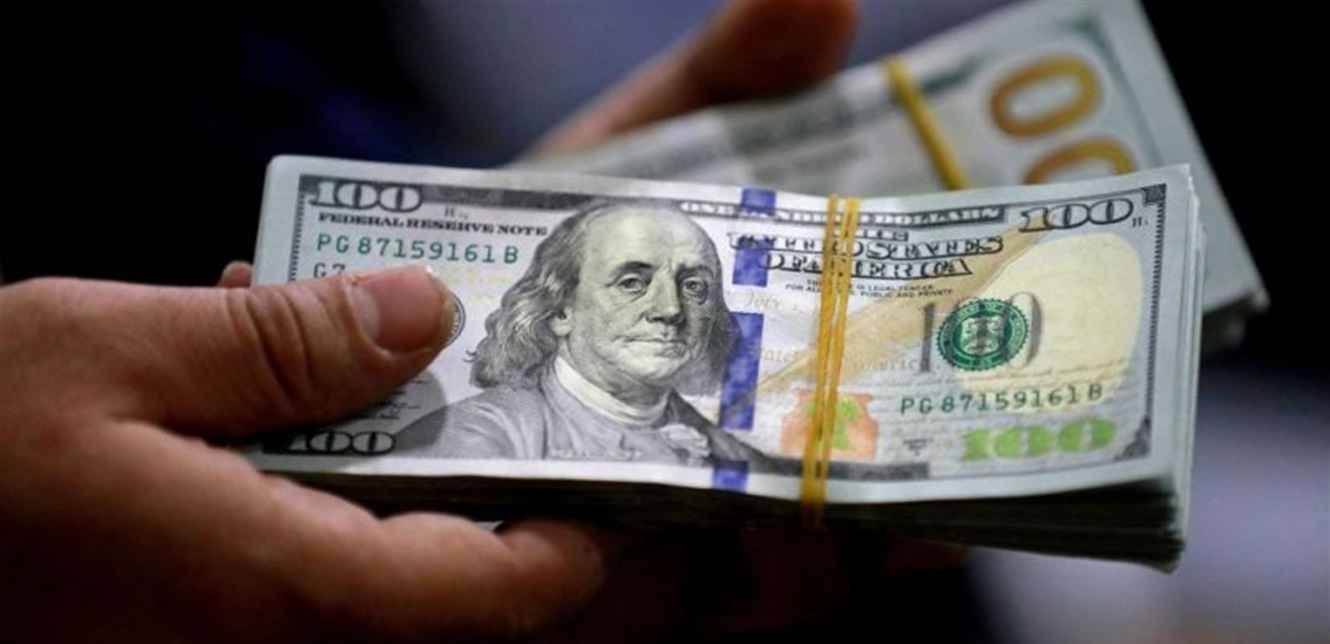
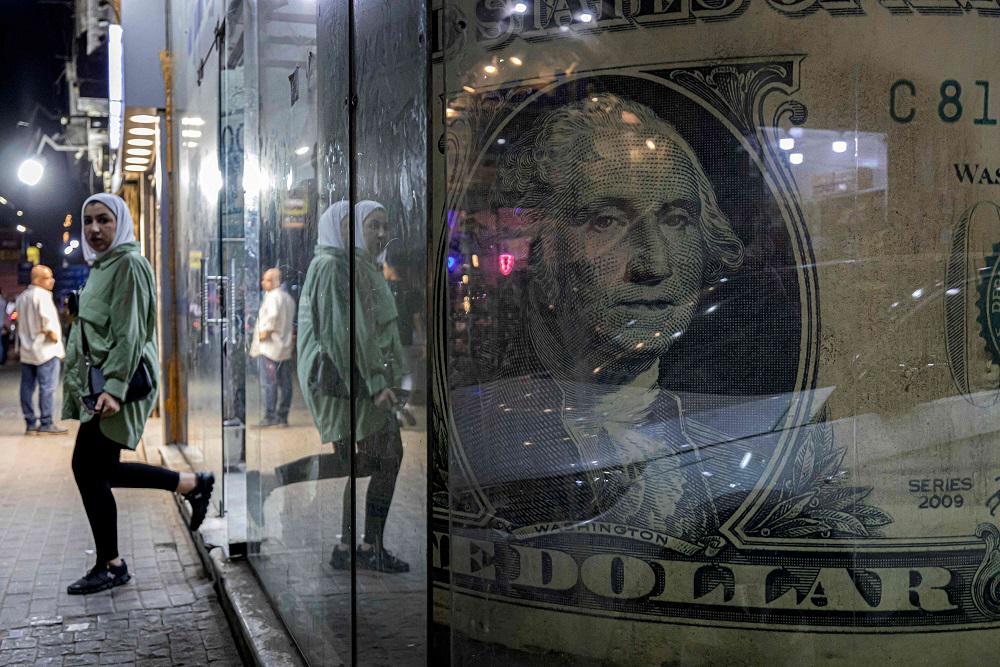
Spot silver rose 5.8% to $76.35 per ounce, while gold increased 0.4% to $4,351.33. Platinum climbed 3%, while palladium fell 0.3%, with the dollar index showing a slight gain.
Silver
Silver is a historic mining town in Colorado, USA, that flourished in the late 19th century following the discovery of rich silver deposits, which led to a major boom and the establishment of the Georgetown-Silver Plume Mining District. Today, it is a well-preserved ghost town and a National Historic Landmark, offering visitors a glimpse into the region’s mining past.
Chinese markets
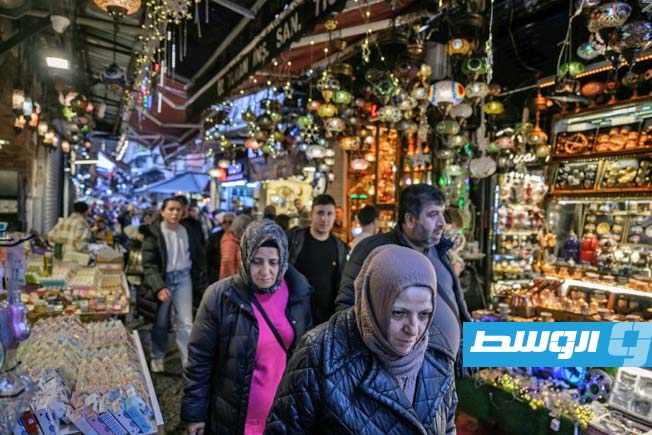
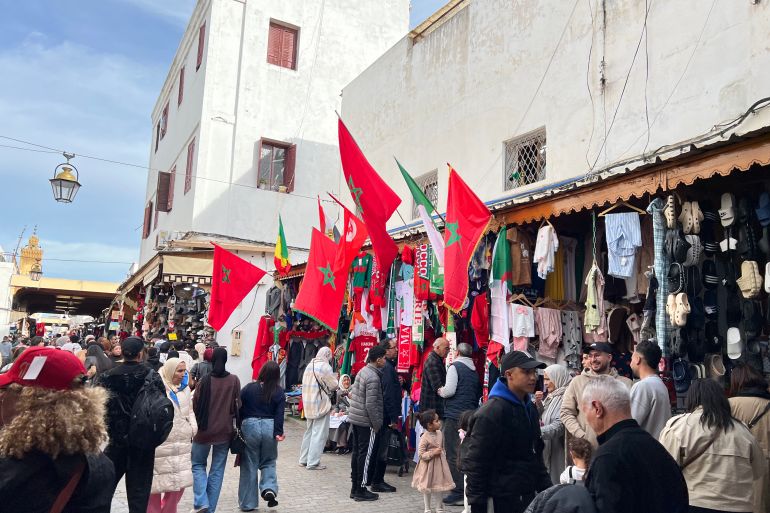
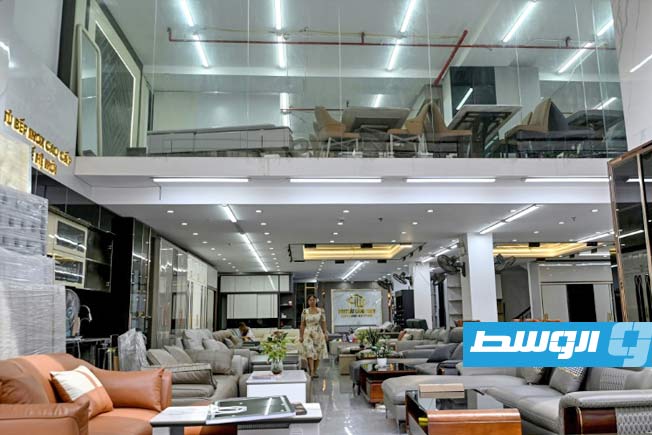
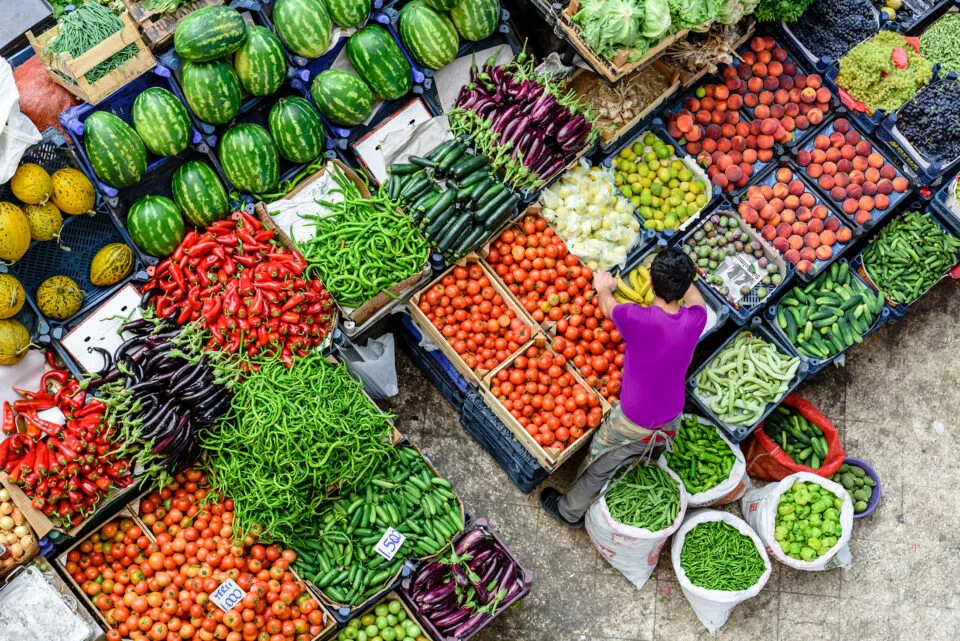
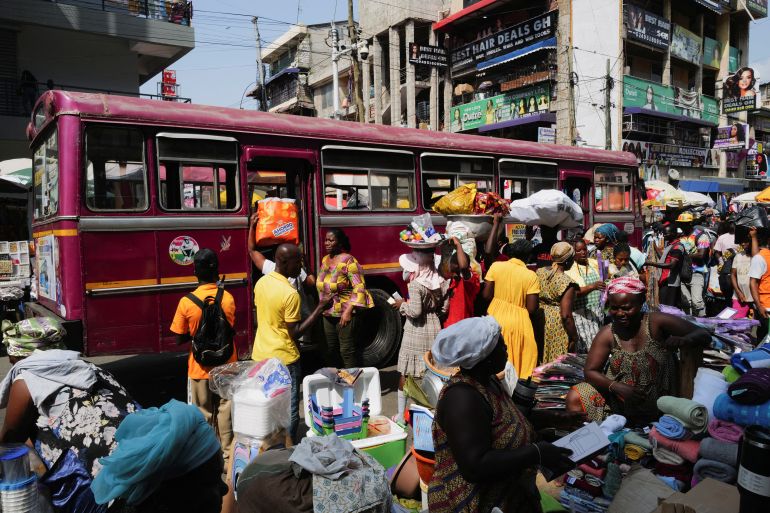
Chinese markets, such as traditional wet markets, have been central hubs of commerce and social life for centuries, evolving from ancient trade routes and market towns. Today, they range from historic street bazaars to massive modern wholesale centers, reflecting both enduring cultural traditions and rapid economic development.
Shanghai Gold Exchange
The Shanghai Gold Exchange (SGE) is a Chinese financial institution established in 2002 by the People’s Bank of China to standardize and liberalize the country’s gold market. It serves as the primary platform for physical gold, silver, platinum, and palladium trading in China, playing a key role in establishing a domestic benchmark price.
New York
New York City, originally settled by the Dutch as New Amsterdam in the early 17th century, was later taken by the English and renamed. It grew into a major global port and immigration gateway, becoming a leading center for finance, culture, and commerce in the United States. Iconic landmarks like the Statue of Liberty, Times Square, and Central Park symbolize its historical and ongoing significance.
U.S. Federal Reserve
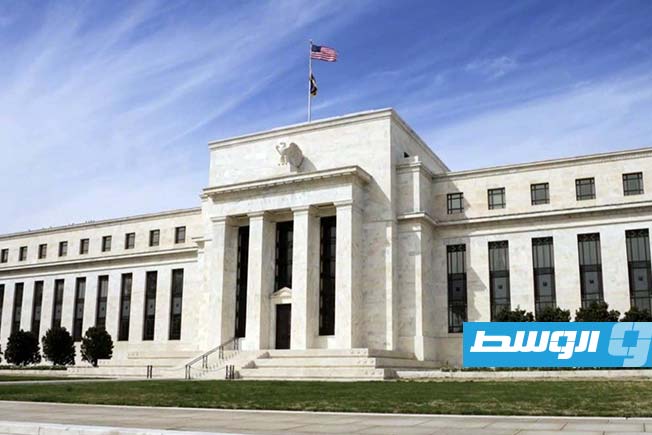
The U.S. Federal Reserve, often called “the Fed,” is the central banking system of the United States, established in 1913 by the Federal Reserve Act to provide the nation with a safer, more flexible, and more stable monetary and financial system. It conducts national monetary policy, supervises and regulates banks, maintains financial stability, and provides banking services to depository institutions and the federal government.