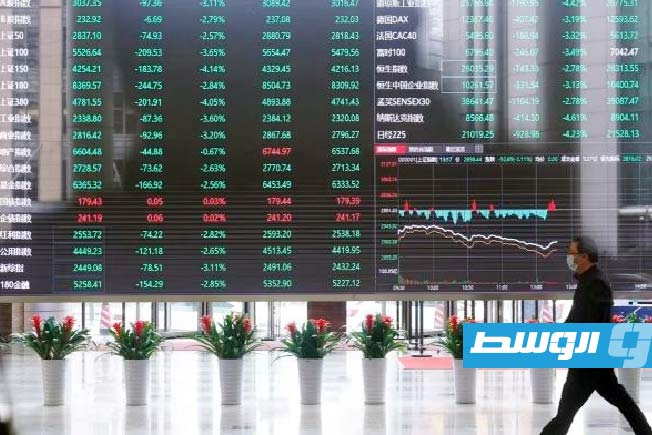
A large screen in Beijing broadcasts Chinese President Xi Jinping’s New Year’s Eve speech, December 31, 2025.
Chinese President Xi Jinping said on Wednesday that the country’s economy will achieve the set growth target of “around five percent” in 2025, despite “pressures” in a year he described as “extraordinary,” according to official media.
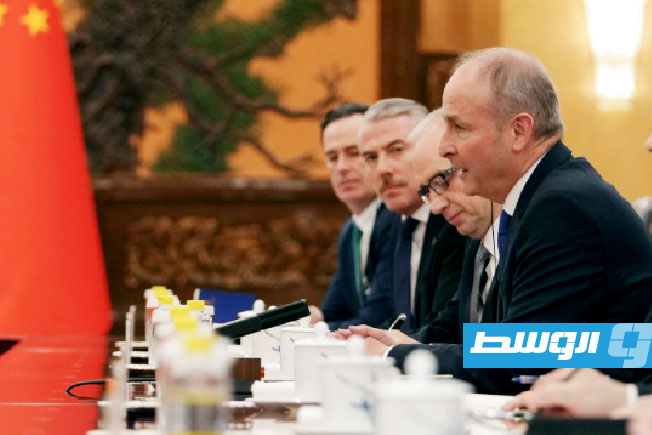
The announcement came in a New Year’s Eve speech delivered by Xi to a high-level political advisory body.
The announcement aligns with the government’s stated goal and matches the growth recorded in 2024, which also reached 5%. The world’s second-largest economy has faced increasing pressures for years, as consumer spending has not yet recovered from the sharp decline caused by the “COVID-19” pandemic.
Ongoing Debt Crisis in the Real Estate Sector
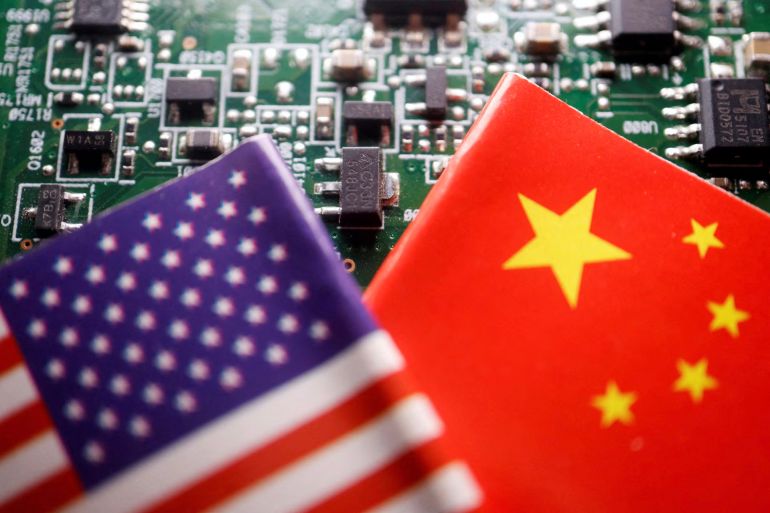
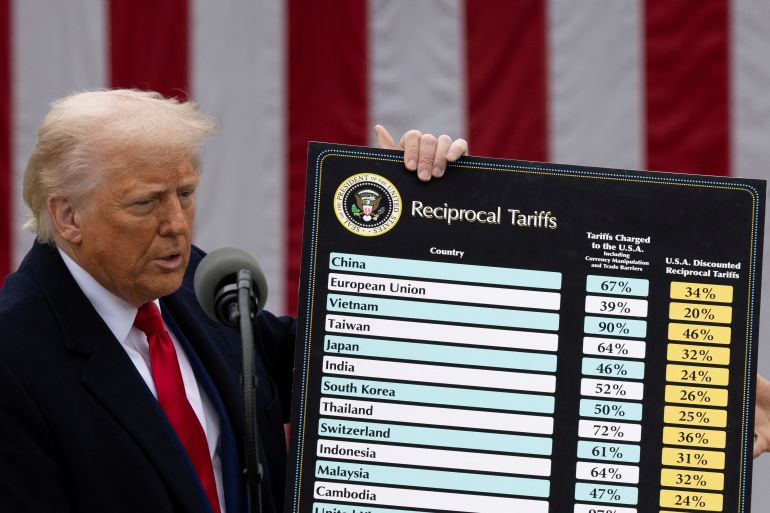
China is grappling with an ongoing debt crisis in the real estate sector, industrial overcapacity, and an escalating trade dispute with Washington.
In his remarks to the Chinese People’s Political Consultative Conference, Xi stated, “We have overcome many difficulties and challenges, achieved our goals, and completed our tasks to the fullest extent.” He continued, “We have successfully achieved the main objectives for economic and social development.” He added, “The growth rate is expected to reach around 5%.”
Experts widely expect Beijing to announce a similar economic growth target for 2026 at the National Congress in early March. In a subsequent speech broadcast to the nation, Xi said China has “overcome many difficulties and challenges” in recent years, but its economic, technological, and defense capabilities have been strengthened.
Major AI Models
Xi stated, “Major AI models have entered the competition for leadership, and breakthroughs have been achieved in research and development related to our chips.”
He added that China must “focus on our goals and tasks, strengthen confidence, and build momentum to move forward” next year. Data released on Wednesday provided a positive indicator for the authorities, as factory activity expanded in December, emerging from an eight-month contraction.