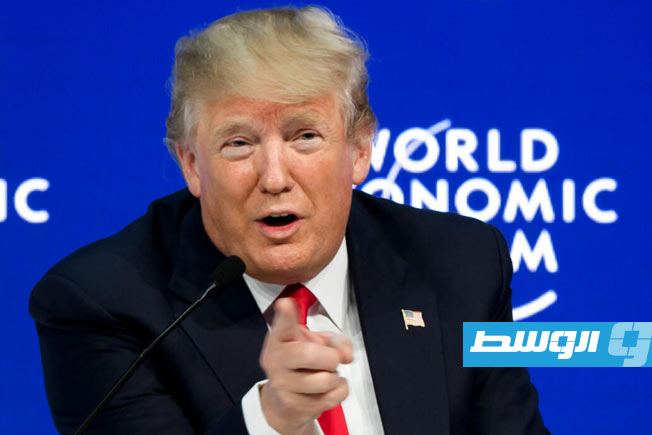
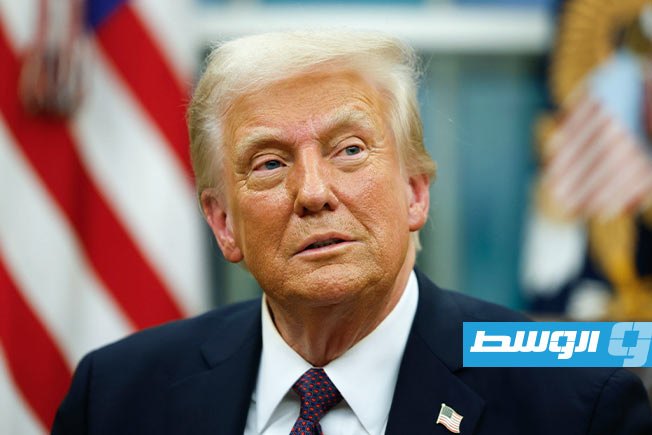
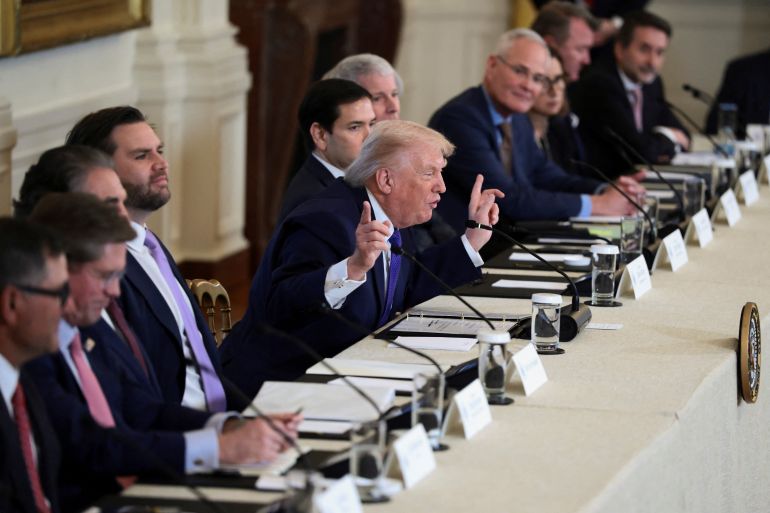
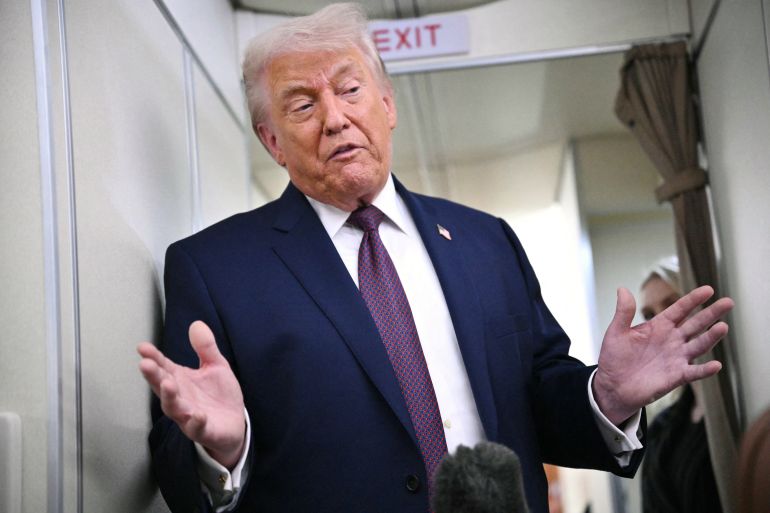
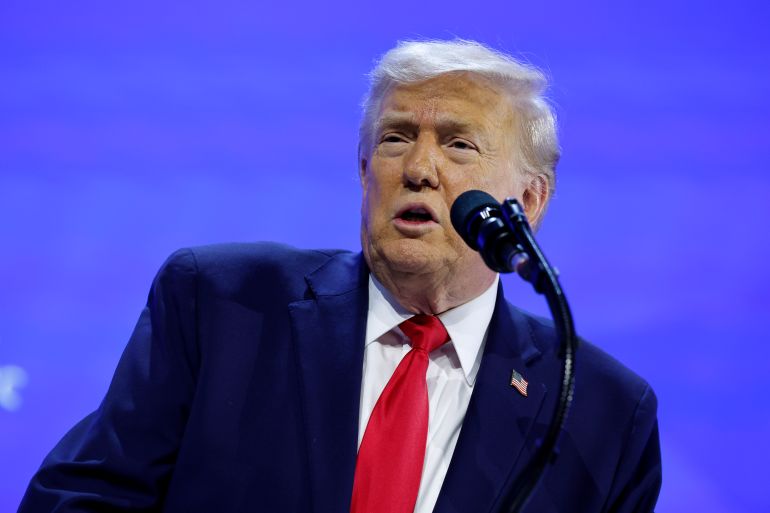
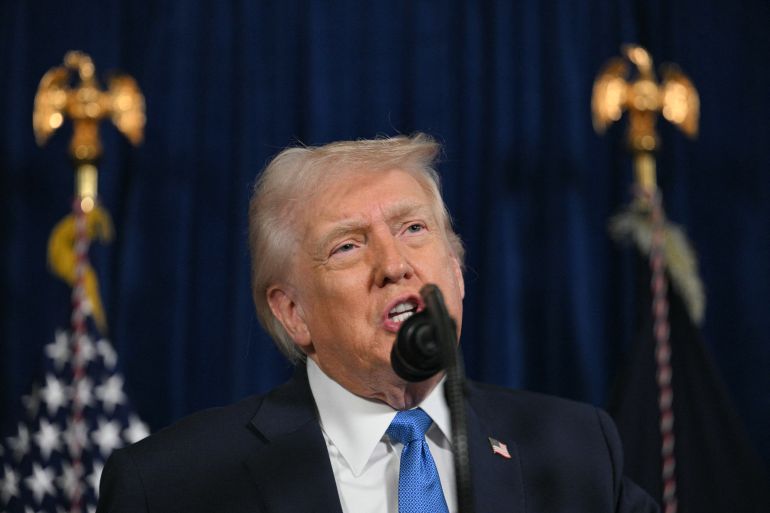
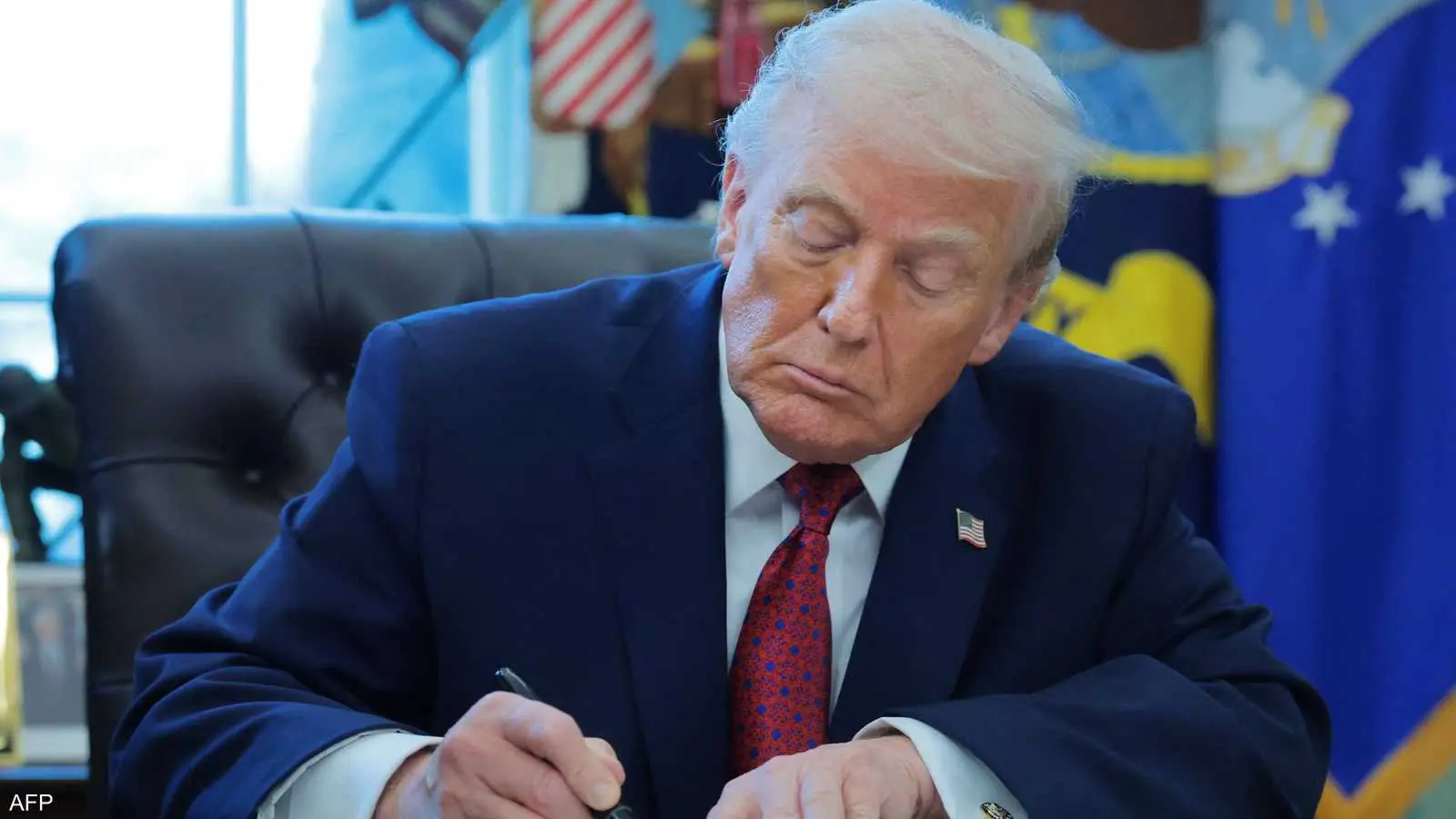
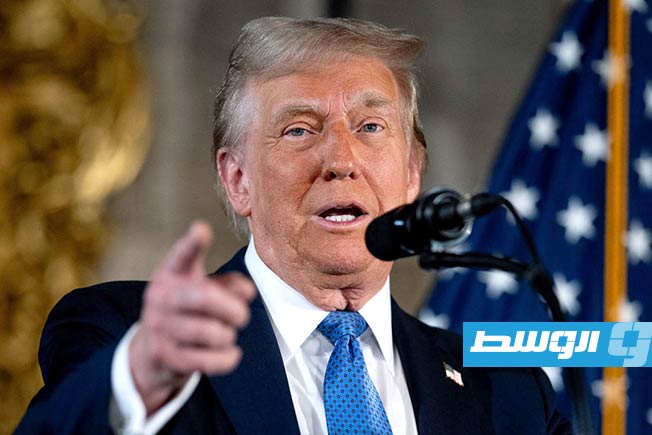
U.S. President Donald Trump has postponed, for one year, the implementation of high tariffs on some imported furniture items, shortly before they were set to take effect this Thursday.
This increase was scheduled as part of a previous package of tariffs imposed by Trump on specific sectors, within the framework of policies implemented since his return to the White House.
However, with the increasing cost of living burdens on American families, Trump decided on Wednesday evening to postpone the scheduled tariffs, which were set at 30% on some types of upholstered furniture and 50% on kitchen cabinets and bathroom units, until January 1, 2027.
The decision allows room for further negotiations with other countries
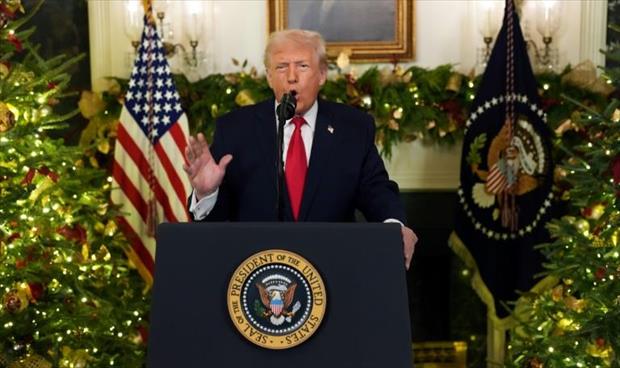
The White House said in a statement announcing this decision, “Given the fruitful negotiations underway regarding wood product imports, the President is postponing the tariff increase to allow room for further negotiations with other countries.”
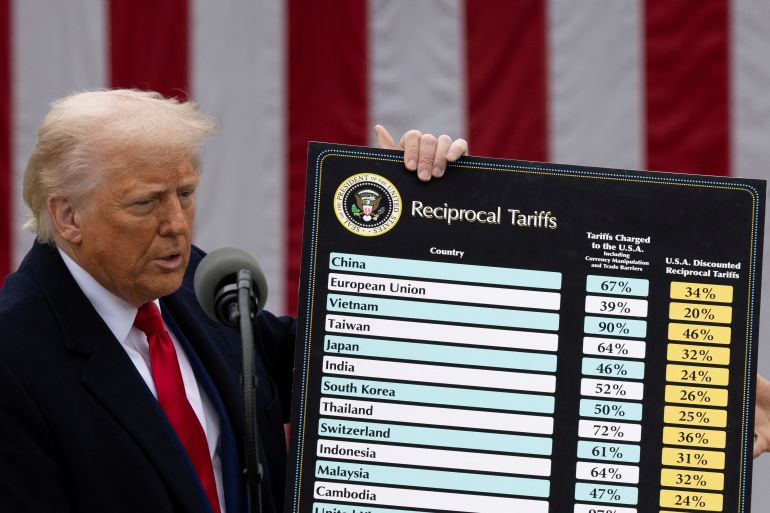
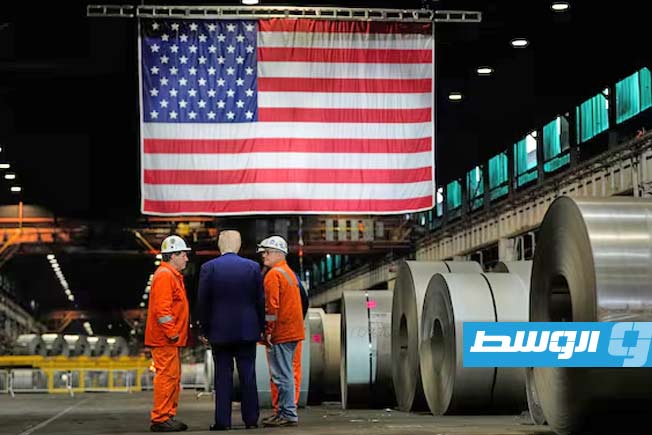
Trump’s 2025 tariffs included goods ranging from steel to automobiles. Additional investigations are currently underway that could lead to new tariffs.
In October, a 10% tariff on imported softwood lumber began to be applied, in addition to a 25% tariff on some types of upholstered furniture and kitchen cabinets.
Supporting American industries
The Trump administration justified these tariffs as a means to support American industries and protect national security.
The higher tariffs were scheduled to take effect on Thursday and would have affected imports from countries like Vietnam and China, which are among the main suppliers of imported furniture to the United States.
It is expected that the Supreme Court will issue its ruling on the legality of the nationwide tariffs, under the International Emergency Economic Powers Act.
U.S.
The United States is a federal republic founded in 1776 after declaring independence from Great Britain. Its history is marked by westward expansion, a civil war over slavery, and its emergence as a global superpower in the 20th century.
Donald Trump
Donald Trump is a businessman and media personality who served as the 45th President of the United States from 2017 to 2021. His presidency was marked by significant political polarization and a focus on issues such as immigration reform, tax cuts, and renegotiating trade agreements.
White House
The White House is the official residence and workplace of the President of the United States, located in Washington, D.C. It was designed by James Hoban and its construction was completed in 1800, with President John Adams being the first to reside there. The building has been rebuilt and renovated several times, most notably after being burned by British forces in 1814 during the War of 1812.
Vietnam
Vietnam is a Southeast Asian country with a rich history shaped by millennia of indigenous dynasties, Chinese influence, and French colonial rule. Its cultural identity is deeply rooted in traditions like ancestor veneration and is reflected in sites such as the Imperial Citadel of Thang Long in Hanoi and the complex of Huế Monuments. The 20th century was defined by its struggle for independence and the Vietnam War, leading to the reunified nation known today.
China
China is one of the world’s oldest continuous civilizations, with a recorded history spanning over four millennia. It is home to numerous UNESCO World Heritage sites, such as the Great Wall and the Forbidden City, which reflect its long imperial past and profound cultural achievements.
United States
The United States is a federal republic founded in 1776 after declaring independence from Great Britain, with its modern government established by the Constitution in 1789. Its history encompasses westward expansion, the Civil War, industrialization, and its emergence as a global superpower in the 20th century. The nation is defined by its diverse cultural heritage, democratic ideals, and significant economic and political influence worldwide.
Supreme Court
The Supreme Court of the United States is the highest federal court in the nation, established in 1789 under Article III of the U.S. Constitution. It serves as the final arbiter of federal law and the Constitution, with its landmark decisions shaping American civil rights, governance, and society throughout its history.