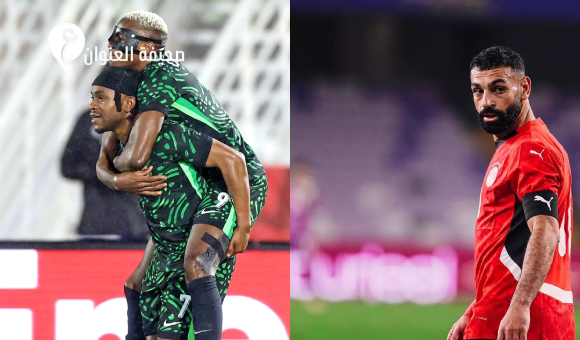
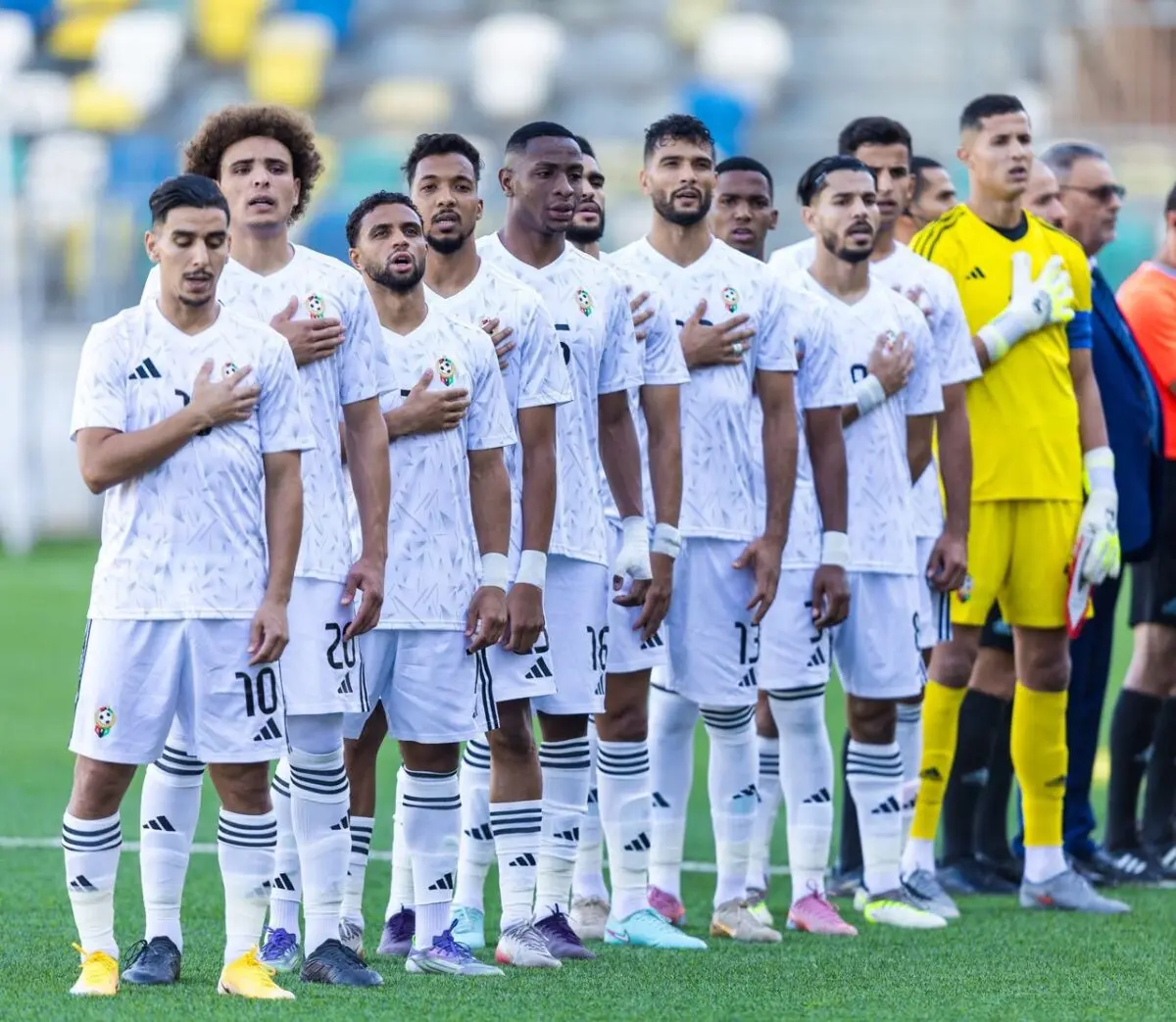
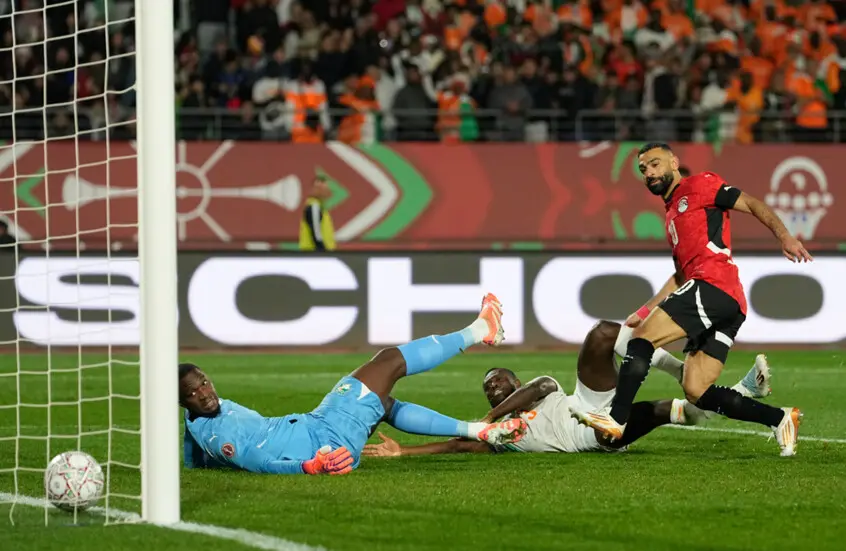
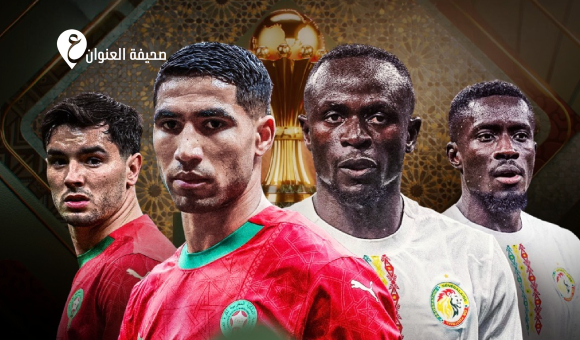
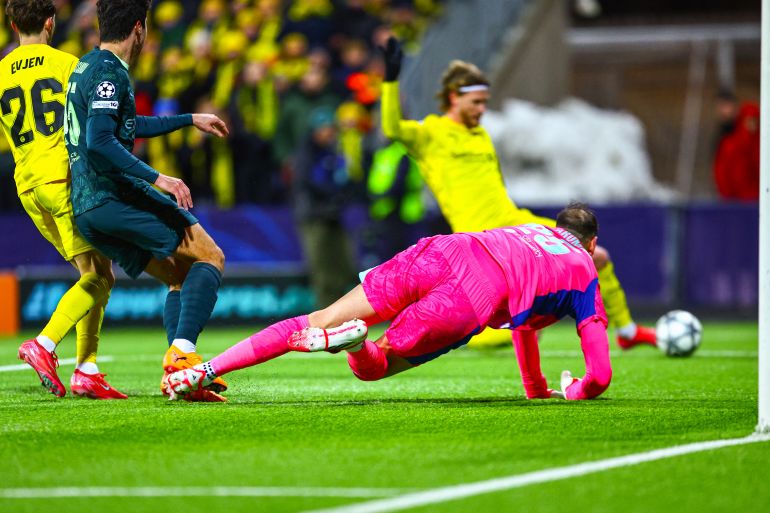
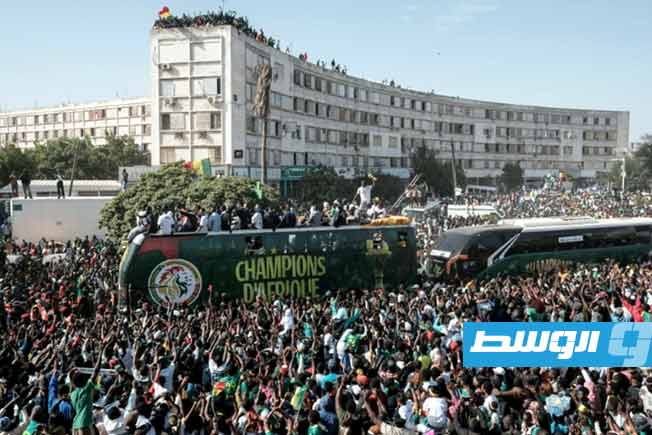
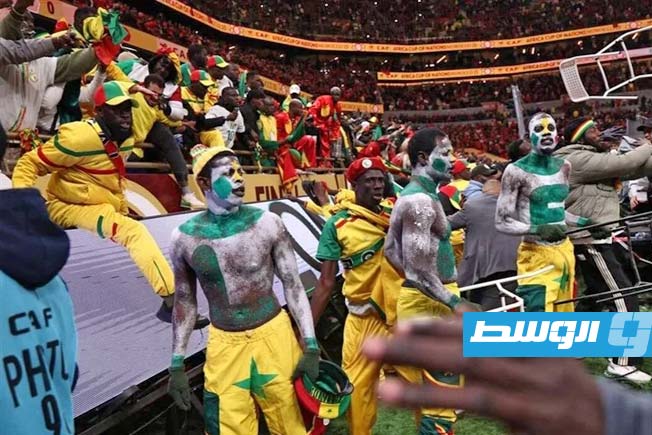
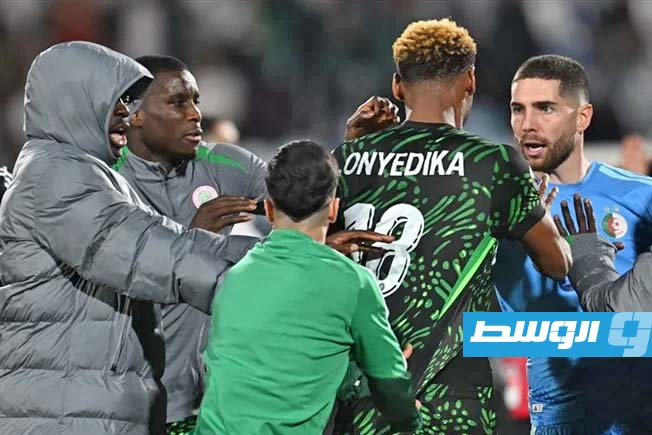
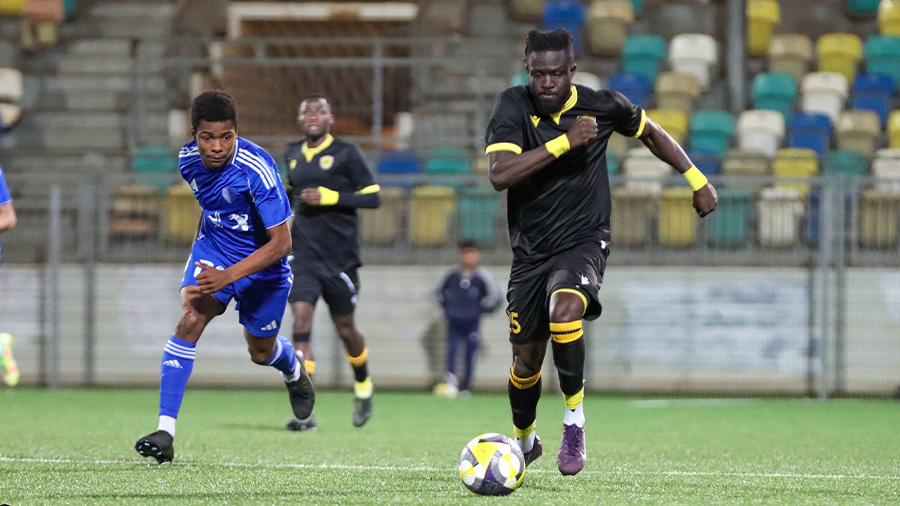
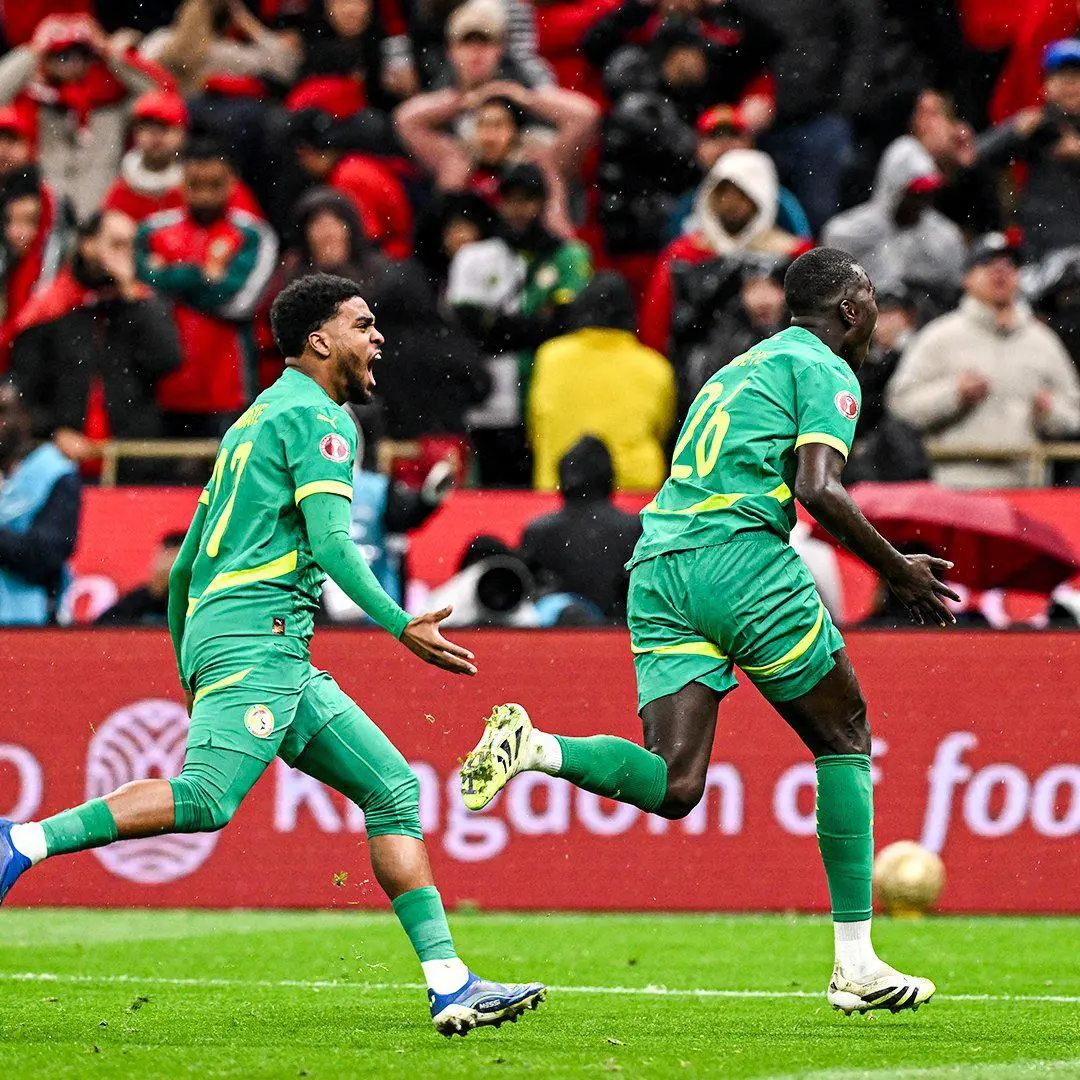
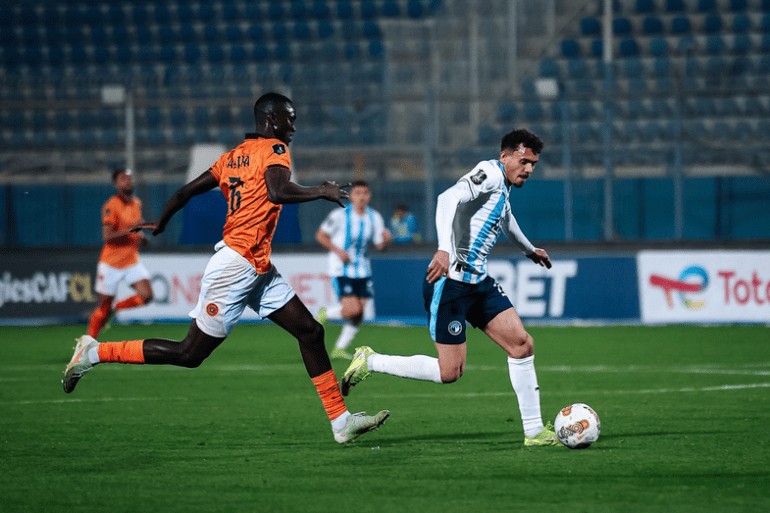
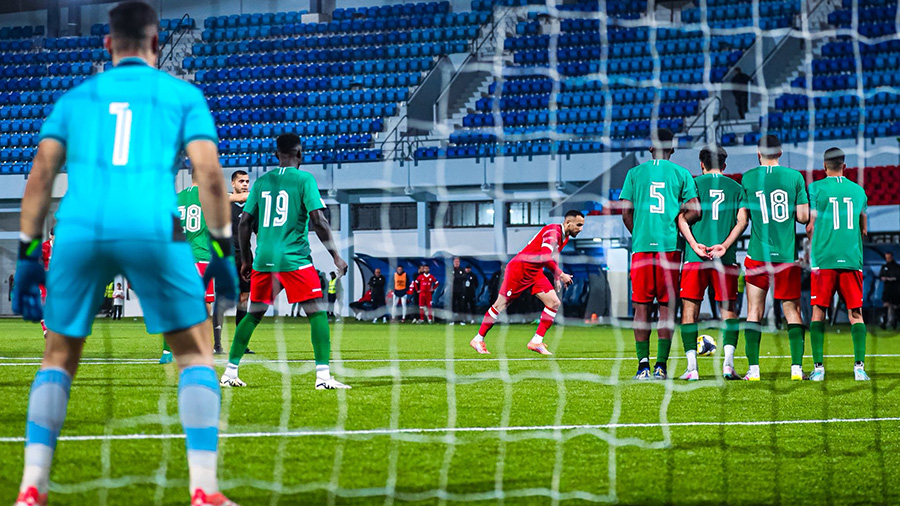
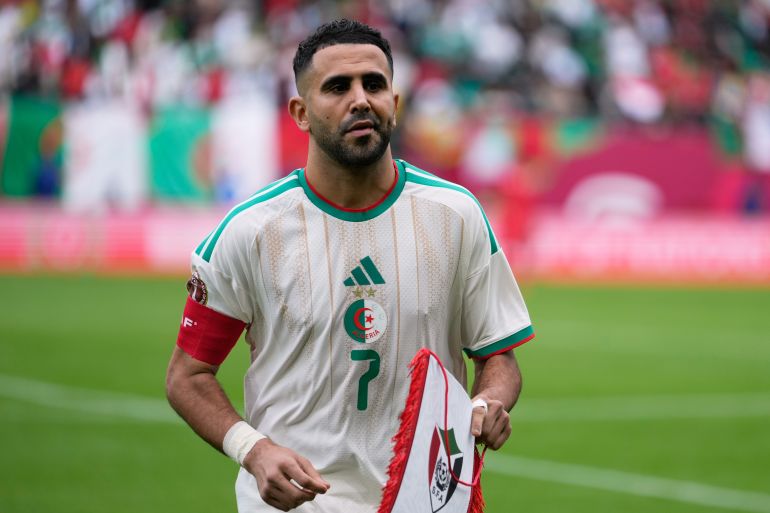
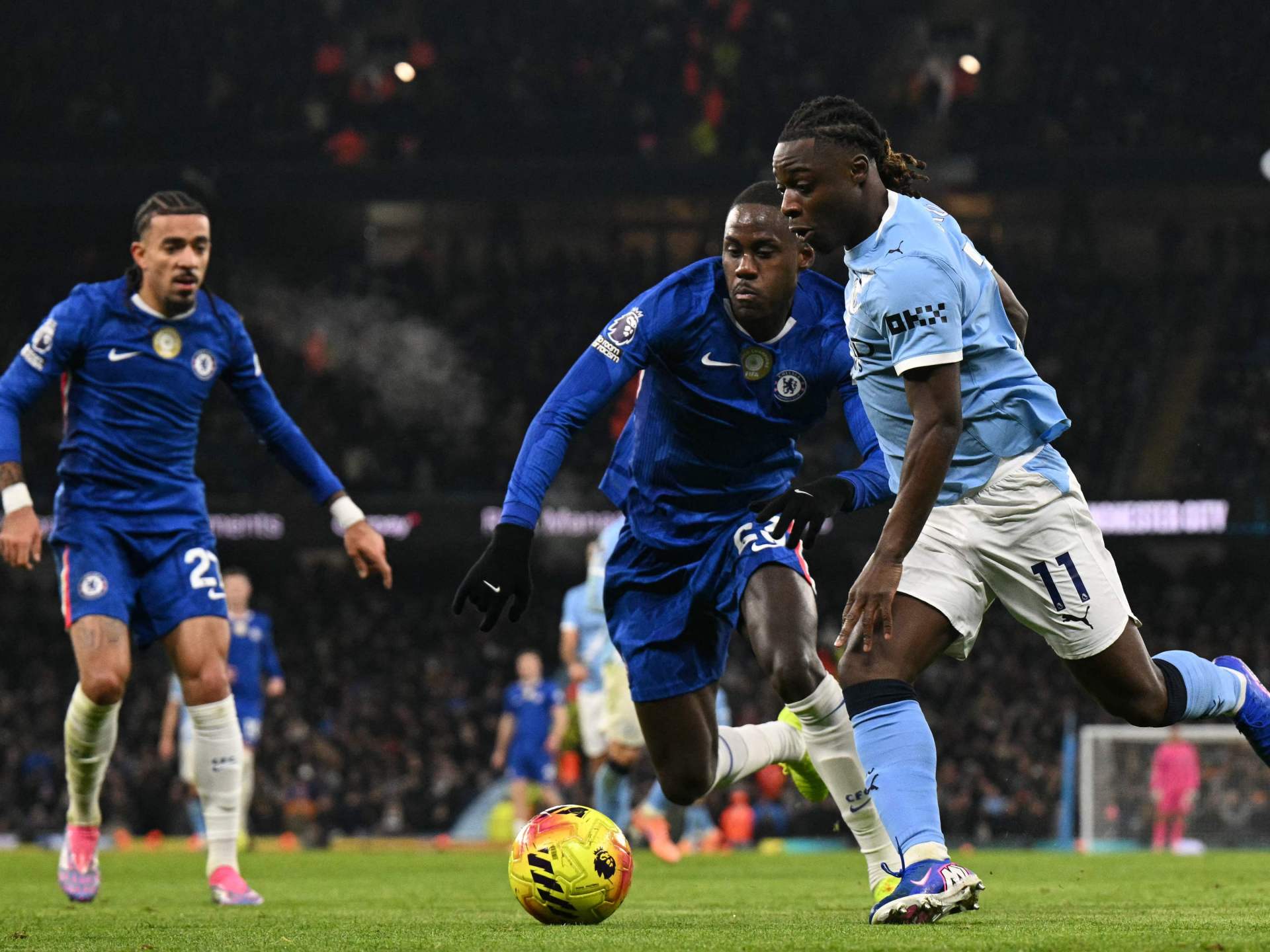
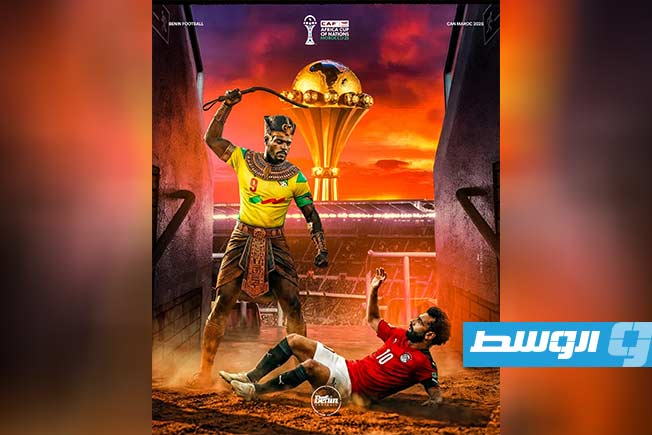
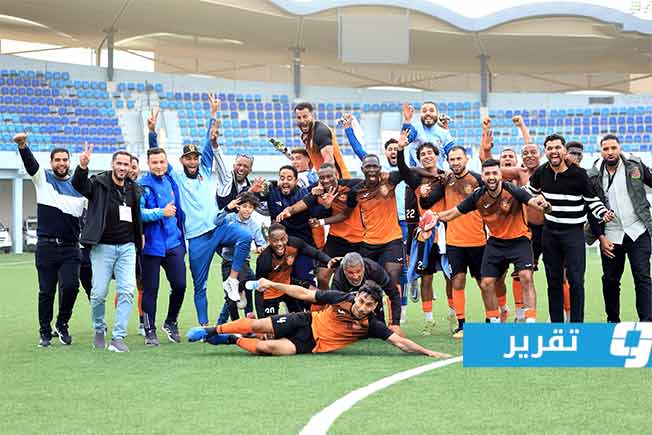
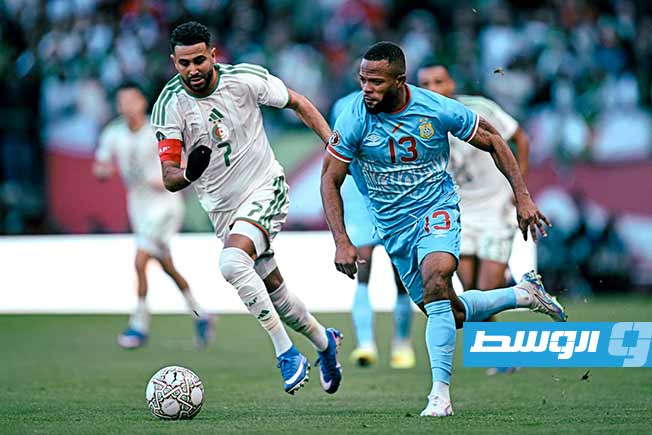
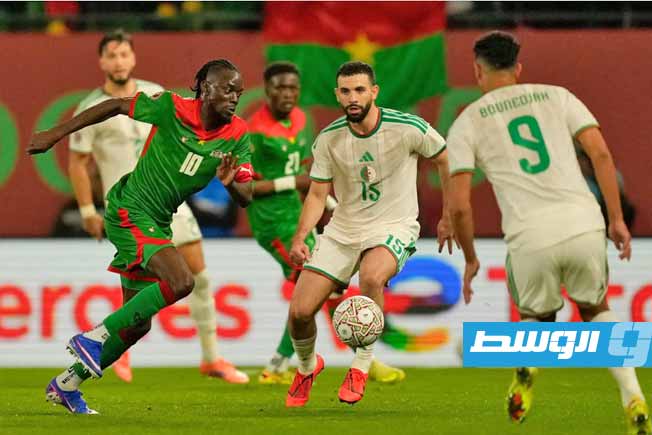
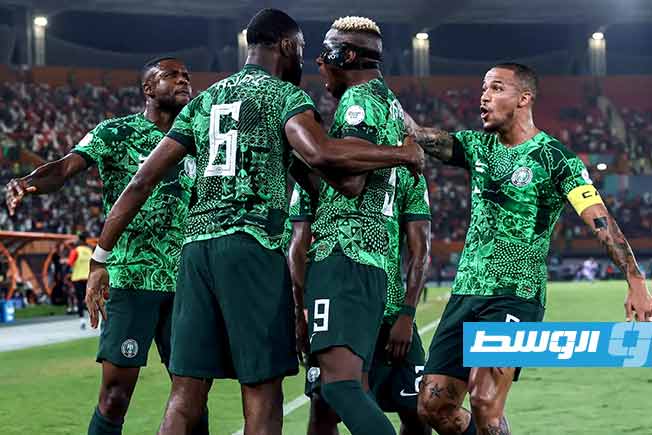
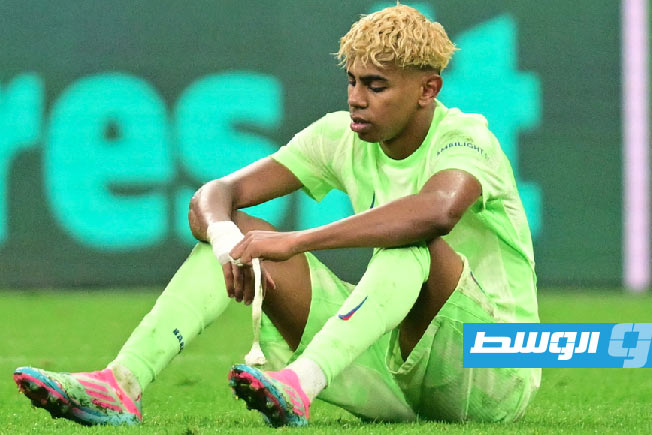
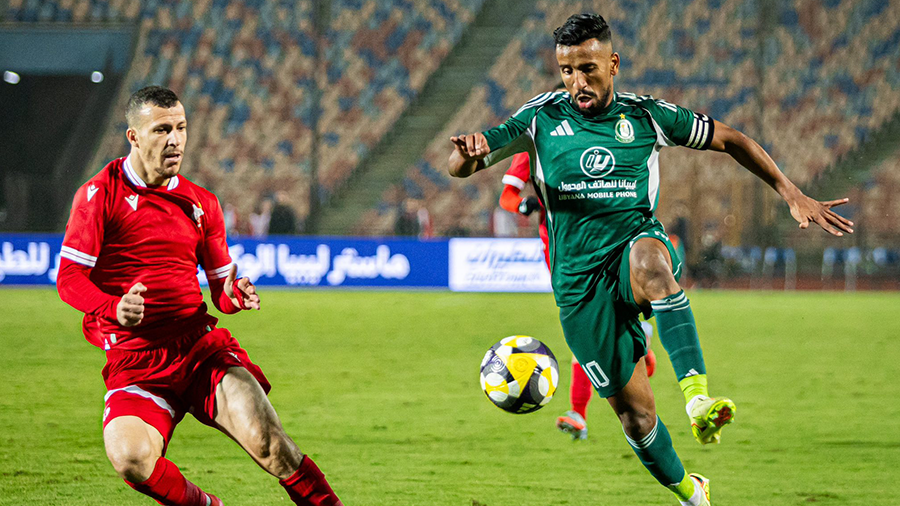
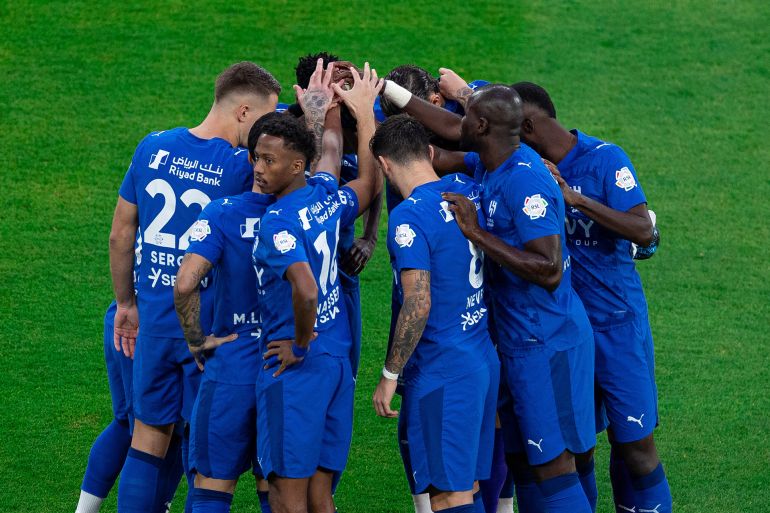
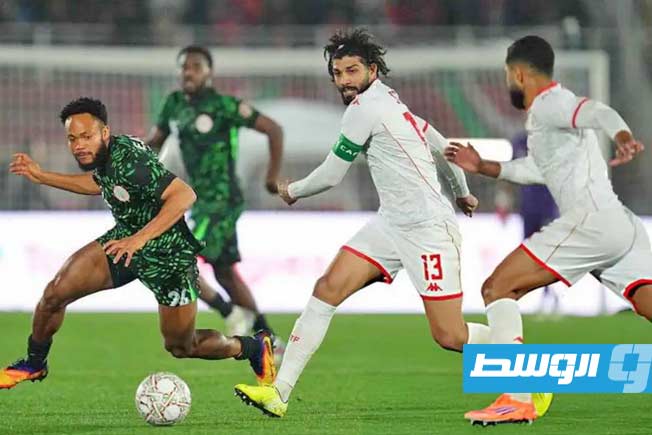
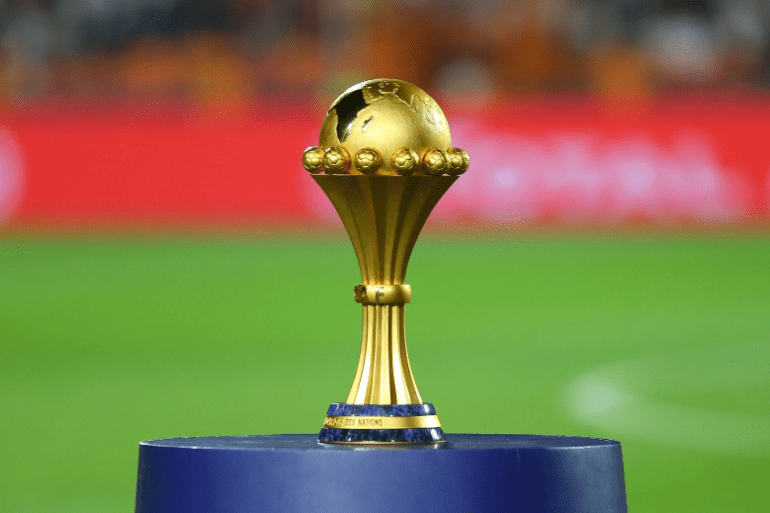
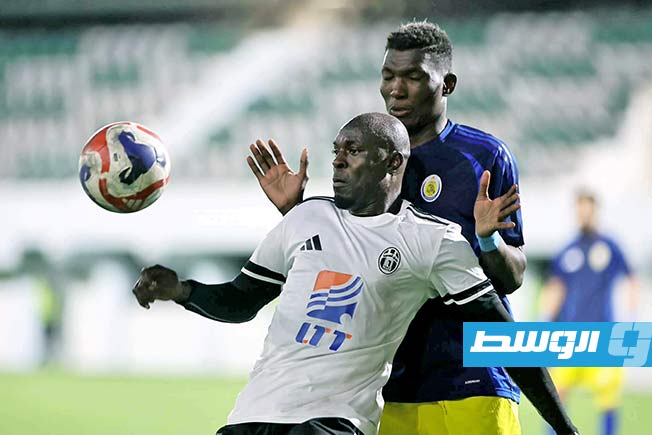
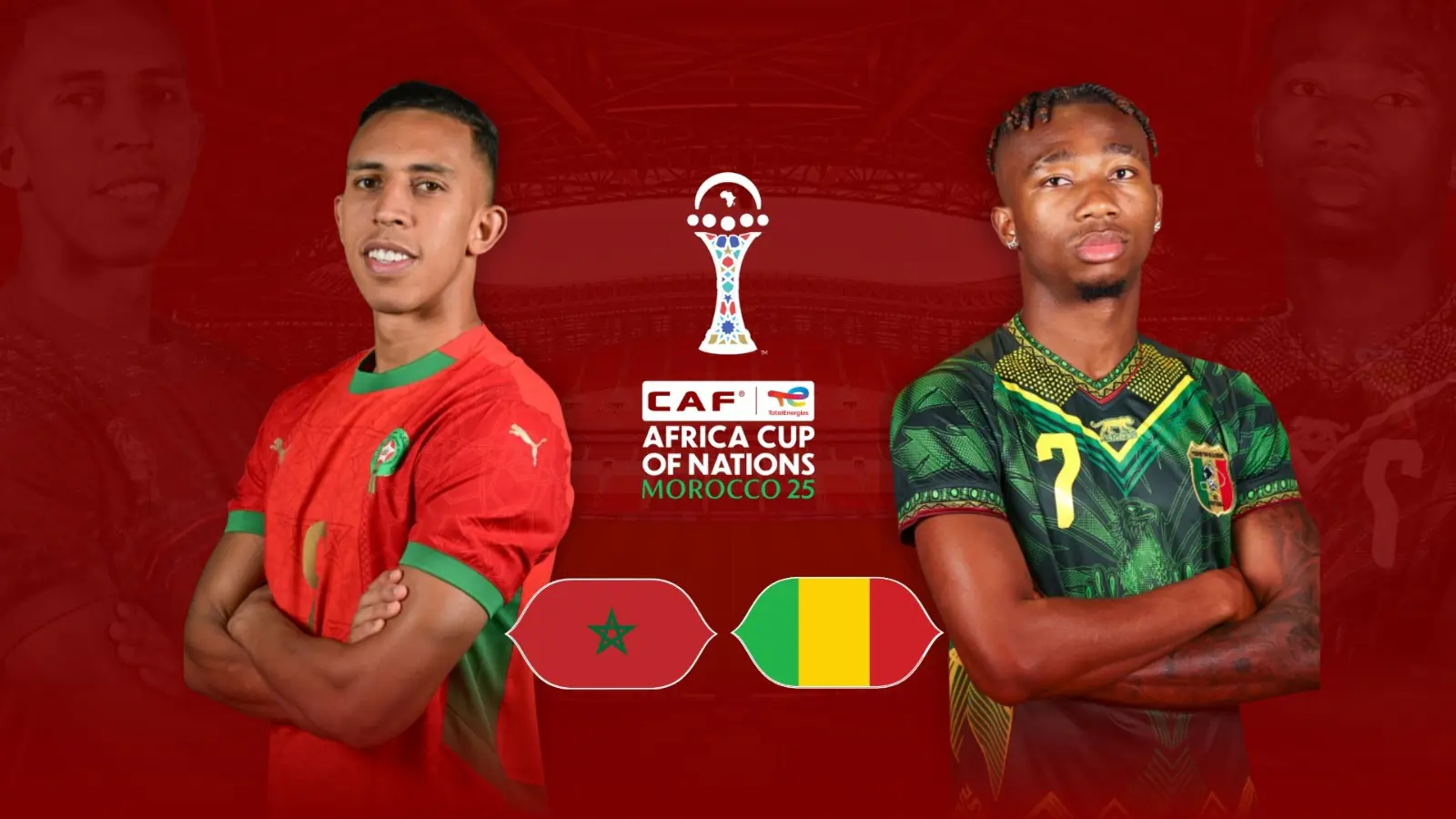
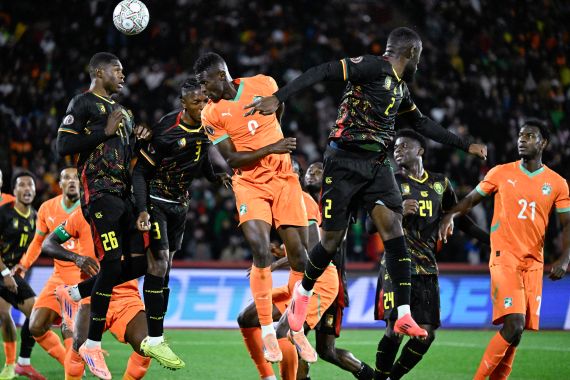
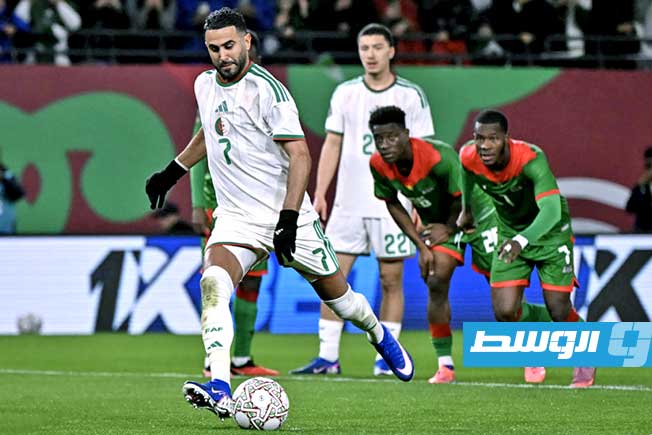
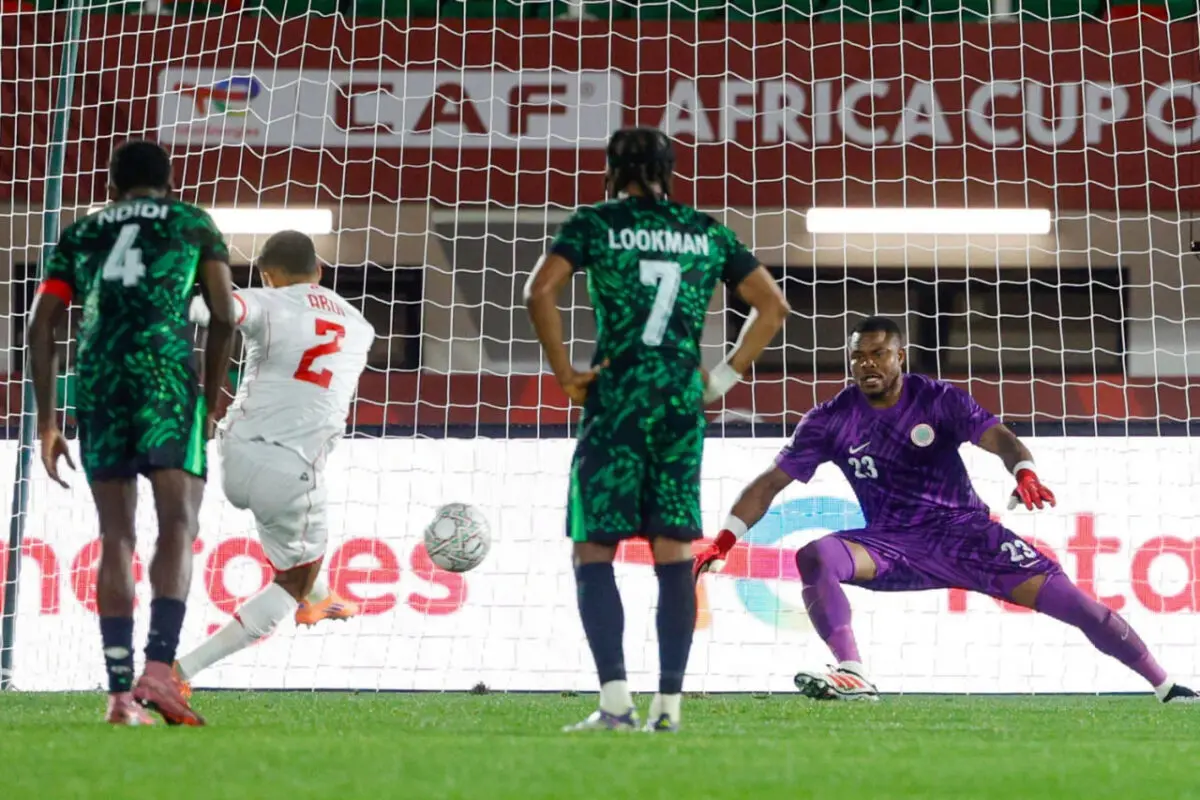
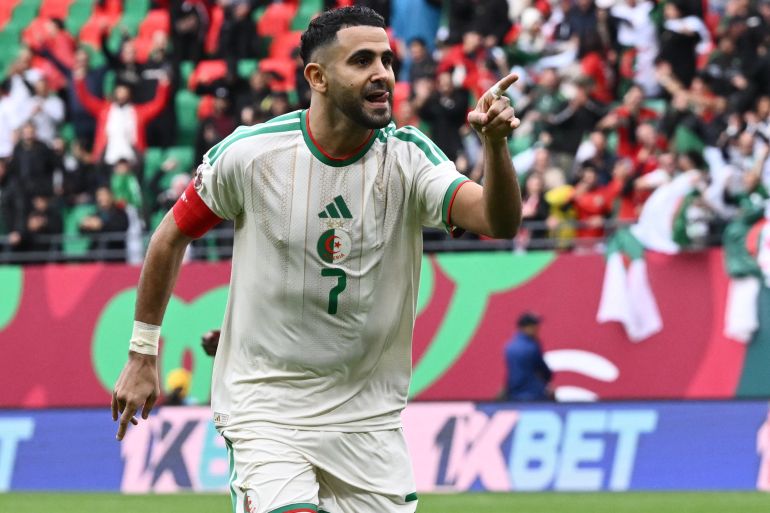
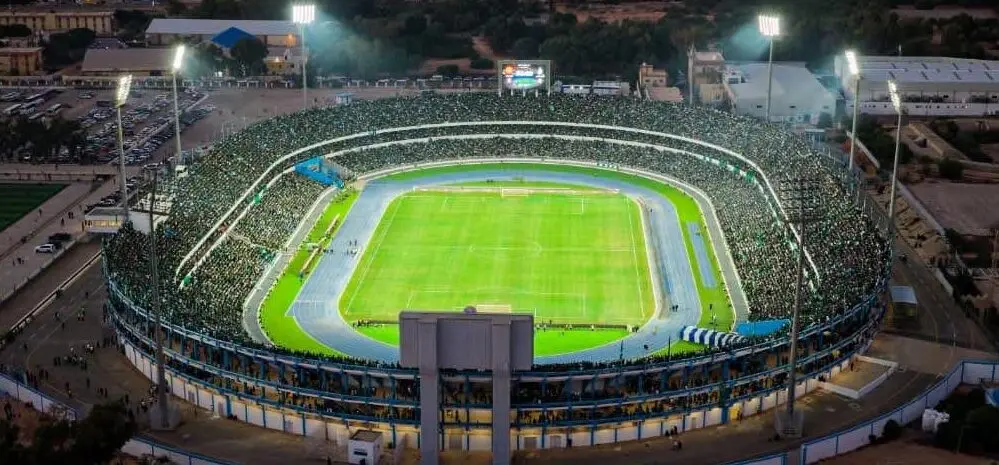
Six national teams have officially been eliminated from the 2025 Africa Cup of Nations, following the conclusion of the third and final round of matches in Groups One and Two. Meanwhile, fourteen teams have secured their spots in the Round of 16, as the battle continues for the runner-up spot in Group Three and a potential place for the best four third-placed teams.
Eliminated Teams:
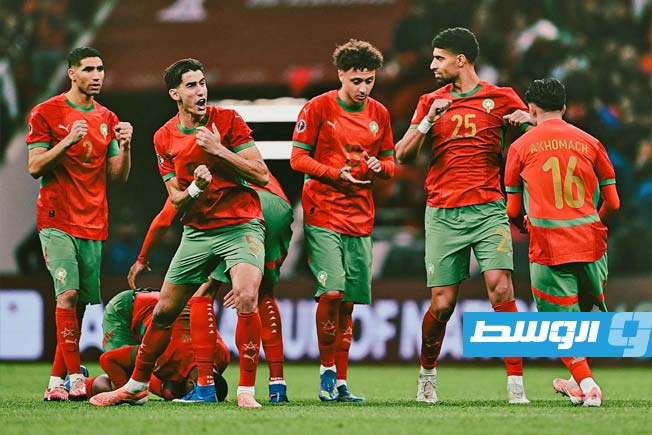
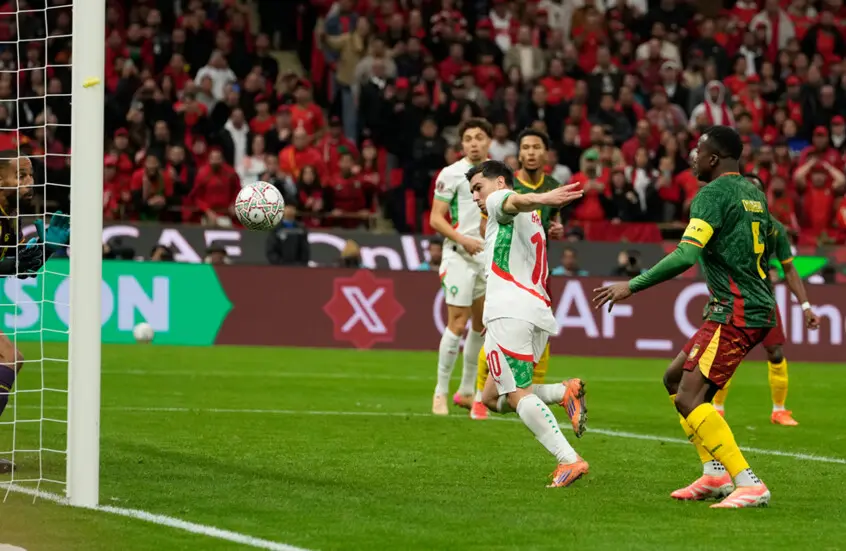
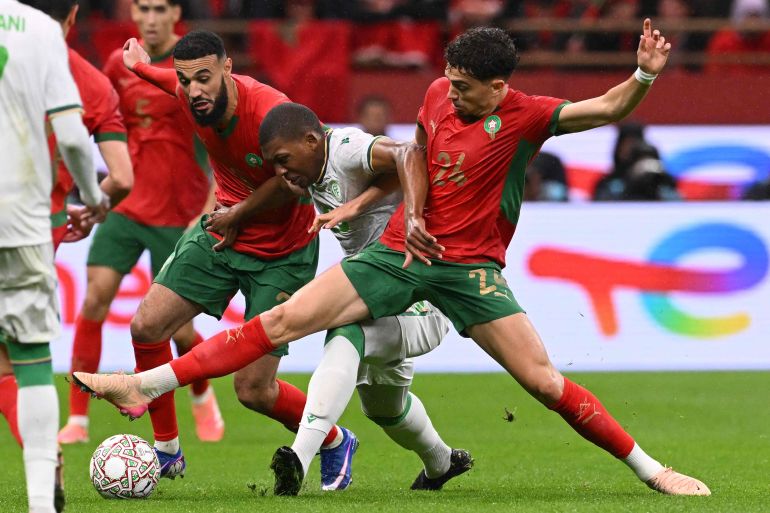
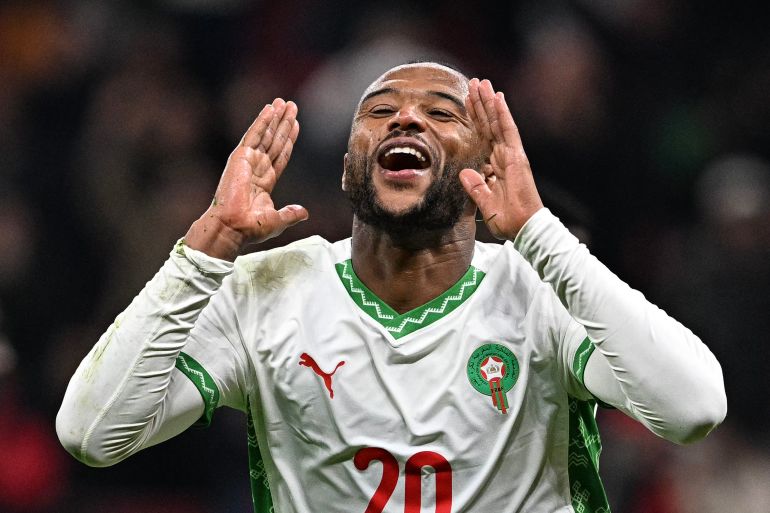
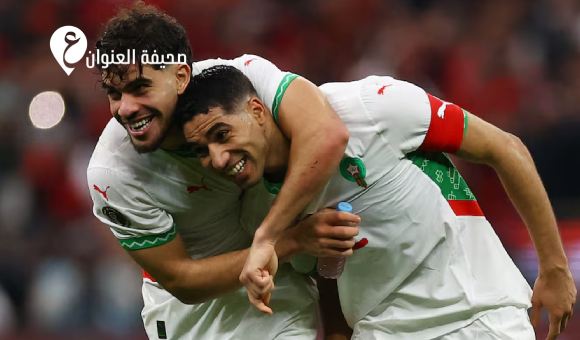
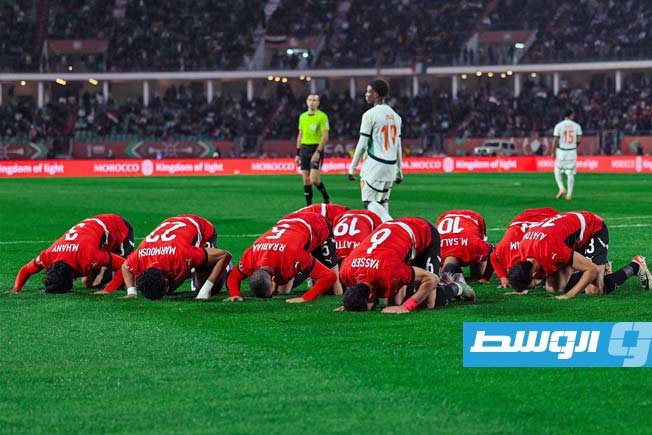
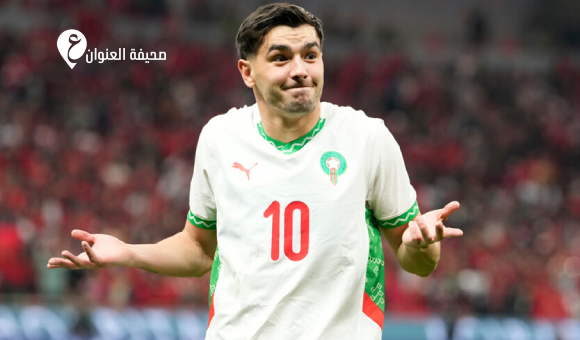
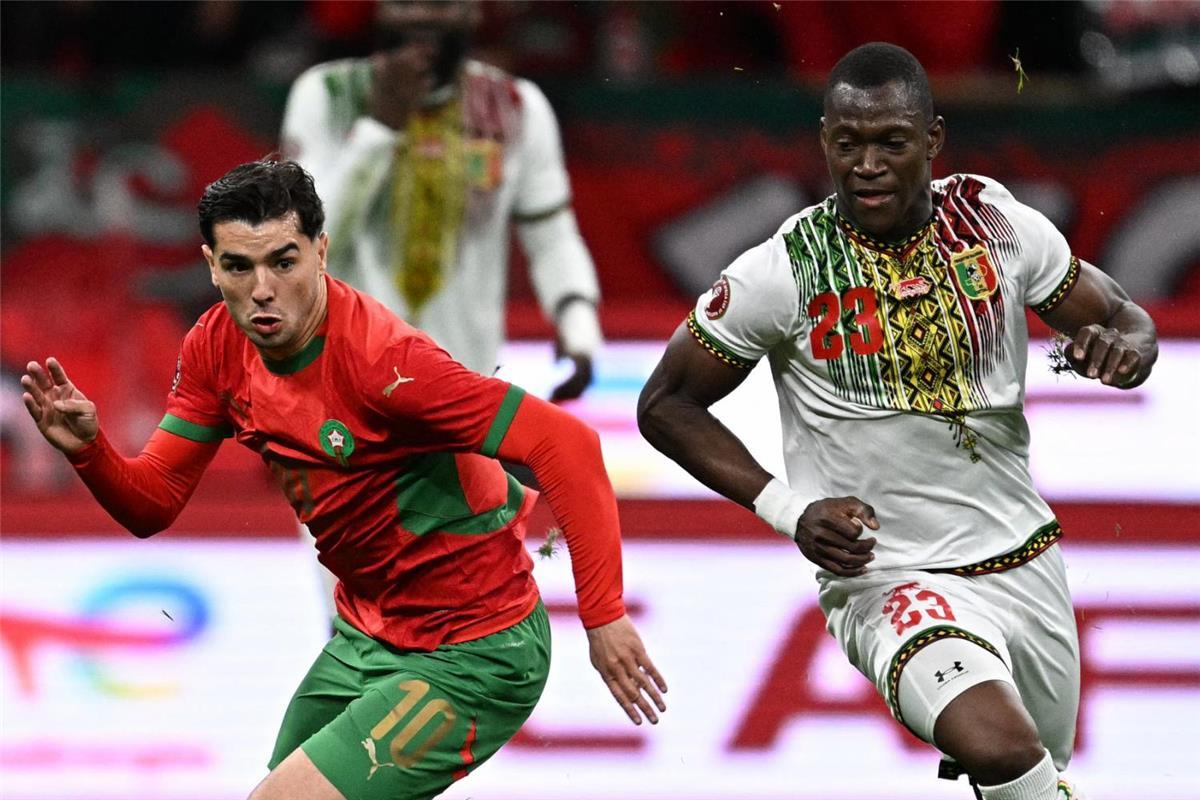
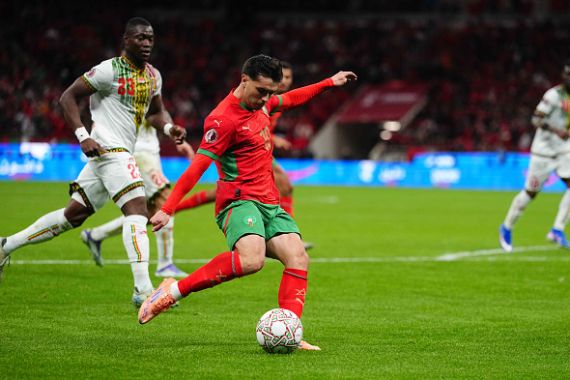
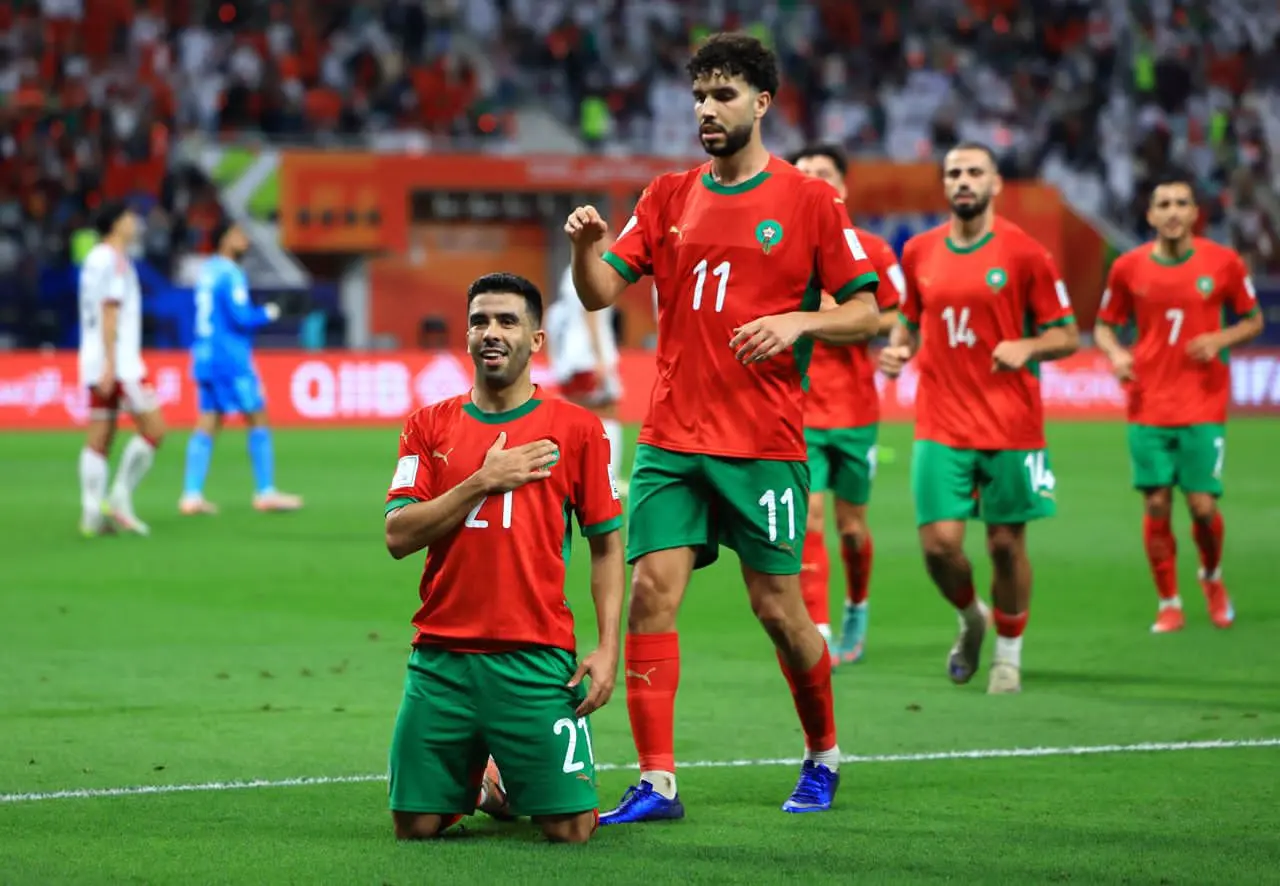
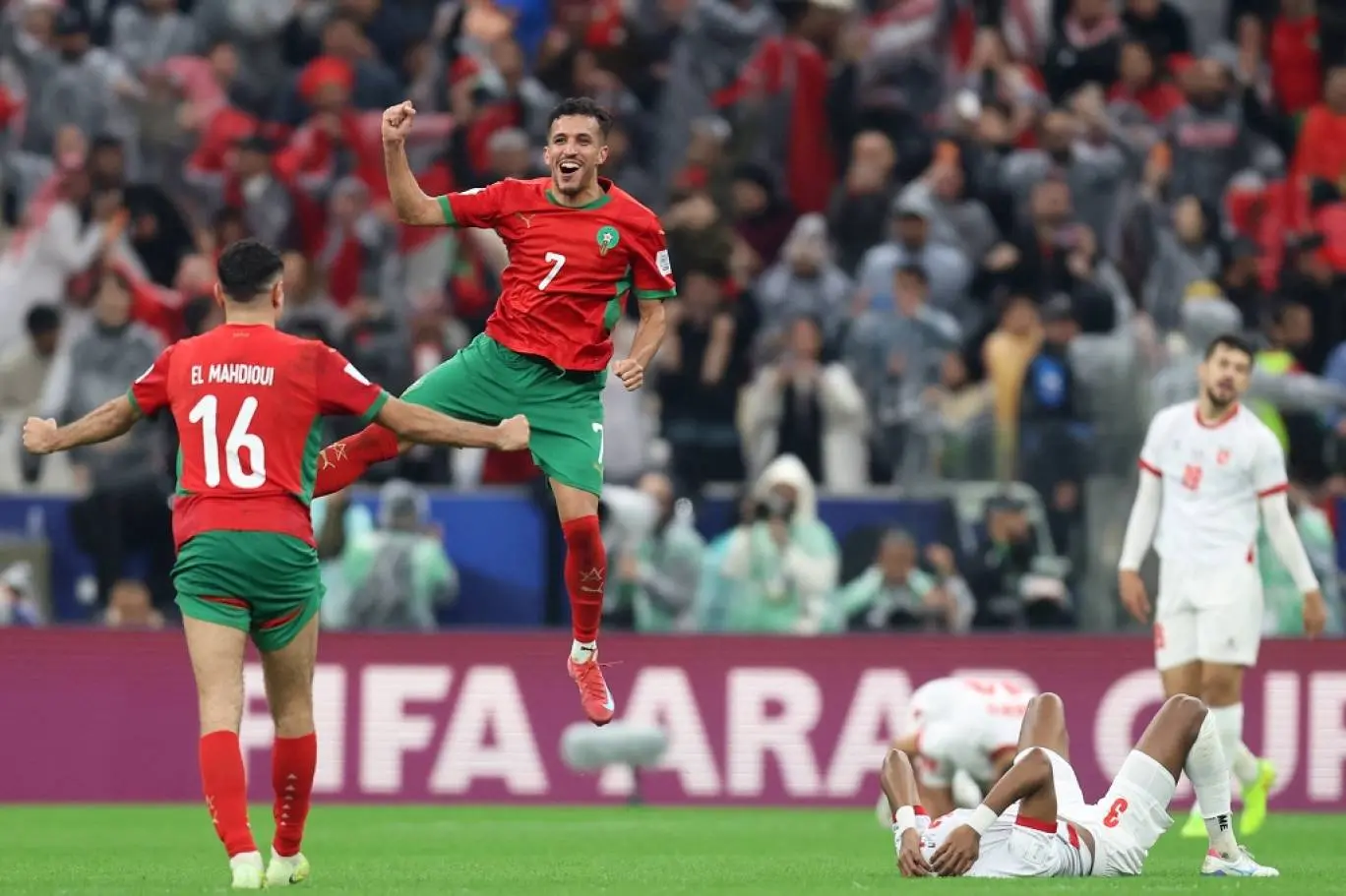
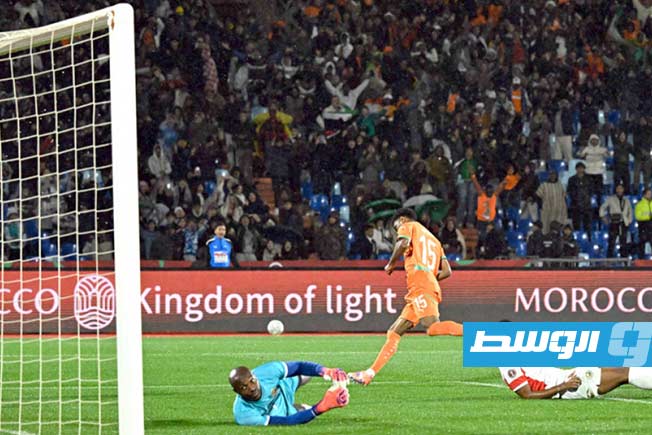
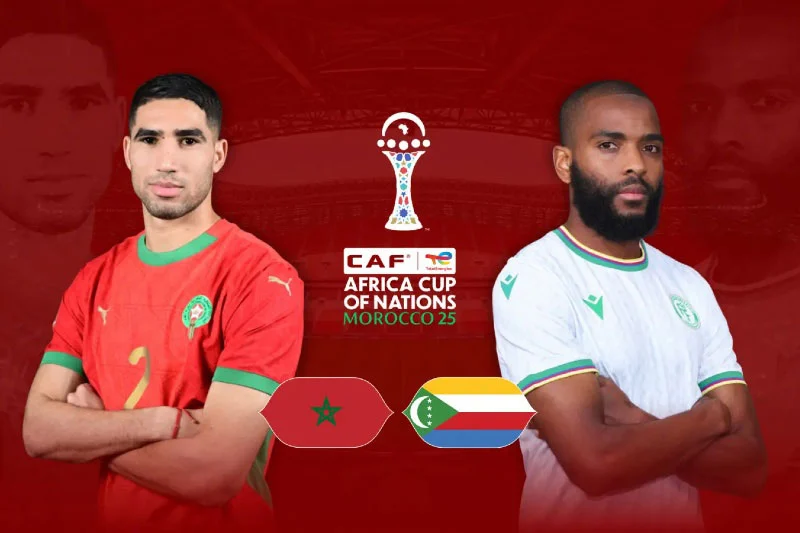
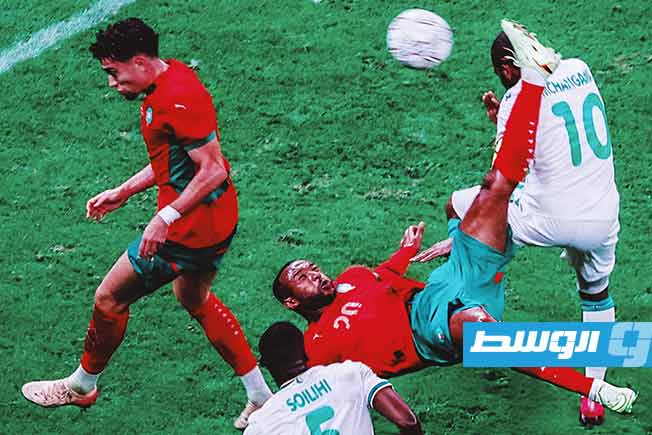
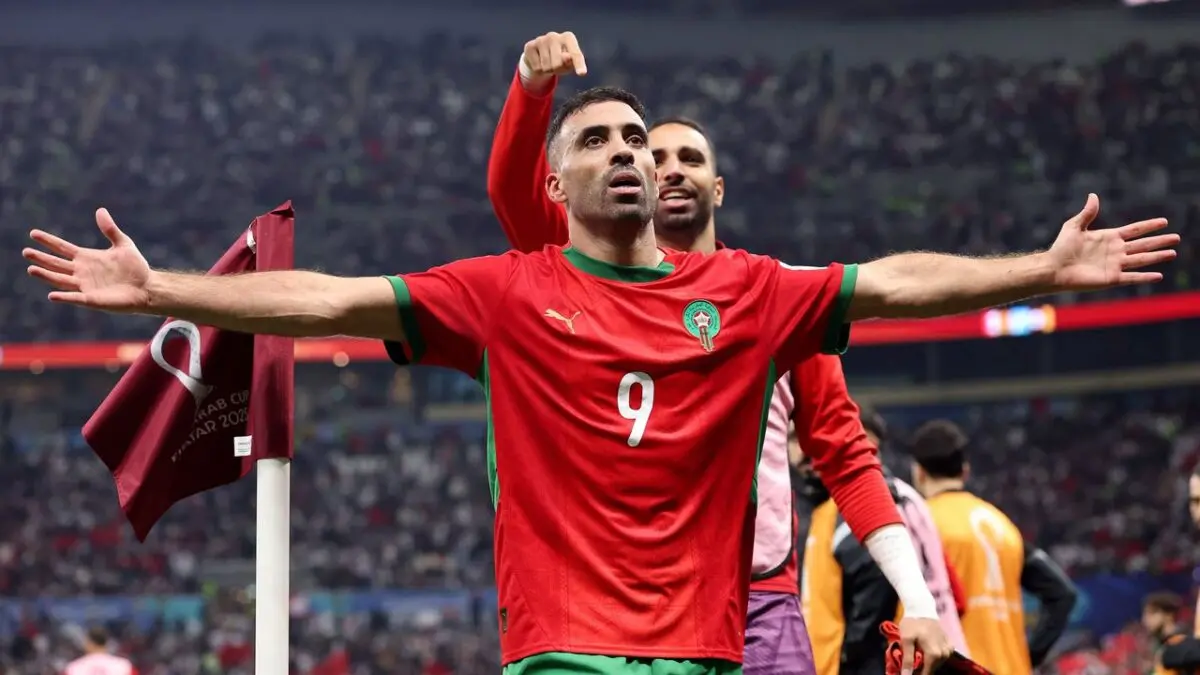
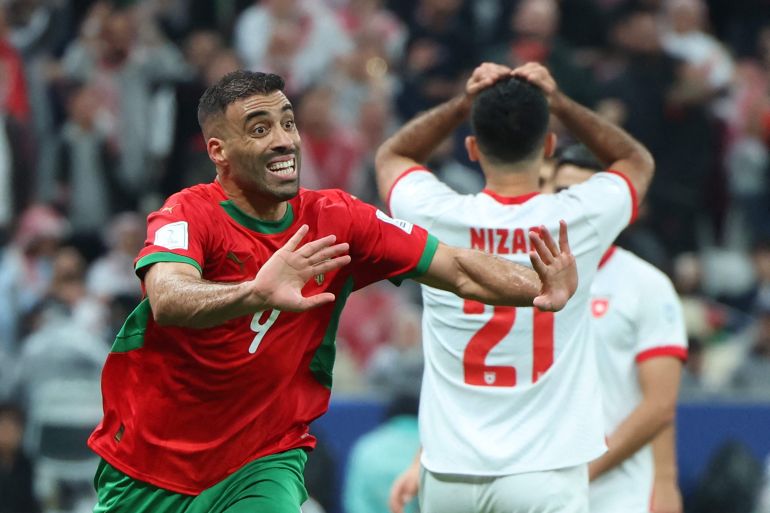
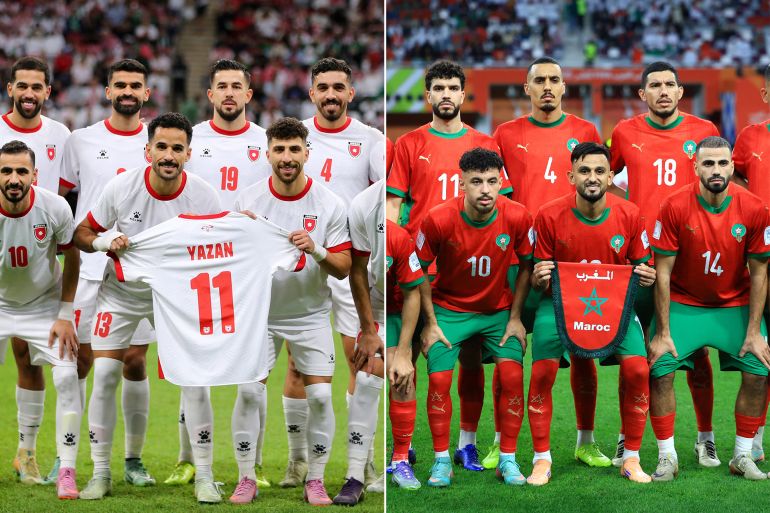
- Zambia: Exited after a 3-0 loss to Morocco, ending their tournament journey.
- Comoros: Said goodbye to the tournament after a goalless draw with Mali in the same group.
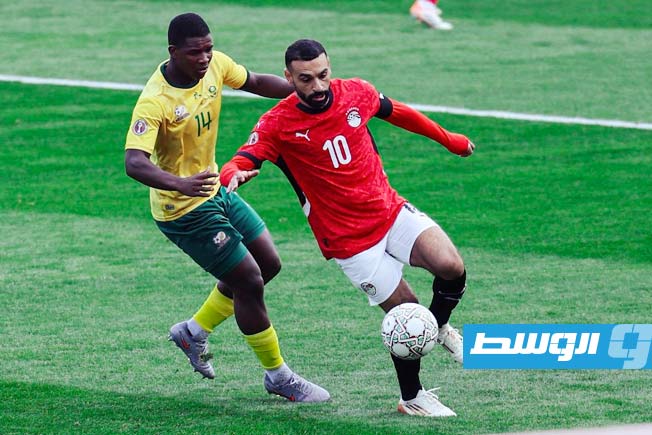
- Zimbabwe: Lost 3-2 to South Africa, resulting in an early departure from the competition.
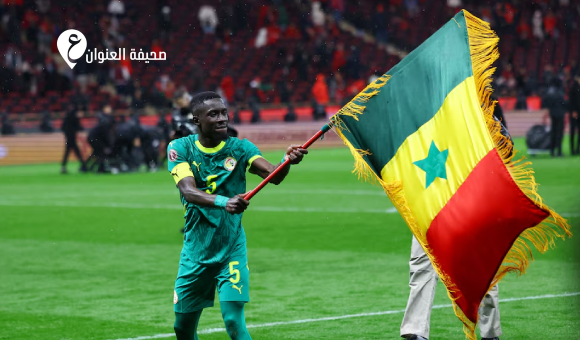
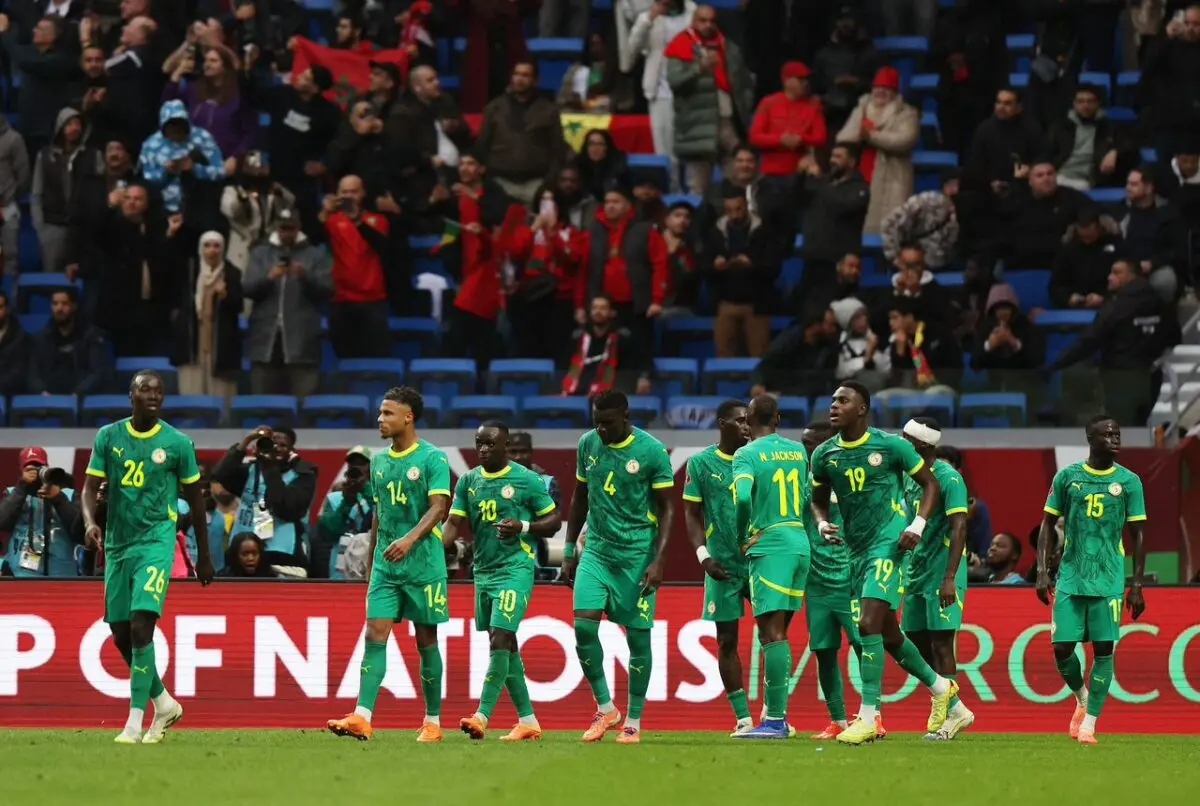
- Botswana: Suffered consecutive defeats to Senegal and Benin, leading to their early exit.
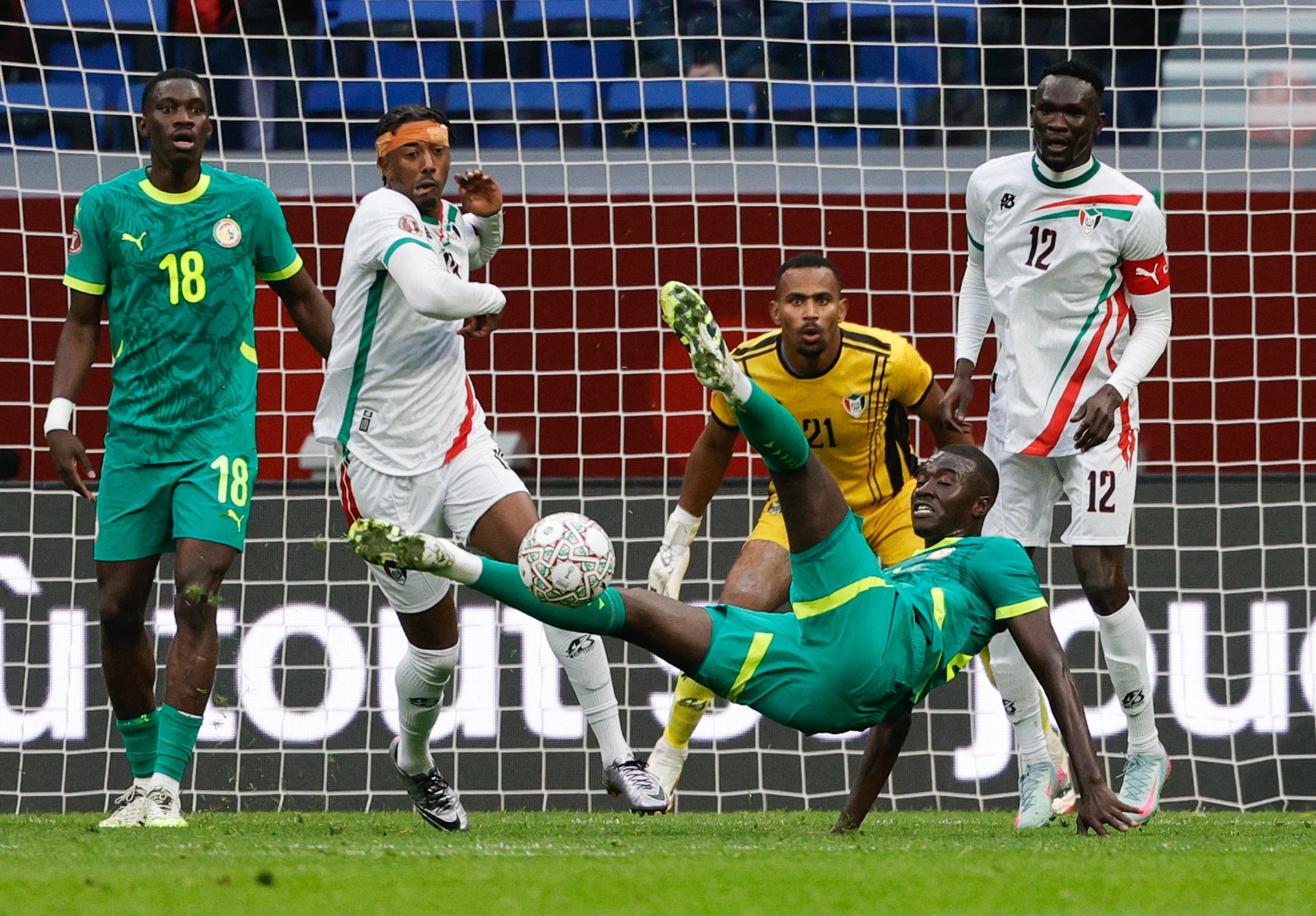
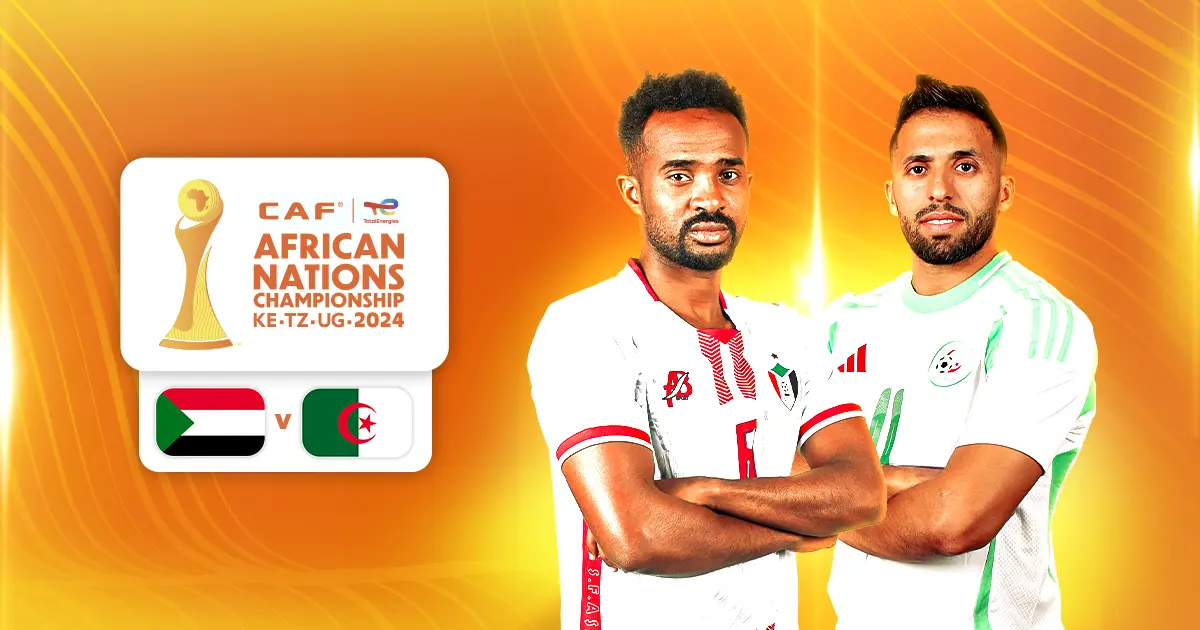
- Equatorial Guinea: Lost to Sudan and Burkina Faso, departing the tournament after the group stage.
- Gabon: Eliminated following back-to-back losses to Côte d’Ivoire and Mozambique.
Group Details
Group One saw the elimination of Zambia and Comoros, with the former losing to Morocco and the latter drawing with Mali. In Group Two, Zimbabwe bowed out after their defeat to South Africa, while the Angola national team is still competing for a spot as one of the best third-placed teams. The other groups witnessed the early elimination of Gabon, Botswana, and Equatorial Guinea.
As the tournament progresses, the qualified teams aim to continue competing for the remaining spots in the Round of 16. African football fans anticipate strong and exciting matchups in the upcoming knockout stages.
The Africa Cup of Nations is the continent’s premier tournament, held every two years and featuring the best African national teams. The early exit of these teams reflects the difficulty of the competition and the strength of performances in the group stage, where early qualification remains an indicator of a team’s readiness for the knockout phases.
Zambia
Zambia is a landlocked country in southern Africa, historically inhabited by Bantu-speaking groups before coming under British colonial rule as Northern Rhodesia until gaining independence in 1964. It is renowned for its vast natural wonders, most notably Victoria Falls (Mosi-oa-Tunya) on the Zambezi River, a UNESCO World Heritage Site shared with Zimbabwe.
Morocco
Morocco is a North African country with a rich history shaped by indigenous Amazigh (Berber) cultures, Arab influence from the 7th century, and successive dynasties like the Almoravids and Almohads. Its cultural sites include imperial cities such as Fez, home to the ancient University of Al Quaraouiyine, and Marrakech, known for its bustling medina and Jemaa el-Fnaa square. The country’s diverse heritage is also reflected in its architecture, cuisine, and traditions, blending African, Arab, and European elements.
Comoros
Comoros is an island nation off the east coast of Africa, consisting of three main islands: Grande Comore, Mohéli, and Anjouan. Its history is marked by a blend of African, Arab, and French influences, having been a key hub in the Indian Ocean trade routes before becoming a French protectorate in the 19th century and gaining independence in 1975.
Mali
Mali is a West African country historically renowned as the heart of several powerful empires, most notably the Mali Empire, which flourished from the 13th to 16th centuries and was famous for its wealth, scholarship in Timbuktu, and the pilgrimage of Mansa Musa. Today, it is home to significant UNESCO World Heritage Sites like the ancient cities of Timbuktu and Djenné, though many of its cultural treasures face threats from environmental factors and conflict.
Zimbabwe
Zimbabwe is a country in southern Africa, named after the ancient stone city of Great Zimbabwe, which was the capital of the medieval Kingdom of Zimbabwe from the 11th to 15th centuries. This kingdom was a major center for trade and is renowned for its impressive dry-stone architecture, most notably the Great Enclosure. The modern nation gained independence from British colonial rule in 1980.
South Africa
South Africa is a country located at the southern tip of the African continent, known for its diverse cultures, languages, and dramatic landscapes. Its modern history is profoundly shaped by colonialism and the institutionalized racial segregation of apartheid, which ended in 1994 with the establishment of a constitutional democracy and the election of Nelson Mandela as president.
Botswana
Botswana is a landlocked country in Southern Africa known for its stable democracy and significant wildlife conservation areas, such as the Okavango Delta. Historically a British protectorate called Bechuanaland, it gained independence in 1966 and subsequently transformed from one of the world’s poorest nations to a middle-income economy, largely due to diamond mining. Its culture is deeply influenced by the Tswana people, and it maintains a strong tradition of community-based natural resource management.
Senegal
Senegal is a West African nation with a rich history shaped by powerful pre-colonial empires, French colonization from the 17th century, and its independence in 1960. It is renowned for its cultural sites like Gorée Island, a UNESCO World Heritage site and poignant memorial to the Atlantic slave trade, and the Grand Mosque of Touba, a central spiritual hub for the Mouride brotherhood. The country is also celebrated for its vibrant arts scene, particularly its music and the influential role of griots as oral historians.
Benin
Benin, historically the site of the powerful Kingdom of Benin (not to be confused with the modern Republic of Benin), was a major West African state from the 13th to 19th centuries, renowned for its sophisticated bronze and ivory artworks. Its capital, Edo (now Benin City in Nigeria), was a center of great wealth and administrative complexity until the British Punitive Expedition of 1897, which led to the kingdom’s annexation and the looting of its famed artistic treasures.
Equatorial Guinea
Equatorial Guinea is a small Central African nation consisting of a mainland region and several islands, including Bioko where the capital, Malabo, is located. It gained independence from Spain in 1968 and has since been characterized by its significant oil reserves and long-standing authoritarian rule under the same political family. The country’s culture reflects its colonial history and diverse ethnic groups, including the Fang and Bubi peoples.
Sudan
Sudan is a country in Northeast Africa with a rich history as the location of the ancient Kingdom of Kush, which was a major power and rival to Egypt. It is home to numerous archaeological sites, including the pyramids of Meroë, and its modern history has been significantly shaped by civil war and the division that created South Sudan in 2011.
Burkina Faso
Burkina Faso is a landlocked West African nation whose modern borders were established during French colonial rule, gaining independence in 1960. The region is historically significant as part of the Mossi kingdoms, which date back to the 11th century and were known for their powerful cavalry and resistance to external empires. Today, the country’s culture is characterized by its diverse ethnic groups, vibrant music, and film festivals, alongside notable archaeological sites like the ancient iron-smelting furnaces of the Bura culture.
Gabon
Gabon is a Central African country known for its dense rainforests and diverse wildlife, historically inhabited by Bantu tribes before becoming a French colony in the late 19th century. It gained independence in 1960 and is notable for its cultural sites, such as the Lopé National Park—a UNESCO World Heritage Site blending natural and archaeological value with ancient rock carvings.
Côte d’Ivoire
Côte d’Ivoire, also known as Ivory Coast, is a West African nation with a rich history as a pre-colonial kingdom and a major hub of the trans-Saharan trade. It became a French protectorate in the late 19th century, gaining full independence in 1960. The country is culturally renowned for its diverse ethnic groups, vibrant music like *coupé-décalé*, and as a global leader in cocoa production.
Mozambique
Mozambique is a country in southeastern Africa with a rich history shaped by Bantu-speaking peoples, Arab trade, and Portuguese colonization, which lasted from the 16th century until independence in 1975. It is known for its extensive Indian Ocean coastline, diverse cultures, and historical sites like the Island of Mozambique, a UNESCO World Heritage site that was a former Portuguese trading post.
Angola
Angola is a country in southwestern Africa with a rich history shaped by powerful pre-colonial kingdoms like Kongo and Ndongo, followed by centuries of Portuguese colonization that lasted until independence in 1975. Its cultural sites include the fortress of São Miguel in Luanda, a UNESCO World Heritage site that was a central hub in the transatlantic slave trade, and the Tundavala Fissure, a dramatic natural landmark. The nation’s diverse culture blends indigenous traditions with Portuguese influences, evident in its music, like semba and kizomba, and its vibrant arts scene.
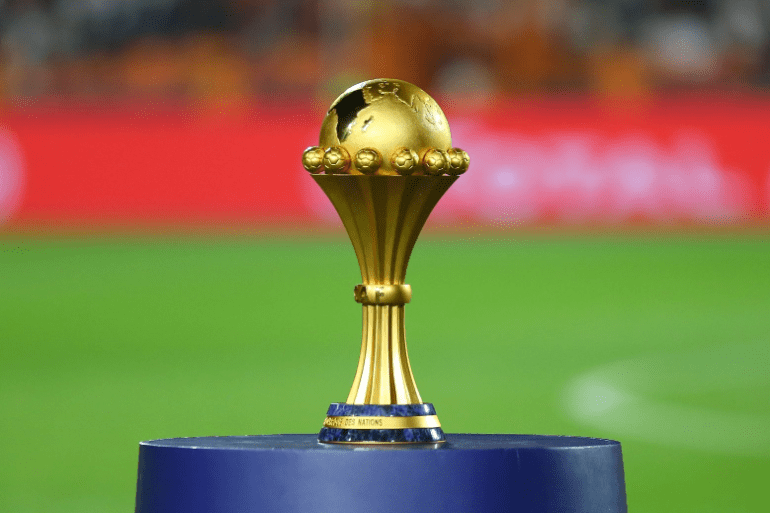
Africa Cup of Nations
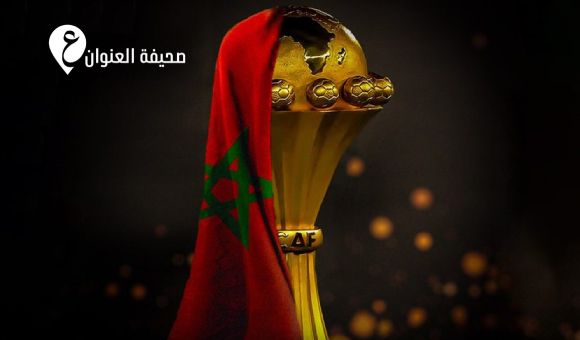
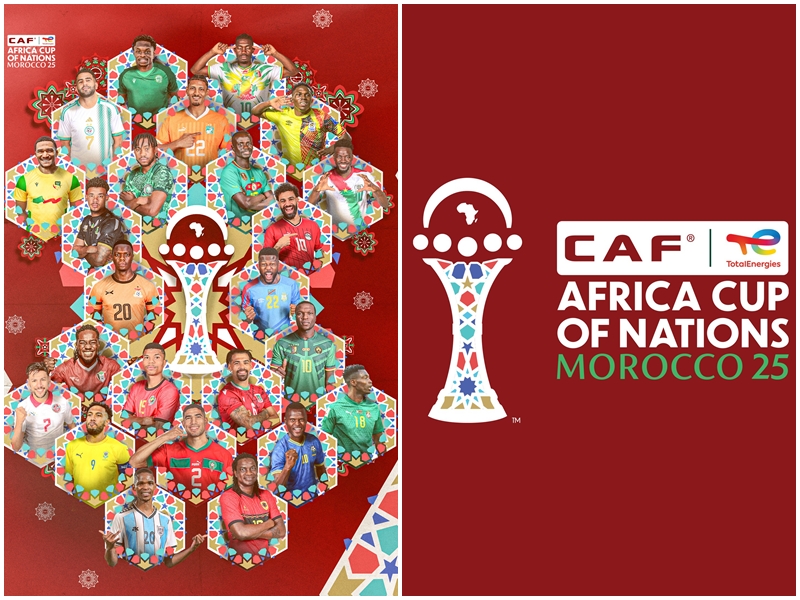
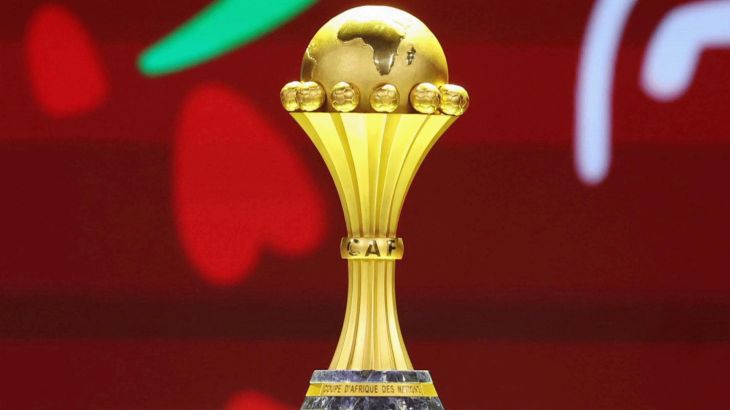
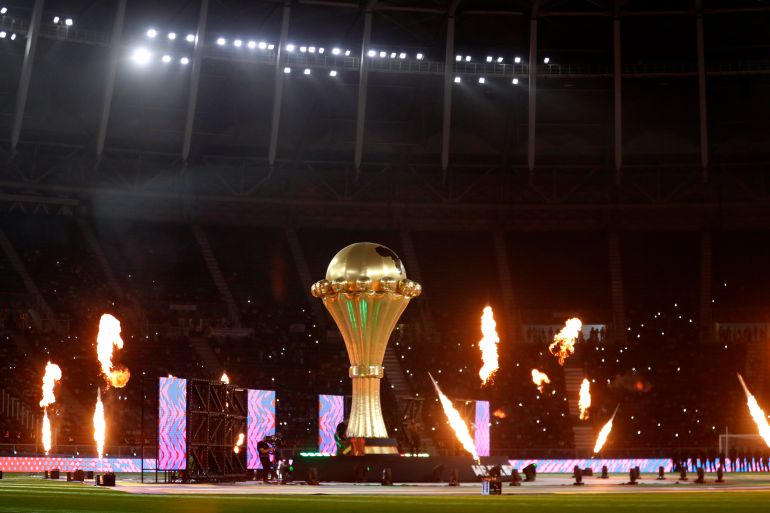
The Africa Cup of Nations is the premier international men’s football competition in Africa, first contested in 1957. It is organized by the Confederation of African Football (CAF) and has grown from three founding nations to include dozens of teams, serving as a major sporting and cultural event across the continent.