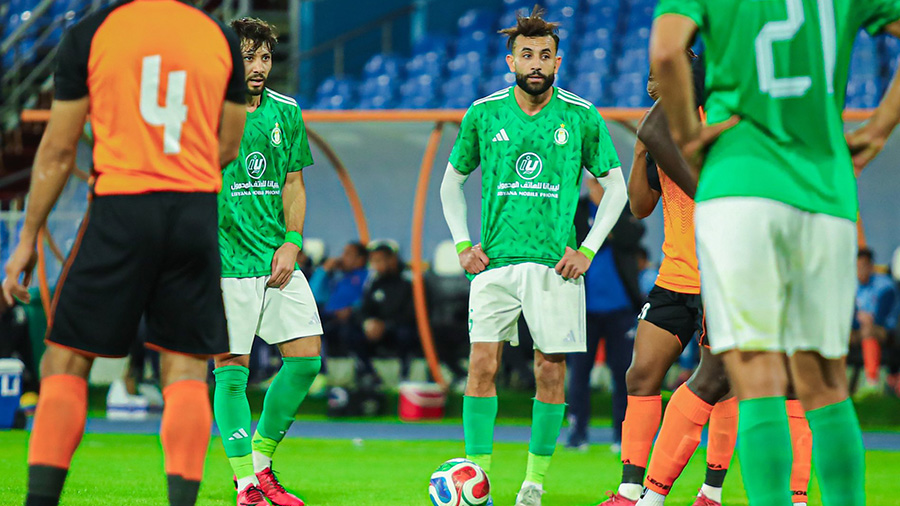
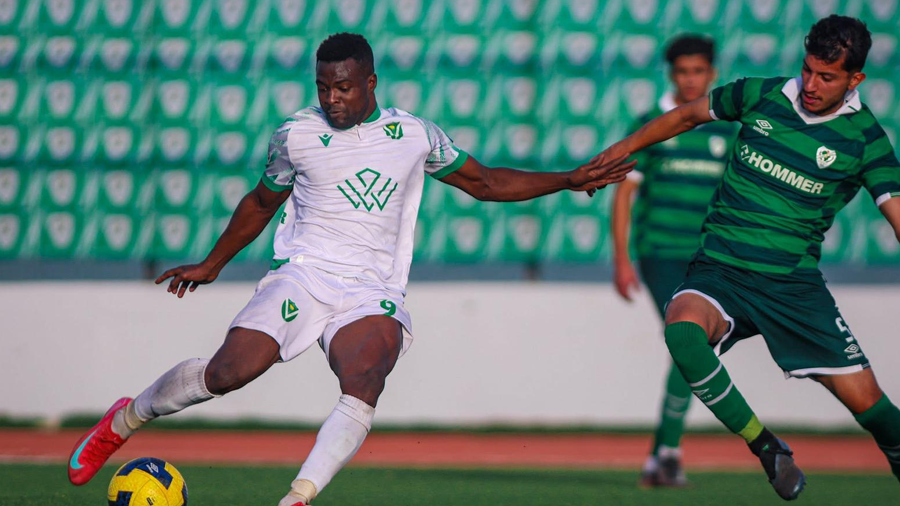
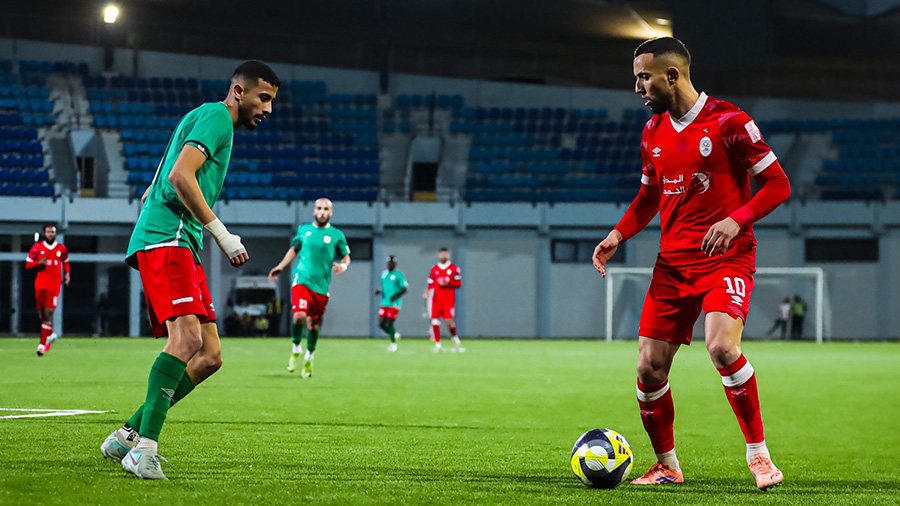
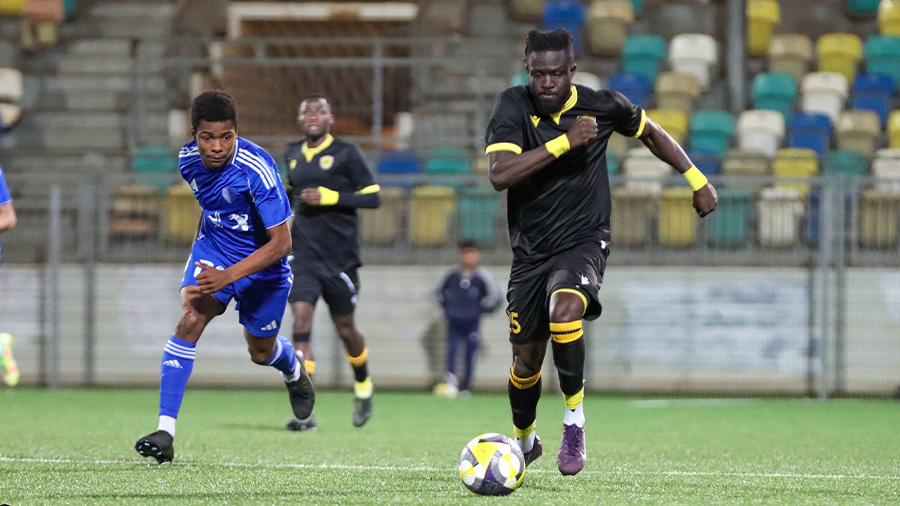
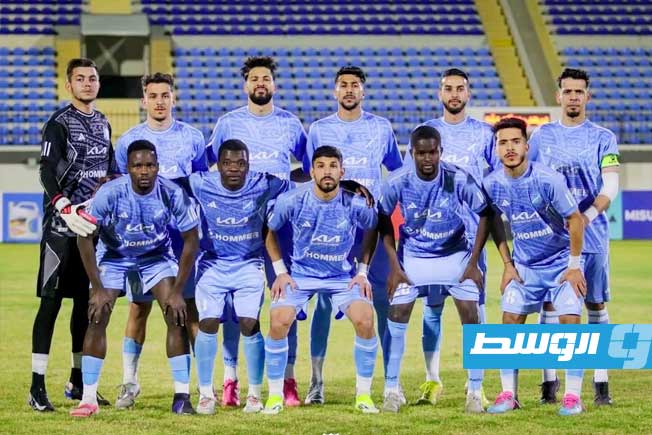
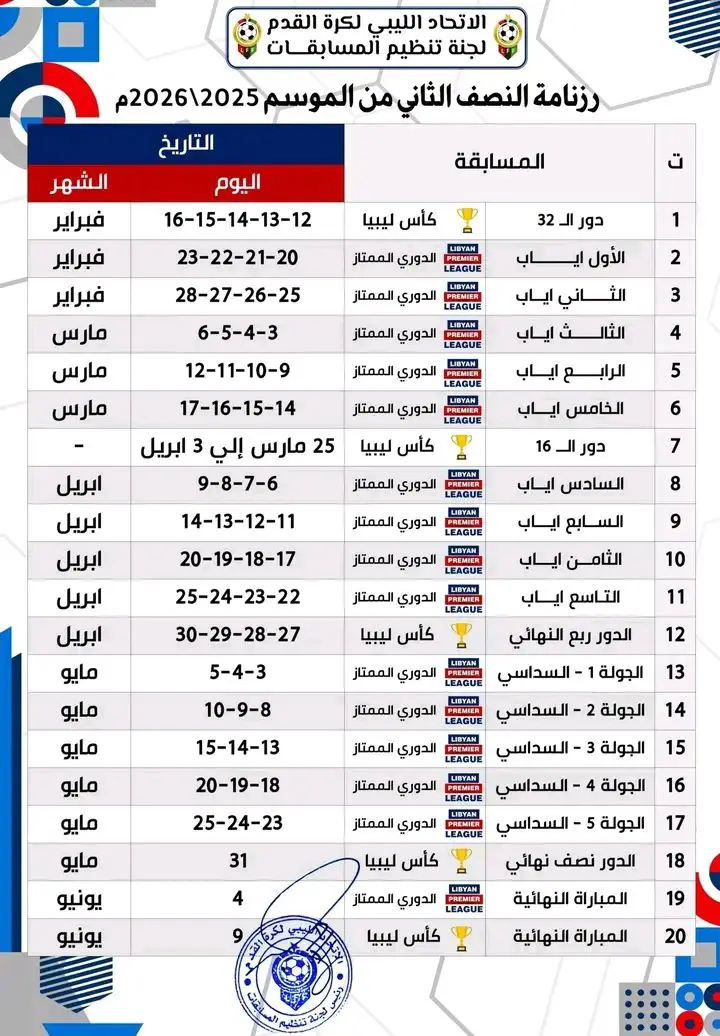
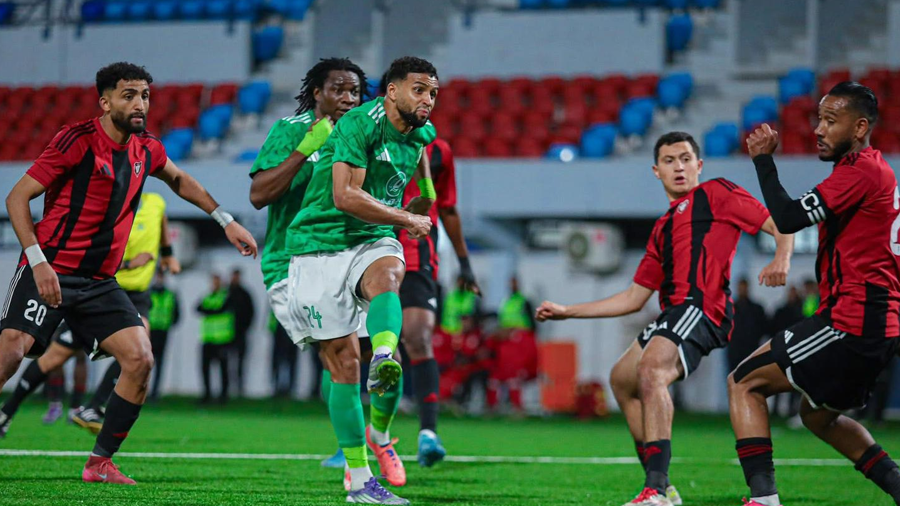
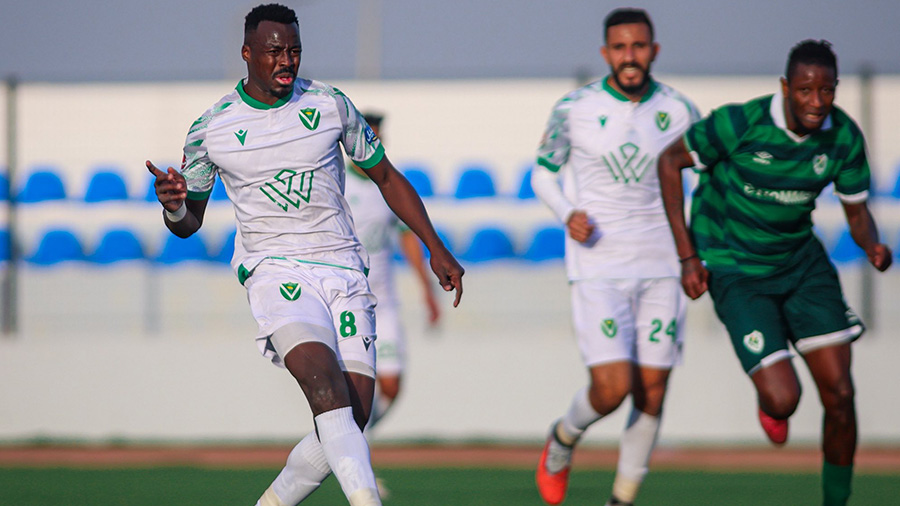
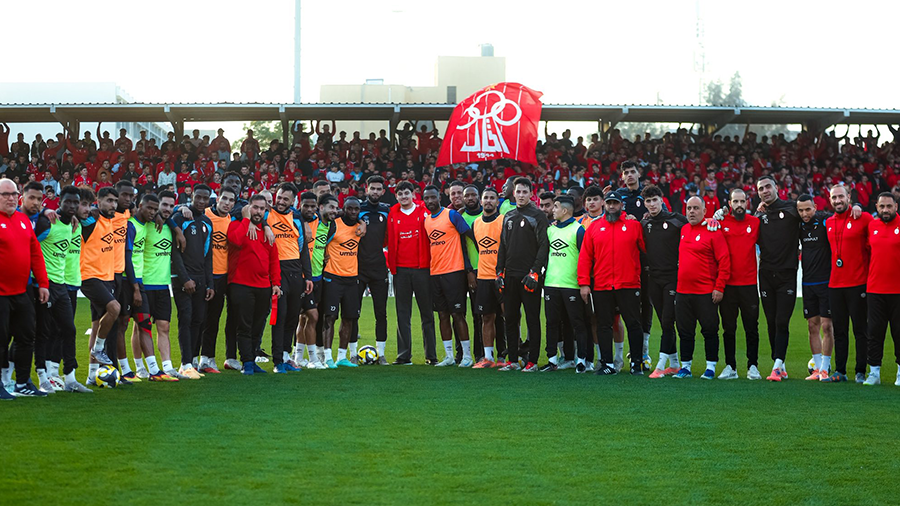
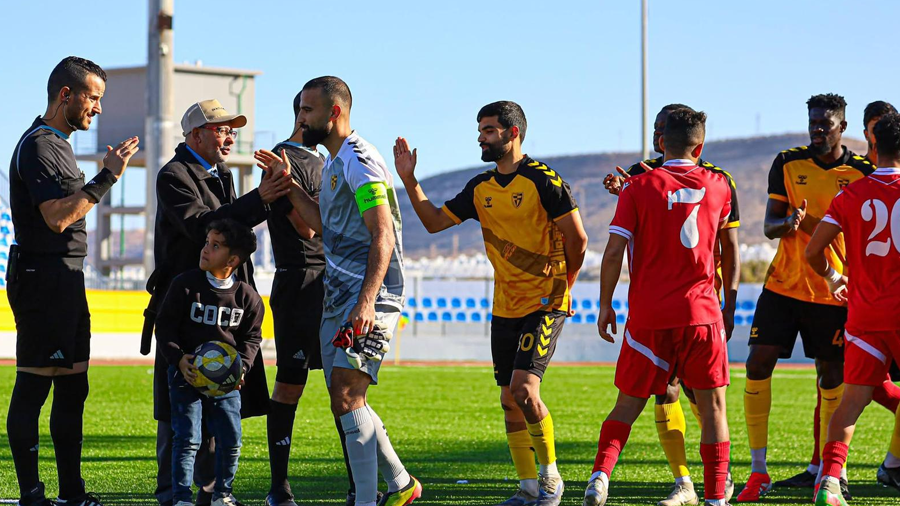
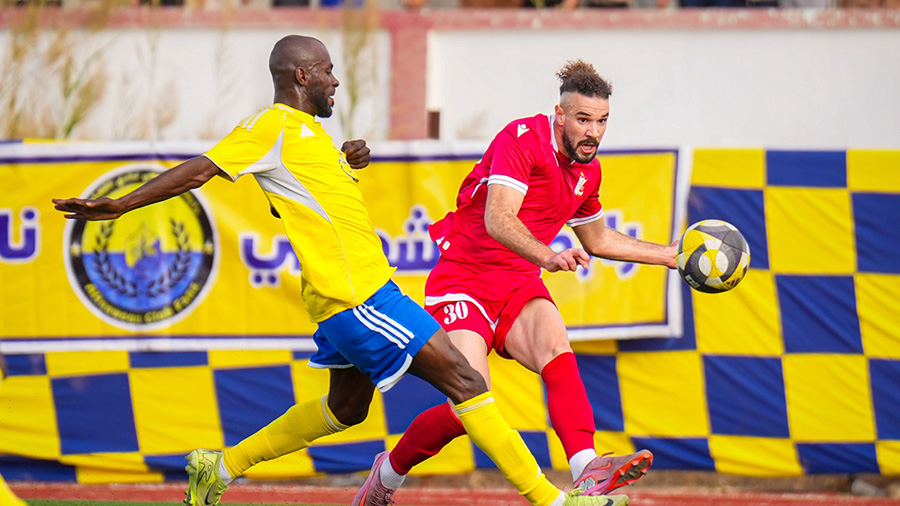
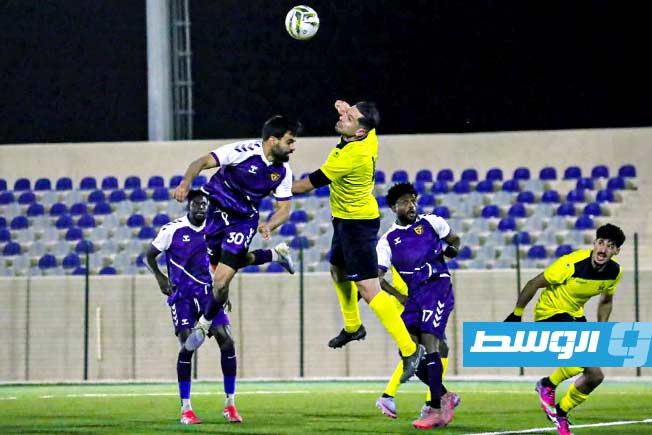
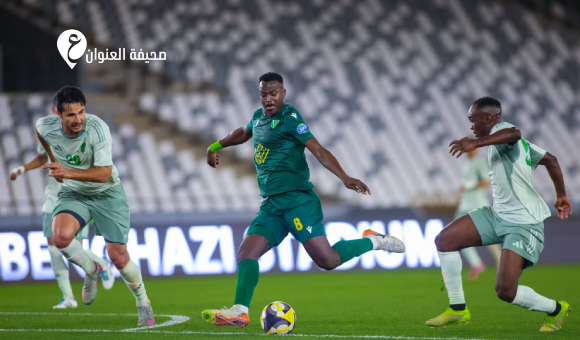
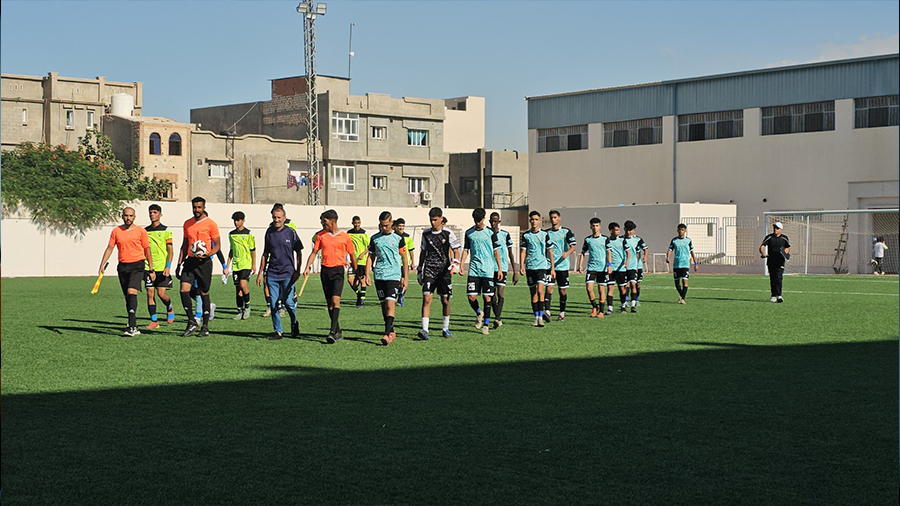
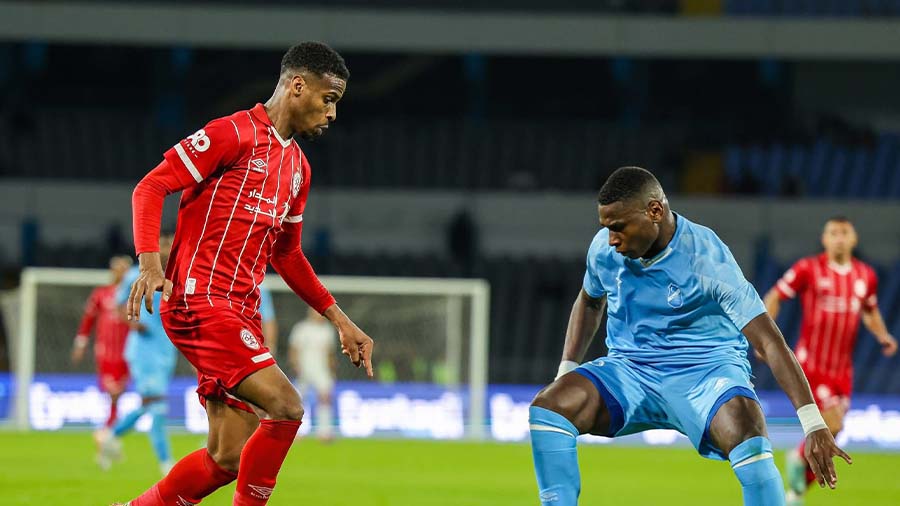
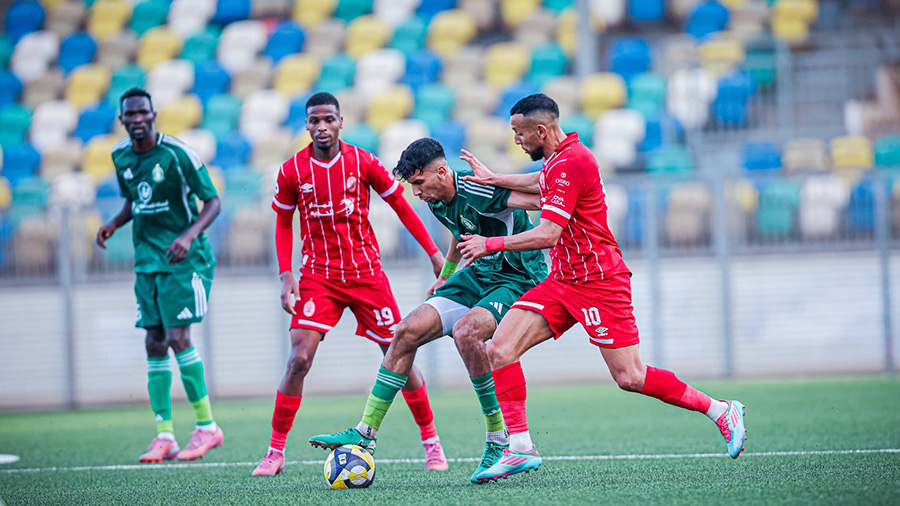
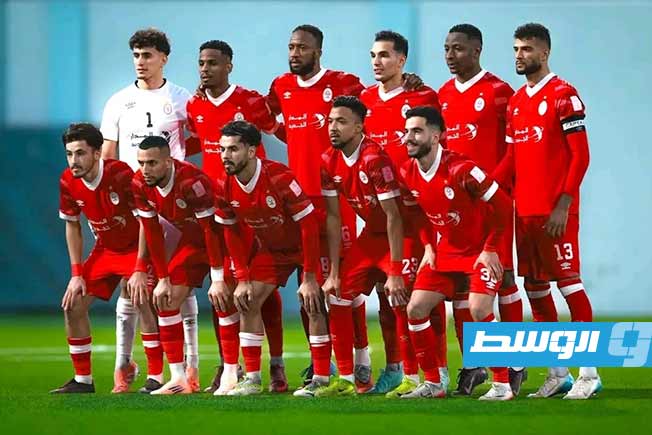
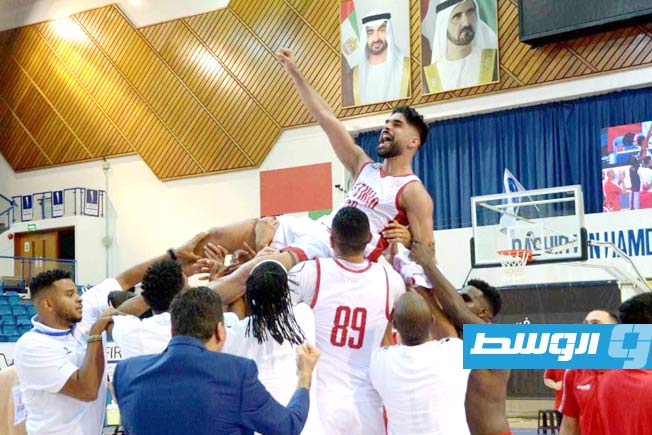
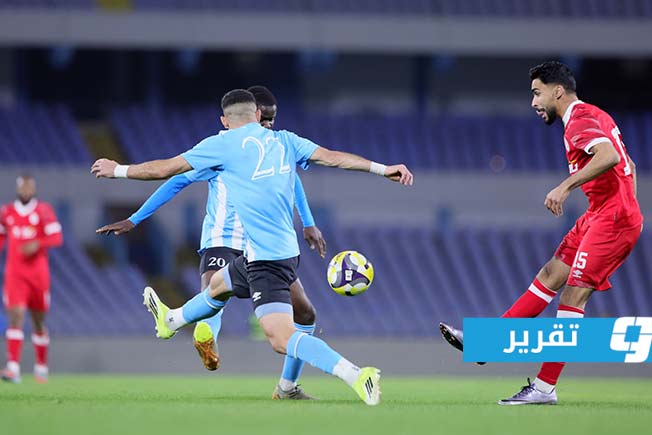
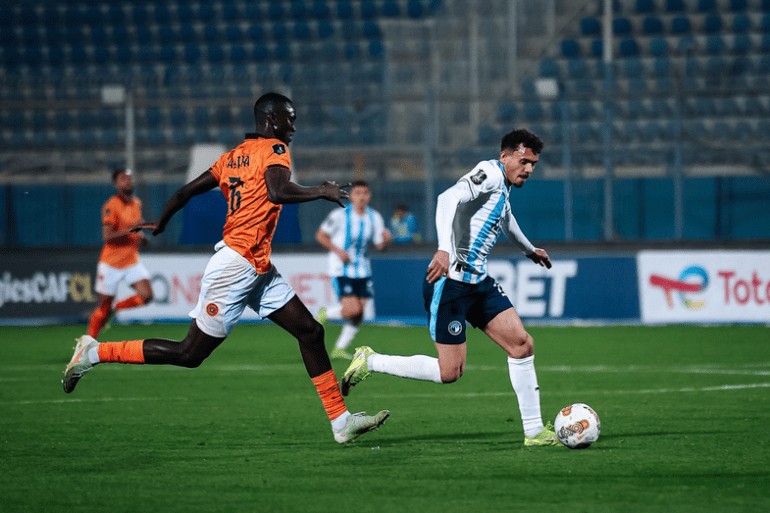
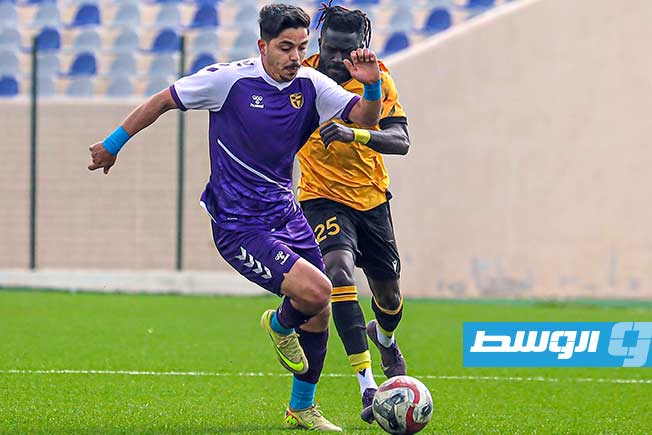
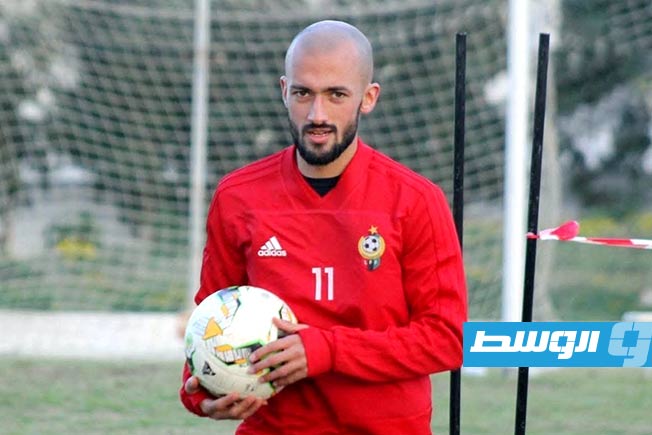
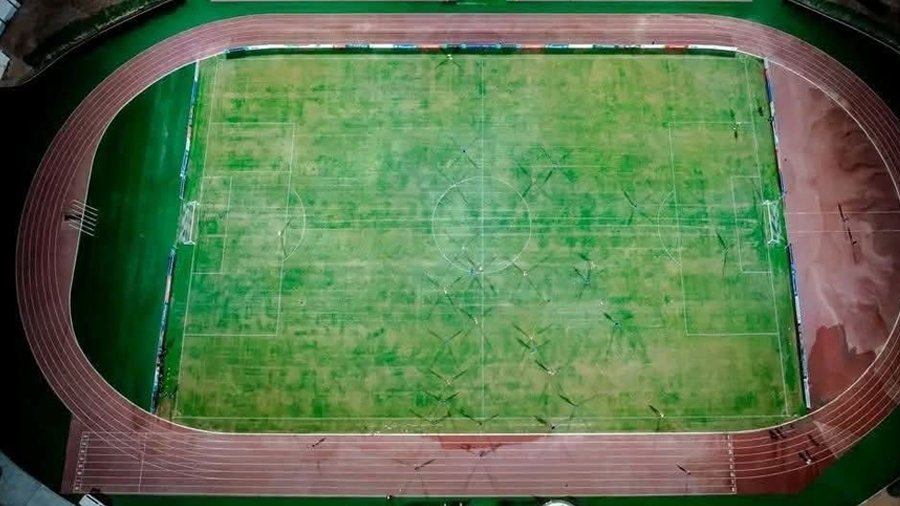
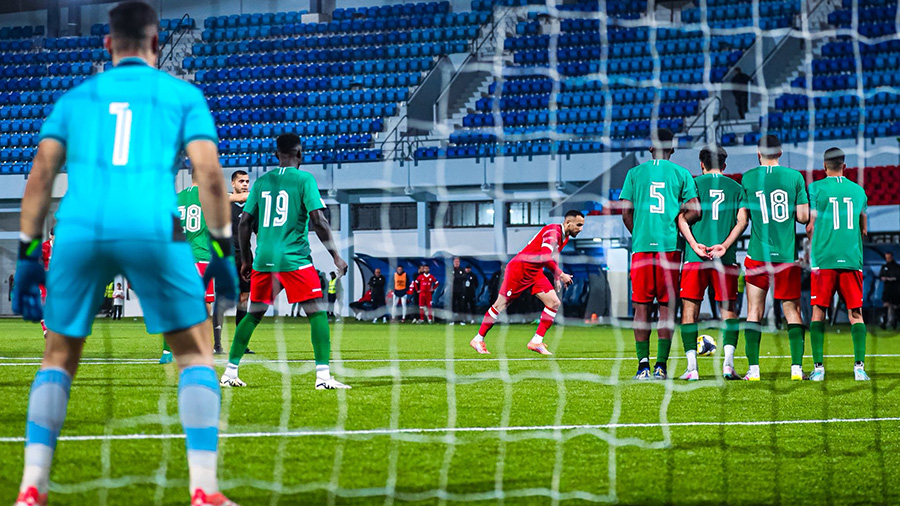
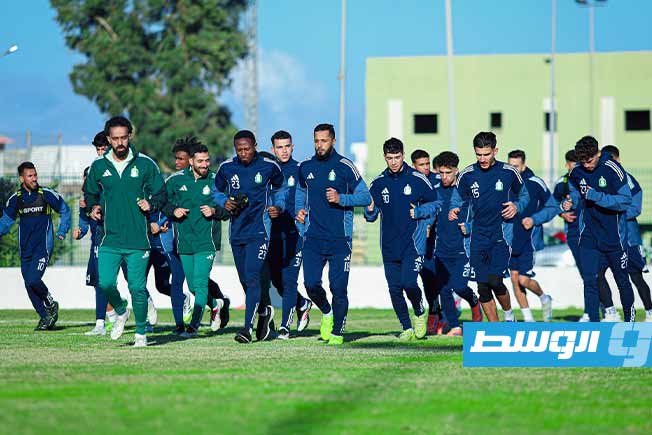
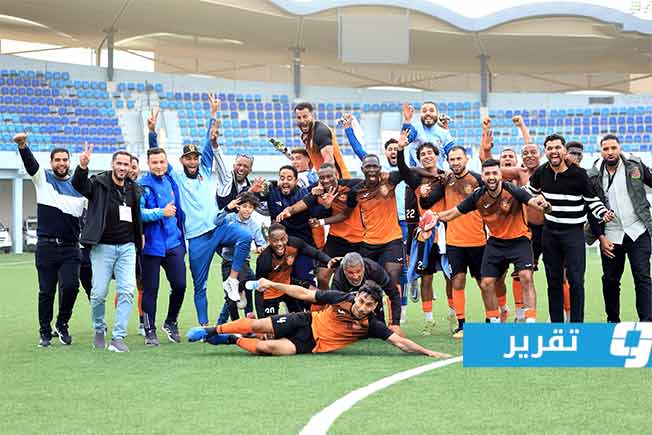
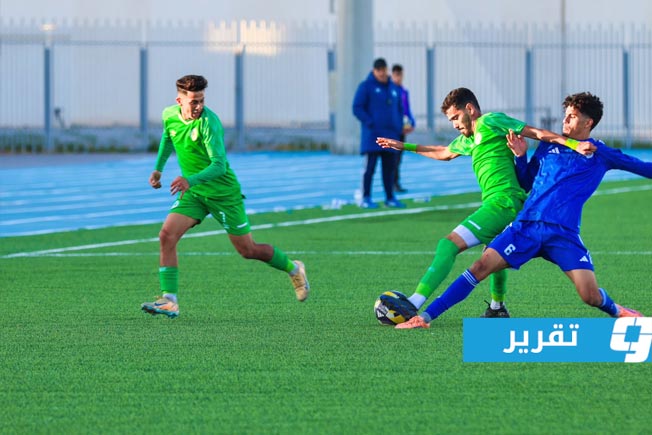
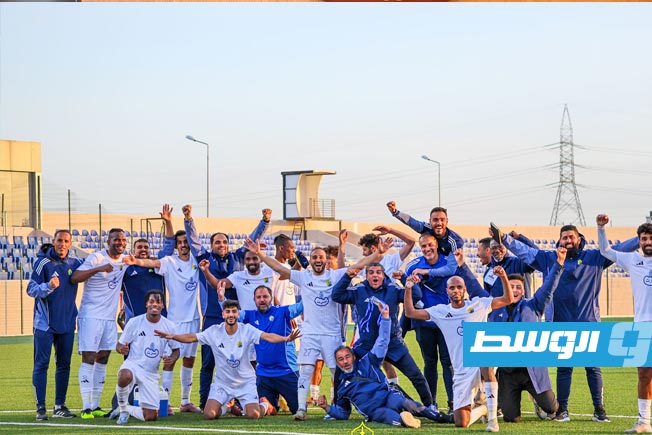
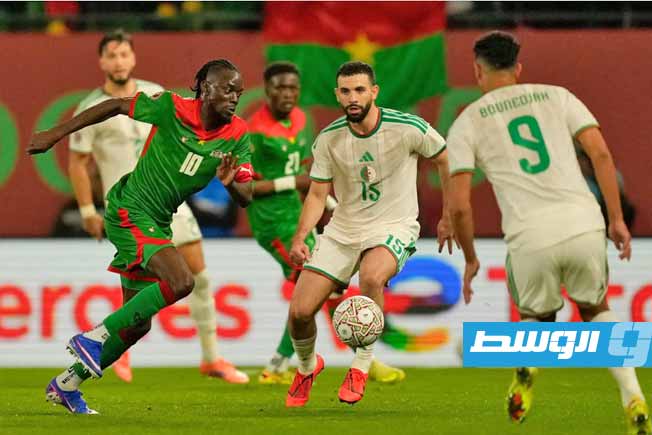
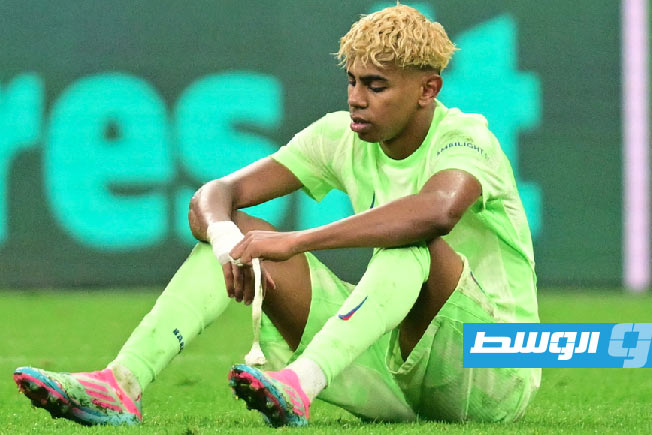
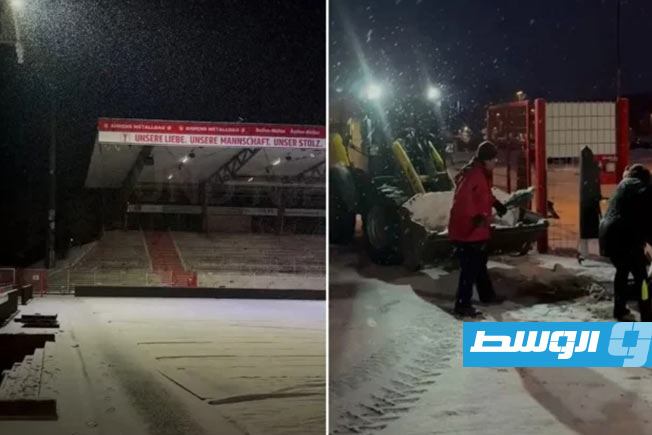
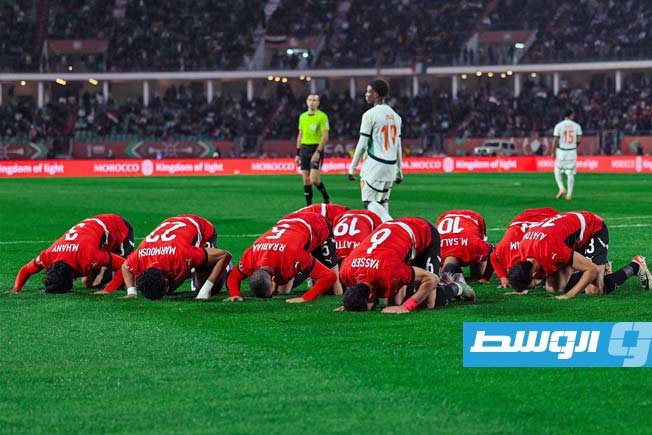
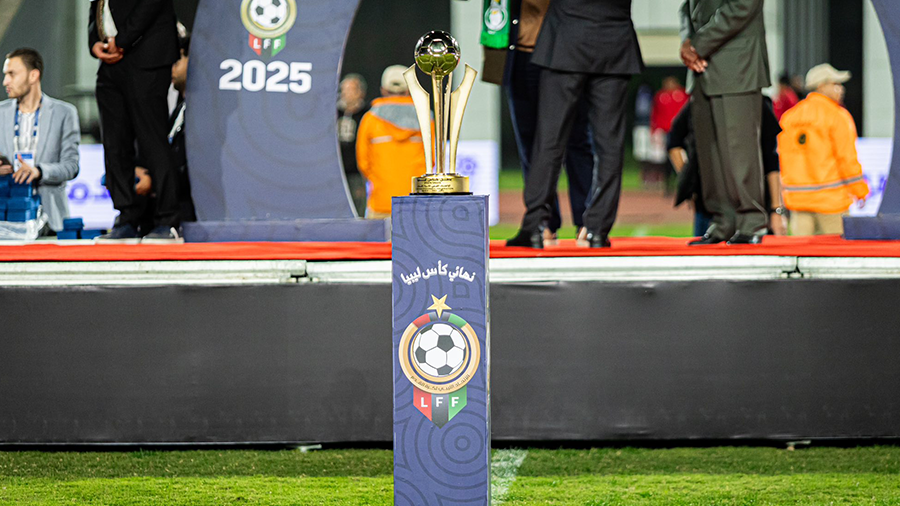
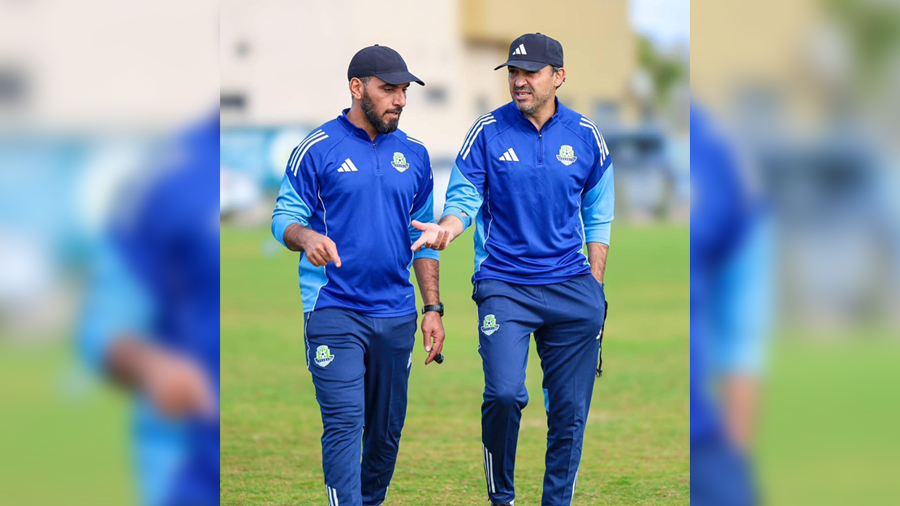
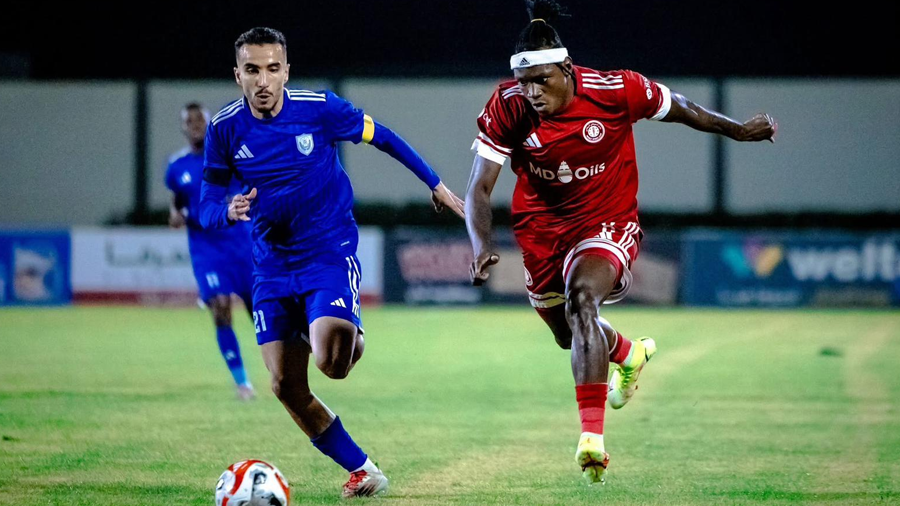
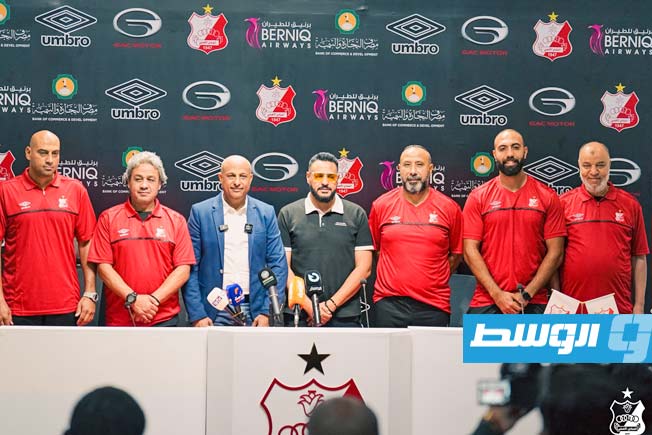
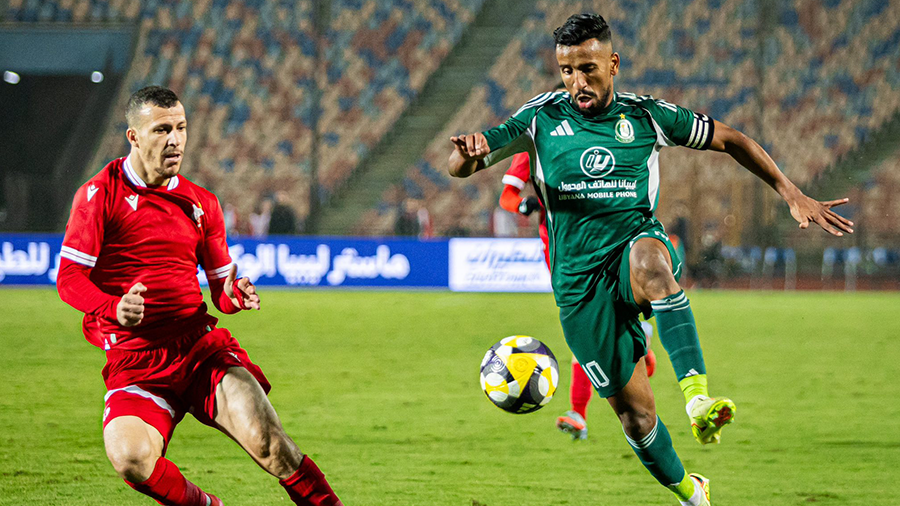
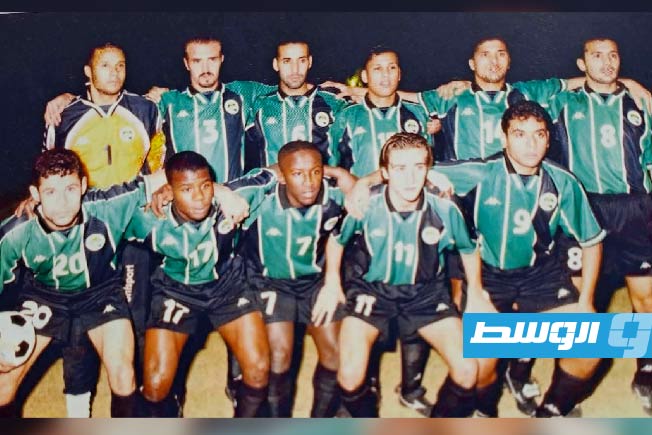
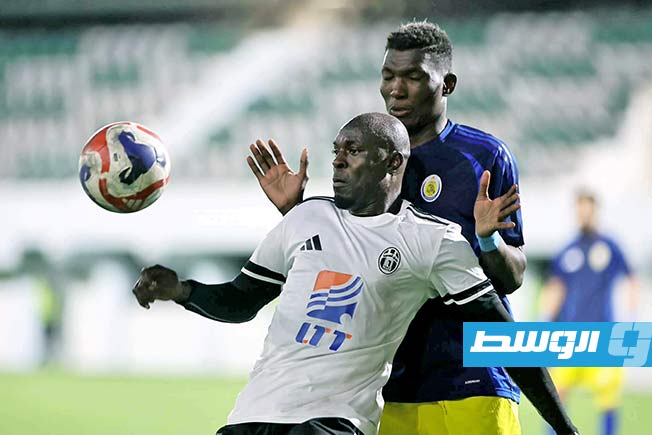
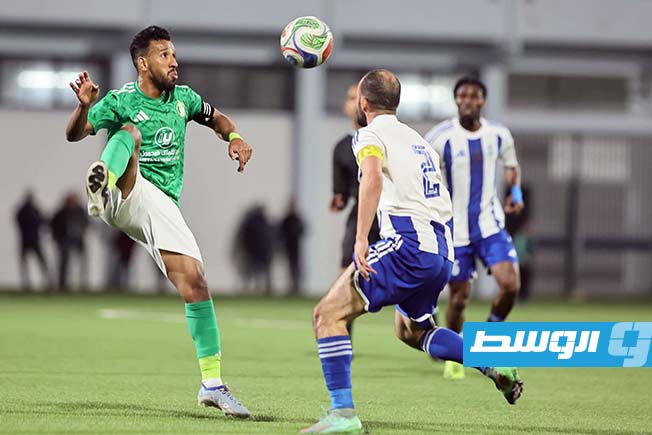
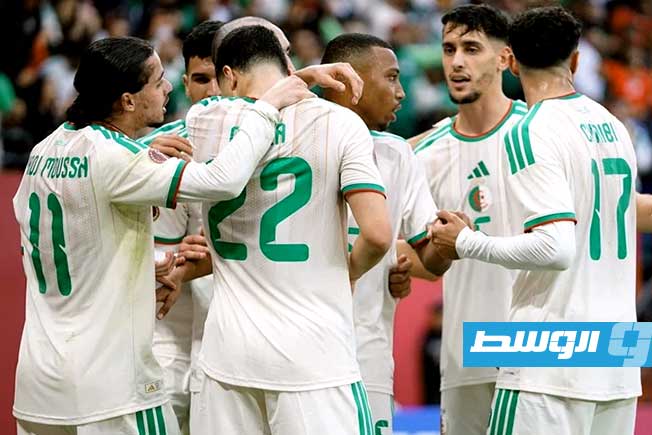
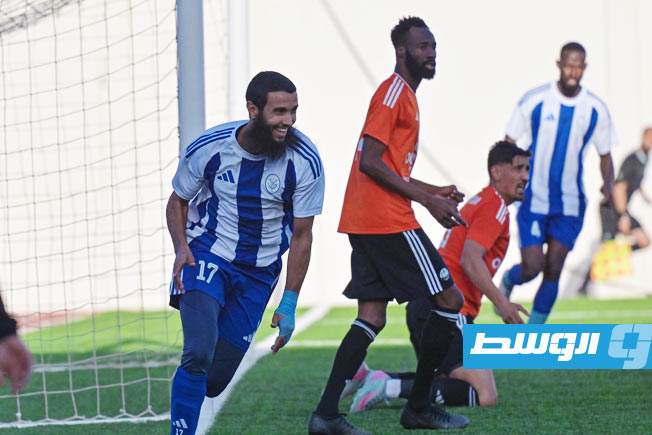
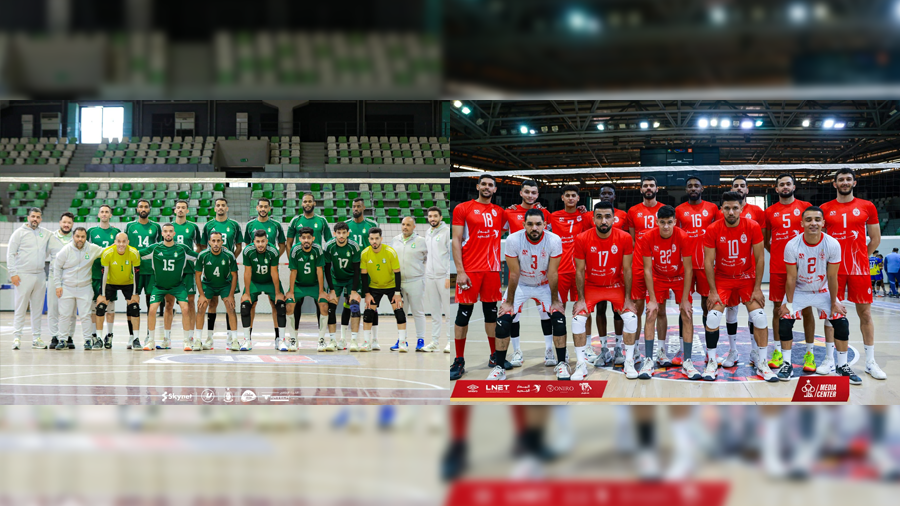
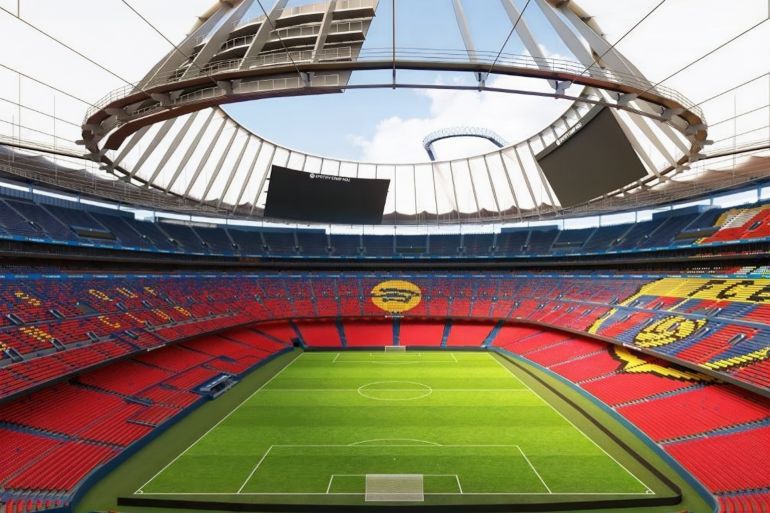
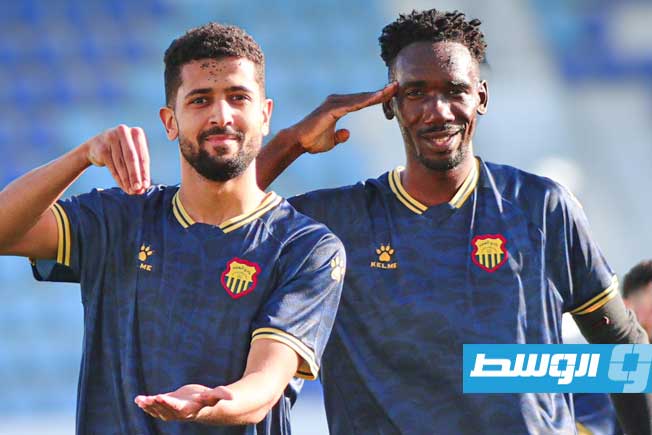
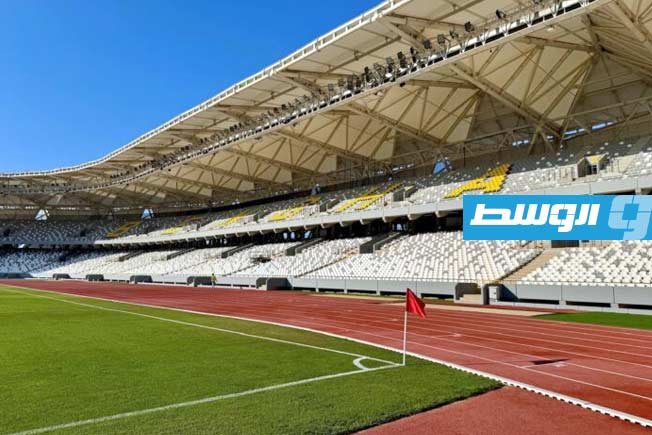
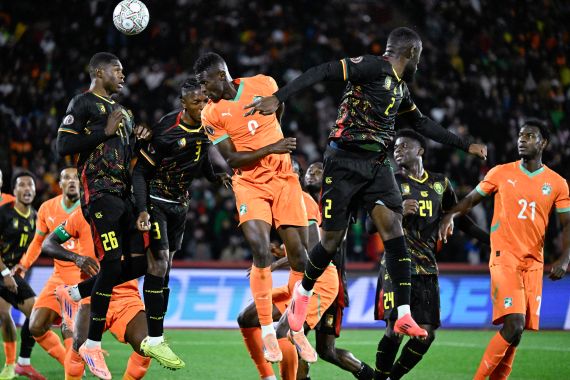
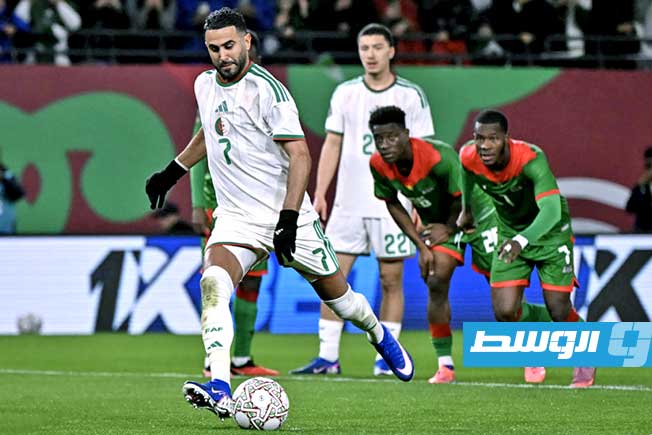
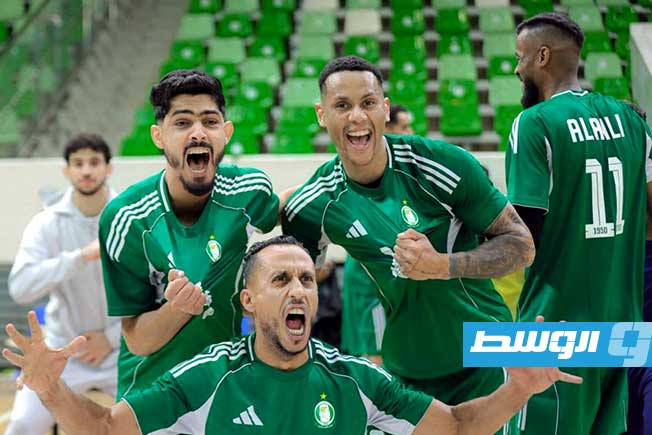
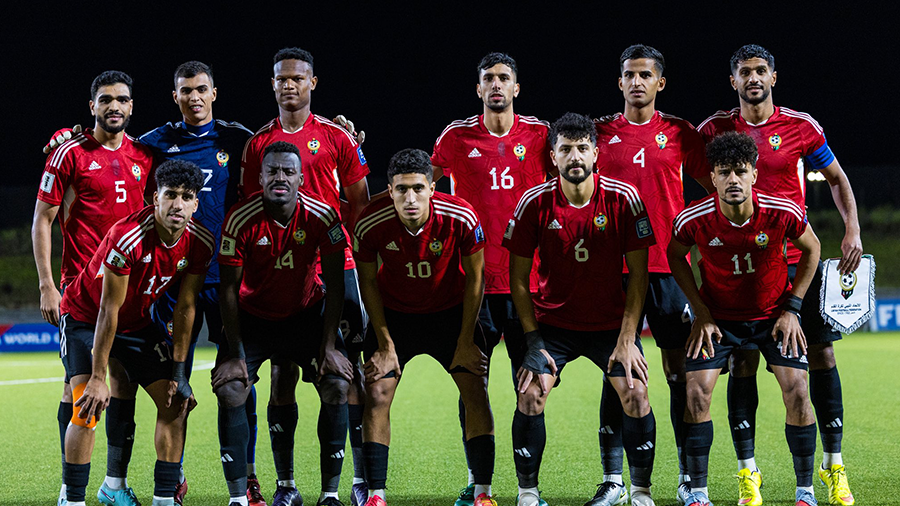
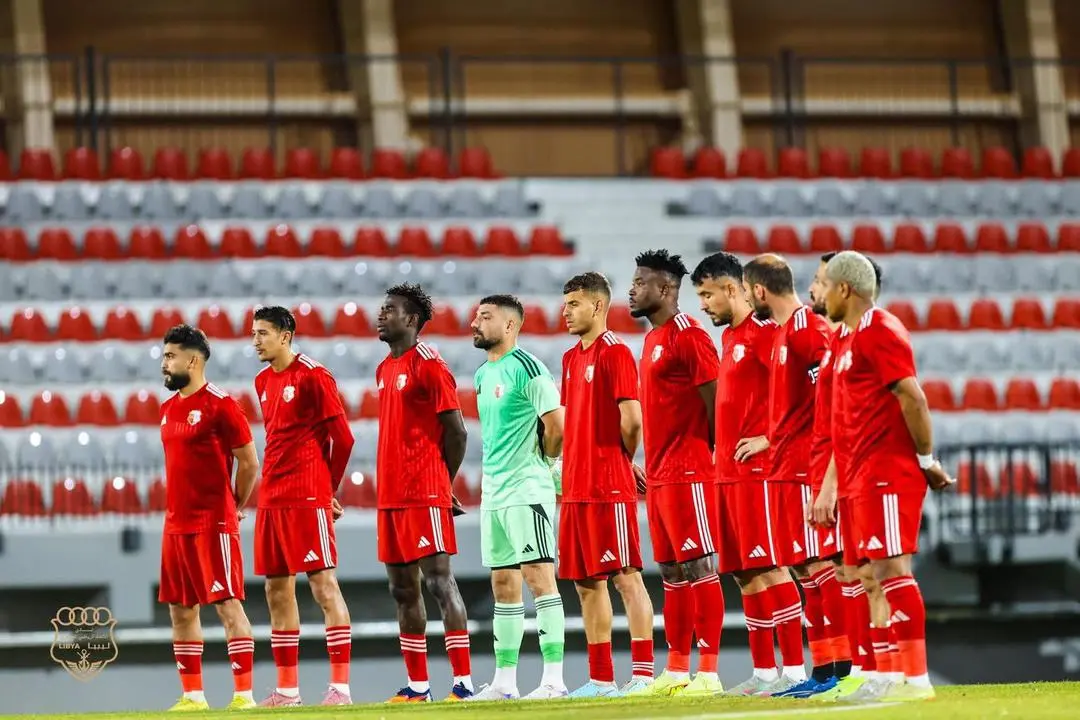
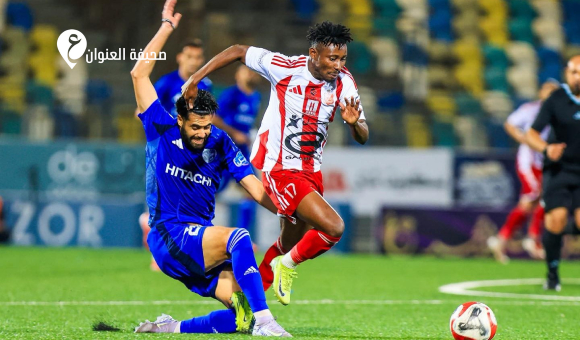
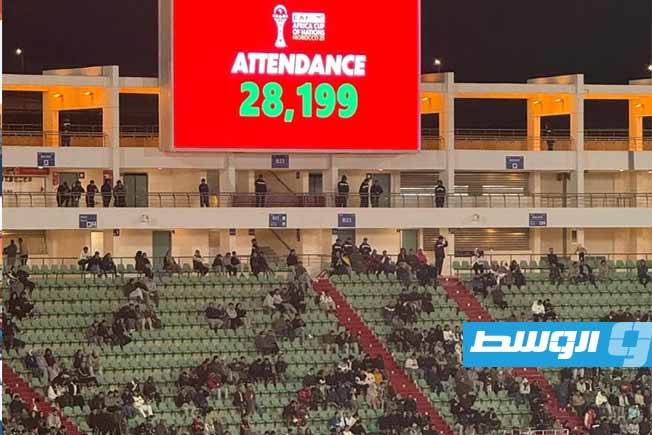
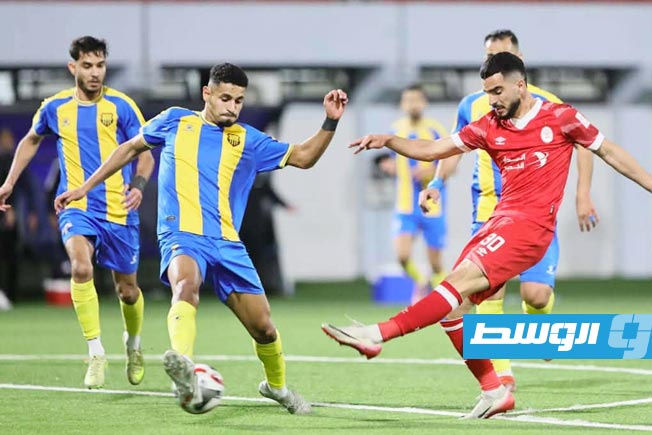
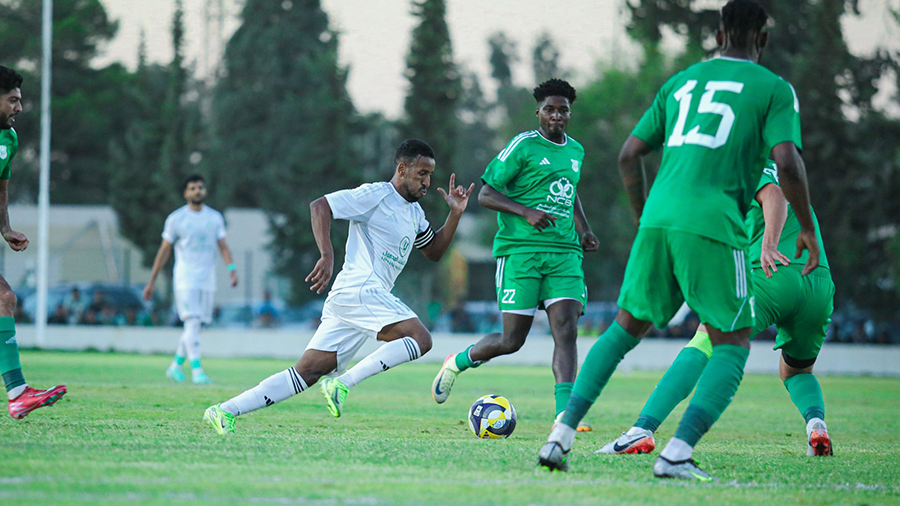
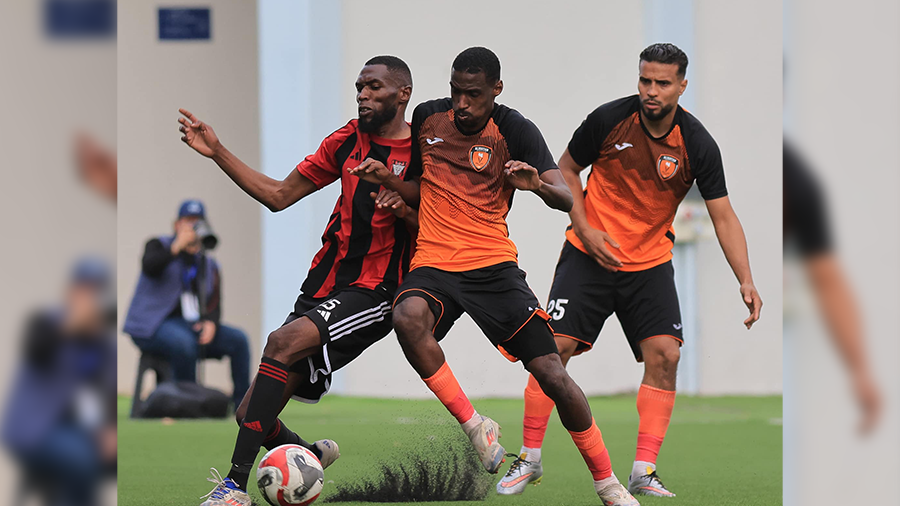
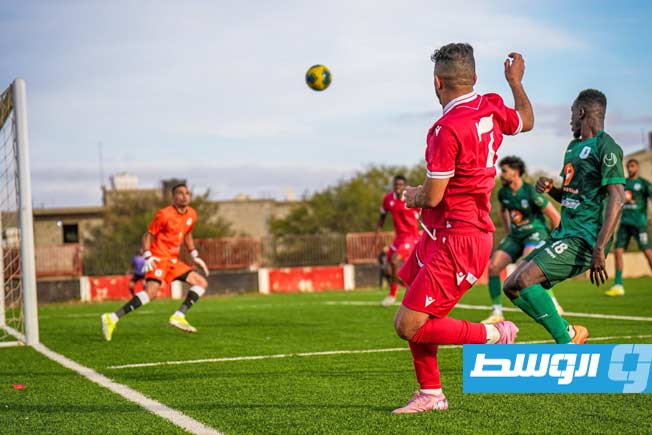
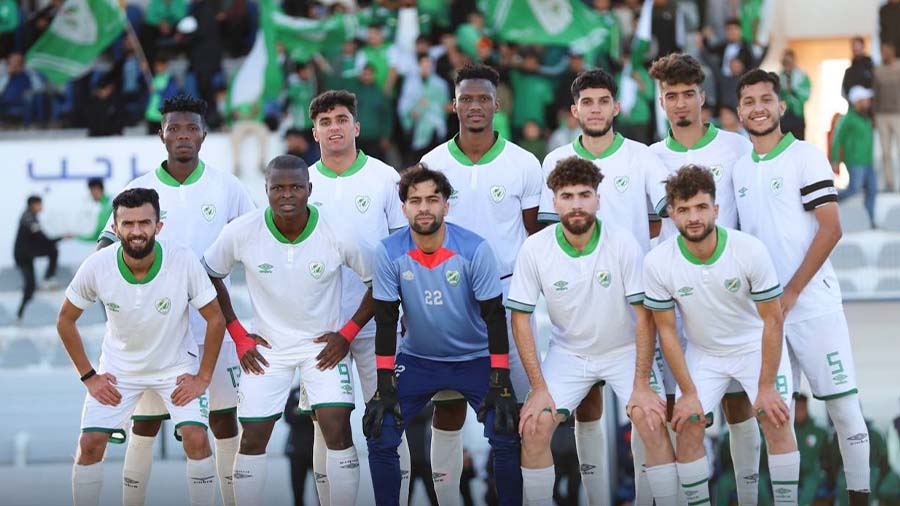
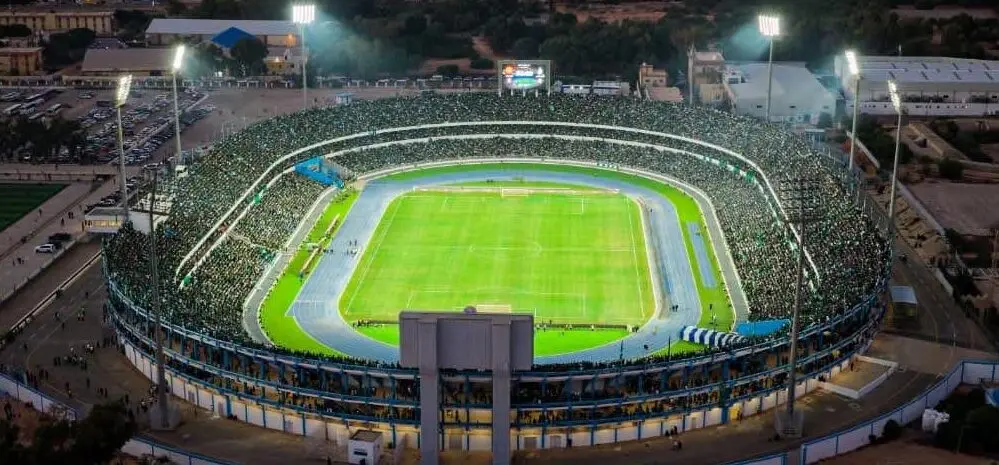
The leading team, Al-Nasr, returns to relive and reclaim its memories when it hosts Al-Andalus at Benghazi International Stadium tomorrow evening, Friday, in the third round of the Libyan Premier Football League “Durina” Group Four competitions.
The match comes nearly eight years after the last encounter between the two teams in the 2017-2018 sports season, which was Al-Nasr’s second championship season, where they prevailed in that match with a score of two goals to nil.
A long absence for Al-Nasr from Benghazi International Stadium
Al-Nasr returns to Benghazi International Stadium after an absence lasting sixteen years, specifically since the 2008-2009 sports season, when it played its last official match on this stadium’s pitch on January 30, 2009, achieving a victory over Al-Hilal with two clean goals scored by Sirajuddin Al-Mahdawi and Abdulhadi Zidane.
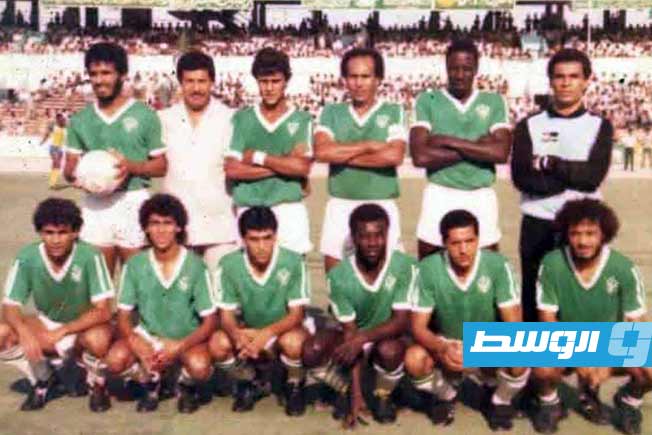
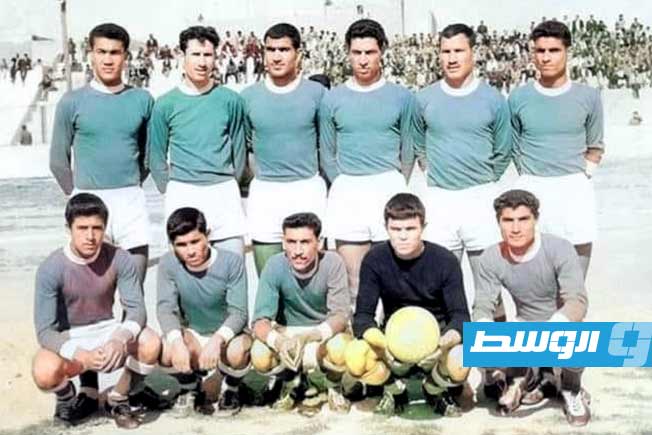
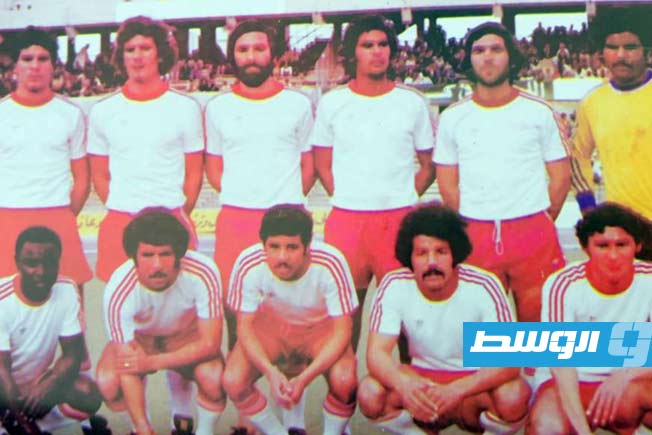
After playing many brilliant seasons at the Benina Martyrs International Stadium, where it clinched two championships at the level of the Libyan League and the Premier Super Cup, Al-Nasr returns with the memories it lived at the historic stadium since its inauguration and opening in the late 1960s. It witnessed Al-Nasr’s first championship in the 1986-1987 sports season, after an exciting match against Al-Akhdar decided in the last minute by a header from its star Fawzi Al-Issawi, and under the leadership of its coach, captain, and former top scorer Yusuf Sidqi, after an exceptional Al-Nasr season, where its late top scorer Faraj Al-Baraasi won the season’s top scorer title. Al-Nasr also won three Libyan Cup championships, the competitions and matches of which passed through the gates of Benghazi International Stadium.
Just as Benghazi International Stadium had wonderful, unforgettable memories for Al-Nasr, it also had unhappy memories, perhaps the most prominent being the loss of the Libyan League championship in the final moments of the 2001-2002 season. Al-Nasr was on the verge of clinching the title but had to settle for the runner-up position after tying on points following a change in the competition regulations issued by the Competitions Committee. The regulations initially stated that in case of a tie on points between two teams, the results of the matches played between them would be referred to. However, two weeks before the competition deadline, the regulations were amended so that the championship would be decided in favor of the team with more goals in case of a points tie.
Also at Benghazi International Stadium, Al-Nasr finished as cup runner-up to champion Al-Hilal in the 2001-2002 sports season.
On the African stage.. Benghazi International Stadium witnessed Al-Nasr’s most prominent African participation, reaching the semi-finals of the African Cup Winners’ Cup in 1985, with victories and qualification at the expense of the champions of Mauritania, Gabon, and Uganda. However, the team was deprived of playing the semi-final match that would have pitted it against Egypt’s Al-Ahly, as Al-Nasr withdrew for political reasons.
– <a>Channel ‘Al-Wasat’ obtains official accreditation letter from ‘CAF’ for Benghazi International Stadium
–
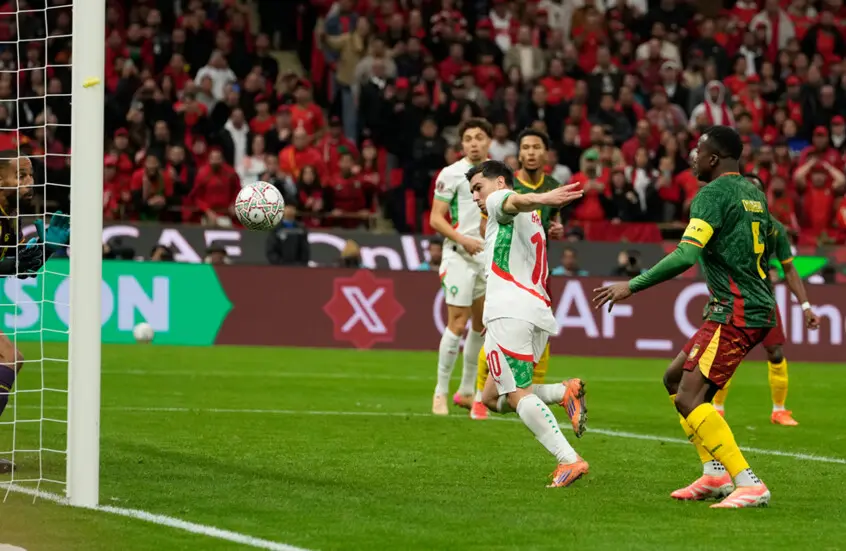
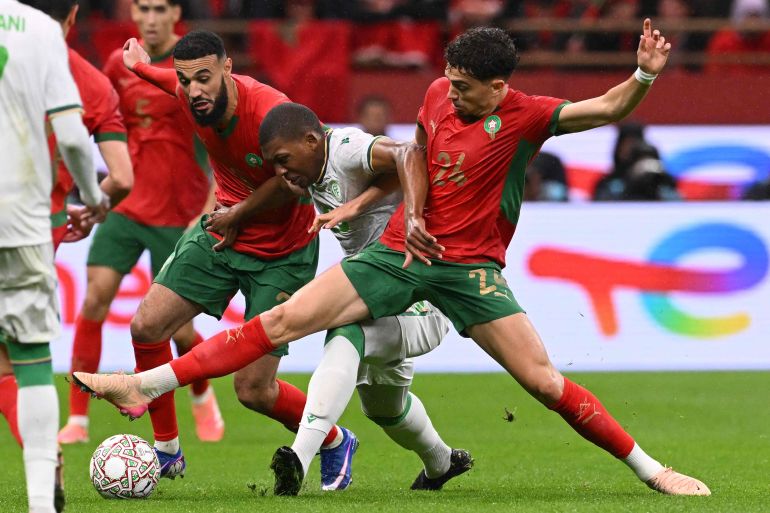
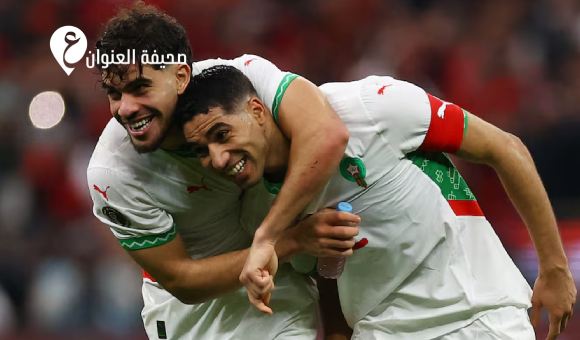
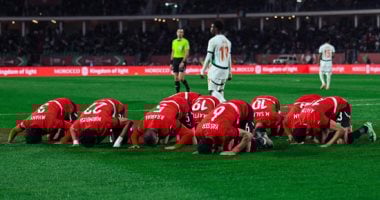
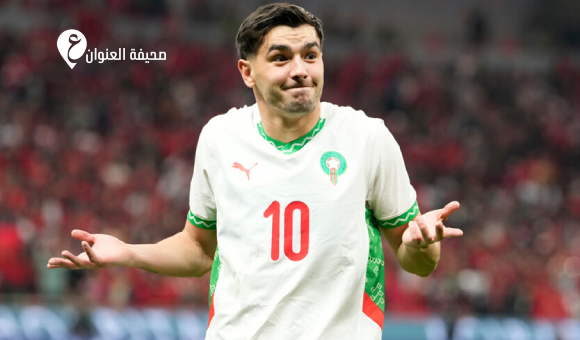
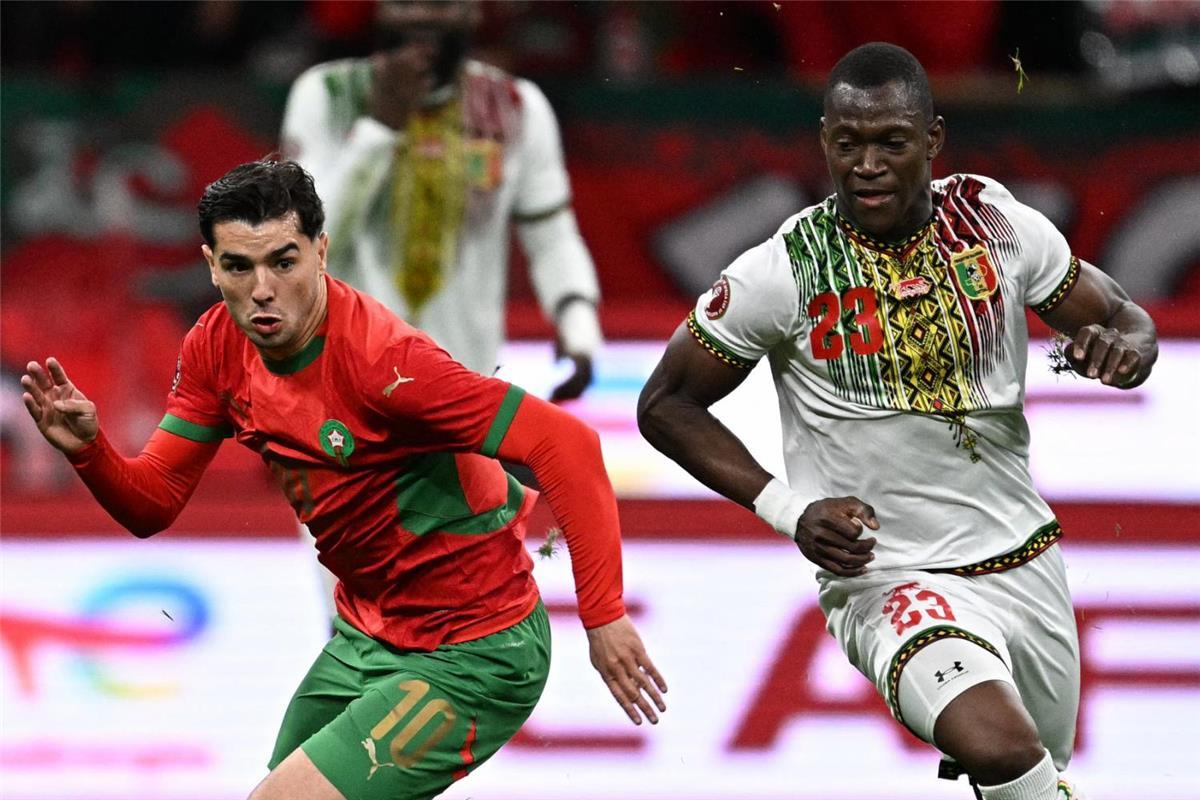
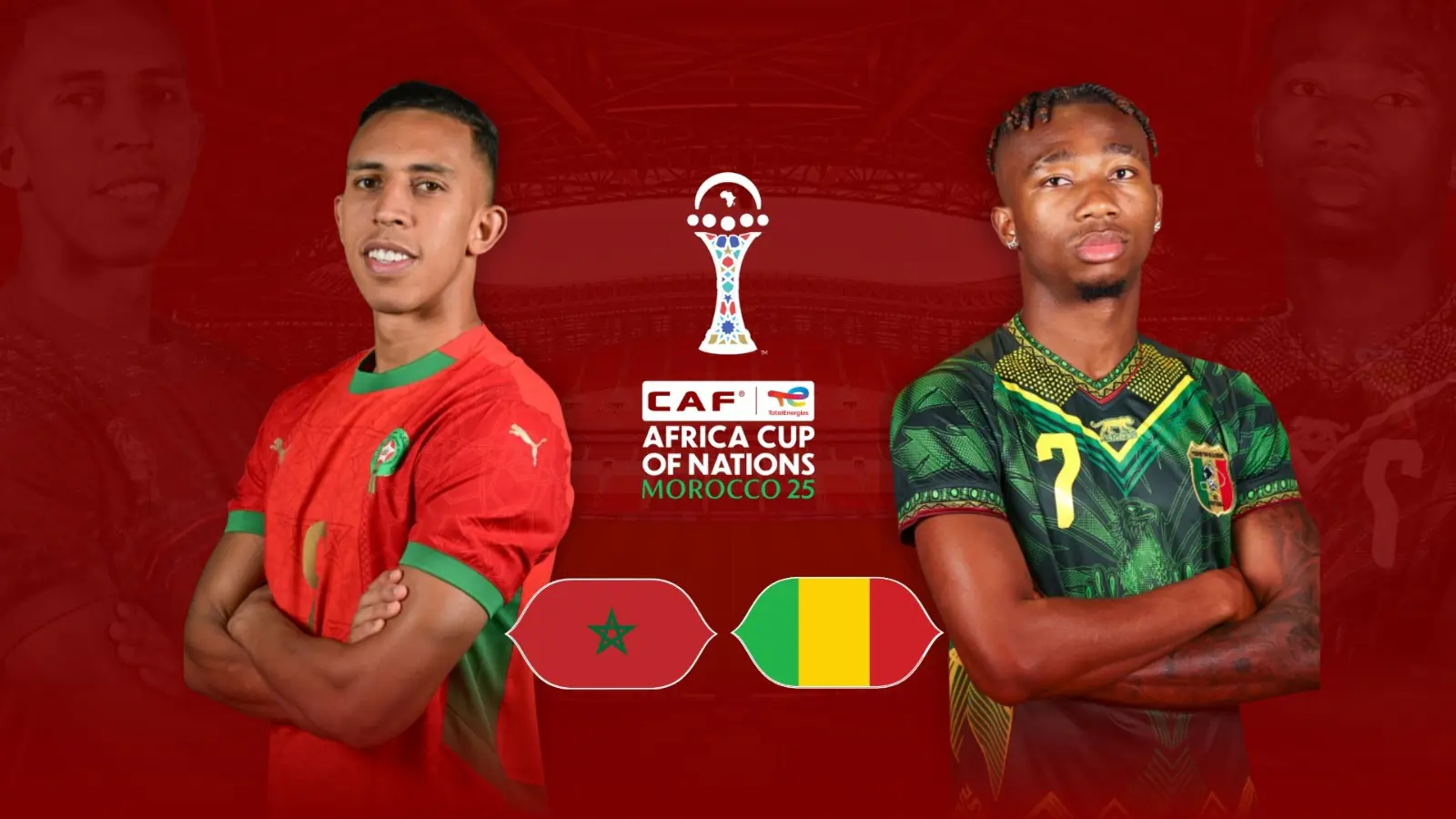
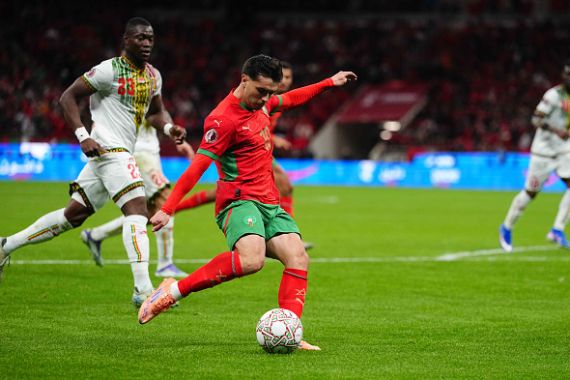
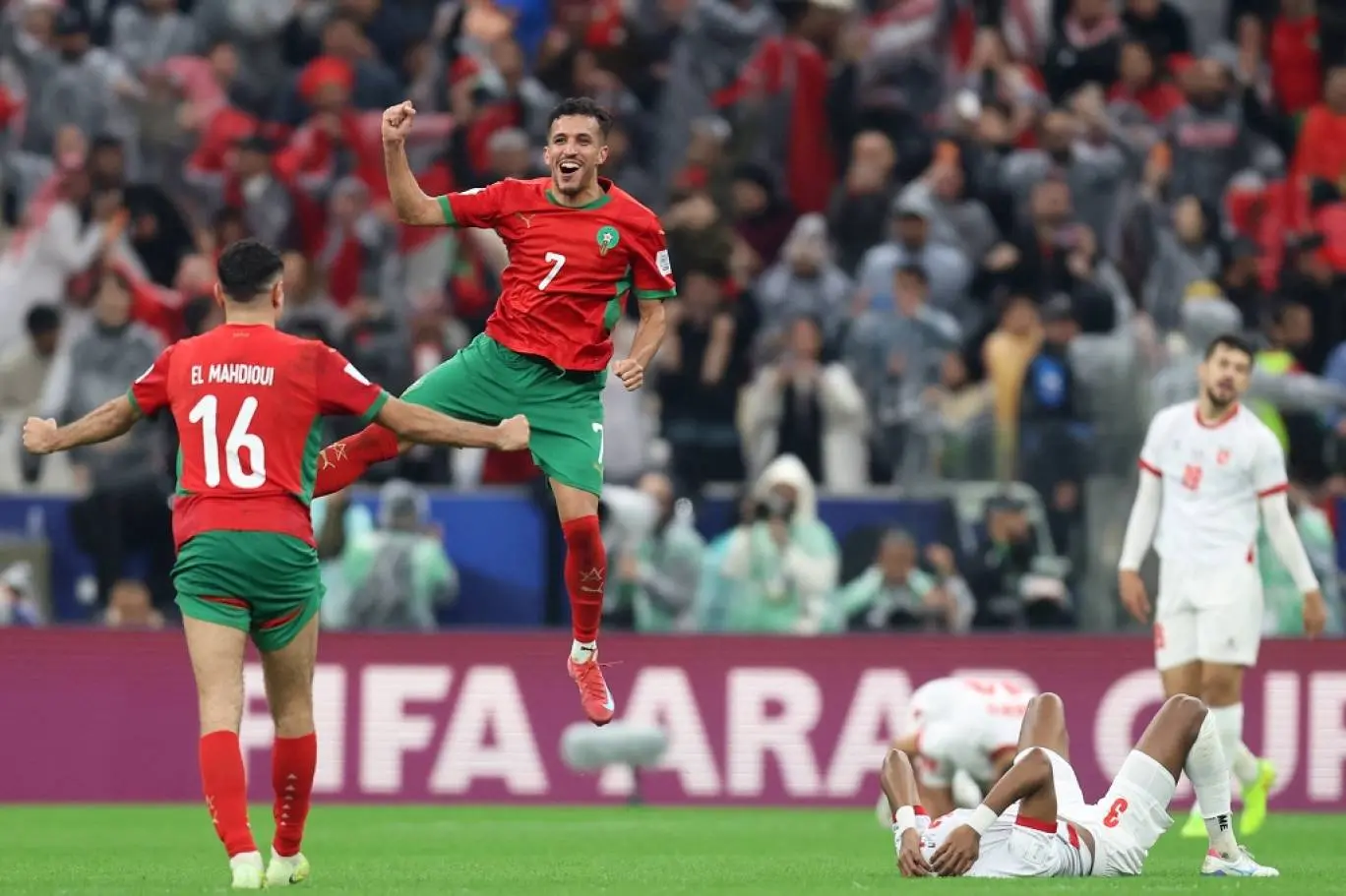
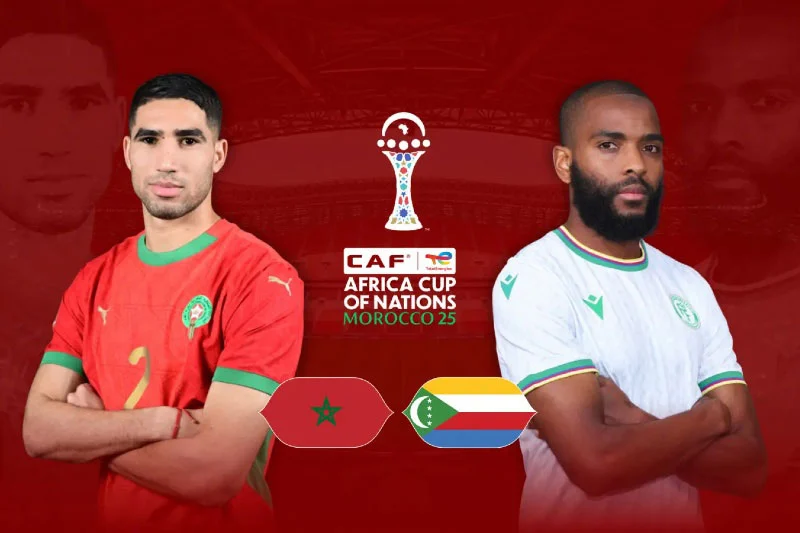
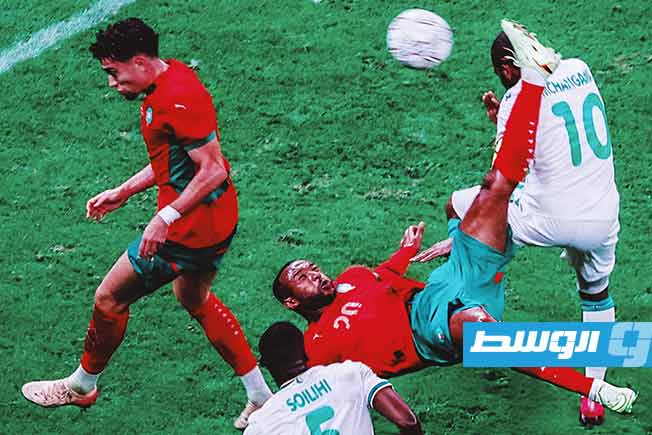
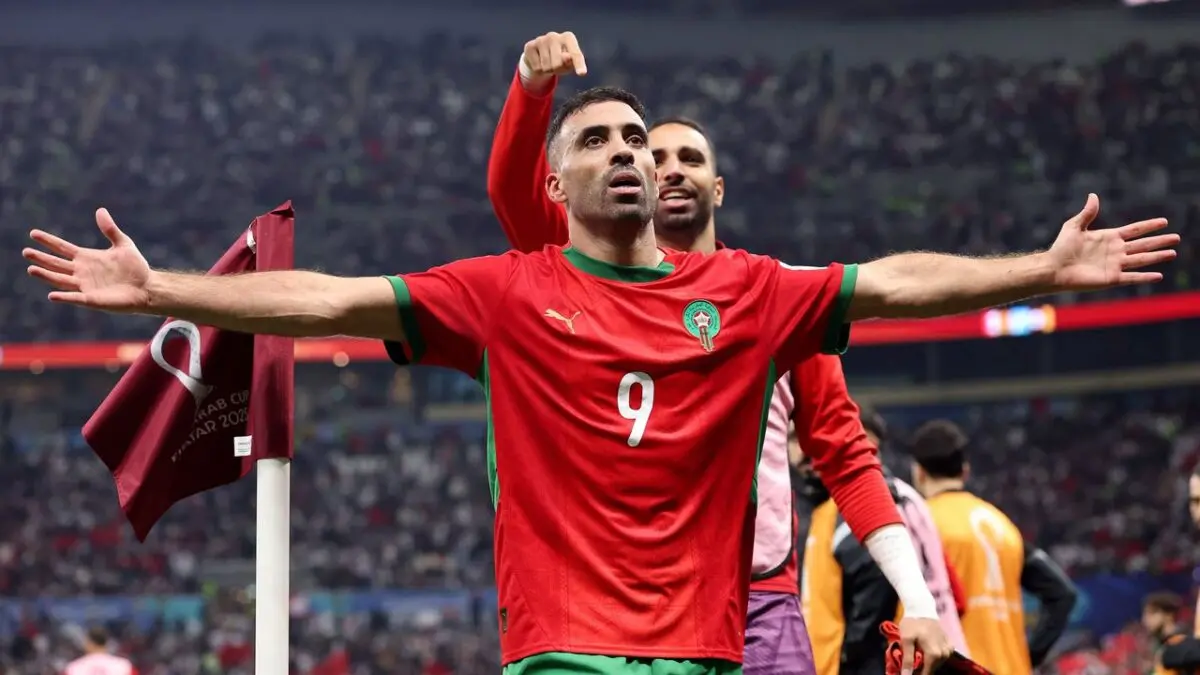
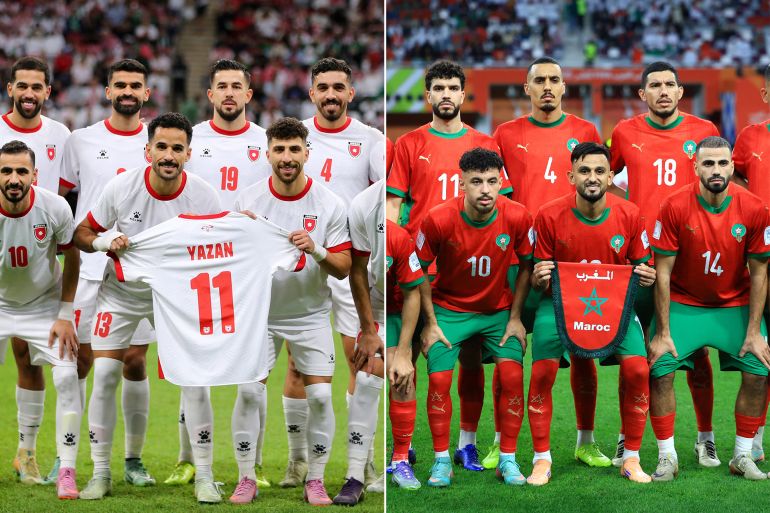
<a>The golden generation of the Moroccan national team shines at Benghazi International Stadium twice
The team’s star and legend, Fawzi Al-Issawi, was the top scorer of the African championship with five goals, including a hat-trick against the Gabonese Army team. This was the first Libyan hat-trick on the African stage and the first Libyan African comeback, as Al-Nasr was losing by one goal but won with Al-Issawi’s famous hat-trick. It is worth mentioning that the national coach Boubakr Al-Rabaa led the team in this resounding African participation.
Benghazi International Stadium also witnessed Al-Nasr’s biggest African victory, recorded against Benin’s champion Mogas with a five-goal win in 2004. It also witnessed major international friendly matches played by the team during the seventies against Egypt’s Al-Ahly, its historic victory over Tunisia’s Club Africain led by its legendary goalkeeper Attouga, and also Al-Nasr’s famous match against the Yugoslavia national
Al-Nasr
Al-Nasr is a common Arabic name meaning “The Victory,” often used for public squares, monuments, or sports clubs in the Arab world. One notable example is Al-Nasr Sports Club in Saudi Arabia, founded in 1955, which has a significant history in Saudi football. The name itself generally commemorates historical victories or expresses aspirational national pride.
Al-Andalus
Al-Andalus refers to the regions of the Iberian Peninsula under Muslim rule between the 8th and 15th centuries, a period marked by significant cultural, scientific, and architectural flourishing. This era, particularly in centers like Córdoba and Granada, was notable for its relative religious coexistence and produced enduring landmarks such as the Great Mosque of Córdoba and the Alhambra palace complex.
Benghazi International Stadium
Benghazi International Stadium is a major sports venue in Benghazi, Libya, originally opened in 1962 and later renovated in 2009. It has historically hosted significant football matches and events, though it suffered damage during the Libyan Civil War in the 2010s.
Libyan Premier Football League
The Libyan Premier Football League is the top professional football division in Libya, founded in 1963. It has experienced interruptions due to political instability and conflict but remains a central part of the nation’s sporting culture.
Durina
Durina is a traditional Slovenian hayrack, a wooden structure used for drying hay and grain, which became a distinctive cultural symbol of the Slovenian countryside. Its design evolved over centuries, with the oldest known examples dating back to the 16th century, and it represents a practical yet iconic element of rural architectural heritage.
Al-Hilal
Al-Hilal is a professional football club based in Riyadh, Saudi Arabia, founded in 1957. It is one of Asia’s most successful clubs, with a record number of Saudi Pro League titles and Asian Champions League trophies, and has a deep-rooted rivalry with Al-Nassr.
Benina Martyrs International Stadium
The Benina Martyrs International Stadium is a major sports venue located in Benghazi, Libya, which opened in 2009. It was built to host the 2009 African Cup of Nations and is named in honor of Libyan martyrs from various conflicts, particularly those who died during the Italian colonial period.
Libyan League
The Libyan League was a political organization founded in 1908 by Ottoman-Libyan intellectuals to advocate for greater autonomy and modernization within the Ottoman Empire. It is historically significant as an early expression of Libyan nationalist sentiment and a precursor to later movements for independence.
Premier Super Cup
The Premier Super Cup is an annual English football match contested between the winners of the previous season’s Premier League and the FA Cup. It was founded in 2014 as the successor to the FA Community Shield, which itself dates back to 1908, serving as the traditional curtain-raiser for the new English football season.
Al-Akhdar
Al-Akhdar, also known as the Green Mountain, is a prominent mountainous region in eastern Libya, part of the Jabal al Akhdar plateau. Historically, it has been a significant area due to its relatively fertile land and rainfall, which supported ancient Greek colonies like Cyrene and made it a core part of the historic region of Cyrenaica.
Libyan Cup
The Libyan Cup is the premier domestic knockout football competition in Libya, first held in 1975. It features clubs from across the country competing in a single-elimination tournament format, with its history reflecting the nation’s sporting culture amid periods of political change.
African Cup Winners’ Cup
The African Cup Winners’ Cup was an annual continental club football competition organized by the Confederation of African Football (CAF) from 1975 to 2003. It was contested by the reigning domestic cup champions of CAF member associations, serving as Africa’s equivalent to the European Cup Winners’ Cup. The competition was merged with the CAF Cup in 2004 to form the CAF Confederation Cup.
Mauritania
Mauritania, officially the Islamic Republic of Mauritania, is a country in Northwest Africa with a history shaped by ancient Berber kingdoms, trans-Saharan trade routes, and later French colonization, from which it gained independence in 1960. Its cultural landscape is deeply influenced by its Moorish heritage, featuring historic sites like the ancient trading centers of Chinguetti and Ouadane, which are UNESCO World Heritage Sites.
Gabon
Gabon is a country on the west coast of Central Africa, historically inhabited by Pygmy peoples and later Bantu tribes, with a colonial past under French rule from 1885 until its independence in 1960. It is known for its significant biodiversity, protected in national parks, and its economy has long been driven by oil production.
Uganda
Uganda is a landlocked country in East Africa known for its diverse landscapes, including the source of the Nile River and mountain gorilla habitats. Historically, it was home to several kingdoms like Buganda before becoming a British protectorate in 1894, gaining independence in 1962. The nation has experienced significant political changes and is recognized for its rich cultural heritage and wildlife.
Egypt
Egypt is home to one of the world’s oldest civilizations, with a recorded history spanning over 5,000 years and iconic monuments like the Pyramids of Giza and the Sphinx from the Old Kingdom era. Its rich cultural heritage was further shaped by successive influences, including Ptolemaic, Roman, and Islamic periods, with the Nile River serving as the central artery for its development and sustenance.
Al-Ahly
Al-Ahly is a major Egyptian sports club based in Cairo, founded in 1907. It is historically one of Africa’s most successful football clubs, with a vast collection of domestic and continental titles. The club was established by Egyptian students and dignitaries as a symbol of national pride during the British occupation.
CAF
CAF, or the Club Athletico Paranaense, is a prominent Brazilian football club based in Curitiba. Founded in 1924 through the merger of two local clubs, Internacional and América, it is known for its modern stadium, the Arena da Baixada, and has won several national and state championships.
Moroccan national team
The Moroccan national football team, known as the Atlas Lions, is the national team representing the Kingdom of Morocco in international men’s football. Historically significant as the first African team to win a group at the FIFA World Cup (in 1986), the team achieved its greatest success by becoming the first African and Arab nation to reach the tournament’s semi-finals in 2022.
Gabonese Army team
The Gabonese Army team is a sports club representing the Gabonese Armed Forces, primarily known for its football division, which has competed in Gabon’s domestic league system. Historically, it has served as a platform for military personnel in sports and has contributed players to the national football scene.
Benin
Benin refers to both a modern West African country and the historic Kingdom of Benin, which was centered in what is now southern Nigeria. The pre-colonial kingdom, lasting from the 13th to 19th centuries, was renowned for its sophisticated administration and exceptional bronze and ivory artworks. The modern Republic of Benin, formerly known as Dahomey, gained independence from France in 1960.
Mogas
Mogas is a historic village in the municipality of Vilalba in Spain’s Galicia region, known for its well-preserved traditional architecture and rural landscape. Its history is deeply tied to the agricultural and pastoral traditions of inland Galicia, with stone houses and structures reflecting centuries of local life.
Tunisia
Tunisia is a North African country with a rich history shaped by ancient civilizations, including the Phoenicians, Romans, and Arabs, with Carthage as a prominent historical site. Its culture reflects a blend of Arab, Berber, and Mediterranean influences. The nation gained independence from France in 1956 and is known for its significant role in the Arab Spring uprisings of 2011.
Club Africain
Club Africain is a prominent Tunisian multisport club founded in 1919 in Tunis, notable for being established by Tunisian nationalists during the French protectorate as a symbol of cultural identity and resistance. It is best known for its highly successful football team, which has won numerous domestic and continental titles, including the CAF Champions League. The club remains a deeply rooted institution in Tunisian society, representing a historic pillar of national pride and sporting achievement.
Yugoslavia national team
The Yugoslavia national football team represented the Socialist Federal Republic of Yugoslavia from 1918 until the country’s dissolution in 1992, achieving notable success in European and world competitions. It was known for its technically gifted “school of football” and produced many players who later represented the successor nations.