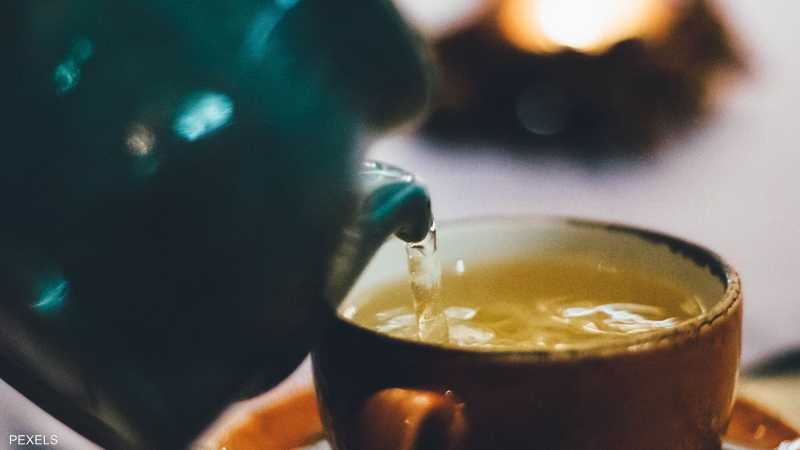
A scientific study conducted in Australia has revealed that drinking tea helps strengthen women’s bones compared to women who prefer drinking coffee.
A research team at Flinders University in Australia monitored the health status of about 10,000 women over a ten-year period, measuring the changes in bone mineral density among the study participants relative to those who drink tea or coffee.
Bone mineral density is considered one of the main indicators for measuring the likelihood of developing osteoporosis.
Studies indicate that one in three women over the age of fifty suffers from osteoporosis, a disease that leads to millions of fractures every year.
Given that millions of people make drinking tea and coffee part of their daily routine, researchers see the necessity of understanding the impact of consuming such beverages on bones.
The researchers found that tea contains a compound called catechin, which helps slow the rate of bone loss and contributes to its formation.
Meanwhile, laboratory tests have proven that caffeine interferes with calcium absorption in the body and bone metabolism.
It is stated that “any improvement in bone density can translate into fewer bone fractures,” adding that these results do not mean women should stop drinking coffee entirely or drink large quantities of tea.
It was mentioned that having one cup of tea daily for older women may be more than just a comfortable daily habit; it could be a step towards building strong bones.