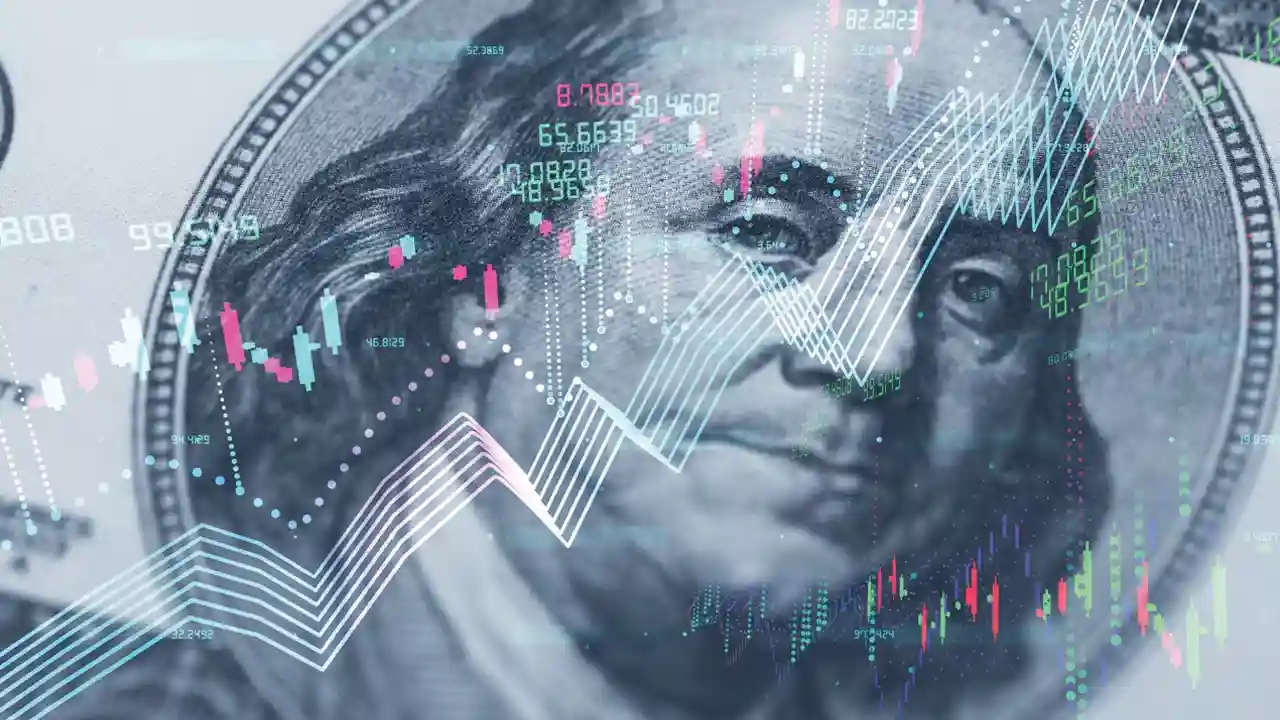
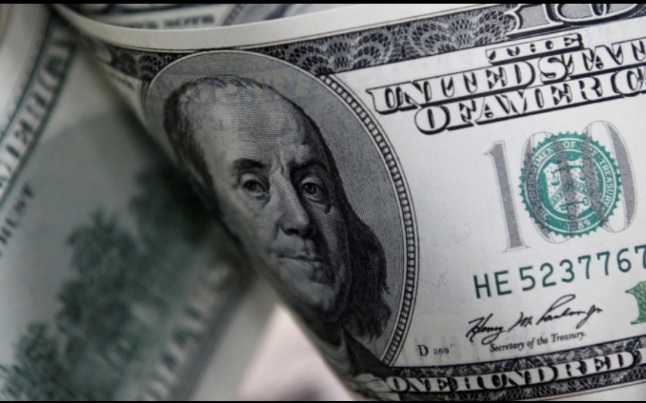
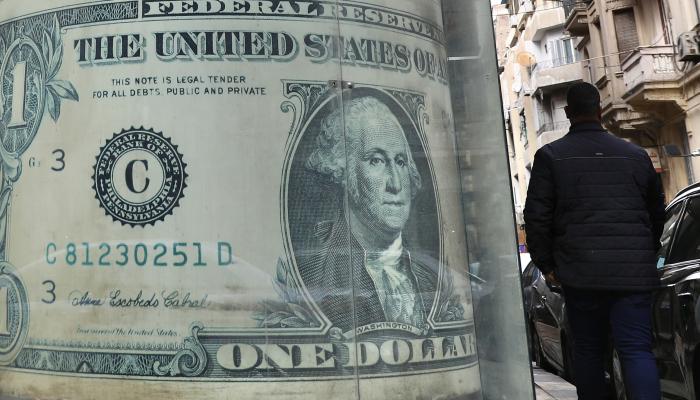
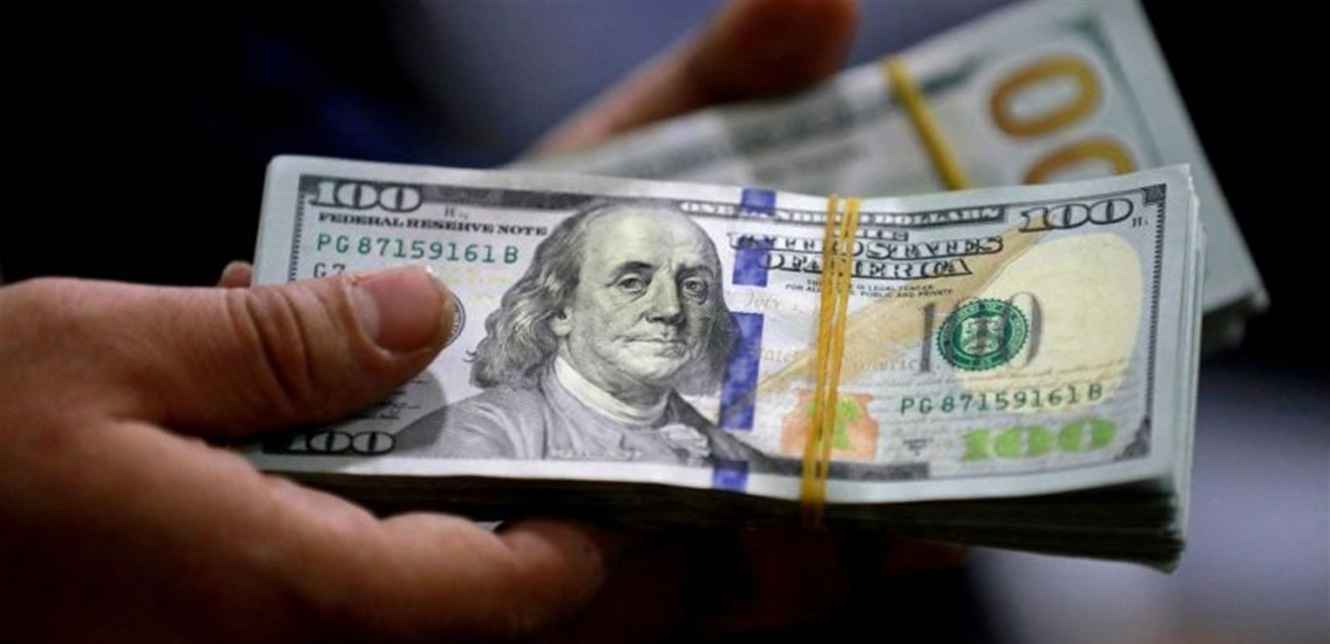
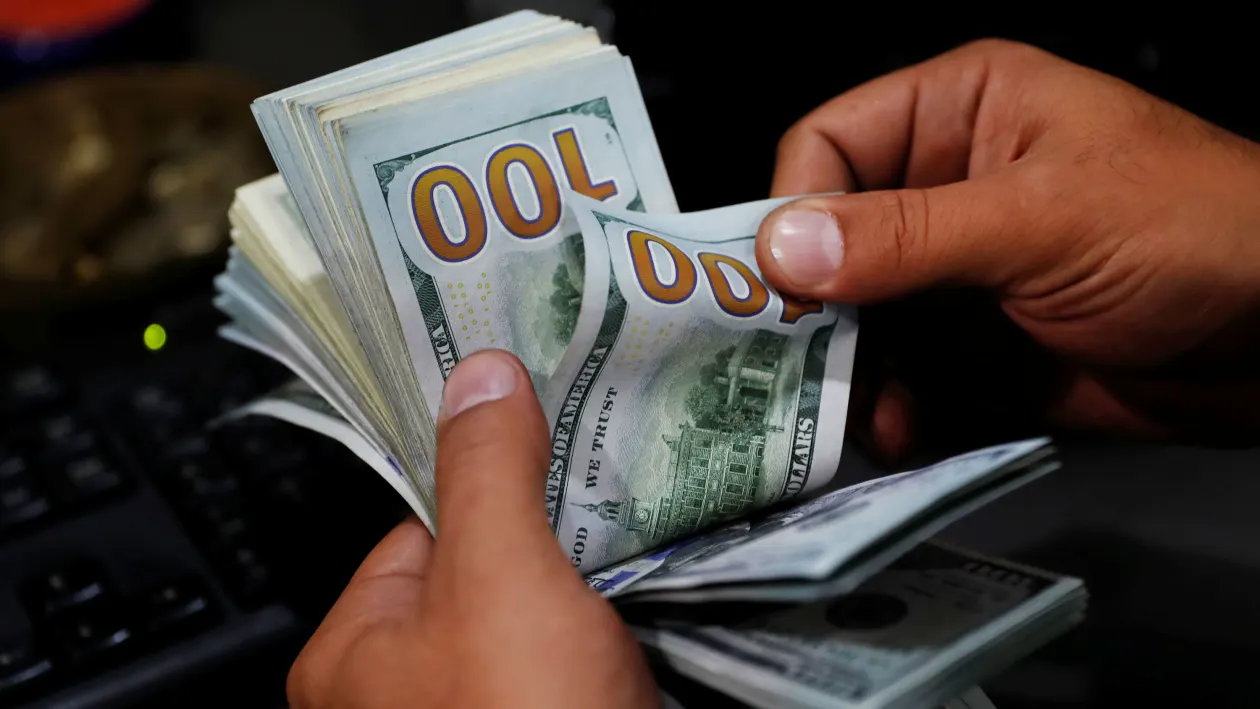
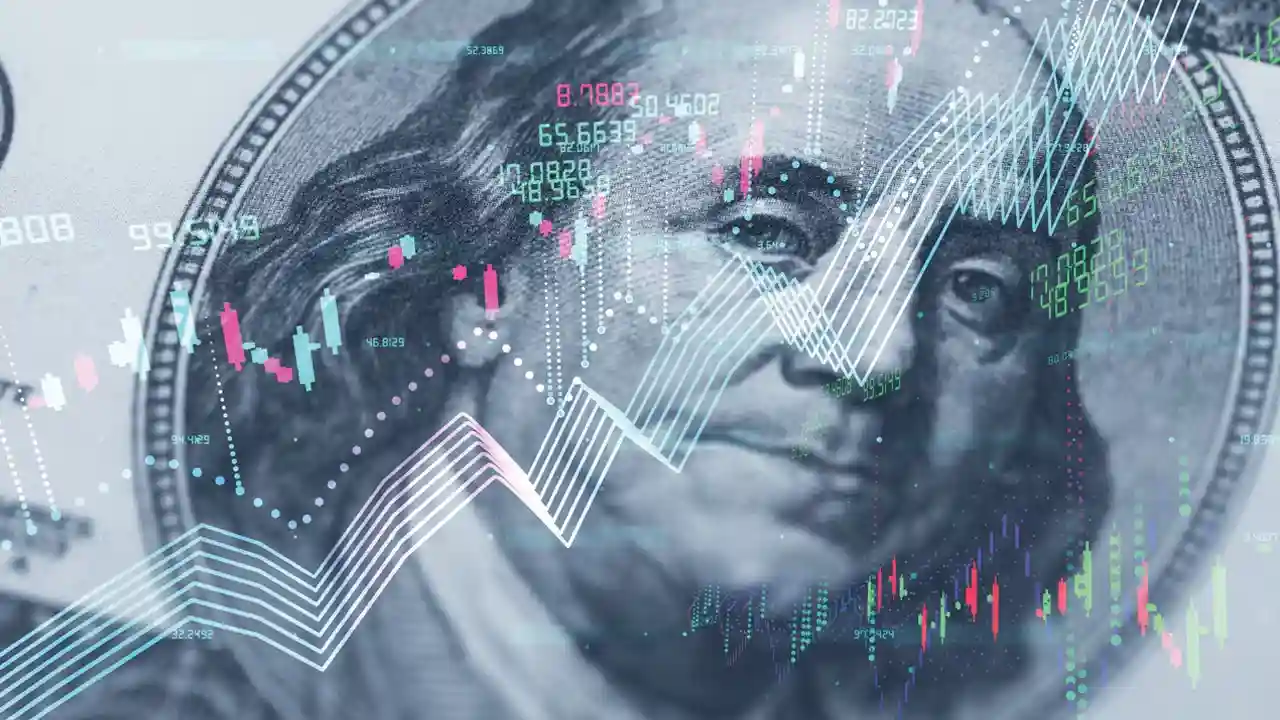
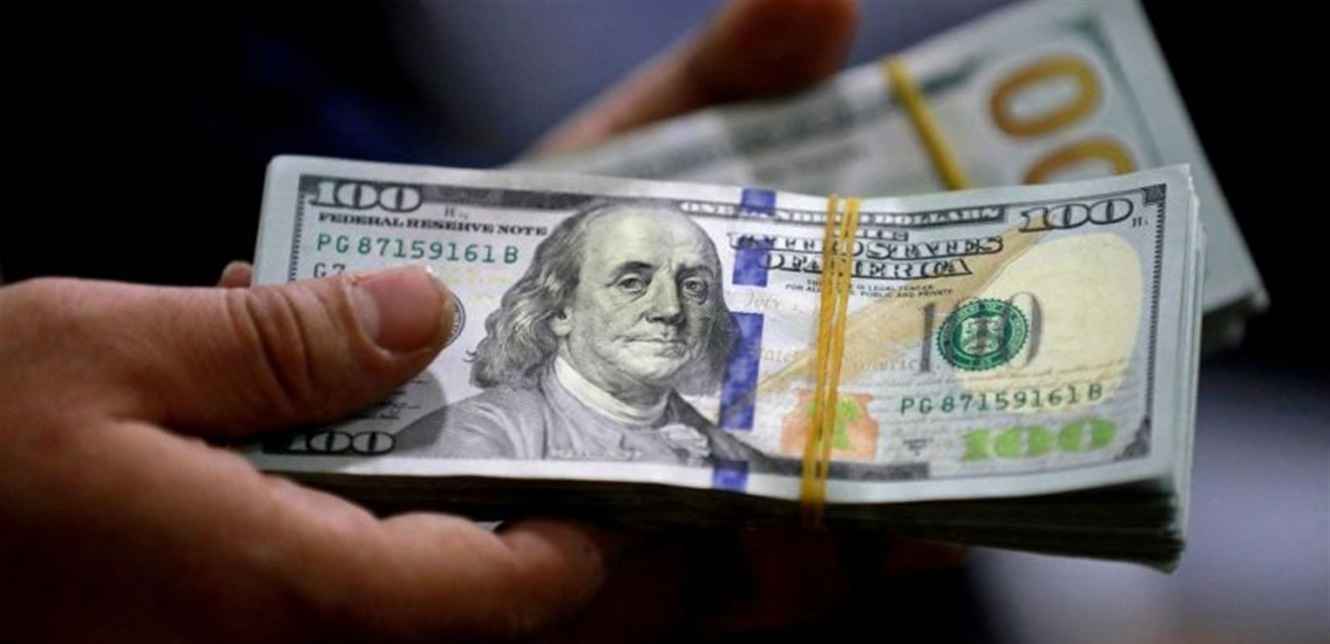
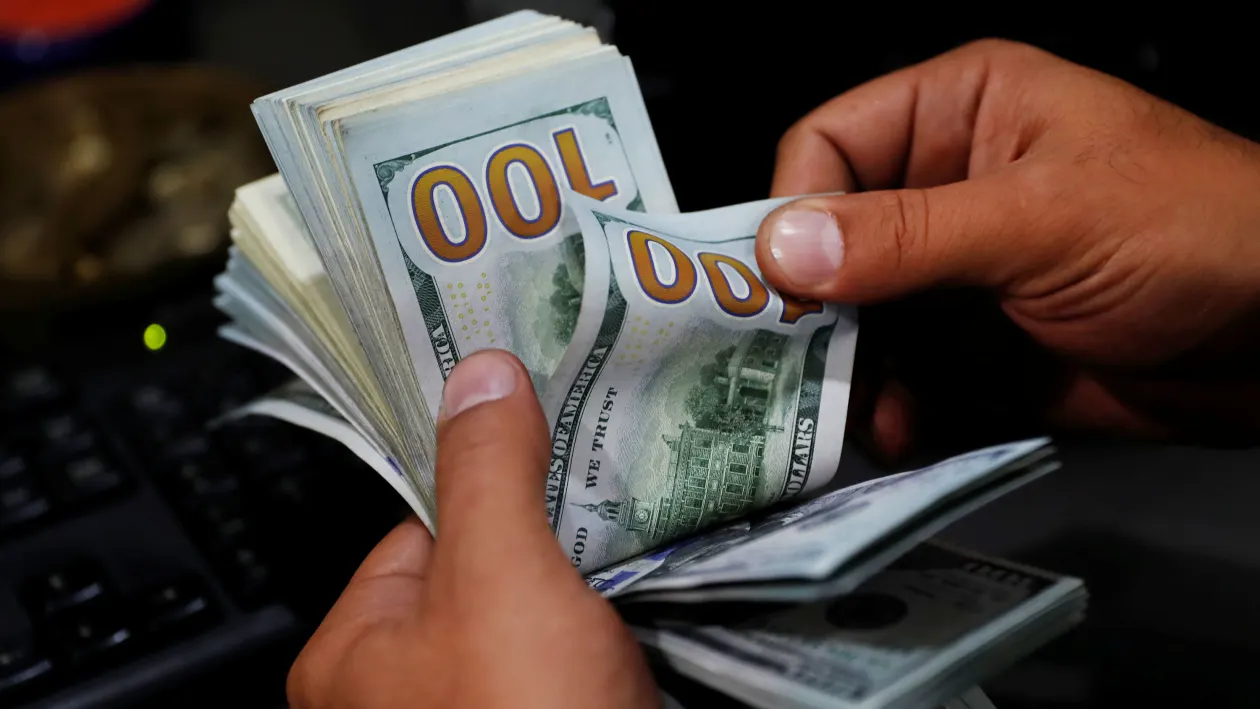
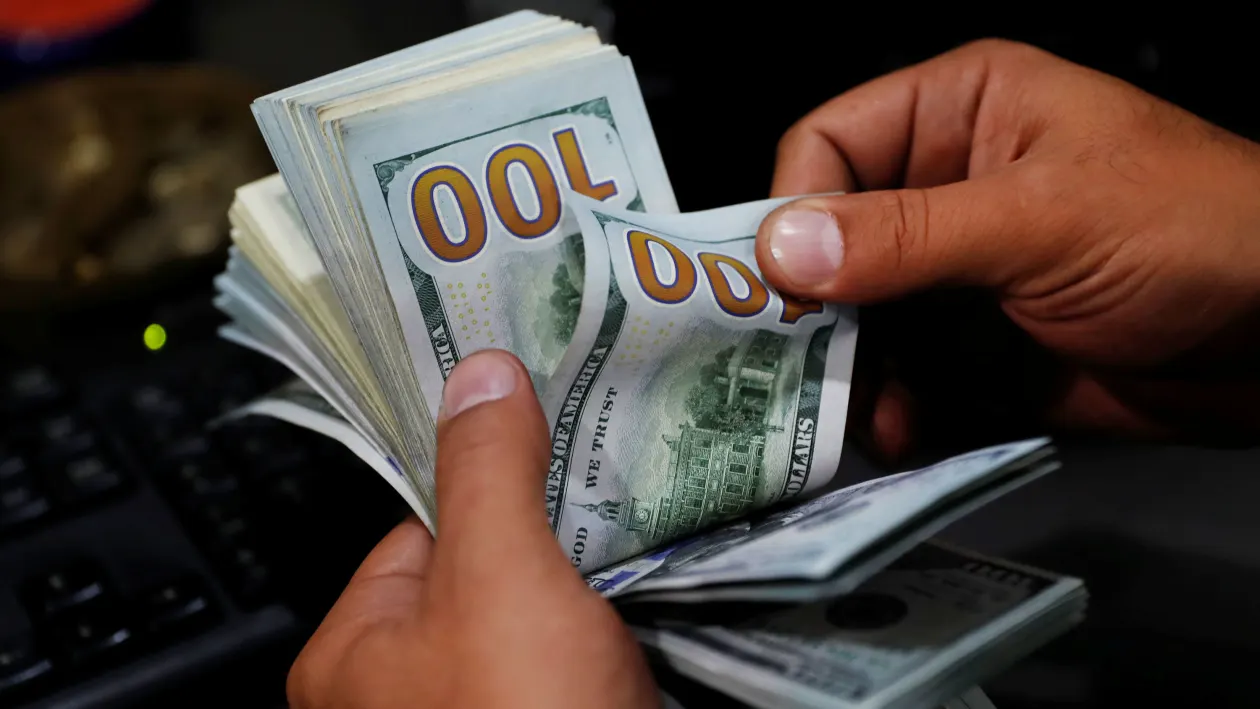
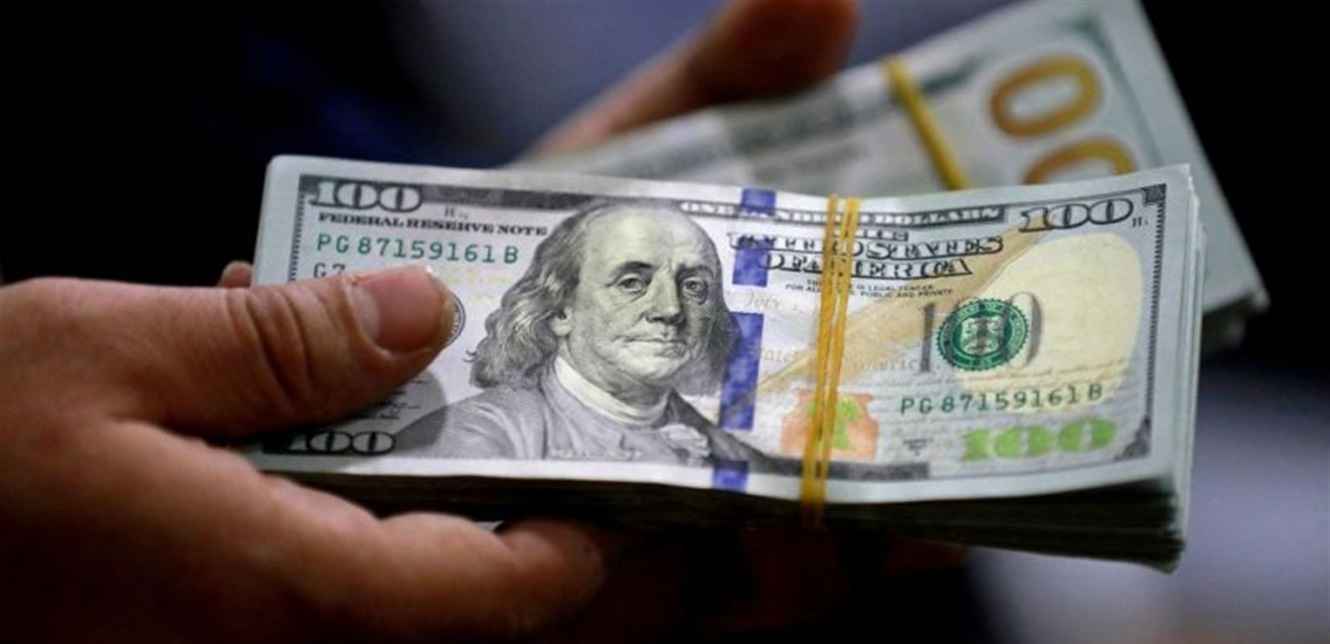
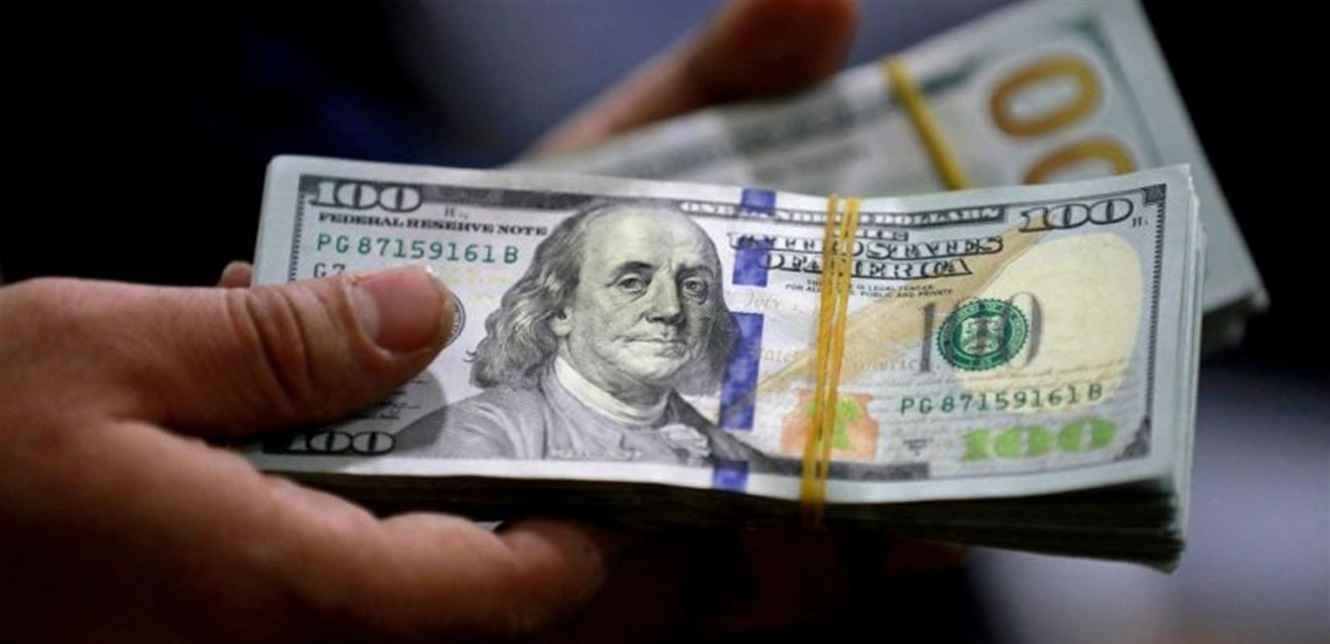
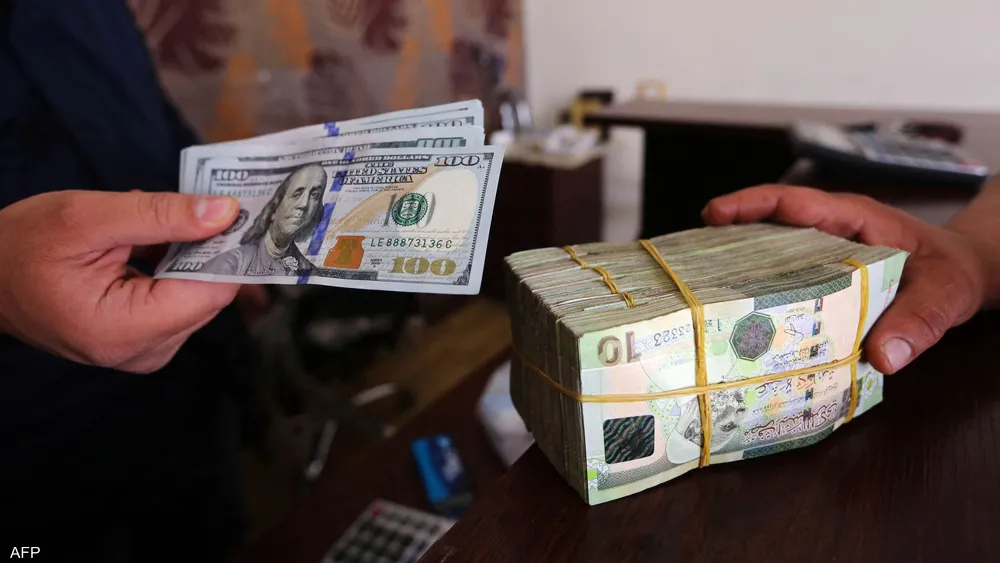
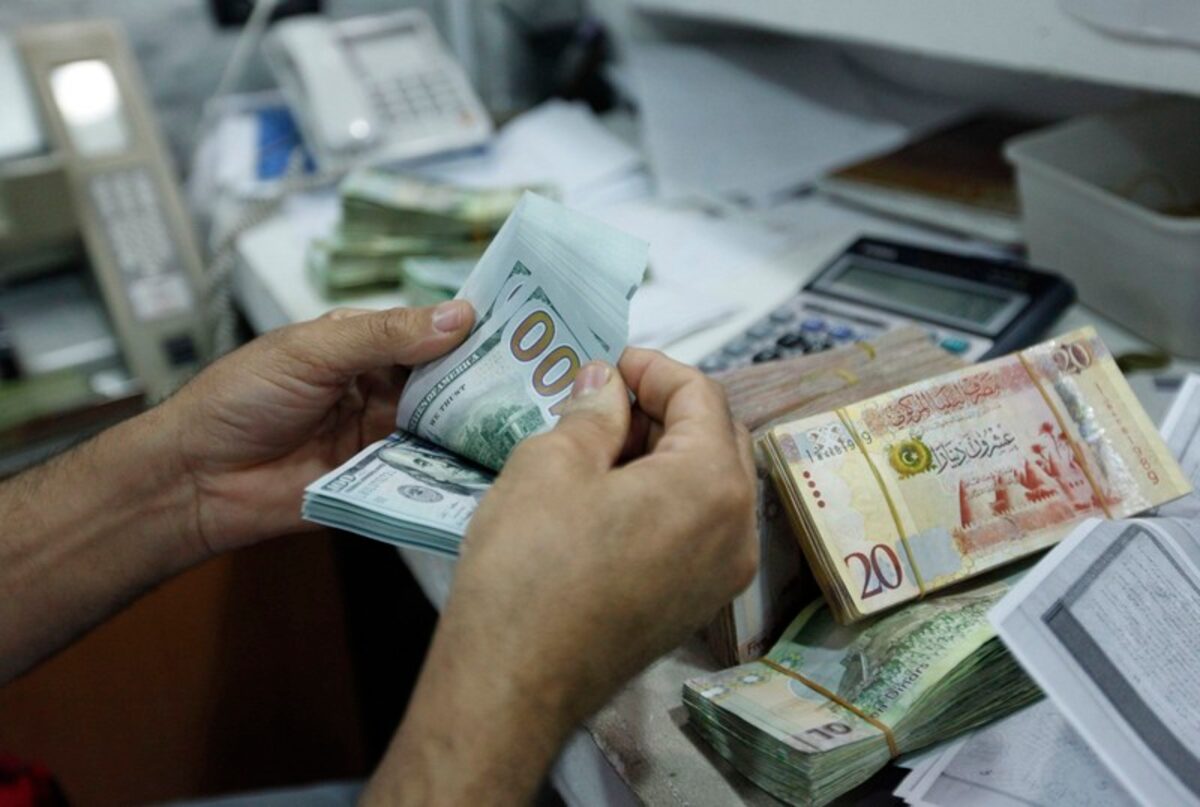
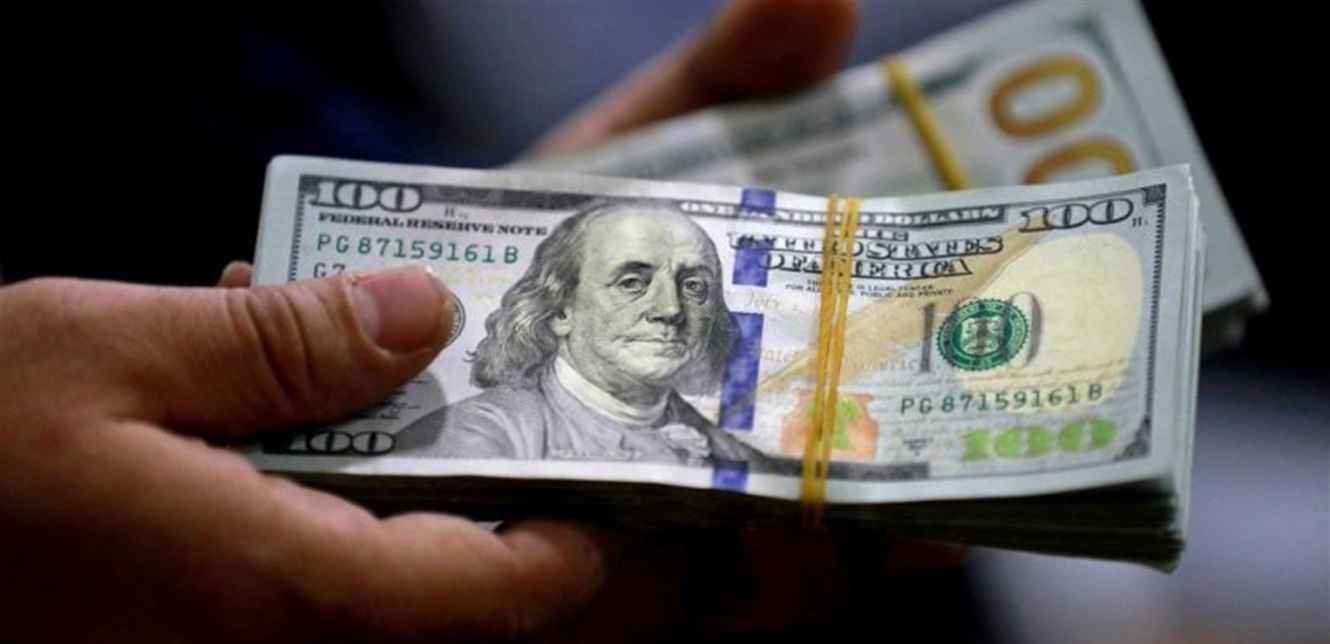
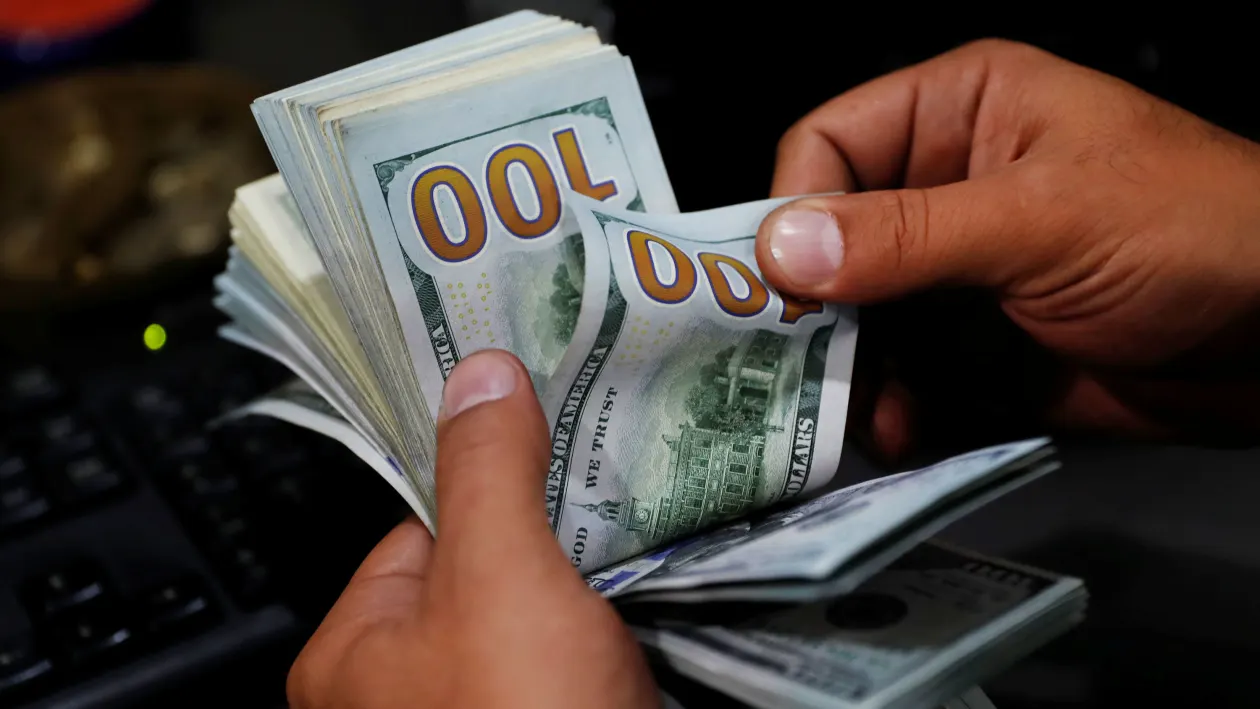
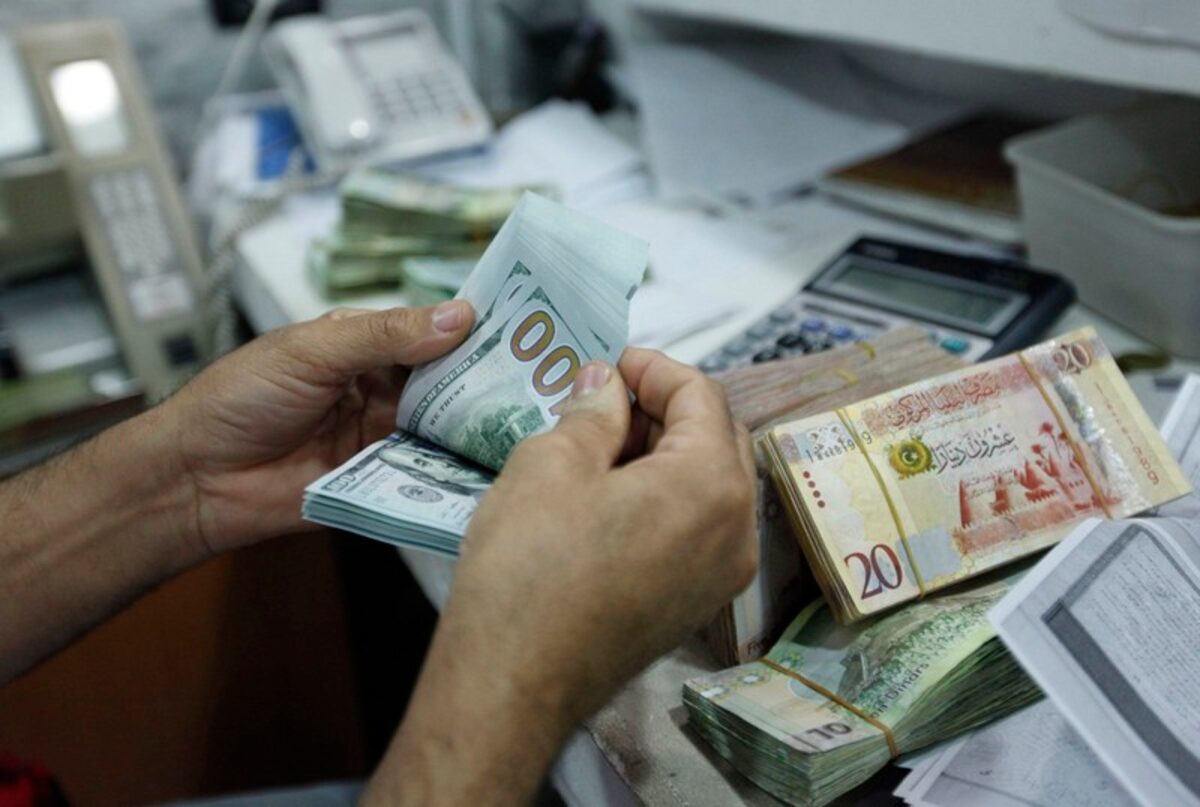
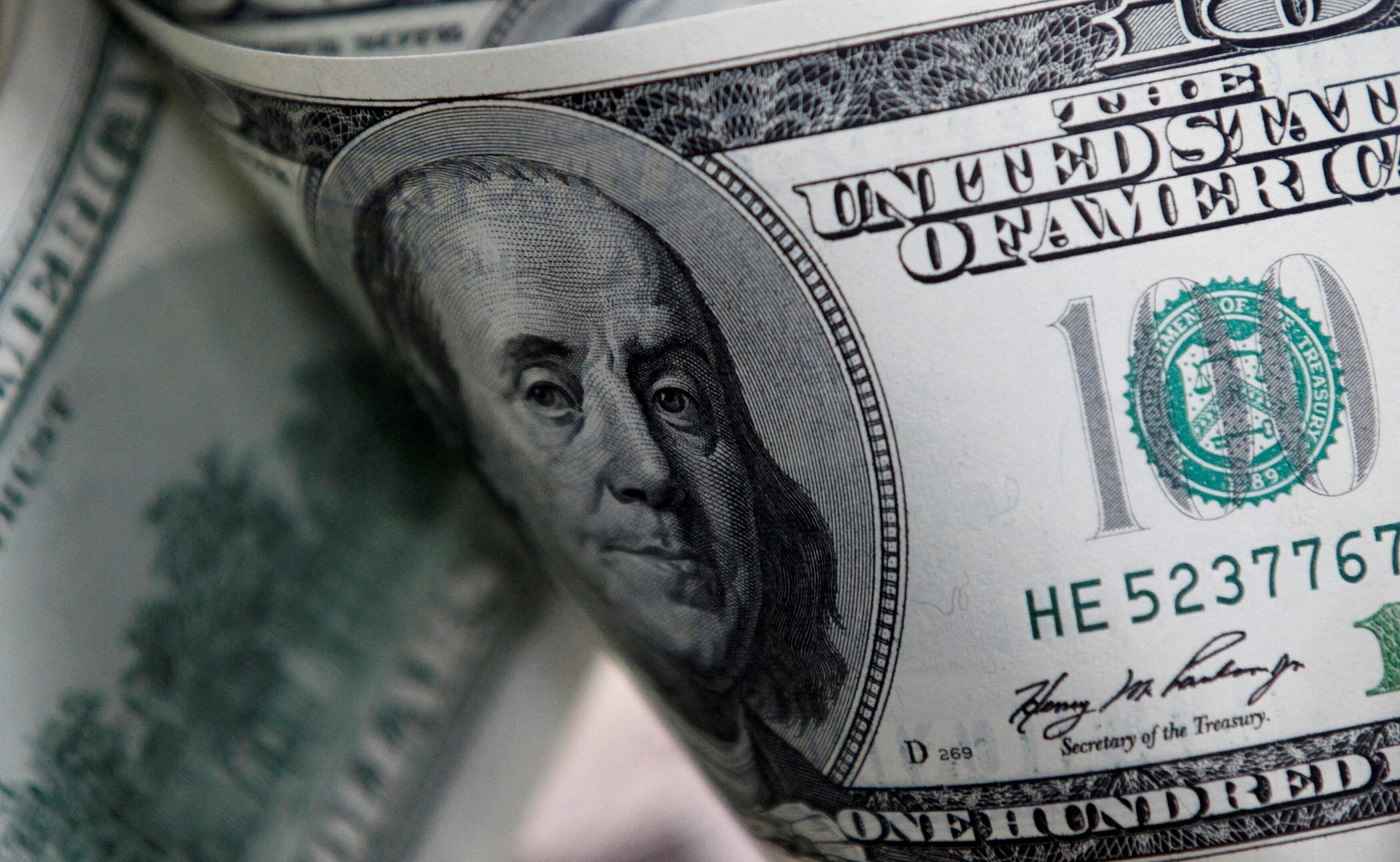
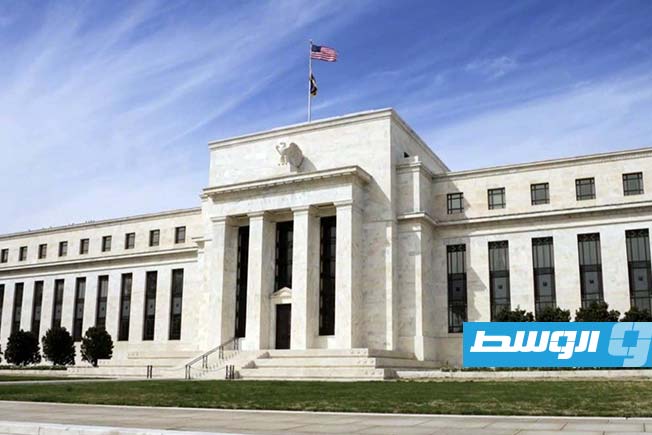
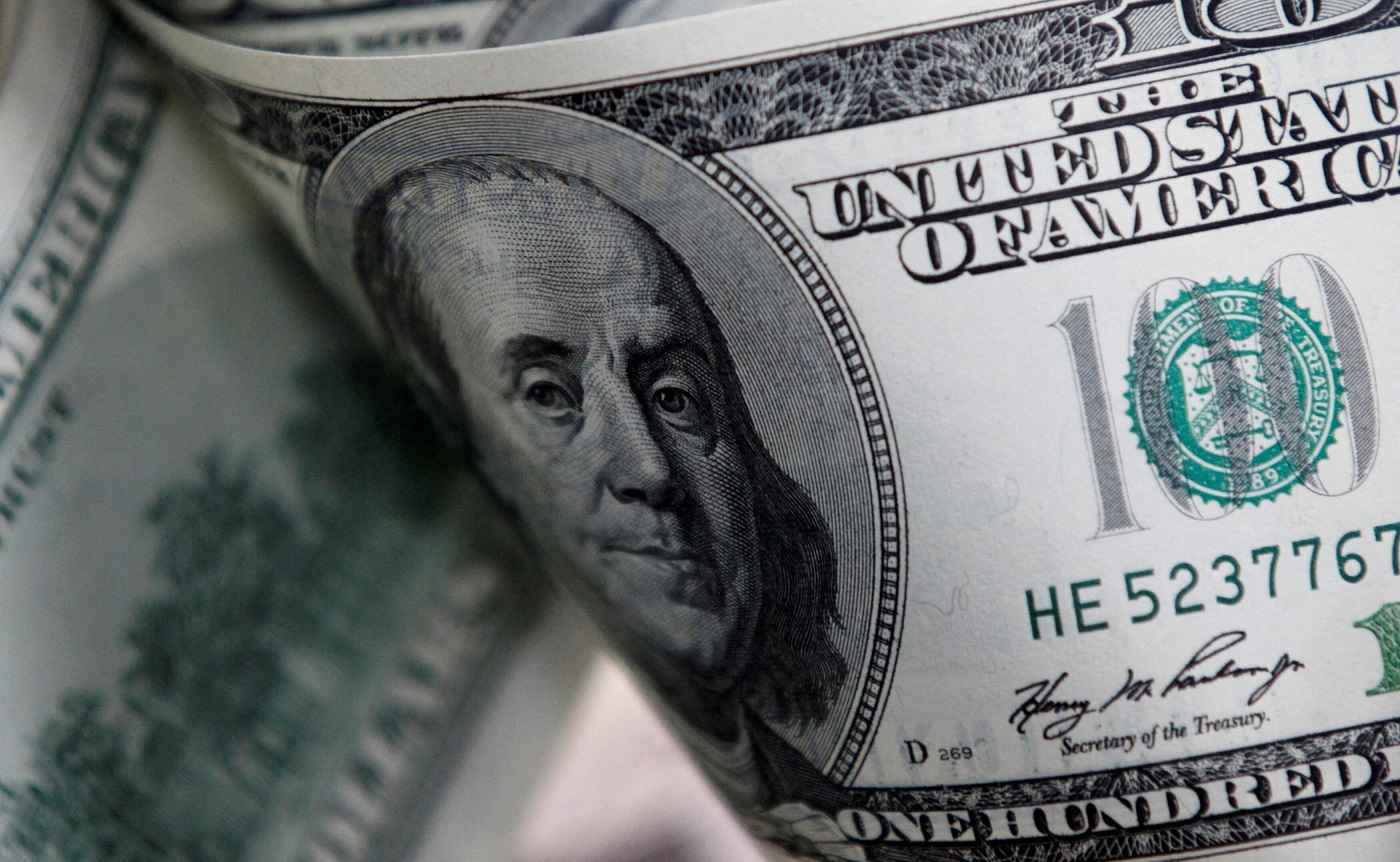
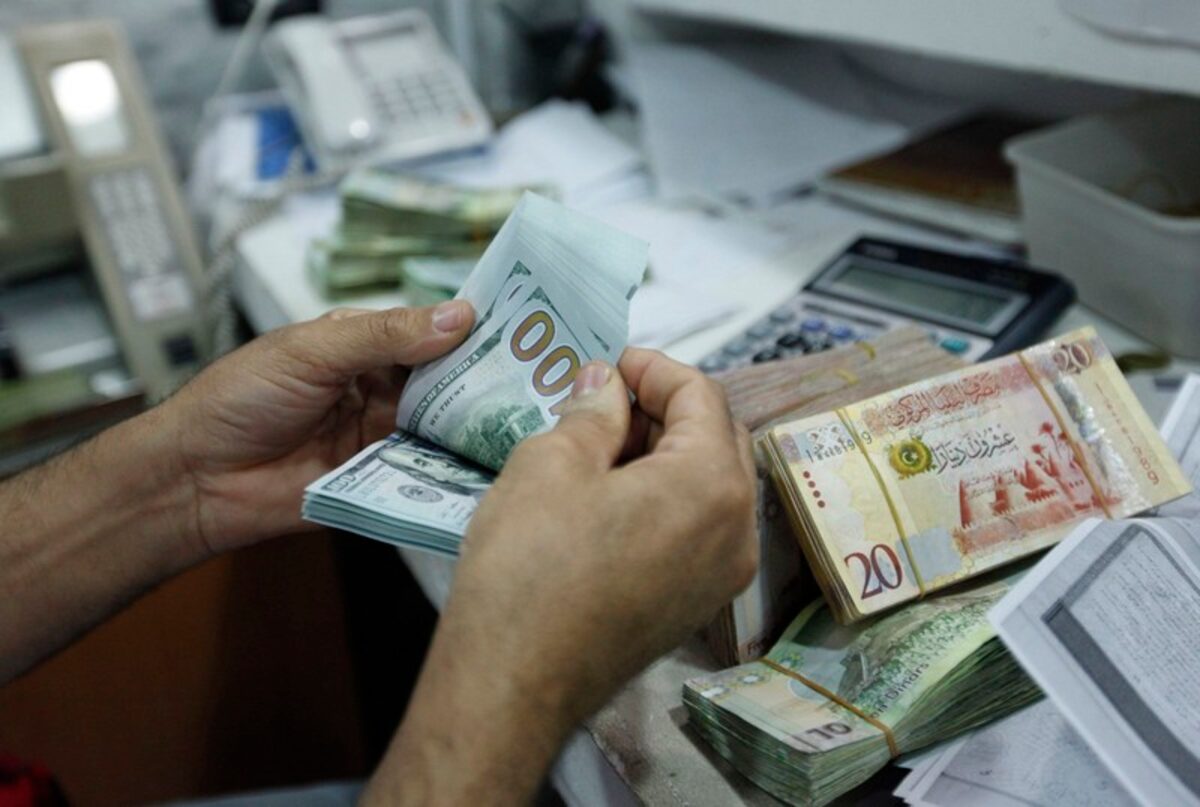
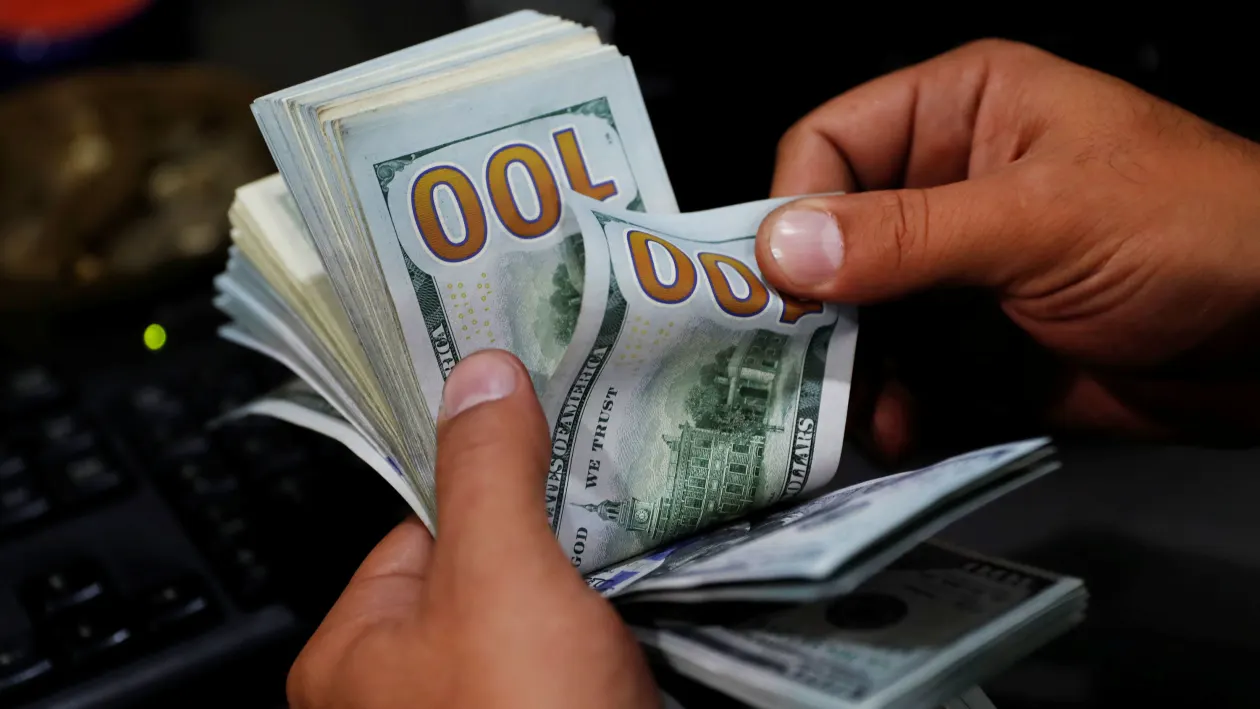
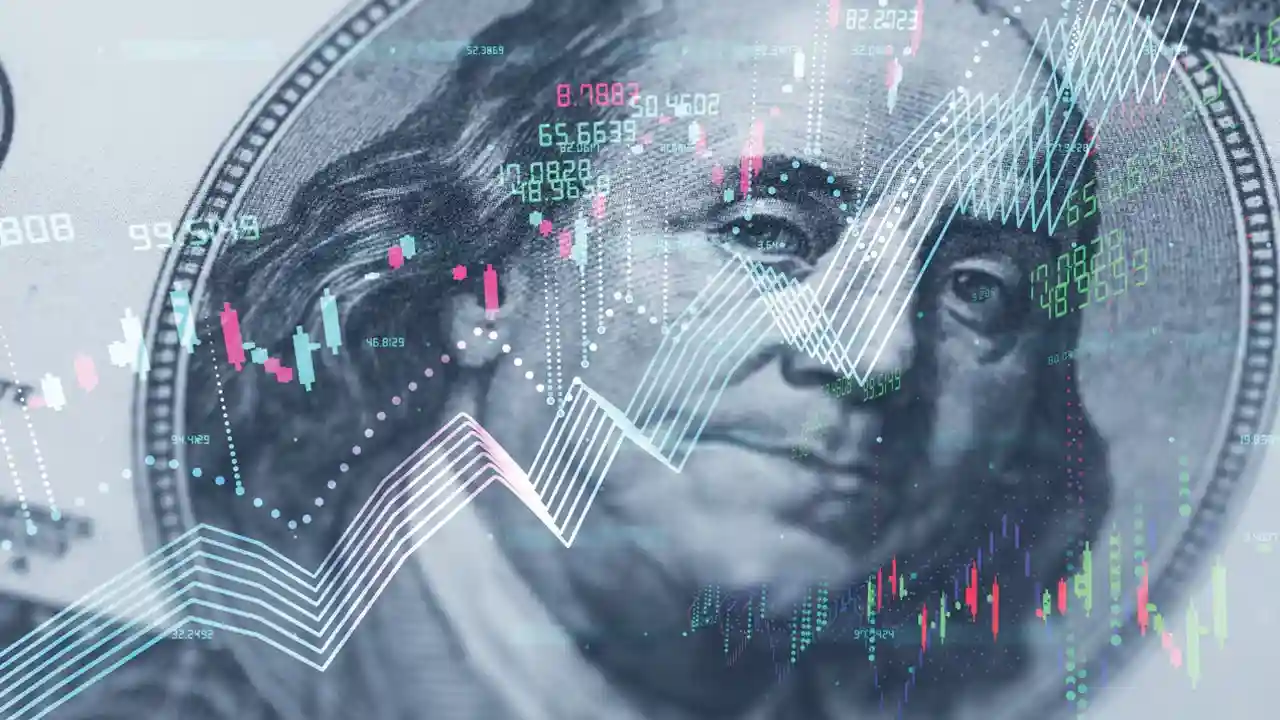
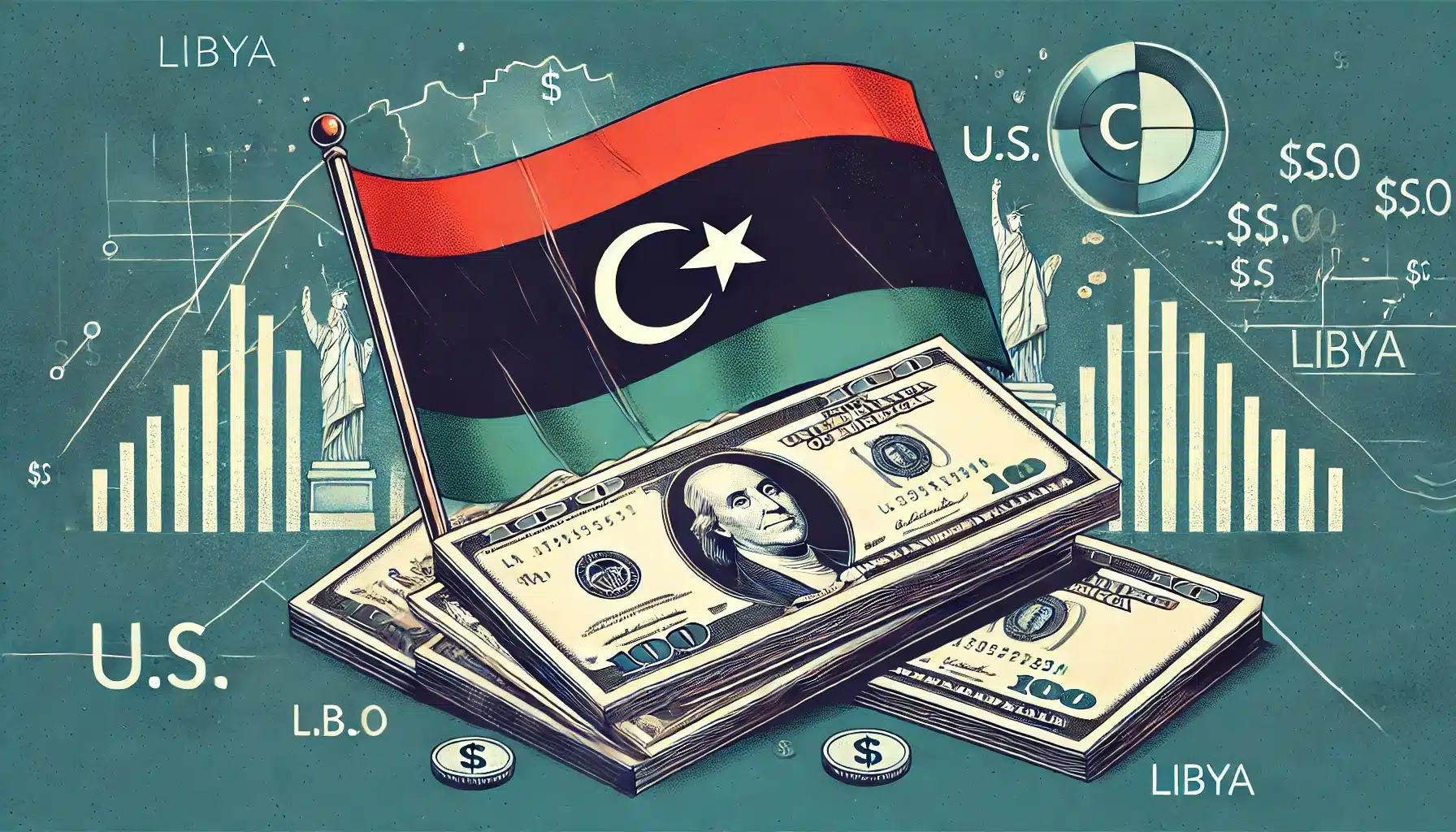
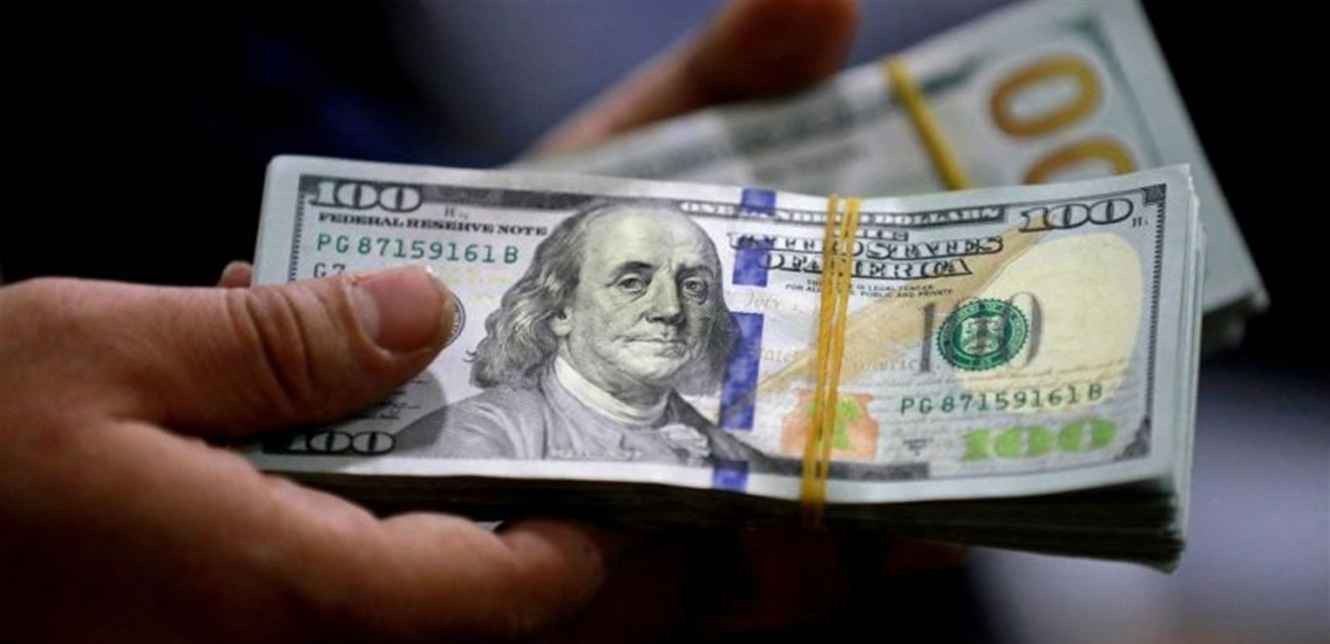
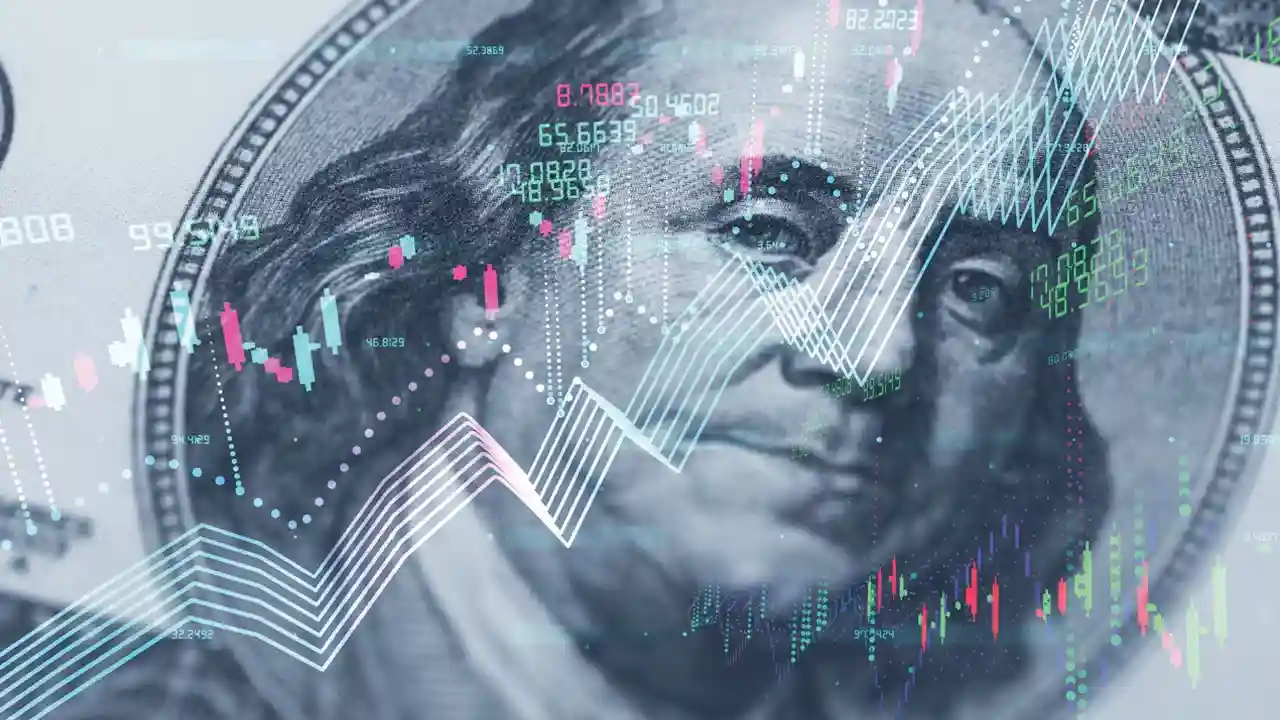
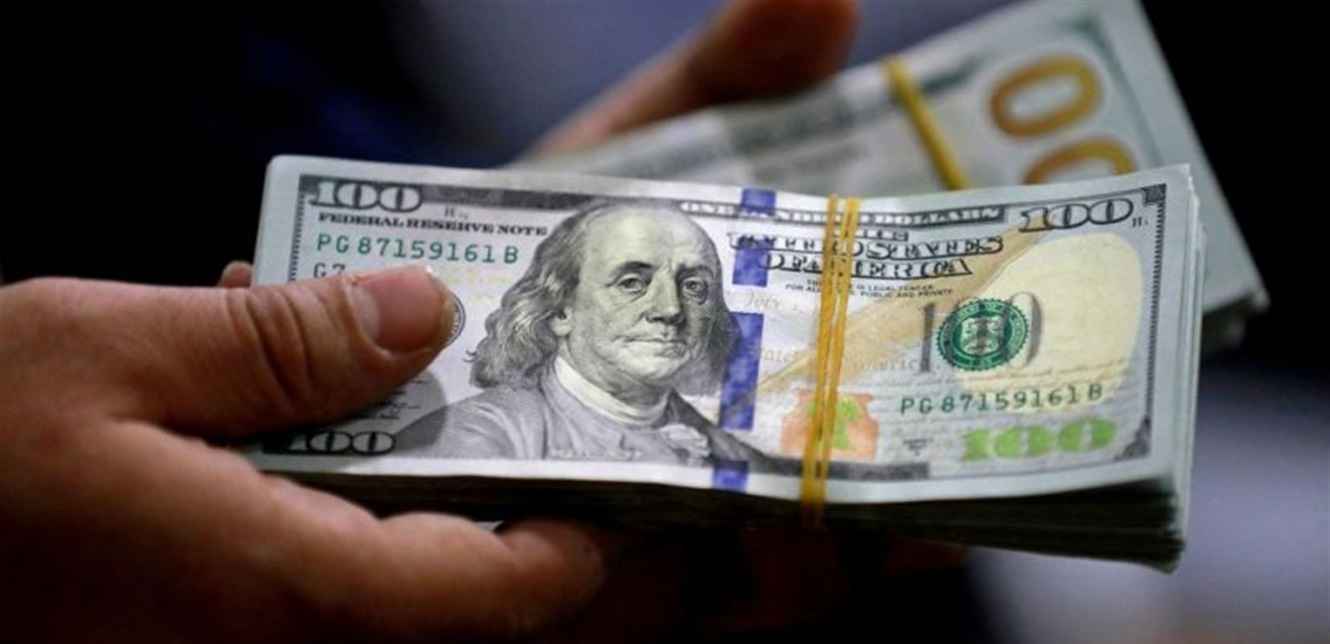
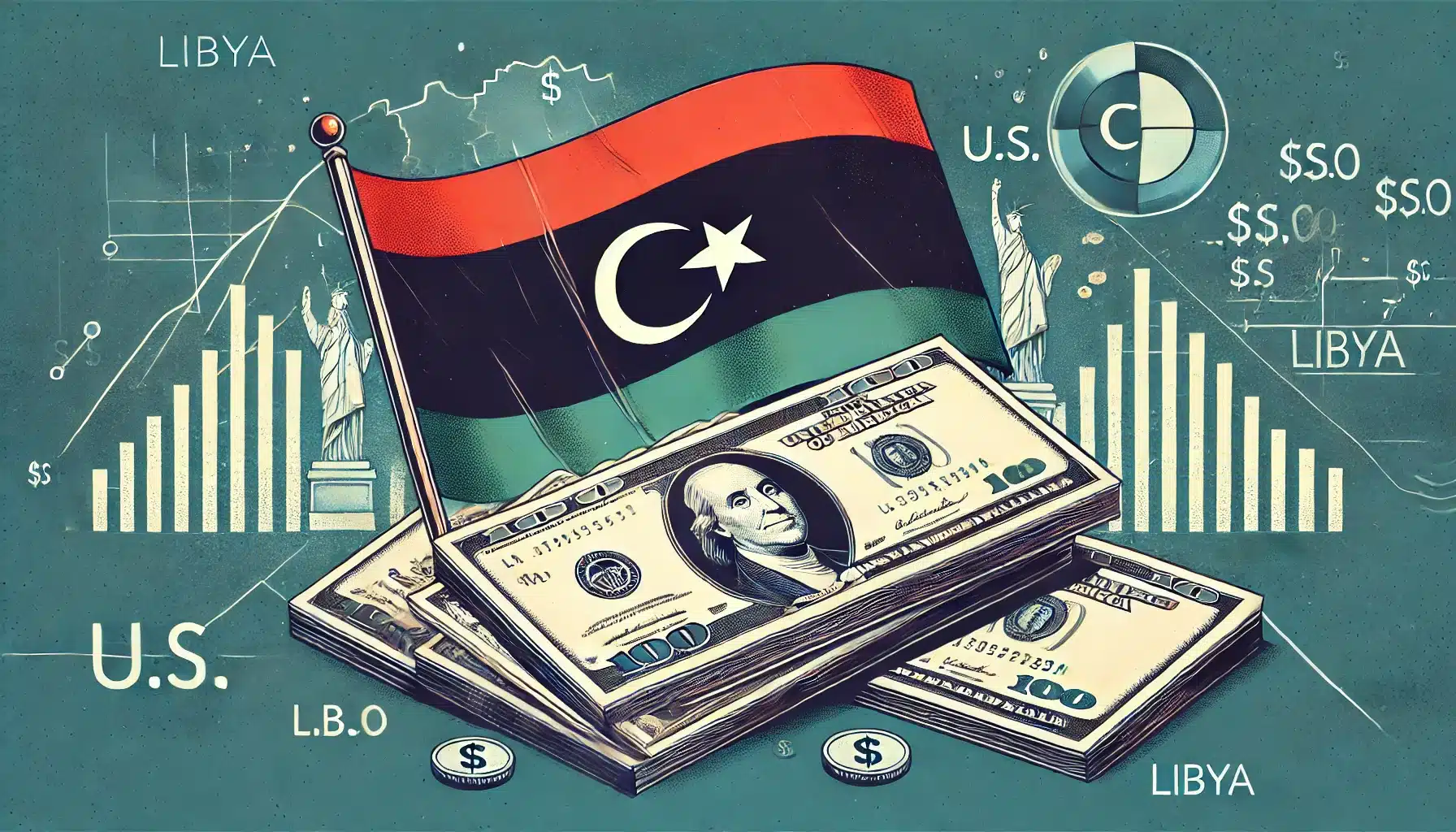
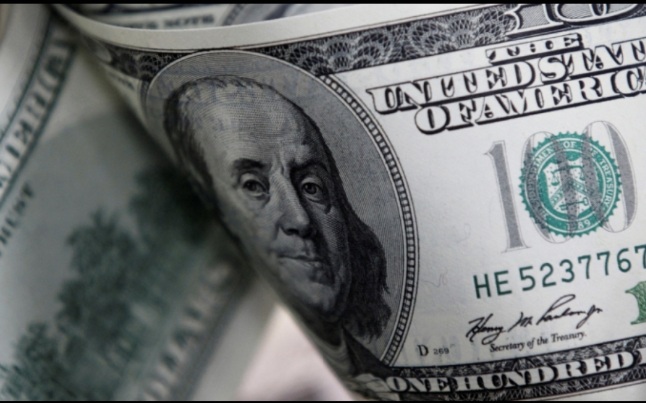
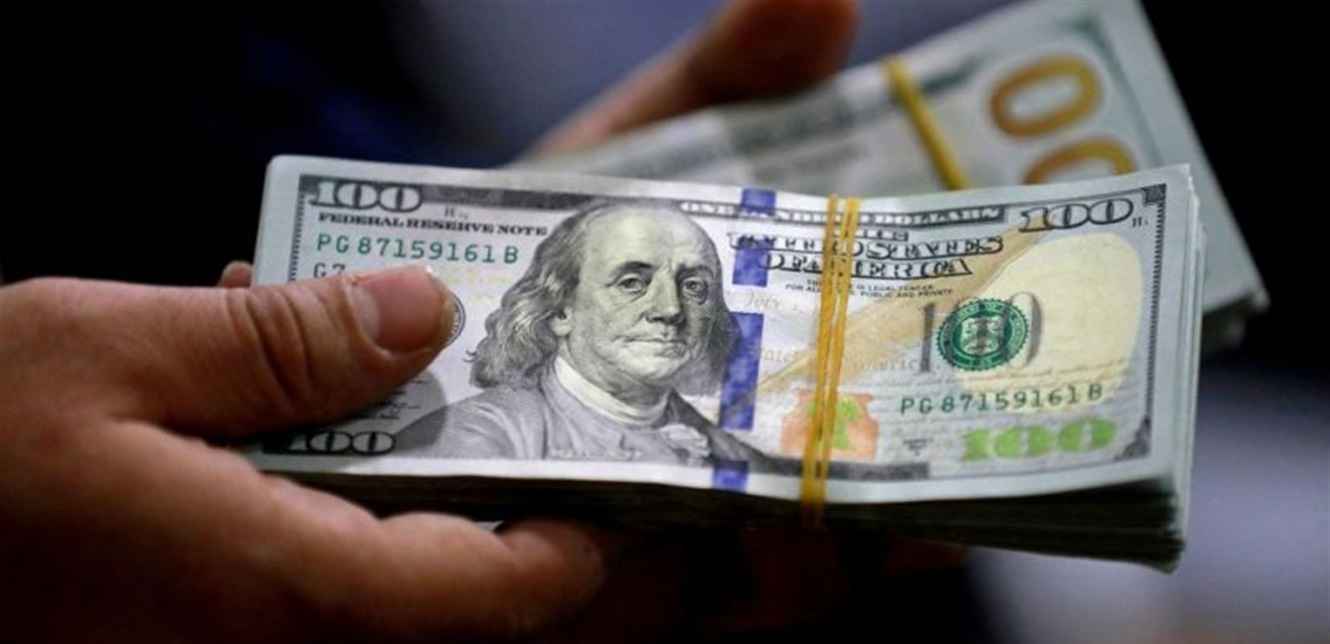
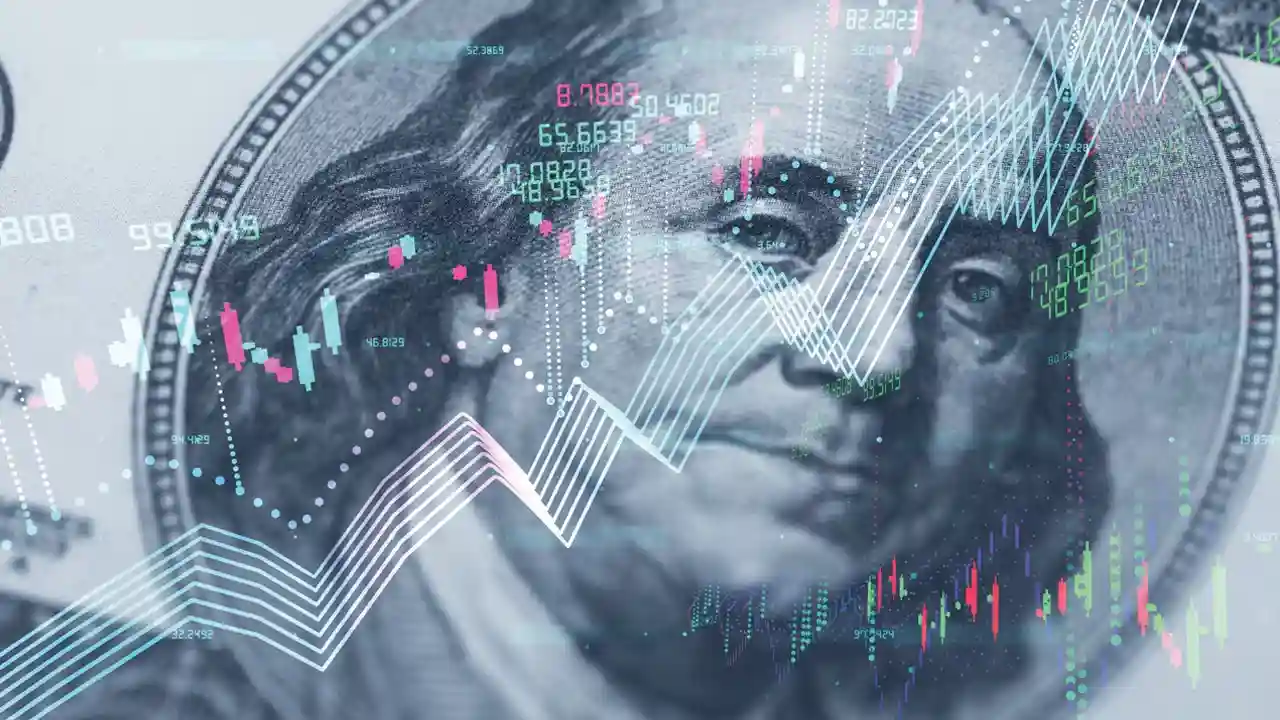
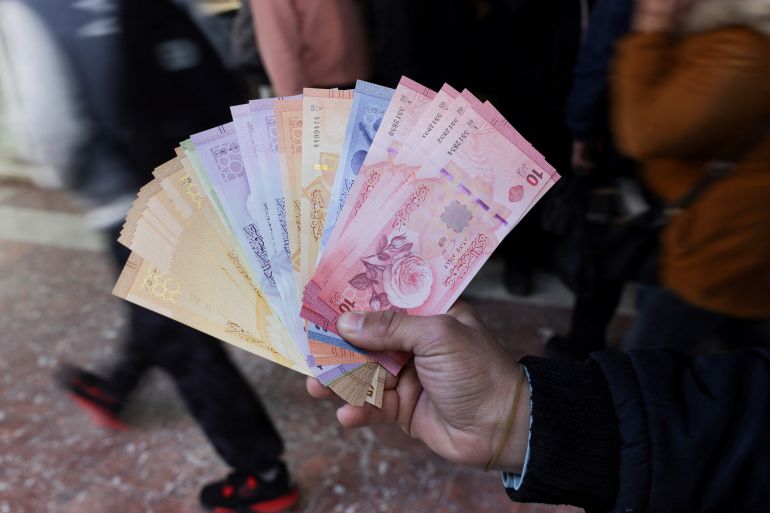
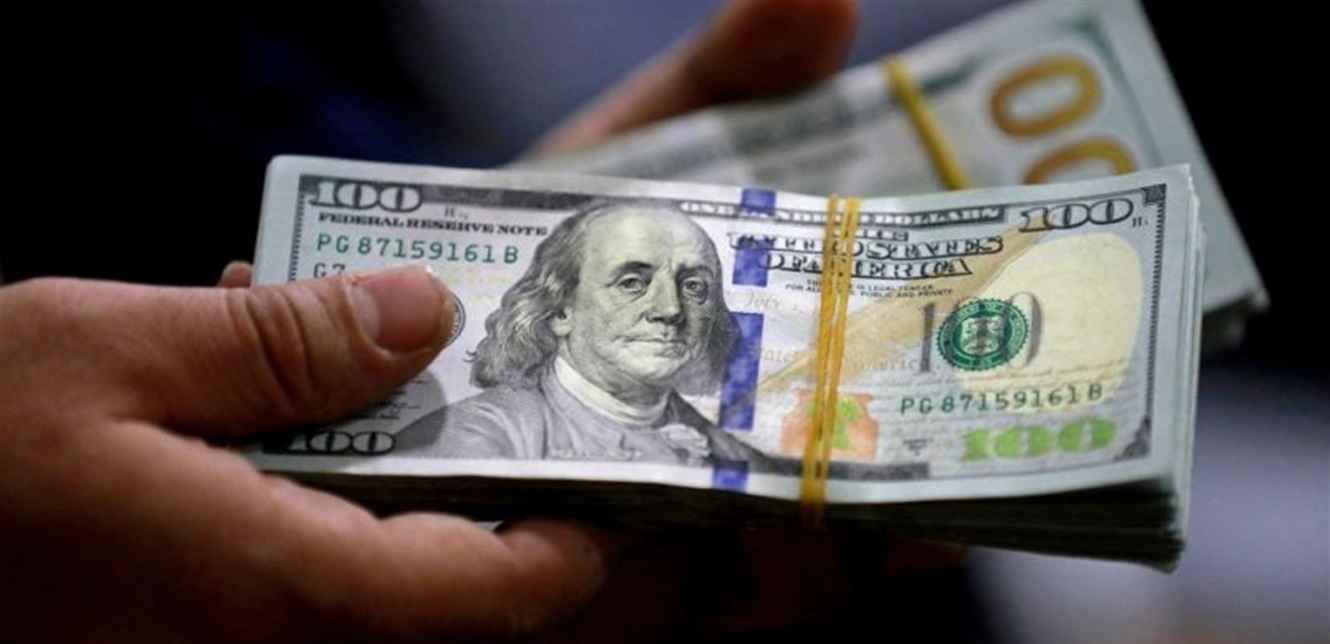
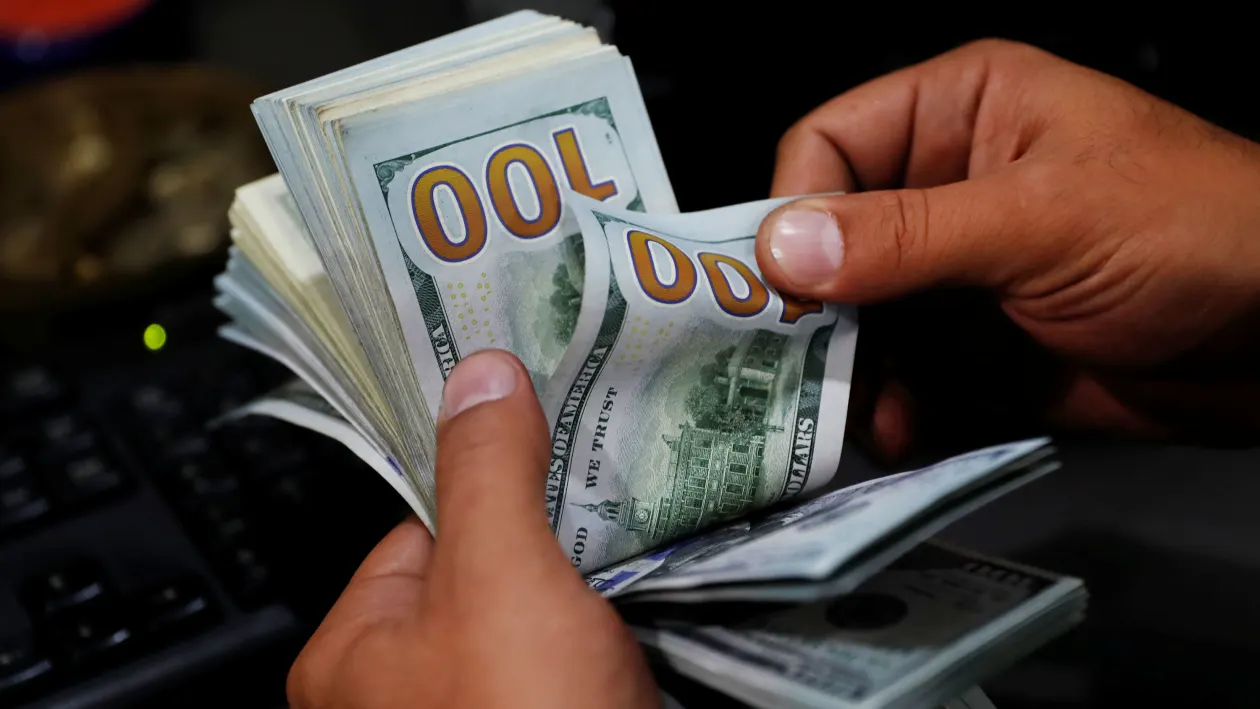
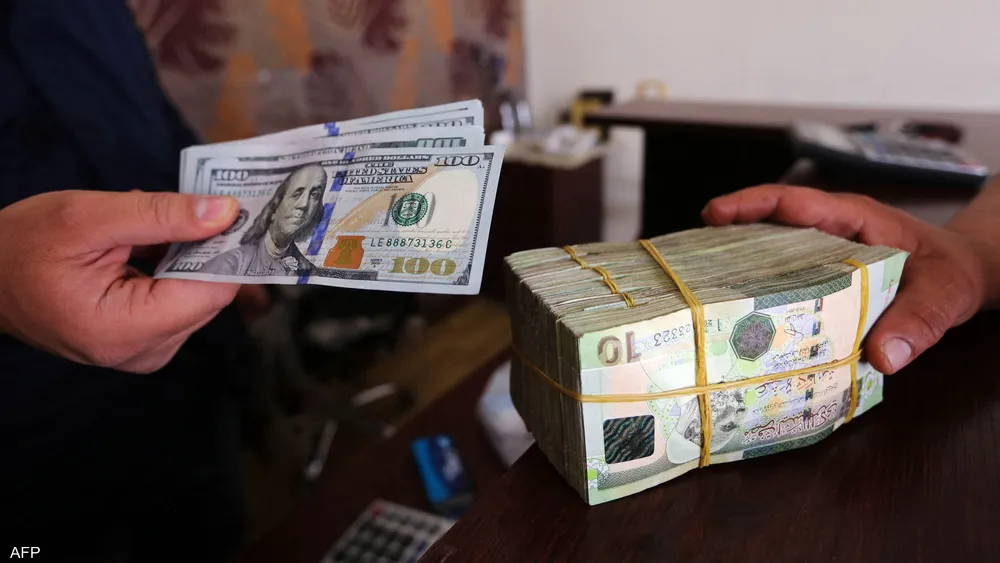
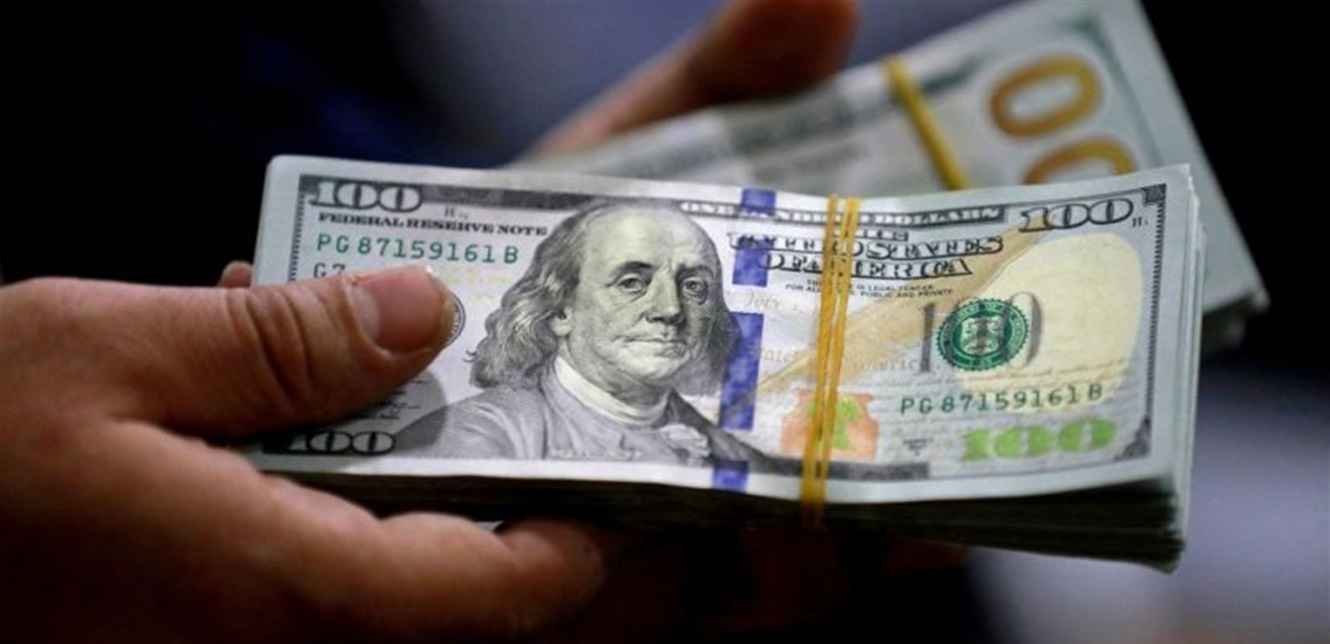
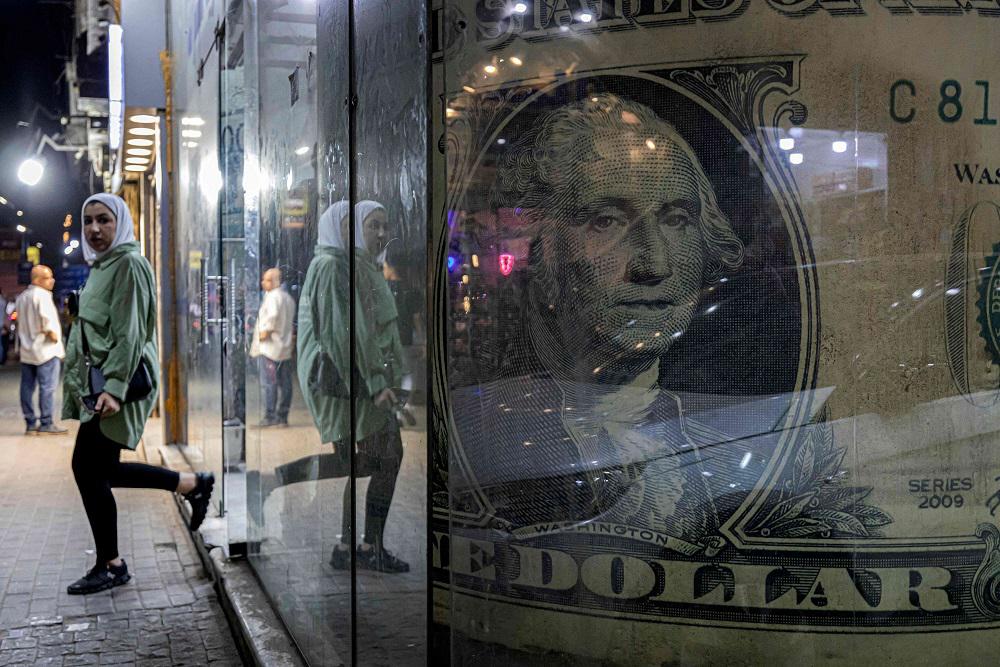
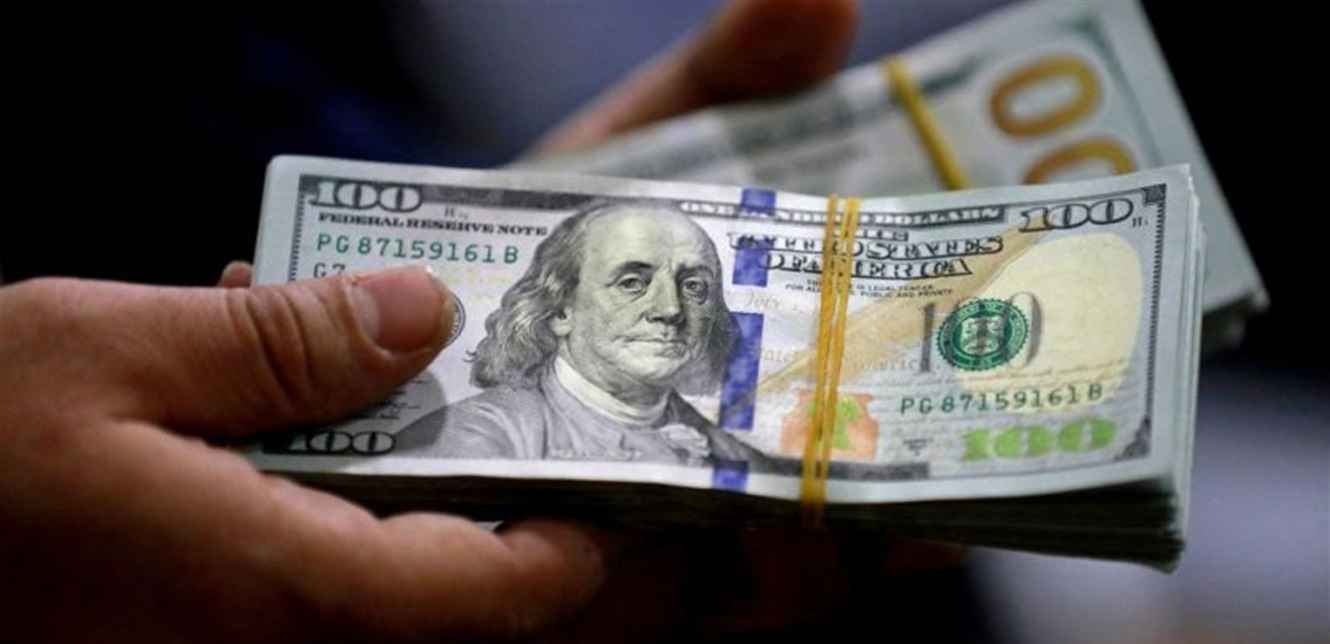
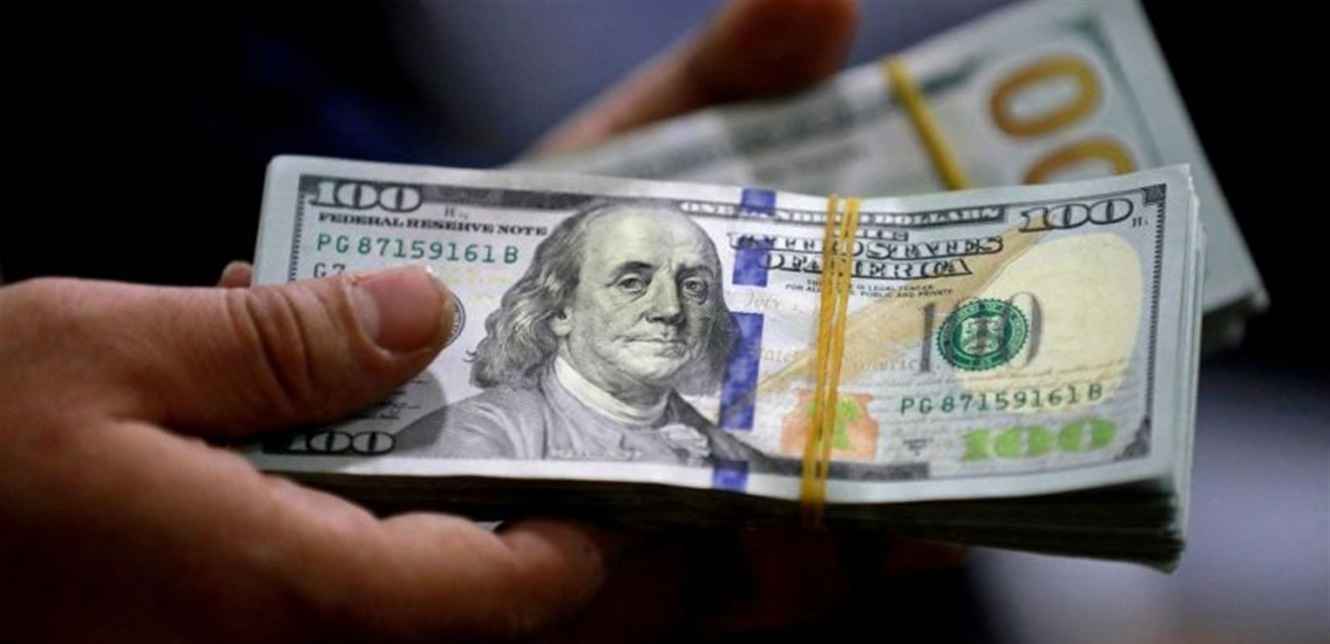
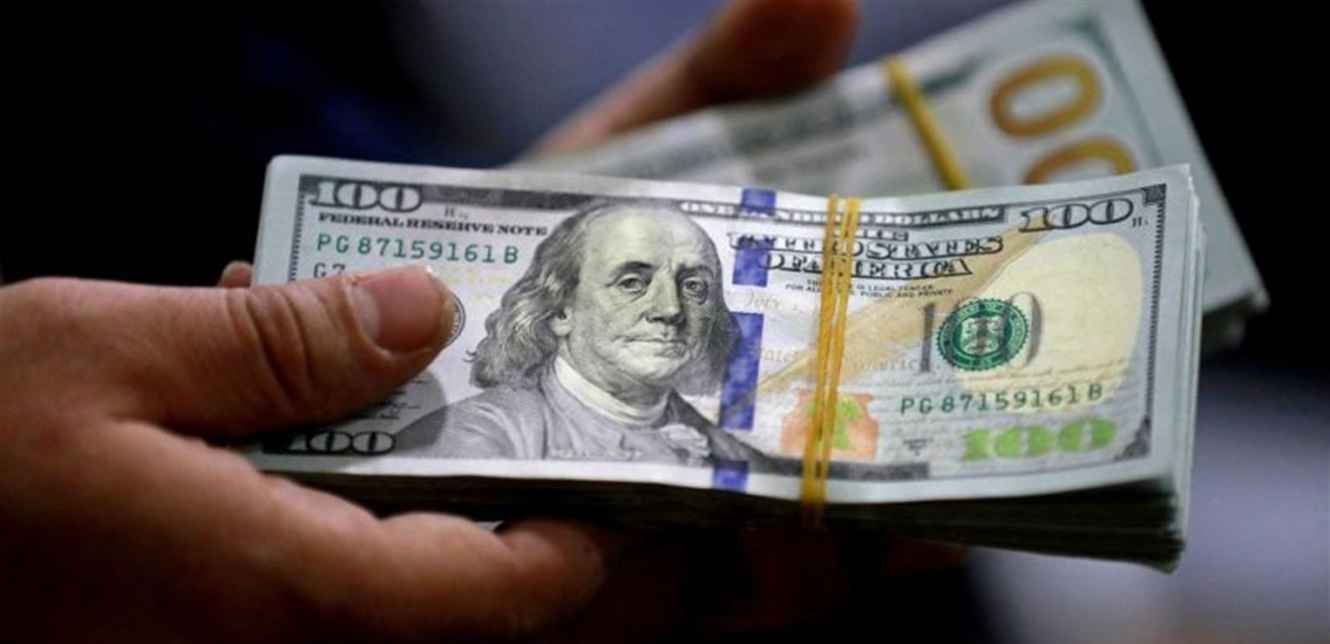
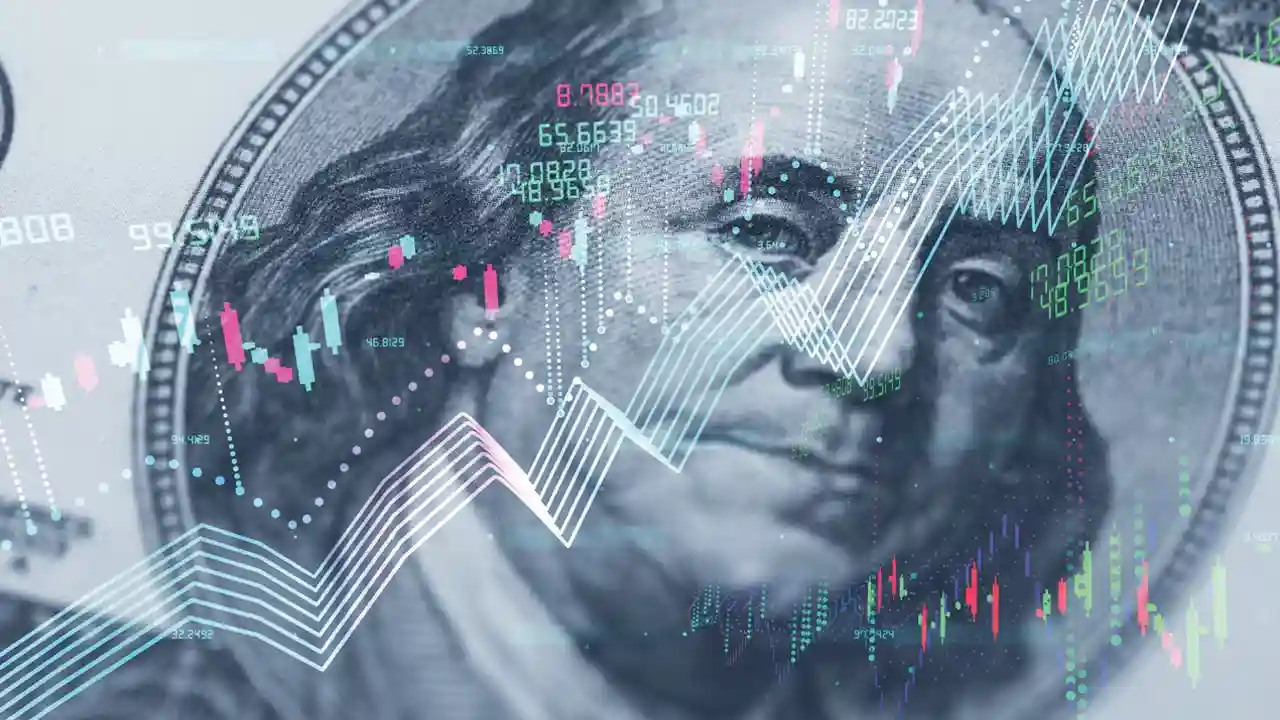
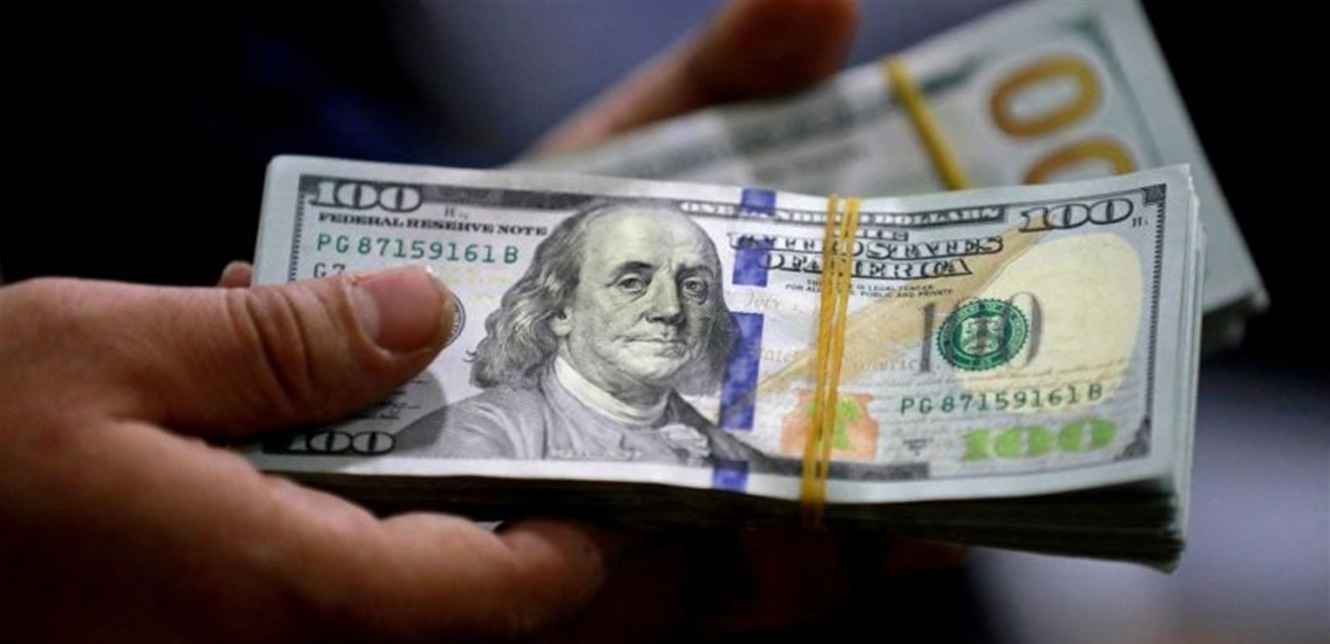
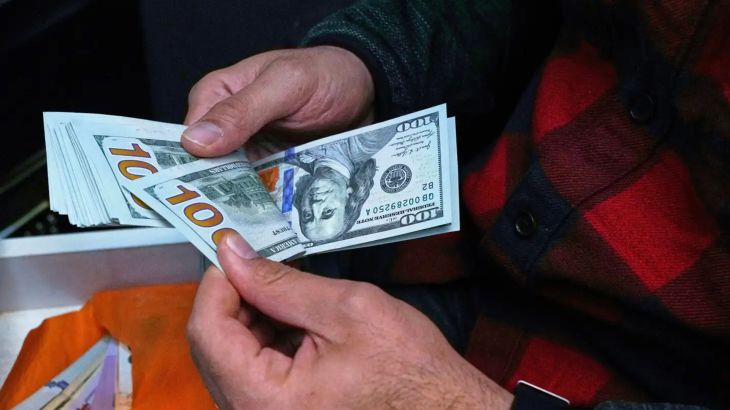
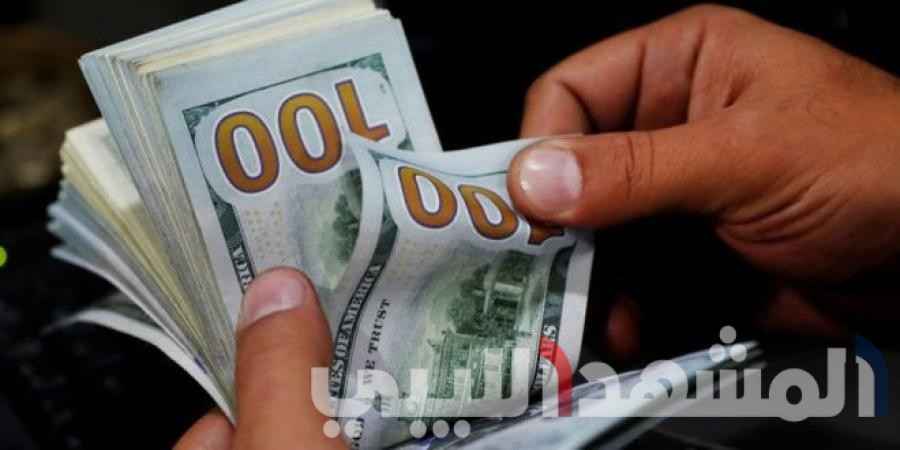
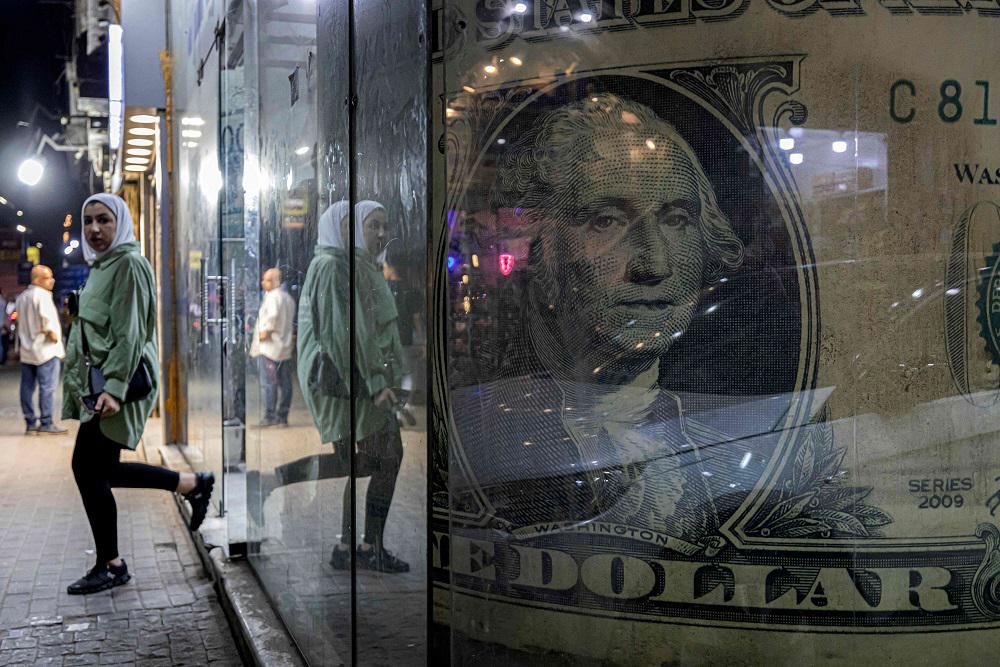
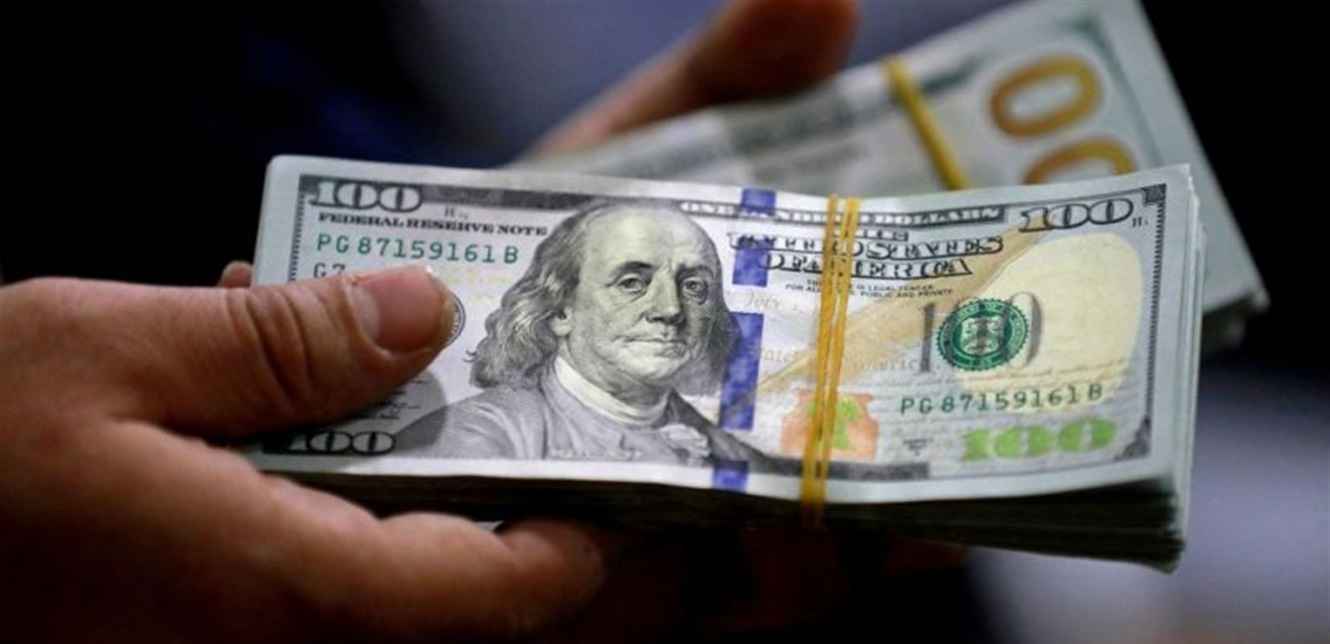
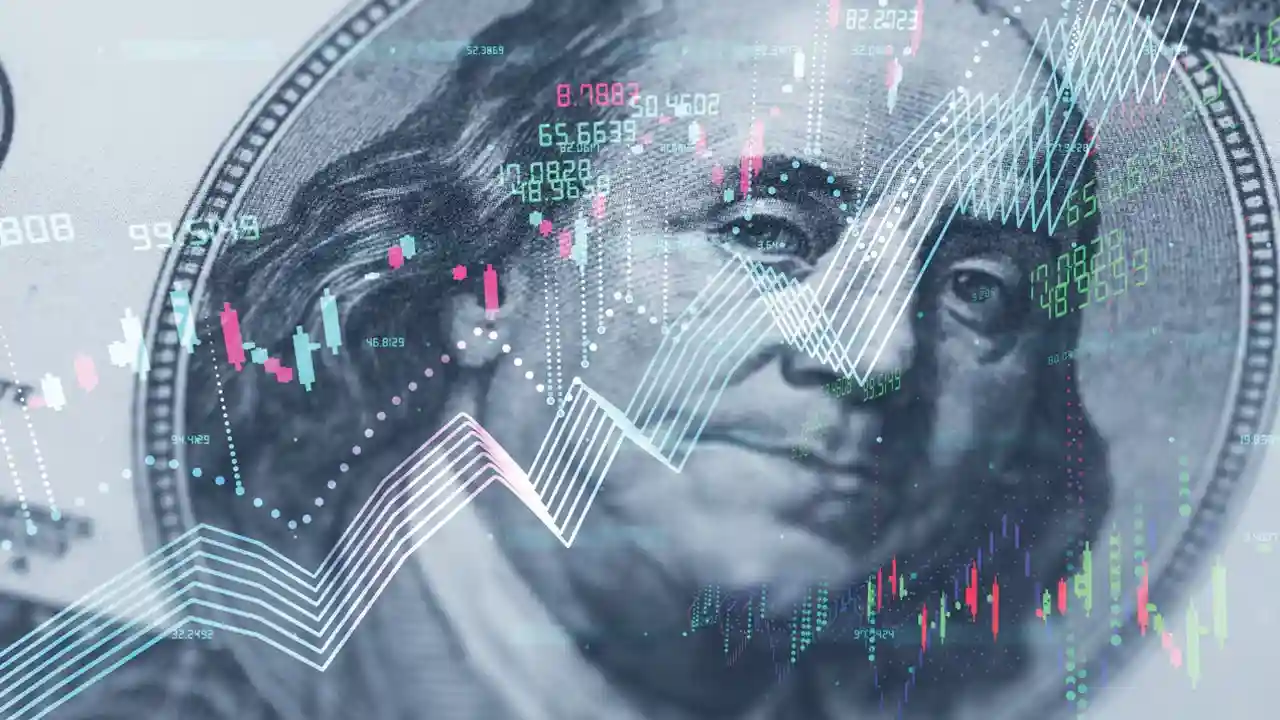
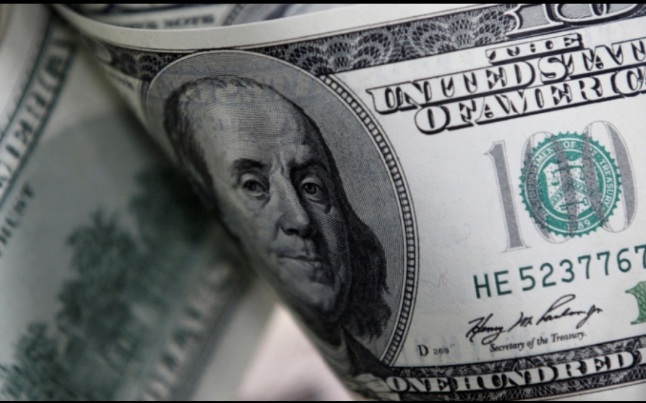
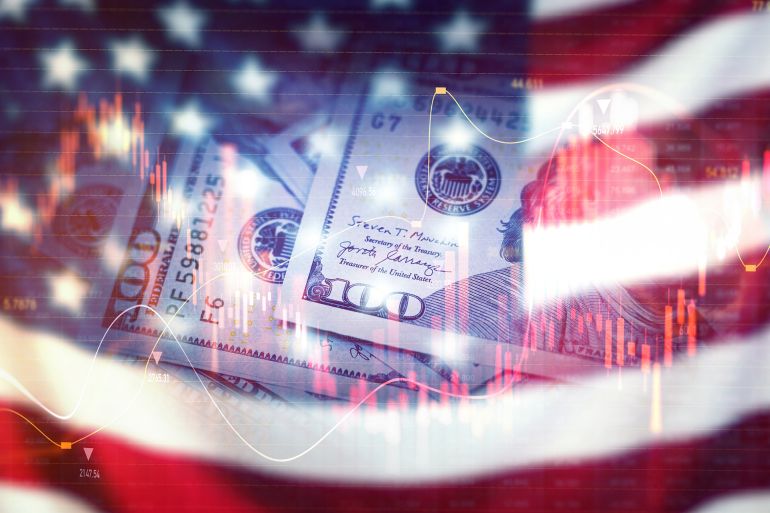
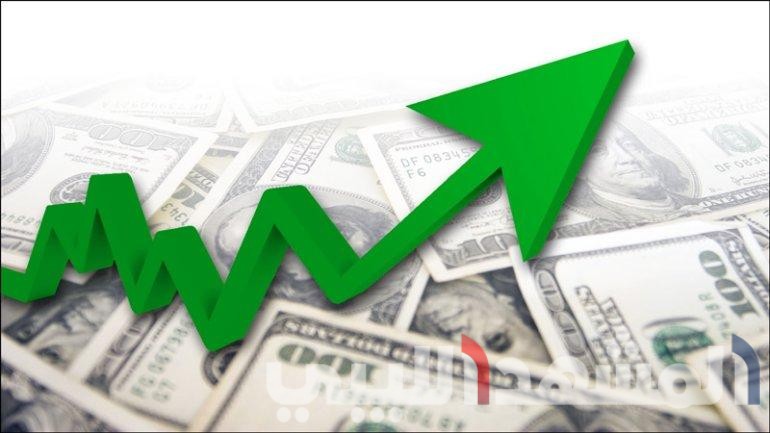
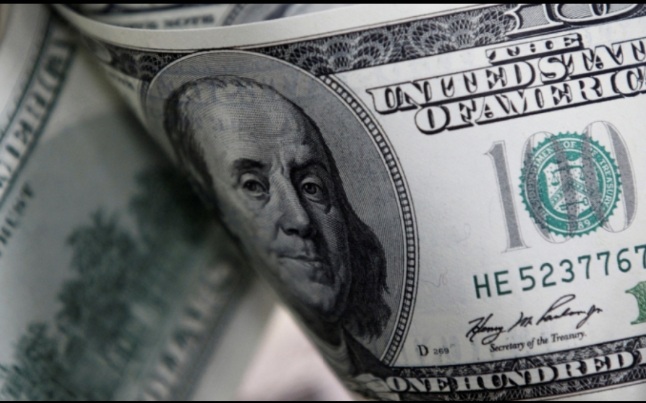
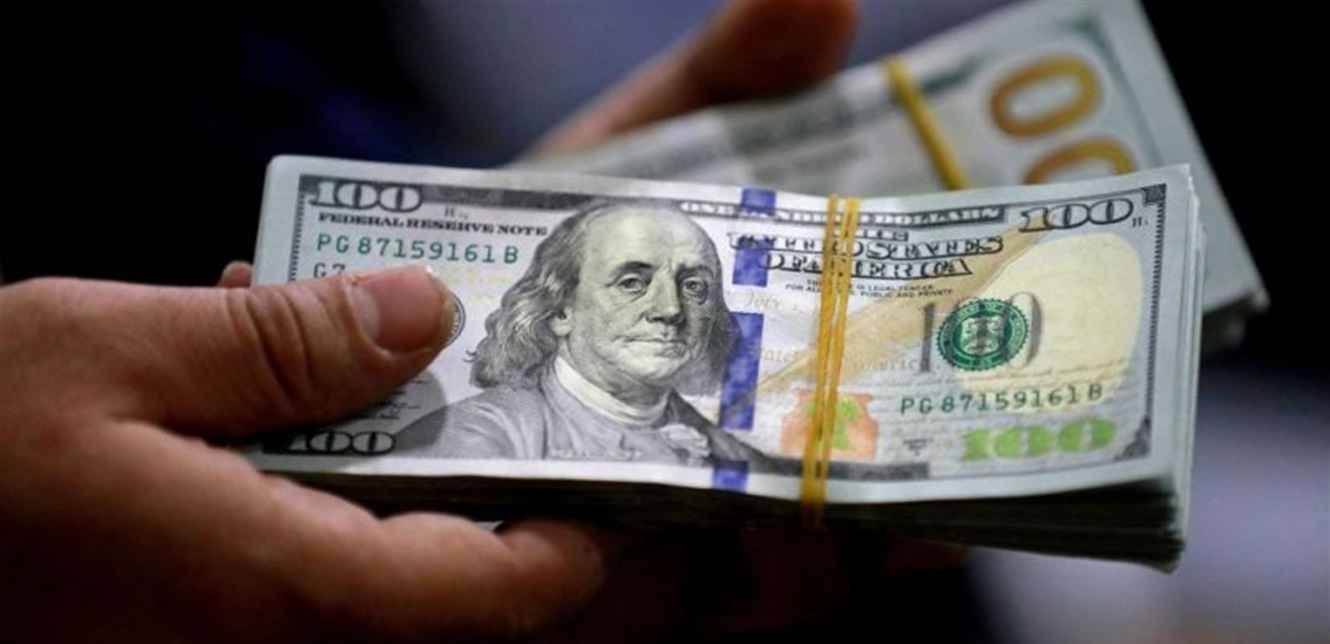
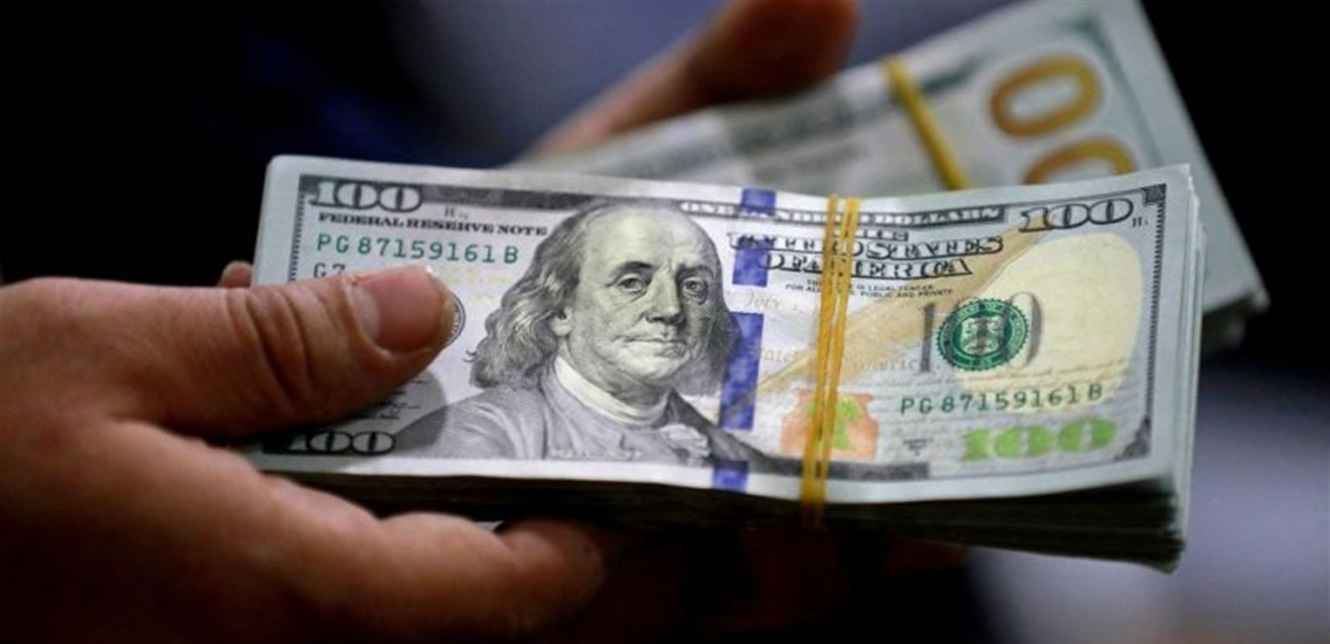
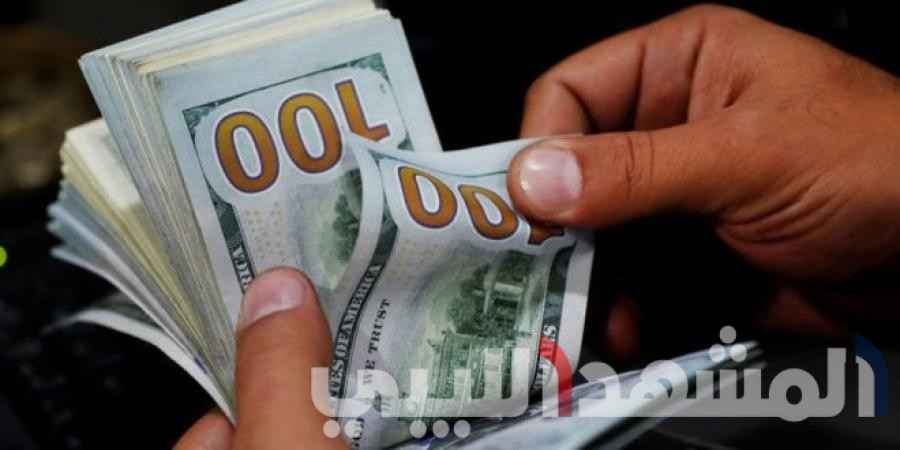
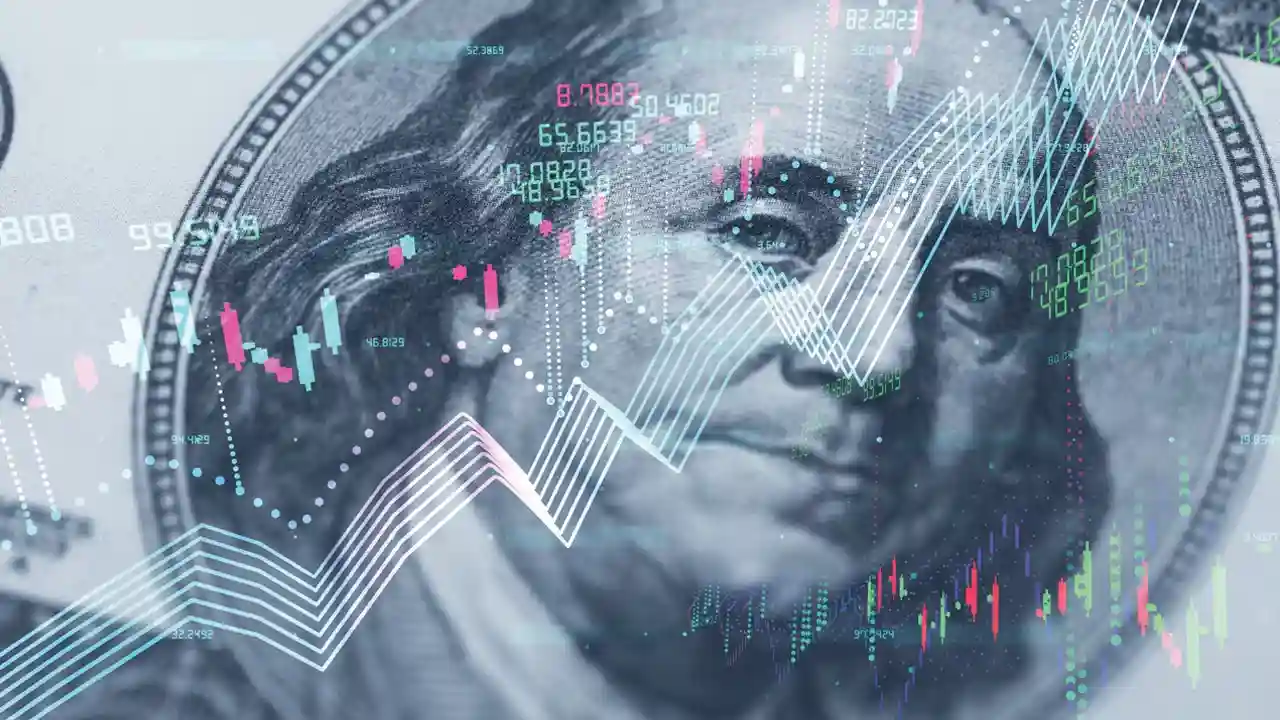
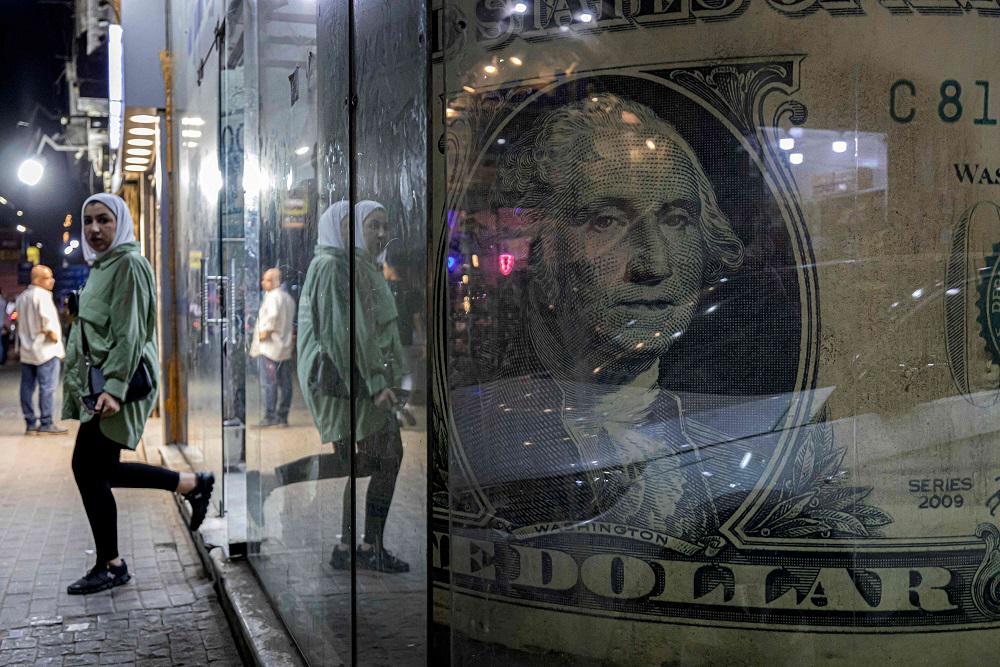
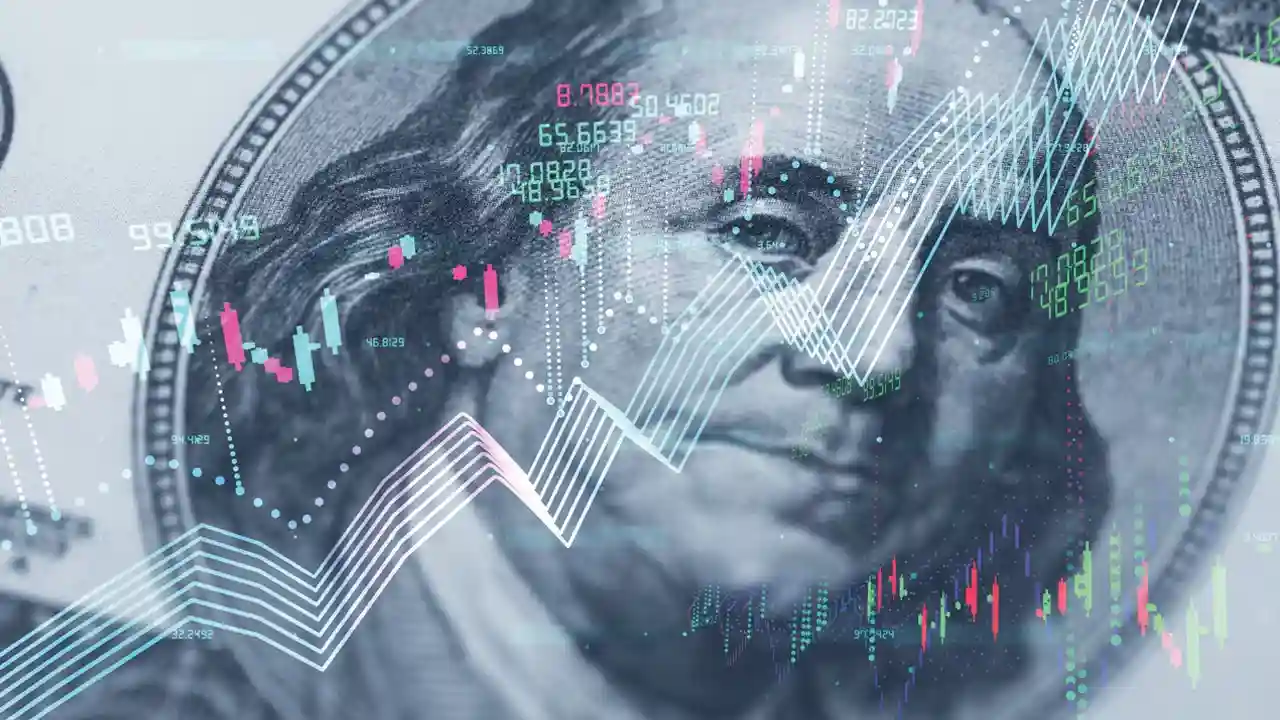
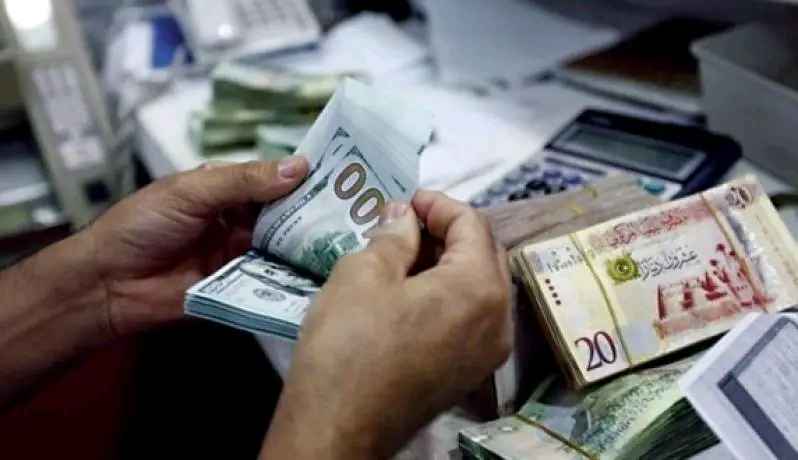
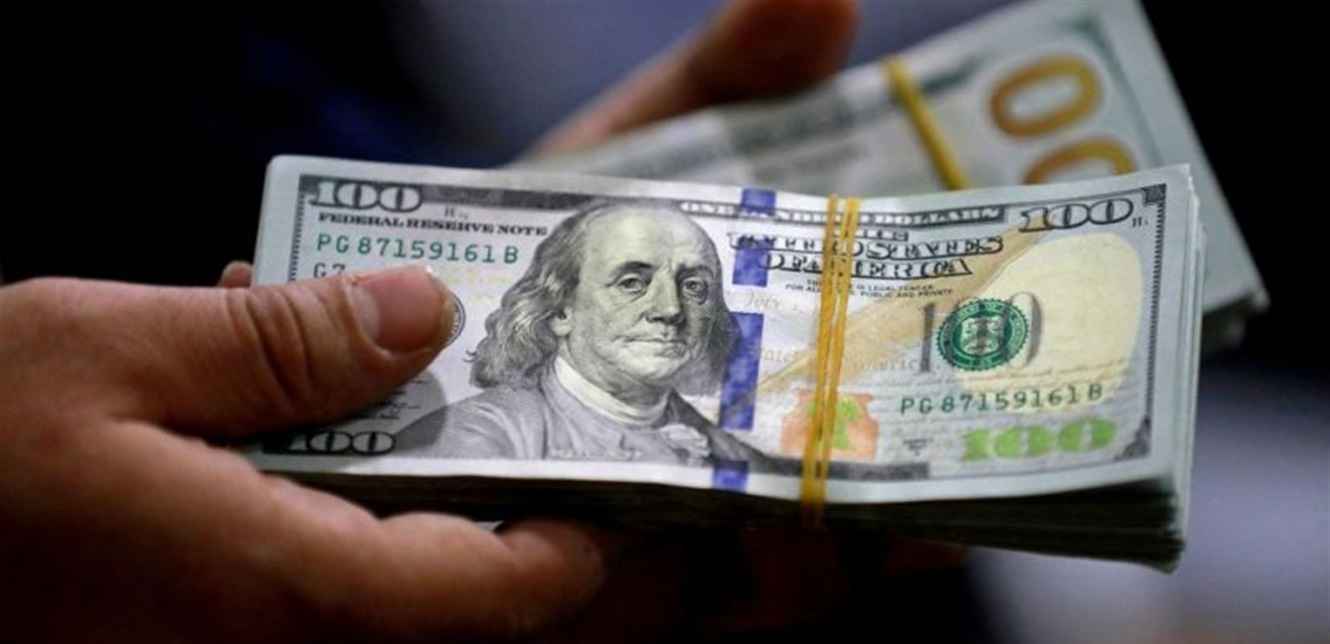
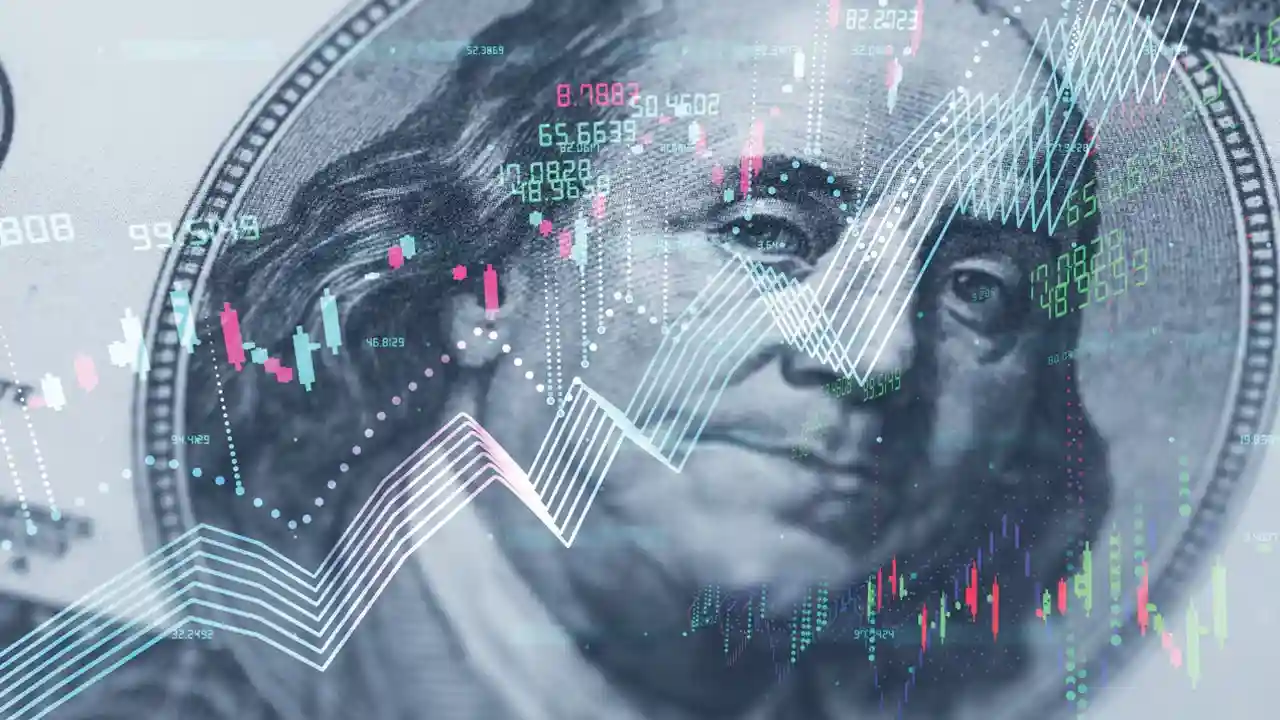
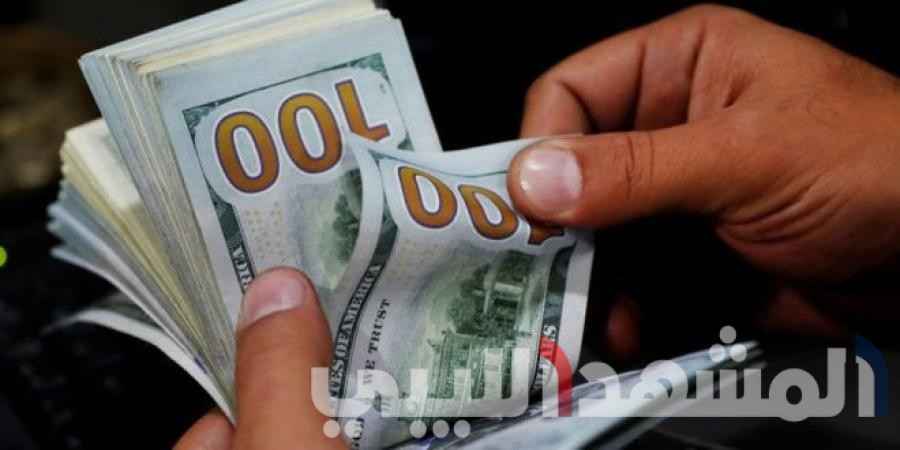
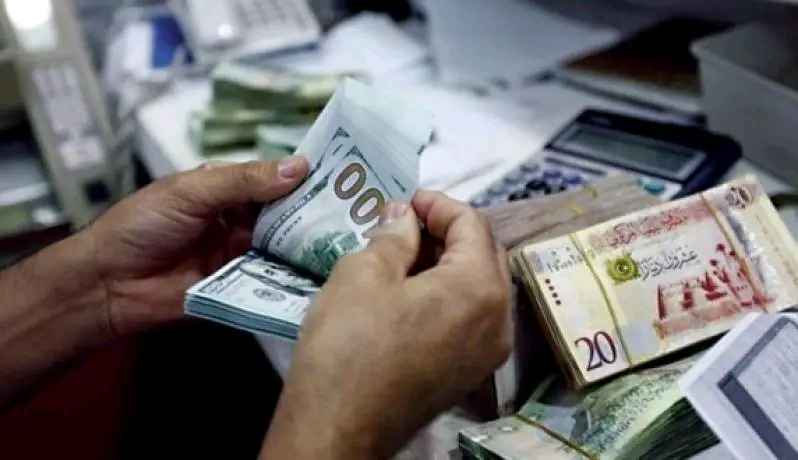
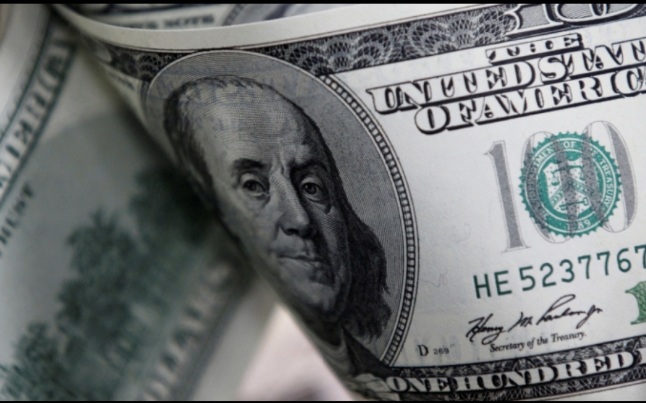
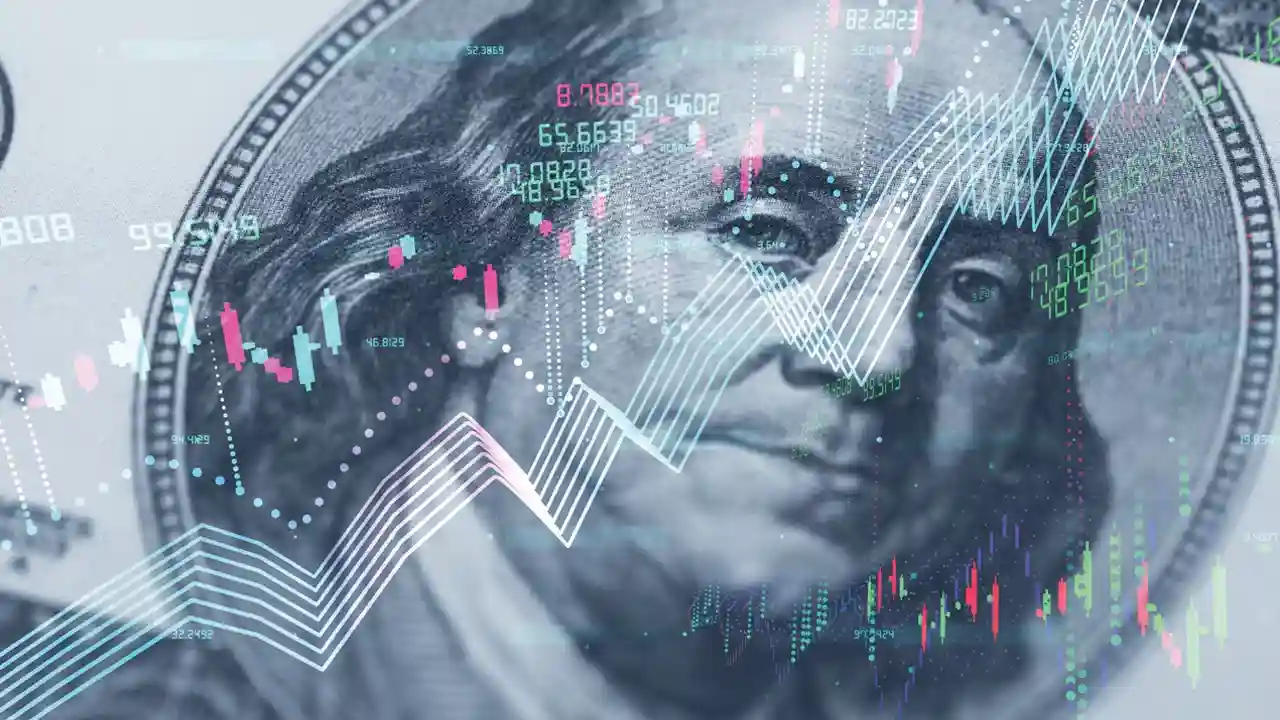
The US dollar is on track to record its largest annual decline since approximately 2017, amid expectations from Wall Street banks of further weakness next year, as the US Federal Reserve moves forward with interest rate cuts.
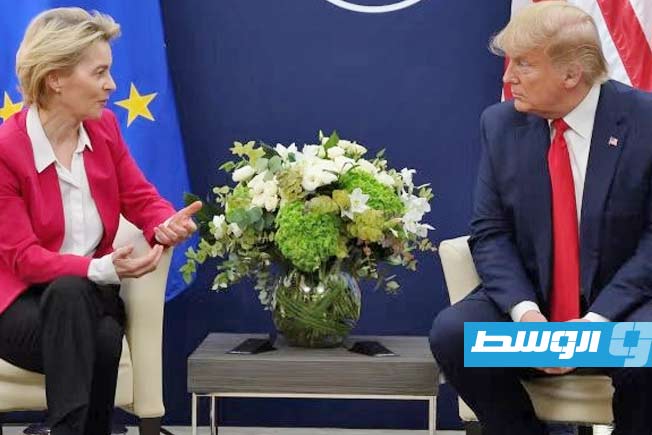
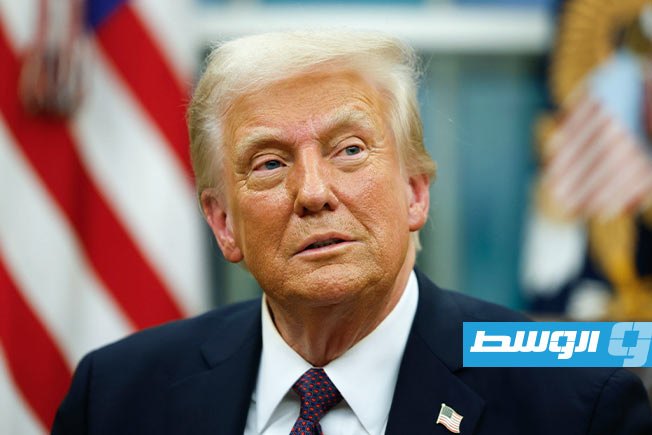
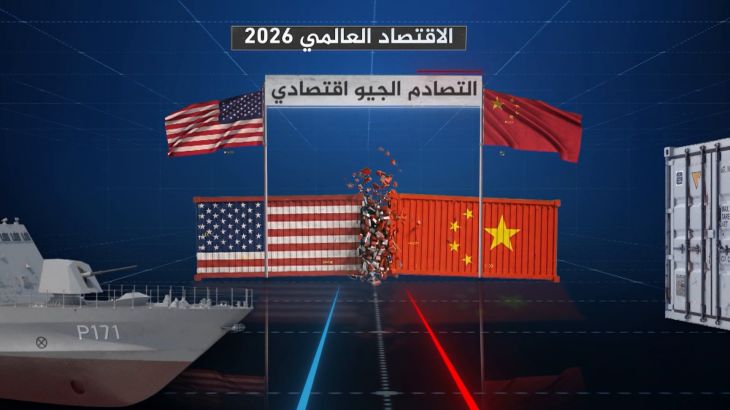
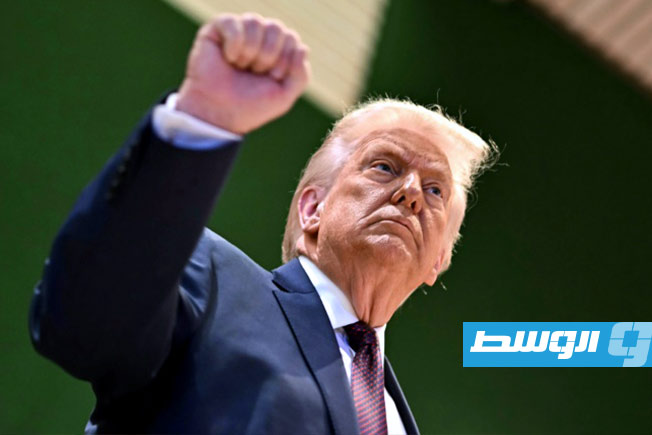
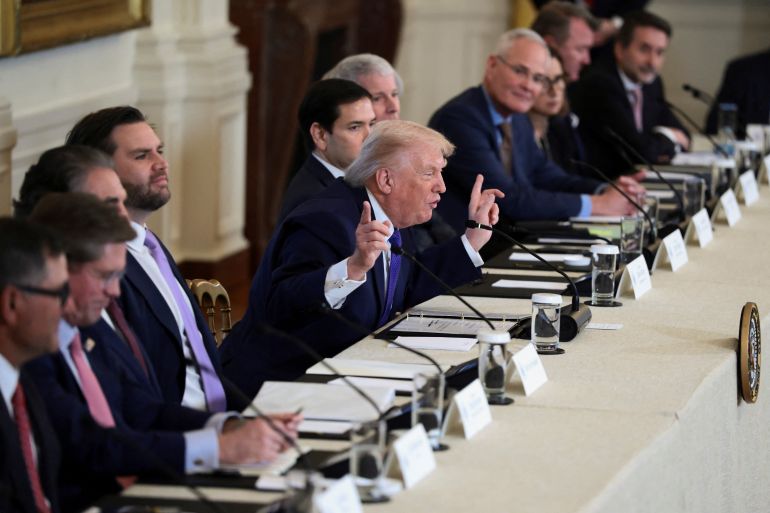
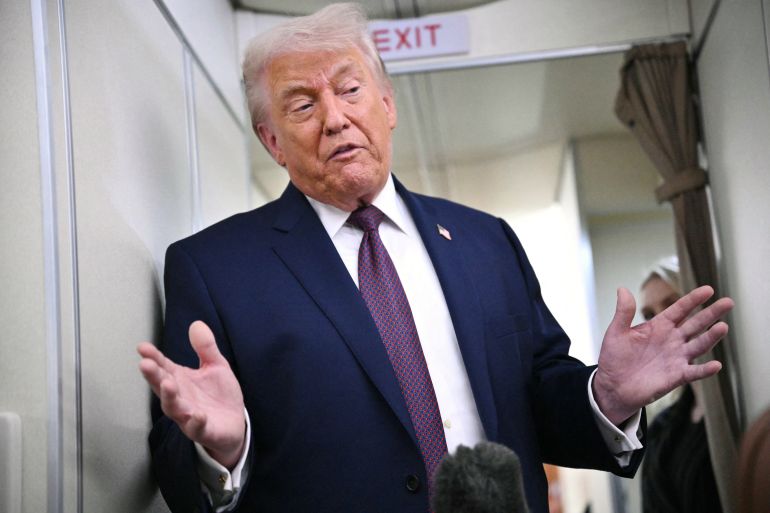
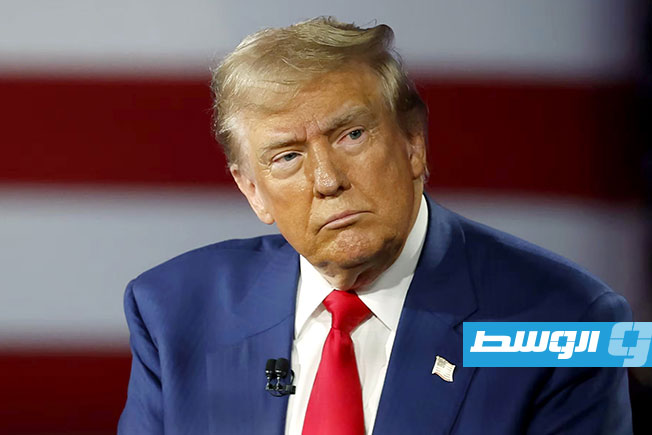
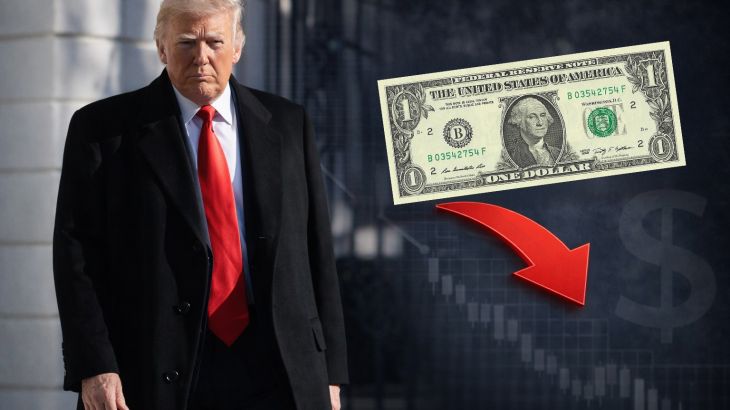
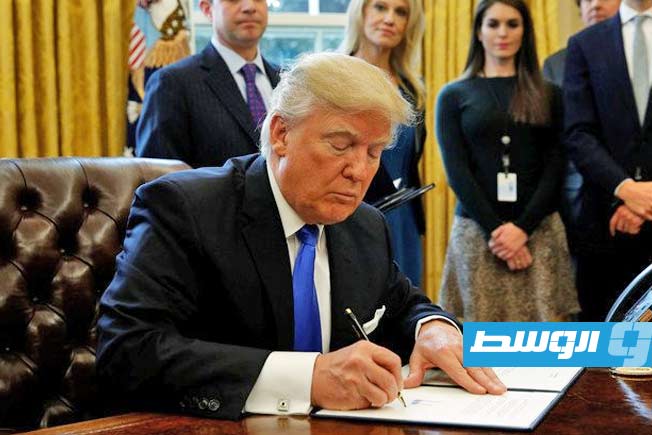
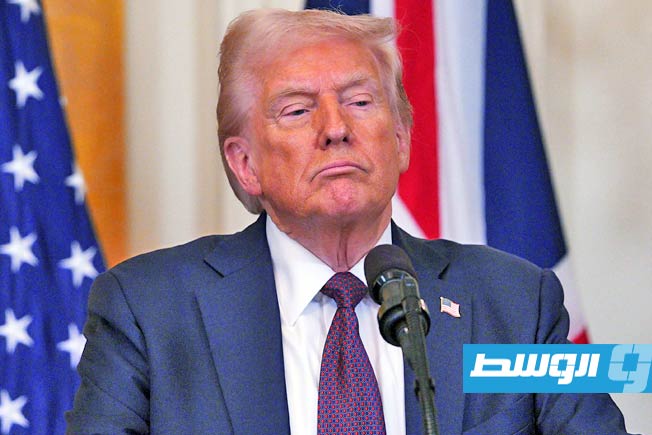
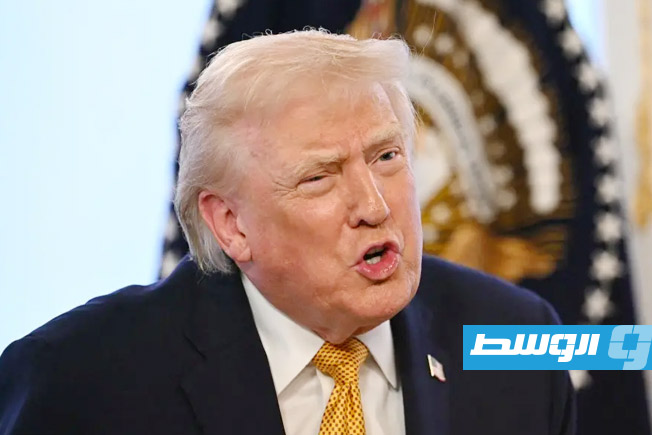
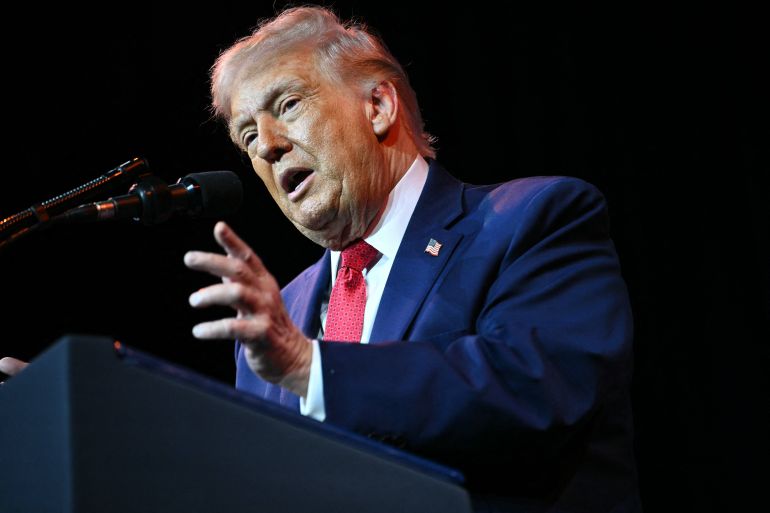
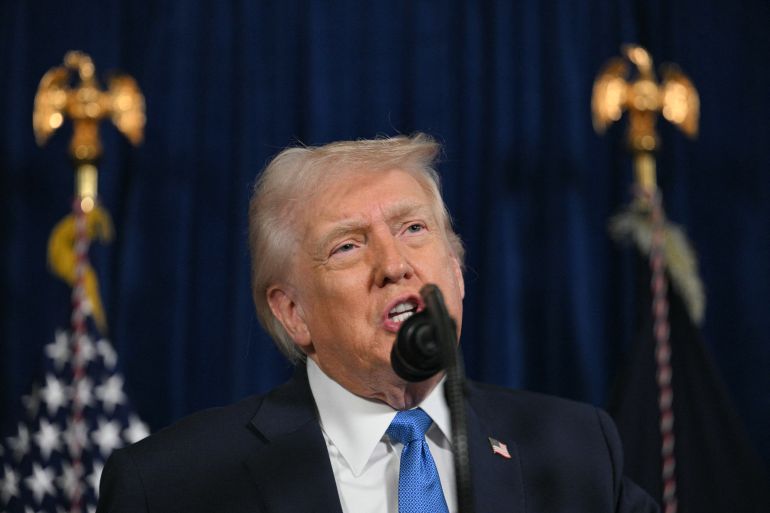
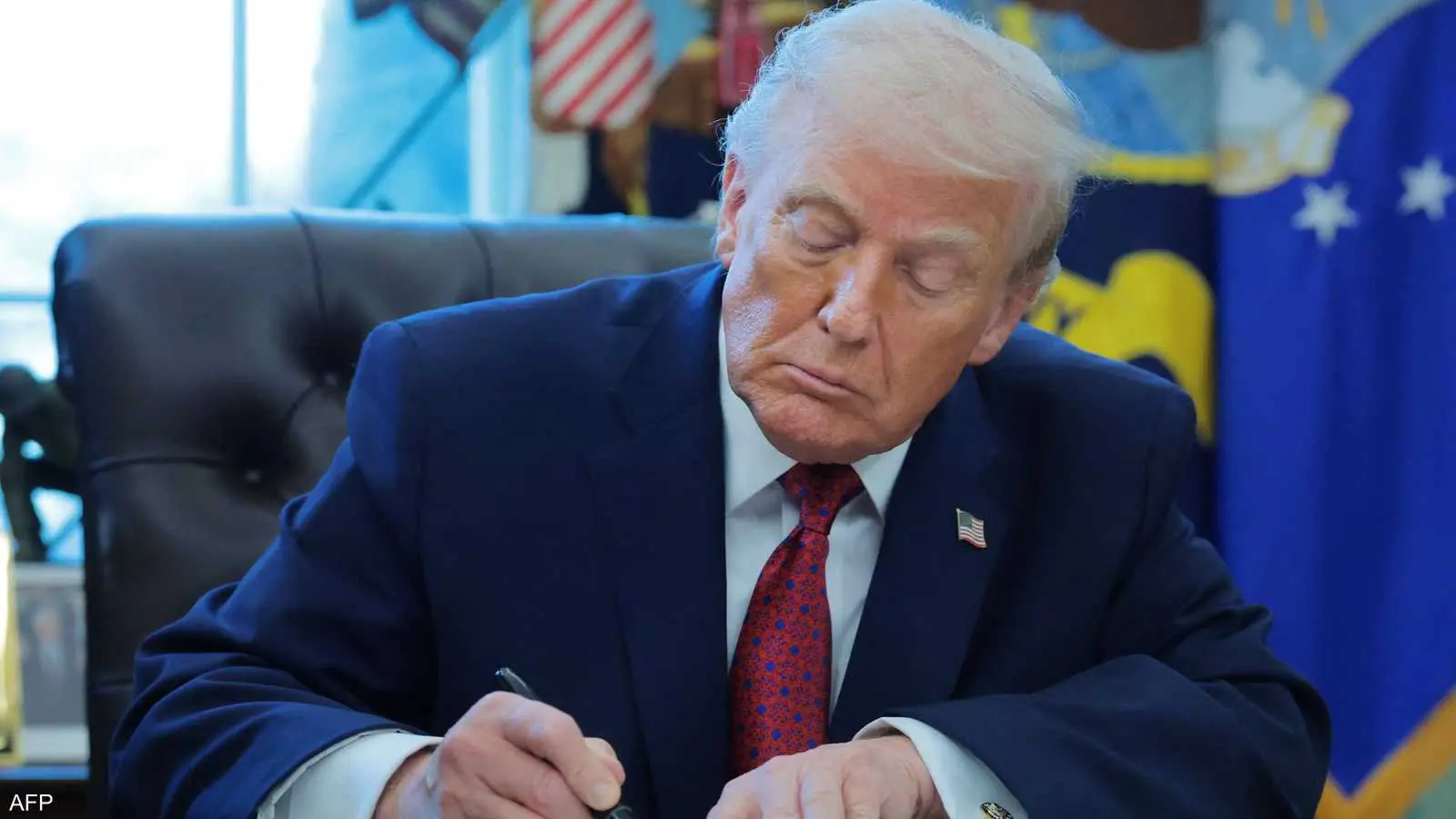
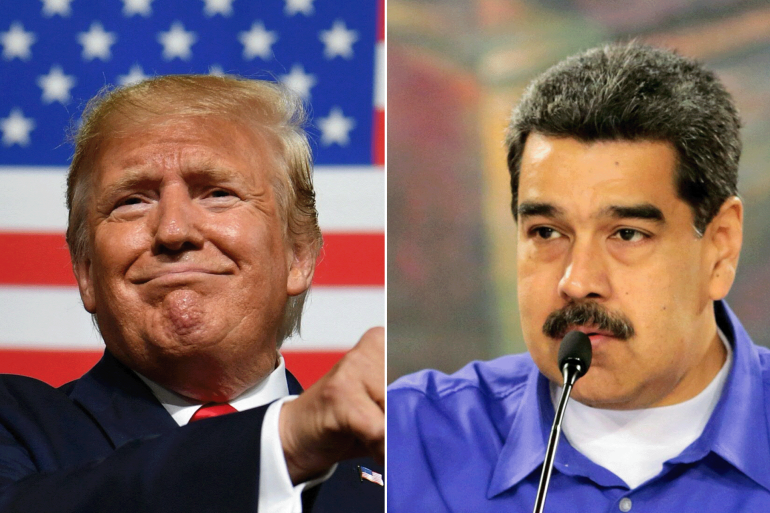
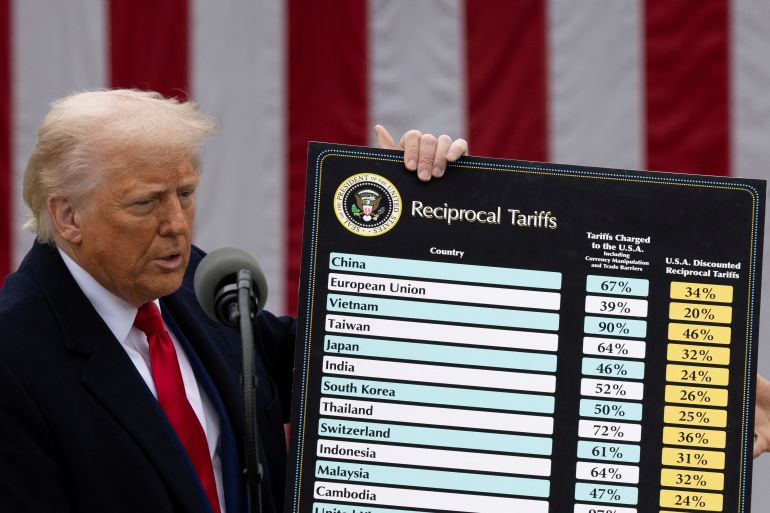
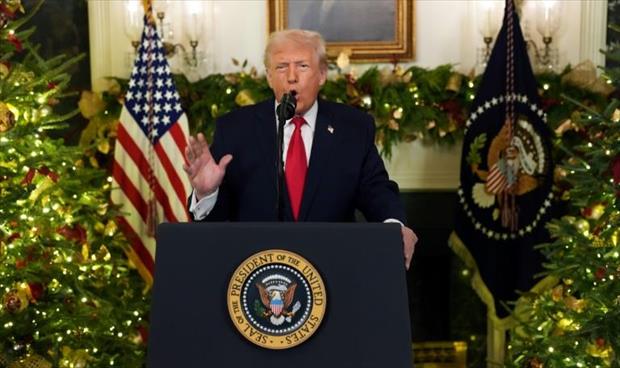
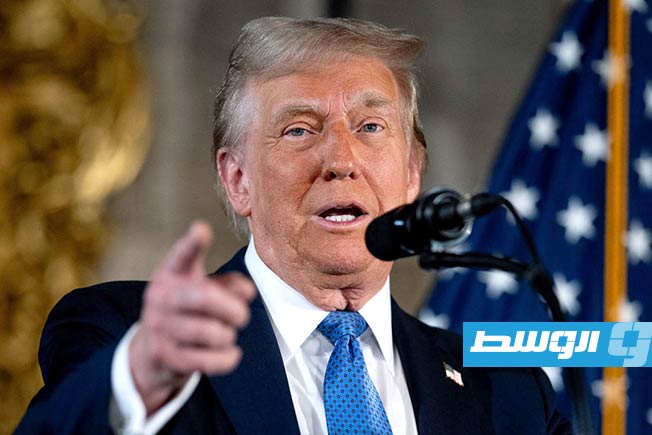
The US dollar fell by 9.5% against a basket of major currencies during 2025, driven by the trade war launched by US President Donald Trump, which ignited fears about the world’s largest economy and cast a shadow over the dollar’s traditional status as the primary safe haven for investors.
Euro Gains
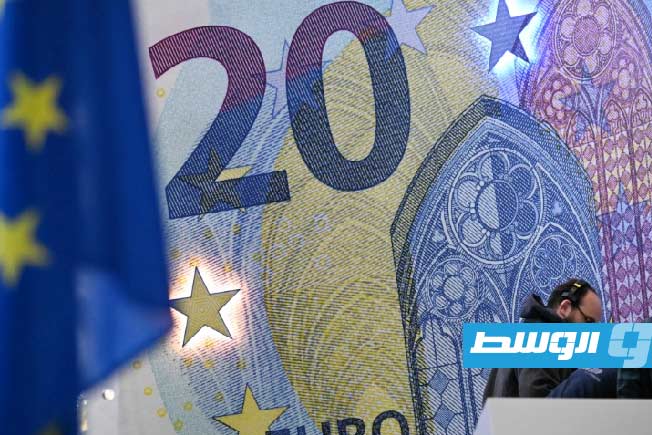
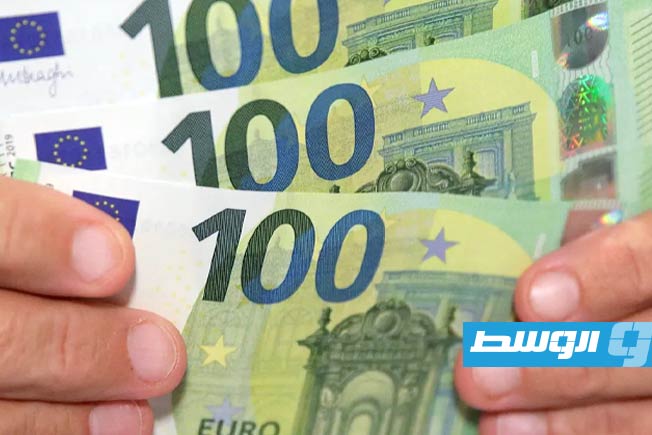
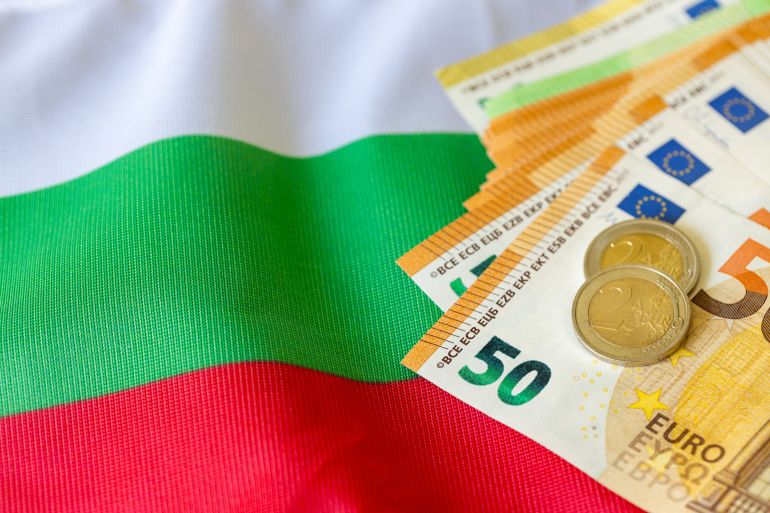
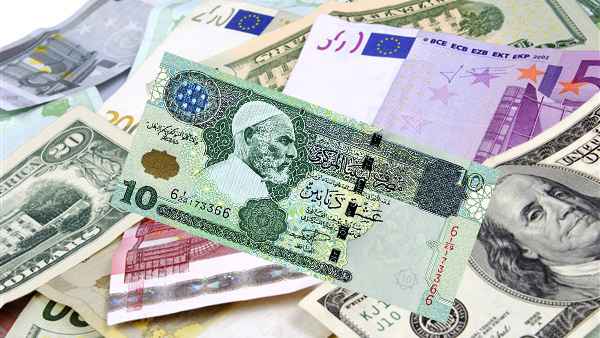
On another front, the unified European currency, the euro, achieved the largest gains among major currencies against the declining dollar, rising by approximately 14% to reach $1.17, a level not seen since around 2021.
It was stated: “This has been one of the worst years for the dollar’s performance in the history of free exchange rates,” referring to more than half a century during which currency values have been determined by the market rather than being pegged to gold.
Interest Rates
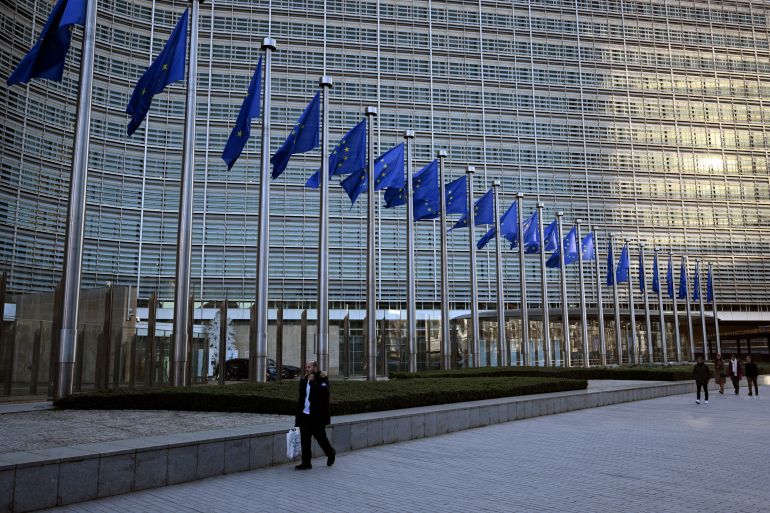
In a related context, observers expect an additional decline for the US dollar during 2026, with the possibility of the Federal Reserve cutting interest rates again next year, while other central banks, including the European Central Bank, will keep borrowing costs steady or even raise them.
Traders anticipate a reduction in interest rates by the Federal Reserve of two or three quarter-points by the end of 2026. In contrast, it was stated this month that “all options should remain on the table” as the central bank holds interest rates steady while raising its growth and inflation forecasts.
Wall Street banks also expect the euro to rise to $1.20 by the end of 2026, and the British pound to rise from its current level of $1.33 to $1.36.
Commenting, it was said: “The Federal Reserve is going against the prevailing trend among global central banks… it is still in a monetary easing stance.”
The weak performance of the US dollar, which remains the world’s dominant currency, will have repercussions for companies, investors, and central banks that manage operations in the United States.
Analysts suggest the US dollar’s fortunes in 2026 will hinge on President Trump’s choice for the next Federal Reserve chair, with expectations of further decline due to concerns about the independence of the US central bank.
US dollar
The US dollar is the official currency of the United States, established by the Coinage Act of 1792. It evolved from a system based on Spanish milled dollars and has become the world’s primary reserve currency since the Bretton Woods agreement in the mid-20th century.
Wall Street
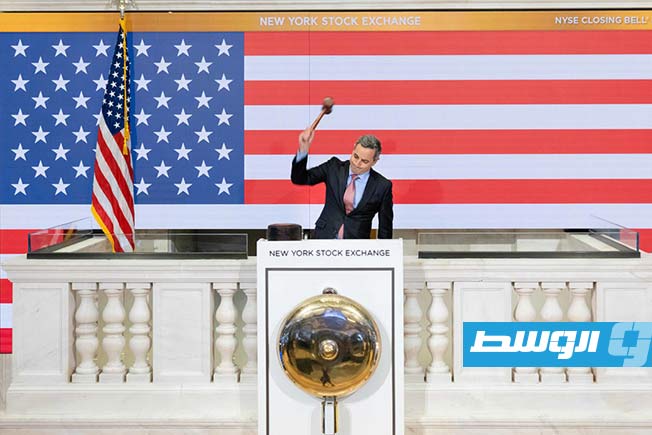
Wall Street is a historic street and financial district in Lower Manhattan, New York City, which became the epicenter of American finance following the 1792 Buttonwood Agreement that established the New York Stock Exchange. Today, it is a global symbol of capitalism and houses the NYSE, the Federal Reserve Bank of New York, and numerous major financial institutions.
US Federal Reserve
The US Federal Reserve, established in 1913, is the central banking system of the United States, created to provide a safer and more stable monetary and financial system. Its key functions include conducting national monetary policy, supervising and regulating banks, and maintaining financial stability.
Euro
The Euro is the official currency of the Eurozone, which consists of 20 of the 27 member states of the European Union. It was introduced in non-physical form in 1999 and as physical banknotes and coins in 2002, with the goal of fostering economic integration and stability across Europe. Its history is directly tied to the Maastricht Treaty of 1992, which laid the groundwork for its creation.
European Central Bank
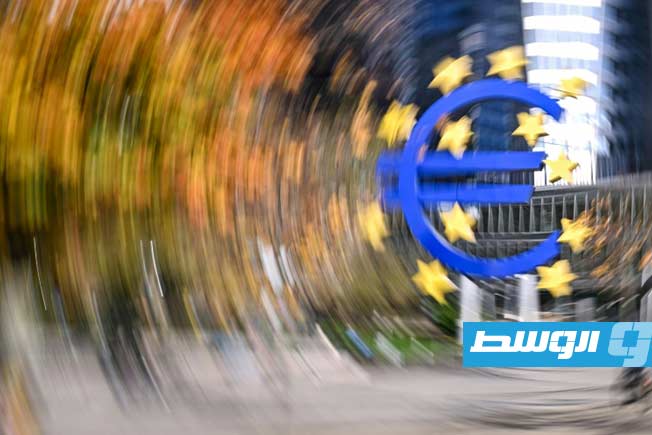
The European Central Bank (ECB) is the central bank for the euro and the central institution of the Eurosystem, responsible for monetary policy within the eurozone. It was established in 1998 under the Treaty of Amsterdam, with its primary mandate to maintain price stability in the euro area. Its headquarters are located in Frankfurt, Germany.
British pound
The British pound, officially known as pound sterling, is the world’s oldest currency still in use, with origins tracing back to Anglo-Saxon times. Its name derives from the Latin *libra pondo*, meaning a pound weight of silver, and it became the official currency of the United Kingdom following the unification of England and Scotland in 1707.
United States
The United States is a federal republic founded in 1776 following a war for independence from Great Britain, with its current government established by the U.S. Constitution in 1789. It grew from thirteen original colonies into a global power, with a history significantly shaped by westward expansion, immigration, and internal conflicts such as the Civil War. Its diverse cultural landscape is a product of its indigenous heritage, colonial history, and the contributions of peoples from around the world.