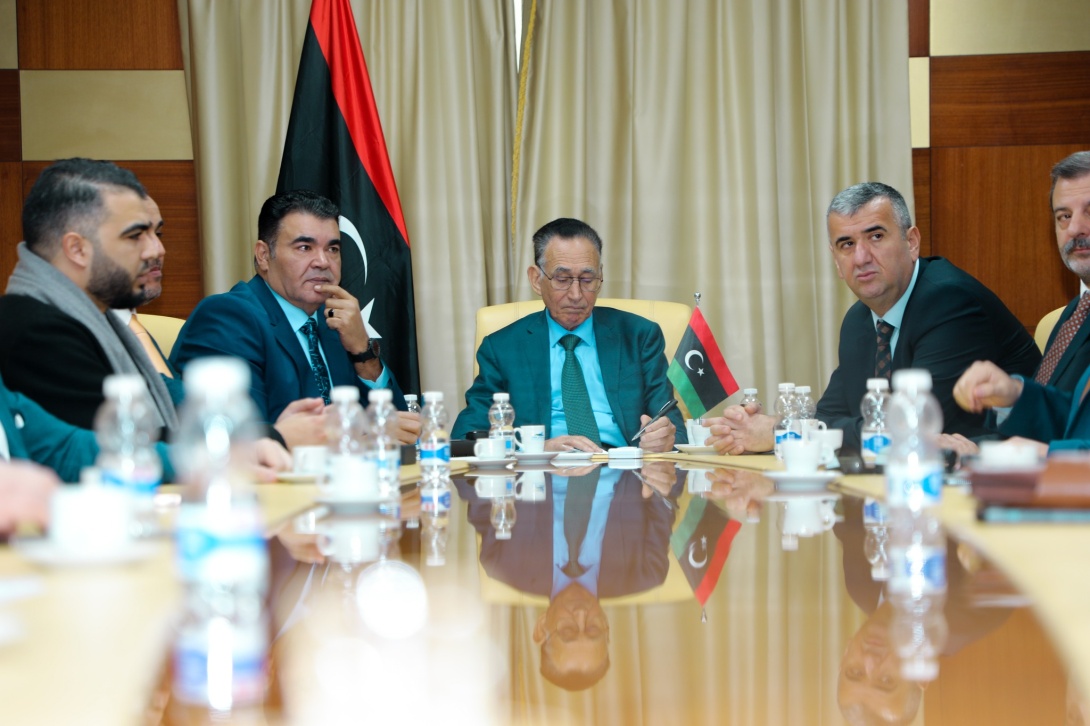
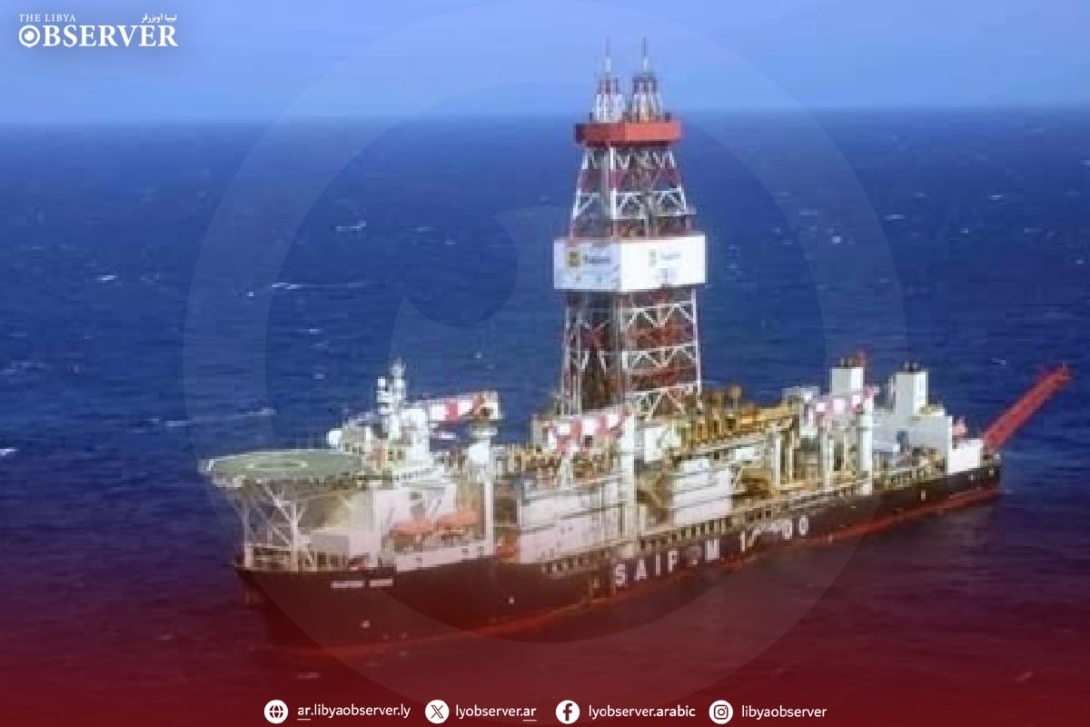
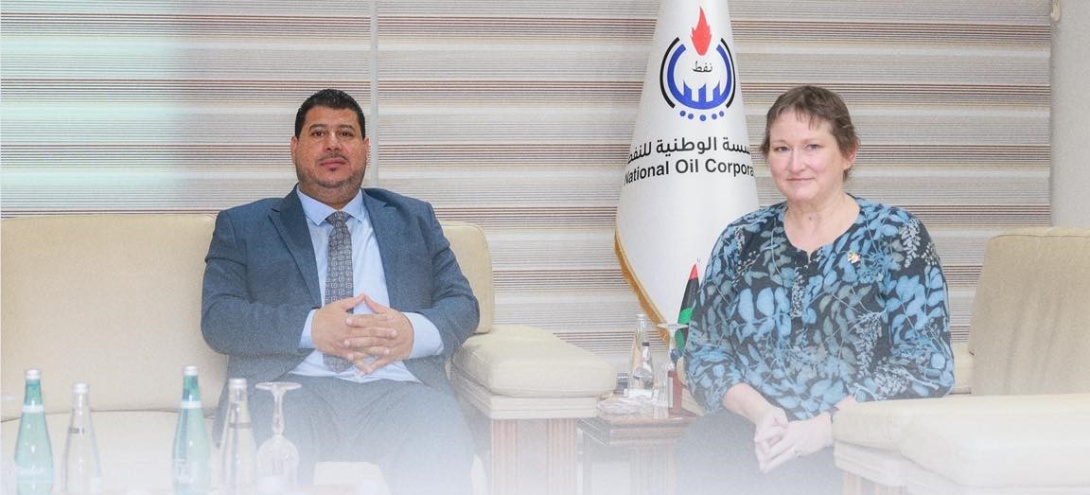
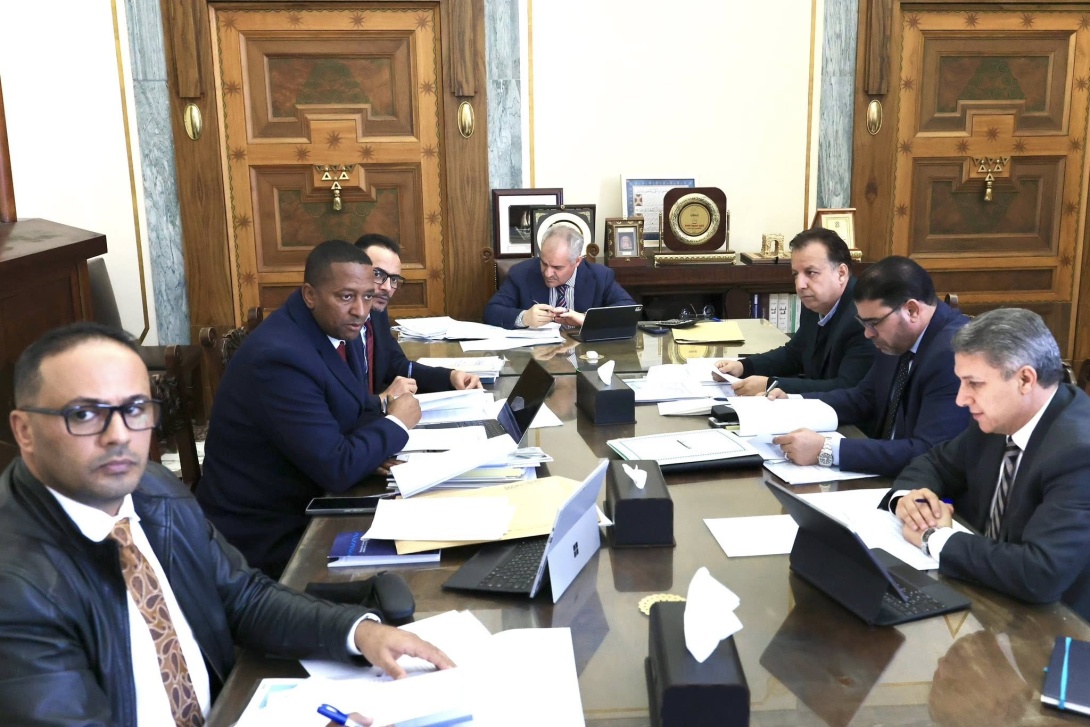
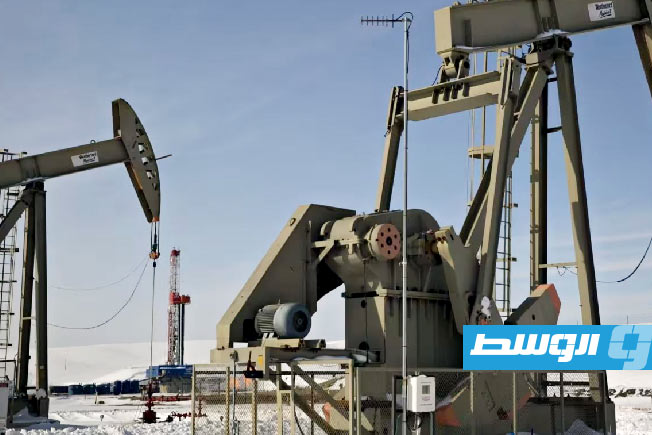
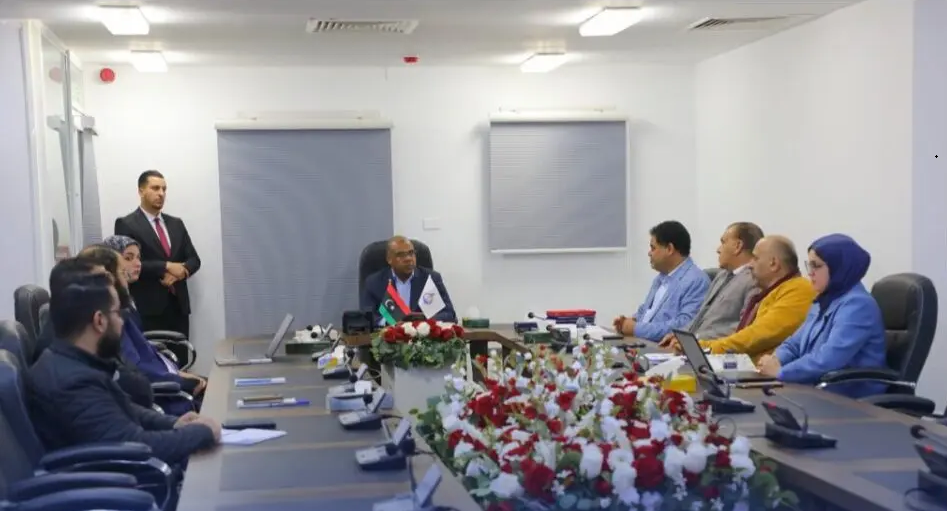
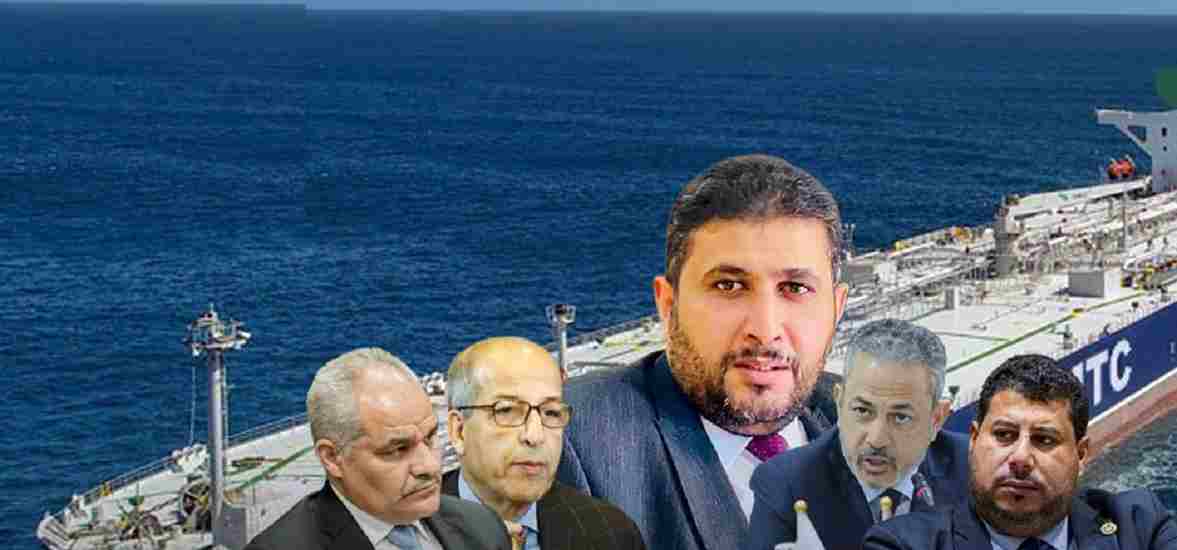
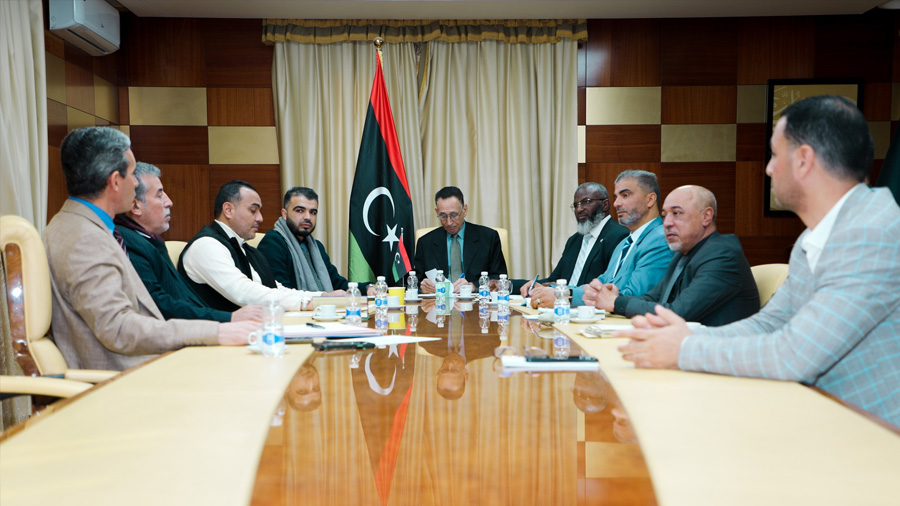
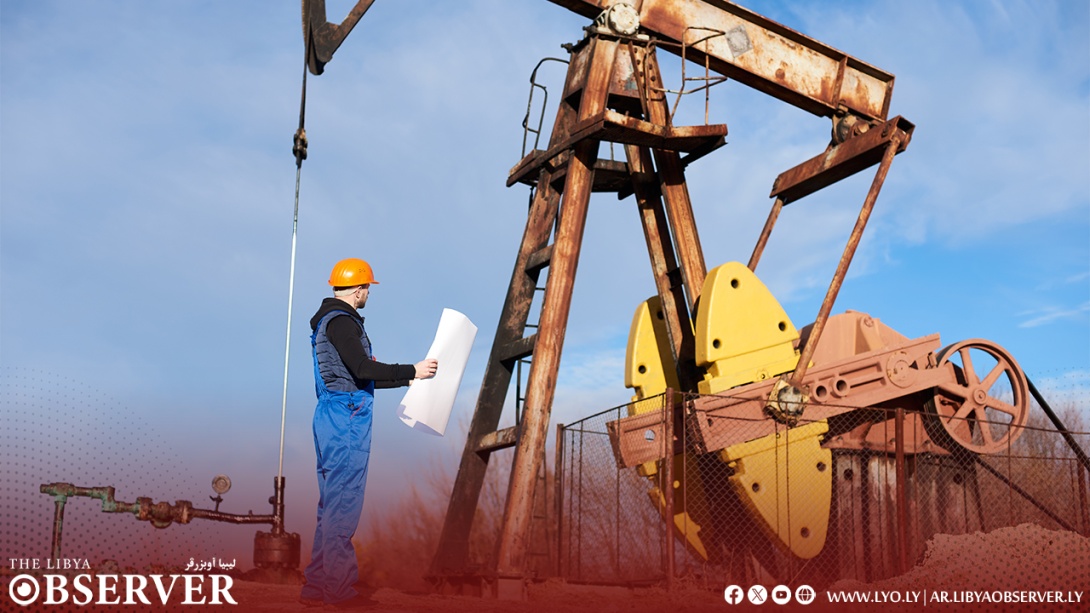
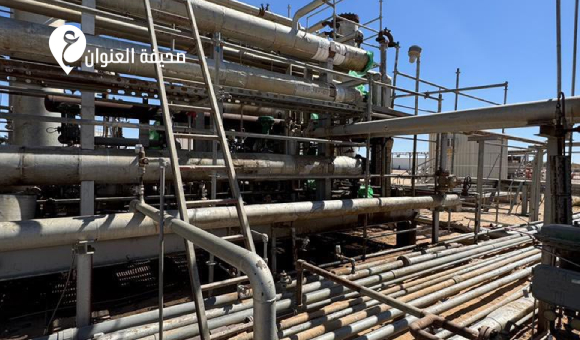
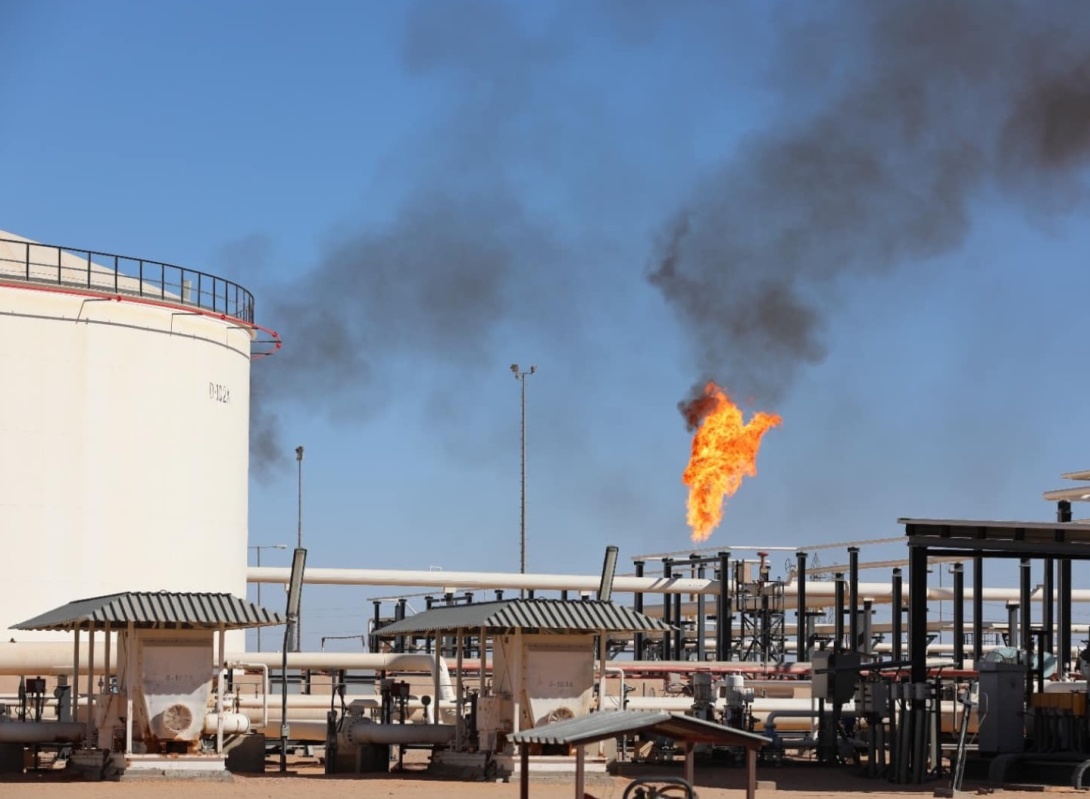
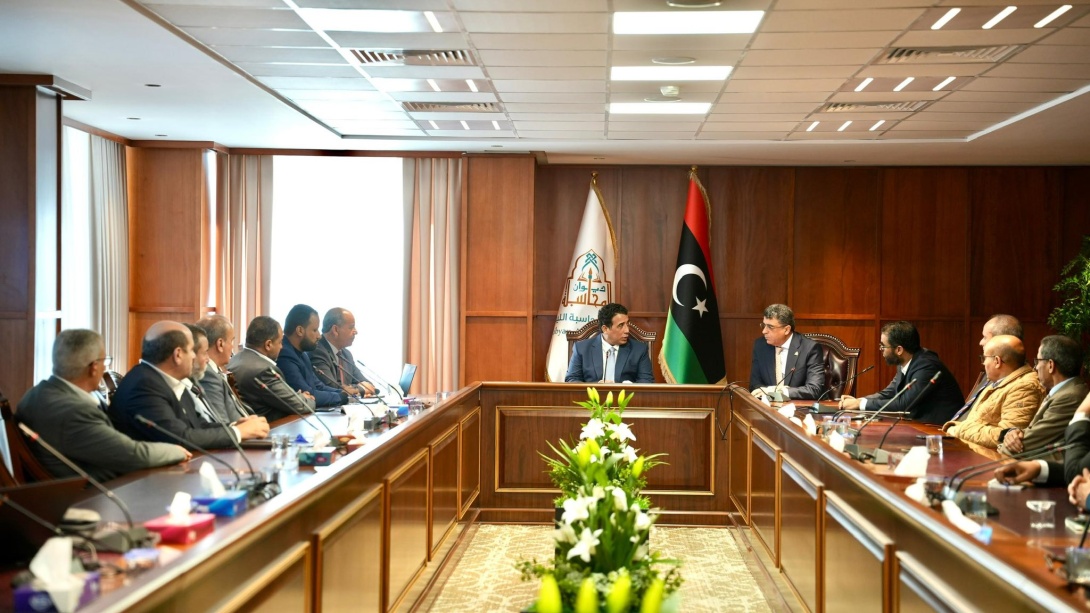
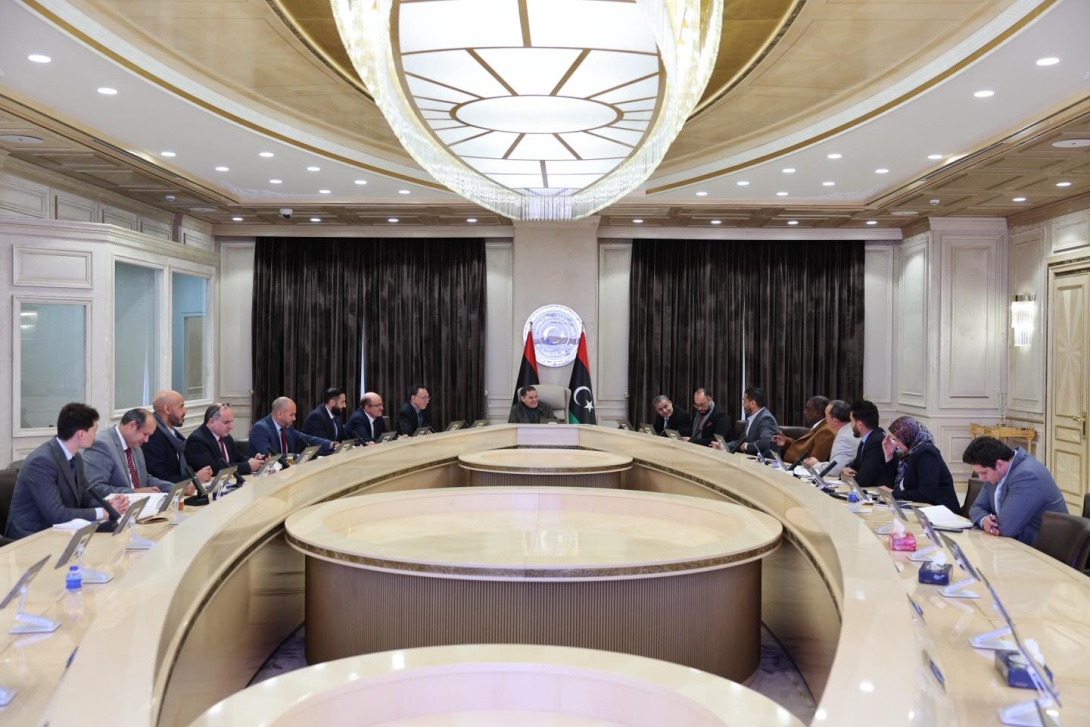
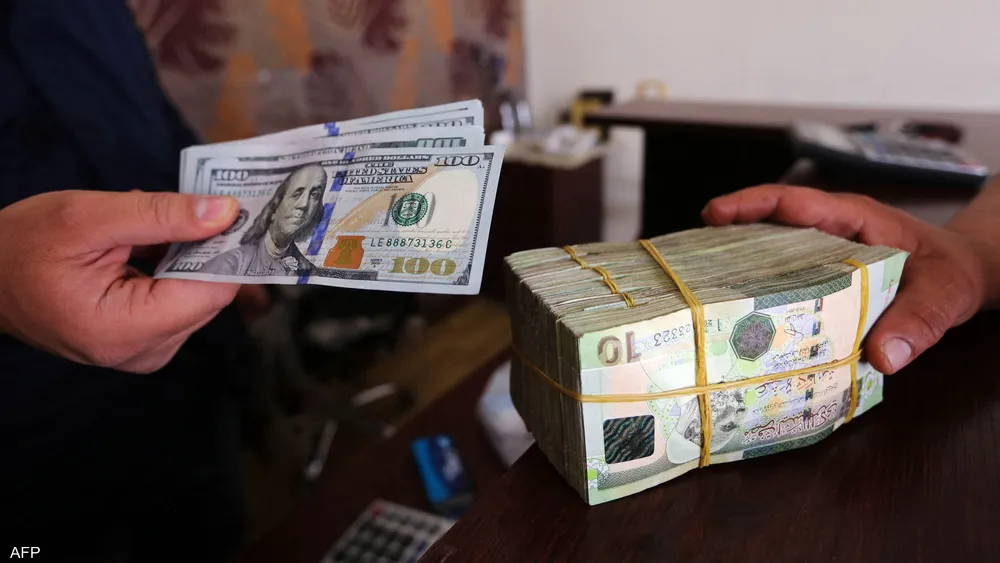
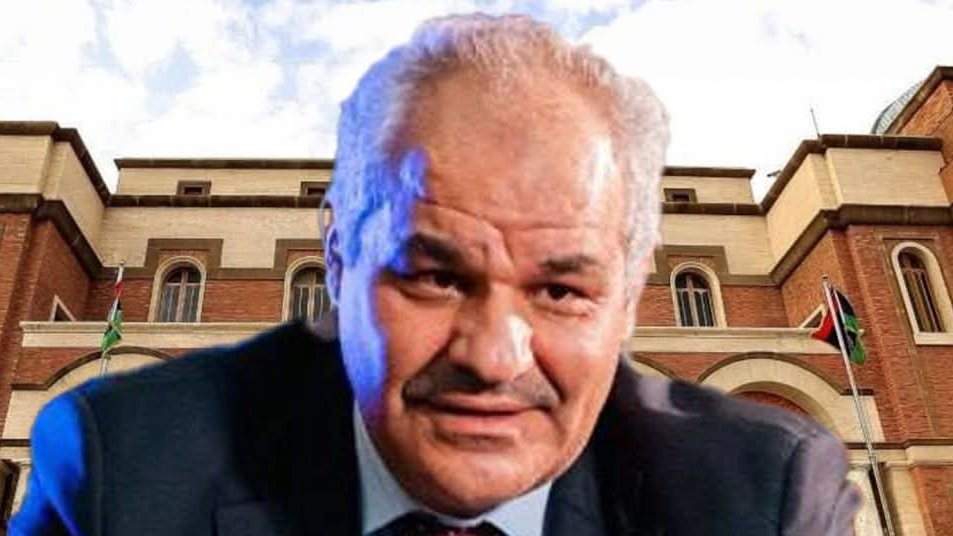
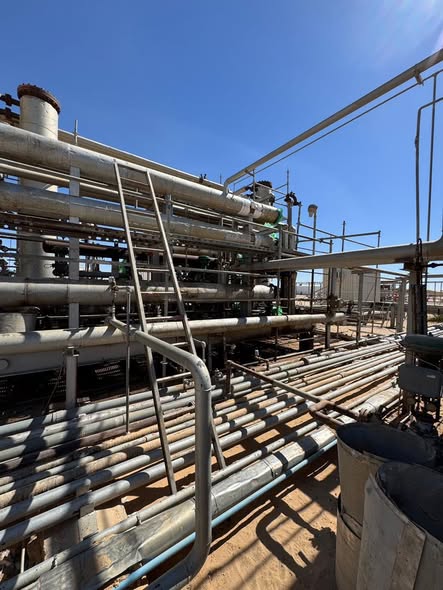
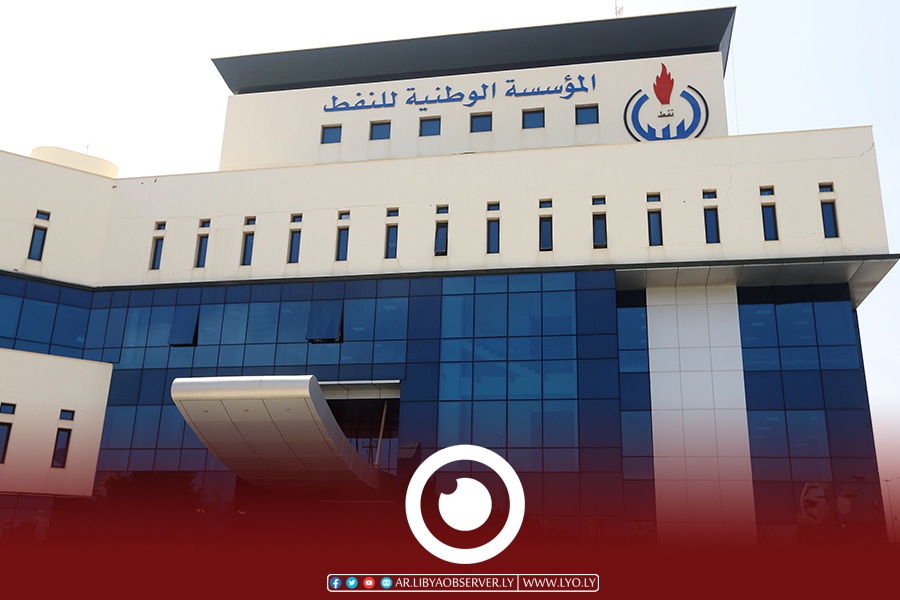
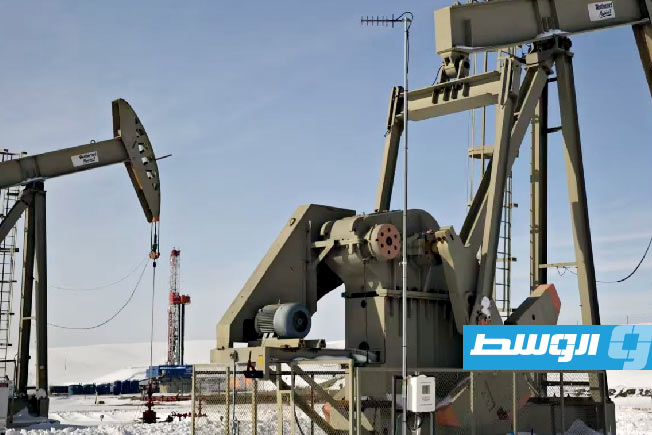
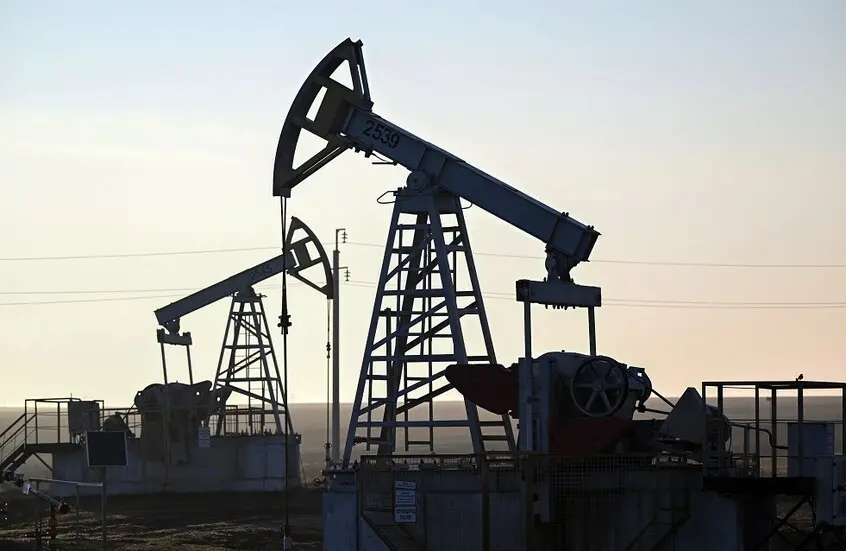
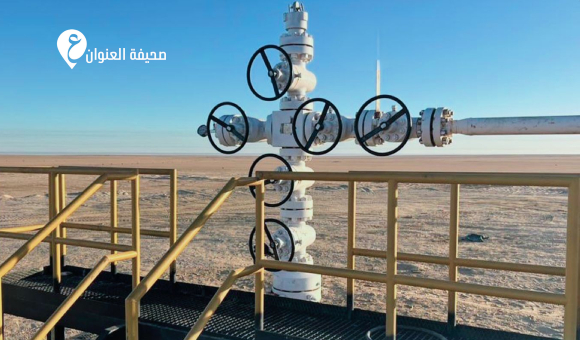
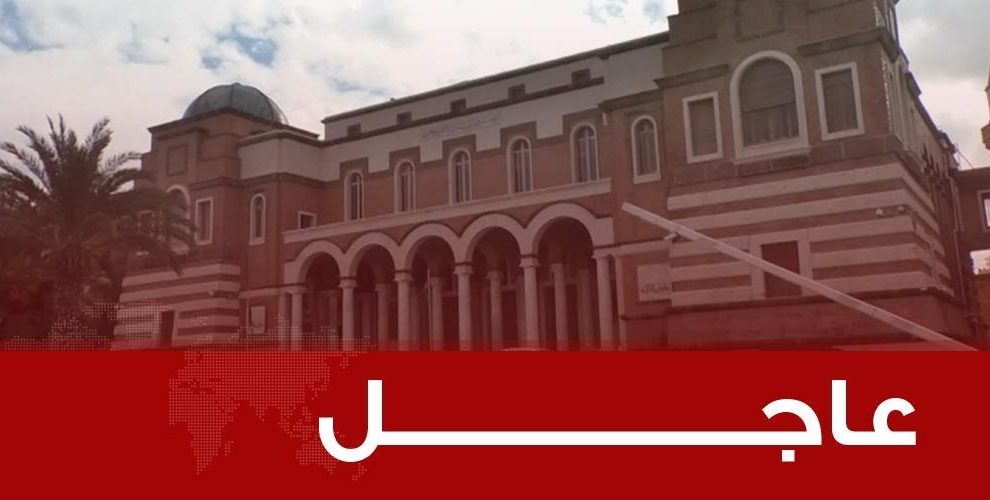
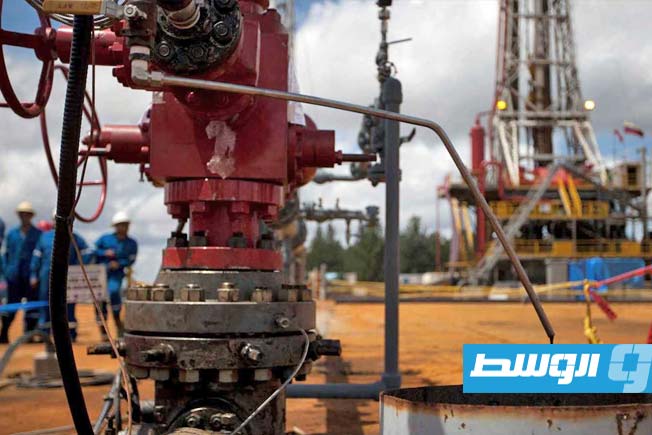
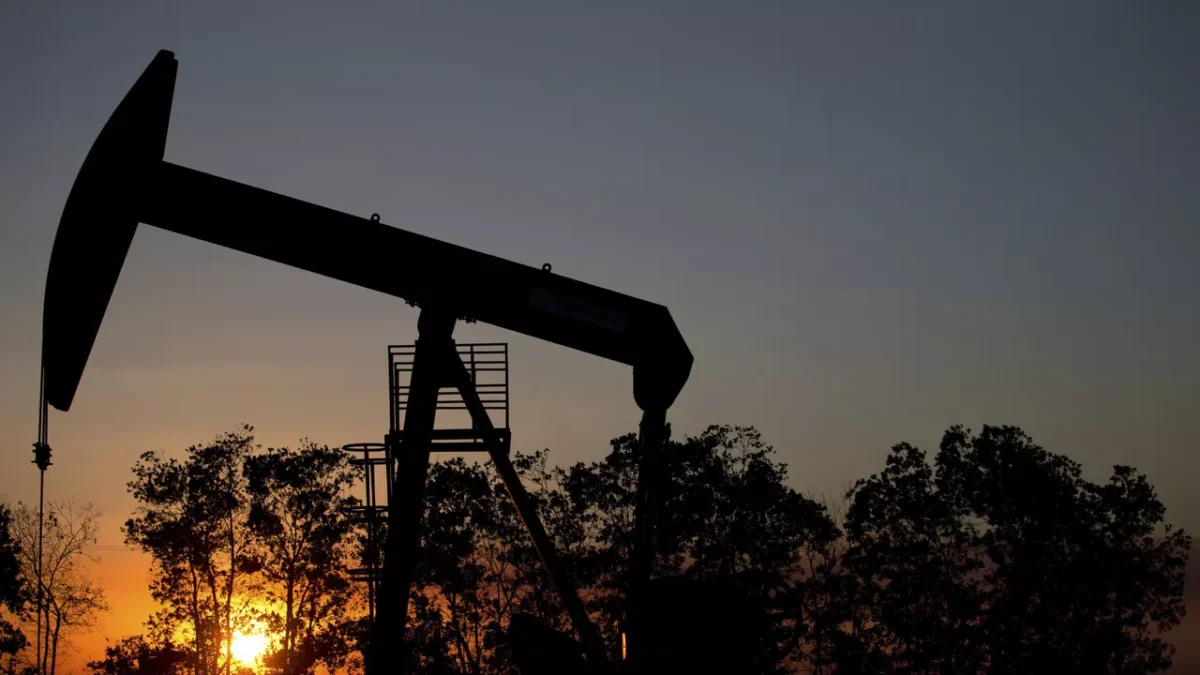
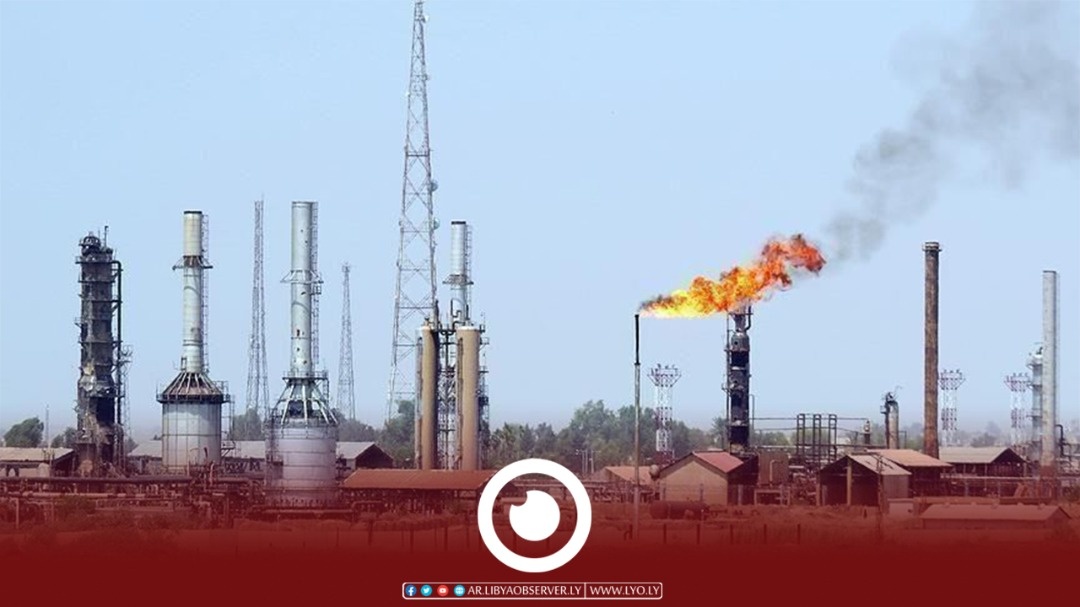
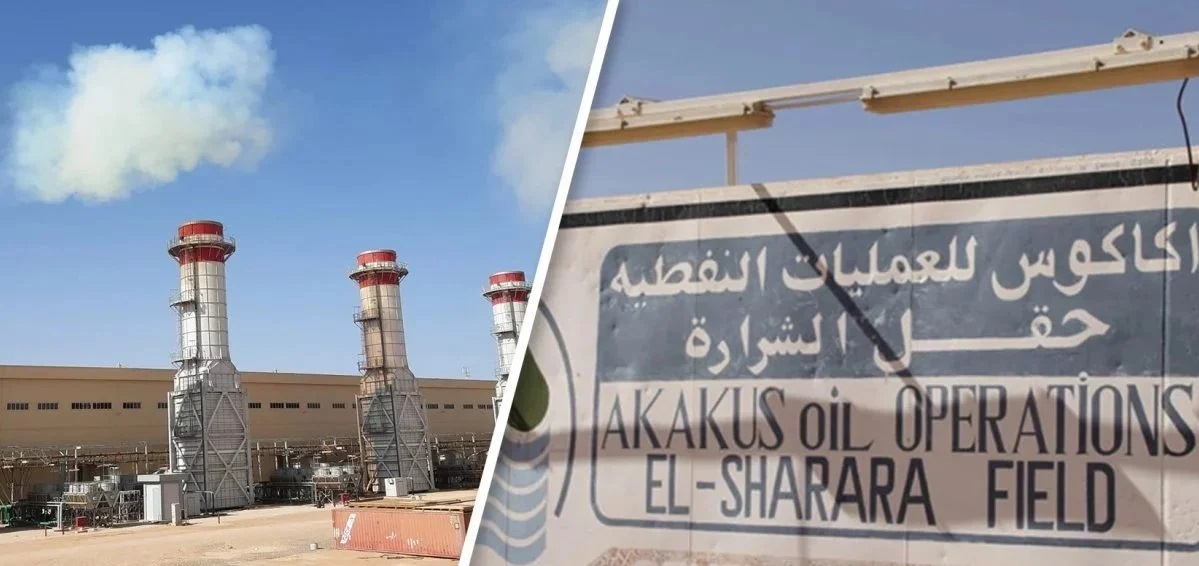
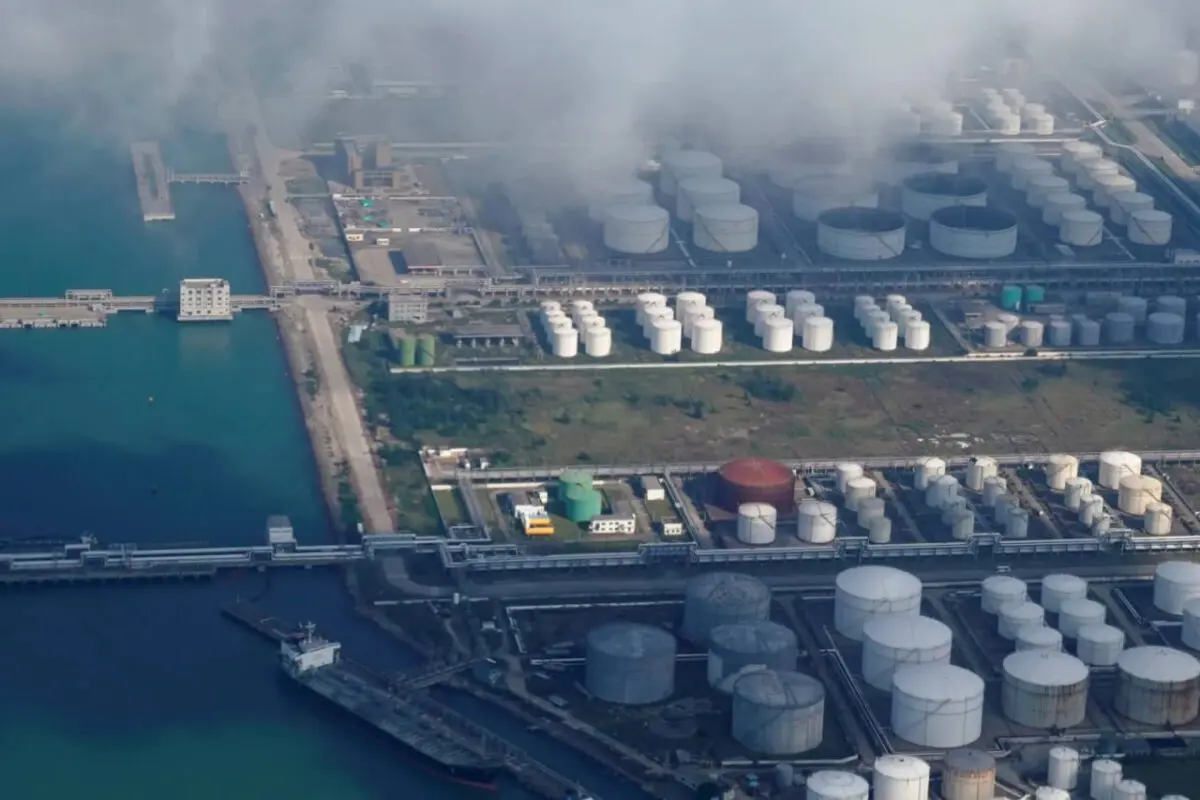
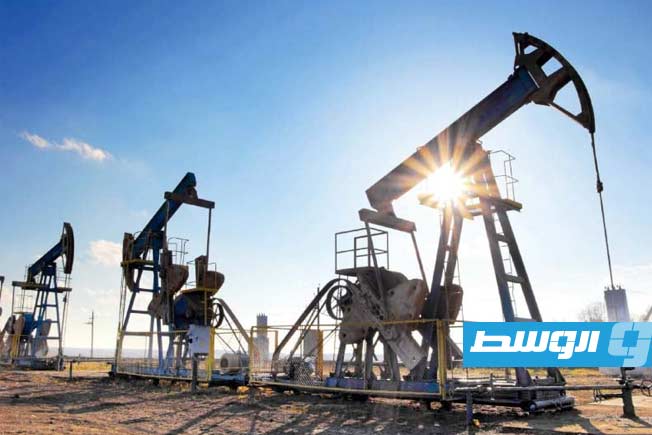
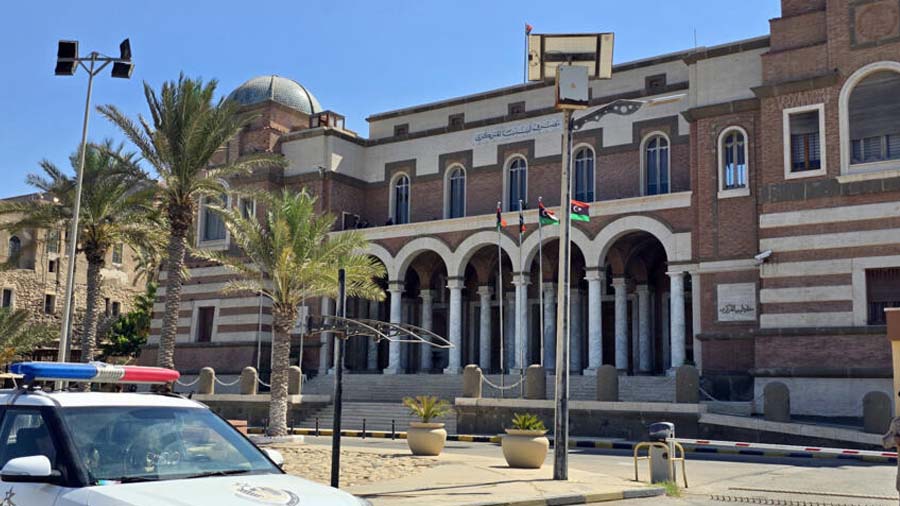
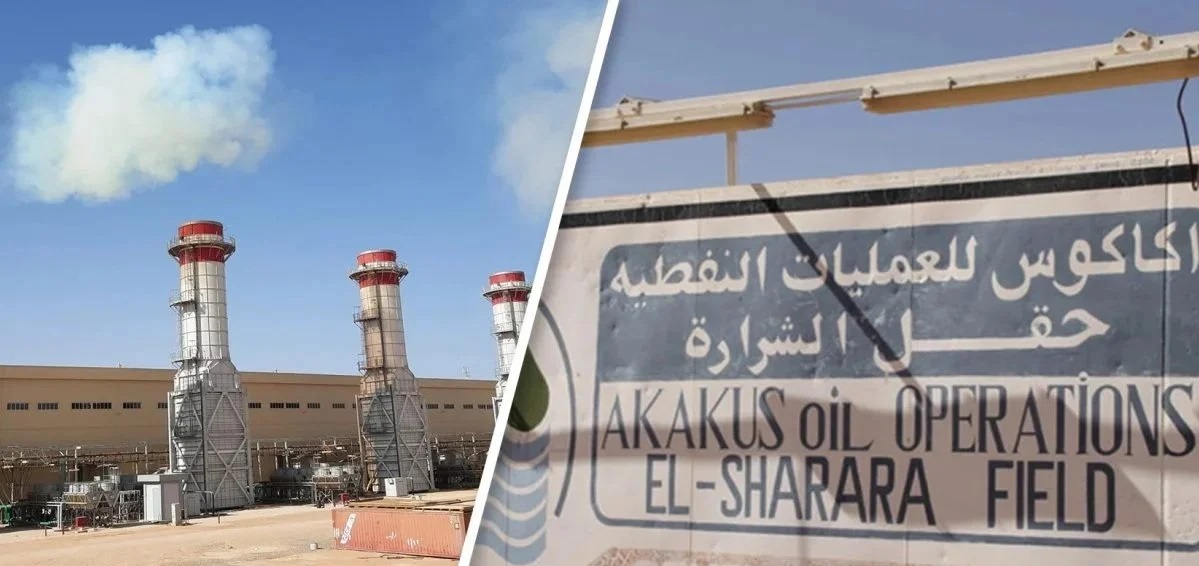
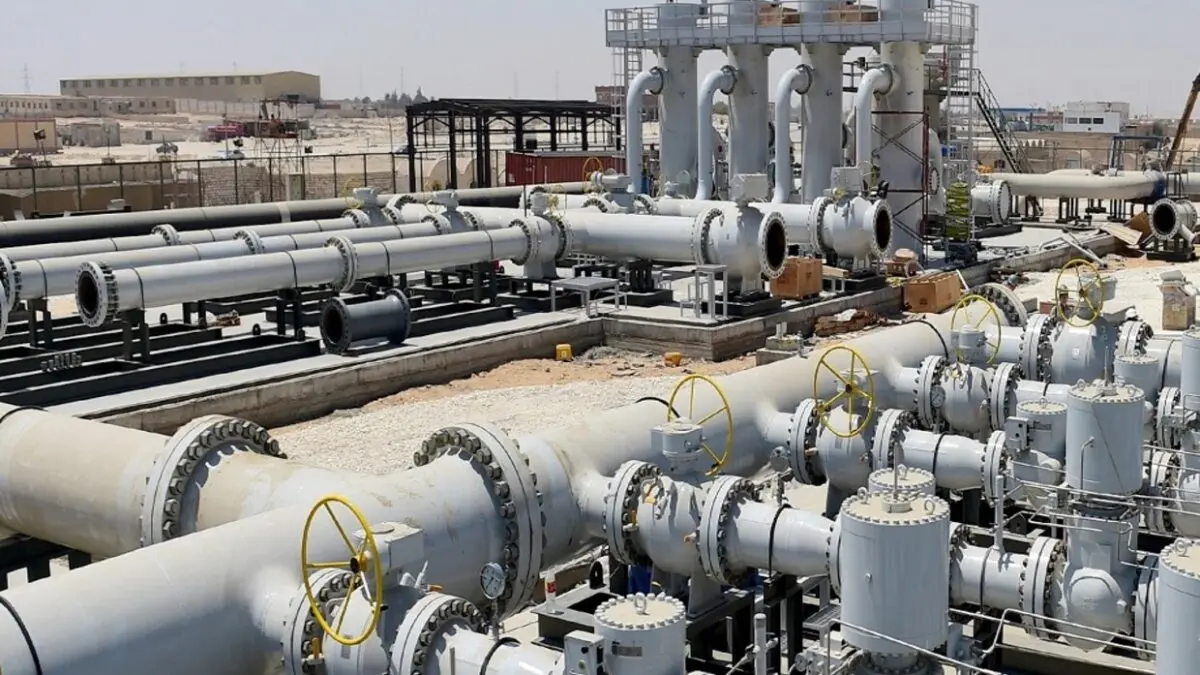
The Libyan Audit Bureau has accused the Oil Corporation of violating the provisions of Article No. (11) of Cabinet Resolution No. (295) of 2023, concerning the adoption of special financial arrangements for the oil and electricity sectors.
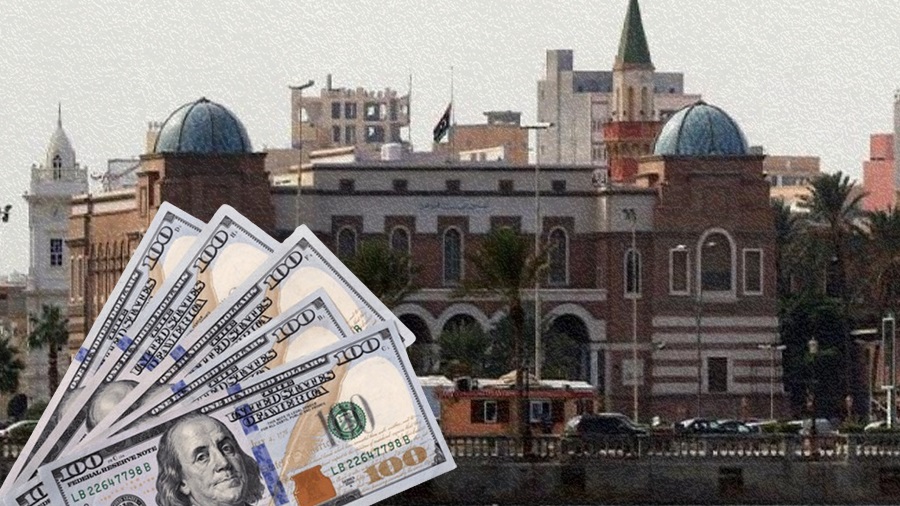
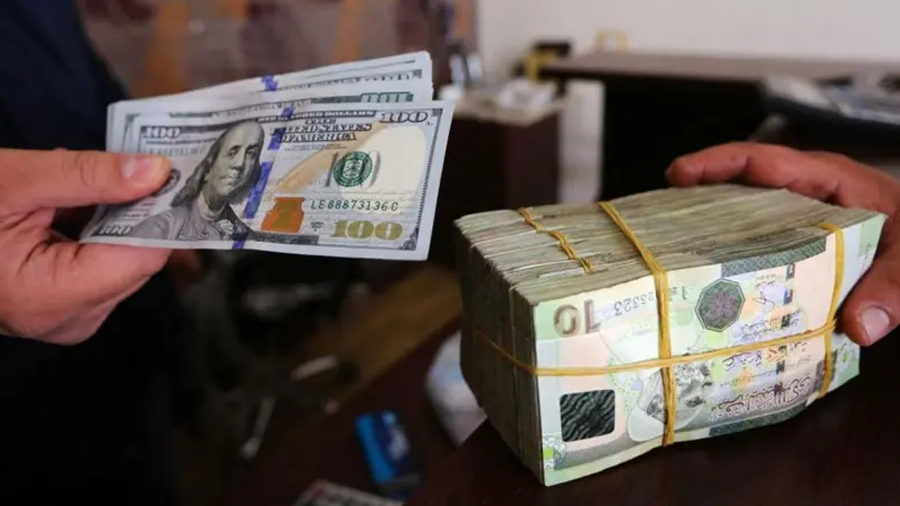
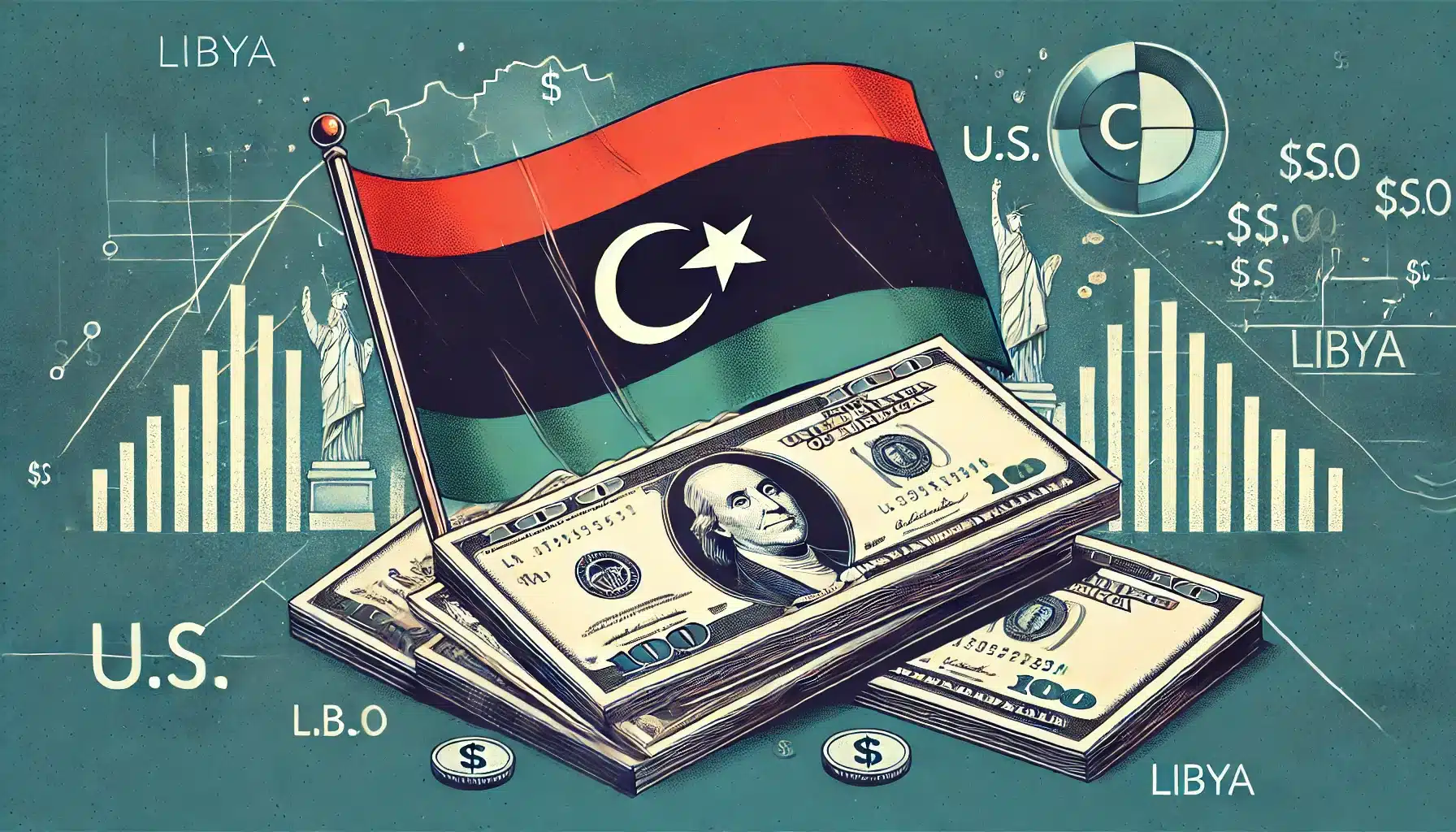
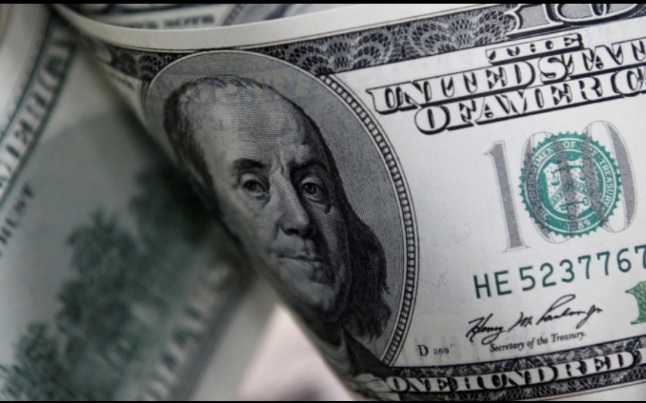
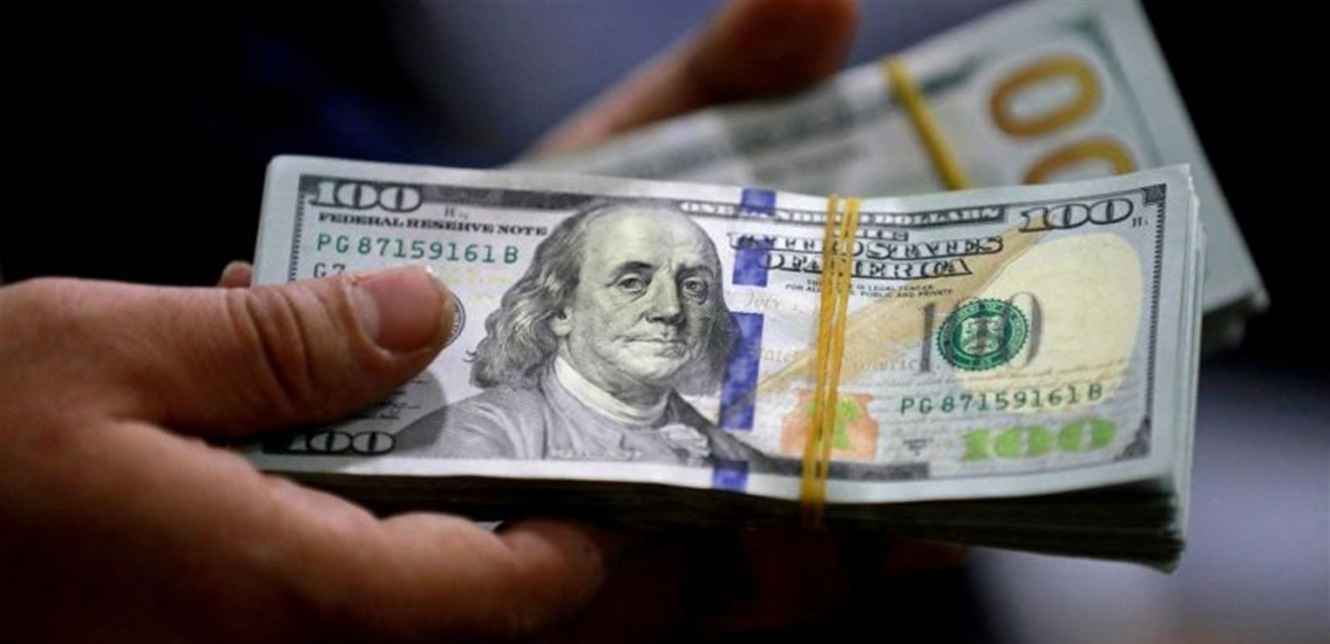
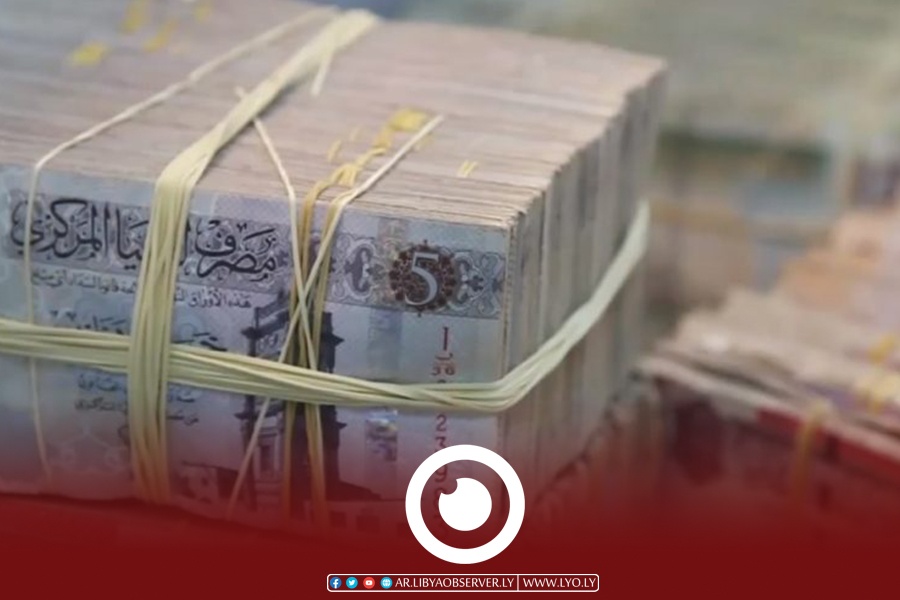
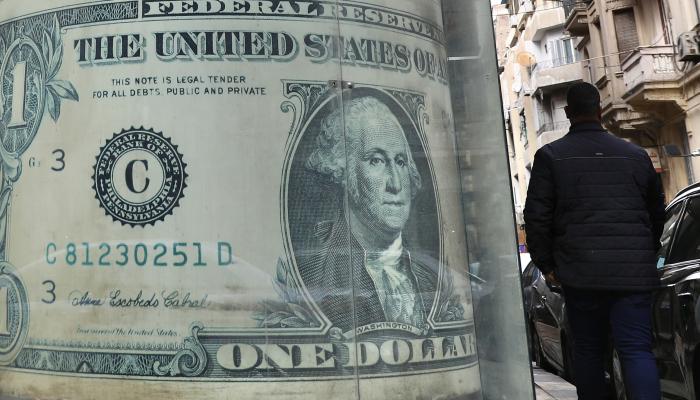
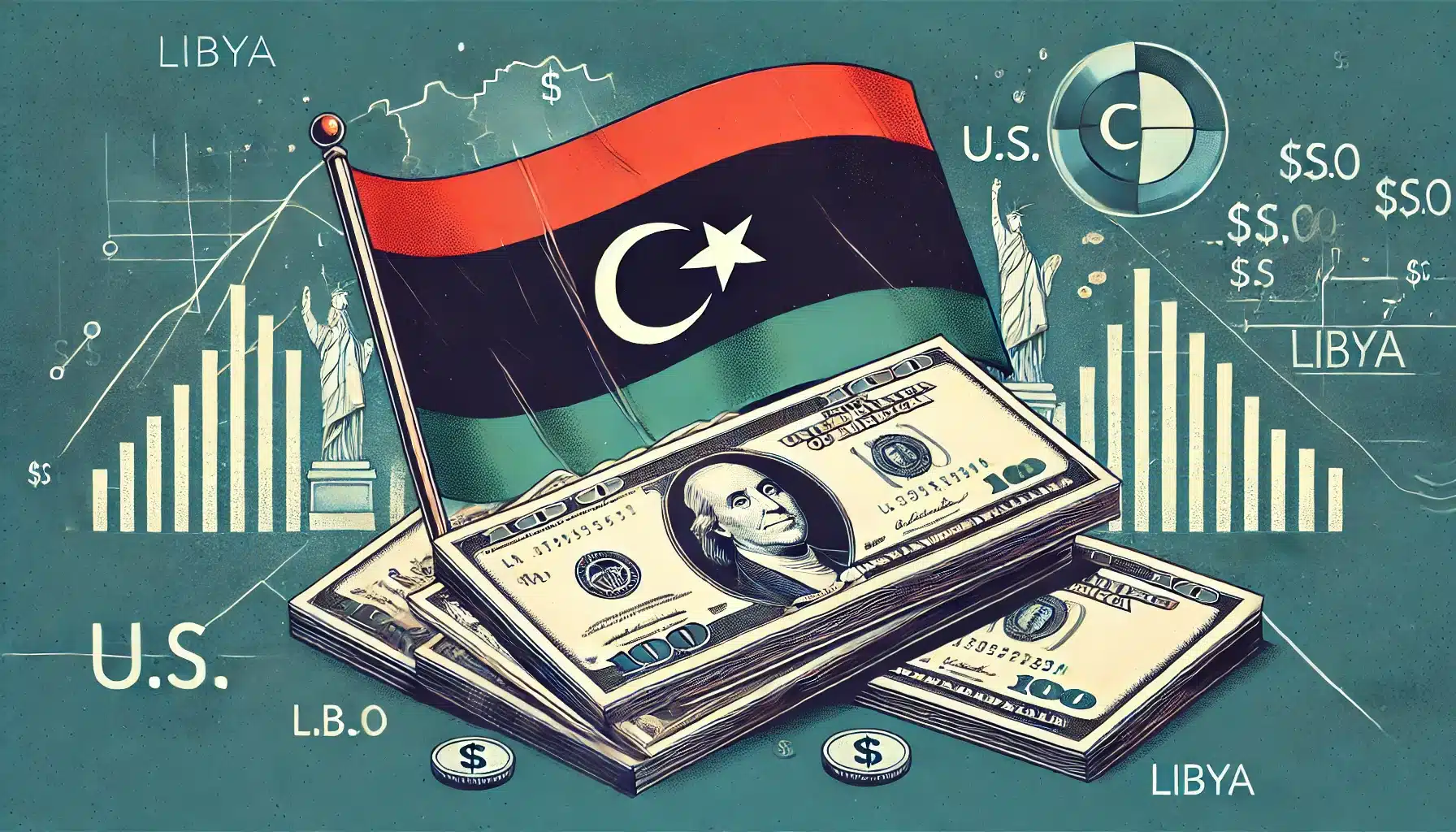
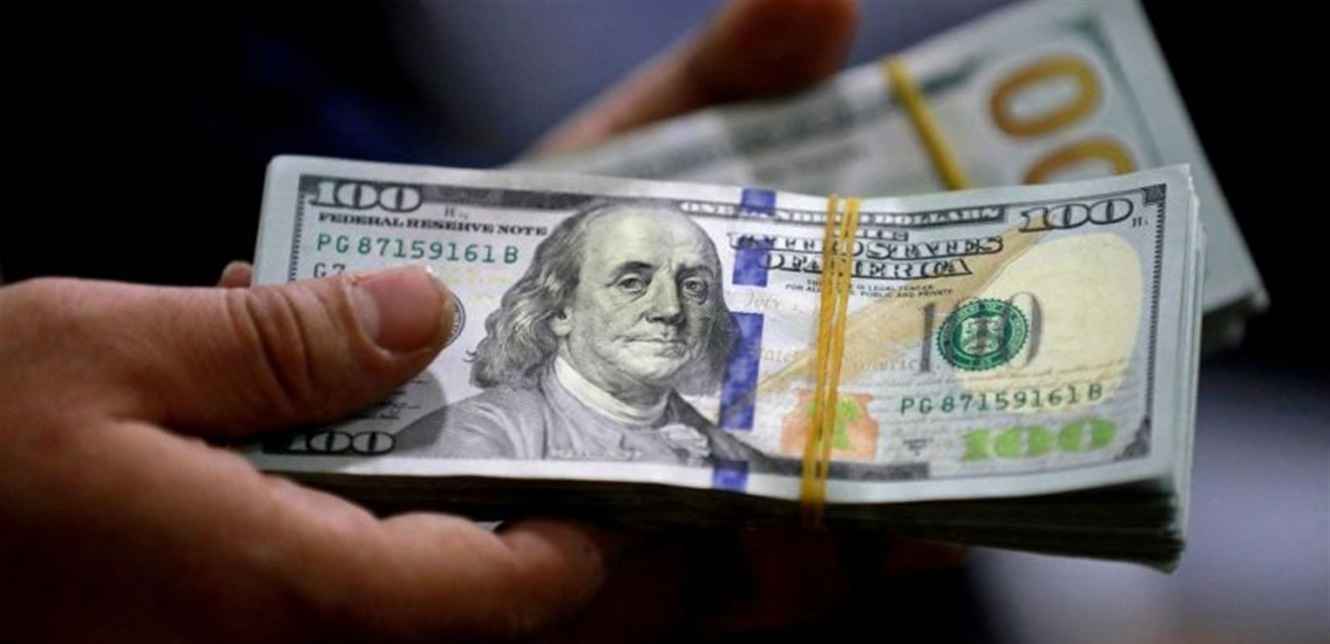
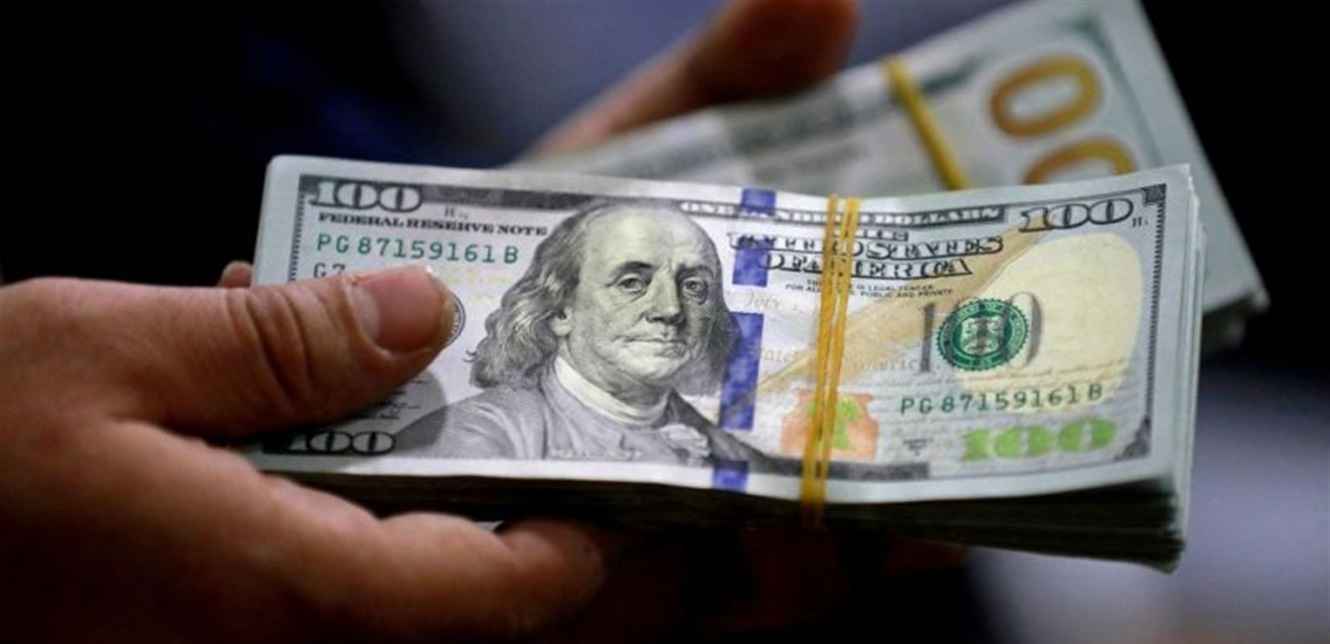
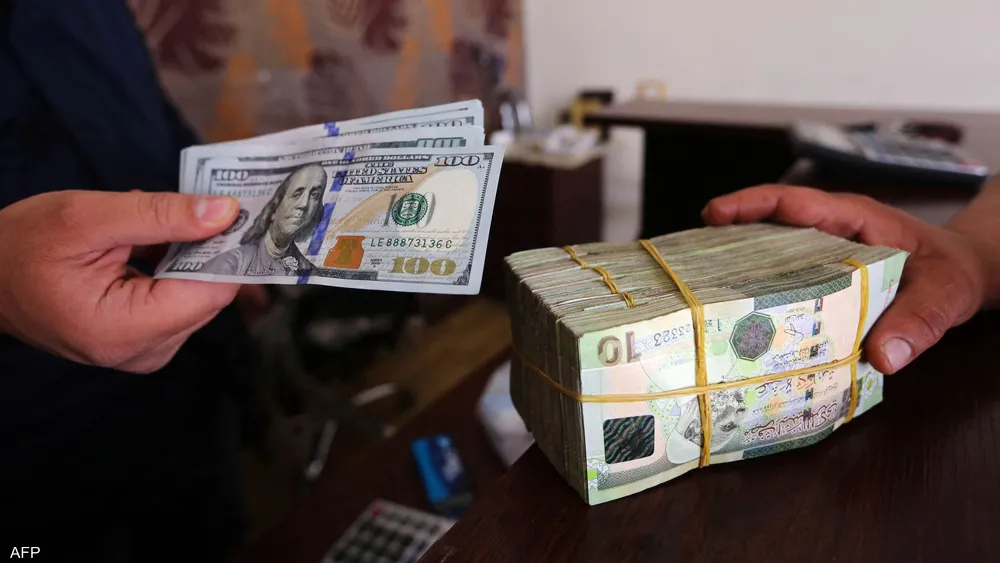
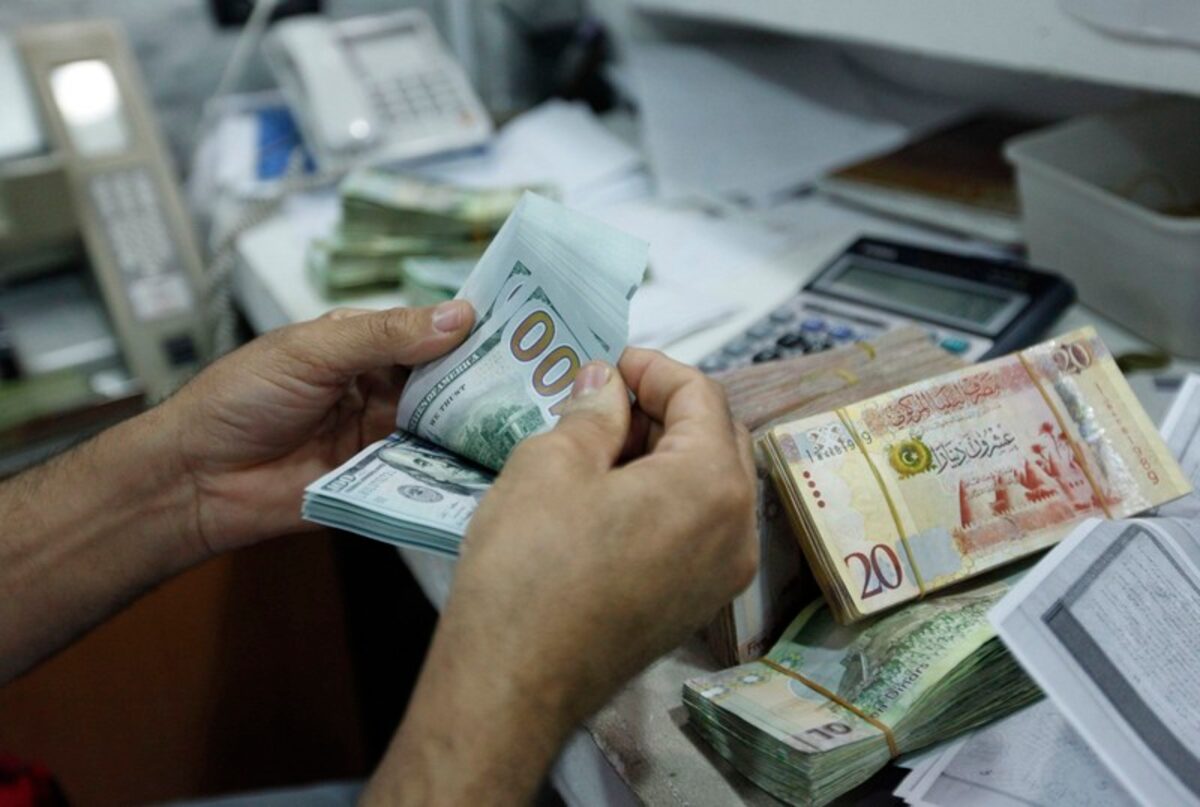
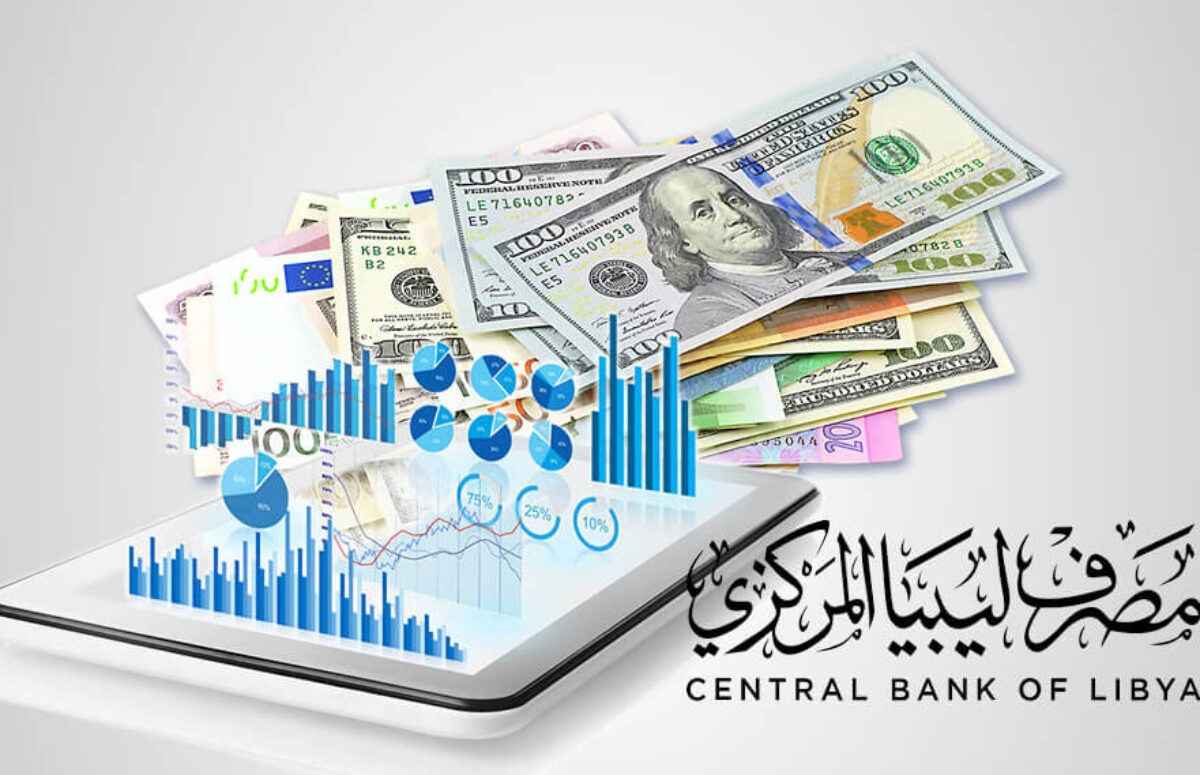
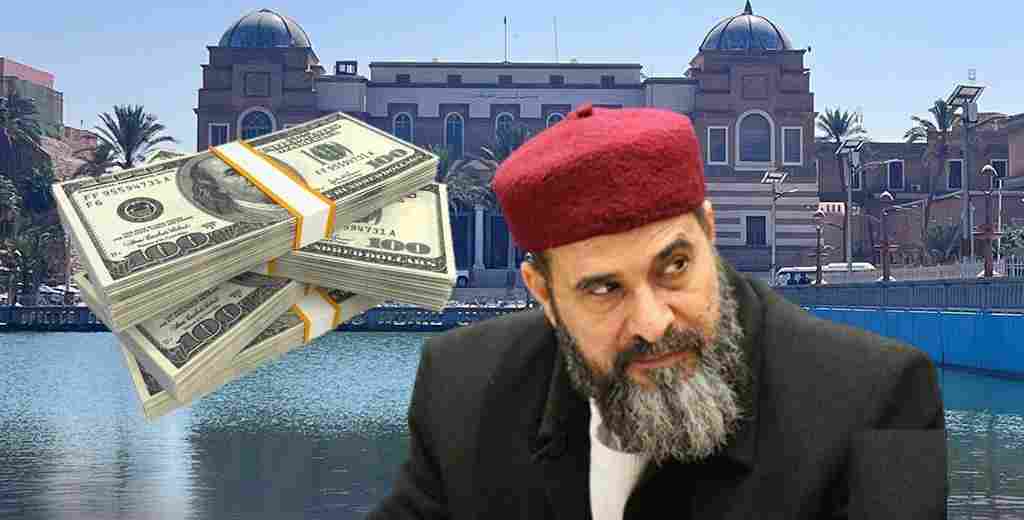
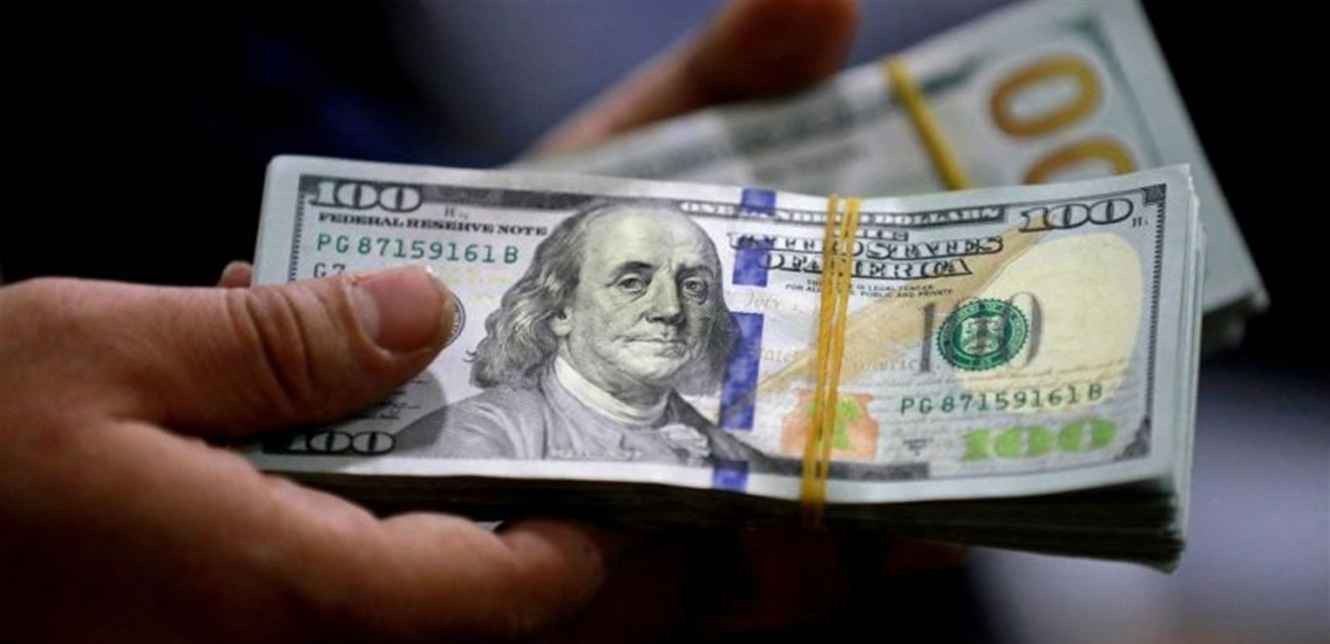
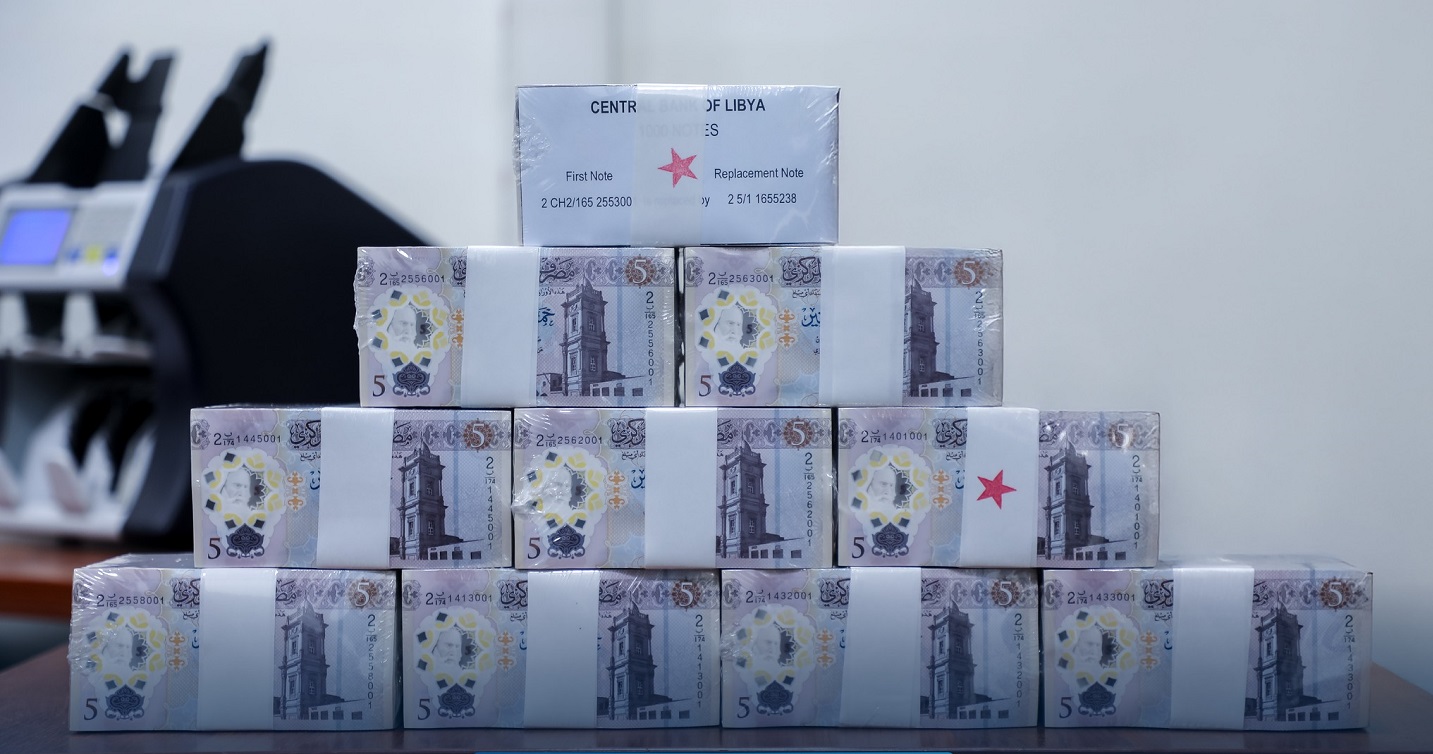
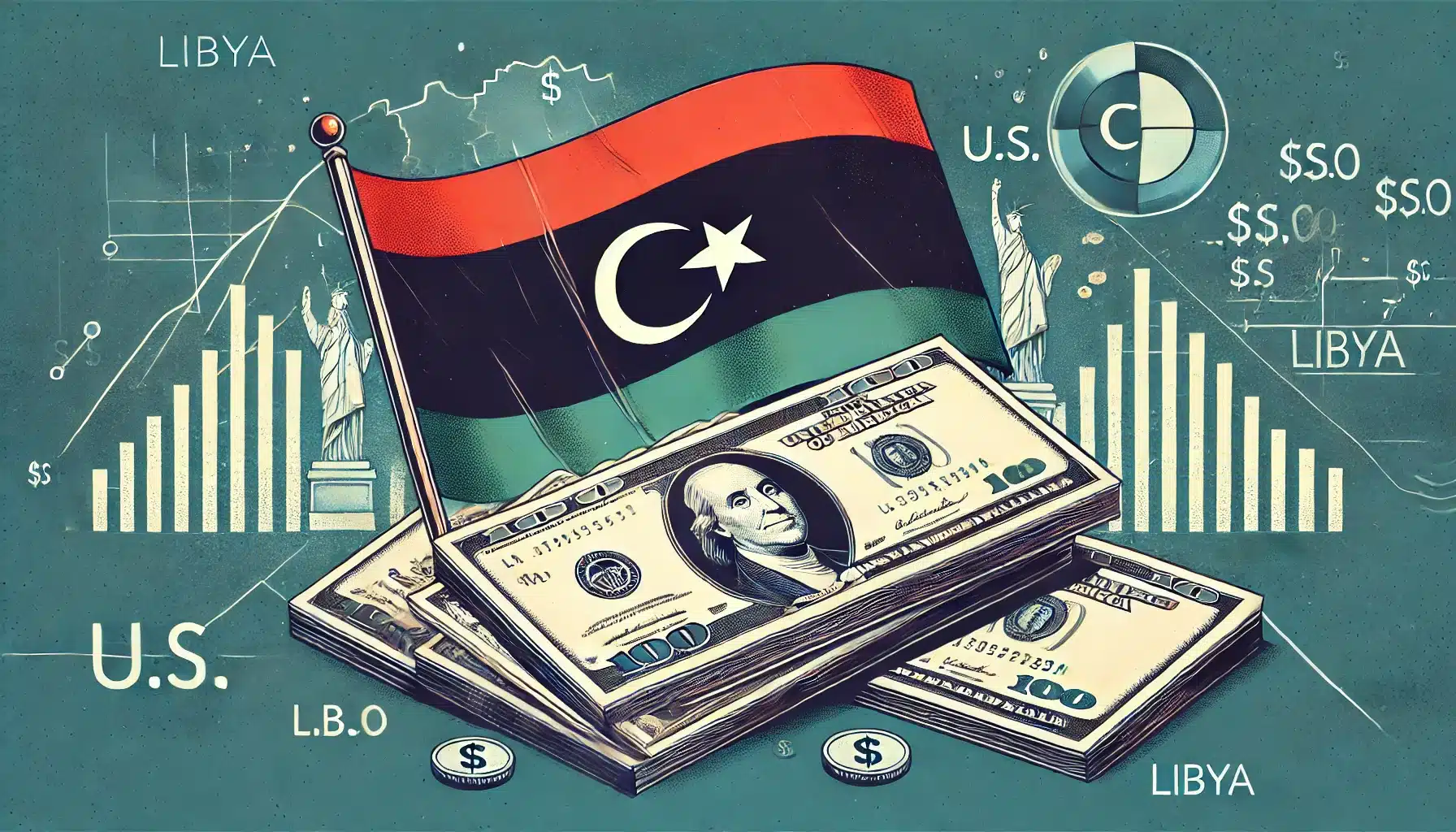
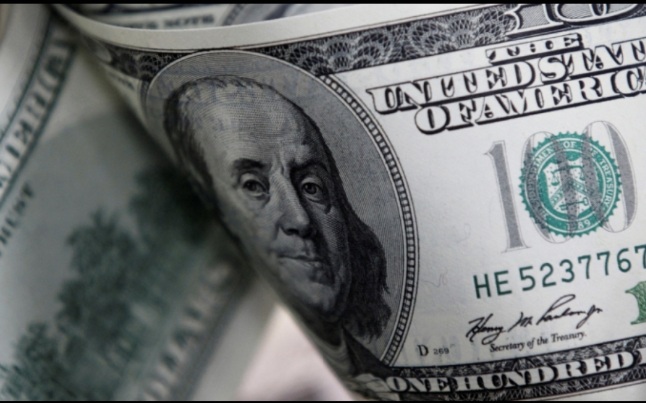
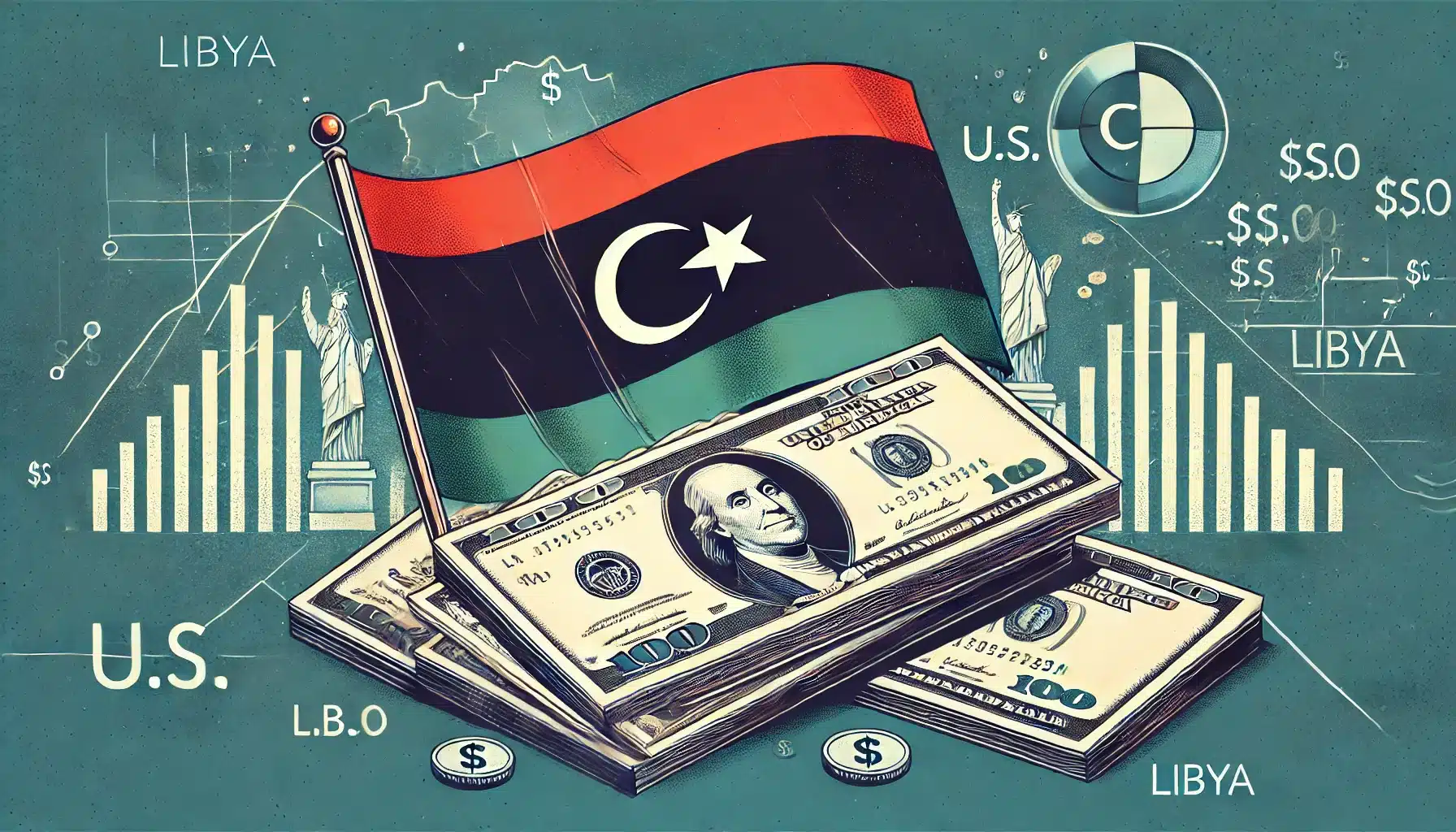
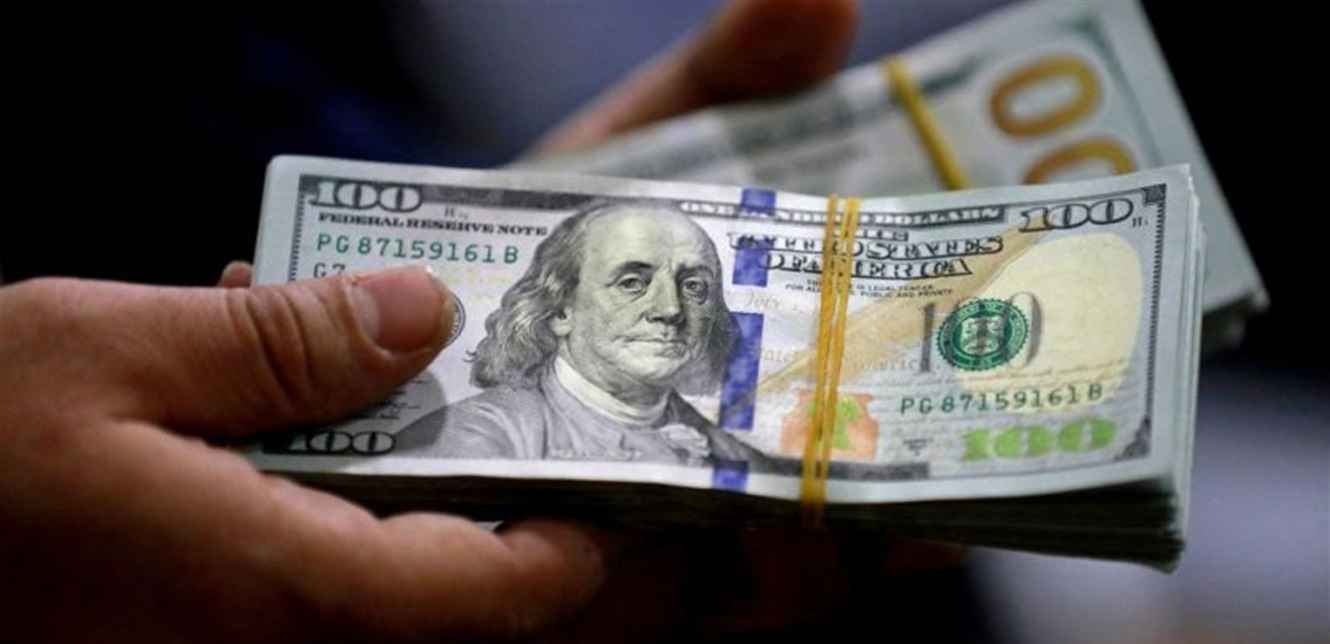
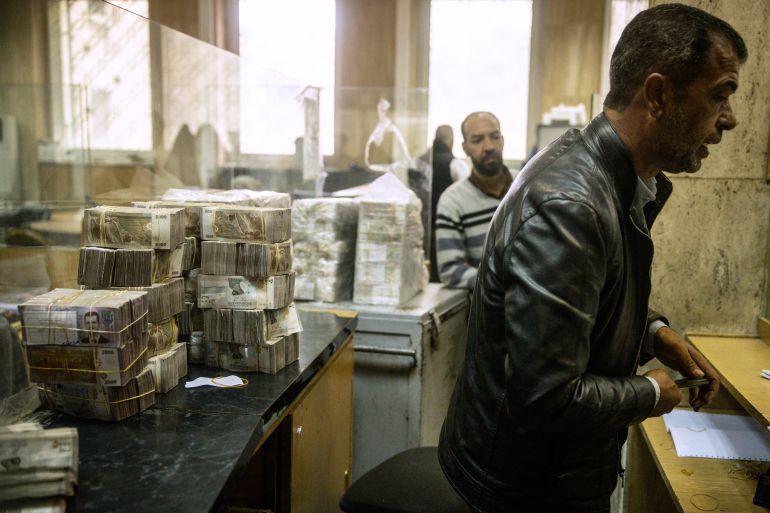
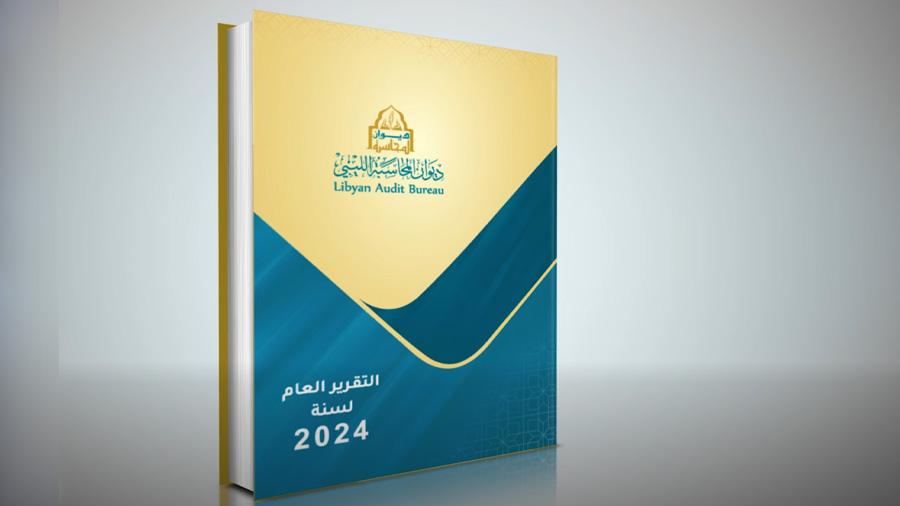
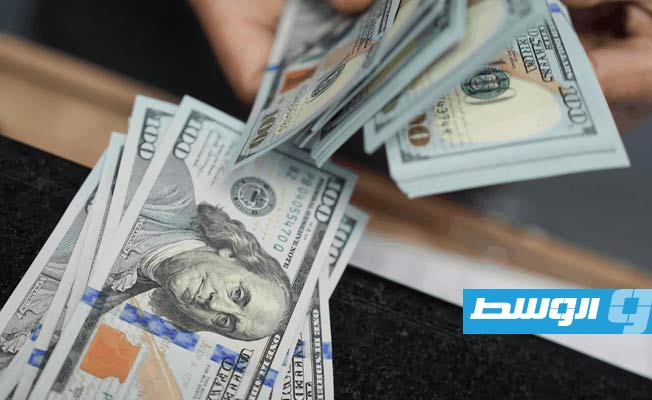
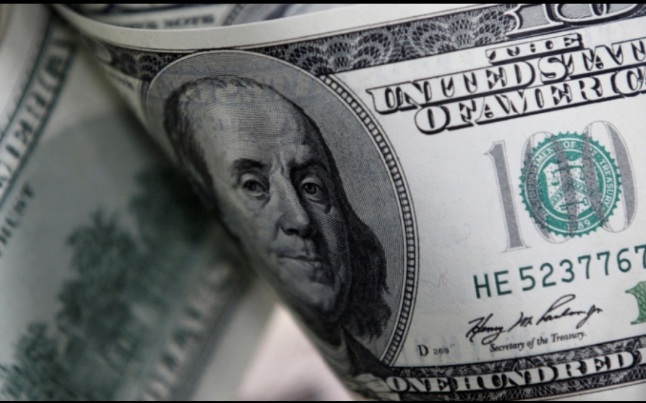
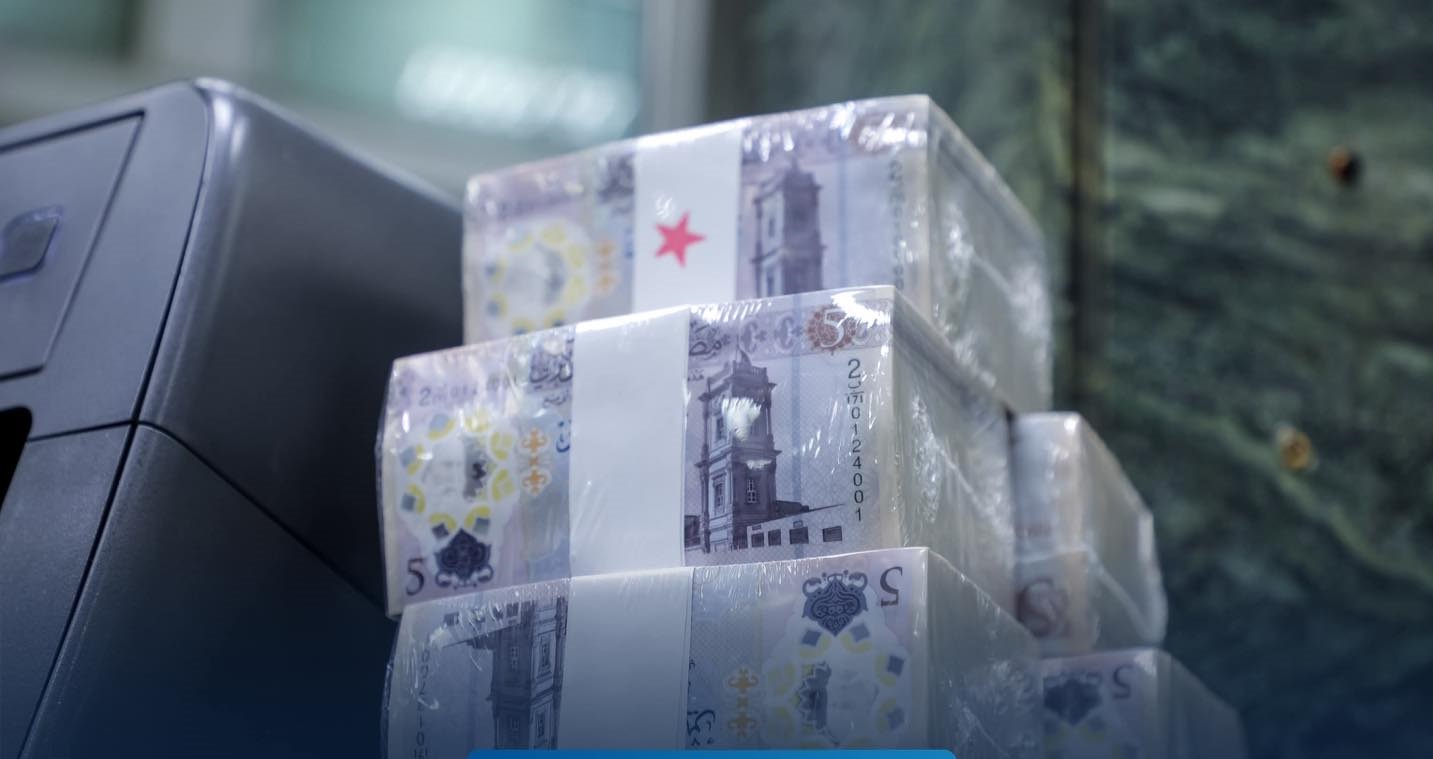
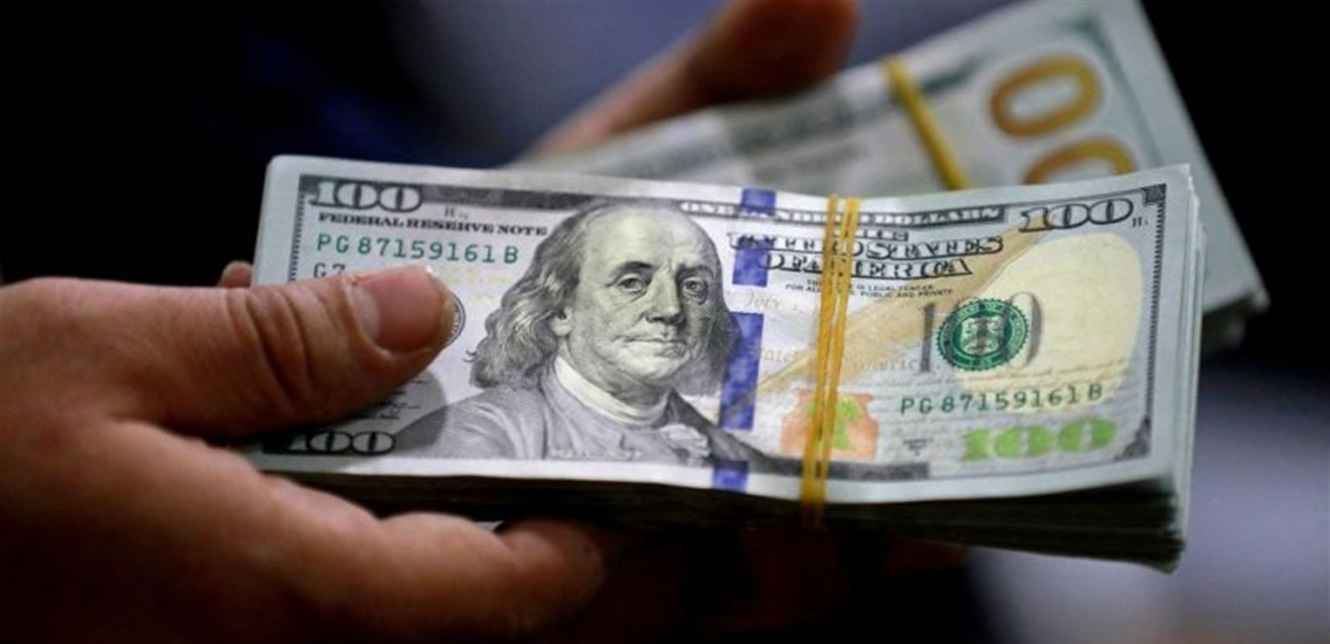
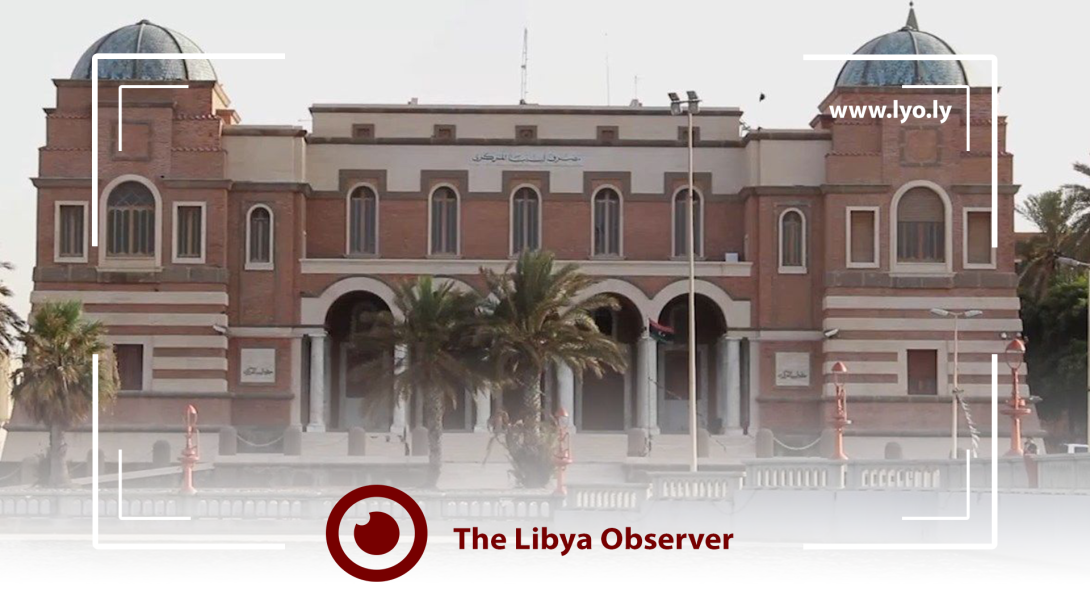
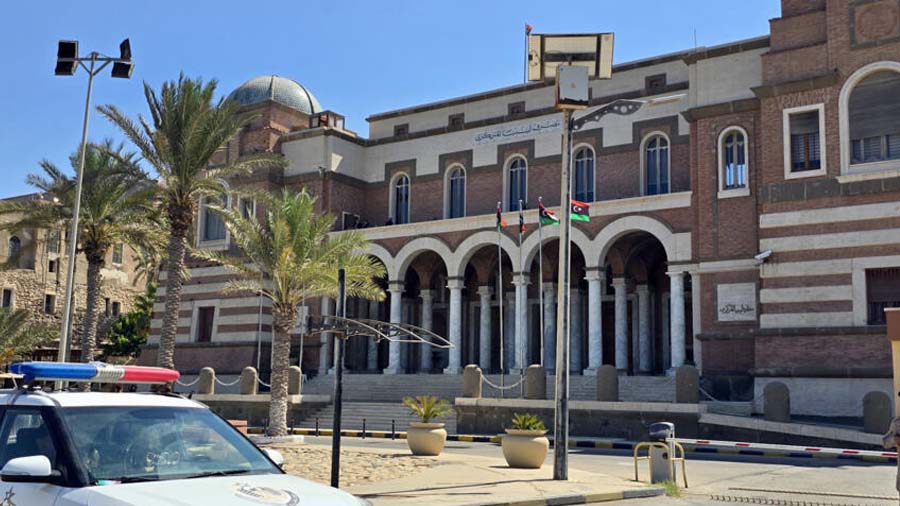
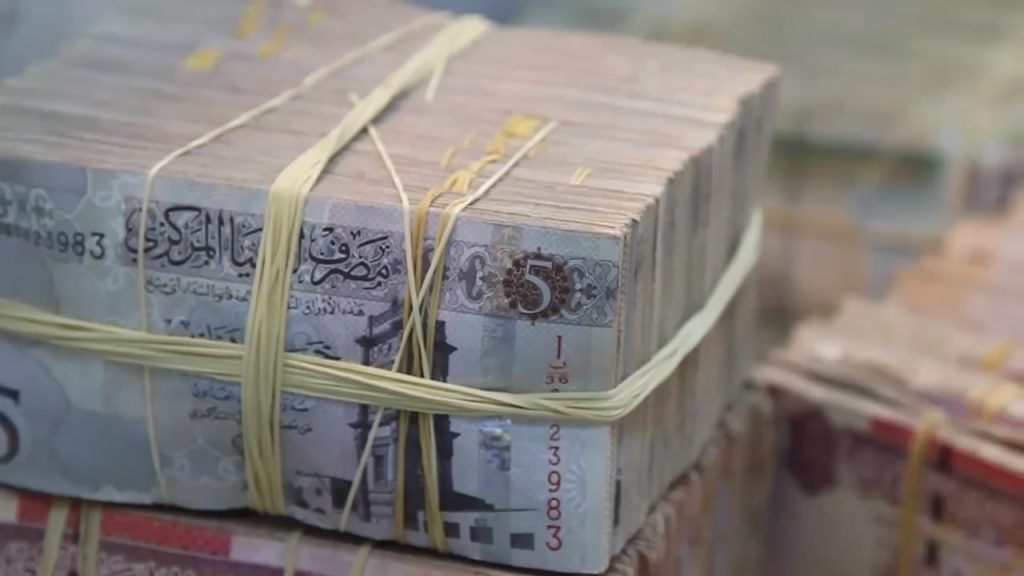
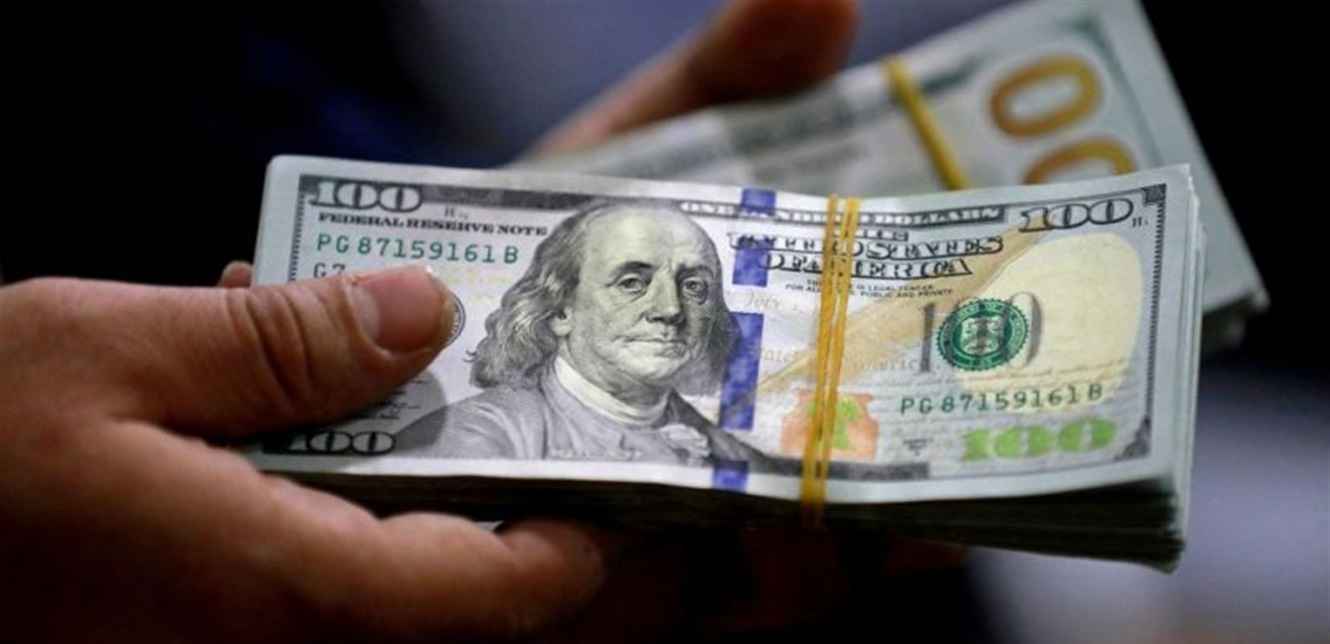
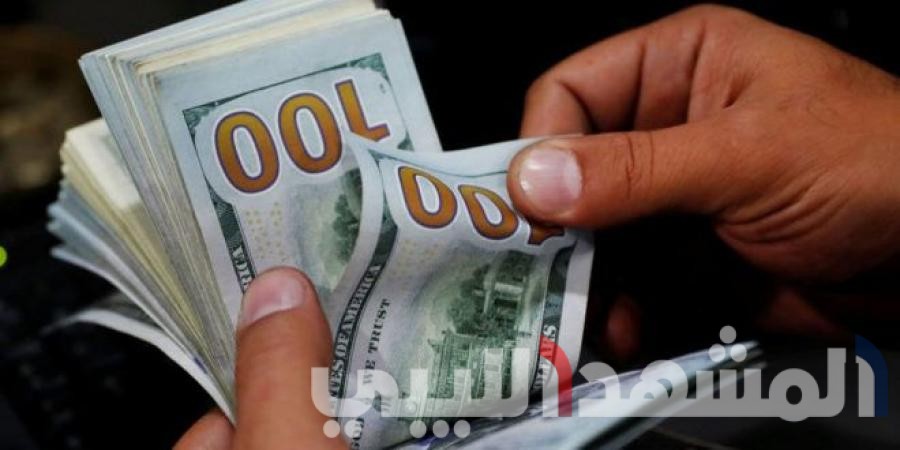
The Bureau explained in its report that the value of transferred revenues from sales of crude oil, gas, condensates, petroleum products, and petrochemicals to the Ministry of Finance’s account at the Central Bank amounted to approximately 15 billion, 887 million, 184 thousand, and 278 dollars, with a discrepancy exceeding 1 billion and 155 million dollars. It attributed this to “the Oil Corporation’s failure to transfer funds periodically and regularly.”
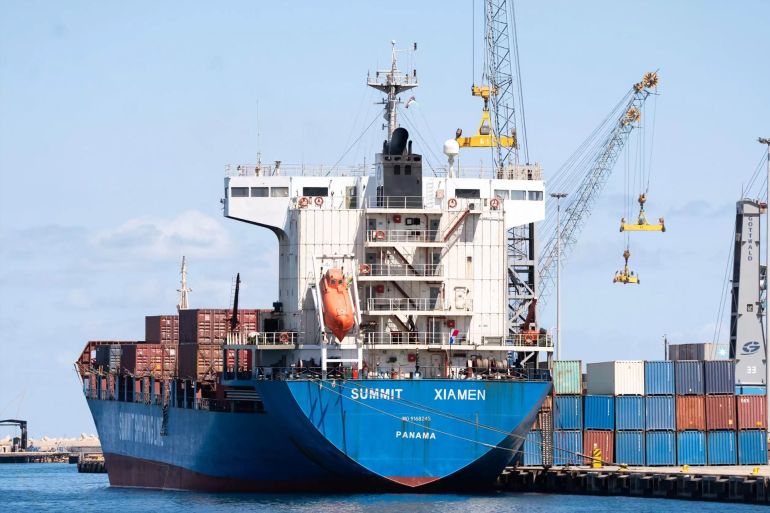
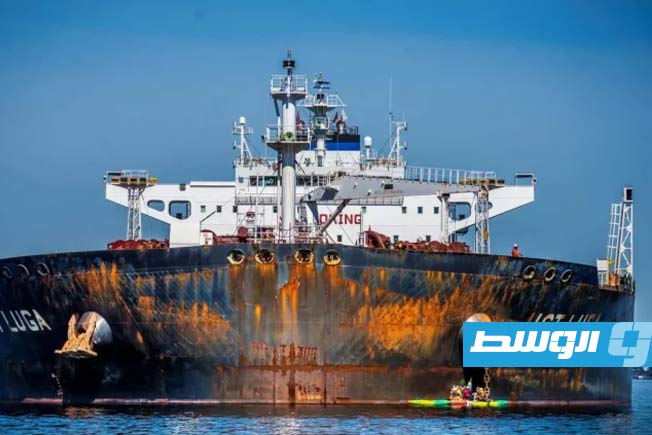
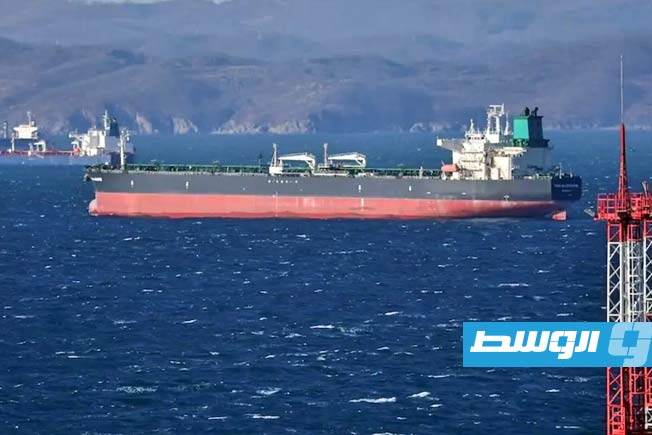
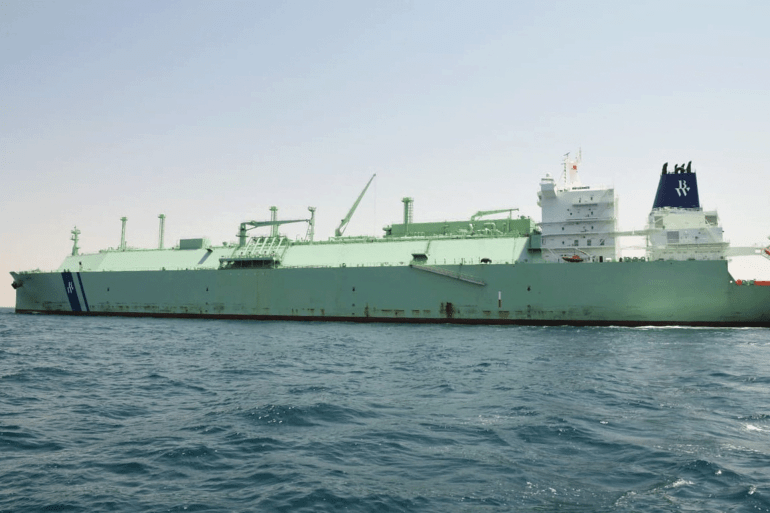
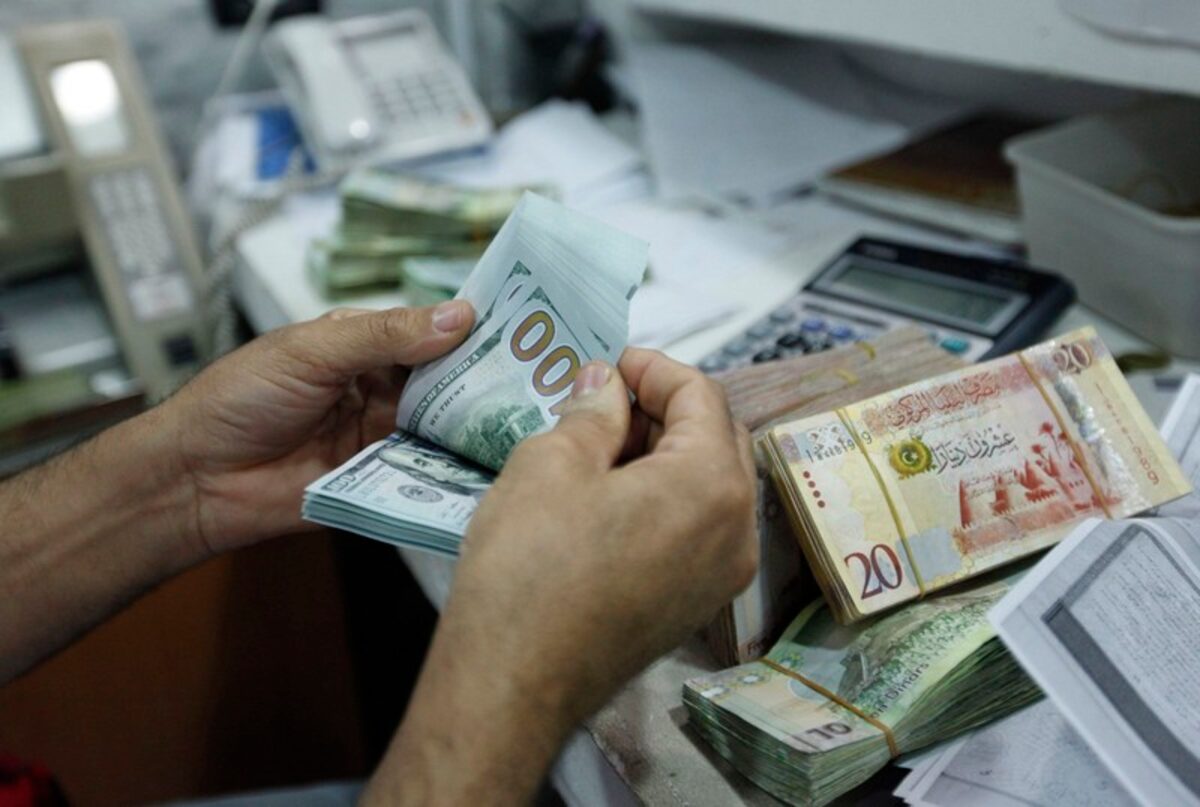
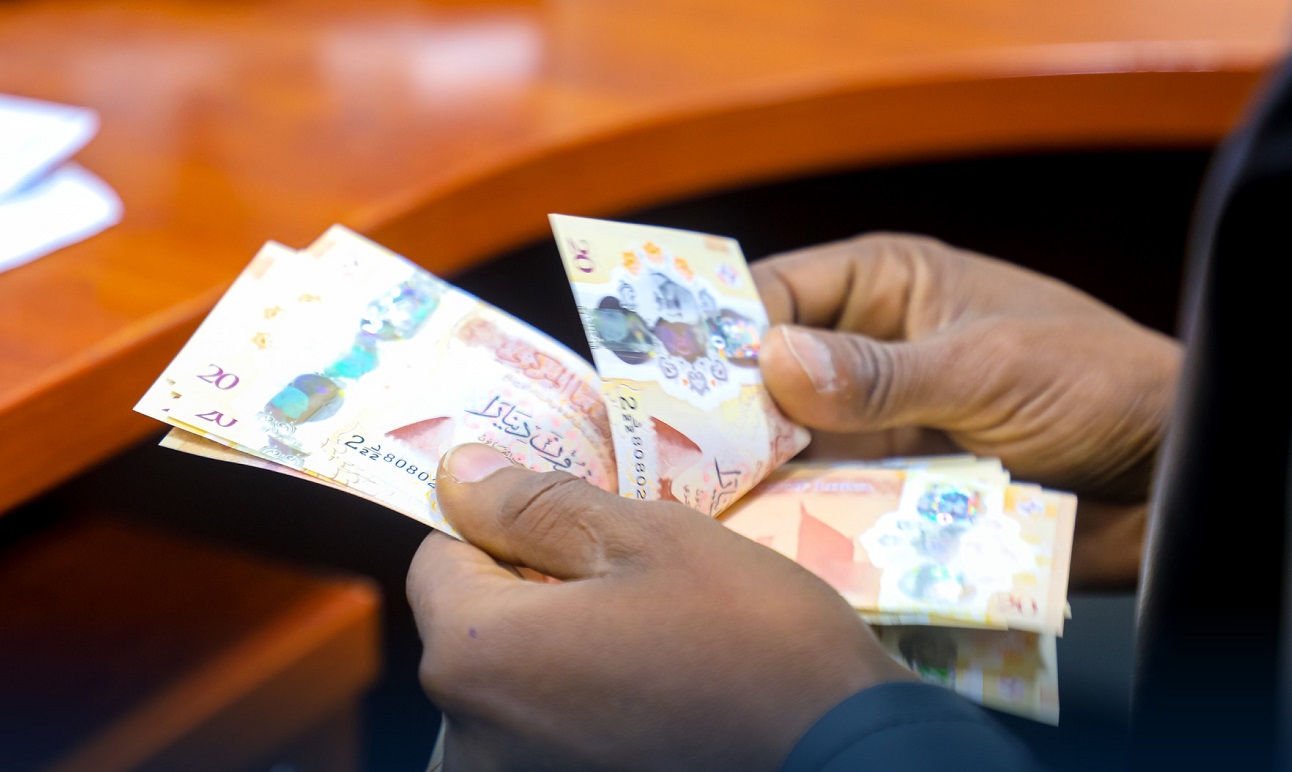
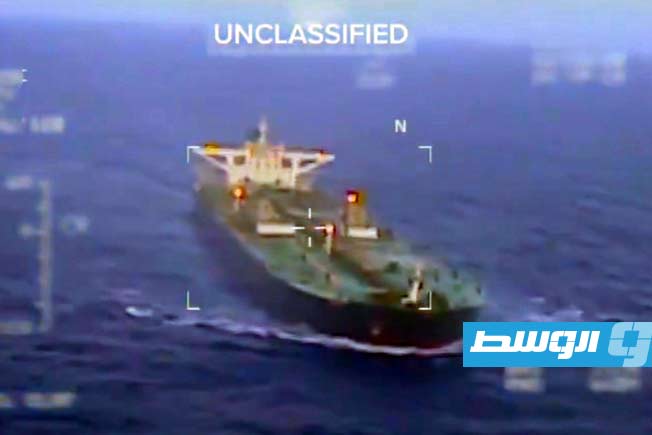
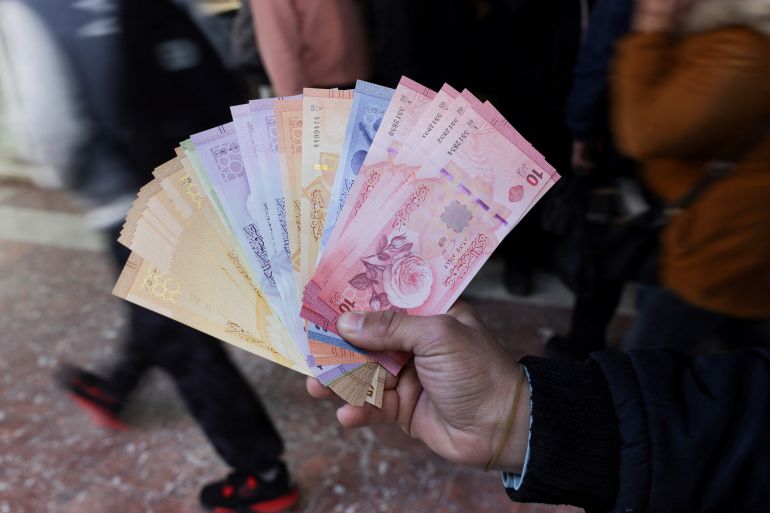
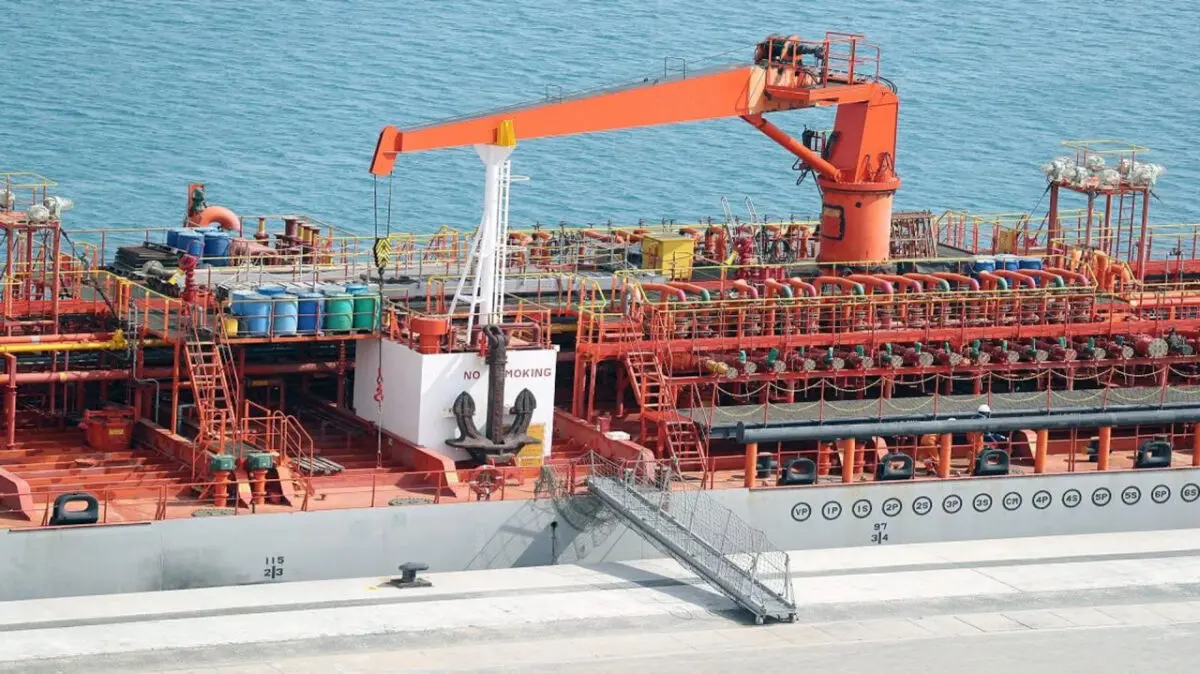
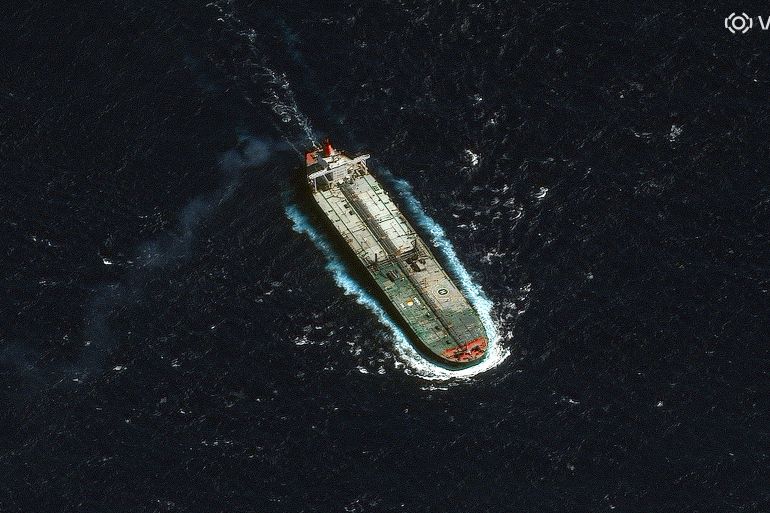
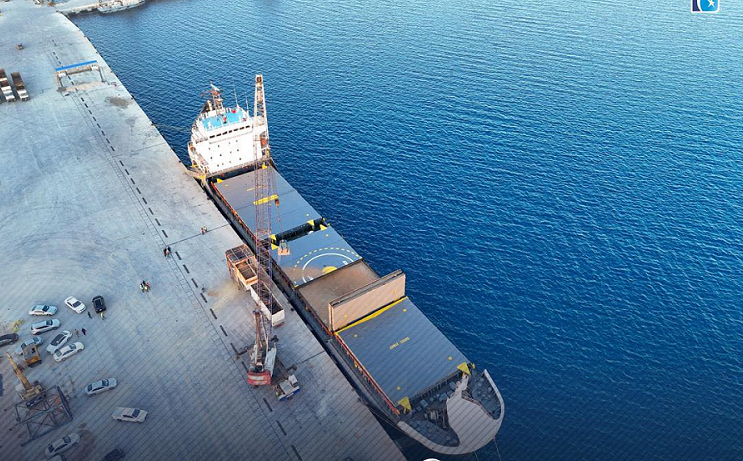
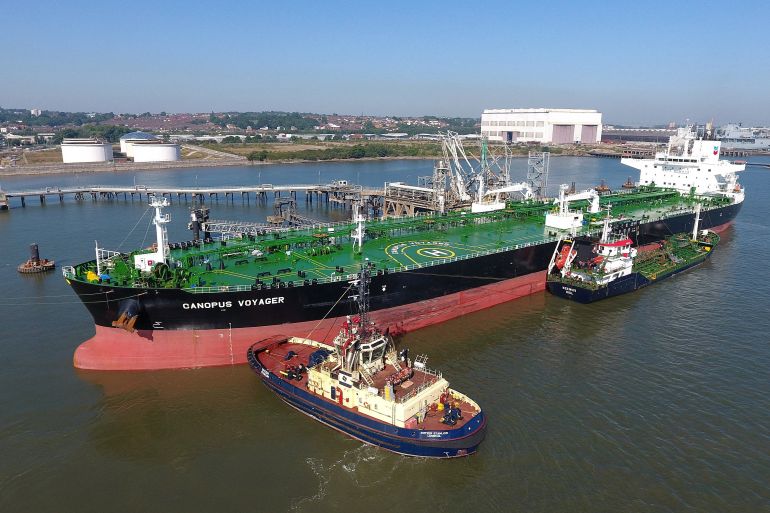
The report also noted the Corporation’s continued supply of fuel shipments under the crude oil swap system without recording them in the Ministry of Finance’s records, with a value close to 9.2 billion dollars, equivalent to 44.5 billion Libyan dinars during 2024, based on an average exchange rate of 4.83 dinars.
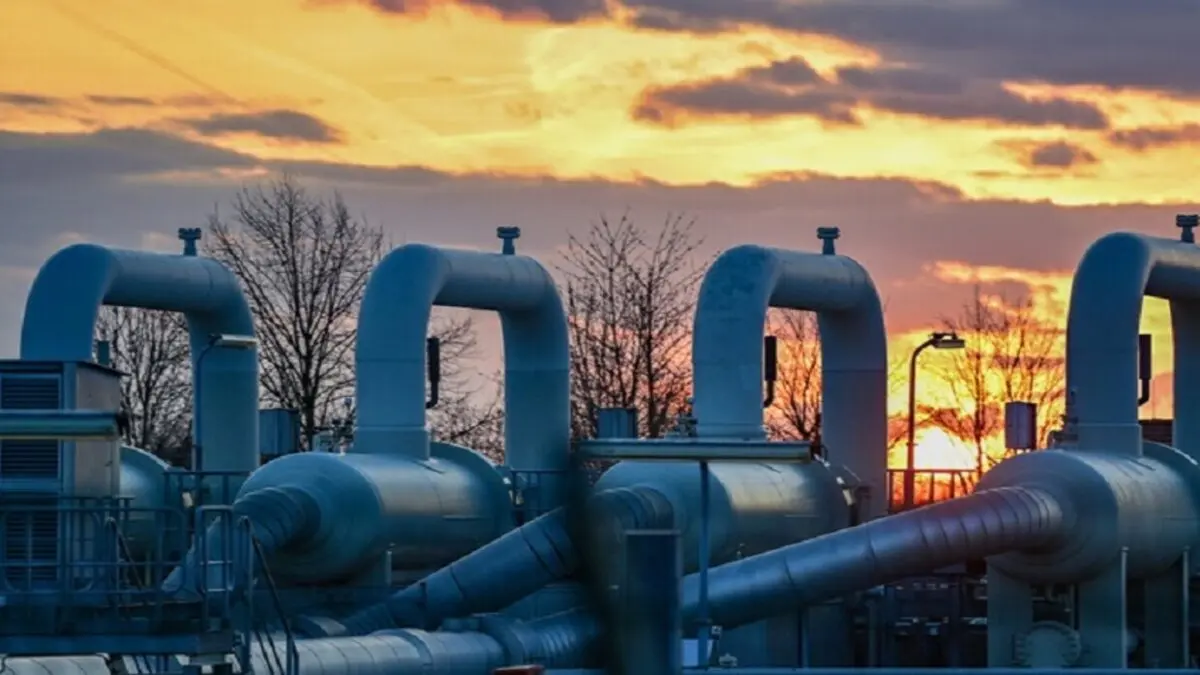
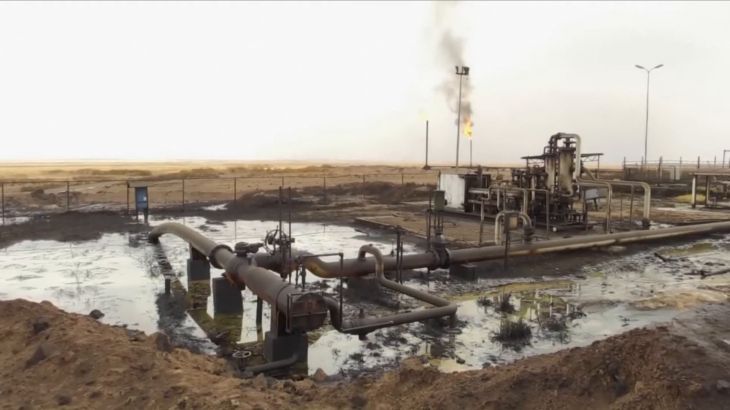
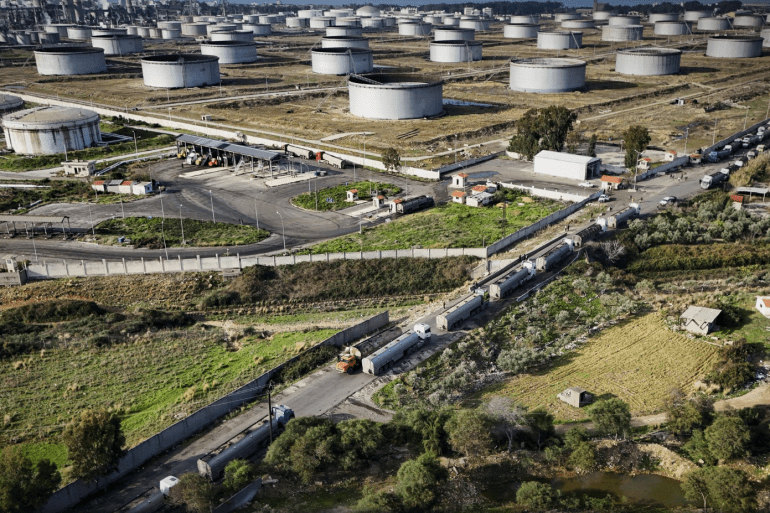
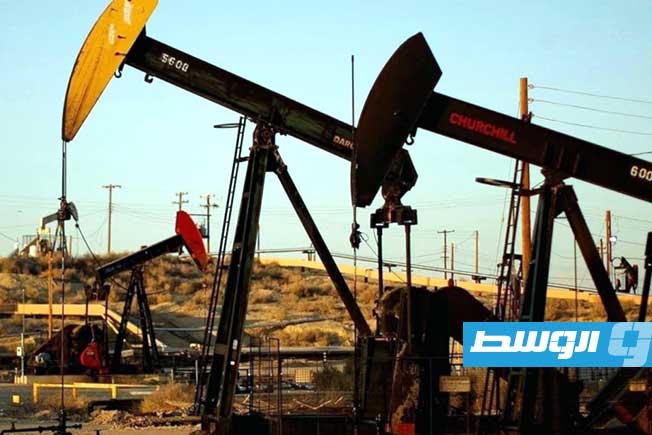
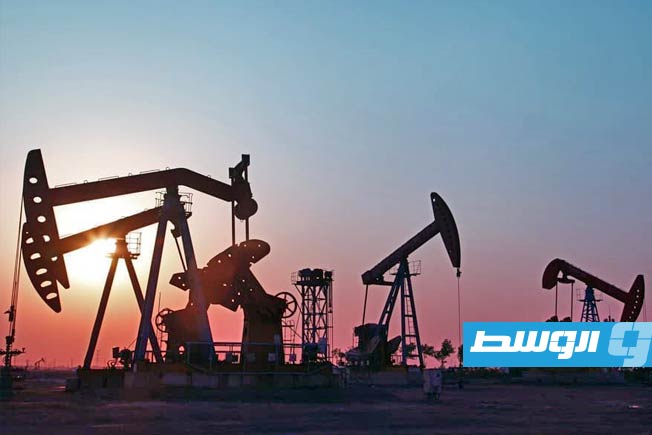
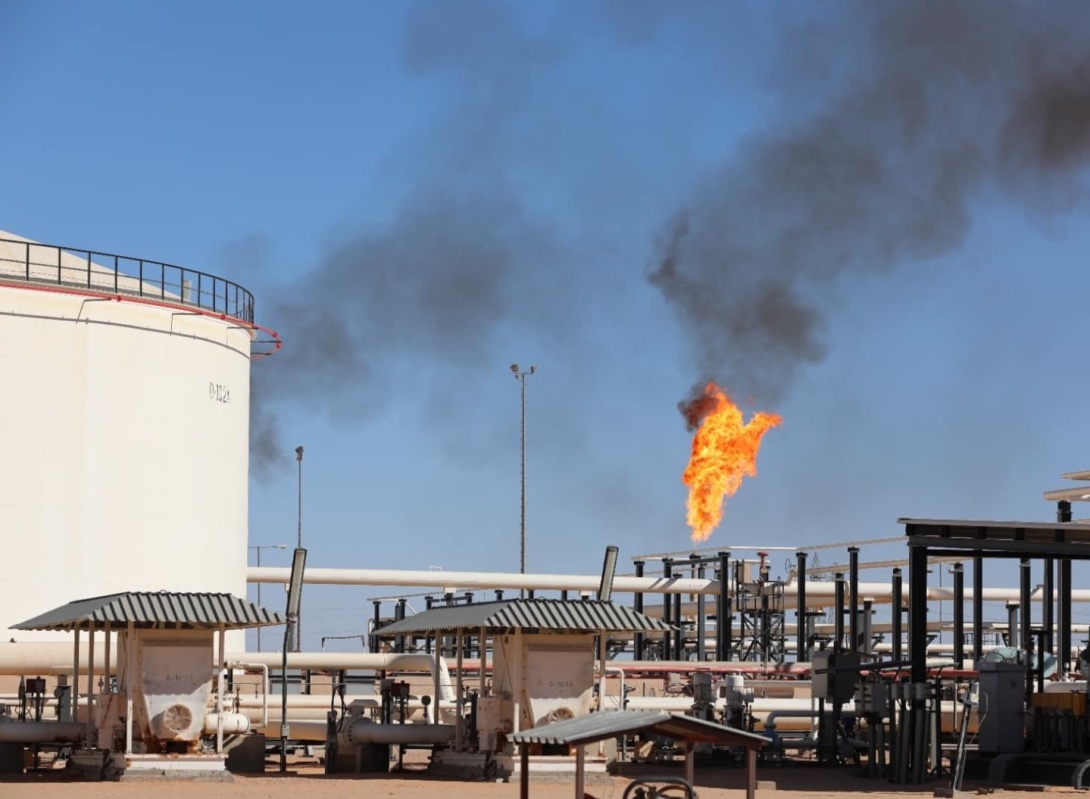
The Bureau criticized the existence of other quantities of produced oil and gas that are not disclosed or included in the Ministry of Finance’s accounts and reports. It pointed out that these quantities are used directly to supply power plants and refineries without official registration, which it considered a breach of the principle of financial transparency.
Libyan Audit Bureau
The Libyan Audit Bureau is the supreme state audit institution in Libya, established in 1955 to oversee public finances and ensure accountability. Its history has been marked by efforts to maintain financial oversight through various political changes, though its operational independence and effectiveness have often been challenged by the country’s instability.
Oil Corporation
The Oil Corporation is a fictional or generic term often used to represent large-scale petroleum companies that emerged in the late 19th and 20th centuries, particularly following the Industrial Revolution. These entities played a central role in global economic development and geopolitics by driving the exploration, extraction, and refinement of oil resources.
Ministry of Finance
The Ministry of Finance is a key government department responsible for managing a nation’s revenue, budget, taxation, and economic policy. Its history is often intertwined with the formation of the modern state, evolving from ancient treasury offices to a formal ministry structure, typically established in the 18th or 19th century to centralize financial administration.
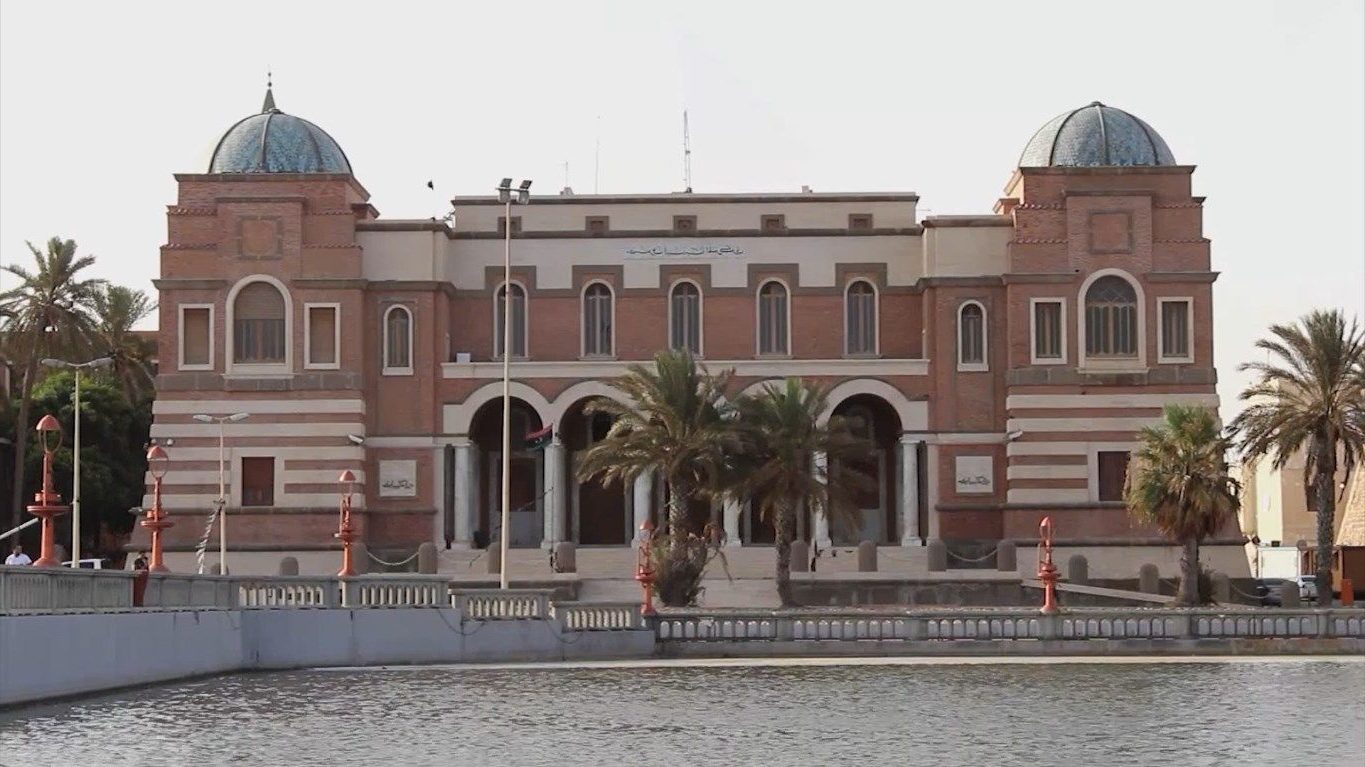
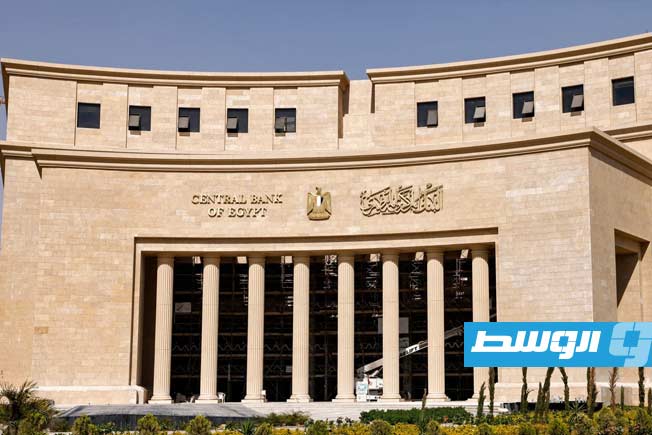
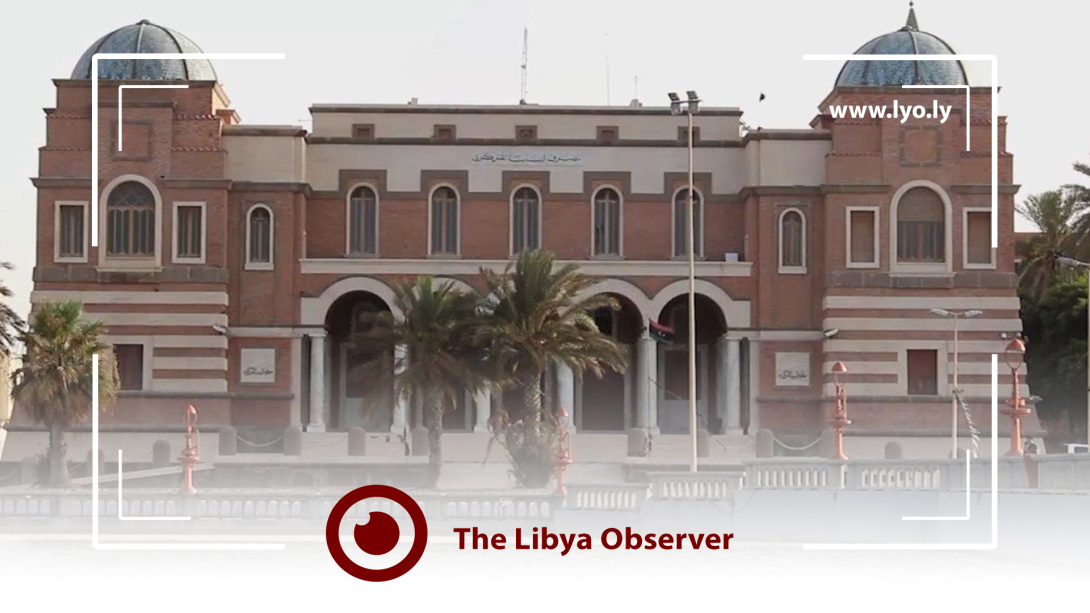
Central Bank
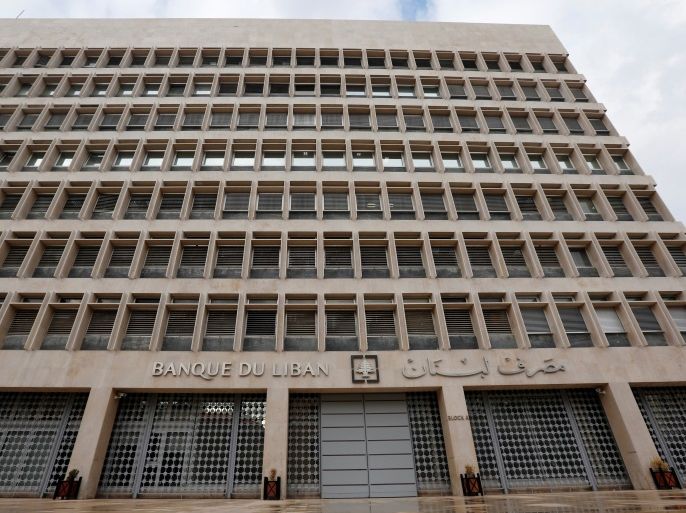
The Central Bank is a nation’s primary monetary authority, responsible for managing currency, controlling inflation, and ensuring financial stability. Its modern form emerged in the 17th century, with Sweden’s Riksbank (1668) and the Bank of England (1694) serving as early models for centralized control over money supply and banking systems.