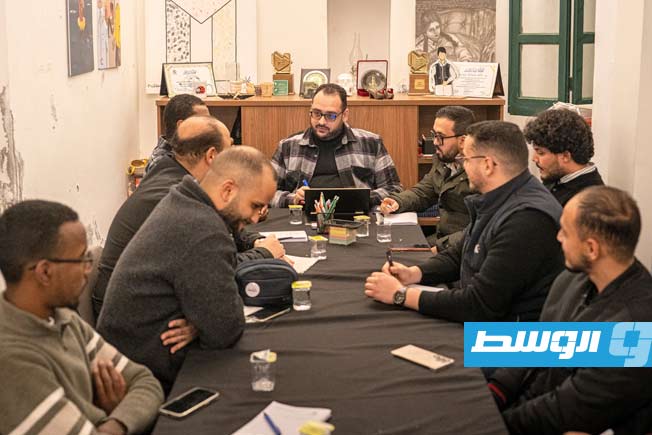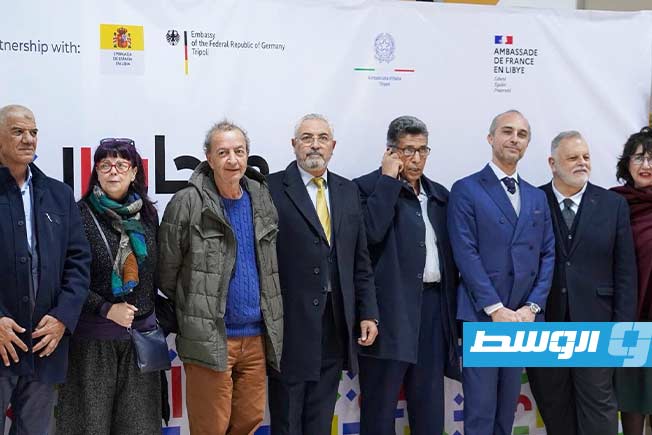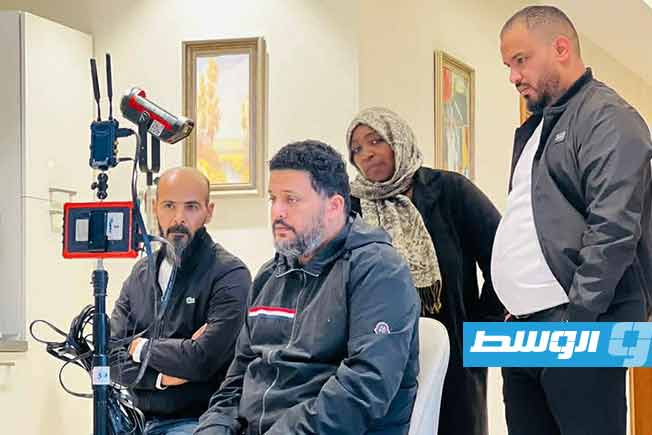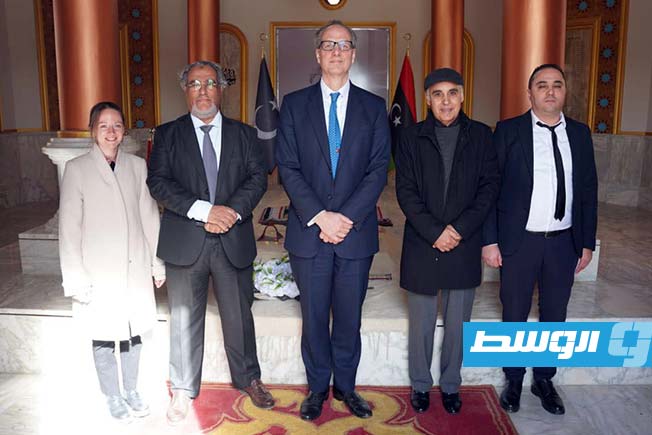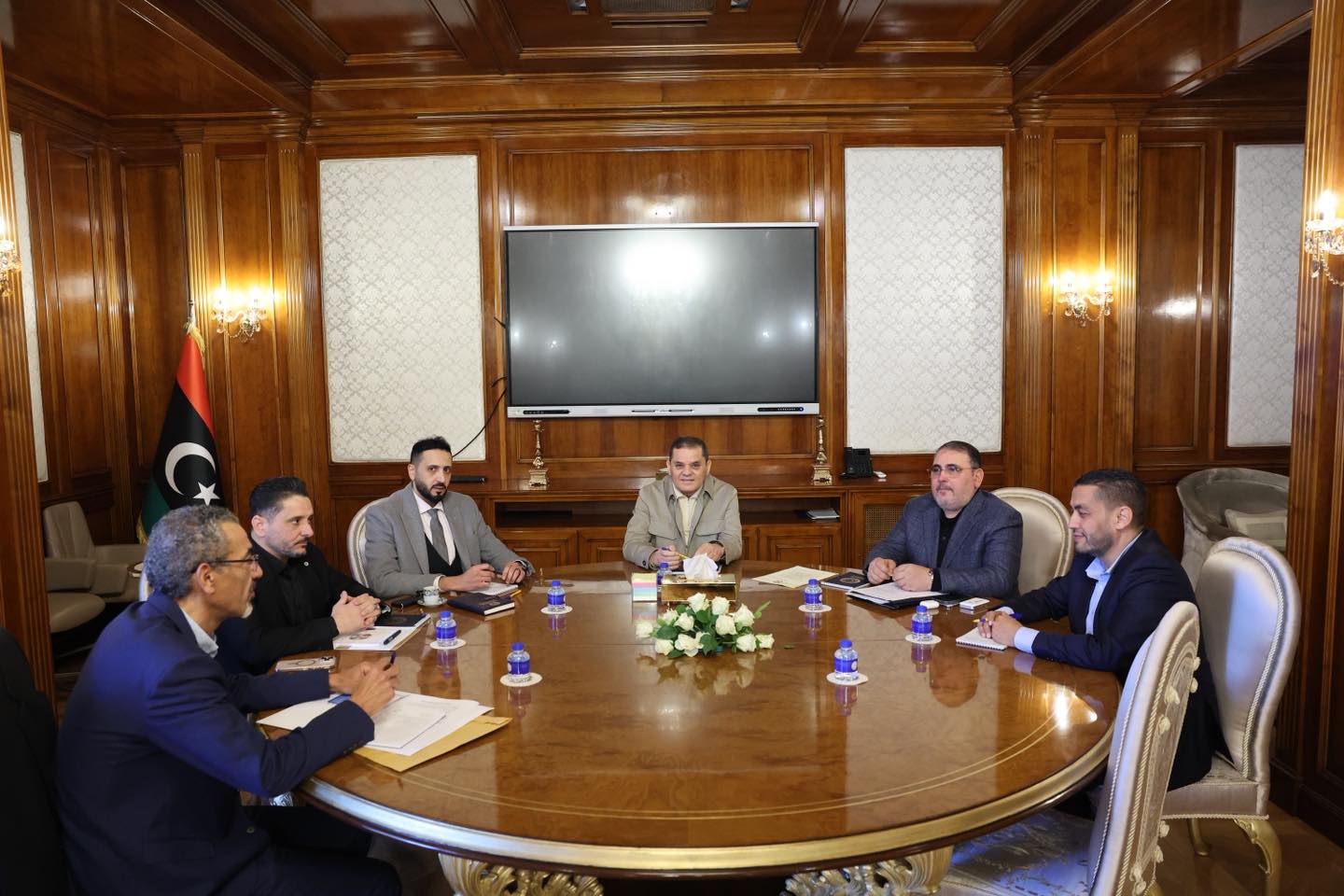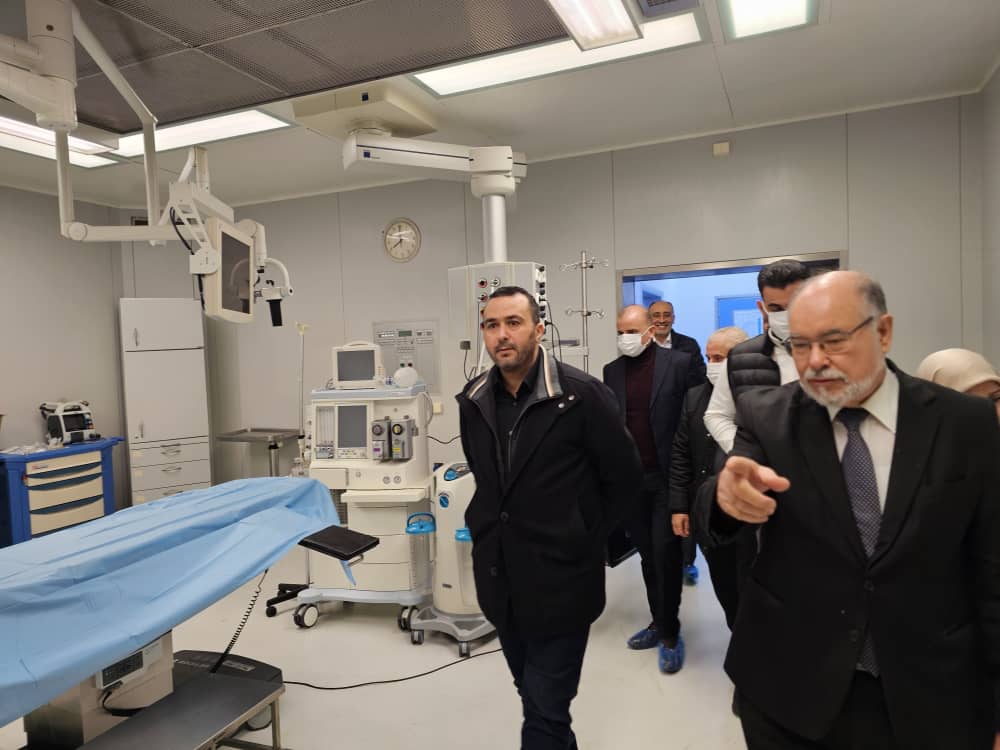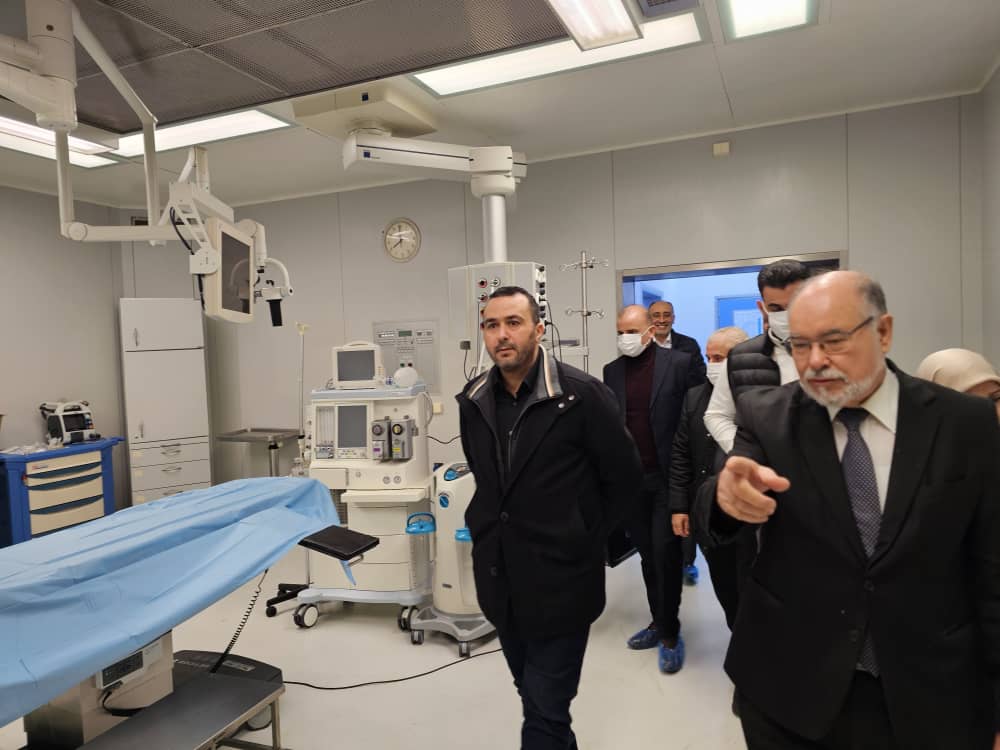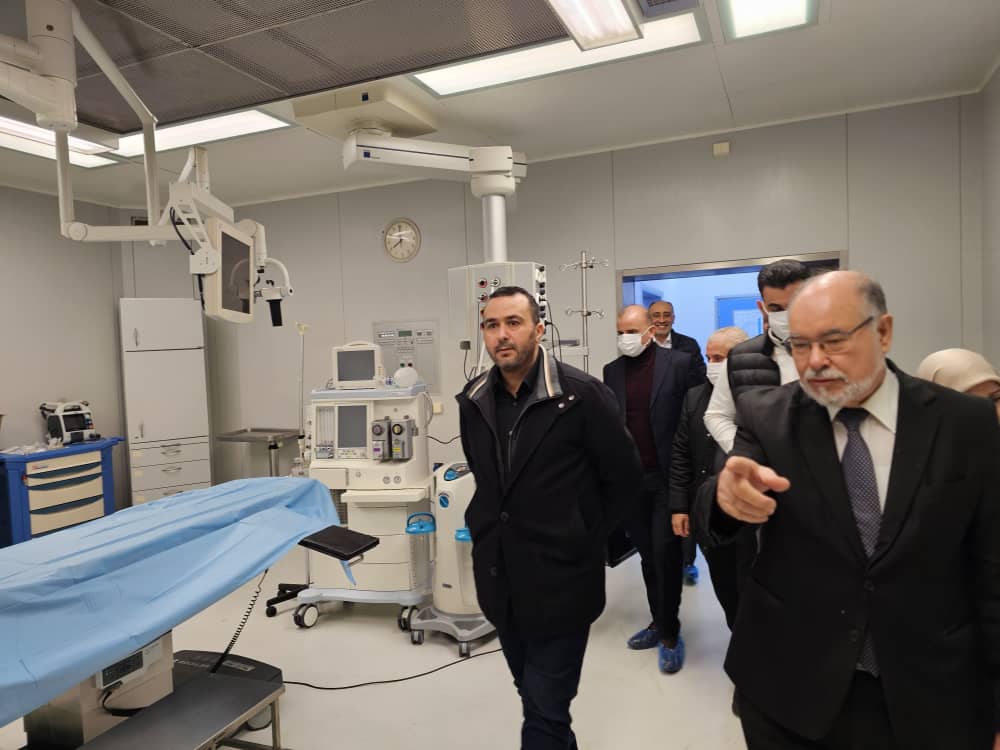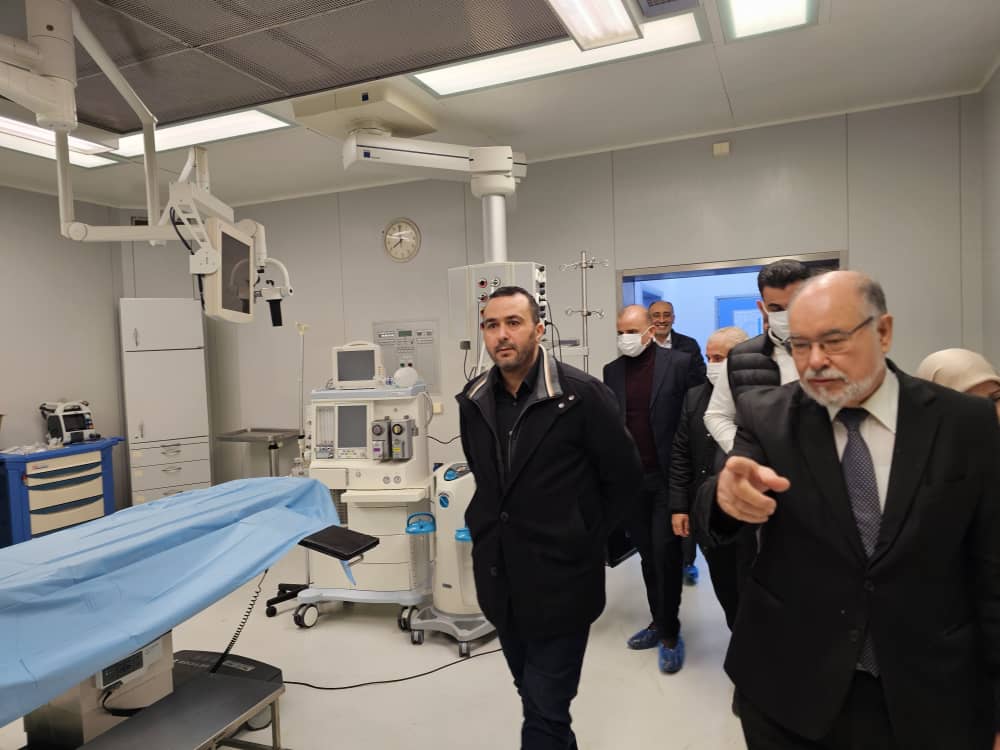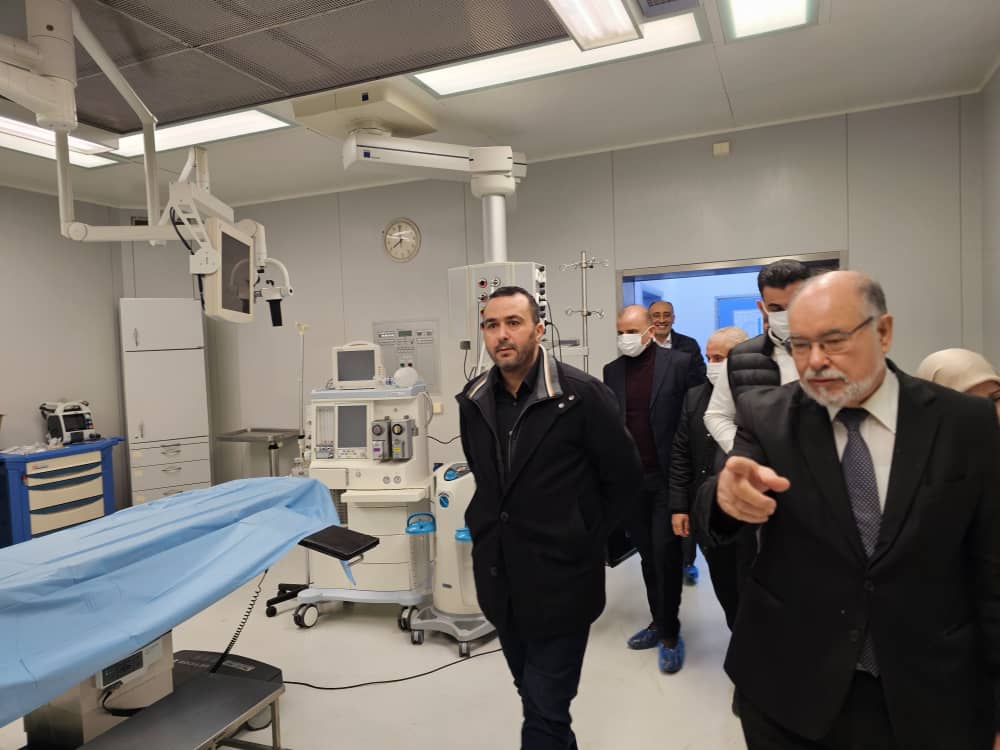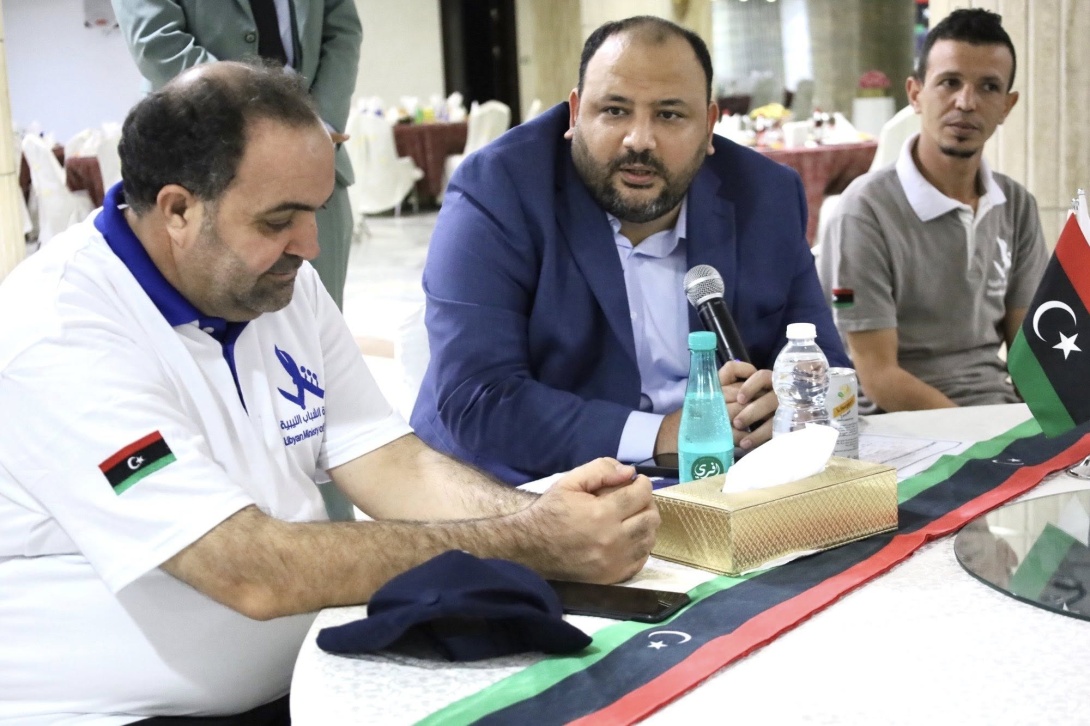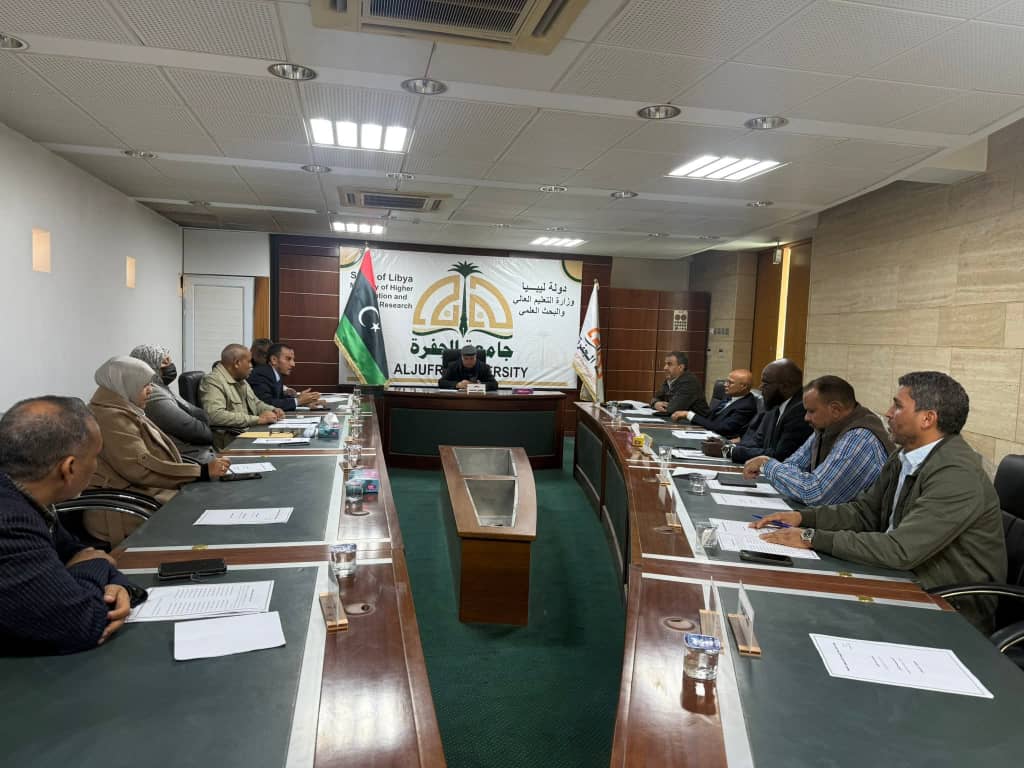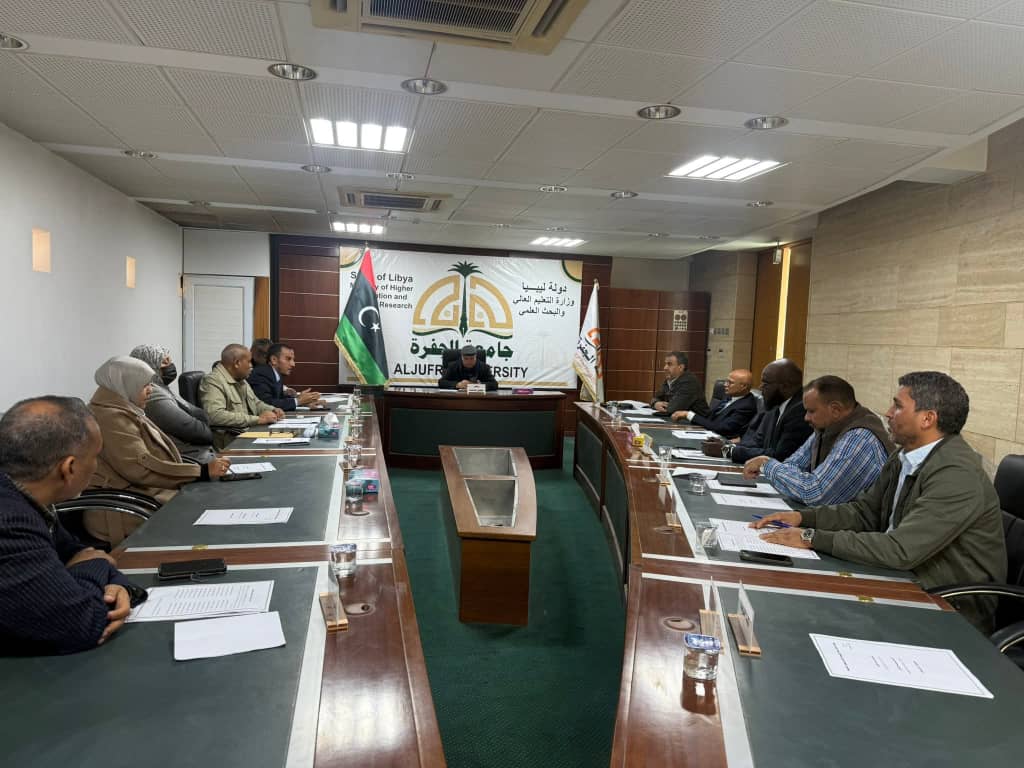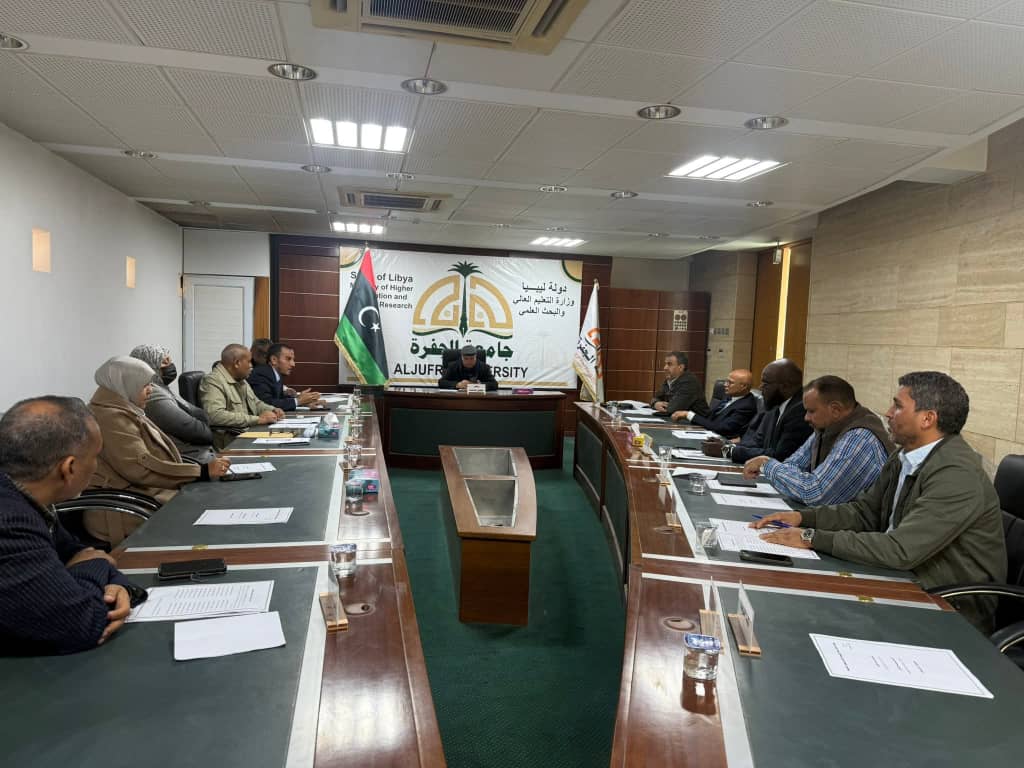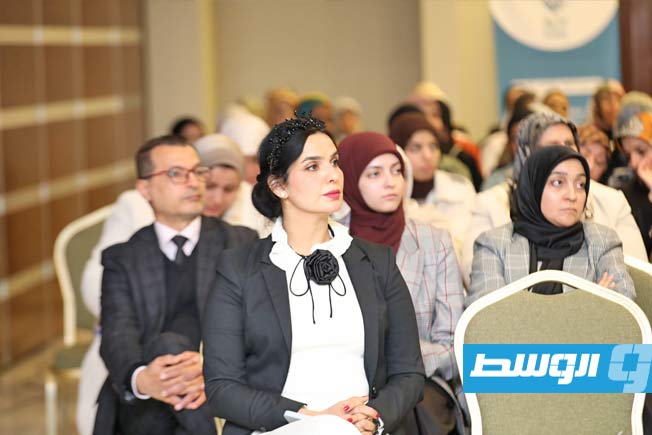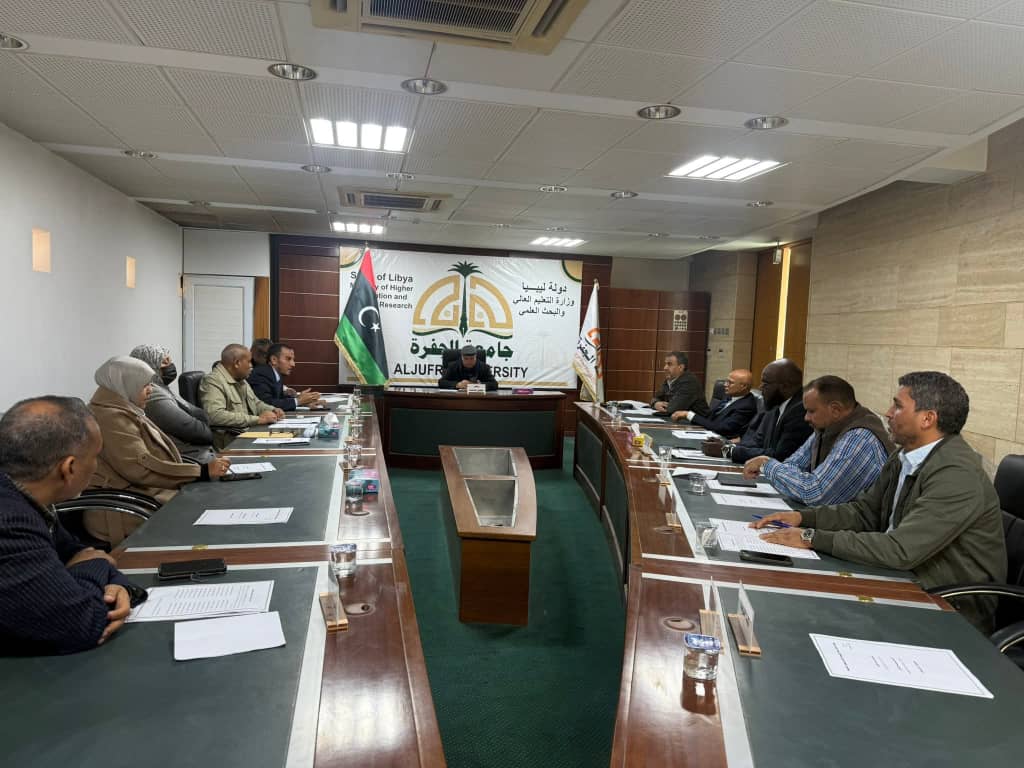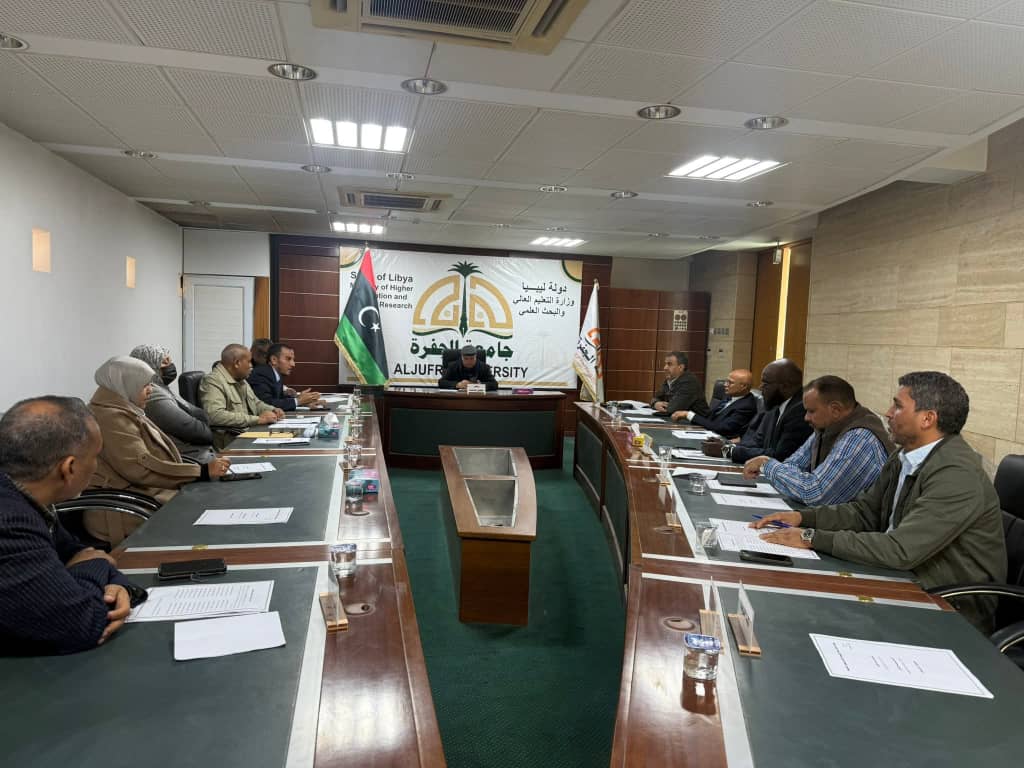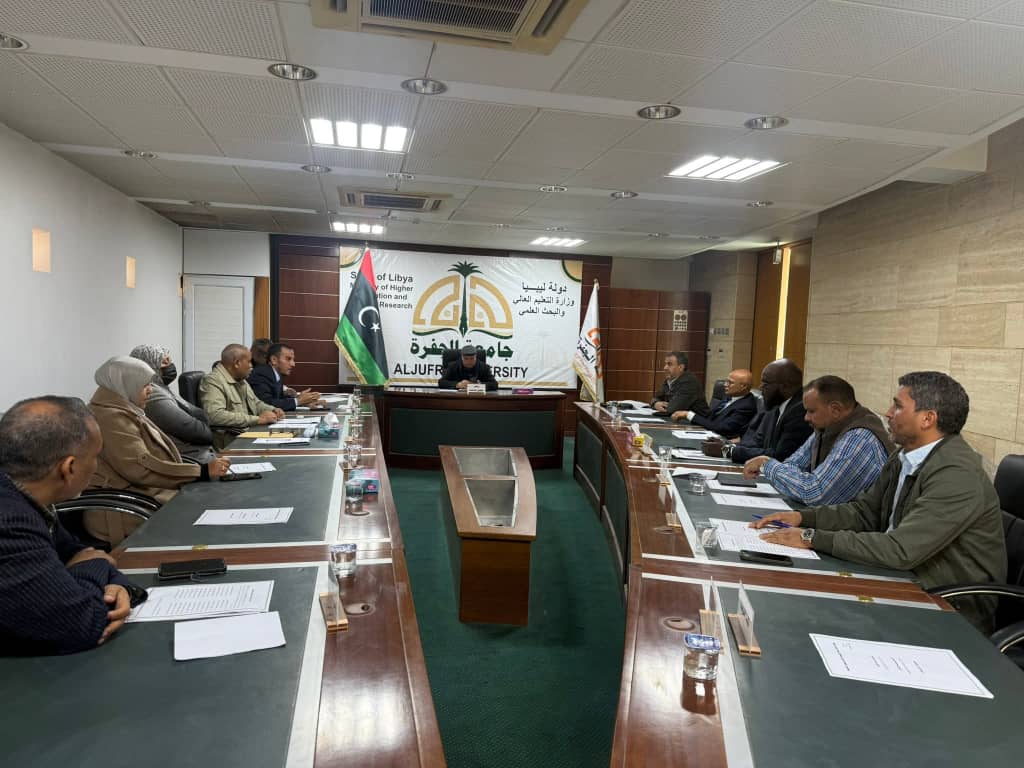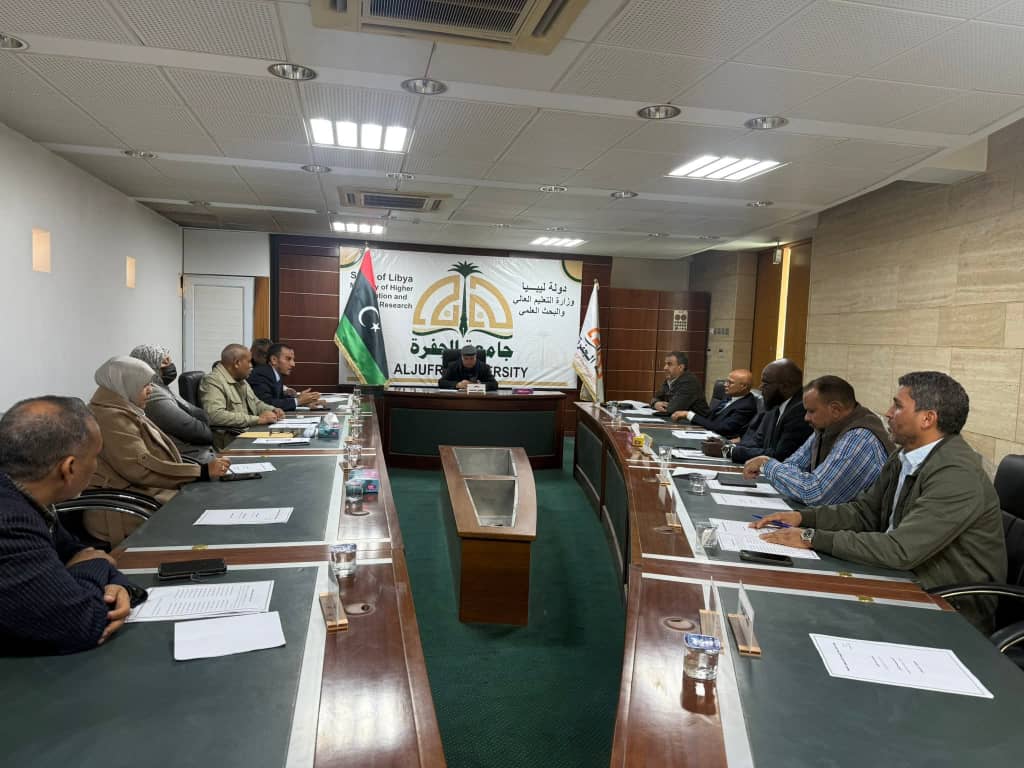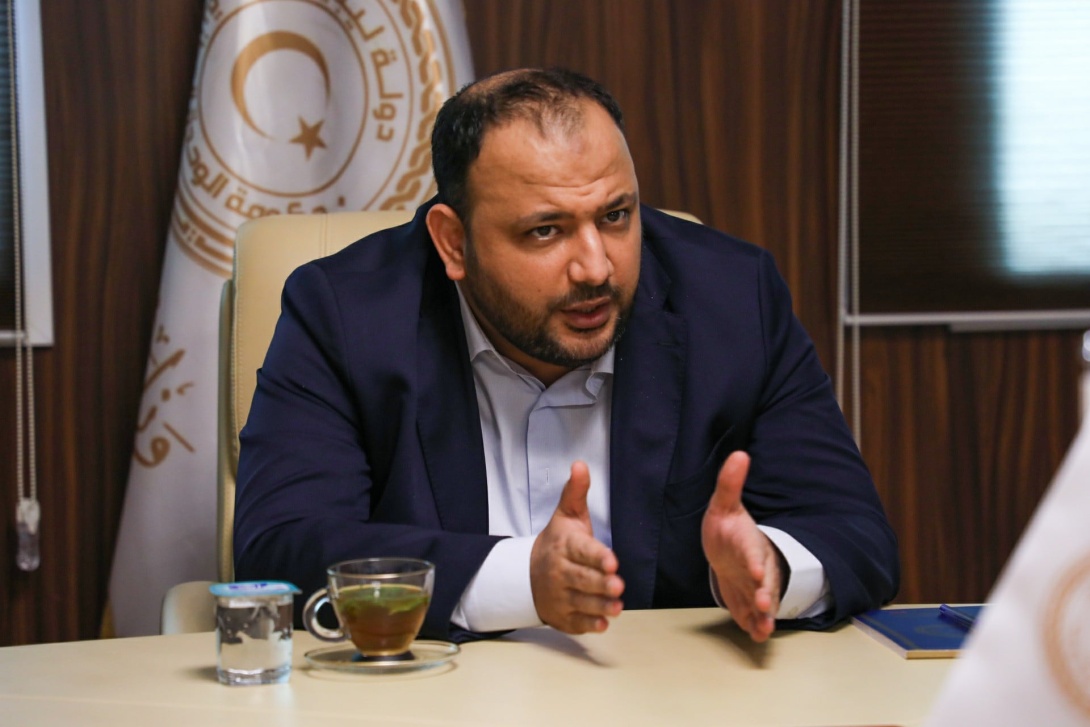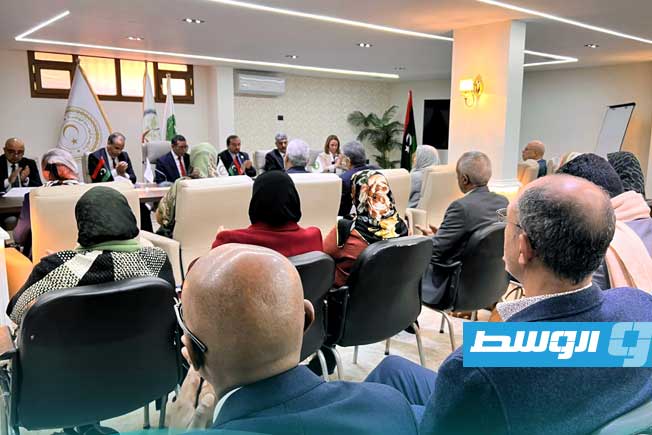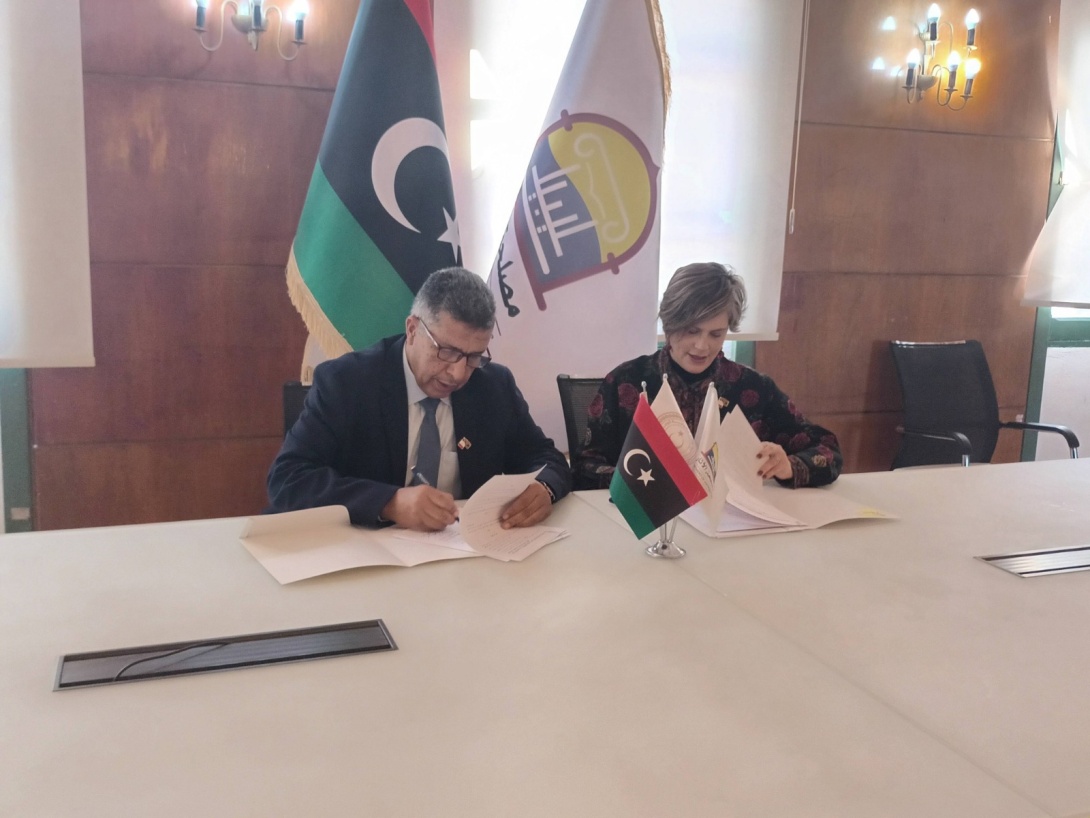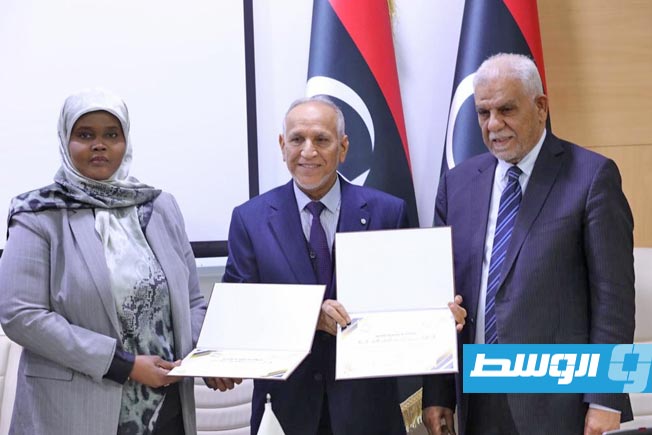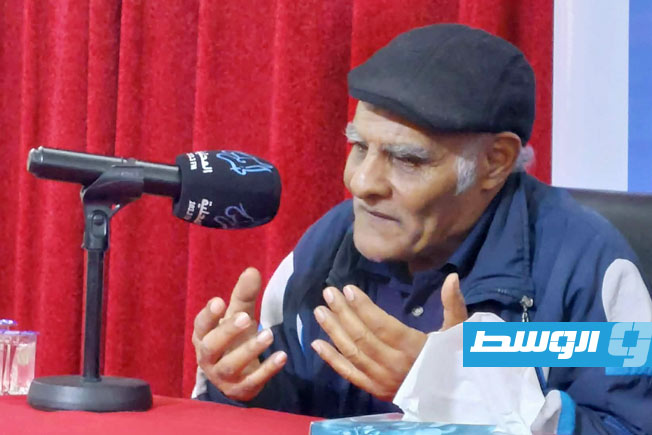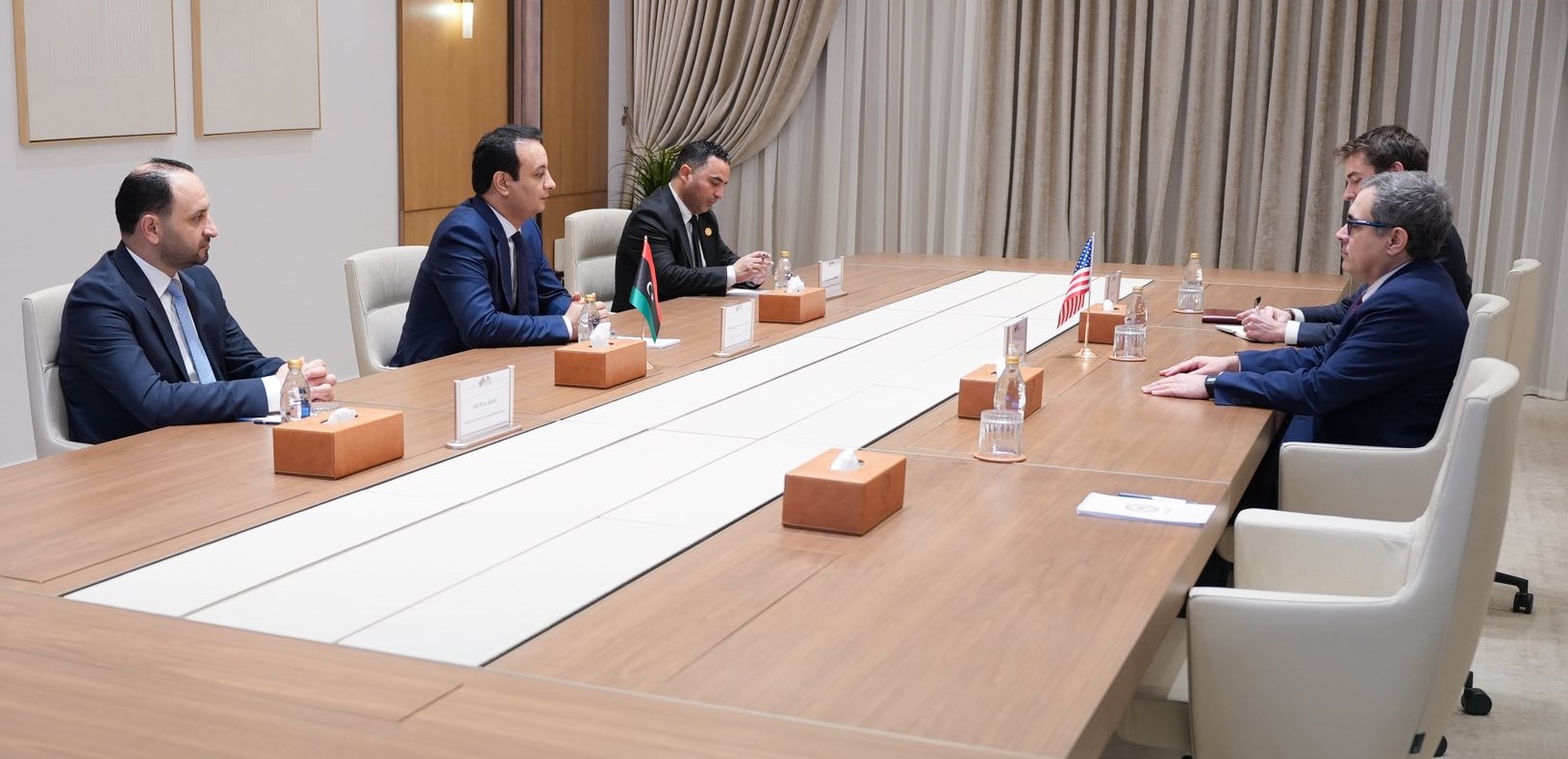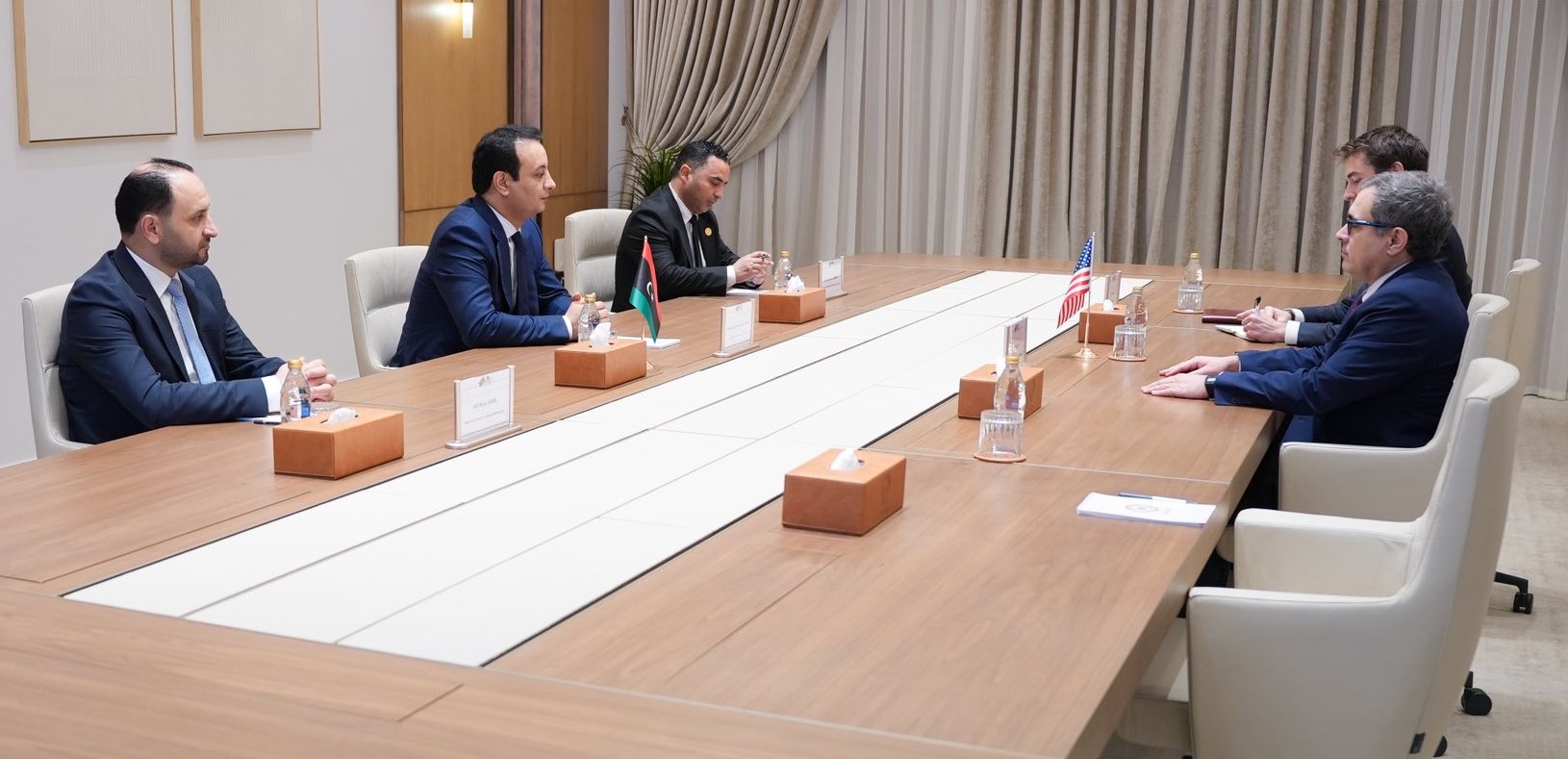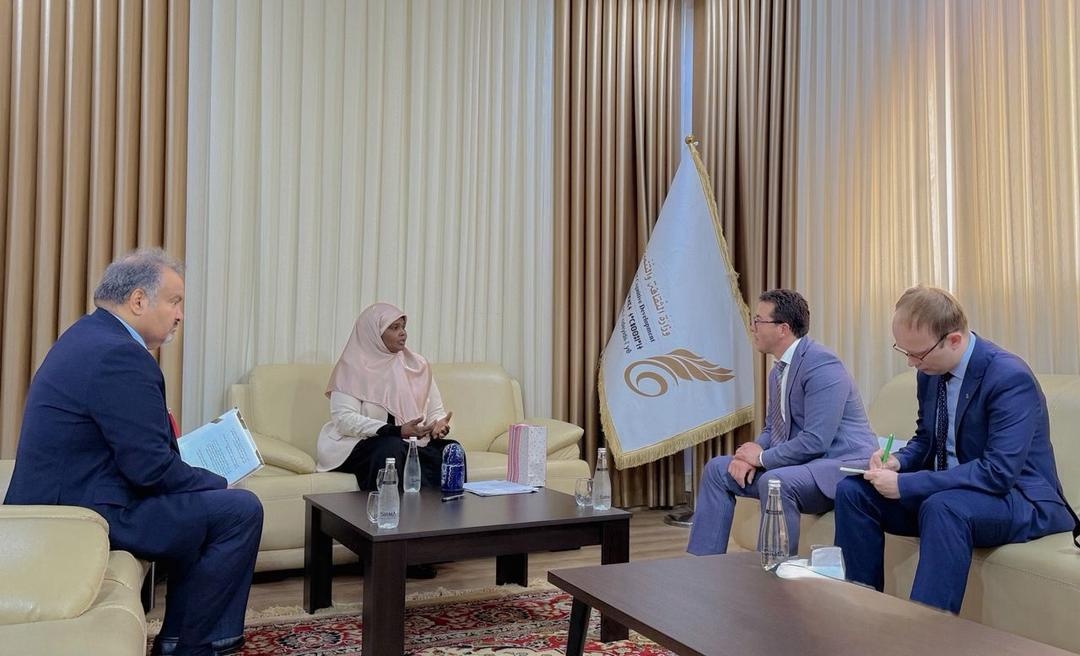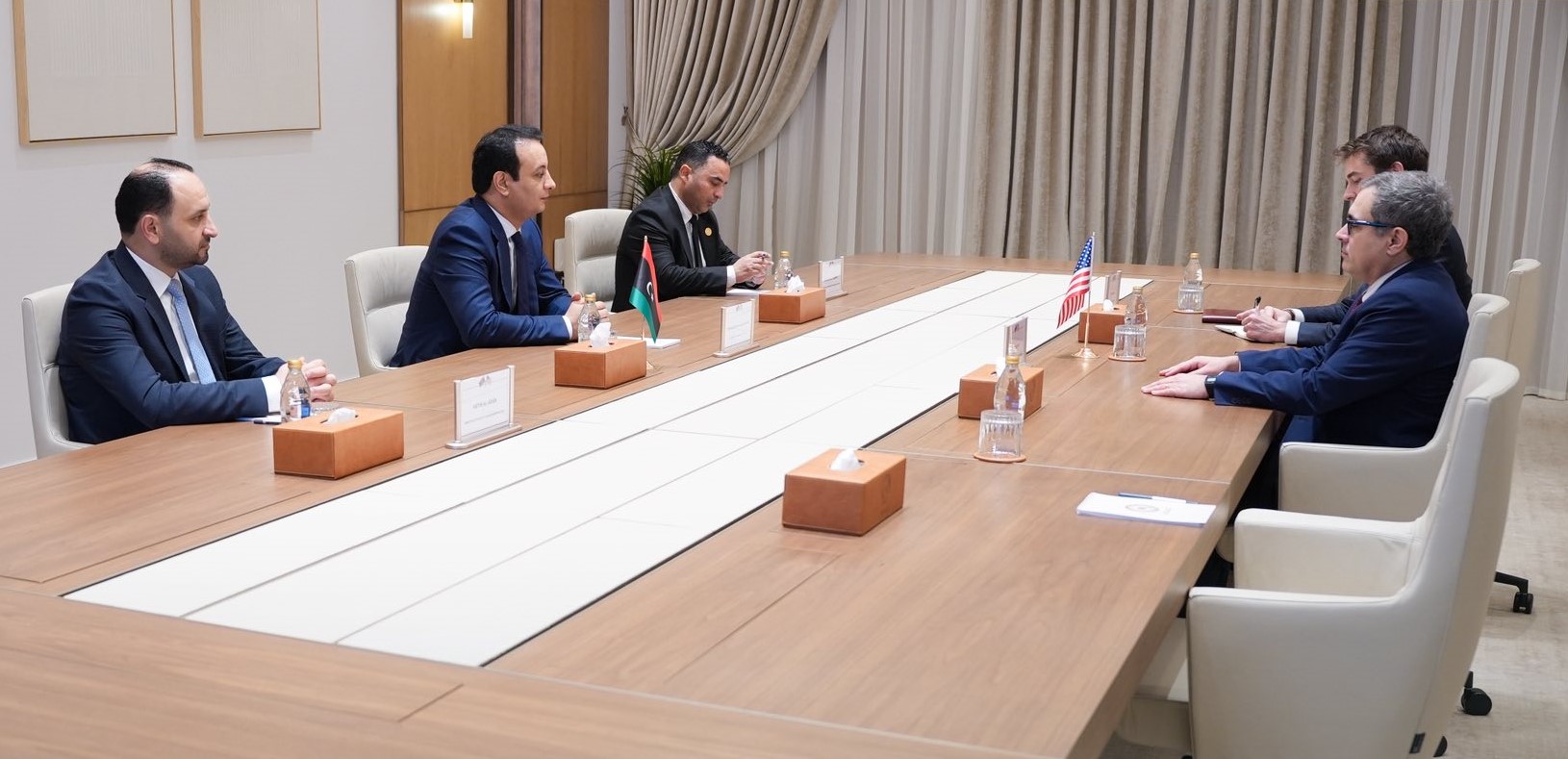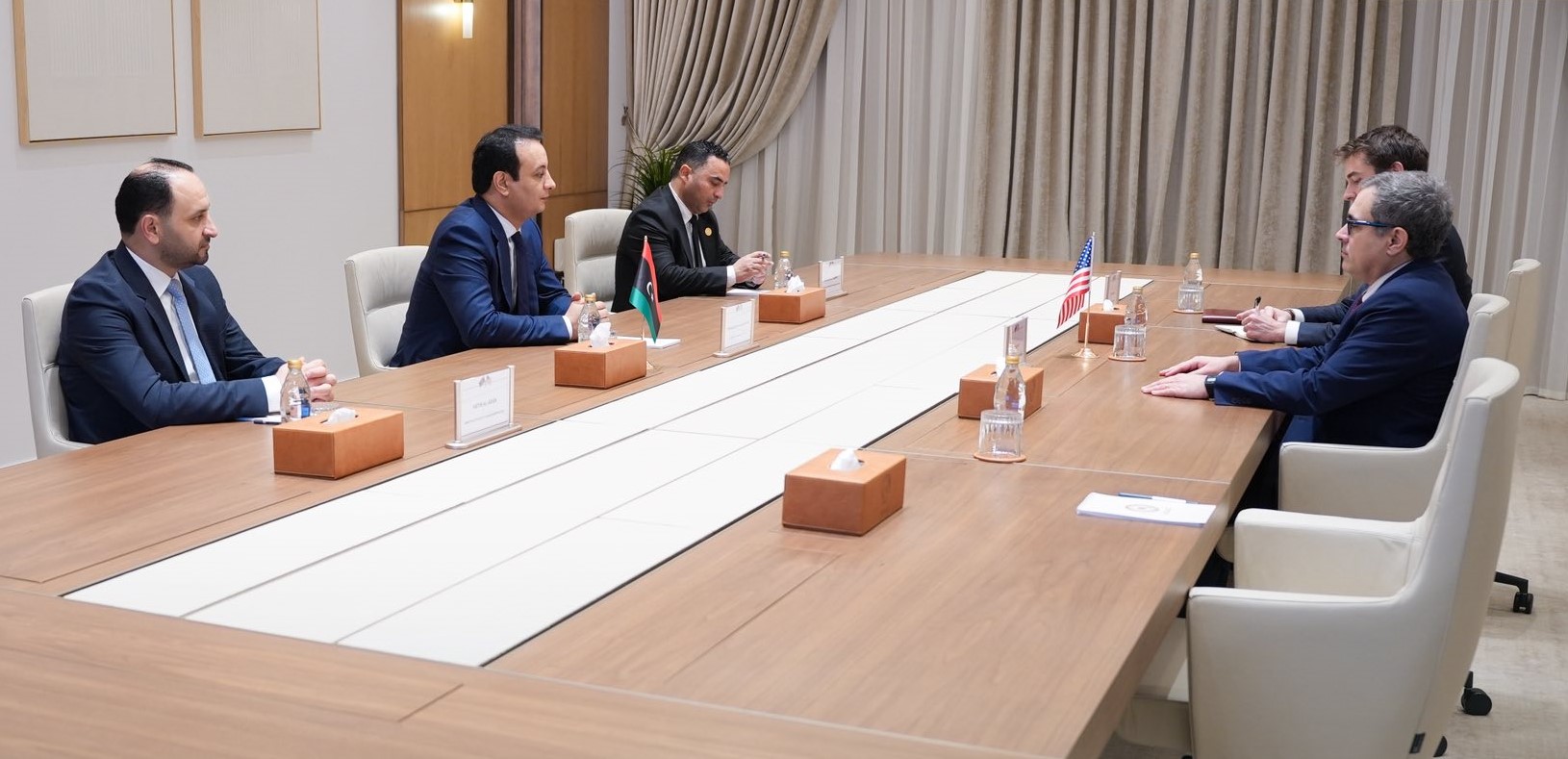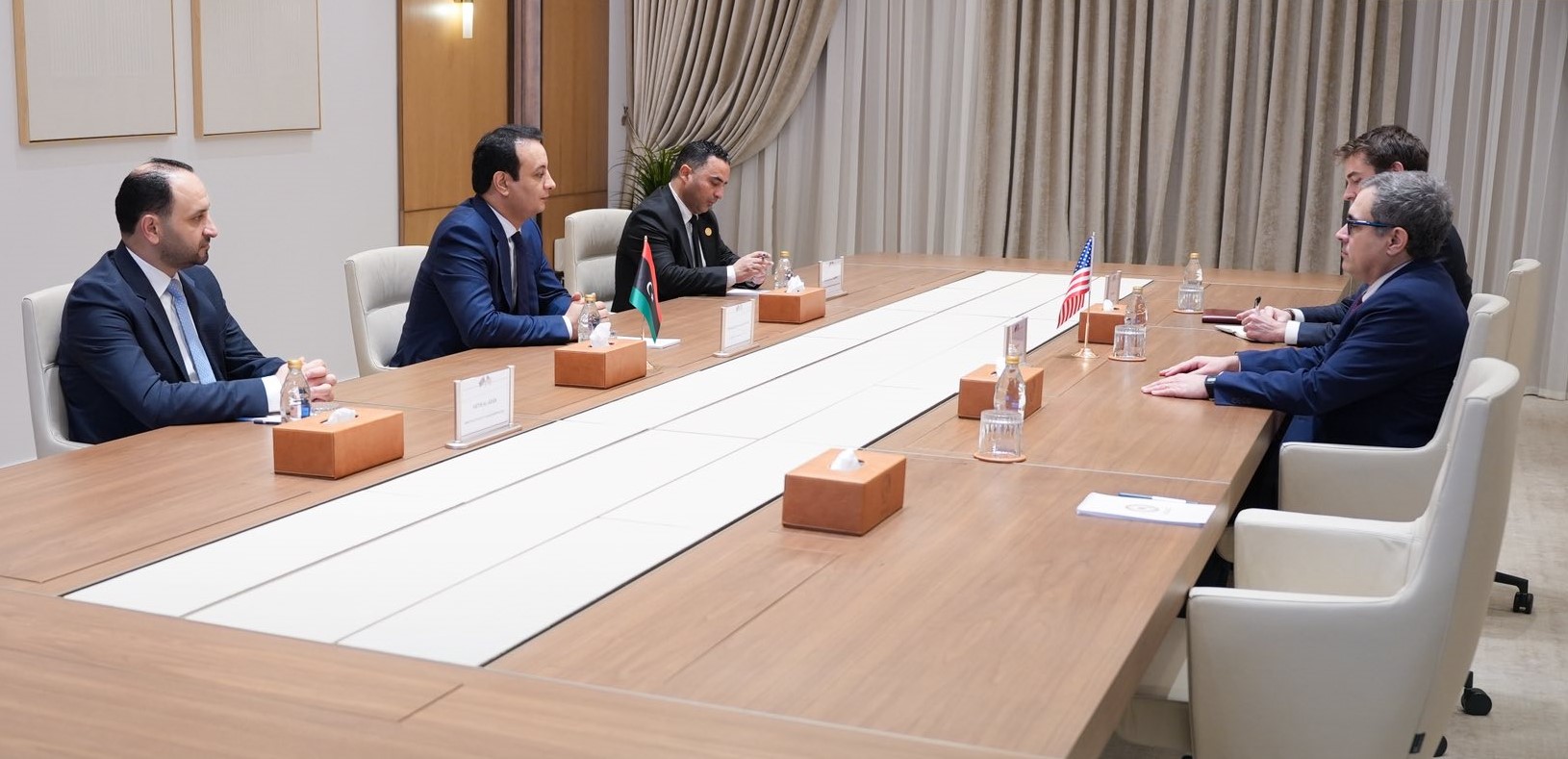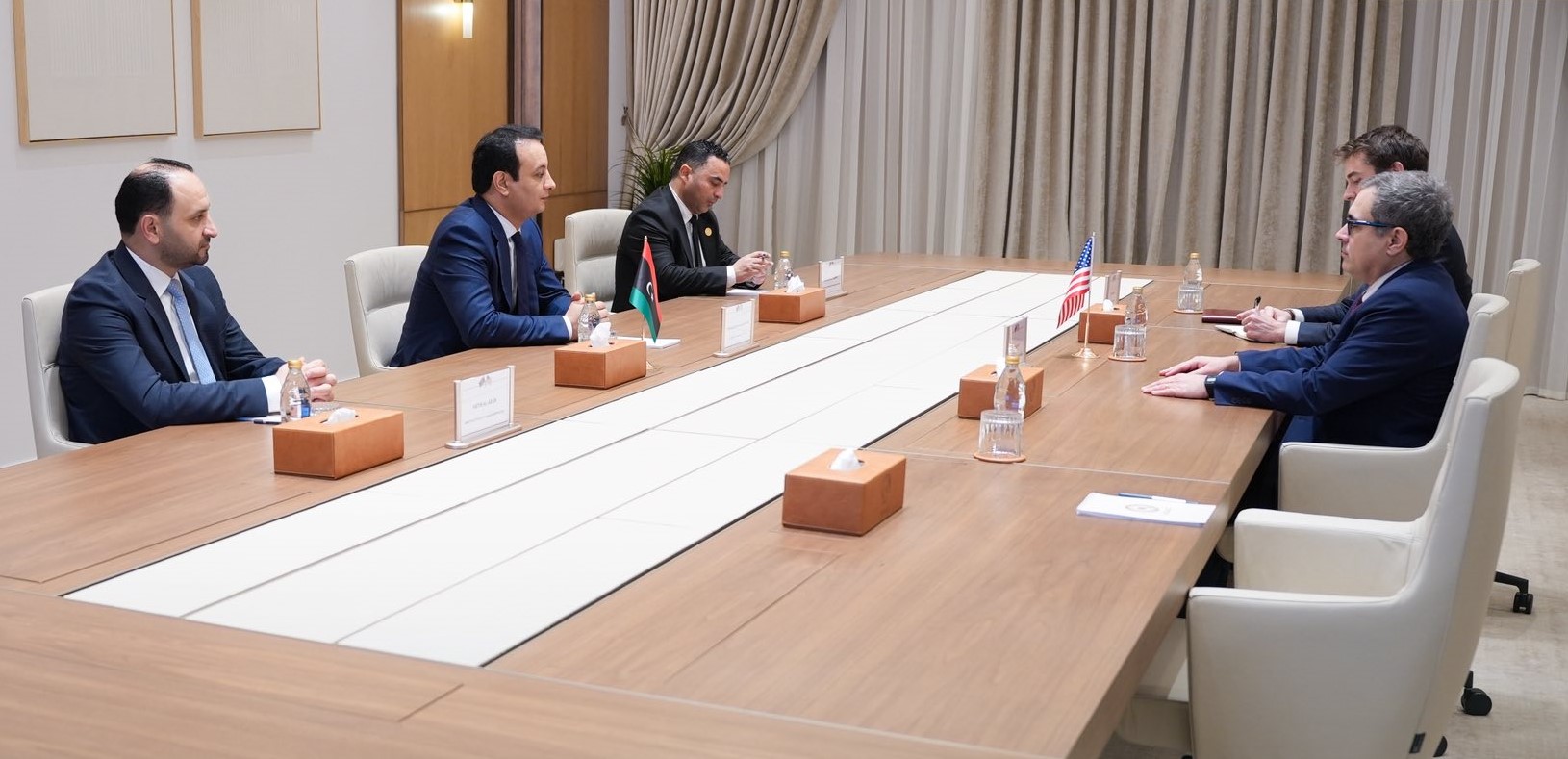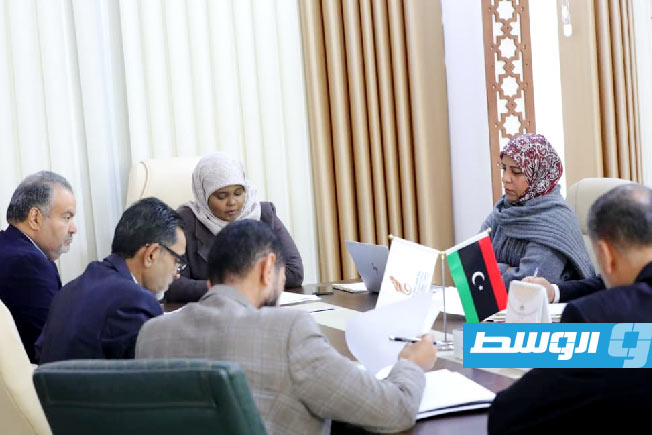
Yesterday morning, Tuesday, a meeting was held at the Ministry’s headquarters to discuss preparations for launching the Tripartite Cultural Development Plan in Libya and establishing its general foundations, as well as formulating visions and proposals for the cultural sector. The meeting was attended by directors of relevant and specialized departments and offices.
The meeting discussed the executive work mechanisms for preparing the Tripartite Cultural Development Plan, which relate to cultural work policies.
During the meeting, an introduction was given to the plan, including its vision, mission, main pillars, and executive mechanisms. Emphasis was placed on the importance of involving relevant official bodies and intellectuals to ensure role integration and achieve the desired goals, with subsequent meetings to be held with specialized entities.
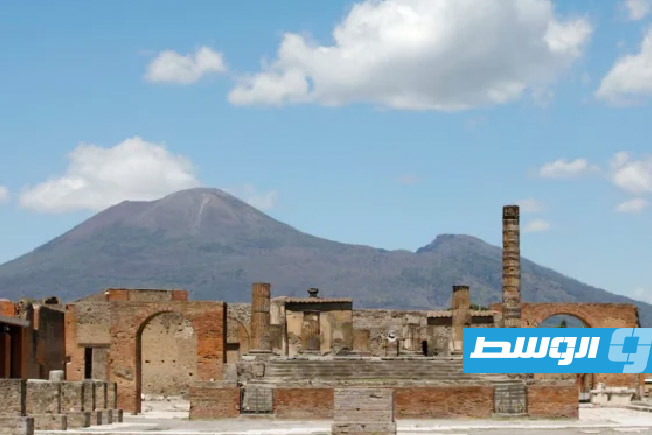
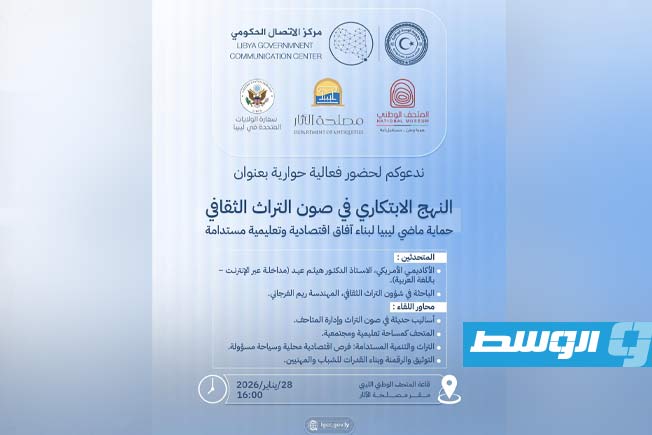
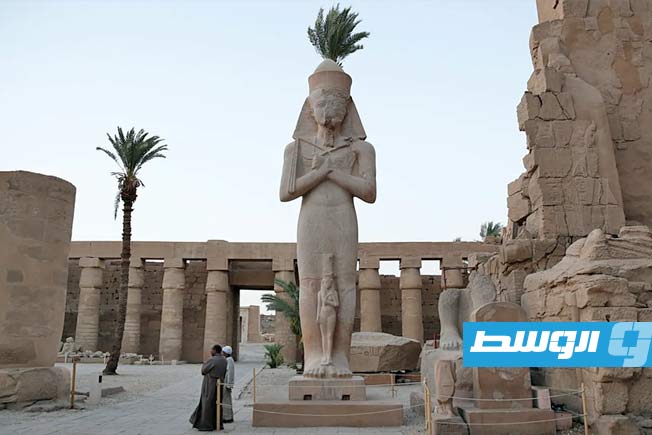
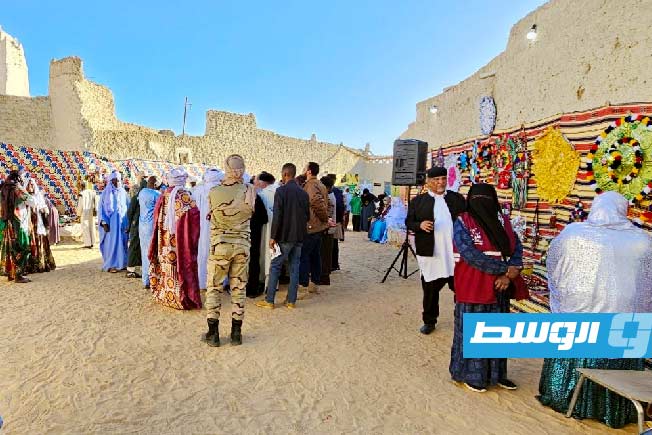
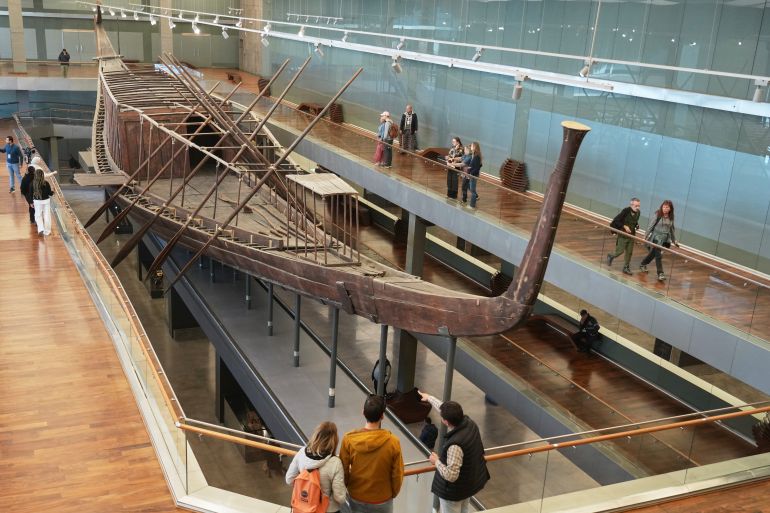
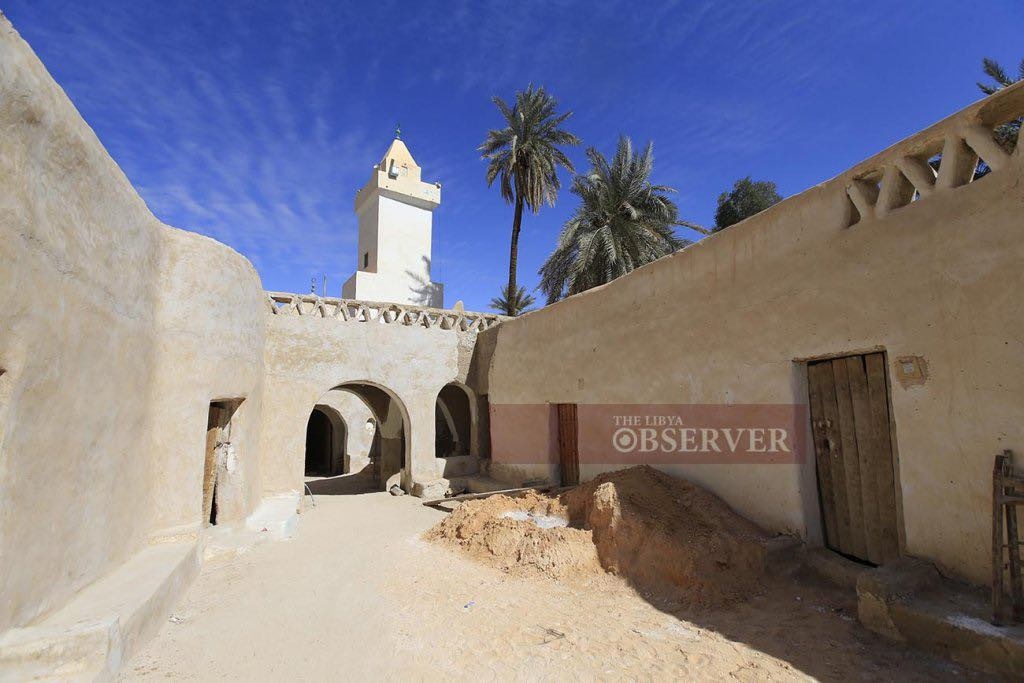
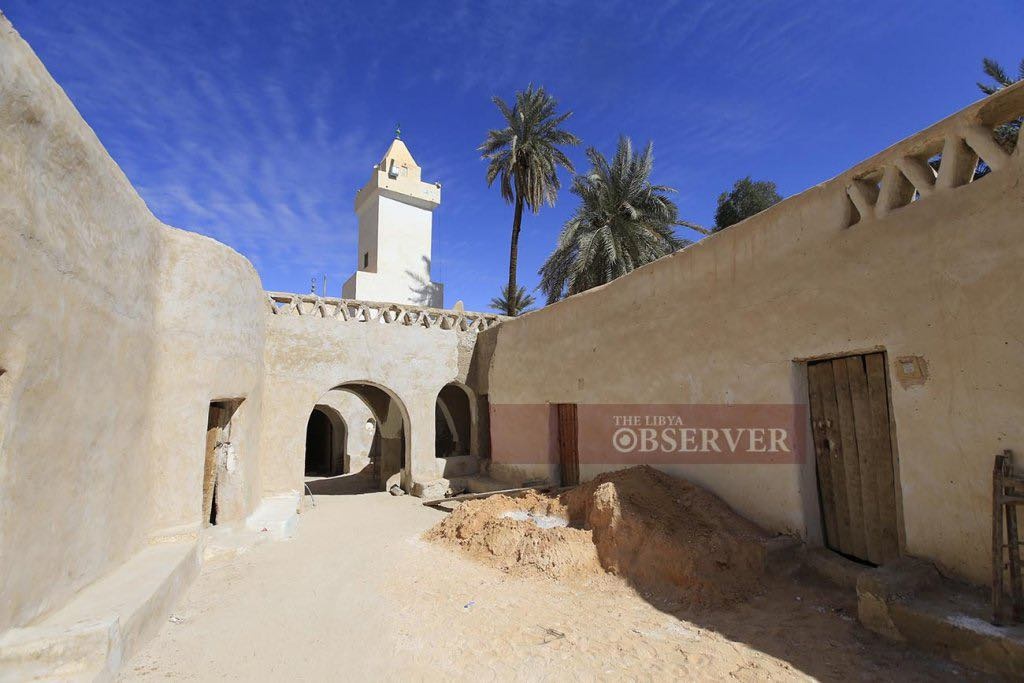
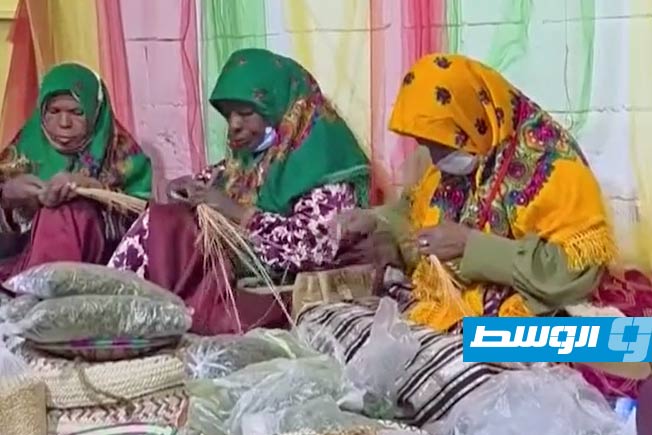
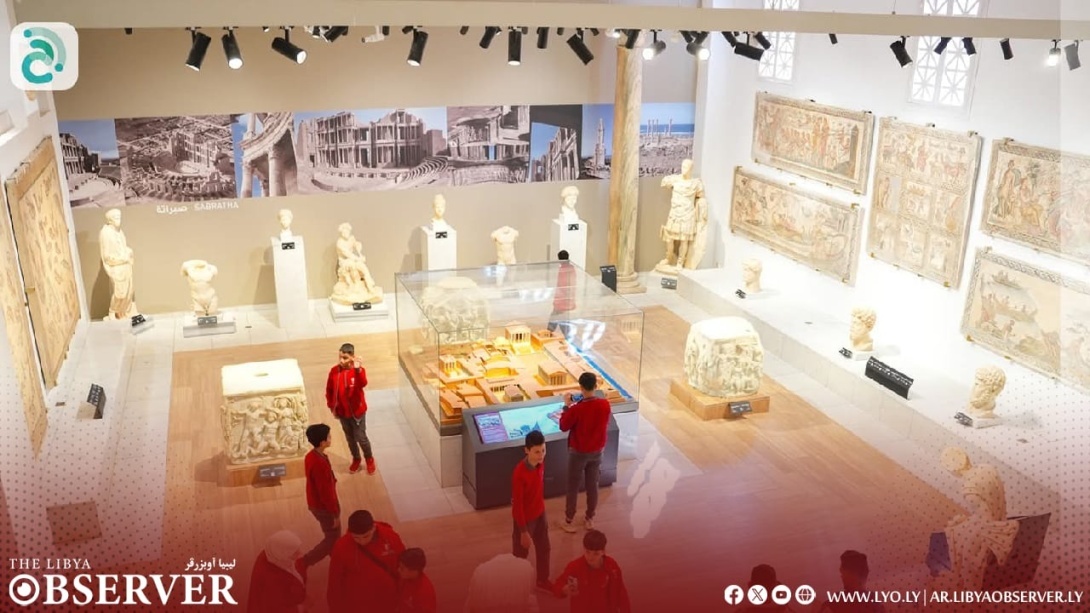
The role of cultural industries and the job positions and income they can provide was highlighted. The importance of heritage was stressed as it showcases the richness of our country’s civilizational and historical reservoir and cultural diversity.
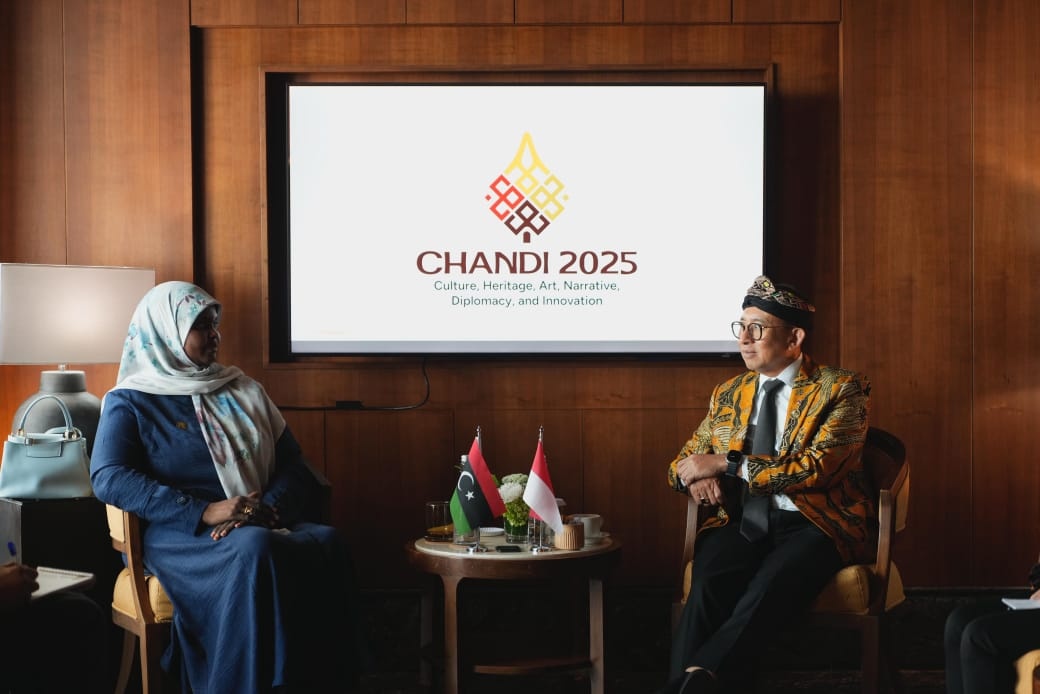
– <a>Libyan-Indonesian Cultural Cooperation.. ‘Dharma Siswa’ and Plans for Ramadan Events with Student Participation
– <a>During a Meeting… UN Confirmation of Support for Libya in Preserving its Cultural Heritage
– <a>United Nations Reaffirms Commitment to Supporting Libya in Protecting and Investing its Cultural Heritage
It is worth noting that the Tripartite Cultural Development Plan in Libya represents a strategic framework to reactivate the pivotal role of culture in supporting comprehensive development. It aims to promote cultural development by integrating culture into social and economic transformations and development policies.
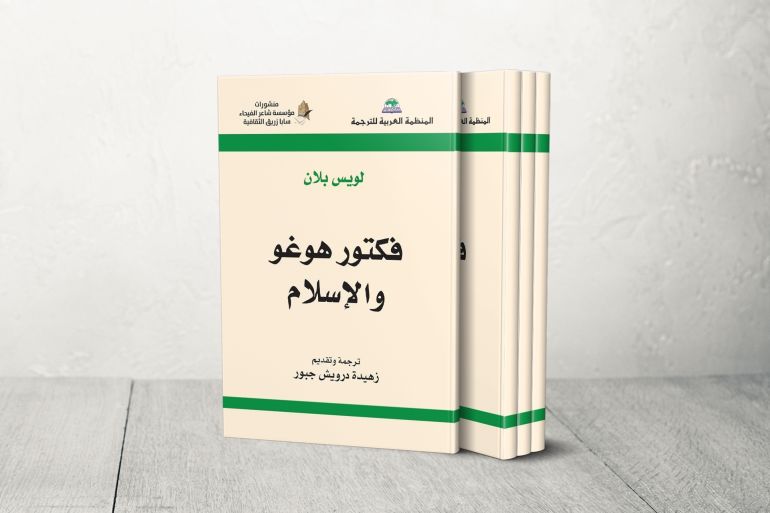
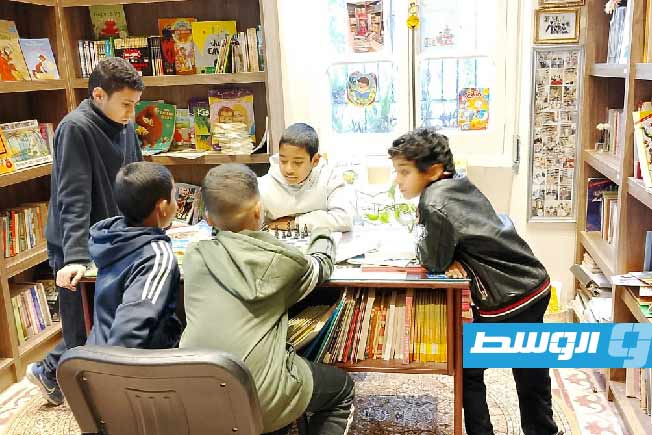
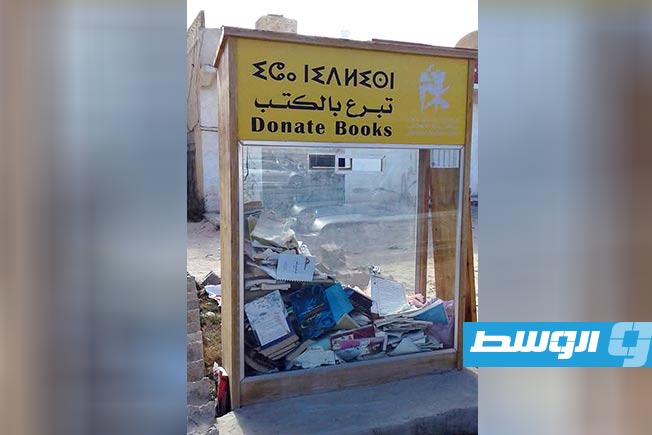
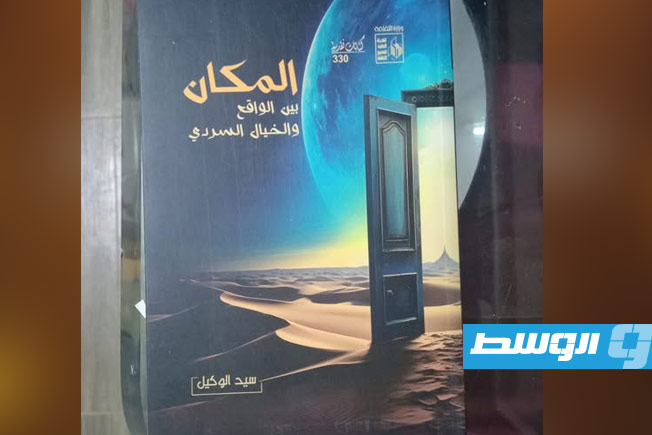
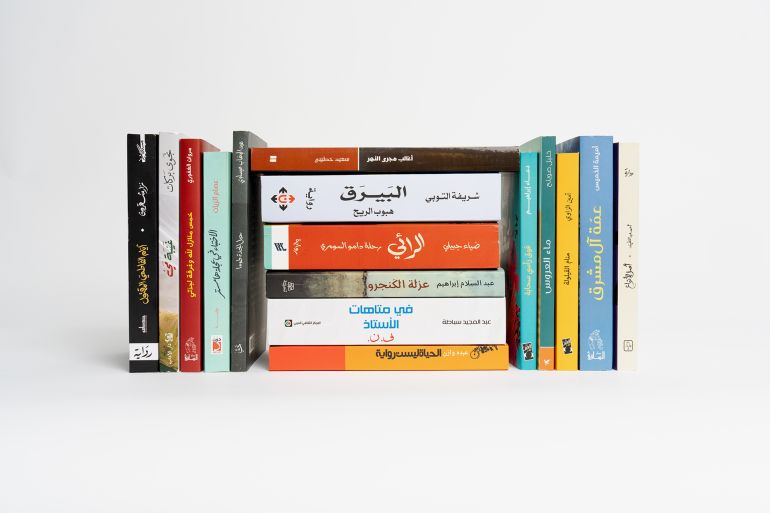
The program focuses on supporting culture as a key factor in creating investment opportunities, employment, and social inclusion. The main sectors of the Tripartite Cultural Development Plan in Libya include: cultural and creative industries, books as a fundamental pillar of culture supporting development, and cultural heritage.