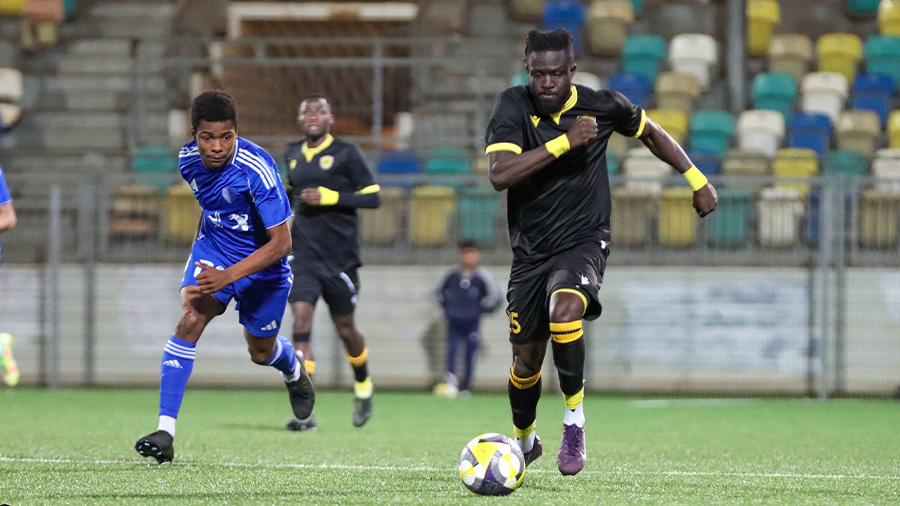
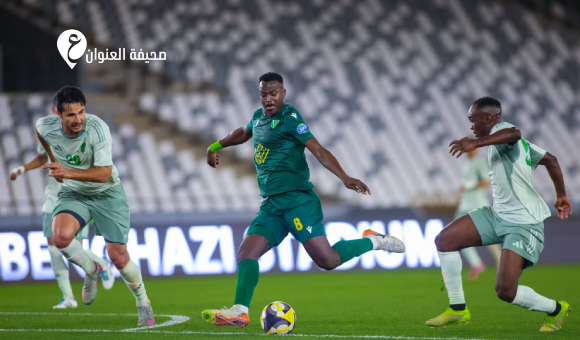
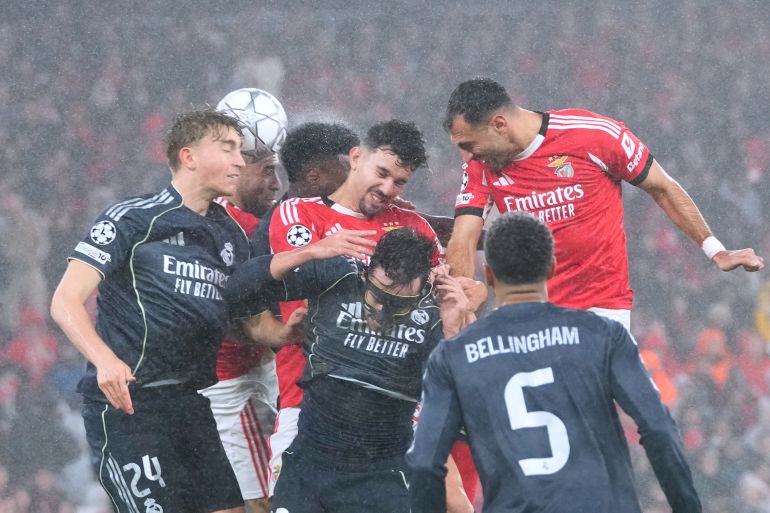
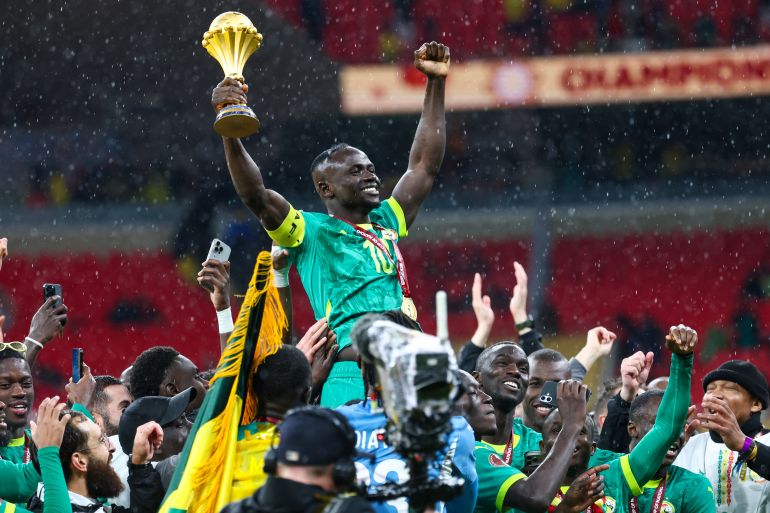
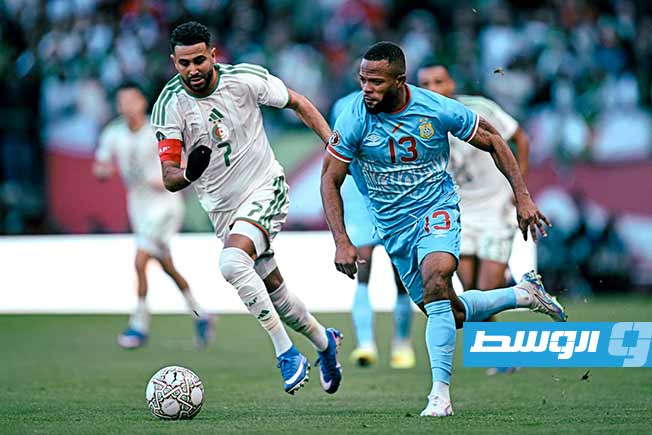
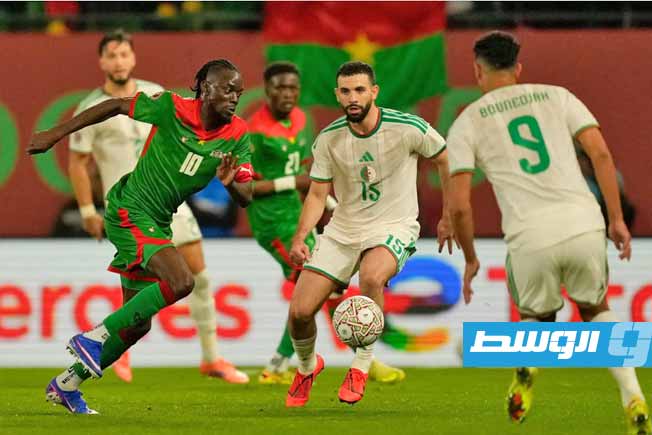
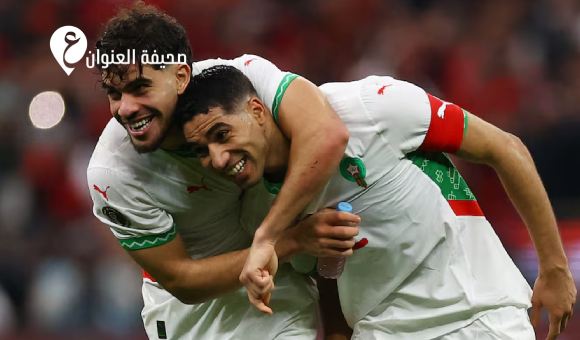
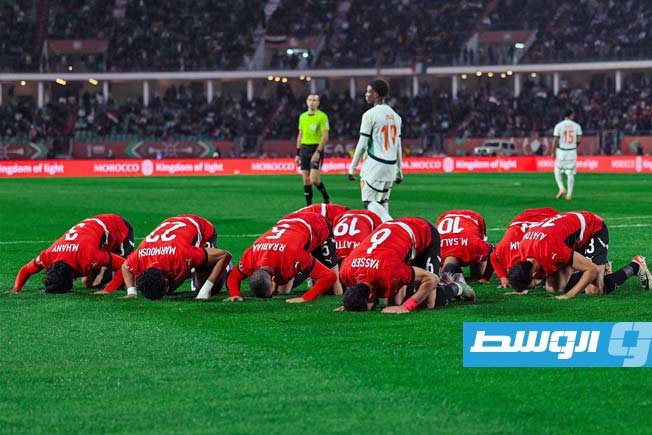
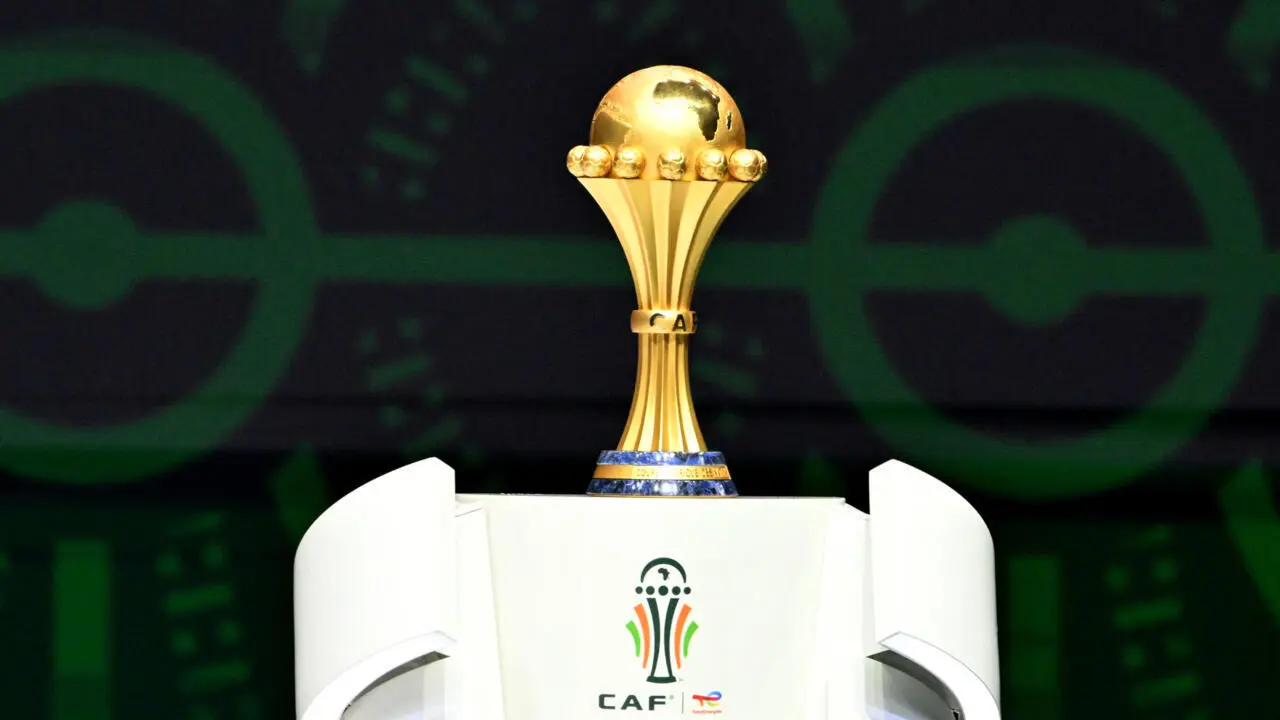
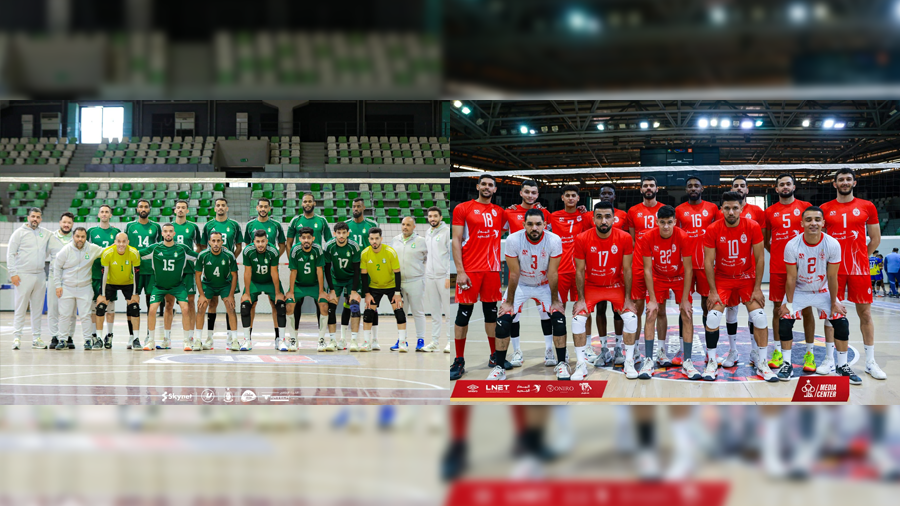
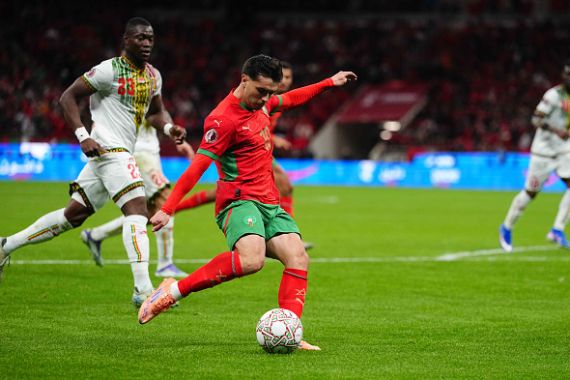
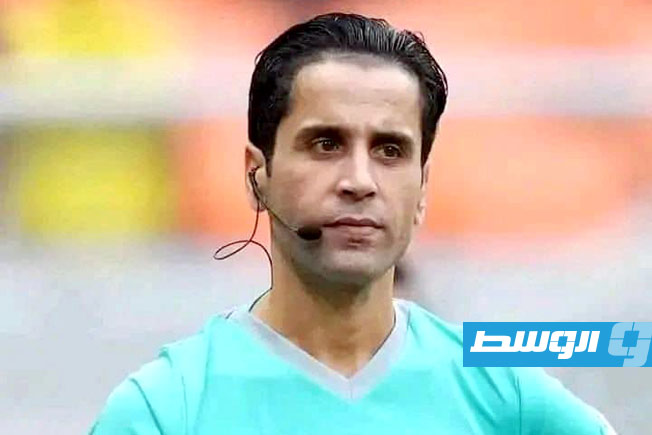
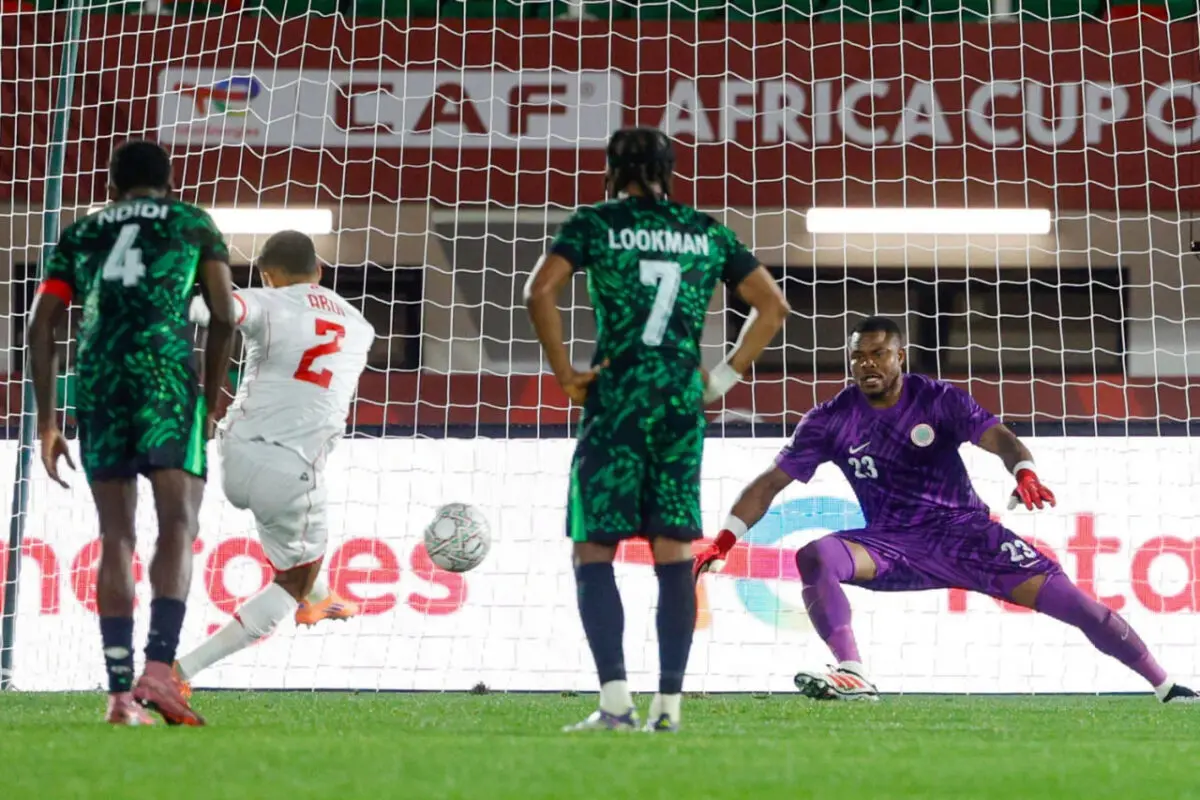
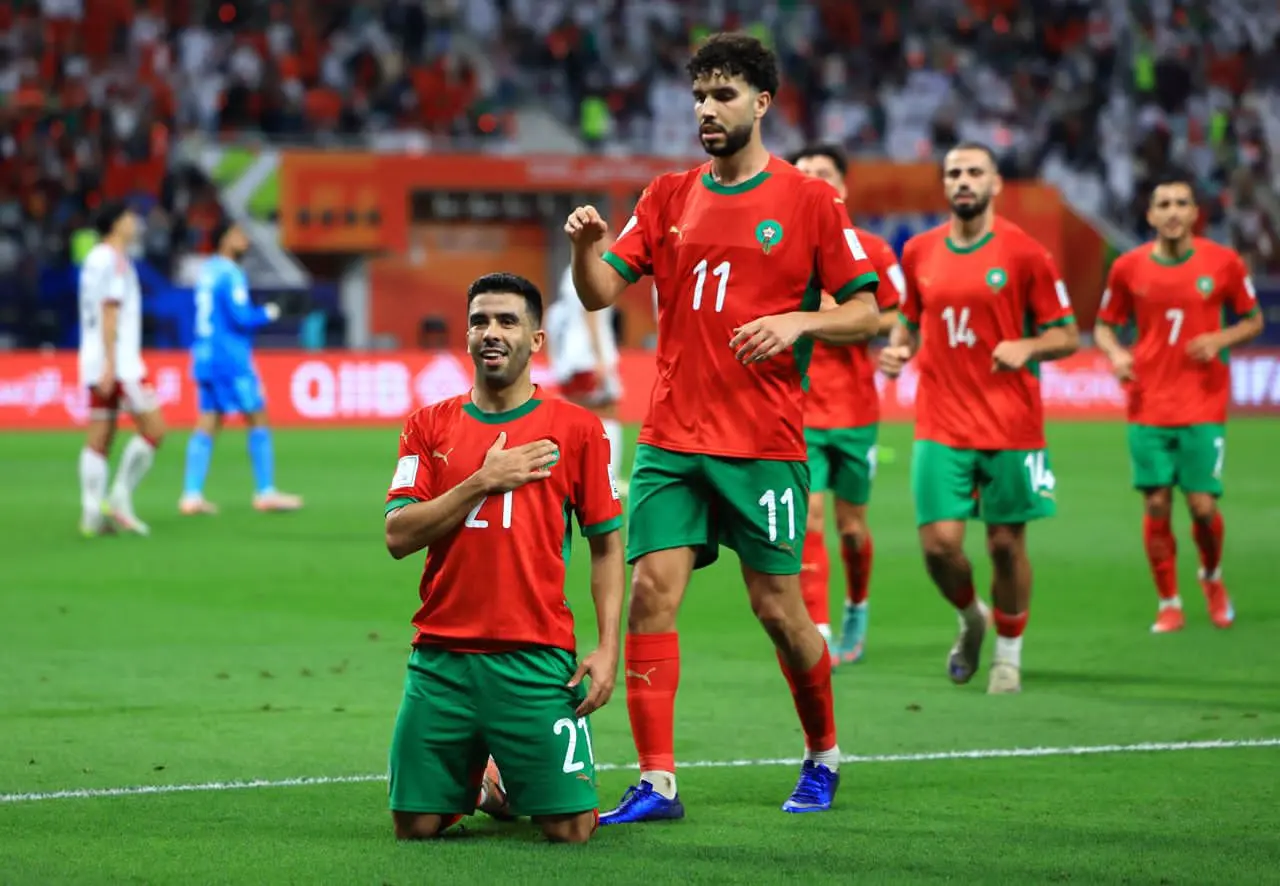
With Tunisia and Senegal making appearances, the third round ignites competition in the Africa Cup of Nations with four matches on Tuesday.
libyawire.org > News > Sport > With Tunisia and Senegal making appearances, the third round ignites competition in the Africa Cup of Nations with four matches on Tuesday.
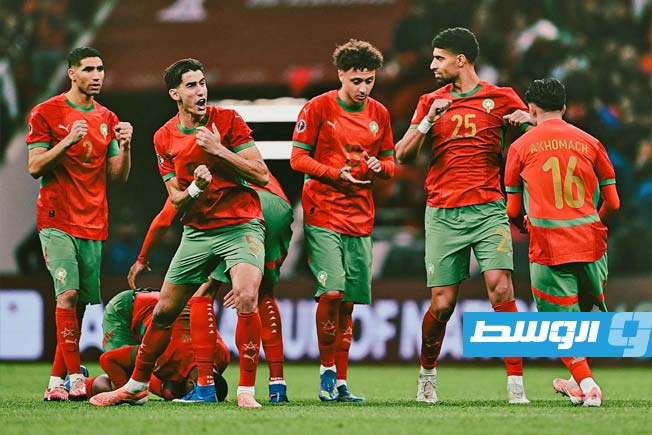
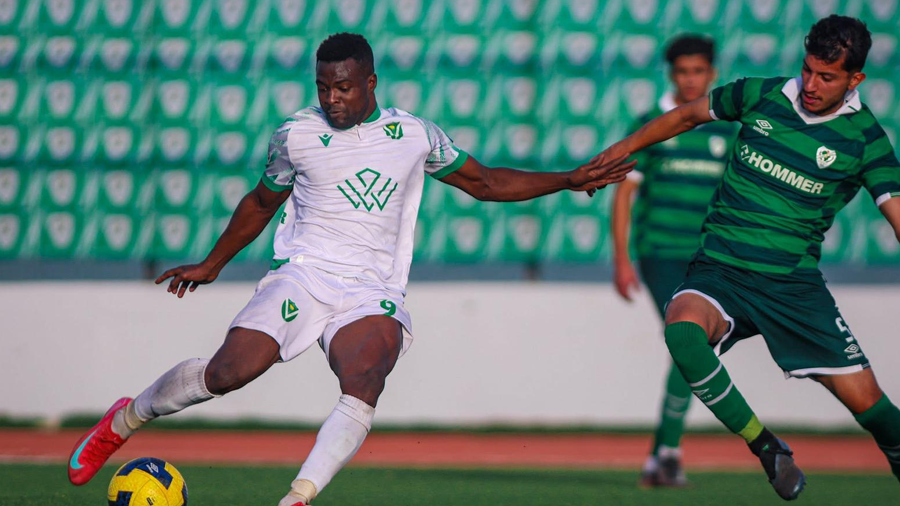
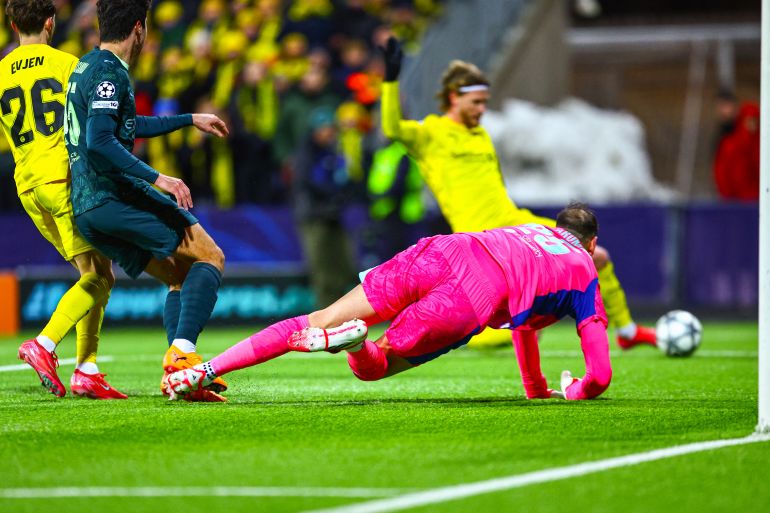
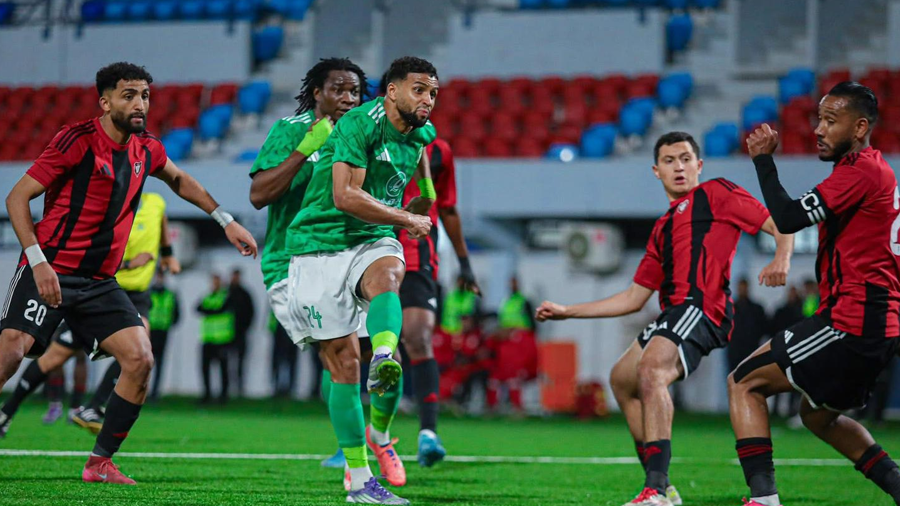
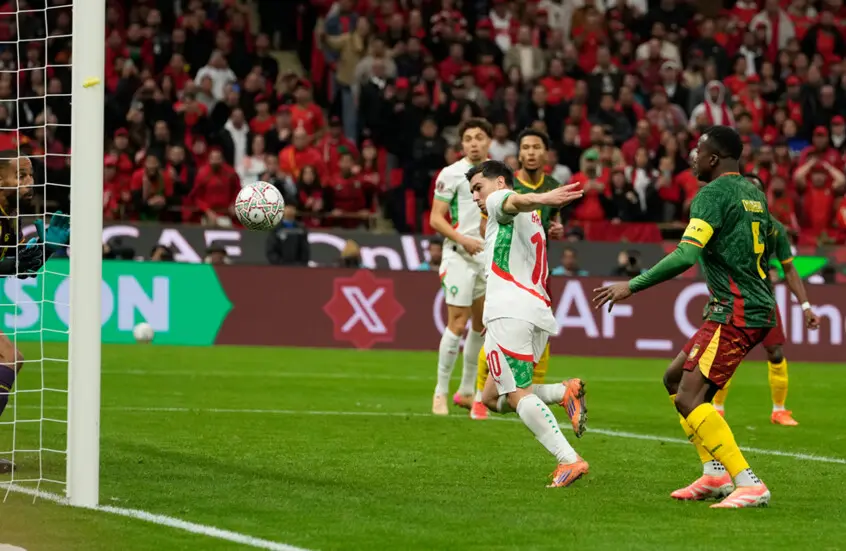
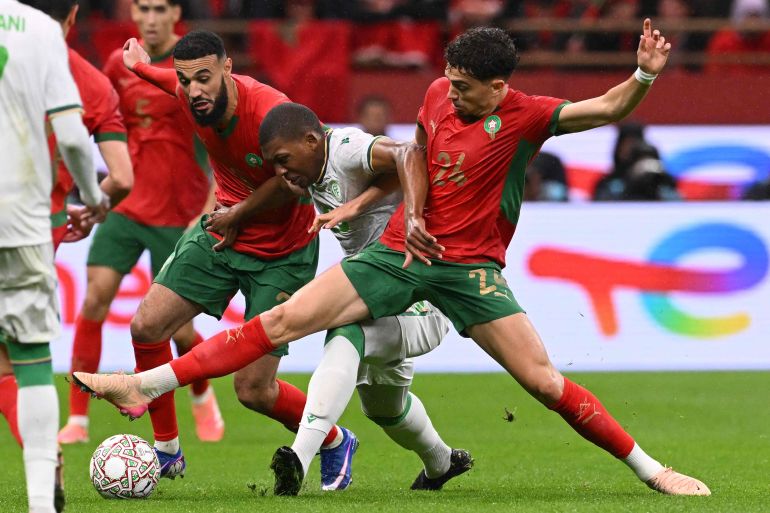
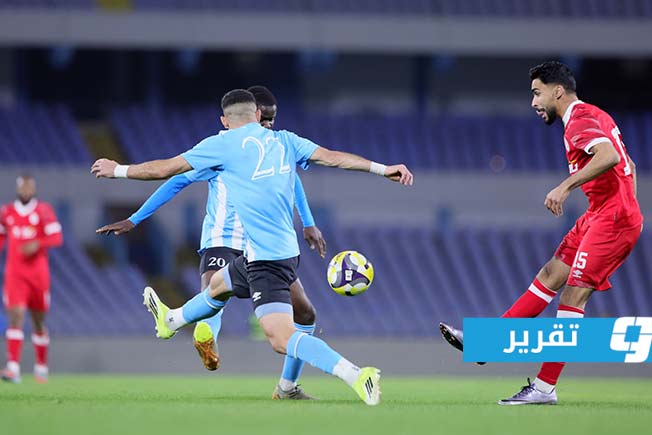
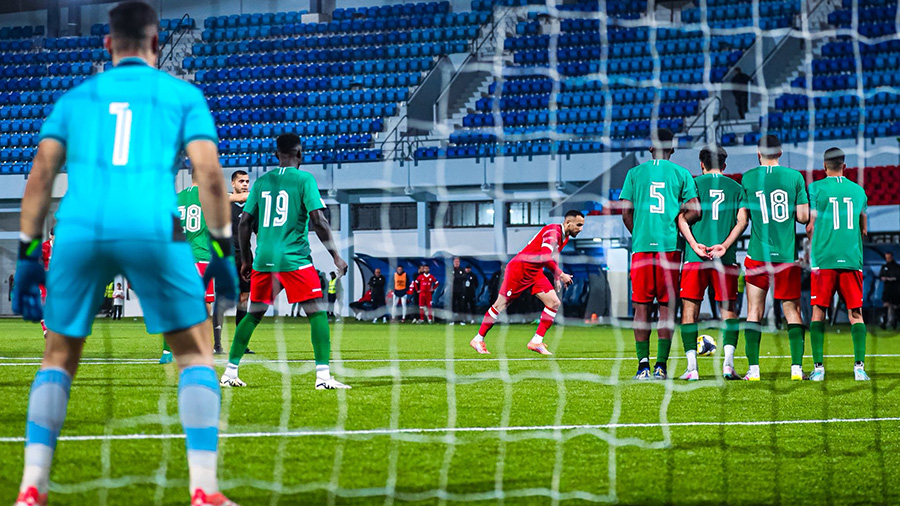
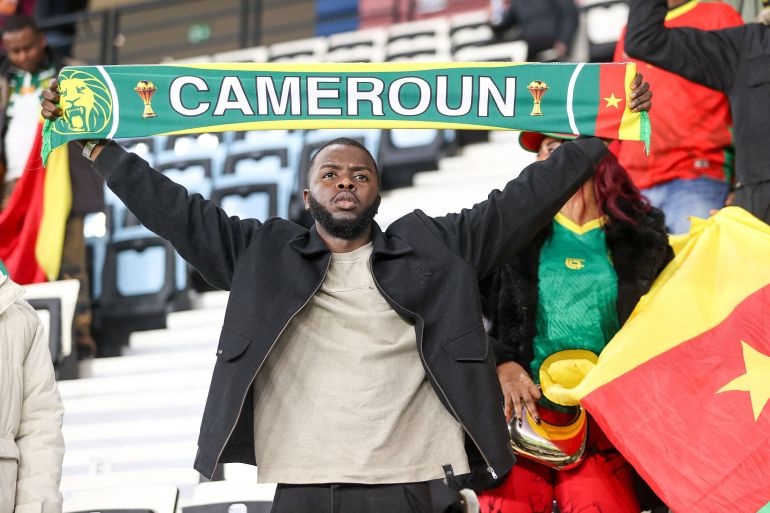
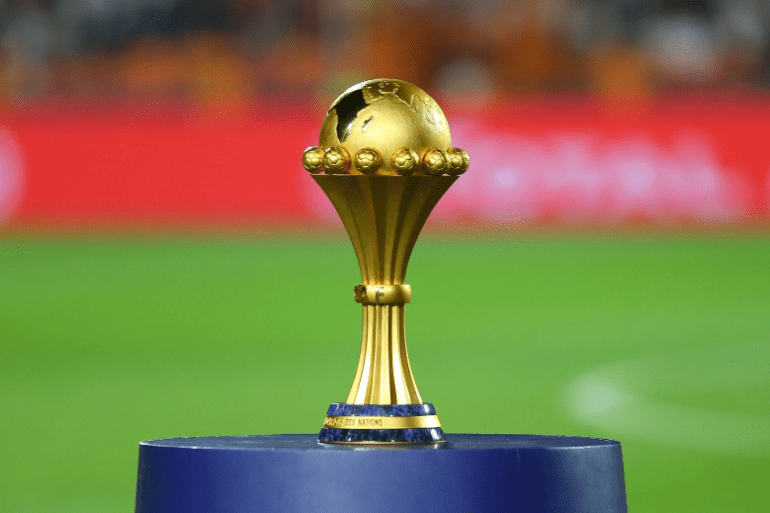
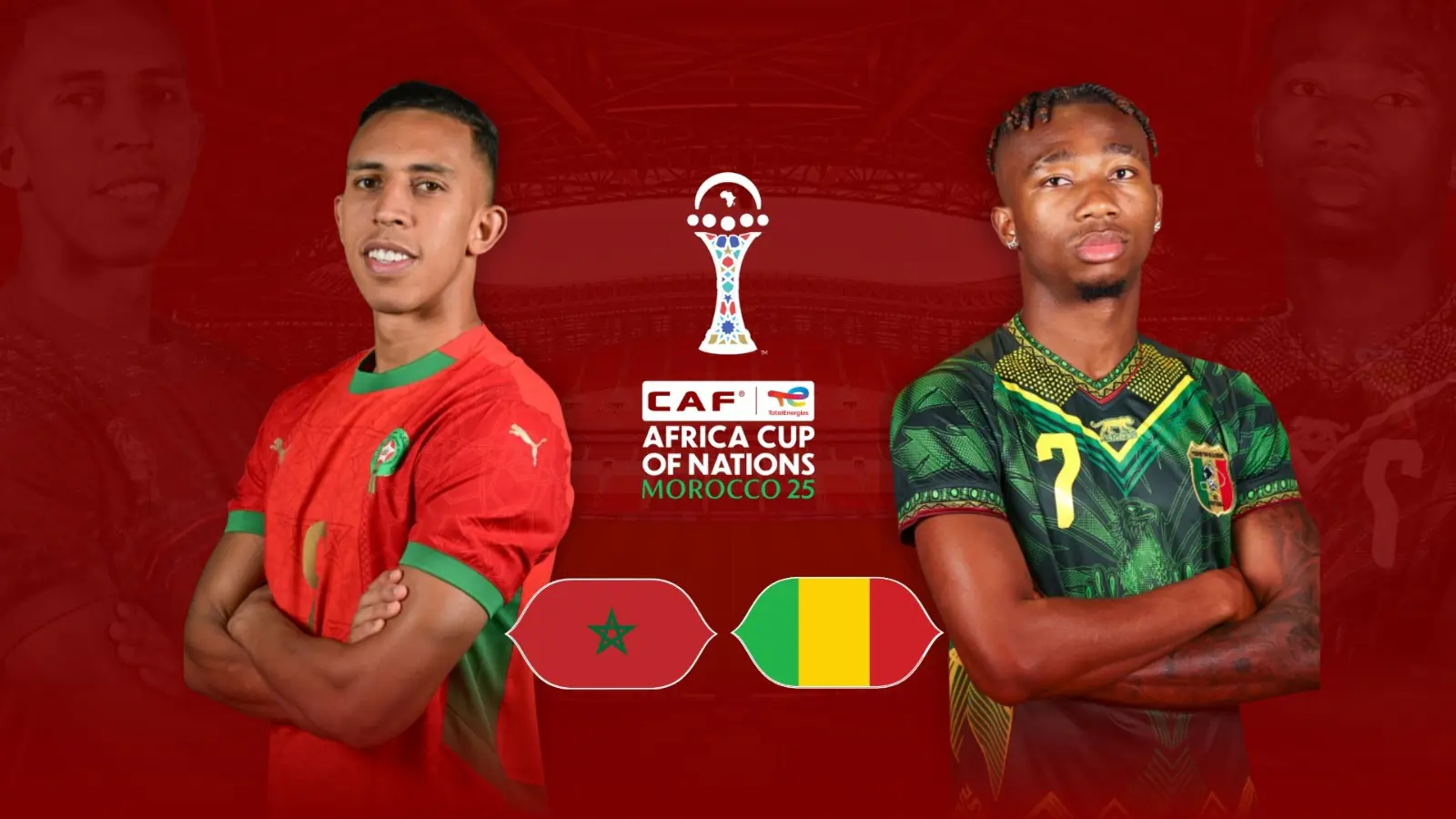
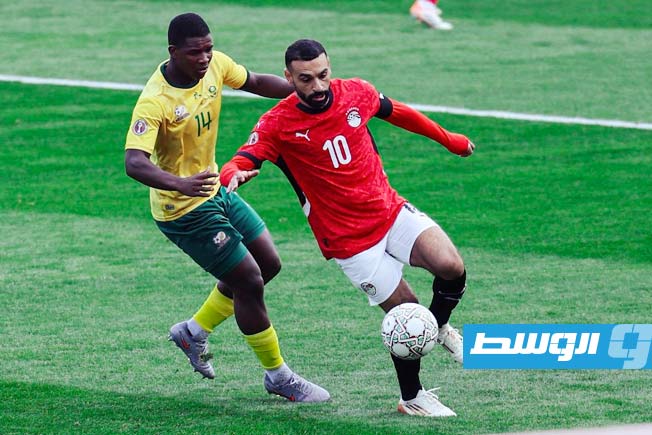
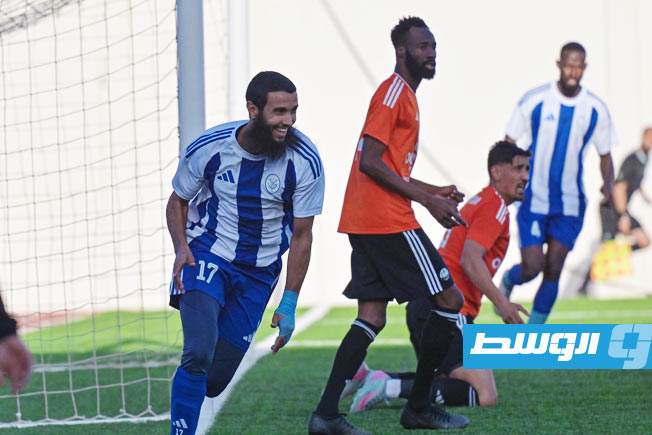
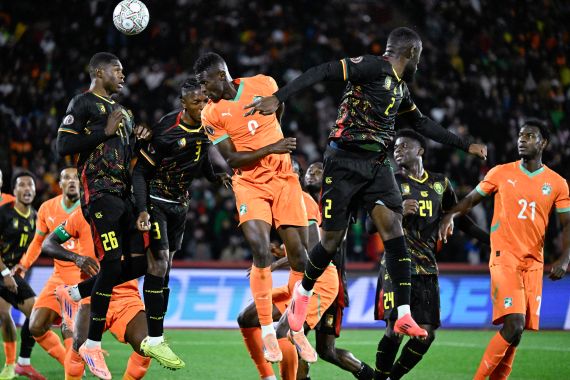
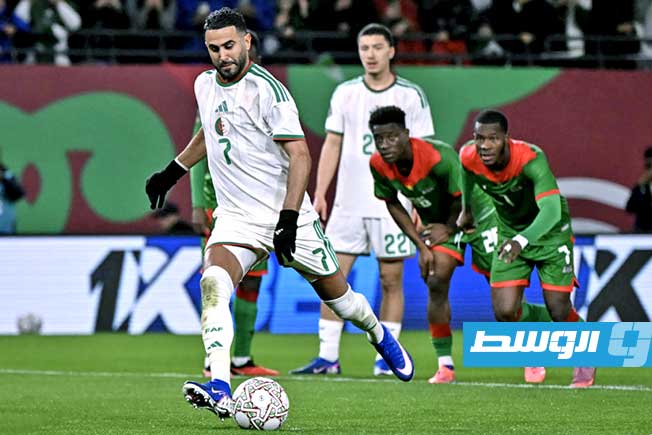
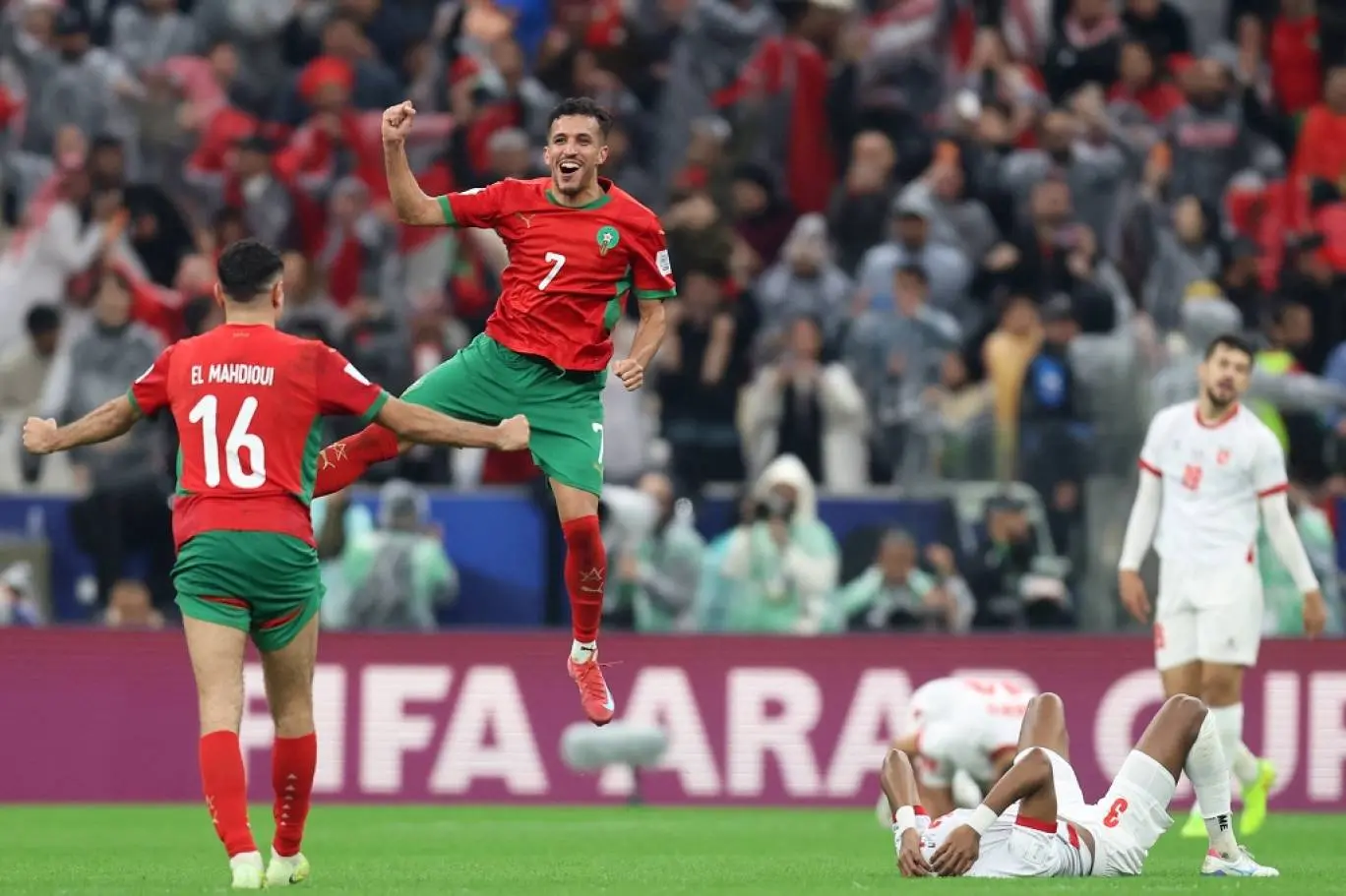
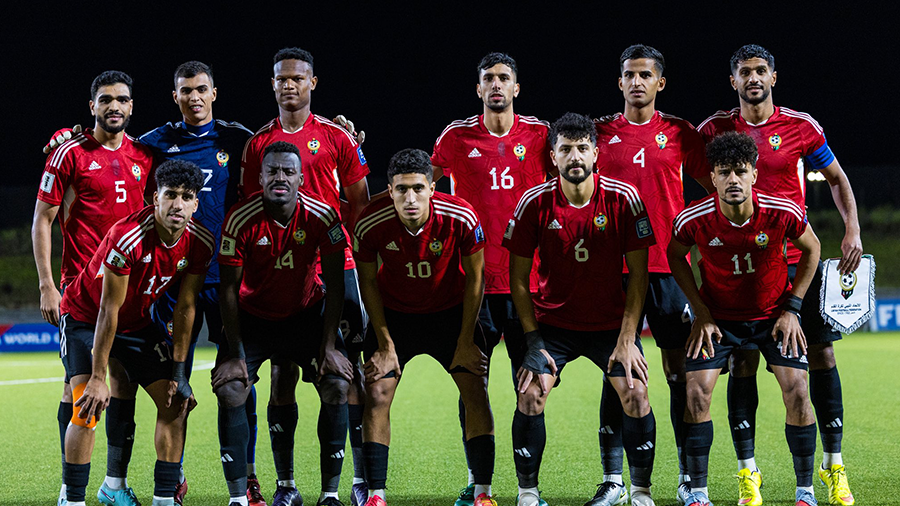
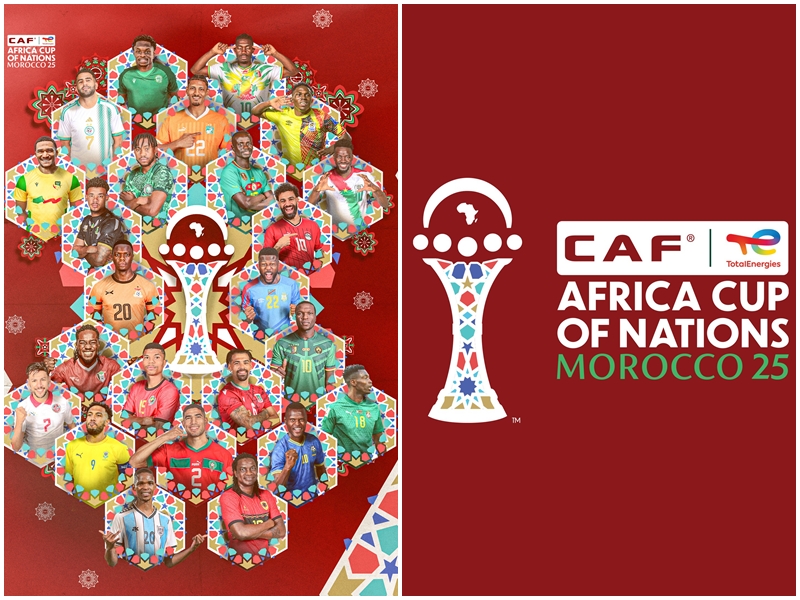
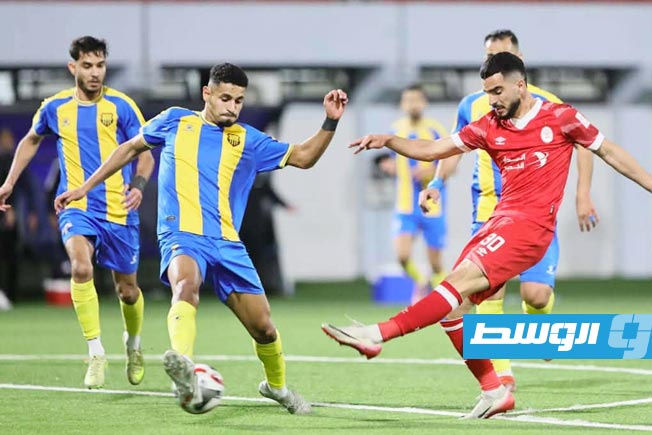
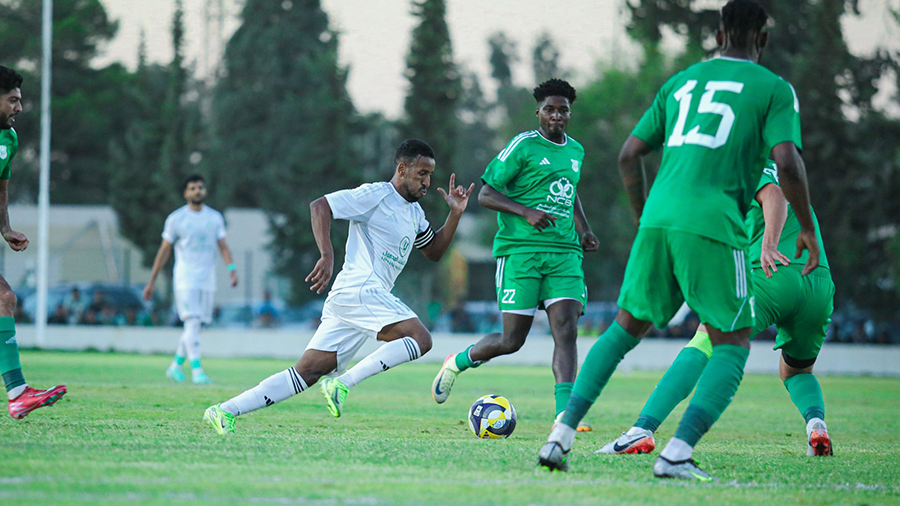
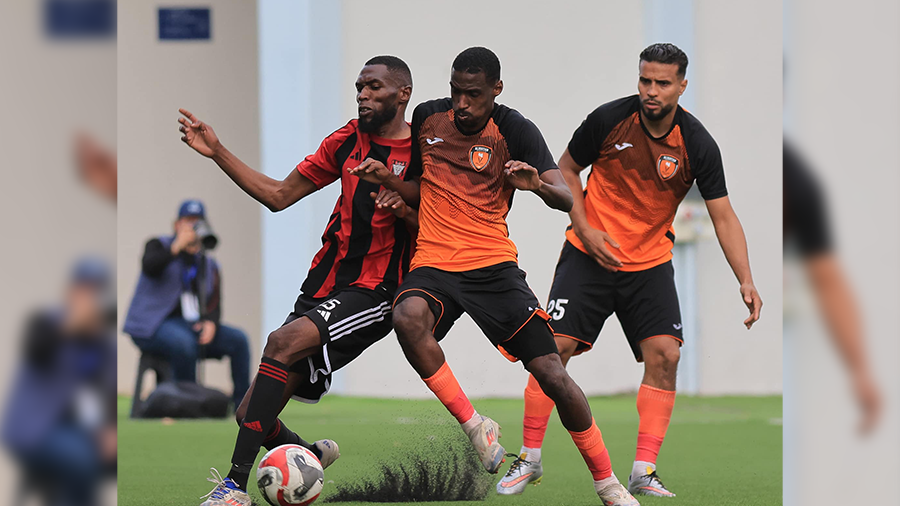
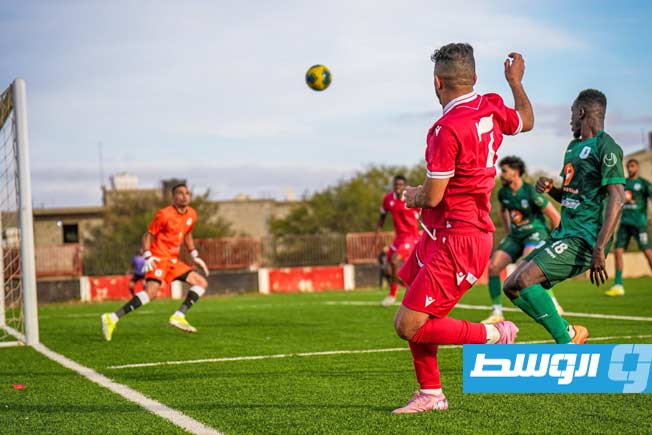
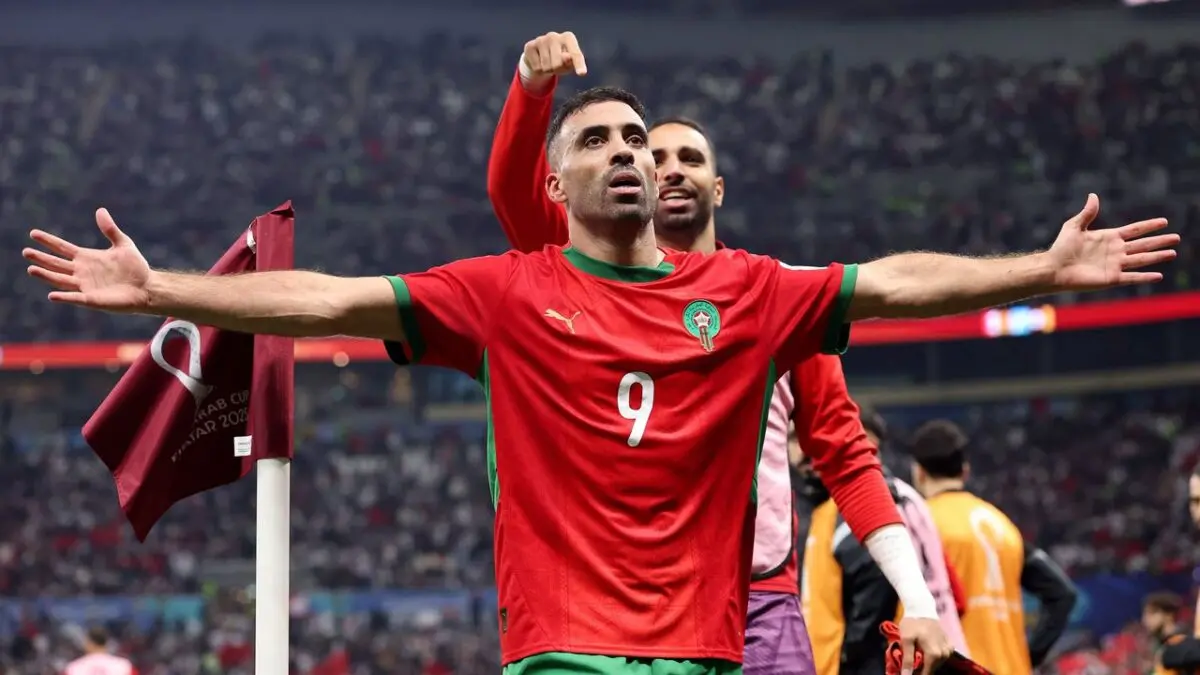
The third round of the Africa Cup of Nations continues today, Tuesday, with four strong and decisive matches. These games hold a lot of excitement and complex calculations, as the competition intensifies among the teams striving to secure their tickets to the next round of the continental tournament.
Two Matches in Group Three
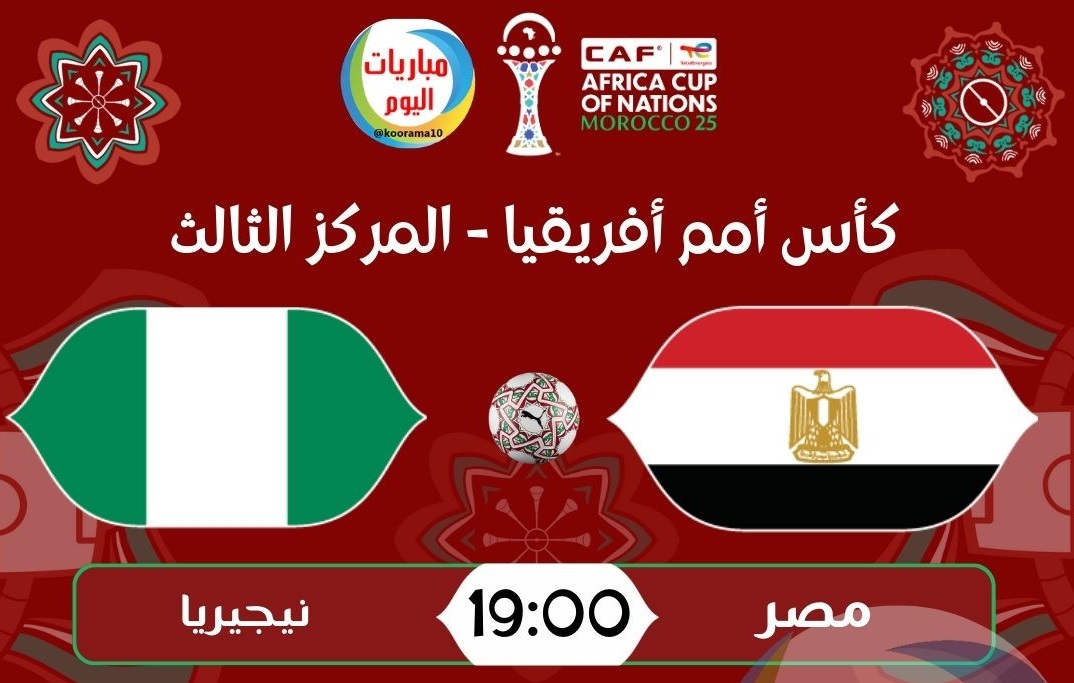
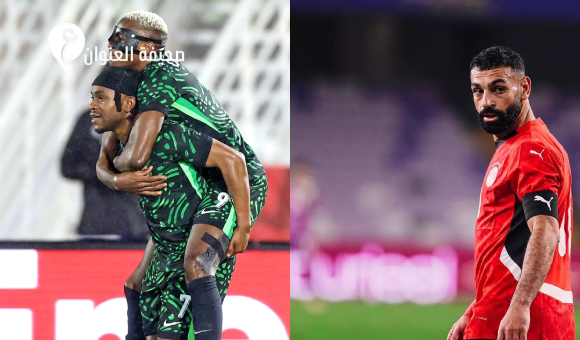
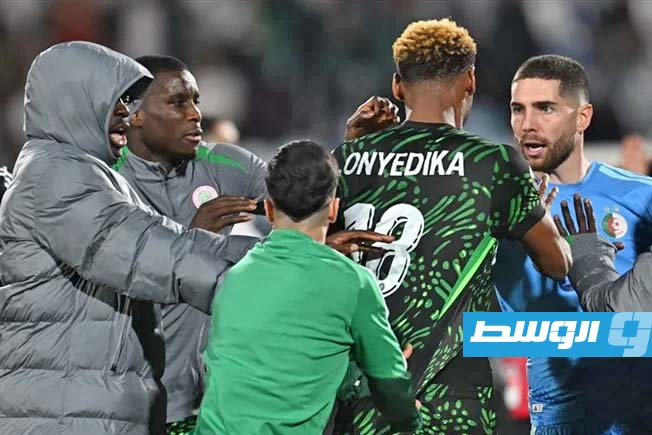
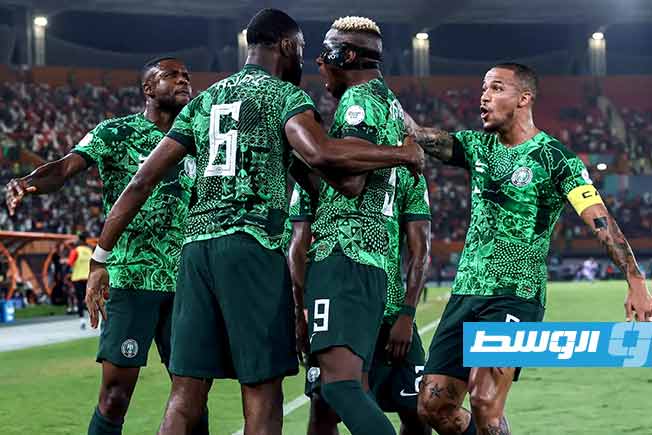
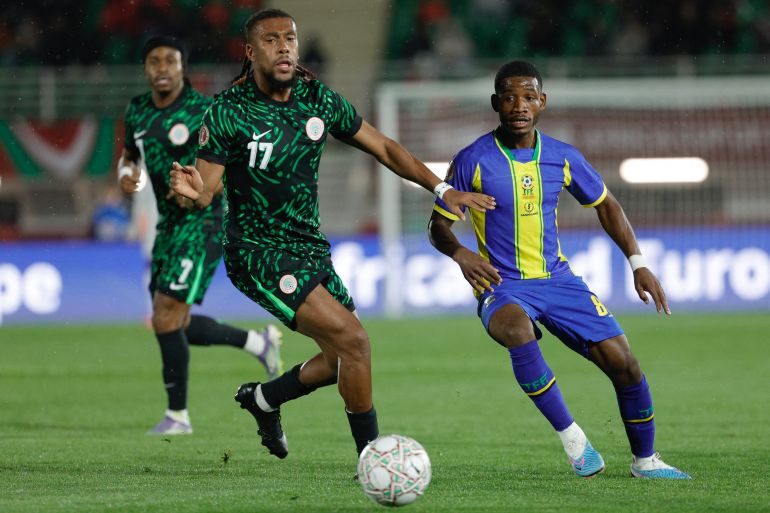
Today’s matches in Group Three feature two simultaneous encounters. The Uganda national team will face Nigeria at 6:00 PM Libya time, in a match that is a must-win, especially for the Nigerian team looking to strengthen its position in the standings.
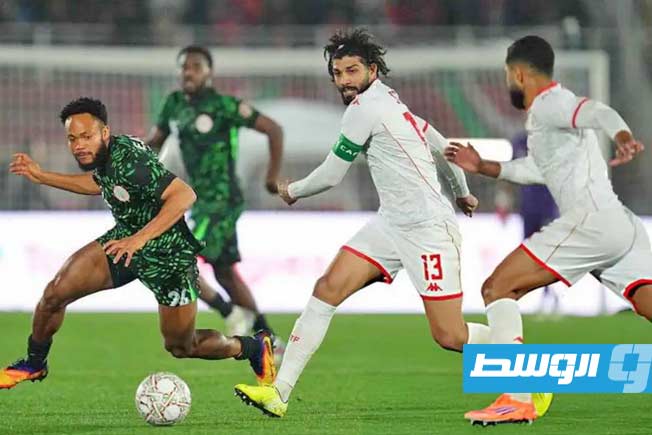
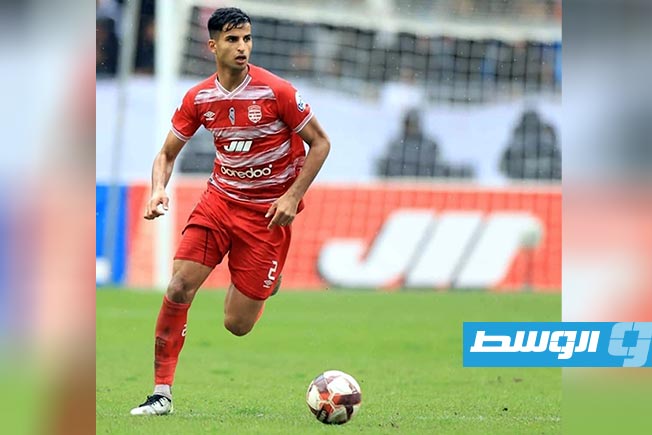
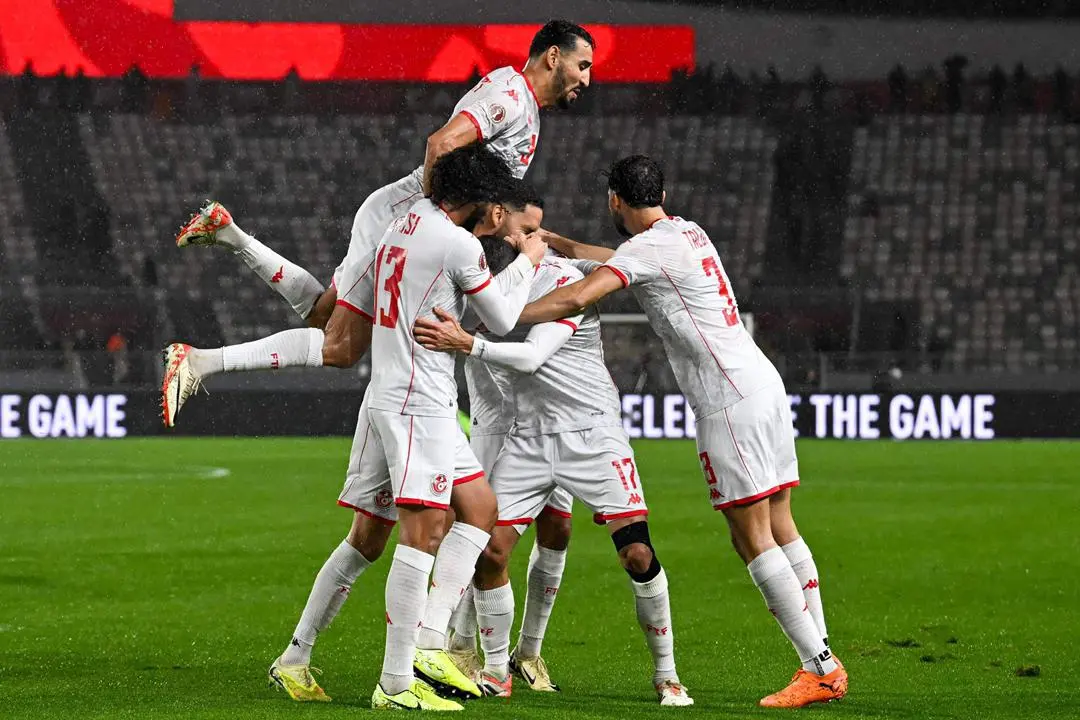
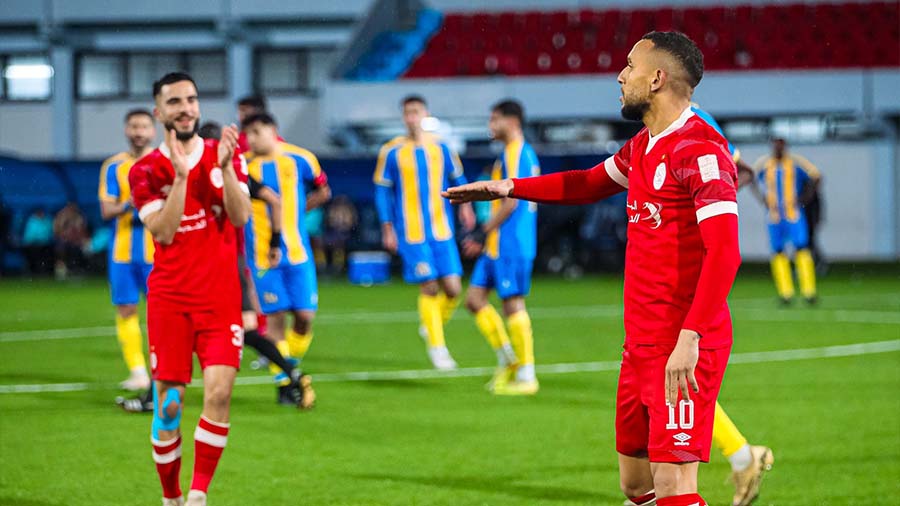
At the same time, the Tanzania national team clashes with Tunisia in a match of equal importance. The “Carthage Eagles” seek a positive result to ensure they remain in contention for a qualification spot, while the Tanzanian team aims to turn the tables and pull off an upset to boost their chances in the tournament.
Strong Struggle in Group Four
In Group Four, two other matches will be held at 9:00 PM Libya time. The Botswana national team faces the Democratic Republic of Congo in a decisive encounter, with both sides hoping to seize the three points that could make the difference in the qualification race.
–
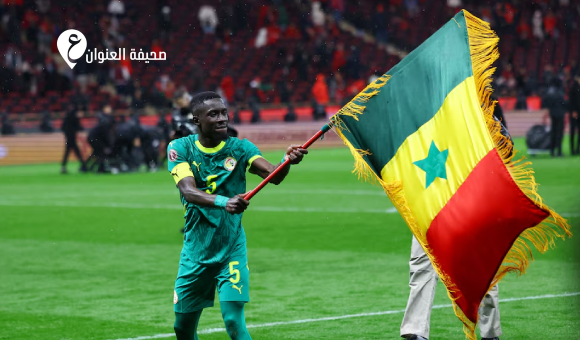
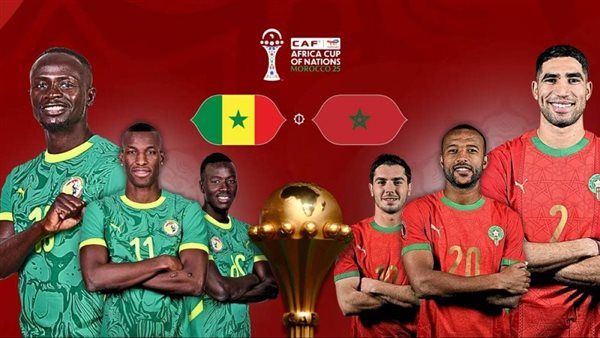
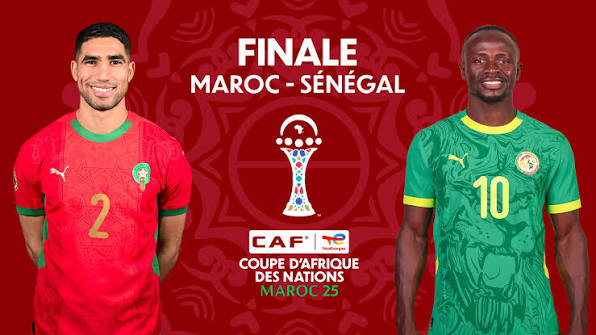
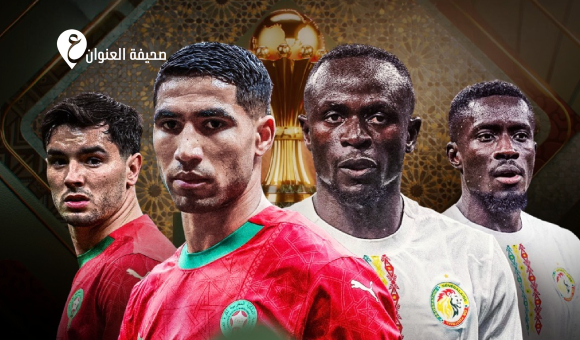
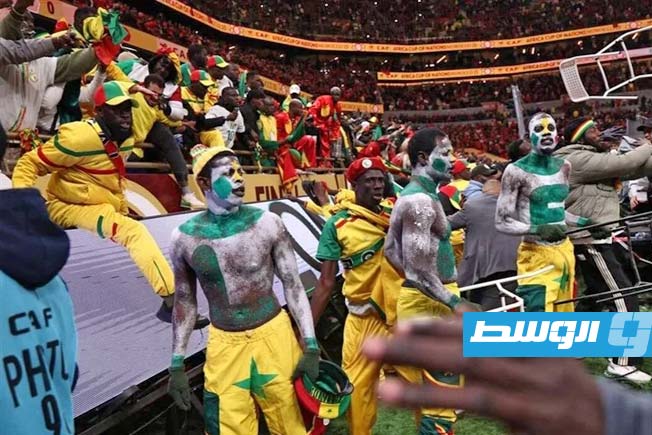
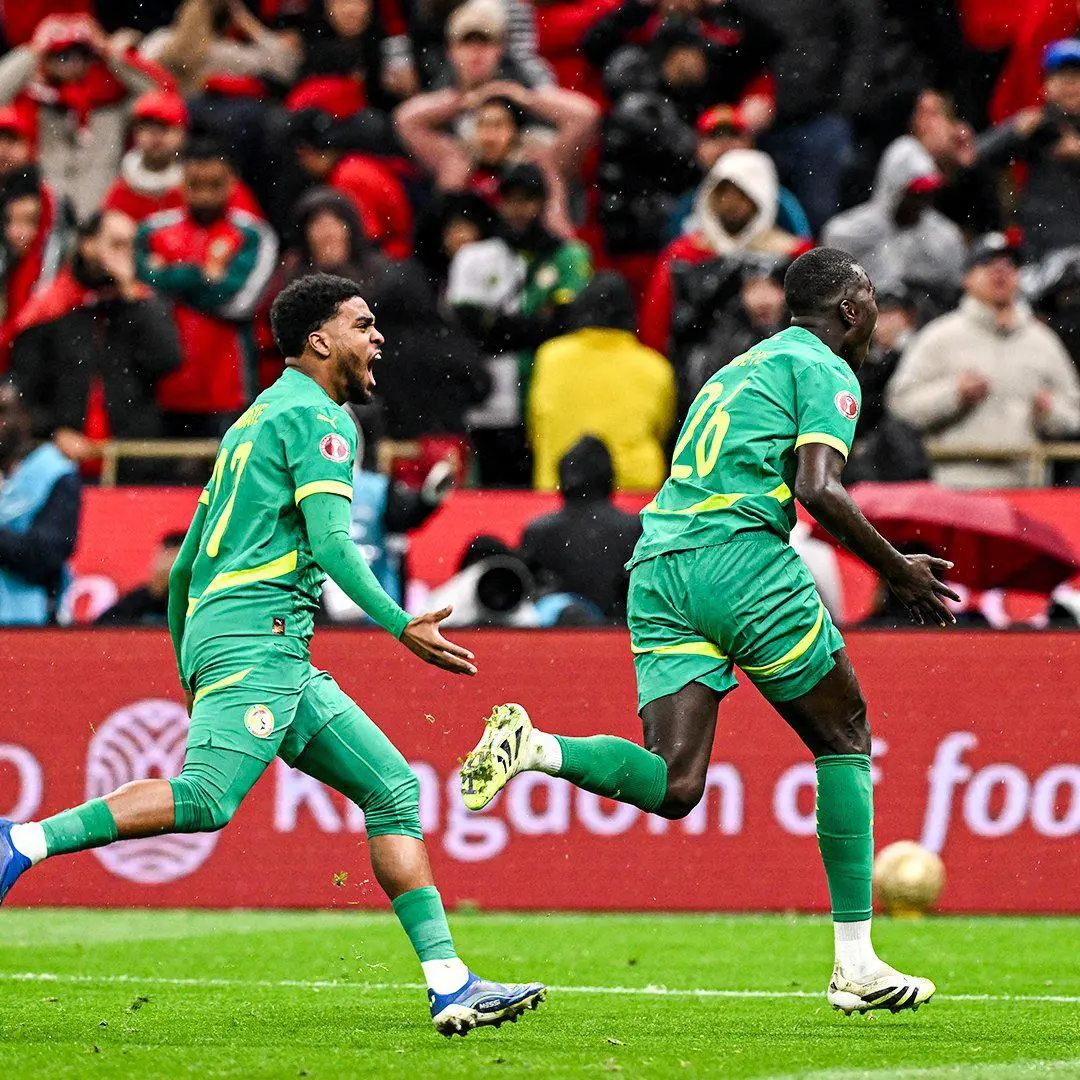
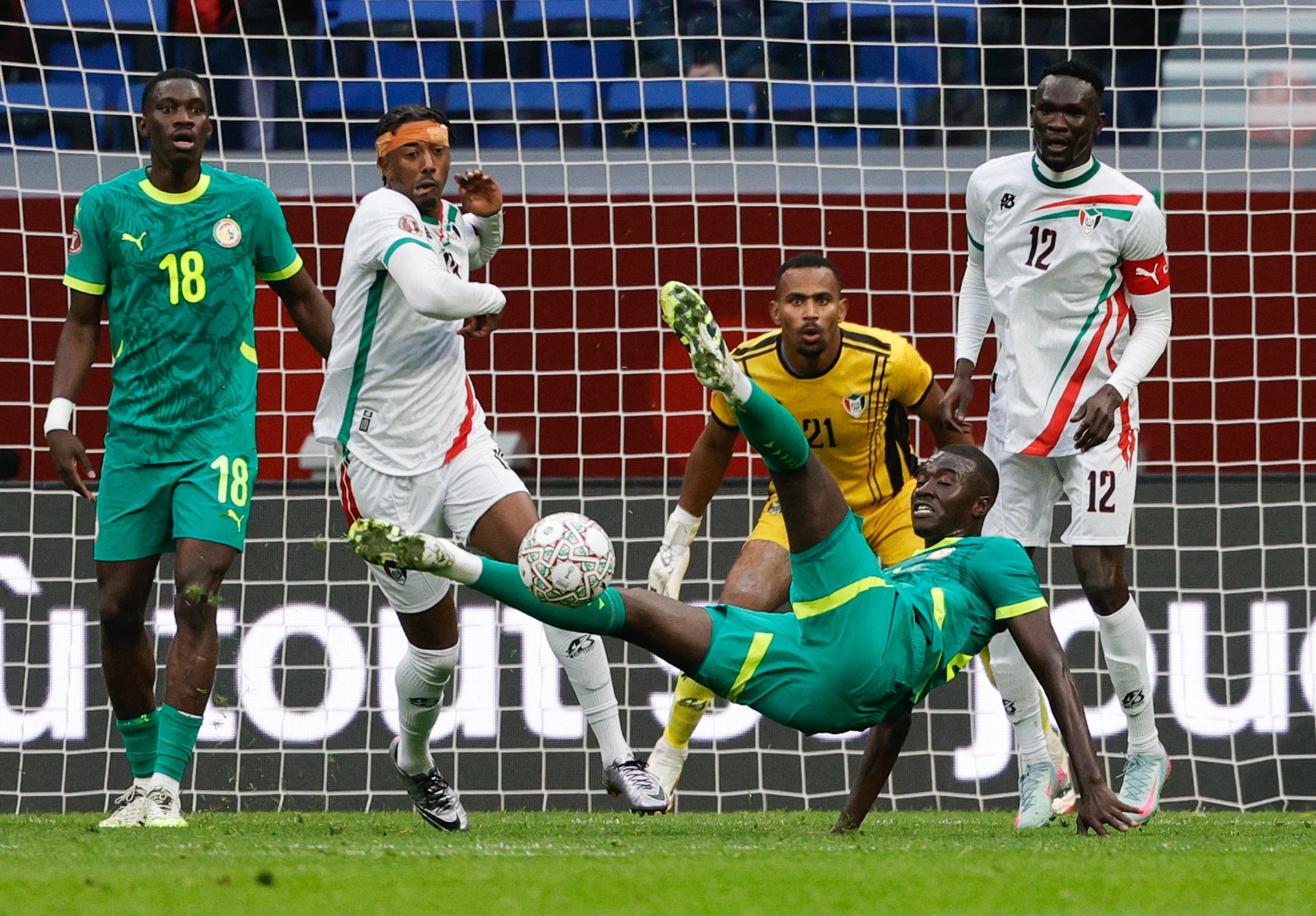
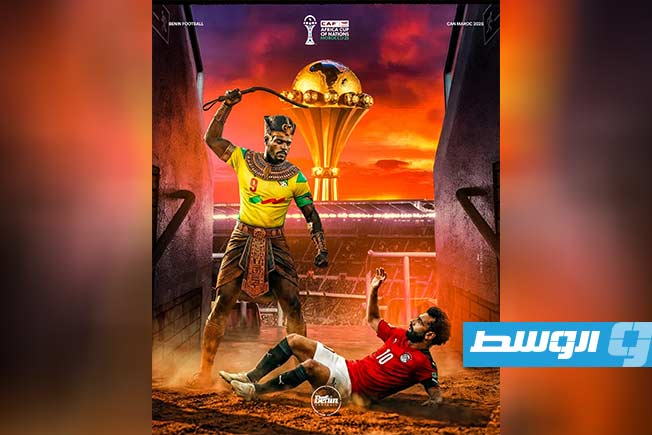
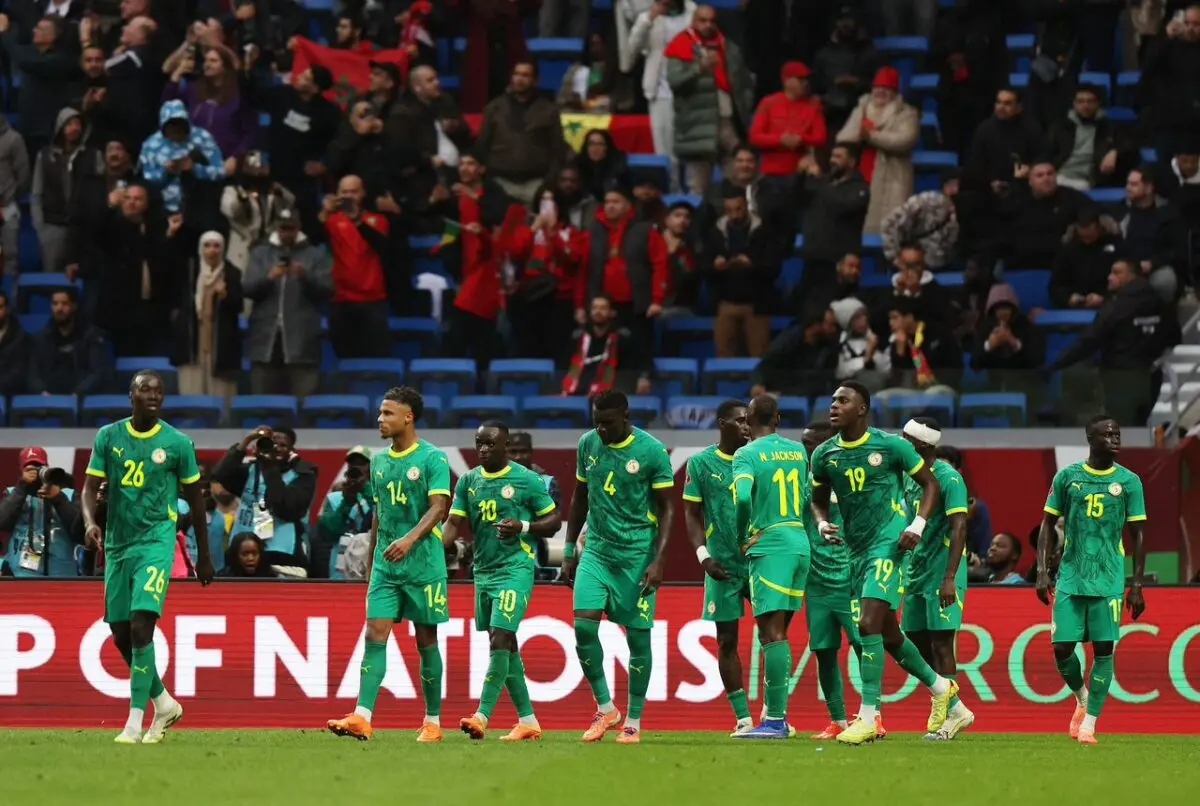
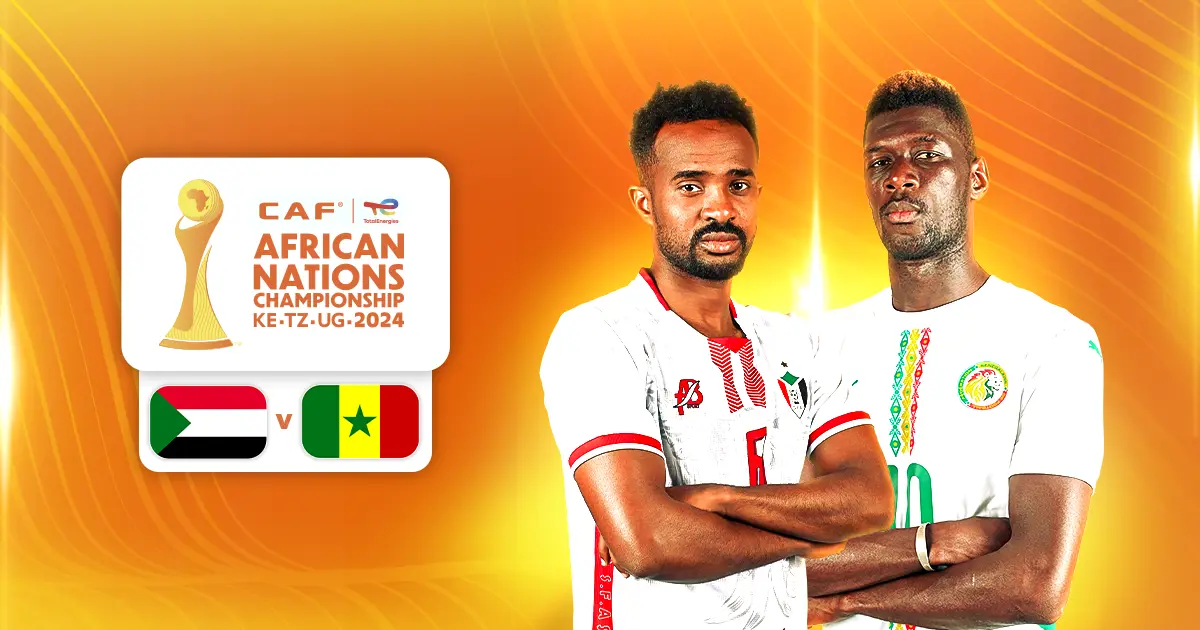
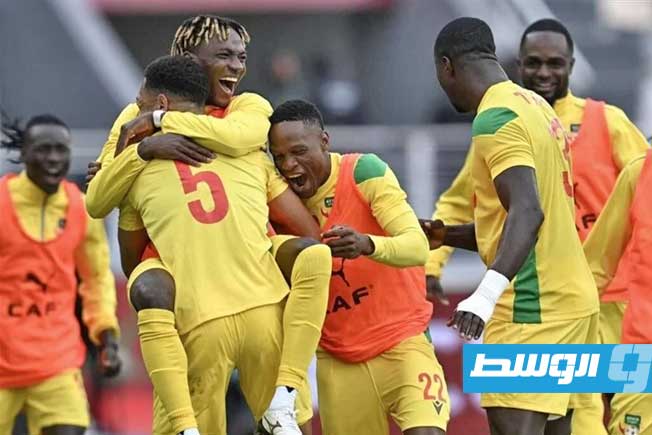
Additionally, the Benin national team meets Senegal in one of the round’s most prominent matches, given the strength of the Senegalese team, a perennial contender for the title, versus the ambitions of the Benin team striving for a positive result to keep their qualification hopes alive.
Today’s matches are pivotal in the tournament’s trajectory; their results will significantly shape the lineup of teams advancing to the next round, amid widespread fan anticipation for the developments in the third round of the African football spectacle.
Africa Cup of Nations
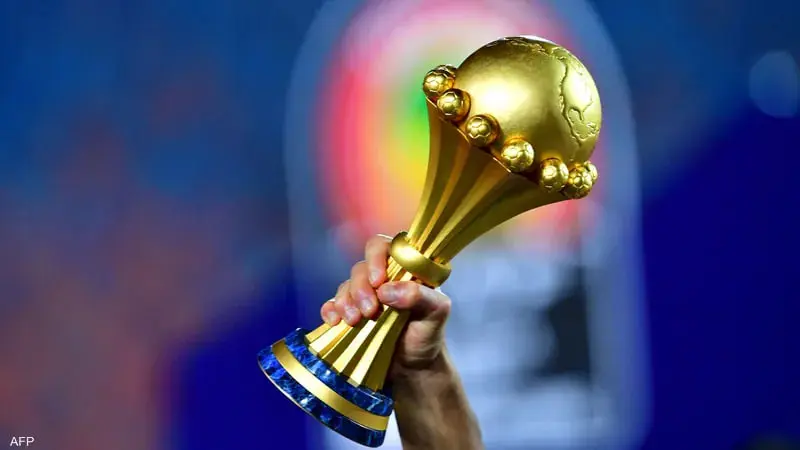
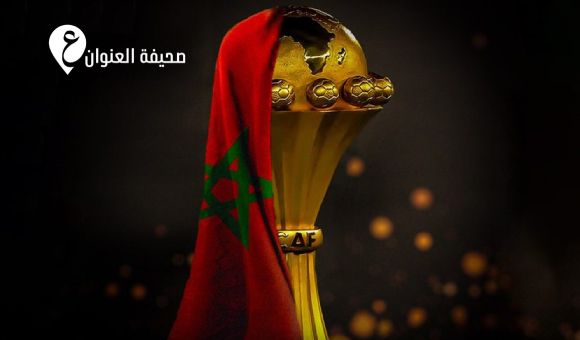
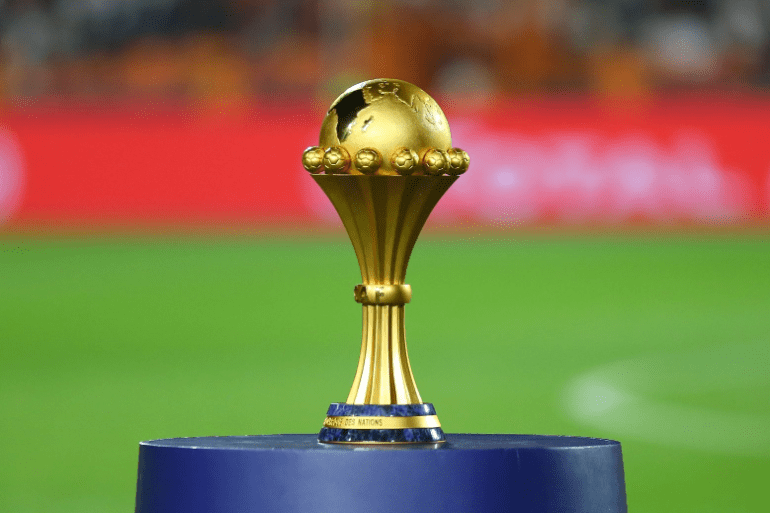
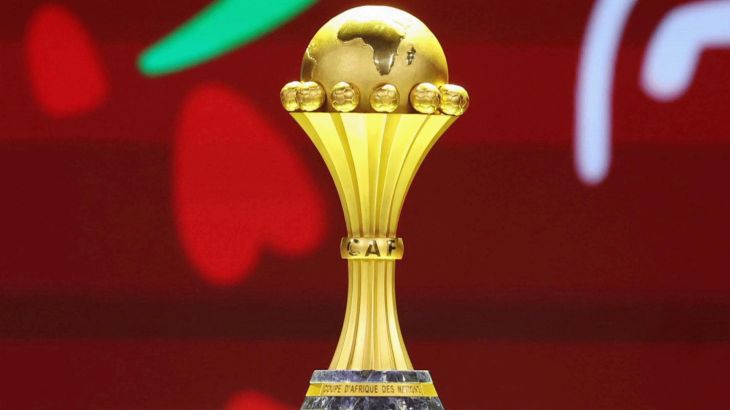
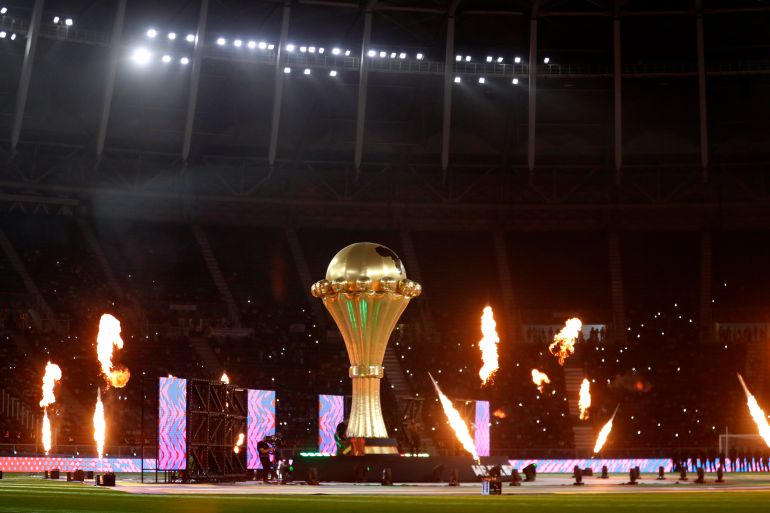
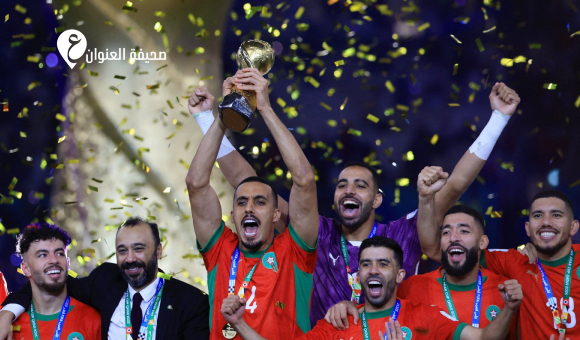
The Africa Cup of Nations (AFCON) is the premier international men’s football competition in Africa, first held in 1957. It was founded to unite African nations emerging from colonialism and is organized by the Confederation of African Football (CAF).
Uganda
Uganda is a landlocked East African nation known for its diverse landscapes, including Lake Victoria and the Rwenzori Mountains. Historically, it was home to several kingdoms like Buganda before becoming a British protectorate in the late 19th century, gaining independence in 1962. Its rich culture is reflected in over 50 distinct ethnic groups and languages, with English and Swahili serving as official languages.
Nigeria
Nigeria is a West African country with a rich history shaped by ancient kingdoms like the Nri and Benin, as well as the Yoruba states. It gained independence from British colonial rule in 1960 and is now Africa’s most populous nation, known for its diverse cultures, vibrant arts, and significant oil reserves.
Libya
Libya is a North African country with a rich history rooted in ancient civilizations like the Phoenicians and Romans, followed by centuries of Arab and Ottoman influence. In the modern era, it was an Italian colony before gaining independence in 1951, later becoming known for Muammar Gaddafi’s lengthy rule from 1969 until the 2011 revolution.
Tanzania
Tanzania is a country in East Africa known for its rich cultural heritage and significant historical sites, such as the Stone Town of Zanzibar and the ruins of Kilwa Kisiwani, which reflect centuries of Swahili coastal trade. It is also home to natural wonders like Mount Kilimanjaro and the Serengeti, with human history dating back to early hominid fossils found at Olduvai Gorge.
Tunisia
Tunisia is a North African country with a rich history shaped by ancient civilizations, including the Phoenicians, Romans, and Arabs. Its cultural landscape is highlighted by sites like the ruins of Carthage and the well-preserved Roman amphitheater at El Jem. The nation’s modern identity was forged through its independence from France in 1956 and the Arab Spring protests that began there in 2010.
Carthage Eagles
The Carthage Eagles is the nickname for the Tunisia national football team, derived from the ancient city of Carthage, a major power in the classical world. The team’s identity connects modern Tunisian sport to the nation’s historical Phoenician and Punic heritage.
Botswana
Botswana is a landlocked country in Southern Africa known for its stable democracy and significant wildlife conservation areas, such as the Okavango Delta. Historically a British protectorate called Bechuanaland, it gained independence in 1966 and subsequently transformed from one of the world’s poorest nations to a middle-income country, largely due to diamond mining. Its culture is deeply influenced by the Tswana people, and it maintains a strong tradition of respect for community and the natural environment.
Democratic Republic of Congo
The Democratic Republic of Congo, located in Central Africa, is a country with a complex history marked by the pre-colonial Kingdom of Kongo, a brutal period as the personal colony of King Leopold II of Belgium, and a turbulent post-independence era since 1960. It is renowned for its vast mineral wealth and the Congo River basin, which contains the world’s second-largest rainforest.
Benin
Benin refers to both the modern West African nation and the historic Kingdom of Benin, which was a major pre-colonial power centered in what is now southern Nigeria. The kingdom, famous for its sophisticated bronze and ivory artworks, flourished from the 13th to the 19th century before being annexed by the British Empire in 1897. The modern Republic of Benin, formerly known as Dahomey, gained independence from France in 1960.
Senegal
Senegal is a West African nation known for its rich cultural heritage and historical significance, particularly as a center of the transatlantic slave trade, with sites like Gorée Island serving as poignant reminders. It gained independence from France in 1960 and is recognized for its stable democracy and vibrant arts scene, including the influential Senegalese wrestling tradition and musical genre *mbalax*. The country is also home to several UNESCO World Heritage Sites, such as the Stone Circles of Senegambia and the Saloum Delta.