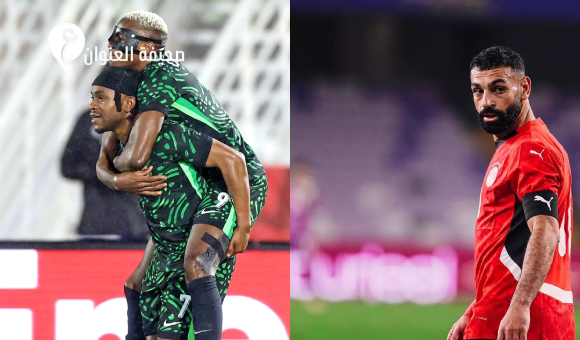
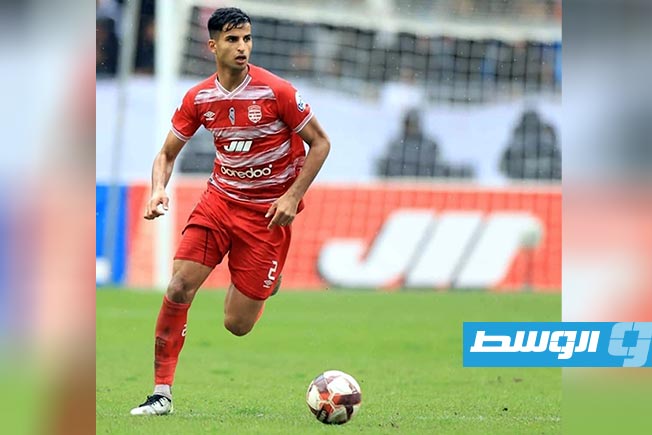
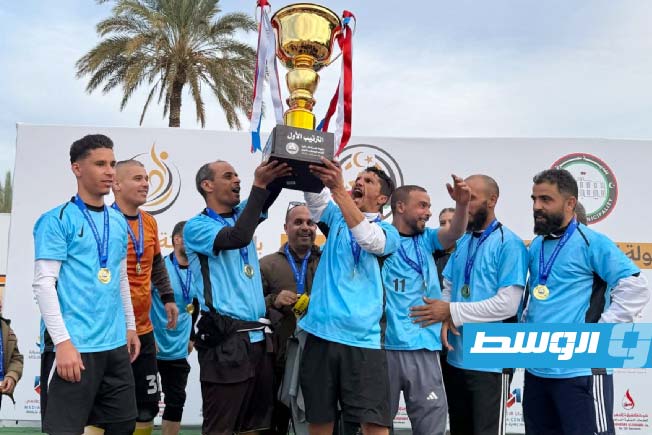
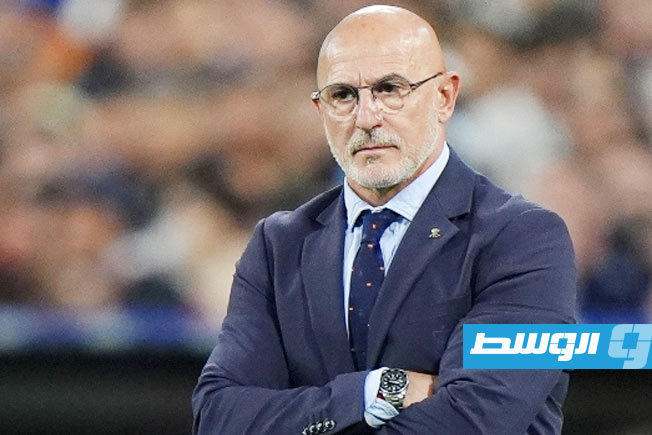
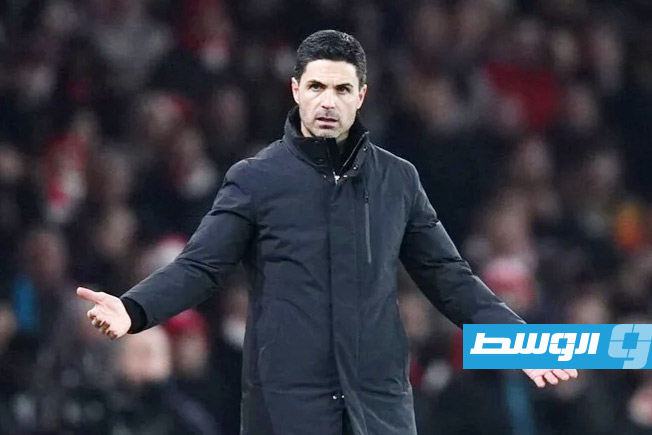
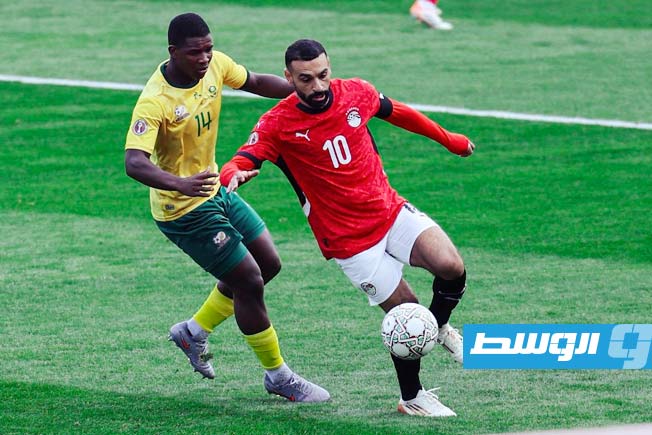
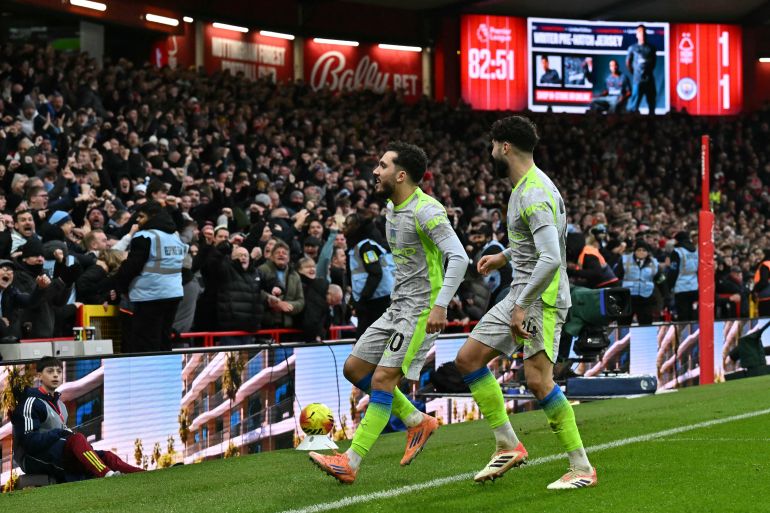
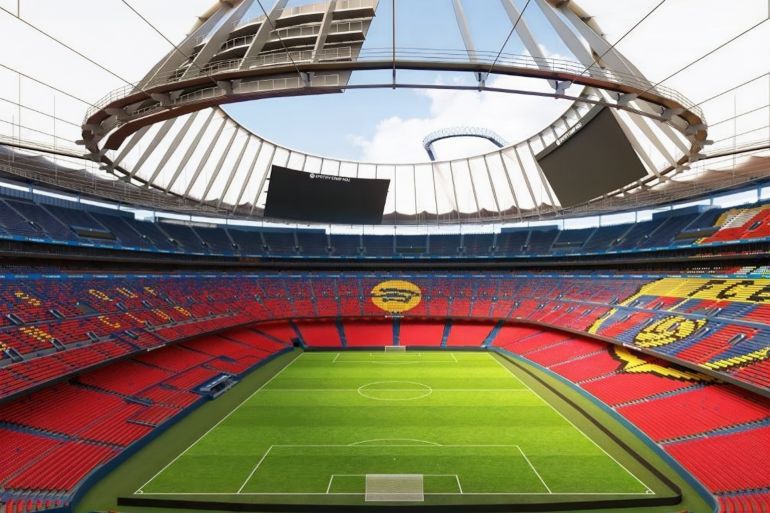
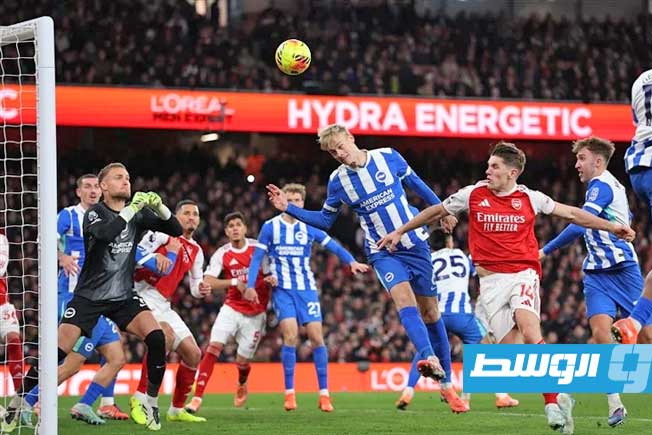
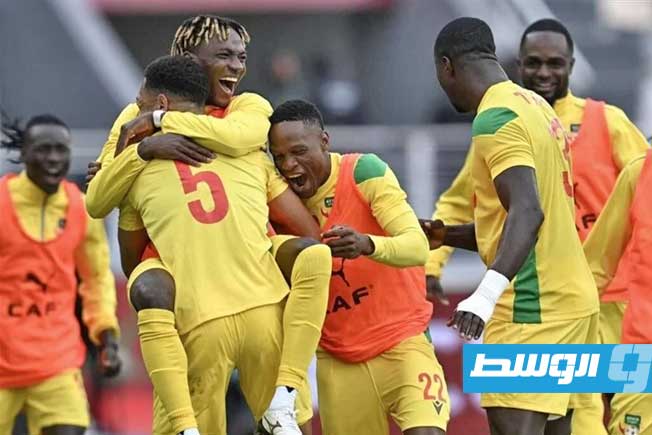
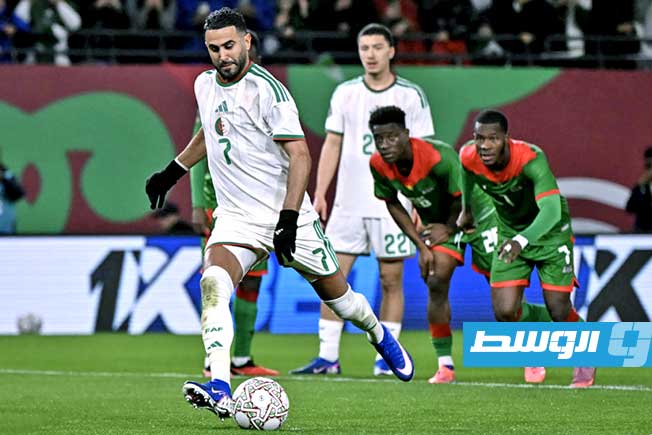
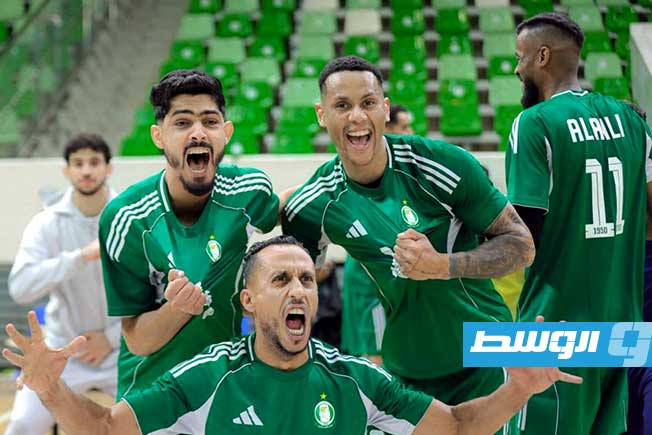
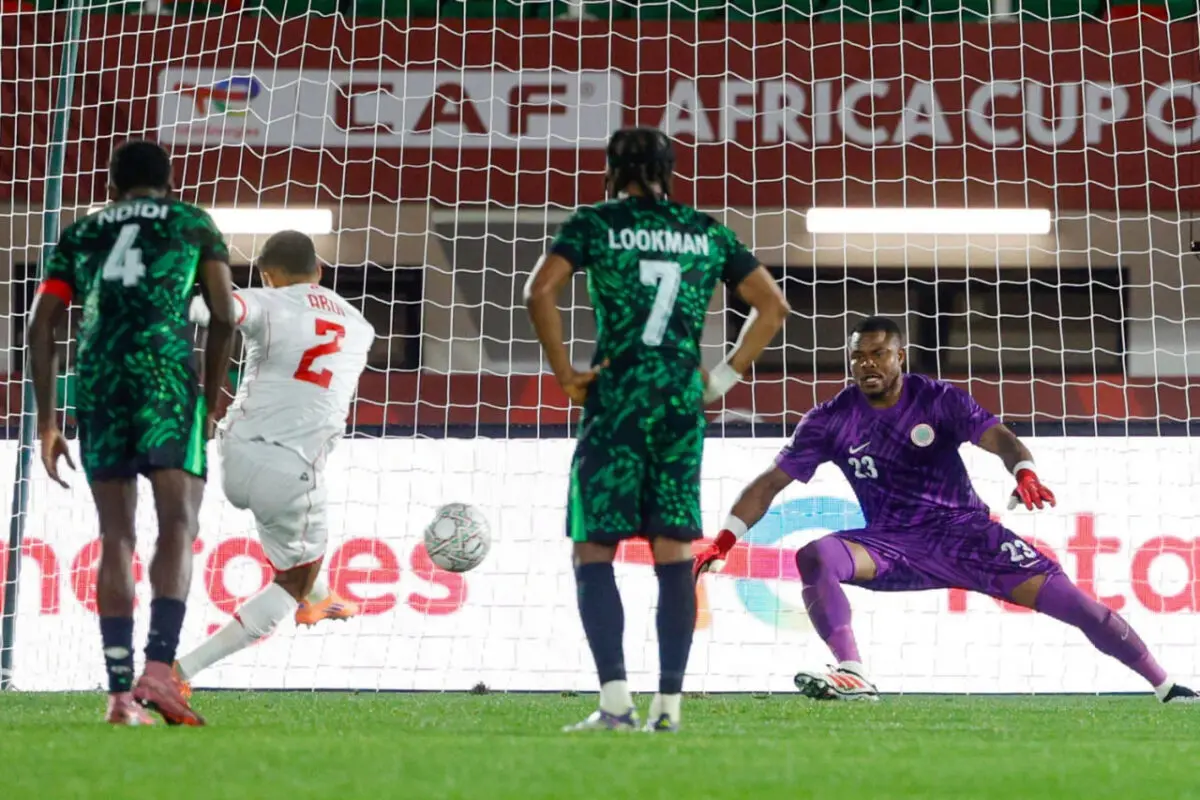
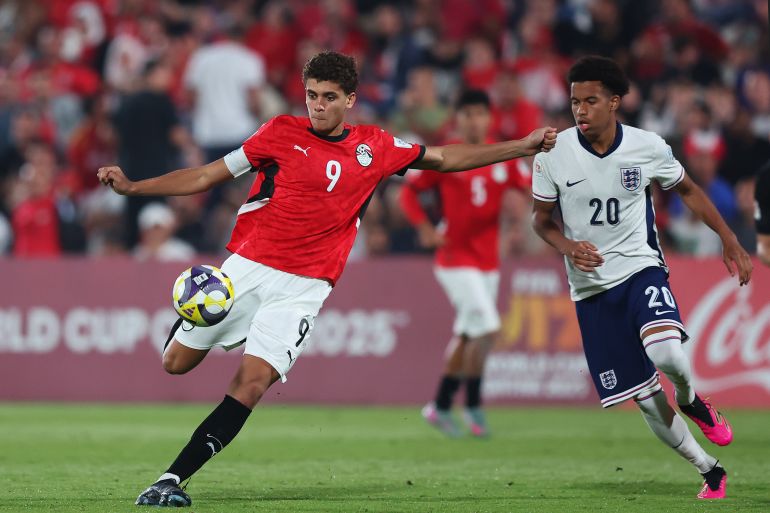
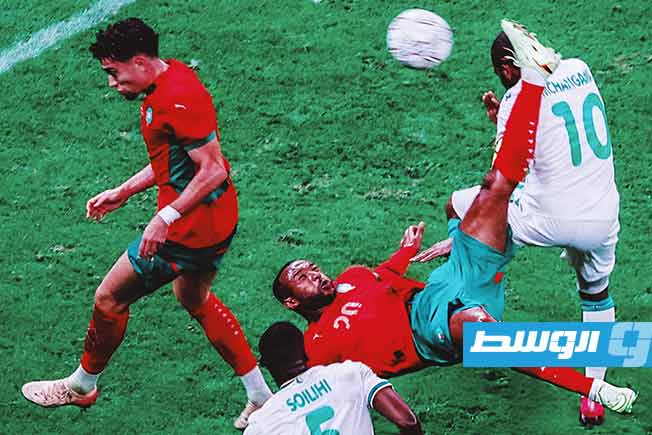
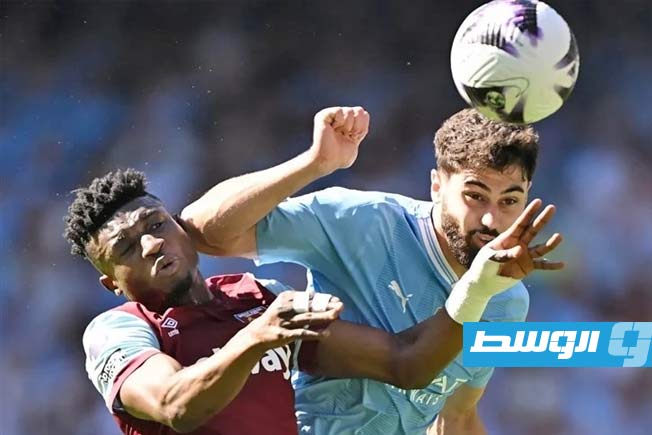
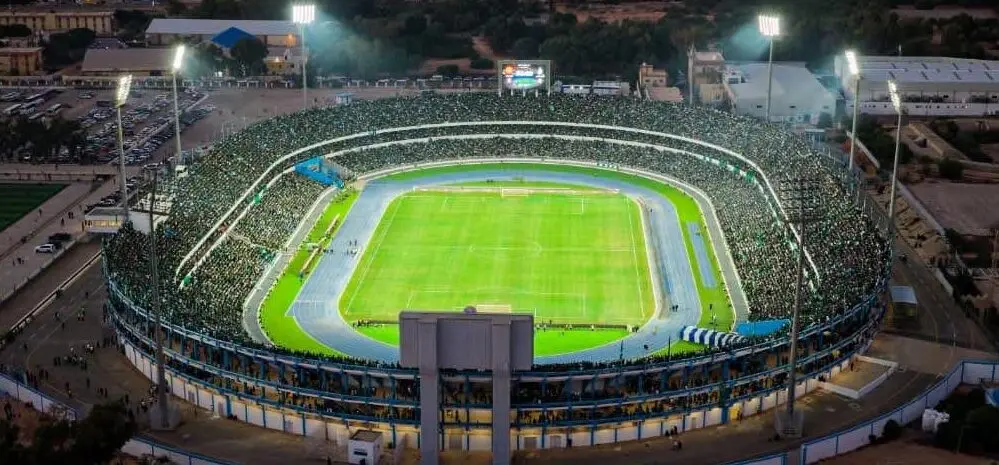
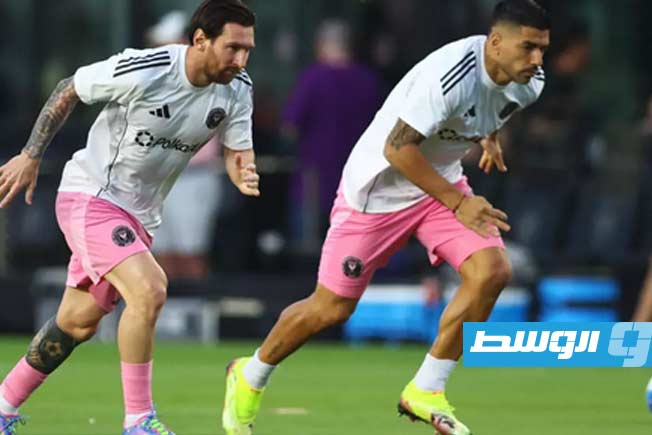
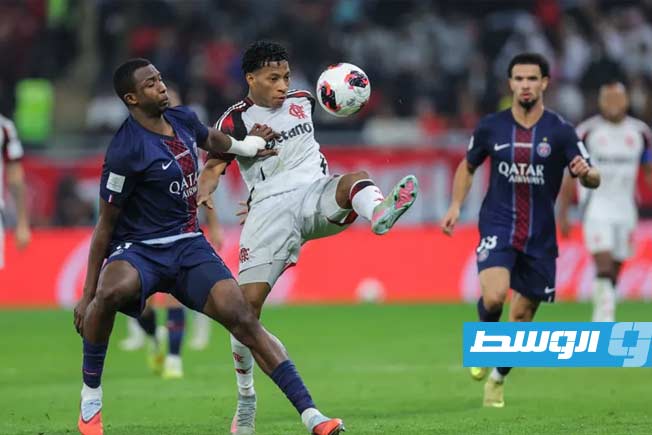
As 2025 comes to a close, it is clear that this year will be etched into the annals of sports history, not only for its thrilling events or stunning results, but also for the radical transformations it brought to the world of sports at both the Arab and international levels. The sports arena witnessed exceptional victories for Arab clubs, unprecedented Moroccan dominance, and the rise of European clubs to the continent’s summit, while major powers experienced some resounding setbacks, painting a renewed picture of global sports and placing the Arab world firmly on the map of football influence with remarkable strength.
The annual harvest of 2025 can be summarized in three main themes: Arab dominance, Moroccan brilliance, and major shifts in the major European leagues. This year coincided with pivotal moments, including the qualification of seven Arab national teams to the World Cup—a record number in the history of Arab football—passing through the historic achievements of local and continental clubs, and reaching the prominent global events in multiple sports, from football to basketball, tennis, and freestyle wrestling.
Arab Success.. A Historic Rise
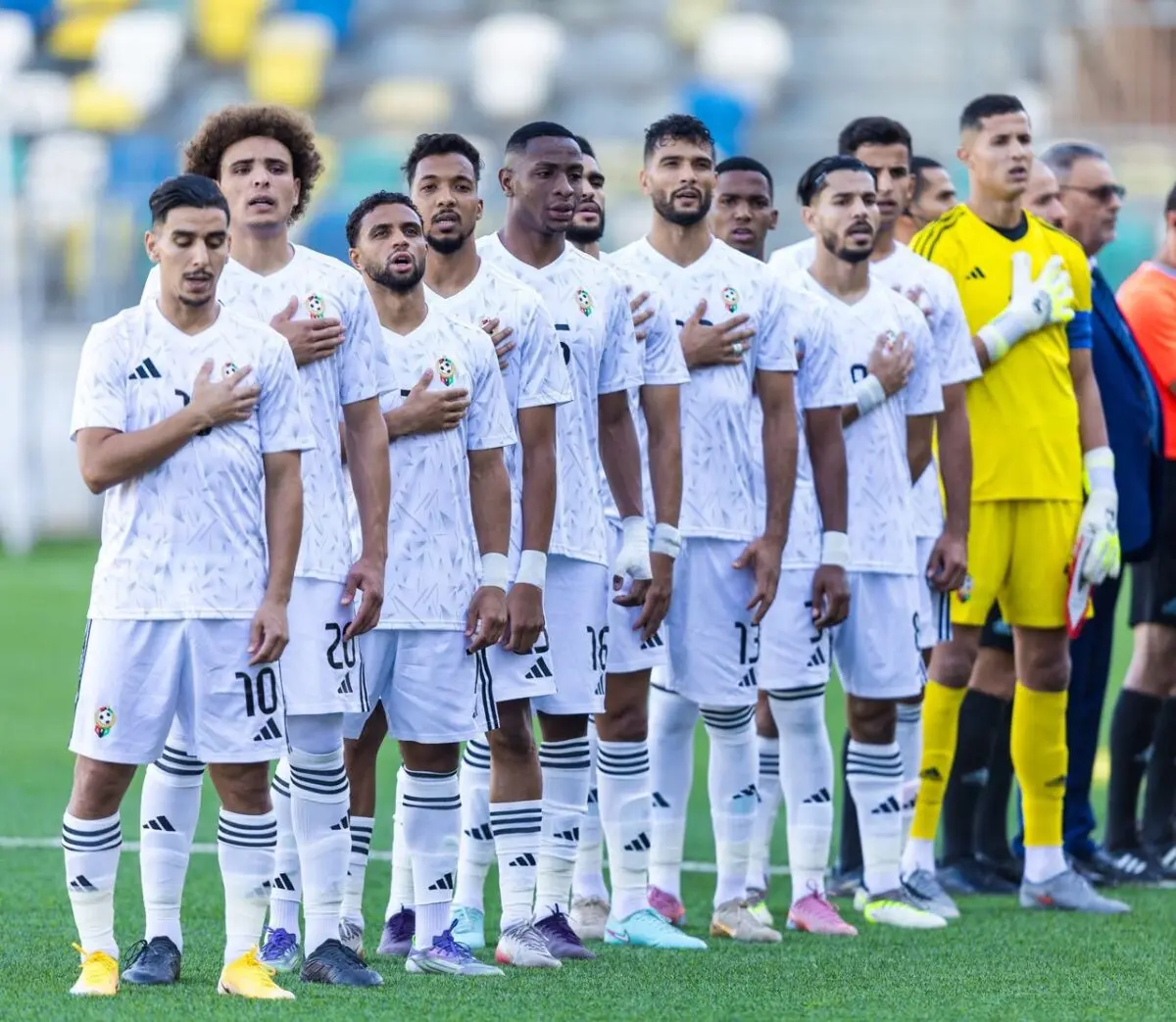
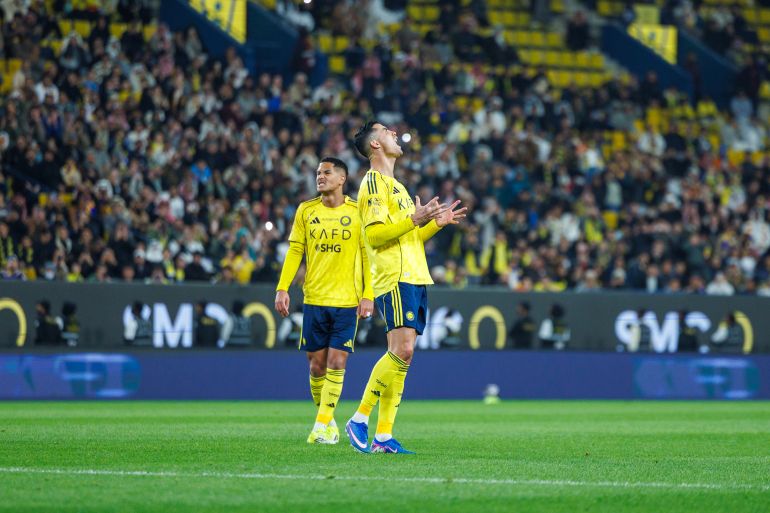
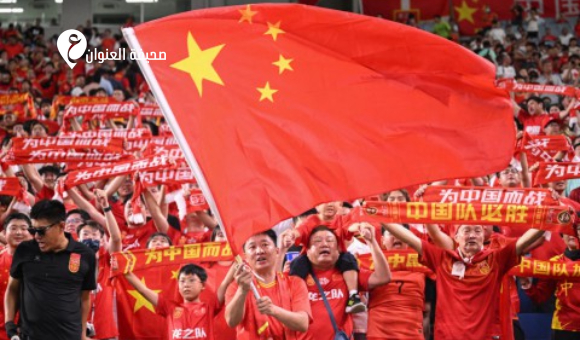
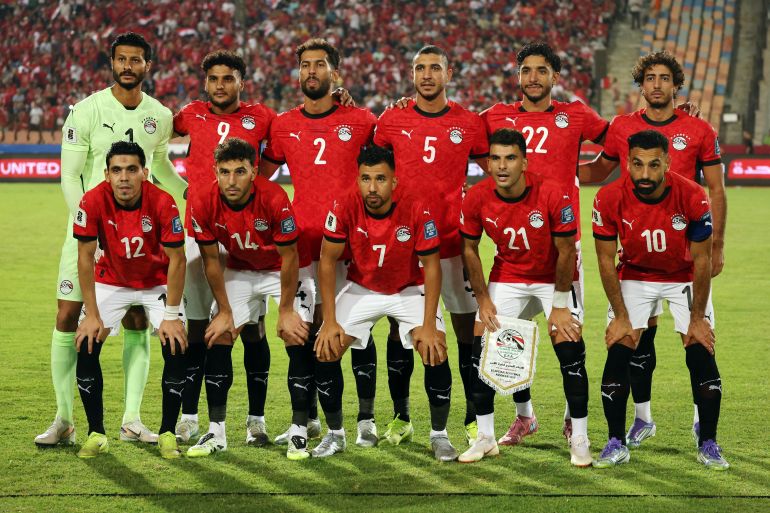
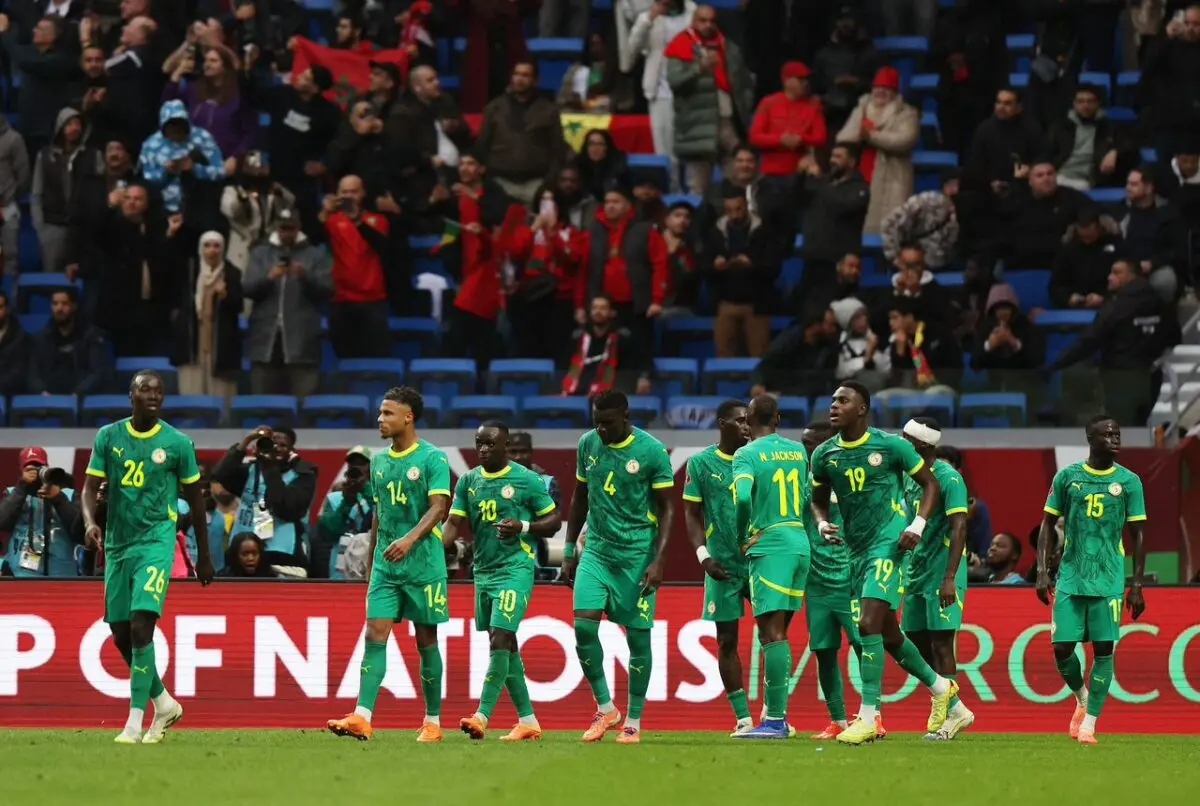
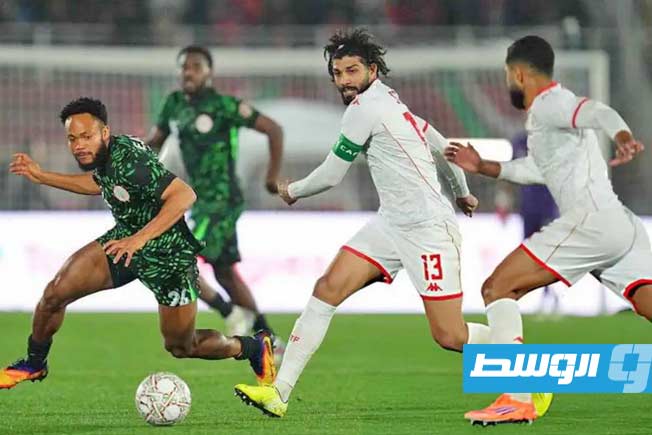
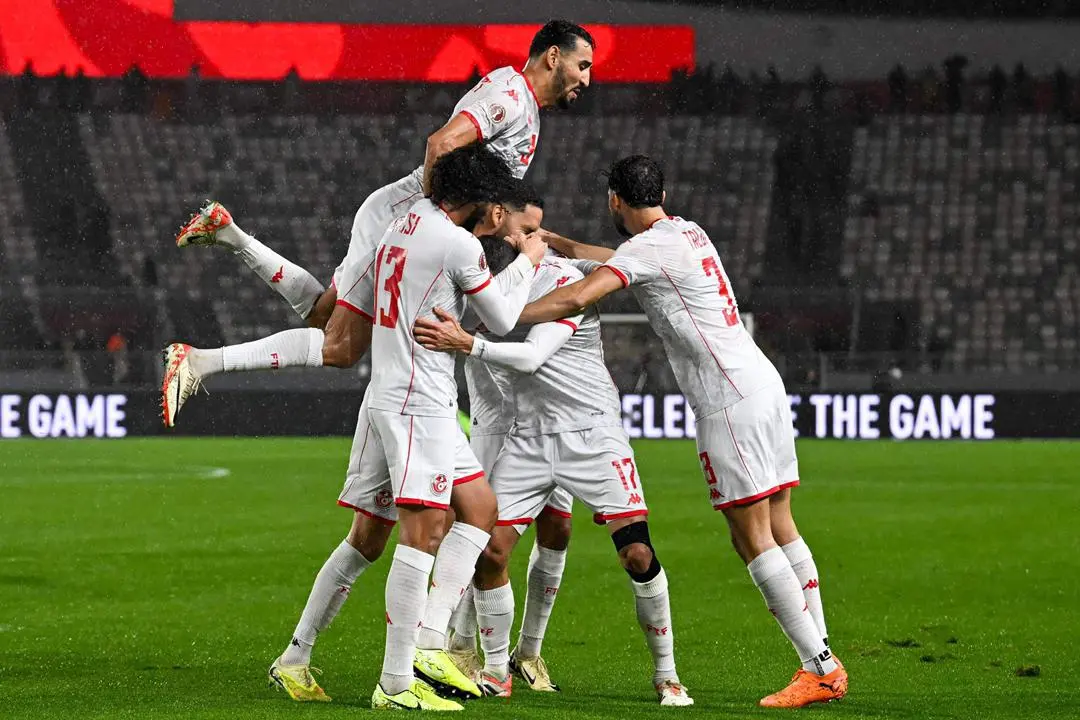
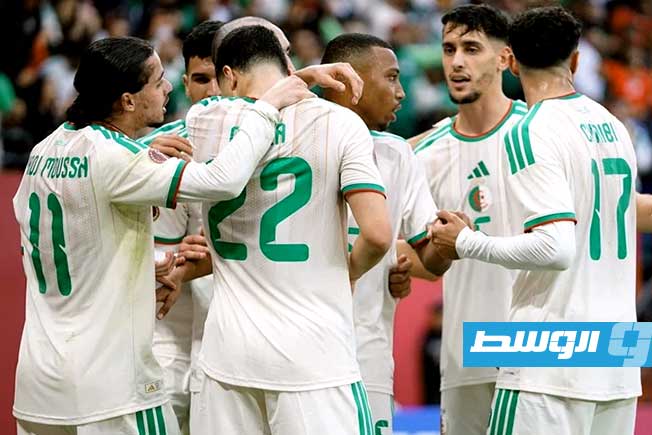
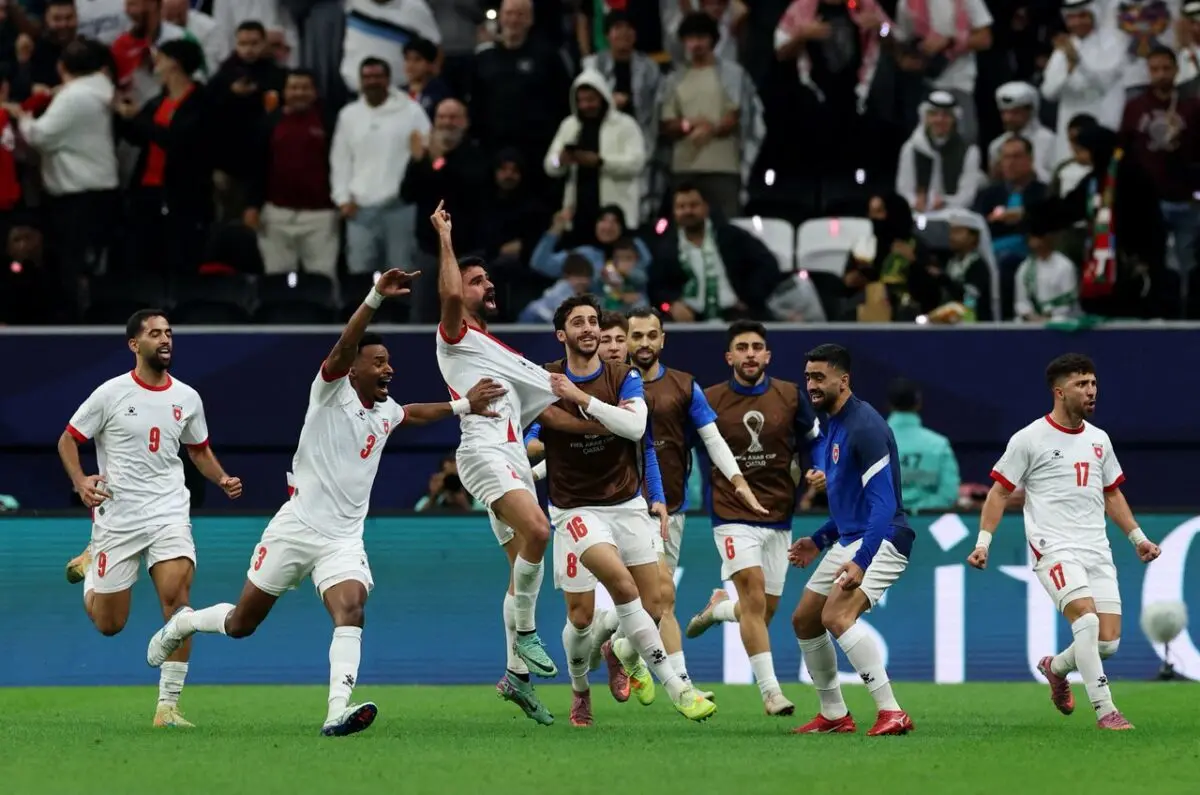
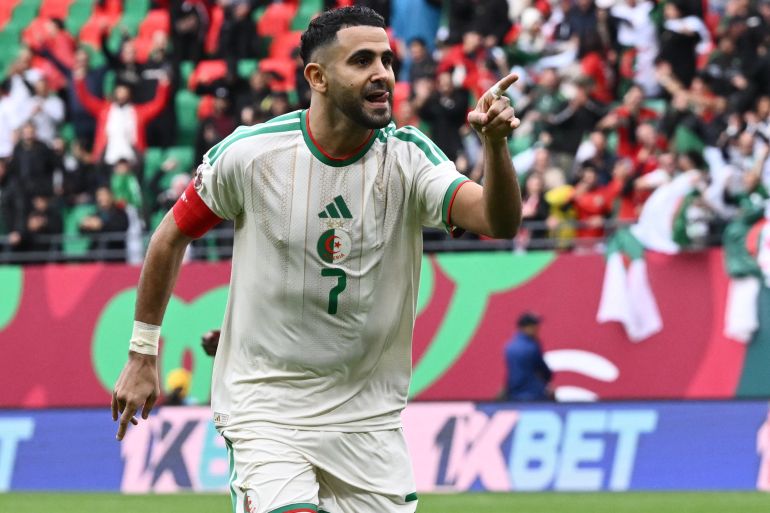
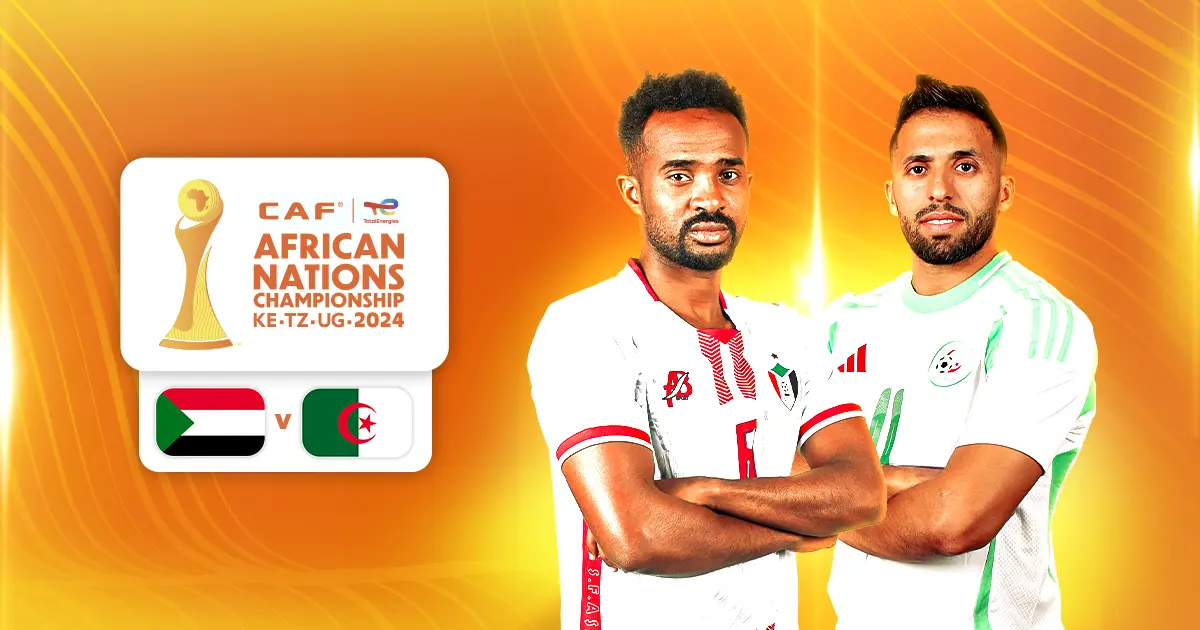
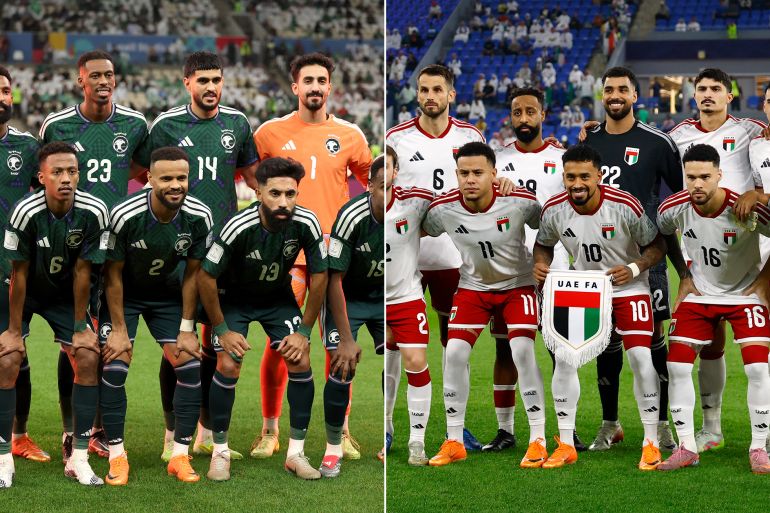
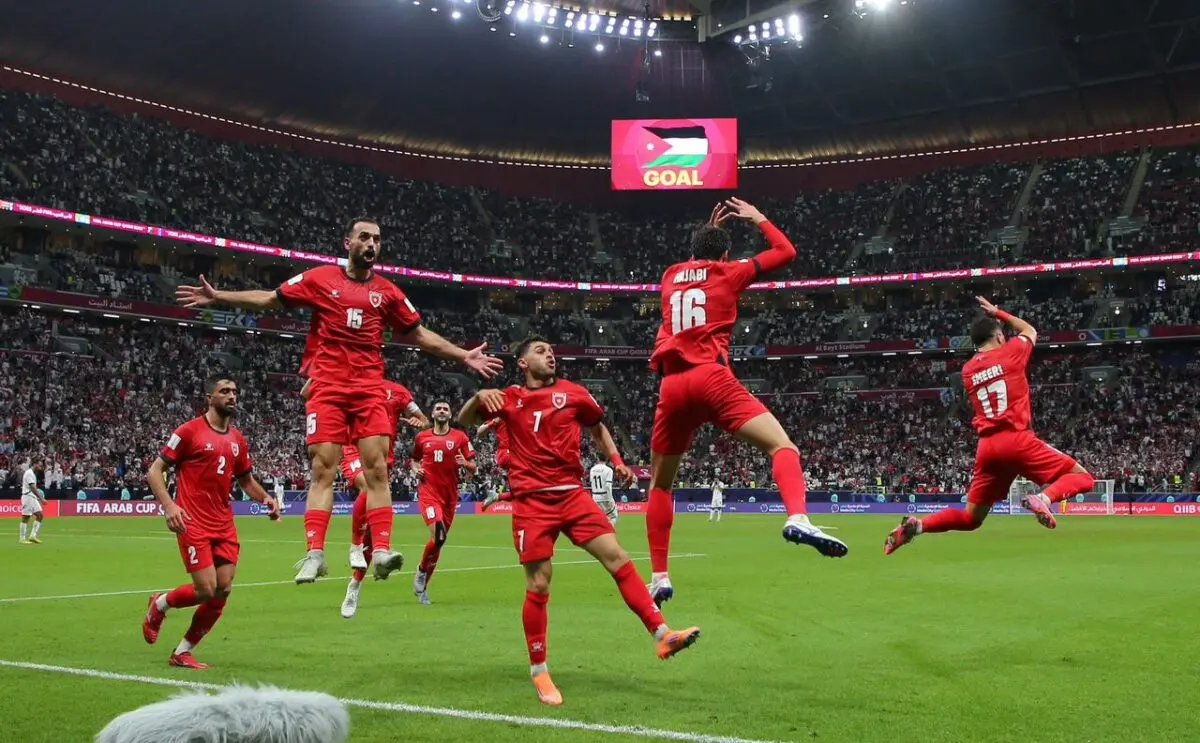
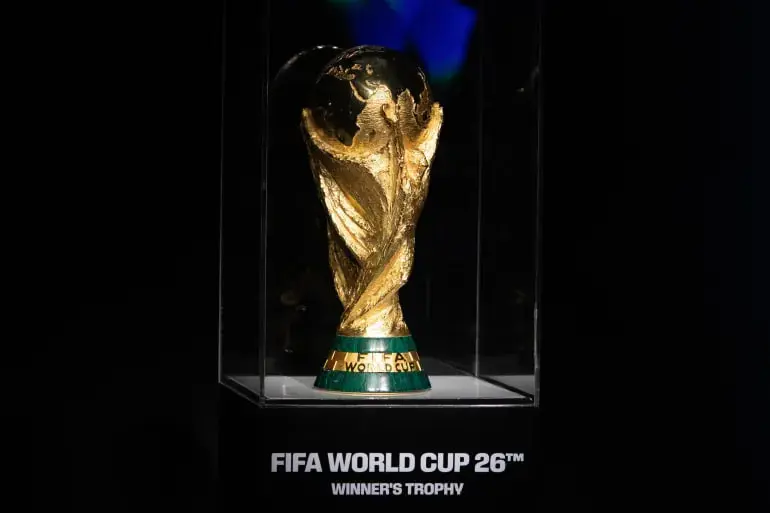
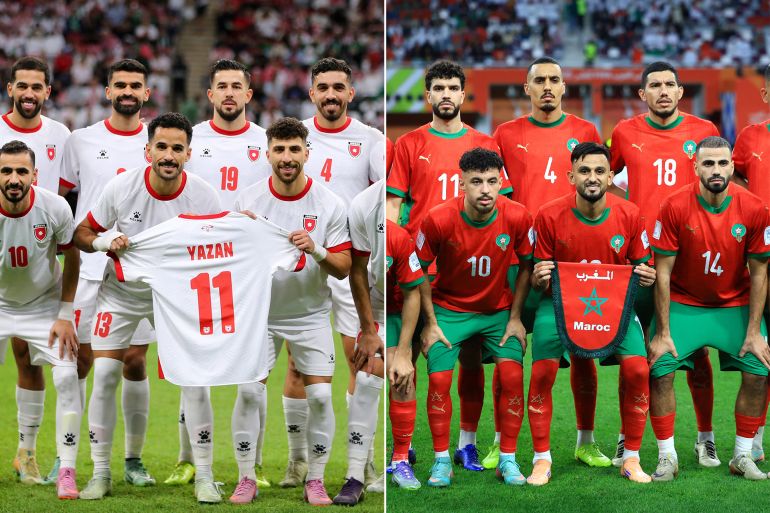
Arab football witnessed unprecedented surprises in 2025, most notably the qualification of seven Arab national teams for the 2026 World Cup in North America, marking the largest Arab representation in the history of the tournament. Jordan, Morocco, Tunisia, Egypt, Algeria, Saudi Arabia, and Qatar have all secured their places in the global event, while Iraq awaits an opportunity to add an eighth Arab ticket via the global playoffs. This makes Arabic the third most present language on the fields after Spanish and English.
This achievement is no coincidence; it is the result of conscious sports policies that invested in developing infrastructure, nurturing young talent, and attracting dual-nationality players. This created a broad base of talent that raised the level of collective performance, making Arab clubs and national teams influential players in continental and international arenas.
Morocco.. A Model to Emulate
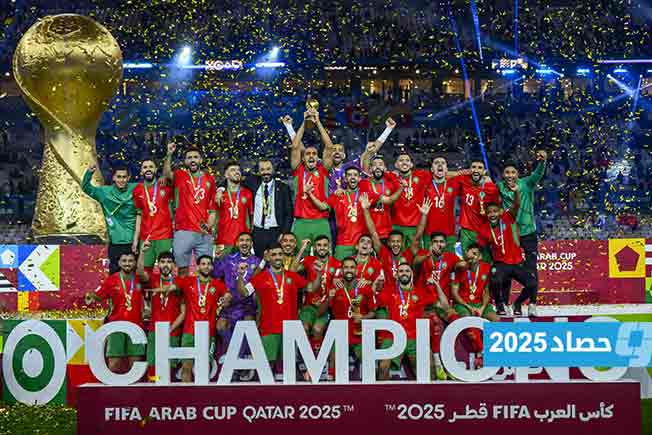
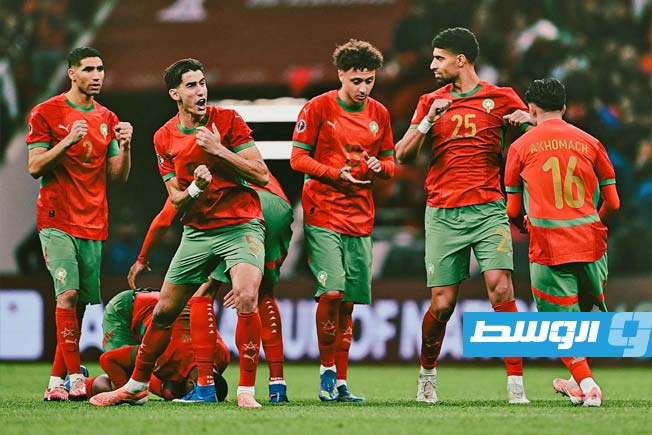
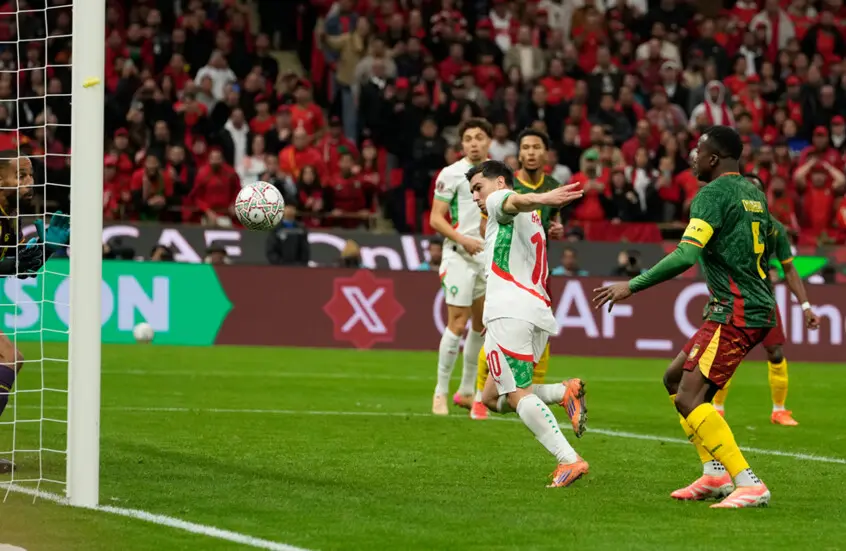
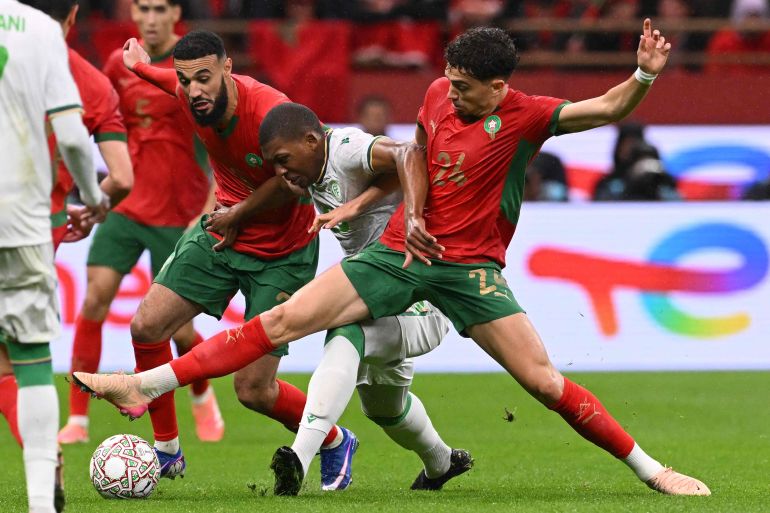
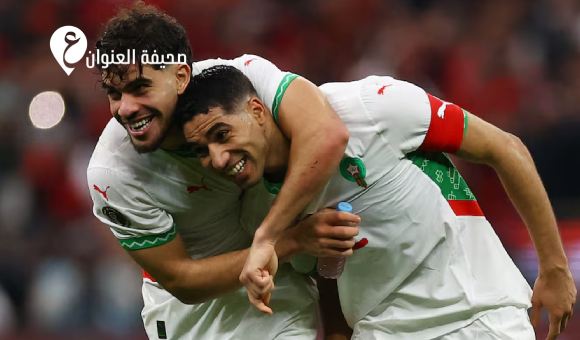
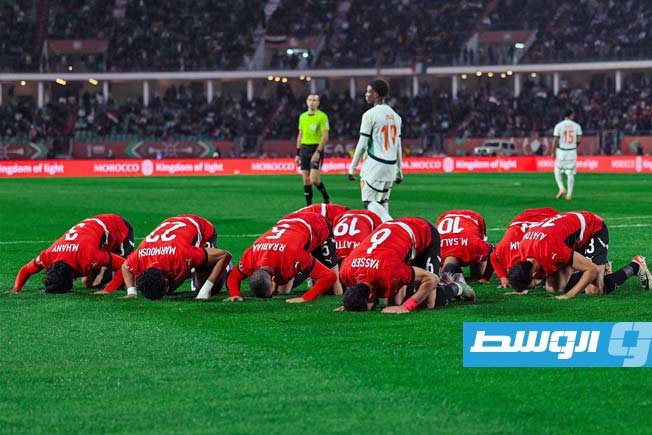
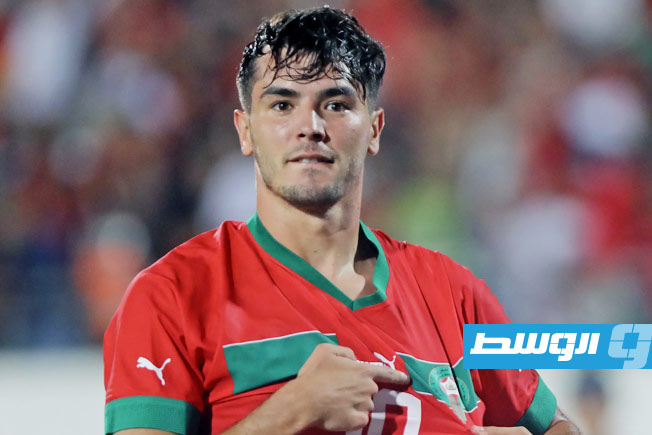
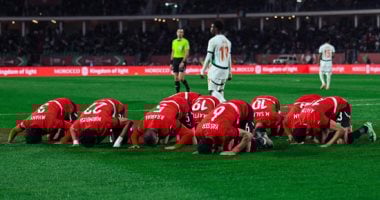
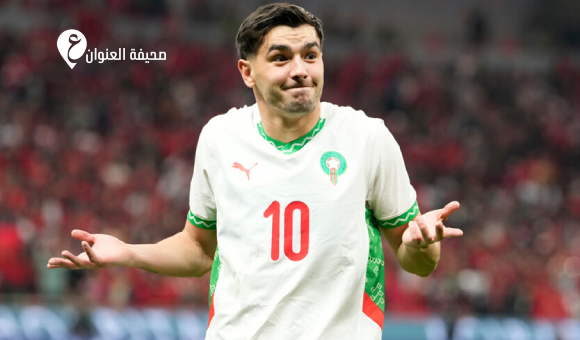
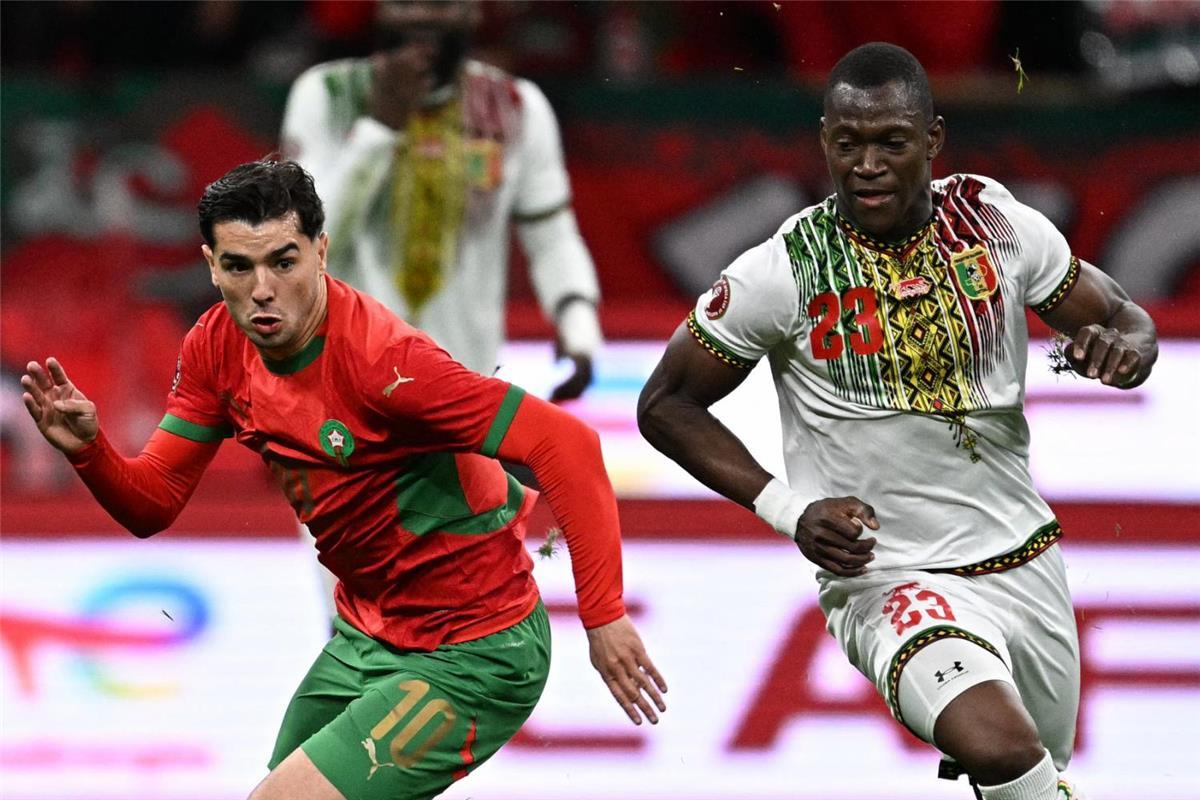
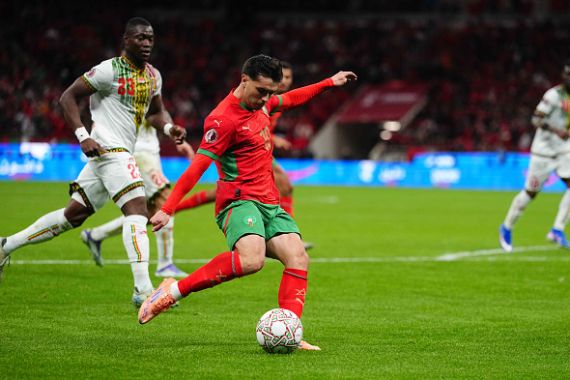
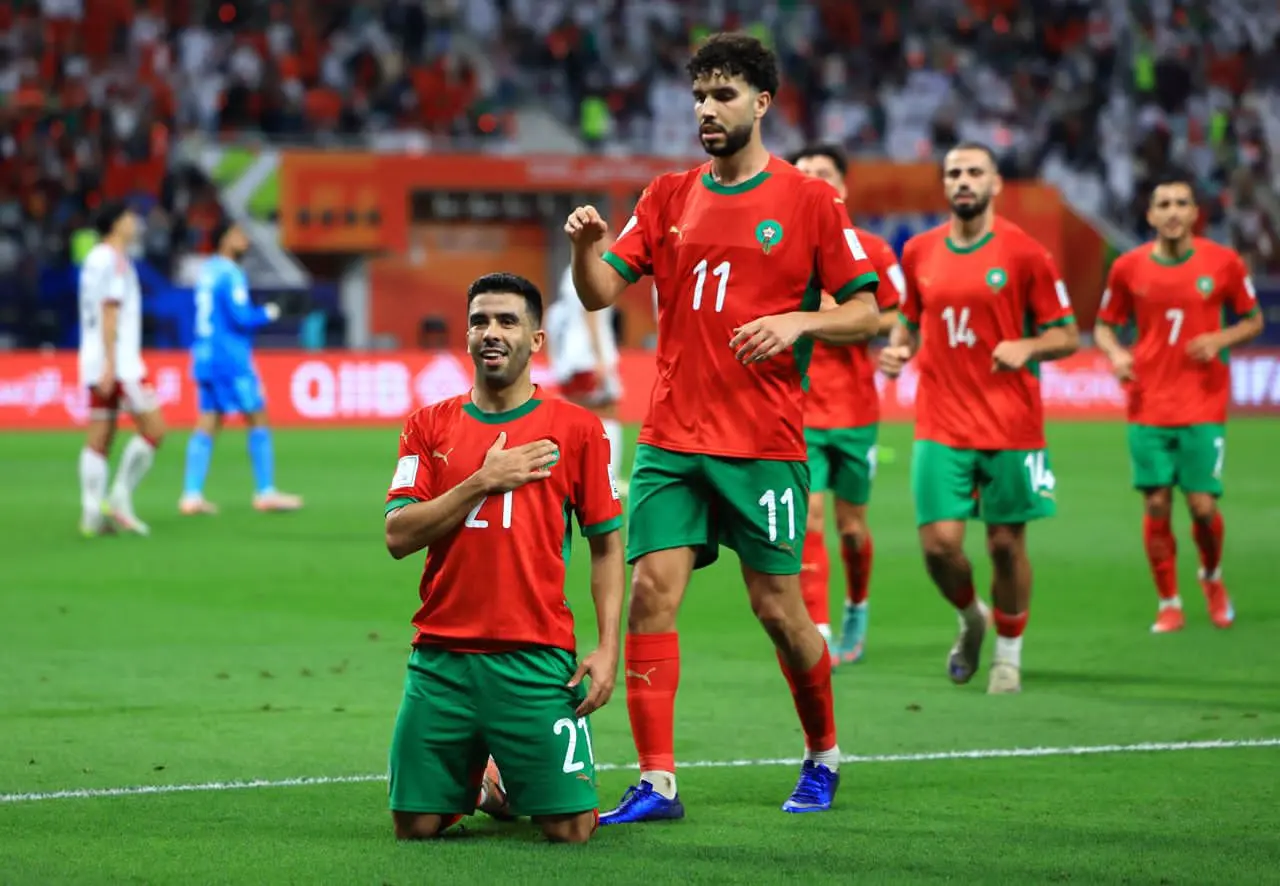
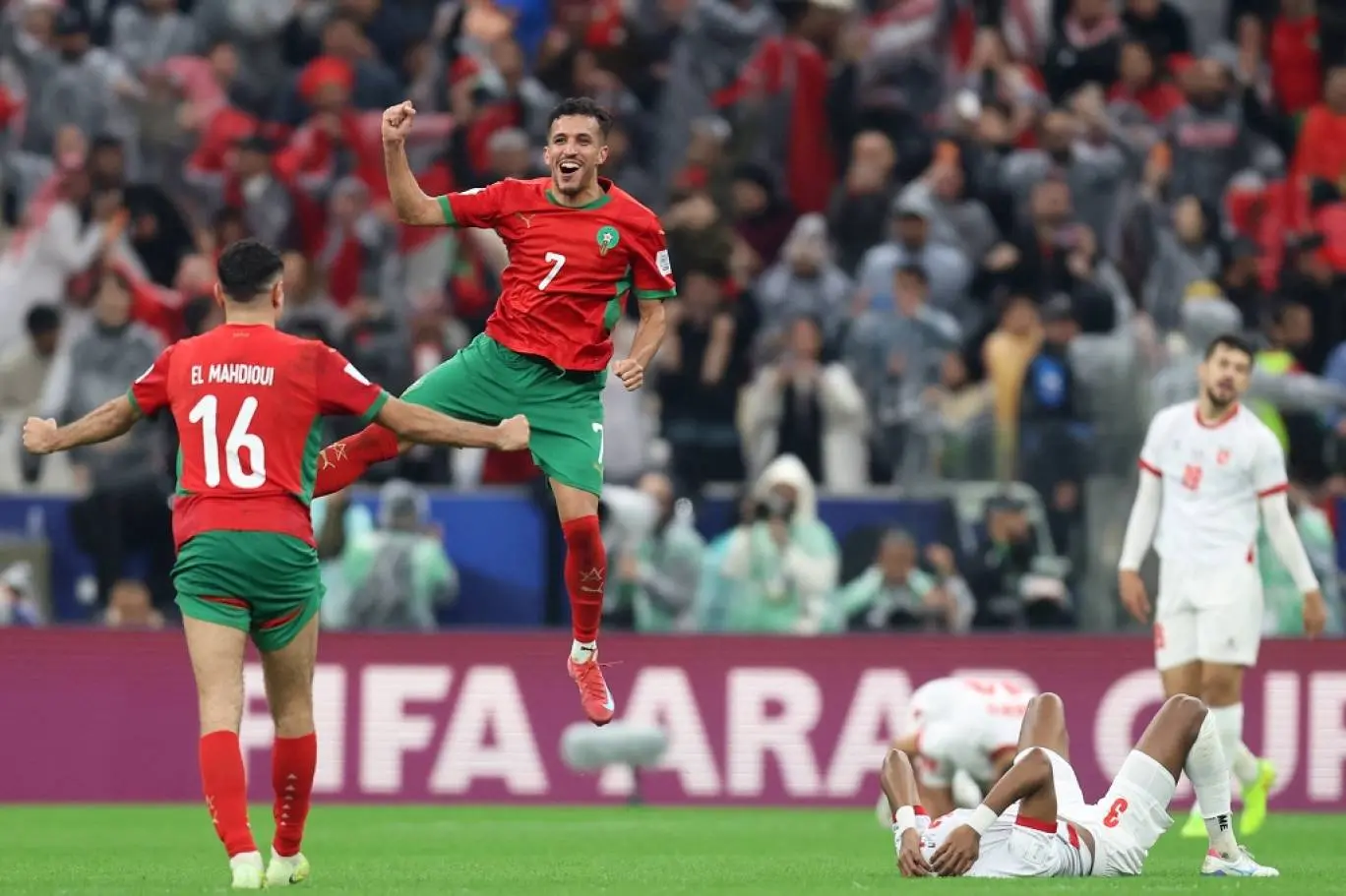
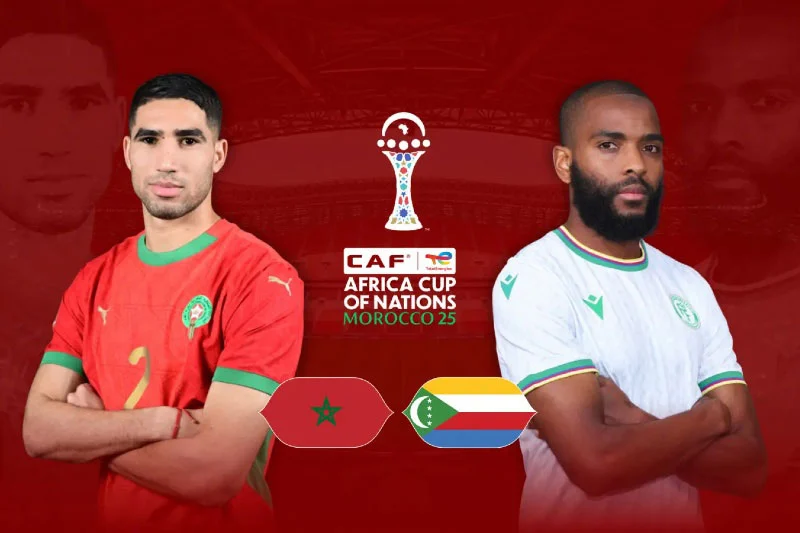
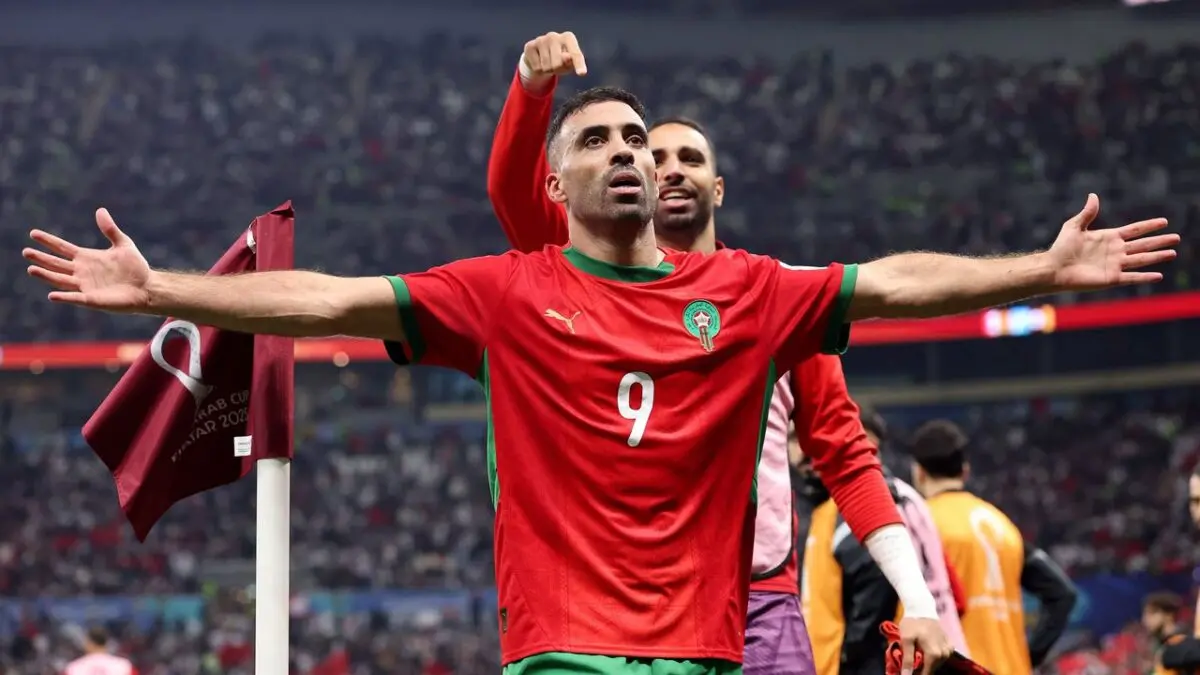
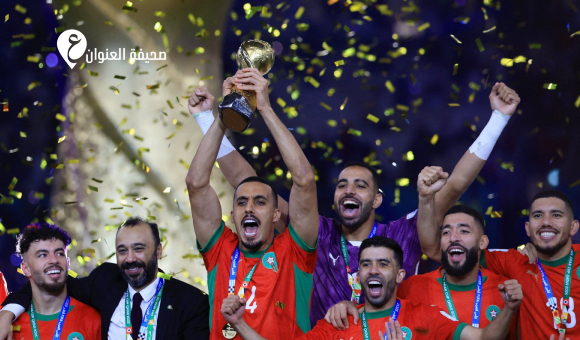
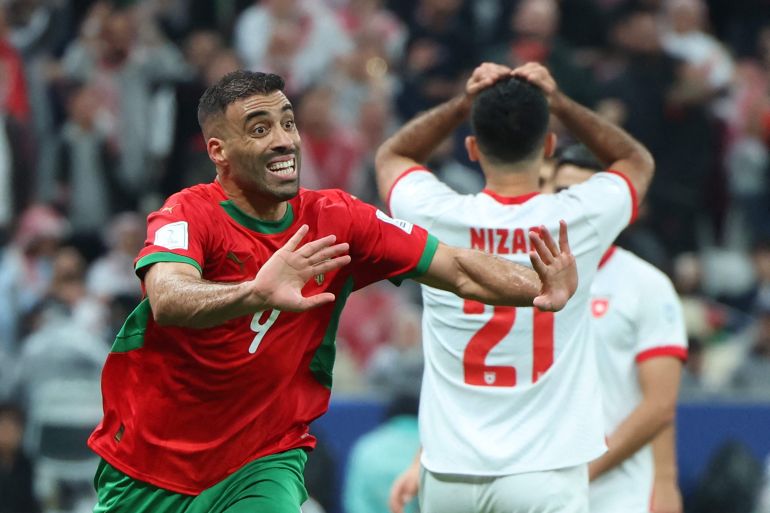
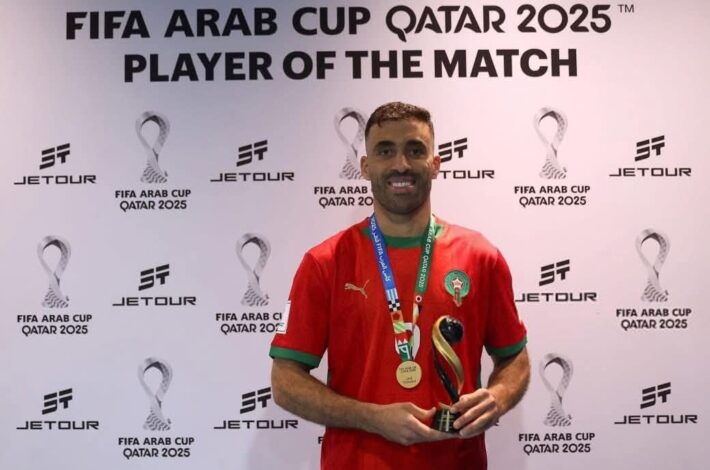
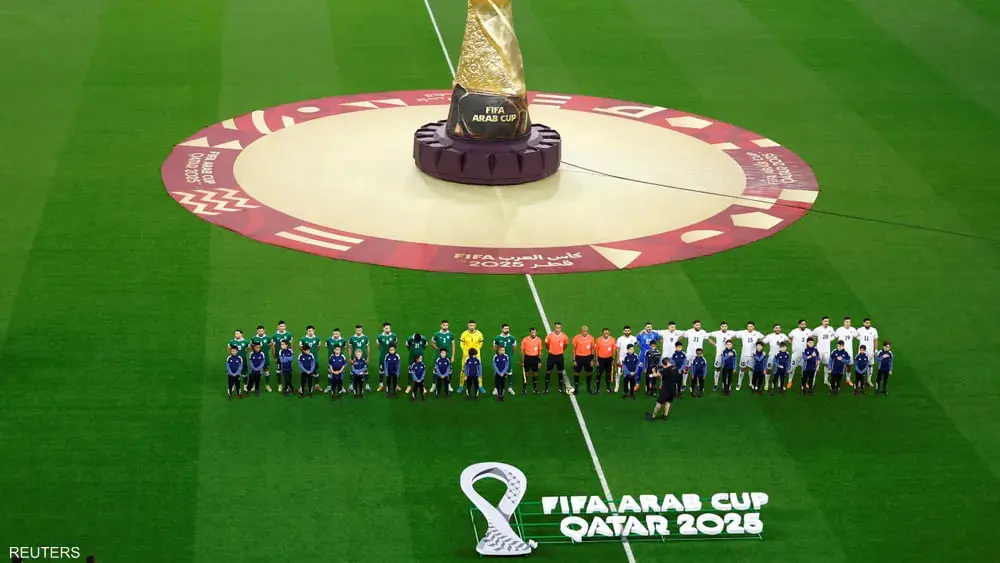
Morocco emerged this year as a comprehensive model in football development, proving that long-term planning is the path to exceptional results. The “Atlas Lions” succeeded in achieving several accomplishments: winning the 2025 Arab Cup in Doha, delivering highly organized technical performances; winning the FIFA U-21 World Cup, confirming the strength of a new generation of players; and excelling in U-17 youth tournaments, reaching the final stages in international competitions.
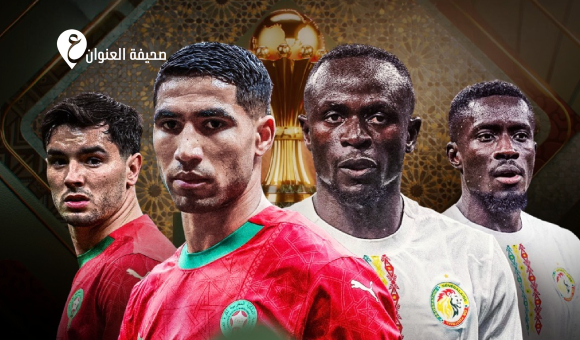
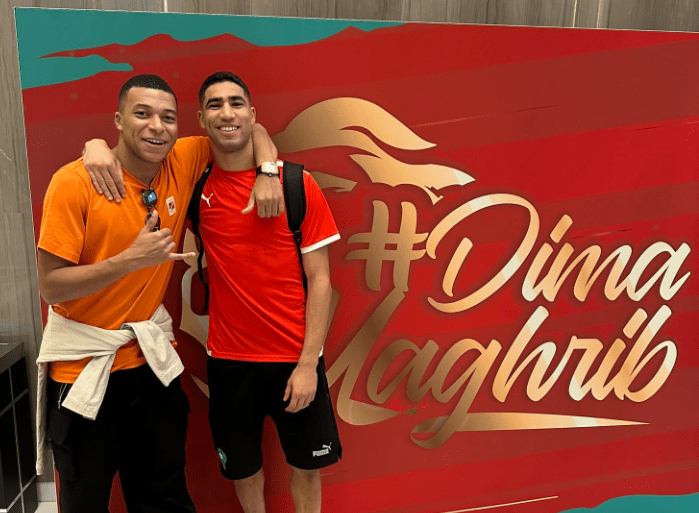
On the player front, Achraf Hakimi’s brilliance with Paris Saint-Germain was the most prominent Moroccan representation, as he won the African Player of the Year award in recognition of his contribution to his team’s historic sextuple of domestic and continental titles.
Continental Shock.. CAF’s Decision
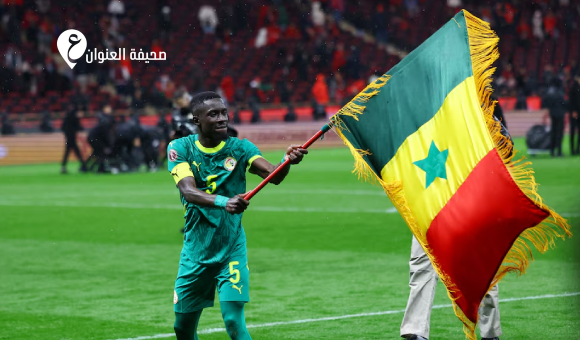
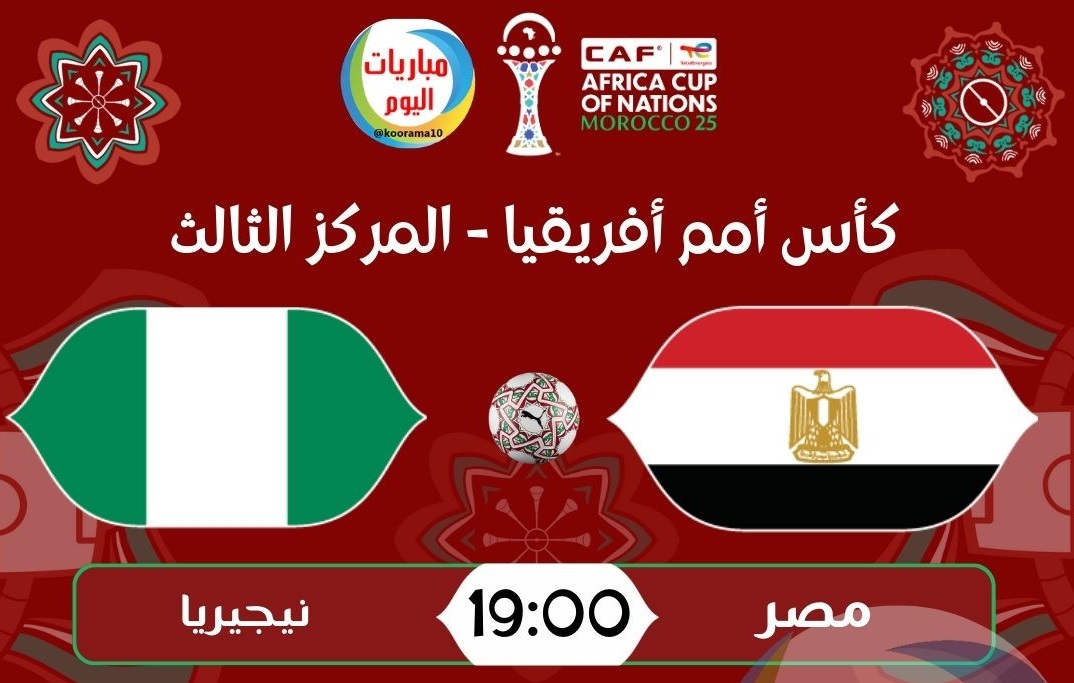
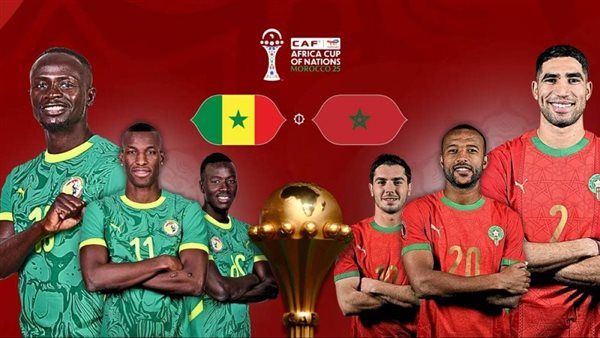
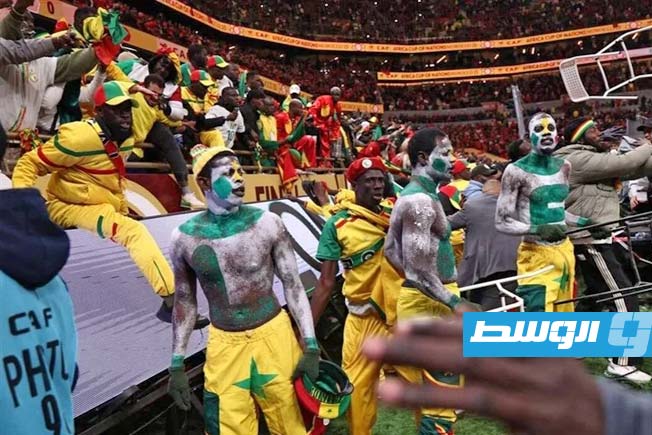
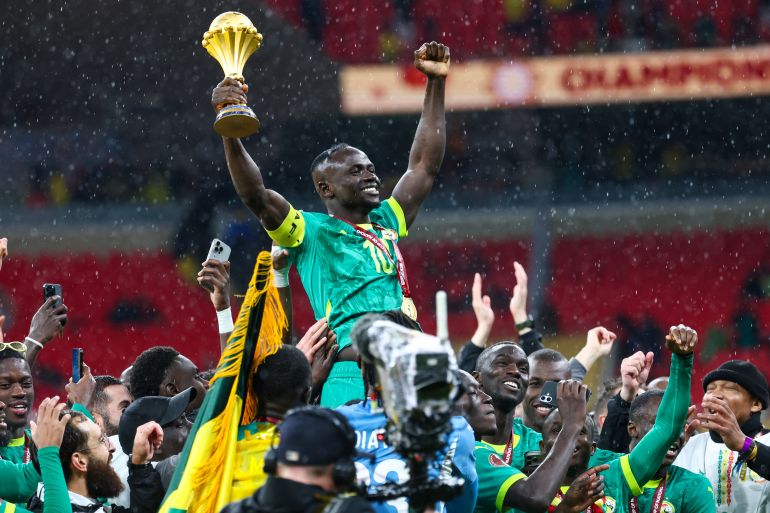
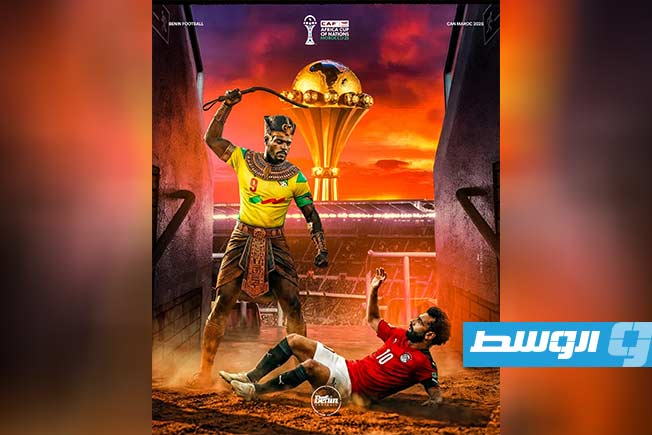
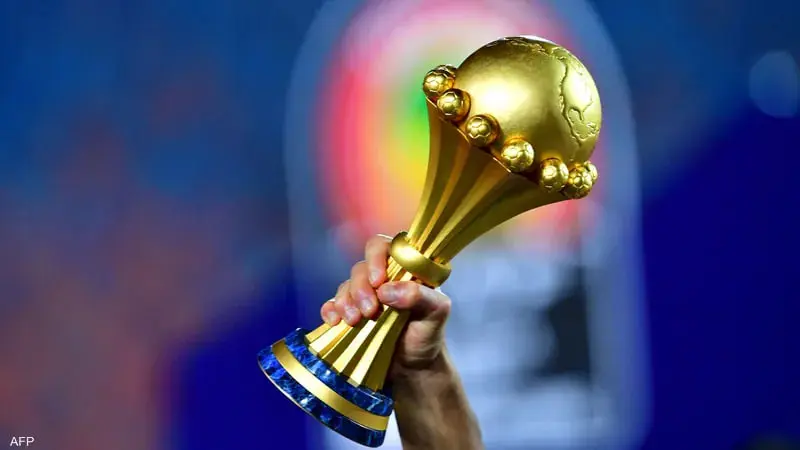
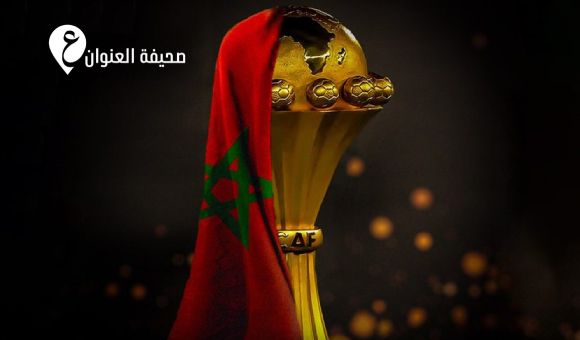
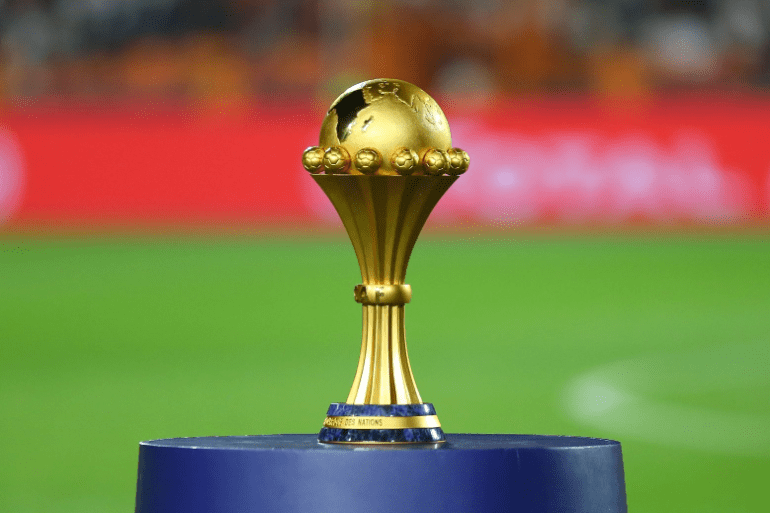
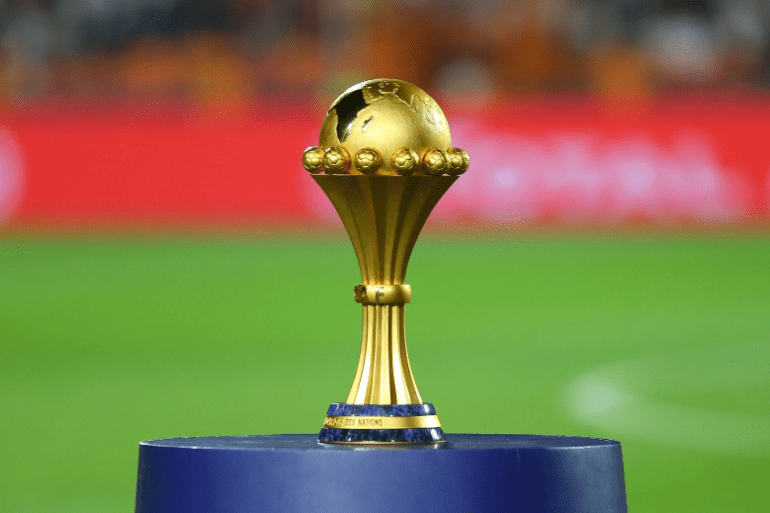
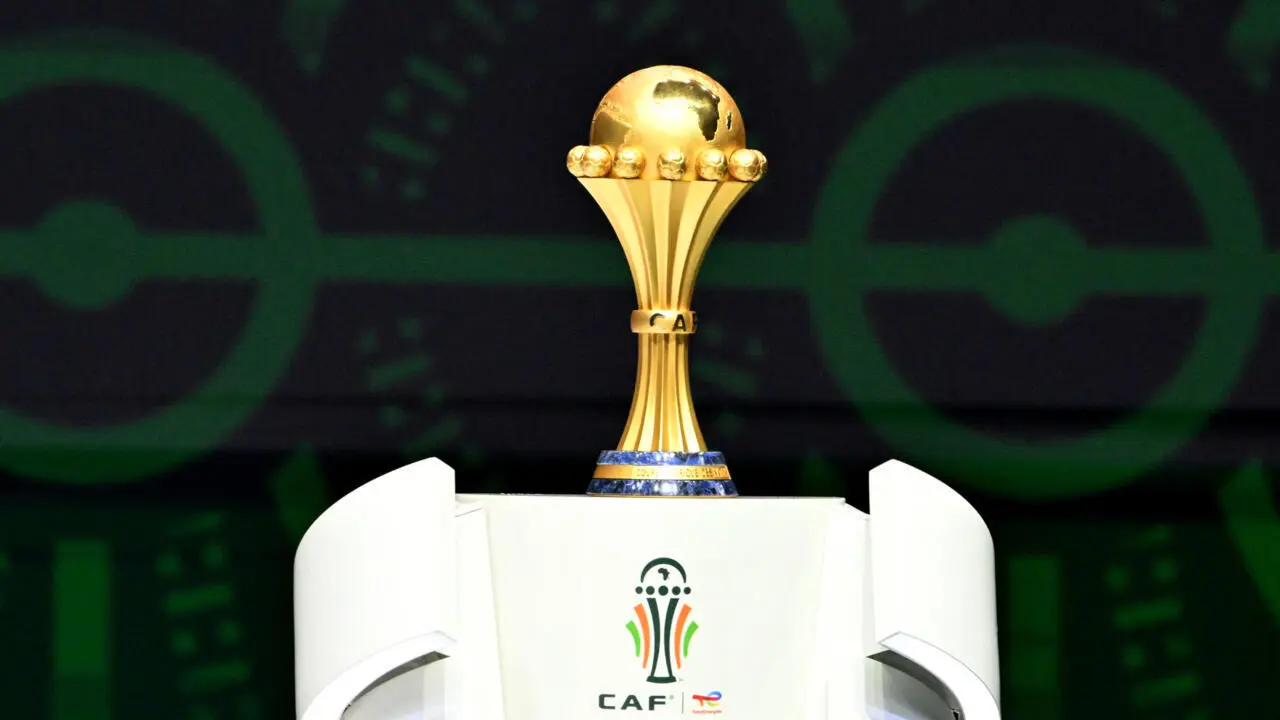
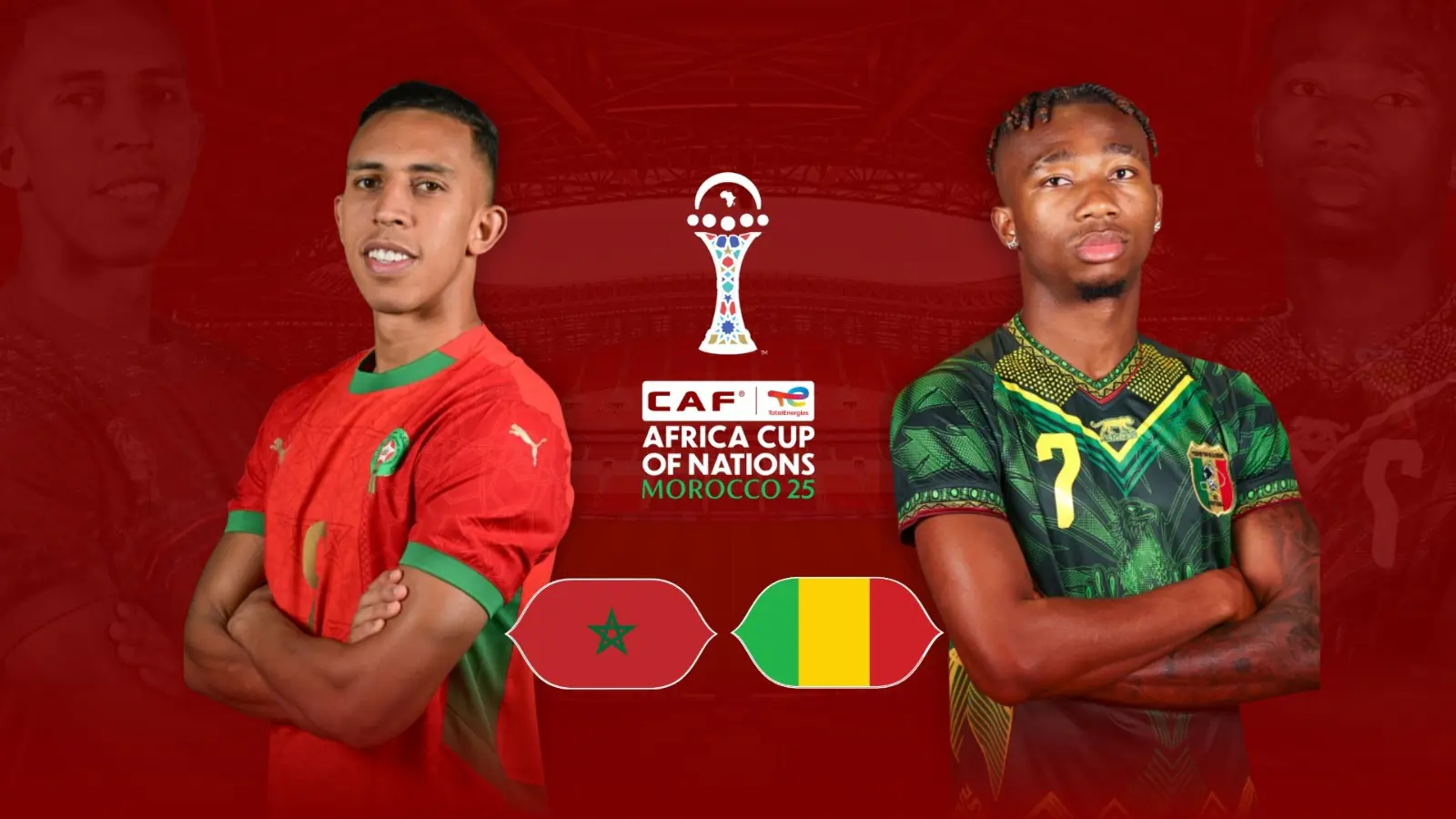
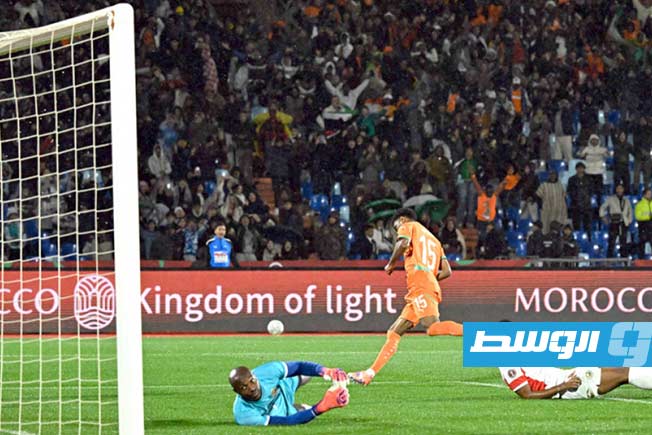
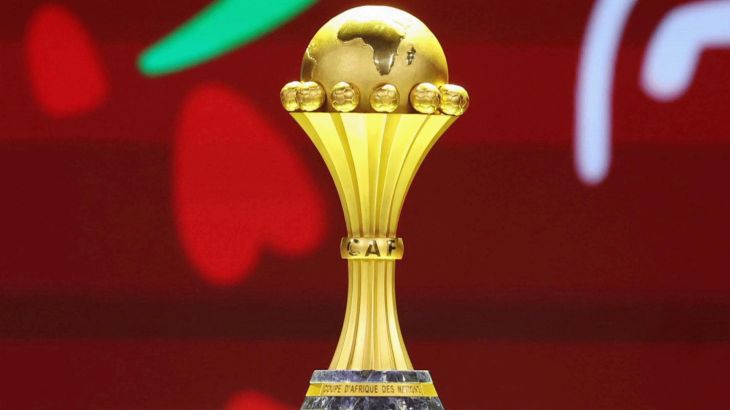
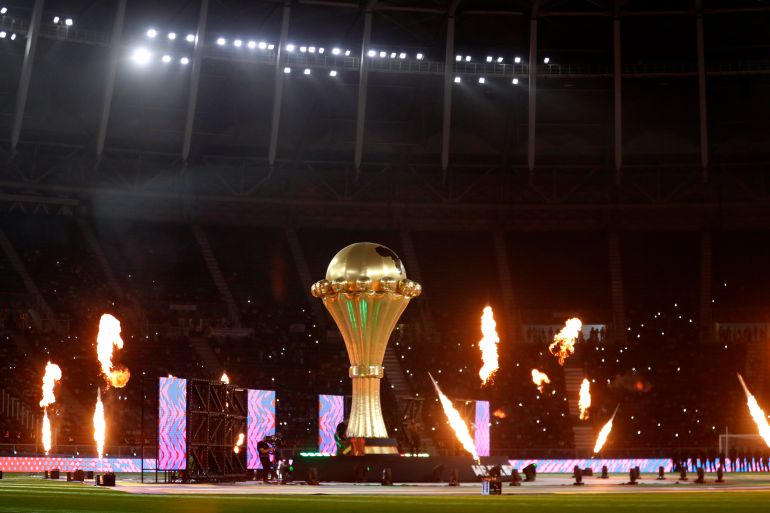
While Arab fans were celebrating the achievements, the announcement by the President of the Confederation of African Football (CAF) caused a major shock, declaring that the Africa Cup of Nations would be held once every four years after the 2028 edition. The decision sparked widespread controversy and division between supporters and opponents, with some considering it a violation of the spirit and history of the tournament, at a time when the African continent was witnessing a clear sports renaissance on all levels.
European Leagues.. Dominance and Setbacks
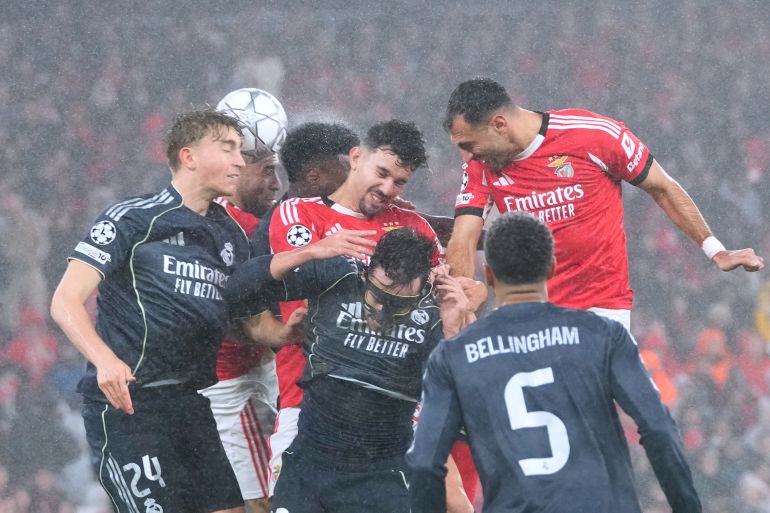
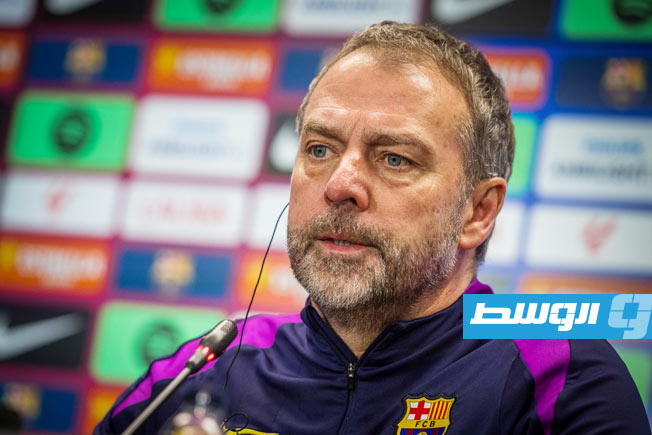
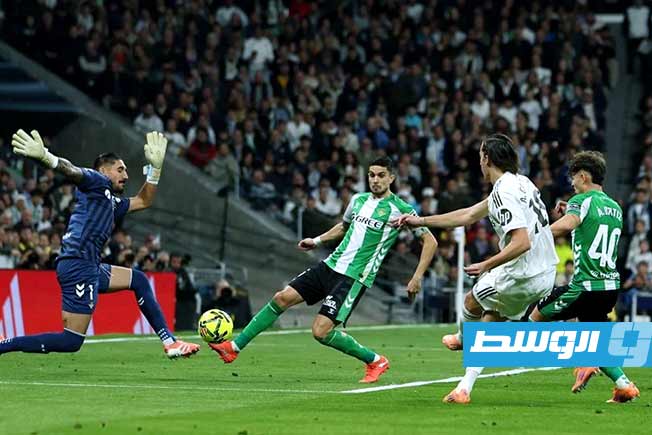
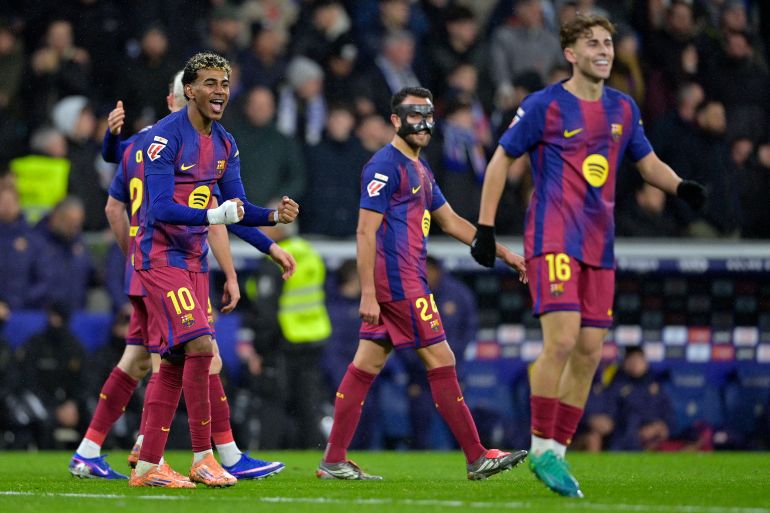
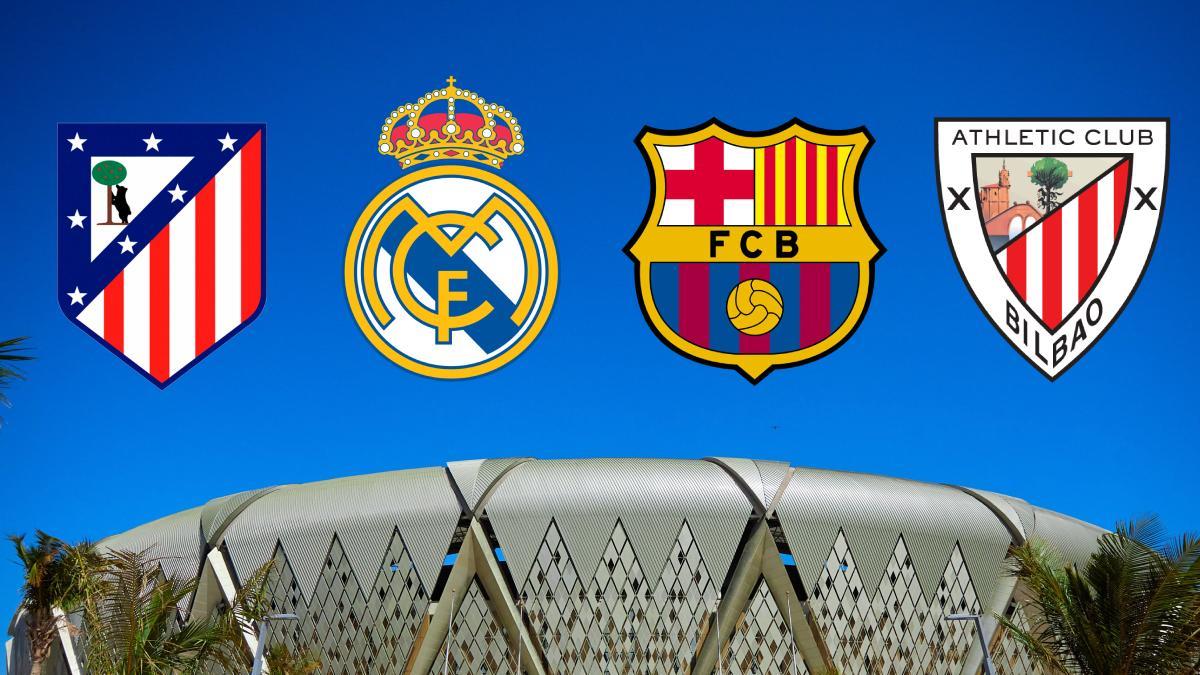
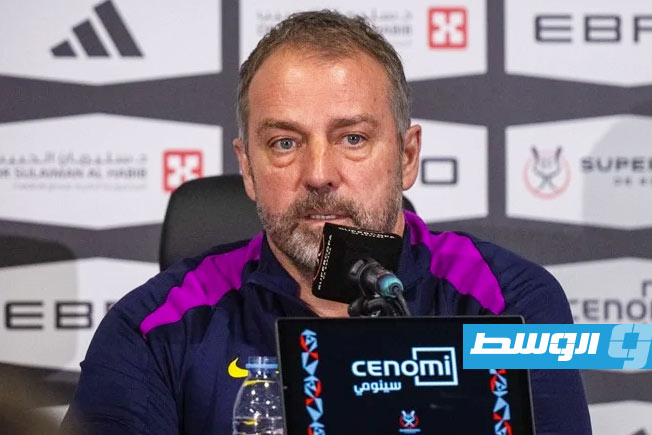
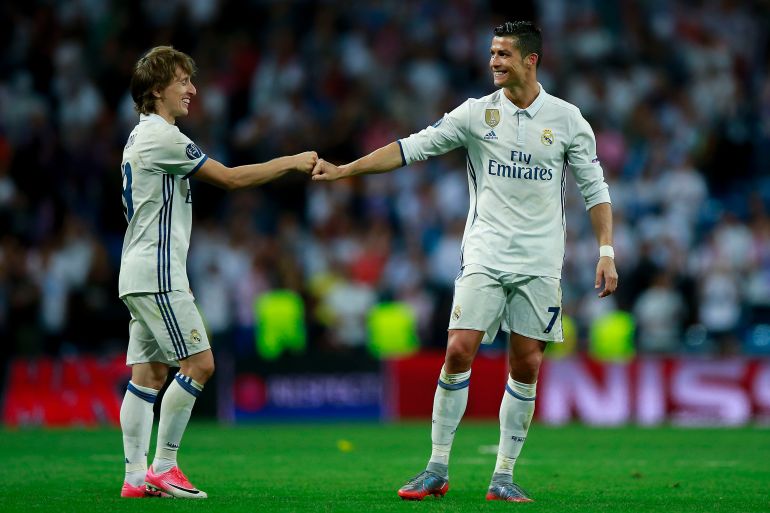
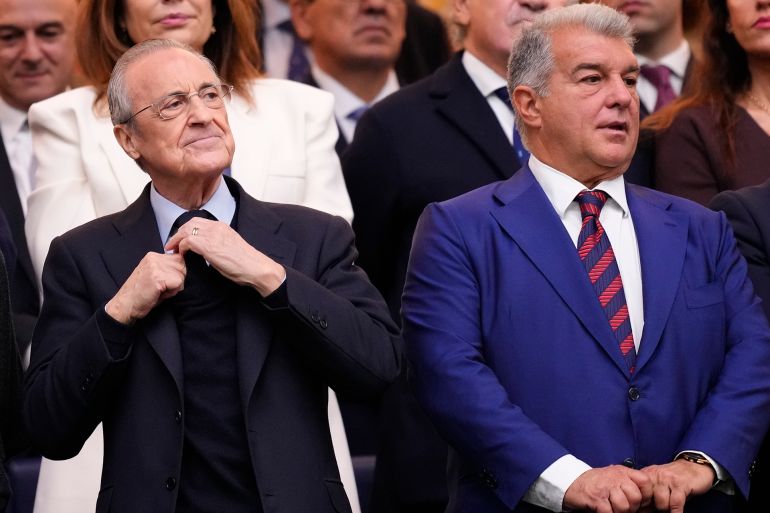
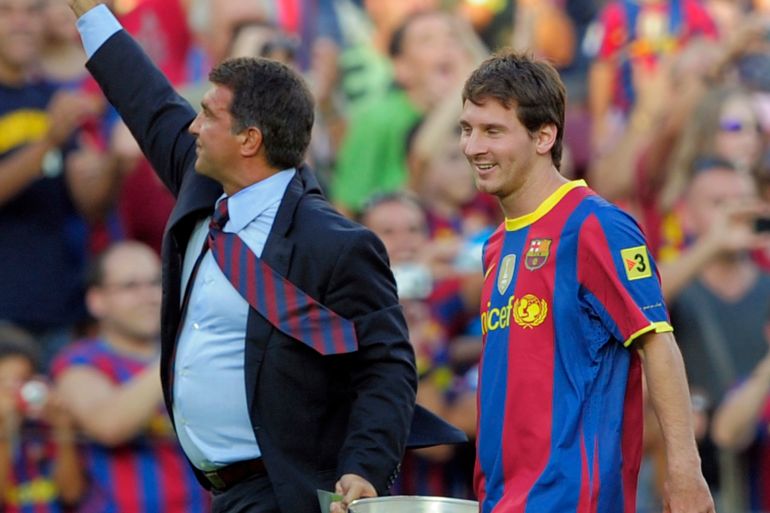
In Spain, 2025 was an exceptional year; Barcelona, under the leadership of German coach Hansi Flick, restored its domestic prestige. The Catalan team dominated the season’s competitions, winning La Liga, the Copa del Rey, and the Spanish Super Cup, achieving four consecutive victories over its traditional rival Real Madrid.
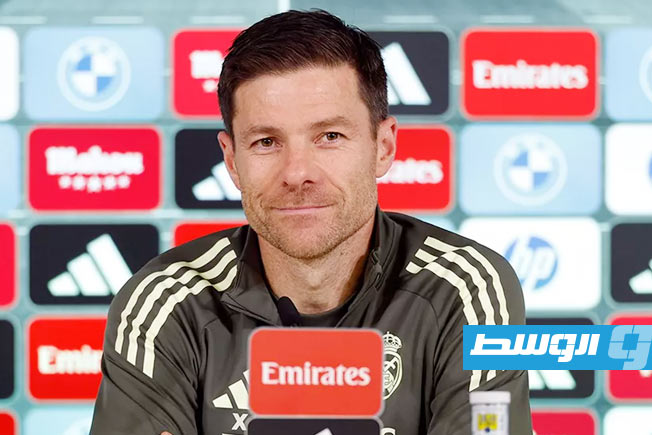
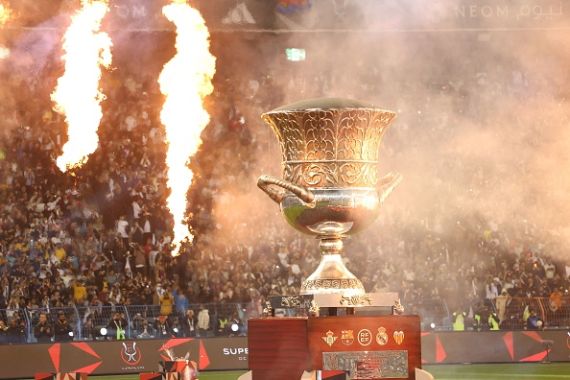
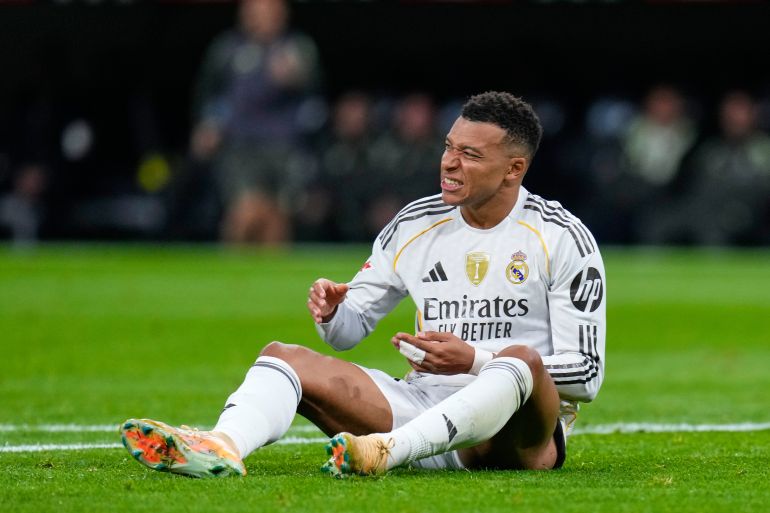
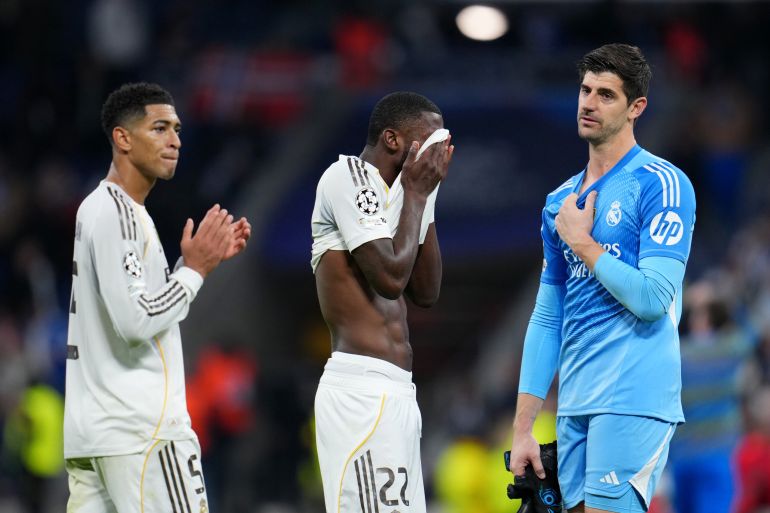
The Spanish Super Cup final in Jeddah witnessed a stunning surprise, with a crushing 5-0 victory for Barça over Real Madrid, leading to a series of humiliating defeats for the white rival. This prompted the club’s management to replace Italian coach Carlo Ancelotti with Spanish coach Xabi Alonso in an attempt to reorganize and get the team back on track.
Paris Saint-Germain Achieves Miracles
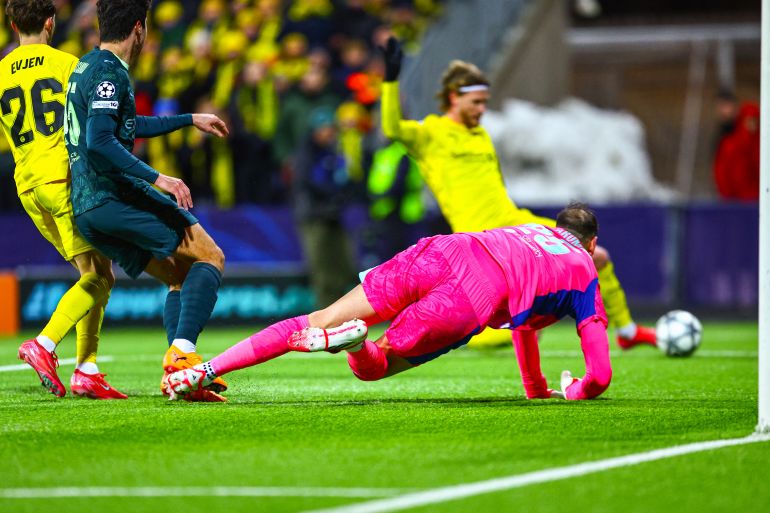
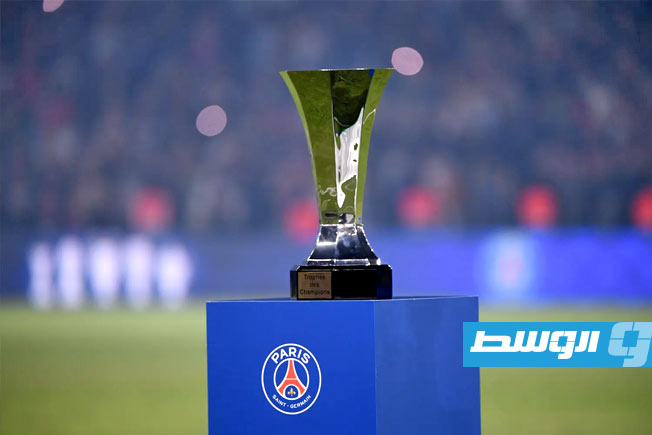
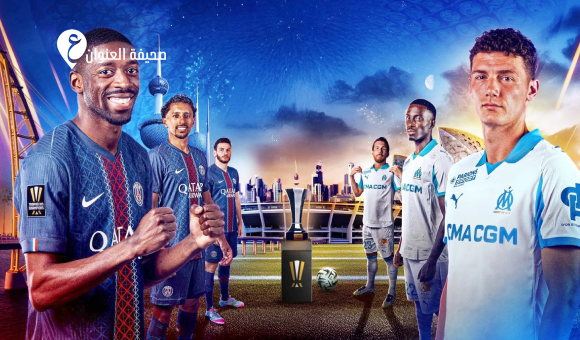
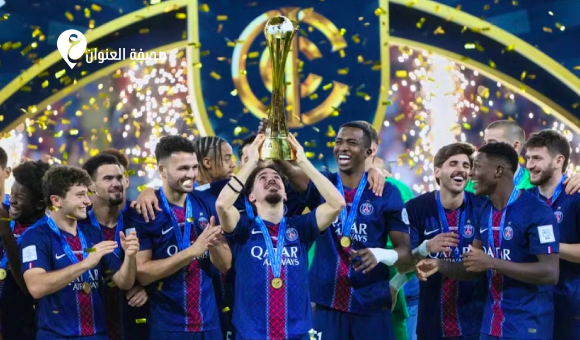
The most prominent story in Europe was undoubtedly that of Paris Saint-Germain. The French team transformed in 2025 from the brink of collapse to the top of the world, achieving: the UEFA Champions League for the first time in its history, after defeating Inter Milan 5-0 in a historic final in Germany; and a historic domestic and continental sextuple, including Ligue 1, the Coupe de France, the Trophée des Champions, the UEFA Super Cup, along with a runner-up finish in the FIFA Club World Cup.
The team transformed
Morocco
Morocco is a North African country with a rich history shaped by indigenous Amazigh (Berber) cultures, Arab influence from the 7th century, and later French and Spanish colonial periods. It is known for historic sites like the medieval medinas of Fez and Marrakech, which are UNESCO World Heritage centers of Islamic learning and trade. The country’s diverse cultural heritage is also reflected in its architecture, cuisine, and traditions.
North America
North America is a continent comprising countries such as Canada, the United States, and Mexico, with a human history spanning thousands of years from its initial settlement by Indigenous peoples. Its modern political and cultural landscape was largely shaped by European colonization beginning in the late 15th century, followed by waves of immigration and complex historical developments.
Jordan
Jordan is a Middle Eastern country with a rich historical legacy, most famously home to the ancient city of Petra, a Nabatean capital carved into rose-red sandstone cliffs over 2,000 years ago. The region has been a crossroads of civilizations, from the Roman Empire—evidenced by sites like Jerash—to the Islamic Caliphates and the Crusader period. Established as the Hashemite Kingdom of Jordan in the 20th century, it now encompasses significant religious sites, such as the purported baptism site of Jesus, and vast desert landscapes like Wadi Rum.
Tunisia
Tunisia is a North African country with a rich history shaped by ancient civilizations, including the Phoenician city of Carthage, Roman rule, and later Arab and Ottoman influences. Its cultural sites, such as the well-preserved Roman amphitheater at El Jem and the historic medina of Tunis, reflect this diverse heritage. Today, it is known as the birthplace of the Arab Spring and for its blend of Mediterranean and Arab cultures.
Egypt
Egypt is home to one of the world’s oldest civilizations, with a recorded history spanning over 5,000 years and iconic monuments like the Pyramids of Giza and the Sphinx from the Old Kingdom era. Its rich cultural legacy includes pharaonic, Greco-Roman, Coptic Christian, and Islamic influences, centered for millennia along the fertile Nile River valley.
Algeria
Algeria is a North African nation with a rich history shaped by ancient Berber kingdoms, Roman rule, and centuries of Ottoman influence. It gained independence in 1962 after a prolonged and brutal war of liberation against French colonial occupation. The country’s cultural heritage is a diverse blend of these influences, evident in its historic sites like the Roman ruins at Timgad and the Casbah of Algiers.
Saudi Arabia
Saudi Arabia is a Middle Eastern nation founded in 1932 by King Abdulaziz Al Saud, unifying the regions of Najd and Hejaz. It is the birthplace of Islam, home to the religion’s two holiest cities, Mecca and Medina, which have been central to Islamic history and pilgrimage for over fourteen centuries. The country’s modern economy and global influence are largely derived from its vast reserves of petroleum, discovered in the 1930s.
Qatar
Qatar is a sovereign country on the Arabian Peninsula, historically shaped by its Bedouin heritage and centuries of pearl diving. Its modern history was transformed by the discovery of oil and natural gas in the mid-20th century, leading to rapid development and significant global influence. The capital, Doha, is home to renowned cultural sites like the Museum of Islamic Art and the traditional Souq Waqif.
Iraq
Iraq, historically known as Mesopotamia, is a country in Western Asia often called the “Cradle of Civilization” for its ancient cities like Babylon and Ur, which were home to early writing, law, and urban development. Modern Iraq was established after World War I, with its rich history deeply marked by the rise and fall of successive empires, from the Sumerians and Abbasids to its formation as a sovereign state in the 20th century.
Doha
Doha is the capital city of Qatar, a modern metropolis that grew from a small fishing and pearling village into a major global hub following the discovery of oil and natural gas in the mid-20th century. Its cultural landscape is marked by institutions like the Museum of Islamic Art and the traditional Souq Waqif, which reflect both its rapid modernization and its efforts to preserve Qatari heritage.
Paris Saint-Germain
Paris Saint-Germain is a professional football club based in Paris, France, founded in 1970. It has become one of France’s most successful clubs, winning numerous domestic titles and establishing itself as a major force in European football.
Spain
Spain is a country in southwestern Europe with a rich and diverse cultural heritage shaped by Roman, Moorish, and Christian influences. Its history includes the unification of Christian kingdoms, the Spanish Empire’s global expansion in the early modern period, and the 20th-century transition to democracy after the Franco dictatorship.
Barcelona
Barcelona is a historic port city in northeastern Spain, founded as a Roman settlement and later becoming the capital of the powerful region of Catalonia. It is globally renowned for its unique architecture, most notably the fantastical modernist works of Antoni Gaudí, such as the still-unfinished Sagrada Família basilica.
Real Madrid
Real Madrid is a professional football club based in Madrid, Spain, founded in 1902. It is one of the world’s most successful and widely supported clubs, historically renowned for its European dominance, particularly winning a record 14 UEFA Champions League titles.
Jeddah
Jeddah is a major port city on Saudi Arabia’s Red Sea coast, historically serving as the gateway for Muslim pilgrims traveling to Mecca. Its historic district, Al-Balad, features traditional coral houses and is a UNESCO World Heritage Site, reflecting centuries of trade and cultural exchange.
Inter Milan
Inter Milan, officially known as Football Club Internazionale Milano, is an Italian professional football club founded in 1908 by a group of Italians and Swiss who wanted a club open to foreign players, hence the name “Internazionale.” Based in Milan, it is one of Italy’s most successful clubs, having won numerous Serie A titles, Coppa Italia trophies, and European championships, including three UEFA Champions League titles.
Germany
Germany is a country in Central Europe with a complex history shaped by the Holy Roman Empire, the rise and fall of Prussia, the two World Wars, and its division and reunification during the Cold War. Today, it is a leading economic and political power in the European Union, known for its rich cultural heritage in philosophy, music, and science.
France
France is a Western European nation with a rich history dating back to ancient Gaul, later evolving into a powerful monarchy and then a republic following the 1789 Revolution. It is globally renowned for its influential art, philosophy, cuisine, and landmarks like the Eiffel Tower and the Palace of Versailles. The country’s cultural legacy is deeply intertwined with movements such as the Enlightenment and Impressionism.
UEFA Champions League
The UEFA Champions League is an annual club football competition organized by the Union of European Football Associations (UEFA). It was first introduced in the 1955–56 season as the European Champion Clubs’ Cup, evolving into its current format in 1992 to include a round-robin group stage. It is widely considered the most prestigious club tournament in European football.
Ligue 1
Ligue 1 is the top professional football division in France, founded in 1932 under the name National before adopting its current name in 2002. It is historically dominated by clubs like Paris Saint-Germain, Olympique de Marseille, and AS Saint-Étienne, with PSG’s rise in the 2010s marking a significant shift in the league’s competitive and financial landscape.
Coupe de France
The Coupe de France is the premier knockout football competition in France, first held in 1917. It is open to all amateur and professional clubs affiliated with the French Football Federation, making it one of the oldest and most inclusive national cup tournaments in the world.
Trophée des Champions
The Trophée des Champions is an annual French football match that traditionally pits the winners of Ligue 1 against the winners of the Coupe de France. First contested in 1995, it serves as the season’s curtain-raiser and is considered the French equivalent of a domestic super cup.
UEFA Super Cup
The UEFA Super Cup is an annual football match contested by the winners of the UEFA Champions League and the UEFA Europa League. It was first played in 1972 and officially recognized by UEFA in 1998, serving as the traditional curtain-raiser for the European club season.
FIFA Club World Cup
The FIFA Club World Cup is an annual international men’s football competition organized by FIFA, contested by the champions of the six continental confederations and the host nation’s league champion. It was first held in 2000, replacing the Intercontinental Cup, and aims to crown the best club team in the world.