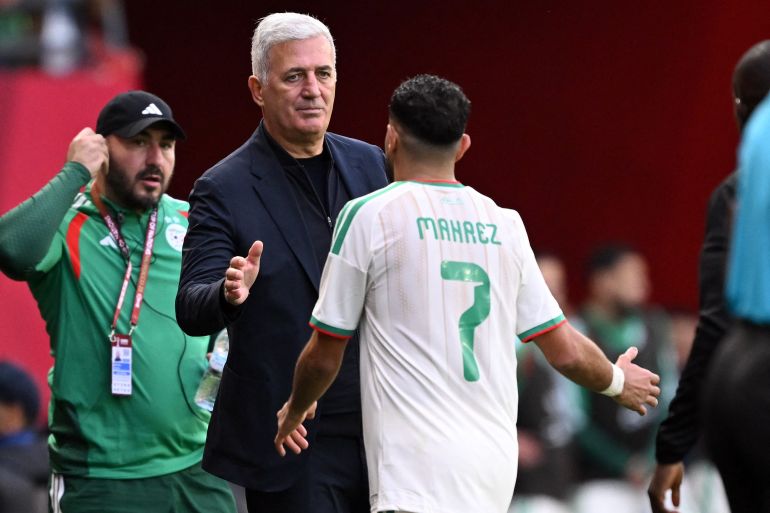
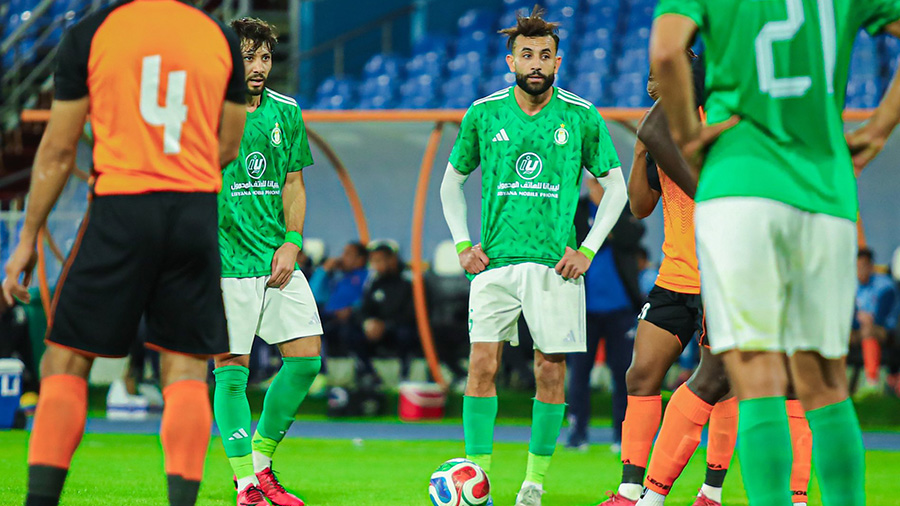
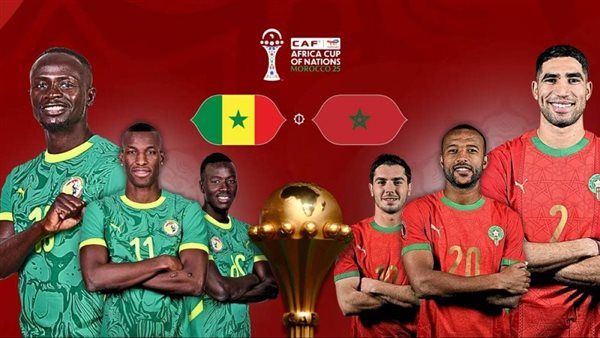
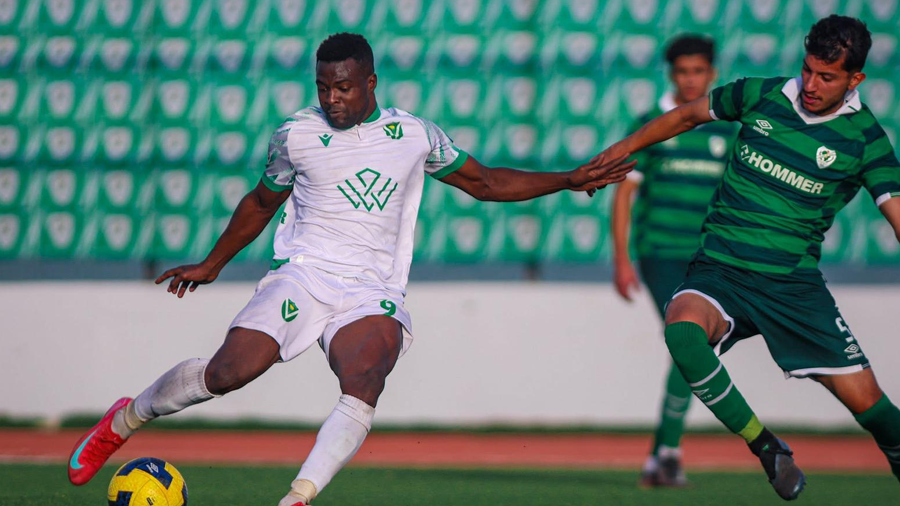
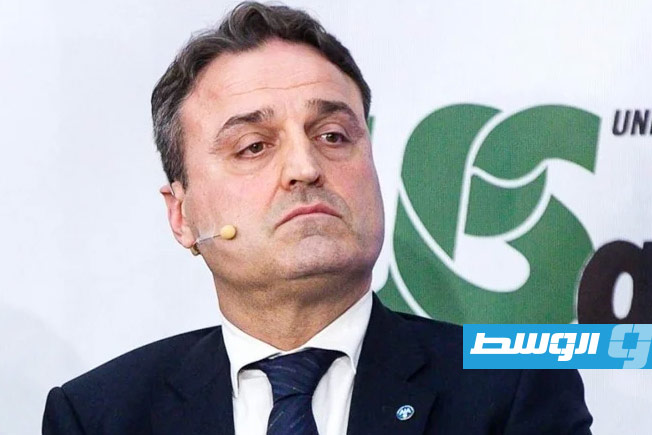
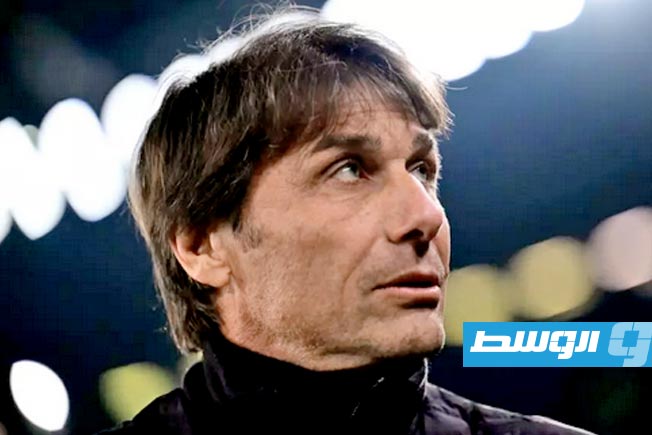
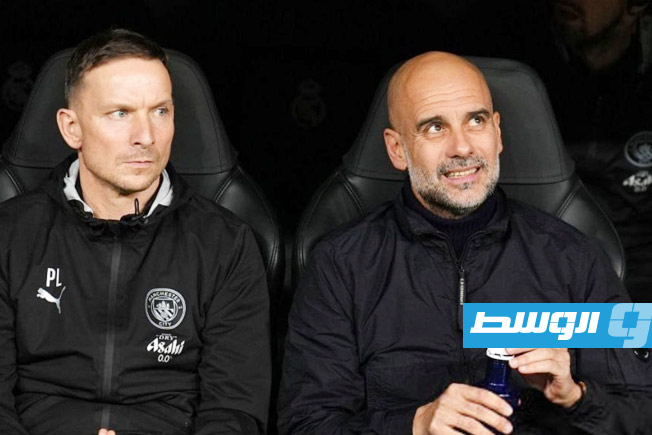
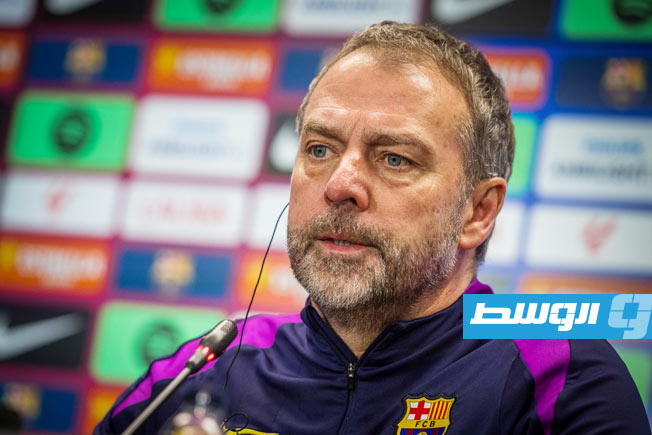
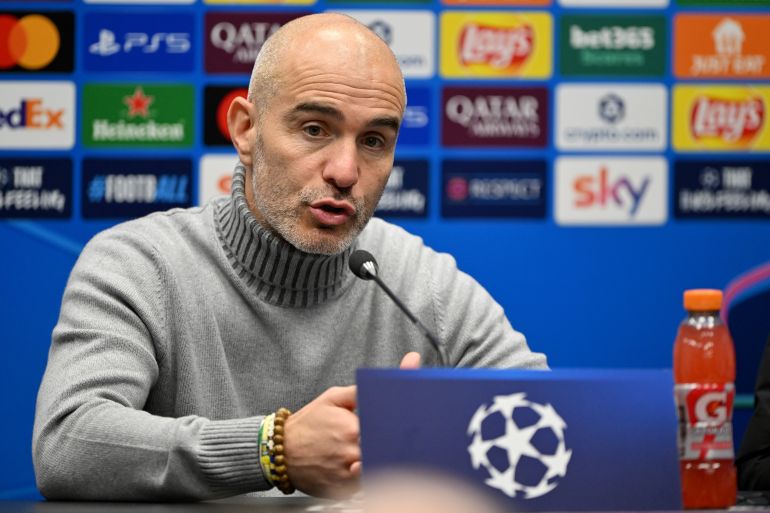
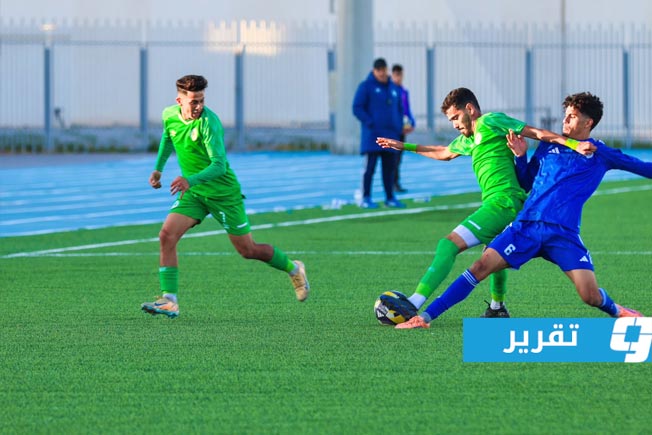
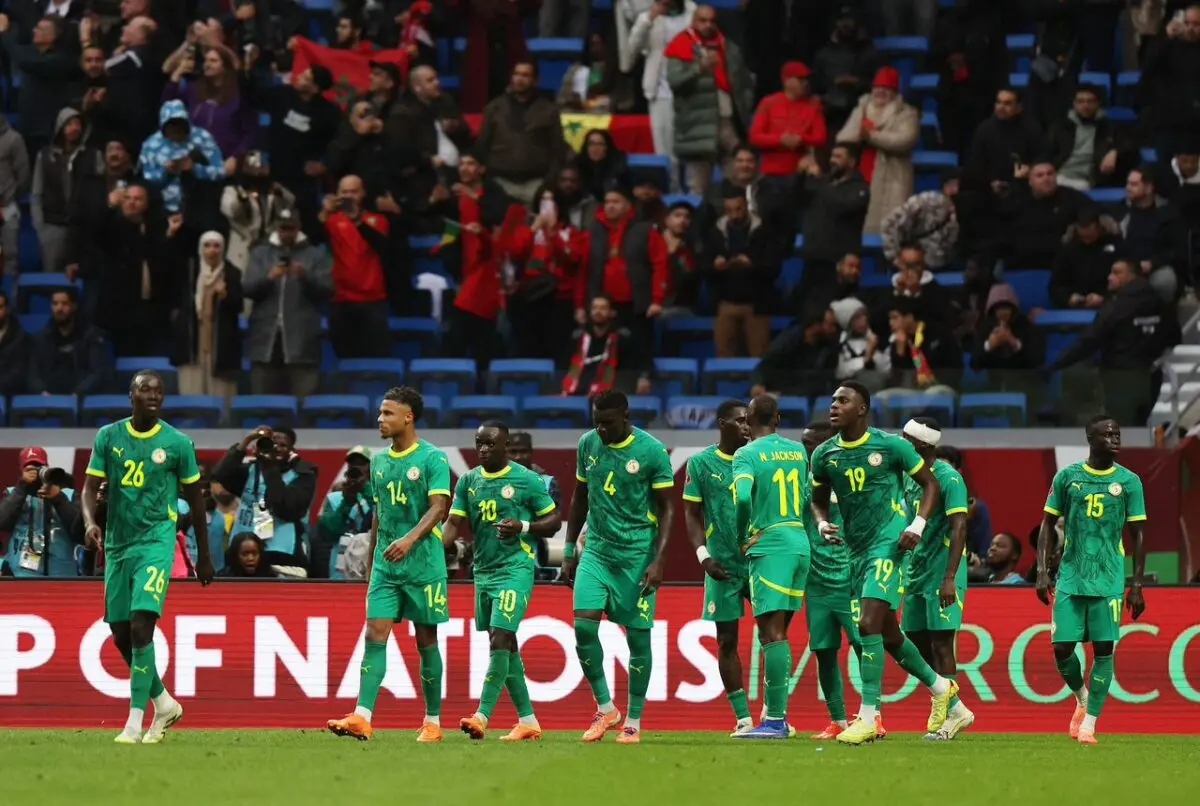
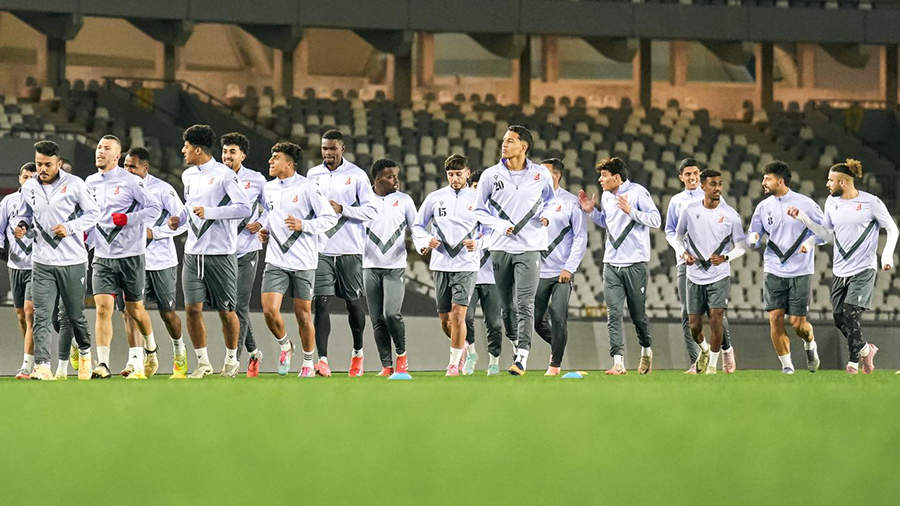
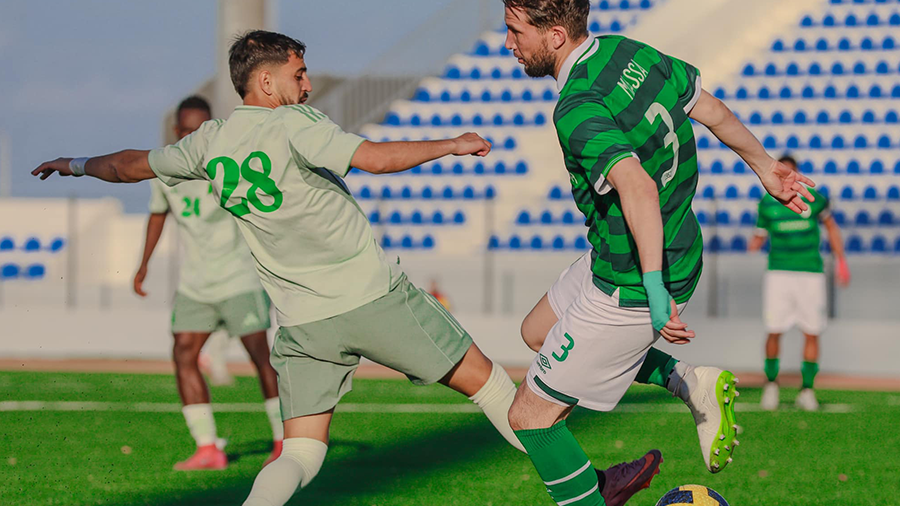
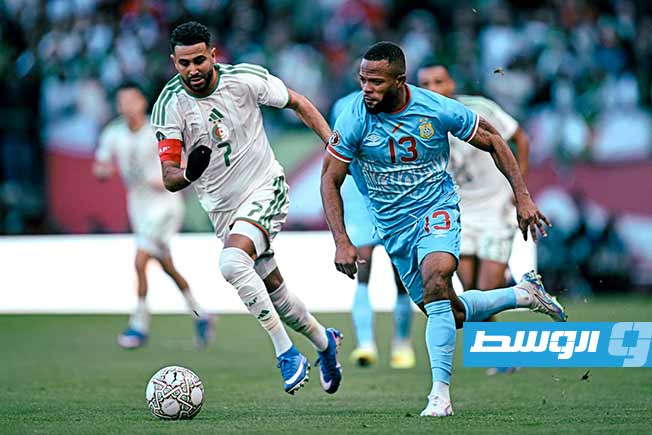
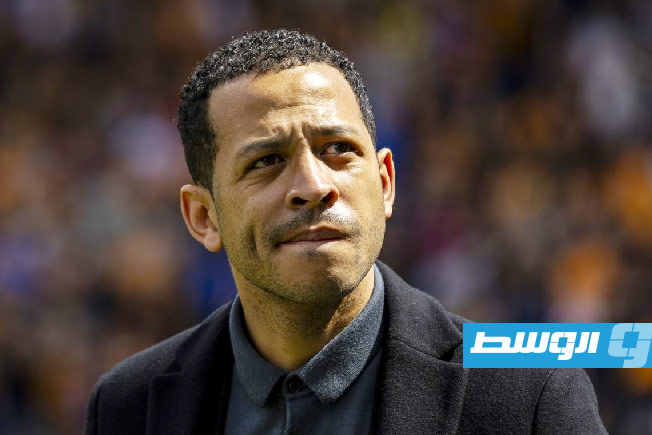
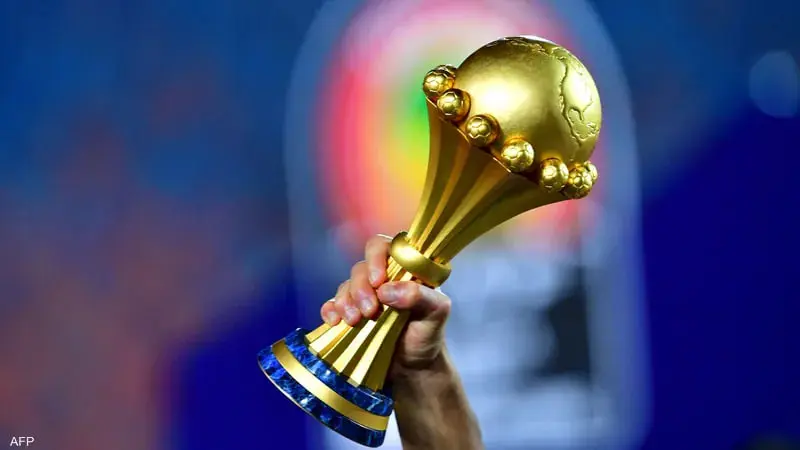
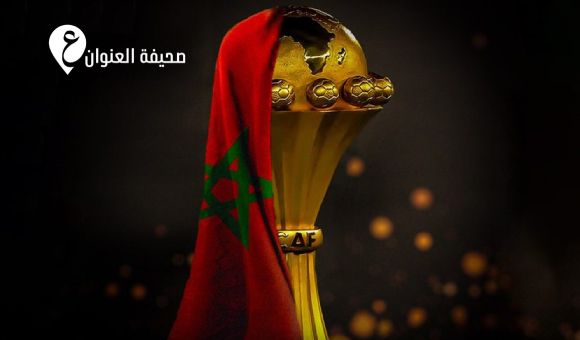
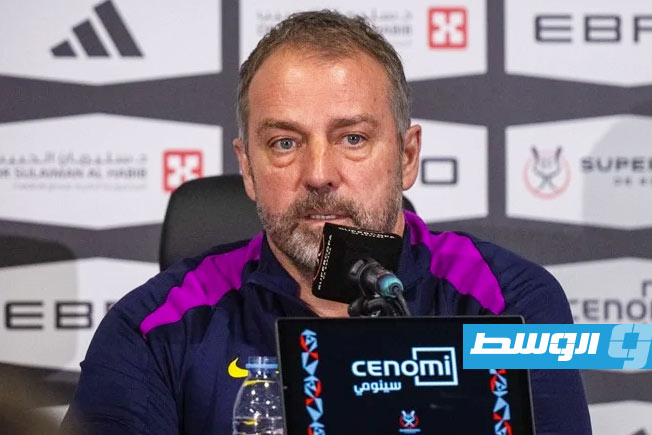
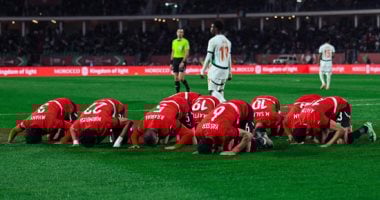
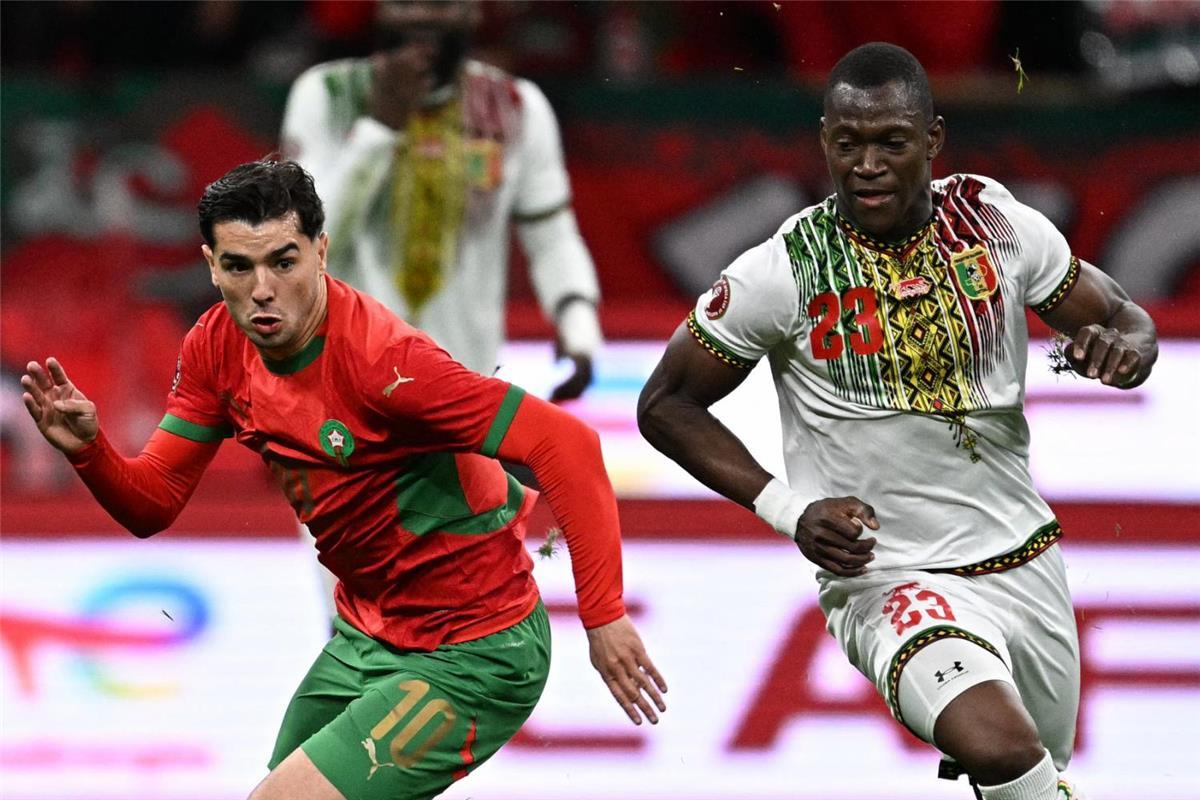
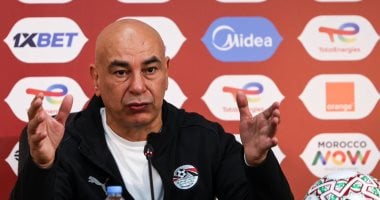
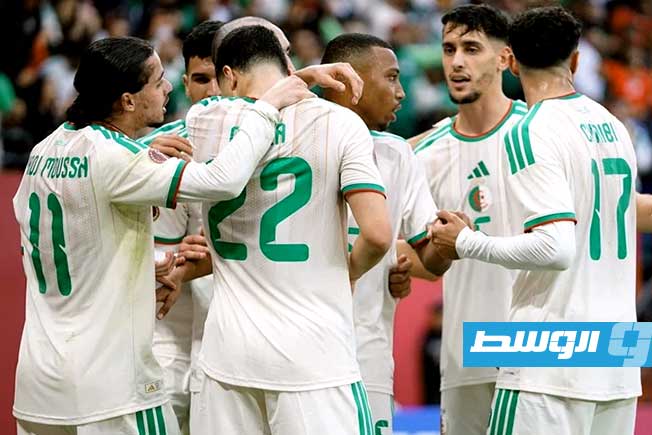
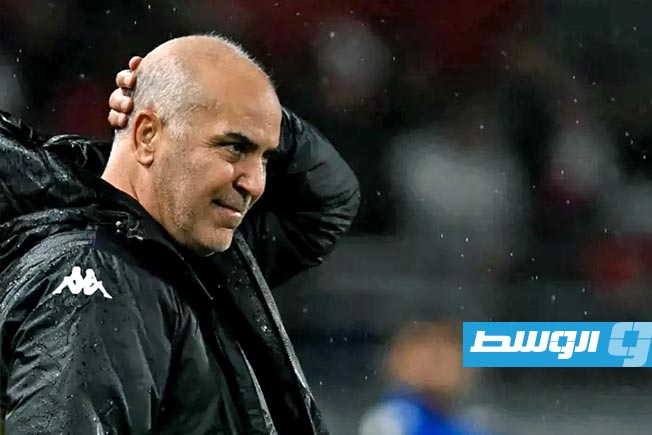
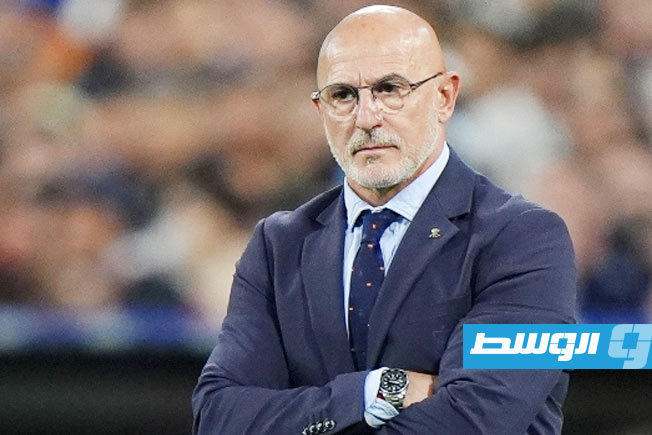
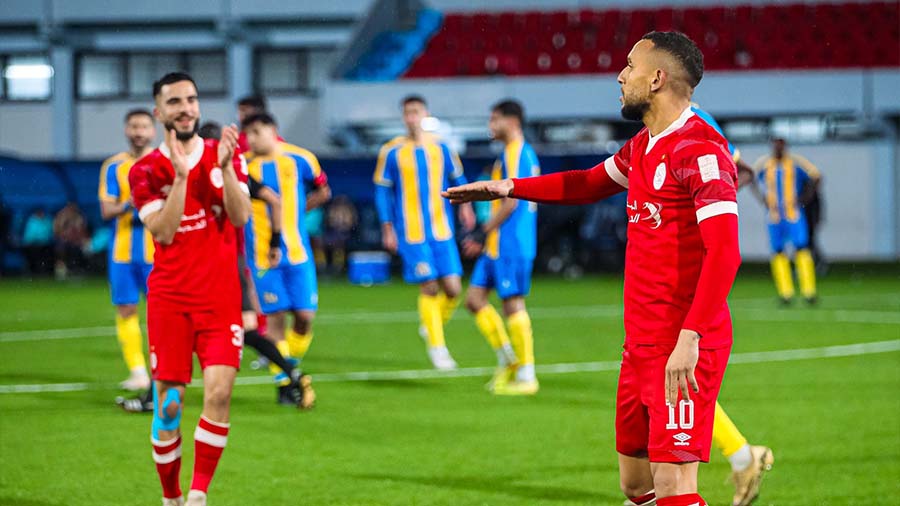
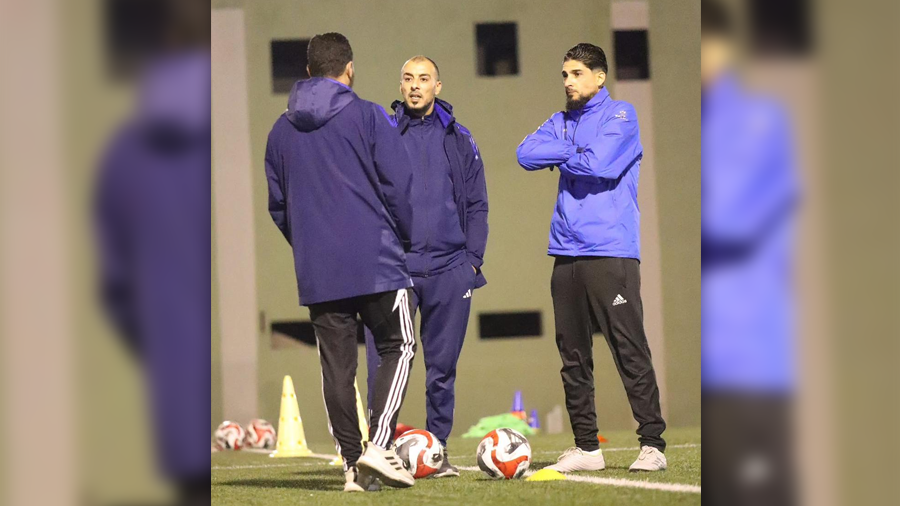
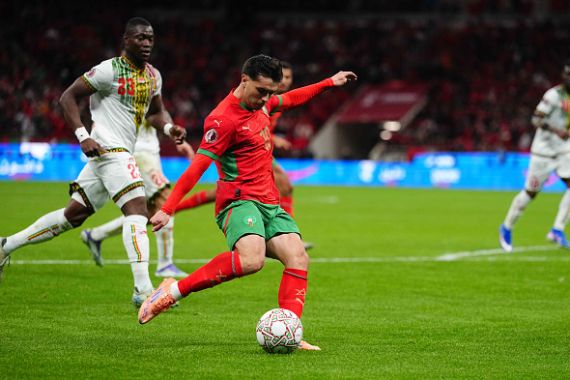
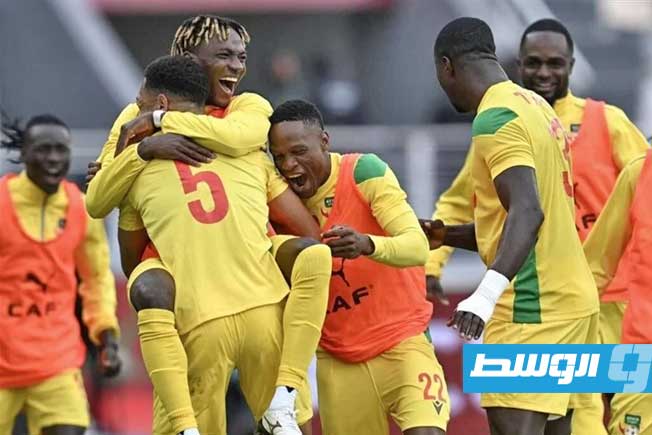
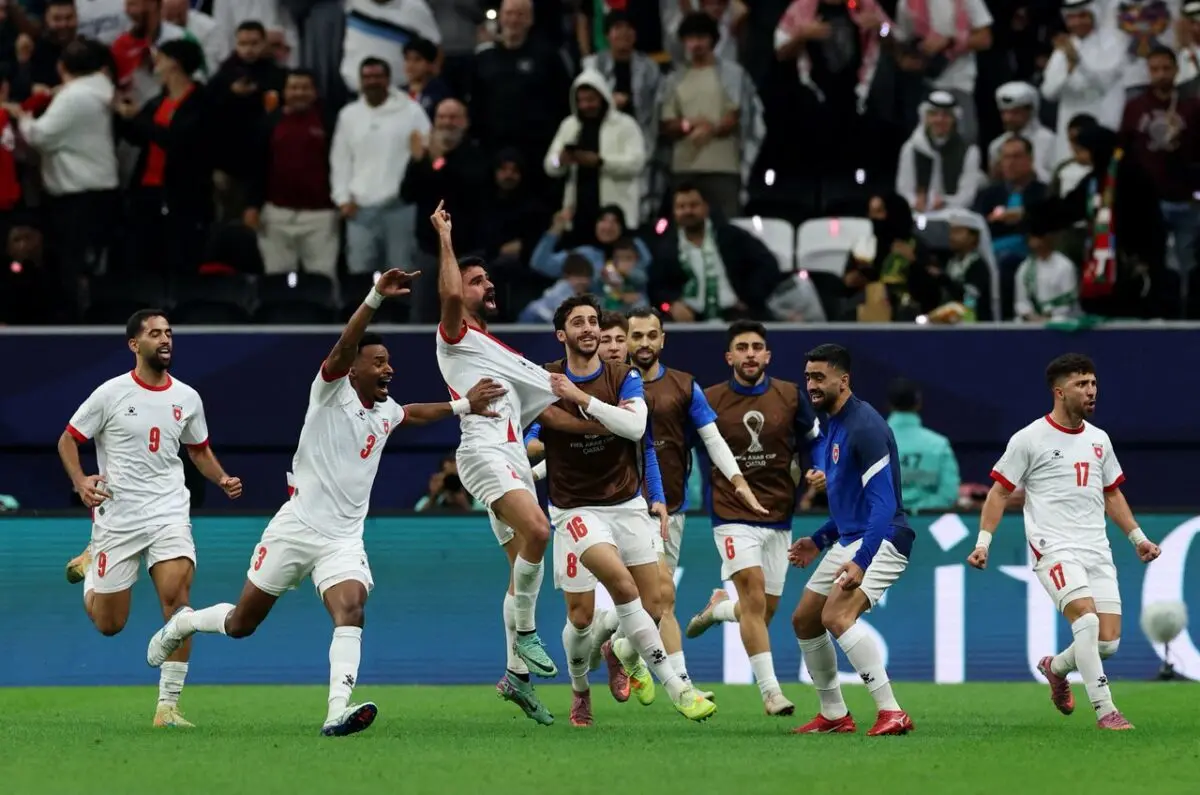
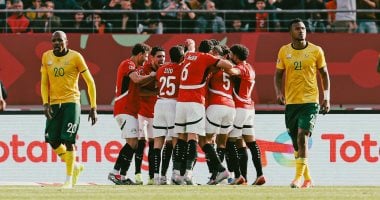
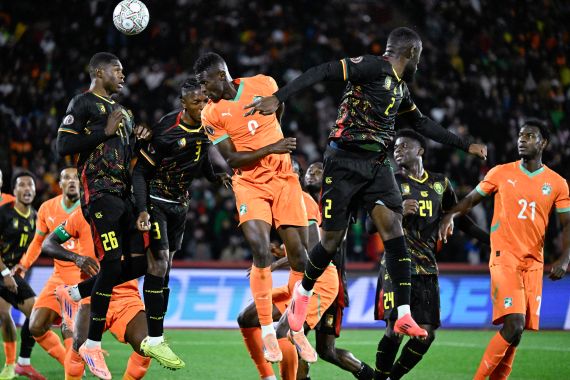
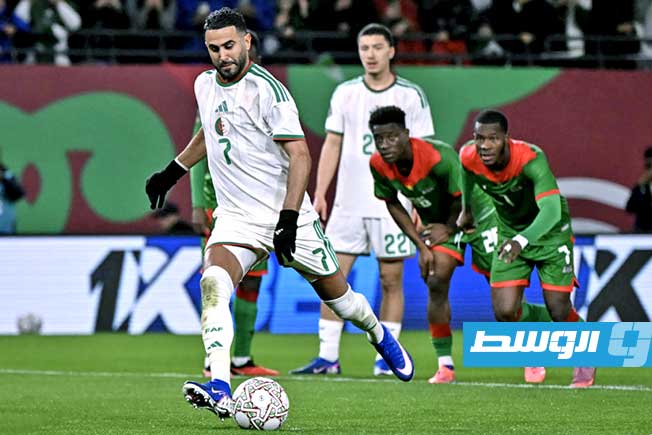
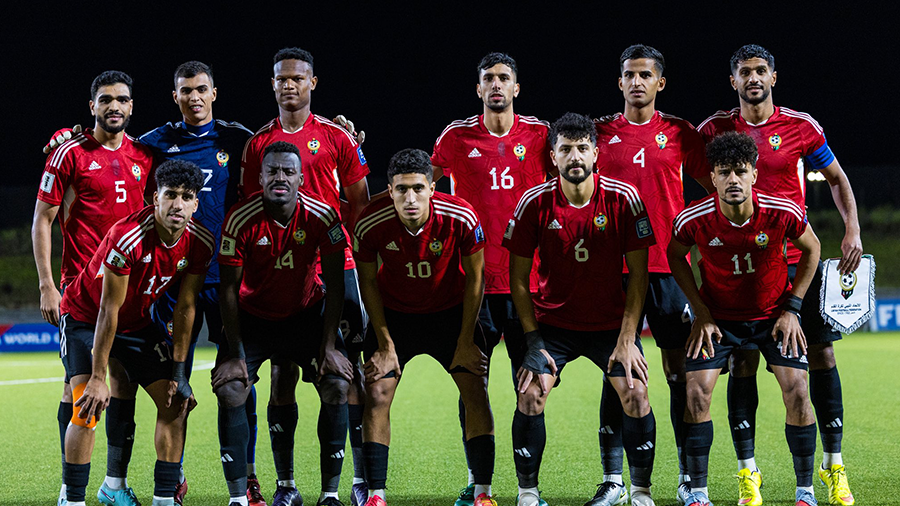
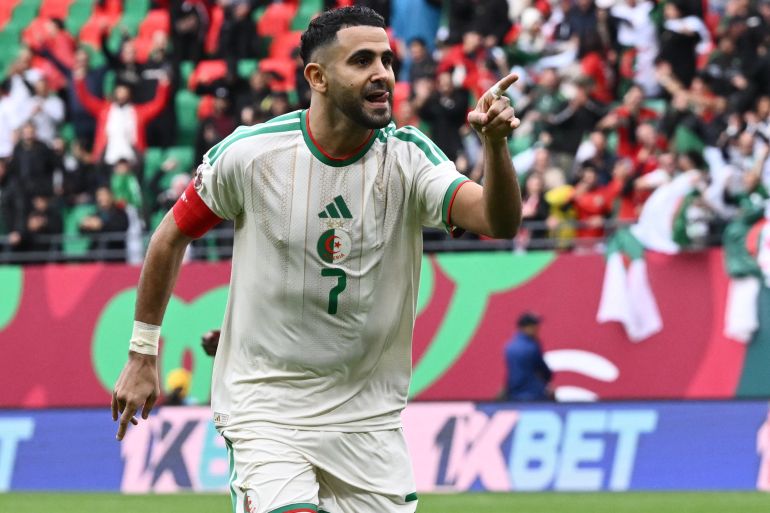
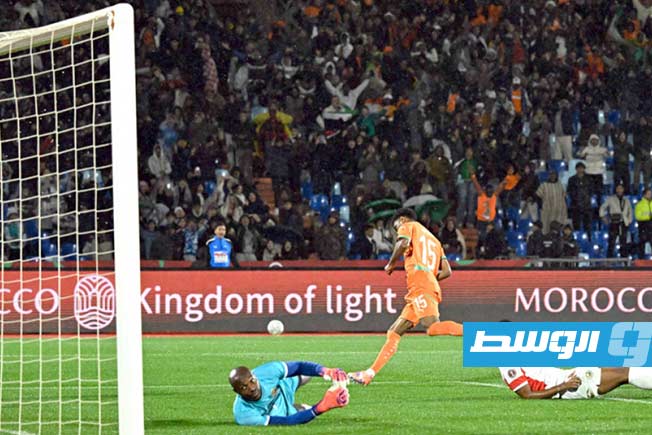
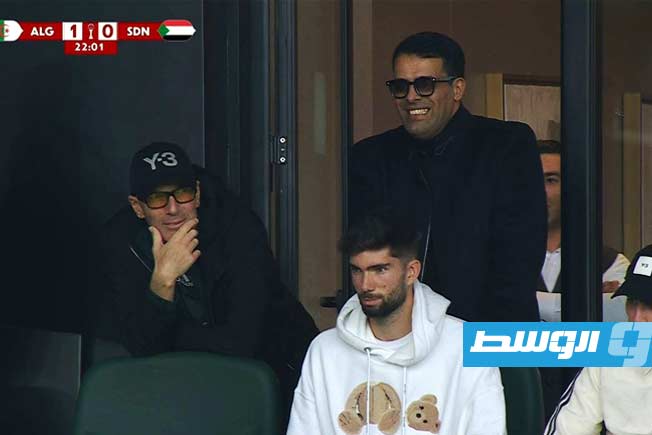
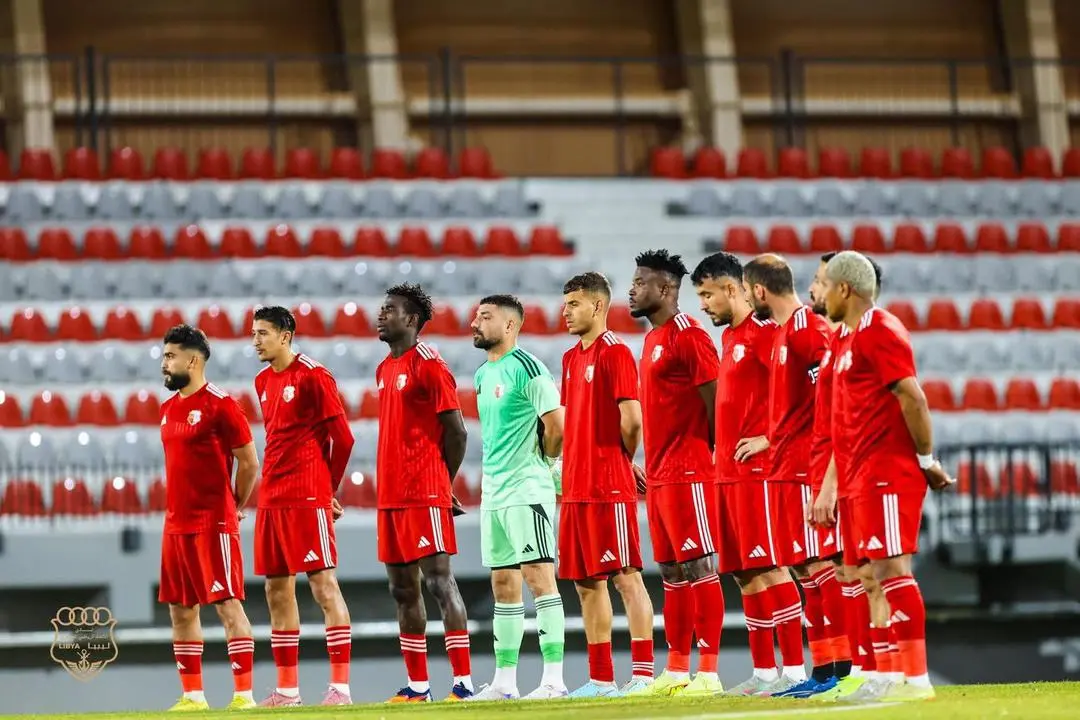
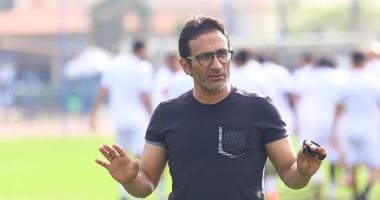
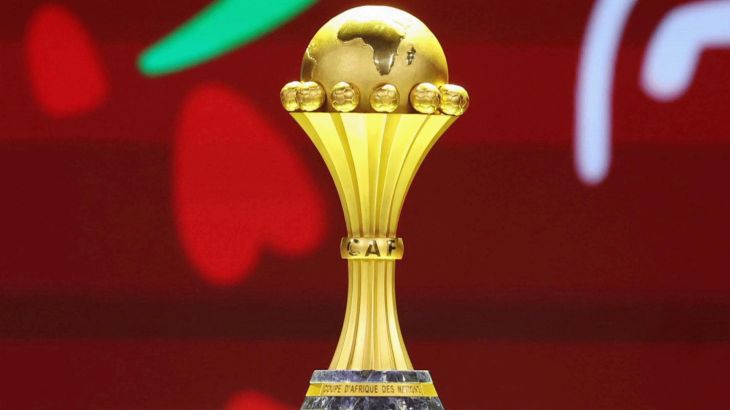
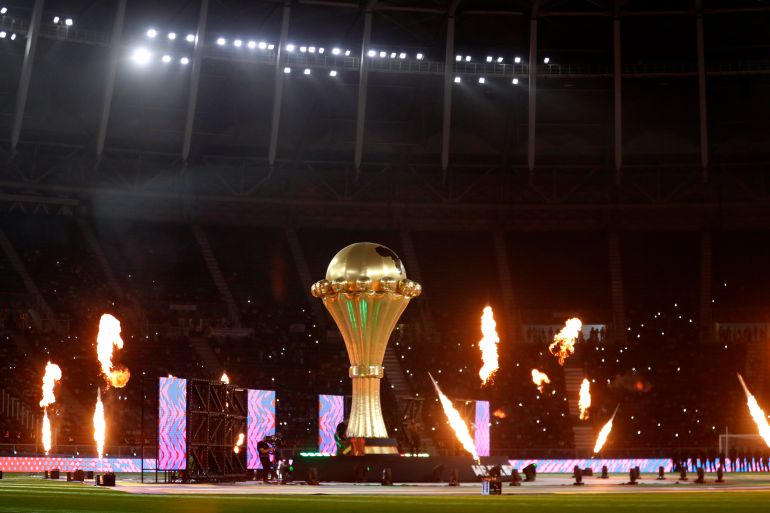
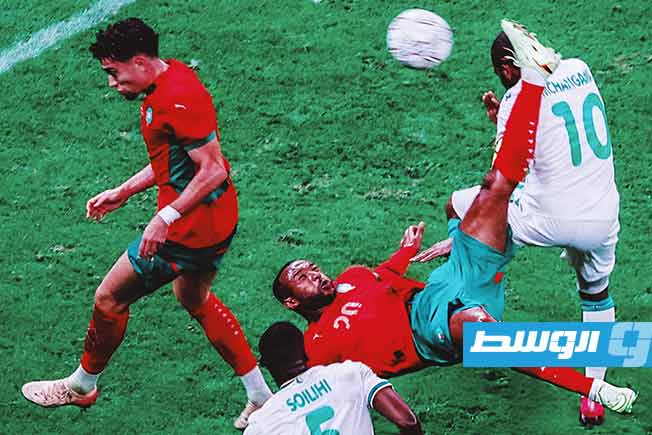
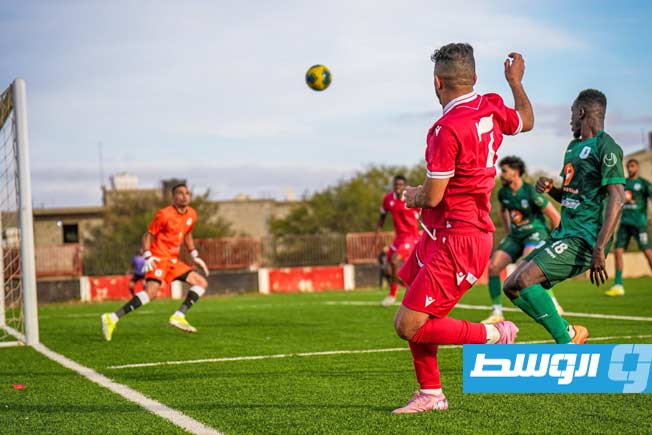
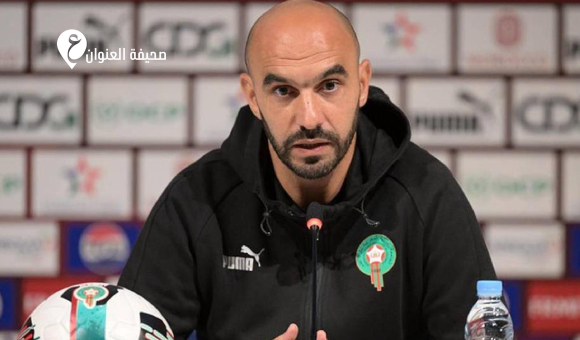
Algeria’s coach confirmed on Tuesday that he will make some changes to the team’s lineup for the match against Equatorial Guinea in the final round of the Africa Cup of Nations group stage on Wednesday. He stated that tomorrow’s match will be a real test for the team and an opportunity to show everyone’s readiness and fully assess the squad.
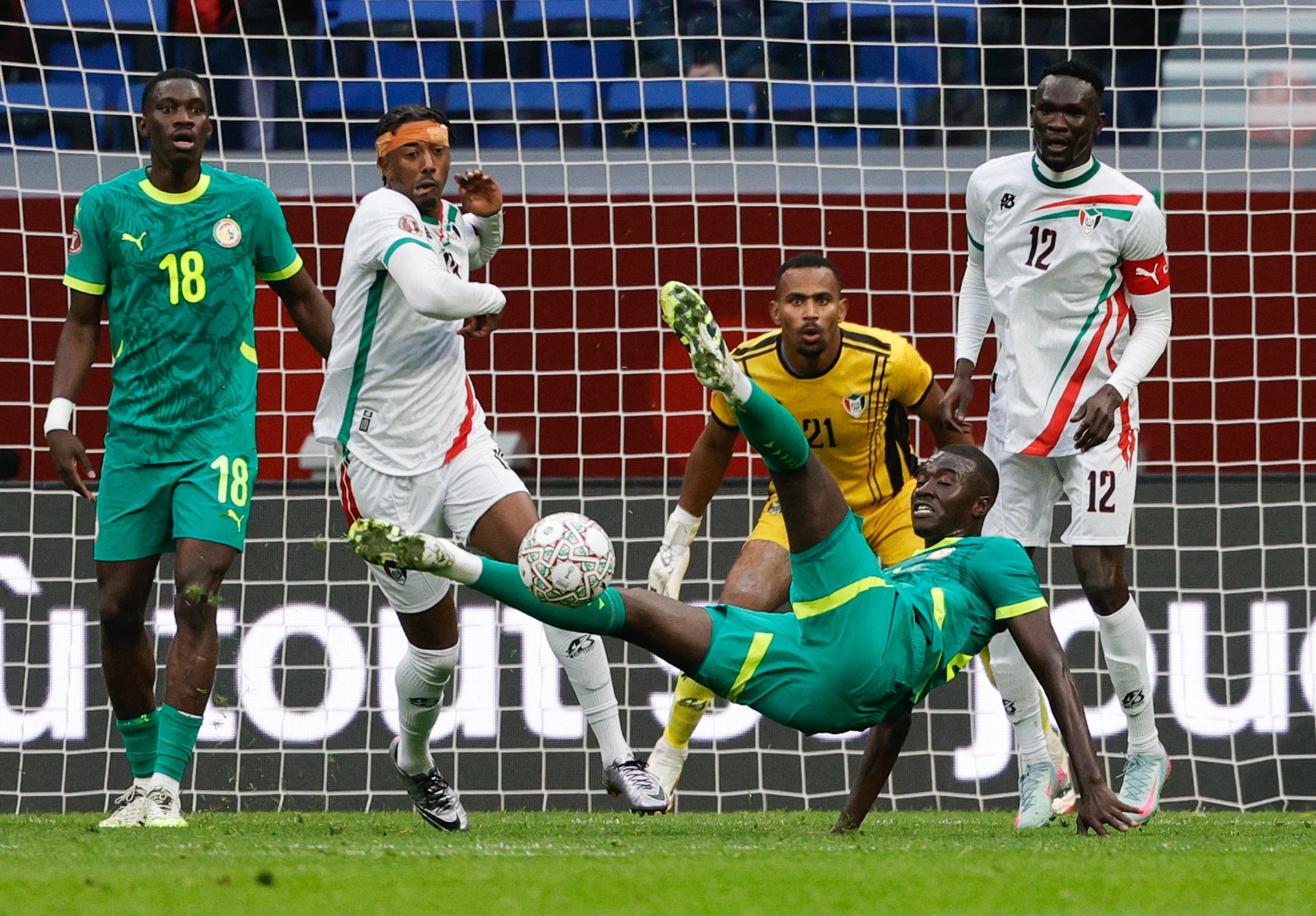
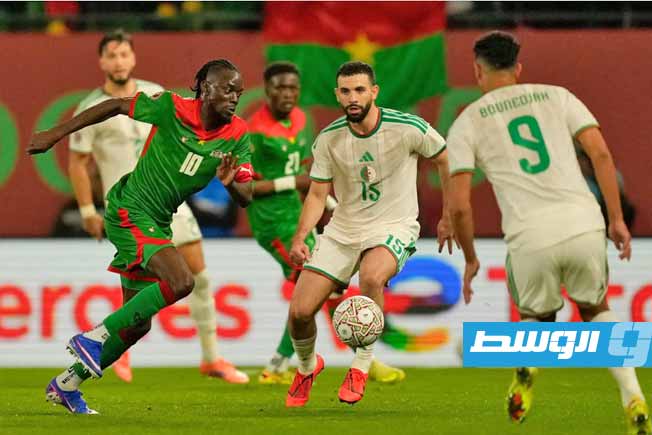
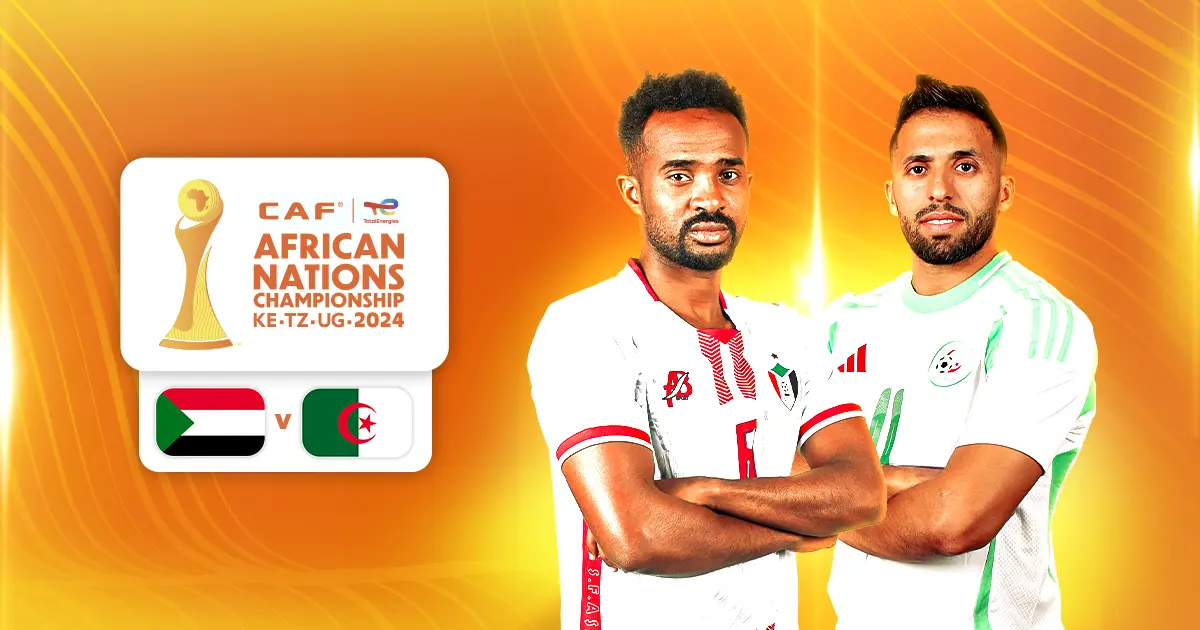
Algeria has already secured first place in Group Five after winning against Sudan and Burkina Faso in the first two rounds, while Equatorial Guinea has been eliminated from the tournament; they are at the bottom of the table with no points after two losses.
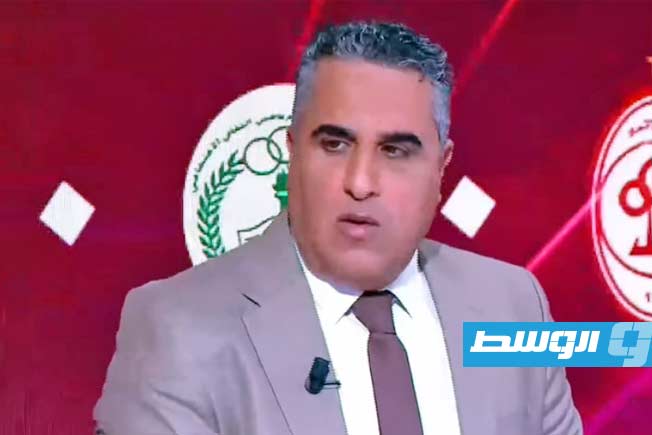
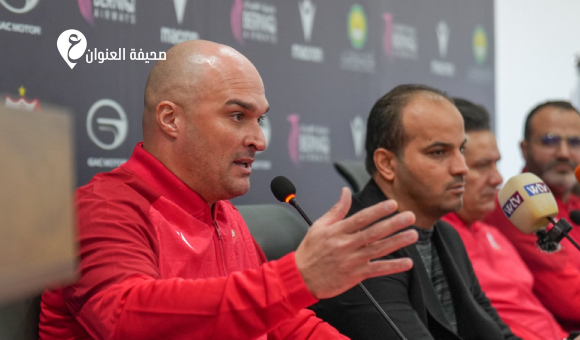
In response to a question about expected changes to the starting lineup after securing qualification, the coach said at a press conference, “I will make some changes, I certainly will not keep the same starting lineup. Managing the team is extremely important.”
He added, “Tomorrow’s match will be a real challenge. Our goal is to show that we need to continue working, and the opponent will also be motivated despite being eliminated from the tournament.”
The coach emphasized the importance of controlling the movements of Equatorial Guinea’s players and the necessity of not giving them any chance to take control of the match.
He continued, “I know the Equatorial Guinea national team well, and they know us, so it will be essential not to give them any opportunity to impose their control on the match.”
When asked about the condition of the duo Samir Chergui and Juan Hajjam after their injuries in the match against Burkina Faso, he replied, “As I said, there will be some changes to the lineup, and new players will participate. It is unfortunate that Chergui and Hajjam were injured, and therefore they will not be used. We will monitor their condition in the coming days.”
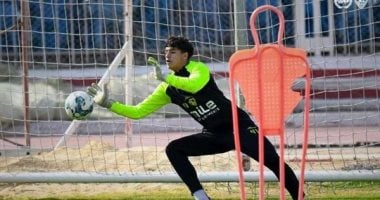
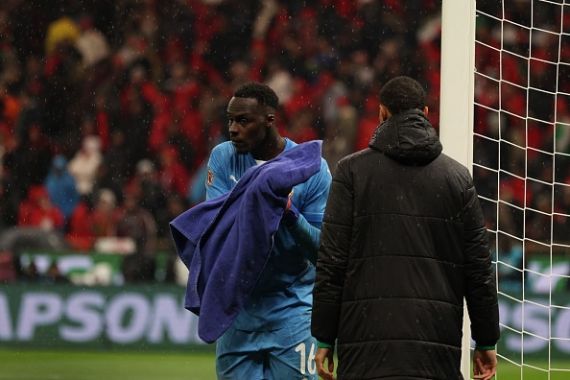
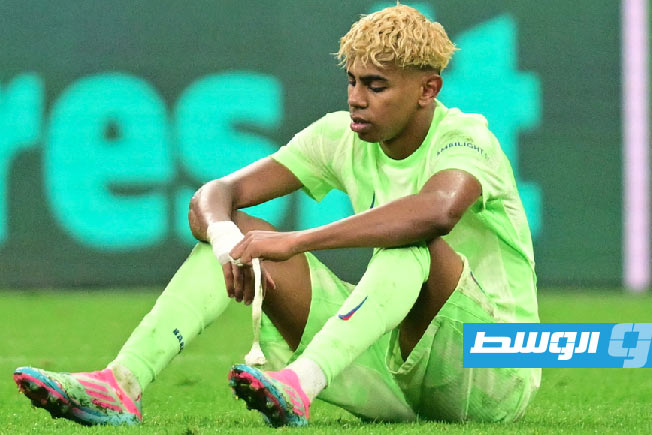
The coach touched on the role of goalkeeper Luca Zidane in the previous matches, confirming that he contributed well to achieving victory in the first two matches.
He said, “Zidane contributed well to the two victories. He is starting to integrate and gain experience in a short period.”
It is expected that the coach will give the opportunity to Zinedine Belaid in central defense, Zerrouki and Abdelli in midfield, and Boulbina, Redouane Berkane, and Hadj Moussa in attack.
Algeria
Algeria is a North African country with a rich history shaped by ancient Berber kingdoms, Roman rule, and centuries as a core province of the Ottoman Empire. It was colonized by France in the 19th century before gaining independence in 1962 after a protracted war of liberation. Today, its cultural heritage is reflected in diverse sites like the Roman ruins of Timgad and the historic Casbah of Algiers.
Bosnian
Bosnia is a country in the Balkans with a rich and complex history shaped by Slavic, Ottoman, and Austro-Hungarian influences. Its cultural sites, such as the historic Ottoman-era bridge in Mostar and the medieval stećci tombstone monuments, reflect this diverse heritage.
Vladimir Petkovic
Vladimir Petkovic is a Swiss-born professional football manager of Croatian descent, best known for coaching the Switzerland national team from 2014 to 2021. Under his leadership, Switzerland consistently qualified for major tournaments, including reaching the round of 16 at UEFA Euro 2020.
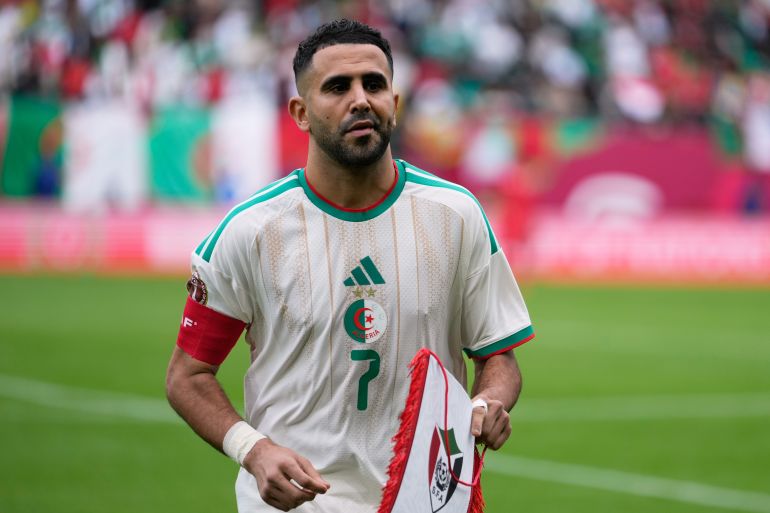
Riyad Mahrez
Riyad Mahrez is not a place or cultural site, but a professional footballer from Algeria. He rose to prominence as a key player for Leicester City, helping them win the historic 2015-2016 Premier League title, before transferring to Manchester City and later moving to the Saudi Pro League.
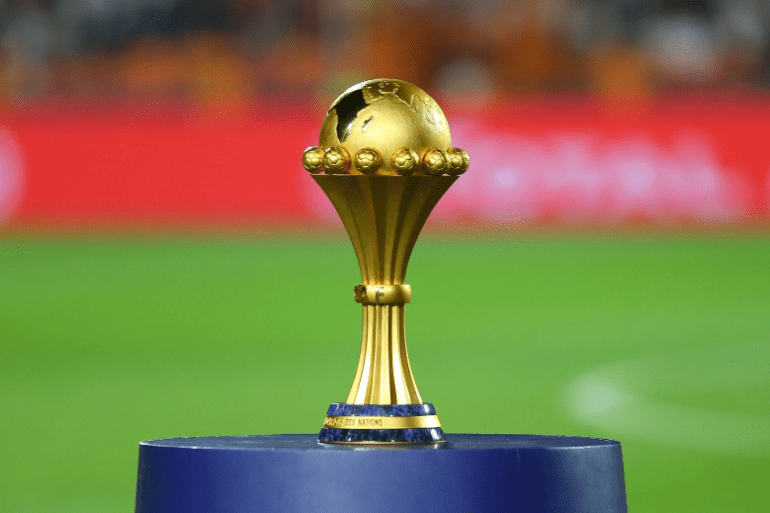
Africa Cup of Nations
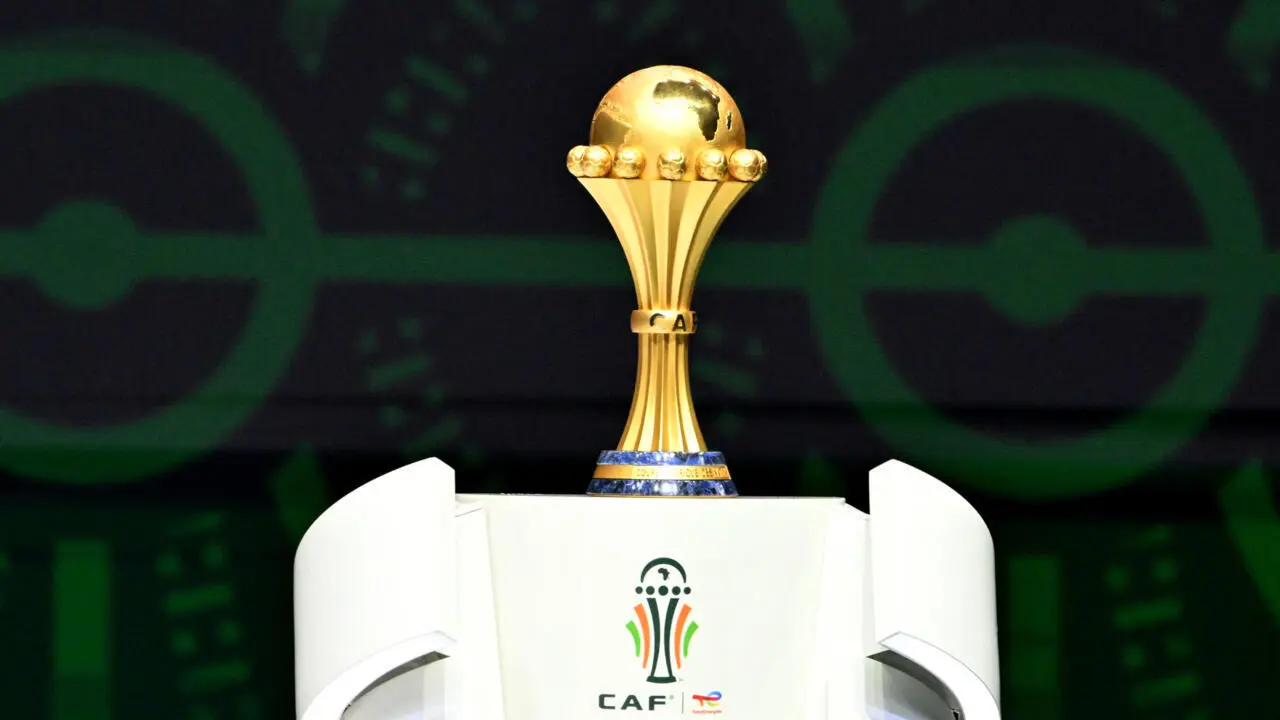
The Africa Cup of Nations is the premier international men’s football competition in Africa, first contested in 1957. It is organized by the Confederation of African Football (CAF) and has grown from a three-team tournament to a major continental championship featuring 24 national teams.
Sudan
Sudan is a country in Northeast Africa with a rich history as the location of the ancient Kingdom of Kush, which was a major rival to Egypt. It is home to numerous archaeological sites, including the pyramids of Meroë, and its modern history has been significantly shaped by civil war and the division that created South Sudan in 2011.
Moulay Hassan Stadium
Moulay Hassan Stadium is a multi-purpose stadium located in Rabat, Morocco, primarily used for football matches. It was inaugurated in 1983 and is named after Prince Moulay Hassan, who later became King Hassan II of Morocco. The stadium serves as the home ground for the ASFAR football club and has hosted various national and international sporting events.
Rabat
Rabat is the capital city of Morocco, founded in the 12th century by the Almohad Caliphate as a ribat (fortified monastery). It is now a modern political and administrative center, recognized as a UNESCO World Heritage Site for its well-preserved historic quarters, including the Hassan Tower and the Chellah necropolis.
Equatorial Guinea
Equatorial Guinea is a small Central African nation consisting of a mainland region and several islands, including Bioko where the capital, Malabo, is located. It gained independence from Spain in 1968 and has since been known for its significant oil reserves, which transformed its economy in the late 20th century. The country’s cultural heritage blends indigenous Bantu traditions with Spanish colonial influences, evident in its official language and some architectural sites.
Burkina Faso
Burkina Faso is a landlocked West African nation with a rich history tied to several pre-colonial empires, such as the Mossi kingdoms. It gained independence from France in 1960 under the name Upper Volta, which was changed to Burkina Faso (“Land of Honest People”) in 1984. The country is known for its vibrant cultural traditions, including music, masks, and festivals, though it faces significant contemporary challenges.
Samir Chergui
Samir Chergui is not a place or cultural site, but a person—specifically, an Algerian former professional footballer who played as a defender. He had a significant career primarily in Algeria and France, including representing the Algerian national team in the 1980s.
Juan Hajjam
Juan Hajjam is a neighborhood in the city of Oran, Algeria, historically known as a working-class district that developed during the French colonial period. Its name is derived from the Arabic word for “tailor,” reflecting the artisanal trades traditionally practiced there. The area is characterized by its narrow streets and colonial-era architecture, representing a significant part of Oran’s urban and social history.
Luca Zidane
Luca Zidane is a French professional footballer, not a place or cultural site. He is the son of former football star Zinedine Zidane and plays as a goalkeeper, having been part of clubs like Real Madrid Castilla and Rayo Vallecano.
Zinedine Belaid
Zinedine Belaid is a sports complex in Tunis, Tunisia, named in honor of the Tunisian footballer Zinedine Belaid. It serves as a training ground and stadium, primarily for the club Espérance Sportive de Tunis, and was inaugurated in the early 21st century.
Zerrouki
“Zerrouki” is not a widely recognized specific place or cultural site. It is most commonly a surname in North Africa, particularly Algeria, and may refer to individuals, such as the Algerian politician Noureddine Zerrouki, rather than a location. Without a more specific context, it is not possible to provide a historical summary of a site by this name.
Abdelli
Abdelli is a commune in the Tlemcen Province of northwestern Algeria, historically known for its agricultural significance and traditional Berber heritage. The area reflects the broader regional history of various dynasties and cultural influences that have shaped Algeria’s northwest over centuries.
Boulbina
Boulbina is a neighborhood in the city of Annaba, Algeria, historically known for its working-class roots and as a significant area during the Algerian War of Independence. It has been a site of political activism and is often associated with the broader social and historical narratives of the region.
Redouane Berkane
Redouane Berkane is a town in northeastern Algeria, located in the province of Oum El Bouaghi. Historically, it developed as a significant agricultural and administrative center in the region, with its growth closely tied to the surrounding fertile plains and colonial-era settlement patterns in the 19th and 20th centuries.
Hadj Moussa
Hadj Moussa is a historic religious and cultural site in Algeria, known as a zawiya (Sufi lodge) and the mausoleum of the Sufi saint Sidi Moussa. It was established in the 16th century and became a center for Islamic learning, spiritual retreat, and community life in the region. The site remains an important destination for pilgrimage and local cultural heritage.