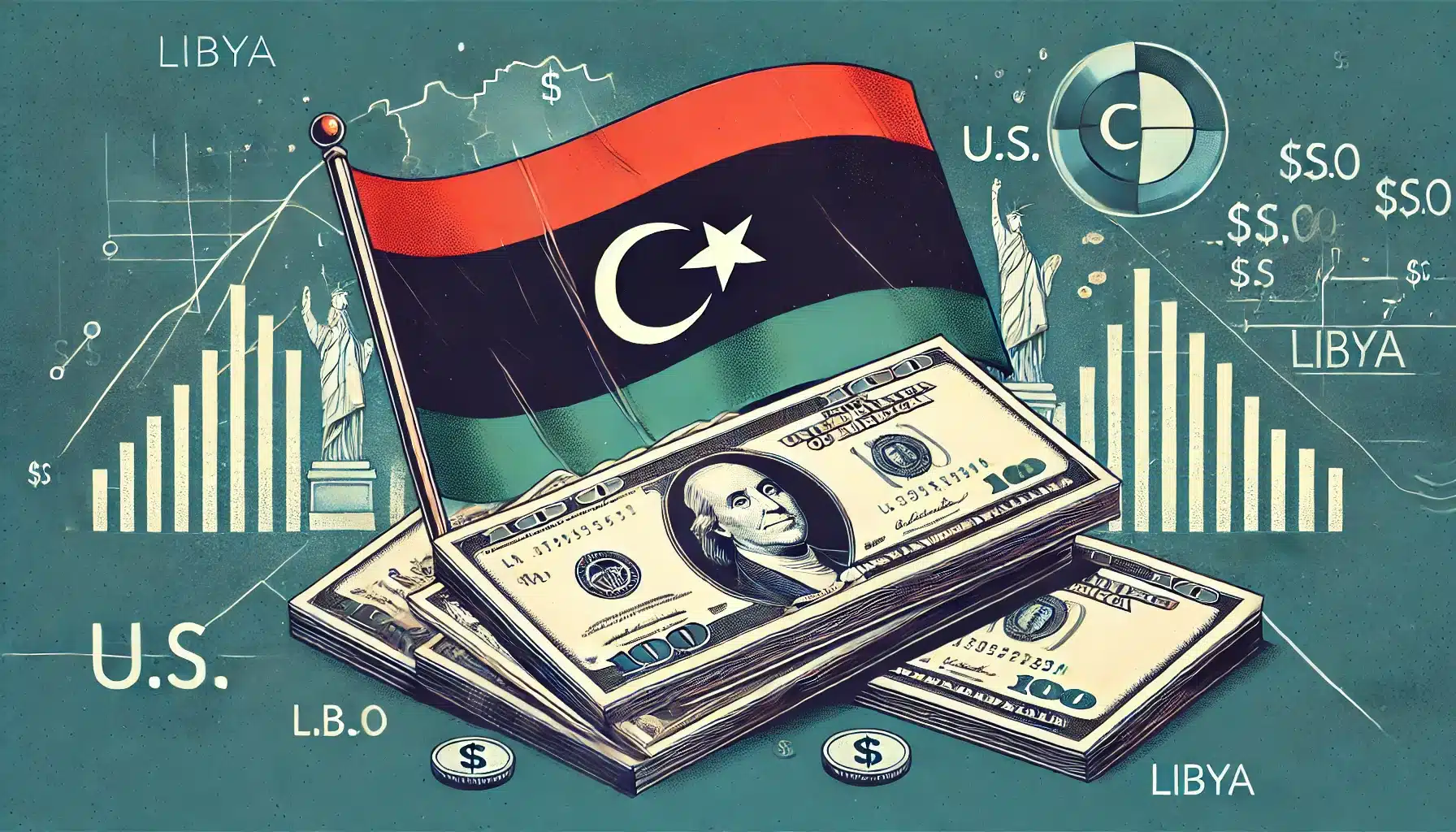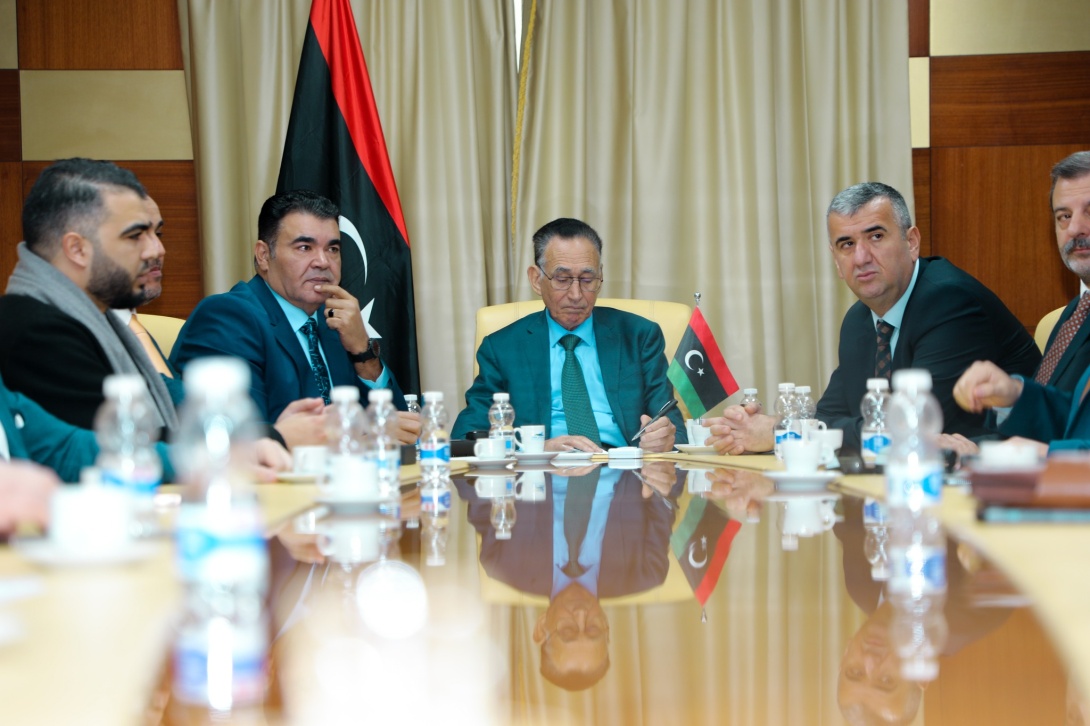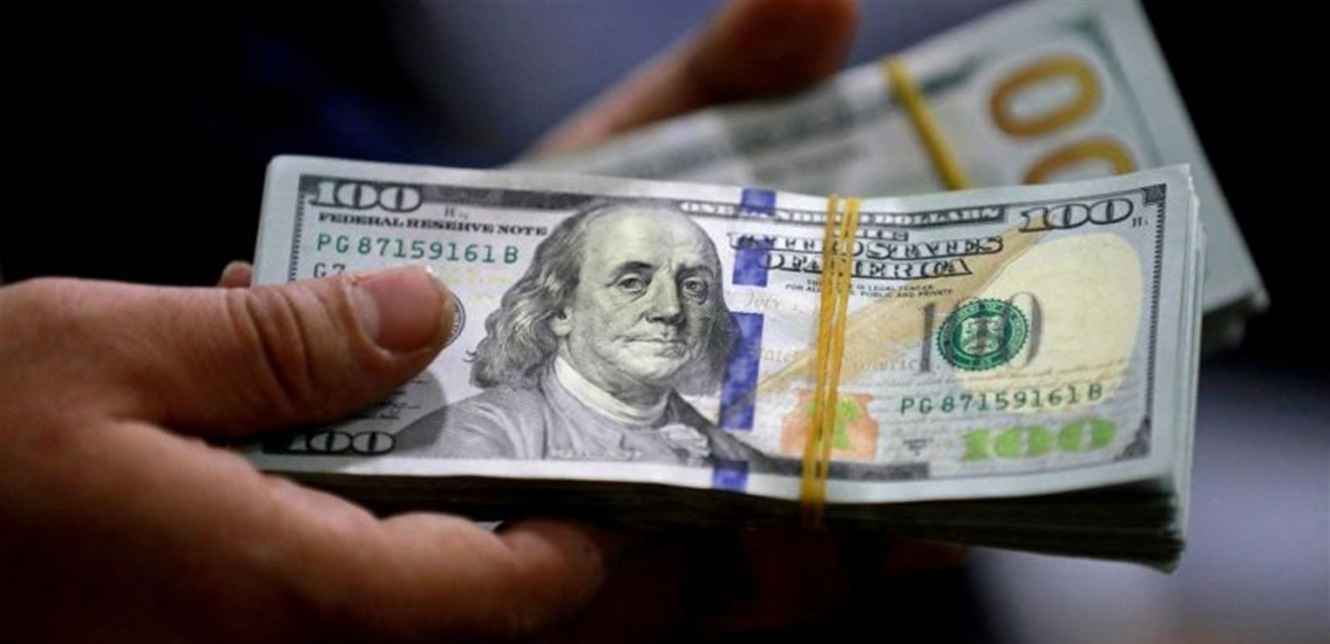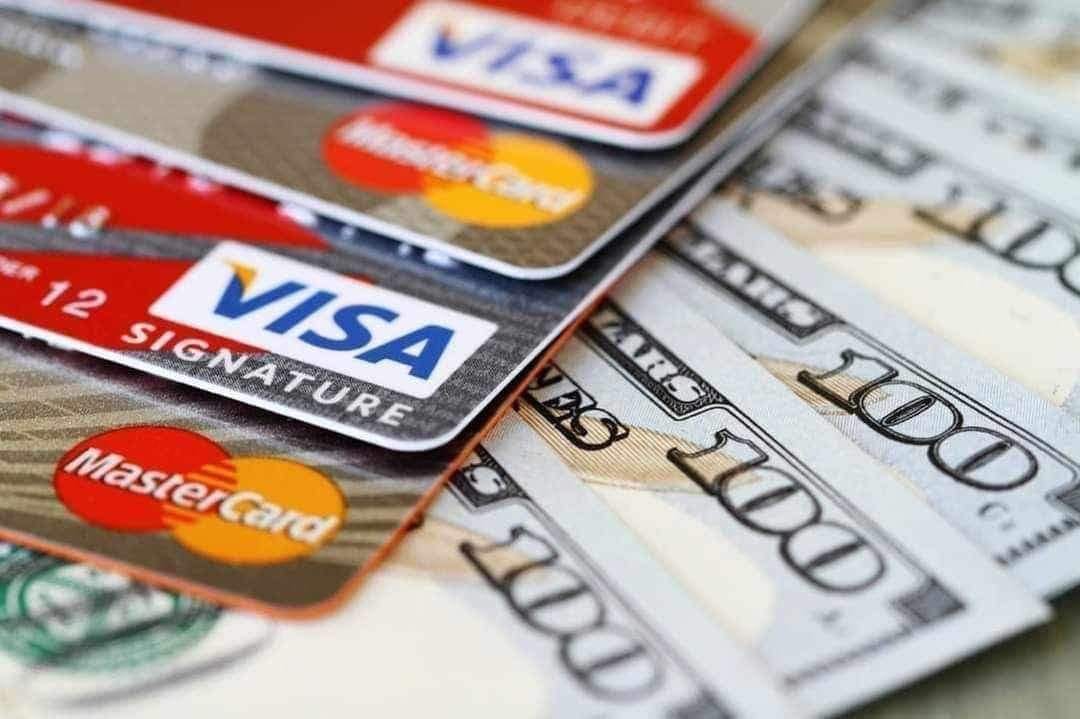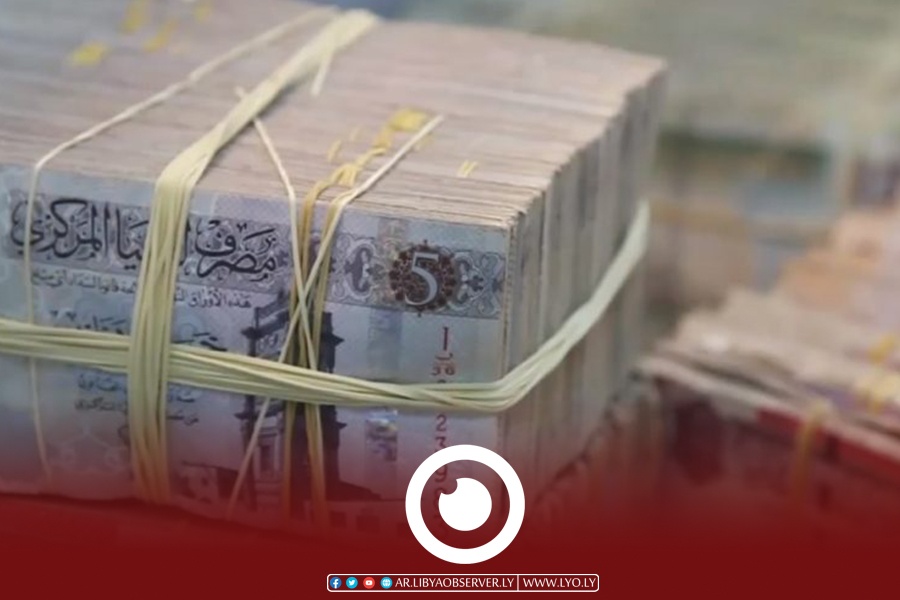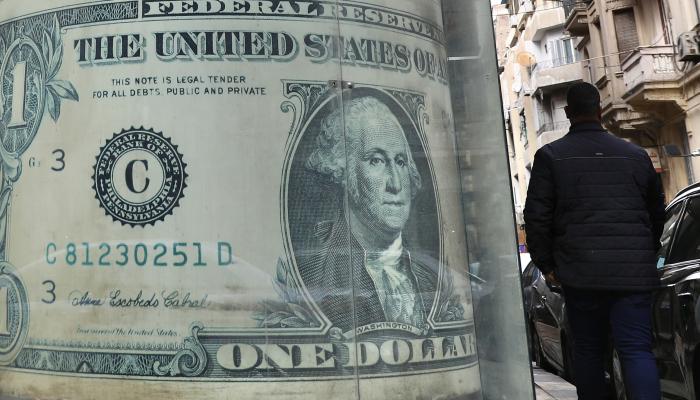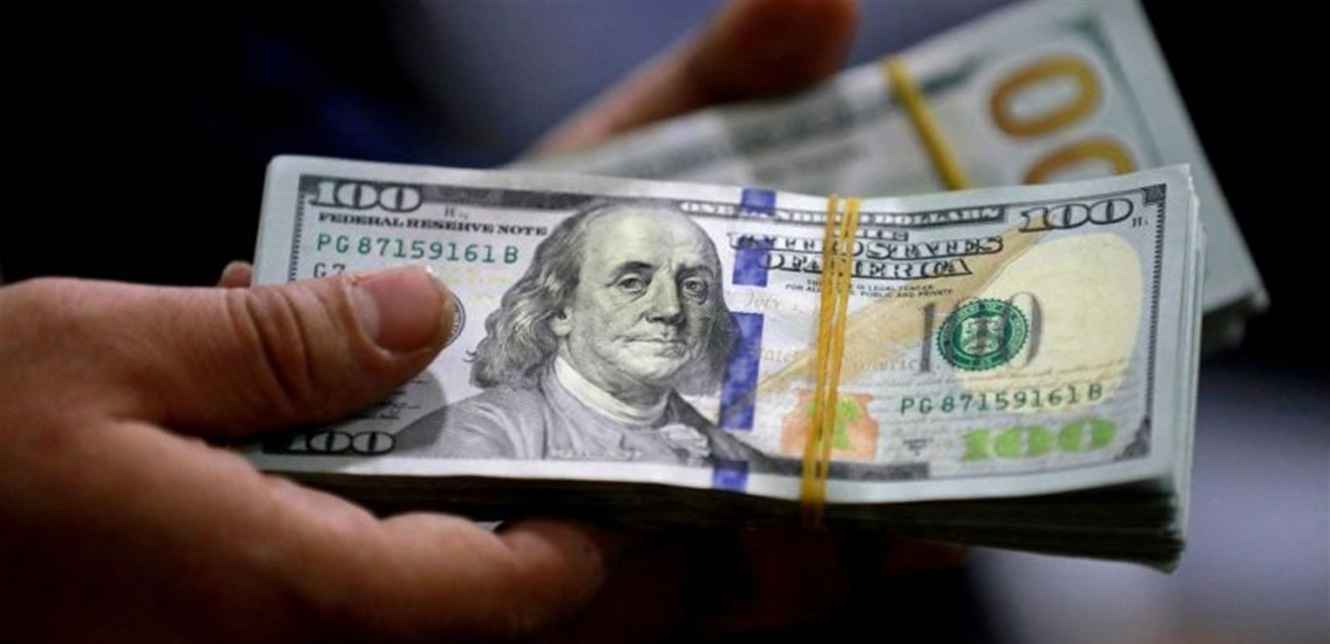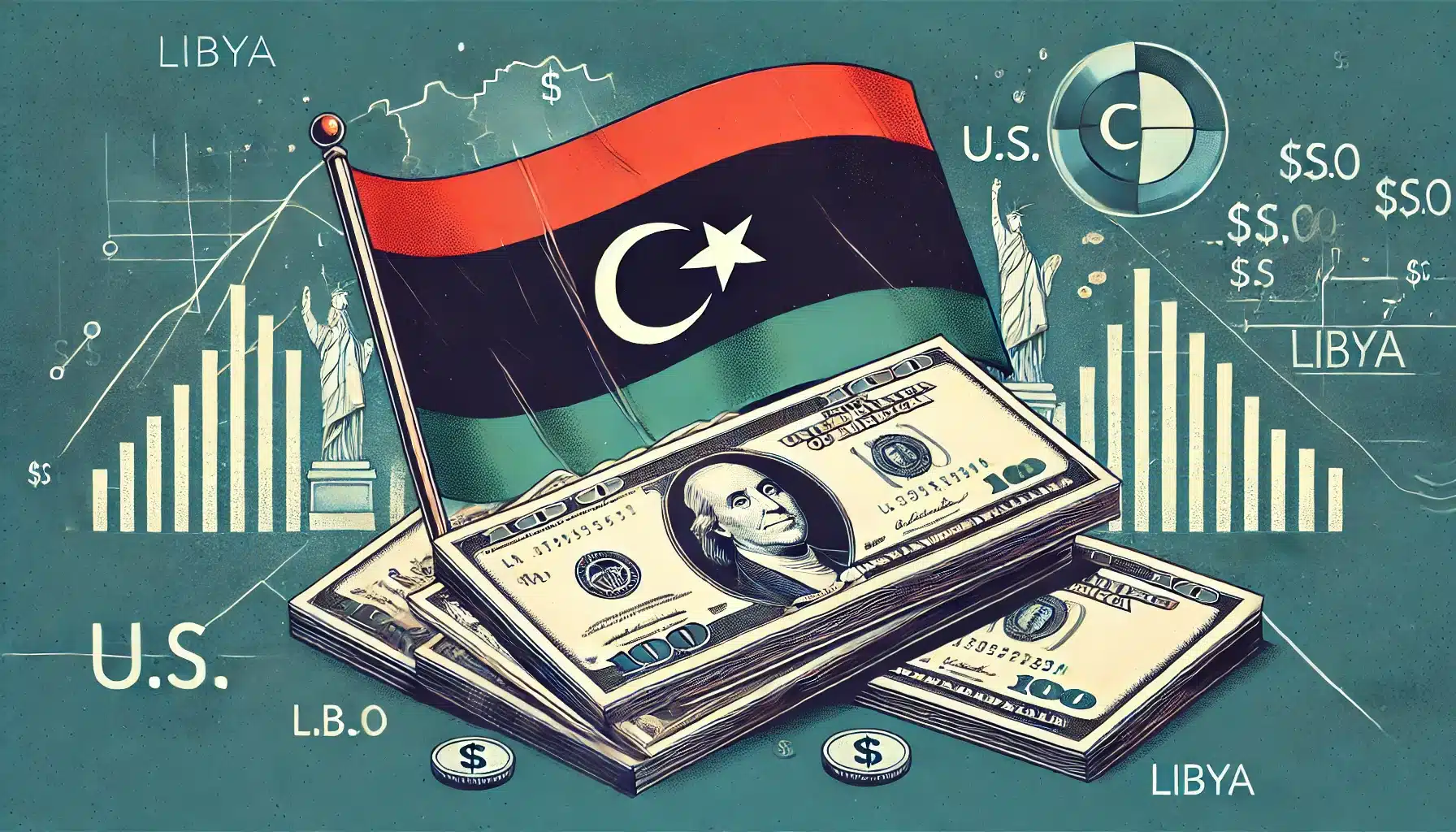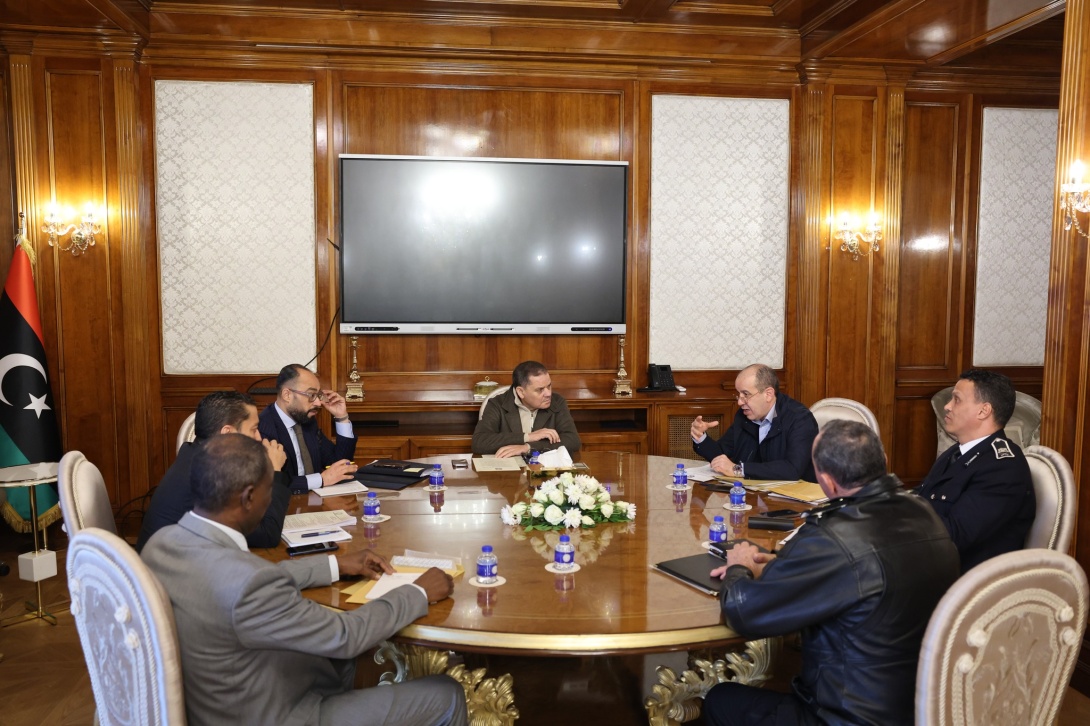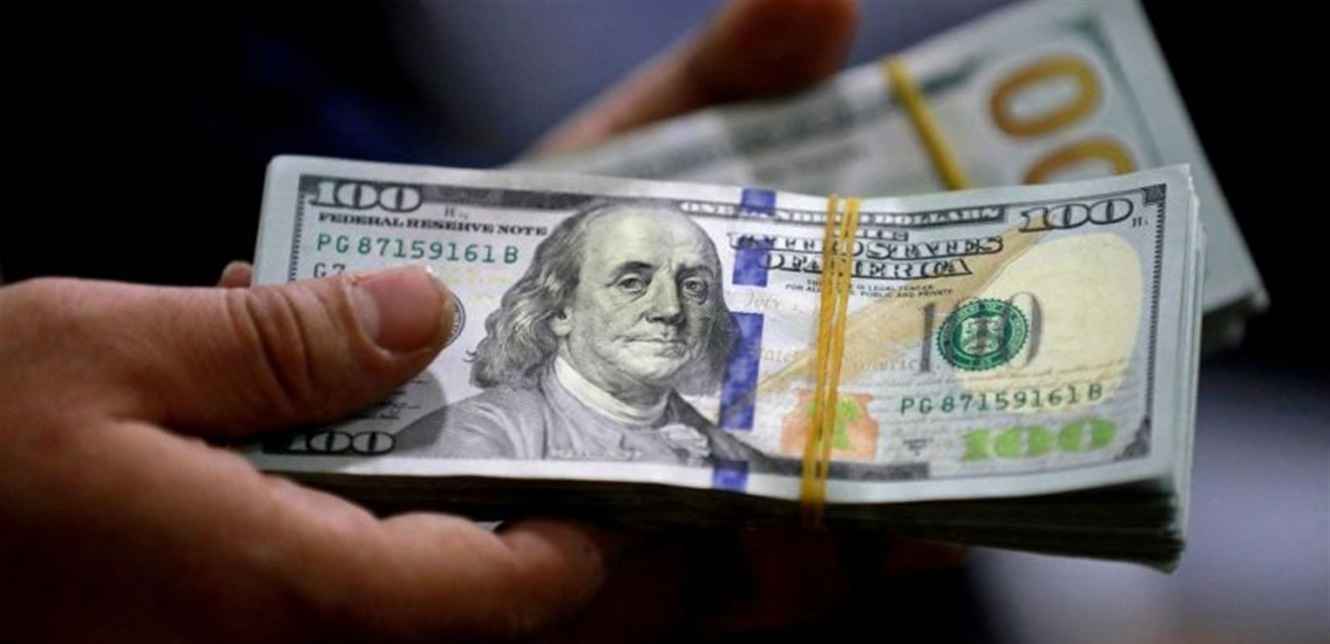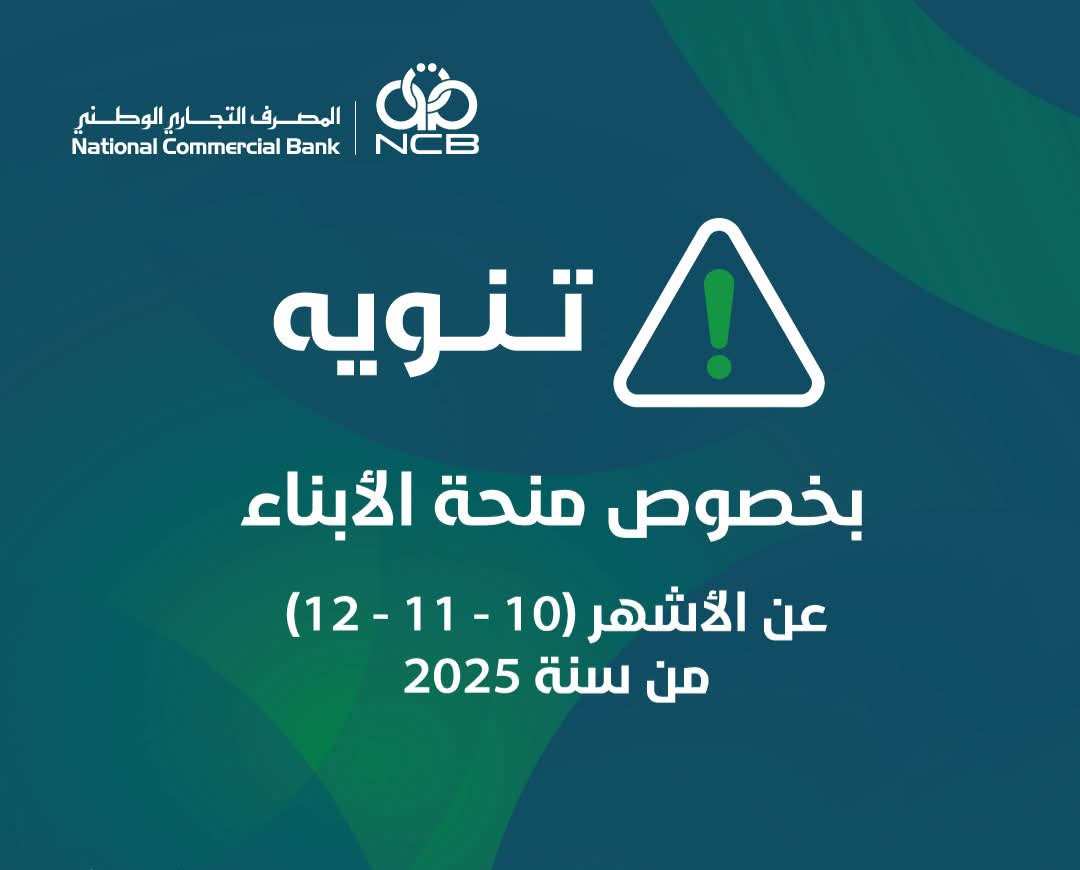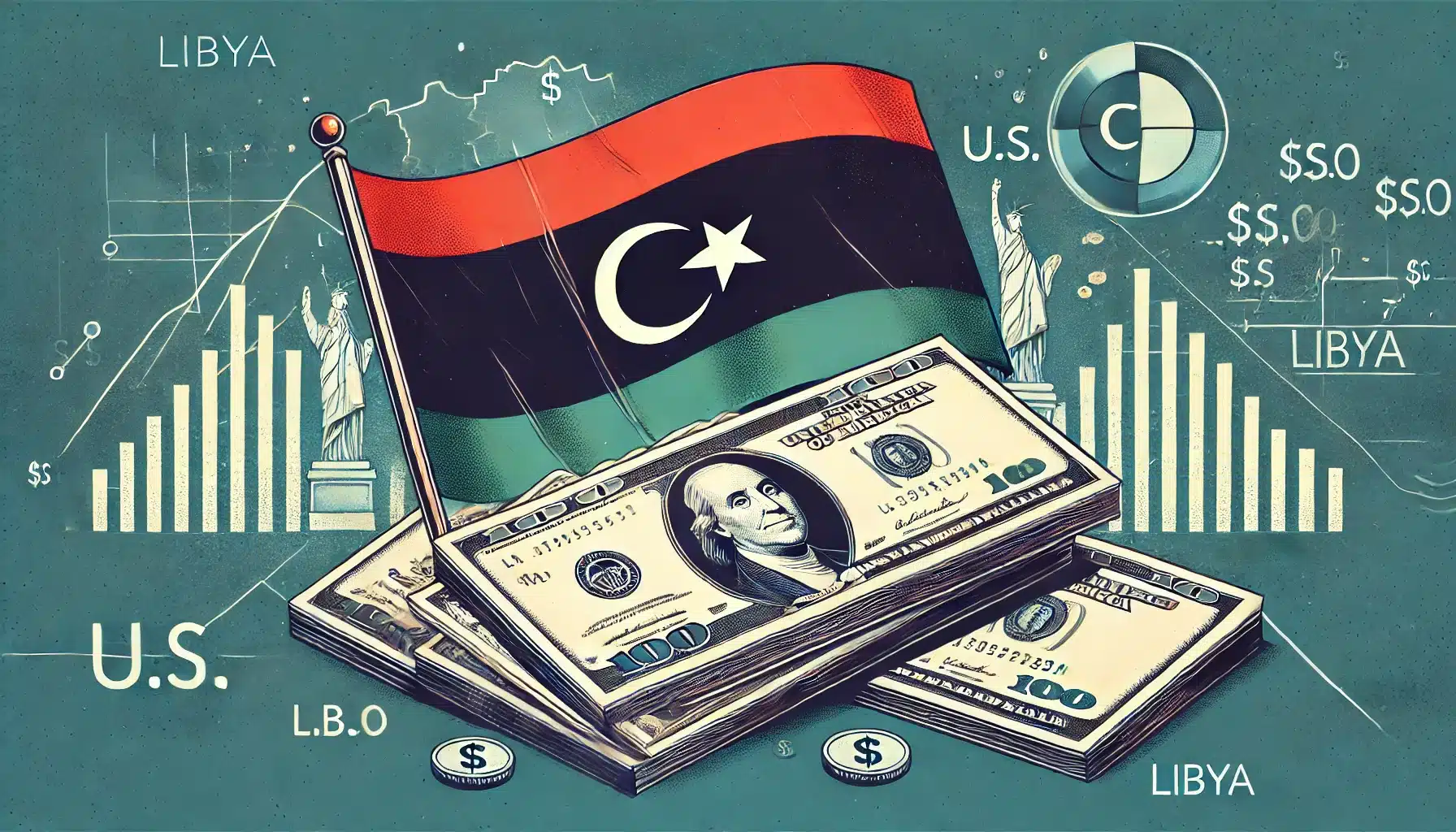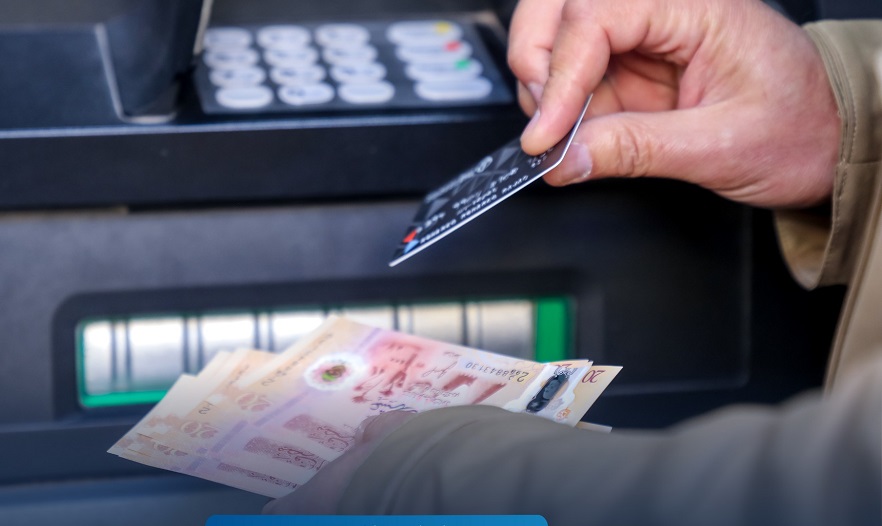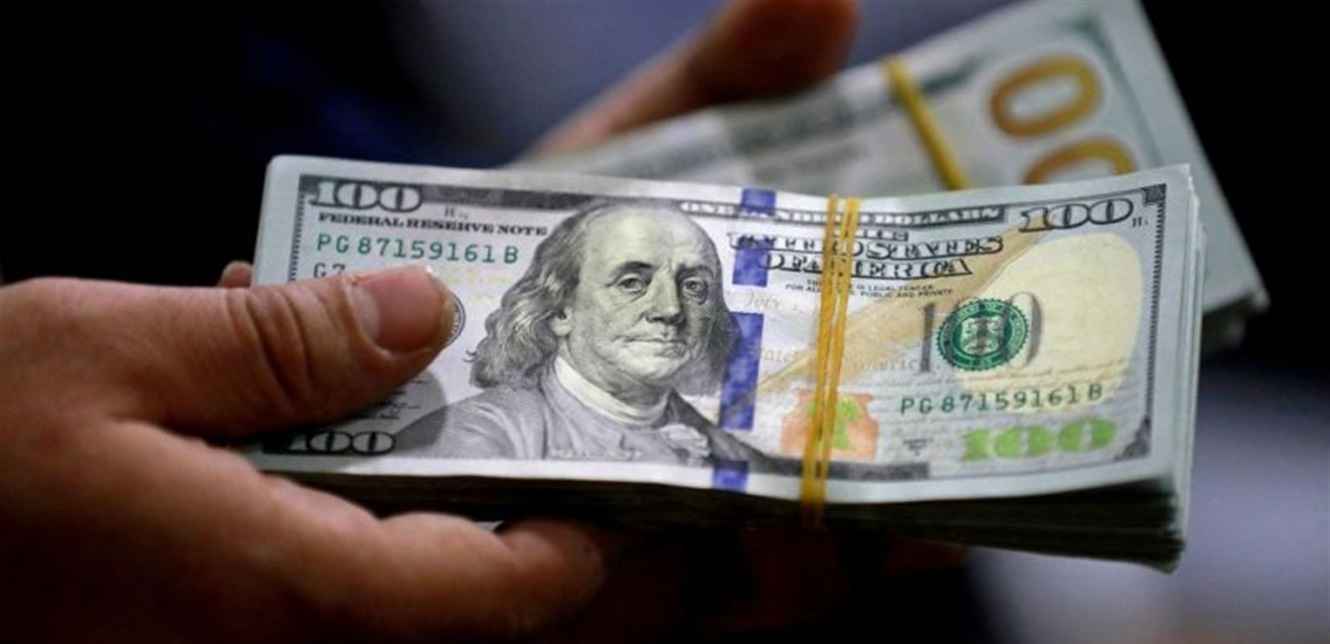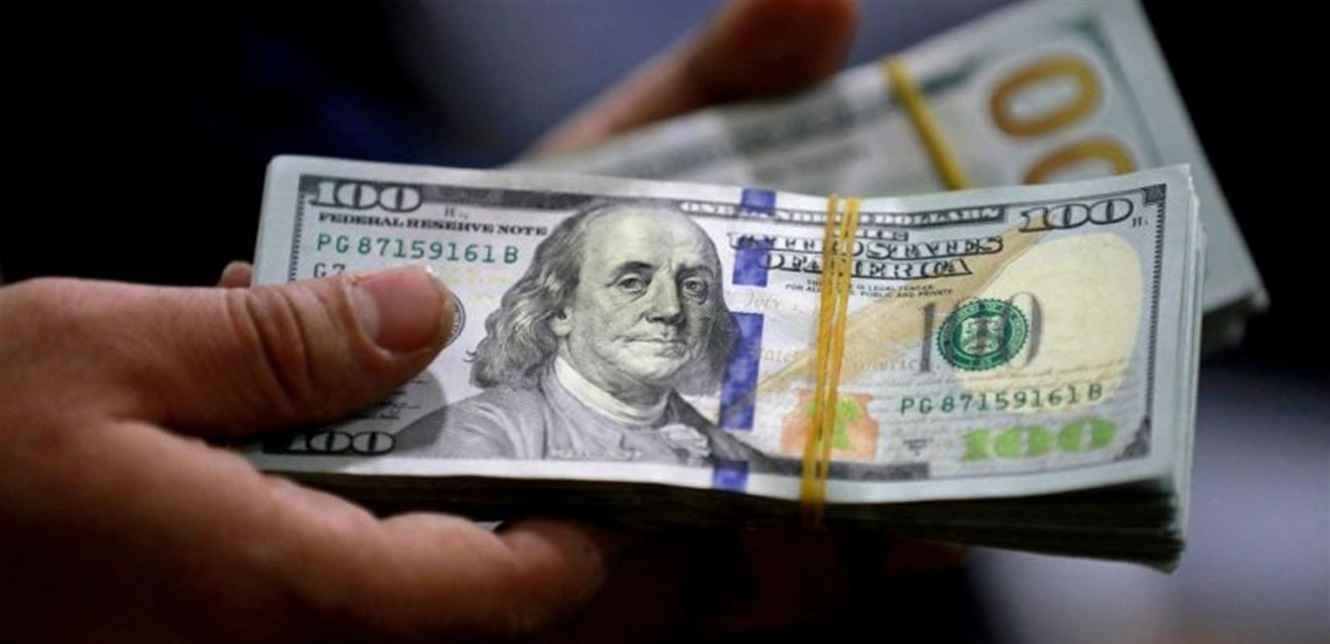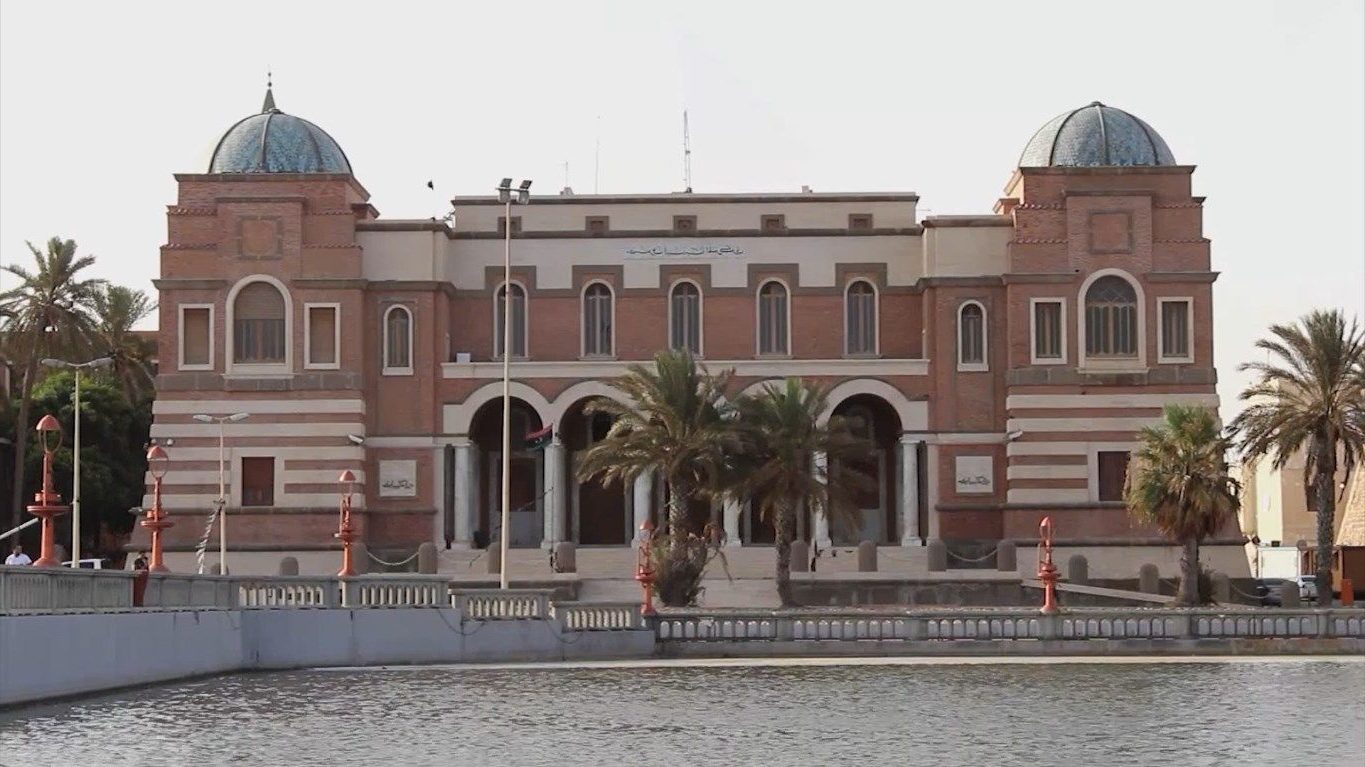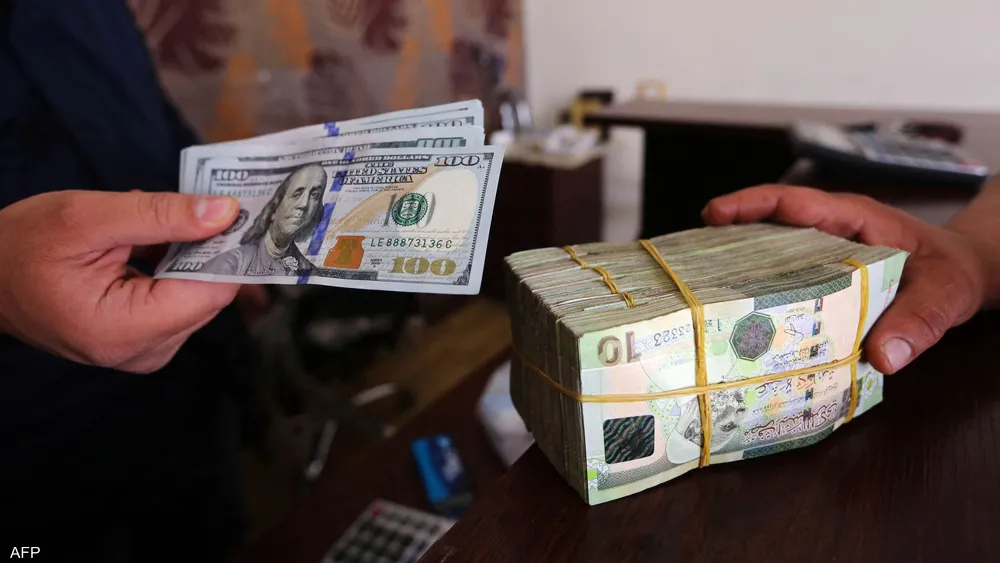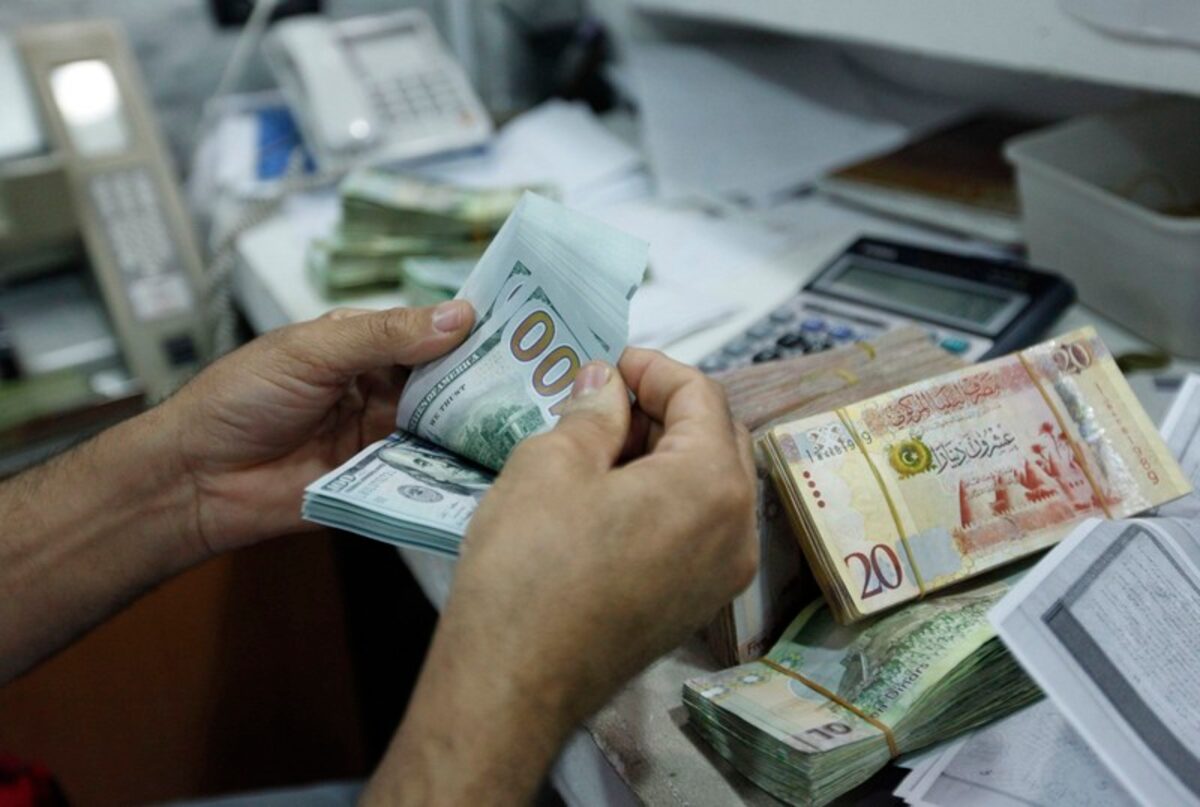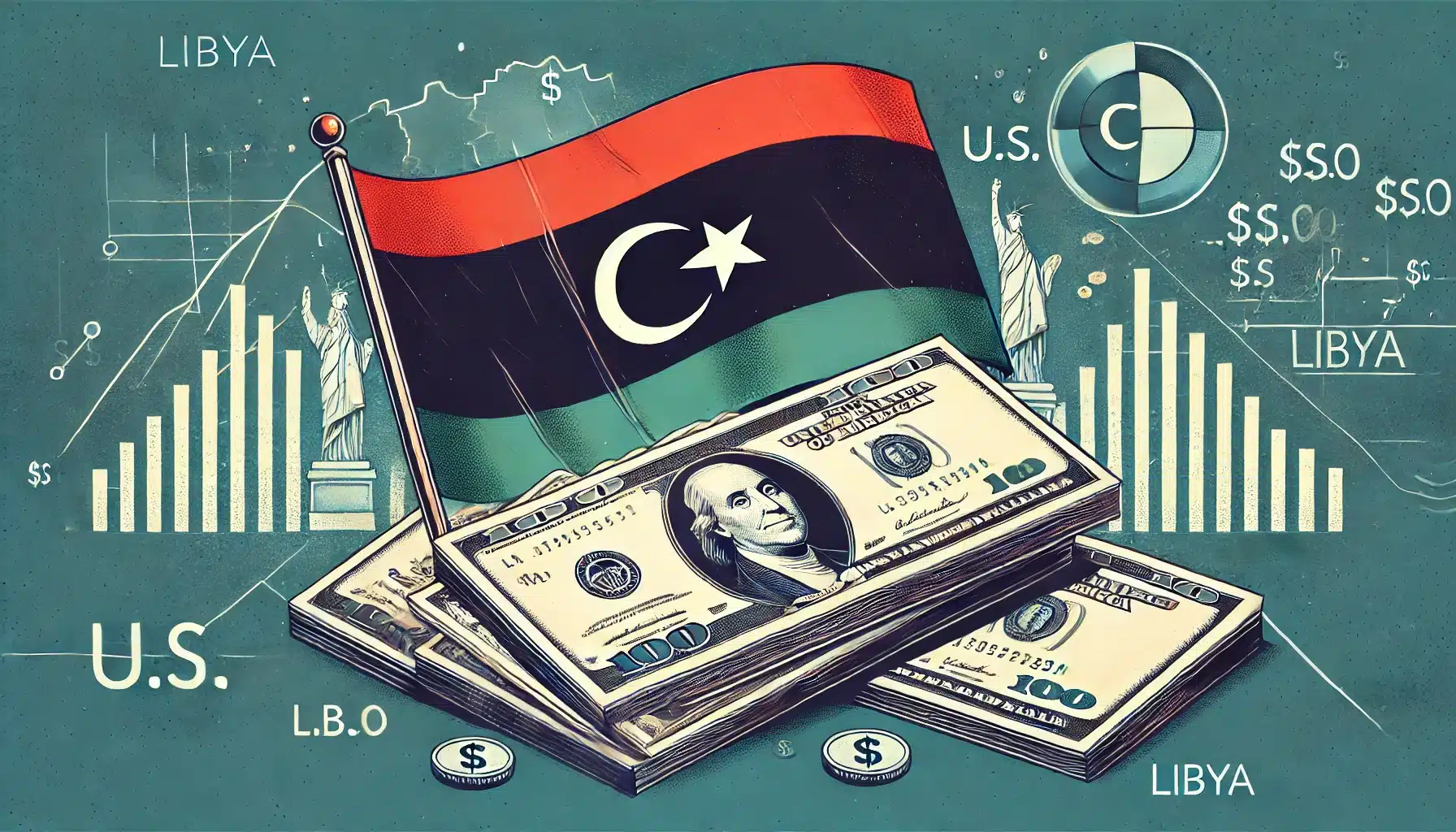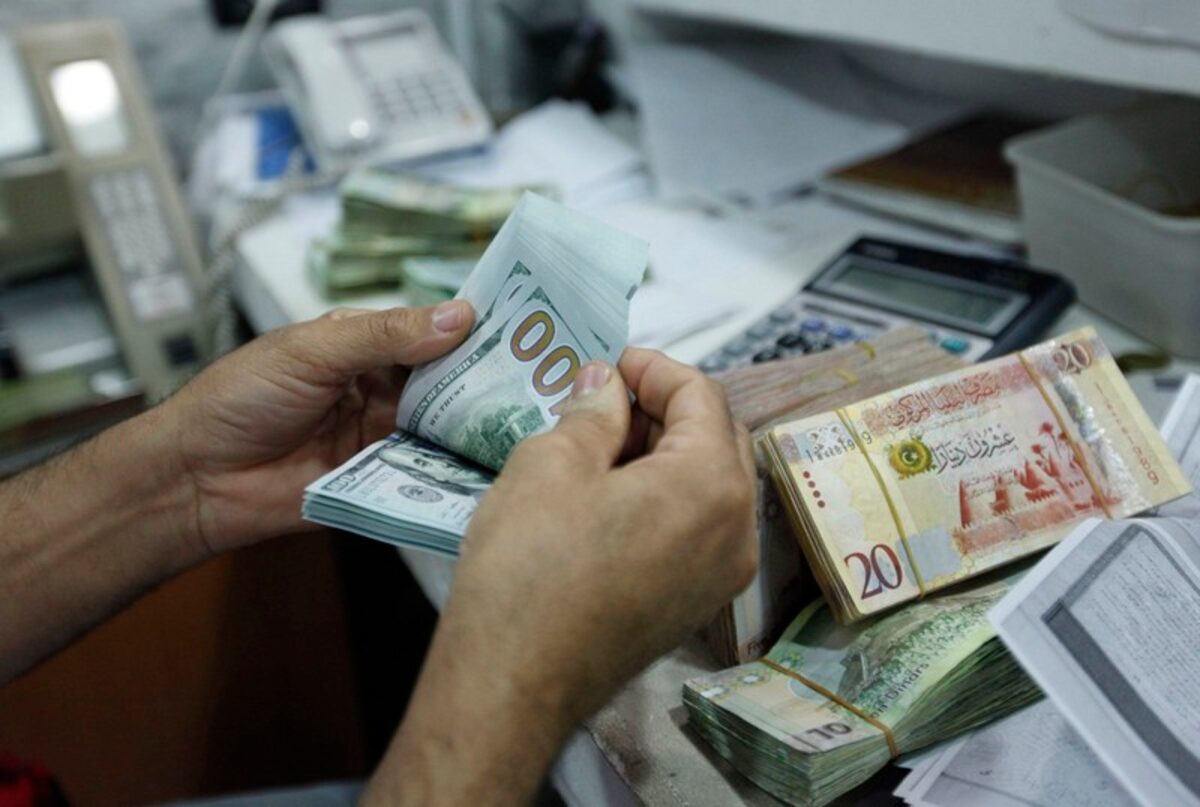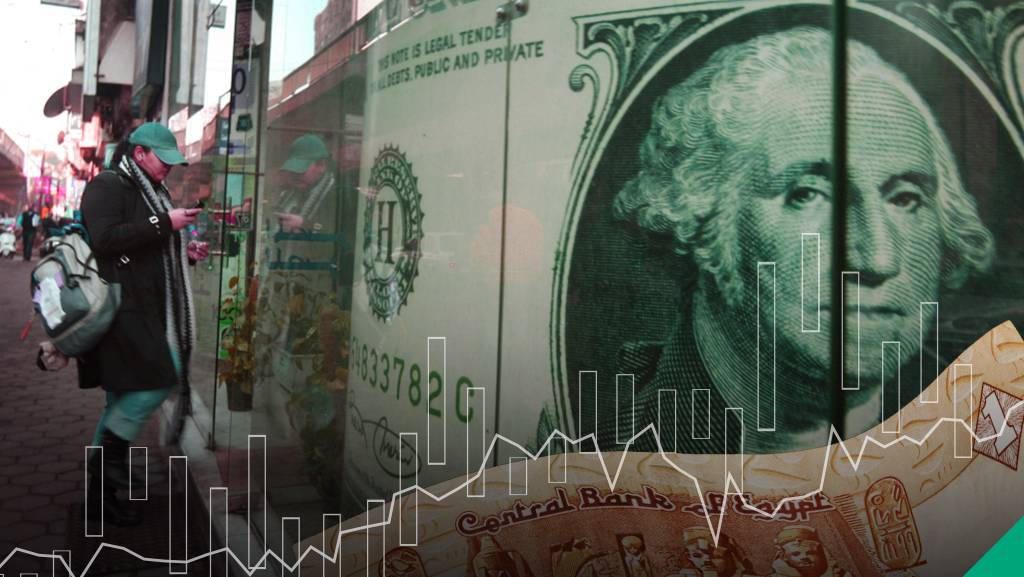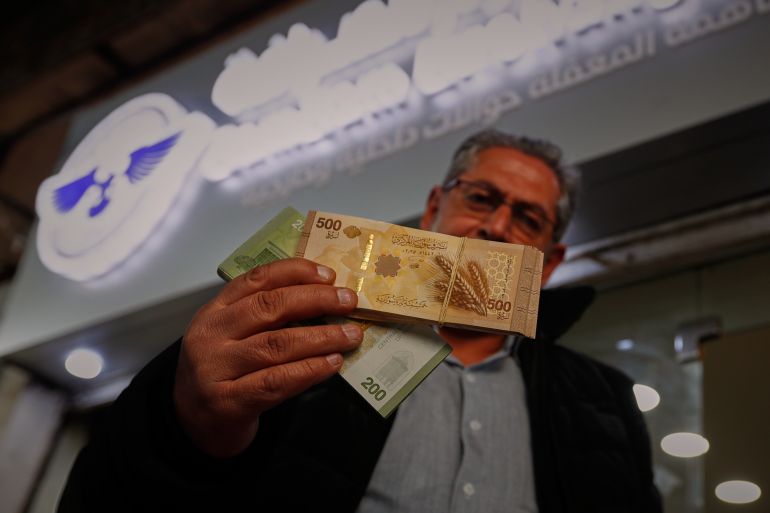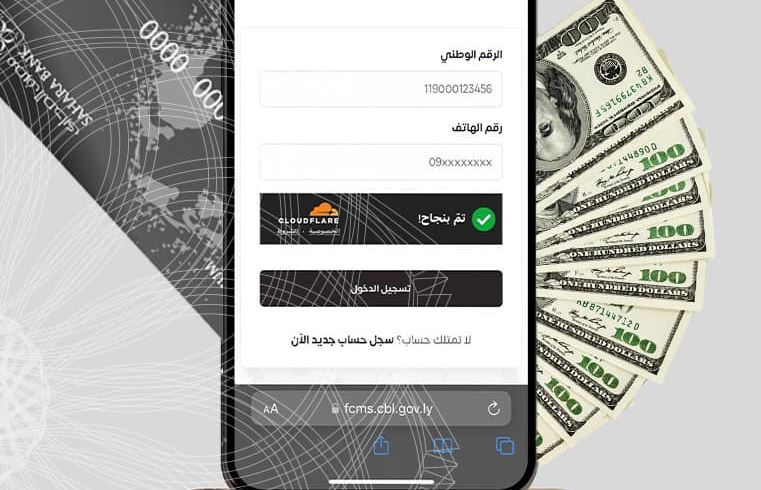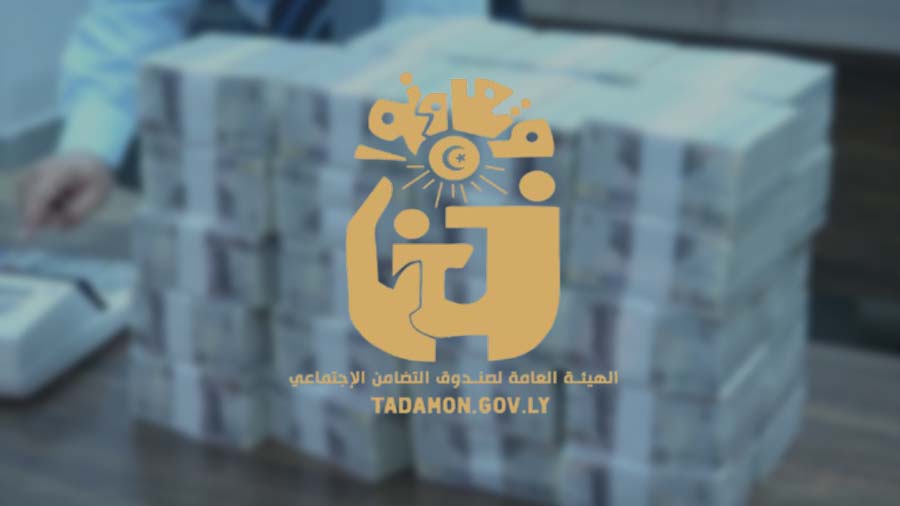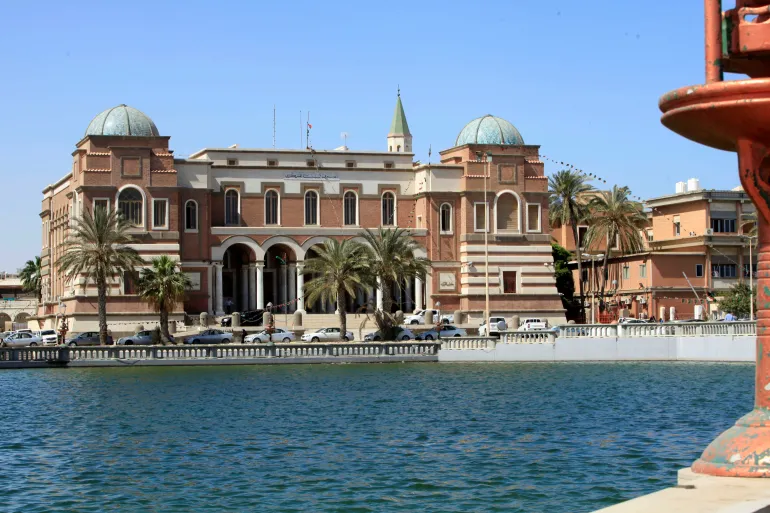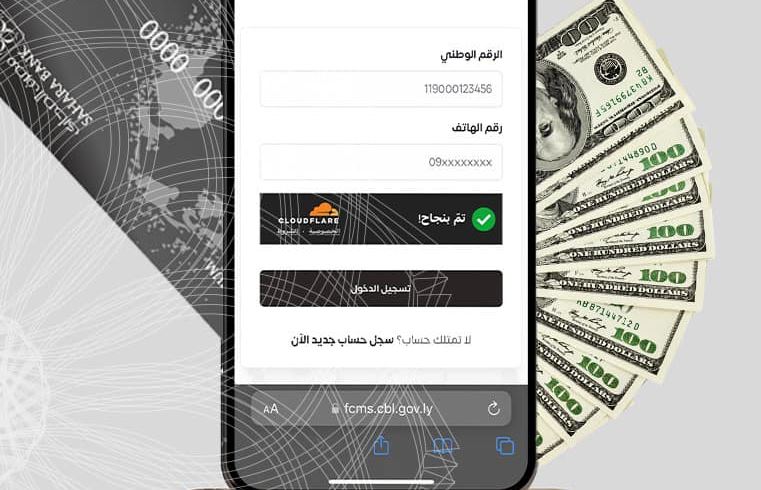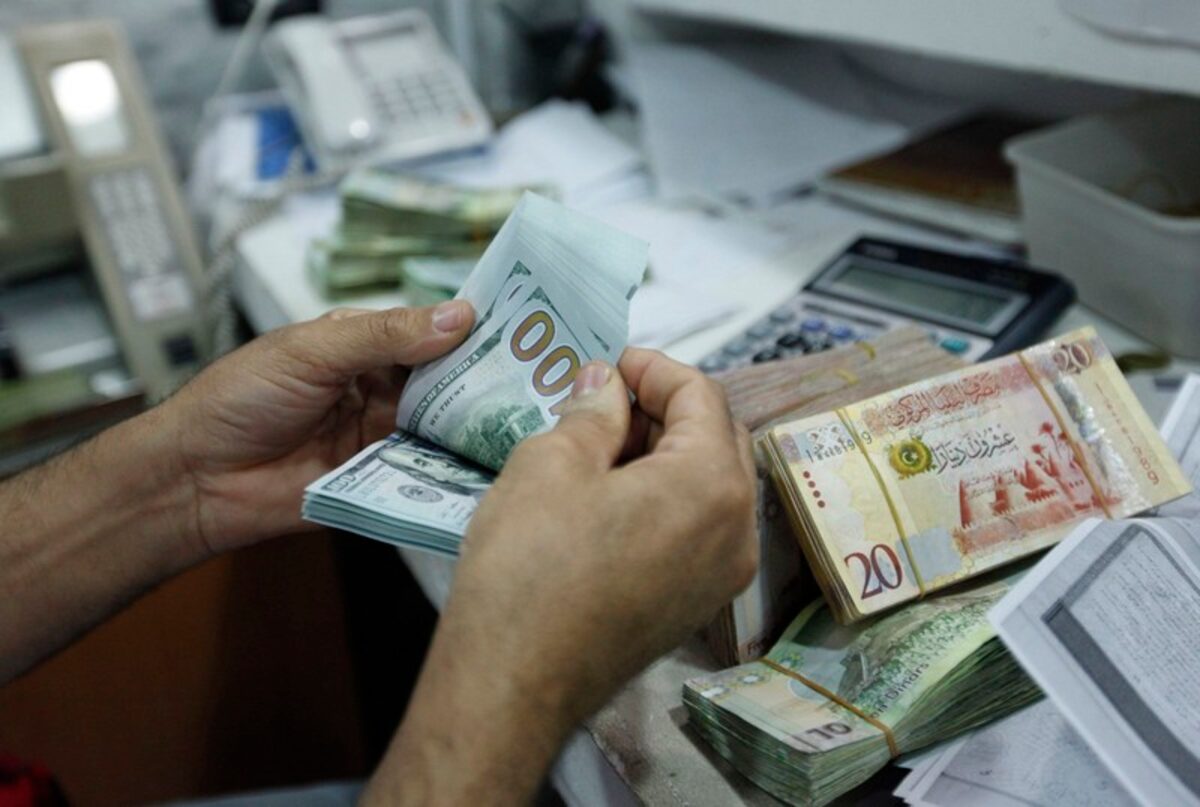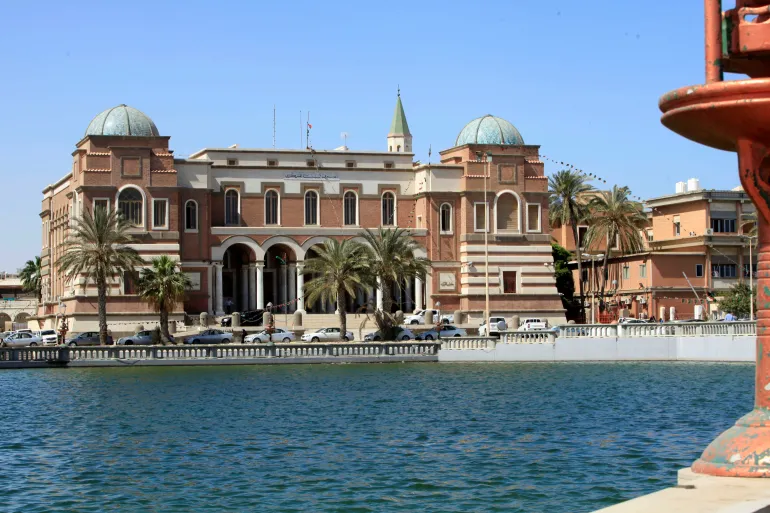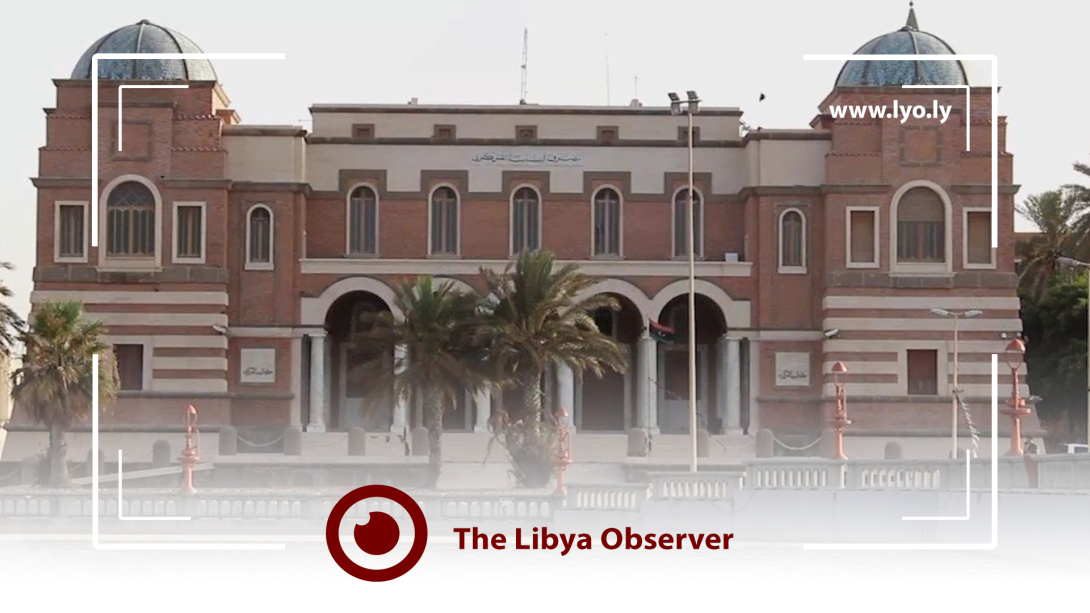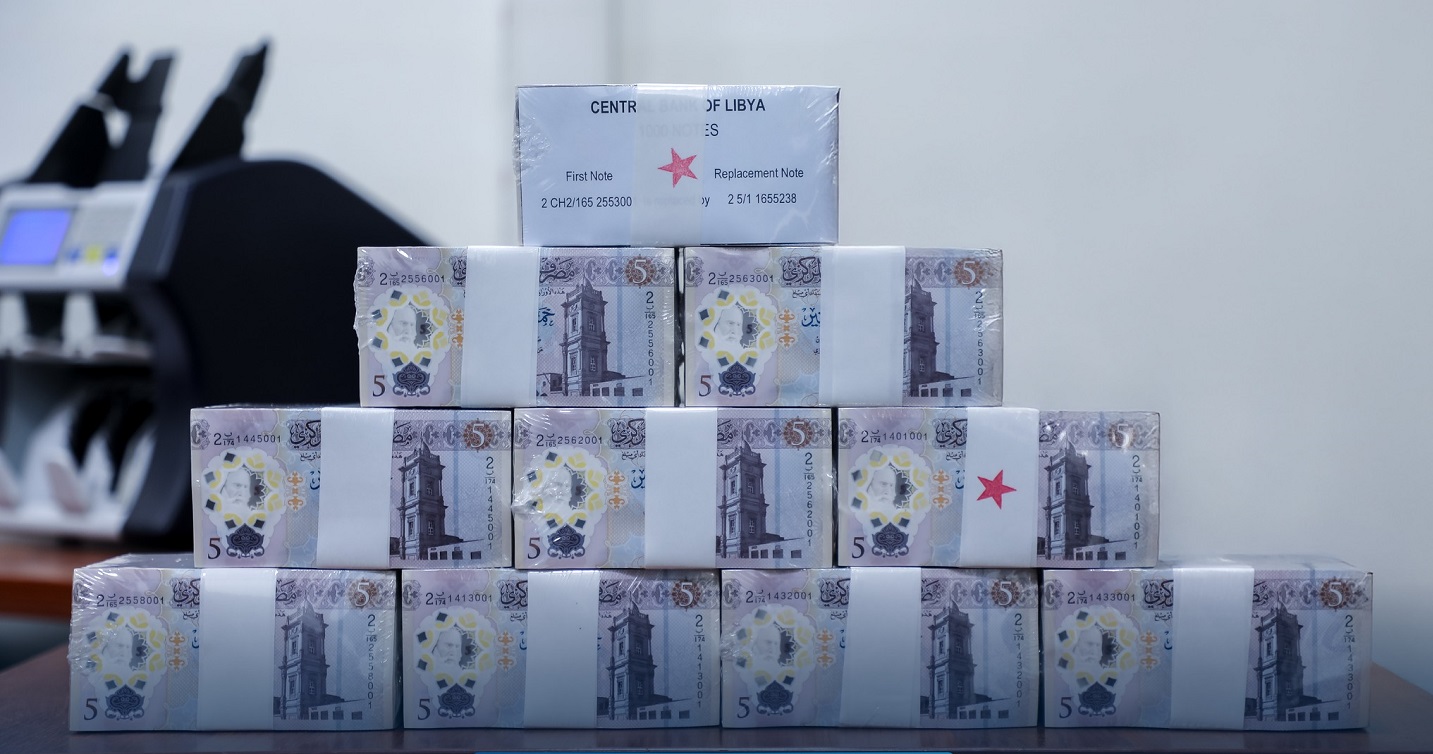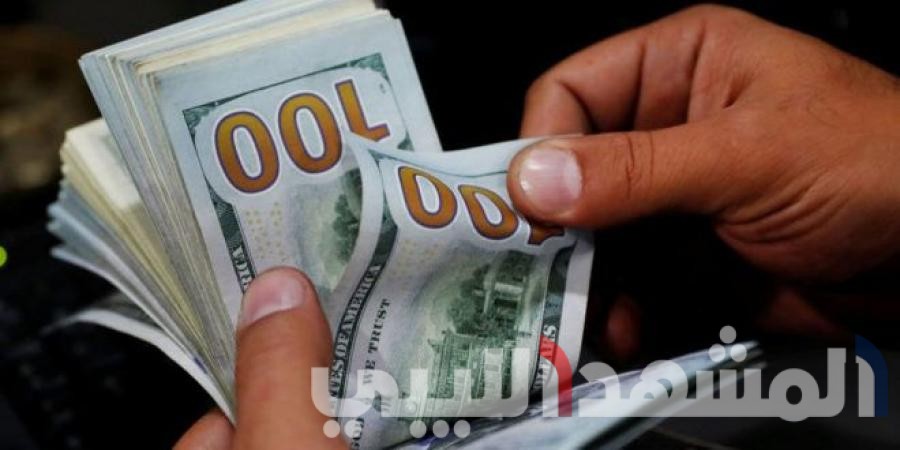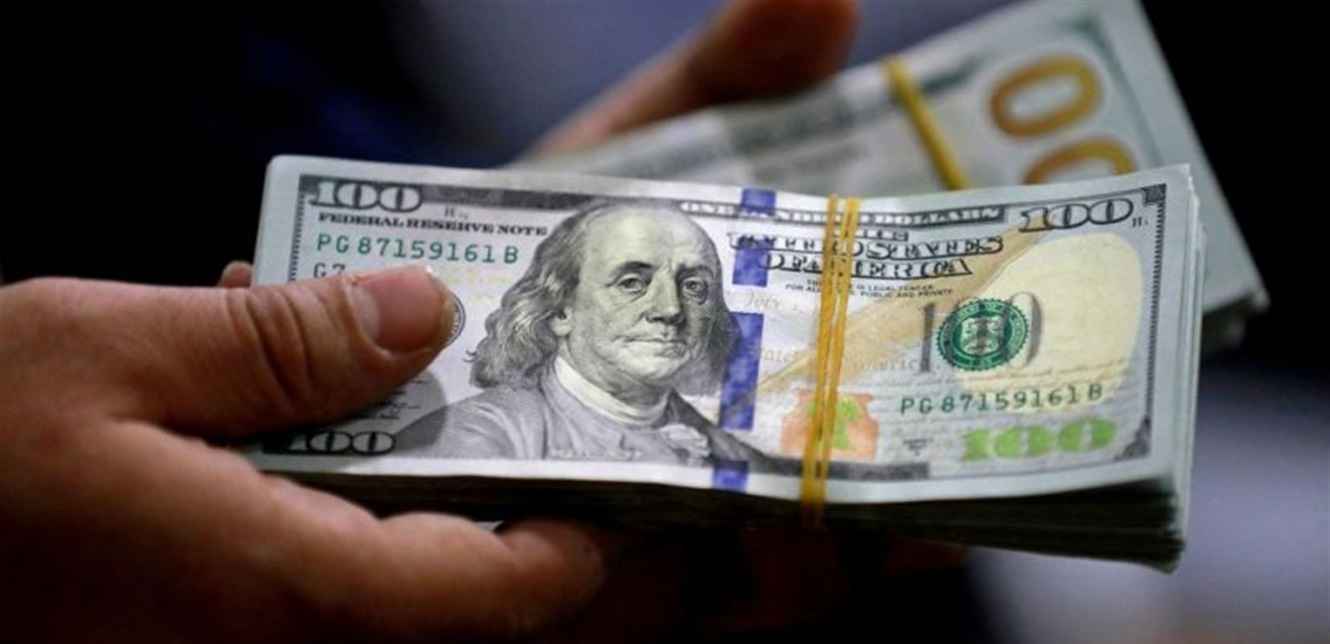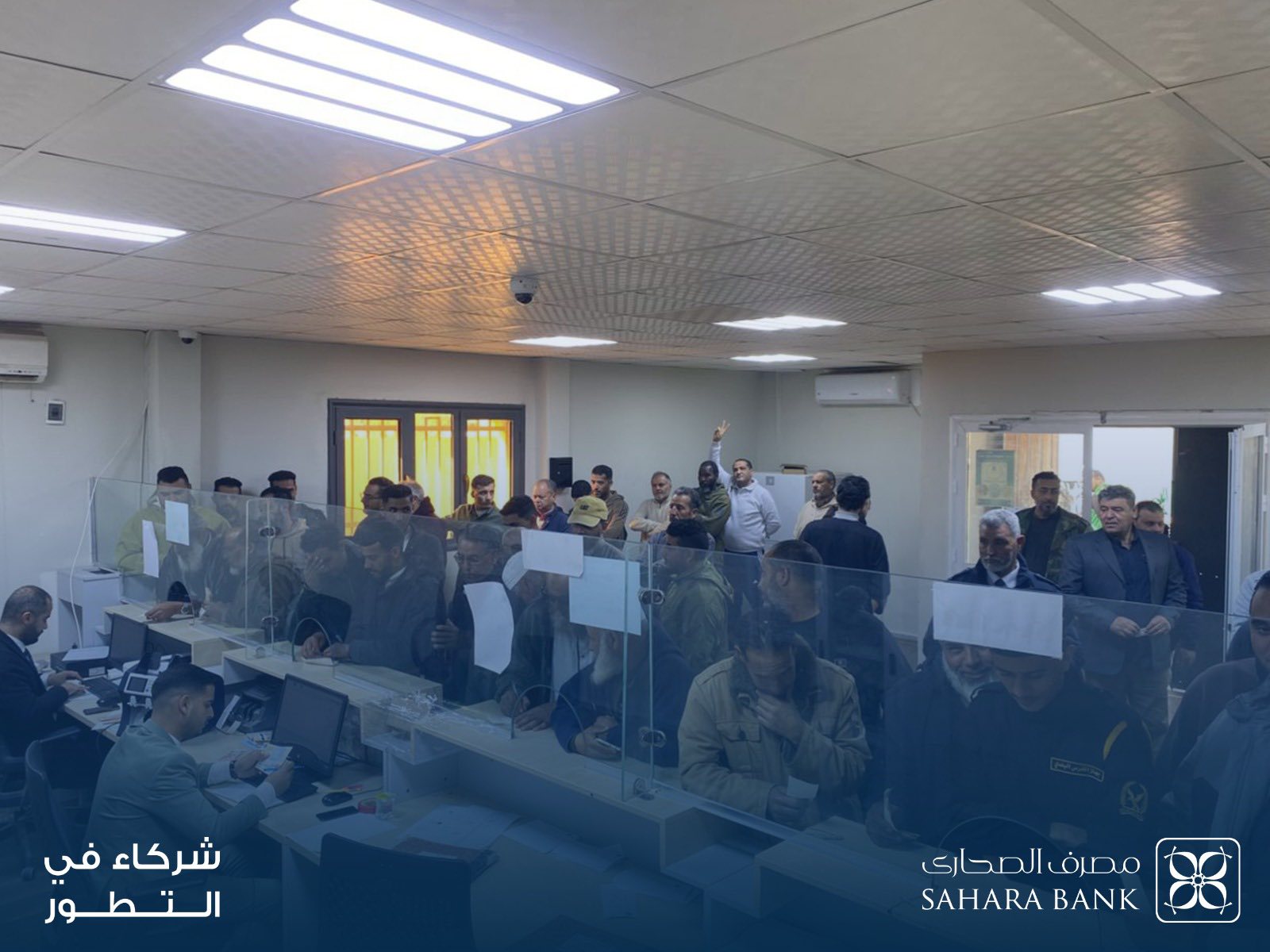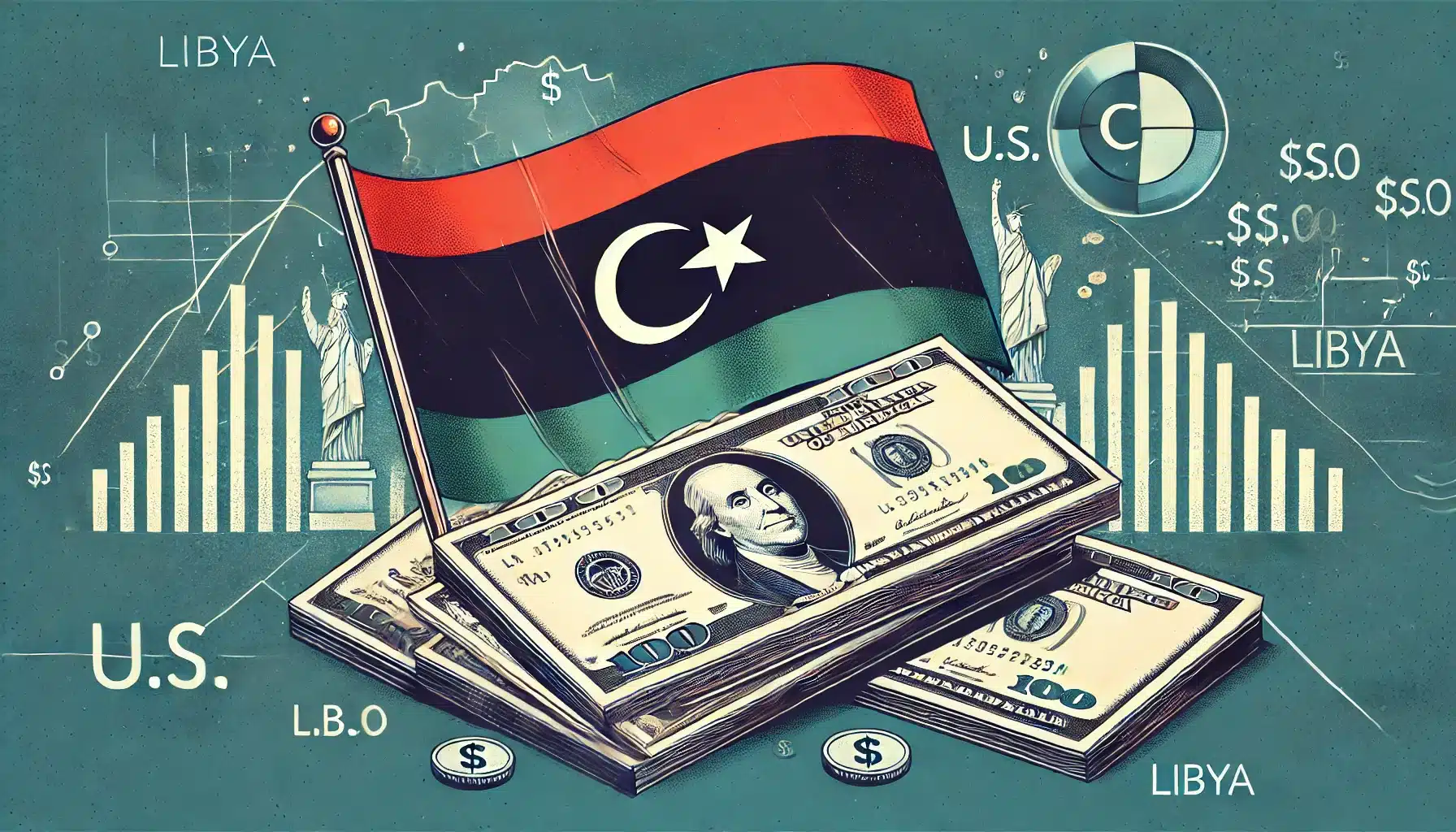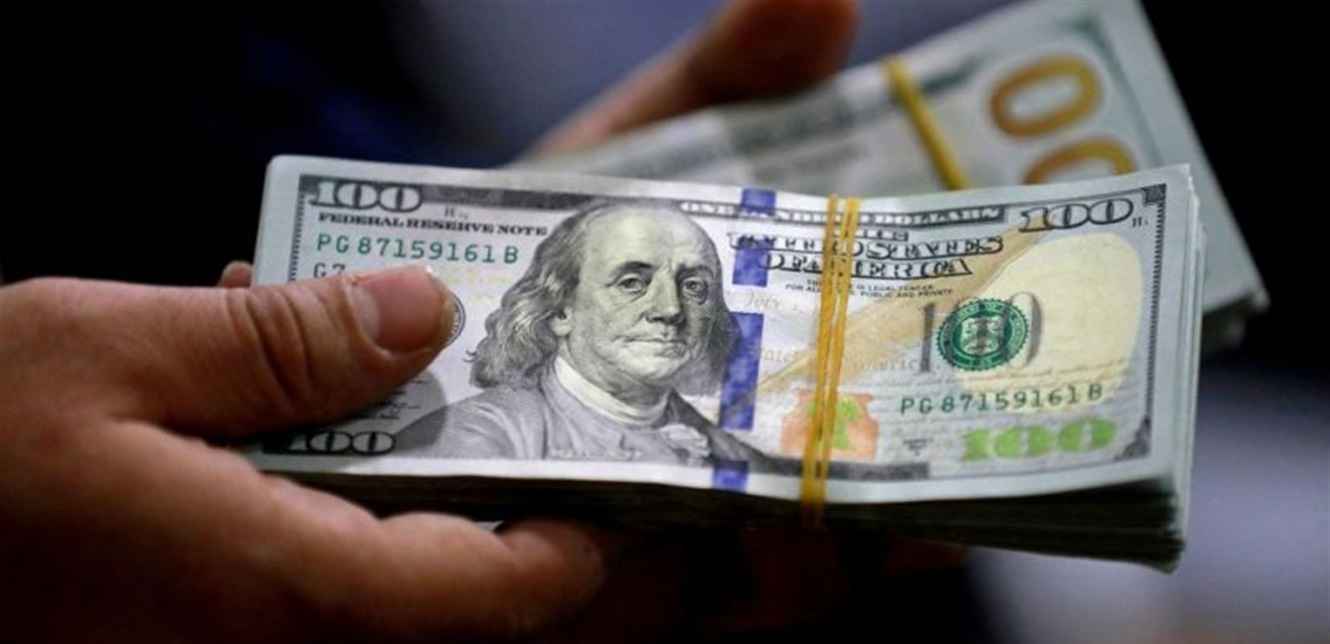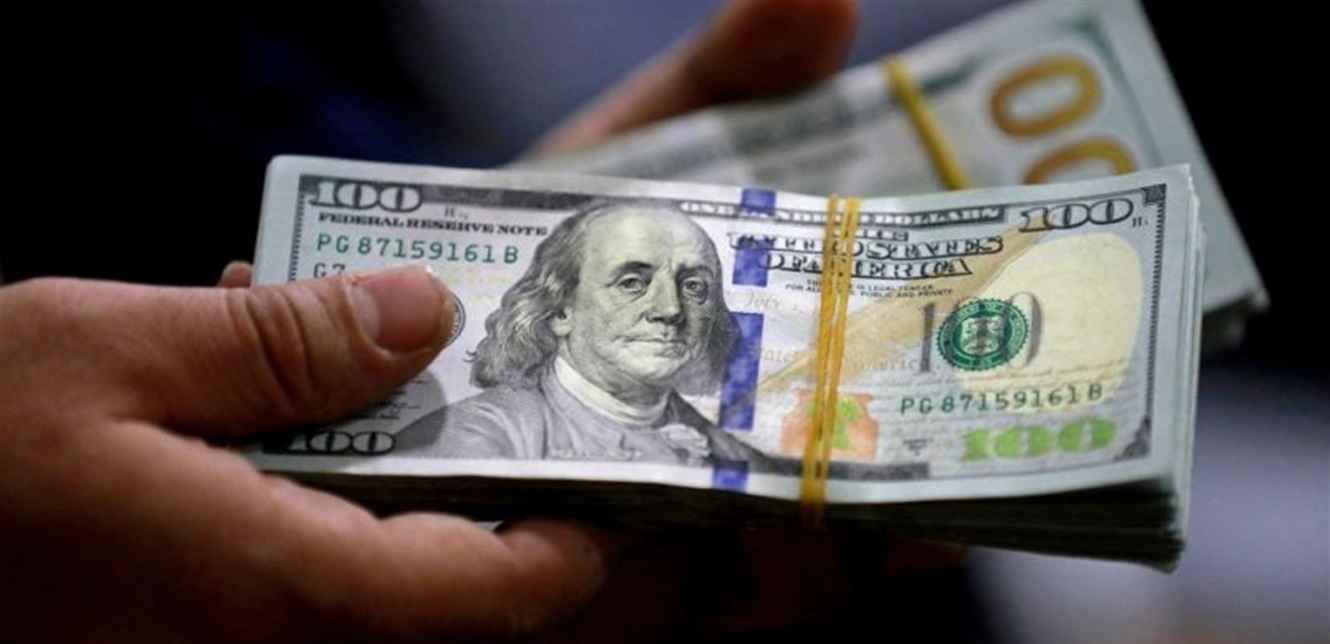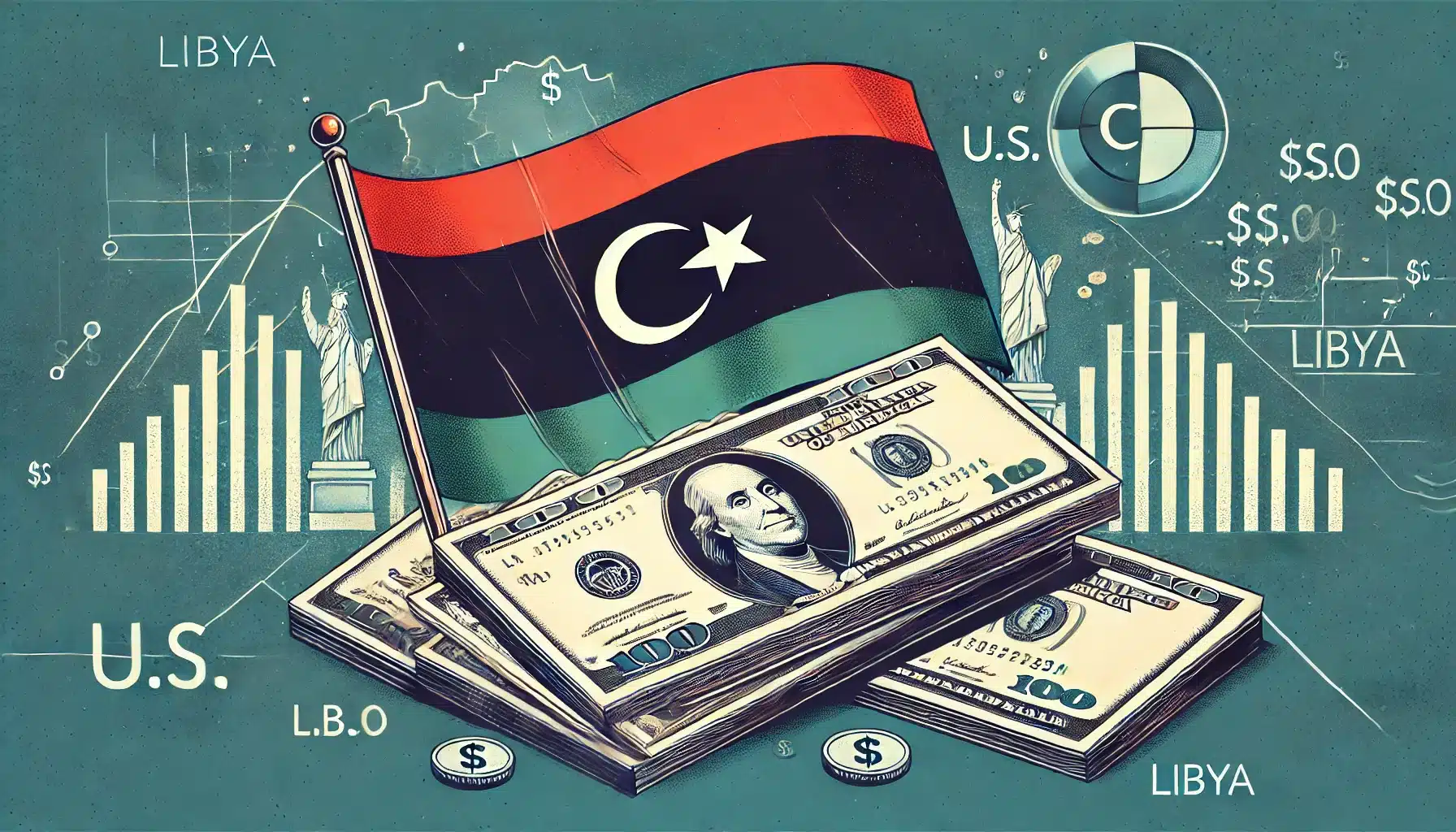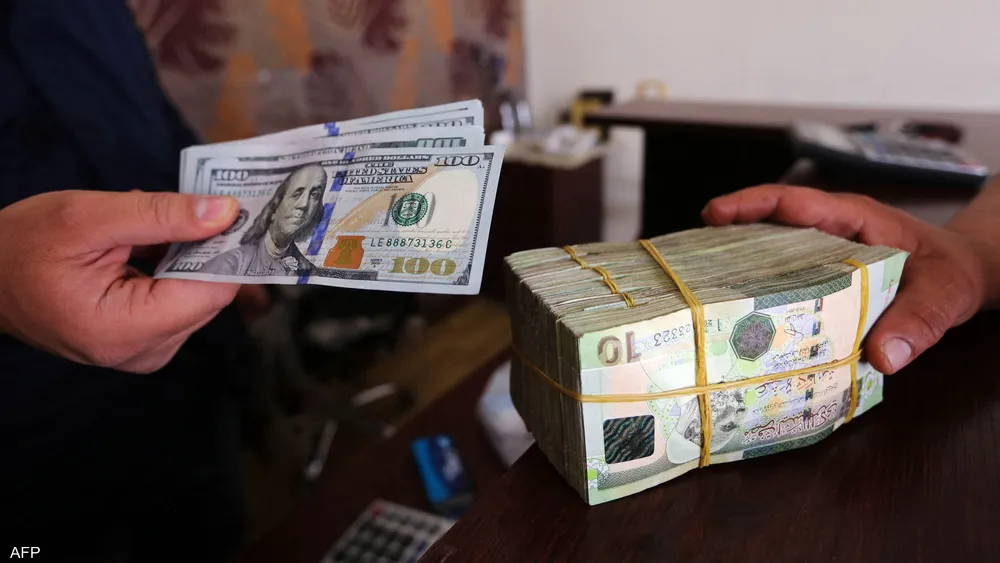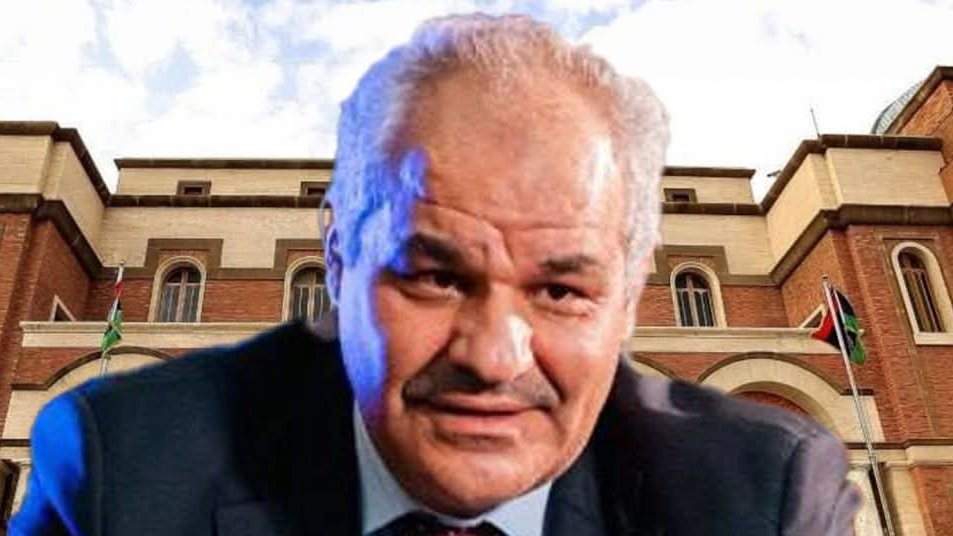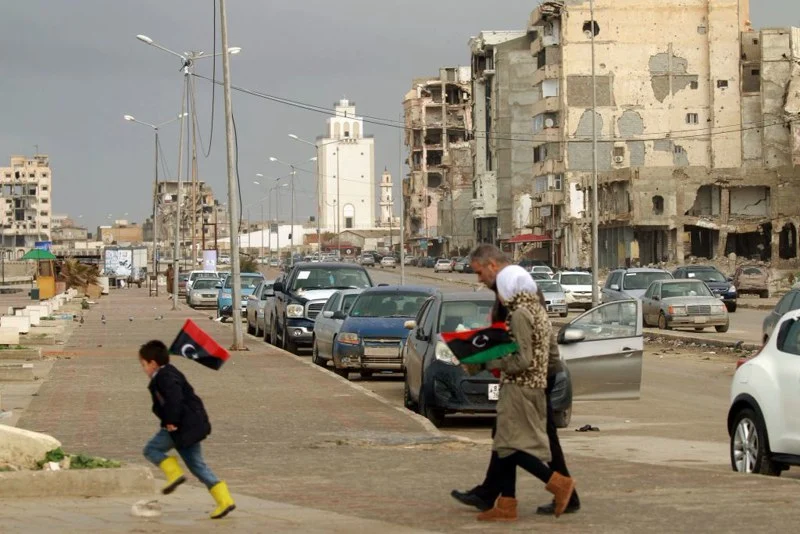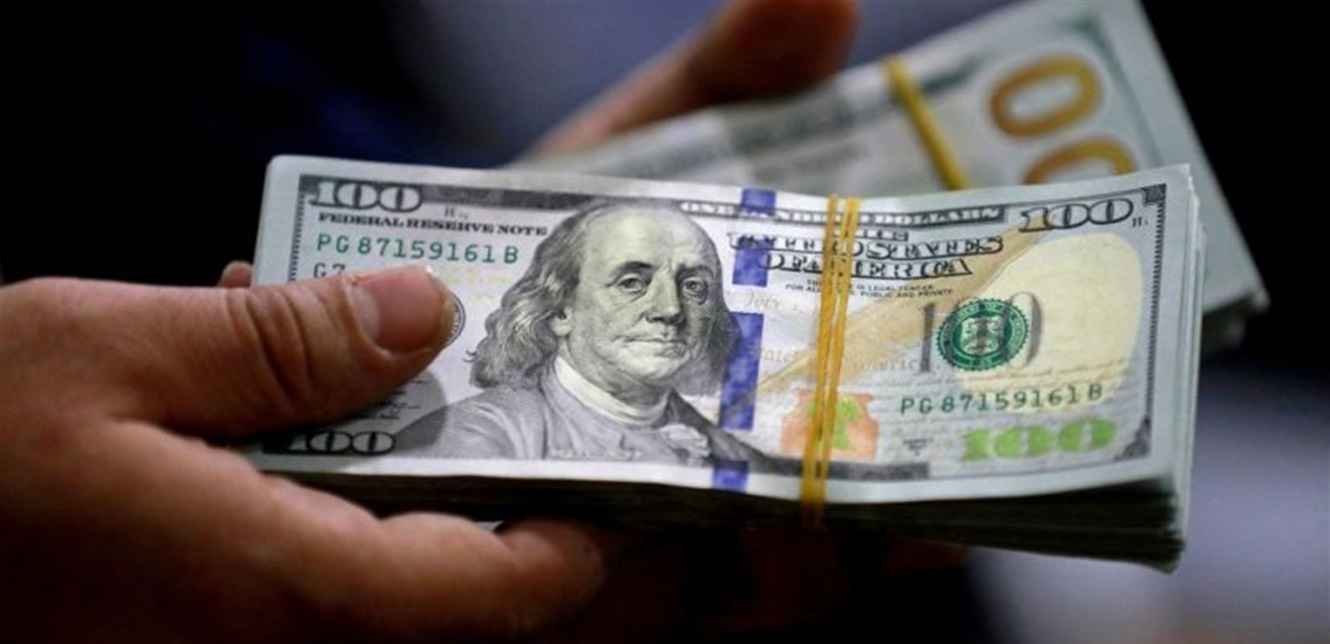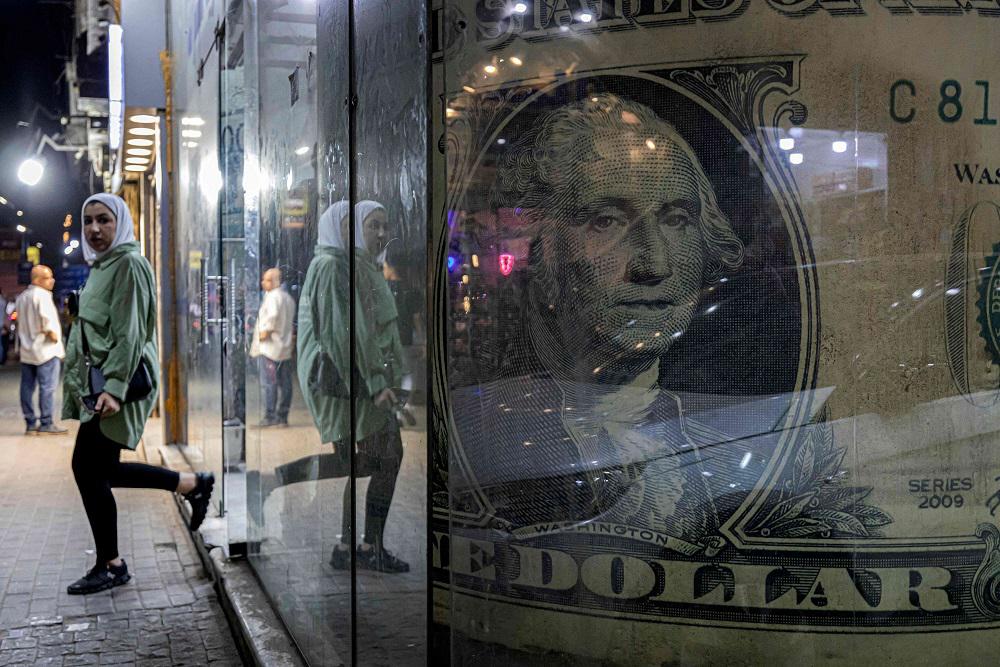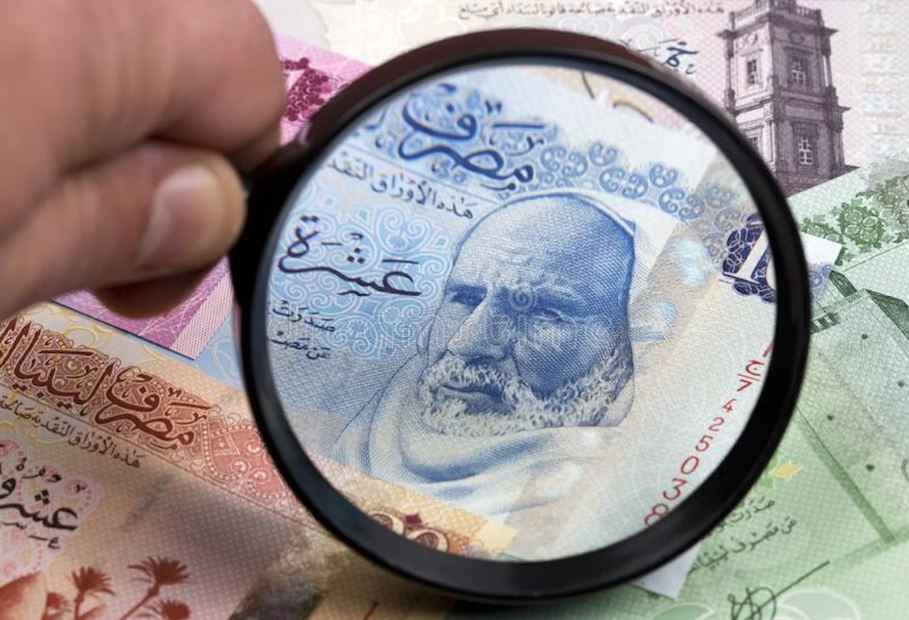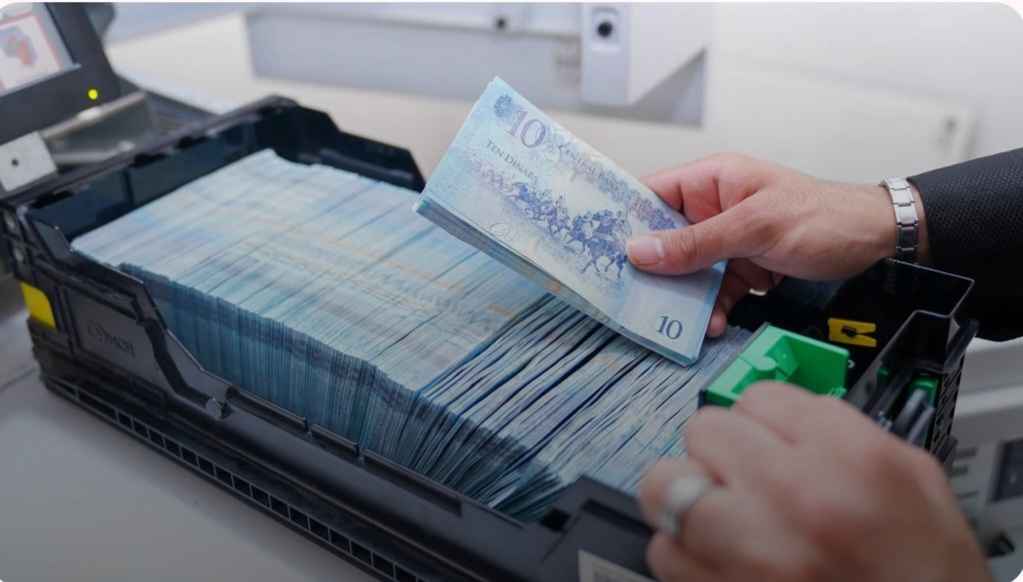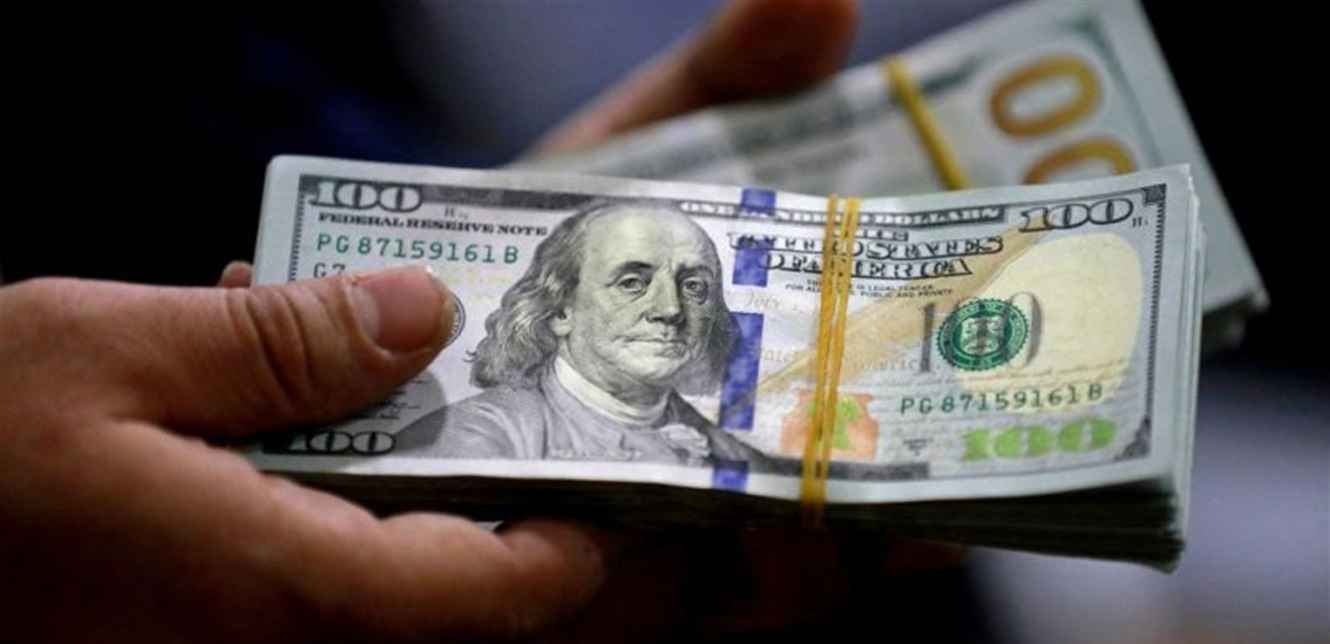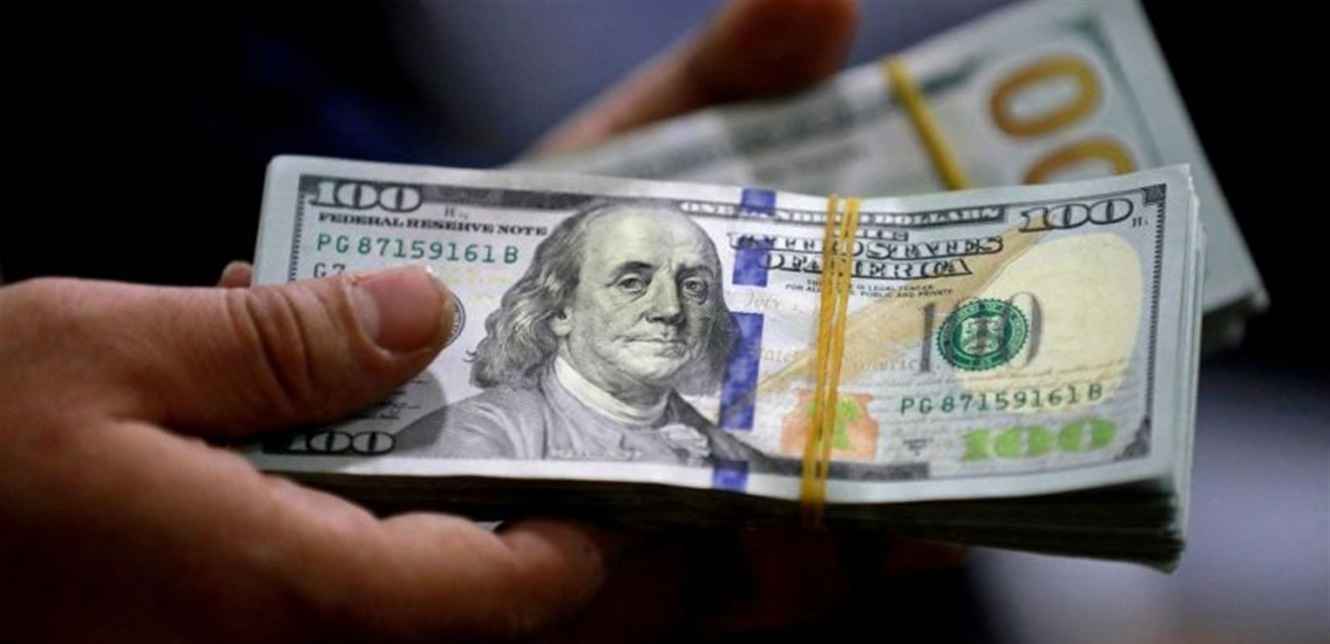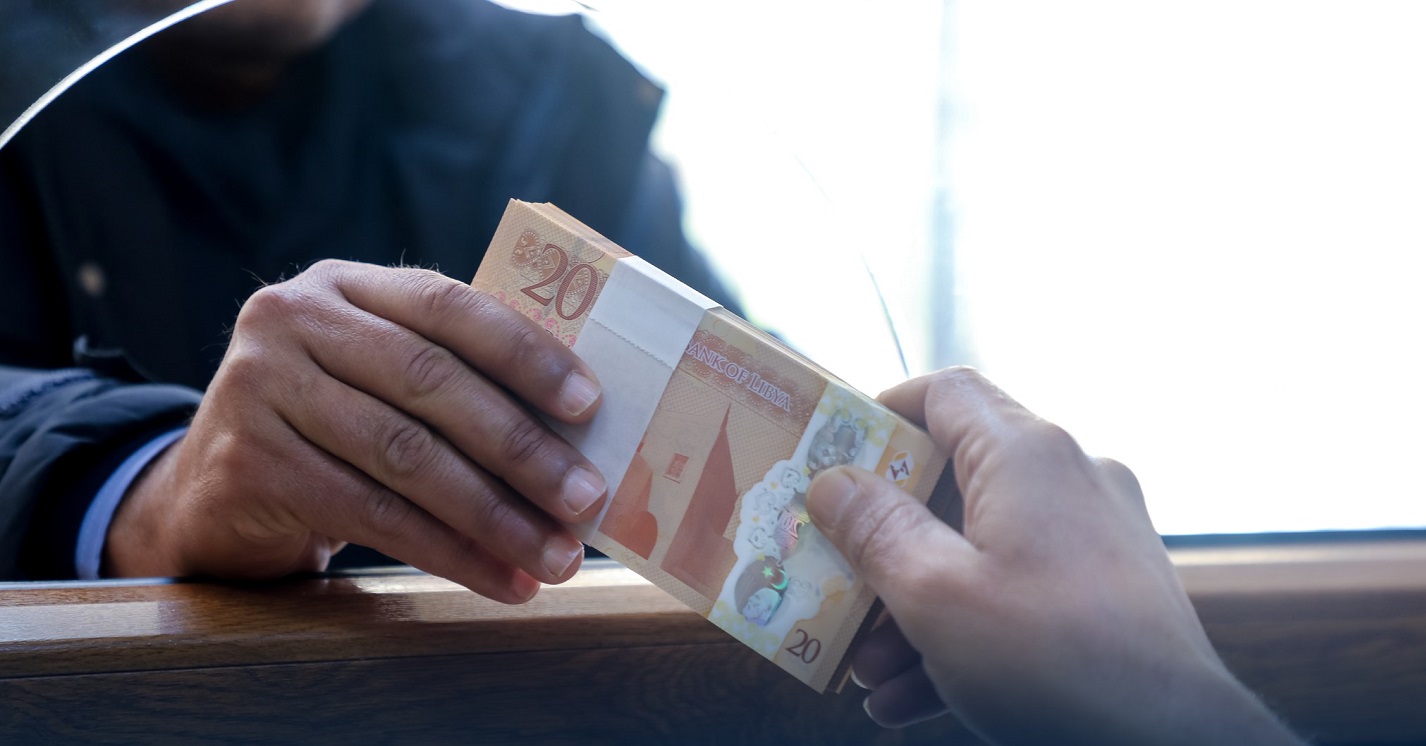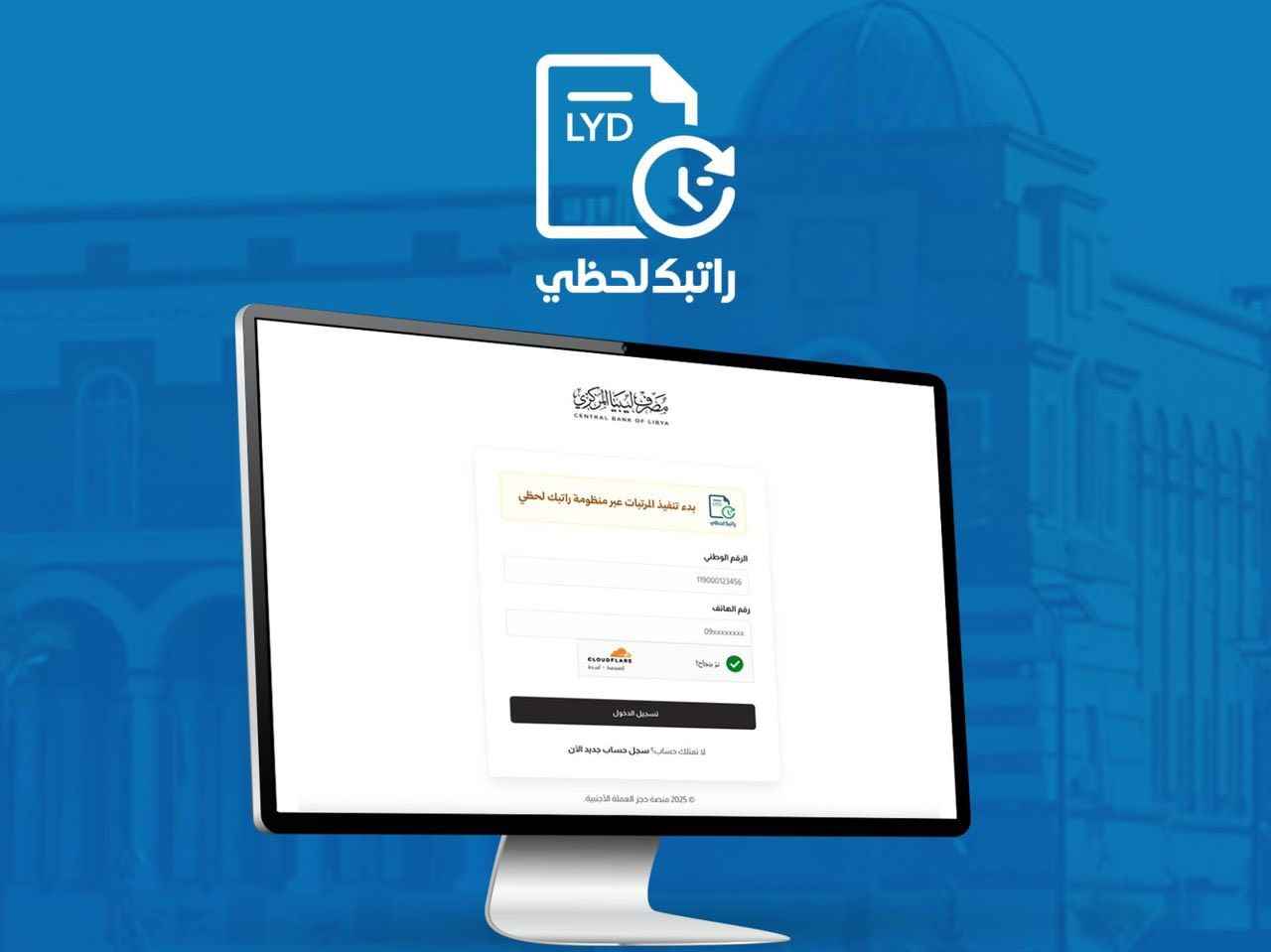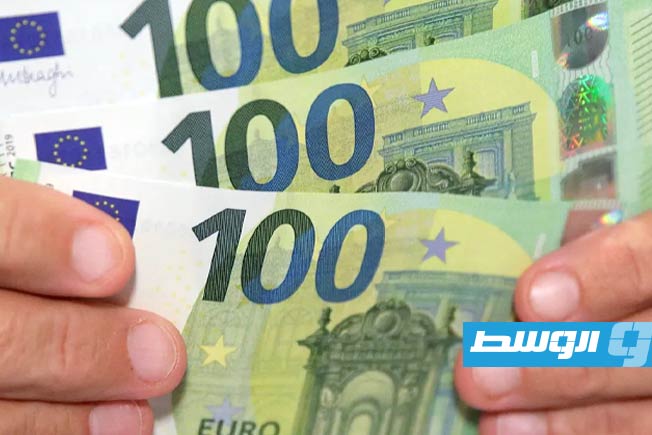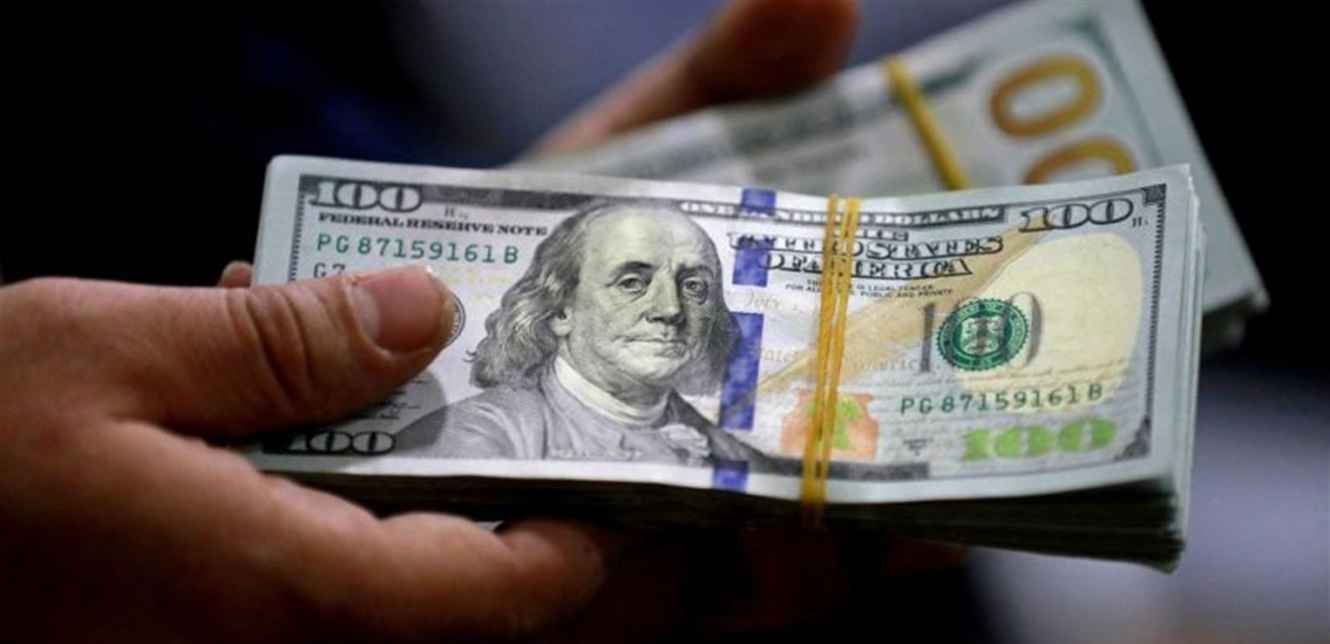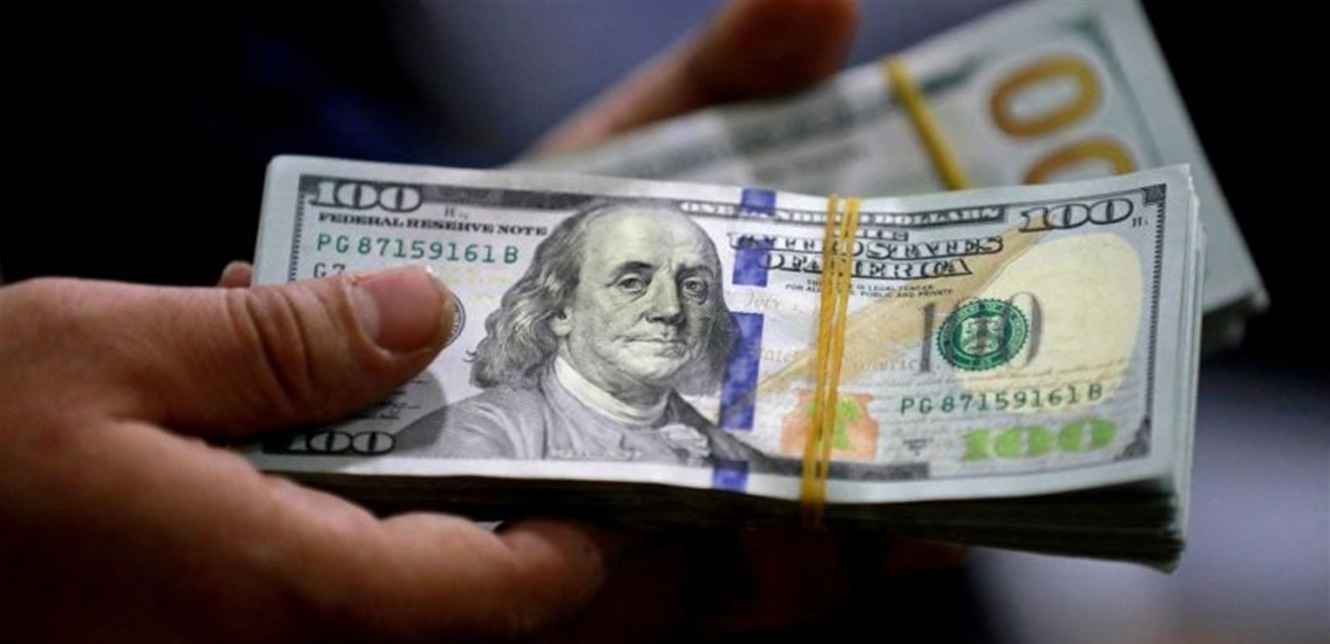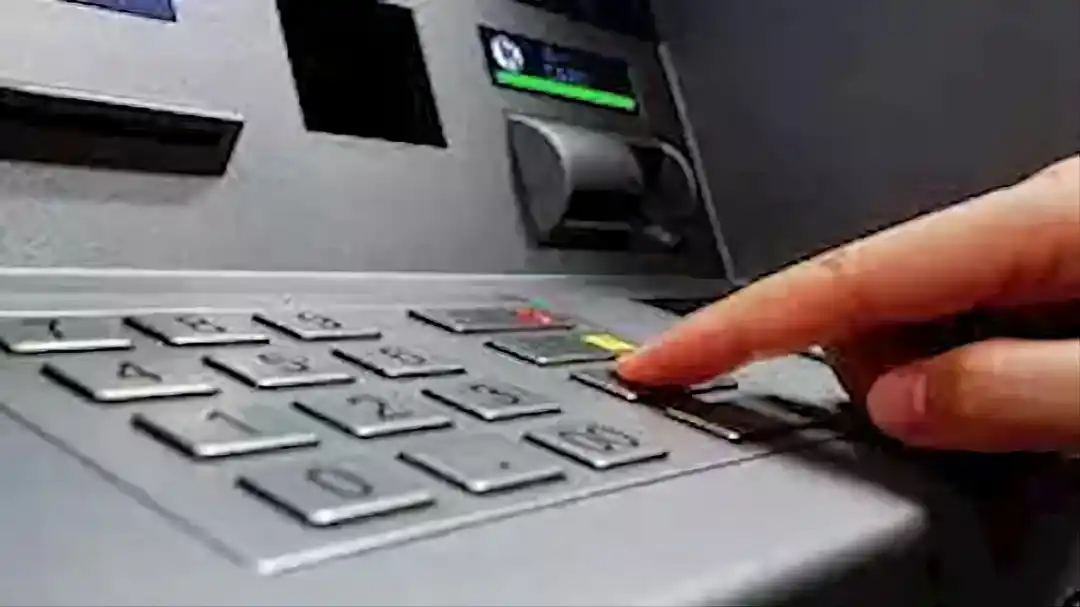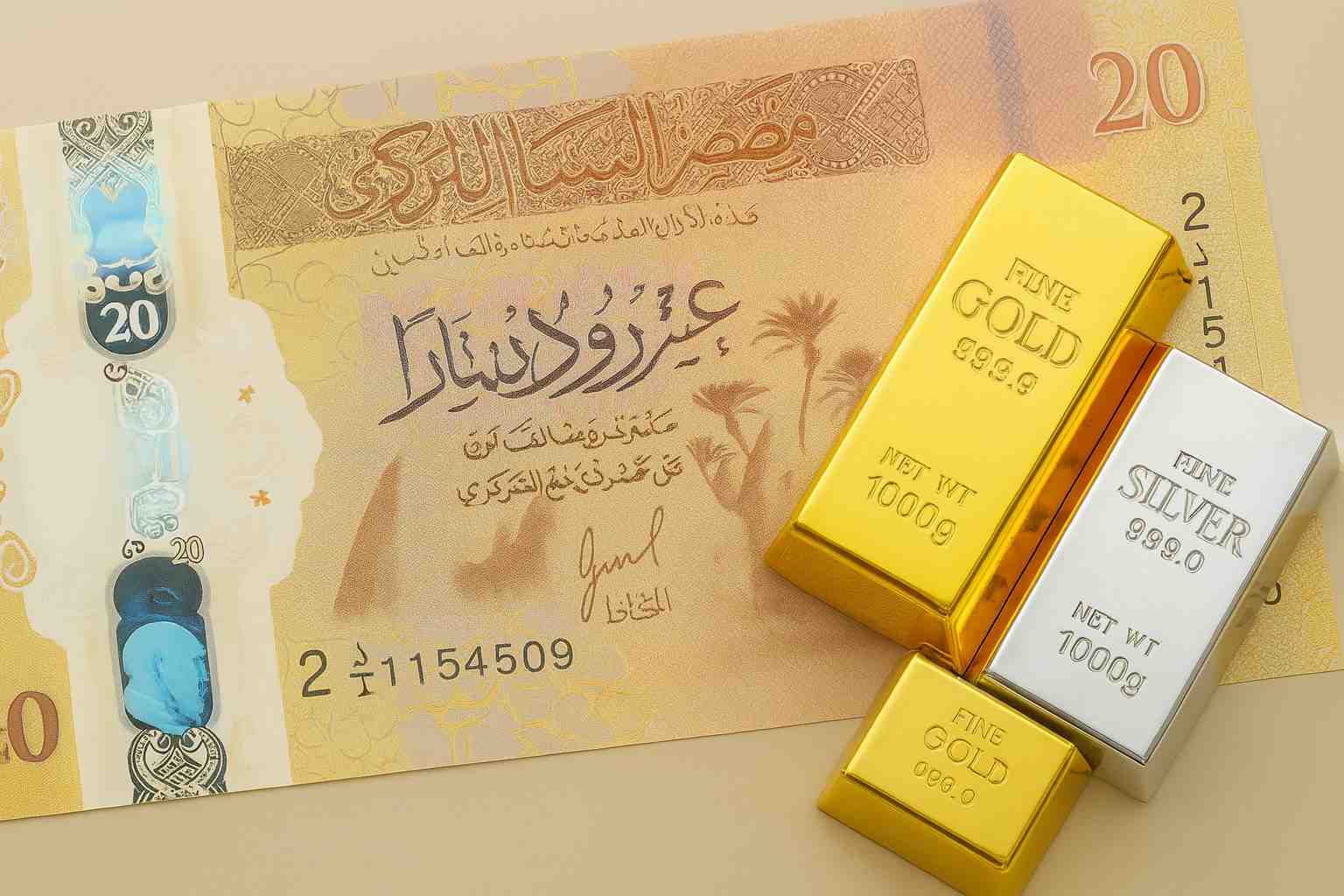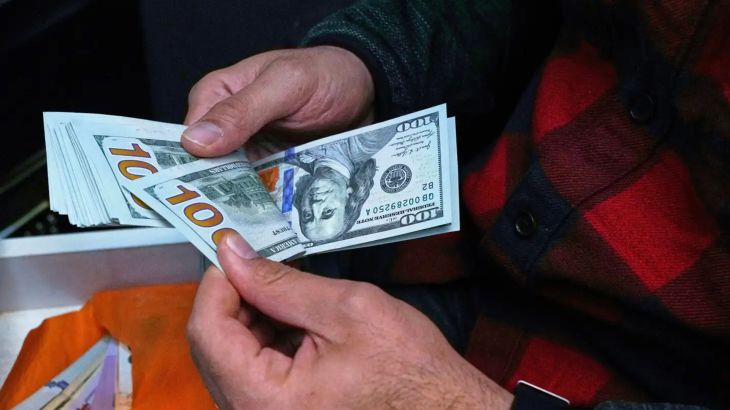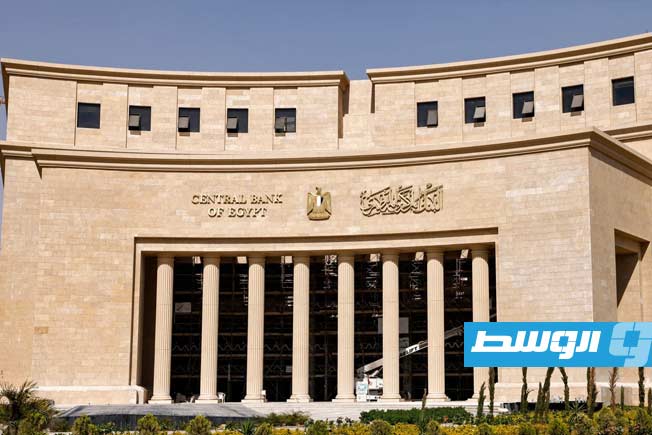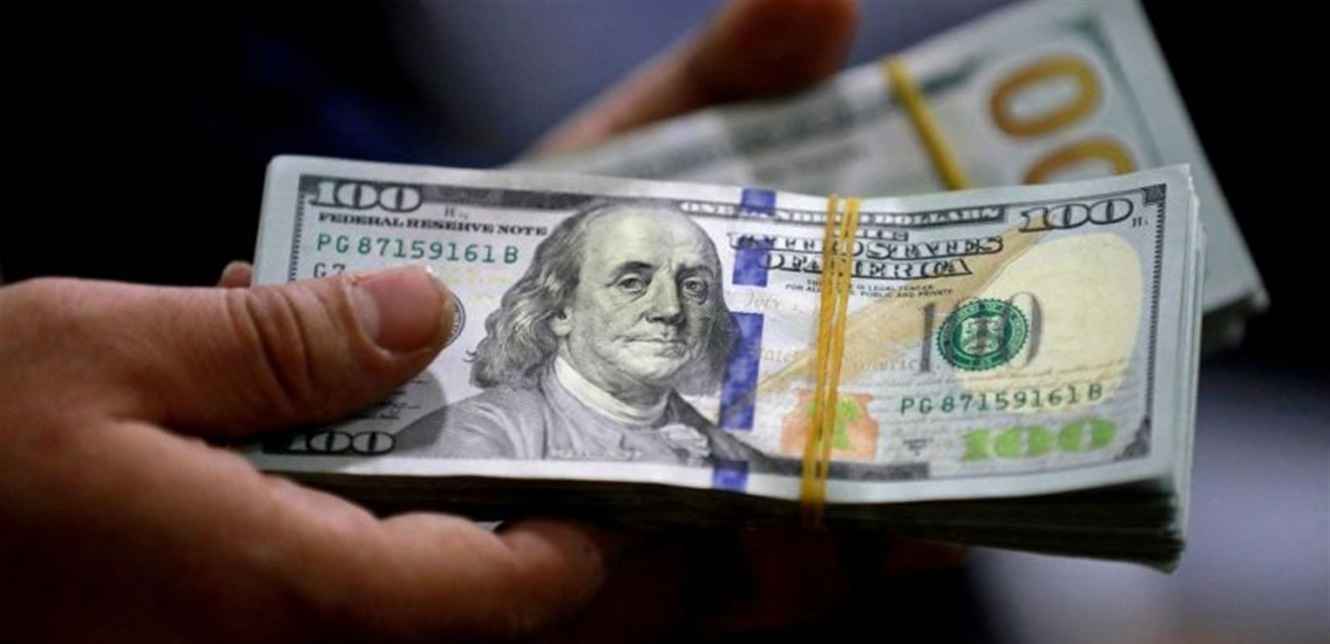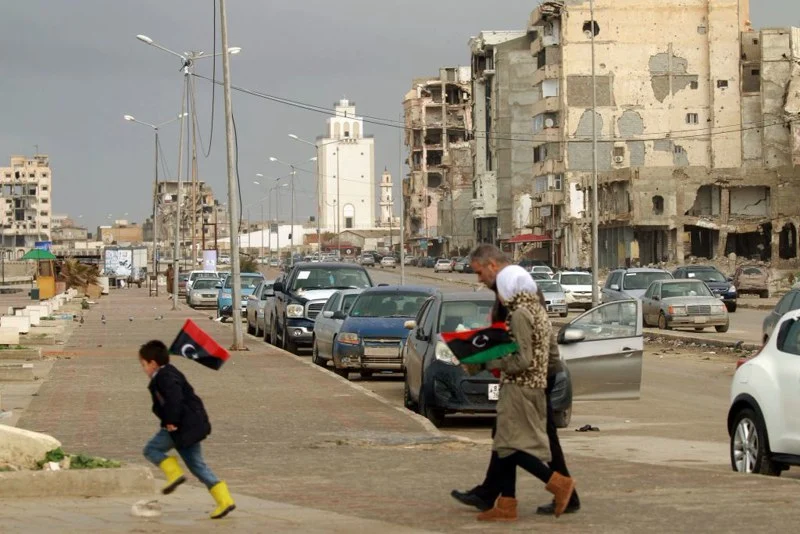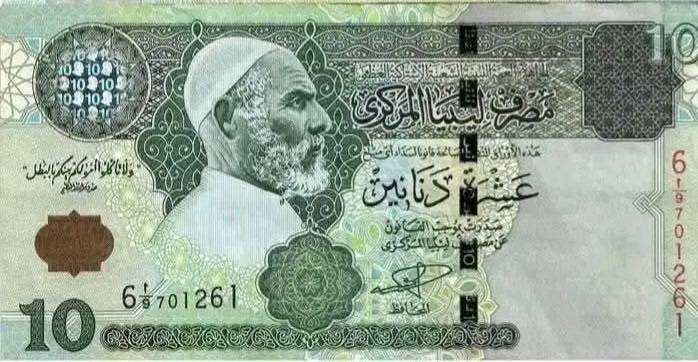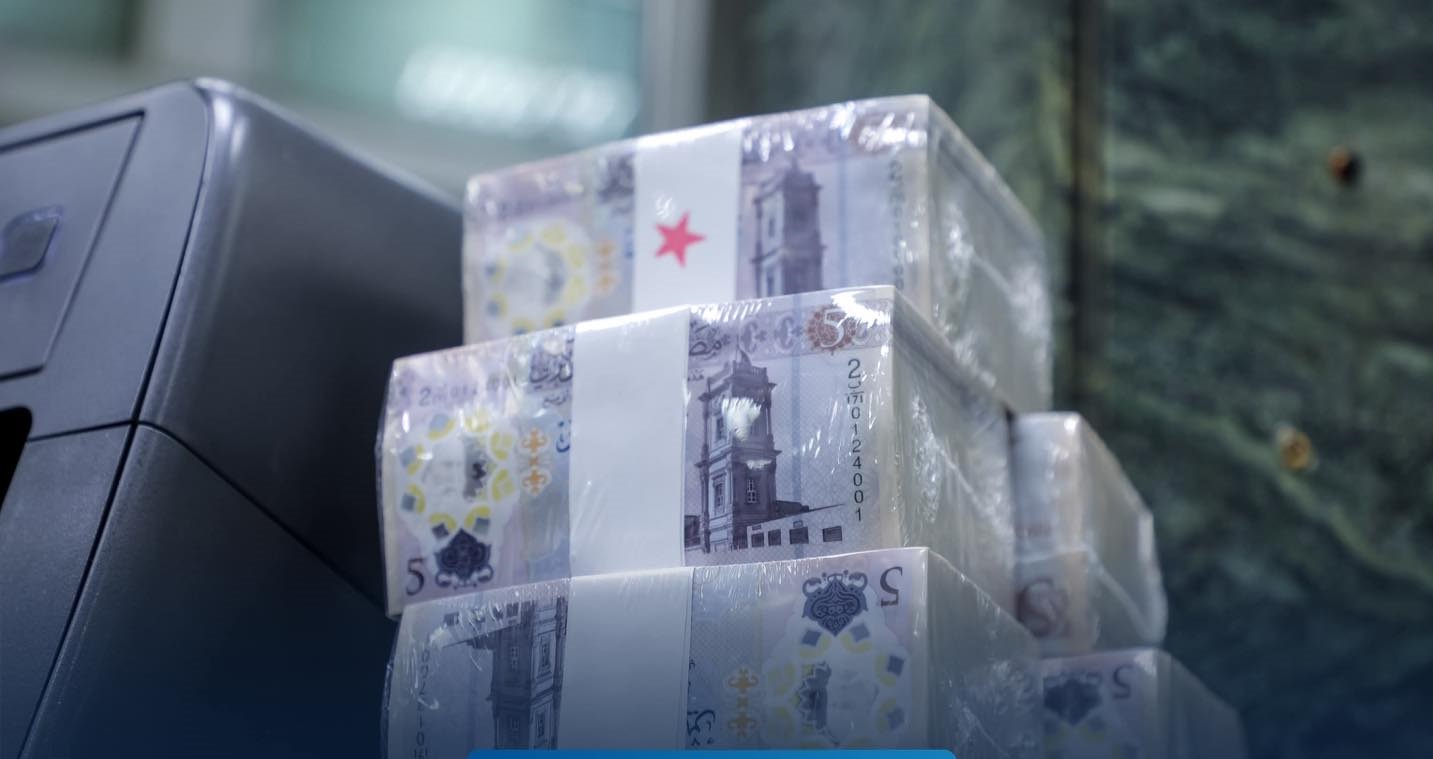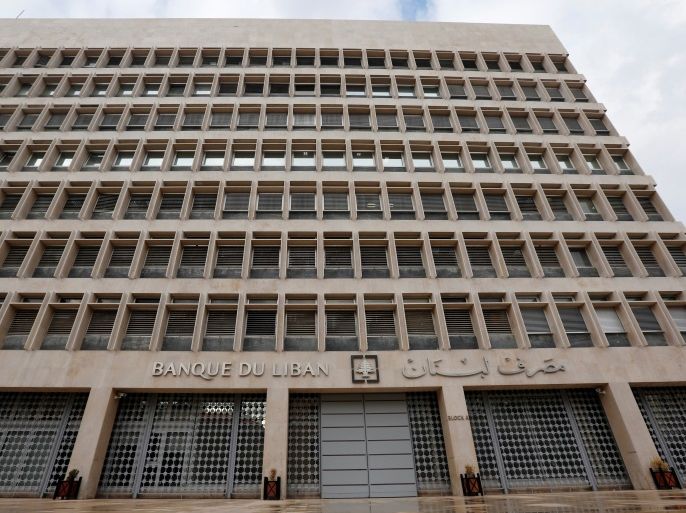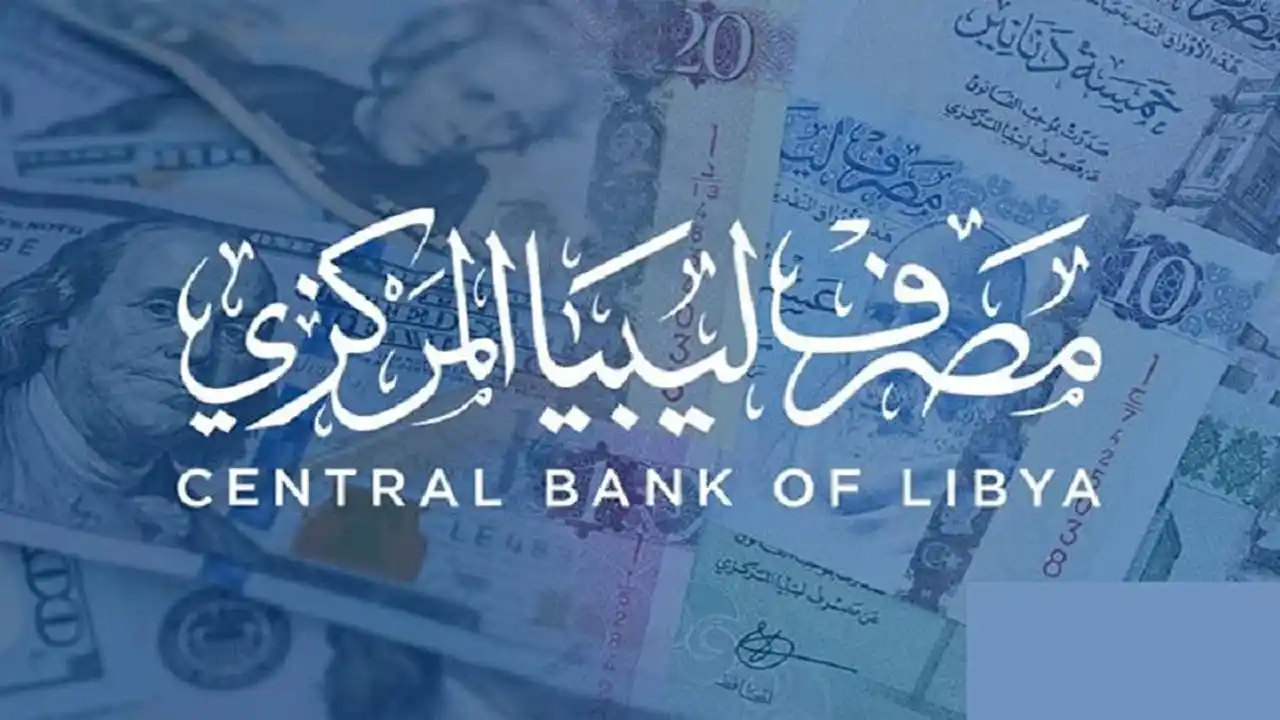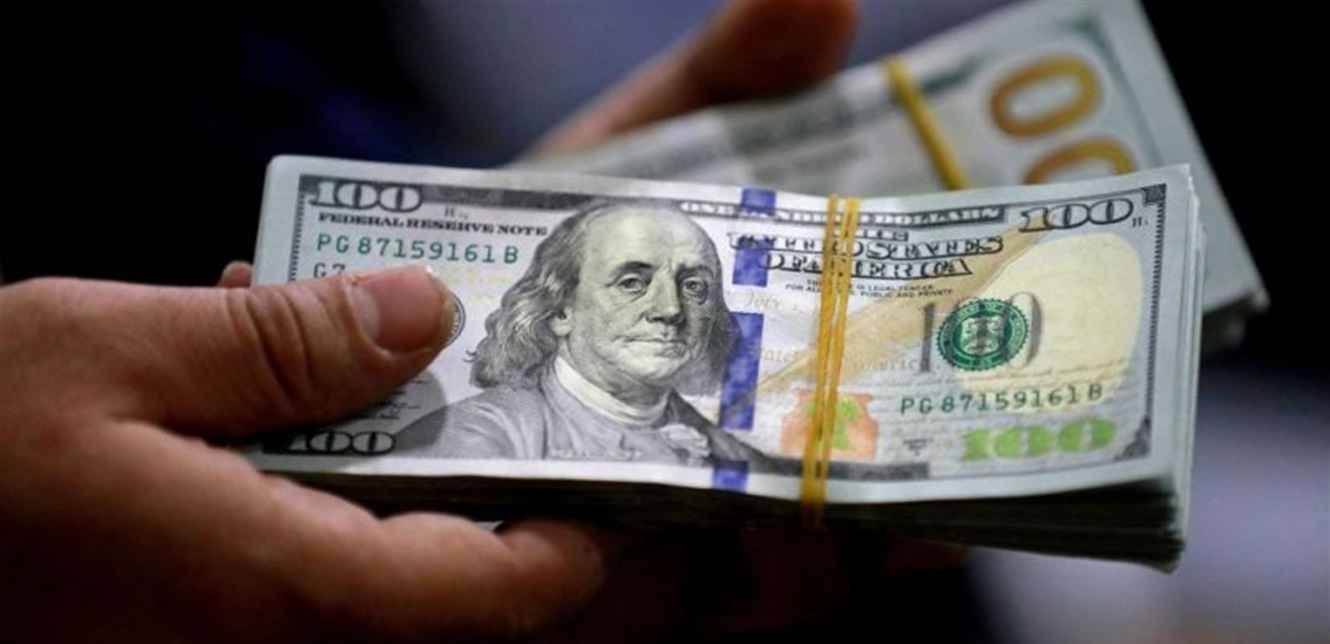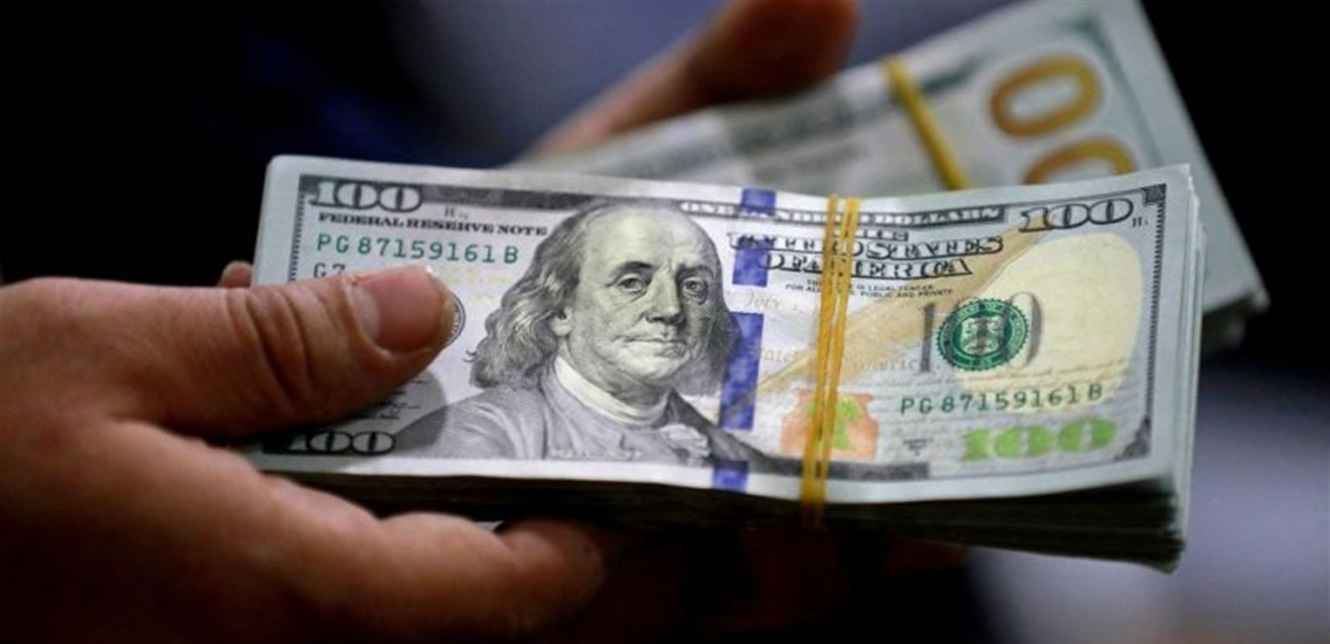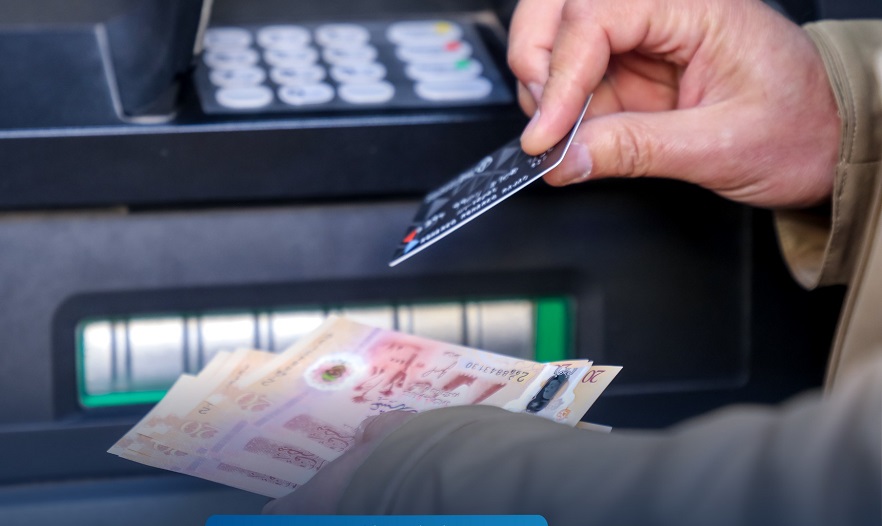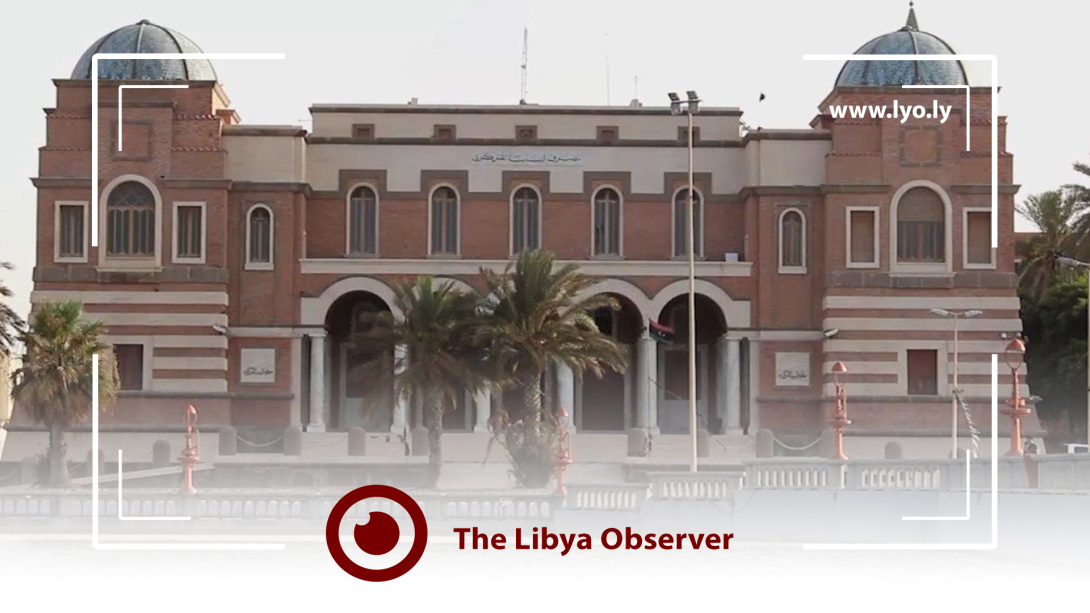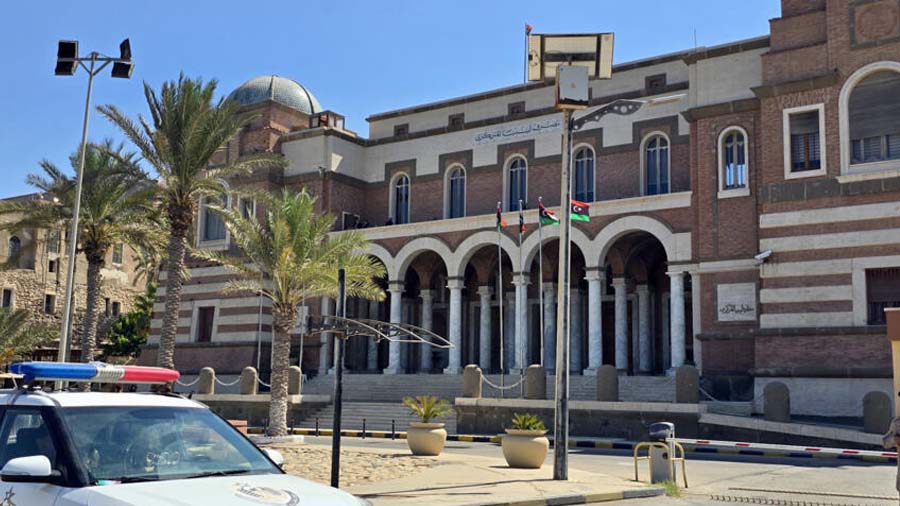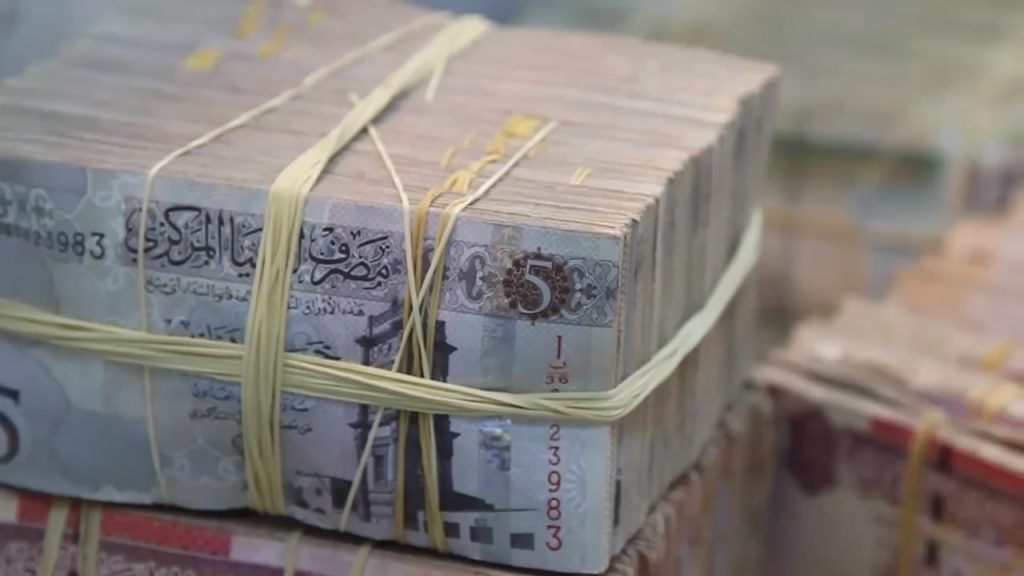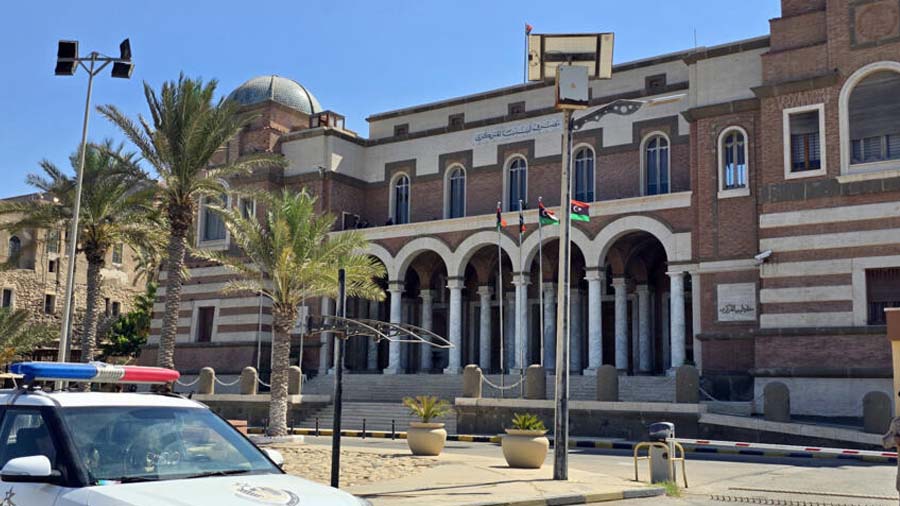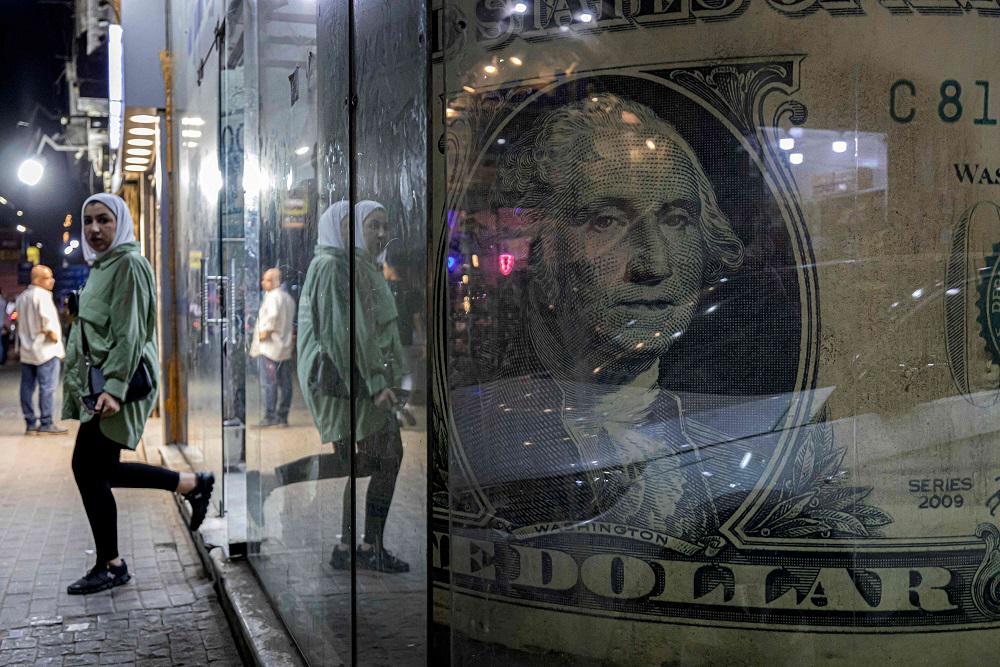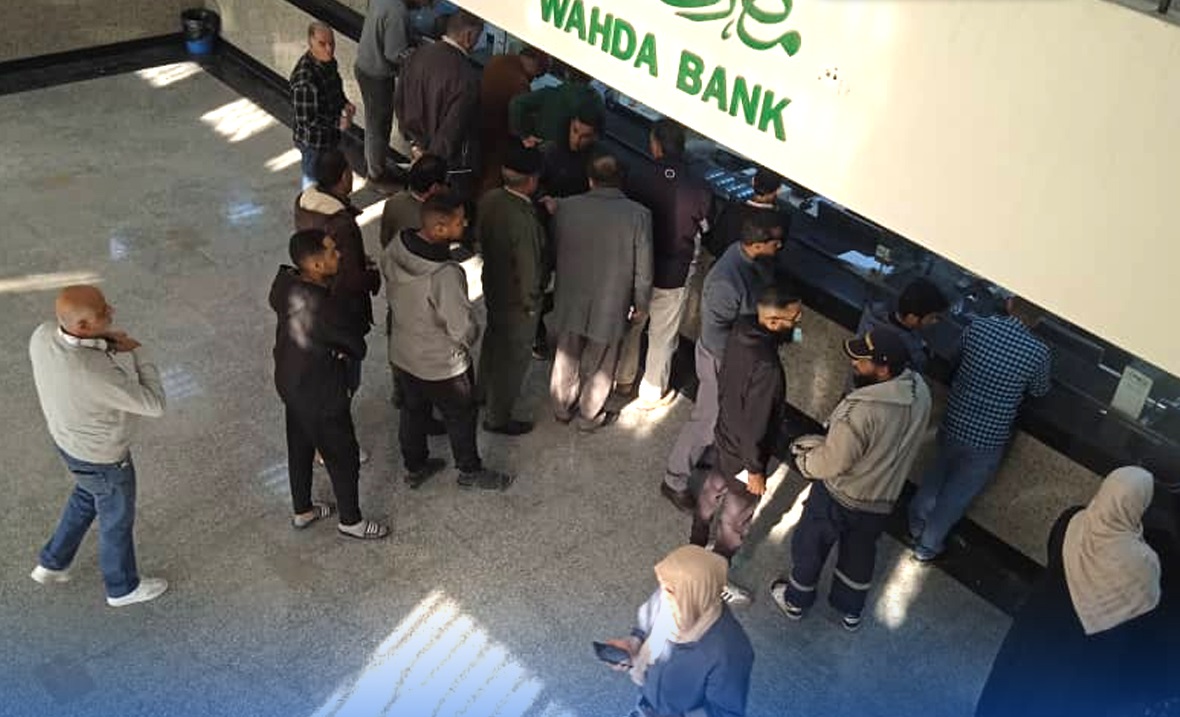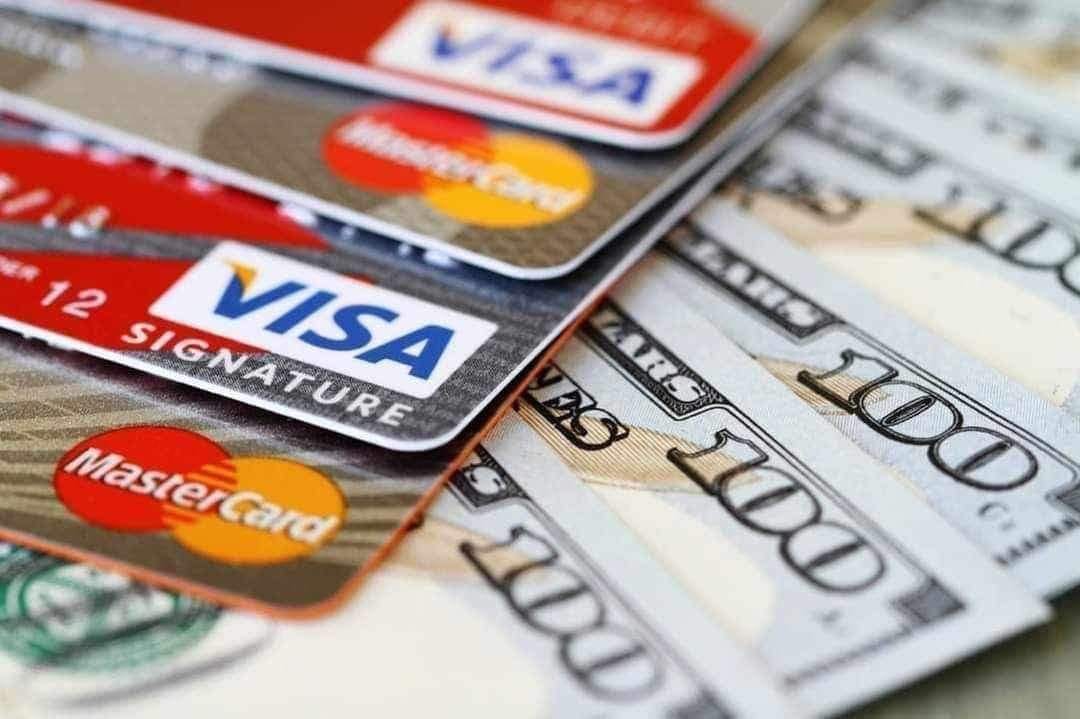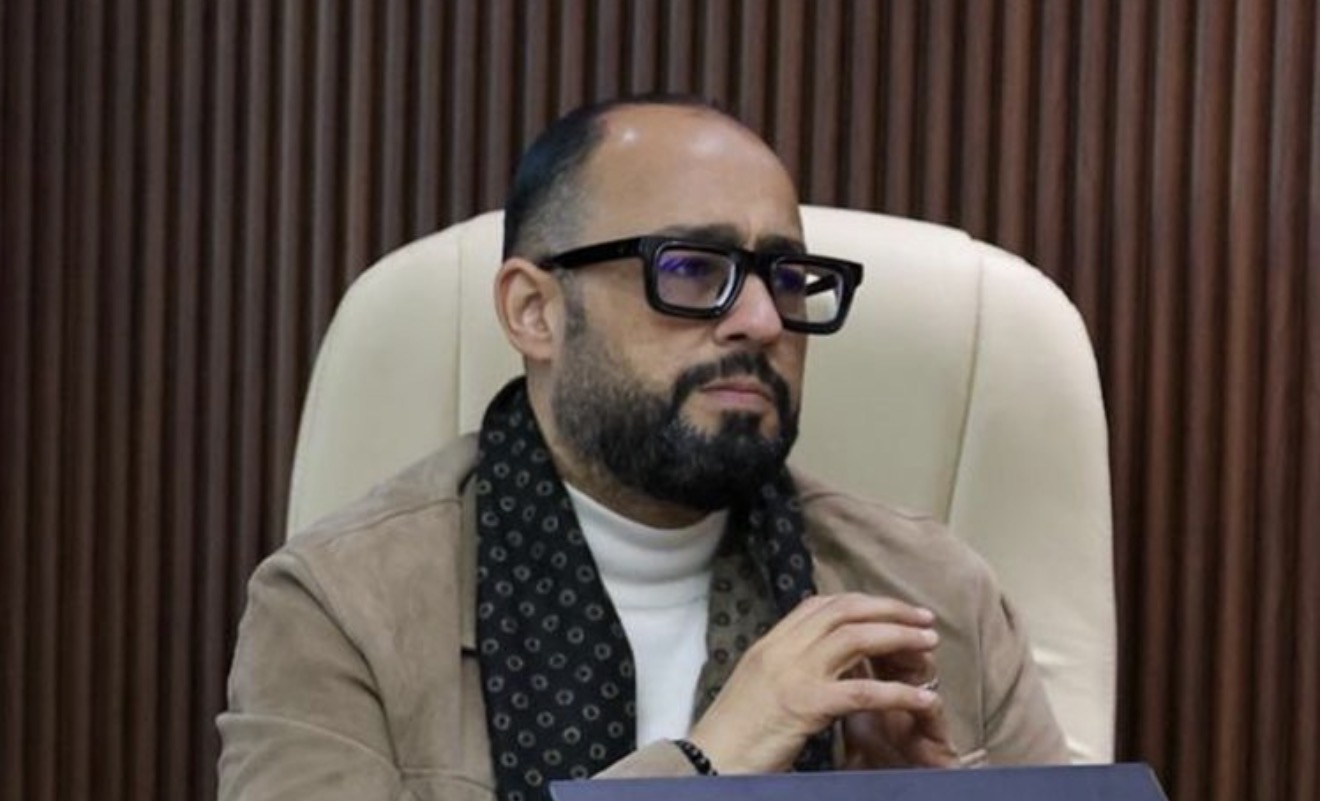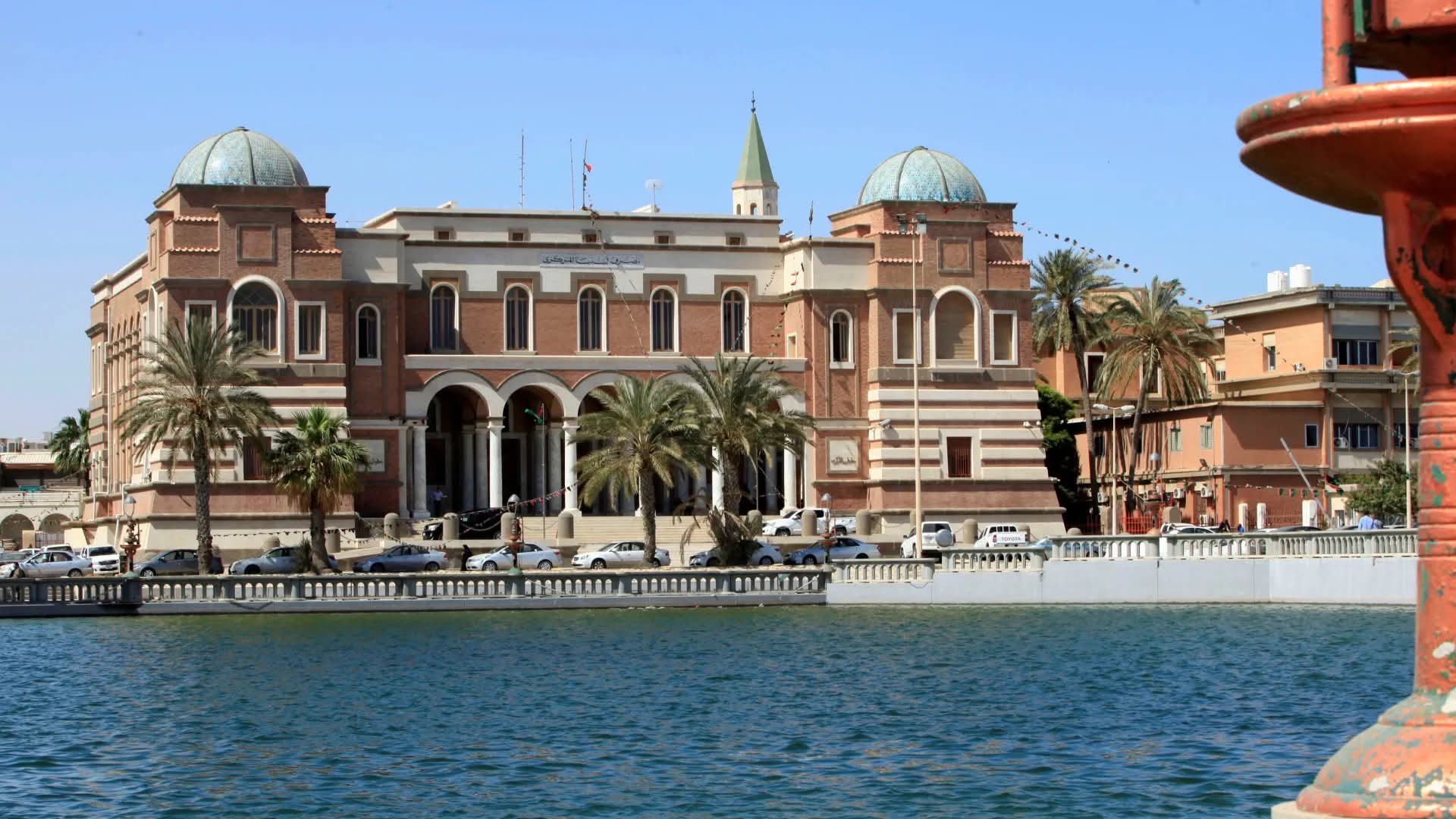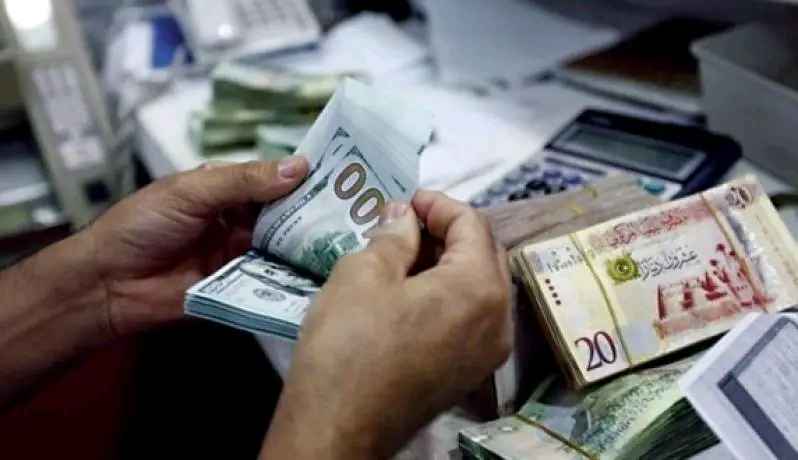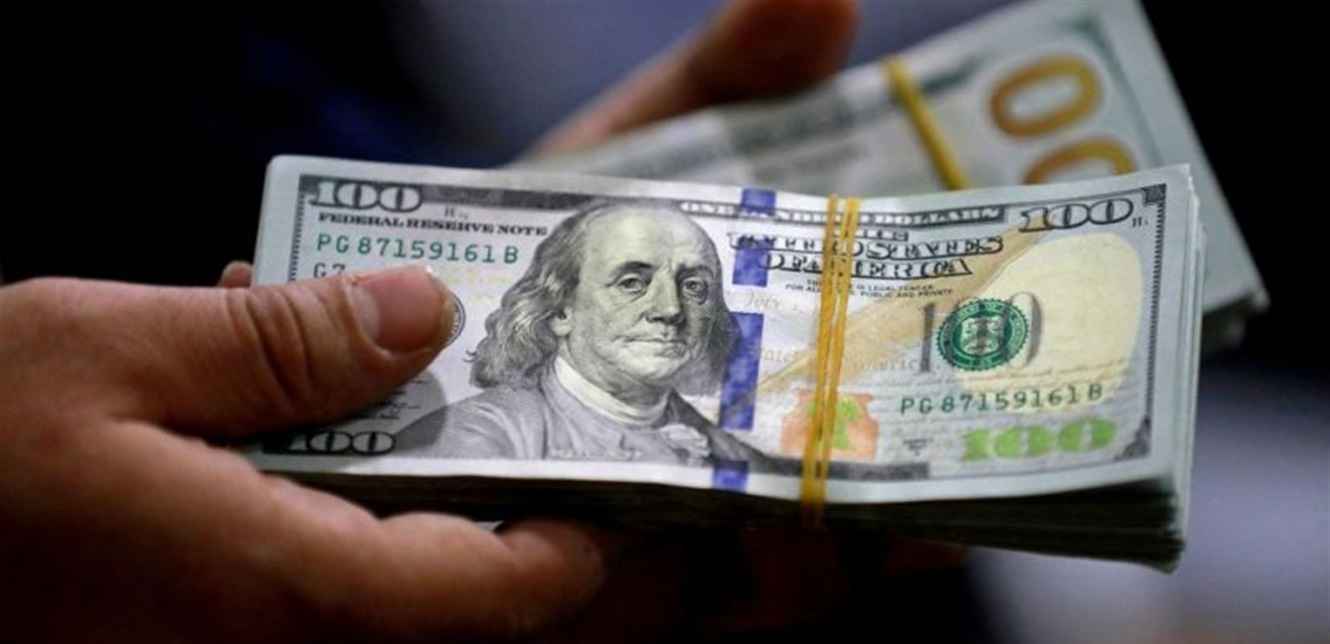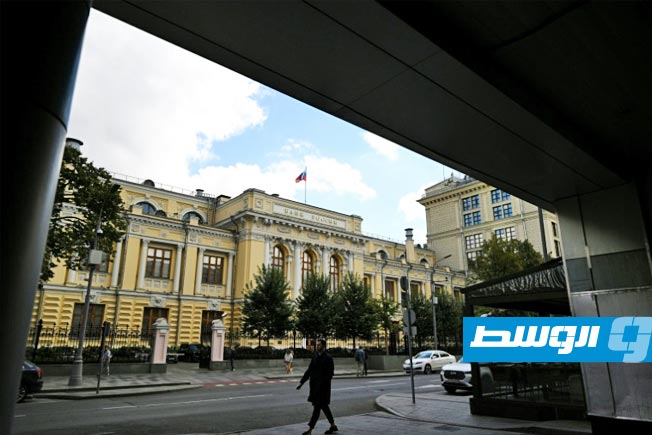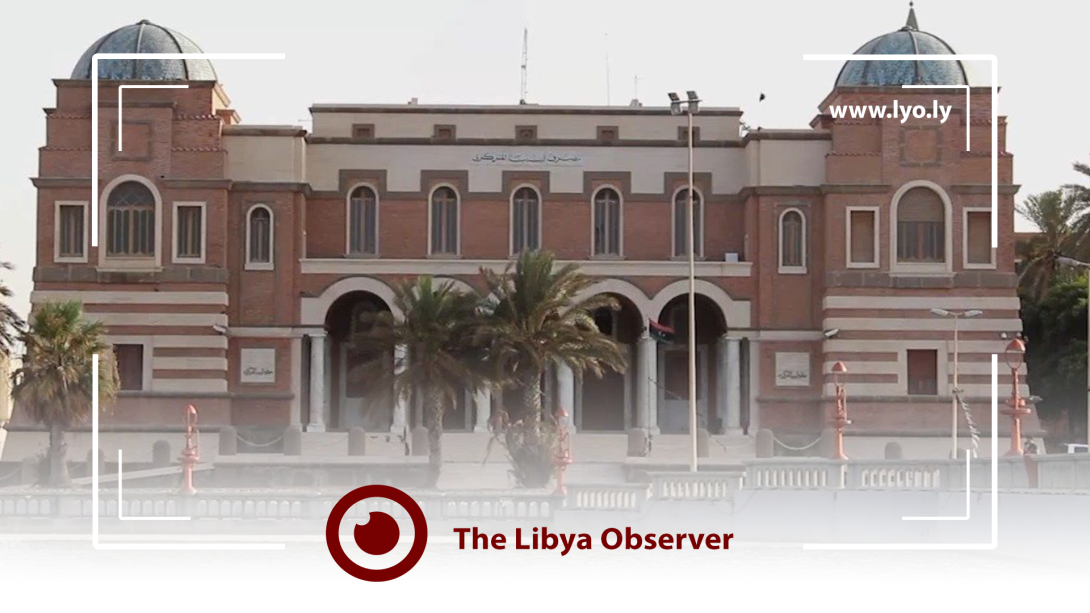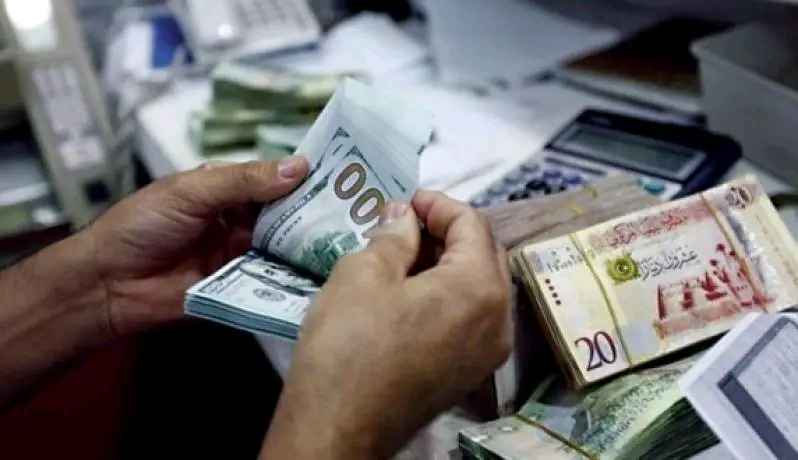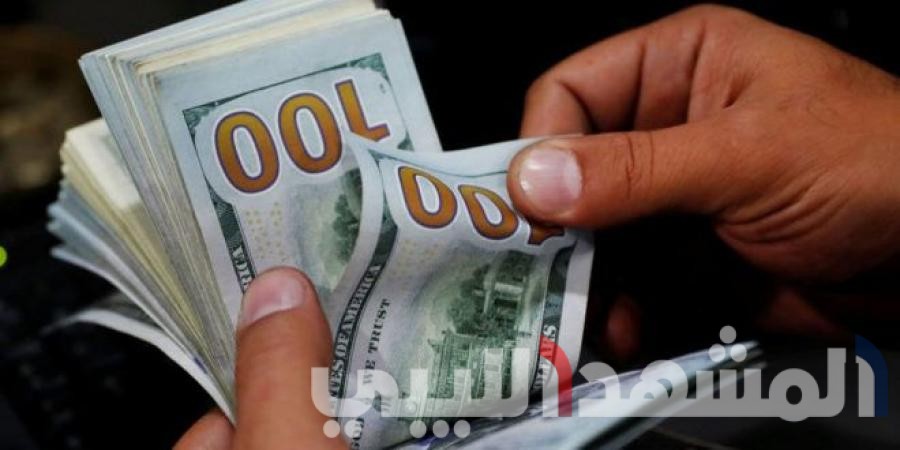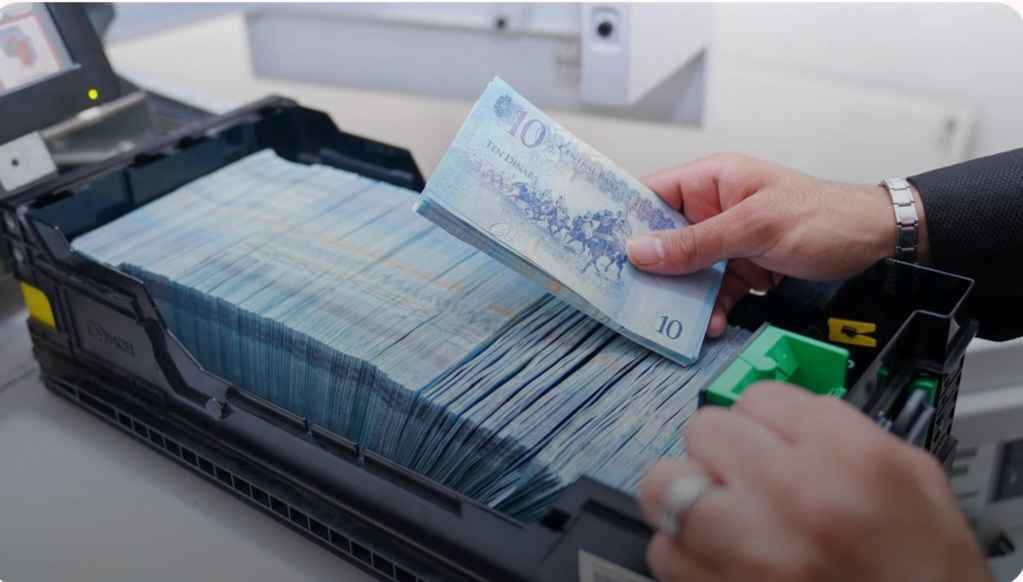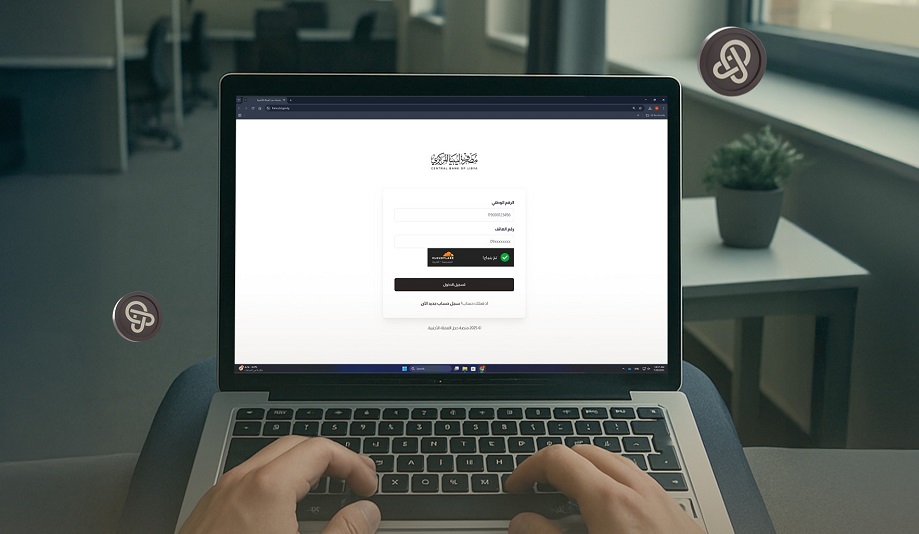
Tripoli | Follow-ups – Local media reported that the Central Bank of Libya has closed the foreign currency reservation system for personal purposes (the dollar reservation platform), coinciding with the end of the 2025 fiscal year. This measure is part of the routine administrative and financial arrangements the bank undertakes at the end of each year, with Tuesday being the last day for reservations in 2025.
Why is the system being closed now?
Banking sources clarified that this suspension is a “routine annual closure”, aimed at:
-
Account Reconciliation: Conducting inventory and financial reconciliation for all accounts and transfers made during the year.
-
Technical Preparation: Updating digital systems and preparing platforms to receive citizen requests at the start of the new year 2026.
-
Budget Preparation: Completing the final documentation cycle for the Ministry of Finance and the Central Bank.
The Future of Reservations in the New Year:
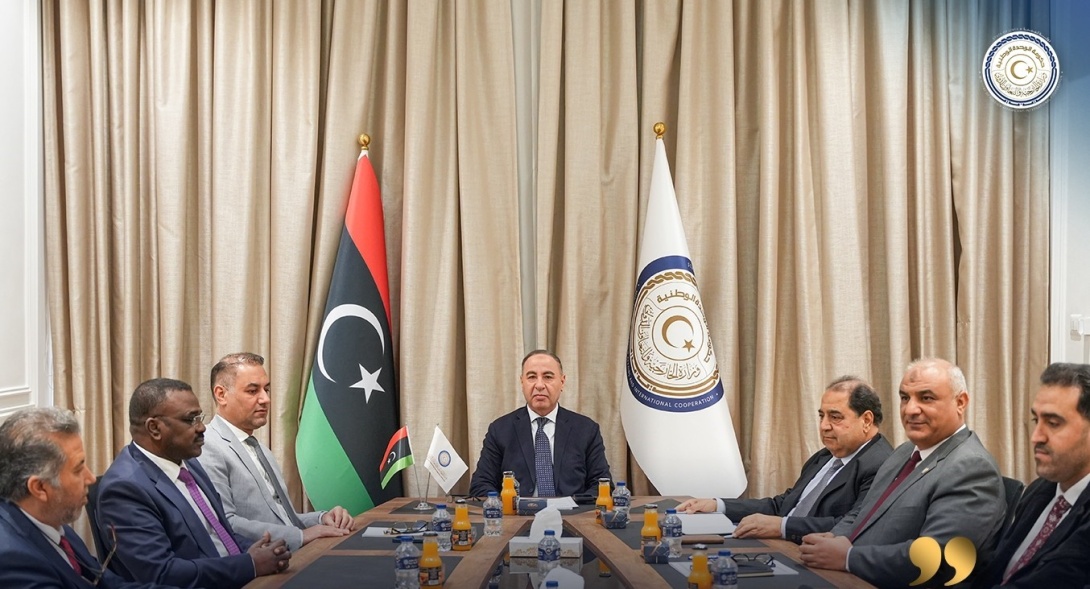
As has been customary in previous years, the system is expected to be reopened to citizens immediately after the annual closure procedures are completed and any new regulations (if any) are determined by the board of the Central Bank of Libya.
Impact of the Closure on the Market
Economic experts view this closure as unrelated to a shortage of reserves or a change in monetary policy, describing it as a purely “technical measure.” They note that the parallel market may see speculative activity during this temporary halt, especially given the unclear outlook regarding the fate of the dollar tax and personal use cards and their expected value.