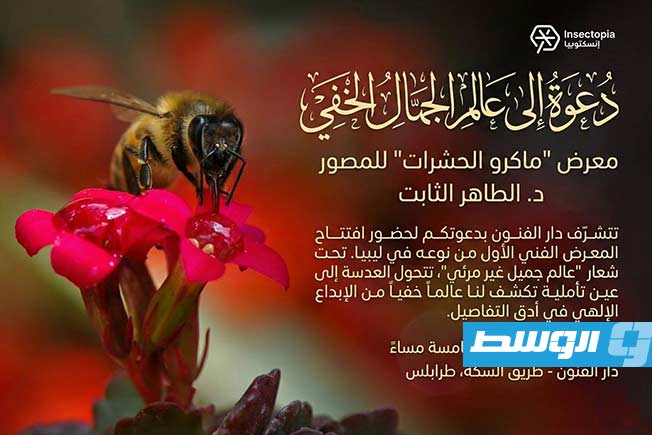
In a striking visual experience, the Dar Al Funoun (House of Arts) in Tripoli is hosting an art exhibition that offers a different, contemplative reading of the world of insects. Here, the photographic lens becomes a tool for revealing hidden aesthetics in the details of creatures long associated with fear or aversion.
The exhibition highlights the aesthetic and intricate dimension of insects, presenting them as complete worlds that reflect divine creativity, inspire awe, and invite the visitor to reconsider their relationship with nature from an angle of respect and awareness.
Through the displayed works, the exhibition opens the door to contemplating the vital role these creatures play in preserving environmental balance and biodiversity, affirming that beauty may reside in the finest and most concealed details.
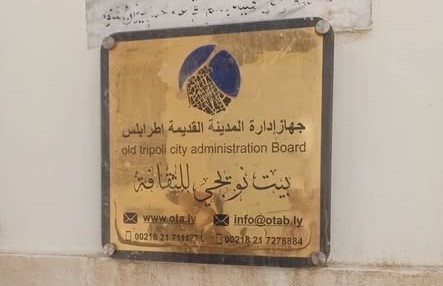
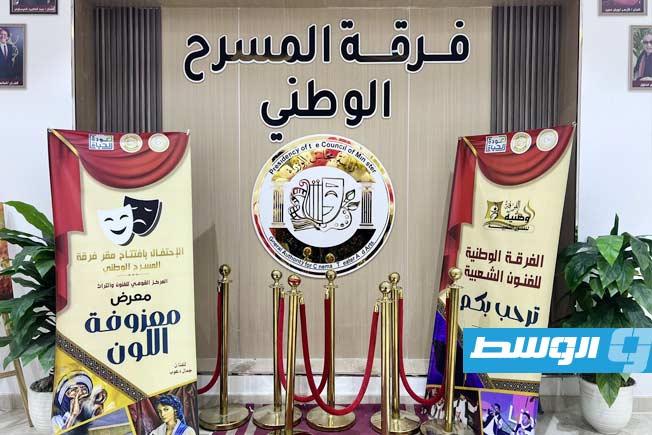
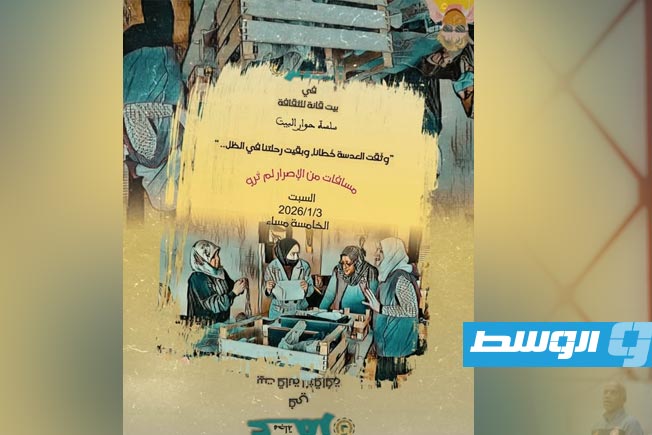
The exhibition will be held on Saturday, January 3, 2026, at 5:00 PM at the Dar Al Funoun on Al Sikka Road in the city of Tripoli, inviting the public to embark on an artistic experience that blends art, contemplation, and environmental awareness.