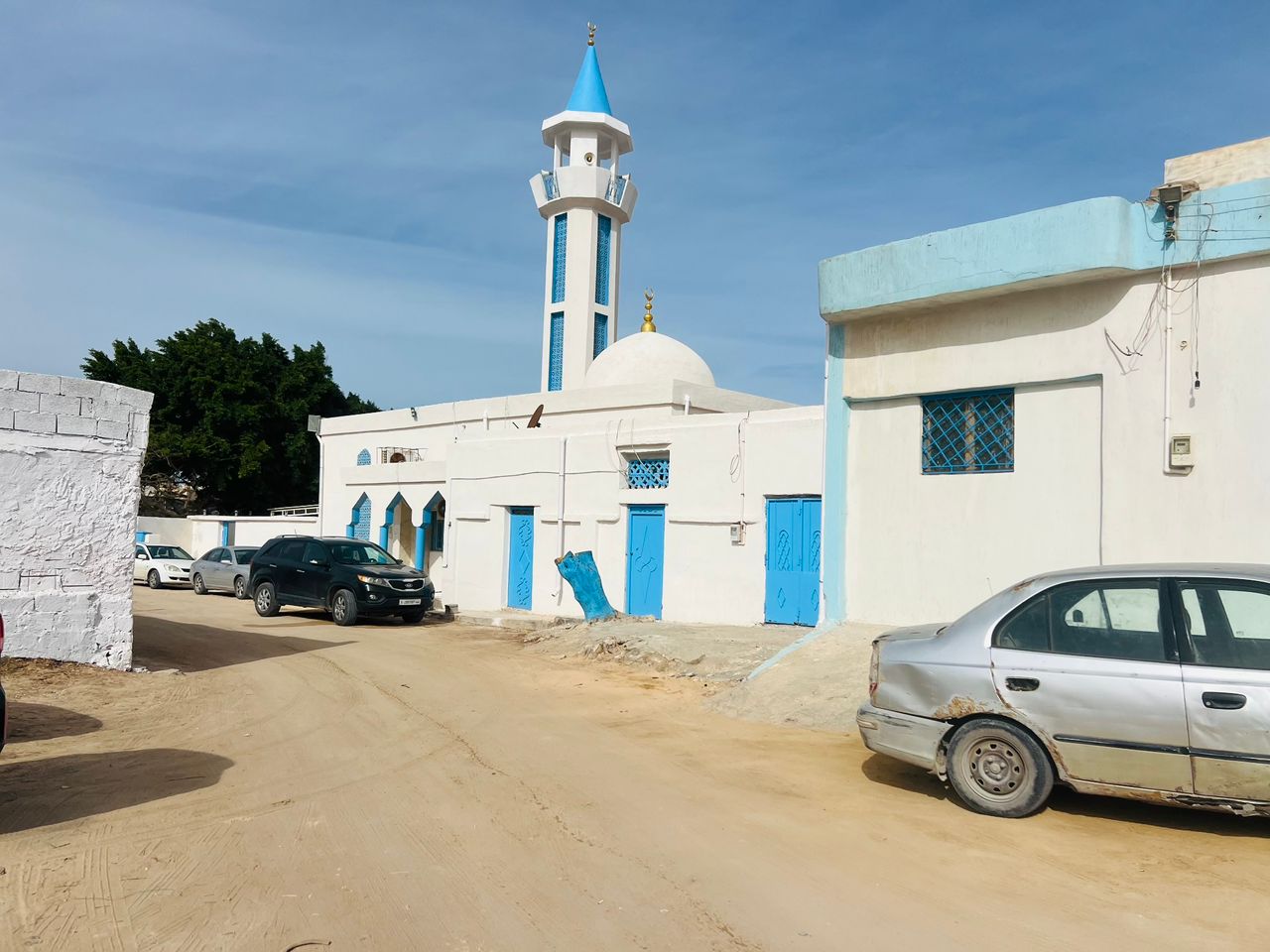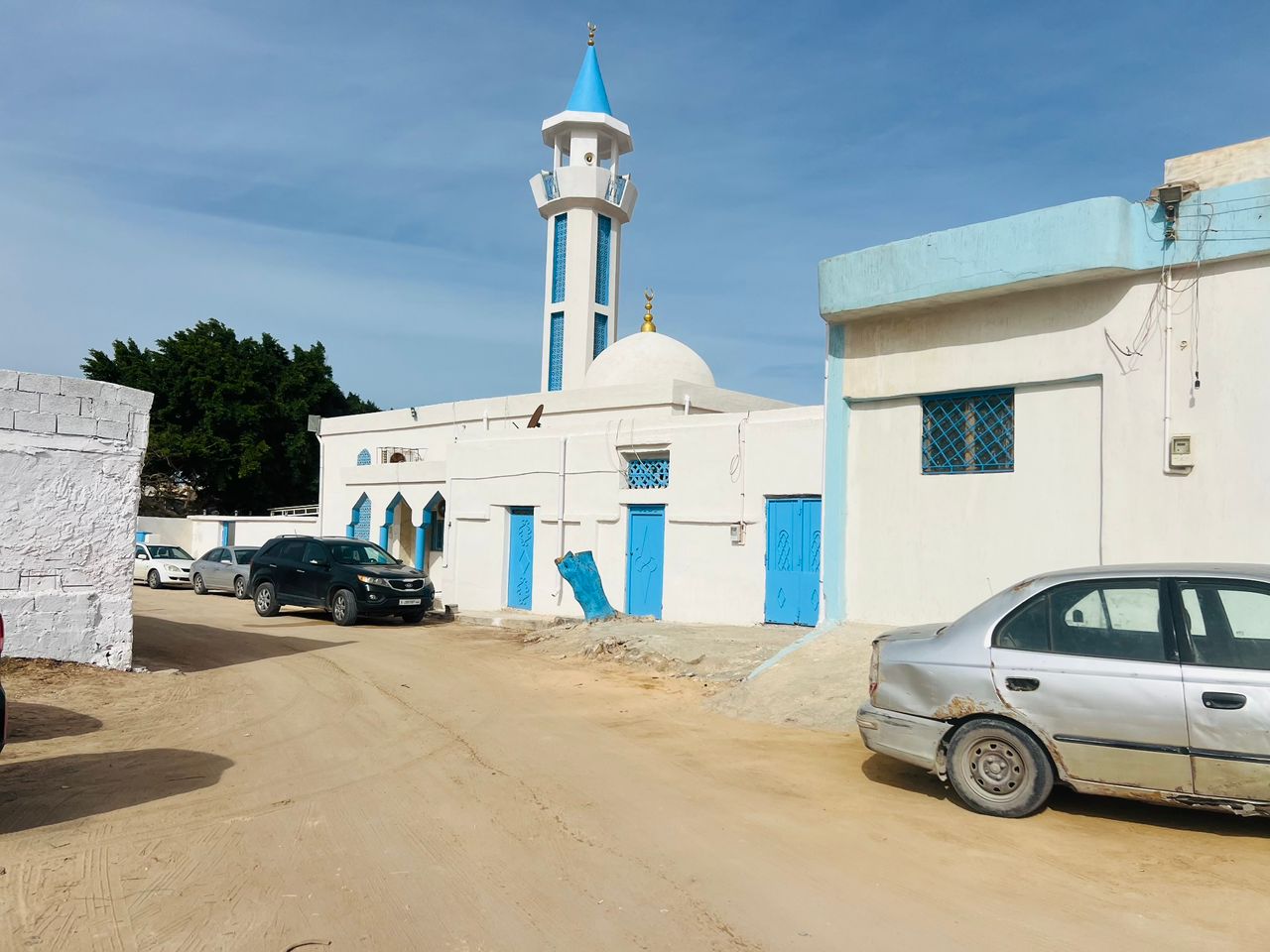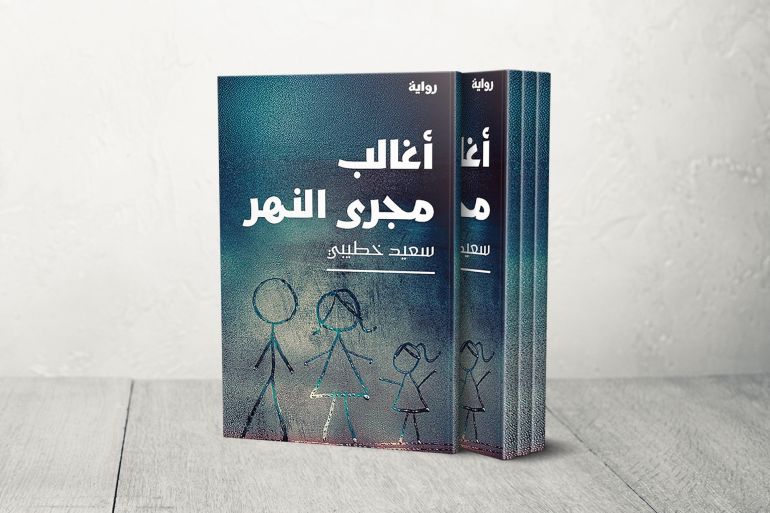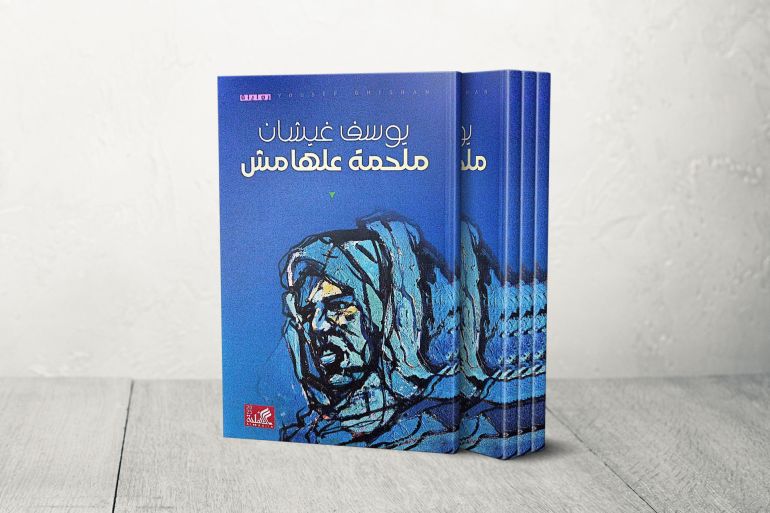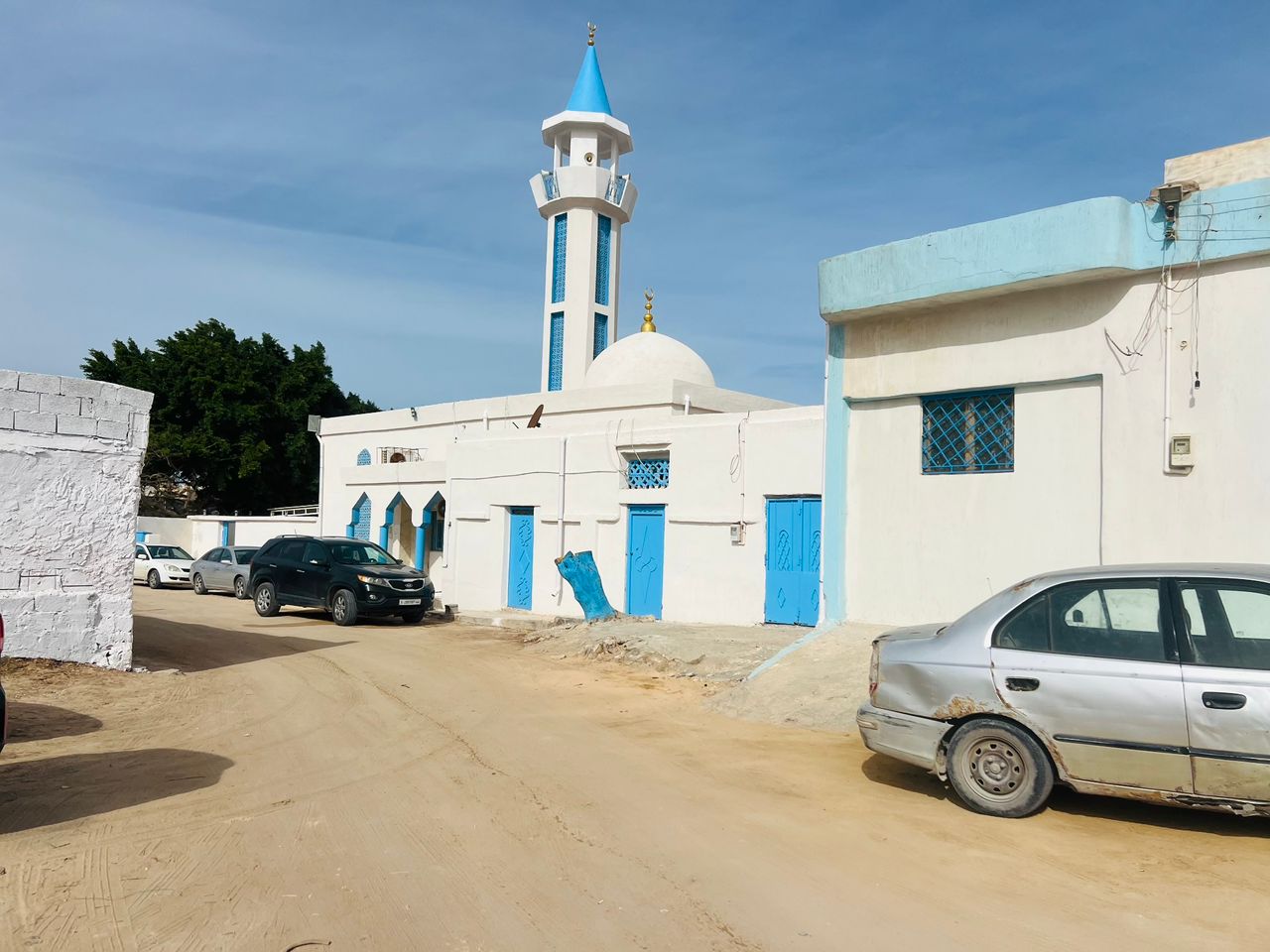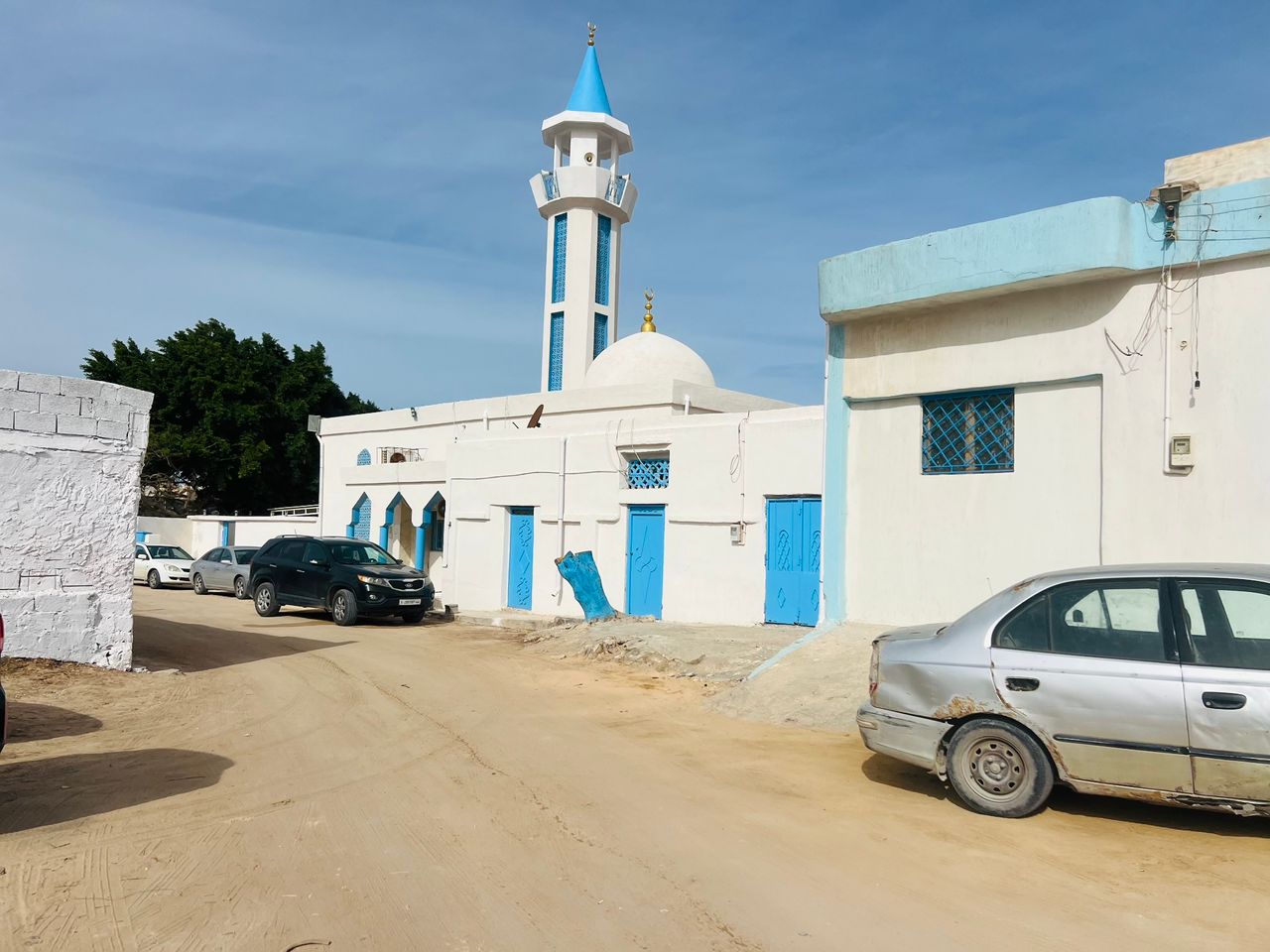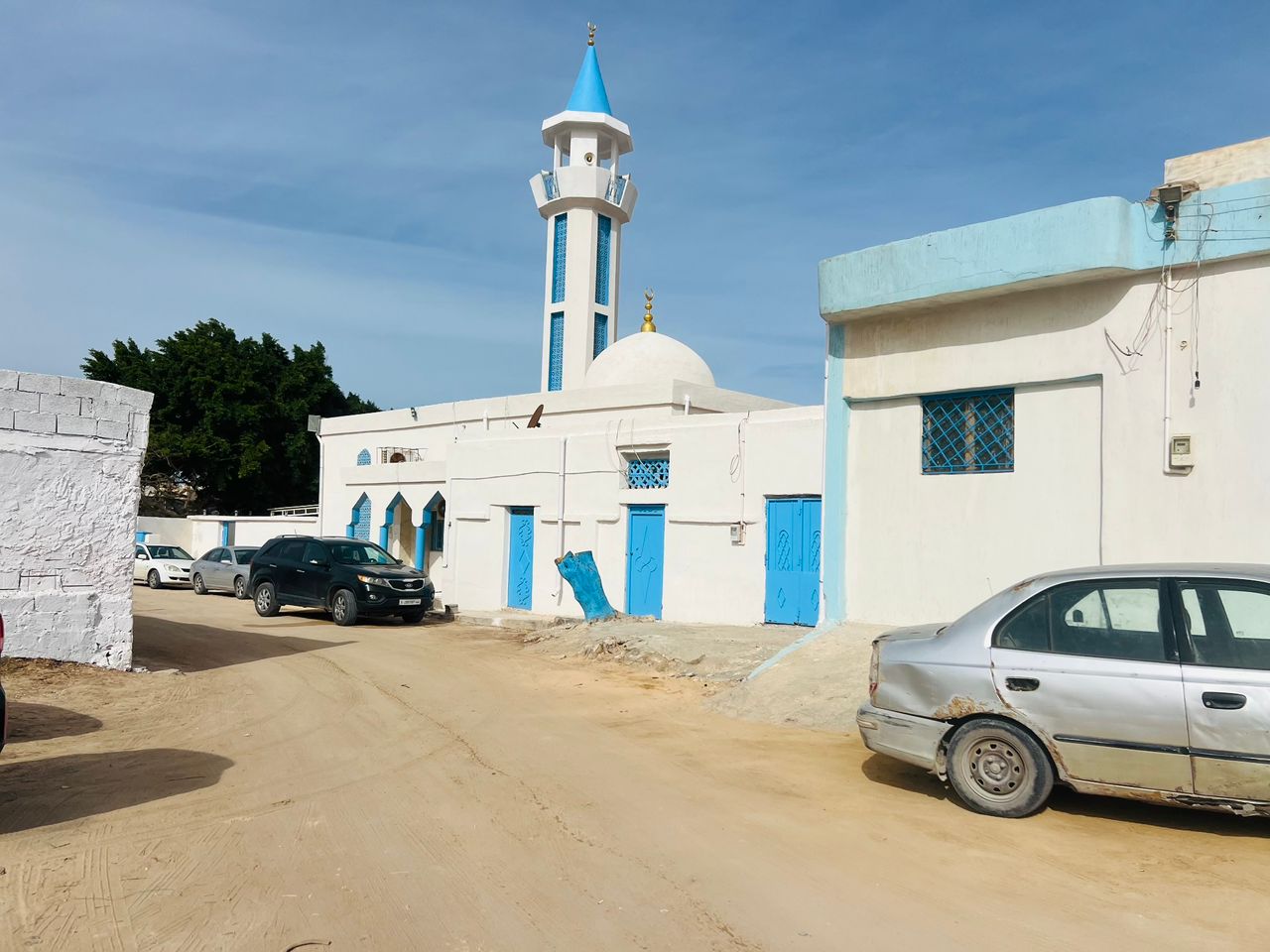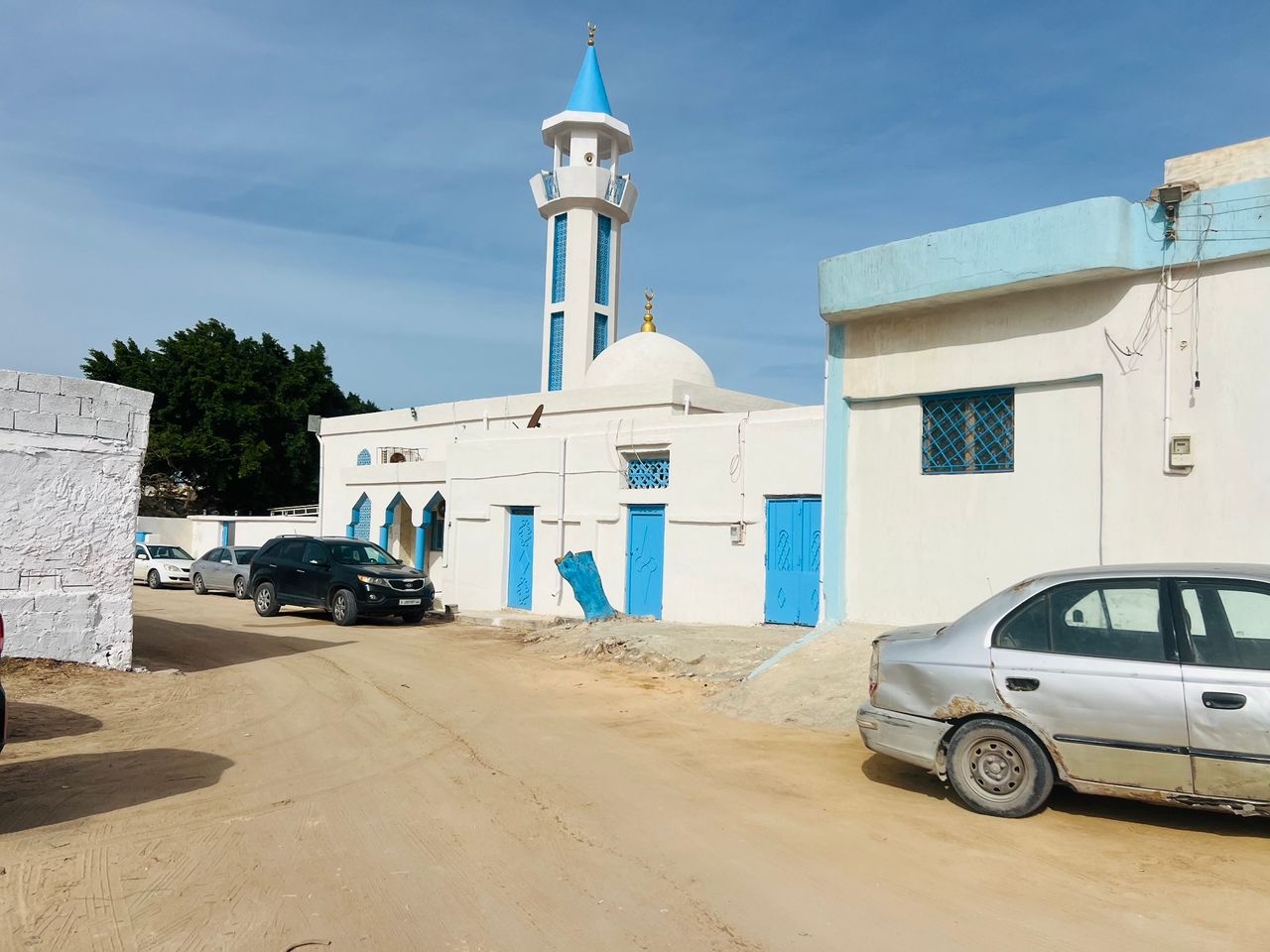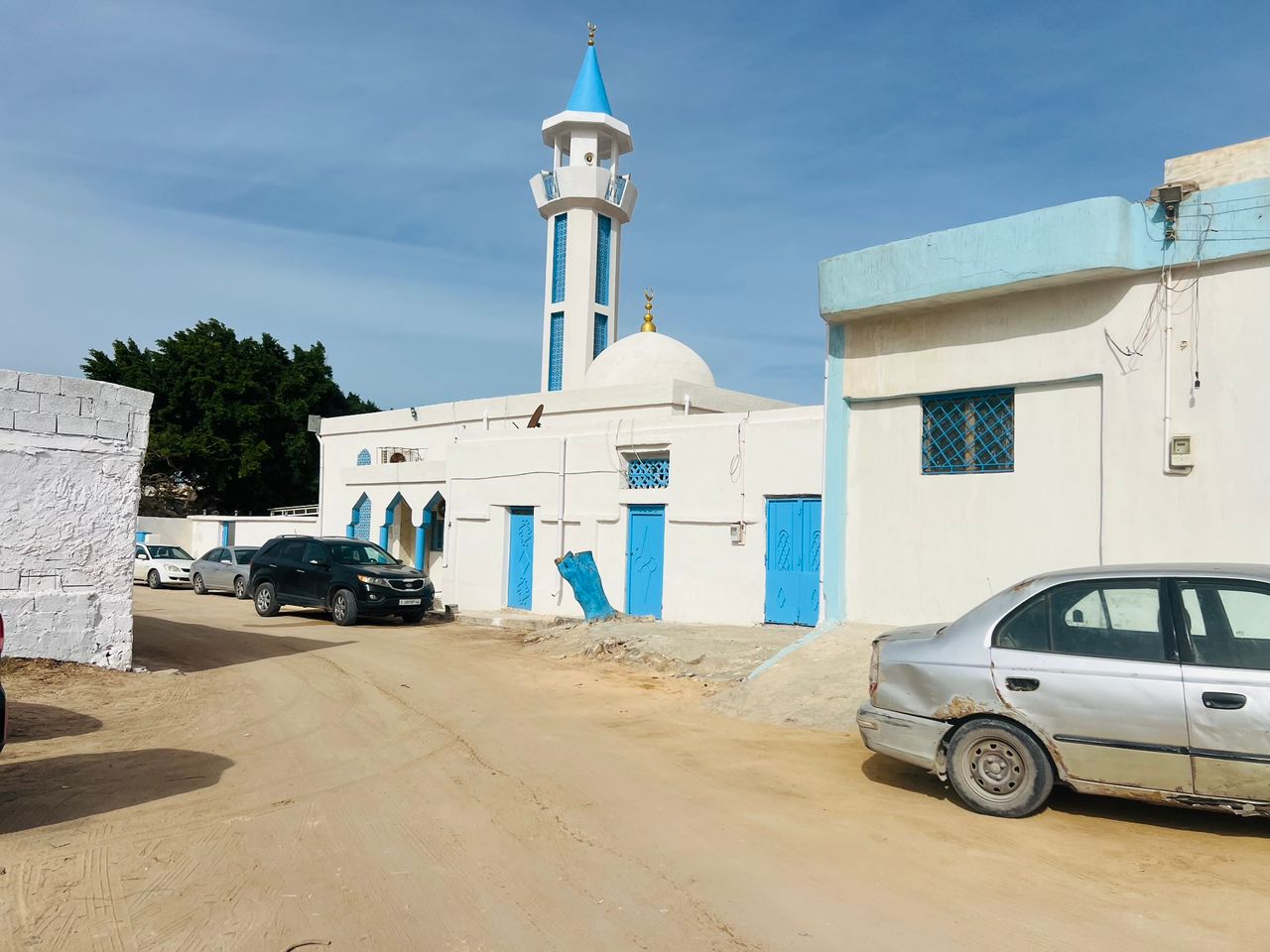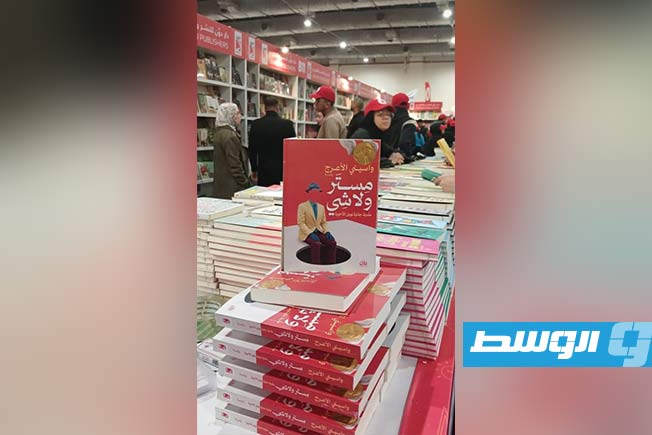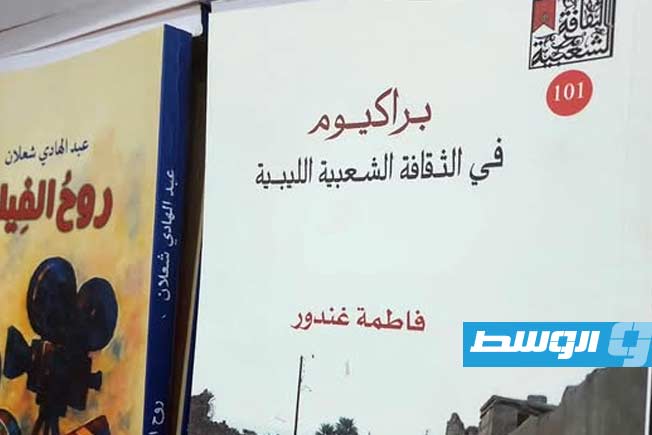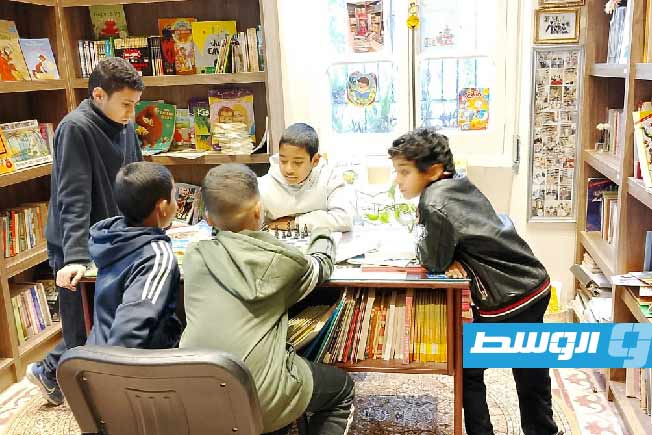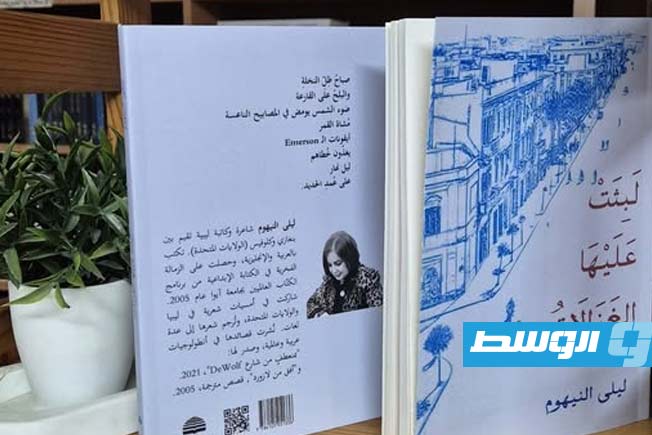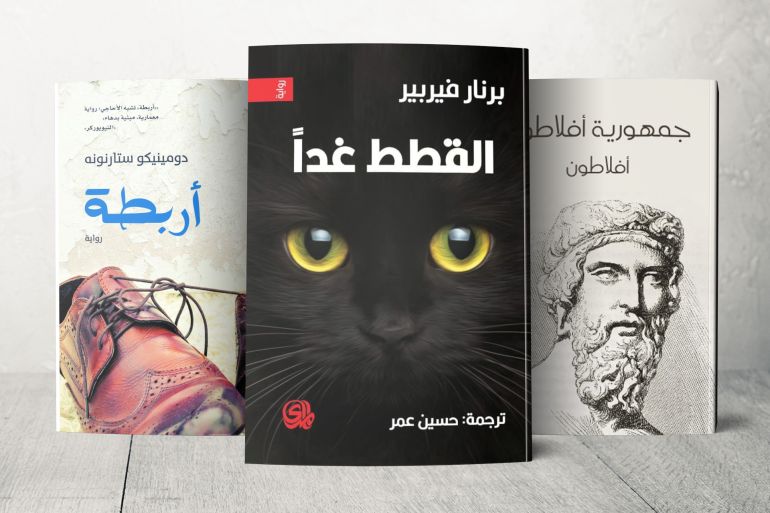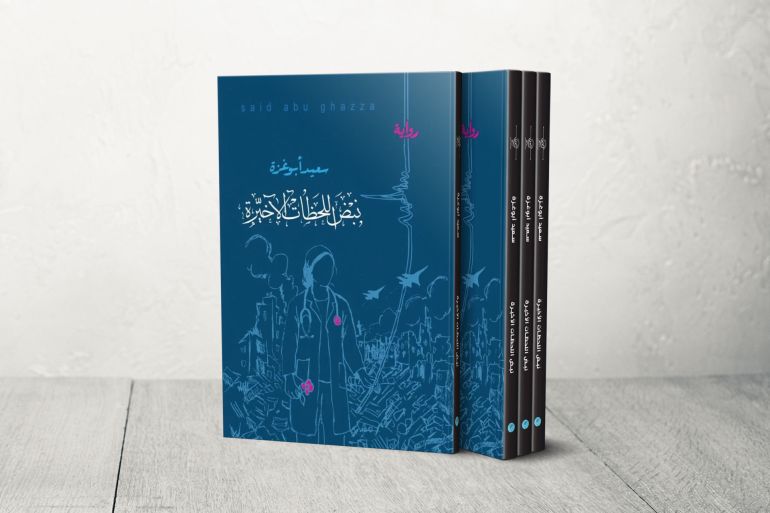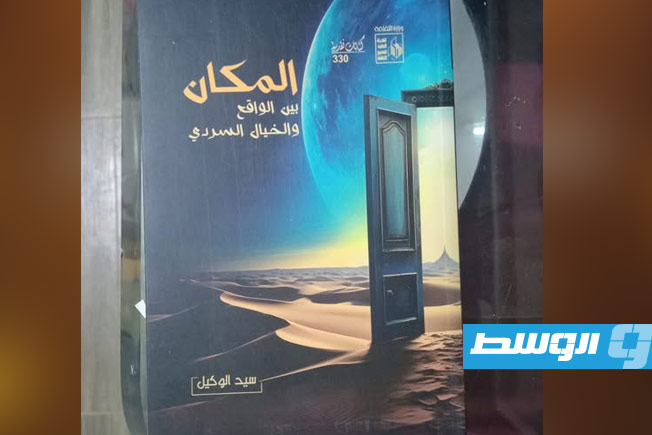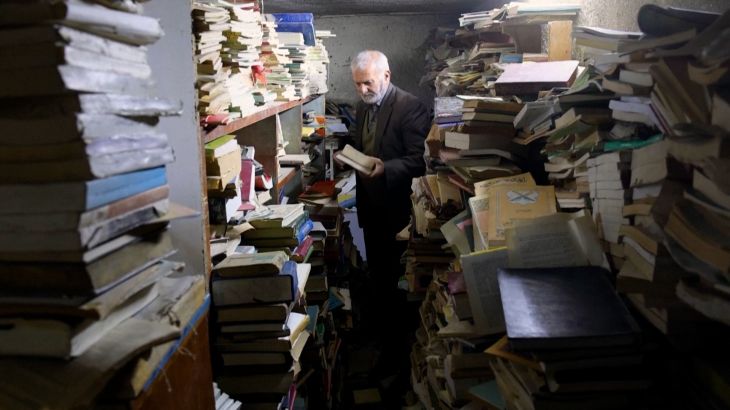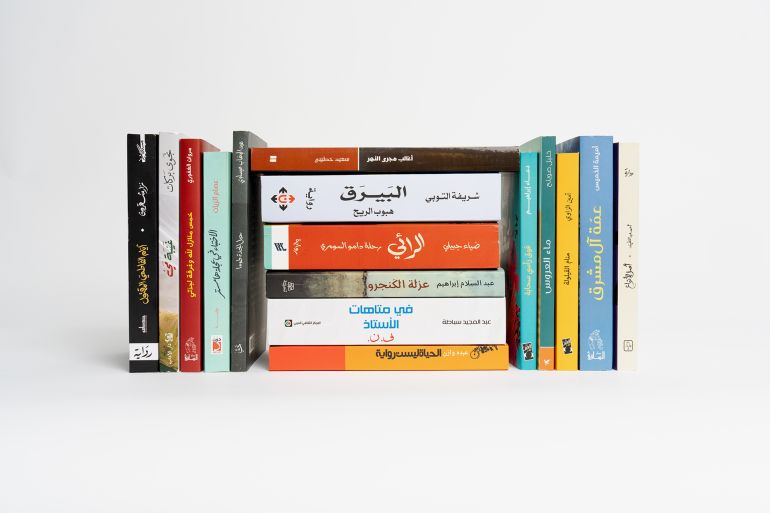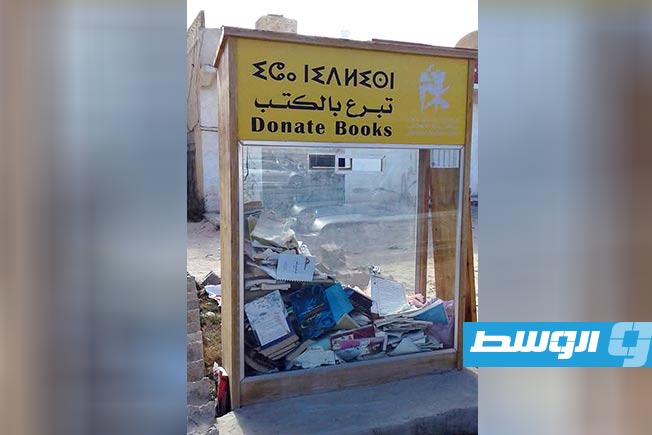
A remarkable initiative has appeared in the city of Zuwara, involving the placement of a dedicated container for collecting old and used books, creating a simple yet profoundly meaningful cultural scene. This container was not just a box for books, but an open space for exchanging knowledge and reviving people’s relationship with reading outside of formal frameworks.
Many homes hold books that are no longer read, piling up on shelves or in drawers, while others lack the opportunity to access them. This is where the importance of this initiative lies, as it recycles knowledge and gives books a new life in different hands, which may find within their pages something that opens a new horizon or changes an entire path.
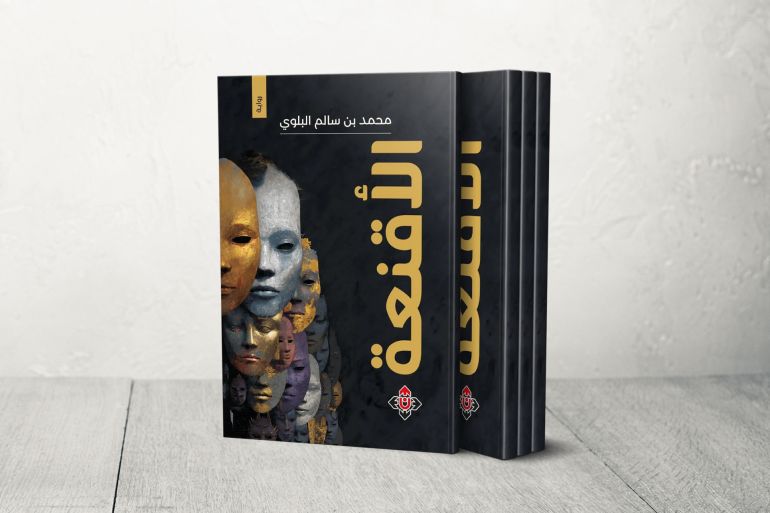
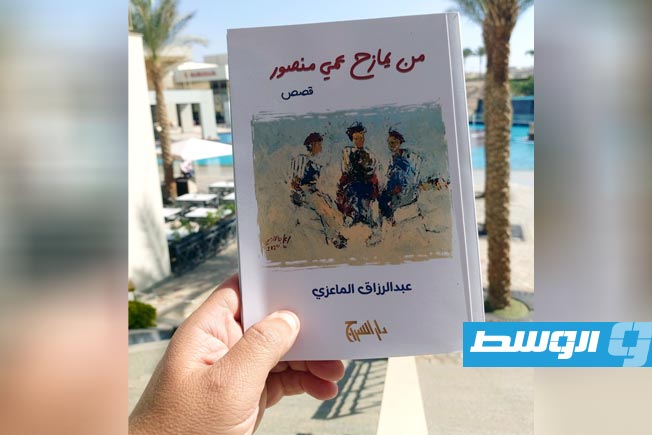
Personal experience confirms the success of the idea, as a large number of diverse books have been utilized, reflecting the richness of the content and the value of community participation. The initiative, while appearing individual or limited, holds great potential for replication in other Libyan cities, especially given the growing need for simple, implementable cultural projects.
Such phenomena foster a culture of giving and confirm that spreading knowledge does not always require large institutions, but rather collective awareness and a belief in the role of books in building the individual and society.