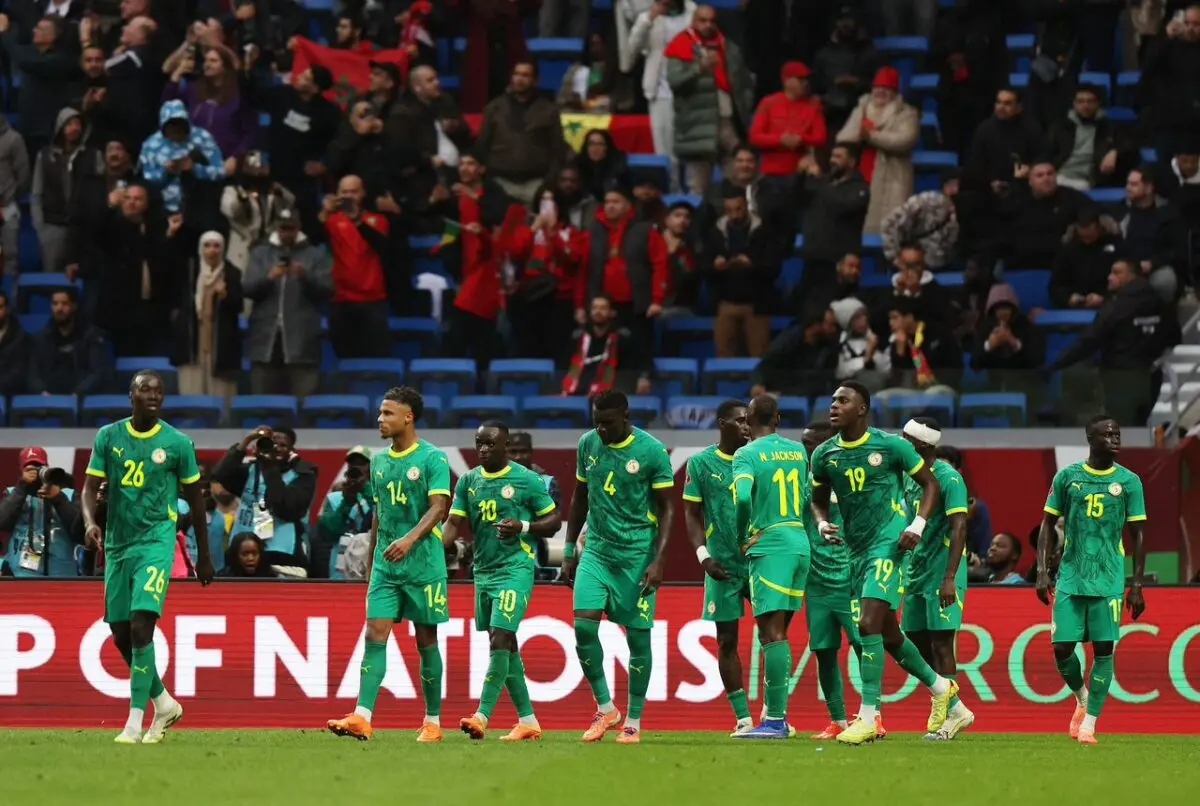
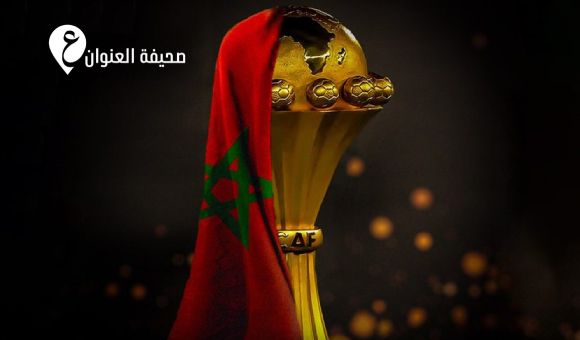
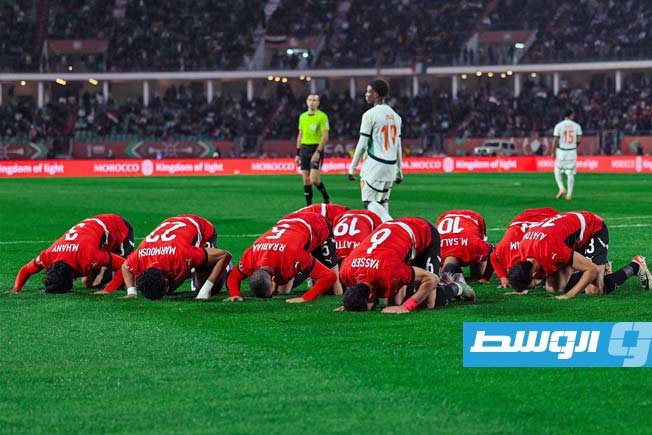
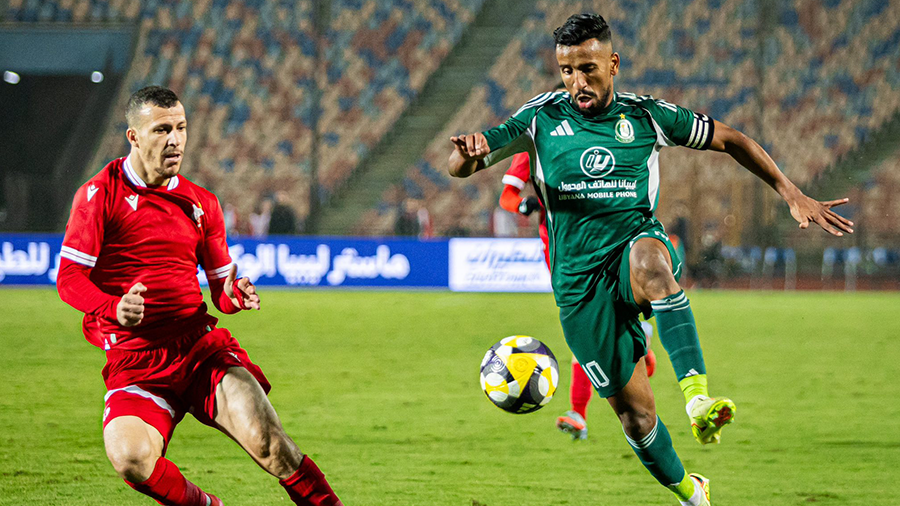
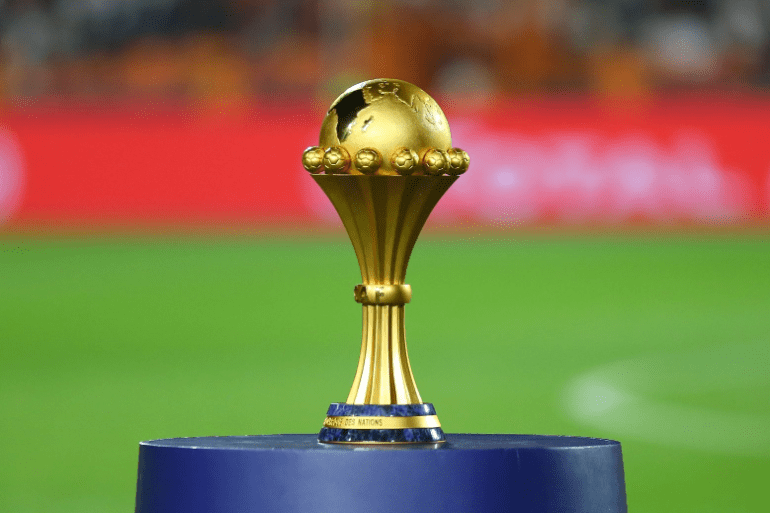
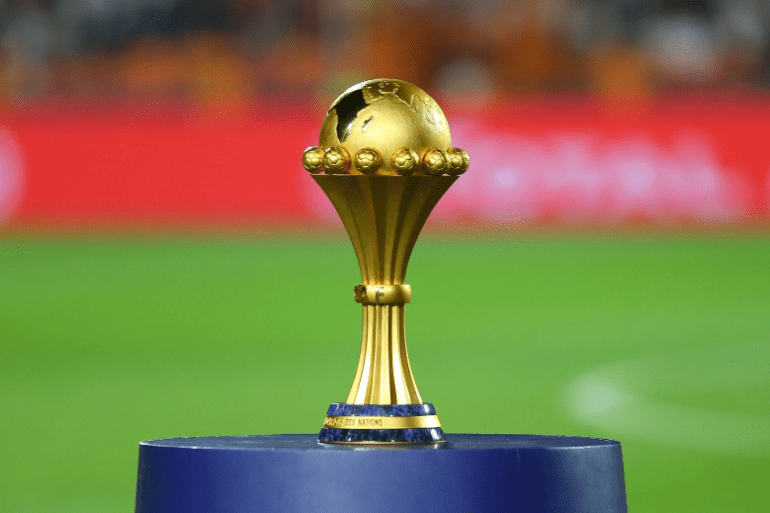
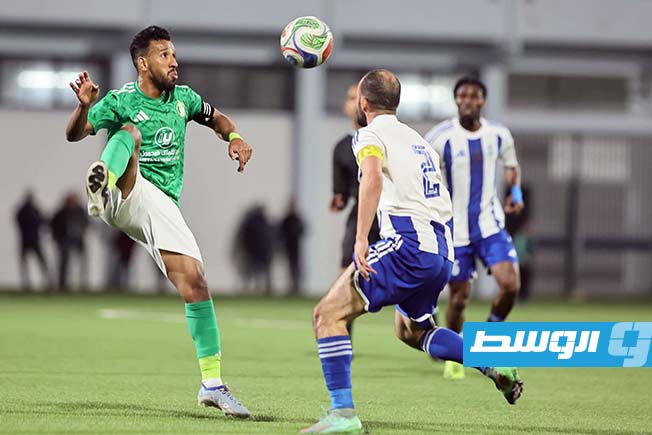
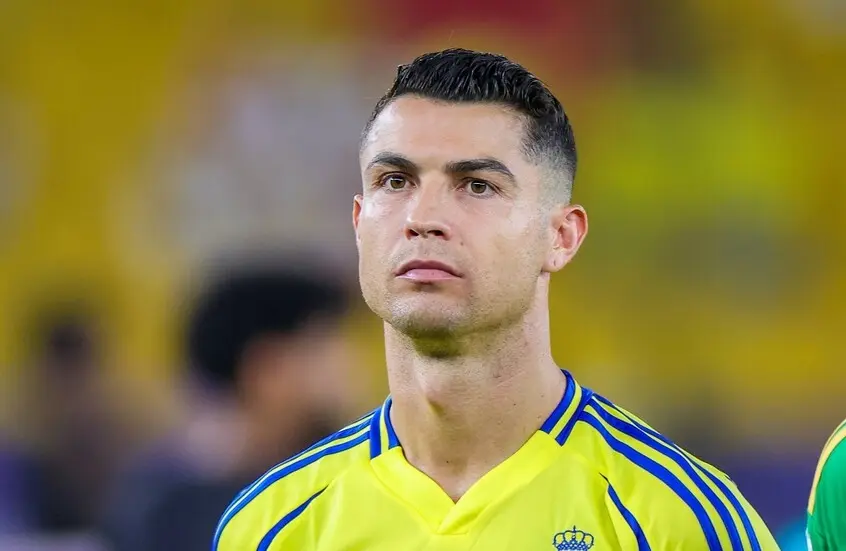
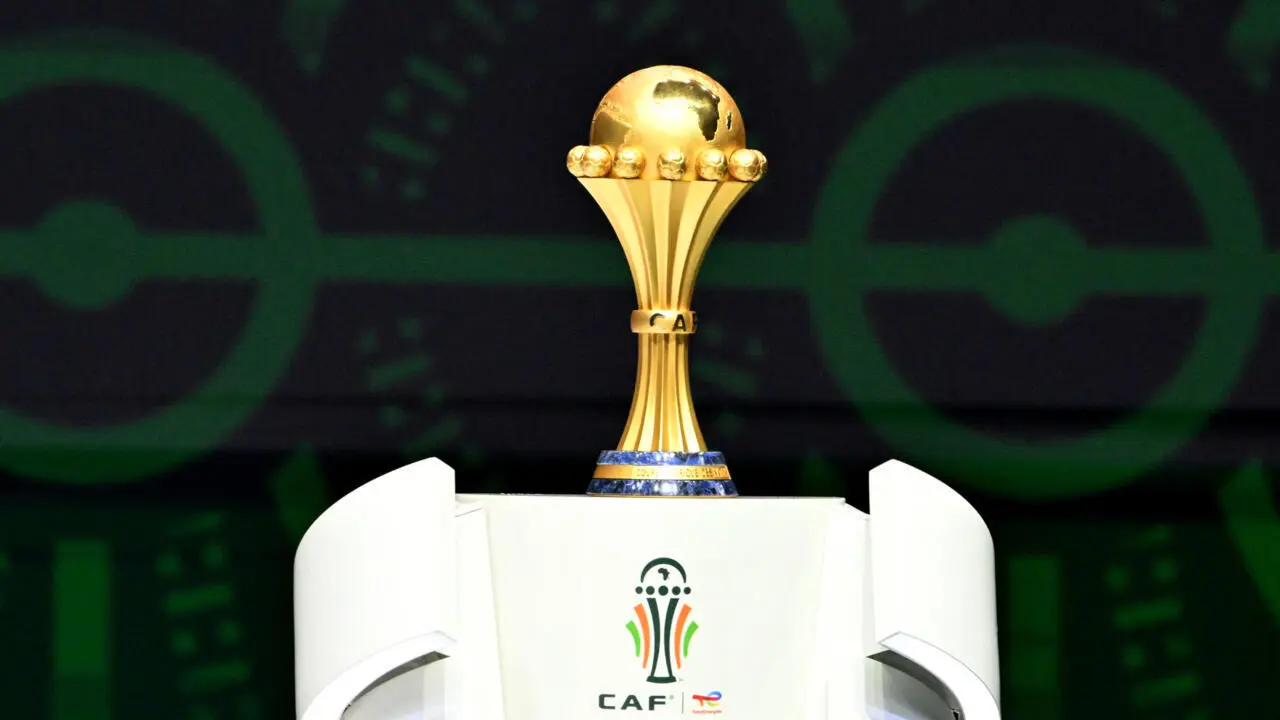
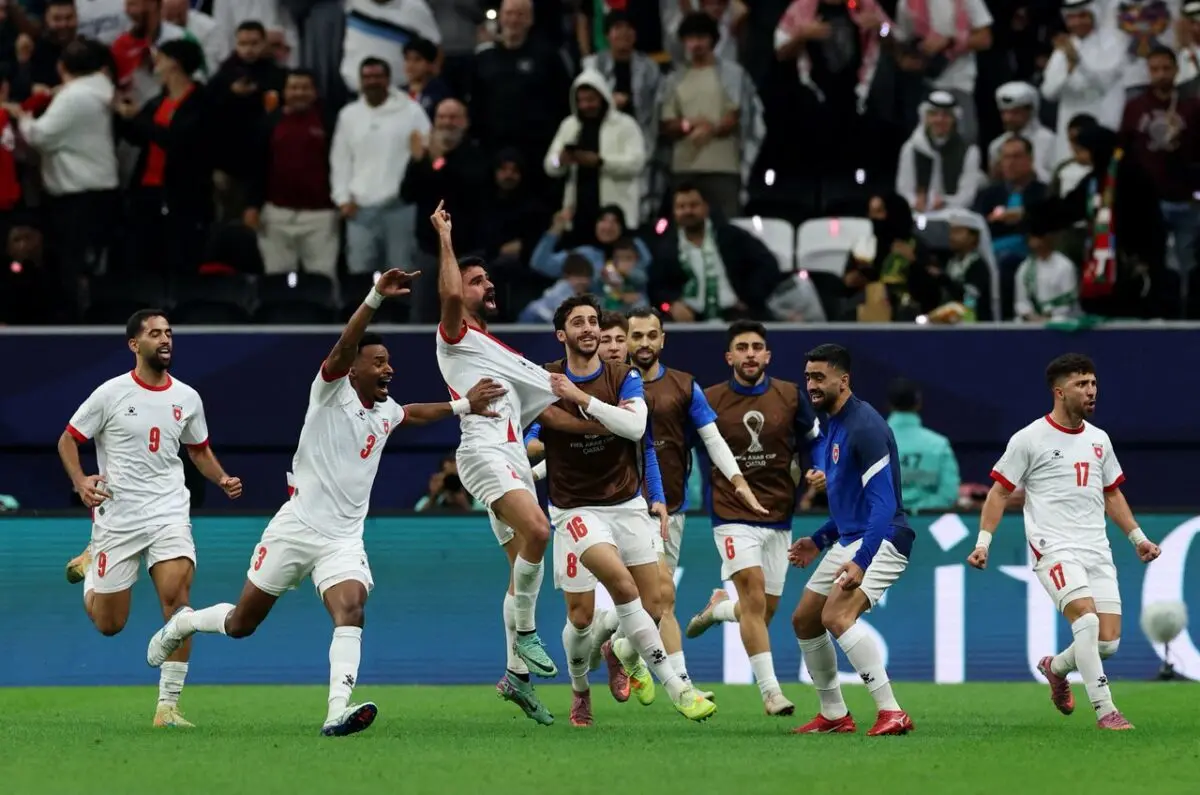
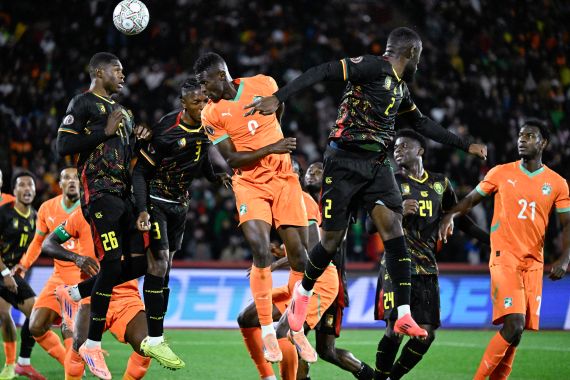
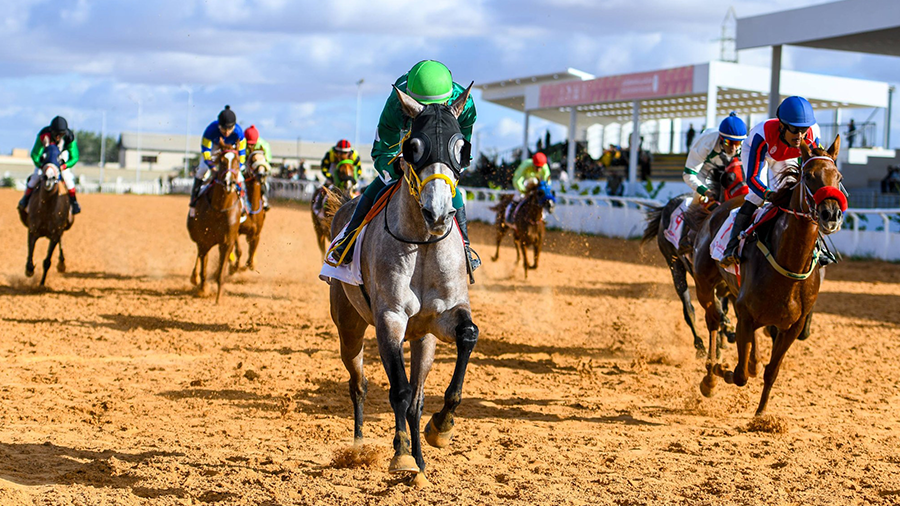
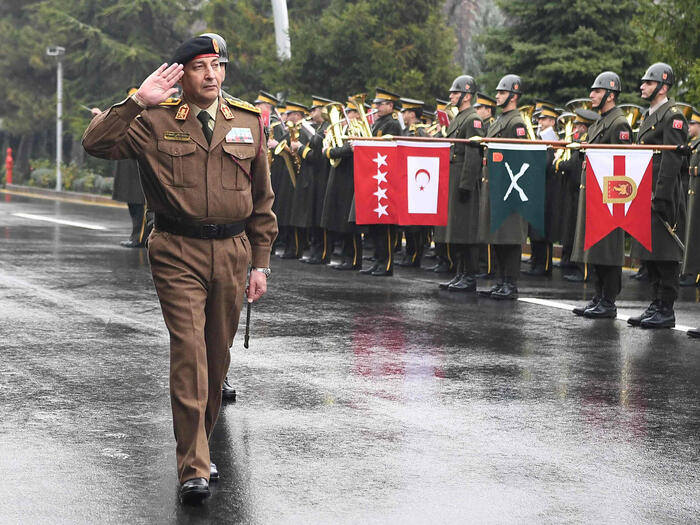
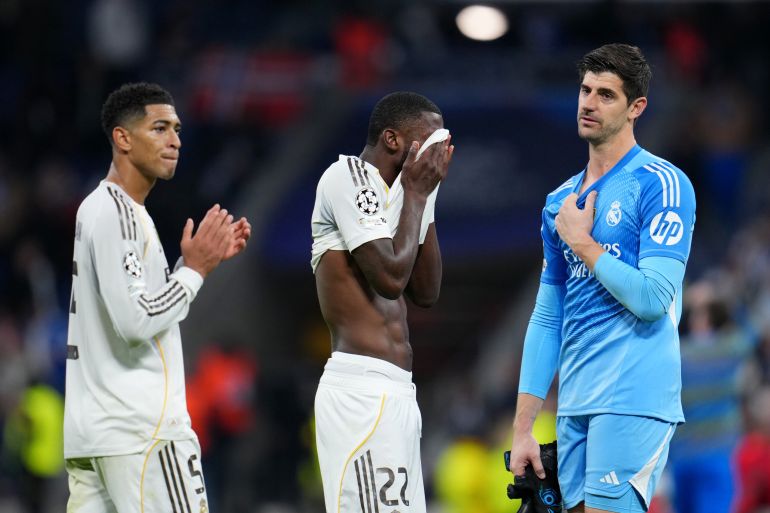
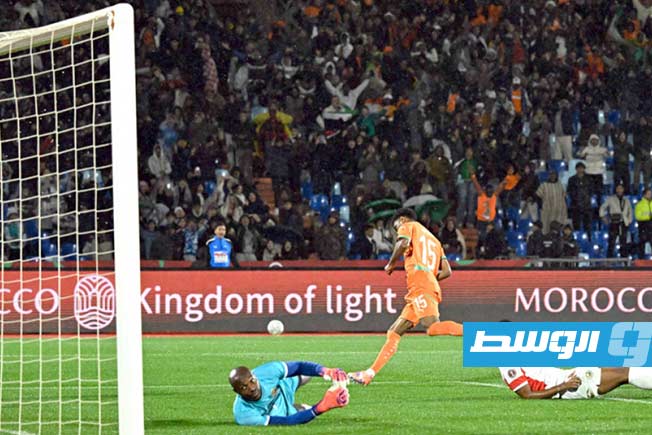
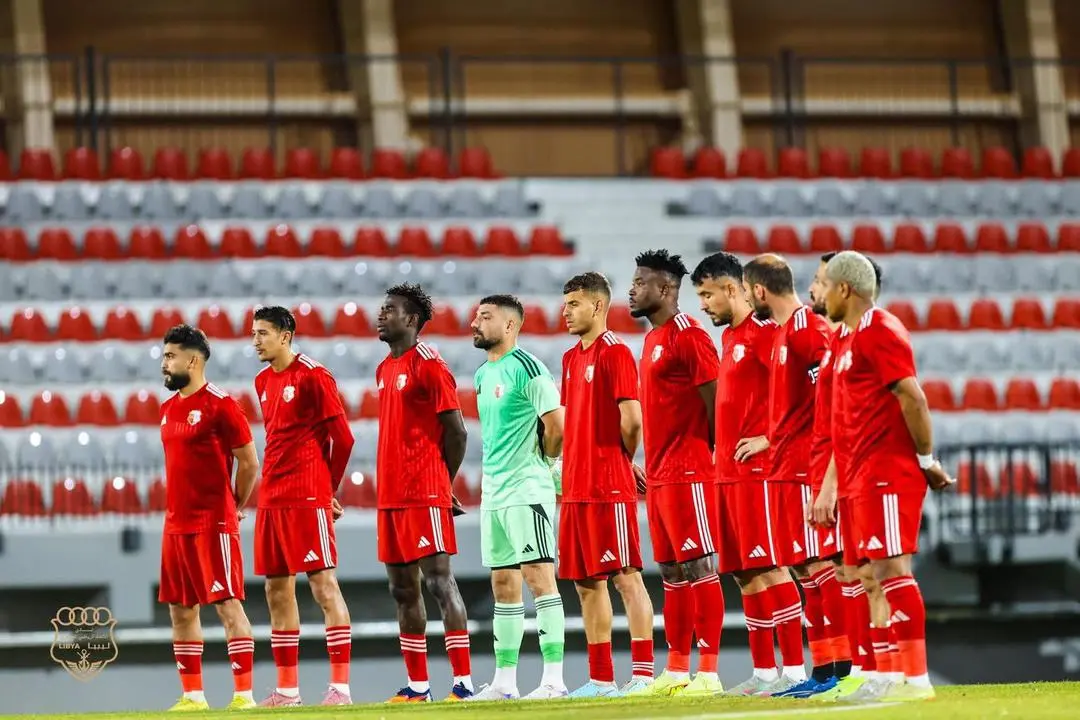
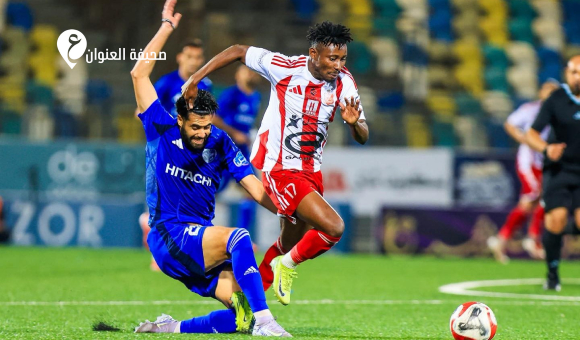
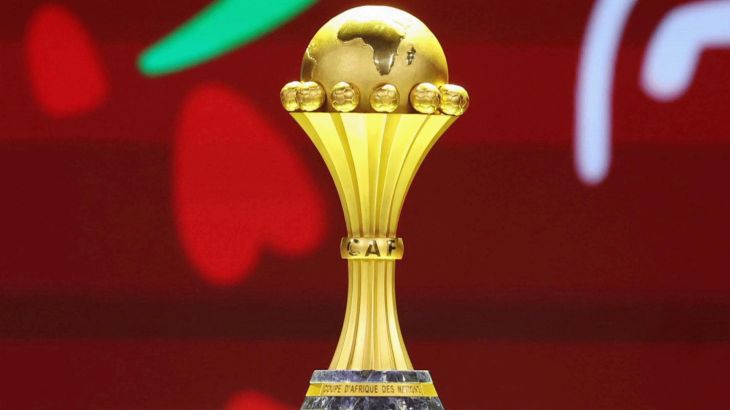
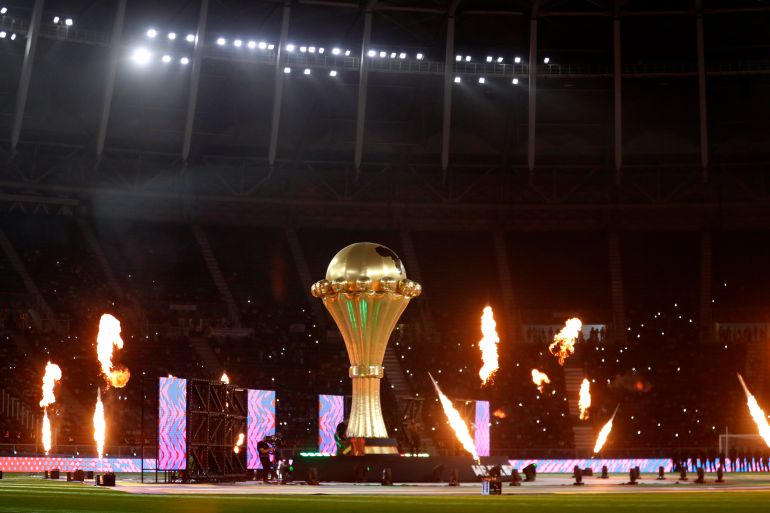
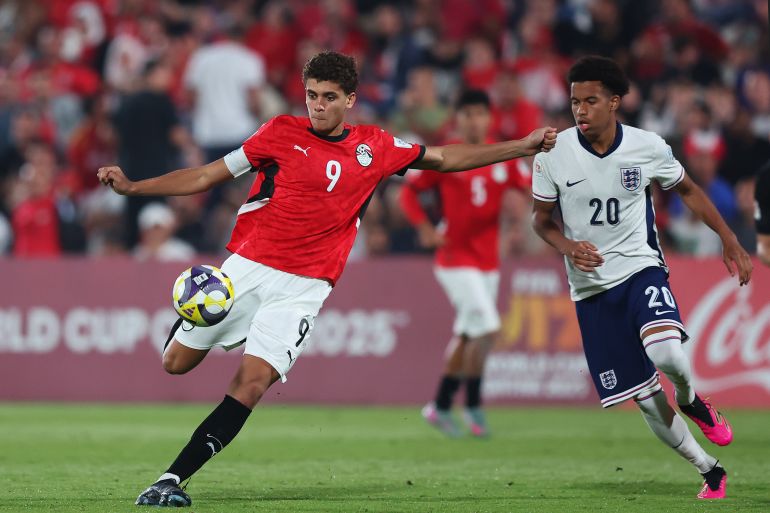
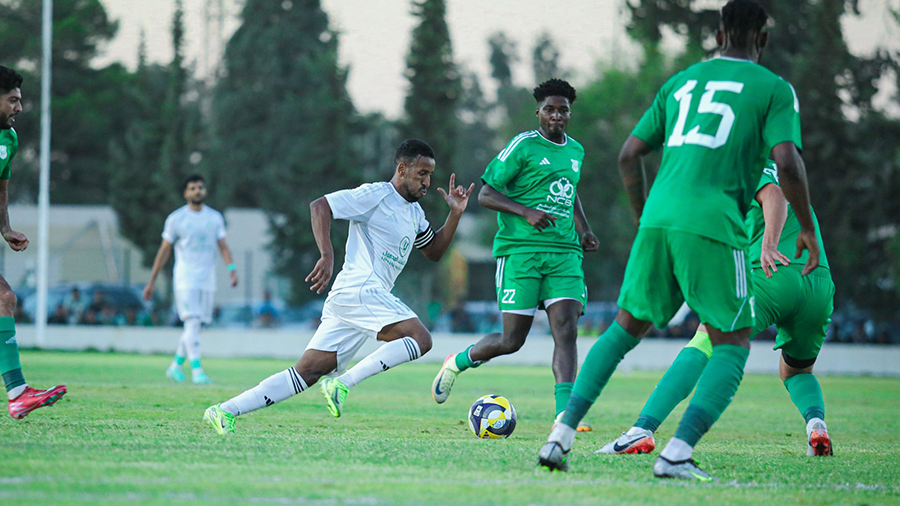
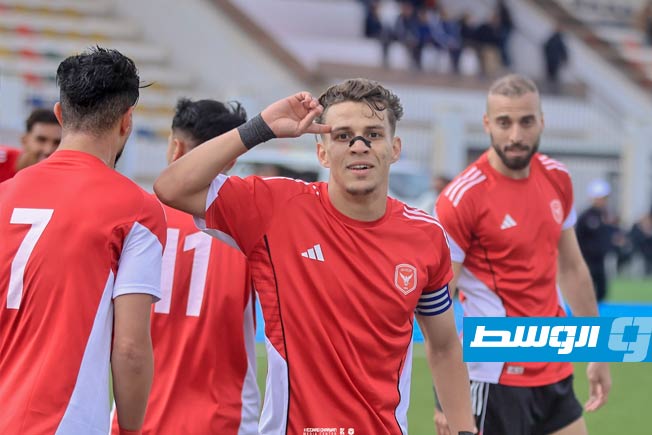
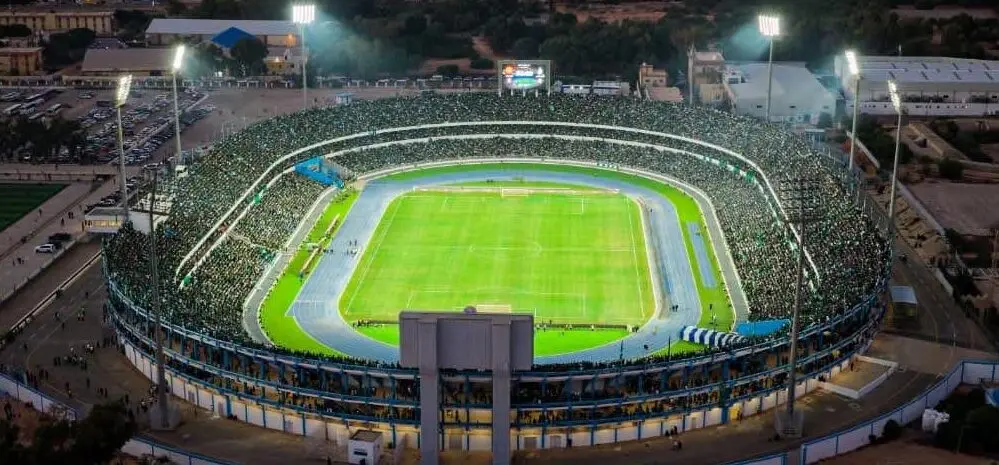
The host nation, Morocco, and Senegal, the top contenders for the Africa Cup of Nations title, are aiming to secure their spots in the round of 16. Meanwhile, Egypt, Nigeria, and Algeria have already guaranteed their progression, giving them a chance to rest some players during the final third round of group stage matches scheduled from Monday to Wednesday.
In addition to the top two teams from each of the six groups, the four best third-placed teams will also qualify, providing a significant safety net for favored teams that didn’t start the tournament perfectly.
Morocco… Top Spot Within Reach
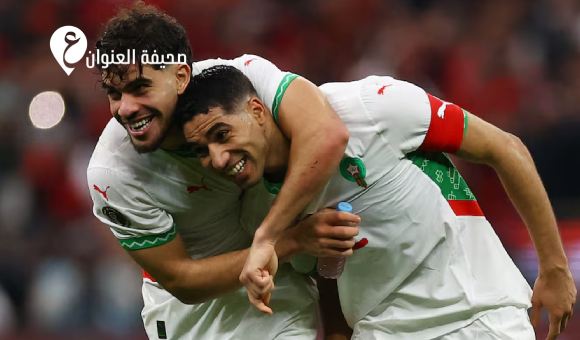
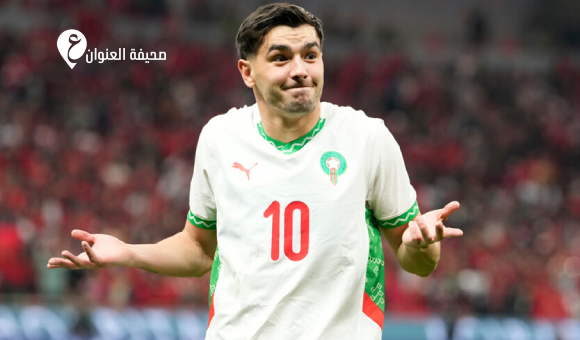
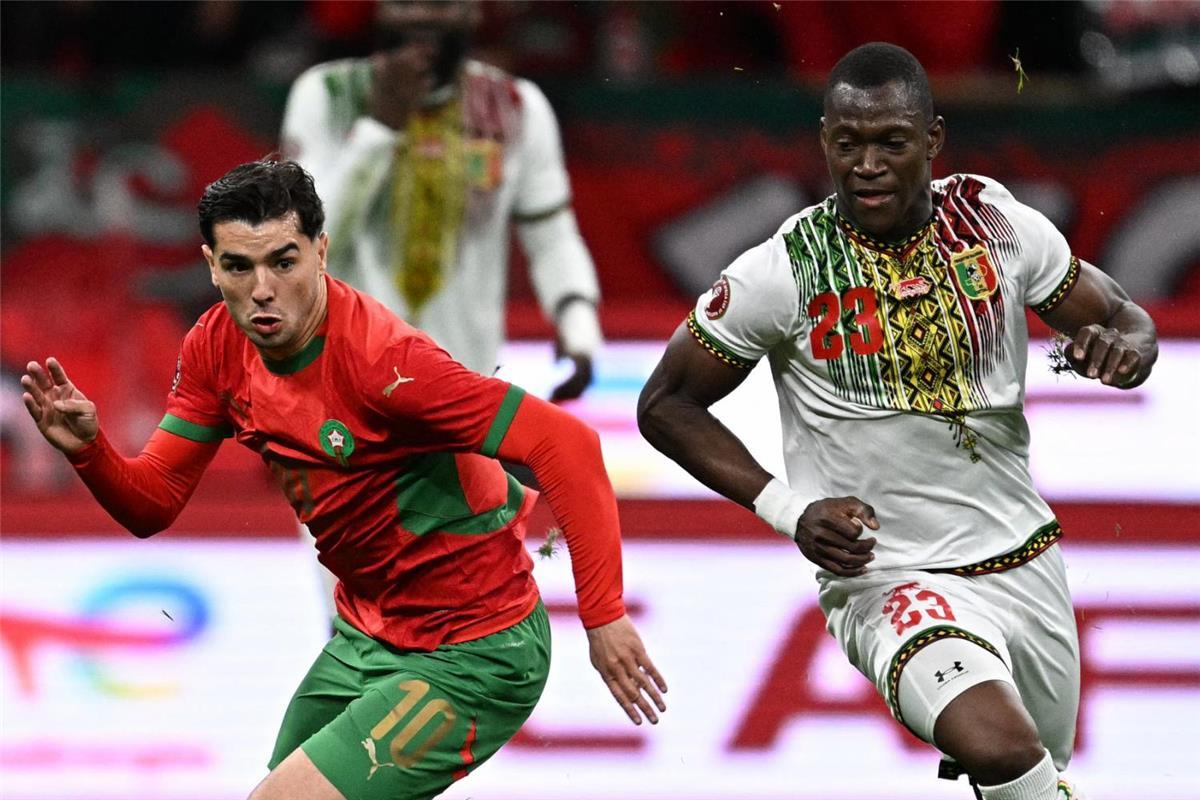
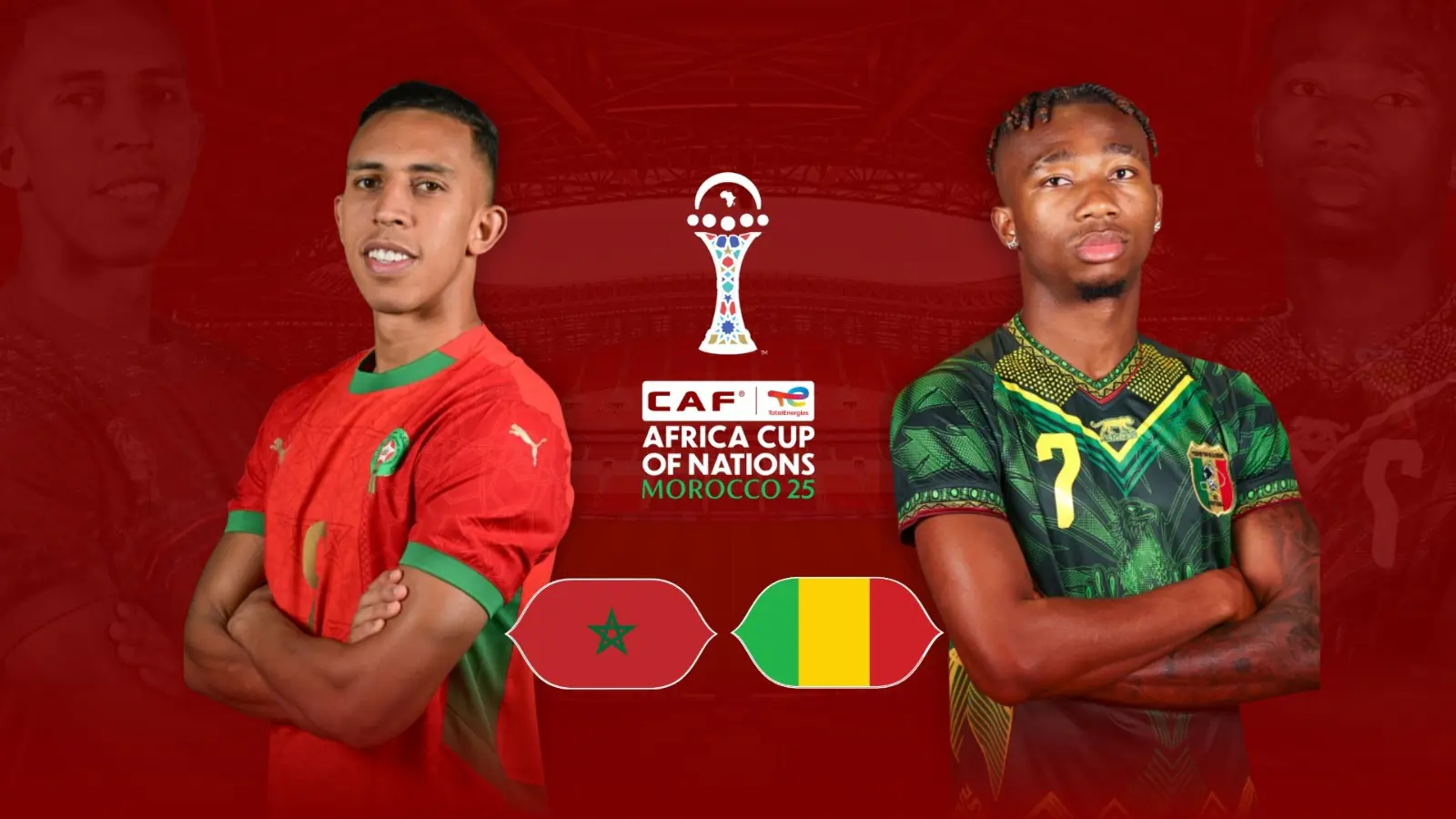
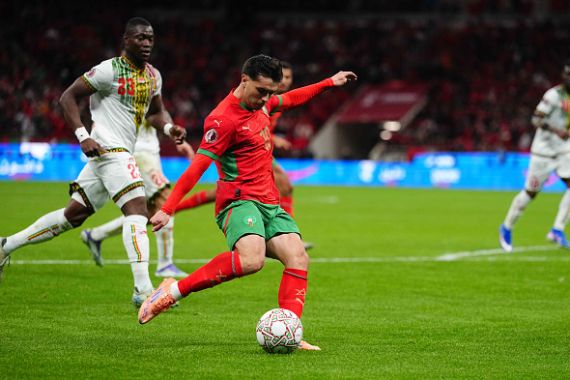
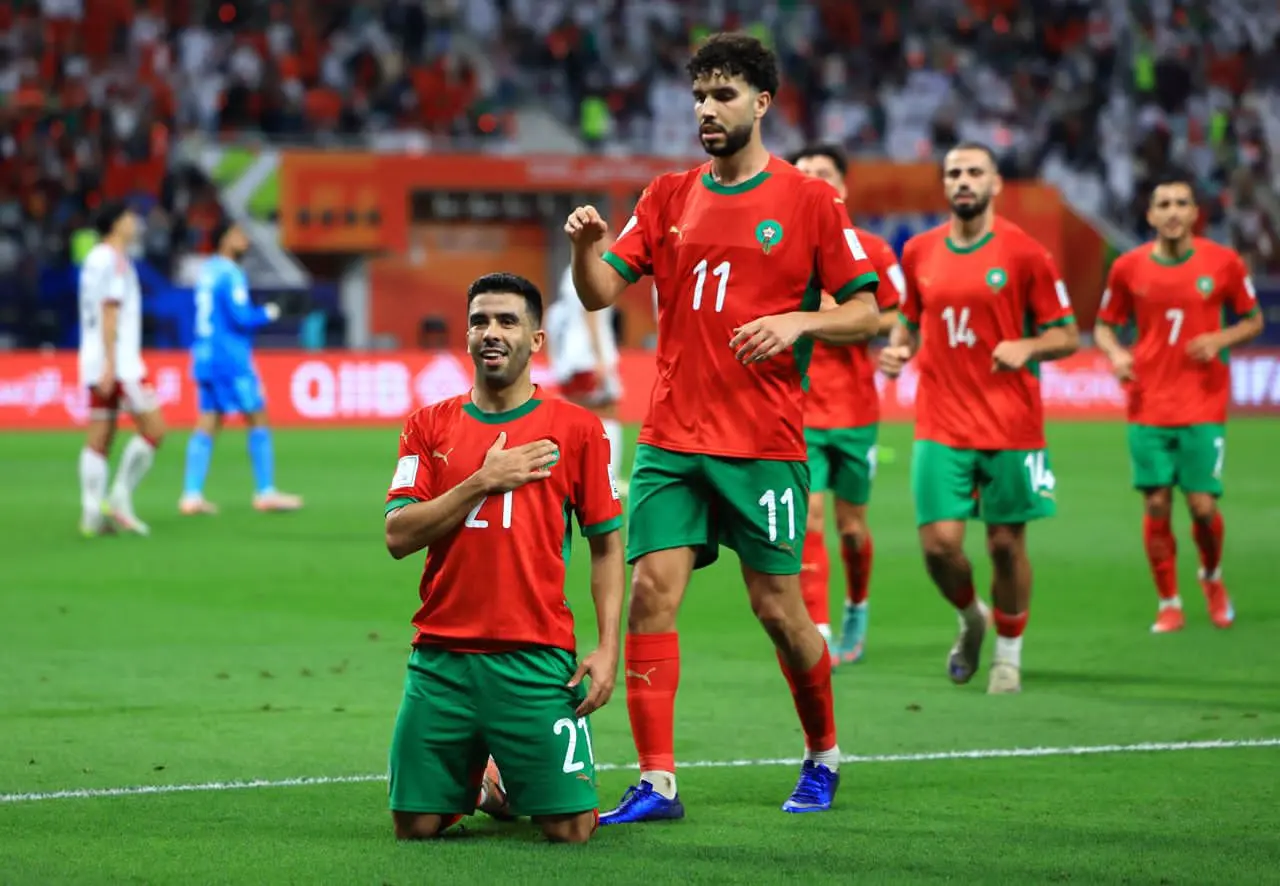
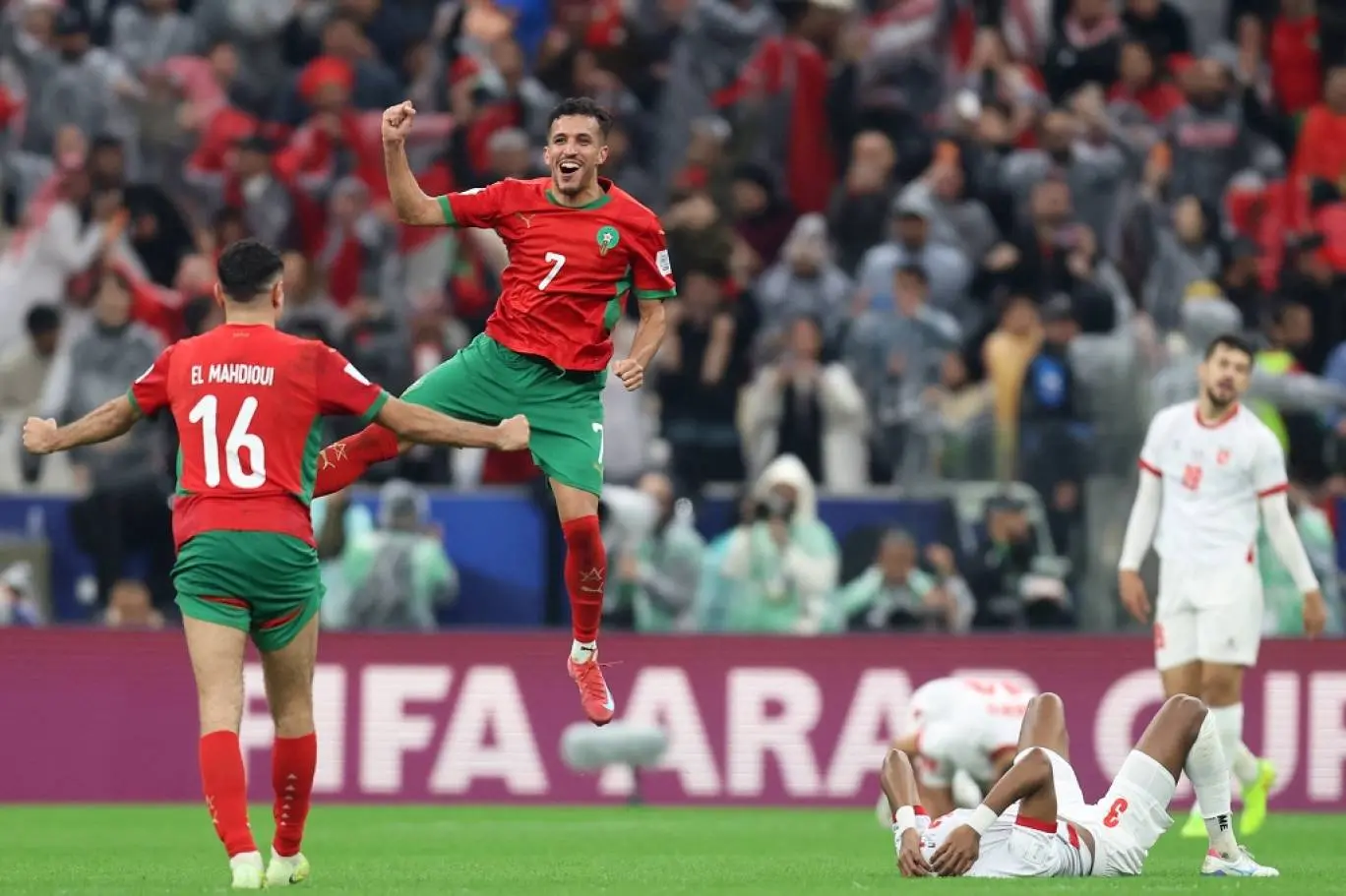
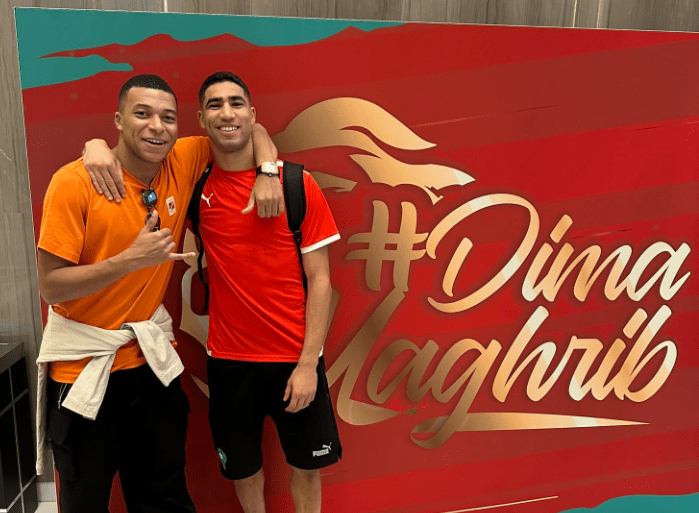
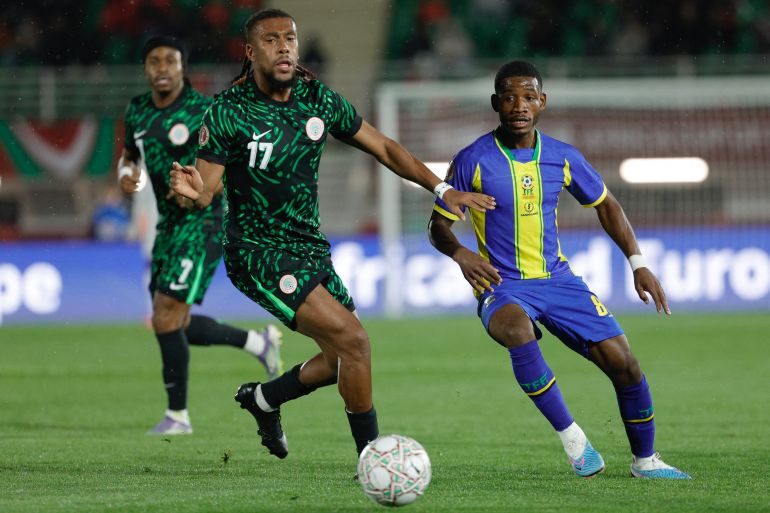
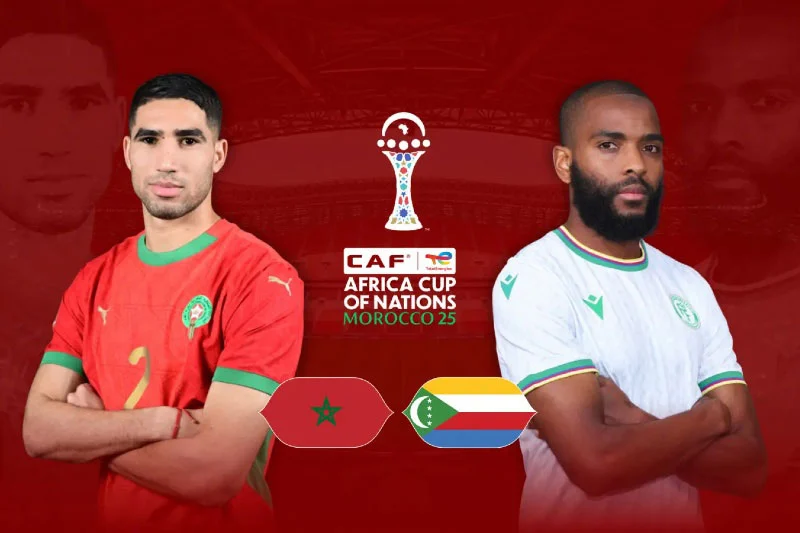
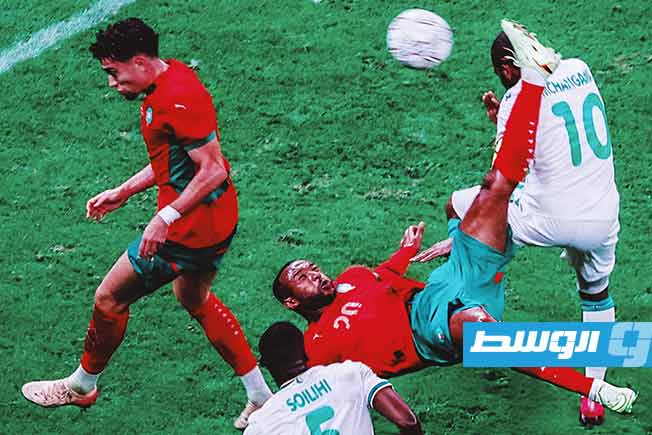
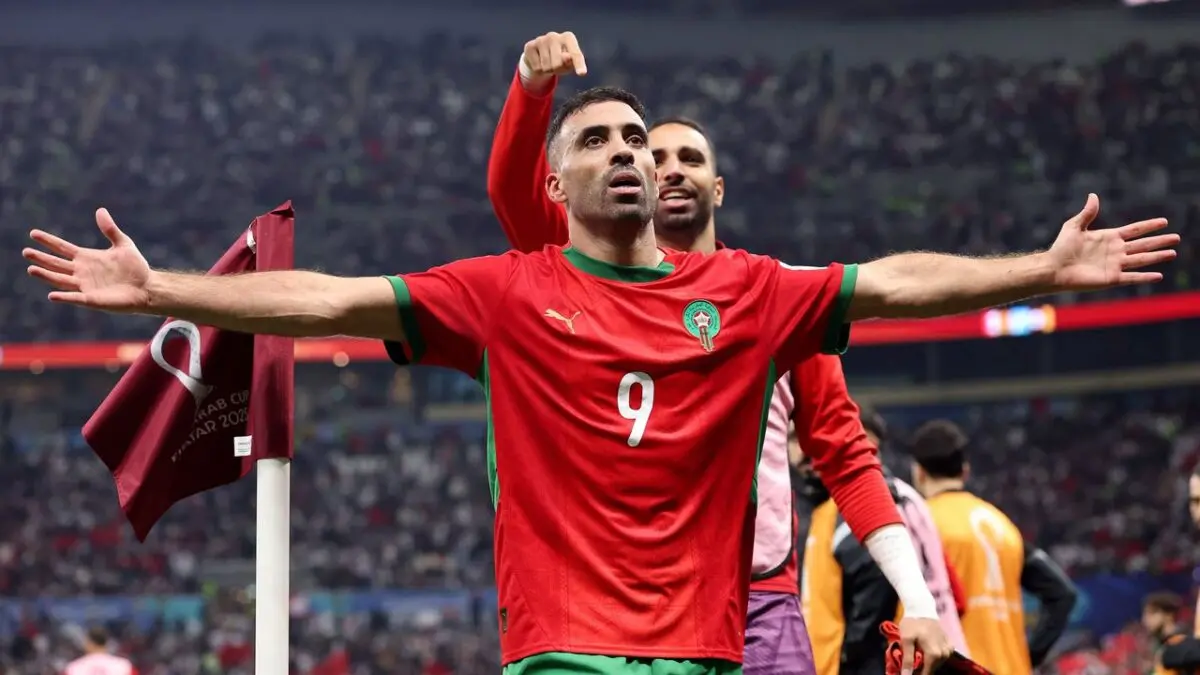
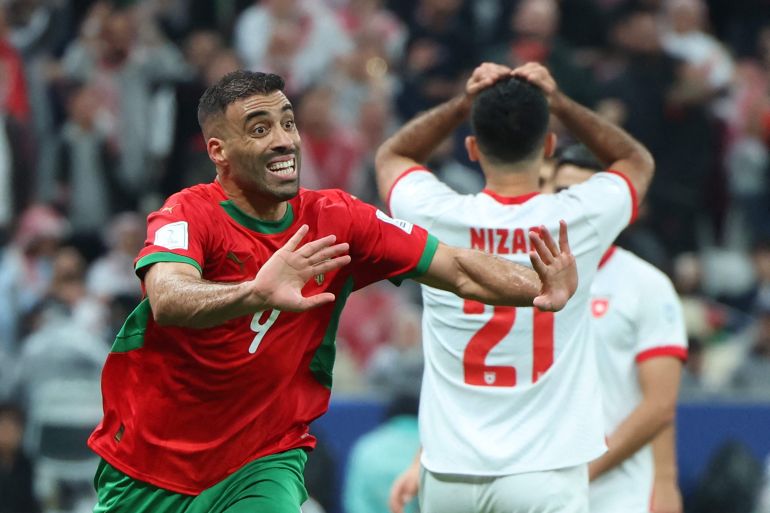
Morocco appears to be in a comfortable position thanks to its opening 2-0 win over Comoros and subsequent 1-1 draw with Mali. It needs just one point against Tanzania on Monday to top its group, provided Mali does not defeat Comoros by a margin greater than two goals.
Even in case of a loss, the “Atlas Lions” will remain in first place if the Mali vs. Comoros match ends in a draw.
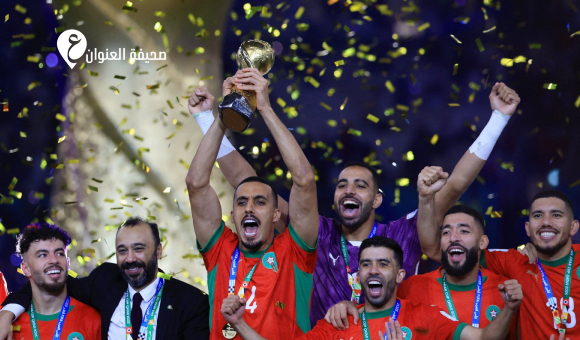
However, everyone in the kingdom is awaiting a victory for the team, which is under significant pressure, increasing with the team’s shaky start. The ultimate goal remains winning the final scheduled for Rabat on January 18.
Senegal Less Assured
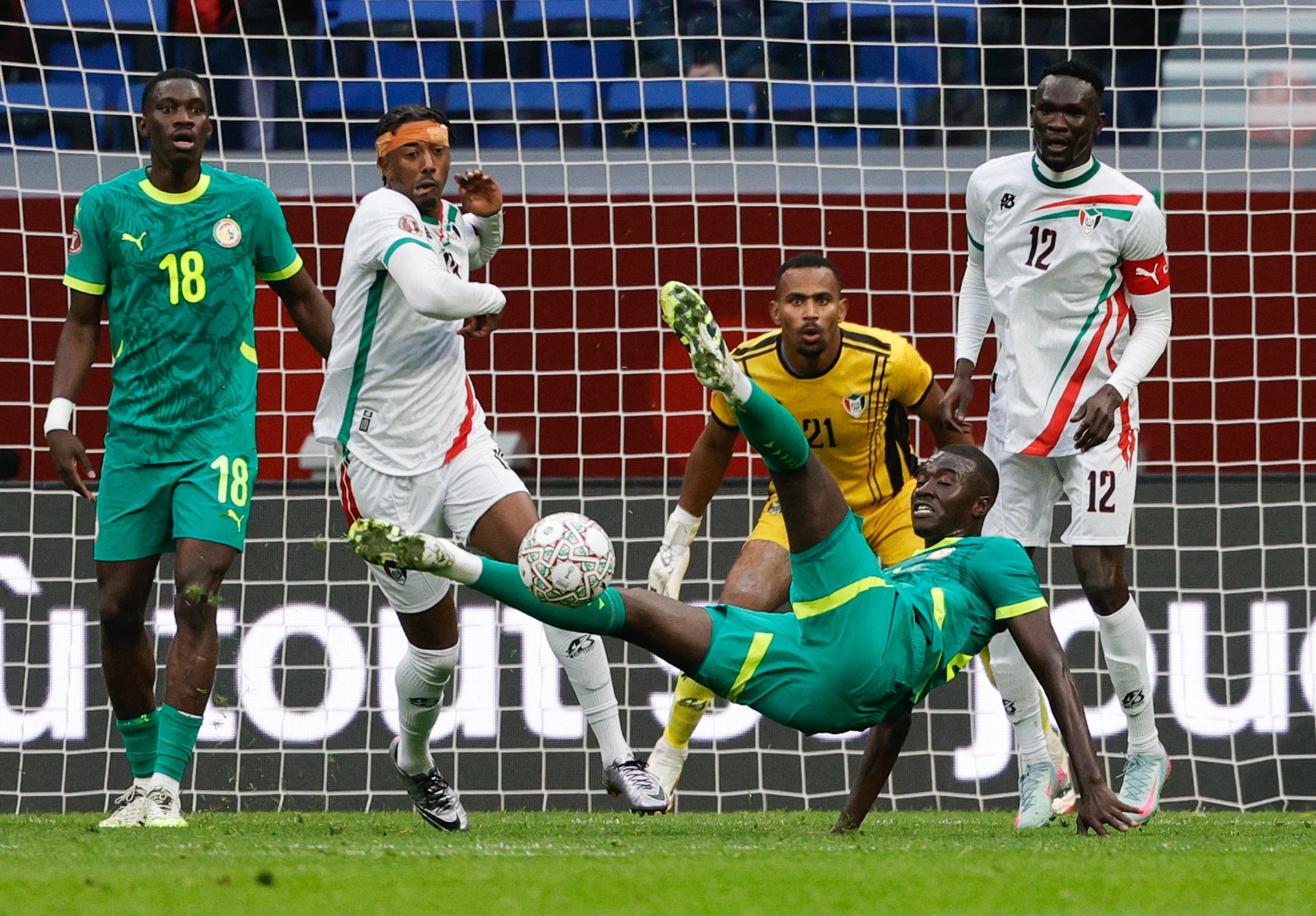
While the “Lions of Teranga” delivered an impressive performance in their opening 3-0 win over Botswana in Group D, they had to fight hard to secure a 1-1 draw against the Democratic Republic of Congo, with whom they now share the top spot in Group D with 4 points each.
Senegal must now defeat Benin on Tuesday and hope for the Democratic Republic of Congo to stumble against Botswana to guarantee first place in the group.
Nevertheless, Senegal holds a slight advantage in goal difference thanks to its three goals in the first match, which is the second tie-breaking criterion after head-to-head results.
In Group D, the second-place finish seems less attractive, as it would set up a round of 16 clash with the winner of Group E, Algeria.
Egypt and Nigeria in a Comfortable Position
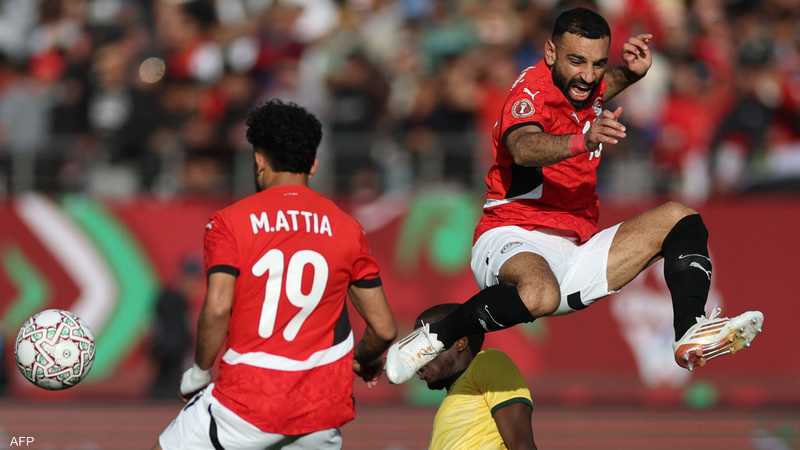
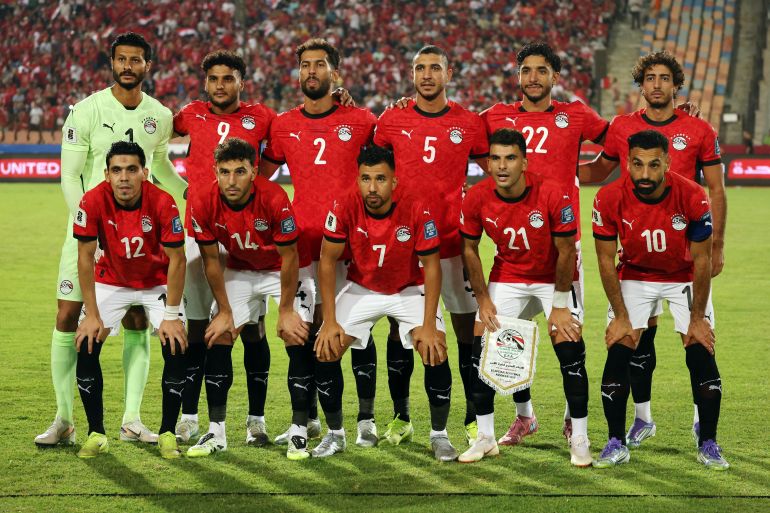
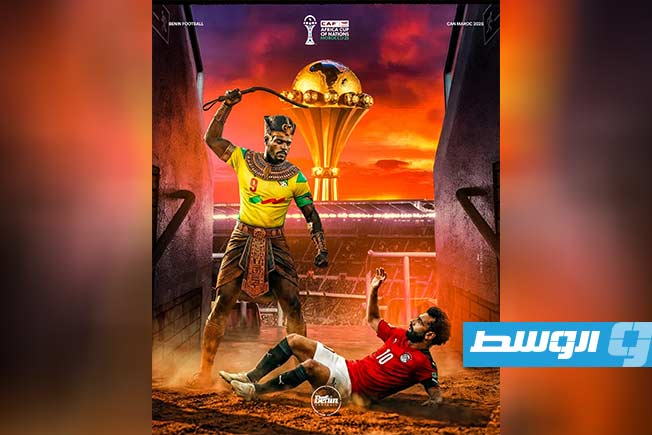
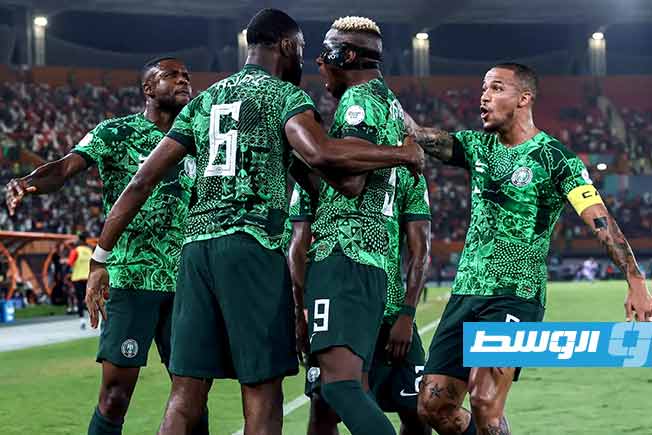
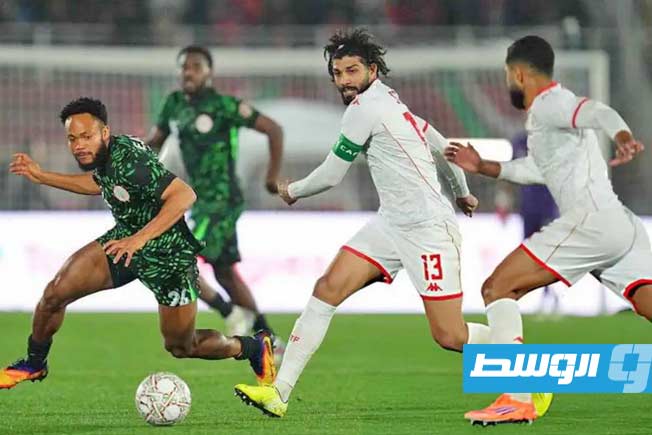
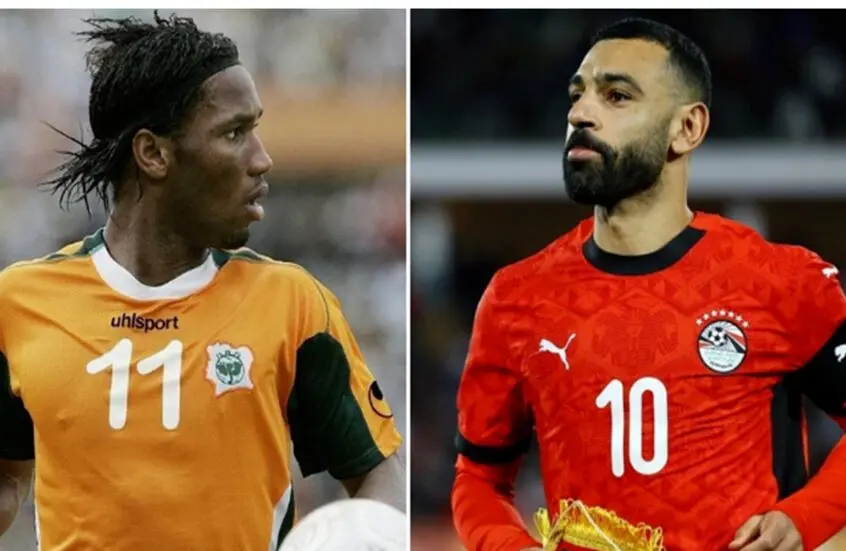
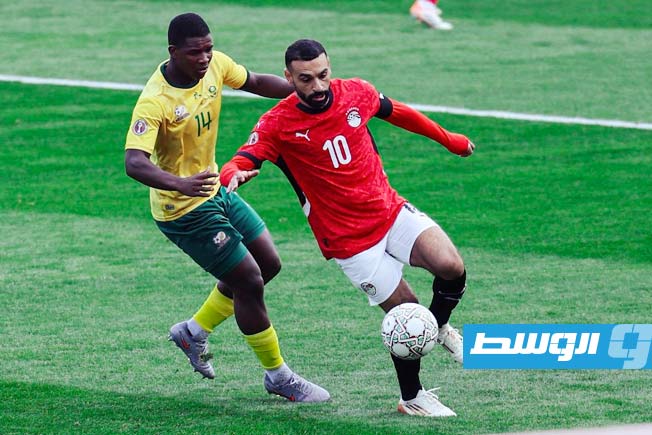
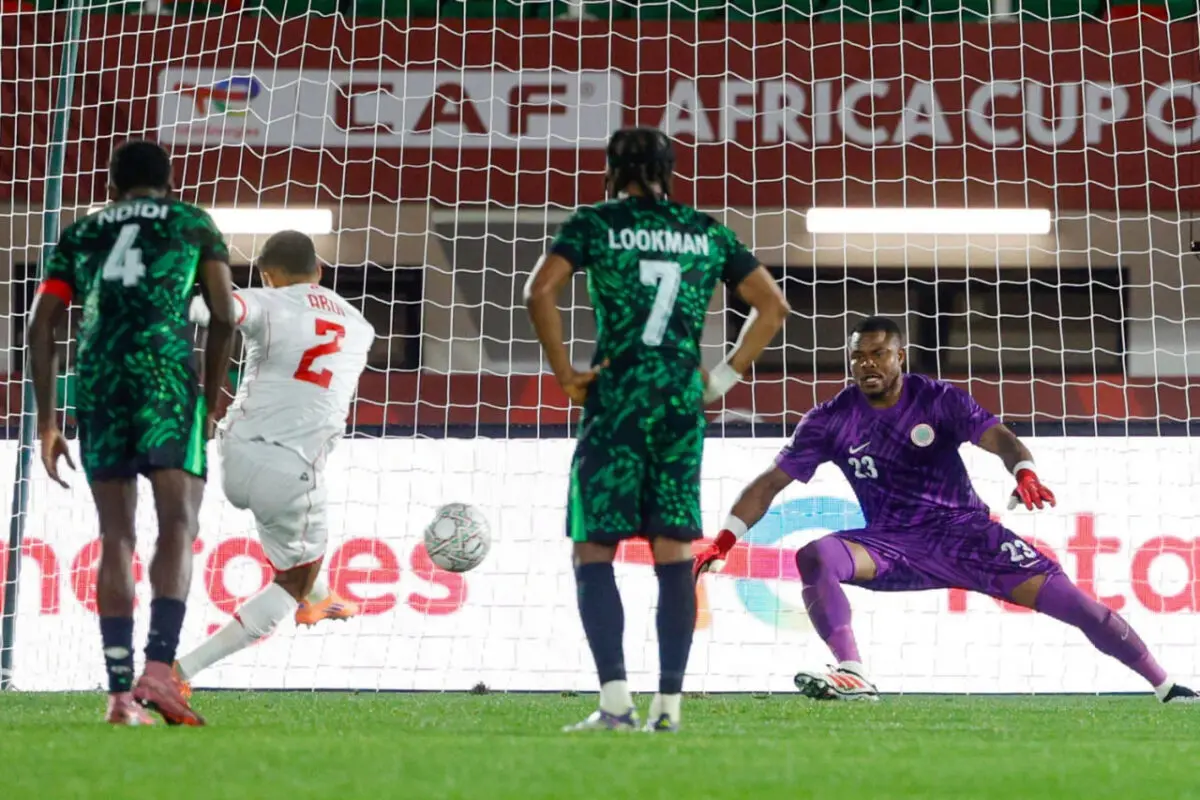
Egypt, which achieved the crucial result with two hard-fought wins led by Mohamed Salah against Zimbabwe (2-1) and South Africa (1-0), and Nigeria, which experienced tense moments led by Victor Osimhen in the final minutes of its match against Tunisia and conceded two goals after taking a 3-0 lead, can breathe easier and look ahead to the next round. They are the only two teams to have secured qualification and topped their groups after two wins in two matches, benefiting from the draws recorded by their last competitors, Angola for Egypt and Uganda for Nigeria.
The technical staff of both the Pharaohs and the “Super Eagles” will be able to make changes to their lineups while awaiting the identity of their round of 16 opponents, where each will face a team that finished third in its group.
As for South Africa, the third-place finisher in the last edition, and Tunisia, which woke up too late against Nigeria, both teams have not lost their chances of qualification thanks to their wins in the first match.
South Africa and Tunisia are likely to finish second in their respective groups, the second and third groups respectively, setting up meetings with other second-placed teams: South Africa will face the runner-up of Group F, which includes Cameroon and Côte d’Ivoire, while Tunisia will meet the runner-up of Group A, led by Morocco and Mali.
Algeria’s Return
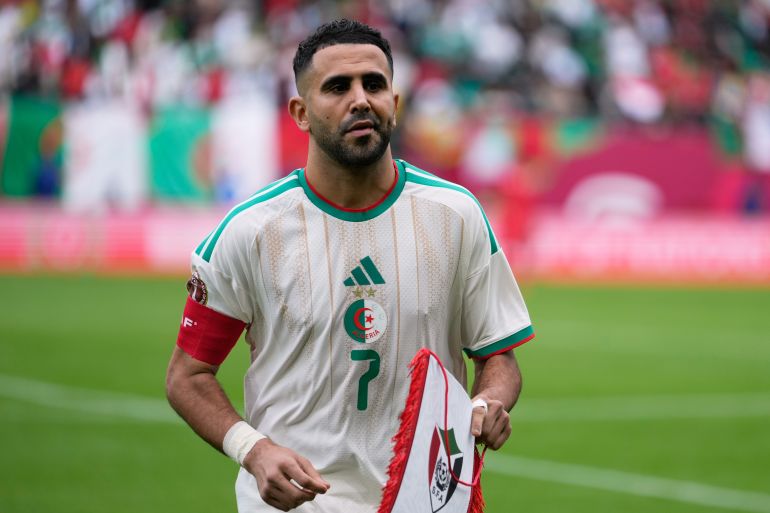
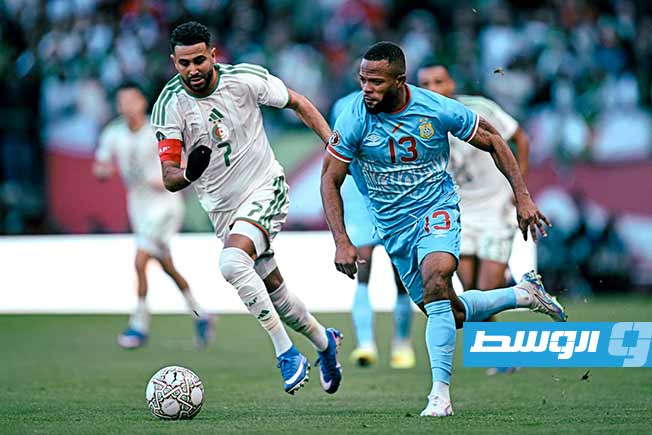
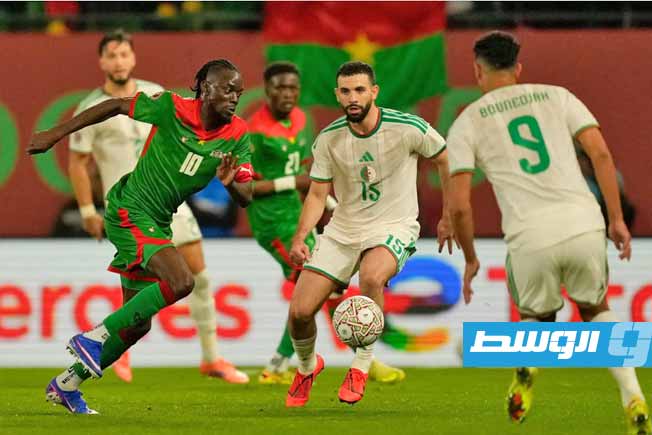
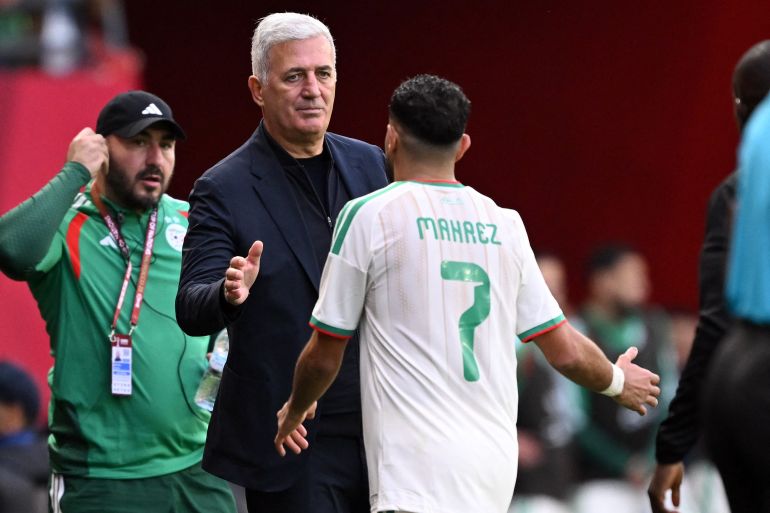
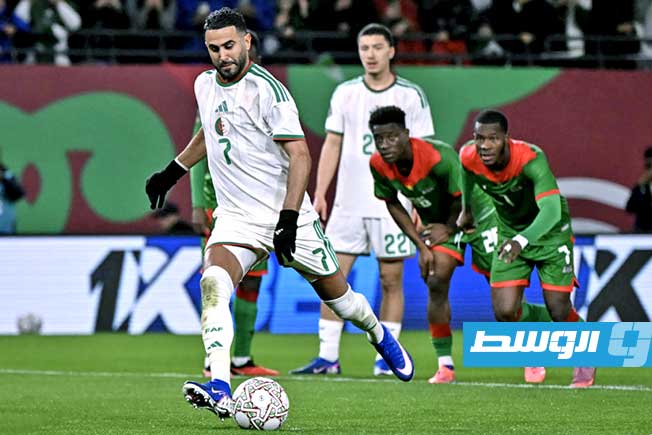
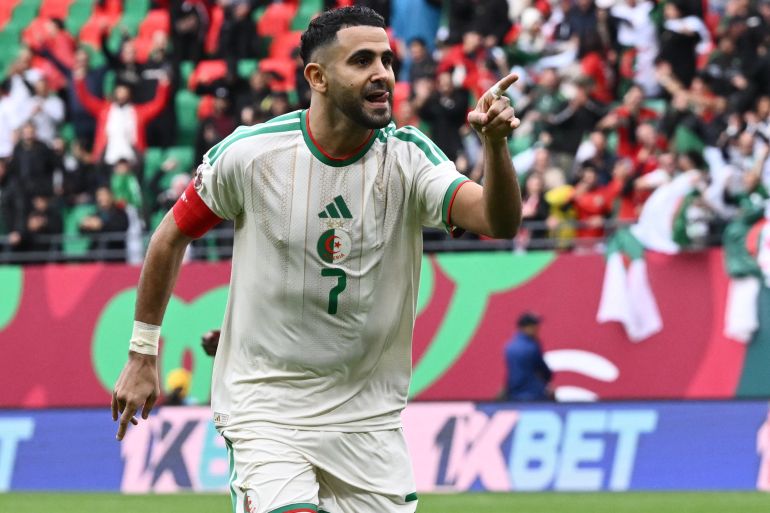
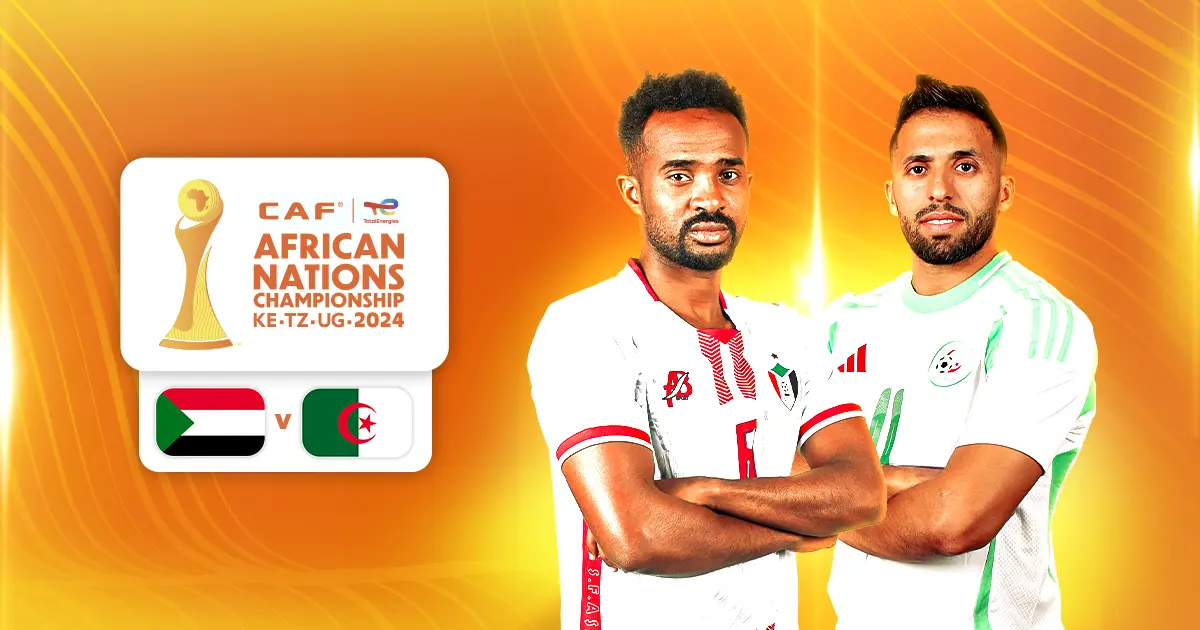
Algeria, leading Group E, has returned to the knockout stages for the first time since 2019 after a hard-fought win over Burkina Faso thanks to a third goal from its captain, Riyad Mahrez.
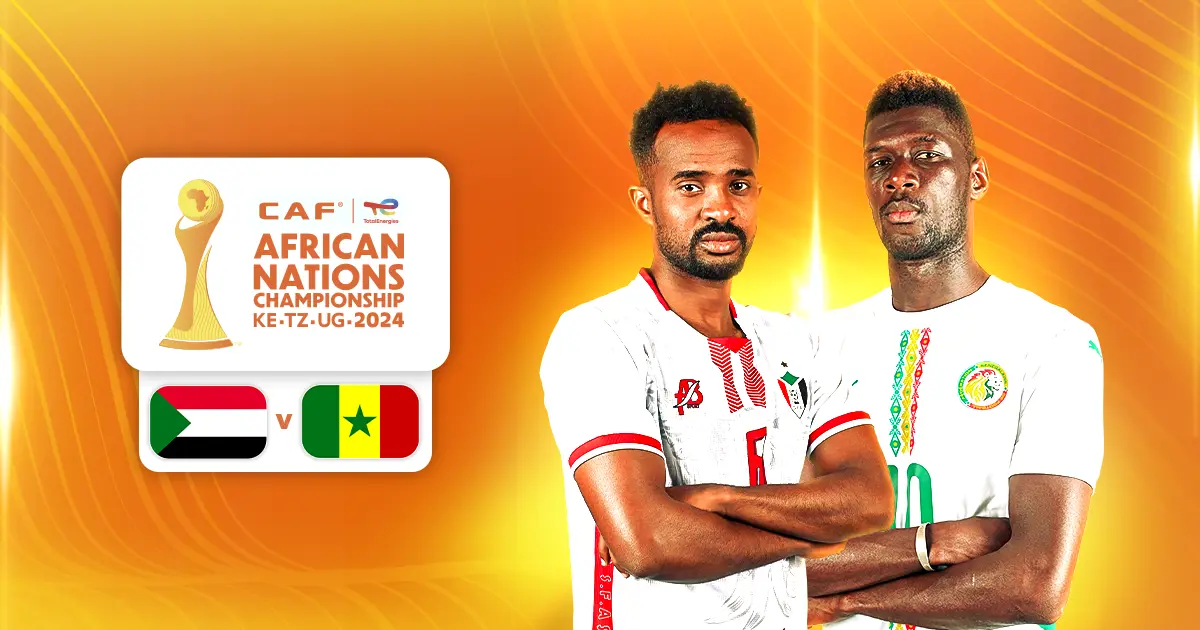
It will face Equatorial Guinea on Wednesday, which lost 0-1 to Sudan and sits at the bottom of the group.
The other match between Burkina Faso and Sudan, tied with three points each, will be decisive for qualification.
The African champion from 1990 and 2019 will play in the next round against the runner-up of Group D, which
Morocco
Morocco is a North African country with a rich history shaped by indigenous Amazigh (Berber) cultures, Arab influence from the 7th century, and successive dynasties like the Almoravids and Almohads. Its cultural sites, such as the ancient city of Fez and the Koutoubia Mosque in Marrakech, reflect this blend of Arab, Islamic, and Amazigh heritage. The country is also known for its well-preserved medieval medinas and historic kasbahs.
Senegal
Senegal is a West African nation known for its rich cultural heritage, shaped by historic kingdoms like the Jolof Empire and French colonial rule until independence in 1960. It is renowned for its vibrant music, art, and religious traditions, as well as significant sites such as Gorée Island, a UNESCO World Heritage site that memorializes the transatlantic slave trade.
Egypt
Egypt is home to one of the world’s oldest civilizations, with a recorded history spanning over 5,000 years and famed for its pharaohs, pyramids, and monuments along the Nile River. Its cultural legacy, from ancient wonders like the Giza pyramid complex to Islamic Cairo, continues to be a central focus of historical and archaeological study.
Nigeria
Nigeria is a West African country with a rich history shaped by ancient kingdoms like the Nri, Benin, and Oyo, as well as the Sokoto Caliphate. It gained independence from British colonial rule in 1960 and is now Africa’s most populous nation, known for its vibrant cultural diversity, significant oil reserves, and influential music and film industries.
Algeria
Algeria is a North African country with a rich history shaped by ancient Berber kingdoms, Roman rule, and centuries as part of the Ottoman Empire before becoming a French colony in the 19th century. It gained independence in 1962 after a protracted war of liberation, and its cultural heritage includes numerous UNESCO World Heritage sites, such as the Roman ruins of Timgad and the historic Casbah of Algiers.
Comoros
The Comoros is an archipelago nation in the Indian Ocean, with a history shaped by a blend of African, Arab, and French influences. It was an important hub in early Indian Ocean trade and was later a French colony before gaining independence in 1975. The country is known for its volcanic landscapes, diverse culture, and being one of the world’s leading producers of ylang-ylang.
Mali
Mali is a West African nation historically renowned as the heart of the powerful Mali Empire, which flourished from the 13th to 16th centuries and was famed for its wealth, particularly under Emperor Mansa Musa. Today, it is home to significant UNESCO World Heritage Sites, including the ancient cities of Timbuktu and Djenné, which were major centers of Islamic scholarship and trade.
Tanzania
Tanzania is an East African nation known for its rich cultural heritage and significant historical sites, such as the ancient port of Kilwa Kisoani and the Stone Town of Zanzibar, which reflect centuries of Swahili and Arab trade influence. It is also home to natural wonders like Mount Kilimanjaro and the Serengeti, with a history that includes early human habitation evidenced by the Olduvai Gorge fossils. The country formed from the union of Tanganyika and Zanzibar in 1964.
Botswana
Botswana is a landlocked country in Southern Africa, known for its stable democracy and significant diamond wealth since independence from Britain in 1966. Its history includes the ancient Tsodilo Hills, a UNESCO World Heritage Site with rock art dating back thousands of years, and the renowned Okavango Delta, one of the world’s largest inland deltas.
Democratic Republic of Congo
The Democratic Republic of Congo, located in Central Africa, is a country with a complex history marked by the pre-colonial Kingdom of Kongo, a brutal period as the personal colony of King Leopold II of Belgium, and a turbulent post-independence era since 1960. It is renowned for its vast mineral wealth and the Congo River basin, which contains the world’s second-largest rainforest.
Benin
Benin refers to both the modern West African nation and the historic Kingdom of Benin, which was a major pre-colonial power centered in what is now southern Nigeria. The kingdom, famous for its sophisticated bronze and ivory artworks, flourished from the 13th to the 19th century before being incorporated into the British Empire. The modern Republic of Benin, formerly known as Dahomey, gained independence from France in 1960.
Zimbabwe
Zimbabwe is a country in southern Africa, named after the historic stone ruins of Great Zimbabwe, which was the capital of a powerful kingdom from the 11th to 15th centuries. The modern nation gained independence from British colonial rule in 1980, following a protracted liberation struggle.
South Africa
South Africa is a country located at the southern tip of the African continent, known for its diverse cultures, languages, and dramatic landscapes. Its modern history is profoundly shaped by colonialism and the institutionalized racial segregation of apartheid, which ended in 1994 with the establishment of a constitutional democracy. The country is famed for sites like Robben Island, where Nelson Mandela was imprisoned, and the Cradle of Humankind, a UNESCO site containing significant hominid fossils.
Tunisia
Tunisia is a North African country with a rich history shaped by ancient civilizations, including the Phoenicians who founded Carthage, followed by Roman, Arab, and Ottoman rule. It gained independence from France in 1956 and is known for its Mediterranean coastline, Saharan deserts, and well-preserved archaeological sites. The country is also recognized as the birthplace of the Arab Spring pro-democracy movement in 2010-2011.
Angola
Angola is a country in southwestern Africa that gained independence from Portugal in 1975 after a long liberation war. It is known for its diverse cultural heritage, which blends indigenous traditions with Portuguese influences, and for significant sites like the Fortress of São Miguel in Luanda, a historic colonial fortress built in the 16th century.
Uganda
Uganda is a landlocked East African nation known for its diverse landscapes, including Lake Victoria and the Rwenzori Mountains. Historically, it was home to several kingdoms like Buganda before becoming a British protectorate in the late 19th century, gaining independence in 1962. Its rich culture is reflected in its numerous ethnic groups, languages, and traditions.
Cameroon
Cameroon is a Central African country with a diverse cultural heritage shaped by over 200 ethnic groups and colonial influences from Germany, France, and Britain. Its history includes early settlements like the Sao civilization, followed by the formation of powerful kingdoms such as the Bamum, before becoming a German protectorate in 1884 and later achieving independence in 1960.
Côte d’Ivoire
Côte d’Ivoire, also known as Ivory Coast, is a West African nation with a rich history as a pre-colonial kingdom and a major hub of the French colonial trade in ivory and slaves. It gained independence from France in 1960 and is renowned for its cultural diversity, exemplified by traditional arts like mask-making and its status as one of the world’s leading producers of cocoa.
Burkina Faso
Burkina Faso is a landlocked West African nation whose modern borders were established during French colonial rule, gaining independence in 1960. The region is historically significant as part of the Mossi Kingdoms, which date back to the 11th century and were known for their complex political structures and resistance to external empires. Today, the country’s culture is characterized by its diverse ethnic groups, vibrant music, and film industry, as well as notable archaeological sites like the ancient iron-smelting furnaces of the Bura culture.
Equatorial Guinea
Equatorial Guinea is a small Central African nation consisting of a mainland region and several islands, including Bioko where the capital, Malabo, is located. It gained independence from Spain in 1968 and has since been shaped by the long rule of President Teodoro Obiang Nguema Mbasogo, with its economy heavily reliant on significant oil and gas reserves discovered in the 1990s.
Sudan
Sudan, located in Northeast Africa, is home to ancient civilizations like the Kingdom of Kush, which ruled from the city of Meroë and famously conquered Egypt. Its modern history has been marked by a long civil war and the secession of South Sudan in 2011, leaving it with a rich but complex cultural and archaeological heritage.
Rabat
Rabat is the capital city of Morocco, founded in the 12th century by the Almohad Caliphate as a ribat (fortified monastery). It is now a modern political and administrative center, recognized as a UNESCO World Heritage Site for its well-preserved historic quarters, including the Kasbah of the Udayas and the Hassan Tower.