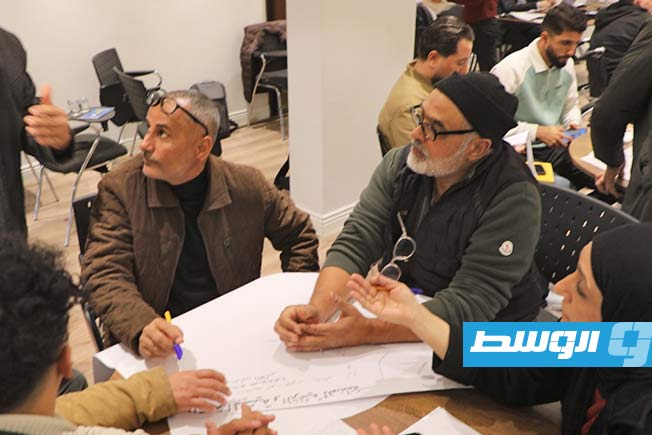
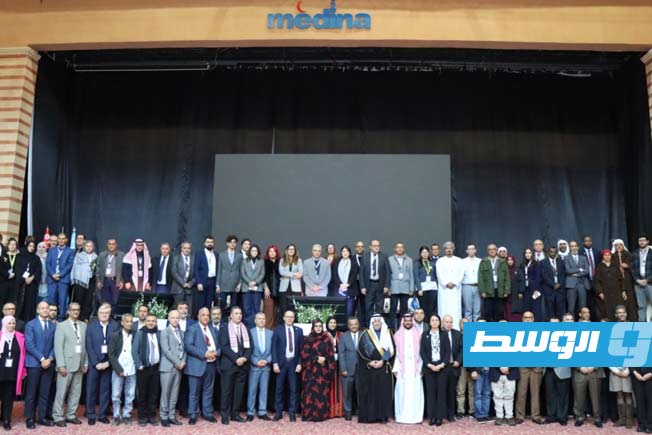
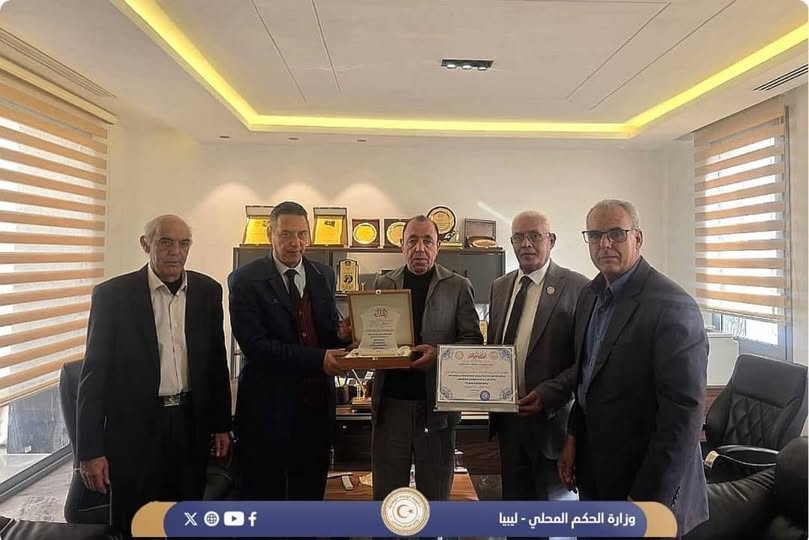
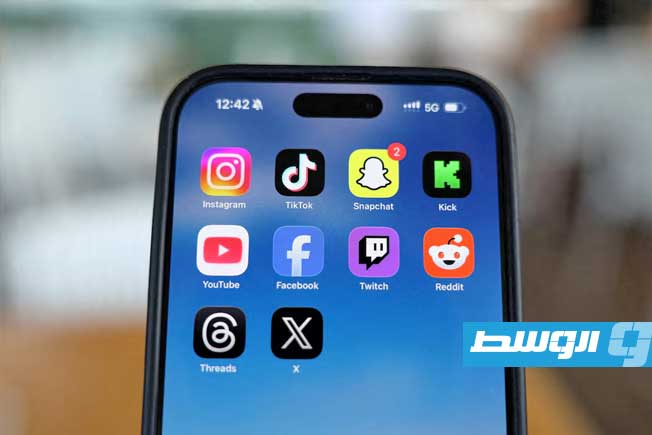
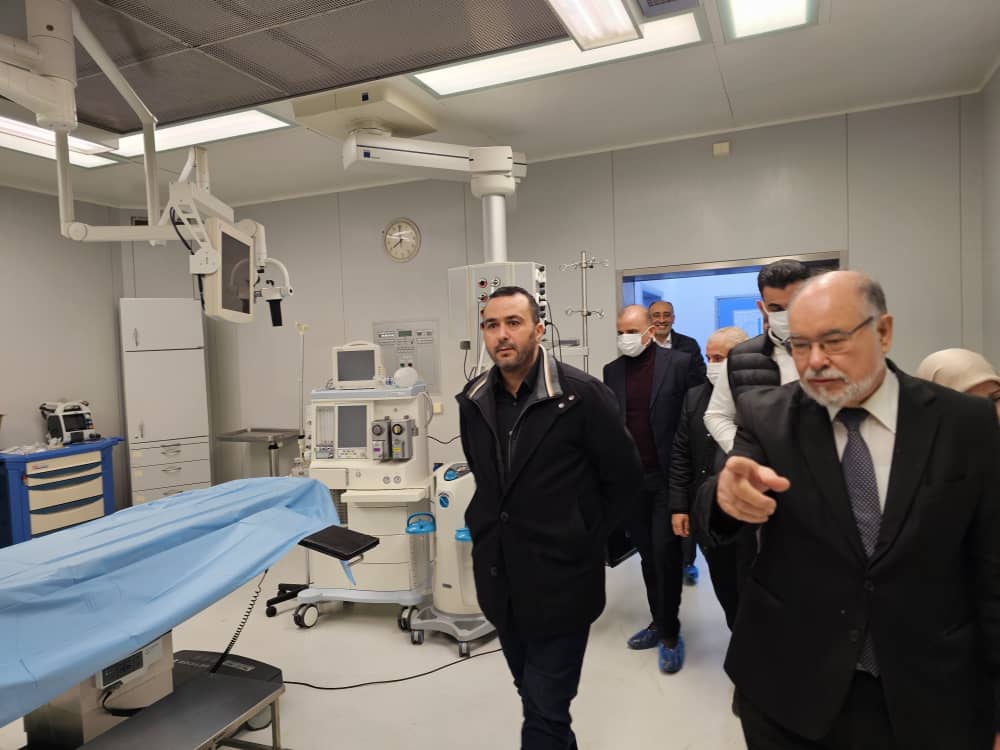
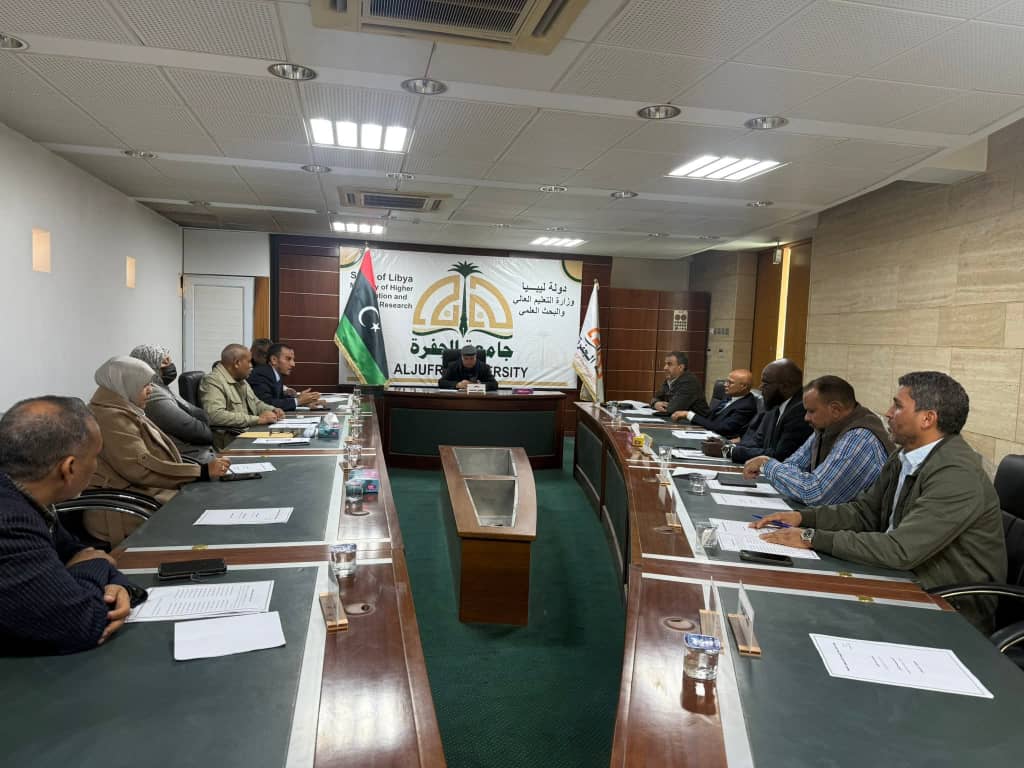
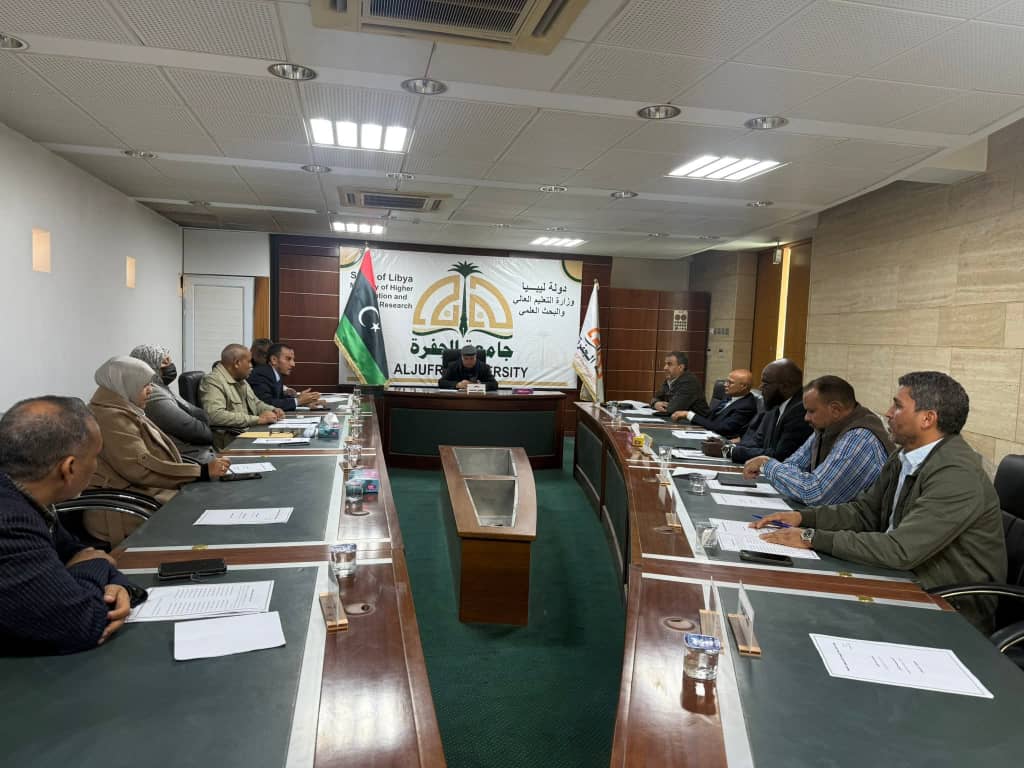
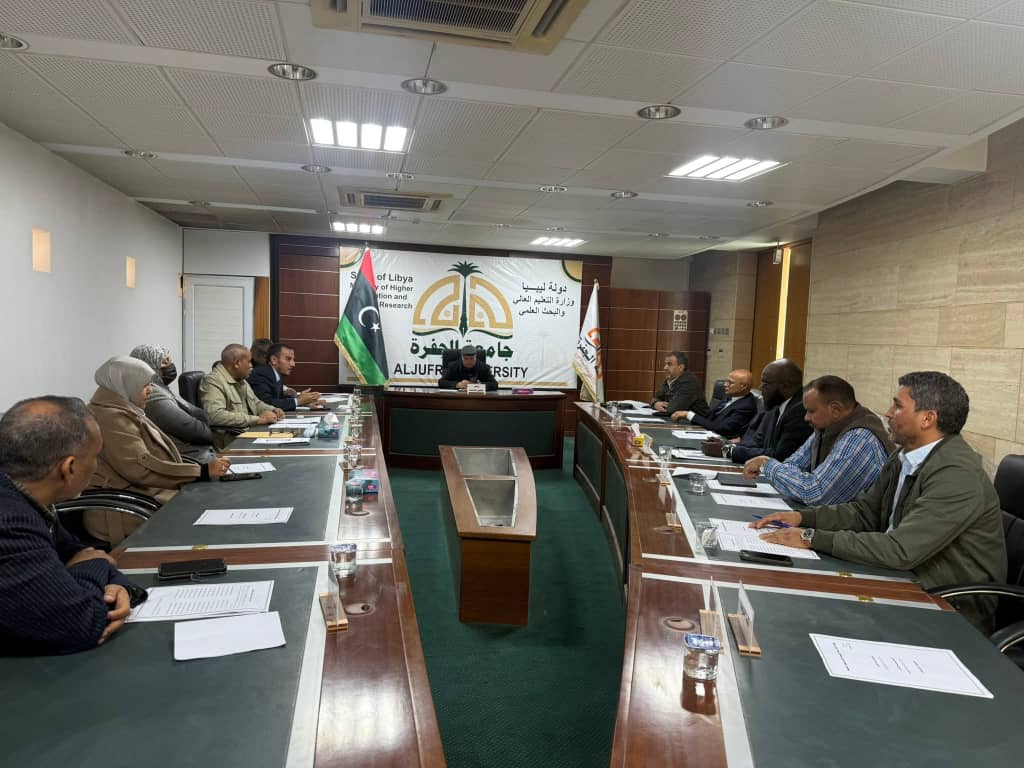
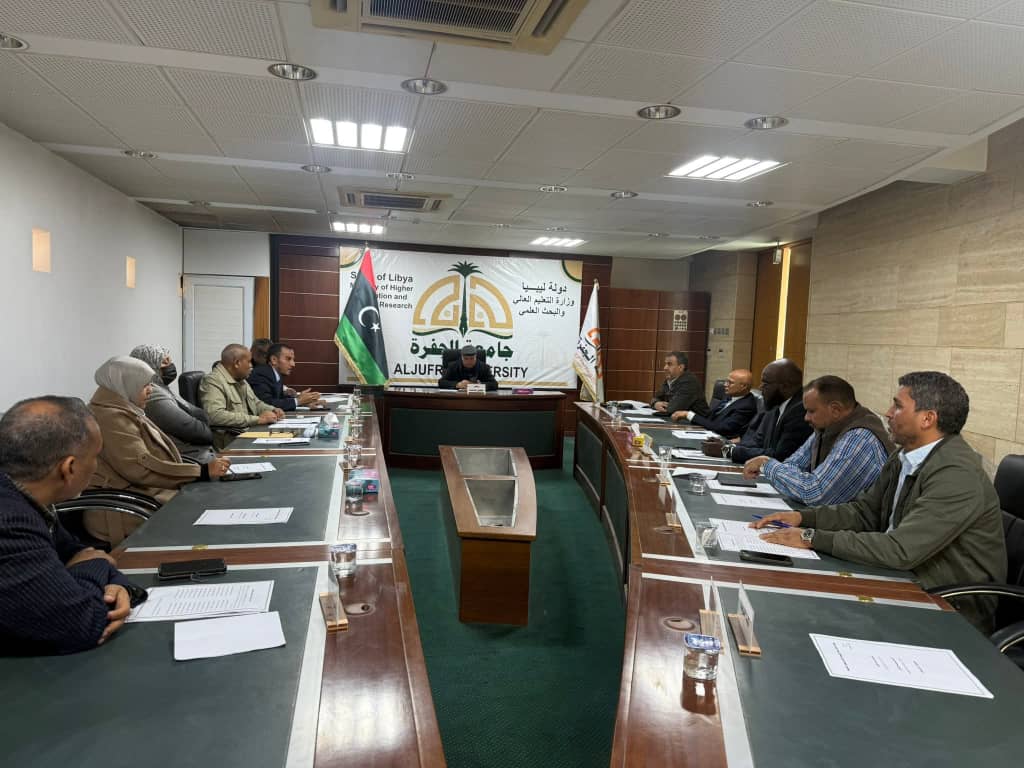
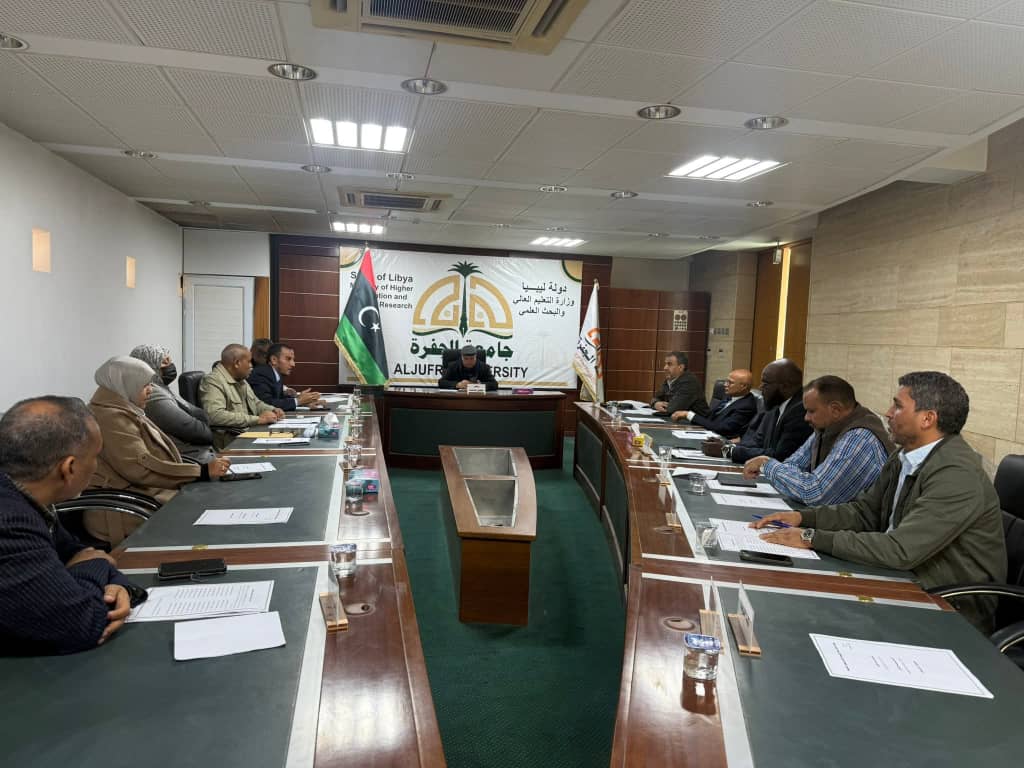
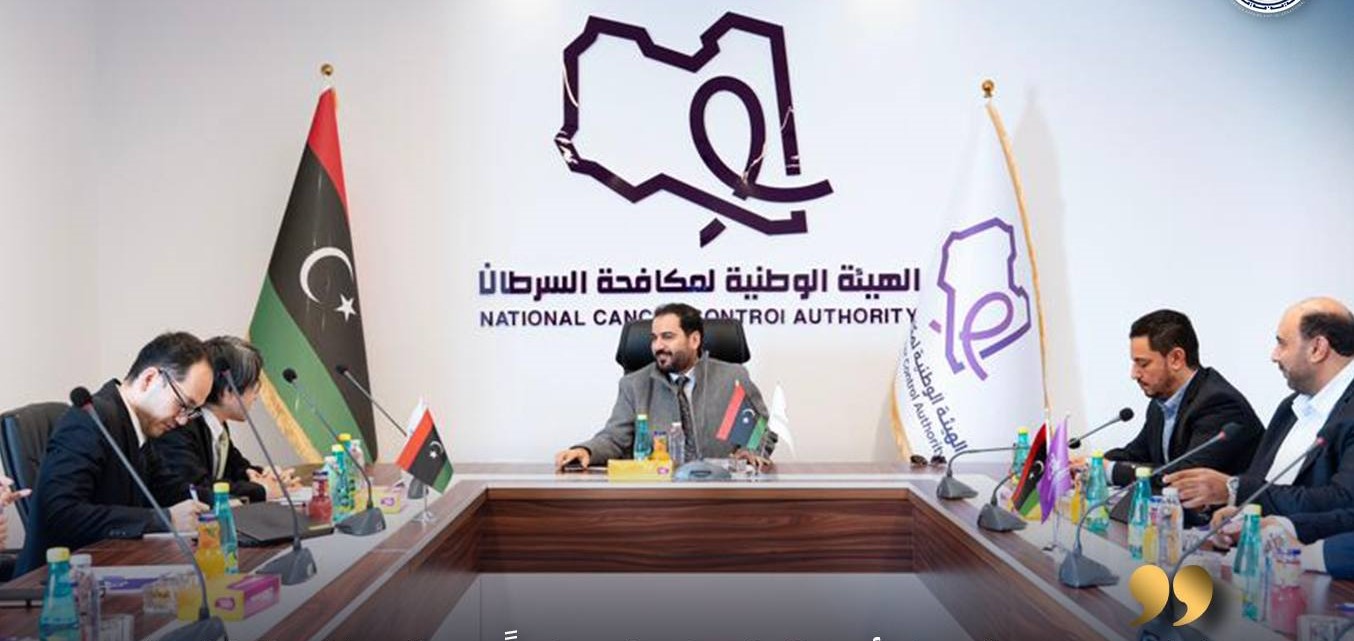
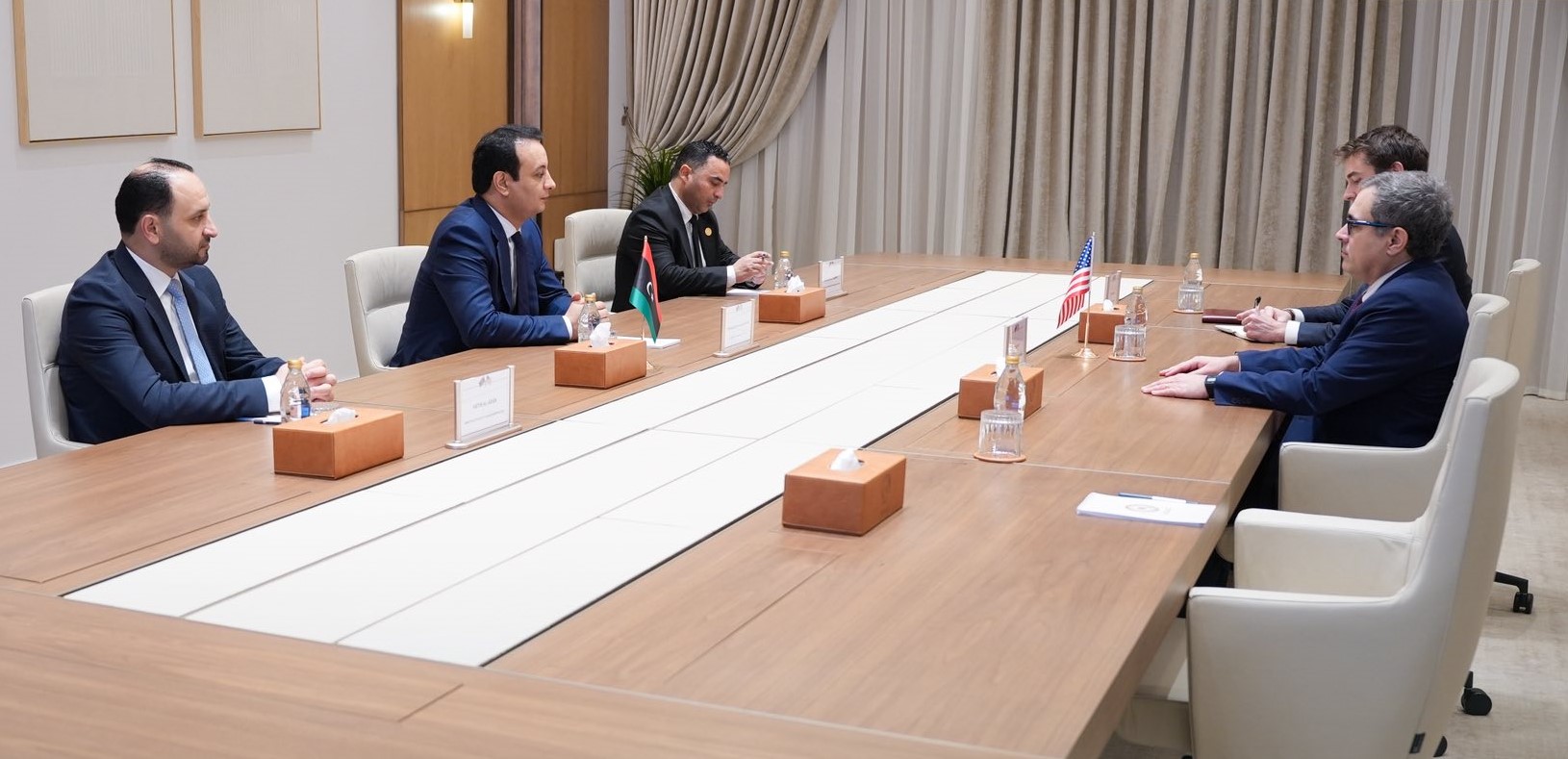
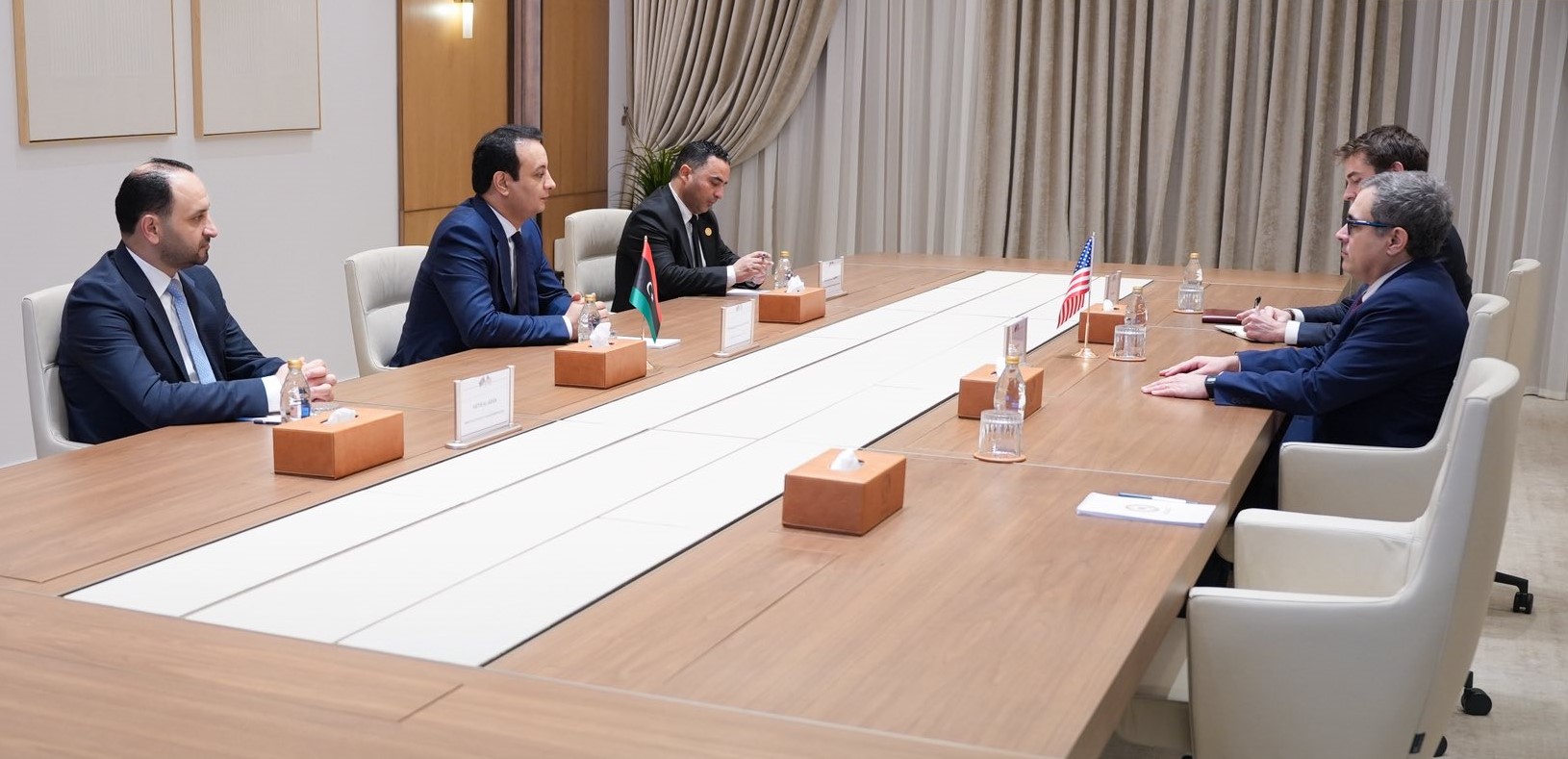
TRIPOLI, December 29, 2025 – The second preparatory meeting for the first International Scientific Conference on “The Repercussions and Dimensions of Criminal Digital Targeting of Women in the Virtual World” was held in Tripoli on Monday.
The meeting was held at the headquarters of the Ministry of Housing and Utilities in Tripoli.
The meeting was attended by the President of the Conference and the Supreme Preparatory Committee for the Conference, the Scientific Committee, as well as the remote Scientific Advisory Board, a member of the House of Representatives, the President of the General Libyan Women’s Union, a number of female municipal council members, heads and representatives of a group of civil society organizations, and representatives from the Ministry of Education and the Department of Social Service and School Health.
The meeting witnessed numerous interventions and speeches that emphasized the seriousness of digital targeting crimes against women, called for intensified national efforts to confront them, and stressed the necessity of formulating a comprehensive national vision to protect and enhance women’s digital security.
The speeches stressed that the issue of criminal digital targeting of women requires awareness, scientific research, and joint action, and that the conference will be a milestone due to the importance of its topic, praising the societal role in addressing women’s issues and the importance of scientific research in confronting digital crimes.
During the meeting, attendees discussed numerous items, including restructuring the conference, the latest developments in building partnerships, cooperation and support, presenting updates from the Scientific Committee regarding the evaluation of participating research, and preparing to hold a dialogue seminar titled: “The Risks and Repercussions of Criminal Digital Targeting of Women on Mental Health, Security, and Social and Family Peace,” scheduled to be held at the beginning of next February. They also discussed preparations for a dialogue seminar titled: “Women Between Transformations and Change in the Virtual World: Values – Faith – Identity.”
Tripoli
Tripoli is the capital and largest city of Libya, with a history dating back to the 7th century BC when it was founded by the Phoenicians. It later became a significant part of the Roman Empire, the Ottoman Empire, and an Italian colony, which is reflected in its diverse architecture, such as the historic Medina and the Red Castle (Assai al-Hamra).
Ministry of Housing and Utilities
The Ministry of Housing and Utilities is a government body responsible for managing public infrastructure related to residential housing, water supply, and sanitation services. Its history in many countries is tied to the post-World War II era and rapid urbanization, which necessitated centralized state management of mass housing construction and essential public utilities.
House of Representatives
The House of Representatives is the lower chamber of the United States Congress, established by the Constitution in 1789. It is composed of representatives elected from congressional districts, with representation based on state population, and holds primary responsibility for initiating revenue bills.
General Libyan Women’s Union
The General Libyan Women’s Union is a state-led organization established in 1970 under the rule of Muammar Gaddafi to promote women’s roles in Libyan society according to the government’s political and social vision. It was officially tasked with mobilizing women for national development, though its activities and independence were closely aligned with and controlled by the state.
Ministry of Education
The Ministry of Education is the central government department responsible for national education policy, curriculum standards, and the administration of public schools. Its history in many countries dates to the 19th century, emerging from broader interior or cultural ministries to address the growing need for standardized, state-led public education systems.
Department of Social Service and School Health
The Department of Social Service and School Health is a governmental or institutional body typically responsible for overseeing child welfare, family support services, and health programs within educational settings. Its history is rooted in early 20th-century public health and social reform movements that recognized the critical link between student well-being and academic success. These departments work to integrate health education, preventive care, and social support directly into the school system.