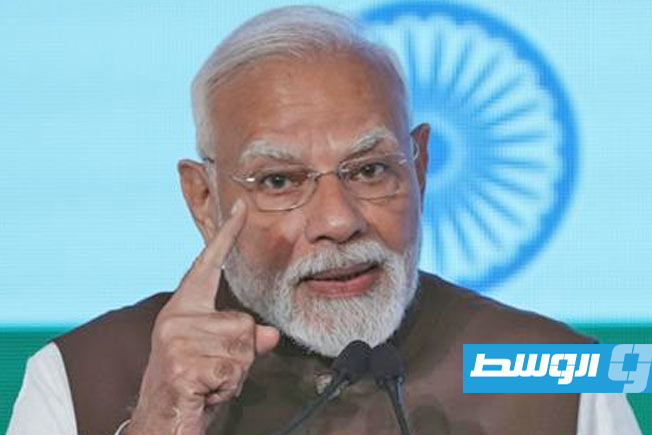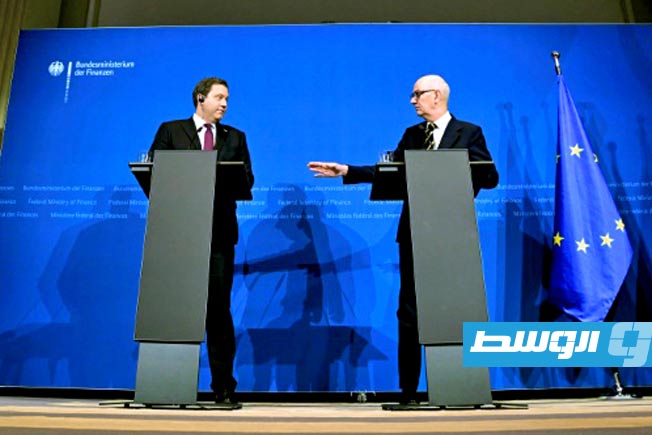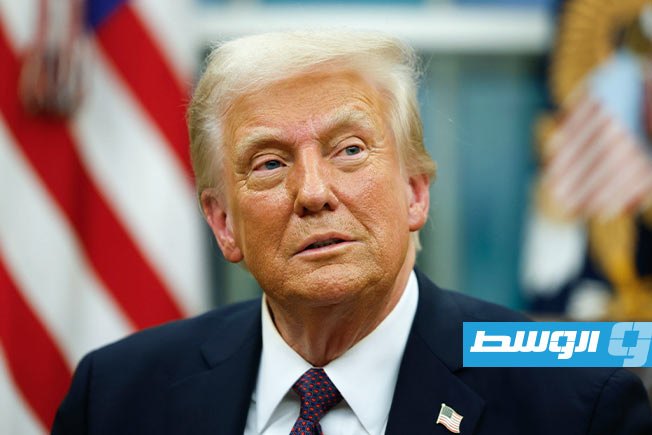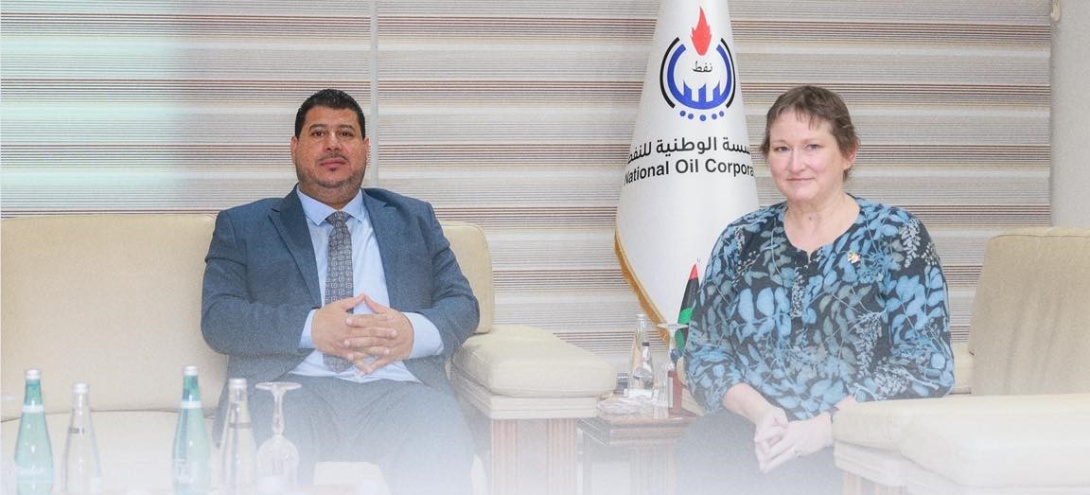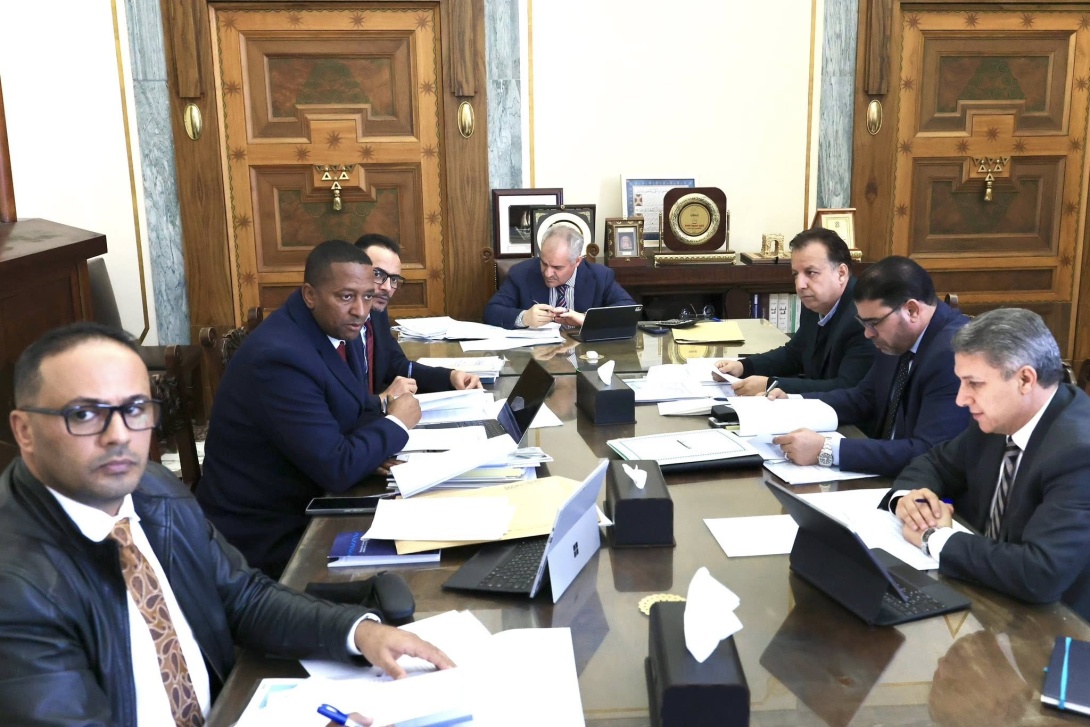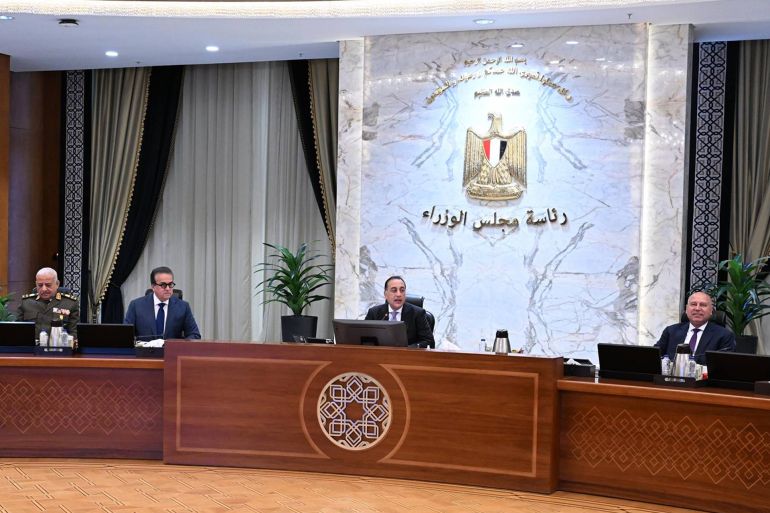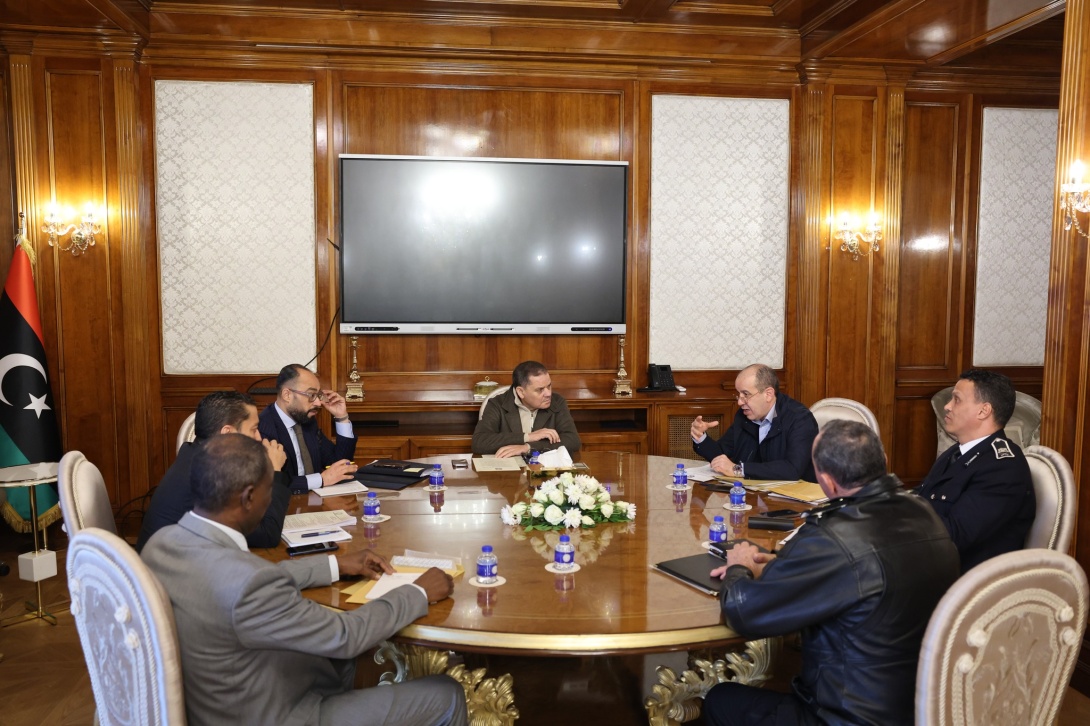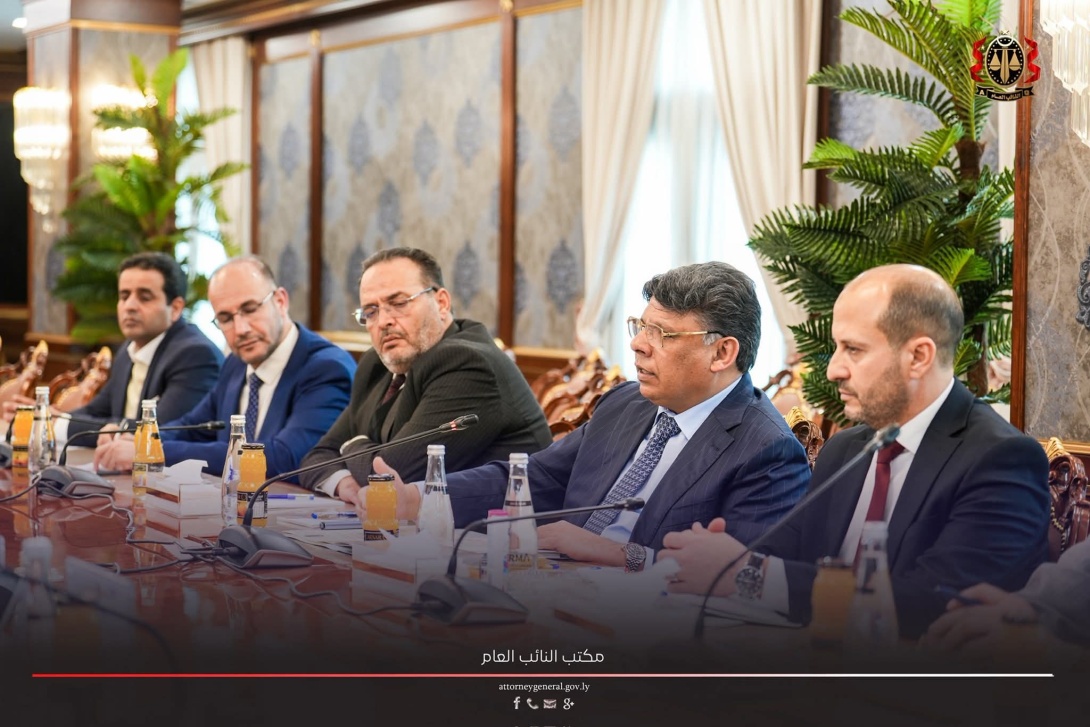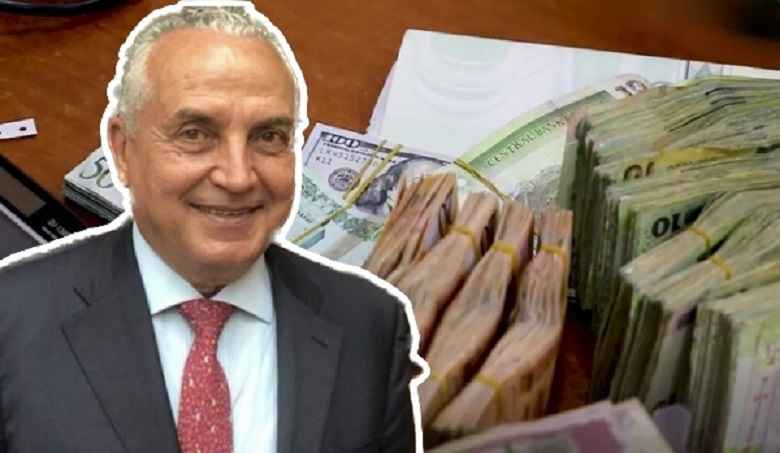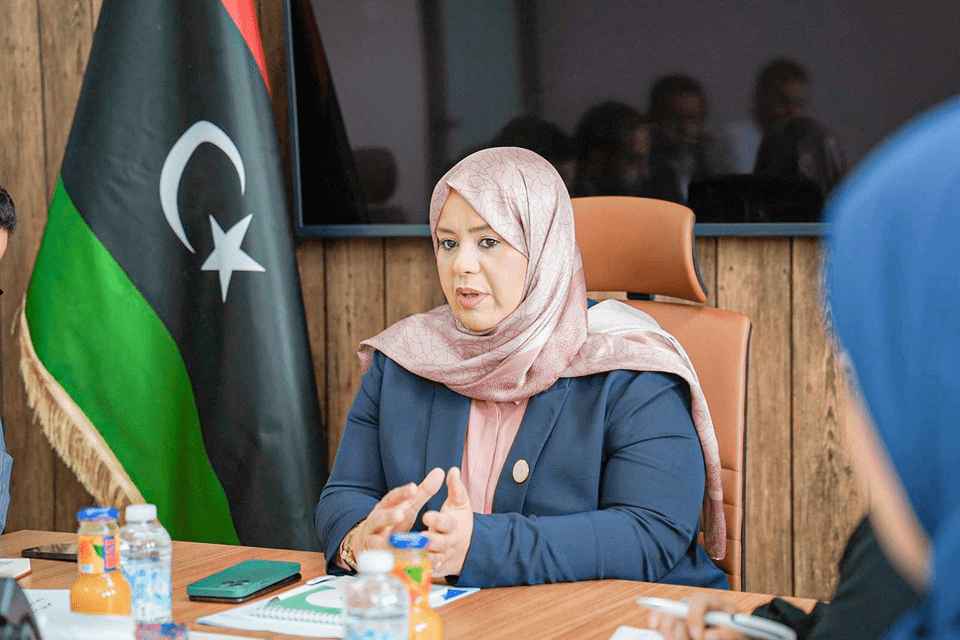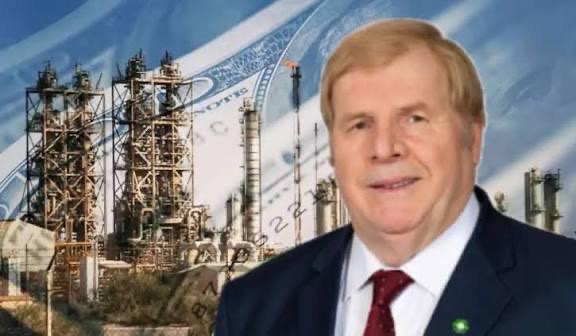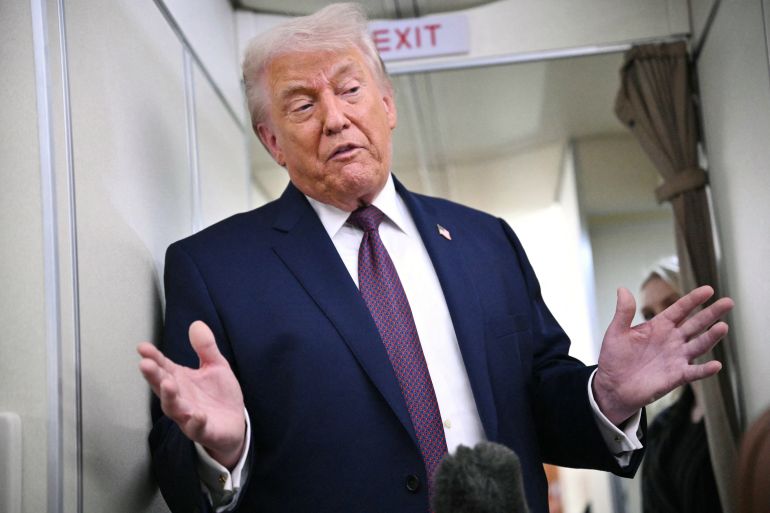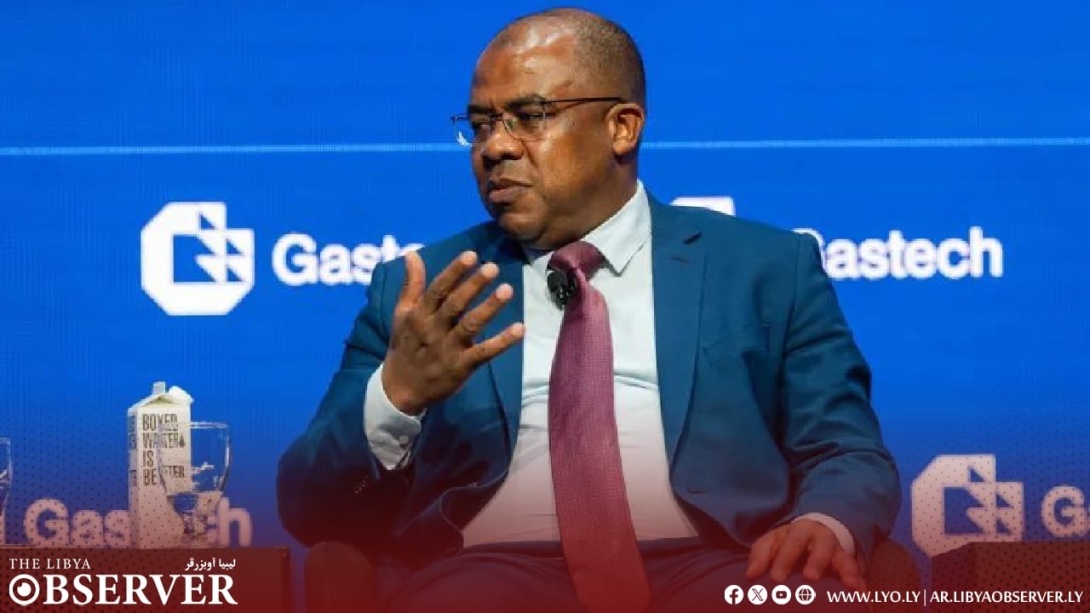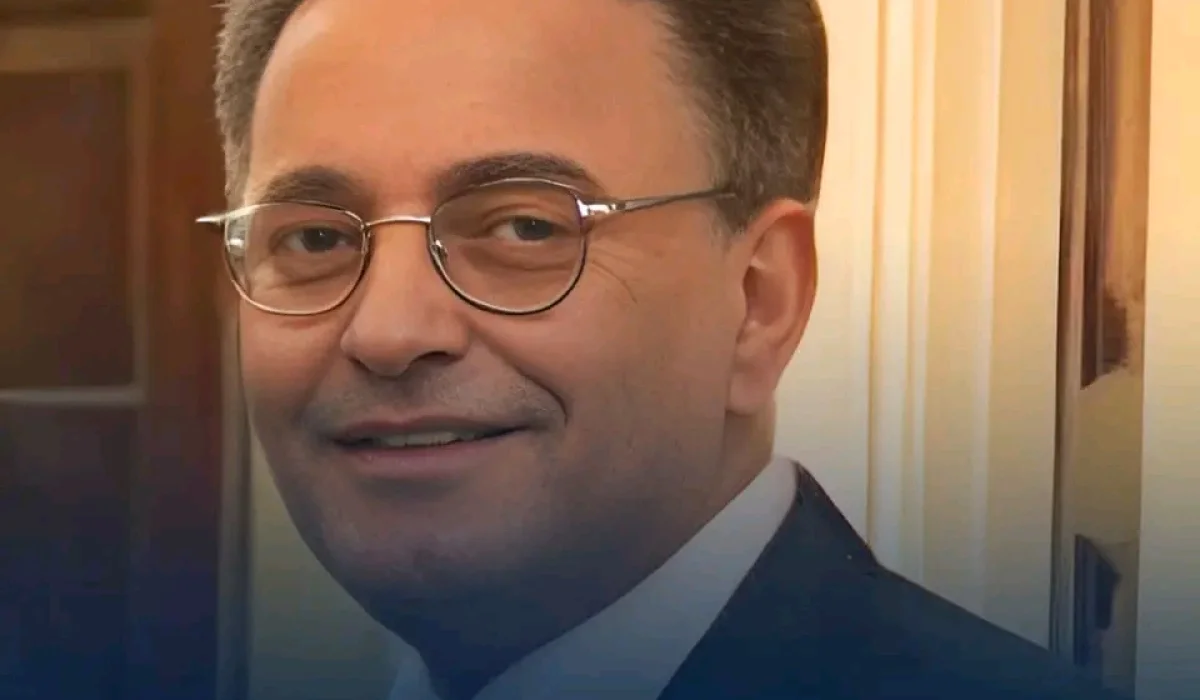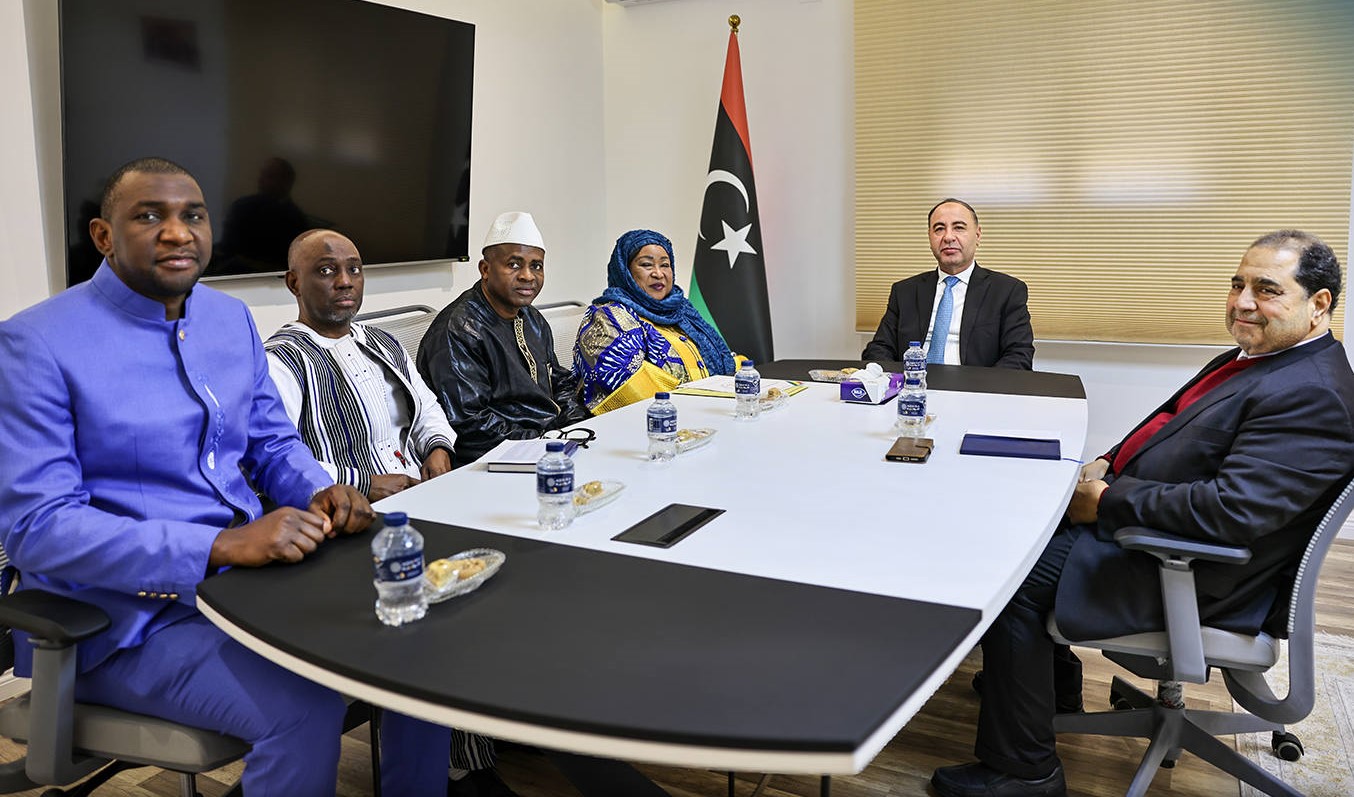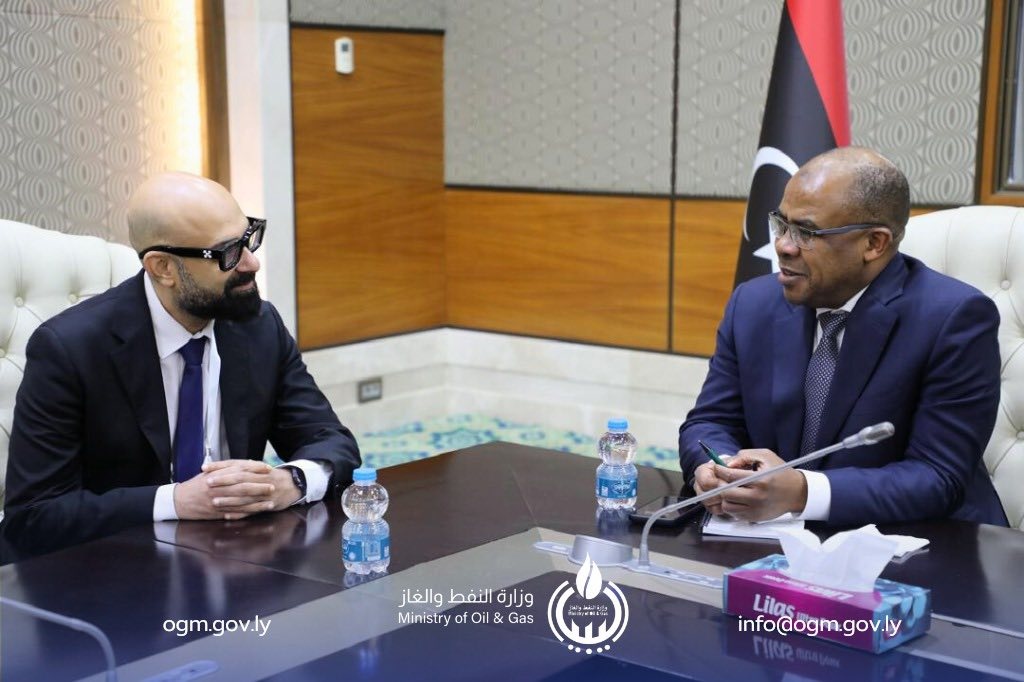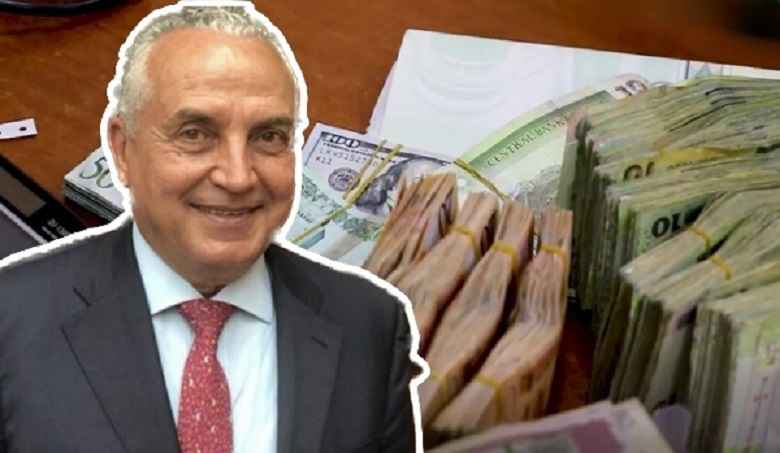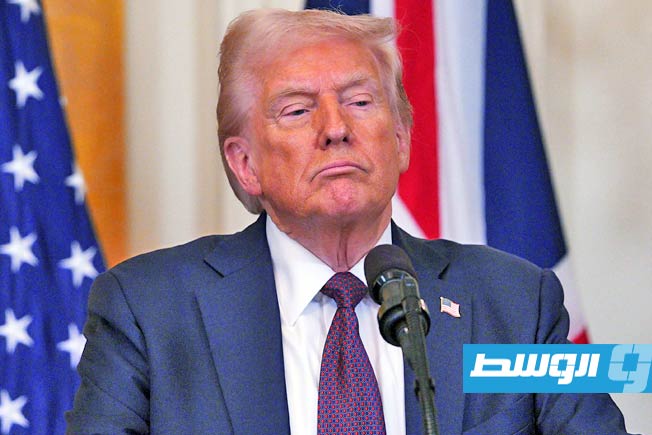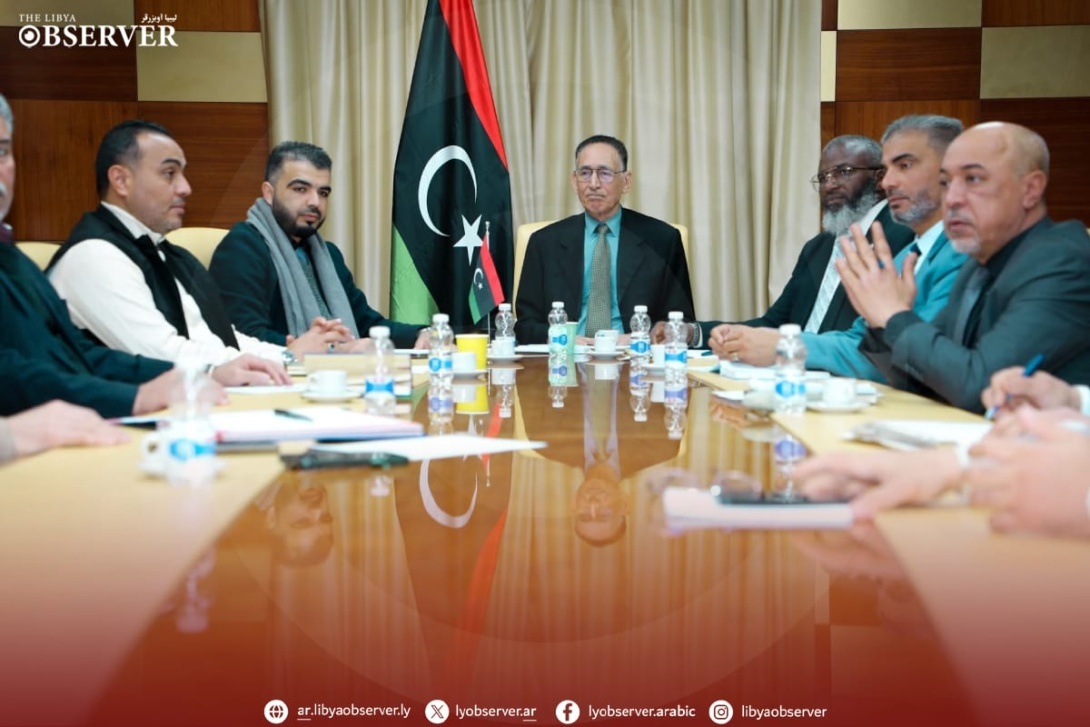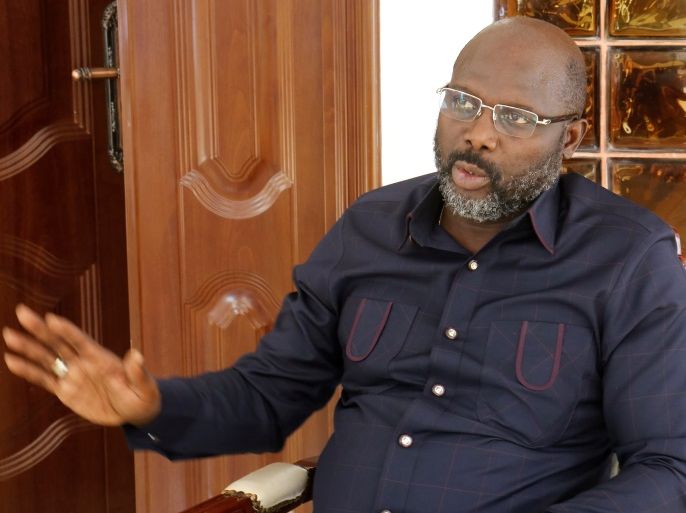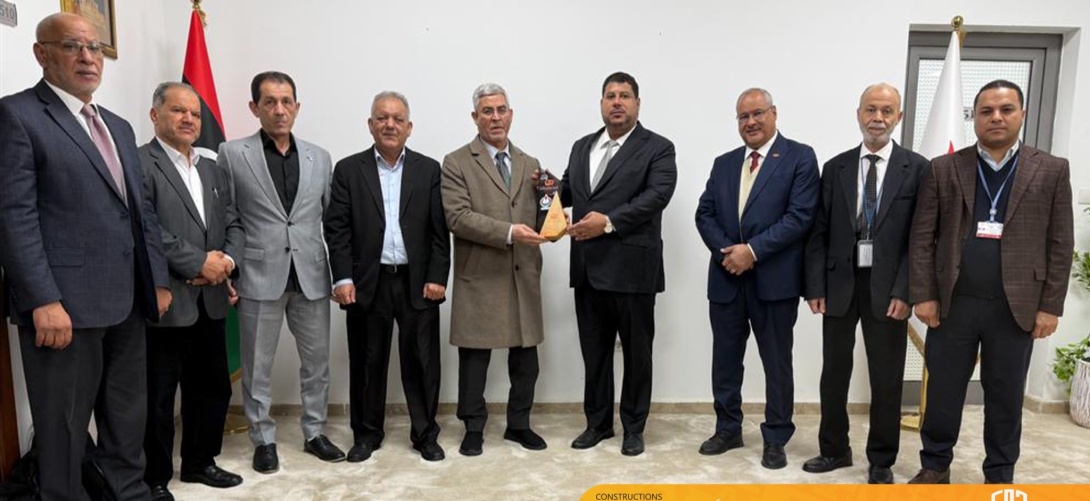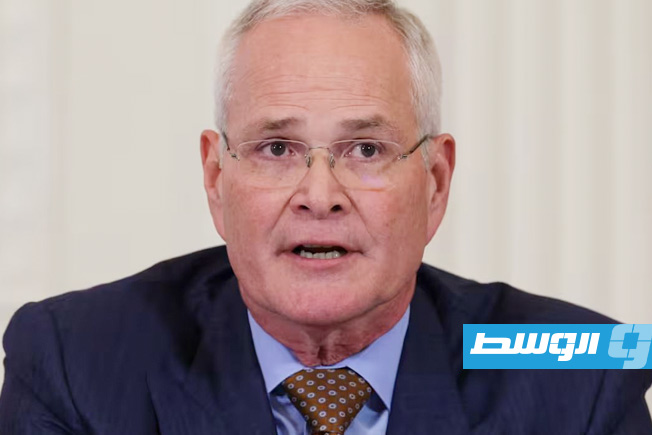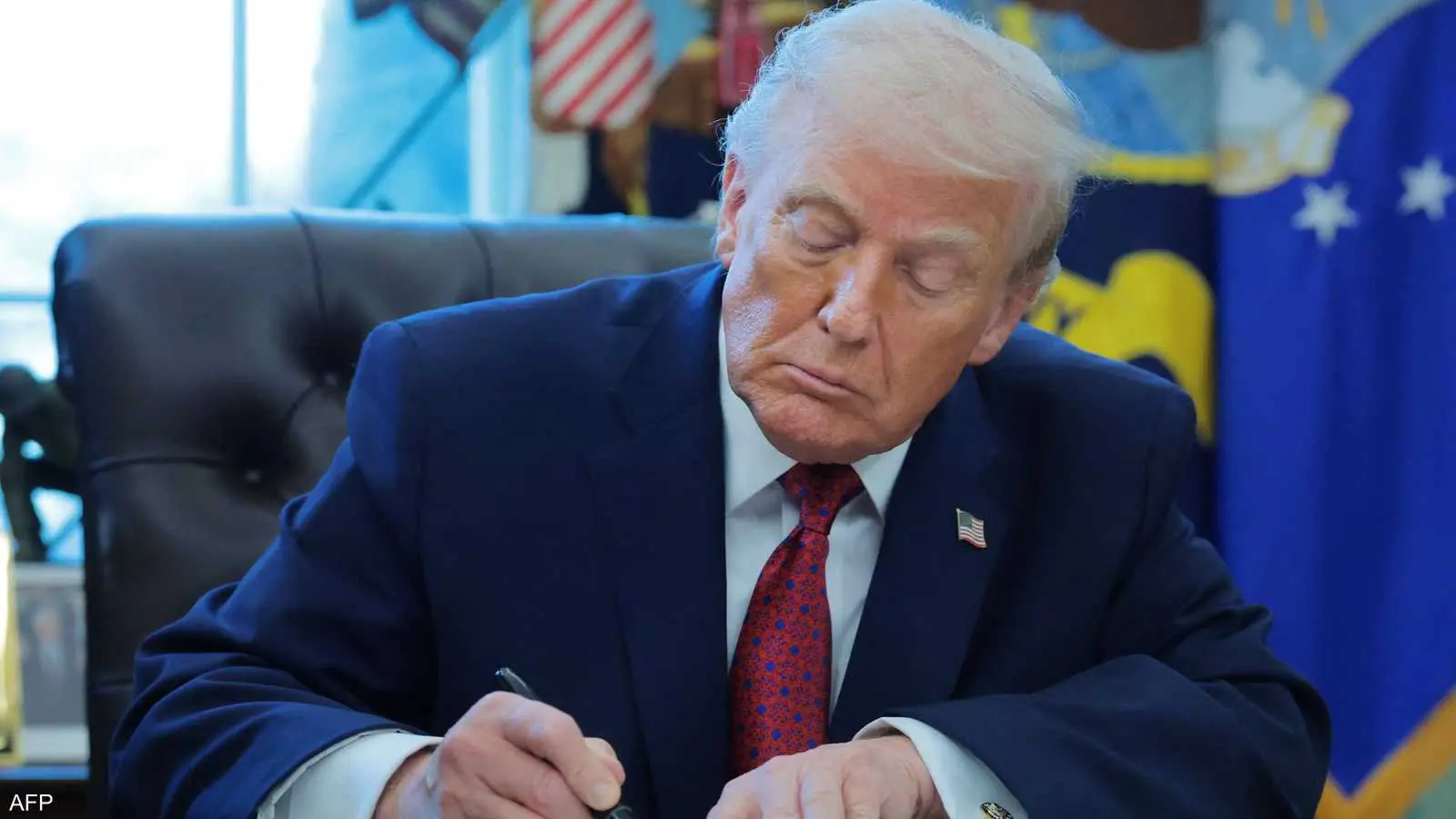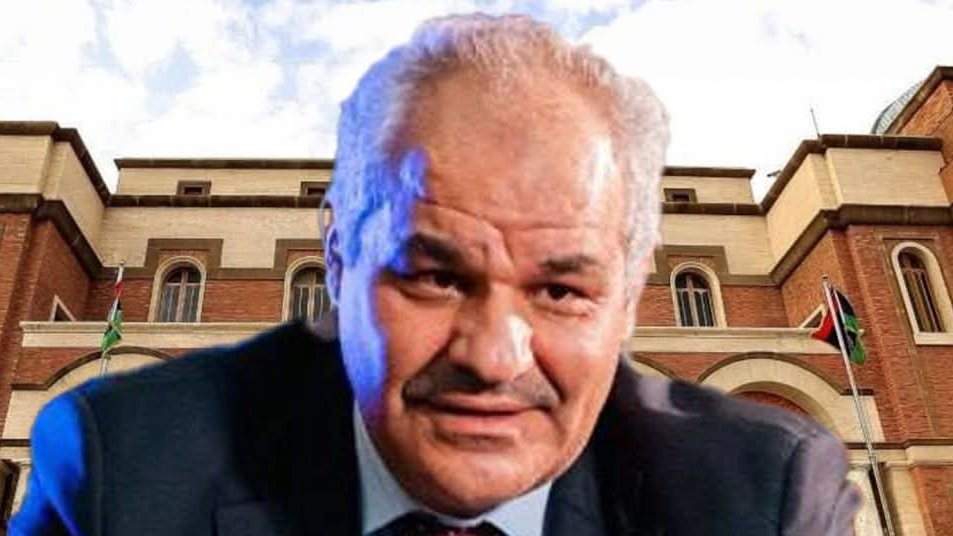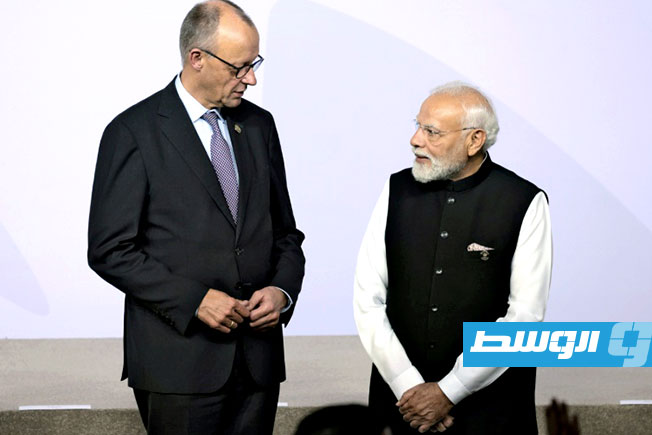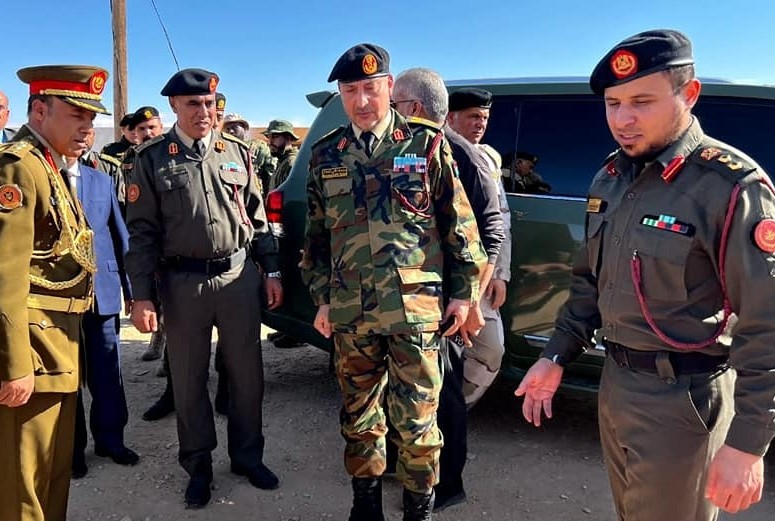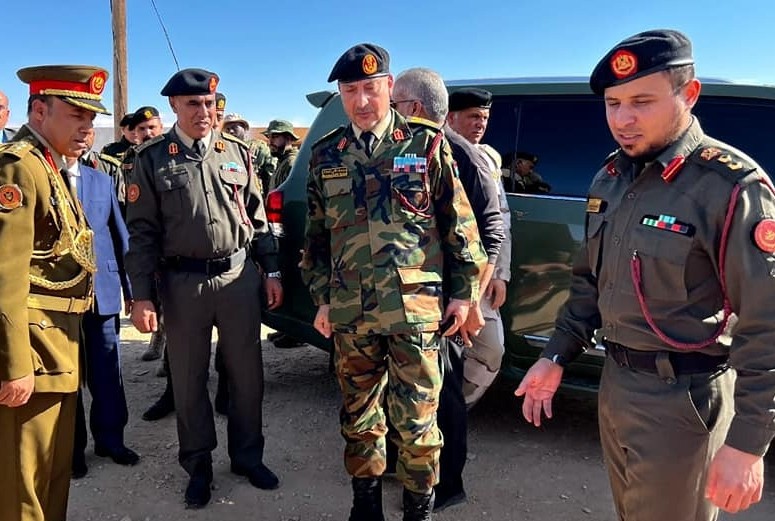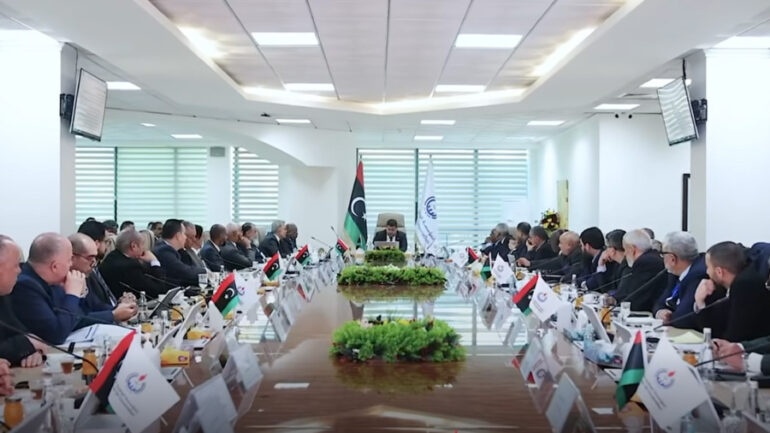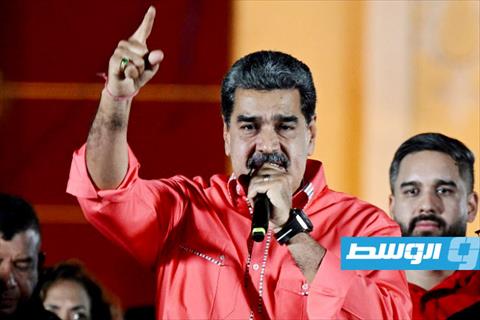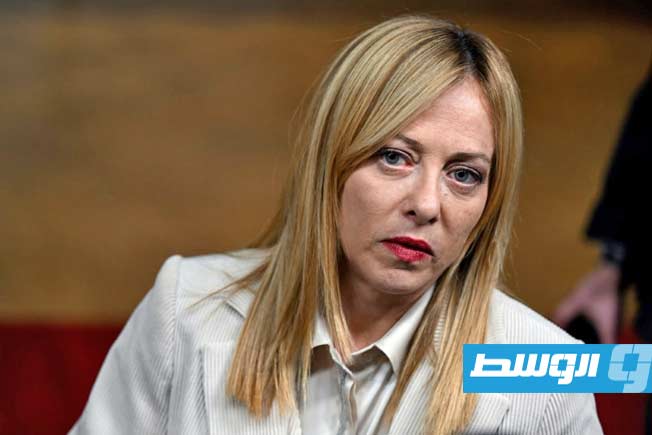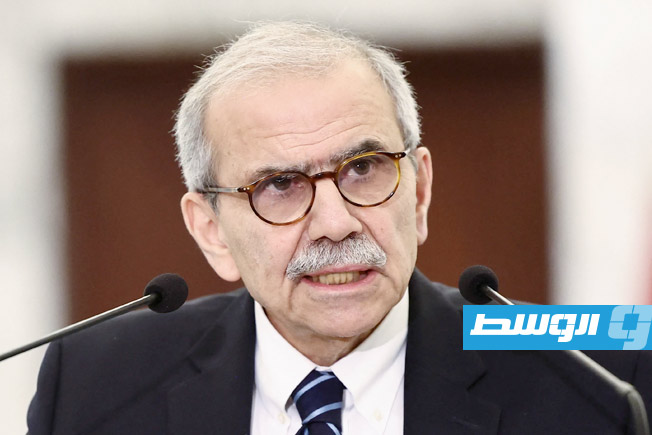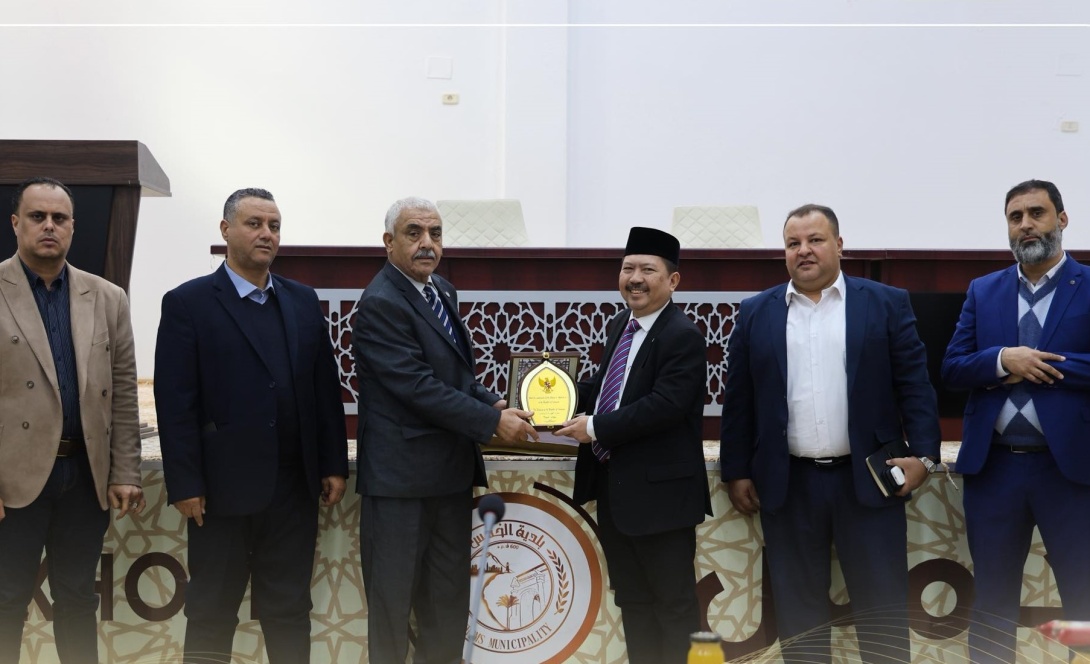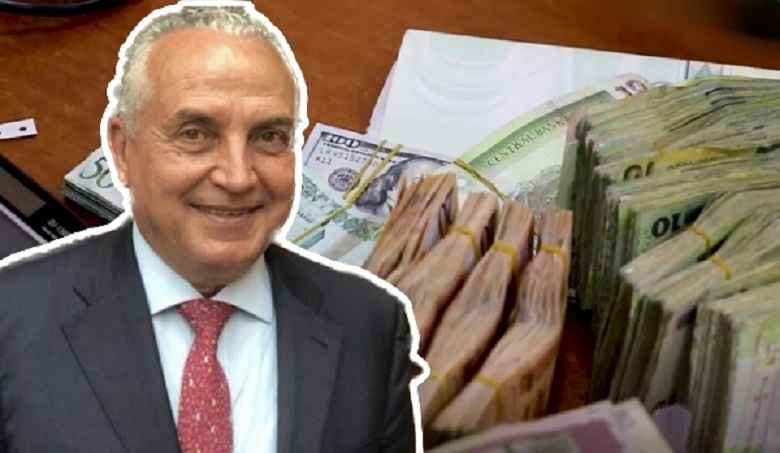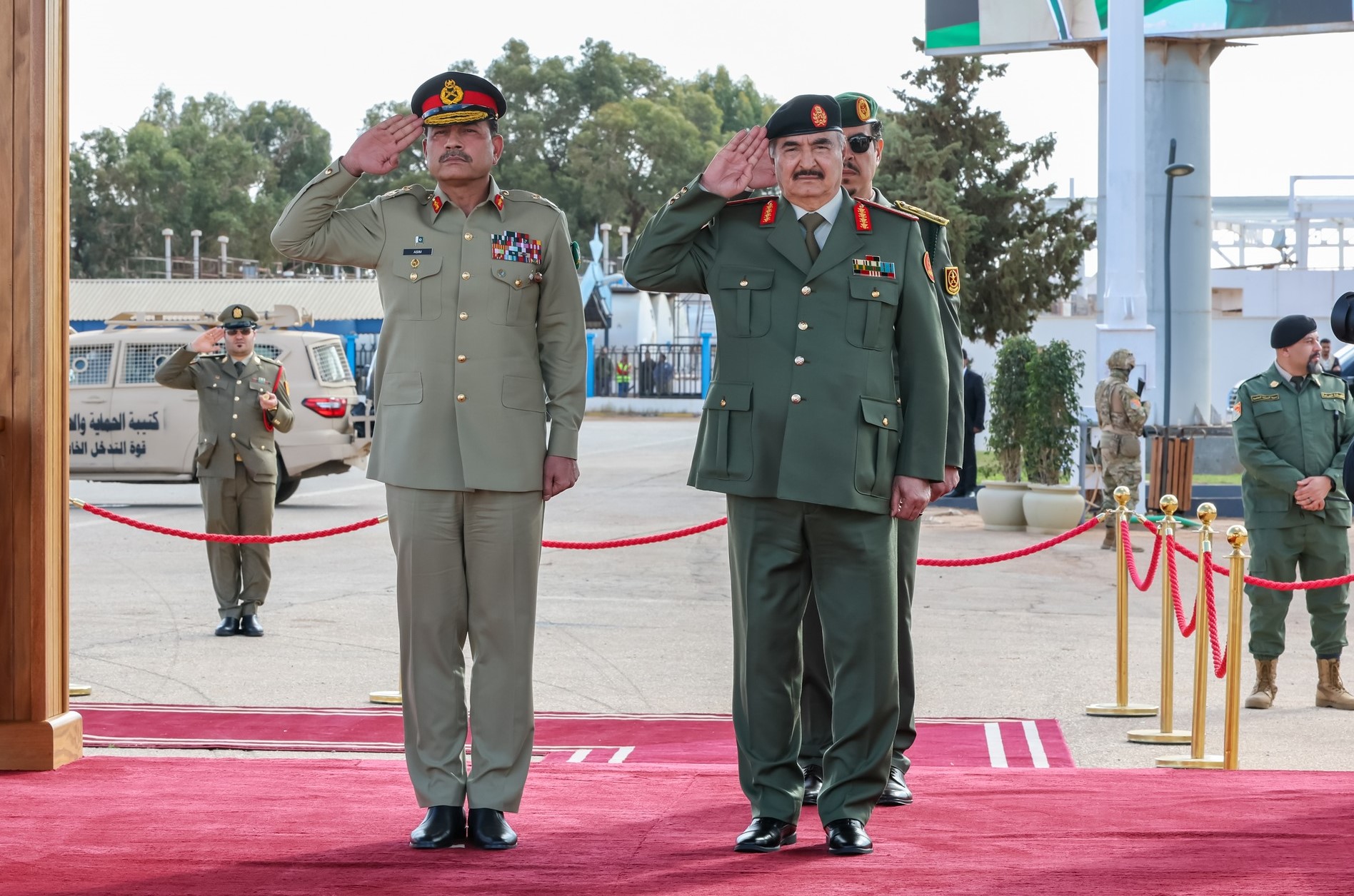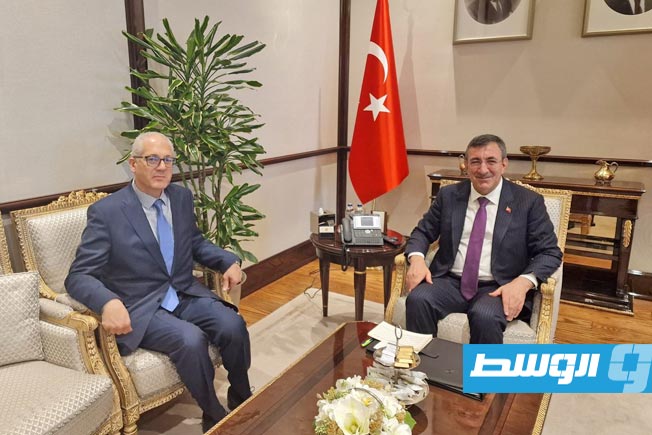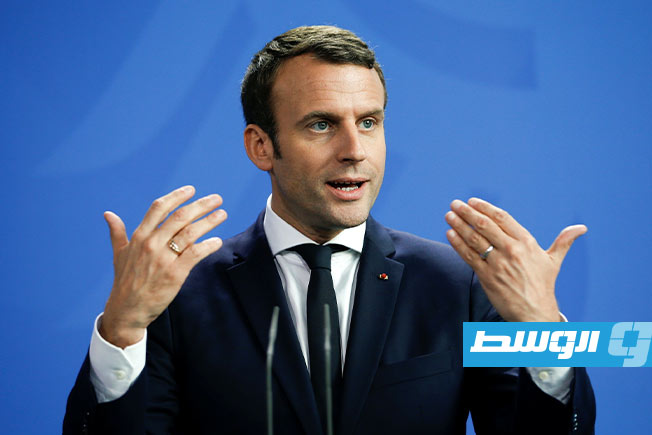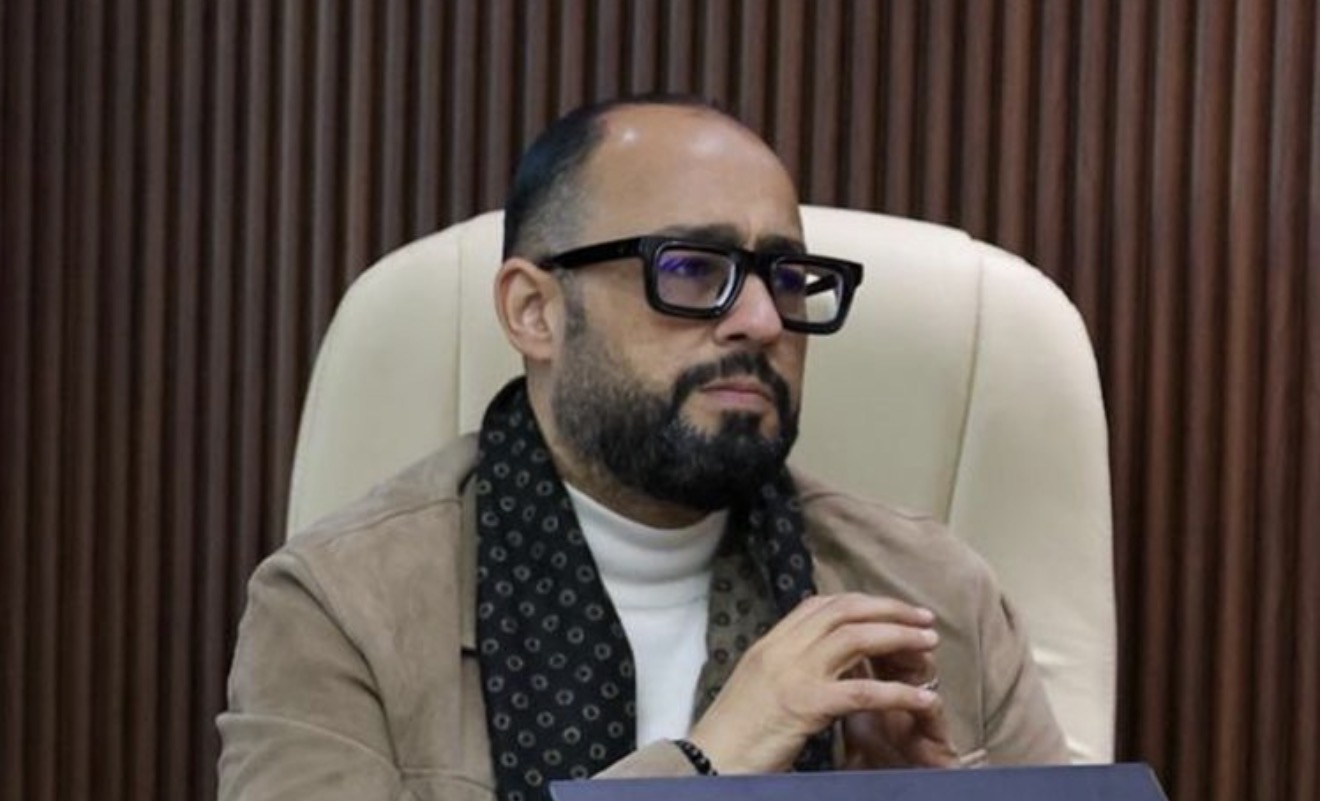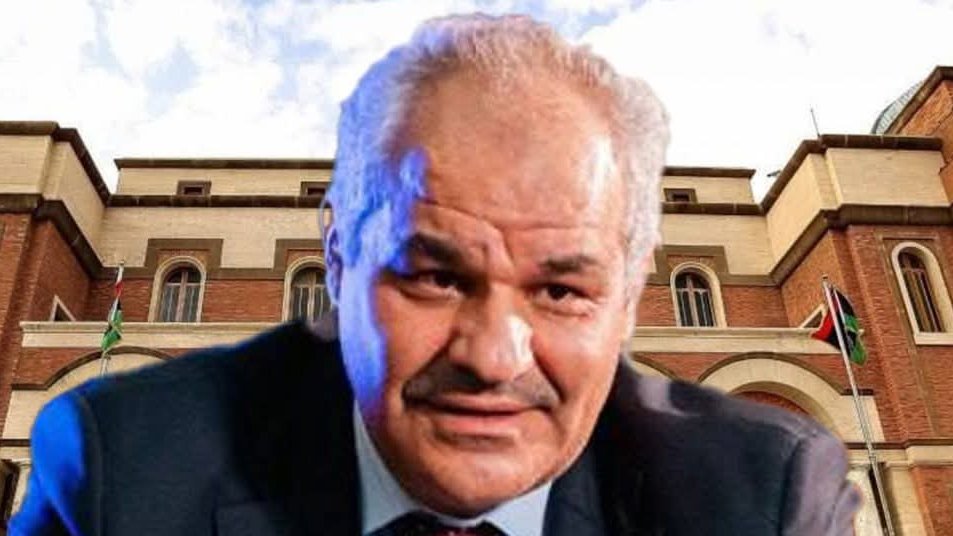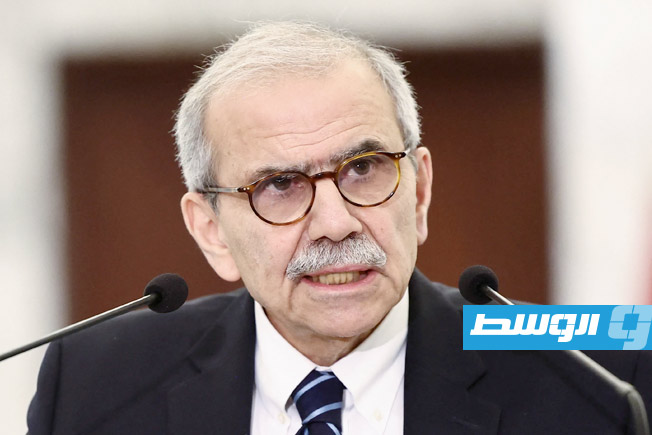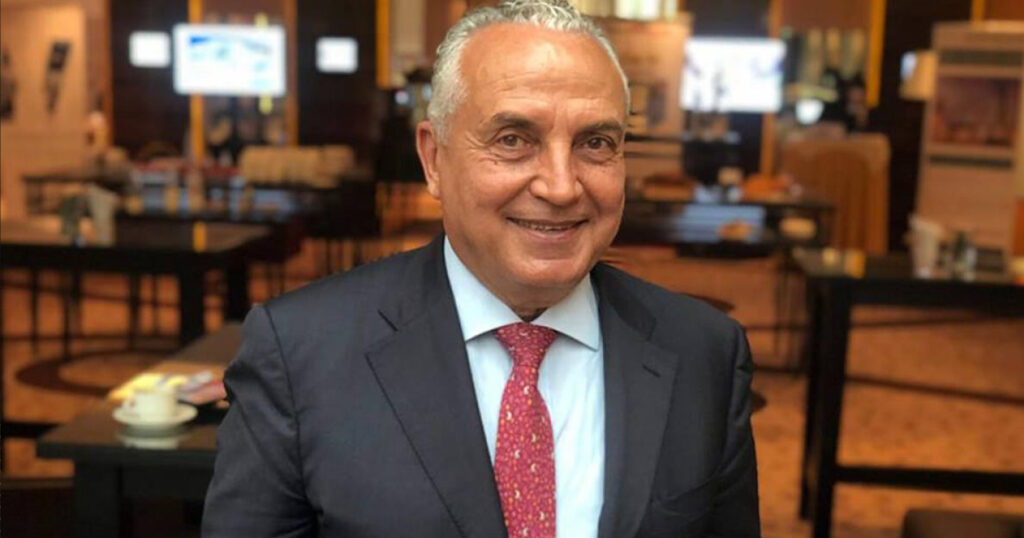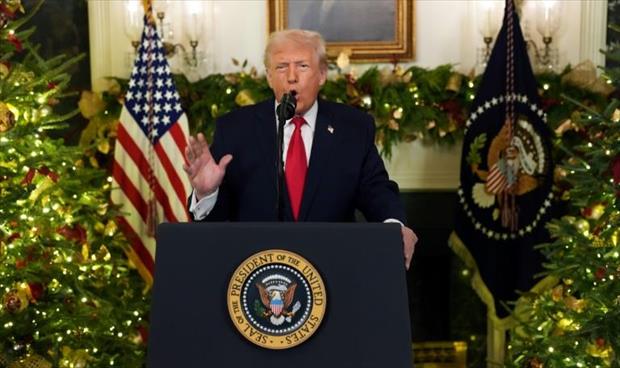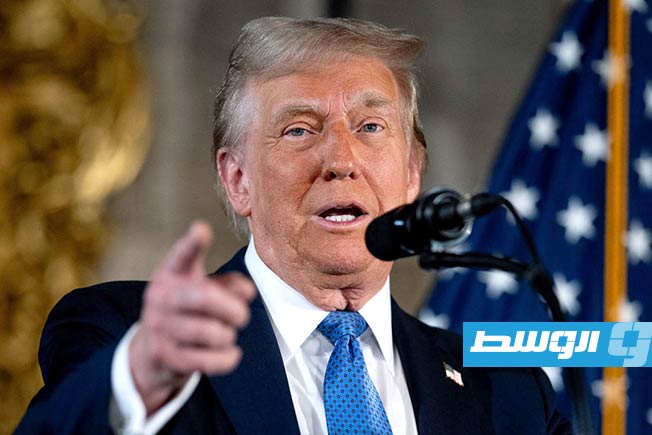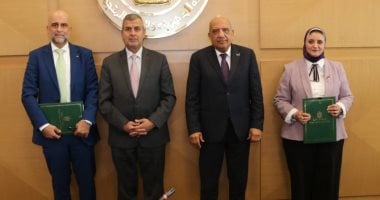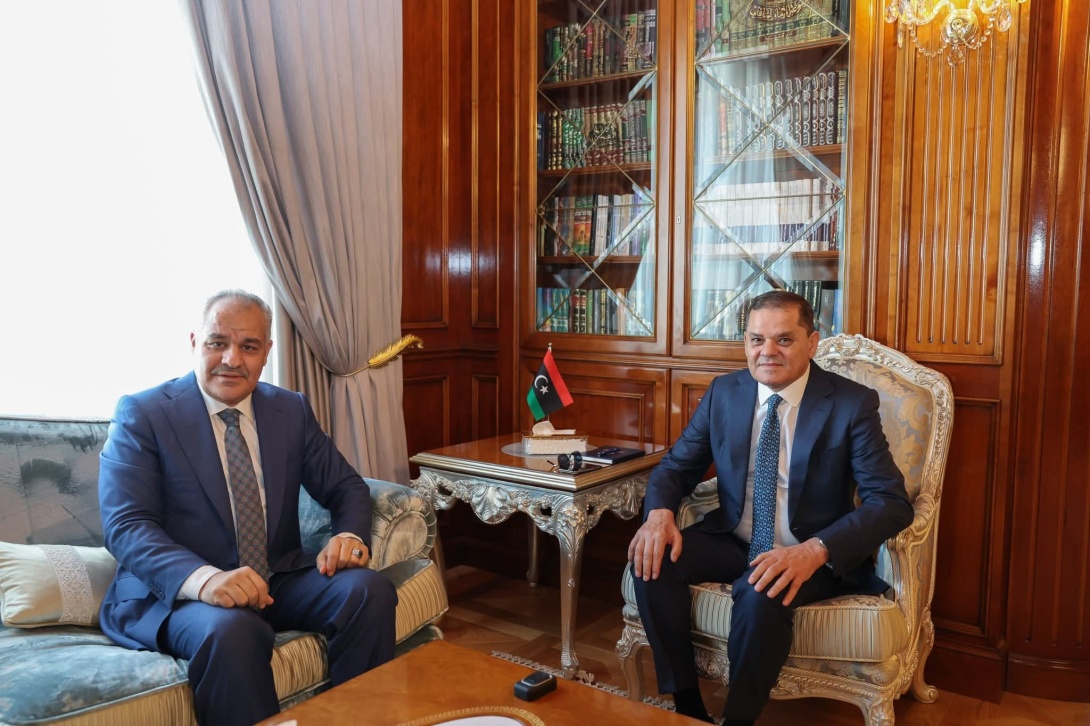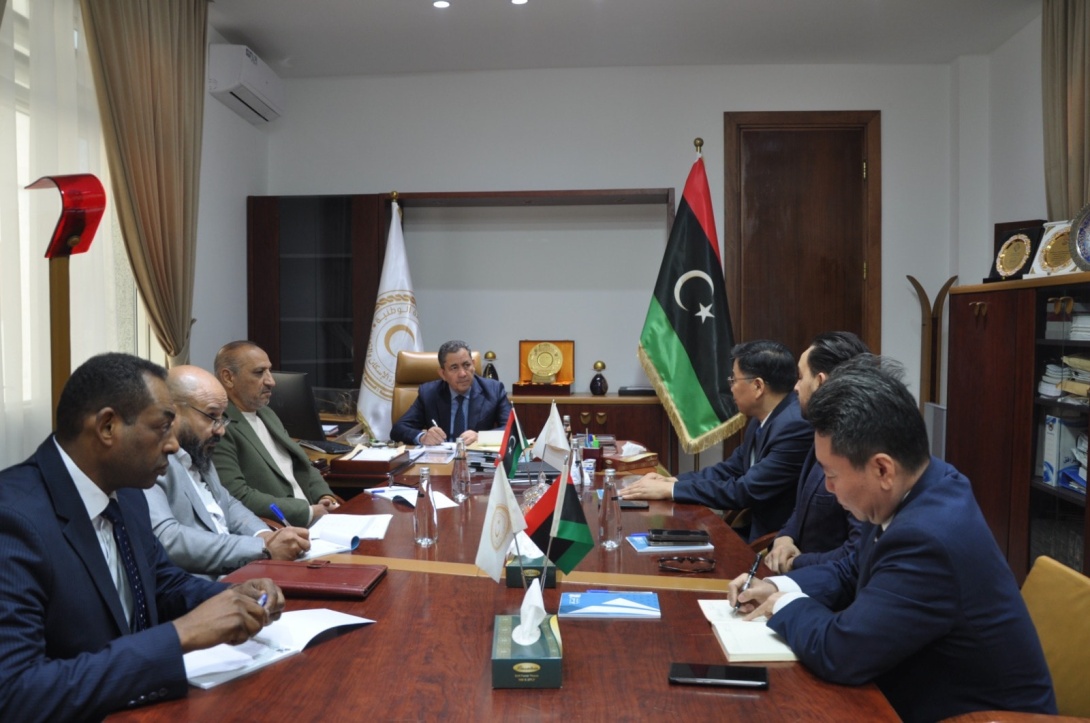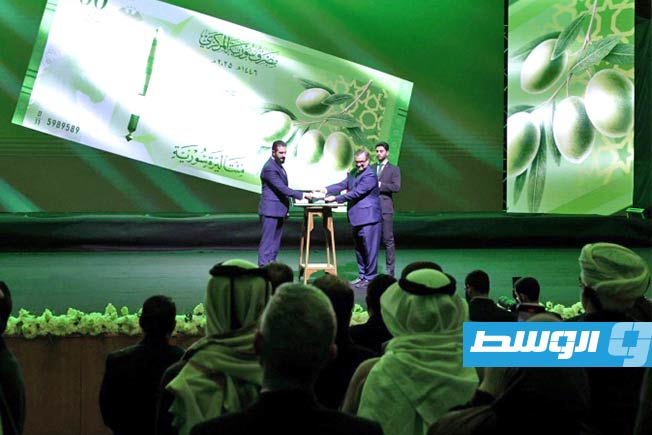
Syrian President (left) and the Governor of the Central Bank of Syria display a new banknote at the Conference Palace in Damascus, December 29, 2025.
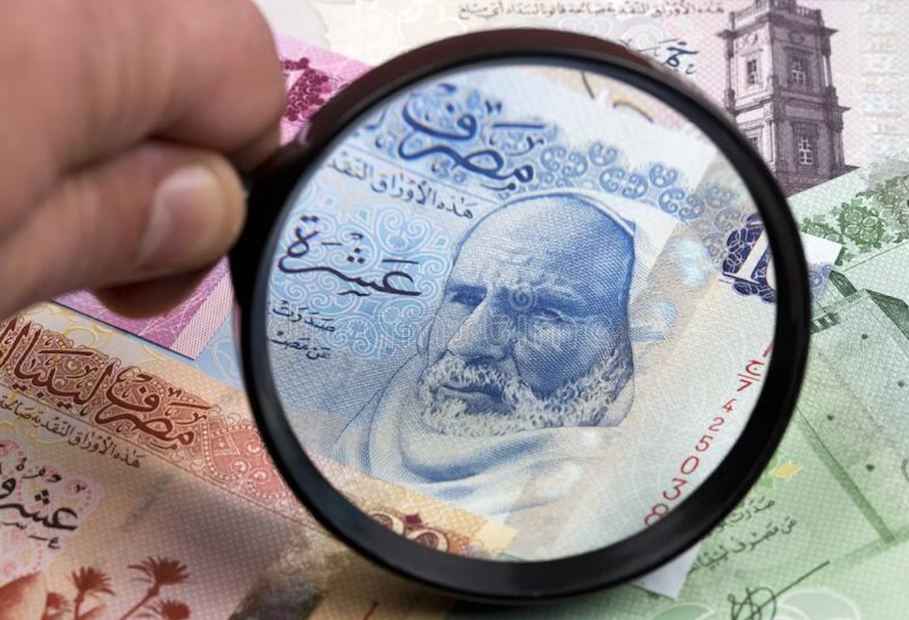
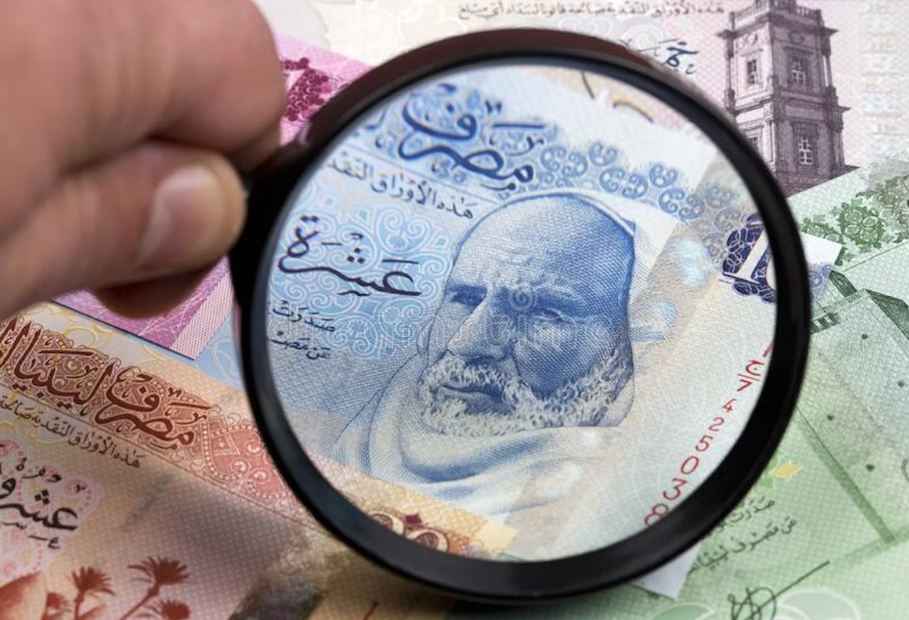
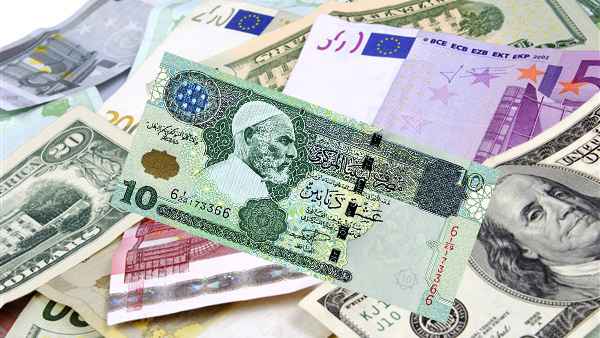
Syrian President unveiled a new currency on Monday, replacing the currency that was in use during the era of Bashar al-Assad and his family, hoping that the national currency will regain some of the value it lost over years of war.
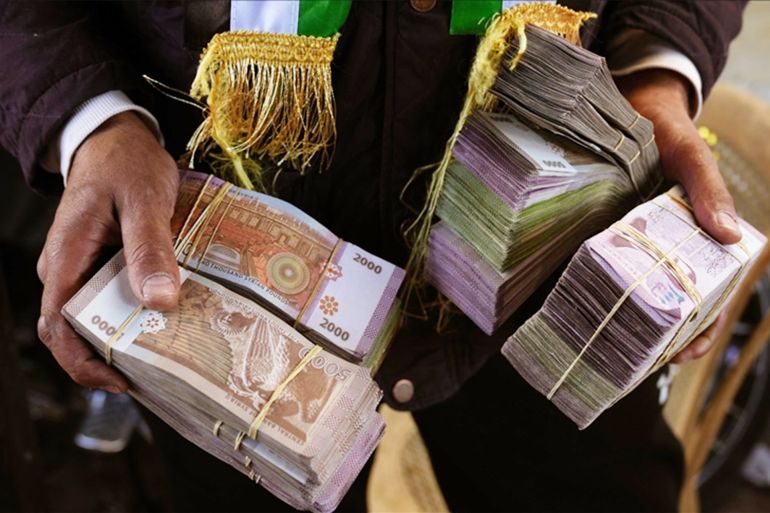
In its effort to strengthen the value of the lira, the Syrian authorities removed two zeros from the nominal value of the old currency.
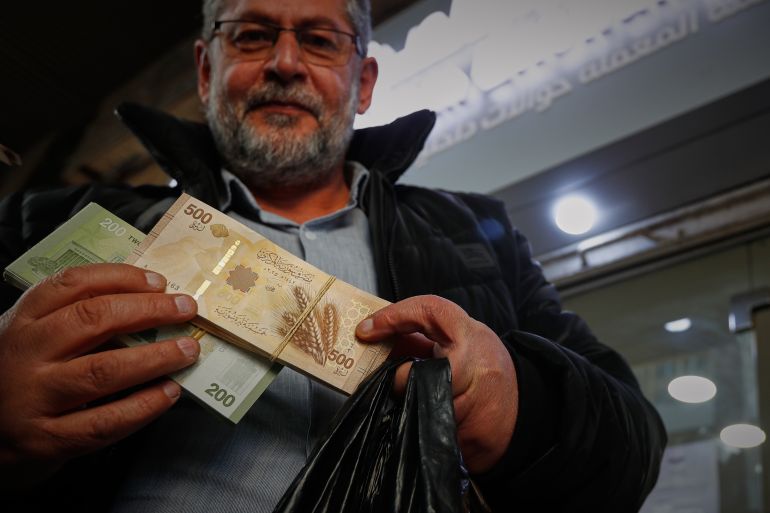
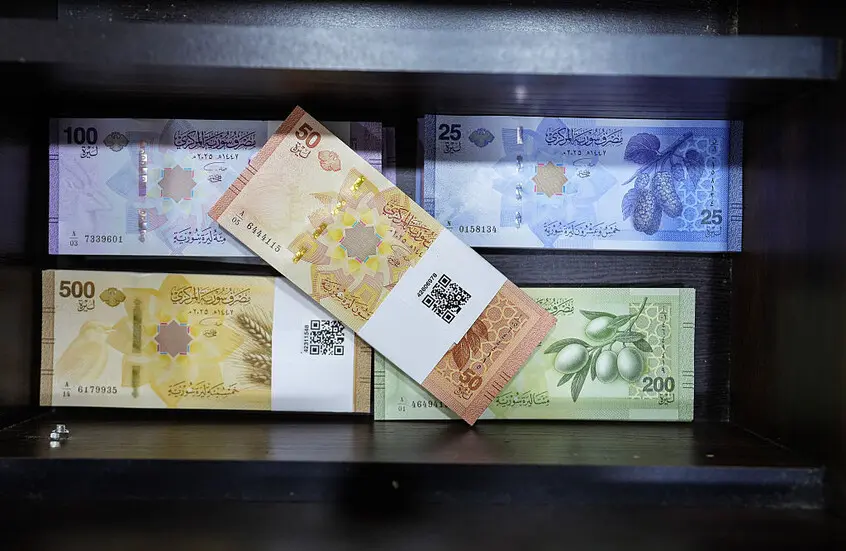
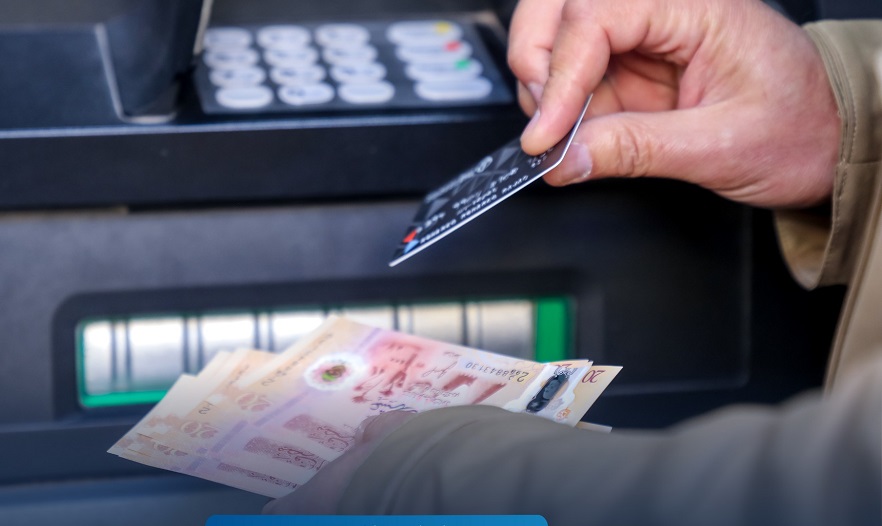
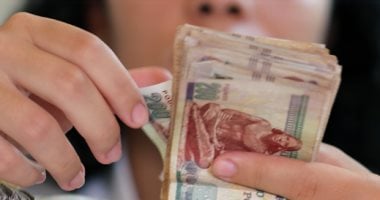
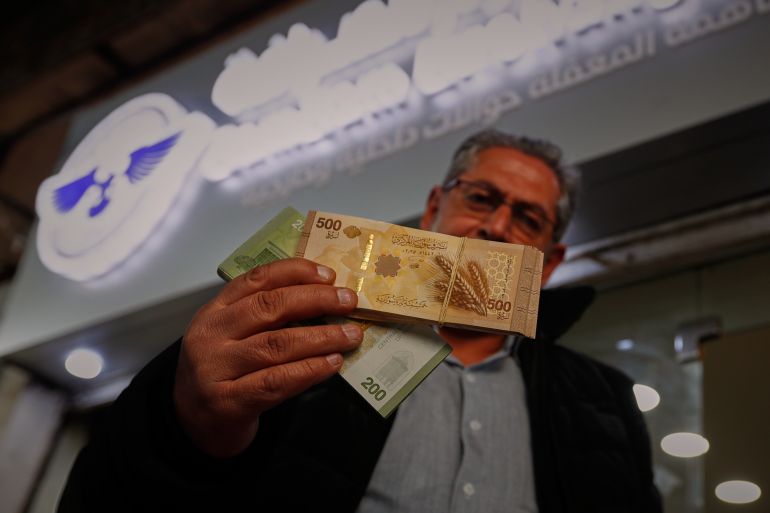
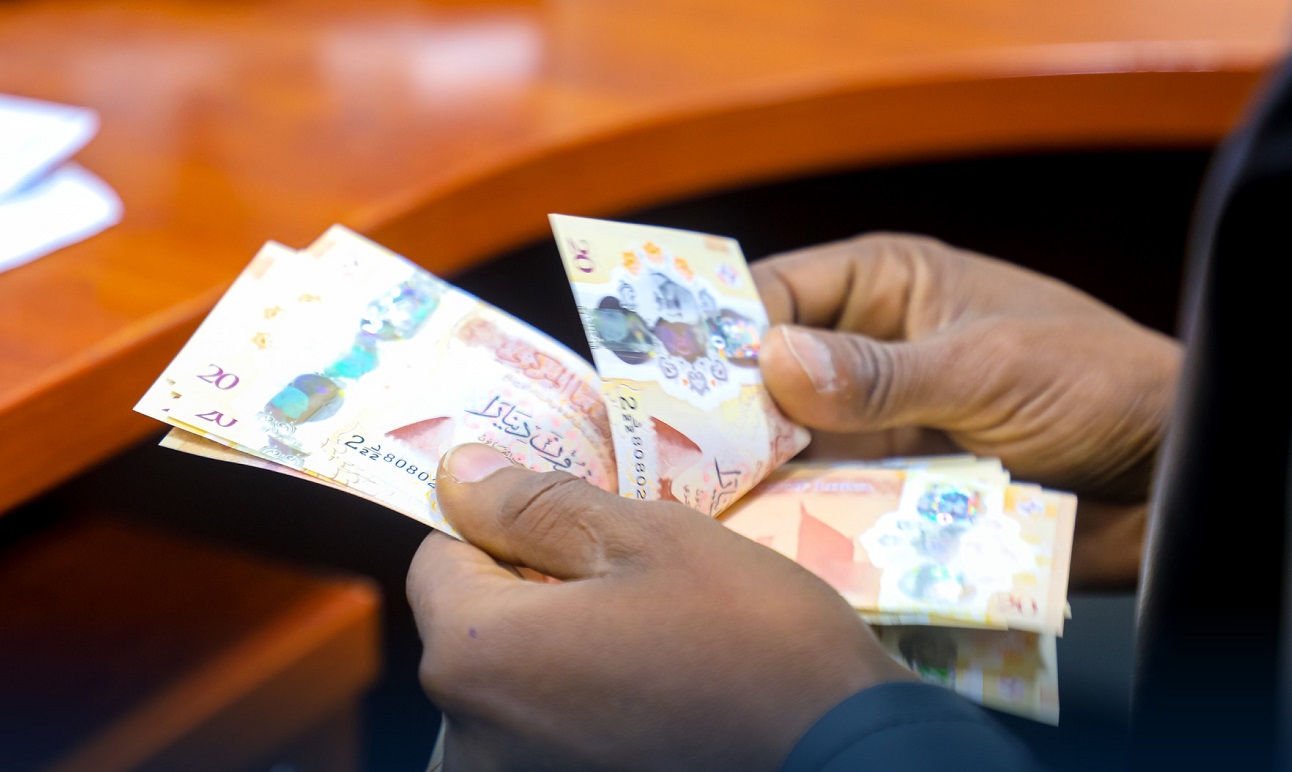
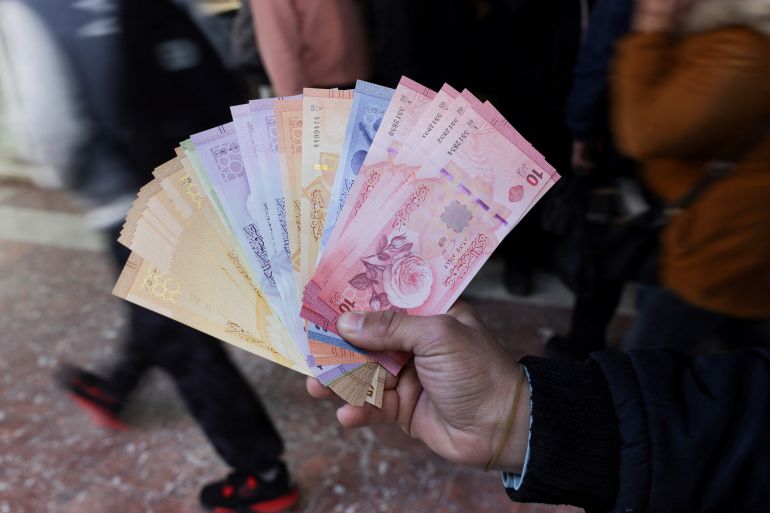
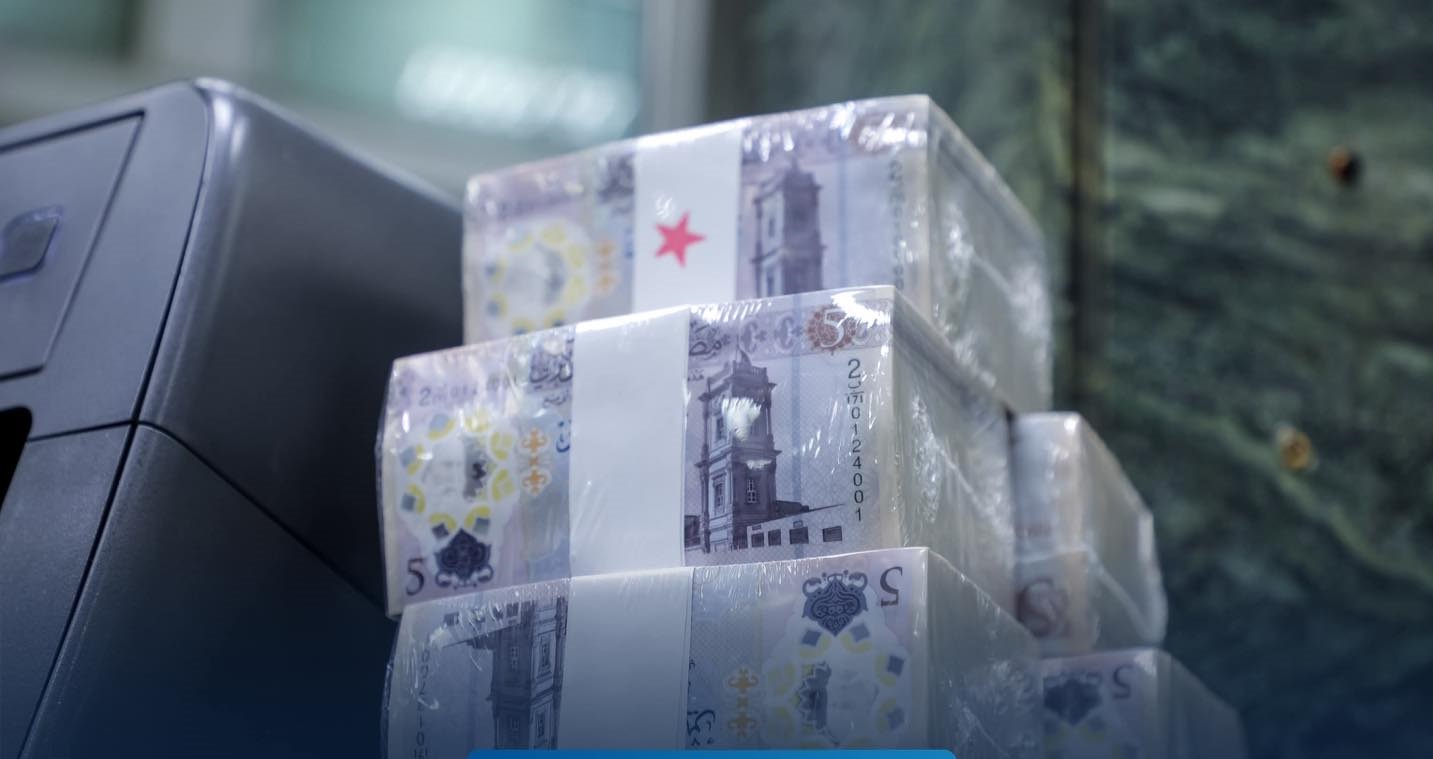
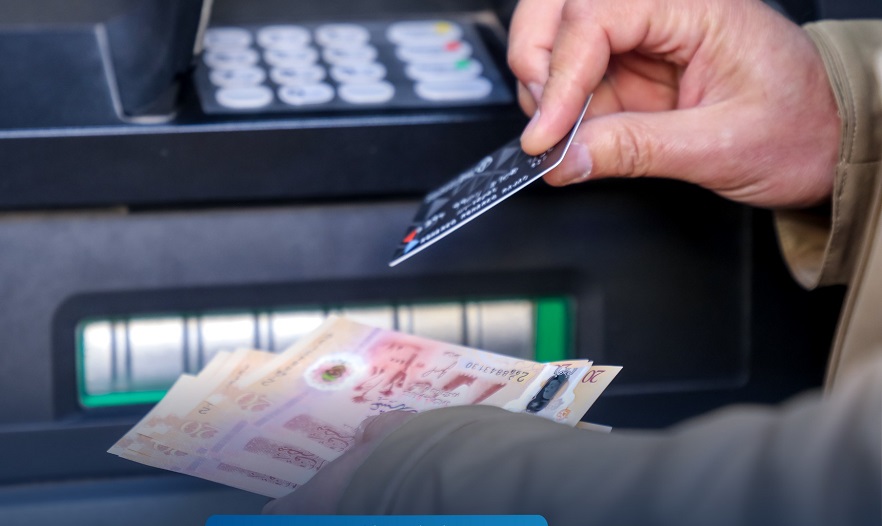
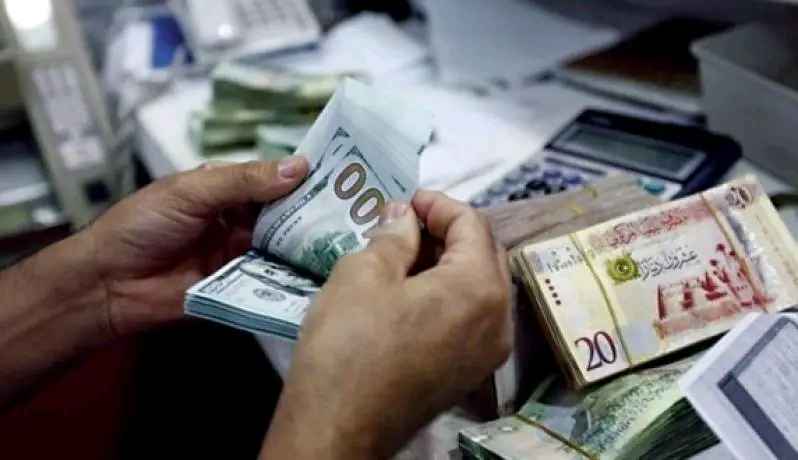
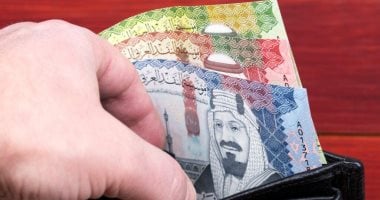
Circulation of the new lira, which will be issued in denominations ranging from 10 to 500 lira, will begin on January 1. The new banknotes feature images of roses, wheat, olives, oranges, and other agricultural symbols for which Syria is known.
President: “Currency change marks the end of a previous phase”
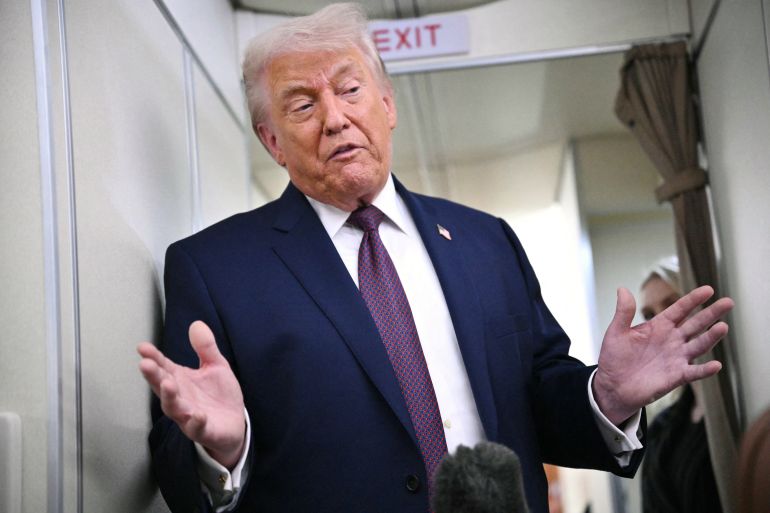
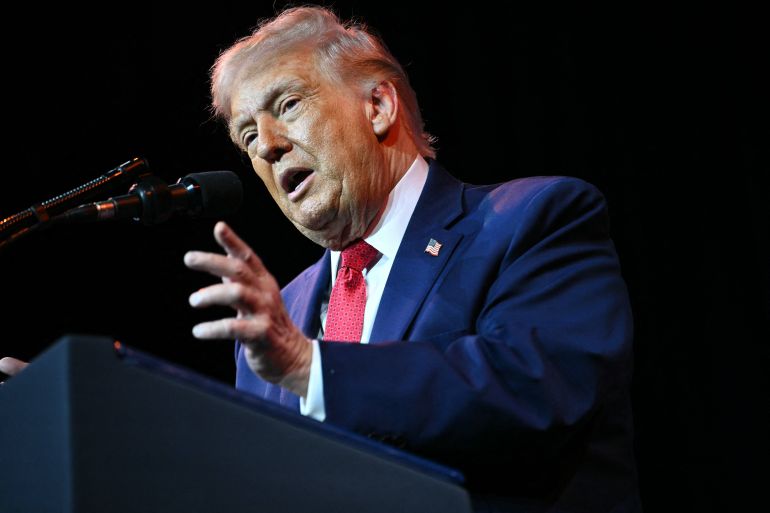
After unveiling the new banknotes, the President said that “changing the currency marks the end of a previous phase that is not missed, and the beginning of a new phase that the Syrian people aspire to.” He confirmed that “the design of the new currency expresses the new national identity and moving away from the glorification of individuals.”
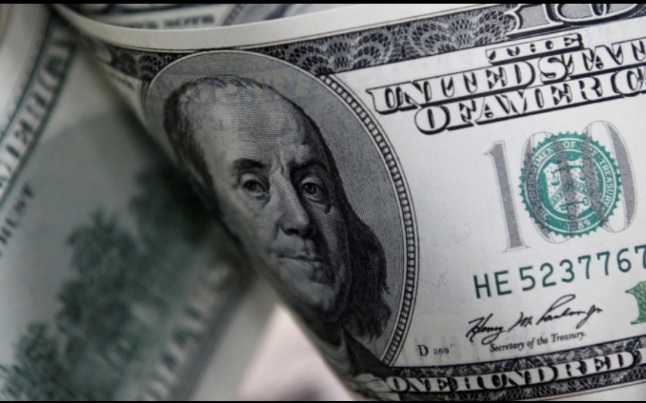
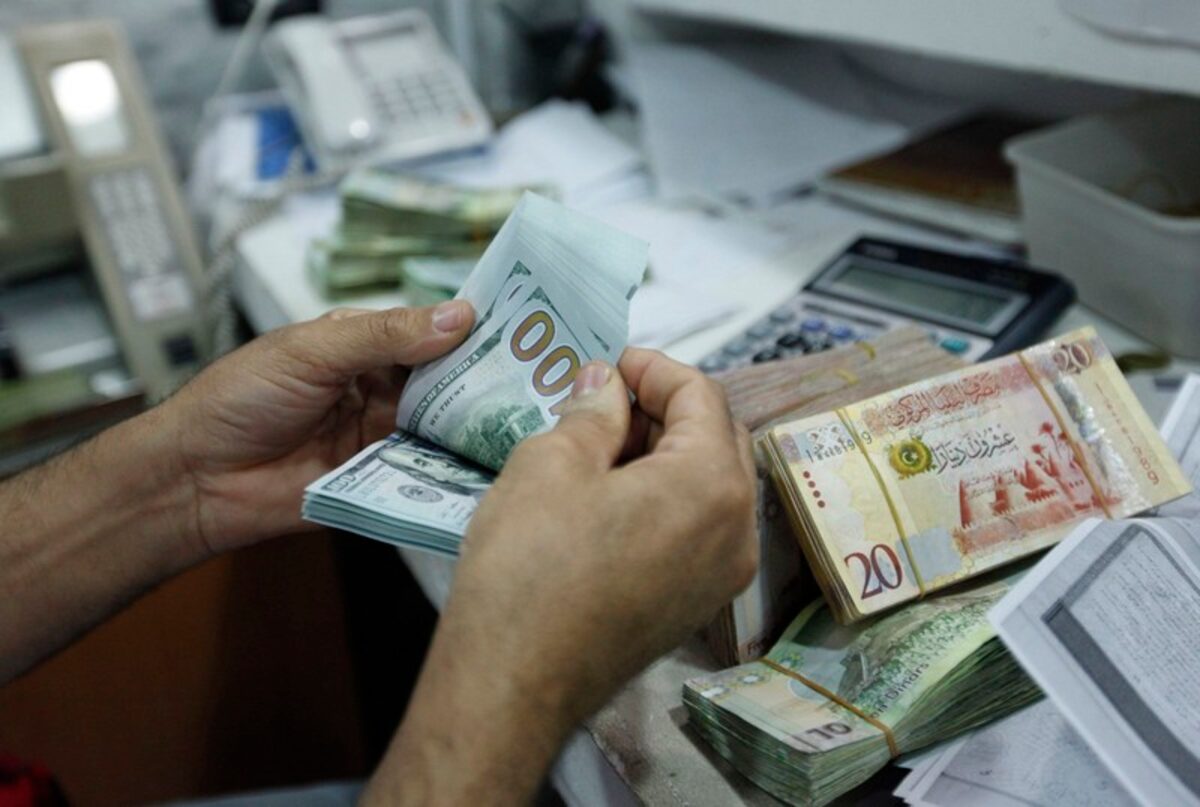
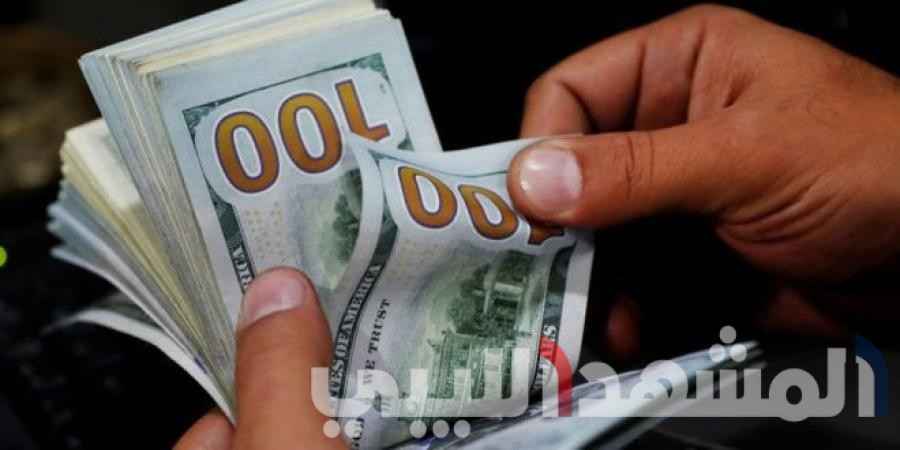
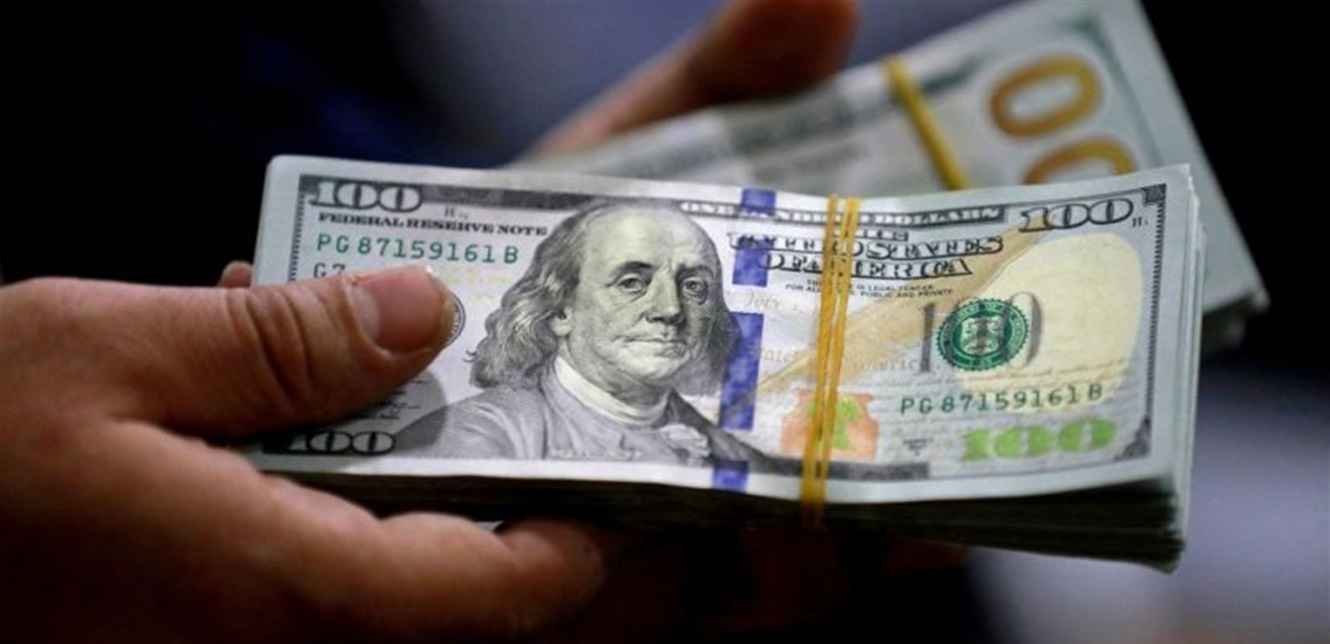
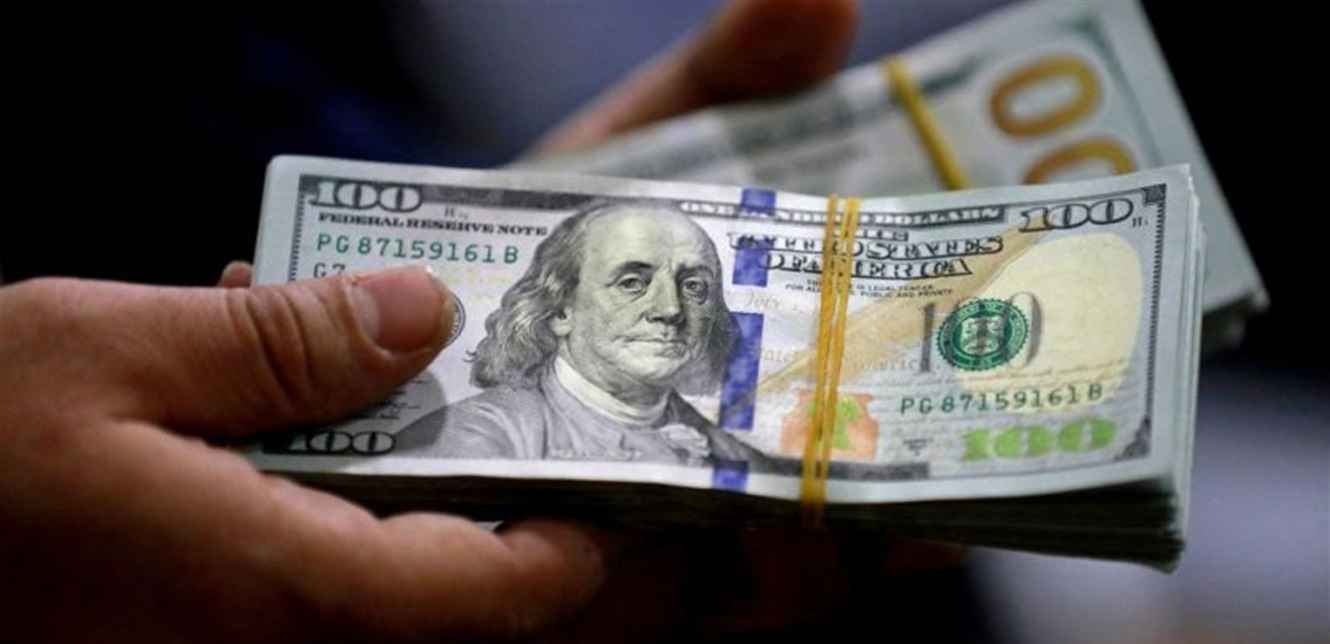
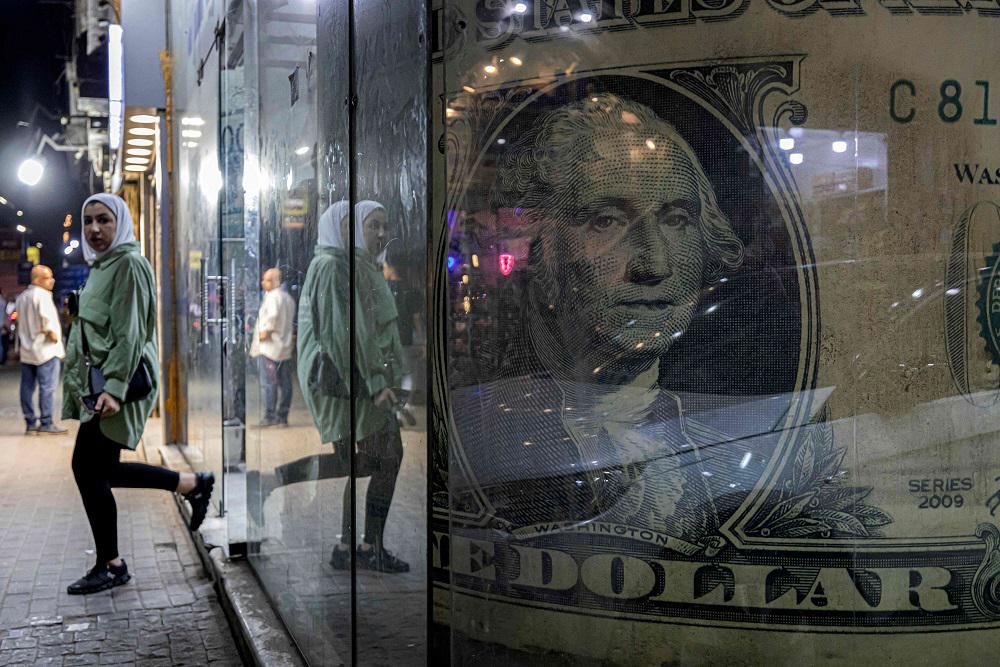
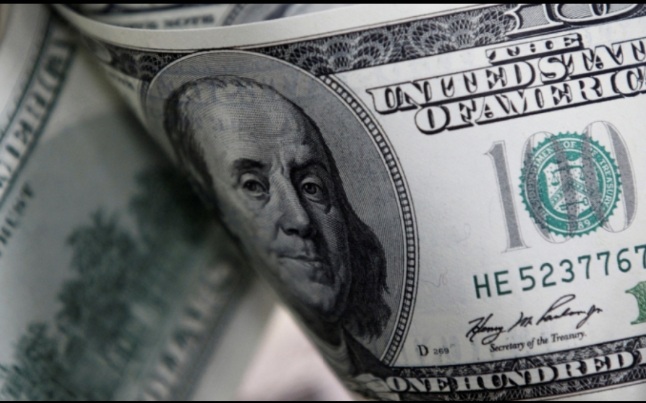
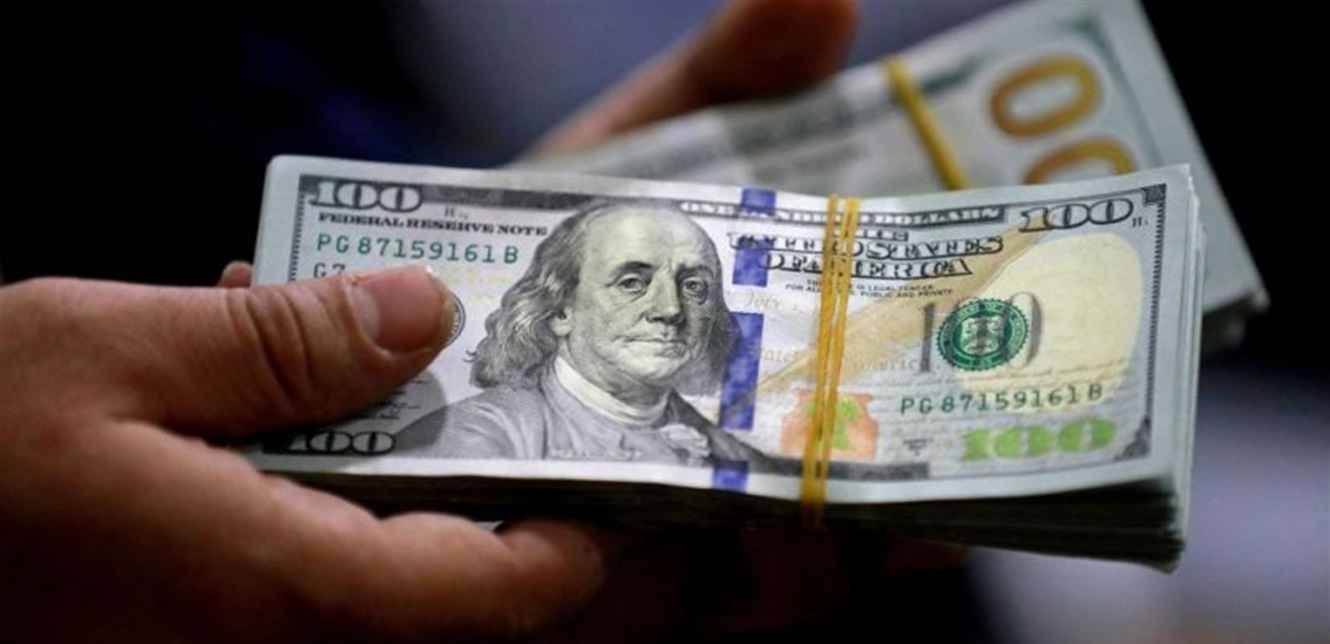
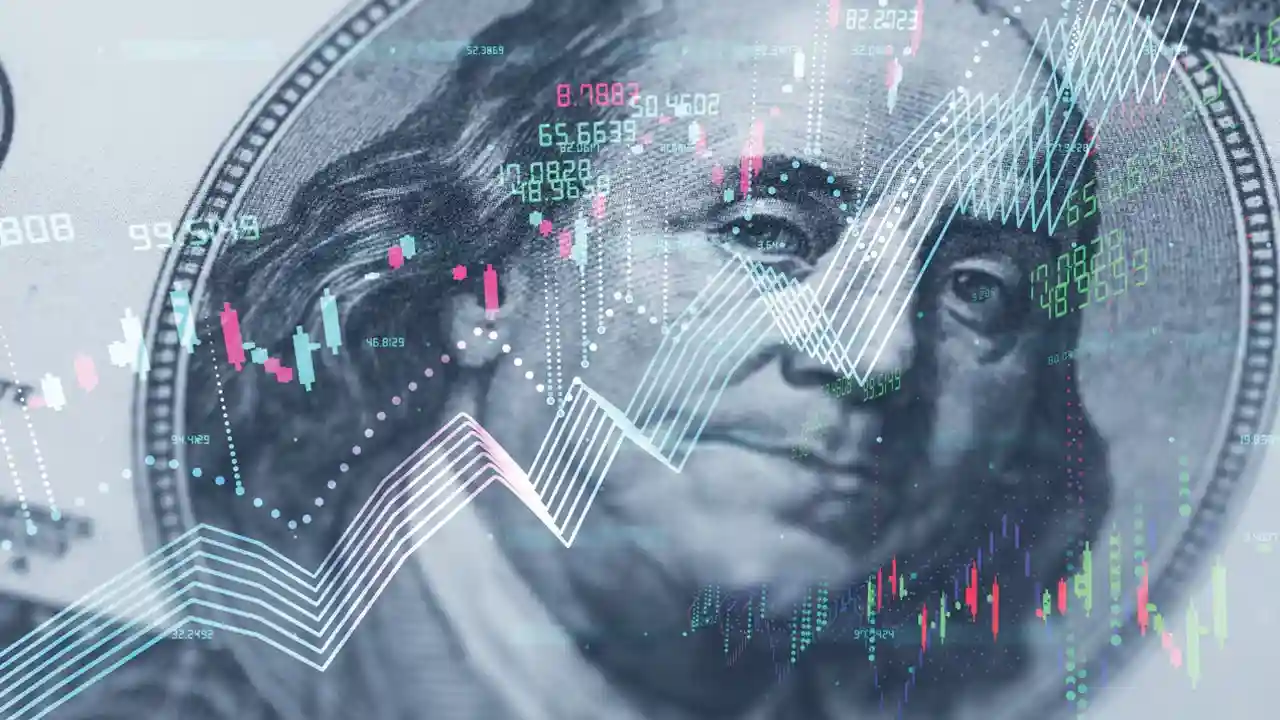
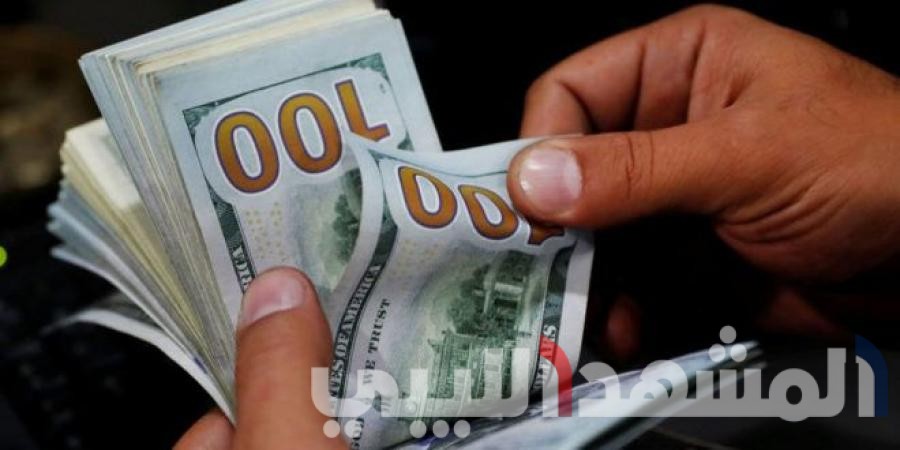
The new lira was launched with the aim of facilitating transactions, reducing reliance on the dollar, and boosting confidence in the Syrian lira, noting that the removal of the two zeros will not affect the currency’s value.
– The Central Bank of Syria reveals plan for issuing the new currency
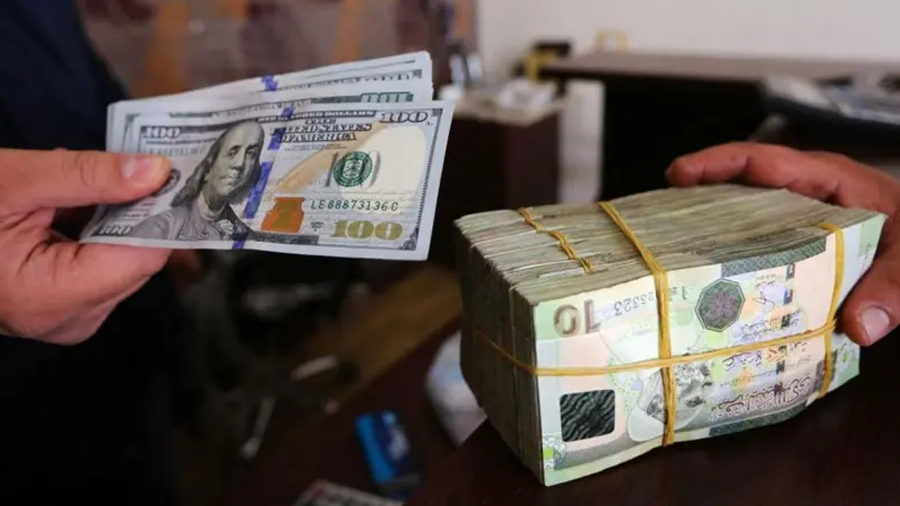
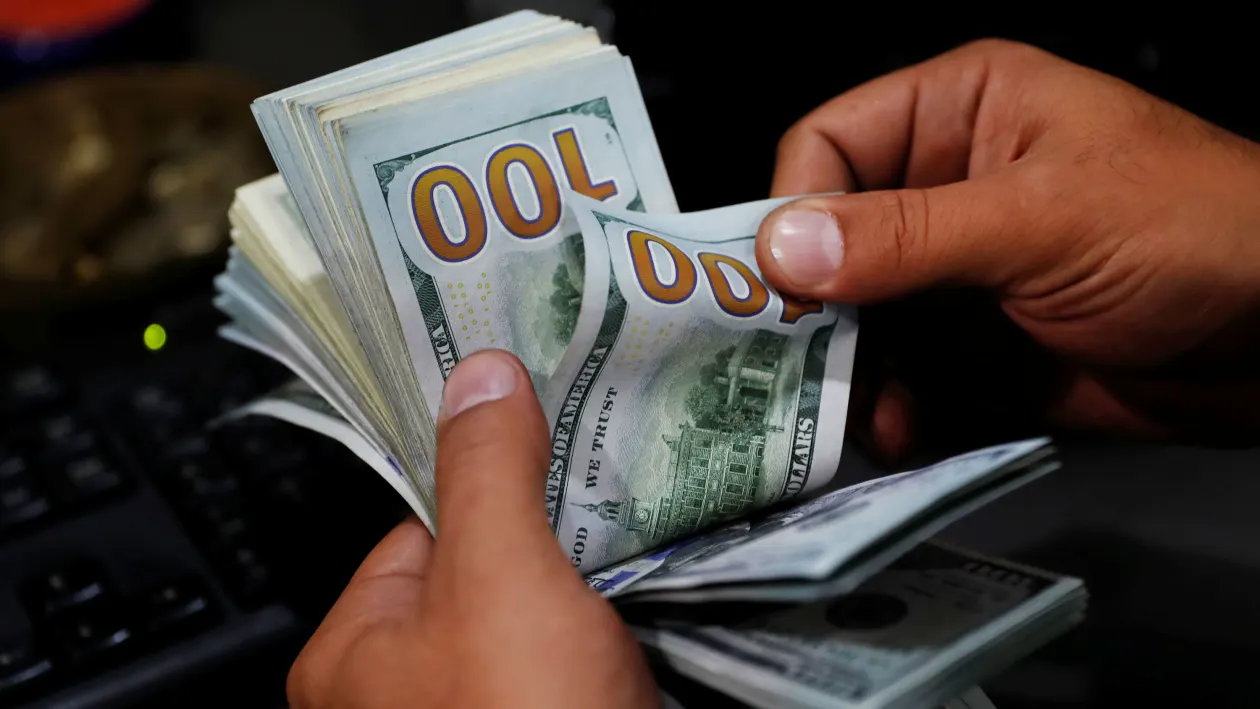
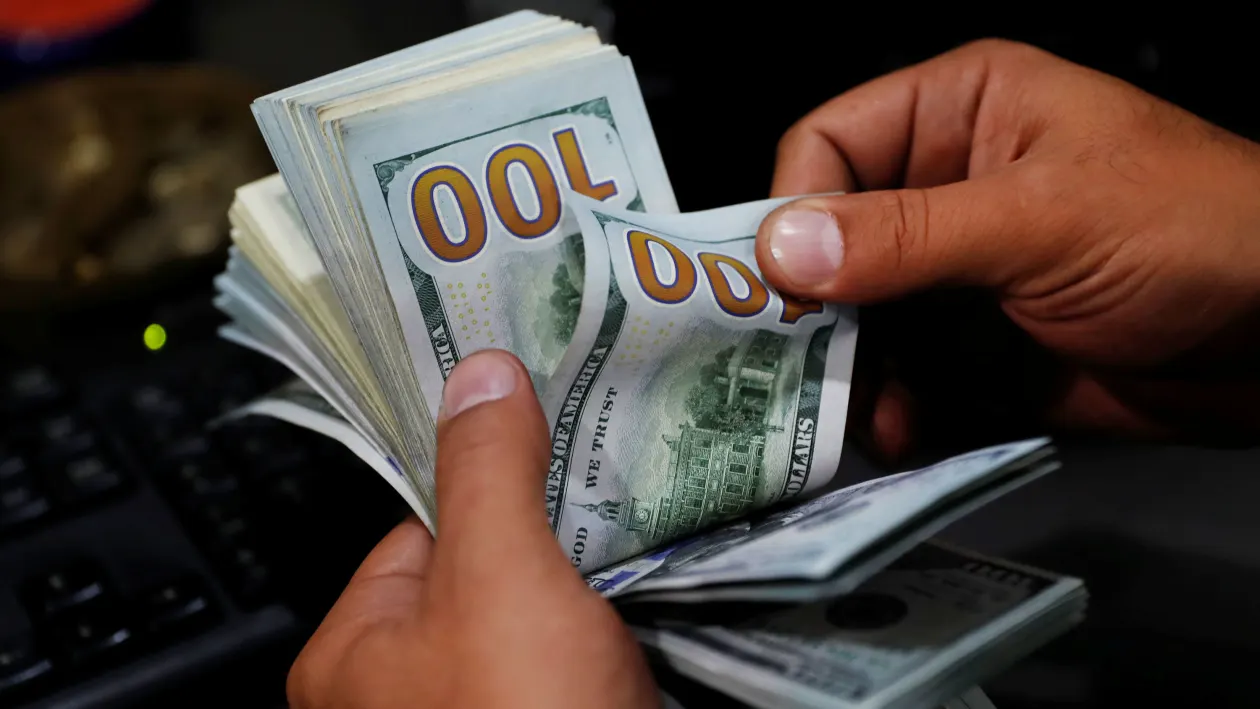
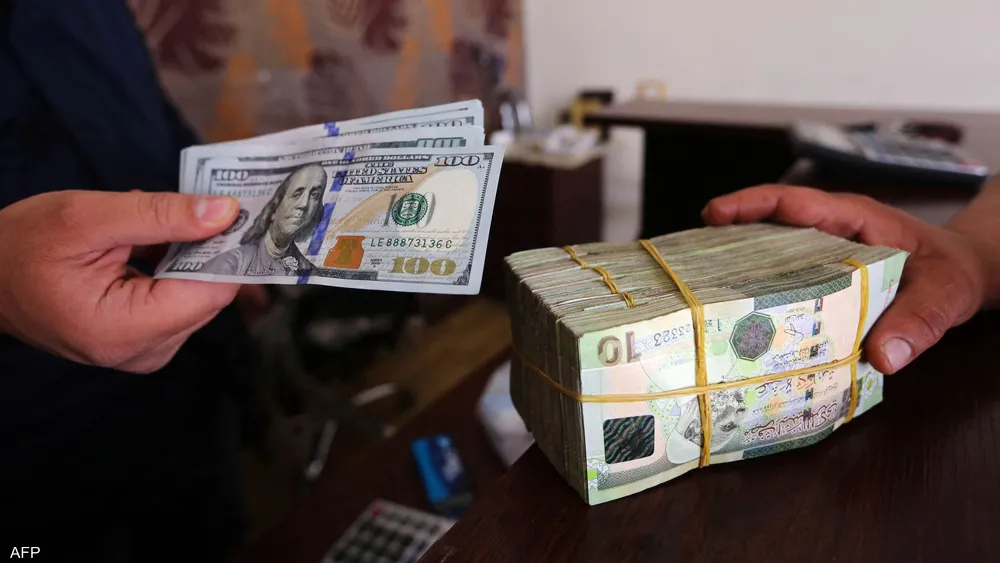
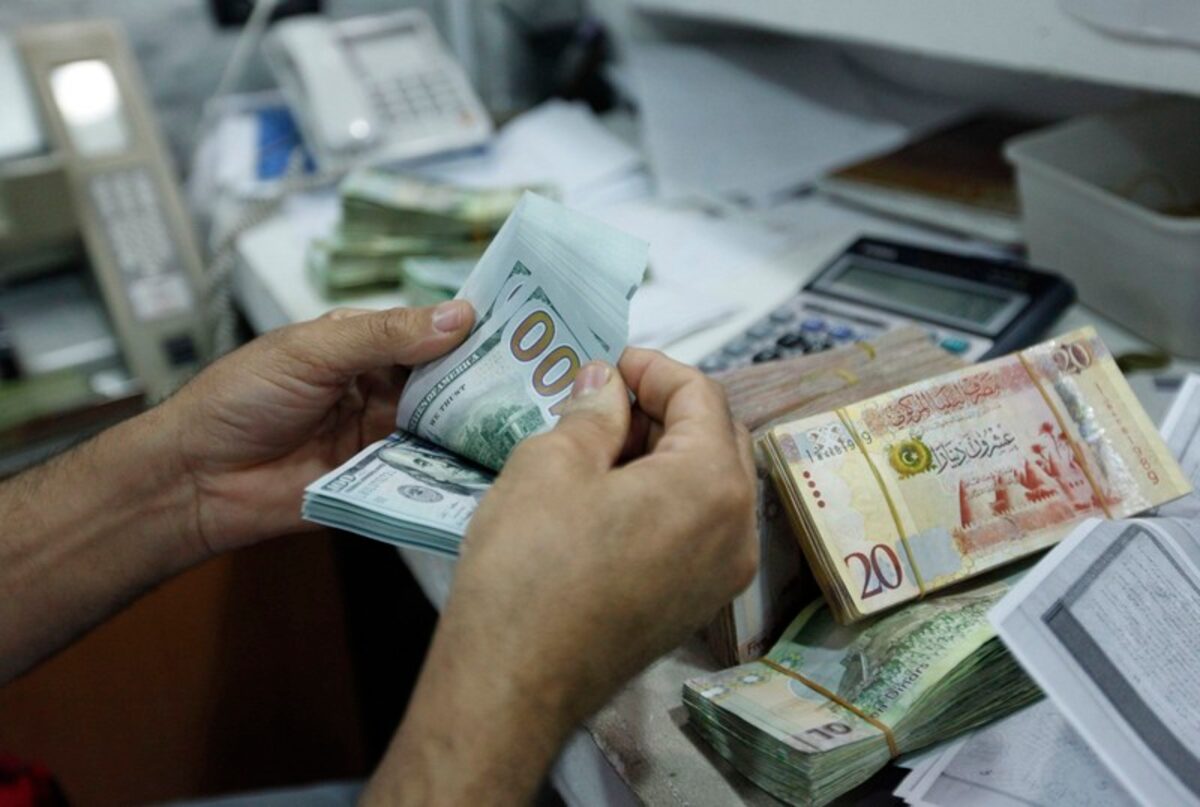
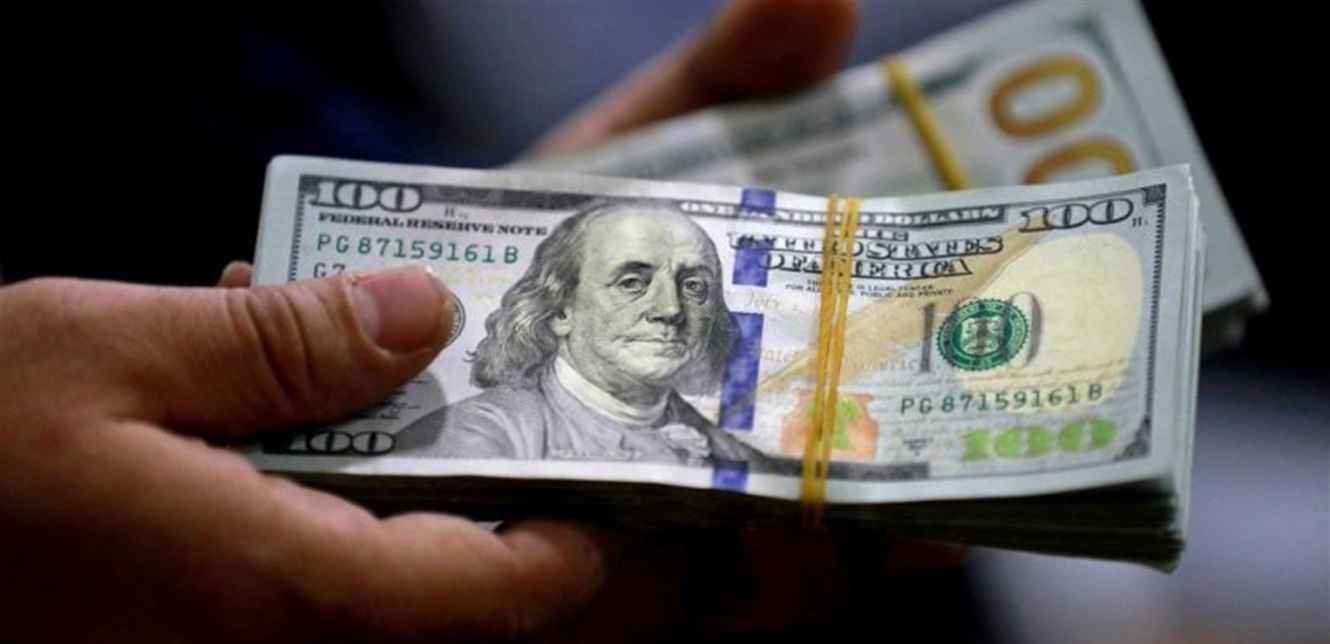
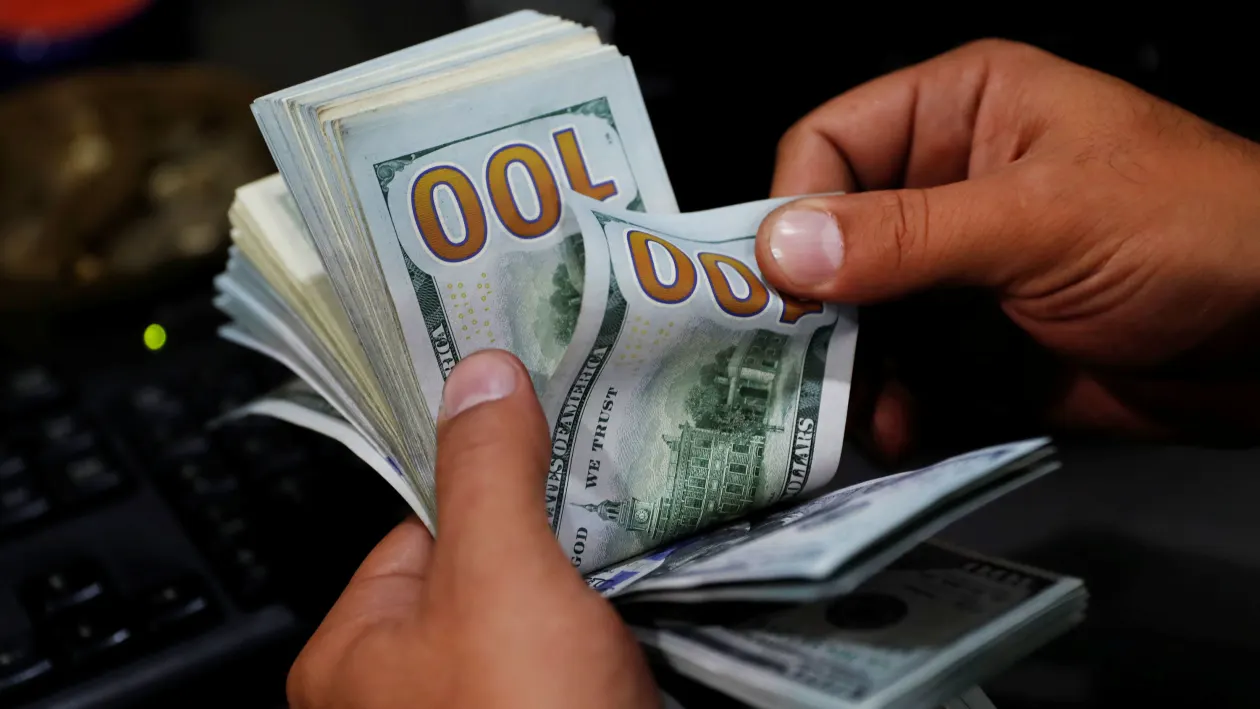
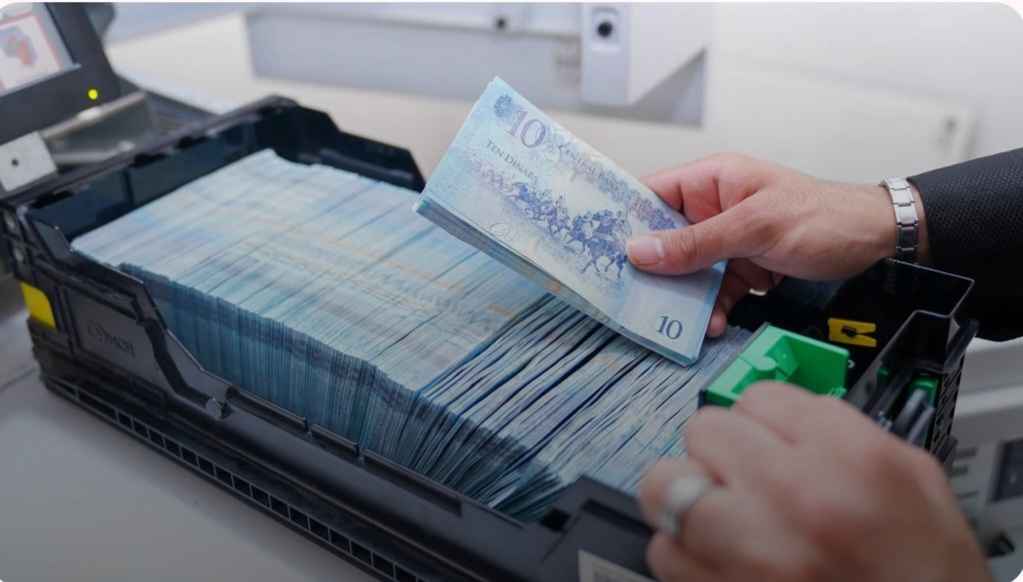
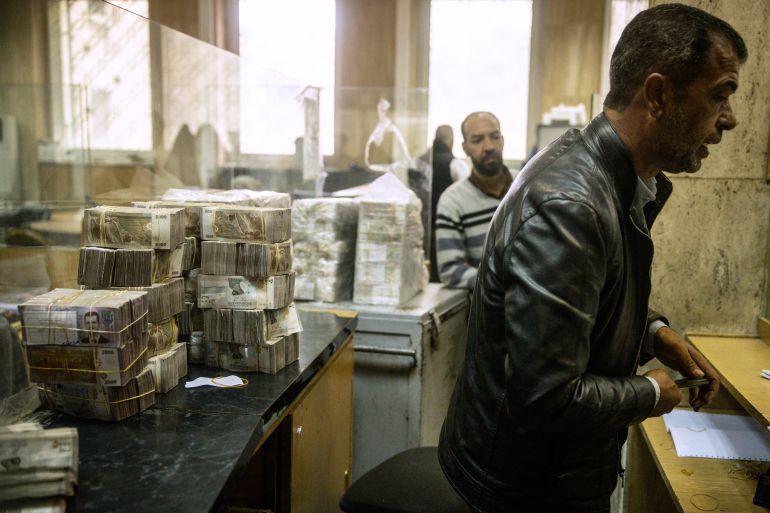
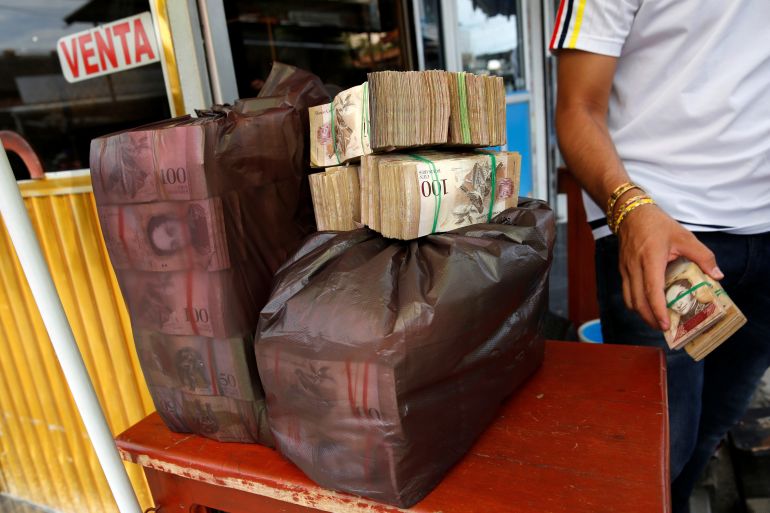
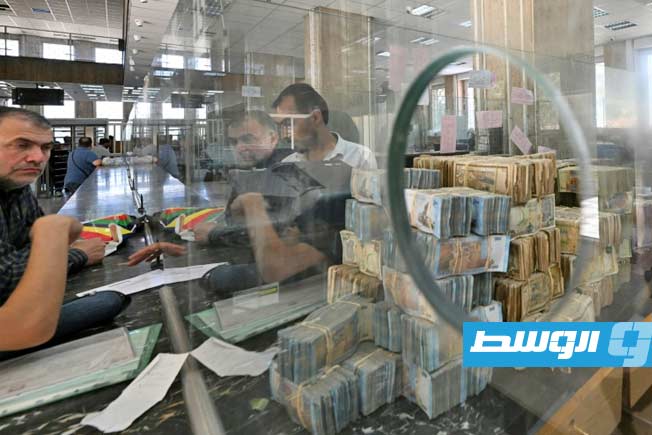
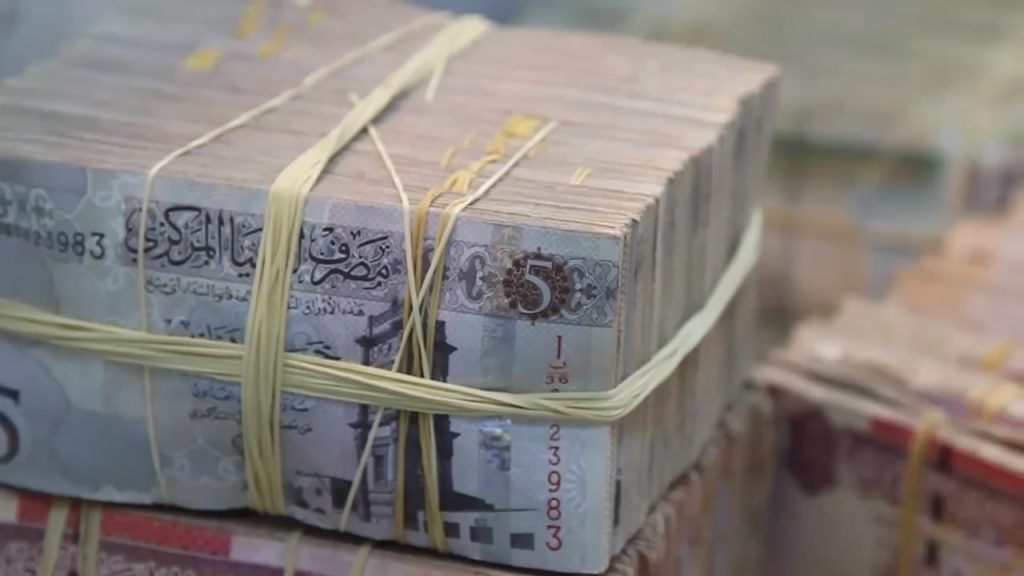
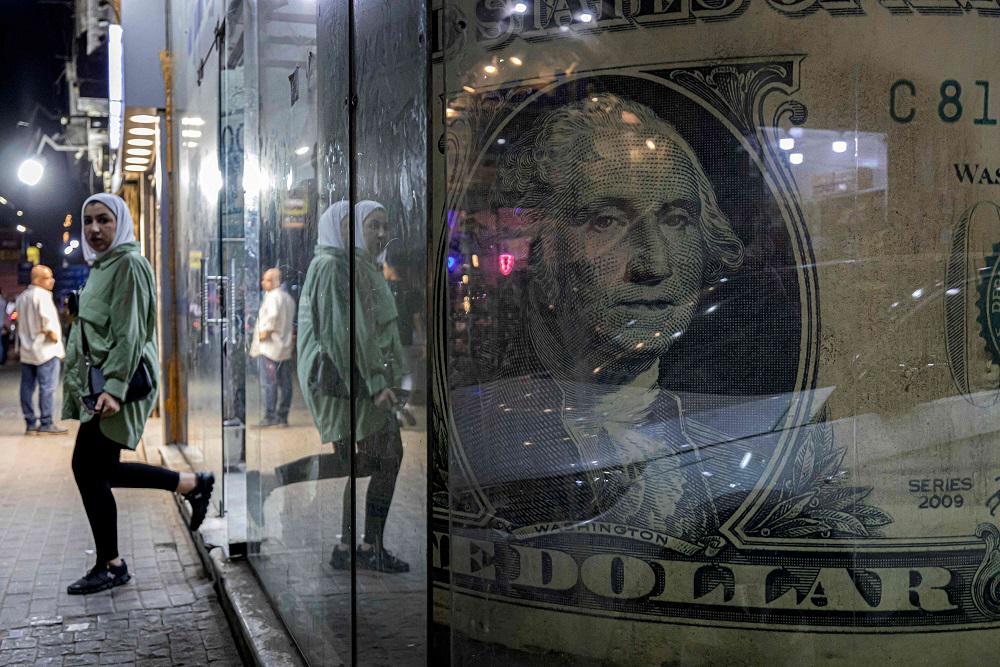
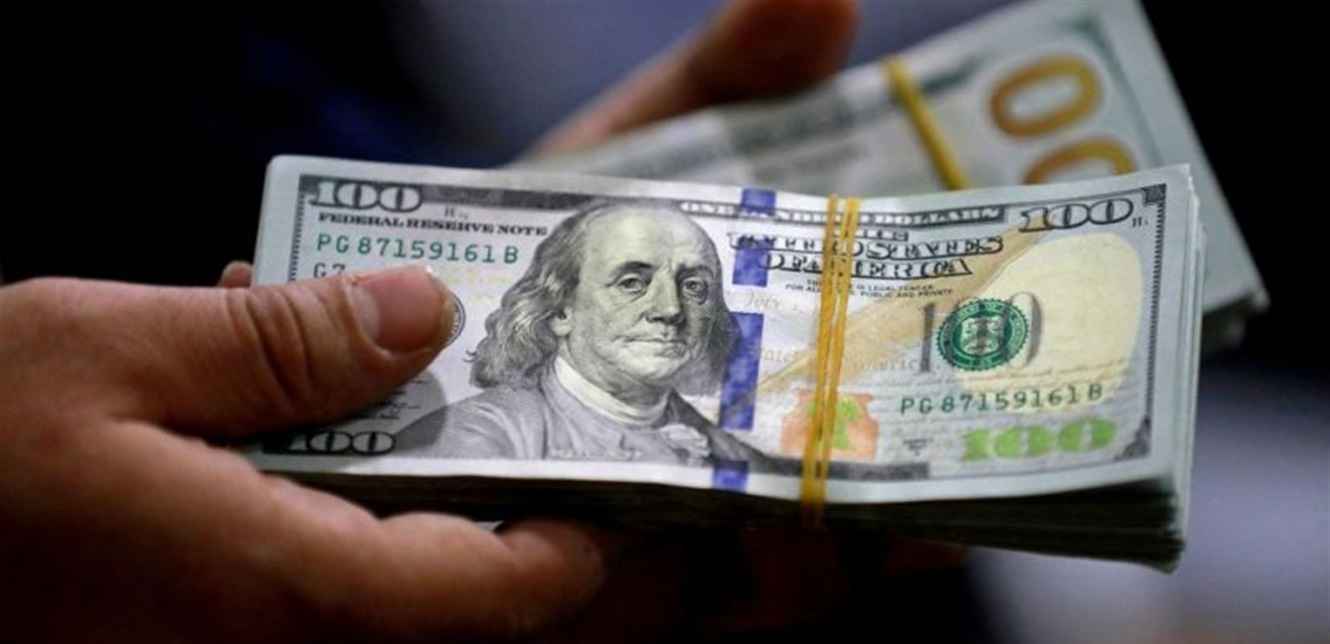
The President said, “If someone wants to buy something simple, they need to carry bags to make a transaction, so people turn to the dollar,” adding that “today, the ease of this service strengthens the national currency.” He stated that “Syria deserves to have a strong economy and a stable currency.”
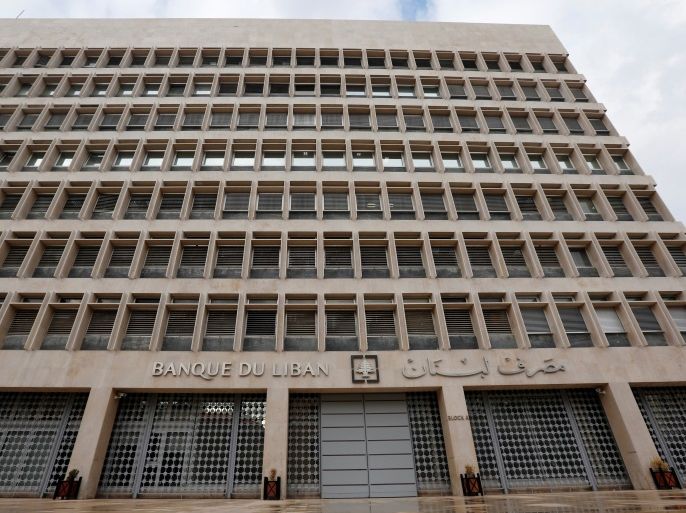
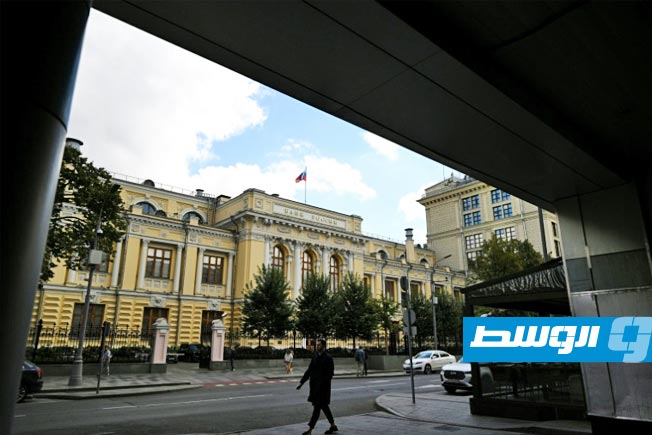
It is noted that the old Syrian banknotes were printed in Russia, which was a prominent supporter of Assad. The Governor of the Central Bank of Syria did not specify where the new lira will be printed in response to questions.