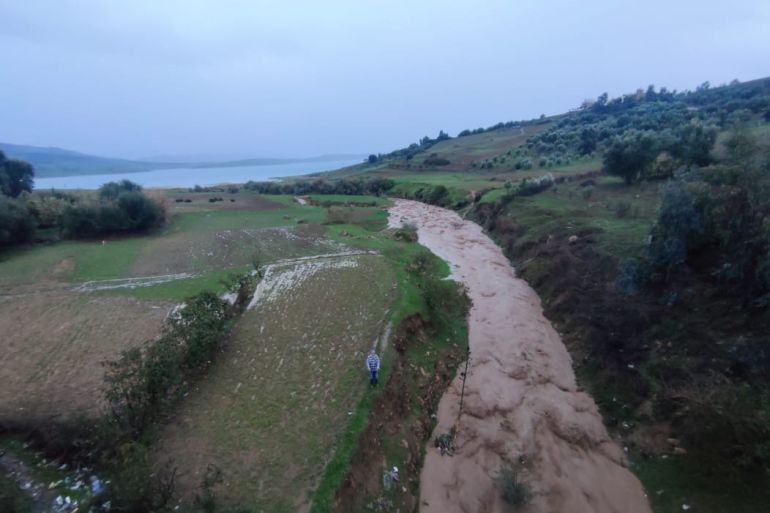
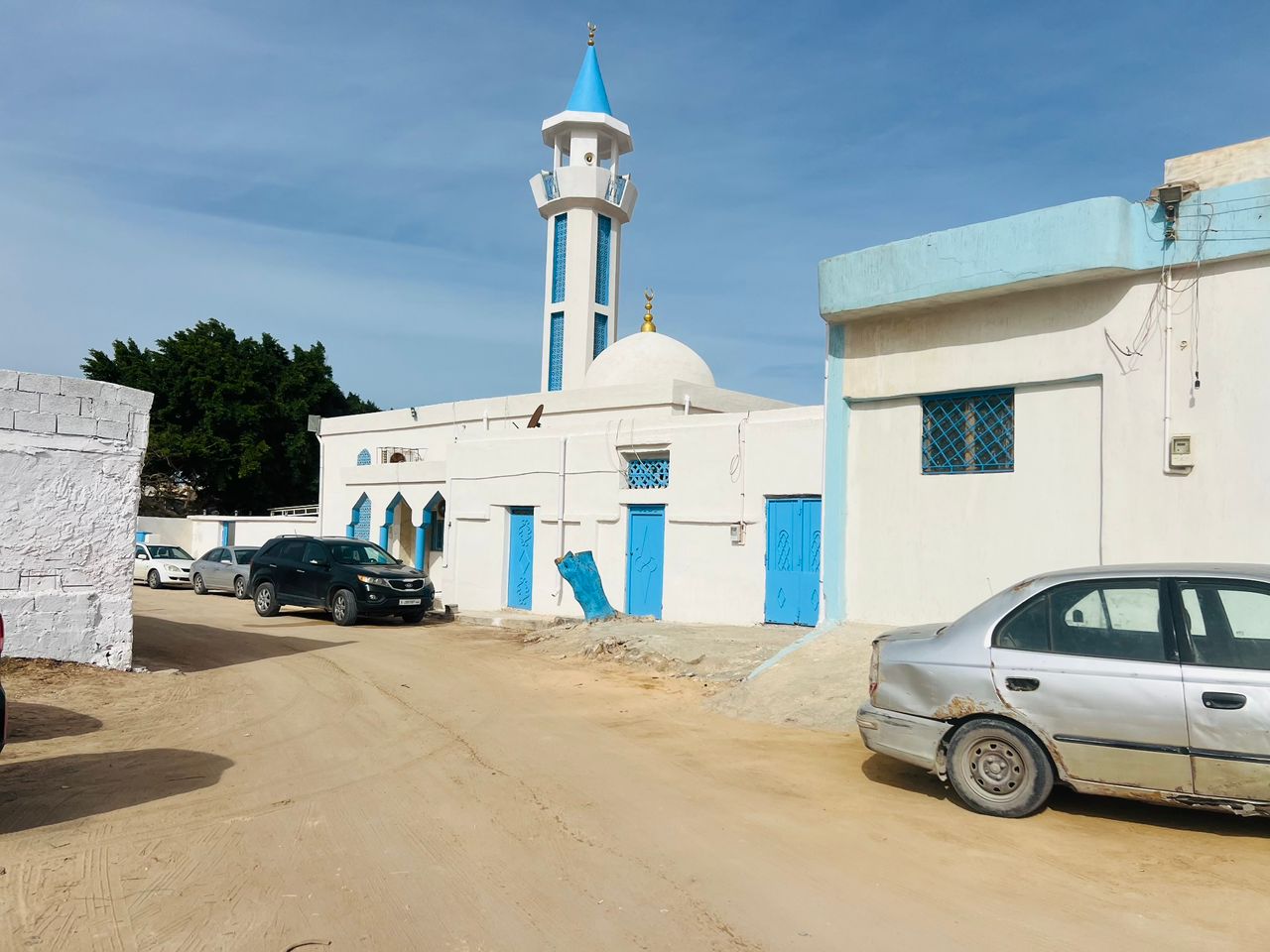
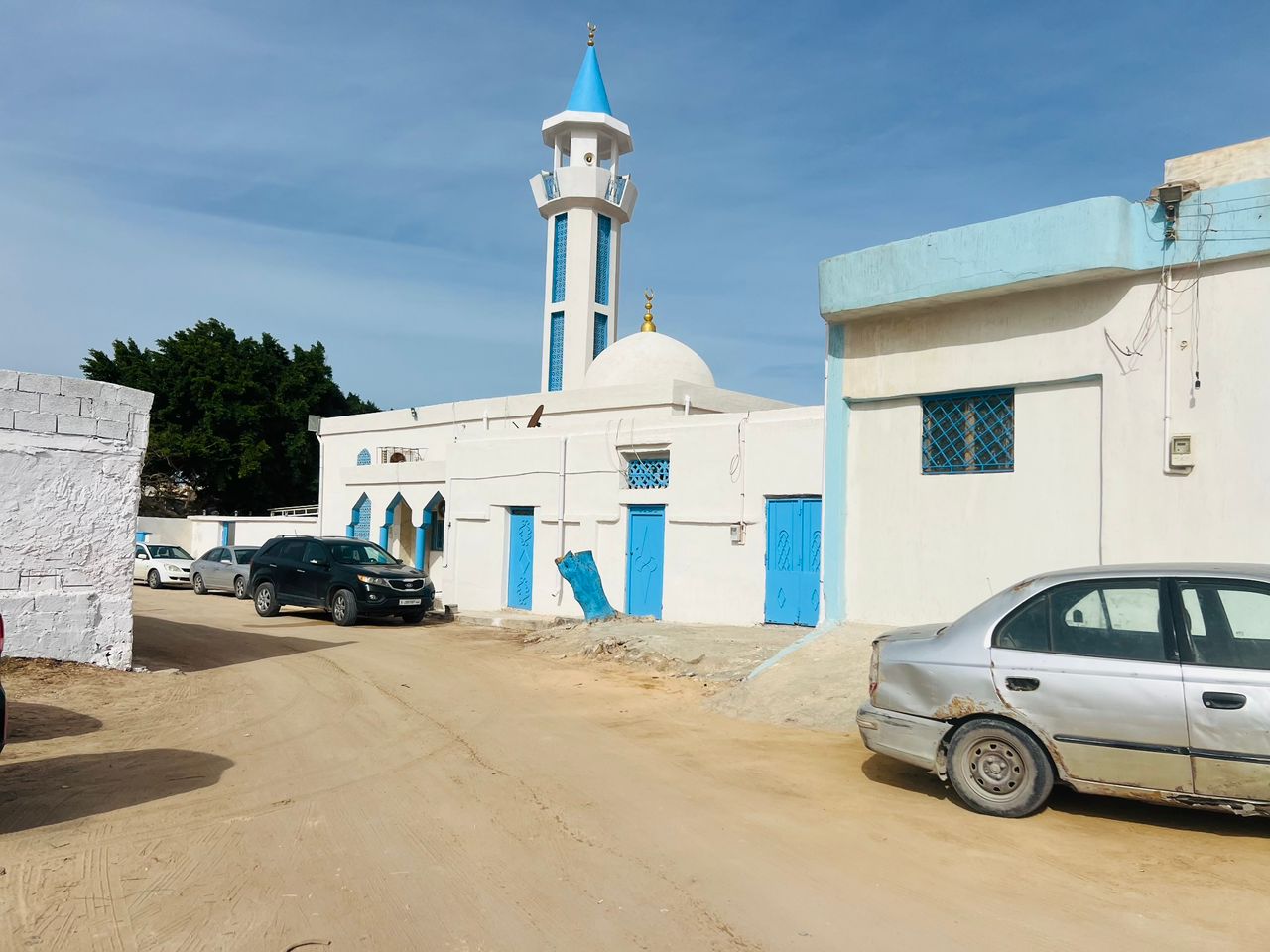
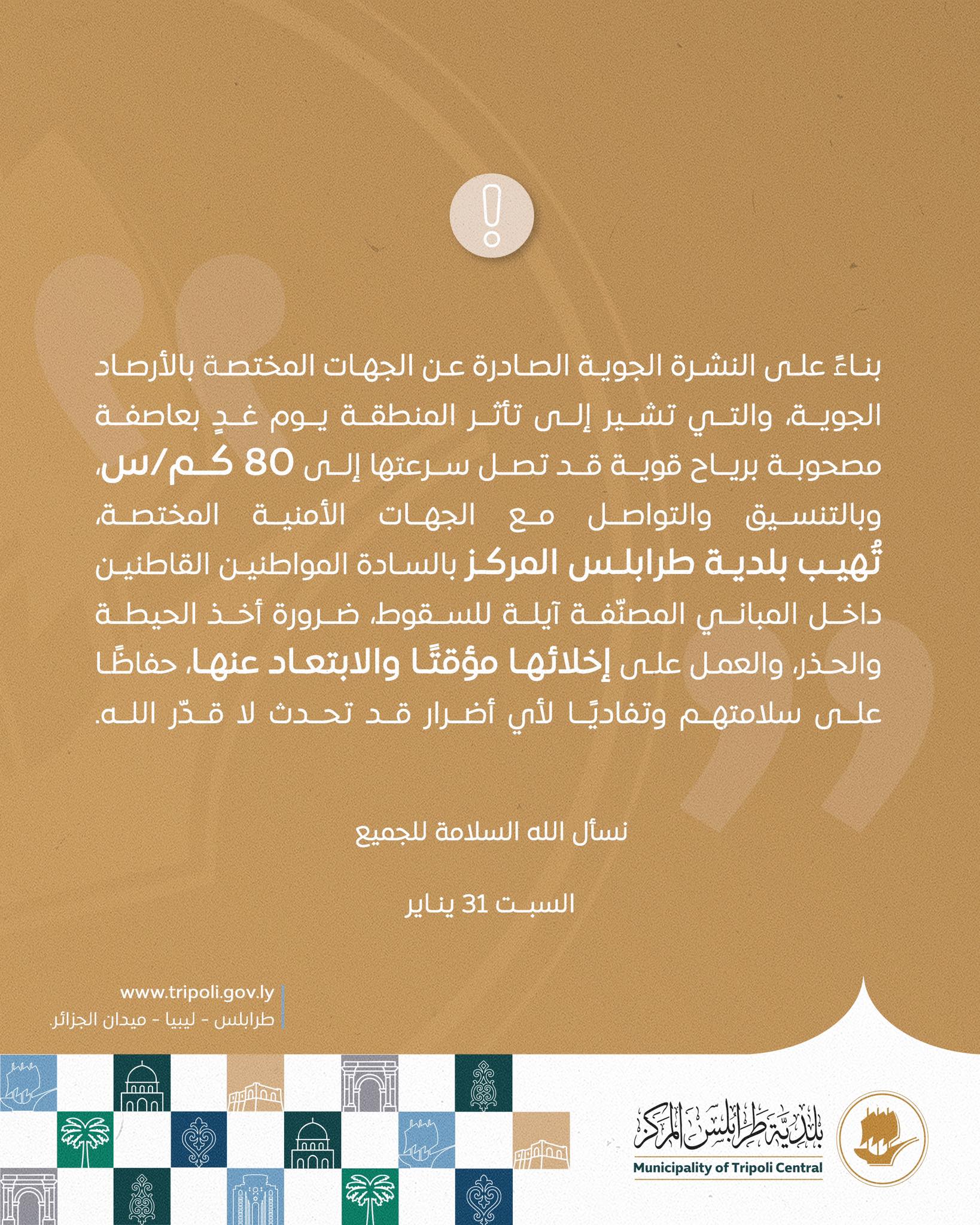
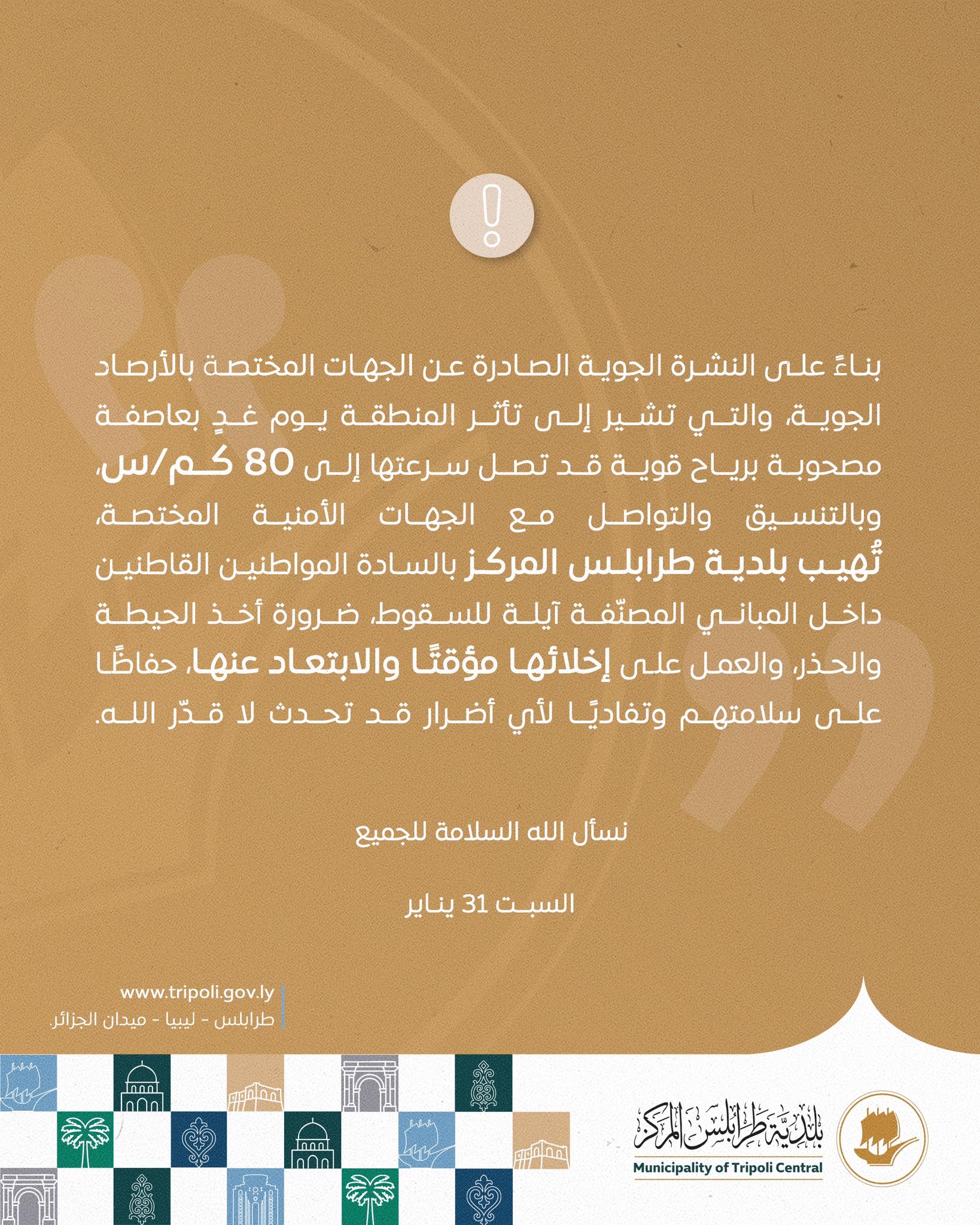
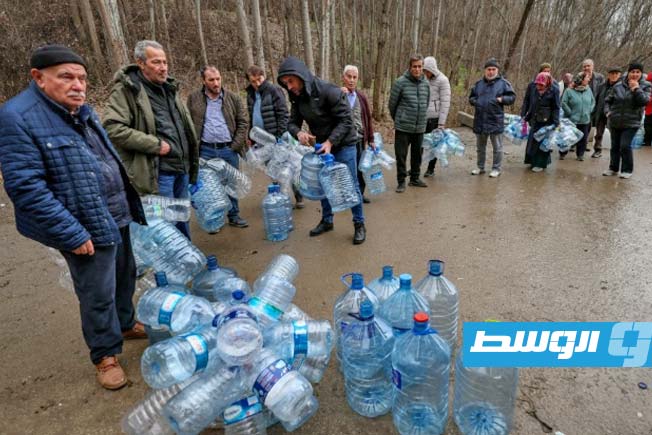
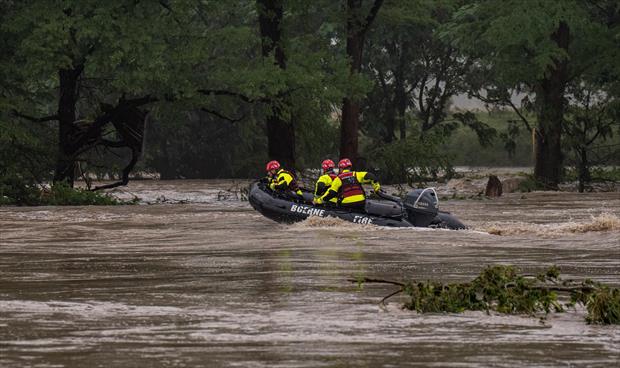
After years of drought, the village of Azghira in the Ouazzane province (northern Morocco), like many villages in northern Morocco, has been experiencing heavy and continuous rainfall for more than two weeks.
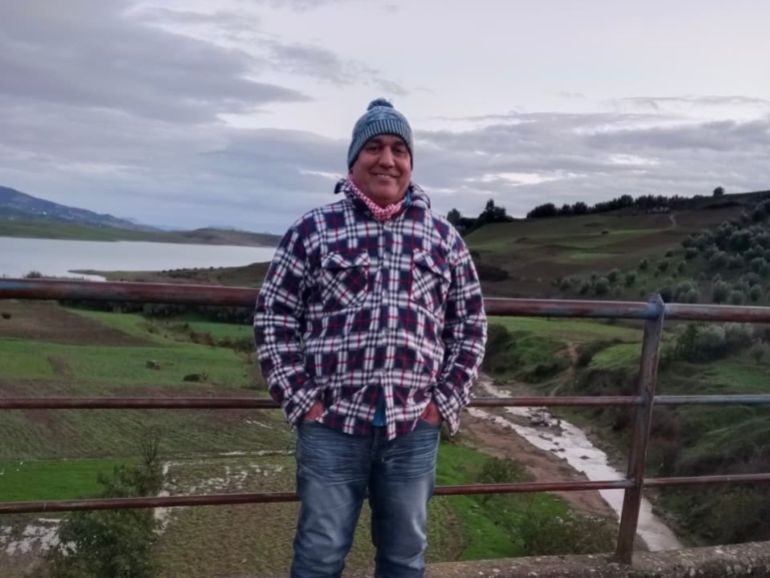
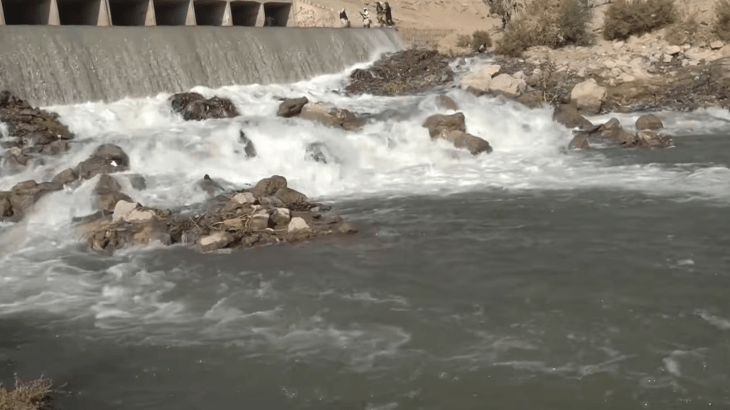
A resident of the village says the heavy rains that have hit the area have taken him back nearly a decade, when the sky would rain non-stop day and night, and the valleys would flow naturally, nourishing the soil and water tables.
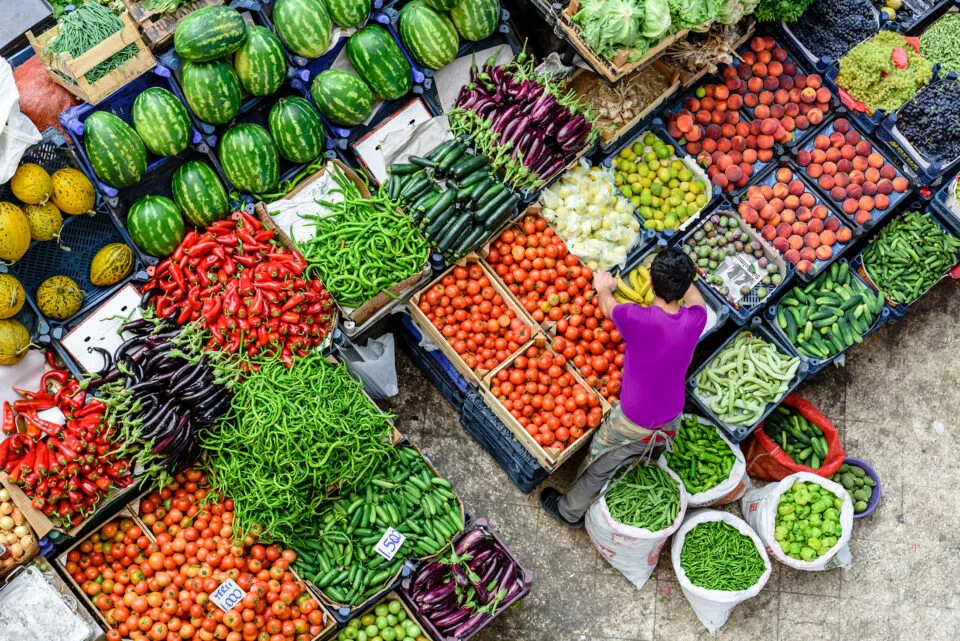
The persistent rain for weeks has halted the olive harvest season, and villagers are waiting for sunny weather to return to complete gathering their crop, which was expected to be a record yield.
“For the first time, the olive harvest has been delayed to this time of year due to the heavy rains that have prevented villagers from going out to the fields to gather their crop,” according to the resident.
For him, this was not just seasonal rain, but an exceptional moment that brought life back to the village’s valleys which had dried up, to the lands exhausted by thirst, and to a collective memory associated with abundance and stability.
The water level in the Al Wahda Dam – Morocco’s largest dam, which overlooks the village – has risen significantly.
High Filling Rates
The optimistic outlook shared today by thousands of villagers in various regions of the northern kingdom intersects with deeper economic and water-related stakes.
After 7 consecutive years of drought, water resources have weakened, directly impacting agriculture. However, the recent rains have revived the question of their ability to alleviate water stress and revive the economic cycle, especially in rural areas.
A water resources expert explains that the rainfall Morocco witnessed over the last two weeks has led to a noticeable increase in the filling rates of a number of water basins, especially the “Loukkos” and “Sebou” basins, in addition to several major dams achieving high filling rates, along with medium-sized dams reaching 100% capacity.
However, this improvement did not include all basins. According to the expert, basins such as “Oum Er-Rbia” and “Souss-Massa” still record low filling rates, while others continue to suffer from water stress.
The expert clarified that the recent rains fell mainly on the north and west of the kingdom, with expectations of them extending to some central areas in the coming days, noting that this uneven geographical distribution explains the persistence of water deficit in a number of regions.
According to data from the Meteorological Directorate, water resources at a number of dams in the kingdom saw a significant rise until Friday, December 26. Varying water inflows were recorded, positively reflecting on the filling rates of a number of hydraulic facilities.
The Al Wahda Dam recorded the highest increase in water inflows, reaching 23 million cubic meters, raising its filling rate to about 46%, which enhances the water reserves of this vital dam.
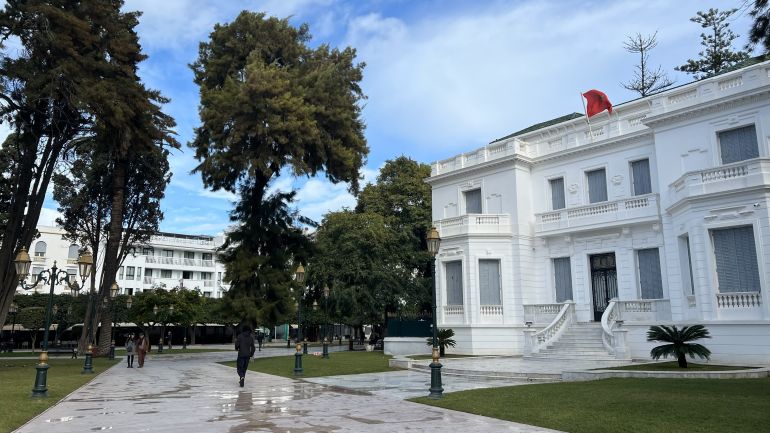
Rainy weather in the capital.
Supporting Water Reserves
The Sidi Mohamed Ben Abdellah Dam in Rabat saw a significant increase in its water resources estimated at 20 million cubic meters, bringing the filling rate to 87%, reflecting a good water situation.
The Idriss I Dam also saw an increase of 12 million cubic meters, raising the filling rate to 38%.
According to the Directorate, these figures reflect the positive impact of the recent water inflows, contributing to improving the situation at a number of dams.
However, the expert believes it is premature to talk about ending water scarcity or to assert that Morocco has overcome the stage of water stress or violent climatic phenomena.
He explained that 7 consecutive years of drought
Wadi Agrikar
Wadi Agrikar is a valley located in the Ahaggar Mountains of southern Algeria, known for its striking rock formations and ancient rock art. The site holds historical significance as it contains numerous Neolithic-era carvings and paintings that depict the lives and fauna of the region’s early inhabitants.
Azghira
Azghira is a historical oasis settlement located in the Fezzan region of southwestern Libya. It was historically a significant stop on the trans-Saharan trade route and is known for its traditional mud-brick architecture and ancient irrigation systems.
Ouazzane province
Ouazzane province is a region in northern Morocco historically known as a spiritual center, particularly due to the influence of the Wazzani Sufi order established there in the 17th century. The city of Ouazzane itself became an important site for Jewish and Islamic pilgrimage, earning it the nickname “the Medina of the Saints.”
Morocco
Morocco is a North African country with a rich history shaped by indigenous Amazigh (Berber) cultures, Arab influence from the 7th century, and successive dynasties like the Almoravids and Almohads. Its cultural sites, such as the ancient city of Fez and the Koutoubia Mosque in Marrakech, reflect this blend of Arab, Islamic, and Amazigh heritage. The country’s historic medinas, kasbahs, and varied landscapes from the Sahara Desert to the Atlas Mountains are central to its identity.
Al Wahda Dam
The Al Wahda Dam, also known as the Unity Dam, is a large rock-fill dam on the Yarmouk River, forming a major reservoir on the border between Jordan and Syria. Its construction, completed in 2007, was a key bilateral project aimed at providing water storage for irrigation and drinking water to address regional scarcity. The dam’s history is rooted in decades of water-sharing negotiations and agreements between the two countries.
Loukkos
Loukkos is a river in northern Morocco, historically significant for the ancient city of Lixus located near its mouth. Lixus was founded by Phoenician settlers around the 7th century BCE and later became a major Roman colony. The river and its surrounding valley have long been a vital agricultural and trade route in the region.
Sebou
The Sebou is the longest river in Morocco, flowing approximately 496 kilometers from the Middle Atlas Mountains to the Atlantic Ocean near Kenitra. Historically, it has been a vital waterway for trade and agriculture, with the ancient Phoenician and later Roman settlement of Thamusida located along its banks.
Oum Er-Rbia
Oum Er-Rbia is a major river in central Morocco, historically significant as a vital water source for agriculture and settlements. Its name means “Mother of Spring” in Arabic, and it has supported Berber and Arab communities along its banks for centuries.
Souss-Massa
Souss-Massa is a national park and biosphere reserve located on Morocco’s Atlantic coast, established in 1991 to protect threatened bird species and unique ecosystems. Historically, the area has been shaped by the Souss and Massa river valleys, which have supported human settlement and agriculture for centuries.
Rabat
Rabat is the capital city of Morocco, founded in the 12th century by the Almohad Caliphate as a ribat (fortified monastery). It is now a modern political and administrative center, recognized as a UNESCO World Heritage Site for its well-preserved historic quarters, including the Kasbah of the Udayas and the Hassan Tower.
Sidi Mohamed Ben Abdellah Dam
The Sidi Mohamed Ben Abdellah Dam is a major embankment dam on the Bou Regreg River in Morocco, located near Rabat. It was constructed between 1970 and 1974 primarily to provide drinking water for the coastal region, control flooding, and support irrigation. The dam is named after the 18th-century Sultan Sidi Mohammed ben Abdallah, who founded the city of Essaouira.
Idriss I Dam
The Idriss I Dam is a large embankment dam on the Inaouen River in northern Morocco, completed in 1973. It was named after Idriss I, the founder of the first Islamic dynasty in the country, and was constructed primarily for irrigation, flood control, and water supply.