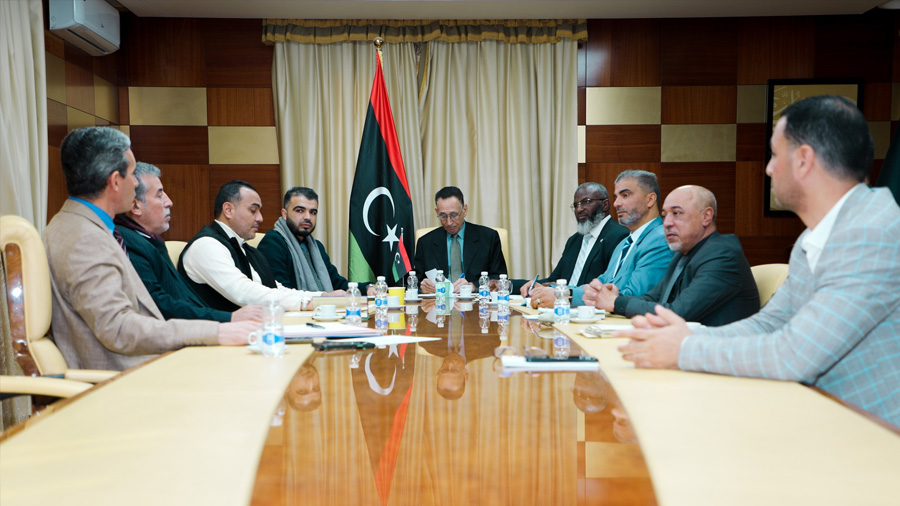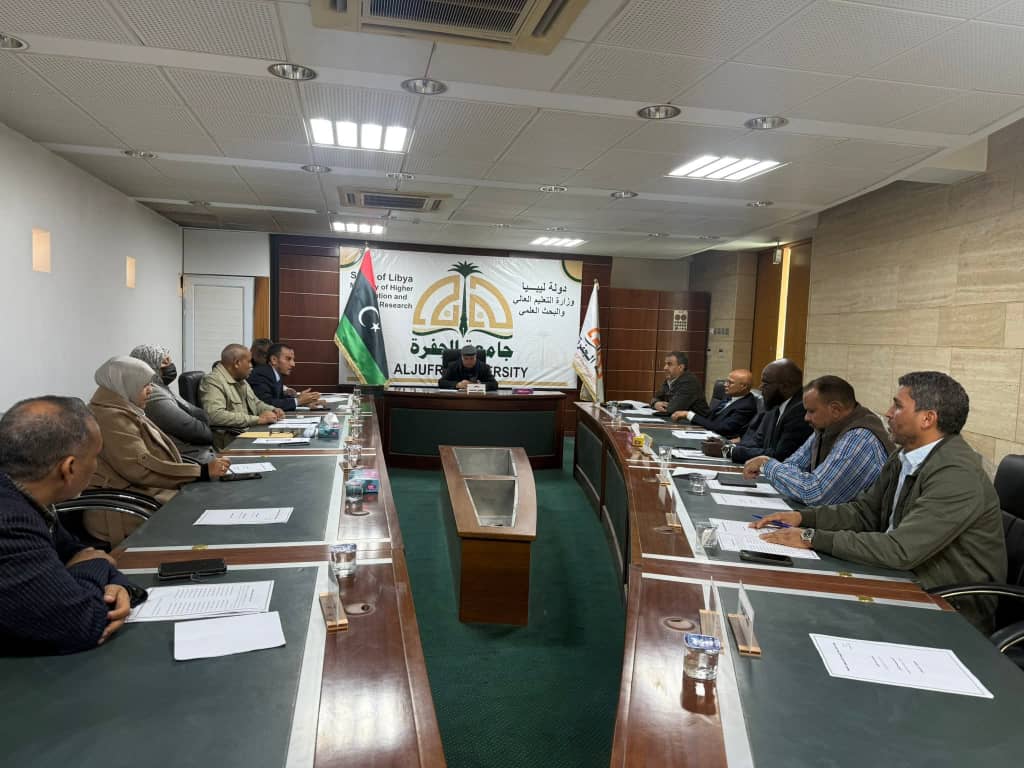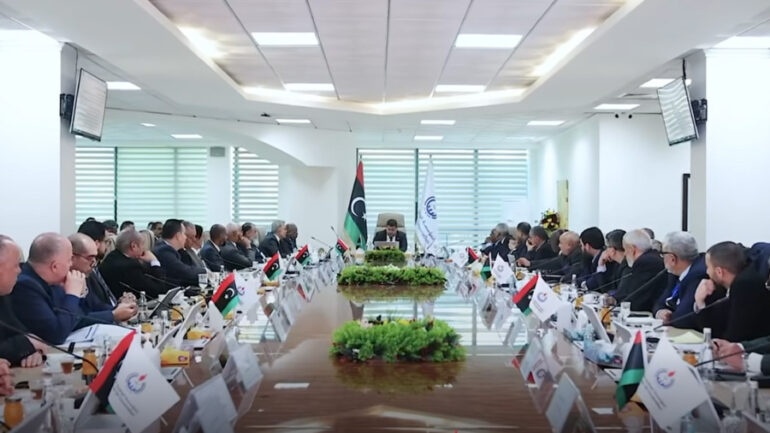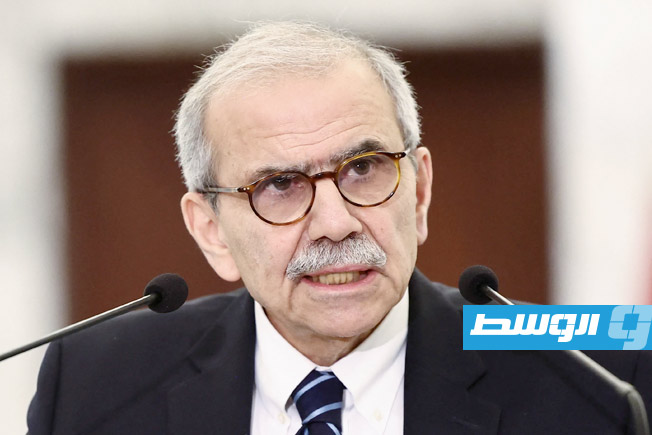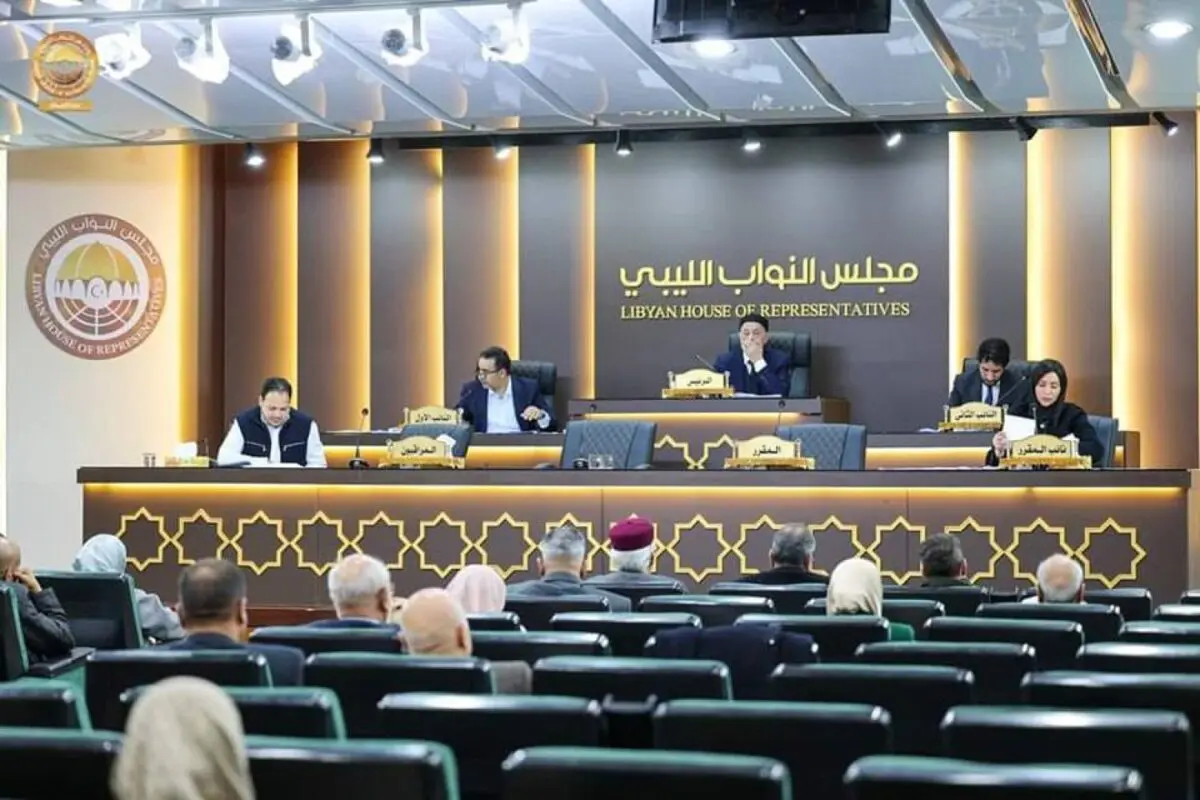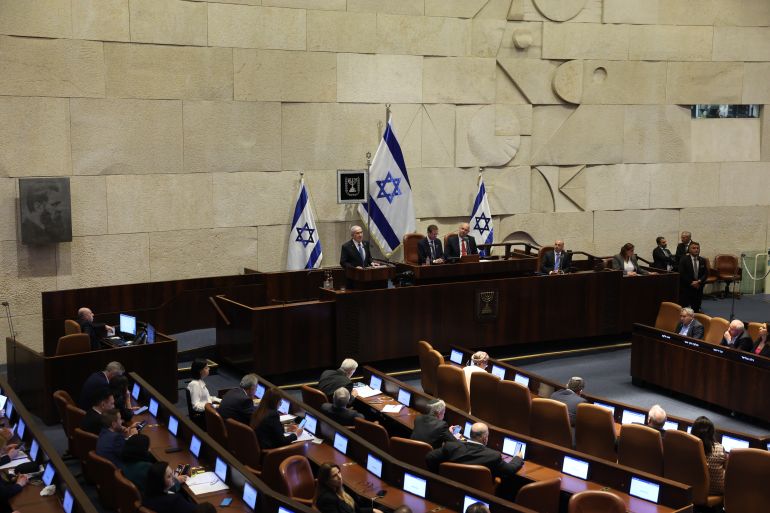
The Supreme Council of State issued a statement expressing its rejection of what it described as “unilateral measures” taken by the House of Representatives, stressing that the vote to complete the board of the High National Elections Commission was marred by procedural and legal flaws.
The Supreme Council emphasized its adherence to the agreement of the two councils’ committees, which stipulated the complete change of the Commission’s board to ensure its independence. It considered any unilateral step affecting the electoral process to be a breach of the political consensus and an undermining of the foundations of partnership between the two councils, which deepens division and disrupts the political path.
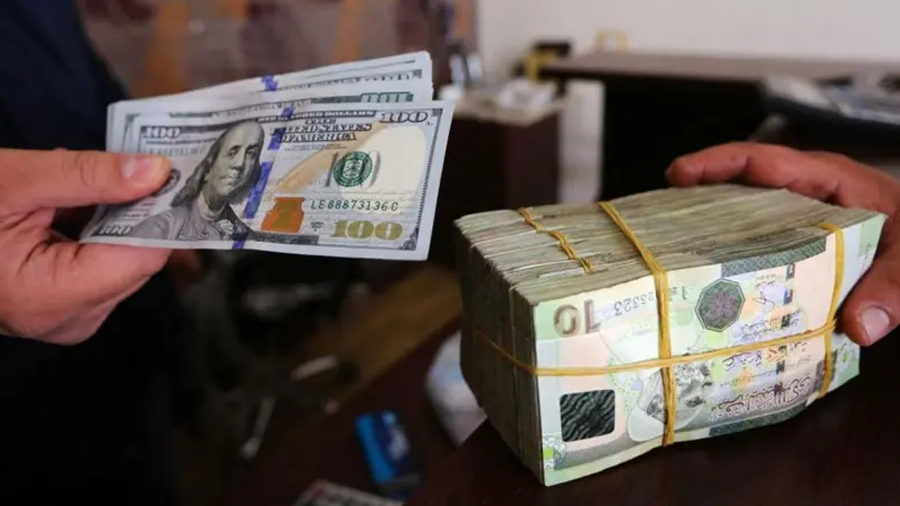
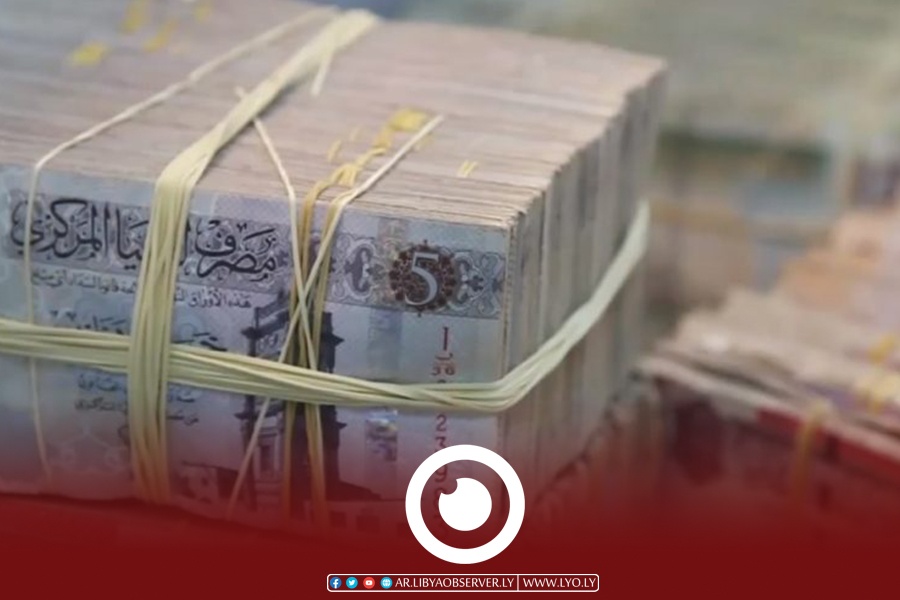
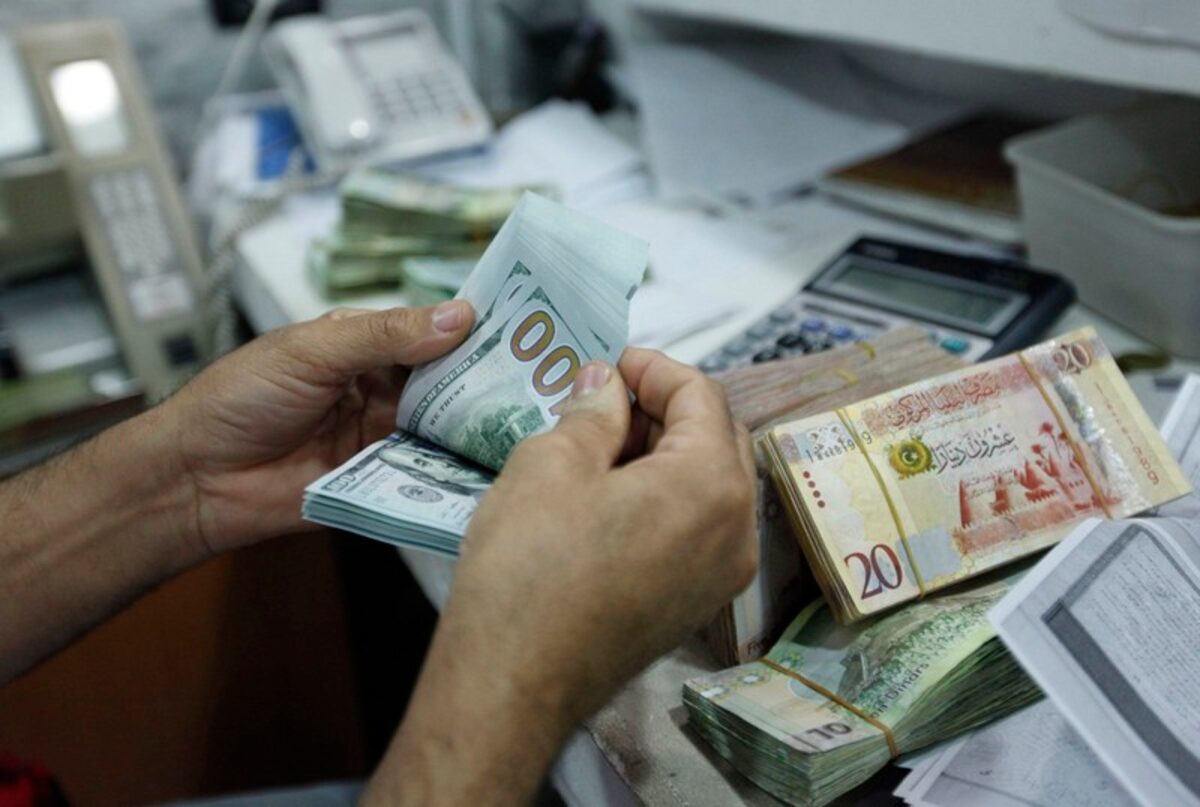
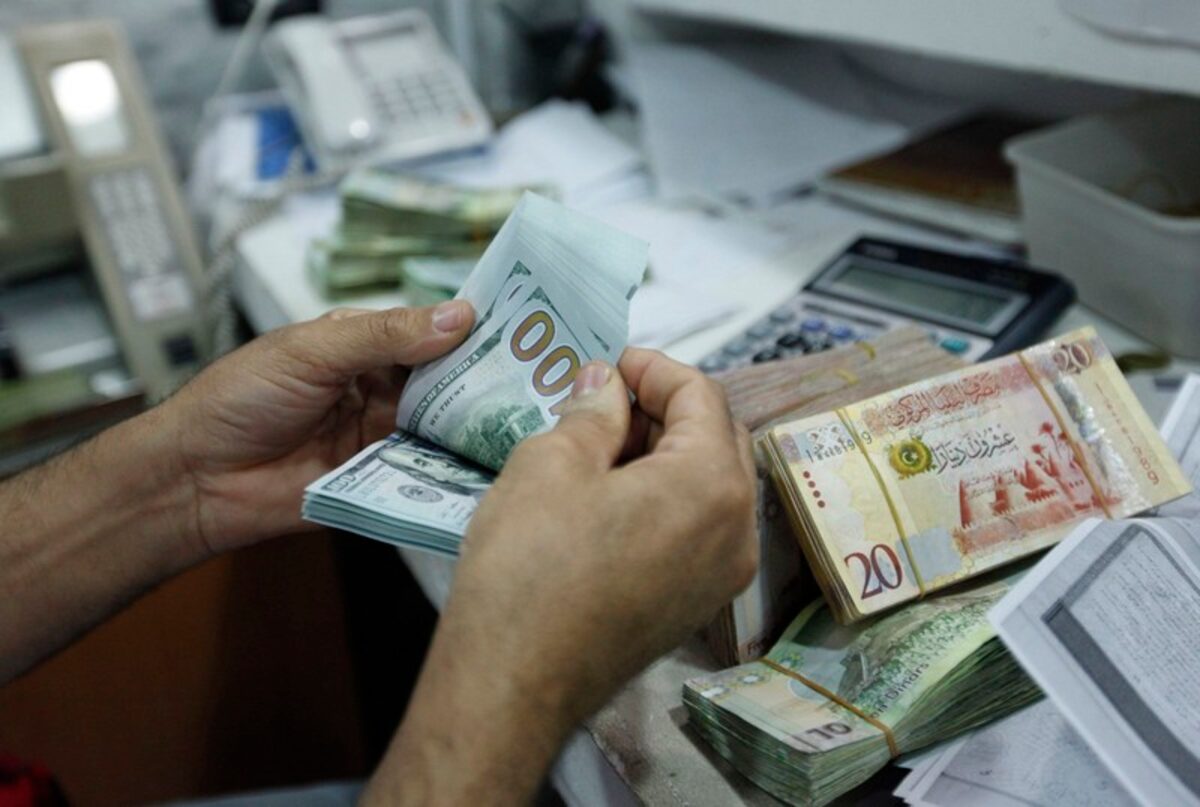
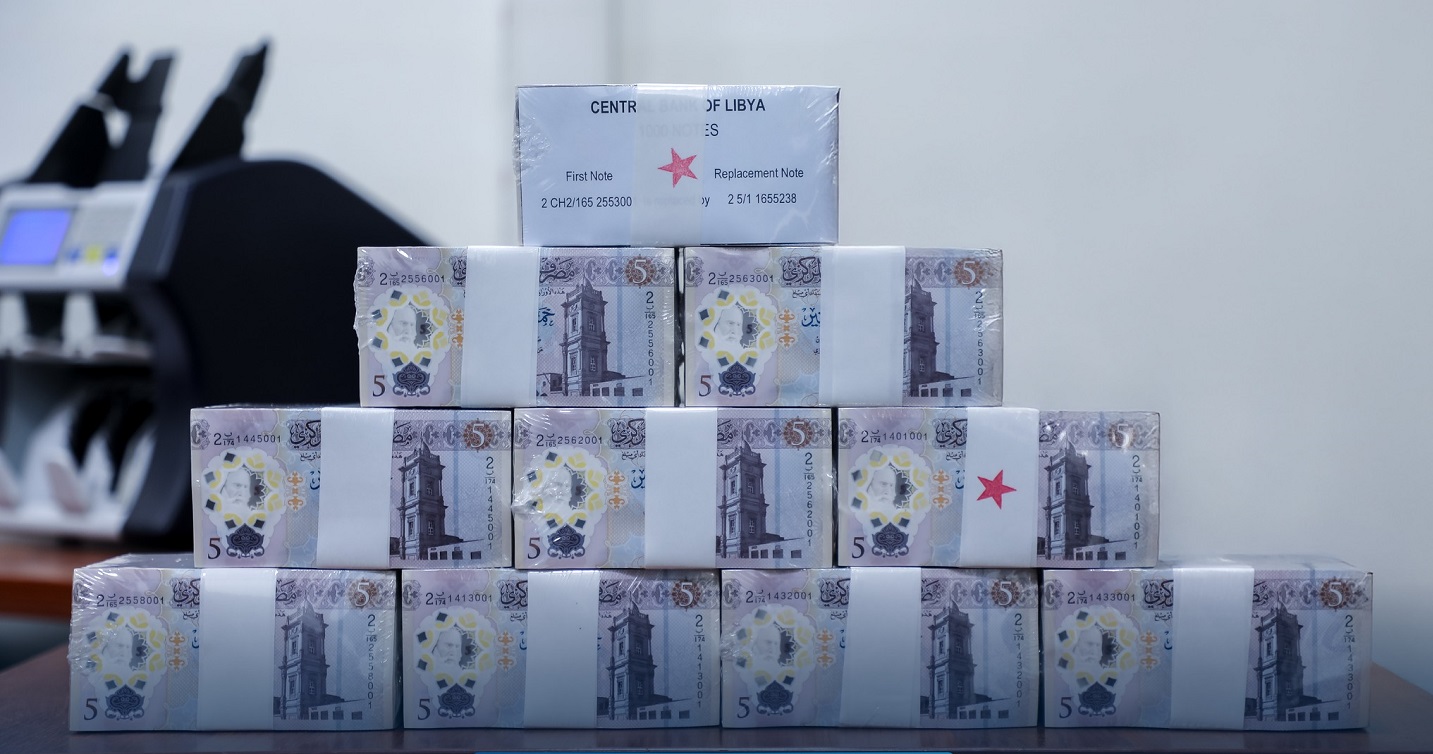
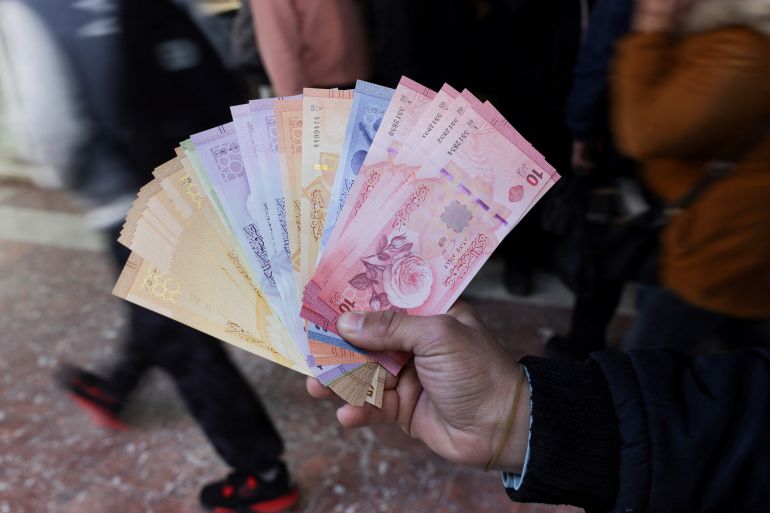
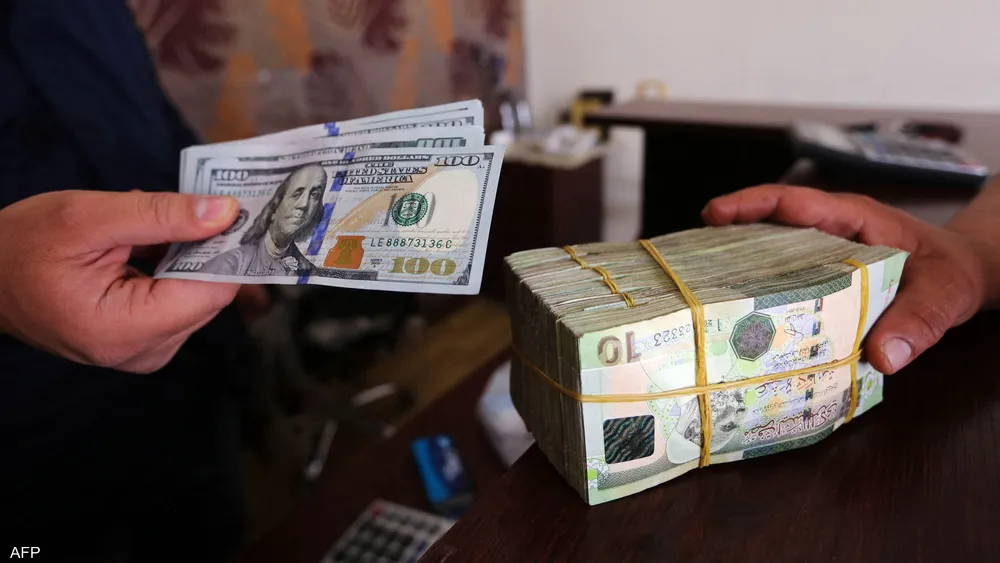
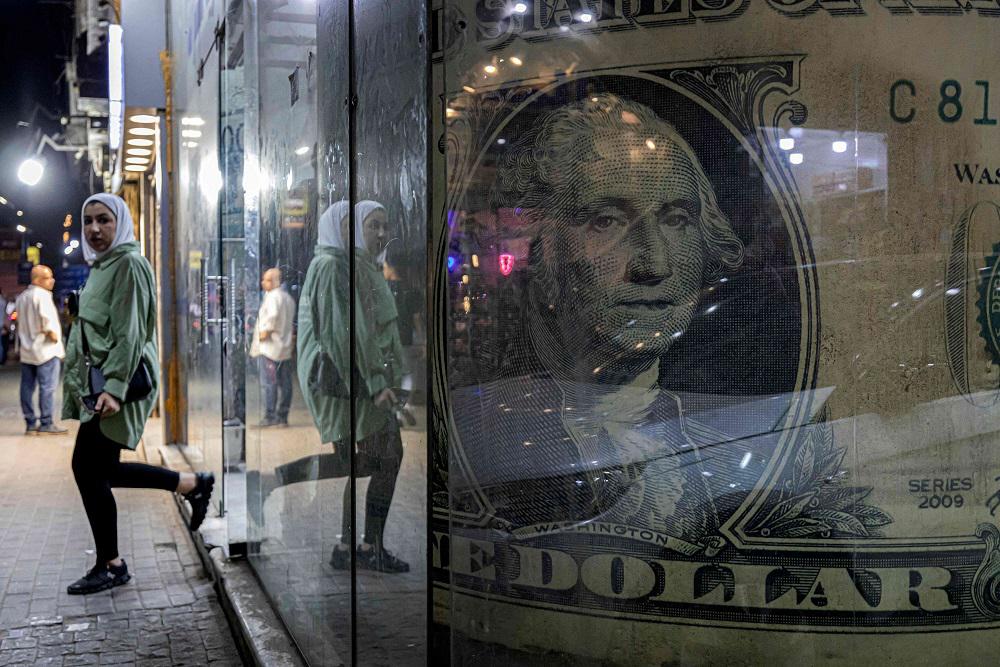
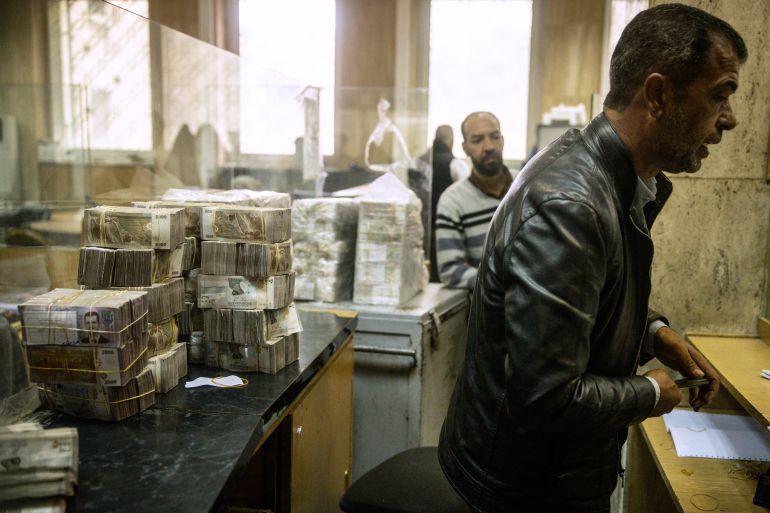
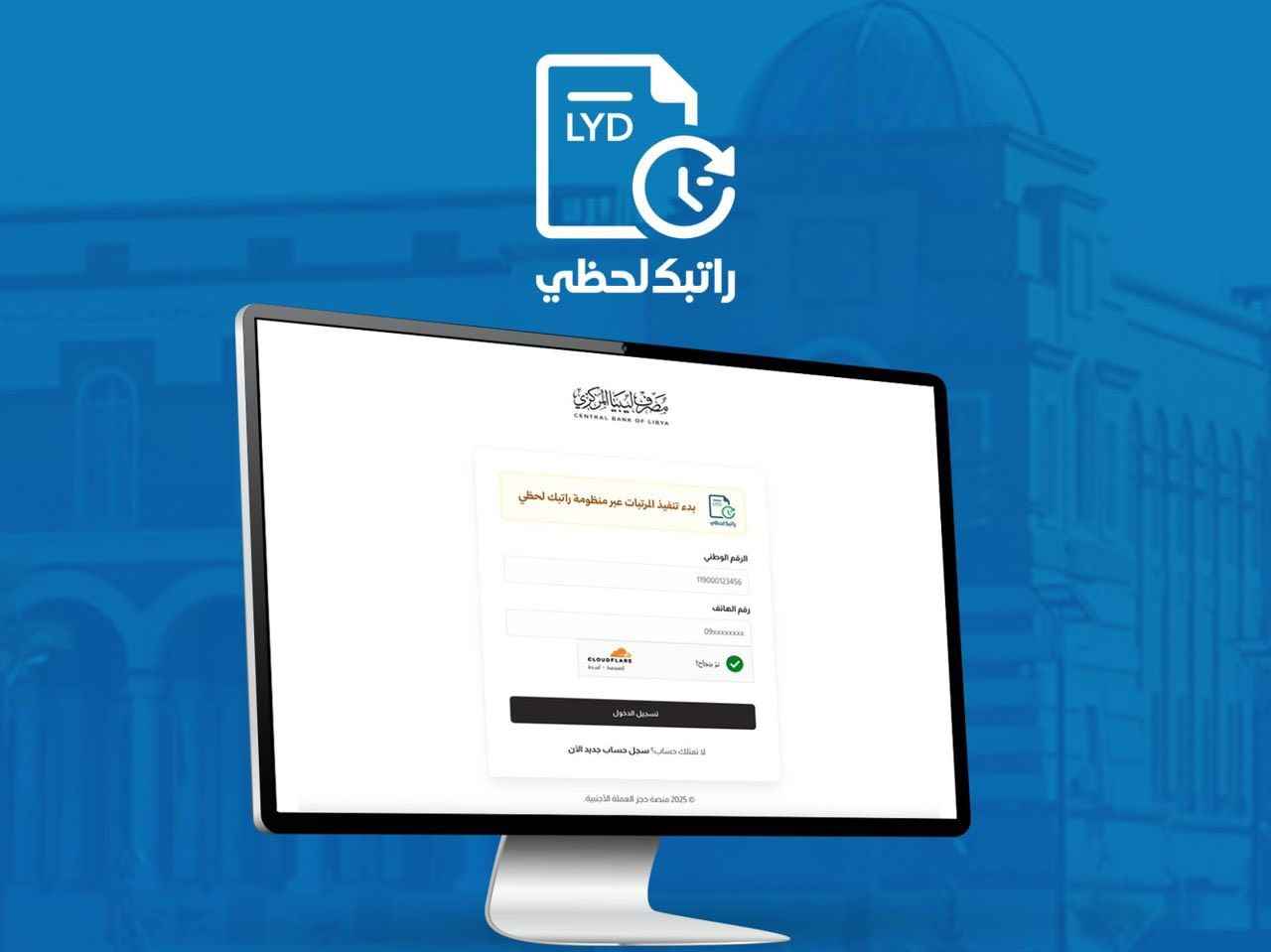
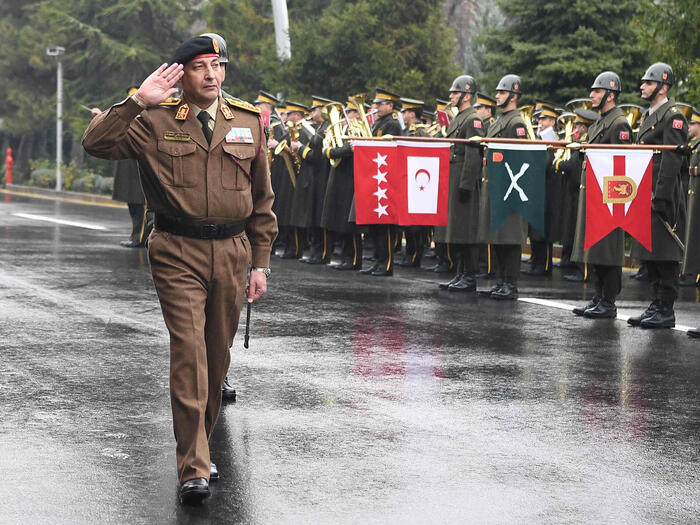
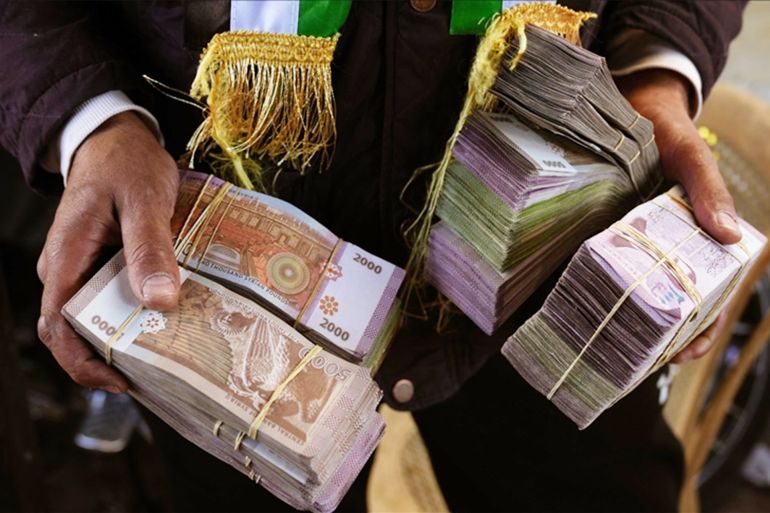
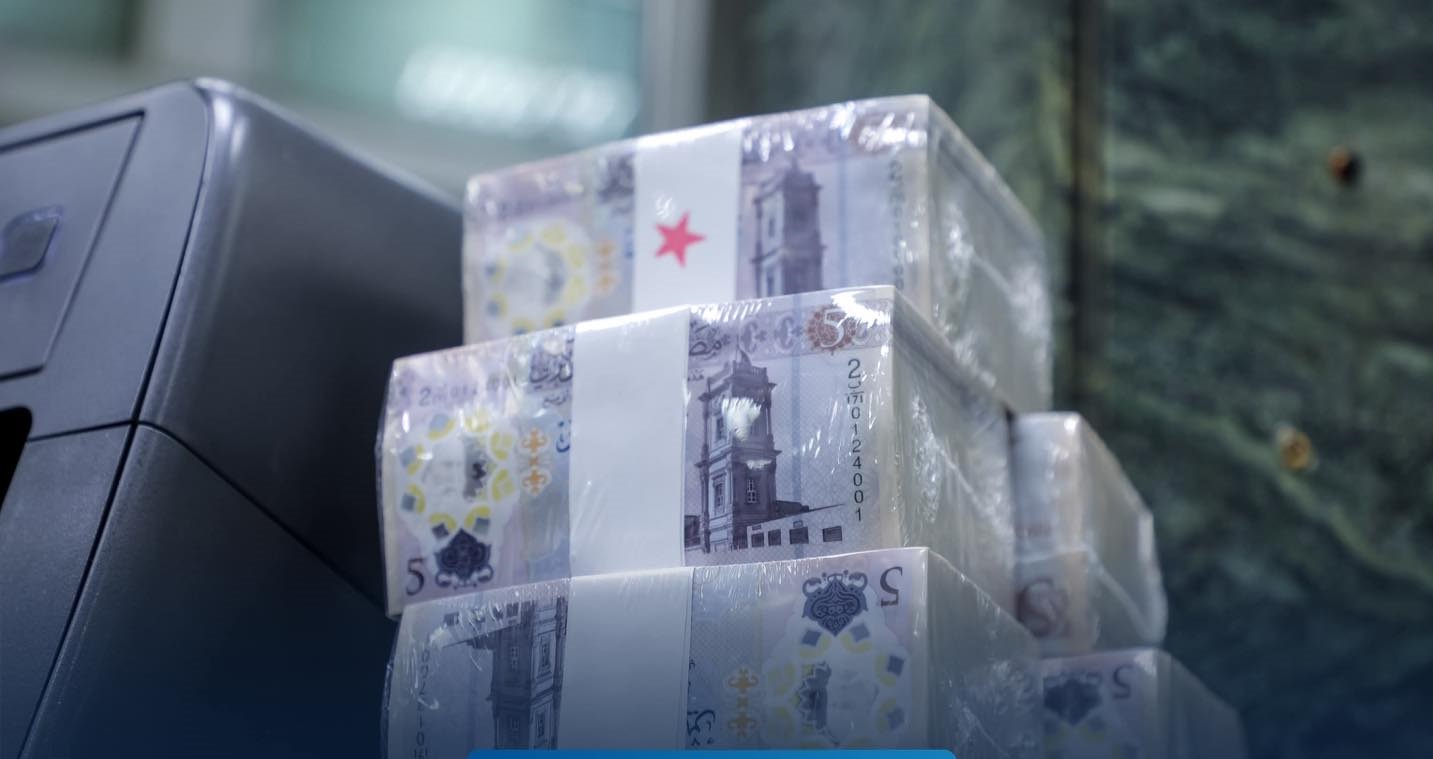
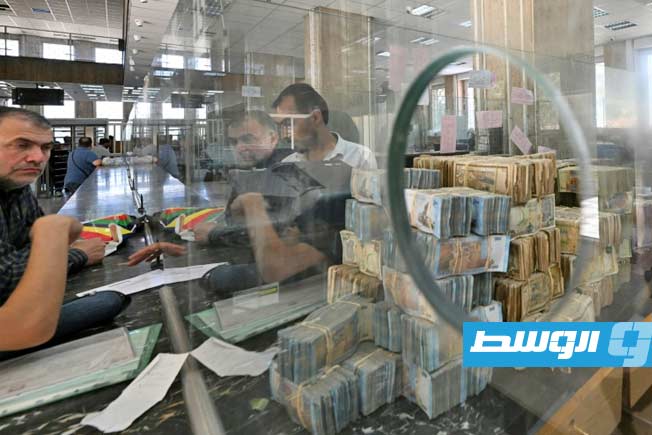
The Supreme Council also rejected the Representatives’ vote to increase military personnel salaries, pointing out that this burdens the public budget under the current economic conditions. It affirmed, in contrast, its commitment to the unified salary scale that achieves justice and balance between civilian and military state employees without discrimination or exclusion.
The statement confirmed that the management of public funds must be carried out with national responsibility, away from selective or fragmented decisions, calling for adherence to political consensuses and respect for concluded agreements to ensure the stability of the national path.