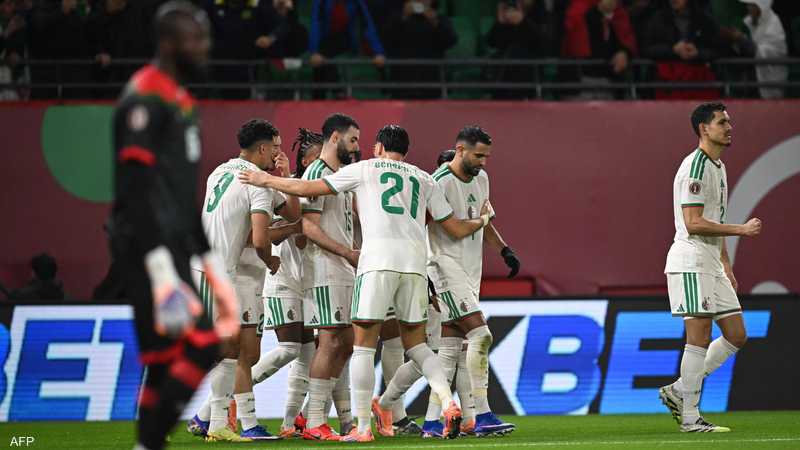
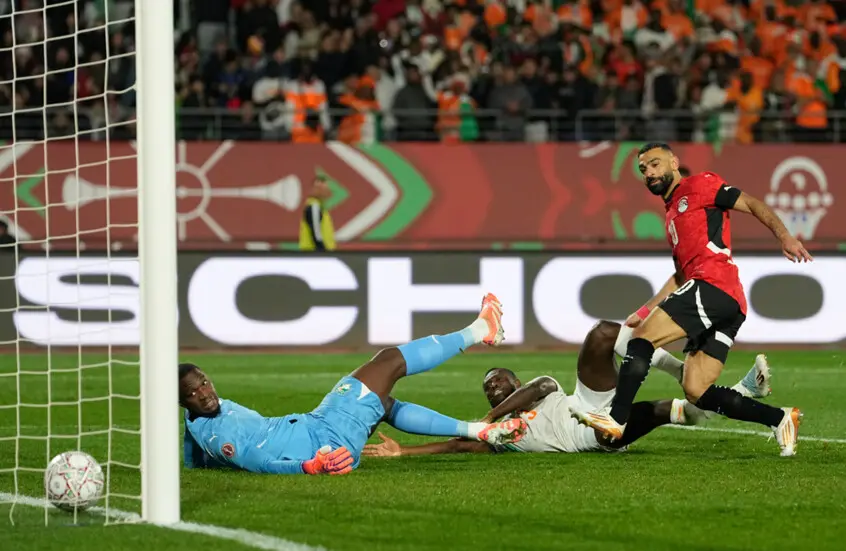
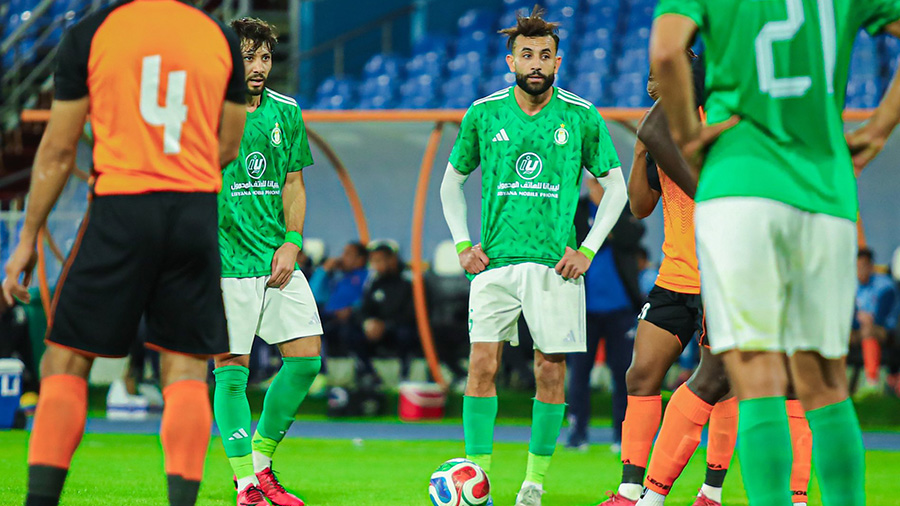
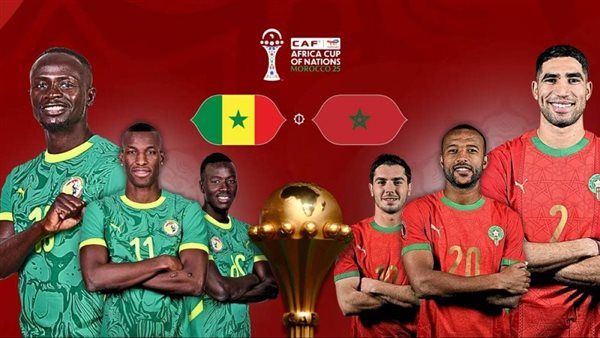
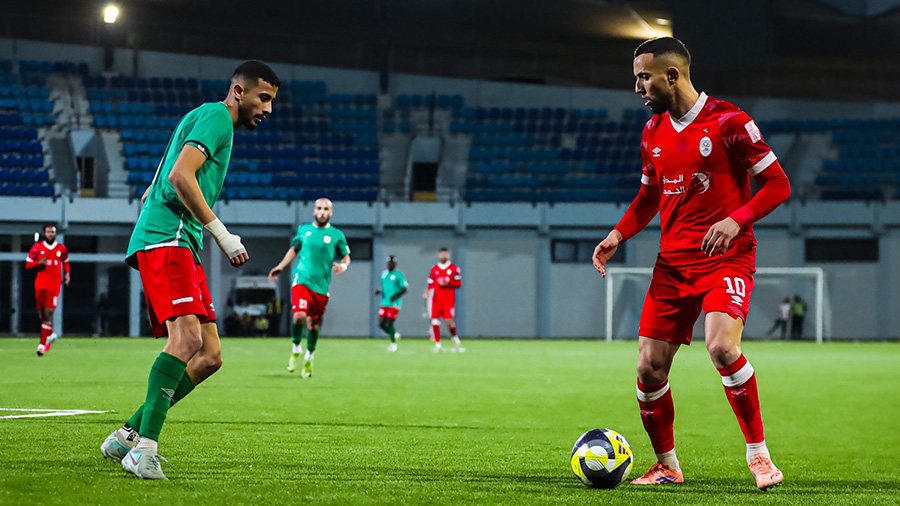
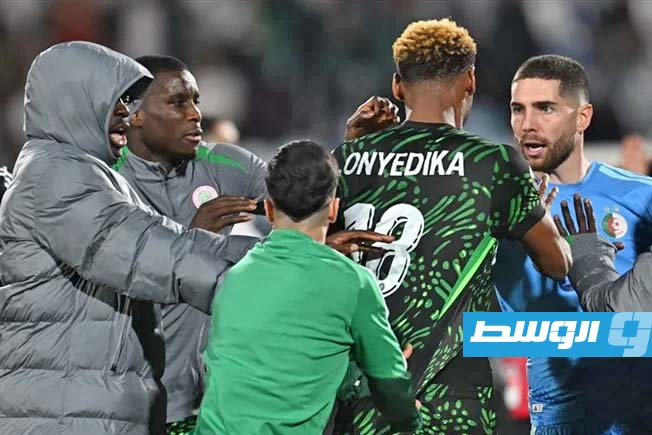
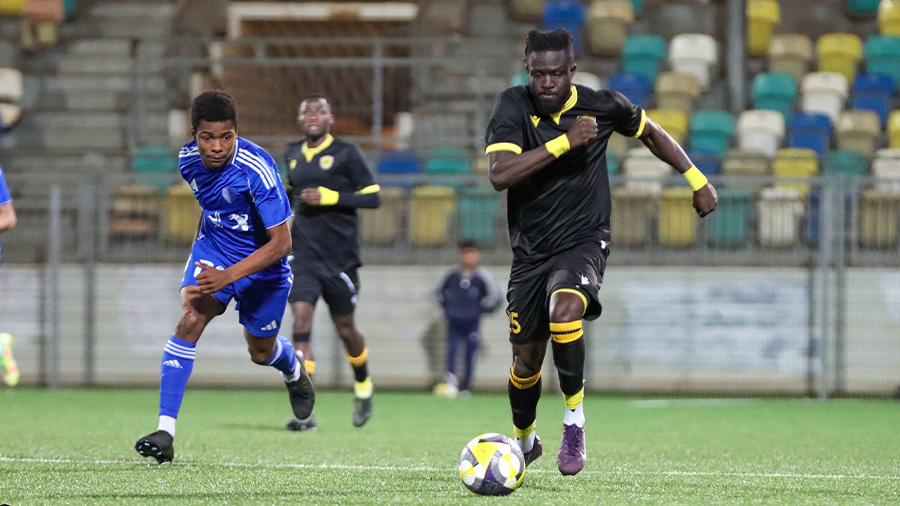
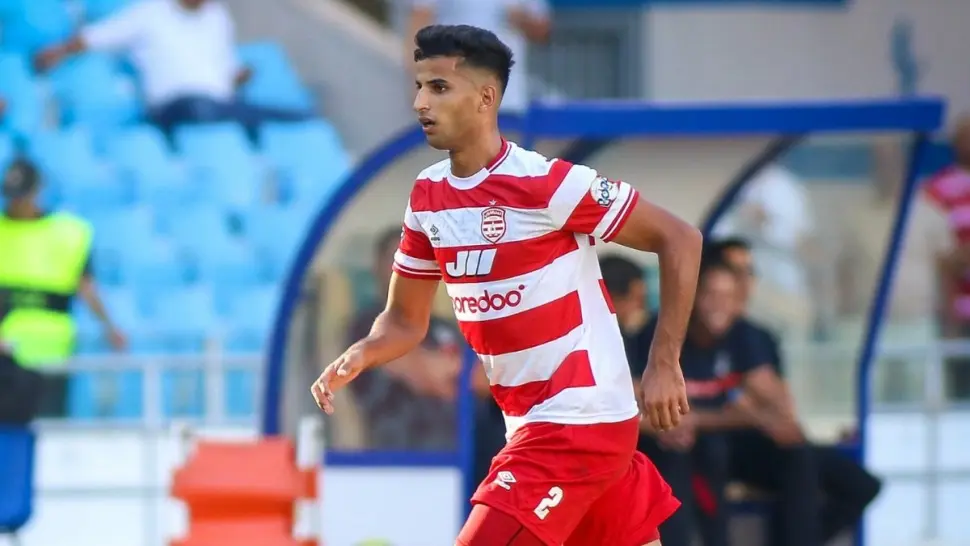
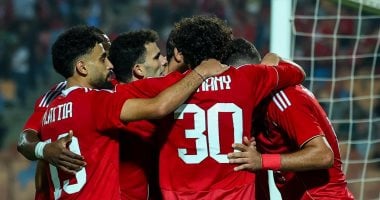
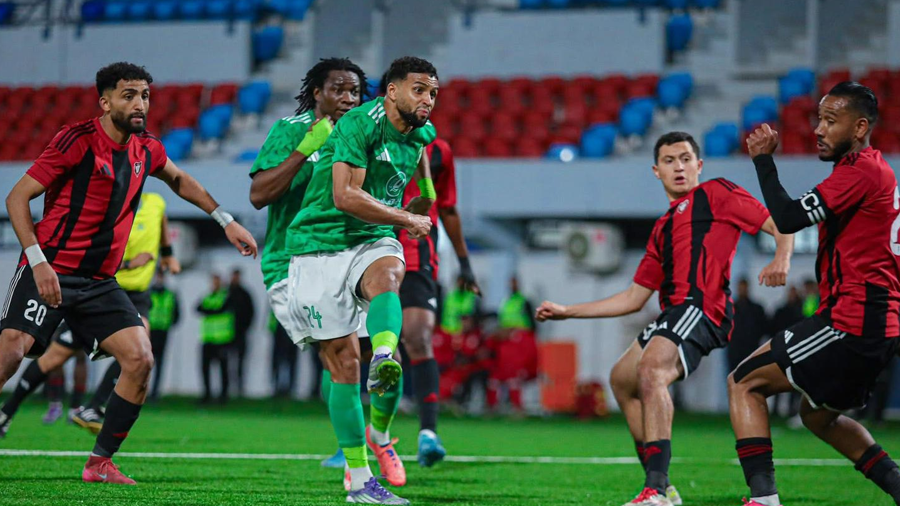
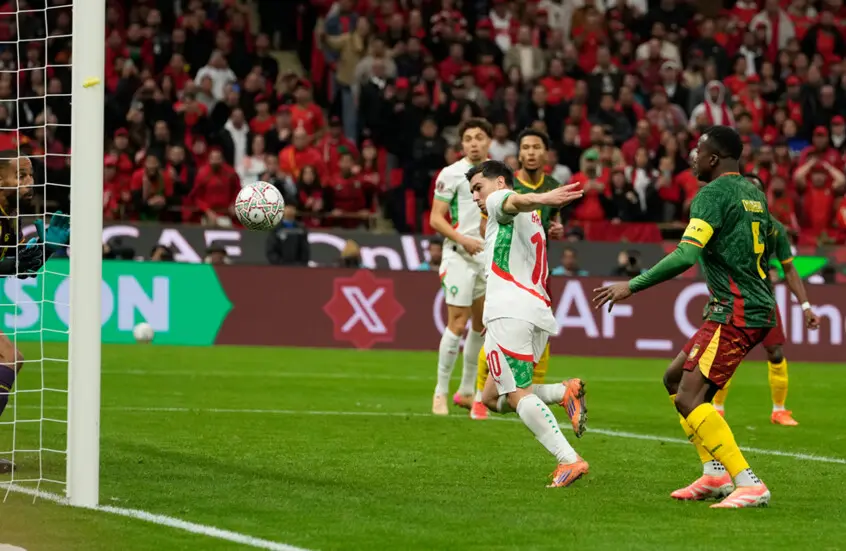
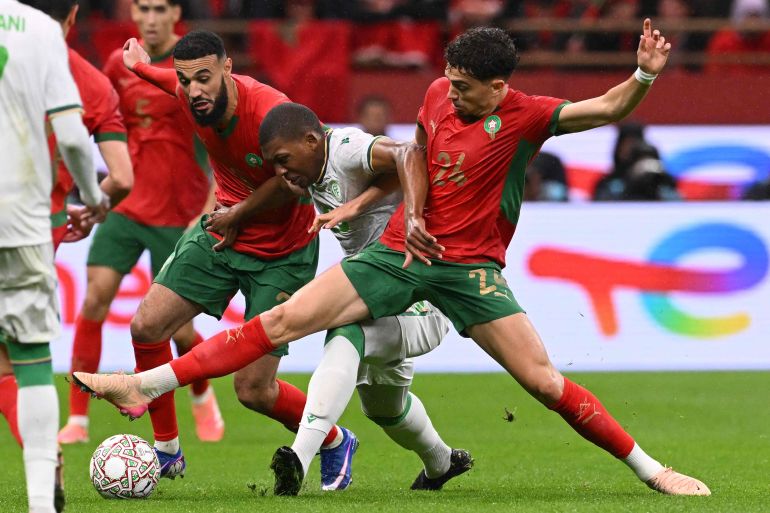
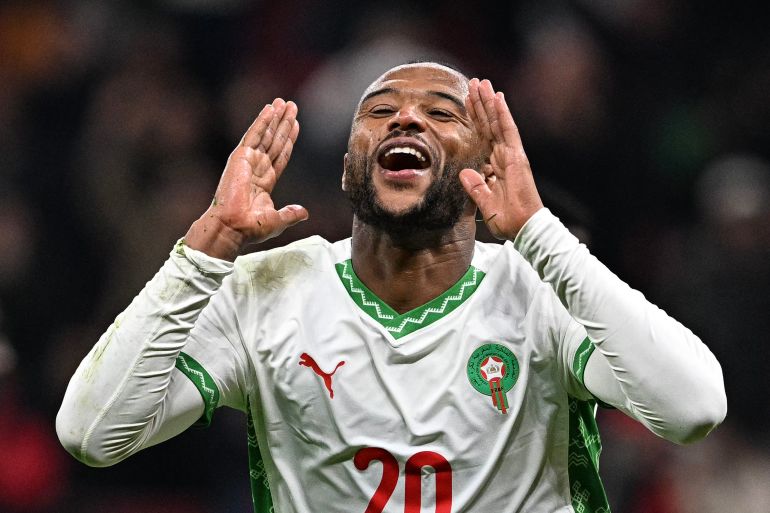
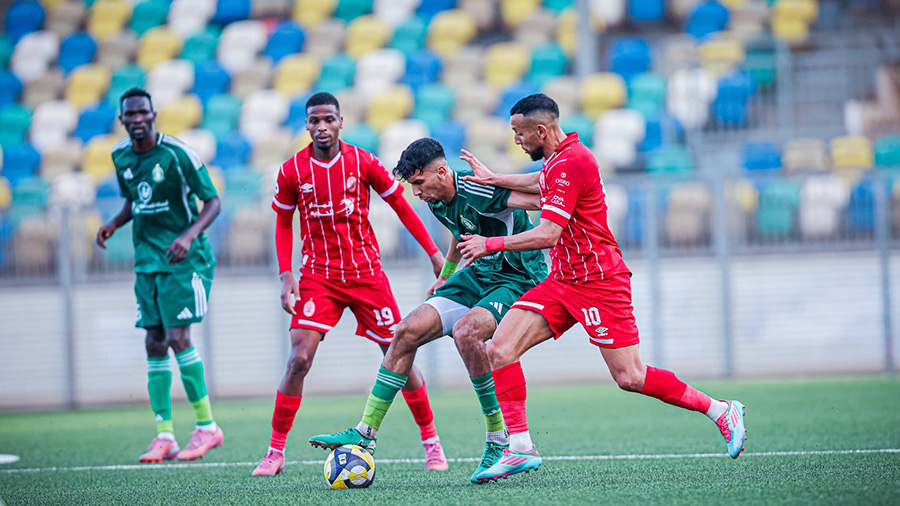
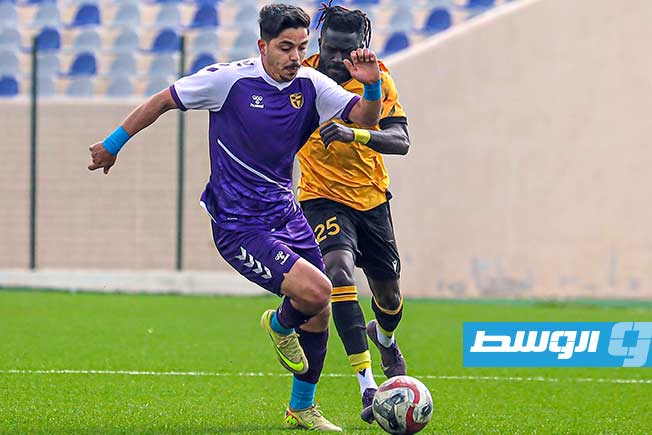
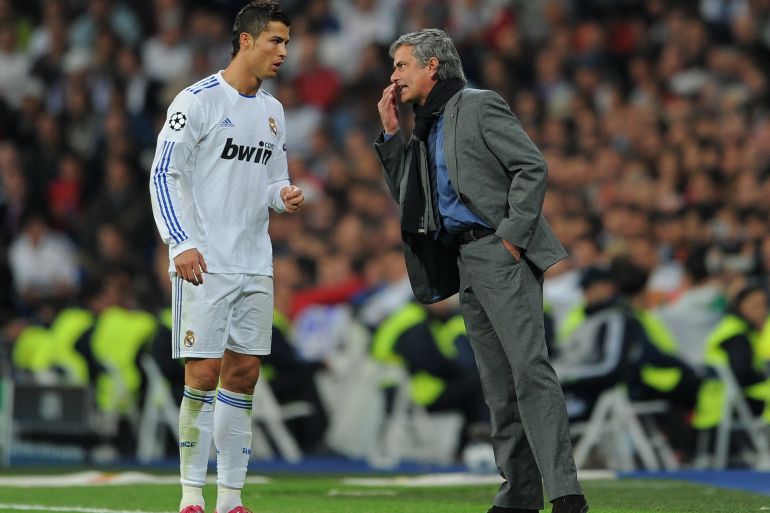
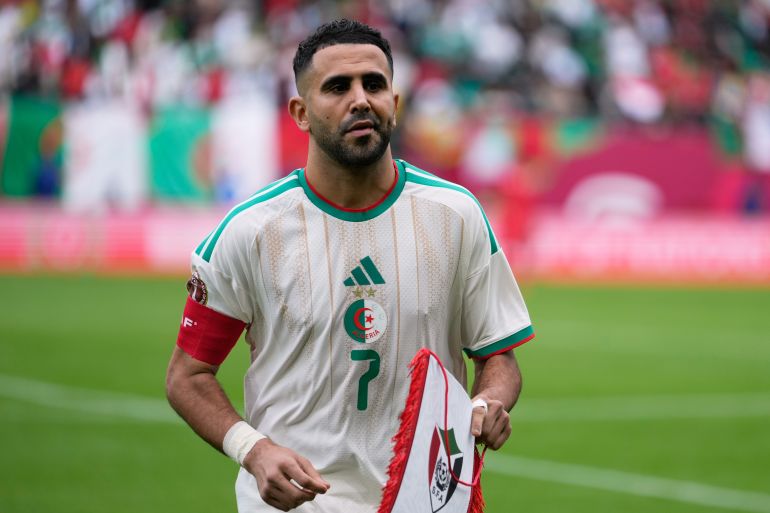
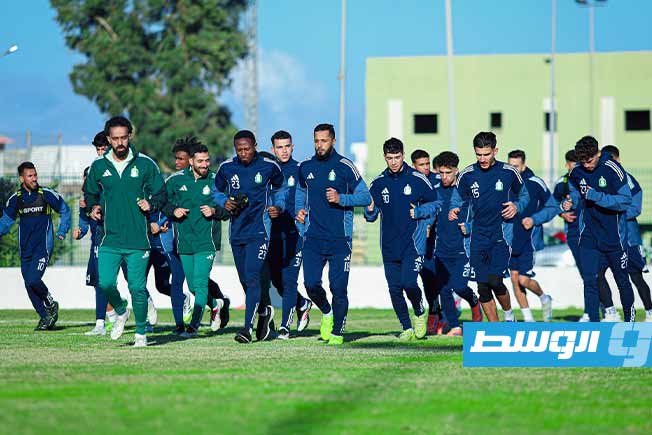
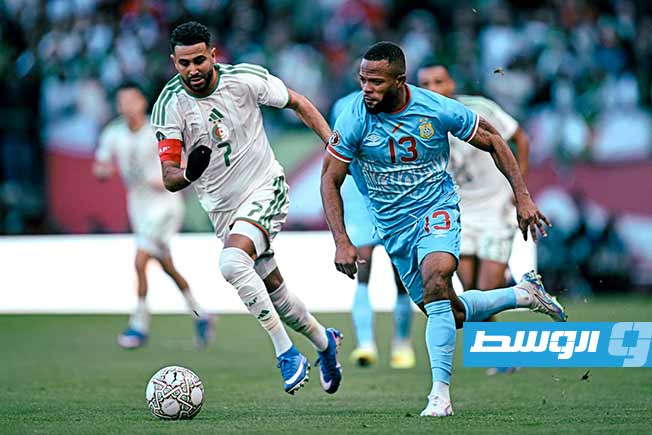
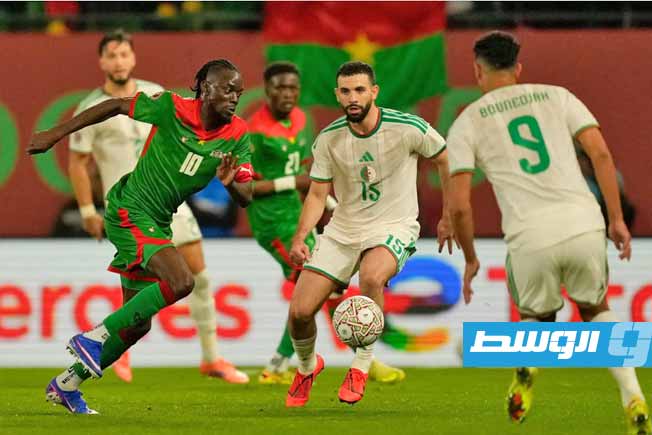
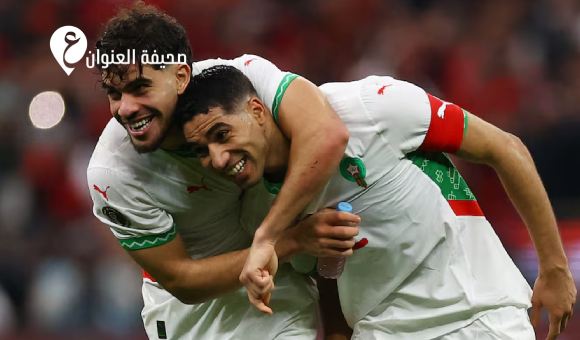
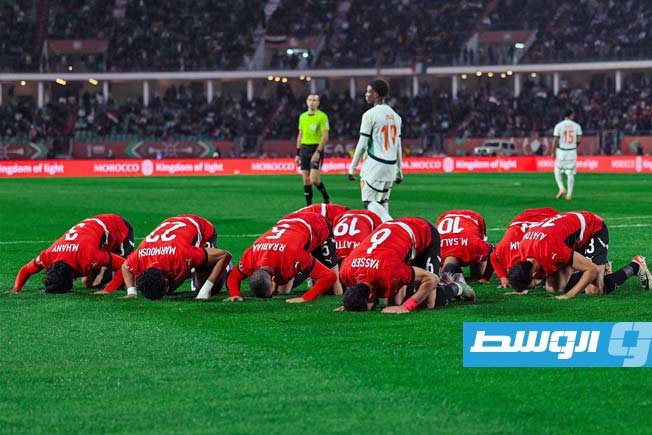
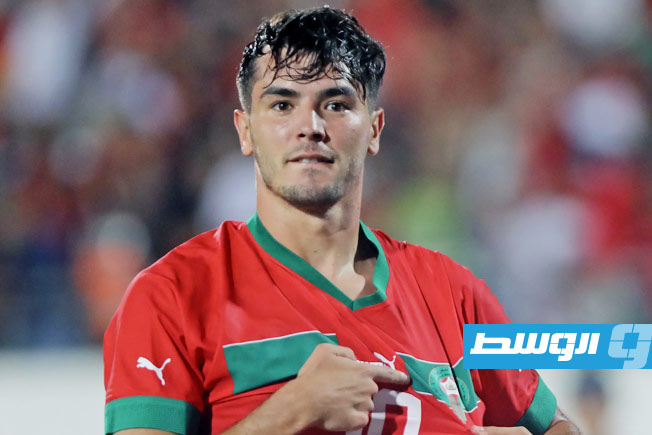
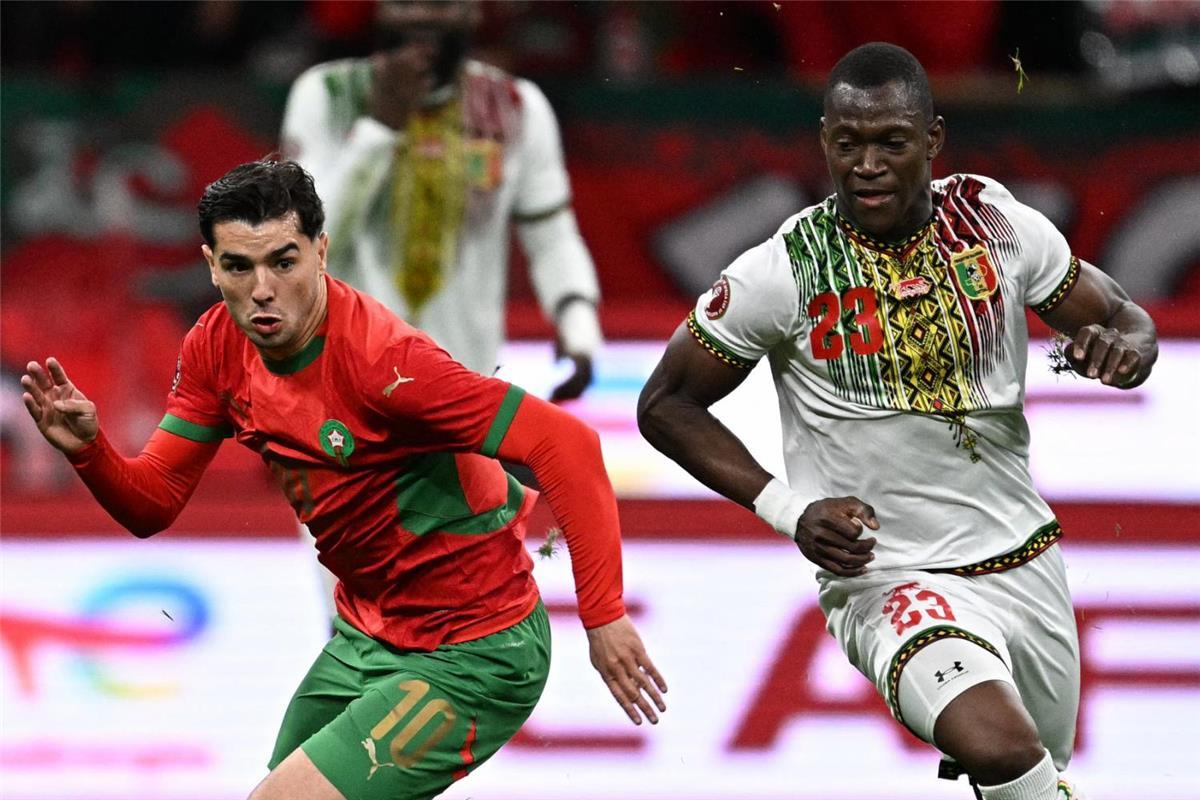
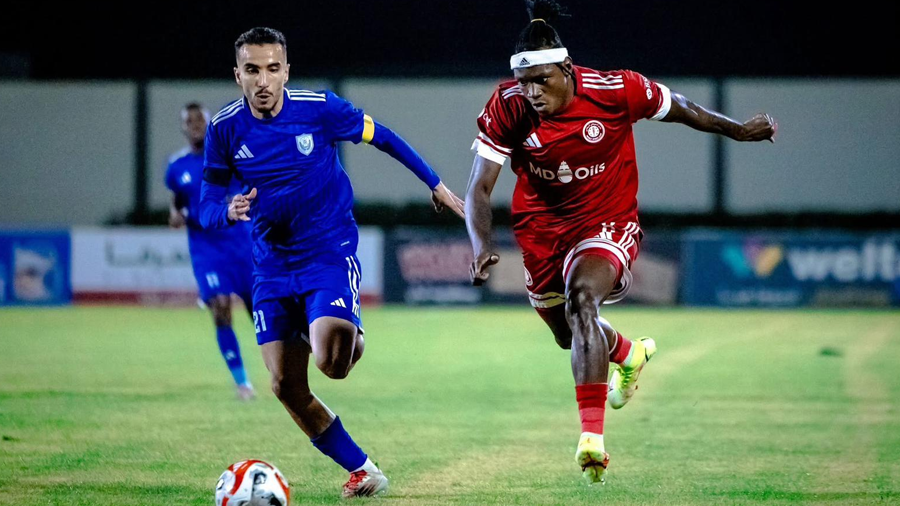
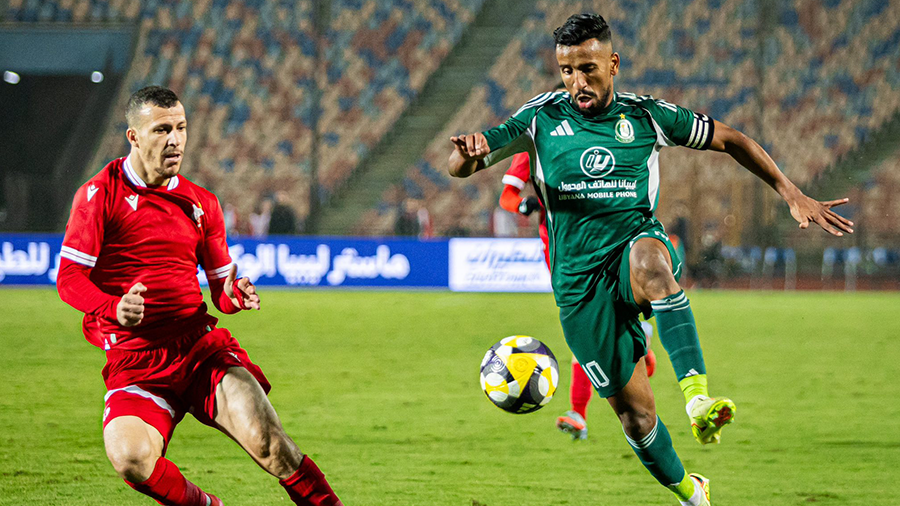
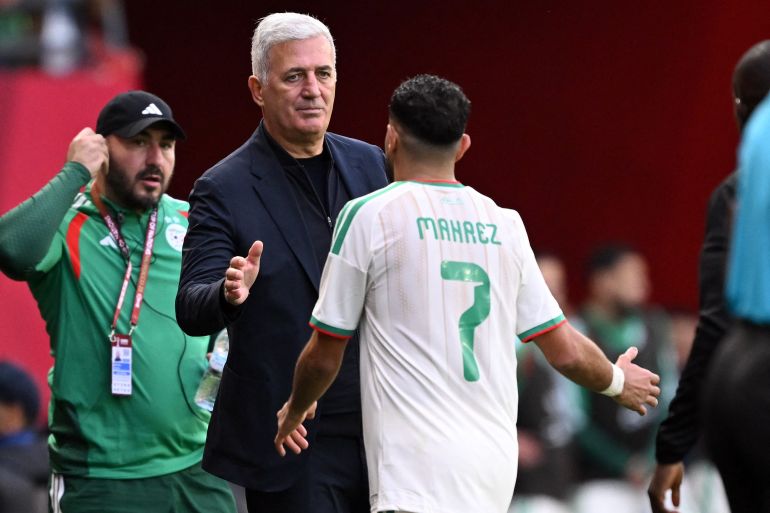
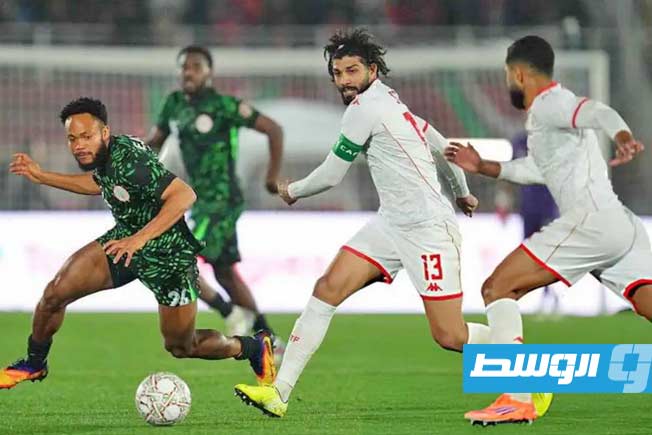
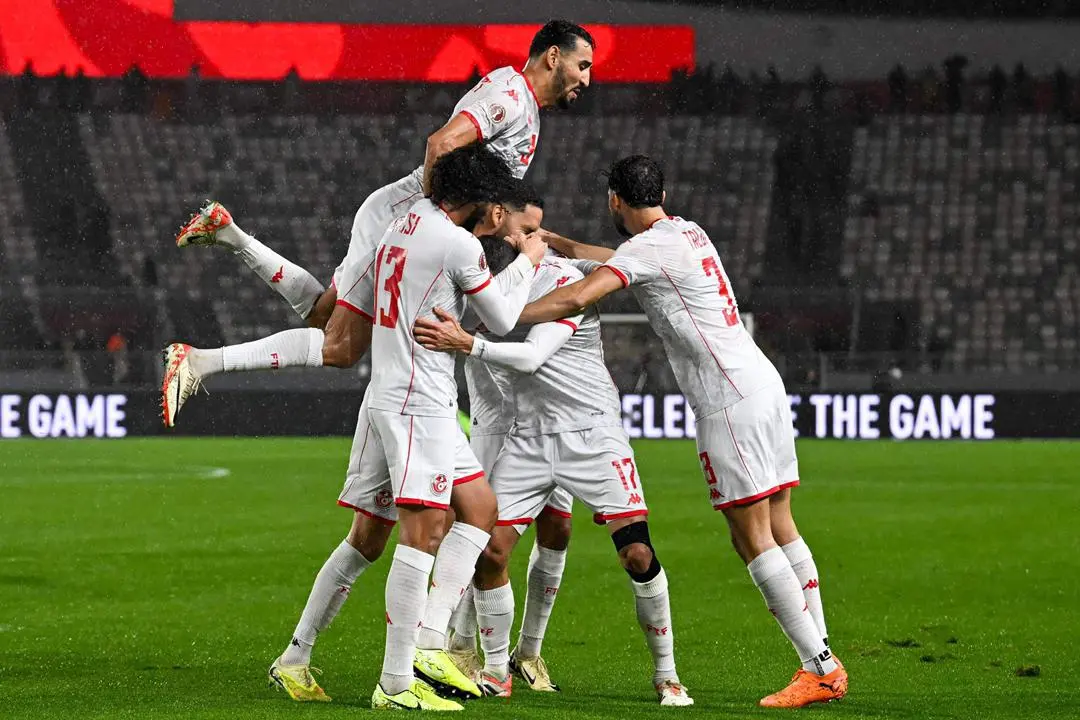
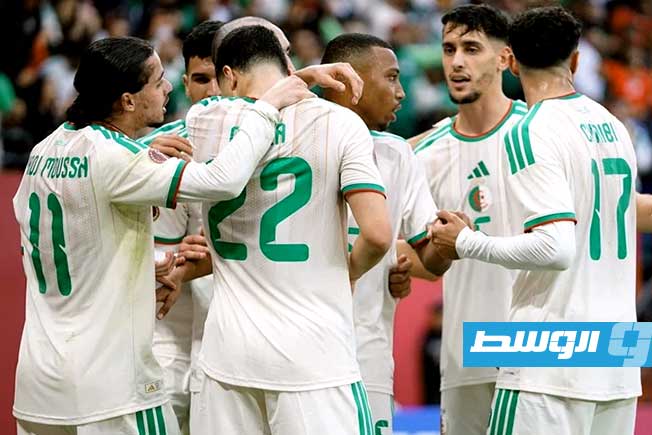
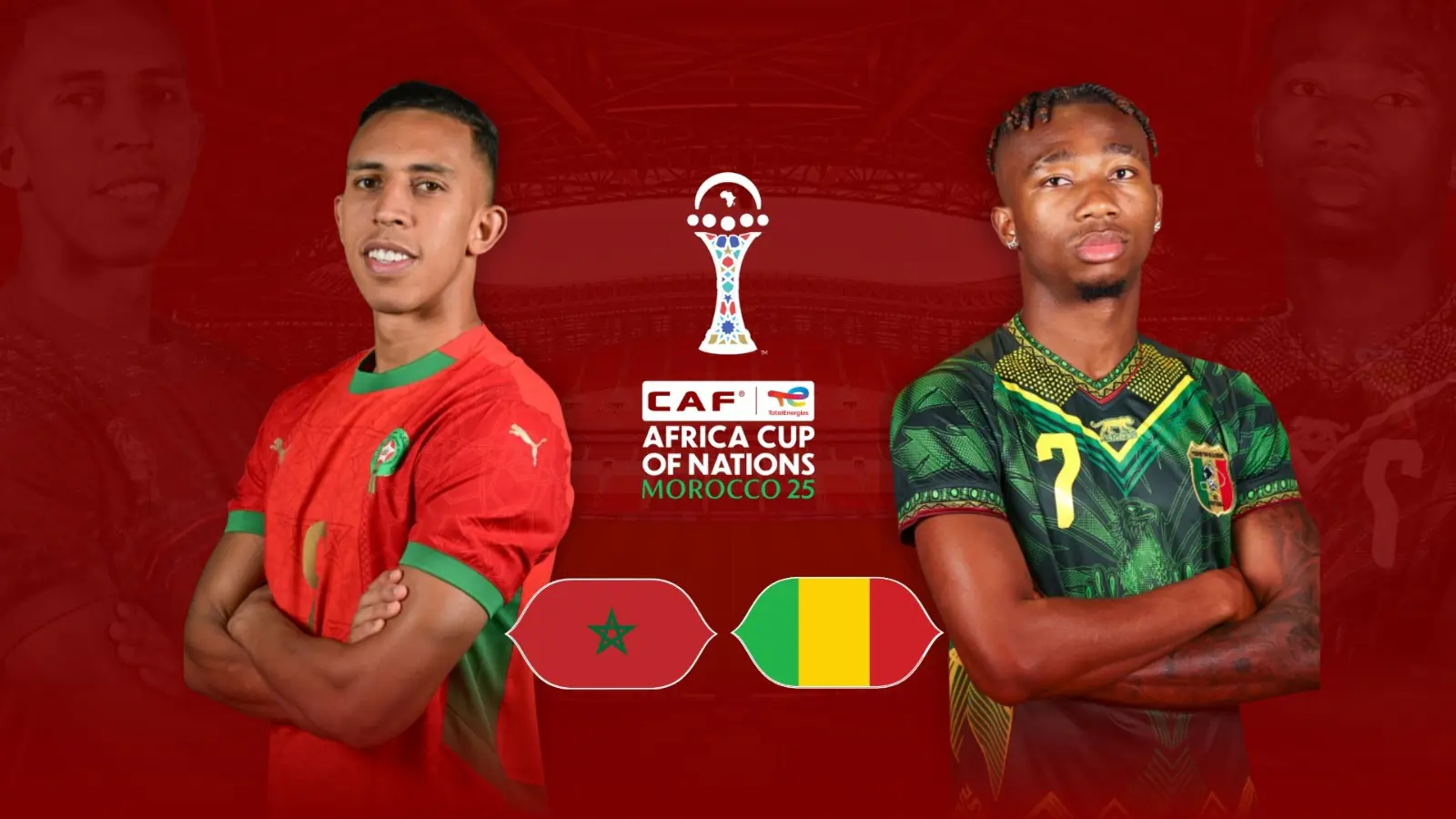
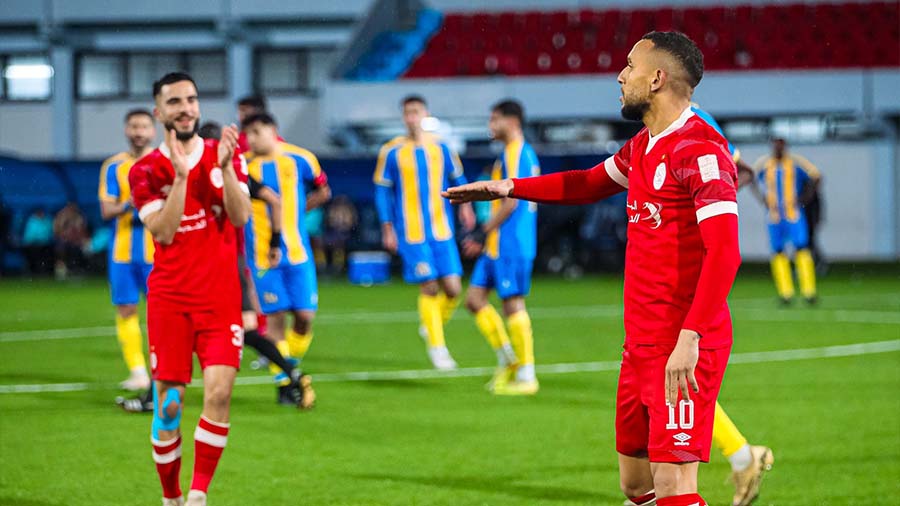
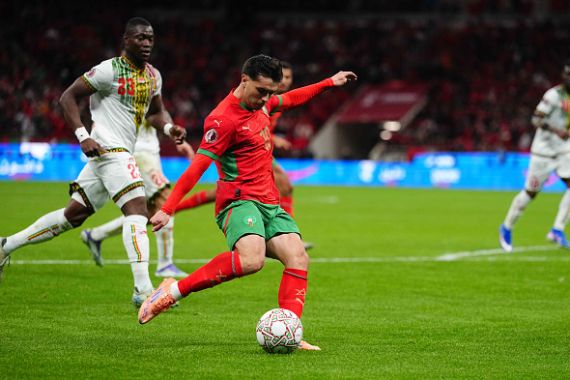
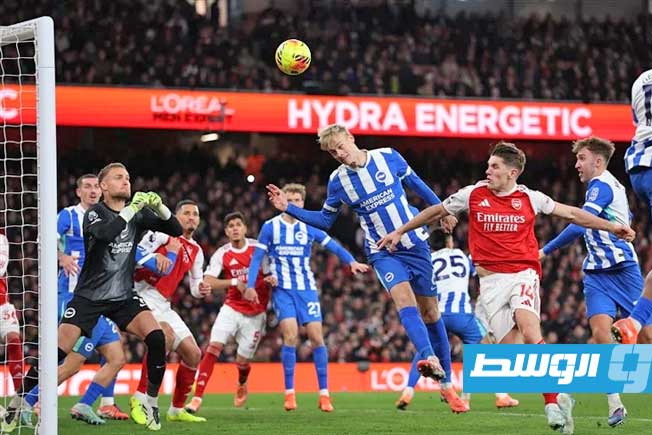
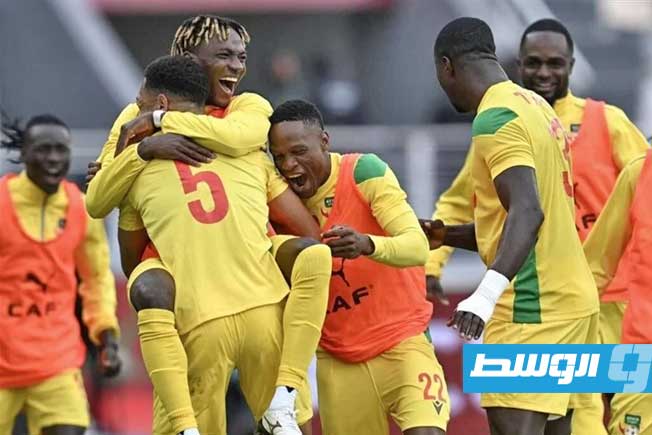
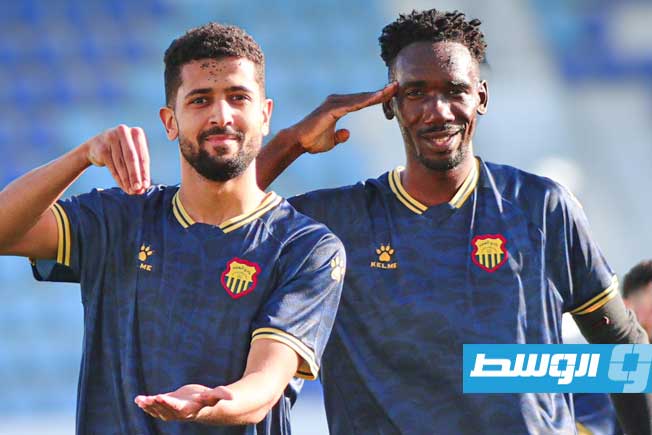
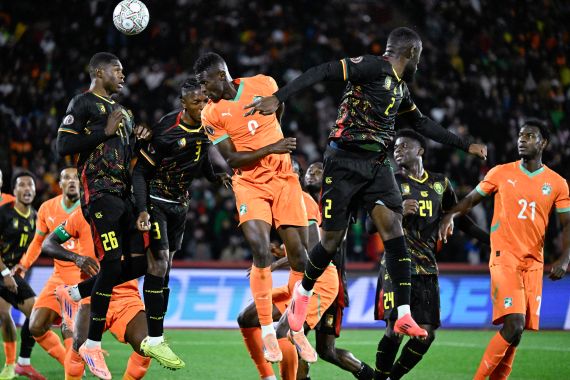
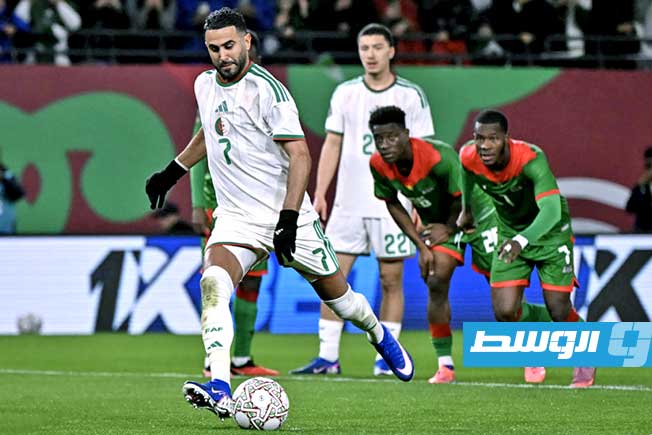
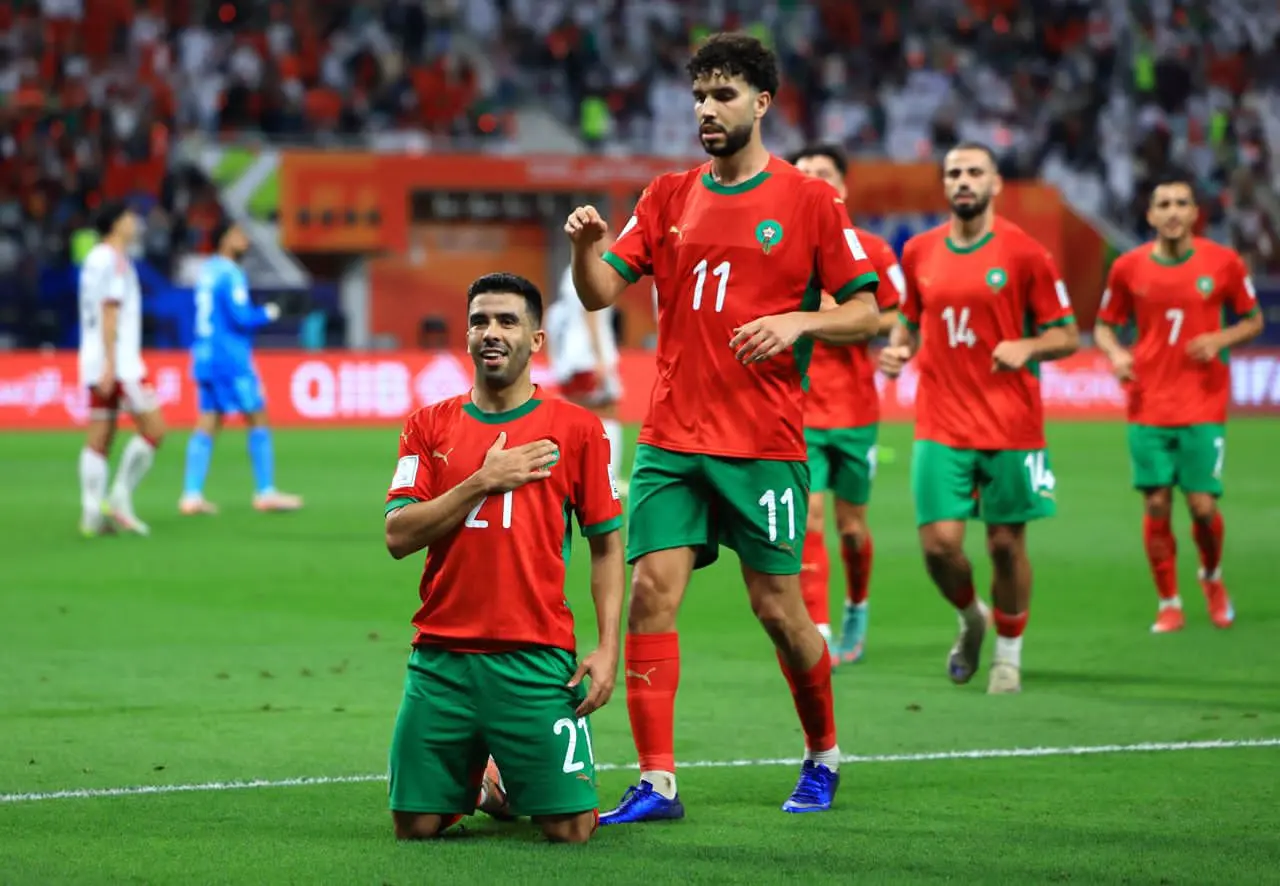
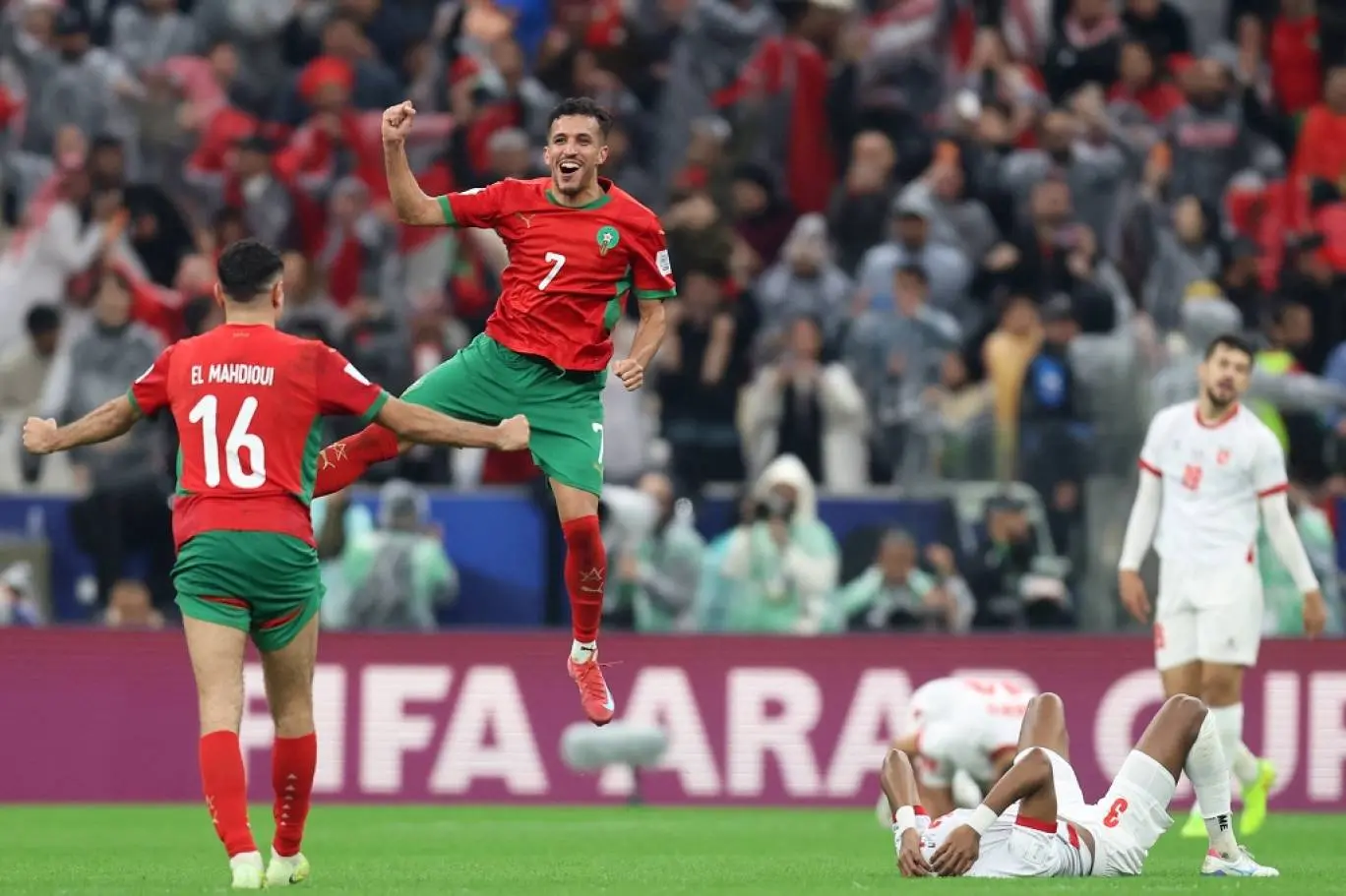
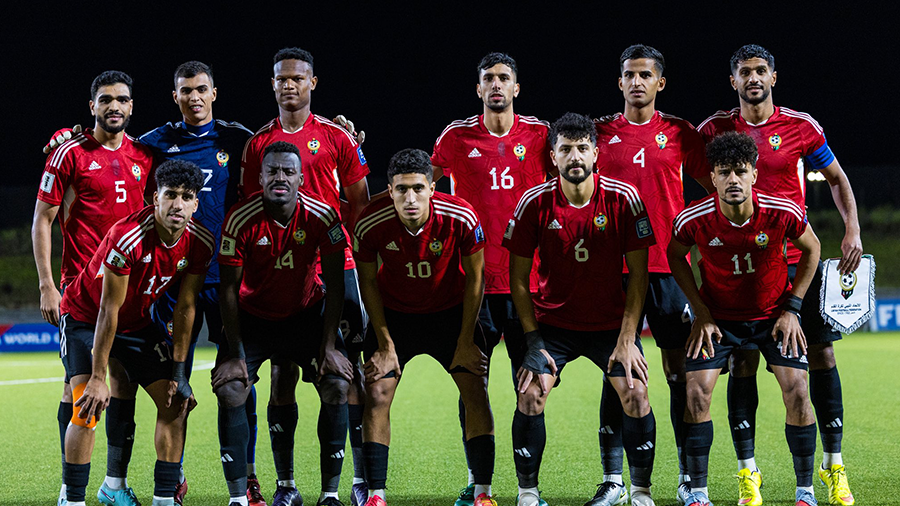
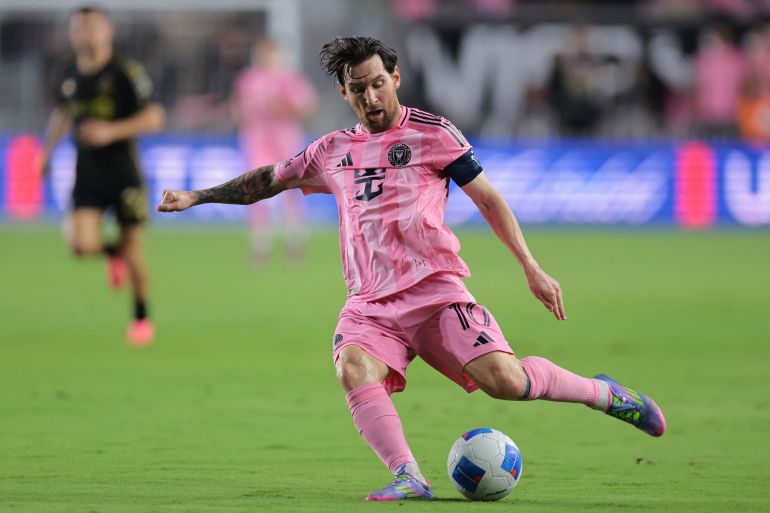
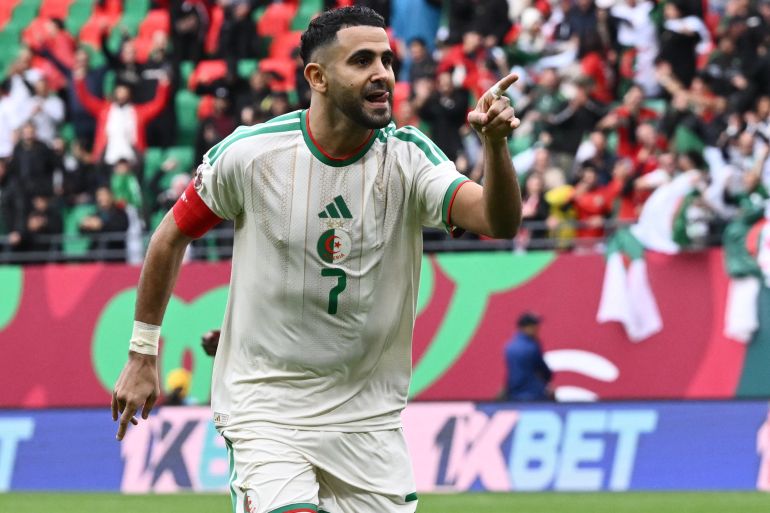
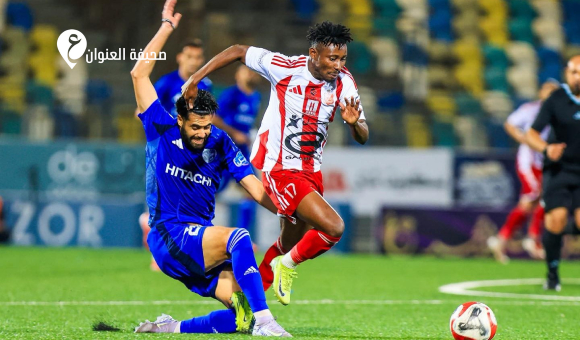
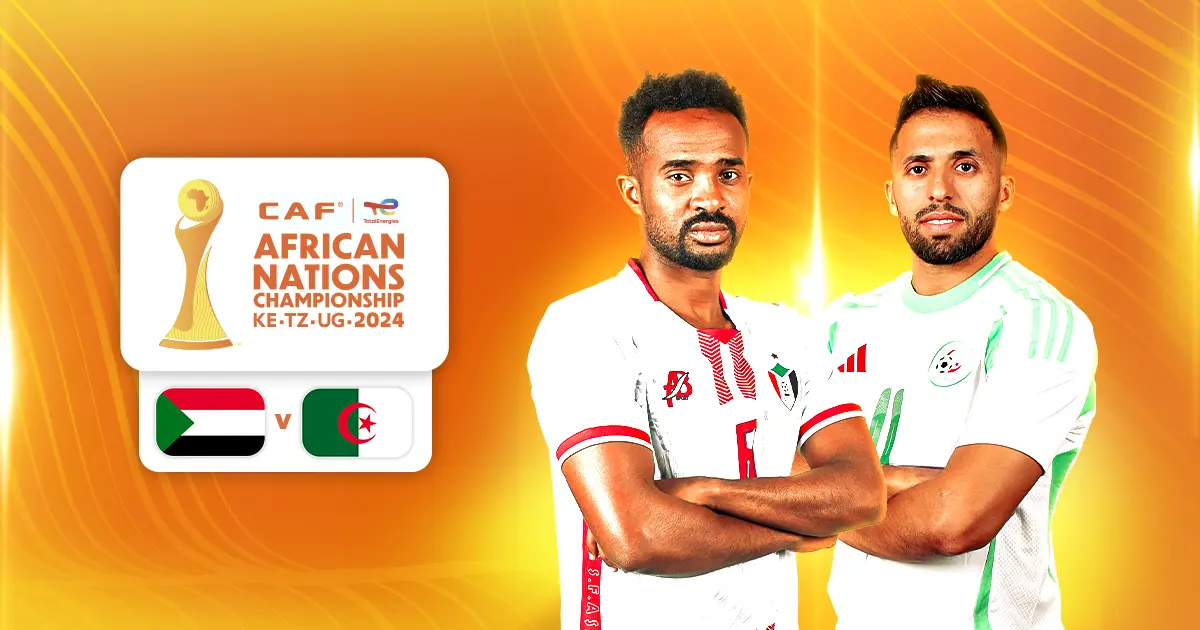
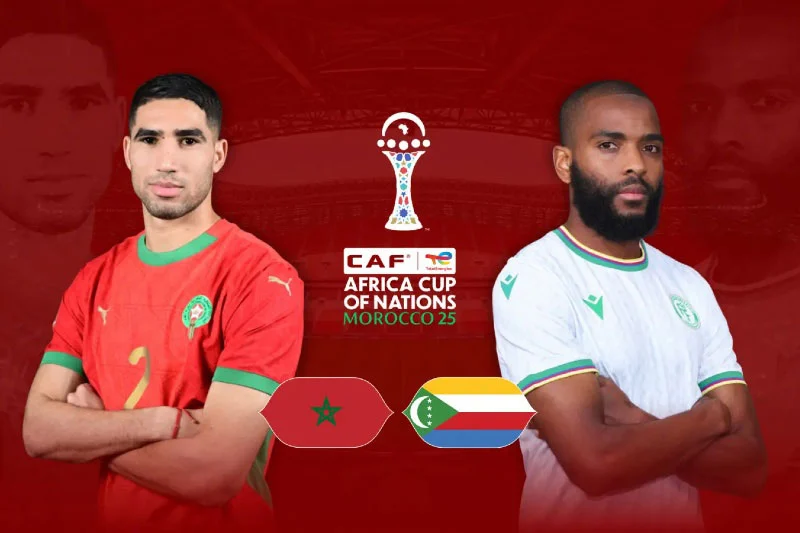
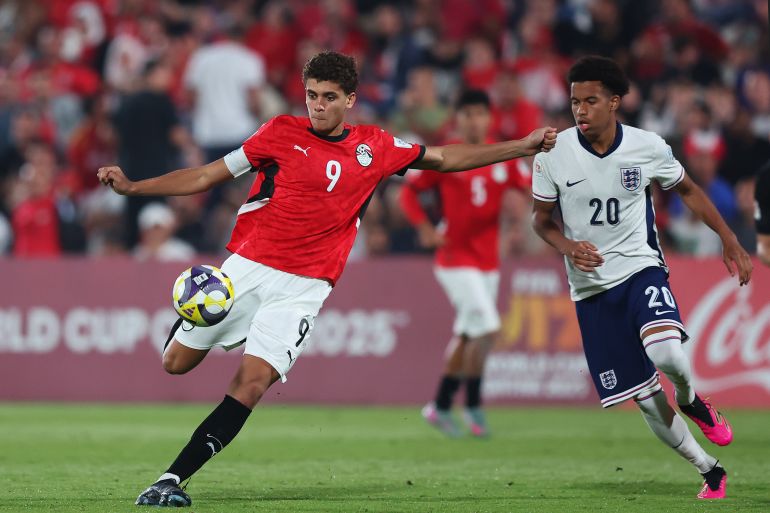
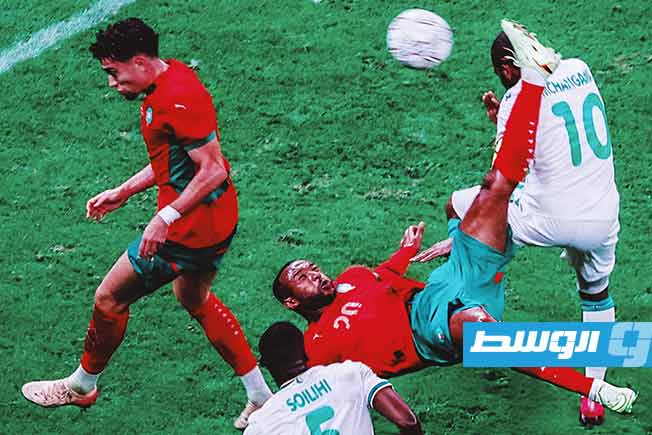
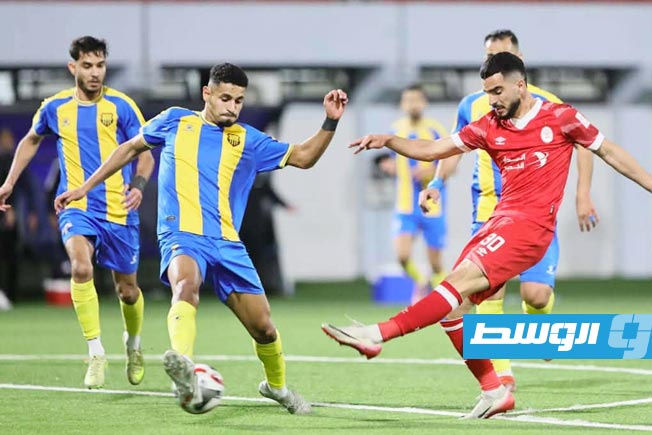
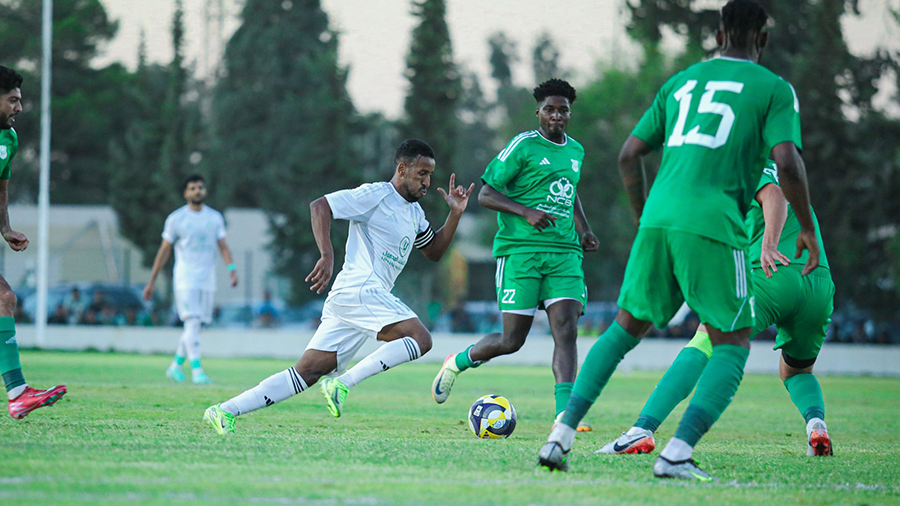
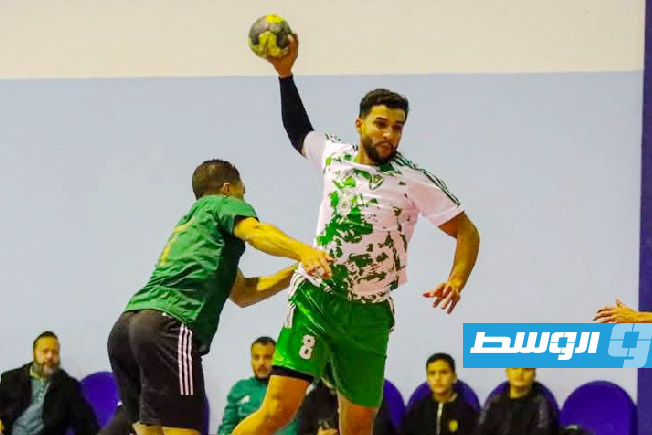
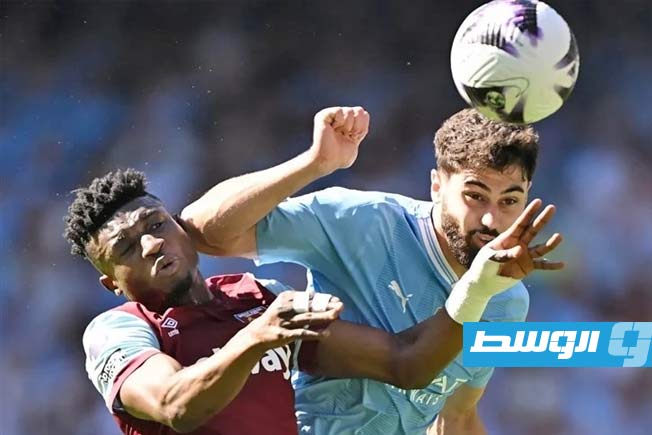
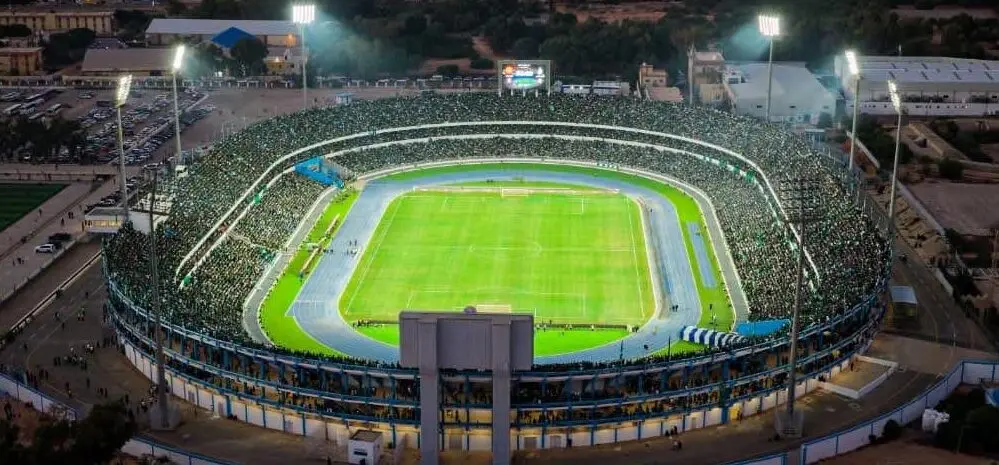
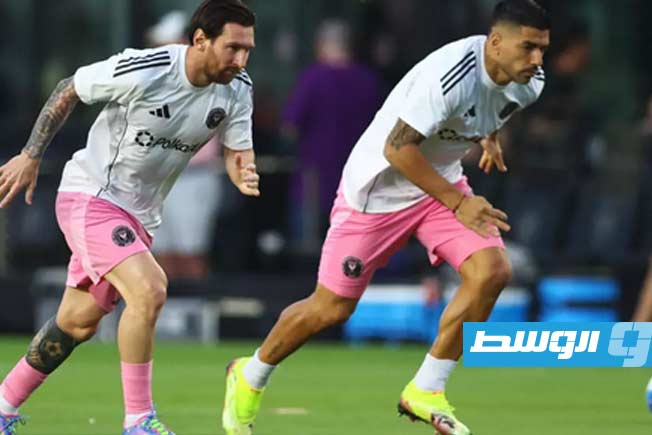
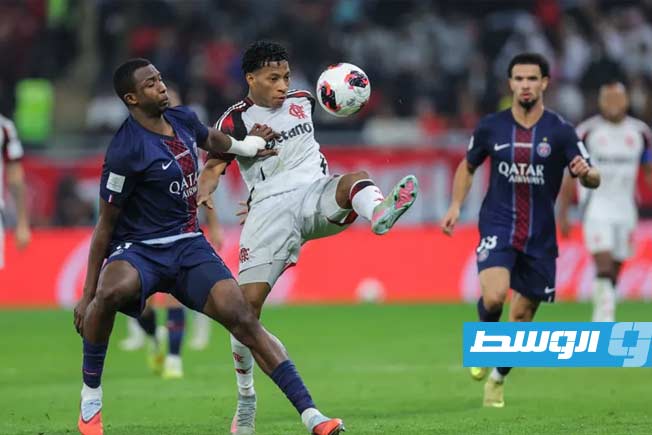
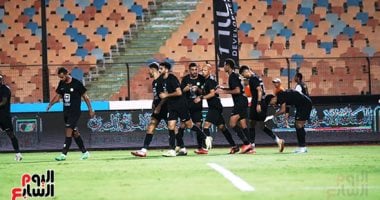
Riyad Mahrez led the Algerian national team to a 1-0 victory over Burkina Faso on Sunday, securing their qualification for the Round of 16 of the Africa Cup of Nations football tournament being held in Morocco.
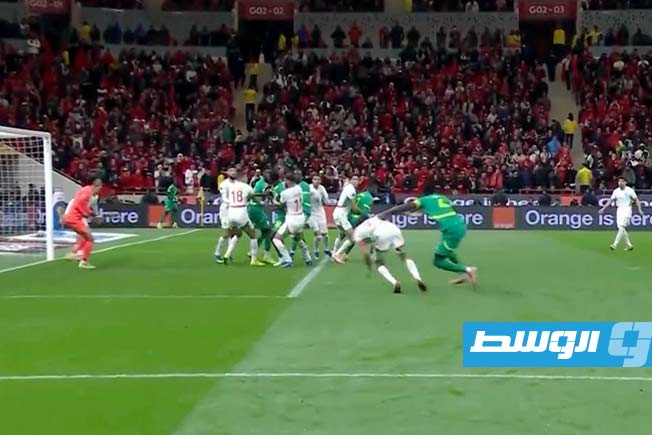
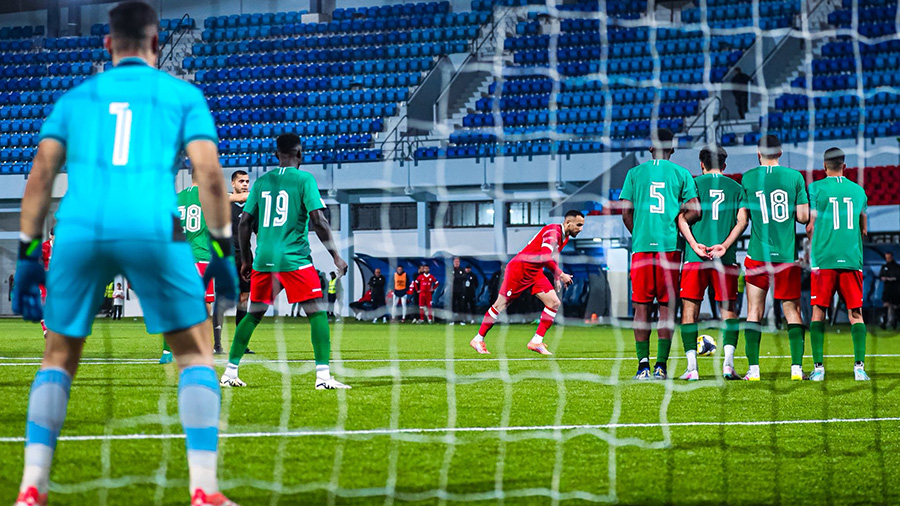
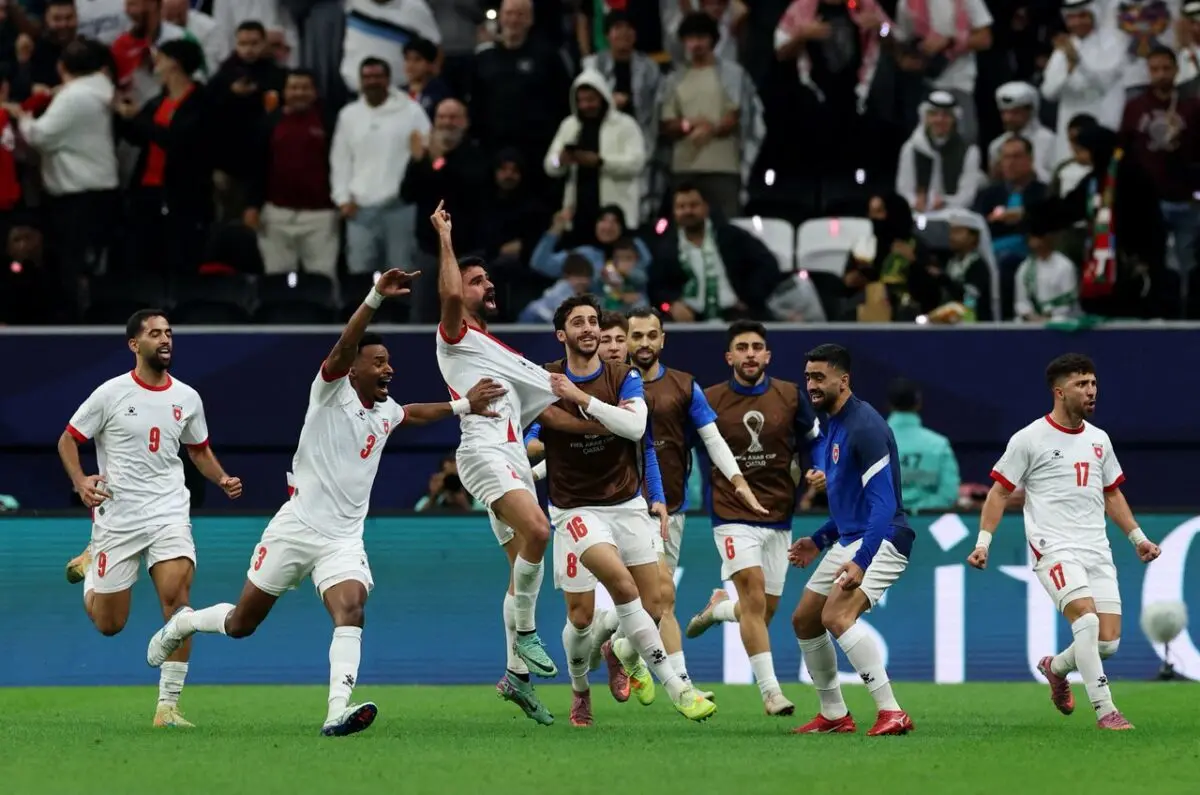
Mahrez put his team ahead in the 23rd minute from a penalty kick awarded by the referee after a foul on Rayan Aït-Nouri in the box.
Mohamed Amine Amoura missed a chance to extend Algeria’s lead from a one-on-one situation before the end of the first half. In the 66th minute, the Algerian team nearly scored a second goal from a dangerous counter-attack led by Mazza, but his attempt went wide.
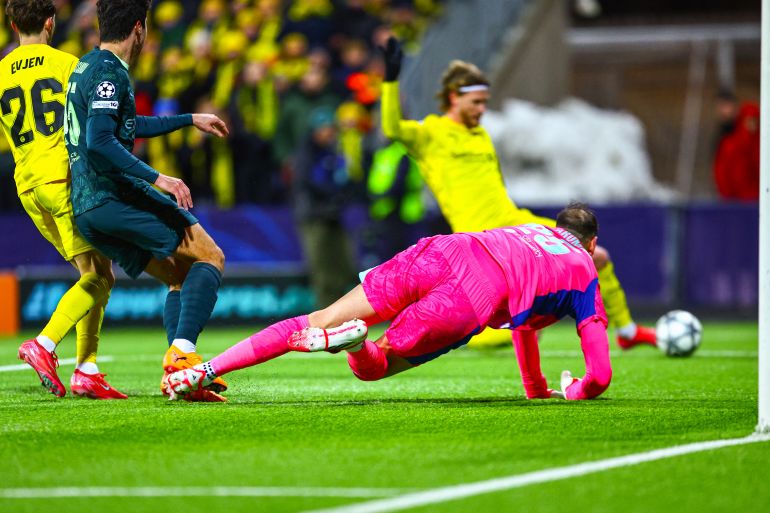
The same player missed another opportunity three minutes later with a shot from inside the area that was brilliantly saved by the goalkeeper.
The two-time African champion raised its tally to six points, leading Group Five with a three-point advantage over the runner-up of the 2013 edition.
The team that won 1-0 against Equatorial Guinea earlier in the day occupies third place with three points as well, while the Equatorial Guinea team sits at the bottom of the standings with no points.
The Algerian national team is scheduled to meet the runner-up of Group Four, which includes the Democratic Republic of Congo, Senegal, Botswana, and Benin, in the Round of 16 on the 6th of January.
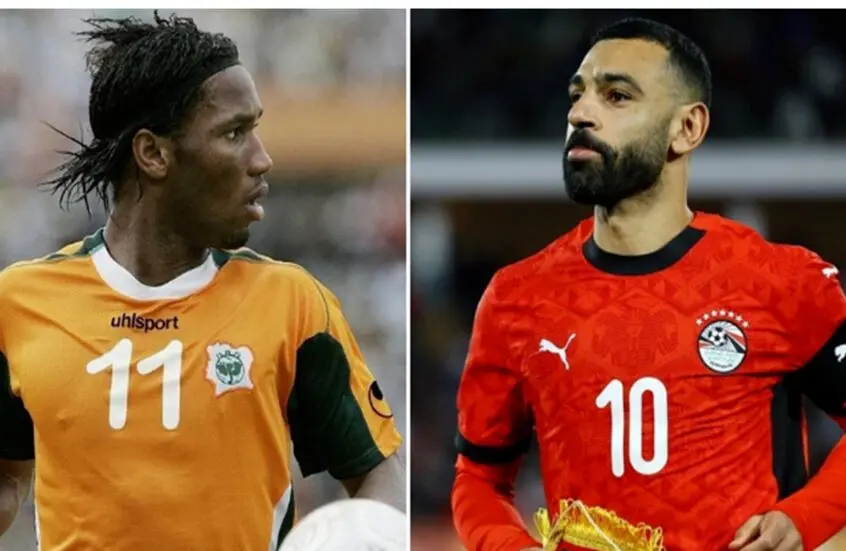
Riyad Mahrez
Riyad Mahrez is not a place or cultural site, but a professional footballer from Algeria. He rose to prominence as a key player for Leicester City, helping them win the historic 2015-16 Premier League title, and has since played for Manchester City and the Algerian national team.
Algerian national team
The Algerian national football team, nicknamed “Les Fennecs,” was established in 1958 during Algeria’s war for independence and played its first official match in 1963. It is renowned for its historic qualification for the 1982 and 2014 FIFA World Cups, with its 2014 campaign being particularly celebrated for reaching the knockout stage.
Burkina Faso
Burkina Faso is a landlocked West African nation whose modern borders were established during French colonial rule, gaining independence in 1960. Historically, the region was home to several powerful kingdoms, including the Mossi states, which date back to the 11th century. The country’s name, meaning “Land of Honest People,” was adopted in 1984, reflecting a cultural emphasis on integrity.
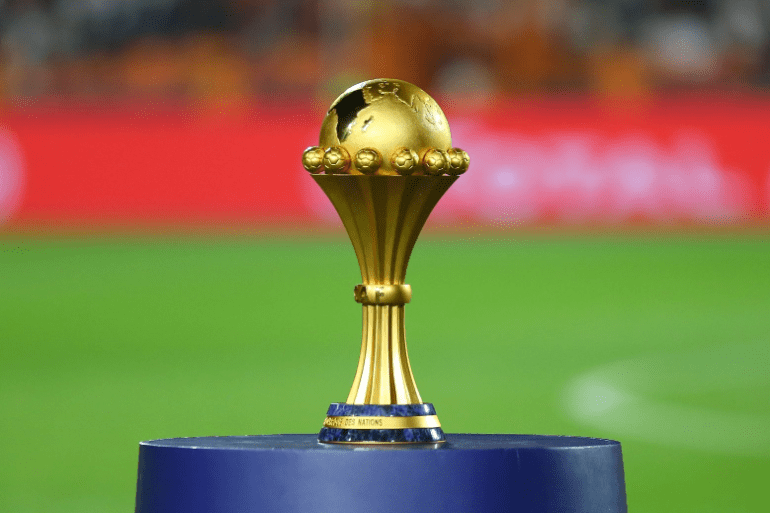
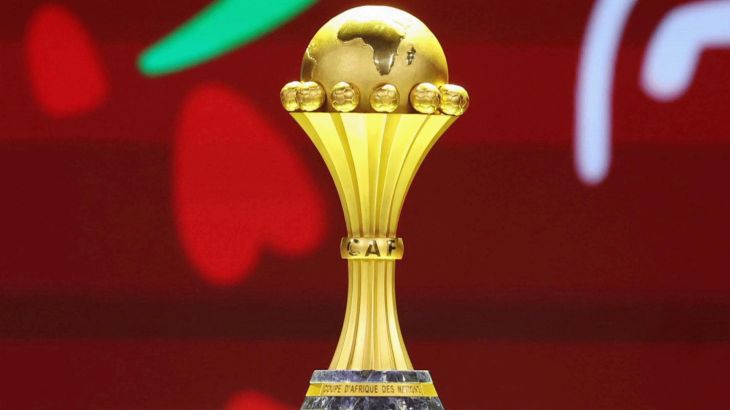
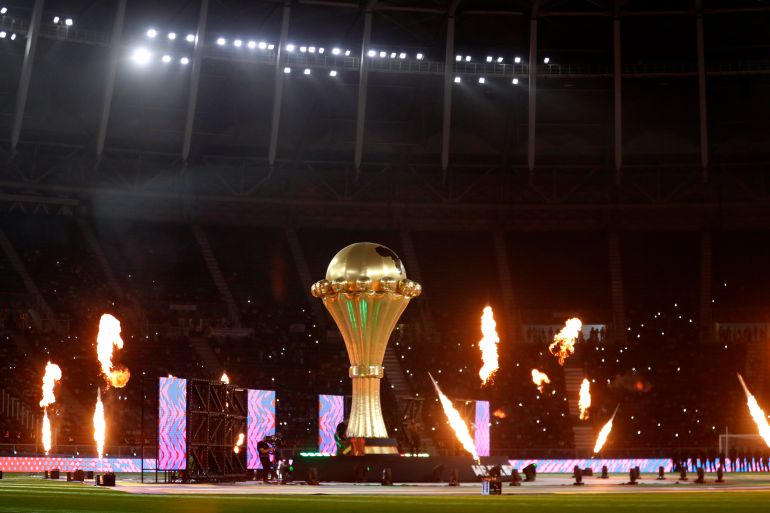
Africa Cup of Nations
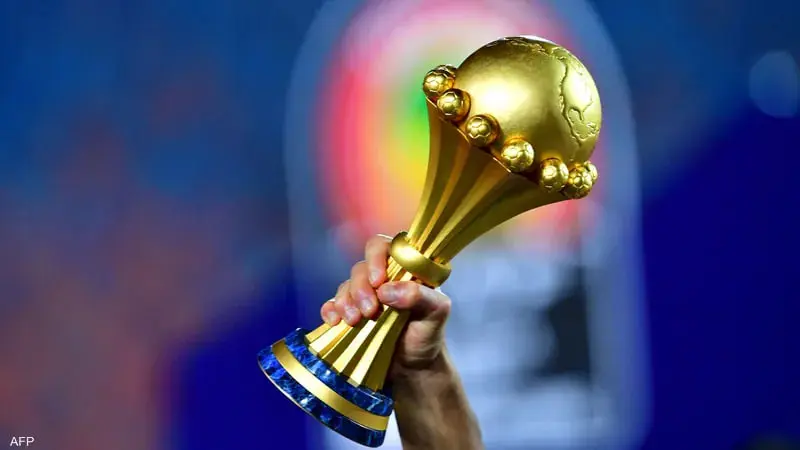
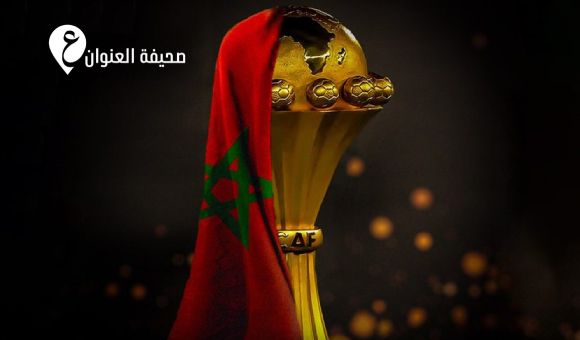
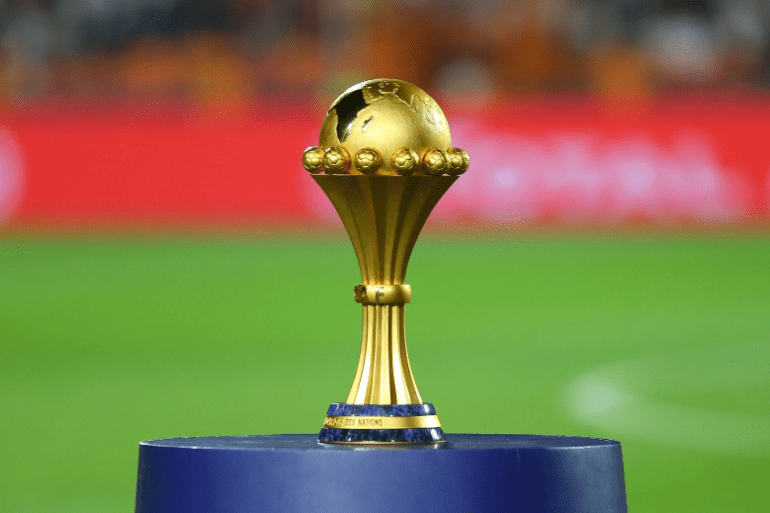
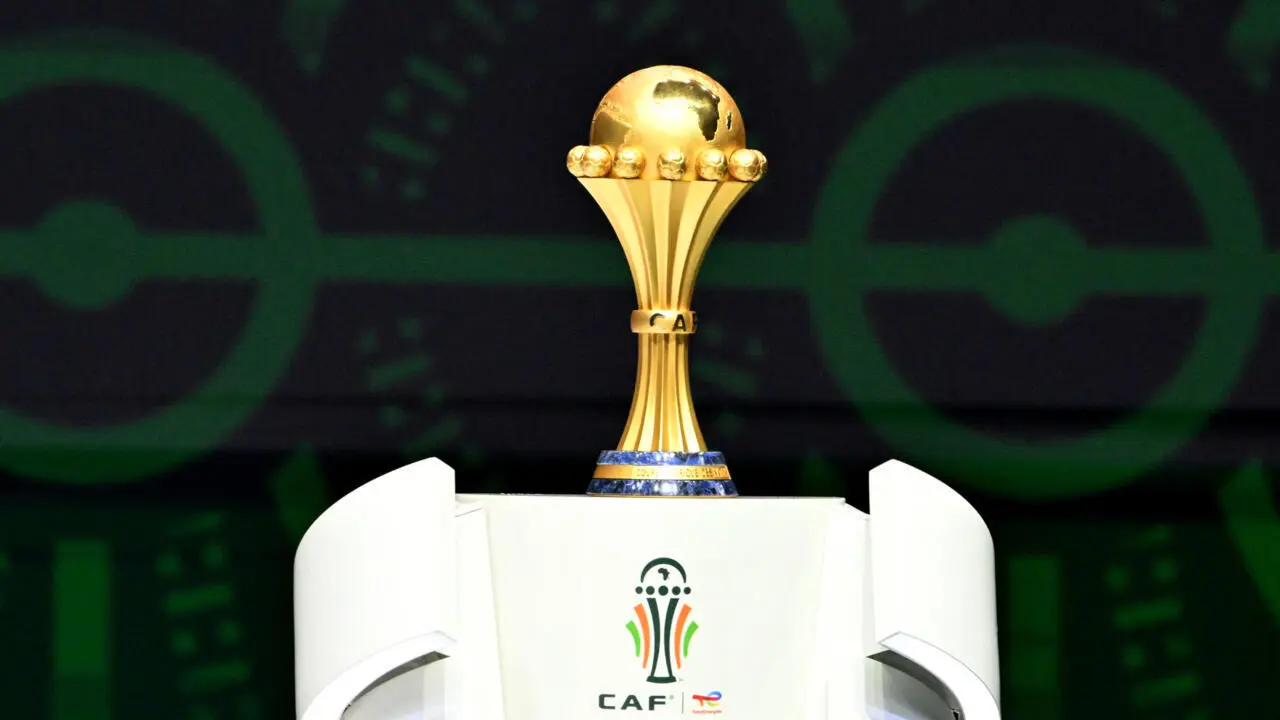
The Africa Cup of Nations is the premier international men’s football competition in Africa, first held in 1957. It was founded to unite African nations emerging from colonialism and is organized by the Confederation of African Football (CAF).
Morocco
Morocco is a North African country with a rich history shaped by indigenous Amazigh (Berber) cultures, Arab influence from the 7th century, and a series of powerful Islamic dynasties. Its cultural sites, such as the ancient Roman ruins of Volubilis and the historic medinas of Fez and Marrakech, reflect this diverse heritage and its role as a crossroads of civilizations.
Rayan Aït-Nouri
Rayan Aït-Nouri is a professional footballer from France who plays as a left-back for the English club Wolverhampton Wanderers. He began his senior career at Angers SCO in France before transferring to Wolves in 2021, and he has also represented the Algerian national team.
Mohamed Amine Amoura
Mohamed Amine Amoura is not a place or cultural site, but a professional Algerian footballer. He currently plays as a forward for the Algerian national team and Belgian club Union SG. His career history includes playing for clubs in Algeria and Switzerland before his transfer to Belgium in 2023.
Mazza
Mazza is a historic market located in the heart of Damascus, Syria, and is one of the oldest and largest covered markets in the world. Its history dates back to the Roman era, but it flourished during the Islamic period, becoming a central hub for trade along the Silk Road. Today, it remains a vibrant cultural and commercial site, featuring miles of alleys selling everything from spices and textiles to traditional crafts.
Equatorial Guinea
Equatorial Guinea is a small Central African nation consisting of a mainland region and several islands, including Bioko where the capital, Malabo, is located. It gained independence from Spain in 1968 and has since been characterized by its significant oil reserves, discovered in the 1990s, and long-standing political stability under the rule of the same family. The country’s culture reflects a blend of indigenous Bantu traditions and Spanish colonial influences.
Democratic Republic of Congo
The Democratic Republic of Congo, located in Central Africa, is a country with a complex history marked by the pre-colonial Kingdom of Kongo, a brutal period as the personal colony of King Leopold II of Belgium, and a turbulent post-independence era since 1960. It is renowned for its vast mineral wealth and the Congo River basin, which contains the world’s second-largest rainforest.
Senegal
Senegal is a West African nation known for its rich cultural heritage and historical significance as a key center of the transatlantic slave trade, exemplified by the UNESCO World Heritage site of Gorée Island. Its history includes powerful pre-colonial empires like the Jolof, followed by French colonization until independence in 1960. Today, it is celebrated for its vibrant music, arts, and as a stable democracy in the region.
Botswana
Botswana is a landlocked country in Southern Africa known for its stable democracy and significant diamond mining industry, which transformed its economy after gaining independence from Britain in 1966. It is also globally celebrated for its vast wilderness areas, including the Okavango Delta and Chobe National Park, which support abundant wildlife and conservation efforts.
Benin
Benin refers to both the modern West African nation and the historic Kingdom of Benin, which was a major pre-colonial power centered in what is now southern Nigeria. The kingdom, famous for its sophisticated bronze and ivory artworks, flourished from the 13th to the 19th century before being annexed by the British Empire in 1897. The modern Republic of Benin, formerly known as Dahomey, gained independence from France in 1960.