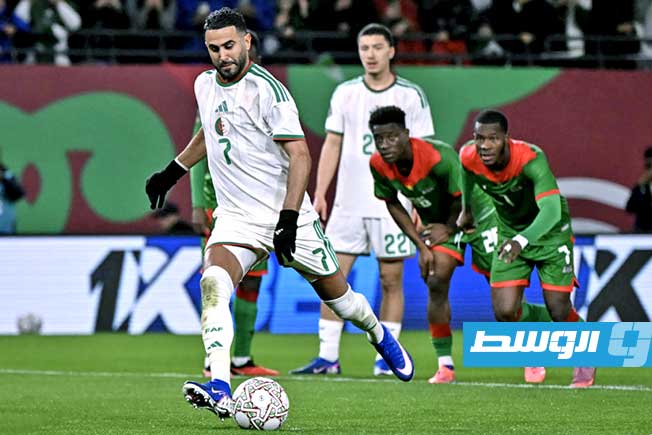
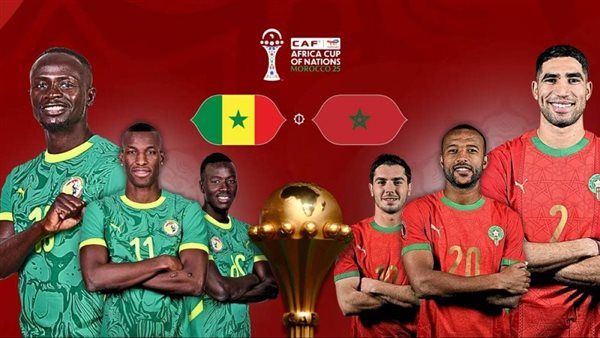
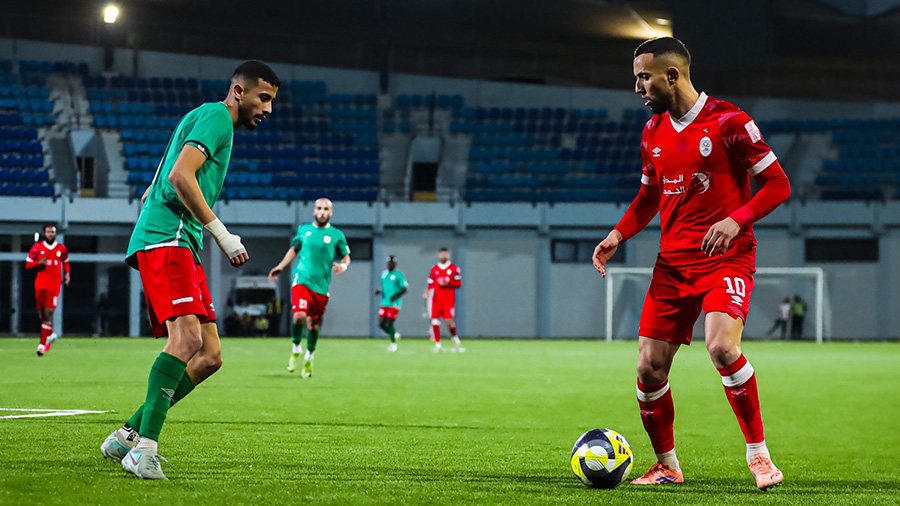
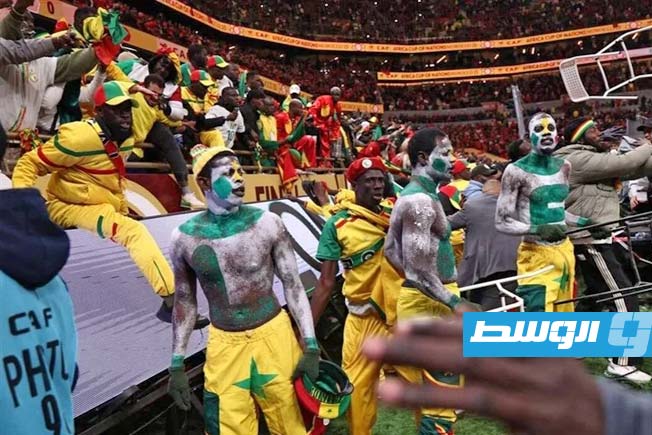
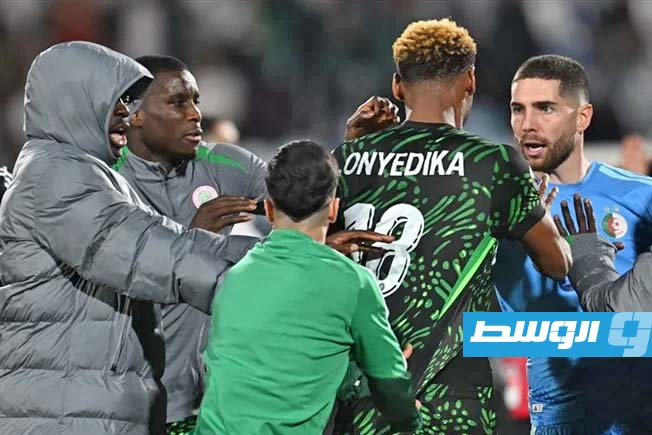
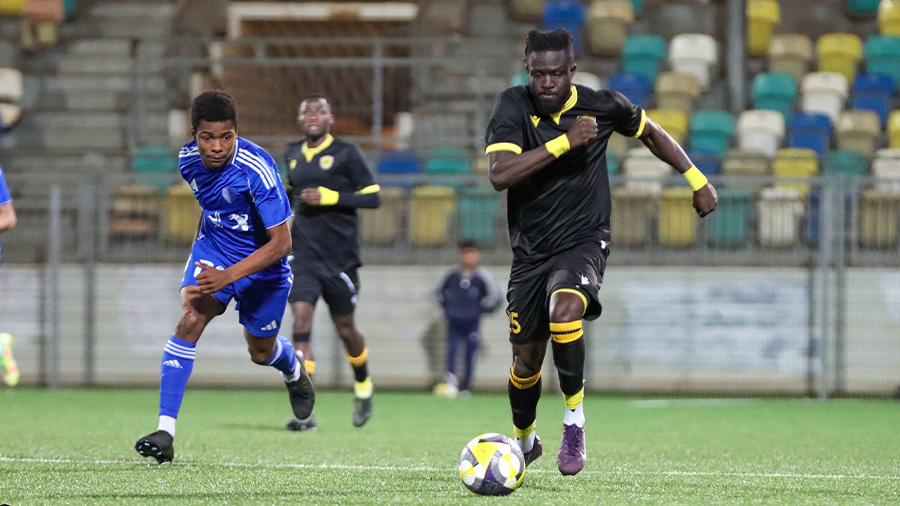
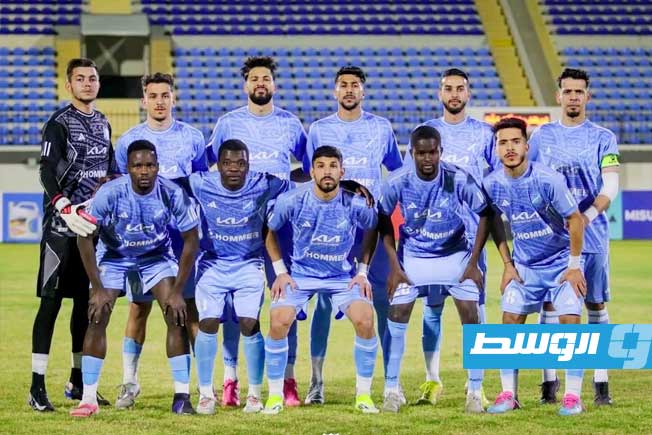
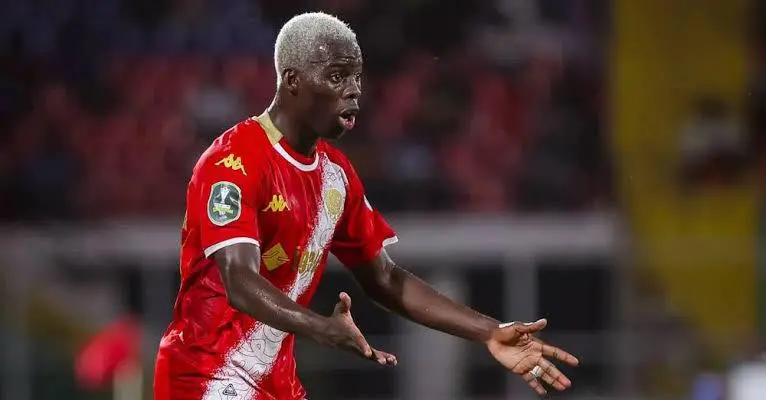
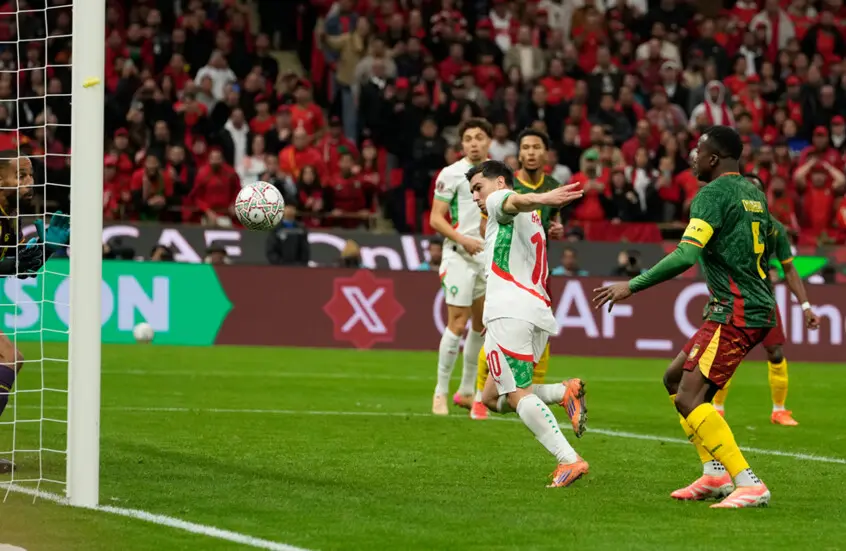
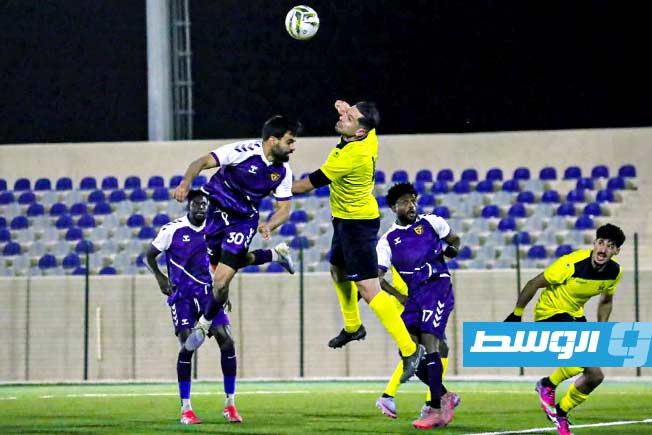
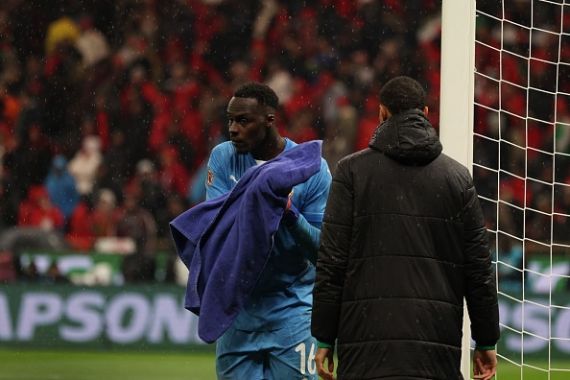
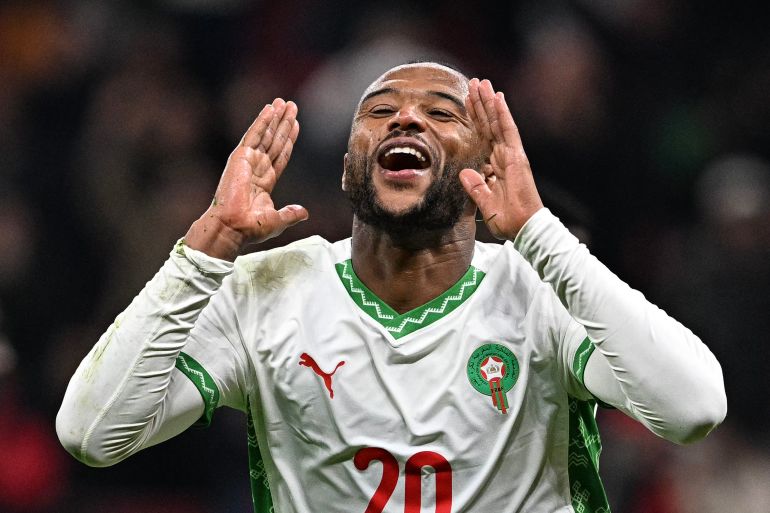
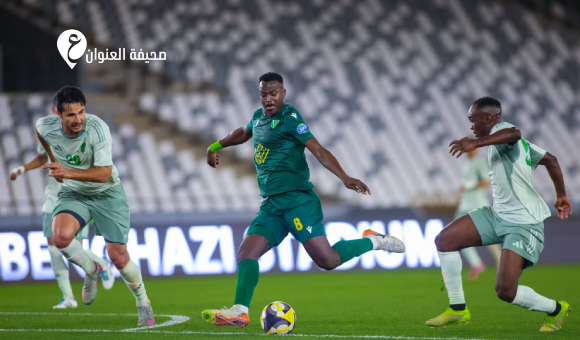
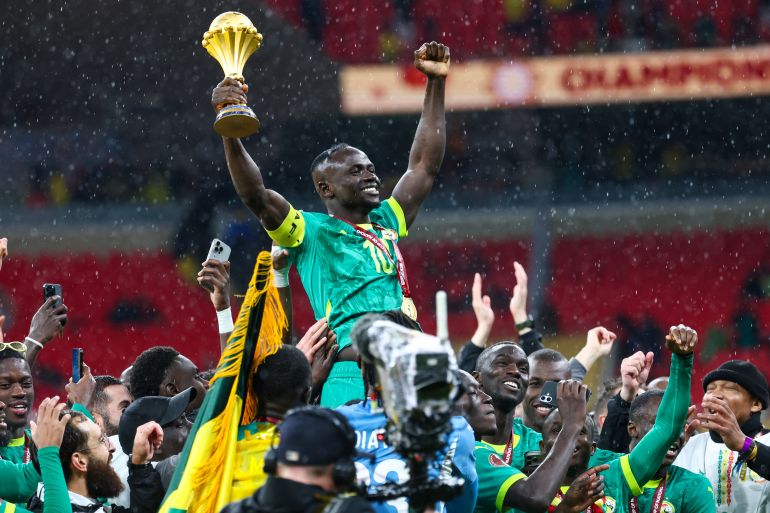
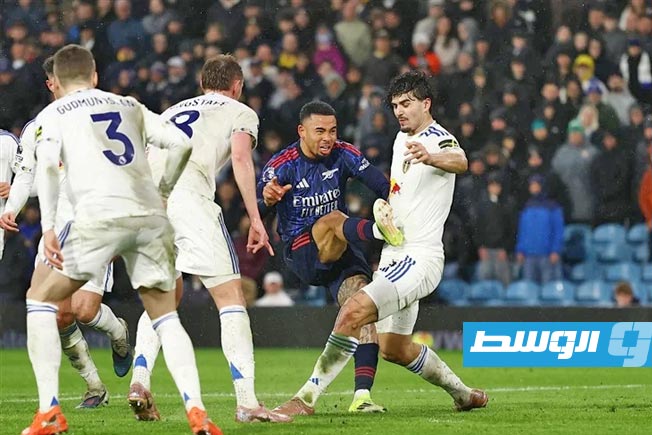
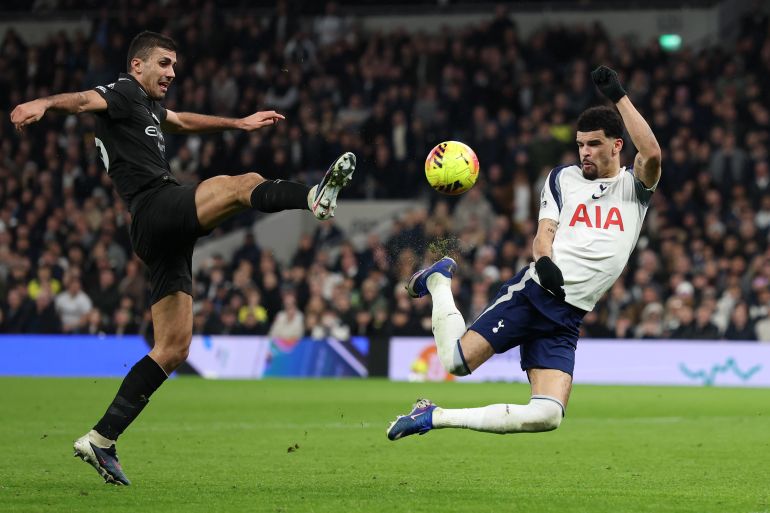
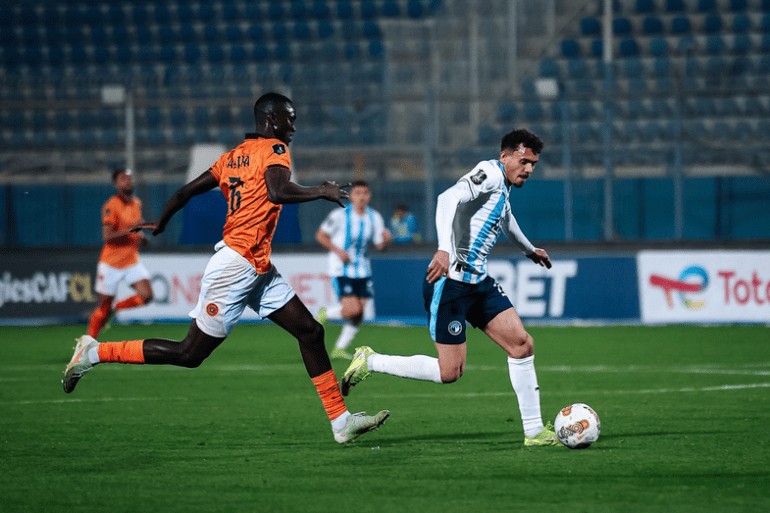
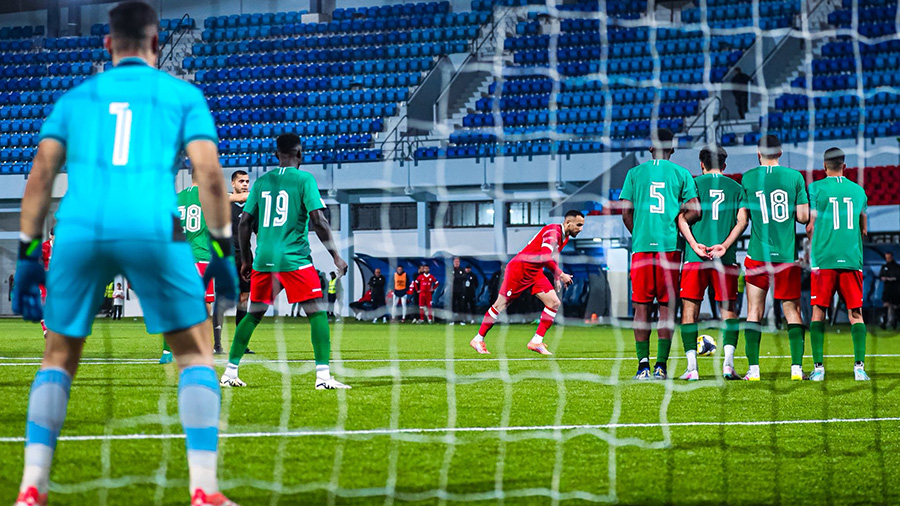
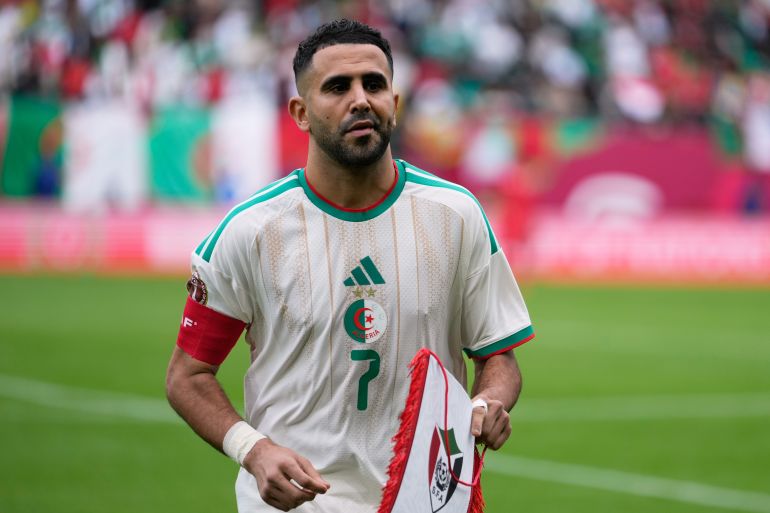
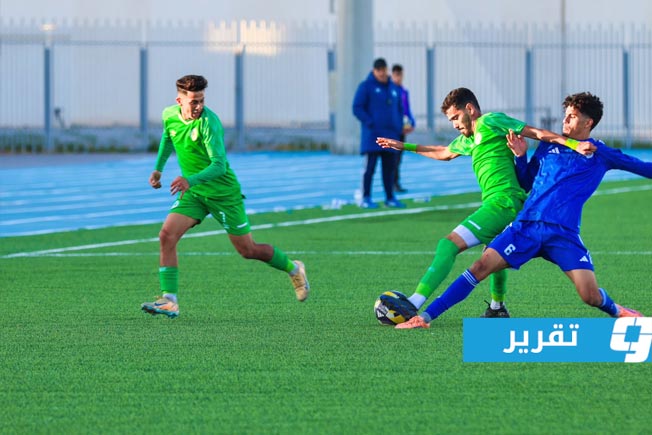
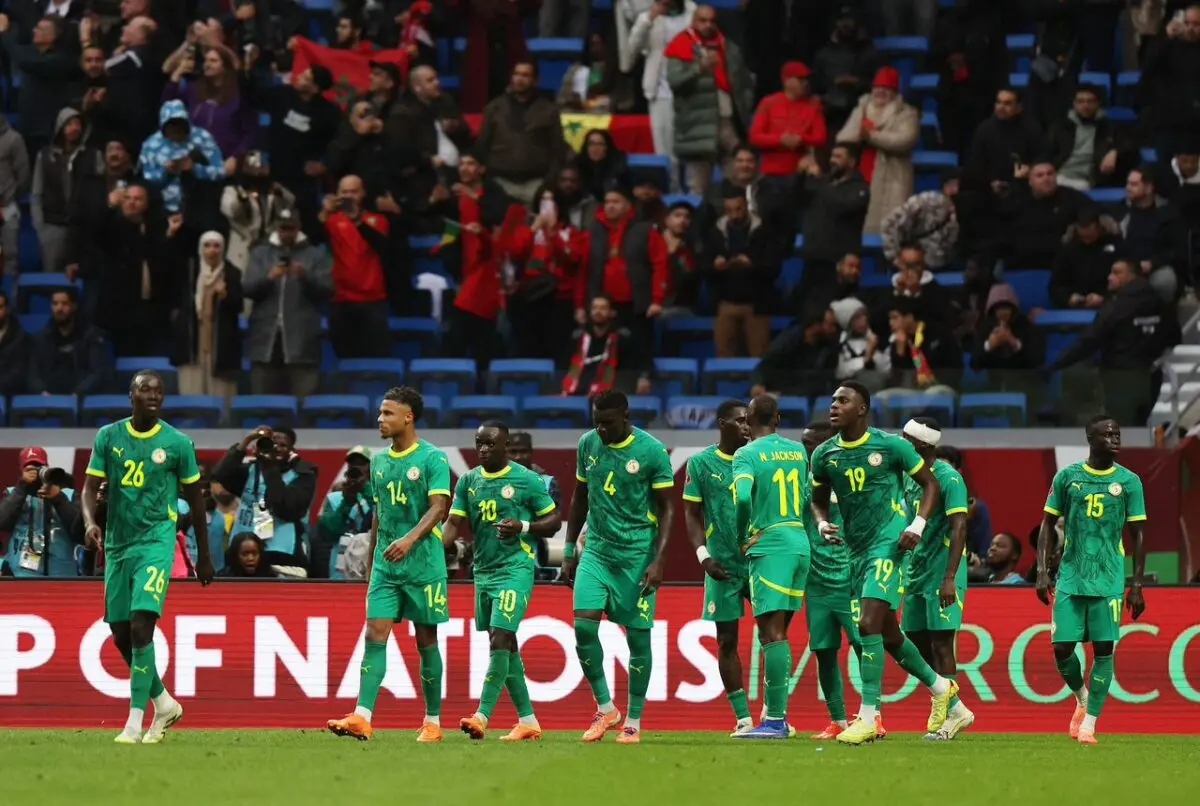
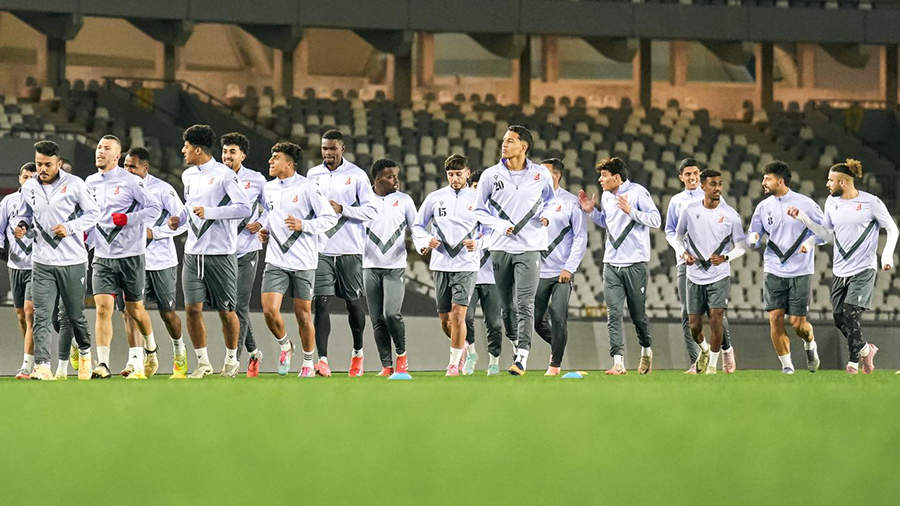
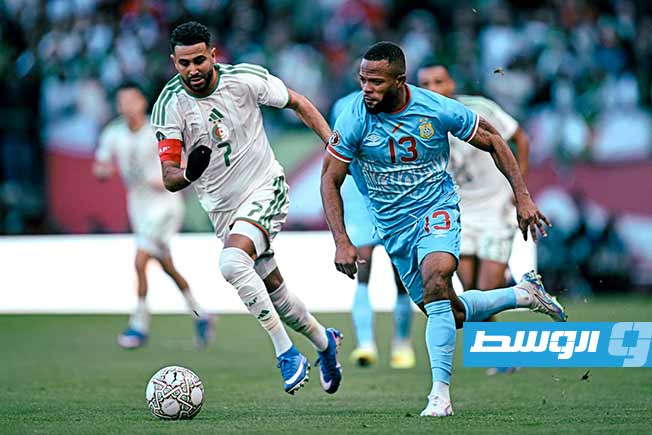
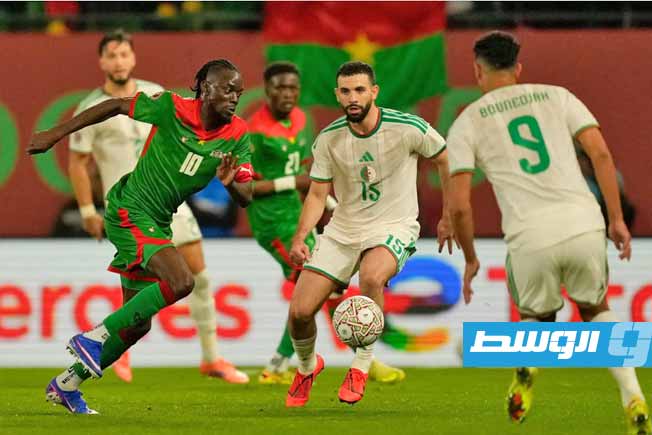
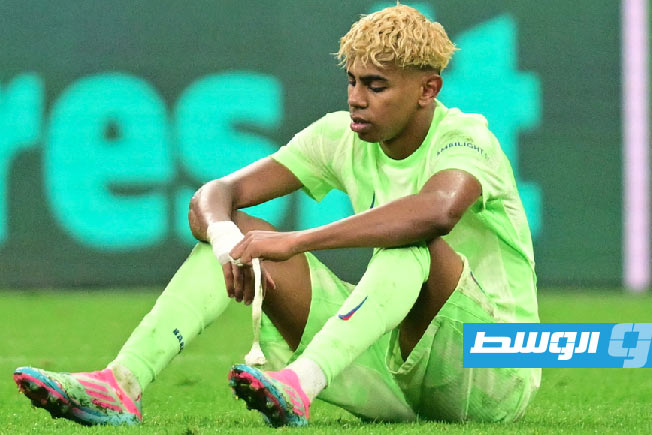
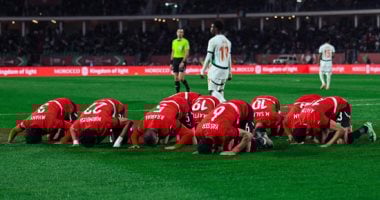
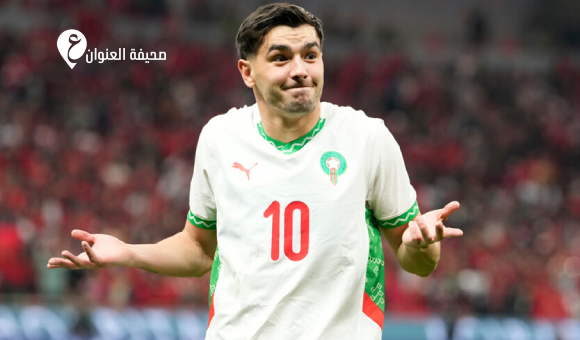
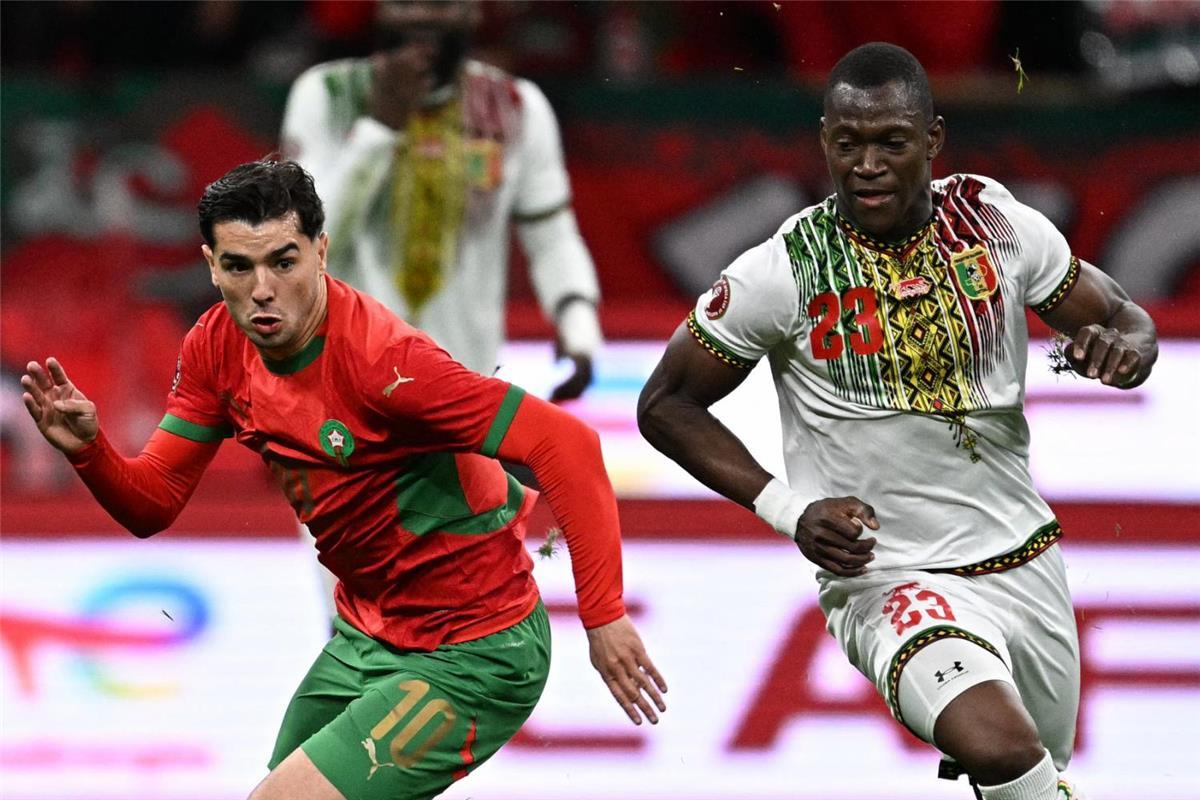
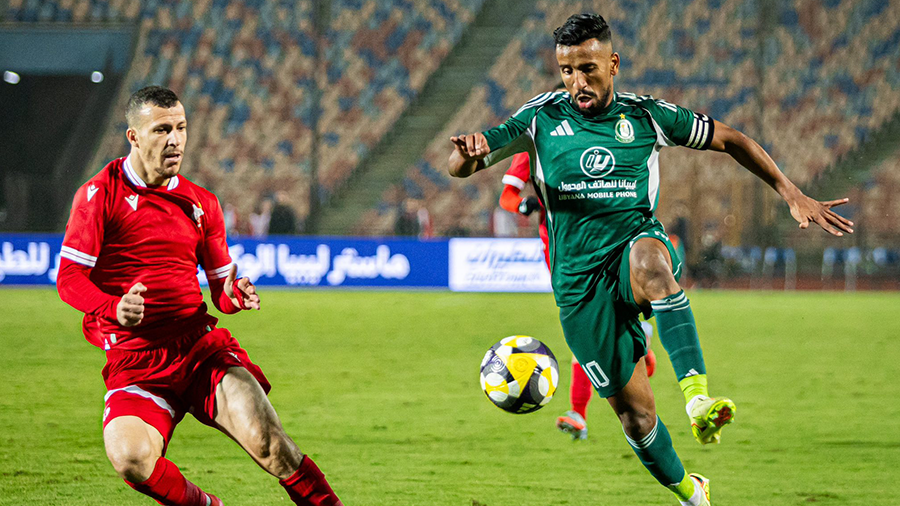
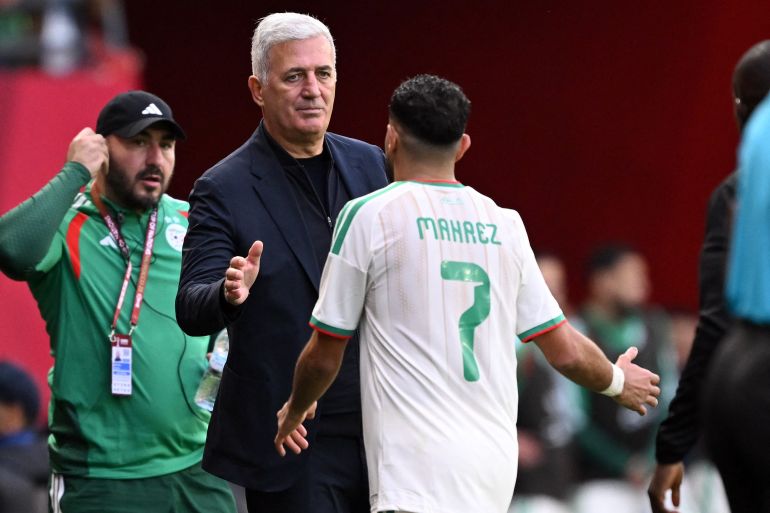
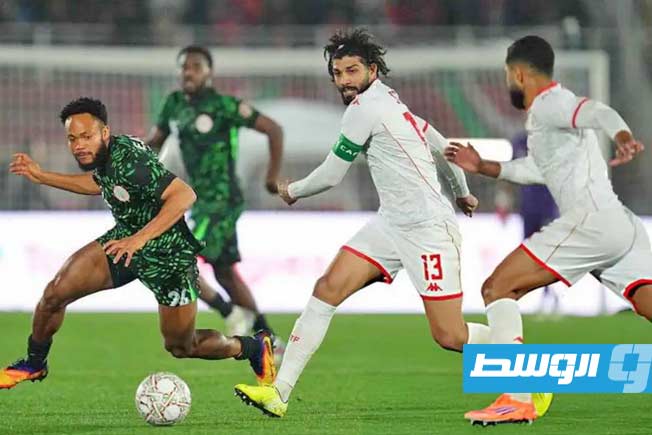
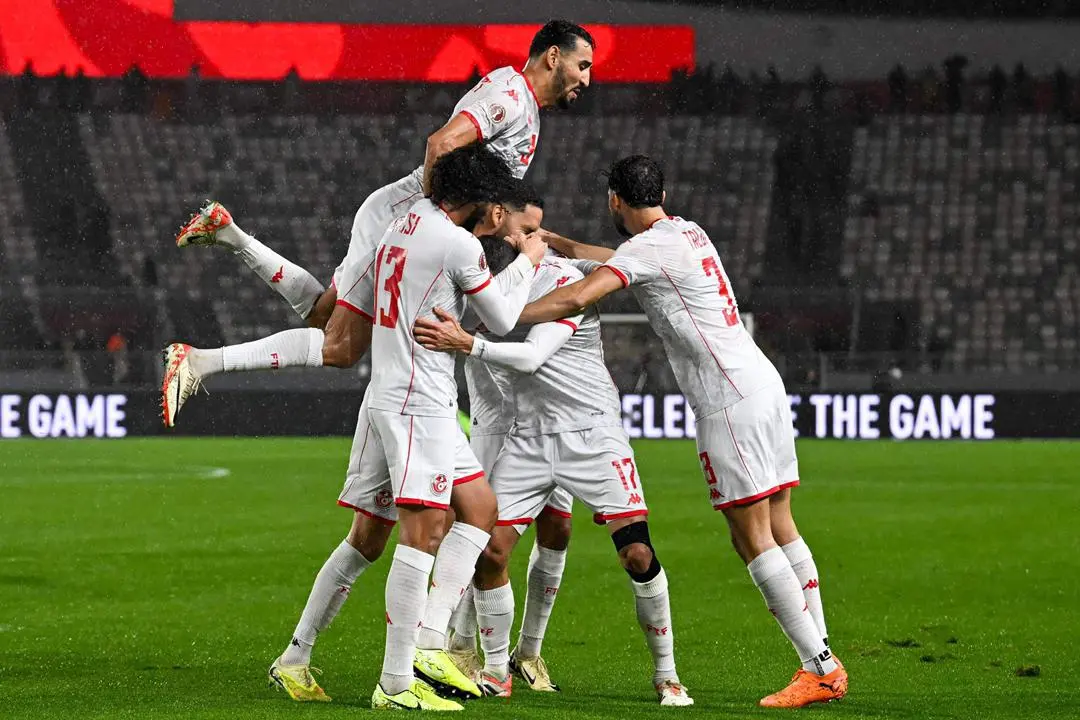
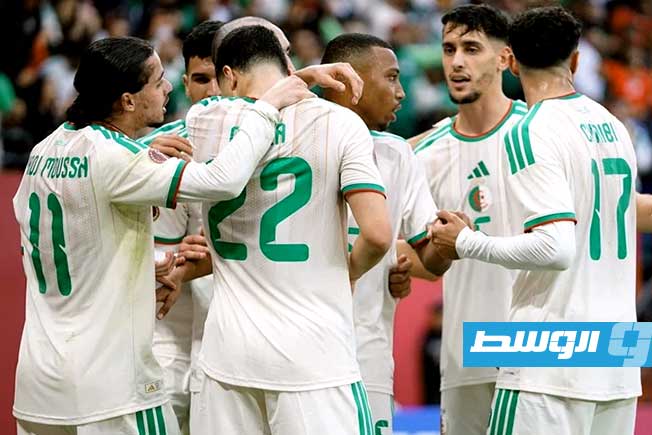
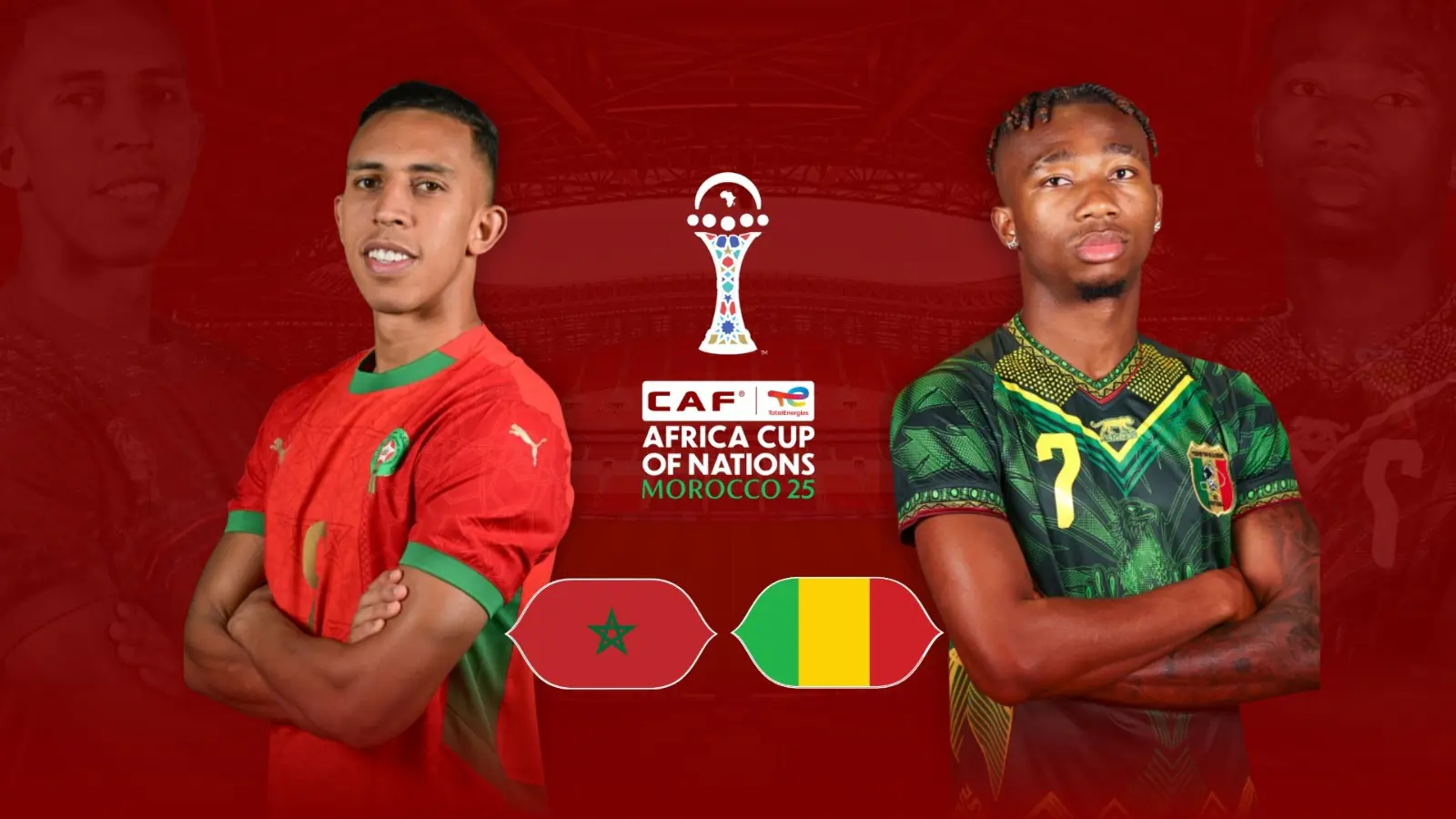
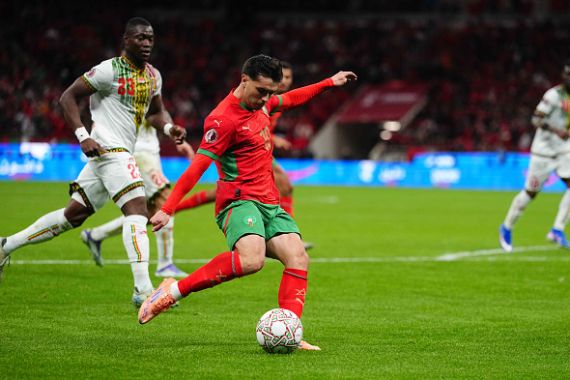
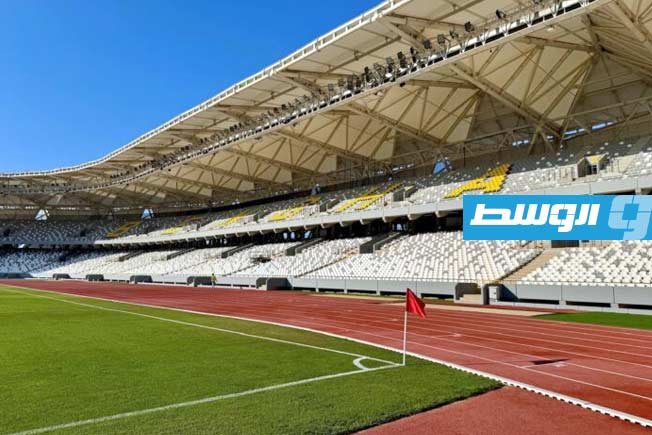
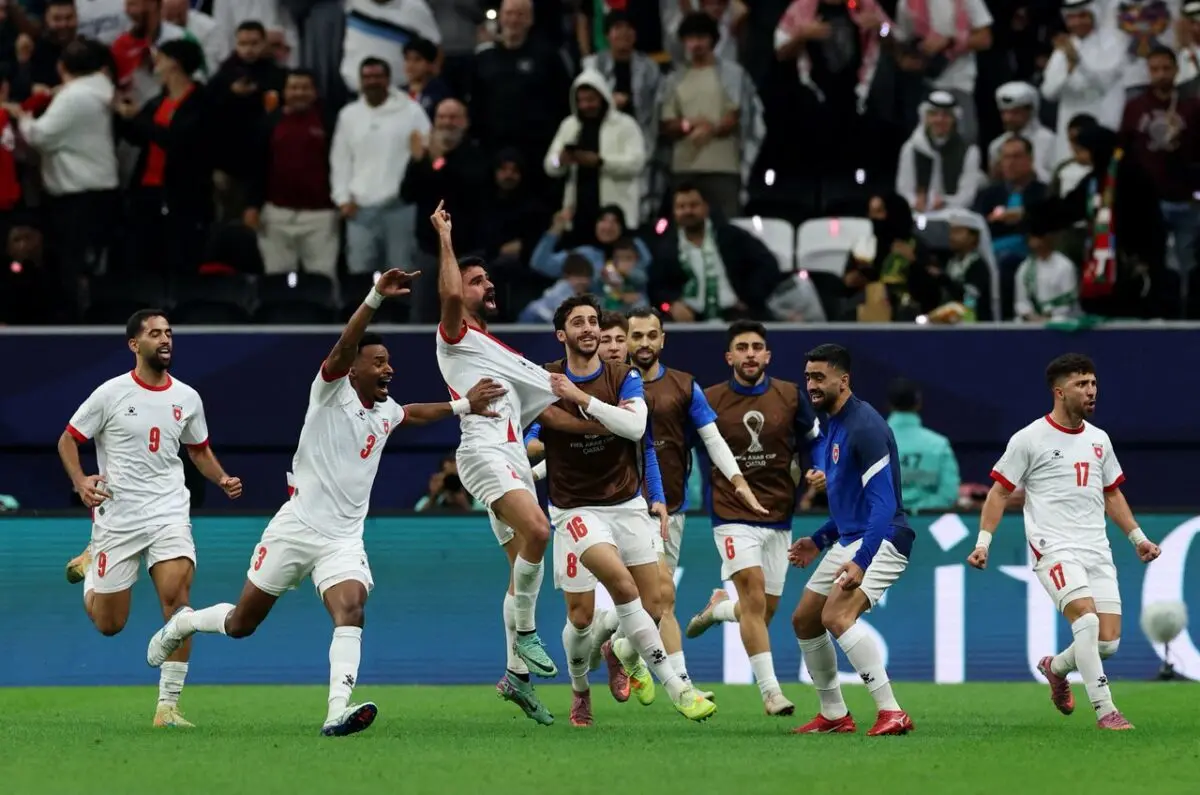
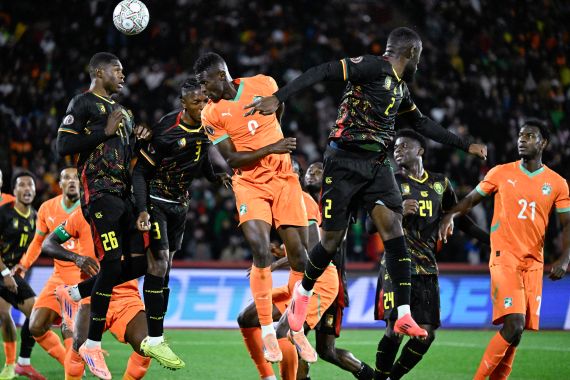
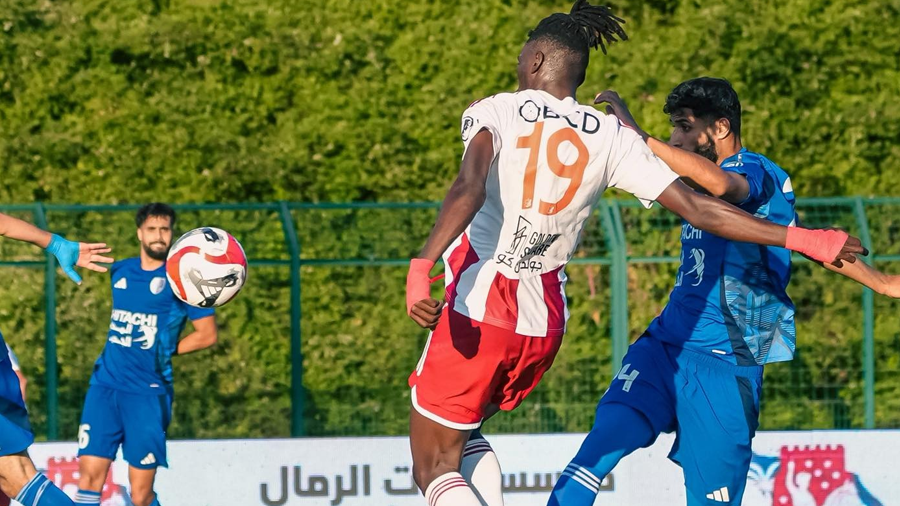
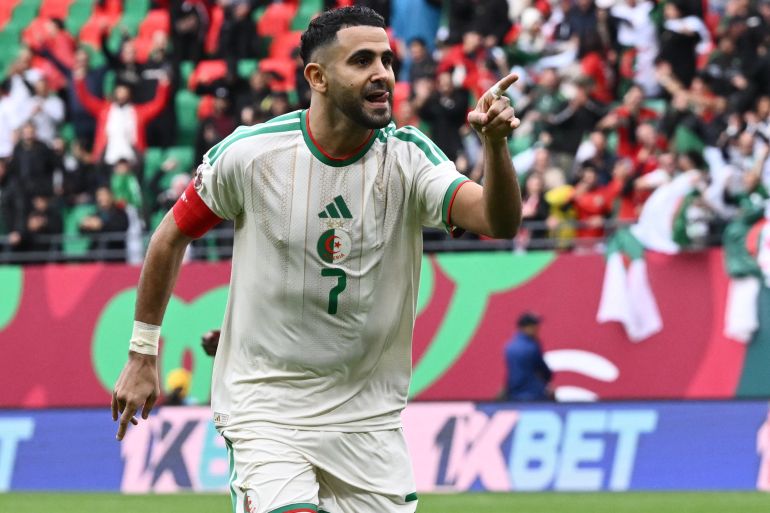
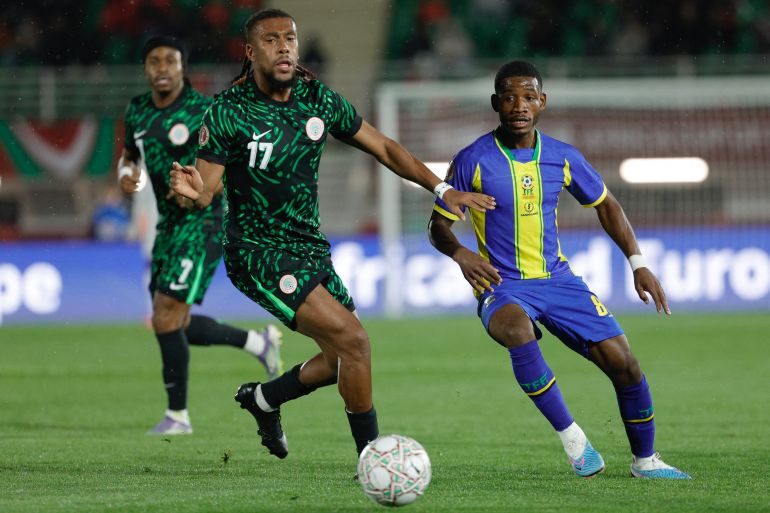
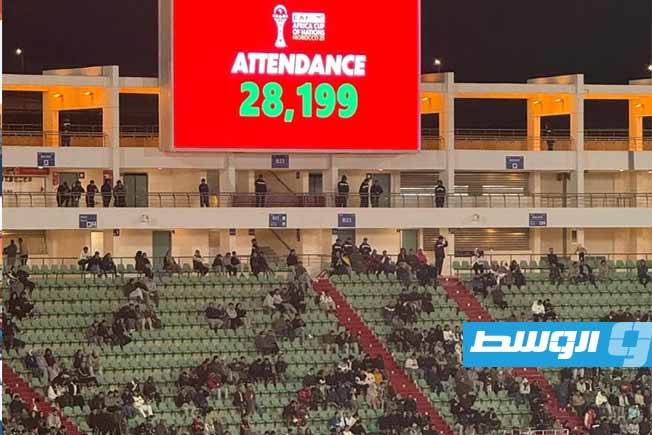
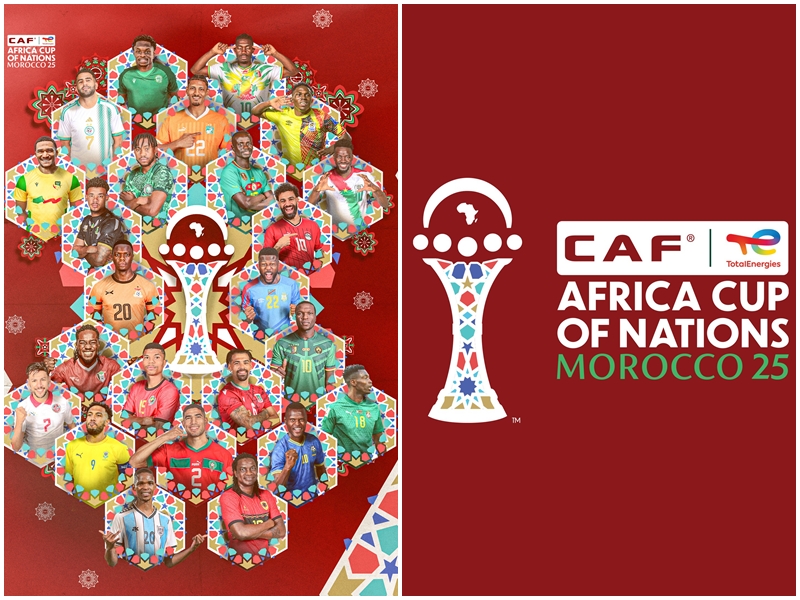
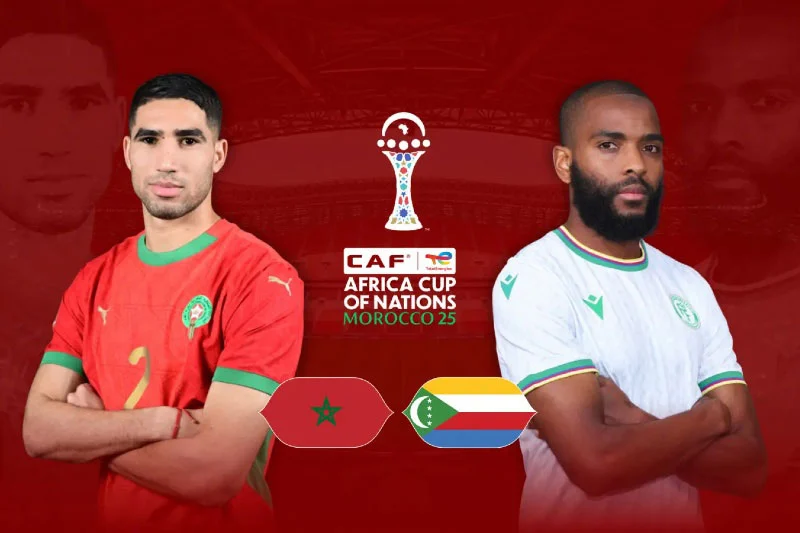
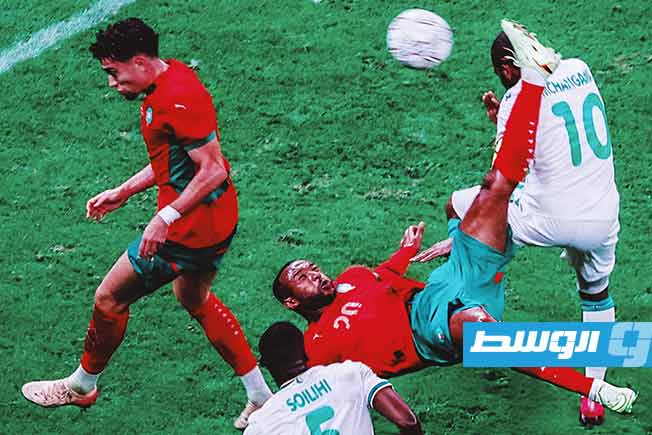
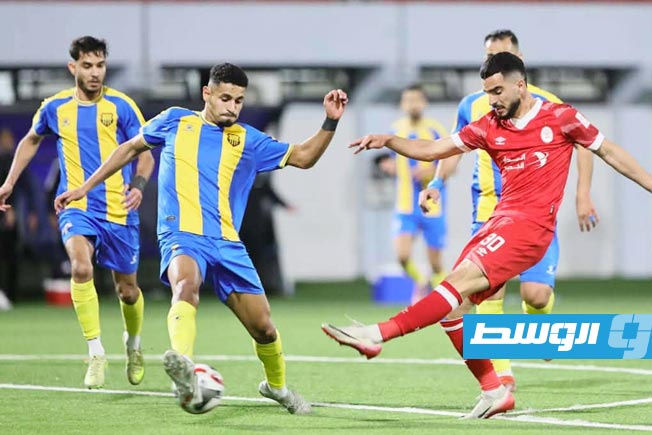
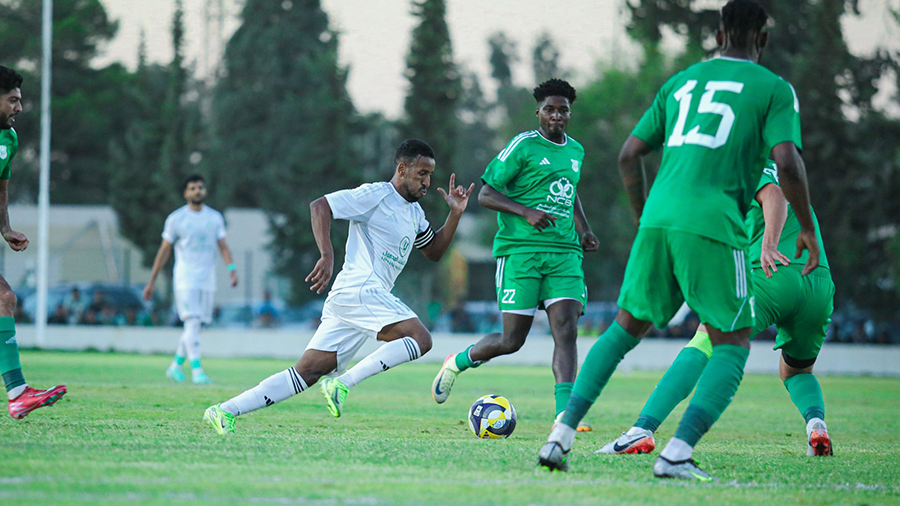
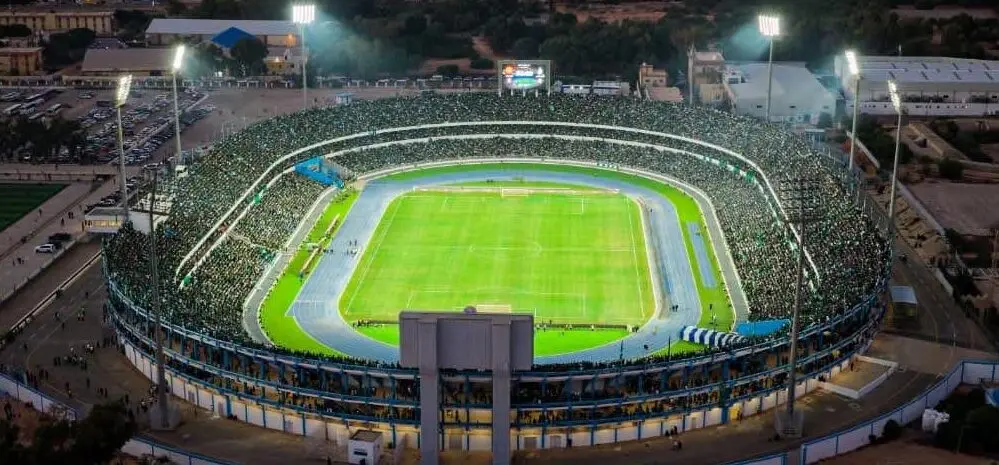
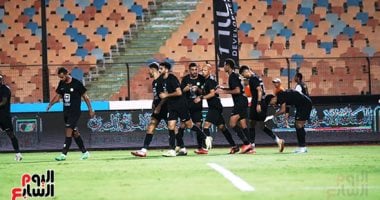
Algeria’s national football team has qualified for the round of 16 in the Africa Cup of Nations for the first time since 2019, after defeating Burkina Faso 1-0 on Sunday at the Moulay Hassan Stadium in Rabat, the capital of Morocco.
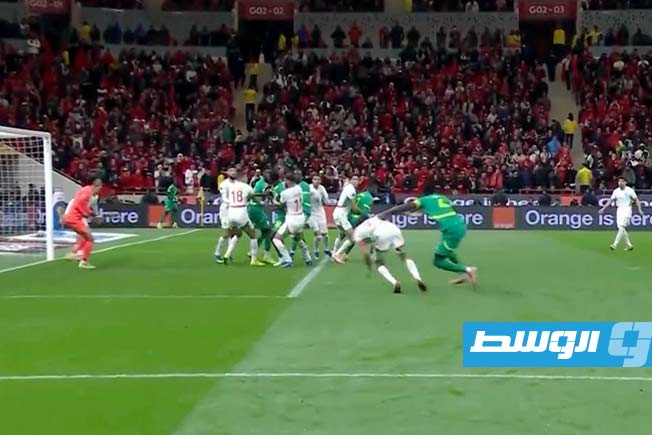
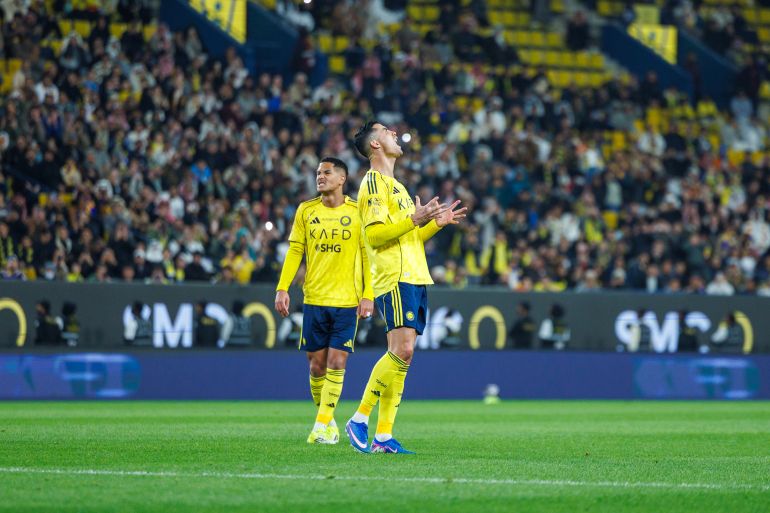
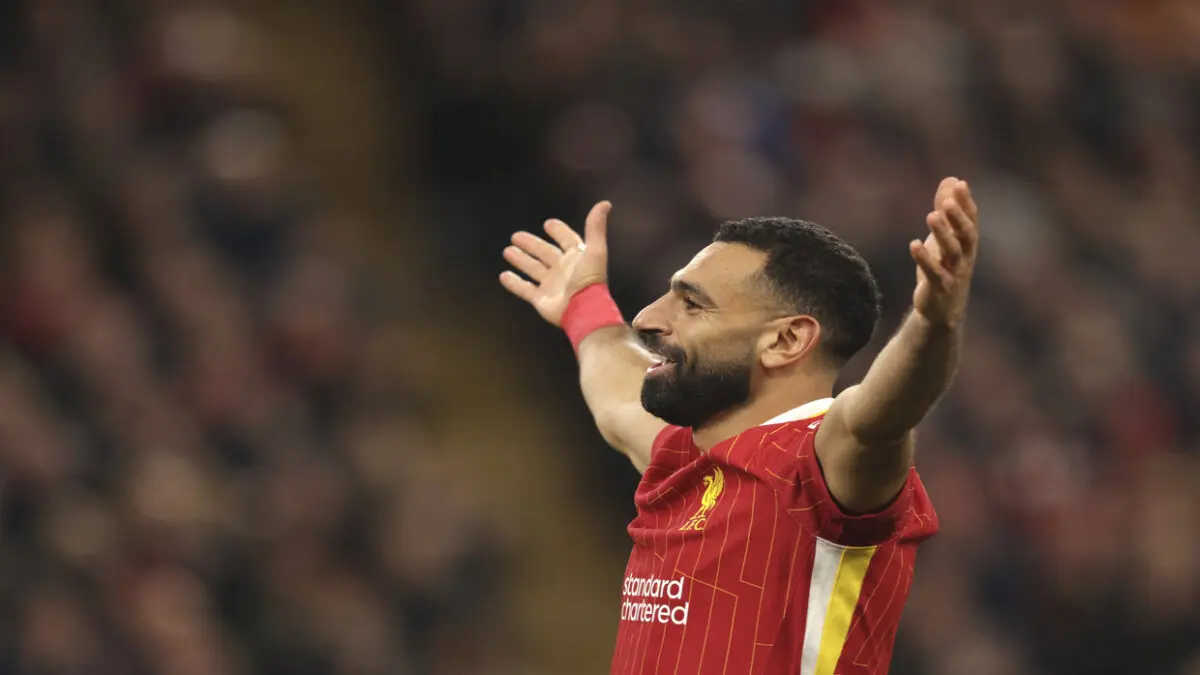
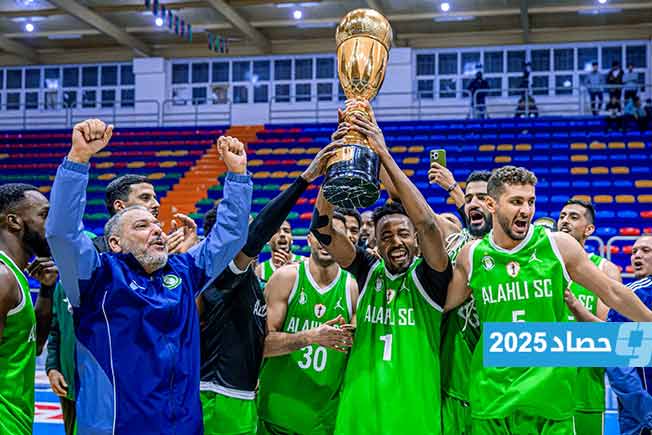
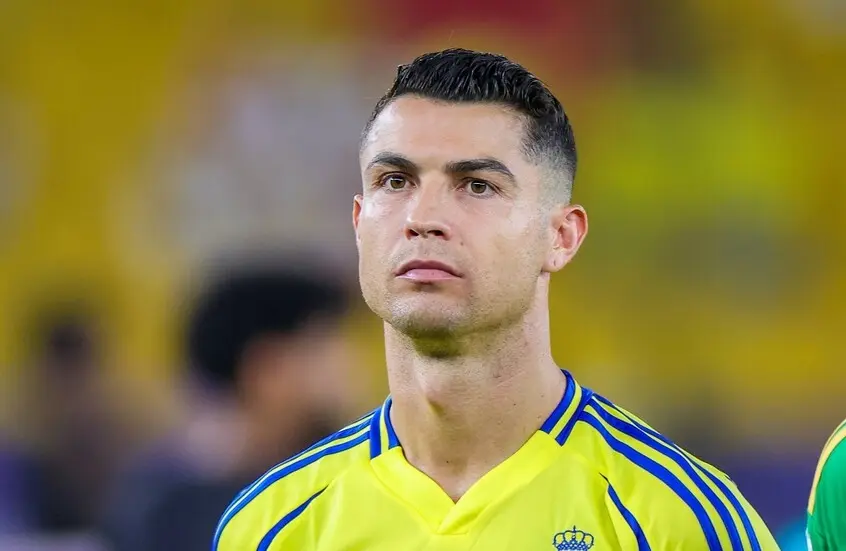
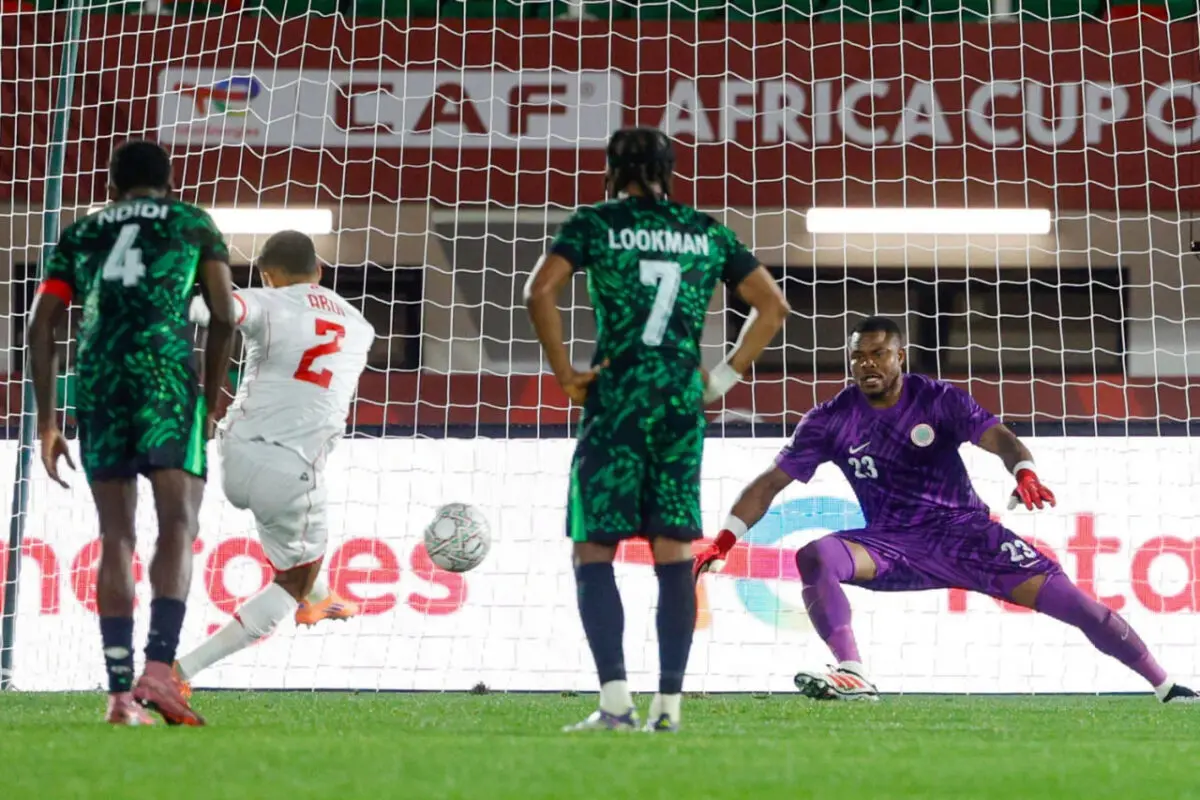
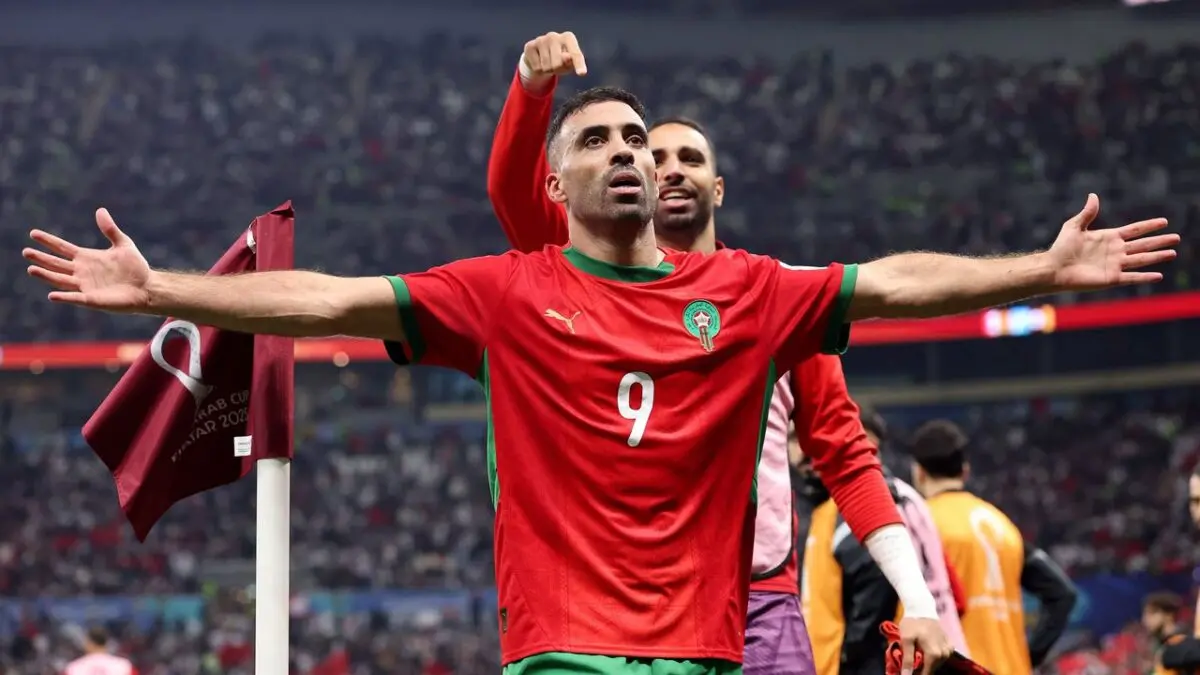
The star player Riyad Mahrez, who plays for the Saudi club Al-Ahli, scored the match’s only goal from a penalty kick in the 23rd minute.
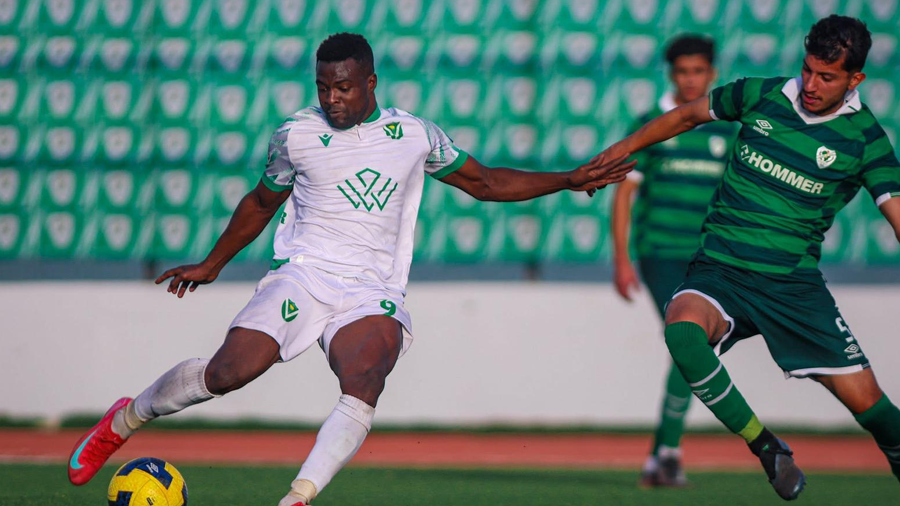
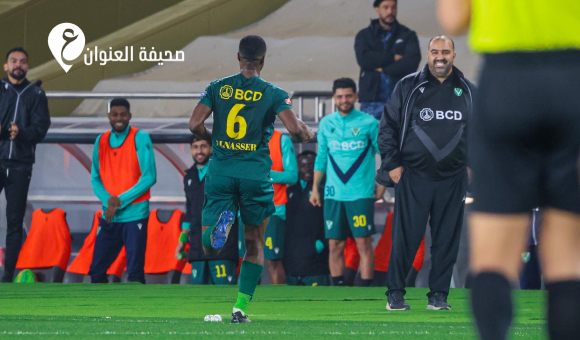
– Sudan’s national team defeats Equatorial Guinea in a friendly fire incident at the Africa Cup of Nations
–
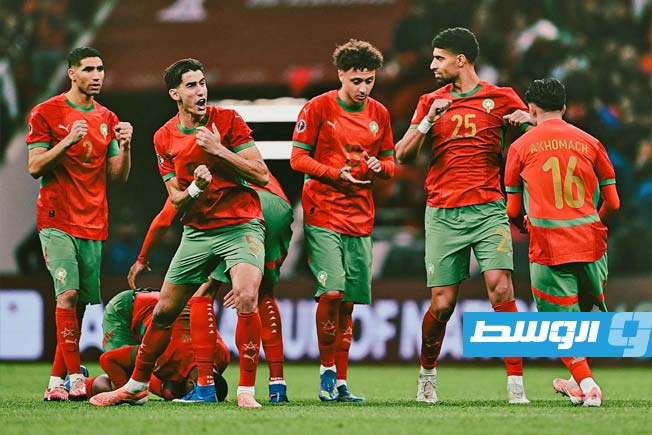
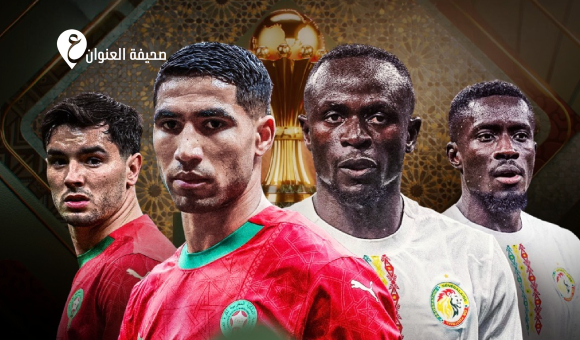
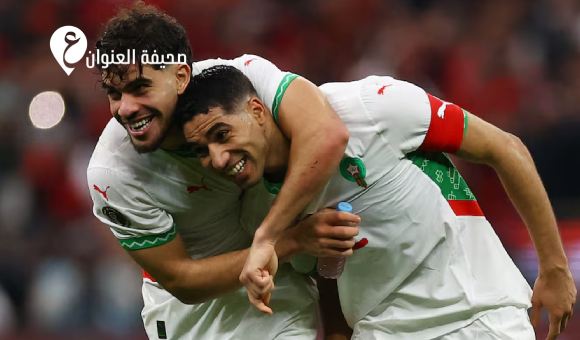
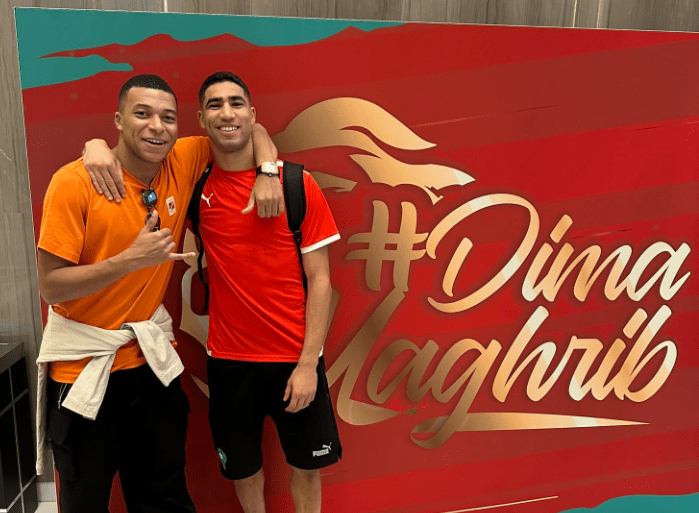
Ashraf Hakimi: The Africa Cup of Nations is a complex tournament, and the fans and media put pressure on us
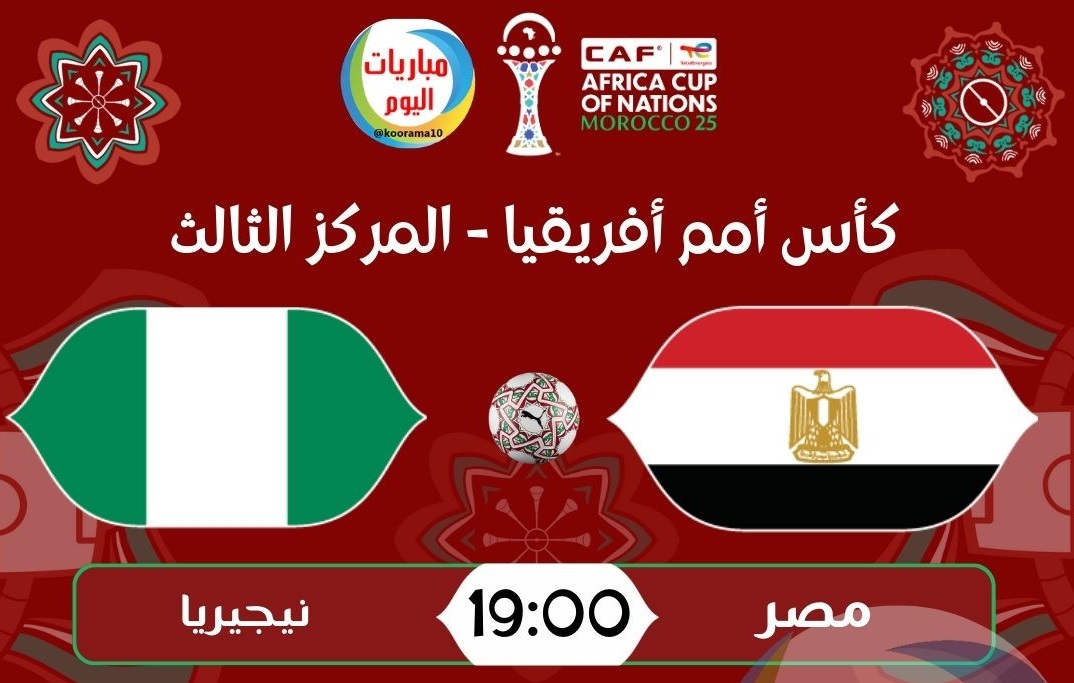
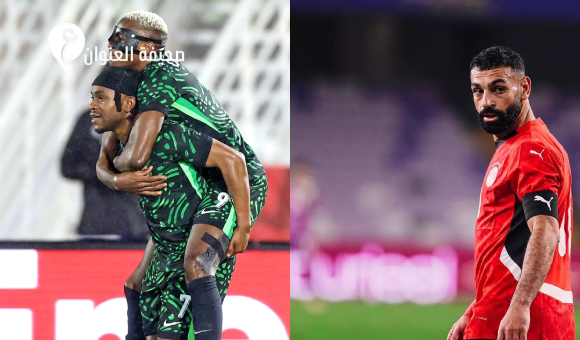
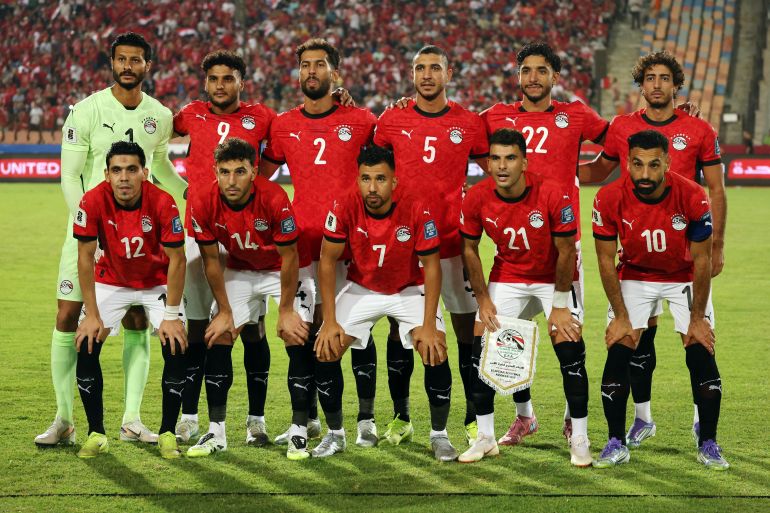
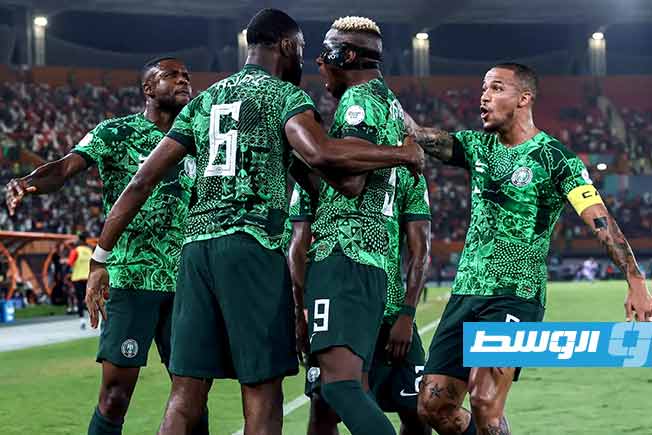
With this victory, the “Desert Warriors” increased their points tally to six, leading Group Five. They advanced to the next round before the final third match of the group stage, becoming the third team to qualify for the round of 16 after Egypt’s team in Group Two and Nigeria’s team in Group Three, each of which also earned six points.
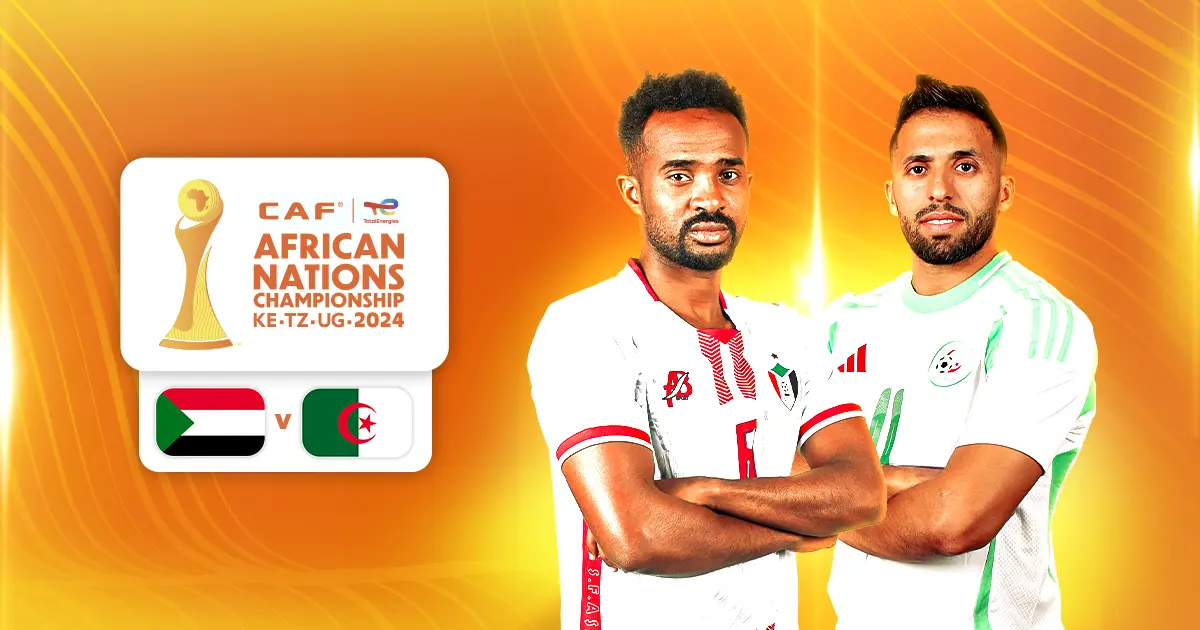
After winning the title in 2019, Algeria bid farewell to the 2021 and 2023 tournaments in the first round, failing to secure any wins. Their current campaign began with a 3-0 victory over Sudan.
Algeria
Algeria is a North African country with a rich history shaped by ancient Berber kingdoms, Roman rule, and centuries of Ottoman influence. It gained independence from France in 1962 after a prolonged and brutal war of liberation. The nation’s cultural heritage is reflected in diverse sites like the Roman ruins of Timgad and the historic Casbah of Algiers, a UNESCO World Heritage site.
Egypt
Egypt, home to one of the world’s oldest civilizations, is famed for the ancient pyramids of Giza and the Nile River. Its history spans over 5,000 years, encompassing the Pharaonic kingdoms, Greco-Roman rule, and later Islamic and Ottoman influences. Modern Egypt is a cultural and political hub in the Arab world, with its rich heritage centered in cities like Cairo and Luxor.
Nigeria
Nigeria is a West African country with a rich history shaped by ancient kingdoms like the Nri, Benin, and Oyo, as well as the transatlantic slave trade and British colonial rule before gaining independence in 1960. It is Africa’s most populous nation and a cultural powerhouse, globally influential through its Nollywood film industry, diverse music, and vibrant artistic traditions.
Africa Cup of Nations
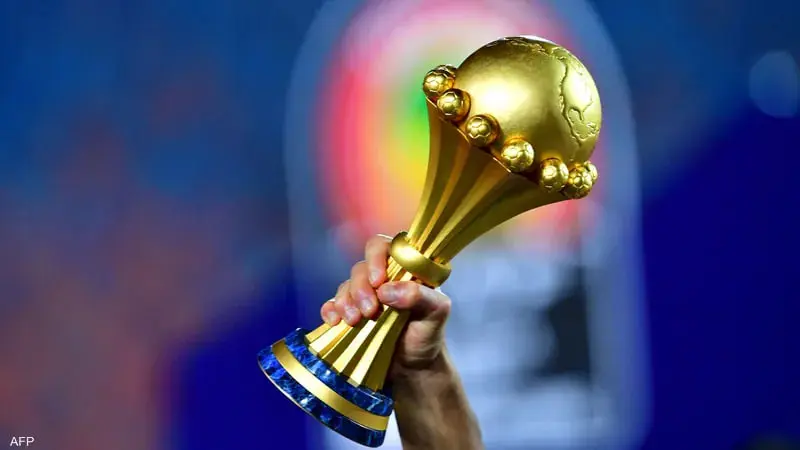
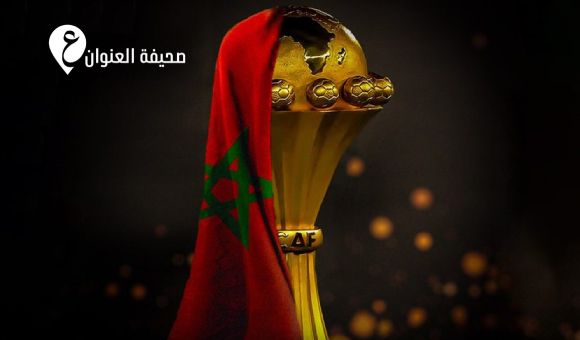
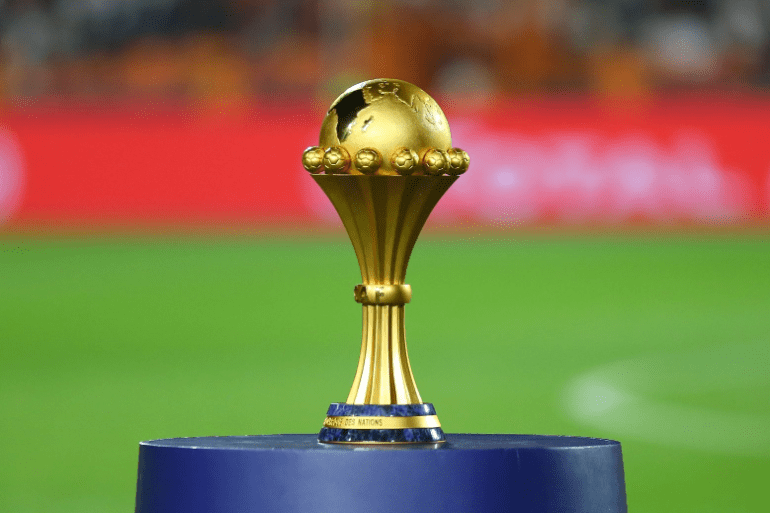
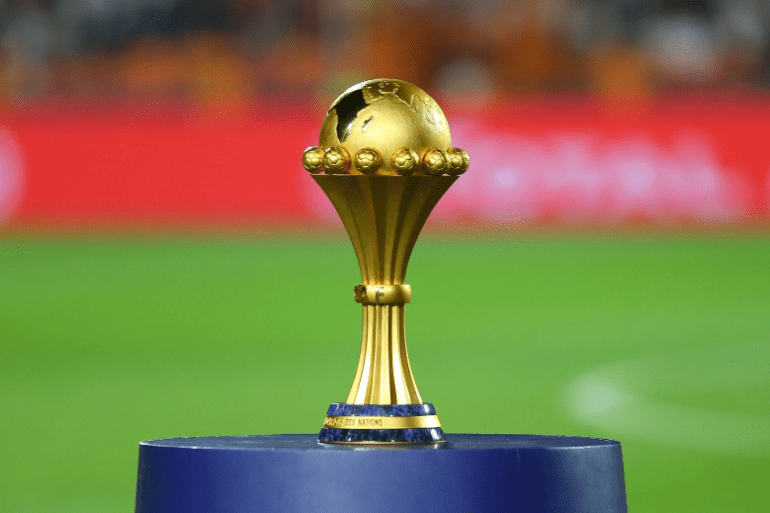
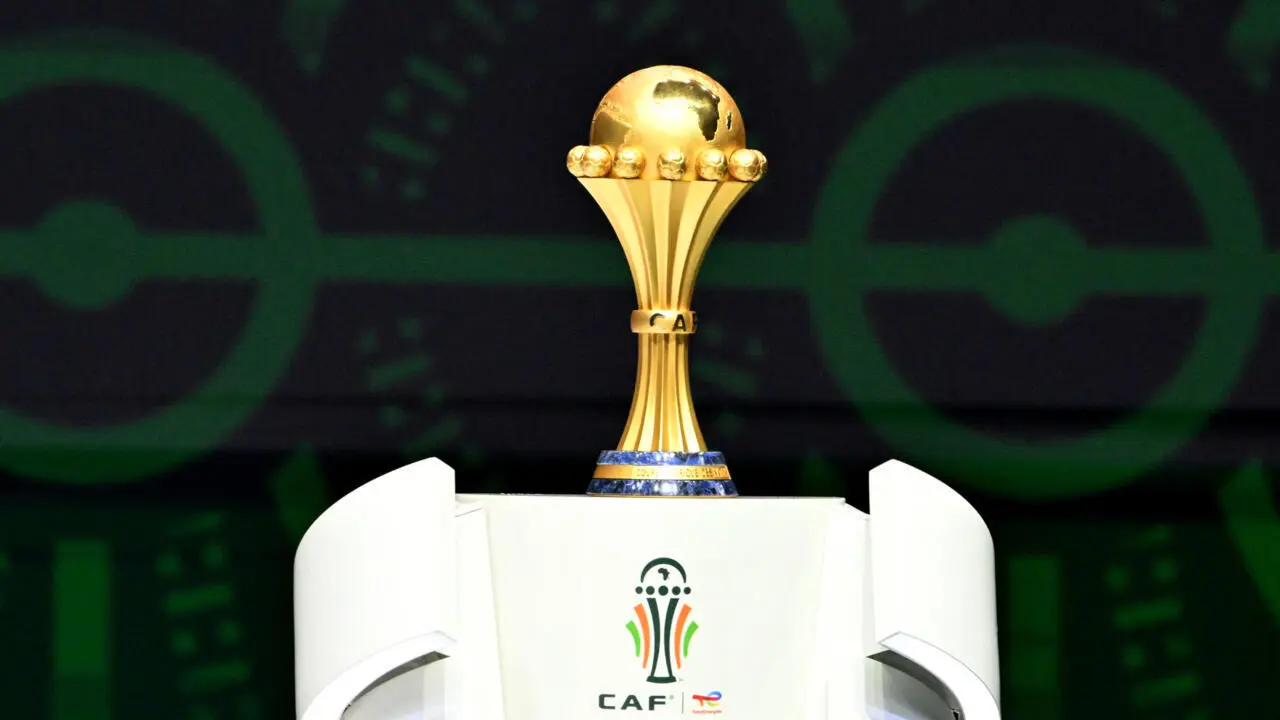
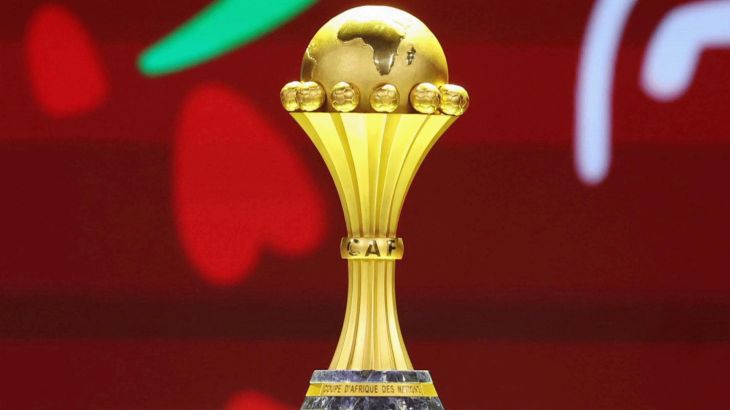
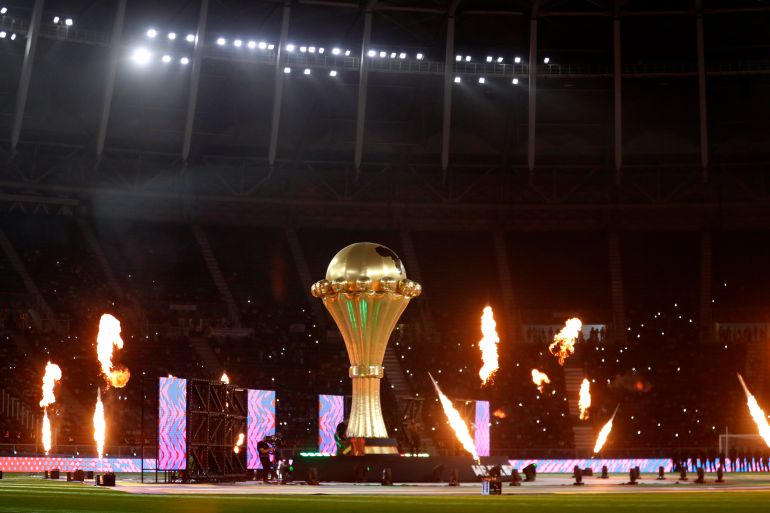
The Africa Cup of Nations is the premier international men’s football competition in Africa, first held in 1957. It was founded to unite African nations emerging from colonialism and is organized by the Confederation of African Football (CAF). The tournament is held every two years and has grown to feature 24 national teams competing for the continental title.
Burkina Faso
Burkina Faso is a landlocked West African nation whose modern borders were shaped by French colonial rule, gaining independence in 1960. Historically, the region was home to several powerful kingdoms, including the Mossi states, which date back to the 11th century. Its name, meaning “Land of Honest People,” was adopted in 1984.
Moulay Hassan Stadium
Moulay Hassan Stadium is a multi-purpose sports venue located in Rabat, Morocco, primarily used for football matches. It was inaugurated in 1983 and named in honor of Prince Moulay Hassan, who later became King Hassan II. The stadium has historically served as a home ground for several local clubs and has hosted various national and international sporting events.
Rabat
Rabat is the capital city of Morocco, founded in the 12th century as a ribat (fortified monastery) by the Almohad Caliphate. It is now a modern political and administrative center, recognized as a UNESCO World Heritage Site for its well-preserved historic quarters, including the Kasbah of the Udayas and the Hassan Tower.
Morocco
Morocco is a North African country with a rich history shaped by indigenous Amazigh (Berber) cultures, Arab influence from the 7th century, and successive dynasties like the Almoravids and Almohads. Its cultural sites, such as the ancient Roman ruins of Volubilis and the historic medinas of Fez and Marrakech, reflect this diverse heritage and its position as a crossroads of civilizations.
Saudi
Saudi Arabia is a modern nation-state founded in 1932 by King Abdulaziz Al Saud, who unified the regions of the Arabian Peninsula. The country is home to Islam’s two holiest cities, Mecca and Medina, and its history and culture are deeply intertwined with the birthplace of the Islamic faith in the 7th century.
Al-Ahli
Al-Ahli is a common name for numerous sports clubs and institutions across the Arab world, most notably Al-Ahly SC in Egypt. Founded in Cairo in 1907, it is one of Africa’s most successful and popular football clubs with a deeply rooted history of national pride and sporting excellence. The name “Al-Ahli” itself translates to “The National,” reflecting its original establishment as a club for Egyptian students.
Sudan
Sudan is a country in Northeast Africa with a rich history as the home of ancient Nubian kingdoms, such as Kush, which rivaled Egypt. It later became the site of the Sultanate of Sennar and, in the 19th century, was ruled jointly by Egypt and Britain before gaining independence in 1956. The country is also known for its numerous archaeological sites, including the pyramids of Meroë.
Equatorial Guinea
Equatorial Guinea is a small Central African nation consisting of a mainland region and several islands, including Bioko where the capital, Malabo, is located. It gained independence from Spain in 1968 and has since been characterized by its significant oil reserves, discovered in the 1990s, and long periods of authoritarian rule.