Tunisia has long attracted the attention of regional and international powers, based on a geographical location presumed to grant it a natural advantage in the global trade system. This is due to its direct oversight of a key maritime passage, its geographical proximity to European markets, and its natural connection to the resource-rich African hinterland.
In small and medium-sized economies, developing transport infrastructure—especially seaports, highways, and logistical networks—is a fundamental pillar for boosting foreign trade, stimulating growth, and enhancing competitiveness.
However, these geographical advantages, which historically formed the basis of strategic bets, have not yet translated into actual logistical superiority. Tunisian ports still suffer from structural imbalances and a clear lag in their infrastructure and operational capacities, keeping them outside the main routes of maritime trade in the Mediterranean basin.
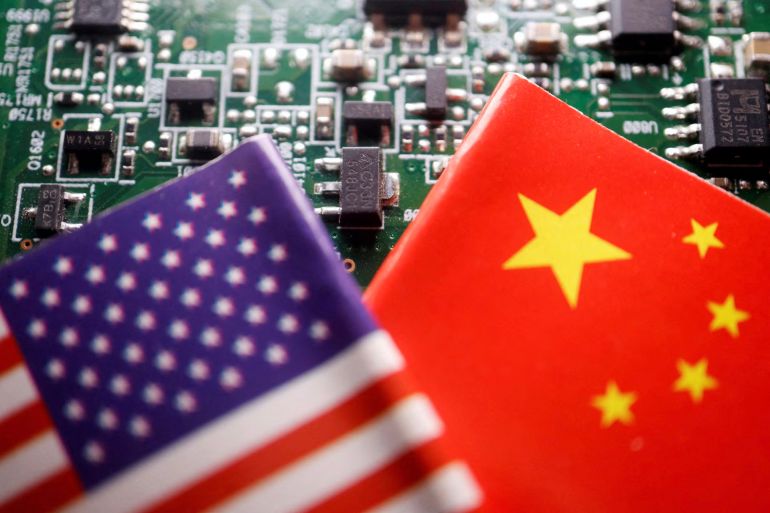
This situation represents a missed opportunity, not only for Tunisia but also for major powers, primarily the United States and China, which are seeking to expand their economic and strategic presence in the region and the Mediterranean area.
An Analytical Look at the Roots of Maritime Underdevelopment
This reality is addressed in an analytical article titled “The Problem of Underdevelopment in Tunisia.”
The article highlights the roots of maritime underdevelopment in Tunisia and its economic and geopolitical repercussions in a regional and international context marked by escalating competition over trade routes and strategic infrastructure.
The analysis starts from the consideration that maritime infrastructure is one of the essential keys to economic development and enhancing integration into global supply chains.
Despite Tunisia’s strategic location on the southern coast of the Mediterranean, the country has not succeeded in transforming its ports into effective regional hubs capable of attracting transshipment traffic or playing a pivotal role in trade between Europe and Africa.
Unqualified Ports and a Call for Structural Reforms
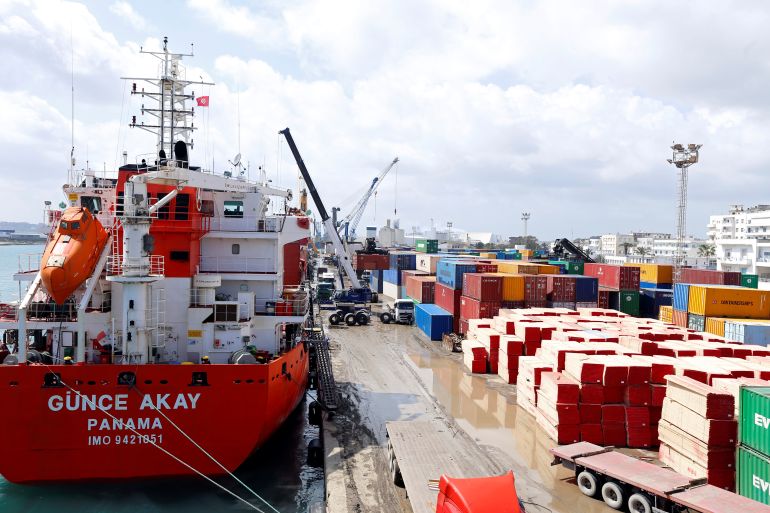
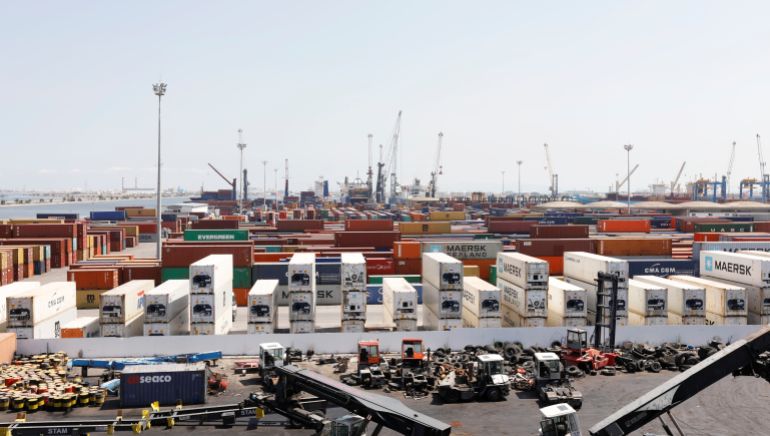
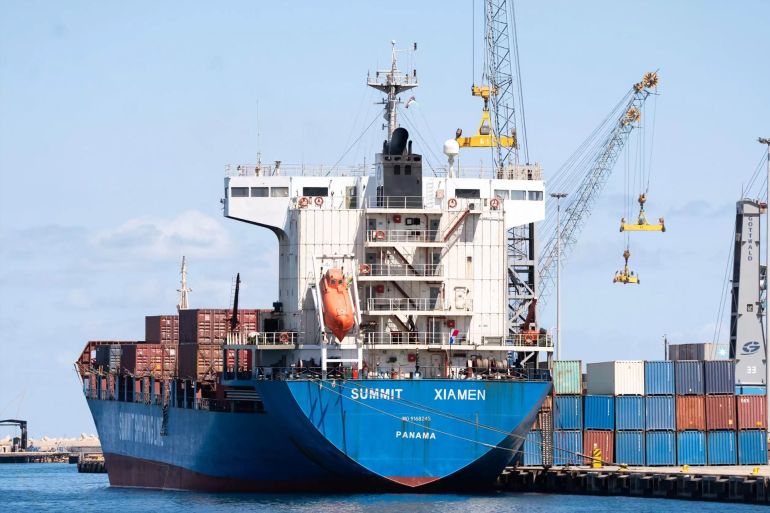
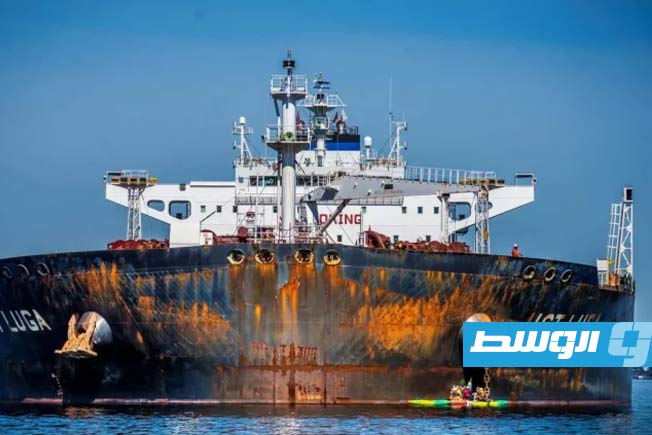
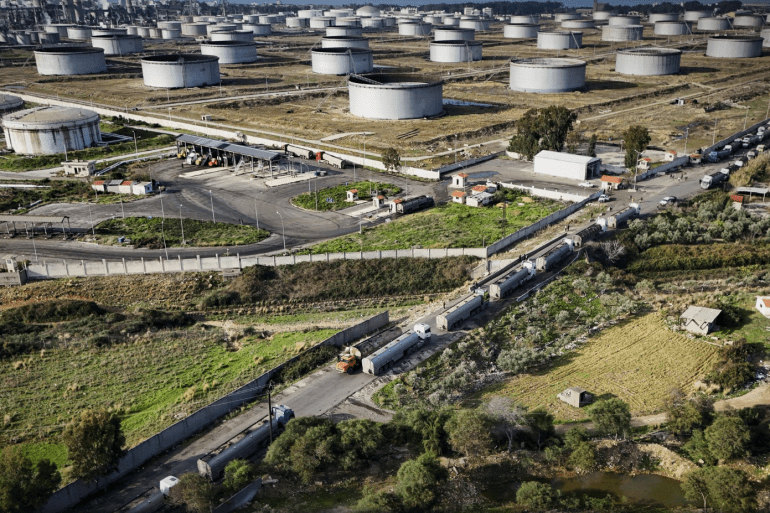
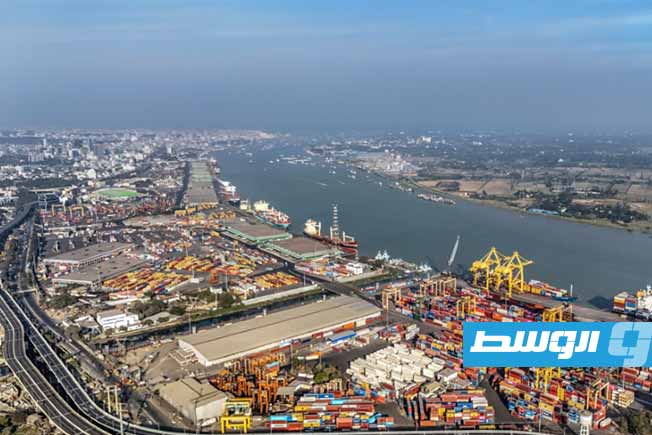
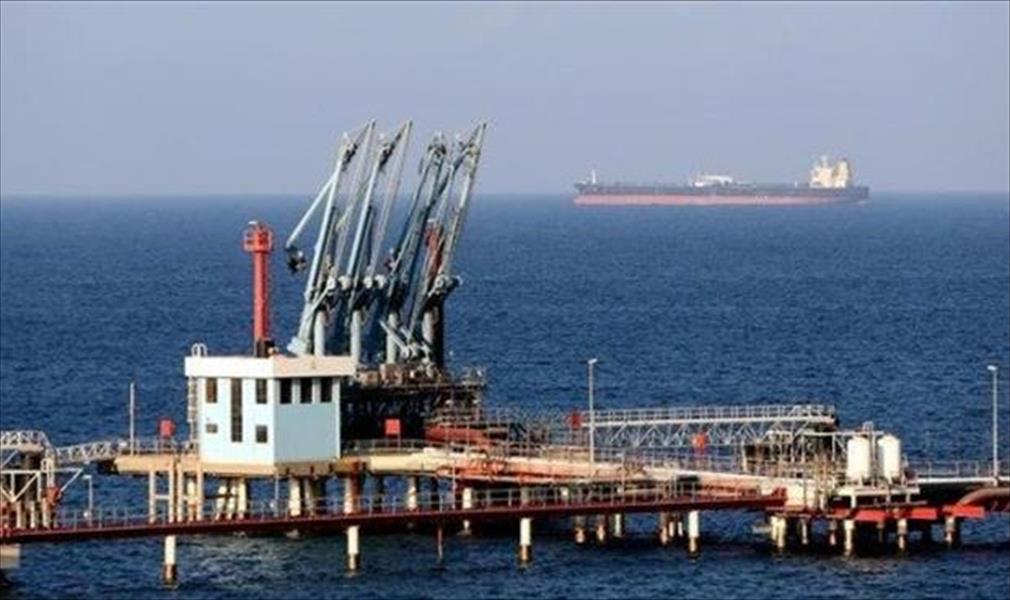
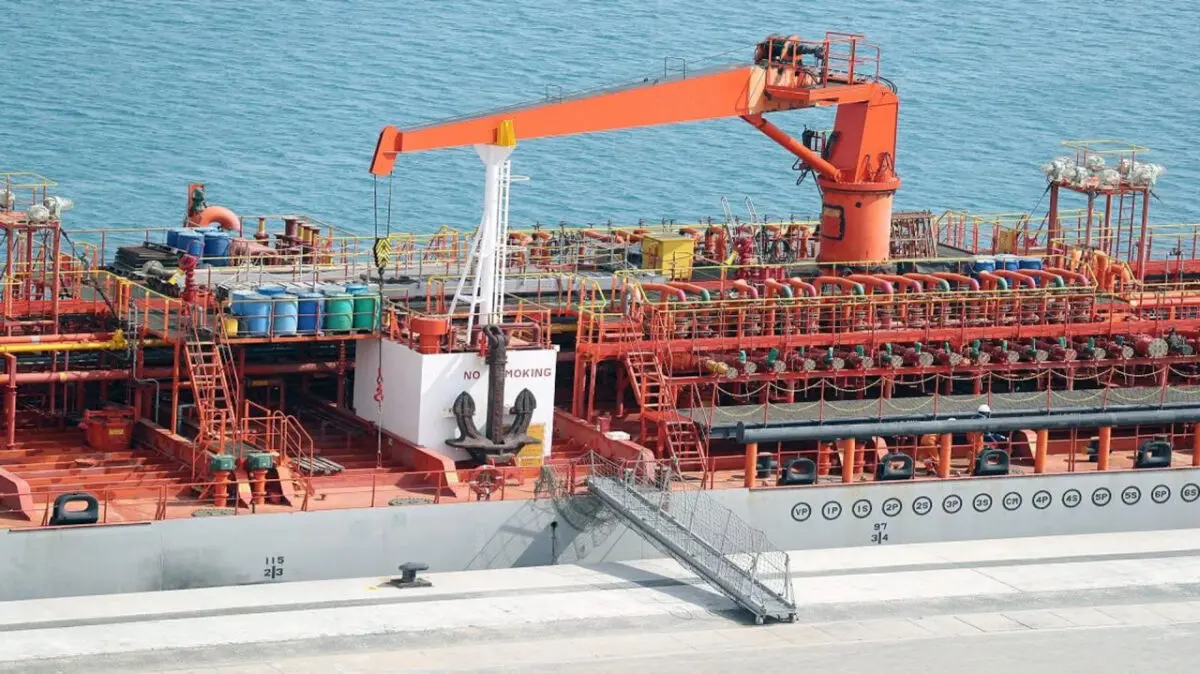
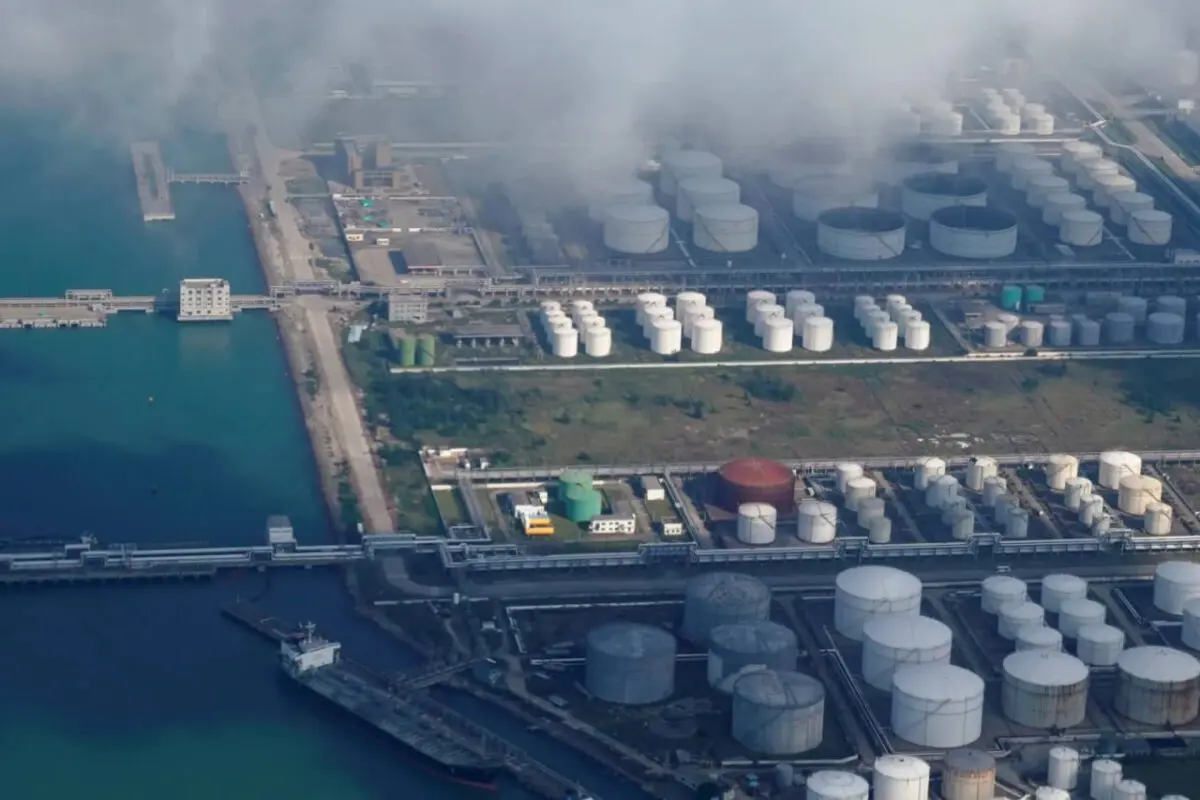
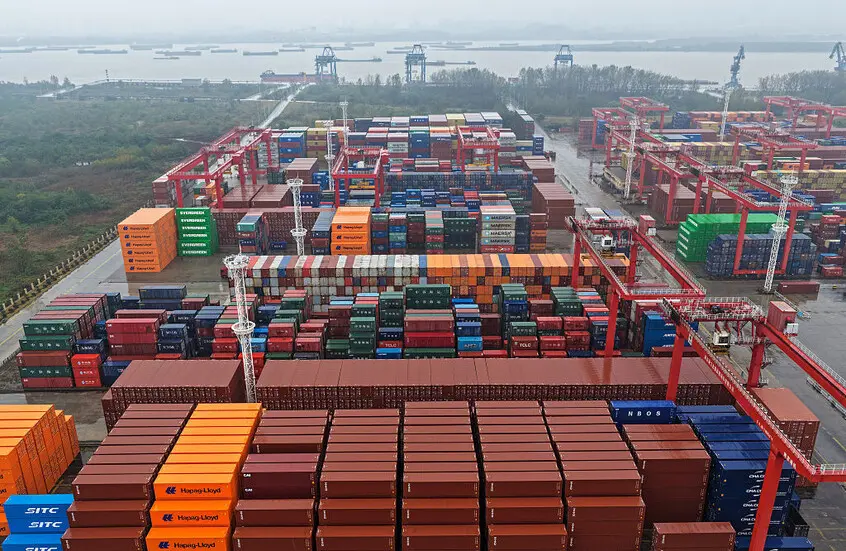
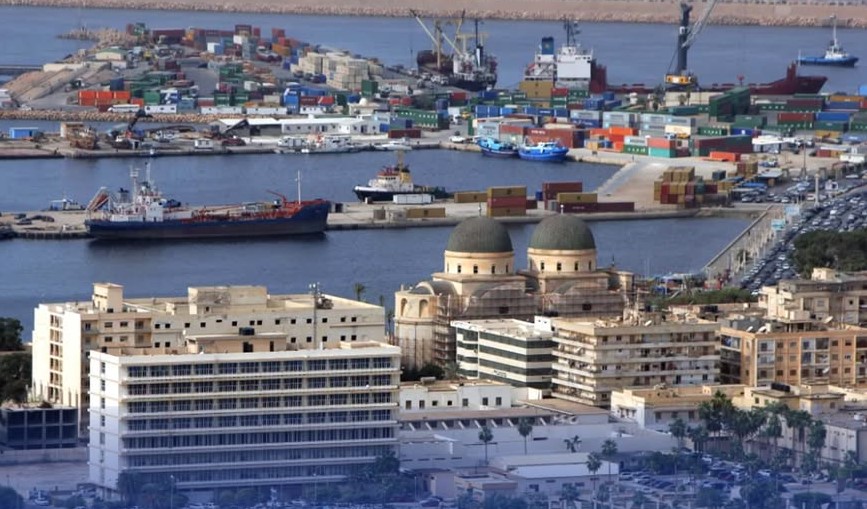
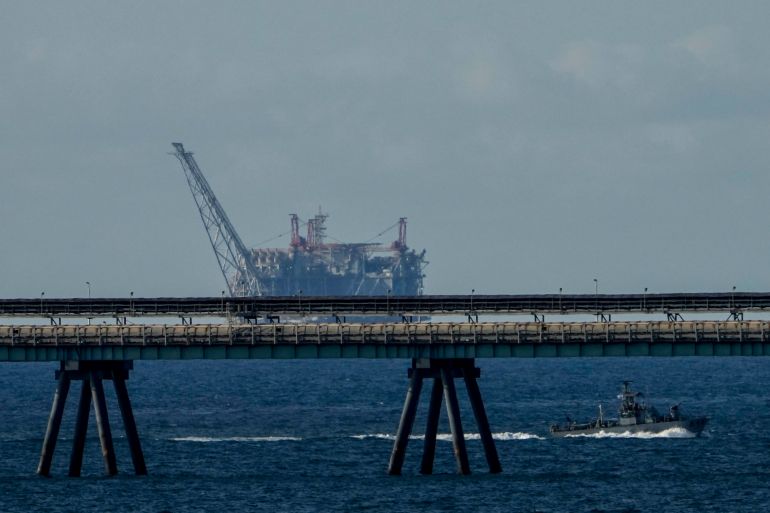
The article points out that Tunisia possesses 7 commercial ports, but most suffer from severe weaknesses in infrastructure and operational capacity. According to assessments, Tunisian ports are not equipped to handle modern, large-capacity vessels and do not keep pace with rapid transformations in the maritime transport sector, particularly concerning the boom in containerized trade and integrated supply chains.
It is emphasized that Tunisia has a “significant opportunity” to develop its ports and benefit from the rapid growth in container shipping traffic in the Mediterranean Sea. However, this opportunity remains contingent on structural reforms and qualitative investments that have not yet materialized at the required pace.
American Interest Stalled at a Political Crossroads
The article notes that the United States recognized this opportunity about a decade ago and showed clear interest in developing the infrastructure of Tunisian ports, especially the port of Rades, through the “Millennium Challenge Corporation” program.
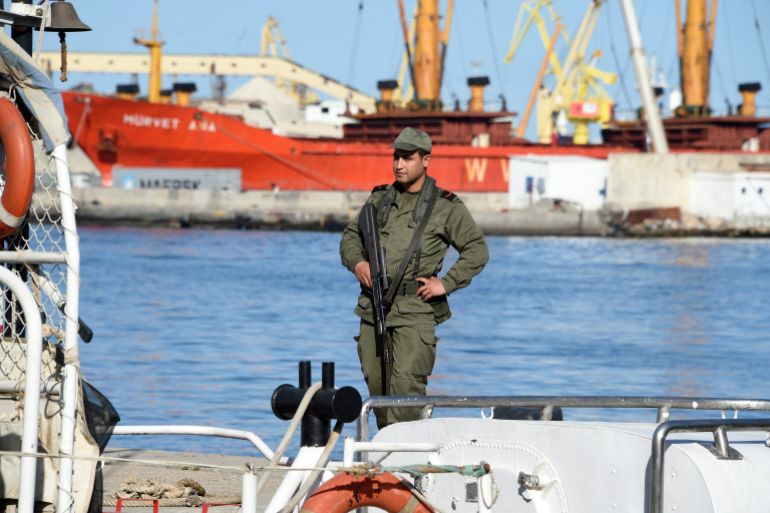
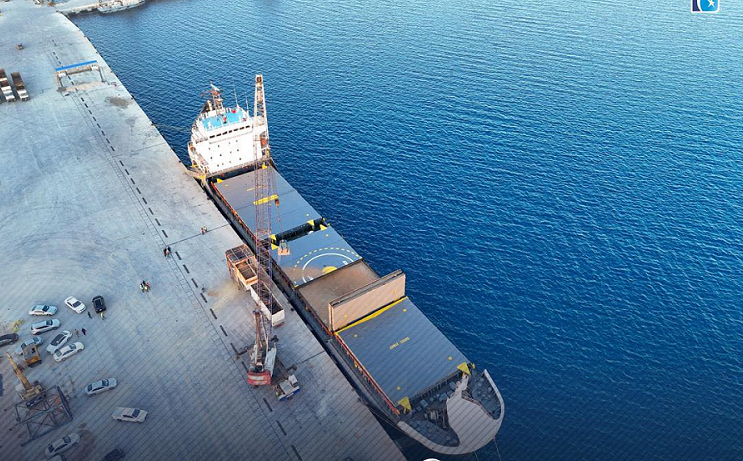
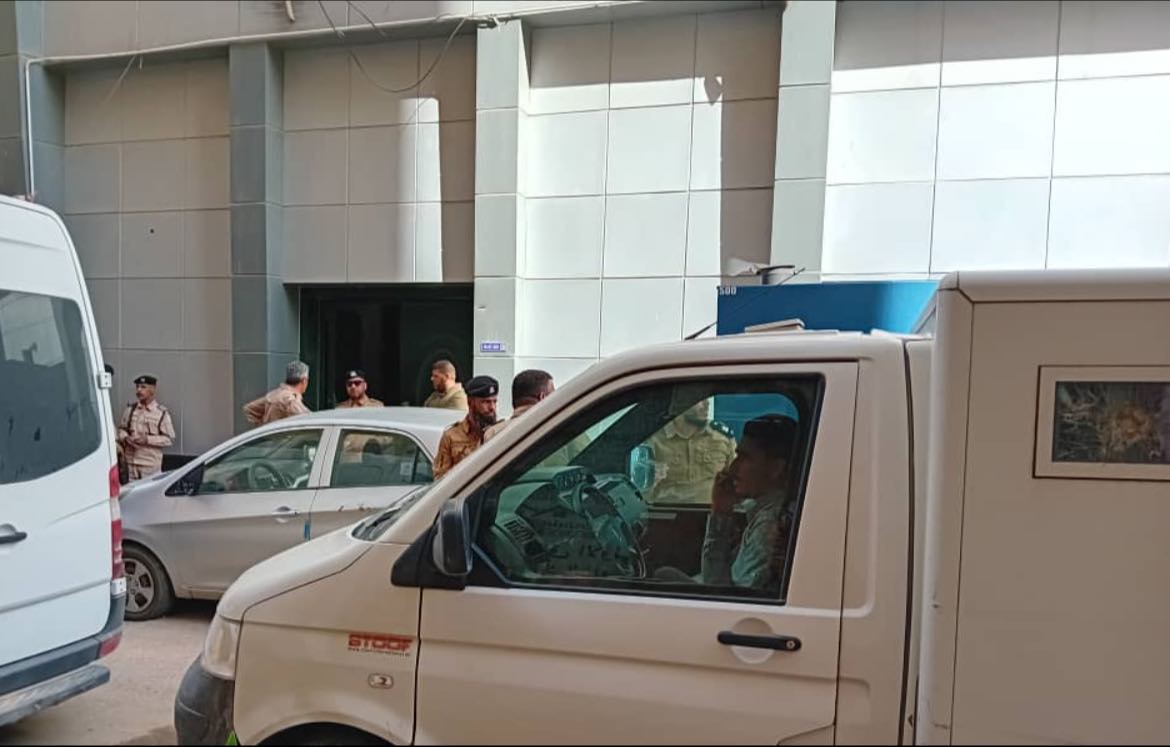
A Tunisian soldier stands guard at the port of Sfax, with a ferry appearing docked and a quiet port area behind it.
This program formed one of the most prominent tracks of U.S. support aimed at reforming a vital sector in the Tunisian economy.
However, this track stalled after July 25, 2021, following the suspension of the program due to American concerns related to the path of democratic governance in the country.
This led to a noticeable decline in the volume of U.S. aid and investments, depriving Tunisia of a strategic opportunity to modernize its maritime infrastructure at a regional moment witnessing an accelerating race for ports and trade routes.
Limited Chinese Presence
In contrast, the article indicates that Chinese interest in investing in Tunisia has remained limited, attributing this primarily to persistent bureaucratic complexities and regulatory obstacles.
Unlike its actions in neighboring countries,
Bizerte
Bizerte is a historic port city in northern Tunisia, strategically located at the Mediterranean entrance to a natural canal. It has a long history of occupation, including by the Phoenicians, Romans, Byzantines, and later the French, who developed it into a major naval base. Today, it remains an important economic hub and features a distinctive old town and a well-preserved kasbah.
Tunisia
Tunisia is a North African country with a rich history shaped by numerous civilizations, including the ancient Phoenicians, Romans, Arabs, and Ottomans. Its cultural landscape is famously marked by the ruins of Carthage, the well-preserved Roman amphitheater at El Jem, and the historic medina of Tunis, a UNESCO World Heritage site.
port of Bizerte
The Port of Bizerte is a major Mediterranean seaport in northern Tunisia, strategically located at the narrow channel connecting the Mediterranean Sea to Lake Bizerte. Its natural harbor has been a significant naval site since antiquity, used by Phoenicians, Romans, and later becoming a key French naval base during the colonial period until the early 1960s.
port of Rades
The Port of Rades is Tunisia’s primary commercial and container shipping port, located near the capital, Tunis. It was constructed in the late 1980s to replace the older Port of La Goulette and has since become a critical hub for the country’s international trade and economy.
Rades
Rades is a coastal city in northeastern Tunisia, located near the capital Tunis, and is best known for its major commercial and fishing port. Historically, the area gained modern prominence with the construction of its large industrial port in the late 20th century, which became a critical economic hub for the country. The city also features the iconic Rades Bridge, a large cable-stayed bridge that is a landmark of the region.
port of Sfax
The Port of Sfax is a major commercial and fishing harbor on the Gulf of Gabès in Tunisia. Historically, it developed from a small natural anchorage used since antiquity into a modern port, with significant expansion occurring during the French protectorate in the late 19th and early 20th centuries to facilitate the export of local goods like phosphates and olive oil.
Sfax
Sfax is a major city in Tunisia, historically founded in the 9th century AD on the site of the ancient Roman town of Taparura. It is renowned for its well-preserved medieval medina, which is surrounded by impressive stone walls and has long been a vital center for commerce and olive oil production.
Mediterranean
The Mediterranean region is a historical crossroads of civilizations, including the Phoenicians, Greeks, Romans, and Ottomans, whose interactions shaped Western and Middle Eastern history. Its sea served as a vital conduit for trade, cultural exchange, and conflict for millennia. Today, it remains a defining geographical and cultural zone for the nations bordering its shores.
Mediterranean basin
The Mediterranean basin is a region surrounding the Mediterranean Sea, historically known as the cradle of several major ancient civilizations, including the Egyptian, Greek, Roman, and Phoenician. Its history is defined by millennia of trade, cultural exchange, and conflict, which shaped the development of Western and Middle Eastern societies. The basin’s unique climate and geography have fostered a distinct biodiversity and a shared cultural heritage across its surrounding lands.
Mediterranean Sea
The Mediterranean Sea is a historically significant body of water bordered by Southern Europe, North Africa, and Western Asia, serving as a crucial crossroads for trade, cultural exchange, and empire-building since ancient times. Its shores were home to foundational civilizations like the Egyptians, Phoenicians, Greeks, and Romans, whose maritime activities shaped Western history.
United States
The United States is a federal republic founded in 1776 after declaring independence from Great Britain, with its modern government established by the Constitution in 1789. Its history encompasses westward expansion, the Civil War, industrialization, and its emergence as a global superpower in the 20th century. The nation is defined by its diverse population, democratic ideals, and significant cultural and economic influence worldwide.
China
China is one of the world’s oldest continuous civilizations, with a recorded history spanning over four millennia. It is home to numerous UNESCO World Heritage sites, such as the Great Wall and the Forbidden City, which reflect its long and complex imperial past. In the modern era, it has developed into a major global power with a distinct cultural and political identity.
Europe
Europe is a continent with a rich and complex history, shaped by ancient civilizations like Greece and Rome, the transformative periods of the Renaissance and the Enlightenment, and the profound impacts of two world wars. Culturally, it is renowned for its diverse array of artistic movements, architectural landmarks, and philosophical traditions, which have had a global influence. Today, it is politically organized in part by the European Union, an economic and political partnership promoting cooperation among many of its nations.
Africa
Africa is the world’s second-largest continent, known as the cradle of humankind due to archaeological evidence showing the origins of human evolution. It is home to a vast array of ancient civilizations, such as Ancient Egypt and the kingdoms of Mali and Great Zimbabwe, and has a complex history shaped by indigenous empires, trade, colonialism, and the struggle for independence.
Millennium Challenge Corporation
The Millennium Challenge Corporation (MCC) is an independent U.S. foreign aid agency established in 2004, designed to reduce global poverty through economic growth. It provides time-limited grants to developing countries that demonstrate good governance, economic freedom, and investments in their citizens.