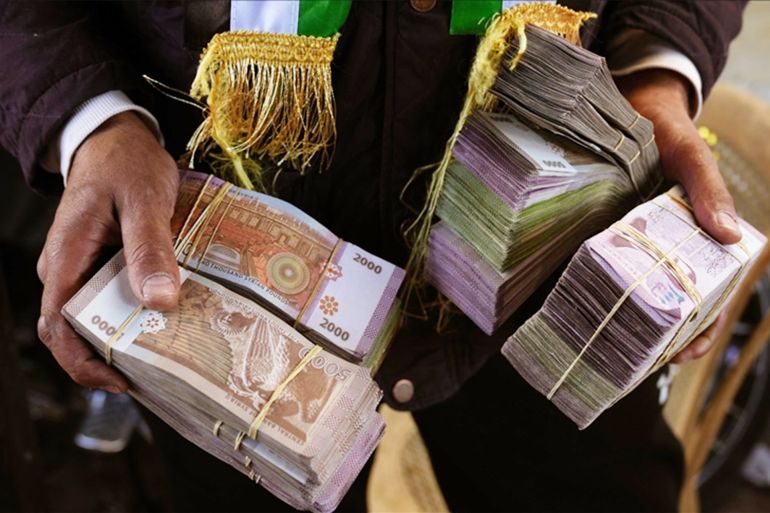
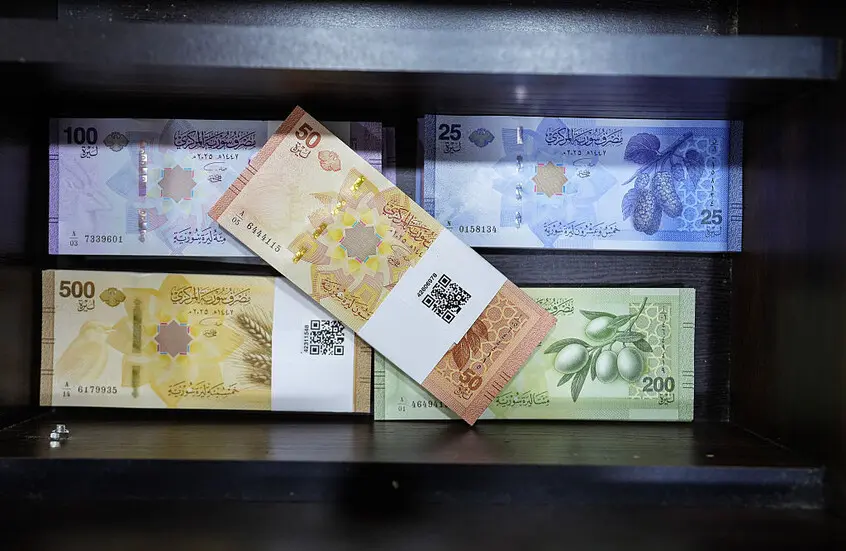
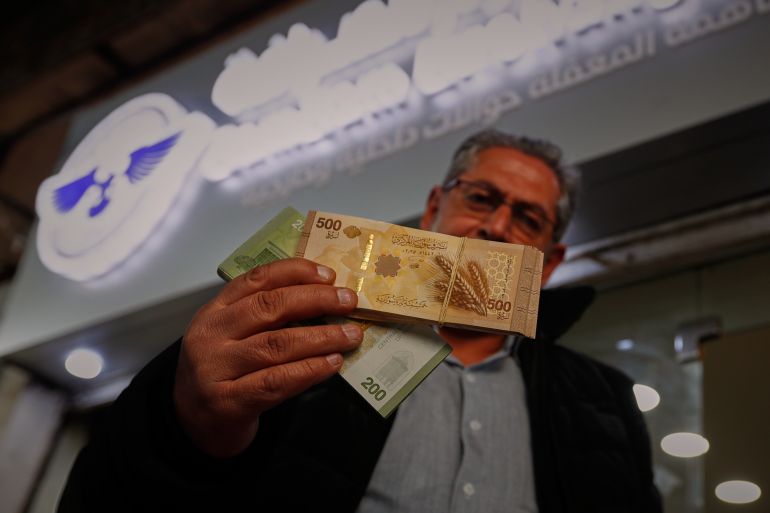
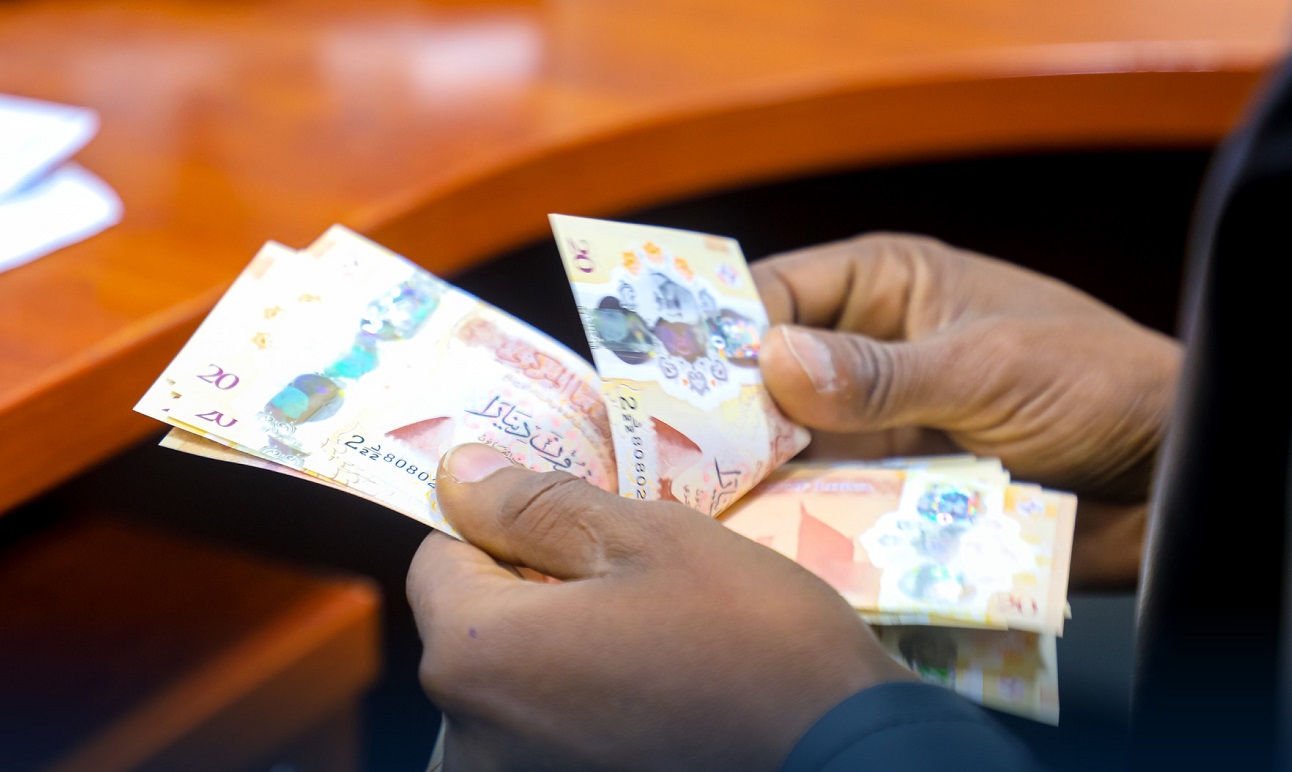
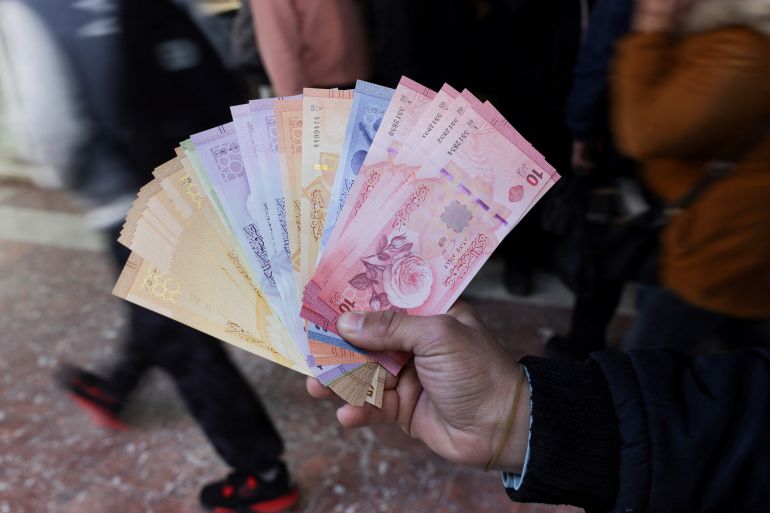
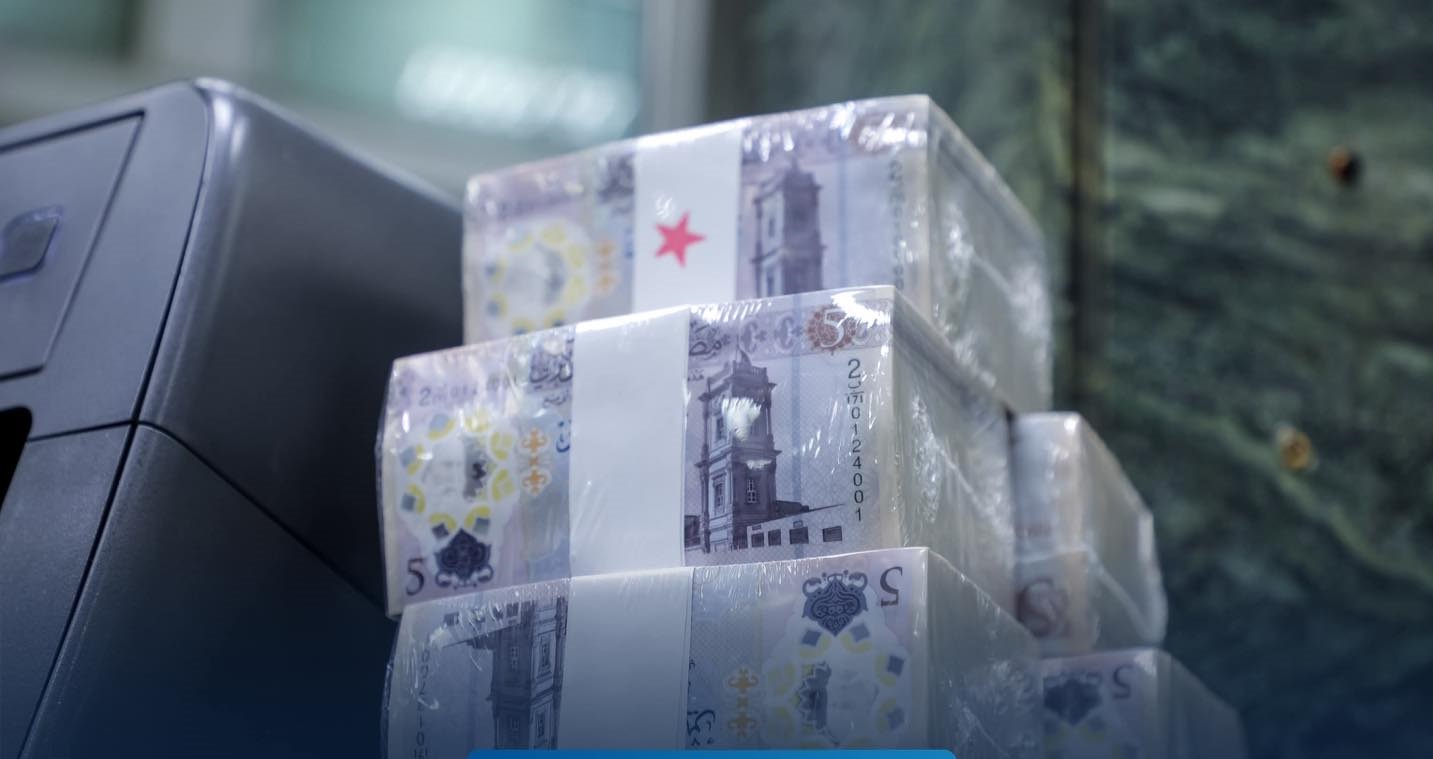
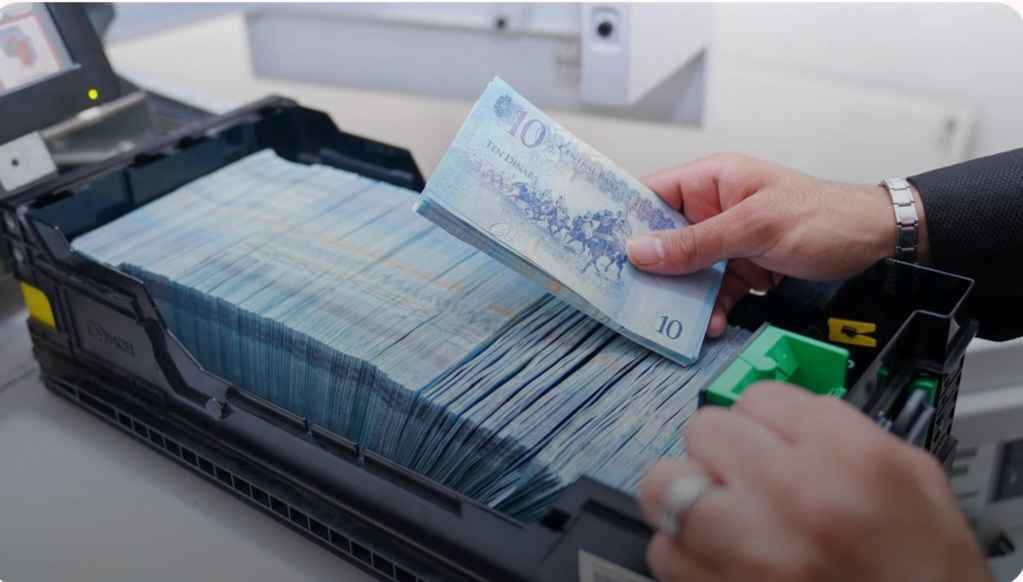
The Syrian government recently announced its intention to launch a new currency, a step aimed at replacing the current currency inherited from the previous regime’s era, as part of a broader path to restructure monetary policy and build a new economic phase.
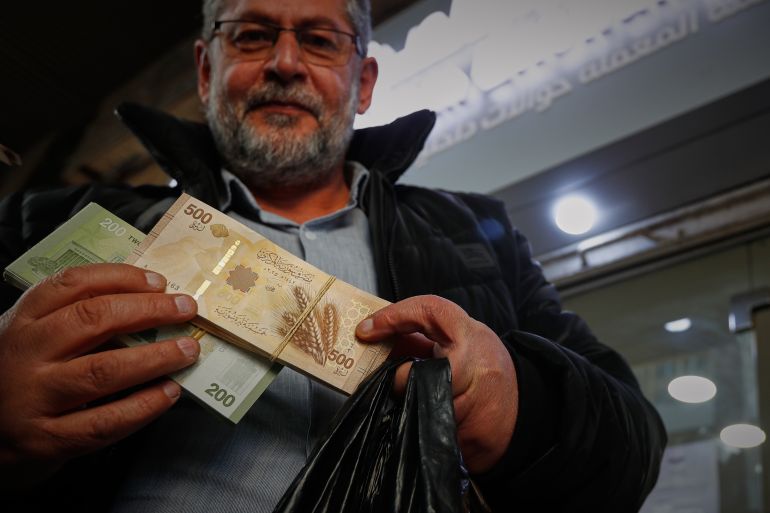
The country will begin, starting January 1, 2026, the process of replacing the currently circulating banknotes with new ones, as part of an official plan to replace the currency issued during the era of Assad’s rule.
In light of this development, a number of fundamental questions arise, including:
What reasons drive countries to change or replace their currency?
What is the difference between launching a new currency and printing local currency within the existing monetary system?
What are the most prominent Arab and Islamic countries that have undergone similar experiences?
How much does the process of launching or printing a new currency cost?
What are the main countries where currencies are printed?
What reasons drive countries to change their currency?
Most countries in the world have their own national currency, which is one of the important sovereign and economic symbols of the state. However, some countries may find themselves, at certain stages, forced to change their currency or replace it with a new one for various reasons.
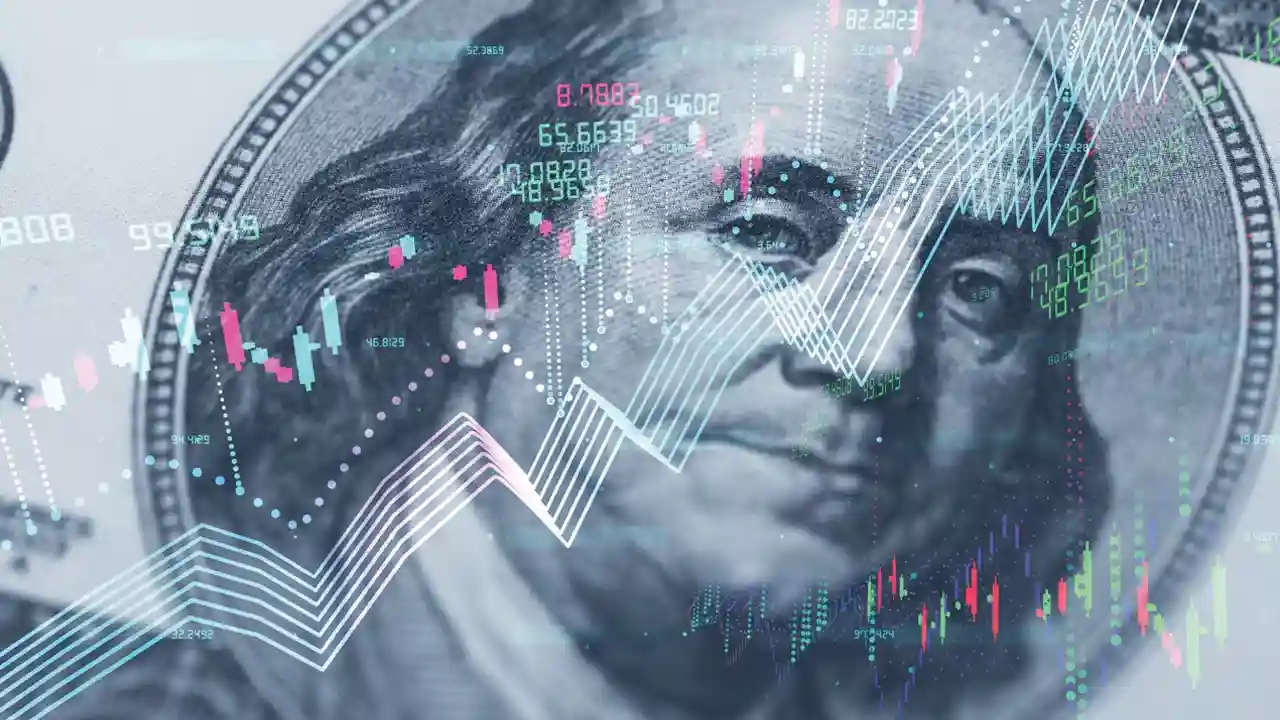
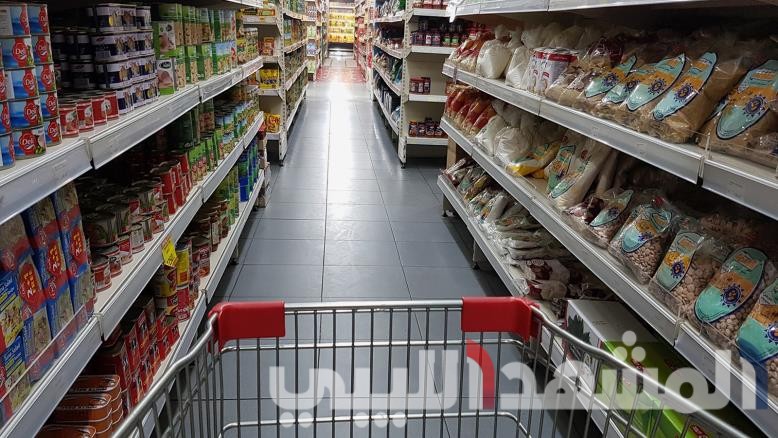
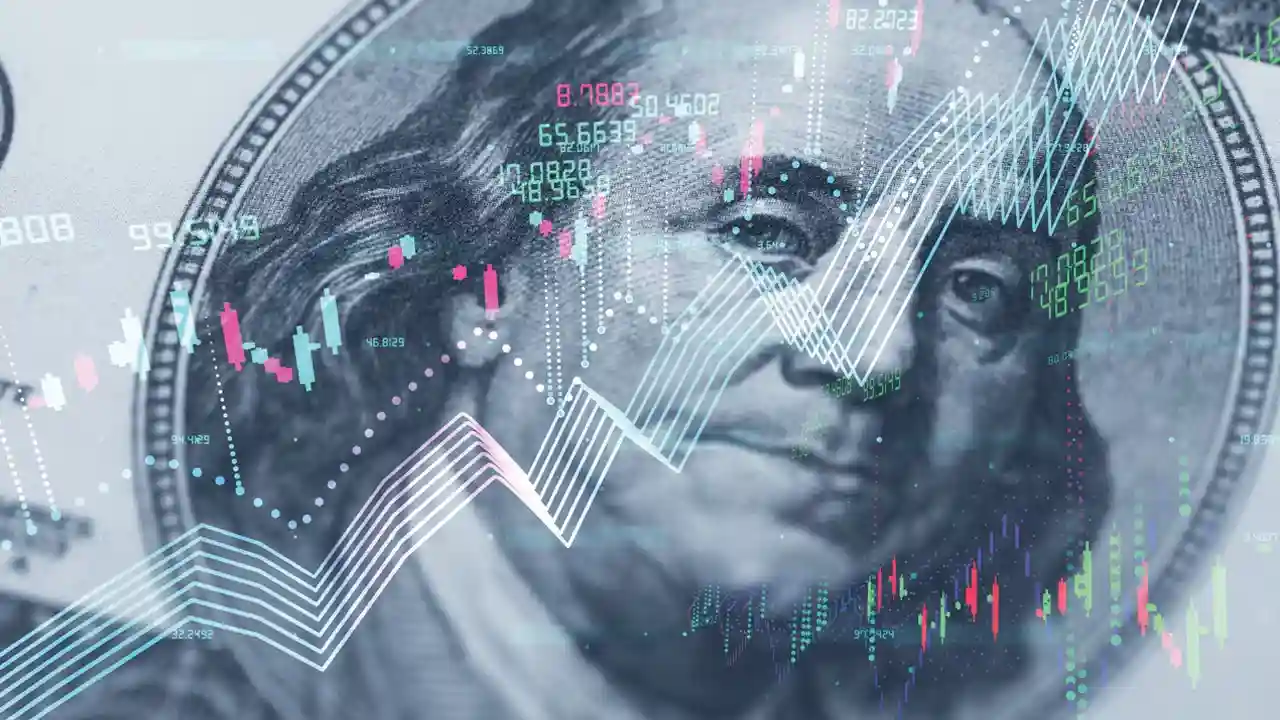
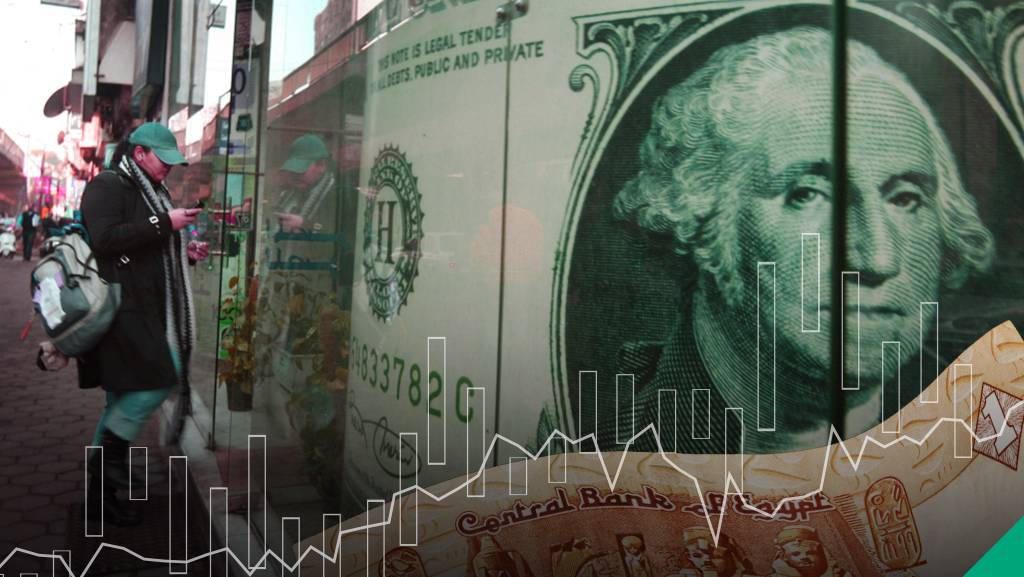
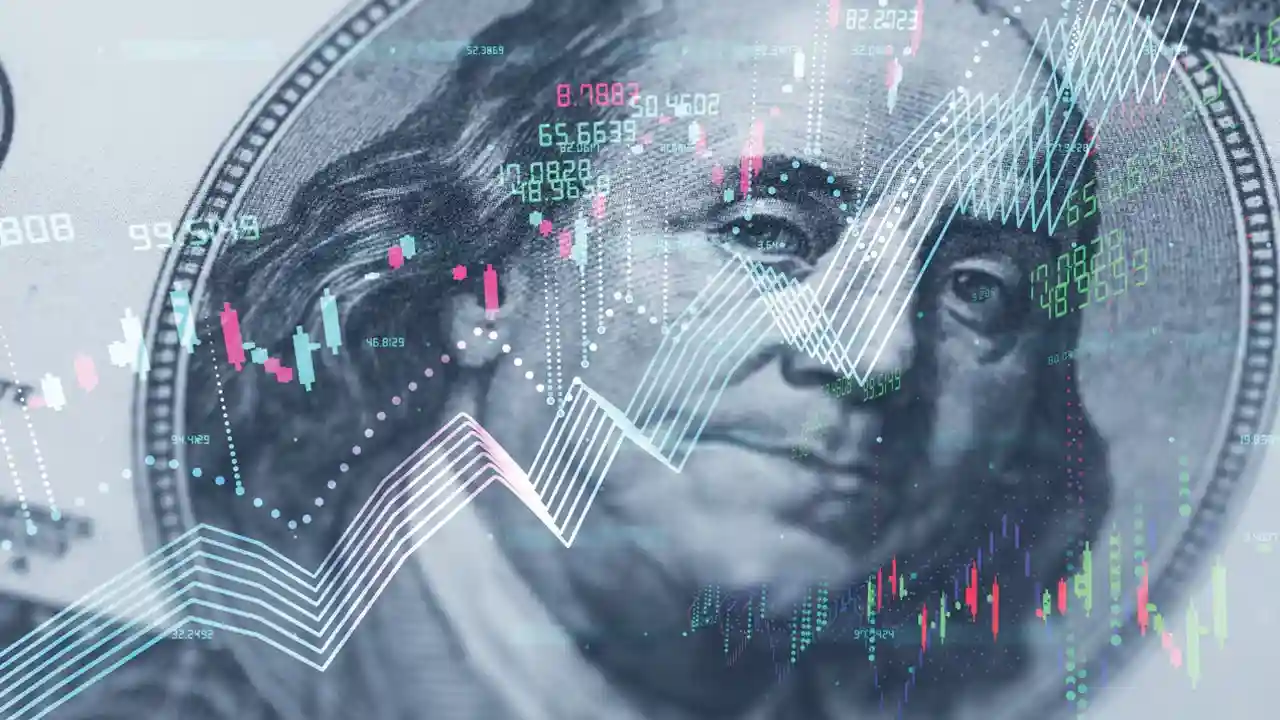
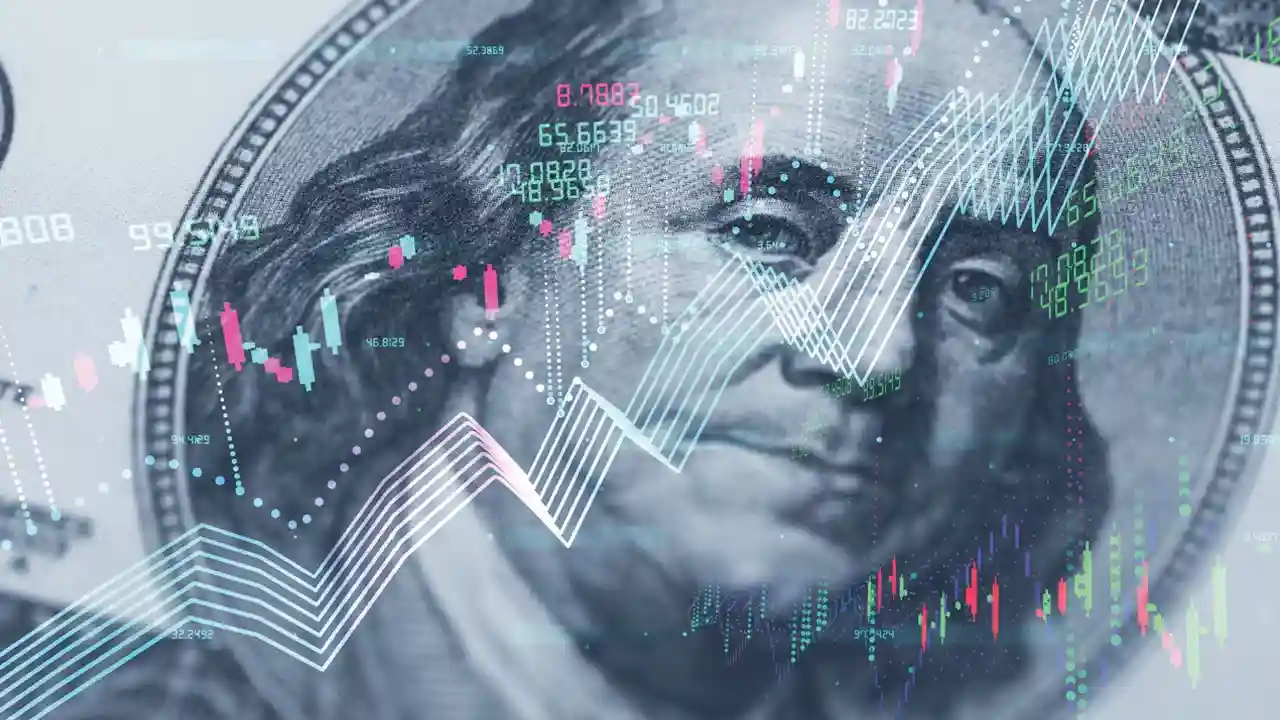
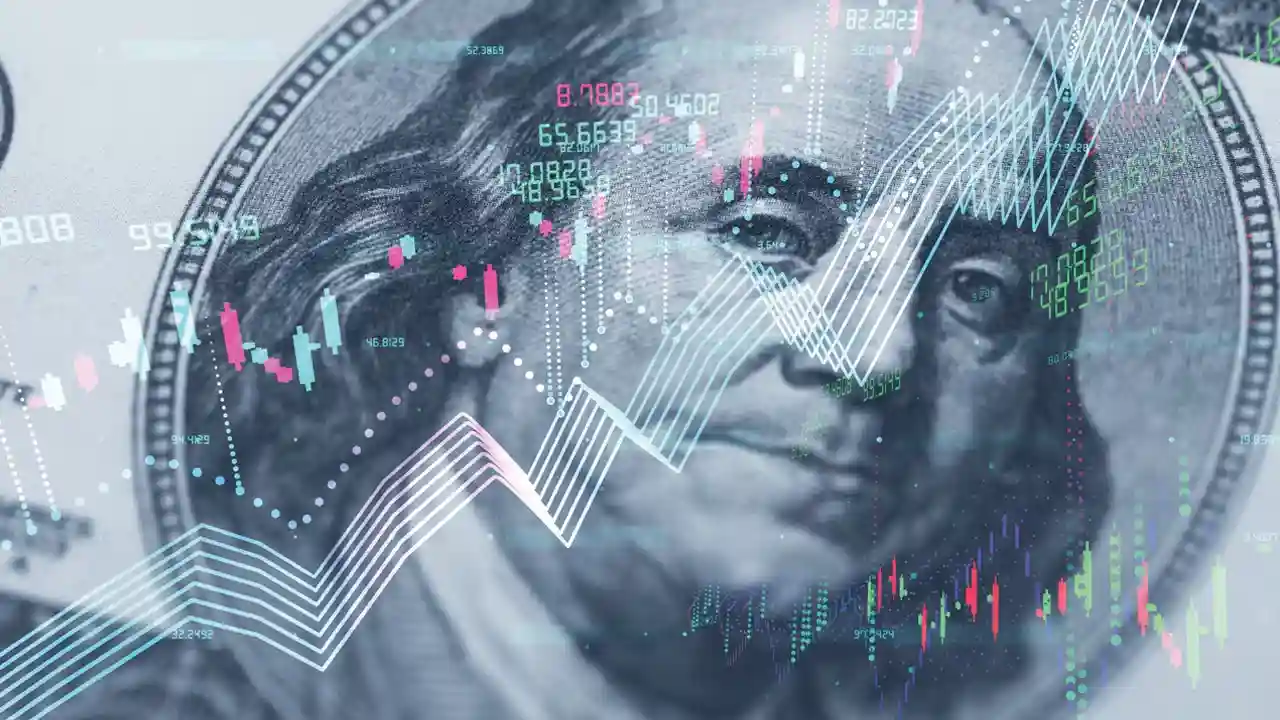
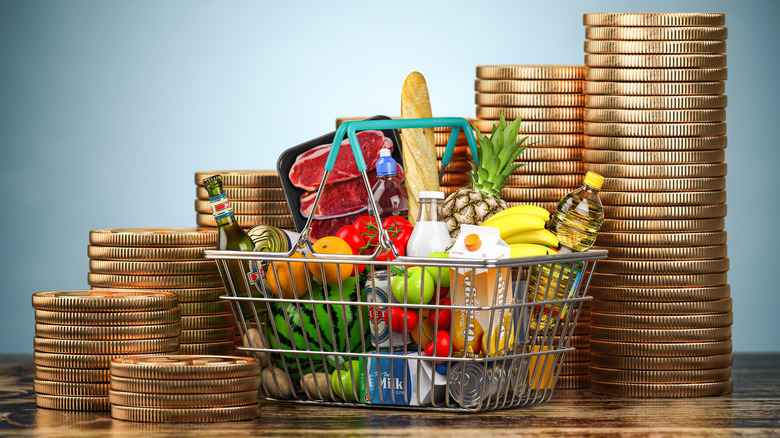
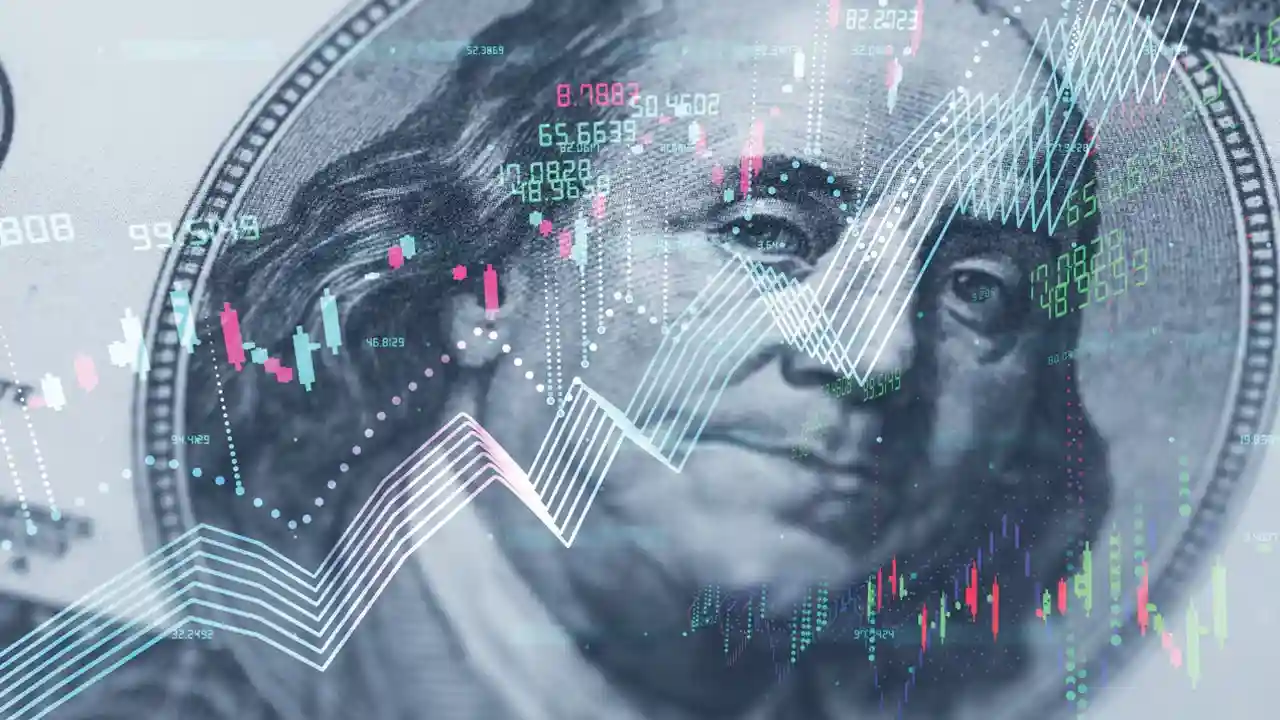
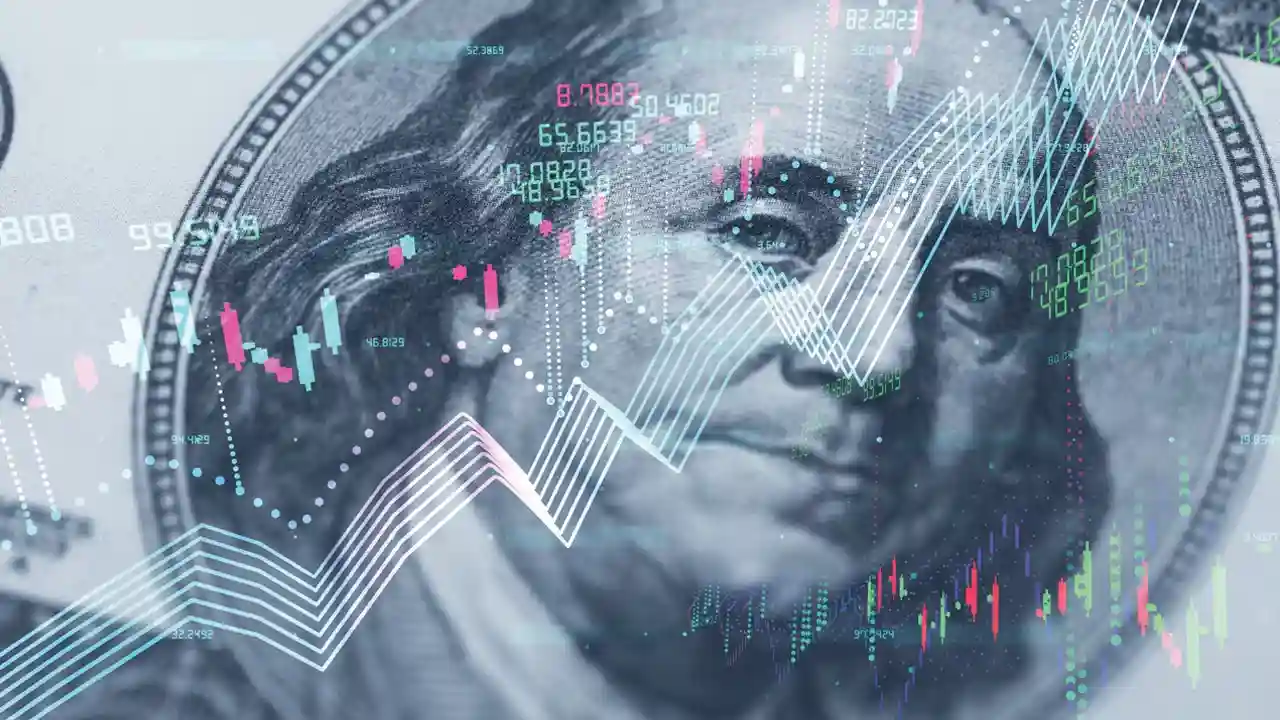
Excessive inflation drives countries to replace currency when it loses its daily function.
Changing a currency is not a formal decision or a technical procedure with limited impact. Rather, it represents a profound sovereign step often linked to major economic crises or pivotal shifts in the state’s financial and monetary path. The success of this step remains contingent on the stability of the accompanying fiscal and monetary policies, not on issuing the new currency alone.
The following are the most prominent reasons that drive a country to change its currency:
Excessive inflation and loss of purchasing power
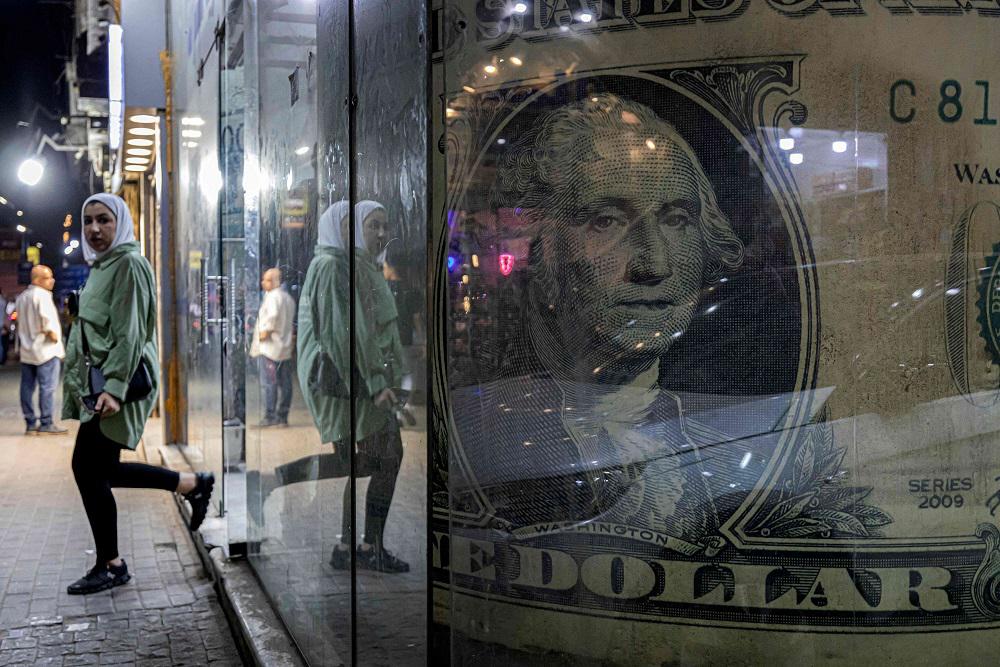
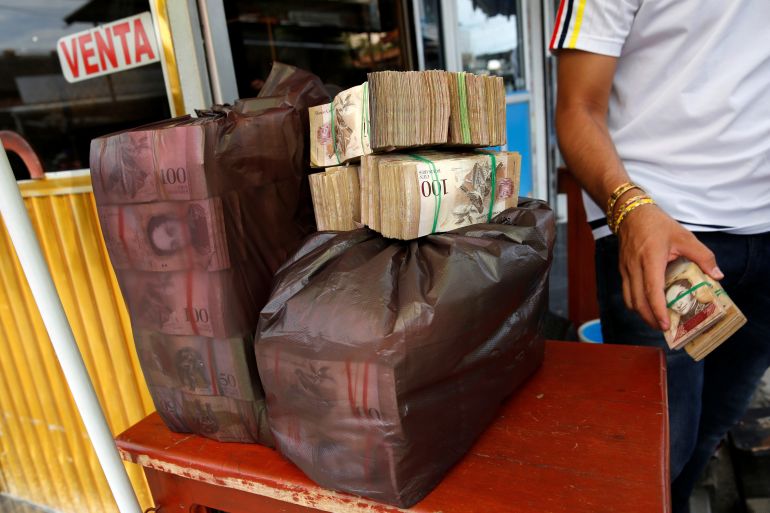
When prices rise at an accelerating pace, and the value of the local currency deteriorates to the point where the numbers become large and impractical in daily life, countries resort to reissuing a new currency by removing zeros or replacing the monetary unit, as happened in Turkmenistan in 2008.
Rebuilding the economy after major crises or wars
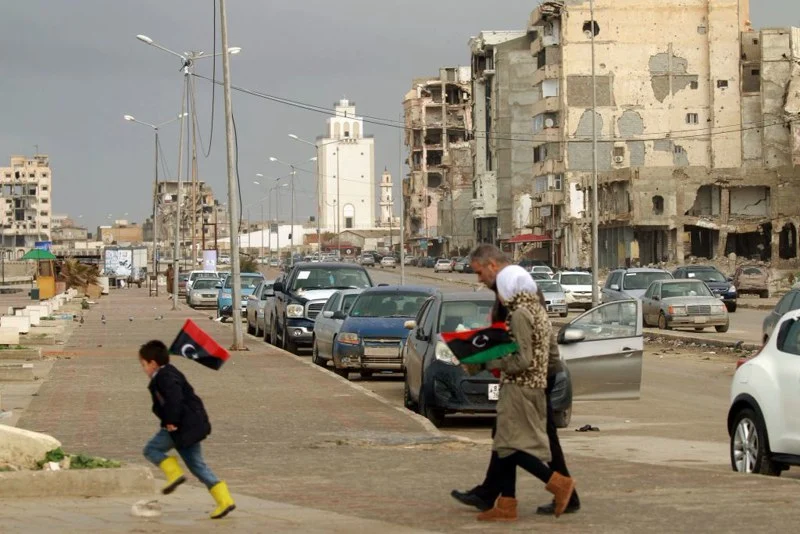
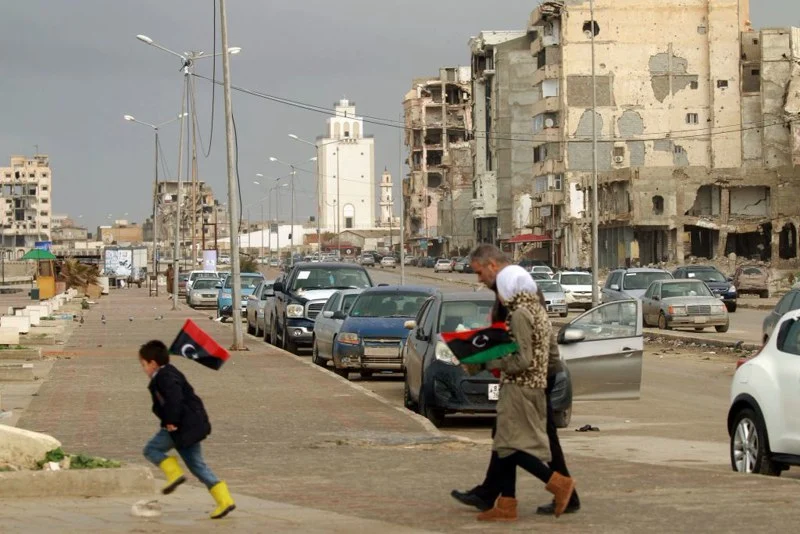
In cases of political transition or post-conflict and civil wars, a new currency is used as a symbol of the beginning of a different economic phase and a break with the past, especially if the previous currency was associated with a collapsed system, as is currently the case in Syria.
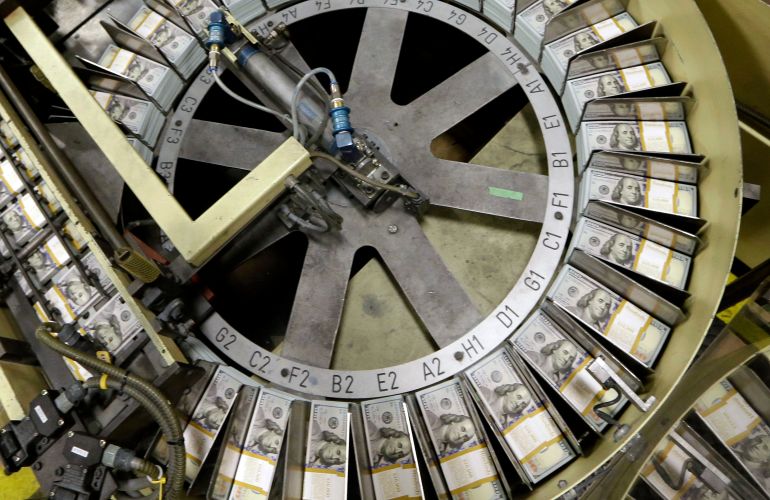
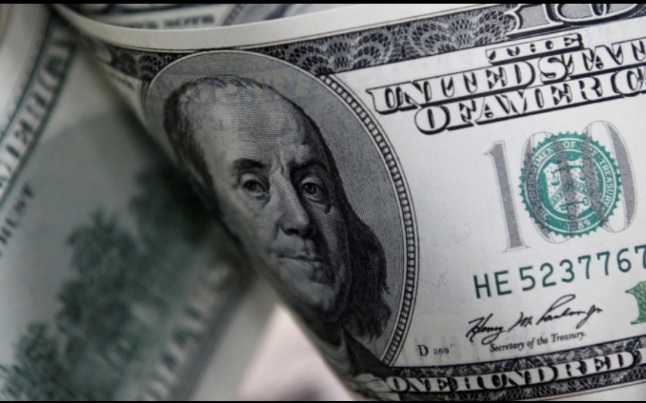
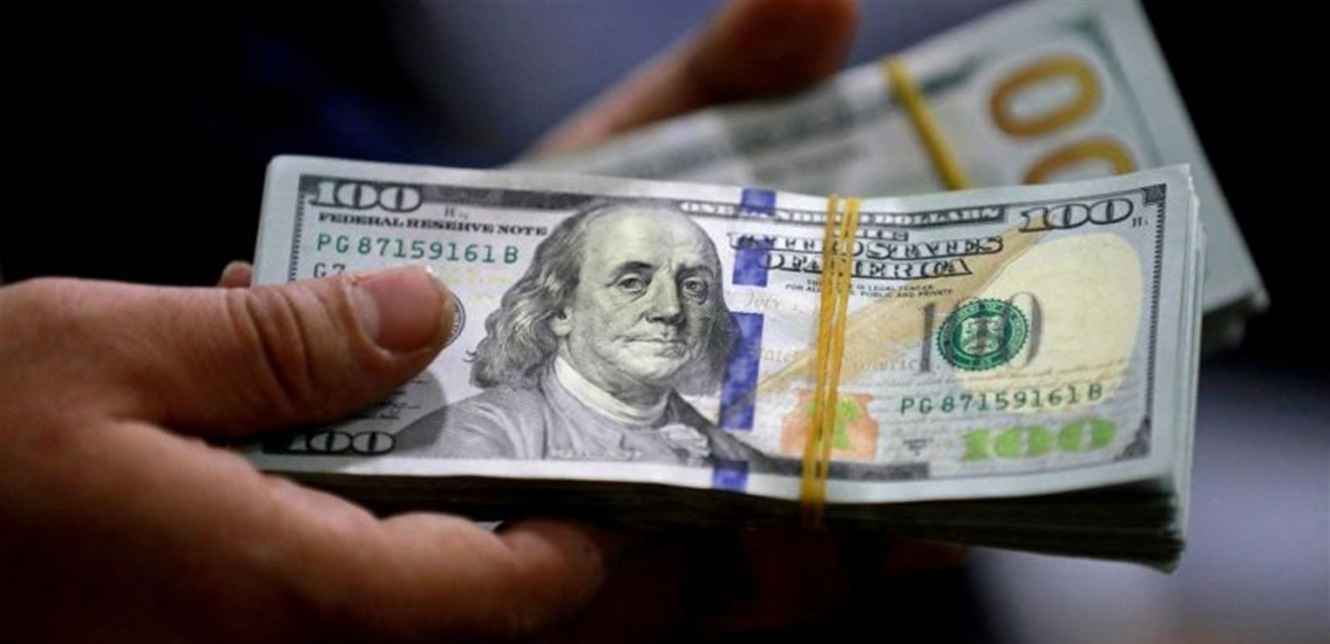
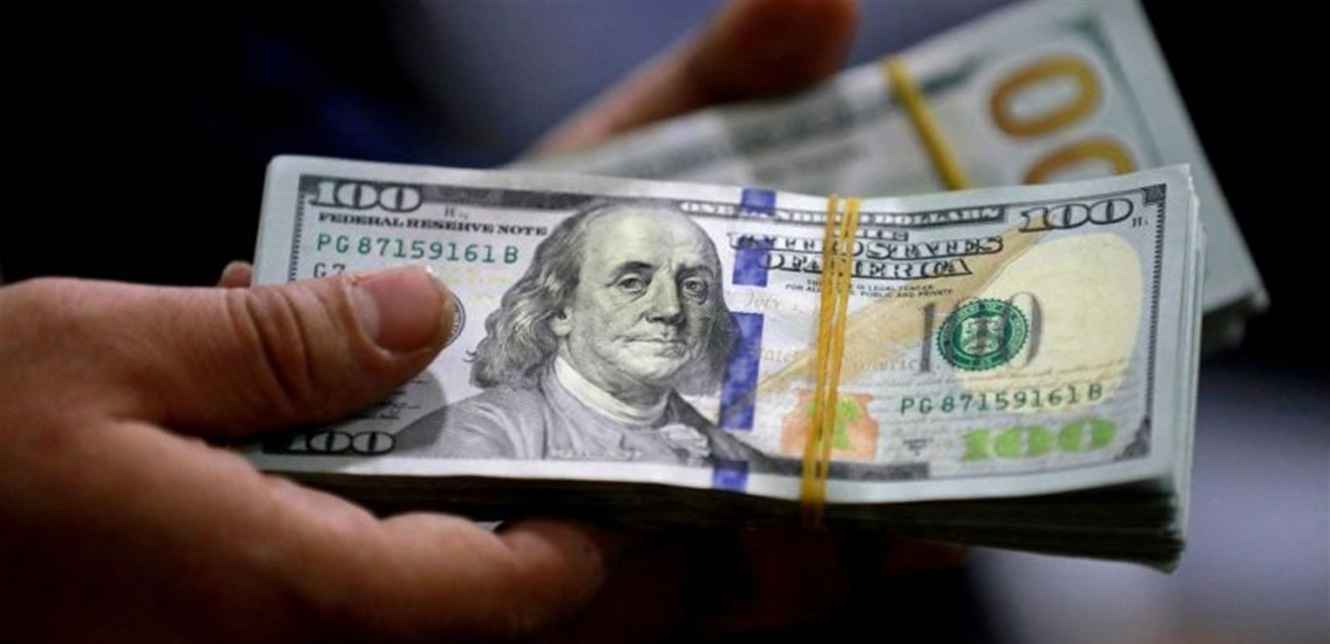
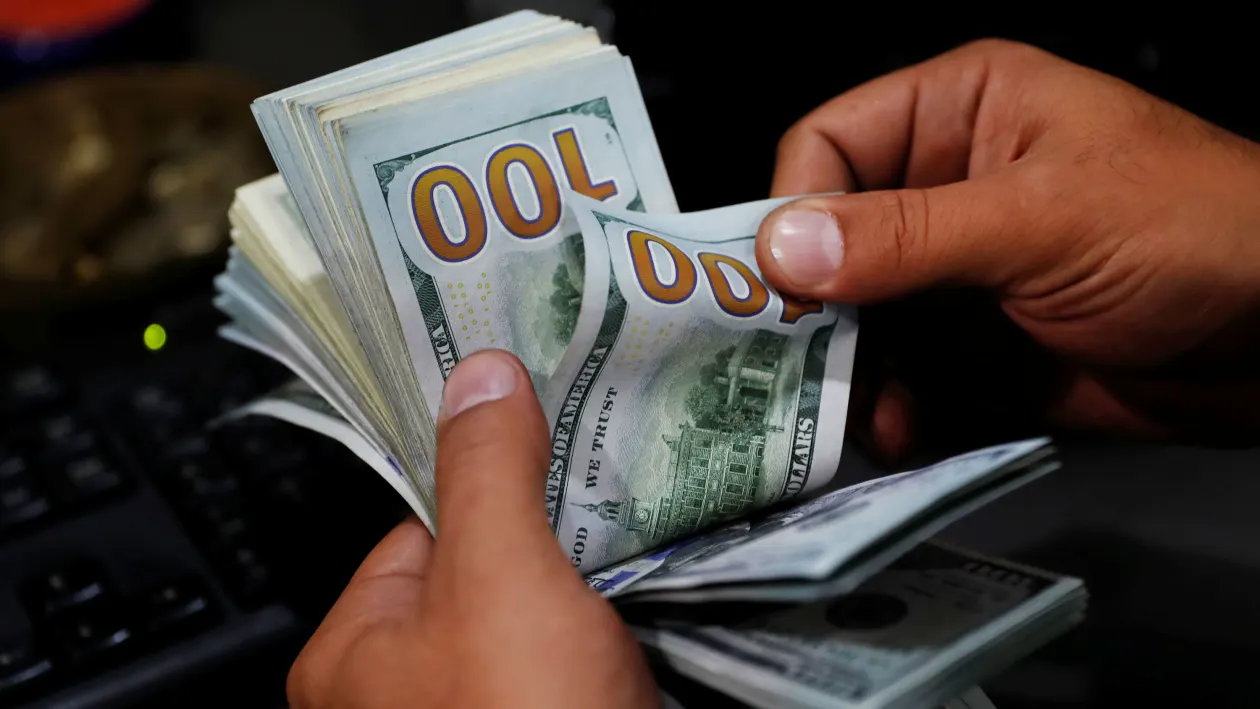
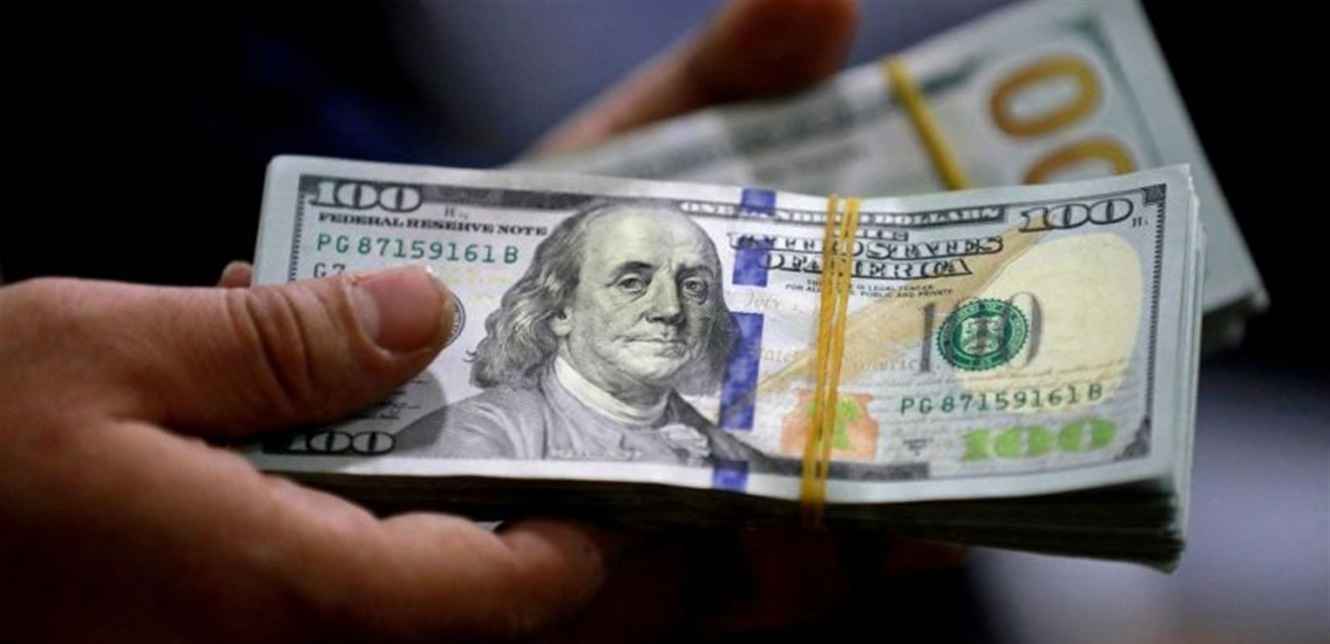
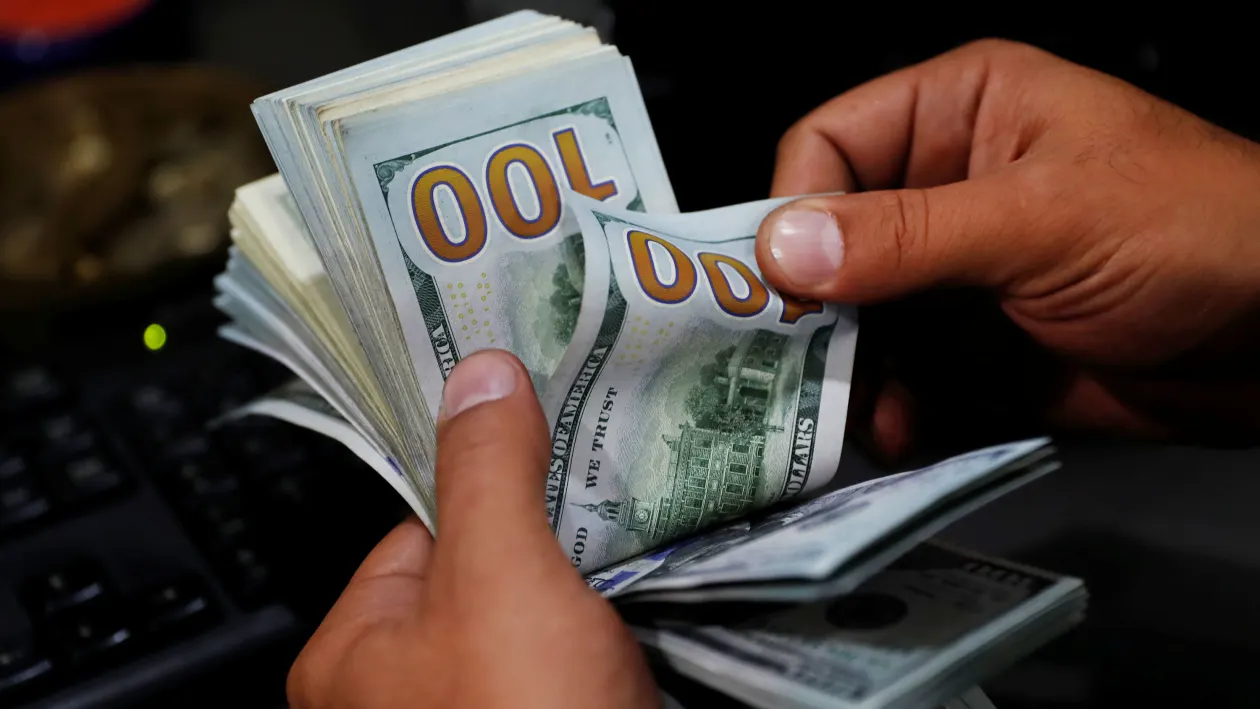
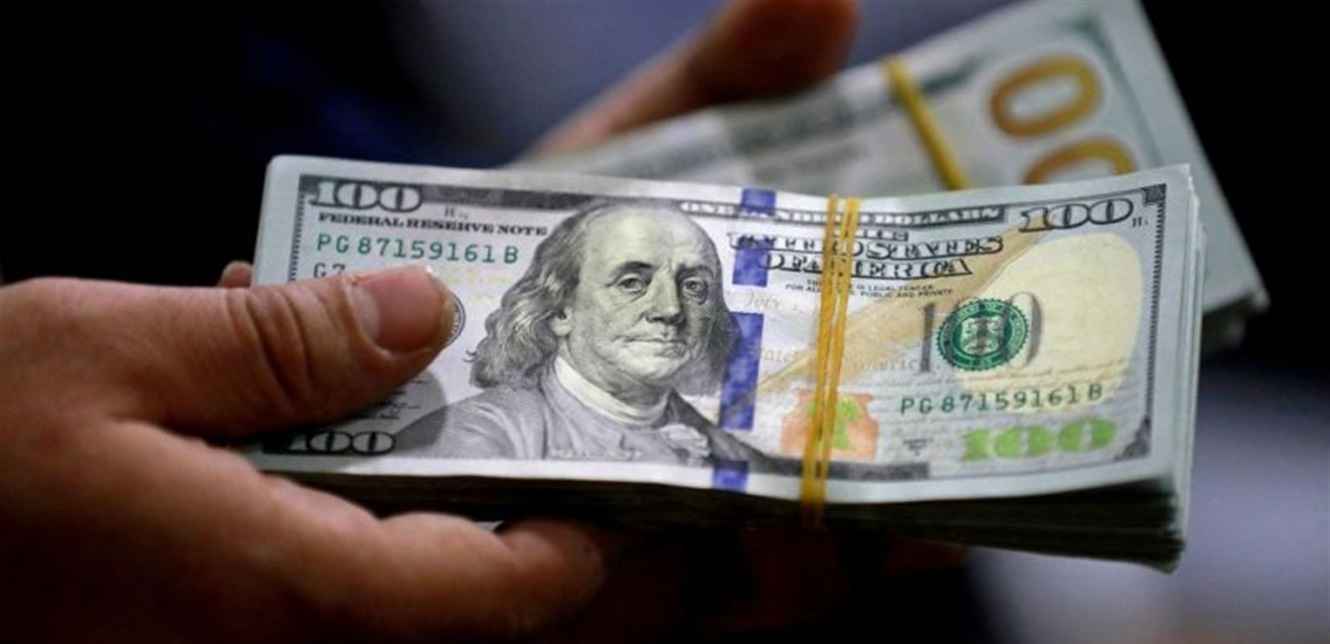
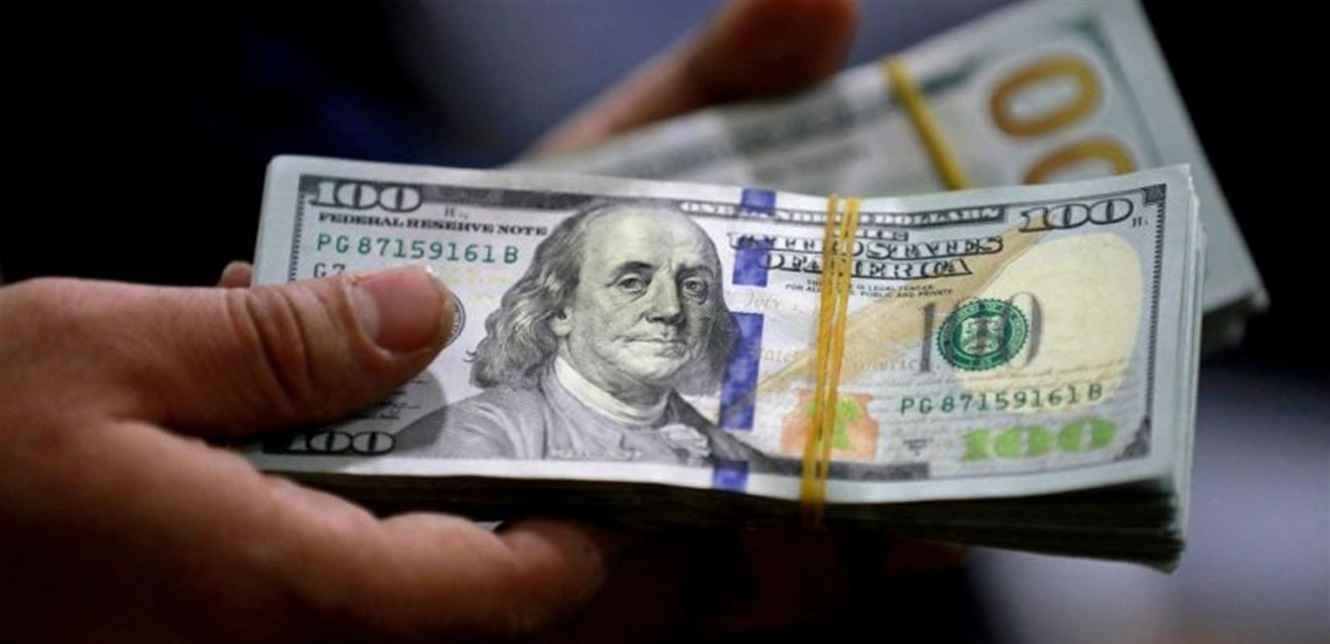
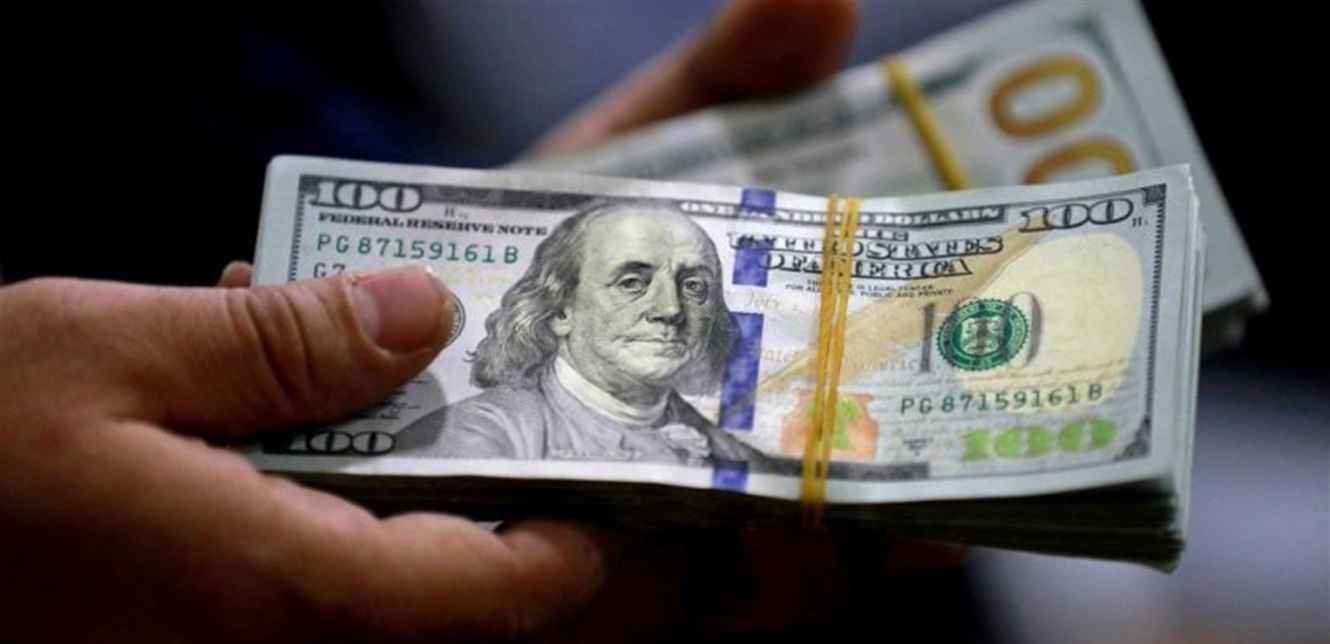
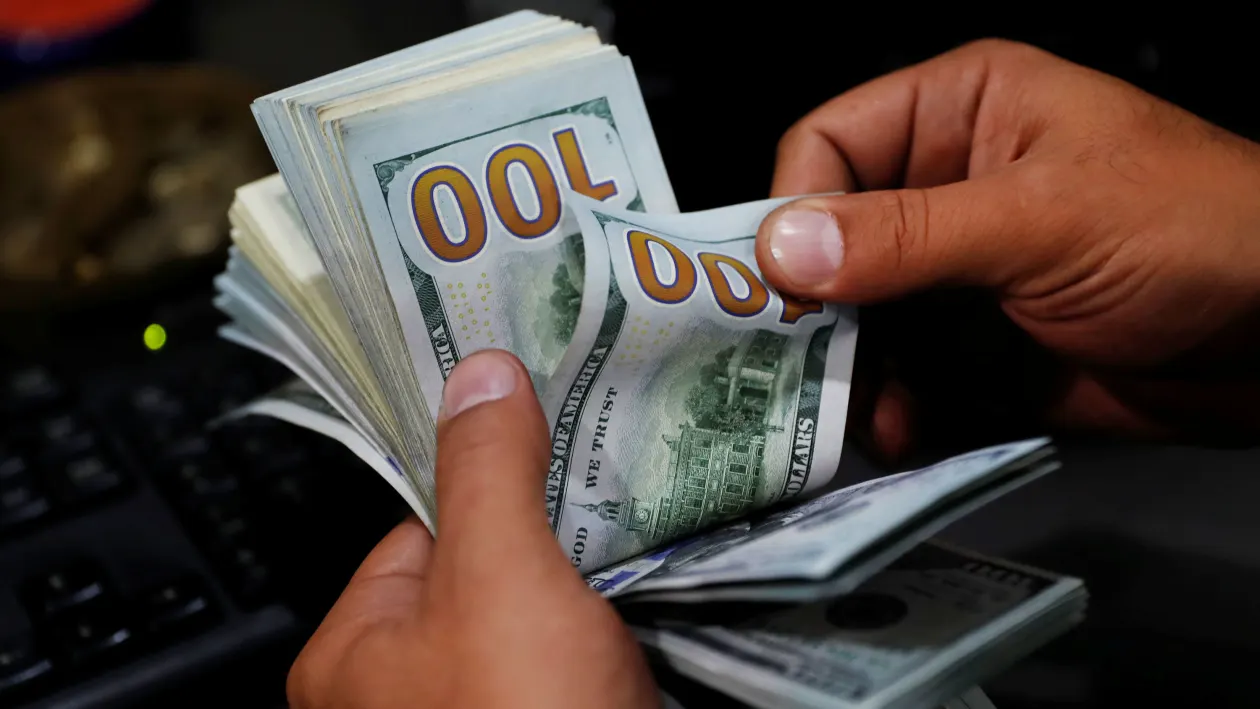
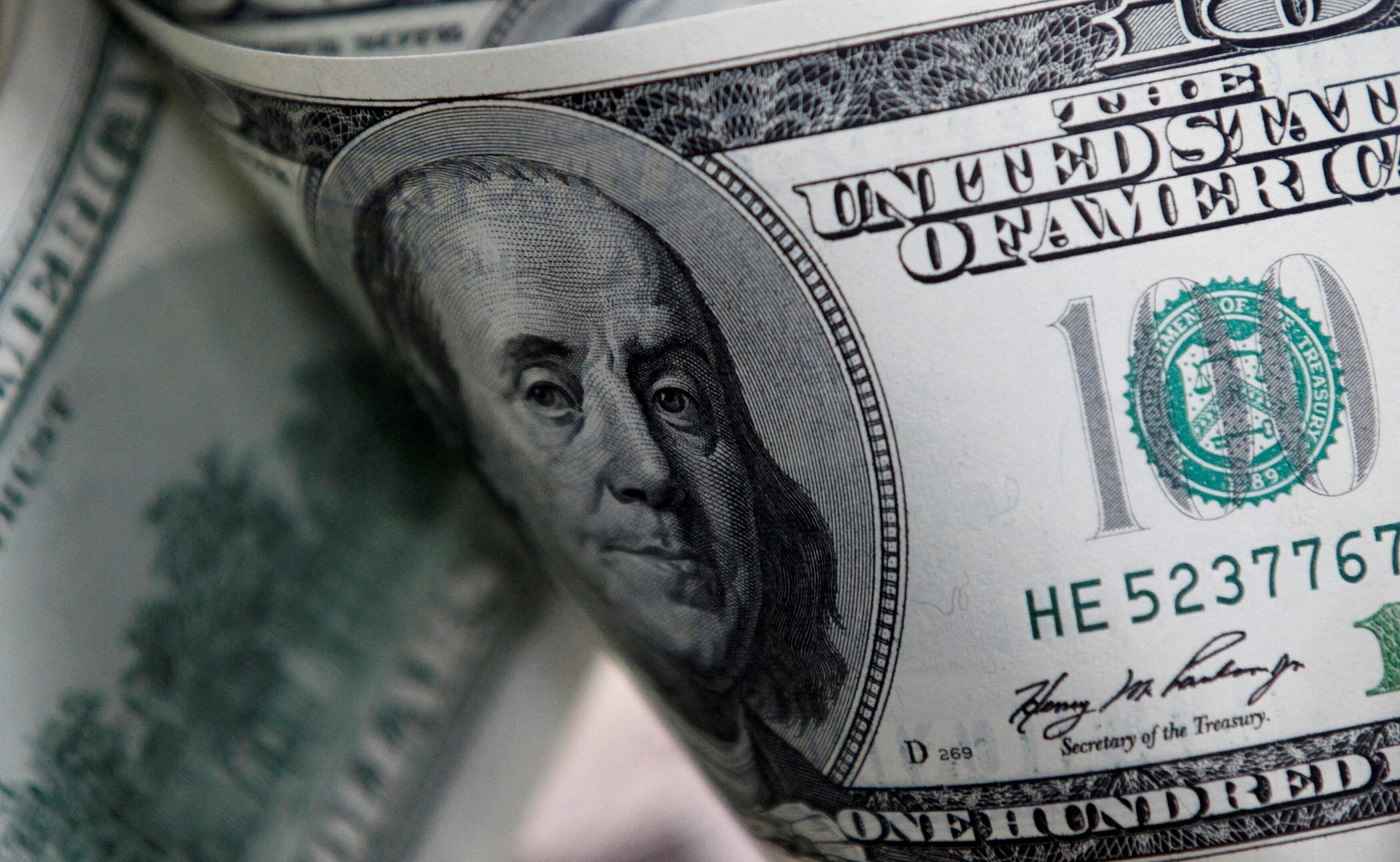
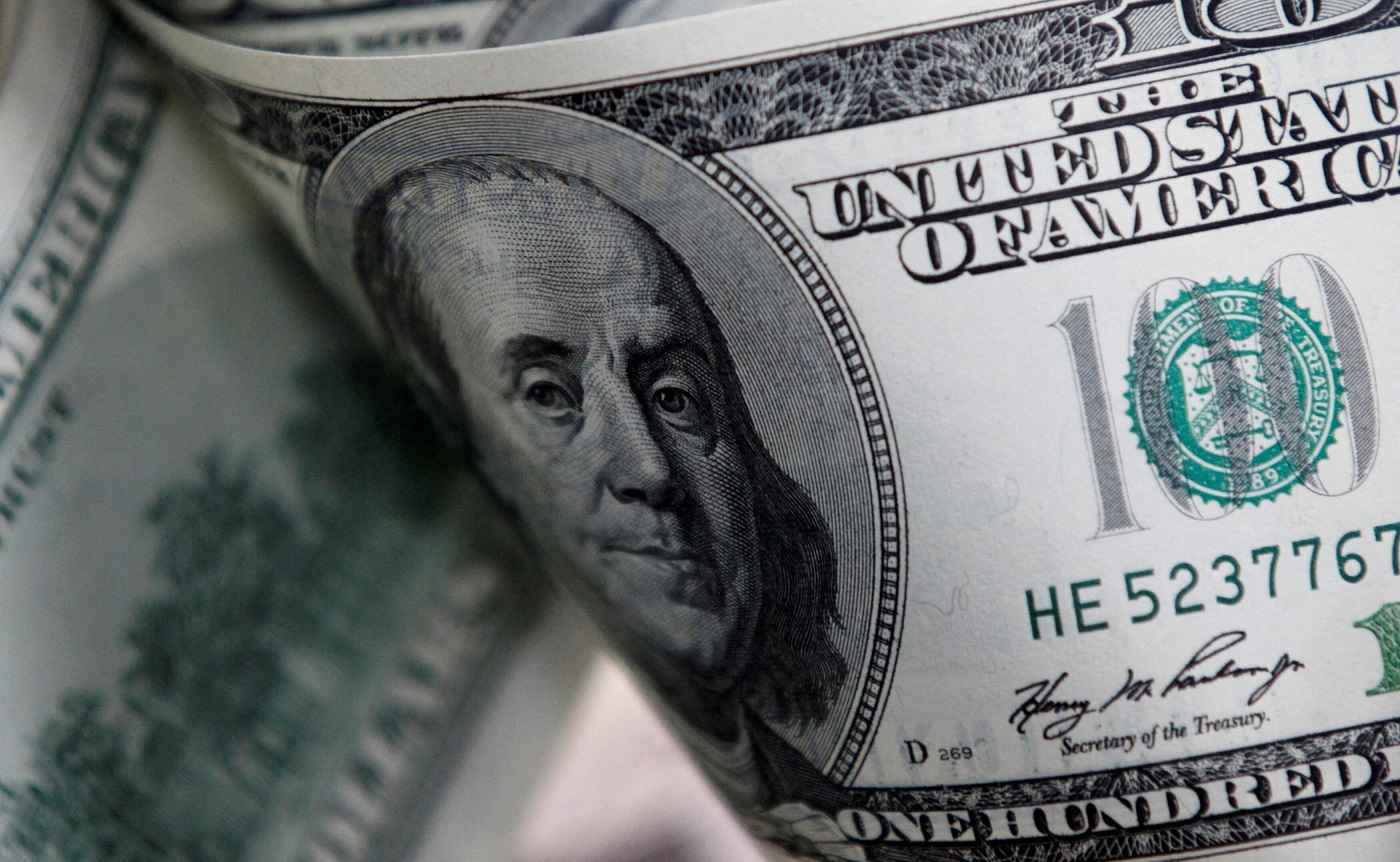
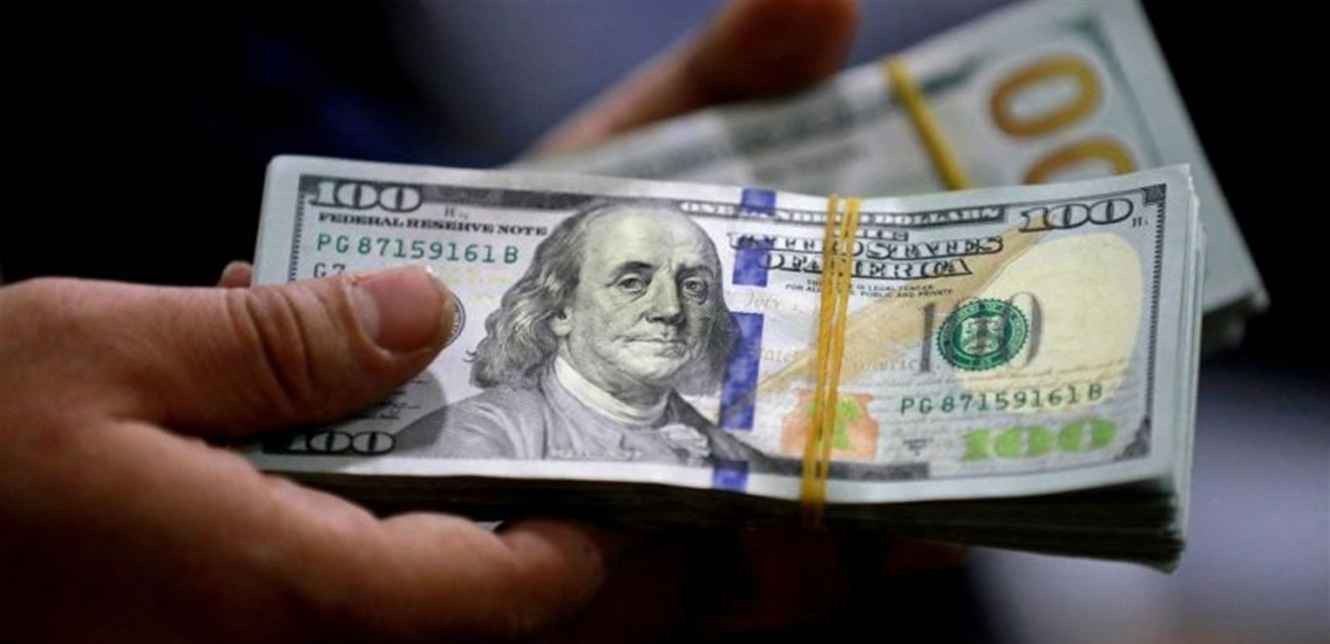
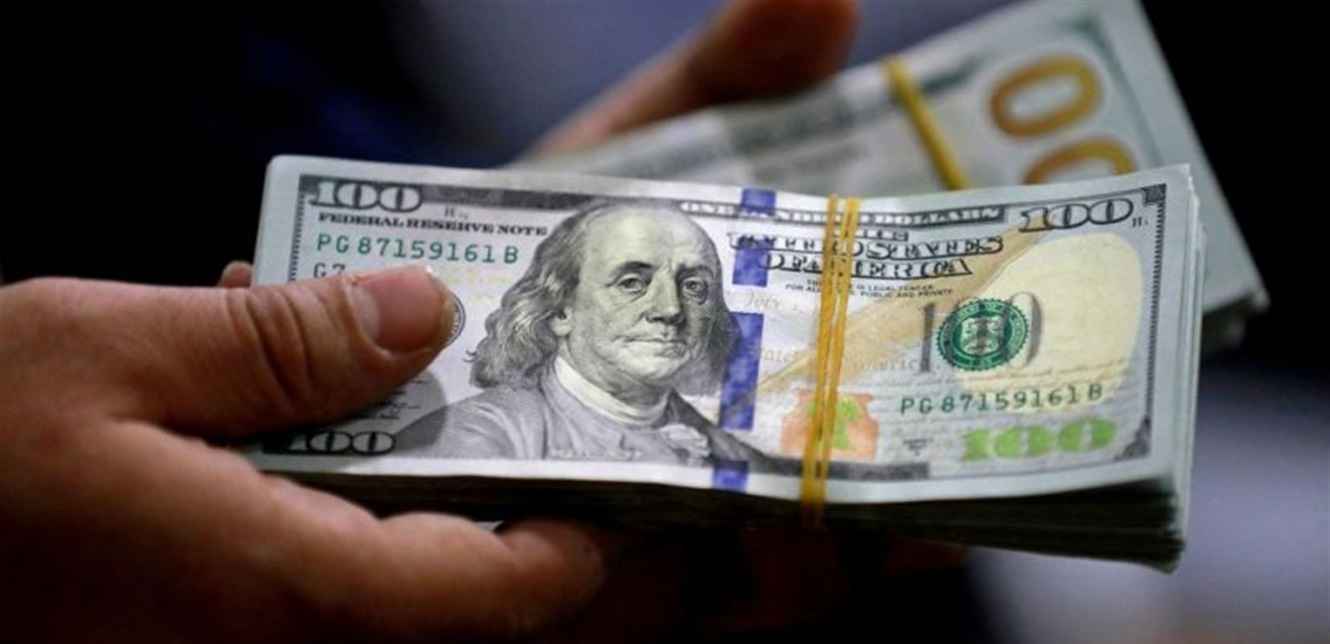
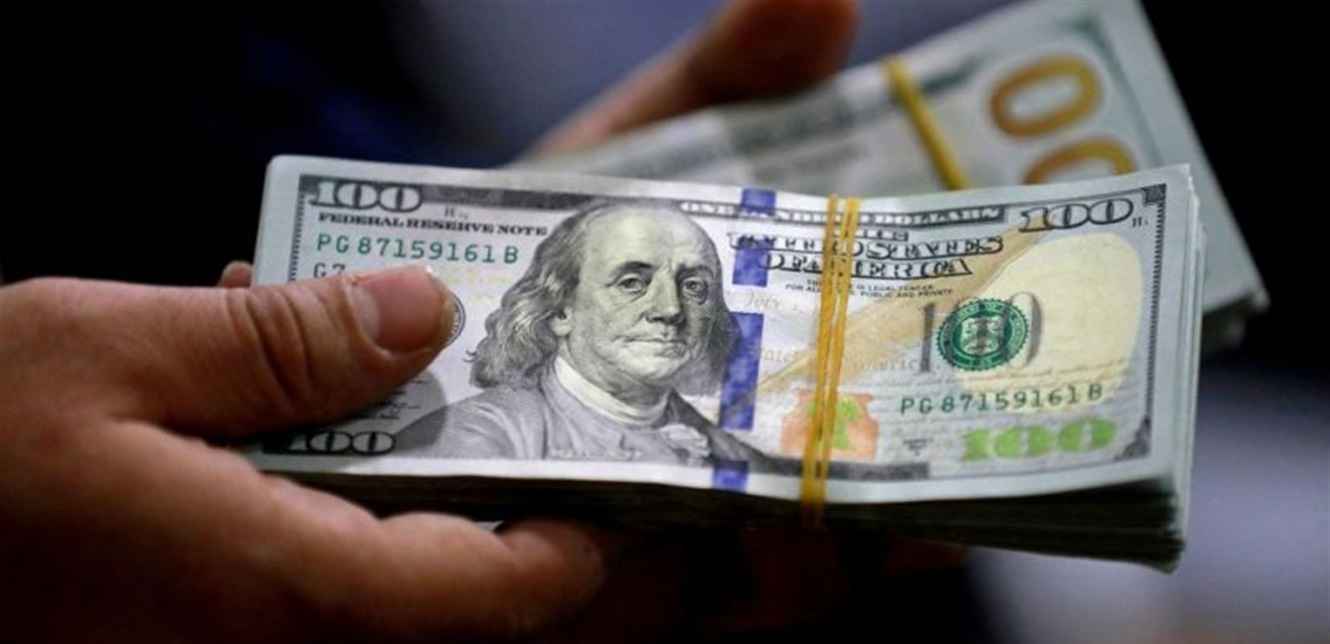
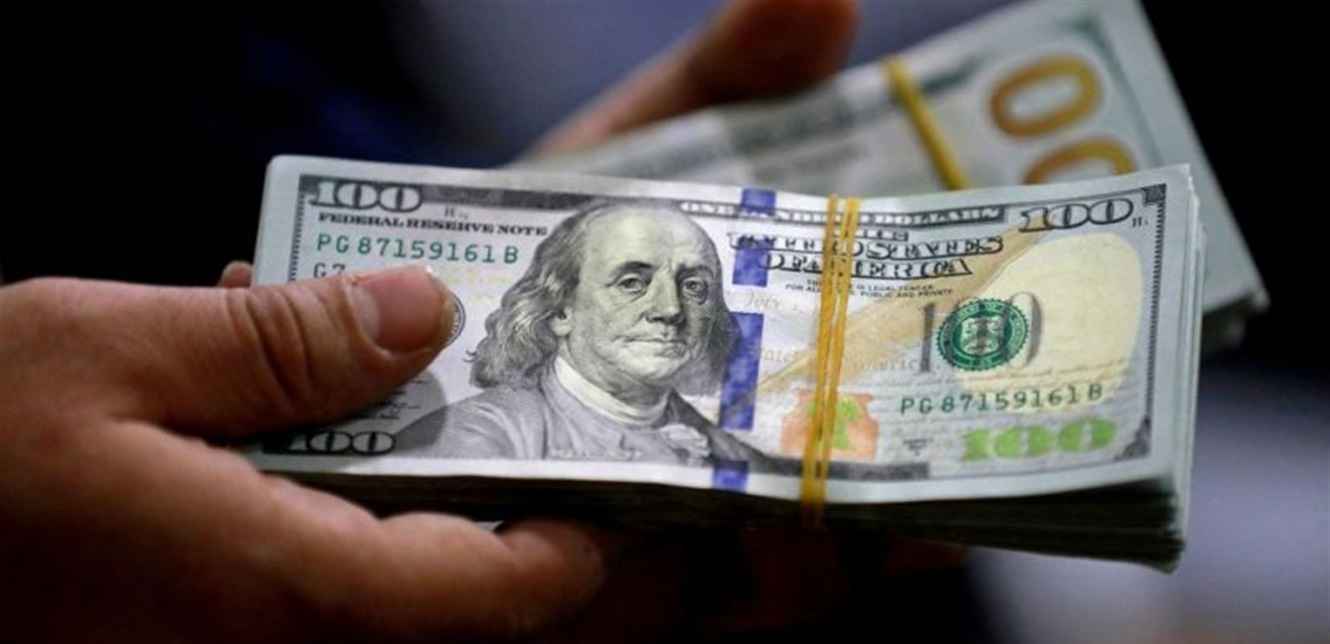
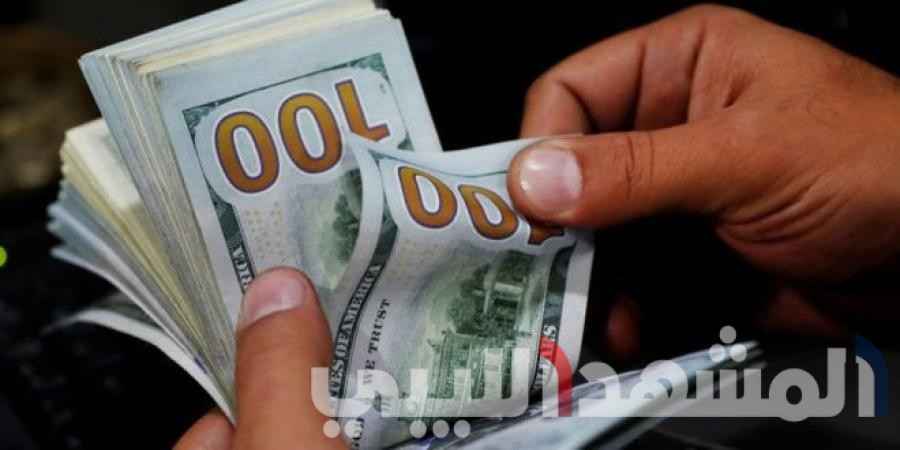
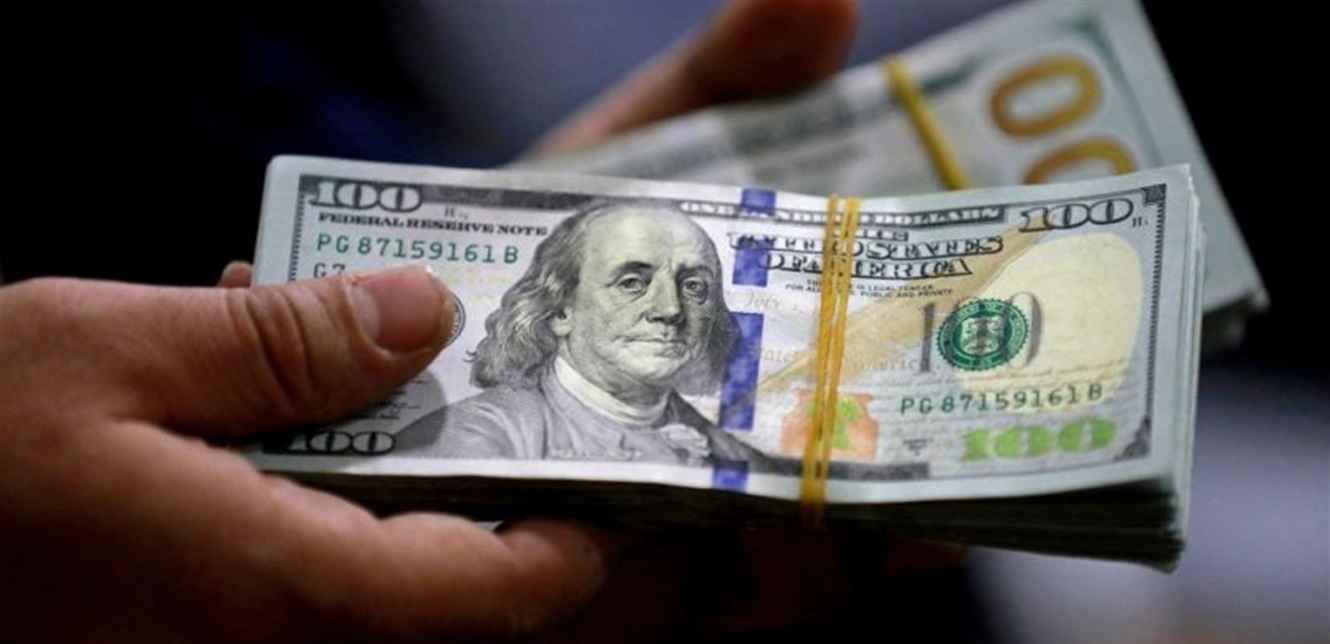
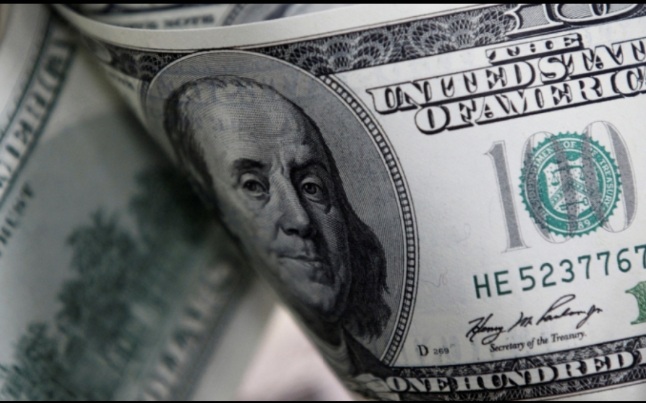
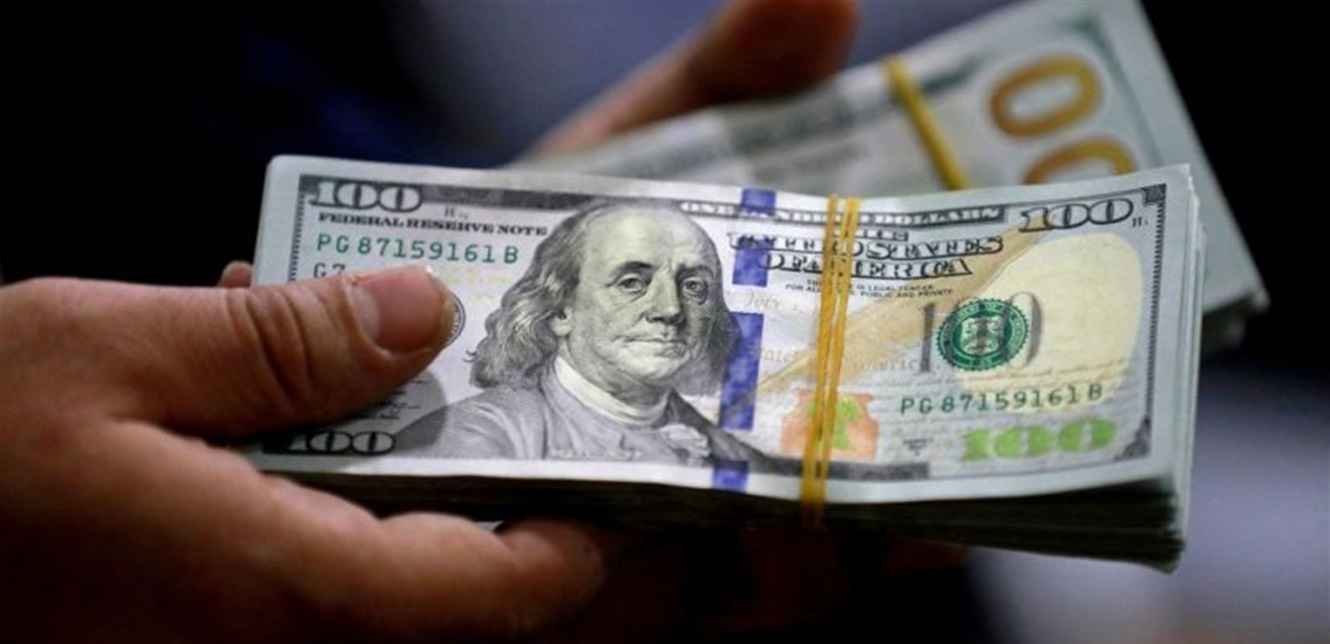
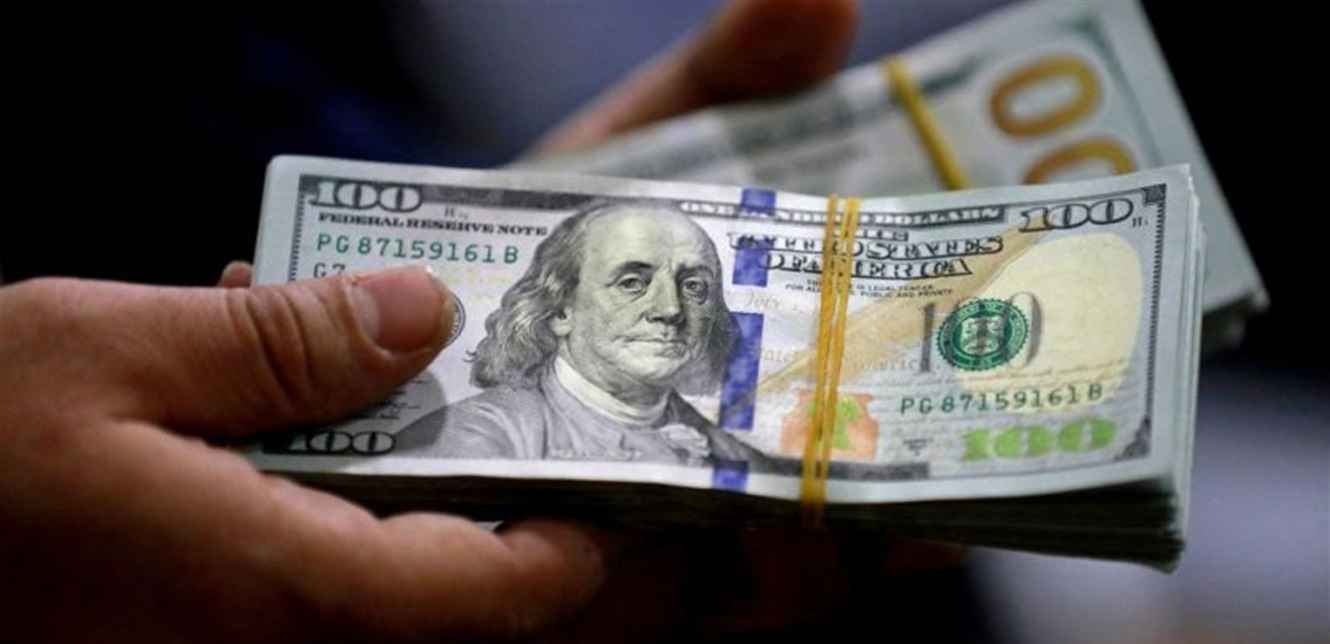
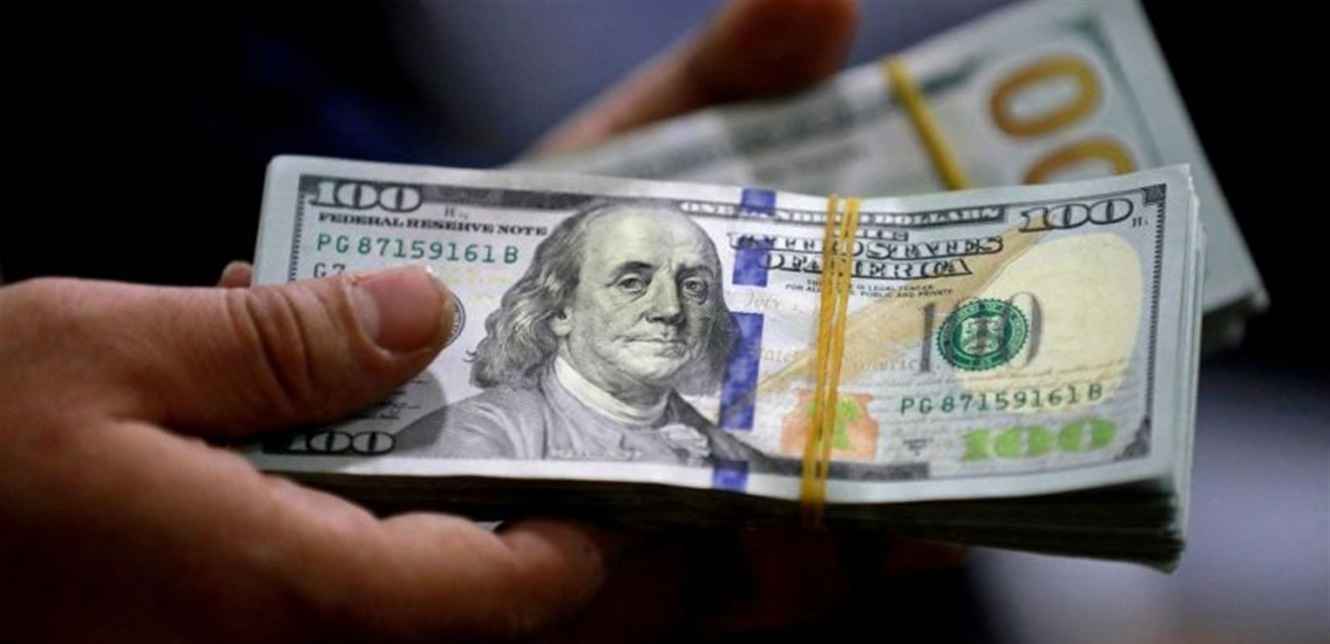
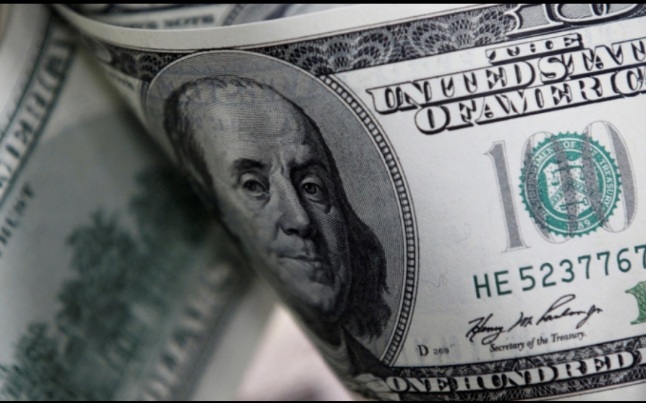
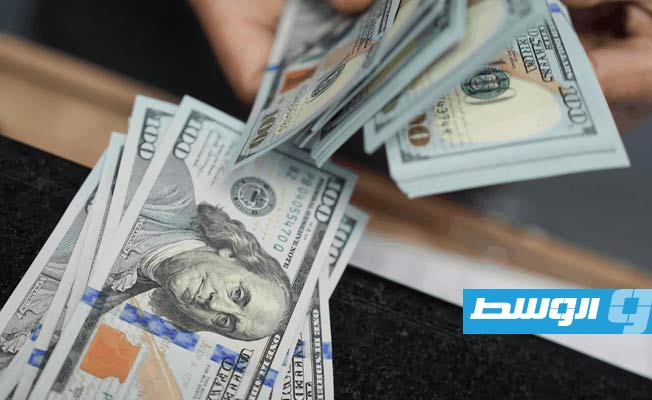
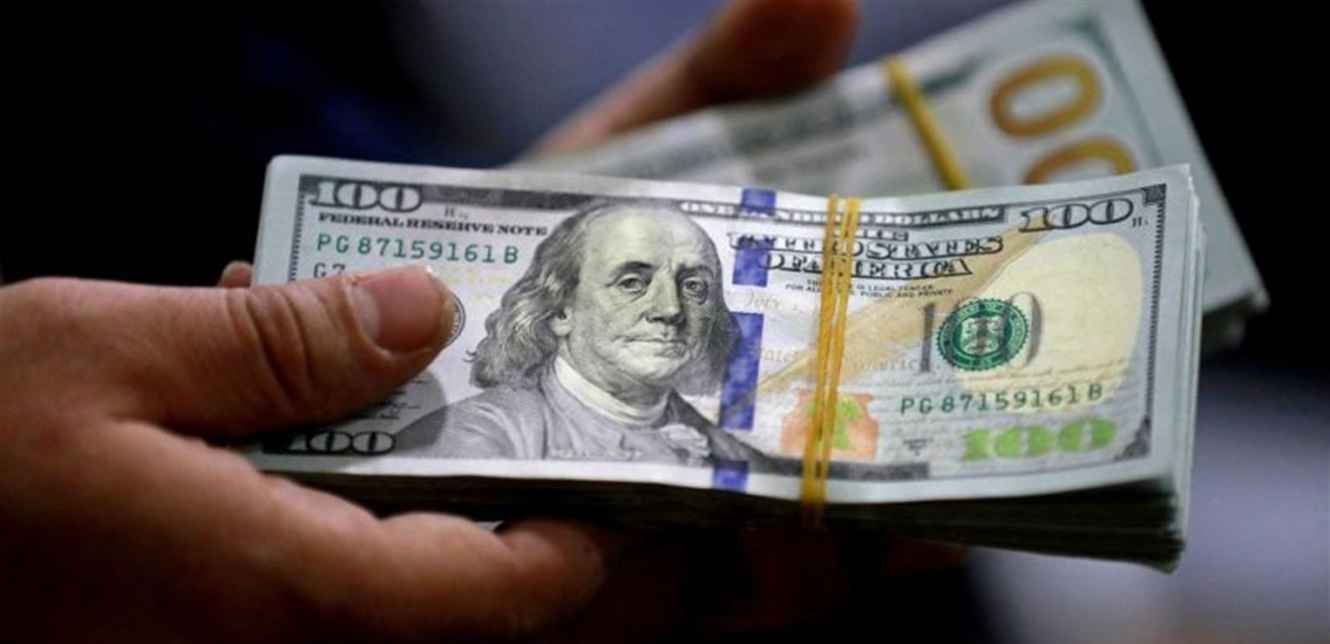
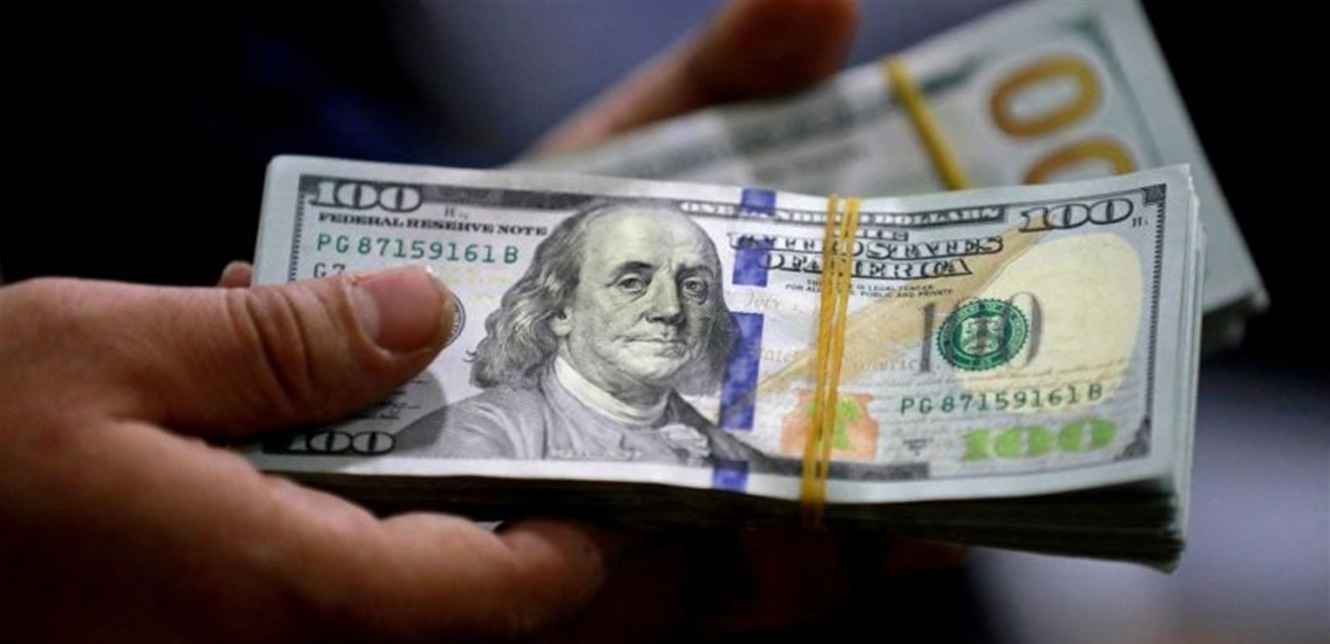
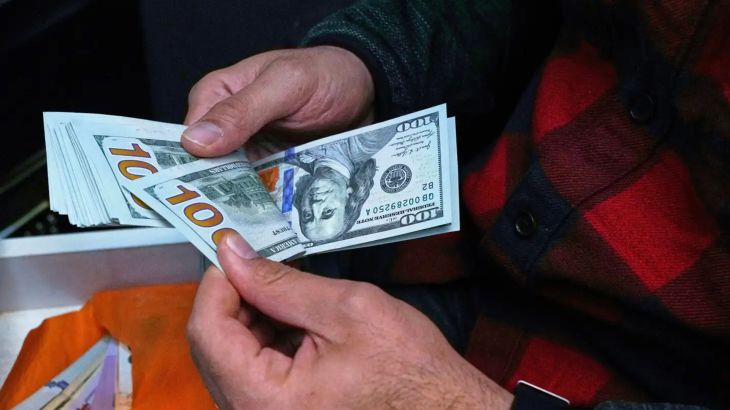
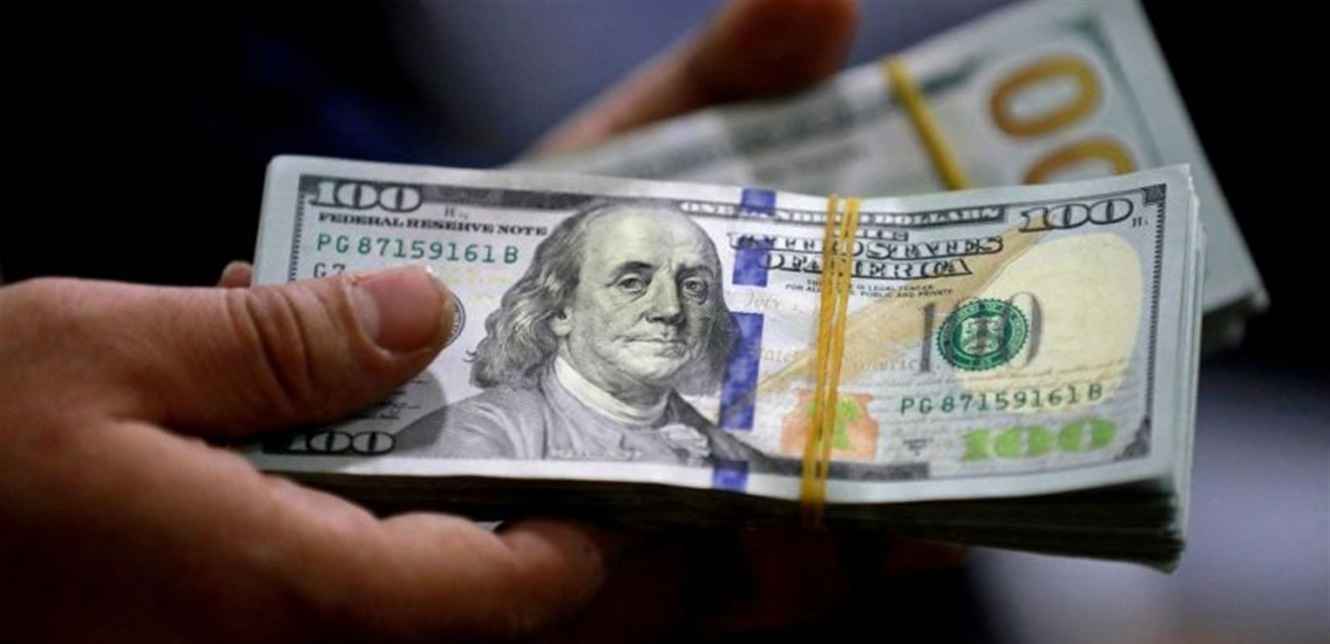
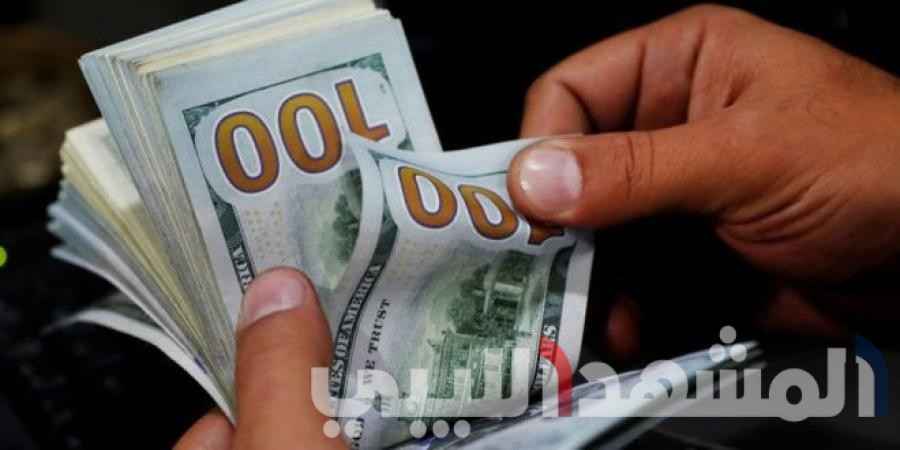
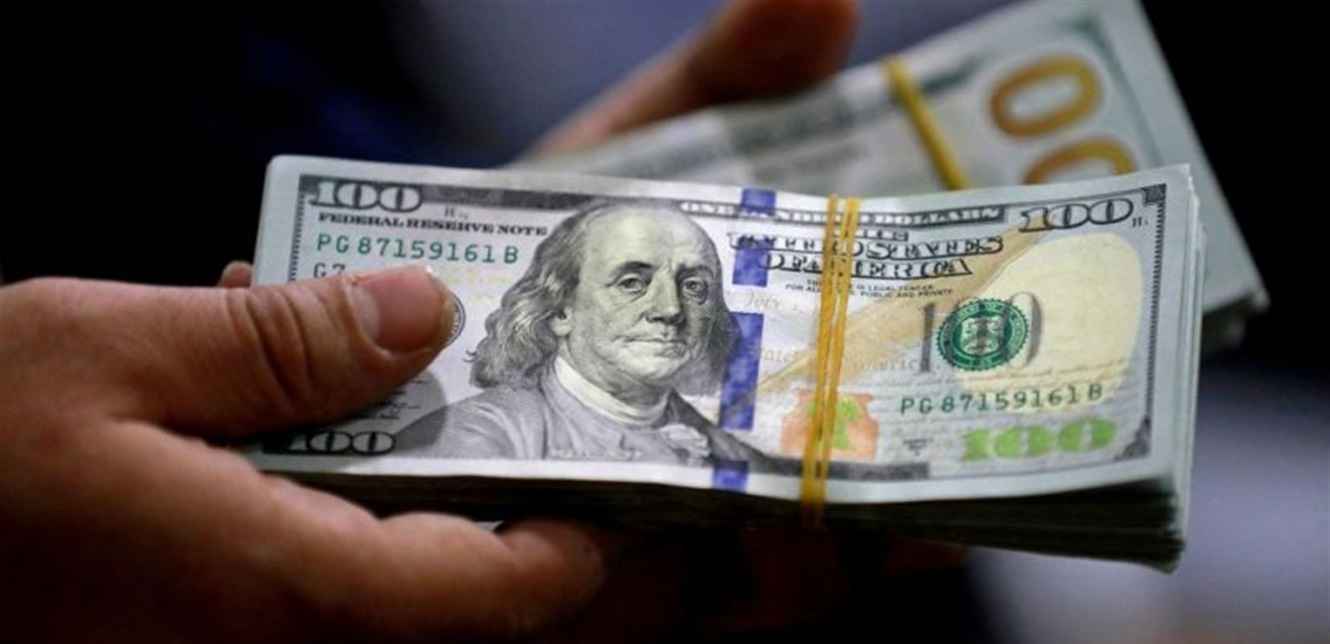
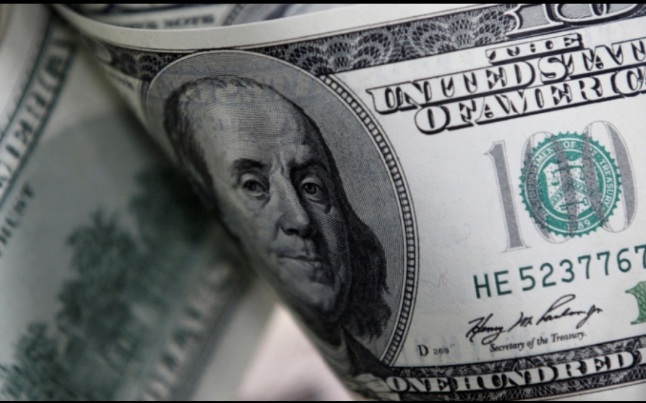
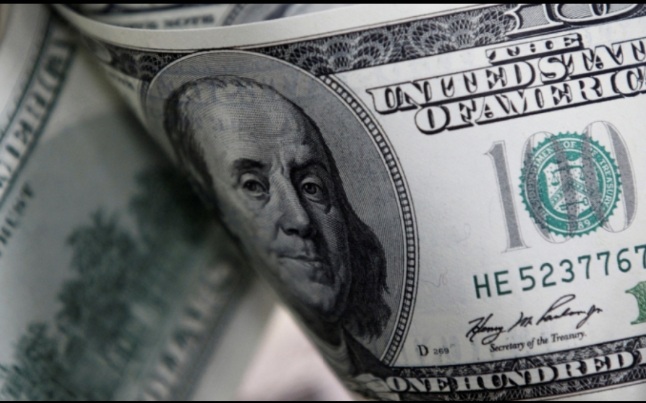
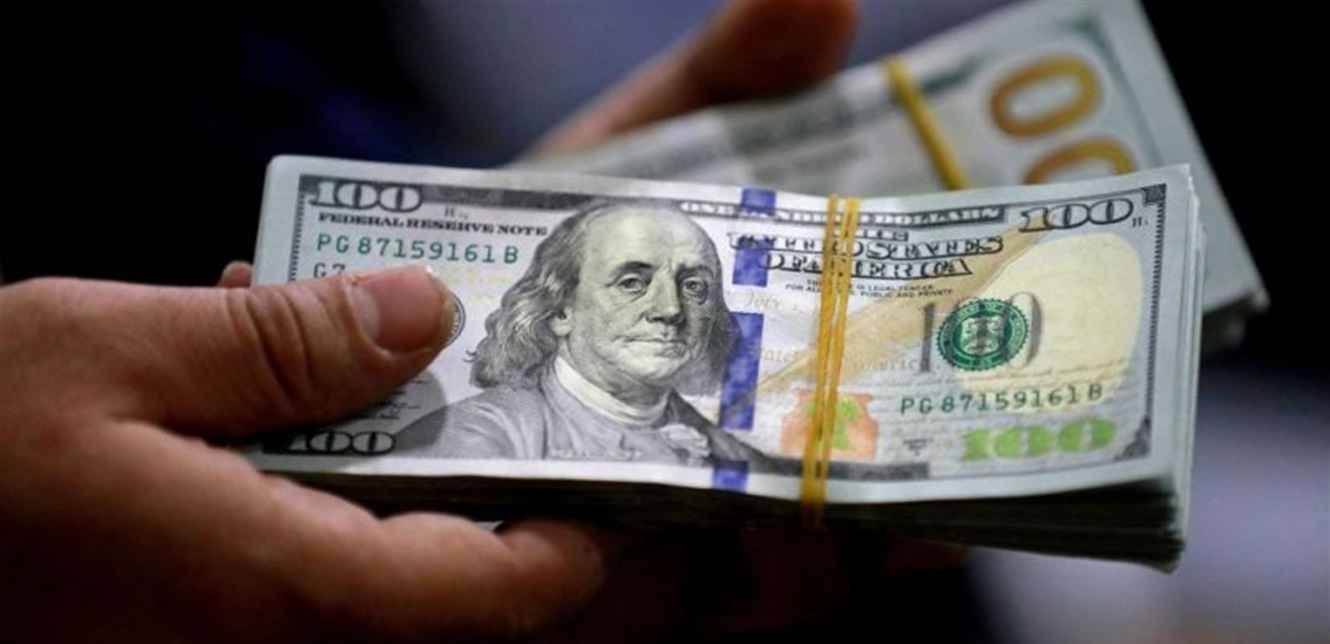
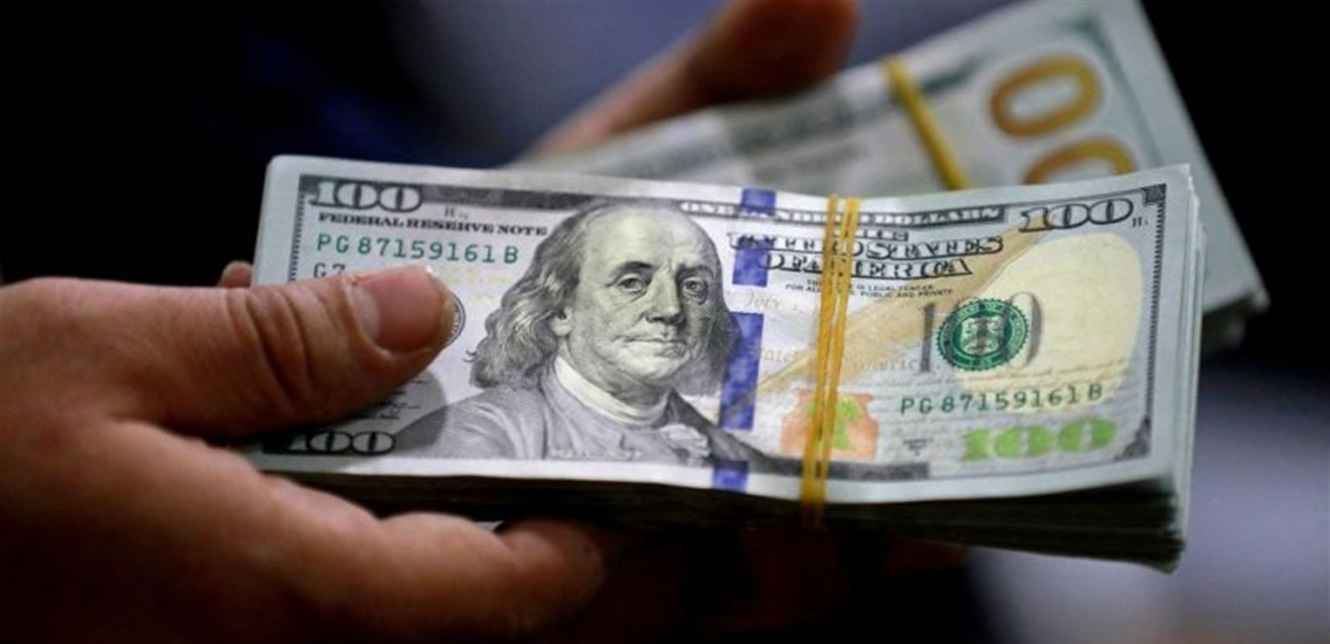
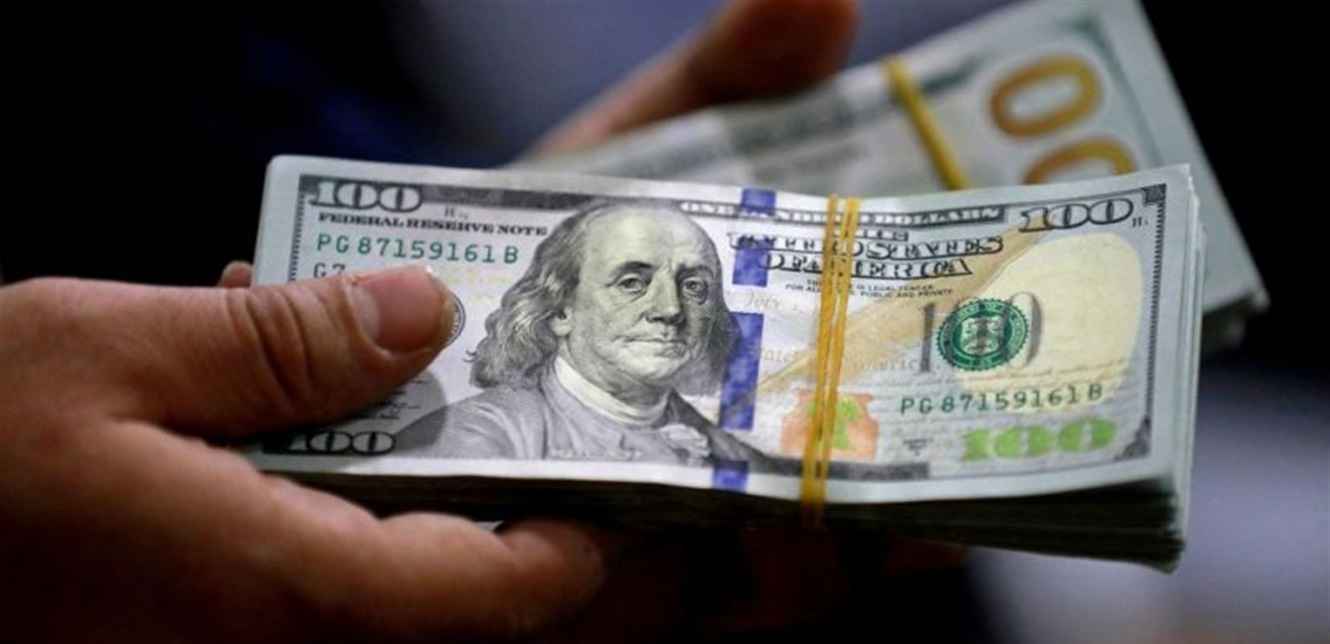
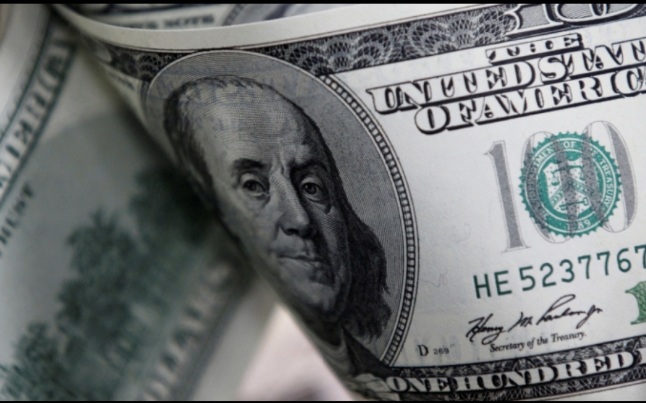
Stacks of dollars coming out of money printing machines at a facility in Texas, USA.
Economic integration and joining a monetary union
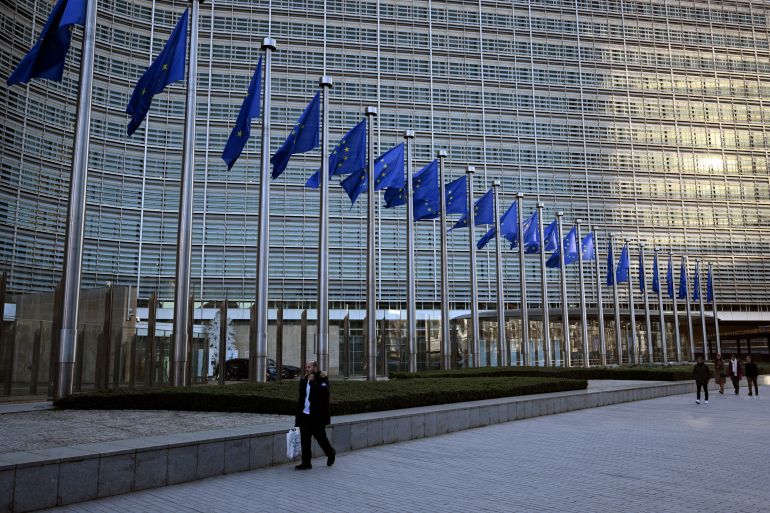
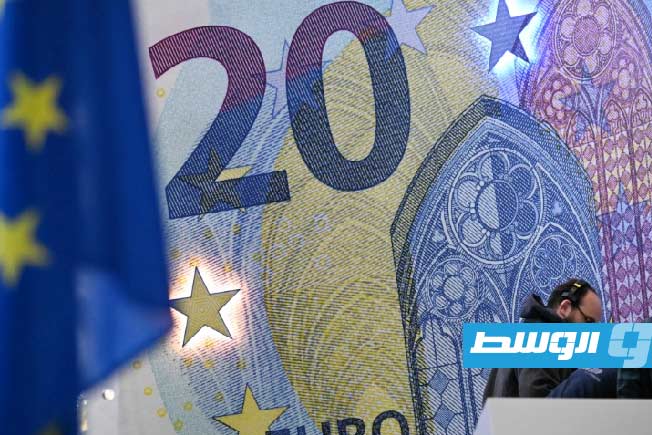
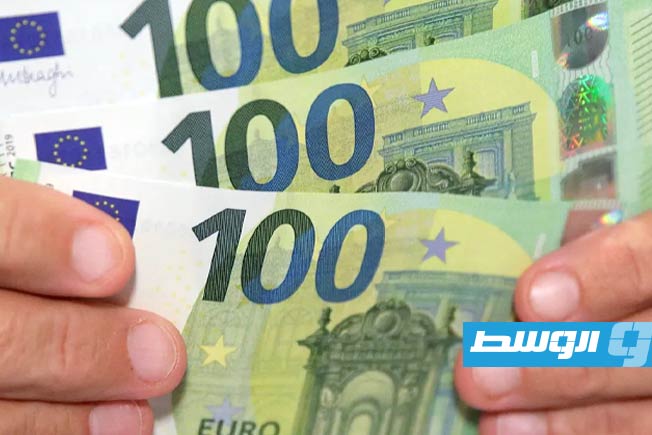
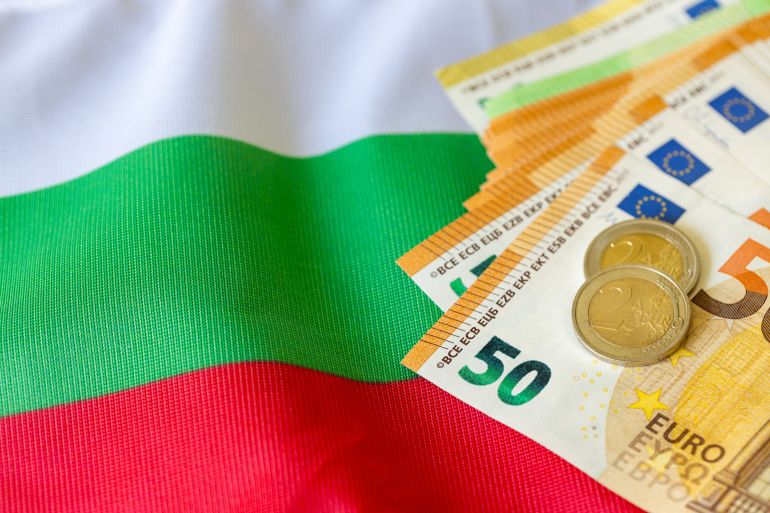
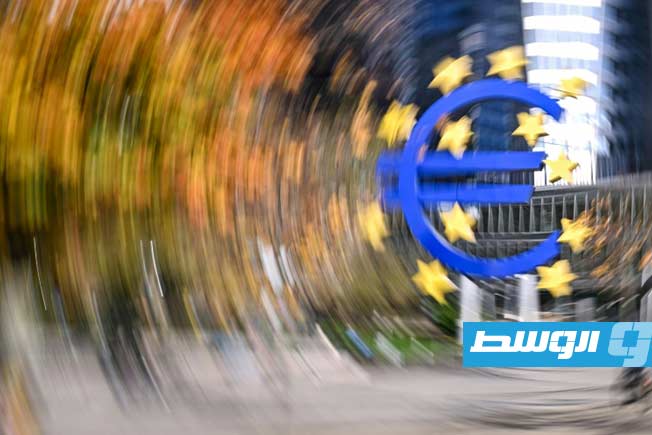
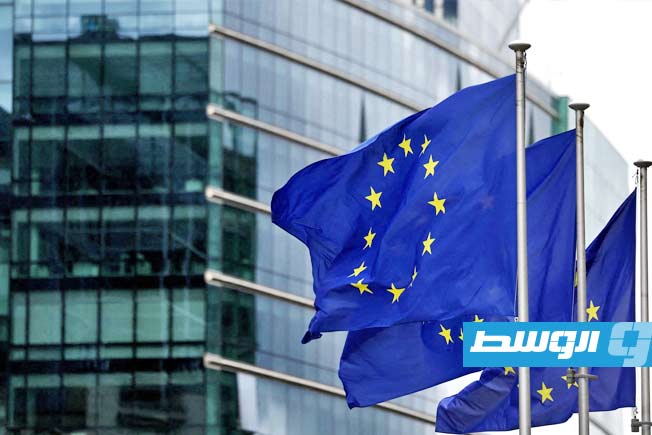
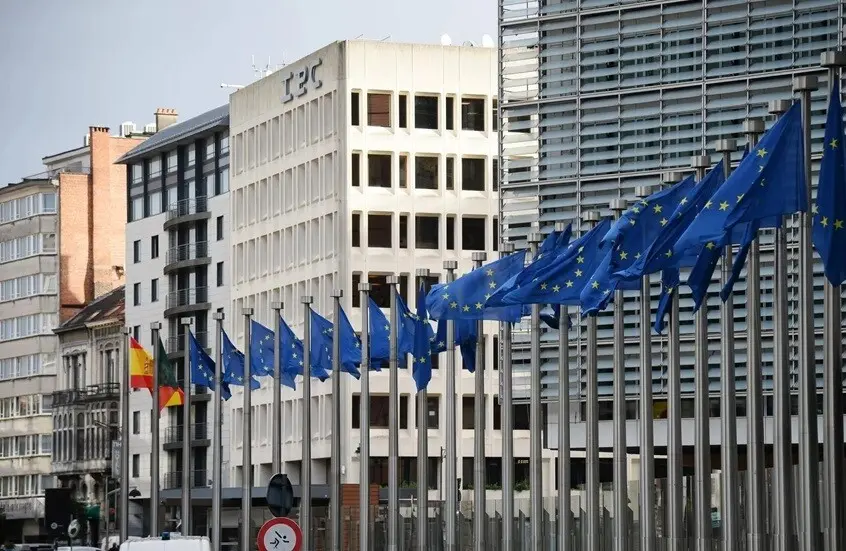
In some cases, the currency system changes as a result of political and economic decisions, such as joining a common monetary union, as happened in the Eurozone countries.
Collapse of the exchange rate system or weakness of the financial system
Chronic problems in the financial system, such as the collapse of the exchange rate or the widespread circulation of a foreign currency within the domestic economy, may lead to reforming the monetary system or adopting a new currency to enhance stability.
Combating counterfeiting and enhancing monetary security
With the development of counterfeiting methods, some countries adopt new currencies equipped with advanced security technologies to protect the monetary system and enhance confidence in the currency.
What is the difference between launching a new currency and printing local currency?
Launching a new national currency refers to replacing the existing currency or introducing a radical change to it. This may include
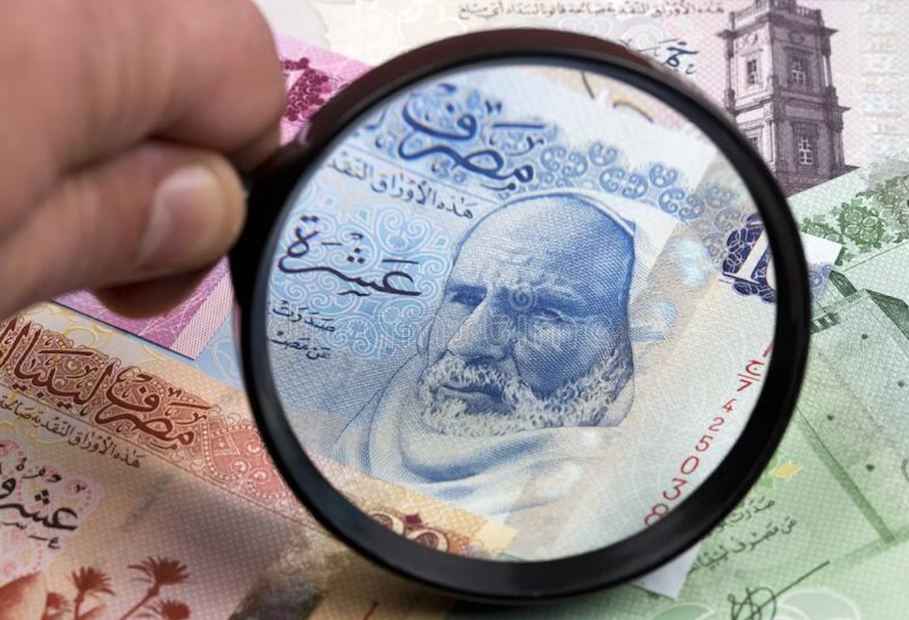
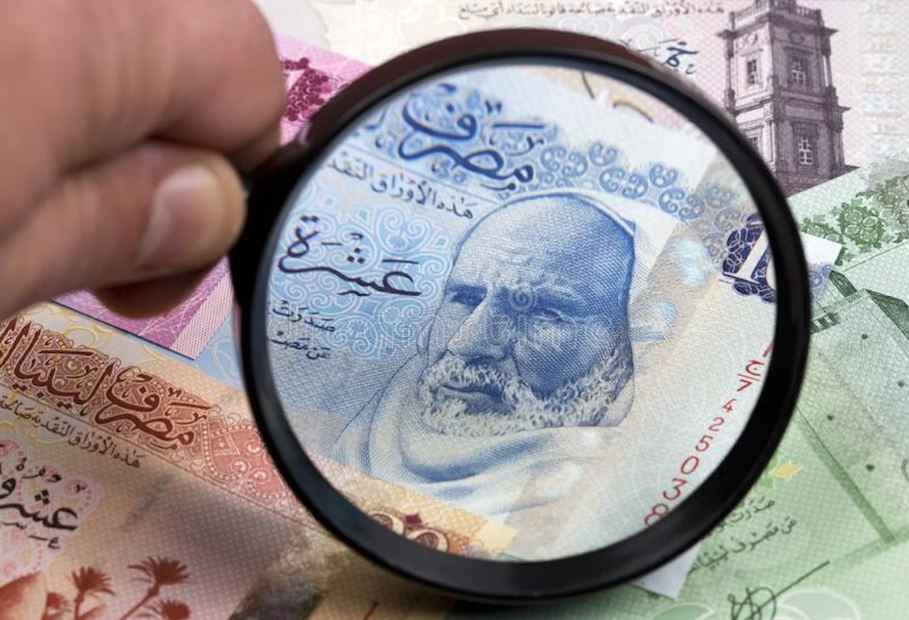
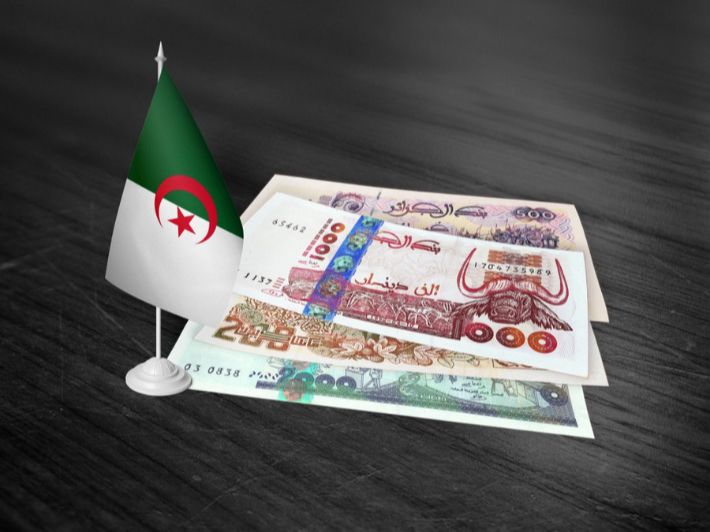
Syrian Lira
The Syrian lira is the official currency of Syria, introduced in 1919 during the French Mandate period to replace the Ottoman lira. It has undergone significant devaluation, especially during the ongoing Syrian civil war, which has severely impacted its value and the country’s economy.
Syria
Syria is a country in the Middle East with a rich history as one of the world’s oldest centers of civilization, home to ancient cities like Damascus and Aleppo. Its historical significance includes being part of numerous empires, from the Romans and Byzantines to the Umayyad Caliphate, which established Damascus as its capital in the 7th century. The country has faced significant challenges in recent years due to a complex and ongoing civil war that began in 2011.
Assad
Assad is a surname most prominently associated with Hafez al-Assad and his son Bashar al-Assad, who have successively led Syria as presidents since 1971. The family’s rule, originating from the minority Alawite sect, has been defined by the authoritarian Ba’athist government, involvement in regional conflicts, and the ongoing Syrian Civil War that began in 2011.
Arab
“Arab” is not a specific place or cultural site but refers broadly to the Arab world, a region encompassing numerous countries across the Middle East and North Africa united by the Arabic language and shared cultural heritage. Its history is deeply rooted in the spread of Islam from the 7th century onward, which facilitated the expansion of the Arabic language and the flourishing of a rich civilization known for advancements in science, mathematics, and the arts.
Islamic
“Islamic” is a broad term referring to the religion of Islam and its associated cultures, rather than a specific place or site. Historically, it encompasses the civilization that emerged from the Arabian Peninsula in the 7th century CE, following the revelations to the Prophet Muhammad, and which rapidly expanded across three continents. This civilization produced numerous significant cultural sites, such as the Kaaba in Mecca, the Al-Aqsa Mosque in Jerusalem, and the architectural wonders of Alhambra in Spain.
Nigerian naira
The Nigerian naira is the official currency of Nigeria, introduced in 1973 to replace the Nigerian pound. Its history is marked by periods of stability and significant devaluation, largely influenced by the country’s dependence on oil exports and subsequent economic challenges.
us dollar
The United States dollar is the official currency of the United States, established by the Coinage Act of 1792. It has evolved from a system based on precious metals to a global fiat reserve currency, underpinning much of the world’s financial transactions.
Turkmenistan
Turkmenistan, located in Central Asia, is known for its ancient history as part of the Silk Road and the Parthian Empire. Its modern cultural sites include the ancient city of Merv, a UNESCO World Heritage site, and the capital Ashgabat, famous for its extensive white marble buildings.
Eurozone
The Eurozone is a monetary union of 20 European Union member states that have adopted the euro as their sole official currency. It was established in 1999 with 11 founding members, creating a common monetary policy managed by the European Central Bank to foster economic integration and stability.
Fort Worth
Fort Worth is a major city in Texas that originated as an army outpost in 1849, established to protect settlers along the Trinity River. It later grew into a central hub for the cattle industry along the Chisholm Trail, earning it the nickname “Cowtown.” Today, it is known for its historic stockyards district, world-class museums, and vibrant cultural scene.
Texas
Texas is a state in the southern United States with a distinct cultural identity shaped by its history as an independent republic from 1836 to 1845. Its heritage includes significant Native American, Spanish, Mexican, and cowboy influences, with its economy historically rooted in cattle, cotton, and later oil.
USA
The United States of America is a federal republic founded in 1776 after declaring independence from Great Britain. It grew from thirteen original colonies into a global superpower, with a history shaped by westward expansion, immigration, and struggles for civil rights. Its diverse culture is a product of its indigenous populations and waves of immigration from around the world.