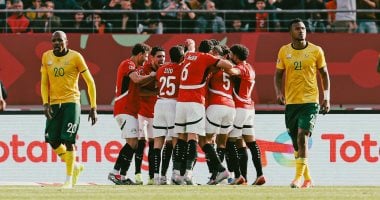
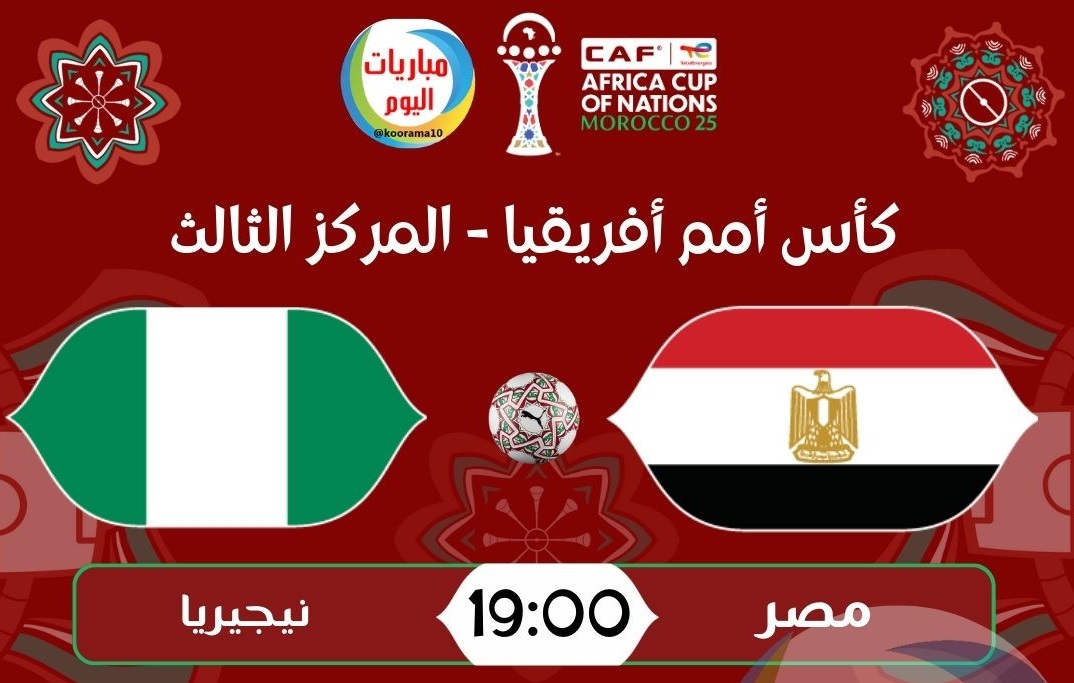
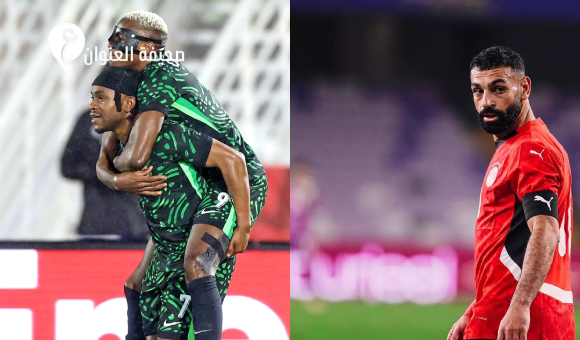
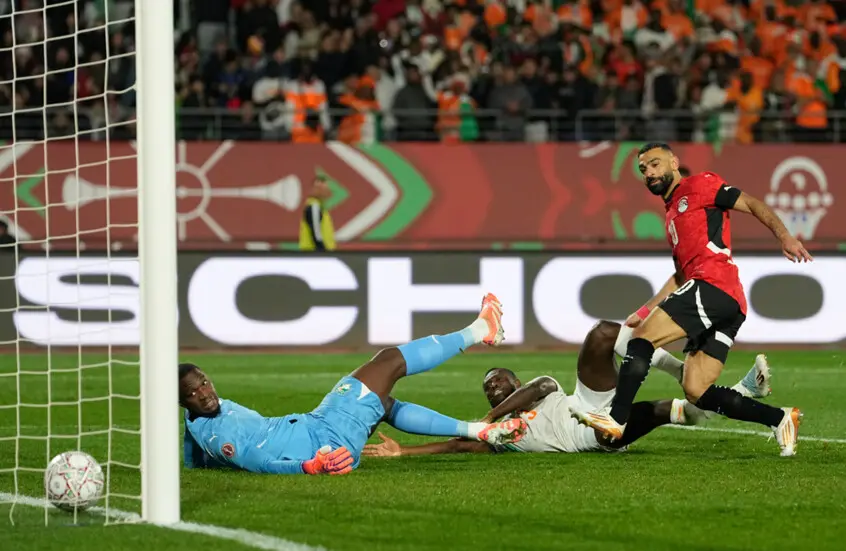
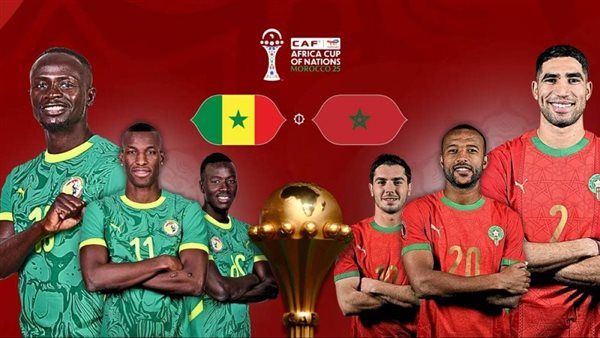
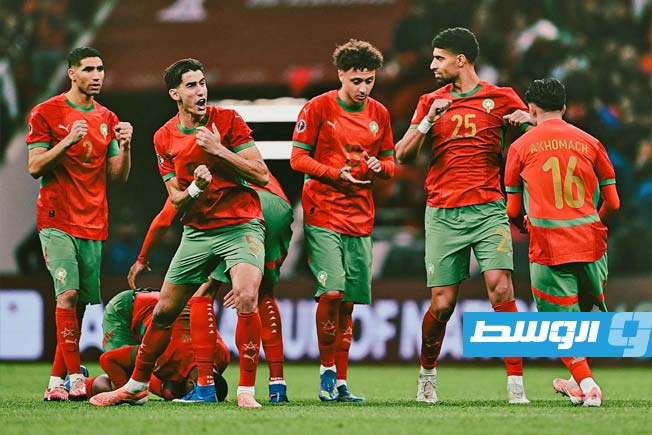
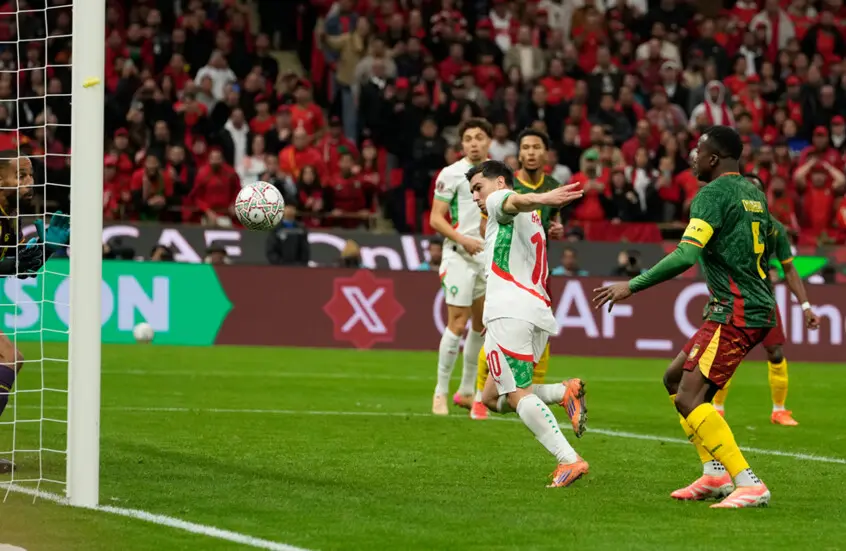
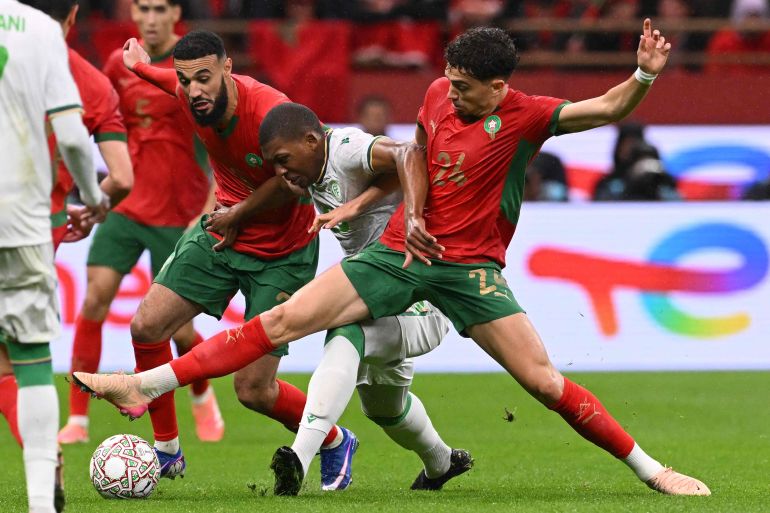
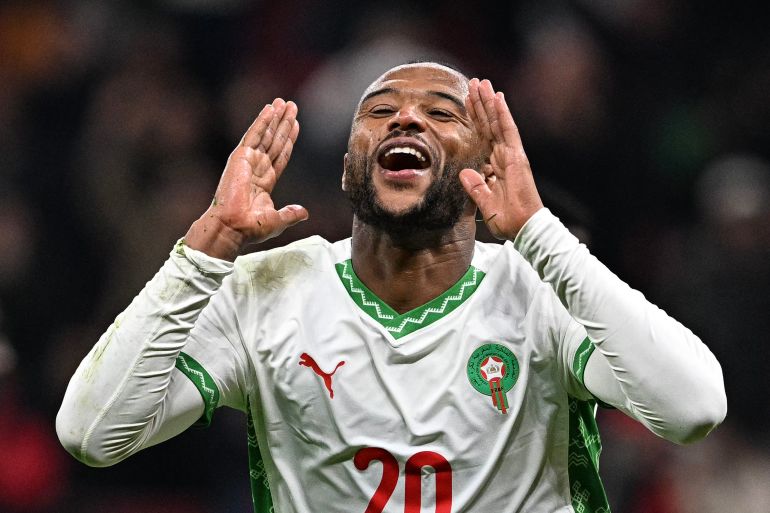
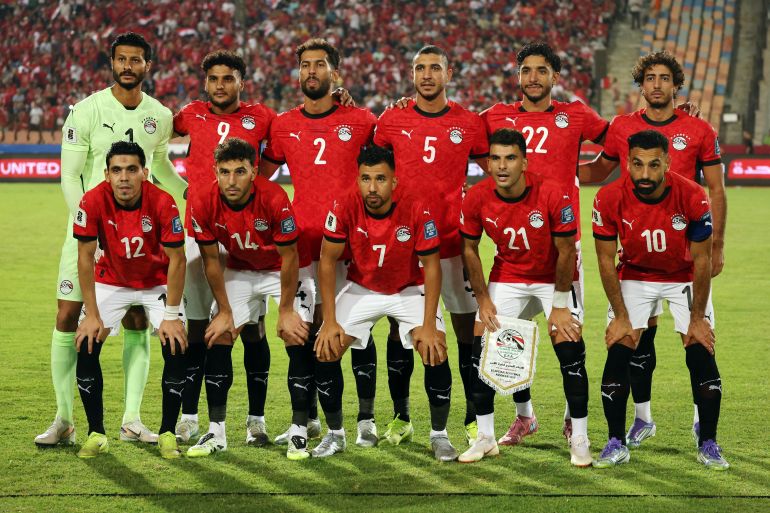
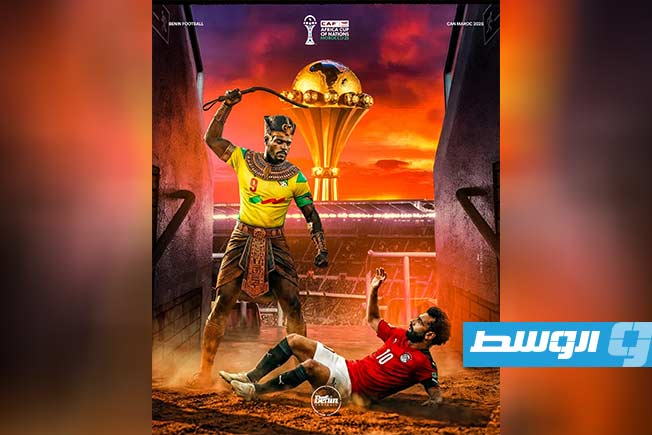
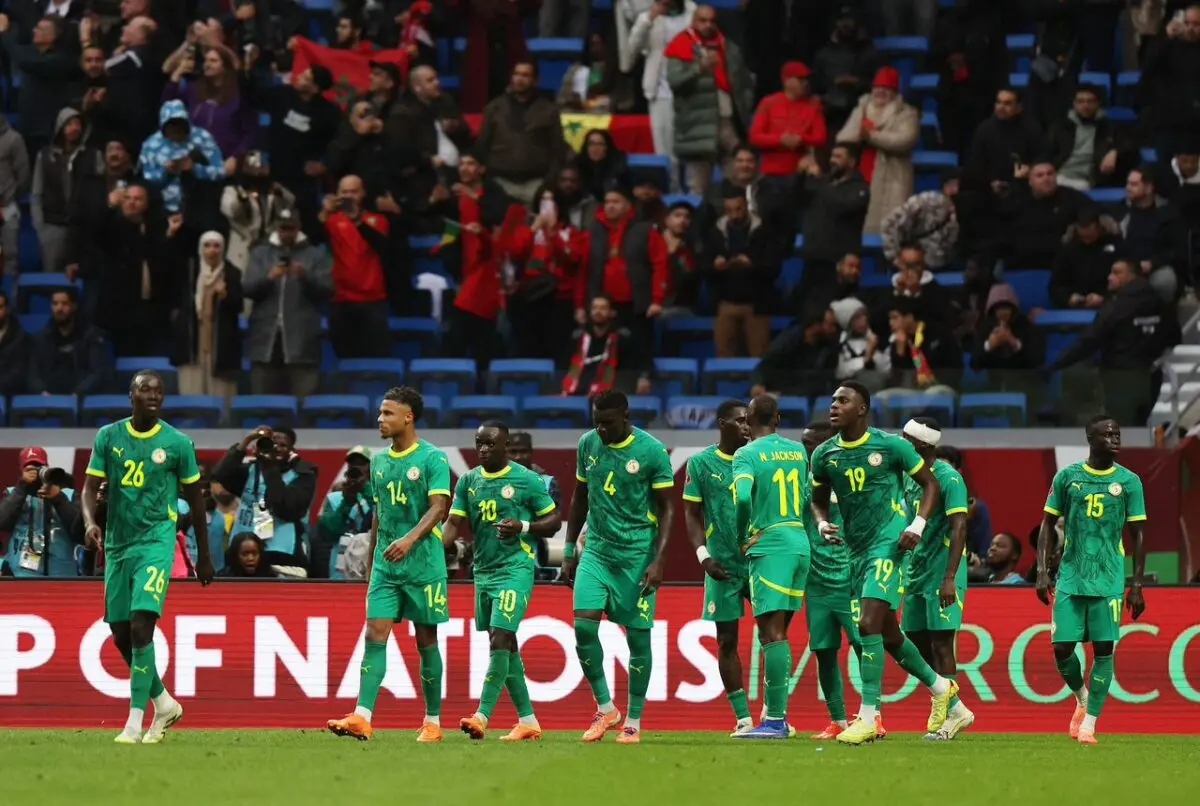
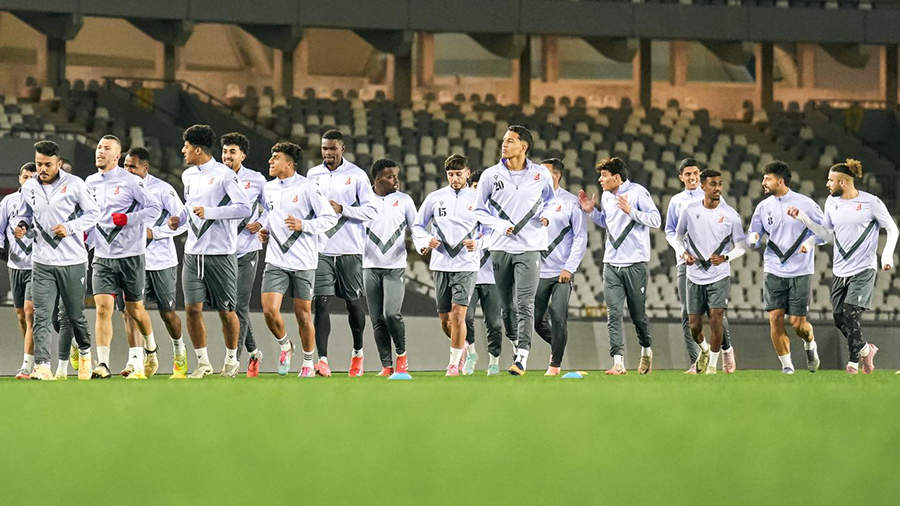
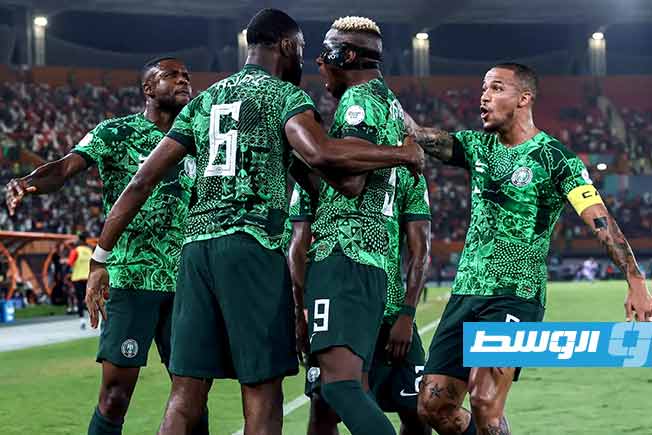
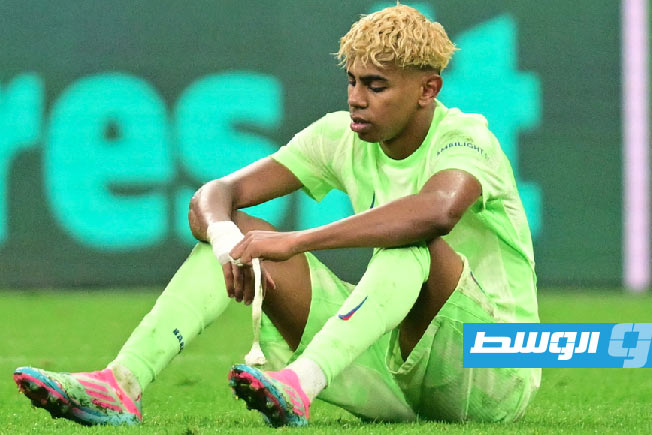
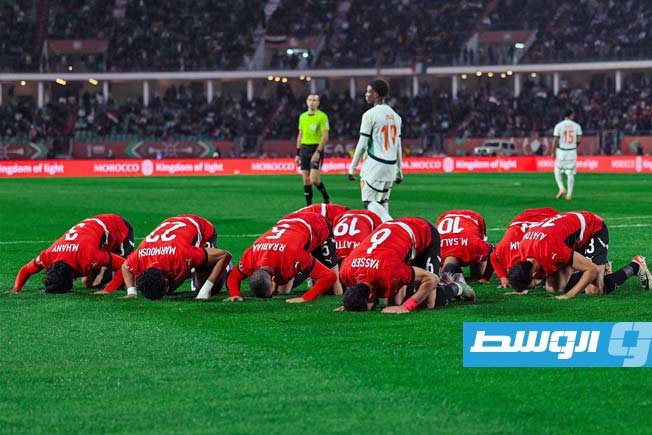
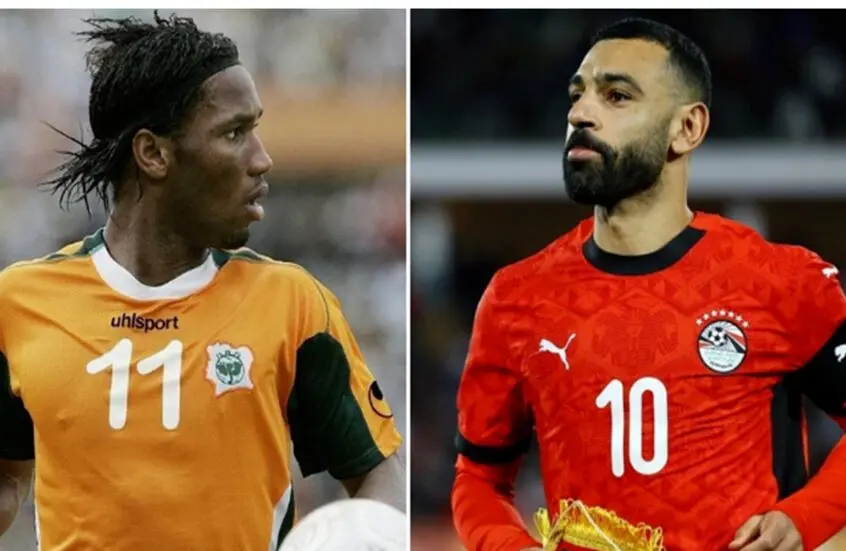
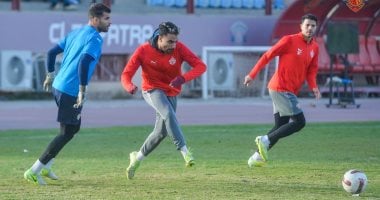
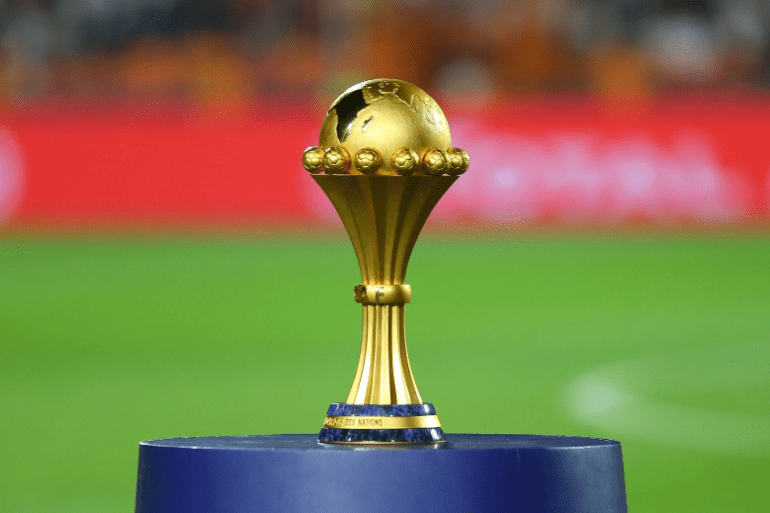
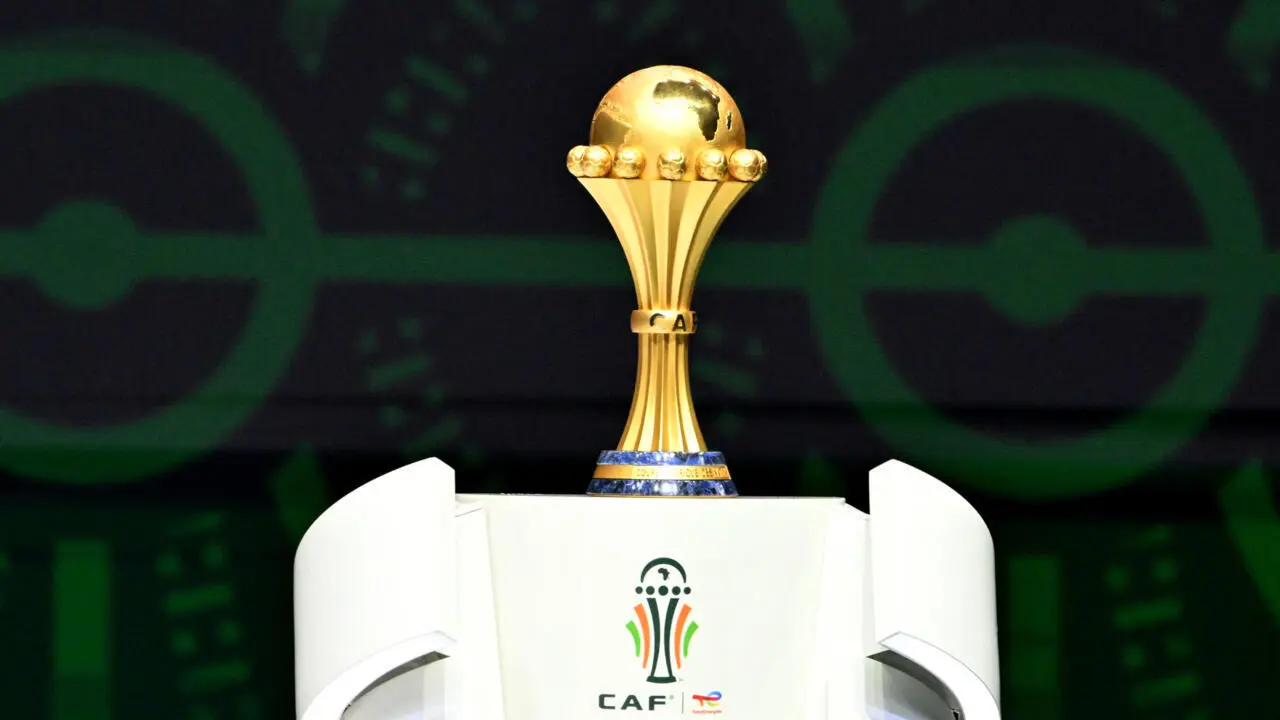
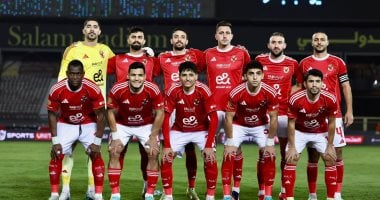
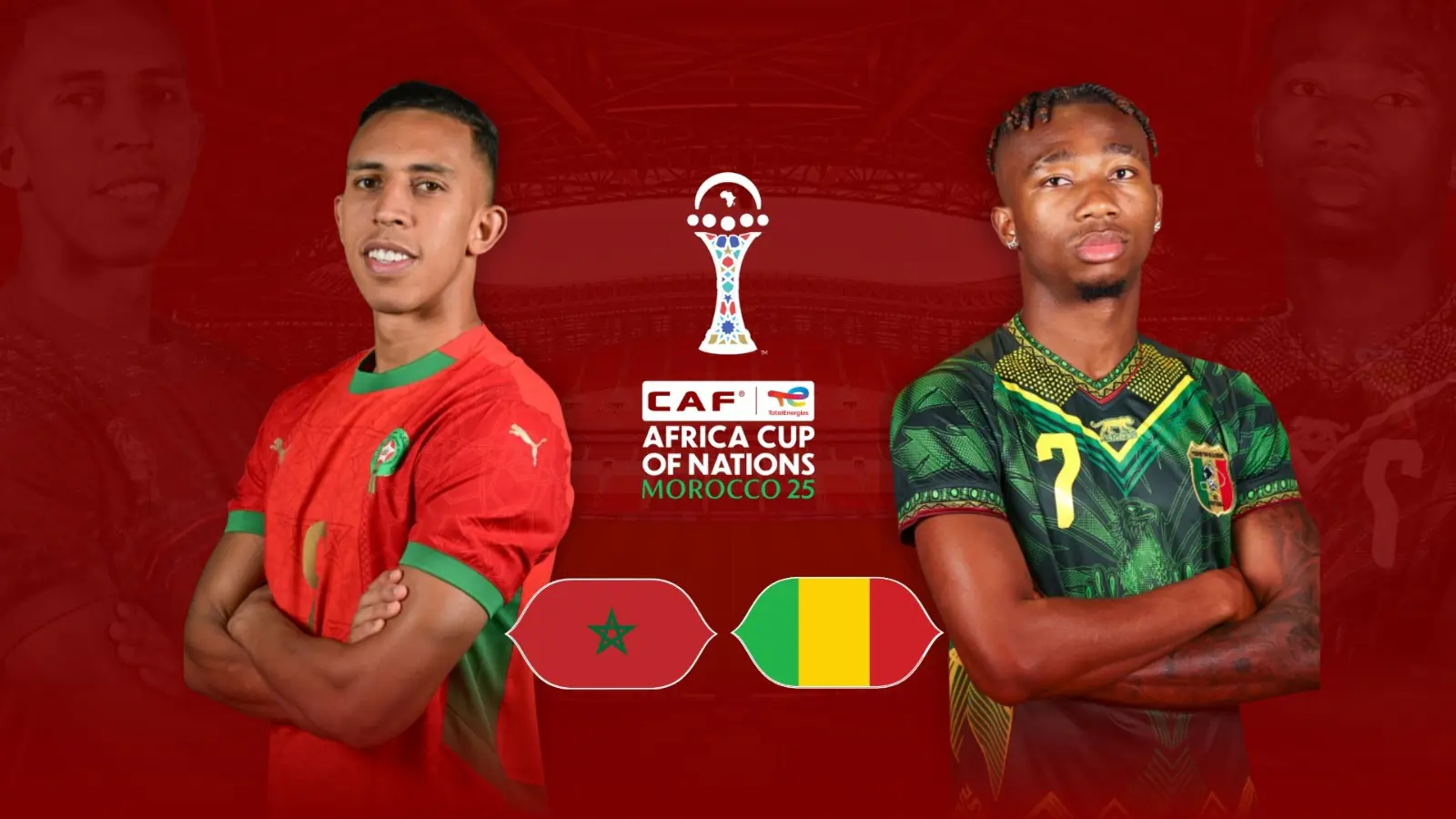
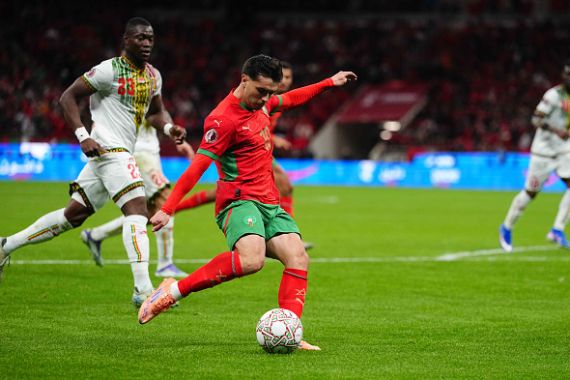
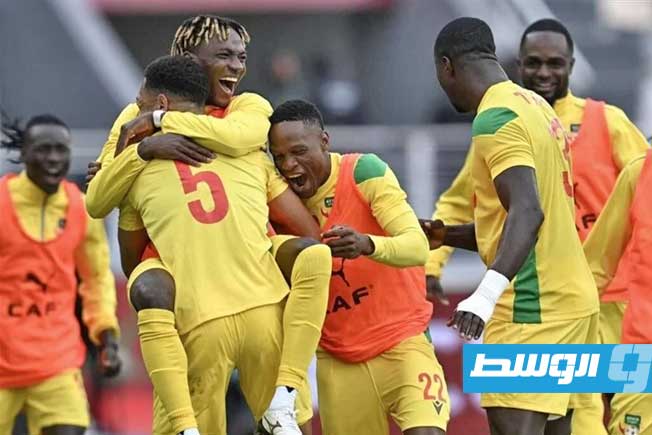
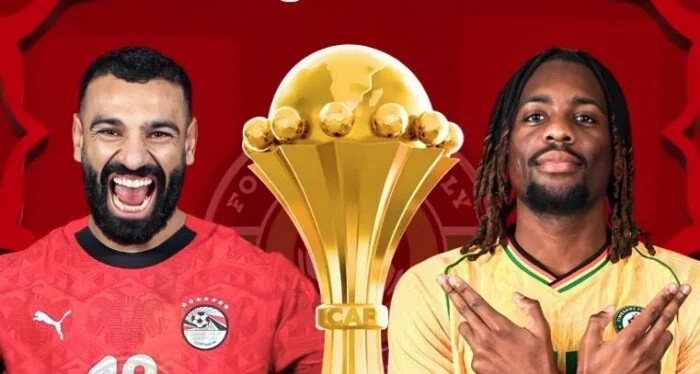
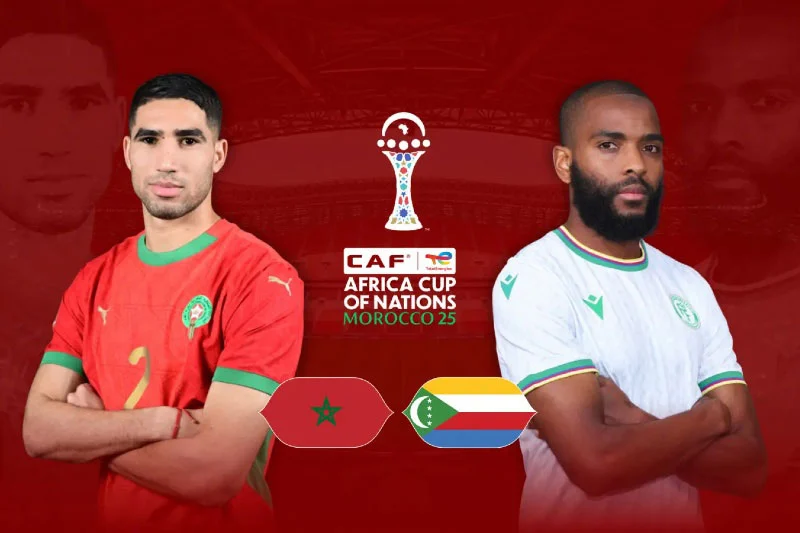
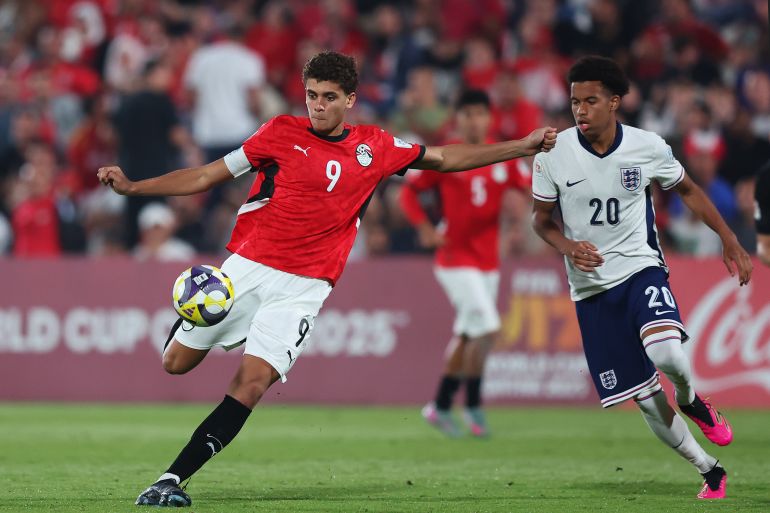
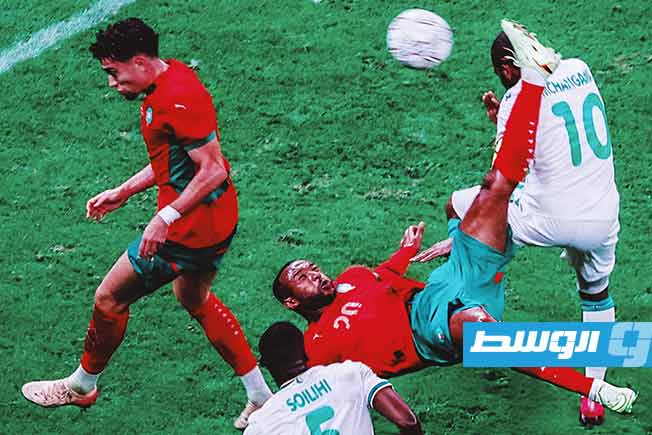
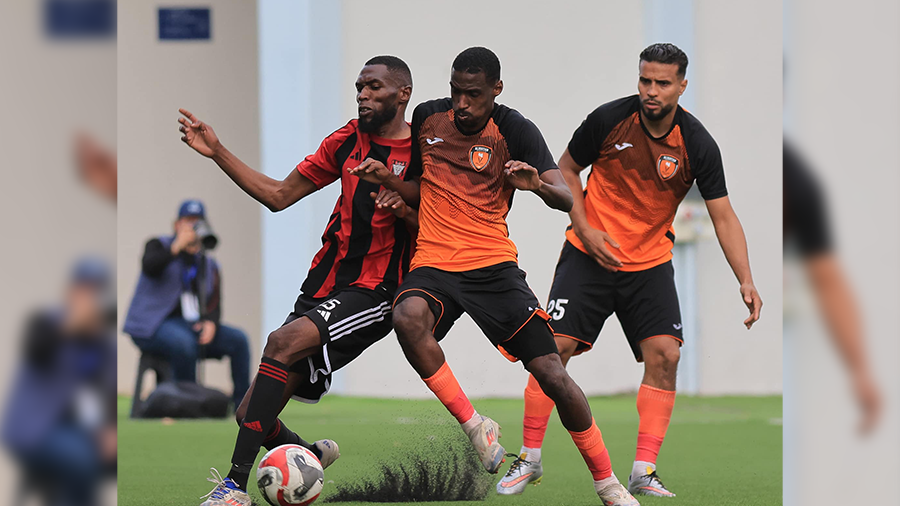
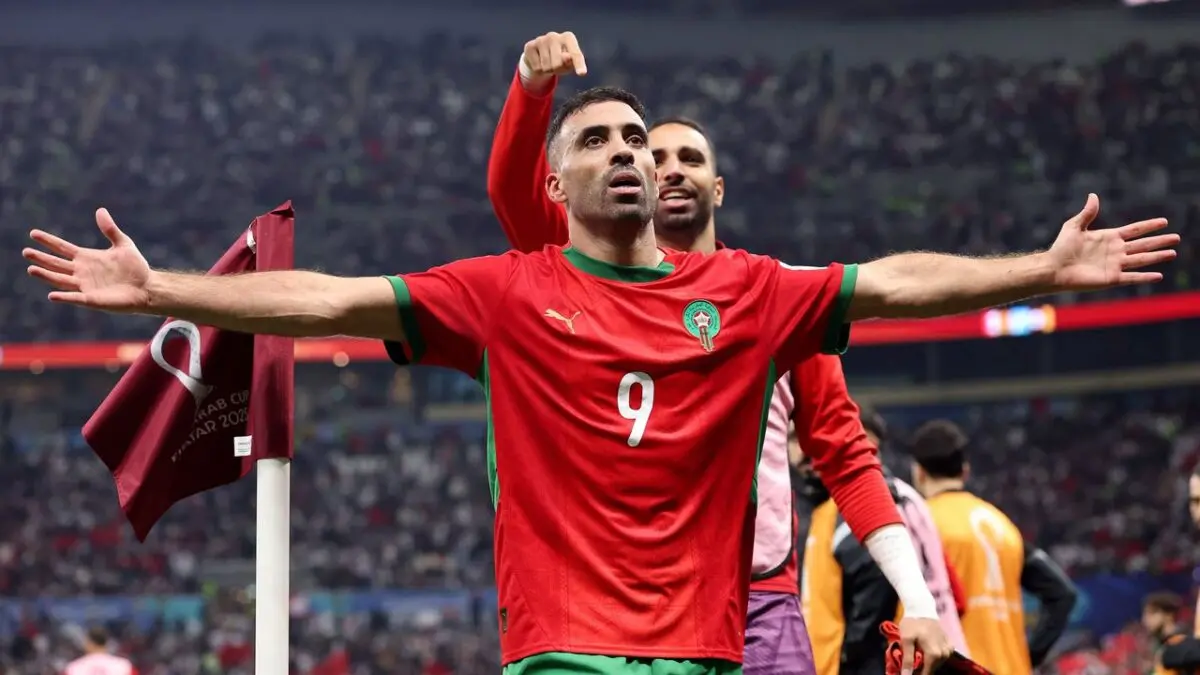
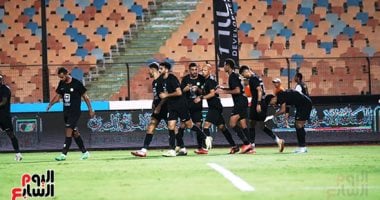
A sports correspondent has revealed that the Egyptian national team is planning to make 5 or 6 changes to the starting lineup for the upcoming match against Angola. This match is part of the third round of the group stage in the 2025 Africa Cup of Nations, which is being held in Morocco.
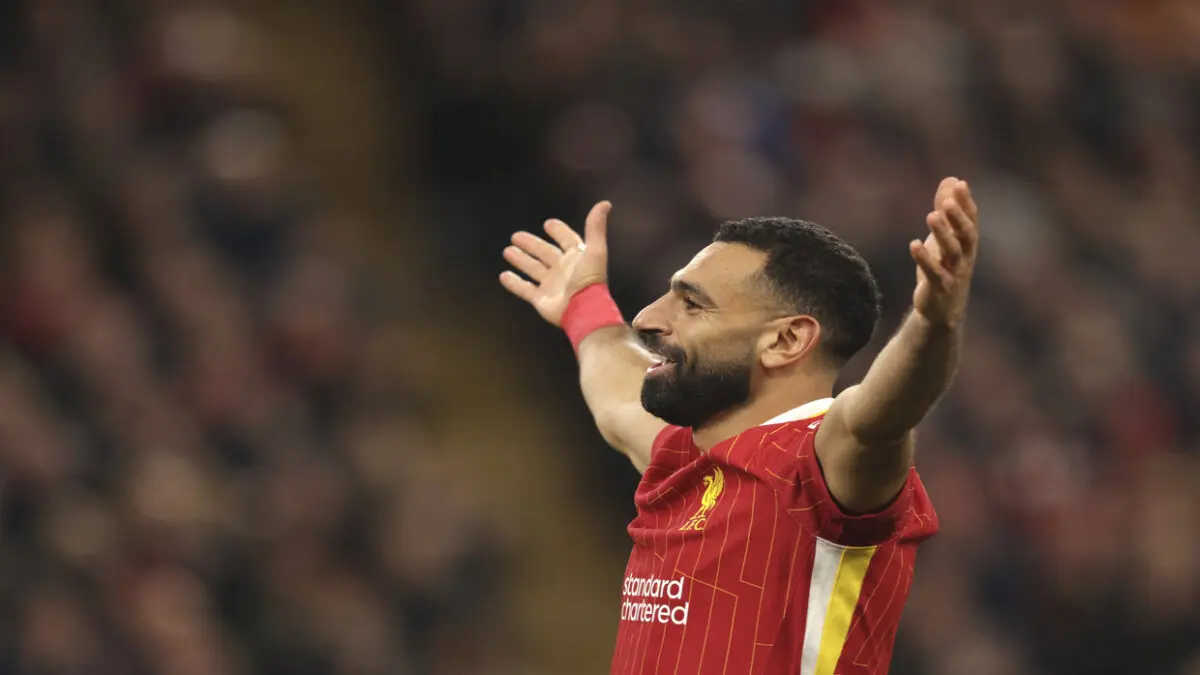
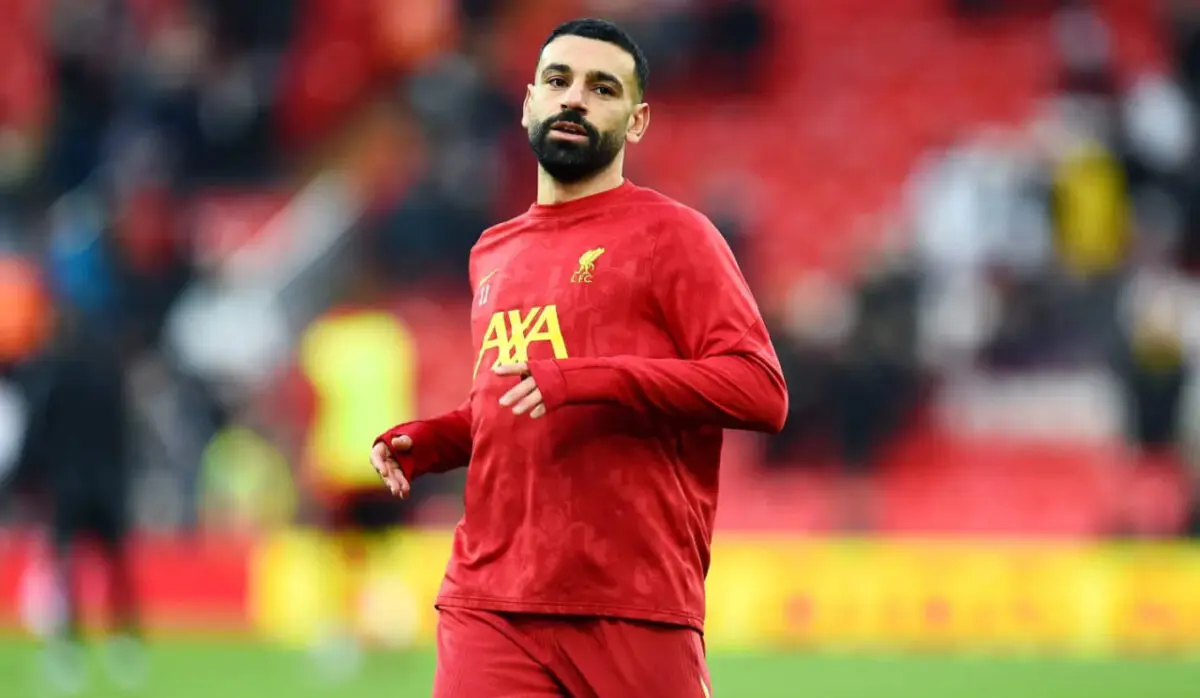
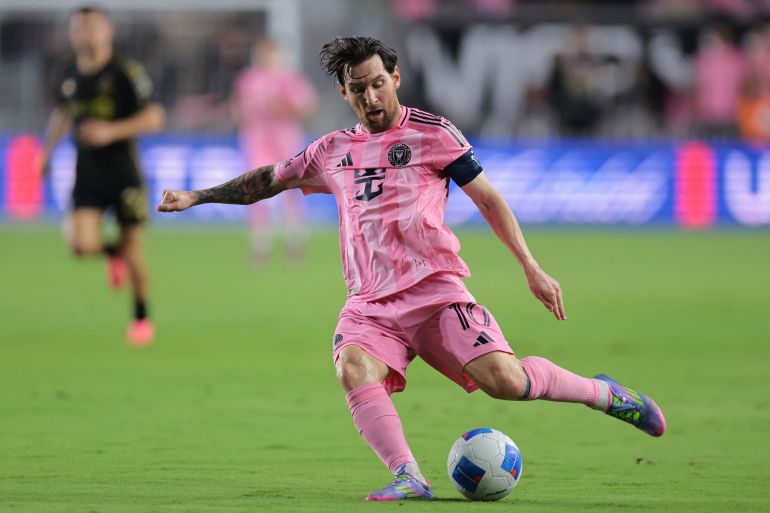
The technical staff is considering resting several key players, including team captain Mohamed Salah, during the Angola match. This decision is due to the demanding match schedule and concerns about player fatigue.
There is also a prevailing inclination within the technical staff to rest Marwan Attia as part of a player rotation plan. This aims to maintain the team’s physical readiness ahead of the tournament’s knockout stages.
Egypt National Team in White Tomorrow
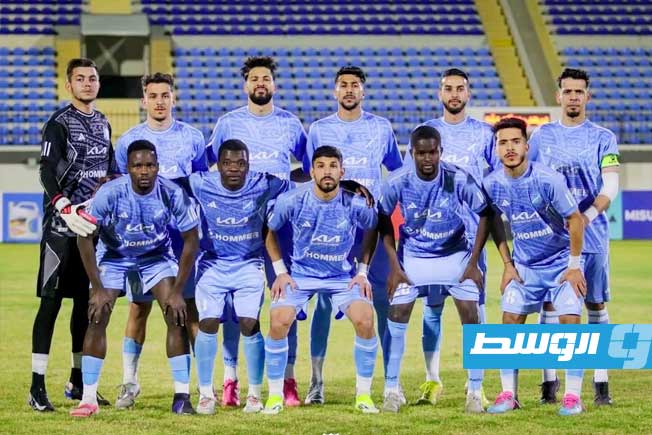
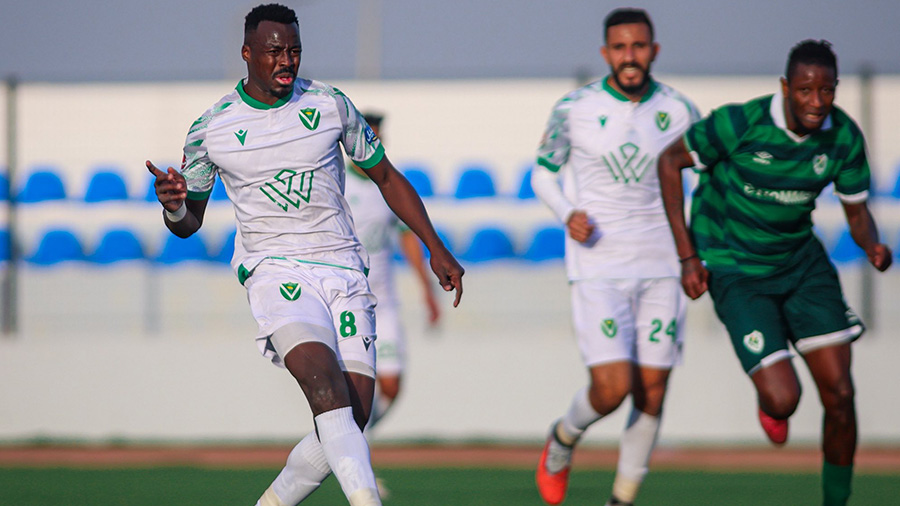
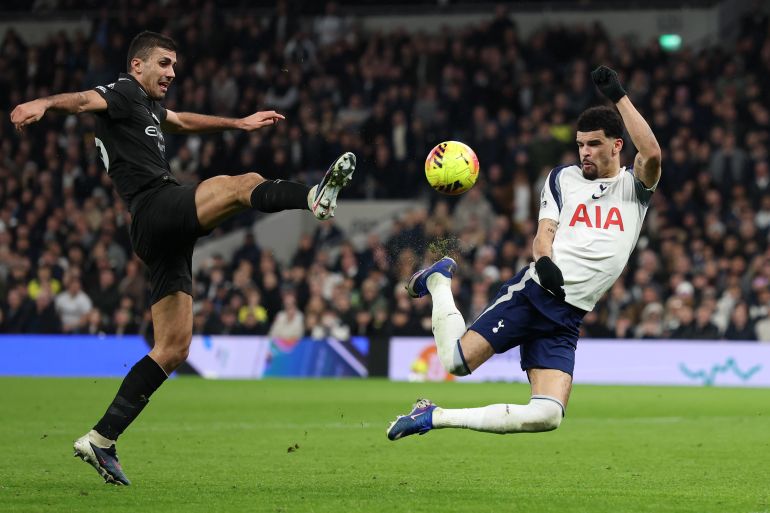
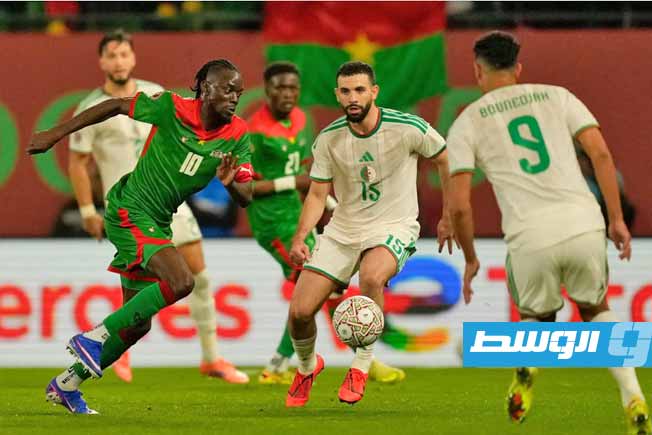
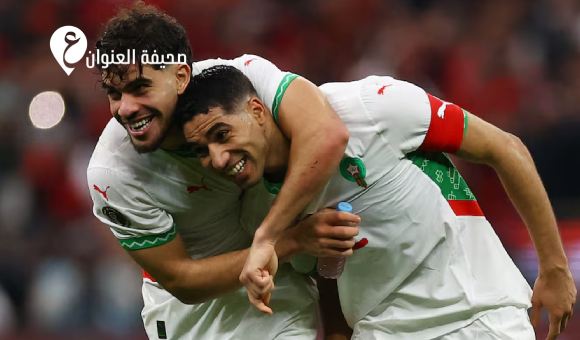
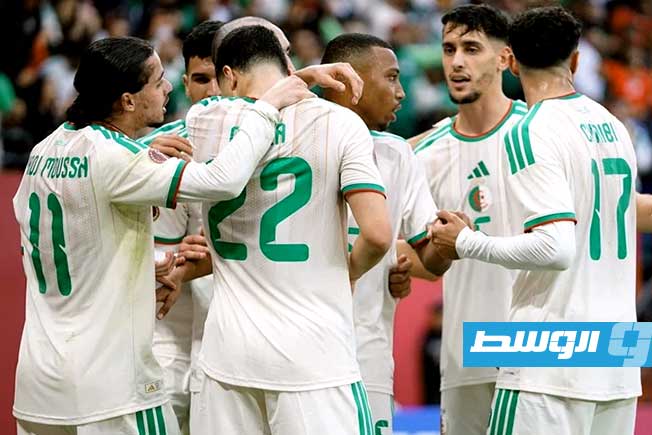
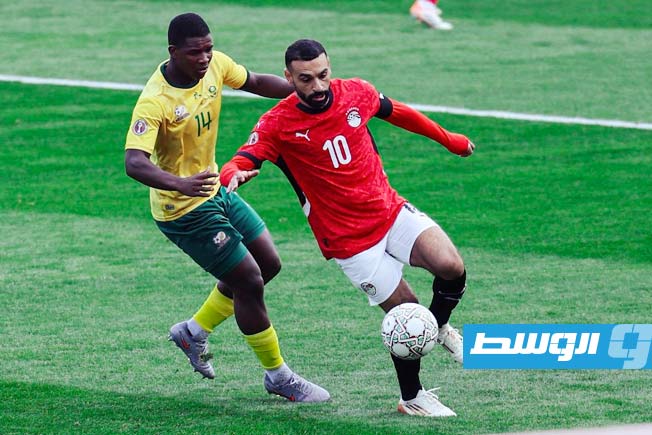
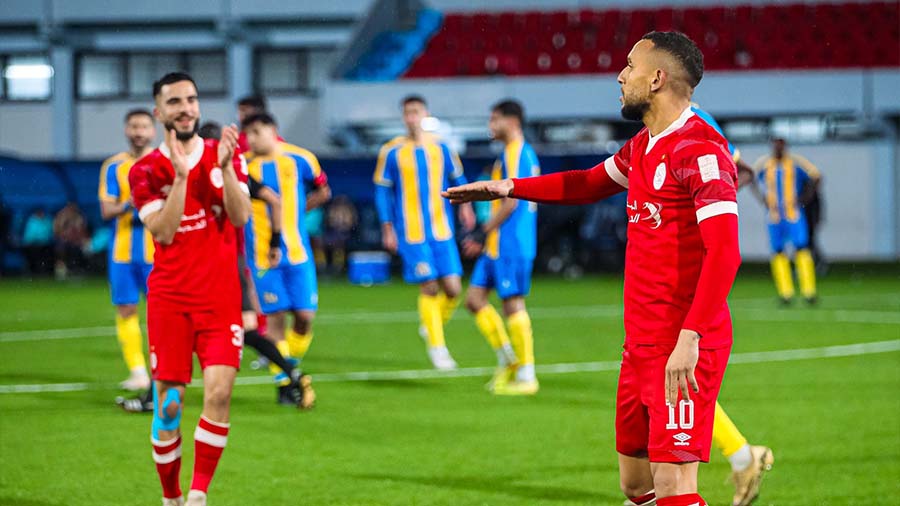
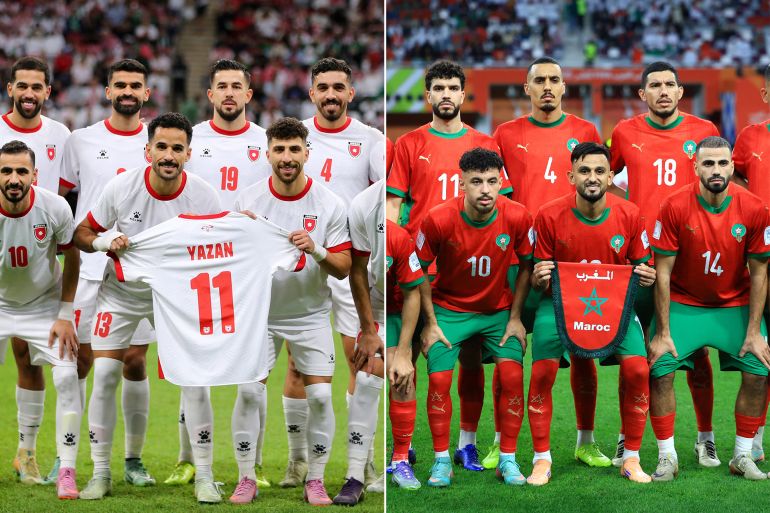
The Egypt national team will wear a white jersey, white shorts, and black socks against Angola today, concluding their matches in the tournament’s group stage.
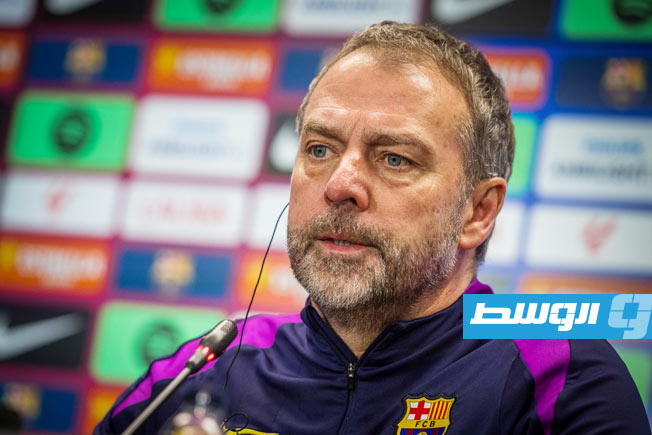
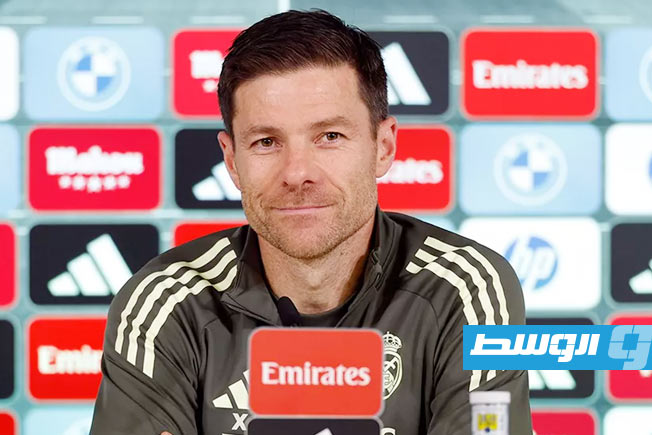
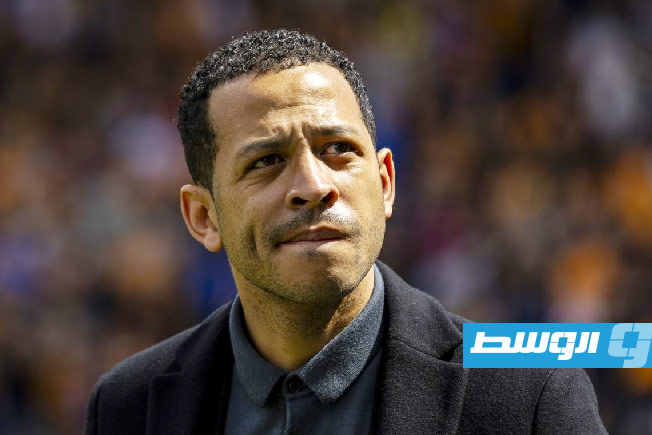
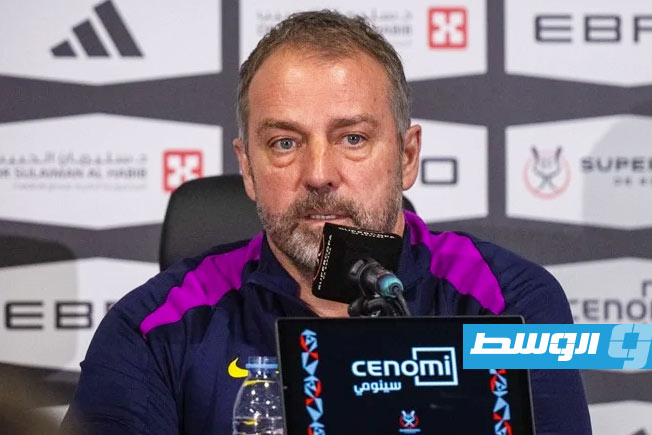
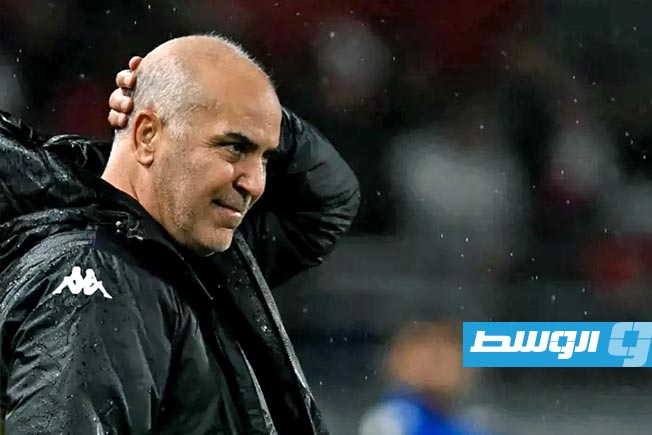
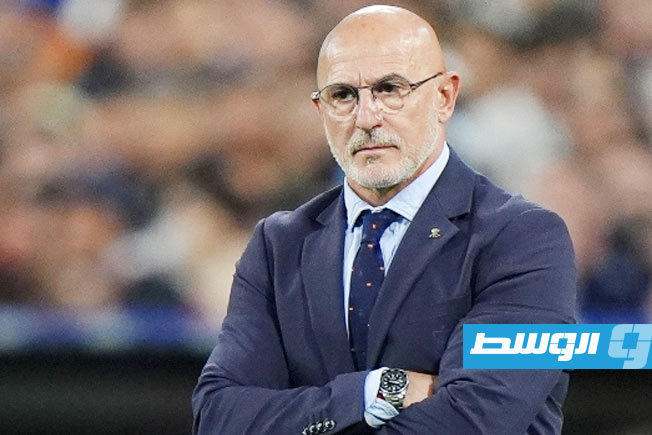
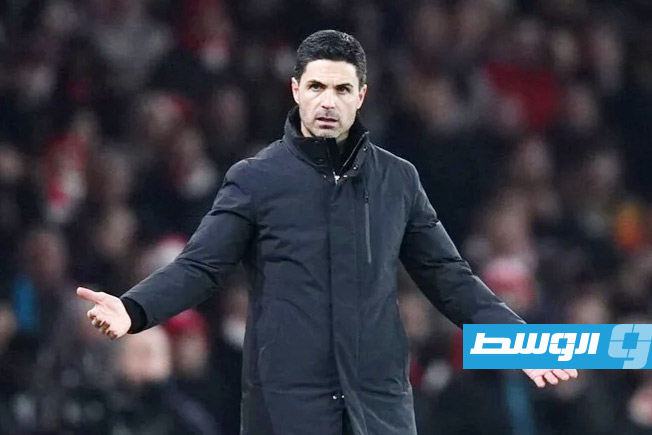
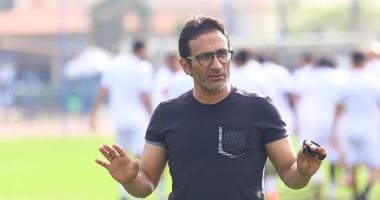
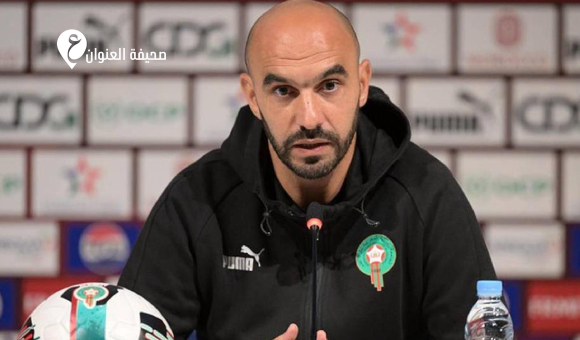
The head coach of the Egyptian national football team expressed his happiness with the 1-0 victory over the South African national team in the Africa Cup of Nations. He emphasized that the win came after a tremendous effort from the players.
He said: “I thank the Egyptian, Moroccan, and Arab fans for their continuous encouragement and support for us,” adding, “I thank the players for the great effort they put into the match.”
The head coach added: “We succeeded in securing three important points against a strong team like South Africa. I said from the beginning that the South African national team is a powerful team with distinguished players.”
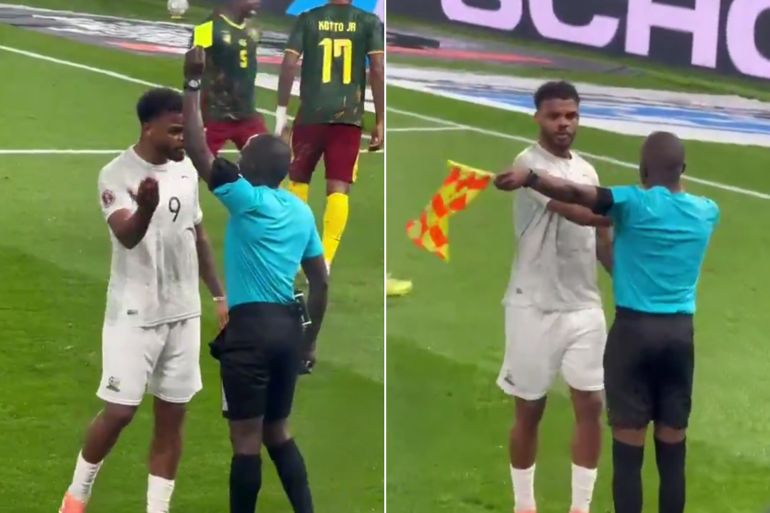
He continued: “The character of the Egyptian player shines in difficult times, and the players were up to the responsibility.” He stressed his respect for the refereeing, saying: “No comment on the referees’ decisions. I trust the continent’s and the tournament’s referees, and I do not interfere in their decisions.”
He concluded his remarks by saying: “My goal is to make the Egyptian people happy. We play every match as if it were a cup final, especially since African football has become very strong recently due to professionalism.”
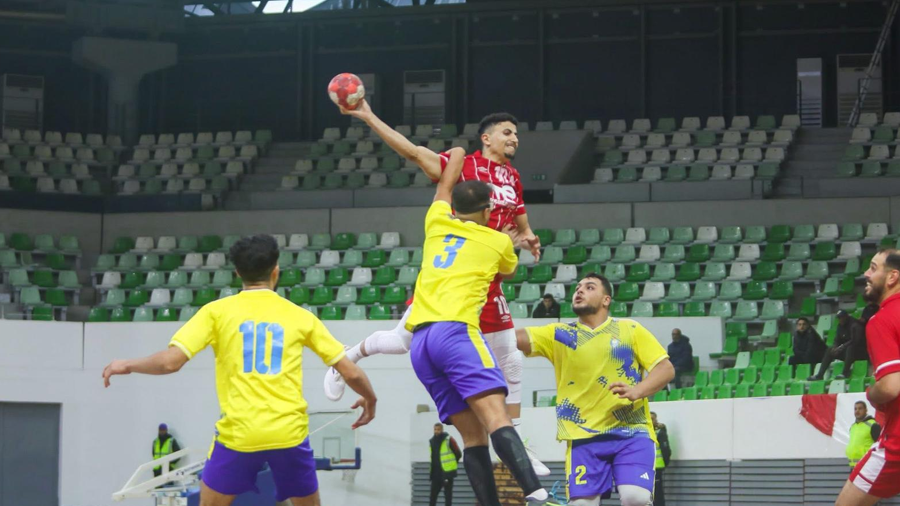
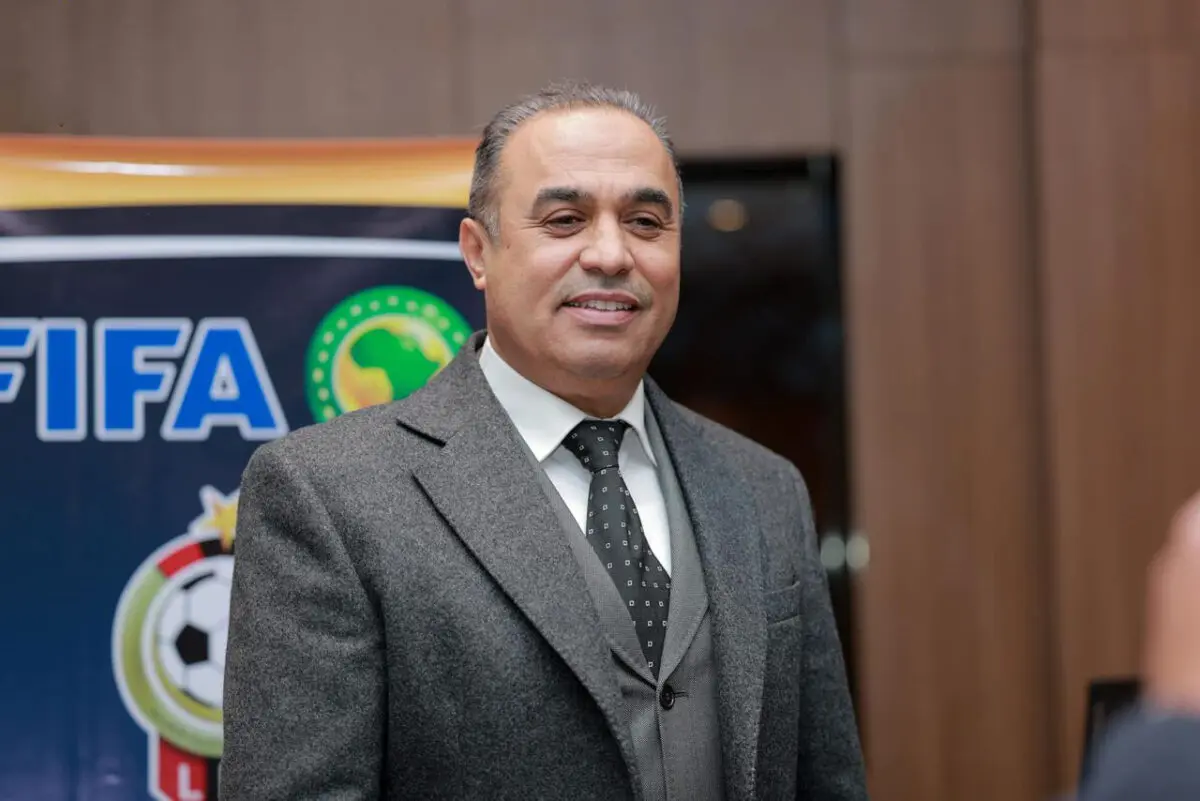
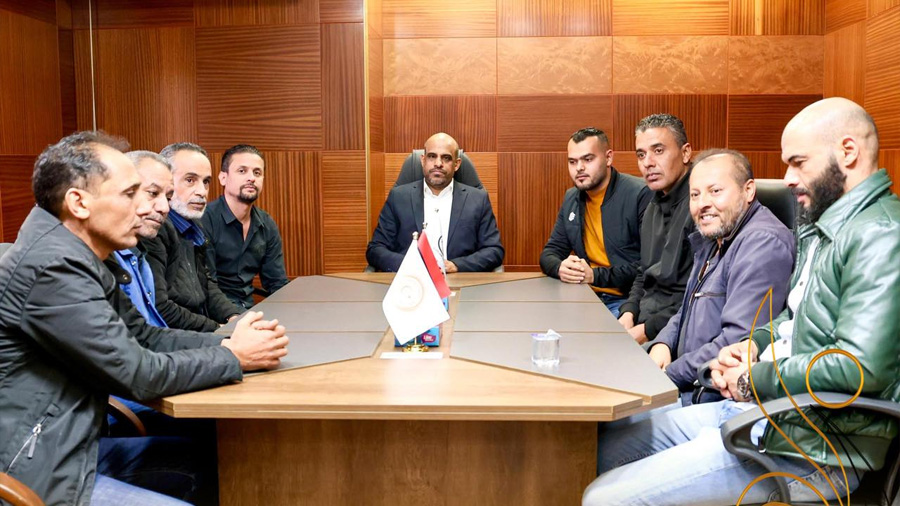
Mohamed Ali Ben RamadanKhaled Fathi, Handball Federation President
Egypt
Egypt is home to one of the world’s oldest civilizations, with a history spanning over 5,000 years and famed for its pharaohs, pyramids, and monuments along the Nile River. Its cultural legacy includes iconic sites like the Giza pyramid complex, the Valley of the Kings, and numerous temples, which were central to its ancient religious and political life. Modern Egypt remains a historically rich nation where these ancient wonders continue to be major cultural and archaeological landmarks.
Angola
Angola is a country in southwestern Africa that gained independence from Portugal in 1975 after a long liberation war. It is known for its diverse cultural heritage, which blends indigenous traditions with Portuguese influences, and for significant sites like the Fortress of São Miguel in Luanda, a historic Portuguese colonial fort.
Morocco
Morocco is a North African country with a rich history shaped by indigenous Amazigh (Berber) cultures, Arab influence from the 7th century, and successive dynasties like the Almoravids and Almohads. Its cultural sites, such as the ancient city of Fez and the Koutoubia Mosque in Marrakech, reflect this blend of Arab, Islamic, and Amazigh heritage. The country’s historic medinas, kasbahs, and varied landscapes from the Sahara Desert to the Atlas Mountains are central to its identity.
South Africa
South Africa is a country located at the southern tip of the African continent, known for its diverse cultures, languages, and dramatic landscapes. Its modern history is profoundly shaped by colonialism and the institutionalized racial segregation of apartheid, which ended in 1994 with the establishment of a constitutional democracy and the election of Nelson Mandela as president.
Africa Cup of Nations
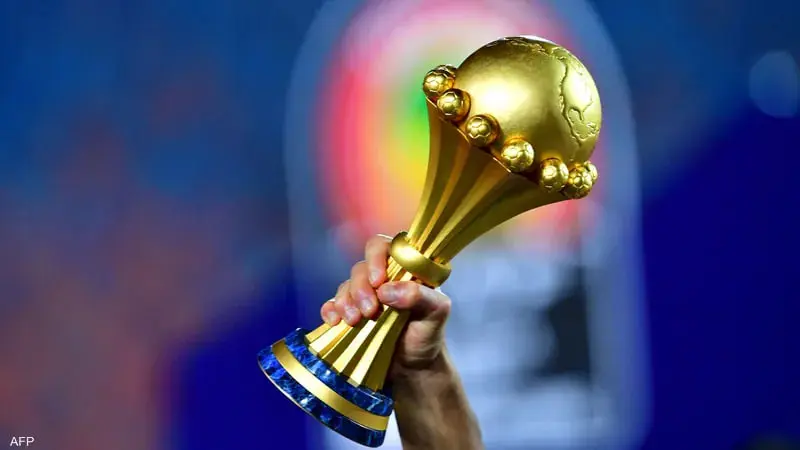
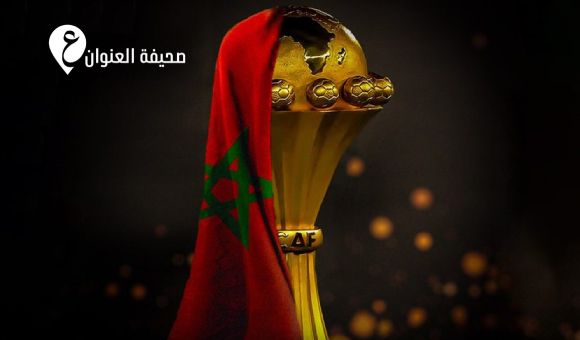
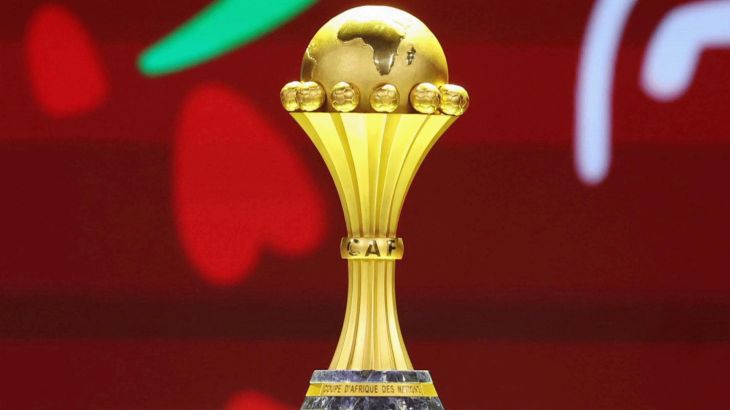
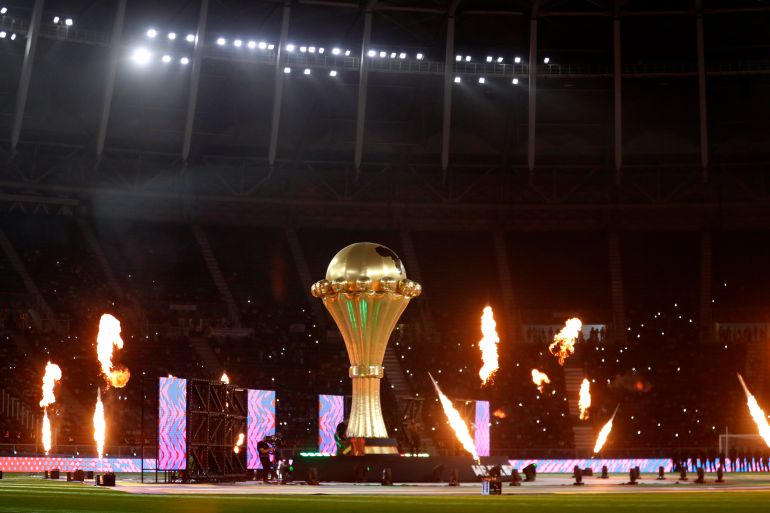
The Africa Cup of Nations is the premier international men’s football competition in Africa, first held in 1957. It was founded to unite African nations emerging from colonialism and is organized by the Confederation of African Football (CAF).
Egyptian national team
The Egyptian national football team, nicknamed the Pharaohs, is one of Africa’s most successful teams, having won a record seven Africa Cup of Nations titles. Its history dates back to its first international match in 1920, and it was a founding member of the Confederation of African Football in 1957.
Angola match
The phrase “Angola match” does not refer to a specific place or cultural site. It most commonly refers to a football (soccer) match involving the Angola national team. Angola’s national team has competed in major tournaments like the FIFA World Cup and the Africa Cup of Nations since the country’s independence from Portugal in 1975.
South African national team
The South African national football team, nicknamed Bafana Bafana, is the country’s premier men’s football side. Historically, its participation in international sport was suspended during the apartheid era, but it was readmitted in 1992 and famously won the Africa Cup of Nations on home soil in 1996.
Moroccan fans
“Moroccan fans” refers to the passionate and dedicated supporters of Morocco’s national football teams, whose vibrant displays of national pride have become a cultural phenomenon. Their history of fervent support gained global recognition during major tournaments like the 2022 FIFA World Cup, where their unifying celebrations and traditional chants showcased Moroccan heritage on the world stage.
Arab fans
“Arab fans” refers to the passionate supporters of Arab cultural and sporting events, particularly in football, where fan groups create vibrant displays of unity and regional pride. Historically, these fan cultures have been shaped by shared language, social traditions, and a deep connection to local and national identity. Their organized support, often visible in stadiums and public celebrations, reflects broader social dynamics and communal solidarity across the Arab world.
Egyptian people
The Egyptian people are the inhabitants of Egypt, with a history tracing back over 5,000 years to the ancient Pharaonic civilization along the Nile River. Their rich cultural heritage has been shaped by successive influences, including Greek, Roman, Coptic Christian, and Arab-Islamic periods, creating a unique and enduring national identity.
African football
African football refers to the sport’s deep cultural significance across the continent, where it serves as a major unifying force and source of national pride. Its organized history is often traced to the colonial era, with the Confederation of African Football (CAF) founded in 1957 to govern and develop the game. Today, it produces world-class talent and hosts prestigious tournaments like the Africa Cup of Nations.
Handball Federation
The Handball Federation is the national governing body for the sport of handball in a given country, typically founded to organize competitions, develop players, and oversee national teams. Its history is tied to the formalization and growth of modern team handball as an Olympic sport in the mid-20th century.