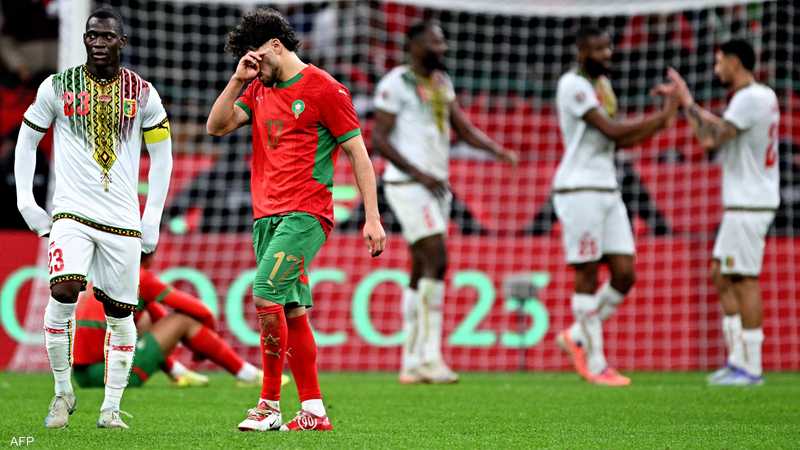
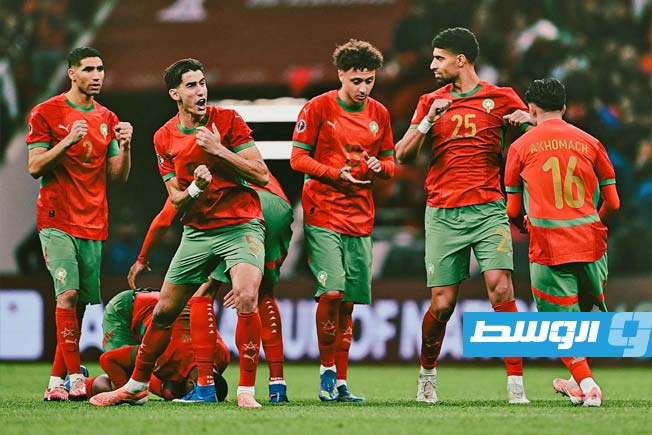
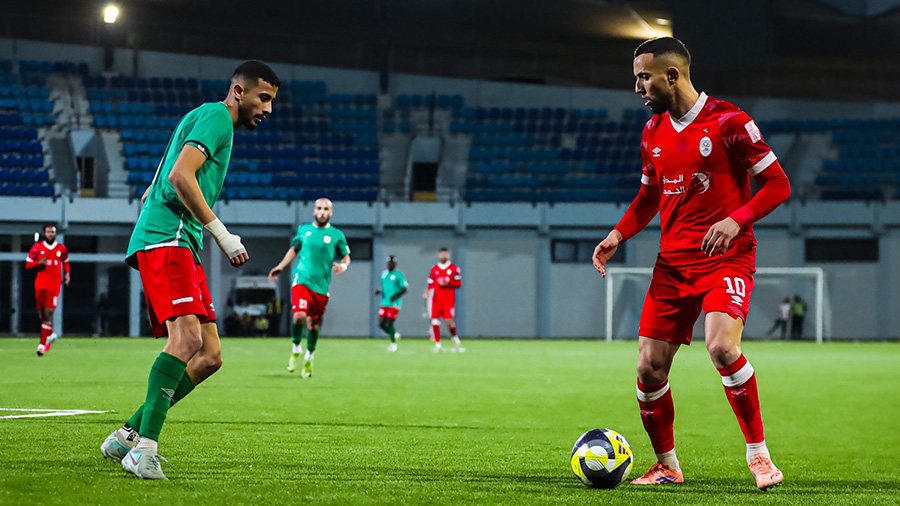
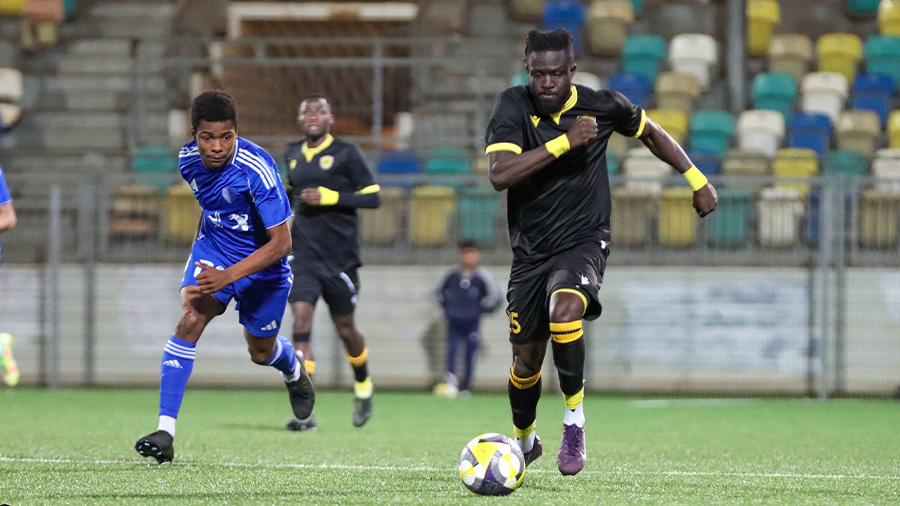
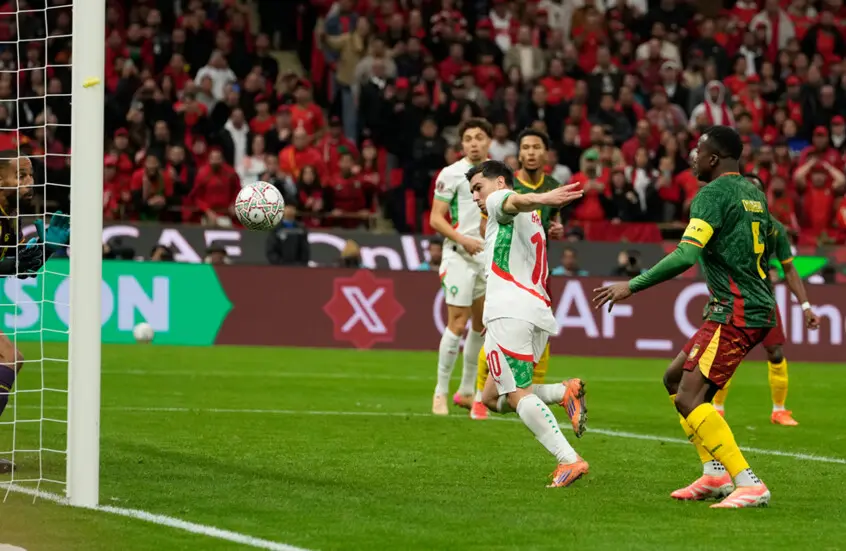
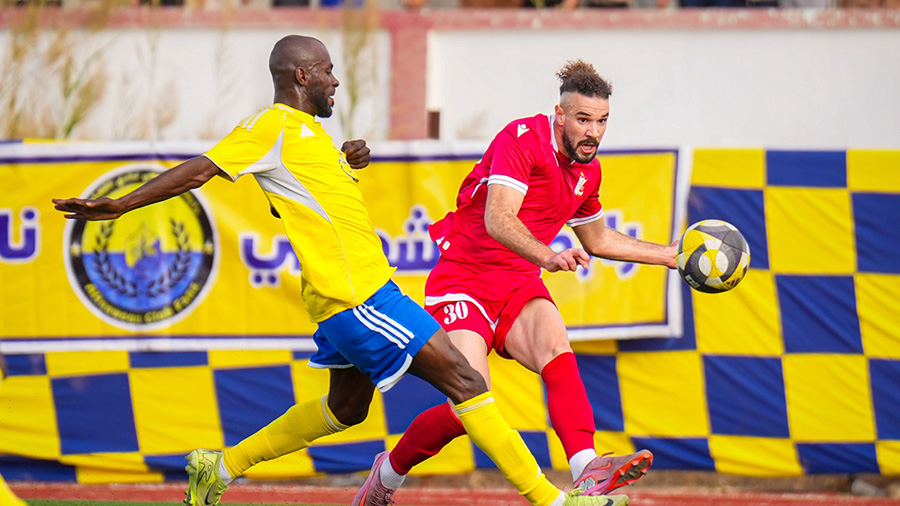
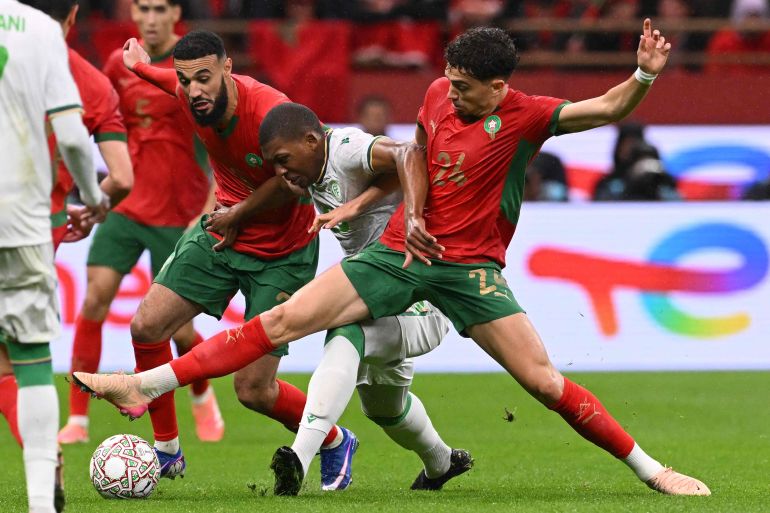
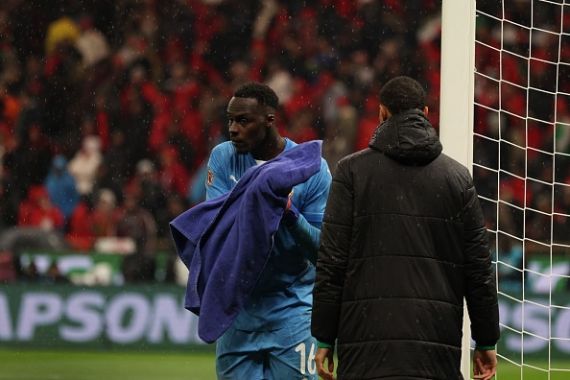
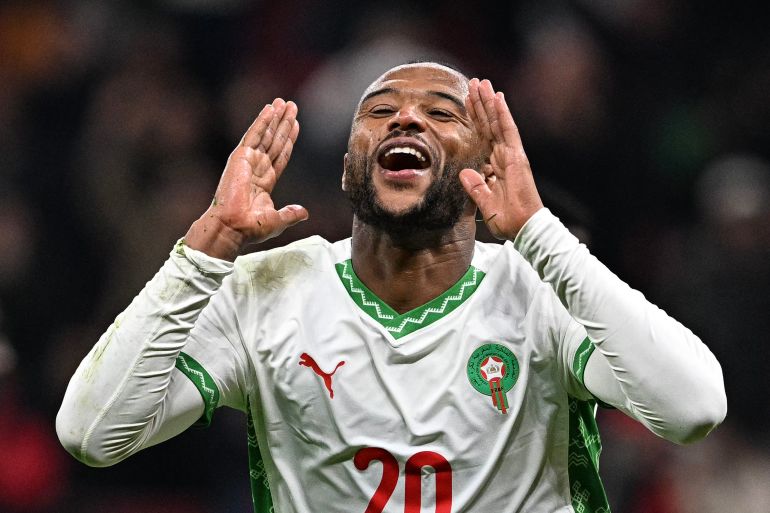
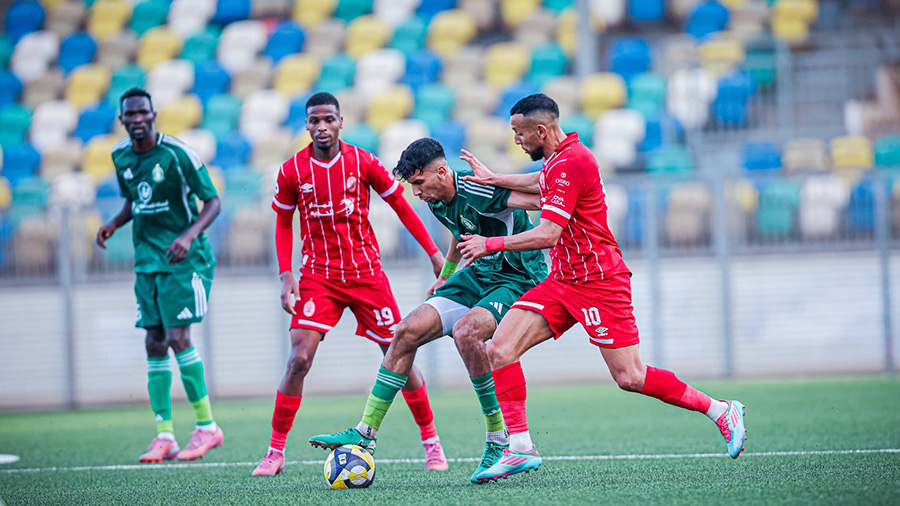
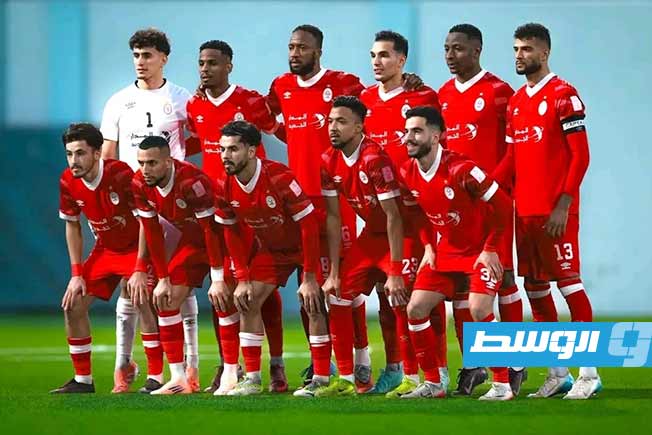
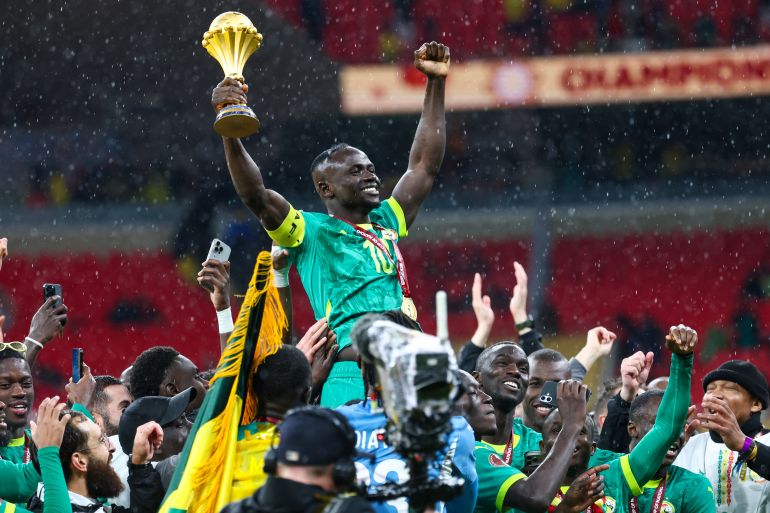
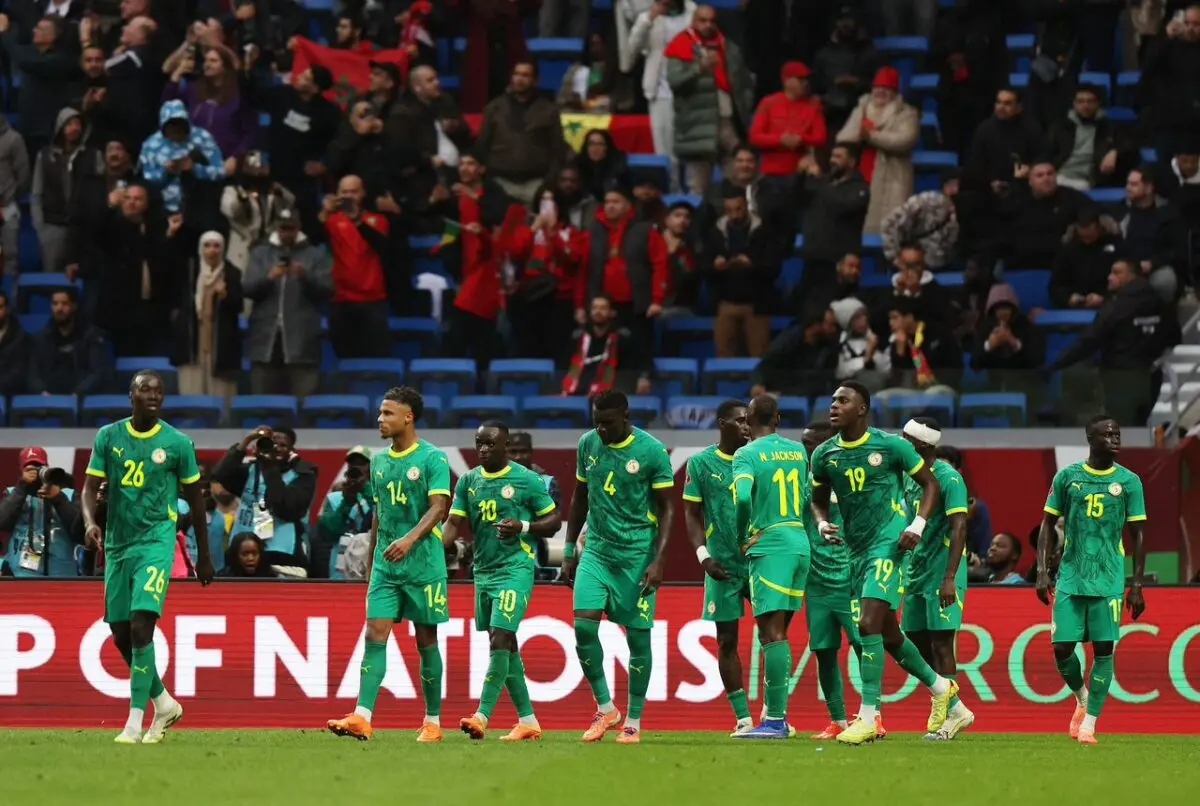
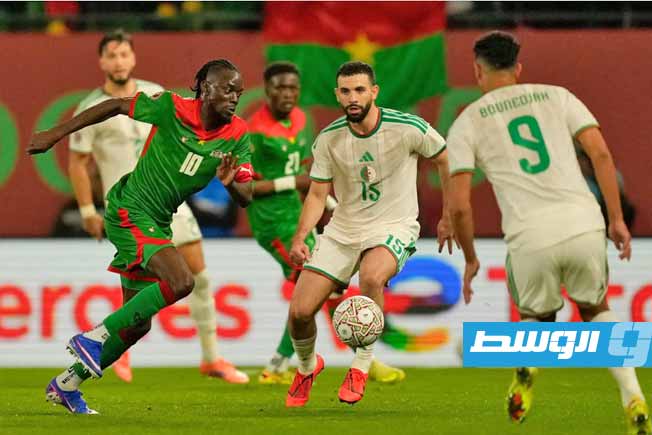
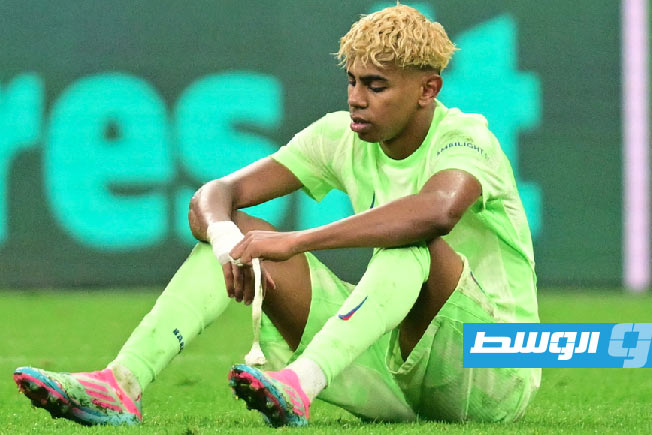
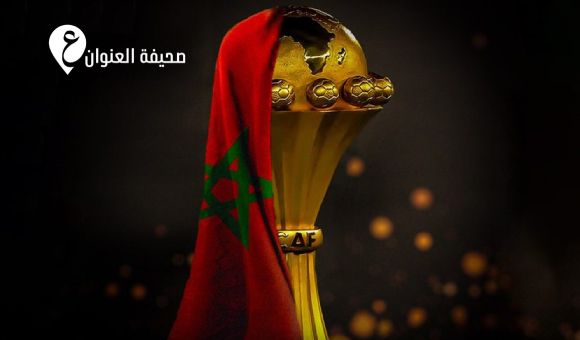
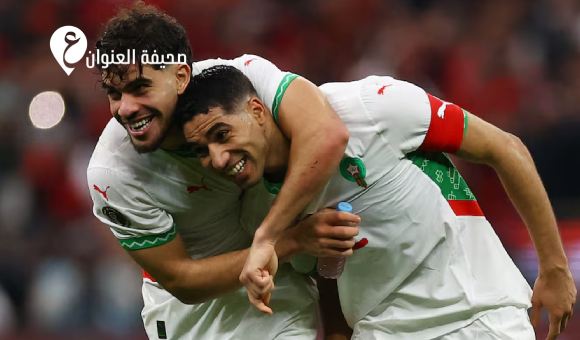
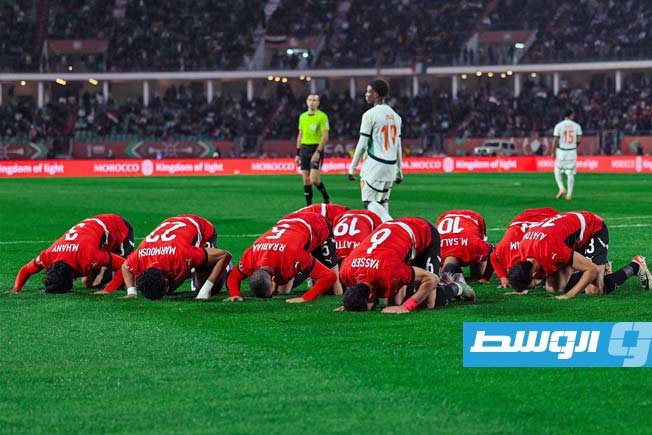
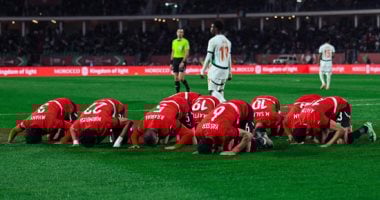
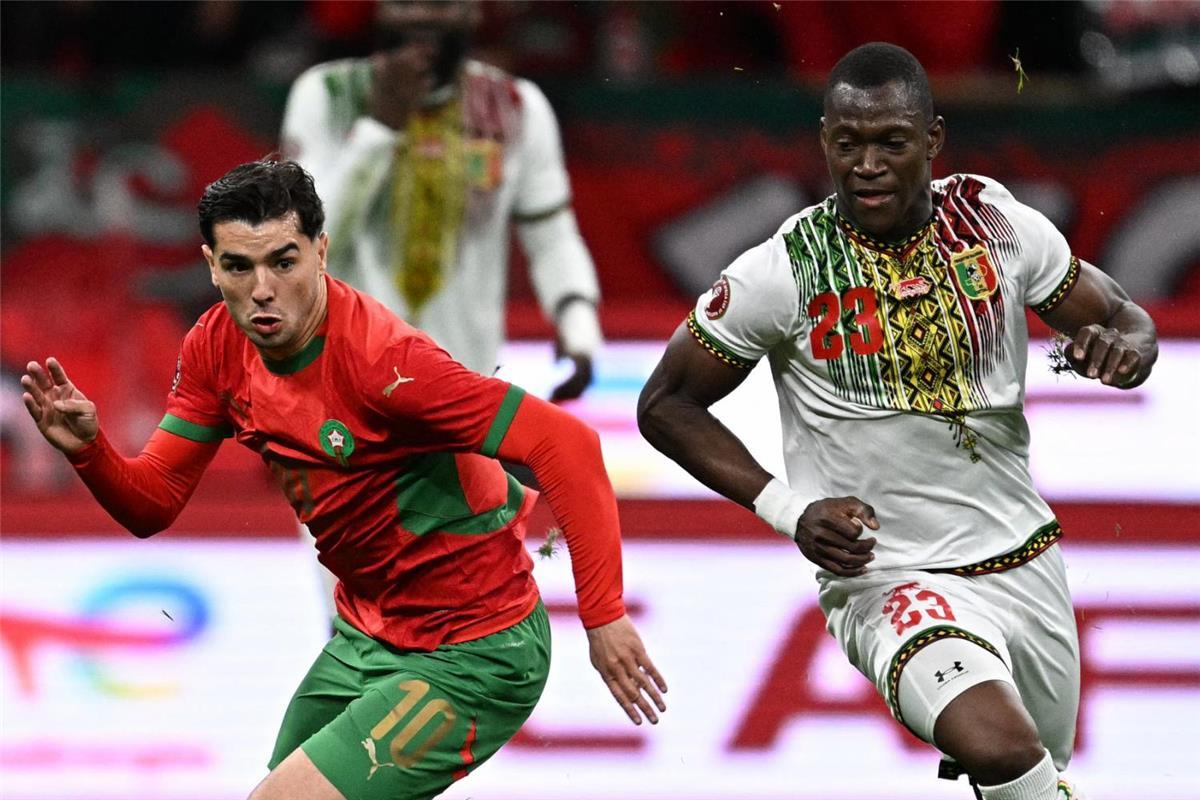
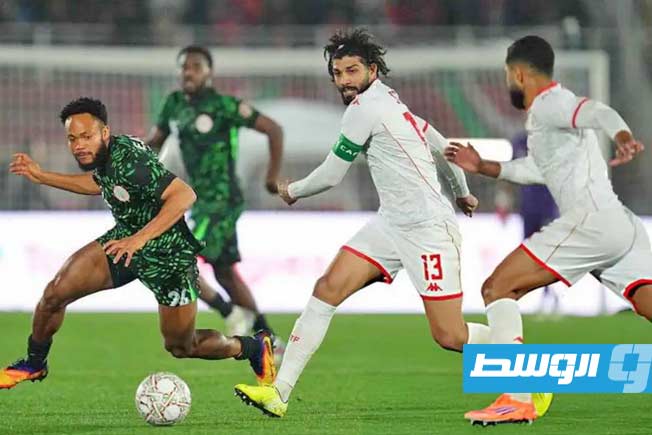
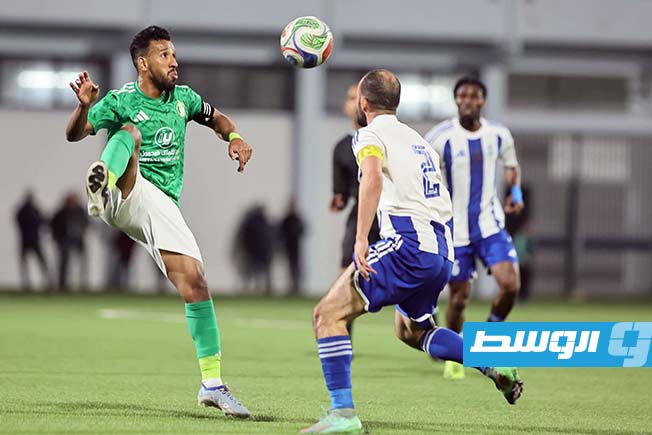
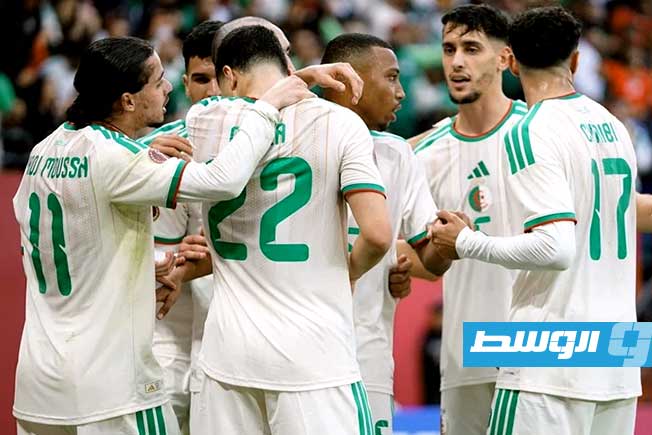
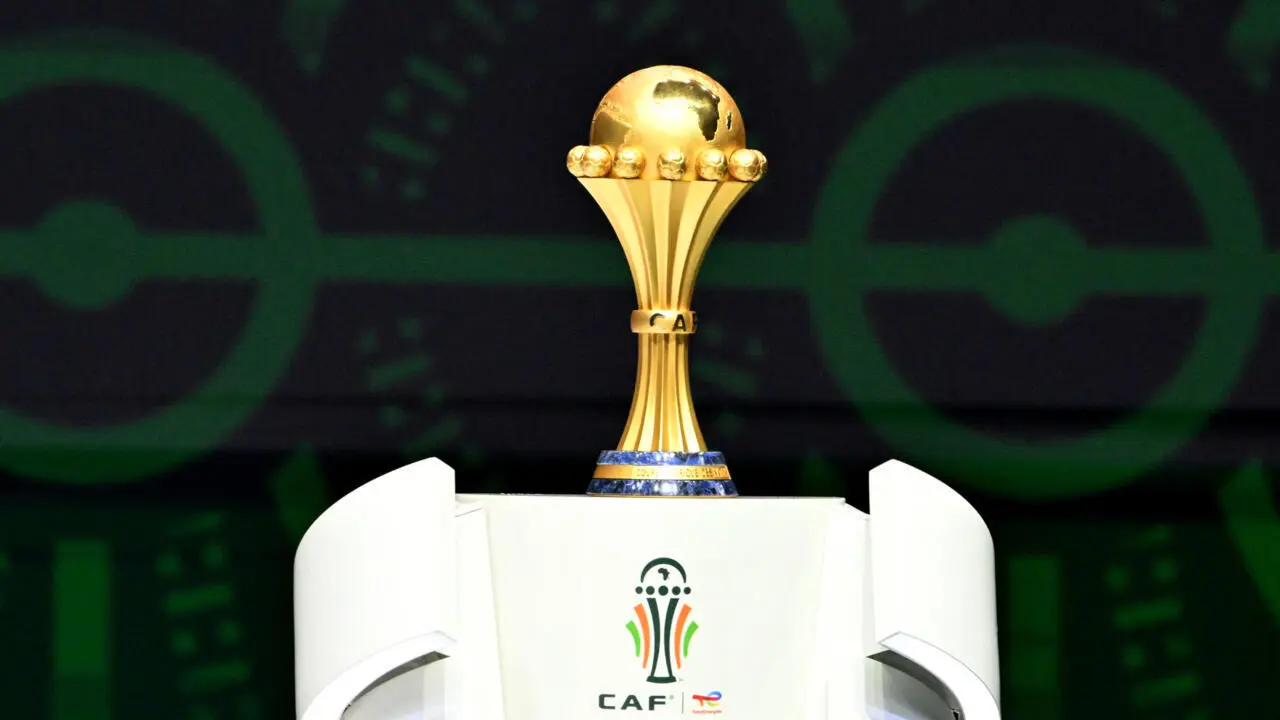
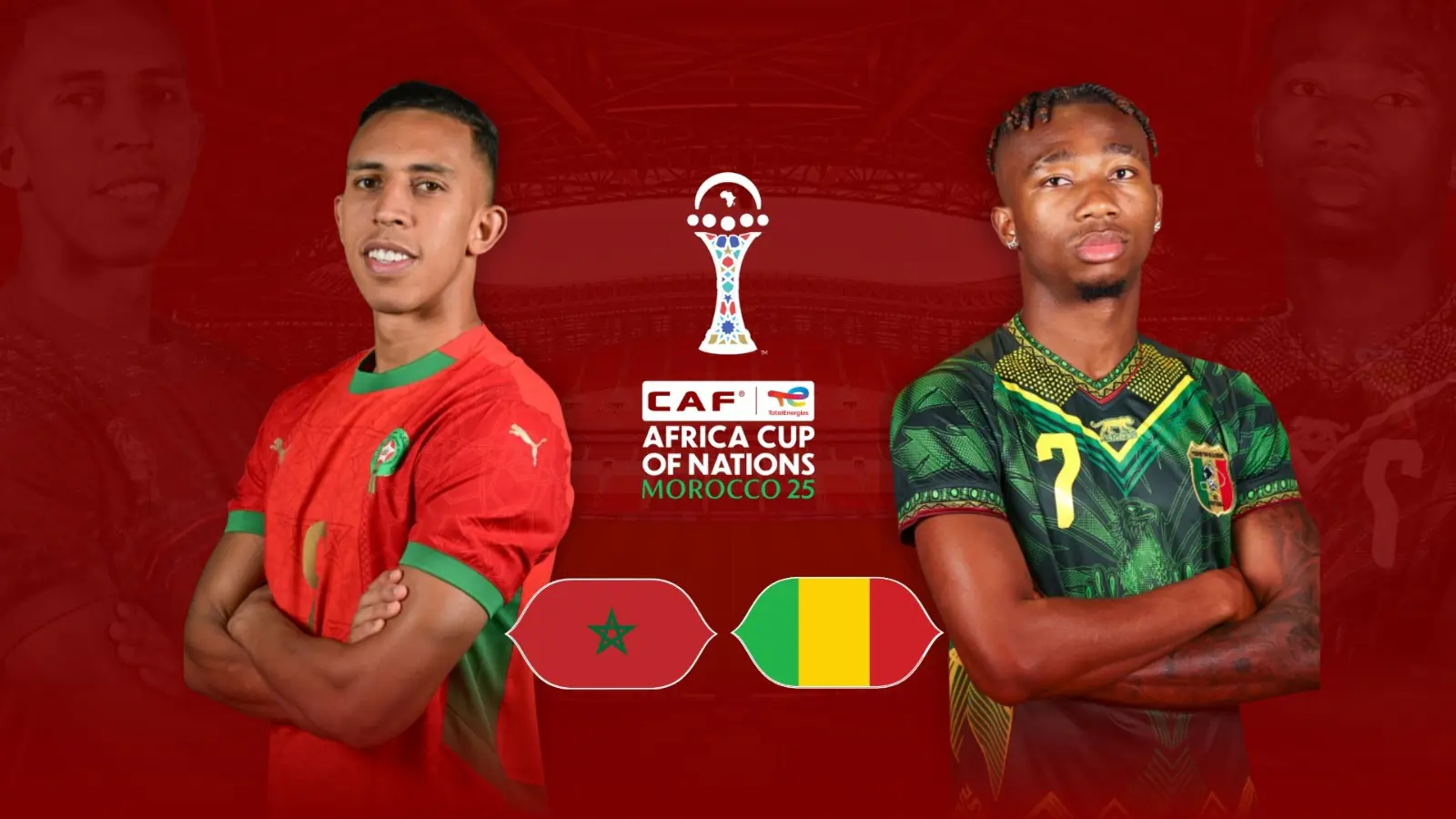
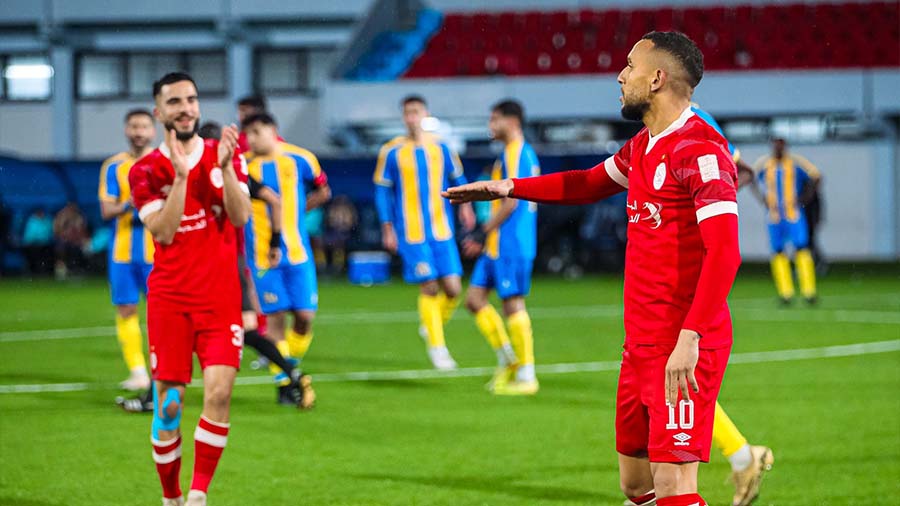
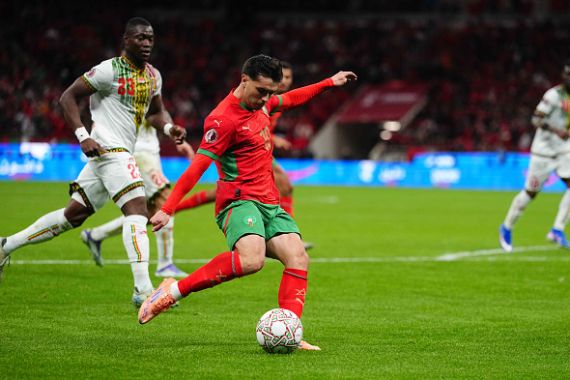
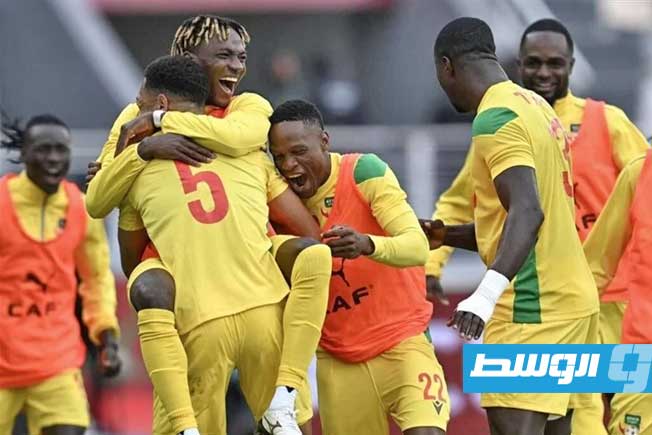
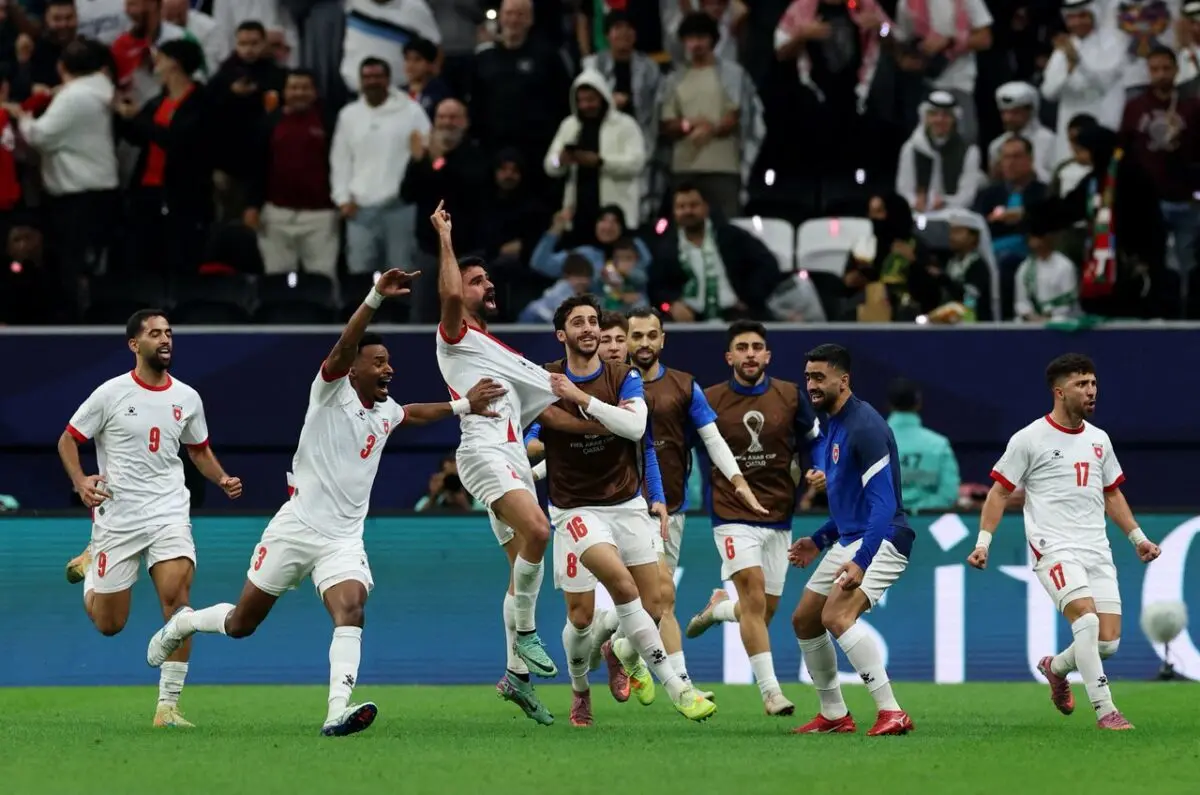
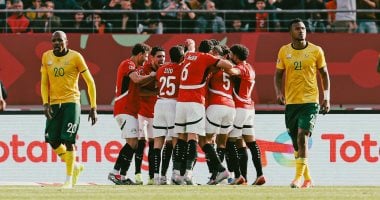
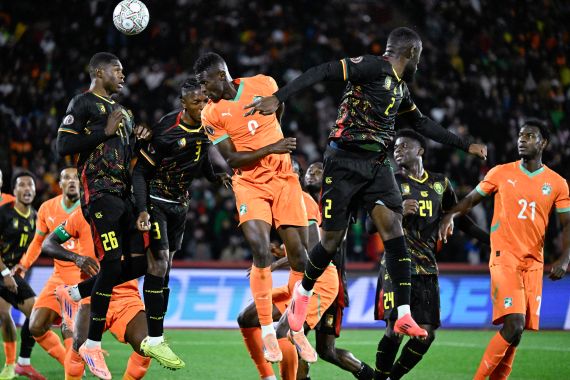
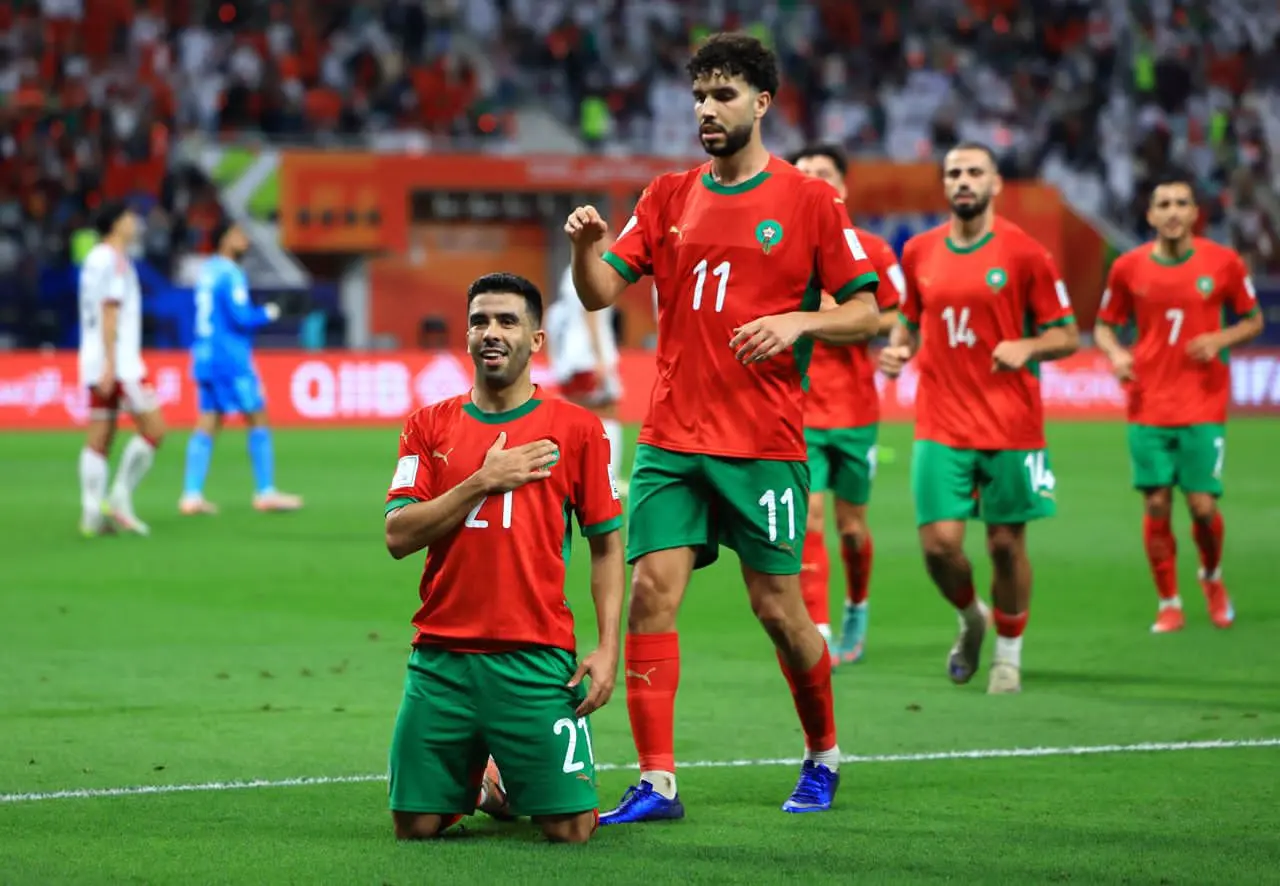
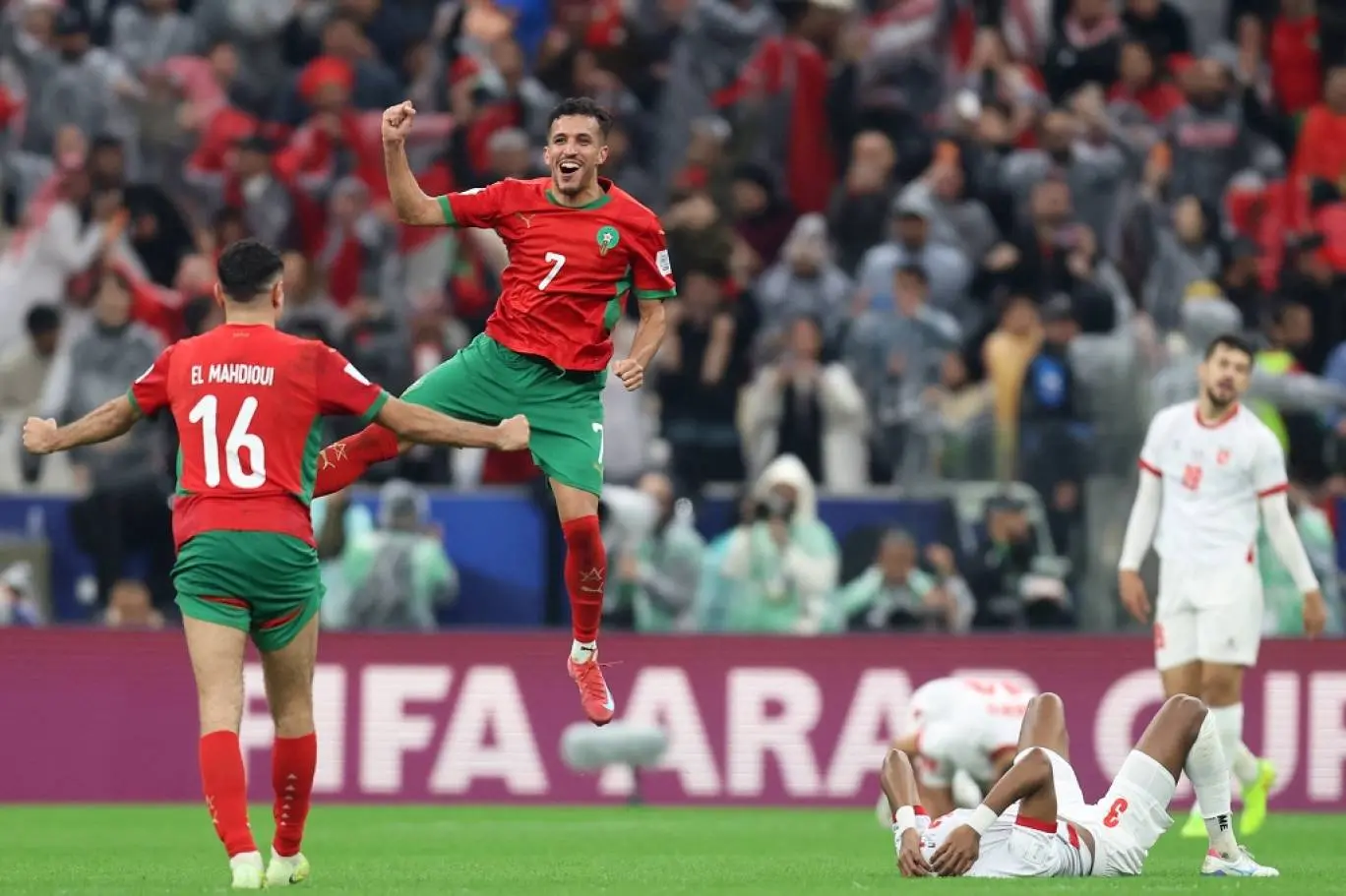
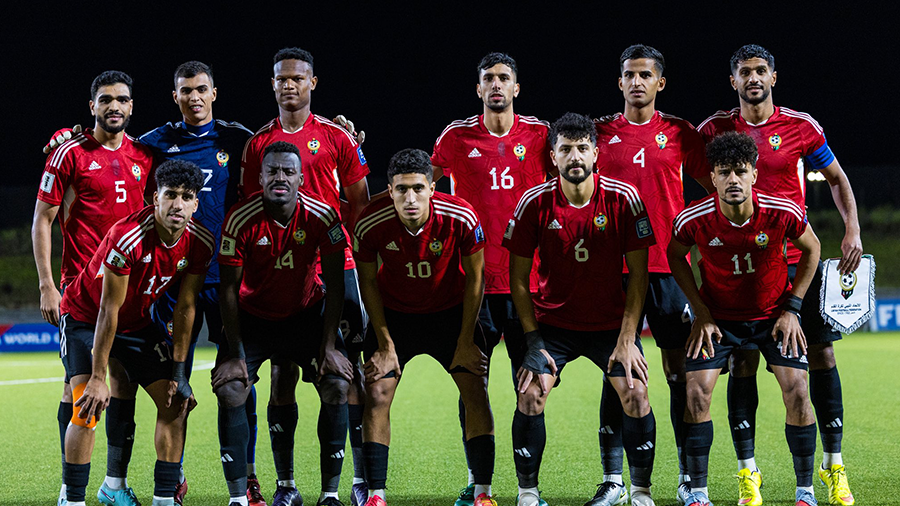
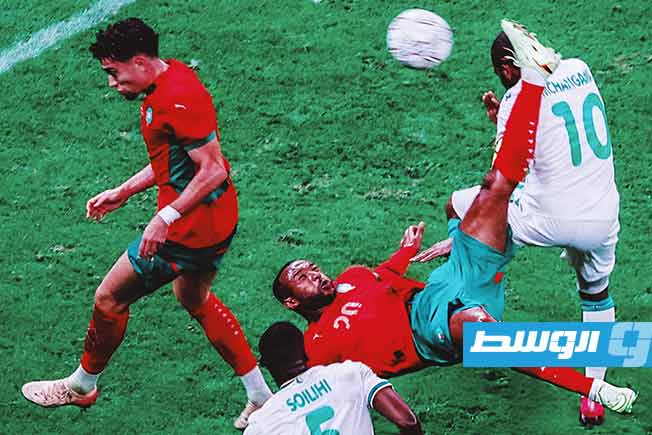
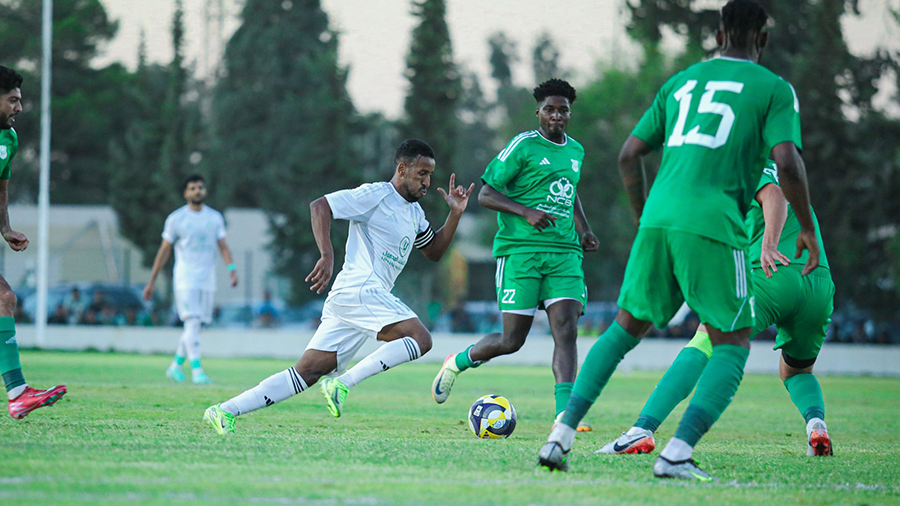
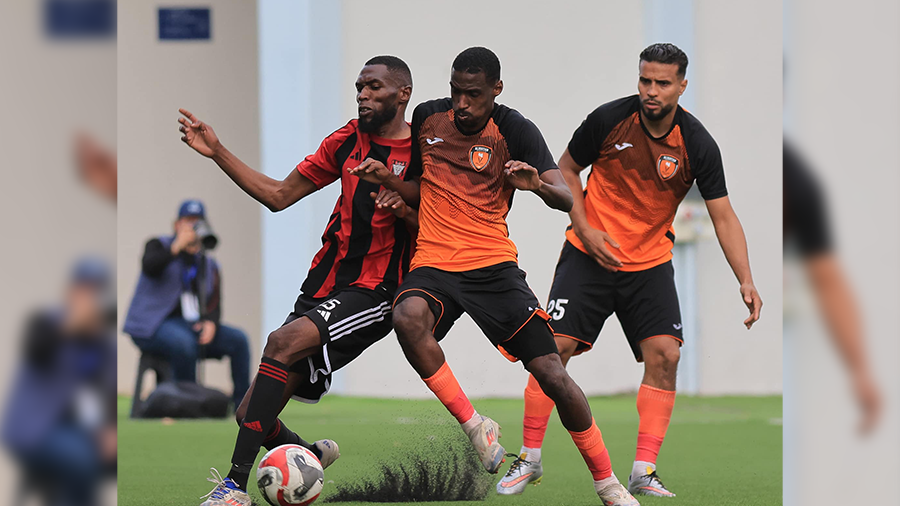
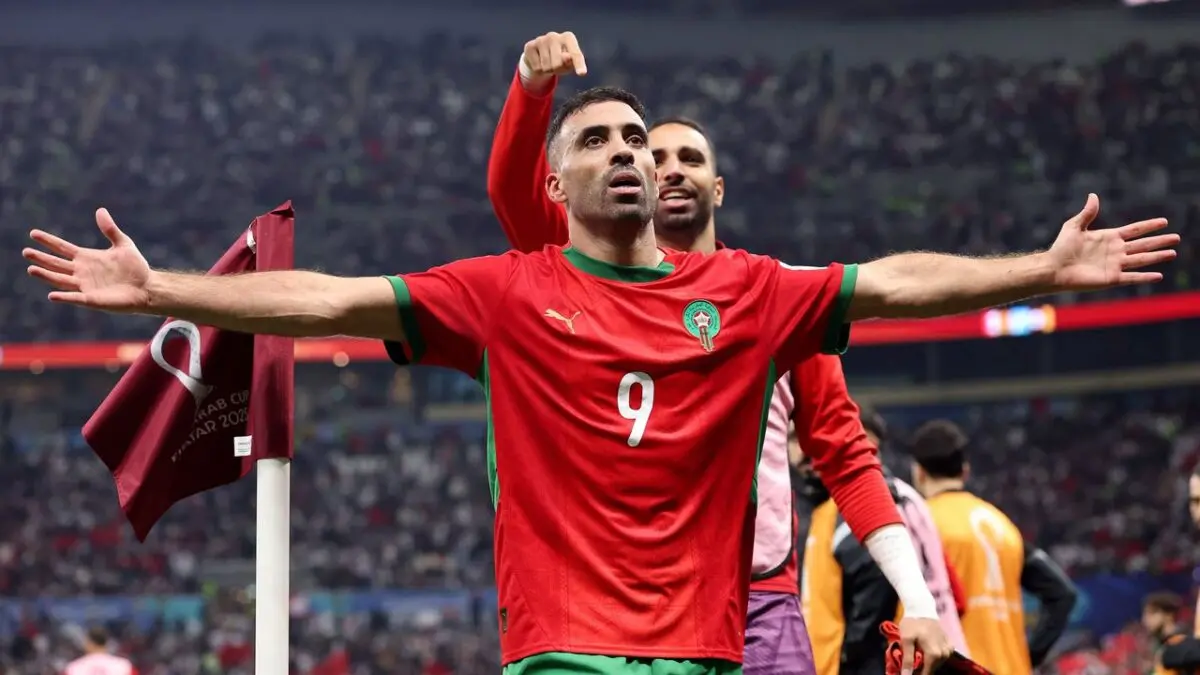
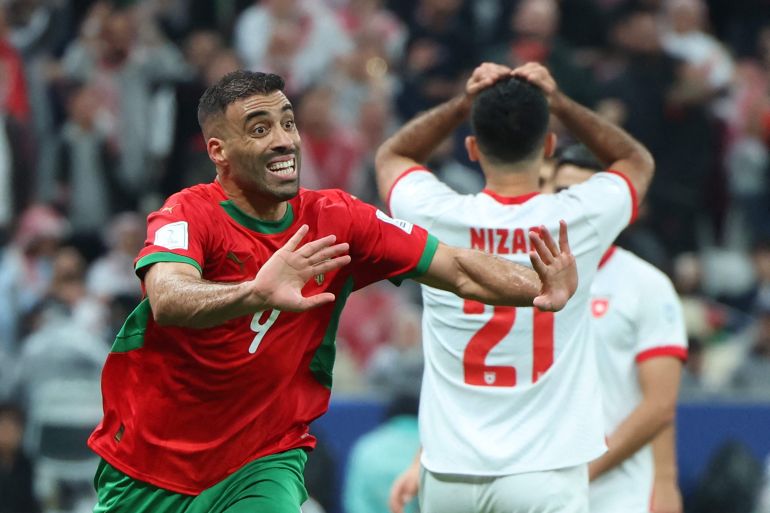
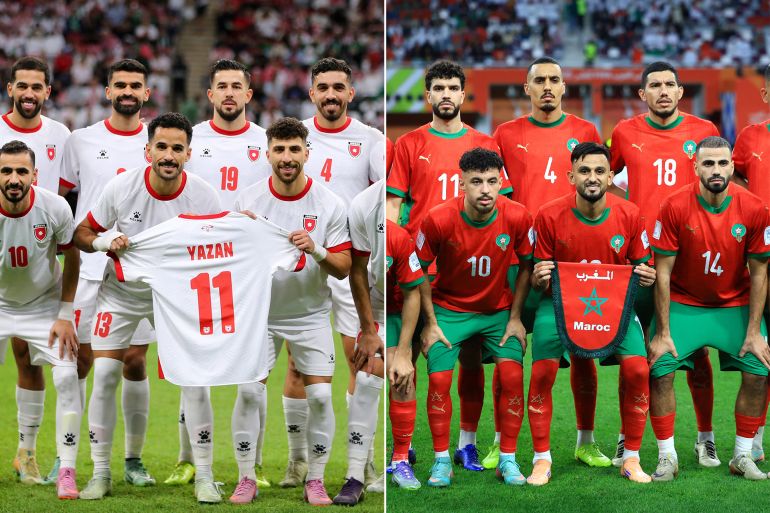
A wave of anger has escalated in the Moroccan sports scene following the 1-1 draw of the “Atlas Lions” with Mali in the second round of the group stage of the 2025 Africa Cup of Nations. This was a match in which the team was expected to confirm its superiority and give the fans an early dose of reassurance.
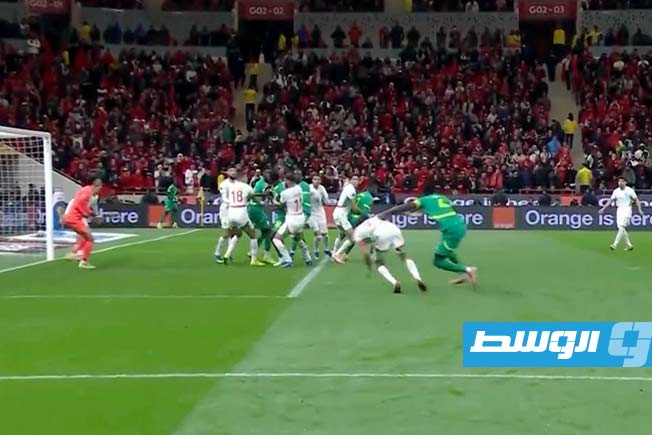
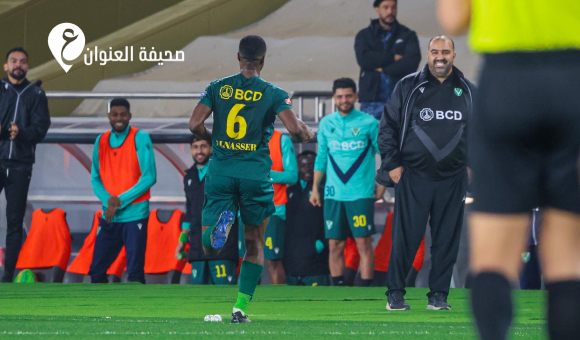
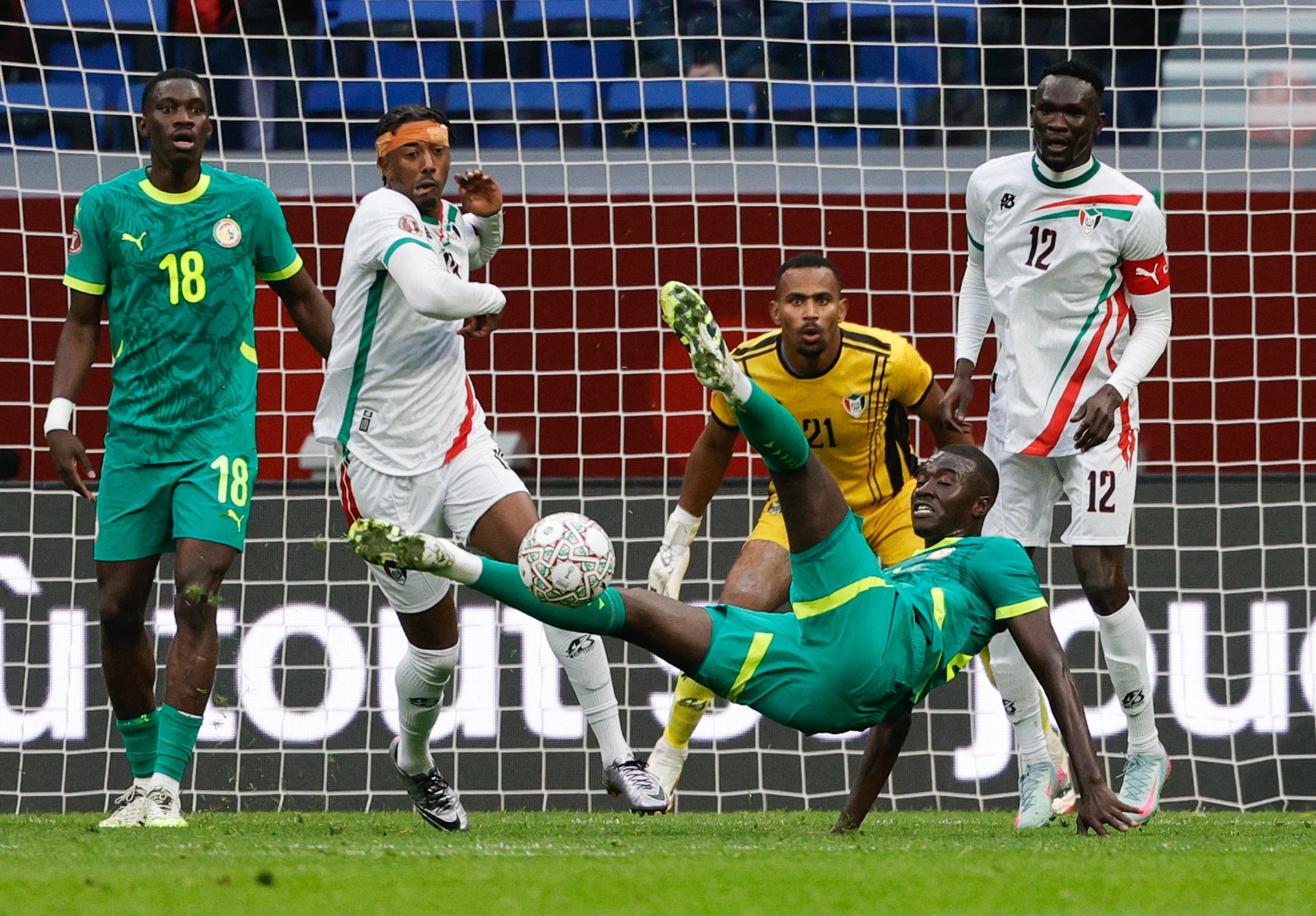
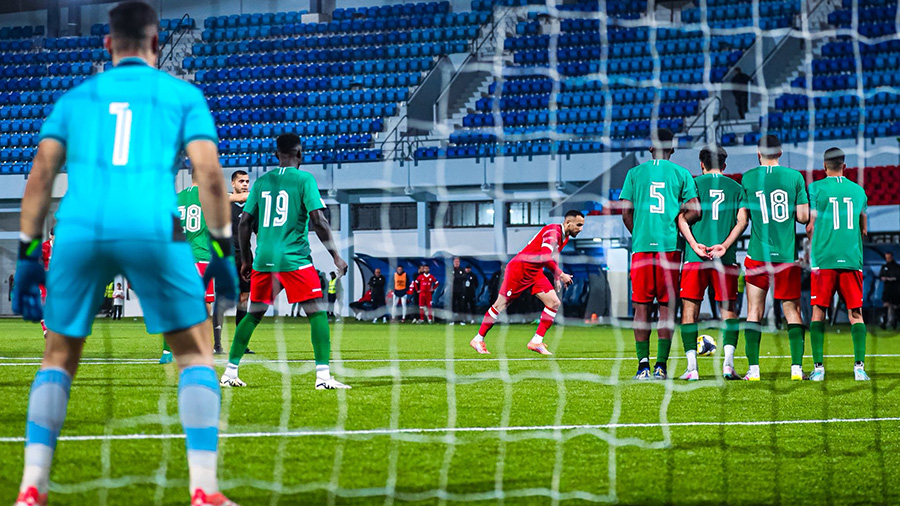
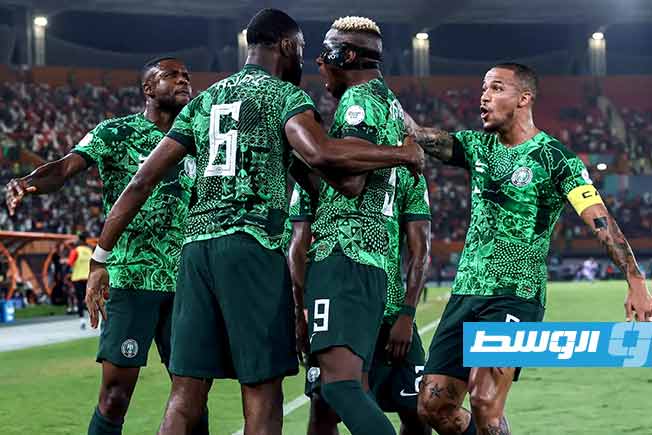
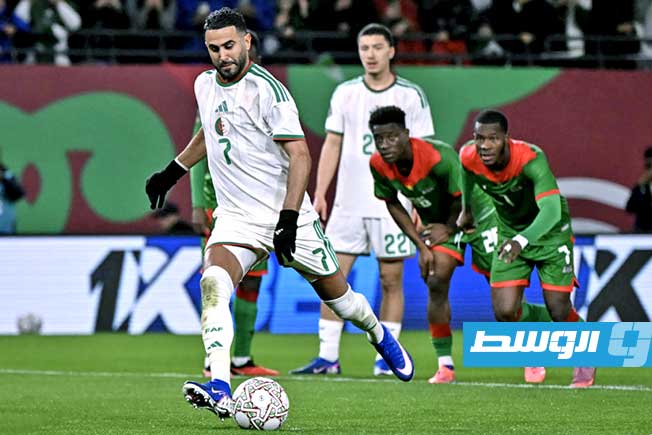
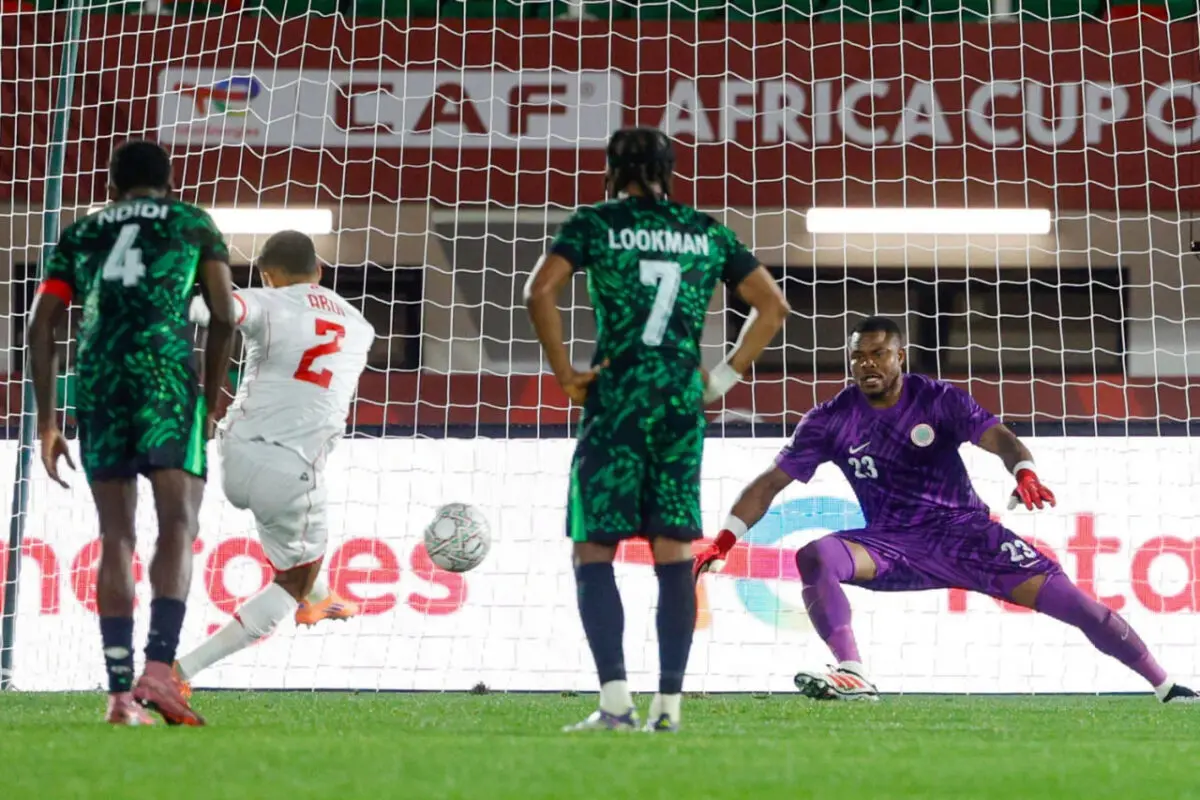
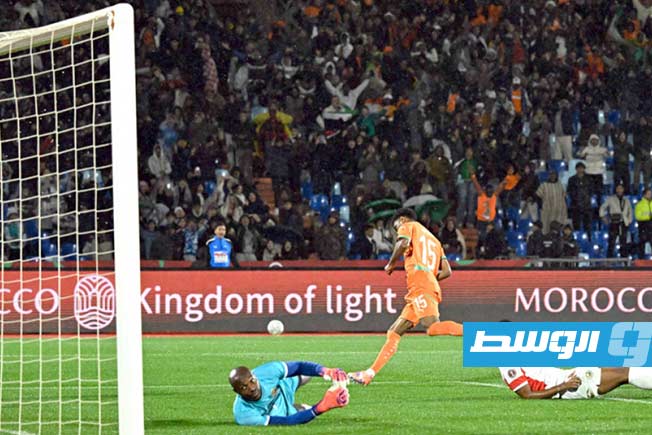
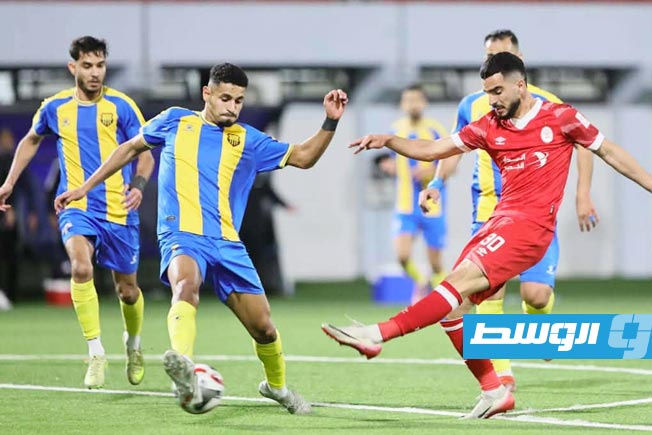
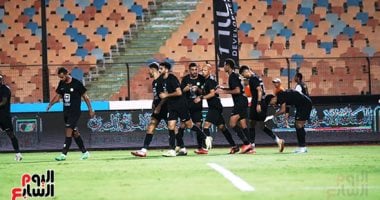
The first half ended with a lead from a penalty scored in stoppage time (45+5) after a VAR review, before Mali equalized from another penalty in the 64th minute through Lassine Sinayoko, postponing the confirmation of the qualification ticket to the final round.
This draw halted a Moroccan winning streak that extended to 19 matches. It was also the first goal conceded by the national team in 11 games, facts that increased the sensitivity of the debate because Morocco was considered one of the top contenders for the title on home soil.
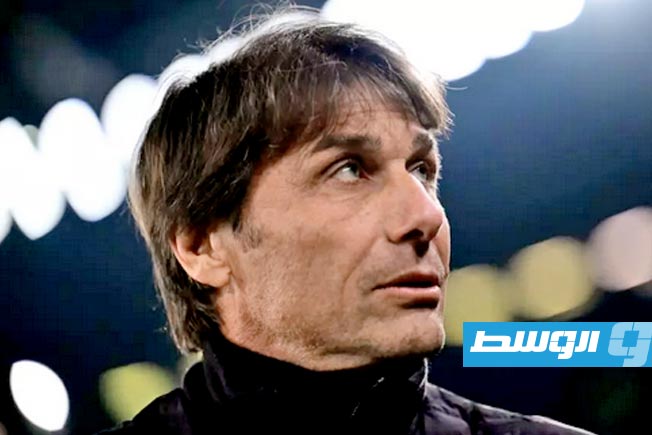
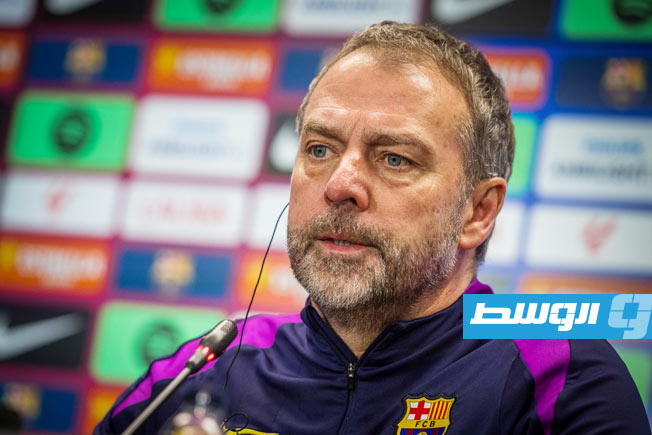
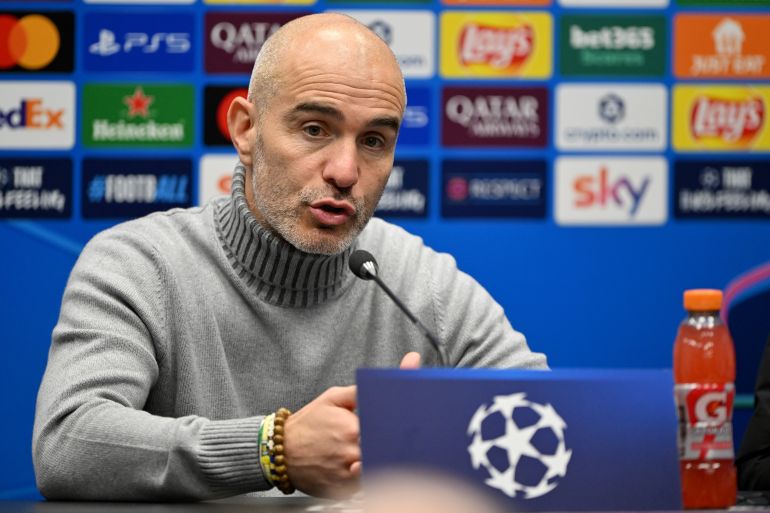
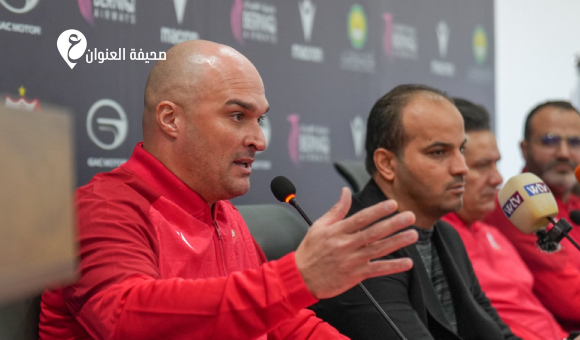
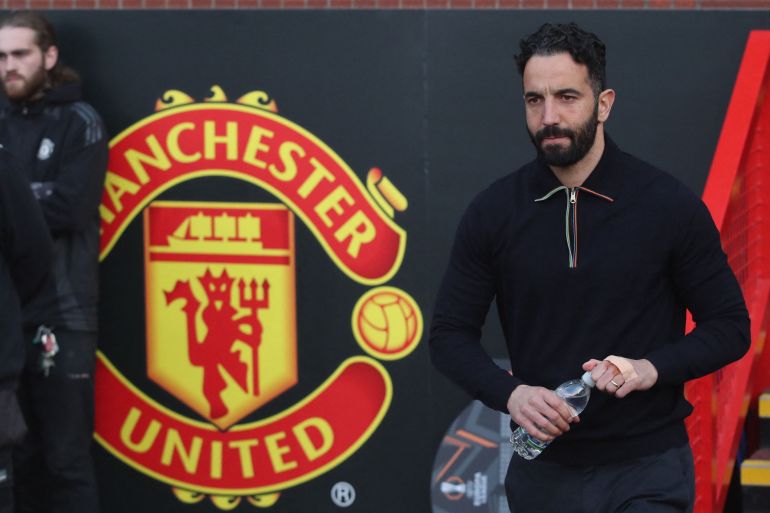
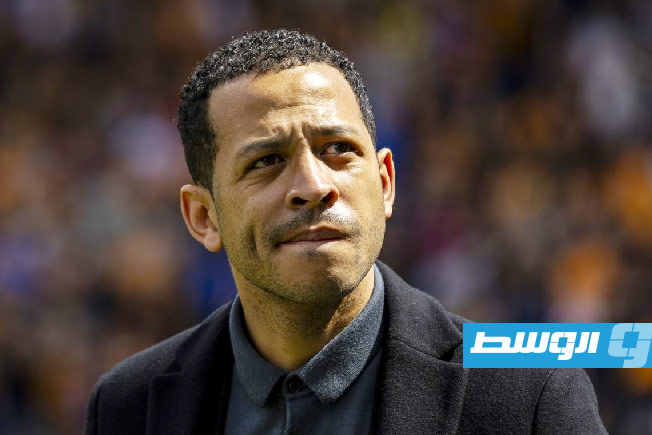
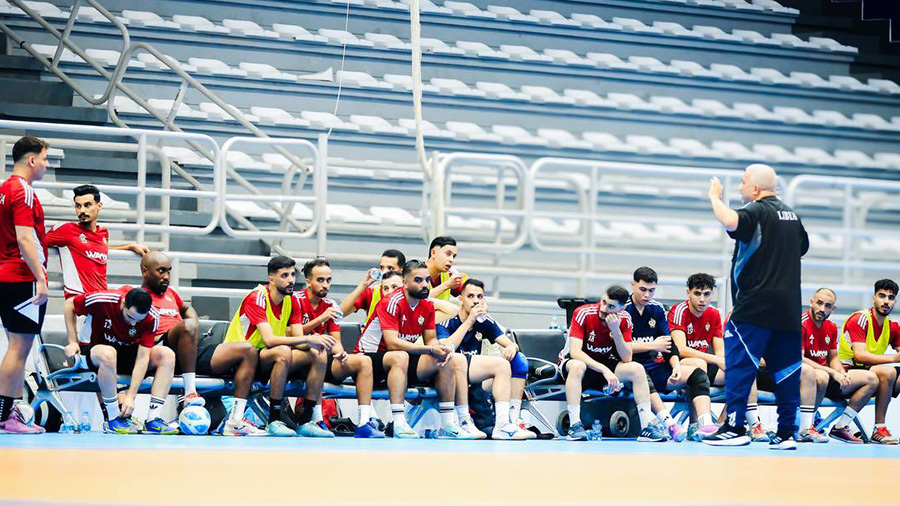
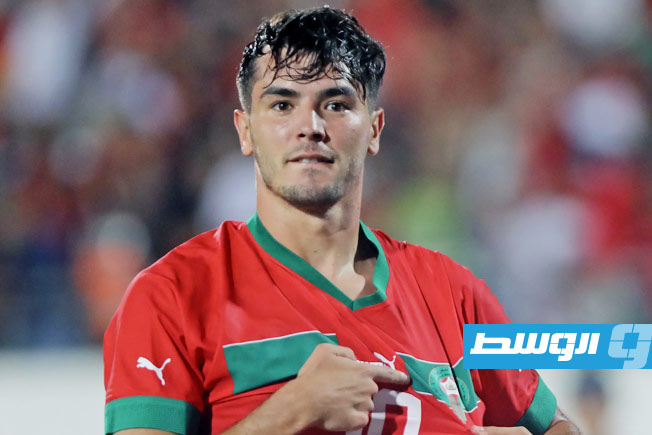
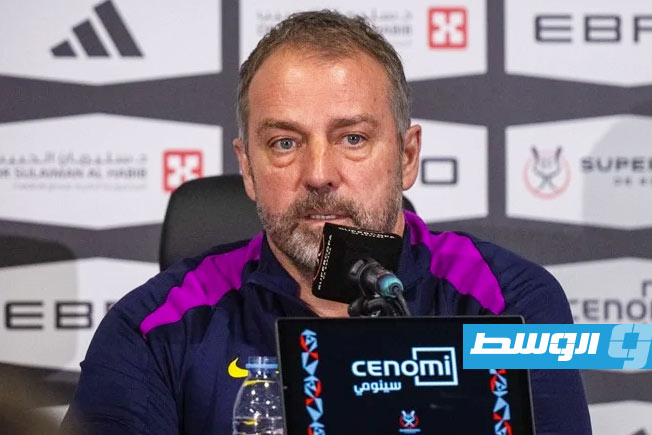
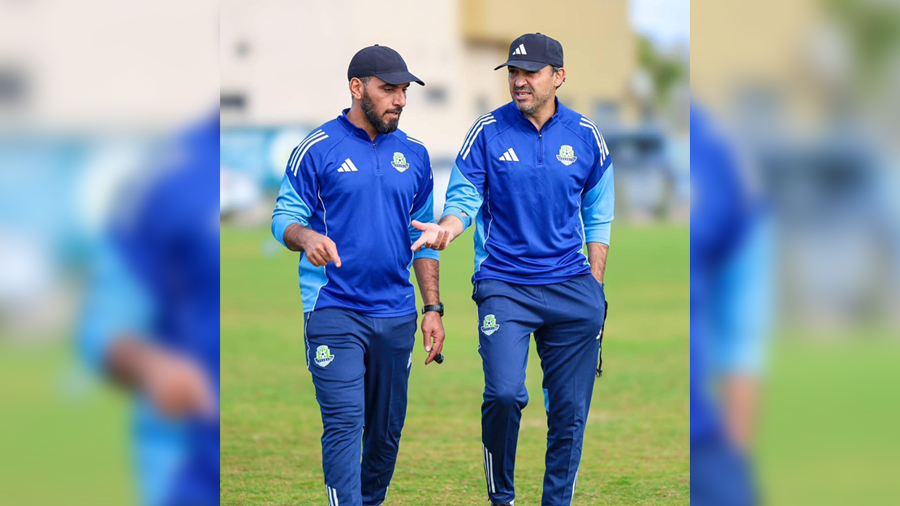
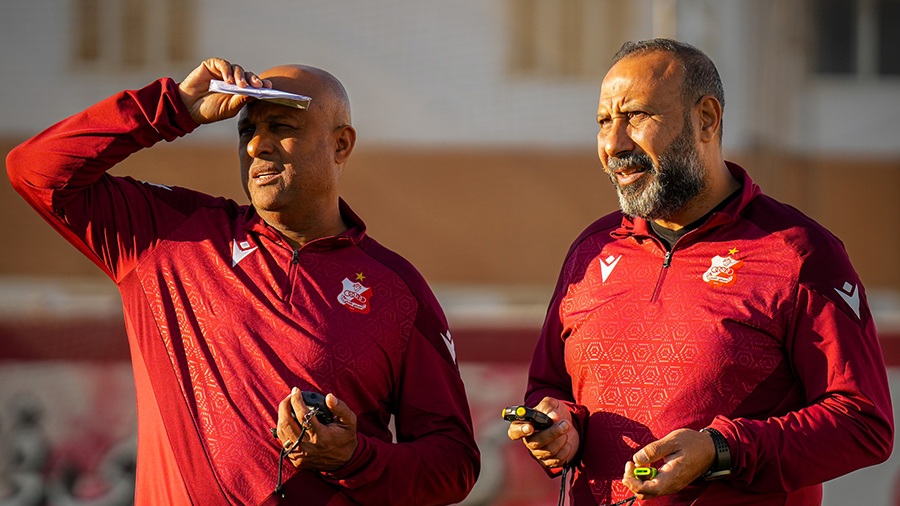
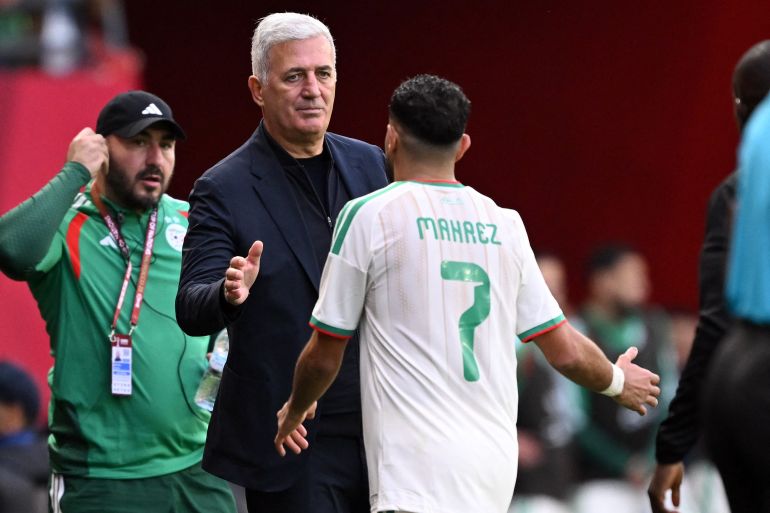
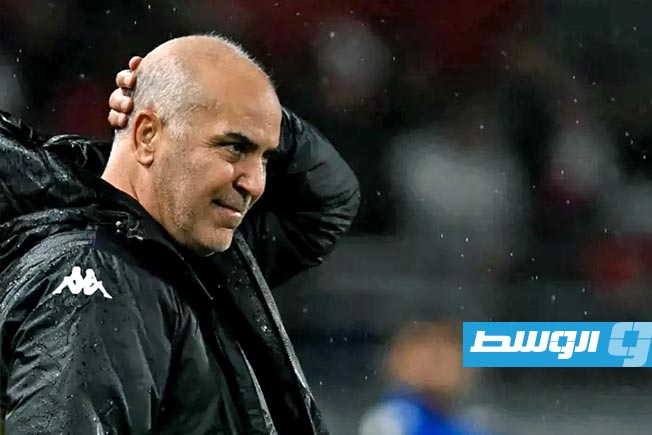
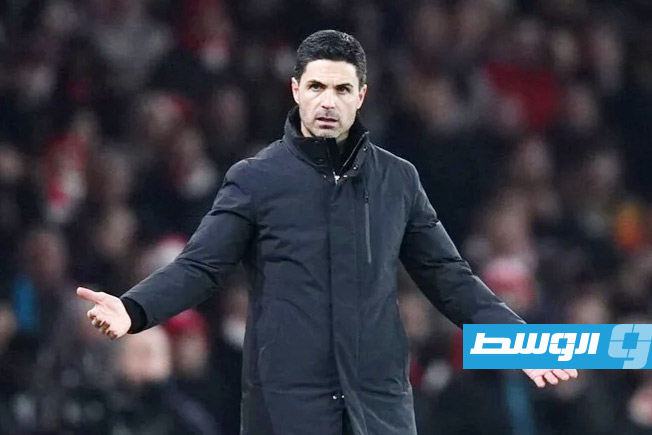
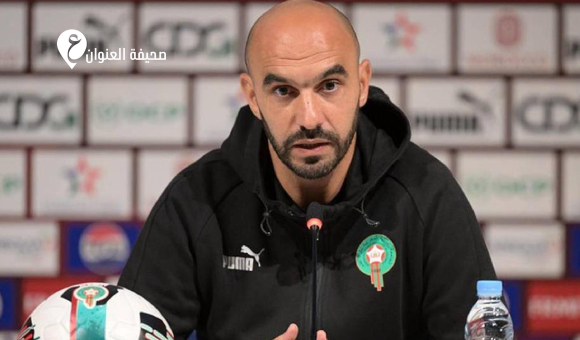
After the match, the coach tried to absorb the pressure, considering the match to have been tough against a “difficult opponent” and that his team created chances but lacked effectiveness. He sent a message to the fans about the necessity of continuing their support, promising to correct the details before the next encounter.
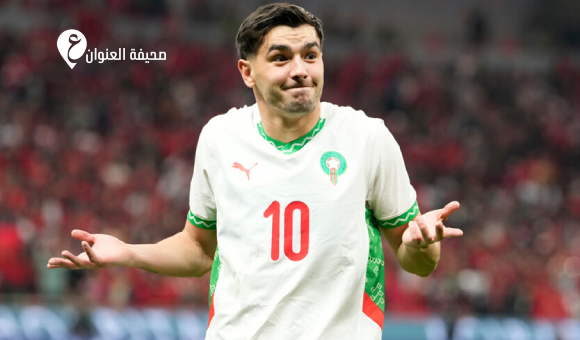
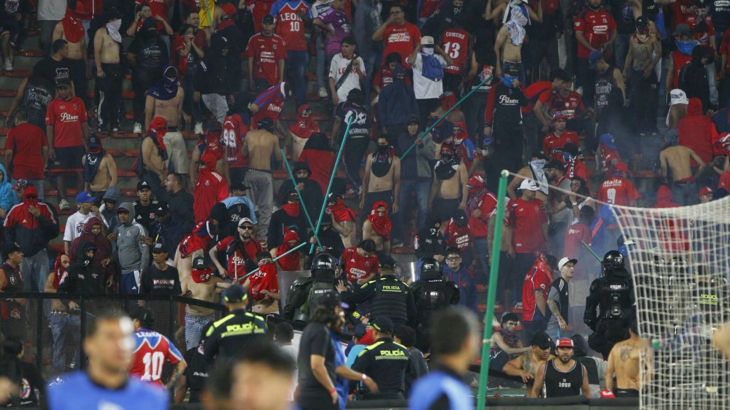
However, social media platforms saw a much sharper tone; broad segments of the fans held the coach responsible for the “decline in rhythm” and the “lack of attacking solutions.”
Some criticized his choices and substitutions, considering that the performance does not match the quality of the available players nor align with the ambition of continental glory, at a time when clear demands emerged for a quick “reaction” in the next match.
On the other hand, others defended the technical staff by reminding that Mali is an organized team possessing physical strength and high tactical discipline, and that a match of this magnitude could be a useful “wake-up call” before the knockout stages, provided the tempo is raised, attacking efficiency is improved, and the mistakes that led to the penalty are reduced.
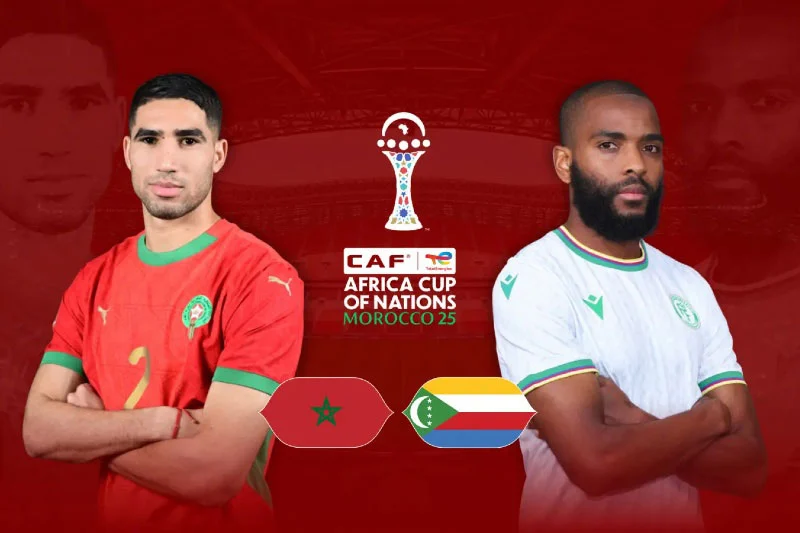
With this result, Morocco maintained the top spot in the group with four points, while both Zambia and Mali have two points each compared to a single point for Comoros. This makes the final round decisive for securing qualification and dispelling the doubts of Moroccans.
Moroccan
Morocco is a North African country with a rich cultural heritage shaped by indigenous Amazigh (Berber), Arab, Islamic, and European influences. Historically, it has been home to powerful dynasties like the Almoravids and Almohads, and its famous sites include the ancient city of Fez, the Koutoubia Mosque in Marrakech, and the historic ksar (fortified village) of Ait Benhaddou.
Atlas Lions
The Atlas Lions is the nickname for the Moroccan national football team, derived from the Barbary lion that historically inhabited the Atlas Mountains. The name symbolizes strength and national pride, with the team gaining significant international recognition following historic performances in FIFA World Cup tournaments.
Mali
Mali is a West African nation historically renowned as the heart of the medieval Mali Empire, a major center of Islamic scholarship and immense wealth under rulers like Mansa Musa. Its cultural heritage is epitomized by the ancient city of Timbuktu, a UNESCO World Heritage site famous for its historic mosques and vast collections of medieval manuscripts.
Africa Cup of Nations
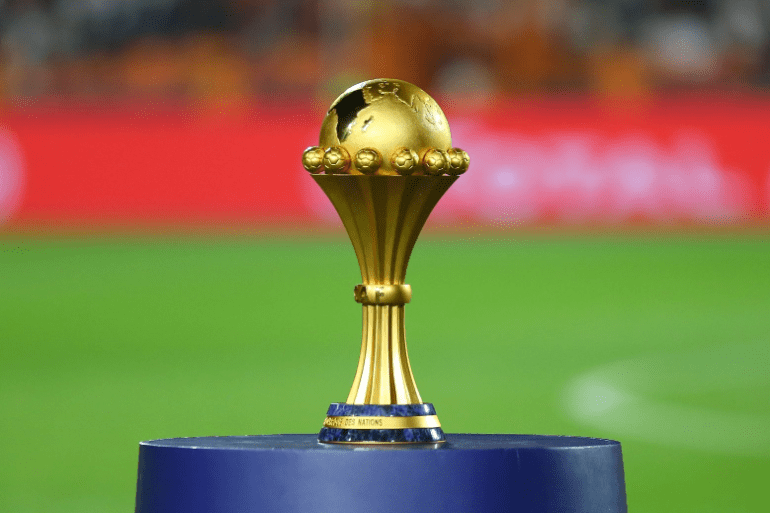
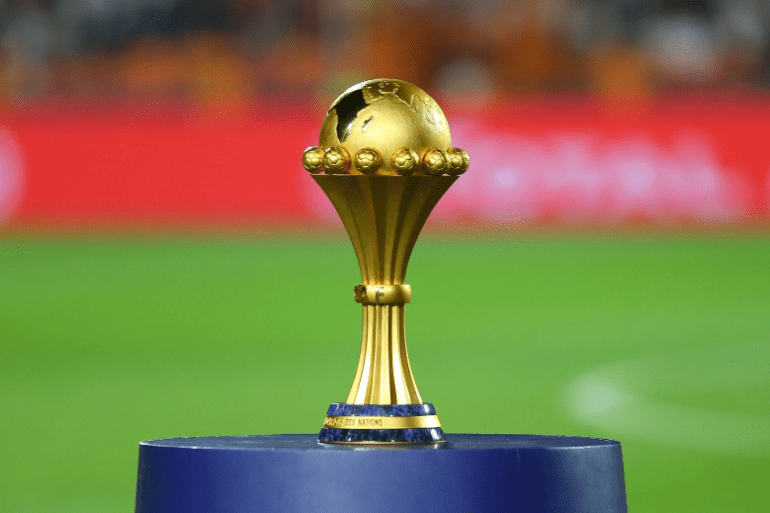
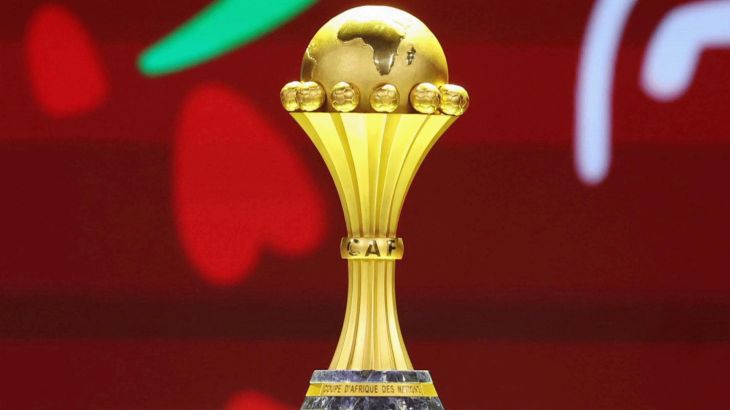
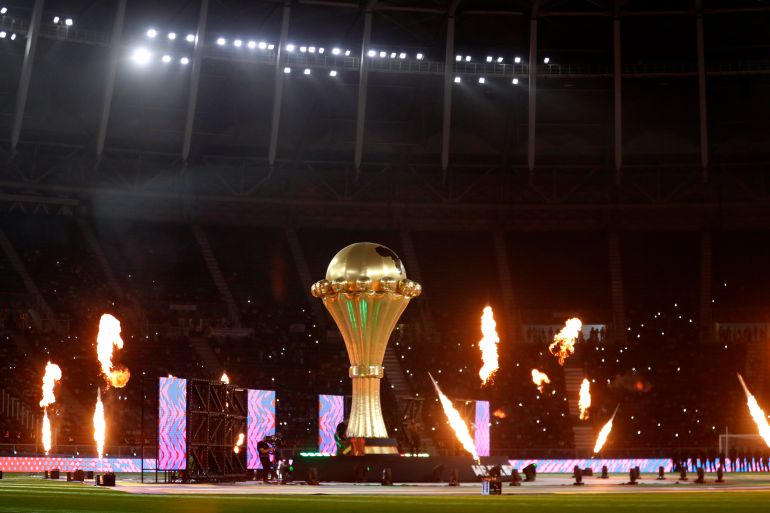
The Africa Cup of Nations is the premier international men’s football competition in Africa, first held in 1957. It was founded to unite African nations emerging from colonialism and is organized by the Confederation of African Football (CAF). The tournament is held every two years and has grown to become a major global sporting event.
Lassine Sinayoko
Lassine Sinayoko is a professional Malian footballer who plays as a forward for Ligue 1 club Auxerre and the Mali national team. He began his senior career with Stade Malien in his home country before moving to France in 2022 to join Auxerre.
Morocco
Morocco is a North African country with a rich history shaped by indigenous Amazigh (Berber) cultures, Arab influence from the 7th century, and successive dynasties like the Almoravids and Almohads. Its cultural sites, such as the ancient city of Fez and the Koutoubia Mosque in Marrakech, reflect this blend of Arab, Islamic, and Amazigh heritage. The country’s historic medinas, kasbahs, and varied landscapes from the Sahara Desert to the Atlas Mountains contribute to its distinct cultural identity.
Zambia
Zambia is a landlocked country in southern Africa, known for its vast wilderness areas and the spectacular Victoria Falls along its border with Zimbabwe. Historically, it was a British protectorate called Northern Rhodesia before gaining independence in 1964, with its economy historically centered on copper mining.
Comoros
Comoros is an archipelago nation in the Indian Ocean, known for its volcanic islands and diverse cultural blend of African, Arab, and French influences. Its history is marked by a succession of sultanates before becoming a French protectorate in the 19th century, leading to independence in 1975. The country is often noted for its political instability and is sometimes called the “Perfume Islands” due to its production of ylang-ylang and spices.