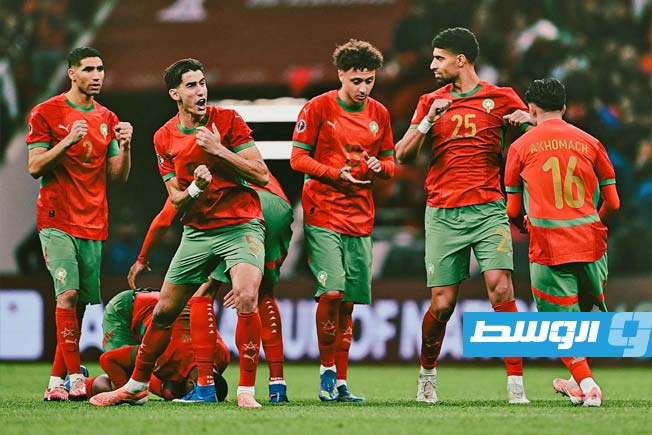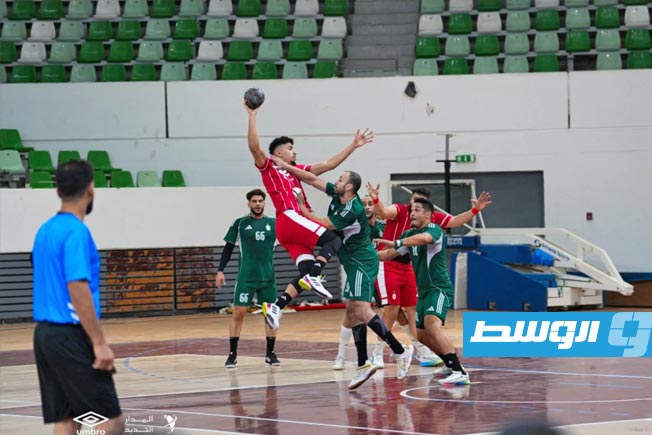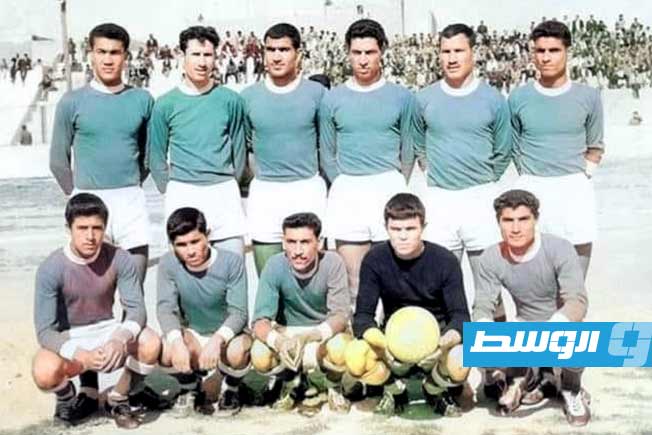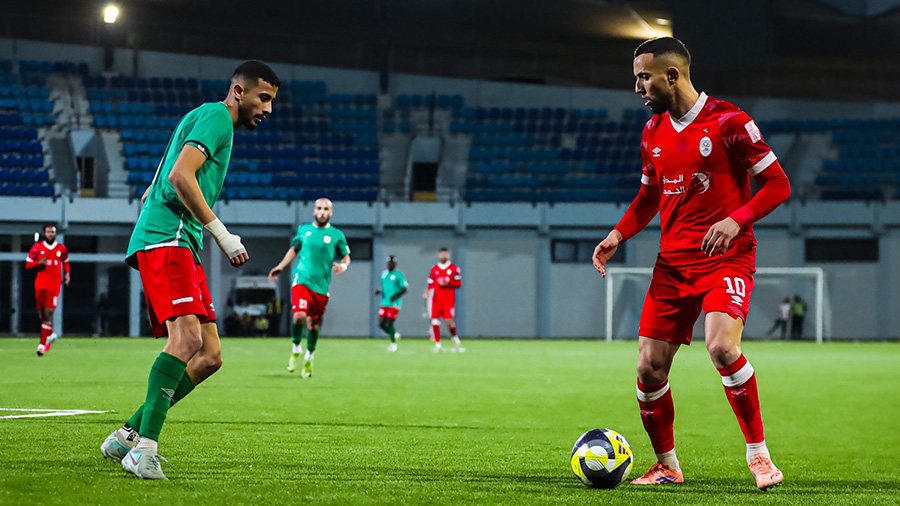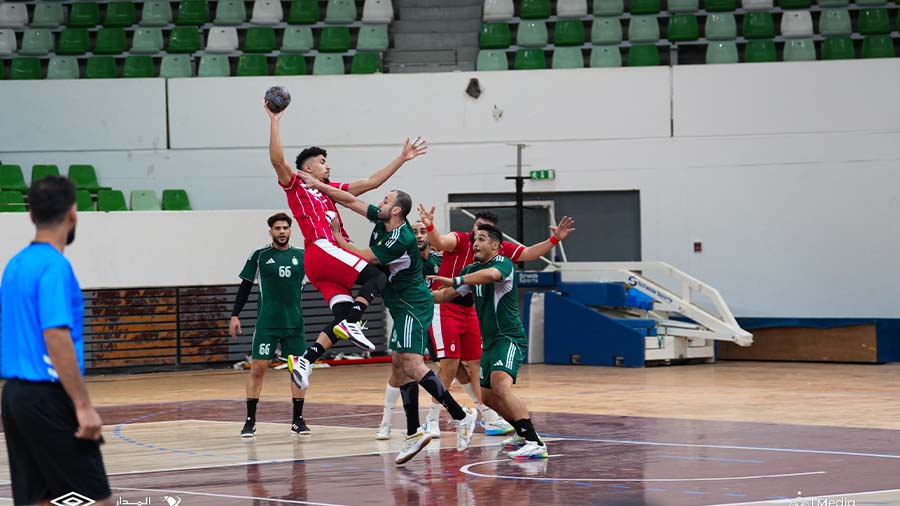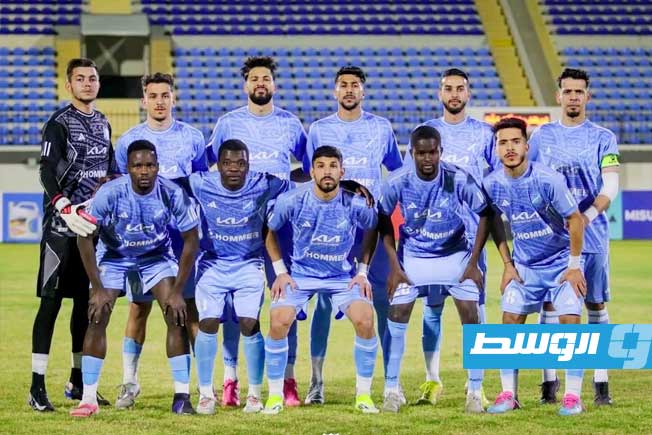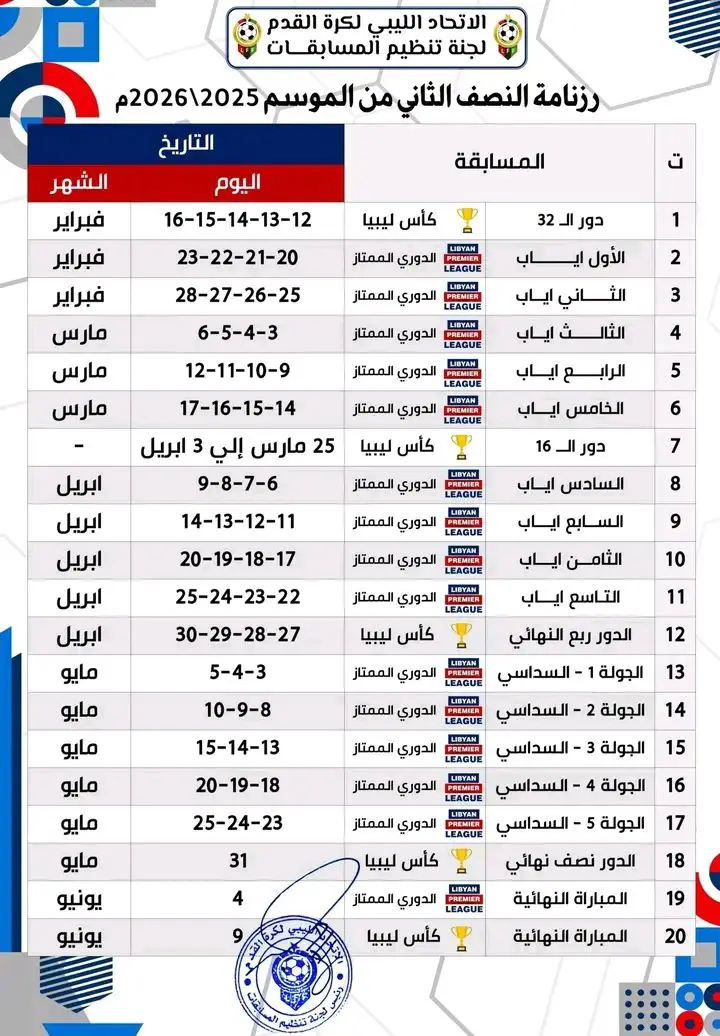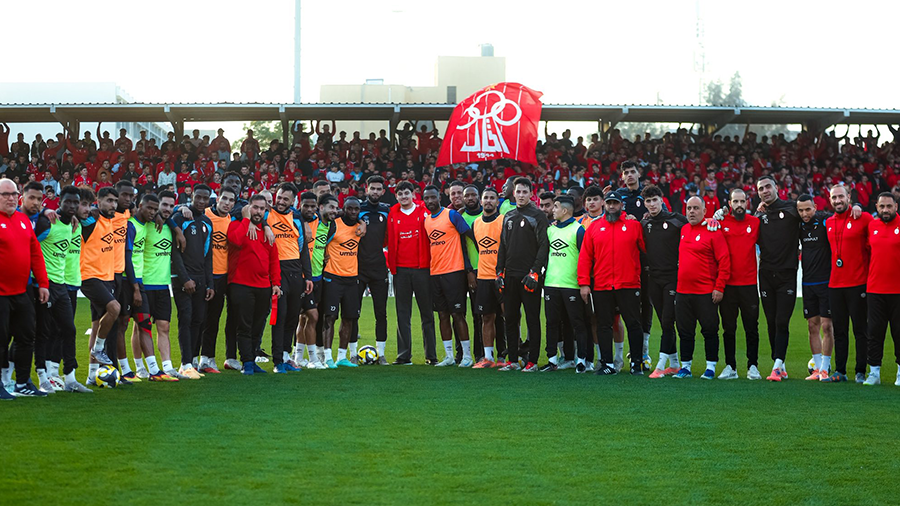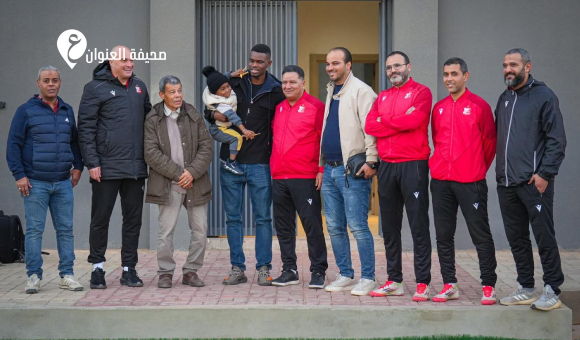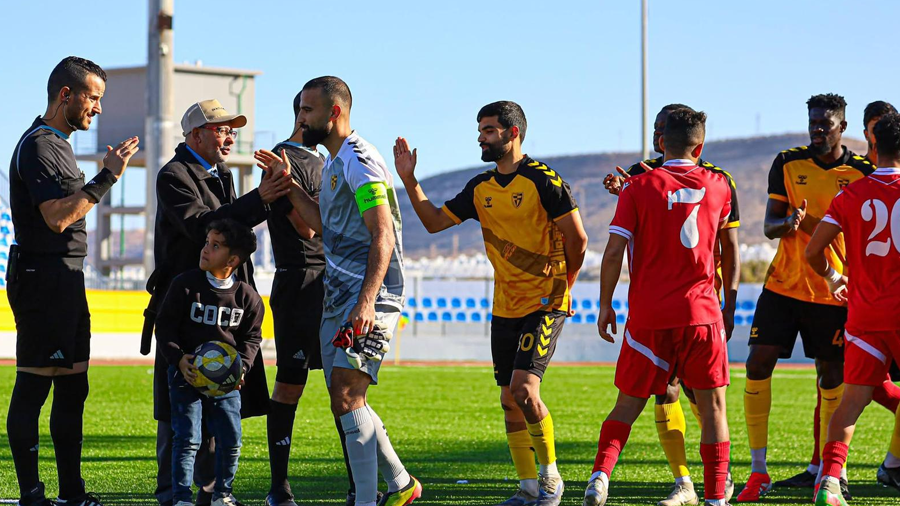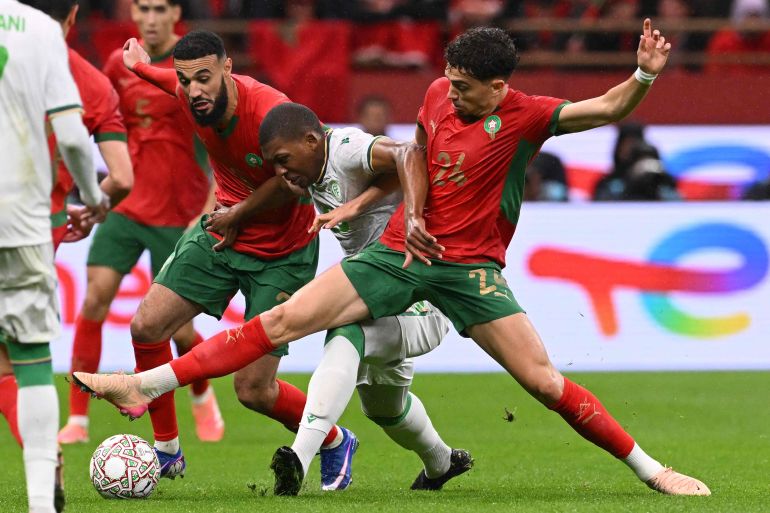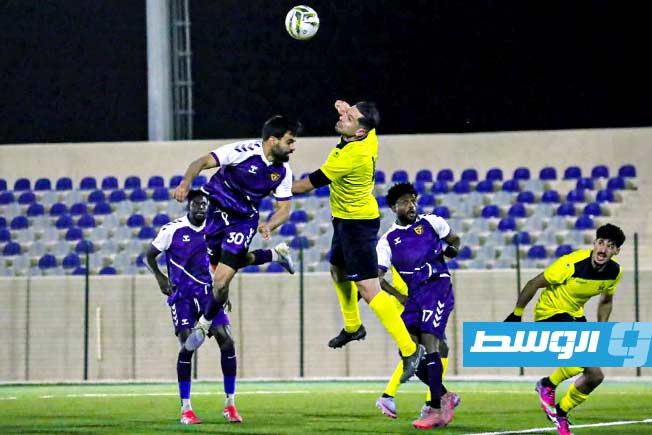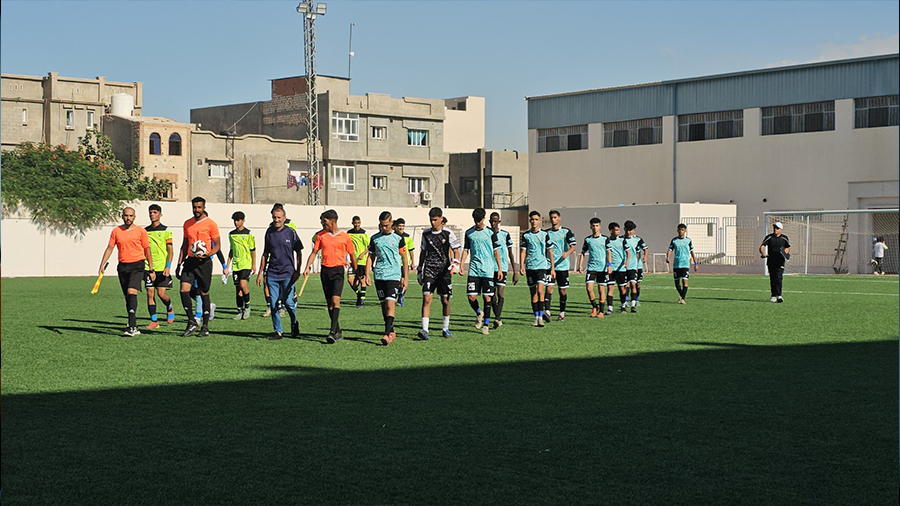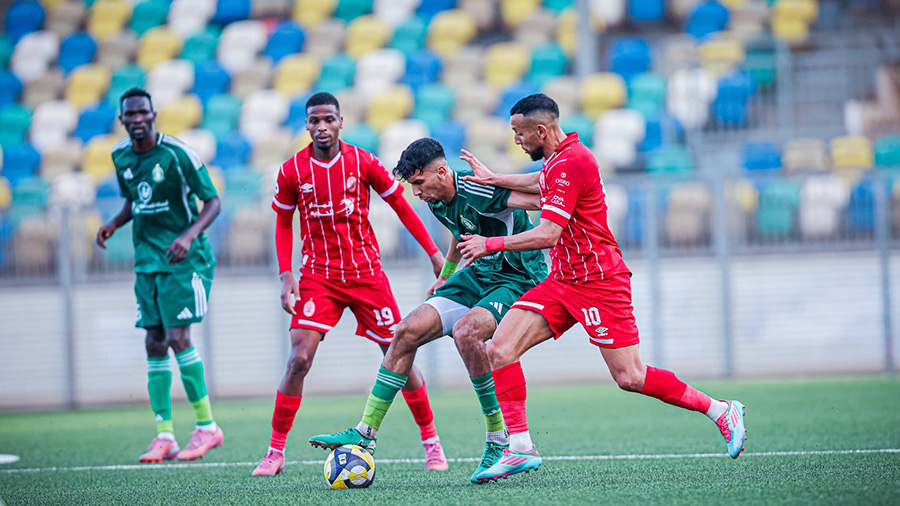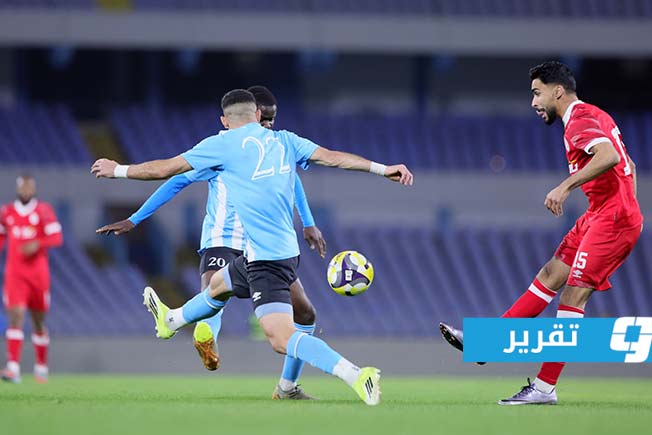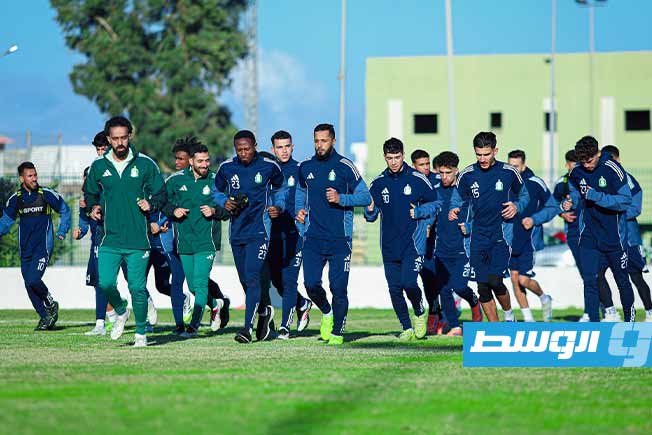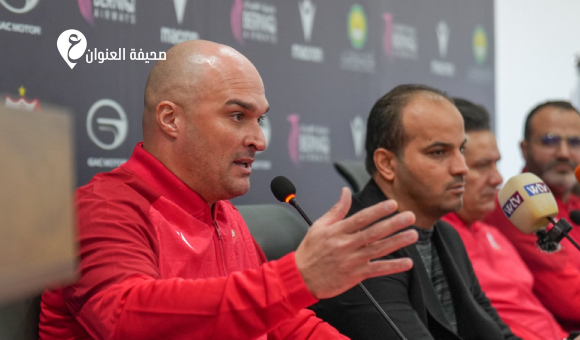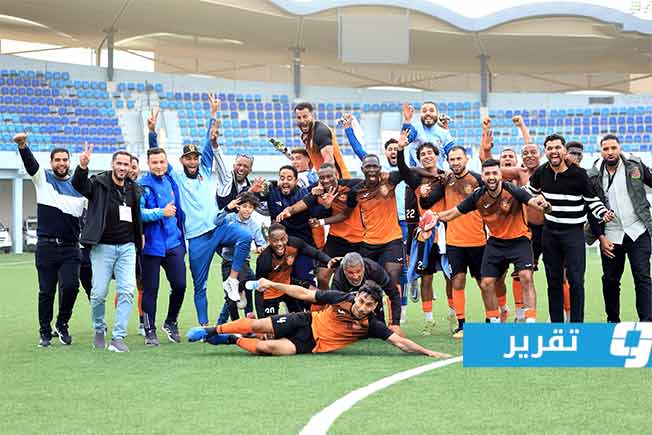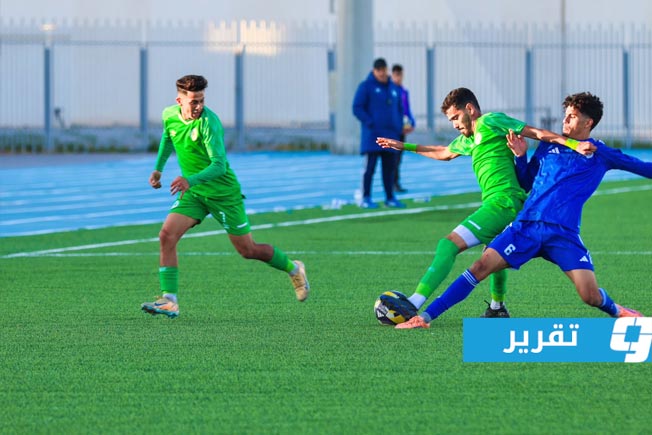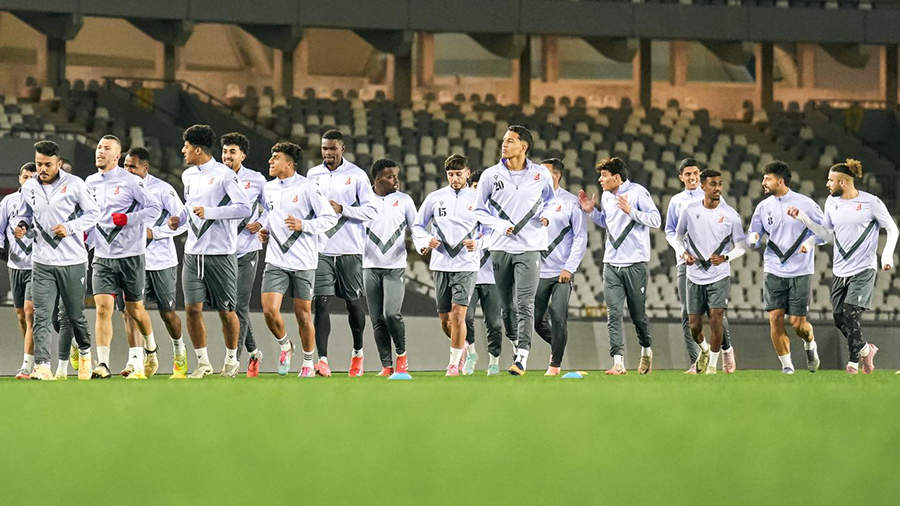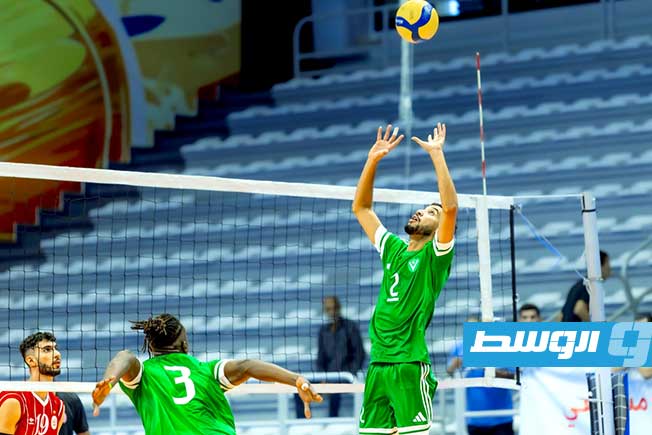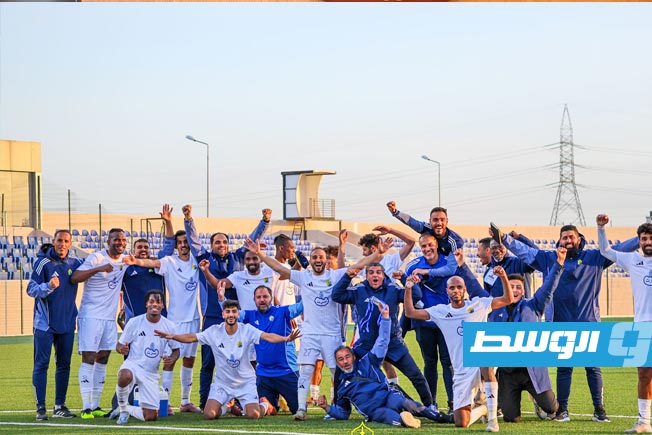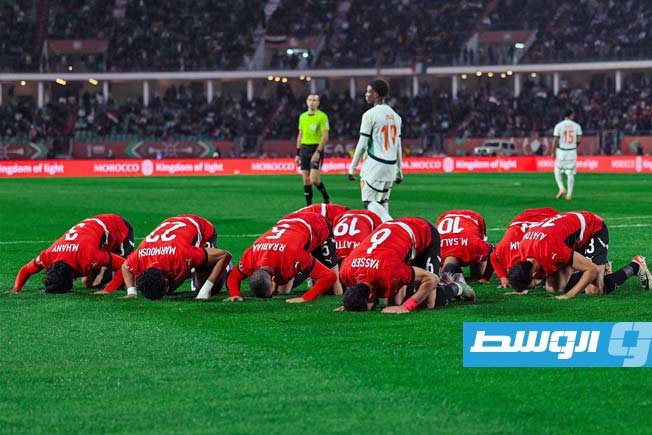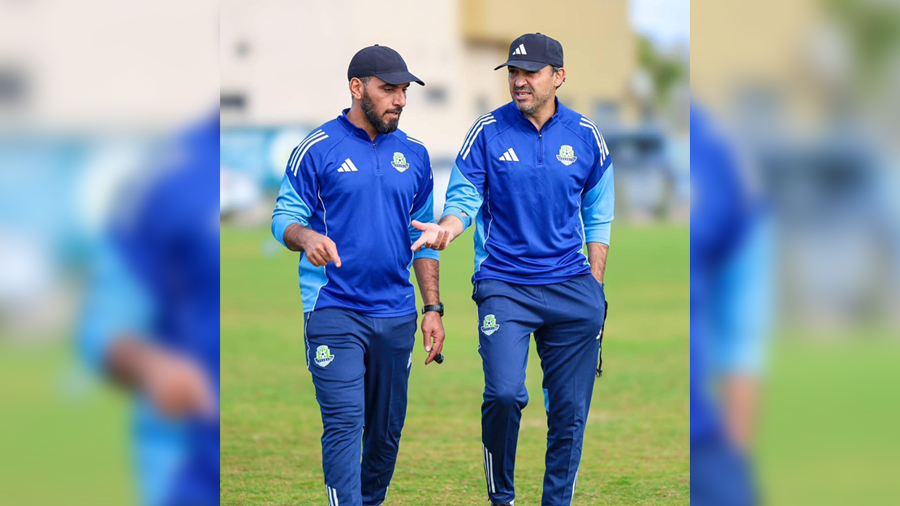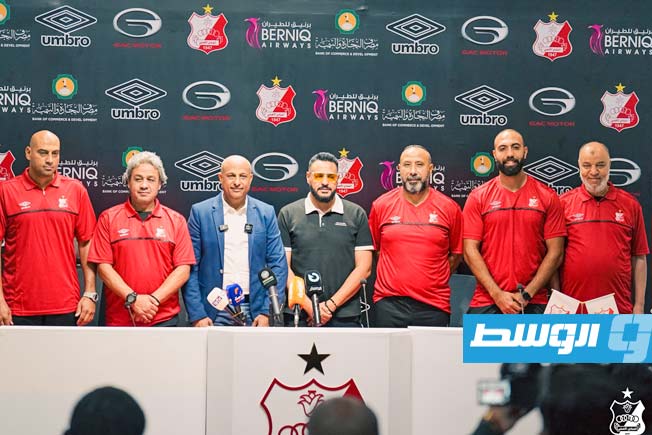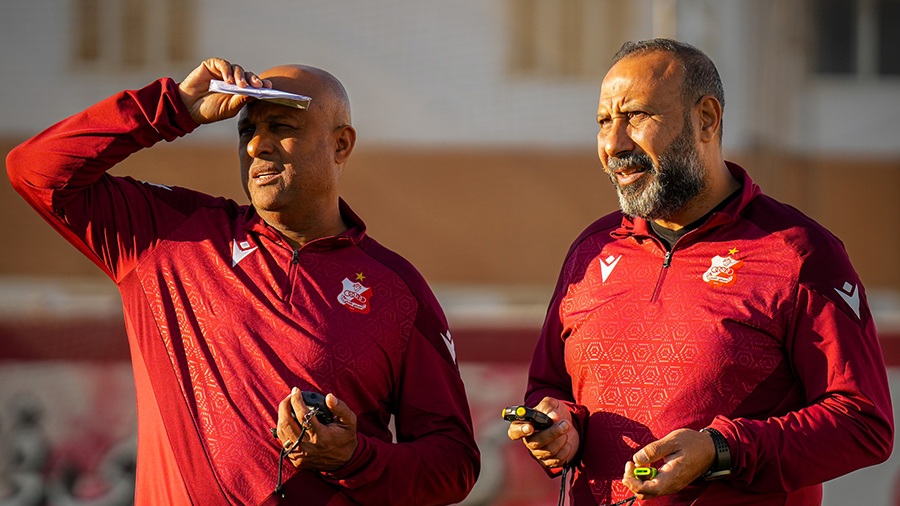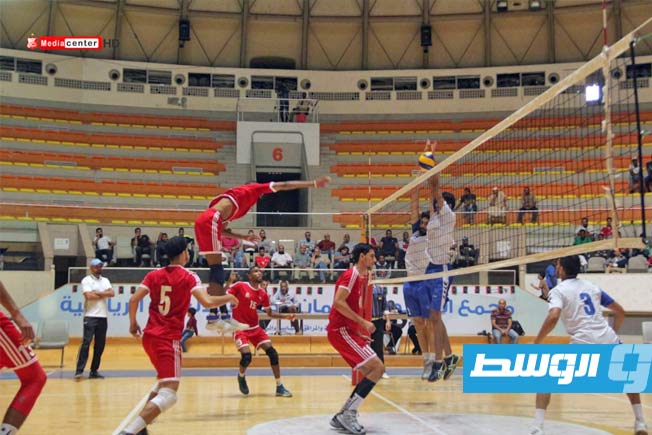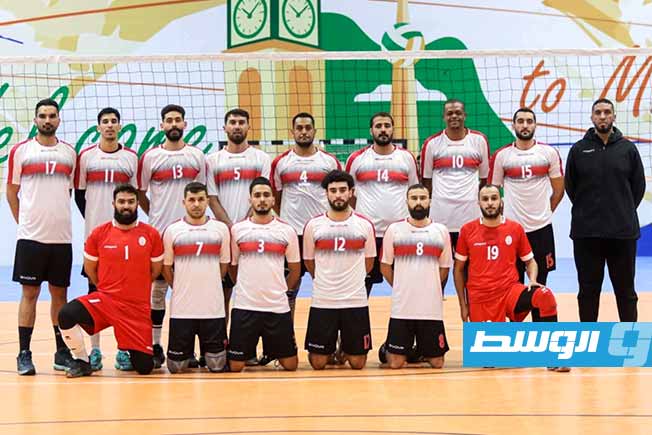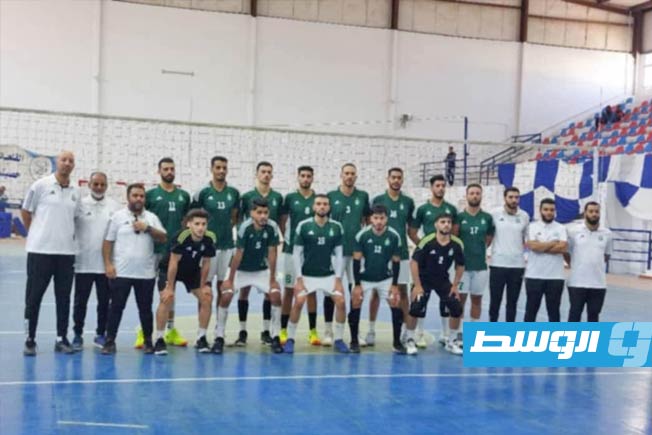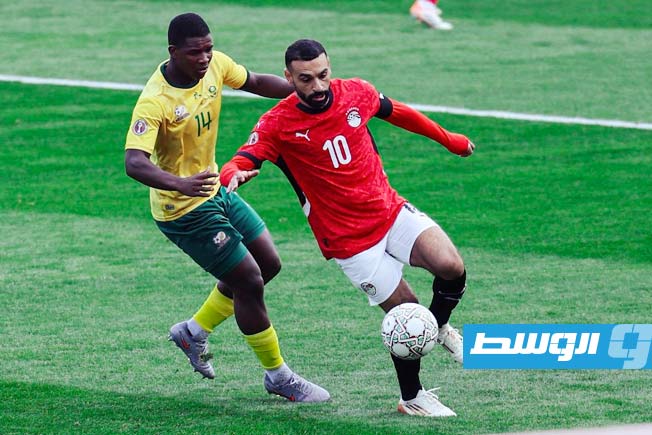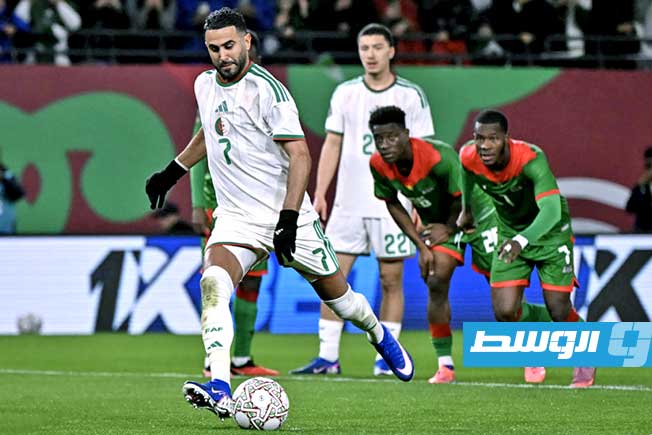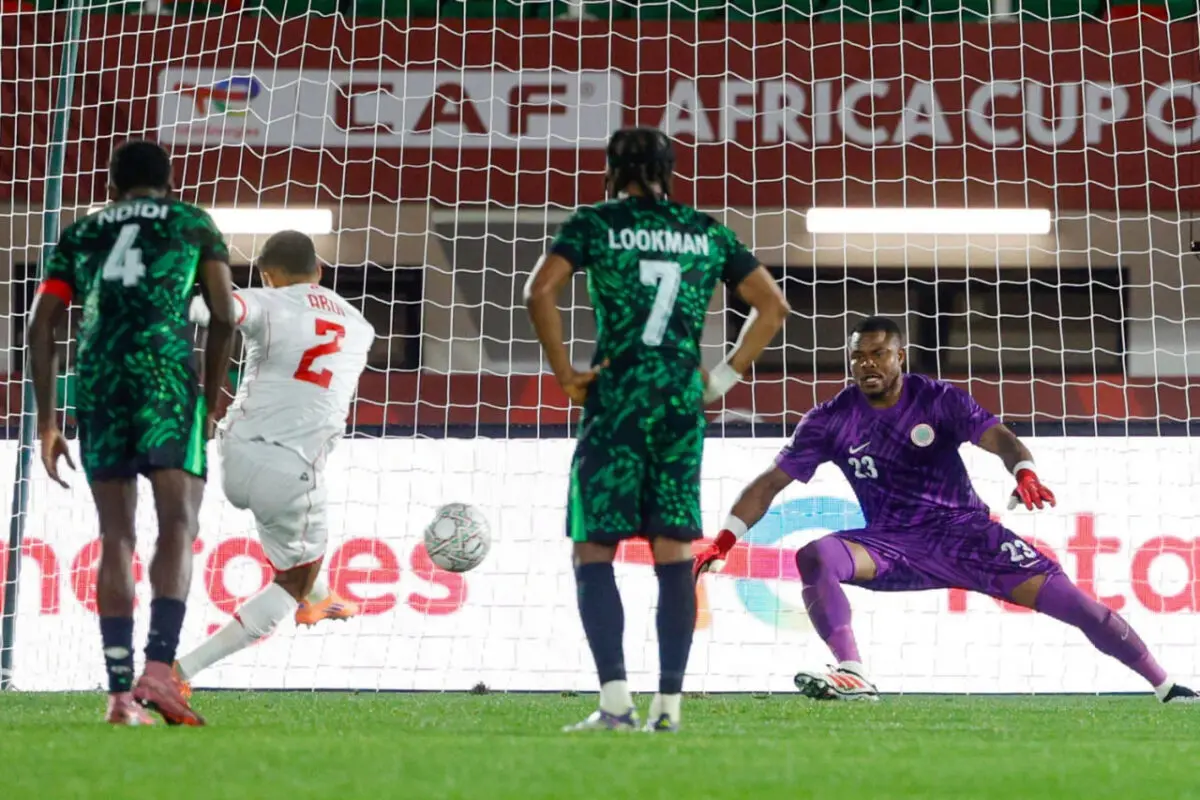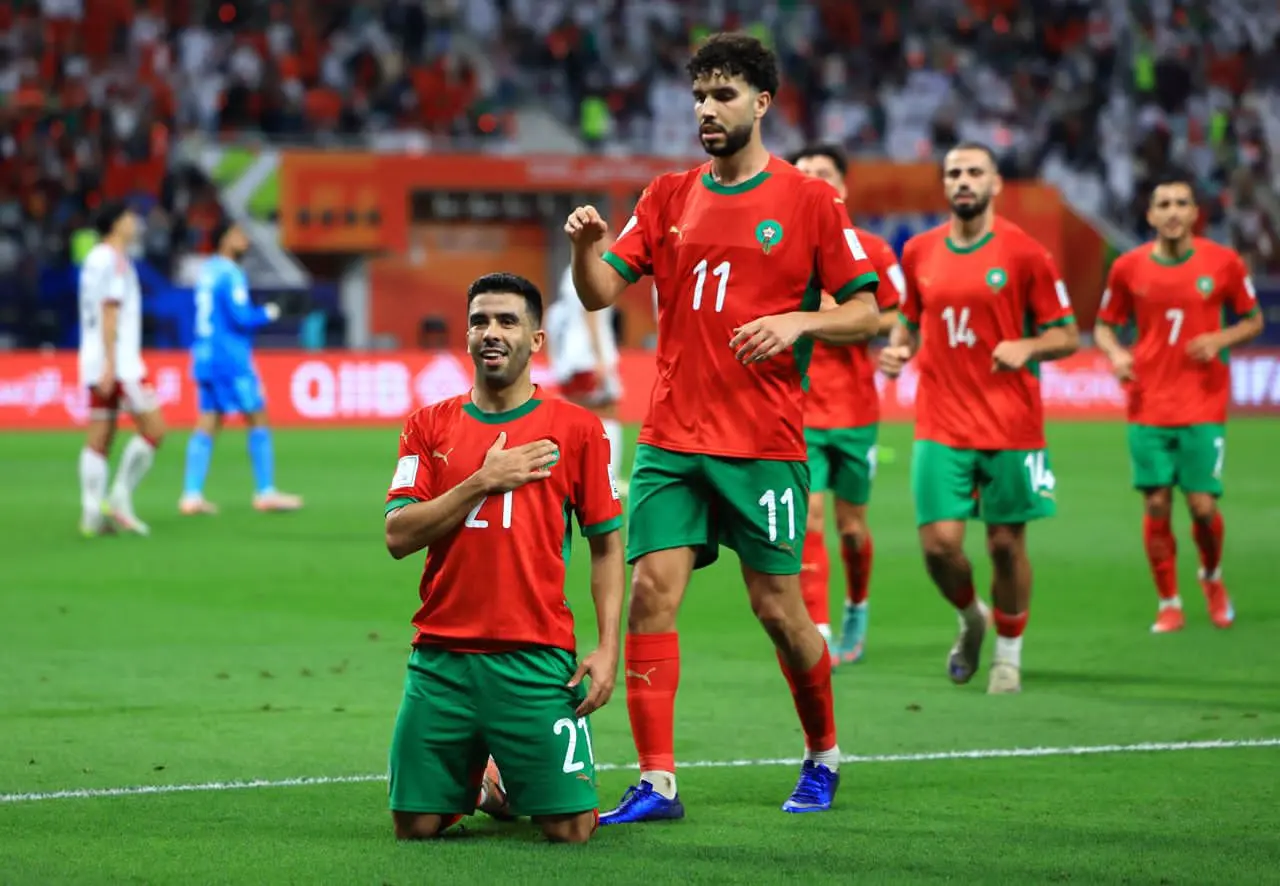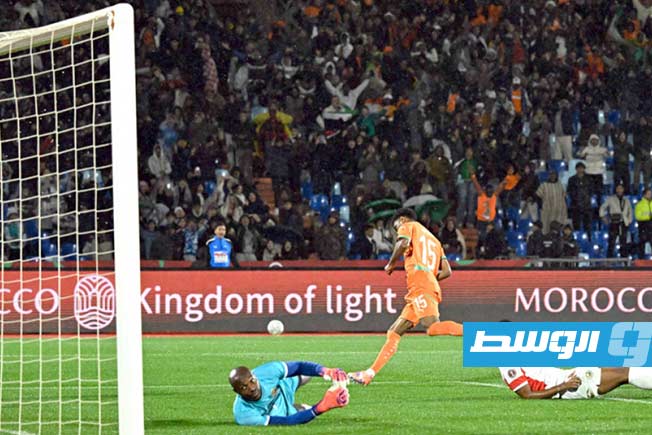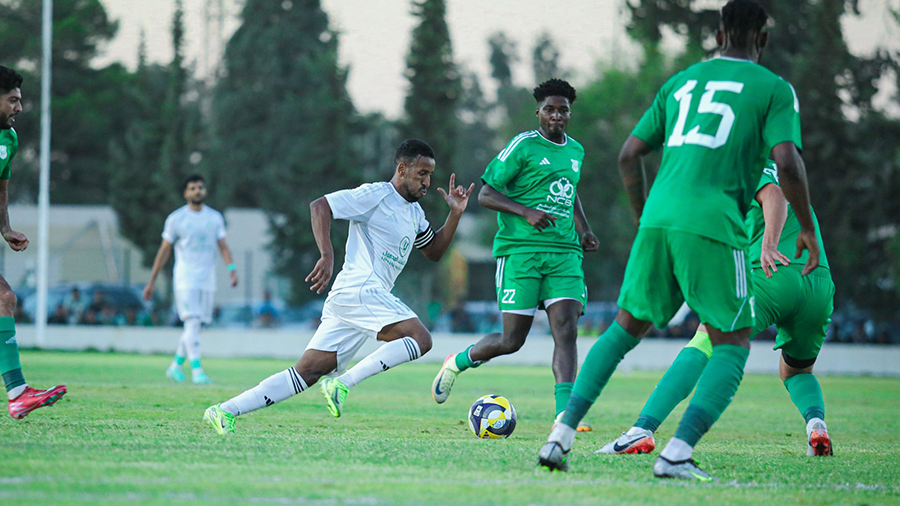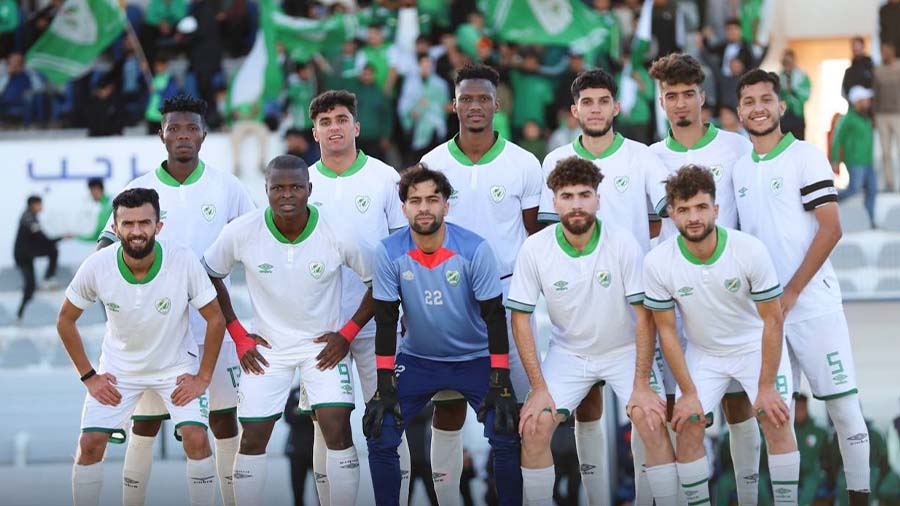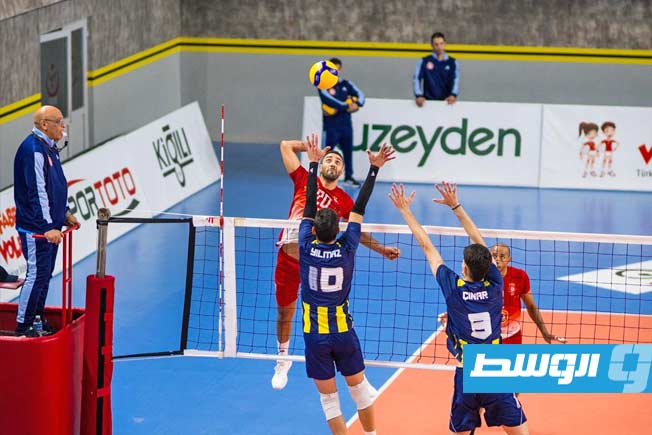
On Saturday, the second round of matches for Groups Two and Four will conclude with four games being played.
Saturday’s matches will see the Al-Nahr Al-Sina’i Stadium host two games in Group Two competitions. In the first match, Al-Majd will visit Shabab Al-Ghar, and in the second match, Al-Ittihad will host Abi Al-Ashhar.
In the Group Four competitions, Al-Andalus will host Al-Afriqi at the Tobruk Municipal Stadium. The group’s matches will conclude with the encounter between Al-Wefaq Ajdabiya and Al-Akhdar on the pitch of the 10 June Stadium in the city of Ajdabiya.
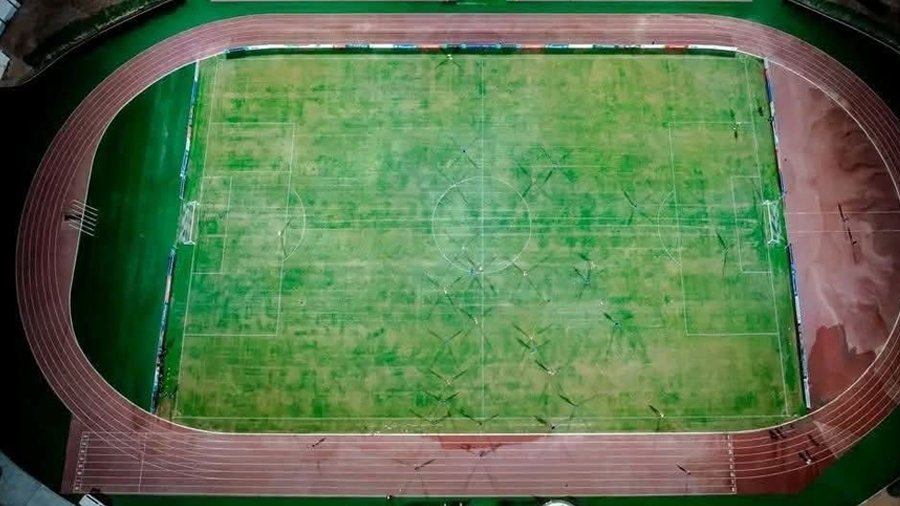
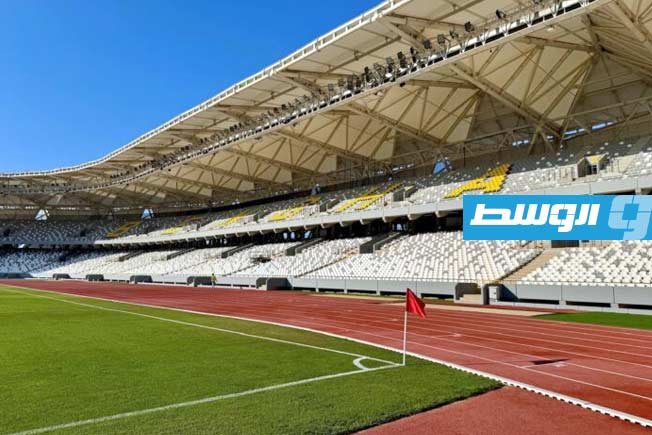
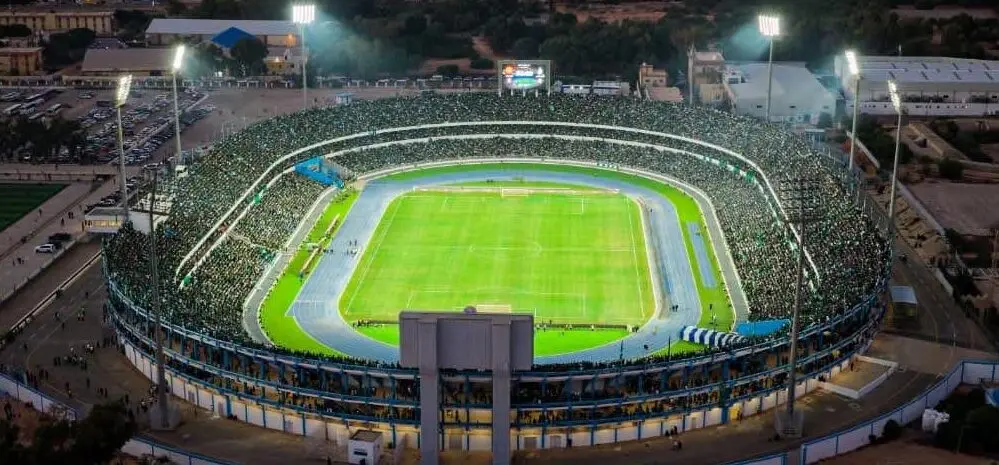
Al-Nahr Al-Sina’i Stadium
Al-Nahr Al-Sina’i Stadium is a multi-purpose stadium located in the city of Sidon, Lebanon. It was originally constructed in 1965 and has since served as a key venue for football matches and other local events, most notably as the home ground for the Al-Nahda football club.
Shabab Al-Ghar
“Shabab Al-Ghar” is a prominent cultural and social club in the city of Hebron (Al-Khalil) in the West Bank, historically known for its central role in Palestinian community life. Founded in the early 20th century, it has long served as a key venue for youth activities, sports, and cultural events, fostering social cohesion and national identity.
Al-Ittihad
Al-Ittihad is a historic football club based in Jeddah, Saudi Arabia, founded in 1927. It is one of the most successful and popular clubs in the country and Asia, with a rich history of winning numerous domestic and continental titles, including the AFC Champions League.
Abi Al-Ashhar
Abi Al-Ashhar is a historical archaeological site located in Jordan, believed to be an ancient Nabataean settlement. It features well-preserved ruins including tombs, water channels, and buildings that reflect the engineering prowess of the Nabataean civilization, which flourished from around the 4th century BC to the 1st century AD.
Al-Andalus
Al-Andalus refers to the Muslim-ruled territories on the Iberian Peninsula from the 8th to the 15th centuries, encompassing much of modern-day Spain and Portugal. This period is renowned for its remarkable cultural, scientific, and architectural flourishing, where Muslims, Christians, and Jews coexisted and contributed to a vibrant society. It ended with the completion of the Christian Reconquista in 1492 with the fall of Granada.
Al-Afriqi
“Al-Afriqi” is a historical name for the continent of Africa, derived from the Latin “Africus” and famously used by the medieval Arab geographer Muhammad al-Idrisi in his 12th-century work “Tabula Rogeriana.” The term reflects the early Islamic world’s cartographic and scholarly contributions to mapping and describing the African continent.
Tobruk Municipal Stadium
Tobruk Municipal Stadium is a multi-purpose stadium located in Tobruk, Libya, primarily used for football matches. It is historically notable for having hosted the final of the 1982 African Cup of Nations, where Ghana defeated Libya on penalties.
Al-Wefaq Ajdabiya
Al-Wefaq Ajdabiya is a prominent cultural and social center located in the city of Ajdabiya, Libya. It serves as a key gathering place for community events, discussions, and cultural activities, particularly known for its role during and after the 2011 Libyan Revolution as a hub for civic engagement and local coordination.
Al-Akhdar
Al-Akhdar, also known as the Green Mountain, is a prominent mountainous region in eastern Libya, historically significant as a natural fortress and a center for resistance. It served as a key stronghold for Libyan forces during the Italian colonization in the early 20th century. The area is also noted for its unique Mediterranean forest ecosystem and ancient archaeological sites.
10 June Stadium
The 10 June Stadium is a multi-purpose sports arena located in Tripoli, Libya. It was inaugurated in 1982 and named to commemorate the date of a significant political event in the country’s history, specifically the expulsion of U.S. forces from Wheelus Air Base in 1970. It has primarily served as a major venue for football matches and large public gatherings.
Ajdabiya
Ajdabiya is a city in northeastern Libya, historically significant as a major crossroads for trans-Saharan trade routes and later as a site of strategic importance during various conflicts, including World War II and the 2011 Libyan Civil War. Its location has made it a recurring focal point for military engagements throughout modern Libyan history.