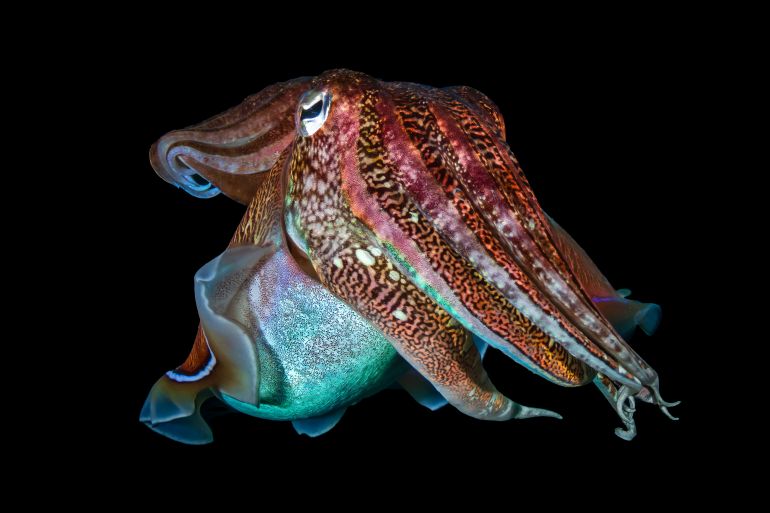
The distinctive name “Pharaoh Cuttlefish” may not be the only notable thing about this creature, known for its rapid growth and short life cycle, as another feature has been discovered that could give it therapeutic value in the future.
Ancient Egyptian civilization was not known to revere this cuttlefish, but it gained its name from its presence in the Red Sea and areas near Egypt, regions historically linked to Pharaonic civilization.
This Pharaoh Cuttlefish is considered a marine species of high nutritional value, characterized by low fat content and containing polyunsaturated fatty acids, minerals, and essential amino acids. However, a study published in “Food Research International” went beyond nutritional value to a new discovery that enhances the potential for exploiting its bioactive components in pharmaceutical, food, and functional industries, thereby boosting the economic value of marine resources.
It was found that a bioactive compound extracted from the edible part of the Pharaoh Cuttlefish could be a promising therapeutic option as an anti-inflammatory agent, potentially paving the way for developing safer natural treatments for chronic inflammatory diseases.
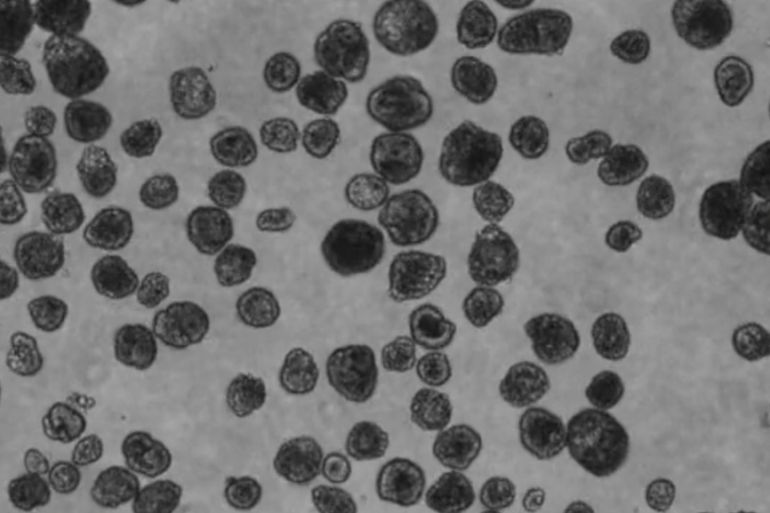
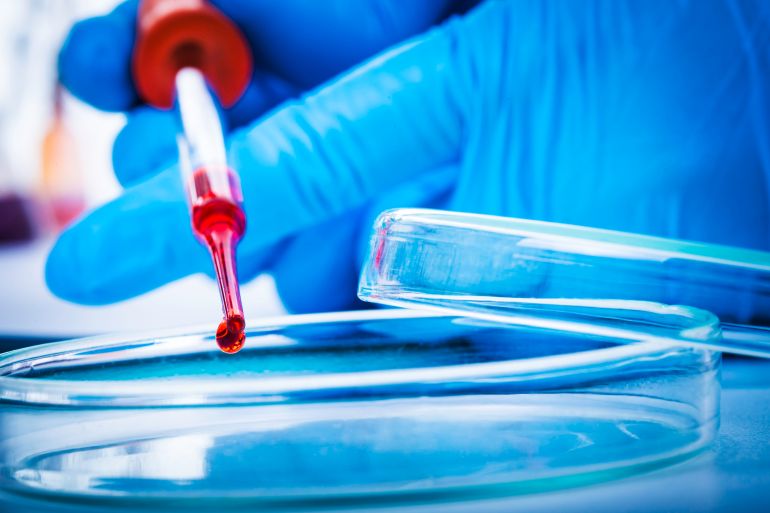
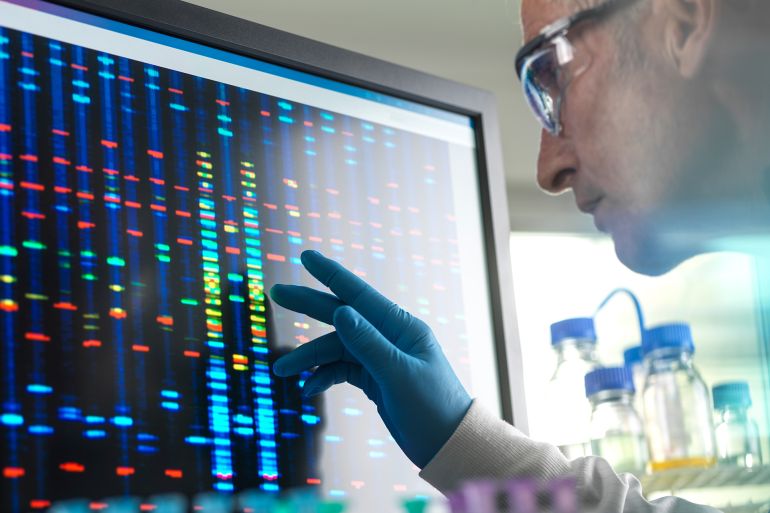
It was explained that the new compound, a complex sulfated polysaccharide named “SPP-1,” showed a remarkable ability to inhibit markers of inflammation and oxidative stress in laboratory experiments on human and animal immune cells.
Strong Results in Curbing Inflammation
The study showed that the compound “SPP-1” successfully reduced the secretion of several key pro-inflammatory molecules, including Interleukin-6, Interleukin-1 beta, Tumor Necrosis Factor-alpha, and Nitric Oxide, in immune cells that were stimulated in the lab to induce an acute inflammatory response.
In human cells known as “THP-1,” the compound reduced levels of Interleukin-12, Tumor Necrosis Factor-alpha, and Interleukin-1 beta by up to around 80%, while it significantly increased the expression of Transforming Growth Factor-beta, known for its anti-inflammatory role and regulation of the immune response.
It is suggested that this efficacy is due to the compound’s distinctive chemical structure, particularly the presence of sulfur groups and specific types of monosaccharides, properties that give it a high ability to interact with inflammatory molecules and deactivate them.
Gene expression analyses also showed a noticeable decrease in genes associated with inflammation, such as Interleukin-2 and Interferon-gamma, further enhancing its potential as an immune-regulating agent.
A Natural Alternative to Traditional Treatments?
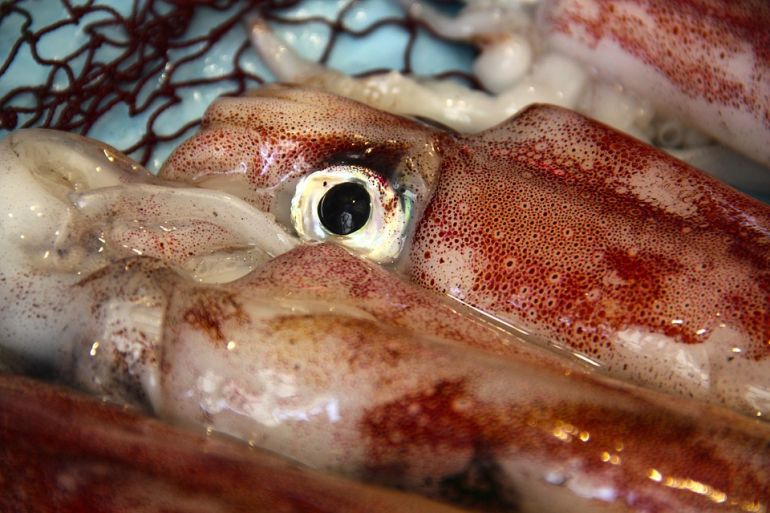
These results come at a time when the need for natural and safe alternatives to anti-inflammatory drugs is increasing, given the side effects caused by traditional treatments, such as non-steroidal anti-inflammatory drugs and biological therapies, which include stomach ulcers, weakened immunity, and increased risk of infection.
It is noted that chronic inflammatory diseases account for more than half of global causes of death, making the search for new, safer compounds a global health priority.
It is emphasized that the new compound “SPP-1” could form a starting point for developing new drugs targeting inflammation and oxidative stress, while acknowledging the need for further studies before moving to clinical trials.