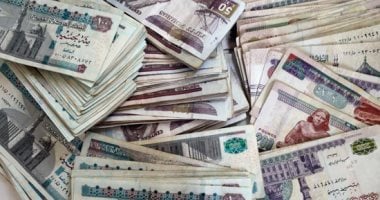
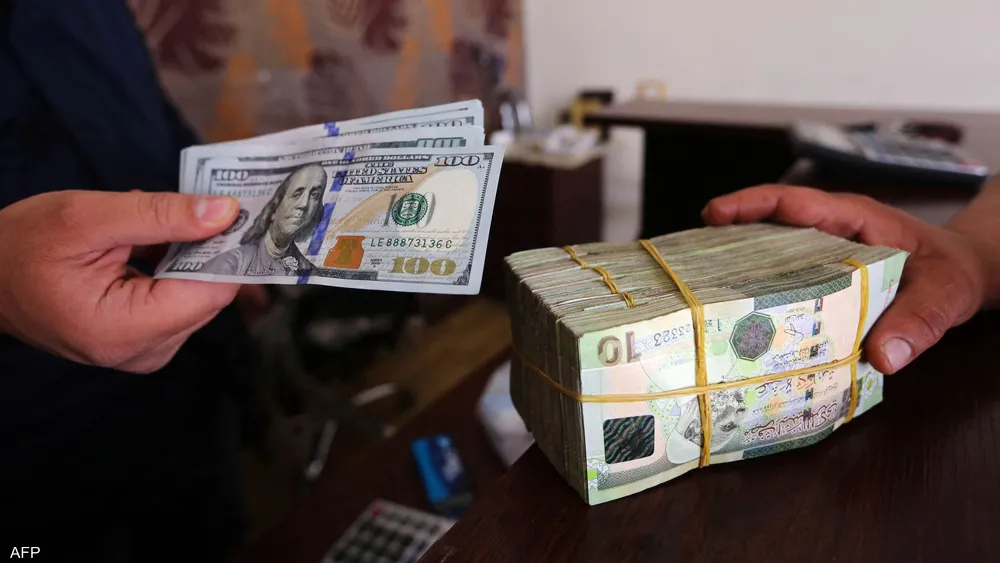
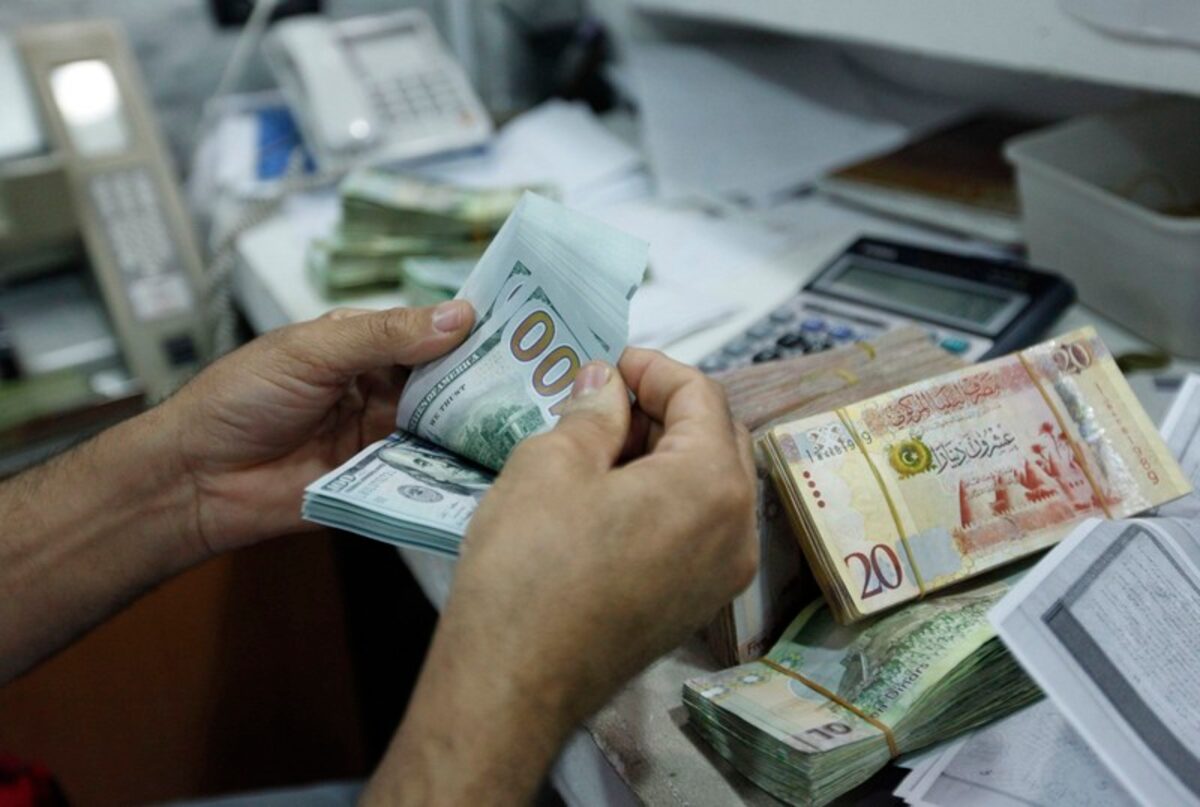
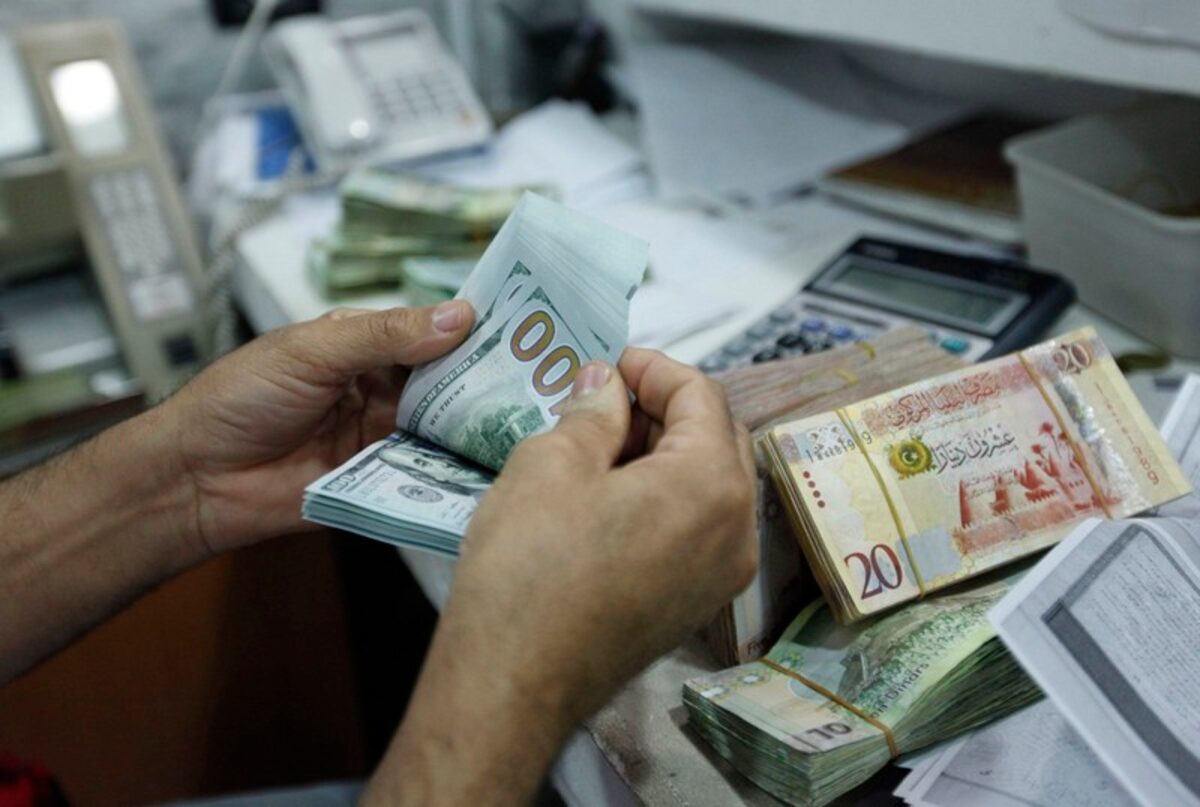
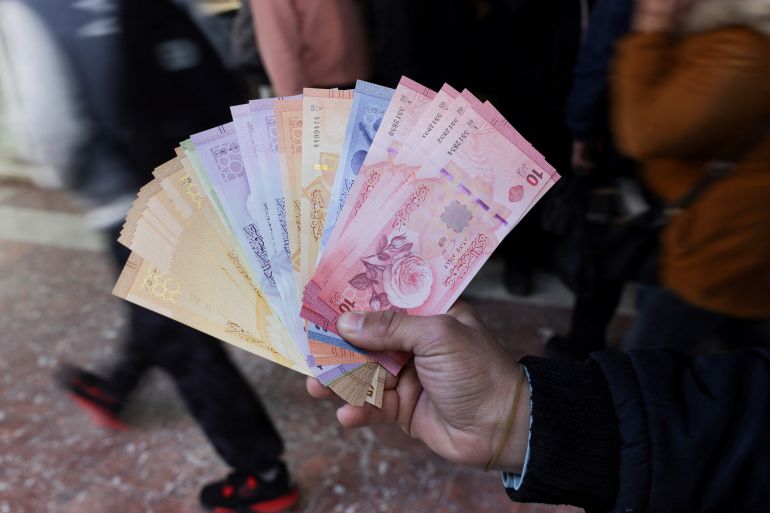
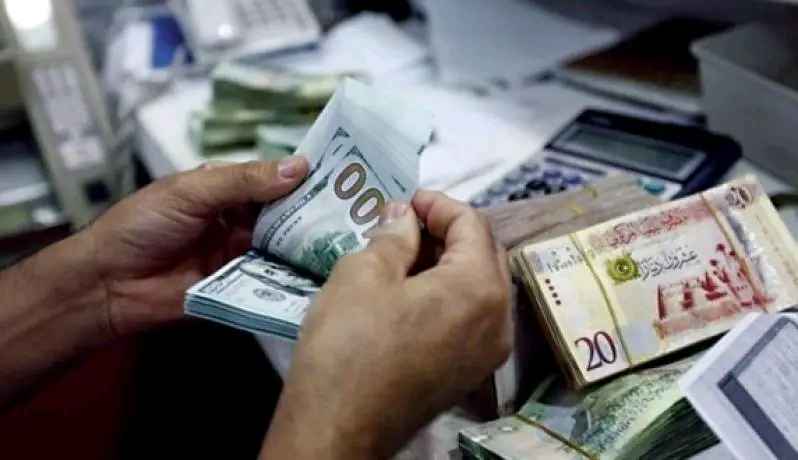
The monthly report from the General Authority revealed an increase in the number of beneficiaries from small and medium enterprise financing activity to 0.72 thousand beneficiaries in October 2025, with total granted financing amounting to 1.5 billion pounds. This compares to 0.7 thousand beneficiaries in October 2024, with total granted financing of 1.7 billion pounds.
The number of beneficiaries from small and medium enterprises rose to 6.6 thousand beneficiaries, with total granted financing of 15 billion pounds during the period from January to October 2025. This is compared to 5.1 thousand beneficiaries with total granted financing of 9.8 billion pounds during the same period last year.
The small, medium, and micro enterprise sector is a key driver of the economy and one of the fastest-growing areas that promotes economic growth and aids regional development. These enterprises play an important role in creating job opportunities in the Egyptian market and are among the most important factors the Egyptian government focuses on to help strengthen its economy and achieve sustainable development goals.
The number of small, medium, and micro enterprises in Egypt is approximately 3.74 million companies, representing 44.6 percent of the total establishments in the formal private sector. The number of workers in the sector is about 5.8 million, representing about 43.1% of the total workers in the formal Egyptian sector as a whole, according to official data.
The government has taken a number of serious measures to encourage the small enterprise sector, both on the financing side through launching initiatives to provide credit facilities for these projects, and by providing non-financial services for entrepreneurship. This includes providing marketing, logistical, and technological services, offering training to qualify human resources, in addition to institutional support by designating a single body responsible for this sector: the Medium, Small and Micro Enterprise Development Agency. This is alongside the legislative aspect, as the House of Representatives approved the Small, Medium and Micro Enterprises Law.
Egypt
Egypt, home to one of the world’s oldest civilizations, is famed for its ancient monuments along the Nile River, including the Pyramids of Giza and the Great Sphinx, which date back over 4,500 years. Its long history encompasses the Pharaonic kingdoms, Ptolemaic rule, and later periods under Roman, Arab, and Ottoman influence. Modern Egypt is a cultural and political hub in the Arab world, centered in its capital, Cairo.
Egyptian market
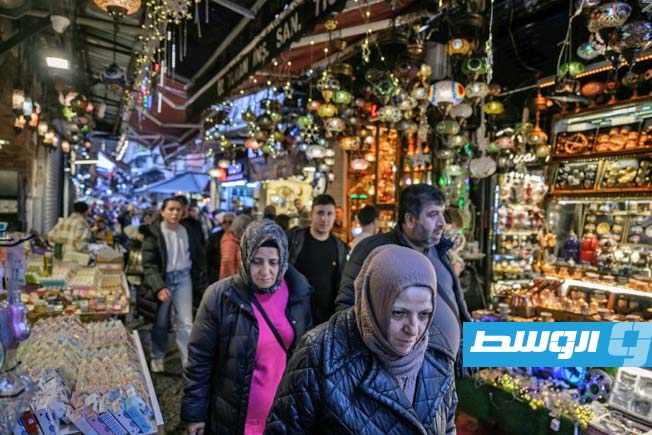
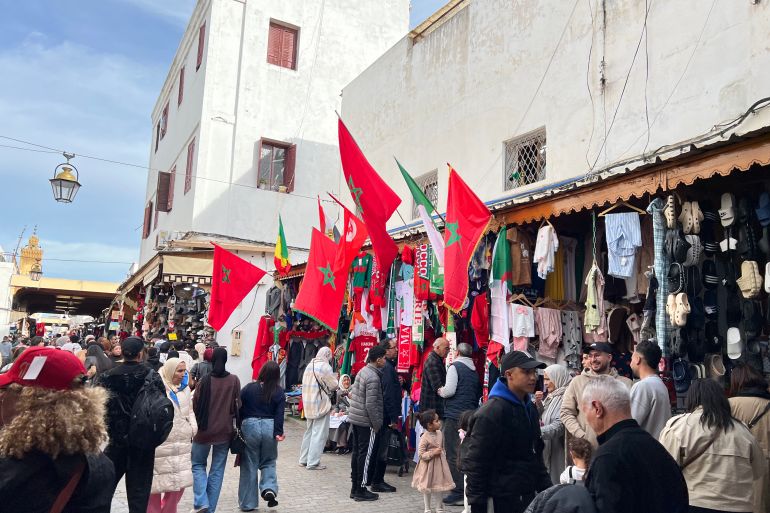
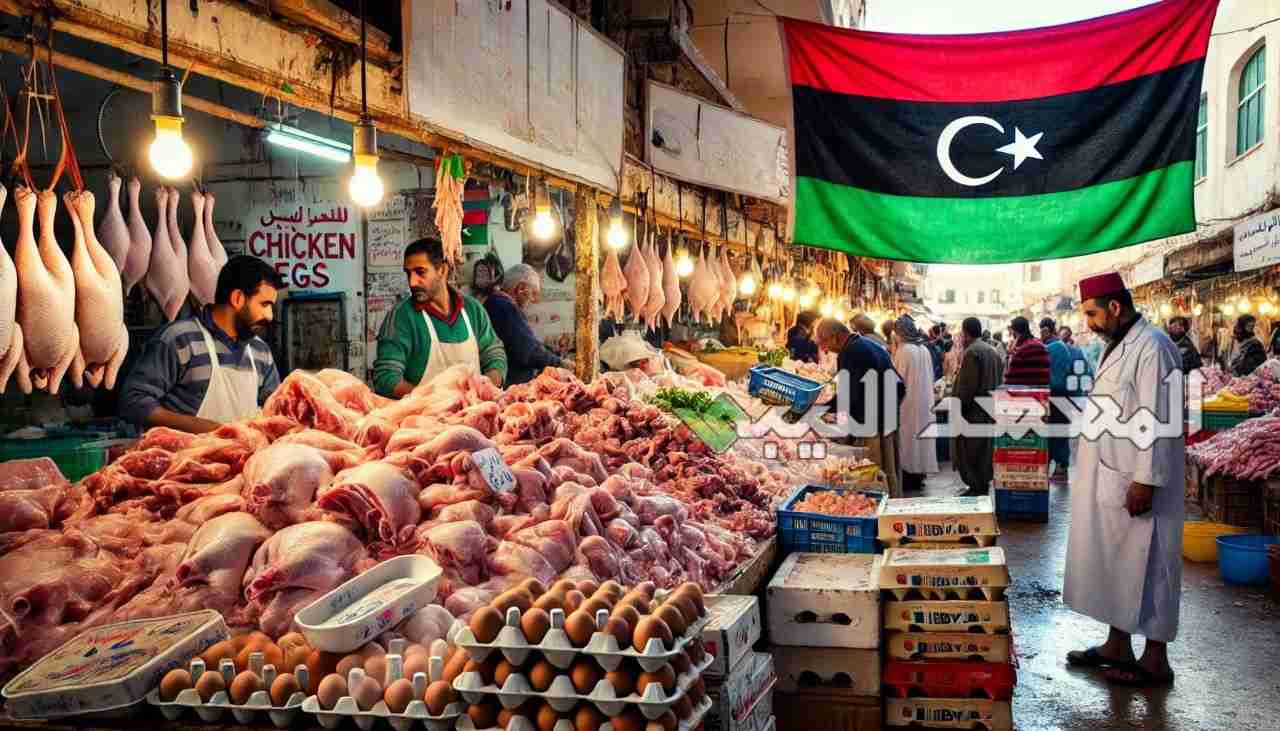
The Egyptian market, often referred to as a *souk* or *bazaar*, is a traditional marketplace central to commerce and social life, with origins tracing back to ancient trade routes and medieval Islamic urban design. These vibrant, maze-like districts, such as Khan el-Khalili in Cairo, are historically organized by guilds and specialize in goods like spices, textiles, and handicrafts. They continue to function as bustling hubs where centuries-old customs of bargaining and community interaction are preserved.
Egyptian government
The Egyptian government is the modern governing body of Egypt, established following the country’s independence from British colonial rule in 1952. Its structure has evolved from a monarchy to a republic, with its current form defined by the 2014 constitution, operating as a semi-presidential system.
General Authority
The General Authority is a term used in The Church of Jesus Christ of Latter-day Saints to refer to its highest-ranking leaders, such as members of the First Presidency and the Quorum of the Twelve Apostles. These leaders are called to serve for life and oversee the global administration and spiritual direction of the church.
Medium, Small and Micro Enterprise Development Agency
The Medium, Small and Micro Enterprise Development Agency (MSMEDA) is an Egyptian government agency established to foster economic growth by supporting small businesses. It evolved from the Social Fund for Development, which was created in 1991, and focuses on providing financing, training, and technical assistance to entrepreneurs. Its core mission is to enhance the role of small and micro-enterprises in job creation and national development.
House of Representatives
The House of Representatives is the lower chamber of the United States Congress, established by the Constitution in 1789. It is composed of representatives elected from congressional districts, with membership based on state population, and holds primary responsibility for initiating revenue bills and impeaching federal officials.
Small, Medium and Micro Enterprises Law
The Small, Medium and Micro Enterprises Law is a legislative framework established in China to support and promote the development of small businesses. It was first enacted in 2002 and has been revised multiple times to provide these enterprises with improved access to financing, tax benefits, and market opportunities.