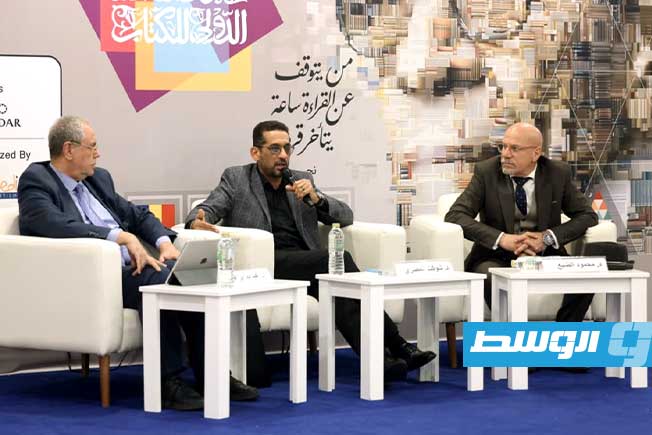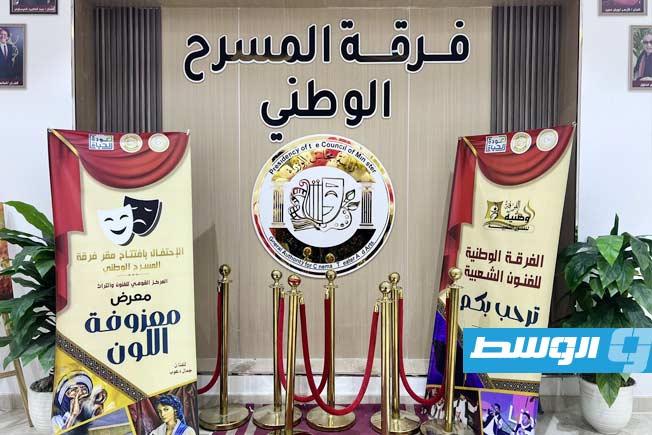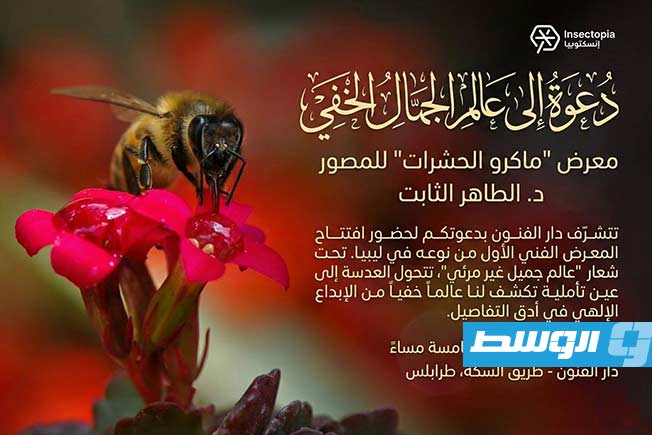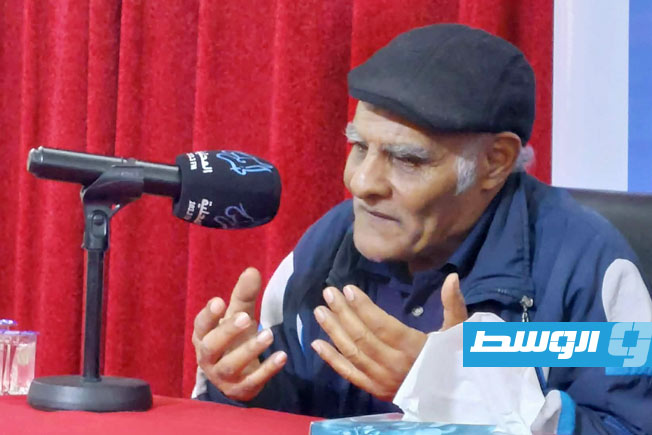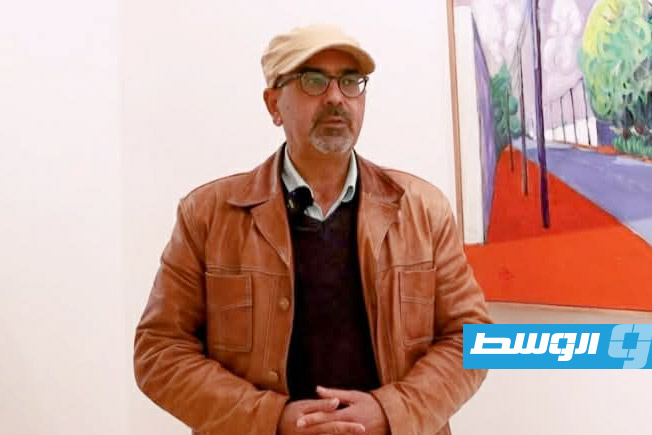
“Objectivity here is not the truth in conveying what is seen, but the sincerity in conveying what we feel when we see.” This epigraph is part of a note by the artist in the pamphlet for his exhibition “Objective Impressions,” which was hosted by the House of Arts.
The paintings reflect an alternative experience of the face of nature, free from the city’s noise, there in the countryside where tranquility blends with a life rhythm reconciled with man and geography. In it, the alphabet of the brush moves from color techniques to simulating the rituals of the place’s culture, “Tmina.”
Components of Rural Gentleness
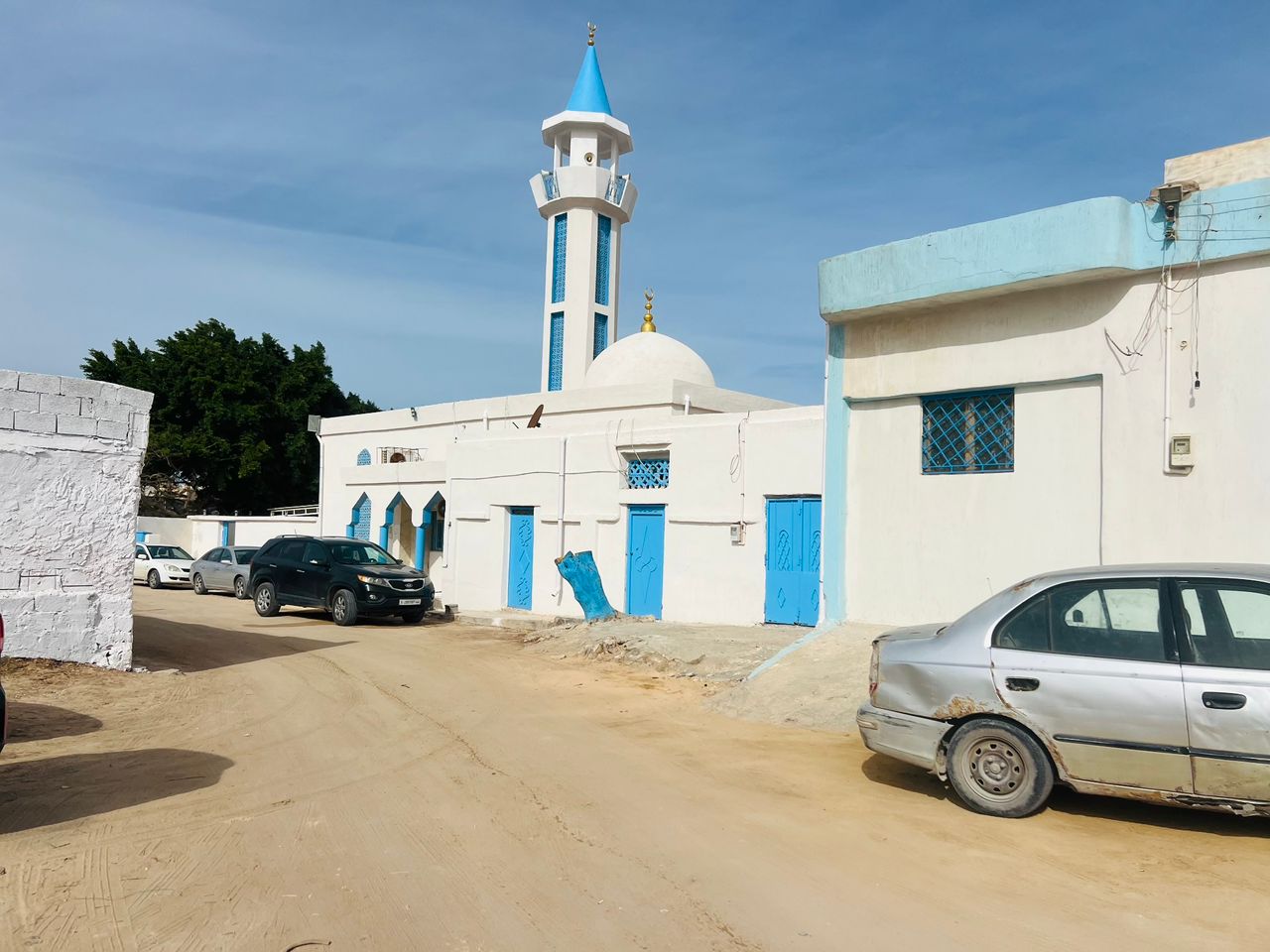
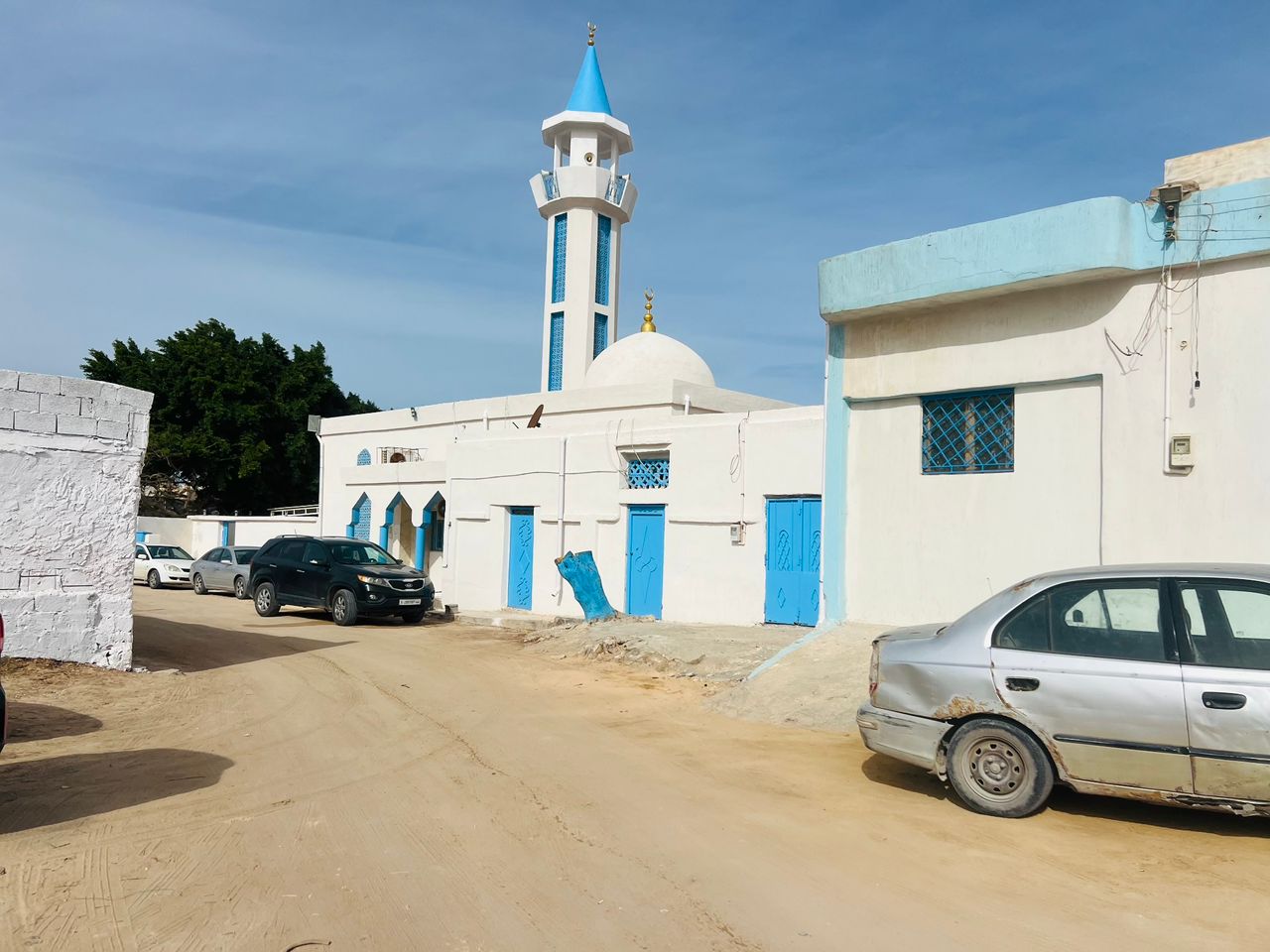
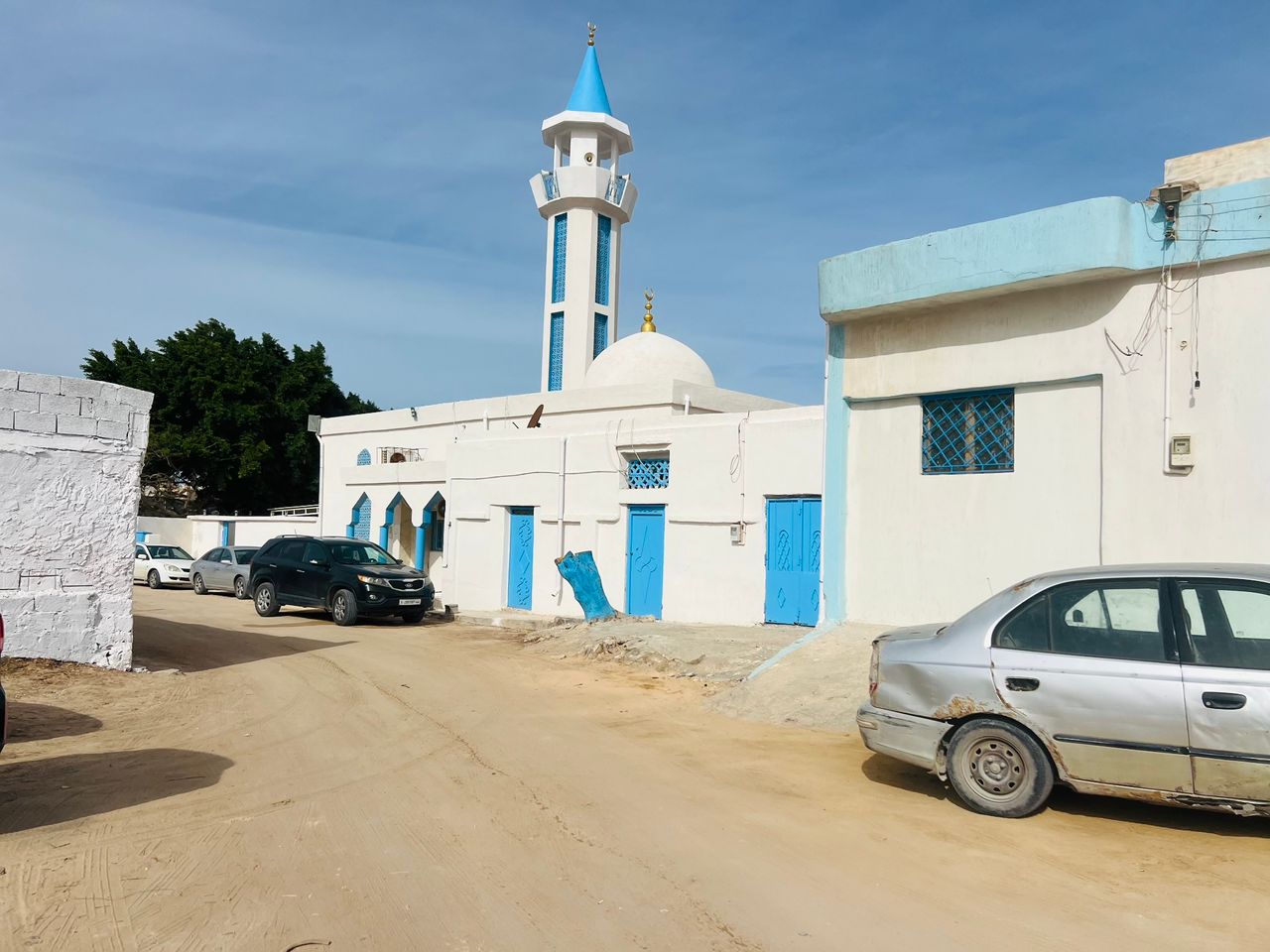
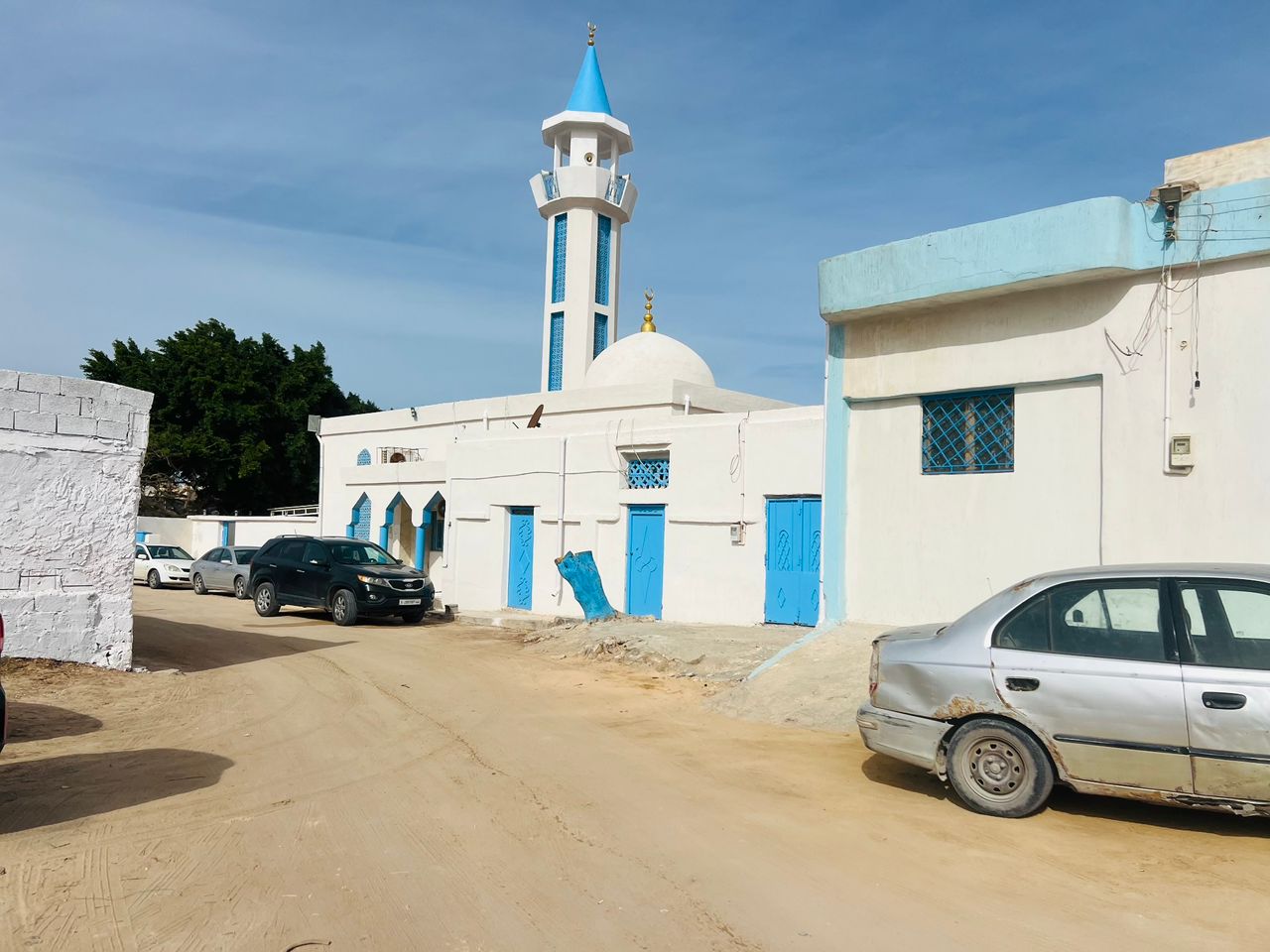
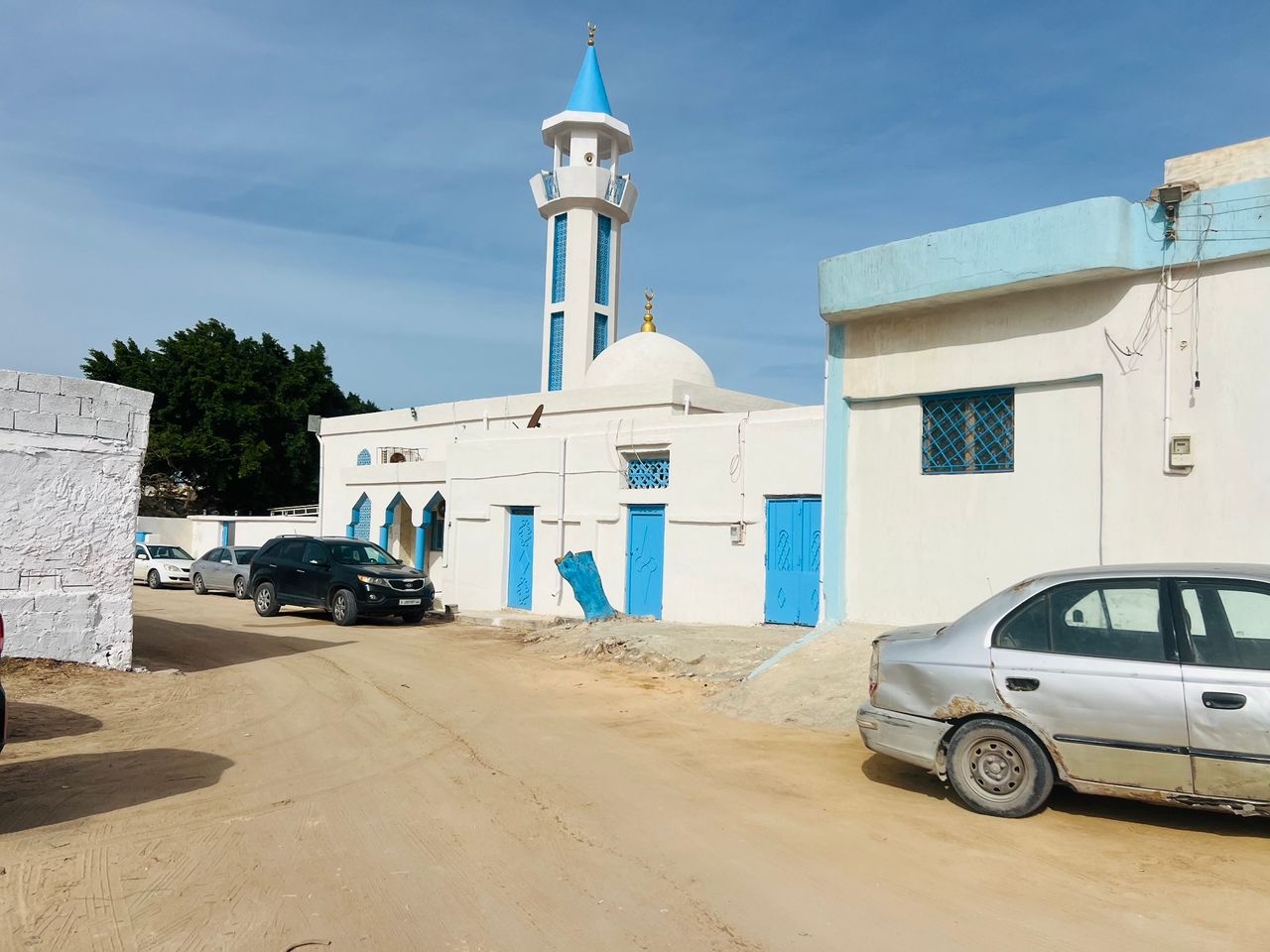
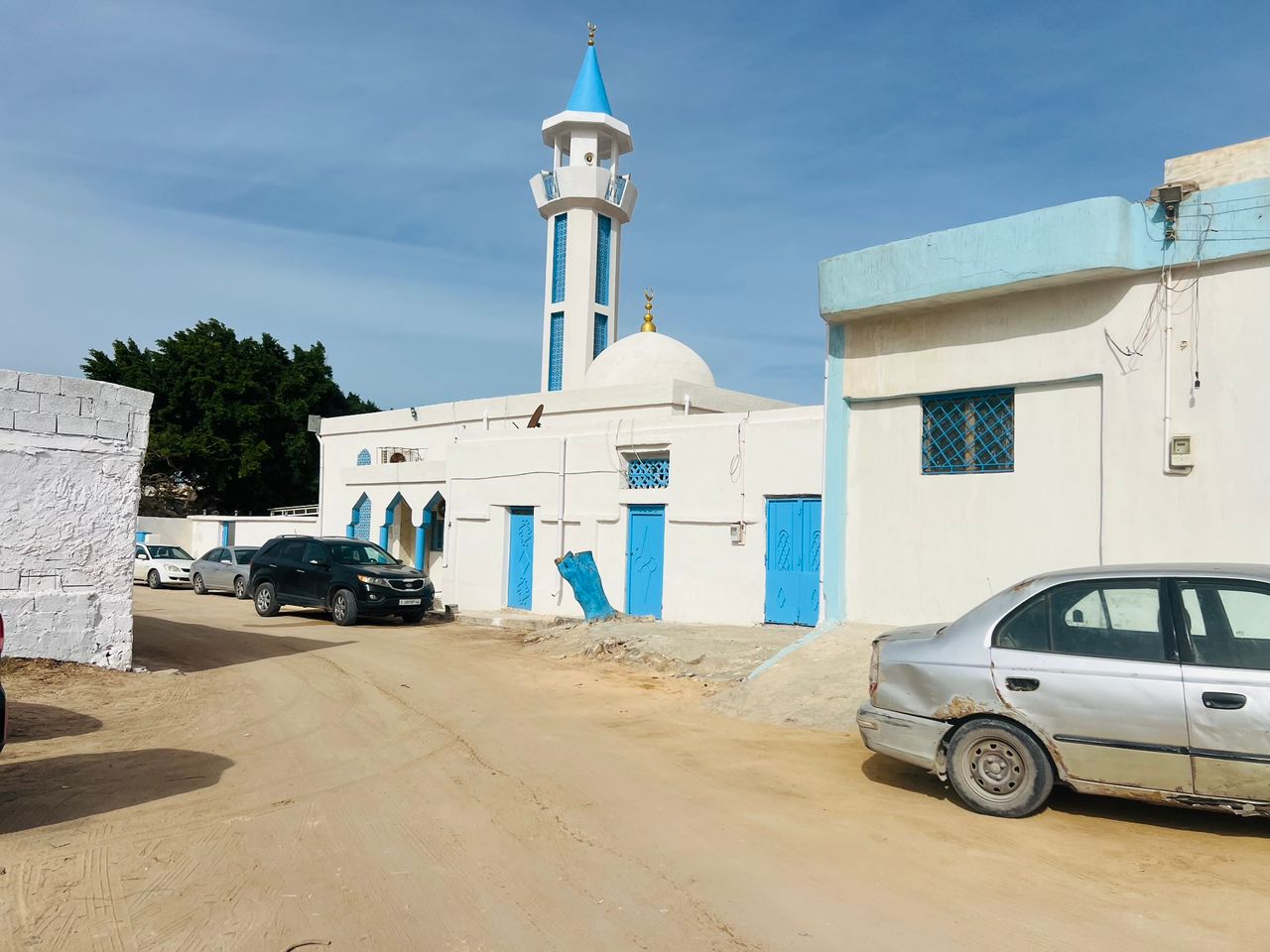
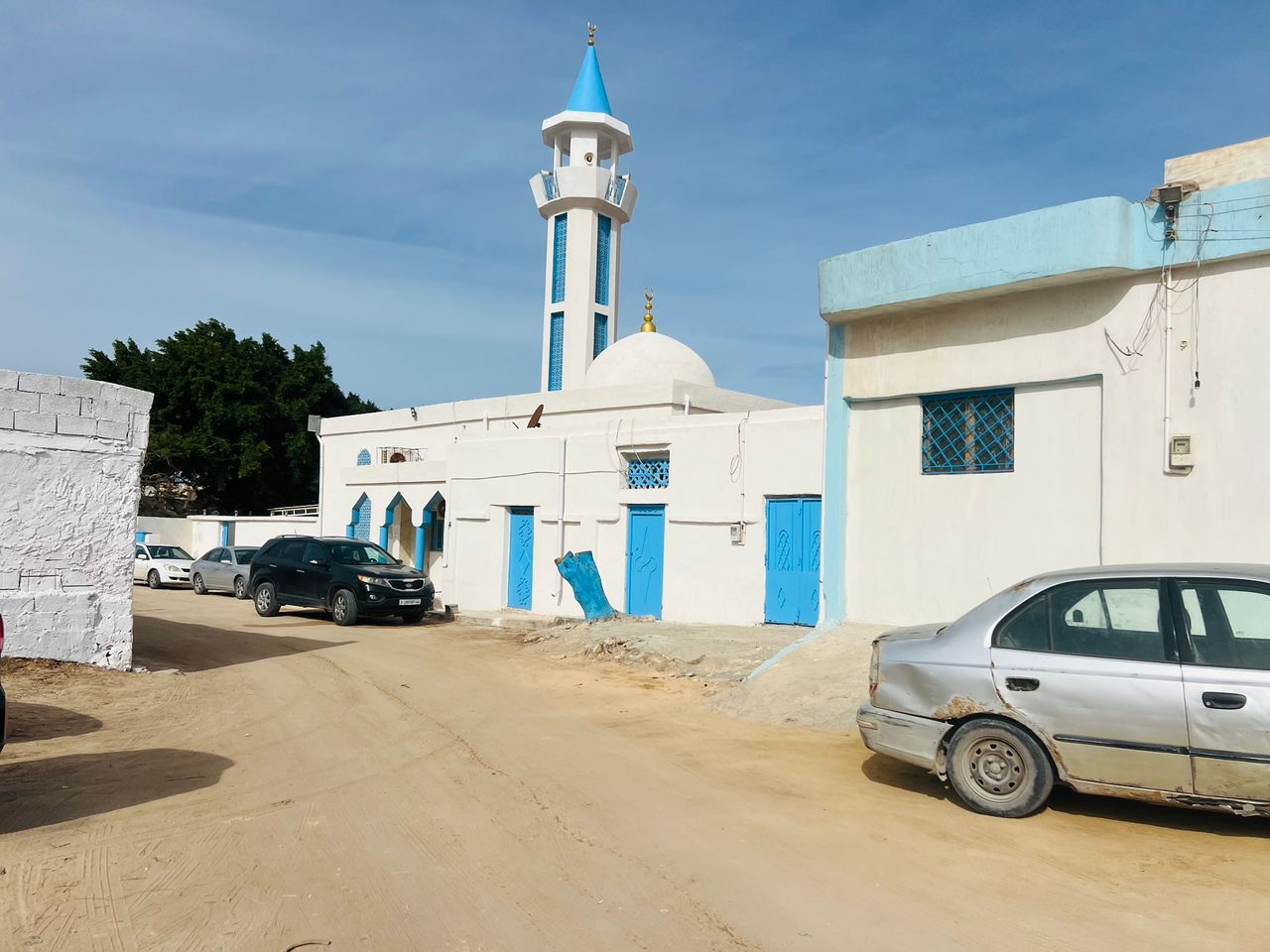
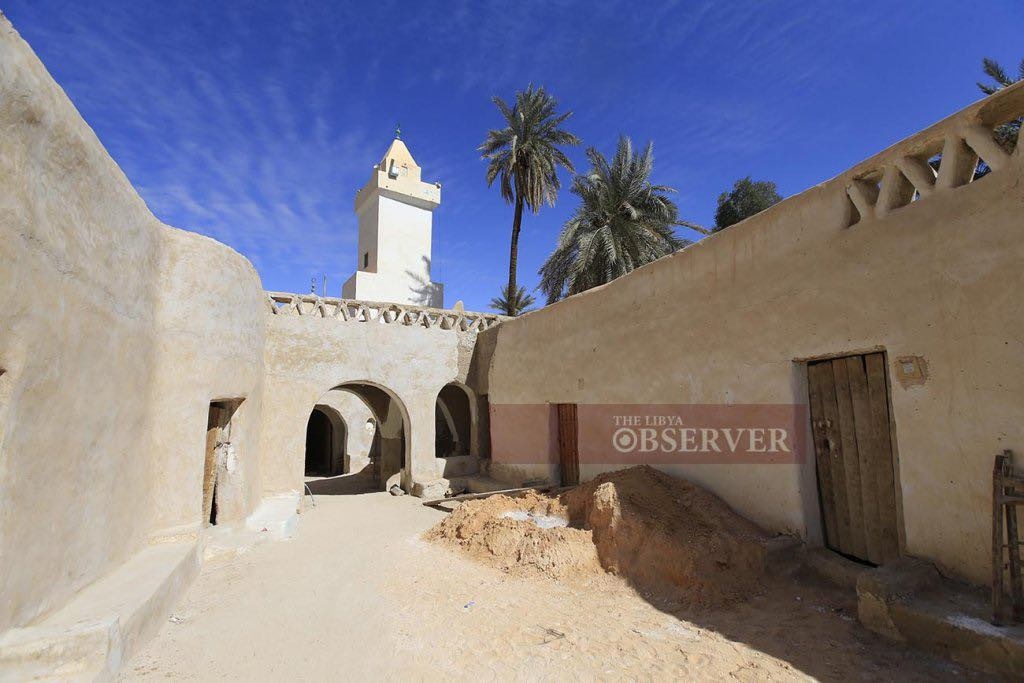
“Tmina,” which lies on the outskirts of the city of Misrata, still largely preserves the components of rural gentleness. Because the question always seems to linger in the minds of its inhabitants about how long it can withstand the onslaught of concrete, memory had to prepare to store whatever details and margins are available of these worlds, close yet distant from the city’s clamor.
The countryside tries to hold its ground with its narrative against the sweeping narrative of the expanding city, which widens to swallow any spaces it encounters, spaces drawn by nature’s taste and carved by its devotees and followers—a human friendship that still struggles against circumstances and resists drifting towards the culture of concrete.
In the paintings, we see colors in their gradations trying to spell out the letters of nature and merge with it in a music that challenges the tongue of asphalt as it cuts through the village’s body. Likewise, light poles as shadows accompanying walls, and a watchman observing the movement of cars and people, bearing witness to the dividing line between past and present. We also see the strength of colors present in the hues of trees, soil, and grass, announcing their presence, their boundaries, and their reconciliation with modernity in a way that does not erase their lexicon. This is what we witness in paintings where trees are sketched along the sides of roads, playfully interacting with the concrete fence and interrupting its continuity, as a direct declaration of their eligibility and physical right to exist.
–
–
–
The impressions transport us to landmarks we might have seen in the village (Al-Qawman) by the artist Ali Al-Abbani, where the imaginings of houses merge with the horizon and the scattered, undulating greenery exercises its dominance over the surface of the place. We may also glimpse, in another horizon, a breath of Van Gogh, where we observe a field inlaid with a golden hue, a vista where the gaze launches into infinity, liberated from the shackles of walls. In it, the juxtaposition of the body with nature allows for another inner dialogue where the self coexists with its preoccupations, as a psychological reaction matching the existential text with its spiritual counterpart.
From Dark Corners to the Open
The artist sees the beginning from zero, as he describes it, as an expression of objective impressions and reliance on internal truths, emphasizing their realistic representation through lines and colors on fresh surfaces that neither perish nor are newly created—an energy that transforms from one form to another and moves from dark corners into the open according to artistic necessity.
From zero, perhaps it is the first return to the vigor of swift brushstrokes, accompanied by an expressive state relying on spontaneity in most stages of completing the painting after defining the subject’s features, with taste and experience intervening to set its accomplished boundaries. Or it is from zero as the shortest distances—distance zero in dealing with and living daily with rural scenes that deserve to be lived and painted continuously.
Where there are frank, harmonious colors, and the dampness of places at the beginning of a rainy winter, between the clay of the earth and the brush of olive tree fields, under a purple sky in the evening and a bright, intensely blue sky in broad daylight. Thickets and tall palm trees, green areas next to every green, another green, and among them intensely yellow patches, grading into orange and approaching red, glowing with bright sunlight as if they were contemporary color states crawling between Kandinsky and Hockney in a harmony that plays the orchestra of existence in its most beautiful form.
After Half a Century in the City
“I spent more than 50 years in a city dominated by commercial and industrial constructions in their pragmatic forms, like most Libyan cities after the oil boom that created the urban invasion accompanied by much randomness. Then I moved to live in the Libyan countryside of Misrata, in