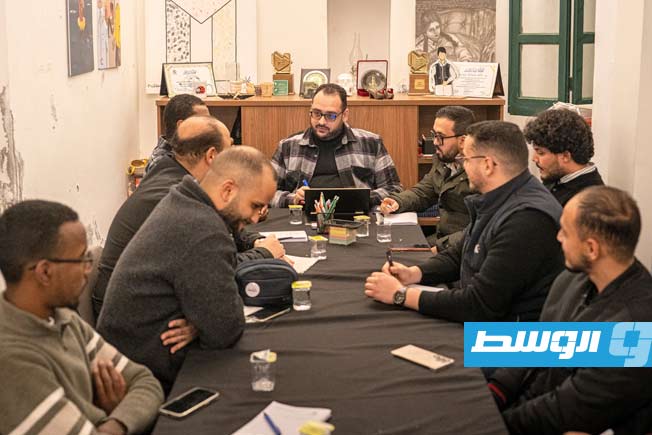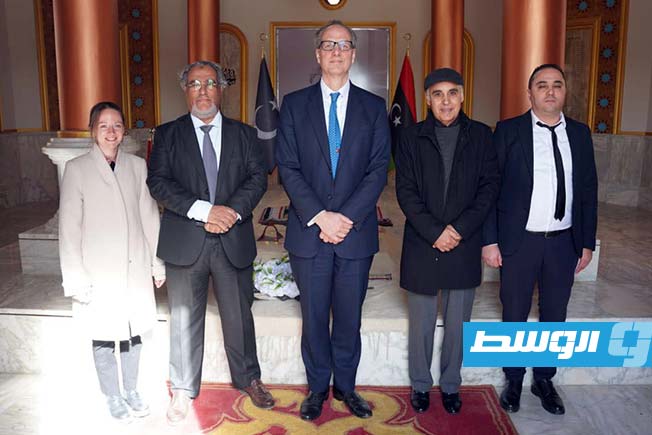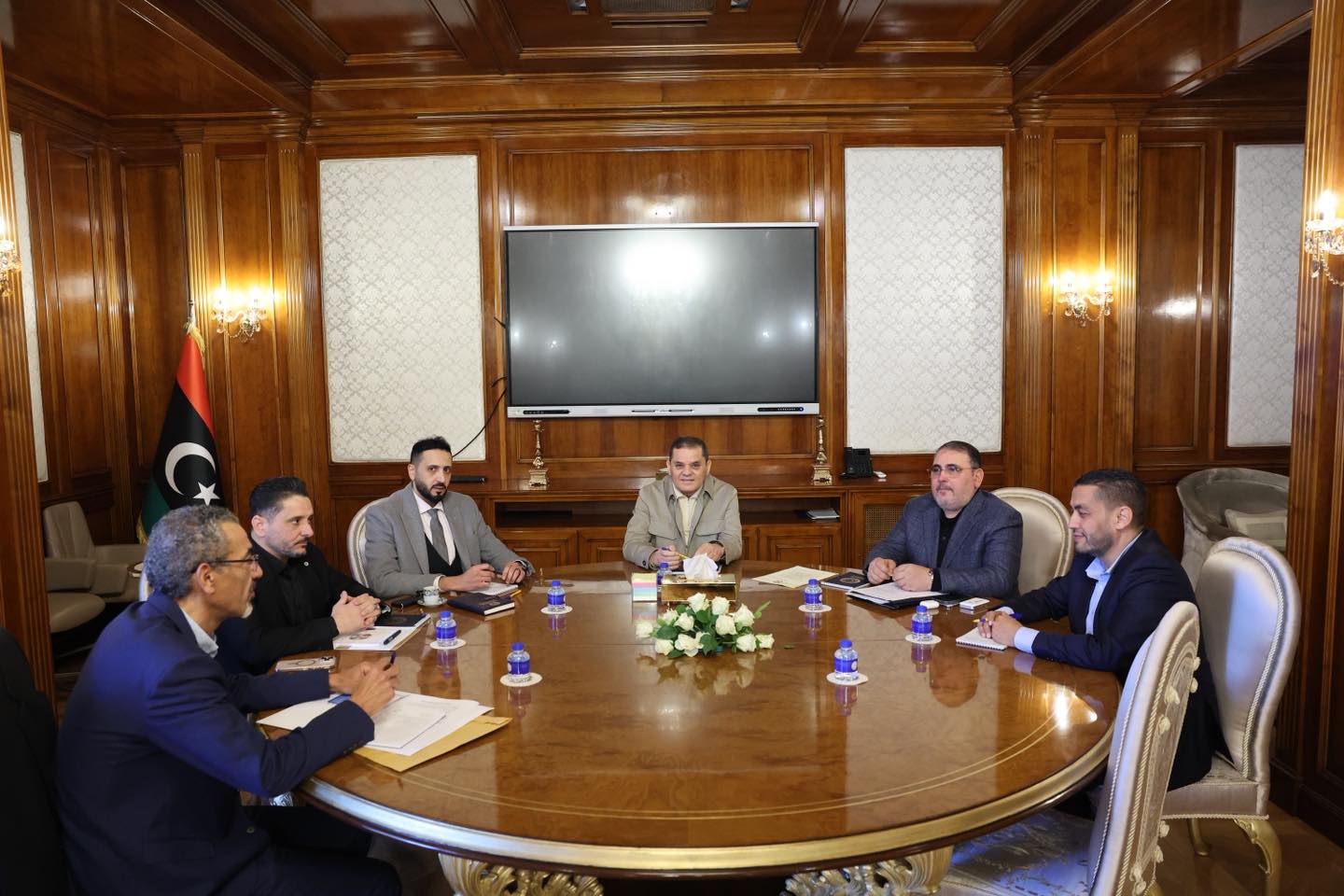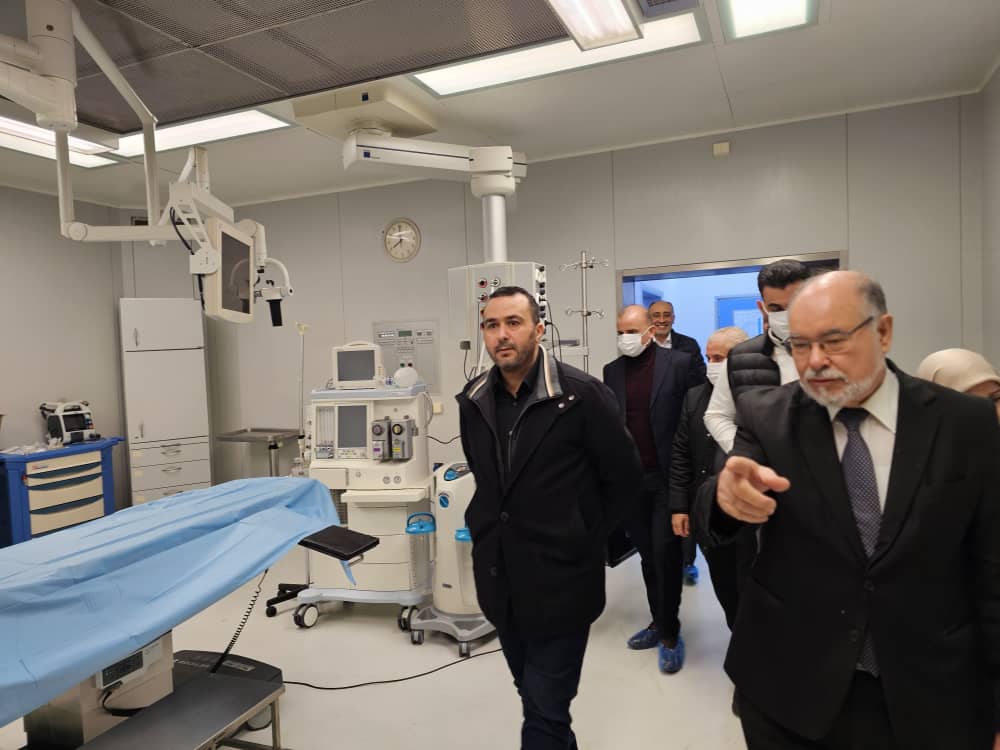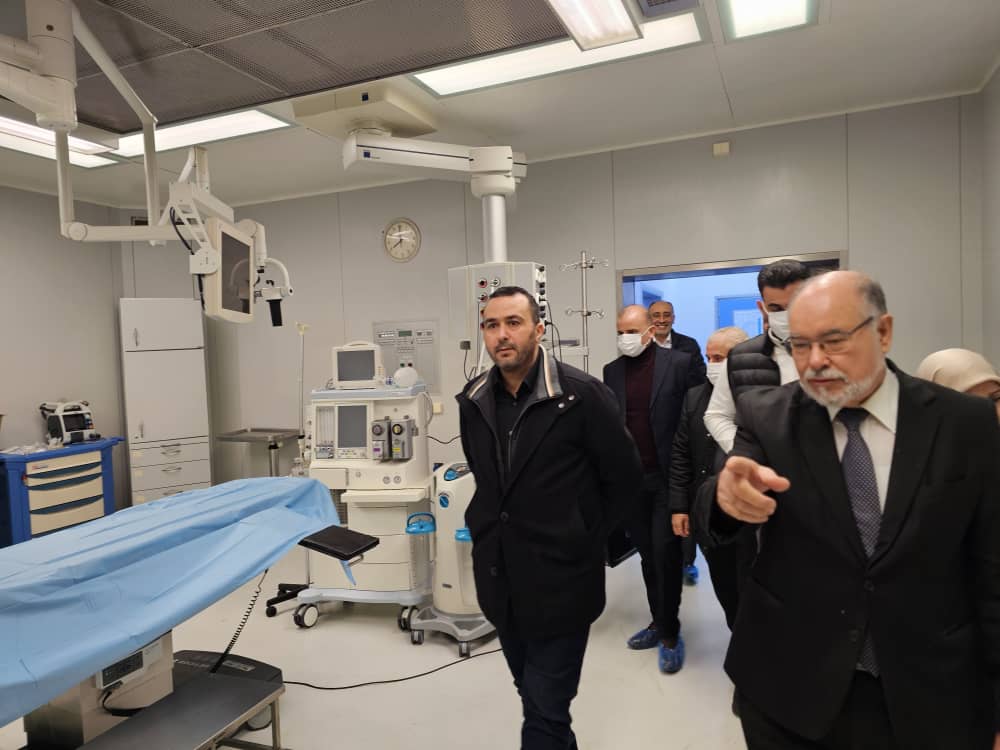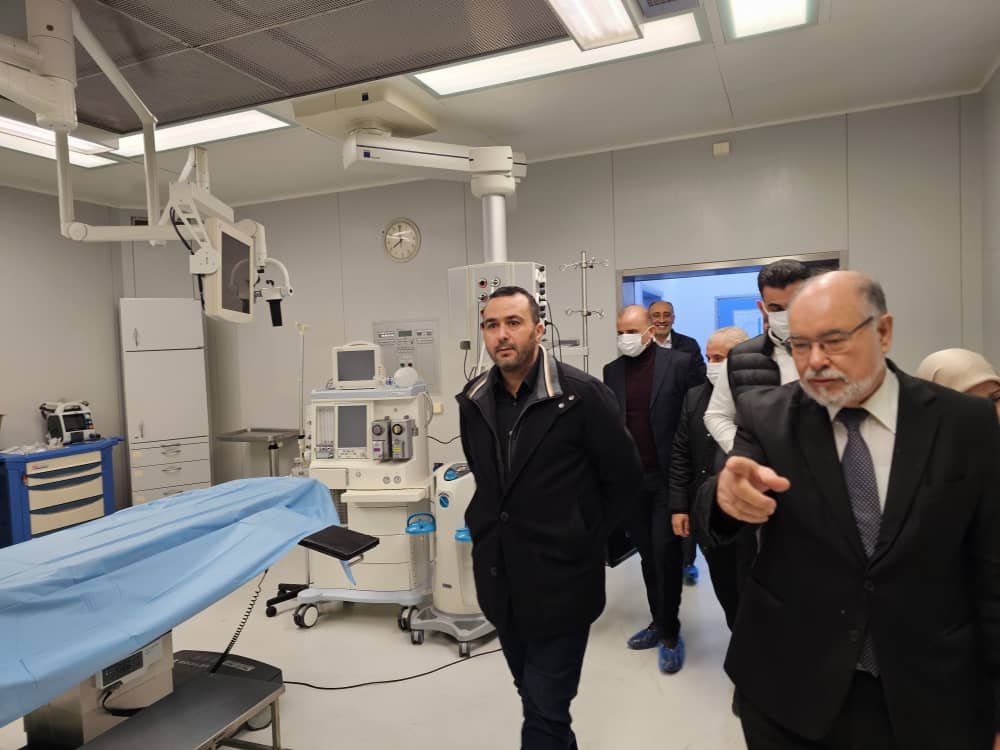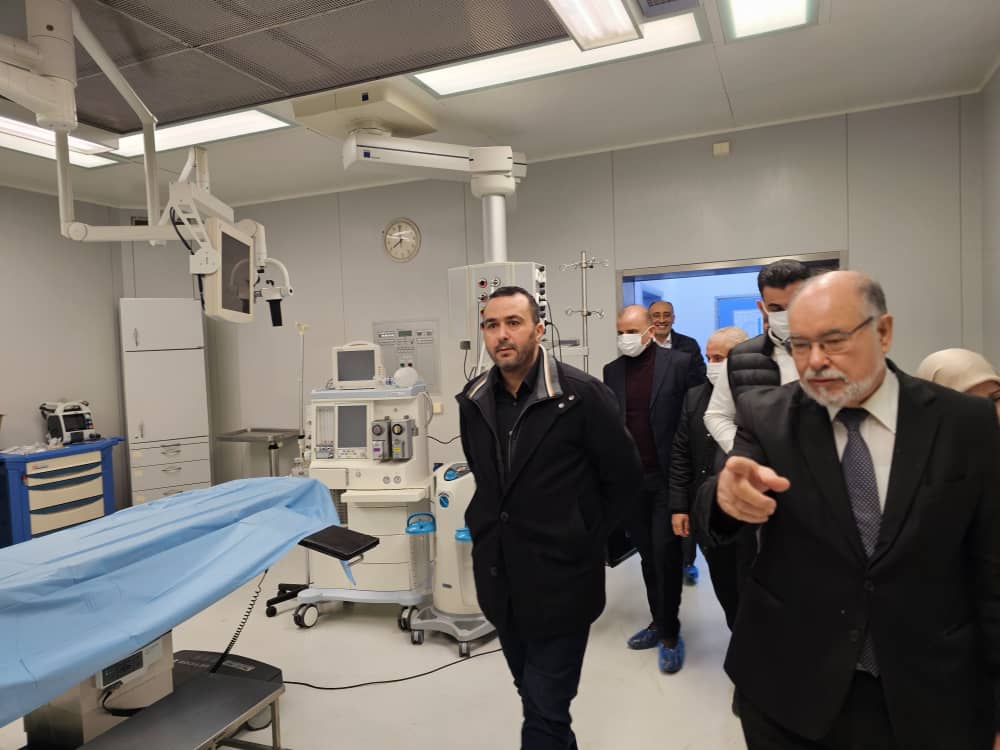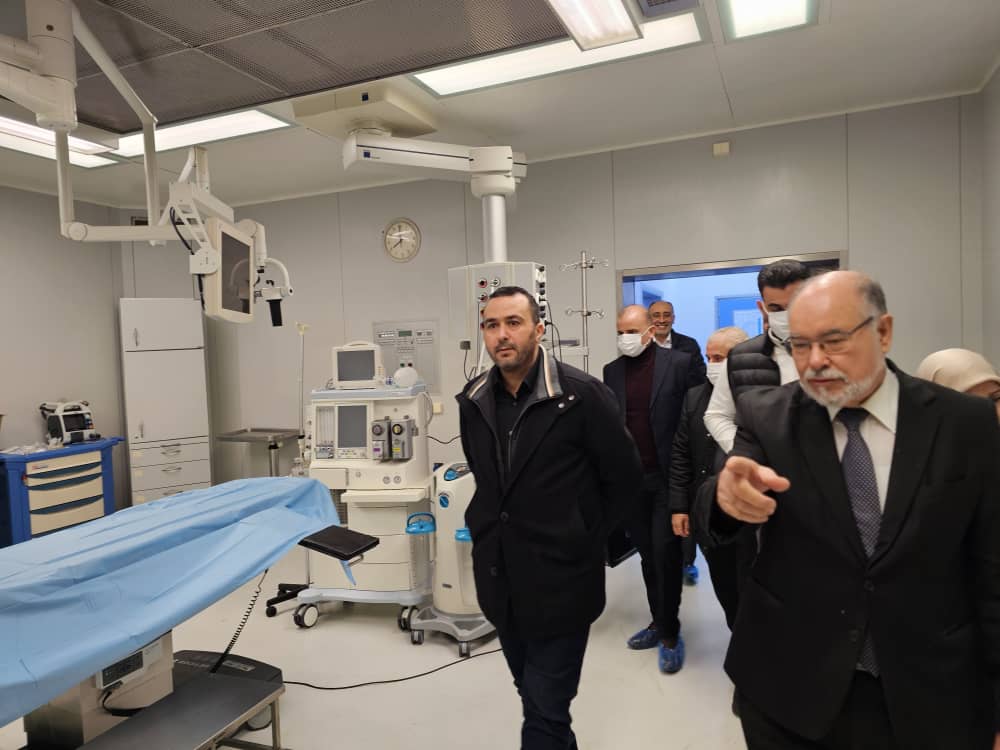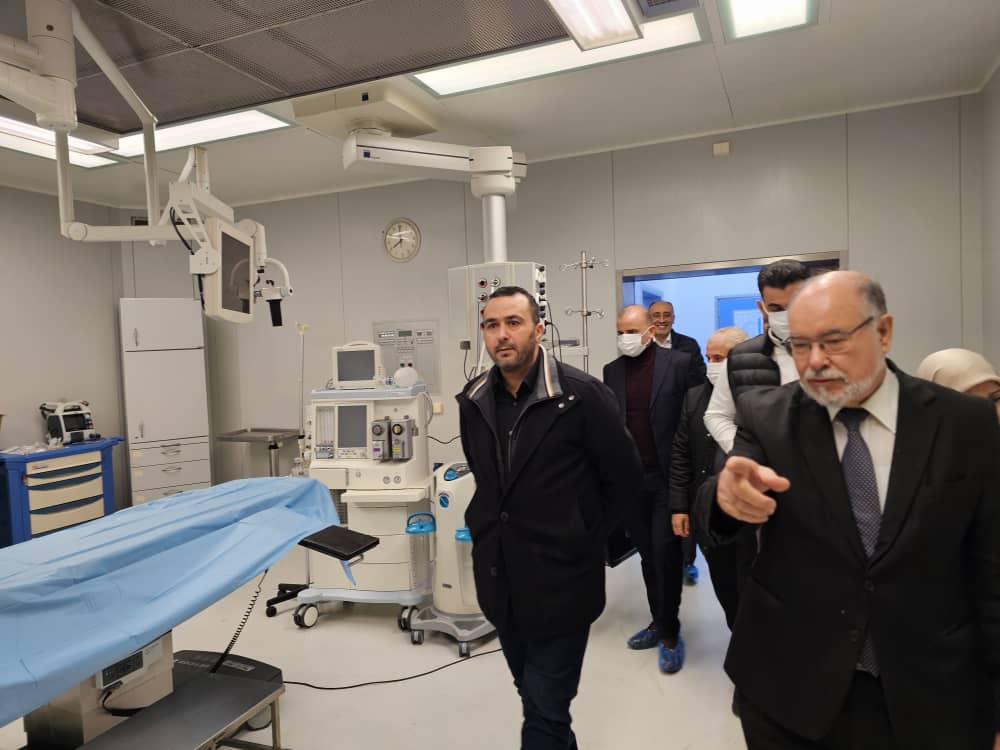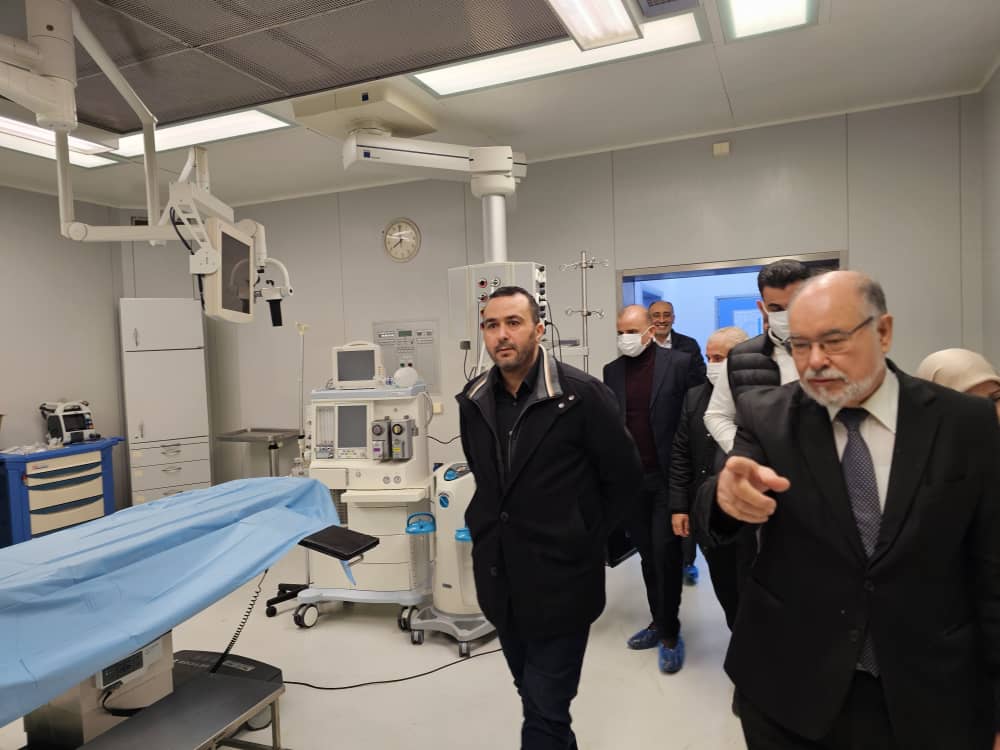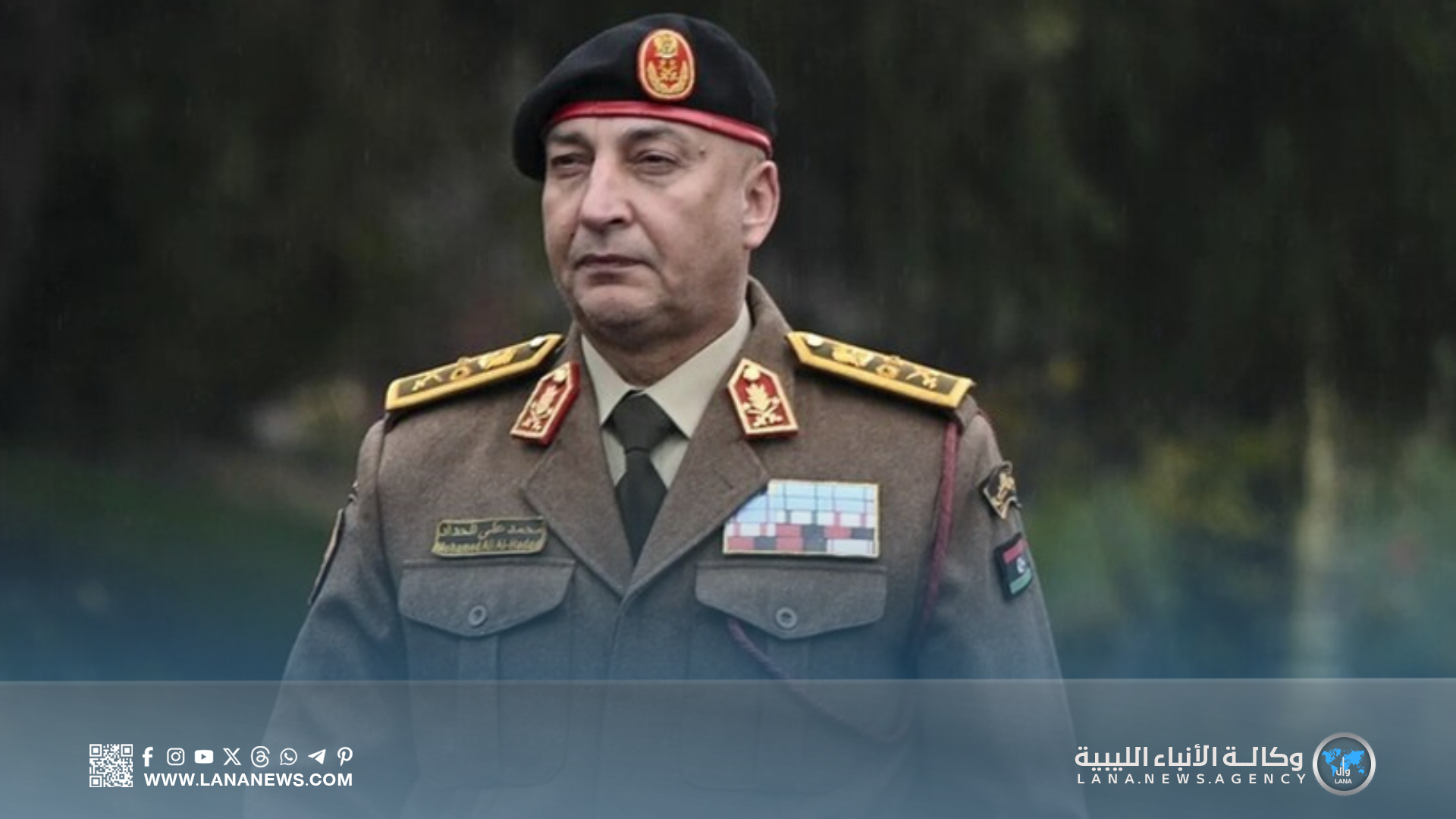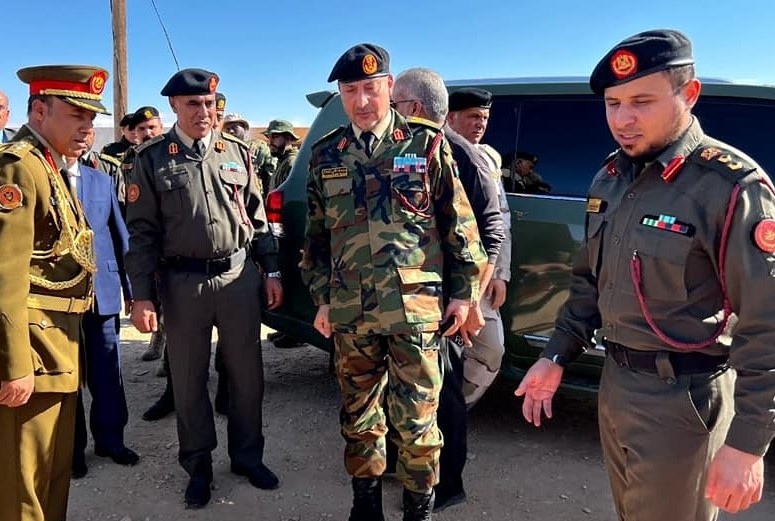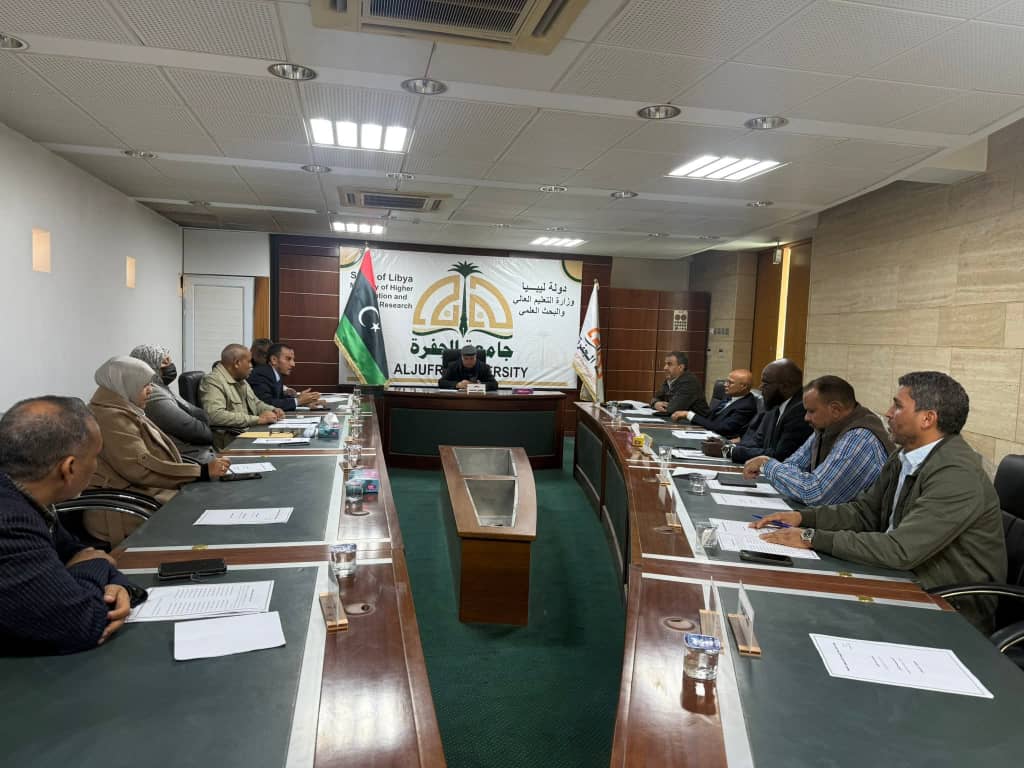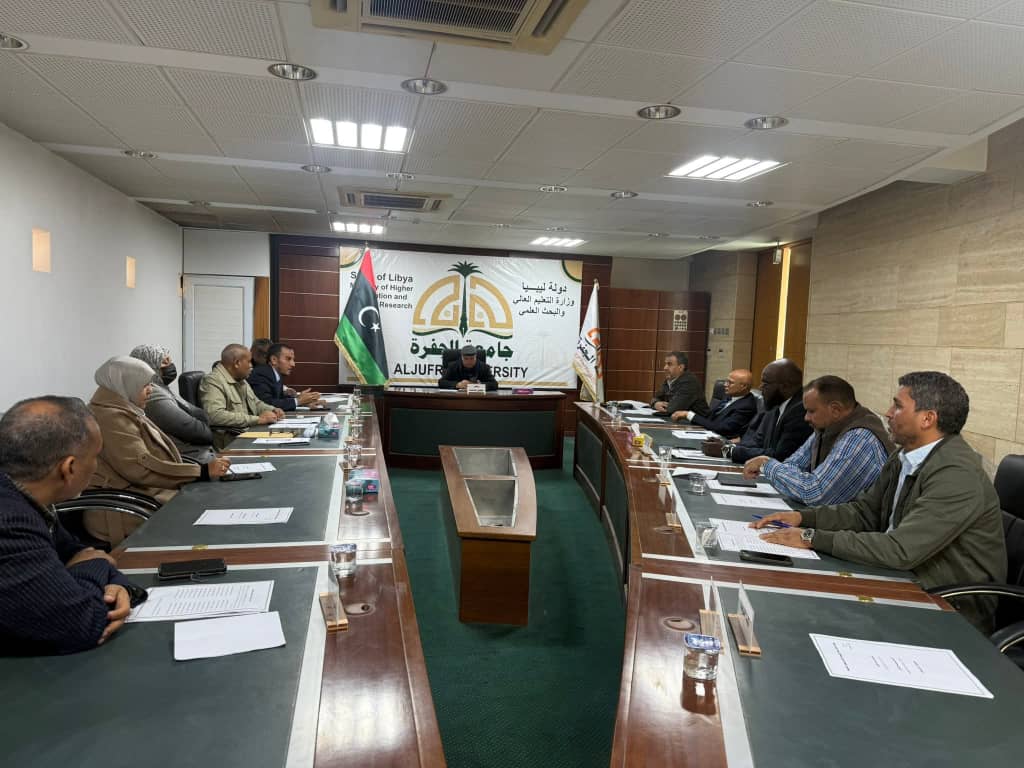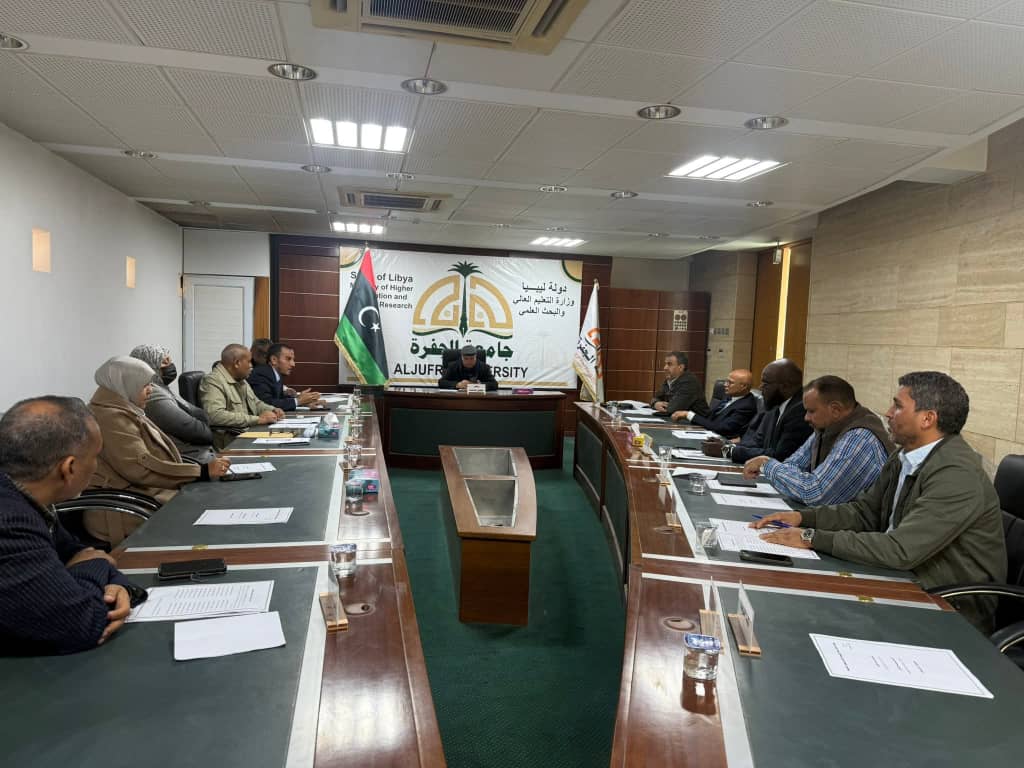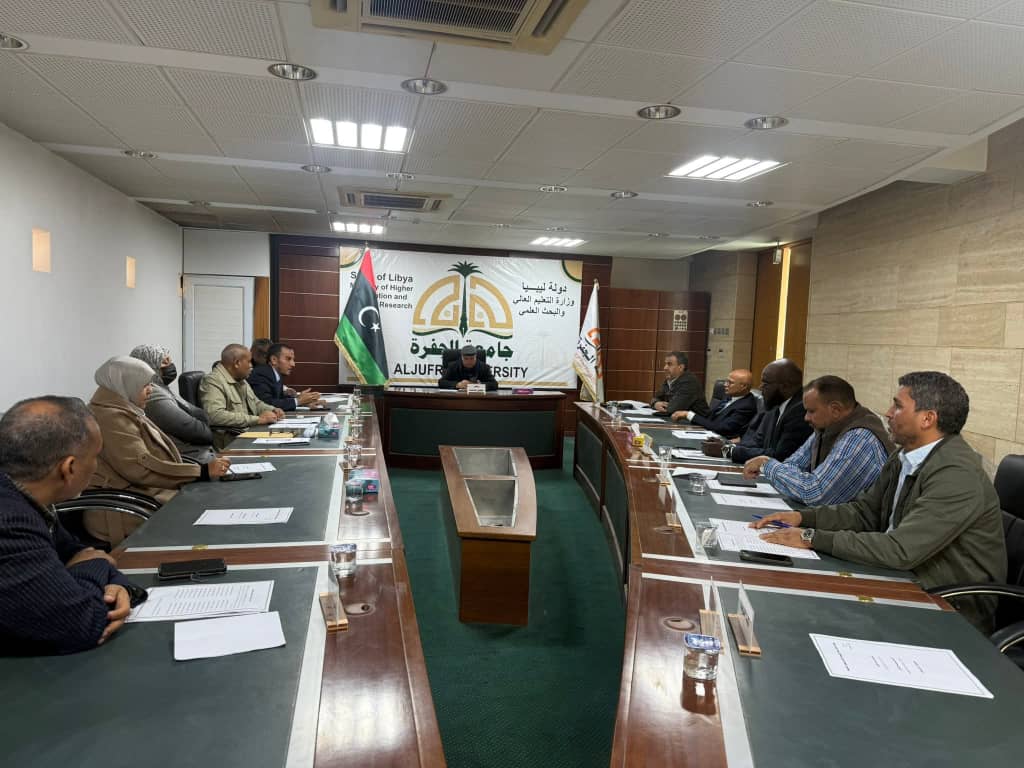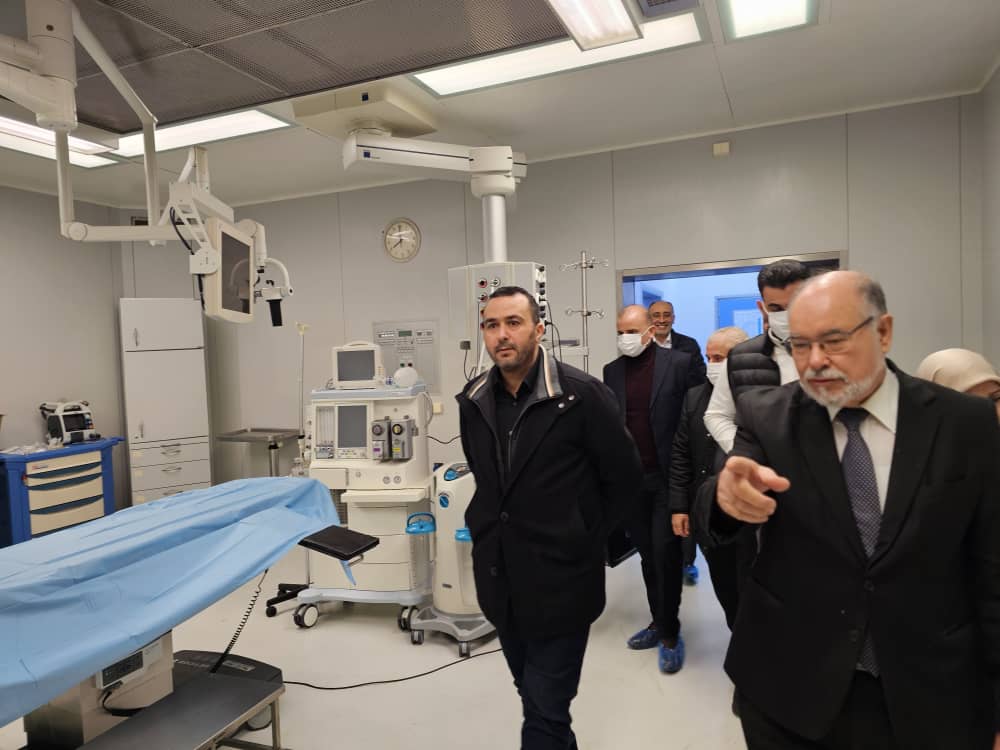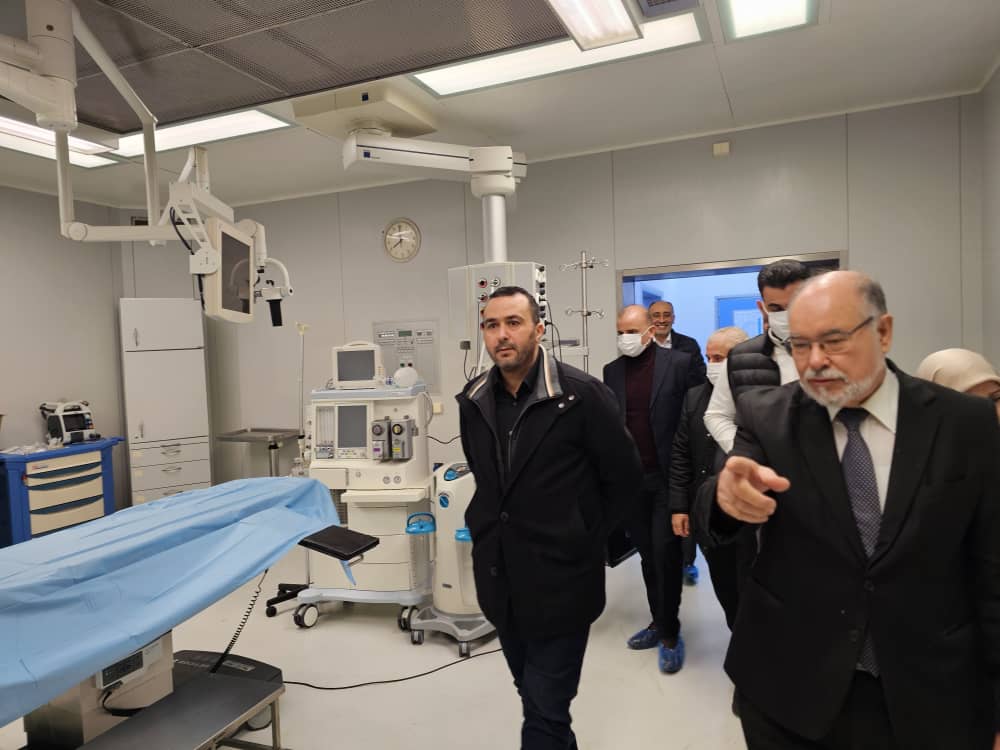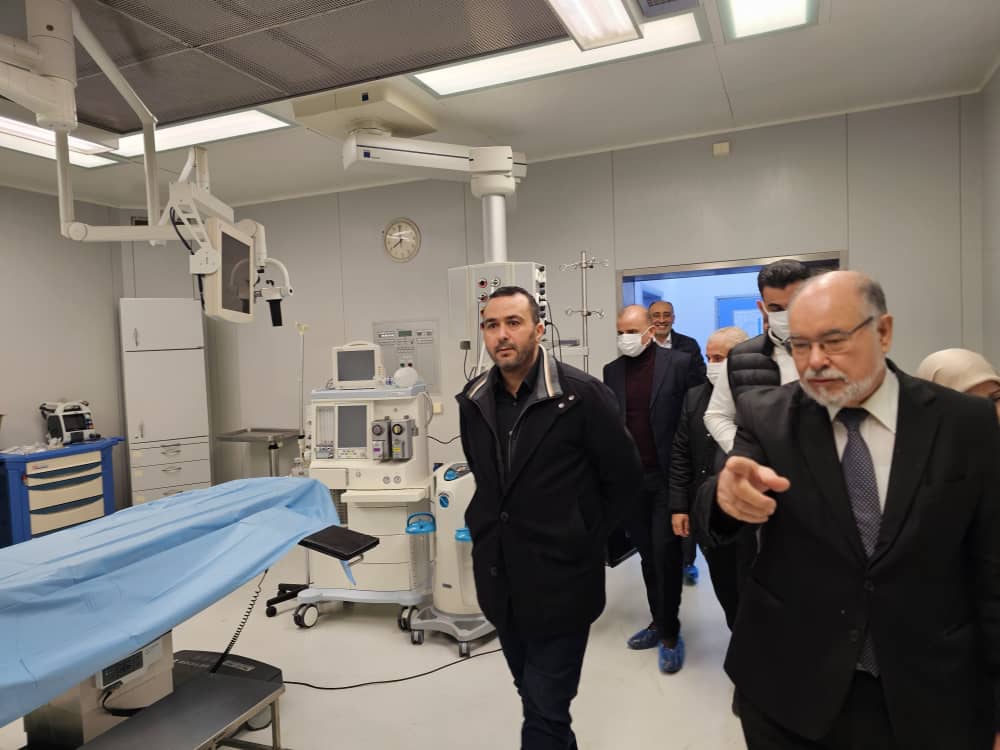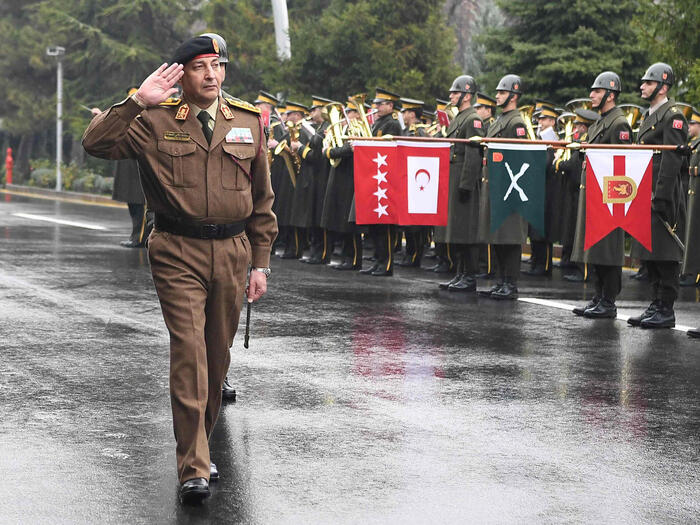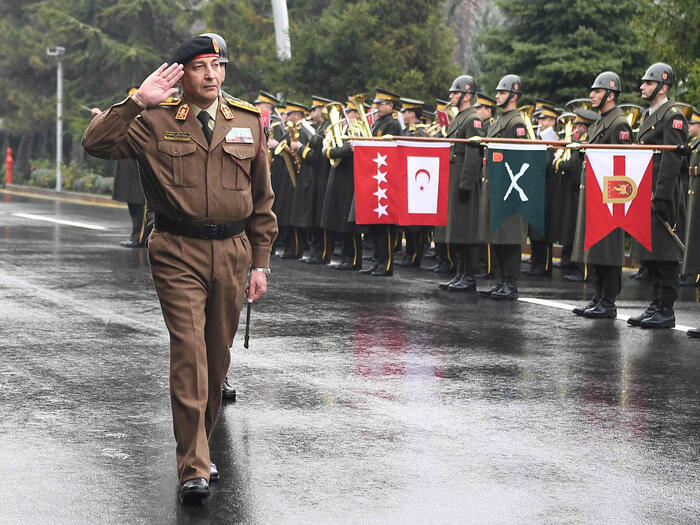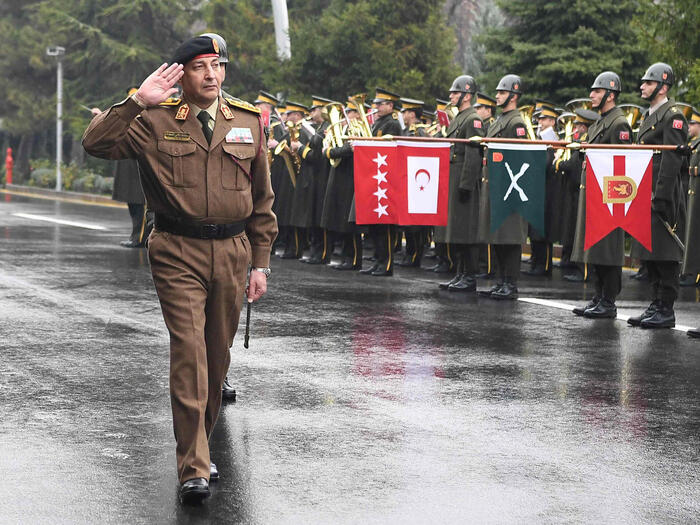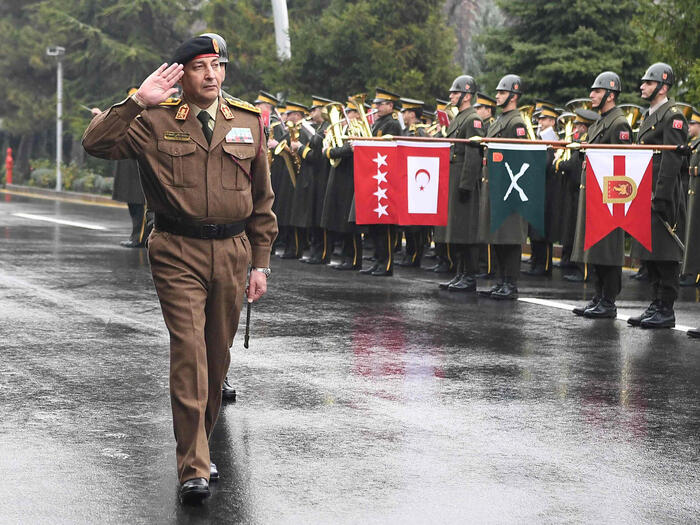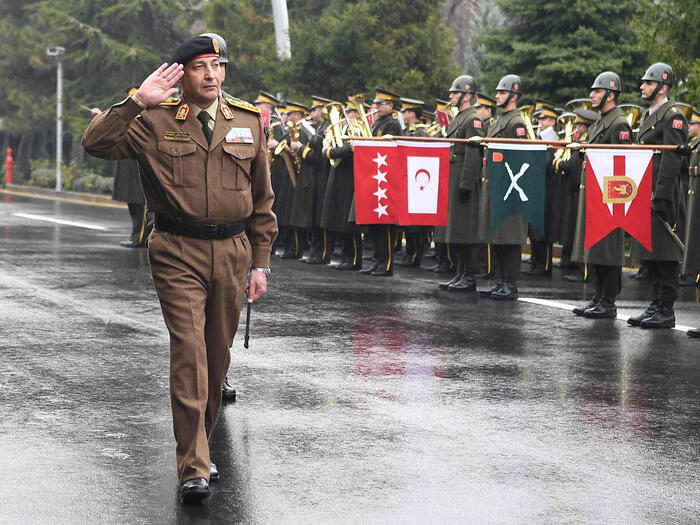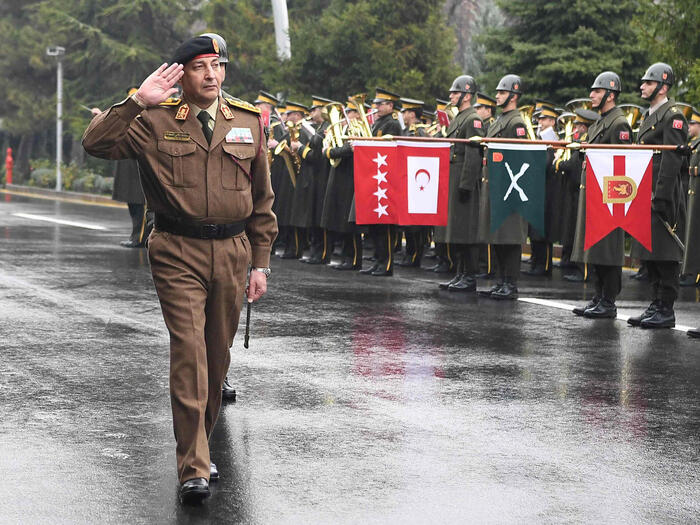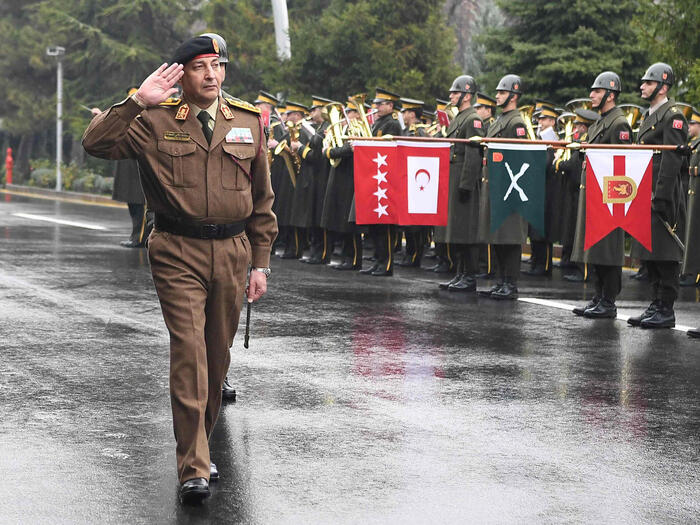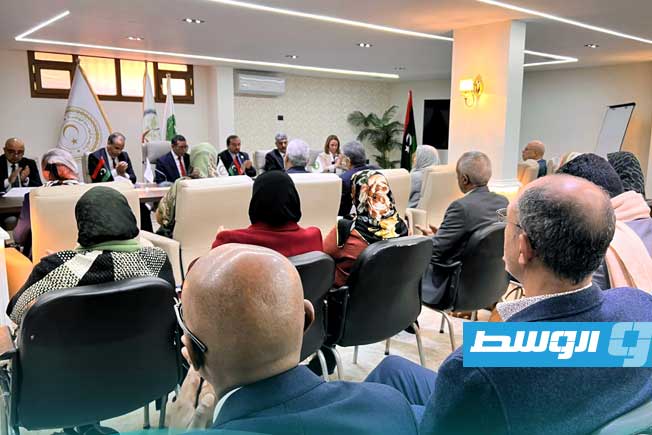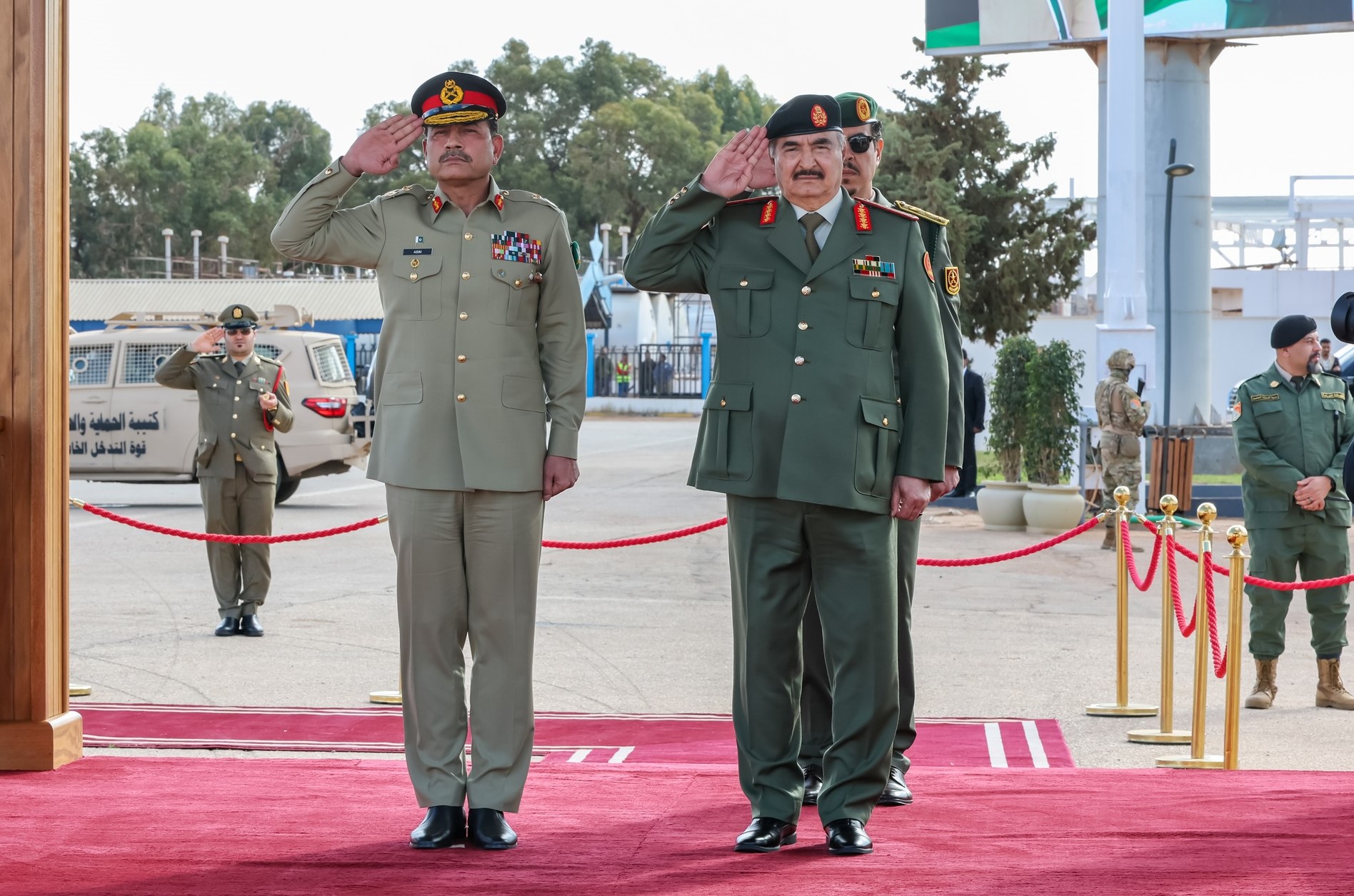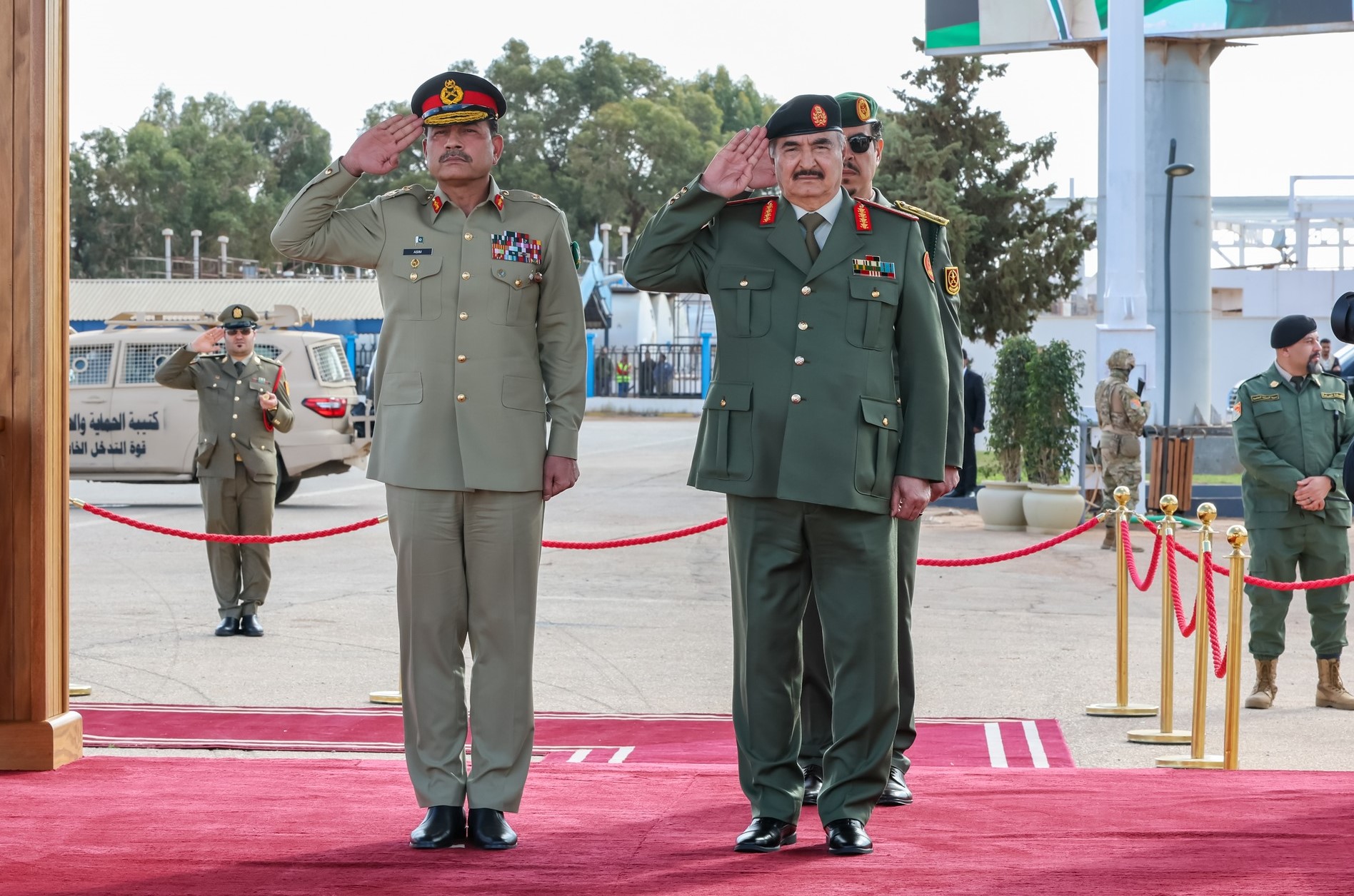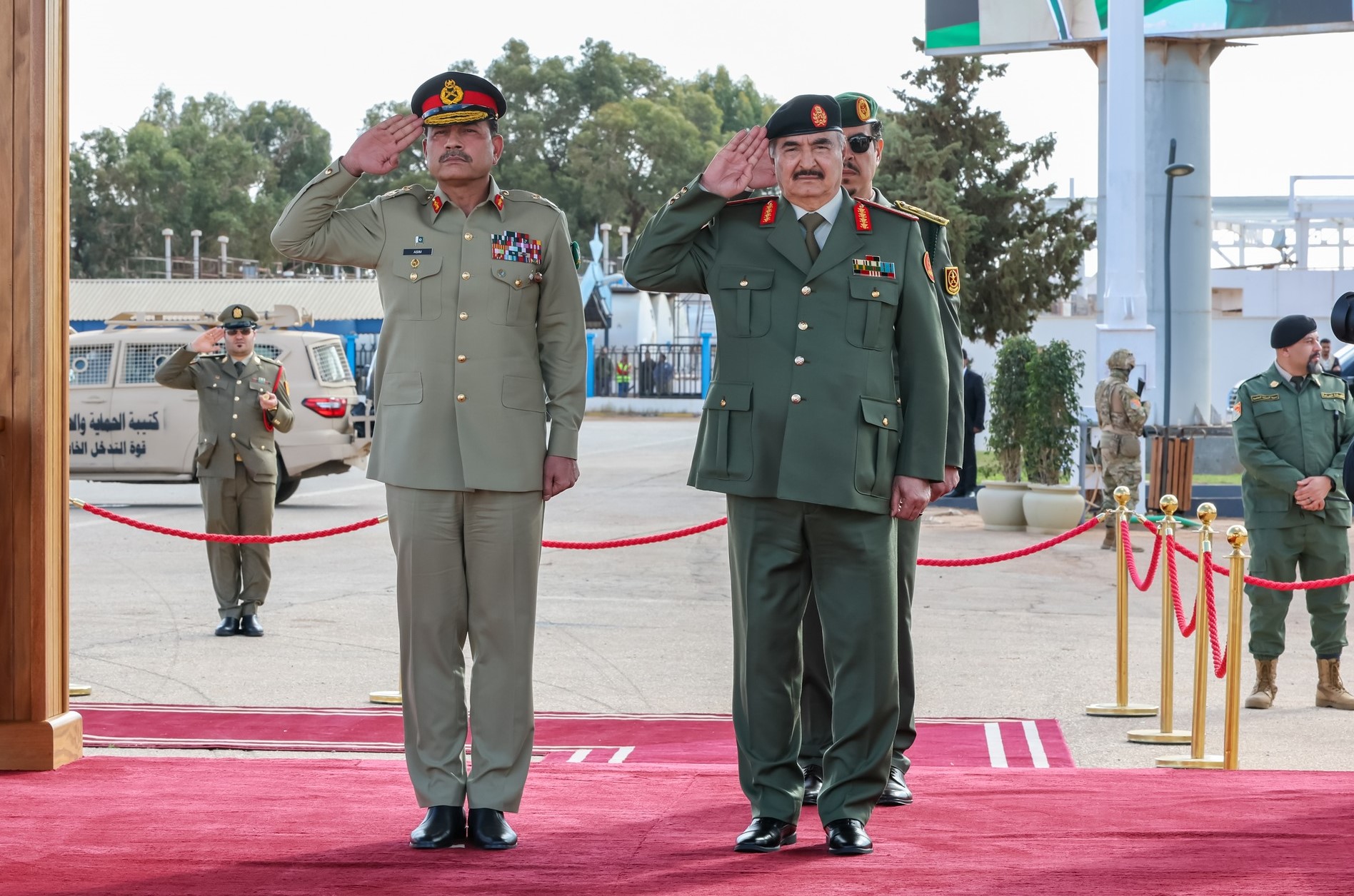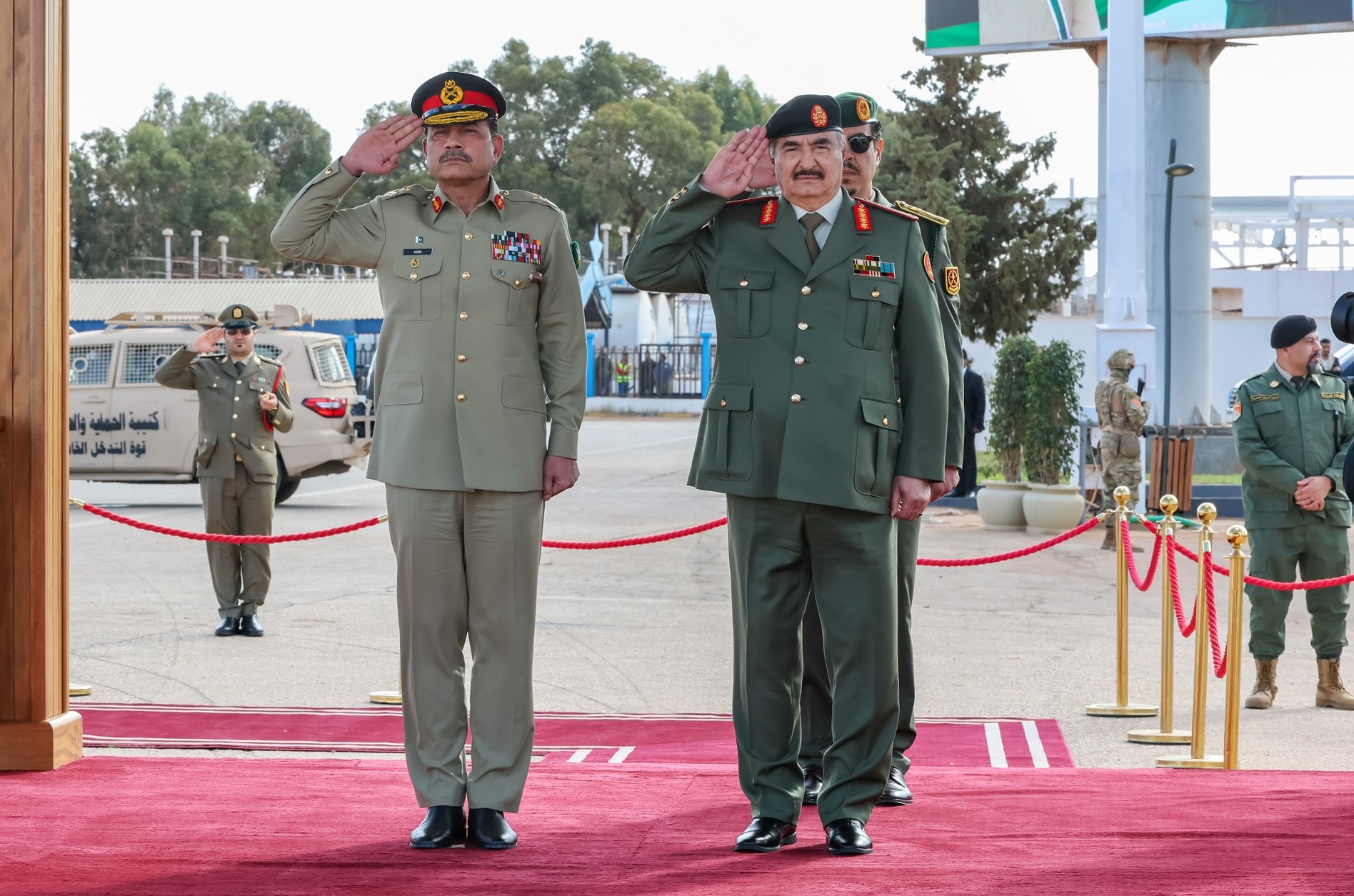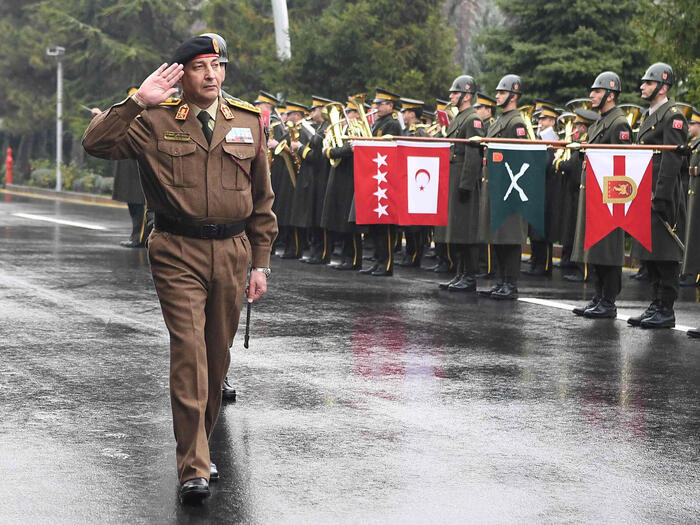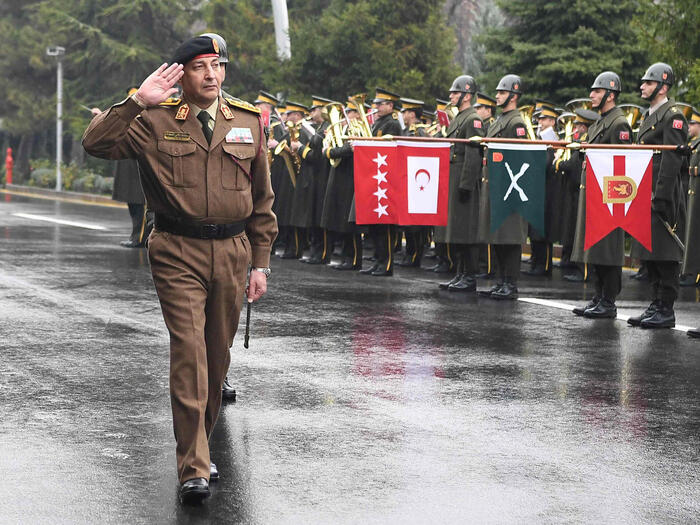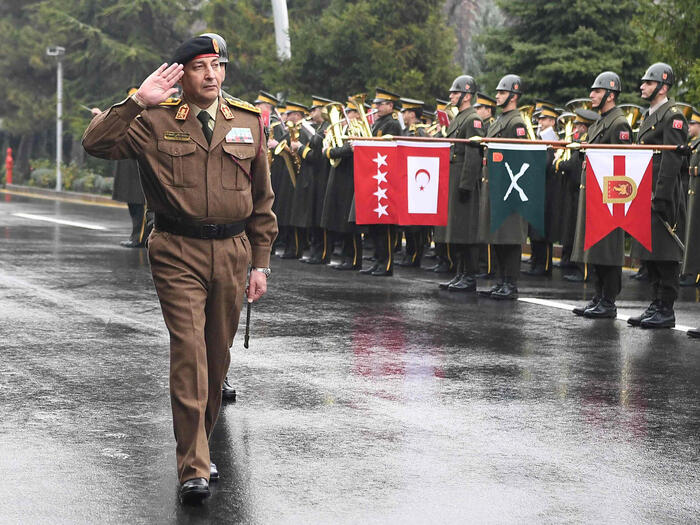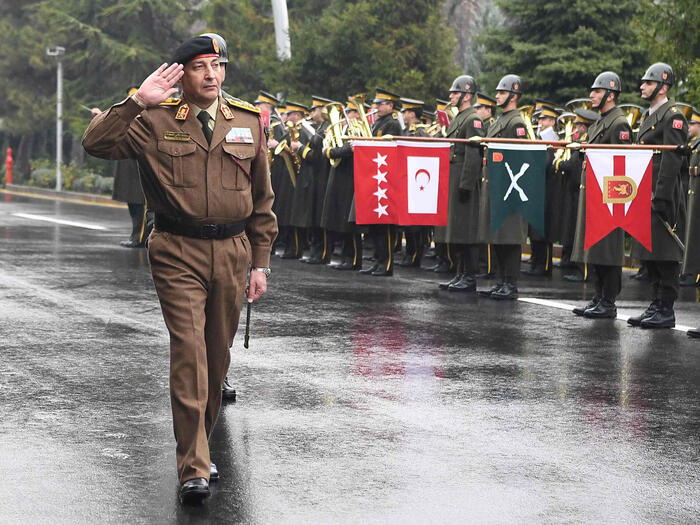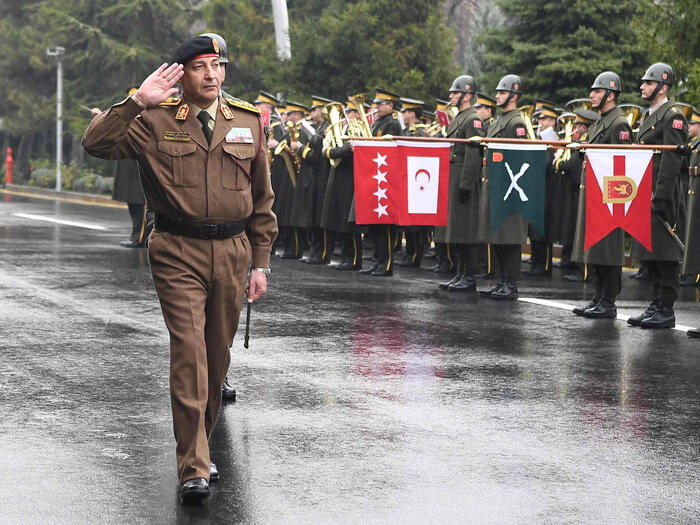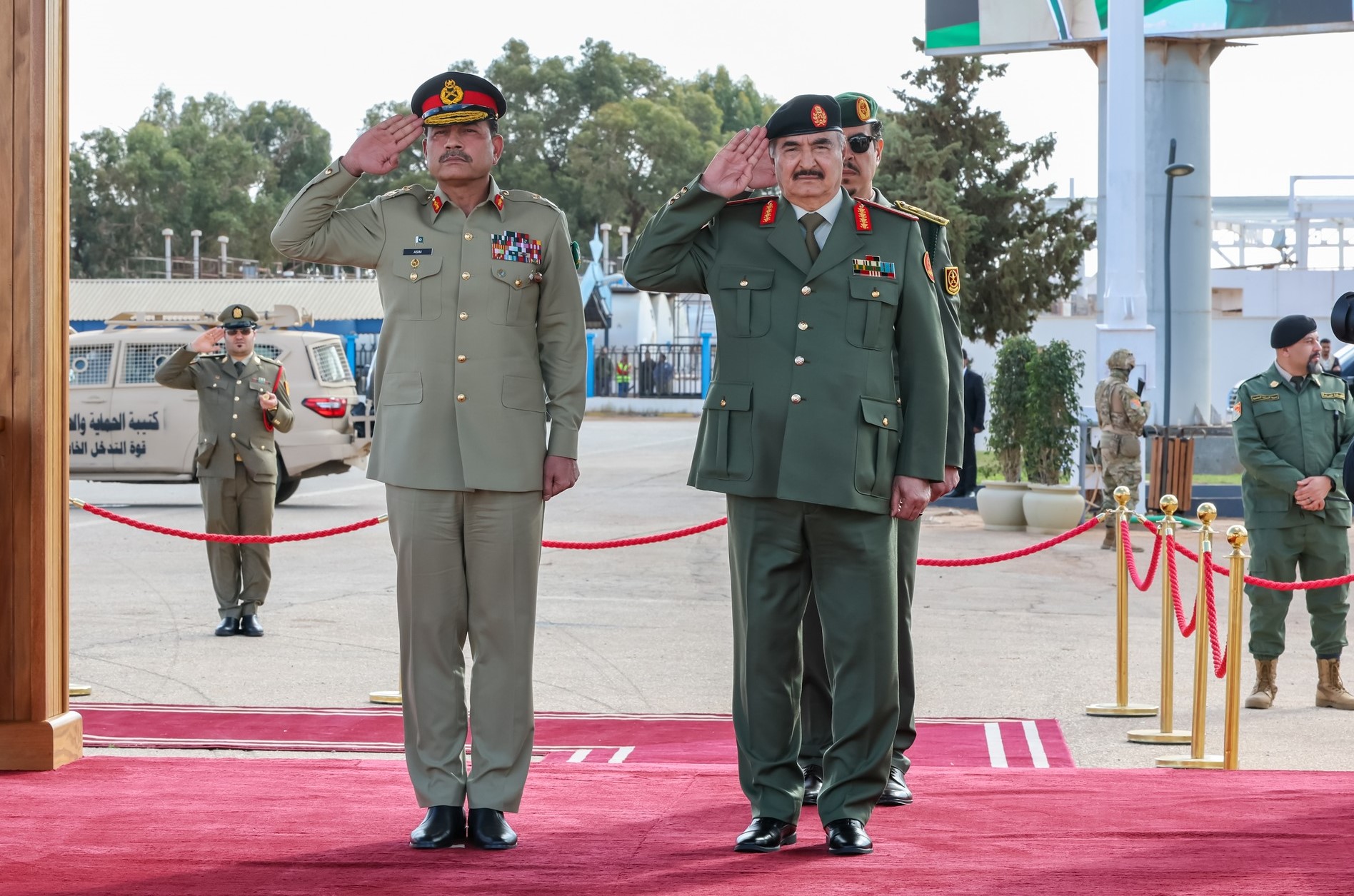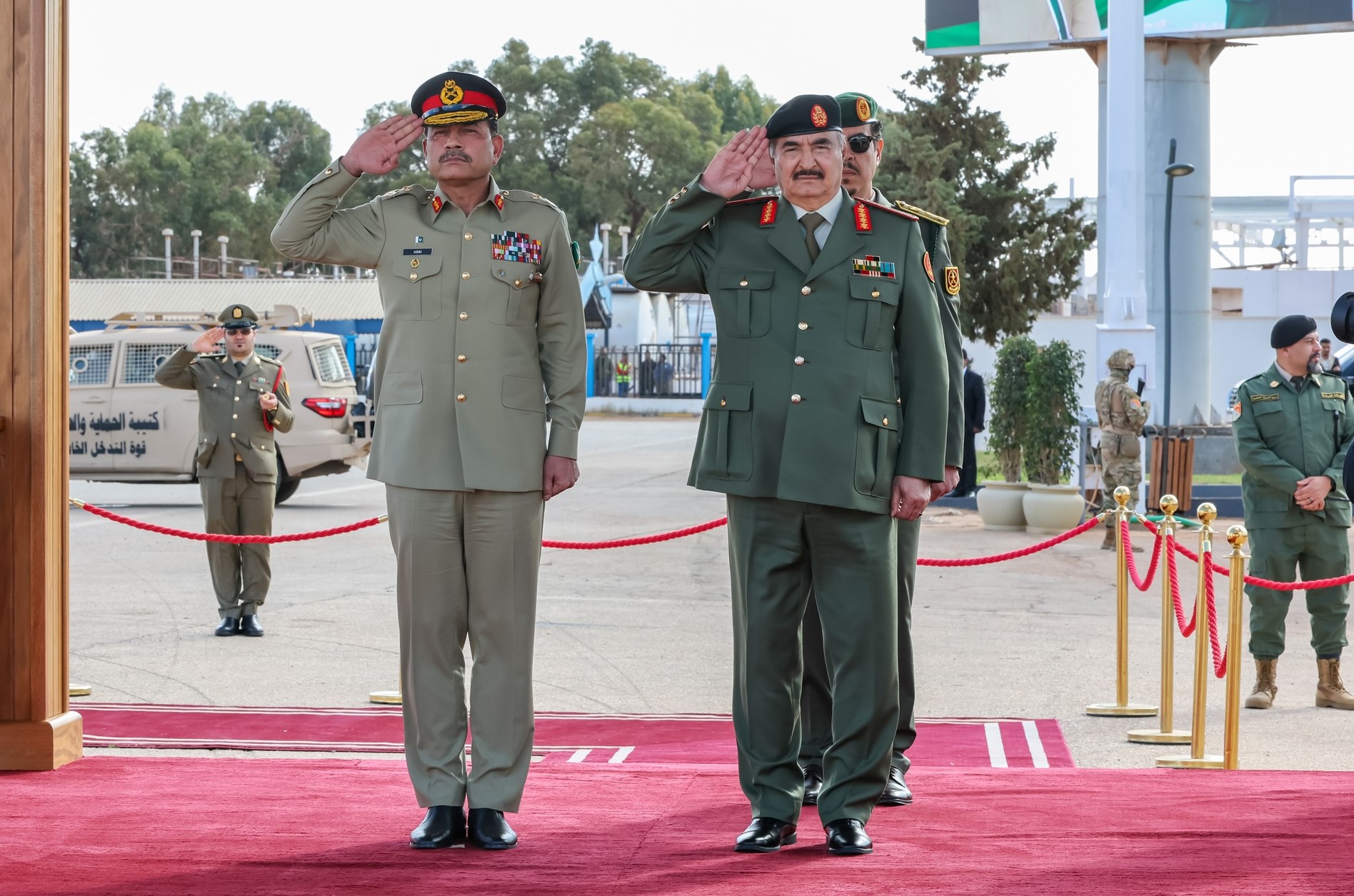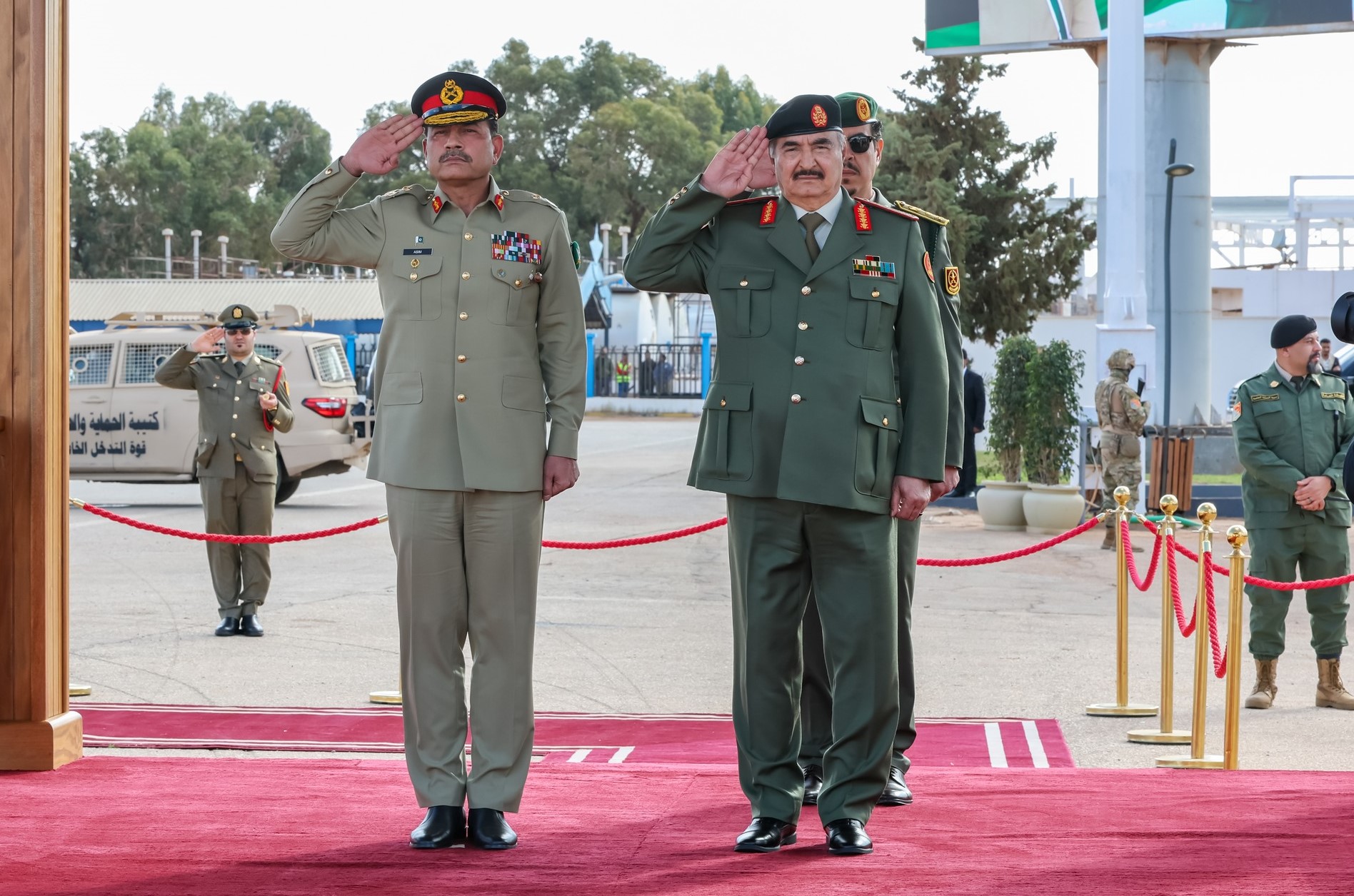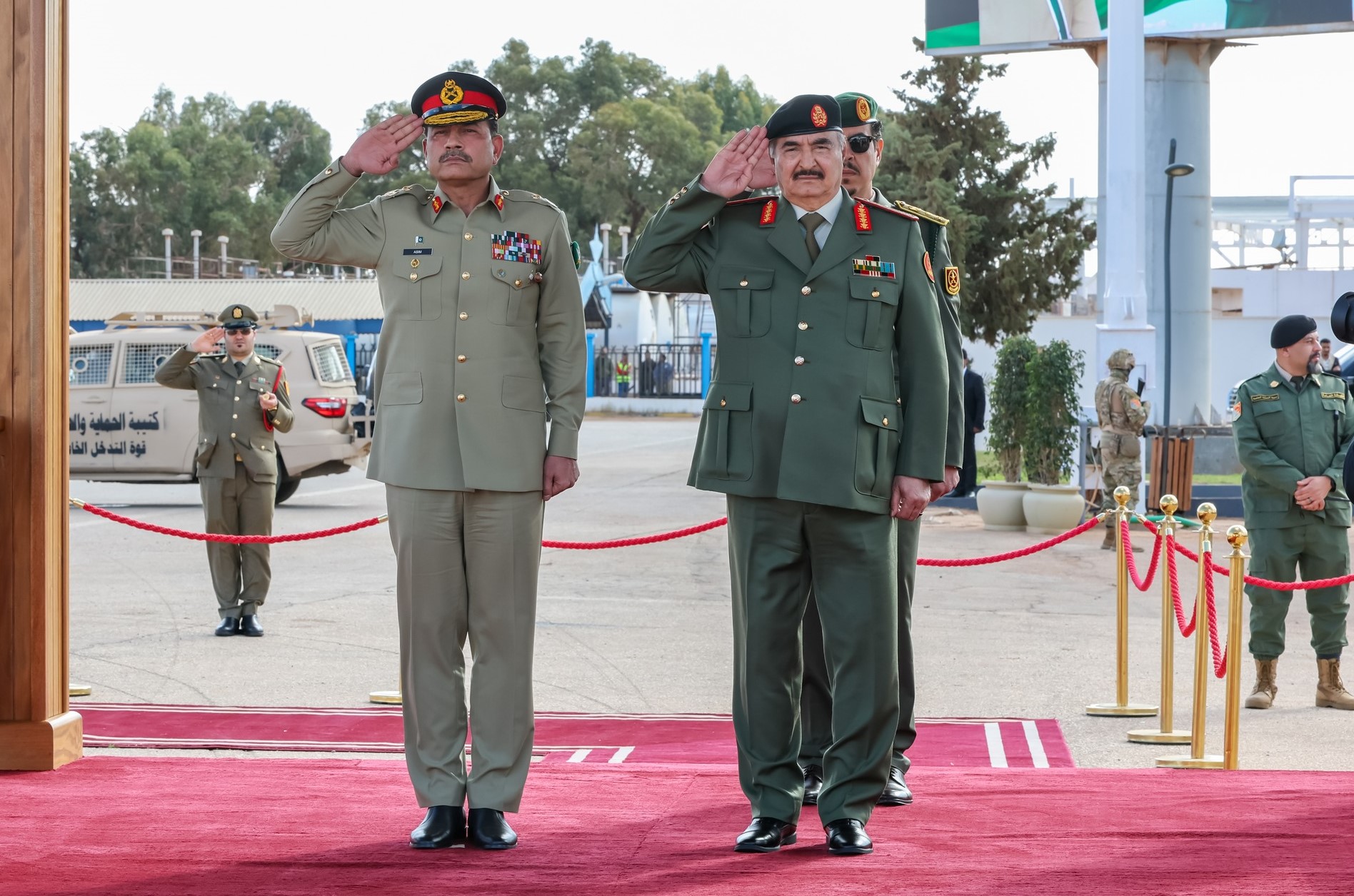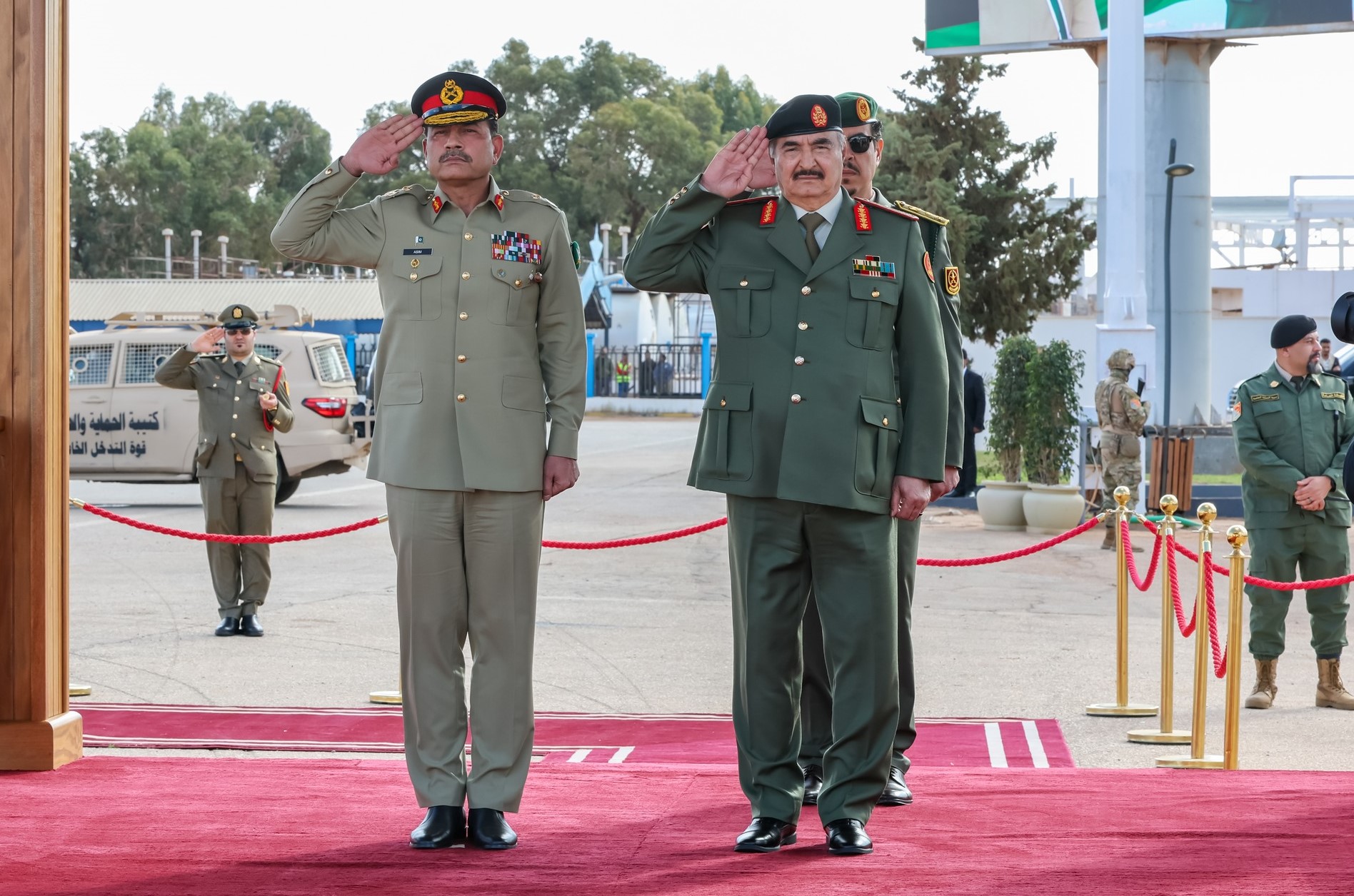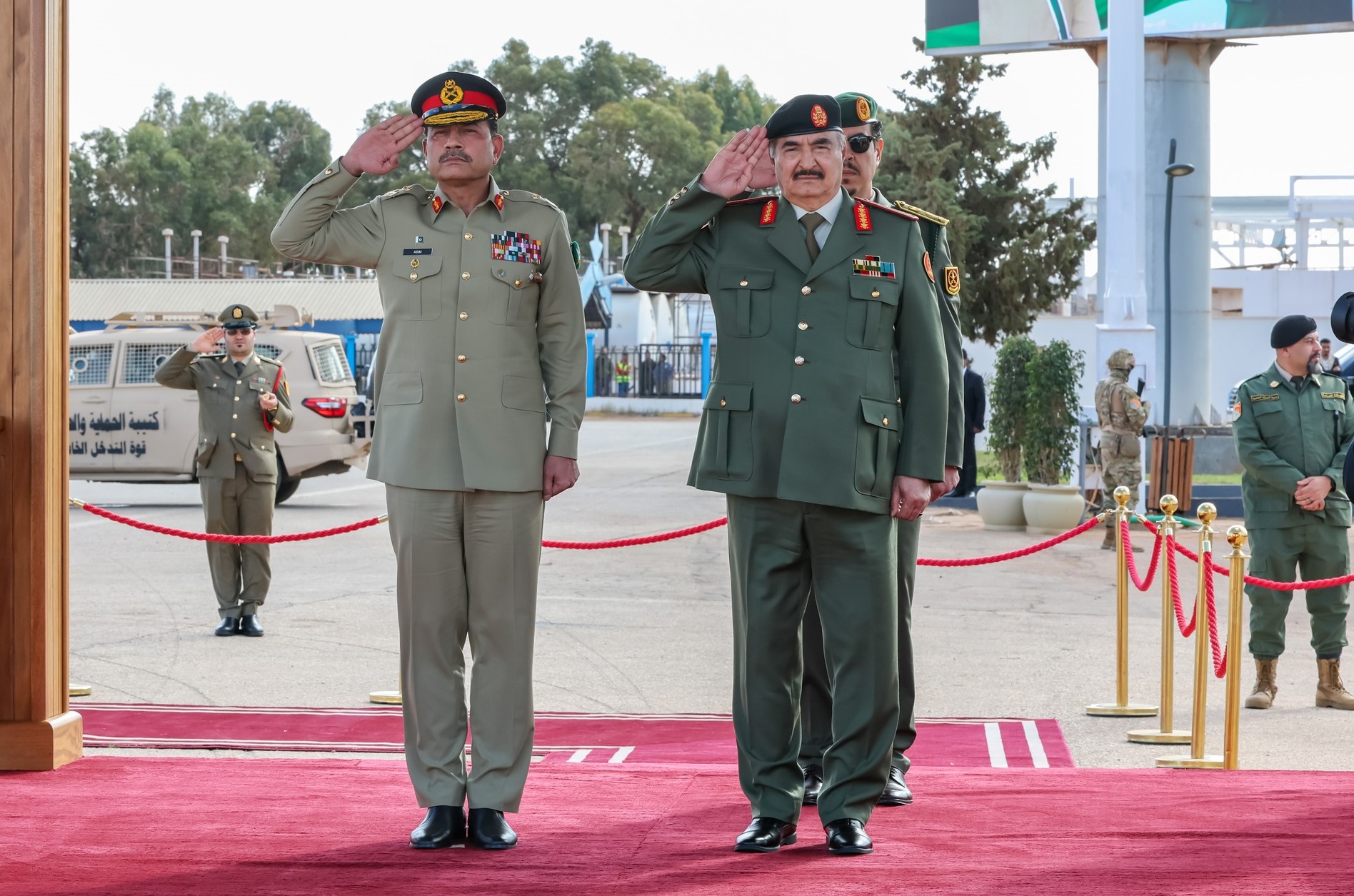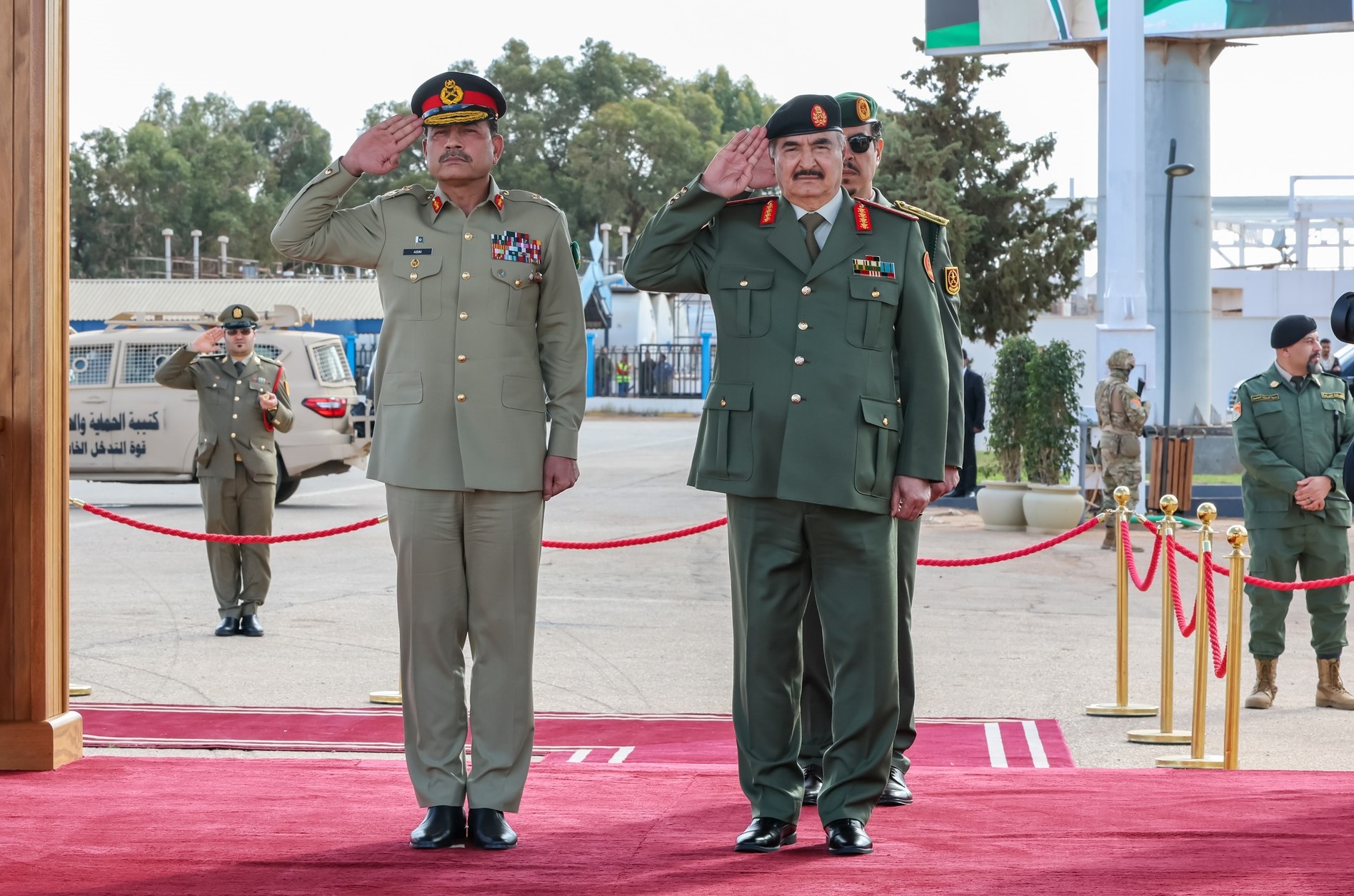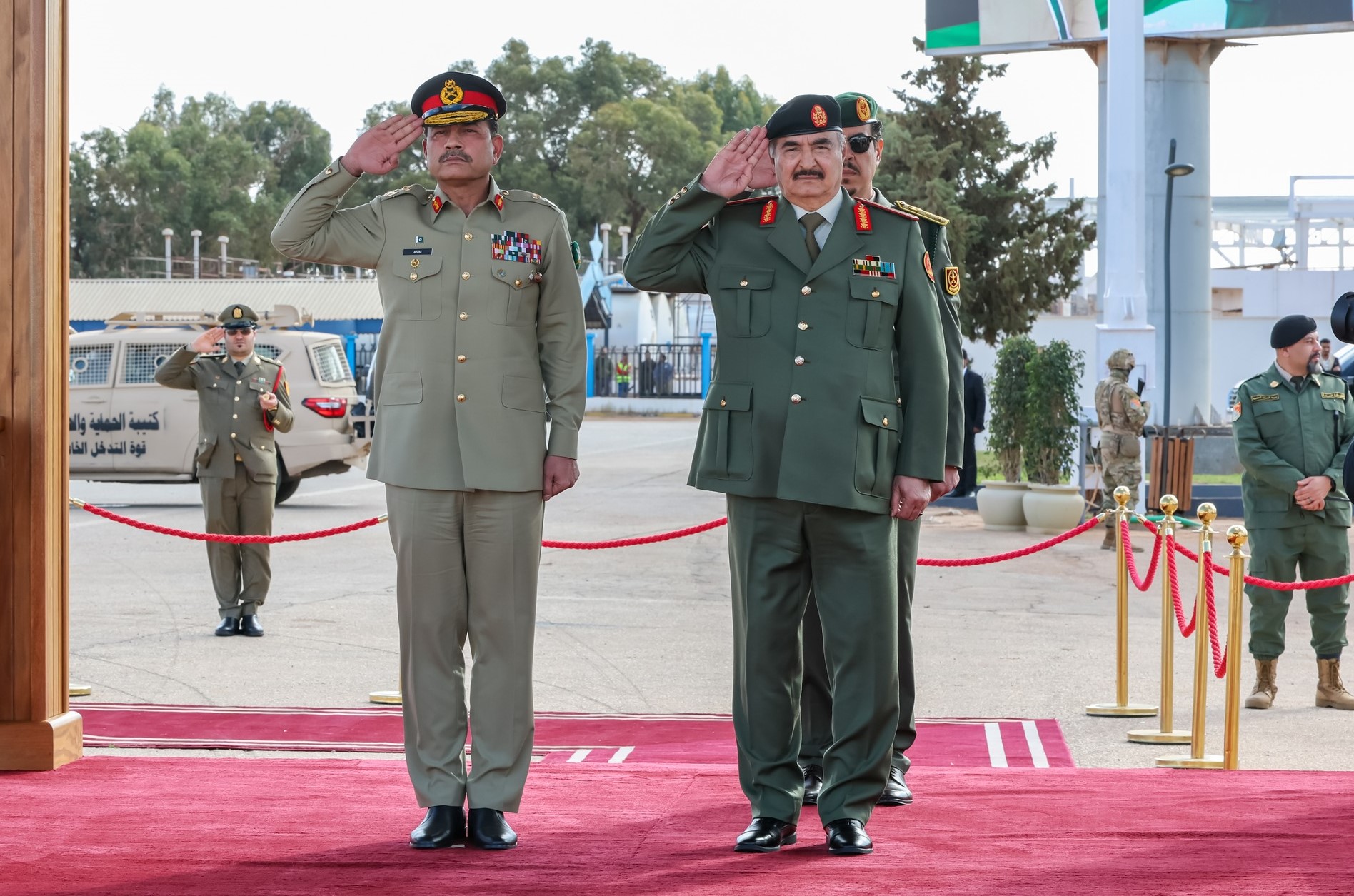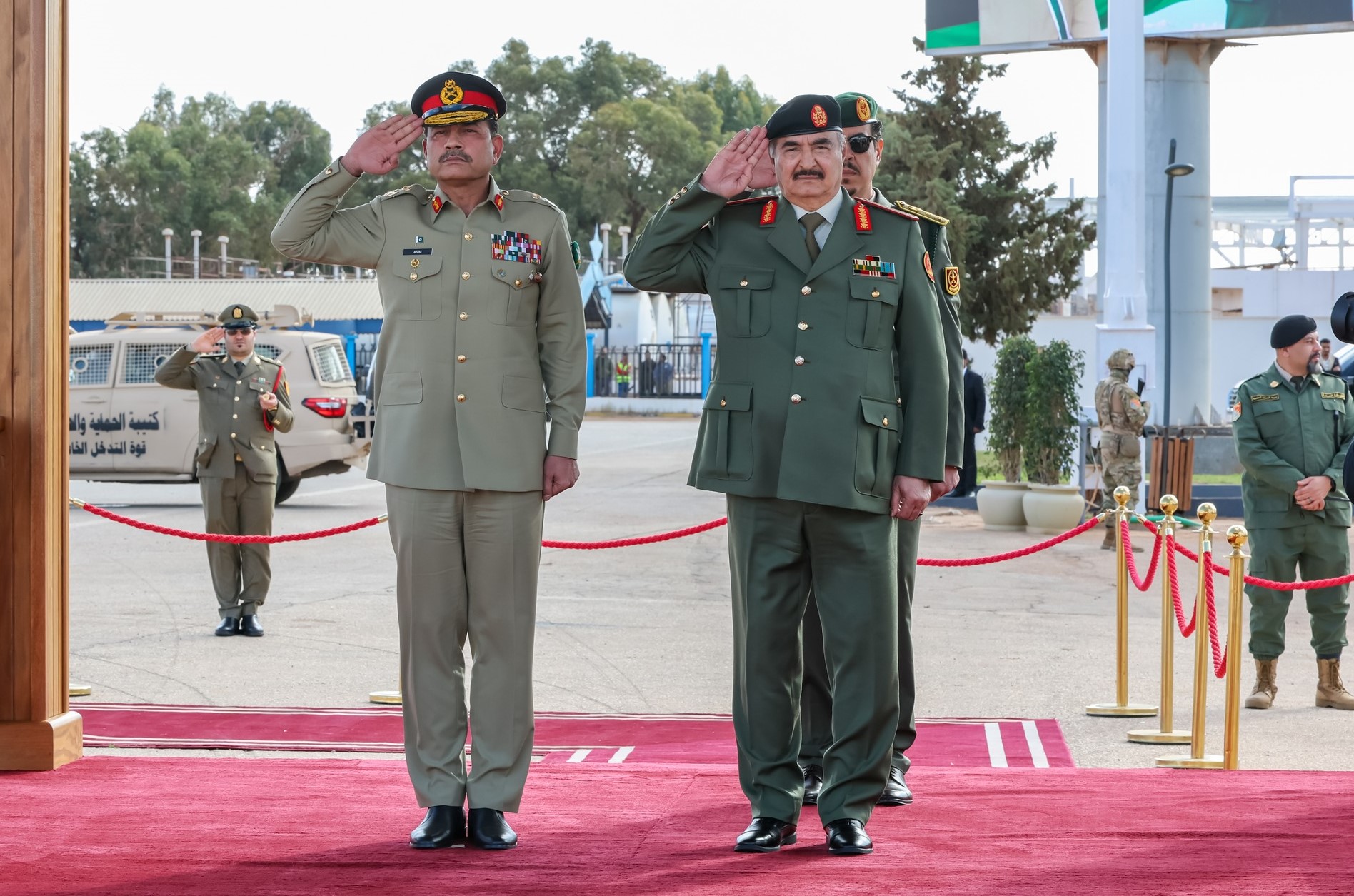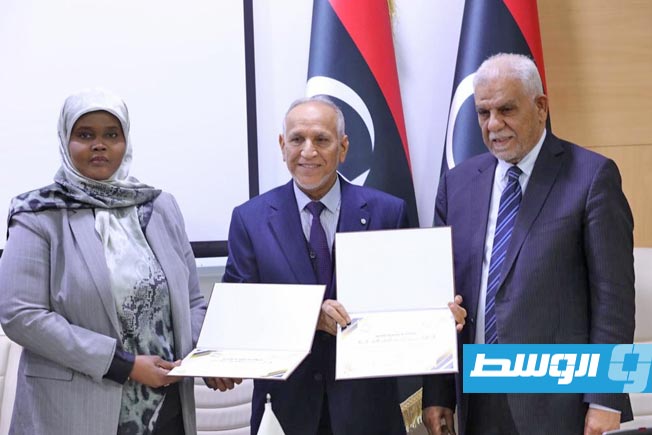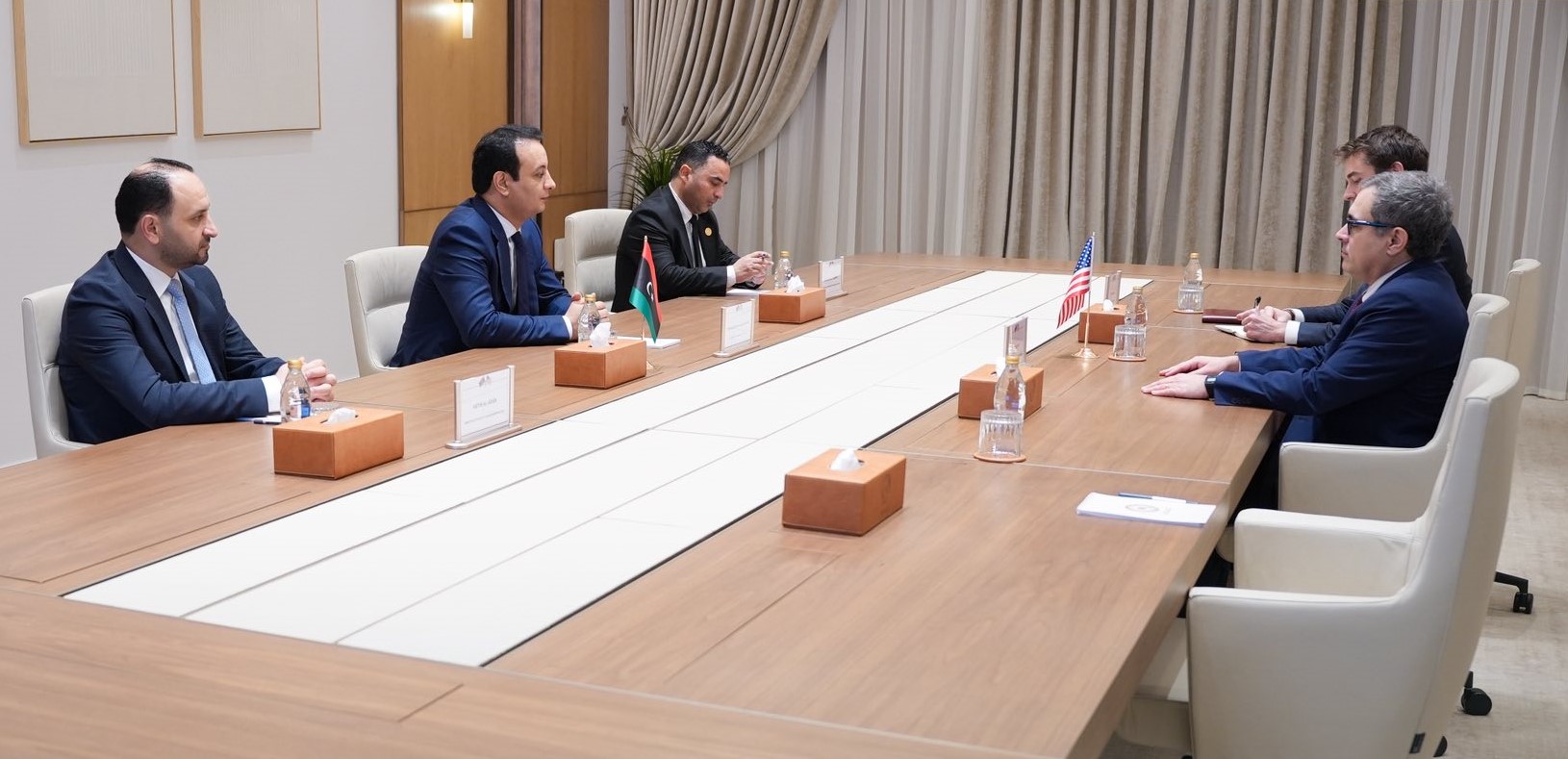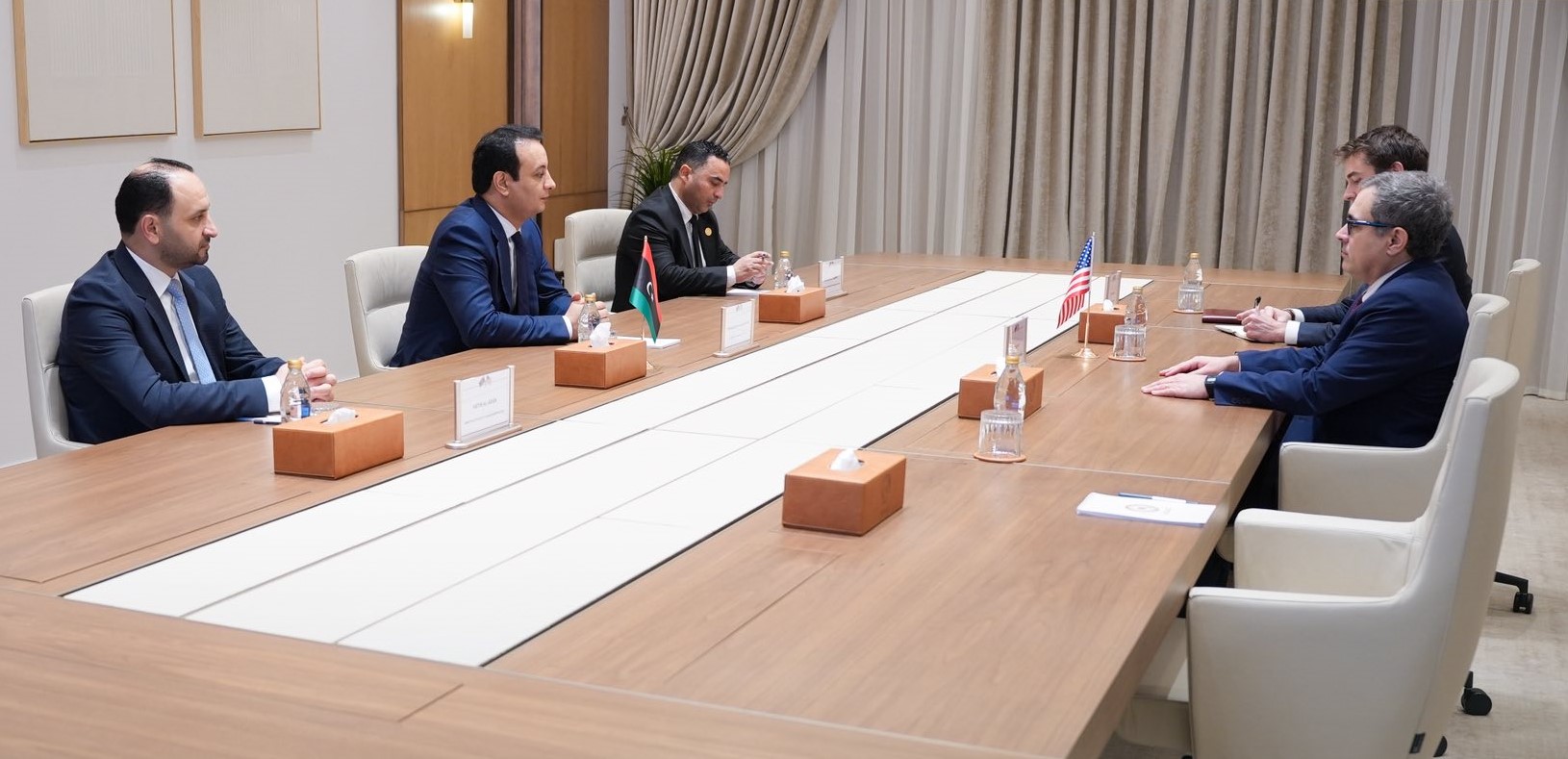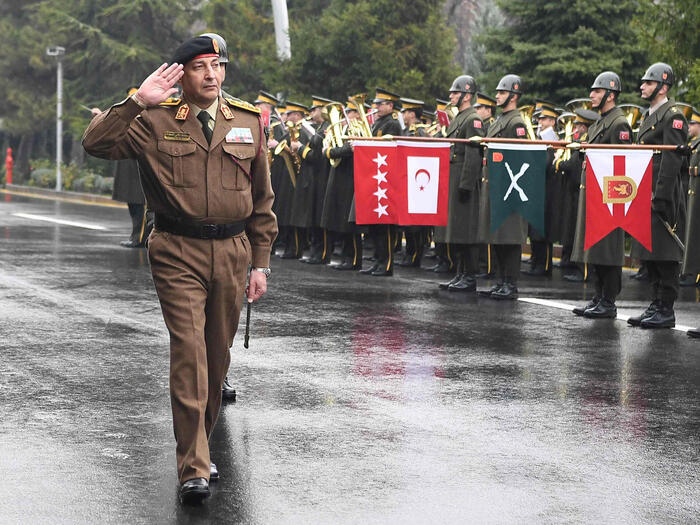
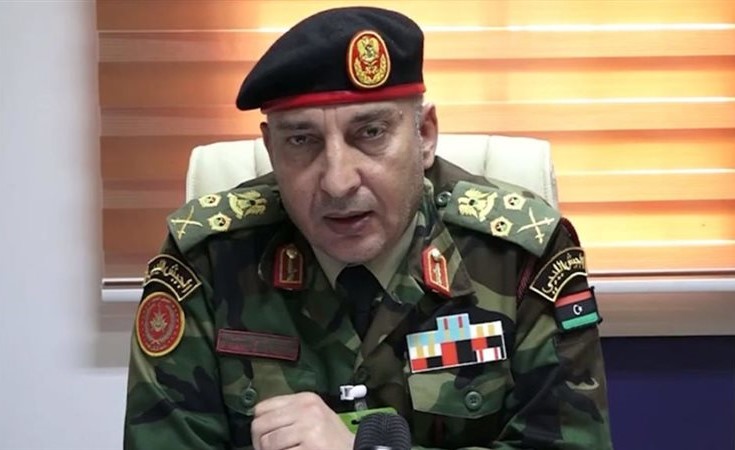
Tripoli, December 27, 2025 – The President of the Presidential Council and Supreme Commander of the Libyan Army received, this Saturday in Tripoli, the Chief of the General Staff of the Turkish Armed Forces and his accompanying military delegation, in addition to the Turkish Ambassador to Libya.
During the meeting, the Turkish Chief of Staff conveyed the condolences and sympathy of the Turkish leadership, expressing profound sadness and sorrow over this painful incident.
He affirmed Turkey’s full solidarity with the Libyan people, expressed his condolences to the families of the martyrs, and confirmed the continuation of military cooperation and coordination between the two sides.
…
Tripoli
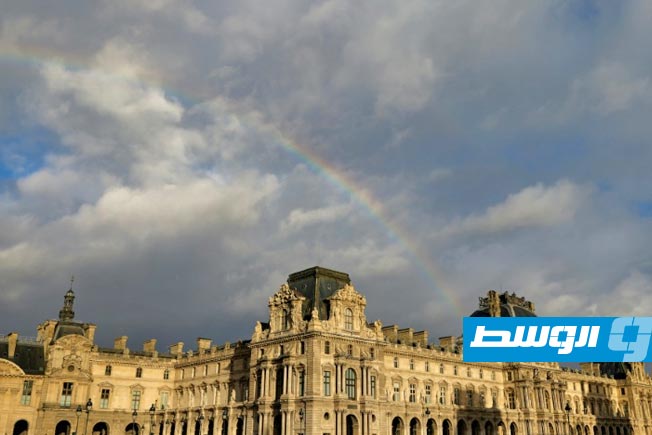
Tripoli is the capital and largest city of Libya, with a history dating back to the 7th century BC when it was founded by the Phoenicians. It later came under Roman, Byzantine, Arab, Ottoman, and Italian rule, which is reflected in its historic architecture, such as the old Medina and the Red Castle (Assaraya al-Hamra).
Libyan Army
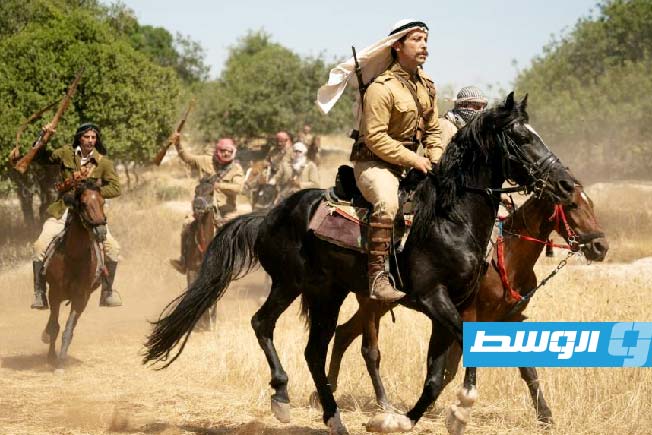
The Libyan Army is the official military force of Libya, originally established after the country gained independence in 1951. Its structure and allegiances have been fragmented and contested since the 2011 civil war and the fall of Muammar Gaddafi, leading to multiple rival factions claiming authority.
Turkish Armed Forces
The Turkish Armed Forces, founded from the remnants of the Ottoman military after the Turkish War of Independence (1919–1923), is the military force of the Republic of Turkey. It has historically played a significant role in the nation’s politics, executing several coups throughout the 20th century to intervene in governance. Today, it is the second-largest standing military force in NATO and is a key regional actor.
Turkey
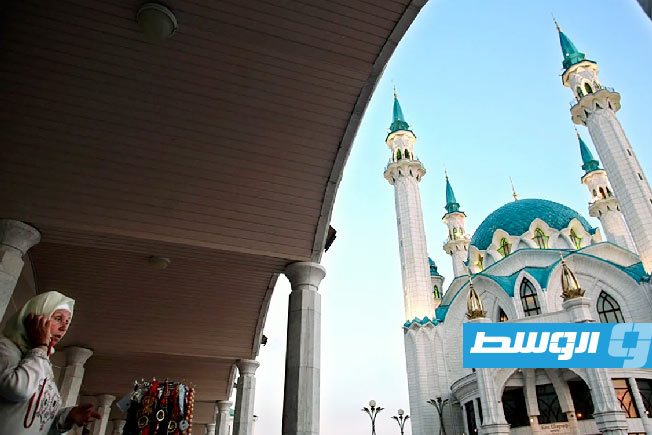
Turkey is a transcontinental country located at the crossroads of Europe and Asia, with a rich history spanning from the ancient civilizations of Anatolia to the Byzantine and Ottoman Empires. Its modern identity was forged in 1923 as the Republic of Turkey under Mustafa Kemal Atatürk. The nation is renowned for its diverse cultural heritage, which includes iconic sites like Hagia Sophia, the ruins of Ephesus, and the unique landscapes of Cappadocia.
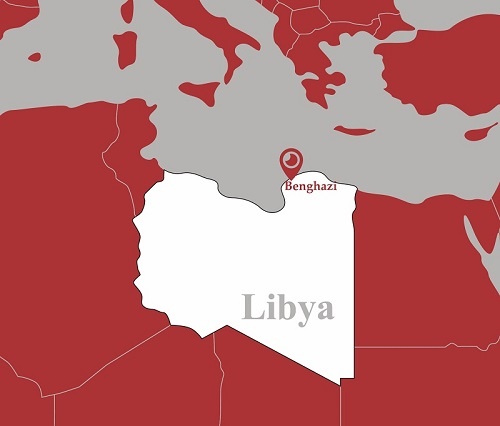
Libya
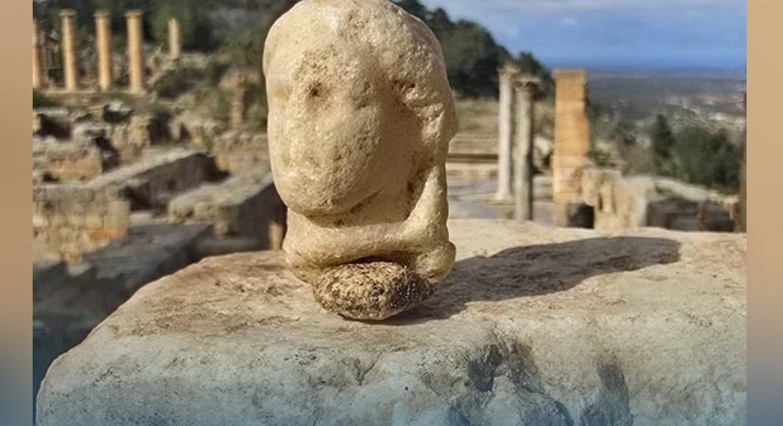
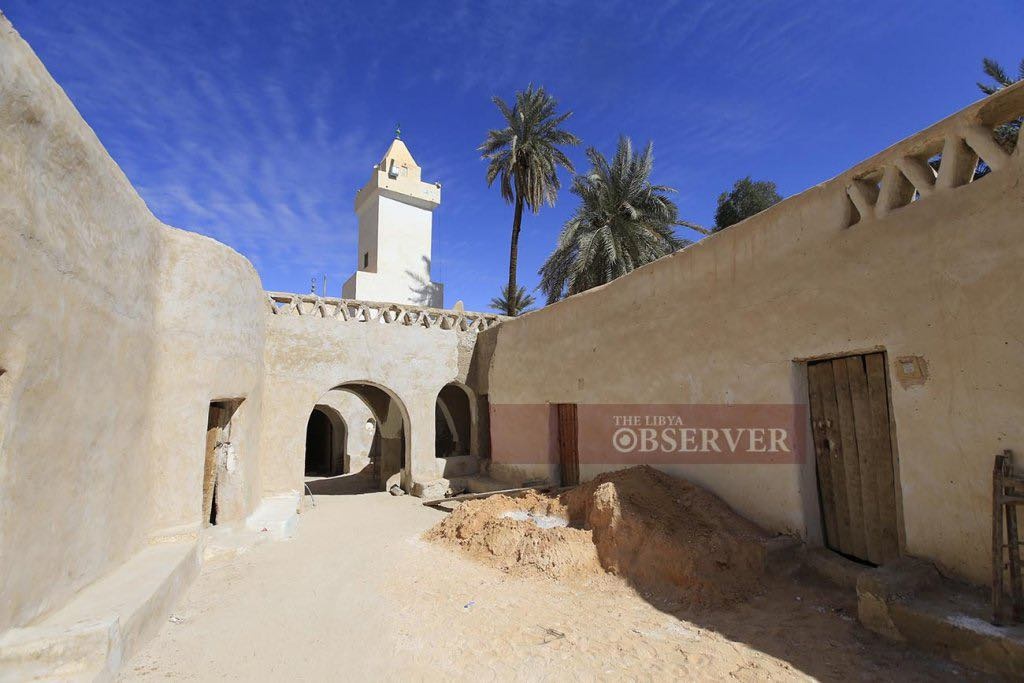
Libya is a North African country with a rich history that includes ancient Phoenician and Greek settlements, most notably at Cyrene, and later Roman rule. It was part of the Ottoman Empire before Italian colonization in the early 20th century, gaining independence as a kingdom in 1951 and later becoming a republic under Muammar Gaddafi from 1969 until the 2011 revolution. The country is home to five UNESCO World Heritage Sites, including the extensive Roman ruins of Leptis Magna.