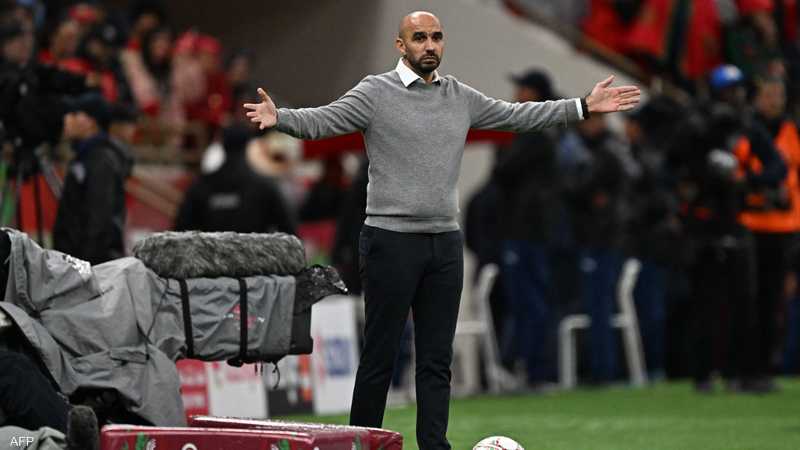
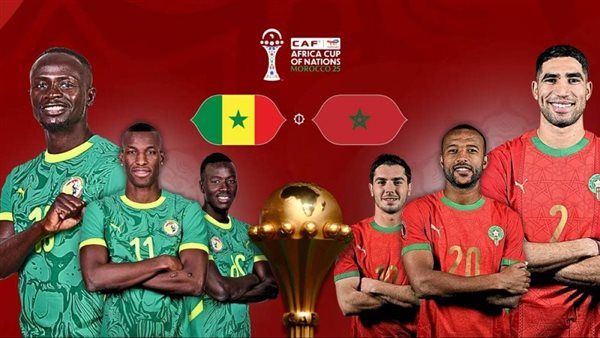
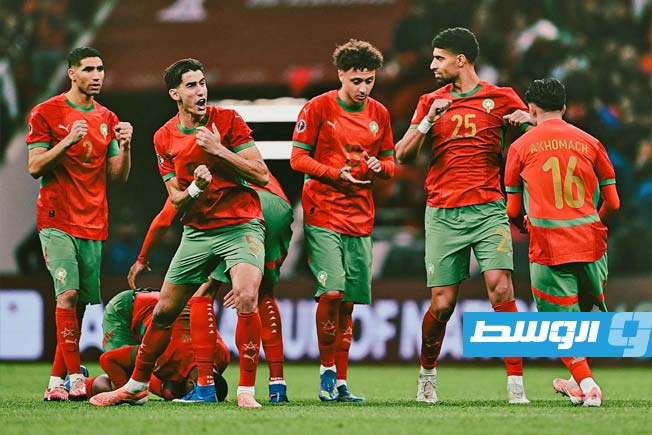
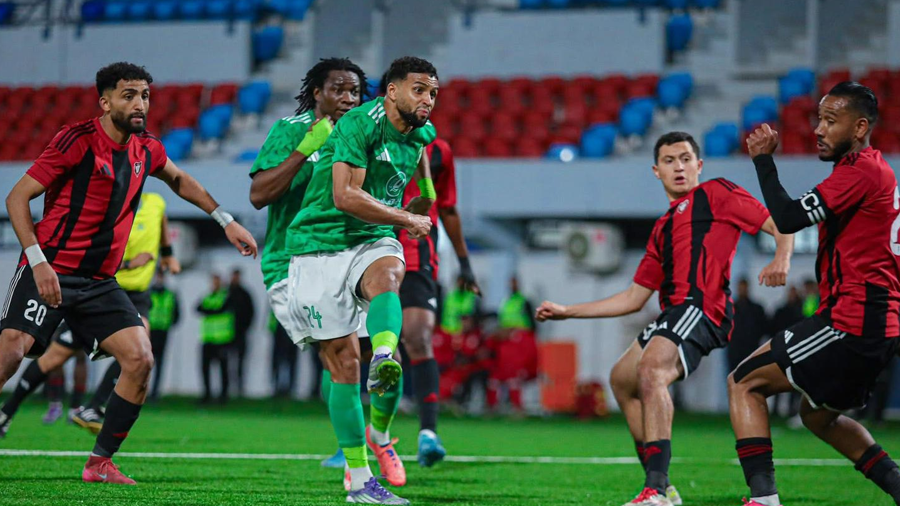
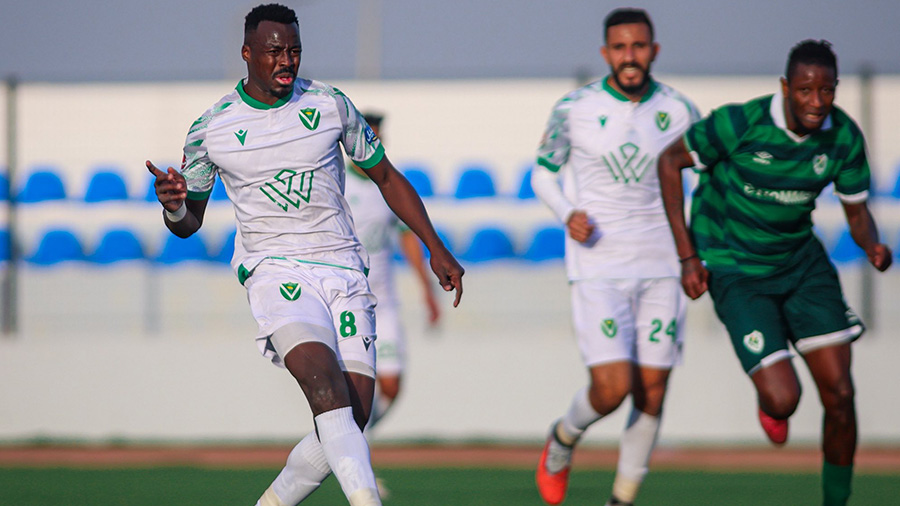
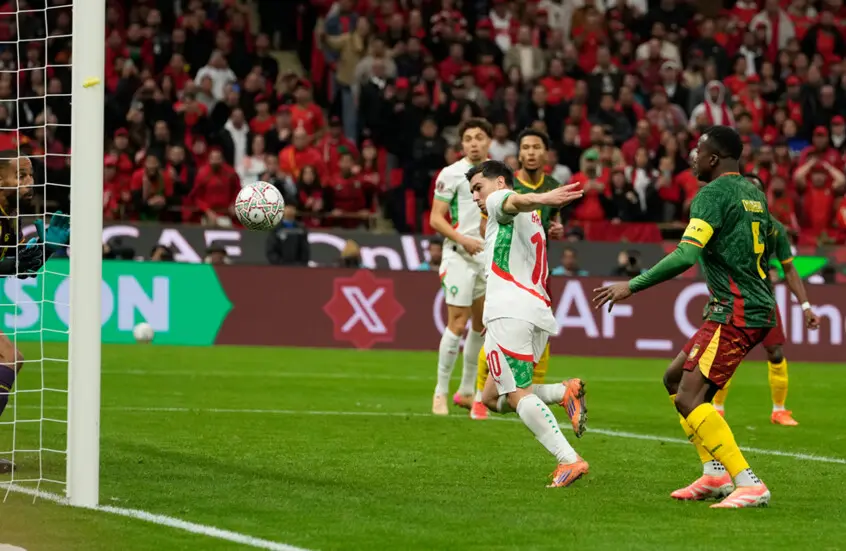
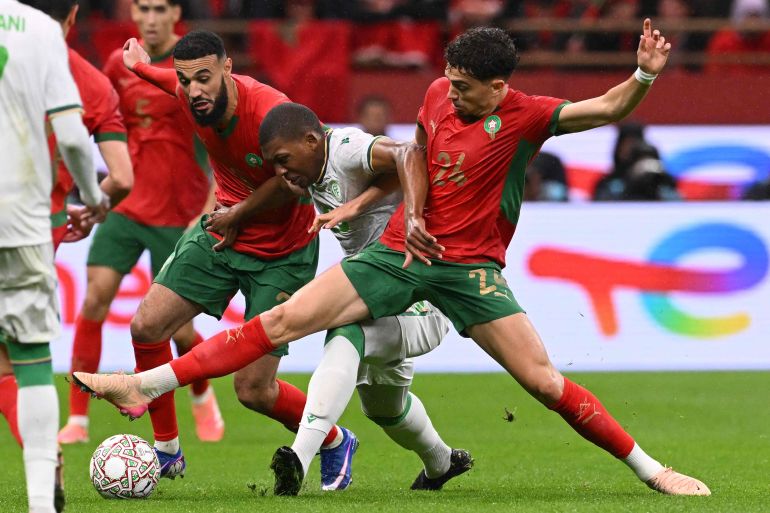
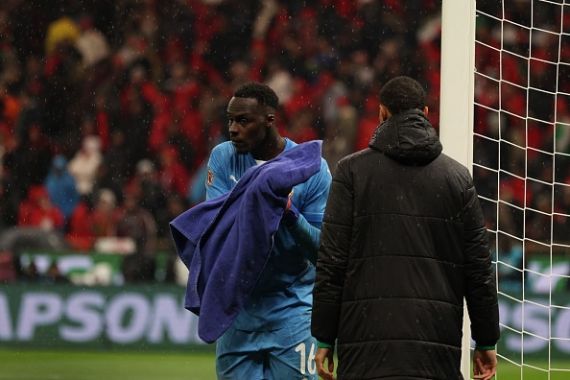
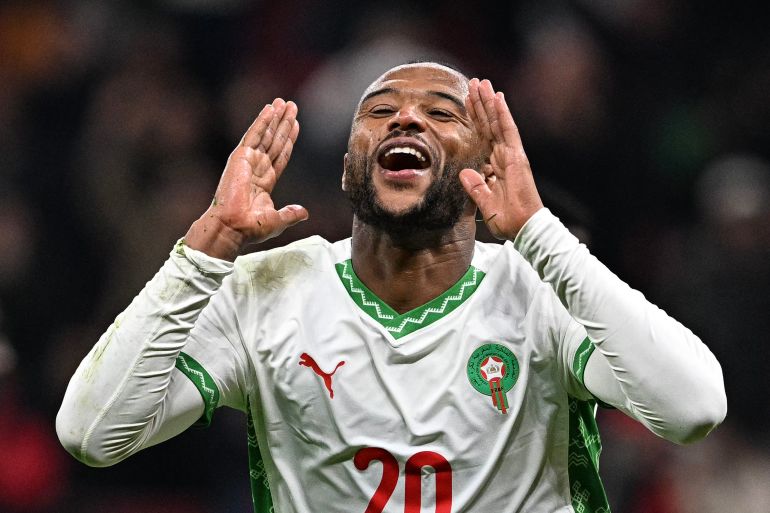
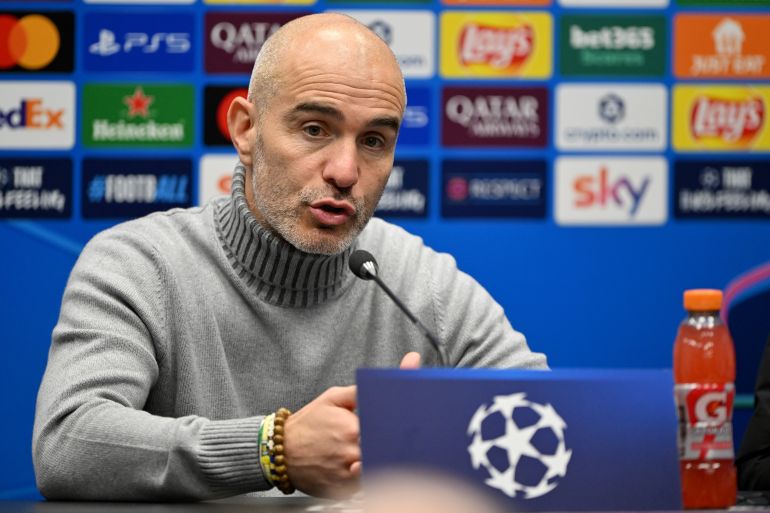
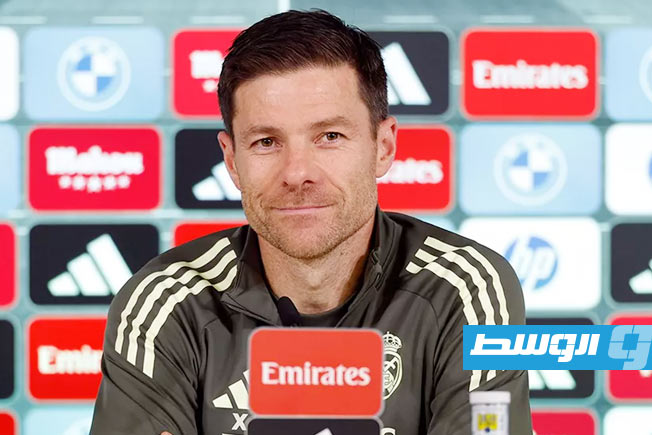
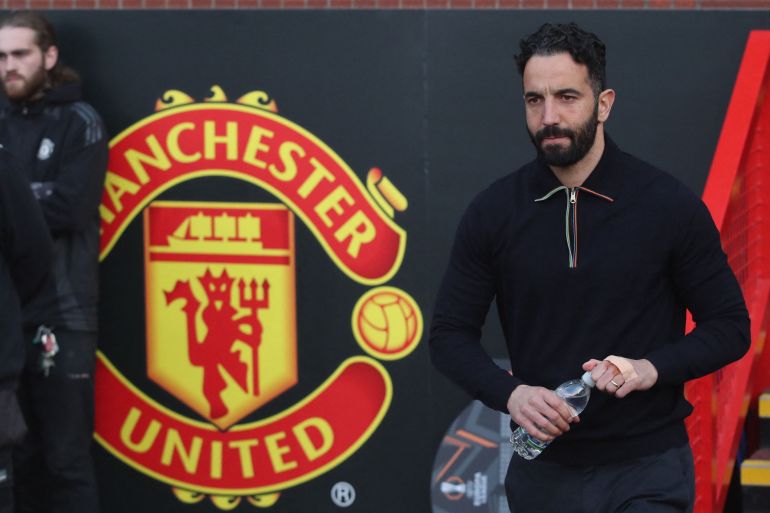
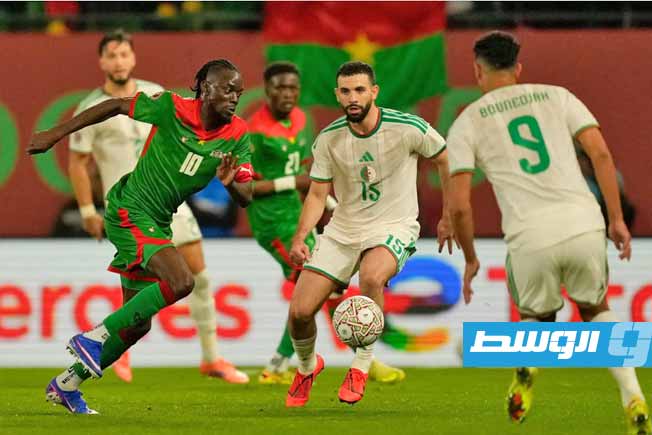
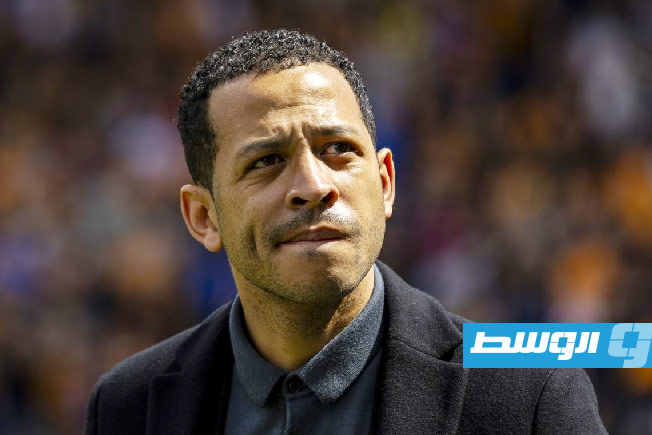
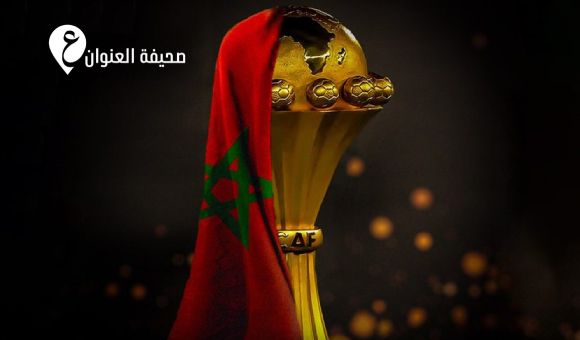
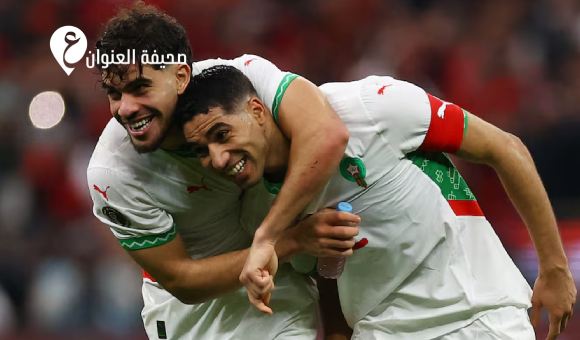
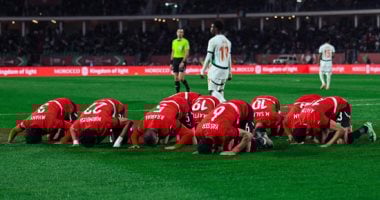
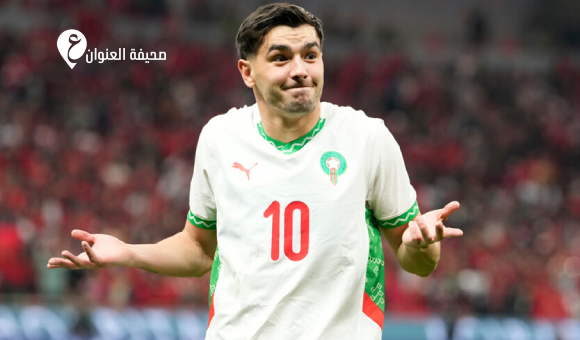
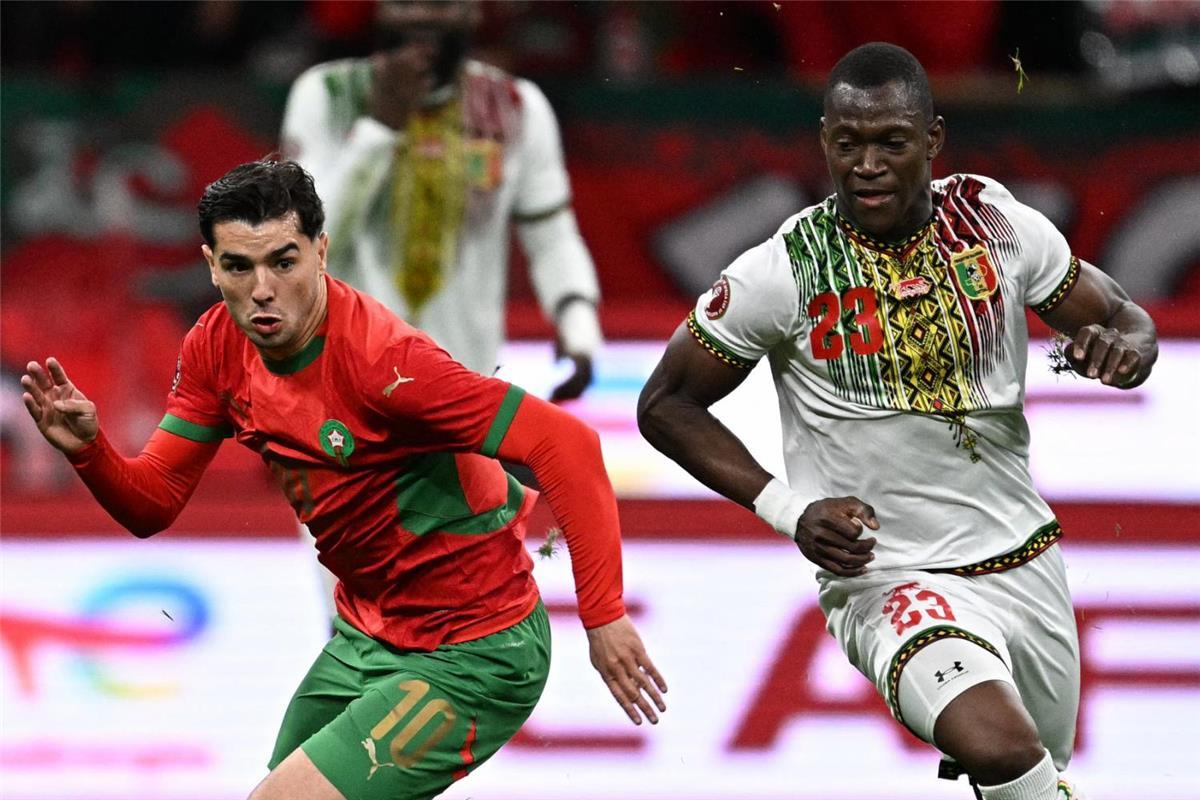
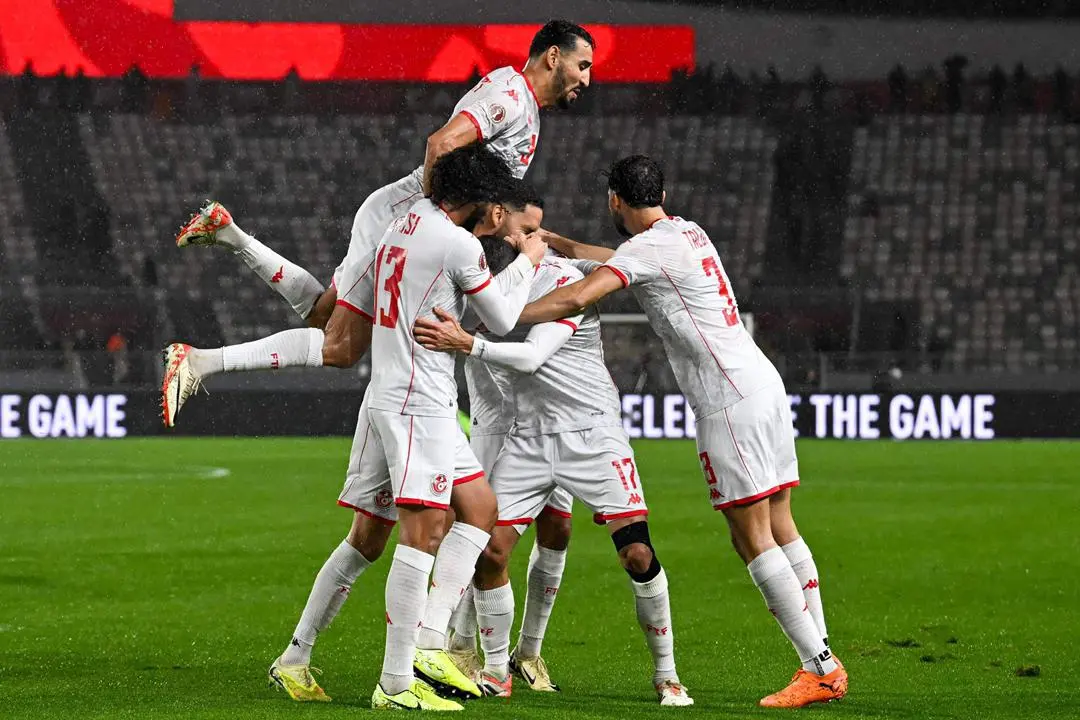
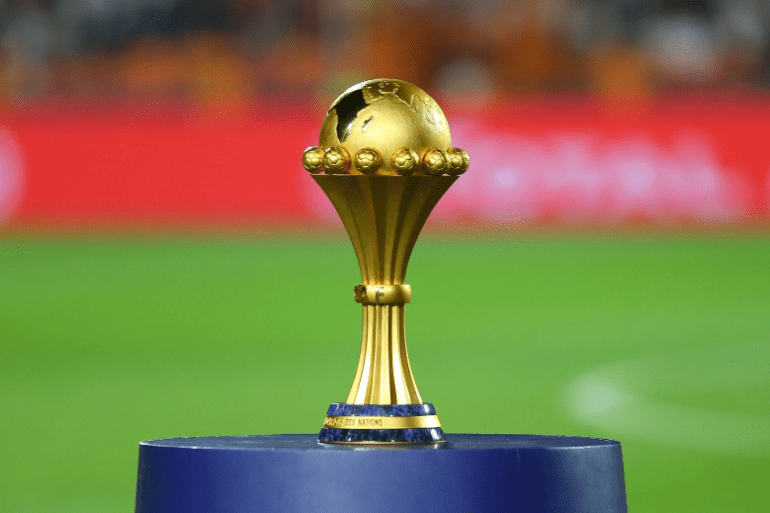
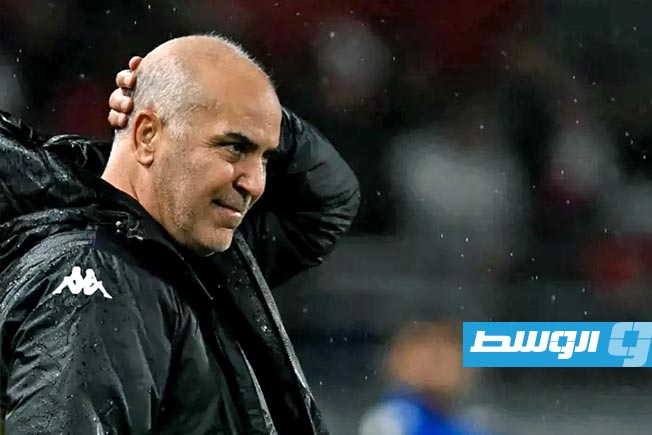
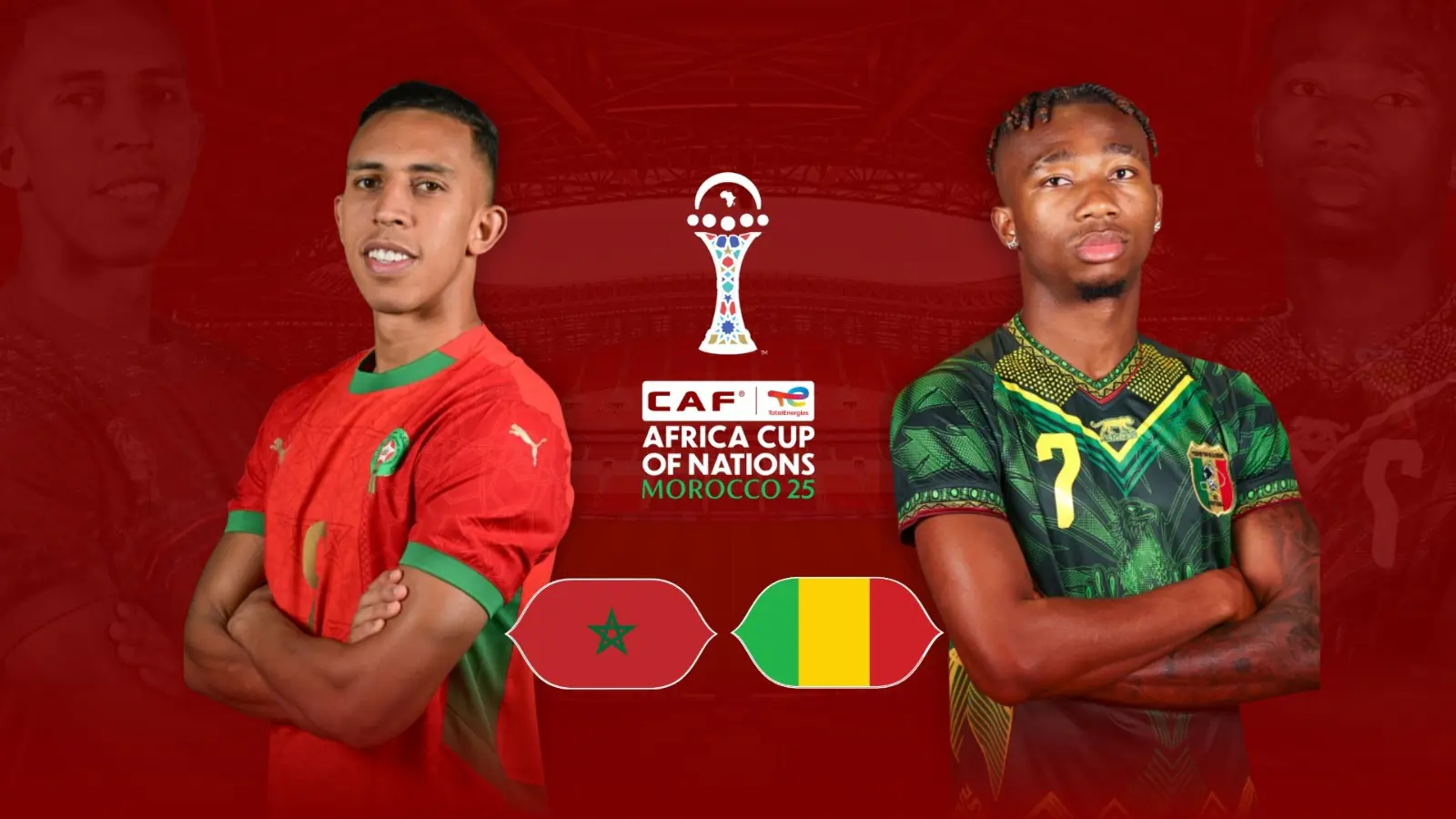
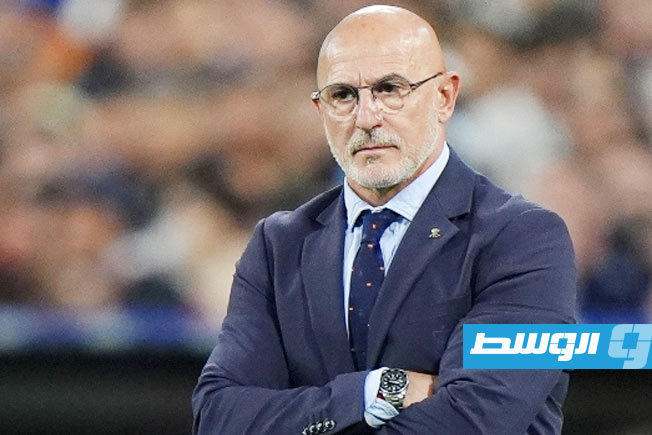
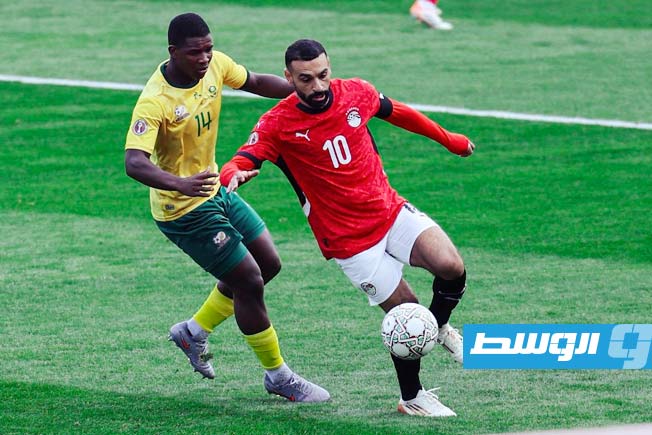
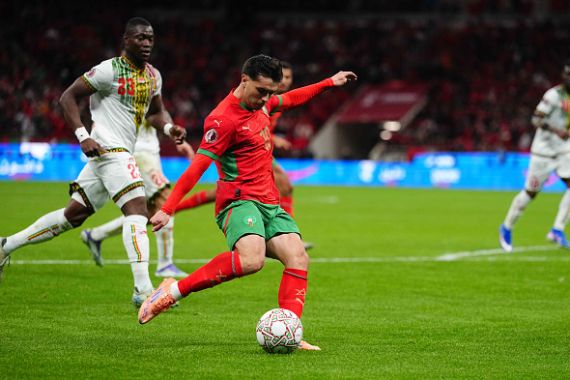
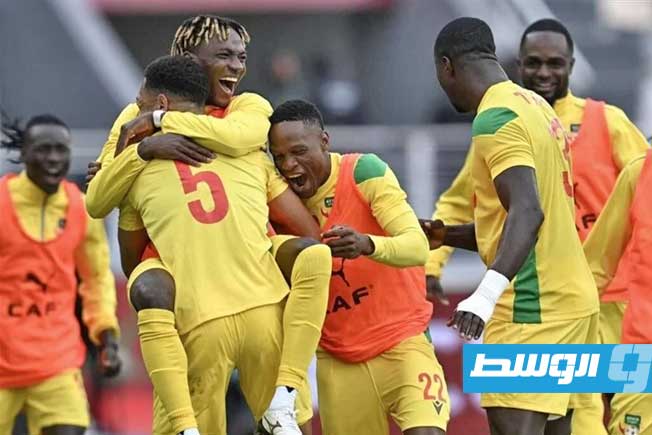
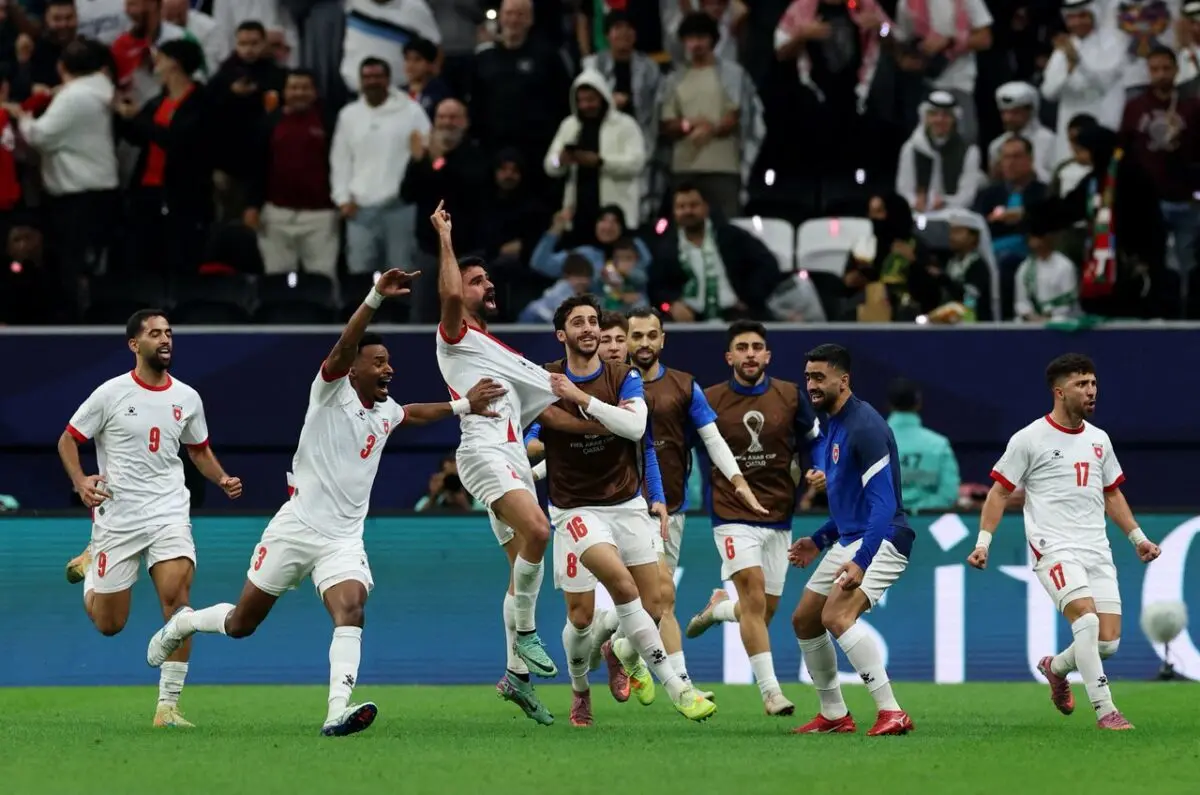
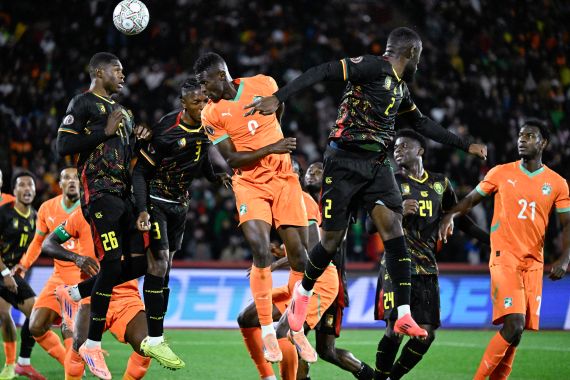
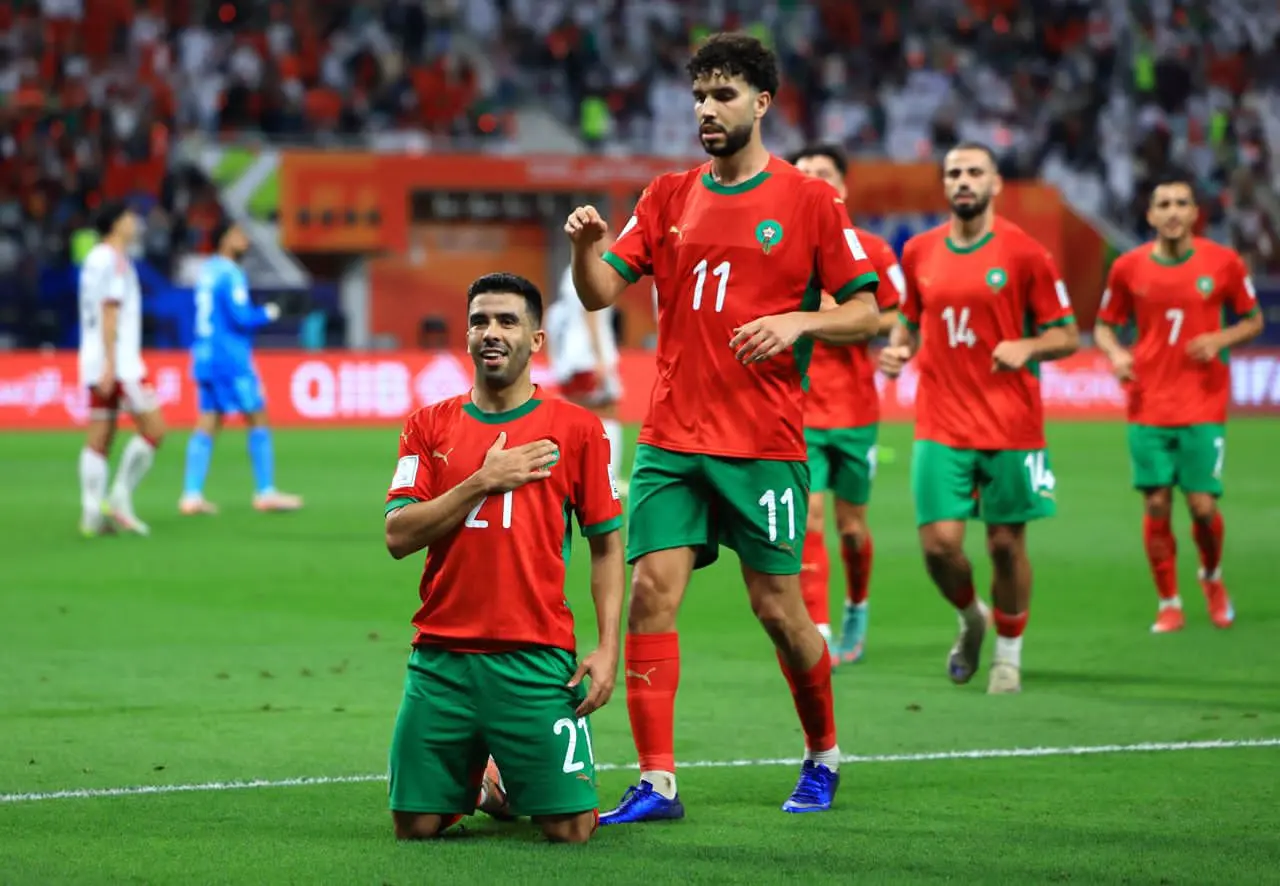
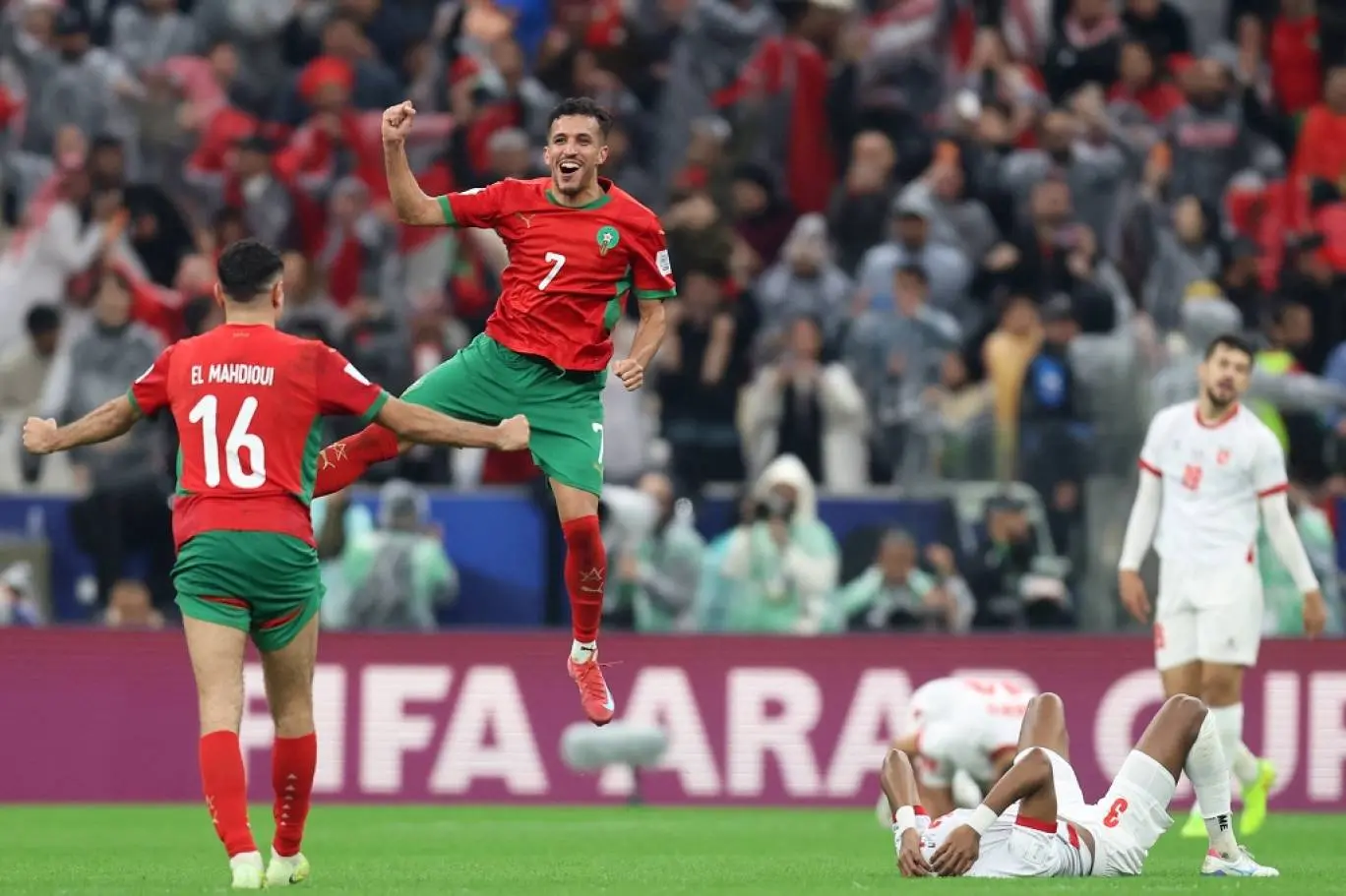
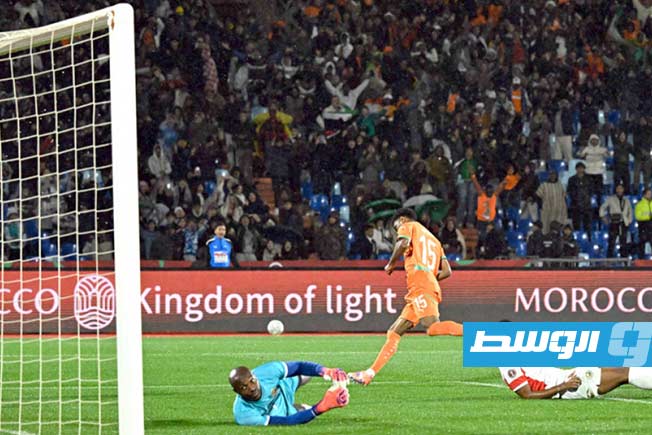
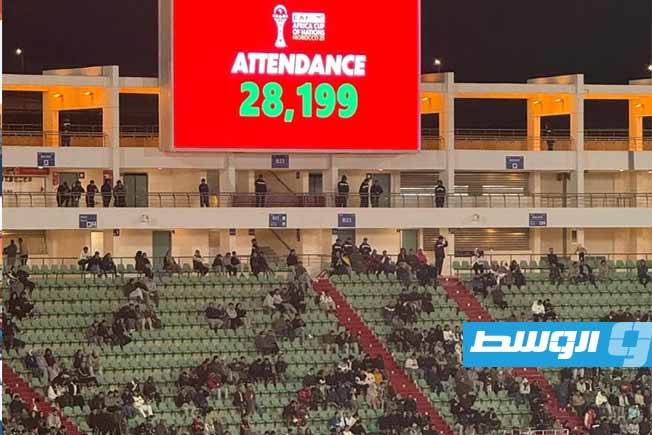
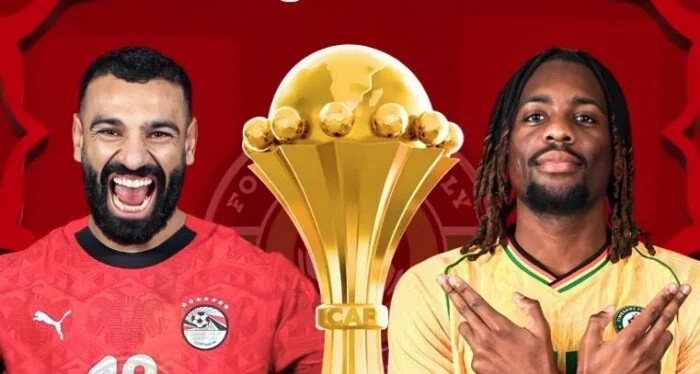
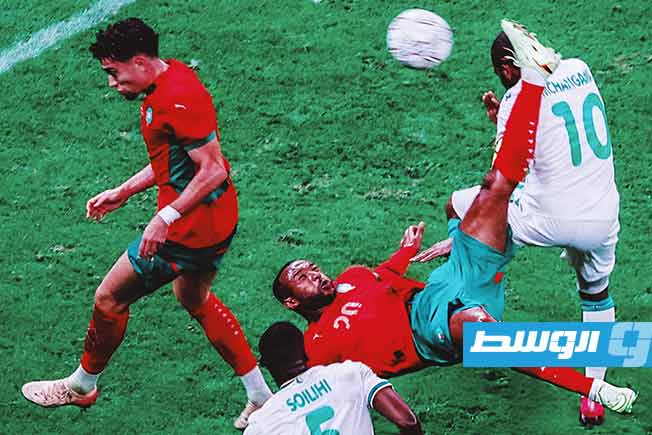
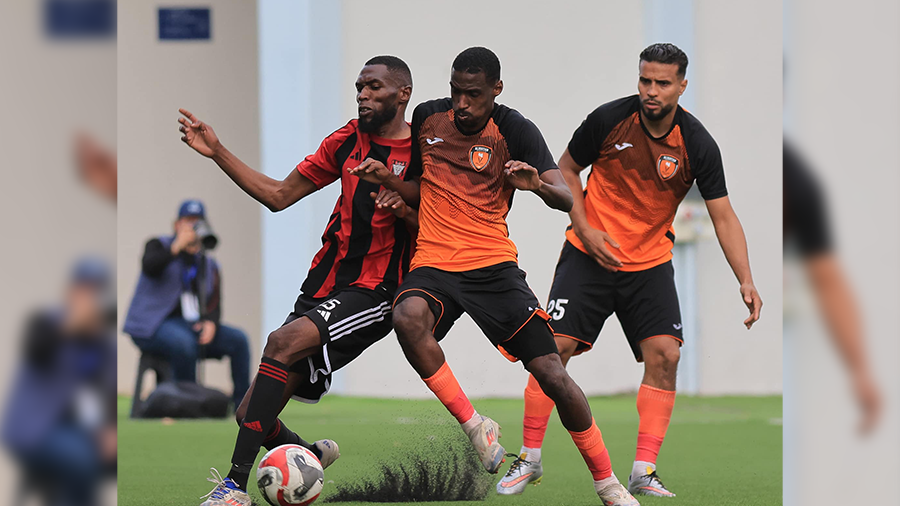
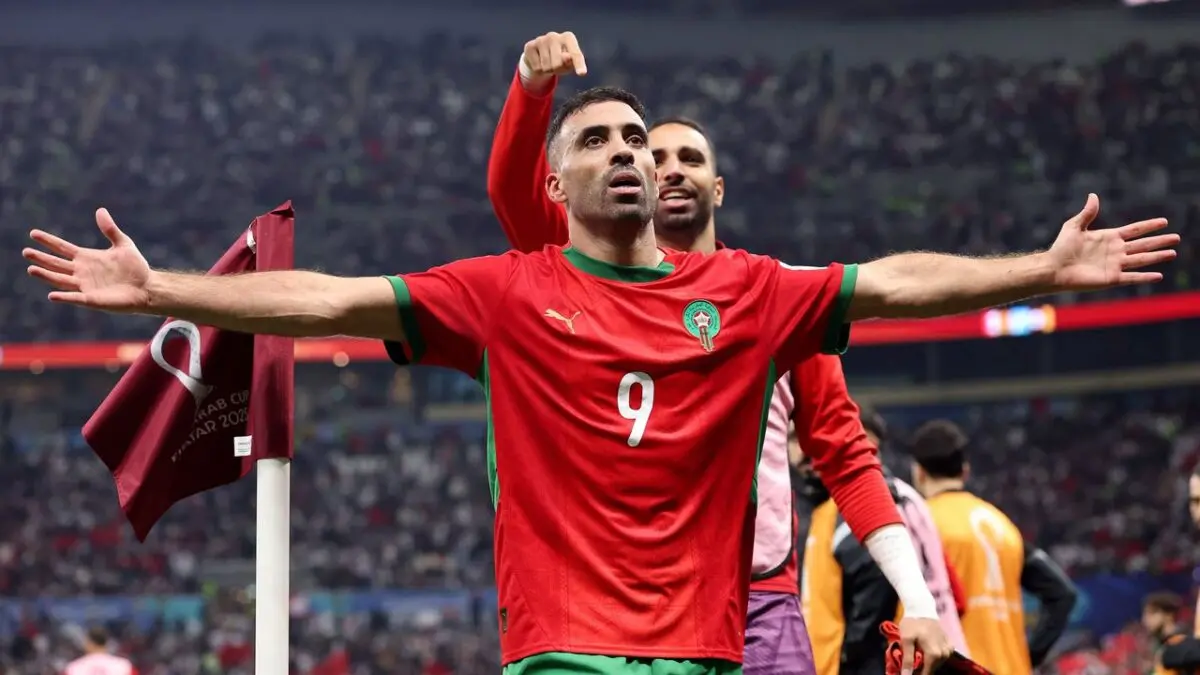
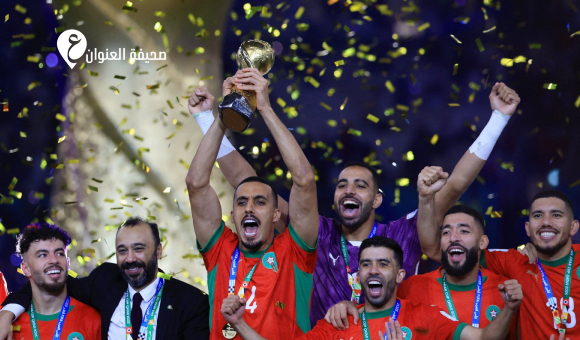
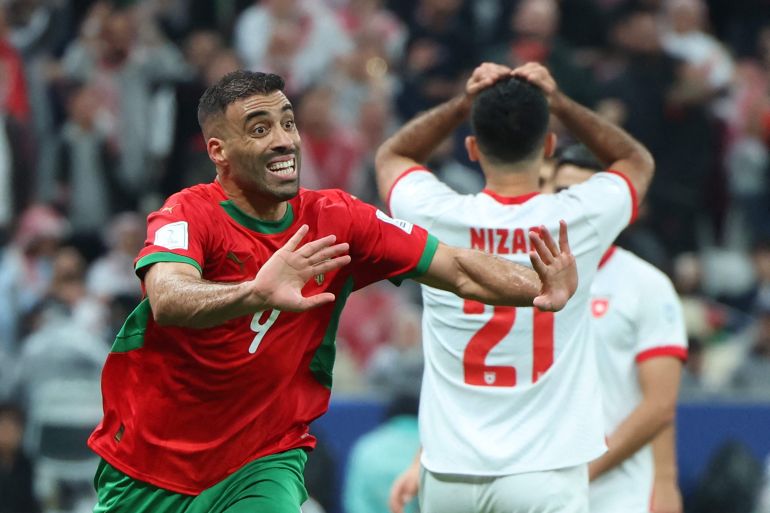
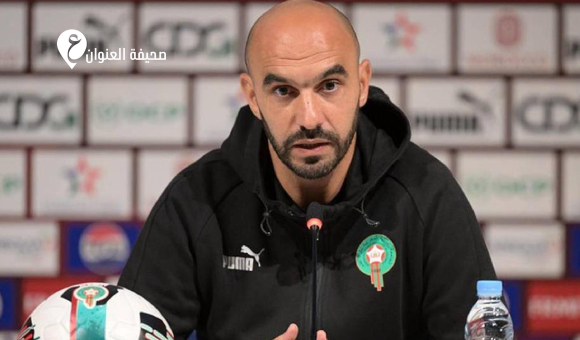
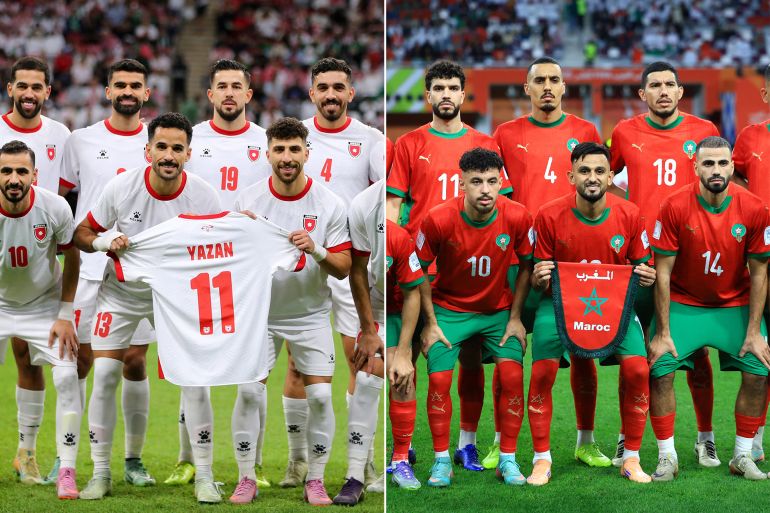
The head coach of the Moroccan national team stated that the draw with Mali in the Africa Cup of Nations can be considered a positive outcome, as it ended the Moroccan team’s winning streak.
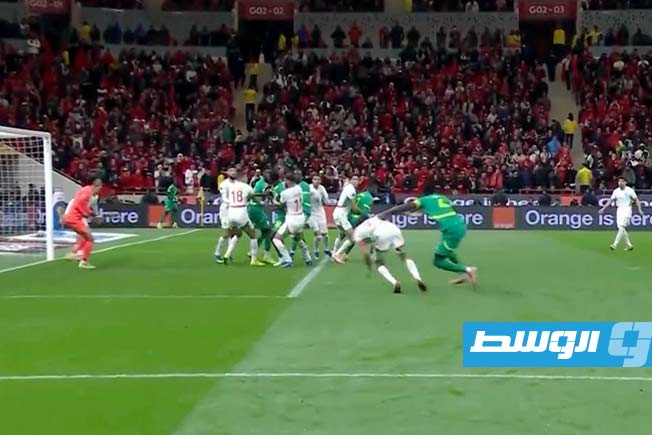
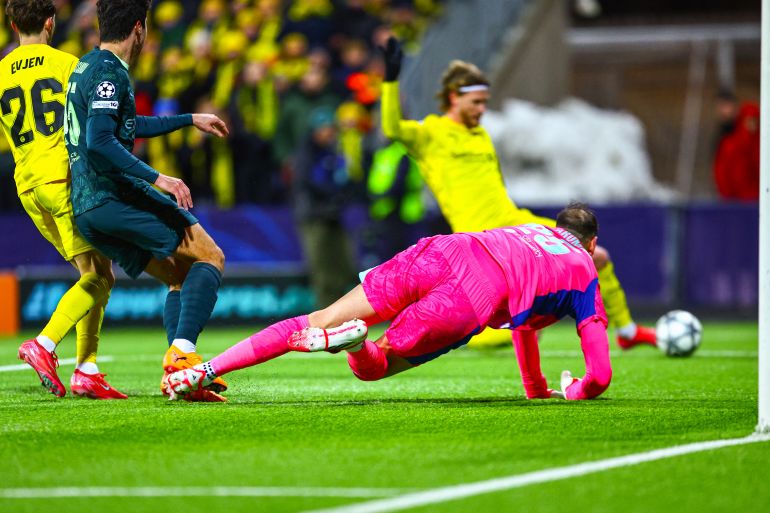
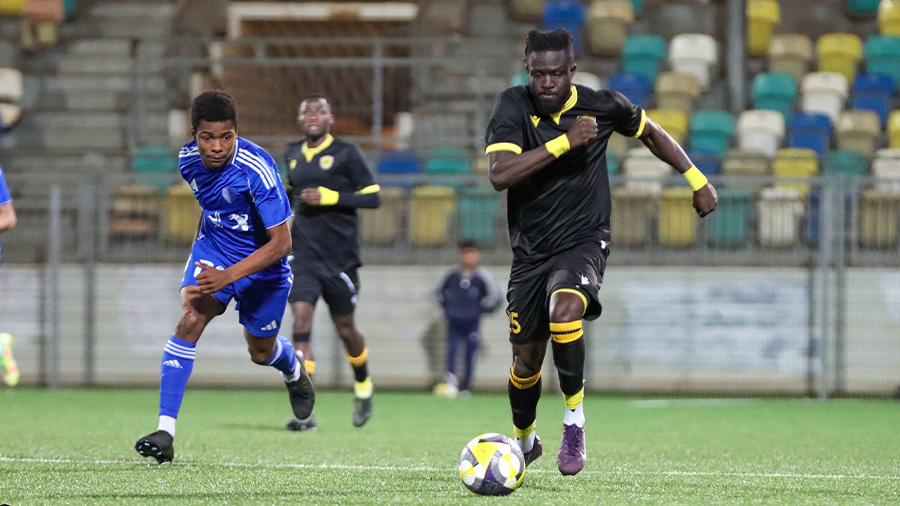
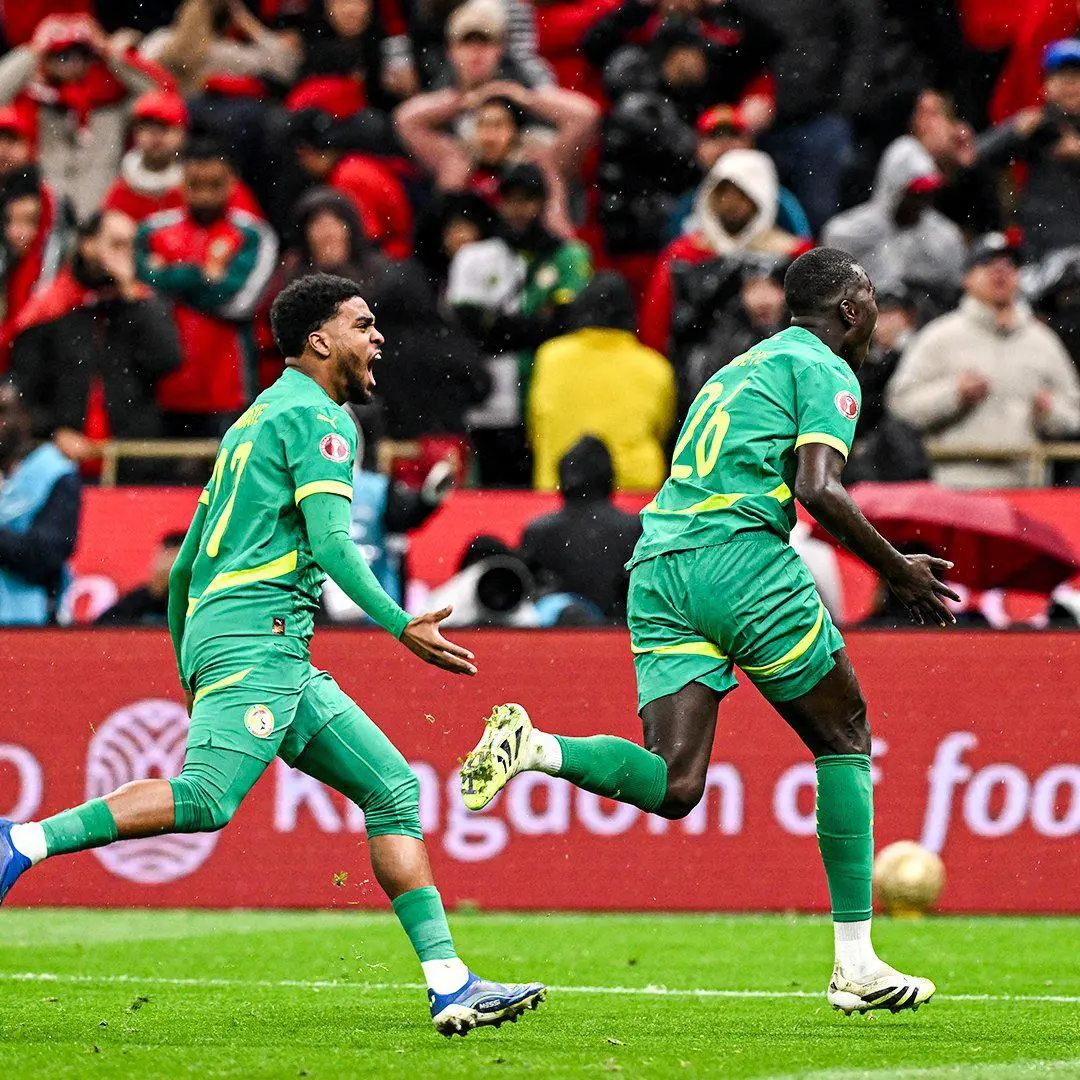
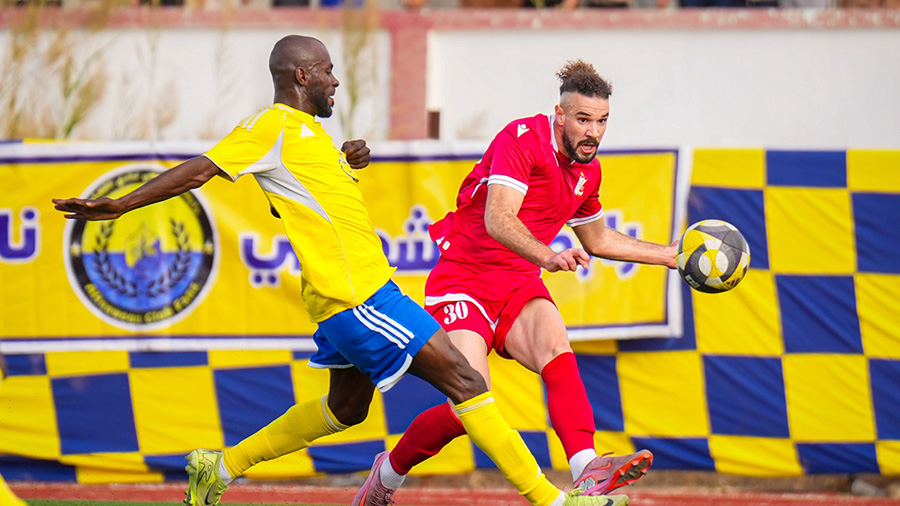
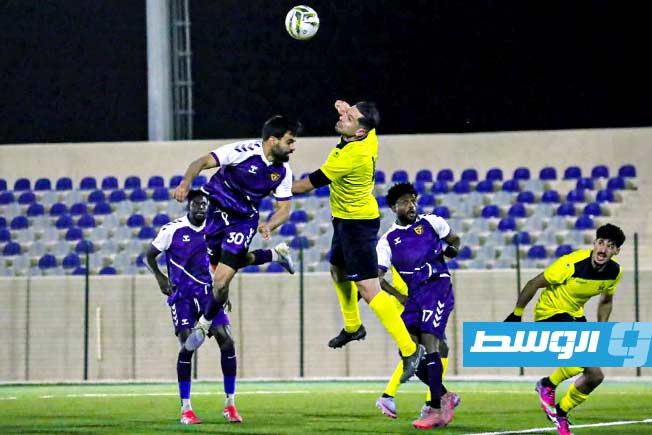
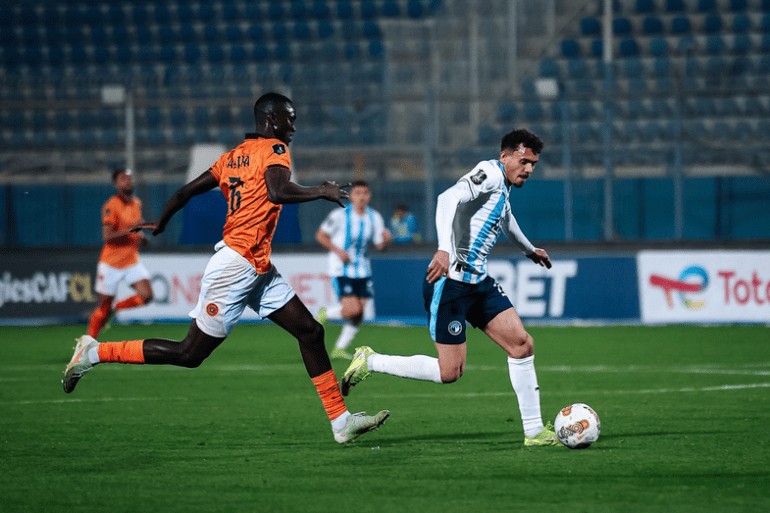
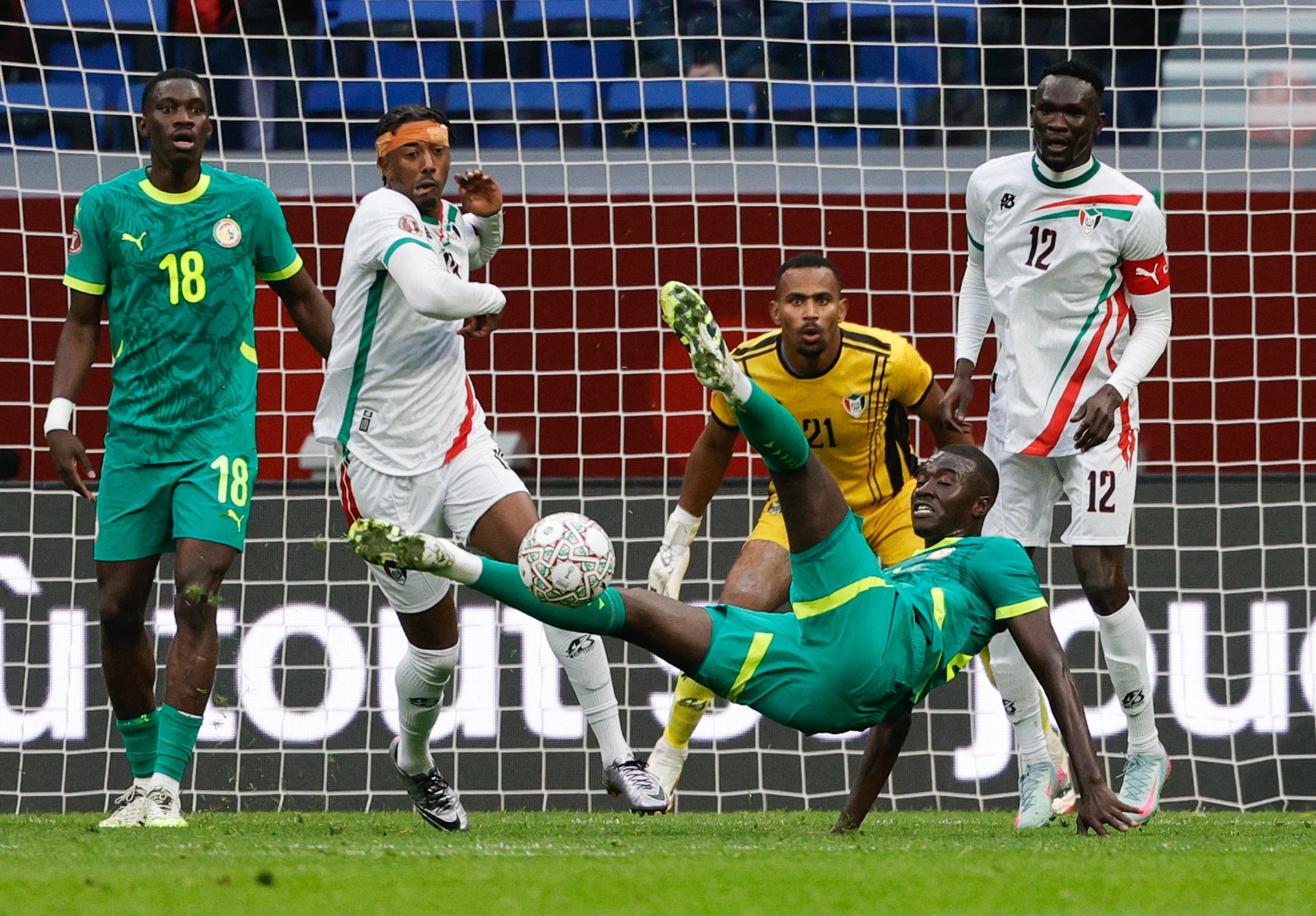
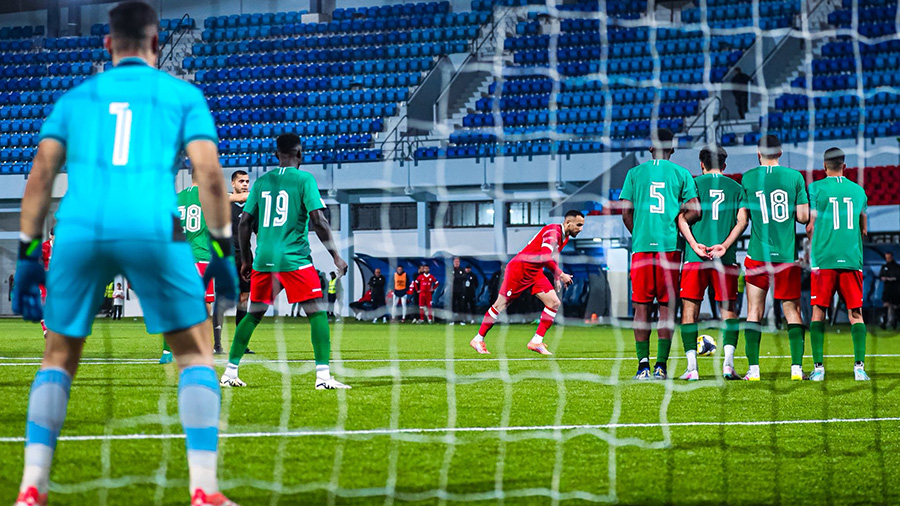
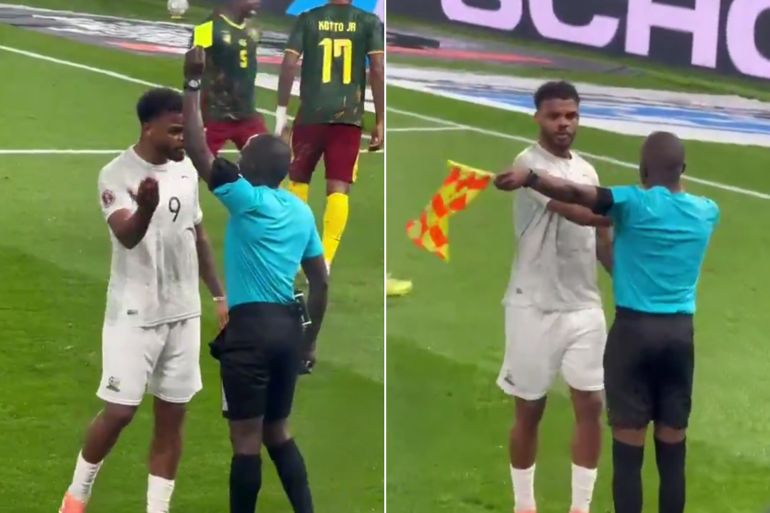
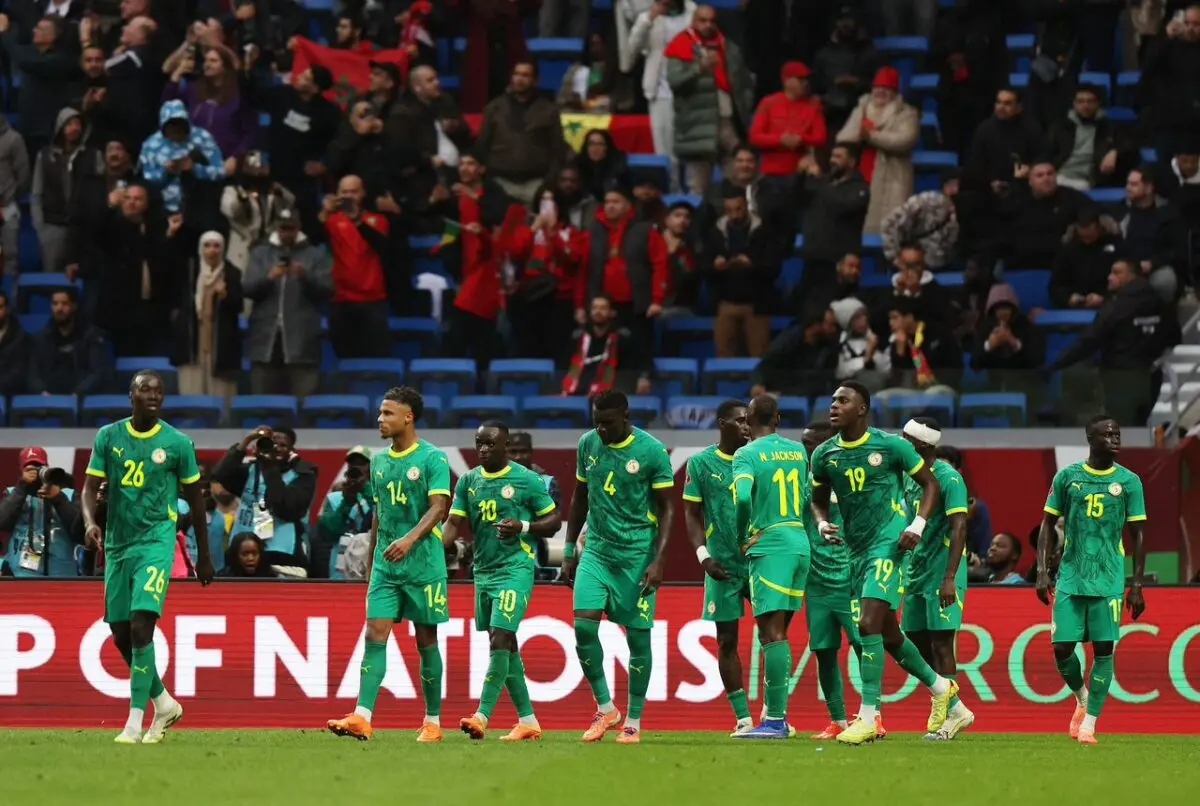
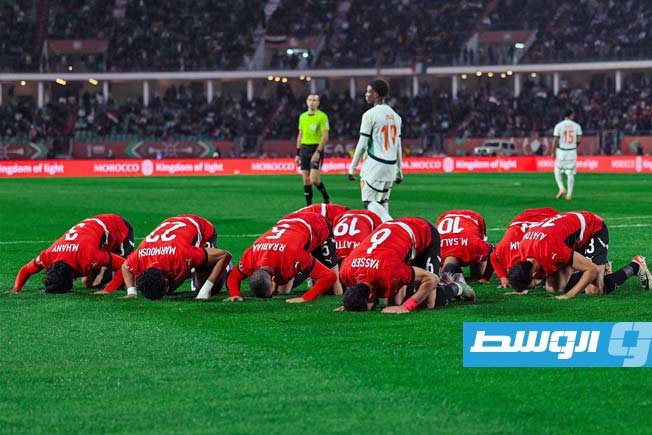
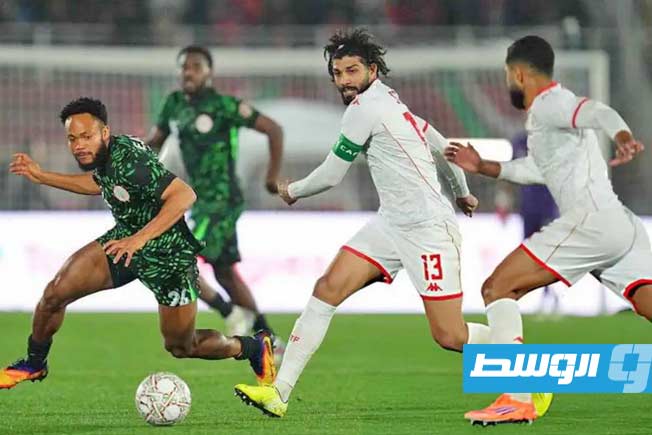
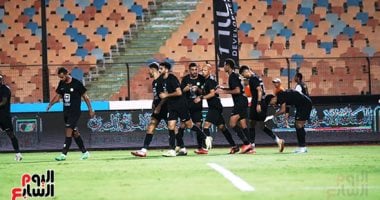
The two teams drew 1-1 in the second round of group stage matches. Morocco took the lead from a penalty kick in the fifth minute of first-half stoppage time, and Lassine Sinayoko equalized also from a penalty in the 64th minute.
The winning streak across all competitions stopped at 19 consecutive matches with the draw against Mali.
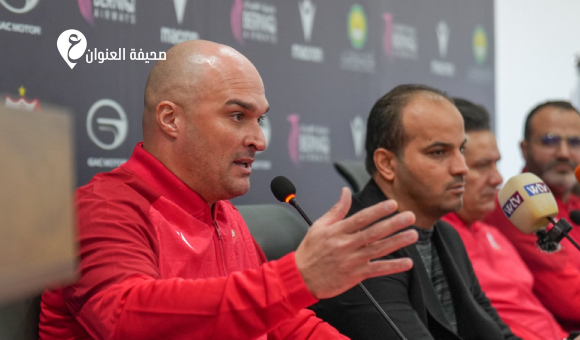
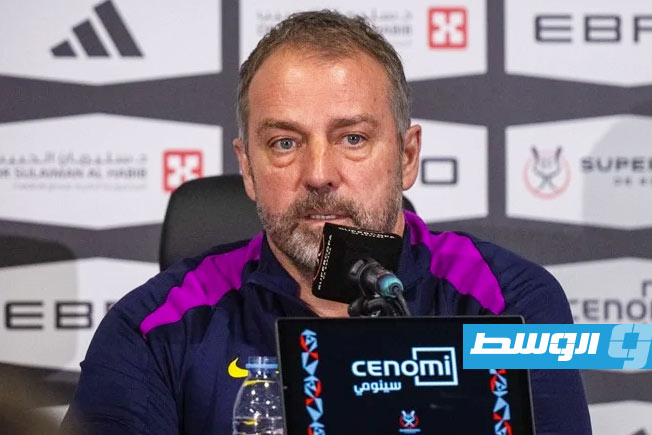
He said after the match: “The encounter was very exciting, we played the right way, but there are still situations where we need to be more effective.”
He added in televised comments: “We needed to secure the win, but it was a good test for us.”
He continued: “We controlled and pressed, but we drew due to one mistake that cost us a penalty. Such matches teach us a lot, and honestly, I see more positives than negatives.”
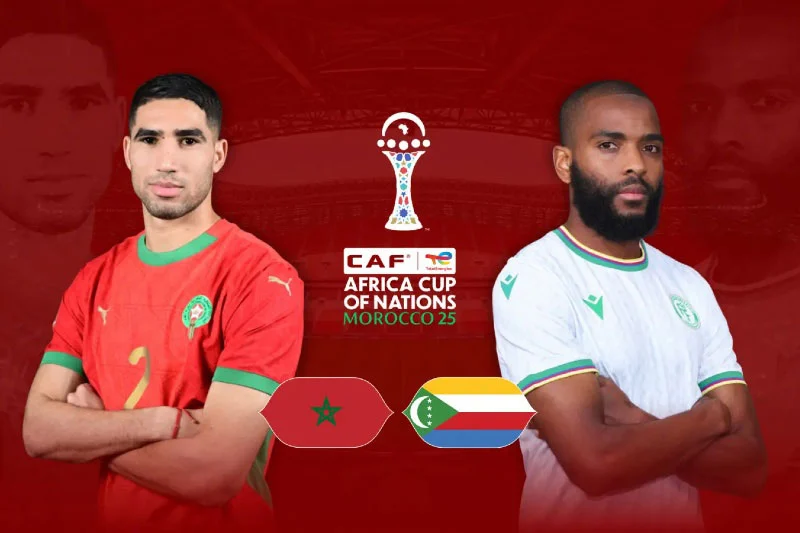
Morocco, which opened the tournament with a 2-0 win over Comoros, raised its points tally to four at the top of the group. Mali and Zambia follow with two points each, while Comoros is at the bottom of the group with one point.
Qualification will be decided in the third round when Morocco faces Zambia and Mali faces Comoros.
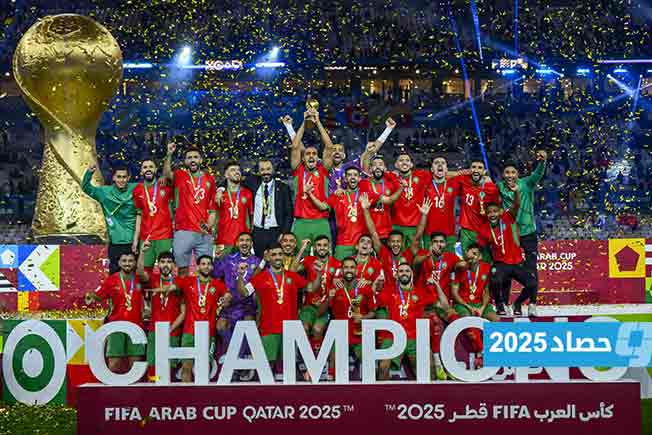
Moroccan national team
The Moroccan national football team, known as the Atlas Lions, is the men’s senior national team representing Morocco in international football. Founded in 1955, the team gained early prominence by becoming the first African nation to win a group at the FIFA World Cup in 1986. It achieved its greatest success by reaching the tournament’s semi-finals in 2022, the first African and Arab team to do so.
Mali
Mali is a West African nation historically renowned as the heart of several powerful empires, most notably the Mali Empire, which flourished from the 13th to 16th centuries and was famed for its wealth, scholarship in cities like Timbuktu, and the pilgrimage of Mansa Musa. Today, it is home to significant UNESCO World Heritage sites, including the ancient cities of Timbuktu and Djenné, though many of its cultural treasures face threats from conflict and environmental degradation.
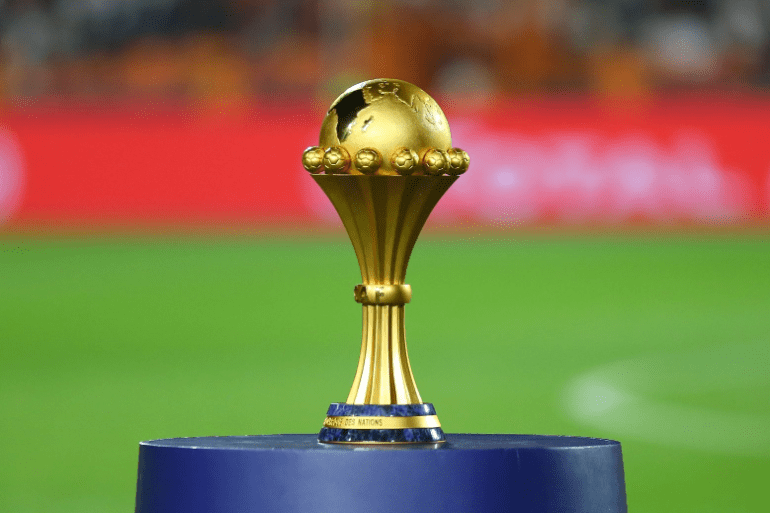
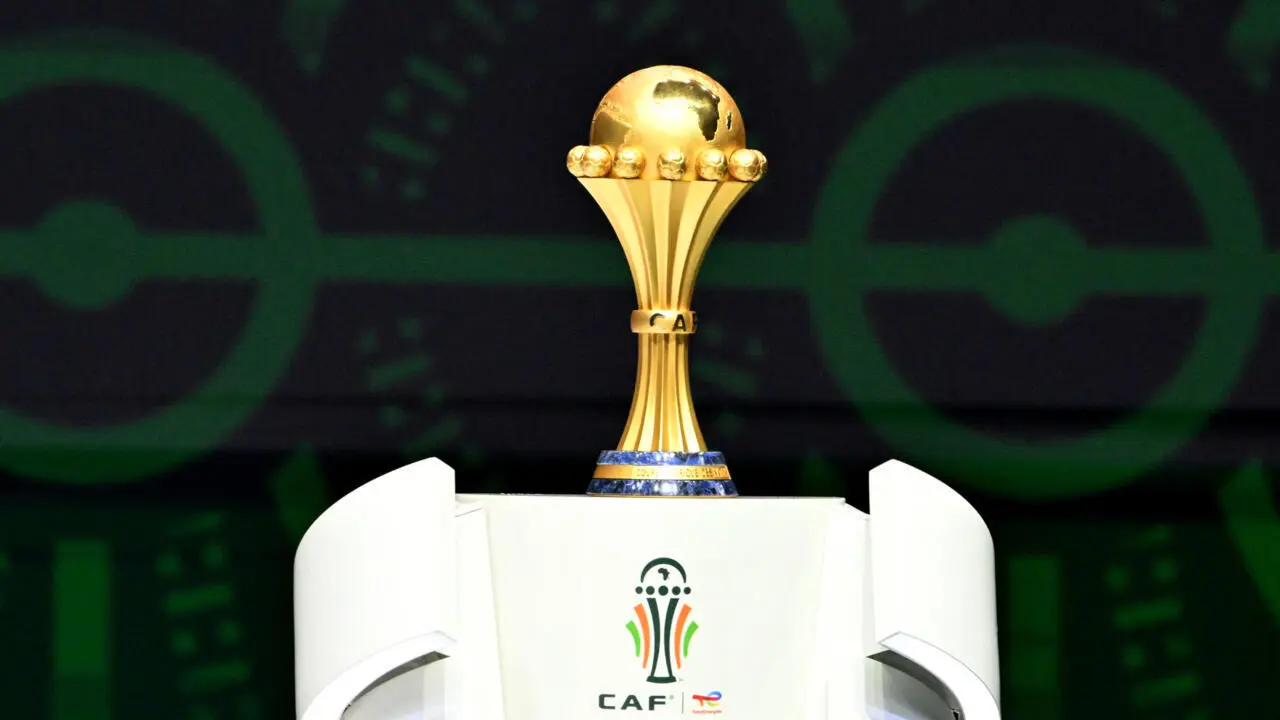
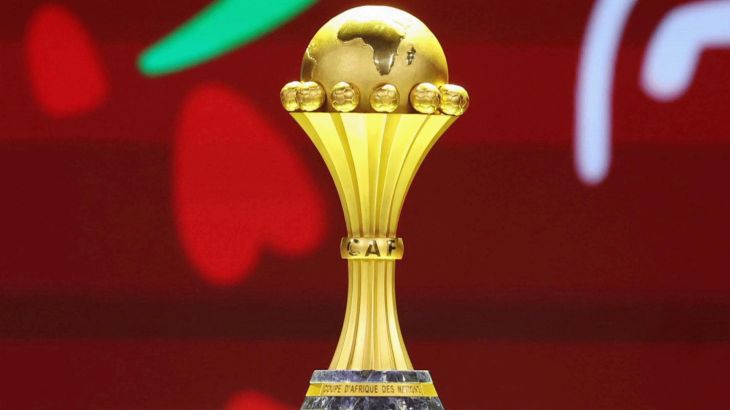
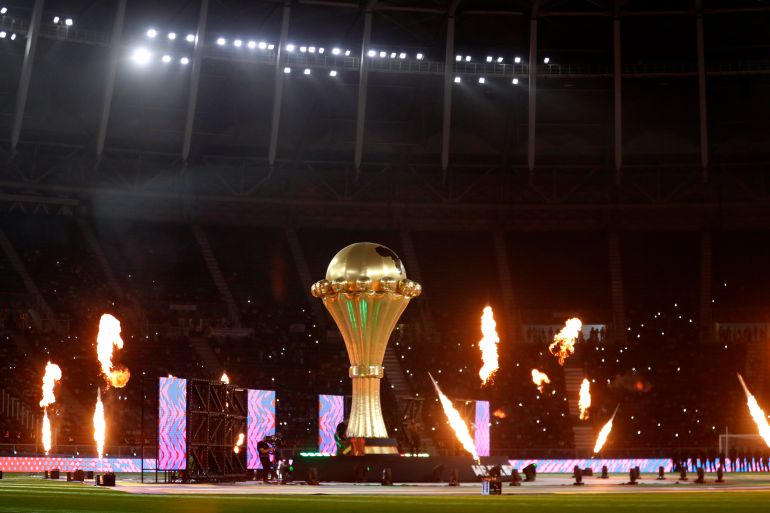
Africa Cup of Nations
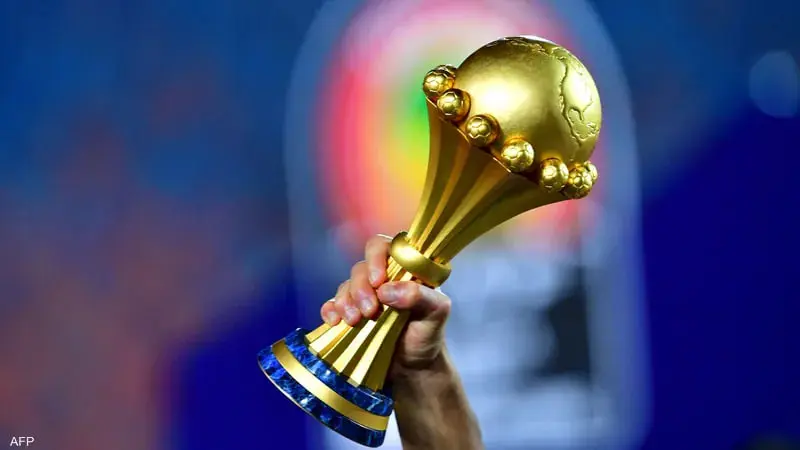
The Africa Cup of Nations (AFCON) is the premier international men’s football competition in Africa, first held in 1957. It was founded to unite African nations through sport and has grown from three initial participants to a major global tournament featuring 24 national teams.
Morocco
Morocco is a North African country with a rich history shaped by indigenous Amazigh (Berber) cultures, Arab influence from the 7th century, and successive dynasties like the Almoravids and Almohads. Its cultural sites include imperial cities such as Fez, home to the ancient University of Al Quaraouiyine, and Marrakesh, with its bustling Jemaa el-Fnaa square. The country’s diverse heritage is also reflected in its architecture, cuisine, and traditions, blending African, Arab, and European elements.
Zambia
Zambia is a landlocked country in southern Africa, known for its diverse wildlife and the spectacular Victoria Falls along its border with Zimbabwe. Historically, it was a British protectorate called Northern Rhodesia until gaining independence in 1964, with its economy historically centered on copper mining.
Comoros
The Comoros is an archipelago nation in the Indian Ocean, formed by volcanic activity and historically a key hub in regional trade routes. Its history is marked by a blend of African, Arab, and French influences, having been a sultanate before becoming a French protectorate in the 19th century and gaining independence in 1975. The country is known for its diverse culture and is often called the “Perfume Islands” due to its production of spices like ylang-ylang.