Each time you set foot in the streets of Old Cairo, the sense of magic renews itself, as if you are discovering the place for the first time. Narrow alleys where the vaulted sky seems to embrace them, floors paved with ancient Mamluk tiles, and scents that change with every step as you approach the expanse of Al-Darb Al-Ahmar and Al-Khayamiya.
There, the place offers a different wonder with every visit, capable alone of transporting you back to a beautiful bygone era, specifically to the year 1885, where the “Zuqaq Al-Radwan” shop for natural leather stands as a living witness to a craft that has endured for more than a century.
A Legacy of Needle and Thread
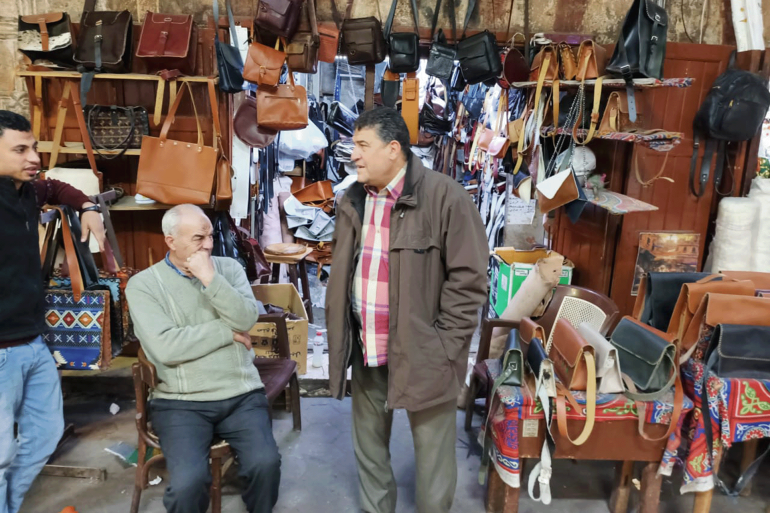
Next to the Radwan corner in Al-Khayamiya, the ancient shop overlooks the area, preserving its details as they were nearly 120 years ago. The scent of leather greets you before your feet even cross its narrow entrance, which is only wide enough for one craftsman and another sitting beside him, while the customer stands waiting to specify their order: shoes, a bag, a wallet, or a belt.
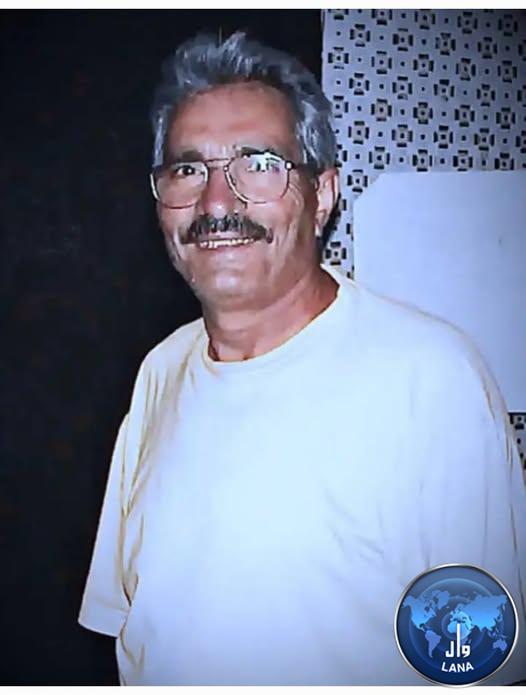
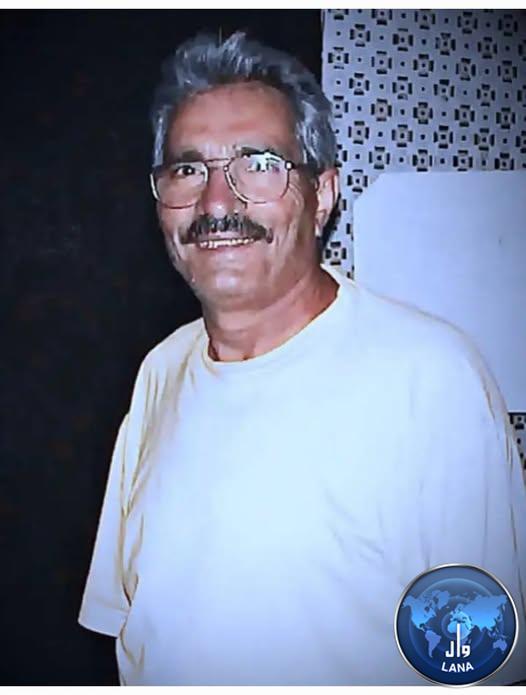
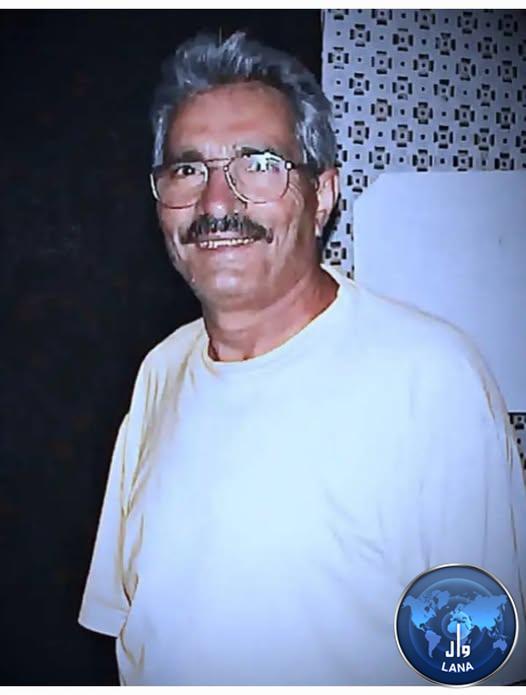
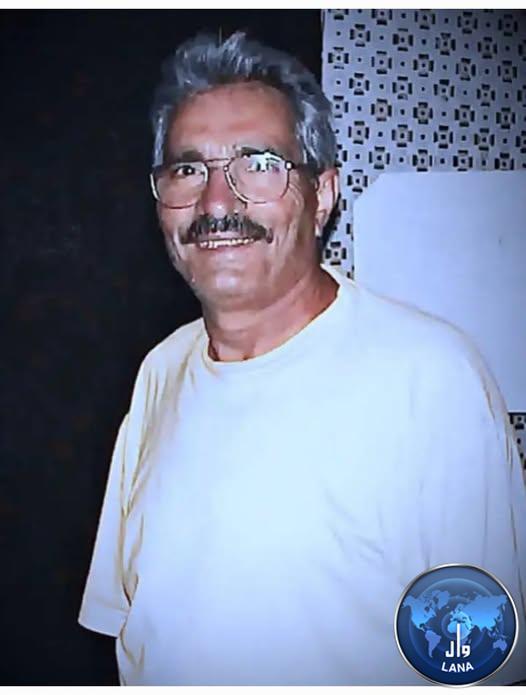
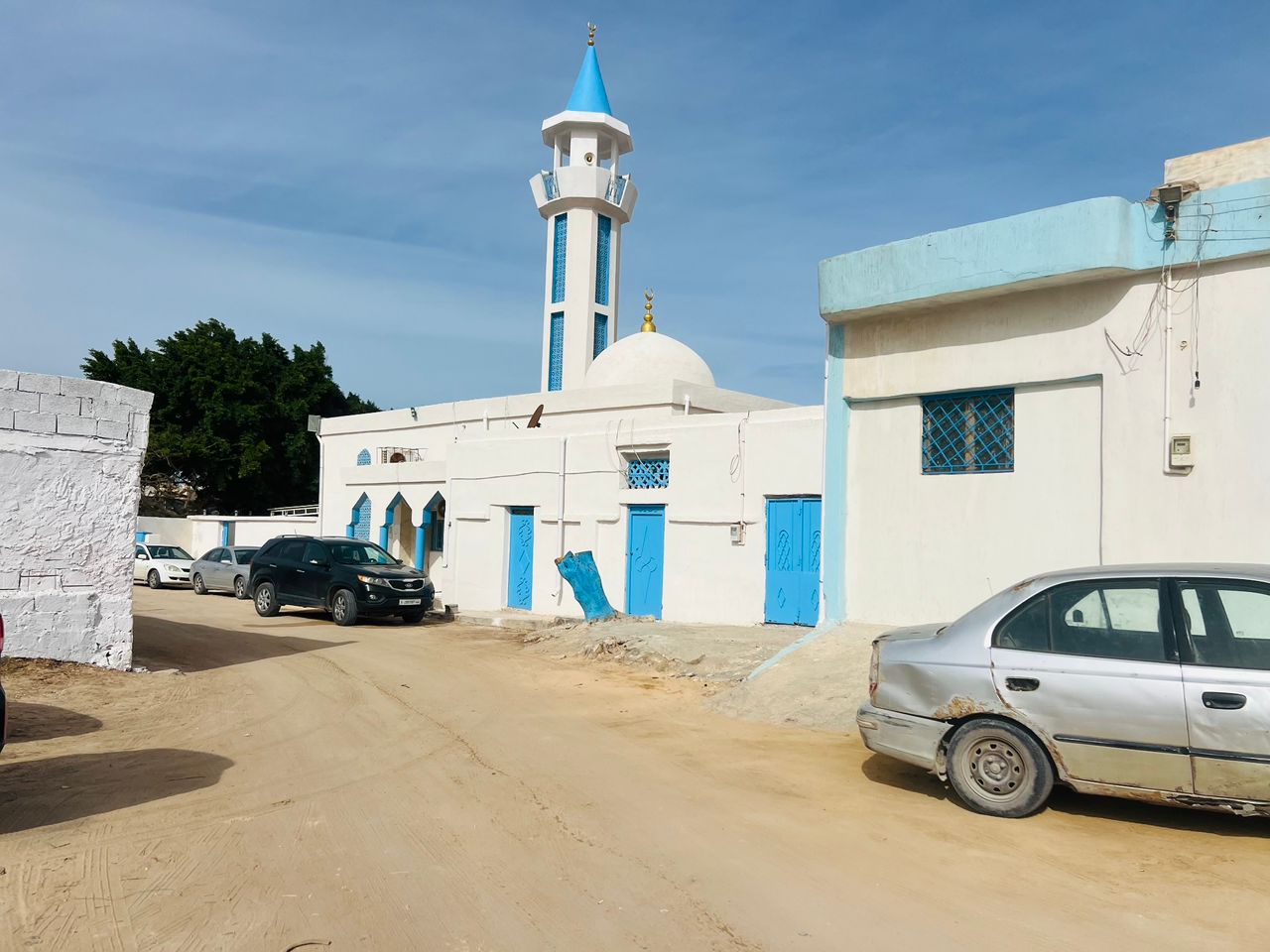
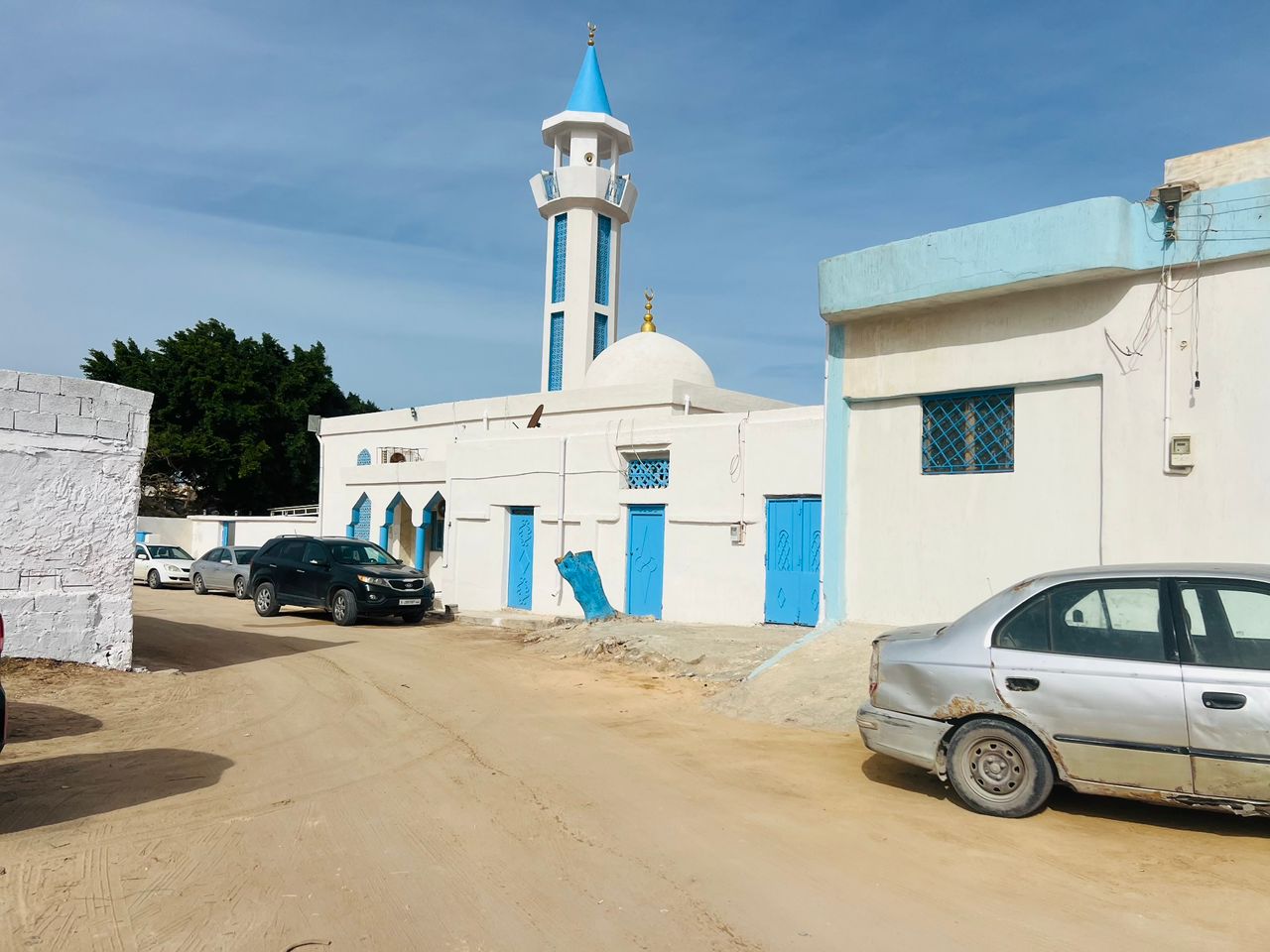
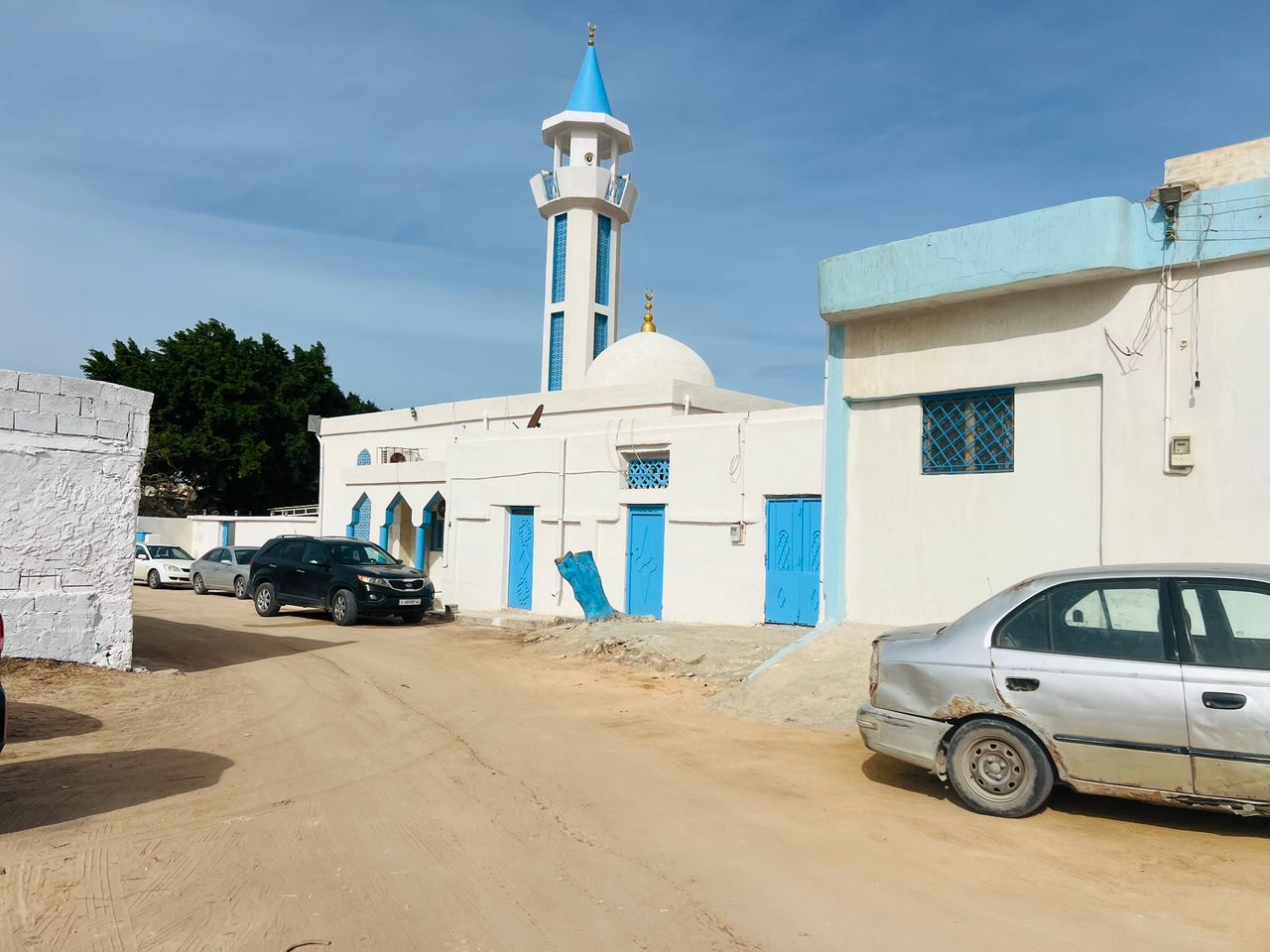
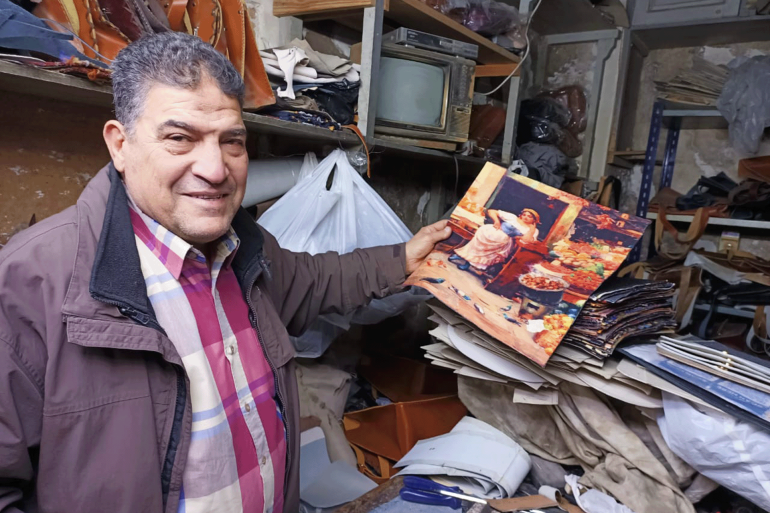
There stands Hajj Tawfiq, now sixty-six, awaiting a customer who might ask about the last makers of natural leather in Al-Khayamiya. Nearby, his brother Salah performs the Asr prayer at the Radwan corner, which was established by Radwan Bey in 1637.
The shop’s history dates back to the great-grandfather Abdelfattah, the founder of the craft, who passed it down to his son and then to his grandsons, with no new heir appearing to this day. A needle and thread that have not changed for a century and a half, yet the craft, despite everything, still resists.
From Traditional Footwear to Surrealist Art
The beginnings of natural leather crafting in the shop of Salah and Tawfiq go back to the story of their great-grandfather Abdelfattah, known for making traditional leather slippers. Tawfiq recounts: “My grandfather was one of the most important makers of the old ‘Marakib’ for Egyptians, from the days of the leather ‘Shabshab’ with the toe separator, or the traditional ‘Markoub’. Later, my father developed the work and began specializing in shoe uppers, or ‘vamps’ as the English call them, of all types.”
Tawfiq points out that the craft remained prosperous for many years, before changes began with the economic open-door policy, the invasion of imported products into the markets, and the trend of many towards rubber sneakers or cheap synthetic leather goods with modern designs. Then, the craft could no longer keep up with the competition and began to gradually decline, until the scene suddenly changed, as Tawfiq describes.
In the mid-1990s, the Al-Radwan shop witnessed an unexpected incident that completely changed the course of the craft. The story began with an Egyptian businessman residing in Italy, who passed by the Al-Khayamiya area by chance, stopped in front of the ancient shop, and noticed its uniqueness.
Moments later, he requested the production of 300 bags with a surrealist design inspired by primitive eras: bags made from undyed animal hides, with no metal clasps, relying only on simple straps for easy carrying and closing.
This idea, brought by a man living abroad, was a lifeline for the natural leather industry in the shop, whose management had by then passed to the grandsons, Salah and Tawfiq, at a time when the craft was facing the danger of decline.
From that moment on, signs of transformation began to appear inside the shop. Salah moved to expand the scope of work, beginning to focus on fulfilling orders targeting tourists, instead of relying solely on local customers.
Tawfi