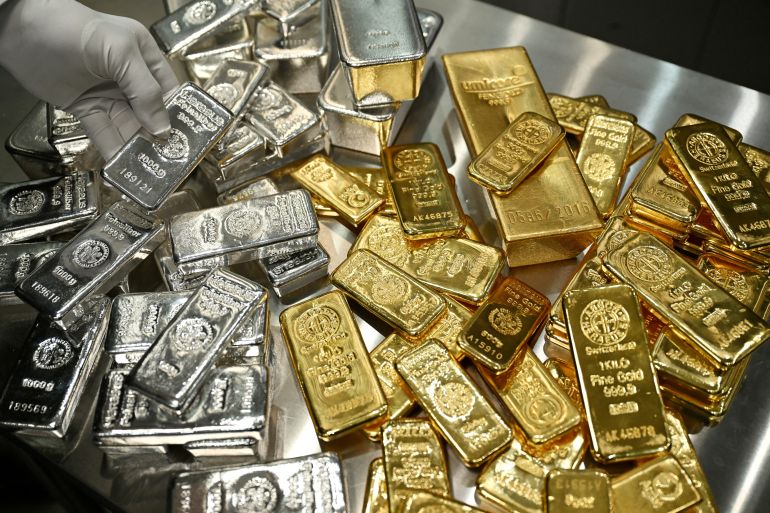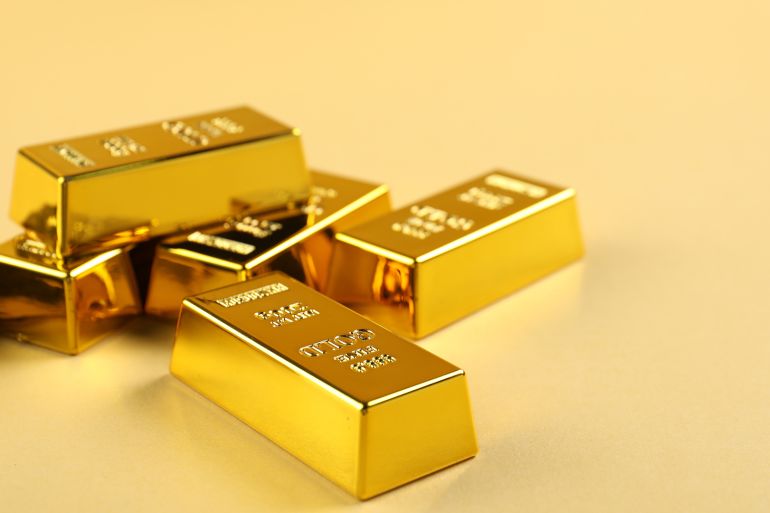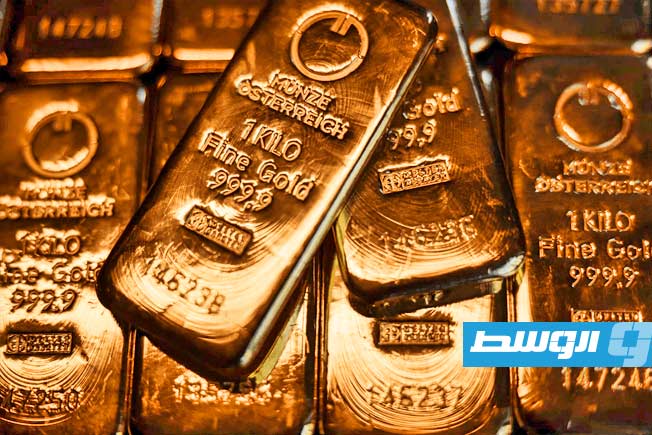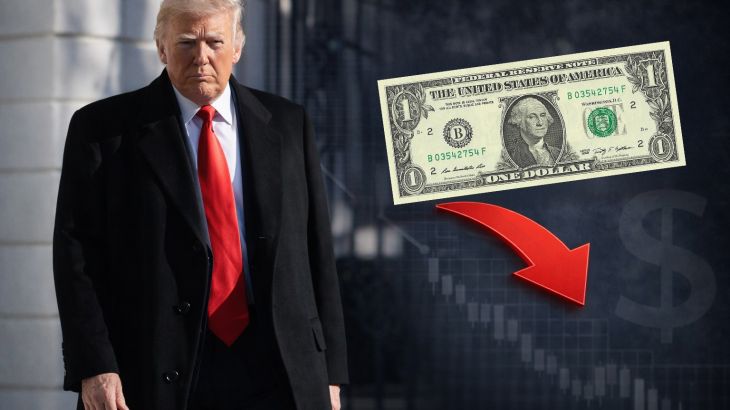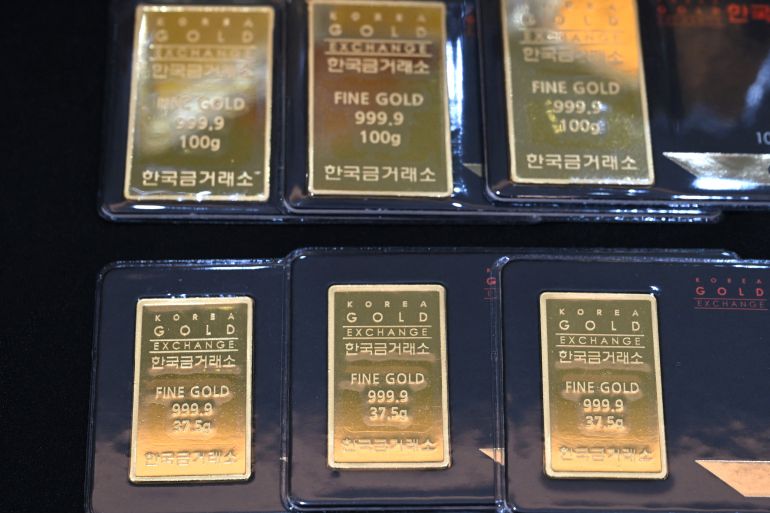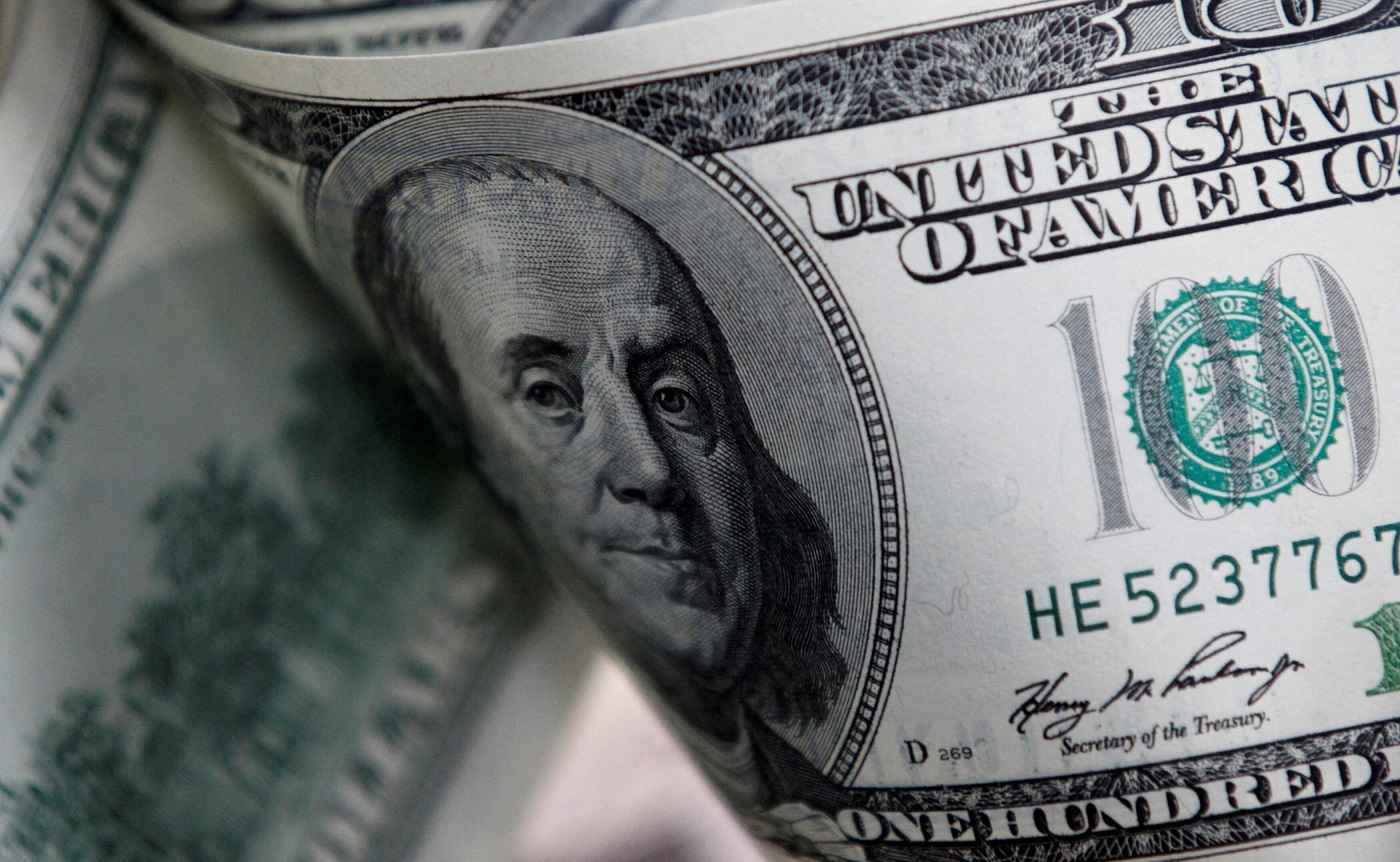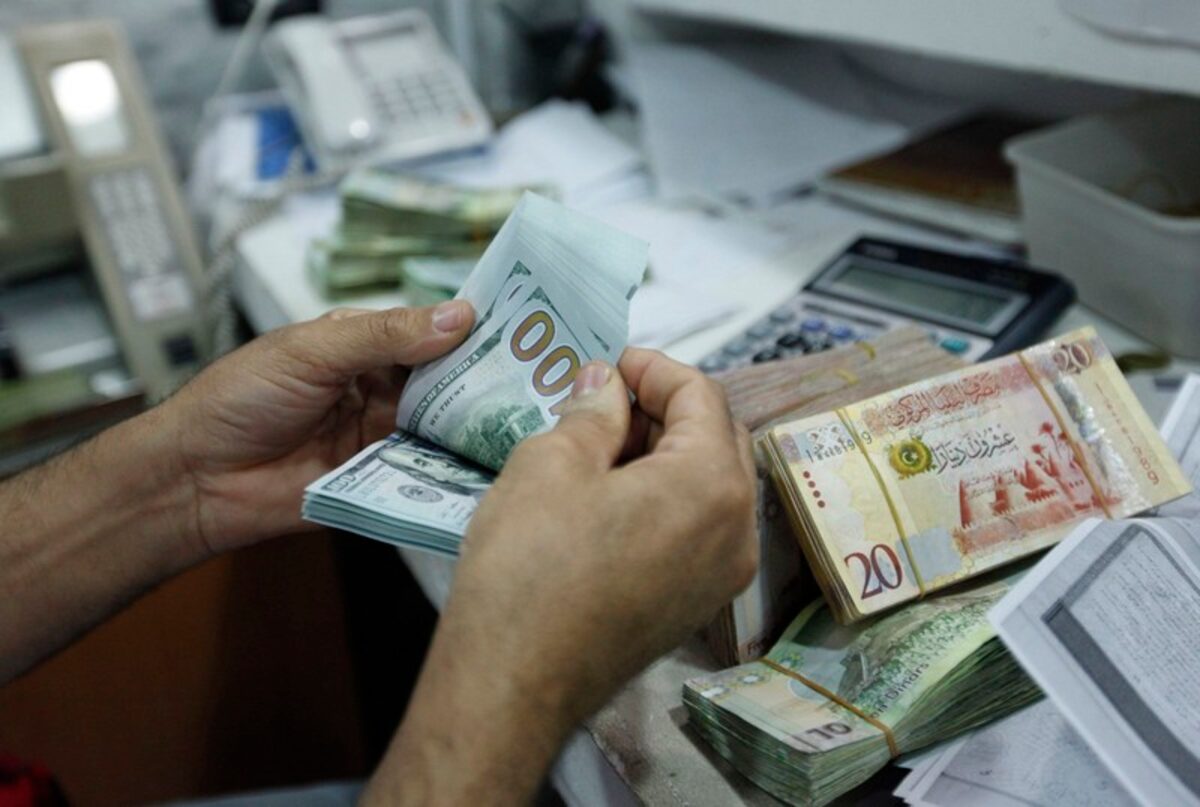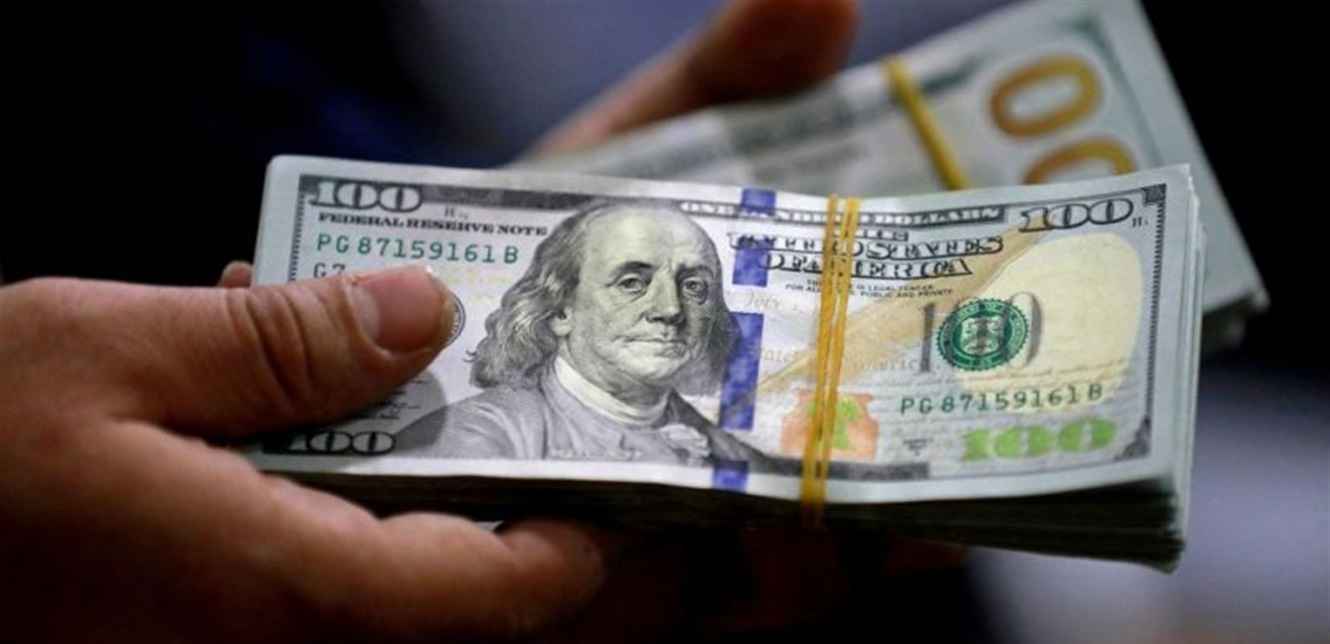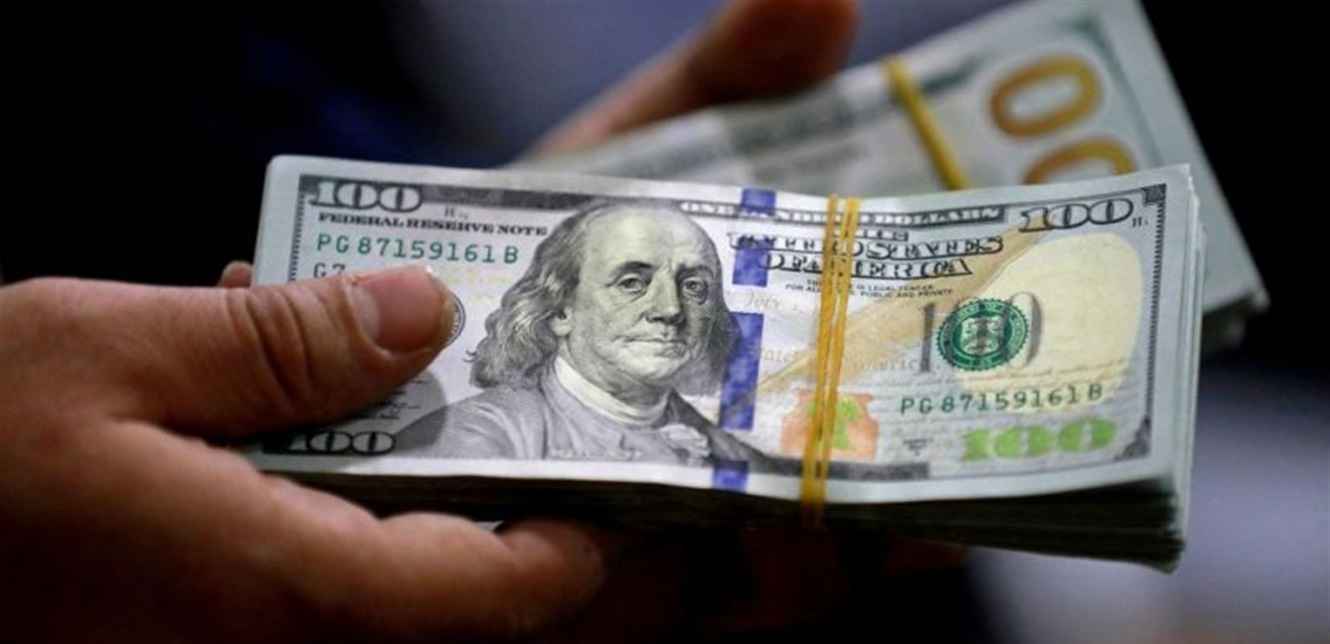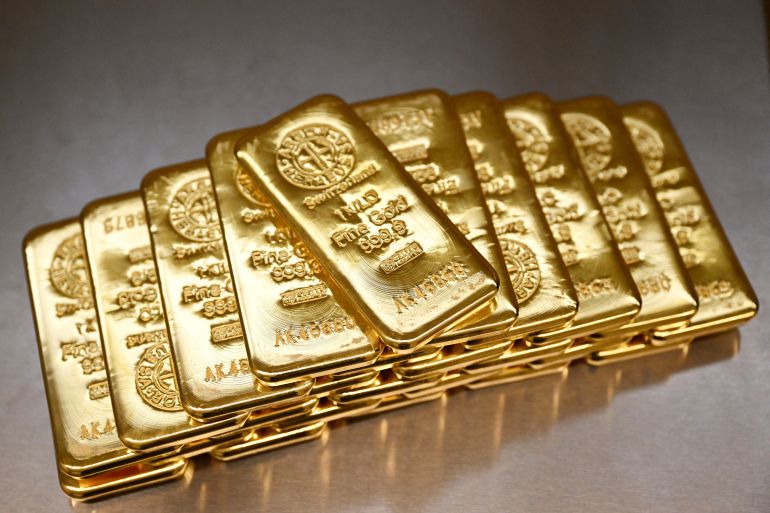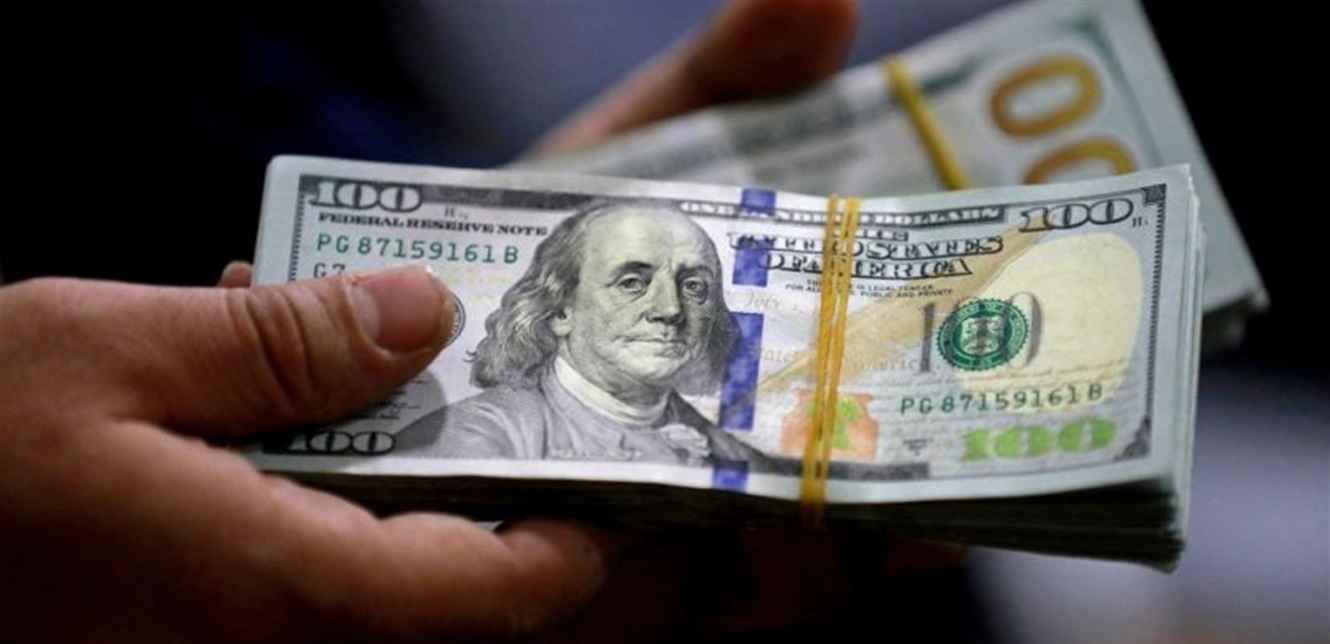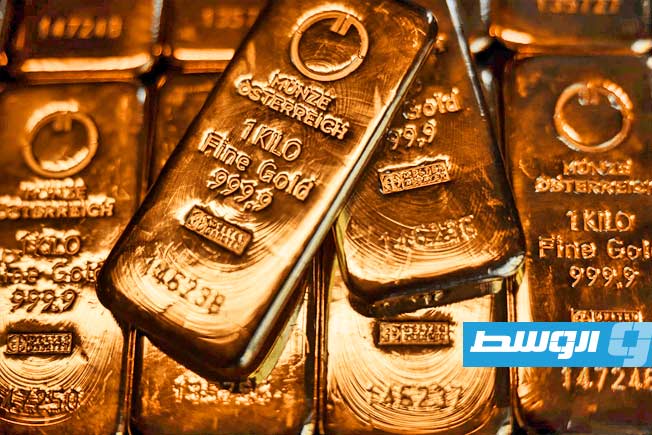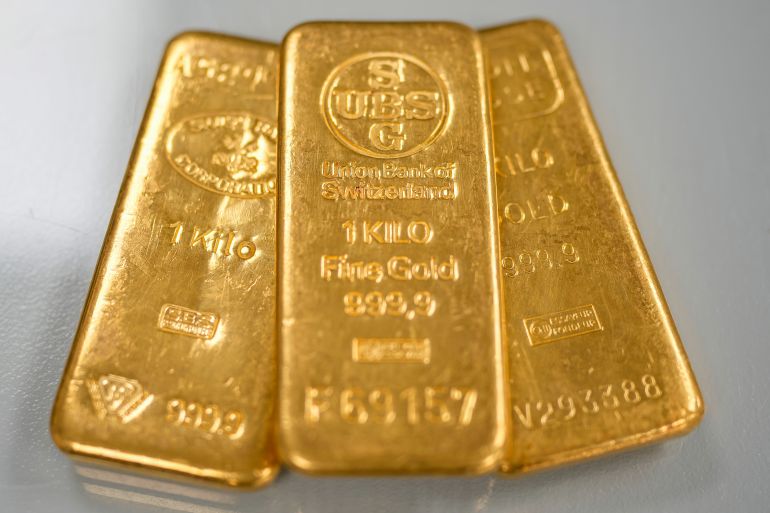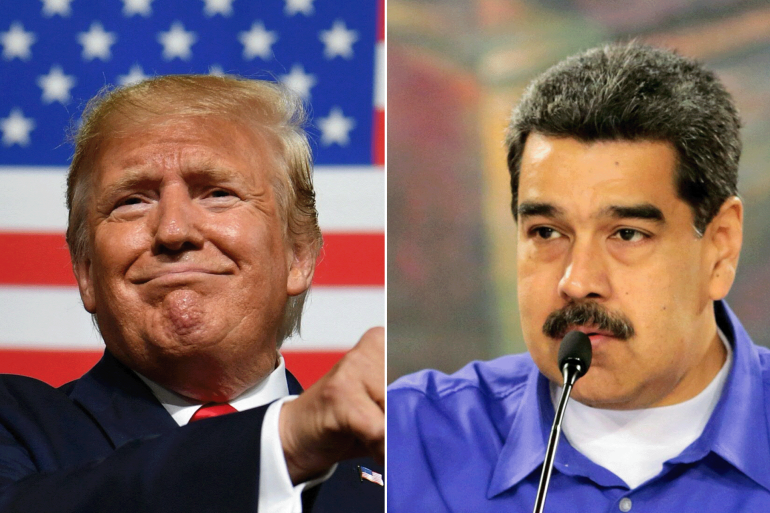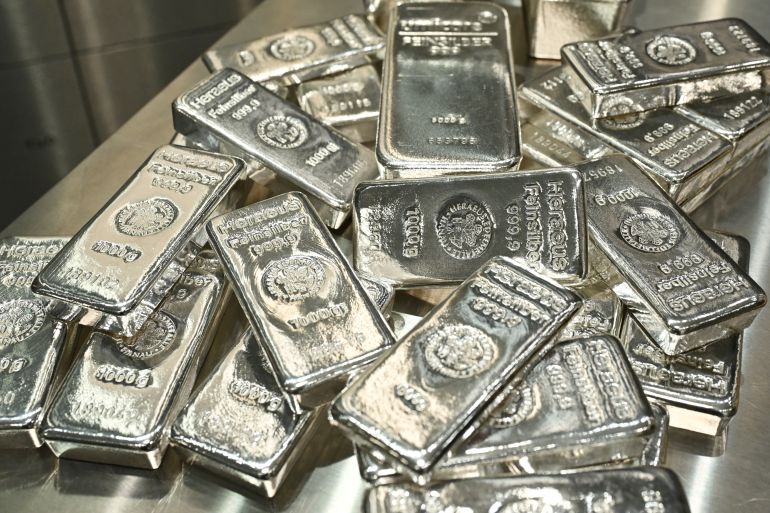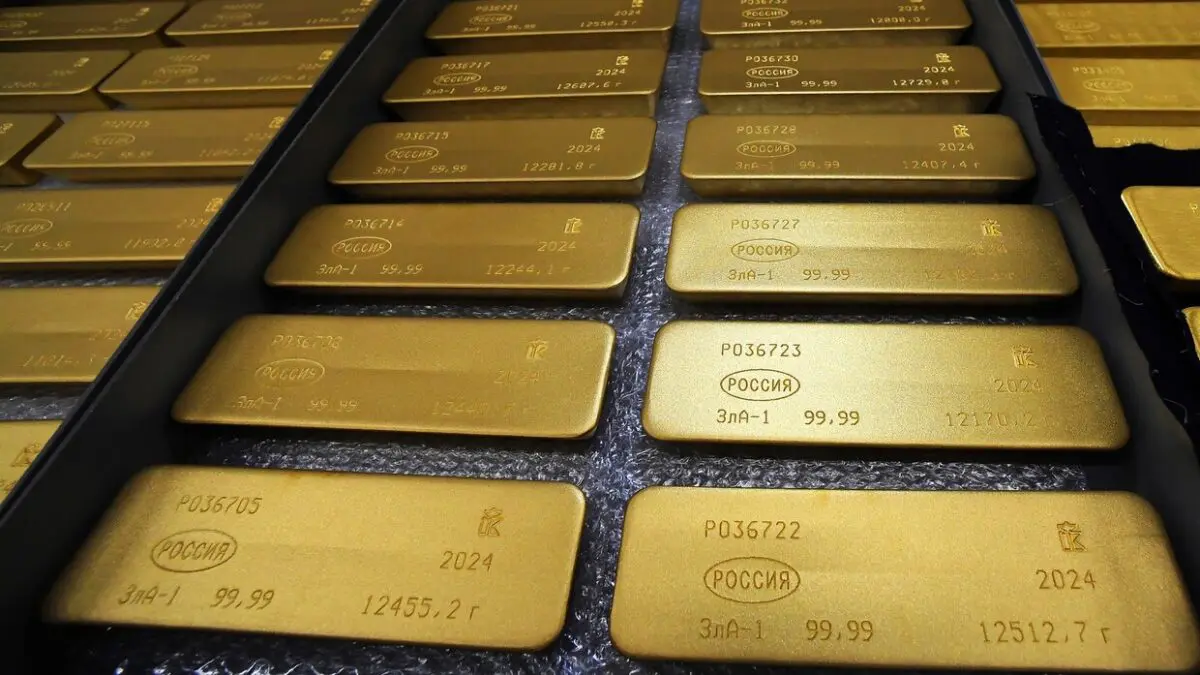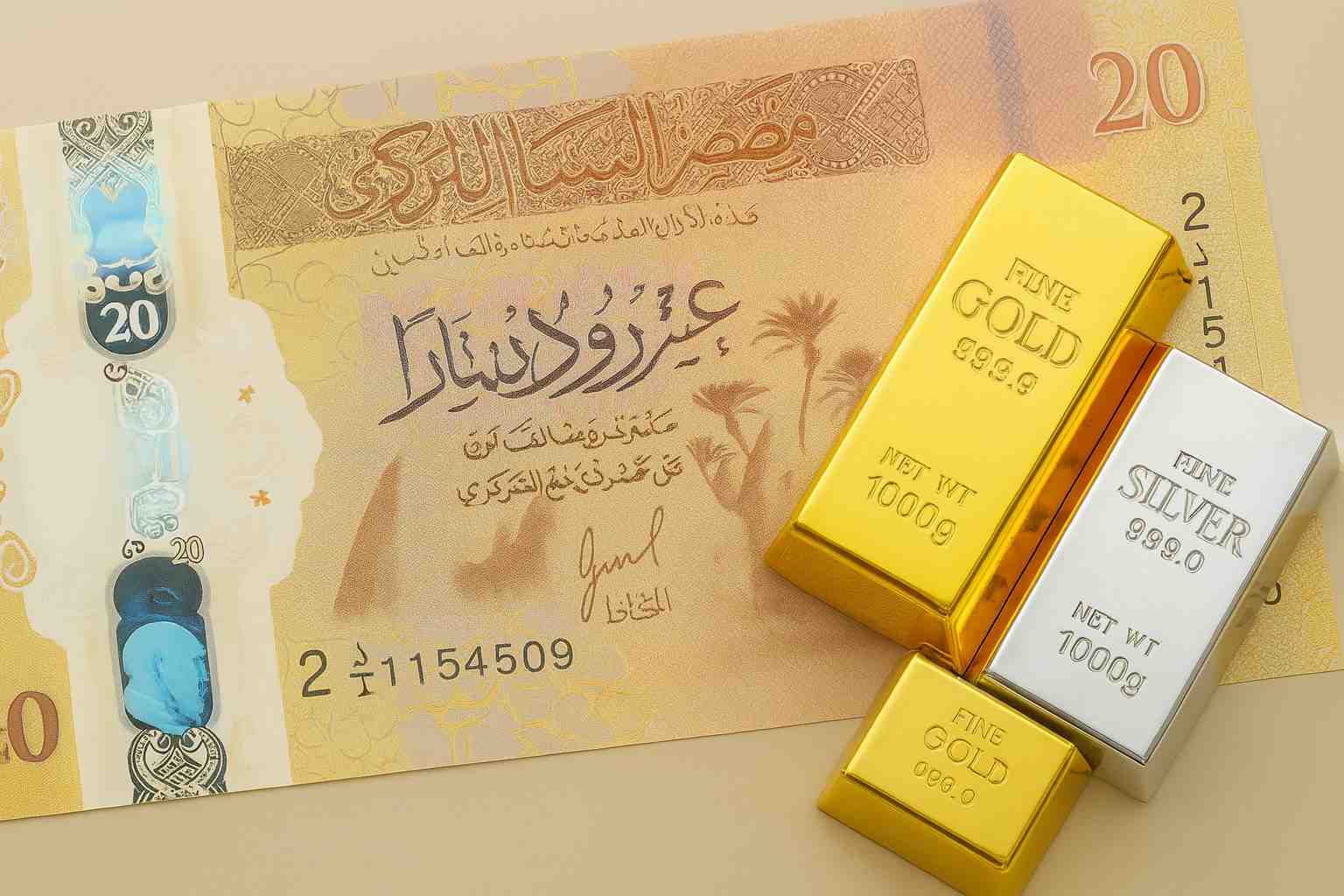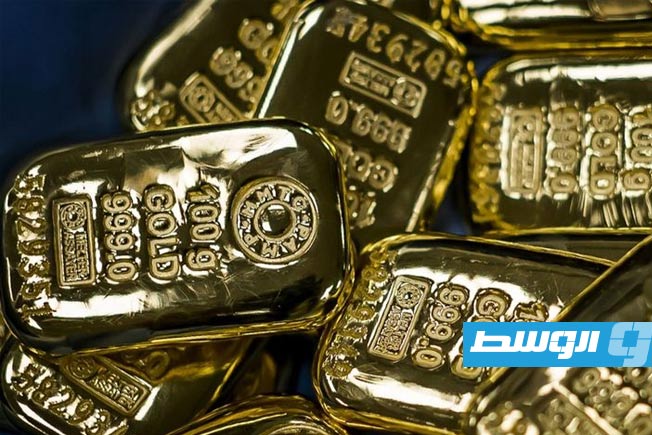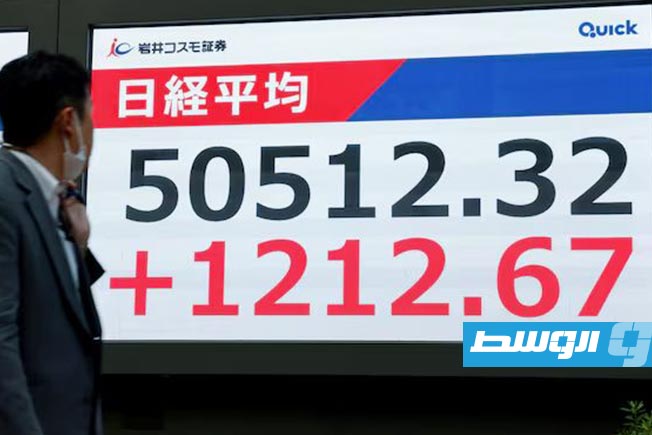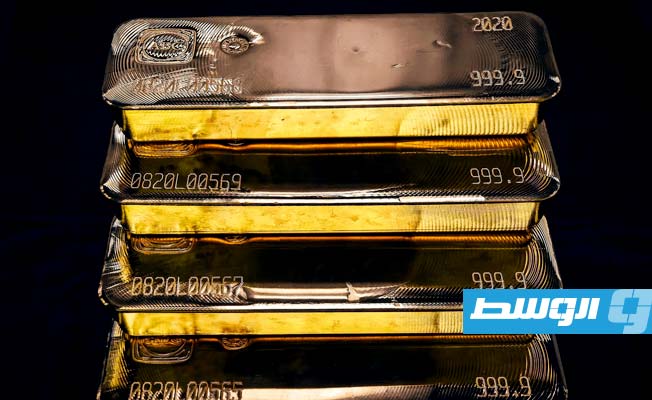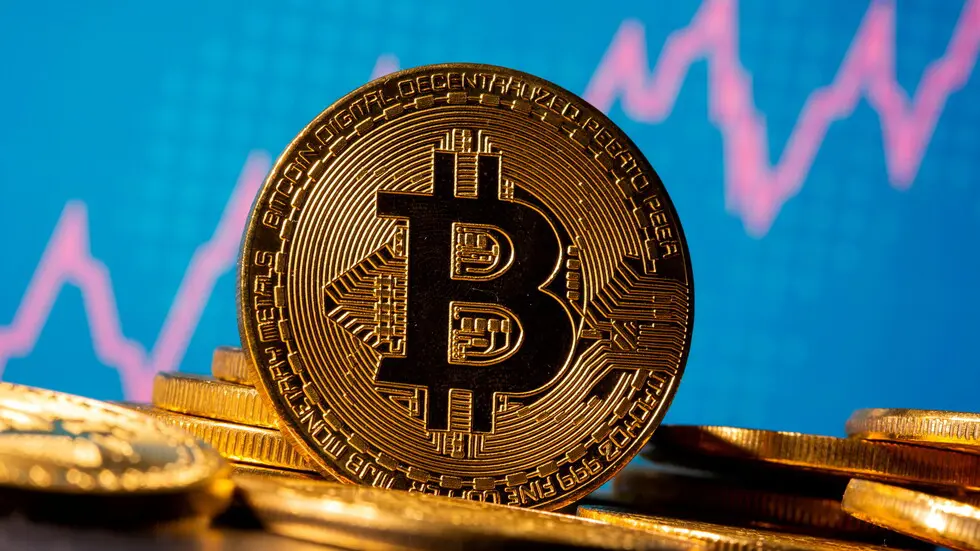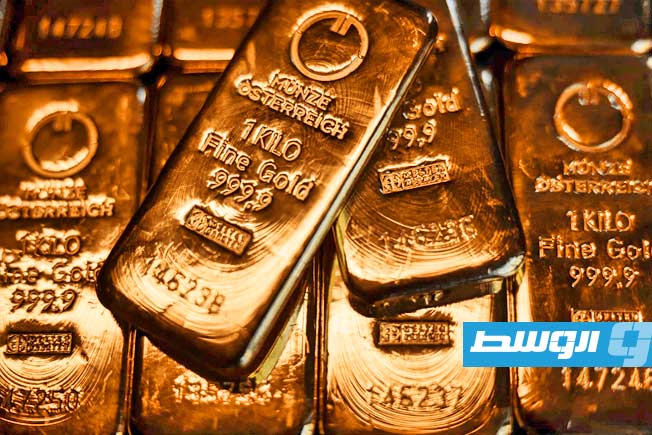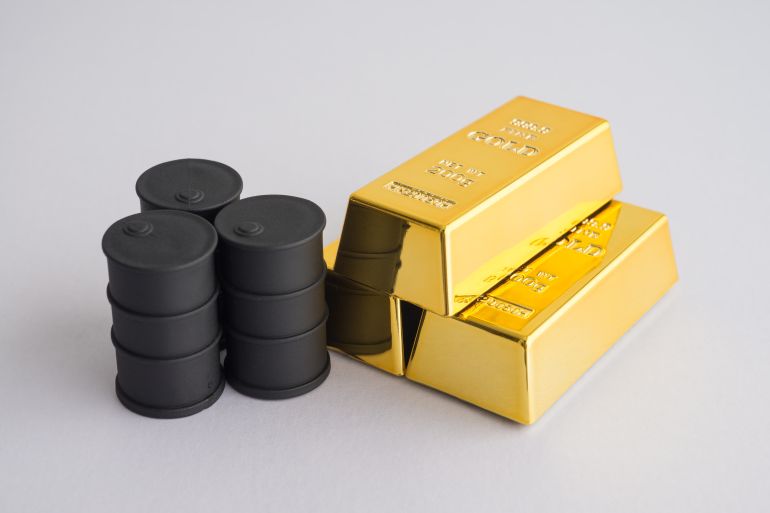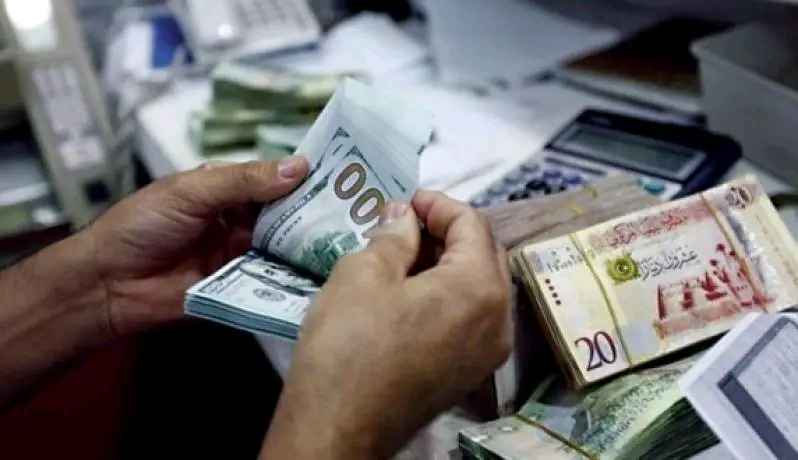
Gold prices have hit a new record high, surpassing $4,500 per ounce for the first time, driven by escalating geopolitical tensions related to Venezuela, as well as market bets on a new cut to U.S. interest rates next year.
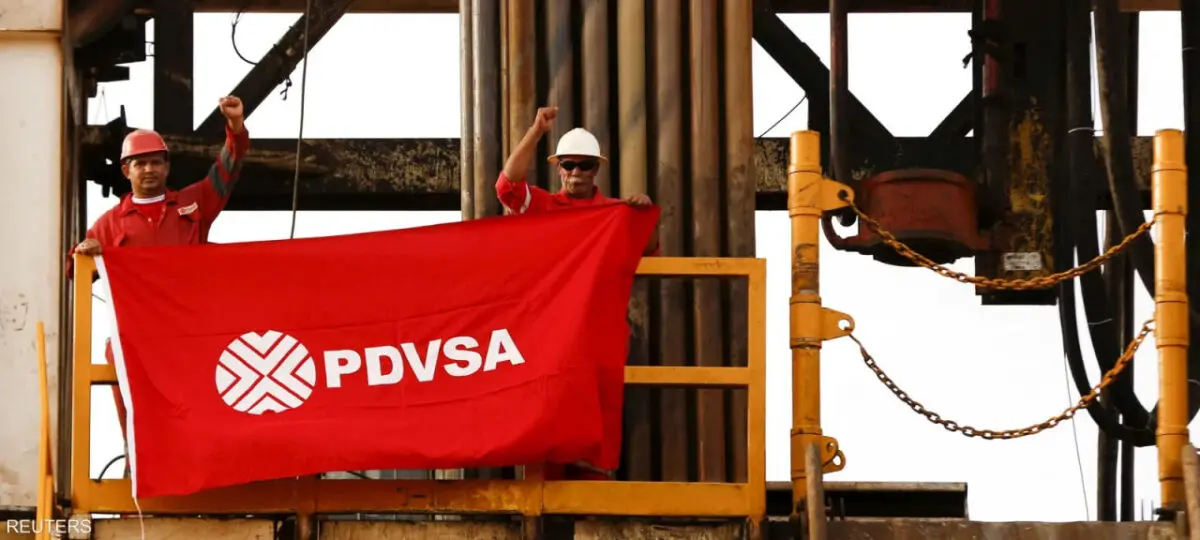
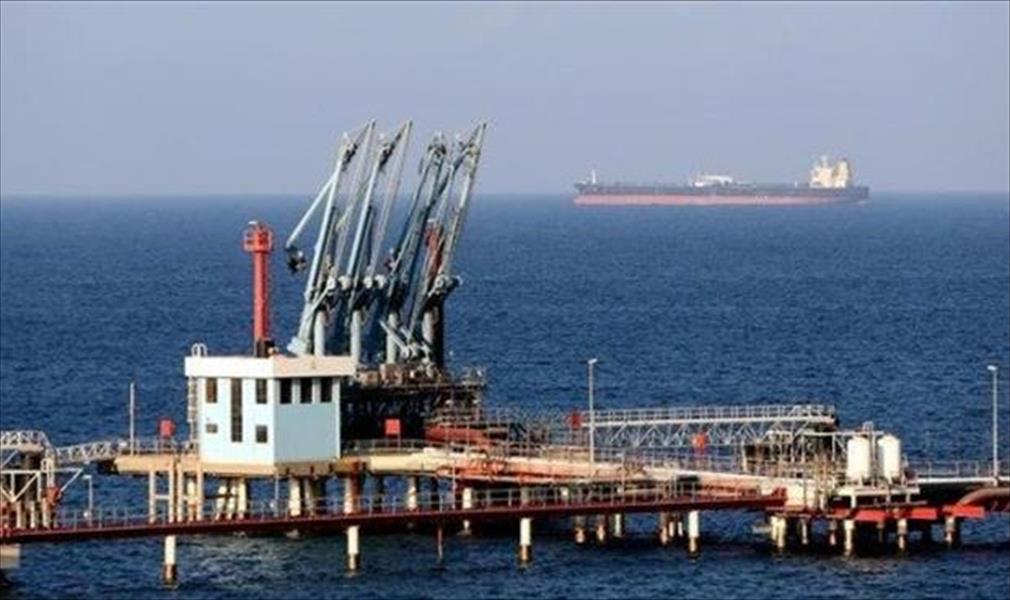
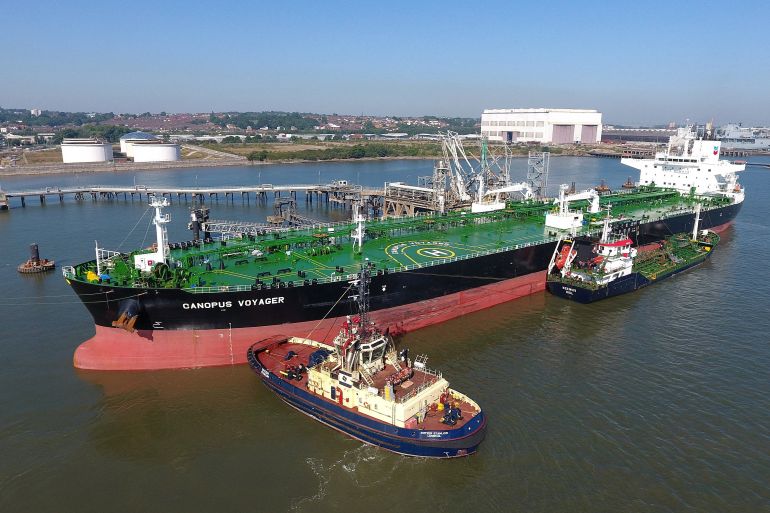
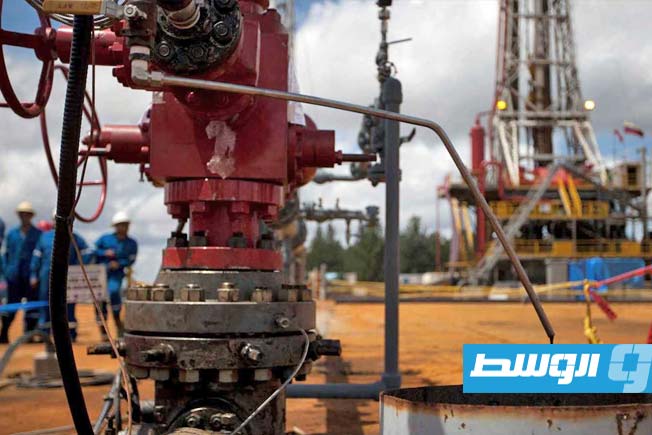
Spot gold rose by about 1%, extending its gains for a third consecutive session, as the United States increased pressure on Venezuela by blockading oil tankers. This enhanced the appeal of the precious metal as a safe haven, pushing it towards its best annual performance since 1979.
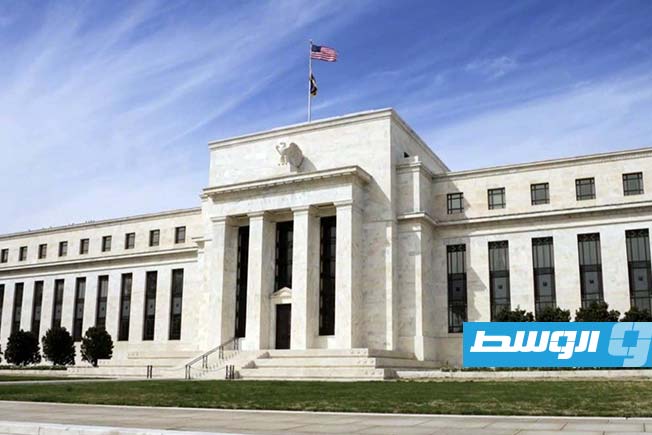
Market traders expect the U.S. Federal Reserve to continue its monetary easing policy after three consecutive interest rate cuts, supporting the prices of non-yielding assets, primarily gold.
Gold has recorded record gains exceeding 70% since the beginning of the year, while silver prices have jumped by about 150%, on track for their best annual performance in over four decades. Platinum has also achieved gains exceeding 160% this year, reaching an all-time high of $2,300 per ounce.
This strong rally is supported by increased central bank purchases and fund flows into precious metal-backed exchange-traded funds (ETFs). Data from the World Gold Council shows holdings of these funds have risen in most months of the year.
It was noted that gold and silver prices are currently benefiting from a combination of strong physical demand and heightened sensitivity to macroeconomic risks, indicating that the market is showing “a solid investment conviction, not just a short-term speculative wave.”
Global Bank Forecasts
Estimates from major financial institutions point to a continued rise in gold during 2026. Goldman Sachs expects the price to reach $4,900 per ounce, while Morgan Stanley anticipates levels approaching $4,800. J.P. Morgan sees gold potentially exceeding the $5,000 barrier.
These estimates are based on continued central bank purchases, increased investment fund flows, a supportive monetary environment with expected interest rate cuts, and ongoing geopolitical tensions in various regions of the world.
In contrast, the Bank for International Settlements warned that recent price increases have moved beyond the typical safe-haven pattern and become closer to speculative asset behavior. This could raise the risks of a price bubble forming, followed by a market correction. Nevertheless, estimates suggest next year’s gains will not exceed about $500 above current levels.
Gold as a Strategic Haven
It was emphasized that gold continues to solidify its position as one of the most attractive financial assets for investment, driven by structural and sustainable factors. The metal has set about 52 record highs this year and last, a figure that reflects the strength of its momentum.
Historical gold returns have reached about 7%, and its role is not limited to being a store of value; it also offers good long-term investment performance compared to other financial assets. Its true value is particularly evident during periods of economic crisis, where it transforms into a safe haven that preserves wealth and mitigates risk.
It was noted that central banks seek to acquire gold for reasons related to security and liquidity, as well as its ability to hedge and diversify investment portfolios. Demand for the precious metal is not limited to investment and central banks but also extends to the jewelry sector, reinforcing its status as a versatile financial asset.
Strategic Shifts in the Market
It was explained that some central banks, such as the Bank of Japan, have stopped selling gold and moved towards accumulating it. This reflects growing official interest in the metal and reinforces expectations of continued demand in the coming years.
It was confirmed that diversified demand, particularly in the jewelry sector, is a fundamental element supporting gold prices. Expected price volatility tends towards an upward trend, driven by gold’s different performance compared to other assets.
The primary driver of rising prices is investment demand linked to economic uncertainty, alongside central banks continuing to boost their holdings. Investment via ETFs represents a relatively small element compared to the influential role of official institutions in determining prices during 2026.
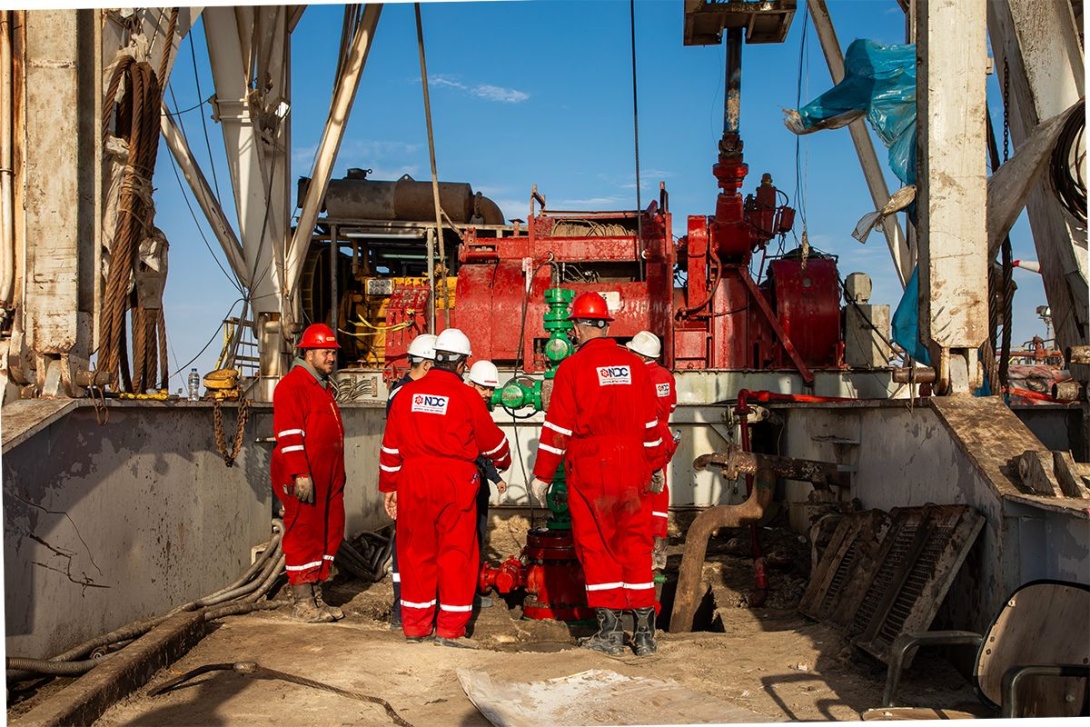
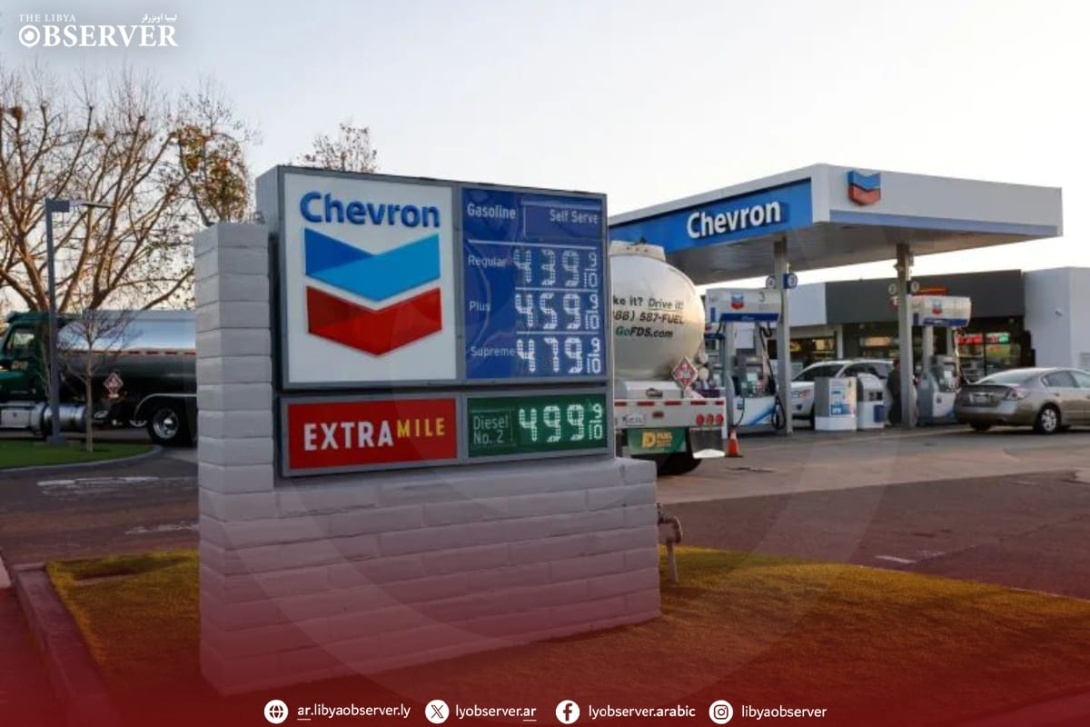
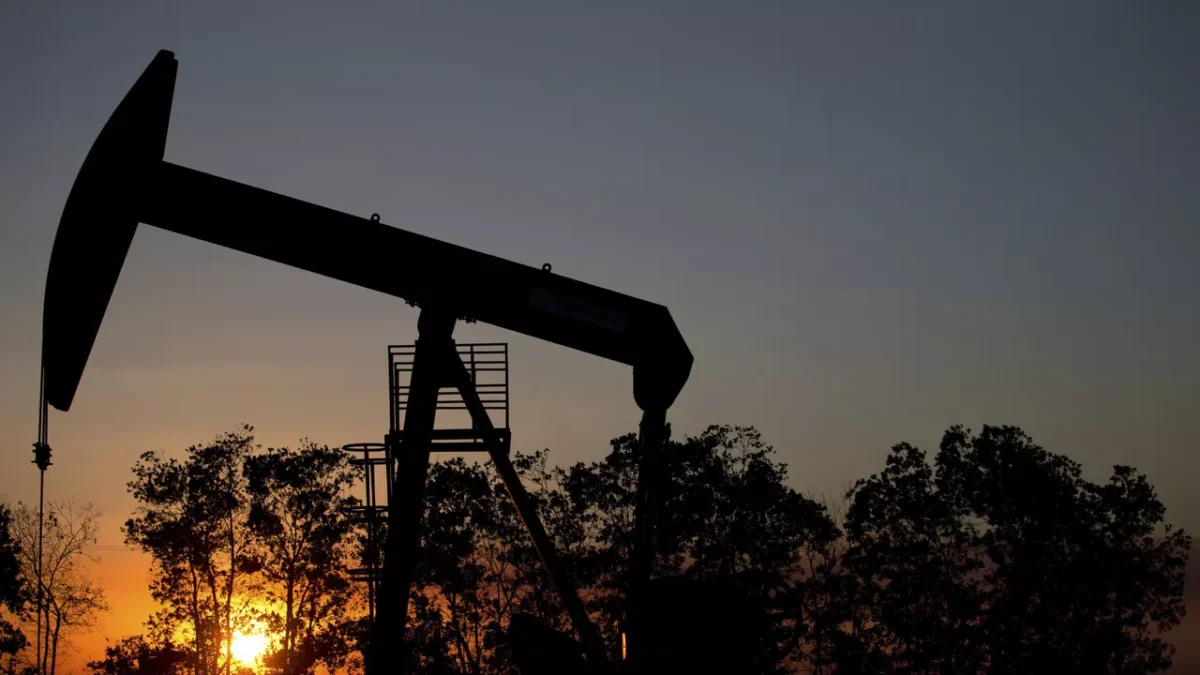
Oil Maintains Gains Amid Rising Concerns Over Venezuela and Russia
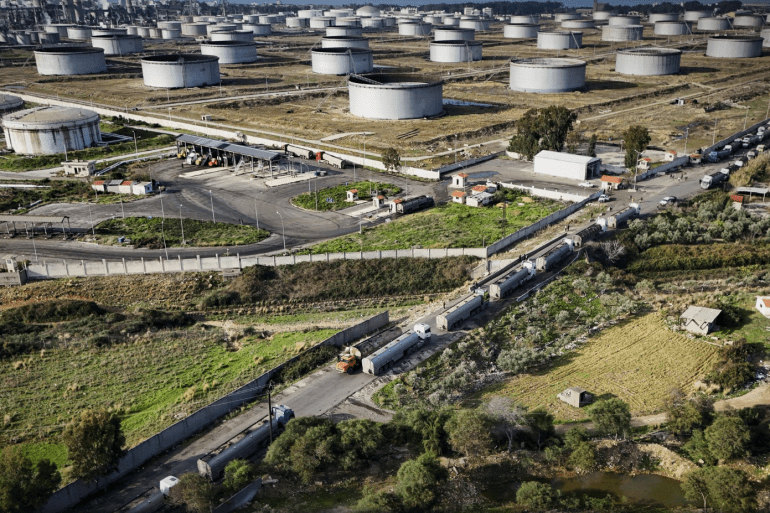
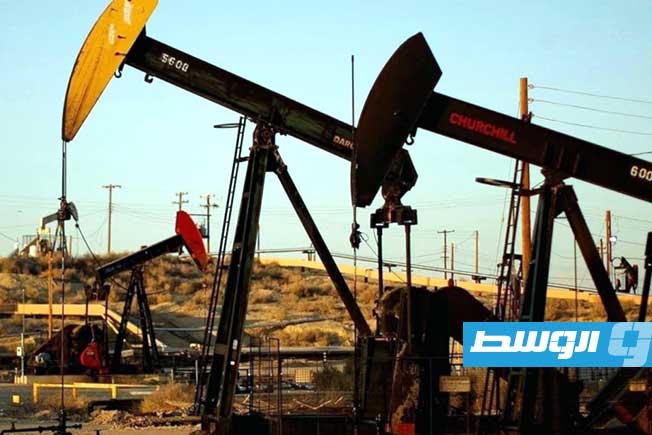
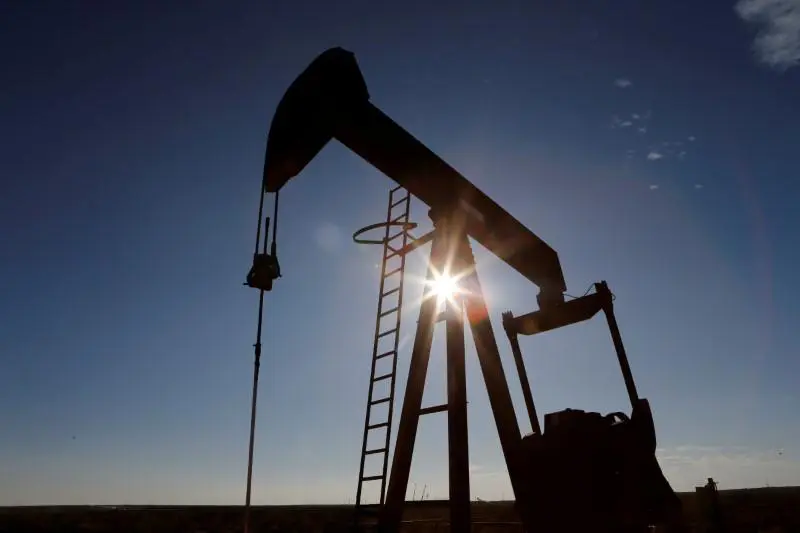
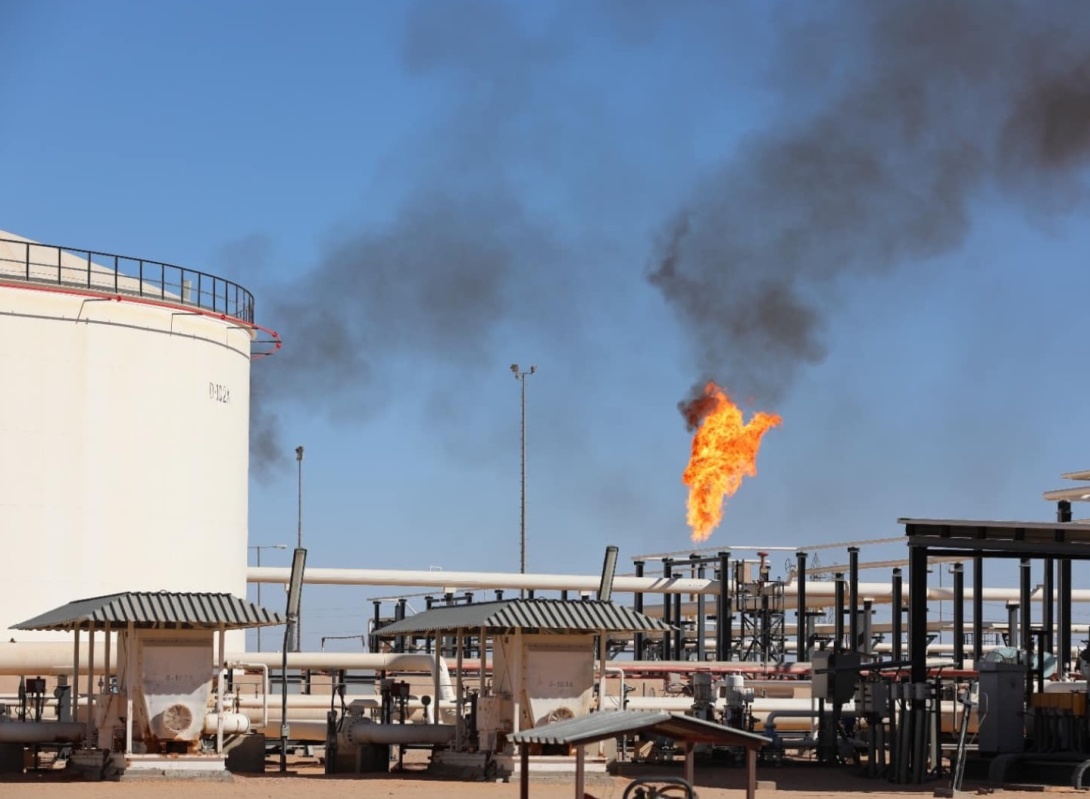
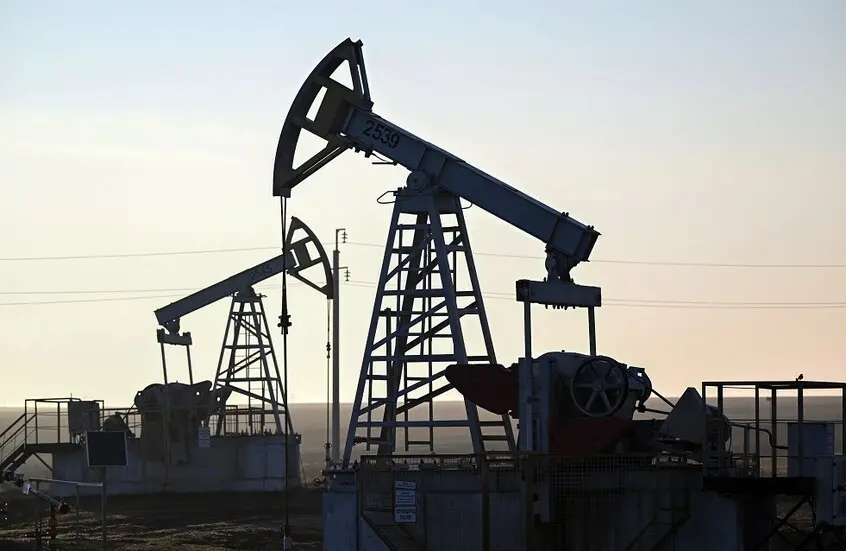
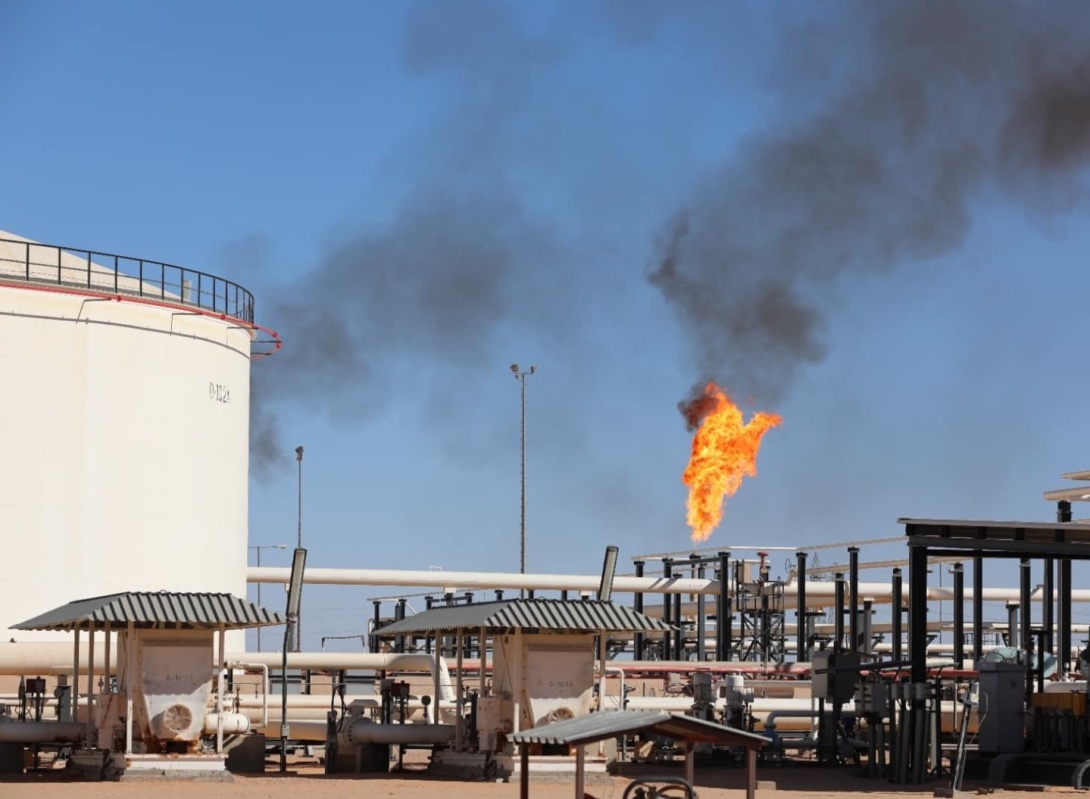
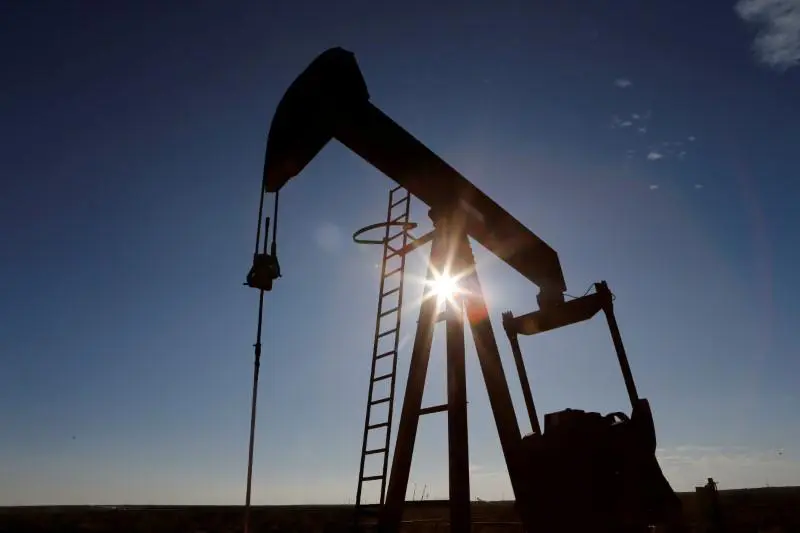
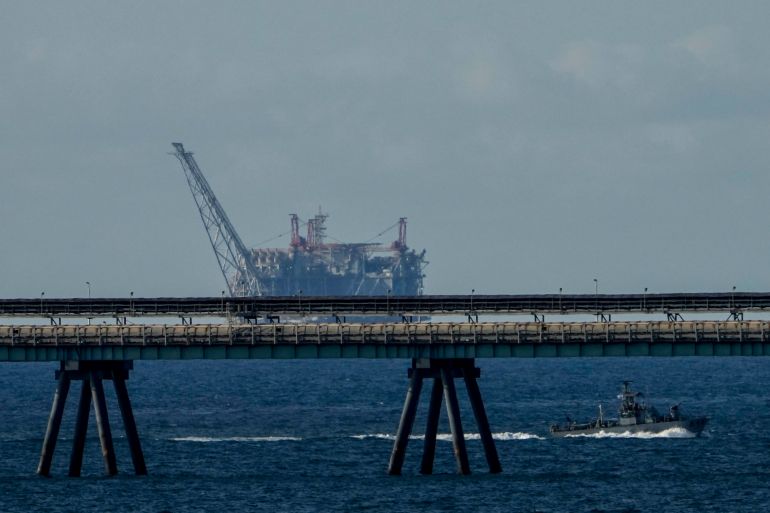
Oil prices maintained their gains for a fifth consecutive day, driven by ongoing concerns about supplies from Venezuela and Russia, despite indications of rising inventories in the United States.
Brent crude traded near $62 per barrel, after gains of nearly 6% over the past five sessions. West Texas Intermediate (WTI) crude stabilized above $58 per barrel, as uncertainty persists in global energy markets.
The United States continues its efforts to seize a third oil tanker off