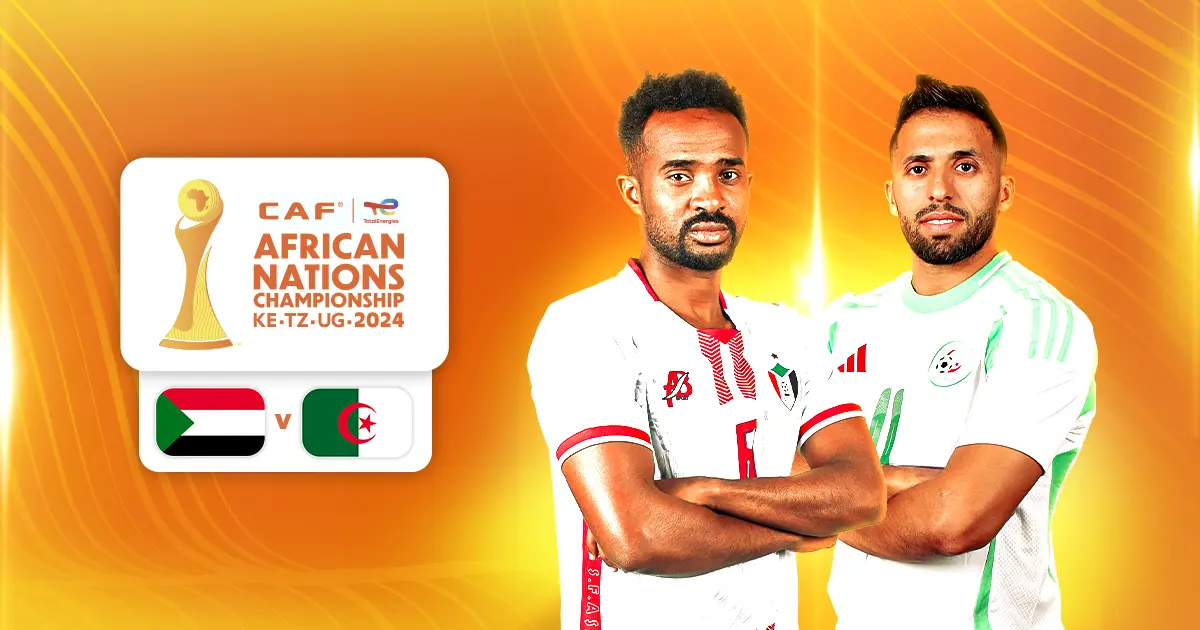
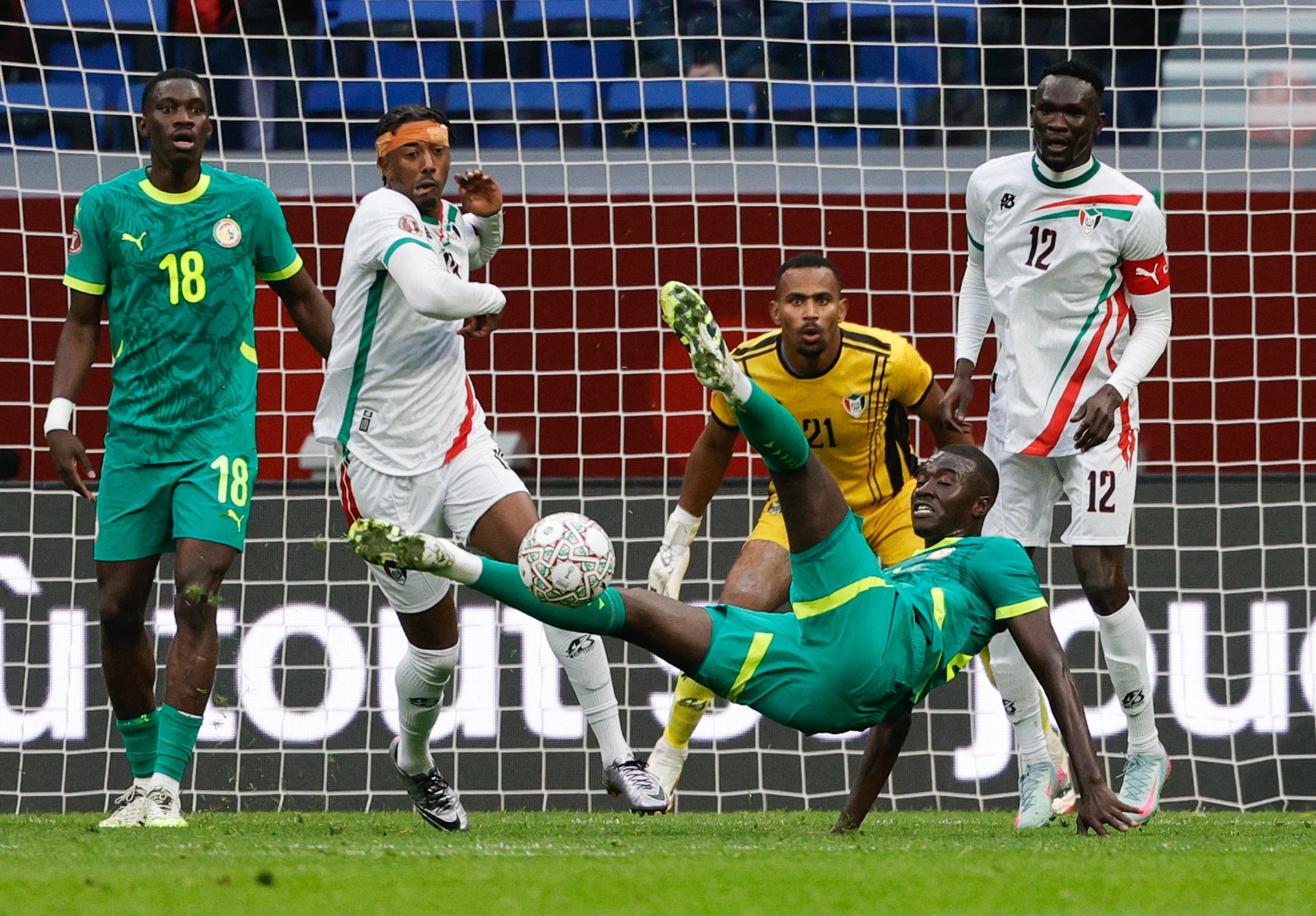
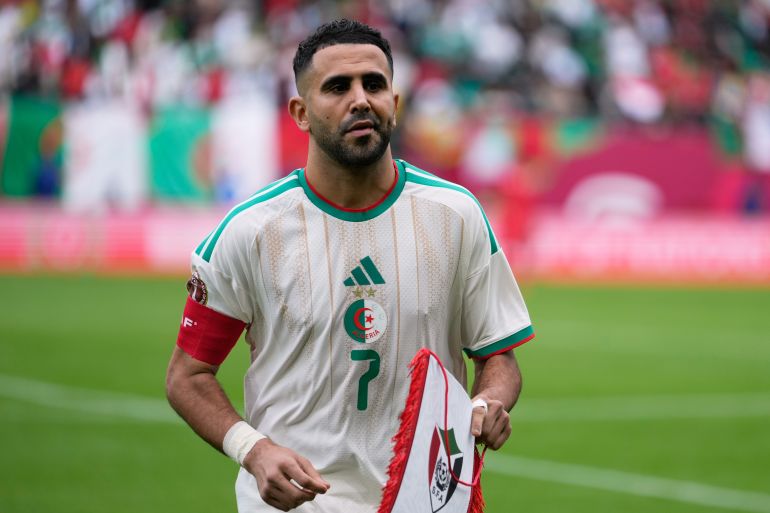
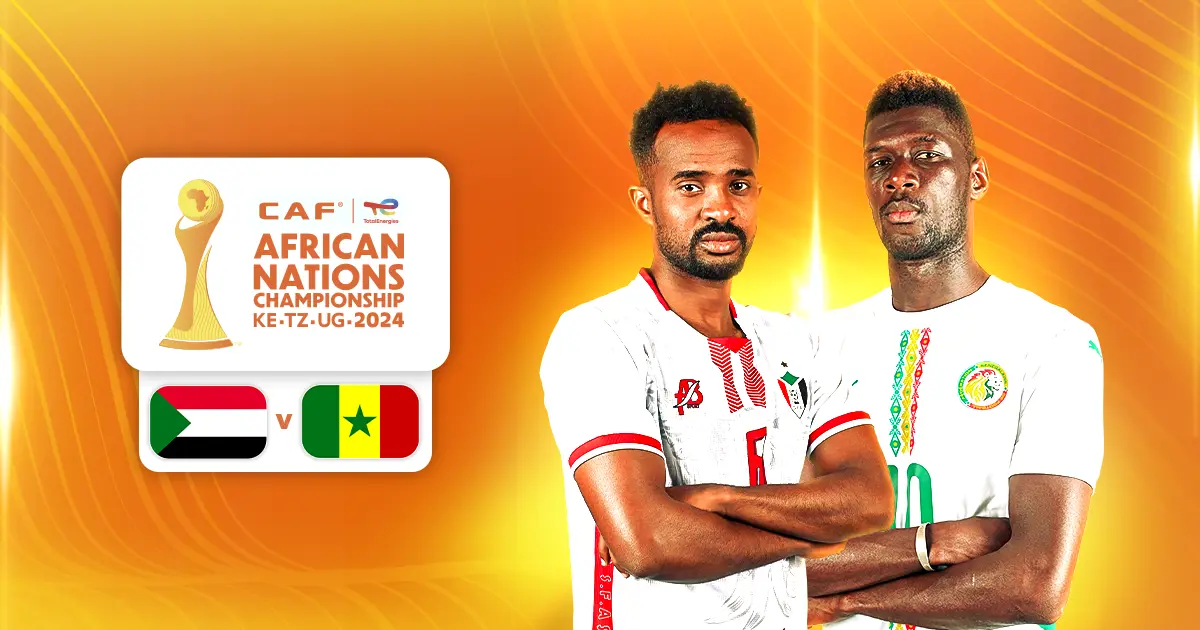
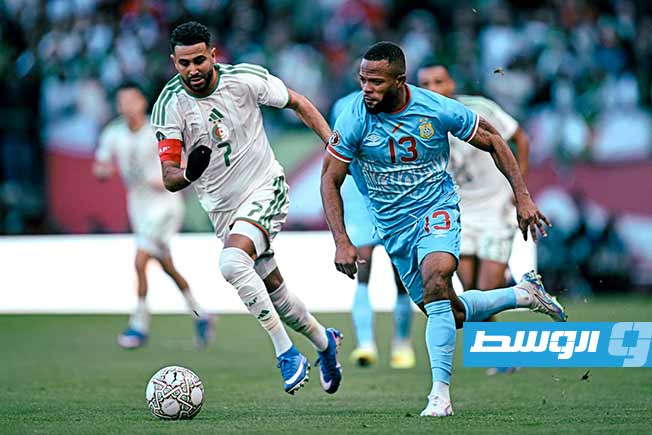
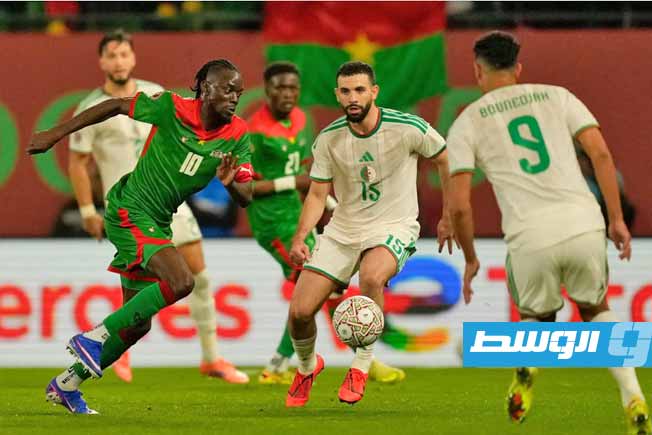
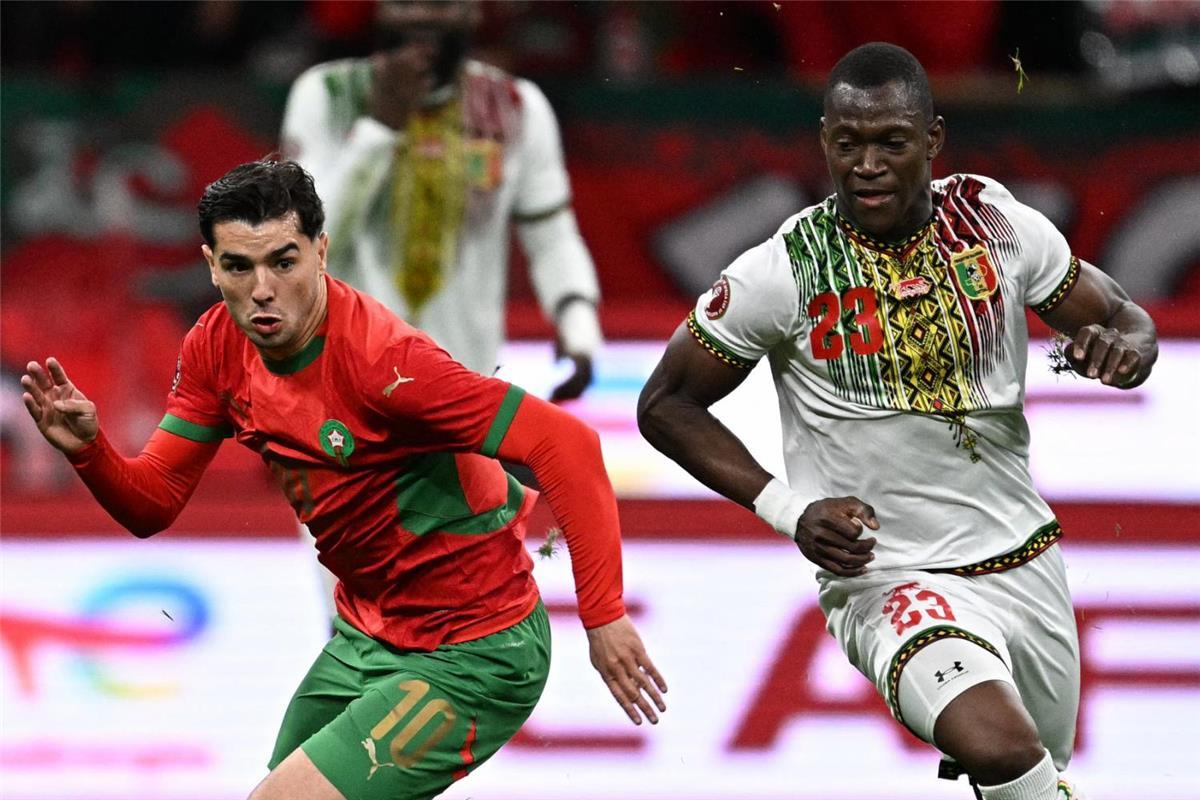
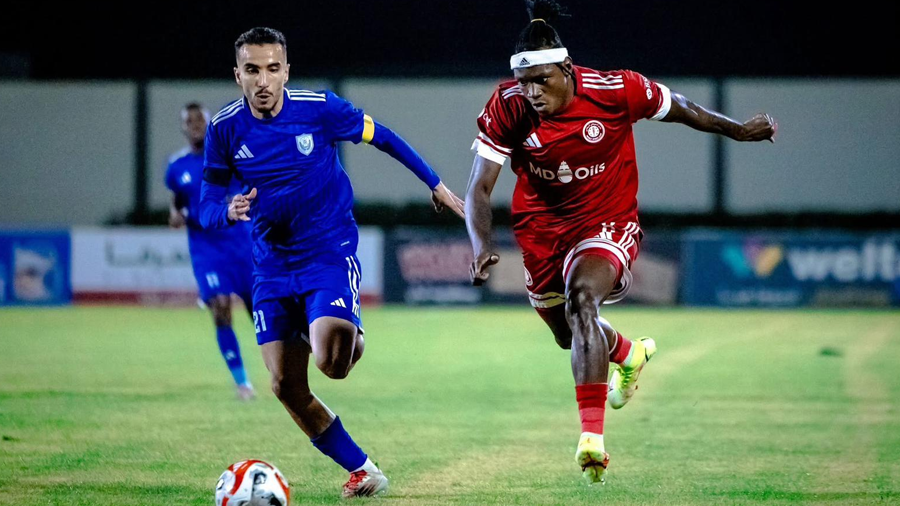
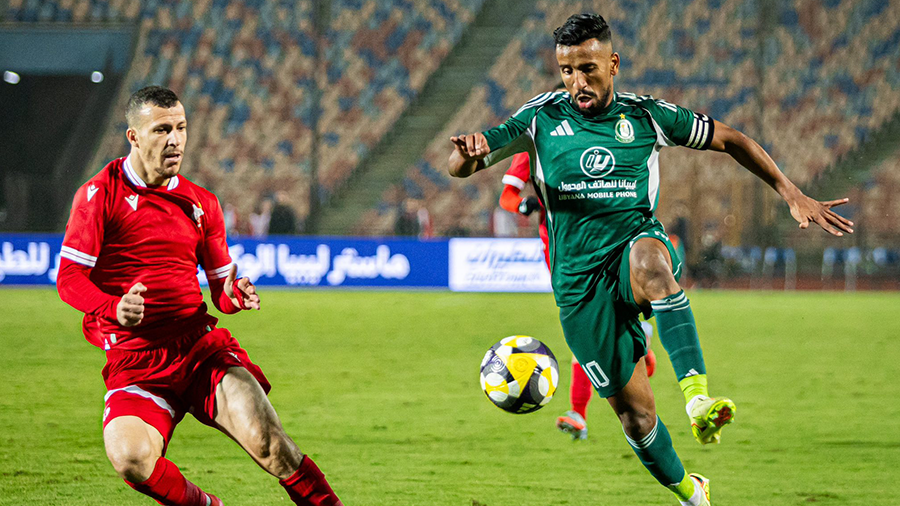
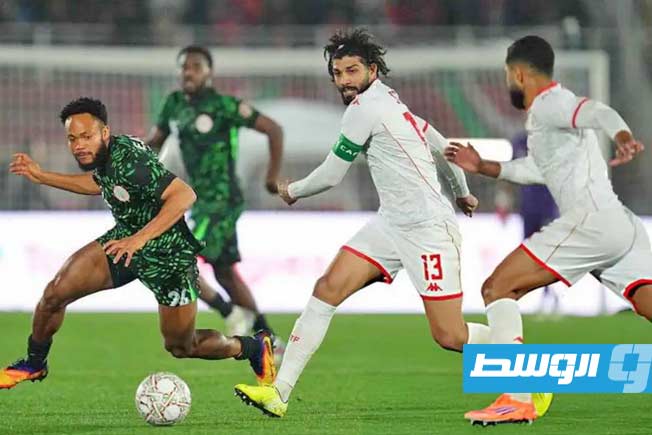
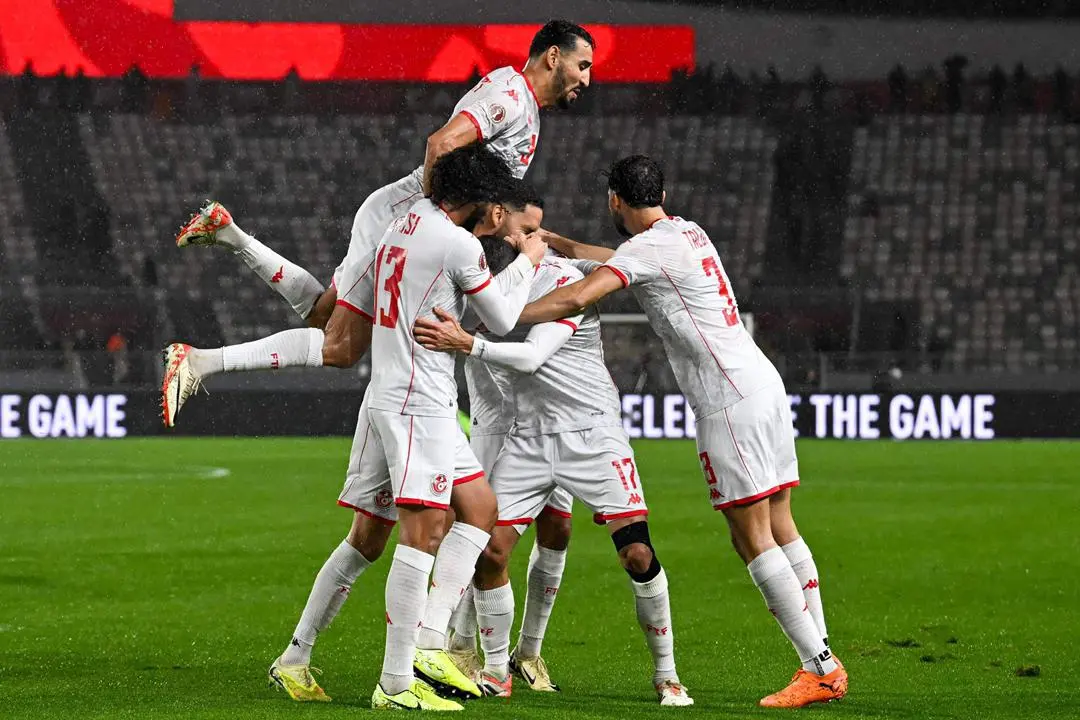
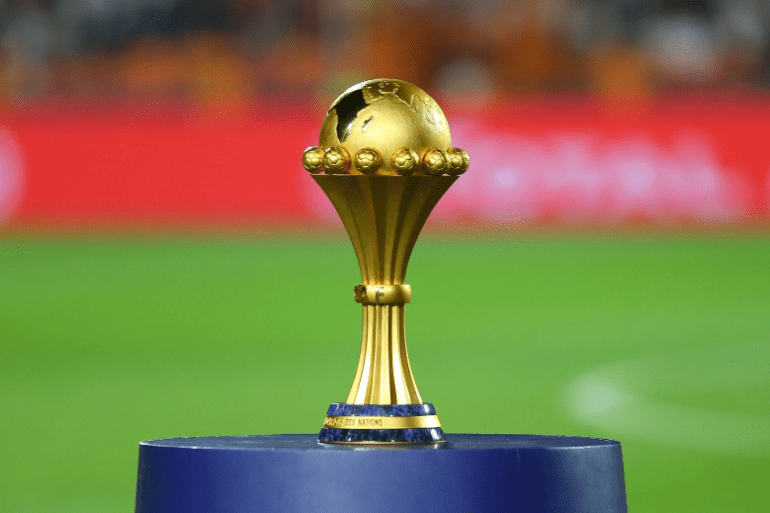
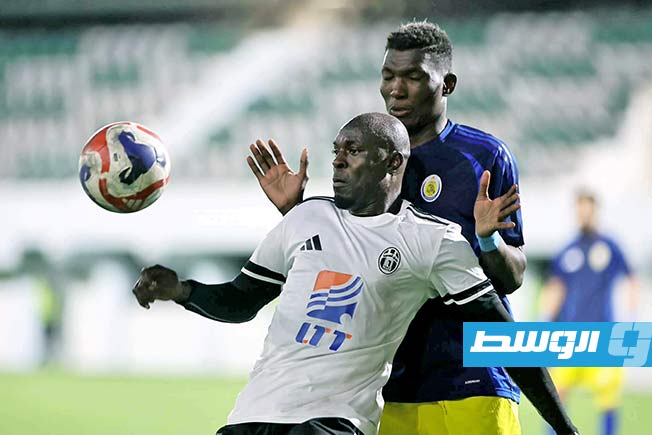
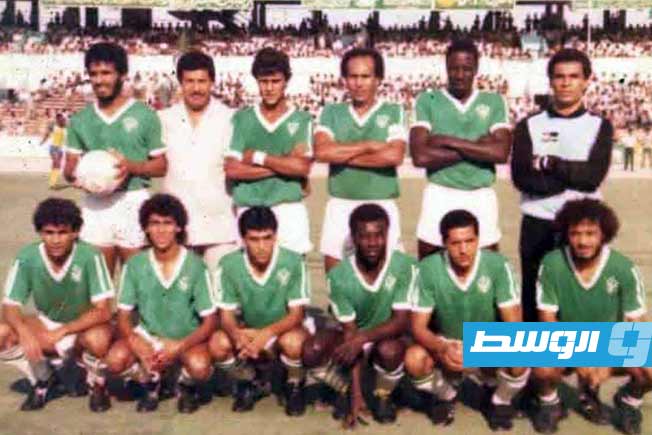
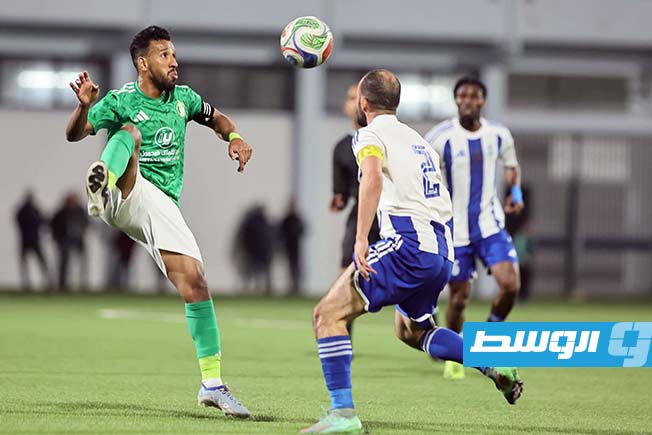
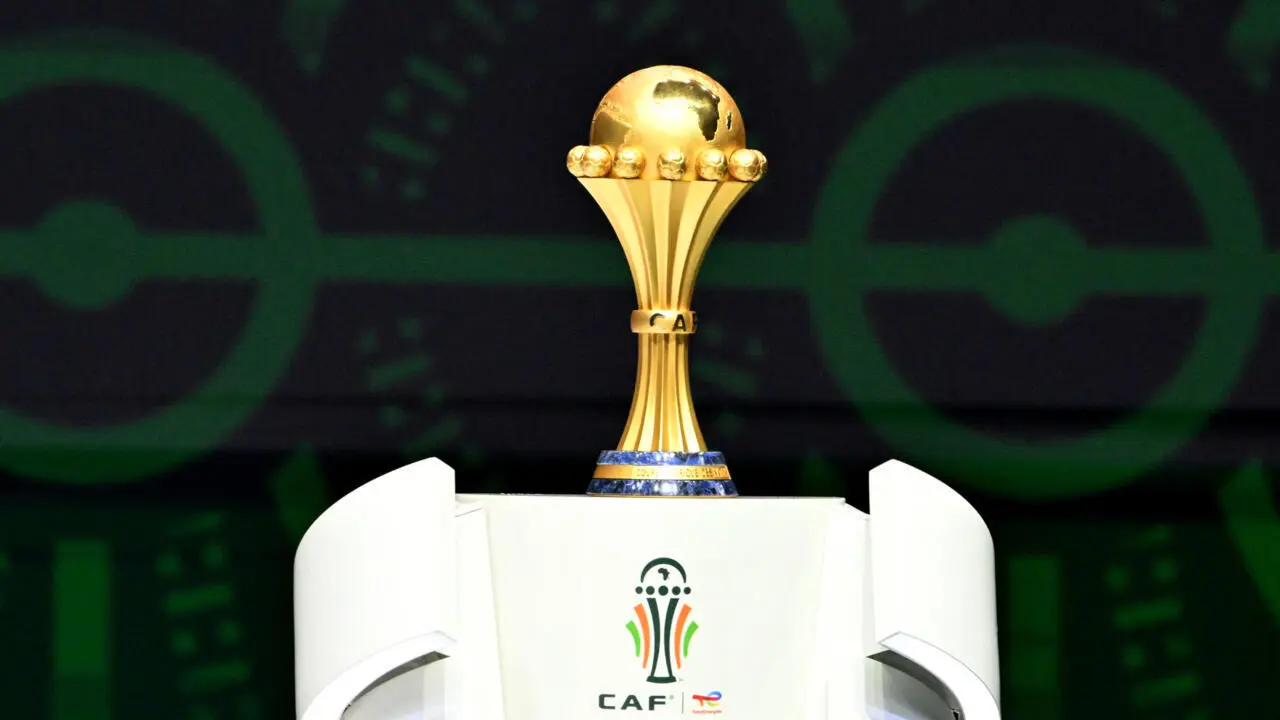
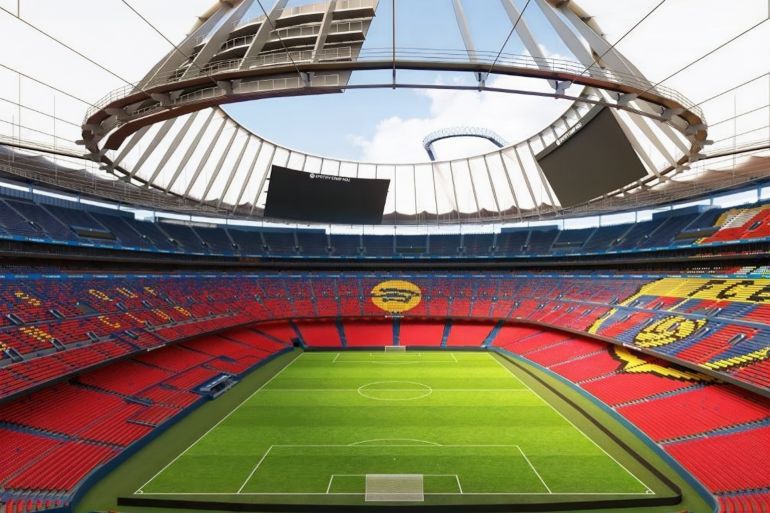
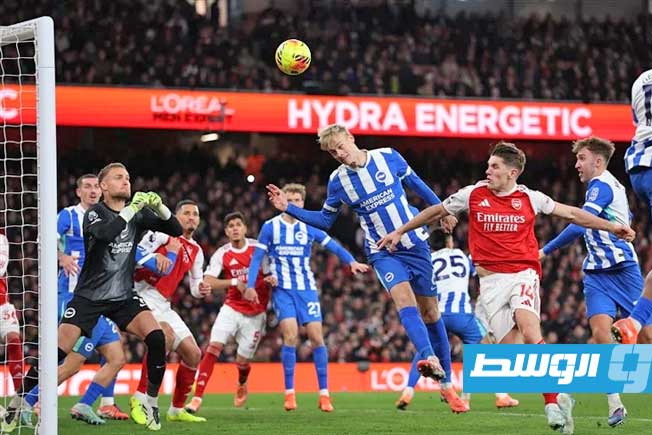
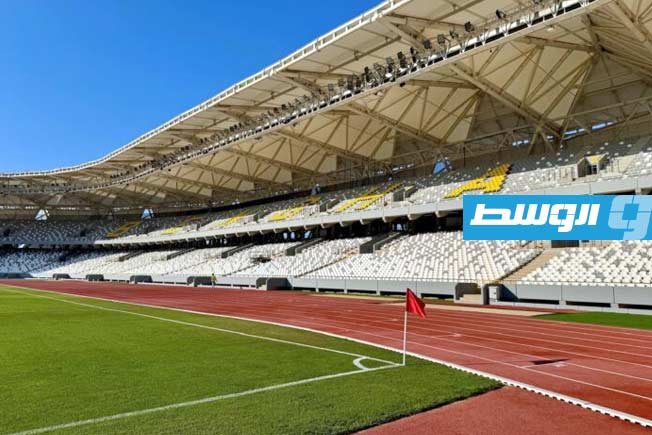
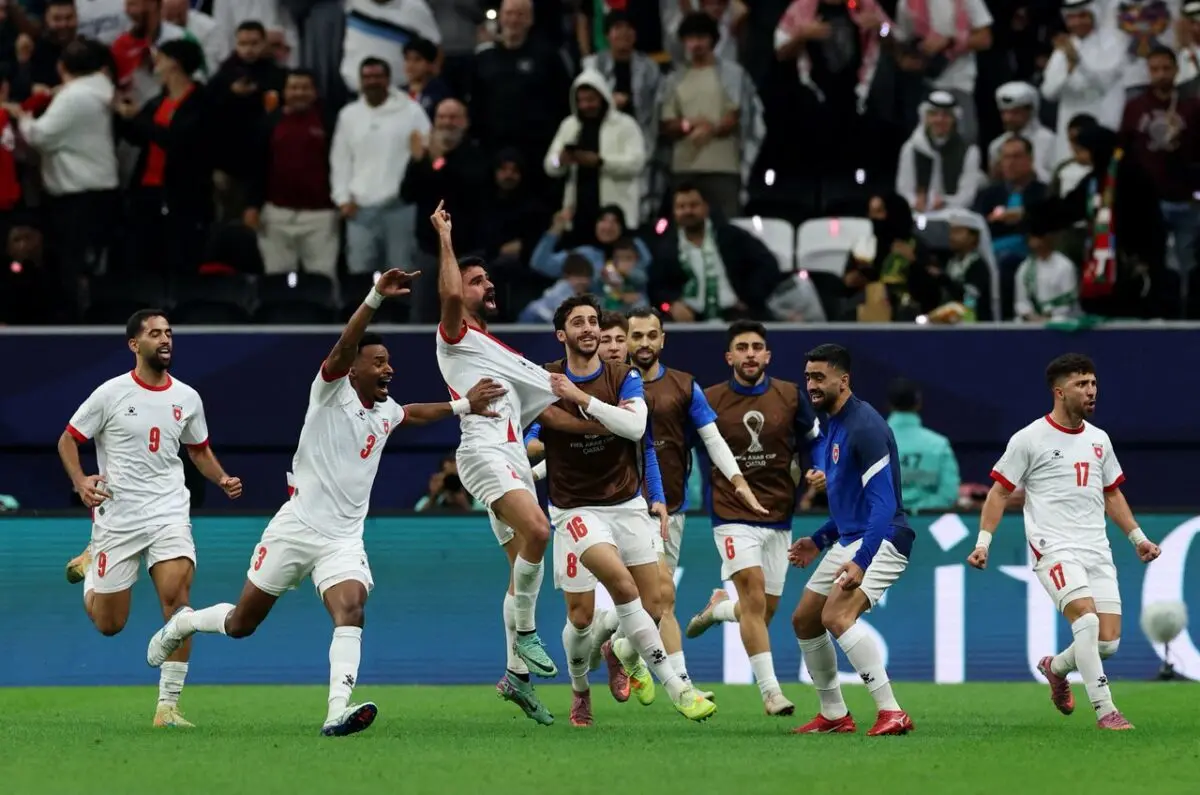
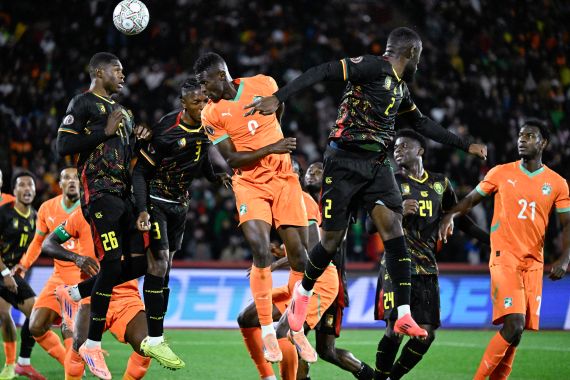
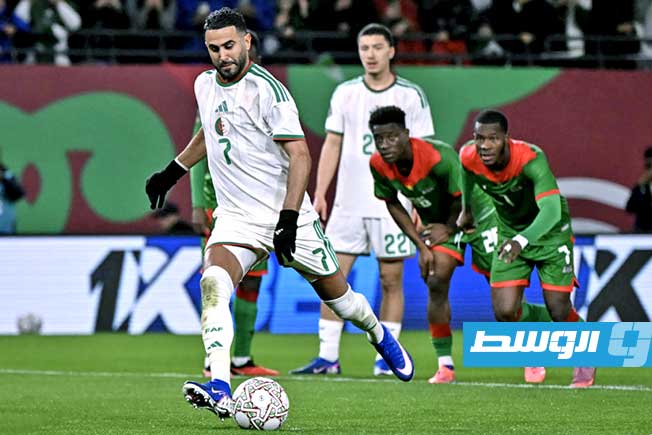
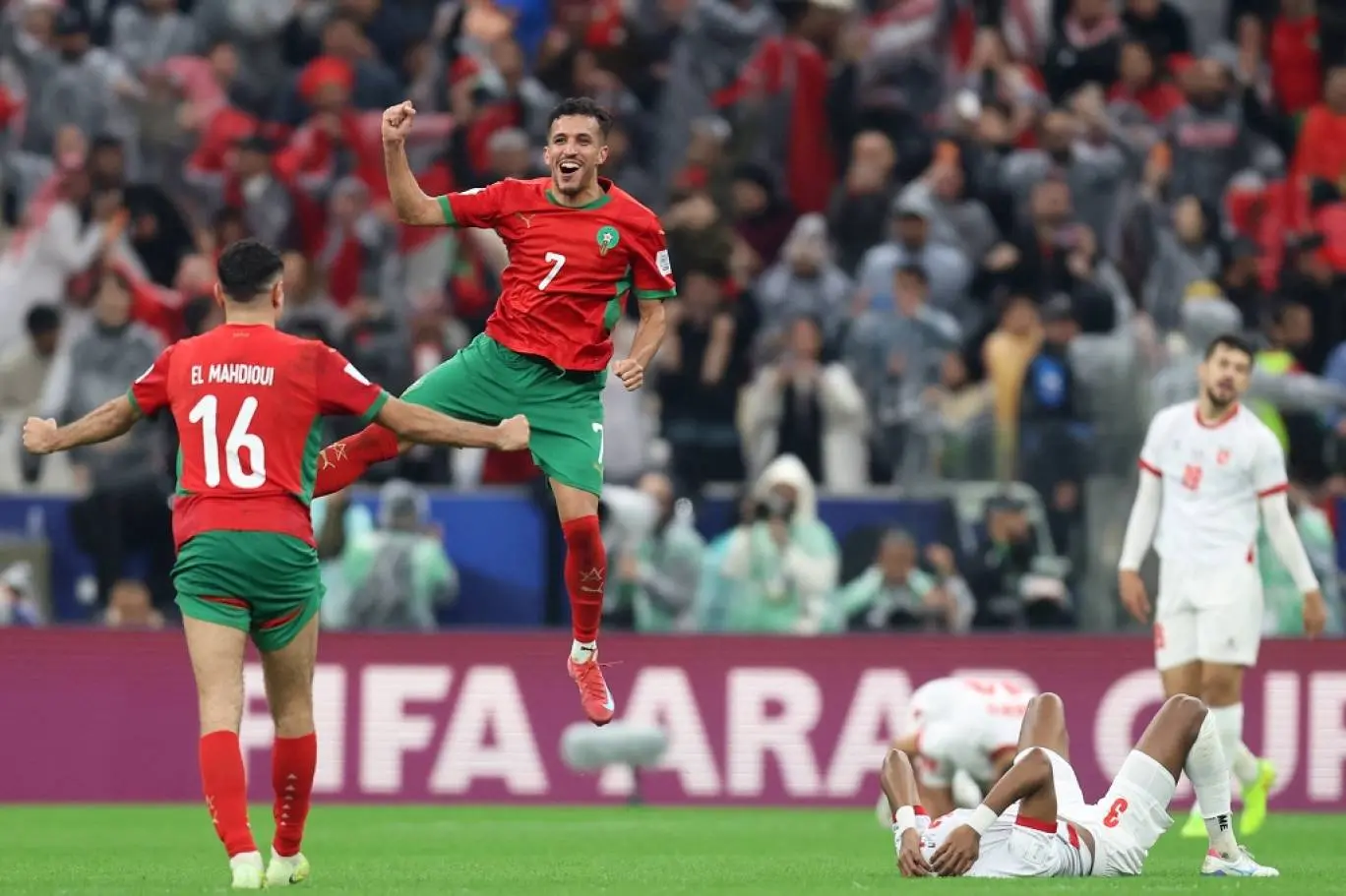
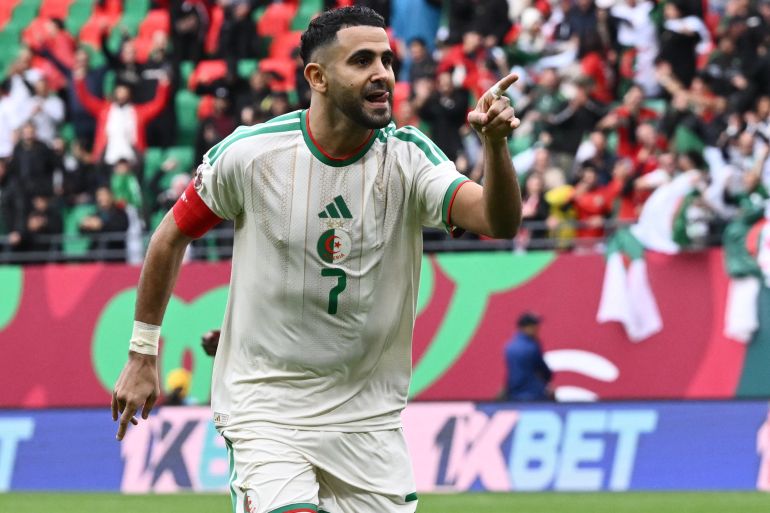
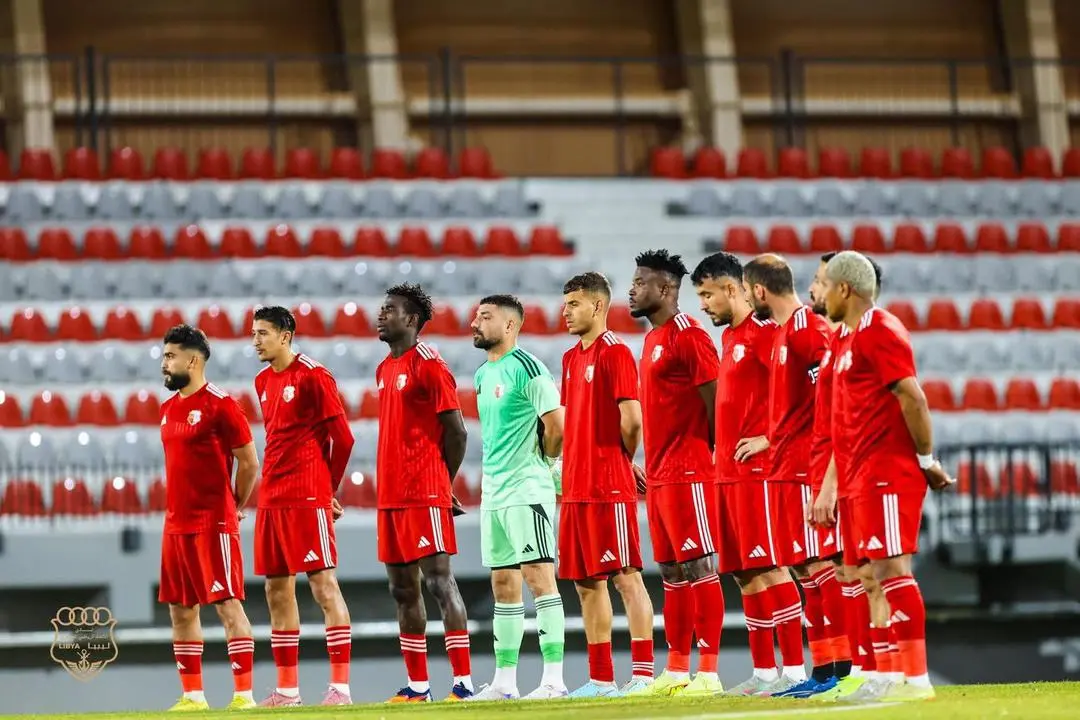
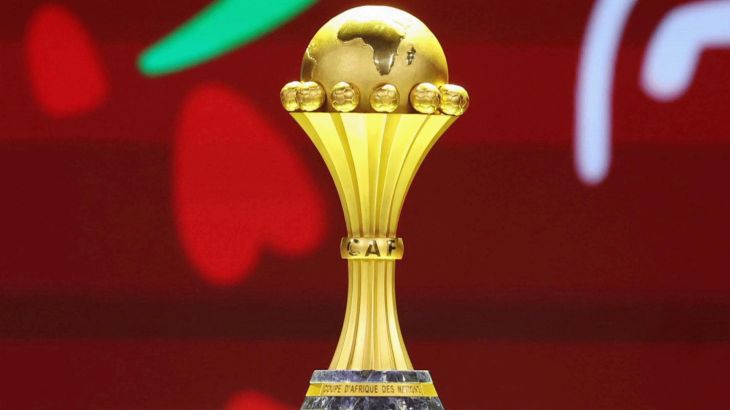
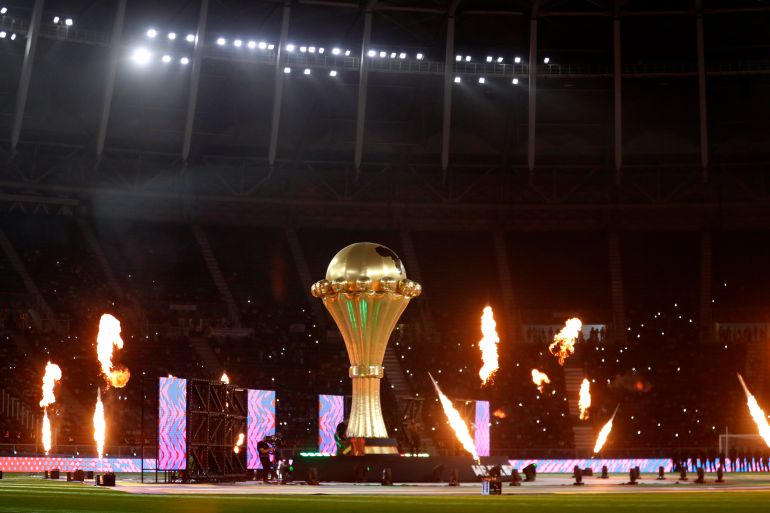
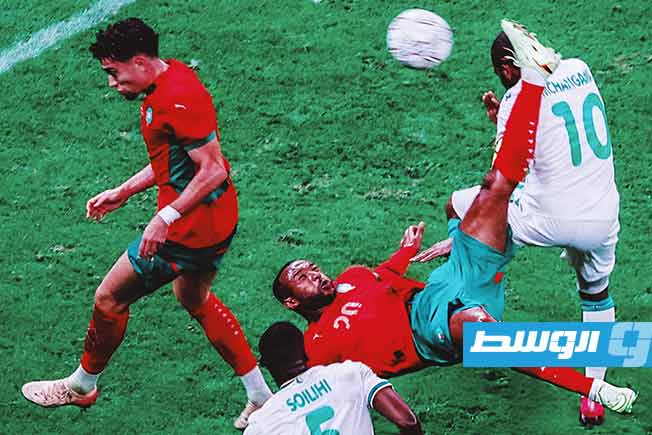
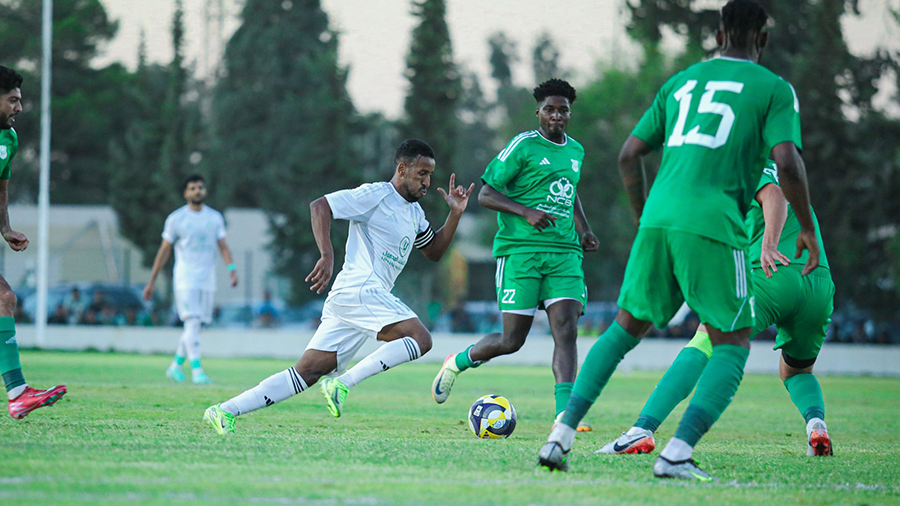
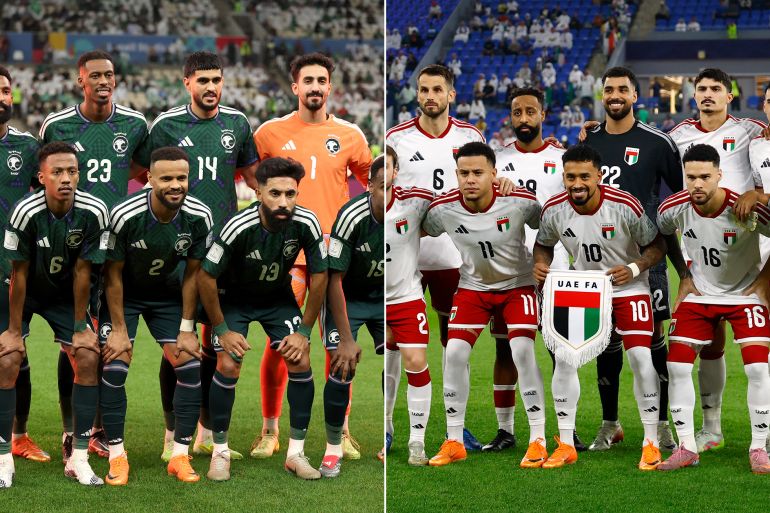
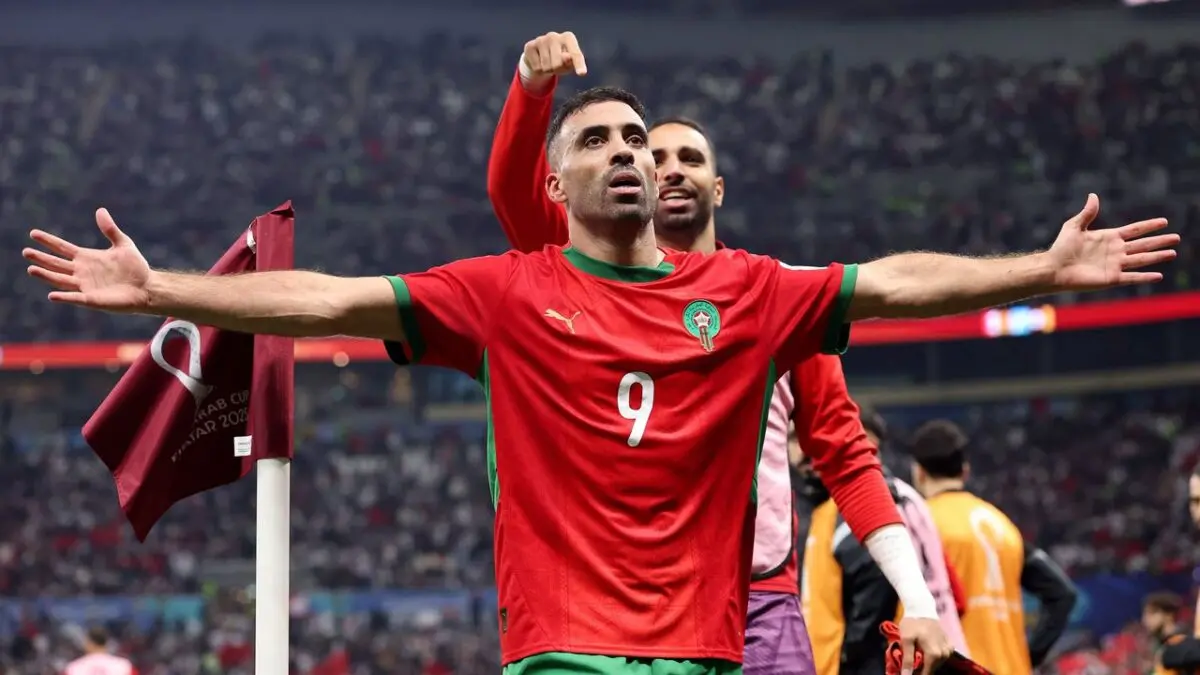
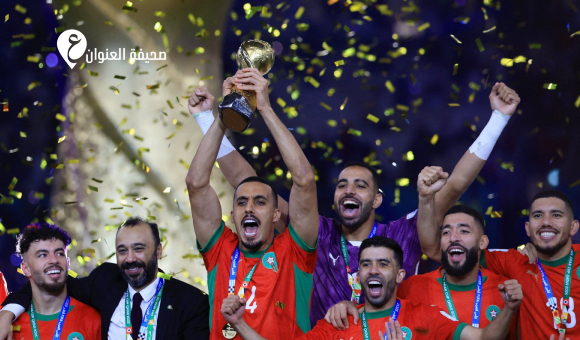
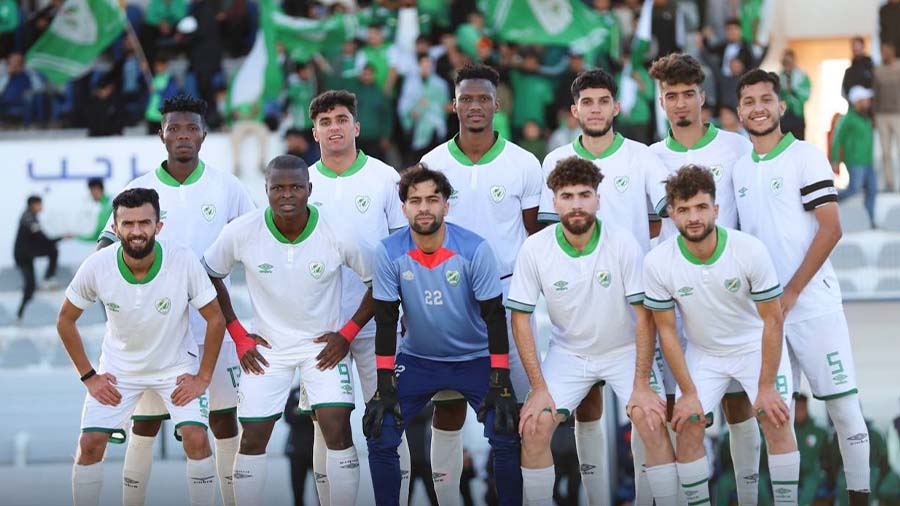
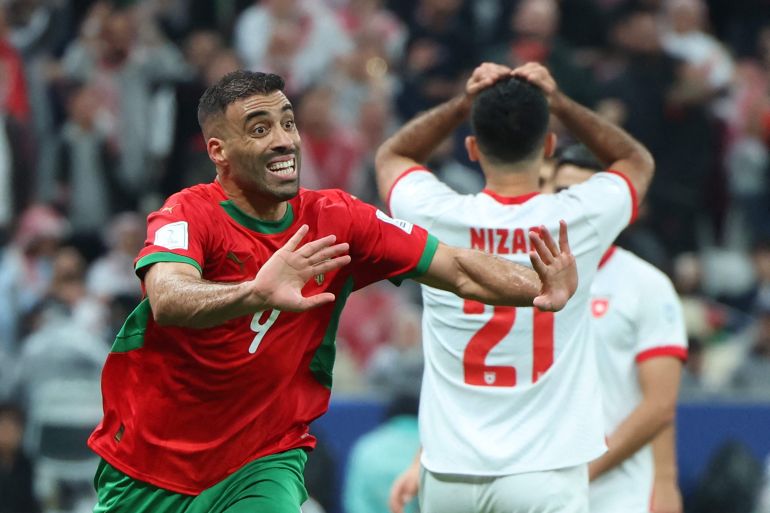
In an exciting atmosphere eagerly awaited by Arab fans, the national teams of Algeria and Sudan will begin their journey in the 2025 Africa Cup of Nations with a direct clash at the Prince Moulay Hassan Stadium in the Moroccan capital, Rabat. The match is attracting wide attention due to the importance of the opening game in Group Five, where the “Desert Warriors” seek to regain their continental shine after previous disappointments, while the “Falcons of Jediane” aspire to write a surprising start that strengthens their presence in the tournament.
The match is attracting widespread fan interest, as the “Desert Warriors” aim for a strong start to restore their continental championship luster after two consecutive failures, while the “Falcons of Jediane” hope for a positive result to boost their chances of competing for the two qualification spots.
History of Previous Encounters
- The two national teams have met in 8 previous matches.
- The Algerian national team has won 4 encounters.
- 4 matches have ended in a draw.
- Algerian players have scored 12 goals against 3 goals for Sudan.
- This encounter is their first official meeting in the Africa Cup of Nations tournament.
Match Time by Country
- Cairo and Khartoum: 5:00 PM
- Algiers and Morocco: 4:00 PM
- Makkah, Riyadh, Doha, Kuwait: 6:00 PM
- UAE: 7:00 PM
- Tunis, Libya, Jordan: 5:00 PM
Broadcast Channels
- The beIN Sports MAX network (1 / 2 / 3 / 4).
- Terrestrial broadcast on the Algerian channel and the Moroccan channel.
- Live stream via the TOD TV app and the beIN Connect service.
beIN Sports MAX Channel Frequencies:
- MAX 1: 12188 – H – 27500
- MAX 2: 12604 – H – 27500
- MAX 3: 11013 – H – 27500
- MAX 4: 12604 – H – 27500
Expected Lineups for the National Teams
Algeria (3-5-2): Luka Zidan – Samir Chaoui – Aïssa Mandi – Rami Bensebaini – Rayan Aït-Nouri – Ismaël Bennacer – Ibrahim Maza – Riyad Mahrez – Rafik Belghali – Baghdad Bounedjah – Mohamed Amine Amoura.
Sudan (4-4-2): Mohamed Nour Abouja – Yasser Awad – Mustafa Karshoum – Mohamed Ahmed Arnq – Bakheet Khamis – Abou Aqila Abdullah – Salah El-Din Adel – Ammar Tayfour – Abdel Raouf Yacoub – Aboubakar Issa – Mohamed Abdel Rahman.
Kick-off is at 5:00 PM Libya time.
Algeria
Algeria is a North African country with a rich history shaped by ancient Berber kingdoms, Roman rule, and centuries of Ottoman influence. It was a French colony from 1830 until achieving independence in 1962 after a protracted war of liberation. Today, it is the largest country in Africa and the Arab world, known for its diverse landscapes ranging from the Mediterranean coast to the Sahara Desert.
Sudan
Sudan, located in Northeast Africa, is home to ancient civilizations, most notably the Kingdom of Kush, which ruled from the city of Meroë and even conquered Egypt to establish the 25th Dynasty. Its modern history was marked by a long civil war and the division of the country in 2011, leading to the creation of South Sudan. The nation is culturally rich, with numerous archaeological sites and a diverse mix of ethnic groups and traditions.
Africa Cup of Nations
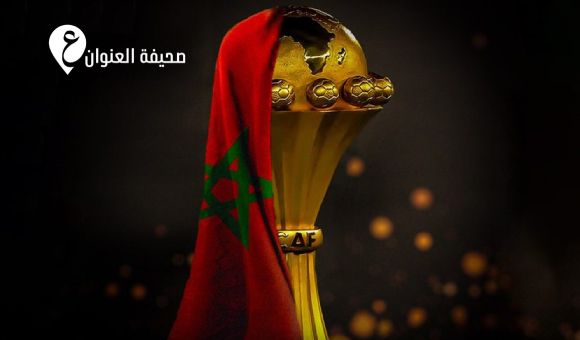
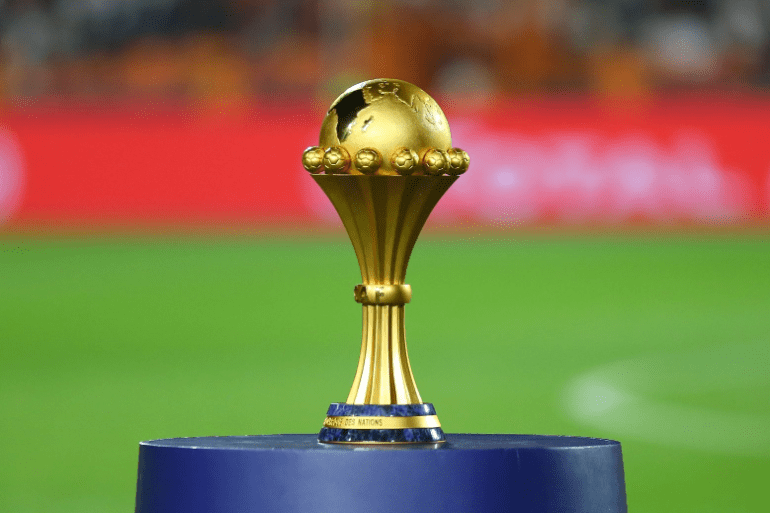
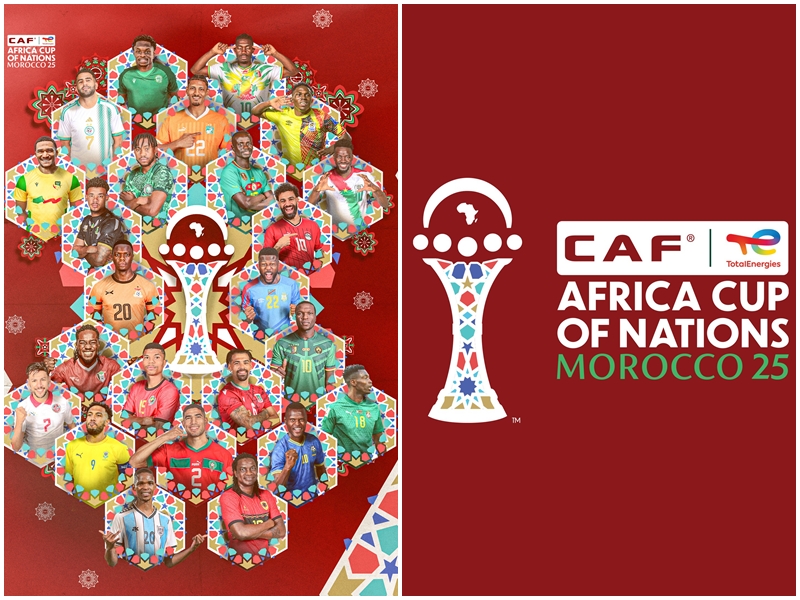
The Africa Cup of Nations (AFCON) is the premier international men’s football competition in Africa, first held in 1957. It was founded to unite African nations through sport and has grown from three initial participants to include 24 national teams competing for the continental title every two years.
Prince Moulay Hassan Stadium
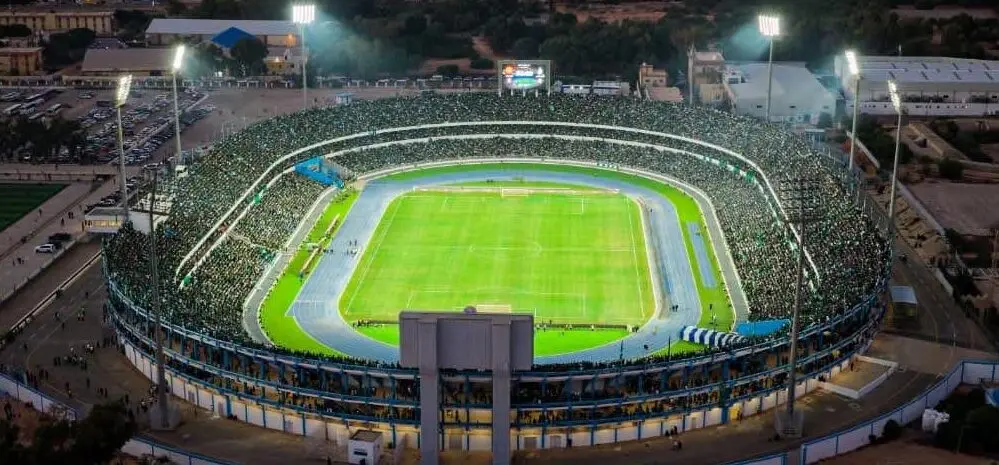
The Prince Moulay Hassan Stadium is a multi-purpose stadium in Rabat, Morocco, primarily used for football. It was inaugurated in 1983 and is named after Prince Moulay Hassan, who later became King Hassan II. The stadium has hosted numerous national and international sporting events, including matches for the Moroccan national football team.
Moroccan
Morocco is a North African country with a rich cultural heritage shaped by indigenous Amazigh (Berber), Arab, Islamic, and European influences. Historically, it has been home to powerful dynasties like the Almoravids and Almohads, and its famous sites include the ancient city of Fez, the Koutoubia Mosque in Marrakech, and the historic ksar (fortified village) of Ait Benhaddou.
Rabat
Rabat is the capital city of Morocco, founded in the 12th century by the Almohad Caliphate. It is a UNESCO World Heritage Site known for its well-preserved historic quarters, such as the Kasbah of the Udayas and the Hassan Tower, which is the minaret of an incomplete 12th-century mosque.
Cairo
Cairo is the sprawling capital of Egypt, founded in 969 CE by the Fatimid dynasty and situated near the ancient pyramids of Giza. It has long been a major cultural and political center of the Islamic world, historically known for landmarks like Al-Azhar University and the historic district of Islamic Cairo.
Khartoum
Khartoum is the capital city of Sudan, located at the confluence of the Blue and White Nile rivers. Founded in 1821 as an Egyptian military outpost, it later became a major administrative center and the site of the Siege of Khartoum in 1884-85 during the Mahdist War. Today, it serves as the country’s political and economic hub.
Algiers
Algiers is the capital and largest city of Algeria, founded by the Phoenicians and later developed as a major port under the Ottoman Empire. Known as “Algiers the White” for its gleaming buildings along the Mediterranean coast, its historic Casbah district is a UNESCO World Heritage site reflecting centuries of Islamic and French colonial influence.
Morocco
Morocco is a North African country with a rich history shaped by indigenous Amazigh (Berber) cultures, Arab influence from the 7th century, and a series of powerful dynasties like the Almoravids and Almohads. It is known for its diverse cultural heritage, featuring historic imperial cities such as Marrakech and Fez, which are home to ancient medinas and Islamic architecture. The country gained independence from French and Spanish protectorates in 1956 and is a constitutional monarchy today.
Makkah
Makkah, also spelled Mecca, is the holiest city in Islam, located in present-day Saudi Arabia. It is the birthplace of the Prophet Muhammad and the site of the Kaaba, the most sacred shrine in Islam, which Muslims believe was built by Abraham and his son Ishmael. Every year, millions of Muslims perform the Hajj pilgrimage to the city, a mandatory religious duty.
Riyadh
Riyadh is the capital and largest city of Saudi Arabia, historically serving as the center of the Al Saud dynasty. It transformed from a walled desert oasis town into a modern metropolis following the discovery of oil in the 20th century. Today, it is a major financial and administrative hub, home to landmarks like the Masmak Fortress, which symbolizes the kingdom’s founding.
Doha
Doha is the capital city of Qatar, a modern metropolis that transformed from a small pearl fishing and trading port into a major global hub following the discovery of oil and natural gas in the mid-20th century. Its history is showcased in sites like the Souq Waqif, a restored traditional market, and the Museum of Islamic Art, which houses artifacts from across the Muslim world.
Kuwait
Kuwait is a sovereign Arab state located at the head of the Persian Gulf, historically established as a sheikhdom in the 18th century by clans from the Arabian interior. Its modern history was profoundly shaped by the discovery of oil in the 1930s, which transformed it into a wealthy nation, and by its recovery from the Iraqi invasion and occupation in 1990-1991.
UAE
The United Arab Emirates (UAE) is a federation of seven emirates on the Arabian Peninsula, established in 1971 following the end of British treaty protection. Historically a region of pearl diving and trade, it has rapidly transformed into a global hub known for its modern architecture, such as the Burj Khalifa, and its significant cultural sites, including historic forts and the Al Fahidi Historical Neighbourhood in Dubai.
Tunis
Tunis is the capital city of Tunisia, historically founded by the Berbers and later established as a major city under the Hafsid dynasty in the 13th century. Its medina, a UNESCO World Heritage site, contains the ancient Zaytuna Mosque and reflects the city’s significance as a center of Islamic learning and Arab culture.
Libya
Libya is a North African country with a rich history rooted in ancient civilizations like the Phoenicians and Romans, followed by centuries of Arab and Ottoman influence. In the modern era, it was an Italian colony before gaining independence in 1951, later becoming known for Muammar Gaddafi’s lengthy rule from 1969 until the 2011 revolution. The country is home to UNESCO World Heritage sites, such as the ancient Greek city of Cyrene and the Roman ruins of Leptis Magna.
Jordan
Jordan is a Middle Eastern country with a rich history, home to the ancient city of Petra—a UNESCO World Heritage Site carved into rose-red cliffs by the Nabataeans over 2,000 years ago. It also contains significant biblical sites and played a key role in regional trade and empires throughout history.