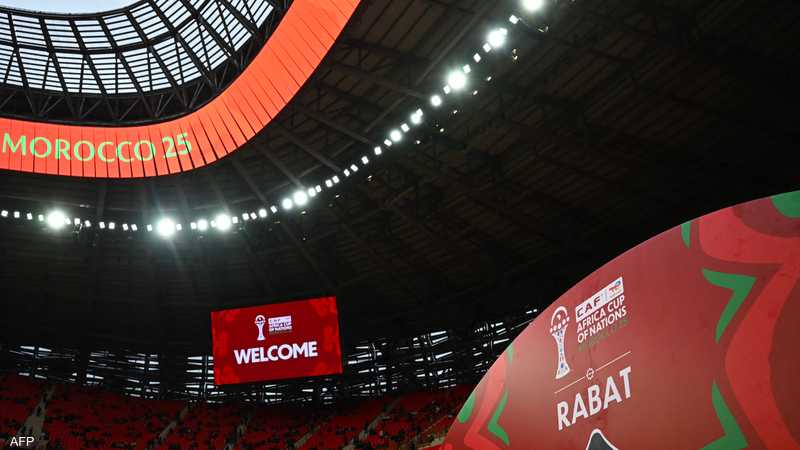
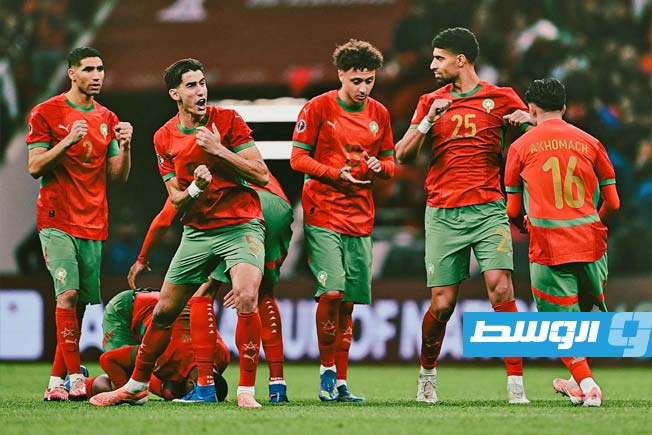
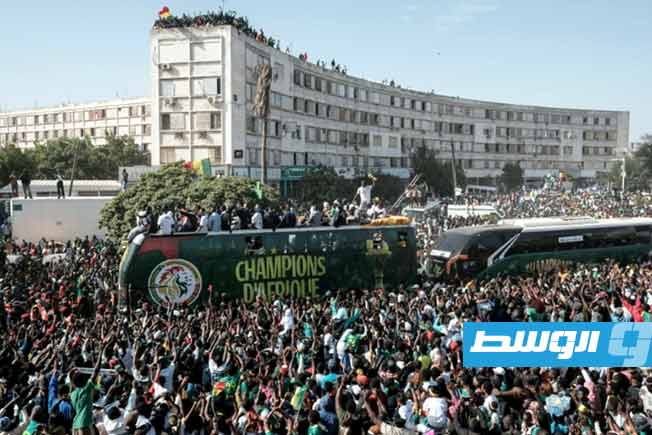
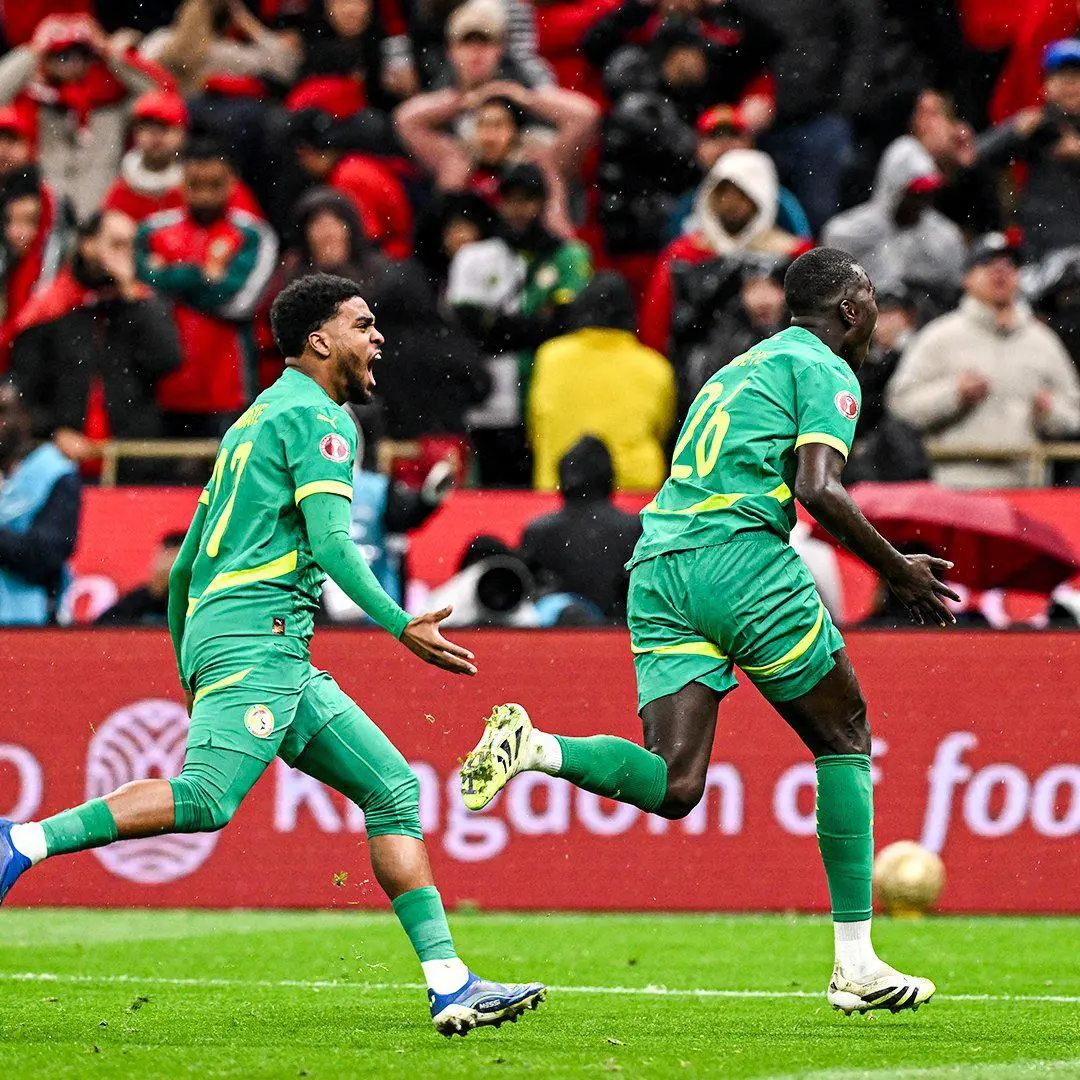
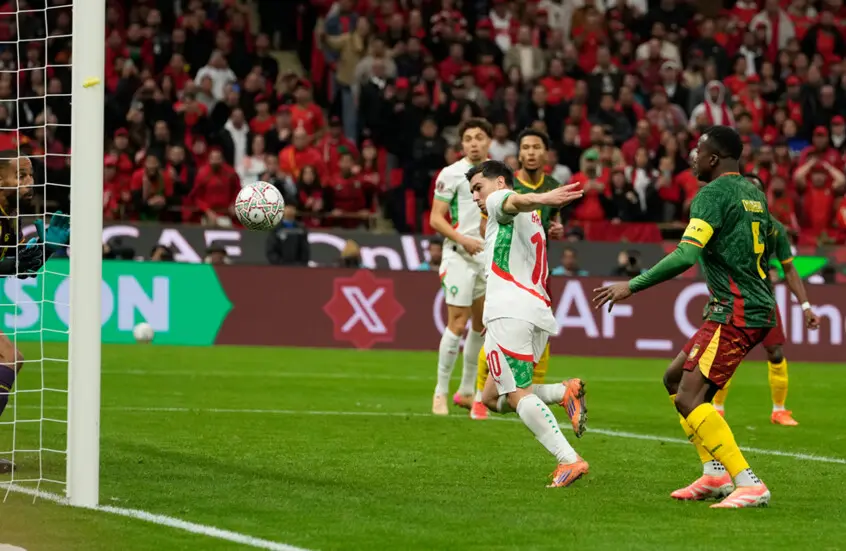
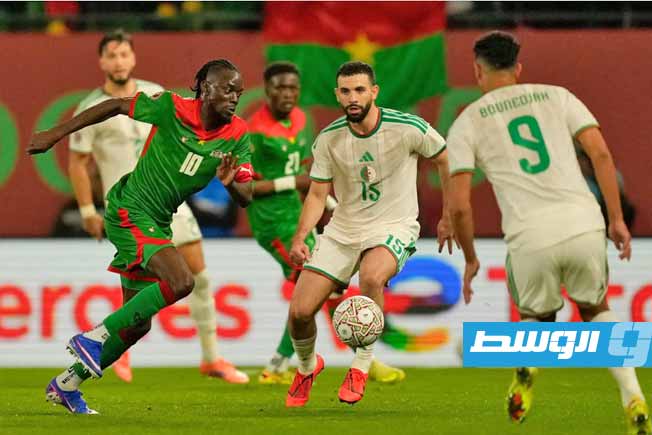
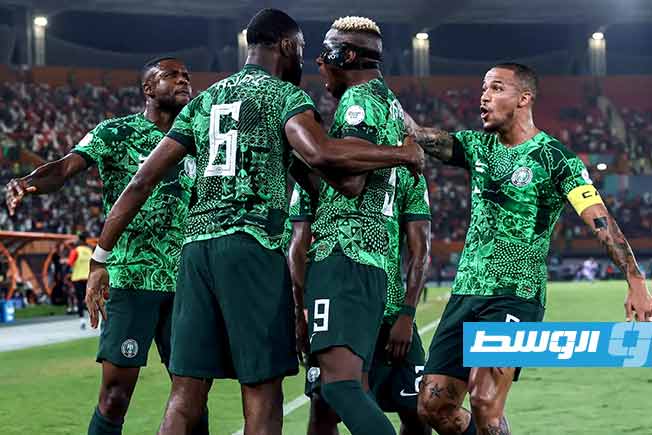
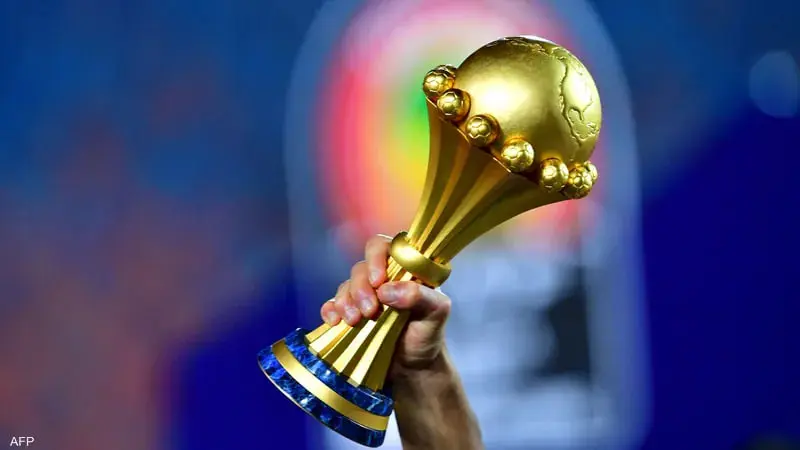
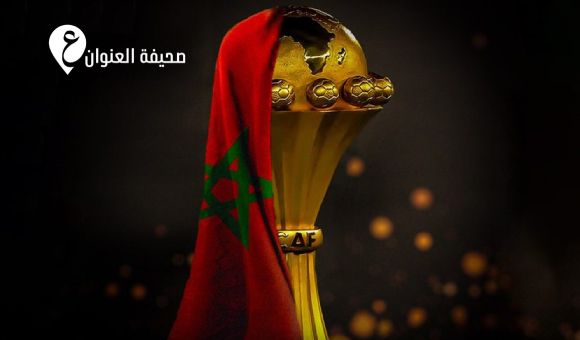
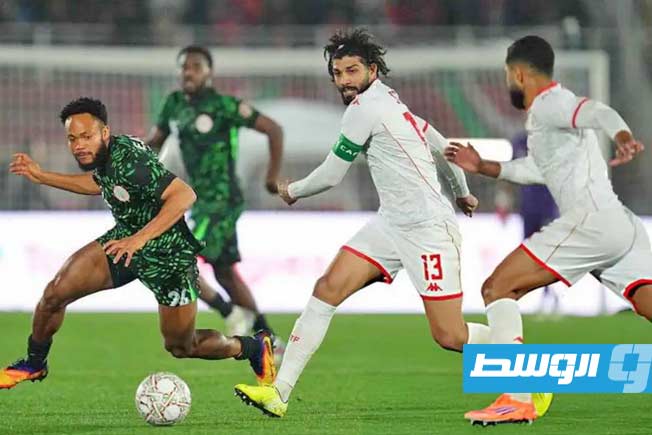
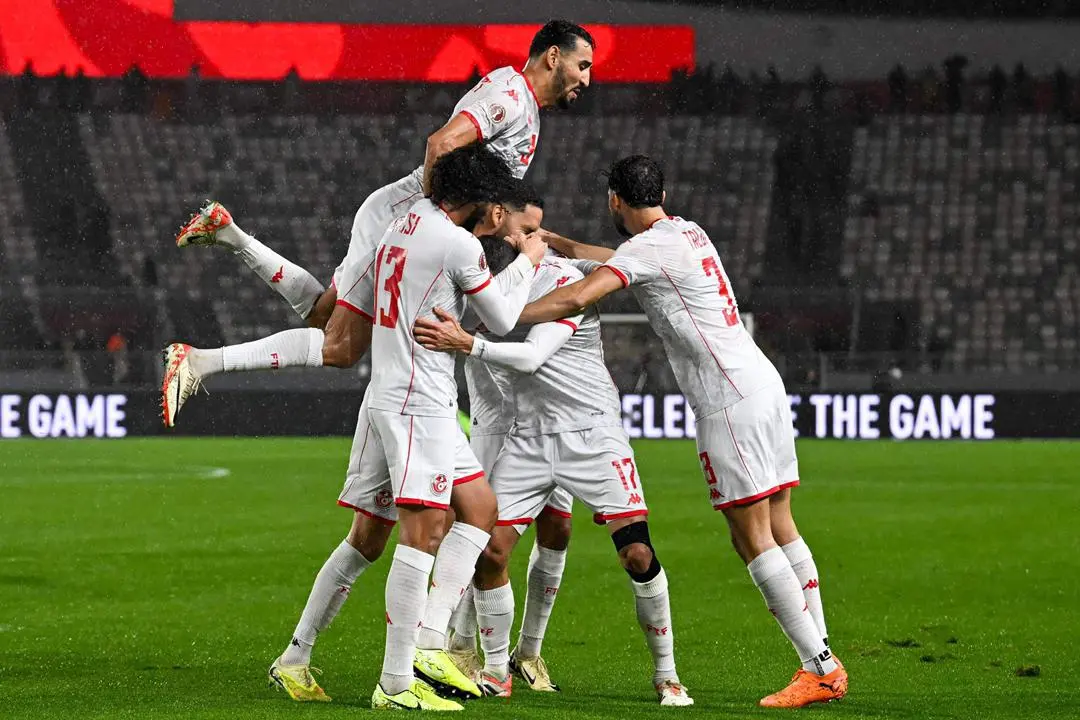
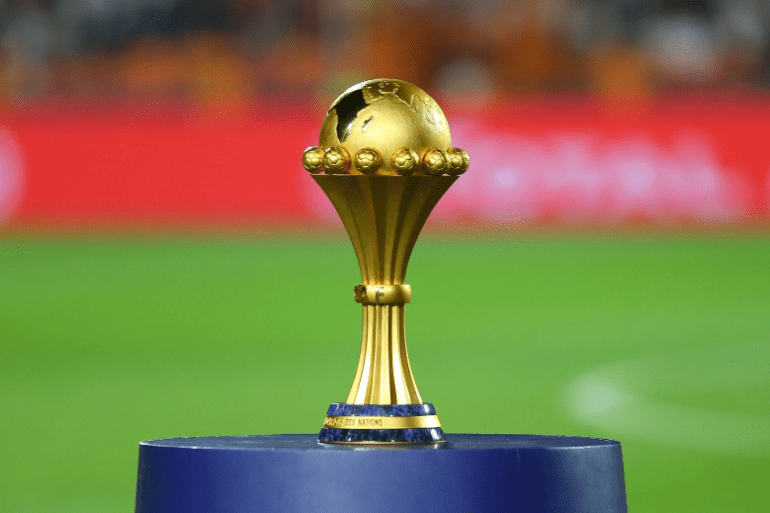
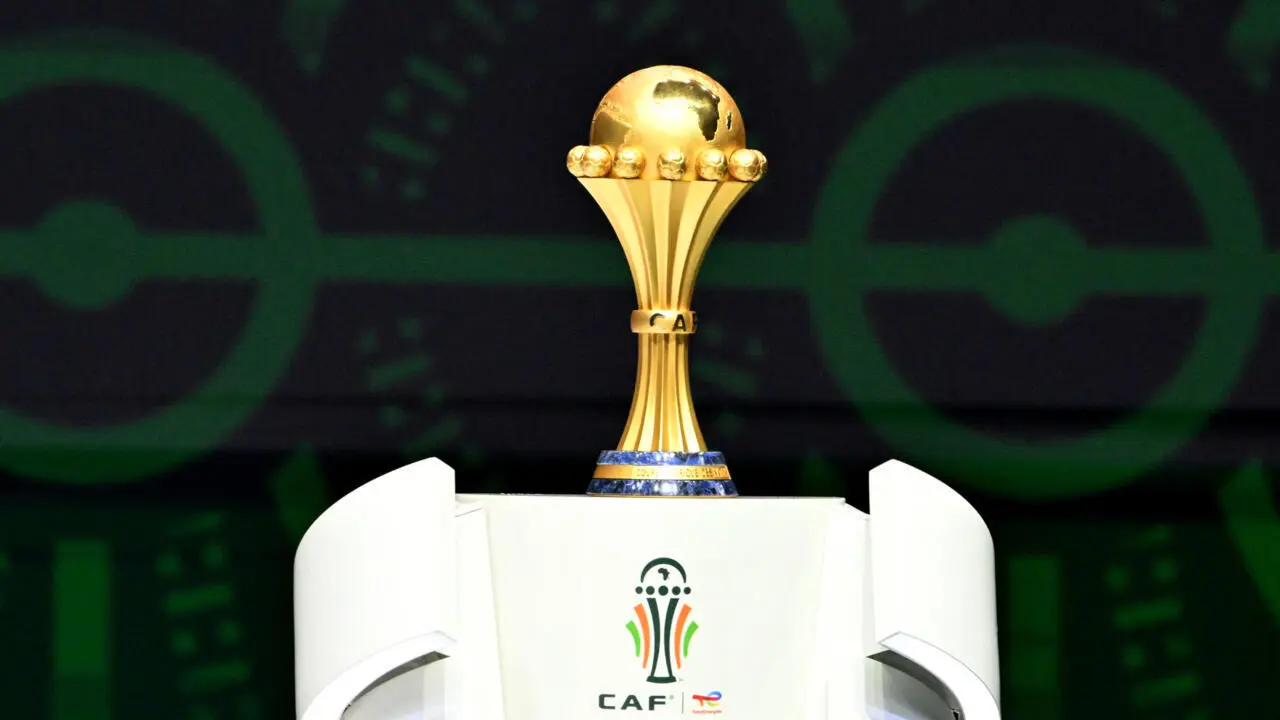
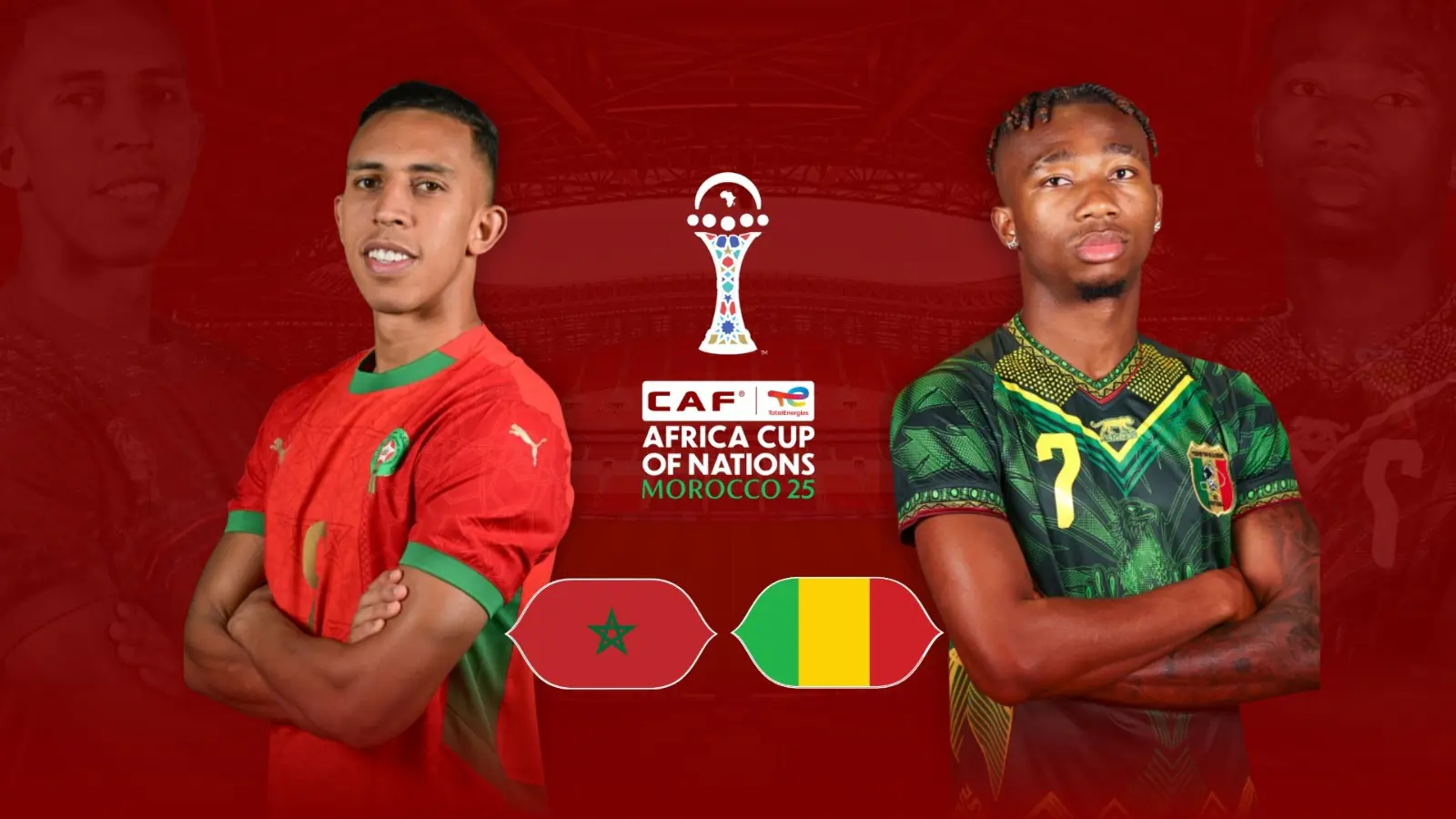
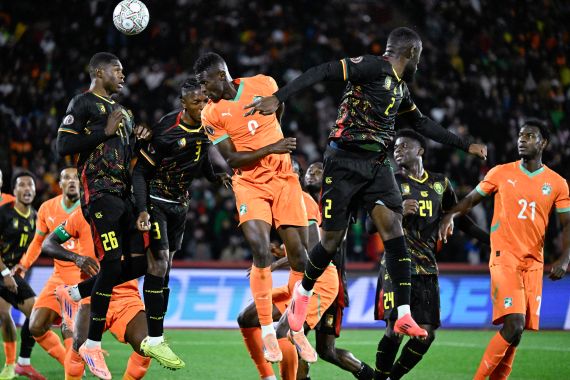
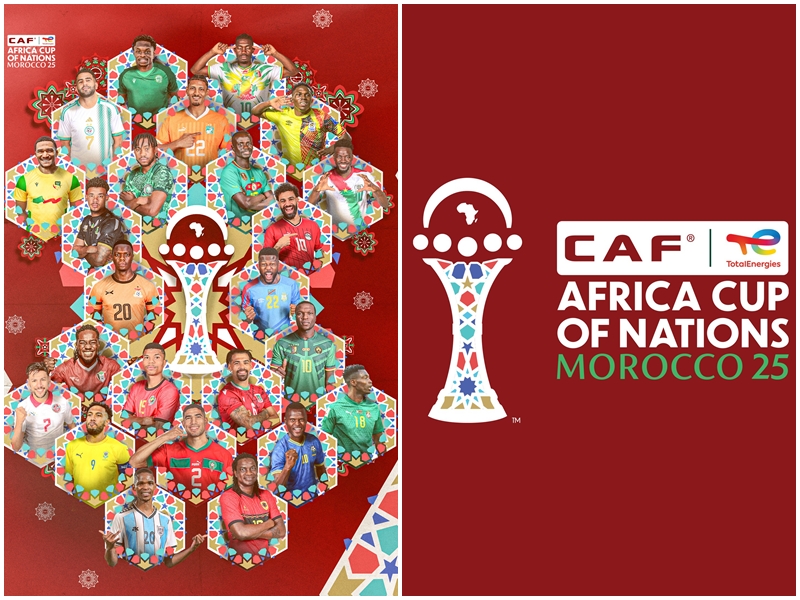
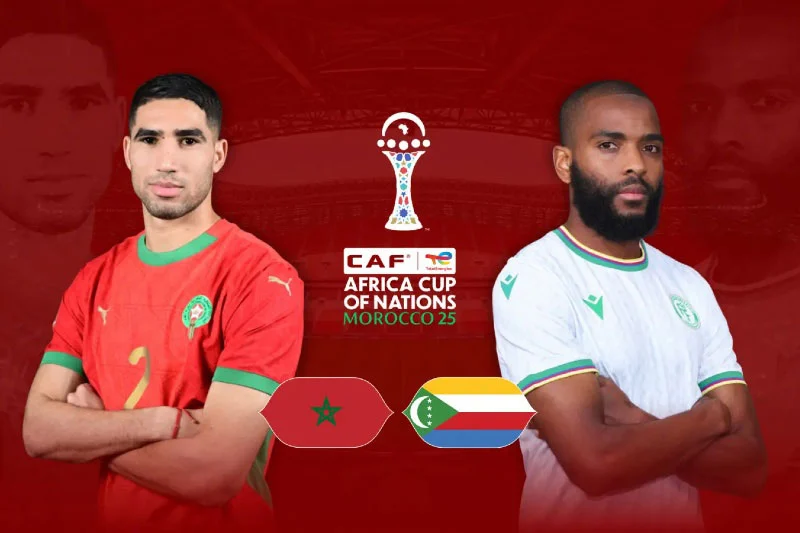
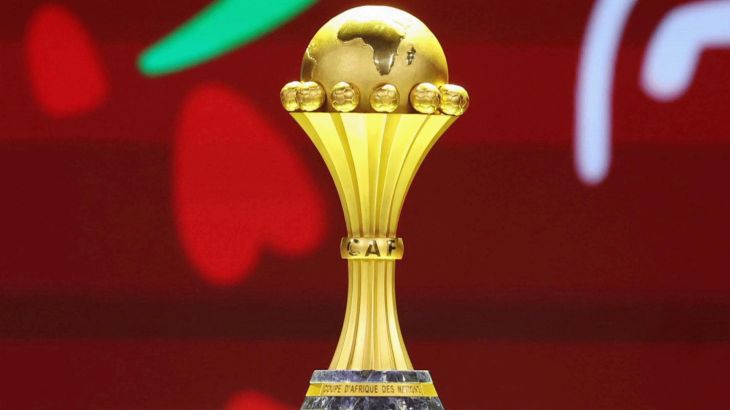
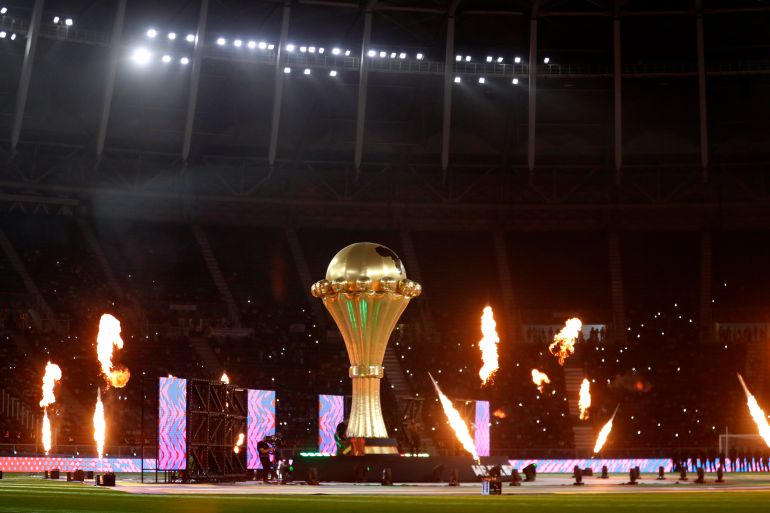
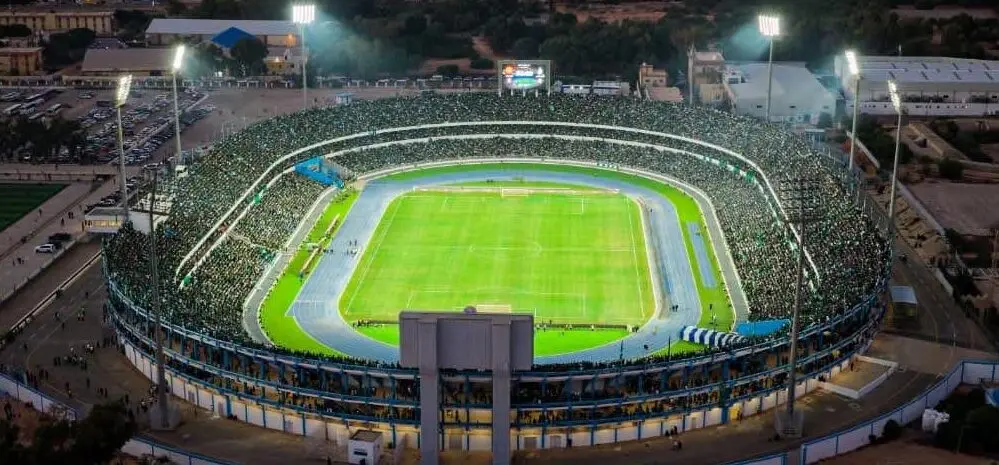
Morocco has implemented a series of logistical and security measures to secure matches, celebrations, and fan movement for the 2025 Africa Cup of Nations, which began on December 21 and will continue until January 18.
Morocco has implemented a series of logistical and security measures to secure matches, celebrations, and fan movement for the 2025 Africa Cup of Nations, which began on December 21 and will continue until January 18.
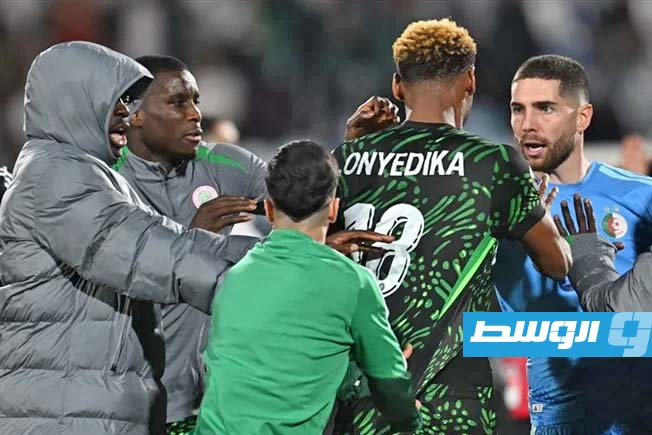
To facilitate the movement of “CAN 2025” supporters, maintain match security, and ensure the smooth running of the continental tournament, Moroccan authorities have taken a series of measures.
African Police Cooperation Center
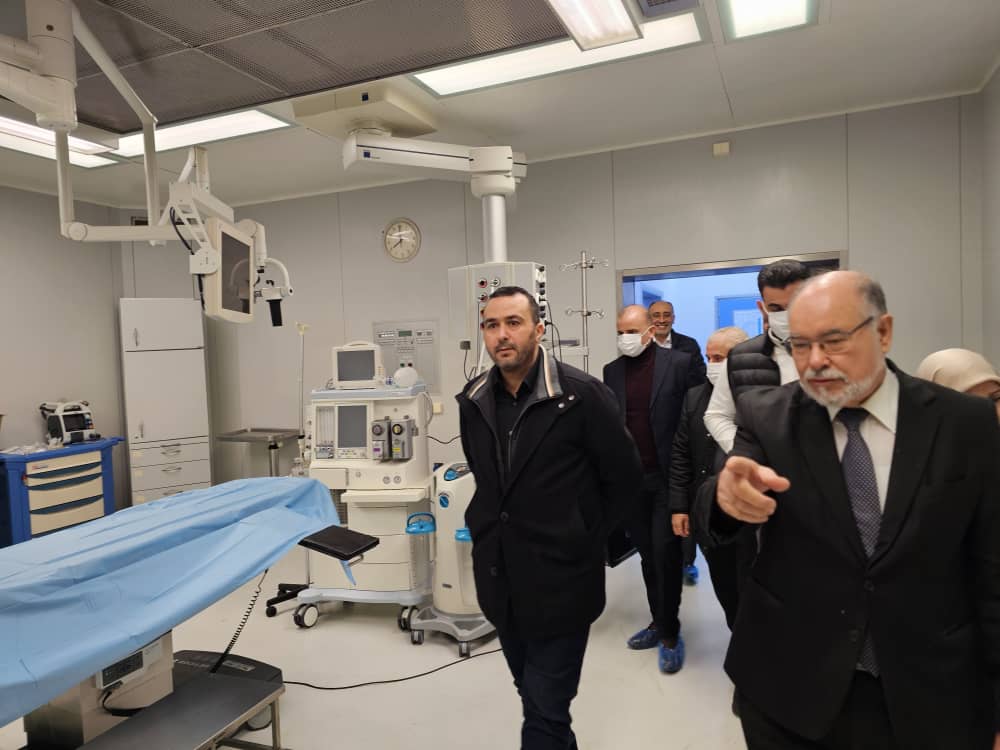
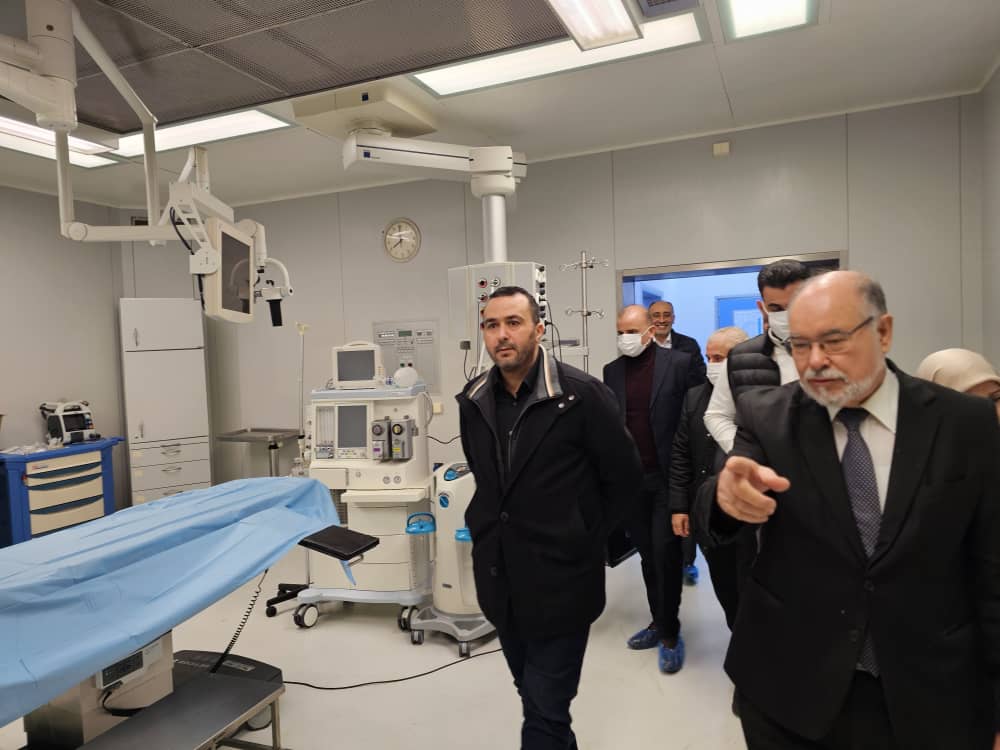
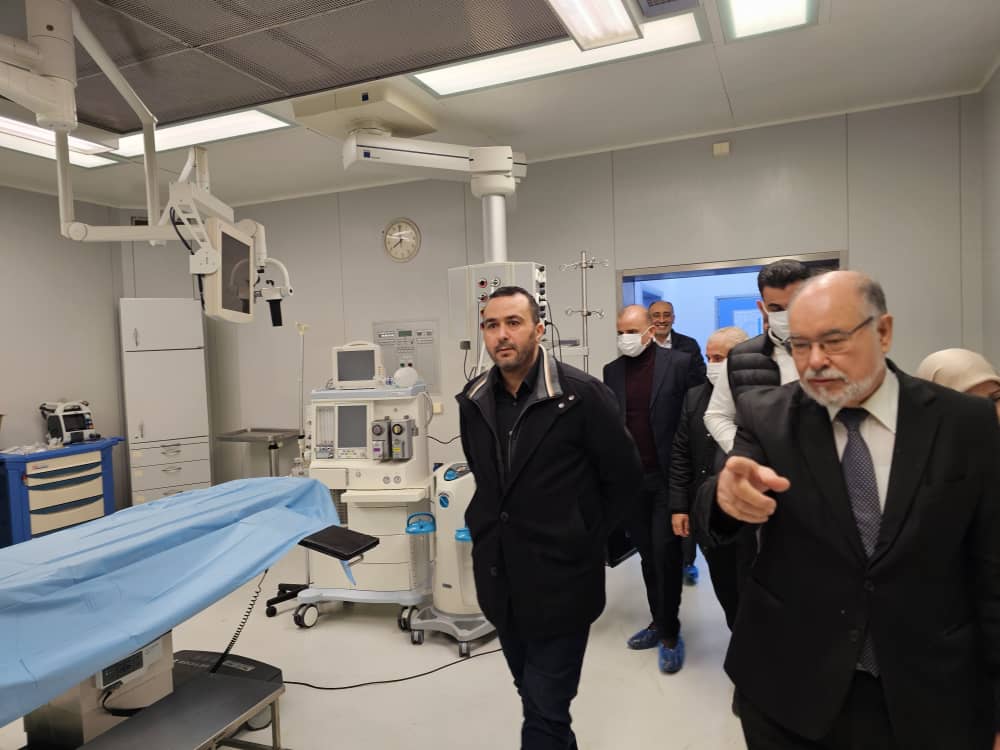
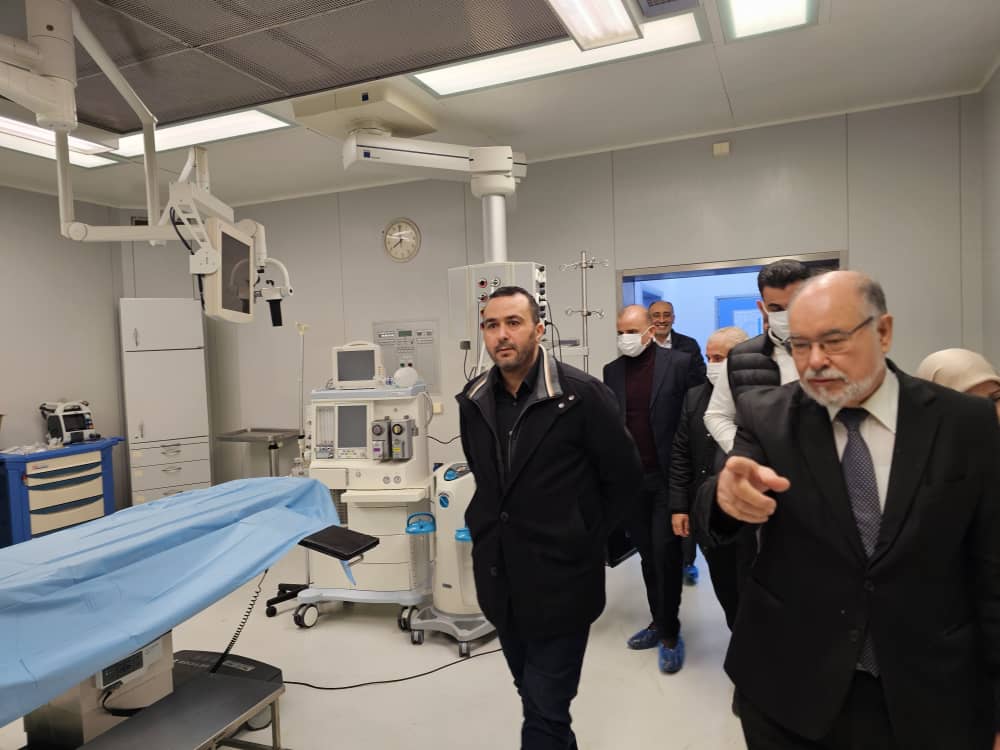
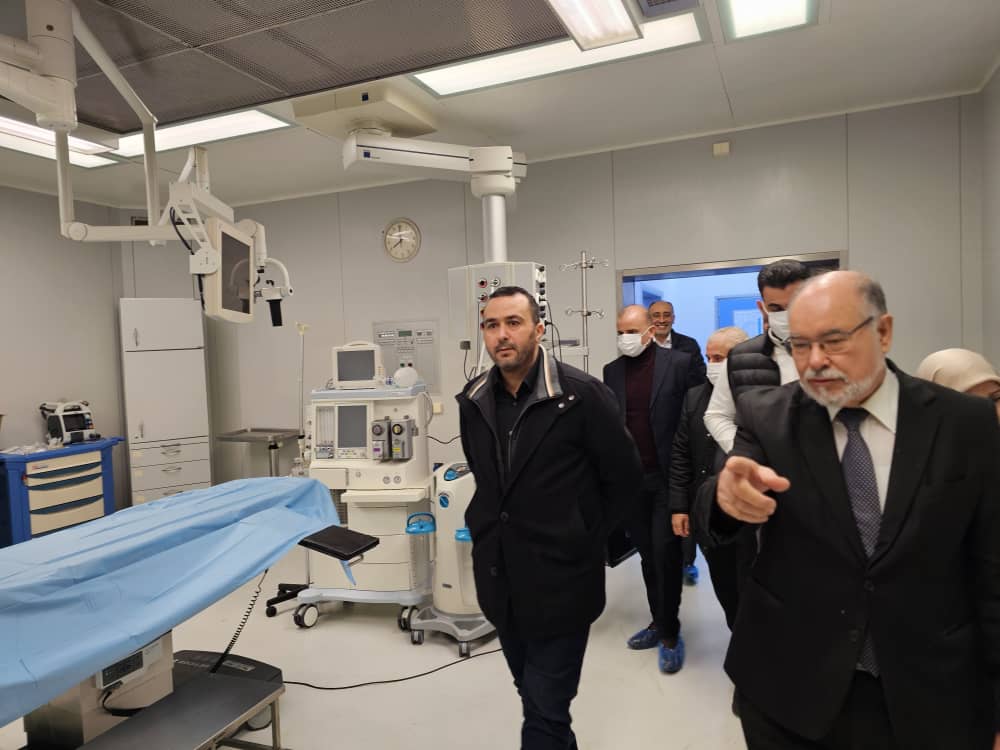
Shortly before the start of the tournament’s matches, a center was inaugurated in the city of Salé. It is the first of its kind on the African continent, aimed at leading, coordinating, and exchanging security information related to securing major sporting events, in partnership with the International Criminal Police Organization (INTERPOL) within the framework of the “STADIA” sports security project.
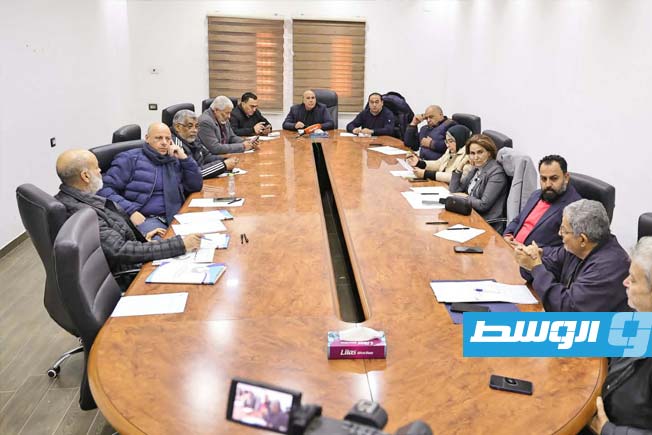
The center includes representatives from Moroccan security agencies, delegates from the International Federation of Association Football (FIFA) and the Confederation of African Football (CAF), alongside officers representing security agencies of the nations qualified for the 2025 Africa Cup of Nations, in addition to elements from other countries.
The center plays a pivotal role in the field of digital information vigilance by monitoring potential threats, including risks of terrorism, extremism, and cyber breaches, in coordination with INTERPOL’s Cybercrime Unit.
Security Measures
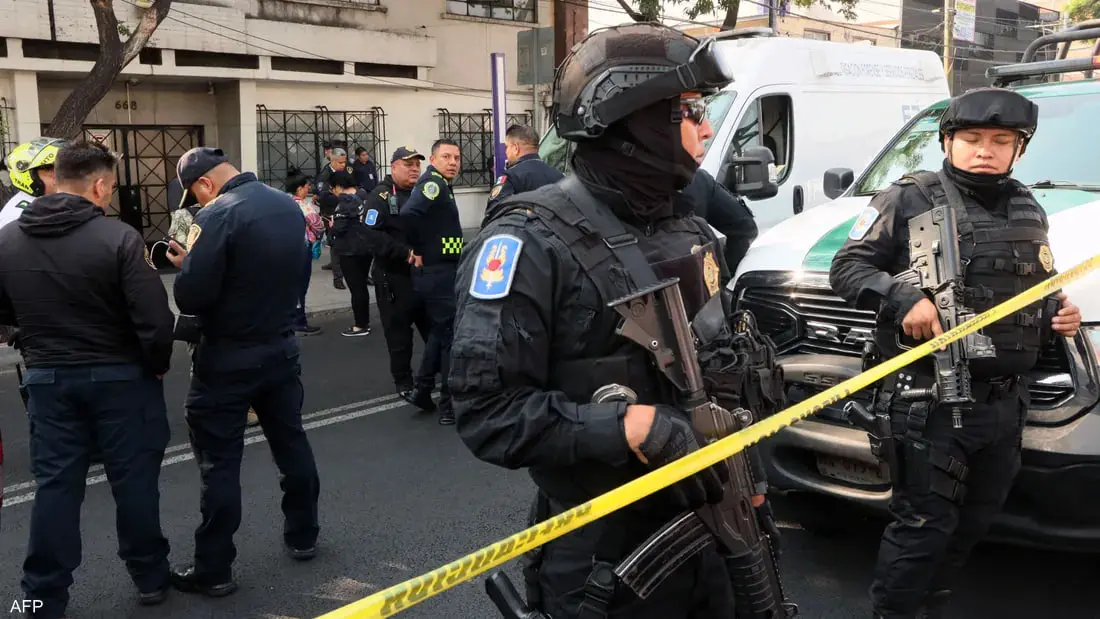
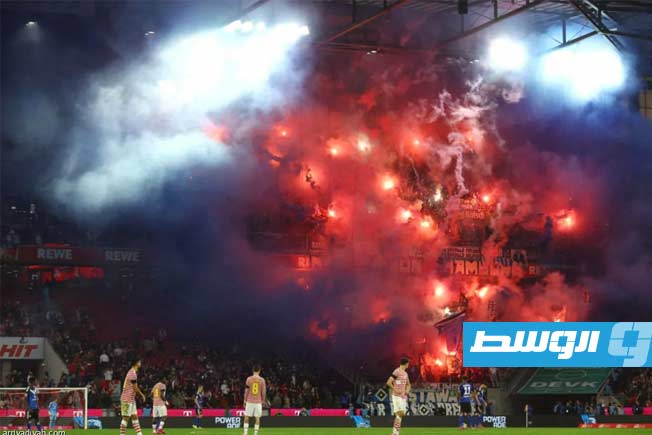
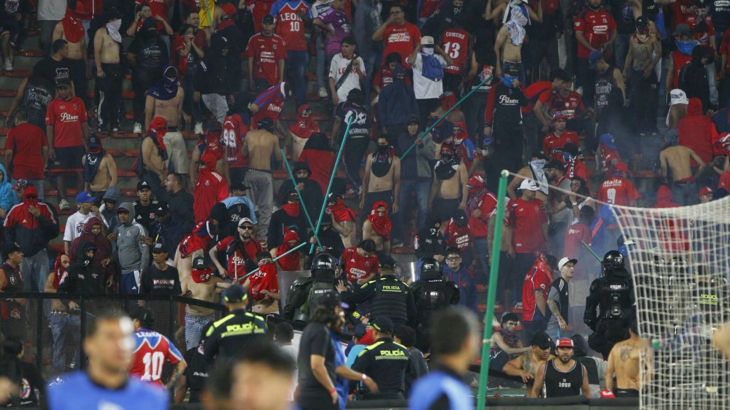
The General Directorate of National Security has implemented a comprehensive and integrated system based on the latest technologies to ensure the highest levels of safety during the tournament.
To accompany this sporting event, the Moroccan Directorate has reinforced all sports security services in Morocco, increased its human staffing and logistical resources, and supplied border police with the necessary human resources to respond immediately to the large number of foreign fans coming to Morocco to follow the competition.
The Directorate deployed an intelligent video surveillance system in major host cities such as Rabat, Casablanca, Marrakech, and Tangier.
This system relies on fixed and mobile cameras operating via a central digital platform that allows for real-time monitoring of situations. 6,000 mobile cameras have been allocated to cover 75 priority sites, especially on roads with high traffic density, to enhance prevention, speed, and immediate response.
Stadiums have also been equipped with police centers and command rooms to manage security operations inside the venues.
In the same context, authorities have established special units supported by dogs and mounted police, alongside deploying 16 intervention teams supported by drones, in addition to providing a car, a motorcycle, and a high-tech vehicle.
Tourist Influx and Creation of Fan Zones
Shortly before the start of the “CAN” matches, Moroccan airports recorded a record number of arrivals, welcoming over 868,000 passengers in just 10 days, an increase of 10.7 percent compared to 2024.
In the same context, the Moroccan Federation of Tourist Transport launched an integrated system to secure transportation and ensure the safety and reception of delegations and fans coming to support their teams in the “CAN” tournament.
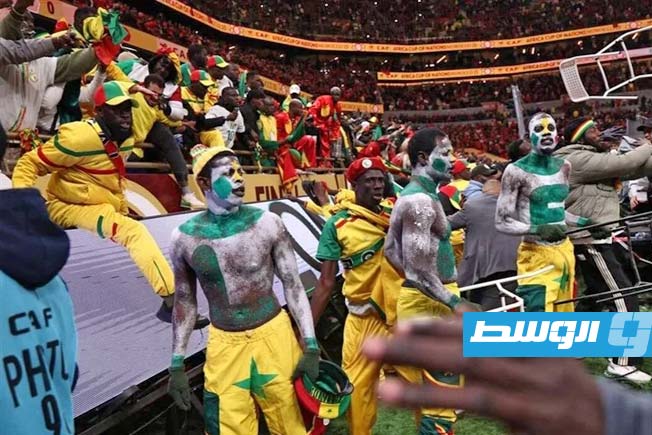
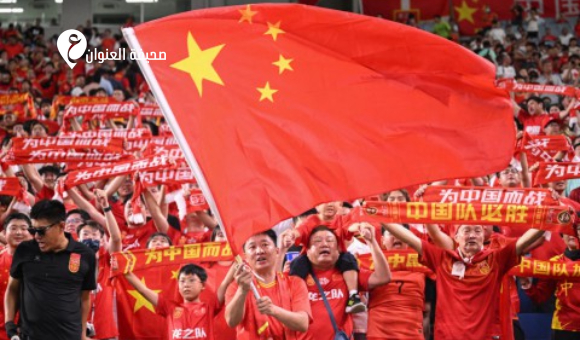
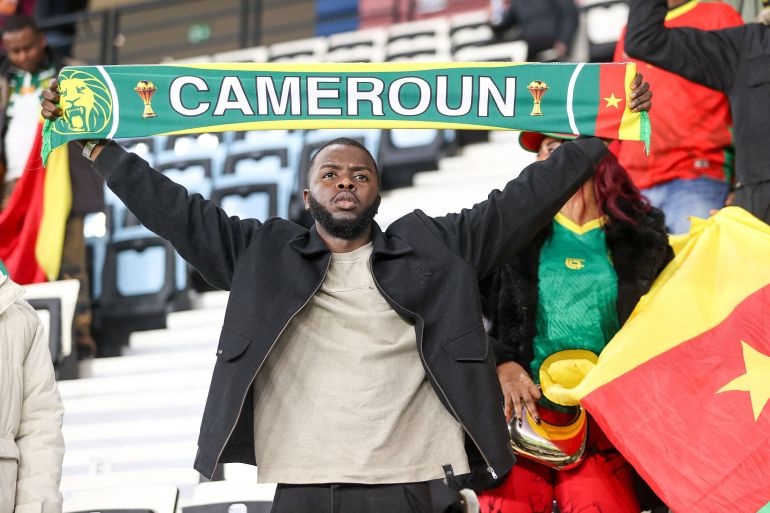
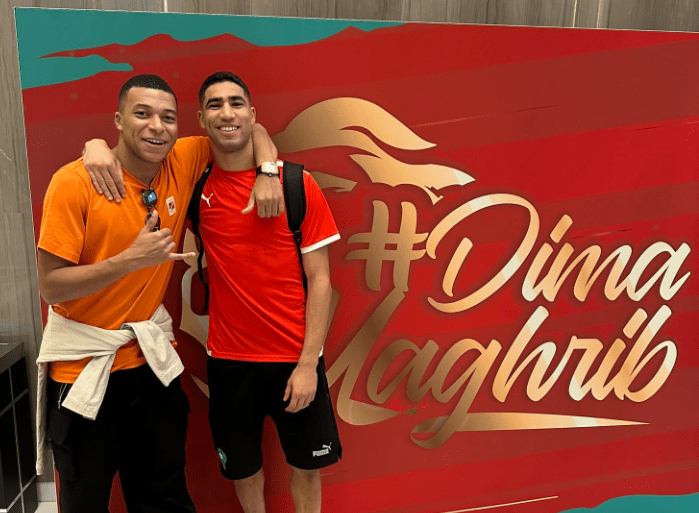
Moroccan authorities have also established fan zones in various Moroccan cities. Any fan holding a fan ID card can enter these zones, which provide live broadcasts of matches, concerts, and live performances.
Morocco
Morocco is a North African country with a rich history shaped by indigenous Amazigh (Berber) cultures, Arab influence from the 7th century, and successive dynasties like the Almoravids and Almohads. Its cultural sites, such as the ancient Roman ruins of Volubilis and the historic medinas of Fez and Marrakech, reflect this diverse heritage. The country is also known for its unique blend of Arab, African, and European influences in architecture, cuisine, and traditions.
Africa Cup of Nations
The Africa Cup of Nations (AFCON) is the premier international men’s football competition in Africa, first held in 1957. It was founded to unite African nations through sport and has grown from three initial participants to include 24 national teams competing for the continental title every two years.
Salé
Salé is a historic city in northwestern Morocco, located on the right bank of the Bou Regreg river opposite the capital, Rabat. Founded in the 11th century, it became a major independent corsair republic in the 17th century and was renowned as a center of Islamic scholarship and maritime trade. Its medina, ramparts, and landmarks like the Great Mosque reflect its significant past.
INTERPOL
INTERPOL, or the International Criminal Police Organization, is an intergovernmental body established in 1923 to facilitate cross-border police cooperation. It enables law enforcement agencies from its 195 member countries to share data and coordinate actions against international crime, though it does not conduct independent investigations.
FIFA
FIFA, the Fédération Internationale de Football Association, is the international governing body for association football, futsal, and beach soccer. Founded in Paris in 1904 to oversee international competition, it is best known for organizing the FIFA World Cup, a global tournament first held in 1904.
Confederation of African Football
The Confederation of African Football (CAF) is the administrative and controlling body for association football in Africa, founded in 1957. Its establishment in Khartoum, Sudan, was closely tied to the era of decolonization, aiming to promote and develop the game independently across the continent. Today, it organizes major tournaments like the Africa Cup of Nations and represents African football within FIFA.
General Directorate of National Security
The General Directorate of National Security (DGSN) is Morocco’s primary civilian law enforcement agency, established in 1956 following the country’s independence. It is responsible for maintaining public order, conducting criminal investigations, and ensuring national security across the kingdom.
Rabat
Rabat is the capital city of Morocco, founded in the 12th century by the Almohad Caliphate. It is a UNESCO World Heritage Site known for its well-preserved historic quarters, such as the Kasbah of the Udayas and the Hassan Tower, which is the minaret of an incomplete 12th-century mosque.
Casablanca
Casablanca is Morocco’s largest city and a major economic hub, originally founded as a small Berber settlement. Its modern identity was heavily shaped by French colonial rule in the 20th century, which left a significant architectural legacy, including the iconic Hassan II Mosque—one of the world’s largest mosques, completed in 1993.
Marrakech
Marrakech is a historic city in Morocco, founded in 1062 by the Almoravid dynasty, which established it as a political, economic, and cultural capital. Known as the “Red City” for its distinctive sandstone walls, its historic center, the Medina, is a UNESCO World Heritage Site featuring famous landmarks like the Koutoubia Mosque and the bustling Jemaa el-Fnaa square.
Tangier
Tangier is a historic port city in northern Morocco, strategically located at the entrance to the Mediterranean Sea. It has a rich and layered history, having been influenced by Berber, Phoenician, Roman, Arab, Portuguese, Spanish, British, and French rule, and it served as an international zone from 1923 to 1956. Today, it is known for its unique blend of cultures, vibrant arts scene, and iconic sites like the Kasbah and the Caves of Hercules.
Moroccan Federation of Tourist Transport
The Moroccan Federation of Tourist Transport is a professional organization established to represent and regulate companies providing tourist transportation services across Morocco. It works to develop industry standards, facilitate cooperation among operators, and promote sustainable tourism mobility. Historically, its formation reflects the growth and formalization of Morocco’s tourism sector as a key economic driver.