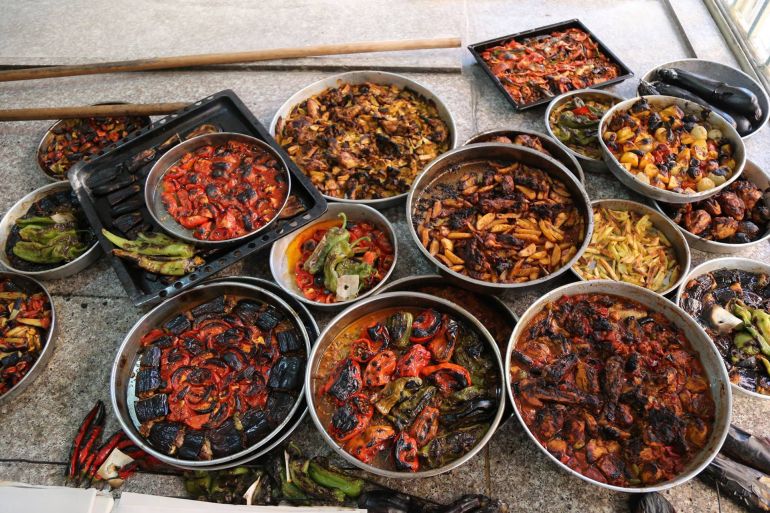
Şanlıurfa, a city in southern Turkey, has once again taken center stage in the cultural scene following the announcement of its nomination for the title of World Leading City of Culinary Arts for 2029. This comes after its dossier received a positive international evaluation submitted to the International Institute of Culinary Arts, Culture, and Tourism, in cooperation with the World Tourism Organization and UNESCO.
In a press conference, it was stated that this nomination is based on the city’s ancient culinary heritage, built on a culture of communal dining, local food production, and the deeply rooted values of hospitality and sharing within Urfa’s society. It was confirmed that the municipality is currently preparing a comprehensive strategy and a phased action plan, aiming to transform this achievement into tangible added value on both tourist and economic levels by 2029.
This direction comes within the context of the rising cultural trajectory Şanlıurfa has witnessed in recent years, after gaining international recognition by joining the UNESCO Creative Cities Network in the field of Music in 2023, before winning the bid to host the UNESCO Cities of Music meeting in 2026, ahead of several competing global cities.
Significance of the Nomination
Şanlıurfa’s nomination carries cultural dimensions that go beyond direct tourism, constituting an explicit international recognition of the status of Urfa’s cuisine as a living expression of the city’s social and civilizational history.
Urfa does not present food merely as a consumer product, but as a collective cultural practice rooted in the values of hospitality and sharing a table, where food becomes a means of social communication and preserving collective memory.
This culture is based on a deep symbolic heritage, linked in local memory to the Prophet Abraham (Ibrahim al-Khalil), whose name is associated with the city. Its people have inherited the tradition of “Abraham’s Table” as a model of generosity and warm reception of guests, where bread and salt become a social bond before being mere sustenance. This collective and altruistic spirit formed one of the distinguishing elements that gave Urfa its edge in the nomination dossier and helped highlight it as a city carrying a unique human concept of culinary arts.
This value dimension is inseparable from the depth of the city’s culinary heritage, shaped over long centuries through the interaction of civilizations in the heart of the Fertile Crescent, the cradle of the first agriculture and early human settlement.
Urfa’s cuisine is based on a historical accumulation that makes describing it as one of the world’s oldest kitchens a cultural description as much as a historical one. This was previously a basis for the city’s efforts to join the UNESCO Creative Cities Network.
Economic and Tourism Opportunities
Şanlıurfa’s nomination opens wide horizons for turning its cultural and food capital into a real economic engine, moving beyond symbolism to tangible developmental returns.
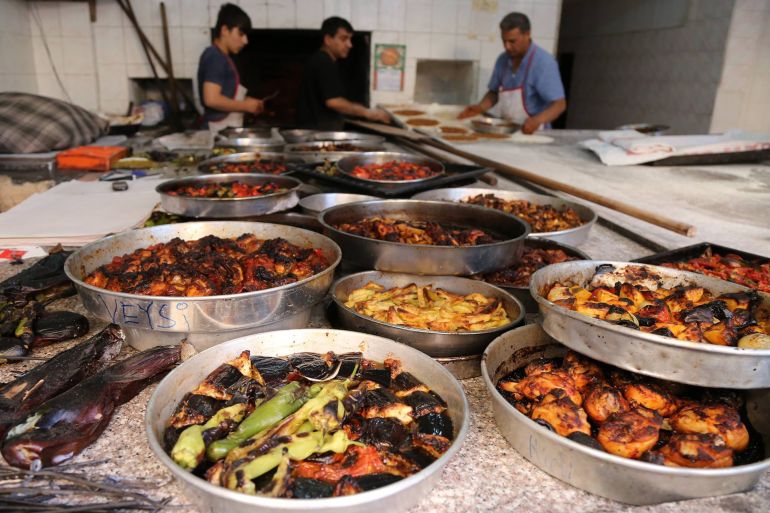
The anticipated title places the city on the radar of international tourism, particularly food tourism, attracting visitors and culinary arts enthusiasts from around the world to experience a complete journey combining taste, memory, and place.
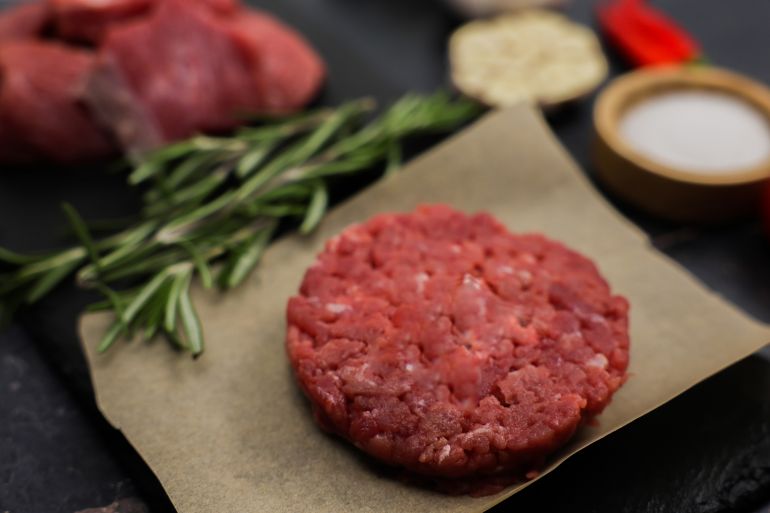
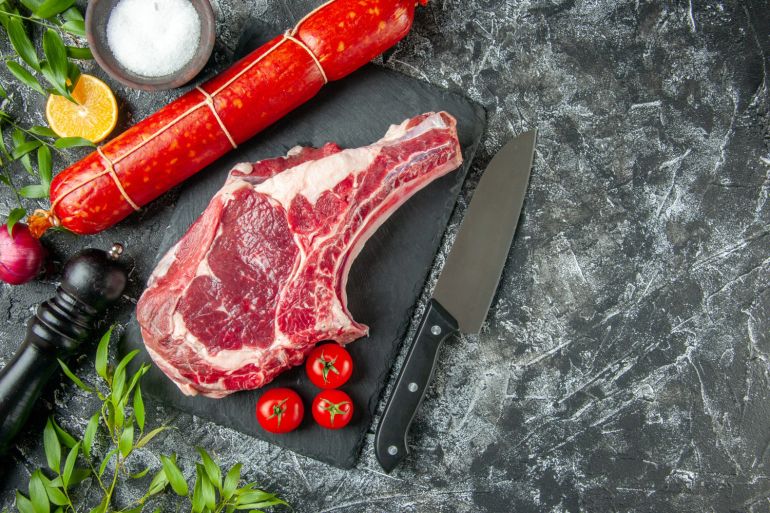
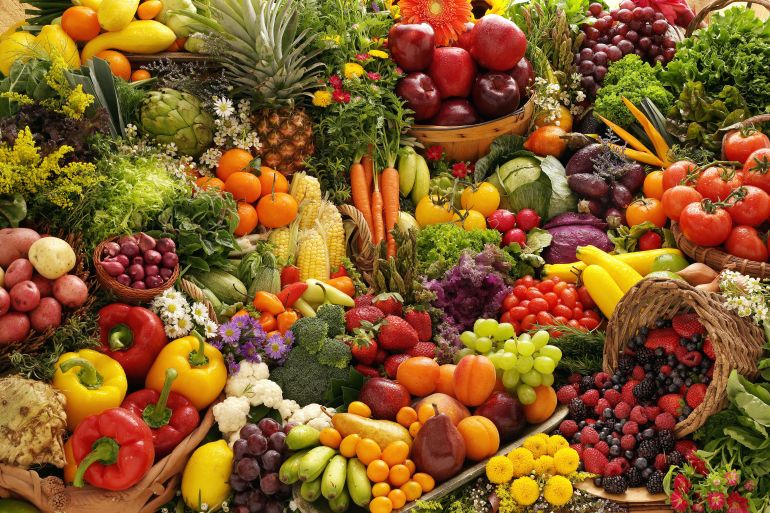
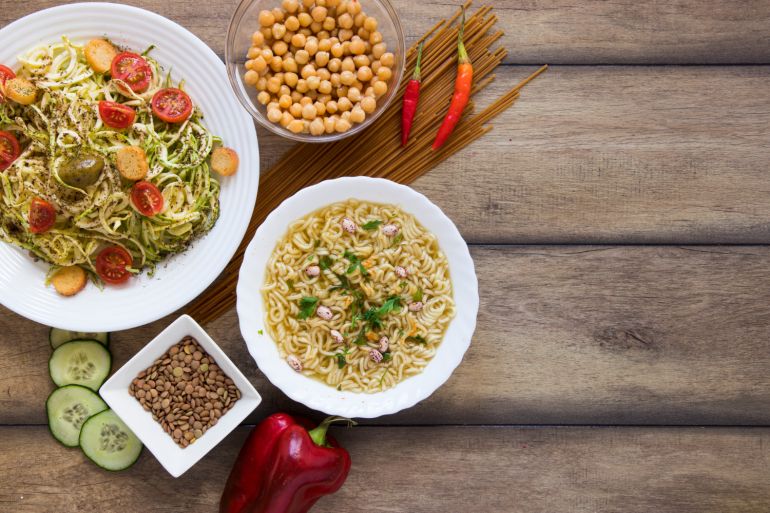
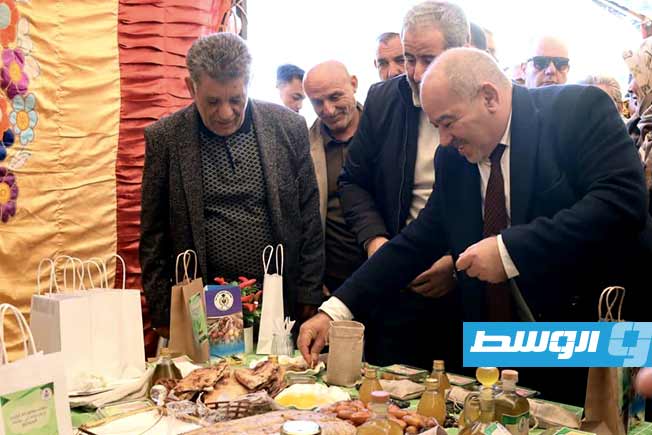
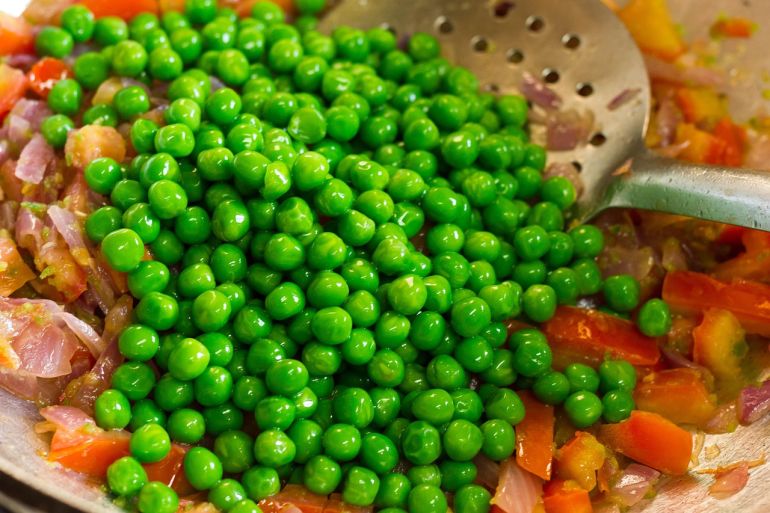
Urfa possesses rare qualifications in this field, as its table includes nearly 400 varieties of local dishes prepared using traditional methods that preserve their authentic character. These range from meat grills and the famous Urfa kebab known for its balanced flavor, to vegetable and legume dishes, alongside Eastern sweets and bitter coffee that form part of the local hospitality identity.
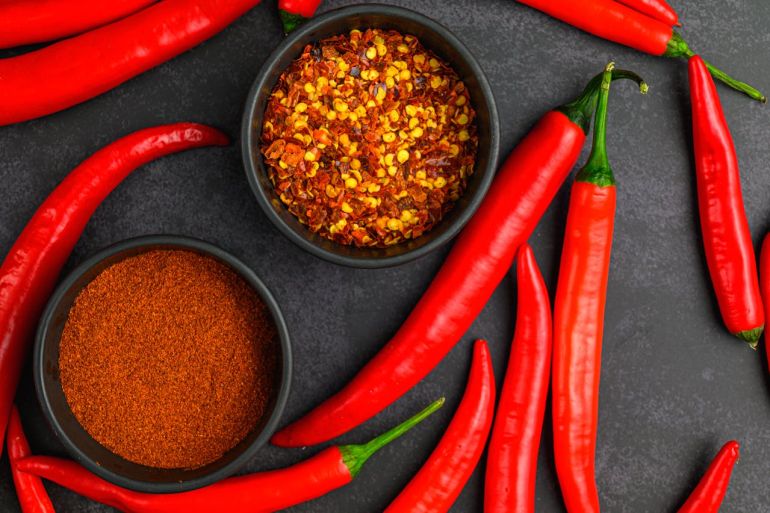
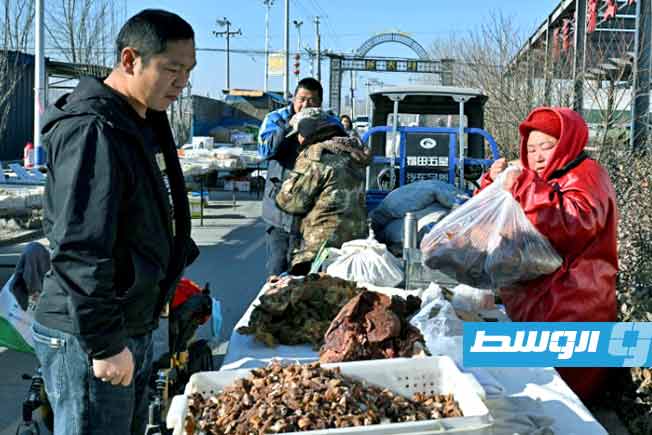
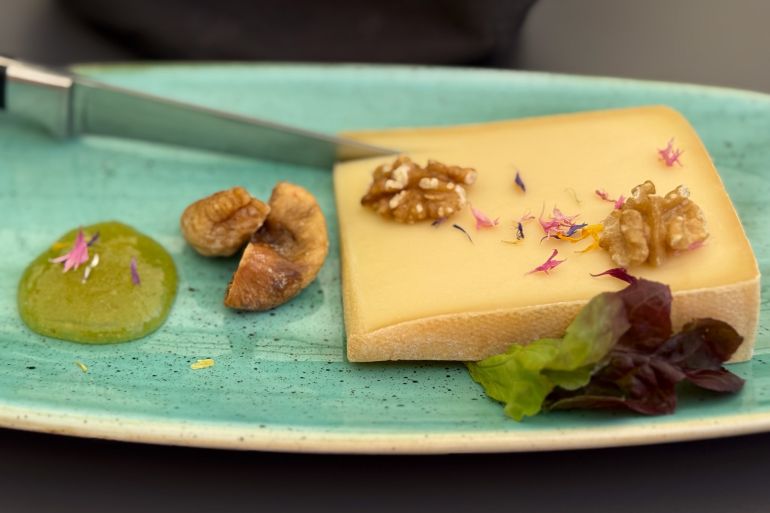
The potential gains are not limited to increasing visitor numbers but extend to revitalizing local production chains related to food. Increased demand for Urfa’s traditional products, such as local spices, cheeses, and local agricultural crops, opens the way for farmers and artisans to expand their activity and enter new markets, while enhancing commitment to quality standards associated with heritage.
This dynamic aligns with Turkey’s broader orientation towards employing cuisine as an economic tributary and a tool of soft power. In 2024, an initiative was announced, in cooperation with UNESCO, to introduce approximately 2,200 local dishes from various regions, as part of a plan aiming to raise food tourism revenues to about $18 billion annually.