The Universal Mourns Al-Haddad and His Companions: They Were a Symbol of Hope and a Message of Loyalty to Libya’s Unity.
libyawire.org > News > Society > The Universal Mourns Al-Haddad and His Companions: They Were a Symbol of Hope and a Message of Loyalty to Libya’s Unity.
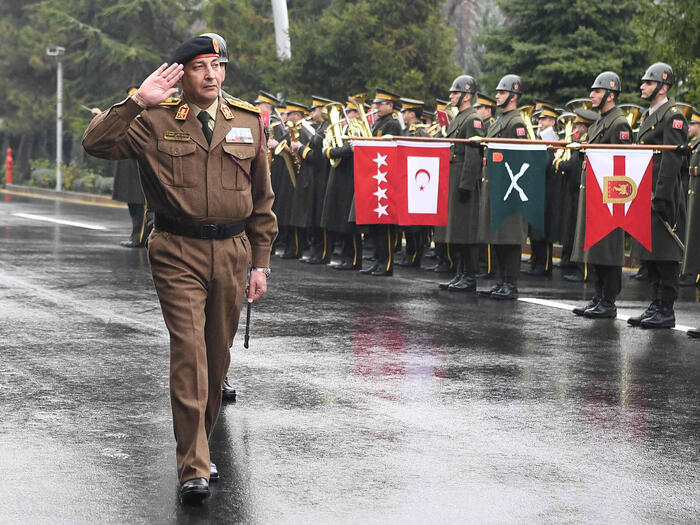
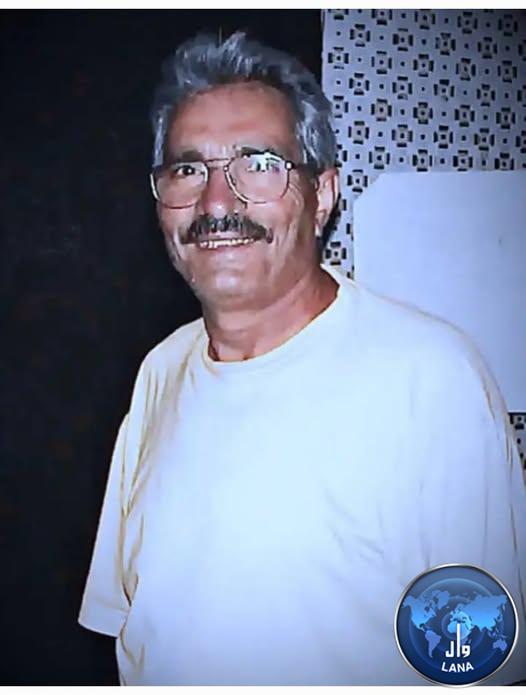
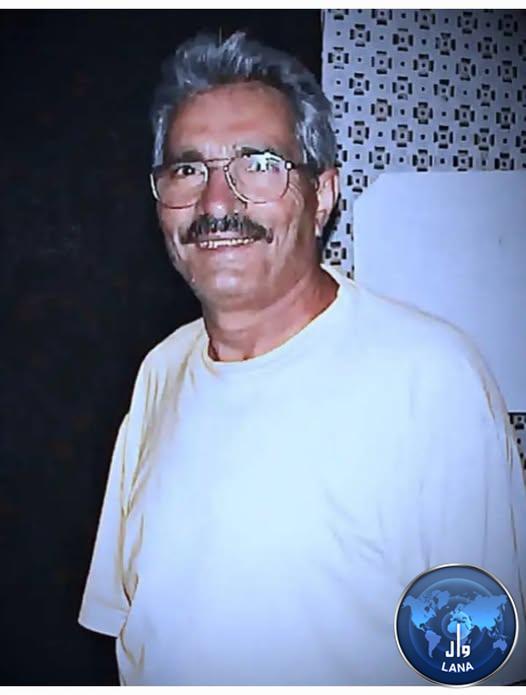
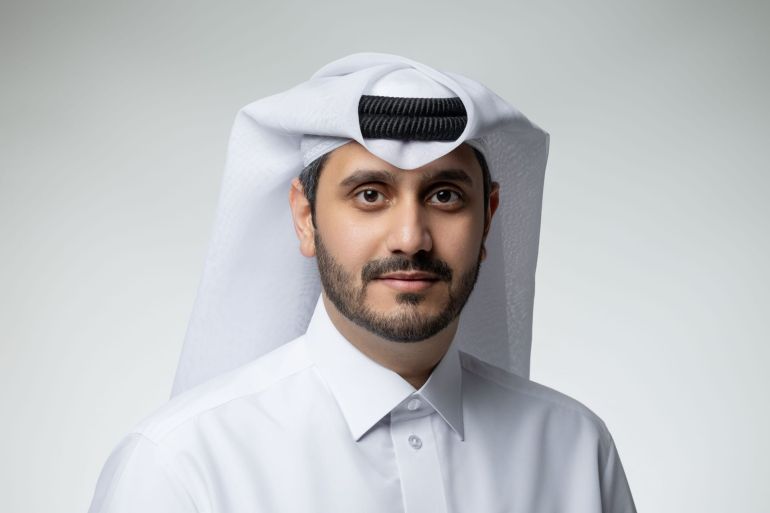
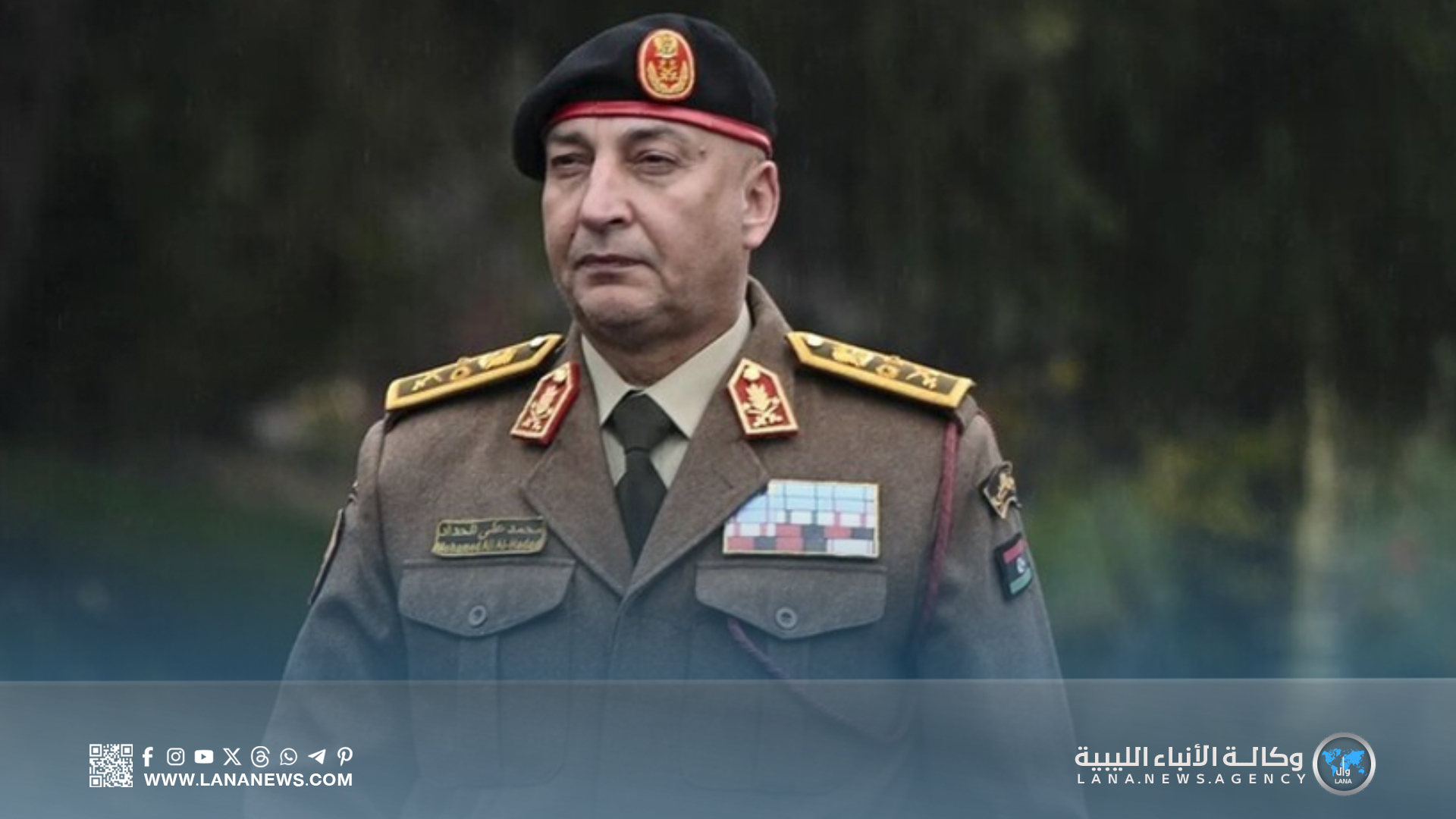
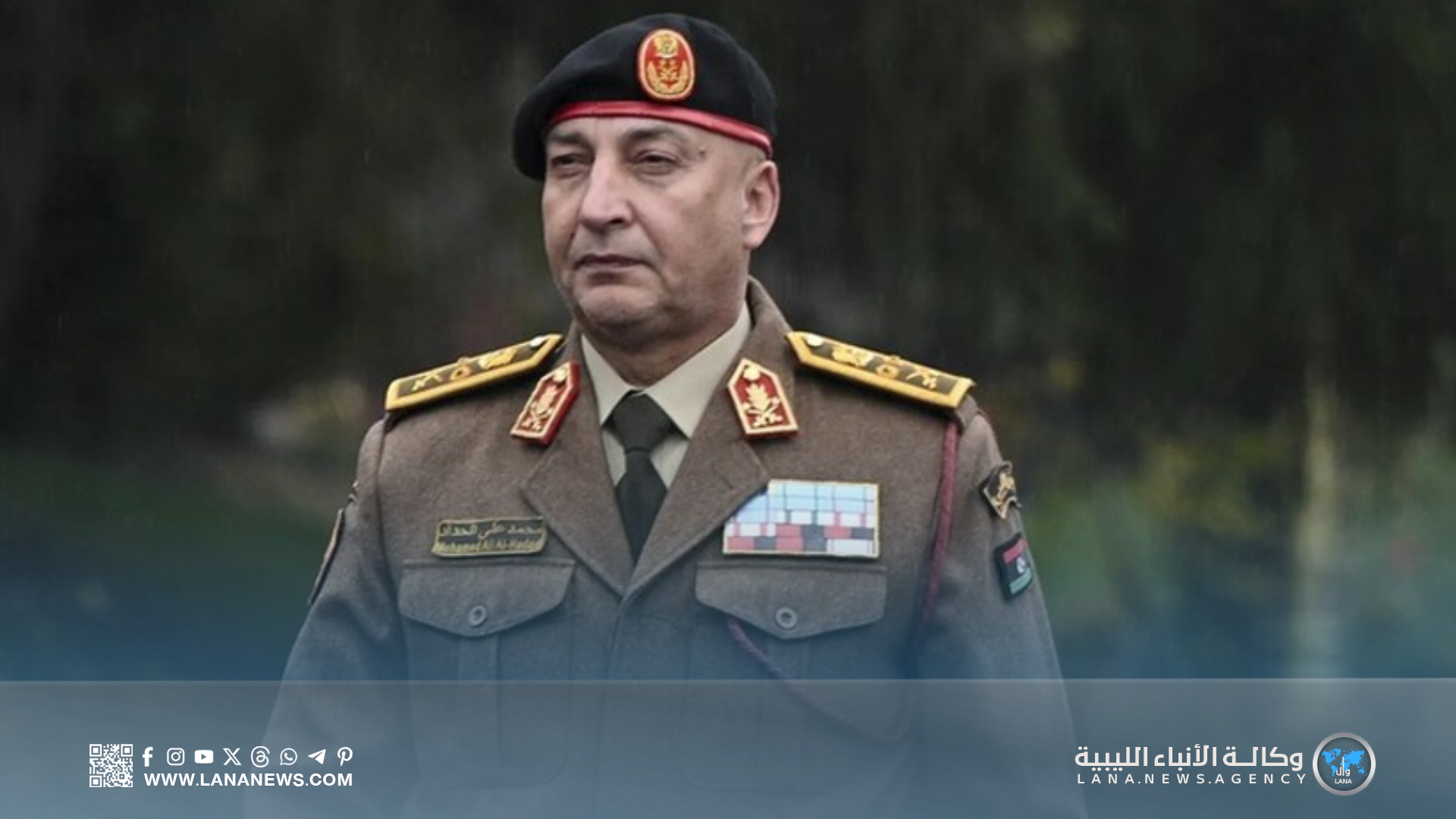
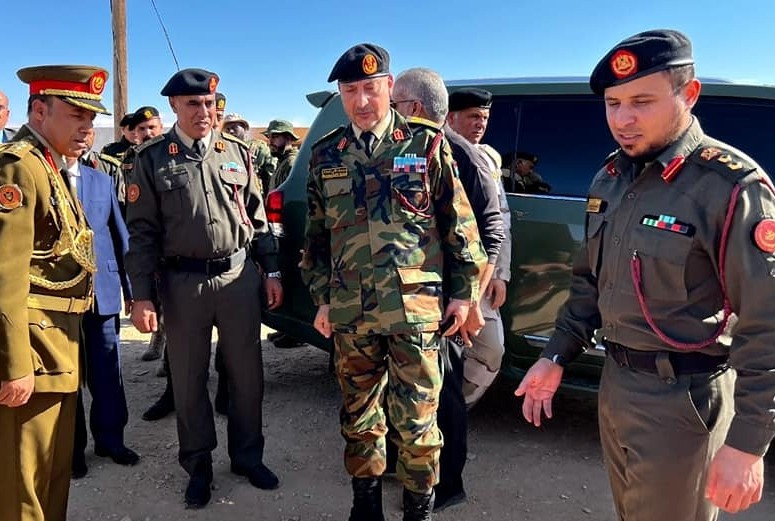
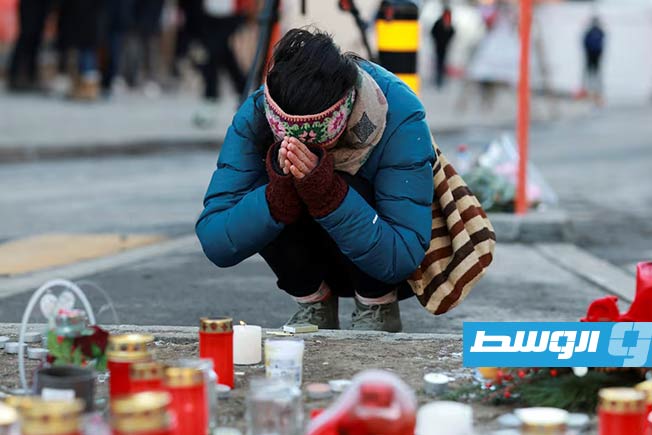
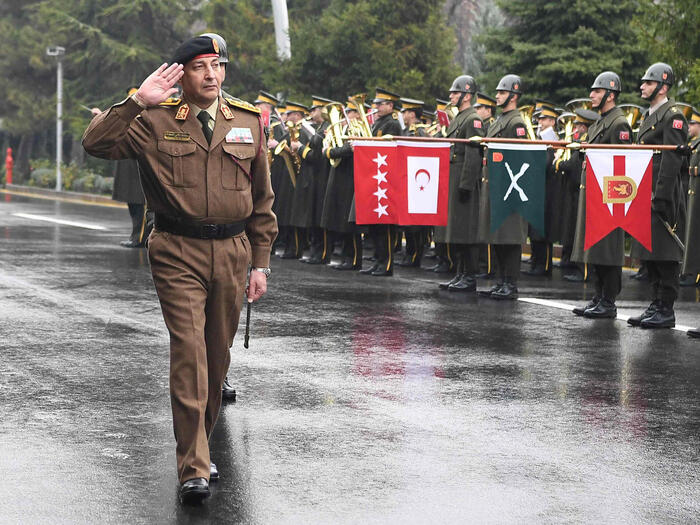
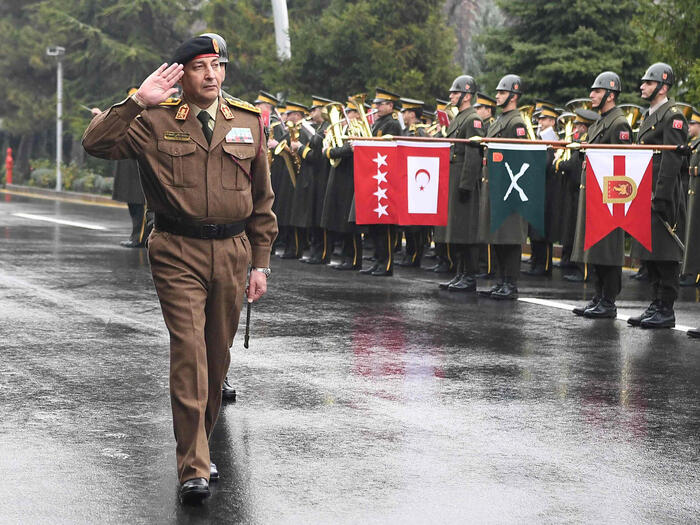
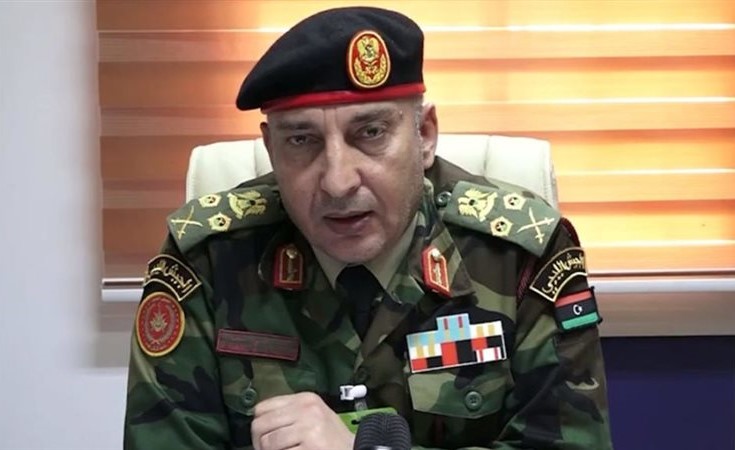
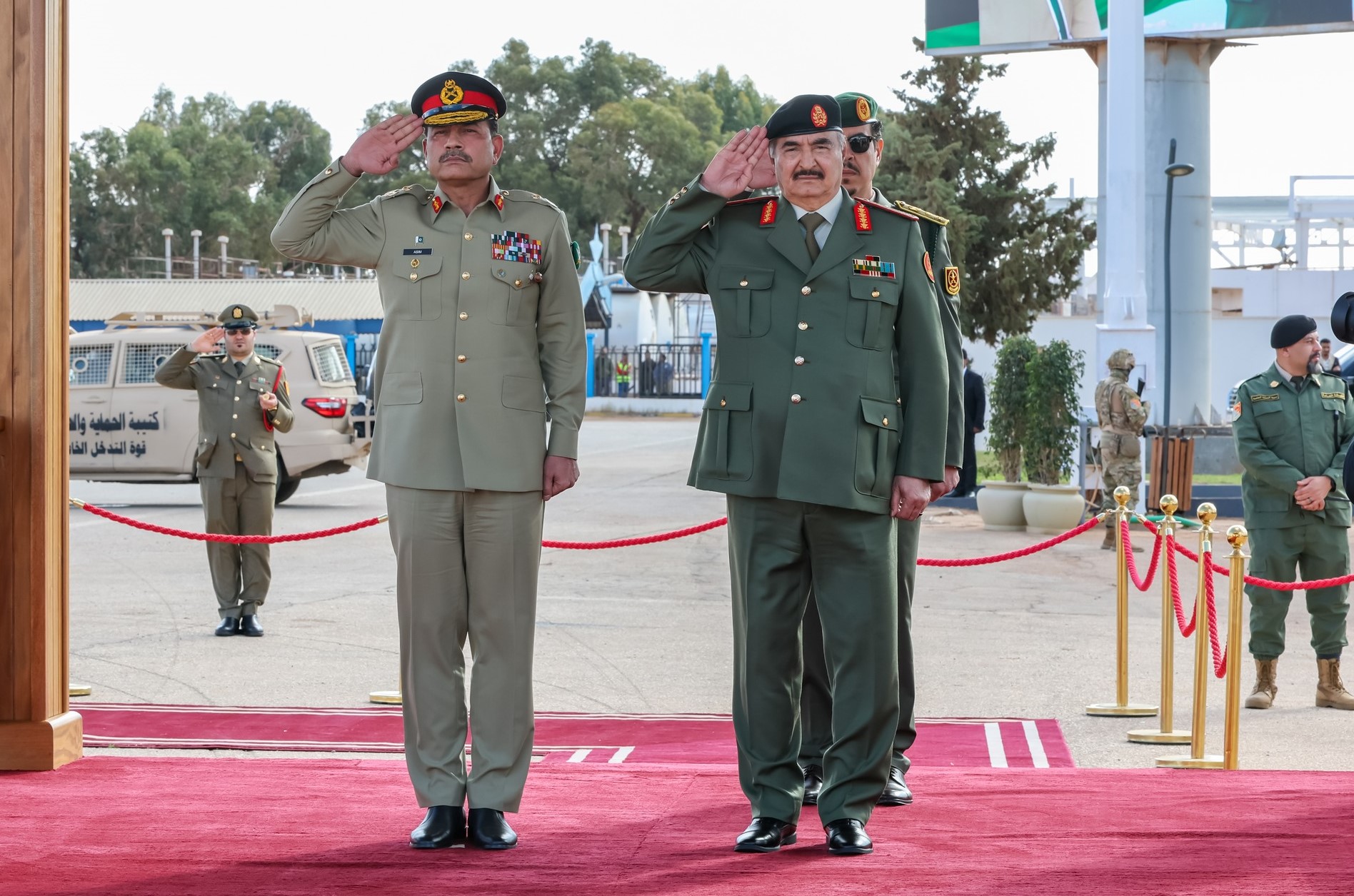
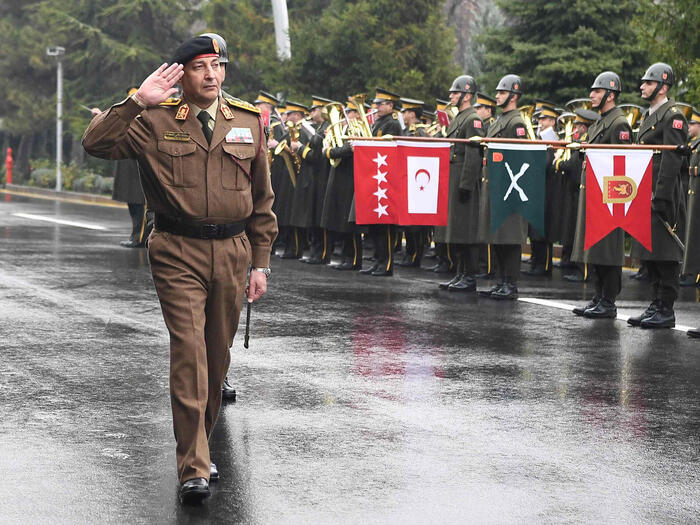
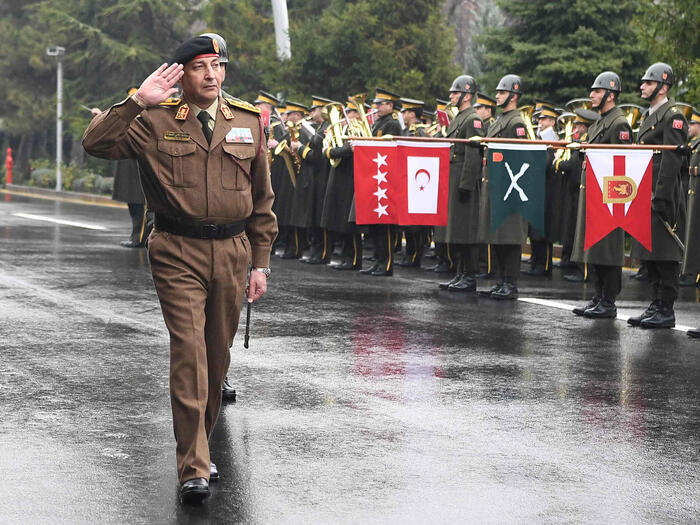
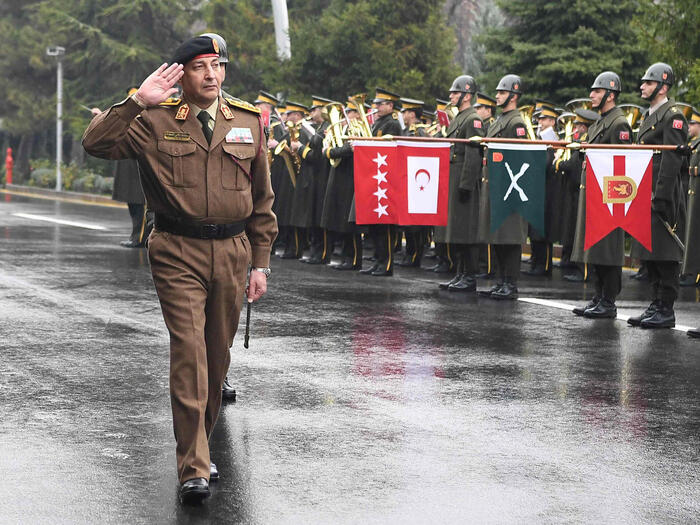
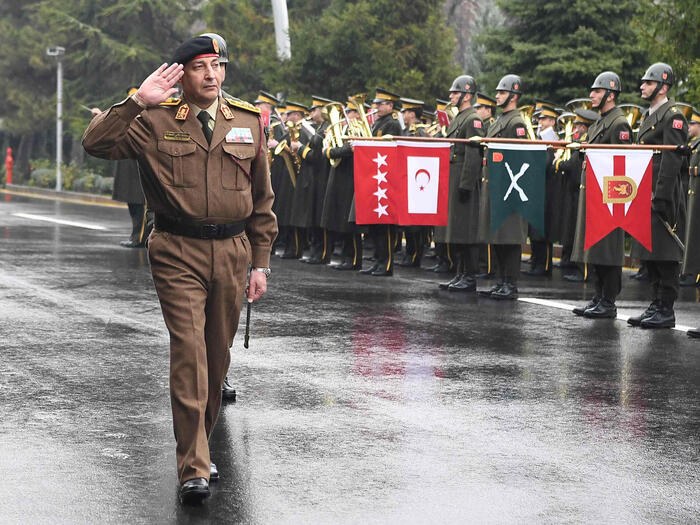
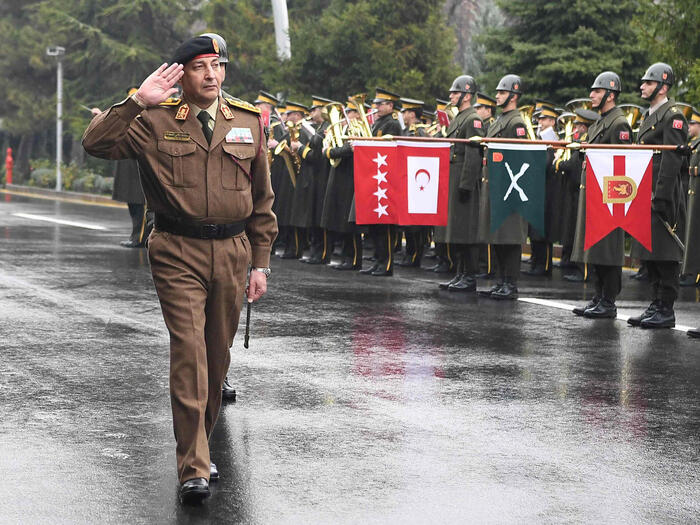
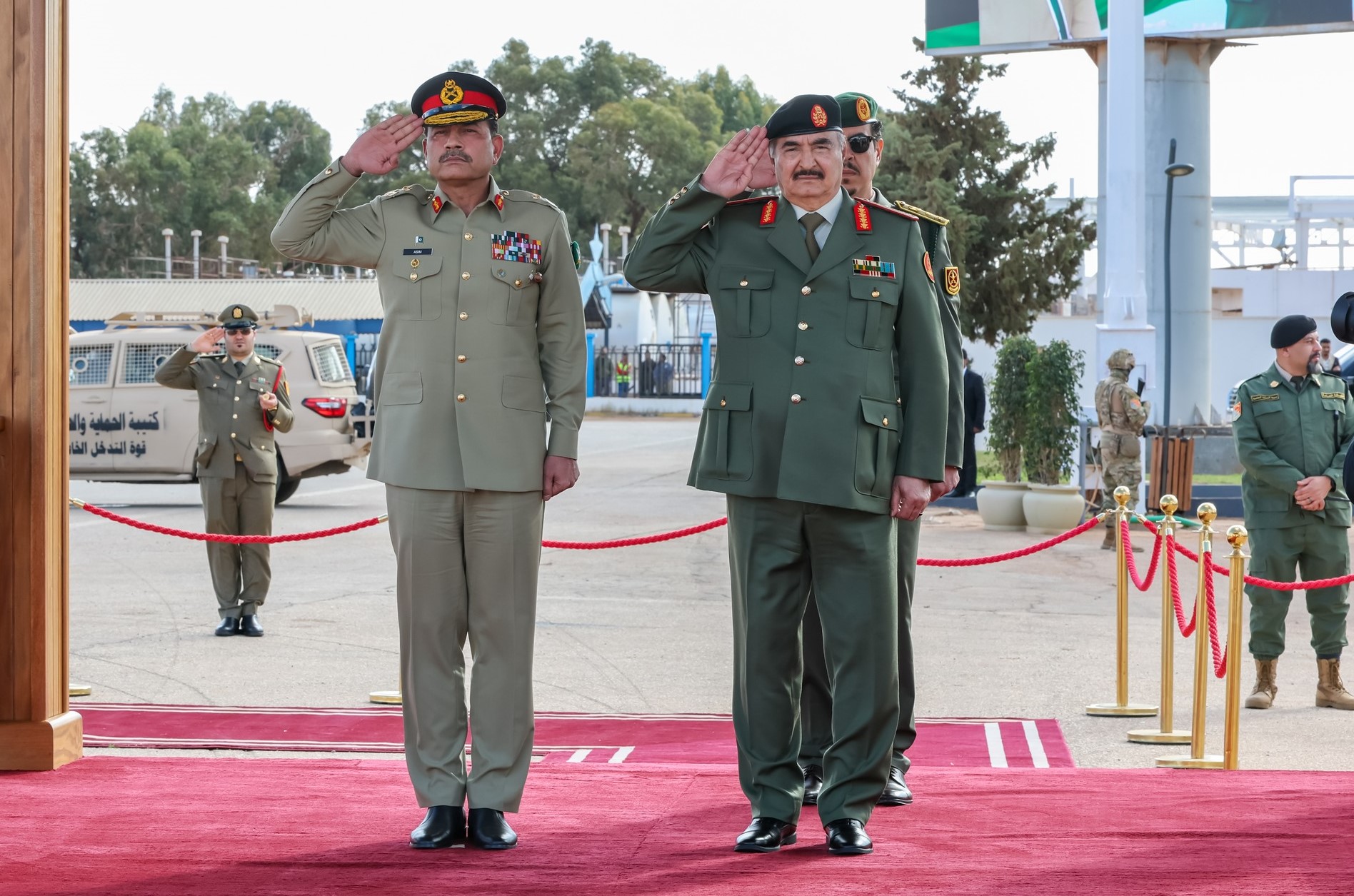
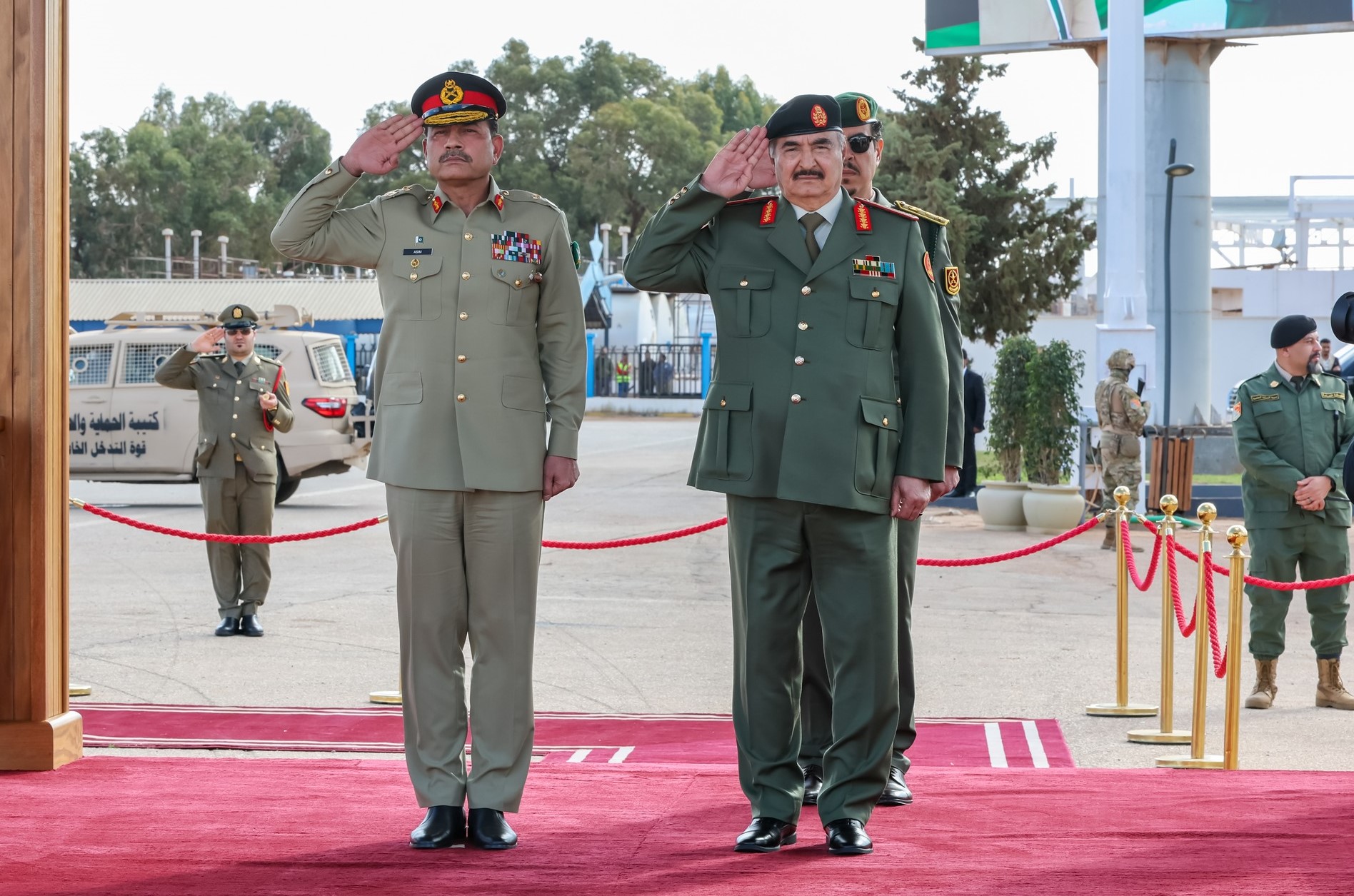
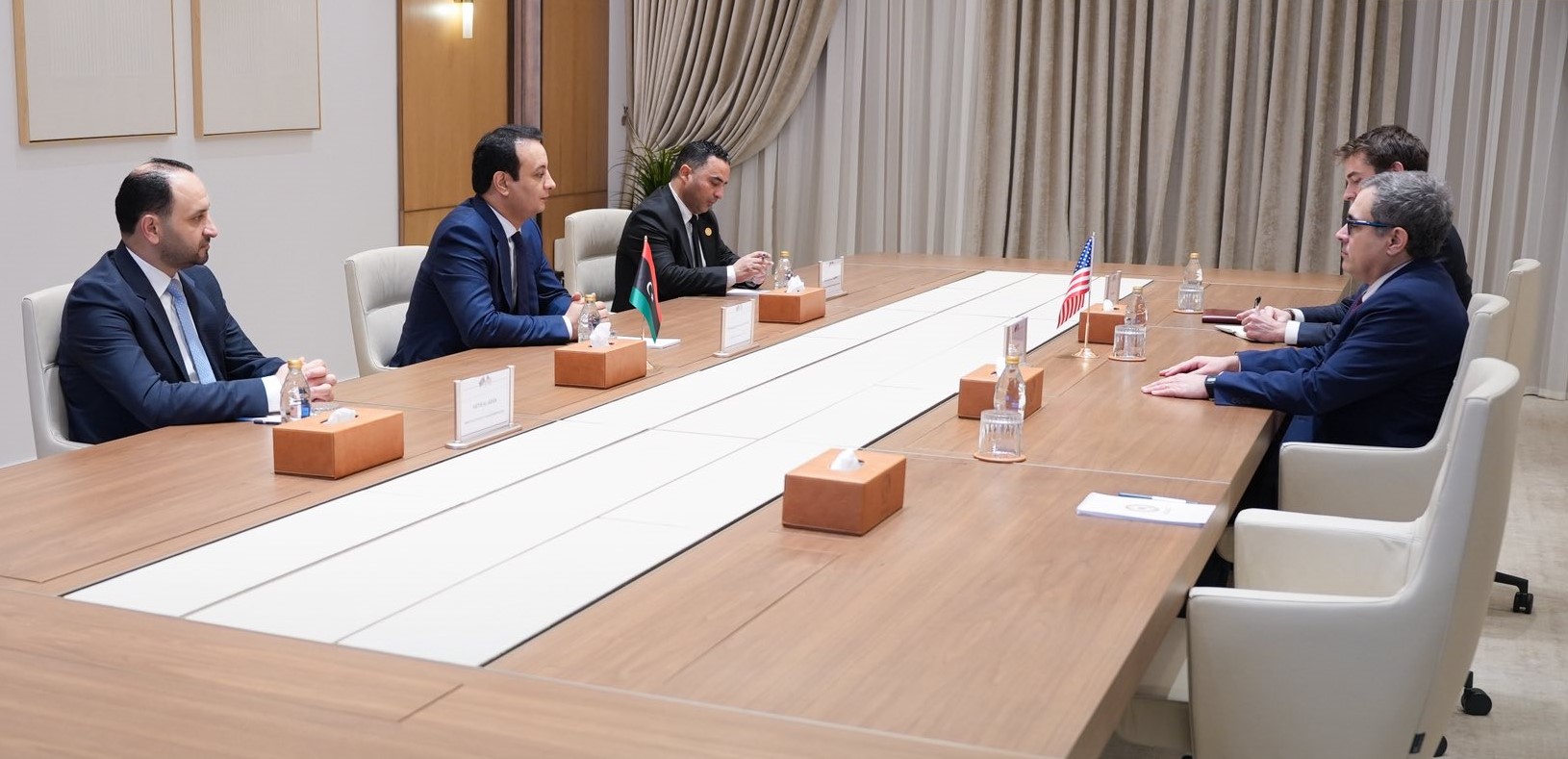
Tripoli, December 25, 2025 — A member of the Presidential Council mourned the victims of the plane crash that claimed the life of the Chief of the General Staff of the Libyan Army, Lieutenant General Muhammad Al-Haddad, and a number of his companions, as they were returning from the Turkish capital, Ankara, to Tripoli. He described the incident as a “tremendous loss” that has struck Libya in one of its most painful times.
In a statement of condolence published on his official account on the “X” platform, he said that Libya lost in this accident “leaders and a sincere military conscience, who carried the trust of the nation in times of hardship and trial.” He affirmed that the deceased were “a symbol of hope and the salvation of the nation,” and that their lives represented “a message of loyalty to the unity of the nation and of Libya.”
He added that Lieutenant General Muhammad Al-Haddad carried the nation as a “covenant and a mission,” and swore to work for the unity of Libya and the restoration of its glory. He stressed that this approach was embodied in his positions and actions, noting that the Chief of Staff of the Ground Forces, Lieutenant General Al-Fitouri Gharibail, was a “support and companion” to him in his military career.
He confirmed that the victims passed away while on their way back home after performing a mission whose “title is Libya.” He considered their departure a “crushing pain and a mark of loyalty to what they initiated,” praying to God to envelop them in His vast mercy and to make their final abode a paradise worthy of martyrs.
…
Tripoli
Tripoli is the capital and largest city of Libya, located on the country’s Mediterranean coast. Historically, it was founded by the Phoenicians in the 7th century BC and later became a significant Roman city, with its old quarter, the medina, showcasing layers of influence from subsequent Arab, Ottoman, and Italian colonial rule.
Libya
Libya is a North African country with a rich history rooted in ancient civilizations like the Phoenicians and Romans, followed by centuries of Arab and Ottoman influence. In the modern era, it was an Italian colony before gaining independence in 1951, later undergoing significant political changes throughout the 20th and 21st centuries. Its cultural landscape is marked by UNESCO World Heritage sites, including the well-preserved Roman ruins of Leptis Magna.
Turkish
Turkey is a transcontinental nation located at the crossroads of Europe and Asia, with a rich history rooted in the ancient Anatolian civilizations, the Byzantine Empire, and most notably the Ottoman Empire, which lasted for over six centuries. Its modern identity was forged as a secular republic in 1923 under the leadership of Mustafa Kemal Atatürk. The country is renowned for its diverse cultural heritage, which is reflected in historic sites like Hagia Sophia and Ephesus, as well as its unique traditions, cuisine, and art forms.
Ankara
Ankara is the capital city of Turkey, strategically located in the central Anatolia region. It was declared the capital in 1923 by Mustafa Kemal Atatürk, replacing Istanbul to symbolize the new, modern Turkish Republic. The city’s history dates back millennia, with landmarks like the ancient Citadel and the Roman Temple of Augustus reflecting its long significance.
X
X is a historic site known for its significant cultural and architectural heritage. It was originally constructed during [specific period or dynasty] and has served various purposes throughout its history, such as [mention key historical roles or functions]. Today, it stands as a popular destination for visitors interested in its rich past and enduring legacy.