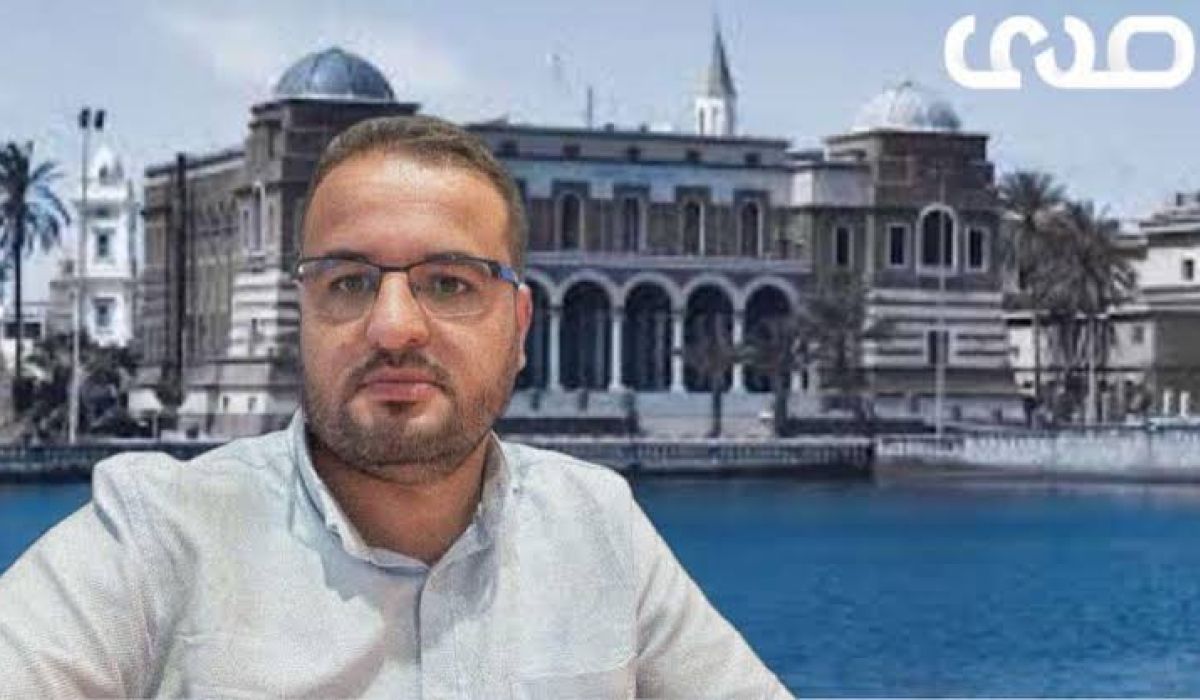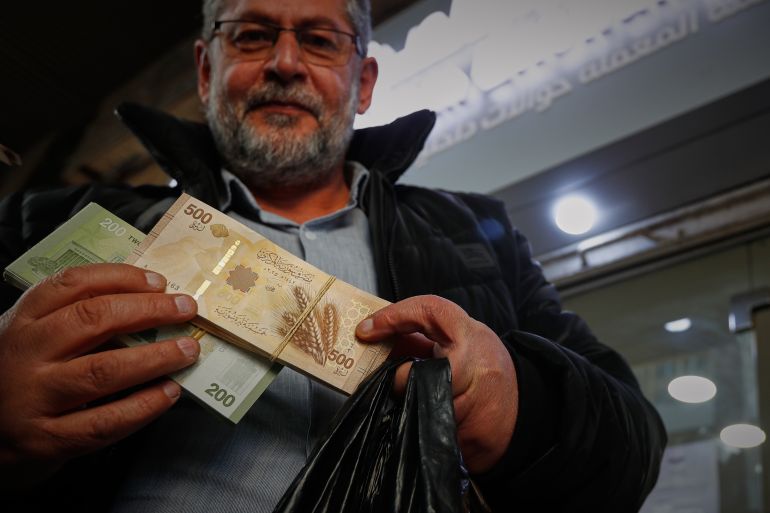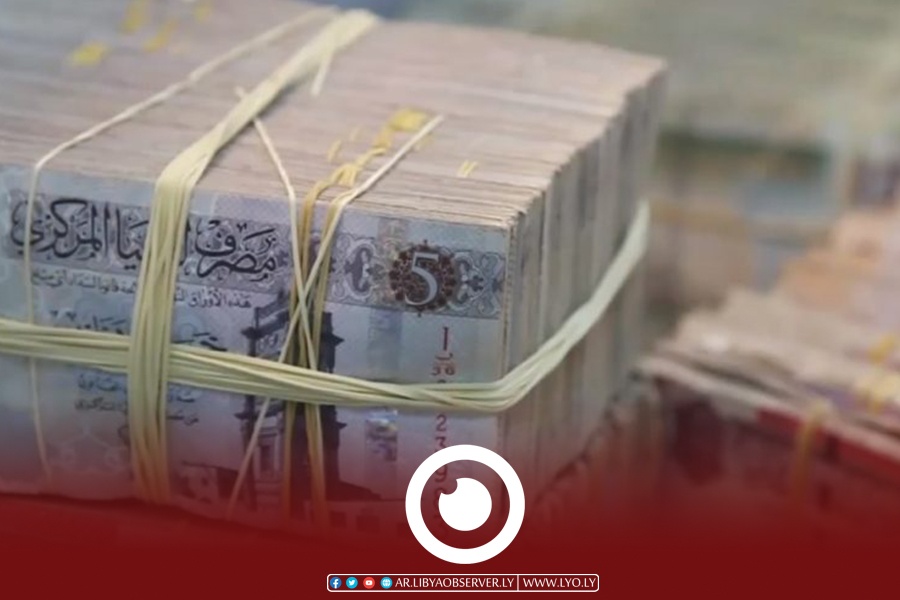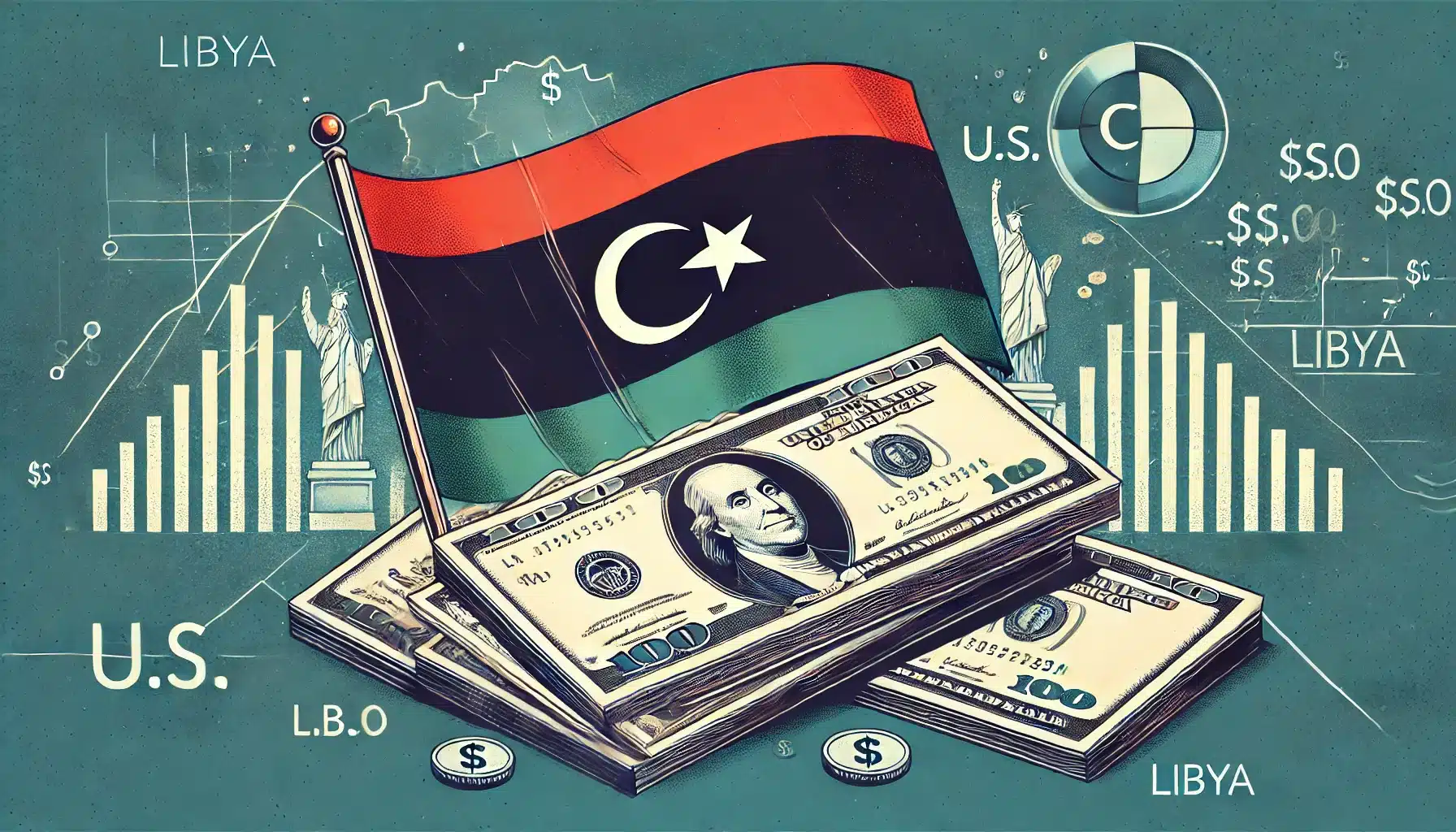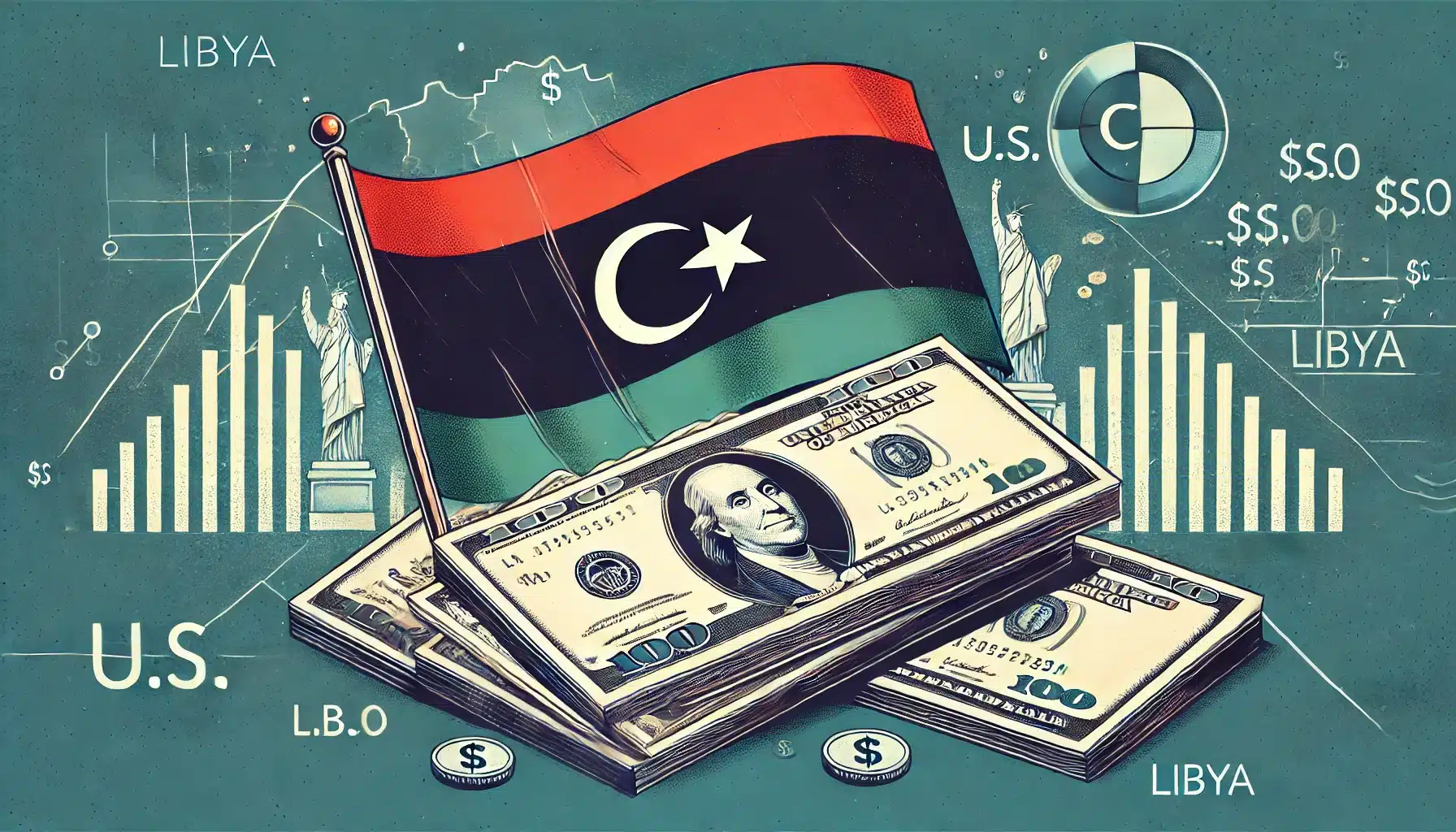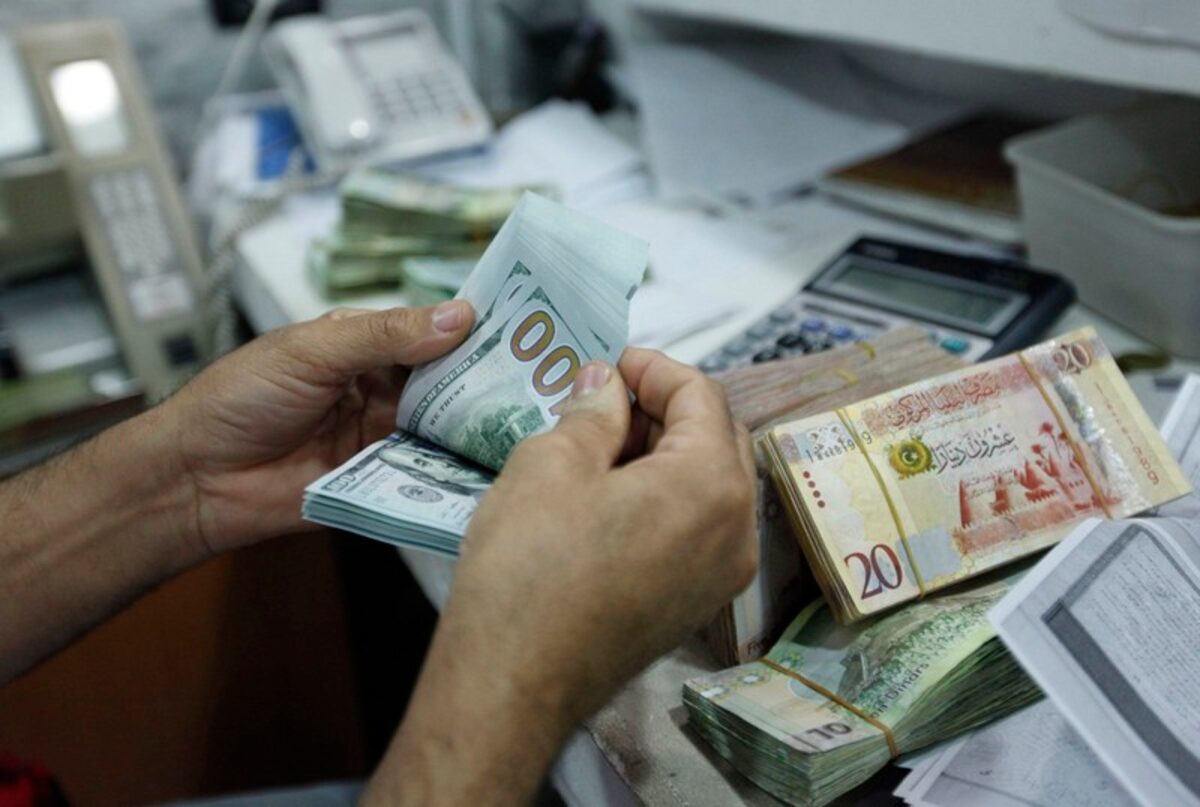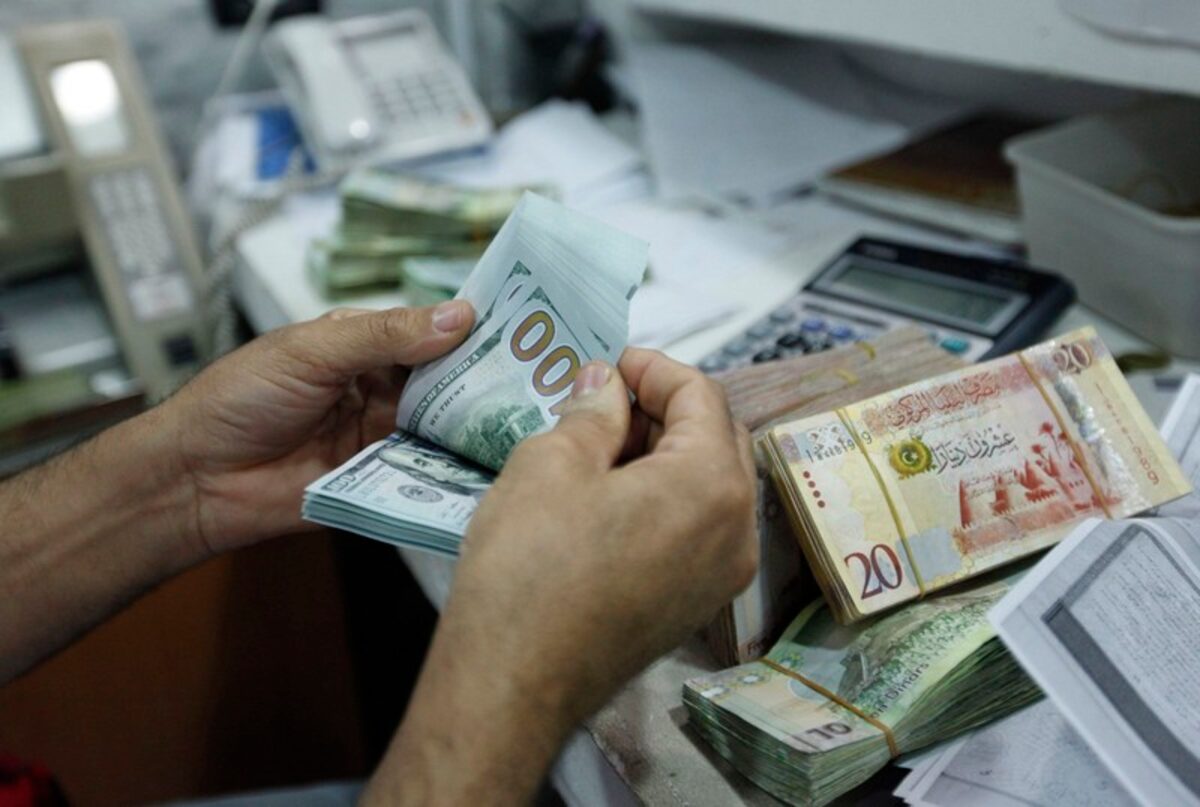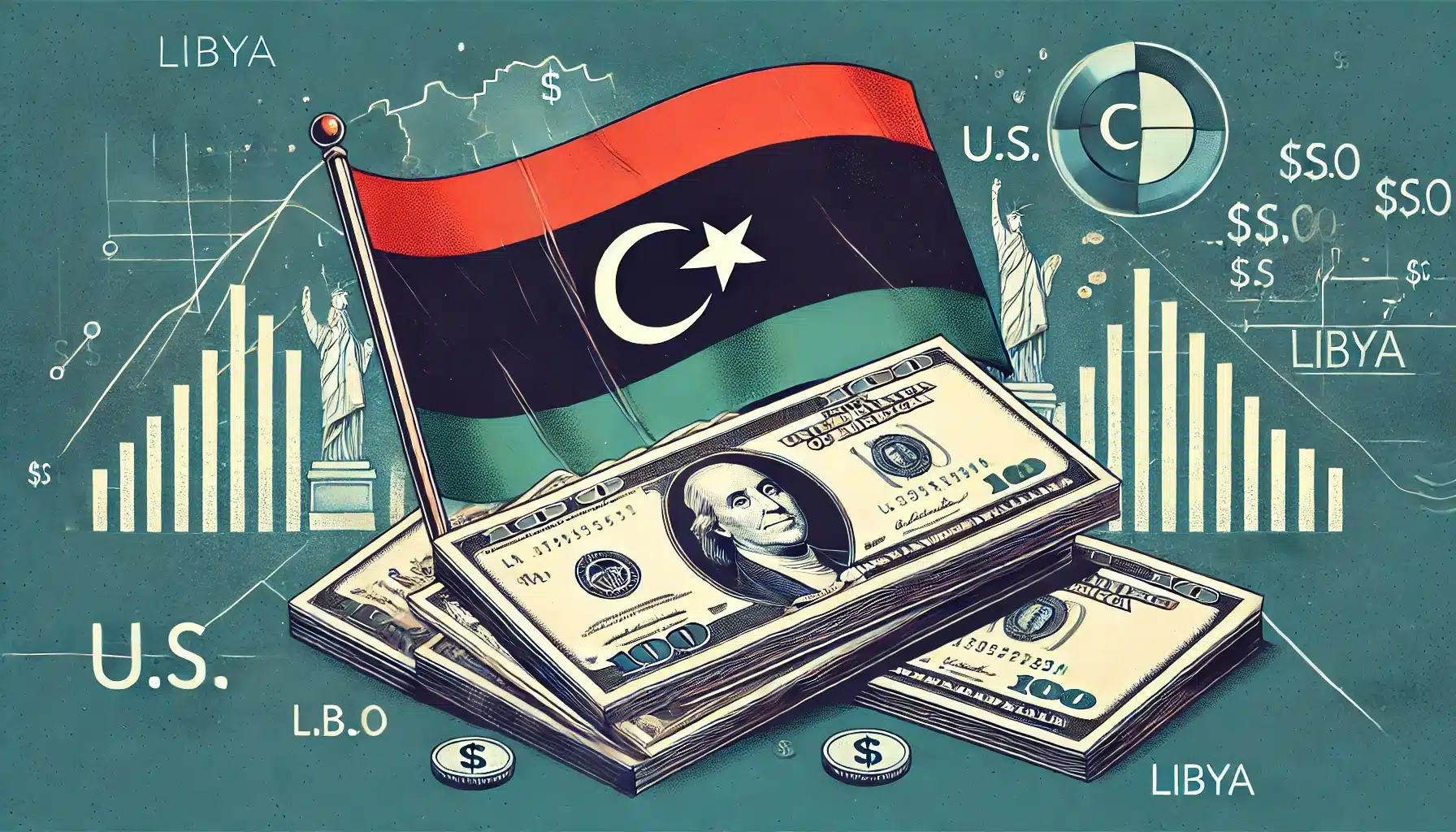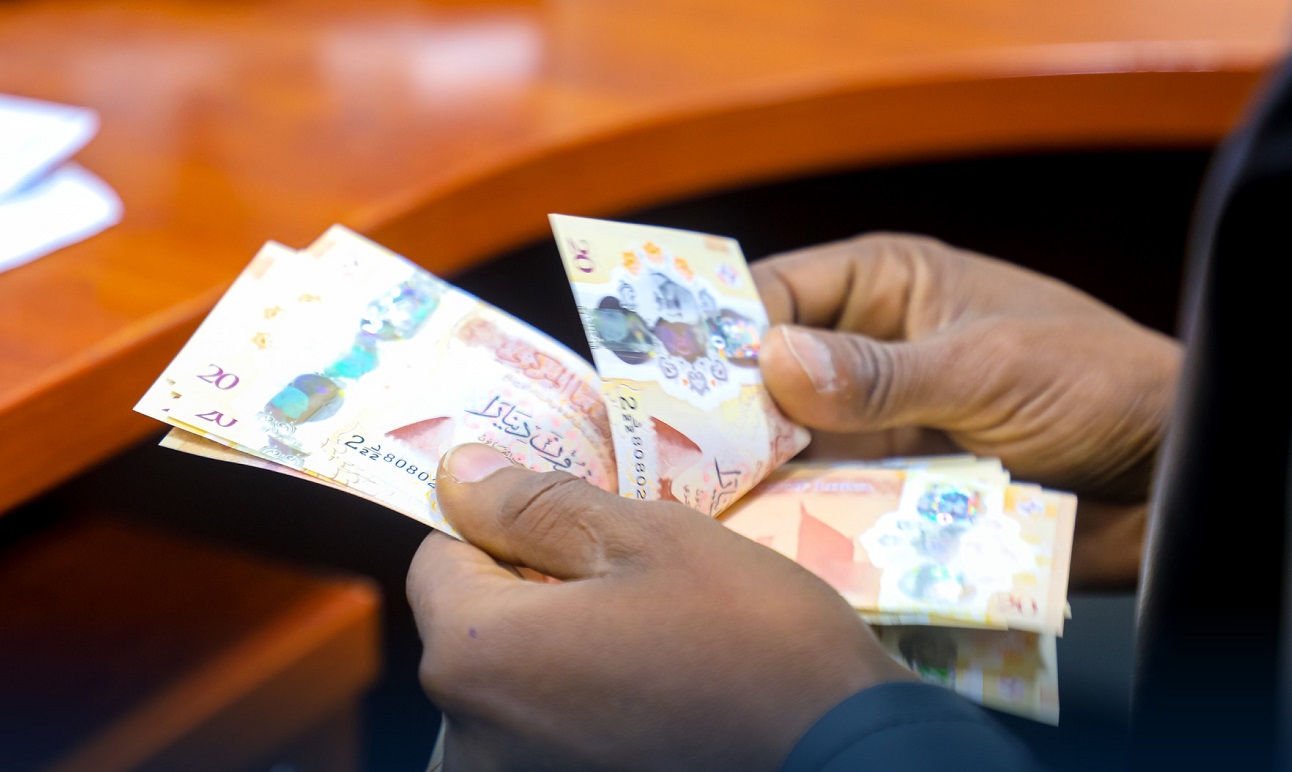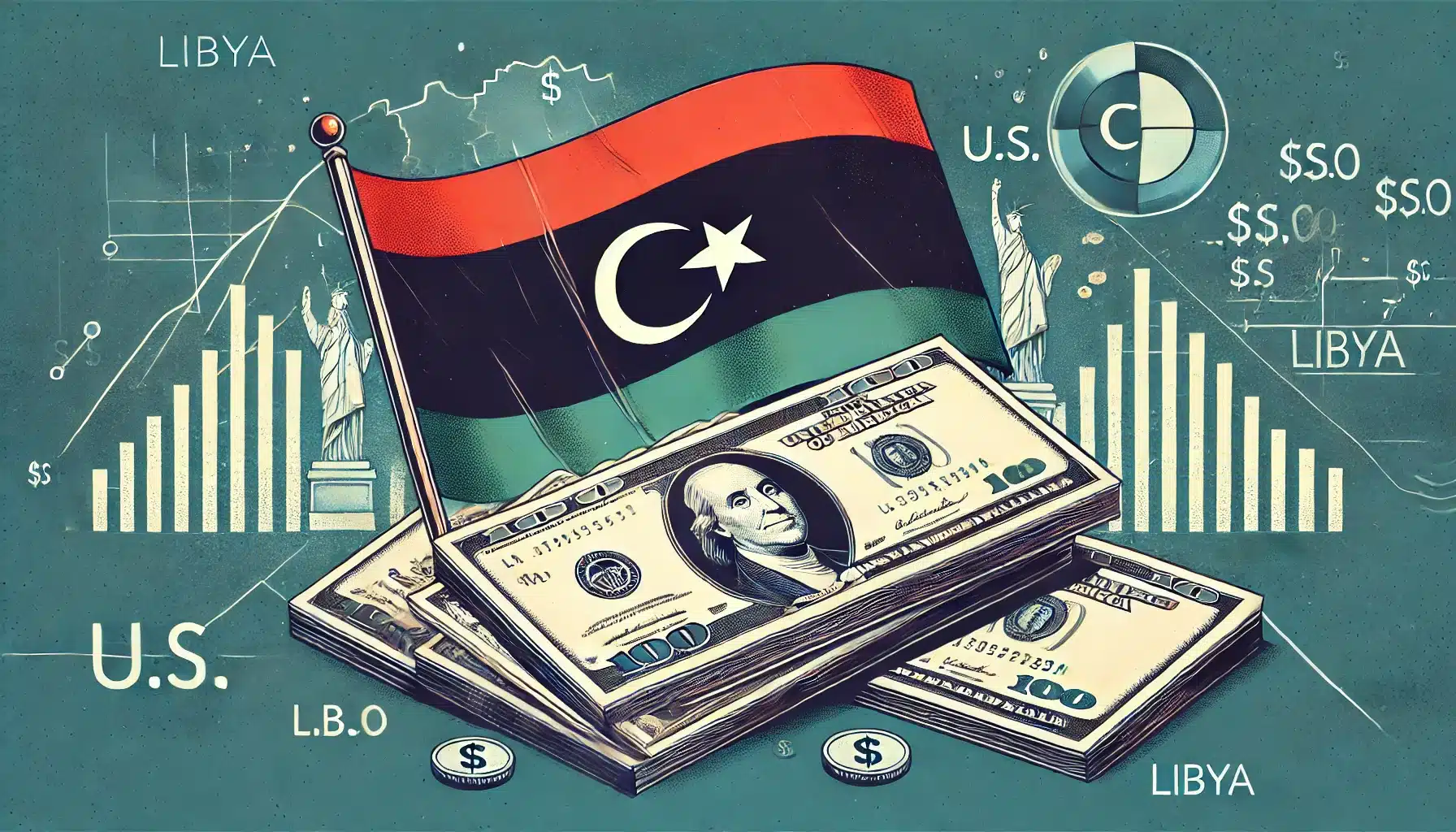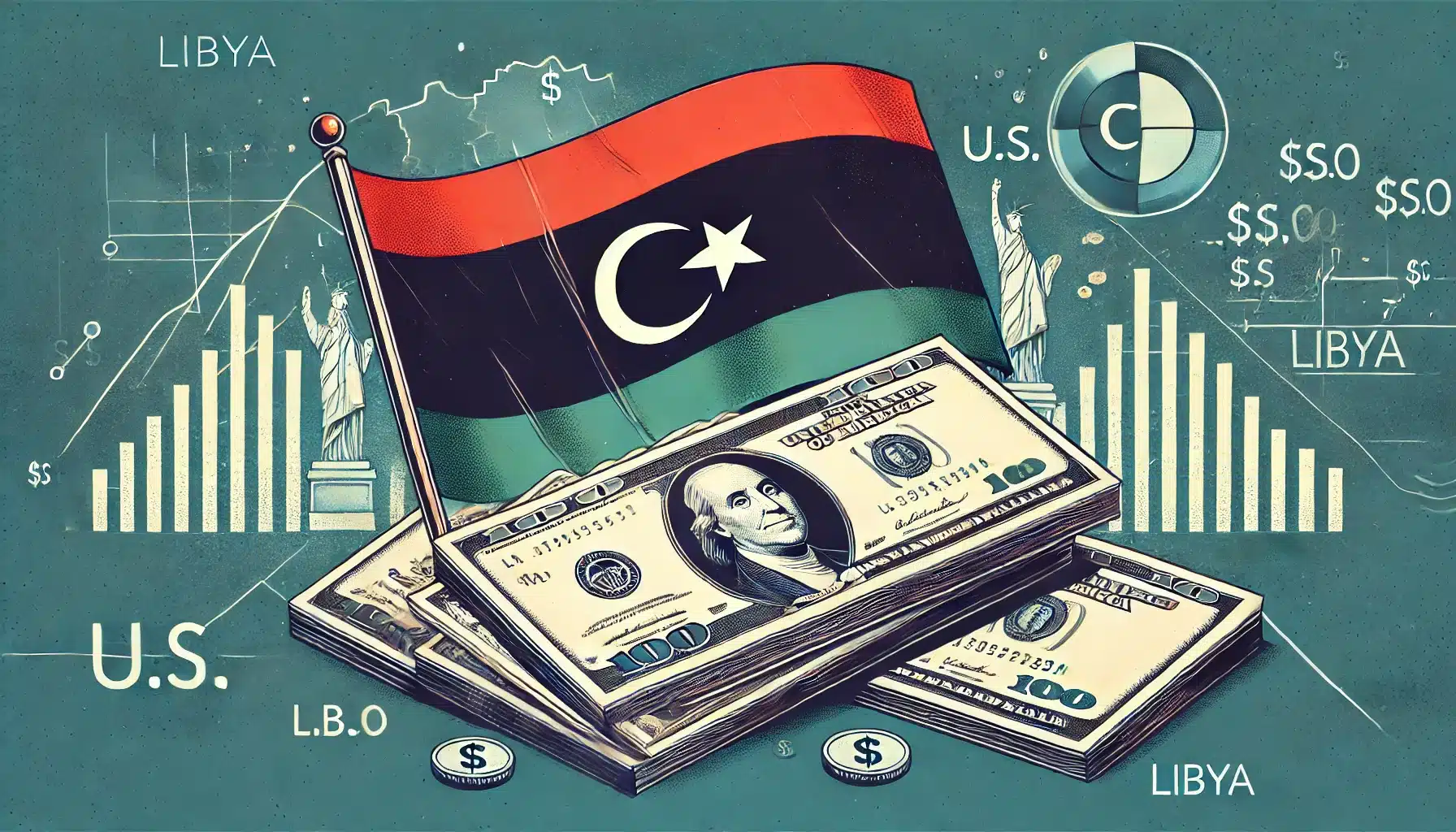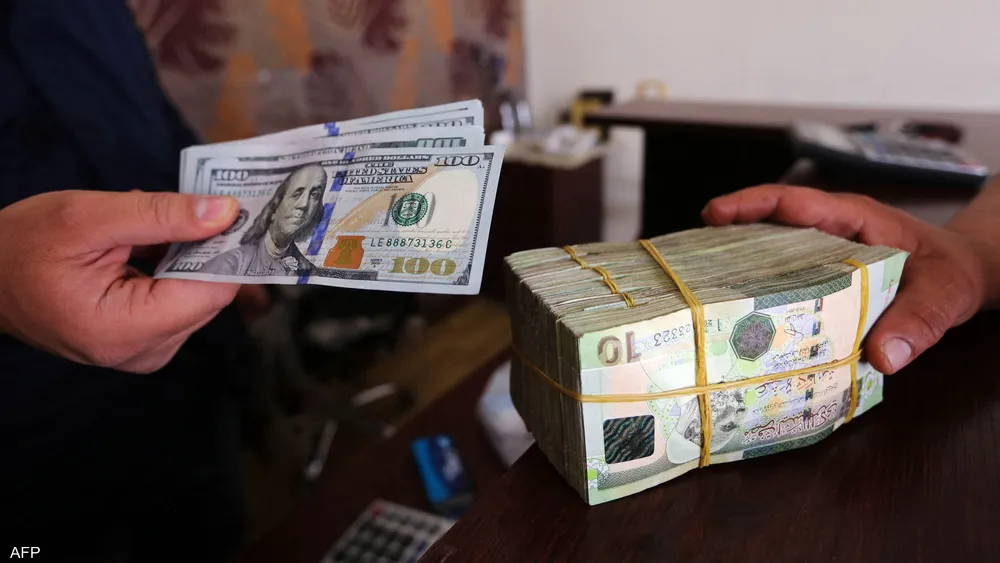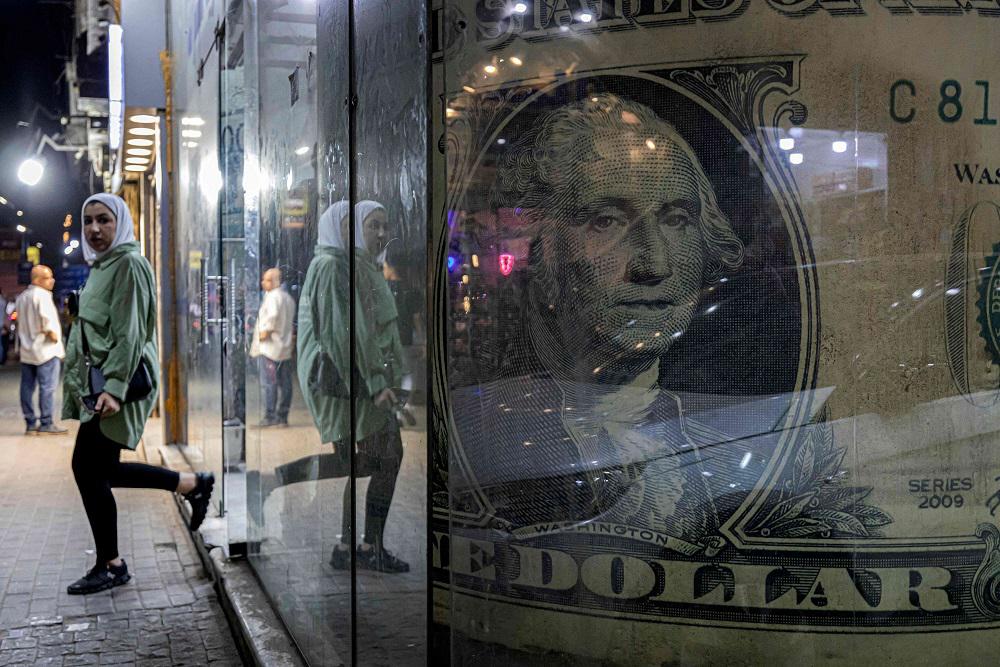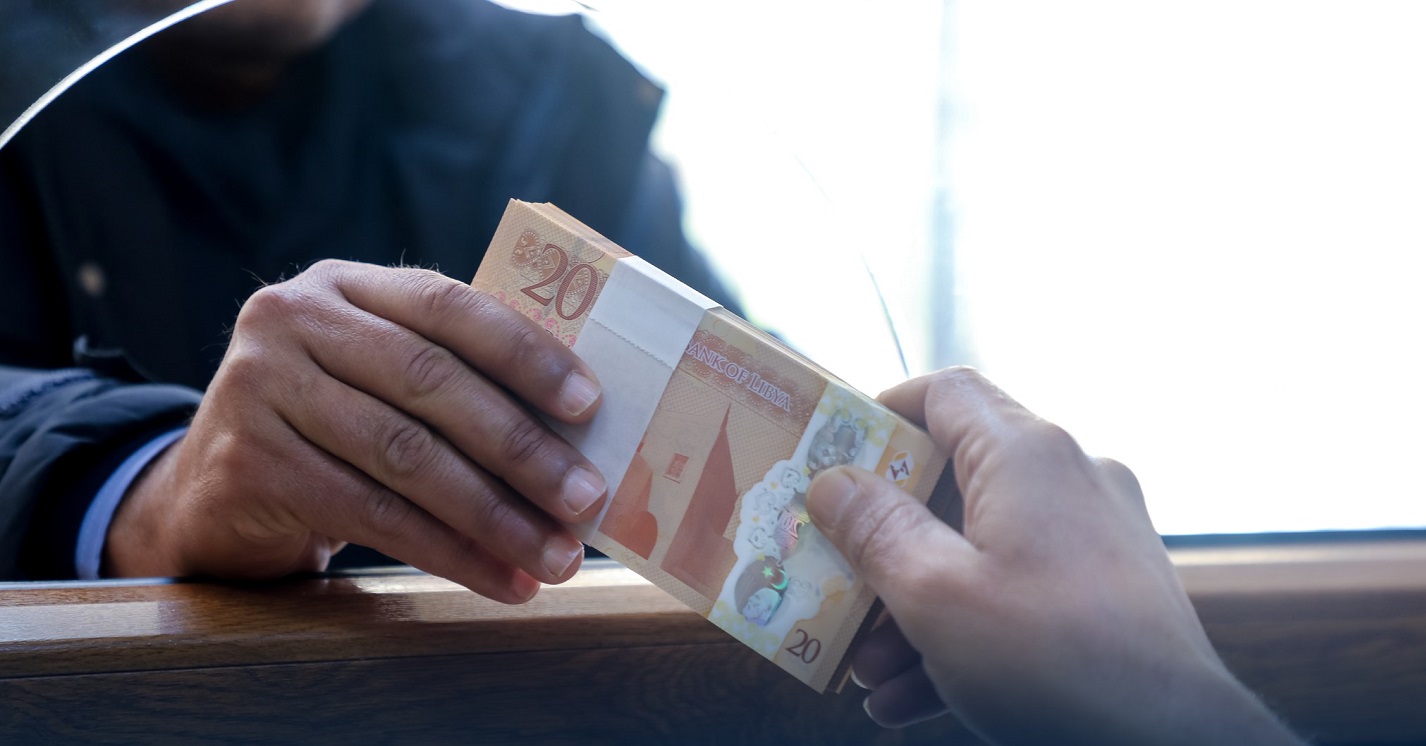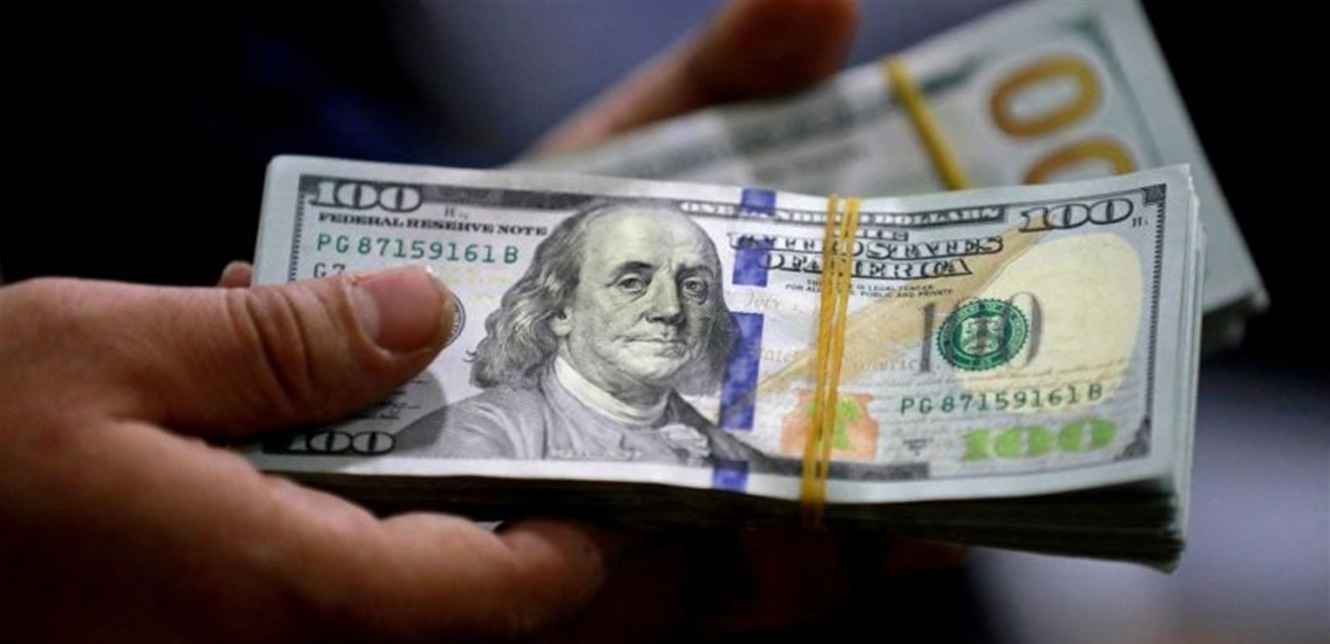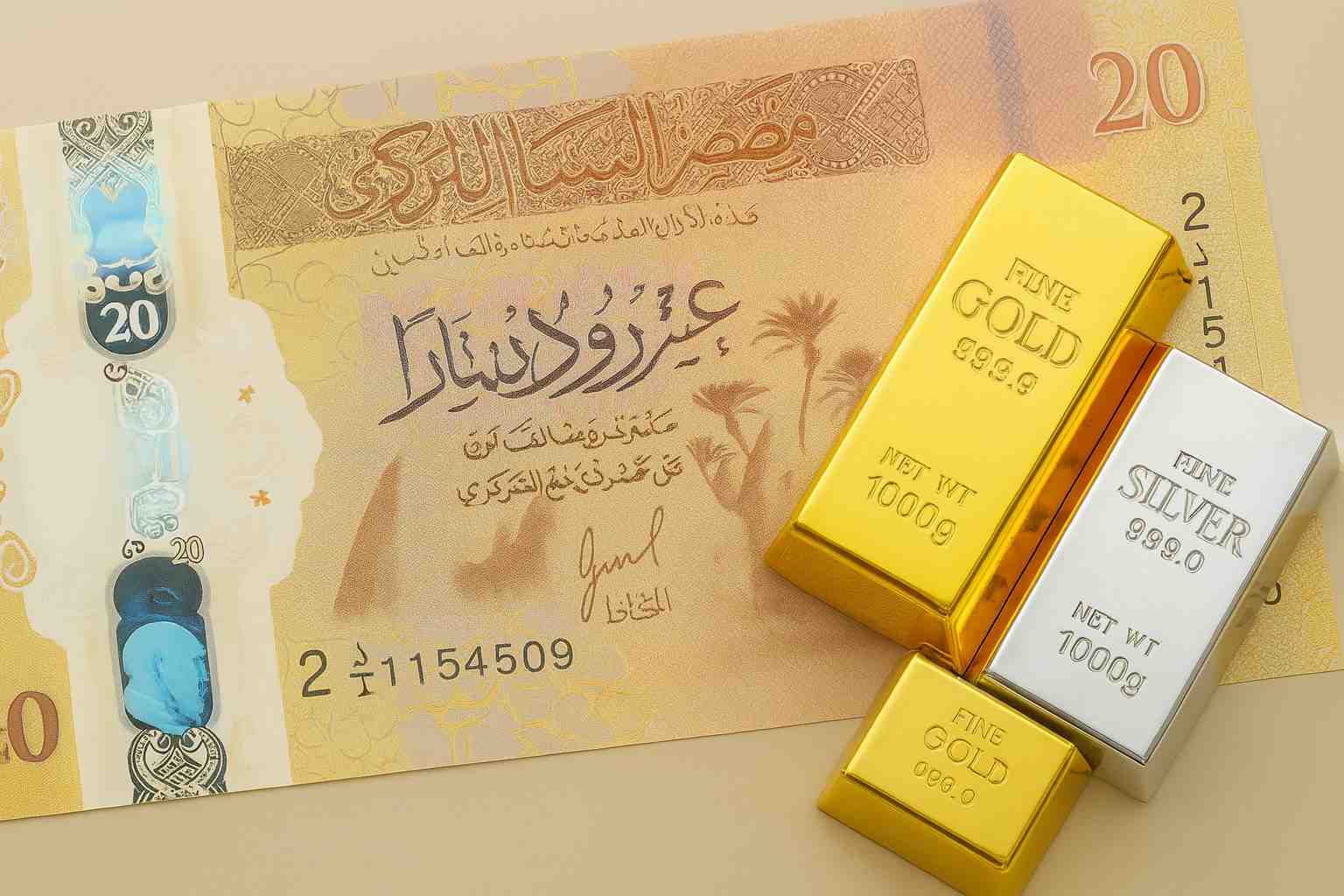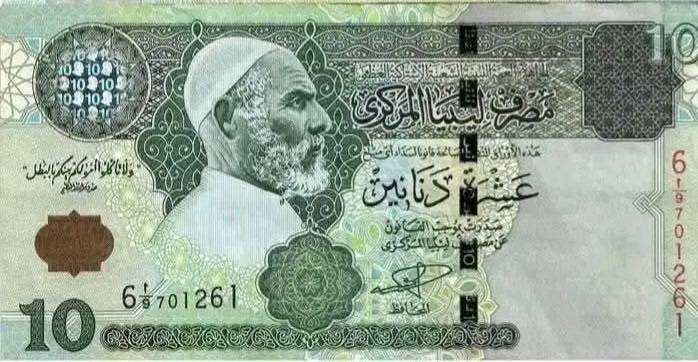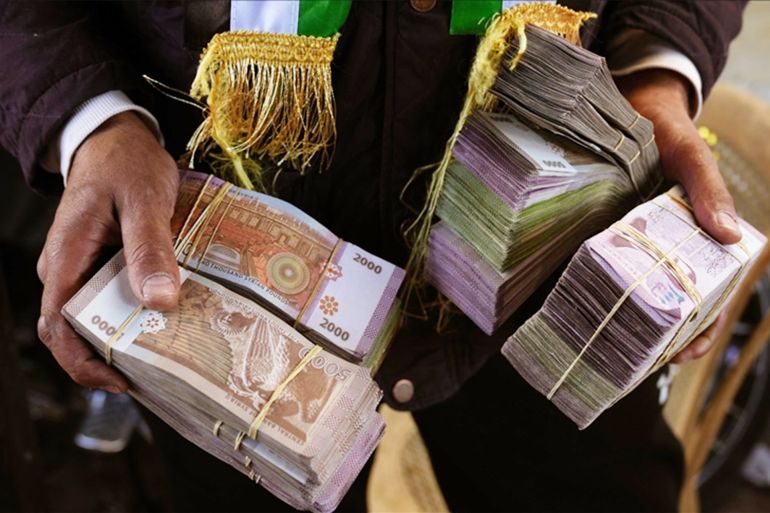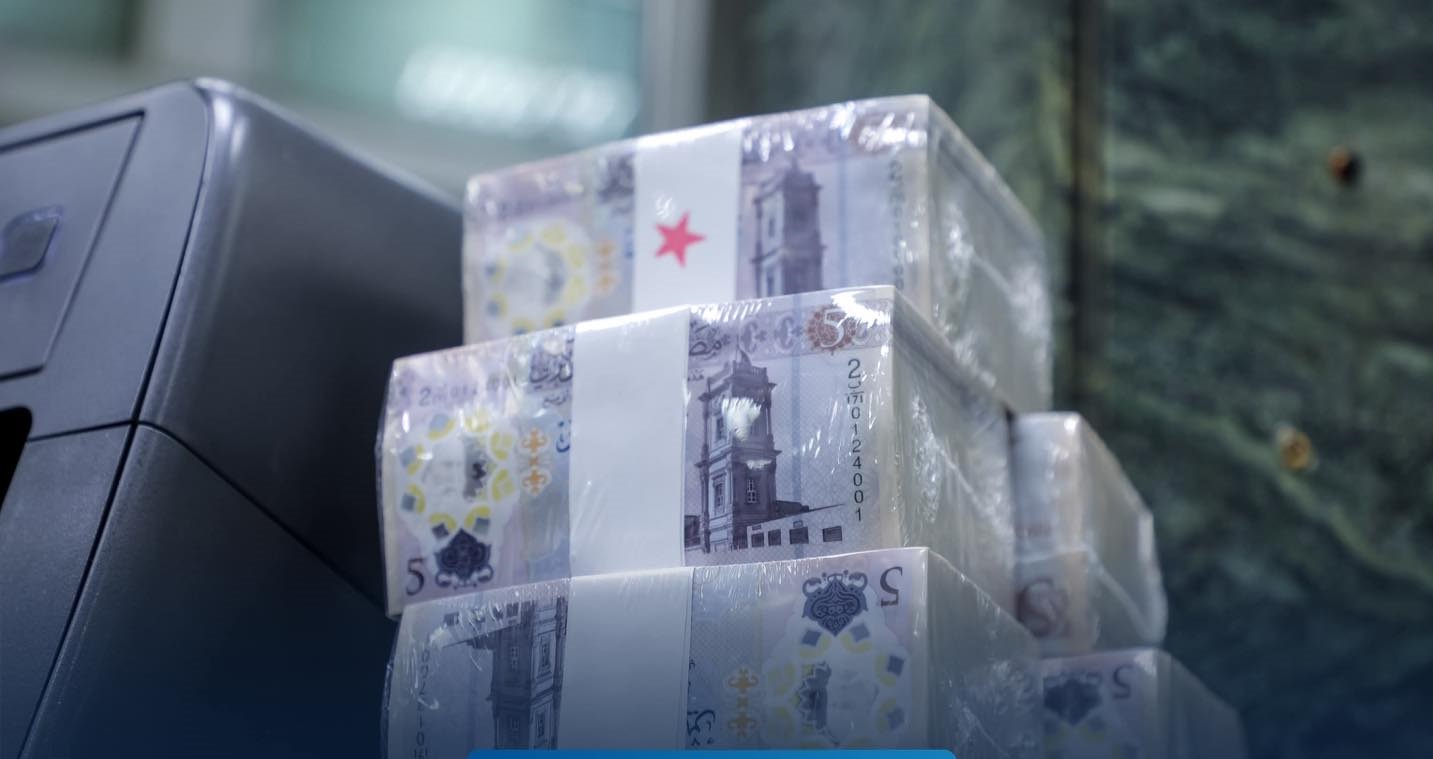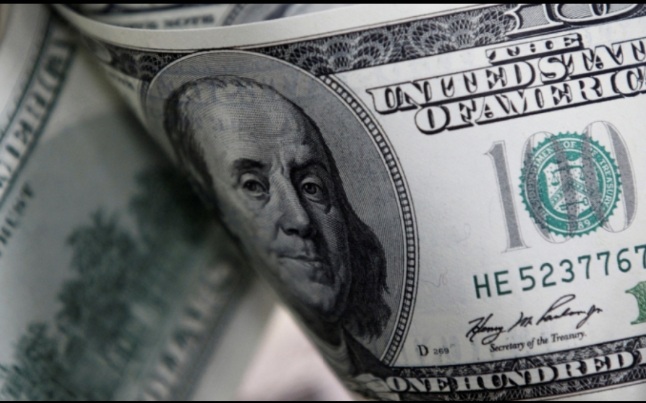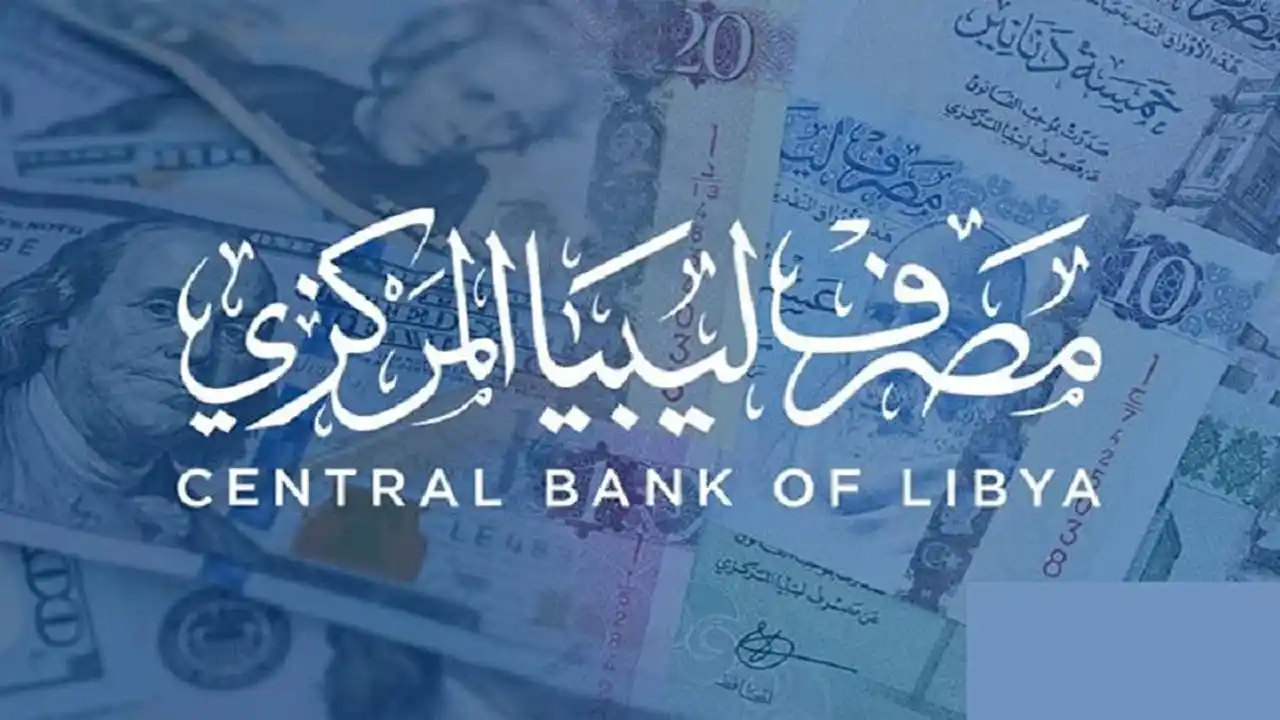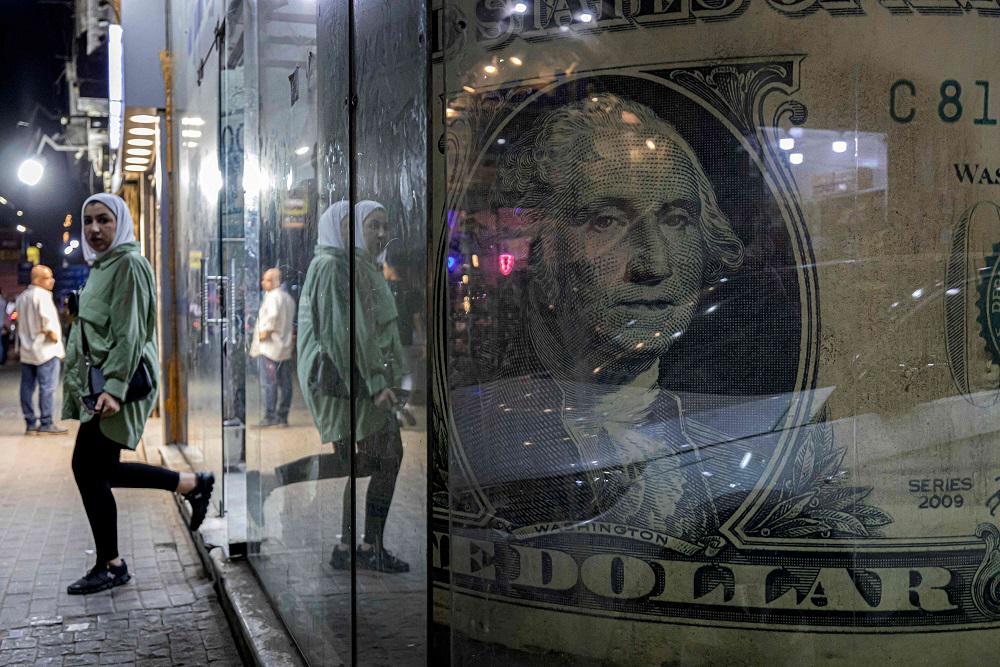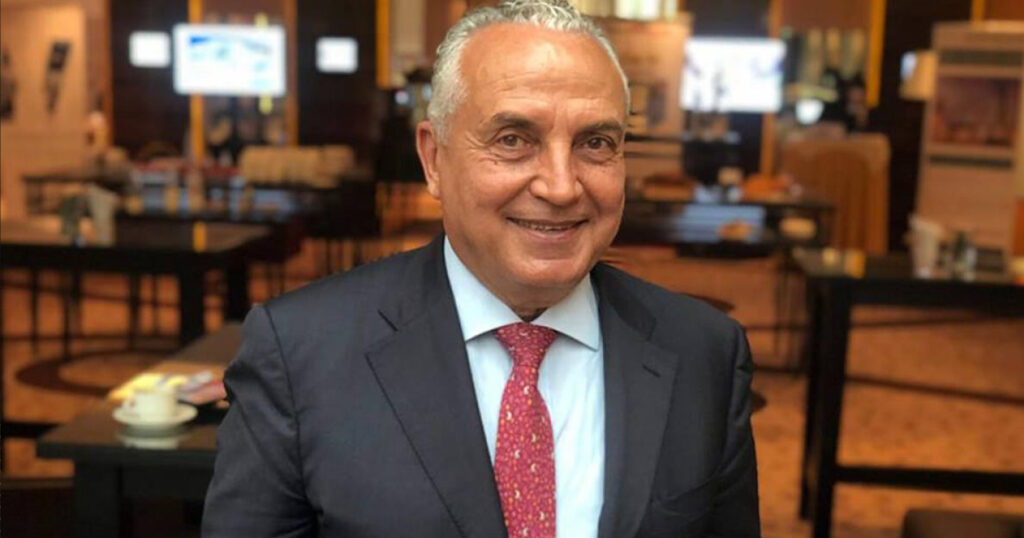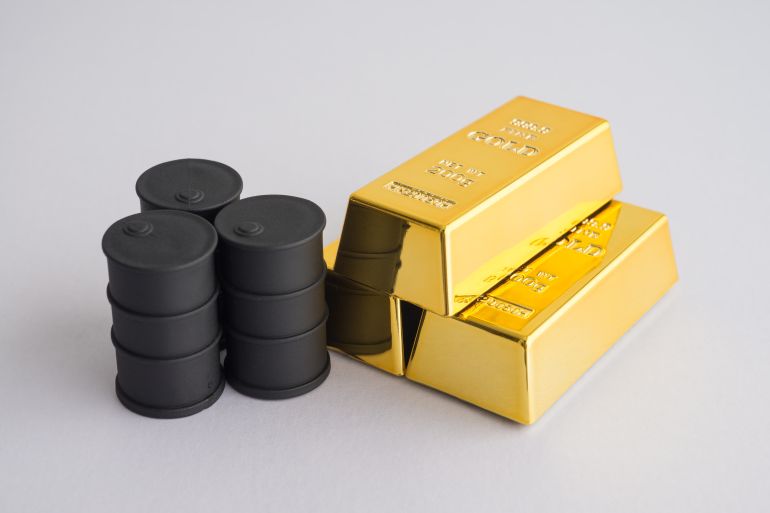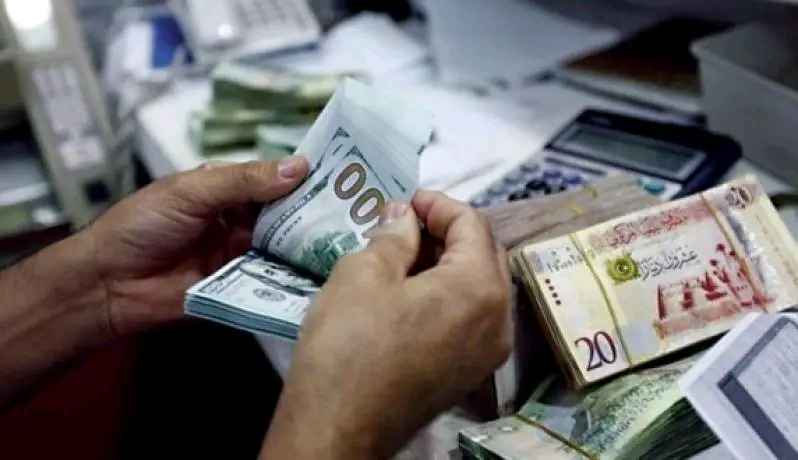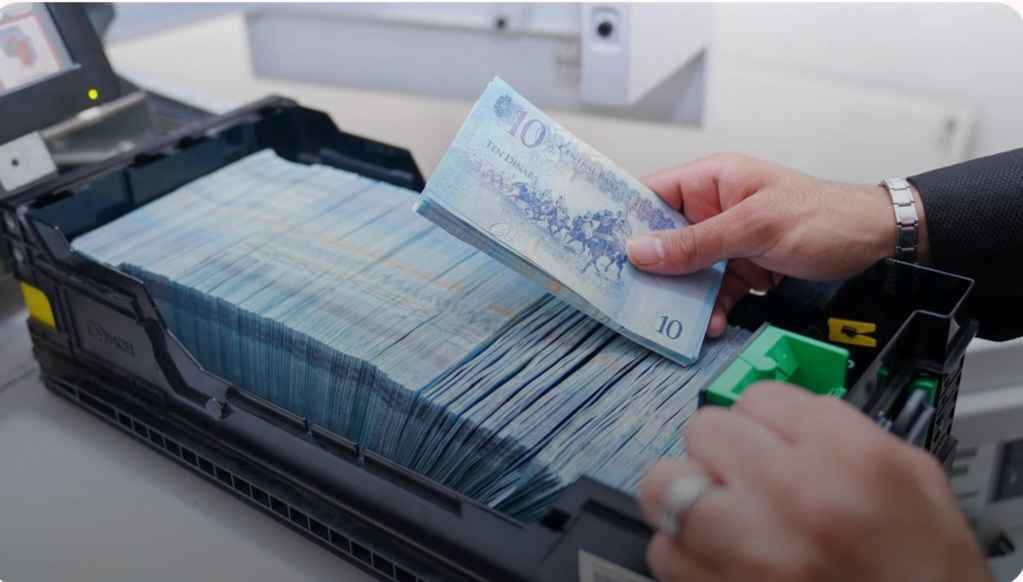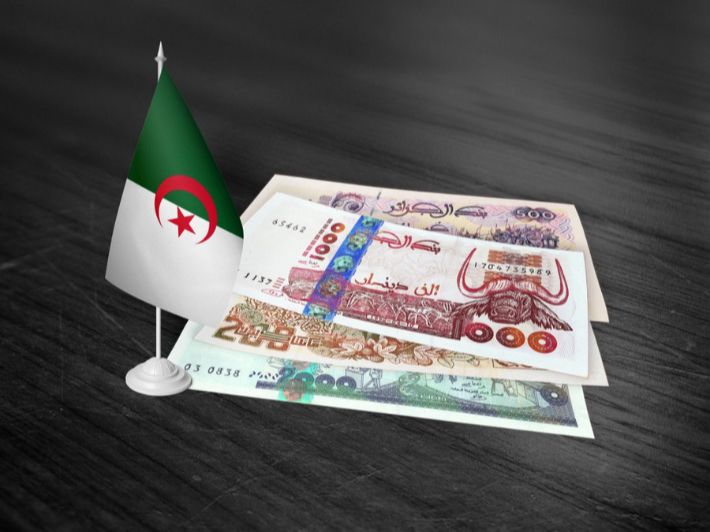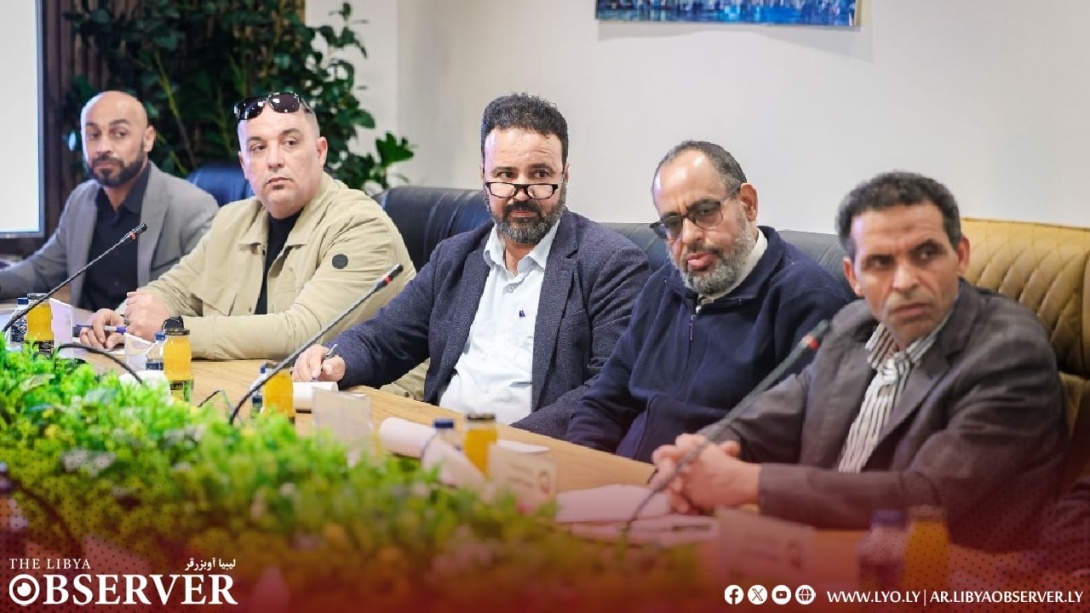
In statements, a businessman stated that the ongoing debate regarding the settlement of Libya’s public debt, amounting to 303 billion dinars, is primarily a political rather than an economic debate. He emphasized that keeping the debt on paper does not reflect the reality of inflation, restore reserves, or strengthen the dinar, and that continued ambiguity increases risks to the stability of the national currency.
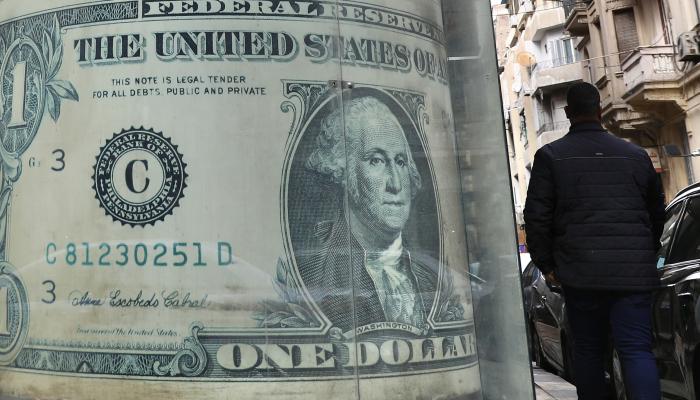
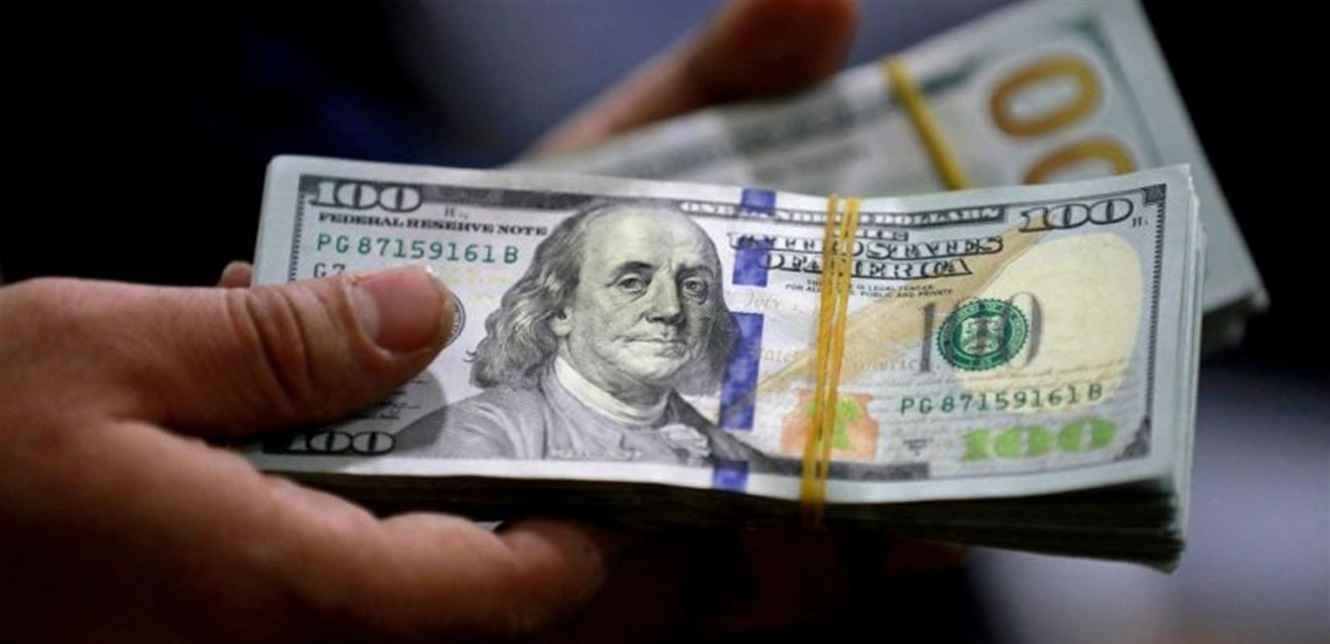
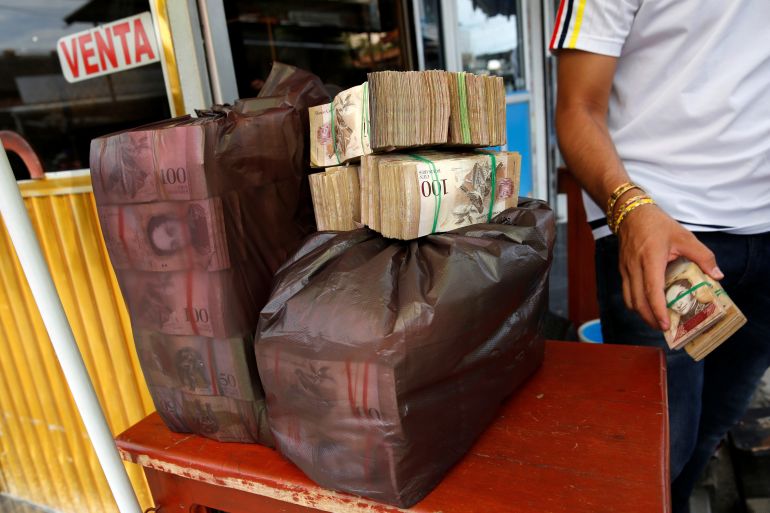
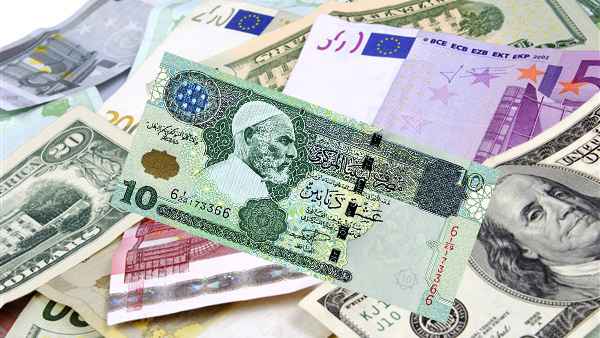
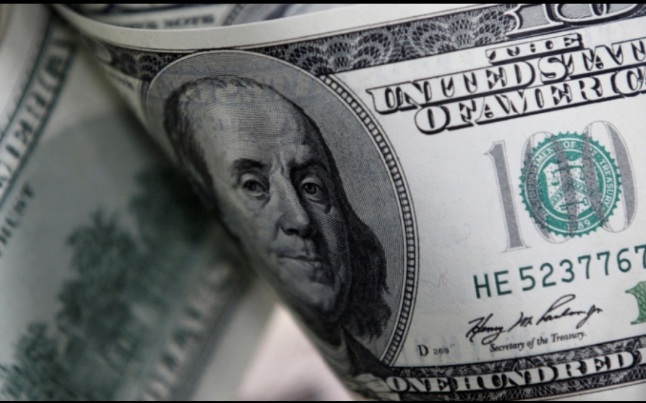
He explained that the real cost of the debt has already been paid, borne by citizens through inflation resulting from excess liquidity and a decline in purchasing power due to the dinar’s depreciation. He pointed out that foreign reserves have declined from about $120 billion in 2011 to approximately $85 billion currently.
He added that not settling the public debt does not mean avoiding losses, but rather represents a postponement of necessary financial normalization, while increasing the risks of future deterioration of the Libyan dinar. He noted that a settlement would cleanse public budgets, restore institutional clarity, and reduce systemic risks in the financial sector.
He clarified that monetary data shows the public debt was primarily financed through monetary expansion, not productive growth, with the money supply rising from 79 billion dinars in 2011 to 190 billion dinars today.