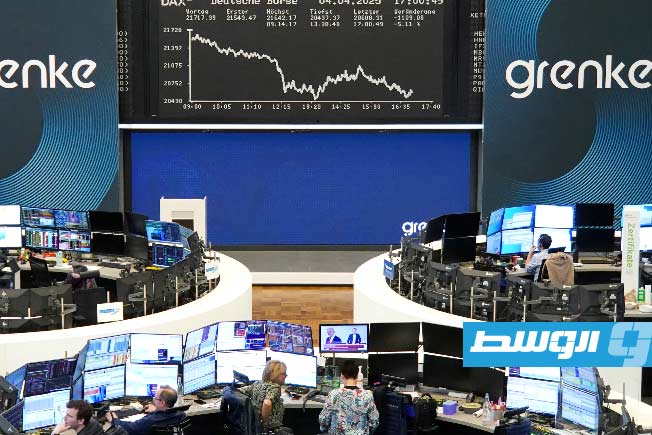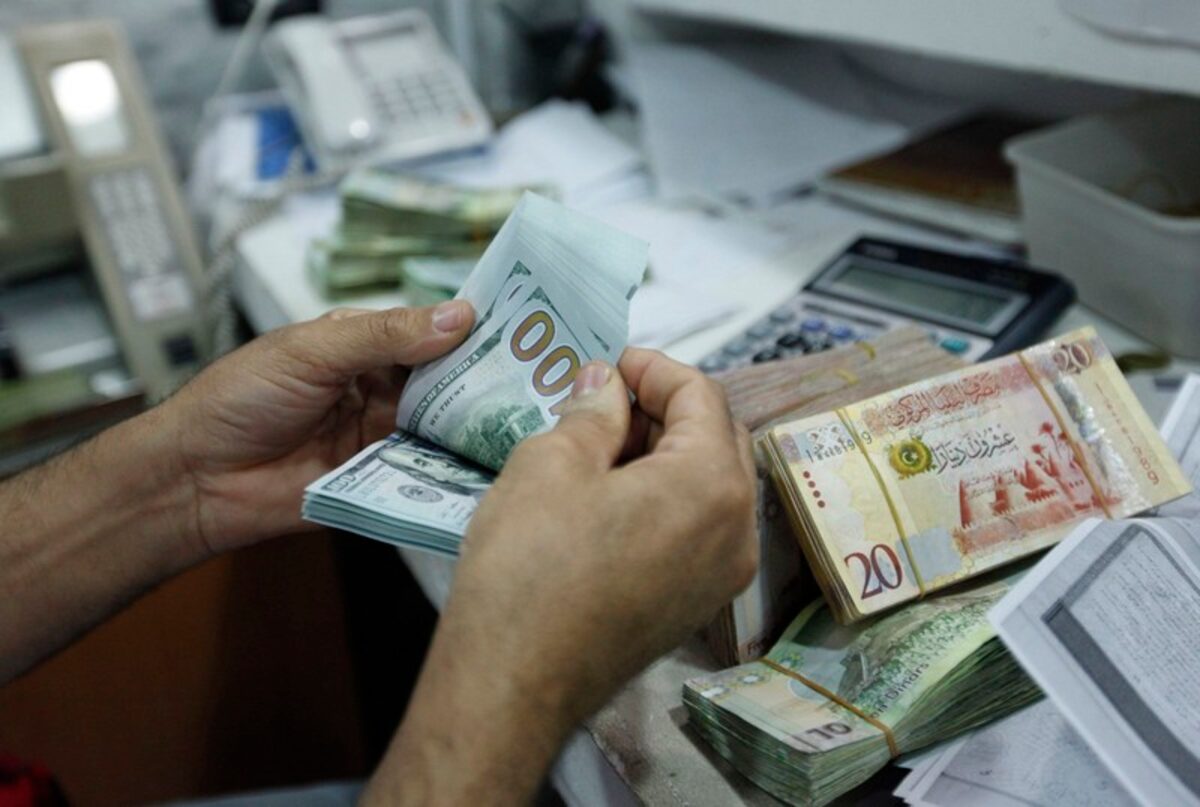
Emerging markets are poised to start 2026 as the best bet for investors on Wall Street, as fund managers bet on the start of a multi-year investment flow cycle.
The flow of capital into this sector since the beginning of 2025, the strongest flow into emerging markets since approximately 2009, indicates that a growing number of investors have begun shifting to emerging markets after years of unsatisfactory performance.
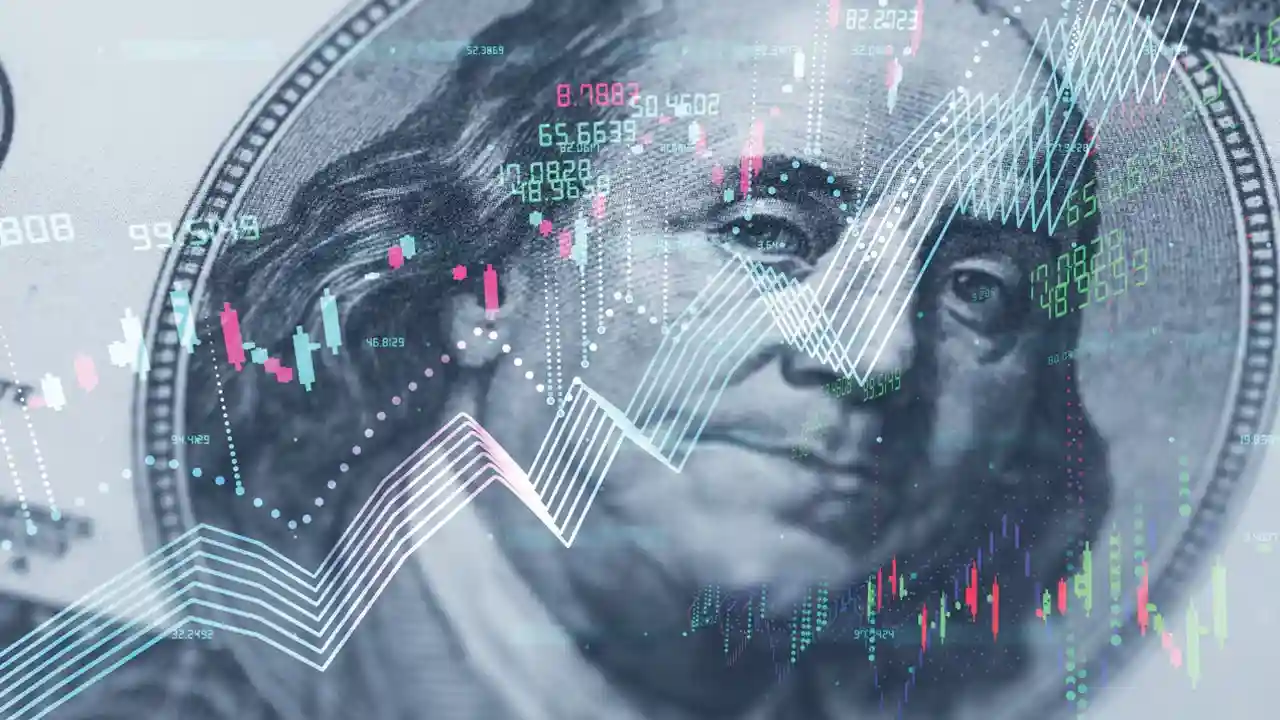
For the first time since 2017, emerging market stocks are outperforming their counterparts in the United States. The gap between their bond yields and U.S. Treasury yields has also shrunk to its lowest level in 11 years, and carry trade strategies have achieved their best returns since 2009.
Growing Enthusiasm
Enthusiasm towards emerging market stocks was clearly evident at a recent investment conference in London, which hosted 300 investors and showed only a minimal amount of pessimism towards emerging markets.
It was also estimated that “investors betting on a decline in emerging markets have gone extinct,” pointing to the growing optimism accompanying the performance of those markets’ stocks.
This may indicate a more fundamental shift in global investment flows, as portfolio managers seek to diversify their investments away from the United States, while being increasingly attracted to the progress developing countries are making in reducing debt and curbing inflation.
The Biggest Test
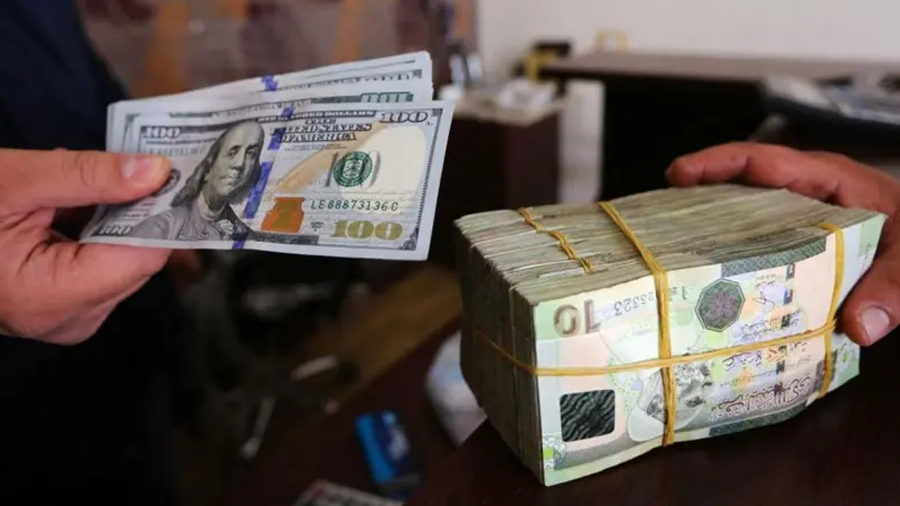
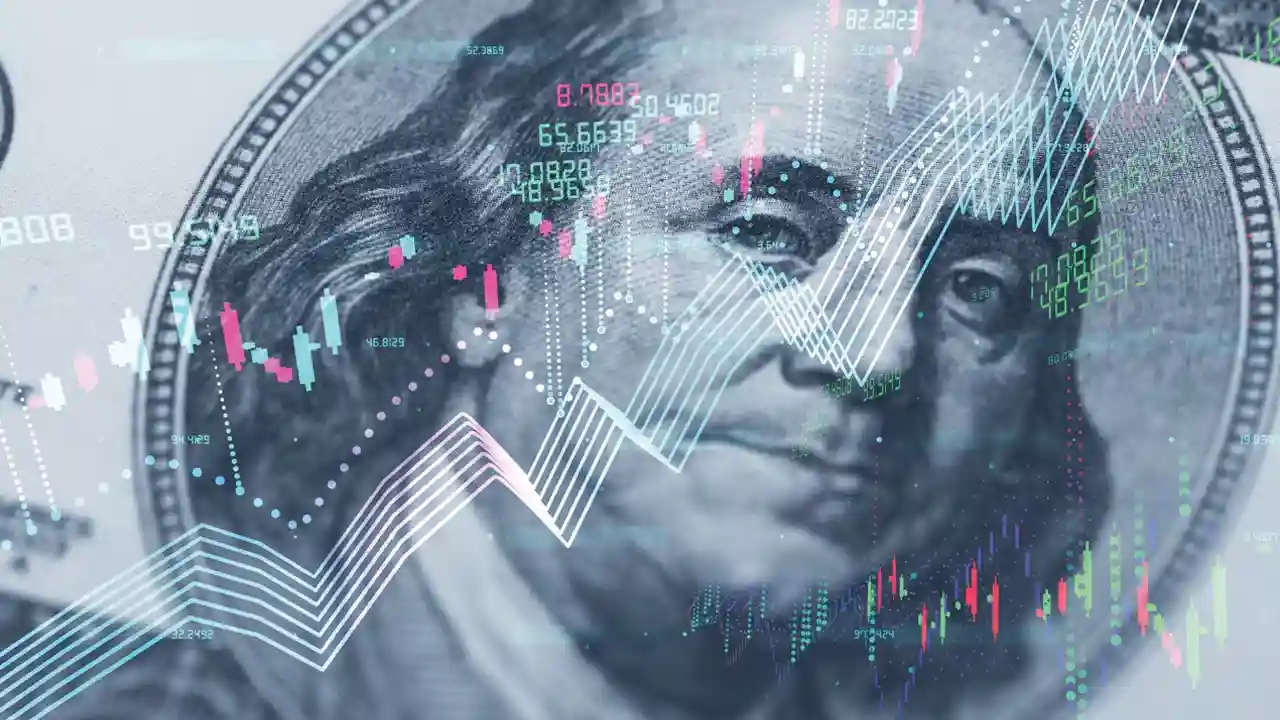
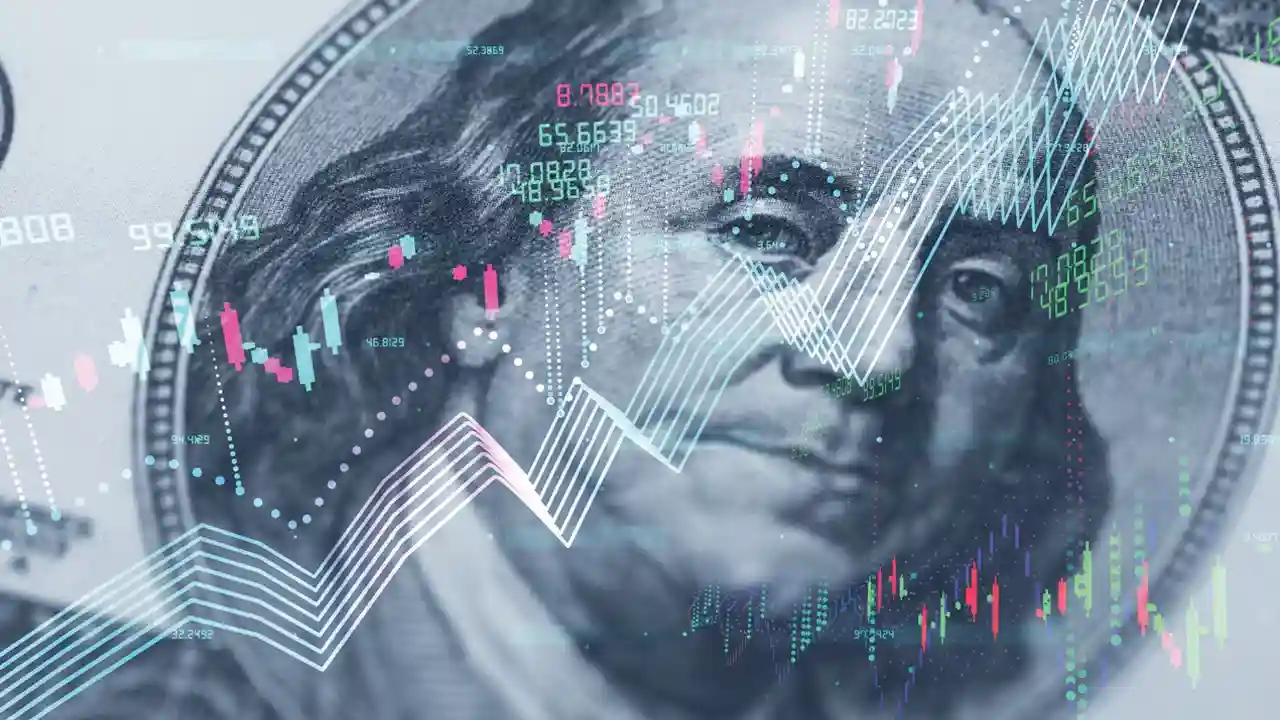
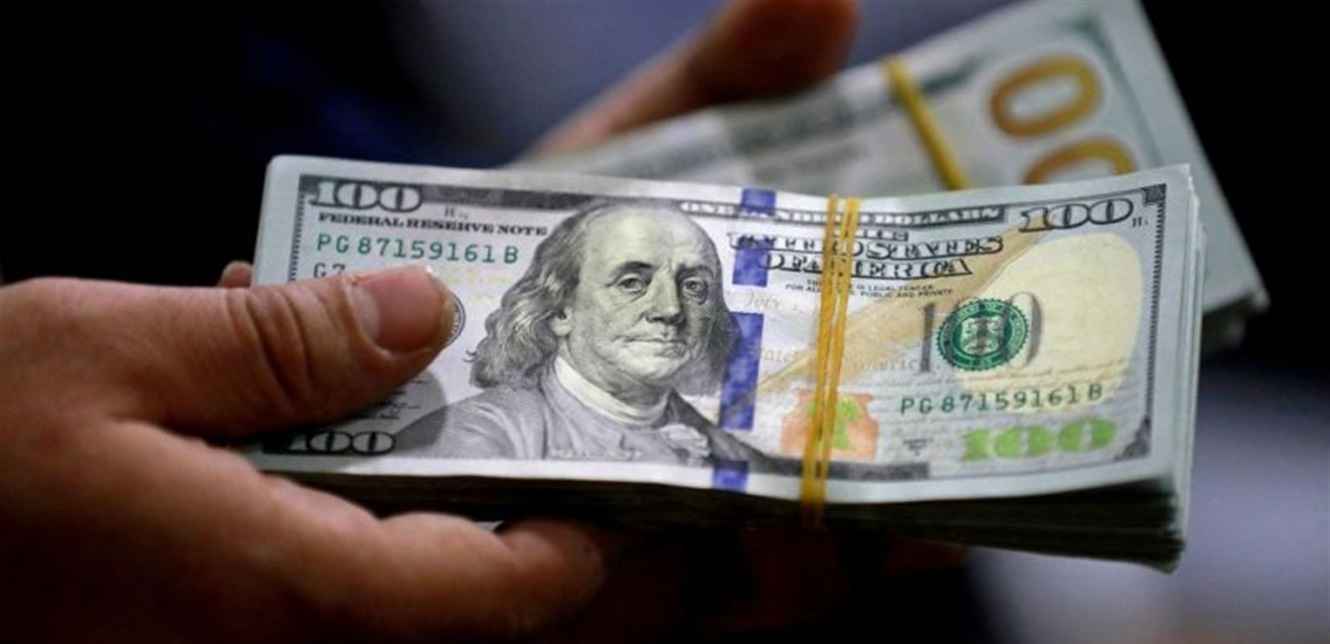
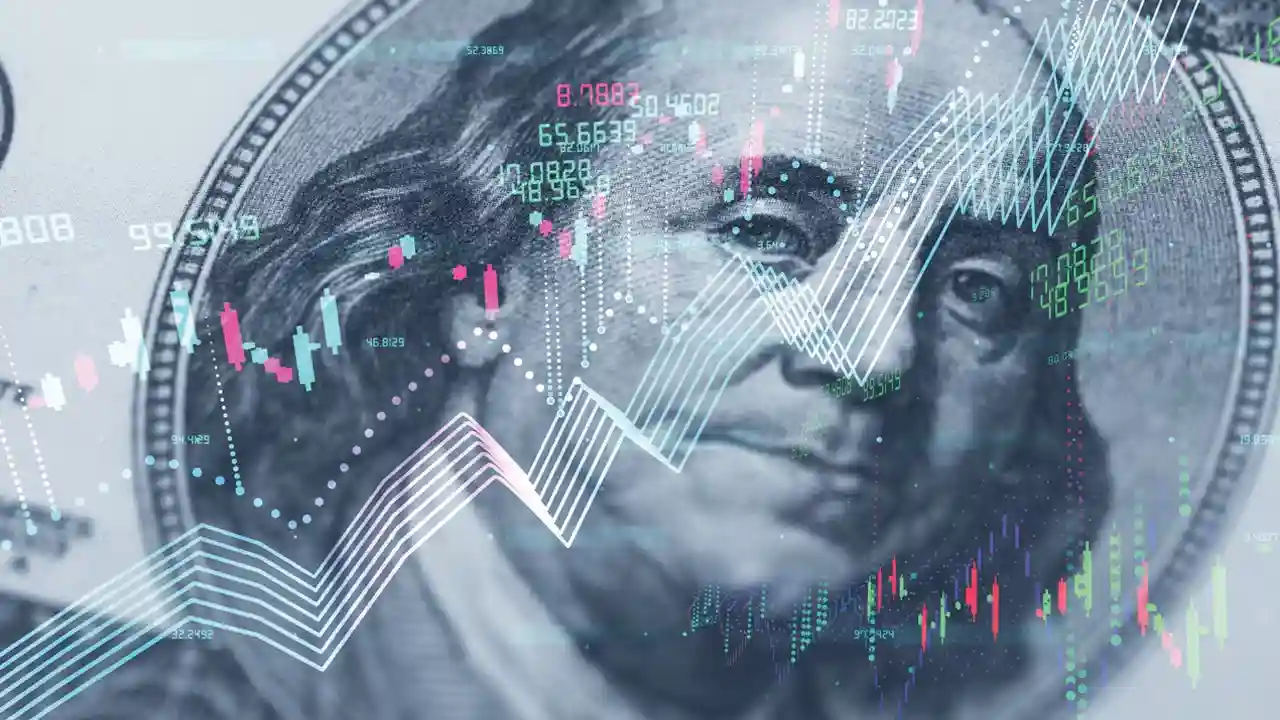
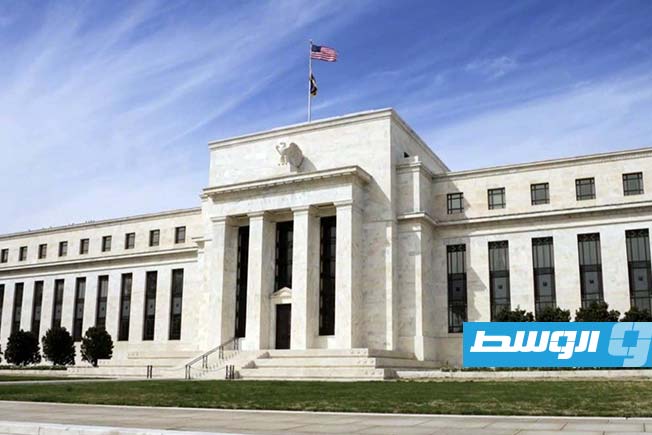
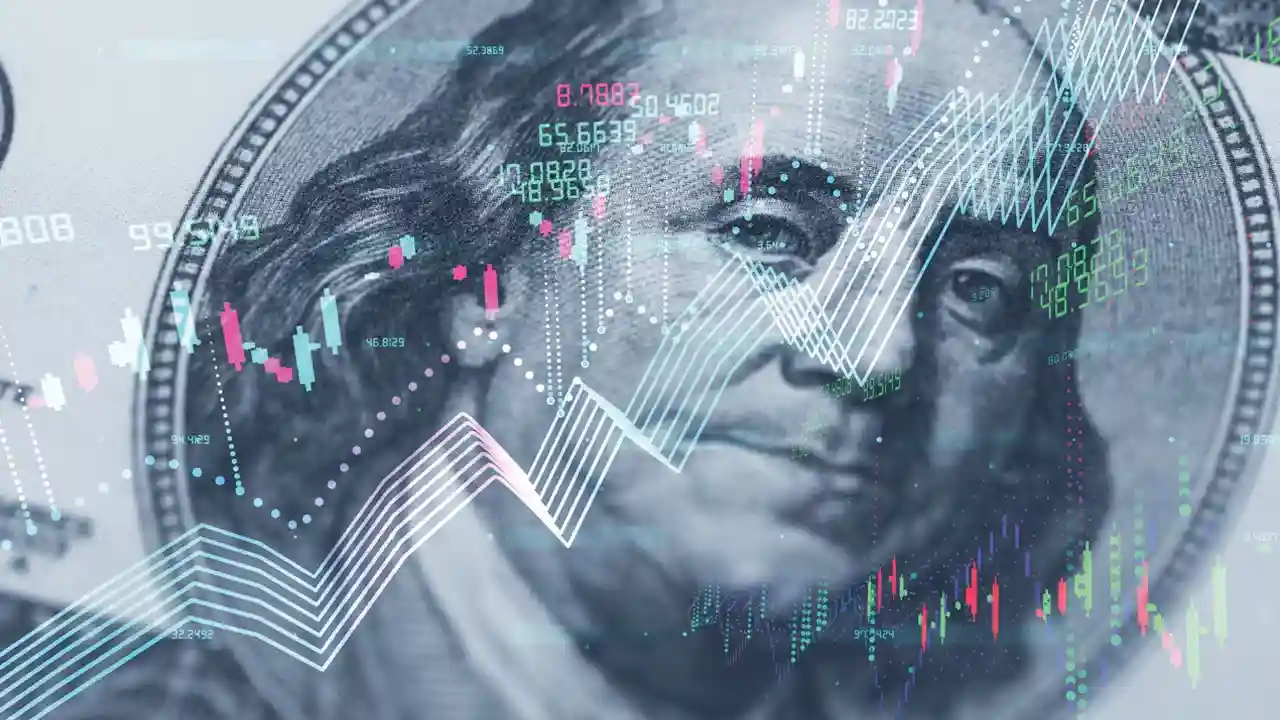
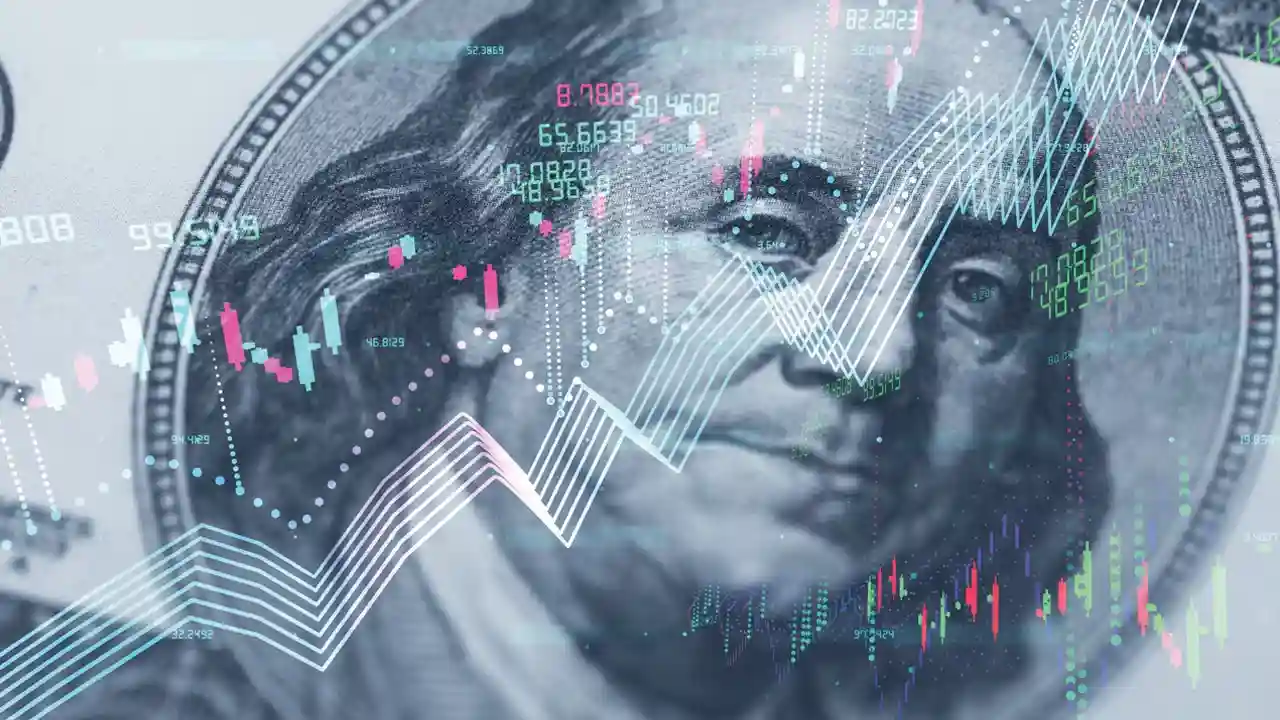
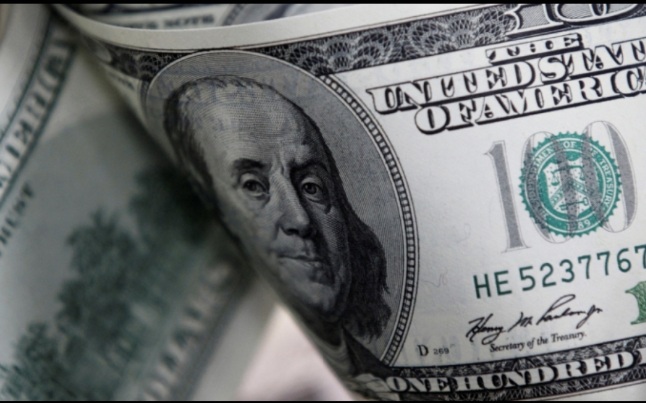
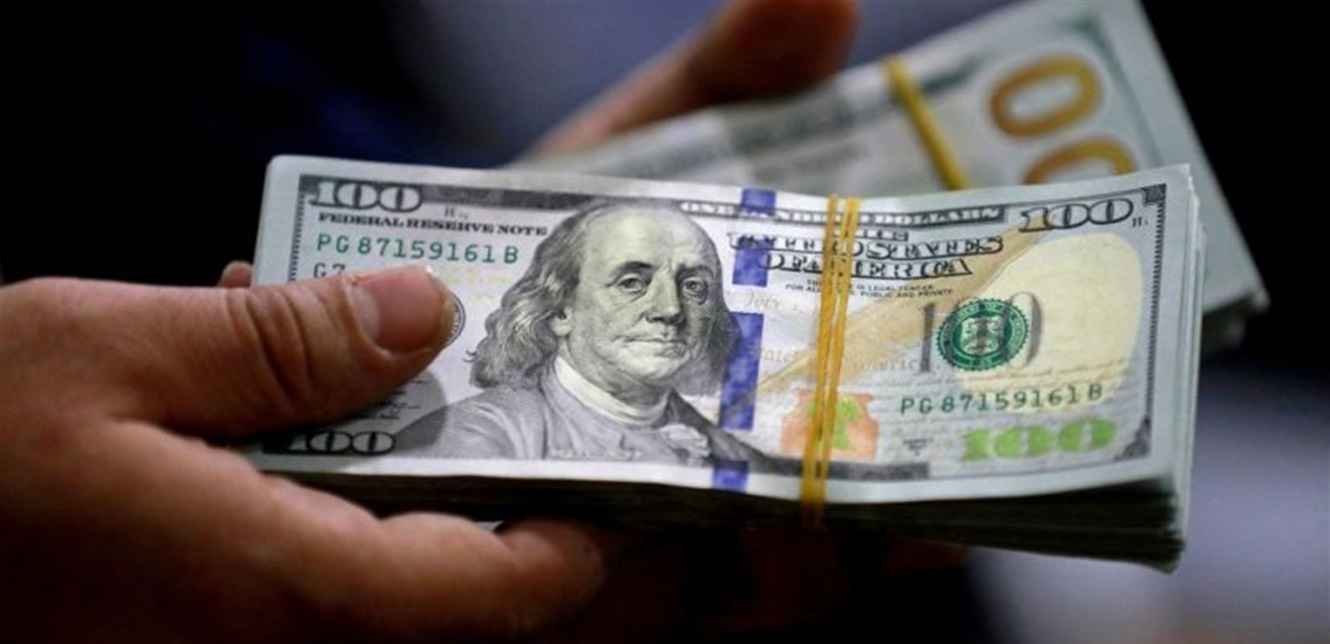
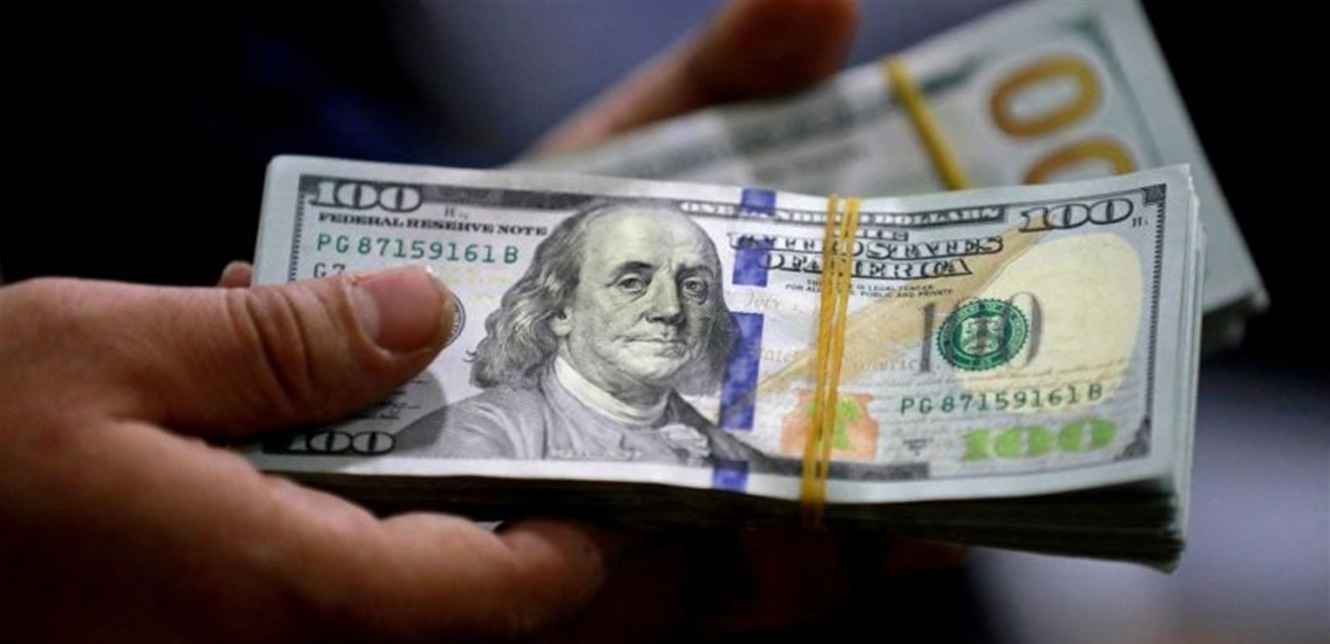
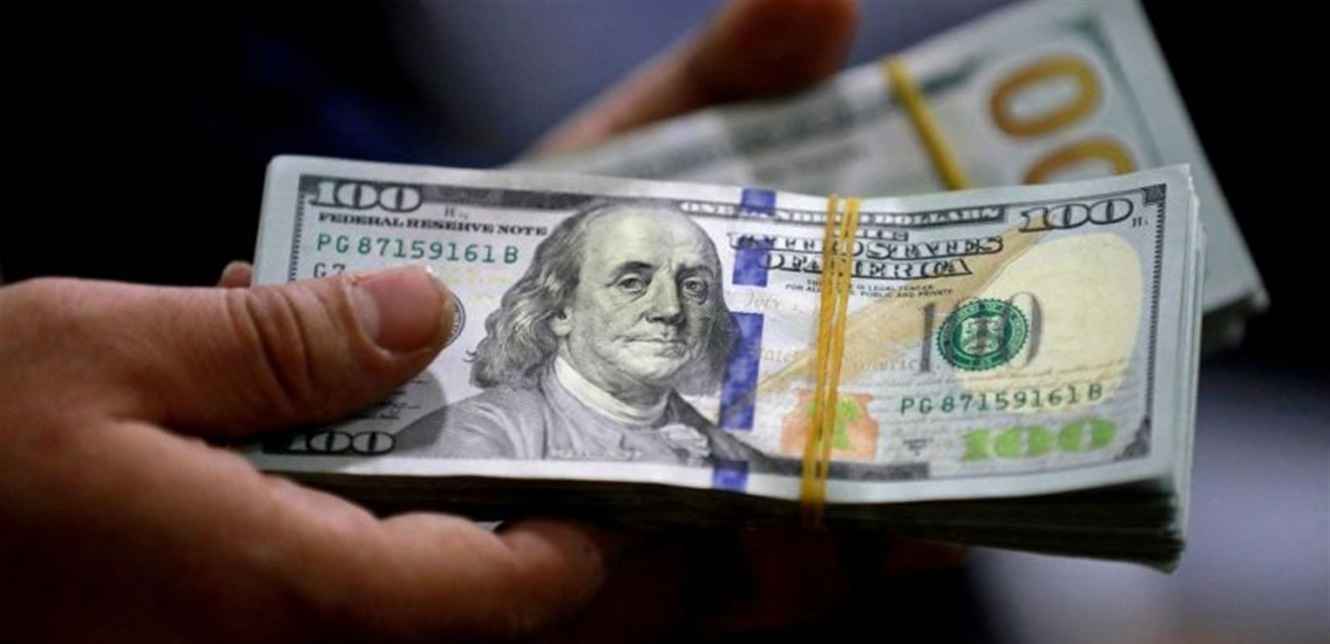
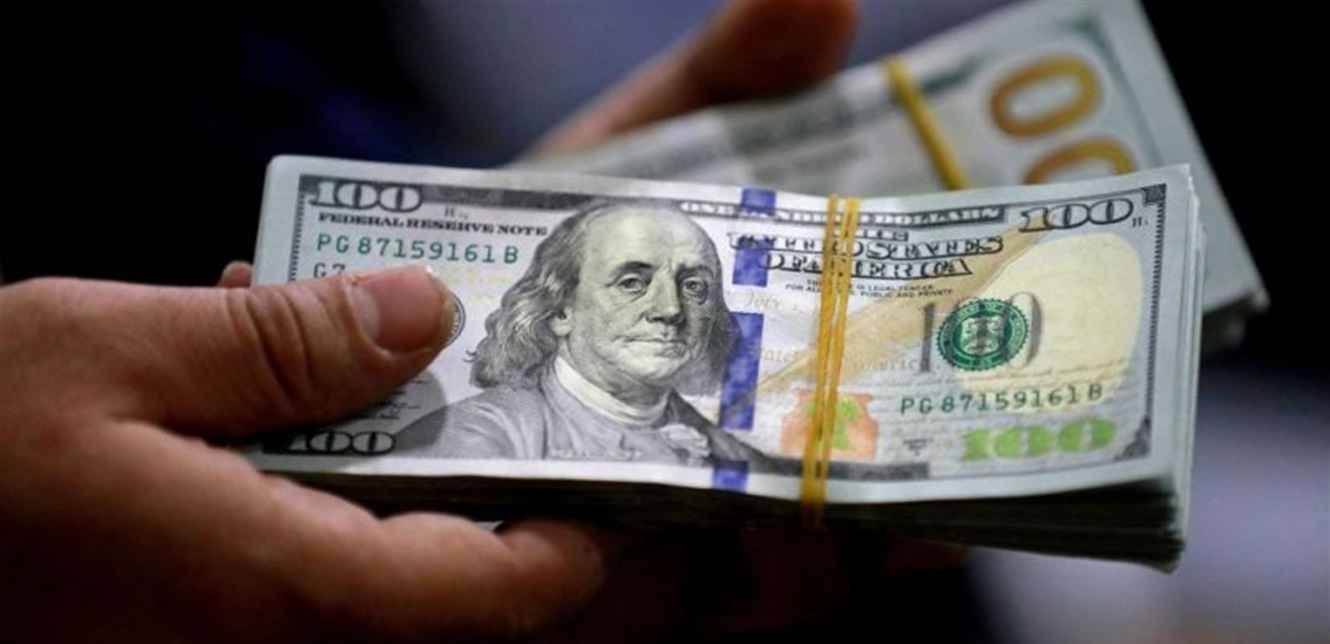
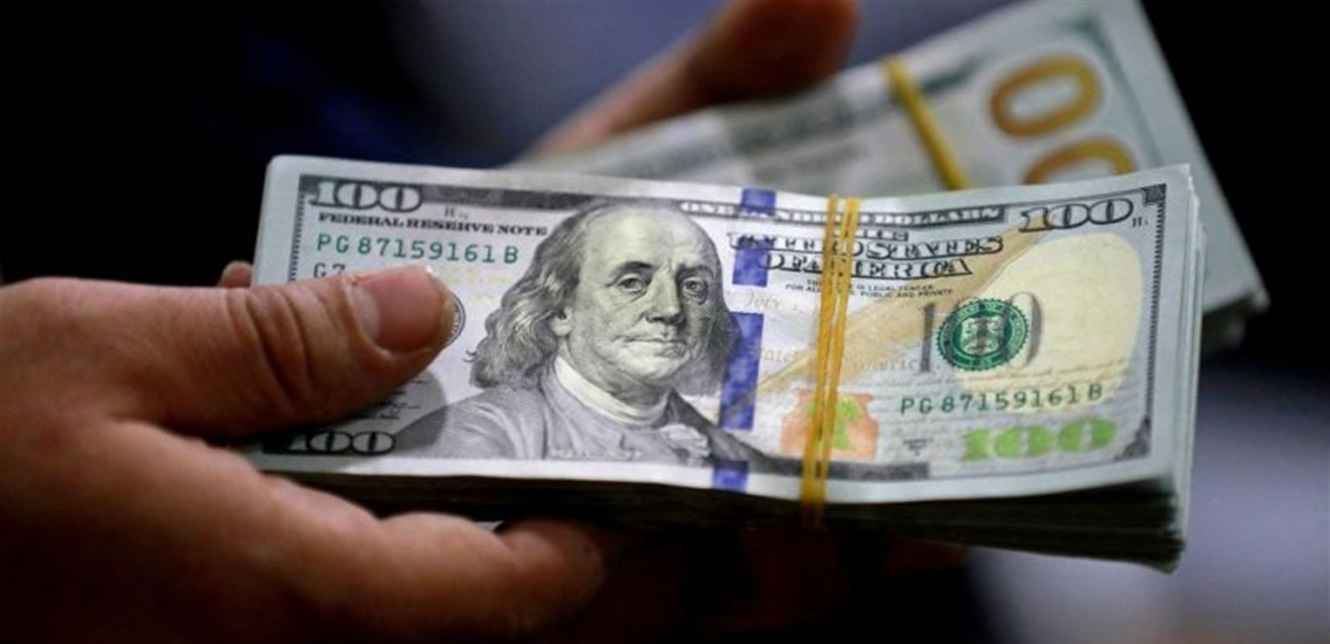
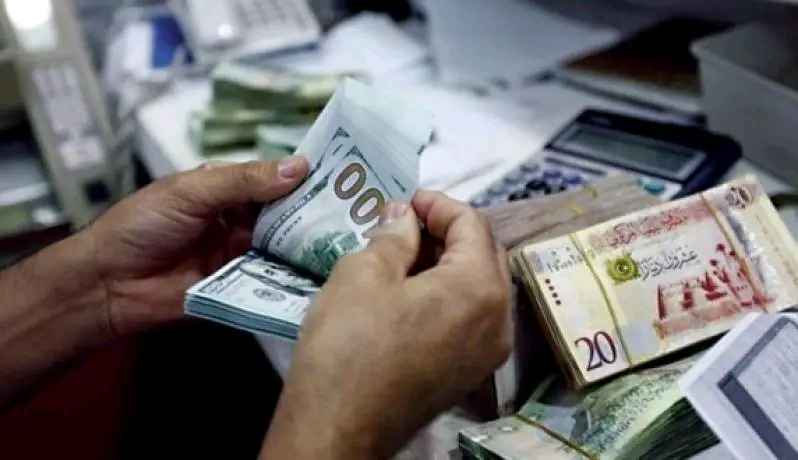
However, the biggest test lies in the performance of the U.S. dollar, which has fallen 8% since the start of the year, supporting emerging market assets. Observers expect the dollar to recover if the Federal Reserve decides to cut interest rates.
Nevertheless, total returns of 5% from emerging market bonds are expected next year. Analysts maintain an optimistic stance towards emerging market debt, expecting that very high real returns will continue to attract investors even if the dollar strengthens.