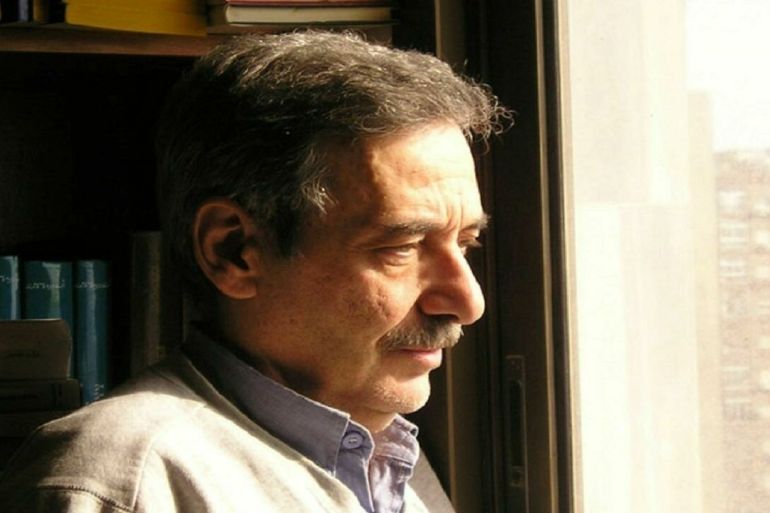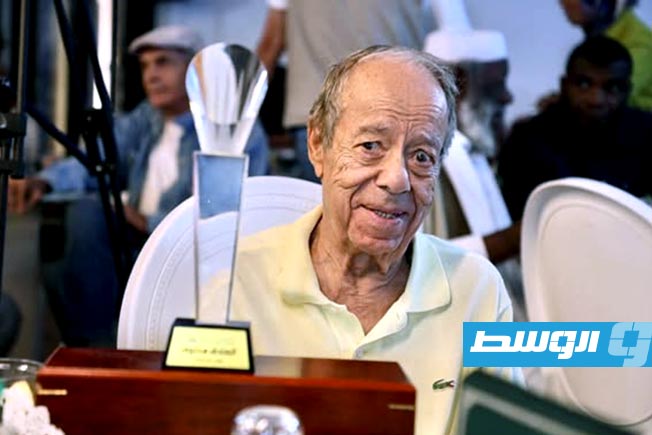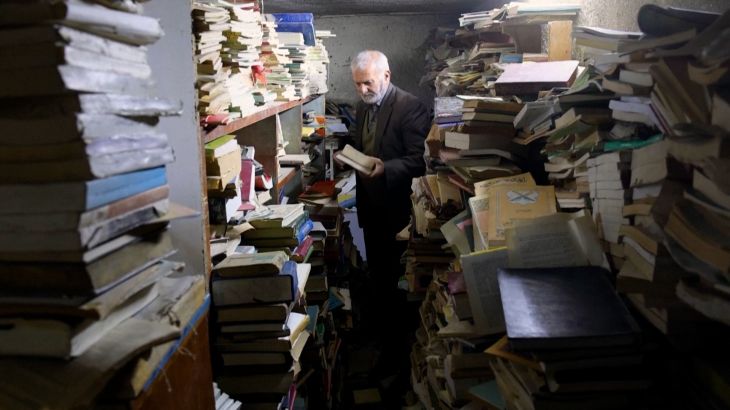
In the basement of the famous Al-Mutanabbi Street in Baghdad, there is a hidden gem called “The Wisdom Library,” a small library run by a 68-year-old man.
He says, “The idea for the library started from my constant interest in reading, and so I began with a book. About three decades have passed since the library was founded.”
For decades, he has dedicated himself to the mission of making reading accessible to everyone, transforming the book-filled basement into an influential cultural landmark.
He sells books at symbolic prices or gives them away for free to those who cannot afford to buy them.
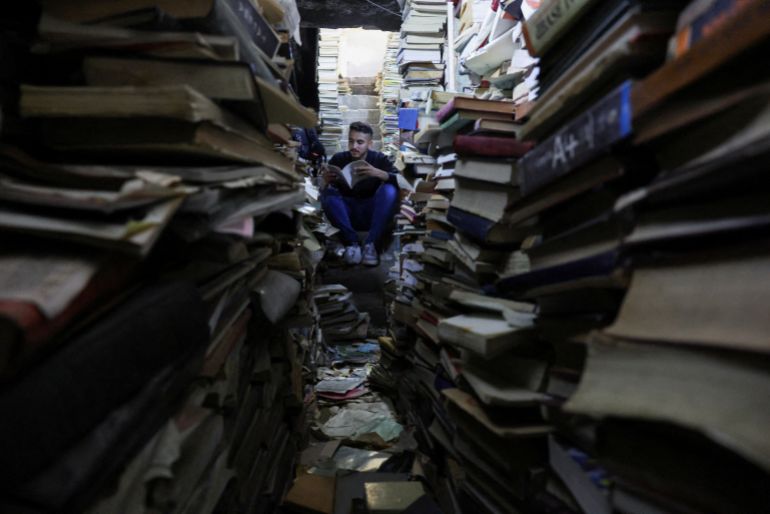
Regarding the sources of the books, he says, “Their sources are as follows: homes that inherit book collections, travelers, those in need, and exhibitions held in Iraq. In addition, there is trade between libraries, where we sell to each other. That’s one point. The other point: I see the library’s cause as a mission, because a person only ascends through reading.”
He adds, “The library contains all types of sciences and in all languages, from medicine to religious books, these books are available. As for dealing with people, thanks to God Almighty, I have found that I deal with the finest people: the doctor, the engineer, the professor, the poet, the Imam.”
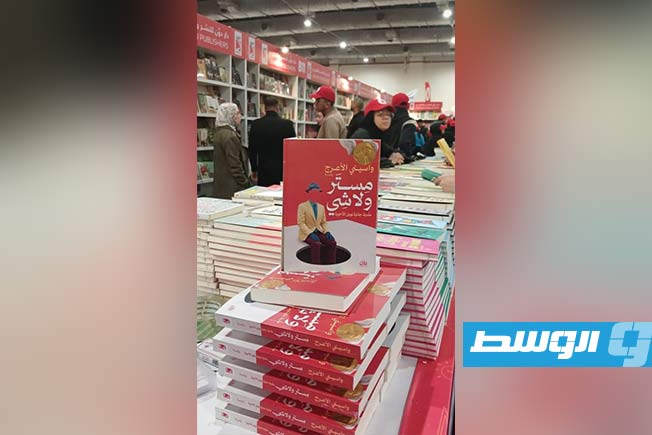
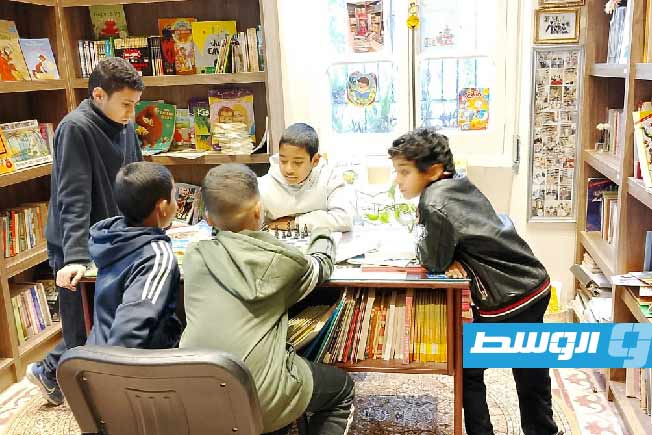
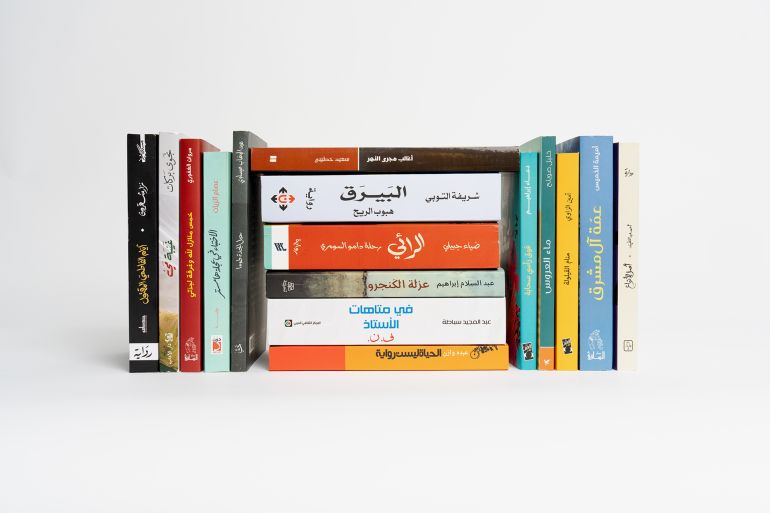
The basement has turned into a hidden treasure, containing shelves and boxes stacked with thousands of books in various fields, from sciences and history to rare novels. The library attracts a diverse audience of students, academics, and professionals, all drawn to its rich collection.
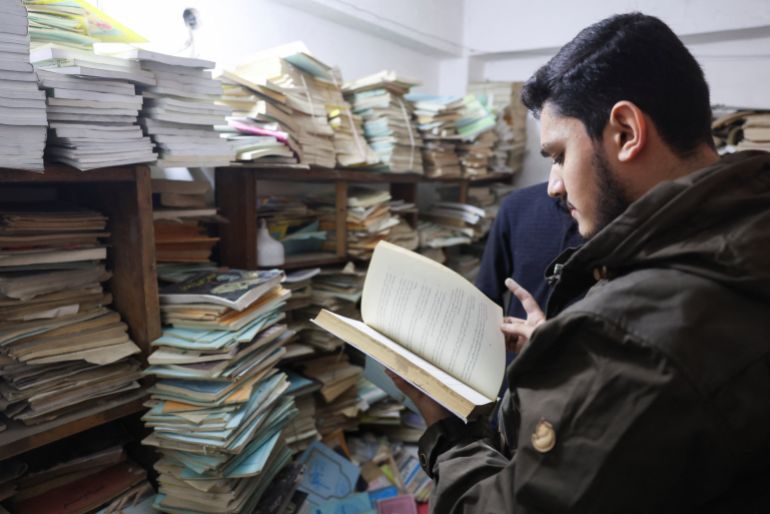
One of the library’s regular visitors says, “It is a good initiative for him and for the whole society, and for the people who benefit from these books, especially students or ordinary readers, as they benefit from them for free. From time to time, he always distributes books to people, to those in need and to others, not based on financial status, but rather he offers this as something beneficial for the entire society.”
The owner says, “And I inform everyone: any person who does not have the means to buy, the book is free for them.”
He issues a call to encourage reading, saying, “I call on all young people, women and men, to make this library their library, and to take any book they like, whether for free, at a low price, or through a borrowing system.”
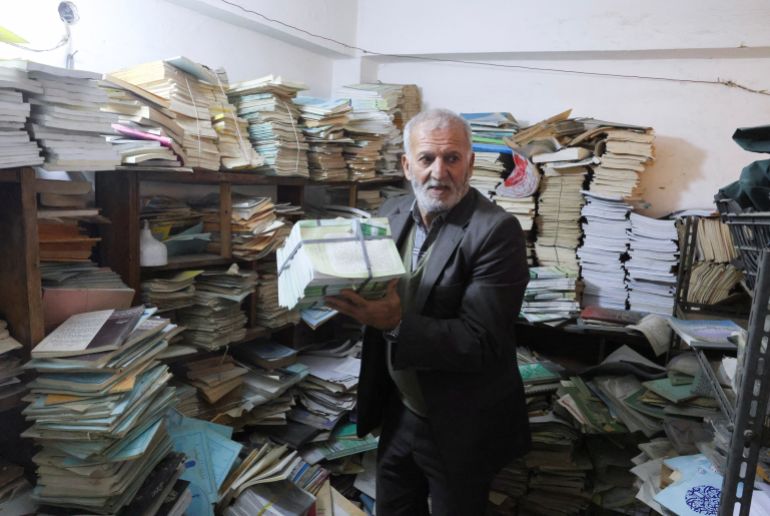
The initiative is considered a personal effort to preserve reading culture and safeguard the legacy of Al-Mutanabbi Street, the beating cultural heart of Baghdad.
One of the street’s bookstore owners says, “Of course, our