The Defense and National Security and Foreign Affairs Committees in Parliament Offer Condolences for the Death of Al-Haddad and His Companions.
libyawire.org > News > Sport > The Defense and National Security and Foreign Affairs Committees in Parliament Offer Condolences for the Death of Al-Haddad and His Companions.
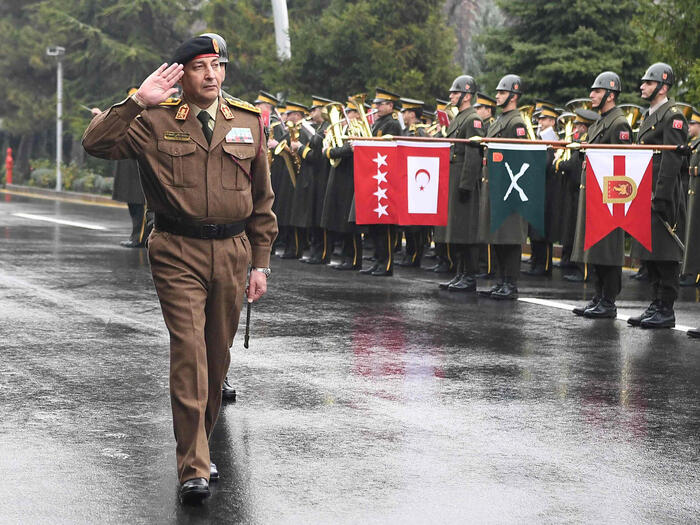
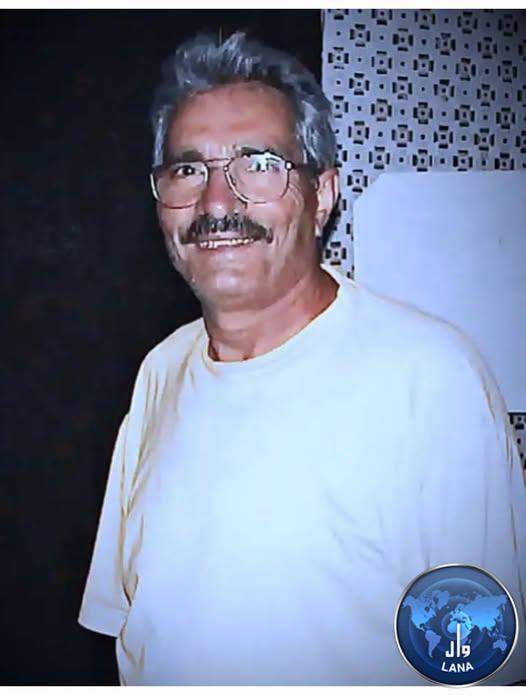
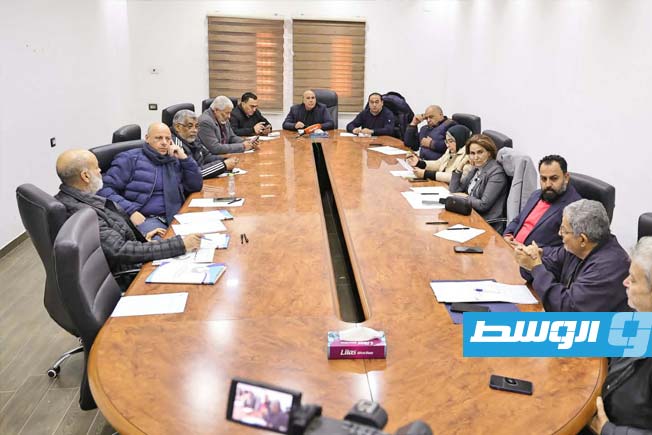
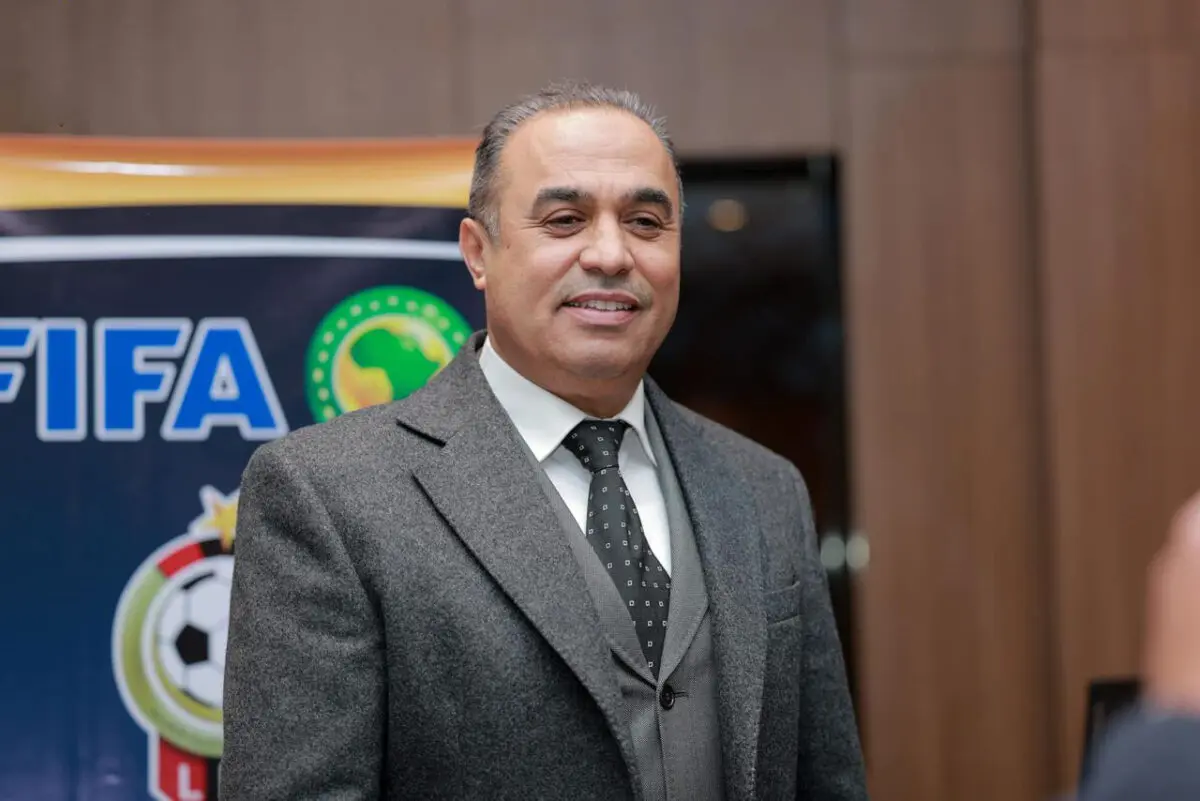
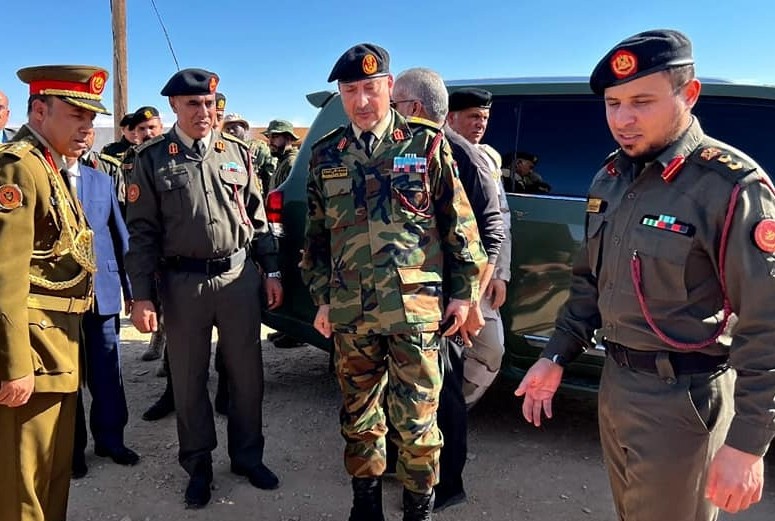
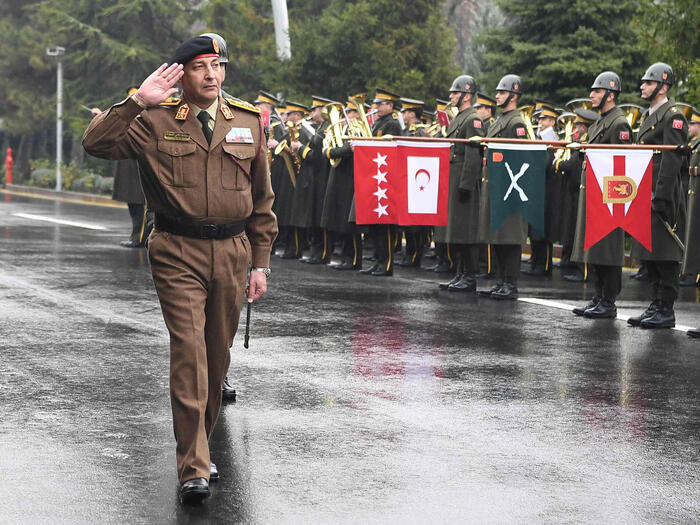
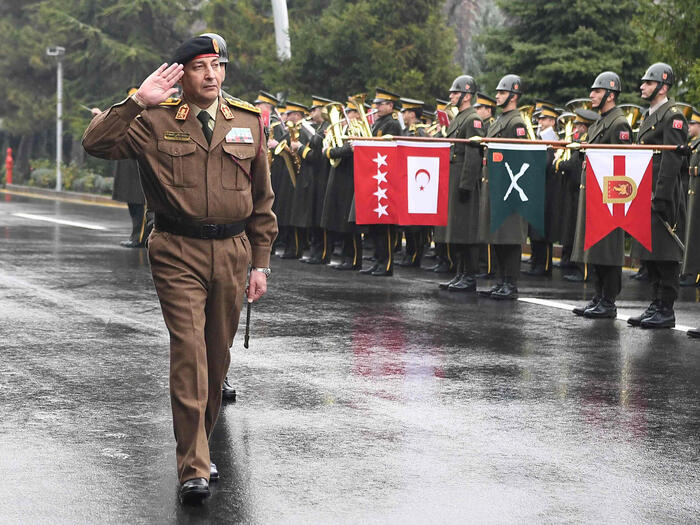
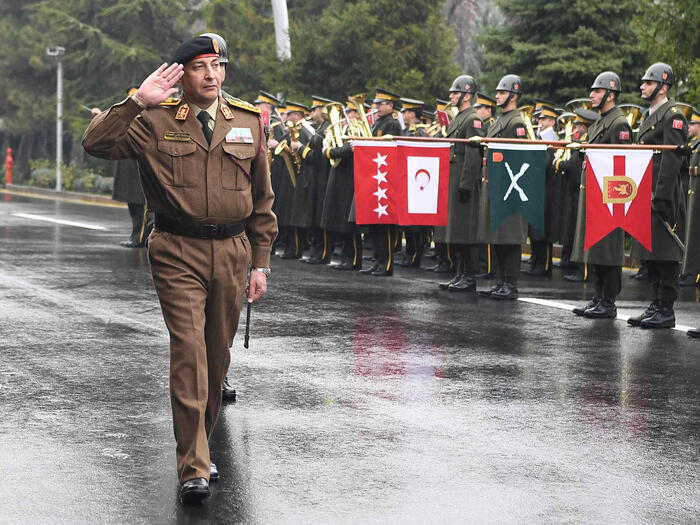
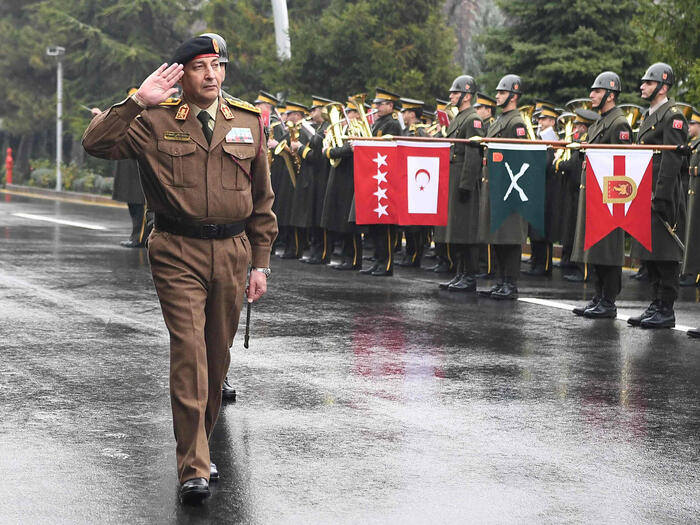
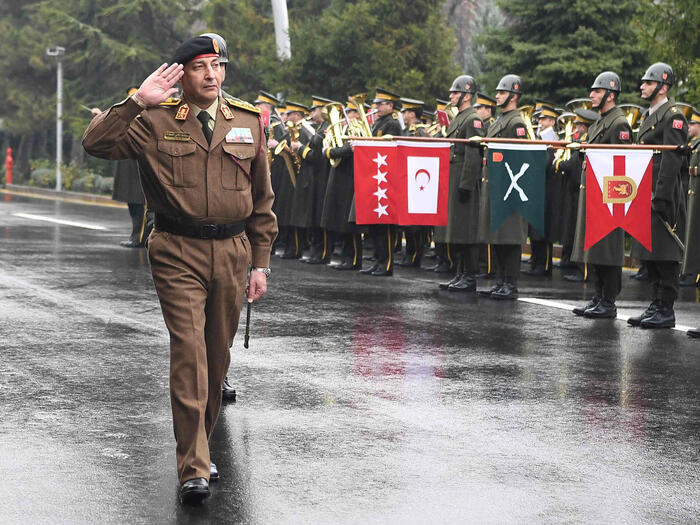
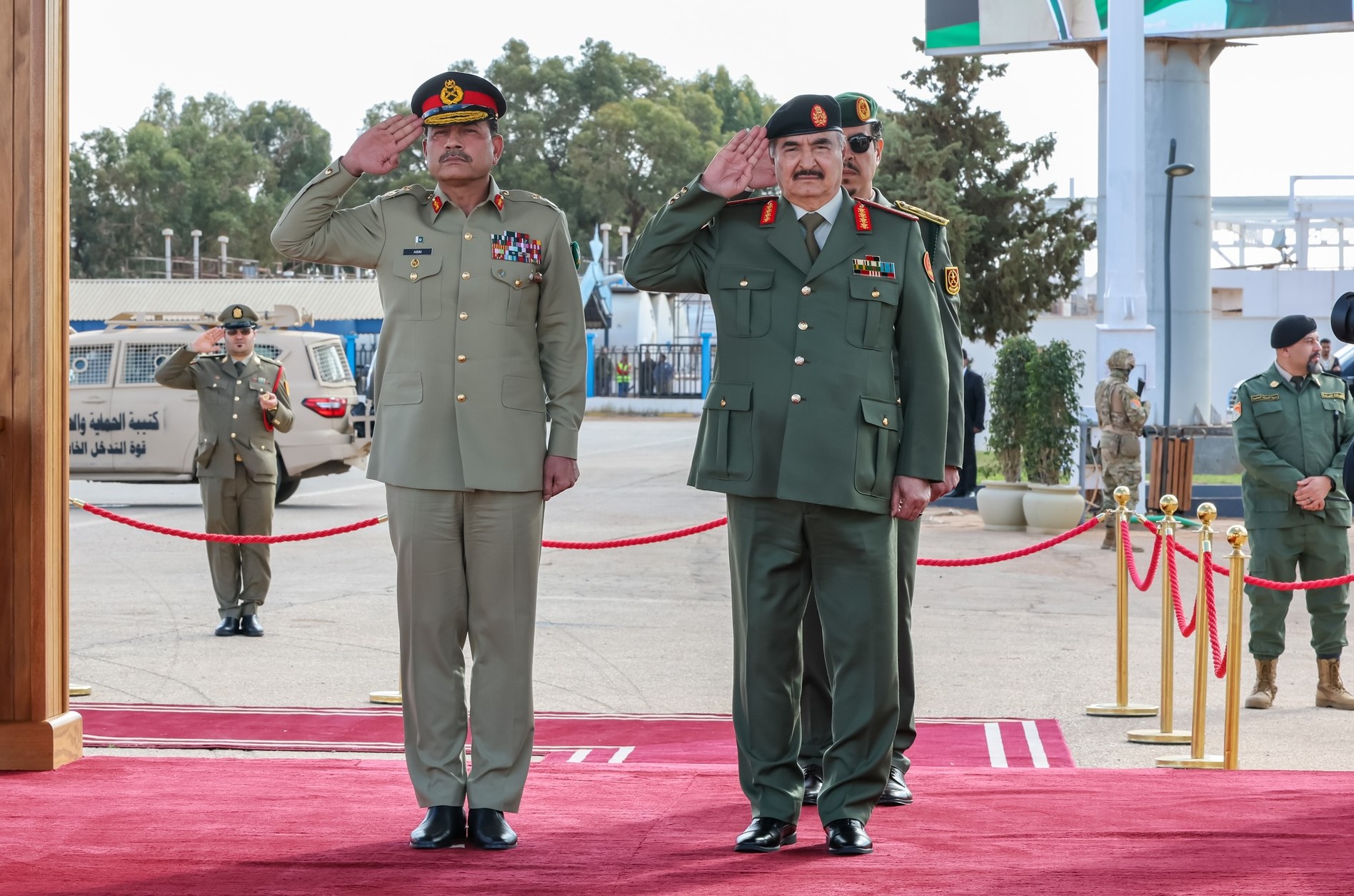
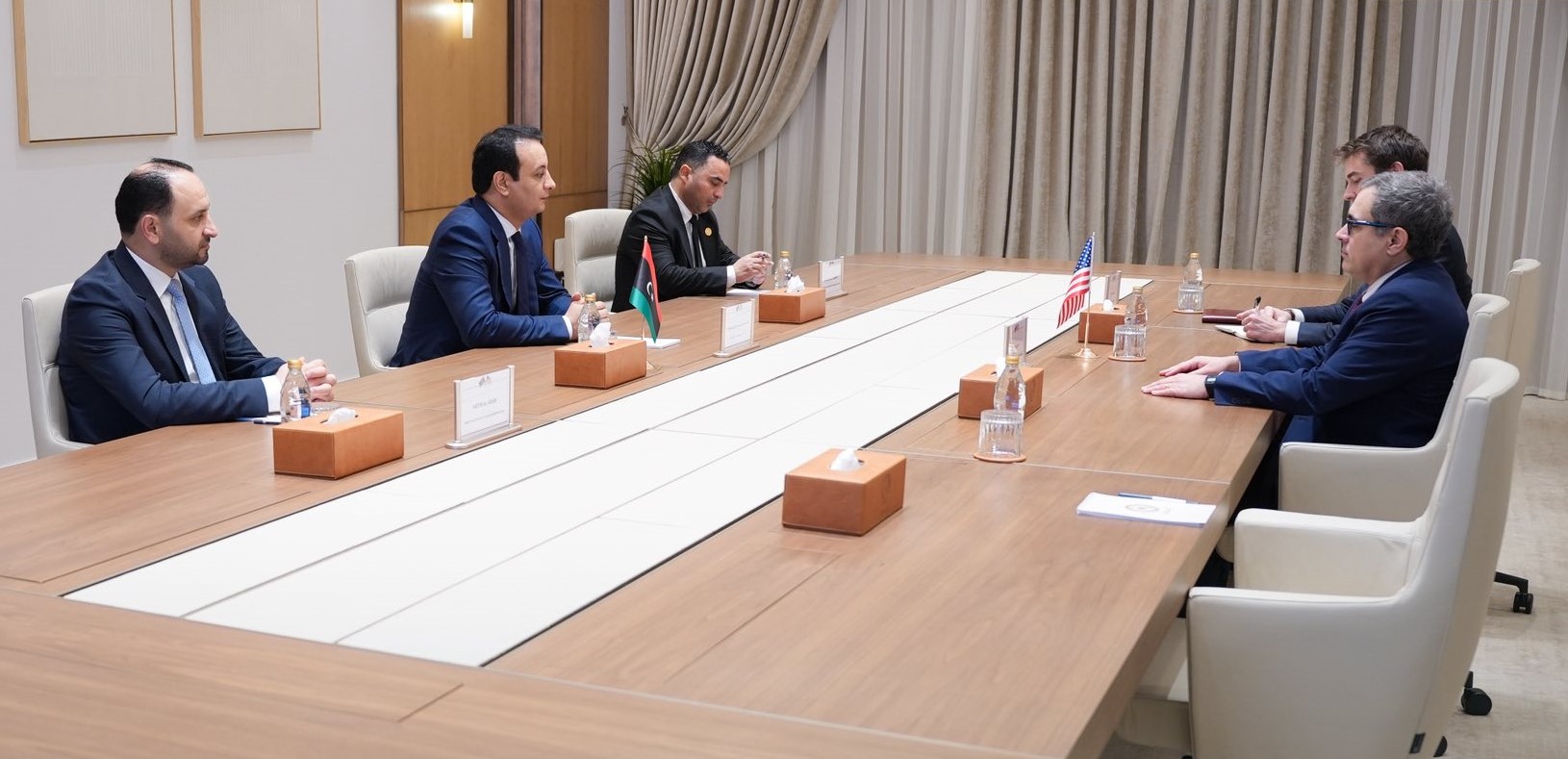
Benghazi, December 24, 2025 – The National Defense and Security Committee and the Foreign Affairs Committee of the Libyan House of Representatives offered their sincere condolences on the death of the Chief of the General Staff, Lieutenant General Mohammed Al-Haddad, and Major General Al-Fitouri Gharibil and his companions, following the crash of the plane carrying them in Turkey.
The Defense Committee of the Council stated in a statement with deep sorrow and grief that it received the news of the death of Lieutenant General Mohammed Al-Haddad and his companions, and offered its sincere condolences and heartfelt sympathy to the Libyan Armed Forces, which lost one of its men who performed their military duty faithfully and sincerely, in a stage considered one of the most delicate stages the nation is going through, embodying national values and prioritizing the supreme interest of the nation over political interests.
The committee also offered condolences to the Joint Military Committee (5+5) on the loss of one of its members, Major General Al-Fitouri Gharibil, to the families of the deceased, and to their comrades in the armed forces.
For its part, the Foreign Affairs Committee expressed deep sadness and grief for the late Al-Haddad and his companions, and offered sincere condolences and heartfelt sympathy to the Libyan Armed Forces, praying to God to envelop them in His vast mercy. It offered its sincere condolences to the Joint Military Committee (5+5) on the loss of one of its members, Major General Al-Fitouri Gharibil.
Benghazi
Benghazi is a major city in eastern Libya, historically significant as a center of trade and culture since its founding as the ancient Greek colony of Euesperides. It played a pivotal role in Libya’s modern history, serving as the provisional capital after the 2011 revolution and being the site of a major 2012 attack on a U.S. diplomatic compound.
Libya
Libya is a North African country with a rich history rooted in ancient civilizations like the Phoenicians and Romans, followed by Arab Islamic influence and centuries under Ottoman rule. It gained independence in 1951 and was later governed by Muammar Gaddafi from 1969 until the 2011 revolution. The nation is known for its significant archaeological sites, such as the Roman ruins of Leptis Magna, and its vast Sahara Desert landscapes.
Libyan House of Representatives
The Libyan House of Representatives is the internationally recognized parliament of Libya, formed in 2014 following the country’s second civil war. It replaced the General National Congress and has been based in the eastern city of Tobruk since 2014 due to ongoing political divisions and conflict.
Turkey
Turkey is a transcontinental nation bridging Europe and Asia, with a rich history as the heart of the Byzantine and Ottoman Empires. Its cultural landscape is defined by iconic sites like the Hagia Sophia in Istanbul, which has served as a cathedral, mosque, and now a museum, reflecting the country’s layered historical influences. Modern Turkey was founded as a republic in 1923 by Mustafa Kemal Atatürk.
Libyan Armed Forces
The Libyan Armed Forces are the official military forces of Libya, originally established after the country gained independence in 1951. Following the 2011 revolution and the fall of Muammar Gaddafi’s government, the forces fragmented into various competing groups aligned with different political factions and governments.
Joint Military Committee (5+5)
The Joint Military Committee (5+5) is a security dialogue forum consisting of five countries from the Sahel region (Mali, Mauritania, Niger, Burkina Faso, and Chad) and five from North Africa (Algeria, Libya, Morocco, Tunisia, and Mauritania, which participates in both groups). It was established to foster military cooperation and address shared security challenges, such as terrorism and illicit trafficking, in the trans-Saharan zone. The committee’s framework has evolved since its inception to coordinate joint operations and intelligence-sharing among member states.