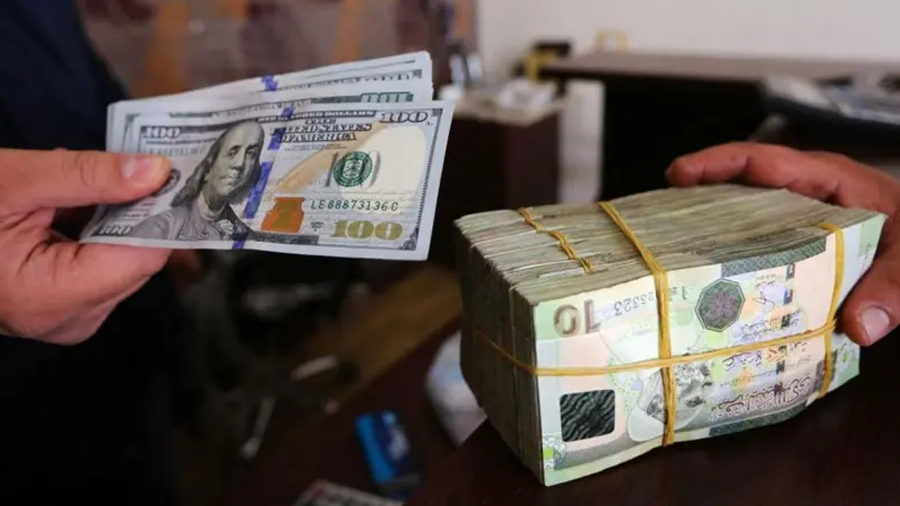
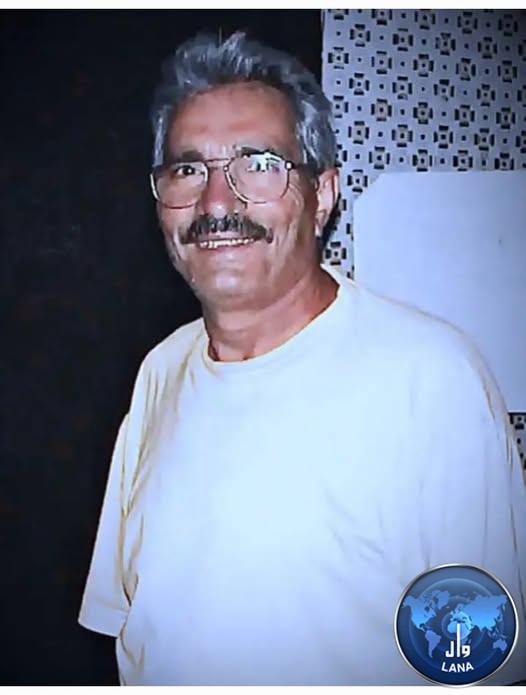
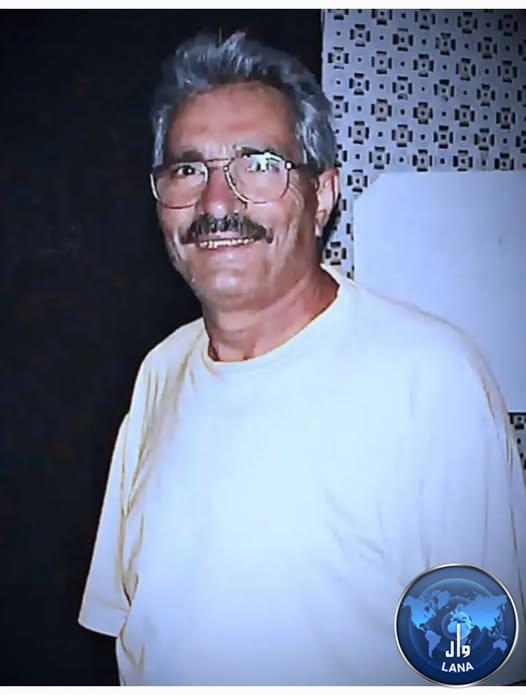
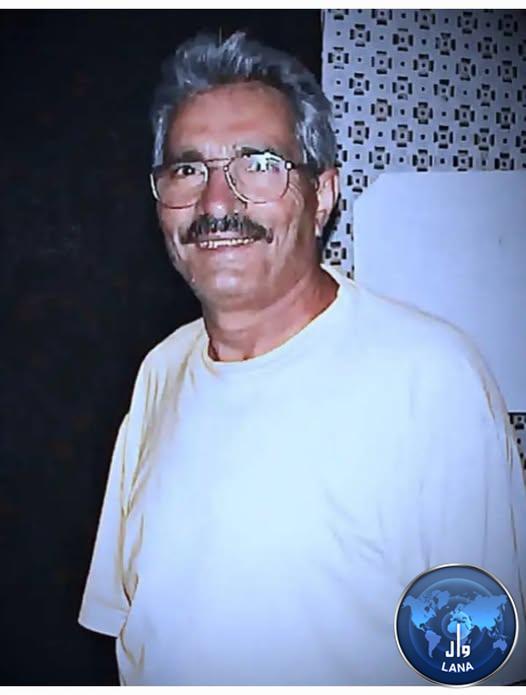
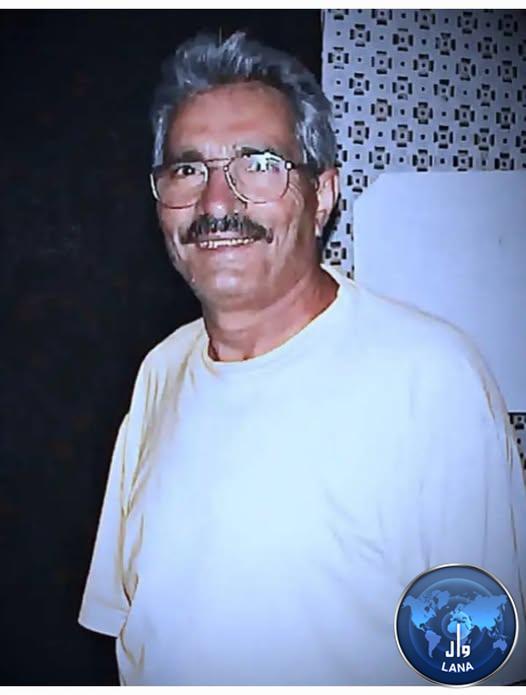
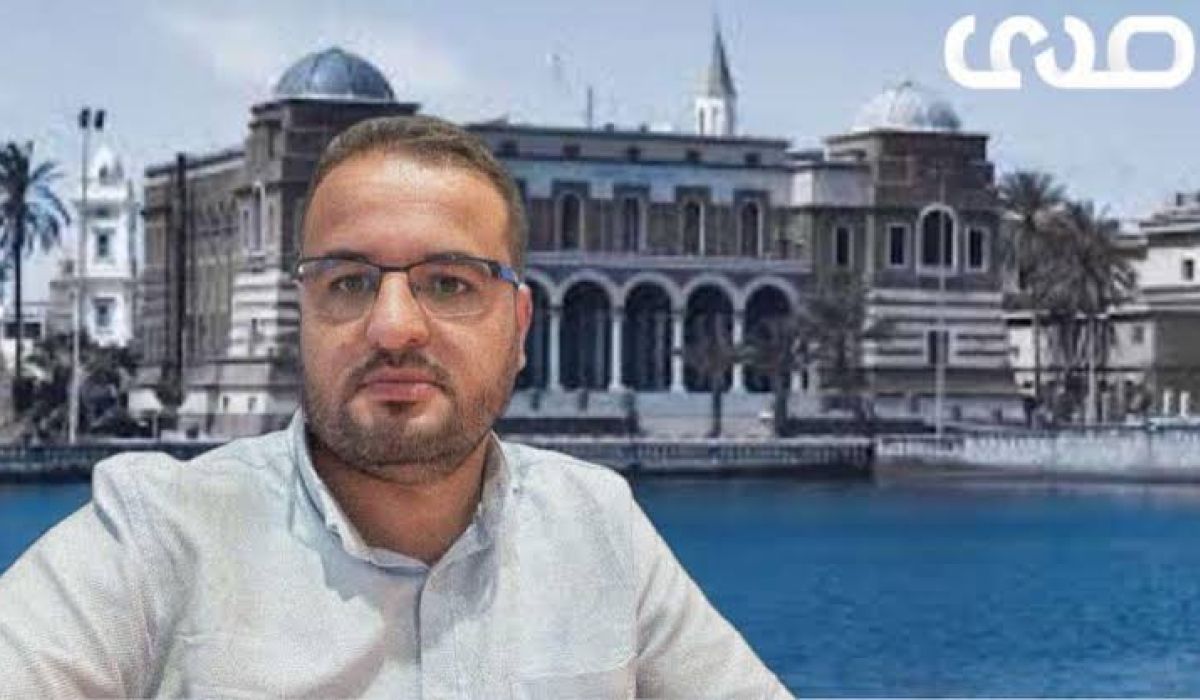
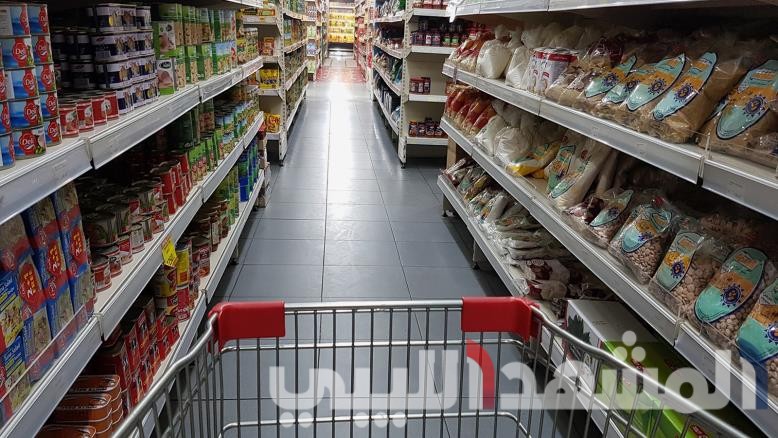
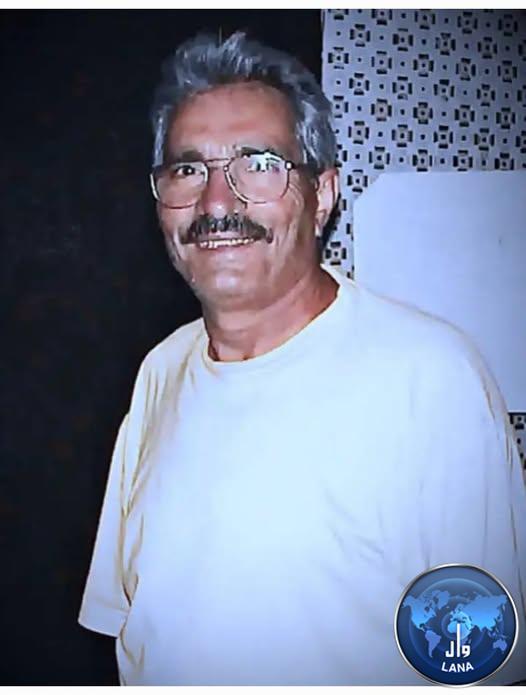
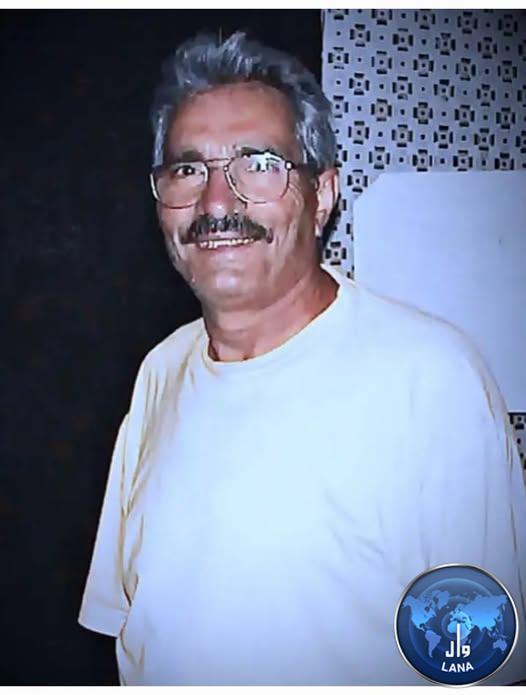
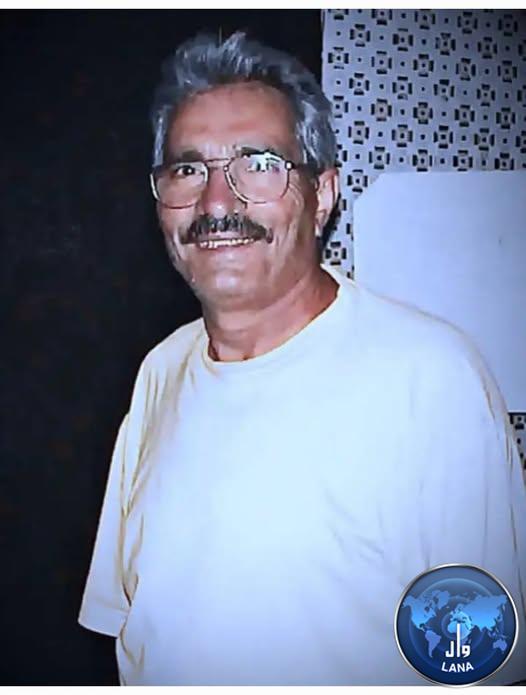
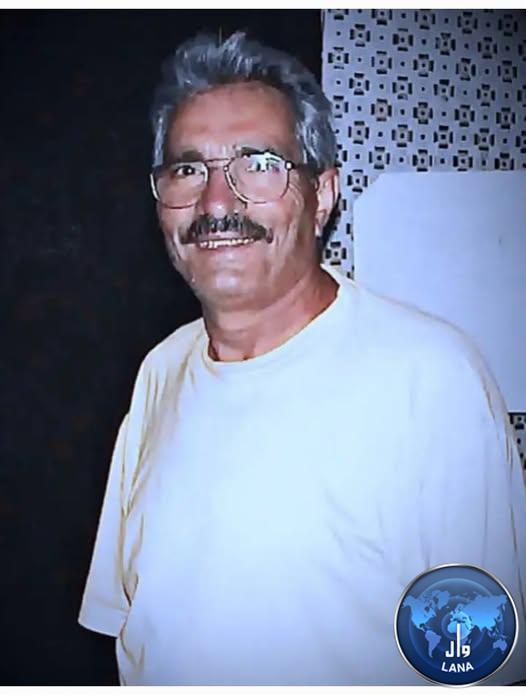
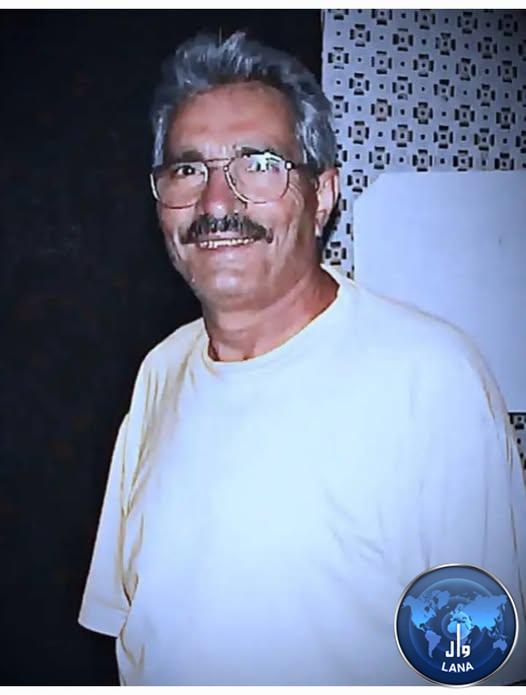
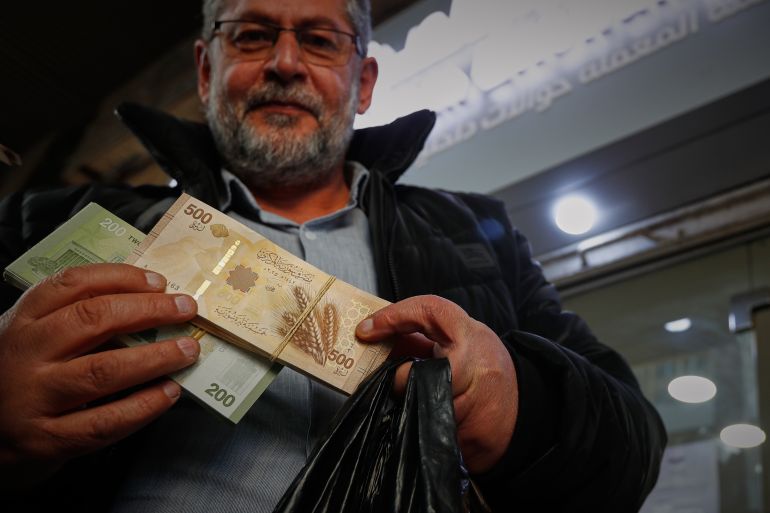
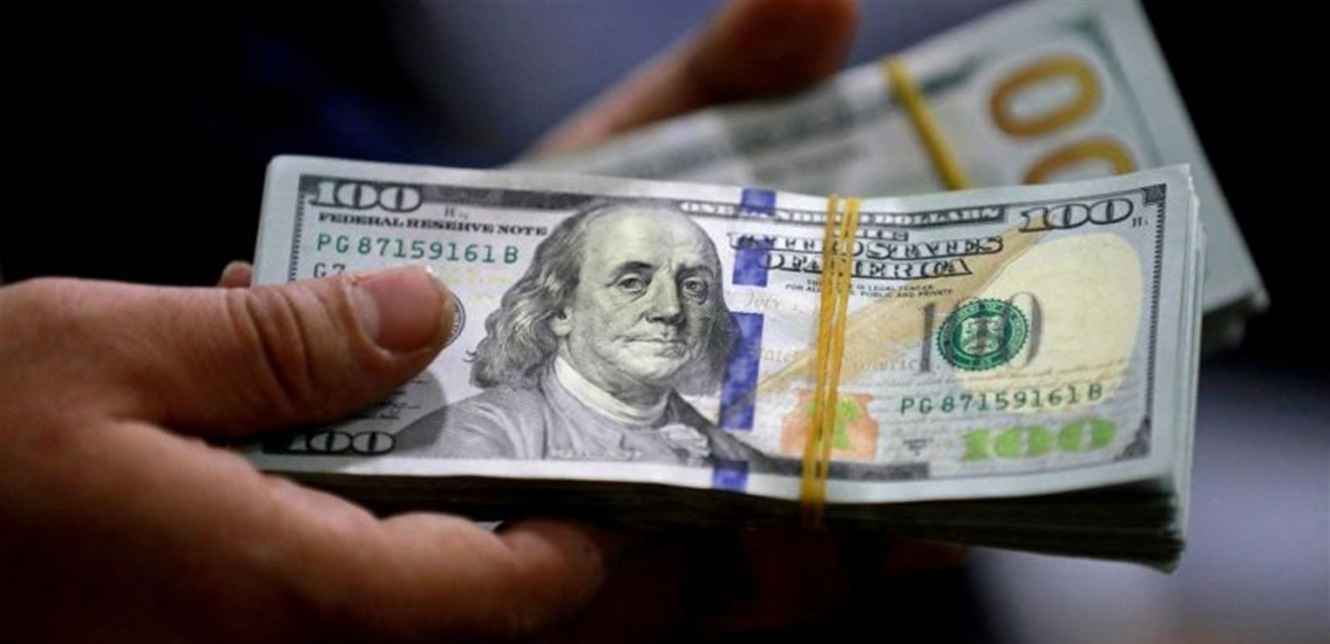
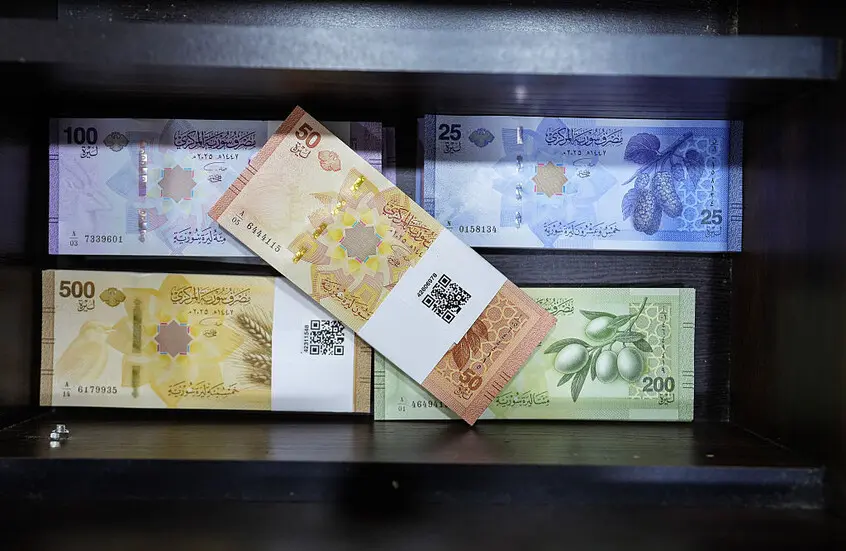
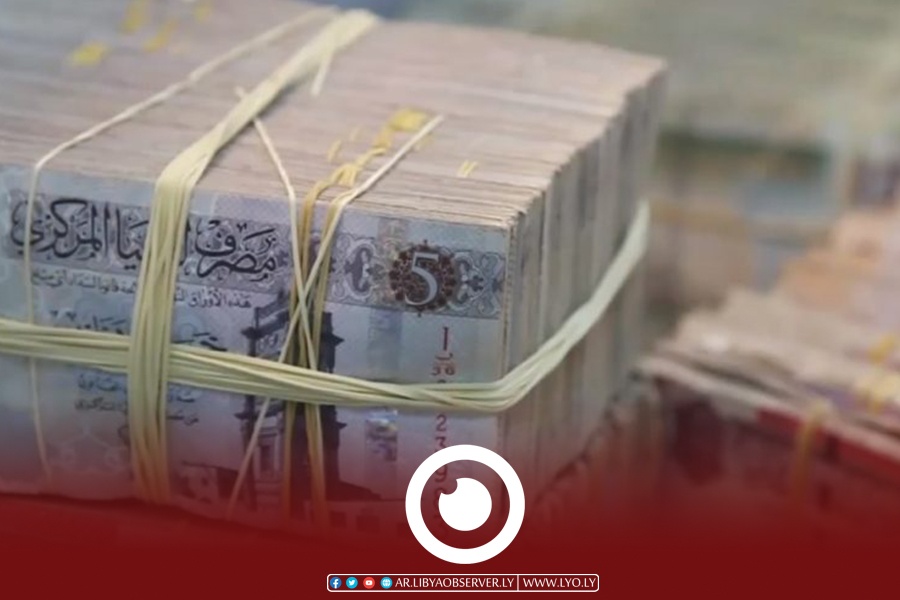
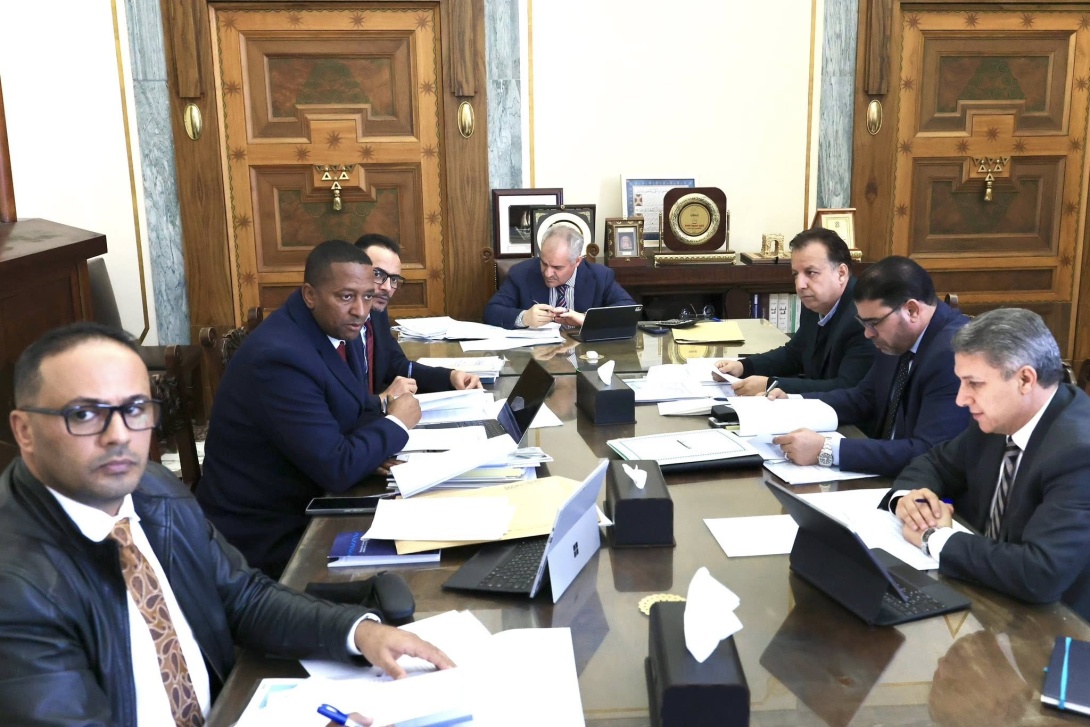
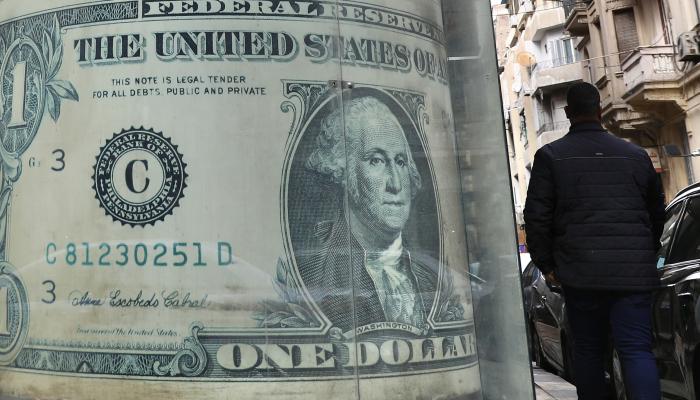
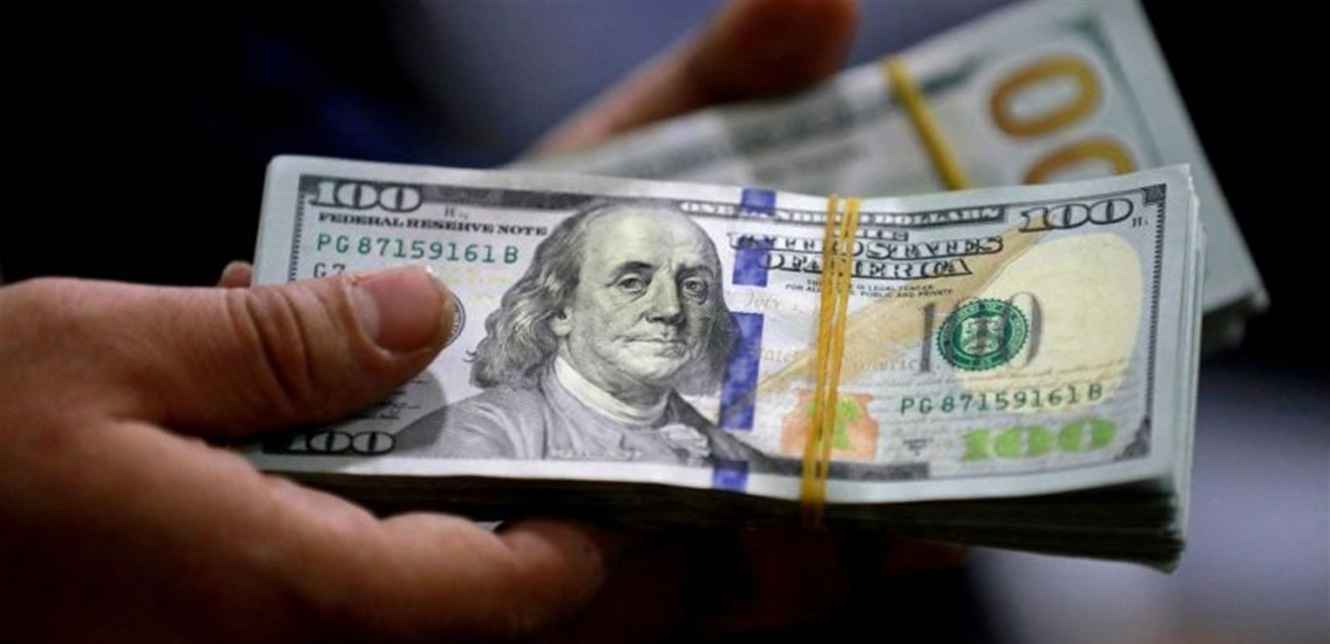
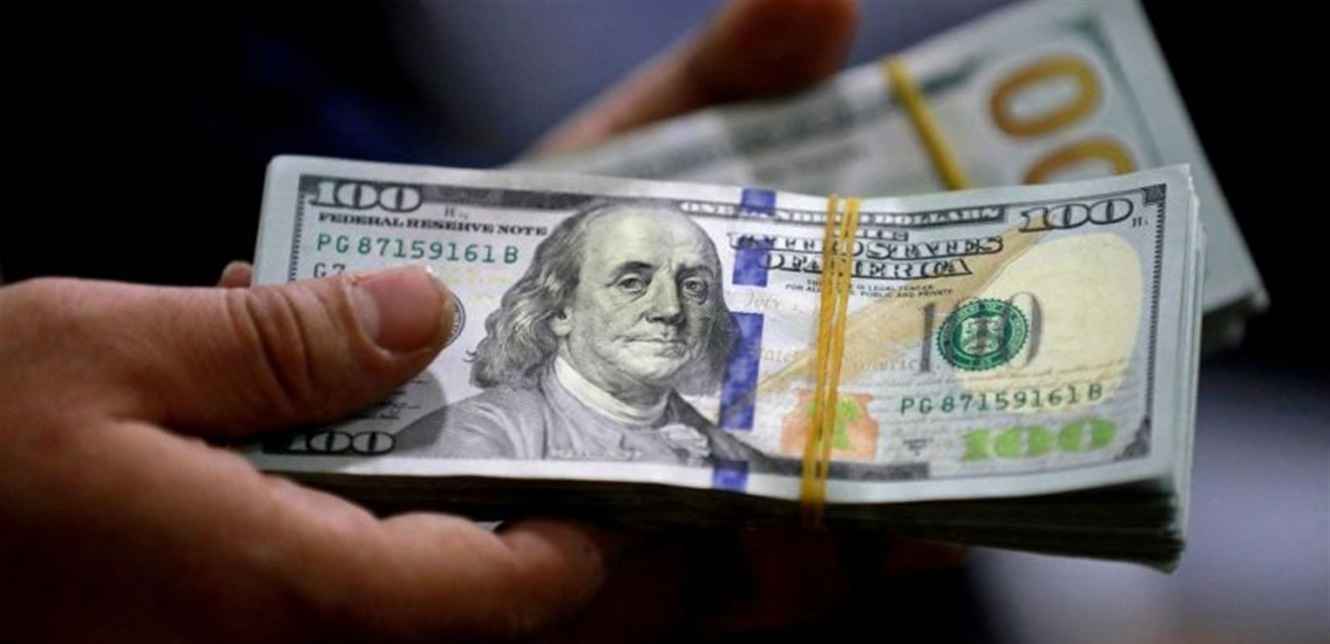
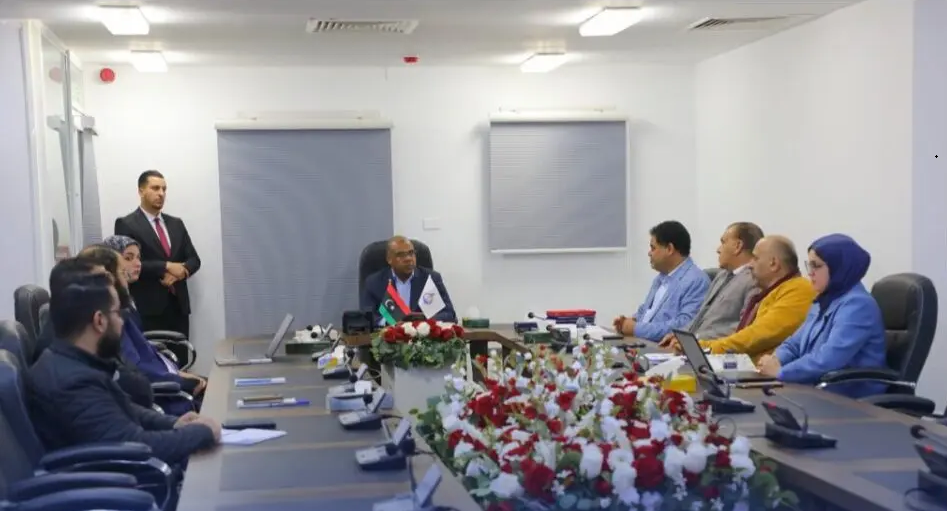
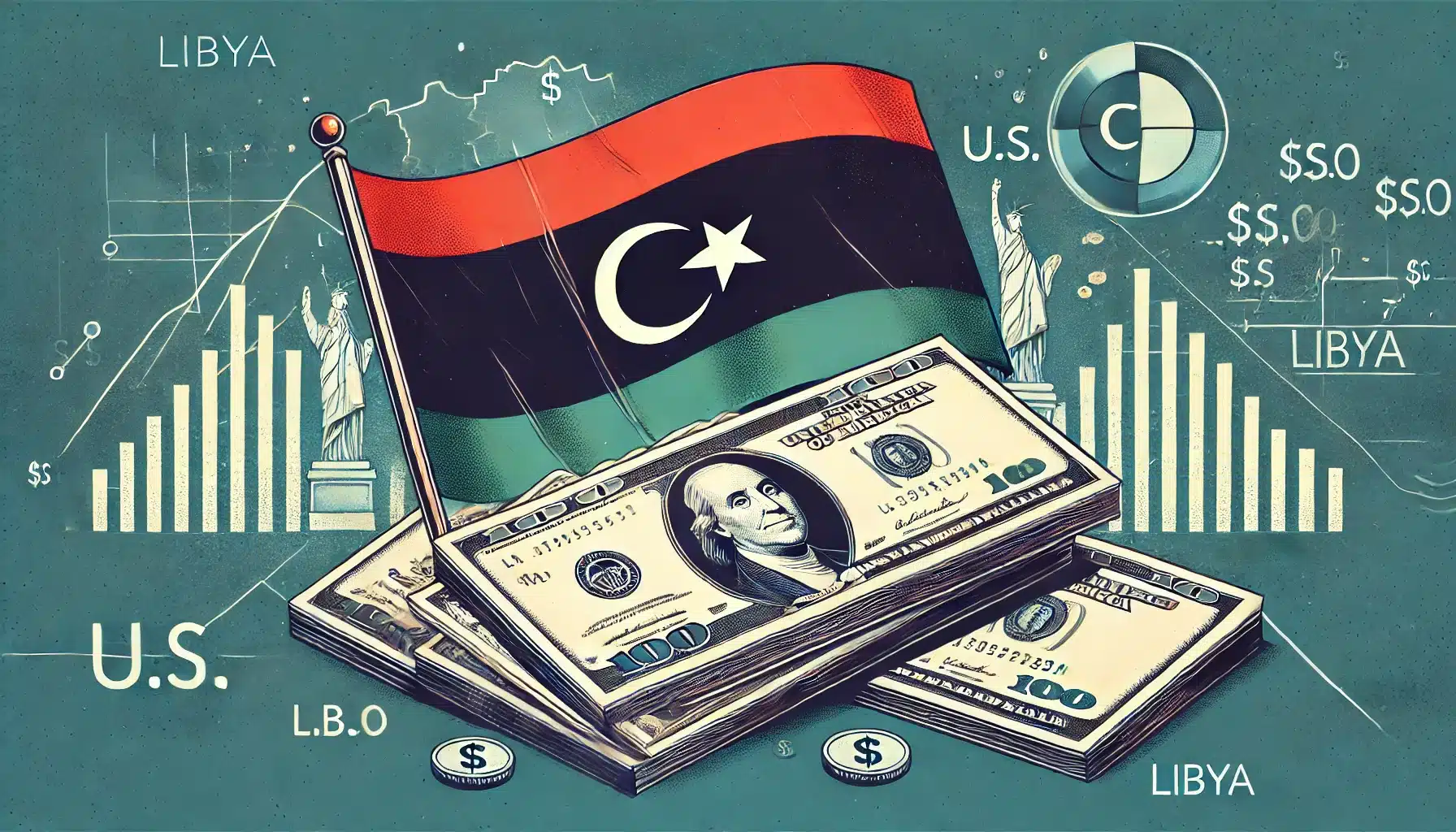
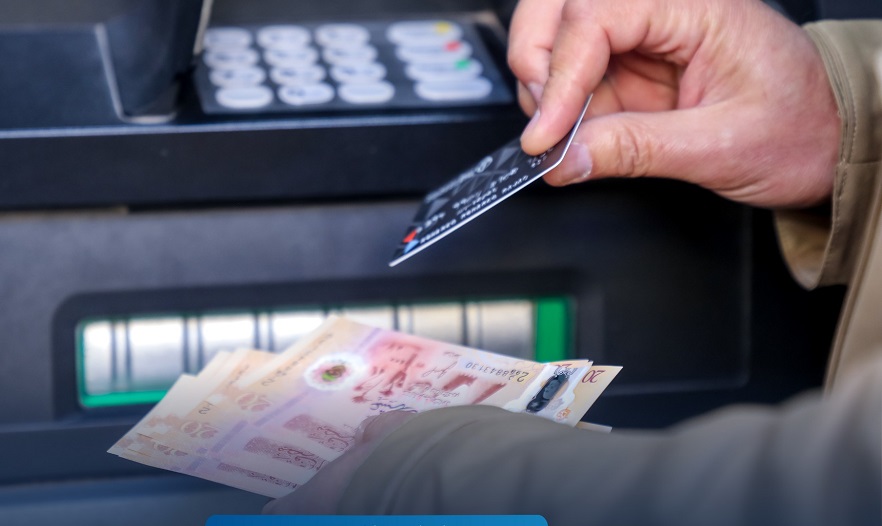
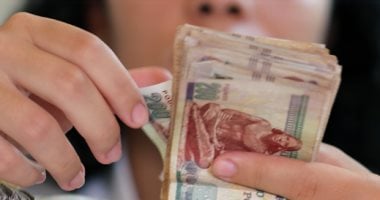
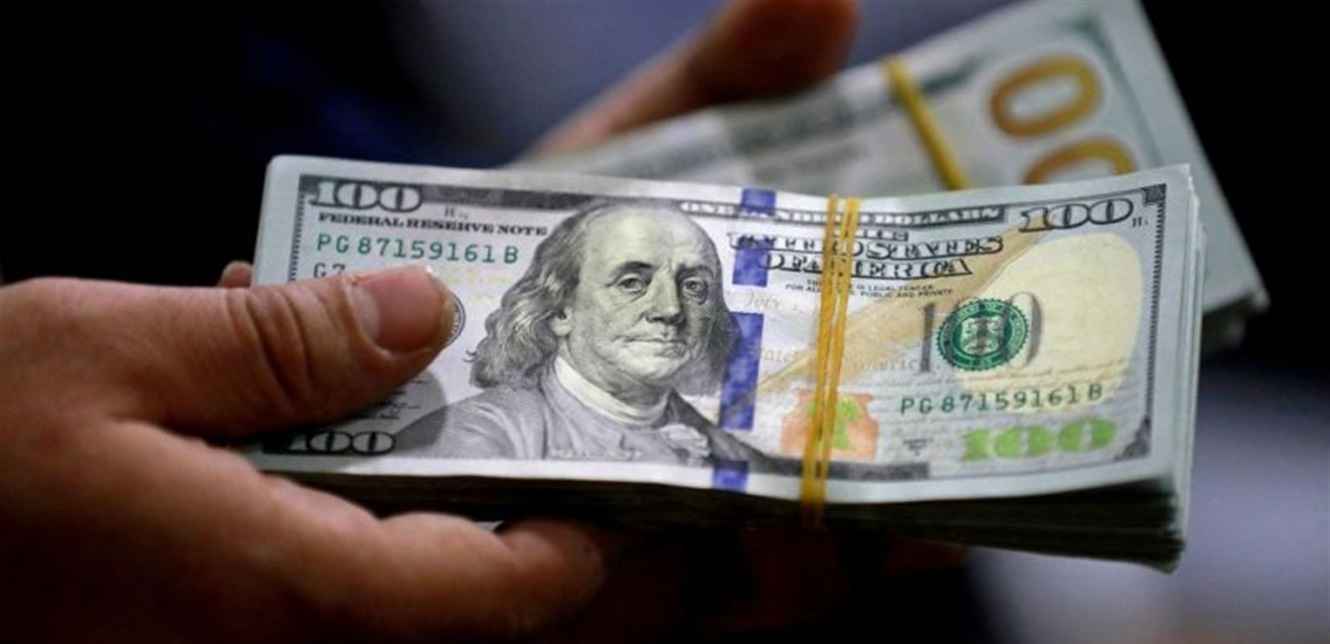
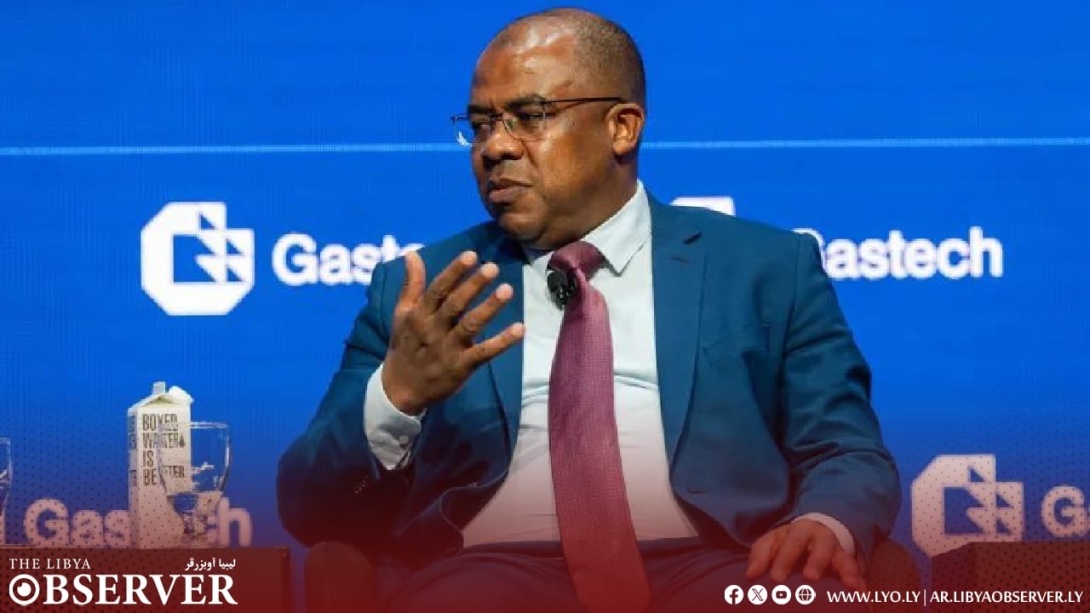
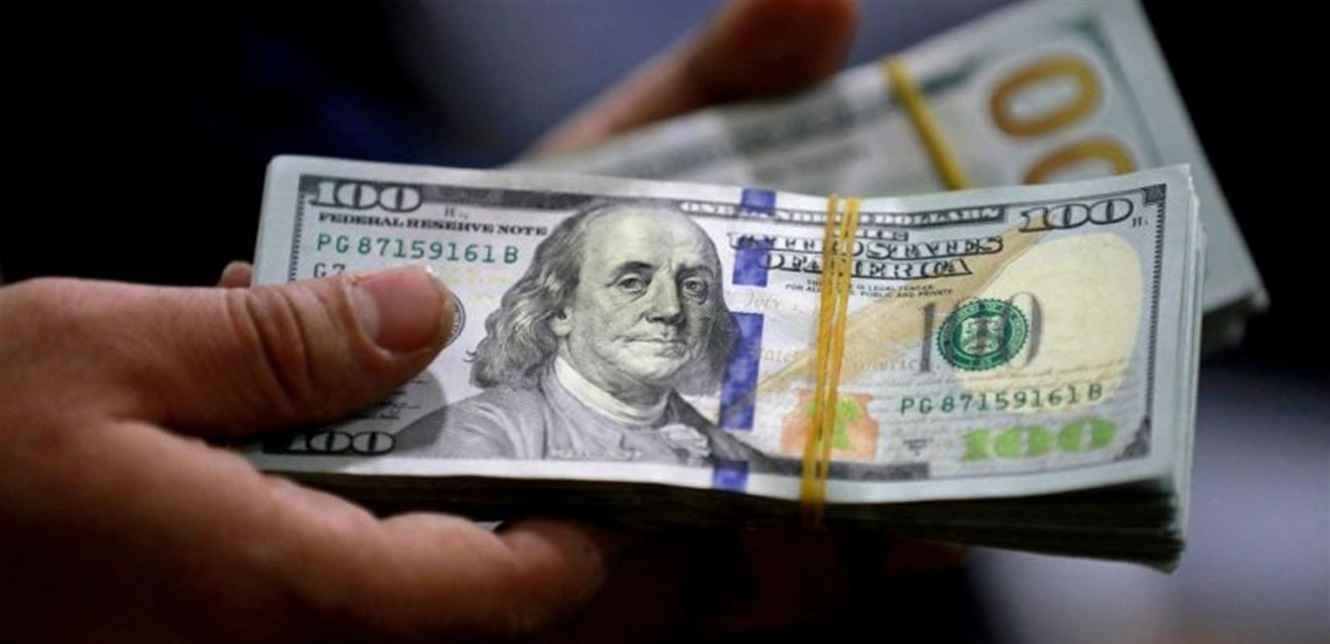
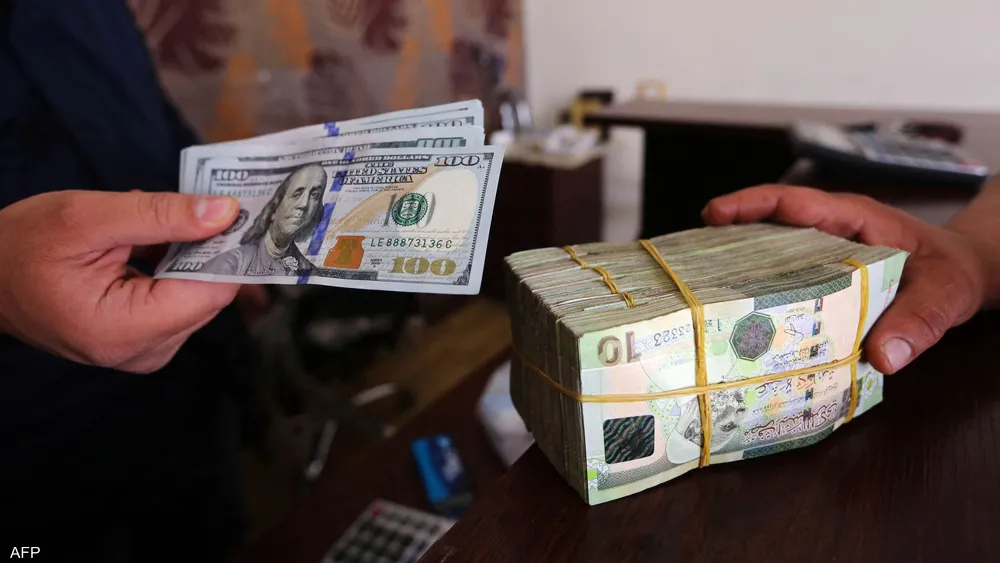
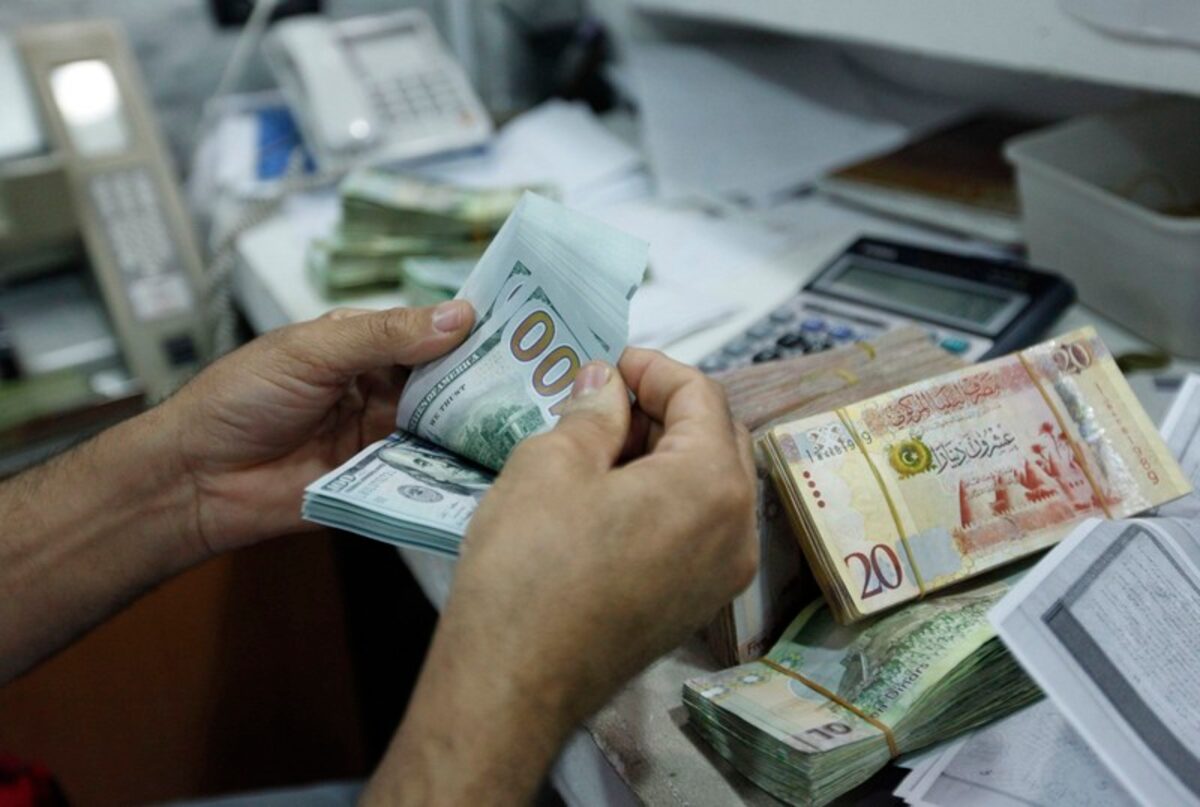
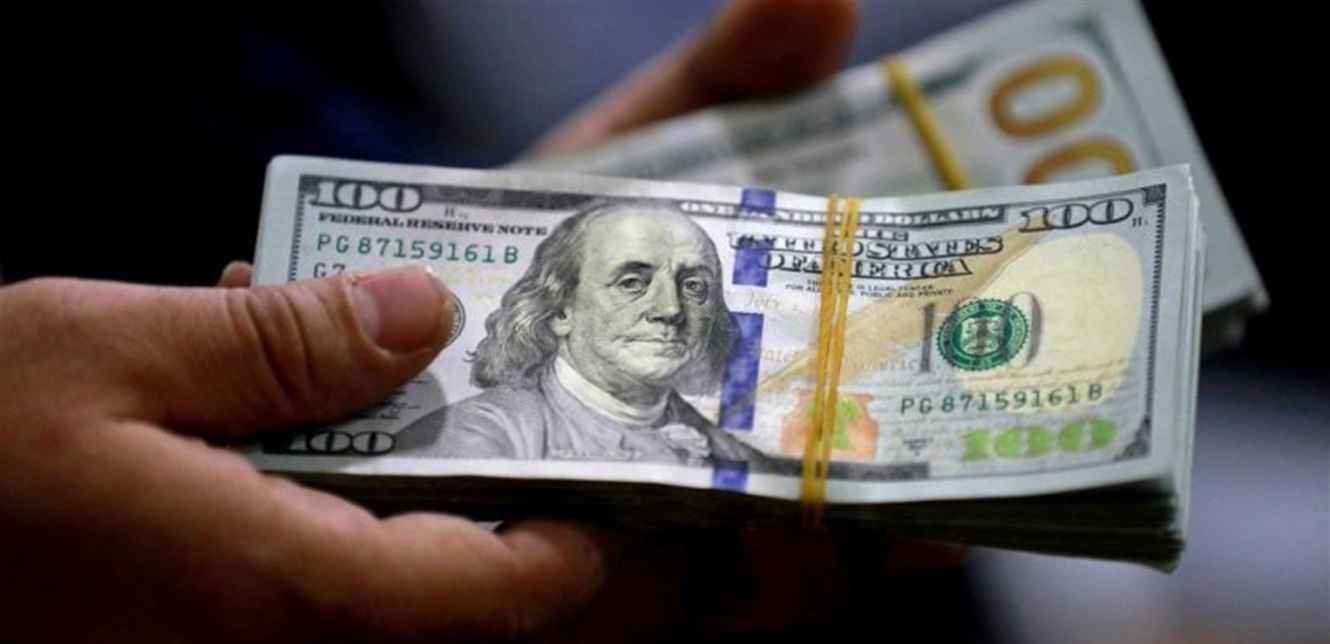
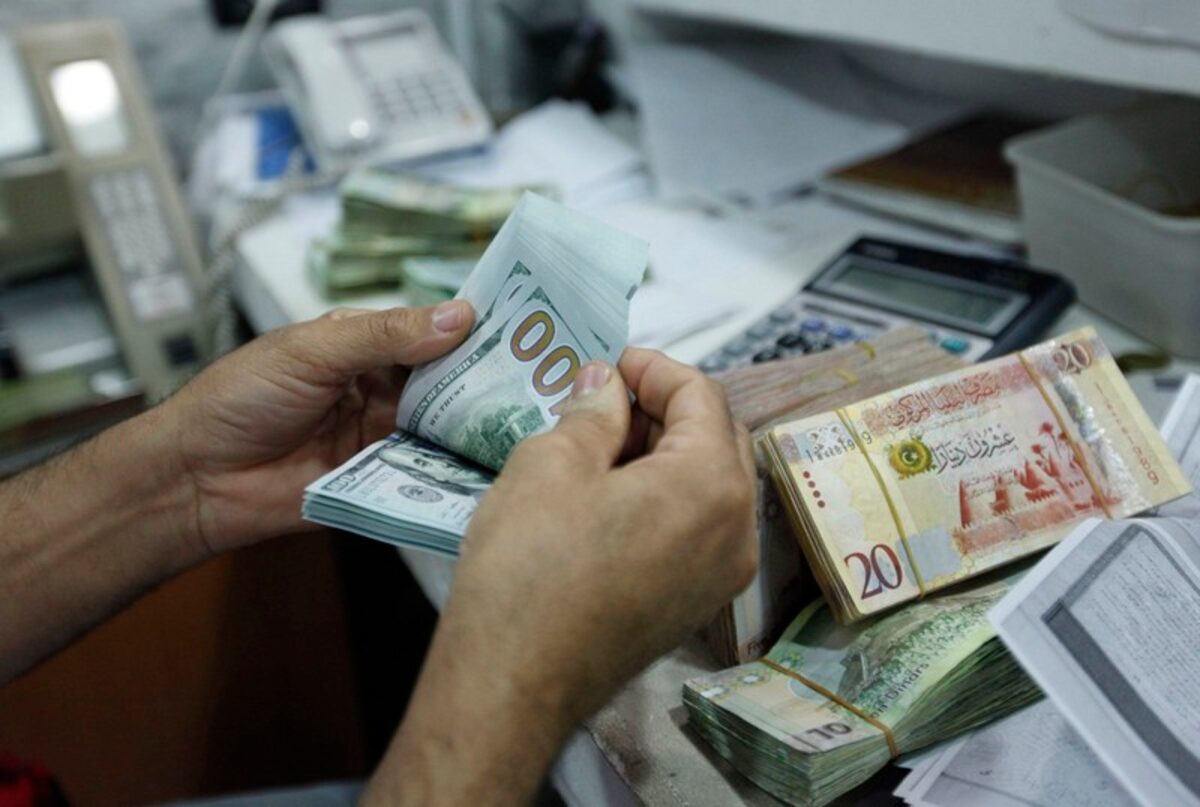
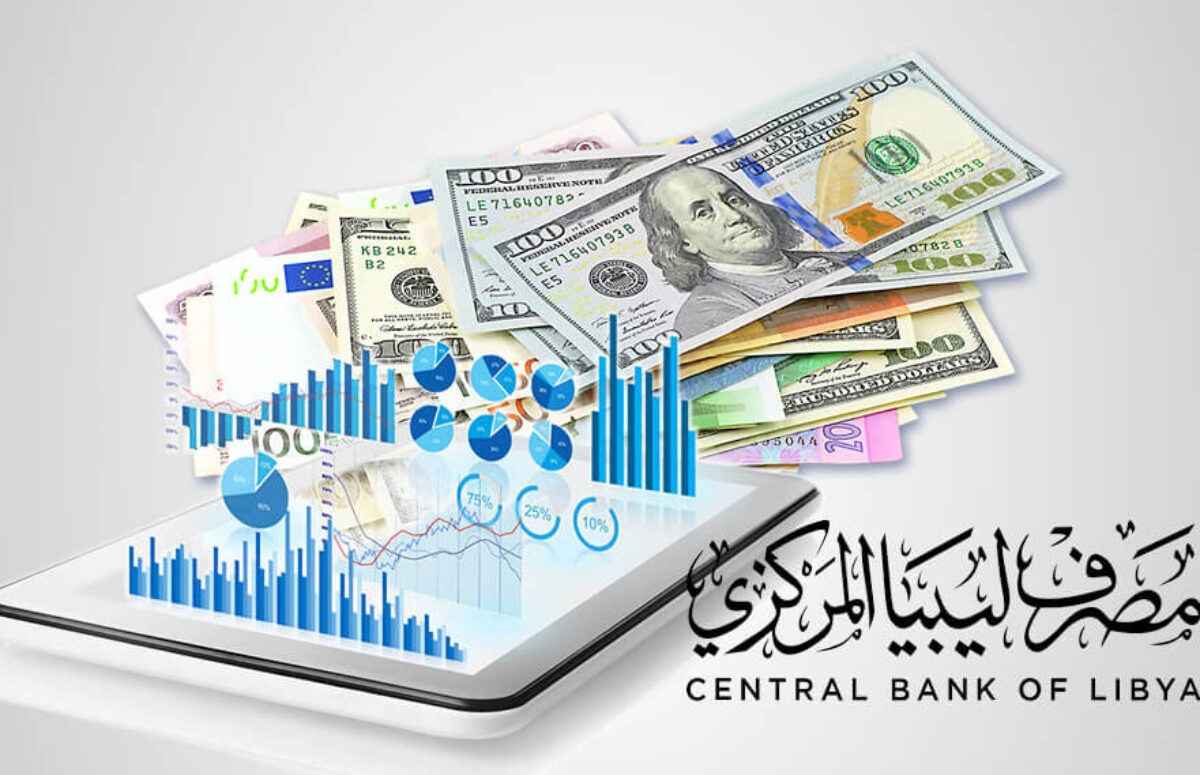
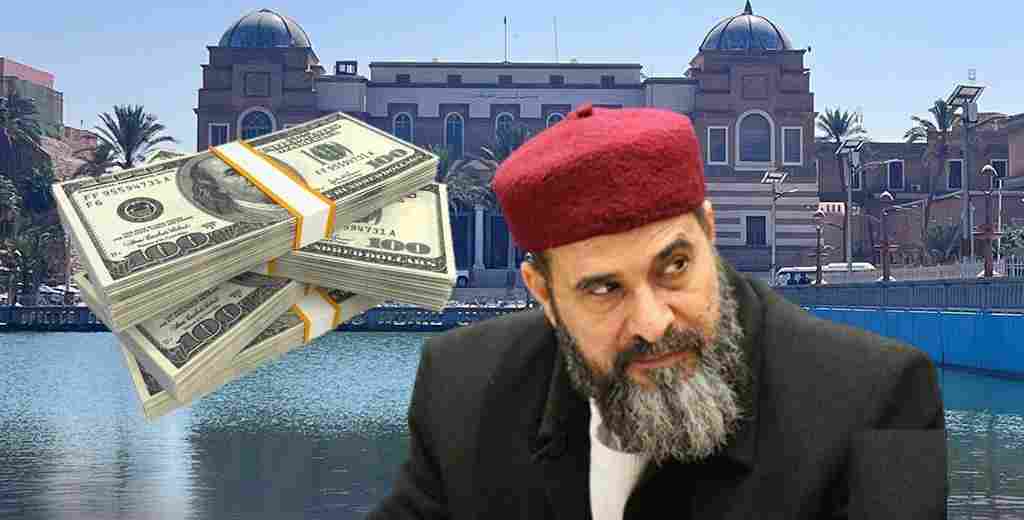
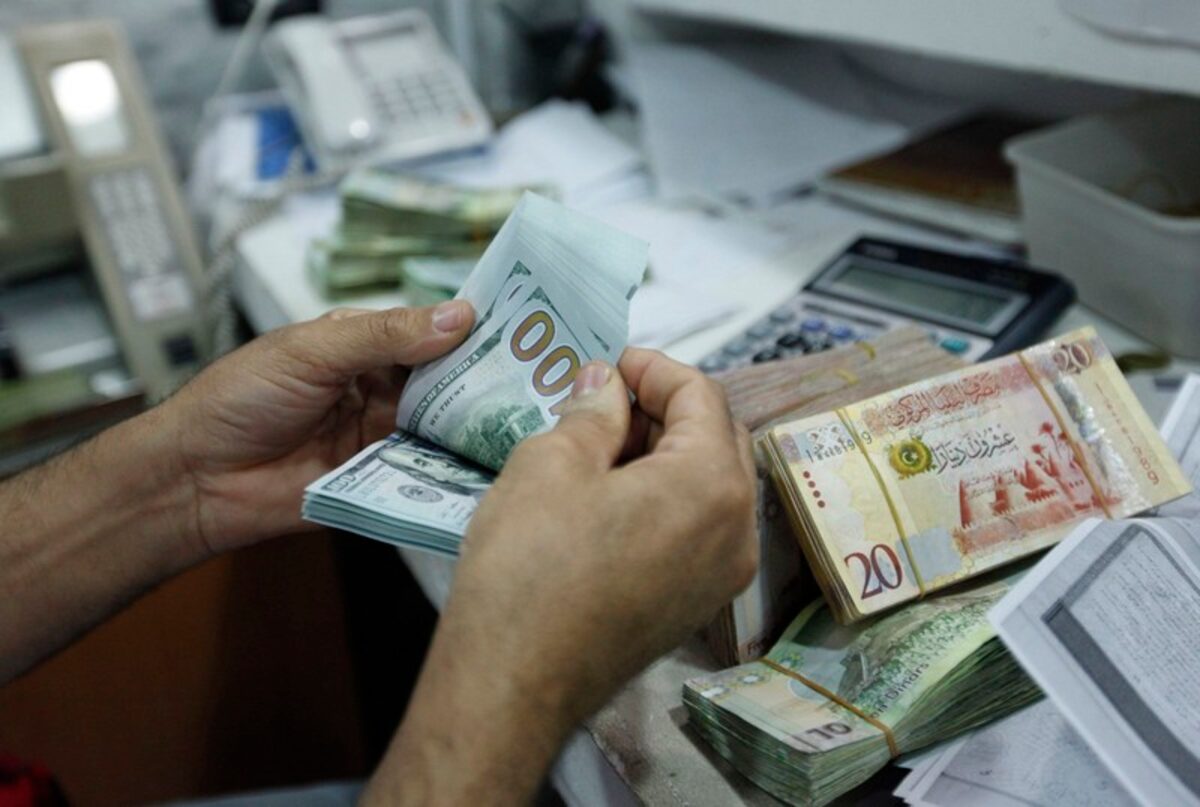
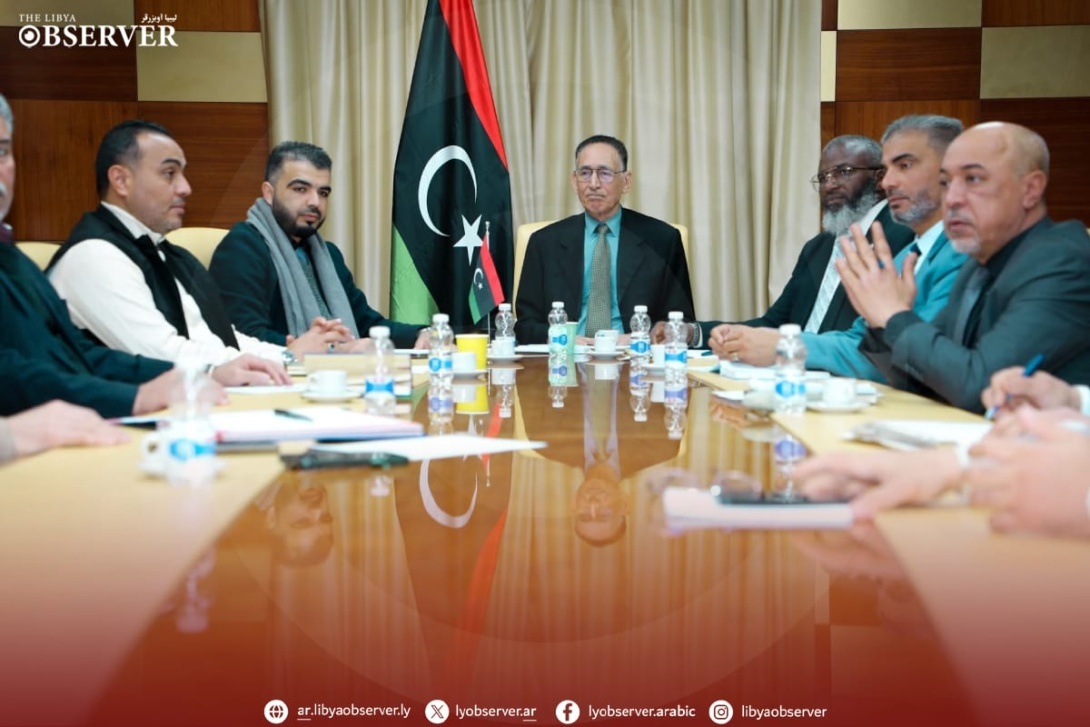
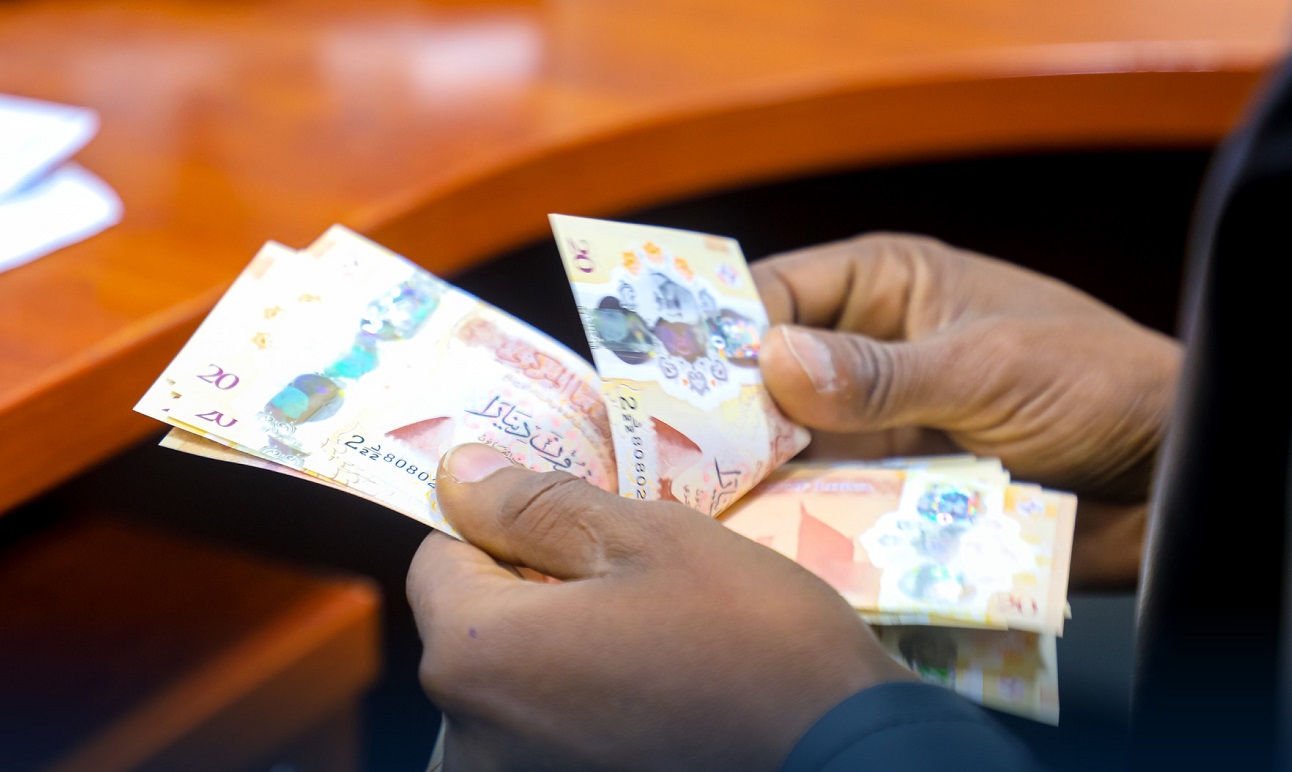
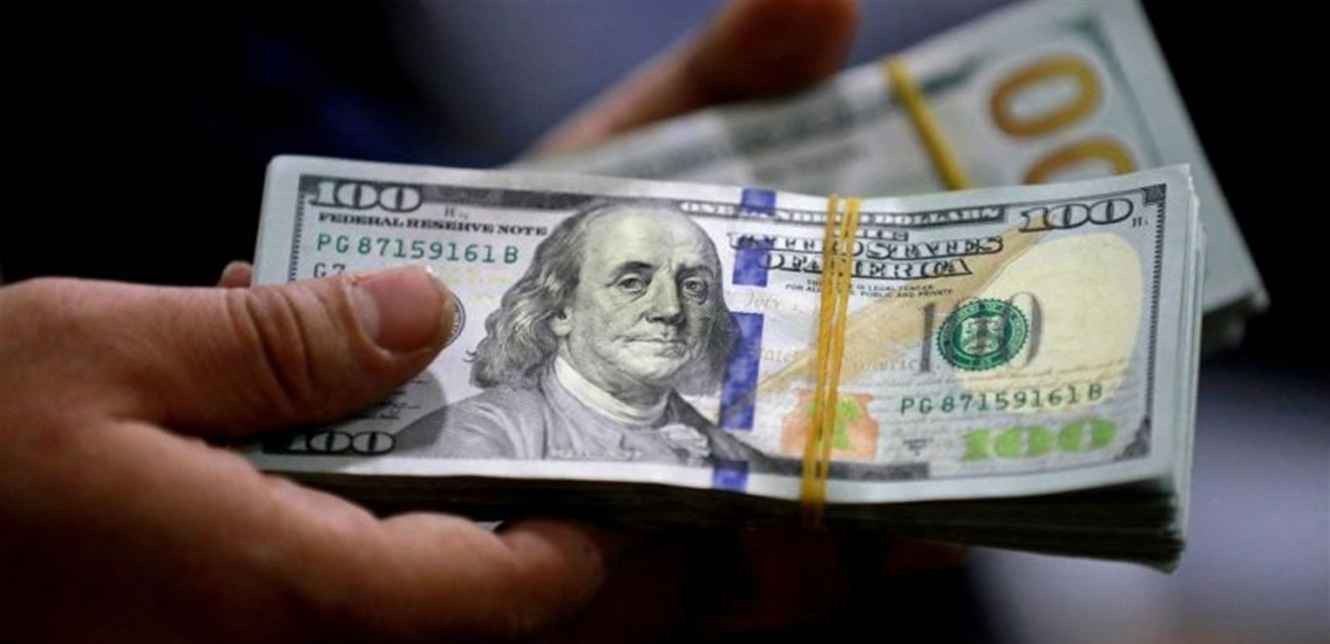
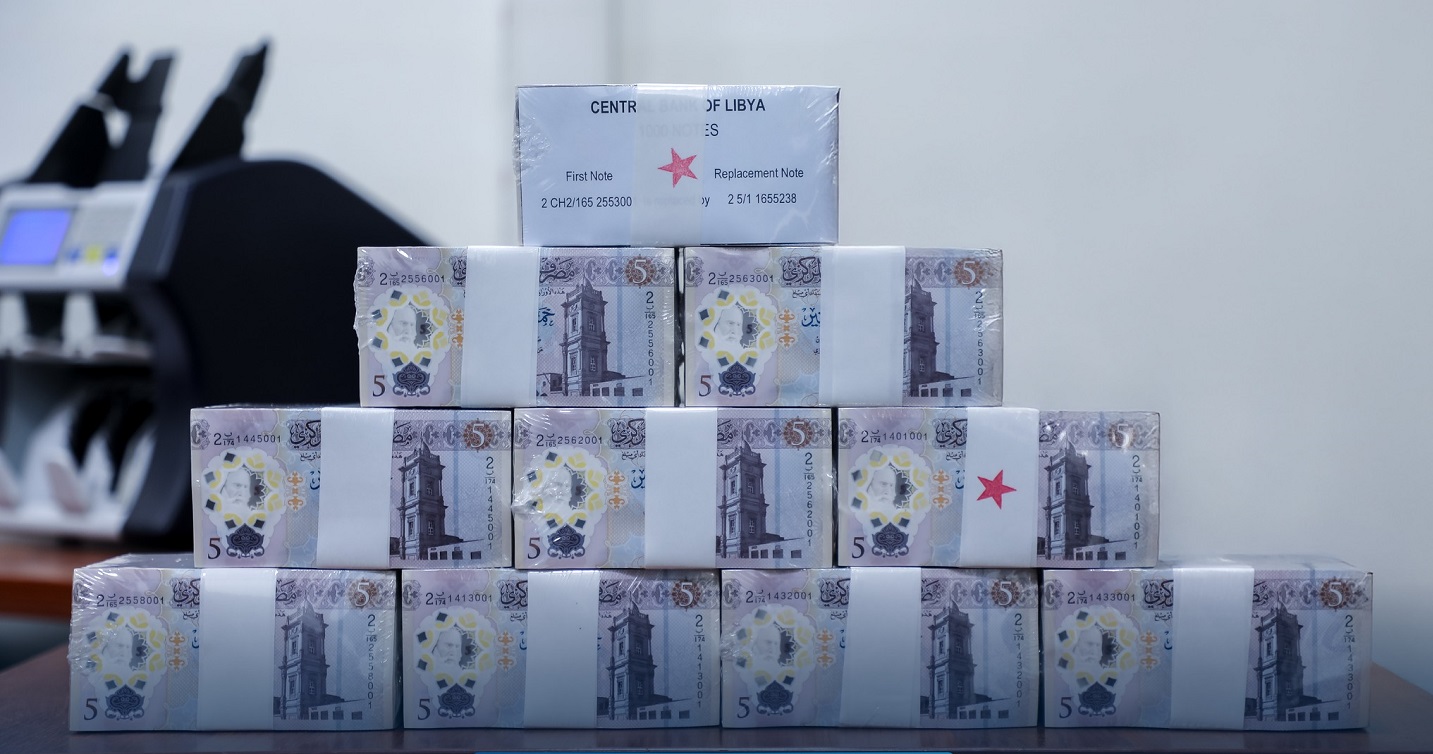
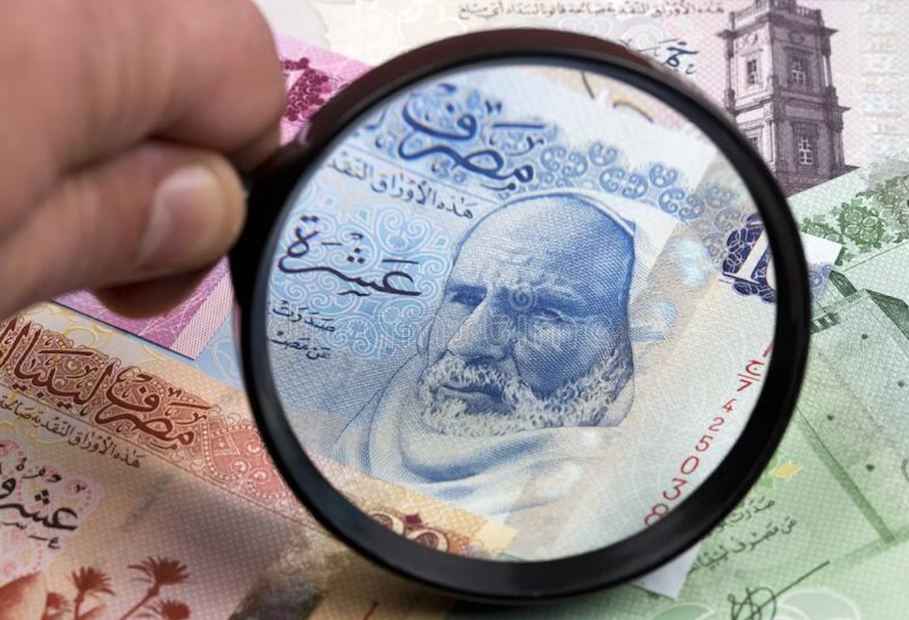
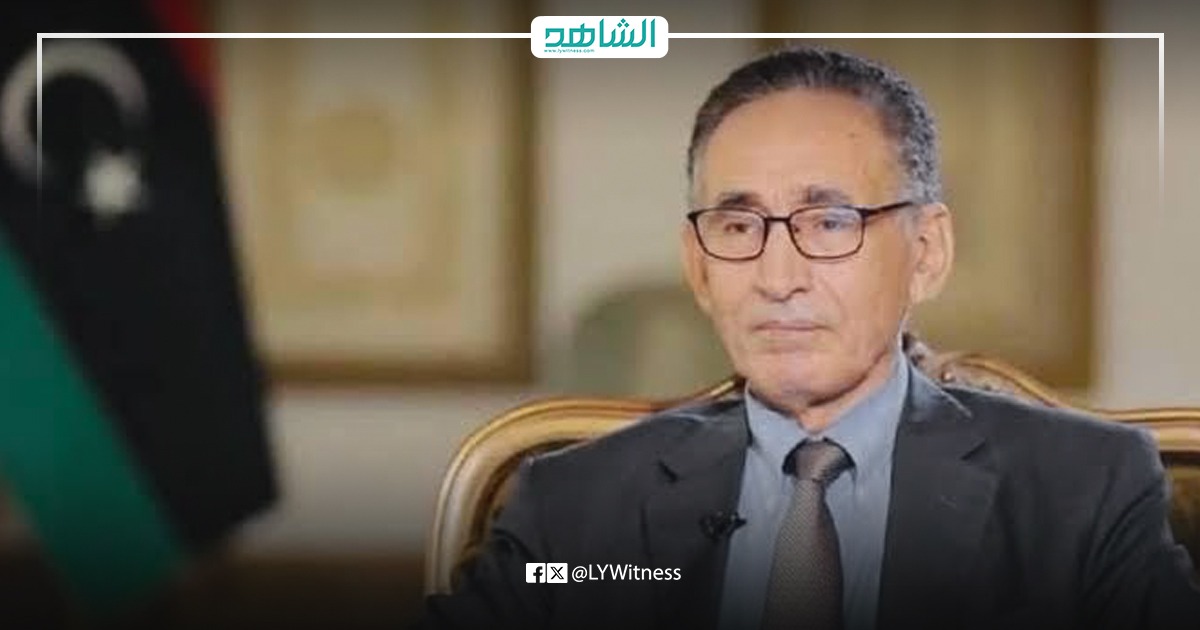
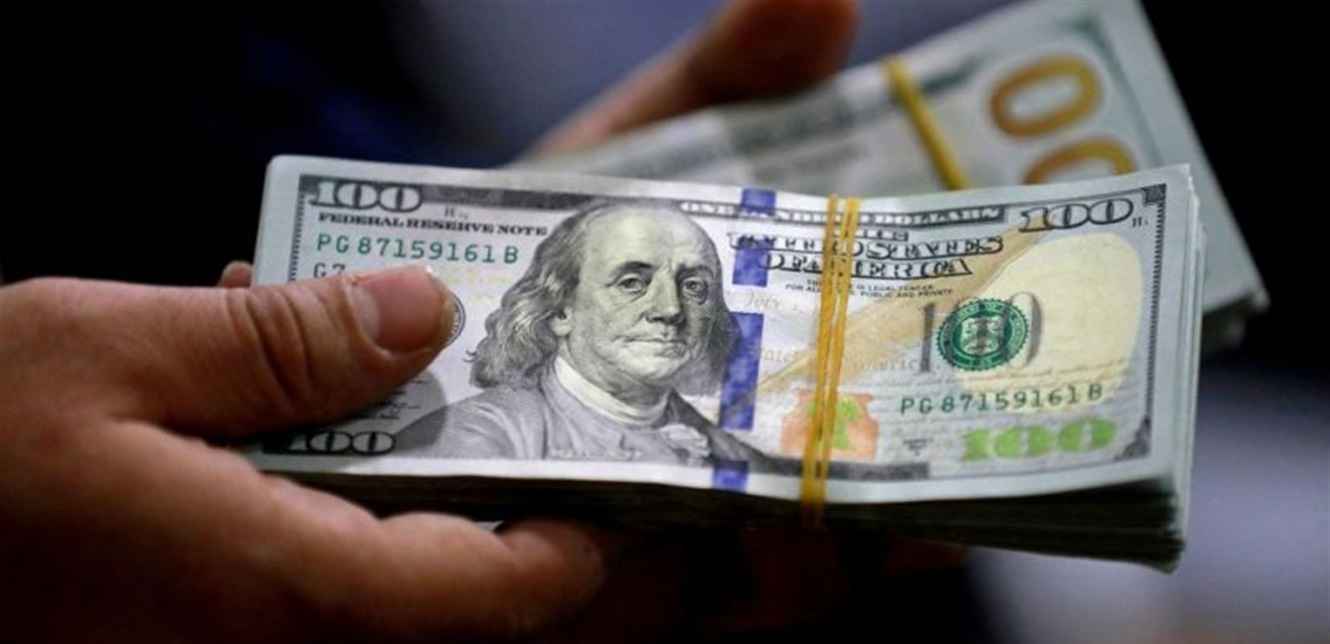
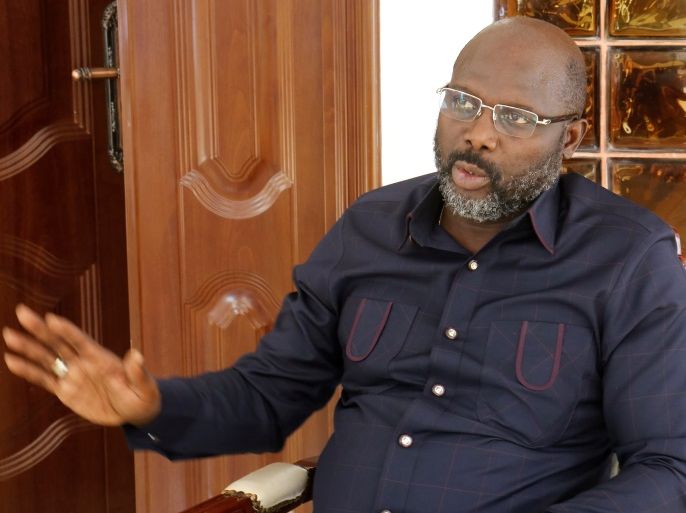
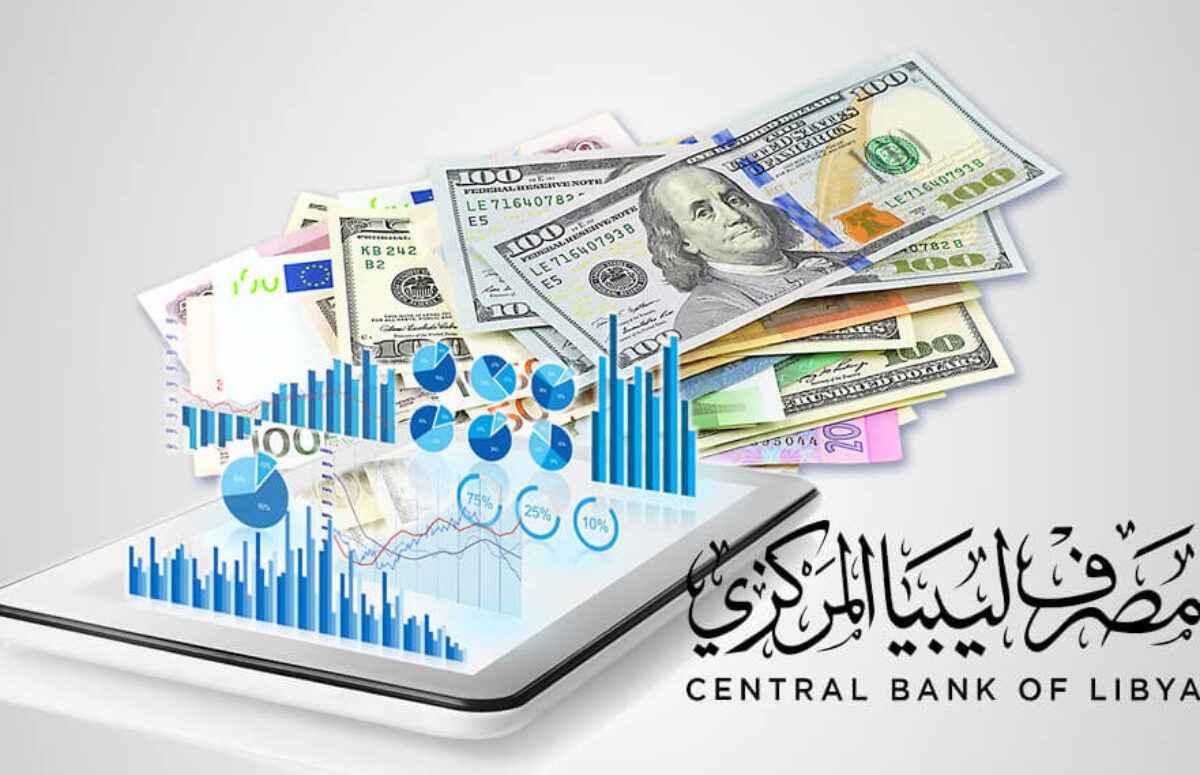
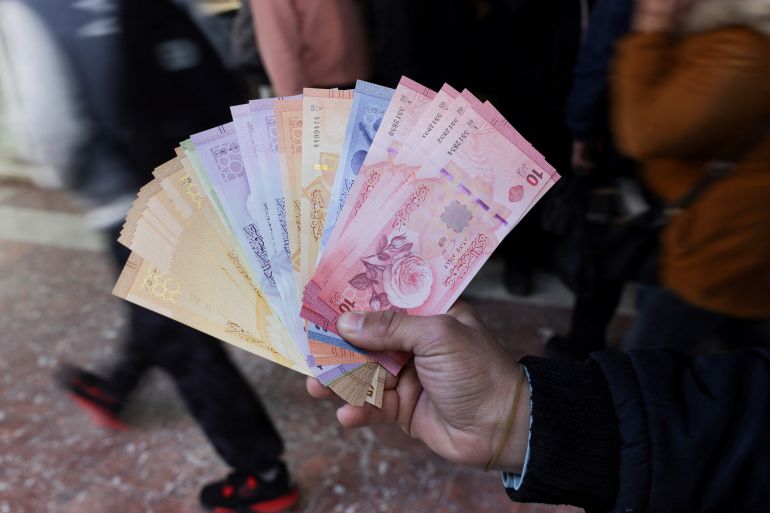
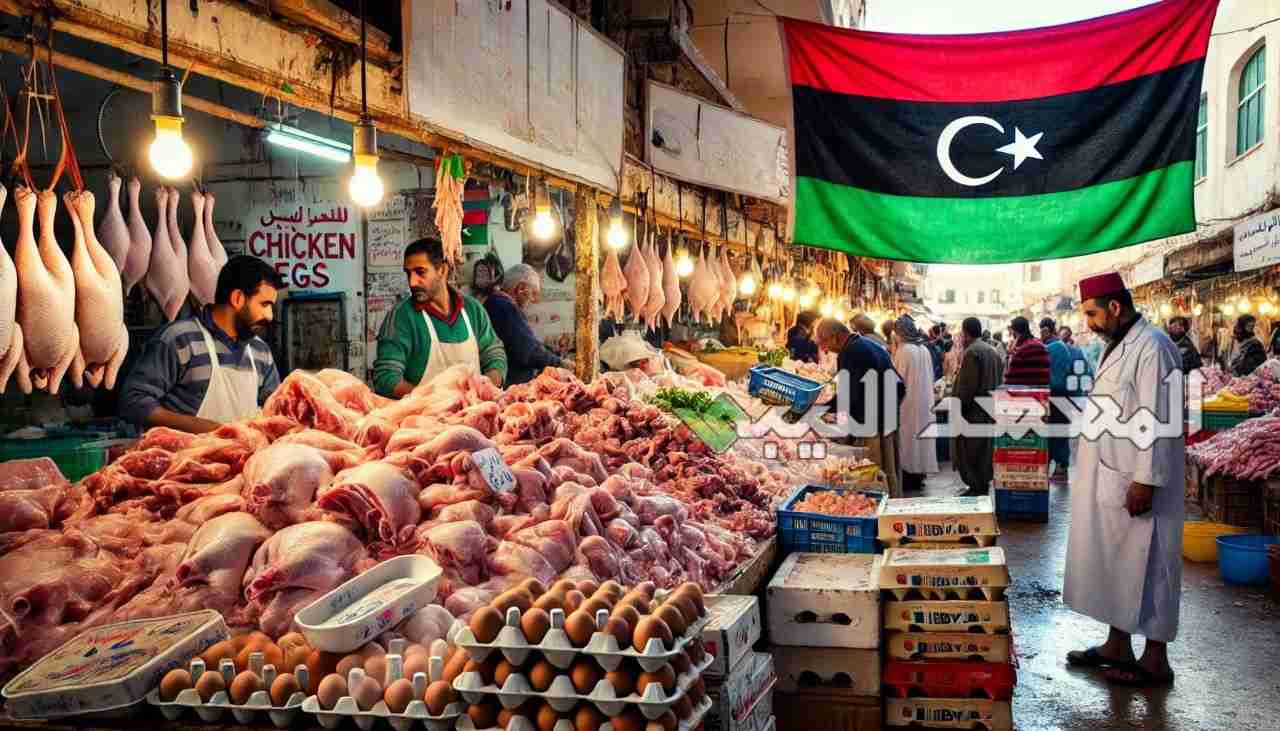
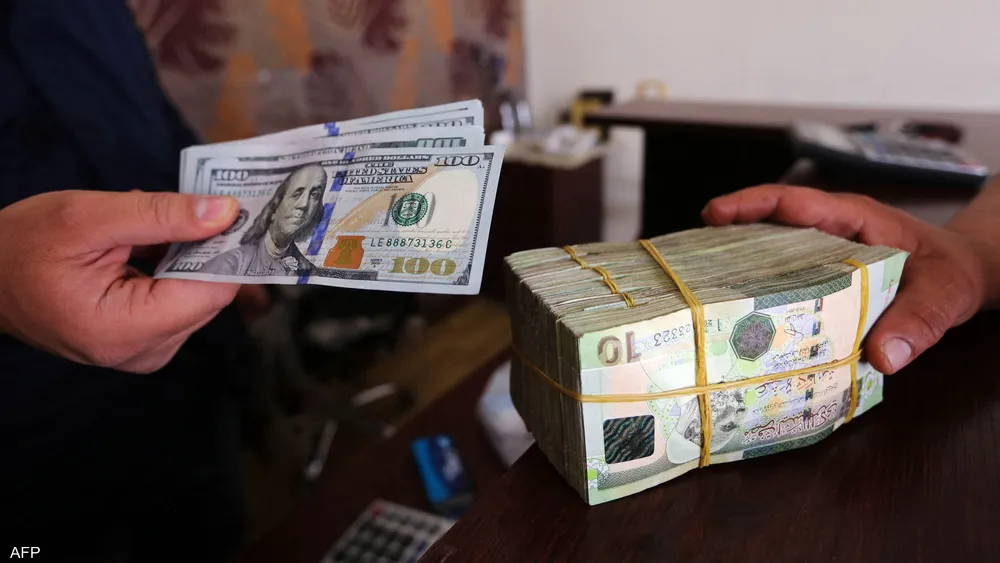
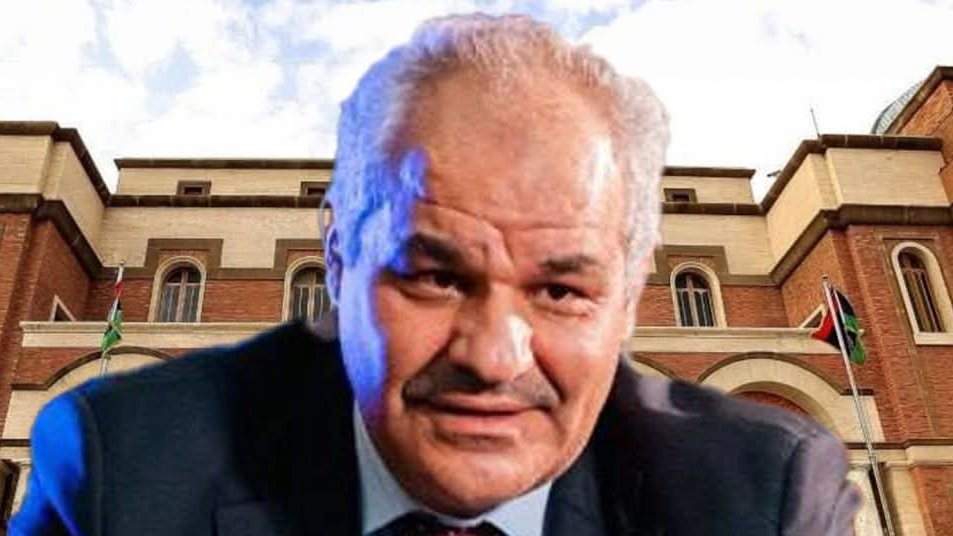
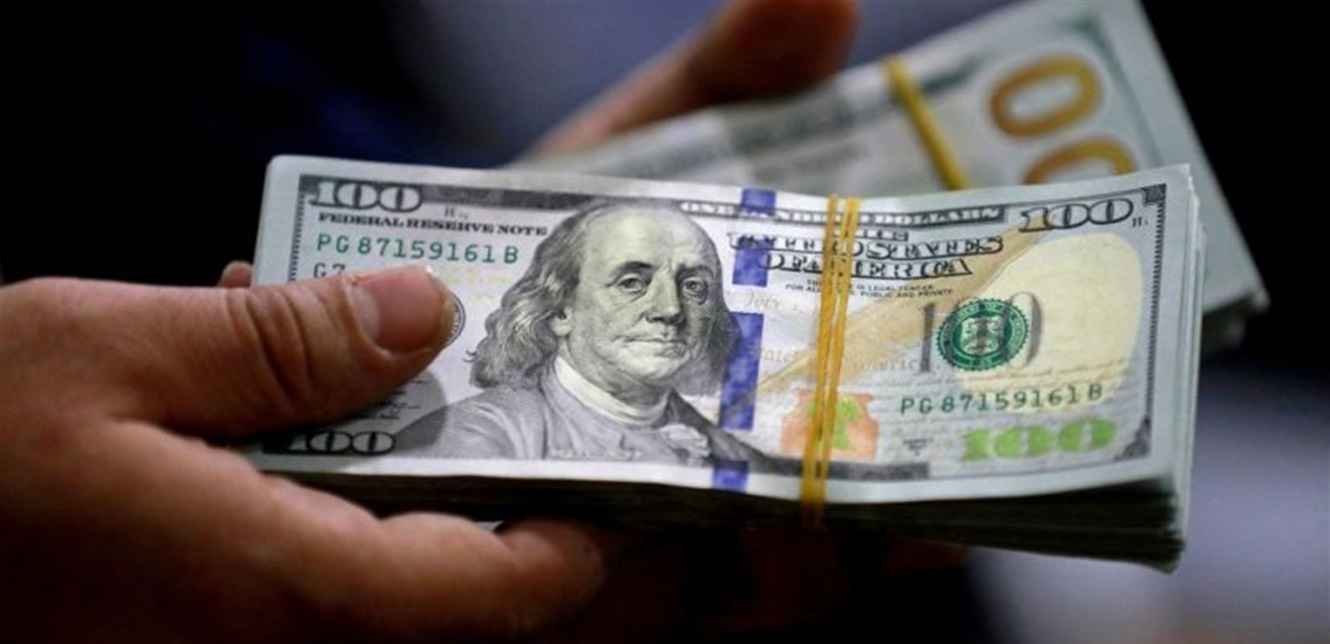
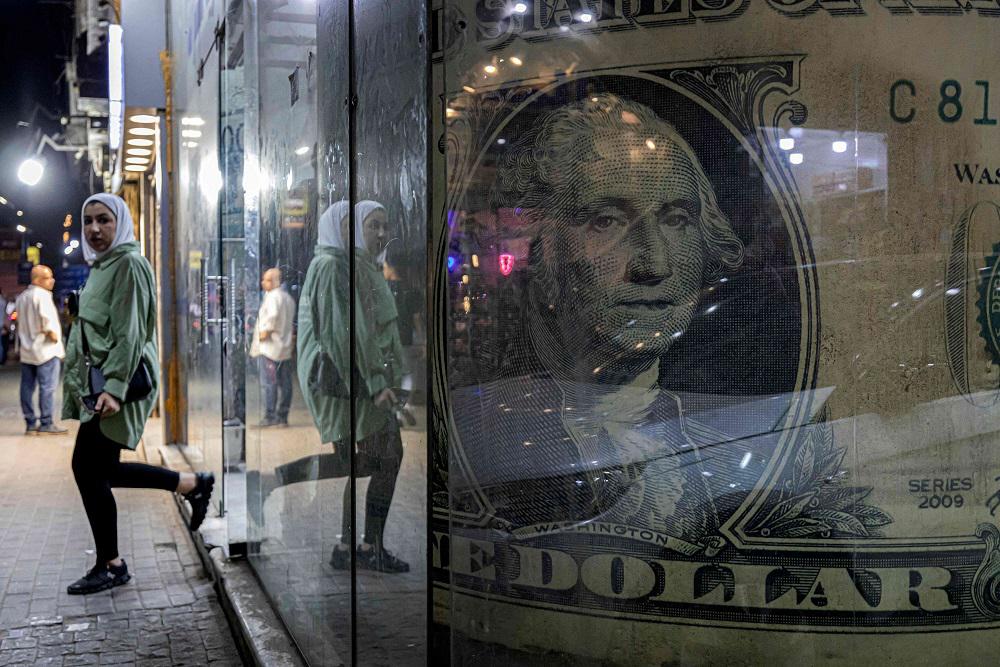
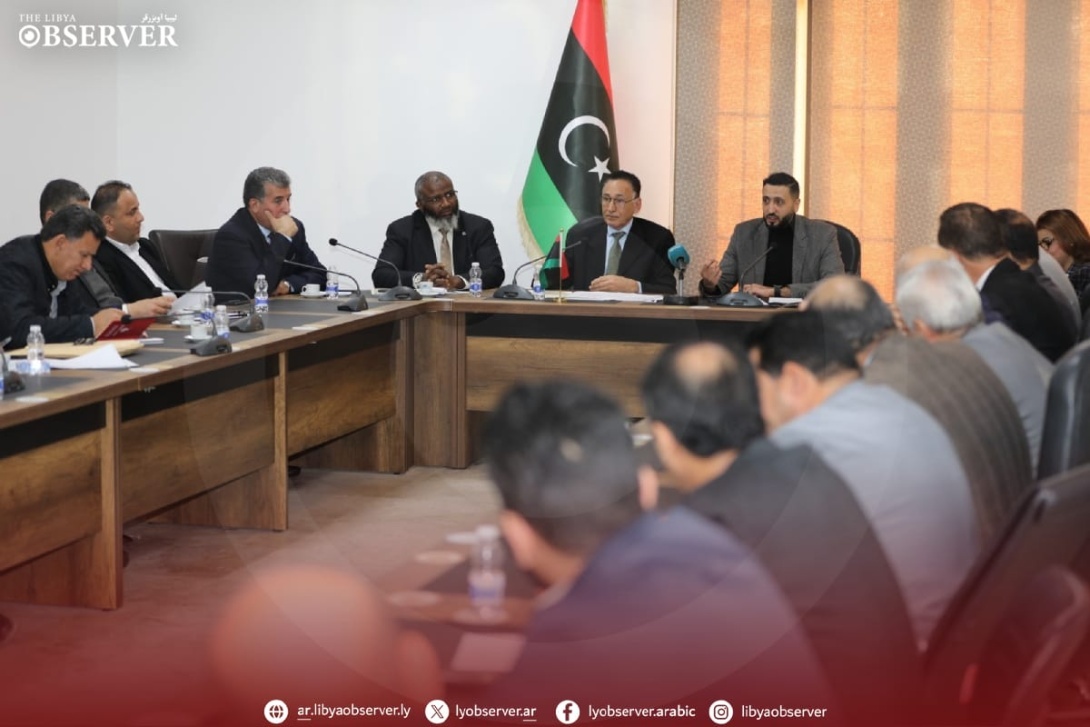
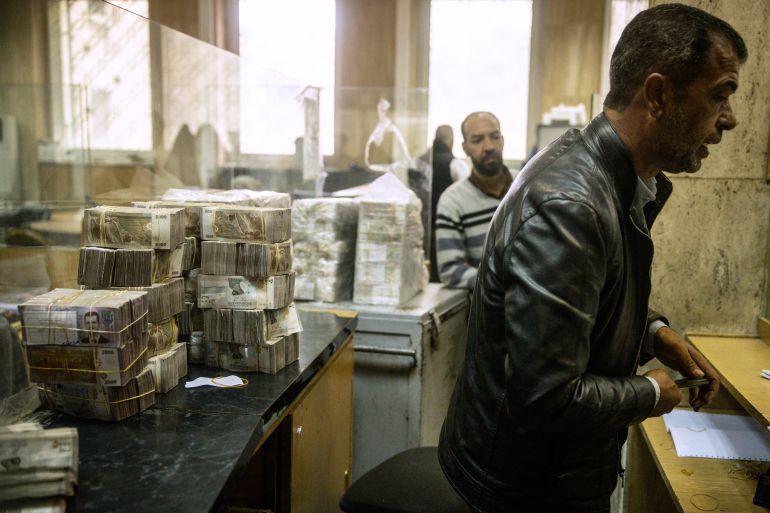
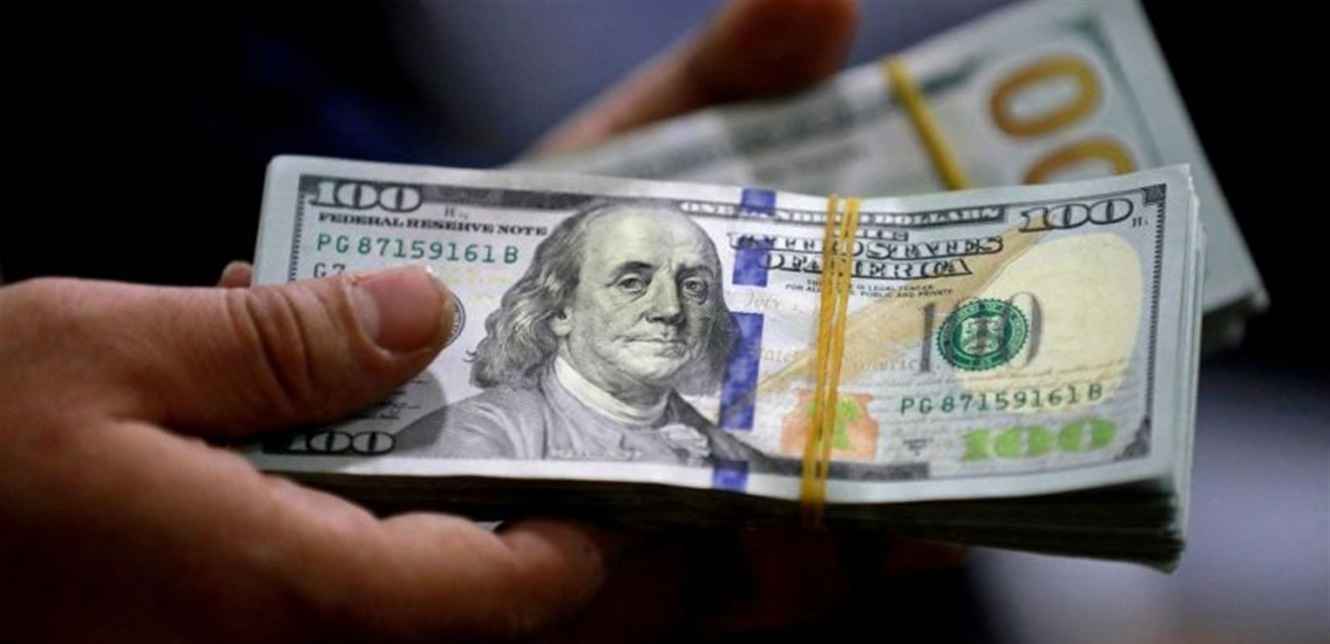
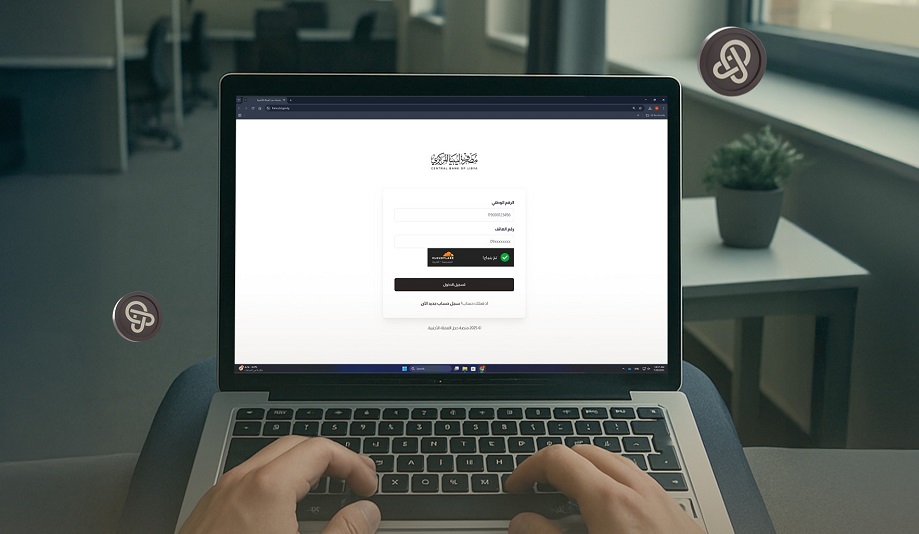
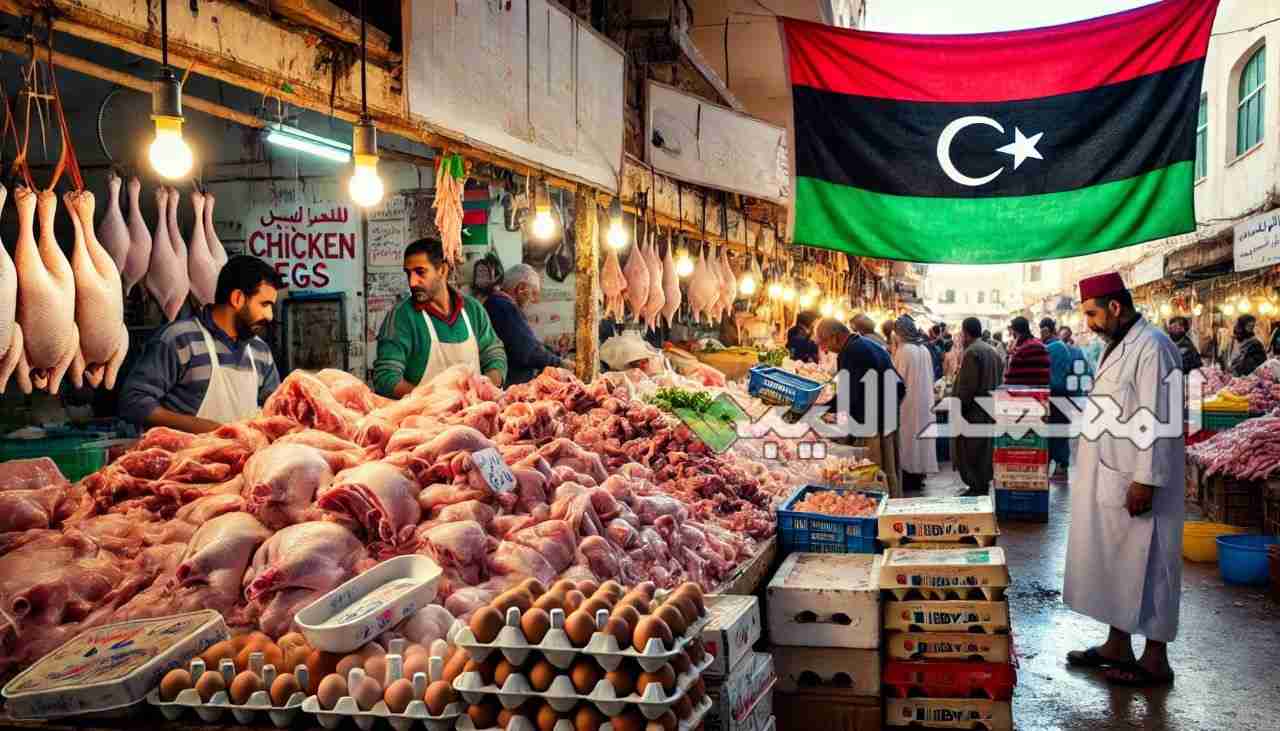
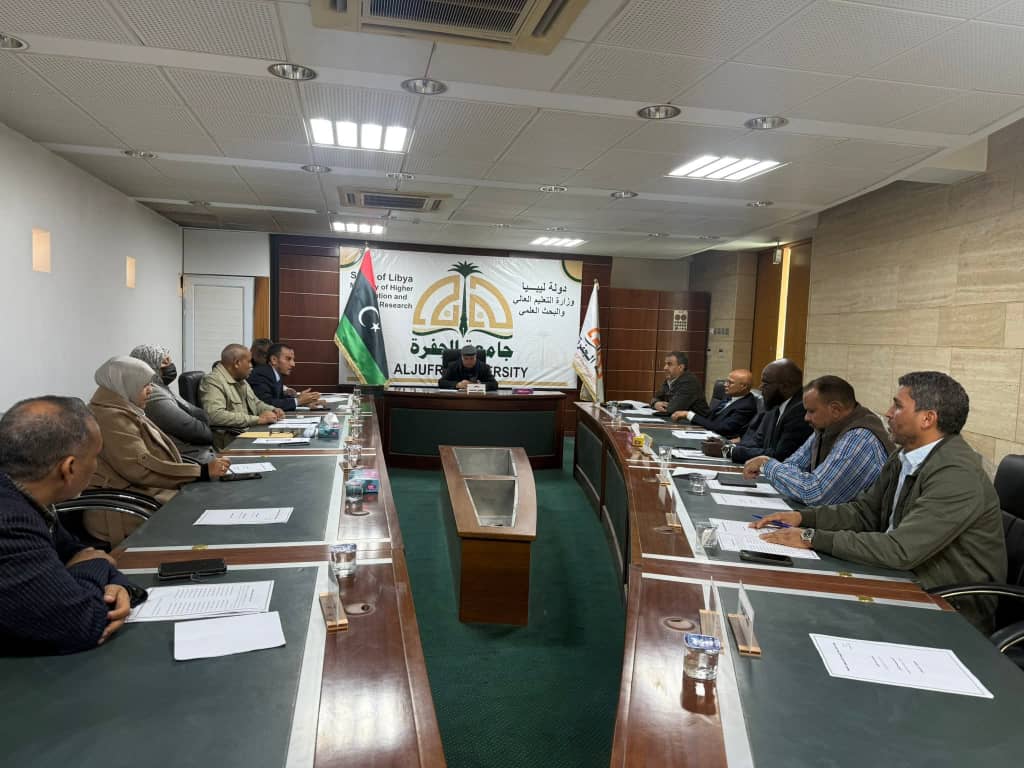
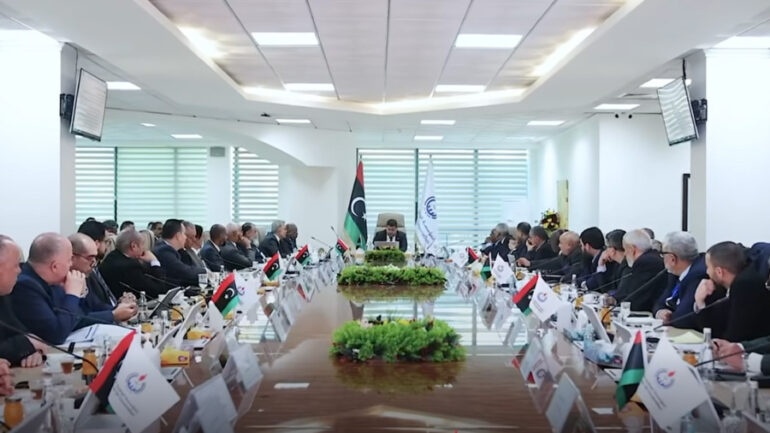
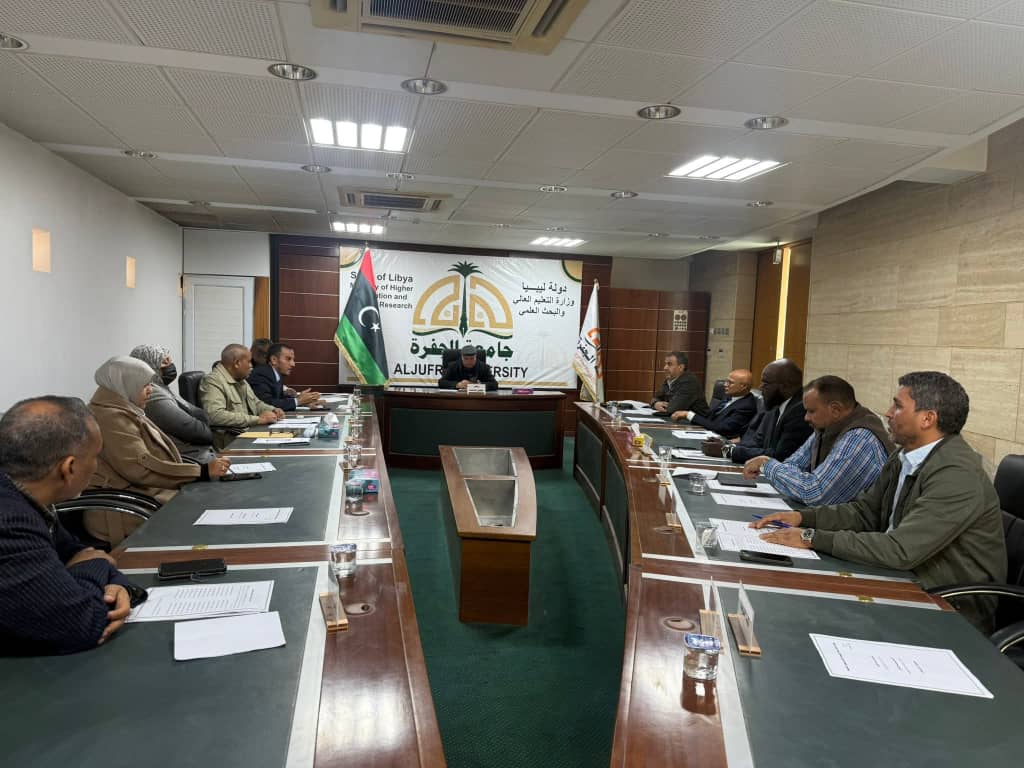
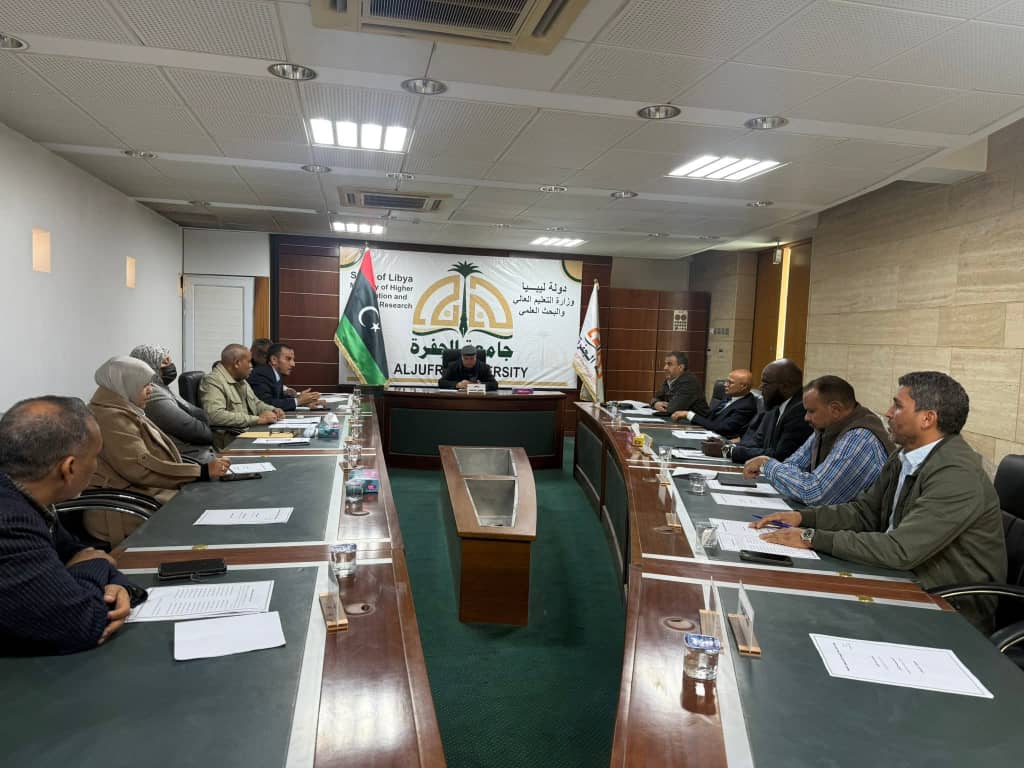
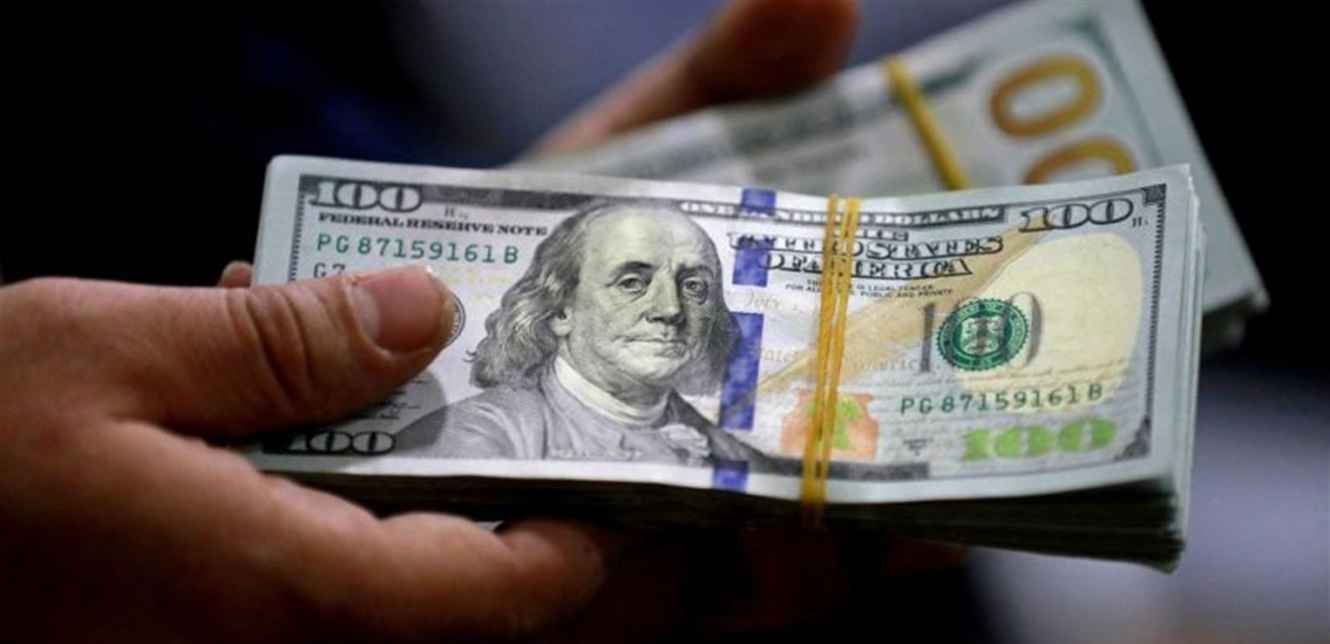
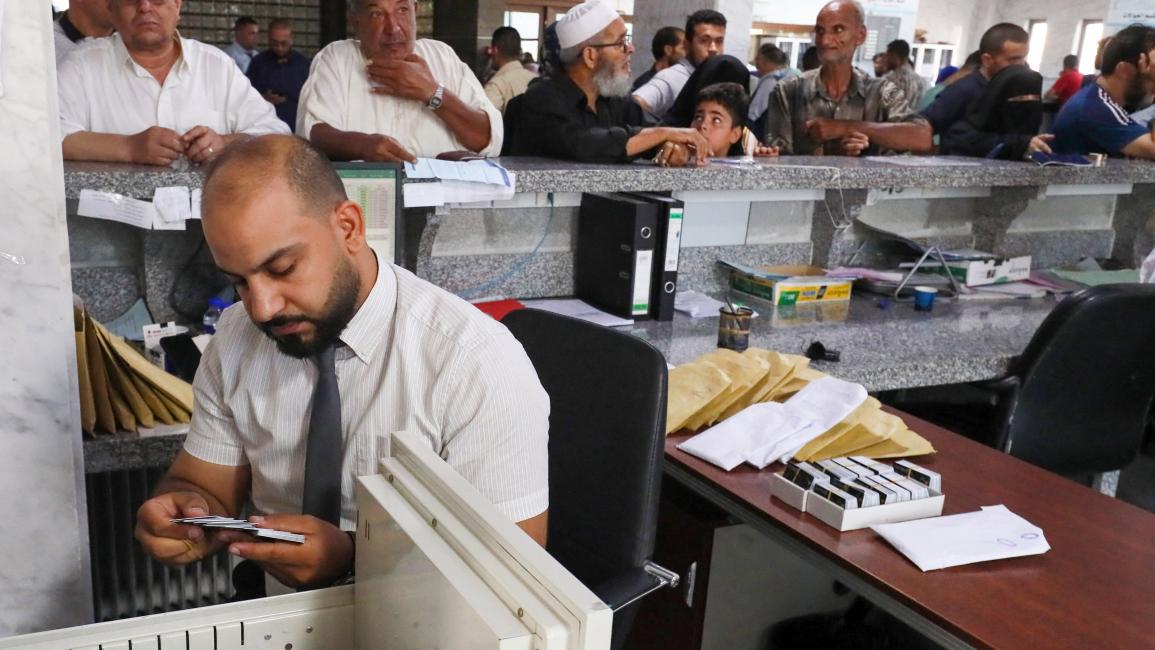
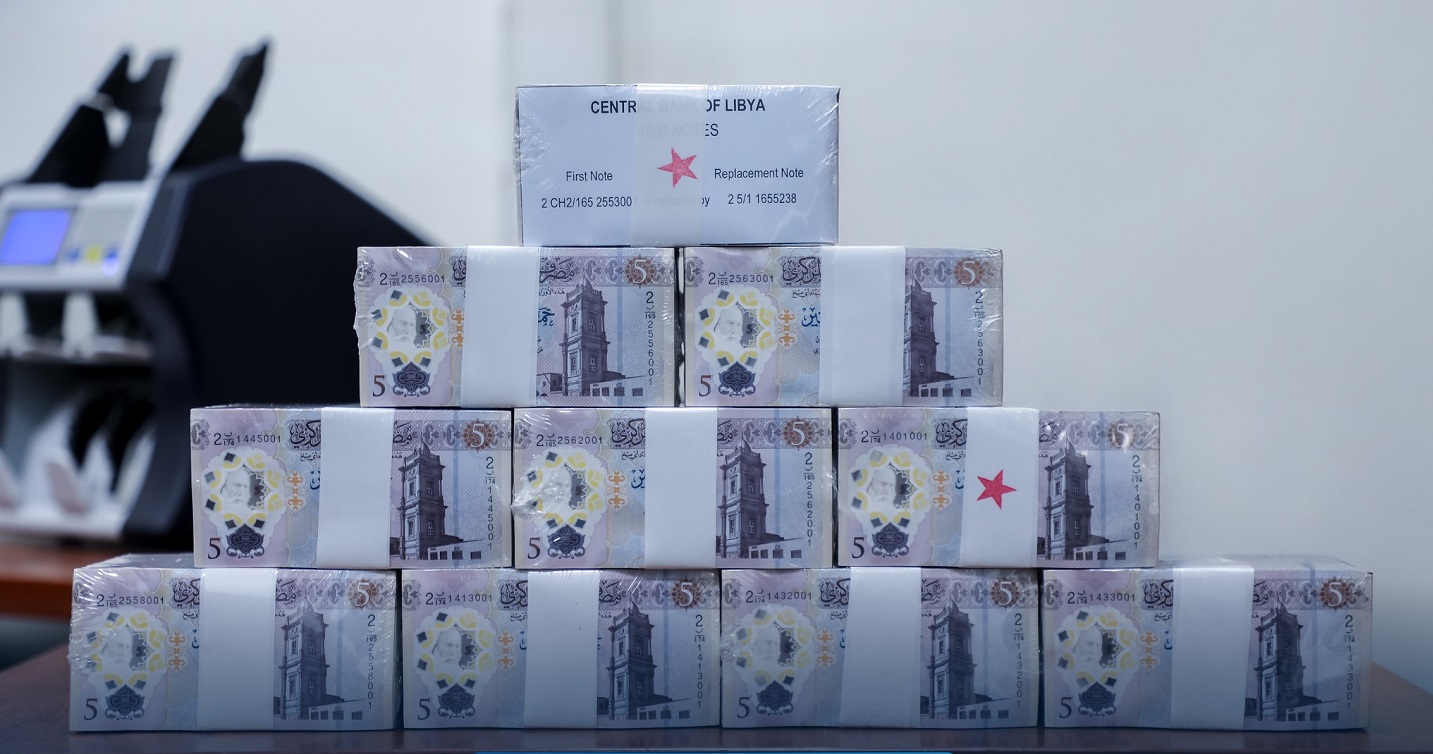
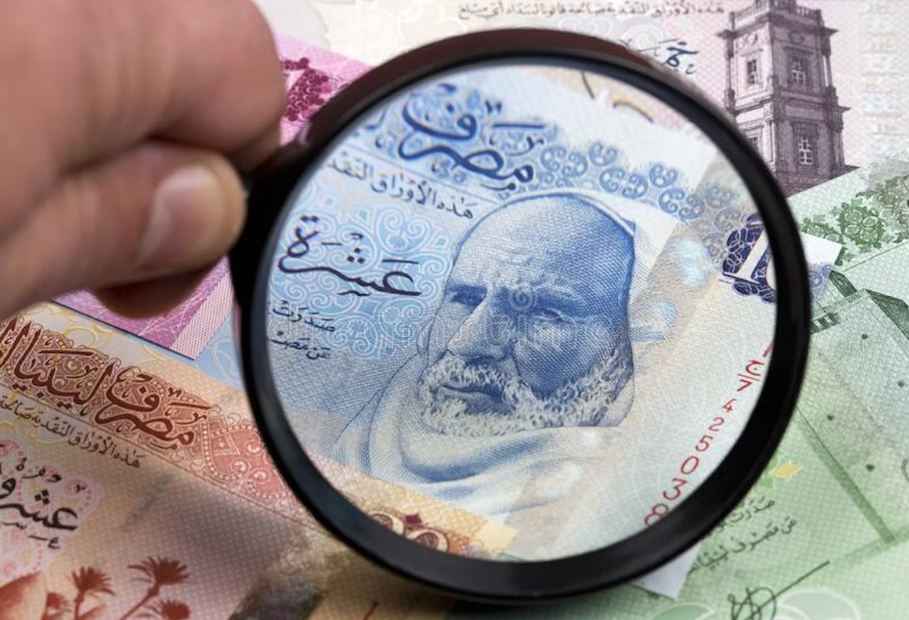
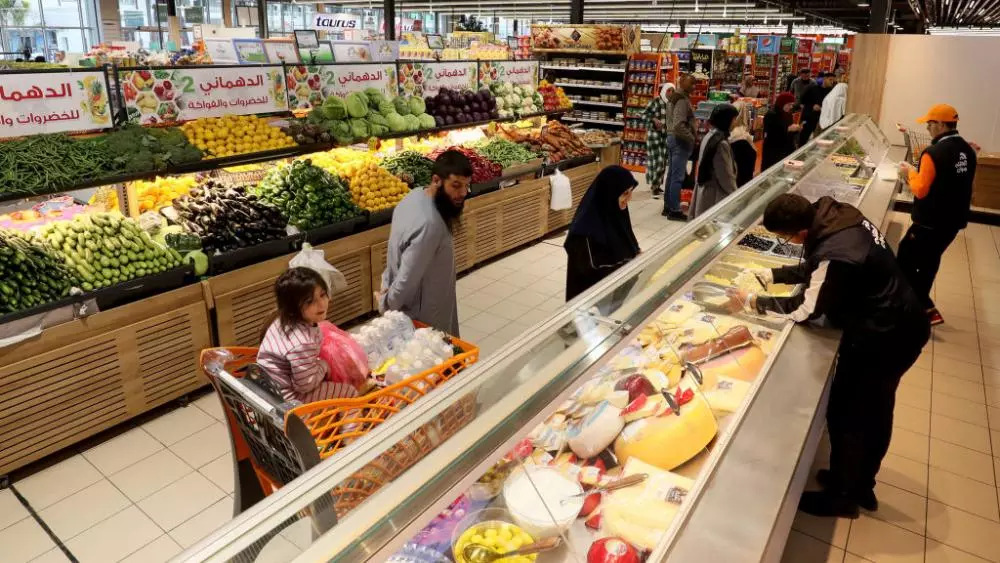
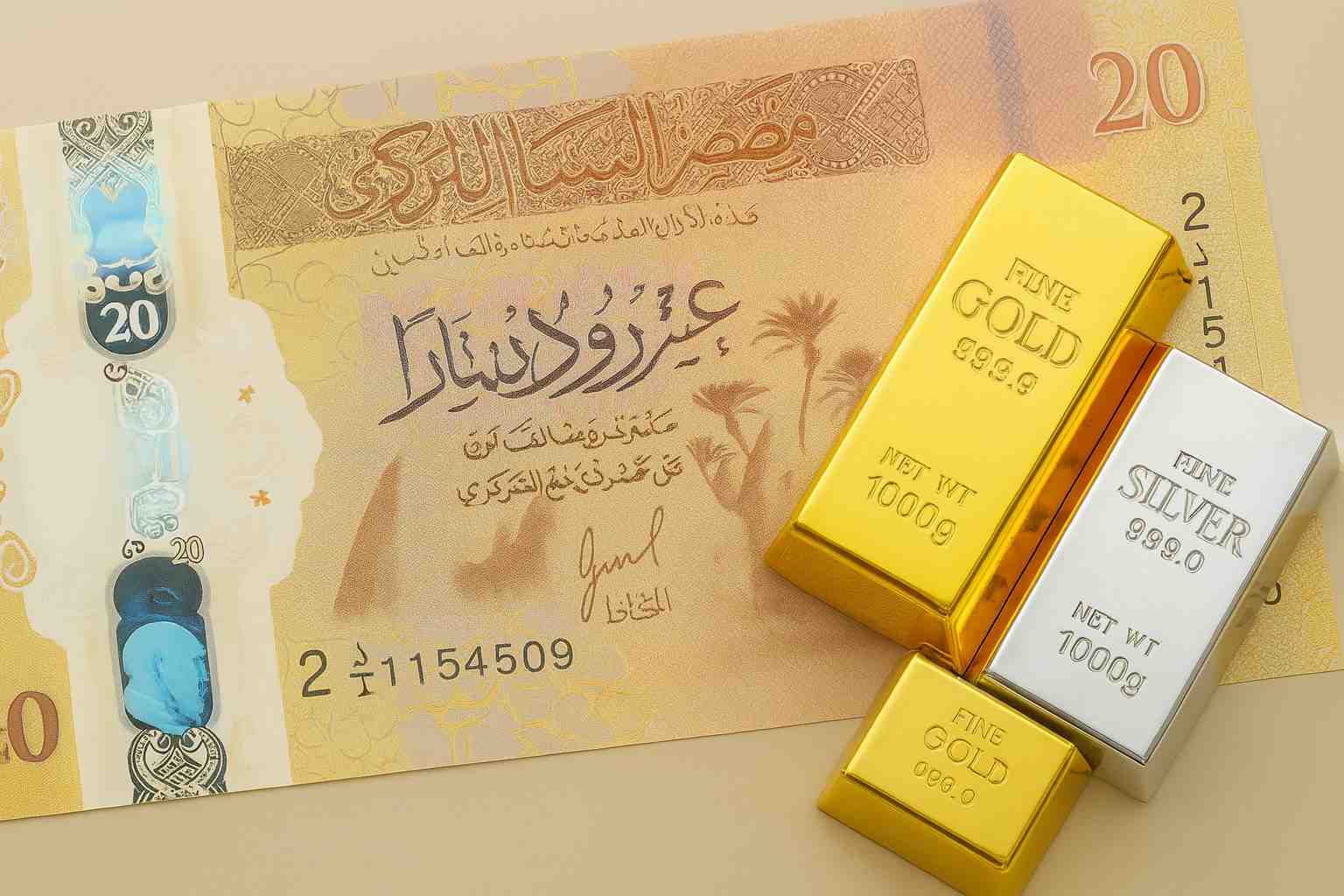
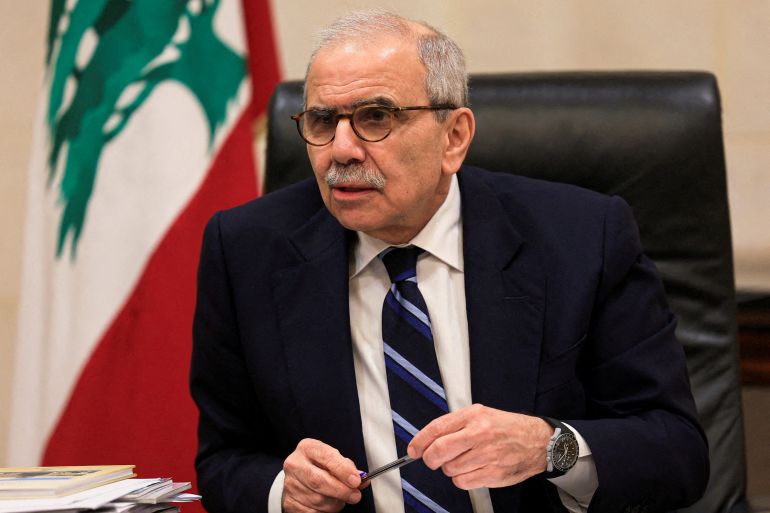
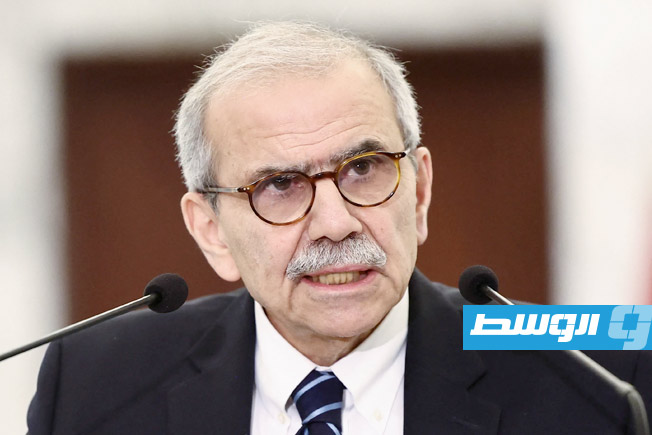
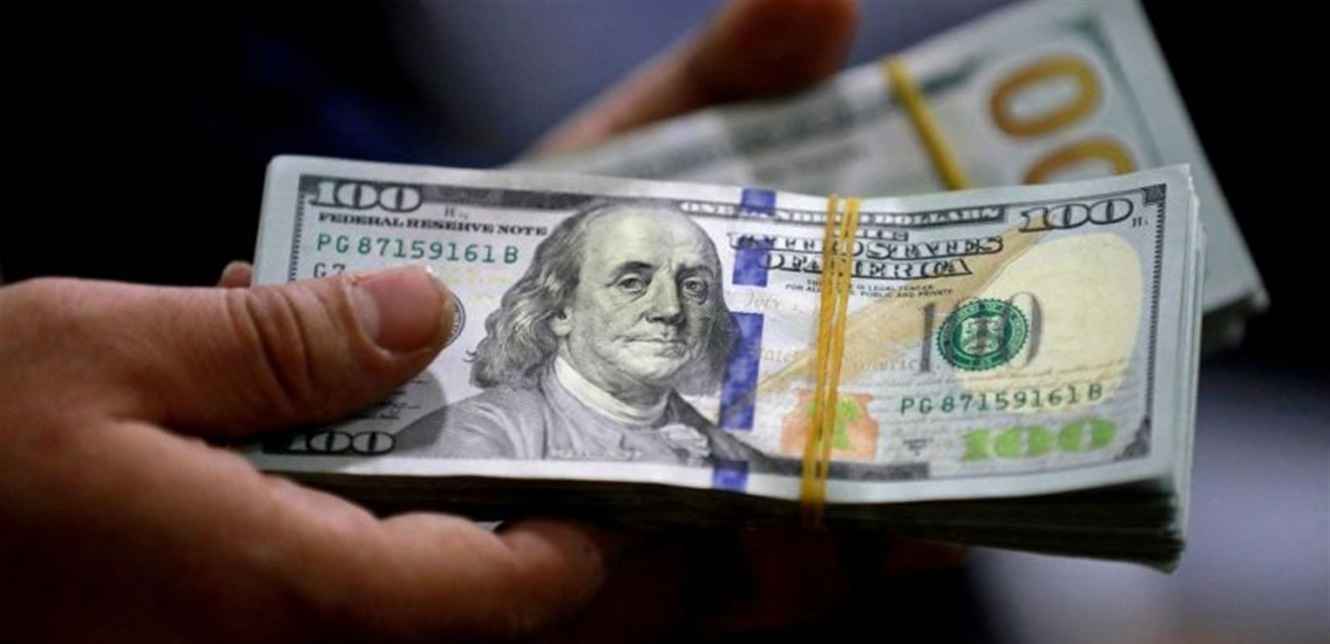
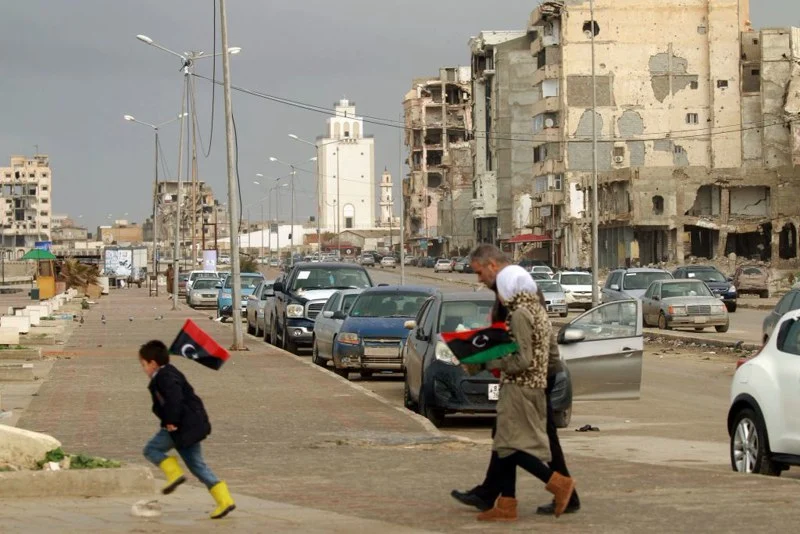
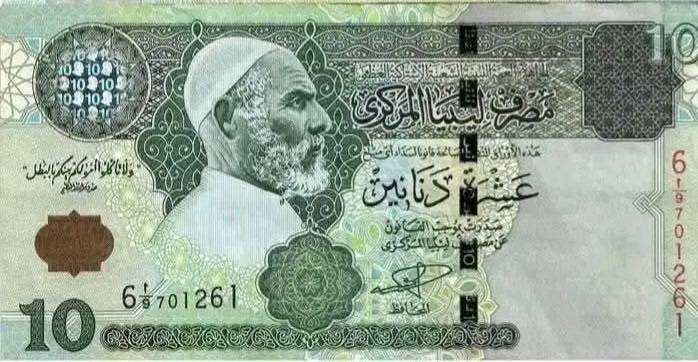
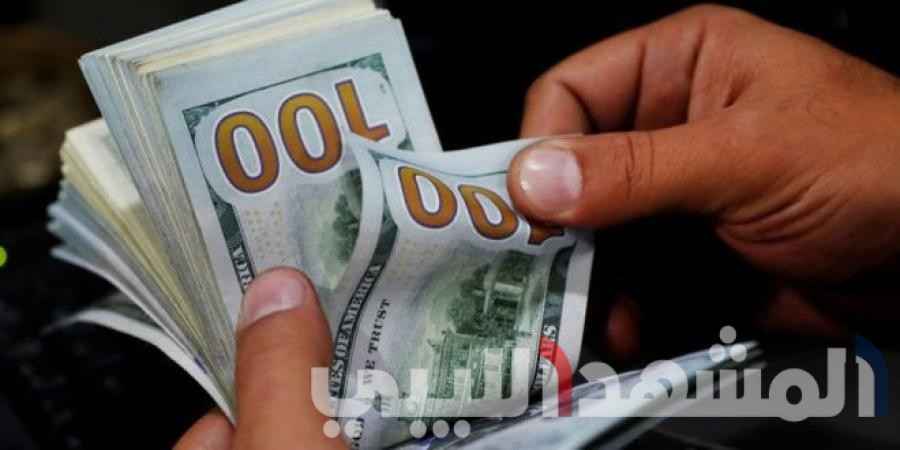
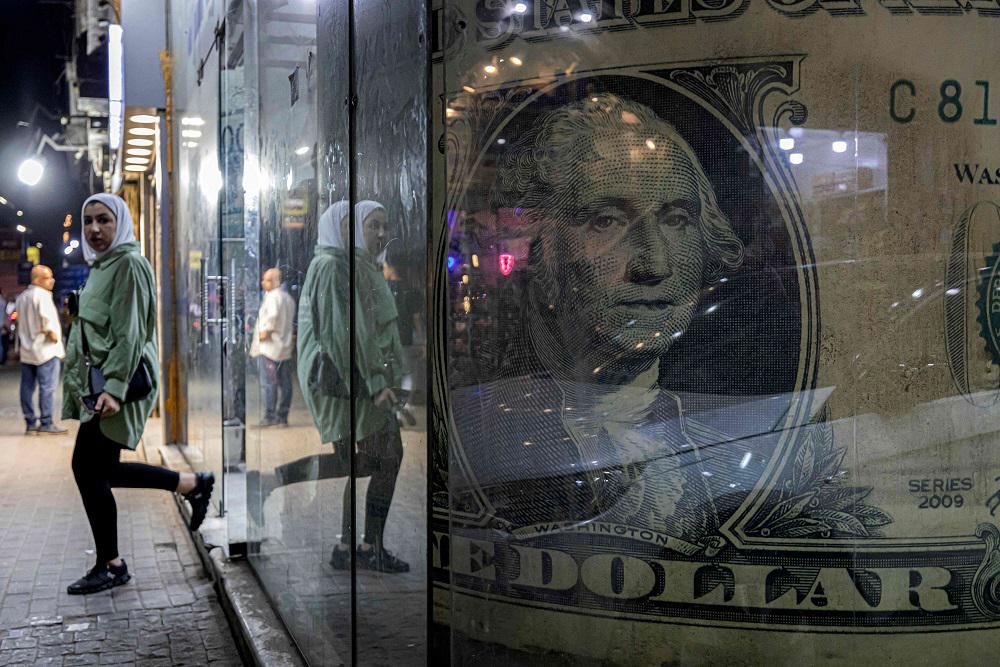
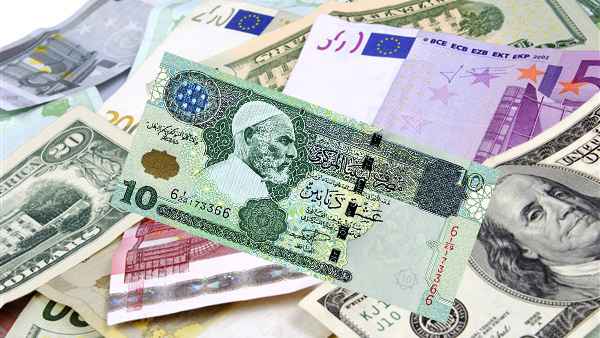
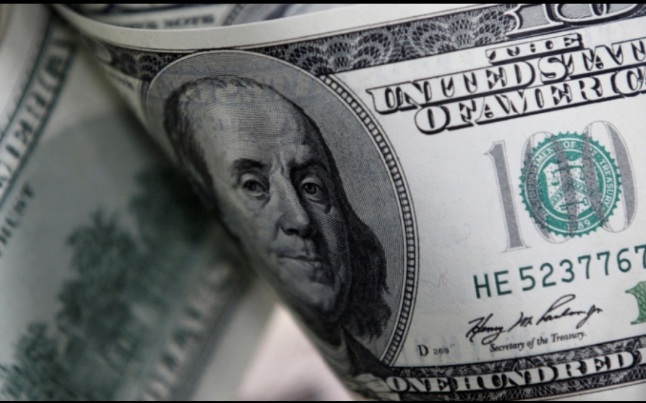
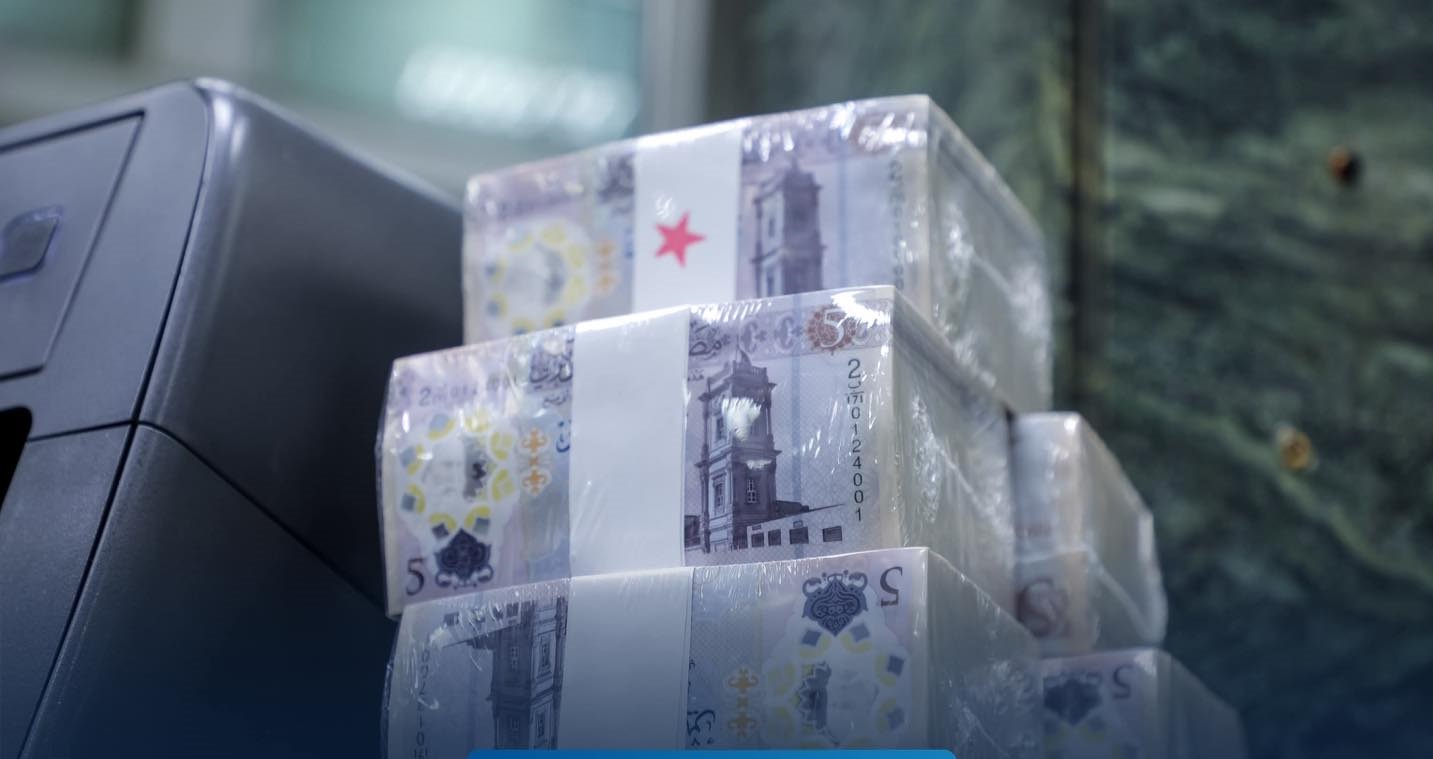
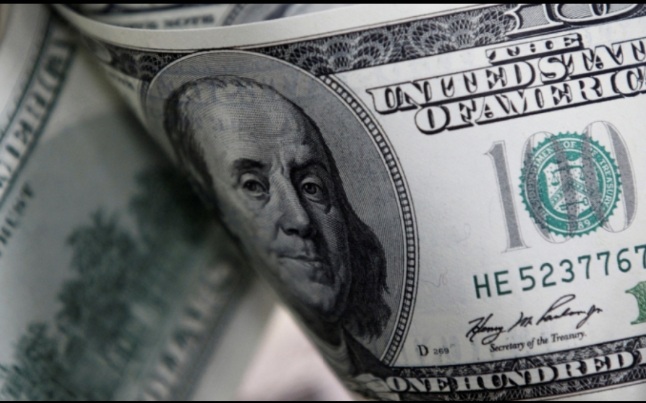
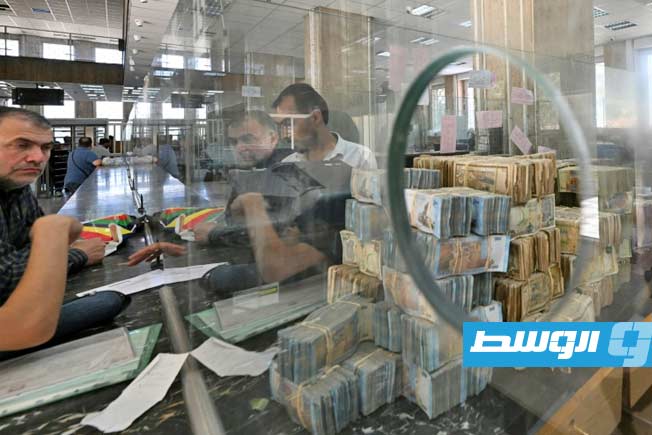
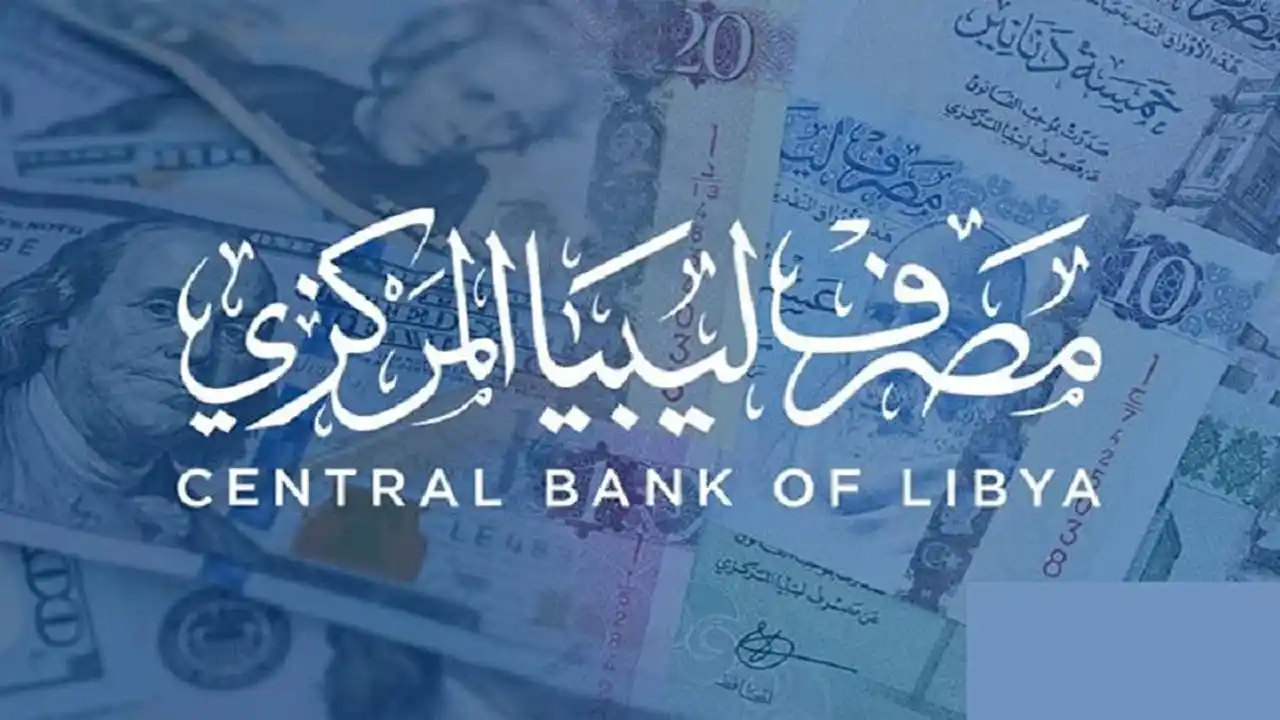
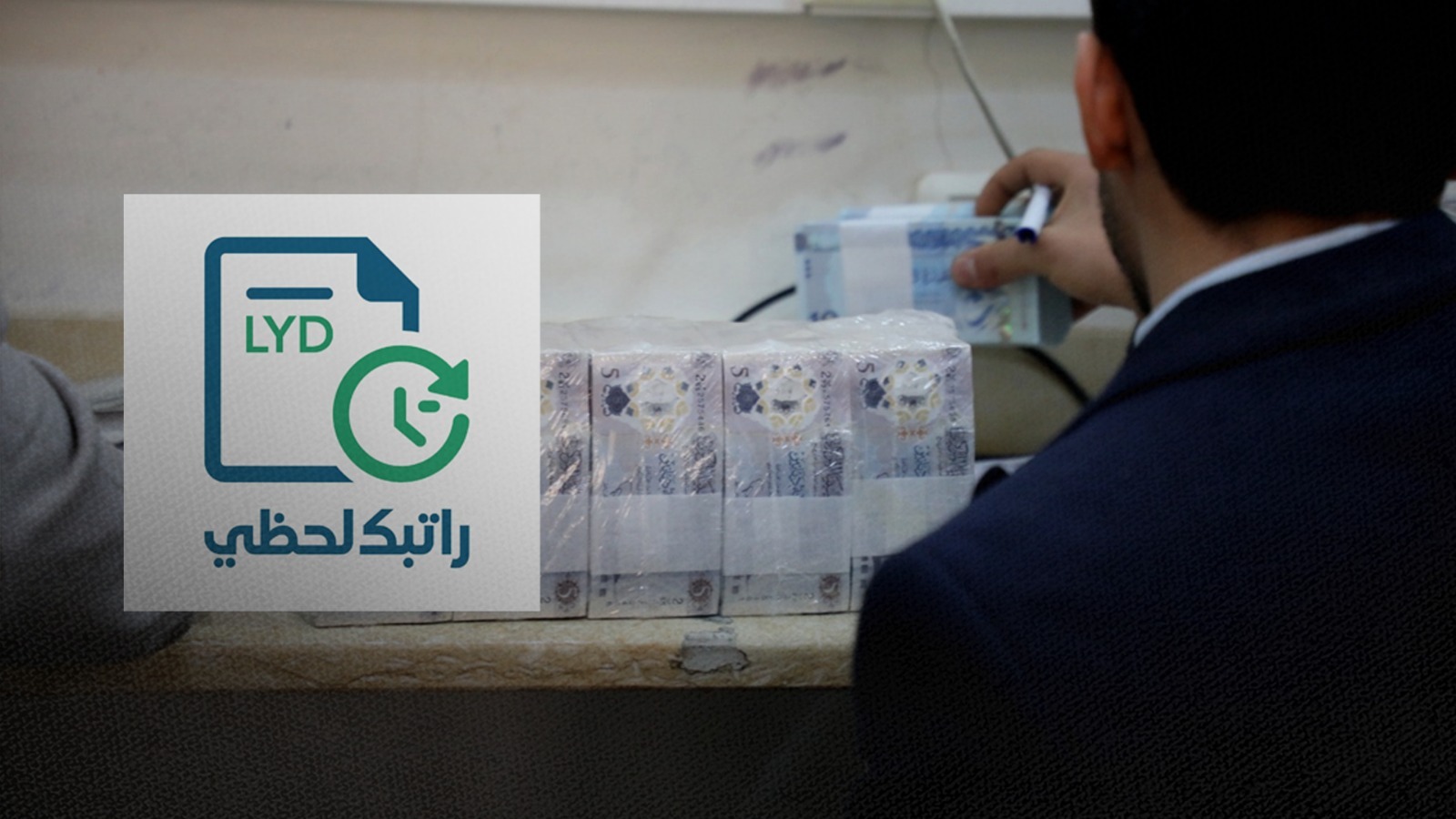
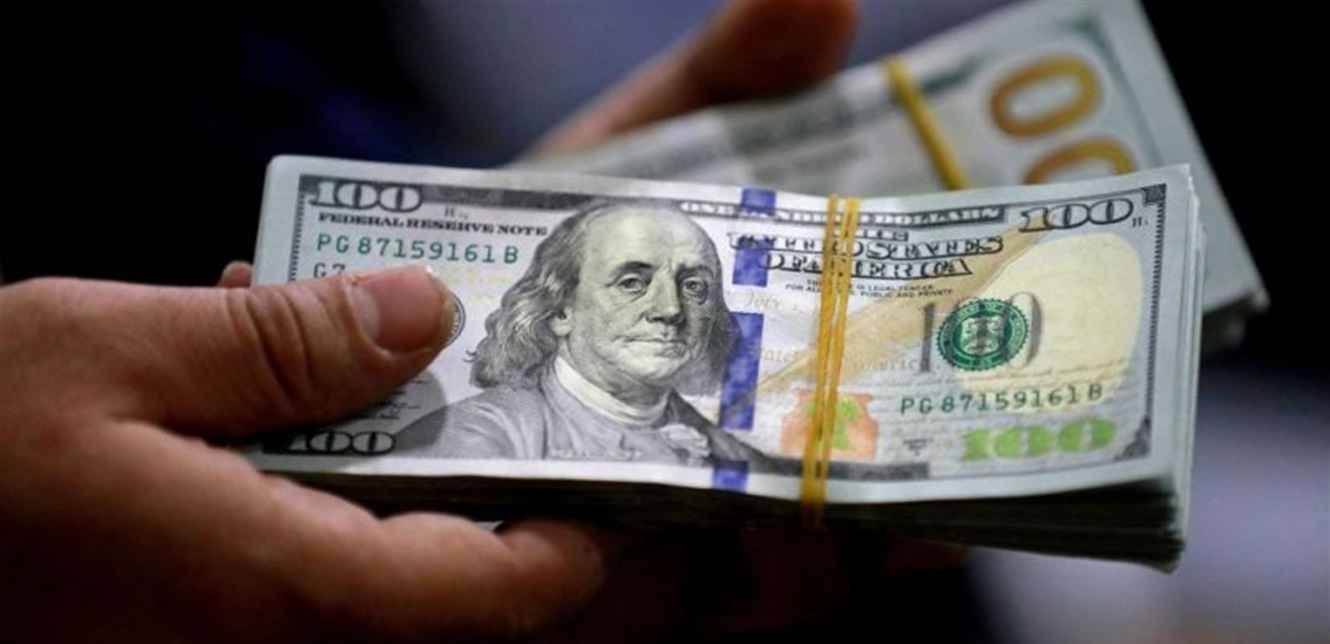
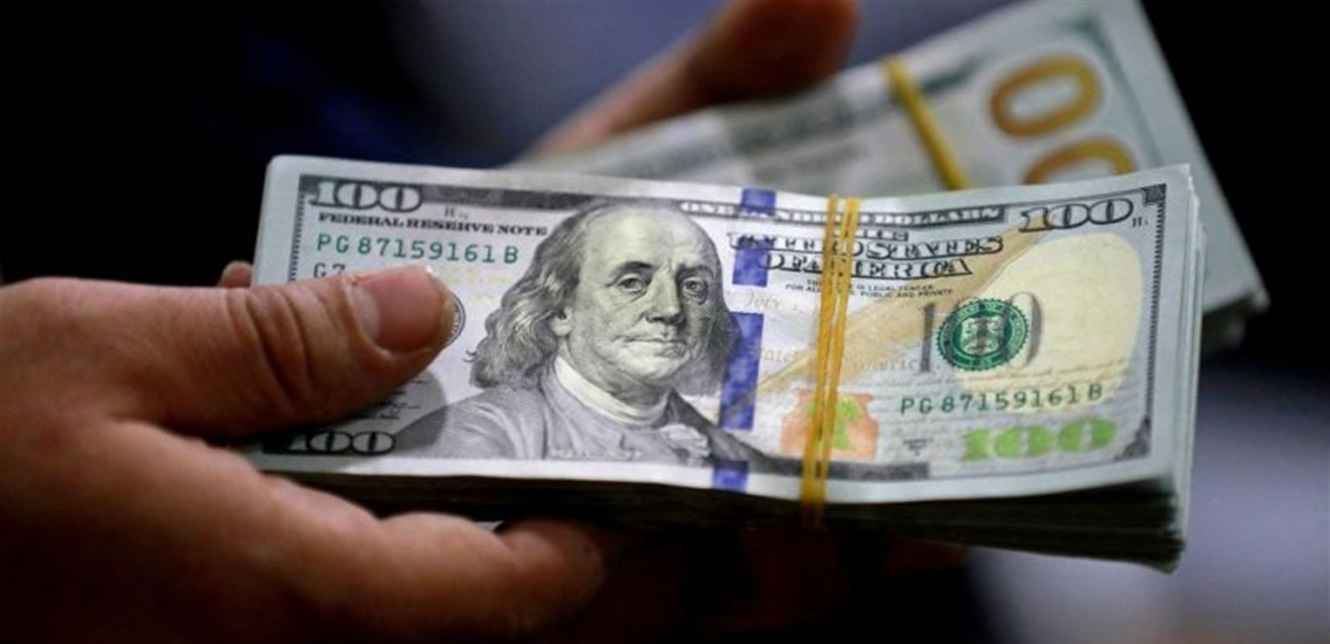
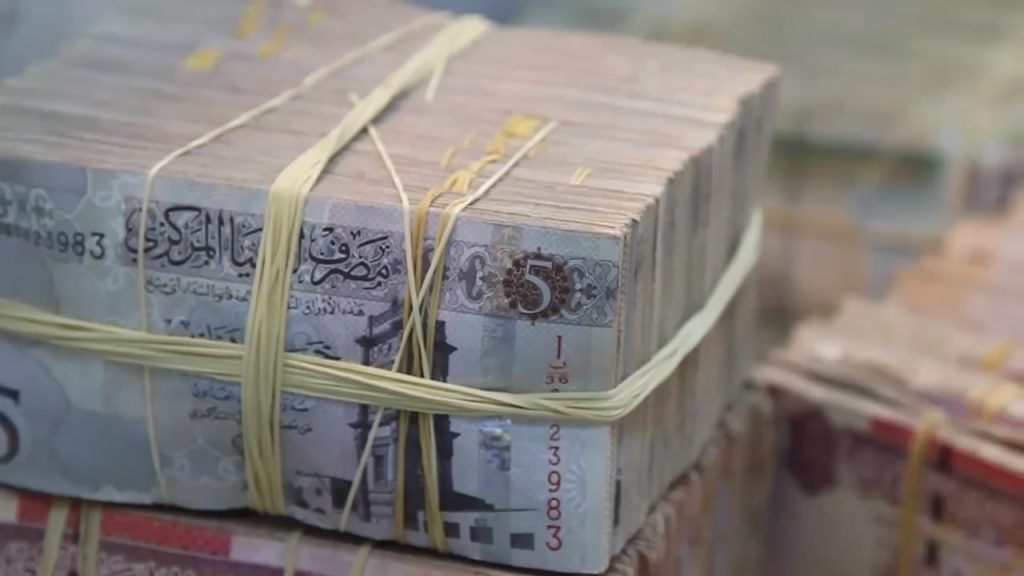
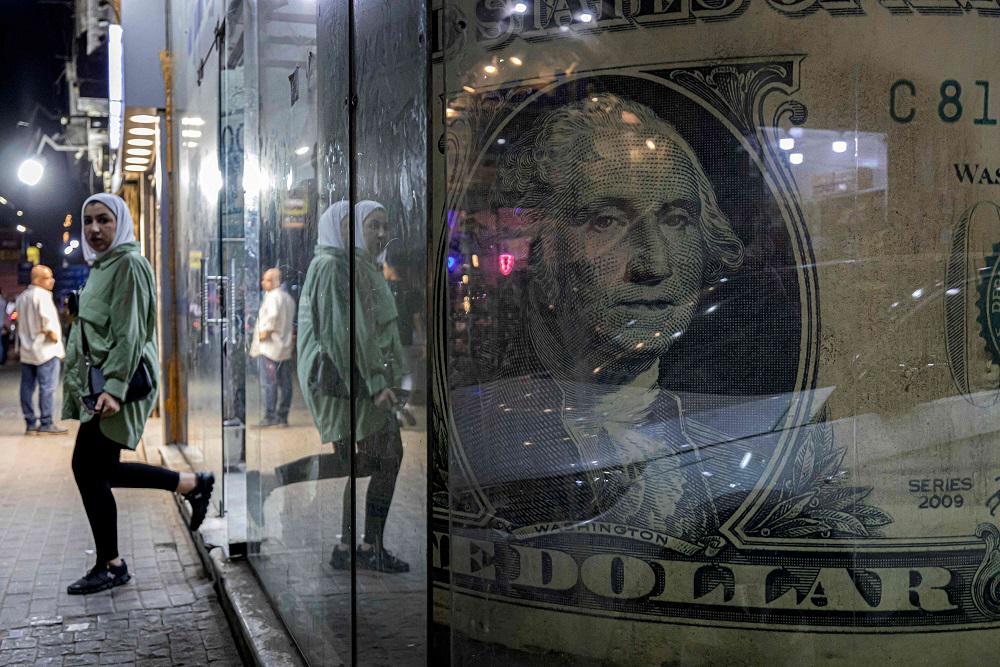
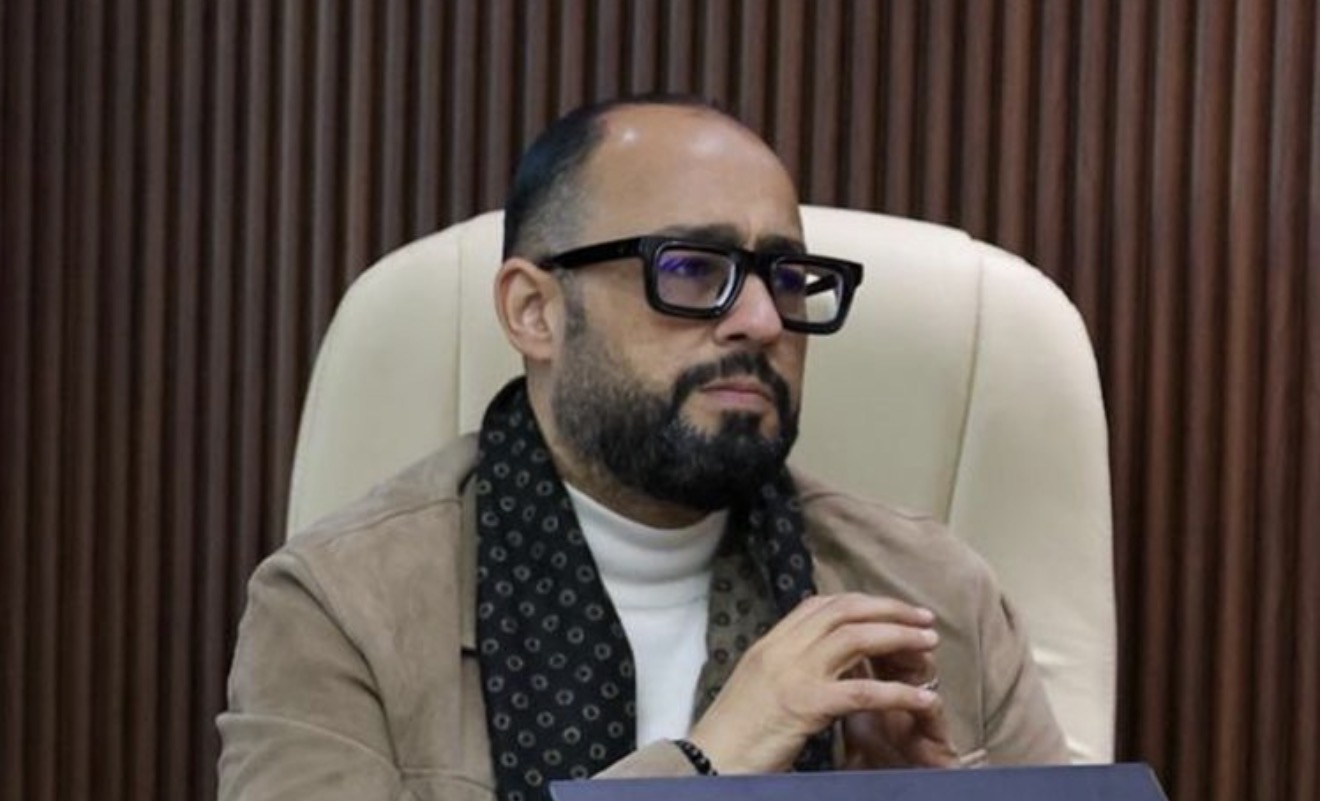
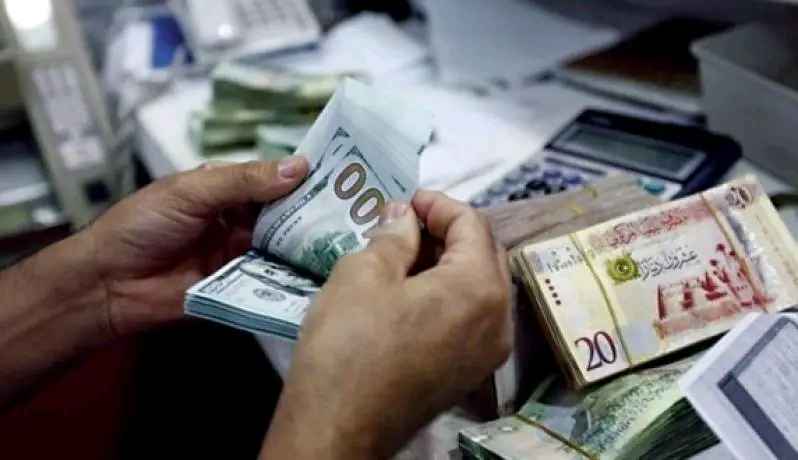
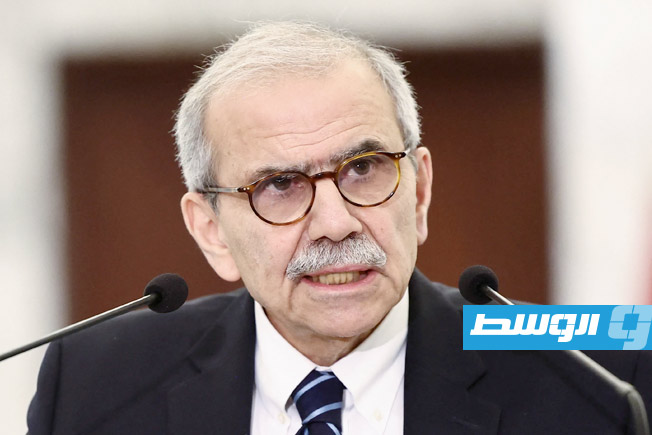
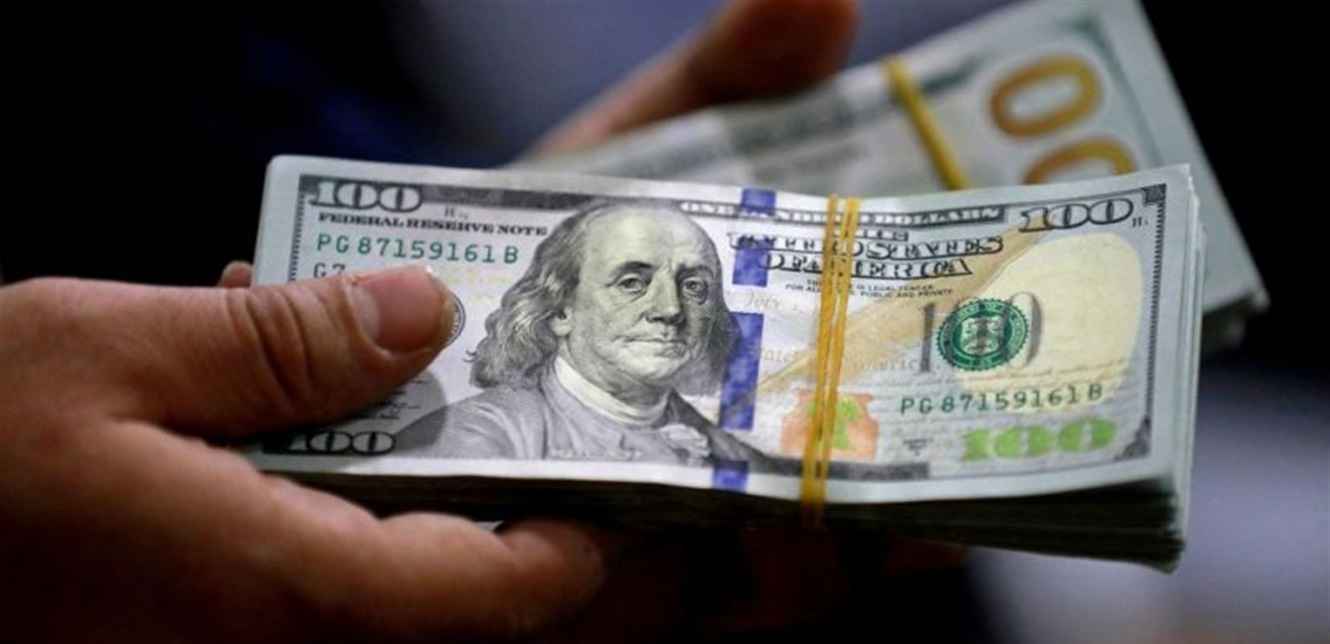
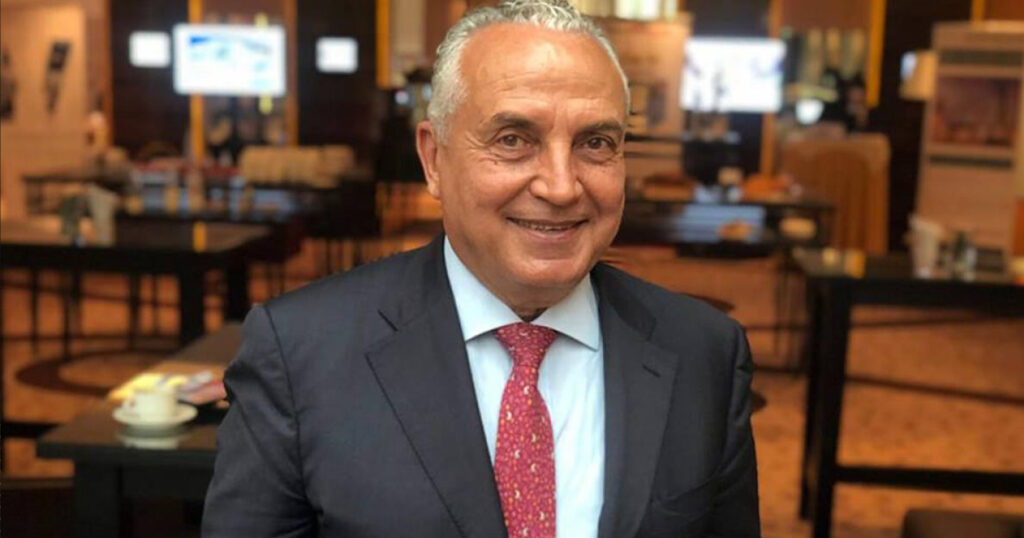
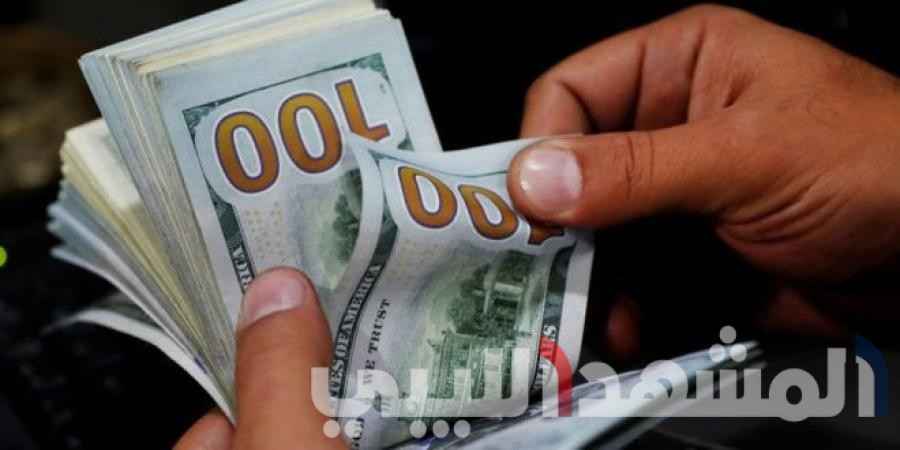
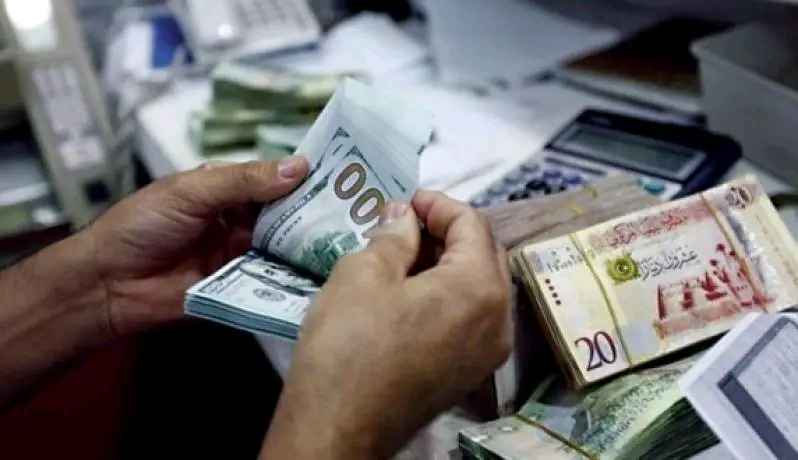
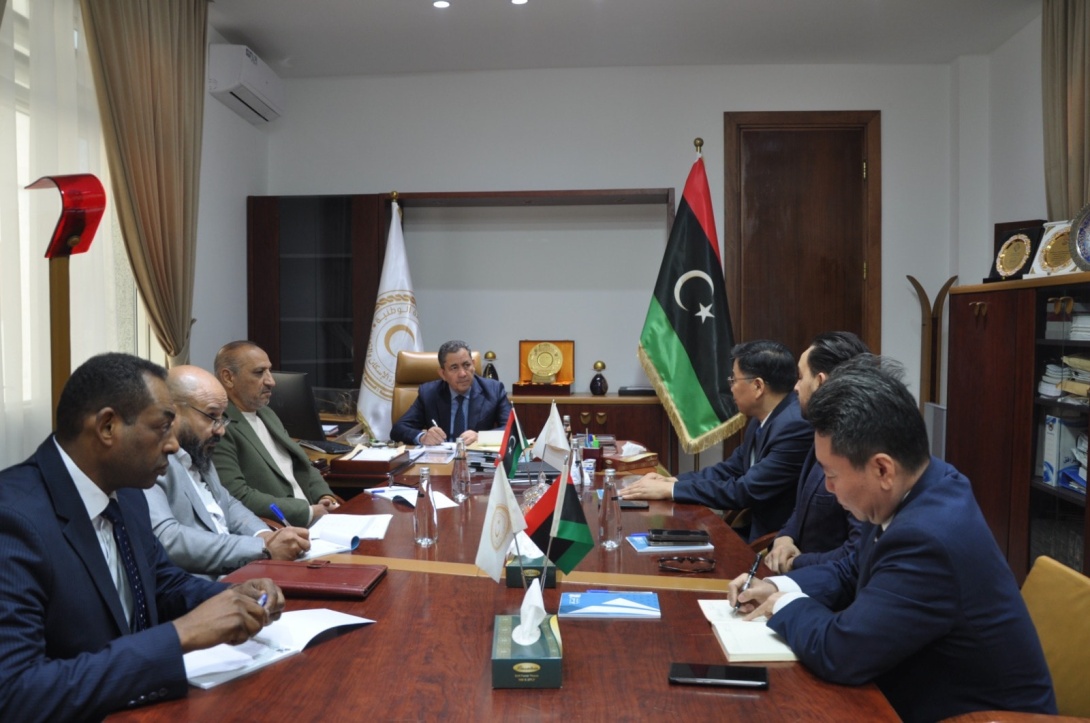
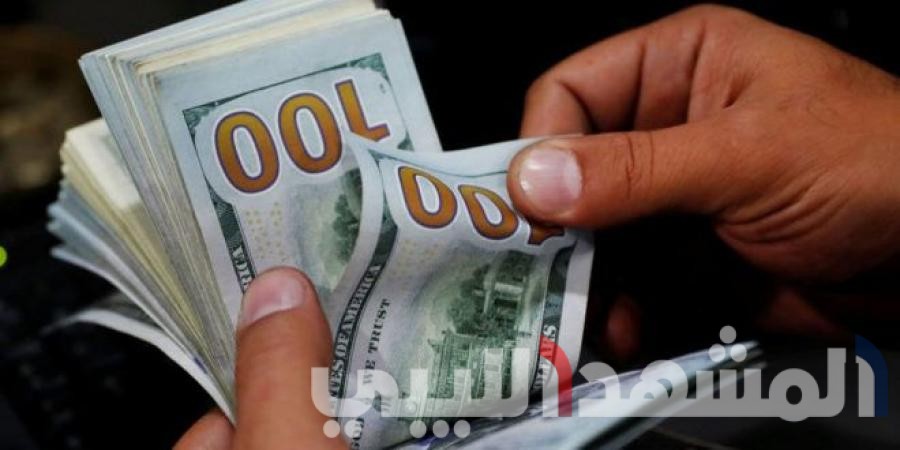
The head of the Misrata Chamber of Commerce, Fathi Al-Amin, revealed confirmed information – according to him – indicating that the Central Bank of Libya is preparing to implement a new reduction in the dinar’s exchange rate. He warned that any step in this direction would increase the suffering of citizens, especially with the approach of Ramadan and the expected price hikes, pointing out that the price of a “Dahi sheep” could jump from 22 to 30 dinars.
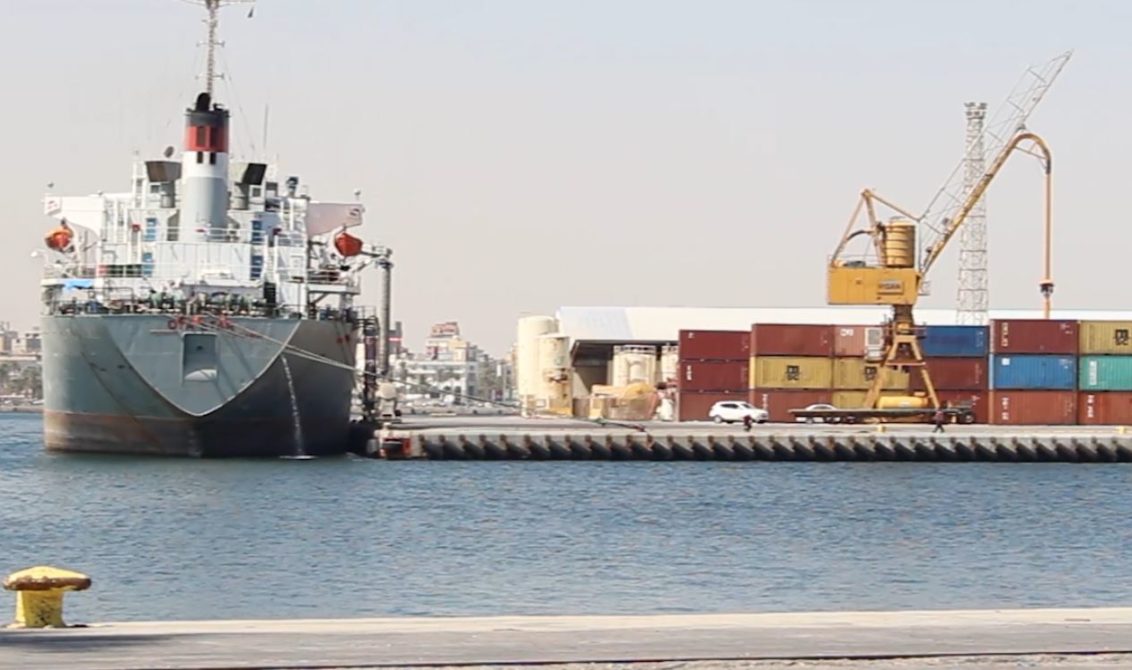
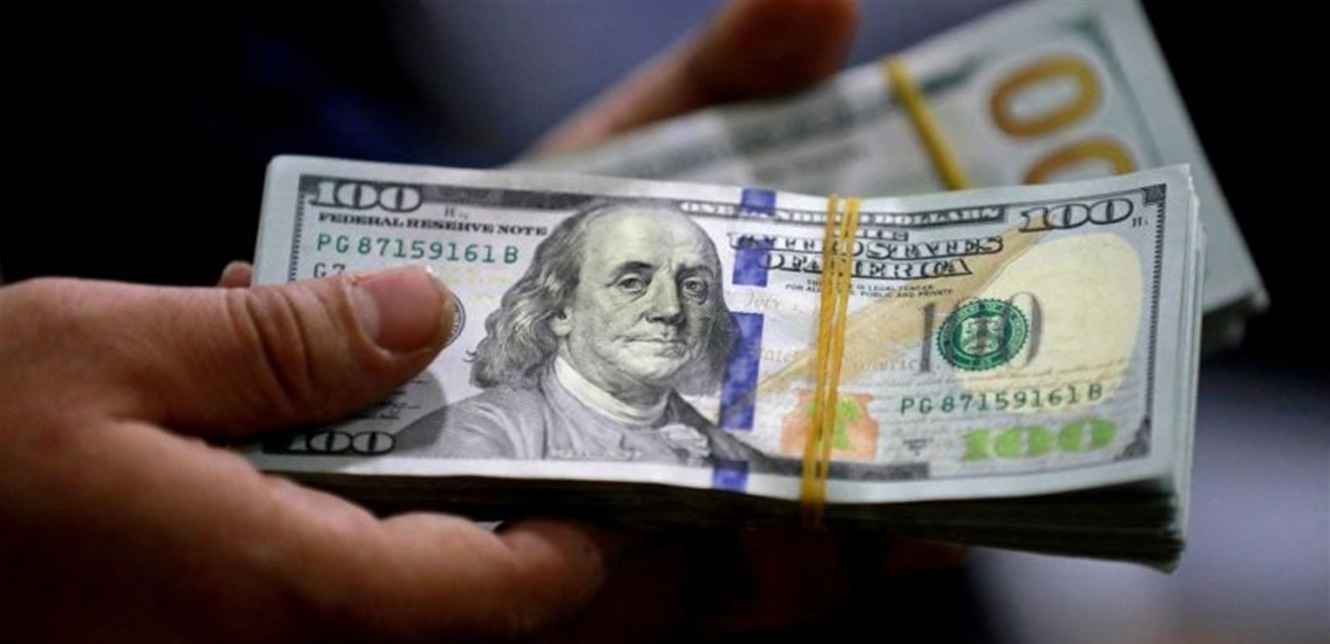
Al-Amin explained that the continuation of the Central Bank’s measures will make the citizen bear the consequences of the high cost of living, confirming that opening credits even worth a billion dollars per day will not cover the market’s needs, because a large portion of goods is smuggled to neighboring countries through ports and borders.
Al-Amin criticized blaming unlicensed exchange offices for the crisis, considering that the fundamental problem lies in the Central Bank’s disregard for implementing previously agreed-upon alternatives, such as direct transfers, payment via documents against collection, and allocating $500,000 for small traders.
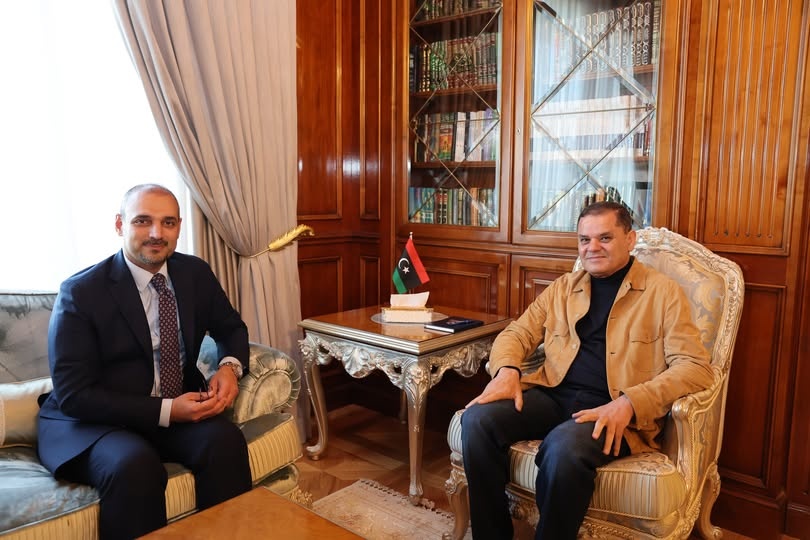
He added that the Chamber was surprised by a letter from the Central Bank to the head of government, asking him to pressure the Minister of Economy to reactivate the decision to ban imports except through banks, considering that this measure without applying the agreed-upon alternatives would lead to a doubling of prices and a shortage of goods.
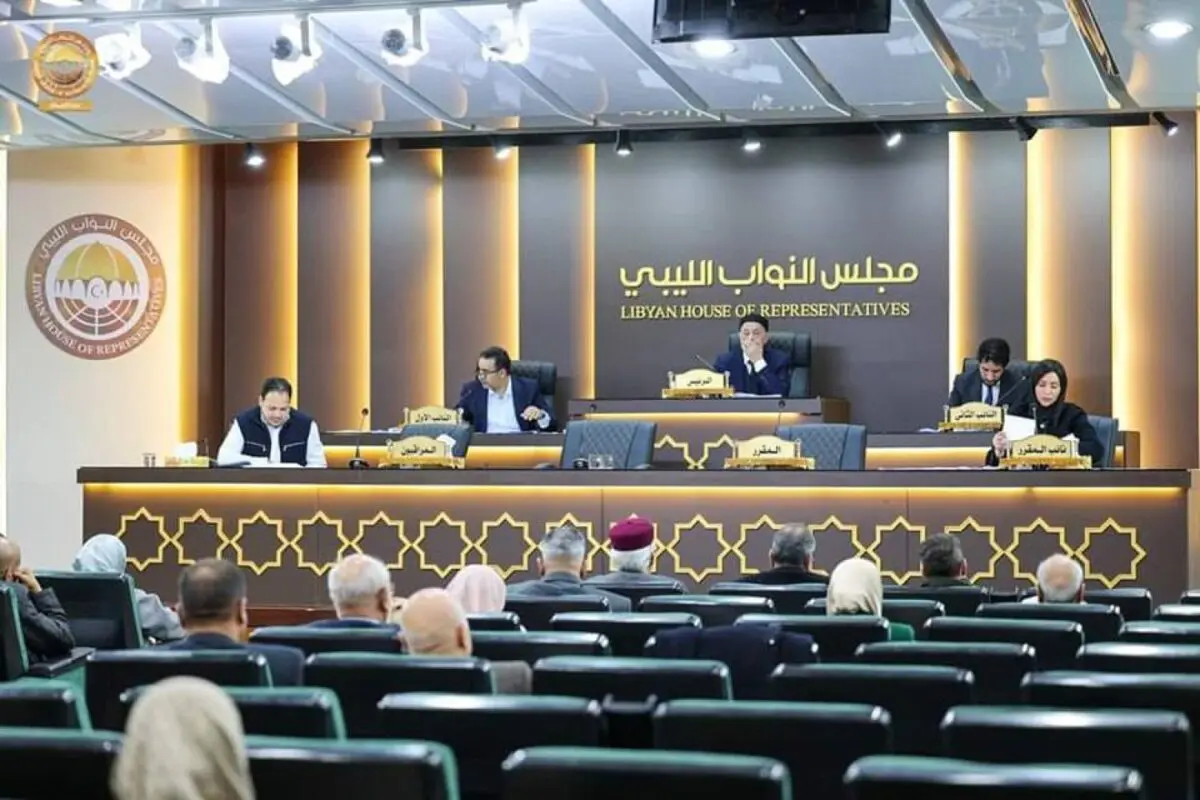
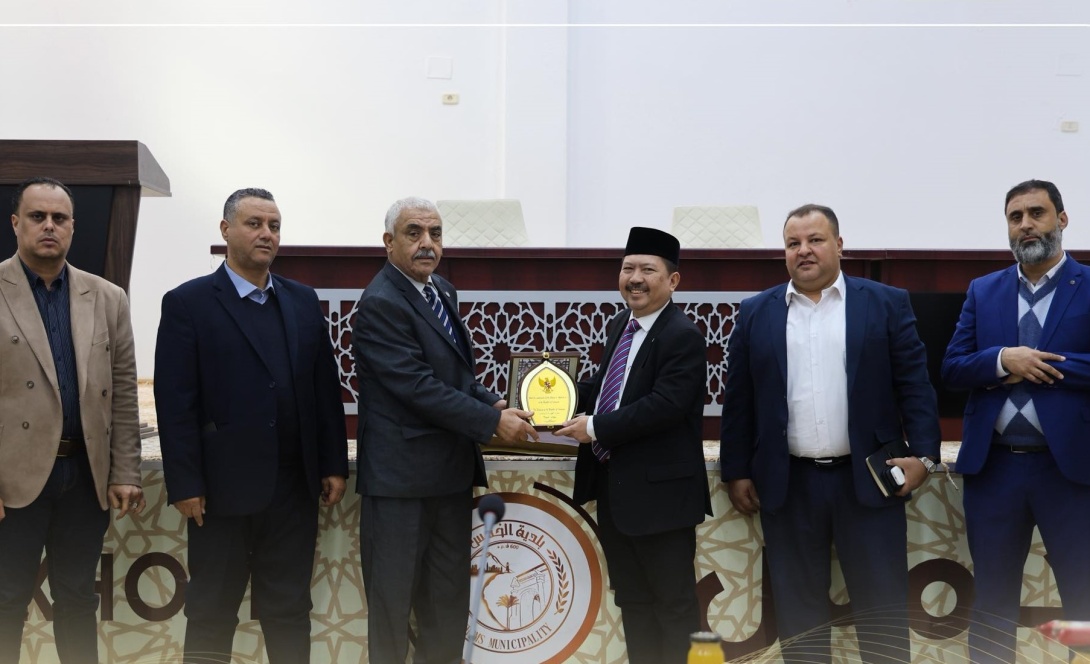
Misrata Chamber of Commerce
The Misrata Chamber of Commerce is a key economic institution in the Libyan city of Misrata, historically one of the country’s most important commercial and industrial hubs. It was established to support and regulate local trade and industry, playing a vital role in the city’s business community, especially during and after Libya’s 2011 civil war when Misrata’s economy was central to the conflict.
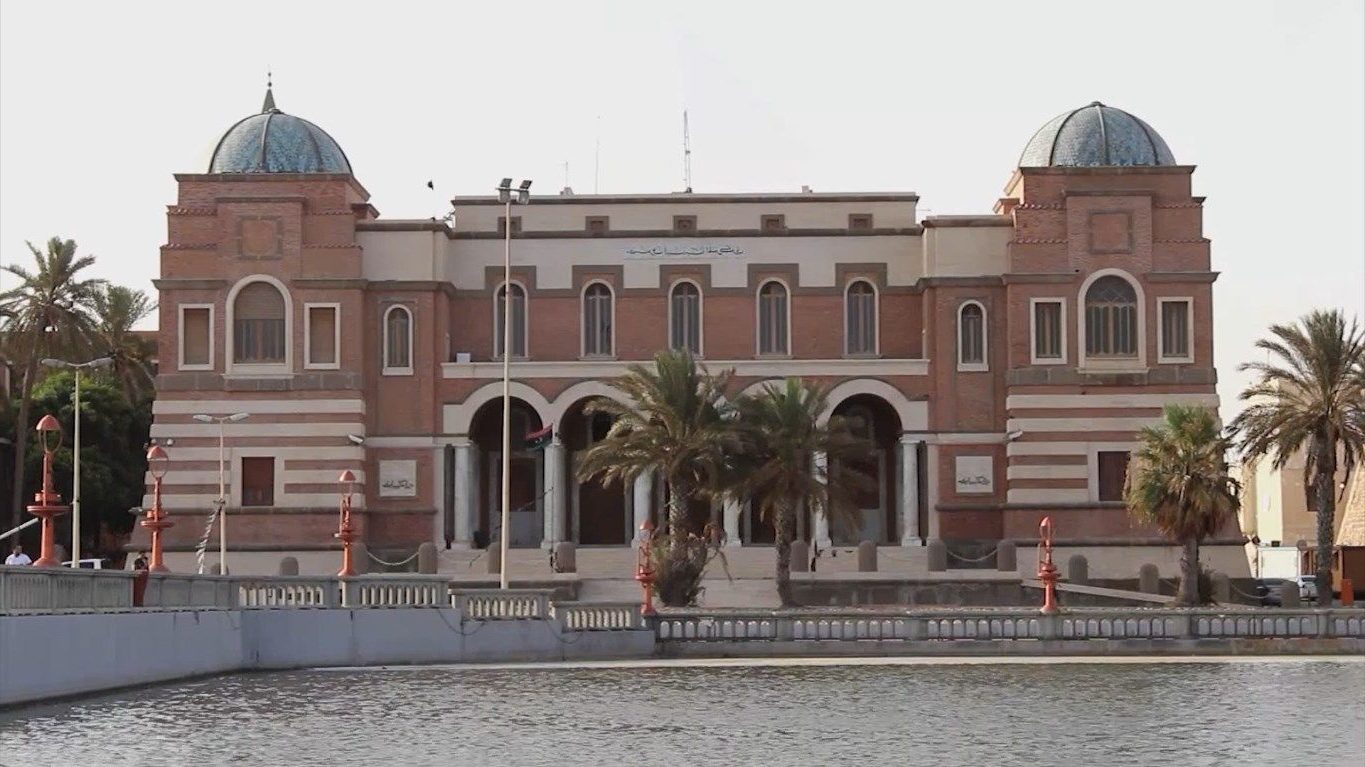
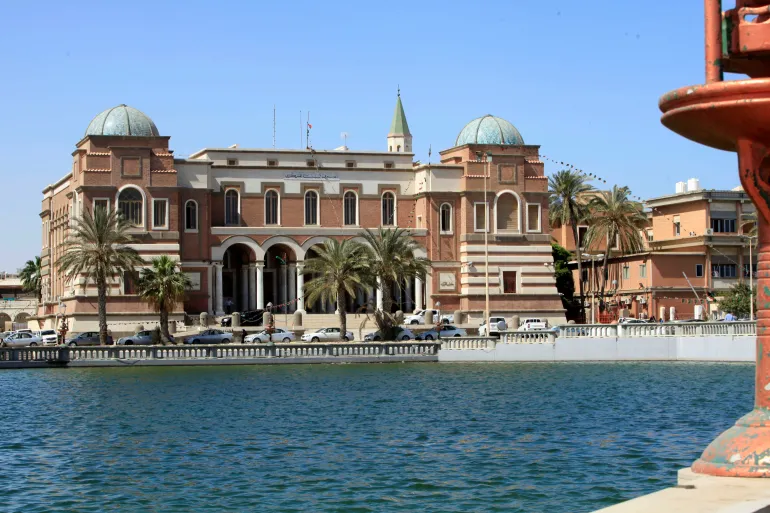
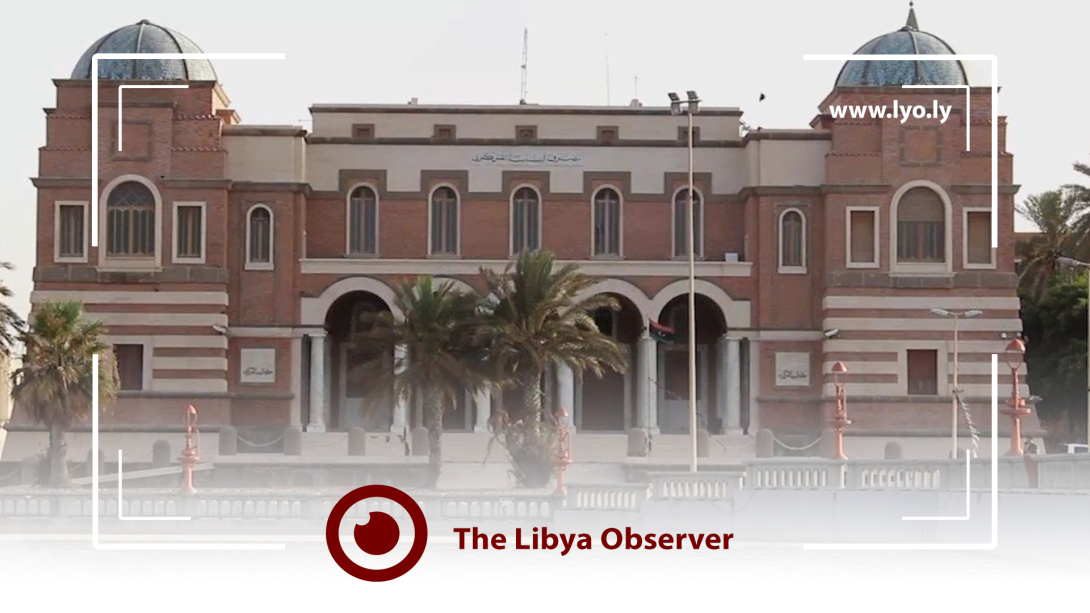
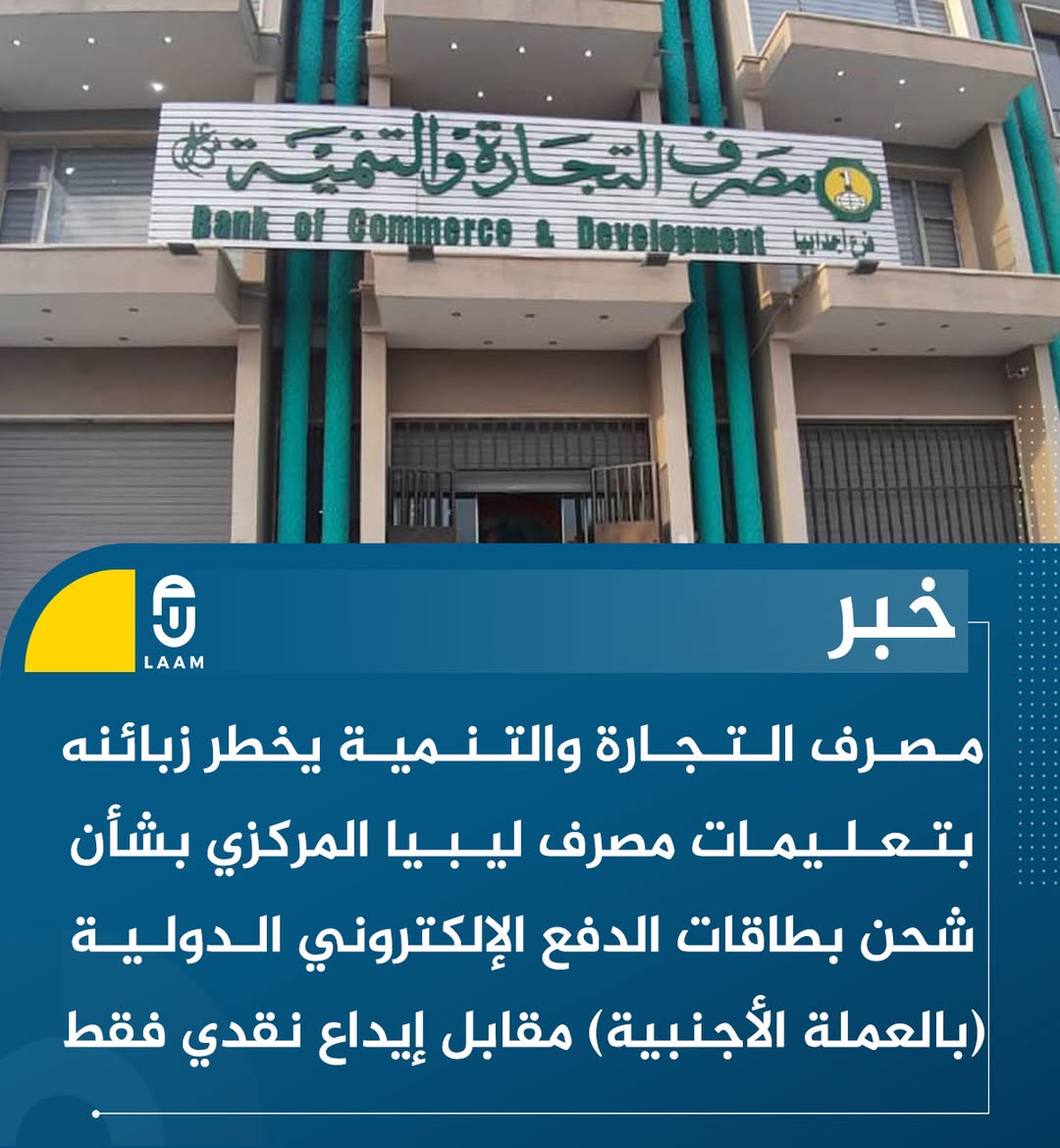
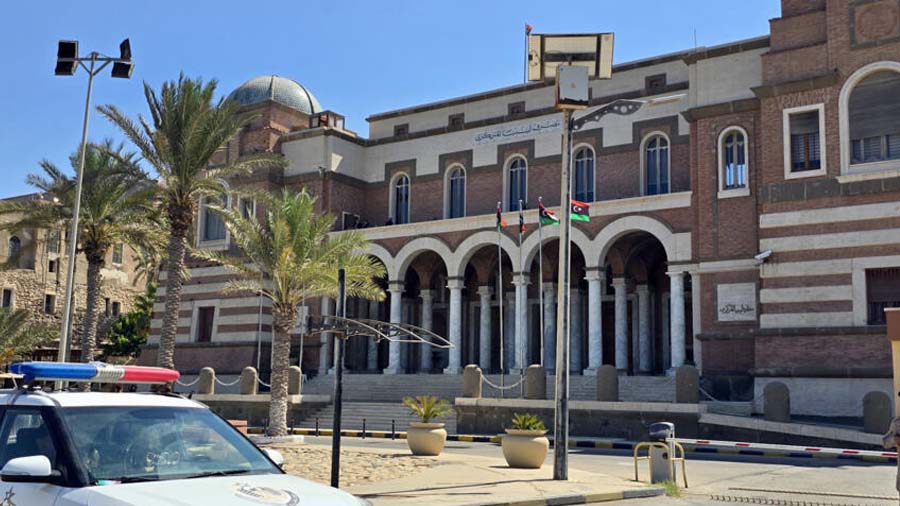
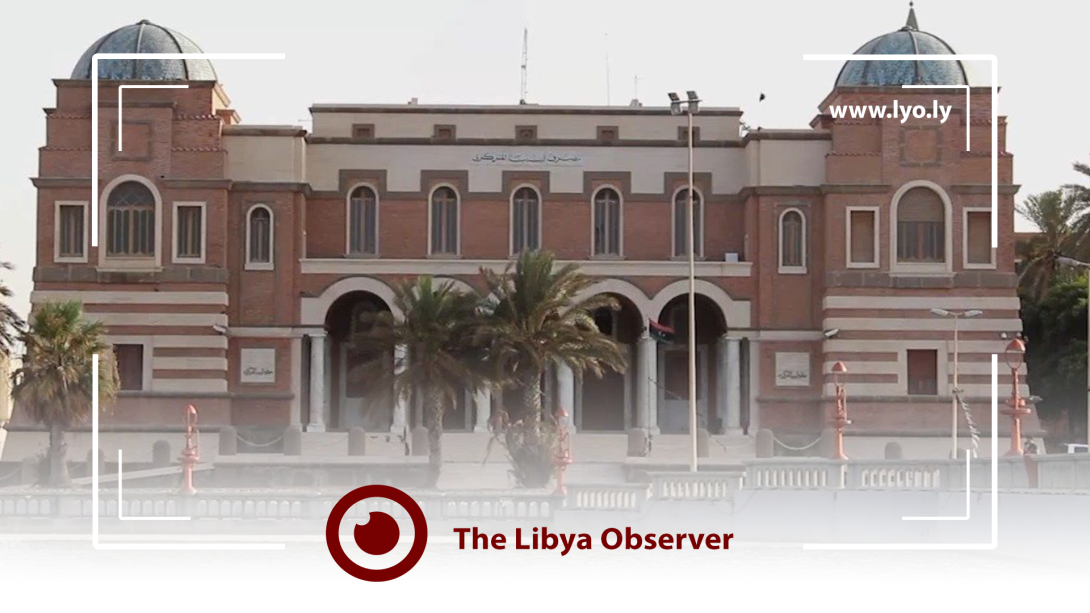
Central Bank of Libya
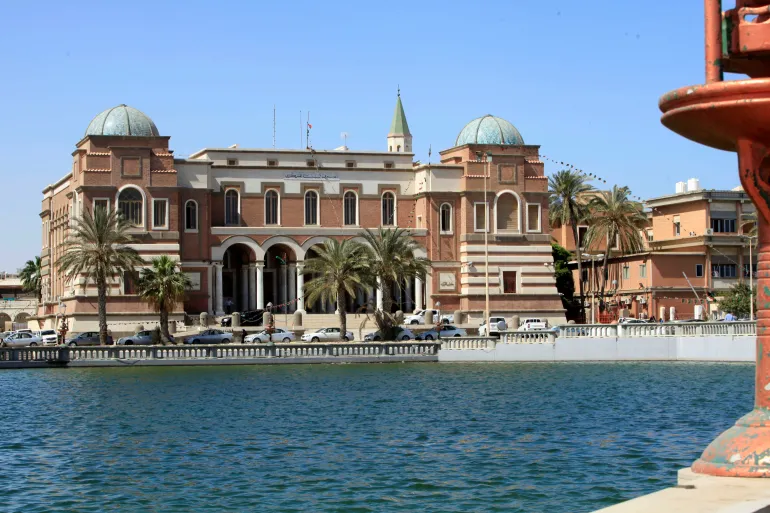
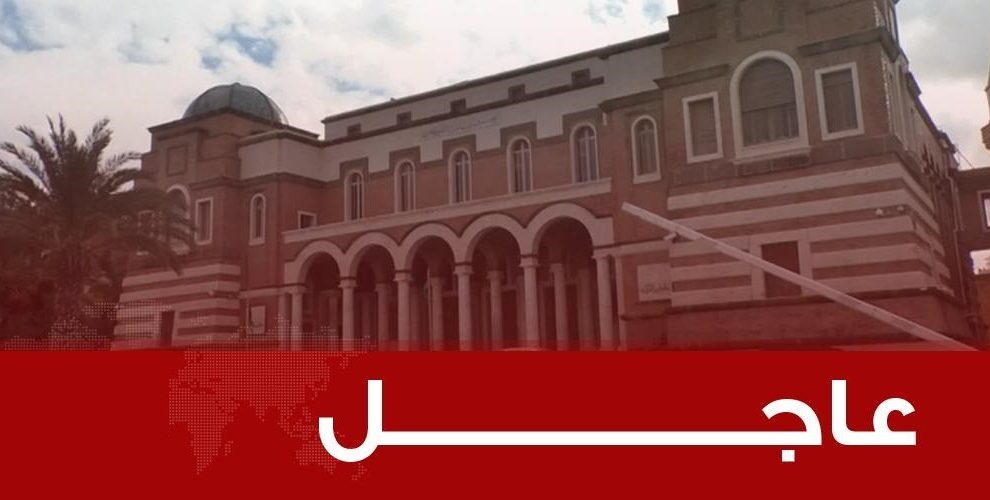
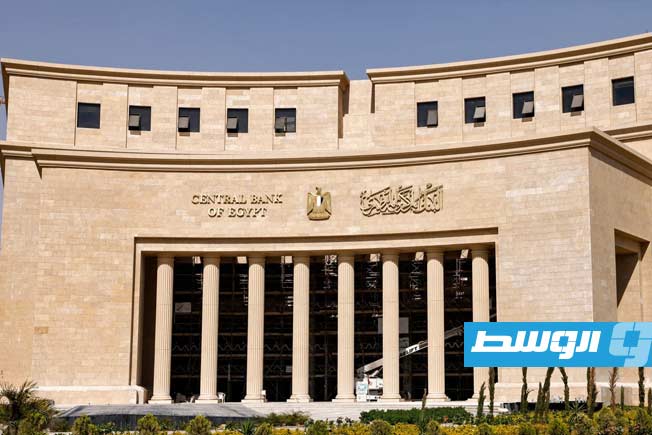
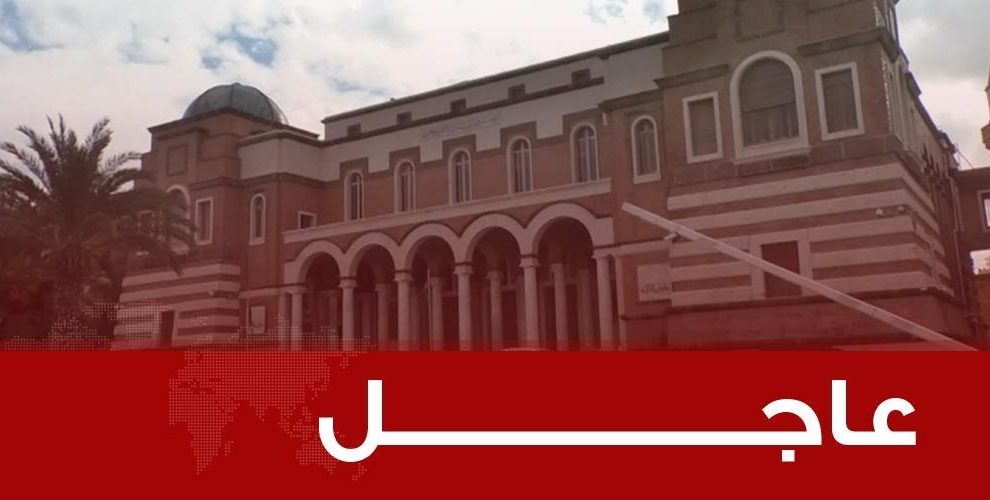
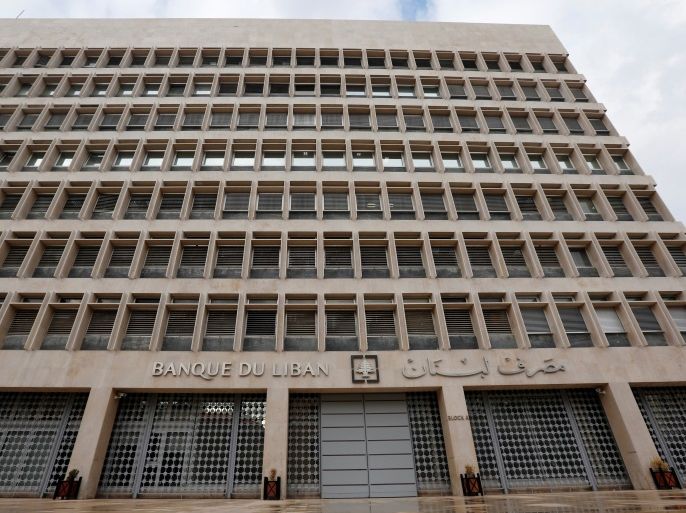
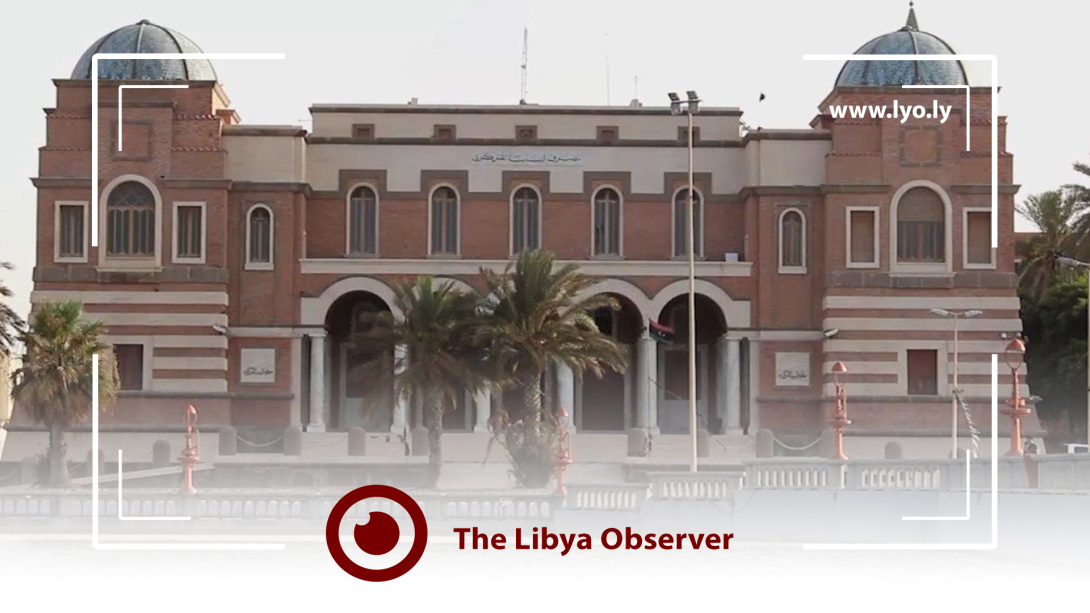
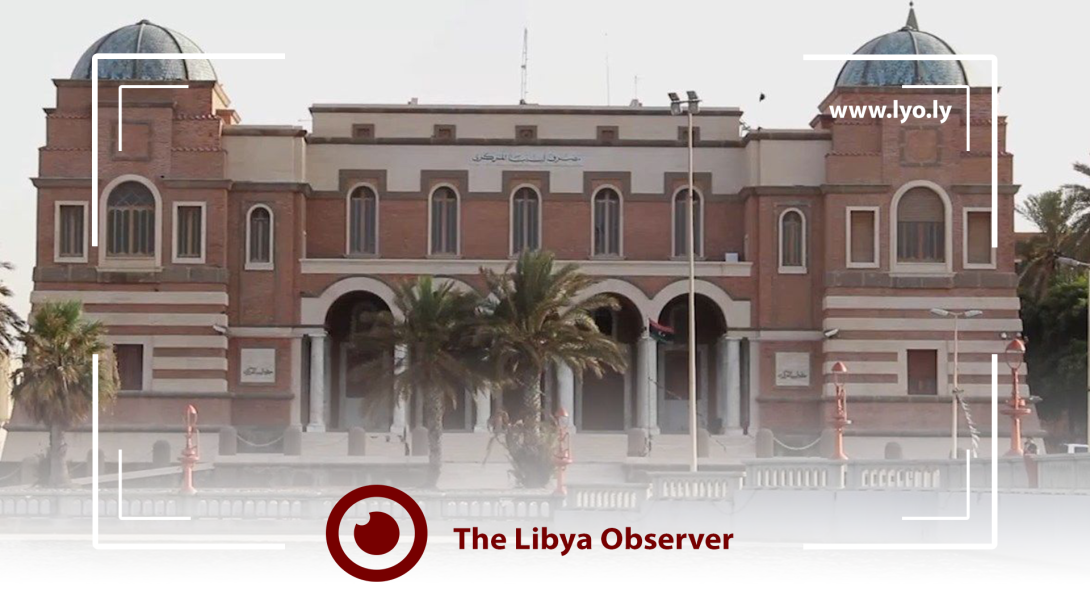
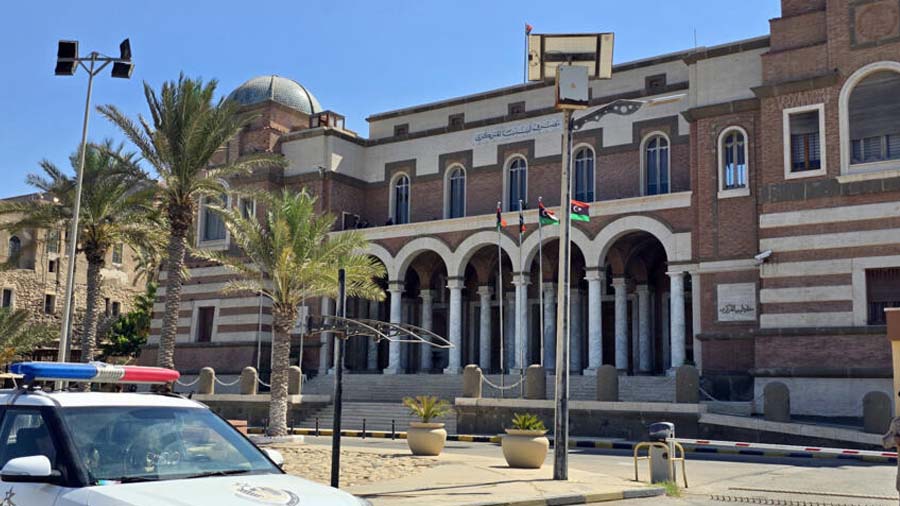
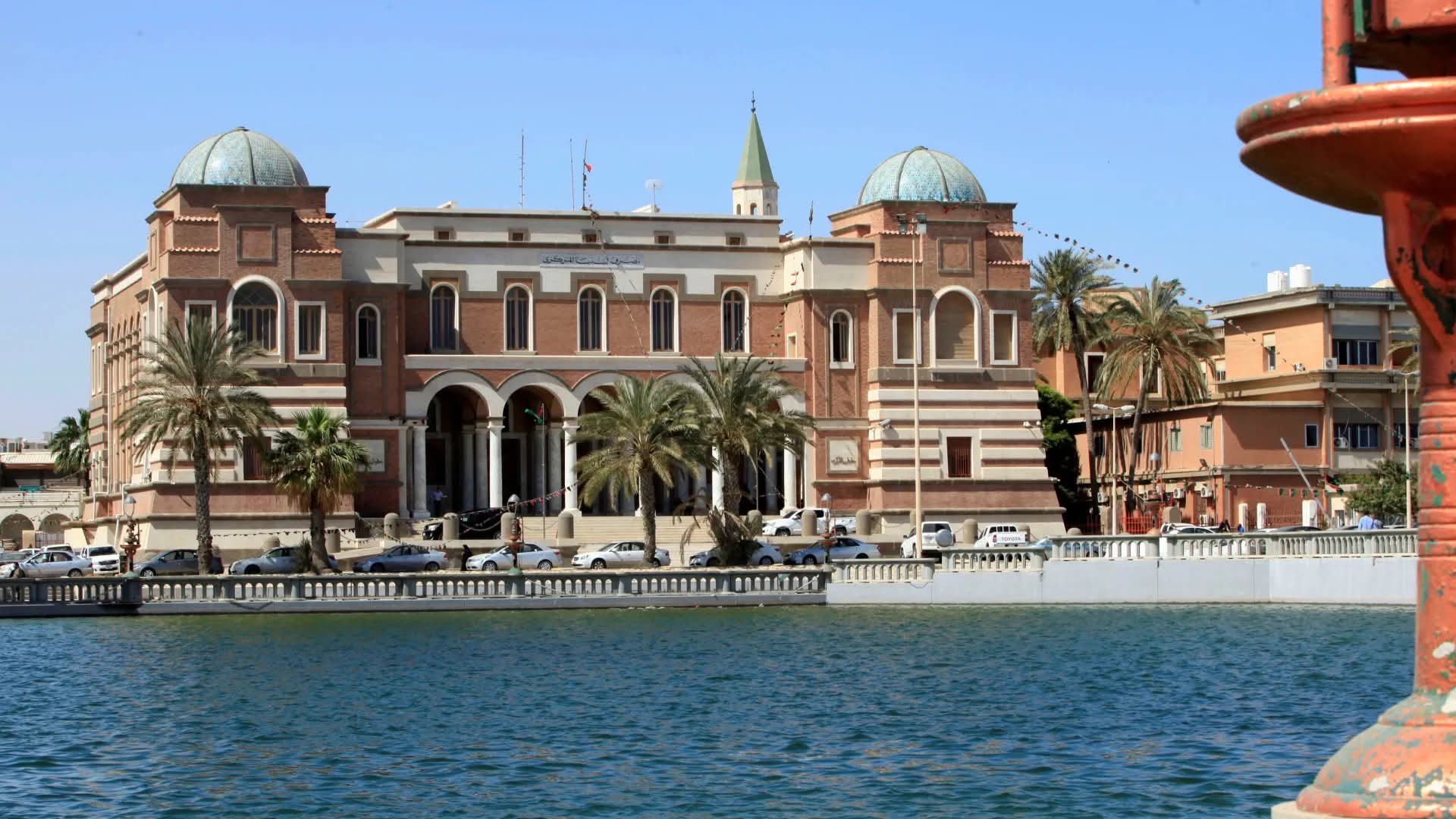
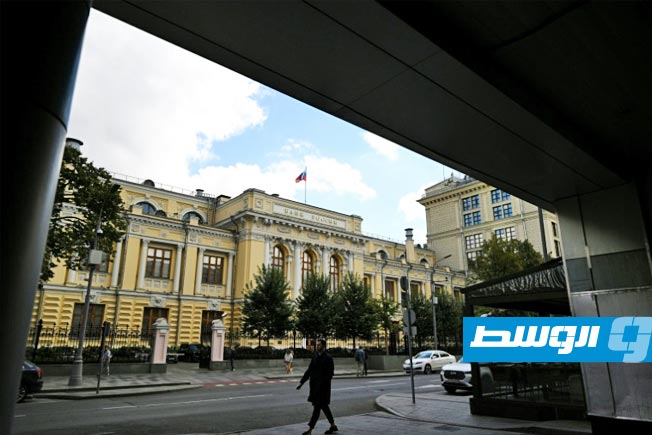
The Central Bank of Libya, headquartered in Tripoli, was established in 1956 following the country’s independence to manage its currency and monetary policy. It has played a critical and often contentious role in Libya’s modern history, including during the 2011 revolution and subsequent conflicts, where it became a key institution divided between rival governments.
Libya
Libya is a North African country with a rich history rooted in ancient civilizations like the Phoenicians and Romans, followed by centuries of Arab and Ottoman influence. In the modern era, it was an Italian colony before gaining independence in 1951, later becoming known for Muammar Gaddafi’s lengthy rule from 1969 until the 2011 revolution. Its cultural heritage includes UNESCO World Heritage sites such as the ancient Greek city of Cyrene and the Roman ruins of Leptis Magna.
Ramadan
Ramadan is the ninth month of the Islamic lunar calendar, observed by Muslims worldwide as a month of fasting, prayer, reflection, and community. Its history is rooted in the Islamic tradition that it was during this month that the first verses of the Quran were revealed to the Prophet Muhammad.
Dahi sheep
The “Dahi sheep” is not a recognized cultural site or place, but rather a breed of fat-tailed sheep native to the Middle East and Central Asia. Historically, these sheep have been valued by nomadic and pastoral communities for their hardiness, meat, and especially the fat stored in their tails, which is used in traditional cooking.