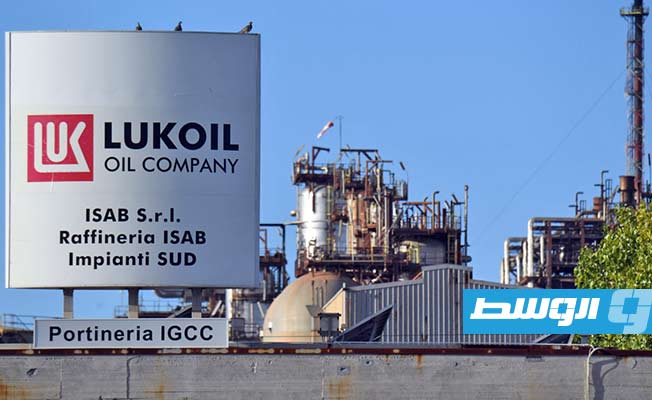
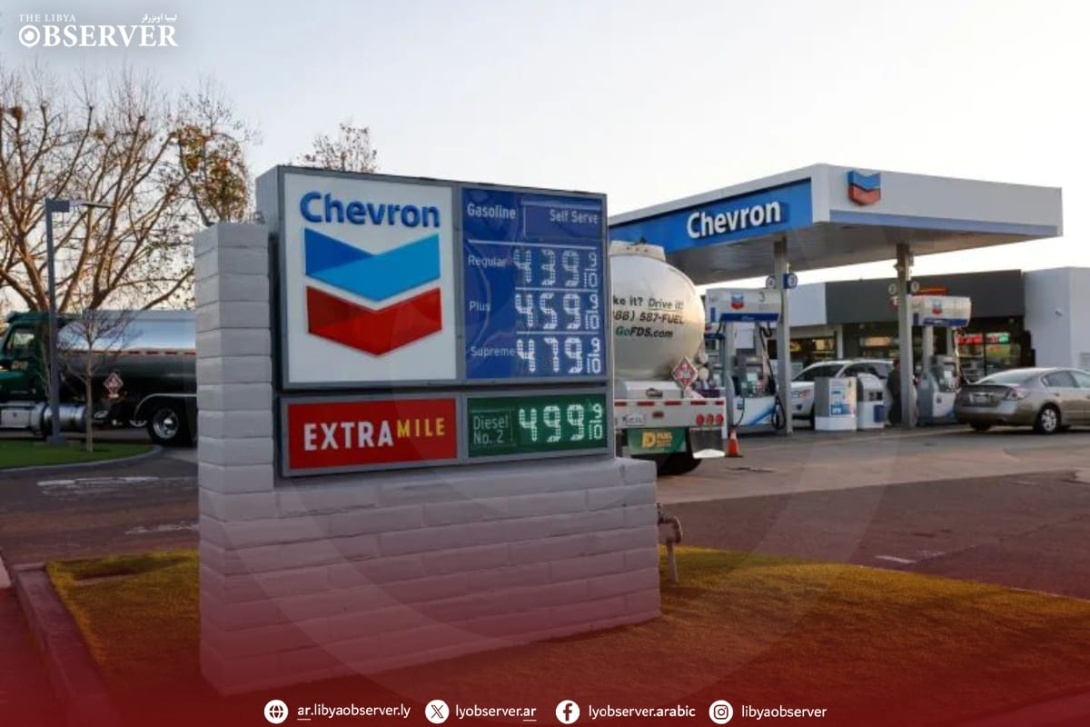
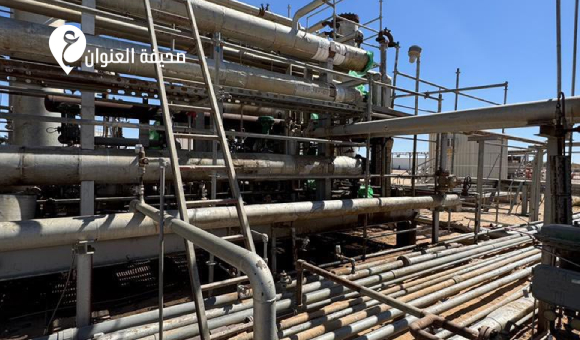
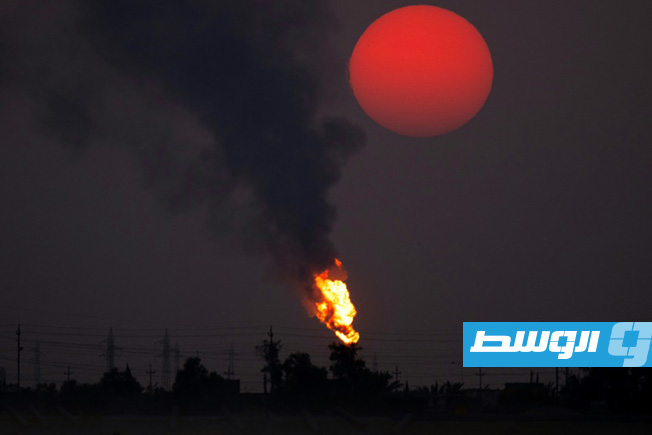
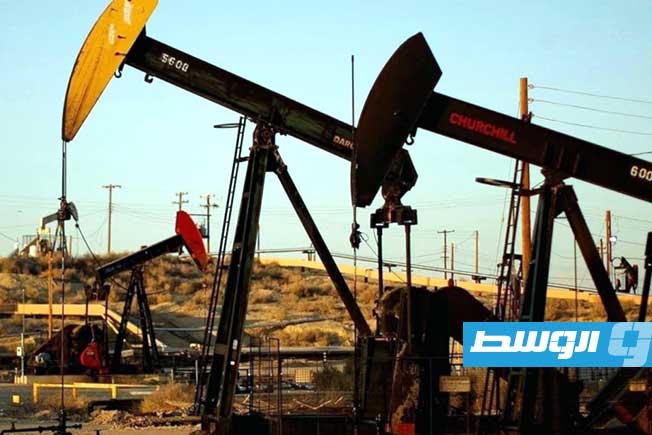
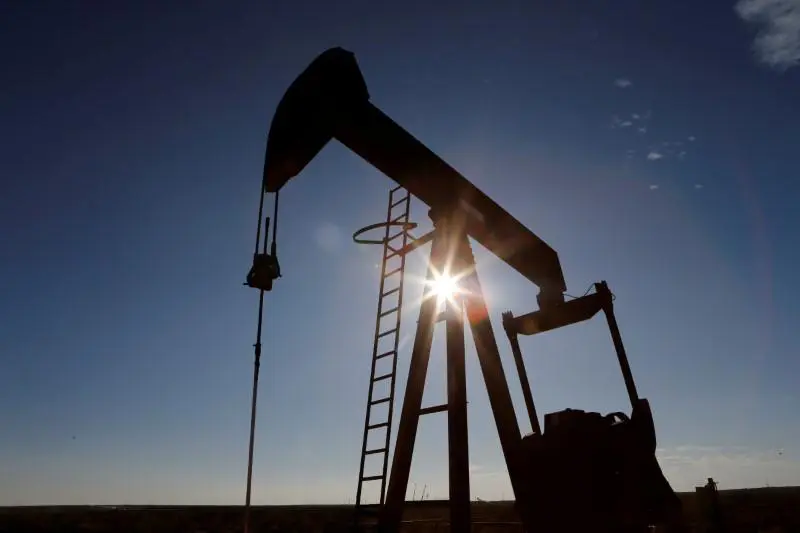
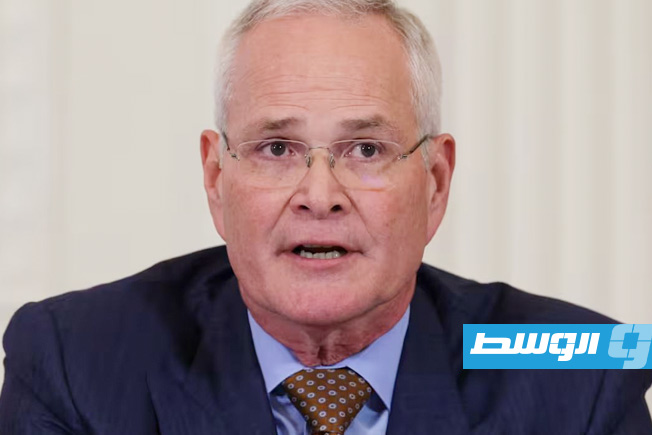
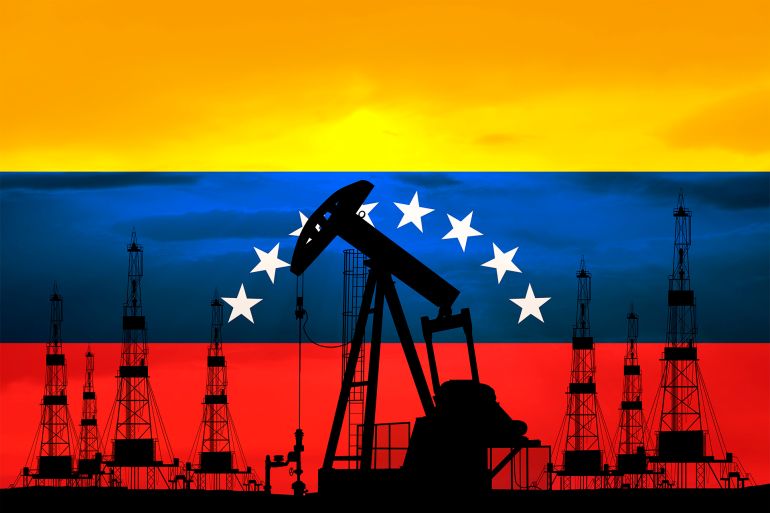
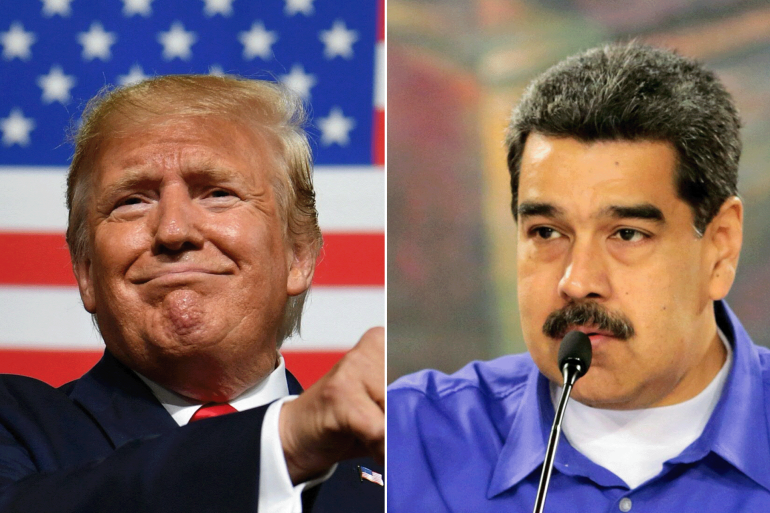
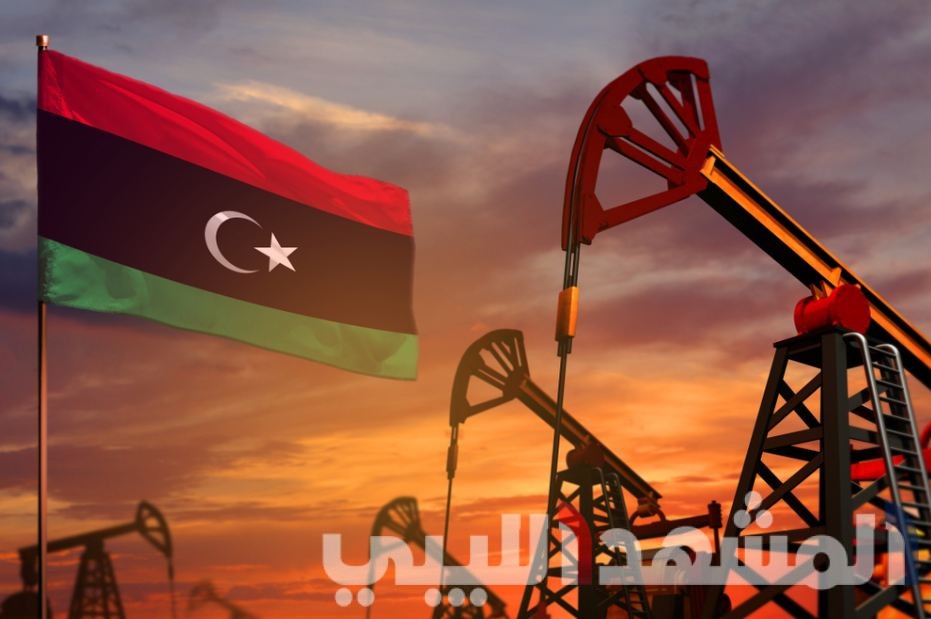
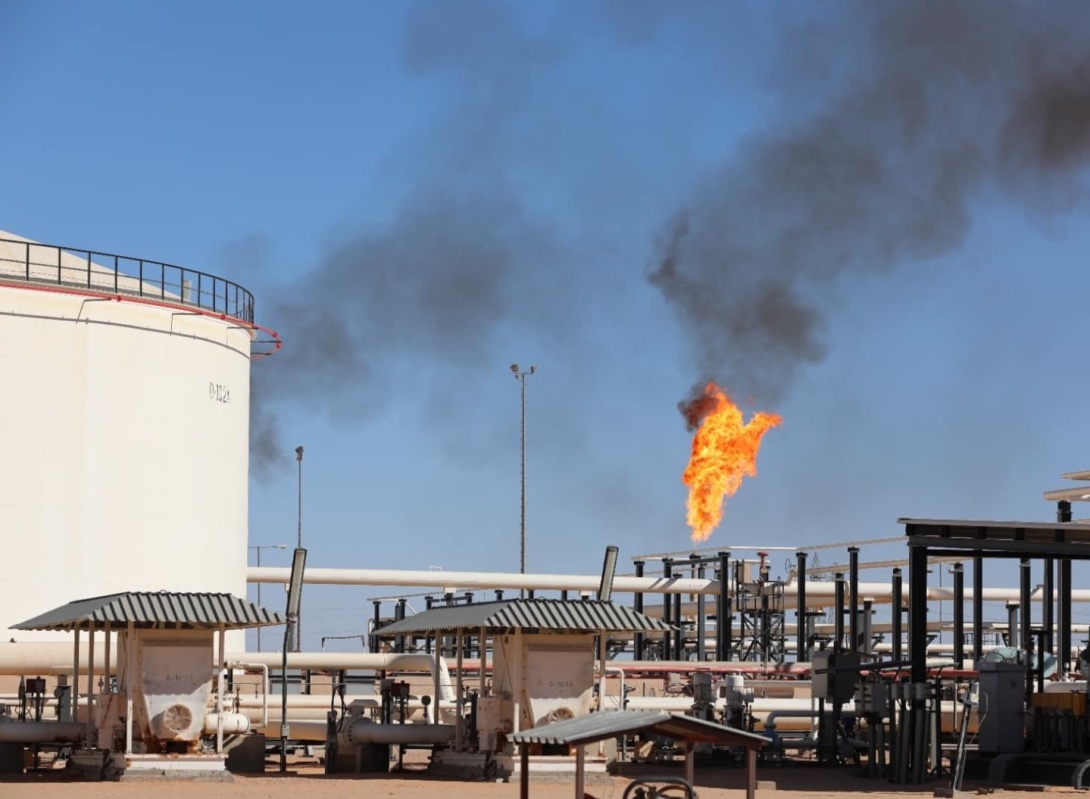
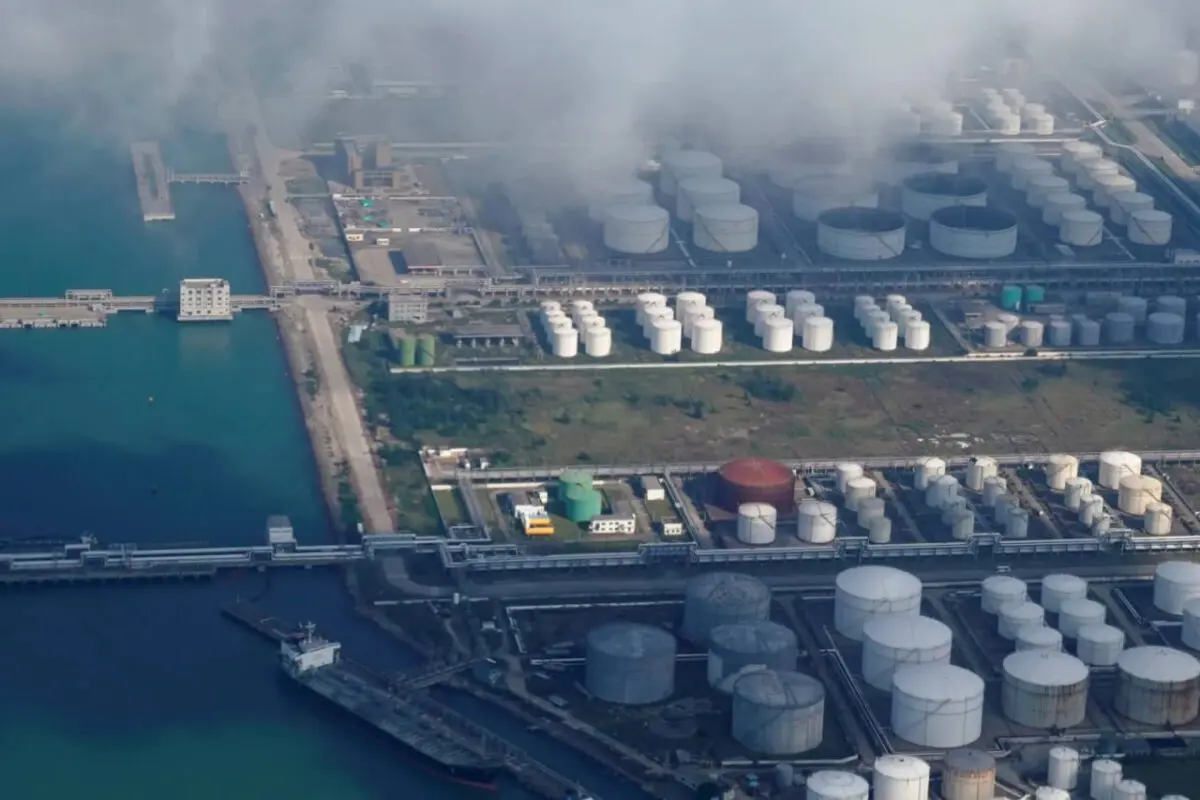
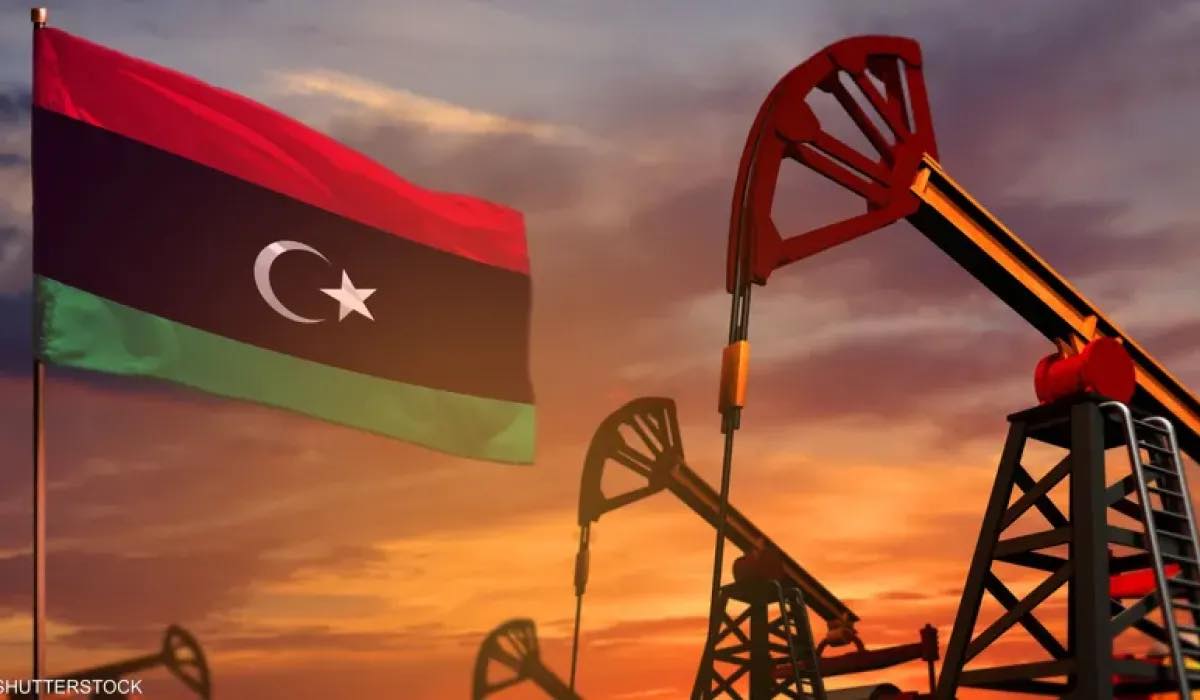
The American group Chevron is seeking to maintain a delicate balance amid tensions between Washington and Caracas; it is the only foreign company allowed to invest in Venezuela’s oil reserves, which are the largest in the world.
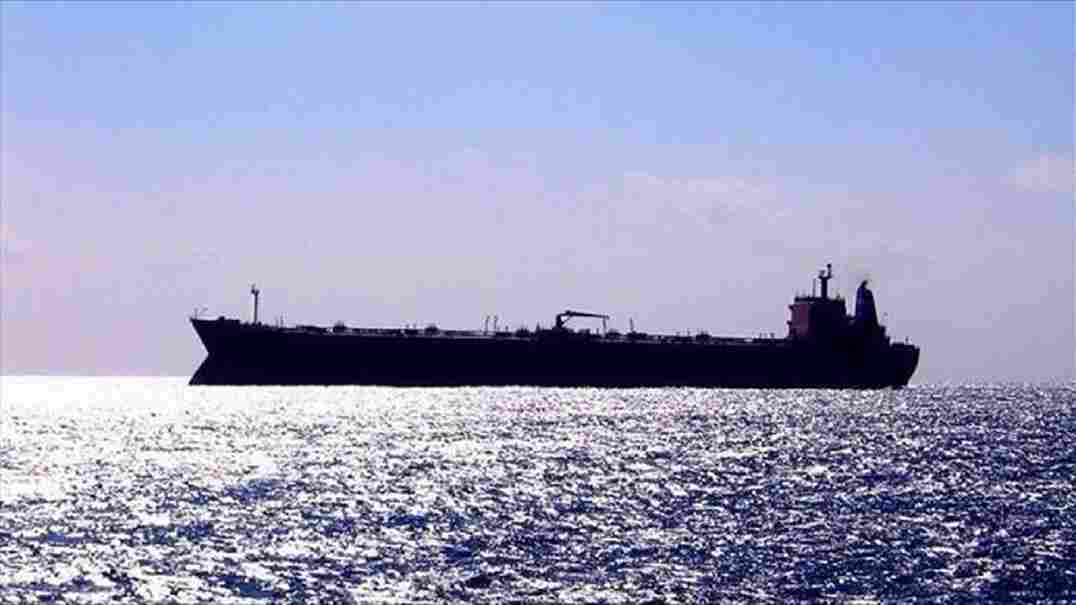
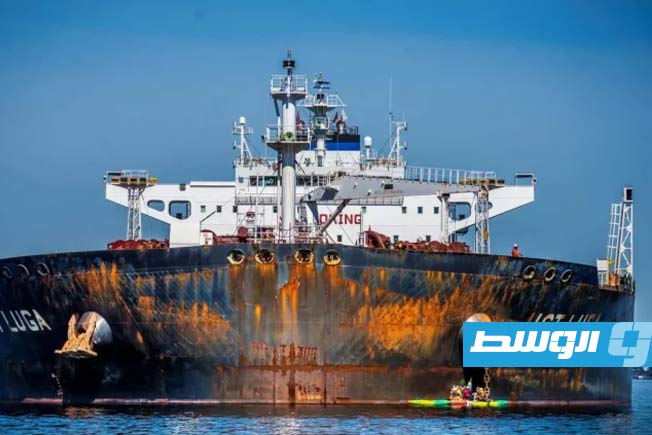
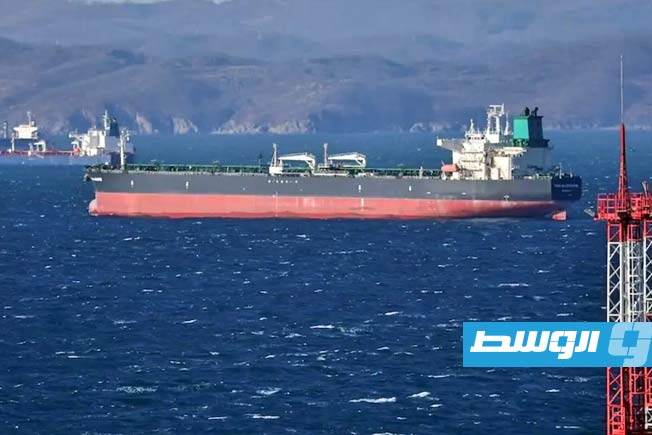
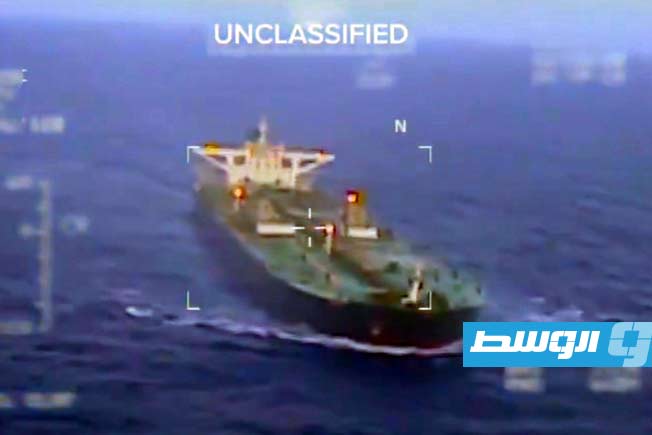
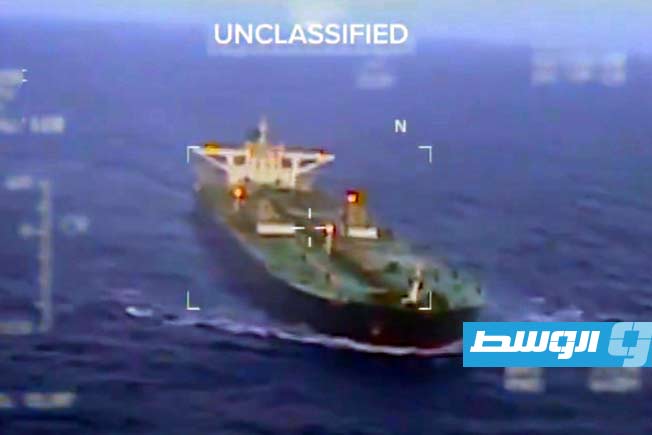
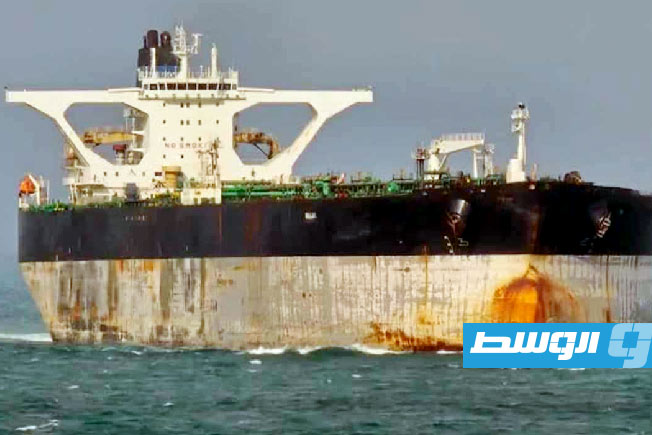
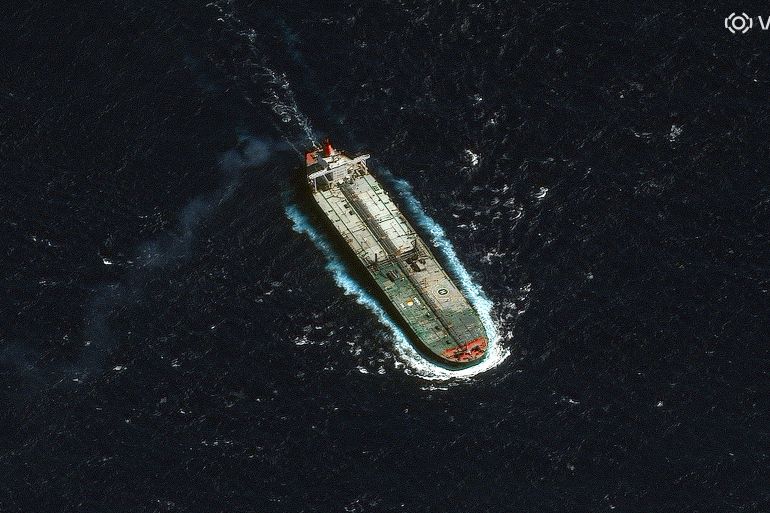
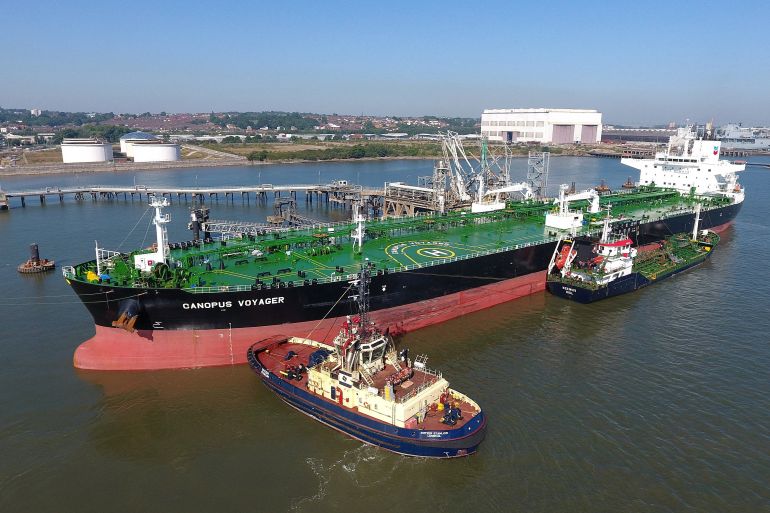
The blockade imposed by Washington on oil tankers, added last week to the series of harsh sanctions on Venezuela, has once again highlighted the activity of the American giant in the country.
– Why Chevron?
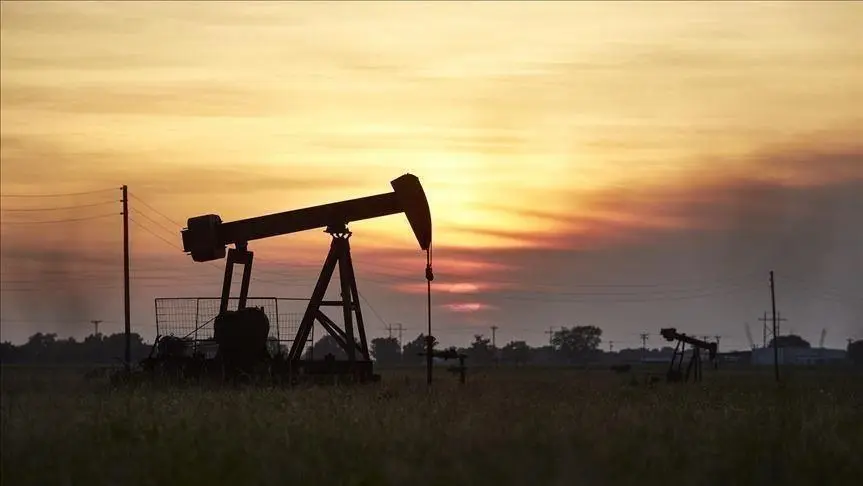
The company “Gulf Oil Venezuela,” which was Chevron’s predecessor in the country, was founded in April 1923 and began operating its first wells in August 1924.
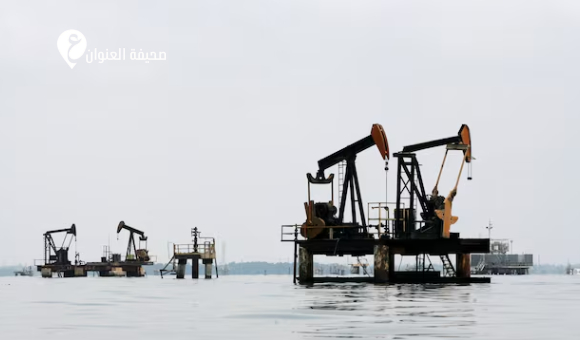
Its operations began near Lake Maracaibo and later moved to extract new reserves such as those in Orumco and Boscan. Most reserves are currently concentrated in the Orinoco Belt. The merger of “Gulf Oil” with “Standard Oil of California” in 1984 produced the company now known as Chevron.
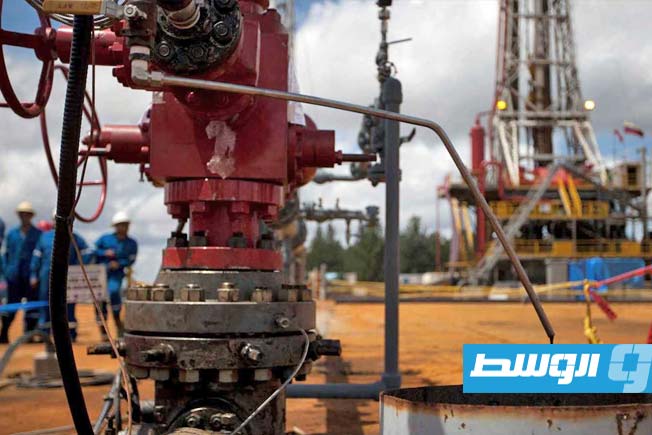
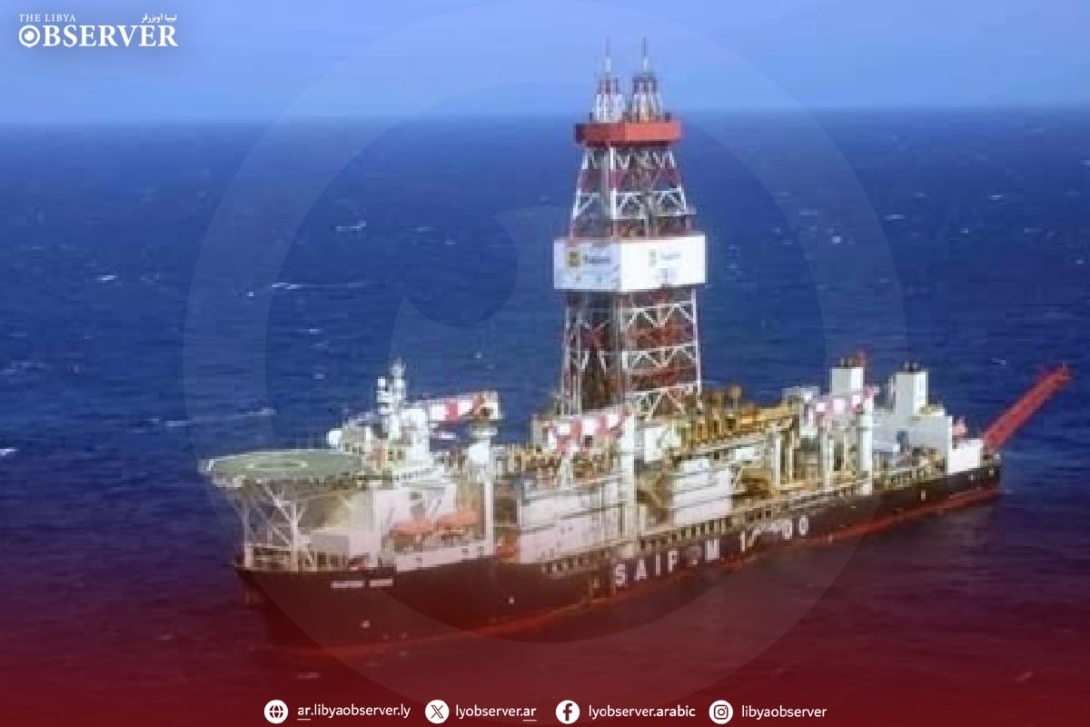
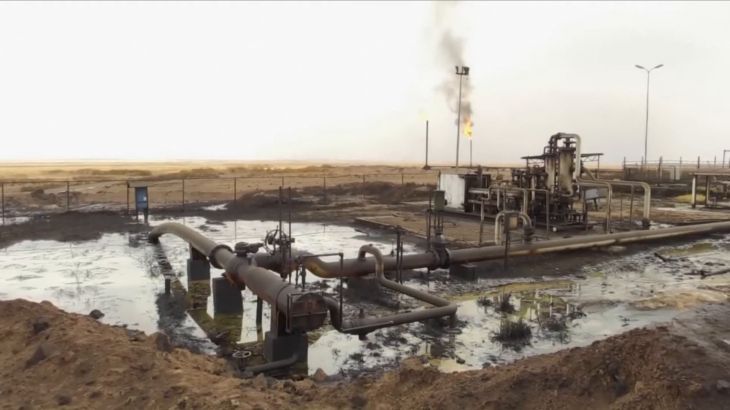
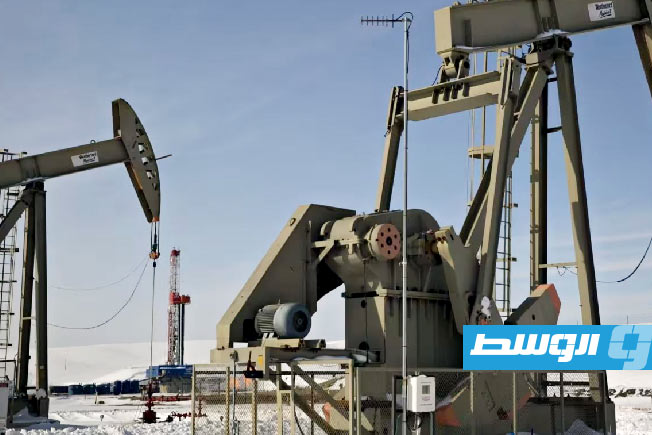
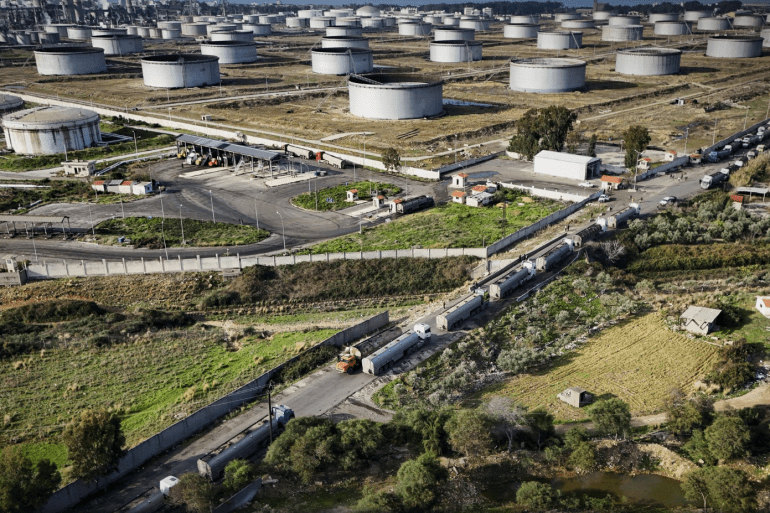
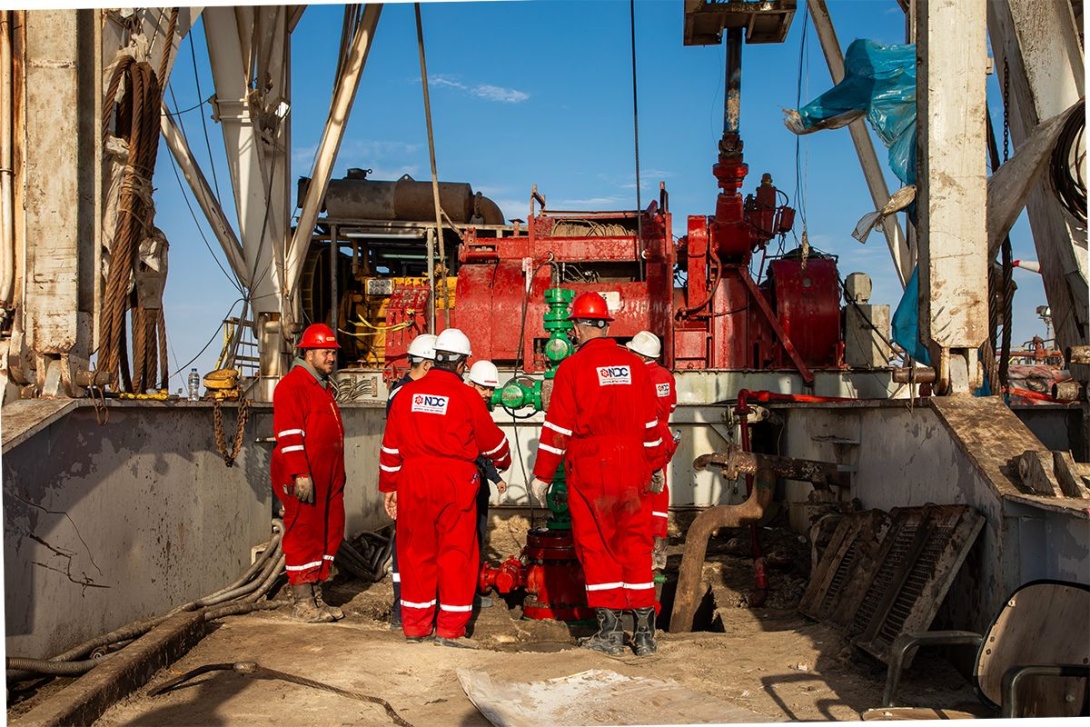
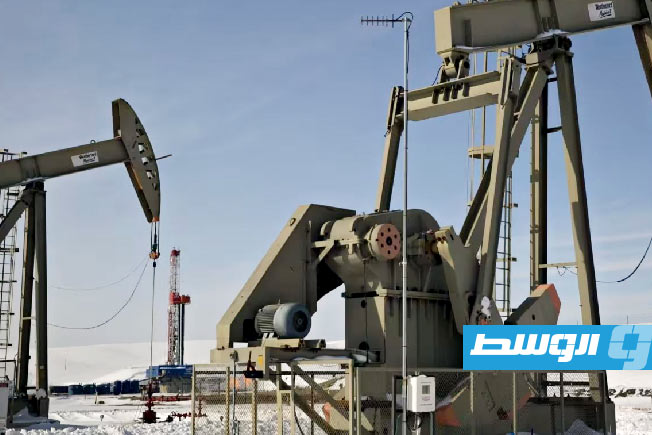
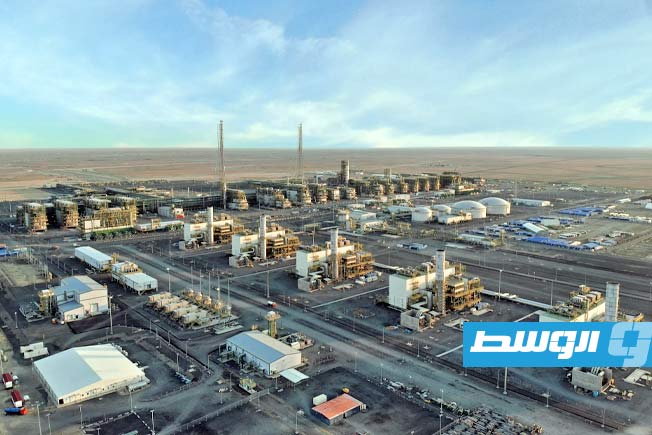
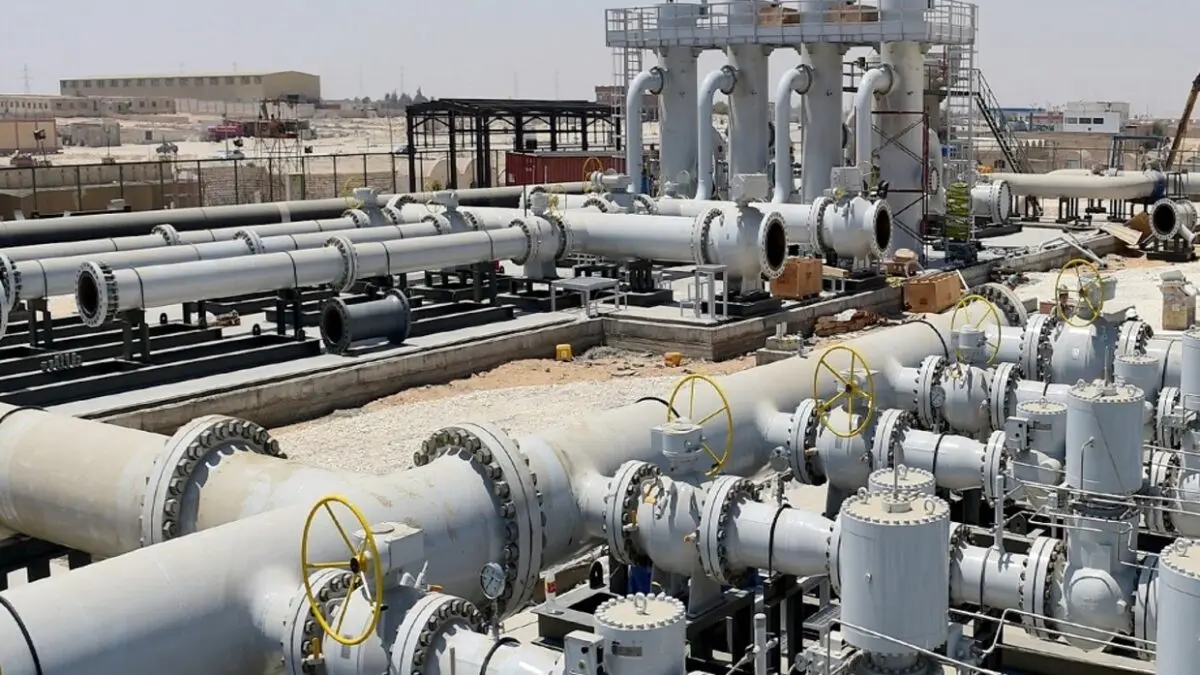
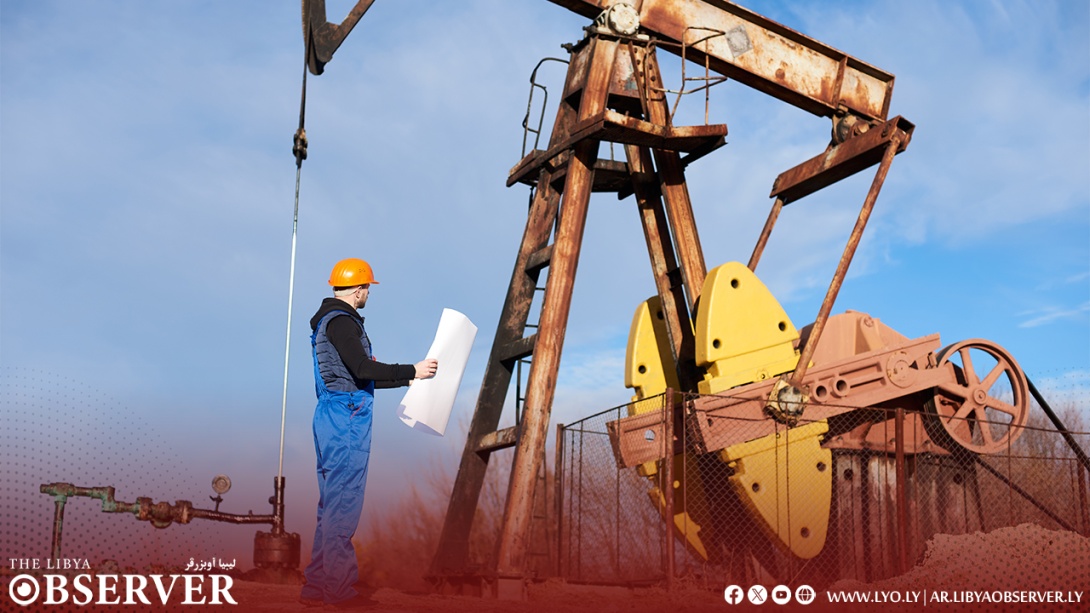
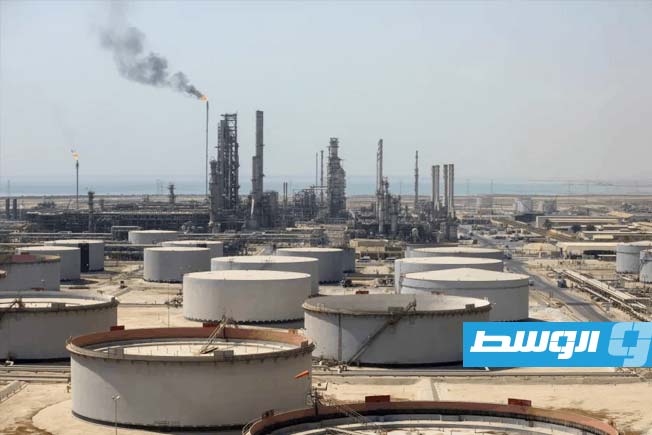
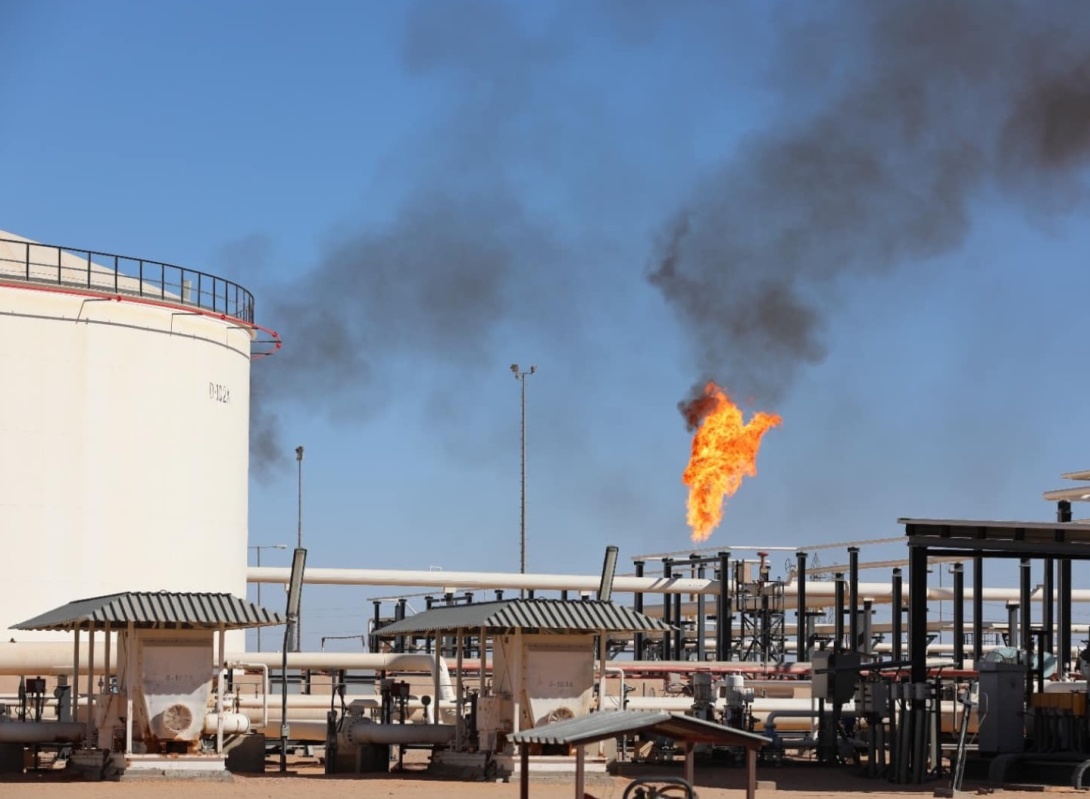
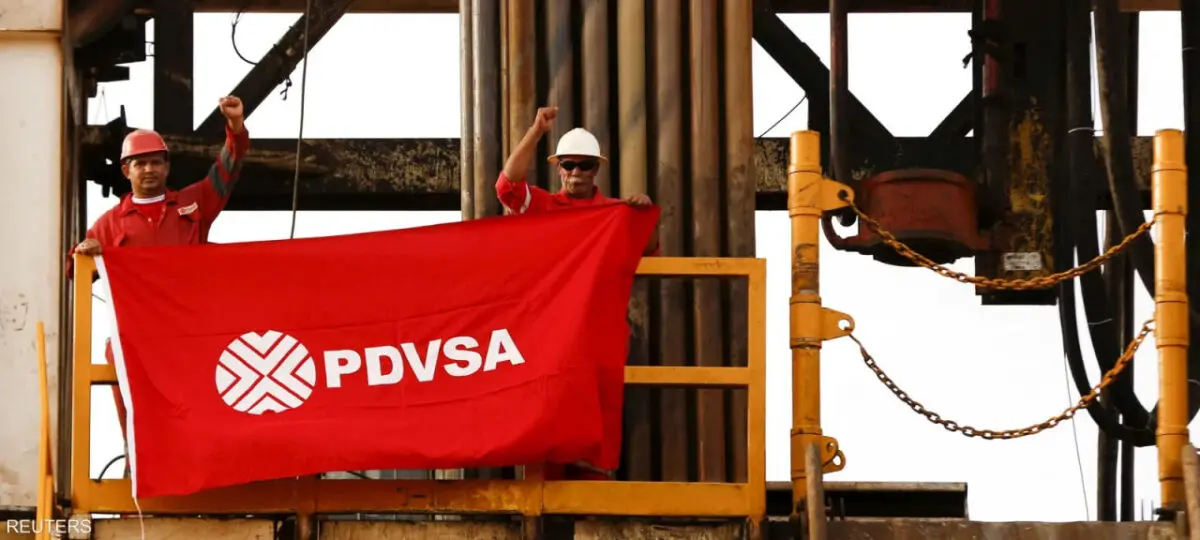
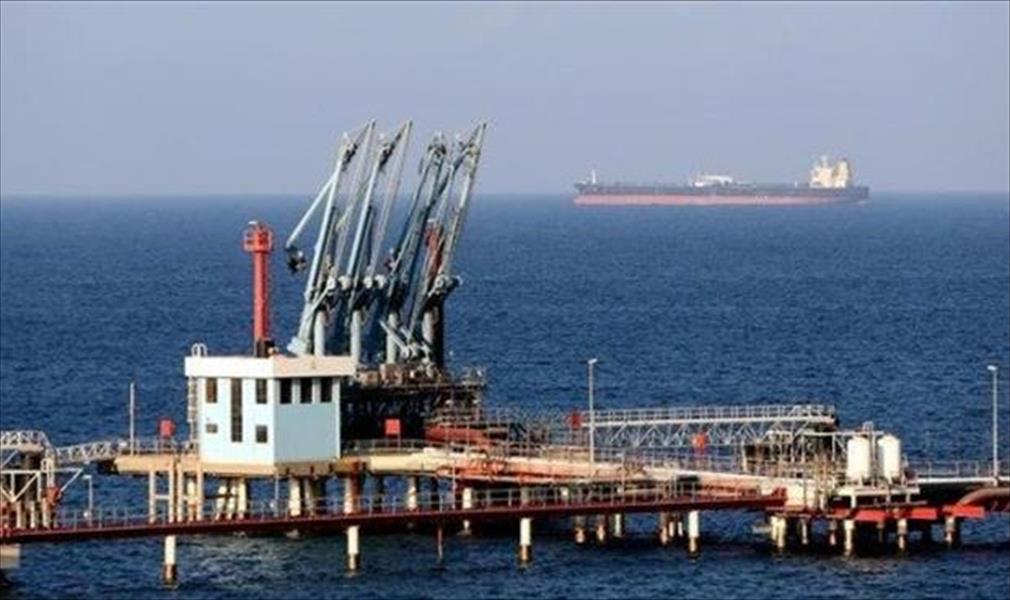
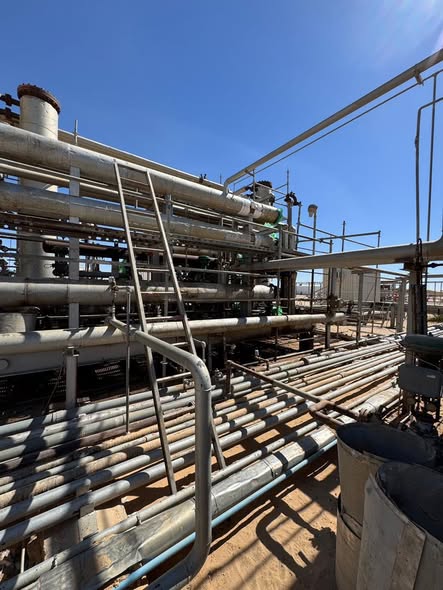
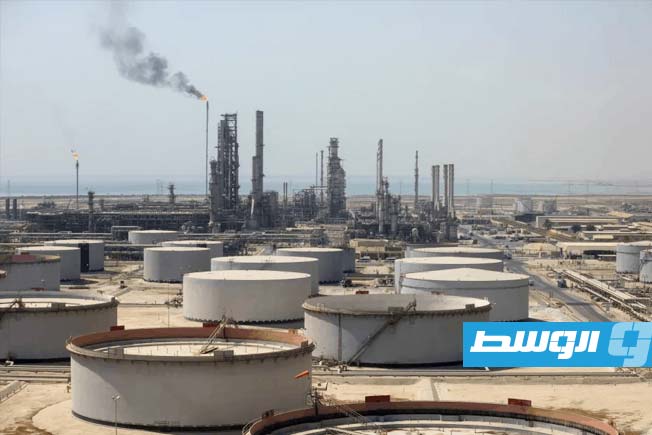
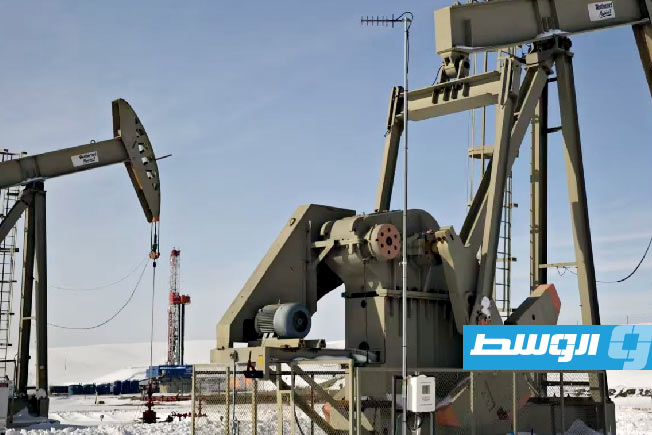
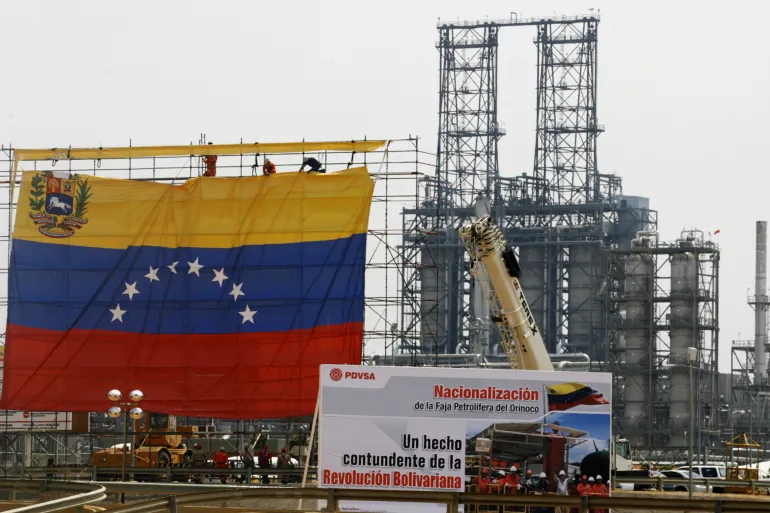
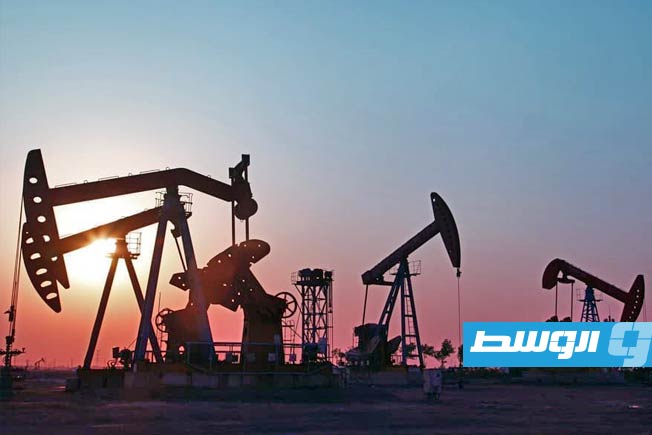
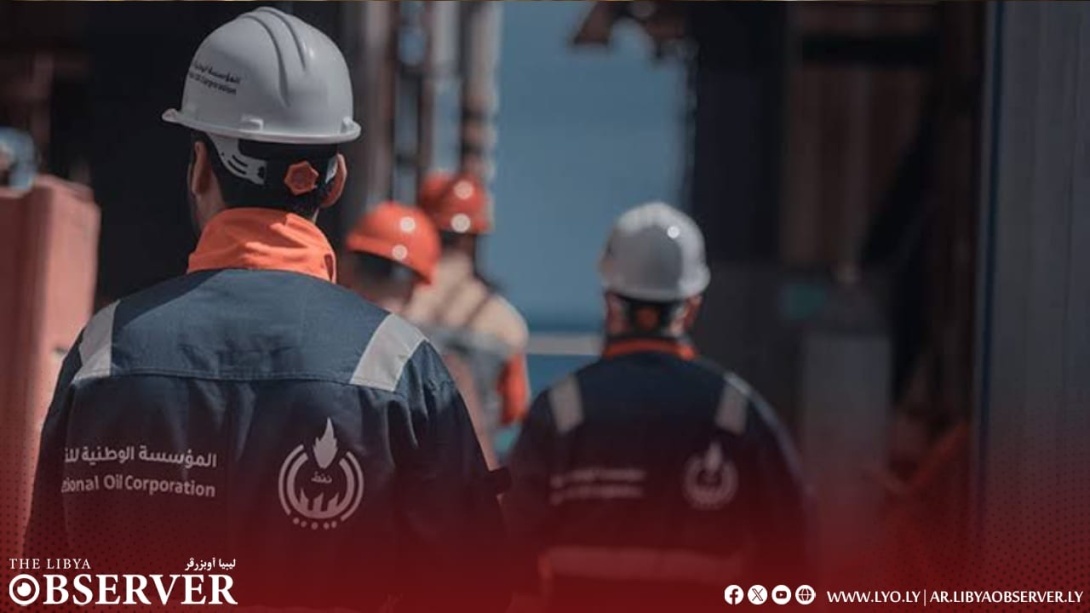
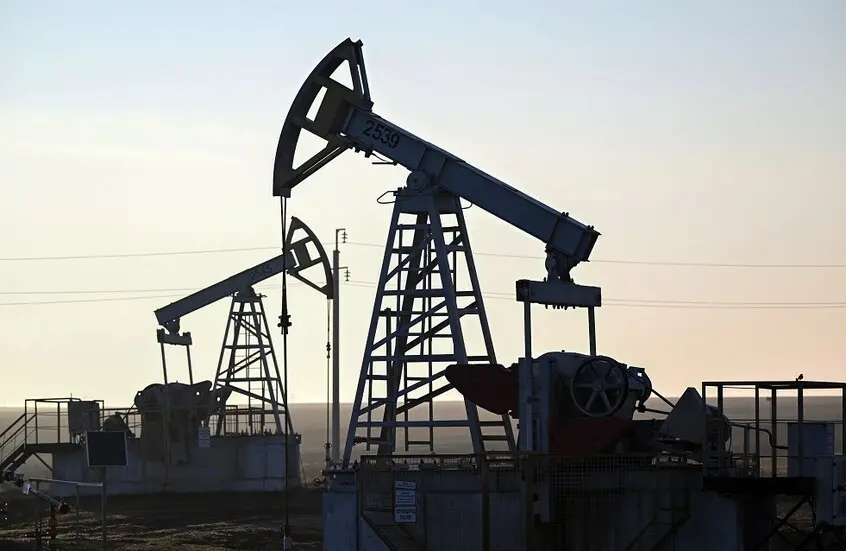
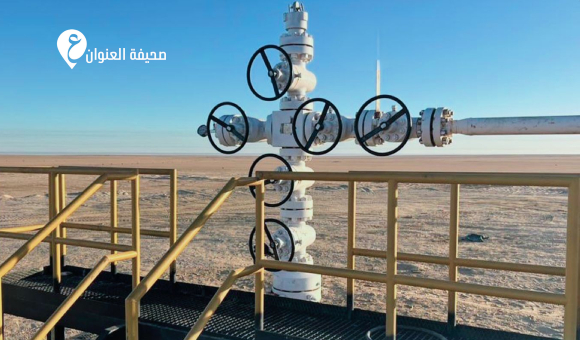
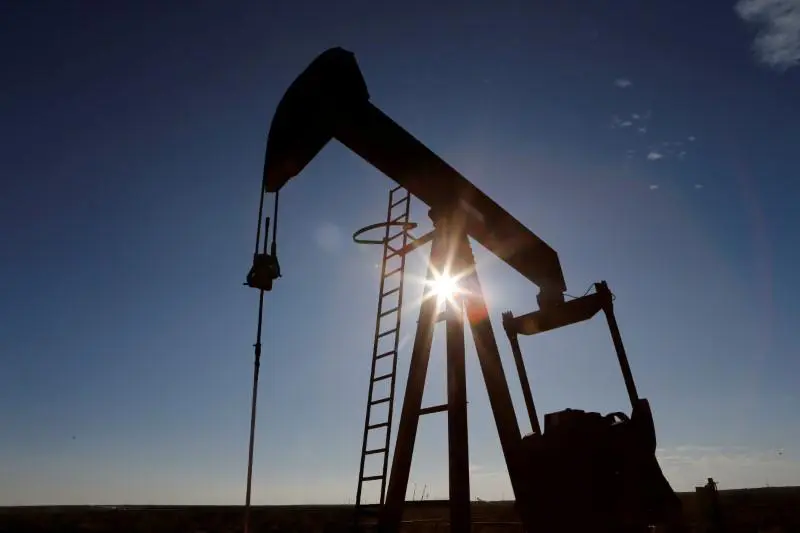
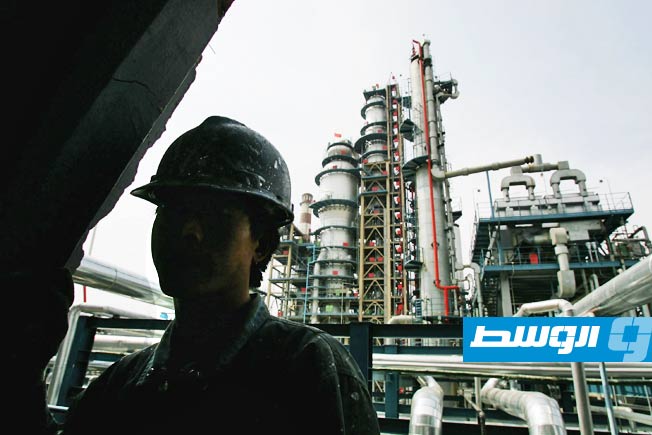
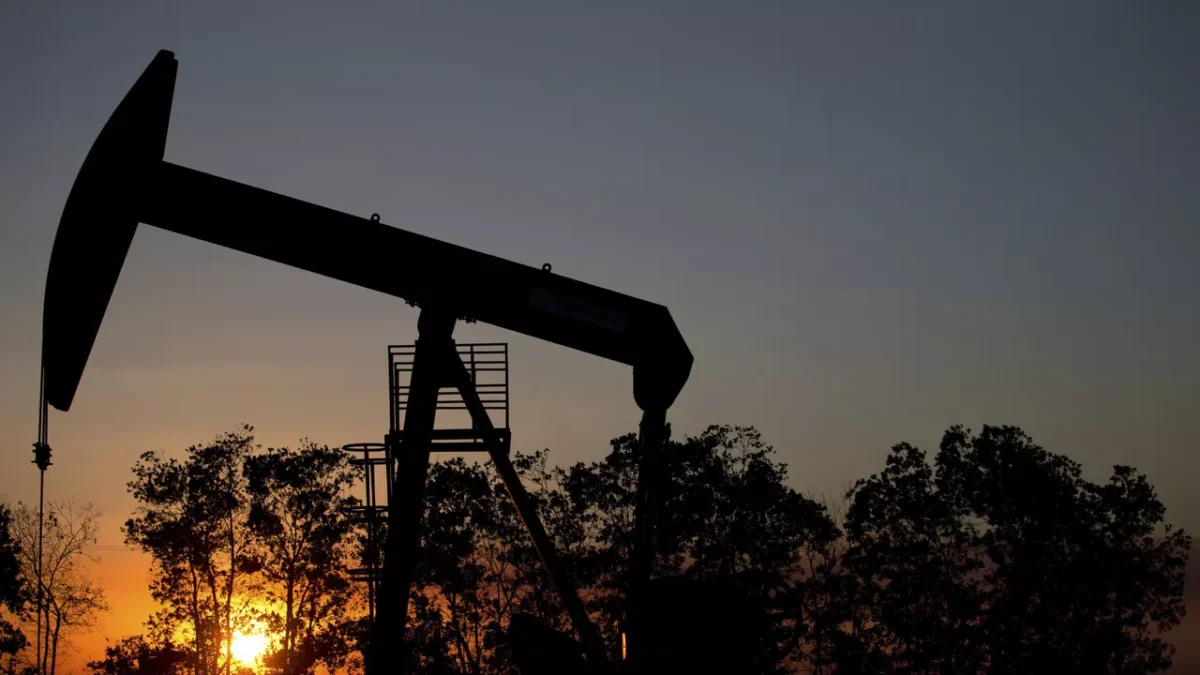
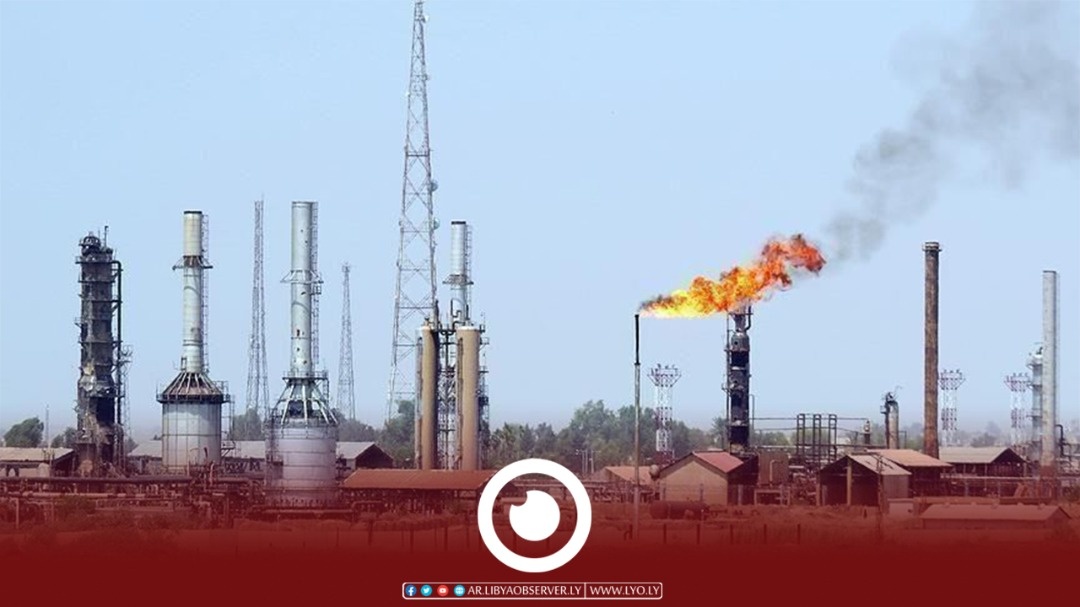
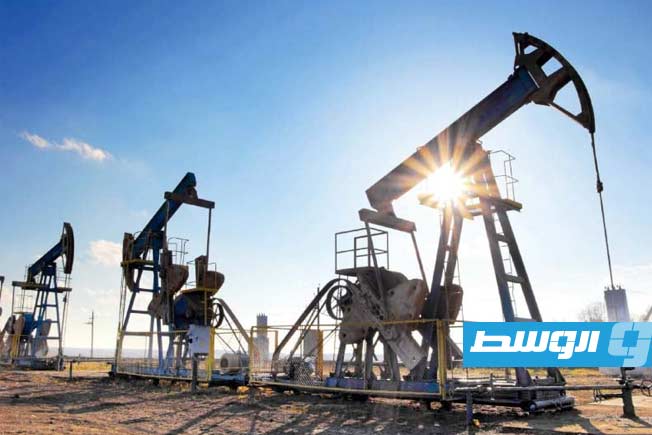
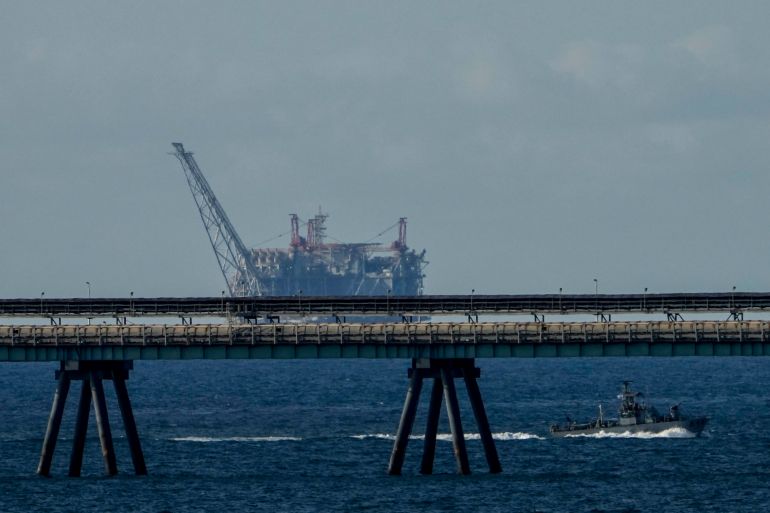
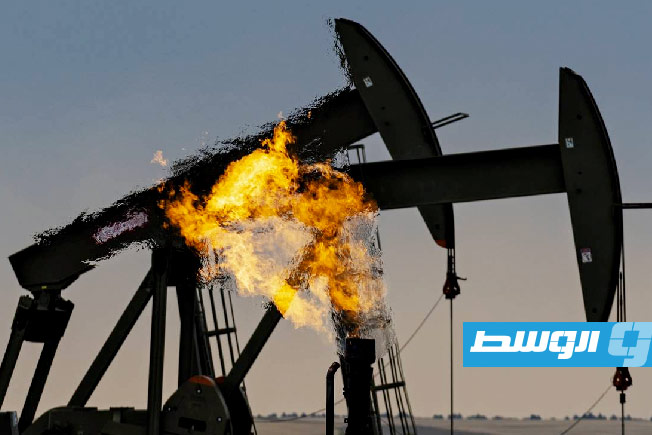
The group currently extracts oil from four fields and offshore gas from another field, over a total area of approximately 30,000 hectares. This is done in partnership with the Venezuelan national oil company (PDVSA) and its subsidiaries, which employ about three thousand workers.
Venezuela’s reserves: 303 billion barrels
According to International Energy Agency data for 2023, Venezuela’s reserves are approximately 303 billion barrels, representing about 17 percent of total global reserves.
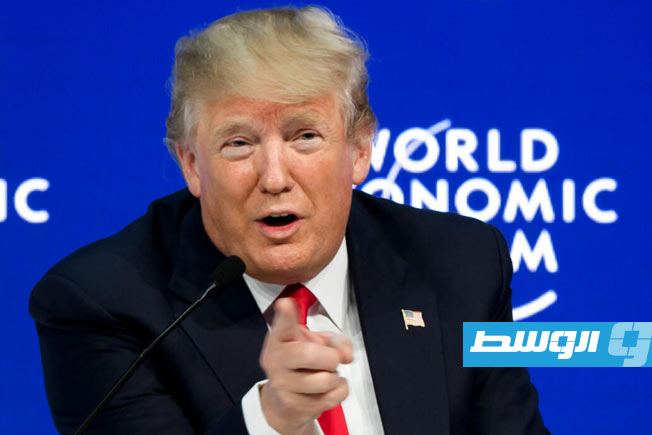
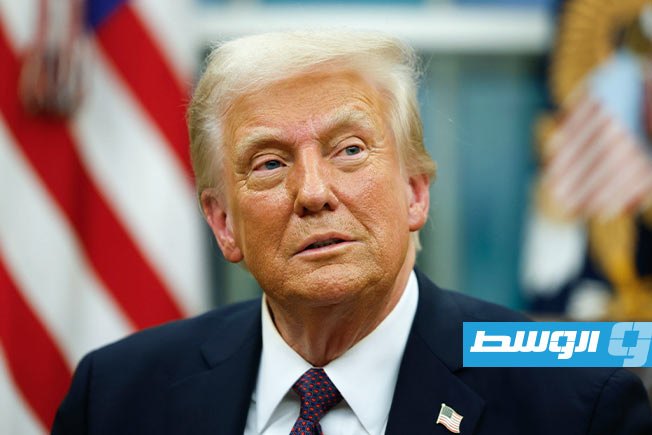
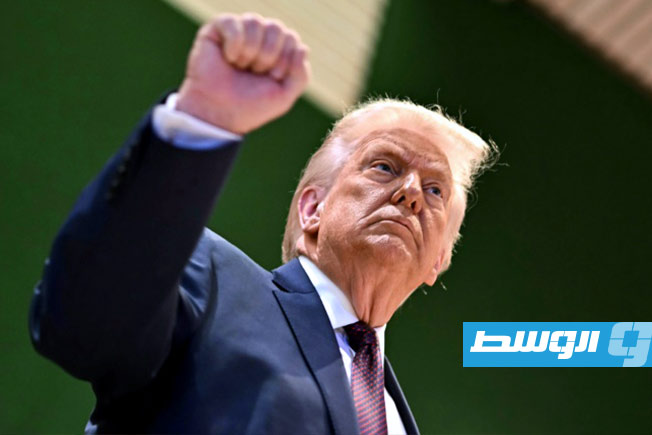
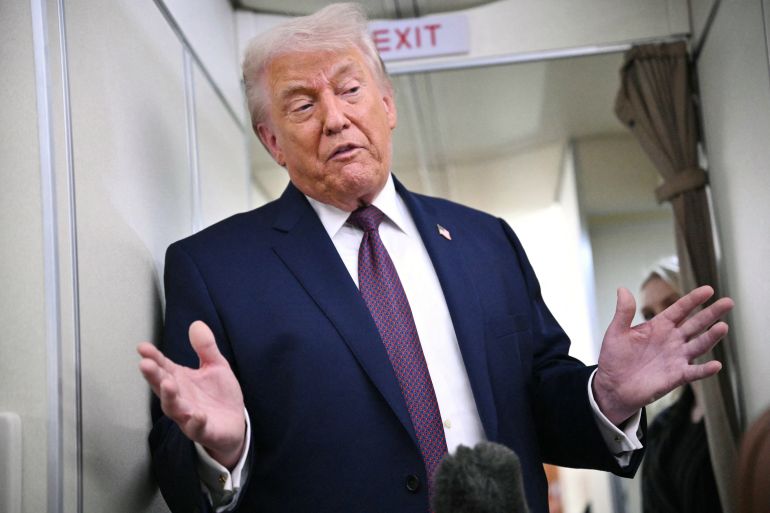
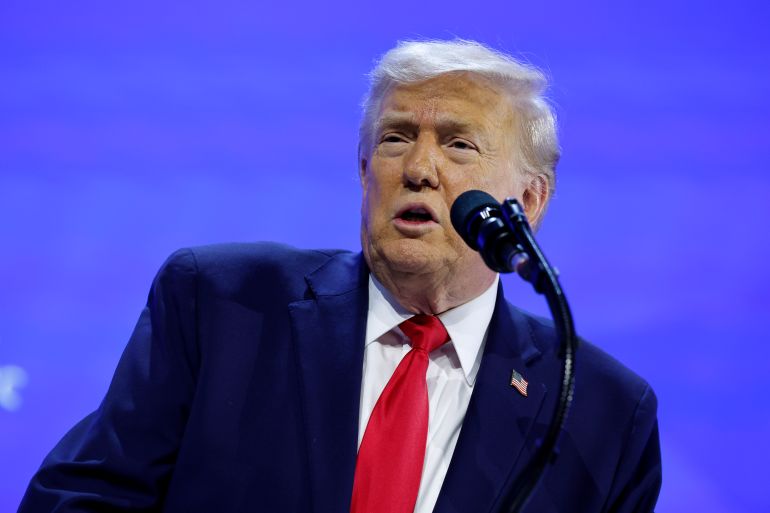
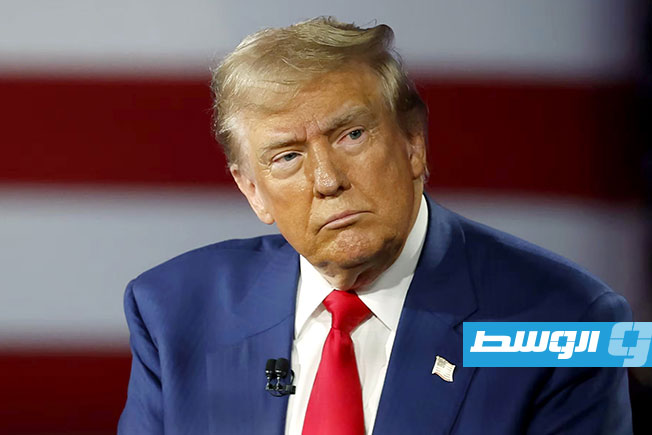
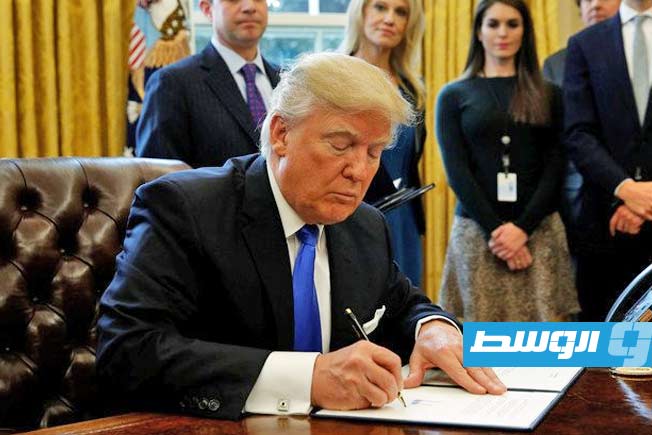
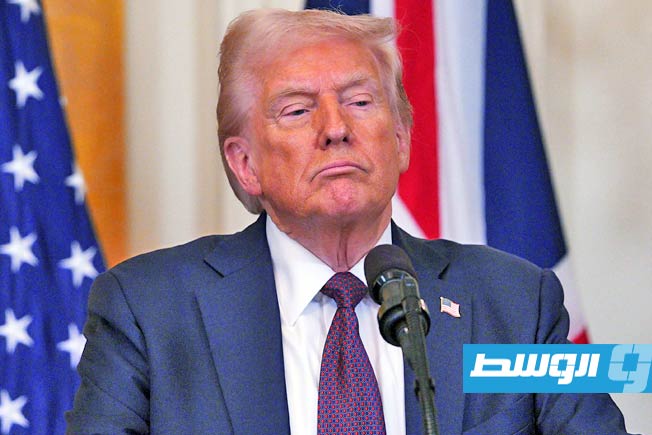
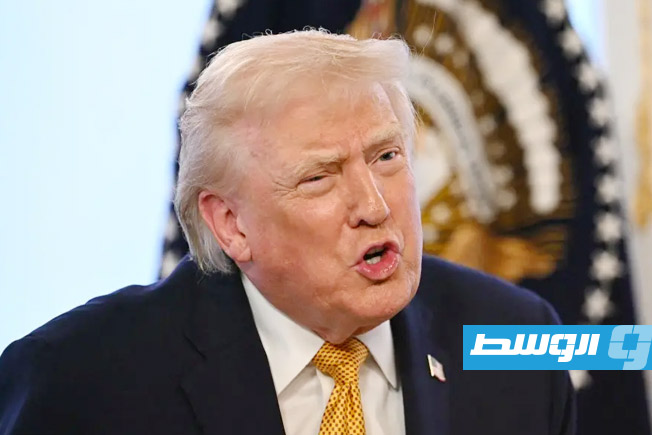
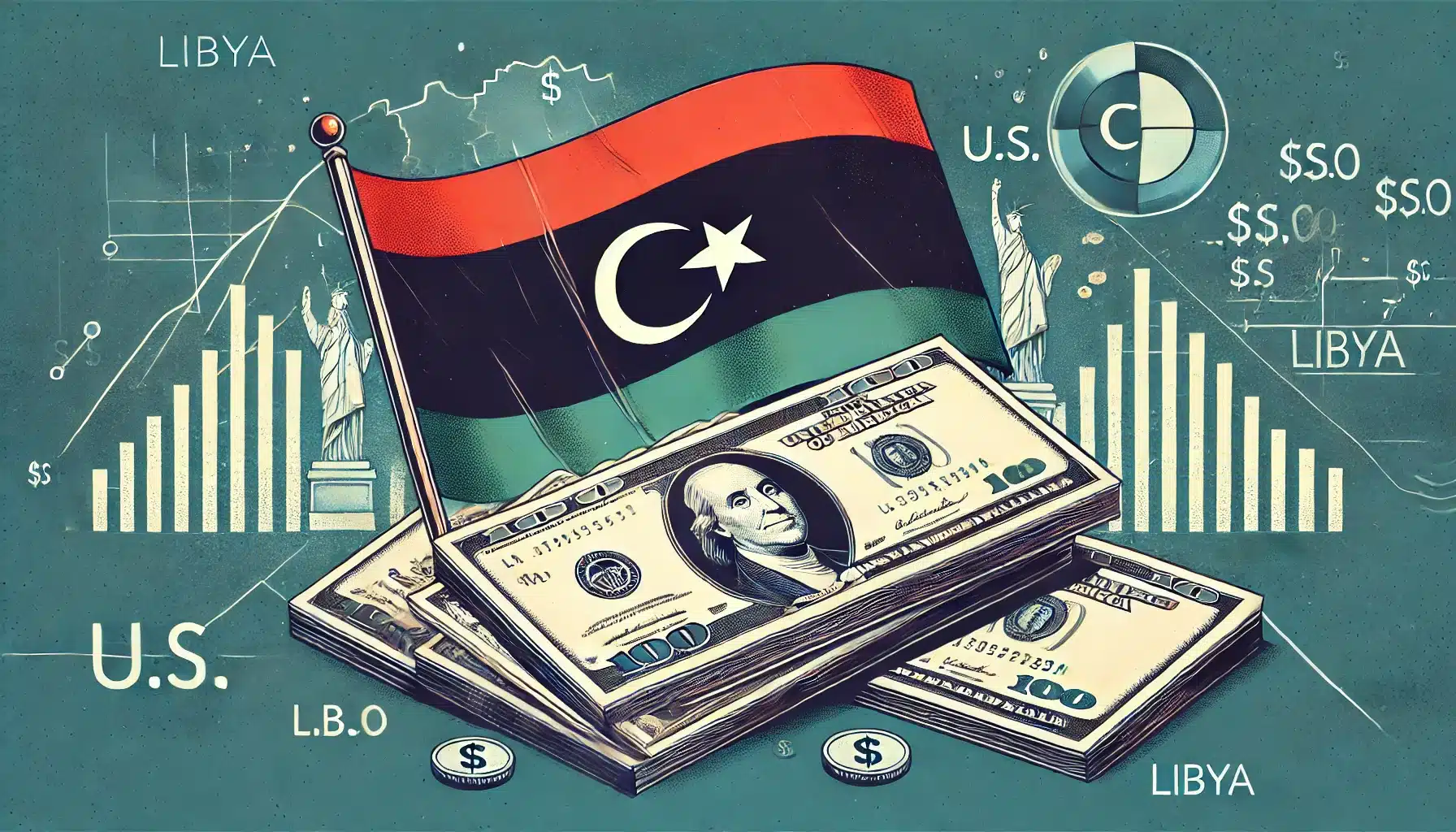
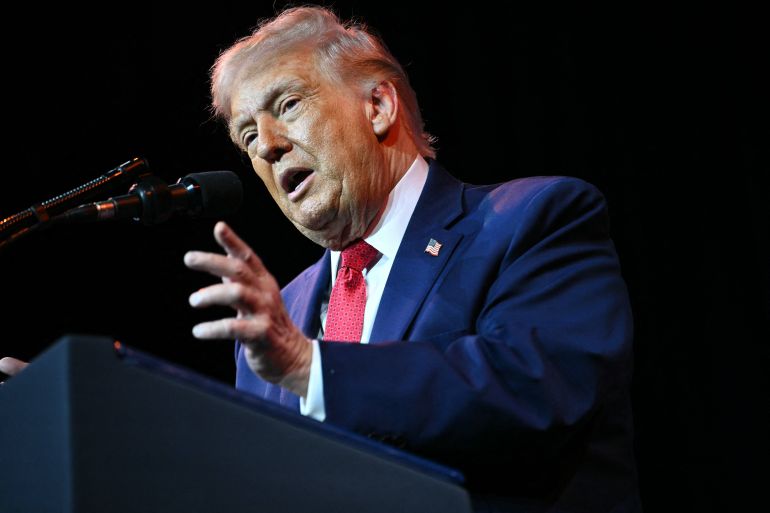
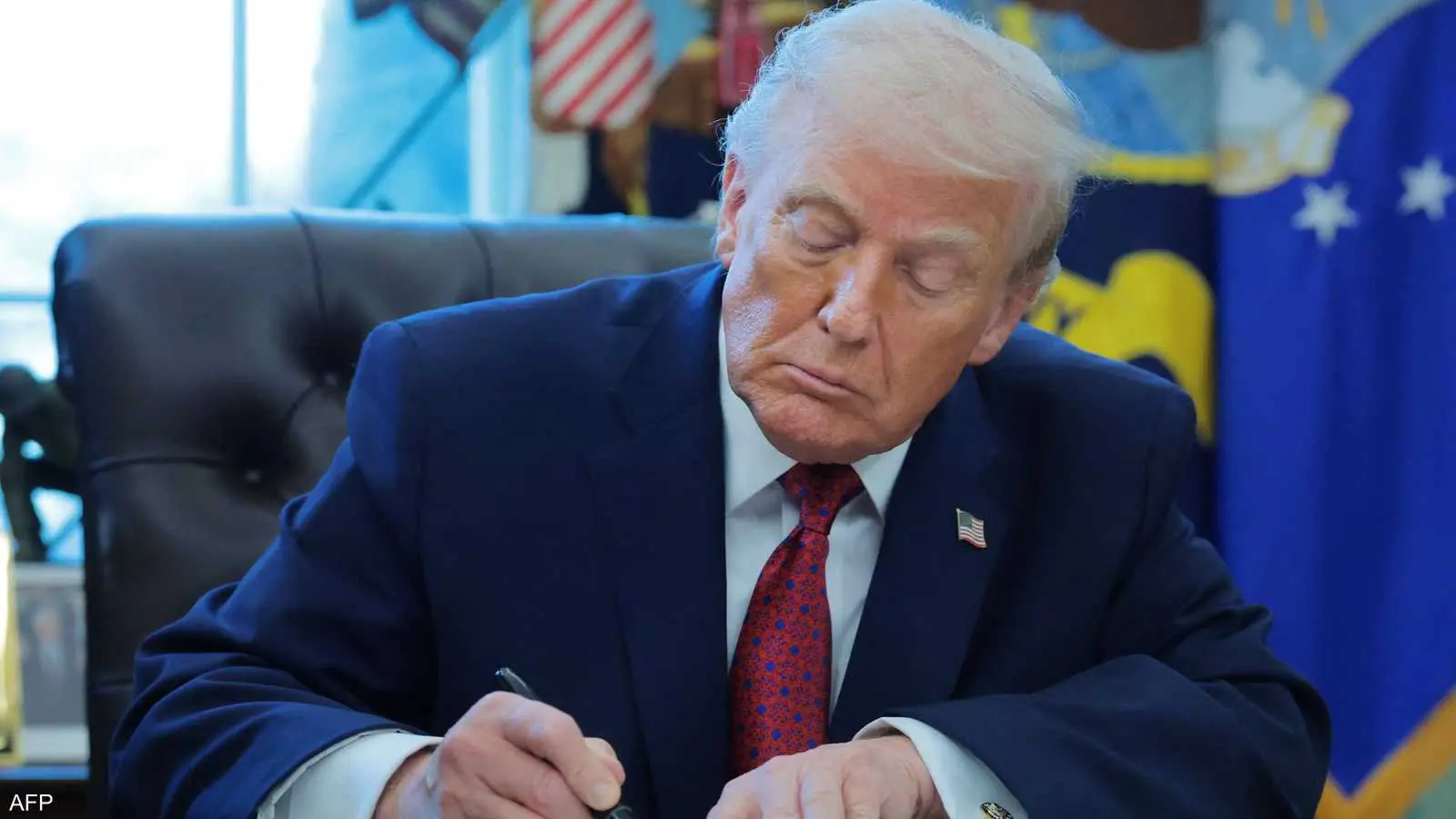
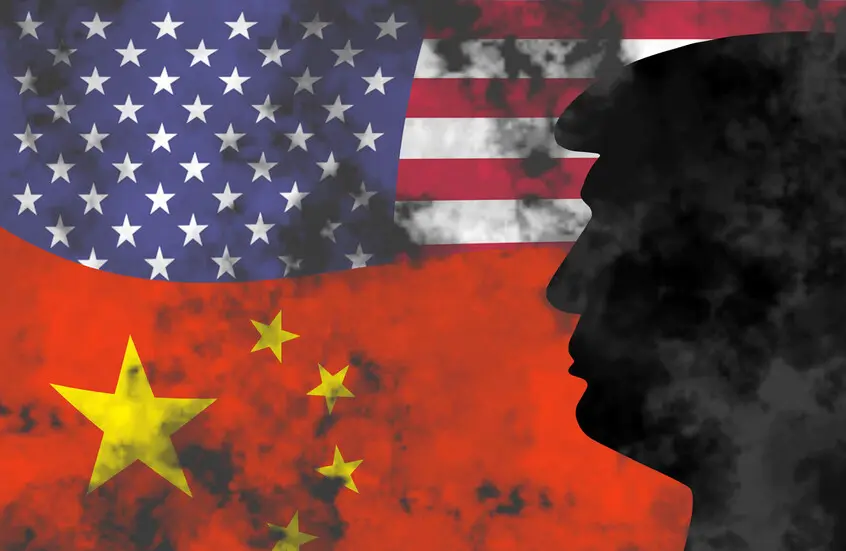
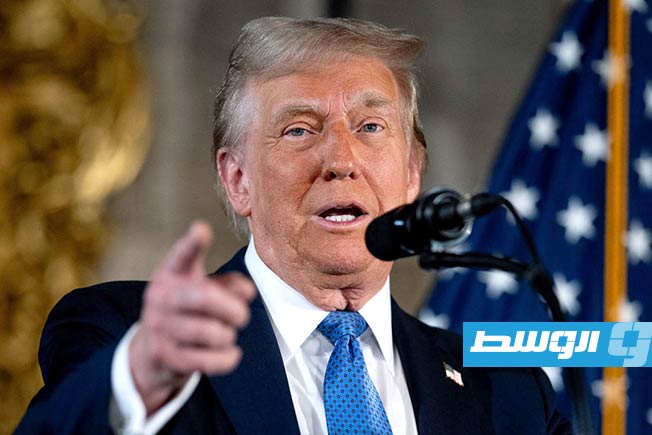
The United States imposed a ban on Venezuelan crude oil starting in 2019, which was eased in 2023 with licenses issued for work in the country. However, U.S. President Donald Trump canceled all licenses in the first half of 2025, before granting an exception for Chevron.
<a>- United States seizes oil tanker off Venezuela
<a>- Lula warns of ‘humanitarian catastrophe’ in Venezuela in case of U.S. military intervention
An expert in the sector believes that recent U.S. presidential decisions have not had an impact on the oil group’s activity.
For its part, Chevron said in a statement, “We believe our presence remains a stabilizing force for the local economy, for the region, and for U.S. energy security,” confirming that it operates in compliance with the law and “the sanctions frameworks set by the U.S. government.”
Other foreign oil companies do not operate in Venezuela due to U.S. sanctions, in addition to a local law requiring them to partner with the national company in projects where the majority stake belongs to the state—a framework Chevron agreed to when Caracas imposed it.
– How many barrels?
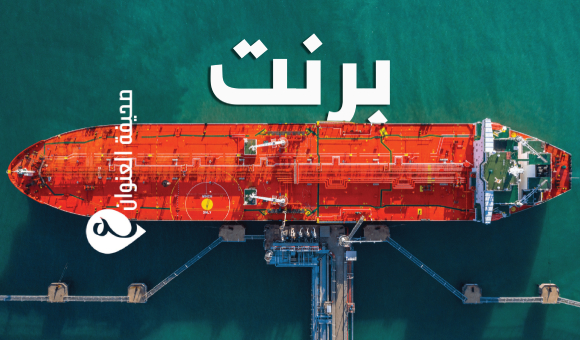
Venezuela’s total oil production currently ranges between 800,000 and 900,000 barrels per day, compared to more than three million barrels per day at its peak, according to an analyst.
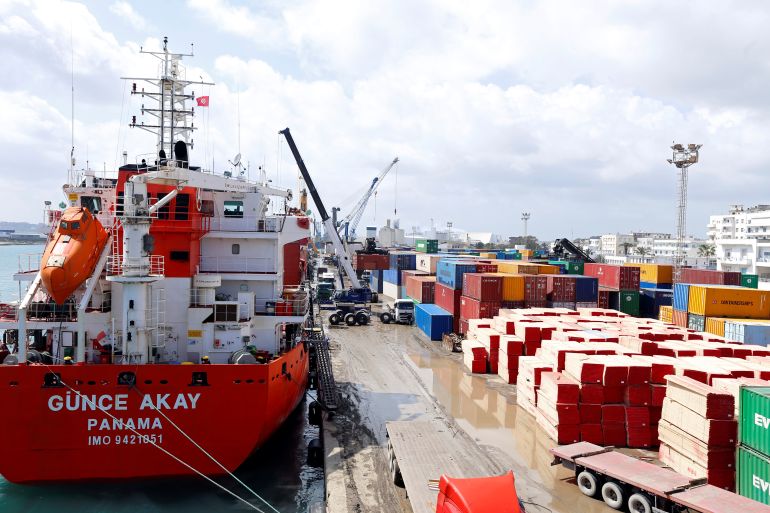
Under the license granted to it, Chevron produces 10% of Venezuela’s total output, although sources provide varying data on the exact quantity. Based on that percentage, Chevron’s production ranges between 150,000 and 200,000 barrels per day, all of which are exported to the United States.
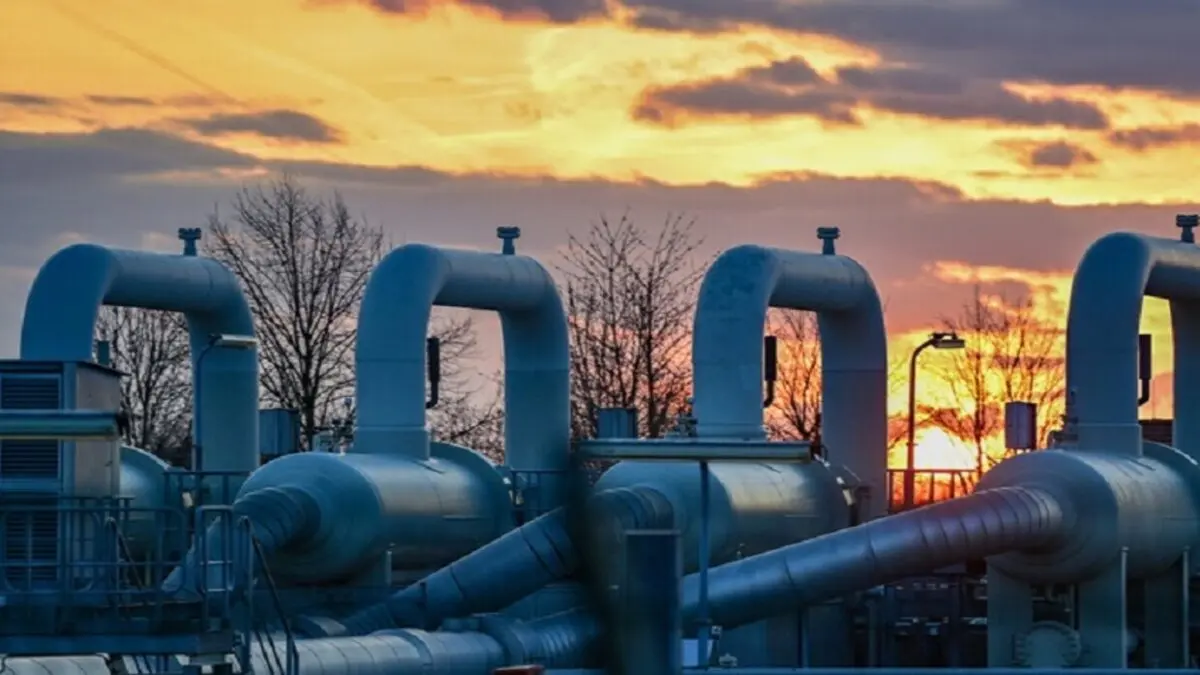
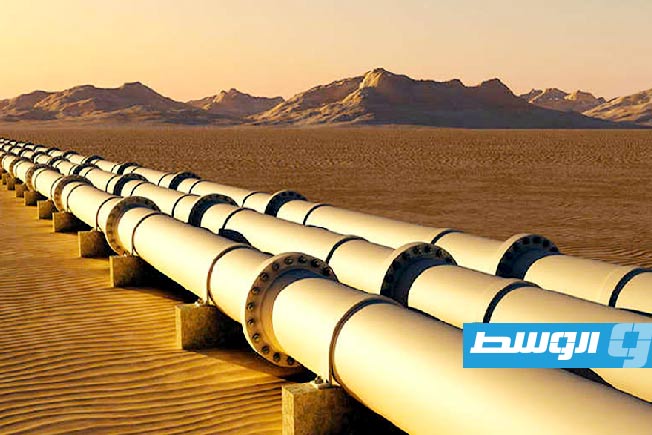
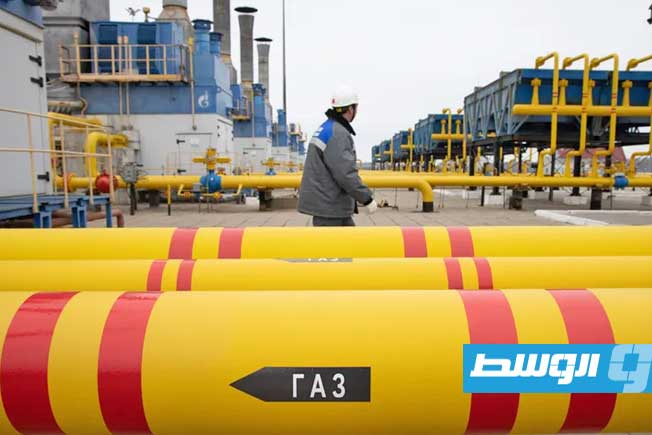
However, the analyst confirms that its sulfur content is high and it is “heavy, dirty crude. It cannot be transported… via pipelines,” noting that refining this type of crude is the most difficult.
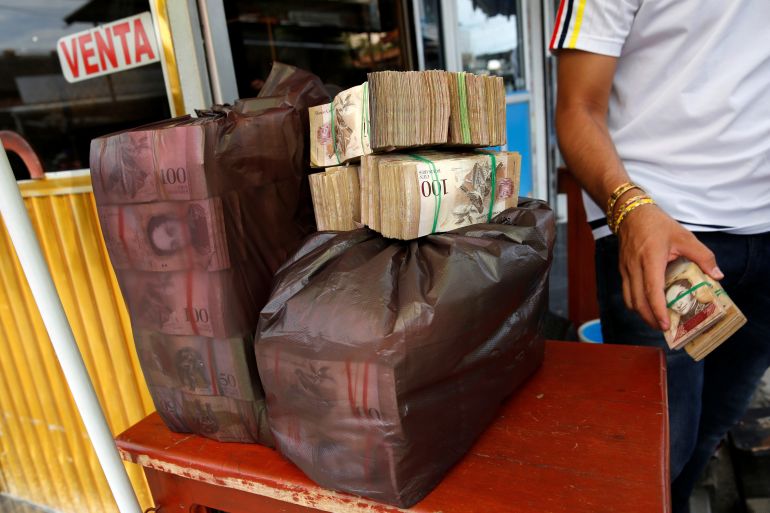
Due to the American embargo, Caracas is forced to sell its oil on the black market, especially to Asia, with a significant discount on prices. Experts expect the new U.S. blockade to lead to a major reduction in these exports, potentially up to 50%.
Chevron
Chevron is a major American multinational energy corporation, originally founded in 1879 as the Pacific Coast Oil Company. It grew through mergers, including with Standard Oil of California, and today is one of the world’s largest integrated oil and gas companies.
Venezuela
Venezuela is a South American country known for its diverse natural landscapes, including the Andes Mountains, the Amazon rainforest, and Angel Falls, the world’s tallest waterfall. Historically, it was a Spanish colony until achieving independence in the early 19th century under leaders like Simón Bolívar, and its modern economy has been heavily shaped by its vast petroleum reserves.
Washington
Washington, D.C., is the capital city of the United States, founded in 1790 and named after the first U.S. president, George Washington. It is distinct from any U.S. state and was purposefully designed to serve as the nation’s political center, housing key federal institutions like the White House, the U.S. Capitol, and the Supreme Court.
Caracas
Caracas is the capital and largest city of Venezuela, founded in 1567 by Spanish conquistador Diego de Losada. It grew as a colonial administrative center and later became a pivotal site for the South American independence movement, being the birthplace of Simón Bolívar. Today, it is a major metropolitan and cultural hub, though it faces significant modern economic and political challenges.
Lake Maracaibo
Lake Maracaibo is a large brackish tidal bay in northwestern Venezuela, famously known for the Catatumbo lightning phenomenon that occurs over its surface. Historically, it has been a vital economic region since the discovery of oil beneath its waters in the early 20th century, which led to the development of Venezuela’s petroleum industry.
Orumco
Orumco is a fictional location, and no specific historical or cultural information about it exists in verified sources. It may be a misspelling, a place from a work of fiction, or a very obscure reference. Without additional context, a factual summary cannot be provided.
Boscan
Boscan is an archaeological site in Peru, known for its pre-Inca ruins that date back to the Moche culture (approximately 100-700 AD). It features a complex of adobe pyramids and platforms, providing insight into the ceremonial and administrative center of this ancient civilization.
Orinoco Belt
The Orinoco Belt is a vast oil-rich geological region in eastern Venezuela, historically known for its extensive heavy crude oil reserves. Its modern development began in the early 20th century, with significant exploitation accelerating in the 1970s and 2000s, making it a central pillar of the Venezuelan economy.
Gulf Oil
Gulf Oil is a major American oil company founded in 1901 following the discovery of the Spindletop oil field in Texas. It grew into one of the world’s largest oil companies, known for its iconic orange disc logo, before much of its assets were acquired by Chevron in the 1980s. The brand continues to exist today in various fuel and lubricant markets under different ownership.
Standard Oil of California
Standard Oil of California was a major American oil company founded in 1911 after the breakup of John D. Rockefeller’s Standard Oil monopoly. It later became Chevron, one of the world’s largest integrated energy companies, playing a significant role in the development of the global petroleum industry.
PDVSA
PDVSA (Petróleos de Venezuela, S.A.) is Venezuela’s state-owned oil and natural gas company, founded in 1976 following the nationalization of the country’s petroleum industry. It has historically been a cornerstone of the Venezuelan economy, though in recent decades it has faced significant operational, financial, and political challenges.
United States
The United States is a federal republic founded in 1776 after declaring independence from Great Britain, with its modern government established by the Constitution in 1789. Its history is marked by westward expansion, industrialization, and its emergence as a global superpower in the 20th century. The nation is defined by its diverse cultural heritage, shaped by immigration and the complex legacy of its indigenous populations and the institution of slavery.
Asia
Asia is the world’s largest and most populous continent, home to ancient civilizations like those in Mesopotamia, the Indus Valley, and China. Its history spans millennia, featuring the rise and fall of vast empires, the spread of major world religions, and profound developments in science, art, and governance. Today, it is a region of immense cultural, economic, and political diversity.